Our Debt Free Family

Commit. Plan. Take action.

  • BUDGETING
  • DEBT REDUCTION
  • INVESTING
  • LIFESTYLE
  • TOOLS
  • ABOUT
  • Privacy Policy
  • CONTACT

10 Psychological Habits Only Highly Intelligent People Tend to Have

December 16, 2025 | Leave a Comment

10 Psychological Habits Only Highly Intelligent People Tend to Have

<p> When it comes to intelligence, it is not just about IQ scores or academic success. Truly intelligent individuals often display unique psychological habits that shape their decisions, behaviors, and overall worldview. These mental habits can go unnoticed by the average observer, but they significantly influence how these individuals navigate life. If you have ever wondered what sets highly intelligent people apart, you are about to uncover ten psychological habits that are often found in the world’s most brilliant minds. These traits are not just signs of mental sharpness—they are powerful habits anyone can work to develop. </p> :: Freepik

When it comes to intelligence, it is not just about IQ scores or academic success. Truly intelligent individuals often display unique psychological habits that shape their decisions, behaviors, and overall worldview. These mental habits can go unnoticed by the average observer, but they significantly influence how these individuals navigate life. If you have ever wondered what sets highly intelligent people apart, you are about to uncover ten psychological habits that are often found in the world’s most brilliant minds. These traits are not just signs of mental sharpness—they are powerful habits anyone can work to develop.

1. They Embrace Curiosity Over Judgment

<p> Highly intelligent people tend to lead with curiosity rather than making snap judgments. Instead of assuming they already have the answers, they ask thoughtful questions and seek to understand the deeper reasons behind how things work. This natural inquisitiveness helps them remain open to learning and exploring new ideas. Whether they are reading a book, watching a documentary, or engaging in a conversation, their desire to learn drives them to absorb knowledge from every possible source. This habit also enables them to stay humble, as they acknowledge that there is always more to learn and understand. </p> :: Pexels

Highly intelligent people tend to lead with curiosity rather than making snap judgments. Instead of assuming they already have the answers, they ask thoughtful questions and seek to understand the deeper reasons behind how things work. This natural inquisitiveness helps them remain open to learning and exploring new ideas. Whether they are reading a book, watching a documentary, or engaging in a conversation, their desire to learn drives them to absorb knowledge from every possible source. This habit also enables them to stay humble, as they acknowledge that there is always more to learn and understand.

2. They Practice Metacognition

<p> One of the most defining psychological habits of intelligent individuals is metacognition, or the ability to think about their own thinking. They frequently assess their mental processes, question their biases, and reflect on how they arrived at a conclusion. This level of self-awareness gives them a significant edge when it comes to problem-solving and decision-making. Instead of getting stuck in their own heads or stubbornly clinging to outdated beliefs, they evaluate their thought patterns and adjust accordingly. Metacognition makes it easier to recognize flaws in reasoning and improves the quality of their outcomes over time. </p> :: Pexels

One of the most defining psychological habits of intelligent individuals is metacognition, or the ability to think about their own thinking. They frequently assess their mental processes, question their biases, and reflect on how they arrived at a conclusion. This level of self-awareness gives them a significant edge when it comes to problem-solving and decision-making. Instead of getting stuck in their own heads or stubbornly clinging to outdated beliefs, they evaluate their thought patterns and adjust accordingly. Metacognition makes it easier to recognize flaws in reasoning and improves the quality of their outcomes over time.

3. They Enjoy Solitude and Deep Thinking

<p> Solitude is not loneliness for highly intelligent individuals—it is a valuable space for deep thought and creativity. Intelligent people often prefer quiet moments where they can reflect, brainstorm, and dive into complex ideas without distraction. While they may be perfectly capable of socializing, they frequently need time alone to recharge and process information. Solitude gives them the clarity to explore big questions, solve problems, and refine their perspectives. This alone time is often when their most creative and strategic ideas are born, far from the noise and busyness of daily life. </p> :: Pexels

Solitude is not loneliness for highly intelligent individuals—it is a valuable space for deep thought and creativity. Intelligent people often prefer quiet moments where they can reflect, brainstorm, and dive into complex ideas without distraction. While they may be perfectly capable of socializing, they frequently need time alone to recharge and process information. Solitude gives them the clarity to explore big questions, solve problems, and refine their perspectives. This alone time is often when their most creative and strategic ideas are born, far from the noise and busyness of daily life.

4. They Value Constructive Criticism

<p> Rather than becoming defensive or upset when receiving feedback, highly intelligent people see constructive criticism as a gift. They understand that no one is perfect and that there is always room to improve. When someone offers a critique, they listen carefully, consider the points raised, and reflect on how they can use the feedback to grow. This psychological habit requires emotional maturity and a strong sense of self, as it separates ego from improvement. By treating criticism as a learning opportunity, they gain insights that help sharpen their skills and perspectives. </p> :: Pexels

Rather than becoming defensive or upset when receiving feedback, highly intelligent people see constructive criticism as a gift. They understand that no one is perfect and that there is always room to improve. When someone offers a critique, they listen carefully, consider the points raised, and reflect on how they can use the feedback to grow. This psychological habit requires emotional maturity and a strong sense of self, as it separates ego from improvement. By treating criticism as a learning opportunity, they gain insights that help sharpen their skills and perspectives.

5. They Are Comfortable with Ambiguity

<p> Intelligent individuals do not need everything to be black and white. They recognize that life often presents complex, uncertain situations that do not have clear-cut answers. Rather than being overwhelmed or frustrated by ambiguity, they embrace it. This tolerance for uncertainty allows them to stay mentally flexible and open-minded. They can consider multiple possibilities at once, weigh outcomes, and live with unanswered questions while continuing to move forward. Their comfort with ambiguity also allows them to adapt quickly in changing environments and approach challenges with a calm, balanced mindset. </p> :: Pexels

Intelligent individuals do not need everything to be black and white. They recognize that life often presents complex, uncertain situations that do not have clear-cut answers. Rather than being overwhelmed or frustrated by ambiguity, they embrace it. This tolerance for uncertainty allows them to stay mentally flexible and open-minded. They can consider multiple possibilities at once, weigh outcomes, and live with unanswered questions while continuing to move forward. Their comfort with ambiguity also allows them to adapt quickly in changing environments and approach challenges with a calm, balanced mindset.

6. They Have a High Tolerance for Failure

<p> Failure is not something that highly intelligent people fear—it is something they learn from. When things do not go as planned, they do not see it as a personal defeat but as part of the journey toward success. This habit of reframing failure into a learning opportunity gives them resilience and determination. They analyze what went wrong, extract lessons, and apply that knowledge to future efforts. By not allowing failure to derail their confidence or motivation, they continue to push boundaries and take calculated risks that often lead to breakthrough results. </p> :: Pexels

Failure is not something that highly intelligent people fear—it is something they learn from. When things do not go as planned, they do not see it as a personal defeat but as part of the journey toward success. This habit of reframing failure into a learning opportunity gives them resilience and determination. They analyze what went wrong, extract lessons, and apply that knowledge to future efforts. By not allowing failure to derail their confidence or motivation, they continue to push boundaries and take calculated risks that often lead to breakthrough results.

7. They Continuously Seek Self-Improvement

<p> Highly intelligent individuals have a deep desire to evolve. They rarely feel content with the status quo and constantly look for ways to improve themselves, whether mentally, emotionally, or physically. This drive does not come from a place of insecurity but from a genuine interest in growth. They read challenging books, try new skills, and take on difficult projects—not because they have to, but because they want to stretch their abilities. The habit of self-improvement helps them stay relevant, adaptable, and prepared to tackle life’s next big opportunity or challenge. </p> :: Pexels

Highly intelligent individuals have a deep desire to evolve. They rarely feel content with the status quo and constantly look for ways to improve themselves, whether mentally, emotionally, or physically. This drive does not come from a place of insecurity but from a genuine interest in growth. They read challenging books, try new skills, and take on difficult projects—not because they have to, but because they want to stretch their abilities. The habit of self-improvement helps them stay relevant, adaptable, and prepared to tackle life’s next big opportunity or challenge.

8. They Notice Patterns and Make Connections Easily

<p> One of the clearest signs of a sharp mind is the ability to recognize patterns and connect seemingly unrelated ideas. Highly intelligent people often see connections that others miss, allowing them to come up with innovative solutions and creative insights. Whether they are solving a puzzle, analyzing human behavior, or creating something new, their pattern recognition abilities help them think several steps ahead. This skill also plays a big role in strategic thinking, innovation, and understanding cause-and-effect relationships across different contexts. </p> :: Pexels

One of the clearest signs of a sharp mind is the ability to recognize patterns and connect seemingly unrelated ideas. Highly intelligent people often see connections that others miss, allowing them to come up with innovative solutions and creative insights. Whether they are solving a puzzle, analyzing human behavior, or creating something new, their pattern recognition abilities help them think several steps ahead. This skill also plays a big role in strategic thinking, innovation, and understanding cause-and-effect relationships across different contexts.

9. They Question Social Norms and Expectations

<p> Highly intelligent people often challenge traditional thinking and question the rules society takes for granted. Instead of blindly following trends or conforming to expectations, they evaluate whether something actually makes sense or aligns with their values. This independent thinking allows them to break free from herd mentality and form original opinions. They are not afraid to stand out, voice dissenting views, or try unconventional approaches. By rejecting the pressure to conform, they often become trailblazers in their fields and thought leaders who inspire others to think differently. </p> :: Pexels

Highly intelligent people often challenge traditional thinking and question the rules society takes for granted. Instead of blindly following trends or conforming to expectations, they evaluate whether something actually makes sense or aligns with their values. This independent thinking allows them to break free from herd mentality and form original opinions. They are not afraid to stand out, voice dissenting views, or try unconventional approaches. By rejecting the pressure to conform, they often become trailblazers in their fields and thought leaders who inspire others to think differently.

10. They Manage Their Emotions Effectively

<p> Emotional regulation is a hallmark of overall intelligence. Highly intelligent individuals are not ruled by their emotions—they understand them, process them, and choose how to respond. Instead of reacting impulsively or letting their feelings control their decisions, they take a moment to reflect and respond thoughtfully. This emotional control allows them to maintain strong relationships, handle stressful situations with grace, and avoid unnecessary conflict. Their emotional intelligence enhances their communication skills, increases empathy, and builds trust with others, making them not only smart but also deeply respected. </p> :: Pexels

Emotional regulation is a hallmark of overall intelligence. Highly intelligent individuals are not ruled by their emotions—they understand them, process them, and choose how to respond. Instead of reacting impulsively or letting their feelings control their decisions, they take a moment to reflect and respond thoughtfully. This emotional control allows them to maintain strong relationships, handle stressful situations with grace, and avoid unnecessary conflict. Their emotional intelligence enhances their communication skills, increases empathy, and builds trust with others, making them not only smart but also deeply respected.

Final Thoughts

<p> True intelligence is not just about what you know—it is about how you think. The psychological habits of highly intelligent people are often what set them apart from the crowd. From questioning assumptions to embracing failure, these habits create a mental framework that supports learning, innovation, and personal growth. The best part? These traits are not fixed or exclusive. Anyone can start cultivating these habits by becoming more self-aware, curious, and open to growth. If you are committed to developing your mind and navigating life with greater clarity and confidence, adopting even a few of these psychological habits can make a powerful difference. Smart people do not simply know more—they think better, deeper, and more intentionally. By learning from their mindset and applying these habits in your own life, you will begin to unlock new levels of insight, creativity, and fulfillment. </p> :: Pexels

True intelligence is not just about what you know—it is about how you think. The psychological habits of highly intelligent people are often what set them apart from the crowd. From questioning assumptions to embracing failure, these habits create a mental framework that supports learning, innovation, and personal growth. The best part? These traits are not fixed or exclusive. Anyone can start cultivating these habits by becoming more self-aware, curious, and open to growth. If you are committed to developing your mind and navigating life with greater clarity and confidence, adopting even a few of these psychological habits can make a powerful difference.

Smart people do not simply know more—they think better, deeper, and more intentionally. By learning from their mindset and applying these habits in your own life, you will begin to unlock new levels of insight, creativity, and fulfillment.


Filed Under: Science

9 Productivity Tricks That Work When Your Brain Won’t Cooperate

December 16, 2025 | Leave a Comment

9 Productivity Tricks That Work When Your Brain Won’t Cooperate

<p>We all have those days when our minds feel like they’re wading through molasses. Tasks pile up, but our brains just won’t play along. It’s frustrating, but don’t worry—there are ways to outsmart that mental fog. Here are nine practical tricks to boost your productivity, even when your brain is being stubborn.</p> ::Pexels

We all have those days when our minds feel like they’re wading through molasses. Tasks pile up, but our brains just won’t play along. It’s frustrating, but don’t worry—there are ways to outsmart that mental fog. Here are nine practical tricks to boost your productivity, even when your brain is being stubborn.

​

Start with a Small Task

<p>When everything feels overwhelming, begin with something simple. Completing a small task can create a sense of accomplishment and build momentum for bigger challenges. This approach reduces the intimidation factor of larger projects and helps you ease into a productive mindset. Fun fact: the Zeigarnik effect suggests that our brains remember uncompleted tasks better than completed ones, which can motivate us to finish what we’ve started.</p> ::Pexels

When everything feels overwhelming, begin with something simple. Completing a small task can create a sense of accomplishment and build momentum for bigger challenges. This approach reduces the intimidation factor of larger projects and helps you ease into a productive mindset. Fun fact: the Zeigarnik effect suggests that our brains remember uncompleted tasks better than completed ones, which can motivate us to finish what we’ve started.

​

Use the 5-Second Rule

<p>Created by Mel Robbins, the 5-Second Rule is a simple method to combat procrastination. Count down from five, and when you reach one, take action immediately. This technique interrupts hesitation and prompts you to move forward before doubt creeps in. It’s particularly effective for tasks you’ve been avoiding. By initiating action quickly, you bypass overthinking and engage your brain’s decision-making processes more effectively.</p> ::Pexels

Created by Mel Robbins, the 5-Second Rule is a simple method to combat procrastination. Count down from five, and when you reach one, take action immediately. This technique interrupts hesitation and prompts you to move forward before doubt creeps in. It’s particularly effective for tasks you’ve been avoiding. By initiating action quickly, you bypass overthinking and engage your brain’s decision-making processes more effectively.

Take Regular Breaks

<p>Working non-stop can lead to mental fatigue. Incorporate short, frequent breaks to recharge your mind. Techniques like the Pomodoro method—working for 25 minutes followed by a 5-minute break—can enhance focus and productivity. These pauses allow your brain to rest, reducing the risk of burnout and maintaining efficiency throughout the day.</p> ::Pexels

Working non-stop can lead to mental fatigue. Incorporate short, frequent breaks to recharge your mind. Techniques like the Pomodoro method—working for 25 minutes followed by a 5-minute break—can enhance focus and productivity. These pauses allow your brain to rest, reducing the risk of burnout and maintaining efficiency throughout the day.

​

Change Your Environment

<p>A change of scenery can stimulate your brain and break the monotony. If you’re feeling stuck, try moving to a different room, adjusting your workspace, or even stepping outside for a few minutes. This shift can refresh your perspective and boost creativity. Studies have shown that varied environments can enhance cognitive flexibility, making it easier to tackle challenging tasks.</p> ::Pexels

A change of scenery can stimulate your brain and break the monotony. If you’re feeling stuck, try moving to a different room, adjusting your workspace, or even stepping outside for a few minutes. This shift can refresh your perspective and boost creativity. Studies have shown that varied environments can enhance cognitive flexibility, making it easier to tackle challenging tasks.

​

Move Your Body

<p>Physical activity increases blood flow to the brain, improving alertness and concentration. Even brief exercises, like stretching or a short walk, can invigorate your mind. Incorporating movement into your routine helps combat fatigue and enhances overall productivity. Fun fact: just two minutes of exercise can boost energy and mood, making it easier to focus on tasks at hand.</p> ::Pexels

Physical activity increases blood flow to the brain, improving alertness and concentration. Even brief exercises, like stretching or a short walk, can invigorate your mind. Incorporating movement into your routine helps combat fatigue and enhances overall productivity. Fun fact: just two minutes of exercise can boost energy and mood, making it easier to focus on tasks at hand.

Prioritize Tasks with the Eisenhower Matrix

<p>When your brain feels cluttered, organizing tasks can provide clarity. The Eisenhower Matrix helps you prioritize by dividing tasks into four categories: urgent and important, important but not urgent, urgent but not important, and neither urgent nor important. This method allows you to focus on what truly matters and delegate or defer less critical tasks, reducing overwhelm and increasing efficiency.</p> ::Pexels

When your brain feels cluttered, organizing tasks can provide clarity. The Eisenhower Matrix helps you prioritize by dividing tasks into four categories: urgent and important, important but not urgent, urgent but not important, and neither urgent nor important. This method allows you to focus on what truly matters and delegate or defer less critical tasks, reducing overwhelm and increasing efficiency.

​

Limit Multitasking

<p>Attempting to juggle multiple tasks can decrease productivity by up to 40%. Focusing on one task at a time enhances concentration and improves the quality of your work. By dedicating your attention fully to a single task, you reduce cognitive load and complete tasks more efficiently. Remember, quality often trumps quantity when it comes to productivity.</p> ::Pexels

Attempting to juggle multiple tasks can decrease productivity by up to 40%. Focusing on one task at a time enhances concentration and improves the quality of your work. By dedicating your attention fully to a single task, you reduce cognitive load and complete tasks more efficiently. Remember, quality often trumps quantity when it comes to productivity.

​

Set Specific Time Blocks

<p>Allocate dedicated time slots for different tasks throughout your day. This structure creates a sense of urgency and helps prevent procrastination. For example, set aside 30 minutes to respond to emails, followed by an hour focused on a specific project. Time blocking encourages discipline and ensures that important tasks receive the attention they deserve.</p> ::Pexels

Allocate dedicated time slots for different tasks throughout your day. This structure creates a sense of urgency and helps prevent procrastination. For example, set aside 30 minutes to respond to emails, followed by an hour focused on a specific project. Time blocking encourages discipline and ensures that important tasks receive the attention they deserve.

​

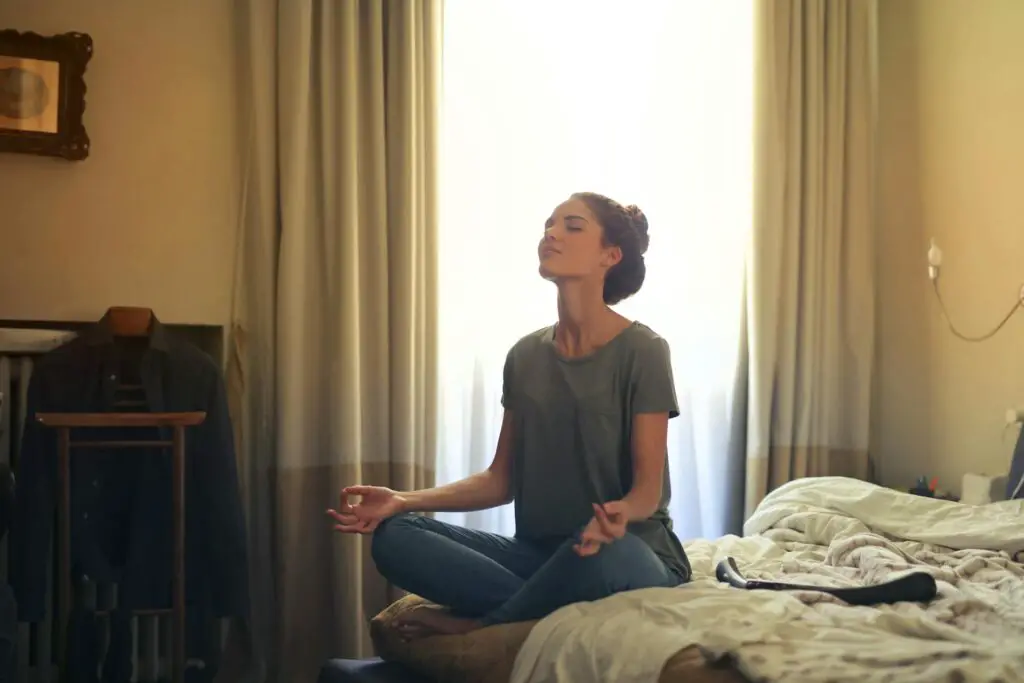
Practice Mindfulness or Meditation

<p>Taking a few minutes for mindfulness or meditation can calm a restless mind. These practices reduce stress and improve focus, making it easier to tackle tasks. Regular mindfulness exercises enhance self-awareness and emotional regulation, contributing to better decision-making and productivity. Even a short meditation session can reset your mental state and prepare you for the challenges ahead.</p> ::Pexels

Taking a few minutes for mindfulness or meditation can calm a restless mind. These practices reduce stress and improve focus, making it easier to tackle tasks. Regular mindfulness exercises enhance self-awareness and emotional regulation, contributing to better decision-making and productivity. Even a short meditation session can reset your mental state and prepare you for the challenges ahead.

​

Conclusion

<p>When your brain refuses to cooperate, it doesn’t mean productivity is out of reach. By implementing these strategies, you can navigate mental blocks and maintain efficiency. Remember, it’s about working smarter, not harder. Experiment with these tricks to find what resonates with you, and watch your productivity soar, even on the most challenging days.</p> ::Pexels

When your brain refuses to cooperate, it doesn’t mean productivity is out of reach. By implementing these strategies, you can navigate mental blocks and maintain efficiency. Remember, it’s about working smarter, not harder. Experiment with these tricks to find what resonates with you, and watch your productivity soar, even on the most challenging days.

Filed Under: Lifestyle

10 Essential Workouts to Stay Active and Fit in Your 60s

December 16, 2025 | Leave a Comment

10 Essential Workouts to Stay Active and Fit in Your 60s

<p> As we age, maintaining an active lifestyle becomes increasingly important for our physical and mental well-being. For those in their 60s, regular exercise can help prevent chronic diseases, improve mobility, enhance mood, and even extend lifespan. Finding enjoyable workouts that fit your lifestyle and physical capabilities is key. This blog post explores ten essential workouts designed to keep you fit and active in your 60s. </p> :: Pexels

As we age, maintaining an active lifestyle becomes increasingly important for our physical and mental well-being. For those in their 60s, regular exercise can help prevent chronic diseases, improve mobility, enhance mood, and even extend lifespan. Finding enjoyable workouts that fit your lifestyle and physical capabilities is key. This blog post explores ten essential workouts designed to keep you fit and active in your 60s.


1. Walking: Your Go-To Exercise

<p> Walking is one of the simplest yet most effective forms of exercise, making it incredibly accessible for everyone. You don’t need any fancy equipment or gym memberships—just a comfortable pair of shoes! Aim for brisk walks of about 30 minutes each day, which can work wonders for your cardiovascular health, help you maintain a healthy weight, and strengthen your bones. Plus, there’s something uplifting about stepping outside and soaking in the beauty of nature that can significantly boost your mood. To make it even more enjoyable, consider joining a local walking group; it’s a great way to stay motivated and connect with others who share your fitness goals. </p> :: Pexels

Walking is one of the simplest yet most effective forms of exercise, making it incredibly accessible for everyone. You don’t need any fancy equipment or gym memberships—just a comfortable pair of shoes! Aim for brisk walks of about 30 minutes each day, which can work wonders for your cardiovascular health, help you maintain a healthy weight, and strengthen your bones. Plus, there’s something uplifting about stepping outside and soaking in the beauty of nature that can significantly boost your mood. To make it even more enjoyable, consider joining a local walking group; it’s a great way to stay motivated and connect with others who share your fitness goals.


2. Strength Training: Empower Your Muscles

<p> Muscle mass naturally declines with age, leading to increased frailty. This is where strength training becomes essential! By incorporating light weights, resistance bands, or even your own body weight, you can perform effective exercises like squats, lunges, and modified push-ups. Aim for two to three sessions a week to maximize the benefits. Strength training not only helps maintain muscle mass but also supports bone density and boosts your metabolism. Building strength goes beyond just lifting weights; it’s about empowering yourself for everyday activities, whether that means lifting groceries or playing with your grandkids. Committing to a strength training routine is an investment in your overall health, enhancing your quality of life and allowing you to engage more fully in the activities you love. </p> :: Pexels

Muscle mass naturally declines with age, leading to increased frailty. This is where strength training becomes essential! By incorporating light weights, resistance bands, or even your own body weight, you can perform effective exercises like squats, lunges, and modified push-ups. Aim for two to three sessions a week to maximize the benefits. Strength training not only helps maintain muscle mass but also supports bone density and boosts your metabolism.

Building strength goes beyond just lifting weights; it’s about empowering yourself for everyday activities, whether that means lifting groceries or playing with your grandkids. Committing to a strength training routine is an investment in your overall health, enhancing your quality of life and allowing you to engage more fully in the activities you love.


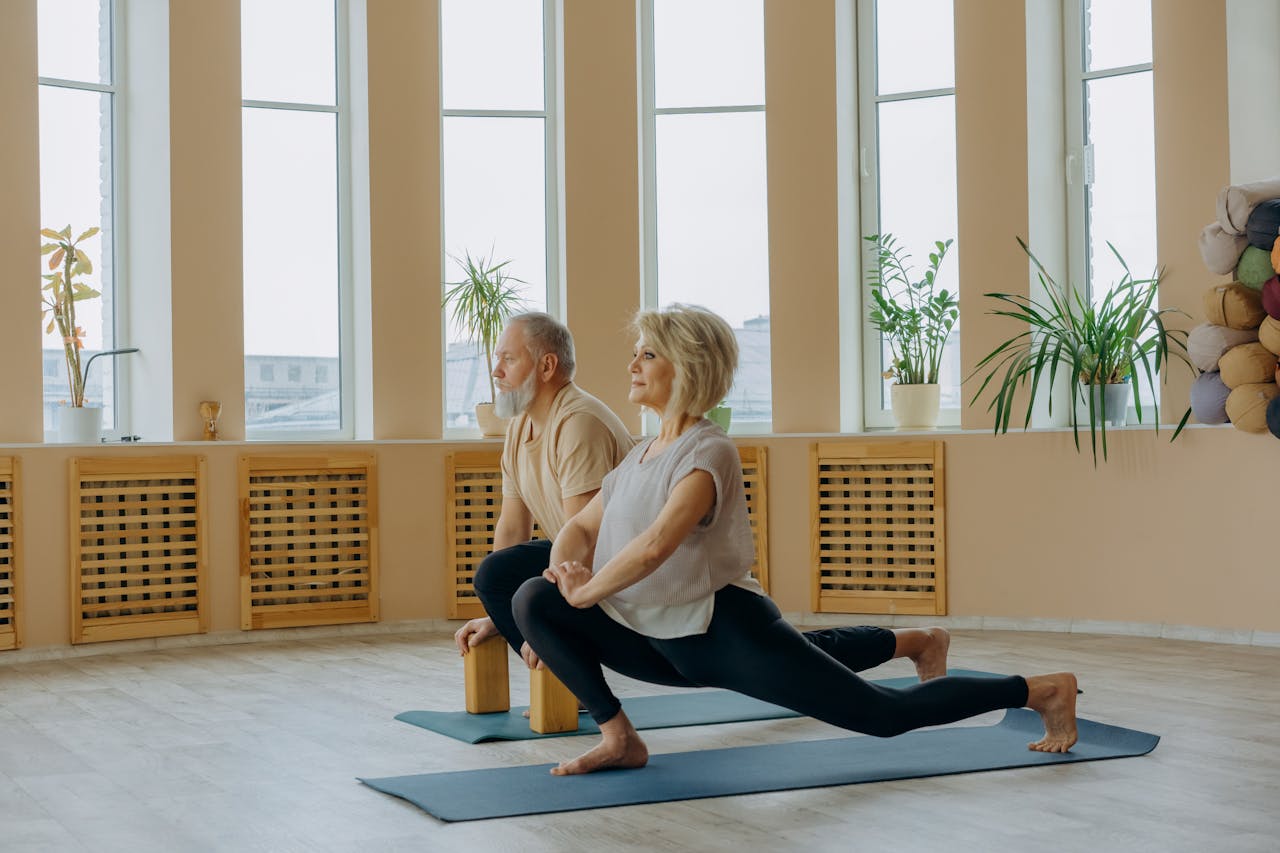
3. Yoga: Balance and Flexibility

<p> Yoga is a beautiful practice that combines physical movement, breathing exercises, and mindfulness. With various styles available, from gentle restorative classes to more vigorous flow sessions, there’s something for everyone. Regular yoga practice can improve flexibility, balance, and mental clarity. Plus, it offers a fantastic way to manage stress, which is essential as we juggle various responsibilities. Find a local class or explore online sessions to cultivate your practice at home. You’ll not only enhance your physical health but also nurture your inner peace. </p> :: Pexels

Yoga is a beautiful practice that combines physical movement, breathing exercises, and mindfulness. With various styles available, from gentle restorative classes to more vigorous flow sessions, there’s something for everyone. Regular yoga practice can improve flexibility, balance, and mental clarity. Plus, it offers a fantastic way to manage stress, which is essential as we juggle various responsibilities. Find a local class or explore online sessions to cultivate your practice at home. You’ll not only enhance your physical health but also nurture your inner peace.


4. Swimming: A Refreshing Full-Body Workout

<p> For a low-impact workout that’s incredibly effective, swimming is hard to beat. It engages multiple muscle groups while providing a great cardiovascular workout, all without putting stress on your joints. Whether you prefer swimming laps, joining a water aerobics class, or simply splashing around for fun, aim to hit the pool a few times a week. Swimming not only helps you stay fit, but it’s also a delightful way to cool off on warm days. So grab your swim cap and goggles, and dive into the refreshing waters for a workout that invigorates both your body and spirit! </p> :: Pexels

For a low-impact workout that’s incredibly effective, swimming is hard to beat. It engages multiple muscle groups while providing a great cardiovascular workout, all without putting stress on your joints. Whether you prefer swimming laps, joining a water aerobics class, or simply splashing around for fun, aim to hit the pool a few times a week.

Swimming not only helps you stay fit, but it’s also a delightful way to cool off on warm days. So grab your swim cap and goggles, and dive into the refreshing waters for a workout that invigorates both your body and spirit!


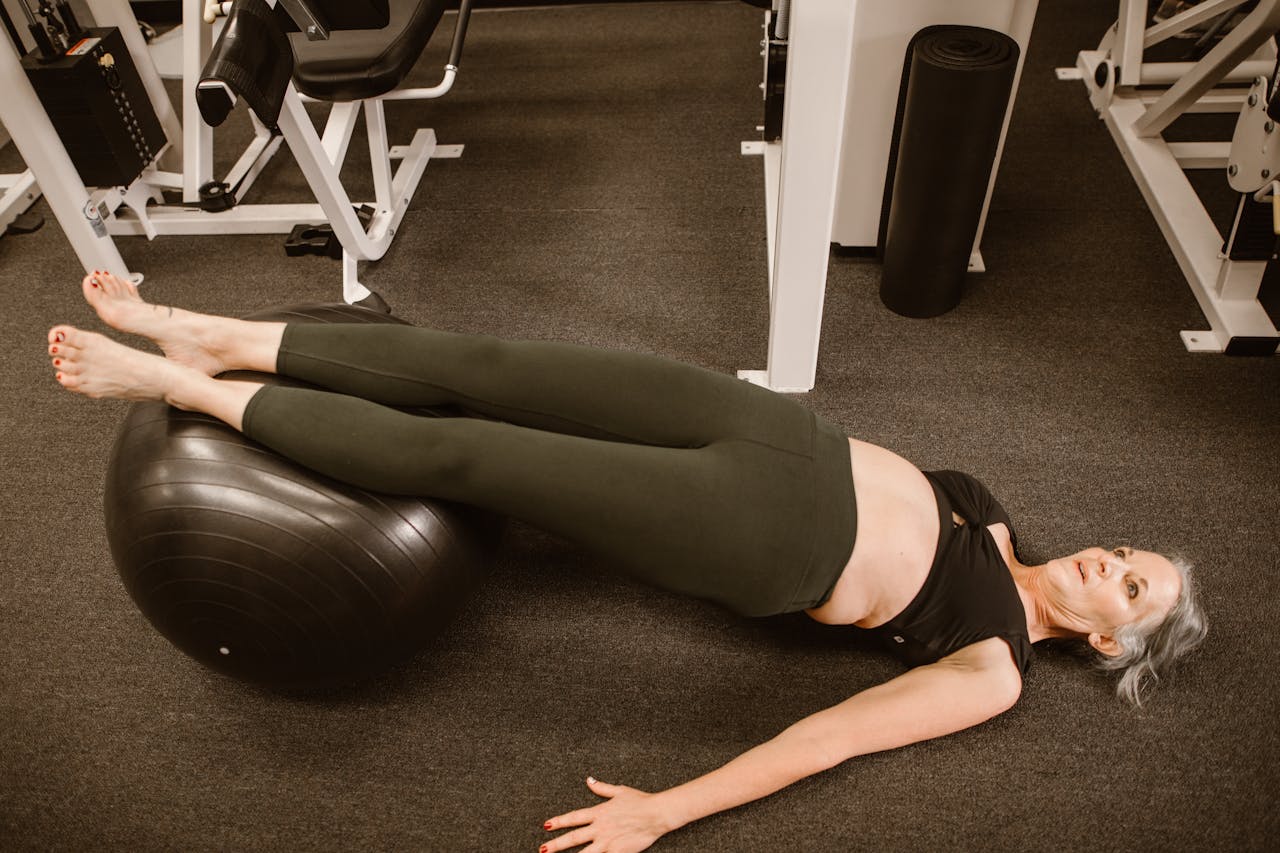
5. Pilates: Strengthen Your Core

<p> Pilates is all about building a strong core, which is vital for maintaining good posture and overall stability. This workout method enhances balance and coordination, significantly reducing the risk of falls. Classes are often available specifically for older adults, making it easy to find a suitable environment. Practicing Pilates two to three times a week can improve flexibility, strengthen muscles, and enhance body awareness. You might even find that simple daily tasks become easier as your core strengthens! </p> :: Pexels

Pilates is all about building a strong core, which is vital for maintaining good posture and overall stability. This workout method enhances balance and coordination, significantly reducing the risk of falls. Classes are often available specifically for older adults, making it easy to find a suitable environment. Practicing Pilates two to three times a week can improve flexibility, strengthen muscles, and enhance body awareness. You might even find that simple daily tasks become easier as your core strengthens!


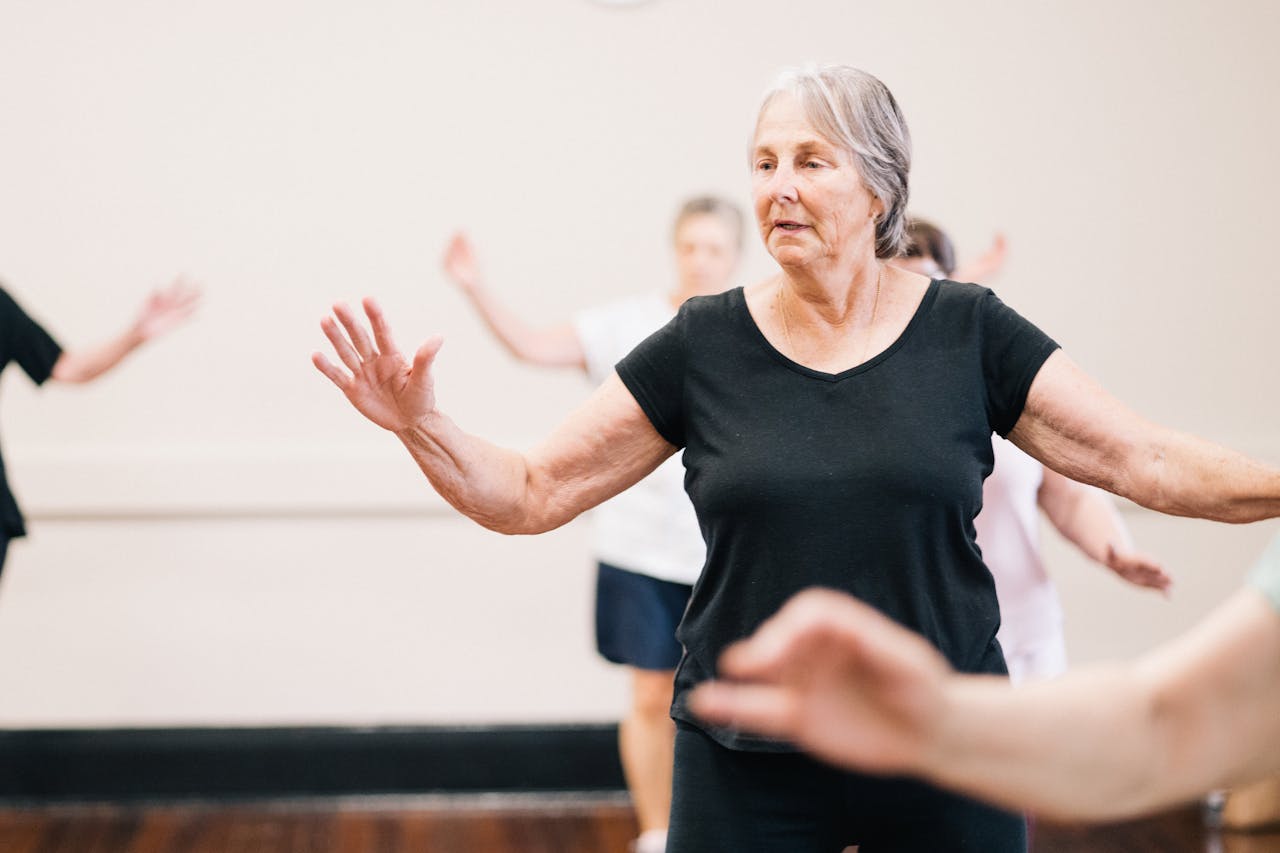
6. Tai Chi: The Art of Moving Meditation

<p> Tai Chi is often described as “meditation in motion.” This gentle martial art emphasizes slow, deliberate movements that improve balance and flexibility. Regular practice can enhance your strength and promote a sense of calmness and clarity. Many seniors find that Tai Chi not only strengthens their bodies but also helps to reduce anxiety and stress. Joining a local Tai Chi class can provide both physical benefits and a sense of community. Plus, you might find yourself making new friends who share similar wellness goals! </p> :: Pexels

Tai Chi is often described as “meditation in motion.” This gentle martial art emphasizes slow, deliberate movements that improve balance and flexibility. Regular practice can enhance your strength and promote a sense of calmness and clarity. Many seniors find that Tai Chi not only strengthens their bodies but also helps to reduce anxiety and stress. Joining a local Tai Chi class can provide both physical benefits and a sense of community. Plus, you might find yourself making new friends who share similar wellness goals!


7. Dancing: Joyful Movement

<p> Dancing is more than just a fun way to express yourself; it’s a fantastic workout that keeps you active while having a great time! Whether you’re into ballroom, line dancing, or energetic Zumba, moving to the rhythm gets your heart pumping and adds a social element to your fitness routine. Dancing enhances coordination and balance, and it’s also an incredible mood booster that can lift your spirits. Consider joining a local dance class or attending social dance events in your community. These gatherings are perfect for meeting new friends and enjoying music while staying fit. So don’t hold back—get out there, let loose, and relish every moment on the dance floor! </p> :: Pexels

Dancing is more than just a fun way to express yourself; it’s a fantastic workout that keeps you active while having a great time! Whether you’re into ballroom, line dancing, or energetic Zumba, moving to the rhythm gets your heart pumping and adds a social element to your fitness routine. Dancing enhances coordination and balance, and it’s also an incredible mood booster that can lift your spirits.

Consider joining a local dance class or attending social dance events in your community. These gatherings are perfect for meeting new friends and enjoying music while staying fit. So don’t hold back—get out there, let loose, and relish every moment on the dance floor!


8. Cycling: An Invigorating Adventure

<p> Cycling is another fantastic way to stay active, whether you prefer a stationary bike or outdoor adventures. It’s a low-impact activity that improves cardiovascular fitness and strengthens your legs. Joining a cycling group can make your rides more enjoyable and provide the motivation to stay consistent. Plus, exploring new trails or neighborhoods can turn your exercise into an exciting adventure. Aim for at least 30 minutes of cycling several times a week, and feel the wind on your face as you pedal your way to fitness! </p> :: Pexels

Cycling is another fantastic way to stay active, whether you prefer a stationary bike or outdoor adventures. It’s a low-impact activity that improves cardiovascular fitness and strengthens your legs. Joining a cycling group can make your rides more enjoyable and provide the motivation to stay consistent. Plus, exploring new trails or neighborhoods can turn your exercise into an exciting adventure. Aim for at least 30 minutes of cycling several times a week, and feel the wind on your face as you pedal your way to fitness!


9. Gardening: A Natural Workout

<p> Gardening is often overlooked as exercise, but it can be surprisingly effective! As you dig into the soil, weed, and water your plants, you're engaging your arms, core, and legs, providing a full-body workout that boosts flexibility and balance. These activities not only keep you fit but also allow you to enjoy the great outdoors. Beyond physical benefits, gardening offers a deep sense of fulfillment. Nurturing plants and watching them thrive is incredibly satisfying, especially when you can harvest fresh tomatoes or basil for your meals. Whether you have a spacious garden or a few pots on a balcony, gardening is a rewarding way to connect with nature while nourishing both your body and soul. </p> :: Pexels

Gardening is often overlooked as exercise, but it can be surprisingly effective! As you dig into the soil, weed, and water your plants, you’re engaging your arms, core, and legs, providing a full-body workout that boosts flexibility and balance. These activities not only keep you fit but also allow you to enjoy the great outdoors.

Beyond physical benefits, gardening offers a deep sense of fulfillment. Nurturing plants and watching them thrive is incredibly satisfying, especially when you can harvest fresh tomatoes or basil for your meals. Whether you have a spacious garden or a few pots on a balcony, gardening is a rewarding way to connect with nature while nourishing both your body and soul.


10. Mindful Movement: The Importance of Stretching

<p> Incorporating regular stretching into your fitness routine is essential as we age. Stretching improves flexibility, reduces stiffness, and can even prevent injuries. Dedicate time to gentle stretching exercises focusing on major muscle groups like your neck, shoulders, back, and legs. Consider practices like Qigong or gentle yoga that emphasize slow, mindful movements. Stretching not only feels good but also keeps you limber and prepared for daily activities, making it an indispensable part of your routine. </p> :: Pexels

Incorporating regular stretching into your fitness routine is essential as we age. Stretching improves flexibility, reduces stiffness, and can even prevent injuries. Dedicate time to gentle stretching exercises focusing on major muscle groups like your neck, shoulders, back, and legs. Consider practices like Qigong or gentle yoga that emphasize slow, mindful movements. Stretching not only feels good but also keeps you limber and prepared for daily activities, making it an indispensable part of your routine.


Final Thoughts

<p> Staying active in your 60s is not just about exercise; it’s about embracing life with enthusiasm and energy. Incorporating a variety of workouts into your routine allows you to experience the full benefits of an active lifestyle while enjoying the journey. Whether you walk, swim, dance, or practice mindfulness, the key is to find activities that resonate with you. This is your time to thrive, so explore what inspires you, connect with others, and take those first steps toward a healthier, more active life. Remember, it’s never too late to start! Celebrate every movement, and enjoy the wonderful gift of fitness and vitality in your 60s and beyond. </p> :: Pexels

Staying active in your 60s is not just about exercise; it’s about embracing life with enthusiasm and energy. Incorporating a variety of workouts into your routine allows you to experience the full benefits of an active lifestyle while enjoying the journey. Whether you walk, swim, dance, or practice mindfulness, the key is to find activities that resonate with you. This is your time to thrive, so explore what inspires you, connect with others, and take those first steps toward a healthier, more active life. Remember, it’s never too late to start! Celebrate every movement, and enjoy the wonderful gift of fitness and vitality in your 60s and beyond.


Filed Under: Health & Fitness

Elevate Your Wardrobe: 10 Timeless Fashion Accessories That Never Go Out of Style

December 16, 2025 | Leave a Comment

Elevate Your Wardrobe: 10 Timeless Fashion Accessories That Never Go Out of Style

<p> When it comes to fashion, trends may come and go, but some accessories stand the test of time. These classic pieces have transcended eras, proving that true style is not just about keeping up with the latest craze but also embracing timeless elegance. Whether you’re building a capsule wardrobe or looking to invest in pieces that can elevate any outfit, these 10 accessories will always be in vogue. Let’s explore the essential items every fashion-forward individual should own. </p> :: Pexels

When it comes to fashion, trends may come and go, but some accessories stand the test of time. These classic pieces have transcended eras, proving that true style is not just about keeping up with the latest craze but also embracing timeless elegance. Whether you’re building a capsule wardrobe or looking to invest in pieces that can elevate any outfit, these 10 accessories will always be in vogue. Let’s explore the essential items every fashion-forward individual should own.


1. The Classic Leather Handbag

<p> A well-made leather handbag is an absolute must-have in any wardrobe. It’s not only a functional piece but also one that speaks volumes about your personal style. A classic handbag, such as a tote or structured satchel, made from high-quality leather, is versatile enough to be used daily while adding a sophisticated touch to any ensemble. Neutral colors like black, brown, or beige make the bag easy to pair with any outfit, ensuring that it remains relevant no matter the fashion trends. Pro Tip: Look for a bag with a timeless design and avoid overly trendy details. A clean, minimalistic leather handbag can last you for decades. </p> :: Pexels

A well-made leather handbag is an absolute must-have in any wardrobe. It’s not only a functional piece but also one that speaks volumes about your personal style. A classic handbag, such as a tote or structured satchel, made from high-quality leather, is versatile enough to be used daily while adding a sophisticated touch to any ensemble. Neutral colors like black, brown, or beige make the bag easy to pair with any outfit, ensuring that it remains relevant no matter the fashion trends.

Pro Tip: Look for a bag with a timeless design and avoid overly trendy details. A clean, minimalistic leather handbag can last you for decades.


2. Pearl Jewelry

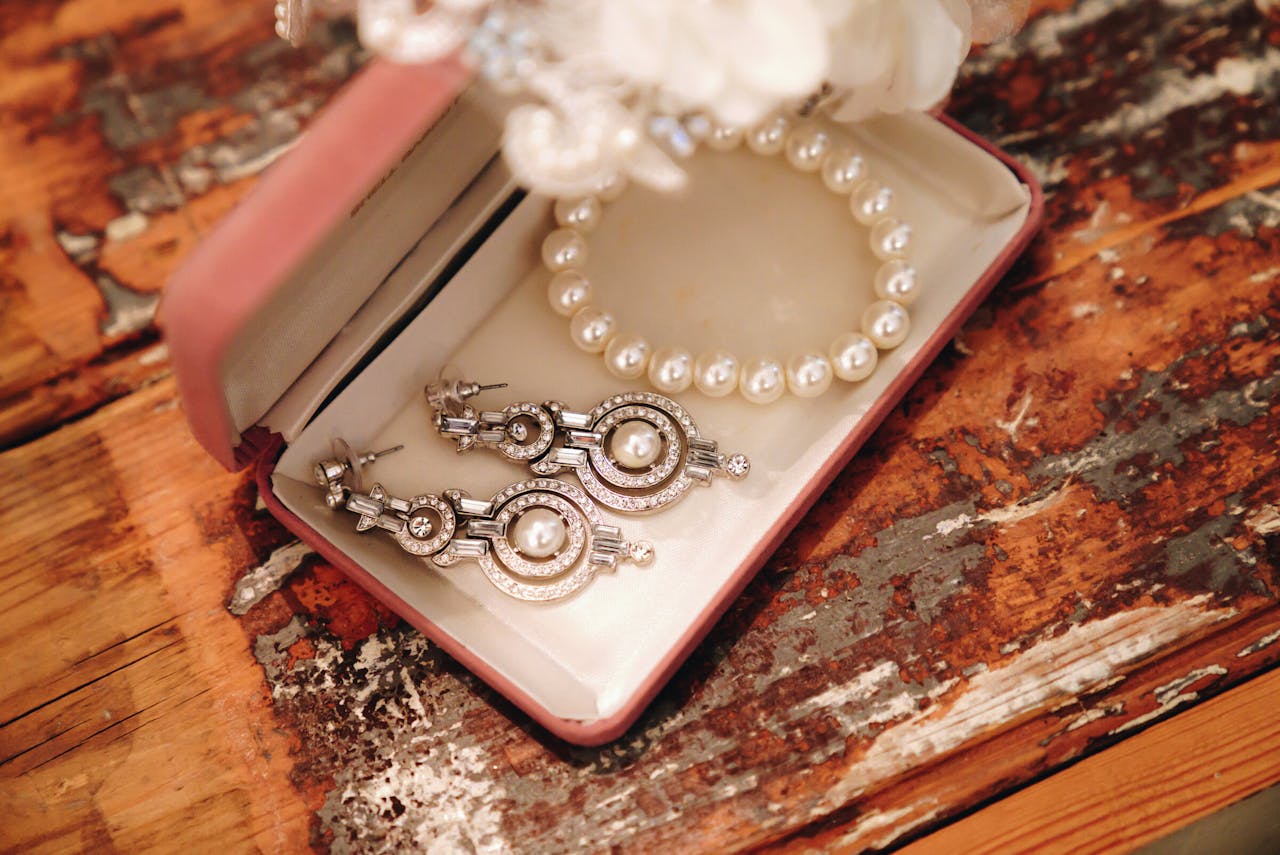
<p> Pearls have been adored for centuries, symbolizing purity, elegance, and refinement. From simple pearl studs to statement necklaces, pearl jewelry is a timeless accessory that can complement any look, from formal attire to casual chic. What’s remarkable about pearls is their ability to suit women of all ages. Whether you prefer a single strand or a modern twist on this classic gemstone, pearls have an enduring appeal that never fades. Styling Idea: For a fresh look, layer your pearls with other delicate necklaces to bring a contemporary flair to this traditional gem. </p> :: Pexels

Pearls have been adored for centuries, symbolizing purity, elegance, and refinement. From simple pearl studs to statement necklaces, pearl jewelry is a timeless accessory that can complement any look, from formal attire to casual chic.

What’s remarkable about pearls is their ability to suit women of all ages. Whether you prefer a single strand or a modern twist on this classic gemstone, pearls have an enduring appeal that never fades.

Styling Idea: For a fresh look, layer your pearls with other delicate necklaces to bring a contemporary flair to this traditional gem.


3. The Silk Scarf

<p> Few accessories are as versatile and chic as the silk scarf. Whether tied around the neck, used as a headband, or draped over a handbag, a silk scarf adds an instant touch of elegance to any outfit. The key to choosing a timeless scarf lies in selecting one with a classic print or solid color. Think of floral patterns, geometric designs, or even iconic brand patterns that can be passed down through generations. Silk scarves also have functional benefits, like providing warmth or keeping your hair in place, making them an essential accessory all year round. Opt for high-quality silk scarves from well-known designers. They not only look luxurious but also hold their value over time. Fashion Tip: For a modern twist, try tying your silk scarf around the handle of your handbag or wearing it as a belt. This adds a pop of color and texture to your outfit while showcasing the scarf in a fresh, unexpected way. </p> :: Pexels

Few accessories are as versatile and chic as the silk scarf. Whether tied around the neck, used as a headband, or draped over a handbag, a silk scarf adds an instant touch of elegance to any outfit. The key to choosing a timeless scarf lies in selecting one with a classic print or solid color. Think of floral patterns, geometric designs, or even iconic brand patterns that can be passed down through generations.

Silk scarves also have functional benefits, like providing warmth or keeping your hair in place, making them an essential accessory all year round. Opt for high-quality silk scarves from well-known designers. They not only look luxurious but also hold their value over time.

Fashion Tip: For a modern twist, try tying your silk scarf around the handle of your handbag or wearing it as a belt. This adds a pop of color and texture to your outfit while showcasing the scarf in a fresh, unexpected way.

4. A Quality Watch

<p> Watches have long been a symbol of sophistication and status, and despite the rise of smartwatches, a traditional analog watch remains a timeless accessory. A quality wristwatch is both a practical and stylish addition to your wardrobe, and it's a piece you can wear for years. When selecting a timeless watch, opt for classic designs such as a gold or silver metal band or a leather strap, and a simple face. These neutral designs will complement both formal and casual outfits. Brands like Rolex, Omega, and Cartier are renowned for creating watches that never go out of style. Fashion Tip: Stick to watches with minimal designs for a versatile look that works in any setting, from work meetings to casual brunches. </p> :: Pexels

Watches have long been a symbol of sophistication and status, and despite the rise of smartwatches, a traditional analog watch remains a timeless accessory. A quality wristwatch is both a practical and stylish addition to your wardrobe, and it’s a piece you can wear for years.

When selecting a timeless watch, opt for classic designs such as a gold or silver metal band or a leather strap, and a simple face. These neutral designs will complement both formal and casual outfits. Brands like Rolex, Omega, and Cartier are renowned for creating watches that never go out of style.

Fashion Tip: Stick to watches with minimal designs for a versatile look that works in any setting, from work meetings to casual brunches.


5. A Wide-Brimmed Hat

<p> For decades, wide-brimmed hats have been synonymous with old Hollywood glamour, and they continue to make a style statement. From fedoras to floppy hats, this accessory is not only fashionable but also functional, providing sun protection and adding an air of mystery to any outfit. Wide-brimmed hats can elevate a summer dress, add flair to a simple jeans-and-tee combo, or polish off a formal ensemble. Choose neutral colors like black, beige, or white for a more classic feel, and you'll have a go-to accessory for multiple seasons. Styling Tip: Pair your wide-brimmed hat with large sunglasses for a vintage, movie-star look. </p> :: Pexels

For decades, wide-brimmed hats have been synonymous with old Hollywood glamour, and they continue to make a style statement. From fedoras to floppy hats, this accessory is not only fashionable but also functional, providing sun protection and adding an air of mystery to any outfit.

Wide-brimmed hats can elevate a summer dress, add flair to a simple jeans-and-tee combo, or polish off a formal ensemble. Choose neutral colors like black, beige, or white for a more classic feel, and you’ll have a go-to accessory for multiple seasons.

Styling Tip: Pair your wide-brimmed hat with large sunglasses for a vintage, movie-star look.


6. Diamond Stud Earrings

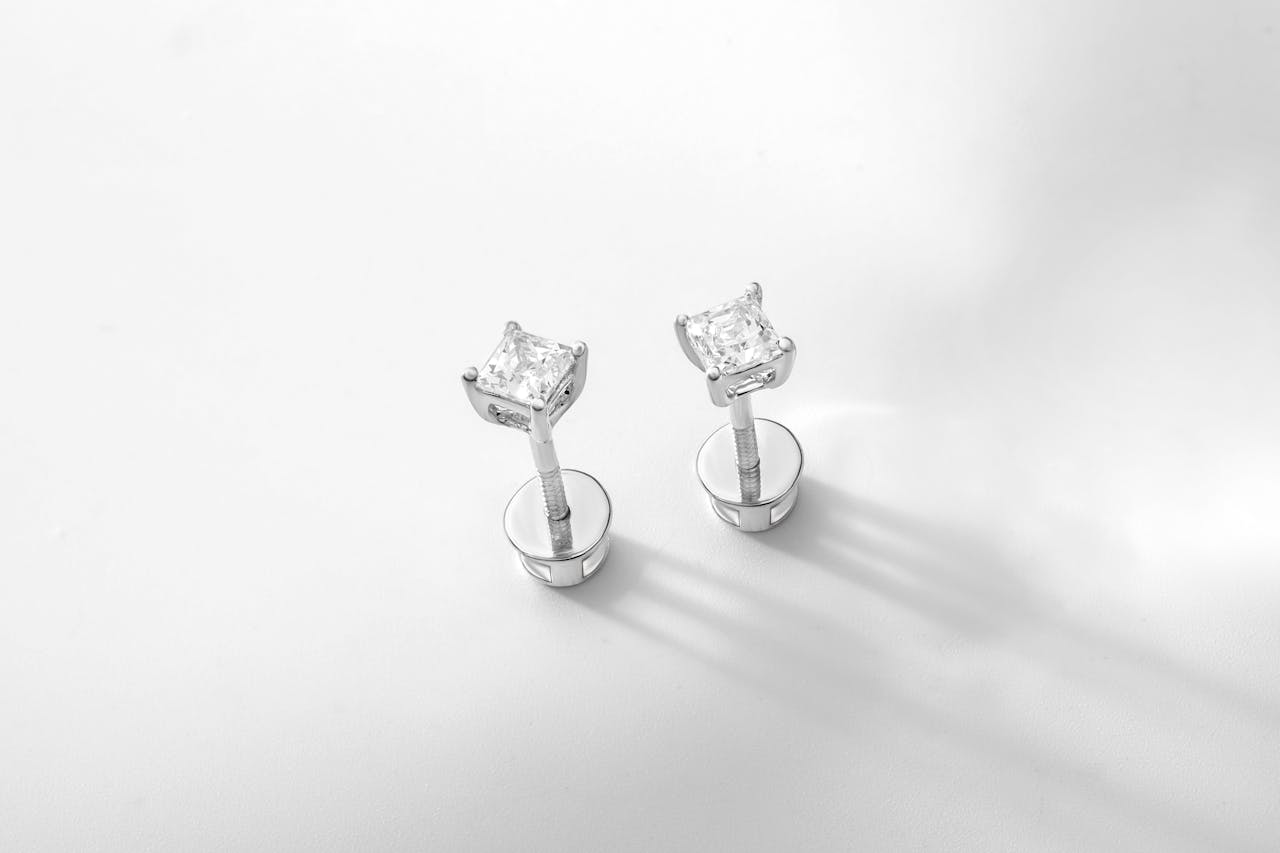
<p> If there’s one piece of jewelry every woman should own, it's a pair of diamond stud earrings. Simple, understated, and effortlessly chic, diamond studs are the epitome of timeless elegance. These sparkling gems can be worn with everything from an evening gown to your favorite sweater and jeans. While diamonds are traditionally associated with special occasions, their versatility makes them perfect for everyday wear. A well-cut, high-quality pair of diamond studs will never go out of style and can even be passed down as a family heirloom. Pro Tip: If you're on a budget, you can opt for cubic zirconia or moissanite stones that offer the same sparkle for a fraction of the cost. </p> :: Pexels

If there’s one piece of jewelry every woman should own, it’s a pair of diamond stud earrings. Simple, understated, and effortlessly chic, diamond studs are the epitome of timeless elegance. These sparkling gems can be worn with everything from an evening gown to your favorite sweater and jeans.

While diamonds are traditionally associated with special occasions, their versatility makes them perfect for everyday wear. A well-cut, high-quality pair of diamond studs will never go out of style and can even be passed down as a family heirloom.

Pro Tip: If you’re on a budget, you can opt for cubic zirconia or moissanite stones that offer the same sparkle for a fraction of the cost.


7. The Leather Belt

<p> A leather belt is a wardrobe staple that will always have a place in fashion. It’s not just functional for keeping pants in place but also serves as a subtle way to define your waist and enhance your silhouette. Whether you opt for a skinny or wide belt, a well-crafted leather belt in a neutral tone like black or brown will remain a classic piece in your closet. Belts are also a great way to add a bit of interest to a simple outfit. Cinch a loose dress or oversized blazer at the waist with a leather belt, and you’ll instantly elevate your look. Pro Tip: Invest in both black and brown belts to cover a range of outfit options. </p> :: Pexels

A leather belt is a wardrobe staple that will always have a place in fashion. It’s not just functional for keeping pants in place but also serves as a subtle way to define your waist and enhance your silhouette. Whether you opt for a skinny or wide belt, a well-crafted leather belt in a neutral tone like black or brown will remain a classic piece in your closet.

Belts are also a great way to add a bit of interest to a simple outfit. Cinch a loose dress or oversized blazer at the waist with a leather belt, and you’ll instantly elevate your look.

Pro Tip: Invest in both black and brown belts to cover a range of outfit options.


8. The Trench Coat

<p> While not traditionally considered an accessory, a trench coat is a wardrobe essential that can complete any look. This classic outerwear piece, often made of gabardine or cotton, has a long history of making wearers look chic and polished. Its tailored silhouette and belted waist offer a flattering look for all body types. The beauty of the trench coat lies in its versatility. Wear it over a dress for a night out, or throw it on over a casual outfit for instant sophistication. A beige or camel-colored trench is the most timeless option, but darker tones work equally well for a more modern look. Styling Tip: Keep your trench coat slightly oversized for a contemporary feel that still exudes timeless style. </p> :: Pexels

While not traditionally considered an accessory, a trench coat is a wardrobe essential that can complete any look. This classic outerwear piece, often made of gabardine or cotton, has a long history of making wearers look chic and polished. Its tailored silhouette and belted waist offer a flattering look for all body types.

The beauty of the trench coat lies in its versatility. Wear it over a dress for a night out, or throw it on over a casual outfit for instant sophistication. A beige or camel-colored trench is the most timeless option, but darker tones work equally well for a more modern look.

Styling Tip: Keep your trench coat slightly oversized for a contemporary feel that still exudes timeless style.


9. Oversized Sunglasses

<p> Oversized sunglasses have been a staple accessory since the 1960s and continue to be a fashionable choice today. Not only do they protect your eyes from harmful UV rays, but they also add a touch of glamour to any outfit. Whether you’re running errands or attending an outdoor event, oversized shades can instantly make you look more put-together. Opt for classic frame shapes like aviators, round frames, or square oversized lenses in neutral tones like black or tortoiseshell. These shades will stand the test of time and look great no matter the season. Pro Tip: Always invest in sunglasses with UV protection to ensure you’re not only fashionable but also protecting your eyes. </p> :: Pexels

Oversized sunglasses have been a staple accessory since the 1960s and continue to be a fashionable choice today. Not only do they protect your eyes from harmful UV rays, but they also add a touch of glamour to any outfit. Whether you’re running errands or attending an outdoor event, oversized shades can instantly make you look more put-together.

Opt for classic frame shapes like aviators, round frames, or square oversized lenses in neutral tones like black or tortoiseshell. These shades will stand the test of time and look great no matter the season.

Pro Tip: Always invest in sunglasses with UV protection to ensure you’re not only fashionable but also protecting your eyes.


10. A Statement Brooch

<p> Brooches may have fallen out of everyday fashion for some, but their timeless charm remains undeniable. From delicate floral designs to bold geometric shapes, brooches are an accessory that can instantly elevate even the simplest outfit. Whether pinned to a coat lapel, a dress, or even a handbag, a brooch adds an extra layer of sophistication and creativity to your style. Vintage brooches, especially those with intricate detailing or precious stones, are particularly timeless and make a great investment. They’re also perfect for adding a bit of personal flair to your ensemble without overpowering it. Fashion Tip: If you want to add a modern twist to this classic piece, try pinning a brooch onto a denim jacket or a handbag for a fresh look. </p> :: Pexels

Brooches may have fallen out of everyday fashion for some, but their timeless charm remains undeniable. From delicate floral designs to bold geometric shapes, brooches are an accessory that can instantly elevate even the simplest outfit. Whether pinned to a coat lapel, a dress, or even a handbag, a brooch adds an extra layer of sophistication and creativity to your style.

Vintage brooches, especially those with intricate detailing or precious stones, are particularly timeless and make a great investment. They’re also perfect for adding a bit of personal flair to your ensemble without overpowering it.

Fashion Tip: If you want to add a modern twist to this classic piece, try pinning a brooch onto a denim jacket or a handbag for a fresh look.


Final Thoughts

<p> Timeless accessories are the building blocks of a well-curated wardrobe. They may not be the flashiest or most attention-grabbing items, but their classic appeal ensures they will never go out of style. By investing in these pieces, you not only elevate your personal style but also create a wardrobe that will last for years to come. Whether it's the elegance of pearl jewelry or the functionality of a quality watch, these accessories are indispensable in the world of fashion. </p> :: Pexels

Timeless accessories are the building blocks of a well-curated wardrobe. They may not be the flashiest or most attention-grabbing items, but their classic appeal ensures they will never go out of style. By investing in these pieces, you not only elevate your personal style but also create a wardrobe that will last for years to come. Whether it’s the elegance of pearl jewelry or the functionality of a quality watch, these accessories are indispensable in the world of fashion.

Filed Under: Lifestyle

6 Best Anti-Inflammatory Teas to Naturally Reduce Inflammation in Your Body

December 16, 2025 | Leave a Comment

6 Best Anti-Inflammatory Teas to Naturally Reduce Inflammation in Your Body

<p> Inflammation—while a natural immune response—can be a real problem when it becomes chronic. Whether it’s caused by stress, poor diet, or underlying conditions like arthritis, chronic inflammation can lead to fatigue, joint pain, or more severe health issues over time. If you’ve been searching for natural ways to reduce inflammation, sipping on the right teas could be a simple and effective solution. Certain teas are packed with anti-inflammatory properties that work wonders in soothing inflammation, boosting immunity, and promoting overall health. Let’s dive into the six most powerful teas to help fight inflammation and how you can easily add them to your daily routine. </p> :: Pexels

Inflammation—while a natural immune response—can be a real problem when it becomes chronic. Whether it’s caused by stress, poor diet, or underlying conditions like arthritis, chronic inflammation can lead to fatigue, joint pain, or more severe health issues over time. If you’ve been searching for natural ways to reduce inflammation, sipping on the right teas could be a simple and effective solution.

Certain teas are packed with anti-inflammatory properties that work wonders in soothing inflammation, boosting immunity, and promoting overall health. Let’s dive into the six most powerful teas to help fight inflammation and how you can easily add them to your daily routine.

1. Turmeric Tea: The Golden Wonder

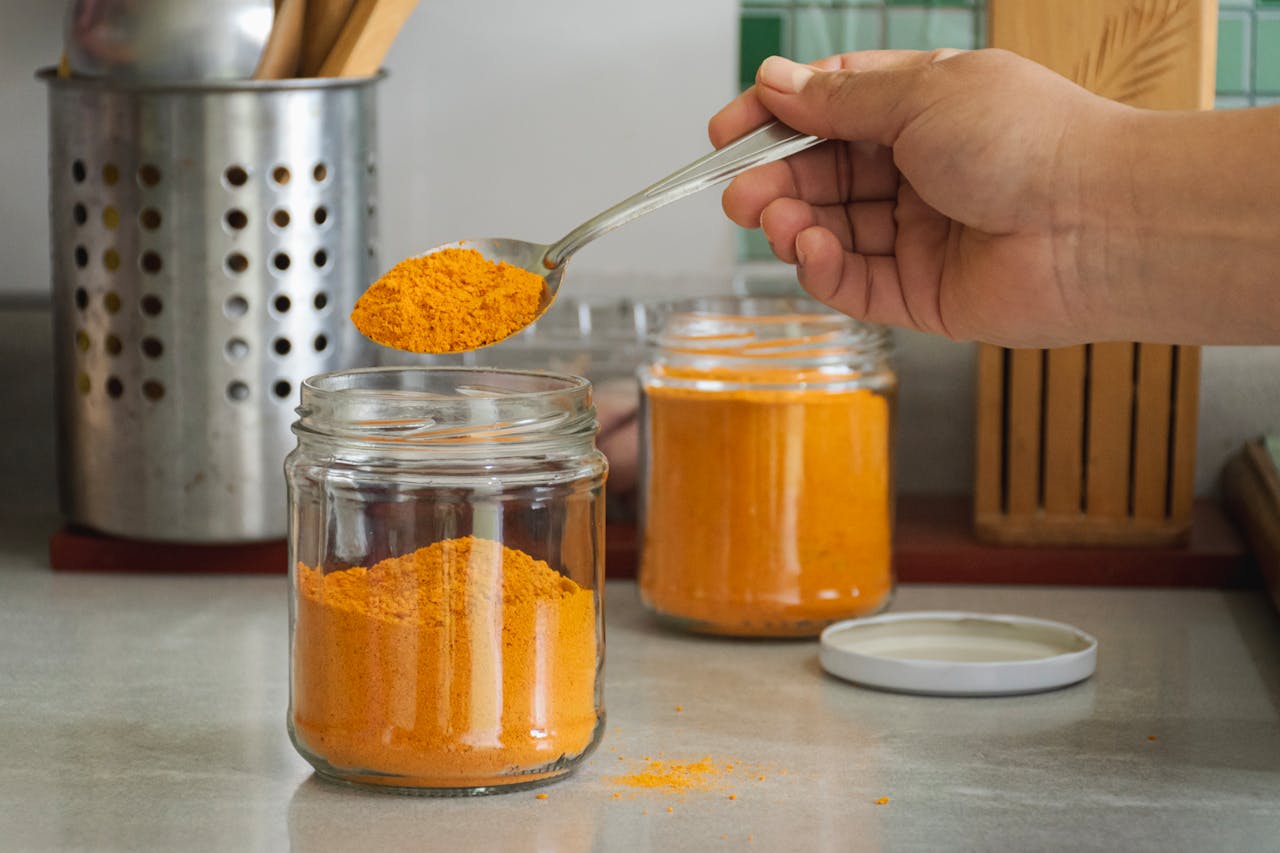
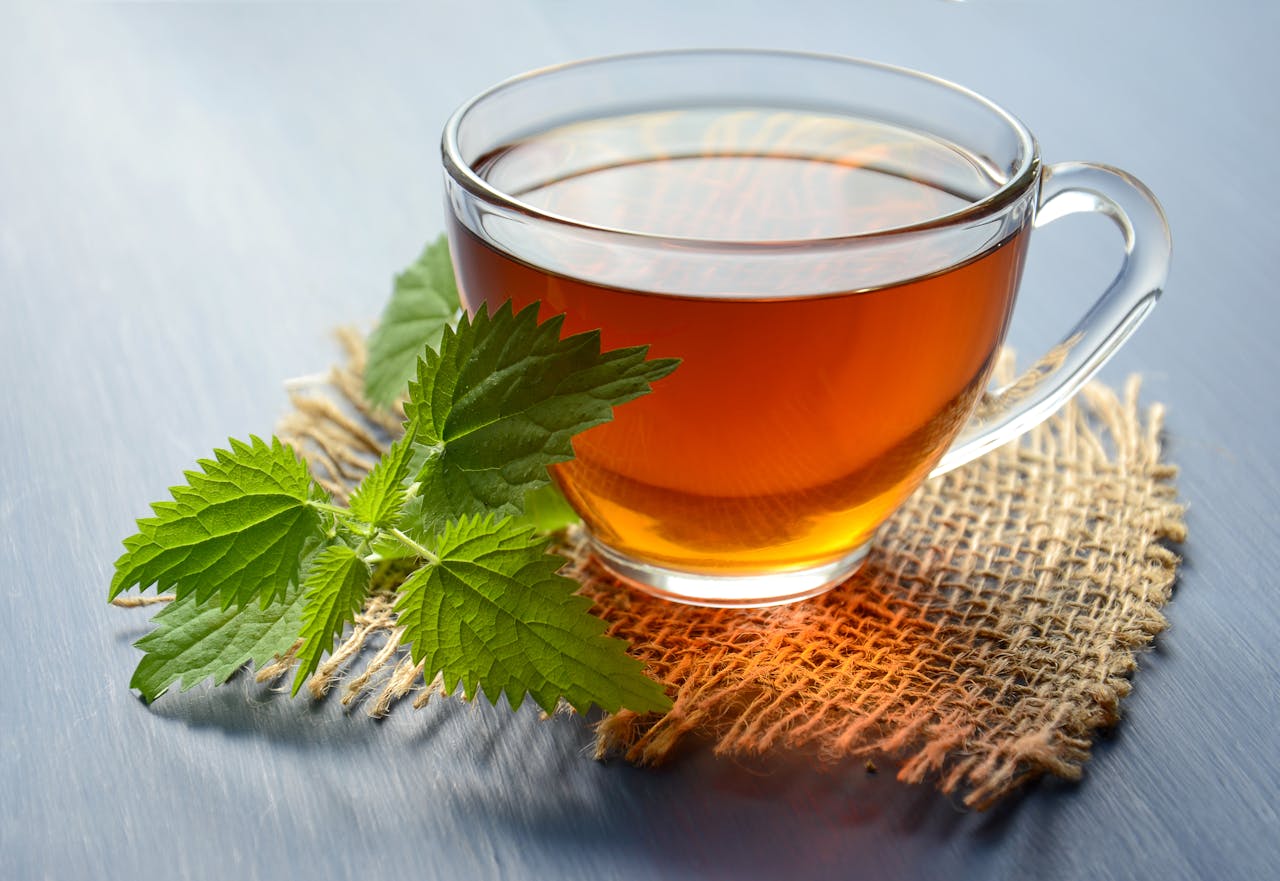
<p> Turmeric tea, often referred to as "liquid gold," is a powerful ally when it comes to fighting inflammation. The magic ingredient here is curcumin, a compound that boasts incredible anti-inflammatory and antioxidant benefits. Turmeric has long been a staple in traditional medicine, especially in Ayurveda, where it’s used to treat everything from joint pain to skin conditions. Curcumin works by blocking molecules in the body responsible for inflammation. In fact, studies suggest that it may be just as effective as some anti-inflammatory medications, minus the unpleasant side effects. People with arthritis, inflammatory bowel disease, or chronic skin conditions like eczema can all benefit from sipping this golden tea regularly. To make the most of your turmeric tea, add a pinch of black pepper—it enhances curcumin absorption—and enjoy with a bit of honey or ginger for added flavor and anti-inflammatory power. Not only is turmeric tea beneficial, but it's also wonderfully soothing, making it a great choice to unwind with at the end of a long day. </p> :: Pexels

Turmeric tea, often referred to as “liquid gold,” is a powerful ally when it comes to fighting inflammation. The magic ingredient here is curcumin, a compound that boasts incredible anti-inflammatory and antioxidant benefits. Turmeric has long been a staple in traditional medicine, especially in Ayurveda, where it’s used to treat everything from joint pain to skin conditions.

Curcumin works by blocking molecules in the body responsible for inflammation. In fact, studies suggest that it may be just as effective as some anti-inflammatory medications, minus the unpleasant side effects. People with arthritis, inflammatory bowel disease, or chronic skin conditions like eczema can all benefit from sipping this golden tea regularly. To make the most of your turmeric tea, add a pinch of black pepper—it enhances curcumin absorption—and enjoy with a bit of honey or ginger for added flavor and anti-inflammatory power.

Not only is turmeric tea beneficial, but it’s also wonderfully soothing, making it a great choice to unwind with at the end of a long day.

2. Ginger Tea: The Zesty Healer

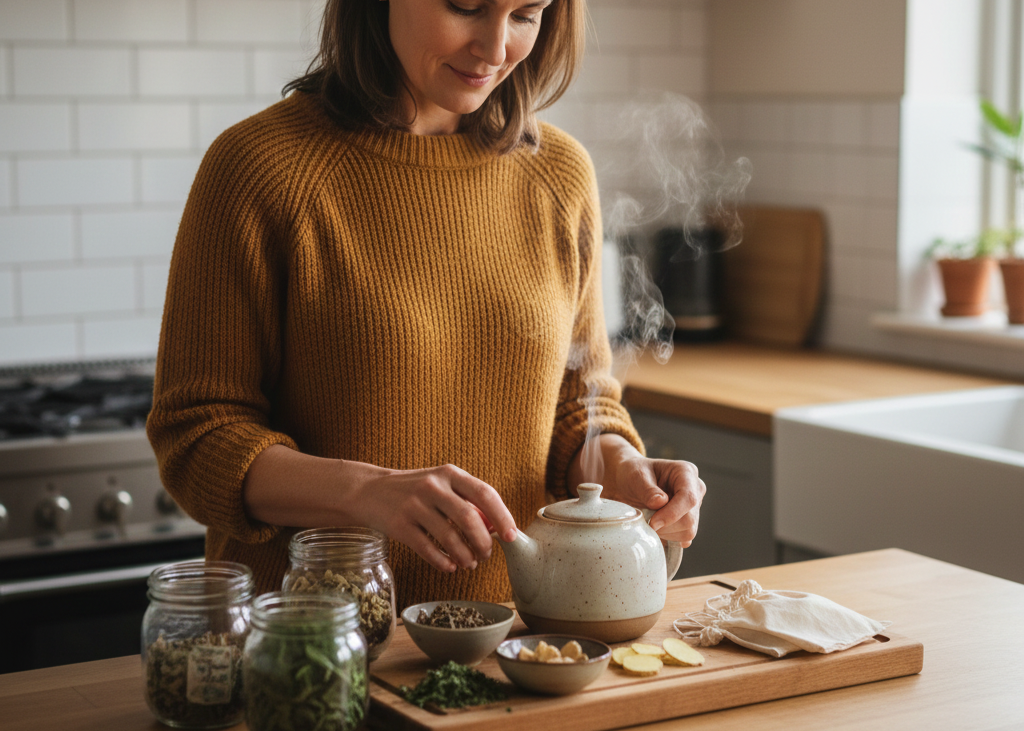
<p> Ginger tea is like a spicy, invigorating hug in a cup. Known for its sharp flavor and countless health benefits, ginger tea is packed with compounds like gingerols and shogaols, which are known to reduce inflammation and oxidative stress. This tea is a fantastic option if you’re looking for something that tastes delicious while also working wonders for your body. The anti-inflammatory properties of ginger are so strong that they’ve been compared to common over-the-counter anti-inflammatory drugs, but without the potential risks. It’s particularly effective for those suffering from joint pain, arthritis, or muscle soreness, and it’s a must for anyone dealing with digestive inflammation like IBS. A warm cup of ginger tea after a meal can also help with bloating and indigestion, two common symptoms of inflammation in the gut. Brewing ginger tea is simple—just steep a few slices of fresh ginger in boiling water for about 10 minutes, and you’re good to go. The addition of lemon or honey can take the flavor up a notch while providing extra anti-inflammatory benefits. It’s a wonderful tea to start or end your day with, giving your body the tools it needs to heal from the inside out. </p> :: Pexels

Ginger tea is like a spicy, invigorating hug in a cup. Known for its sharp flavor and countless health benefits, ginger tea is packed with compounds like gingerols and shogaols, which are known to reduce inflammation and oxidative stress. This tea is a fantastic option if you’re looking for something that tastes delicious while also working wonders for your body.

The anti-inflammatory properties of ginger are so strong that they’ve been compared to common over-the-counter anti-inflammatory drugs, but without the potential risks. It’s particularly effective for those suffering from joint pain, arthritis, or muscle soreness, and it’s a must for anyone dealing with digestive inflammation like IBS. A warm cup of ginger tea after a meal can also help with bloating and indigestion, two common symptoms of inflammation in the gut.

Brewing ginger tea is simple—just steep a few slices of fresh ginger in boiling water for about 10 minutes, and you’re good to go. The addition of lemon or honey can take the flavor up a notch while providing extra anti-inflammatory benefits. It’s a wonderful tea to start or end your day with, giving your body the tools it needs to heal from the inside out.

3. Green Tea: The Antioxidant Powerhouse

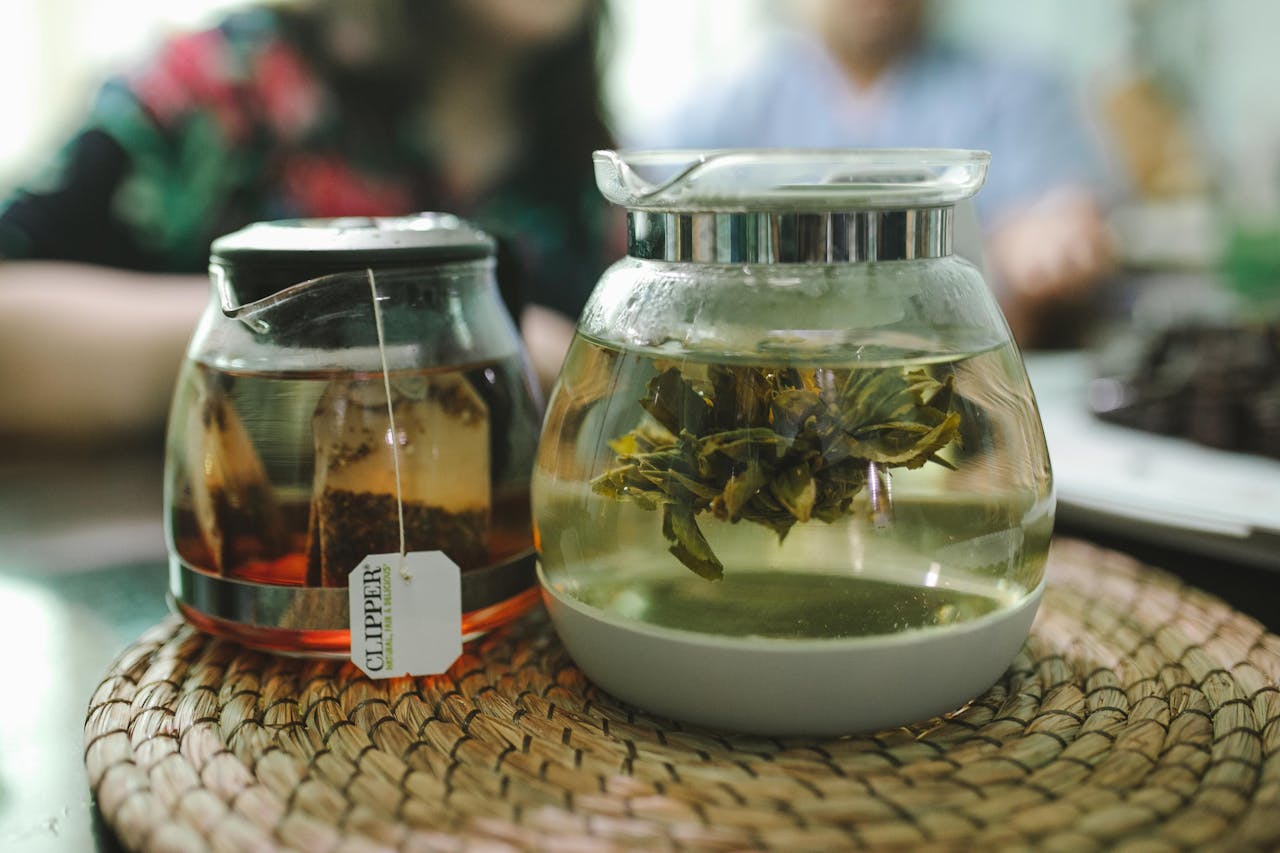
<p> Green tea has a bit of a legendary status when it comes to health, and for good reason. This vibrant tea is rich in antioxidants, most notably epigallocatechin gallate (EGCG), which plays a crucial role in reducing inflammation. If you’re looking for a tea that not only helps with inflammation but also offers a slew of other health benefits, green tea should be at the top of your list. The beauty of green tea lies in its ability to block the production of inflammatory chemicals in the body. Over time, regular consumption of green tea can lower your risk of developing chronic diseases like heart disease, certain cancers, and even neurodegenerative conditions like Alzheimer’s. Not only does green tea combat inflammation, but it also helps protect your cells from oxidative damage, making it a powerful all-around healer. To get the best results, make sure to steep high-quality green tea leaves in hot (but not boiling) water for about three minutes. Green tea pairs well with a splash of lemon or honey, both of which enhance its flavor and health benefits. So if you're looking to sip your way to better health, green tea should definitely be in your daily rotation. </p> :: Pexels

Green tea has a bit of a legendary status when it comes to health, and for good reason. This vibrant tea is rich in antioxidants, most notably epigallocatechin gallate (EGCG), which plays a crucial role in reducing inflammation. If you’re looking for a tea that not only helps with inflammation but also offers a slew of other health benefits, green tea should be at the top of your list.

The beauty of green tea lies in its ability to block the production of inflammatory chemicals in the body. Over time, regular consumption of green tea can lower your risk of developing chronic diseases like heart disease, certain cancers, and even neurodegenerative conditions like Alzheimer’s. Not only does green tea combat inflammation, but it also helps protect your cells from oxidative damage, making it a powerful all-around healer.

To get the best results, make sure to steep high-quality green tea leaves in hot (but not boiling) water for about three minutes. Green tea pairs well with a splash of lemon or honey, both of which enhance its flavor and health benefits. So if you’re looking to sip your way to better health, green tea should definitely be in your daily rotation.

4. Chamomile Tea: The Calming Anti-Inflammatory

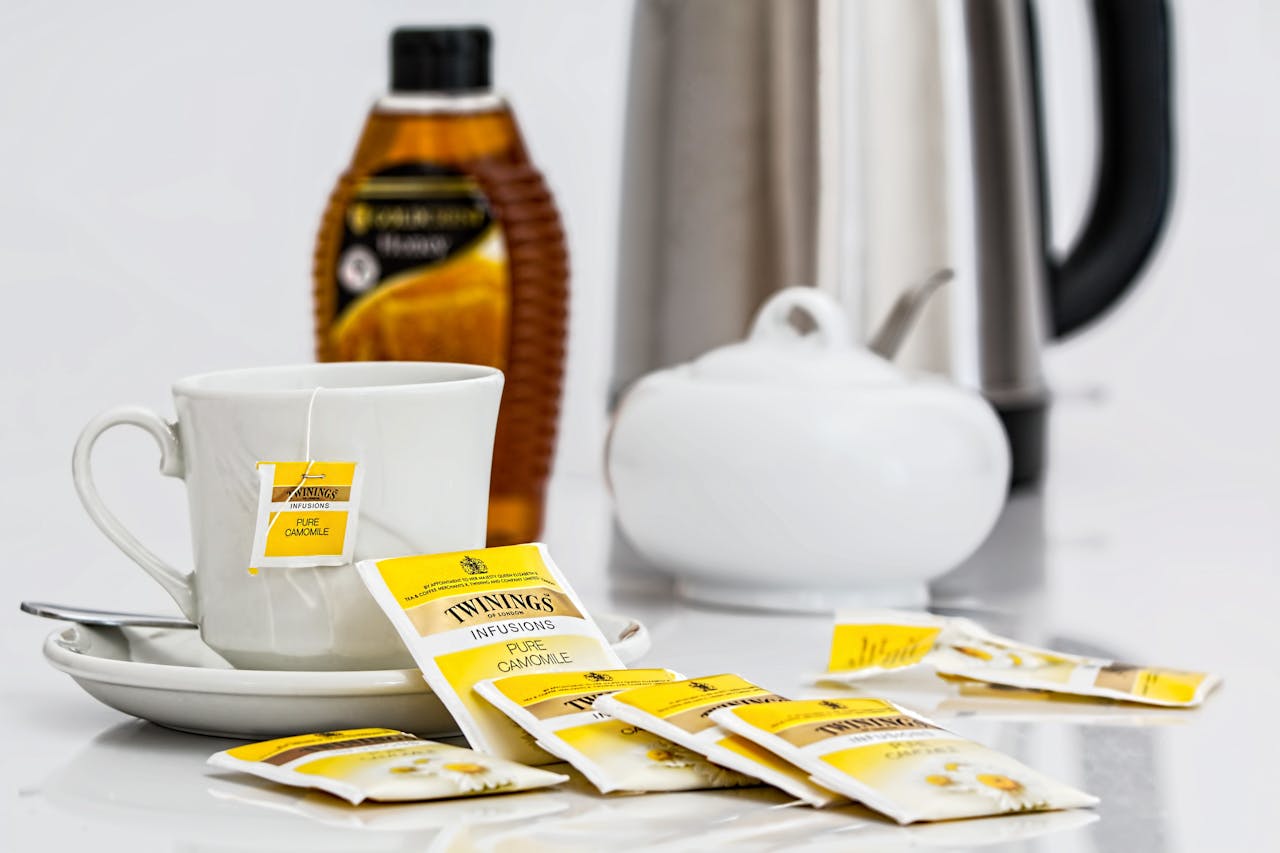
<p> Chamomile tea is often associated with relaxation and a good night’s sleep, but its benefits extend far beyond calming your nerves. Chamomile is rich in flavonoids, particularly apigenin, which gives this gentle tea its potent anti-inflammatory and antioxidant properties. This makes it an excellent choice for anyone battling inflammation, particularly those who experience digestive issues. Chamomile works wonders on inflammation in the digestive tract, helping to ease conditions like IBS and colitis. Its soothing nature also makes it a favorite for people dealing with skin inflammation, such as eczema or rosacea. The best part? It’s caffeine-free, making it a perfect evening brew when you’re winding down from a long day. Brewing chamomile tea is as easy as it gets—just steep dried chamomile flowers in hot water for a few minutes. For an added twist, you can sprinkle in a bit of cinnamon or stir in some honey for sweetness. Whether you’re sipping chamomile to calm your mind or reduce inflammation, this tea works on multiple levels to heal and restore balance in your body. </p> :: Pexels

Chamomile tea is often associated with relaxation and a good night’s sleep, but its benefits extend far beyond calming your nerves. Chamomile is rich in flavonoids, particularly apigenin, which gives this gentle tea its potent anti-inflammatory and antioxidant properties. This makes it an excellent choice for anyone battling inflammation, particularly those who experience digestive issues.

Chamomile works wonders on inflammation in the digestive tract, helping to ease conditions like IBS and colitis. Its soothing nature also makes it a favorite for people dealing with skin inflammation, such as eczema or rosacea. The best part? It’s caffeine-free, making it a perfect evening brew when you’re winding down from a long day.

Brewing chamomile tea is as easy as it gets—just steep dried chamomile flowers in hot water for a few minutes. For an added twist, you can sprinkle in a bit of cinnamon or stir in some honey for sweetness. Whether you’re sipping chamomile to calm your mind or reduce inflammation, this tea works on multiple levels to heal and restore balance in your body.

5. Rooibos Tea: The Caffeine-Free Healer

<p> If you’re looking for a caffeine-free option that’s still packed with anti-inflammatory properties, rooibos tea is your go-to. Hailing from South Africa, rooibos is an herbal tea that has gained global popularity, and it’s not hard to see why. Rooibos is full of polyphenols, natural compounds that fight inflammation and protect your cells from damage. What sets rooibos apart is its high concentration of quercetin, a bioflavonoid that helps to reduce the production of inflammatory molecules. This makes rooibos tea especially effective for people dealing with chronic inflammatory conditions like arthritis, eczema, or asthma. Plus, because rooibos is naturally caffeine-free, you can drink it any time of day without worrying about sleepless nights. Rooibos has a naturally sweet flavor, but adding a drop of vanilla or a spoonful of honey can enhance its taste. Whether you drink it hot or iced, this tea is a refreshing and soothing option that supports your body’s ability to heal itself. </p> :: Pexels

If you’re looking for a caffeine-free option that’s still packed with anti-inflammatory properties, rooibos tea is your go-to. Hailing from South Africa, rooibos is an herbal tea that has gained global popularity, and it’s not hard to see why. Rooibos is full of polyphenols, natural compounds that fight inflammation and protect your cells from damage.

What sets rooibos apart is its high concentration of quercetin, a bioflavonoid that helps to reduce the production of inflammatory molecules. This makes rooibos tea especially effective for people dealing with chronic inflammatory conditions like arthritis, eczema, or asthma. Plus, because rooibos is naturally caffeine-free, you can drink it any time of day without worrying about sleepless nights.

Rooibos has a naturally sweet flavor, but adding a drop of vanilla or a spoonful of honey can enhance its taste. Whether you drink it hot or iced, this tea is a refreshing and soothing option that supports your body’s ability to heal itself.

6. Peppermint Tea: The Cooling Soother

<p> Peppermint tea isn’t just refreshing—it’s also a potent tool in reducing inflammation, particularly in the digestive and respiratory systems. The menthol in peppermint is known for its cooling effect, which helps to soothe inflamed tissues and relax muscles. If you’ve ever dealt with an upset stomach or bloating after a meal, you know how calming a cup of peppermint tea can be. But its benefits go beyond just aiding digestion. Peppermint tea is also effective at easing symptoms of respiratory inflammation, making it a great choice for people who suffer from asthma or seasonal allergies. If you’re feeling congested, sipping on peppermint tea can help open up your airways while reducing the inflammation that often comes with colds or sinus issues. Making peppermint tea is simple. You can steep fresh peppermint leaves in boiling water for about five minutes, or use a peppermint tea bag for convenience. Whether you enjoy it hot or chilled over ice, this tea is a versatile, inflammation-fighting beverage that also happens to taste great. </p> :: Pexels

Peppermint tea isn’t just refreshing—it’s also a potent tool in reducing inflammation, particularly in the digestive and respiratory systems. The menthol in peppermint is known for its cooling effect, which helps to soothe inflamed tissues and relax muscles. If you’ve ever dealt with an upset stomach or bloating after a meal, you know how calming a cup of peppermint tea can be.

But its benefits go beyond just aiding digestion. Peppermint tea is also effective at easing symptoms of respiratory inflammation, making it a great choice for people who suffer from asthma or seasonal allergies. If you’re feeling congested, sipping on peppermint tea can help open up your airways while reducing the inflammation that often comes with colds or sinus issues.

Making peppermint tea is simple. You can steep fresh peppermint leaves in boiling water for about five minutes, or use a peppermint tea bag for convenience. Whether you enjoy it hot or chilled over ice, this tea is a versatile, inflammation-fighting beverage that also happens to taste great.


Final Thoughts

<p> Incorporating these teas into your daily routine is a simple yet effective way to fight inflammation and promote overall wellness. Whether you prefer the bold, earthy flavor of turmeric, the refreshing zing of ginger, or the calming touch of chamomile, each of these teas offers powerful health benefits that go beyond just flavor. Chronic inflammation can lead to a range of health problems, but a warm, healing cup of tea might just be the natural remedy you need to bring balance and calm back to your body. So, why not make tea time a part of your daily self-care ritual? You’ll not only enjoy the soothing benefits of each cup but also support your body in its fight against inflammation. </p> :: Pexels

Incorporating these teas into your daily routine is a simple yet effective way to fight inflammation and promote overall wellness. Whether you prefer the bold, earthy flavor of turmeric, the refreshing zing of ginger, or the calming touch of chamomile, each of these teas offers powerful health benefits that go beyond just flavor. Chronic inflammation can lead to a range of health problems, but a warm, healing cup of tea might just be the natural remedy you need to bring balance and calm back to your body.

So, why not make tea time a part of your daily self-care ritual? You’ll not only enjoy the soothing benefits of each cup but also support your body in its fight against inflammation.

Filed Under: Health & Fitness

Why Many Baby Boomers Are Choosing Not to Pass Down Their Wealth

December 16, 2025 | Leave a Comment

Why Many Baby Boomers Are Choosing Not to Pass Down Their Wealth

<p> Baby boomers have long been associated with financial stability, hard work, and the promise of leaving behind a legacy. For decades, children have assumed that one day their parents would hand down the family fortune, whether through savings, property, or investments. But the reality today is shifting. Increasingly, boomers are deciding to take a different path with their money. Rather than preserving wealth for heirs, many are focusing on living fully, protecting themselves against uncertainties, and defining legacy in a way that feels personally meaningful.

If you are a boomer or have boomers in your life, understanding why these decisions are happening can shed light on family dynamics and financial priorities. Here are twelve reasons baby boomers are choosing not to pass down their wealth in the traditional sense. </p> :: Gemini

Baby boomers have long been associated with financial stability, hard work, and the promise of leaving behind a legacy. For decades, children have assumed that one day their parents would hand down the family fortune, whether through savings, property, or investments. But the reality today is shifting. Increasingly, boomers are deciding to take a different path with their money. Rather than preserving wealth for heirs, many are focusing on living fully, protecting themselves against uncertainties, and defining legacy in a way that feels personally meaningful.

If you are a boomer or have boomers in your life, understanding why these decisions are happening can shed light on family dynamics and financial priorities. Here are twelve reasons baby boomers are choosing not to pass down their wealth in the traditional sense.

1. They Are Embracing the Concept of Dying With Zero

<p> The idea of “dying with zero” has gained popularity among boomers. This philosophy encourages individuals to spend their money on experiences, personal passions, and the joys of life rather than leaving it behind. Instead of imagining a huge inheritance for children or grandchildren, boomers are investing in trips, hobbies, and opportunities that bring real-time happiness. The approach emphasizes living in the moment and enjoying the fruits of decades of hard work. For many, money is a tool for fulfillment, not a life-long obligation to future generations. </p> :: Gemini

The idea of “dying with zero” has gained popularity among boomers. This philosophy encourages individuals to spend their money on experiences, personal passions, and the joys of life rather than leaving it behind. Instead of imagining a huge inheritance for children or grandchildren, boomers are investing in trips, hobbies, and opportunities that bring real-time happiness. The approach emphasizes living in the moment and enjoying the fruits of decades of hard work. For many, money is a tool for fulfillment, not a life-long obligation to future generations.

2. Rising Healthcare and Aging Costs Are a Concern

<p> The costs of healthcare, medical emergencies, and long-term care continue to rise dramatically. Boomers are acutely aware that even a comfortable retirement can be disrupted by unexpected medical bills or the need for assisted living. Rather than risk passing down wealth that might later be needed for their own security, many choose to keep a financial cushion for themselves. Protecting against these unpredictable expenses can feel far more urgent than preserving inheritance for the future. </p> :: Gemini

The costs of healthcare, medical emergencies, and long-term care continue to rise dramatically. Boomers are acutely aware that even a comfortable retirement can be disrupted by unexpected medical bills or the need for assisted living. Rather than risk passing down wealth that might later be needed for their own security, many choose to keep a financial cushion for themselves. Protecting against these unpredictable expenses can feel far more urgent than preserving inheritance for the future.

3. Everyday Expenses and Inflation Impact Savings

<p> Living longer is a blessing, but it comes with financial challenges. Inflation and the rising cost of everyday expenses like groceries, housing, and utilities can quietly erode savings over time. Many boomers realize that keeping their money accessible is essential to maintain the lifestyle they want in retirement. While the idea of leaving money behind is appealing, the practical realities of daily life often take precedence. </p> :: Gemini

Living longer is a blessing, but it comes with financial challenges. Inflation and the rising cost of everyday expenses like groceries, housing, and utilities can quietly erode savings over time. Many boomers realize that keeping their money accessible is essential to maintain the lifestyle they want in retirement. While the idea of leaving money behind is appealing, the practical realities of daily life often take precedence.

4. Experiences Are Often Valued Over Assets

<p> Boomers today often define legacy differently than previous generations. Many would rather create lasting memories with family than leave behind piles of money. Sharing experiences such as trips, family gatherings, and celebrations often carries far more emotional weight than financial inheritance. These intangible contributions become the stories and bonds that define a family’s history. Money is important, but for many, the moments shared and lessons passed along matter more. </p> :: Gemini

Boomers today often define legacy differently than previous generations. Many would rather create lasting memories with family than leave behind piles of money. Sharing experiences such as trips, family gatherings, and celebrations often carries far more emotional weight than financial inheritance. These intangible contributions become the stories and bonds that define a family’s history. Money is important, but for many, the moments shared and lessons passed along matter more.

5. Uncertainty About Financial Security Encourages Caution

<p> Social Security, retirement benefits, and economic stability are no longer guaranteed. Many boomers are cautious because they are not confident that future systems will support them adequately. Holding onto assets is a form of insurance against potential economic challenges. This approach allows them to safeguard their standard of living without worrying whether their wealth will suffice in later years. </p> :: Gemini

Social Security, retirement benefits, and economic stability are no longer guaranteed. Many boomers are cautious because they are not confident that future systems will support them adequately. Holding onto assets is a form of insurance against potential economic challenges. This approach allows them to safeguard their standard of living without worrying whether their wealth will suffice in later years.

6. They Prefer to Help Children While They Can

<p> Some boomers are shifting the timing of financial support. Instead of waiting to leave an inheritance after death, they prefer to provide help while their children or grandchildren can use it most. Whether it is assisting with a down payment, college tuition, or starting a business, giving now can have a more meaningful impact. This approach allows boomers to witness the positive outcomes of their financial support firsthand. </p> :: Gemini

Some boomers are shifting the timing of financial support. Instead of waiting to leave an inheritance after death, they prefer to provide help while their children or grandchildren can use it most. Whether it is assisting with a down payment, college tuition, or starting a business, giving now can have a more meaningful impact. This approach allows boomers to witness the positive outcomes of their financial support firsthand.

7. Real Estate Assets Are Complicated

<p> A significant portion of boomer wealth is often tied up in real estate. While a home or investment property may have emotional or financial value, it is not always easy to transfer. Heirs may not want the property or may struggle with maintenance costs, taxes, or mortgage payments. For this reason, many boomers do not automatically assume real estate will be a simple inheritance. Choosing how to handle property is often as emotional as it is financial. </p> :: Gemini

A significant portion of boomer wealth is often tied up in real estate. While a home or investment property may have emotional or financial value, it is not always easy to transfer. Heirs may not want the property or may struggle with maintenance costs, taxes, or mortgage payments. For this reason, many boomers do not automatically assume real estate will be a simple inheritance. Choosing how to handle property is often as emotional as it is financial.

8. Charitable Giving Is Increasing

<p> Many boomers are motivated by the desire to make a difference in the world. Charitable donations, foundations, and philanthropic projects are becoming a common way to allocate wealth. Not only does giving offer tax advantages, but it also allows boomers to see the impact of their money on causes they care about. As a result, less money may go directly to children or grandchildren, reflecting a broader definition of legacy. </p> :: Gemini

Many boomers are motivated by the desire to make a difference in the world. Charitable donations, foundations, and philanthropic projects are becoming a common way to allocate wealth. Not only does giving offer tax advantages, but it also allows boomers to see the impact of their money on causes they care about. As a result, less money may go directly to children or grandchildren, reflecting a broader definition of legacy.

9. Estate Planning Often Remains Incomplete

<p> Despite the assumption that most boomers have wills and estate plans, many do not. Some postpone creating these plans because they feel it is complicated or uncomfortable. Others may not update them regularly as circumstances change. Without formal planning, the distribution of assets becomes unpredictable, which may result in less wealth reaching heirs or delayed transfers through legal processes. </p> :: Gemini

Despite the assumption that most boomers have wills and estate plans, many do not. Some postpone creating these plans because they feel it is complicated or uncomfortable. Others may not update them regularly as circumstances change. Without formal planning, the distribution of assets becomes unpredictable, which may result in less wealth reaching heirs or delayed transfers through legal processes.

10. Conversations About Money Can Be Difficult

<p> Money and inheritance discussions are notoriously uncomfortable. Many boomers avoid talking openly with family about financial plans, preferring to sidestep potentially awkward or tense conversations. This lack of communication often leads to mismatched expectations between parents and adult children. It can also mean that wealth is used according to the boomer’s priorities rather than assumed obligations to heirs. </p> :: Gemini

Money and inheritance discussions are notoriously uncomfortable. Many boomers avoid talking openly with family about financial plans, preferring to sidestep potentially awkward or tense conversations. This lack of communication often leads to mismatched expectations between parents and adult children. It can also mean that wealth is used according to the boomer’s priorities rather than assumed obligations to heirs.

11. Fear of Family Disputes

<p> Some boomers worry that passing down wealth can trigger conflict among children or relatives. Disagreements over perceived fairness or unequal inheritance are real concerns that can strain relationships. Choosing to spend money on personal priorities, experiences, or charitable causes can feel like a safer way to manage resources while avoiding family disputes. </p> :: Gemini

Some boomers worry that passing down wealth can trigger conflict among children or relatives. Disagreements over perceived fairness or unequal inheritance are real concerns that can strain relationships. Choosing to spend money on personal priorities, experiences, or charitable causes can feel like a safer way to manage resources while avoiding family disputes.

12. Attitudes Toward Inheritance Are Changing

<p> Cultural shifts have influenced how boomers think about wealth. Many no longer feel an expectation to leave a large inheritance for children. Instead, they encourage financial independence and personal responsibility among the next generation. This shift reflects broader values about self-reliance, work ethic, and the belief that children should carve their own financial paths rather than rely on inheritances. </p> :: Gemini

Cultural shifts have influenced how boomers think about wealth. Many no longer feel an expectation to leave a large inheritance for children. Instead, they encourage financial independence and personal responsibility among the next generation. This shift reflects broader values about self-reliance, work ethic, and the belief that children should carve their own financial paths rather than rely on inheritances.

Final Thoughts

<p> The traditional narrative of boomers passing down vast fortunes to the next generation is evolving. For many, wealth is no longer just a future gift but a tool for living fully and meaningfully today. Whether that means prioritizing personal experiences, guarding against health costs, giving support early, or contributing to charitable causes, boomers are redefining what it means to leave a legacy.

Understanding this shift is crucial for families. Open communication about financial priorities, intentions, and expectations can help reduce misunderstandings and align plans with personal values. Ultimately, the real legacy of a boomer may not be measured in dollars alone, but in the memories, lessons, and values they leave behind. The next generation may not inherit a fortune, but they can inherit a lifetime of wisdom, guidance, and shared experiences that are often far more valuable. </p> :: Gemini

The traditional narrative of boomers passing down vast fortunes to the next generation is evolving. For many, wealth is no longer just a future gift but a tool for living fully and meaningfully today. Whether that means prioritizing personal experiences, guarding against health costs, giving support early, or contributing to charitable causes, boomers are redefining what it means to leave a legacy.

Understanding this shift is crucial for families. Open communication about financial priorities, intentions, and expectations can help reduce misunderstandings and align plans with personal values. Ultimately, the real legacy of a boomer may not be measured in dollars alone, but in the memories, lessons, and values they leave behind. The next generation may not inherit a fortune, but they can inherit a lifetime of wisdom, guidance, and shared experiences that are often far more valuable.

Filed Under: Lifestyle

Drinks That Make You Poop Immediately: 8 Options Recommended by a Gastroenterologist

December 16, 2025 | Leave a Comment

Drinks That Make You Poop Immediately: 8 Options Recommended by a Gastroenterologist

<p> We all know the feeling. That urgent, can’t-ignore sensation when your body is practically begging you to find a bathroom. Constipation can be uncomfortable, frustrating, and sometimes even a little stressful. While long-term strategies like fiber-rich diets, exercise, and proper hydration are crucial, sometimes you need something that works fast. That is where certain drinks come into play. According to gastroenterologists, specific beverages can stimulate your digestive system and get things moving, often in a matter of minutes. Here are eight drinks that can help you find relief quickly, all backed by real digestive science and practical experience. </p> :: Gemini

We all know the feeling. That urgent, can’t-ignore sensation when your body is practically begging you to find a bathroom. Constipation can be uncomfortable, frustrating, and sometimes even a little stressful. While long-term strategies like fiber-rich diets, exercise, and proper hydration are crucial, sometimes you need something that works fast. That is where certain drinks come into play. According to gastroenterologists, specific beverages can stimulate your digestive system and get things moving, often in a matter of minutes. Here are eight drinks that can help you find relief quickly, all backed by real digestive science and practical experience.

1. Coffee: The Morning Wake-Up Call for Your Gut

<p> Coffee is more than just a morning pick-me-up. Its combination of warmth and caffeine stimulates the gastrocolic reflex, the natural signal your stomach sends to your colon to get things moving after a meal. Whether you enjoy it black, with milk, or as a latte, that coffee buzz can prompt intestinal contractions that lead to a bowel movement. Even decaf has a milder effect. The key is to enjoy it in moderation, as excessive caffeine can lead to dehydration, which could actually worsen constipation. Many people find that a cup first thing in the morning is enough to trigger relief and start the day on a lighter note. </p> :: Gemini

Coffee is more than just a morning pick-me-up. Its combination of warmth and caffeine stimulates the gastrocolic reflex, the natural signal your stomach sends to your colon to get things moving after a meal. Whether you enjoy it black, with milk, or as a latte, that coffee buzz can prompt intestinal contractions that lead to a bowel movement. Even decaf has a milder effect. The key is to enjoy it in moderation, as excessive caffeine can lead to dehydration, which could actually worsen constipation. Many people find that a cup first thing in the morning is enough to trigger relief and start the day on a lighter note.

2. Prune Juice: Nature’s Powerful Laxative

<p> Prune juice has been a go-to remedy for constipation for decades, and for good reason. It contains a natural sugar called sorbitol, which draws water into the intestines and softens stool, making it easier to pass. For those who need quick relief, a glass of prune juice in the morning can often produce results within a few hours. If you are new to prune juice, start with a smaller amount to see how your body responds. Its taste may not be everyone’s favorite, but the results speak for themselves. </p> :: Gemini

Prune juice has been a go-to remedy for constipation for decades, and for good reason. It contains a natural sugar called sorbitol, which draws water into the intestines and softens stool, making it easier to pass. For those who need quick relief, a glass of prune juice in the morning can often produce results within a few hours. If you are new to prune juice, start with a smaller amount to see how your body responds. Its taste may not be everyone’s favorite, but the results speak for themselves.

3. Pear Juice: Gentle Yet Effective

<p> If prune juice feels too strong, pear juice is a great alternative. Like prunes, pears contain sorbitol, which helps pull water into your intestines and encourages a bowel movement. Many people find it to be a gentler option that still works efficiently. It is especially suitable for those who prefer a milder taste or want to avoid the stronger effects of prune juice. A glass of pear juice can be a simple and tasty way to support regularity, especially during morning routines. </p> :: Gemini

If prune juice feels too strong, pear juice is a great alternative. Like prunes, pears contain sorbitol, which helps pull water into your intestines and encourages a bowel movement. Many people find it to be a gentler option that still works efficiently. It is especially suitable for those who prefer a milder taste or want to avoid the stronger effects of prune juice. A glass of pear juice can be a simple and tasty way to support regularity, especially during morning routines.

4. Warm Lemon Water: A Simple Digestive Stimulator

<p> A simple combination of warm water and fresh lemon juice can be surprisingly effective. The warmth helps relax the digestive tract, while hydration softens stool and the citric acid encourages digestive juices to flow. This drink is particularly useful first thing in the morning, giving your digestive system a gentle nudge and setting the stage for a comfortable day. It’s quick to prepare and soothing to drink, making it a favorite for anyone seeking a natural approach to stimulate their gut. </p> :: Gemini

A simple combination of warm water and fresh lemon juice can be surprisingly effective. The warmth helps relax the digestive tract, while hydration softens stool and the citric acid encourages digestive juices to flow. This drink is particularly useful first thing in the morning, giving your digestive system a gentle nudge and setting the stage for a comfortable day. It’s quick to prepare and soothing to drink, making it a favorite for anyone seeking a natural approach to stimulate their gut.

5. Chia Fresca: Fiber and Hydration in One Drink

<p> Chia seeds soaked in water, sometimes with a splash of lemon or lime, create a refreshing drink known as chia fresca. Chia seeds absorb water and form a gel-like texture that adds both soluble and insoluble fiber to the digestive tract. This combination helps soften stool and promote smooth bowel movements. Letting the seeds soak for a few minutes before drinking ensures maximum effectiveness. Chia fresca is a hydrating and nutritious option for anyone looking to support healthy digestion naturally. </p> :: Gemini

Chia seeds soaked in water, sometimes with a splash of lemon or lime, create a refreshing drink known as chia fresca. Chia seeds absorb water and form a gel-like texture that adds both soluble and insoluble fiber to the digestive tract. This combination helps soften stool and promote smooth bowel movements. Letting the seeds soak for a few minutes before drinking ensures maximum effectiveness. Chia fresca is a hydrating and nutritious option for anyone looking to support healthy digestion naturally.

6. Green Tea: A Gentle Nudge for the Digestive System

<p> Green tea is a subtle alternative to coffee that still encourages bowel movements. Its mild caffeine content can stimulate the colon, while antioxidants support overall digestive health. The warm liquid also aids in hydration, which is essential for softening stool. Green tea is an excellent option for those who want a lighter stimulant or prefer to avoid the stronger effects of coffee. Drinking it in the morning or mid-afternoon can help maintain regularity throughout the day. </p> :: Gemini

Green tea is a subtle alternative to coffee that still encourages bowel movements. Its mild caffeine content can stimulate the colon, while antioxidants support overall digestive health. The warm liquid also aids in hydration, which is essential for softening stool. Green tea is an excellent option for those who want a lighter stimulant or prefer to avoid the stronger effects of coffee. Drinking it in the morning or mid-afternoon can help maintain regularity throughout the day.

7. Coconut Water: Hydration and Electrolytes for Smooth Digestion

<p> Sometimes constipation is simply a result of dehydration. Coconut water is a natural way to rehydrate while supplying electrolytes such as potassium and magnesium, which help regulate smooth muscle function in the gut. Proper hydration softens stool and encourages natural bowel movements. While it is not as immediately powerful as prune juice or coffee, coconut water is excellent for supporting mild constipation and promoting daily digestive health. It is refreshing, natural, and easy to incorporate into your routine. </p> :: Gemini

Sometimes constipation is simply a result of dehydration. Coconut water is a natural way to rehydrate while supplying electrolytes such as potassium and magnesium, which help regulate smooth muscle function in the gut. Proper hydration softens stool and encourages natural bowel movements. While it is not as immediately powerful as prune juice or coffee, coconut water is excellent for supporting mild constipation and promoting daily digestive health. It is refreshing, natural, and easy to incorporate into your routine.

8. Herbal Teas: Peppermint, Ginger, and Senna

<p> Herbal teas are a soothing option for digestive support. Peppermint tea relaxes intestinal muscles, easing gas and bloating, while ginger tea stimulates digestive juices and overall gut motility. Senna tea contains natural compounds that act as a gentle laxative. Herbal teas are perfect for sipping in the morning or evening, depending on your preference. Senna, however, should be used sparingly and not as a daily habit to avoid dependency. These teas provide a comforting, gentle way to encourage your digestive system to work effectively. </p> :: Gemini

Herbal teas are a soothing option for digestive support. Peppermint tea relaxes intestinal muscles, easing gas and bloating, while ginger tea stimulates digestive juices and overall gut motility. Senna tea contains natural compounds that act as a gentle laxative. Herbal teas are perfect for sipping in the morning or evening, depending on your preference. Senna, however, should be used sparingly and not as a daily habit to avoid dependency. These teas provide a comforting, gentle way to encourage your digestive system to work effectively.

Final Thoughts

<p> Dealing with constipation can be uncomfortable, but knowing which drinks can stimulate your digestive system can make a significant difference. From the tried-and-true effects of prune juice to the gentle encouragement of warm lemon water or herbal teas, these eight beverages provide options for both immediate relief and long-term digestive support. Remember that consistency in hydration, balanced fiber intake, and mindful eating are essential for lasting digestive health. Incorporating these drinks into your routine can help you maintain regularity, support your gut, and feel lighter and more comfortable every day. Your bathroom visits do not have to be stressful; with the right drinks, relief can be just a sip away. </p> :: Gemini

Dealing with constipation can be uncomfortable, but knowing which drinks can stimulate your digestive system can make a significant difference. From the tried-and-true effects of prune juice to the gentle encouragement of warm lemon water or herbal teas, these eight beverages provide options for both immediate relief and long-term digestive support. Remember that consistency in hydration, balanced fiber intake, and mindful eating are essential for lasting digestive health. Incorporating these drinks into your routine can help you maintain regularity, support your gut, and feel lighter and more comfortable every day. Your bathroom visits do not have to be stressful; with the right drinks, relief can be just a sip away.

Filed Under: Food & Drink

8 Decluttering Tips That Make Letting Go Feel Good

December 15, 2025 | Leave a Comment

8 Decluttering Tips That Make Letting Go Feel Good

<p>Decluttering your space can be a liberating experience, but parting with possessions isn’t always easy. By adopting thoughtful strategies, you can transform the process into a positive and rewarding journey. Here are eight practical tips to help you let go with ease and even joy:​</p> ::Pexels

Decluttering your space can be a liberating experience, but parting with possessions isn’t always easy. By adopting thoughtful strategies, you can transform the process into a positive and rewarding journey. Here are eight practical tips to help you let go with ease and even joy:​

1. Start Small and Build Momentum

<p>Begin with a manageable area, like a single drawer or shelf. Tackling a small space reduces overwhelm and provides a quick sense of accomplishment. As you experience the satisfaction of a decluttered spot, you’ll feel motivated to address larger areas. This approach helps build confidence and makes the task less daunting. Remember, even minimal progress is still progress.​</p> ::Pexels

Begin with a manageable area, like a single drawer or shelf. Tackling a small space reduces overwhelm and provides a quick sense of accomplishment. As you experience the satisfaction of a decluttered spot, you’ll feel motivated to address larger areas. This approach helps build confidence and makes the task less daunting. Remember, even minimal progress is still progress.​

2. Set Clear Guidelines for Keep or Toss

<p>Establish specific criteria to decide what stays and what goes. For example, if you haven’t used an item in the past year, it might be time to let it go. This method minimizes decision fatigue and streamlines the process. Clear rules help you stay focused and reduce emotional attachment to unnecessary items. Consistency in applying these guidelines is key to effective decluttering.​</p> ::Pexels

Establish specific criteria to decide what stays and what goes. For example, if you haven’t used an item in the past year, it might be time to let it go. This method minimizes decision fatigue and streamlines the process. Clear rules help you stay focused and reduce emotional attachment to unnecessary items. Consistency in applying these guidelines is key to effective decluttering.​

3. Use the “One In, One Out” Rule

<p>To prevent future clutter, adopt the habit of removing an old item for every new one you bring in. This practice maintains balance and encourages mindful purchasing. By being intentional about what you acquire, you naturally limit accumulation. Over time, this rule fosters a more organized and harmonious living space. It’s a simple yet effective way to keep clutter at bay.​</p> ::Pexels

To prevent future clutter, adopt the habit of removing an old item for every new one you bring in. This practice maintains balance and encourages mindful purchasing. By being intentional about what you acquire, you naturally limit accumulation. Over time, this rule fosters a more organized and harmonious living space. It’s a simple yet effective way to keep clutter at bay.​

4. Donate to a Cause You Care About

<p>Giving items to charities or organizations that resonate with you can make letting go more fulfilling. Knowing your belongings will benefit others adds a sense of purpose to the process. This act of generosity not only helps those in need but also reinforces positive feelings about decluttering. It’s a win-win situation that transforms discarding into giving. Plus, it can be a tax-deductible contribution.​</p> ::Pexels

Giving items to charities or organizations that resonate with you can make letting go more fulfilling. Knowing your belongings will benefit others adds a sense of purpose to the process. This act of generosity not only helps those in need but also reinforces positive feelings about decluttering. It’s a win-win situation that transforms discarding into giving. Plus, it can be a tax-deductible contribution.​

5. Capture Memories with Photos

<p>For sentimental items that are hard to part with, take photographs to preserve their memory. This way, you can keep the emotional connection without retaining the physical object. Digital albums take up no physical space and can be revisited anytime. This strategy allows you to honor the past while making room for the present. It’s a practical compromise between sentimentality and simplicity.​</p> ::Pexels

For sentimental items that are hard to part with, take photographs to preserve their memory. This way, you can keep the emotional connection without retaining the physical object. Digital albums take up no physical space and can be revisited anytime. This strategy allows you to honor the past while making room for the present. It’s a practical compromise between sentimentality and simplicity.​

6. Set a Timer for Decluttering Sessions

<p>Allocate specific time blocks, such as 15 or 30 minutes, to focus solely on decluttering. Short, dedicated sessions prevent burnout and make the task more approachable. This technique also creates a sense of urgency, encouraging decisive action. Regular, timed decluttering can lead to significant progress over time. It’s about consistency, not speed.​</p> ::Pexels

Allocate specific time blocks, such as 15 or 30 minutes, to focus solely on decluttering. Short, dedicated sessions prevent burnout and make the task more approachable. This technique also creates a sense of urgency, encouraging decisive action. Regular, timed decluttering can lead to significant progress over time. It’s about consistency, not speed.​

7. Enlist a Decluttering Buddy

<p>Partnering with a friend or family member can provide motivation and accountability. An external perspective can also help you make unbiased decisions about items. Sharing the experience makes it more enjoyable and less isolating. Plus, your buddy might benefit from items you no longer need. It’s a collaborative approach to simplifying your space.​</p> ::Pexels

Partnering with a friend or family member can provide motivation and accountability. An external perspective can also help you make unbiased decisions about items. Sharing the experience makes it more enjoyable and less isolating. Plus, your buddy might benefit from items you no longer need. It’s a collaborative approach to simplifying your space.​

8. Visualize Your Ideal Space

<p>Keep a clear image of how you want your space to look and feel. This vision serves as a guiding light, helping you stay focused on your decluttering goals. When faced with difficult decisions, refer back to this mental picture. It reinforces the purpose behind your efforts and keeps you motivated. A well-defined vision can make the process more intentional and rewarding.​</p> ::Pexels

Keep a clear image of how you want your space to look and feel. This vision serves as a guiding light, helping you stay focused on your decluttering goals. When faced with difficult decisions, refer back to this mental picture. It reinforces the purpose behind your efforts and keeps you motivated. A well-defined vision can make the process more intentional and rewarding.​

Conclusion

<p>Decluttering doesn’t have to be a dreaded chore. By implementing these strategies, you can make the process enjoyable and even uplifting. Remember, letting go of the unnecessary creates space for what truly matters. Embrace the journey toward a more organized and peaceful environment. Your future self will thank you.​</p> ::Pexels

Decluttering doesn’t have to be a dreaded chore. By implementing these strategies, you can make the process enjoyable and even uplifting. Remember, letting go of the unnecessary creates space for what truly matters. Embrace the journey toward a more organized and peaceful environment. Your future self will thank you.​

Filed Under: Lifestyle

9 Everyday Rituals That Make Life Feel a Little More Magical

December 15, 2025 | Leave a Comment

9 Everyday Rituals That Make Life Feel a Little More Magical

<p>Incorporating simple rituals into your daily routine can transform ordinary moments into experiences filled with joy and meaning. These practices don’t require grand gestures; instead, they focus on mindfulness and appreciation of the present. Here are nine everyday rituals to infuse your life with a touch of magic:​</p> ::Pexels

Incorporating simple rituals into your daily routine can transform ordinary moments into experiences filled with joy and meaning. These practices don’t require grand gestures; instead, they focus on mindfulness and appreciation of the present. Here are nine everyday rituals to infuse your life with a touch of magic:​

1. Morning Gratitude Reflection

<p>Begin your day by acknowledging three things you’re grateful for. This practice shifts your mindset towards positivity and sets a hopeful tone for the day ahead. Whether it’s the comfort of your bed, the aroma of coffee, or the support of loved ones, recognizing these blessings can enhance overall well-being. Studies have shown that regular gratitude exercises can increase happiness and reduce depression.</p> ::Pexels

Begin your day by acknowledging three things you’re grateful for. This practice shifts your mindset towards positivity and sets a hopeful tone for the day ahead. Whether it’s the comfort of your bed, the aroma of coffee, or the support of loved ones, recognizing these blessings can enhance overall well-being. Studies have shown that regular gratitude exercises can increase happiness and reduce depression.

2. Mindful Tea or Coffee Ritual

<p>Transform your daily beverage routine into a mindful experience. As you prepare your tea or coffee, focus on each step—the sound of boiling water, the scent of brewing leaves or beans, the warmth of the cup in your hands. This mindfulness practice encourages presence and can turn an ordinary task into a calming ritual. Interestingly, the act of savoring a warm drink has been linked to feelings of comfort and relaxation.​</p> ::Pexels

Transform your daily beverage routine into a mindful experience. As you prepare your tea or coffee, focus on each step—the sound of boiling water, the scent of brewing leaves or beans, the warmth of the cup in your hands. This mindfulness practice encourages presence and can turn an ordinary task into a calming ritual. Interestingly, the act of savoring a warm drink has been linked to feelings of comfort and relaxation.​

3. Evening Candle Lighting

<p>Lighting a candle in the evening can signify the transition from the busyness of the day to a period of rest and reflection. The soft glow creates a serene atmosphere, encouraging relaxation. This simple act can serve as a cue for your mind and body to unwind, preparing you for restful sleep. Historically, candlelight has been associated with meditation and tranquility.​</p> ::Pexels

Lighting a candle in the evening can signify the transition from the busyness of the day to a period of rest and reflection. The soft glow creates a serene atmosphere, encouraging relaxation. This simple act can serve as a cue for your mind and body to unwind, preparing you for restful sleep. Historically, candlelight has been associated with meditation and tranquility.​

4. Nature Walks

<p>Incorporate short walks in nature into your routine, whether it’s a stroll through a park, along a beach, or in your neighborhood. Engaging with the natural world can ground you, reduce stress, and enhance creativity. Even brief periods spent outdoors have been shown to improve mood and cognitive function. ​</p> ::Pexels

Incorporate short walks in nature into your routine, whether it’s a stroll through a park, along a beach, or in your neighborhood. Engaging with the natural world can ground you, reduce stress, and enhance creativity. Even brief periods spent outdoors have been shown to improve mood and cognitive function. ​

5. Digital Detox Hour

<p>Dedicate an hour each day to disconnect from digital devices. Use this time to engage in activities like reading, journaling, or pursuing a hobby. Reducing screen time can alleviate stress, improve sleep quality, and foster deeper connections with those around you. Implementing this ritual can create space for reflection and personal growth.​</p> ::Pexels

Dedicate an hour each day to disconnect from digital devices. Use this time to engage in activities like reading, journaling, or pursuing a hobby. Reducing screen time can alleviate stress, improve sleep quality, and foster deeper connections with those around you. Implementing this ritual can create space for reflection and personal growth.​

6. Mindful Breathing Exercises

<p>Set aside a few minutes daily for mindful breathing. Focus on slow, deep breaths, inhaling through your nose and exhaling through your mouth. This practice can calm the nervous system, reduce anxiety, and enhance concentration. Incorporating mindful breathing into your routine can serve as a reset button during stressful moments. ​</p> ::Pexels

Set aside a few minutes daily for mindful breathing. Focus on slow, deep breaths, inhaling through your nose and exhaling through your mouth. This practice can calm the nervous system, reduce anxiety, and enhance concentration. Incorporating mindful breathing into your routine can serve as a reset button during stressful moments. ​

7. Cooking with Intention

<p>Approach meal preparation as a sacred ritual rather than a chore. Engage all your senses—notice the colors and textures of ingredients, listen to the sounds of chopping and sizzling, inhale the aromas. Cooking with intention can transform the act into a meditative experience, fostering a deeper connection to your food and its nourishment.​</p> ::Pexels

Approach meal preparation as a sacred ritual rather than a chore. Engage all your senses—notice the colors and textures of ingredients, listen to the sounds of chopping and sizzling, inhale the aromas. Cooking with intention can transform the act into a meditative experience, fostering a deeper connection to your food and its nourishment.​

8. Bedtime Reflection

<p>End your day with a brief reflection on positive moments or accomplishments. This practice reinforces gratitude and helps shift focus away from stressors. Over time, bedtime reflections can improve sleep quality and overall life satisfaction. Acknowledging even small wins can cultivate a sense of achievement and contentment.​</p> ::Pexels

End your day with a brief reflection on positive moments or accomplishments. This practice reinforces gratitude and helps shift focus away from stressors. Over time, bedtime reflections can improve sleep quality and overall life satisfaction. Acknowledging even small wins can cultivate a sense of achievement and contentment.​

9. Engaging in Creative Expression

<p>Dedicate time to a creative activity you enjoy, such as drawing, writing, or playing music. Creative expression allows for emotional release and can be a source of joy and fulfillment. Regular engagement in creative pursuits has been linked to increased well-being and reduced stress levels. Embracing your creativity can add a magical dimension to everyday life.​</p> ::Pexels

Dedicate time to a creative activity you enjoy, such as drawing, writing, or playing music. Creative expression allows for emotional release and can be a source of joy and fulfillment. Regular engagement in creative pursuits has been linked to increased well-being and reduced stress levels. Embracing your creativity can add a magical dimension to everyday life.​

Conclusion

<p>Integrating these simple rituals into your daily routine can transform mundane moments into meaningful experiences. By fostering mindfulness and intentionality, you invite a sense of magic and wonder into everyday life. Start with one or two practices that resonate with you and observe how they enrich your daily existence.</p> ::Pexels

Integrating these simple rituals into your daily routine can transform mundane moments into meaningful experiences. By fostering mindfulness and intentionality, you invite a sense of magic and wonder into everyday life. Start with one or two practices that resonate with you and observe how they enrich your daily existence.

Filed Under: Lifestyle

8 Creative Projects to Start When You’re Bored of Scrolling

December 15, 2025 | Leave a Comment

8 Creative Projects to Start When You’re Bored of Scrolling

<p>We all fall into the scroll trap now and then. One minute, you’re checking your messages. The next, you’ve lost an hour to memes, ads, and cat videos. If you’re craving something more hands-on, more real, and more fun, creative projects are the perfect way to spend your time. They don’t have to be big or complex—they just have to be something you do with your hands and your brain. Here are eight creative projects you can start today, with just a little time, space, and curiosity.</p> ::Pexels

We all fall into the scroll trap now and then. One minute, you’re checking your messages. The next, you’ve lost an hour to memes, ads, and cat videos. If you’re craving something more hands-on, more real, and more fun, creative projects are the perfect way to spend your time. They don’t have to be big or complex—they just have to be something you do with your hands and your brain. Here are eight creative projects you can start today, with just a little time, space, and curiosity.

1. Start a Visual Journal

<p>Instead of writing full pages of text, try filling a notebook with a mix of drawings, magazine clippings, quotes, and scraps from your day. This kind of journal is part art project, part scrapbook, and part diary. It’s perfect for those who don’t always know what to say but want to remember how they felt. You don’t need to be “good” at drawing to make it yours—just honest. Royalty-free image sites are full of beautiful examples of art journals and collage pages for inspiration. Many famous artists, like Frida Kahlo and Leonardo da Vinci, kept visual journals throughout their lives.</p> ::Pexels
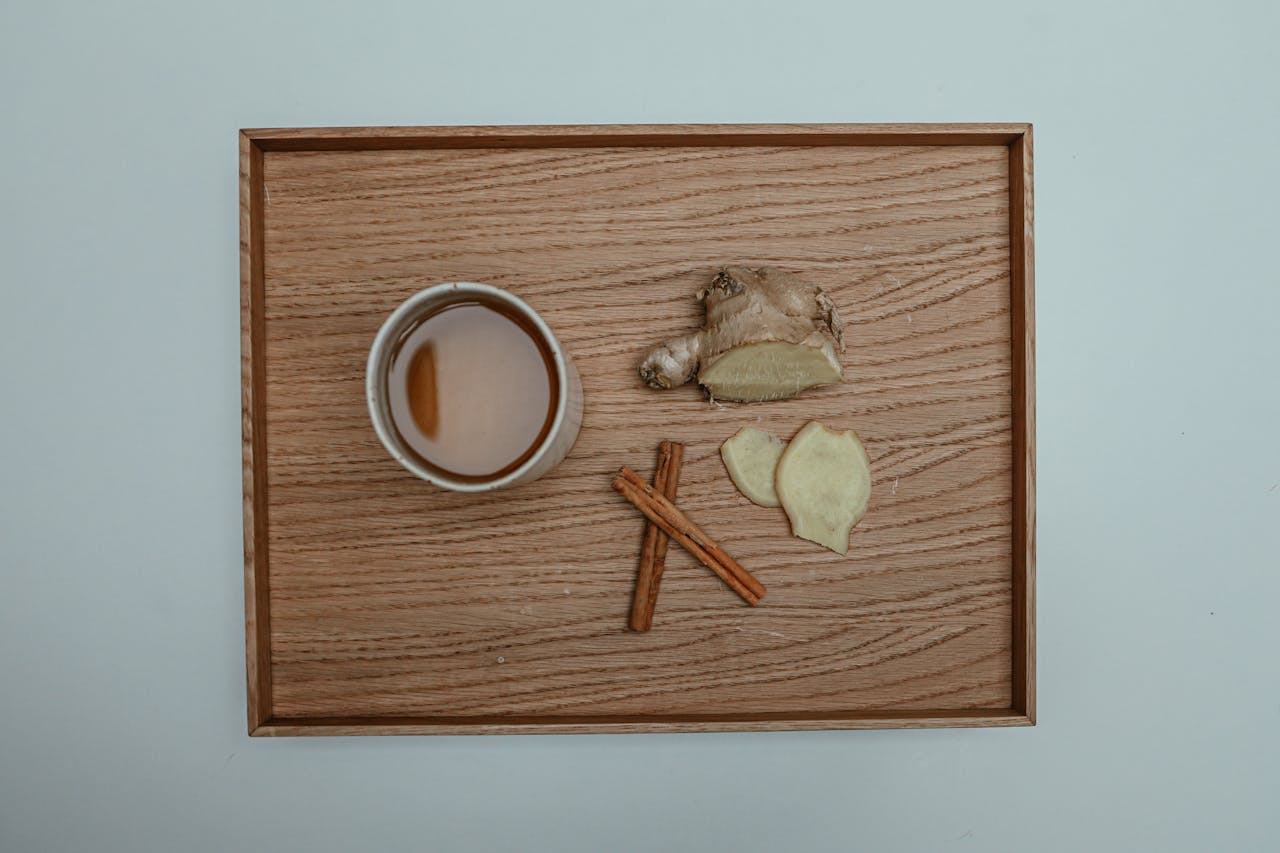
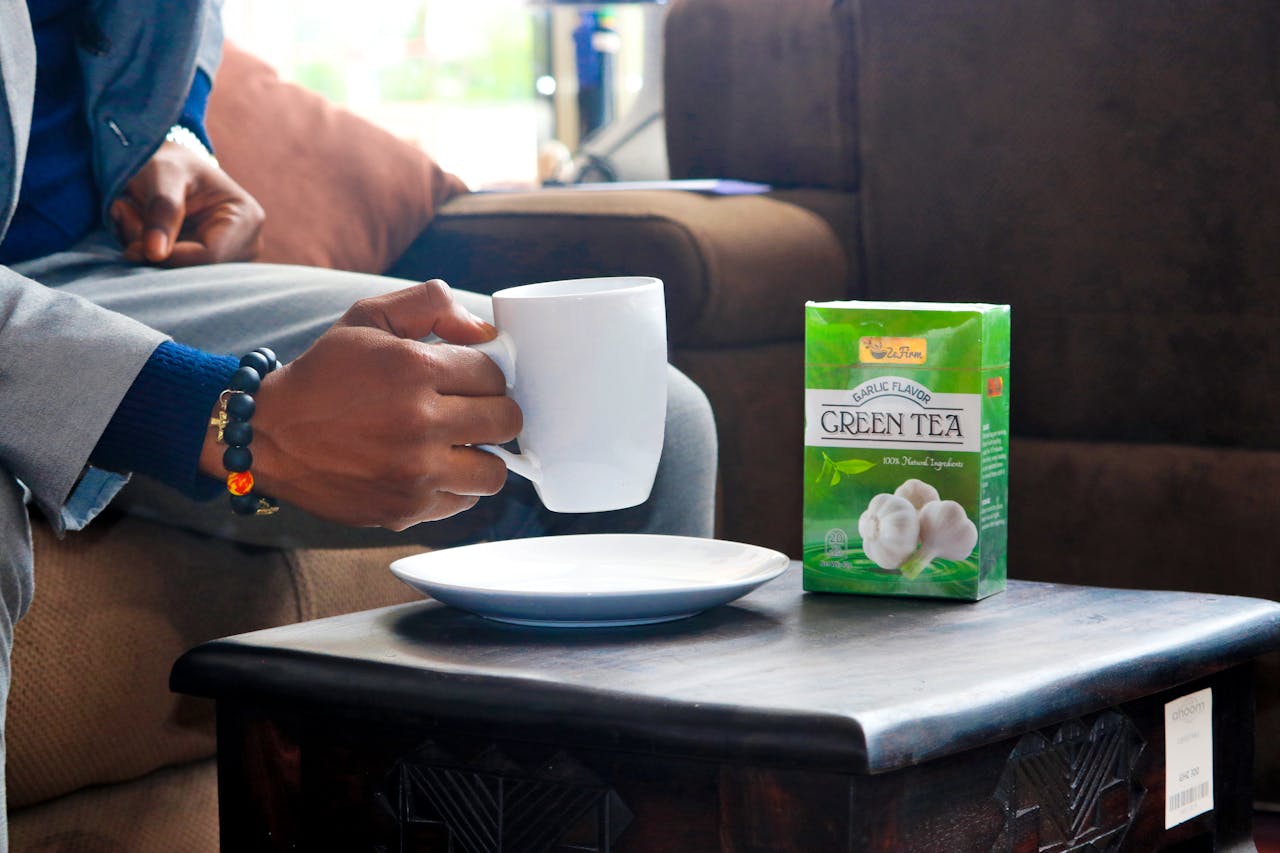
Instead of writing full pages of text, try filling a notebook with a mix of drawings, magazine clippings, quotes, and scraps from your day. This kind of journal is part art project, part scrapbook, and part diary. It’s perfect for those who don’t always know what to say but want to remember how they felt. You don’t need to be “good” at drawing to make it yours—just honest. Royalty-free image sites are full of beautiful examples of art journals and collage pages for inspiration. Many famous artists, like Frida Kahlo and Leonardo da Vinci, kept visual journals throughout their lives.

2. Create Your Own Zine

<p>A zine (short for magazine) is a small, self-published book or pamphlet filled with whatever you want—art, poems, short stories, jokes, reviews, or rants. It can be handmade or digital, black and white or full of color. Making a zine gives you a place to share your voice, your humor, or your thoughts on any topic you care about. It’s a fun, low-pressure way to be a creator, not just a consumer. Zine culture has roots in punk music, underground comics, and activist movements, and it still thrives today in DIY communities. Plus, you can photocopy your zine and give it to friends.</p> ::Pexels

A zine (short for magazine) is a small, self-published book or pamphlet filled with whatever you want—art, poems, short stories, jokes, reviews, or rants. It can be handmade or digital, black and white or full of color. Making a zine gives you a place to share your voice, your humor, or your thoughts on any topic you care about. It’s a fun, low-pressure way to be a creator, not just a consumer. Zine culture has roots in punk music, underground comics, and activist movements, and it still thrives today in DIY communities. Plus, you can photocopy your zine and give it to friends.

3. Try Stop-Motion Animation

<p>All you need for stop-motion is a phone with a camera, a free app, and some everyday objects or drawings. Move the items a little at a time, take photos at each step, then watch them come to life. It’s fun, oddly calming, and you get to be both director and storyteller. Clay, paper cutouts, toys, or even food can become characters in your short films. Stop-motion has been around since the early 1900s and is still used in major films today. Aardman Studios, creators of Wallace and Gromit, started with short films made in home studios.</p> ::Pexels

All you need for stop-motion is a phone with a camera, a free app, and some everyday objects or drawings. Move the items a little at a time, take photos at each step, then watch them come to life. It’s fun, oddly calming, and you get to be both director and storyteller. Clay, paper cutouts, toys, or even food can become characters in your short films. Stop-motion has been around since the early 1900s and is still used in major films today. Aardman Studios, creators of Wallace and Gromit, started with short films made in home studios.

4. Build a Mini Indoor Garden

<p>If you’ve got old mugs, glass jars, or bowls lying around, you’ve got the start of a tiny garden. You can plant herbs, succulents, or small flowers—anything that doesn’t need much space or soil. Indoor plants help clean the air and can lift your mood just by being there. Decorate the containers with paint or labels to give your plants a personal touch. Even science backs it up: studies show that having plants around can lower stress and boost creativity. Look for free plant care guides online or simple images of windowsill gardens for setup ideas.</p> ::Pexels

If you’ve got old mugs, glass jars, or bowls lying around, you’ve got the start of a tiny garden. You can plant herbs, succulents, or small flowers—anything that doesn’t need much space or soil. Indoor plants help clean the air and can lift your mood just by being there. Decorate the containers with paint or labels to give your plants a personal touch. Even science backs it up: studies show that having plants around can lower stress and boost creativity. Look for free plant care guides online or simple images of windowsill gardens for setup ideas.

5. Make a Photo Series

<p>Choose a theme—a color, a shape, a mood, or even just “things on my desk”—and take a dozen photos that follow it. Use your phone and edit with a free app to play with light and tone. This small challenge trains your eye to notice details and patterns. You don’t need a fancy camera, just a little focus. A fun twist: take the same photo every day for a week and see how it changes. Many famous photographers, like Vivian Maier, started with simple daily snaps that told deeper stories over time.</p> ::Pexels

Choose a theme—a color, a shape, a mood, or even just “things on my desk”—and take a dozen photos that follow it. Use your phone and edit with a free app to play with light and tone. This small challenge trains your eye to notice details and patterns. You don’t need a fancy camera, just a little focus. A fun twist: take the same photo every day for a week and see how it changes. Many famous photographers, like Vivian Maier, started with simple daily snaps that told deeper stories over time.

6. Learn Hand Lettering

<p>This is more than just fancy writing—it’s drawing each letter with care. You can try brush pens, markers, or even a pencil. Hand lettering helps you slow down and focus, and it’s a great skill for making cards, signs, or social media posts that stand out. Unlike cursive, which flows, hand lettering is more about shapes and spacing. You can find loads of free guides and alphabets online to copy and tweak. Fun fact: the oldest surviving example of hand lettering is over 2,000 years old, carved in stone.</p> ::Pexels

This is more than just fancy writing—it’s drawing each letter with care. You can try brush pens, markers, or even a pencil. Hand lettering helps you slow down and focus, and it’s a great skill for making cards, signs, or social media posts that stand out. Unlike cursive, which flows, hand lettering is more about shapes and spacing. You can find loads of free guides and alphabets online to copy and tweak. Fun fact: the oldest surviving example of hand lettering is over 2,000 years old, carved in stone.

7. Design a Vision Board

<p>Whether you use paper, poster board, or an app, creating a vision board helps you focus on goals, dreams, or just the vibes you want in life. Cut out pictures and words from old magazines or print them from royalty-free image sites. It’s like daydreaming on paper. What do you want more of? Peace, travel, creativity? Seeing it all in one place can be a quiet push in the right direction. Even Oprah swears by this simple practice, and research shows that visual goal-setting can boost motivation.</p> ::Pexels

Whether you use paper, poster board, or an app, creating a vision board helps you focus on goals, dreams, or just the vibes you want in life. Cut out pictures and words from old magazines or print them from royalty-free image sites. It’s like daydreaming on paper. What do you want more of? Peace, travel, creativity? Seeing it all in one place can be a quiet push in the right direction. Even Oprah swears by this simple practice, and research shows that visual goal-setting can boost motivation.

8. Make a Sound Diary

<p>Grab your phone and record short sounds throughout your day—birds outside, your coffee brewing, a page turning, street sounds. Later, string them together using free audio tools to make your own audio collage. You’ll end up with a unique time capsule of a day or week in your life. It’s a different way to tell your story—through sounds, not sights. Sound art is an entire art form, and even museums have started showcasing it. Start small and see how everyday noises become music in the right order.</p> ::Pexels

Grab your phone and record short sounds throughout your day—birds outside, your coffee brewing, a page turning, street sounds. Later, string them together using free audio tools to make your own audio collage. You’ll end up with a unique time capsule of a day or week in your life. It’s a different way to tell your story—through sounds, not sights. Sound art is an entire art form, and even museums have started showcasing it. Start small and see how everyday noises become music in the right order.

Conclusion

<p>You don’t need a lot of gear, time, or talent to make something that’s yours. These projects are easy to start, flexible, and don’t cost much, if anything at all. More than that, they get your brain moving in new ways and offer a break from the screen. Whether you build a tiny garden, make a sound diary, or sketch out a zine, each act is a way of saying yes—to curiosity, to play, and to making something real. Put down the phone, pick one idea, and begin.</p> ::Pexels

You don’t need a lot of gear, time, or talent to make something that’s yours. These projects are easy to start, flexible, and don’t cost much, if anything at all. More than that, they get your brain moving in new ways and offer a break from the screen. Whether you build a tiny garden, make a sound diary, or sketch out a zine, each act is a way of saying yes—to curiosity, to play, and to making something real. Put down the phone, pick one idea, and begin.

Filed Under: Lifestyle

  • « Previous Page
  • 1
  • …
  • 72
  • 73
  • 74
  • 75
  • 76
  • …
  • 192
  • Next Page »
  • Email
  • Facebook
  • Pinterest
  • Twitter

Our Most Popular Articles

ClickCashGo Review: Should You Avoid At All Costs?

Ultimate Guide to Mastering Your Credit Score

The 'YOLO' Mindset is a Dangerous Thing

Dave Ramsey's Financial Peace University Review: Is it Worth the Money?

Cash App Glitch 2025: Is the Free Money Glitch Real?

Five Steps To Debt Freedom

Here are five simple guidlines that will help you pay off debt.  

1) Get an emergency fund so you don’t take on debt when something comes up.

2) List your debts. This way you know where you stand.

3) Use the debt snowball. Pay your debts from smallest to largest, or most expensive to least expensive.

4) Avoid new debt. No new credit cards or loans. Period.

5) Go all cash. After everything is paid off, switch to all cash.

Helpful Resources

U of Tennesse Debt Repayment Plan Basics

Vertex 42's Debt Payoff Calculator

Savingadvice's Helpful Debt Forums

Jackie Becks Debt Blog