Our Debt Free Family

Commit. Plan. Take action.

  • BUDGETING
  • DEBT REDUCTION
  • INVESTING
  • LIFESTYLE
  • TOOLS
  • ABOUT
  • Privacy Policy
  • CONTACT

Nightly Wins: 10 Habits Productive People Never Skip Before Bed

November 20, 2025 | Leave a Comment

Nightly Wins: 10 Habits Productive People Never Skip Before Bed

<p> Ever wonder how highly productive people seem to get so much done without burning out? It is not just what they do during the day—it is also about how they wind down at night. Successful individuals understand that what happens in the evening sets the tone for the next day. If you want to maximize your energy, clarity, and focus, building the right nighttime routine can make all the difference. These 10 nighttime habits of productive people will not only help you sleep better but also start every day with intention and momentum. </p> :: Pexels

Ever wonder how highly productive people seem to get so much done without burning out? It is not just what they do during the day—it is also about how they wind down at night. Successful individuals understand that what happens in the evening sets the tone for the next day. If you want to maximize your energy, clarity, and focus, building the right nighttime routine can make all the difference. These 10 nighttime habits of productive people will not only help you sleep better but also start every day with intention and momentum.

1. They Reflect on Their Day

<p> Highly productive people do not let their days blur together—they take a few minutes each night to reflect. Whether through journaling, voice notes, or quiet thought, this habit allows them to acknowledge what went well, what did not, and what they learned. It helps them build self-awareness and continuously improve. This small act of reflection reduces stress, clears the mind, and creates a sense of closure that makes it easier to rest. It is not about judgment—it is about understanding your actions and using that knowledge to do better tomorrow. </p> :: Pexels

Highly productive people do not let their days blur together—they take a few minutes each night to reflect. Whether through journaling, voice notes, or quiet thought, this habit allows them to acknowledge what went well, what did not, and what they learned. It helps them build self-awareness and continuously improve. This small act of reflection reduces stress, clears the mind, and creates a sense of closure that makes it easier to rest. It is not about judgment—it is about understanding your actions and using that knowledge to do better tomorrow.

2. They Plan Tomorrow Before Sleep

<p> Before their head hits the pillow, productive people have a plan. They write down their top three to five priorities for the next day, look over their schedule, and mentally prepare for what is ahead. This reduces morning decision fatigue and eliminates the anxiety that comes from uncertainty. A clear plan also boosts confidence, knowing exactly where to begin when the day starts. Planning the night before allows the brain to subconsciously work through problems or ideas during sleep, giving you a mental head start that pays off the next morning. </p> :: Pexels

Before their head hits the pillow, productive people have a plan. They write down their top three to five priorities for the next day, look over their schedule, and mentally prepare for what is ahead. This reduces morning decision fatigue and eliminates the anxiety that comes from uncertainty. A clear plan also boosts confidence, knowing exactly where to begin when the day starts. Planning the night before allows the brain to subconsciously work through problems or ideas during sleep, giving you a mental head start that pays off the next morning.

3. They Disconnect From Screens

<p> Scrolling through social media or binging television shows late into the night might be common, but it is not something productive people indulge in regularly. They understand the importance of protecting their sleep quality, which means reducing exposure to blue light at least 30 to 60 minutes before bedtime. Instead, they might read a physical book, listen to music, meditate, or simply enjoy some quiet time. This habit allows the body to begin producing melatonin naturally, making it easier to fall asleep and stay asleep through the night. </p> :: Pexels

Scrolling through social media or binging television shows late into the night might be common, but it is not something productive people indulge in regularly. They understand the importance of protecting their sleep quality, which means reducing exposure to blue light at least 30 to 60 minutes before bedtime. Instead, they might read a physical book, listen to music, meditate, or simply enjoy some quiet time. This habit allows the body to begin producing melatonin naturally, making it easier to fall asleep and stay asleep through the night.

4. They Practice Gratitude

<p> Gratitude is not just a feel-good trend—it is a powerful psychological tool. Productive individuals often end their day by listing a few things they are grateful for. This could be as simple as appreciating a kind gesture, a delicious meal, or a personal win. Practicing gratitude helps shift the focus away from stress, mistakes, or unfinished tasks and brings peace and contentment. Over time, this builds a more positive mindset, which directly impacts motivation, energy, and resilience during the workday. It is one of the easiest ways to boost emotional well-being and mental clarity. </p> :: Pexels

Gratitude is not just a feel-good trend—it is a powerful psychological tool. Productive individuals often end their day by listing a few things they are grateful for. This could be as simple as appreciating a kind gesture, a delicious meal, or a personal win. Practicing gratitude helps shift the focus away from stress, mistakes, or unfinished tasks and brings peace and contentment. Over time, this builds a more positive mindset, which directly impacts motivation, energy, and resilience during the workday. It is one of the easiest ways to boost emotional well-being and mental clarity.

5. They Stick to a Consistent Bedtime

<p> Consistency is key when it comes to getting quality sleep, and productive people treat their bedtime like a non-negotiable meeting. Going to bed at the same time each night helps regulate the body’s circadian rhythm, making it easier to fall asleep and wake up without feeling groggy. By prioritizing sleep, they wake up more refreshed and focused, with better cognitive function and emotional control. This discipline creates a ripple effect throughout the day, improving everything from decision-making to productivity. It is one of the simplest but most overlooked success strategies. </p> :: Pexels

Consistency is key when it comes to getting quality sleep, and productive people treat their bedtime like a non-negotiable meeting. Going to bed at the same time each night helps regulate the body’s circadian rhythm, making it easier to fall asleep and wake up without feeling groggy. By prioritizing sleep, they wake up more refreshed and focused, with better cognitive function and emotional control. This discipline creates a ripple effect throughout the day, improving everything from decision-making to productivity. It is one of the simplest but most overlooked success strategies.

6. They Set Boundaries With Work

<p> For productive people, work does not bleed into all hours of the night. They know when to switch off, and they set clear boundaries to protect their personal time. Checking emails at midnight or revisiting to-do lists after hours only leads to burnout and mental exhaustion. Instead, they create mental separation by logging off, shutting down devices, or physically stepping away from their workspace. This helps them recharge mentally and emotionally, so they can bring their best self to work the next day. Boundaries are not barriers—they are gateways to sustainable success. </p> :: Pexels

For productive people, work does not bleed into all hours of the night. They know when to switch off, and they set clear boundaries to protect their personal time. Checking emails at midnight or revisiting to-do lists after hours only leads to burnout and mental exhaustion. Instead, they create mental separation by logging off, shutting down devices, or physically stepping away from their workspace. This helps them recharge mentally and emotionally, so they can bring their best self to work the next day. Boundaries are not barriers—they are gateways to sustainable success.

7. They Prepare Their Environment

<p> Nighttime routines often include setting up for success the next morning. This might mean laying out clothes, prepping breakfast or lunch, tidying the workspace, or organizing essential items. Productive individuals reduce friction for their future selves by eliminating small, time-wasting decisions. A prepared environment not only saves time but also creates a calming atmosphere that promotes better sleep and a more organized start to the day. It is a way of showing respect to your future self, creating ease and flow from the moment you wake up. </p> :: Pexels

Nighttime routines often include setting up for success the next morning. This might mean laying out clothes, prepping breakfast or lunch, tidying the workspace, or organizing essential items. Productive individuals reduce friction for their future selves by eliminating small, time-wasting decisions. A prepared environment not only saves time but also creates a calming atmosphere that promotes better sleep and a more organized start to the day. It is a way of showing respect to your future self, creating ease and flow from the moment you wake up.

8. They Wind Down With Intention

<p> Instead of collapsing into bed after a long day, productive people ease into sleep with a wind-down routine. This might involve a warm shower, light stretching, calming tea, aromatherapy, or guided meditation. The goal is to tell the body and mind that it is time to relax. Having a predictable, soothing routine signals the end of the day and supports better quality sleep. Over time, this habit makes it easier to fall asleep faster and wake up more rested, ready to tackle the day ahead with energy and focus. </p> :: Pexels

Instead of collapsing into bed after a long day, productive people ease into sleep with a wind-down routine. This might involve a warm shower, light stretching, calming tea, aromatherapy, or guided meditation. The goal is to tell the body and mind that it is time to relax. Having a predictable, soothing routine signals the end of the day and supports better quality sleep. Over time, this habit makes it easier to fall asleep faster and wake up more rested, ready to tackle the day ahead with energy and focus.

9. They Limit Late-Night Eating and Drinking

<p> Night owls often snack mindlessly or enjoy a late-night drink, but productive people know that what they consume late at night affects how they feel in the morning. They avoid heavy meals, sugar, or caffeine close to bedtime to prevent sleep disruption. Similarly, they limit alcohol, which might make you feel sleepy at first but leads to fragmented, poor-quality sleep. By keeping their evening meals light and finishing them a few hours before bed, they set themselves up for more restful and restorative sleep. What you eat at night matters as much as what you eat during the day. </p> :: Pexels

Night owls often snack mindlessly or enjoy a late-night drink, but productive people know that what they consume late at night affects how they feel in the morning. They avoid heavy meals, sugar, or caffeine close to bedtime to prevent sleep disruption. Similarly, they limit alcohol, which might make you feel sleepy at first but leads to fragmented, poor-quality sleep. By keeping their evening meals light and finishing them a few hours before bed, they set themselves up for more restful and restorative sleep. What you eat at night matters as much as what you eat during the day.

10. They Visualize Success

<p> Before drifting off, productive people often take a moment to visualize what success looks like—whether it is delivering a great presentation, finishing a major task, or showing up fully present for loved ones. Visualization activates the same neural pathways as real experience, making it a powerful mental rehearsal. This simple practice builds confidence, reduces anxiety, and motivates action. It is a quiet but powerful way to close the day with purpose and start the next one with intention and drive. Many high achievers credit visualization as a core part of their success mindset. </p> :: Pexels

Before drifting off, productive people often take a moment to visualize what success looks like—whether it is delivering a great presentation, finishing a major task, or showing up fully present for loved ones. Visualization activates the same neural pathways as real experience, making it a powerful mental rehearsal. This simple practice builds confidence, reduces anxiety, and motivates action. It is a quiet but powerful way to close the day with purpose and start the next one with intention and drive. Many high achievers credit visualization as a core part of their success mindset.

Final Thoughts

<p> The most productive people do not leave their evenings to chance. They create intentional routines that promote rest, reflection, and preparation—giving them a serious edge when morning comes. These habits are not complex or time-consuming, but they are consistent and deeply impactful. Start by picking just one or two to implement tonight, and build from there. Over time, these small shifts can help you sleep better, think clearer, and live more purposefully. Because productivity is not just about hustle—it is about aligning your lifestyle to support your best self, day and night. </p> :: Freepik

The most productive people do not leave their evenings to chance. They create intentional routines that promote rest, reflection, and preparation—giving them a serious edge when morning comes. These habits are not complex or time-consuming, but they are consistent and deeply impactful. Start by picking just one or two to implement tonight, and build from there. Over time, these small shifts can help you sleep better, think clearer, and live more purposefully. Because productivity is not just about hustle—it is about aligning your lifestyle to support your best self, day and night.


Filed Under: Lifestyle

Common Blood Pressure Mistakes That Can Give You False Readings

November 20, 2025 | Leave a Comment

Common Blood Pressure Mistakes That Can Give You False Readings

<p> Measuring your blood pressure might seem straightforward. You wrap a cuff around your arm, press a button, and voilà, you have your numbers. But what if I told you that many of the readings you trust could be misleading? Inaccurate blood pressure measurements are surprisingly common and can sneak up on you, making you think your heart is in perfect shape when it is not or causing unnecessary worry when everything is actually fine.

Understanding the mistakes that can throw off your blood pressure readings is essential for taking control of your health. Here are eight of the most common errors people make and practical ways to fix them so that you can get readings that truly reflect what is happening inside your body. </p> :: Freepik

Measuring your blood pressure might seem straightforward. You wrap a cuff around your arm, press a button, and voilà, you have your numbers. But what if I told you that many of the readings you trust could be misleading? Inaccurate blood pressure measurements are surprisingly common and can sneak up on you, making you think your heart is in perfect shape when it is not or causing unnecessary worry when everything is actually fine.

Understanding the mistakes that can throw off your blood pressure readings is essential for taking control of your health. Here are eight of the most common errors people make and practical ways to fix them so that you can get readings that truly reflect what is happening inside your body.

1. Using the Wrong Size Cuff

<p> One of the most overlooked reasons for false readings is using the wrong size cuff. Blood pressure cuffs are not one-size-fits-all. If the cuff is too small, it squeezes your arm too tightly and can produce readings that are artificially high. Conversely, a cuff that is too large may give you falsely low numbers.

To prevent this mistake, measure the circumference of your upper arm and choose a cuff that fits snugly but comfortably. A properly sized cuff has a bladder that is about 80 percent of the length of your arm and at least 40 percent of the arm’s width. Investing a few minutes to find the right size can save you from months of confusion and unnecessary worry. </p> :: Pexels

One of the most overlooked reasons for false readings is using the wrong size cuff. Blood pressure cuffs are not one-size-fits-all. If the cuff is too small, it squeezes your arm too tightly and can produce readings that are artificially high. Conversely, a cuff that is too large may give you falsely low numbers.

To prevent this mistake, measure the circumference of your upper arm and choose a cuff that fits snugly but comfortably. A properly sized cuff has a bladder that is about 80 percent of the length of your arm and at least 40 percent of the arm’s width. Investing a few minutes to find the right size can save you from months of confusion and unnecessary worry.

2. Placing the Cuff Over Clothing

<p> It might seem harmless to keep your shirt on while taking a reading, but even thin fabric can distort results. Wrapping a cuff over clothing can cause the measurement to be significantly higher than your actual blood pressure.

The solution is simple: always place the cuff directly on bare skin. Rolling up a sleeve is much better than taking a reading through fabric, and it only takes a few extra seconds to do it correctly. </p> :: Gemini

It might seem harmless to keep your shirt on while taking a reading, but even thin fabric can distort results. Wrapping a cuff over clothing can cause the measurement to be significantly higher than your actual blood pressure.

The solution is simple: always place the cuff directly on bare skin. Rolling up a sleeve is much better than taking a reading through fabric, and it only takes a few extra seconds to do it correctly.

3. Not Taking Time to Rest Before Measuring

<p> If you are rushing around in the morning, rushing to work, or just got done with household chores, your blood pressure reading is likely to be higher than it would be at rest. Your body needs a few minutes to settle down for an accurate reading.

Experts recommend sitting quietly for five full minutes before taking a measurement. Find a comfortable chair, put your feet flat on the floor, and take a few deep breaths. Allow your body and mind to calm down so your reading reflects your resting blood pressure, not the stress of the moment. </p> :: Gemini

If you are rushing around in the morning, rushing to work, or just got done with household chores, your blood pressure reading is likely to be higher than it would be at rest. Your body needs a few minutes to settle down for an accurate reading.

Experts recommend sitting quietly for five full minutes before taking a measurement. Find a comfortable chair, put your feet flat on the floor, and take a few deep breaths. Allow your body and mind to calm down so your reading reflects your resting blood pressure, not the stress of the moment.

4. Incorrect Seating and Arm Position

<p> Where and how you sit during a reading can have a significant impact on your numbers. Slouching, crossing your legs, or not supporting your back can increase readings. Your arm position is equally important. If your arm is hanging down at your side or raised above heart level, your reading will not be accurate.

To measure correctly, sit upright in a chair with your back supported, feet flat on the floor, and your arm supported on a flat surface. The cuff should be aligned with the level of your heart. Small adjustments in posture can make a surprising difference in your readings. </p> :: Gemini

Where and how you sit during a reading can have a significant impact on your numbers. Slouching, crossing your legs, or not supporting your back can increase readings. Your arm position is equally important. If your arm is hanging down at your side or raised above heart level, your reading will not be accurate.

To measure correctly, sit upright in a chair with your back supported, feet flat on the floor, and your arm supported on a flat surface. The cuff should be aligned with the level of your heart. Small adjustments in posture can make a surprising difference in your readings.

5. Talking or Being Distracted

<p> You might think that taking your blood pressure while scrolling through your phone or chatting with someone nearby is harmless, but it can affect your results. Talking or being distracted activates your nervous system, which can cause a temporary spike in blood pressure.

For the most accurate measurement, stay silent and still. Treat those moments like a mini-meditation for your heart, focusing only on being relaxed and present while the device works. </p> :: Gemini

You might think that taking your blood pressure while scrolling through your phone or chatting with someone nearby is harmless, but it can affect your results. Talking or being distracted activates your nervous system, which can cause a temporary spike in blood pressure.

For the most accurate measurement, stay silent and still. Treat those moments like a mini-meditation for your heart, focusing only on being relaxed and present while the device works.

6. Not Emptying Your Bladder

<p> It may sound strange, but having a full bladder can significantly impact your blood pressure reading. Studies show that a full bladder can increase both systolic and diastolic numbers, giving you a reading that is higher than your actual blood pressure.

Before taking a measurement, use the restroom. It is a simple step that takes only a minute and ensures that your readings are not influenced by a full bladder. </p> :: Gemini

It may sound strange, but having a full bladder can significantly impact your blood pressure reading. Studies show that a full bladder can increase both systolic and diastolic numbers, giving you a reading that is higher than your actual blood pressure.

Before taking a measurement, use the restroom. It is a simple step that takes only a minute and ensures that your readings are not influenced by a full bladder.

7. Measuring Immediately After Caffeine, Nicotine, or Exercise

<p> Coffee, cigarettes, and physical activity are all known to temporarily raise blood pressure. Taking a reading right after these activities can give you a number that reflects a temporary spike rather than your usual blood pressure.

It is best to wait at least thirty minutes after consuming caffeine, smoking, or exercising before measuring your blood pressure. This allows your body to return to its normal state and ensures a reading that accurately reflects your typical blood pressure. </p> :: Gemini

Coffee, cigarettes, and physical activity are all known to temporarily raise blood pressure. Taking a reading right after these activities can give you a number that reflects a temporary spike rather than your usual blood pressure.

It is best to wait at least thirty minutes after consuming caffeine, smoking, or exercising before measuring your blood pressure. This allows your body to return to its normal state and ensures a reading that accurately reflects your typical blood pressure.

8. Relying on a Single Reading

<p> A single blood pressure measurement does not tell the whole story. Blood pressure fluctuates naturally throughout the day due to stress, activity, and even posture. Relying on only one reading can give a false sense of security or unnecessary worry.

For a more accurate picture, take two to three readings at each session, spaced a minute or two apart, and calculate the average. Tracking your measurements over several days or weeks can help you and your doctor understand your true blood pressure pattern and make informed decisions about your health. </p> :: Pexels

A single blood pressure measurement does not tell the whole story. Blood pressure fluctuates naturally throughout the day due to stress, activity, and even posture. Relying on only one reading can give a false sense of security or unnecessary worry.

For a more accurate picture, take two to three readings at each session, spaced a minute or two apart, and calculate the average. Tracking your measurements over several days or weeks can help you and your doctor understand your true blood pressure pattern and make informed decisions about your health.

Final Thoughts

<p> Accurate blood pressure measurement is crucial for heart health, yet small mistakes can make a big difference. Many people unknowingly take readings that are either too high or too low, which can affect treatment decisions and create unnecessary stress. By paying attention to the eight common mistakes outlined here — using the correct cuff size, measuring on bare skin, resting before readings, sitting properly, staying silent, emptying your bladder, waiting after stimulants or exercise, and averaging multiple readings — you can dramatically improve the accuracy of your blood pressure checks.

Taking these small steps is not just about numbers on a monitor; it is about understanding your body, taking control of your health, and making informed choices for the future. With reliable readings, you can work confidently with your doctor to maintain heart health and peace of mind. Start implementing these changes today, and watch how much more confident you feel in your blood pressure management. </p> :: Freepik

Accurate blood pressure measurement is crucial for heart health, yet small mistakes can make a big difference. Many people unknowingly take readings that are either too high or too low, which can affect treatment decisions and create unnecessary stress. By paying attention to the eight common mistakes outlined here — using the correct cuff size, measuring on bare skin, resting before readings, sitting properly, staying silent, emptying your bladder, waiting after stimulants or exercise, and averaging multiple readings — you can dramatically improve the accuracy of your blood pressure checks.

Taking these small steps is not just about numbers on a monitor; it is about understanding your body, taking control of your health, and making informed choices for the future. With reliable readings, you can work confidently with your doctor to maintain heart health and peace of mind. Start implementing these changes today, and watch how much more confident you feel in your blood pressure management.

Filed Under: Health & Fitness

7 Tiny Morning Changes That Can Transform Your Whole Day

November 20, 2025 | Leave a Comment

7 Tiny Morning Changes That Can Transform Your Whole Day

<p> Mornings set the tone for everything that follows. Whether you are a busy professional, a stay-at-home parent, or somewhere in between, how you start your day can either fuel your success or leave you feeling scattered and stressed. The good news is you do not need a complete lifestyle overhaul to make a difference. Sometimes, just a few small tweaks can create a ripple effect that improves your mood, boosts your productivity, and even strengthens your relationships. Ready to feel more energized and in control? Here are 7 tiny morning changes that can transform your whole day and help you live with more intention. </p> :: Freepik

Mornings set the tone for everything that follows. Whether you are a busy professional, a stay-at-home parent, or somewhere in between, how you start your day can either fuel your success or leave you feeling scattered and stressed. The good news is you do not need a complete lifestyle overhaul to make a difference. Sometimes, just a few small tweaks can create a ripple effect that improves your mood, boosts your productivity, and even strengthens your relationships. Ready to feel more energized and in control? Here are 7 tiny morning changes that can transform your whole day and help you live with more intention.

1. Wake Up 10 Minutes Earlier

<p> It sounds almost too simple, but waking up just ten minutes earlier can have a massive impact on your entire morning and the rest of your day. Those extra minutes give you breathing room, allowing you to start without immediately rushing. Instead of jolting out of bed and diving into a flurry of tasks, you can savor a slower start: stretch, drink some water, or simply sit quietly. That small buffer lowers stress hormones like cortisol and makes everything from commuting to handling work emails feel a little more manageable. Over time, you will notice yourself feeling calmer, more centered, and more present because you are no longer starting the day from a place of chaos. </p> :: Freepik

It sounds almost too simple, but waking up just ten minutes earlier can have a massive impact on your entire morning and the rest of your day. Those extra minutes give you breathing room, allowing you to start without immediately rushing. Instead of jolting out of bed and diving into a flurry of tasks, you can savor a slower start: stretch, drink some water, or simply sit quietly. That small buffer lowers stress hormones like cortisol and makes everything from commuting to handling work emails feel a little more manageable. Over time, you will notice yourself feeling calmer, more centered, and more present because you are no longer starting the day from a place of chaos.

2. Make Your Bed

<p> Making your bed might seem trivial, but it is one of the most powerful habits you can build for a better day. It takes less than two minutes yet creates an immediate sense of accomplishment. Straightening your sheets and arranging your pillows sends a subconscious signal that you care about your environment and your own well-being. It is a micro-win that primes your brain for more successes throughout the day. Plus, returning home to a neatly made bed at night feels like a small reward, creating a welcoming, peaceful atmosphere that supports better sleep and mental health. These small acts of order can ripple out into bigger feelings of control and success. </p> :: Pexels

Making your bed might seem trivial, but it is one of the most powerful habits you can build for a better day. It takes less than two minutes yet creates an immediate sense of accomplishment. Straightening your sheets and arranging your pillows sends a subconscious signal that you care about your environment and your own well-being. It is a micro-win that primes your brain for more successes throughout the day. Plus, returning home to a neatly made bed at night feels like a small reward, creating a welcoming, peaceful atmosphere that supports better sleep and mental health. These small acts of order can ripple out into bigger feelings of control and success.

3. Drink a Glass of Water Before Anything Else

<p> Before reaching for coffee, tea, or breakfast, start your day with a tall glass of water. Overnight, your body loses hydration through breathing and sweating, even if you are not aware of it. Dehydration can cause you to feel sluggish, foggy, and even anxious. Rehydrating first thing in the morning kickstarts your metabolism, flushes out toxins, and helps you feel more awake naturally. If you keep a water bottle or glass on your nightstand, it serves as a visual reminder to take care of your health before anything else demands your attention. Over time, this habit can improve digestion, skin health, and even energy levels throughout the day. </p> :: Pexels

Before reaching for coffee, tea, or breakfast, start your day with a tall glass of water. Overnight, your body loses hydration through breathing and sweating, even if you are not aware of it. Dehydration can cause you to feel sluggish, foggy, and even anxious. Rehydrating first thing in the morning kickstarts your metabolism, flushes out toxins, and helps you feel more awake naturally. If you keep a water bottle or glass on your nightstand, it serves as a visual reminder to take care of your health before anything else demands your attention. Over time, this habit can improve digestion, skin health, and even energy levels throughout the day.

4. Spend Two Minutes Setting an Intention

<p> Instead of reaching for your phone or mentally diving into your to-do list, take two minutes each morning to set a meaningful intention. An intention is not a task like "send ten emails" but rather an emotional focus like "stay patient" or "embrace creativity." It acts as a compass, gently guiding you through whatever challenges come your way. Setting an intention strengthens your emotional resilience, helping you respond thoughtfully instead of reacting impulsively. Over time, you may find yourself achieving goals more naturally because your mindset is aligned with your deeper values. Plus, starting your day with purpose simply feels better than starting with stress. </p> :: Pexels

Instead of reaching for your phone or mentally diving into your to-do list, take two minutes each morning to set a meaningful intention. An intention is not a task like “send ten emails” but rather an emotional focus like “stay patient” or “embrace creativity.” It acts as a compass, gently guiding you through whatever challenges come your way. Setting an intention strengthens your emotional resilience, helping you respond thoughtfully instead of reacting impulsively. Over time, you may find yourself achieving goals more naturally because your mindset is aligned with your deeper values. Plus, starting your day with purpose simply feels better than starting with stress.

5. Step Outside for a Few Moments

<p> Getting natural sunlight within the first hour of waking up can dramatically improve your energy, mood, and even sleep quality. Your body’s internal clock, or circadian rhythm, relies on natural cues to stay in sync, and morning sunlight is one of the most powerful regulators. Even if it is cloudy or cold, stepping outside for a few moments can help boost your serotonin levels, making you feel happier and more focused. Whether you sip your coffee on the porch, take a short walk around the block, or just stand on your balcony breathing in fresh air, connecting with the outdoors early in the day grounds you and helps reduce anxiety and brain fog. </p> :: Pexels

Getting natural sunlight within the first hour of waking up can dramatically improve your energy, mood, and even sleep quality. Your body’s internal clock, or circadian rhythm, relies on natural cues to stay in sync, and morning sunlight is one of the most powerful regulators. Even if it is cloudy or cold, stepping outside for a few moments can help boost your serotonin levels, making you feel happier and more focused. Whether you sip your coffee on the porch, take a short walk around the block, or just stand on your balcony breathing in fresh air, connecting with the outdoors early in the day grounds you and helps reduce anxiety and brain fog.

6. Move Your Body, Even a Little

<p> You do not need a rigorous workout to benefit from morning movement. Just a few minutes of light stretching, yoga, or dancing can elevate your heart rate, wake up your muscles, and kickstart your metabolism. Movement releases endorphins, the body’s natural feel-good chemicals, which boost mood and lower stress levels. Gentle movement also improves circulation and flexibility, helping you avoid that stiff, groggy feeling many people experience in the morning. By integrating small bursts of physical activity early in the day, you create positive momentum that encourages healthier choices throughout the hours ahead. Plus, you will simply feel more alive and alert as you tackle your responsibilities. </p> :: Pexels

You do not need a rigorous workout to benefit from morning movement. Just a few minutes of light stretching, yoga, or dancing can elevate your heart rate, wake up your muscles, and kickstart your metabolism. Movement releases endorphins, the body’s natural feel-good chemicals, which boost mood and lower stress levels. Gentle movement also improves circulation and flexibility, helping you avoid that stiff, groggy feeling many people experience in the morning. By integrating small bursts of physical activity early in the day, you create positive momentum that encourages healthier choices throughout the hours ahead. Plus, you will simply feel more alive and alert as you tackle your responsibilities.

7. Choose a “Morning Joy” Ritual

<p> One of the best ways to fall in love with your mornings is by including a tiny ritual that brings you joy. This could be anything from savoring a luxurious cup of coffee, reading a few pages from a novel, meditating, listening to an upbeat playlist, or writing a short gratitude list. Giving yourself something to genuinely look forward to creates a positive emotional association with mornings instead of dread or stress. It also trains your brain to expect and notice good things throughout your day. A "morning joy" ritual does not have to be long or complicated; it simply needs to be something that lights you up, even for just a few minutes. </p> :: Pexels

One of the best ways to fall in love with your mornings is by including a tiny ritual that brings you joy. This could be anything from savoring a luxurious cup of coffee, reading a few pages from a novel, meditating, listening to an upbeat playlist, or writing a short gratitude list. Giving yourself something to genuinely look forward to creates a positive emotional association with mornings instead of dread or stress. It also trains your brain to expect and notice good things throughout your day. A “morning joy” ritual does not have to be long or complicated; it simply needs to be something that lights you up, even for just a few minutes.

Final Thoughts

<p> Transforming your day does not require waking up at 5 AM or running a marathon before breakfast. Often, the smallest shifts make the biggest impact. By waking up just ten minutes earlier, making your bed, drinking water, setting an intention, getting natural light, moving your body, and embracing a morning joy ritual, you create a powerful foundation for a better life. These tiny morning changes are manageable, sustainable, and incredibly effective. Over time, they help you feel less rushed, more confident, and more connected to the life you truly want to live. Try integrating just one of these habits into your routine this week. Notice how even the tiniest change can create ripples that turn into waves of positivity throughout your entire day. The path to better mornings and better days is not about radical transformation overnight. It is about embracing small, meaningful changes that stack up over time. You are just a few minutes and a few tiny habits away from feeling more focused, more energized, and more in control of your destiny every single day. </p> :: Pexels

Transforming your day does not require waking up at 5 AM or running a marathon before breakfast. Often, the smallest shifts make the biggest impact. By waking up just ten minutes earlier, making your bed, drinking water, setting an intention, getting natural light, moving your body, and embracing a morning joy ritual, you create a powerful foundation for a better life. These tiny morning changes are manageable, sustainable, and incredibly effective. Over time, they help you feel less rushed, more confident, and more connected to the life you truly want to live. Try integrating just one of these habits into your routine this week. Notice how even the tiniest change can create ripples that turn into waves of positivity throughout your entire day. The path to better mornings and better days is not about radical transformation overnight. It is about embracing small, meaningful changes that stack up over time. You are just a few minutes and a few tiny habits away from feeling more focused, more energized, and more in control of your destiny every single day.

Filed Under: Lifestyle

8 Easy Add-Ins That Make Any Meal Healthier

November 20, 2025 | Leave a Comment

8 Easy Add-Ins That Make Any Meal Healthier

<p>Eating healthy doesn’t have to mean changing your whole diet. Sometimes, all it takes is adding the right things to what you already eat. A spoonful here, a sprinkle there—it can make a big difference in the long run. These simple add-ins work with almost any dish. They don’t cost much, they don’t take extra cooking, and they actually make food taste better. Whether you’re having soup, salad, or even pasta, these are smart ways to pack in more nutrition without fuss.</p> ::Pexels

Eating healthy doesn’t have to mean changing your whole diet. Sometimes, all it takes is adding the right things to what you already eat. A spoonful here, a sprinkle there—it can make a big difference in the long run. These simple add-ins work with almost any dish. They don’t cost much, they don’t take extra cooking, and they actually make food taste better. Whether you’re having soup, salad, or even pasta, these are smart ways to pack in more nutrition without fuss.

Ground Flaxseed

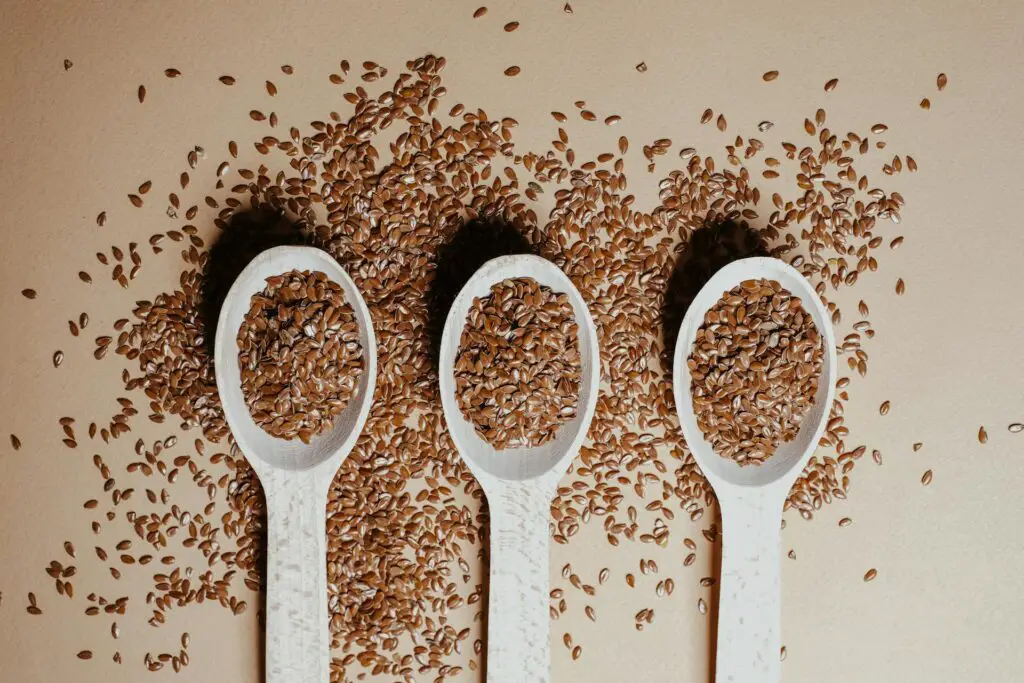
<p>Flaxseed is small, mild, and easy to sneak into almost anything. It’s rich in fiber, which helps digestion and keeps you full longer. It also has omega-3 fats, which are good for the heart and brain. The best way to use it is ground—your body can absorb it better that way. Add a spoon to oatmeal, yogurt, or pancake mix. Fun fact: just one tablespoon of flaxseed has as much fiber as half a cup of cooked brown rice.</p> ::Pexels

Flaxseed is small, mild, and easy to sneak into almost anything. It’s rich in fiber, which helps digestion and keeps you full longer. It also has omega-3 fats, which are good for the heart and brain. The best way to use it is ground—your body can absorb it better that way. Add a spoon to oatmeal, yogurt, or pancake mix. Fun fact: just one tablespoon of flaxseed has as much fiber as half a cup of cooked brown rice.

Chopped Fresh Herbs

<p>Basil, parsley, dill, cilantro—these herbs do more than add flavor. They also bring antioxidants, which help fight cell damage. Parsley alone is packed with vitamin K and vitamin C. You don’t need a lot. A pinch of chopped herbs on top of soup or eggs adds color, taste, and a health kick. Herbs are also easy to grow at home in a pot or windowsill. Once picked, they store best if you wrap them in a damp paper towel and place them in a bag in the fridge.</p> ::Pexels

Basil, parsley, dill, cilantro—these herbs do more than add flavor. They also bring antioxidants, which help fight cell damage. Parsley alone is packed with vitamin K and vitamin C. You don’t need a lot. A pinch of chopped herbs on top of soup or eggs adds color, taste, and a health kick. Herbs are also easy to grow at home in a pot or windowsill. Once picked, they store best if you wrap them in a damp paper towel and place them in a bag in the fridge.

Chia Seeds

<p>Chia seeds don’t taste like much, but they soak up liquid and form a gel. This makes them great in smoothies, yogurt, and overnight oats. They’re full of fiber, protein, and healthy fat—especially omega-3s. Just one ounce has 11 grams of fiber. These little seeds used to be a staple food for the Aztecs. Because they swell up, they also help you feel full longer. Start with a small amount and drink water, as they absorb a lot of liquid.</p> ::Pexels

Chia seeds don’t taste like much, but they soak up liquid and form a gel. This makes them great in smoothies, yogurt, and overnight oats. They’re full of fiber, protein, and healthy fat—especially omega-3s. Just one ounce has 11 grams of fiber. These little seeds used to be a staple food for the Aztecs. Because they swell up, they also help you feel full longer. Start with a small amount and drink water, as they absorb a lot of liquid.

Leafy Greens

<p>Spinach, kale, and arugula are full of vitamins but soft enough to mix into most dishes. You can stir them into soups, sauces, eggs, or even smoothies. Spinach cooks down fast, so a large handful becomes just a few bites. These greens are rich in iron, folate, and vitamin A. They also have a mild taste, so they don’t change the flavor much. A fun tip: frozen chopped spinach works just as well and takes no prep.</p> ::Pexels

Spinach, kale, and arugula are full of vitamins but soft enough to mix into most dishes. You can stir them into soups, sauces, eggs, or even smoothies. Spinach cooks down fast, so a large handful becomes just a few bites. These greens are rich in iron, folate, and vitamin A. They also have a mild taste, so they don’t change the flavor much. A fun tip: frozen chopped spinach works just as well and takes no prep.

Lemon Juice

<p>A squeeze of lemon adds more than just tart flavor. It’s high in vitamin C and helps your body absorb iron from other foods. That’s why it pairs so well with greens and beans. It also adds brightness to bland or rich foods without extra salt or fat. Try it on fish, rice, or steamed veggies. Lemon zest—the yellow peel—also holds oil that boosts flavor and smell with almost no calories.</p> ::Pexels

A squeeze of lemon adds more than just tart flavor. It’s high in vitamin C and helps your body absorb iron from other foods. That’s why it pairs so well with greens and beans. It also adds brightness to bland or rich foods without extra salt or fat. Try it on fish, rice, or steamed veggies. Lemon zest—the yellow peel—also holds oil that boosts flavor and smell with almost no calories.

Garlic

<p>Garlic doesn’t just taste great—it has proven health perks too. It helps support heart health and may even fight off colds. When raw, it’s strong and spicy. When cooked, it becomes soft and sweet. You can mix garlic into salad dressings, pastas, roasted veggies, or stir-fries. One clove goes a long way. A small tip: crush or chop garlic and let it sit for a few minutes before cooking to boost its good-for-you compounds.</p> ::Pexels

Garlic doesn’t just taste great—it has proven health perks too. It helps support heart health and may even fight off colds. When raw, it’s strong and spicy. When cooked, it becomes soft and sweet. You can mix garlic into salad dressings, pastas, roasted veggies, or stir-fries. One clove goes a long way. A small tip: crush or chop garlic and let it sit for a few minutes before cooking to boost its good-for-you compounds.

Crushed Nuts

<p>A sprinkle of crushed almonds, walnuts, or cashews can turn a dull dish into something rich and filling. Nuts bring protein, healthy fats, and crunch. They’re good for your heart and can help with blood sugar too. Use them on top of salads, yogurt, or grain bowls. Just a tablespoon adds a lot without too many calories. Fun fact: walnuts are one of the few plant sources of omega-3 fats.</p> ::Pexels

A sprinkle of crushed almonds, walnuts, or cashews can turn a dull dish into something rich and filling. Nuts bring protein, healthy fats, and crunch. They’re good for your heart and can help with blood sugar too. Use them on top of salads, yogurt, or grain bowls. Just a tablespoon adds a lot without too many calories. Fun fact: walnuts are one of the few plant sources of omega-3 fats.

Beans or Lentils

<p>Beans and lentils are full of protein and fiber, and they’re very cheap. You can add them to soup, stir-fries, pasta sauce, or salads. Even a few spoonfuls can help you stay full longer and balance blood sugar. Canned beans work fine—just rinse them to cut the sodium. Red lentils cook fast and break down into soups without changing the taste much. They’ve been eaten around the world for thousands of years for a reason—they’re good and good for you.</p> ::Pexels

Beans and lentils are full of protein and fiber, and they’re very cheap. You can add them to soup, stir-fries, pasta sauce, or salads. Even a few spoonfuls can help you stay full longer and balance blood sugar. Canned beans work fine—just rinse them to cut the sodium. Red lentils cook fast and break down into soups without changing the taste much. They’ve been eaten around the world for thousands of years for a reason—they’re good and good for you.

Conclusion

<p>It’s easy to upgrade meals when you know what to add. These eight ingredients take no time to use but add real health value. They mix well into many meals, improve taste, and keep your body fueled and strong. Best of all, you don’t need to give up your favorite foods. Just make them better, one spoonful or sprinkle at a time. Your future self will thank you.</p> ::Pexels

It’s easy to upgrade meals when you know what to add. These eight ingredients take no time to use but add real health value. They mix well into many meals, improve taste, and keep your body fueled and strong. Best of all, you don’t need to give up your favorite foods. Just make them better, one spoonful or sprinkle at a time. Your future self will thank you.

Filed Under: Health & Fitness

8 Surprising Health Benefits of Drinking More Water, Backed by Experts

November 20, 2025 | Leave a Comment

8 Surprising Health Benefits of Drinking More Water, Backed by Experts

<p> Yes, we already know water is essential for life. But let’s be real—how often do we actually think about the incredible impact it can have on our health? We drink it when we're thirsty, but beyond that, many of us don’t fully appreciate the vast benefits water can bring to our overall well-being. Drinking more water isn’t just about staying hydrated—it can actually improve everything from your mood to your metabolism in surprising ways. Experts agree that many of us aren’t drinking enough water, and it's time we recognize how simple hydration can enhance our daily lives. So, let’s explore eight health benefits of drinking more water, and how it could transform the way you feel and function every day. </p> :: Freepik

Yes, we already know water is essential for life. But let’s be real—how often do we actually think about the incredible impact it can have on our health? We drink it when we’re thirsty, but beyond that, many of us don’t fully appreciate the vast benefits water can bring to our overall well-being. Drinking more water isn’t just about staying hydrated—it can actually improve everything from your mood to your metabolism in surprising ways. Experts agree that many of us aren’t drinking enough water, and it’s time we recognize how simple hydration can enhance our daily lives. So, let’s explore eight health benefits of drinking more water, and how it could transform the way you feel and function every day.

1. Boosts Energy and Enhances Brain Function

<p> Even mild dehydration can impair mood, memory, and brain performance. Studies show that a fluid loss of just 1–3% of body weight can lead to fatigue, reduced concentration, and increased feelings of anxiety. Staying well-hydrated helps maintain optimal brain function, improving focus, memory, and overall cognitive abilities. This is particularly important during tasks that require concentration, such as working or studying. Experts have found that drinking enough water can also help prevent the mental fatigue that often comes from dehydration, allowing individuals to feel more energetic and productive throughout the day. In fact, one study showed that drinking water could improve cognitive performance, such as short-term memory recall, and prevent attention lapses. The hydration of brain cells plays a critical role in supporting overall brain health, and proper hydration enhances communication between neurons, boosting cognitive function. </p> :: Pexels

Even mild dehydration can impair mood, memory, and brain performance. Studies show that a fluid loss of just 1–3% of body weight can lead to fatigue, reduced concentration, and increased feelings of anxiety. Staying well-hydrated helps maintain optimal brain function, improving focus, memory, and overall cognitive abilities. This is particularly important during tasks that require concentration, such as working or studying. Experts have found that drinking enough water can also help prevent the mental fatigue that often comes from dehydration, allowing individuals to feel more energetic and productive throughout the day. In fact, one study showed that drinking water could improve cognitive performance, such as short-term memory recall, and prevent attention lapses. The hydration of brain cells plays a critical role in supporting overall brain health, and proper hydration enhances communication between neurons, boosting cognitive function.

2. Aids in Weight Management

<p> Drinking water before meals can promote a feeling of fullness, helping to control appetite and support weight management efforts. Additionally, water has zero calories and can increase metabolism, making it a healthier alternative to sugary drinks. Water helps increase the thermogenesis process in the body, which is the production of heat and energy from digestion. As a result, drinking water can slightly increase your metabolism, which helps burn calories more efficiently. This makes it an ideal choice for those looking to shed a few pounds. Experts also suggest that replacing sugary sodas and high-calorie beverages with water can significantly reduce overall calorie intake, contributing to weight loss. Moreover, drinking water regularly helps keep your body’s internal systems functioning optimally, supporting digestion and fat breakdown. Combined with a balanced diet and exercise, drinking water regularly is a simple yet effective strategy for maintaining a healthy weight. </p> :: Pexels

Drinking water before meals can promote a feeling of fullness, helping to control appetite and support weight management efforts. Additionally, water has zero calories and can increase metabolism, making it a healthier alternative to sugary drinks. Water helps increase the thermogenesis process in the body, which is the production of heat and energy from digestion. As a result, drinking water can slightly increase your metabolism, which helps burn calories more efficiently. This makes it an ideal choice for those looking to shed a few pounds. Experts also suggest that replacing sugary sodas and high-calorie beverages with water can significantly reduce overall calorie intake, contributing to weight loss. Moreover, drinking water regularly helps keep your body’s internal systems functioning optimally, supporting digestion and fat breakdown. Combined with a balanced diet and exercise, drinking water regularly is a simple yet effective strategy for maintaining a healthy weight.

3. Improves Digestion and Prevents Constipation

<p> Adequate water intake is crucial for digestion. It helps break down food and absorb nutrients effectively. Additionally, water softens stool and aids in the body's absorption of fiber, preventing constipation and promoting regular bowel movements. Water helps dissolve soluble fiber, allowing it to form a gel-like substance, which helps regulate bowel movements. Dehydration can lead to harder stool, making it difficult to pass and causing discomfort. Experts recommend drinking water throughout the day to keep your digestive system functioning smoothly and to prevent gastrointestinal discomfort. Drinking water also supports the efficient transportation of nutrients through the digestive tract and helps flush out waste products. For those suffering from constipation or irregular bowel movements, increasing water intake is one of the simplest ways to promote regularity and alleviate digestive issues. </p> :: Pexels


Adequate water intake is crucial for digestion. It helps break down food and absorb nutrients effectively. Additionally, water softens stool and aids in the body’s absorption of fiber, preventing constipation and promoting regular bowel movements. Water helps dissolve soluble fiber, allowing it to form a gel-like substance, which helps regulate bowel movements. Dehydration can lead to harder stool, making it difficult to pass and causing discomfort. Experts recommend drinking water throughout the day to keep your digestive system functioning smoothly and to prevent gastrointestinal discomfort. Drinking water also supports the efficient transportation of nutrients through the digestive tract and helps flush out waste products. For those suffering from constipation or irregular bowel movements, increasing water intake is one of the simplest ways to promote regularity and alleviate digestive issues.

4. Supports Kidney Health and Prevents Stones

<p> Drinking sufficient water increases urine volume, diluting minerals and salts that could form kidney stones. This dilution helps prevent the formation of stones and supports overall kidney function. Kidney stones form when minerals in the urine become too concentrated and crystallize, causing pain and discomfort. Water acts as a natural preventive measure by ensuring that the minerals are properly diluted and flushed out before they can form into stones. Experts recommend drinking plenty of water throughout the day to support kidney health and reduce the risk of kidney stones. Proper hydration also helps maintain the proper function of kidneys, which filter waste and excess fluids from the body. Maintaining adequate hydration can prevent urinary tract infections, bladder problems, and kidney damage, which are all linked to dehydration. </p> :: Pexels

Drinking sufficient water increases urine volume, diluting minerals and salts that could form kidney stones. This dilution helps prevent the formation of stones and supports overall kidney function. Kidney stones form when minerals in the urine become too concentrated and crystallize, causing pain and discomfort. Water acts as a natural preventive measure by ensuring that the minerals are properly diluted and flushed out before they can form into stones. Experts recommend drinking plenty of water throughout the day to support kidney health and reduce the risk of kidney stones. Proper hydration also helps maintain the proper function of kidneys, which filter waste and excess fluids from the body. Maintaining adequate hydration can prevent urinary tract infections, bladder problems, and kidney damage, which are all linked to dehydration.

5. Enhances Skin Health and Appearance

<p> Proper hydration keeps skin cells plump and hydrated, reducing the appearance of fine lines and wrinkles. It also helps flush out toxins, leading to clearer skin and a more youthful complexion. When your body is dehydrated, your skin can look dull, dry, and tired. Experts suggest that drinking enough water helps keep the skin's elasticity intact, improving its texture and appearance. Hydrated skin also has a better chance of maintaining a healthy moisture balance, which prevents breakouts and promotes a glowing complexion. In fact, many dermatologists recommend drinking water as a part of your skincare routine to complement external products like moisturizers and serums. Water helps maintain the skin's natural barrier and promotes healing, making it one of the easiest and most effective ways to maintain skin health. </p> :: Pexels

Proper hydration keeps skin cells plump and hydrated, reducing the appearance of fine lines and wrinkles. It also helps flush out toxins, leading to clearer skin and a more youthful complexion. When your body is dehydrated, your skin can look dull, dry, and tired. Experts suggest that drinking enough water helps keep the skin’s elasticity intact, improving its texture and appearance. Hydrated skin also has a better chance of maintaining a healthy moisture balance, which prevents breakouts and promotes a glowing complexion. In fact, many dermatologists recommend drinking water as a part of your skincare routine to complement external products like moisturizers and serums. Water helps maintain the skin’s natural barrier and promotes healing, making it one of the easiest and most effective ways to maintain skin health.

6. Reduces the Risk of Headaches and Migraines

<p> Dehydration is a common trigger for headaches and migraines. Maintaining adequate fluid intake can alleviate these symptoms by maintaining fluid balance and preventing dehydration. Water helps keep the brain’s fluid levels balanced, which is essential for preventing the intense pain associated with dehydration-related headaches. Experts recommend drinking water regularly throughout the day to prevent the onset of headaches and migraines. Even slight dehydration can lead to increased brain tissue shrinkage, causing pain and discomfort. Many individuals who suffer from chronic headaches or migraines have found that increasing their water intake can significantly reduce the frequency and intensity of these episodes. Hydration also promotes better blood circulation, which can alleviate the symptoms of a headache and improve overall health. By drinking more water, individuals may find that their headaches are less frequent and less severe. </p> :: Pexels

Dehydration is a common trigger for headaches and migraines. Maintaining adequate fluid intake can alleviate these symptoms by maintaining fluid balance and preventing dehydration. Water helps keep the brain’s fluid levels balanced, which is essential for preventing the intense pain associated with dehydration-related headaches. Experts recommend drinking water regularly throughout the day to prevent the onset of headaches and migraines. Even slight dehydration can lead to increased brain tissue shrinkage, causing pain and discomfort. Many individuals who suffer from chronic headaches or migraines have found that increasing their water intake can significantly reduce the frequency and intensity of these episodes. Hydration also promotes better blood circulation, which can alleviate the symptoms of a headache and improve overall health. By drinking more water, individuals may find that their headaches are less frequent and less severe.

7. Improves Mood and Reduces Stress

<p> Even mild dehydration can negatively affect mood and increase the perception of task difficulty. Staying hydrated helps maintain a positive mood and reduces feelings of stress and anxiety. Research has shown that dehydration can cause irritability, fatigue, and increased feelings of anxiety, which can negatively affect mental health. Experts have found that drinking water regularly can improve your mood and help you feel calmer throughout the day. Hydration helps balance the levels of neurotransmitters in the brain, such as serotonin, which play a role in mood regulation. When you are dehydrated, your brain may struggle to function optimally, which can contribute to feelings of stress. By maintaining adequate hydration levels, you can help improve your mental clarity, reduce stress, and increase feelings of well-being. In addition, water helps regulate the body's stress response, promoting a sense of calm and relaxation. </p> :: Pexels

Even mild dehydration can negatively affect mood and increase the perception of task difficulty. Staying hydrated helps maintain a positive mood and reduces feelings of stress and anxiety. Research has shown that dehydration can cause irritability, fatigue, and increased feelings of anxiety, which can negatively affect mental health. Experts have found that drinking water regularly can improve your mood and help you feel calmer throughout the day. Hydration helps balance the levels of neurotransmitters in the brain, such as serotonin, which play a role in mood regulation. When you are dehydrated, your brain may struggle to function optimally, which can contribute to feelings of stress. By maintaining adequate hydration levels, you can help improve your mental clarity, reduce stress, and increase feelings of well-being. In addition, water helps regulate the body’s stress response, promoting a sense of calm and relaxation.

8. Promotes Healthy Joints and Reduces Pain

<p> Water helps lubricate joints, reducing friction and pain in conditions like arthritis. Adequate hydration supports joint health and can alleviate discomfort associated with joint inflammation. The cartilage in your joints is made up of a high percentage of water, and when you're dehydrated, it becomes less effective at cushioning and lubricating your joints. This can lead to stiffness, pain, and inflammation. Experts recommend drinking enough water to support the body’s ability to reduce joint inflammation and improve joint mobility. Staying hydrated helps keep the synovial fluid in the joints at an optimal level, reducing the risk of joint pain and enhancing movement. For individuals with arthritis or joint-related issues, increasing water intake can provide significant relief from pain and stiffness, allowing for better joint function and overall comfort. </p> :: Pexels

Water helps lubricate joints, reducing friction and pain in conditions like arthritis. Adequate hydration supports joint health and can alleviate discomfort associated with joint inflammation. The cartilage in your joints is made up of a high percentage of water, and when you’re dehydrated, it becomes less effective at cushioning and lubricating your joints. This can lead to stiffness, pain, and inflammation. Experts recommend drinking enough water to support the body’s ability to reduce joint inflammation and improve joint mobility. Staying hydrated helps keep the synovial fluid in the joints at an optimal level, reducing the risk of joint pain and enhancing movement. For individuals with arthritis or joint-related issues, increasing water intake can provide significant relief from pain and stiffness, allowing for better joint function and overall comfort.

Final Thoughts

<p> Incorporating more water into your daily routine offers a multitude of health benefits, from improved brain function to enhanced skin appearance. By recognizing and harnessing the power of hydration, you can support your body’s natural processes and promote overall well-being. Drinking water is one of the simplest and most effective ways to improve your health. Whether it’s boosting your energy levels, aiding digestion, or reducing the risk of kidney stones, water is essential for maintaining optimal health. Remember, your body is over 60% water—nourish it accordingly! </p> :: Pexels

Incorporating more water into your daily routine offers a multitude of health benefits, from improved brain function to enhanced skin appearance. By recognizing and harnessing the power of hydration, you can support your body’s natural processes and promote overall well-being. Drinking water is one of the simplest and most effective ways to improve your health. Whether it’s boosting your energy levels, aiding digestion, or reducing the risk of kidney stones, water is essential for maintaining optimal health. Remember, your body is over 60% water—nourish it accordingly!

Filed Under: Health & Fitness

Everyday Things Your Parents Did in the 1960s That No Longer Exist Today: 8 Fascinating Flashbacks

November 19, 2025 | Leave a Comment

Everyday Things Your Parents Did in the 1960s That No Longer Exist Today: 8 Fascinating Flashbacks

<p> If you grew up during or shortly after the 1960s, you remember a world that felt simpler, slower, and filled with routines that today’s generations might find charming, puzzling, or downright unbelievable. The sixties were a time of neighborhood togetherness, hands-on living, and traditions that shaped the daily rhythm of American families. Many baby boomers remember these moments with warmth because they were not just habits, they were pieces of a lifestyle that encouraged connection, creativity, and independence.

Today, our world is faster, more digital, and packed with conveniences that would have blown people’s minds back then. Yet there is something undeniably nostalgic about looking back at the things your parents did—things that shaped who you became. So let’s take a journey into eight everyday practices from the 1960s that have quietly disappeared, leaving behind memories and perhaps a touch of longing for the way things used to be. </p> :: Gemini

If you grew up during or shortly after the 1960s, you remember a world that felt simpler, slower, and filled with routines that today’s generations might find charming, puzzling, or downright unbelievable. The sixties were a time of neighborhood togetherness, hands-on living, and traditions that shaped the daily rhythm of American families. Many baby boomers remember these moments with warmth because they were not just habits, they were pieces of a lifestyle that encouraged connection, creativity, and independence.

Today, our world is faster, more digital, and packed with conveniences that would have blown people’s minds back then. Yet there is something undeniably nostalgic about looking back at the things your parents did—things that shaped who you became. So let’s take a journey into eight everyday practices from the 1960s that have quietly disappeared, leaving behind memories and perhaps a touch of longing for the way things used to be.

1. Getting Fresh Milk Delivered to Your Doorstep

<p> In the 1960s, waking up to the clinking sound of glass milk bottles outside the front door was a normal part of life. The milkman was a familiar face, not just a delivery worker. He knew your family, remembered your weekly order, and often had a friendly chat as he made his rounds. It added a personal touch to life that feels nearly impossible to recreate today. As supermarkets expanded and home refrigeration improved, the milkman slowly faded away, taking with him the charm of this simple routine. While grocery delivery is making a comeback in modern times, it is far more transactional and far less personal than those morning doorstep moments. </p> :: Gemini

In the 1960s, waking up to the clinking sound of glass milk bottles outside the front door was a normal part of life. The milkman was a familiar face, not just a delivery worker. He knew your family, remembered your weekly order, and often had a friendly chat as he made his rounds. It added a personal touch to life that feels nearly impossible to recreate today. As supermarkets expanded and home refrigeration improved, the milkman slowly faded away, taking with him the charm of this simple routine. While grocery delivery is making a comeback in modern times, it is far more transactional and far less personal than those morning doorstep moments.

2. Sharing a Telephone Party Line with the Neighbors

<p> Imagine needing to make a phone call but having to wait because the people next door were already using the shared phone line. That was the reality of party lines. If you grew up in the sixties, you might remember picking up the receiver only to hear a neighbor deep in conversation. It was not unusual to politely ask if they were almost done or to quietly wait your turn. Sometimes people even listened in, which added its own drama to small-town life. It sounds wild now, especially when nearly every adult and teenager carries a private smartphone, but party lines were a big part of what created those tight community ties. Everyone shared space, even on the phone. </p> :: Gemini

Imagine needing to make a phone call but having to wait because the people next door were already using the shared phone line. That was the reality of party lines. If you grew up in the sixties, you might remember picking up the receiver only to hear a neighbor deep in conversation. It was not unusual to politely ask if they were almost done or to quietly wait your turn. Sometimes people even listened in, which added its own drama to small-town life. It sounds wild now, especially when nearly every adult and teenager carries a private smartphone, but party lines were a big part of what created those tight community ties. Everyone shared space, even on the phone.

3. Gathering for Homemade Ice Cream Socials

<p> Long before store bought pints filled freezer aisles, families and neighbors sometimes came together to hand-churn their own ice cream. It was not just dessert, it was an event. Making ice cream by hand took work, and that effort turned the experience into a social celebration. Kids took turns cranking the handle while adults told stories, laughed, and enjoyed the warm evening air. These gatherings were the heart of community life before digital entertainment took over. Today, most people grab dessert from a store without a second thought, but those icy, sweet moments from the sixties were woven into family traditions and neighborhood friendships. </p> :: Gemini

Long before store bought pints filled freezer aisles, families and neighbors sometimes came together to hand-churn their own ice cream. It was not just dessert, it was an event. Making ice cream by hand took work, and that effort turned the experience into a social celebration. Kids took turns cranking the handle while adults told stories, laughed, and enjoyed the warm evening air. These gatherings were the heart of community life before digital entertainment took over. Today, most people grab dessert from a store without a second thought, but those icy, sweet moments from the sixties were woven into family traditions and neighborhood friendships.

4. Smoking Indoors Without a Second Thought

<p> If you walked into a restaurant, office, airplane, or even someone’s living room in the 1960s, you were almost guaranteed to be greeted by a cloud of cigarette smoke. People smoked everywhere, and it was considered completely normal. Ashtrays were built into cars and furniture, and no one blinked an eye when someone lit a cigarette at the dinner table. As health research grew stronger and regulations expanded, indoor smoking slowly disappeared. Today, it is not only uncommon, it is hard for younger generations to believe just how accepted smoking once was. While it is undoubtedly a good thing that indoor smoking became a relic of the past, it still stands as one of the strongest cultural shifts from the sixties to now. </p> :: Gemini

If you walked into a restaurant, office, airplane, or even someone’s living room in the 1960s, you were almost guaranteed to be greeted by a cloud of cigarette smoke. People smoked everywhere, and it was considered completely normal. Ashtrays were built into cars and furniture, and no one blinked an eye when someone lit a cigarette at the dinner table. As health research grew stronger and regulations expanded, indoor smoking slowly disappeared. Today, it is not only uncommon, it is hard for younger generations to believe just how accepted smoking once was. While it is undoubtedly a good thing that indoor smoking became a relic of the past, it still stands as one of the strongest cultural shifts from the sixties to now.

5. Driving or Riding Without Seatbelts

<p> Your parents probably remember piling into a car with no seatbelts, no car seats, and barely any concern for safety rules. Kids stood up in the back, sat on laps, or stretched across the seats during long road trips. Some even rode in the open beds of pickup trucks. It was a completely different world compared to today’s safety-first mindset. Seatbelts were either optional or simply ignored, and parents were more focused on getting everyone in the car than securing them. Modern safety standards make this seem unimaginable, but for families in the 1960s, this was simply how things were done. That shift to strict safety laws represents just how much times have changed. </p> :: Gemini

Your parents probably remember piling into a car with no seatbelts, no car seats, and barely any concern for safety rules. Kids stood up in the back, sat on laps, or stretched across the seats during long road trips. Some even rode in the open beds of pickup trucks. It was a completely different world compared to today’s safety-first mindset. Seatbelts were either optional or simply ignored, and parents were more focused on getting everyone in the car than securing them. Modern safety standards make this seem unimaginable, but for families in the 1960s, this was simply how things were done. That shift to strict safety laws represents just how much times have changed.

6. Playing on Active Construction Sites Like They Were Playgrounds

<p> Believe it or not, many children in the sixties treated construction sites as after school adventure zones. Empty lots, partially built houses, lumber piles, and scaffolding were all part of the fun. Kids used their imagination to turn these places into pirate ships, forts, and castles, usually without helmets, supervision, or worry from their parents. It may sound nerve wracking by today’s standards, but back then, children had far more freedom and far fewer restrictions. Neighborhood parents trusted the world around them in a way that feels almost foreign today. While safety concerns have evolved for the better, the carefree spirit of those childhood explorations is a memory many baby boomers treasure. </p> :: Gemini

Believe it or not, many children in the sixties treated construction sites as after school adventure zones. Empty lots, partially built houses, lumber piles, and scaffolding were all part of the fun. Kids used their imagination to turn these places into pirate ships, forts, and castles, usually without helmets, supervision, or worry from their parents. It may sound nerve wracking by today’s standards, but back then, children had far more freedom and far fewer restrictions. Neighborhood parents trusted the world around them in a way that feels almost foreign today. While safety concerns have evolved for the better, the carefree spirit of those childhood explorations is a memory many baby boomers treasure.

7. Watching Movies at the Drive In

<p> There was something magical about drive in theaters. Families, couples, and groups of friends would pack into the car, bring snacks, and settle in under the night sky to watch a double feature. It was entertainment mixed with adventure. Kids played before the movie started, teens shared the back seat during romantic scenes, and parents enjoyed an easy night out. Although a few drive ins still exist, they are nowhere near as common as they were in the sixties. Streaming services and multiplex theaters have replaced this nostalgic experience. For many, drive ins hold some of the fondest memories of youth, family, and summer nights that stretched long into the evening. </p> :: Gemini

There was something magical about drive in theaters. Families, couples, and groups of friends would pack into the car, bring snacks, and settle in under the night sky to watch a double feature. It was entertainment mixed with adventure. Kids played before the movie started, teens shared the back seat during romantic scenes, and parents enjoyed an easy night out. Although a few drive ins still exist, they are nowhere near as common as they were in the sixties. Streaming services and multiplex theaters have replaced this nostalgic experience. For many, drive ins hold some of the fondest memories of youth, family, and summer nights that stretched long into the evening.

8. Letting Kids Roam Outside Until the Streetlights Turned On

<p> One of the most defining differences between childhood in the sixties and childhood today is freedom. Back then, kids were allowed—encouraged, even—to run around the neighborhood for hours without supervision. They played outside, explored nearby woods or fields, rode bikes in groups, and only came home when the streetlights flickered on. Parents trusted their community and believed that children should learn independence through exploration. Today, children’s schedules are far more structured and supervised, and spontaneous neighborhood play has become rare. Those long, carefree afternoons remain a cherished memory for many baby boomers who grew up during the era. </p> :: Gemini

One of the most defining differences between childhood in the sixties and childhood today is freedom. Back then, kids were allowed—encouraged, even—to run around the neighborhood for hours without supervision. They played outside, explored nearby woods or fields, rode bikes in groups, and only came home when the streetlights flickered on. Parents trusted their community and believed that children should learn independence through exploration. Today, children’s schedules are far more structured and supervised, and spontaneous neighborhood play has become rare. Those long, carefree afternoons remain a cherished memory for many baby boomers who grew up during the era.

Final Thoughts

<p> Looking back at these everyday activities from the 1960s is more than just reminiscing about how things used to be. These memories offer a window into a completely different rhythm of life—one that was slower, more personal, and filled with real human connection. While modern conveniences have undoubtedly improved safety, comfort, and efficiency, they have also quietly replaced the warmth and simplicity of many old traditions.

For baby boomers, these changes may feel bittersweet. So much of what shaped childhood, family life, and community togetherness has transformed or disappeared altogether. Yet the stories, experiences, and lessons from that era remain deeply meaningful. They remind us that even as the world changes, the heart of who we are is shaped by moments that never truly fade.

Whether you remember these practices firsthand or heard about them from your parents, they offer a reminder of how far we have come and how important it is to appreciate the past while living fully in the present. </p> :: Gemini

Looking back at these everyday activities from the 1960s is more than just reminiscing about how things used to be. These memories offer a window into a completely different rhythm of life—one that was slower, more personal, and filled with real human connection. While modern conveniences have undoubtedly improved safety, comfort, and efficiency, they have also quietly replaced the warmth and simplicity of many old traditions.

For baby boomers, these changes may feel bittersweet. So much of what shaped childhood, family life, and community togetherness has transformed or disappeared altogether. Yet the stories, experiences, and lessons from that era remain deeply meaningful. They remind us that even as the world changes, the heart of who we are is shaped by moments that never truly fade.

Whether you remember these practices firsthand or heard about them from your parents, they offer a reminder of how far we have come and how important it is to appreciate the past while living fully in the present.

Filed Under: Budgeting

What You Should Never Do When Driving a Manual Car: 10 Mistakes Drivers Still Make

November 19, 2025 | Leave a Comment

What You Should Never Do When Driving a Manual Car: 10 Mistakes Drivers Still Make

<p> Driving a manual car can feel like a superpower. There is something satisfying about controlling every shift, feeling the engine respond to you, and actually driving instead of just steering. For many people, a manual transmission turns an everyday commute into a more engaging, connected experience. But as fun as that is, there are definitely some habits that can ruin the smooth ride, wear out your car faster than you would ever expect, and even make driving more stressful than it needs to be.

Whether you are new to stick shift or you have been doing it for decades, certain bad habits can sneak in without you realizing it. The good news? They are easy to fix once you know what to avoid. This list breaks down ten things you should absolutely never do when driving a manual car, explained in a way that is practical, friendly, and real. Think of this as the advice your car wishes it could give you—but without the judgment.

Let’s get into it. </p> :: Gemini

Driving a manual car can feel like a superpower. There is something satisfying about controlling every shift, feeling the engine respond to you, and actually driving instead of just steering. For many people, a manual transmission turns an everyday commute into a more engaging, connected experience. But as fun as that is, there are definitely some habits that can ruin the smooth ride, wear out your car faster than you would ever expect, and even make driving more stressful than it needs to be.

Whether you are new to stick shift or you have been doing it for decades, certain bad habits can sneak in without you realizing it. The good news? They are easy to fix once you know what to avoid. This list breaks down ten things you should absolutely never do when driving a manual car, explained in a way that is practical, friendly, and real. Think of this as the advice your car wishes it could give you—but without the judgment.

Let’s get into it.

1. Resting Your Hand on the Gear Shifter

<p> It may feel natural to leave your hand on the shifter after changing gears, especially when you are cruising or waiting for the next possible shift. But this is a habit that wears down the gear selector components over time. Even slight pressure can cause unnecessary friction inside the transmission, which eventually leads to bigger repairs.

The solution is simple: keep both hands on the wheel unless you are changing gears. Not only does this help protect your transmission, but it also gives you better control of the car. Plus, it is just a safer driving habit overall. Your shifter is not an armrest, so treat it like the precision tool it is. </p> :: Gemini

It may feel natural to leave your hand on the shifter after changing gears, especially when you are cruising or waiting for the next possible shift. But this is a habit that wears down the gear selector components over time. Even slight pressure can cause unnecessary friction inside the transmission, which eventually leads to bigger repairs.

The solution is simple: keep both hands on the wheel unless you are changing gears. Not only does this help protect your transmission, but it also gives you better control of the car. Plus, it is just a safer driving habit overall. Your shifter is not an armrest, so treat it like the precision tool it is.

2. Riding the Clutch

<p> Riding the clutch means keeping your foot partially on the clutch pedal when you are not shifting. Many drivers do it without thinking, especially in slow traffic or when they are trying to keep the car ready to move. The problem is that even light pressure keeps the clutch partially engaged, and that increases the wear significantly.

Once you are in gear and moving, your foot should come completely off the clutch pedal. Not halfway, not hovering above it, but fully off. If you are driving a manual every day, this one small change can extend your clutch life by years and save you quite a bit of money in repairs. </p> :: Gemini

Riding the clutch means keeping your foot partially on the clutch pedal when you are not shifting. Many drivers do it without thinking, especially in slow traffic or when they are trying to keep the car ready to move. The problem is that even light pressure keeps the clutch partially engaged, and that increases the wear significantly.

Once you are in gear and moving, your foot should come completely off the clutch pedal. Not halfway, not hovering above it, but fully off. If you are driving a manual every day, this one small change can extend your clutch life by years and save you quite a bit of money in repairs.

3. Holding the Car on a Hill Using the Clutch

<p> If you have ever been stuck on a hill at a stoplight, you know how intimidating it can be to balance the clutch and gas without rolling back. Many drivers try to “hold” the car in place with the clutch alone, but this is one of the fastest ways to burn it out.

Instead, use your parking brake to keep the car still. When it is time to move, release the brake as you slowly let out the clutch and apply gas. It gives you more control, eliminates panic about rolling into the car behind you, and keeps your clutch from taking a beating every time you are on an incline. </p> :: Gemini

If you have ever been stuck on a hill at a stoplight, you know how intimidating it can be to balance the clutch and gas without rolling back. Many drivers try to “hold” the car in place with the clutch alone, but this is one of the fastest ways to burn it out.

Instead, use your parking brake to keep the car still. When it is time to move, release the brake as you slowly let out the clutch and apply gas. It gives you more control, eliminates panic about rolling into the car behind you, and keeps your clutch from taking a beating every time you are on an incline.

4. Shifting Without Fully Pressing the Clutch

<p> This is one mistake you should avoid at all costs. Shifting without pressing the clutch pedal all the way down—also known as “partial clutching” or “lazy shifting”—puts enormous strain on the transmission. You increase the risk of grinding gears, damaging synchros, and shortening the life of the gearbox.

Be firm and intentional with each shift. Press the clutch pedal fully, shift smoothly, and then release it with control. Your transmission will thank you and your ride will be much smoother. </p> :: Gemini

This is one mistake you should avoid at all costs. Shifting without pressing the clutch pedal all the way down—also known as “partial clutching” or “lazy shifting”—puts enormous strain on the transmission. You increase the risk of grinding gears, damaging synchros, and shortening the life of the gearbox.

Be firm and intentional with each shift. Press the clutch pedal fully, shift smoothly, and then release it with control. Your transmission will thank you and your ride will be much smoother.

5. Flooring the Gas at Low RPMs

<p> If you are in a high gear and suddenly floor the gas pedal, the engine struggles. This is known as low RPM flooring, and it is basically asking the engine to sprint before it has even stood up. It is not good for the car and it can cause long-term engine stress.

If you need power quickly, downshift. Manual transmissions give you complete control over engine power, so use that advantage. A quick downshift brings the RPMs up to a healthier range and helps your engine respond the way it is designed to. </p> :: Gemini

If you are in a high gear and suddenly floor the gas pedal, the engine struggles. This is known as low RPM flooring, and it is basically asking the engine to sprint before it has even stood up. It is not good for the car and it can cause long-term engine stress.

If you need power quickly, downshift. Manual transmissions give you complete control over engine power, so use that advantage. A quick downshift brings the RPMs up to a healthier range and helps your engine respond the way it is designed to.

6. Lugging the Engine

<p> Lugging happens when you stay in too high of a gear while driving too slowly. For example, cruising at 30 mph in fifth gear might seem like a way to save fuel, but the engine strains as it tries to move the car without enough power. This can cause long-term internal wear that is completely avoidable.

Shift down to keep the engine in a comfortable RPM range. It should not feel like it is struggling or vibrating heavily. A happy engine makes for a happier (and safer) drive. </p> :: Gemini

Lugging happens when you stay in too high of a gear while driving too slowly. For example, cruising at 30 mph in fifth gear might seem like a way to save fuel, but the engine strains as it tries to move the car without enough power. This can cause long-term internal wear that is completely avoidable.

Shift down to keep the engine in a comfortable RPM range. It should not feel like it is struggling or vibrating heavily. A happy engine makes for a happier (and safer) drive.

7. Coasting in Neutral

<p> Some drivers think shifting into neutral down a hill saves fuel, but with modern engines, that is no longer true. In fact, keeping the car in gear while coasting downhill is usually safer and just as fuel-efficient. When the car is in gear, you get engine braking, which helps keep your speed under control without overusing your brake pads.

Neutral coasting removes that engine support, and suddenly, the entire job of slowing down falls on the brakes alone. Save your brake system and keep the car in gear. You will have more control and better safety without sacrificing efficiency. </p> :: Gemini

Some drivers think shifting into neutral down a hill saves fuel, but with modern engines, that is no longer true. In fact, keeping the car in gear while coasting downhill is usually safer and just as fuel-efficient. When the car is in gear, you get engine braking, which helps keep your speed under control without overusing your brake pads.

Neutral coasting removes that engine support, and suddenly, the entire job of slowing down falls on the brakes alone. Save your brake system and keep the car in gear. You will have more control and better safety without sacrificing efficiency.

8. Forcing the Gear Shifter

<p> If you ever feel like you have to shove the shifter to get it into gear, something is off. Manual transmissions are designed to glide into gear with minimal resistance. Forcing the shifter can cause damage, especially when the gears and synchros are not aligned properly due to incorrect timing or clutch use.

Instead of pushing harder, check your technique. Are you pressing the clutch fully? Are your RPMs appropriate for the gear you are selecting? Most of the time, improving your timing makes shifts smoother without any force at all. </p> :: Gemini

If you ever feel like you have to shove the shifter to get it into gear, something is off. Manual transmissions are designed to glide into gear with minimal resistance. Forcing the shifter can cause damage, especially when the gears and synchros are not aligned properly due to incorrect timing or clutch use.

Instead of pushing harder, check your technique. Are you pressing the clutch fully? Are your RPMs appropriate for the gear you are selecting? Most of the time, improving your timing makes shifts smoother without any force at all.

9. Ignoring the Clutch’s Bite Point

<p> Every manual car has a different clutch feel, and part of driving smoothly is learning where the bite point is. The bite point is the moment the clutch begins to engage and the car starts to move. If you ignore it, you end up with jerky starts, stalling, or unnecessary clutch wear.

Take a few moments to learn your car’s unique bite point. Once you recognize it, starting from a stop becomes much smoother. You gain more control, reduce clutch damage, and feel more confident every time you pull away from a light or stop sign. </p> :: Gemini

Every manual car has a different clutch feel, and part of driving smoothly is learning where the bite point is. The bite point is the moment the clutch begins to engage and the car starts to move. If you ignore it, you end up with jerky starts, stalling, or unnecessary clutch wear.

Take a few moments to learn your car’s unique bite point. Once you recognize it, starting from a stop becomes much smoother. You gain more control, reduce clutch damage, and feel more confident every time you pull away from a light or stop sign.

10. Neglecting Maintenance

<p> Even though manual transmissions are often more durable than automatics, they still need regular maintenance. Transmission fluid eventually breaks down, clutches wear out, and small issues can turn into expensive problems if ignored. Many drivers forget about manual transmission service because it is not talked about as often as oil changes or brake pads.

Check your owner’s manual for the recommended service intervals. Listen for unusual sounds, grinding, or slipping. A little bit of attention goes a long way when you are caring for a manual car. </p> :: Gemini

Even though manual transmissions are often more durable than automatics, they still need regular maintenance. Transmission fluid eventually breaks down, clutches wear out, and small issues can turn into expensive problems if ignored. Many drivers forget about manual transmission service because it is not talked about as often as oil changes or brake pads.

Check your owner’s manual for the recommended service intervals. Listen for unusual sounds, grinding, or slipping. A little bit of attention goes a long way when you are caring for a manual car.

Final Thoughts

<p> Driving a manual car is more than just operating a vehicle. It requires rhythm, timing, and a connection with the engine that automatic drivers never really experience. That is what makes it so rewarding. But it also means you need to treat the car with a little extra care.

When you avoid these common mistakes, you protect your clutch, transmission, and engine, while also making your drives smoother and more enjoyable. Small habits—like taking your hand off the shifter or avoiding neutral coasting—may seem minor, but they add up to a big difference over time.

The best part is that improving your manual driving technique does not require special tools or expensive upgrades. It just takes awareness, practice, and a willingness to adjust old habits. And once you get the hang of it, driving stick becomes second nature—and honestly, a lot more fun.

If you ever want tips on improving your shifting skills, mastering hill starts, or simply understanding your car better, I am always here to help. Just ask, and we will keep your stick-shift game strong. </p> :: Gemini

Driving a manual car is more than just operating a vehicle. It requires rhythm, timing, and a connection with the engine that automatic drivers never really experience. That is what makes it so rewarding. But it also means you need to treat the car with a little extra care.

When you avoid these common mistakes, you protect your clutch, transmission, and engine, while also making your drives smoother and more enjoyable. Small habits—like taking your hand off the shifter or avoiding neutral coasting—may seem minor, but they add up to a big difference over time.

The best part is that improving your manual driving technique does not require special tools or expensive upgrades. It just takes awareness, practice, and a willingness to adjust old habits. And once you get the hang of it, driving stick becomes second nature—and honestly, a lot more fun.

If you ever want tips on improving your shifting skills, mastering hill starts, or simply understanding your car better, I am always here to help. Just ask, and we will keep your stick-shift game strong.

Filed Under: Autos

Why Carrots Deserve a Spot on Your Plate: 8 Key Vitamins and Minerals They Give You and Why They Matter

November 18, 2025 | Leave a Comment

Why Carrots Deserve a Spot on Your Plate: 8 Key Vitamins and Minerals They Give You and Why They Matter

<p> Carrots are one of those foods we tend to take for granted. They show up in lunch boxes, get tossed into soups, and hang out on veggie trays at parties waiting for someone to dip them into ranch. Most of us grab them without thinking twice, almost like they are the background actors of the food world. But the truth is that carrots are nutritional superstars hiding in plain sight. These bright orange roots come packed with vitamins and minerals that support everything from your vision to your bones to your energy levels. They are simple, affordable, and easy to find, which is probably why we forget how powerful they really are.

If you are trying to eat healthier without overthinking every meal or buying expensive supplements, carrots quietly check a lot of boxes. They fit perfectly into busy American lifestyles because they last a long time in the fridge, they can be eaten raw or cooked, and they play well with almost any dish. They do not require gourmet kitchen skills to be useful. You can peel one and eat it like a snack or roast a whole tray and suddenly your dinner looks like you tried.

Let us break down the real magic these orange roots bring. Below are eight key vitamins and minerals carrots deliver and exactly why they matter in your everyday life, your long term health, and honestly even your skin and mood. </p> :: Gemini

Carrots are one of those foods we tend to take for granted. They show up in lunch boxes, get tossed into soups, and hang out on veggie trays at parties waiting for someone to dip them into ranch. Most of us grab them without thinking twice, almost like they are the background actors of the food world. But the truth is that carrots are nutritional superstars hiding in plain sight. These bright orange roots come packed with vitamins and minerals that support everything from your vision to your bones to your energy levels. They are simple, affordable, and easy to find, which is probably why we forget how powerful they really are.

If you are trying to eat healthier without overthinking every meal or buying expensive supplements, carrots quietly check a lot of boxes. They fit perfectly into busy American lifestyles because they last a long time in the fridge, they can be eaten raw or cooked, and they play well with almost any dish. They do not require gourmet kitchen skills to be useful. You can peel one and eat it like a snack or roast a whole tray and suddenly your dinner looks like you tried.

Let us break down the real magic these orange roots bring. Below are eight key vitamins and minerals carrots deliver and exactly why they matter in your everyday life, your long term health, and honestly even your skin and mood.

1. Vitamin A From Beta Carotene

<p> This is the nutrient carrots are famous for and for a good reason. Carrots contain beta carotene which your body turns into vitamin A. Vitamin A is essential for healthy vision and that includes your ability to see in lower light. If you have ever walked from bright sunlight into a dim restaurant and needed a moment to adjust, vitamin A plays a starring role in that process.

But eyesight is not the only benefit. Vitamin A supports your immune system, helps your cells grow and repair, and contributes to healthier skin. It is basically running around behind the scenes making sure things work the way they should. When you cook carrots, especially when you prepare them with a little healthy fat like olive oil, your body absorbs even more of this powerful nutrient. </p> :: Gemini

This is the nutrient carrots are famous for and for a good reason. Carrots contain beta carotene which your body turns into vitamin A. Vitamin A is essential for healthy vision and that includes your ability to see in lower light. If you have ever walked from bright sunlight into a dim restaurant and needed a moment to adjust, vitamin A plays a starring role in that process.

But eyesight is not the only benefit. Vitamin A supports your immune system, helps your cells grow and repair, and contributes to healthier skin. It is basically running around behind the scenes making sure things work the way they should. When you cook carrots, especially when you prepare them with a little healthy fat like olive oil, your body absorbs even more of this powerful nutrient.

2. Vitamin K1

<p> Carrots contain a meaningful amount of vitamin K1 which is important for blood clotting and bone health. If you bump your knee into the coffee table or nick your finger cutting vegetables, vitamin K1 helps your blood clot properly. It also plays a role in keeping your bones supported over time. Many people think of dairy when they think about bone nutrients, but vegetables like carrots contribute in smaller yet important ways. If you are trying to support your bones as you age, especially in your forties and beyond, sneaking in extra vitamin K1 is a smart habit. </p> :: Gemini

Carrots contain a meaningful amount of vitamin K1 which is important for blood clotting and bone health. If you bump your knee into the coffee table or nick your finger cutting vegetables, vitamin K1 helps your blood clot properly. It also plays a role in keeping your bones supported over time. Many people think of dairy when they think about bone nutrients, but vegetables like carrots contribute in smaller yet important ways. If you are trying to support your bones as you age, especially in your forties and beyond, sneaking in extra vitamin K1 is a smart habit.

3. Biotin Also Known as Vitamin B7

<p> Biotin shows up in a lot of beauty products because it supports healthy hair, skin, and nails. But its most important job actually happens inside your body. Biotin helps your body convert food into usable energy. When you eat carrots, your body uses that biotin to break down fats and proteins, turning them into the fuel you need for daily life. You can think of biotin as one of the quiet workers keeping your metabolism running smoothly. If you are tired of feeling tired or sluggish mid afternoon, getting enough B vitamins, including biotin, can make a surprising difference. </p> :: Gemini

Biotin shows up in a lot of beauty products because it supports healthy hair, skin, and nails. But its most important job actually happens inside your body. Biotin helps your body convert food into usable energy. When you eat carrots, your body uses that biotin to break down fats and proteins, turning them into the fuel you need for daily life. You can think of biotin as one of the quiet workers keeping your metabolism running smoothly. If you are tired of feeling tired or sluggish mid afternoon, getting enough B vitamins, including biotin, can make a surprising difference.

4. Vitamin B6

<p> Carrots give you vitamin B6 which may not be as talked about as vitamin C or vitamin A, but it is incredibly important. Vitamin B6 helps your brain function at its best. It plays a role in creating neurotransmitters which are the chemical messengers that help regulate your mood, your sleep, and your focus. It also helps your body convert food into energy and supports immune health. If you have ever had a day when your brain felt foggy or you could not concentrate no matter how hard you tried, getting enough B6 in your diet could be part of the solution. </p> :: Gemini

Carrots give you vitamin B6 which may not be as talked about as vitamin C or vitamin A, but it is incredibly important. Vitamin B6 helps your brain function at its best. It plays a role in creating neurotransmitters which are the chemical messengers that help regulate your mood, your sleep, and your focus. It also helps your body convert food into energy and supports immune health. If you have ever had a day when your brain felt foggy or you could not concentrate no matter how hard you tried, getting enough B6 in your diet could be part of the solution.

5. Vitamin C

<p> Carrots are not citrus fruits but they still give you a gentle boost of vitamin C. This vitamin helps your immune system stay sharp which is something most Americans think about during flu season but honestly matters year round. Vitamin C also supports collagen production which plays a huge role in your skin’s firmness and ability to heal. Whether you are dealing with dry winter skin or trying to support healthy aging, collagen is key. Carrots will not replace oranges, but they do add another layer of support to your overall vitamin C intake. </p> :: Gemini

Carrots are not citrus fruits but they still give you a gentle boost of vitamin C. This vitamin helps your immune system stay sharp which is something most Americans think about during flu season but honestly matters year round. Vitamin C also supports collagen production which plays a huge role in your skin’s firmness and ability to heal. Whether you are dealing with dry winter skin or trying to support healthy aging, collagen is key. Carrots will not replace oranges, but they do add another layer of support to your overall vitamin C intake.

6. Potassium

<p> If you have ever heard someone talk about lowering blood pressure naturally, potassium was probably part of that conversation. Potassium helps balance sodium levels in your body and supports healthy blood pressure. Many American diets are sodium heavy which means potassium becomes even more important. Carrots give you a natural source of this mineral which also supports muscle function and fluid balance. It is easy to assume bananas are the only potassium heroes, but carrots bring plenty to the table. Even one medium carrot adds up. </p> :: Gemini

If you have ever heard someone talk about lowering blood pressure naturally, potassium was probably part of that conversation. Potassium helps balance sodium levels in your body and supports healthy blood pressure. Many American diets are sodium heavy which means potassium becomes even more important. Carrots give you a natural source of this mineral which also supports muscle function and fluid balance. It is easy to assume bananas are the only potassium heroes, but carrots bring plenty to the table. Even one medium carrot adds up.

7. Calcium and Phosphorus

<p> You might not think of carrots when you think of bone health, but they supply small amounts of both calcium and phosphorus. These two minerals are like building blocks for your bones and teeth. They work particularly well when combined with vitamin K1 which carrots also provide. You are not getting massive amounts like you would from dairy or fortified foods, but you are still contributing to bone maintenance over time. In a world where many people worry about osteoporosis or weakened bones as they get older, every little bit of support helps. </p> :: Gemini

You might not think of carrots when you think of bone health, but they supply small amounts of both calcium and phosphorus. These two minerals are like building blocks for your bones and teeth. They work particularly well when combined with vitamin K1 which carrots also provide. You are not getting massive amounts like you would from dairy or fortified foods, but you are still contributing to bone maintenance over time. In a world where many people worry about osteoporosis or weakened bones as they get older, every little bit of support helps.

8. Magnesium and Other Trace Minerals

<p> Carrots also contain magnesium along with smaller amounts of copper, manganese, and iron. Magnesium is especially helpful for muscle and nerve function and plays a role in energy production. If you deal with muscle cramps or low energy, magnesium might be something to pay attention to. Meanwhile trace minerals like copper and manganese help support metabolism and antioxidant activity. They may not get spotlight treatment, but your body depends on them for long term wellness. </p> :: Gemini

Carrots also contain magnesium along with smaller amounts of copper, manganese, and iron. Magnesium is especially helpful for muscle and nerve function and plays a role in energy production. If you deal with muscle cramps or low energy, magnesium might be something to pay attention to. Meanwhile trace minerals like copper and manganese help support metabolism and antioxidant activity. They may not get spotlight treatment, but your body depends on them for long term wellness.

Final Thoughts

<p> Carrots may seem like one of the most ordinary foods in the supermarket, but they are anything but boring when it comes to nutrition. These vibrant orange roots deliver an impressive lineup of vitamins and minerals that support everyday wellness and long term health. They help protect your eyesight, strengthen your bones, boost your immune system, and keep your metabolism humming. They also fit easily into almost any lifestyle whether you prefer raw snacks, warm roasted vegetables, or blended soups.

What makes carrots so appealing is their simplicity. You do not need to follow a complicated diet plan or cook an elaborate dish to reap their benefits. They are affordable, easy to store, kid friendly, and versatile enough to show up in almost any meal. In a world where people are trying to take better care of their health without adding more stress, carrots deliver a refreshing win. They prove that sometimes the most powerful foods are the ones you have been eating all along.

The next time you toss carrots into your grocery cart, feel good knowing you are bringing home far more than a crunchy snack. You are bringing home a nutrient rich vegetable that supports your body in countless ways. They may not be flashy, but carrots quietly do the job and they do it well. And honestly, that makes them worth celebrating. </p> :: Gemini

Carrots may seem like one of the most ordinary foods in the supermarket, but they are anything but boring when it comes to nutrition. These vibrant orange roots deliver an impressive lineup of vitamins and minerals that support everyday wellness and long term health. They help protect your eyesight, strengthen your bones, boost your immune system, and keep your metabolism humming. They also fit easily into almost any lifestyle whether you prefer raw snacks, warm roasted vegetables, or blended soups.

What makes carrots so appealing is their simplicity. You do not need to follow a complicated diet plan or cook an elaborate dish to reap their benefits. They are affordable, easy to store, kid friendly, and versatile enough to show up in almost any meal. In a world where people are trying to take better care of their health without adding more stress, carrots deliver a refreshing win. They prove that sometimes the most powerful foods are the ones you have been eating all along.

The next time you toss carrots into your grocery cart, feel good knowing you are bringing home far more than a crunchy snack. You are bringing home a nutrient rich vegetable that supports your body in countless ways. They may not be flashy, but carrots quietly do the job and they do it well. And honestly, that makes them worth celebrating.

Filed Under: Health & Fitness

10 Crucial Things You Must Inspect Before Buying a Used Car

November 18, 2025 | Leave a Comment

10 Crucial Things You Must Inspect Before Buying a Used Car

<p> Buying a used car can feel exciting and stressful at the same time. The idea of getting a great vehicle at a better price than a brand-new one is appealing, but the fear of hidden problems can make even the most confident buyers hesitate. Unlike buying new, used cars come with their own history and quirks. A seemingly perfect car can hide costly surprises if you do not know what to look for. Spending a little extra time inspecting the car now can save you hundreds or even thousands of dollars later.

Here is a practical guide to the most important areas to inspect before committing to a used car purchase. This list is designed for everyday drivers, whether you are buying from a dealer or a private seller in the United States. Follow this checklist, and you will feel more confident that your next car is a smart investment. </p> :: Gemini

Buying a used car can feel exciting and stressful at the same time. The idea of getting a great vehicle at a better price than a brand-new one is appealing, but the fear of hidden problems can make even the most confident buyers hesitate. Unlike buying new, used cars come with their own history and quirks. A seemingly perfect car can hide costly surprises if you do not know what to look for. Spending a little extra time inspecting the car now can save you hundreds or even thousands of dollars later.

Here is a practical guide to the most important areas to inspect before committing to a used car purchase. This list is designed for everyday drivers, whether you are buying from a dealer or a private seller in the United States. Follow this checklist, and you will feel more confident that your next car is a smart investment.

1. Check the Vehicle History and Title Status

<p> One of the first things to do is review the car’s history and title status. Think of it like checking a person’s background before hiring them. Services like CARFAX and AutoCheck can tell you if the car has been in accidents, suffered flood damage, or has an odometer that may not be accurate. The title should be clean, meaning it is free of salvage or rebuilt branding. A car with a branded title is not necessarily undriveable, but it will likely cost more to repair and could be hard to resell. Always match the VIN on the car to the VIN on the history report to make sure everything aligns. Taking the time to verify the car’s story can help you avoid hidden nightmares that only show up after purchase. </p> :: Gemini

One of the first things to do is review the car’s history and title status. Think of it like checking a person’s background before hiring them. Services like CARFAX and AutoCheck can tell you if the car has been in accidents, suffered flood damage, or has an odometer that may not be accurate. The title should be clean, meaning it is free of salvage or rebuilt branding. A car with a branded title is not necessarily undriveable, but it will likely cost more to repair and could be hard to resell. Always match the VIN on the car to the VIN on the history report to make sure everything aligns. Taking the time to verify the car’s story can help you avoid hidden nightmares that only show up after purchase.

2. Inspect the Exterior and Body Condition

<p> The outside of the car can tell you a lot about how it was treated. Walk around and examine the paint for scratches, rust, and mismatched areas. Look closely at the gaps between panels, which can reveal if the car has been in an accident and poorly repaired. Small dents and chips are normal, but major damage or signs of collision repair could indicate bigger problems. A consistent exterior and well-maintained paint job usually reflect an owner who cared about the vehicle. Pay attention to details such as bumpers, doors, and fenders, and don’t hesitate to ask the seller about anything that looks unusual. </p> :: Gemini

The outside of the car can tell you a lot about how it was treated. Walk around and examine the paint for scratches, rust, and mismatched areas. Look closely at the gaps between panels, which can reveal if the car has been in an accident and poorly repaired. Small dents and chips are normal, but major damage or signs of collision repair could indicate bigger problems. A consistent exterior and well-maintained paint job usually reflect an owner who cared about the vehicle. Pay attention to details such as bumpers, doors, and fenders, and don’t hesitate to ask the seller about anything that looks unusual.

3. Examine the Interior and Functionality

<p> Step inside and take a good look at the interior. Worn seats, ripped upholstery, and dirty carpets can indicate neglect, but they may also signal potential mechanical issues. Smells are important too; a musty or moldy odor can suggest water damage or flooding. Test all the buttons, switches, and electronics including windows, locks, air conditioning, and infotainment systems. If anything does not work, take note. A car with a clean, functional interior often means it has been cared for, while signs of neglect could mean more costly problems later. </p> :: Gemini

Step inside and take a good look at the interior. Worn seats, ripped upholstery, and dirty carpets can indicate neglect, but they may also signal potential mechanical issues. Smells are important too; a musty or moldy odor can suggest water damage or flooding. Test all the buttons, switches, and electronics including windows, locks, air conditioning, and infotainment systems. If anything does not work, take note. A car with a clean, functional interior often means it has been cared for, while signs of neglect could mean more costly problems later.

4. Inspect Under the Hood

<p> Pop the hood and inspect the engine bay. Check fluid levels including engine oil, coolant, and brake fluid. Look for any leaks or corrosion on hoses and belts. Even if you are not a mechanic, you can spot obvious issues such as wet spots, worn belts, or a dirty battery. Start the car and listen for unusual noises like knocking, ticking, or rough idling. These sounds can point to deeper mechanical issues. Taking a few minutes to check the engine can help you determine if the car has been maintained or neglected. </p> :: Gemini

Pop the hood and inspect the engine bay. Check fluid levels including engine oil, coolant, and brake fluid. Look for any leaks or corrosion on hoses and belts. Even if you are not a mechanic, you can spot obvious issues such as wet spots, worn belts, or a dirty battery. Start the car and listen for unusual noises like knocking, ticking, or rough idling. These sounds can point to deeper mechanical issues. Taking a few minutes to check the engine can help you determine if the car has been maintained or neglected.

5. Check Tires, Brakes, Suspension, and Underbody

<p> Tires, brakes, and suspension are critical to safety and often overlooked. Inspect tire tread for uneven wear, which may indicate alignment or suspension problems. During a test drive, pay attention to how the car stops and handles. Listen for squeaks, grinding noises, or clunks that could signal worn brakes or suspension components. Look under the car for rust, especially on the frame and suspension. Rust can compromise safety and be expensive to repair. Ensuring these components are in good condition will help you avoid major repairs down the road. </p> :: Gemini

Tires, brakes, and suspension are critical to safety and often overlooked. Inspect tire tread for uneven wear, which may indicate alignment or suspension problems. During a test drive, pay attention to how the car stops and handles. Listen for squeaks, grinding noises, or clunks that could signal worn brakes or suspension components. Look under the car for rust, especially on the frame and suspension. Rust can compromise safety and be expensive to repair. Ensuring these components are in good condition will help you avoid major repairs down the road.

6. Take a Thorough Test Drive

<p> A test drive is where the car shows its true personality. Drive in different conditions, including city streets, highways, and hills if possible. Observe how the car accelerates, brakes, and handles corners. Does the transmission shift smoothly? Are there any vibrations, pulls, or rattles? Test the brakes at various speeds and listen for noises. This is also the time to try out features like heating, cooling, and steering responsiveness. A thorough test drive allows you to confirm the car feels right and works as expected. </p> :: Gemini

A test drive is where the car shows its true personality. Drive in different conditions, including city streets, highways, and hills if possible. Observe how the car accelerates, brakes, and handles corners. Does the transmission shift smoothly? Are there any vibrations, pulls, or rattles? Test the brakes at various speeds and listen for noises. This is also the time to try out features like heating, cooling, and steering responsiveness. A thorough test drive allows you to confirm the car feels right and works as expected.

7. Review Maintenance Records and Wear Items

<p> Maintenance history is essential when evaluating a used car. Ask the seller for service records including oil changes, brake replacements, tire rotations, and major repairs. Knowing whether the timing belt, transmission, and other critical parts have been serviced can save you unexpected expenses. A high-mileage car with thorough maintenance records may be a safer bet than a low-mileage car with no history. Be sure to check whether routine items such as tires, brakes, and battery are in good shape, as these are common replacement costs. A well-documented history reflects a responsible owner and increases your confidence in the purchase. </p> :: Gemini

Maintenance history is essential when evaluating a used car. Ask the seller for service records including oil changes, brake replacements, tire rotations, and major repairs. Knowing whether the timing belt, transmission, and other critical parts have been serviced can save you unexpected expenses. A high-mileage car with thorough maintenance records may be a safer bet than a low-mileage car with no history. Be sure to check whether routine items such as tires, brakes, and battery are in good shape, as these are common replacement costs. A well-documented history reflects a responsible owner and increases your confidence in the purchase.

8. Consider Price, Resale Value, and Hidden Costs

<p> Price is more than just the sticker on the car. Factor in insurance, registration, taxes, and anticipated maintenance. Some cars depreciate faster than others, so check resale value if you plan to sell in the future. Consider upcoming wear items such as tires, brakes, or timing belt replacements. Even minor repairs or cosmetic issues can affect the car’s overall value. Understanding these costs will help you negotiate a fair price and avoid surprises after purchase. A smart buyer is one who considers both the purchase price and the total cost of ownership. </p> :: Gemini

Price is more than just the sticker on the car. Factor in insurance, registration, taxes, and anticipated maintenance. Some cars depreciate faster than others, so check resale value if you plan to sell in the future. Consider upcoming wear items such as tires, brakes, or timing belt replacements. Even minor repairs or cosmetic issues can affect the car’s overall value. Understanding these costs will help you negotiate a fair price and avoid surprises after purchase. A smart buyer is one who considers both the purchase price and the total cost of ownership.

Final Thoughts

<p> Buying a used car does not have to be nerve-wracking. By following this eight-step inspection guide, you will gain clarity, confidence, and peace of mind. Take your time, ask questions, and look closely at the details. Even small red flags can reveal bigger issues, and a thorough inspection is your best defense against costly mistakes. Remember, a successful purchase is not just about the car that looks good today, but the one that will reliably serve you for years to come. With the right approach, your next used car can be a smart investment and a source of enjoyment rather than stress. </p> :: Gemini

Buying a used car does not have to be nerve-wracking. By following this eight-step inspection guide, you will gain clarity, confidence, and peace of mind. Take your time, ask questions, and look closely at the details. Even small red flags can reveal bigger issues, and a thorough inspection is your best defense against costly mistakes. Remember, a successful purchase is not just about the car that looks good today, but the one that will reliably serve you for years to come. With the right approach, your next used car can be a smart investment and a source of enjoyment rather than stress.

Filed Under: Autos

Common Foods That Could Be Quietly Damaging Your Gut Health: 7 Surprising Culprits

November 17, 2025 | Leave a Comment

Common Foods That Could Be Quietly Damaging Your Gut Health: 7 Surprising Culprits

<p> Your gut is the unsung hero of your body. It digests food, fights off harmful bacteria, supports your immune system, and even plays a role in mood regulation. Yet, most of us pay little attention to it until something goes wrong—bloating, gas, irregular bowel movements, or general digestive discomfort. The truth is that the foods you eat every day may be quietly sabotaging your gut health, and some of them are staples in the typical American diet.

Understanding how these foods affect your microbiome and learning how to make smarter choices can help you feel more energized, reduce digestive discomfort, and support long-term well-being. A healthier gut is linked not just to better digestion but also to improved mood, stronger immunity, and even healthier weight management. This guide explores seven common foods that could be harming your gut and provides practical tips to help you make small but impactful changes to your diet. </p> :: Gemini

Your gut is the unsung hero of your body. It digests food, fights off harmful bacteria, supports your immune system, and even plays a role in mood regulation. Yet, most of us pay little attention to it until something goes wrong—bloating, gas, irregular bowel movements, or general digestive discomfort. The truth is that the foods you eat every day may be quietly sabotaging your gut health, and some of them are staples in the typical American diet.

Understanding how these foods affect your microbiome and learning how to make smarter choices can help you feel more energized, reduce digestive discomfort, and support long-term well-being. A healthier gut is linked not just to better digestion but also to improved mood, stronger immunity, and even healthier weight management. This guide explores seven common foods that could be harming your gut and provides practical tips to help you make small but impactful changes to your diet.

1. Ultra-Processed Snacks and Meals

<p> Ultra-processed foods are everywhere. From microwave dinners and frozen pizzas to chips, snack cakes, and pre-packaged sandwiches, these foods are convenient, affordable, and often tasty. But they can be very harmful to your gut. These items typically contain refined sugars, unhealthy fats, and chemical additives while being very low in fiber, vitamins, and minerals. Fiber is essential because it feeds the good bacteria in your gut, helping them flourish and maintain balance. Without enough fiber, the harmful bacteria can take over, leading to bloating, gas, inflammation, and irregular bowel movements.

If you rely on ultra-processed meals for convenience, consider simple swaps. For example, replace frozen pizza with a whole-grain pita topped with fresh vegetables and lean protein, or swap packaged chips for air-popped popcorn or sliced vegetables with hummus. Even small adjustments, like making your own breakfast sandwiches or overnight oats, can reduce the load of processed ingredients your gut has to handle. Moderation is key; treating yourself occasionally is fine, but consistency with whole foods matters most. </p> :: Gemini

Ultra-processed foods are everywhere. From microwave dinners and frozen pizzas to chips, snack cakes, and pre-packaged sandwiches, these foods are convenient, affordable, and often tasty. But they can be very harmful to your gut. These items typically contain refined sugars, unhealthy fats, and chemical additives while being very low in fiber, vitamins, and minerals. Fiber is essential because it feeds the good bacteria in your gut, helping them flourish and maintain balance. Without enough fiber, the harmful bacteria can take over, leading to bloating, gas, inflammation, and irregular bowel movements.

If you rely on ultra-processed meals for convenience, consider simple swaps. For example, replace frozen pizza with a whole-grain pita topped with fresh vegetables and lean protein, or swap packaged chips for air-popped popcorn or sliced vegetables with hummus. Even small adjustments, like making your own breakfast sandwiches or overnight oats, can reduce the load of processed ingredients your gut has to handle. Moderation is key; treating yourself occasionally is fine, but consistency with whole foods matters most.

2. Refined Sugars and High-Fructose Corn Syrup

<p> Sugar may taste sweet, but it can wreak havoc on your gut health. Refined sugars and high-fructose corn syrup are commonly found in soft drinks, baked goods, candy, cereals, and even unexpected products like sauces, condiments, and flavored yogurts. These sugars feed harmful bacteria in your gut while depriving beneficial bacteria of the nutrients they need to thrive. This imbalance may lead to inflammation, digestive discomfort, and even a higher risk of chronic diseases over time.

One practical approach is to reduce sugary drinks and snacks gradually. Try swapping soda for sparkling water with a splash of fresh fruit juice, or replace candy with fresh fruit, which provides natural sugar along with fiber, vitamins, and antioxidants. Cooking at home more often allows you to control sugar content in meals, and over time, your taste buds—and your gut—will adjust. Reducing sugar is not about deprivation but about creating a healthier environment for your gut bacteria to flourish. </p> :: Gemini

Sugar may taste sweet, but it can wreak havoc on your gut health. Refined sugars and high-fructose corn syrup are commonly found in soft drinks, baked goods, candy, cereals, and even unexpected products like sauces, condiments, and flavored yogurts. These sugars feed harmful bacteria in your gut while depriving beneficial bacteria of the nutrients they need to thrive. This imbalance may lead to inflammation, digestive discomfort, and even a higher risk of chronic diseases over time.

One practical approach is to reduce sugary drinks and snacks gradually. Try swapping soda for sparkling water with a splash of fresh fruit juice, or replace candy with fresh fruit, which provides natural sugar along with fiber, vitamins, and antioxidants. Cooking at home more often allows you to control sugar content in meals, and over time, your taste buds—and your gut—will adjust. Reducing sugar is not about deprivation but about creating a healthier environment for your gut bacteria to flourish.

3. Artificial Sweeteners

<p> Artificial sweeteners are often marketed as a healthier alternative to sugar, but they may not be as friendly to your gut as you think. Sweeteners like aspartame, sucralose, and saccharin can disrupt your gut bacteria, impair glucose metabolism, and even contribute to digestive discomfort such as bloating and gas. Many people rely on these products thinking they are making a healthier choice, especially those watching calories or managing blood sugar, but over time, they may be undermining gut health.

If you regularly consume diet sodas, sugar-free desserts, or low-calorie packaged foods, consider natural alternatives such as small amounts of honey, maple syrup, or stevia. Additionally, pairing naturally sweet foods with protein or healthy fats, like yogurt with berries and nuts, can help balance blood sugar and support gut health. Moderation is crucial. You don’t need to eliminate sweet treats entirely, but reducing reliance on artificial sweeteners can create a much friendlier environment for your gut bacteria. </p> :: Gemini

Artificial sweeteners are often marketed as a healthier alternative to sugar, but they may not be as friendly to your gut as you think. Sweeteners like aspartame, sucralose, and saccharin can disrupt your gut bacteria, impair glucose metabolism, and even contribute to digestive discomfort such as bloating and gas. Many people rely on these products thinking they are making a healthier choice, especially those watching calories or managing blood sugar, but over time, they may be undermining gut health.

If you regularly consume diet sodas, sugar-free desserts, or low-calorie packaged foods, consider natural alternatives such as small amounts of honey, maple syrup, or stevia. Additionally, pairing naturally sweet foods with protein or healthy fats, like yogurt with berries and nuts, can help balance blood sugar and support gut health. Moderation is crucial. You don’t need to eliminate sweet treats entirely, but reducing reliance on artificial sweeteners can create a much friendlier environment for your gut bacteria.

4. Excessive Red and Processed Meats

<p> Red meats and processed meats, including bacon, sausages, hot dogs, and deli meats, are popular in many American diets. While delicious, frequent consumption of these foods can negatively impact your gut. Research has linked high intake of red and processed meats with reduced beneficial gut bacteria and increased harmful strains. This imbalance can lead to inflammation and a higher risk of gut-related disorders.

This does not mean you need to cut these foods out completely. Instead, try incorporating more plant-based proteins and lean meats. Beans, lentils, tofu, chicken, and fish can diversify your diet and support a healthier gut microbiome. Even reducing red meat consumption to a few times per week and focusing on variety can have significant benefits. Think of your gut as a community garden—different types of food feed different bacteria, and diversity is the key to a thriving ecosystem. </p> :: Gemini

Red meats and processed meats, including bacon, sausages, hot dogs, and deli meats, are popular in many American diets. While delicious, frequent consumption of these foods can negatively impact your gut. Research has linked high intake of red and processed meats with reduced beneficial gut bacteria and increased harmful strains. This imbalance can lead to inflammation and a higher risk of gut-related disorders.

This does not mean you need to cut these foods out completely. Instead, try incorporating more plant-based proteins and lean meats. Beans, lentils, tofu, chicken, and fish can diversify your diet and support a healthier gut microbiome. Even reducing red meat consumption to a few times per week and focusing on variety can have significant benefits. Think of your gut as a community garden—different types of food feed different bacteria, and diversity is the key to a thriving ecosystem.

5. Fried Foods and Excessive Saturated Fats

<p> Fried foods, creamy sauces, and fatty snacks are undeniably delicious, but they can be tough on your digestive system. Foods high in saturated fats and oils are harder to digest, may irritate the gut lining, and can negatively alter gut bacteria. Research suggests that a diet high in unhealthy fats is associated with reduced gut microbiome diversity, which can lead to inflammation, bloating, and digestive discomfort.

Healthier alternatives exist without sacrificing flavor. Try roasting, baking, steaming, or air-frying foods instead of deep frying. Incorporate healthy fats such as avocado, nuts, seeds, and olive oil, which are easier on your gut and provide essential nutrients. Even small swaps, like choosing baked sweet potato fries over traditional fries or grilling vegetables with a drizzle of olive oil, can make a noticeable difference. Your gut will thank you with improved digestion and better overall balance. </p> :: Gemini

Fried foods, creamy sauces, and fatty snacks are undeniably delicious, but they can be tough on your digestive system. Foods high in saturated fats and oils are harder to digest, may irritate the gut lining, and can negatively alter gut bacteria. Research suggests that a diet high in unhealthy fats is associated with reduced gut microbiome diversity, which can lead to inflammation, bloating, and digestive discomfort.

Healthier alternatives exist without sacrificing flavor. Try roasting, baking, steaming, or air-frying foods instead of deep frying. Incorporate healthy fats such as avocado, nuts, seeds, and olive oil, which are easier on your gut and provide essential nutrients. Even small swaps, like choosing baked sweet potato fries over traditional fries or grilling vegetables with a drizzle of olive oil, can make a noticeable difference. Your gut will thank you with improved digestion and better overall balance.

6. Artificial Additives, Emulsifiers and Preservatives

<p> Food labels often contain terms that are hard to pronounce: emulsifiers, preservatives, stabilizers, artificial flavors, and colors. While these ingredients help extend shelf life and improve texture, studies suggest they may irritate the gut lining and disrupt the balance of gut bacteria. Over time, frequent consumption of highly processed foods with these additives can contribute to digestive issues and inflammation.

Minimizing these additives is simpler than you might think. Prioritize whole, minimally processed foods, and cook more meals at home. Simple swaps, like making your own salad dressings, sauces, and snacks, allow you to control what goes into your body. Fresh vegetables, fruits, whole grains, nuts, seeds, and lean proteins provide your gut bacteria with real nutrition rather than artificial chemicals. When you think about it, less processed often equals more gut-friendly and more satisfying in flavor too. </p> :: Gemini

Food labels often contain terms that are hard to pronounce: emulsifiers, preservatives, stabilizers, artificial flavors, and colors. While these ingredients help extend shelf life and improve texture, studies suggest they may irritate the gut lining and disrupt the balance of gut bacteria. Over time, frequent consumption of highly processed foods with these additives can contribute to digestive issues and inflammation.

Minimizing these additives is simpler than you might think. Prioritize whole, minimally processed foods, and cook more meals at home. Simple swaps, like making your own salad dressings, sauces, and snacks, allow you to control what goes into your body. Fresh vegetables, fruits, whole grains, nuts, seeds, and lean proteins provide your gut bacteria with real nutrition rather than artificial chemicals. When you think about it, less processed often equals more gut-friendly and more satisfying in flavor too.

7. Diets Low in Fiber or Variety

<p> One of the most common mistakes people make is not eating enough fiber or failing to include a wide variety of foods. Fiber, especially prebiotic fiber, is essential because it feeds beneficial gut bacteria and supports digestive health. Without enough fiber, your gut microbes cannot thrive, which may lead to constipation, bloating, and inflammation. A lack of diversity in your diet also reduces the variety of gut bacteria, which can make your microbiome less resilient to challenges.

To support your gut, aim for a colorful, varied diet. Include vegetables, fruits, legumes, whole grains, nuts, and seeds. Experiment with new foods and recipes to keep things interesting, and try to eat a mix of soluble and insoluble fibers. Think of it as hosting a diverse party for your gut bacteria—every type of food is like a guest bringing a unique contribution. Diversity not only keeps your gut happy but also makes meals more enjoyable and nutritionally complete. </p> :: Gemini

One of the most common mistakes people make is not eating enough fiber or failing to include a wide variety of foods. Fiber, especially prebiotic fiber, is essential because it feeds beneficial gut bacteria and supports digestive health. Without enough fiber, your gut microbes cannot thrive, which may lead to constipation, bloating, and inflammation. A lack of diversity in your diet also reduces the variety of gut bacteria, which can make your microbiome less resilient to challenges.

To support your gut, aim for a colorful, varied diet. Include vegetables, fruits, legumes, whole grains, nuts, and seeds. Experiment with new foods and recipes to keep things interesting, and try to eat a mix of soluble and insoluble fibers. Think of it as hosting a diverse party for your gut bacteria—every type of food is like a guest bringing a unique contribution. Diversity not only keeps your gut happy but also makes meals more enjoyable and nutritionally complete.

Final Thoughts

<p> Taking care of your gut is one of the most important steps you can take for your overall health. Your digestive system is not just responsible for breaking down food; it influences your immune system, energy levels, mood, and even your long-term disease risk. What you eat sends a message to your gut—either helping it thrive or putting it under stress.

By being aware of foods that can quietly damage your gut, you can make intentional choices to support better digestion, reduce inflammation, and improve energy. Reducing ultra-processed meals, refined sugars, artificial sweeteners, excessive meats, fried foods, and foods with chemical additives can create a healthier gut environment. At the same time, incorporating whole foods, fiber-rich options, healthy fats, and diverse plant-based ingredients can nurture beneficial bacteria and support overall well-being.

Remember, you do not have to be perfect. It is the consistent daily choices that make the biggest difference, not occasional indulgences. Even small adjustments, such as swapping a soda for sparkling water, roasting vegetables instead of frying them, or adding a few extra servings of fruit and vegetables each day, can dramatically improve gut health over time.

Think of your gut as a loyal partner in wellness. Treat it with care, listen to the signals it sends, and feed it nourishing foods that promote balance. A happy gut not only improves digestion but can also enhance mood, energy levels, and overall quality of life. By prioritizing gut-friendly habits, you are investing in your health for years to come. Your silent internal companion deserves attention, and the rewards are well worth it. </p> :: Gemini

Taking care of your gut is one of the most important steps you can take for your overall health. Your digestive system is not just responsible for breaking down food; it influences your immune system, energy levels, mood, and even your long-term disease risk. What you eat sends a message to your gut—either helping it thrive or putting it under stress.

By being aware of foods that can quietly damage your gut, you can make intentional choices to support better digestion, reduce inflammation, and improve energy. Reducing ultra-processed meals, refined sugars, artificial sweeteners, excessive meats, fried foods, and foods with chemical additives can create a healthier gut environment. At the same time, incorporating whole foods, fiber-rich options, healthy fats, and diverse plant-based ingredients can nurture beneficial bacteria and support overall well-being.

Remember, you do not have to be perfect. It is the consistent daily choices that make the biggest difference, not occasional indulgences. Even small adjustments, such as swapping a soda for sparkling water, roasting vegetables instead of frying them, or adding a few extra servings of fruit and vegetables each day, can dramatically improve gut health over time.

Think of your gut as a loyal partner in wellness. Treat it with care, listen to the signals it sends, and feed it nourishing foods that promote balance. A happy gut not only improves digestion but can also enhance mood, energy levels, and overall quality of life. By prioritizing gut-friendly habits, you are investing in your health for years to come. Your silent internal companion deserves attention, and the rewards are well worth it.

Filed Under: Health & Fitness

  • « Previous Page
  • 1
  • …
  • 84
  • 85
  • 86
  • 87
  • 88
  • …
  • 192
  • Next Page »
  • Email
  • Facebook
  • Pinterest
  • Twitter

Our Most Popular Articles

ClickCashGo Review: Should You Avoid At All Costs?

Ultimate Guide to Mastering Your Credit Score

The 'YOLO' Mindset is a Dangerous Thing

Dave Ramsey's Financial Peace University Review: Is it Worth the Money?

Cash App Glitch 2025: Is the Free Money Glitch Real?

Five Steps To Debt Freedom

Here are five simple guidlines that will help you pay off debt.  

1) Get an emergency fund so you don’t take on debt when something comes up.

2) List your debts. This way you know where you stand.

3) Use the debt snowball. Pay your debts from smallest to largest, or most expensive to least expensive.

4) Avoid new debt. No new credit cards or loans. Period.

5) Go all cash. After everything is paid off, switch to all cash.

Helpful Resources

U of Tennesse Debt Repayment Plan Basics

Vertex 42's Debt Payoff Calculator

Savingadvice's Helpful Debt Forums

Jackie Becks Debt Blog