7 Sneaky Ways Food Packaging Influences Boomer Buying Habits
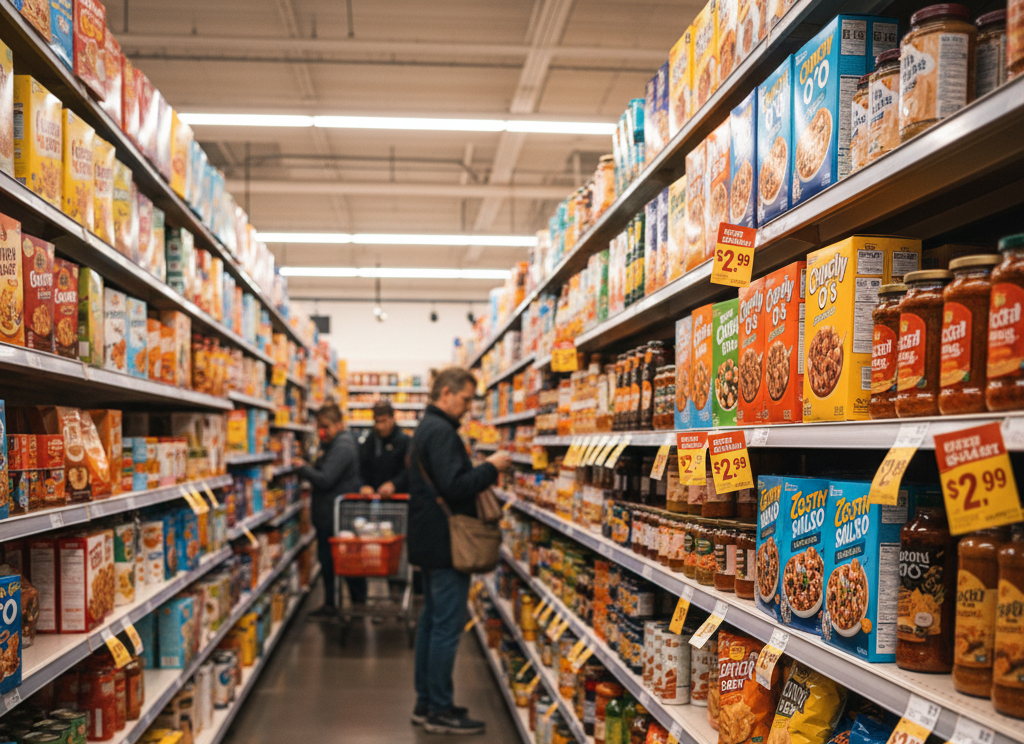
Have you ever walked into the grocery store with a short list, only to roll your cart out with twice as many items as you planned? You are not alone. Food companies are masters of persuasion, and one of their most effective tools is packaging. It is not just about protecting the food inside. The box, bag, or bottle is designed to spark emotions, trigger memories, and even convince you that something is healthier or a better deal than it really is.
For baby boomers, who grew up during a golden age of branding, packaging has an especially strong pull. Those familiar fonts, comforting colors, and health buzzwords are carefully chosen to speak directly to you. The tricky part is that most of the time, we do not even realize we are being influenced.
Let us peel back the layers and uncover seven sneaky ways food packaging shapes the buying habits of boomers. Once you spot these tricks, you will never look at a grocery aisle the same way again.
1. Nostalgic Designs That Stir Up Memories
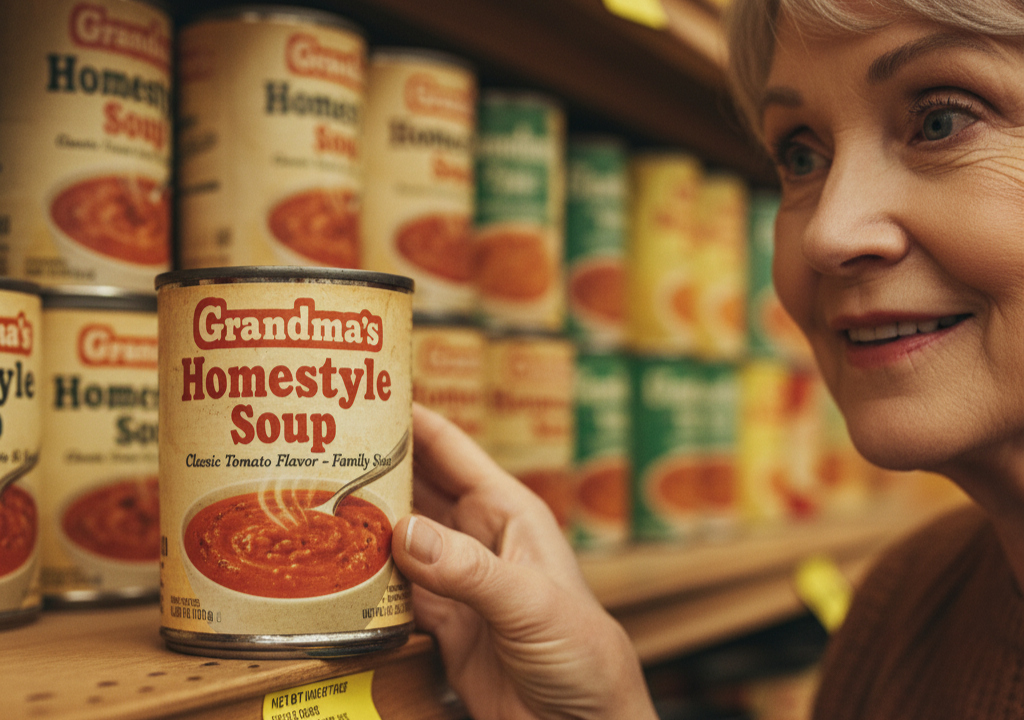
Food companies know that baby boomers have a strong sense of nostalgia, and they use it to their advantage. A soup can label that looks almost identical to the one your mother served in the 1960s or a cereal box that has not changed in decades is no accident. These throwback designs are meant to tug at your heartstrings. They remind you of childhood dinners, family breakfasts, and simpler times. It is comforting, and that comfort often translates into a purchase. The next time you feel drawn to a package that looks “just like it used to,” pause and ask yourself: do you want the food itself, or are you buying the memory that comes with it?
2. Health Buzzwords That Sound Better Than They Are
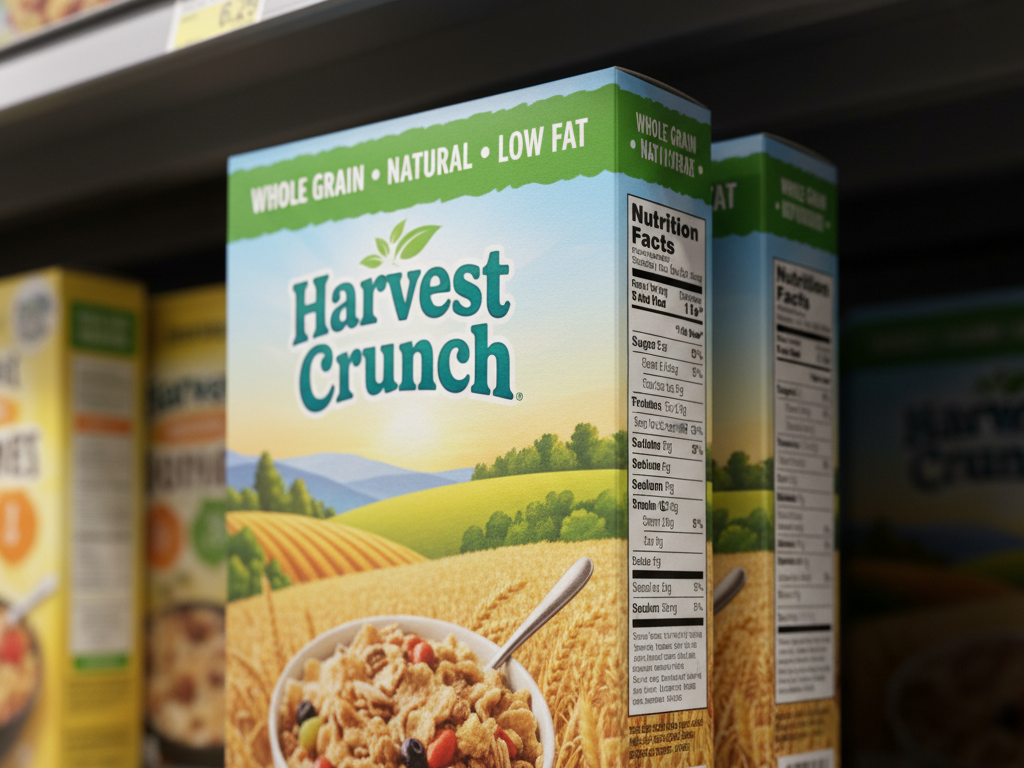
Take a walk down any grocery aisle and you will be greeted by words like “natural,” “light,” “made with whole grains,” and “low fat.” These terms are designed to sound reassuring, especially for boomers who are paying closer attention to health. But the reality is that many of these claims are vague or misleading. “Low fat” foods, for example, often contain extra sugar to make up for the taste. “Natural” only means the ingredients come from plants or animals, not that the food is automatically good for you. While packaging wants you to stop at the buzzword, your best move is to flip the box around and read the nutrition label. That is where the truth hides.
3. Bigger Fonts and Bold Labels for Easier Reading
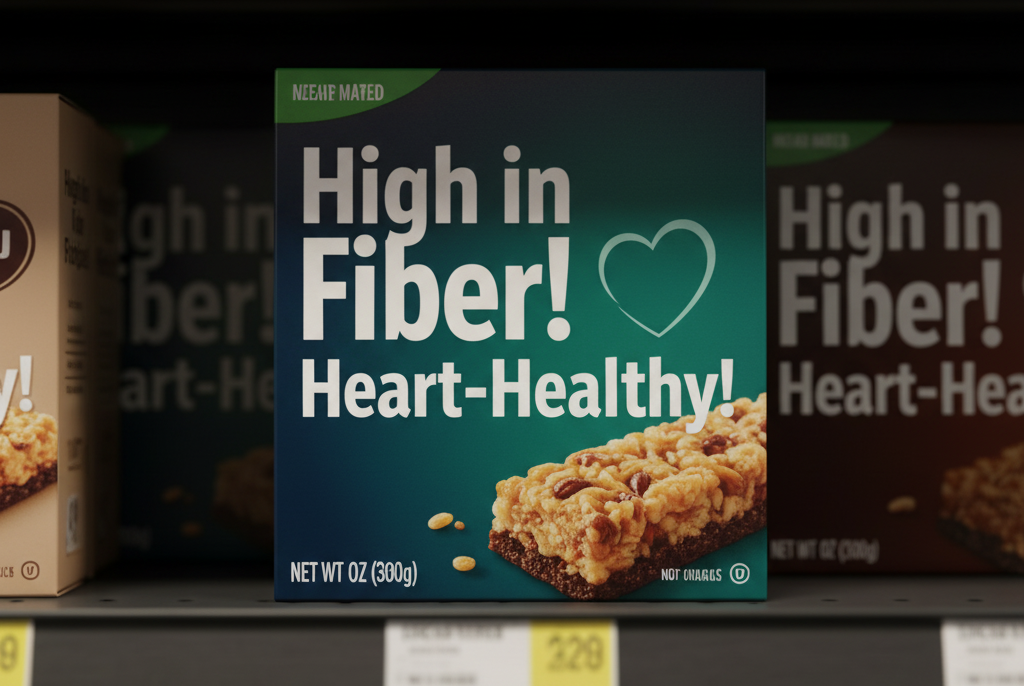
Food companies are very aware that eyesight changes with age, so they make sure to use bigger fonts, bolder claims, and high-contrast colors that catch your attention. This can make labels easier to read, which is helpful, but it also comes with a catch. The large print almost always highlights the positives: “High in Fiber!” “Great Source of Calcium!” “Heart Healthy!” The less flattering details, like added sugars or high sodium levels, are tucked away in the fine print. The packaging is guiding your eyes where the brand wants them to go. To outsmart this trick, always check the smaller print before tossing the product into your cart.
4. Family Size and Value Packs That Play to Frugality
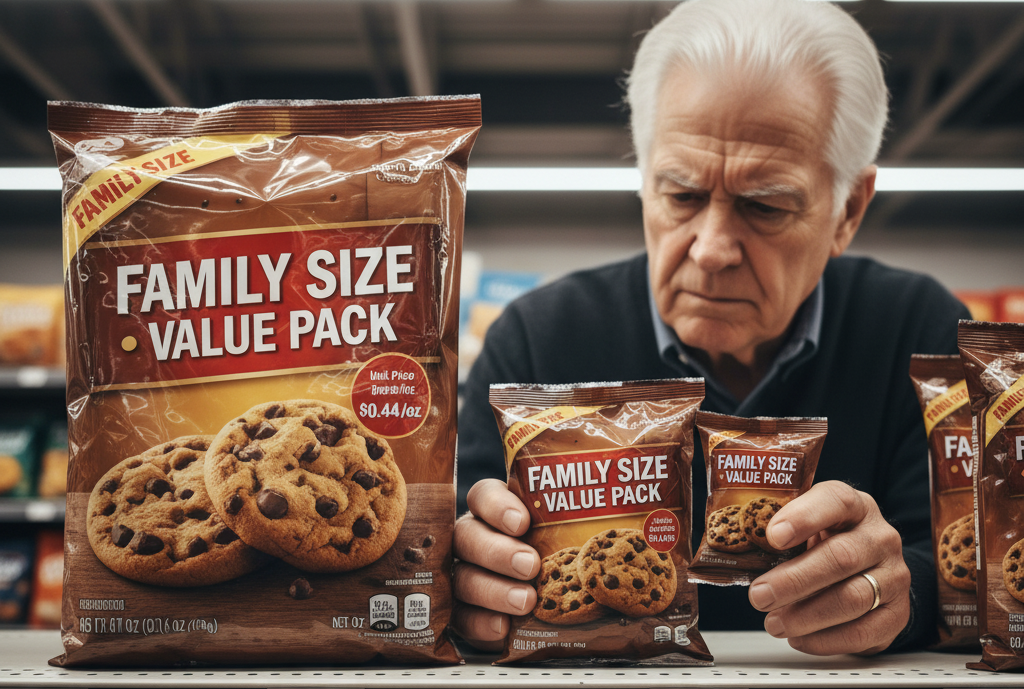
Boomers grew up in a time when stretching a dollar was a point of pride, and marketers know it. That is why so many items are sold in “family size” or “value pack” packages that seem like the smarter choice. Sometimes these really do save you money, but often the price per ounce is the same, or even higher. Plus, larger packages can encourage you to eat more than you would from a smaller one. A big bag of cookies, for example, may feel like a deal, but it also makes it easier to overindulge. Before grabbing the largest package on the shelf, do a quick price-per-ounce comparison. You might be surprised at which size is the real value.
5. Calming Colors and Cozy Pictures
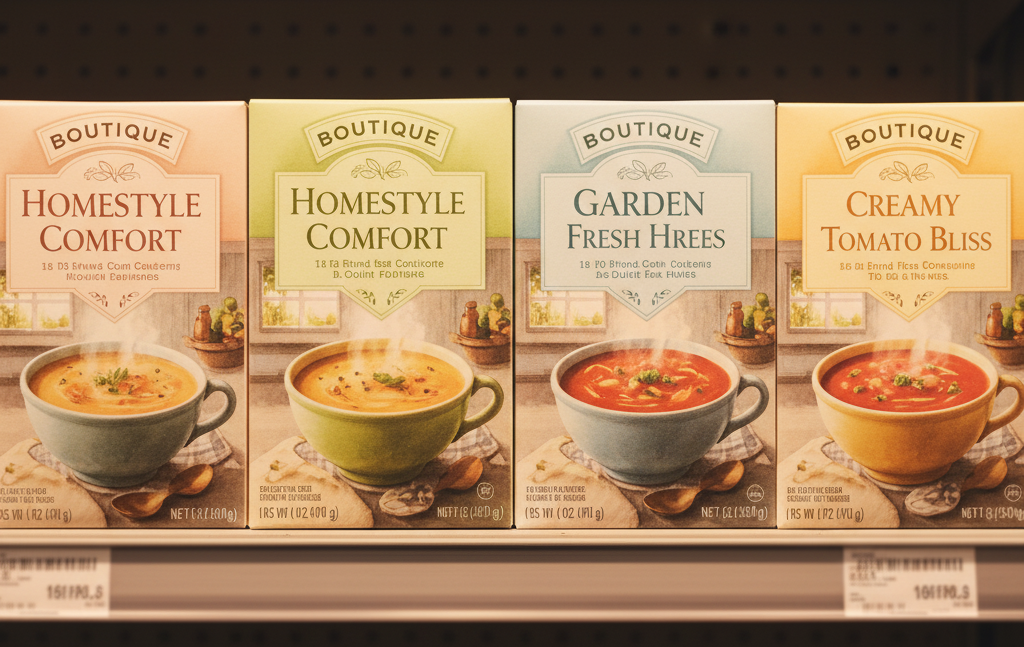
Colors and images are not random. Packaging designers use them to trigger emotions. Greens and earthy tones signal health and nature, even if the product itself is not particularly healthy. Blues and soft pastels suggest freshness or calm. Pictures of steaming soup bowls, rustic bread loaves, or happy families on the front of a box are carefully chosen to spark feelings of comfort and belonging. For many boomers, who often link food with family and togetherness, these cues can be especially persuasive. The key is to remember that while the colors and images can warm your heart, they do not tell you much about what is really inside.
6. Limited Edition and Seasonal Packaging
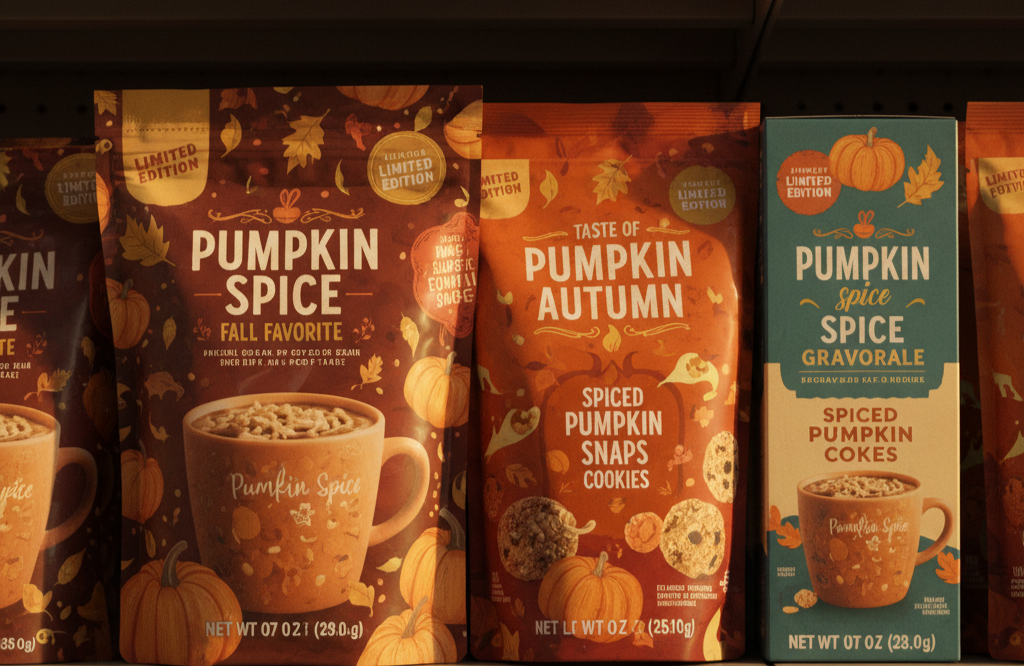
Pumpkin spice cookies in the fall. Red and green packaging at Christmas. Stars and stripes snacks in July. These seasonal and limited-edition designs are marketing gold. They create a sense of urgency and tradition that can be hard to resist. For boomers, who often love celebrating holidays with family, this packaging feels festive and fun. The truth is, though, the product inside is usually no different from the regular version. You are often paying extra for the box or bag. While there is nothing wrong with picking up something special for the season, it is good to recognize that the packaging is what makes it tempting.
7. Resealable and Easy-Open Features
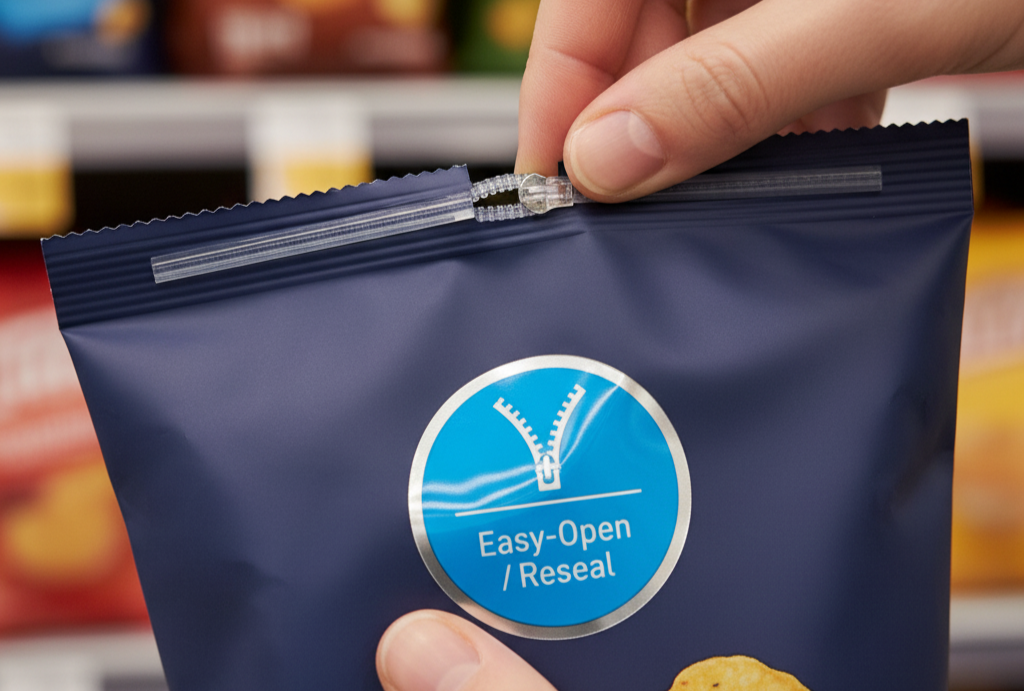
Convenience sells, and food companies know boomers value practicality. That is why you see more packages with resealable zippers, easy-pour spouts, or peel-and-reseal lids. These upgrades make life easier, no doubt about it. But they also create the impression that the product is higher quality, which often comes with a higher price tag. The food inside may be exactly the same as the cheaper version in a plain bag. While it can be worth paying for convenience, sometimes a reusable container at home can do the job just as well, without the added cost.
Final Thoughts
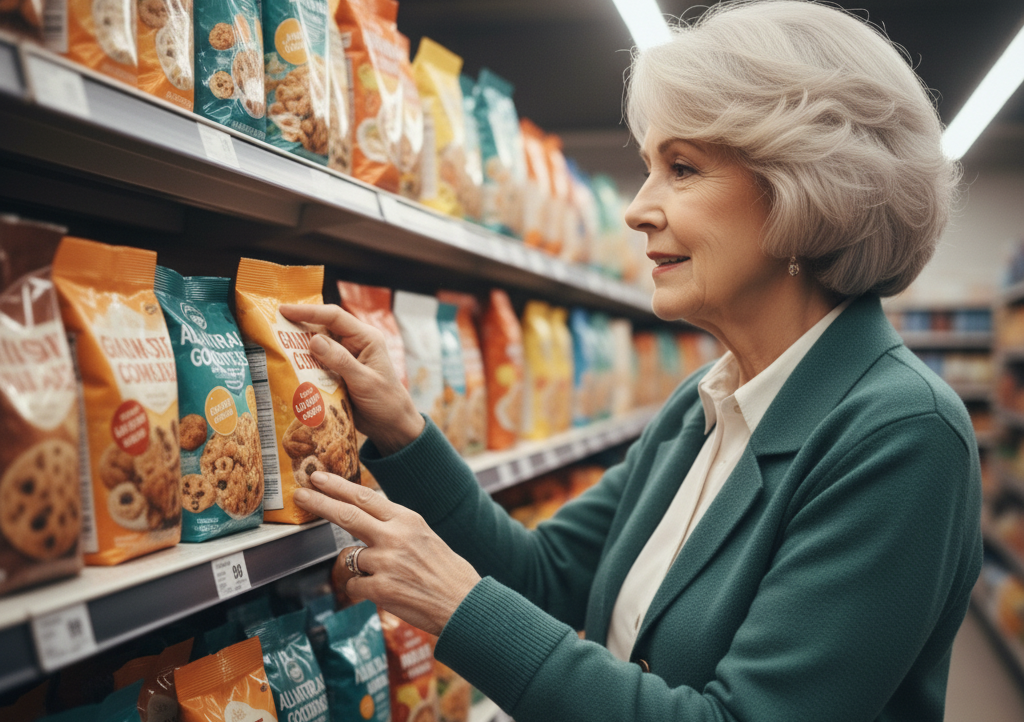
Food packaging is not just about wrapping. It is a powerful form of marketing designed to influence how you think and feel in the grocery store. For baby boomers, who bring unique values like nostalgia, health awareness, and frugality to shopping, marketers know exactly which buttons to press. From colors that whisper “healthy” to fonts that scream “family value,” every detail is carefully planned.
The good news is that once you are aware of these tricks, you hold the power. You can enjoy the memories without buying into nostalgia, check labels instead of trusting buzzwords, and compare prices before reaching for the family-size deal. By slowing down and looking past the packaging, you can make choices that truly match your needs, your health, and your budget.
So the next time you walk down the grocery aisle, remember: you are not just shopping for food, you are navigating a world of marketing psychology. Stay sharp, shop smart, and let your cart reflect your choices—not the story the packaging wants to sell you.
Leave a Reply