Keep Your Mind Sharp with These 9 Fun and Effective Brain Games

As we age, keeping the brain active is just as important as staying physically fit. While crossword puzzles and Sudoku are classics, there’s a wide world of fun and effective brain games out there that do more than just pass the time—they help boost memory, improve focus, and keep your mental edge sharp. The best part? These brain-boosting activities don’t feel like work. In fact, they’re so fun, you might forget you’re giving your brain a workout!
Whether you’re retired, semi-retired, or simply looking for new ways to stay mentally active, these nine brain games can help you stay sharp and engaged well into your golden years.
1. Lumosity: Personalized Brain Training at Your Fingertips
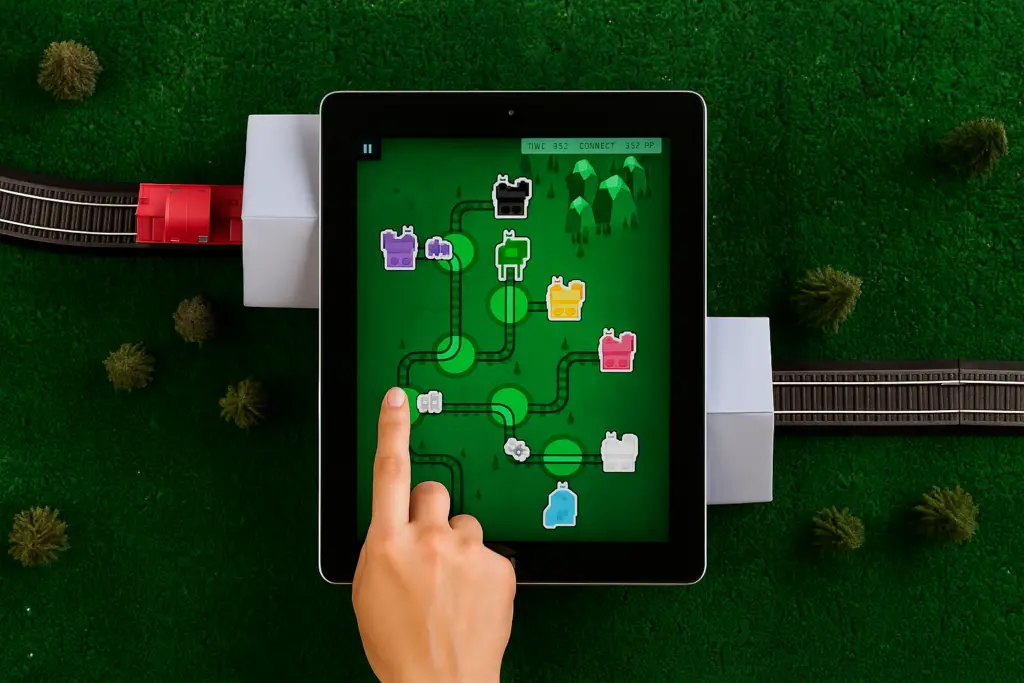
Lumosity is a well-known app designed by neuroscientists that offers daily brain training exercises to target memory, attention, flexibility, and problem-solving skills. With a wide variety of games and performance tracking, Lumosity adjusts to your level and gives you feedback on your progress. It’s an ideal choice if you enjoy a structured routine and want to challenge different parts of your brain every day—all from your phone, tablet, or computer.
2. Crossword Puzzles: A Classic for a Reason
Crossword puzzles are timeless—and for good reason. They help improve vocabulary, boost memory recall, and enhance problem-solving skills. Whether you enjoy tackling the Sunday paper’s puzzle or prefer solving digital versions on an app like the New York Times Crossword, these word games keep your mind engaged. They’re also great for reducing stress, especially when paired with a hot cup of coffee on a lazy afternoon.
3. BrainHQ: Designed by Scientists, Built for Boomers

If you’re looking for brain training that’s backed by research, BrainHQ is worth exploring. Developed by neuroscientists and tailored to older adults, BrainHQ offers dozens of brain exercises that focus on memory, attention, brain speed, and navigation. The platform is simple to use, with short sessions that fit easily into your daily schedule. Plus, it adjusts in difficulty as you improve, keeping things both challenging and motivating.
4. Jigsaw Puzzles: Visual Focus Meets Mindful Relaxation

There’s something satisfying about fitting puzzle pieces together. Jigsaw puzzles promote spatial awareness, short-term memory, and attention to detail. Working on a large puzzle over time provides a great sense of accomplishment—and it’s an enjoyable way to wind down without screens. Want to take it up a notch? Try 3D or mystery jigsaw puzzles that add an extra layer of brain work and intrigue.
5. Scrabble and Words With Friends: Boost Your Brain Through Friendly Competition

If you love words and a little friendly rivalry, Scrabble and its digital cousin, Words With Friends, are excellent picks. These games challenge your vocabulary, spelling, and strategic thinking, especially when playing against others. They’re also a fun way to stay socially connected with family and friends, especially if they live far away. For solo players, word scrambles and anagram apps can offer similar mental benefits.
6. Chess: The Ultimate Game of Strategy and Patience

Chess isn’t just for grandmasters—this age-old game trains your brain to think several moves ahead, analyze patterns, and stay focused under pressure. Playing chess regularly can help boost concentration, planning, and decision-making skills. If you’re new to the game, apps like Chess.com offer tutorials, AI opponents, and puzzles to help you learn at your own pace. You can even play online with others around the world, bringing a social element into your strategic play.
7. Mahjong: Match Tiles and Strengthen Cognitive Skills
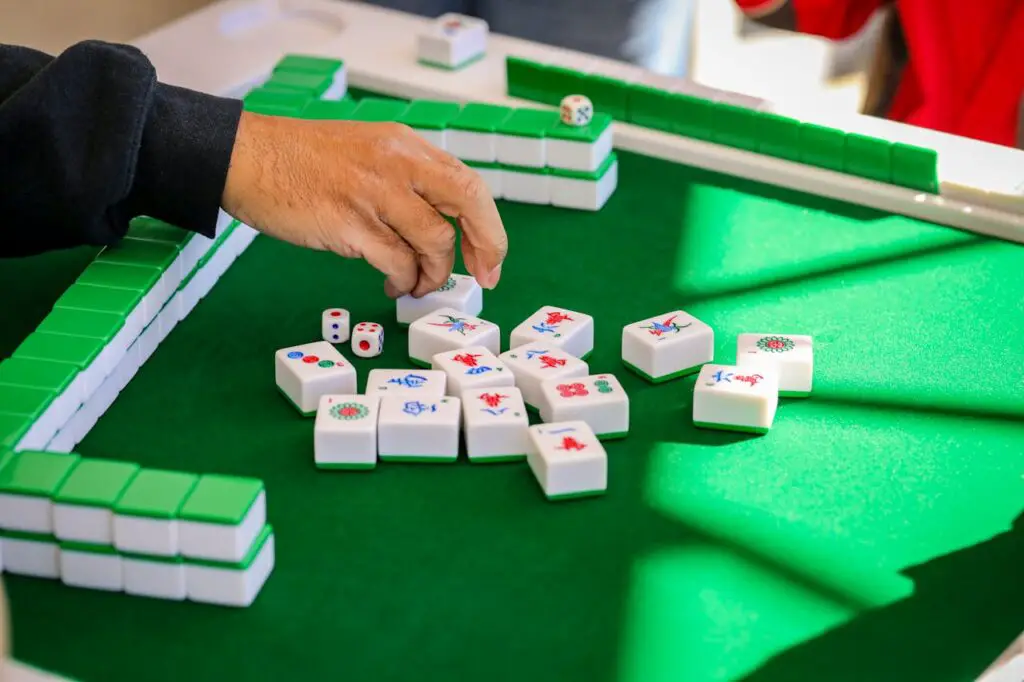
Mahjong, a tile-based game originating from China, is more than just a pastime—it’s a great way to improve pattern recognition, memory, and concentration. Whether you play the traditional version or the simpler solitaire-style game on your tablet or computer, Mahjong requires a good eye and quick thinking. The colorful visuals and satisfying gameplay make it a relaxing yet mentally stimulating activity, especially for those who love puzzles with a twist.
8. Sudoku: Numbers That Keep You Sharp

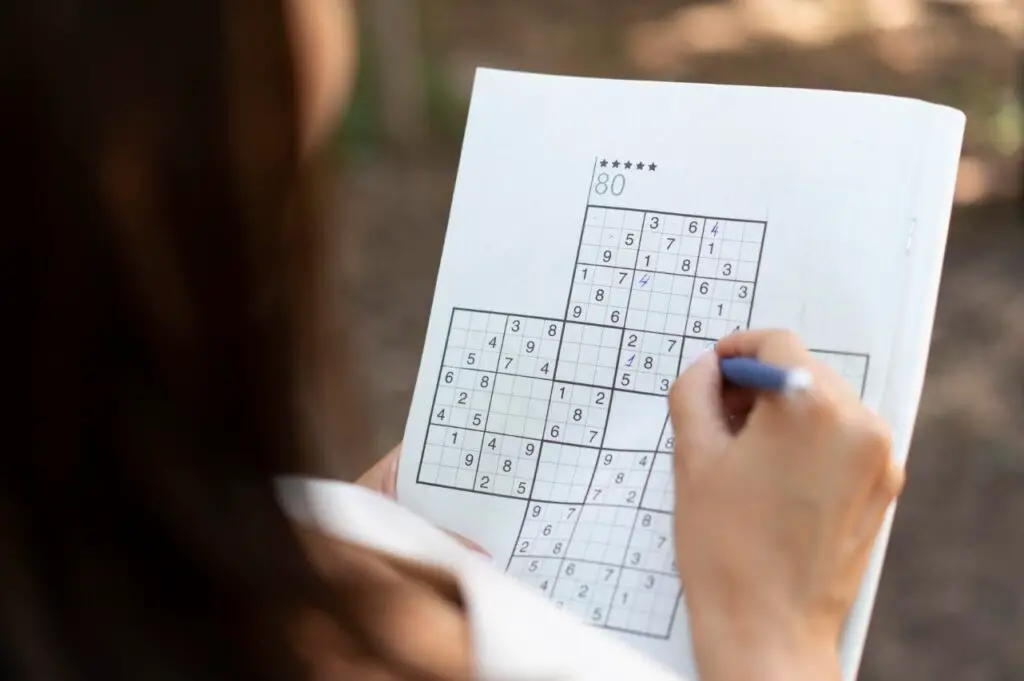
This popular number puzzle is deceptively simple: fill a 9×9 grid so every row, column, and box contains the digits 1 through 9. But behind the basic rules lies a rich challenge that improves logic, problem-solving, and pattern recognition. Sudoku is available in books, newspapers, and countless apps that range from easy to brain-busting. It’s ideal for those who prefer numbers to words and enjoy a good mental challenge without needing to do any math.
9. Trivia Games: Learn, Laugh, and Keep Your Memory Fresh
Who doesn’t love showing off a little knowledge? Trivia games are a fun and social way to exercise your memory and recall. Whether it’s a trivia night at your local community center, a family board game like Trivial Pursuit, or an app like QuizUp, trivia helps you stay curious, think fast, and retain information. Plus, you never know when a random fact about 1960s rock bands or U.S. presidents will come in handy!
Final Thoughts

Keeping your mind sharp doesn’t have to be boring or repetitive. In fact, making brain training part of your routine can be one of the most enjoyable parts of your day. Whether you’re into word games, strategy puzzles, or tech-based training tools, the most important thing is consistency. Just 15–20 minutes a day can make a noticeable difference in memory, focus, and mental flexibility.
And remember—it’s not just about solo play. Many of these games can be shared with grandkids, friends, or a partner. Social engagement is a key factor in brain health, so don’t hesitate to invite others to join in the fun. Play often, laugh lots, and keep challenging your brain—you’ve got a lot of great thinking ahead of you!
Leave a Reply