Build a Strong Emergency Fund in 2026 With These 6 Smart and Practical Steps

Imagine waking up tomorrow to a surprise expense. Your car refuses to start. Your company announces sudden layoffs. Or a medical bill lands in your inbox that makes your stomach drop. Now imagine handling that moment calmly because you already prepared for it.
That is the power of a strong emergency fund.
In 2026, with rising living costs, shifting job markets, and economic uncertainty still lingering in the background, having cash set aside is not just a nice idea. It is one of the most important financial moves you can make. The good news? You do not need to be wealthy or financially perfect to build one. You just need a clear plan and steady action.
Here are six smart and realistic steps to help you build a strong emergency fund this year and protect your future.
1. Set a Clear and Realistic Savings Target

Before you start saving, you need a specific goal. Most financial experts recommend setting aside three to six months of essential living expenses. That means rent or mortgage payments, groceries, utilities, insurance, transportation, and minimum debt payments. For many Americans, that number can feel intimidating at first. If six months seems impossible, start smaller. Aim for one thousand dollars as your first milestone. Then build to one month of expenses. Then two. The key is clarity. When you know exactly what you are working toward, saving becomes more purposeful and motivating. A defined goal turns vague intention into measurable progress.
2. Understand Exactly Where Your Money Is Going

It is almost impossible to save consistently if you do not know how you are currently spending. Take a close look at your last two or three months of bank and credit card statements. You might be surprised at how small purchases add up. Streaming subscriptions, frequent food delivery, impulse online buys, and convenience fees can quietly eat away at your income. This does not mean you have to eliminate all fun from your life. It simply means you become aware. Once you see the full picture, you can decide which expenses truly matter and which ones you are willing to trim. Even cutting one or two non essential costs can free up hundreds of dollars each month to move into your emergency fund.
3. Automate Your Savings So You Do Not Rely on Willpower

Let us be honest. Relying on motivation alone is exhausting. That is why automation is one of the most powerful tools you can use. Set up an automatic transfer from your checking account to a separate savings account every time you get paid. Treat it like a bill that must be paid, except this one benefits you directly. When money moves automatically, you remove the temptation to spend it. Over time, you will adjust to living on what remains. Many banks even allow you to schedule recurring transfers or round up purchases to boost savings quietly in the background. Automation transforms saving from a decision you have to make every week into a system that works for you.
4. Make Small Lifestyle Tweaks That Add Up

You do not need to overhaul your entire life to build an emergency fund. In fact, extreme changes often lead to burnout. Instead, focus on manageable adjustments. Maybe you cook at home three more nights per week instead of ordering takeout. Maybe you compare insurance rates and switch providers. Maybe you pause a gym membership you barely use and try home workouts for a while. Each small shift can create extra breathing room in your budget. The trick is to redirect those savings immediately into your emergency fund so they do not disappear into everyday spending. Over the course of a year, even modest adjustments can add thousands of dollars to your safety net.
5. Use Windfalls and Extra Income Strategically
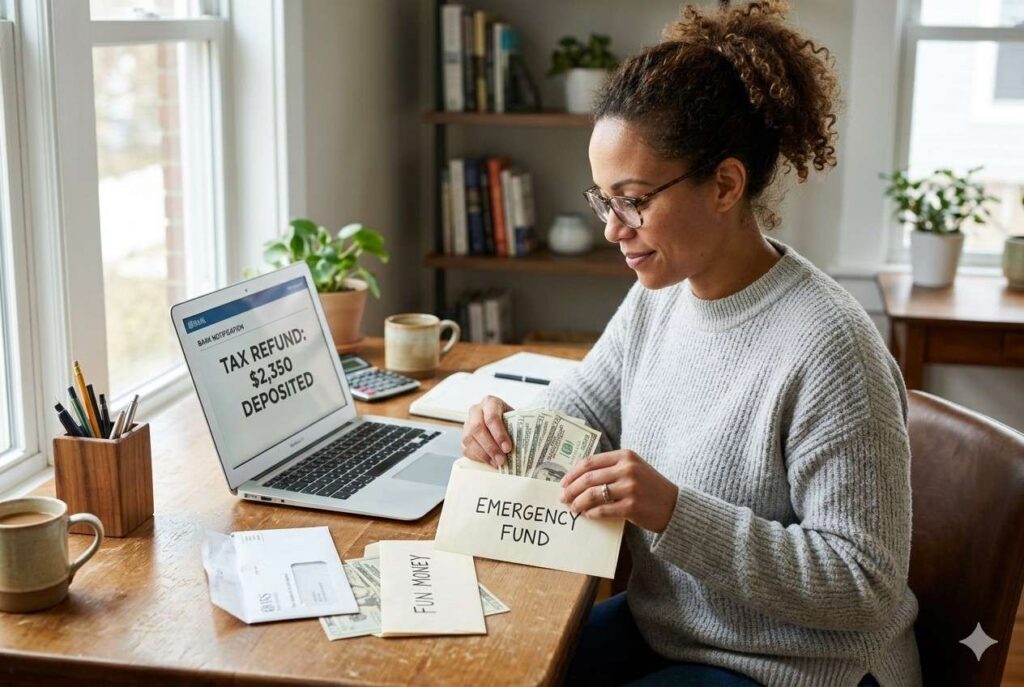
Tax refunds, bonuses, side hustle income, and cash gifts can feel like found money. It is tempting to spend it all on something fun, and sometimes a small treat is perfectly fine. But if you are serious about building a strong emergency fund in 2026, commit to sending a significant portion of any windfall straight into savings. Because this money is not part of your regular monthly income, you will not feel the same sacrifice. A single tax refund could cover an entire month of expenses. A few months of side gig work could complete your three month cushion. Think of these moments as opportunities to accelerate your progress instead of resetting it.
6. Choose the Right Place to Store Your Emergency Fund

Where you keep your emergency fund matters. It should be separate from your everyday spending account so you are not tempted to dip into it casually. At the same time, it needs to be easily accessible in a true emergency. Many Americans choose high yield savings accounts because they offer better interest rates than traditional savings accounts while still allowing quick access to funds. Make sure the account is insured and does not charge penalties for withdrawals. Avoid locking this money into long term investments or accounts with restrictions. The purpose of an emergency fund is stability and liquidity, not aggressive growth. Think safety first.
Final Thoughts: Financial Peace Is Built One Step at a Time

Building a strong emergency fund in 2026 is not about fear. It is about freedom.
It is the freedom to leave a toxic job without immediate panic. The freedom to handle a medical bill without swiping a credit card and worrying about interest. The freedom to fix your car so you can keep getting to work. It is about knowing that when life surprises you, you are ready.
You do not need to build it all at once. Start with the first hundred dollars. Then the first thousand. Progress may feel slow at times, but every deposit strengthens your foundation. The goal is not perfection. The goal is consistency.
A year from now, you could be in the same place financially or you could be sitting on a cushion that brings genuine peace of mind. The choice begins with one decision and one transfer.
Your future self will be incredibly grateful that you started today.
Leave a Reply