Our Debt Free Family

Commit. Plan. Take action.

  • BUDGETING
  • DEBT REDUCTION
  • INVESTING
  • LIFESTYLE
  • TOOLS
  • ABOUT
  • Privacy Policy
  • CONTACT

Pet Hair Nightmares Solved: 6 Summer Cleaning Tricks Professionals Swear By

March 10, 2026 | Leave a Comment

Pet Hair Nightmares Solved: 6 Summer Cleaning Tricks Professionals Swear By

<p> If you’ve ever found yourself plucking fur tumbleweeds off your sofa, or vacuuming every other day only to see fluffy bits floating in the sunlight, you’re not alone. Summer is prime shedding season for many pets, turning even the most diligent pet owner’s home into a furry battleground. But don’t sweat it—professional cleaners have a few genius tricks up their sleeves to keep your home fresh, fur-free, and ready for summer guests. Here are six summer cleaning hacks the pros swear by that’ll help you finally conquer those pesky pet hair nightmares once and for all! </p> :: Freepik AI

If you’ve ever found yourself plucking fur tumbleweeds off your sofa, or vacuuming every other day only to see fluffy bits floating in the sunlight, you’re not alone. Summer is prime shedding season for many pets, turning even the most diligent pet owner’s home into a furry battleground. But don’t sweat it—professional cleaners have a few genius tricks up their sleeves to keep your home fresh, fur-free, and ready for summer guests.

Here are six summer cleaning hacks the pros swear by that’ll help you finally conquer those pesky pet hair nightmares once and for all!

1. Rubber Gloves to the Rescue

<p> You’d be amazed at how many professional cleaners rely on one simple tool for conquering pet hair: rubber gloves. When dampened slightly, the rubber surface creates static that lifts fur right off furniture, curtains, and even car interiors. Slip on a glove, run your hand over your couch cushions or fabric chairs, and watch pet hair ball up like magic. It’s especially handy for spots where vacuum attachments just can’t reach or for quick cleanups before guests arrive. Best part? Rubber gloves are cheap, reusable, and easy to rinse clean under the tap. It’s a humble household hero that belongs in every pet owner’s cleaning arsenal. </p> :: DALL-E

You’d be amazed at how many professional cleaners rely on one simple tool for conquering pet hair: rubber gloves. When dampened slightly, the rubber surface creates static that lifts fur right off furniture, curtains, and even car interiors. Slip on a glove, run your hand over your couch cushions or fabric chairs, and watch pet hair ball up like magic. It’s especially handy for spots where vacuum attachments just can’t reach or for quick cleanups before guests arrive. Best part? Rubber gloves are cheap, reusable, and easy to rinse clean under the tap. It’s a humble household hero that belongs in every pet owner’s cleaning arsenal.

2. Upgrade to a High-Performance Vacuum

<p> Summer shedding means your vacuum needs to be working overtime—and not just any vacuum will do. Professional cleaners recommend investing in a high-performance vacuum designed specifically for homes with pets. Look for models with HEPA filters, powerful suction, and specialized attachments that dig deep into carpets and upholstery. The pros love vacuums with motorized brush rolls because they pull up fur tangled deep in fibers where traditional vacuums fail. Yes, they’re a bit pricier, but think of it as an investment in your sanity—and in fewer allergy attacks from airborne pet dander. Plus, these vacuums often come with tools perfect for tackling stairs, car interiors, and tight corners where fur loves to hide. </p> :: Pexels

Summer shedding means your vacuum needs to be working overtime—and not just any vacuum will do. Professional cleaners recommend investing in a high-performance vacuum designed specifically for homes with pets. Look for models with HEPA filters, powerful suction, and specialized attachments that dig deep into carpets and upholstery. The pros love vacuums with motorized brush rolls because they pull up fur tangled deep in fibers where traditional vacuums fail. Yes, they’re a bit pricier, but think of it as an investment in your sanity—and in fewer allergy attacks from airborne pet dander. Plus, these vacuums often come with tools perfect for tackling stairs, car interiors, and tight corners where fur loves to hide.

3. Use a Damp Mop or Electrostatic Cloth on Hard Floors

<p> If you’ve ever tried sweeping pet hair only to watch it swirl around like a furry tornado, you know how frustrating it can be. Pros solve this problem by skipping the dry broom and reaching for a slightly damp microfiber mop or an electrostatic cloth instead. The moisture helps trap hair instead of scattering it, making quick work of fur lurking in corners and along baseboards. For hardwood or tile, this method prevents scratches and picks up dust and allergens at the same time. During summer shedding season, give high-traffic areas a daily once-over to keep fur from piling up—and your floors gleaming. It’s a small habit that delivers big results. </p> :: Pexels

If you’ve ever tried sweeping pet hair only to watch it swirl around like a furry tornado, you know how frustrating it can be. Pros solve this problem by skipping the dry broom and reaching for a slightly damp microfiber mop or an electrostatic cloth instead. The moisture helps trap hair instead of scattering it, making quick work of fur lurking in corners and along baseboards. For hardwood or tile, this method prevents scratches and picks up dust and allergens at the same time. During summer shedding season, give high-traffic areas a daily once-over to keep fur from piling up—and your floors gleaming. It’s a small habit that delivers big results.

4. Tumble Dry Pet Bedding and Blankets Before Washing

<p> Here’s a little-known professional secret: run pet bedding, blankets, or even your own clothes in the dryer on an air-only or low-heat cycle for about 10 minutes before you wash them. The tumbling action helps loosen and collect a surprising amount of fur into the dryer’s lint trap, meaning less hair goes into your washer (and less chance it’ll stick back onto fabrics). Once that pre-dry is done, toss everything into the washing machine as usual. This trick can save your plumbing, too, since it reduces how much hair washes down your drain. Pro cleaners swear by it for keeping pet bedding—and your laundry—noticeably less hairy and a whole lot fresher. </p> :: Pexels

Here’s a little-known professional secret: run pet bedding, blankets, or even your own clothes in the dryer on an air-only or low-heat cycle for about 10 minutes before you wash them. The tumbling action helps loosen and collect a surprising amount of fur into the dryer’s lint trap, meaning less hair goes into your washer (and less chance it’ll stick back onto fabrics). Once that pre-dry is done, toss everything into the washing machine as usual. This trick can save your plumbing, too, since it reduces how much hair washes down your drain. Pro cleaners swear by it for keeping pet bedding—and your laundry—noticeably less hairy and a whole lot fresher.

5. Keep a Squeegee in Your Cleaning Kit

<p> Think squeegees are just for windows? Think again. Professional cleaners frequently reach for rubber-blade squeegees to remove pet hair from carpeted stairs, car seats, rugs, and even large furniture. The rubber edge grips hair and pulls it into clumps that are easy to vacuum up or pick up by hand. It’s shockingly effective, especially on shorter carpet fibers where fur tends to embed itself. Plus, using a squeegee is far quieter than vacuuming, making it perfect for homes with nervous pets. For best results, use short, firm strokes and empty the blade often. You’ll be amazed how much hair comes up—even in places you thought were already clean! </p> :: Freepik

Think squeegees are just for windows? Think again. Professional cleaners frequently reach for rubber-blade squeegees to remove pet hair from carpeted stairs, car seats, rugs, and even large furniture. The rubber edge grips hair and pulls it into clumps that are easy to vacuum up or pick up by hand. It’s shockingly effective, especially on shorter carpet fibers where fur tends to embed itself. Plus, using a squeegee is far quieter than vacuuming, making it perfect for homes with nervous pets. For best results, use short, firm strokes and empty the blade often. You’ll be amazed how much hair comes up—even in places you thought were already clean!

6. Groom Your Pet More Frequently (Outdoors If Possible!)

<p> One of the smartest ways to keep pet hair from overtaking your home is to stop it at the source. Professional cleaners know that the real secret weapon isn’t just cleaning—it’s preventing excessive shedding in the first place. Regular grooming, especially during summer when pets naturally shed more, can dramatically reduce how much fur ends up on your furniture and floors. Grab a high-quality brush or grooming glove and make it part of your summer routine. If weather allows, do it outside to keep loose hair from settling indoors. Not only does grooming help with shedding, but it’s also great bonding time for you and your furry friend—and can keep your pet cooler and more comfortable in the heat. Win-win! </p> :: Freepik

One of the smartest ways to keep pet hair from overtaking your home is to stop it at the source. Professional cleaners know that the real secret weapon isn’t just cleaning—it’s preventing excessive shedding in the first place. Regular grooming, especially during summer when pets naturally shed more, can dramatically reduce how much fur ends up on your furniture and floors. Grab a high-quality brush or grooming glove and make it part of your summer routine. If weather allows, do it outside to keep loose hair from settling indoors. Not only does grooming help with shedding, but it’s also great bonding time for you and your furry friend—and can keep your pet cooler and more comfortable in the heat. Win-win!

Final Thoughts

<p> Let’s be real: if you share your home with a dog or cat, there’s probably no such thing as completely fur-free living. But with these six summer cleaning tricks that professionals swear by, you’ll be miles ahead of the shedding game. From clever tools like rubber gloves and squeegees to smart habits like pre-drying pet bedding, you can keep fur tumbleweeds under control and your home looking guest-ready all season long. So don’t let summer shedding dampen your sunny mood. Roll up your sleeves, try a few pro tips, and enjoy every cuddle with your furry companion—minus the hair on your clothes and couch! </p> :: Pexels

Let’s be real: if you share your home with a dog or cat, there’s probably no such thing as completely fur-free living. But with these six summer cleaning tricks that professionals swear by, you’ll be miles ahead of the shedding game. From clever tools like rubber gloves and squeegees to smart habits like pre-drying pet bedding, you can keep fur tumbleweeds under control and your home looking guest-ready all season long.

So don’t let summer shedding dampen your sunny mood. Roll up your sleeves, try a few pro tips, and enjoy every cuddle with your furry companion—minus the hair on your clothes and couch!

Filed Under: Lifestyle

Stop Doing These 10 Things to Your Lawn or Risk Ruining It

March 10, 2026 | Leave a Comment

Stop Doing These 10 Things to Your Lawn or Risk Ruining It

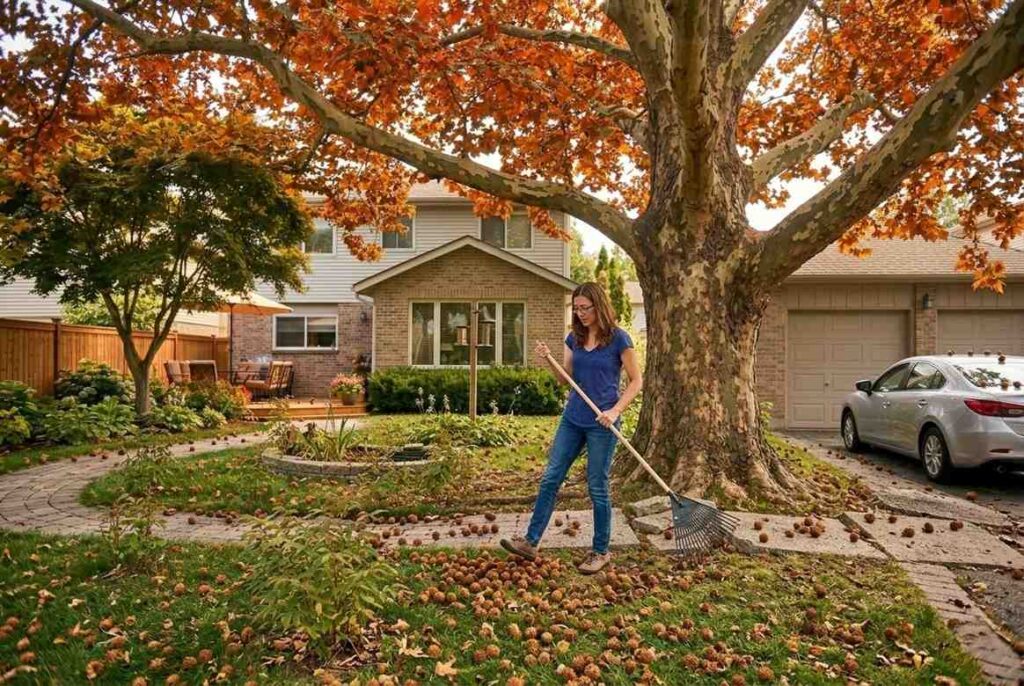
<p> A lush, green lawn is a homeowner’s pride, but maintaining one takes more than just regular mowing and watering. In fact, some common practices may actually be harming your grass without you realizing it. If your lawn looks patchy, dull, or isn’t as vibrant as it used to be, it could be the result of errors in your lawn care routine. Below are ten things you should stop doing to your lawn right away if you want to avoid damaging it beyond repair. </p> :: Pexels

A lush, green lawn is a homeowner’s pride, but maintaining one takes more than just regular mowing and watering. In fact, some common practices may actually be harming your grass without you realizing it. If your lawn looks patchy, dull, or isn’t as vibrant as it used to be, it could be the result of errors in your lawn care routine. Below are ten things you should stop doing to your lawn right away if you want to avoid damaging it beyond repair.

1. Mowing Too Short

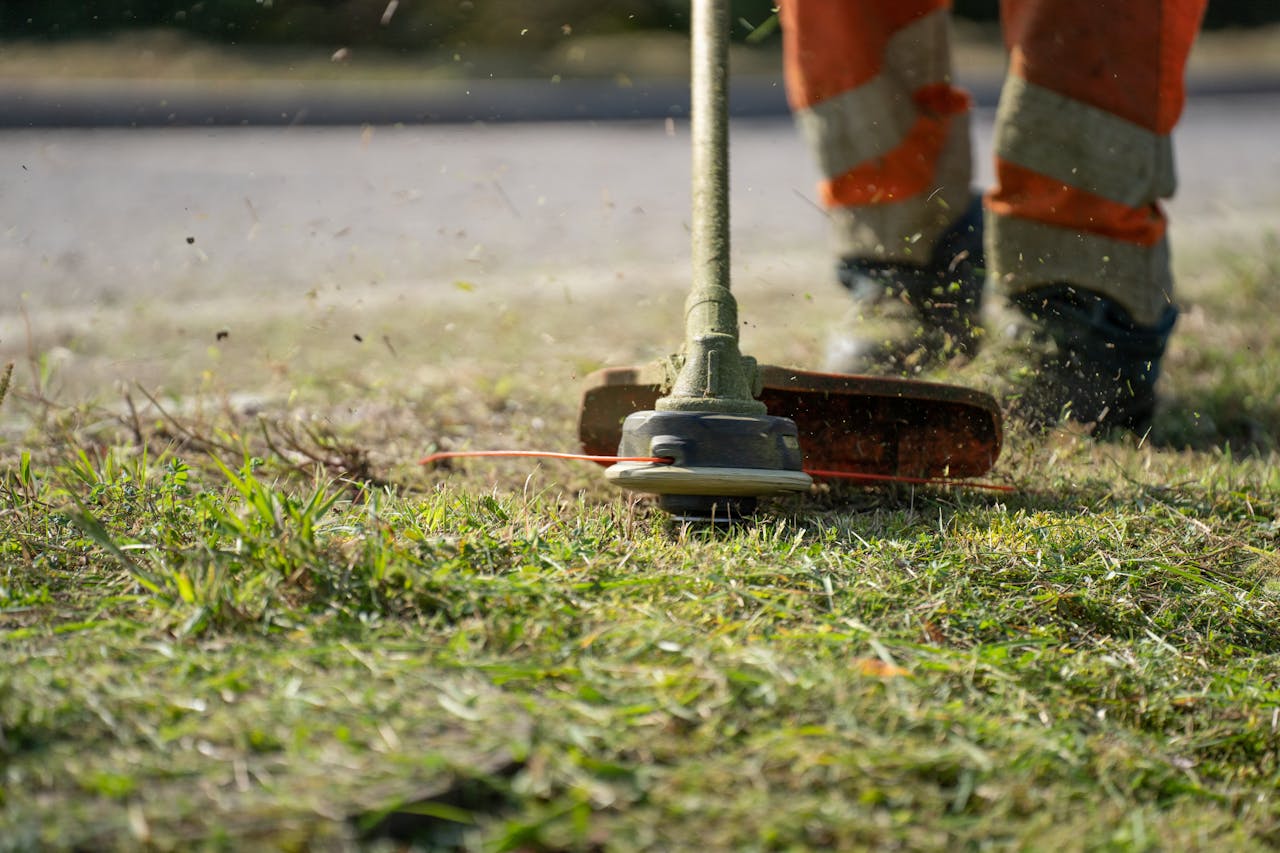
<p> Mowing the grass too short is a frequent mistake that weakens your lawn and leaves it vulnerable to weeds, pests, and diseases. When you cut the grass too low, it reduces the grass’s ability to photosynthesize properly and diminishes its overall health. Short grass also encourages weed growth since more sunlight reaches the soil, allowing weeds to take root. Ideally, you should follow the one-third rule, meaning never cut more than one-third of the grass blade in one mowing session. Taller grass shades the soil, retains moisture better, and helps prevent weeds from sprouting. </p> :: Pexels

Mowing the grass too short is a frequent mistake that weakens your lawn and leaves it vulnerable to weeds, pests, and diseases. When you cut the grass too low, it reduces the grass’s ability to photosynthesize properly and diminishes its overall health. Short grass also encourages weed growth since more sunlight reaches the soil, allowing weeds to take root. Ideally, you should follow the one-third rule, meaning never cut more than one-third of the grass blade in one mowing session. Taller grass shades the soil, retains moisture better, and helps prevent weeds from sprouting.

2. Overwatering Your Lawn

<p> While it may seem logical to water your lawn generously, too much water can lead to waterlogged soil and poor root development. Overwatering suffocates the roots by filling up the air pockets in the soil, making it hard for oxygen to reach the grass. This leads to shallow roots, weak grass, and an increased risk of fungal diseases. Instead, aim for deep and infrequent watering—typically one inch of water per week, depending on the weather. Watering deeply encourages deeper root growth, making your lawn more resilient during dry periods. </p> :: Pexels

While it may seem logical to water your lawn generously, too much water can lead to waterlogged soil and poor root development. Overwatering suffocates the roots by filling up the air pockets in the soil, making it hard for oxygen to reach the grass. This leads to shallow roots, weak grass, and an increased risk of fungal diseases. Instead, aim for deep and infrequent watering—typically one inch of water per week, depending on the weather. Watering deeply encourages deeper root growth, making your lawn more resilient during dry periods.

3. Watering at the Wrong Time

<p> When and how you water your lawn plays a major role in its overall health. Watering during the hottest part of the day may seem convenient, but most of the water will evaporate before it has a chance to soak into the soil. On the other hand, watering at night can leave your lawn damp for too long, increasing the risk of fungal diseases. The best time to water your lawn is early in the morning, ideally between 6 a.m. and 10 a.m. This ensures that your lawn has enough time to absorb the moisture before the heat of the day sets in. </p> :: Pexels

When and how you water your lawn plays a major role in its overall health. Watering during the hottest part of the day may seem convenient, but most of the water will evaporate before it has a chance to soak into the soil. On the other hand, watering at night can leave your lawn damp for too long, increasing the risk of fungal diseases. The best time to water your lawn is early in the morning, ideally between 6 a.m. and 10 a.m. This ensures that your lawn has enough time to absorb the moisture before the heat of the day sets in.

4. Using Dull Mower Blades

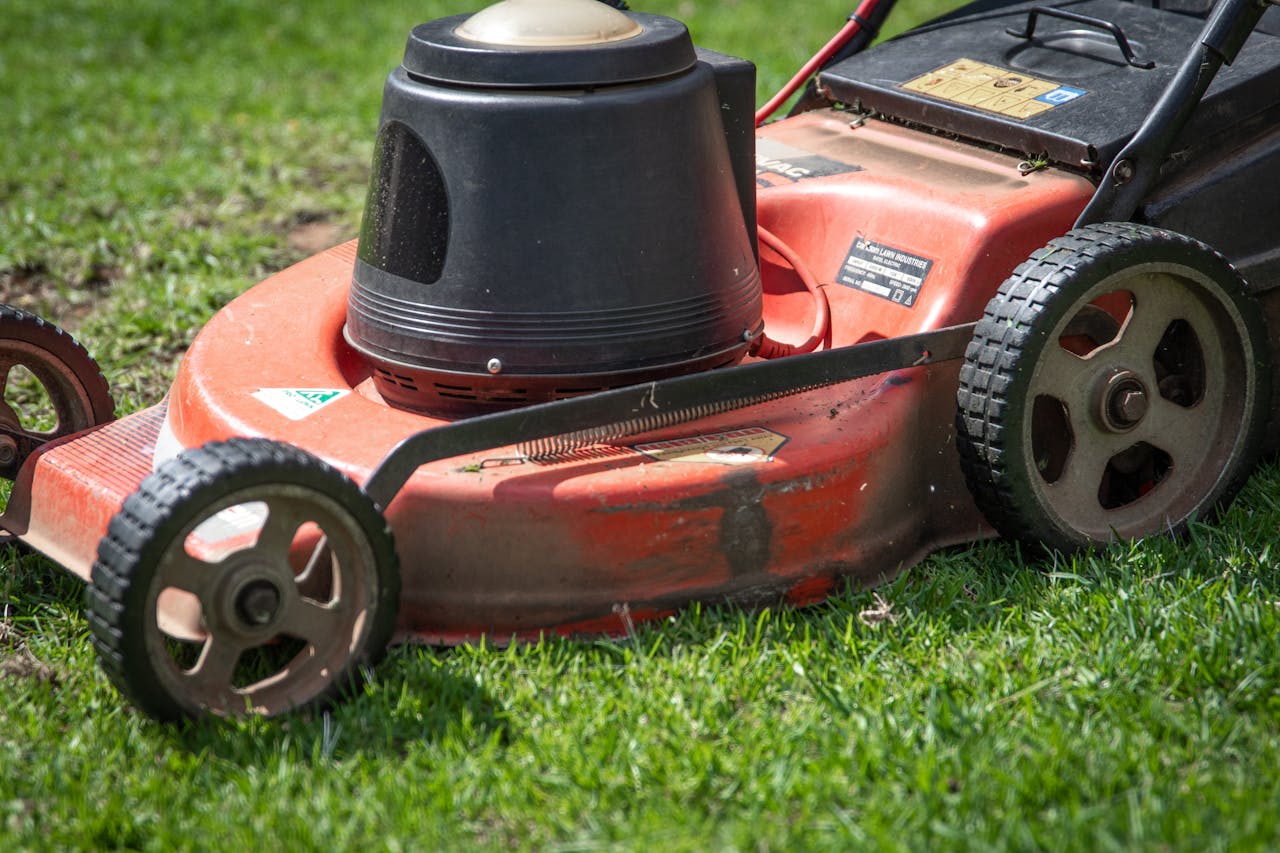
<p> If you’re using a lawnmower with dull blades, you’re doing more harm than good. Dull blades tear at the grass rather than cutting it cleanly, leaving behind frayed and jagged edges. These uneven cuts are more susceptible to diseases and pests. Regularly sharpening your mower blades ensures a clean cut, which promotes faster healing for the grass and helps it maintain a neat, even appearance. Experts recommend sharpening your mower blades every 20 to 25 hours of use to keep them effective. </p> :: Pexels

If you’re using a lawnmower with dull blades, you’re doing more harm than good. Dull blades tear at the grass rather than cutting it cleanly, leaving behind frayed and jagged edges. These uneven cuts are more susceptible to diseases and pests. Regularly sharpening your mower blades ensures a clean cut, which promotes faster healing for the grass and helps it maintain a neat, even appearance. Experts recommend sharpening your mower blades every 20 to 25 hours of use to keep them effective.

5. Applying Too Much Fertilizer

<p> Fertilizing your lawn is essential for keeping it healthy, but too much fertilizer can burn the grass and cause significant damage. Over-fertilization can lead to rapid, unhealthy growth that weakens the lawn’s root system, leaving it prone to diseases and thatch buildup. Excess fertilizer can also create an imbalance of nutrients in the soil, making it harder for your grass to thrive. Always follow the manufacturer’s instructions for the correct application rate, and consider using slow-release fertilizers to give your lawn steady nutrients over time. </p> :: Pexels

Fertilizing your lawn is essential for keeping it healthy, but too much fertilizer can burn the grass and cause significant damage. Over-fertilization can lead to rapid, unhealthy growth that weakens the lawn’s root system, leaving it prone to diseases and thatch buildup. Excess fertilizer can also create an imbalance of nutrients in the soil, making it harder for your grass to thrive. Always follow the manufacturer’s instructions for the correct application rate, and consider using slow-release fertilizers to give your lawn steady nutrients over time.

6. Neglecting Soil Compaction

<p> Over time, foot traffic, lawn equipment, and even rainfall can cause the soil in your yard to become compacted. When soil is compacted, it reduces the amount of oxygen, water, and nutrients that can reach the grass roots. This results in poor grass growth, bare patches, and an increased risk of disease. If you notice that your lawn feels hard when you walk on it or that water is pooling instead of being absorbed, it’s time to aerate the soil. Aerating involves creating small holes in the soil to allow air, water, and nutrients to penetrate deeply, helping your grass thrive. </p> :: Pexels

Over time, foot traffic, lawn equipment, and even rainfall can cause the soil in your yard to become compacted. When soil is compacted, it reduces the amount of oxygen, water, and nutrients that can reach the grass roots. This results in poor grass growth, bare patches, and an increased risk of disease. If you notice that your lawn feels hard when you walk on it or that water is pooling instead of being absorbed, it’s time to aerate the soil. Aerating involves creating small holes in the soil to allow air, water, and nutrients to penetrate deeply, helping your grass thrive.

7. Ignoring Weeds

<p> Weeds are more than just an aesthetic problem—they compete with your grass for vital nutrients, water, and sunlight. Ignoring weeds can quickly turn a well-maintained lawn into a weed-infested one. Weeds grow faster than grass, and if left unchecked, they can take over entire sections of your lawn. Regularly inspecting your lawn for weeds and addressing them early on is crucial. You can remove weeds by hand or use an appropriate herbicide, but be careful to choose one that won’t harm your grass. </p> :: Pexels

Weeds are more than just an aesthetic problem—they compete with your grass for vital nutrients, water, and sunlight. Ignoring weeds can quickly turn a well-maintained lawn into a weed-infested one. Weeds grow faster than grass, and if left unchecked, they can take over entire sections of your lawn. Regularly inspecting your lawn for weeds and addressing them early on is crucial. You can remove weeds by hand or use an appropriate herbicide, but be careful to choose one that won’t harm your grass.

8. Skipping Seasonal Lawn Care

<p> Your lawn has different needs depending on the time of year, and skipping crucial seasonal care can negatively impact its health. For example, neglecting to fertilize in the spring can result in weak early growth, while failing to aerate or overseed in the fall can lead to thinning grass and poor root development. Additionally, not preparing your lawn for winter can expose it to frost damage, making it harder for your grass to recover in the spring. A seasonal lawn care plan that includes fertilizing, aerating, and weed control can help keep your lawn strong and healthy throughout the year. </p> :: Pexels

Your lawn has different needs depending on the time of year, and skipping crucial seasonal care can negatively impact its health. For example, neglecting to fertilize in the spring can result in weak early growth, while failing to aerate or overseed in the fall can lead to thinning grass and poor root development. Additionally, not preparing your lawn for winter can expose it to frost damage, making it harder for your grass to recover in the spring. A seasonal lawn care plan that includes fertilizing, aerating, and weed control can help keep your lawn strong and healthy throughout the year.

9. Choosing the Wrong Grass Type

<p> One of the biggest mistakes people make is choosing the wrong type of grass for their climate, soil, and lawn conditions. Different grass species have different requirements for sunlight, water, and temperature. For example, cool-season grasses like Kentucky bluegrass and fescue thrive in cooler temperatures, while warm-season grasses like Bermuda grass do better in hot, dry climates. If your grass doesn’t suit your local environment, it will struggle to grow and may become patchy or weak. Before planting or reseeding, consult with a local lawn care expert to choose the best grass type for your region and conditions. </p> :: Pexels

One of the biggest mistakes people make is choosing the wrong type of grass for their climate, soil, and lawn conditions. Different grass species have different requirements for sunlight, water, and temperature. For example, cool-season grasses like Kentucky bluegrass and fescue thrive in cooler temperatures, while warm-season grasses like Bermuda grass do better in hot, dry climates. If your grass doesn’t suit your local environment, it will struggle to grow and may become patchy or weak. Before planting or reseeding, consult with a local lawn care expert to choose the best grass type for your region and conditions.

10. Allowing Thatch Buildup

<p> Thatch is the layer of dead grass, roots, and organic material that builds up between the soil and the grass blades. While a thin layer of thatch is normal and can help protect the soil, too much thatch prevents water, nutrients, and air from reaching the grass roots. Thatch also creates a breeding ground for pests and diseases. If your lawn feels spongy when you walk on it, it’s a sign that you have a thick thatch layer that needs to be removed. Dethatching your lawn every couple of years can help keep this layer under control and ensure your grass gets the resources it needs. </p> :: Pexels

Thatch is the layer of dead grass, roots, and organic material that builds up between the soil and the grass blades. While a thin layer of thatch is normal and can help protect the soil, too much thatch prevents water, nutrients, and air from reaching the grass roots. Thatch also creates a breeding ground for pests and diseases. If your lawn feels spongy when you walk on it, it’s a sign that you have a thick thatch layer that needs to be removed. Dethatching your lawn every couple of years can help keep this layer under control and ensure your grass gets the resources it needs.

Final Thoughts

<p> By avoiding these common lawn care mistakes, you can help your lawn reach its full potential and maintain a healthy, vibrant appearance. Taking the time to address issues like overwatering, improper mowing, and seasonal care will ensure that your grass stays lush and green throughout the year. Whether you’re a seasoned gardener or a first-time homeowner, proper lawn care is essential to maintaining a beautiful and thriving yard. Your lawn is an investment, and with the right care, you can enjoy a green, healthy landscape for years to come. </p> :: Pexels

By avoiding these common lawn care mistakes, you can help your lawn reach its full potential and maintain a healthy, vibrant appearance. Taking the time to address issues like overwatering, improper mowing, and seasonal care will ensure that your grass stays lush and green throughout the year. Whether you’re a seasoned gardener or a first-time homeowner, proper lawn care is essential to maintaining a beautiful and thriving yard. Your lawn is an investment, and with the right care, you can enjoy a green, healthy landscape for years to come.

Filed Under: Lifestyle

Make Sure These 7 Boxes Are Checked Before You Marry Him

March 10, 2026 | Leave a Comment

Make Sure These 7 Boxes Are Checked Before You Marry Him

<p> Deciding to marry someone is exciting, emotional, and a little terrifying all at once. You might be swept up in love and the idea of happily ever after, but the reality is that marriage is more than flowers, rings, and a perfect wedding day. It is about building a life together with someone who truly matches you in values, communication, and everyday habits. It means facing the everyday realities of life together, from laundry piles to career changes, and knowing you can handle them as a team. Choosing the right partner now can make all the difference in creating a marriage that feels supportive, joyful, and lasting.

Before saying “I do,” it is important to pause and take a practical look at your relationship. Marriage is a lifelong partnership, and being prepared can save you years of frustration and heartbreak. Here are seven essential boxes to check before marrying him, each explained in a way that will help you reflect, have honest conversations, and make confident decisions. </p> :: Gemini

Deciding to marry someone is exciting, emotional, and a little terrifying all at once. You might be swept up in love and the idea of happily ever after, but the reality is that marriage is more than flowers, rings, and a perfect wedding day. It is about building a life together with someone who truly matches you in values, communication, and everyday habits. It means facing the everyday realities of life together, from laundry piles to career changes, and knowing you can handle them as a team. Choosing the right partner now can make all the difference in creating a marriage that feels supportive, joyful, and lasting.

Before saying “I do,” it is important to pause and take a practical look at your relationship. Marriage is a lifelong partnership, and being prepared can save you years of frustration and heartbreak. Here are seven essential boxes to check before marrying him, each explained in a way that will help you reflect, have honest conversations, and make confident decisions.

1. You Can Communicate Openly

<p> Communication is often called the cornerstone of a healthy relationship, and for good reason. This does not mean that every conversation is easy or that you never argue. It means you can share your thoughts, concerns, and feelings openly, and your partner listens without judgment.

Think about how you handle disagreements. Do you feel safe expressing frustration without fear of ridicule or withdrawal of affection? Can you discuss sensitive topics like finances, family dynamics, or personal insecurities without tension escalating to hurtful arguments? If the answer is yes, that is a strong indicator that your relationship has a solid communication foundation. Couples who communicate well are more likely to navigate life’s challenges together, instead of drifting apart when times get tough. </p> :: Gemini

Communication is often called the cornerstone of a healthy relationship, and for good reason. This does not mean that every conversation is easy or that you never argue. It means you can share your thoughts, concerns, and feelings openly, and your partner listens without judgment.

Think about how you handle disagreements. Do you feel safe expressing frustration without fear of ridicule or withdrawal of affection? Can you discuss sensitive topics like finances, family dynamics, or personal insecurities without tension escalating to hurtful arguments? If the answer is yes, that is a strong indicator that your relationship has a solid communication foundation. Couples who communicate well are more likely to navigate life’s challenges together, instead of drifting apart when times get tough.

2. Your Core Values and Future Goals Align

<p> It is easy to fall in love with personality and charm, but alignment in core values and future goals is what sustains a marriage over the long term. This includes big topics like whether you want children, your spiritual or religious beliefs, lifestyle expectations, and career ambitions.

For example, if one partner dreams of a big family and the other has no interest in raising children, this mismatch could create tension and resentment. Discussing your long-term goals ensures that you are not just compatible in the present moment but also in the life you hope to build together. Values alignment can prevent avoidable conflicts and help you create a partnership that feels like a shared vision rather than constant compromise. </p> :: Gemini

It is easy to fall in love with personality and charm, but alignment in core values and future goals is what sustains a marriage over the long term. This includes big topics like whether you want children, your spiritual or religious beliefs, lifestyle expectations, and career ambitions.

For example, if one partner dreams of a big family and the other has no interest in raising children, this mismatch could create tension and resentment. Discussing your long-term goals ensures that you are not just compatible in the present moment but also in the life you hope to build together. Values alignment can prevent avoidable conflicts and help you create a partnership that feels like a shared vision rather than constant compromise.

3. You Are Financially Compatible

<p> Money is one of the most common sources of conflict in marriage, so it is important to know how your partner handles finances. Financial compatibility goes beyond whether you earn similar incomes. It is about understanding each other’s spending habits, debt, saving strategies, and attitudes toward joint finances. Paying attention to how he talks about money and makes financial decisions can reveal a lot about his priorities and responsibility. It is also important to notice if he is willing to compromise and collaborate when financial disagreements arise.

Have you talked about budgeting, bills, and long-term financial goals? Can you agree on how to manage joint accounts or individual expenses? Couples who discuss money openly and make plans together tend to experience less financial stress and more stability in their marriage. Honest money conversations now can prevent arguments about bills, debt, or lifestyle expectations later on. </p> :: Gemini

Money is one of the most common sources of conflict in marriage, so it is important to know how your partner handles finances. Financial compatibility goes beyond whether you earn similar incomes. It is about understanding each other’s spending habits, debt, saving strategies, and attitudes toward joint finances. Paying attention to how he talks about money and makes financial decisions can reveal a lot about his priorities and responsibility. It is also important to notice if he is willing to compromise and collaborate when financial disagreements arise.

Have you talked about budgeting, bills, and long-term financial goals? Can you agree on how to manage joint accounts or individual expenses? Couples who discuss money openly and make plans together tend to experience less financial stress and more stability in their marriage. Honest money conversations now can prevent arguments about bills, debt, or lifestyle expectations later on.

4. There Is Trust and Emotional Safety

<p> Trust and emotional safety are the glue that holds a marriage together. Trust is believing that your partner will be honest with you, keep commitments, and act in your best interest. Emotional safety means feeling free to be your authentic self without fear of judgment or emotional retaliation. It also means feeling secure enough to disagree, make mistakes, and still know your partner has your back. When these foundations are strong, it becomes easier to grow together and face life’s challenges as a team.

Ask yourself if you can share your fears, vulnerabilities, and mistakes with him. Do you feel confident that he will respond with empathy and support rather than criticism or withdrawal? A relationship without trust or emotional safety can become toxic over time, making small conflicts feel monumental. Ensuring these qualities are present now can help create a healthy and lasting bond. </p> :: Gemini

Trust and emotional safety are the glue that holds a marriage together. Trust is believing that your partner will be honest with you, keep commitments, and act in your best interest. Emotional safety means feeling free to be your authentic self without fear of judgment or emotional retaliation. It also means feeling secure enough to disagree, make mistakes, and still know your partner has your back. When these foundations are strong, it becomes easier to grow together and face life’s challenges as a team.

Ask yourself if you can share your fears, vulnerabilities, and mistakes with him. Do you feel confident that he will respond with empathy and support rather than criticism or withdrawal? A relationship without trust or emotional safety can become toxic over time, making small conflicts feel monumental. Ensuring these qualities are present now can help create a healthy and lasting bond.

5. You Have Discussed Key Life Decisions

<p> Some of the most important conversations often happen after marriage, but the most successful couples address them beforehand. Key life decisions include topics like children, living arrangements, career plans, and family involvement.

For instance, how do you feel about where to live long term? How will you manage time with in-laws? What are your expectations for balancing careers and family life? Discussing these topics openly ensures that you are on the same page and prevents misunderstandings down the road. A strong marriage starts with realistic expectations and thoughtful planning. </p> :: Gemini

Some of the most important conversations often happen after marriage, but the most successful couples address them beforehand. Key life decisions include topics like children, living arrangements, career plans, and family involvement.

For instance, how do you feel about where to live long term? How will you manage time with in-laws? What are your expectations for balancing careers and family life? Discussing these topics openly ensures that you are on the same page and prevents misunderstandings down the road. A strong marriage starts with realistic expectations and thoughtful planning.

6. You Know How He Handles Conflict

<p> Disagreements are inevitable, but how your partner manages conflict says a lot about the future of your marriage. Conflict resolution is not about avoiding arguments, but about addressing issues respectfully and finding solutions together.

Observe how he reacts under stress or when challenged. Does he listen and respond thoughtfully, or does he shut down, raise his voice, or hold grudges? Couples who can navigate conflicts with patience, empathy, and compromise are far more likely to build a resilient relationship. Learning how he handles disagreements now gives you a realistic preview of how challenges will be managed in the future. </p> :: Gemini

Disagreements are inevitable, but how your partner manages conflict says a lot about the future of your marriage. Conflict resolution is not about avoiding arguments, but about addressing issues respectfully and finding solutions together.

Observe how he reacts under stress or when challenged. Does he listen and respond thoughtfully, or does he shut down, raise his voice, or hold grudges? Couples who can navigate conflicts with patience, empathy, and compromise are far more likely to build a resilient relationship. Learning how he handles disagreements now gives you a realistic preview of how challenges will be managed in the future.

7. There Is Mutual Respect and Everyday Compatibility

<p> Respect is more than politeness; it is about valuing each other’s opinions, supporting each other’s goals, and treating one another with kindness. Pay attention to how he treats people in everyday life, including friends, family, and even strangers. How someone interacts with the world often reflects how they will behave in marriage.

Everyday compatibility is equally important. Can you spend a quiet weekend together without tension? Do your routines, habits, and lifestyles complement one another? Enjoying ordinary moments together is just as crucial as sharing excitement and adventure. Mutual respect and daily compatibility ensure that your partnership can thrive both in extraordinary circumstances and in the small, ordinary details of life. </p> :: Gemini

Respect is more than politeness; it is about valuing each other’s opinions, supporting each other’s goals, and treating one another with kindness. Pay attention to how he treats people in everyday life, including friends, family, and even strangers. How someone interacts with the world often reflects how they will behave in marriage.

Everyday compatibility is equally important. Can you spend a quiet weekend together without tension? Do your routines, habits, and lifestyles complement one another? Enjoying ordinary moments together is just as crucial as sharing excitement and adventure. Mutual respect and daily compatibility ensure that your partnership can thrive both in extraordinary circumstances and in the small, ordinary details of life.

Final Thoughts

<p> Love is a beautiful start, but marriage requires more than feelings. These seven boxes — communication, values, finances, trust, life decisions, conflict management, and respect — are essential checks to help you build a strong foundation. Taking the time to explore these areas now allows you to enter marriage with confidence, clarity, and peace of mind. It also gives you the chance to truly understand each other’s habits, dreams, and deal-breakers before committing for life. Doing this work now can prevent misunderstandings and regrets later, creating a smoother path forward.

Remember, this list is not about finding someone perfect. It is about making sure your partnership is ready for the real-world challenges and joys that come with marriage. By checking these boxes, you are giving yourself and your future spouse the best chance to grow together, navigate life’s ups and downs, and create a marriage that is not only loving but sustainable.

Marriage is a journey, and thoughtful preparation ensures that it is one worth taking. Approach these conversations with honesty, curiosity, and compassion, and you may find that planning for a lifetime together becomes a deeply rewarding part of the love story you are about to write. </p> :: Gemini

Love is a beautiful start, but marriage requires more than feelings. These seven boxes — communication, values, finances, trust, life decisions, conflict management, and respect — are essential checks to help you build a strong foundation. Taking the time to explore these areas now allows you to enter marriage with confidence, clarity, and peace of mind. It also gives you the chance to truly understand each other’s habits, dreams, and deal-breakers before committing for life. Doing this work now can prevent misunderstandings and regrets later, creating a smoother path forward.

Remember, this list is not about finding someone perfect. It is about making sure your partnership is ready for the real-world challenges and joys that come with marriage. By checking these boxes, you are giving yourself and your future spouse the best chance to grow together, navigate life’s ups and downs, and create a marriage that is not only loving but sustainable.

Marriage is a journey, and thoughtful preparation ensures that it is one worth taking. Approach these conversations with honesty, curiosity, and compassion, and you may find that planning for a lifetime together becomes a deeply rewarding part of the love story you are about to write.

Filed Under: Lifestyle

From the Good Old Days: 10 Things Boomers Did as Kids That Are Unthinkable Now

March 9, 2026 | Leave a Comment

From the Good Old Days: 10 Things Boomers Did as Kids That Are Unthinkable Now

<p> If you grew up in the 1950s, 60s, or even the 70s, you know that childhood looked a whole lot different back then. Summer days stretched on forever, neighborhoods became playgrounds, and freedom was as natural as breathing. We didn’t need an app to tell us where our friends were or a helmet to ride a bike around the block. Our parents trusted us to figure things out, learn from our bumps and bruises, and come home when the streetlights flickered on. Looking back, some of the things we did as kids seem almost unbelievable in today’s world of safety warnings, constant check-ins, and supervised playdates. For baby boomers, these memories bring smiles and maybe even a chuckle or two. But for younger generations, they might sound downright shocking. Let’s take a trip down memory lane with 10 things we boomers did as kids that would make today’s parents—and probably even ourselves—shake their heads in disbelief. </p> :: Pexels

If you grew up in the 1950s, 60s, or even the 70s, you know that childhood looked a whole lot different back then. Summer days stretched on forever, neighborhoods became playgrounds, and freedom was as natural as breathing. We didn’t need an app to tell us where our friends were or a helmet to ride a bike around the block. Our parents trusted us to figure things out, learn from our bumps and bruises, and come home when the streetlights flickered on.

Looking back, some of the things we did as kids seem almost unbelievable in today’s world of safety warnings, constant check-ins, and supervised playdates. For baby boomers, these memories bring smiles and maybe even a chuckle or two. But for younger generations, they might sound downright shocking.

Let’s take a trip down memory lane with 10 things we boomers did as kids that would make today’s parents—and probably even ourselves—shake their heads in disbelief.

1. Roaming Off for Hours with Zero Check-Ins

<p> Remember leaving the house right after breakfast and not returning until the sun went down? Back then, the neighborhood was our kingdom, and our parents trusted us to navigate it on our own. No cell phones, no hourly check-ins—just the freedom to explore, ride bikes, and invent games with the other kids on the block. Sure, we came home dirty, sweaty, and sometimes sporting a few scrapes, but that was all part of the fun. Today, the idea of kids disappearing for hours without supervision would likely send parents into a panic. </p> :: Pexels

Remember leaving the house right after breakfast and not returning until the sun went down? Back then, the neighborhood was our kingdom, and our parents trusted us to navigate it on our own. No cell phones, no hourly check-ins—just the freedom to explore, ride bikes, and invent games with the other kids on the block. Sure, we came home dirty, sweaty, and sometimes sporting a few scrapes, but that was all part of the fun. Today, the idea of kids disappearing for hours without supervision would likely send parents into a panic.

2. Riding Bikes Without Helmets or Safety Gear

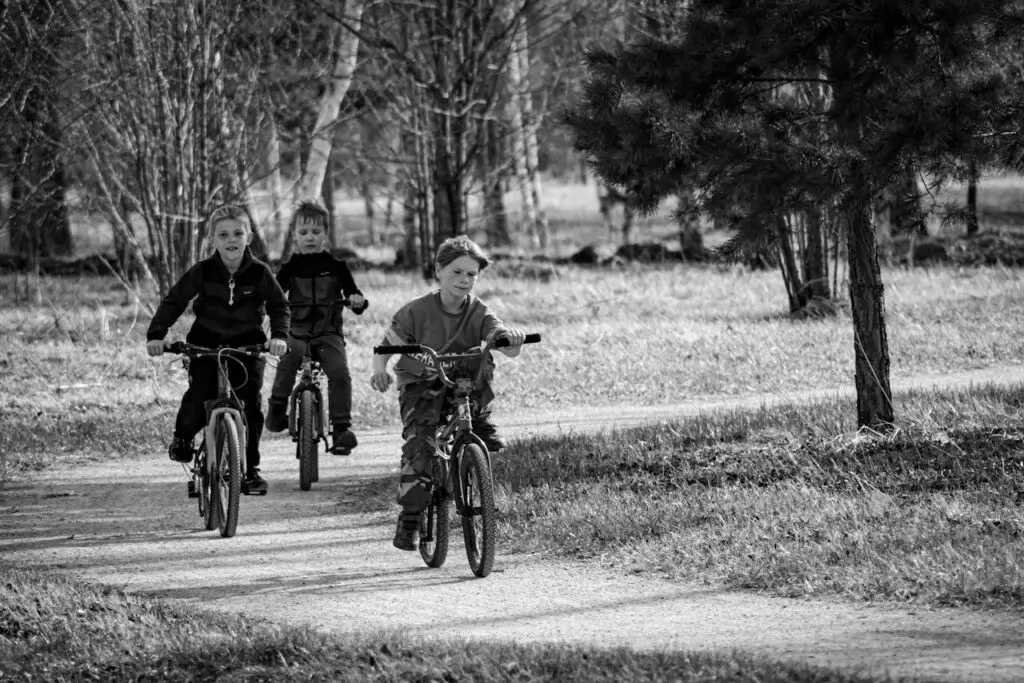
<p> Our bicycles were our tickets to adventure, and we rode them like champions—with no helmets, knee pads, or reflective vests in sight. We built ramps out of plywood and bricks, gave each other “back rides,” and coasted down steep hills without a second thought. Falls and scraped knees were just part of the deal, and the only “safety gear” we had was a mom with a bottle of hydrogen peroxide and a Band-Aid. Fast forward to today, and every bike ride involves proper helmets, elbow pads, and reflective clothing. Back then, we felt invincible—and maybe we were, at least for a while. </p> :: Pexels

Our bicycles were our tickets to adventure, and we rode them like champions—with no helmets, knee pads, or reflective vests in sight. We built ramps out of plywood and bricks, gave each other “back rides,” and coasted down steep hills without a second thought. Falls and scraped knees were just part of the deal, and the only “safety gear” we had was a mom with a bottle of hydrogen peroxide and a Band-Aid. Fast forward to today, and every bike ride involves proper helmets, elbow pads, and reflective clothing. Back then, we felt invincible—and maybe we were, at least for a while.

3. Walking or Biking to School Alone

<p> By the time we were in first or second grade, most of us were making the daily trek to school on our own, rain or shine. We carried heavy bookbags, crossed busy intersections, and sometimes walked a mile or more without adult supervision. Our parents waved us off with a “See you this afternoon,” confident we’d make it there and back safely. These days, schools enforce strict drop-off and pick-up routines, and parents often drive their children or arrange carpools until they are much older. The idea of a seven-year-old navigating the walk to school alone now seems almost unthinkable. </p> :: Pexels

By the time we were in first or second grade, most of us were making the daily trek to school on our own, rain or shine. We carried heavy bookbags, crossed busy intersections, and sometimes walked a mile or more without adult supervision. Our parents waved us off with a “See you this afternoon,” confident we’d make it there and back safely. These days, schools enforce strict drop-off and pick-up routines, and parents often drive their children or arrange carpools until they are much older. The idea of a seven-year-old navigating the walk to school alone now seems almost unthinkable.

4. Playing Outside Until the Streetlights Came On

<p> Long summer evenings meant endless games of hide-and-seek, kickball, tag, or ghost in the graveyard. The whole neighborhood turned into a playground, and the rules were simple: be home when the streetlights came on. Parents didn’t hover or organize our activities; they trusted us to entertain ourselves. The sound of laughter and shouts filled the air until darkness fell. Compare that to today, where kids’ schedules are packed with supervised sports, structured lessons, and screen time. For boomers, that freedom to roam created some of our best childhood memories. </p> :: Pexels

Long summer evenings meant endless games of hide-and-seek, kickball, tag, or ghost in the graveyard. The whole neighborhood turned into a playground, and the rules were simple: be home when the streetlights came on. Parents didn’t hover or organize our activities; they trusted us to entertain ourselves. The sound of laughter and shouts filled the air until darkness fell. Compare that to today, where kids’ schedules are packed with supervised sports, structured lessons, and screen time. For boomers, that freedom to roam created some of our best childhood memories.

5. Drinking Water Straight from the Garden Hose

<p> After hours of running around, nothing tasted better than water straight from the garden hose. No bottled water, no filters—just good old-fashioned hose water that came out a little warm at first but hit the spot when you were parched. It might not have been the cleanest, but it never seemed to hurt us. Nowadays, parents carry refillable bottles with filtered water and worry about contamination, bacteria, or chemicals. But for us, a gulp of hose water was all we needed to get back in the game. </p> :: Pexels

After hours of running around, nothing tasted better than water straight from the garden hose. No bottled water, no filters—just good old-fashioned hose water that came out a little warm at first but hit the spot when you were parched. It might not have been the cleanest, but it never seemed to hurt us. Nowadays, parents carry refillable bottles with filtered water and worry about contamination, bacteria, or chemicals. But for us, a gulp of hose water was all we needed to get back in the game.

6. Being Locked Outside Until Dinner

<p> Back then, parents had a simple strategy to make sure kids got fresh air: they sent us outside and told us not to come back until it was time to eat. Sometimes, the doors were even locked, and we had no choice but to invent games, climb trees, or join the neighbor kids in whatever adventure was unfolding. Far from feeling neglected, we relished the chance to be independent and creative. Today, such a hands-off approach might raise eyebrows, but it helped us build resilience, problem-solving skills, and a sense of responsibility. </p> :: Pexels

Back then, parents had a simple strategy to make sure kids got fresh air: they sent us outside and told us not to come back until it was time to eat. Sometimes, the doors were even locked, and we had no choice but to invent games, climb trees, or join the neighbor kids in whatever adventure was unfolding. Far from feeling neglected, we relished the chance to be independent and creative. Today, such a hands-off approach might raise eyebrows, but it helped us build resilience, problem-solving skills, and a sense of responsibility.

7. Settling Arguments with Fistfights

<p> Disagreements on the playground or in the neighborhood often ended in a good old-fashioned fistfight. No adults were called, no long meetings with the principal—just a few punches, a lot of pride, and usually a handshake when it was over. While not the most peaceful way to resolve problems, these scuffles often ended grudges quickly. Today, a similar incident could lead to suspensions, counseling sessions, or even legal trouble. Back then, it was seen as part of growing up, and most of us walked away with nothing worse than a bruised ego. </p> :: Freepik

Disagreements on the playground or in the neighborhood often ended in a good old-fashioned fistfight. No adults were called, no long meetings with the principal—just a few punches, a lot of pride, and usually a handshake when it was over. While not the most peaceful way to resolve problems, these scuffles often ended grudges quickly. Today, a similar incident could lead to suspensions, counseling sessions, or even legal trouble. Back then, it was seen as part of growing up, and most of us walked away with nothing worse than a bruised ego.

8. Eating Sugar-Loaded Snacks Every Day

<p> From candy bars and soda to Kool-Aid and Twinkies, sugar was a major food group for boomer kids. Parents rarely worried about how much we were consuming, and we often had dessert after nearly every meal. Cereal boxes practically advertised sugar as the main ingredient, and nobody batted an eye. These days, nutrition labels are scrutinized, and schools have strict rules about what kids can bring in their lunchboxes. While modern parents work hard to limit sugar, we grew up thinking a Coke and a candy bar were a perfectly acceptable afternoon snack. </p> :: Freepik

From candy bars and soda to Kool-Aid and Twinkies, sugar was a major food group for boomer kids. Parents rarely worried about how much we were consuming, and we often had dessert after nearly every meal. Cereal boxes practically advertised sugar as the main ingredient, and nobody batted an eye. These days, nutrition labels are scrutinized, and schools have strict rules about what kids can bring in their lunchboxes. While modern parents work hard to limit sugar, we grew up thinking a Coke and a candy bar were a perfectly acceptable afternoon snack.

9. Sitting in Smoke-Filled Rooms Without a Care

<p> Whether at home, in restaurants, or even in cars, cigarette smoke was everywhere. Adults smoked around children without a second thought, and we didn’t think twice about it either. Ashtrays sat on every coffee table, and smoke-filled kitchens were the norm. Some of us even remember running to the corner store to buy a pack of cigarettes for our parents. Today, secondhand smoke awareness has changed everything, and smoking in cars or indoors around kids is considered unacceptable. It is hard to believe how commonplace it once was. </p> :: Freepik

Whether at home, in restaurants, or even in cars, cigarette smoke was everywhere. Adults smoked around children without a second thought, and we didn’t think twice about it either. Ashtrays sat on every coffee table, and smoke-filled kitchens were the norm. Some of us even remember running to the corner store to buy a pack of cigarettes for our parents. Today, secondhand smoke awareness has changed everything, and smoking in cars or indoors around kids is considered unacceptable. It is hard to believe how commonplace it once was.

10. Tough-Love Parenting Without Apologies

<p> Parents back then didn’t sugarcoat their words or tiptoe around our feelings. If you whined, you were called out for it. If you fell, you were told to “shake it off.” Sarcasm and teasing were often part of the parenting playbook, and emotional sensitivity wasn’t exactly top of mind. While today’s experts stress the importance of validating children’s feelings, many boomers remember being toughened up with blunt honesty. It wasn’t always easy, but it shaped a generation that learned to persevere and roll with life’s punches. </p> :: Freepik

Parents back then didn’t sugarcoat their words or tiptoe around our feelings. If you whined, you were called out for it. If you fell, you were told to “shake it off.” Sarcasm and teasing were often part of the parenting playbook, and emotional sensitivity wasn’t exactly top of mind. While today’s experts stress the importance of validating children’s feelings, many boomers remember being toughened up with blunt honesty. It wasn’t always easy, but it shaped a generation that learned to persevere and roll with life’s punches.

Final Thoughts

<p> Looking back, it is almost shocking to realize how much freedom we had as kids—and how different childhood looks today. Boomers grew up in a world with less supervision, fewer rules, and far more independence. We climbed trees without safety nets, played outside for hours without adult eyes watching, and somehow made it home safe and sound every night. While some of those practices wouldn’t fly today for good reason, they gave us a resilience and resourcefulness that still serves us well. They taught us to adapt, take risks, and figure things out on our own. For baby boomers, these memories aren’t just nostalgia—they are reminders of the spirit that defined our generation. So, the next time you see kids glued to their phones or chauffeured from one activity to another, smile a little. We may have grown up in a different world, but we carry the lessons of those wild, wonderful, and sometimes risky childhoods with us—and that is something worth celebrating. </p> :: Pexels

Looking back, it is almost shocking to realize how much freedom we had as kids—and how different childhood looks today. Boomers grew up in a world with less supervision, fewer rules, and far more independence. We climbed trees without safety nets, played outside for hours without adult eyes watching, and somehow made it home safe and sound every night.

While some of those practices wouldn’t fly today for good reason, they gave us a resilience and resourcefulness that still serves us well. They taught us to adapt, take risks, and figure things out on our own. For baby boomers, these memories aren’t just nostalgia—they are reminders of the spirit that defined our generation.

So, the next time you see kids glued to their phones or chauffeured from one activity to another, smile a little. We may have grown up in a different world, but we carry the lessons of those wild, wonderful, and sometimes risky childhoods with us—and that is something worth celebrating.

Filed Under: Lifestyle

10 Priceless Treasures Boomers Should Hold Onto—No Matter What

March 9, 2026 | Leave a Comment

10 Priceless Treasures Boomers Should Hold Onto—No Matter What

<p> If you are a baby boomer, chances are you have lived through more than a few “out with the old, in with the new” moments. Maybe you have moved houses, downsized to something cozier, or finally tackled that garage that seemed to breed boxes overnight. Over the years, you have collected a lifetime of belongings, and while some of them could be sold, donated, or tossed without much thought, others deserve a place of honor in your life. These are not just objects. They are touchstones of history—your history—and sometimes they are worth far more than their weight in gold. They hold memories, tell stories, and connect generations. In fact, a few of them could surprise you with their financial value as well. So, before you haul another load to the donation center or set up tables for a yard sale, pause. Here are ten treasures no boomer should let go of, no matter how tempting it might be to “declutter.” </p> :: Freepik

If you are a baby boomer, chances are you have lived through more than a few “out with the old, in with the new” moments. Maybe you have moved houses, downsized to something cozier, or finally tackled that garage that seemed to breed boxes overnight. Over the years, you have collected a lifetime of belongings, and while some of them could be sold, donated, or tossed without much thought, others deserve a place of honor in your life.

These are not just objects. They are touchstones of history—your history—and sometimes they are worth far more than their weight in gold. They hold memories, tell stories, and connect generations. In fact, a few of them could surprise you with their financial value as well.

So, before you haul another load to the donation center or set up tables for a yard sale, pause. Here are ten treasures no boomer should let go of, no matter how tempting it might be to “declutter.”

1. Family Heirlooms

<p> The quilt your grandmother hand-stitched, your father’s pocket watch, or the china set that only came out for special dinners—these are far more than old-fashioned keepsakes. They are physical reminders of the people who shaped your life. Heirlooms like these carry the weight of family history, often along with unique craftsmanship that is hard to find today. Even if you do not have room to display them all, consider storing them safely and passing them down with the stories that make them special. Without you, those stories could be lost forever. </p> :: Pexels

The quilt your grandmother hand-stitched, your father’s pocket watch, or the china set that only came out for special dinners—these are far more than old-fashioned keepsakes. They are physical reminders of the people who shaped your life. Heirlooms like these carry the weight of family history, often along with unique craftsmanship that is hard to find today. Even if you do not have room to display them all, consider storing them safely and passing them down with the stories that make them special. Without you, those stories could be lost forever.

2. Original Photographs

<p> Scrolling through digital albums is convenient, but holding an original photo is like holding a frozen moment in time. Those black-and-white wedding portraits, candid birthday snapshots, and vacation Polaroids preserve textures, colors, and details that screens simply cannot replicate. They are also far less likely to be lost to a forgotten password or a computer crash. Keep them organized in archival albums or boxes, and write names, dates, and places on the backs while you still remember. Decades from now, your family will treasure knowing exactly who is who in those smiling faces. </p> :: Pexels

Scrolling through digital albums is convenient, but holding an original photo is like holding a frozen moment in time. Those black-and-white wedding portraits, candid birthday snapshots, and vacation Polaroids preserve textures, colors, and details that screens simply cannot replicate. They are also far less likely to be lost to a forgotten password or a computer crash. Keep them organized in archival albums or boxes, and write names, dates, and places on the backs while you still remember. Decades from now, your family will treasure knowing exactly who is who in those smiling faces.

3. Handwritten Letters and Cards

<p> There is something intimate and personal about a handwritten note. Maybe it is the slight slant of the handwriting, the ink smudges, or the way certain words are underlined for emphasis. Letters from loved ones, postcards from far-off trips, and birthday cards from your children capture more than just words—they capture personality and emotion. In a digital world, this kind of connection is rare. Keep them in a memory box or binder. Even a short note can one day mean the world to someone who finds it. </p> :: Pexels

There is something intimate and personal about a handwritten note. Maybe it is the slight slant of the handwriting, the ink smudges, or the way certain words are underlined for emphasis. Letters from loved ones, postcards from far-off trips, and birthday cards from your children capture more than just words—they capture personality and emotion. In a digital world, this kind of connection is rare. Keep them in a memory box or binder. Even a short note can one day mean the world to someone who finds it.

4. Your First Edition Books

<p> If you own first editions of classic novels, poetry collections, or even groundbreaking nonfiction, you might be holding onto something quite valuable. Collectors often seek out these editions, and the older and rarer they are, the higher their worth. But beyond any price tag, these books tell a story of your own reading journey. Perhaps you bought one in college, received it as a gift, or stumbled upon it in a used bookstore decades ago. Protect them from sunlight and humidity, and enjoy knowing you are keeping a piece of literary history alive. </p> :: Pexels

If you own first editions of classic novels, poetry collections, or even groundbreaking nonfiction, you might be holding onto something quite valuable. Collectors often seek out these editions, and the older and rarer they are, the higher their worth. But beyond any price tag, these books tell a story of your own reading journey. Perhaps you bought one in college, received it as a gift, or stumbled upon it in a used bookstore decades ago. Protect them from sunlight and humidity, and enjoy knowing you are keeping a piece of literary history alive.

5. Jewelry with a Story

<p> Gold and diamonds may have a market value, but the real worth of jewelry often lies in its story. Your mother’s engagement ring, the bracelet you received on your 25th anniversary, or a necklace you picked up on a memorable trip abroad—each piece carries a moment in time. Passing down such jewelry can give the next generation more than just something pretty to wear; it gives them a tangible link to their family’s past. Keep these items safe and document the stories behind them so they will never be forgotten. </p> :: Pexels

Gold and diamonds may have a market value, but the real worth of jewelry often lies in its story. Your mother’s engagement ring, the bracelet you received on your 25th anniversary, or a necklace you picked up on a memorable trip abroad—each piece carries a moment in time. Passing down such jewelry can give the next generation more than just something pretty to wear; it gives them a tangible link to their family’s past. Keep these items safe and document the stories behind them so they will never be forgotten.

6. Your Military Memorabilia

<p> For those who have served—or whose family members have—military memorabilia is more than just fabric and metal. It is a record of courage, sacrifice, and service. Uniforms, medals, service patches, photographs from deployment, and old letters home are artifacts of both personal and national history. Even if you do not plan to display them, keep them preserved. They may one day be donated to a museum, given to a family member, or used to teach younger generations about the realities of service. </p> :: Freepik

For those who have served—or whose family members have—military memorabilia is more than just fabric and metal. It is a record of courage, sacrifice, and service. Uniforms, medals, service patches, photographs from deployment, and old letters home are artifacts of both personal and national history. Even if you do not plan to display them, keep them preserved. They may one day be donated to a museum, given to a family member, or used to teach younger generations about the realities of service.

7. Vinyl Records and Music Collections

<p> There is a reason vinyl has made a comeback—no playlist can match the warm, rich sound of a record spinning on a turntable. If you have original pressings of albums from the 1960s, 1970s, or 1980s, they could be worth far more than you think. Bands like The Beatles, The Rolling Stones, and Fleetwood Mac have records that fetch high prices among collectors. But even if you never sell them, your vinyl collection is a time capsule of your youth. Put on a record, close your eyes, and you will be right back in the moment. </p> :: Pexels

There is a reason vinyl has made a comeback—no playlist can match the warm, rich sound of a record spinning on a turntable. If you have original pressings of albums from the 1960s, 1970s, or 1980s, they could be worth far more than you think. Bands like The Beatles, The Rolling Stones, and Fleetwood Mac have records that fetch high prices among collectors. But even if you never sell them, your vinyl collection is a time capsule of your youth. Put on a record, close your eyes, and you will be right back in the moment.

8. Vintage Tools and Craft Equipment

<p> From solid steel hand tools to sturdy sewing machines and woodworking gear, many older tools were built to last generations. Unlike today’s mass-produced items, these were often crafted with care, using durable materials that can outlast modern versions. Whether you still use them or not, they can be passed down to someone who will appreciate their quality and history. They are not just tools; they are symbols of the skills and creativity that have been part of your life. </p> :: Pexels

From solid steel hand tools to sturdy sewing machines and woodworking gear, many older tools were built to last generations. Unlike today’s mass-produced items, these were often crafted with care, using durable materials that can outlast modern versions. Whether you still use them or not, they can be passed down to someone who will appreciate their quality and history. They are not just tools; they are symbols of the skills and creativity that have been part of your life.

9. Personal Journals and Diaries

<p> You might not think your day-to-day musings matter, but your journals and diaries are more valuable than you realize. They offer a glimpse into your thoughts, dreams, and experiences—something no one else can capture for you. Years from now, they might help a grandchild understand who you were beyond the family roles you played. If you are worried about privacy, consider adding notes or instructions about when and how they should be shared. Your words could one day be the most personal gift you leave behind. </p> :: Pexels

You might not think your day-to-day musings matter, but your journals and diaries are more valuable than you realize. They offer a glimpse into your thoughts, dreams, and experiences—something no one else can capture for you. Years from now, they might help a grandchild understand who you were beyond the family roles you played. If you are worried about privacy, consider adding notes or instructions about when and how they should be shared. Your words could one day be the most personal gift you leave behind.

10. Original Artwork

<p> Art is personal, and original art is irreplaceable. Whether it is a painting from a favorite local artist, a sketch you made yourself, or a framed crayon drawing from your child’s school days, these pieces hold emotional weight that mass-produced prints never will. Some art may even gain financial value over time, but even if it does not, its true worth lies in the memories and meaning it carries. Display it proudly or store it safely—but do not let it slip away. </p> :: Pexels

Art is personal, and original art is irreplaceable. Whether it is a painting from a favorite local artist, a sketch you made yourself, or a framed crayon drawing from your child’s school days, these pieces hold emotional weight that mass-produced prints never will. Some art may even gain financial value over time, but even if it does not, its true worth lies in the memories and meaning it carries. Display it proudly or store it safely—but do not let it slip away.

Final Thoughts

<p> When it comes to deciding what to keep, it is easy to focus on what fits your current space or what might sell quickly. But the most valuable treasures are rarely the ones with price tags. They are the items that tell your story, connect you to the people and moments that shaped your life, and offer future generations a tangible link to their heritage. So the next time you open a closet, attic, or storage box, do not just see “stuff.” Look for the pieces that make you smile, spark a memory, or remind you of someone you love. Those are the treasures worth keeping—because once they are gone, they are gone forever. Hold onto them, protect them, and pass them on. In the end, they are not just things. They are your legacy. </p> :: Pexels

When it comes to deciding what to keep, it is easy to focus on what fits your current space or what might sell quickly. But the most valuable treasures are rarely the ones with price tags. They are the items that tell your story, connect you to the people and moments that shaped your life, and offer future generations a tangible link to their heritage.

So the next time you open a closet, attic, or storage box, do not just see “stuff.” Look for the pieces that make you smile, spark a memory, or remind you of someone you love. Those are the treasures worth keeping—because once they are gone, they are gone forever. Hold onto them, protect them, and pass them on. In the end, they are not just things. They are your legacy.

Filed Under: Lifestyle

13 Pointless Purchases Boomers Keep Making After Retirement (and What to Do Instead)

March 9, 2026 | Leave a Comment

13 Pointless Purchases Boomers Keep Making After Retirement (and What to Do Instead)

<p> Retirement is supposed to be your victory lap—a time to enjoy the fruits of decades of hard work, not watch your savings quietly disappear on things you barely use. Yet for many baby boomers, certain purchases seem irresistible, even though they often bring more regret than joy. Maybe it is the excitement of finally having free time, or maybe it is the feeling of “I earned this.” Either way, these so-called rewards can become clutter, money drains, or outright headaches. The good news? With a little foresight, you can skip the costly missteps, keep your retirement budget healthy, and still enjoy life to the fullest. Here are 13 surprisingly common purchases boomers keep making after retirement—and why you might want to think twice before opening your wallet. </p> :: Pexels

Retirement is supposed to be your victory lap—a time to enjoy the fruits of decades of hard work, not watch your savings quietly disappear on things you barely use. Yet for many baby boomers, certain purchases seem irresistible, even though they often bring more regret than joy.

Maybe it is the excitement of finally having free time, or maybe it is the feeling of “I earned this.” Either way, these so-called rewards can become clutter, money drains, or outright headaches. The good news? With a little foresight, you can skip the costly missteps, keep your retirement budget healthy, and still enjoy life to the fullest.

Here are 13 surprisingly common purchases boomers keep making after retirement—and why you might want to think twice before opening your wallet.

1. Timeshares in Exotic Locations

<p> The dream: your own little slice of paradise, guaranteed every year. The reality: endless maintenance fees, rigid schedules, and resale nightmares. Many retirees find that their “investment” becomes a financial sinkhole, especially when their travel interests change or health makes travel harder. Flexibility is worth far more than the promise of a fixed week in one spot. </p> :: Freepik

The dream: your own little slice of paradise, guaranteed every year. The reality: endless maintenance fees, rigid schedules, and resale nightmares. Many retirees find that their “investment” becomes a financial sinkhole, especially when their travel interests change or health makes travel harder. Flexibility is worth far more than the promise of a fixed week in one spot.

2. Luxury Motorhomes or Recreational Vehicles (RVs)

<p> There is a certain romance to the idea of hitting the open road in a fully equipped home on wheels. But the hidden costs—storage fees, maintenance, fuel, insurance, and steep depreciation—can turn that dream into a burden. Many RVs spend more time parked than driven. Renting one for occasional trips can deliver the same experience without the ongoing bills. </p> :: Pexels

There is a certain romance to the idea of hitting the open road in a fully equipped home on wheels. But the hidden costs—storage fees, maintenance, fuel, insurance, and steep depreciation—can turn that dream into a burden. Many RVs spend more time parked than driven. Renting one for occasional trips can deliver the same experience without the ongoing bills.

3. High-End Exercise Equipment That Gathers Dust

<p> A shiny new treadmill, stationary bike, or home gym feels like a commitment to better health. Unfortunately, motivation can fade fast, and that pricey gear ends up doubling as an expensive clothes hanger. Start with walking, free fitness classes at community centers, or affordable secondhand equipment before making a major investment. </p> :: Pexels

A shiny new treadmill, stationary bike, or home gym feels like a commitment to better health. Unfortunately, motivation can fade fast, and that pricey gear ends up doubling as an expensive clothes hanger. Start with walking, free fitness classes at community centers, or affordable secondhand equipment before making a major investment.

4. Gourmet Kitchen Gadgets That Lose Their Luster

<p> Industrial mixers, sous-vide machines, or espresso makers might inspire you to whip up restaurant-quality meals. But after the honeymoon phase, they often become cabinet clutter. Unless you genuinely cook for pleasure several times a week, you can enjoy occasional gourmet treats at local cafes or restaurants without the ongoing hassle and expense. </p> :: Freepik

Industrial mixers, sous-vide machines, or espresso makers might inspire you to whip up restaurant-quality meals. But after the honeymoon phase, they often become cabinet clutter. Unless you genuinely cook for pleasure several times a week, you can enjoy occasional gourmet treats at local cafes or restaurants without the ongoing hassle and expense.

5. Knick-Knacks and Collectibles That Pile Up

<p> From porcelain figurines to commemorative plates, collectibles often start with nostalgia and end with storage headaches. Downsizing becomes harder when every shelf is filled, and younger generations usually are not eager to inherit the collection. Consider channeling your passion into experiences or hobbies that do not add to the clutter. </p> :: Pexels

From porcelain figurines to commemorative plates, collectibles often start with nostalgia and end with storage headaches. Downsizing becomes harder when every shelf is filled, and younger generations usually are not eager to inherit the collection. Consider channeling your passion into experiences or hobbies that do not add to the clutter.

6. Unused Gym Memberships

<p> Joining a gym can be a great idea—if you actually go. Too often, enthusiasm fades after a few visits, but the monthly fees keep draining your account. Explore pay-per-visit classes, walking clubs, or at-home workout videos instead. You will save money and avoid guilt over unused facilities. </p> :: Freepik

Joining a gym can be a great idea—if you actually go. Too often, enthusiasm fades after a few visits, but the monthly fees keep draining your account. Explore pay-per-visit classes, walking clubs, or at-home workout videos instead. You will save money and avoid guilt over unused facilities.

7. “Resort Living” Homes

<p> Retirement communities that promise resort-style living—with golf courses, pools, and social events—can be appealing. But after the novelty wears off, some retirees realize they miss the familiarity of their old neighborhood, or that the extra amenities are not worth the higher costs. Before committing, try renting in such a community to see if it truly suits your lifestyle. </p> :: Pexels

Retirement communities that promise resort-style living—with golf courses, pools, and social events—can be appealing. But after the novelty wears off, some retirees realize they miss the familiarity of their old neighborhood, or that the extra amenities are not worth the higher costs. Before committing, try renting in such a community to see if it truly suits your lifestyle.

8. “Dream Homes” and Major Renovations

<p> After decades of working, it is tempting to finally build your dream home or take on major remodeling projects. But these big-ticket undertakings can devour savings and create stress, especially on a fixed income. Your retirement years should be about enjoying life—not managing construction timelines and surprise expenses. </p> :: Pexels

After decades of working, it is tempting to finally build your dream home or take on major remodeling projects. But these big-ticket undertakings can devour savings and create stress, especially on a fixed income. Your retirement years should be about enjoying life—not managing construction timelines and surprise expenses.

9. Fancy Cars or Vehicles Beyond Your Needs

<p> A sleek luxury car can be tempting, especially after years of driving practical vehicles. But higher insurance rates, costly maintenance, and rapid depreciation can make it a financial misstep. If you want something special, look for a reliable car that blends comfort, safety, and fuel efficiency without straining your budget. </p> :: Pexels

A sleek luxury car can be tempting, especially after years of driving practical vehicles. But higher insurance rates, costly maintenance, and rapid depreciation can make it a financial misstep. If you want something special, look for a reliable car that blends comfort, safety, and fuel efficiency without straining your budget.

10. Pricey Musical Instruments Bought for Nostalgia

<p> Maybe you once played in a band, or you have always dreamed of learning piano. While music is a wonderful pursuit, splurging on a brand-new grand piano or high-end guitar can be risky if you are not sure you will commit to practicing. Try lessons or rent an instrument first to see if the passion sticks. </p> :: Pexels

Maybe you once played in a band, or you have always dreamed of learning piano. While music is a wonderful pursuit, splurging on a brand-new grand piano or high-end guitar can be risky if you are not sure you will commit to practicing. Try lessons or rent an instrument first to see if the passion sticks.

11. Impulse Buys from Online Shopping

<p> Online shopping makes it dangerously easy to go from “just browsing” to “package on the porch” in two days. Those small impulse buys add up, and they often become items you barely use. Give yourself a 24-hour cooling-off period before hitting “Buy Now” to curb overspending. </p> :: Pexels

Online shopping makes it dangerously easy to go from “just browsing” to “package on the porch” in two days. Those small impulse buys add up, and they often become items you barely use. Give yourself a 24-hour cooling-off period before hitting “Buy Now” to curb overspending.

12. Financed Vehicles or Boats

<p> Taking on new debt for a depreciating asset in retirement is almost always a bad idea. Between interest payments, maintenance, and insurance, the cost can quickly outpace the enjoyment. If you want a boat or RV for occasional use, renting is often the smarter move. </p> :: Pexels

Taking on new debt for a depreciating asset in retirement is almost always a bad idea. Between interest payments, maintenance, and insurance, the cost can quickly outpace the enjoyment. If you want a boat or RV for occasional use, renting is often the smarter move.

13. Supporting Adult Children Financially Without a Plan

<p> Helping your kids is a natural instinct, but without clear boundaries, temporary assistance can turn into an unspoken monthly obligation. If it starts impacting your own financial stability, it is time to have an honest conversation. Generosity should not come at the expense of your own security and peace of mind. </p> :: Freepik

Helping your kids is a natural instinct, but without clear boundaries, temporary assistance can turn into an unspoken monthly obligation. If it starts impacting your own financial stability, it is time to have an honest conversation. Generosity should not come at the expense of your own security and peace of mind.

Final Thoughts

<p> Your retirement years are too valuable to be weighed down by regret over purchases you barely use. Every dollar you save by skipping these common pitfalls is a dollar you can put toward experiences, travel, or simply the peace of mind that comes from financial stability. By staying intentional with your spending, you give yourself the freedom to say yes to the things that truly bring joy—whether that is a family trip, a hobby you love, or the security of knowing your nest egg will last. Retirement is not about buying more stuff; it is about living more life. </p> :: Pexels

Your retirement years are too valuable to be weighed down by regret over purchases you barely use. Every dollar you save by skipping these common pitfalls is a dollar you can put toward experiences, travel, or simply the peace of mind that comes from financial stability.

By staying intentional with your spending, you give yourself the freedom to say yes to the things that truly bring joy—whether that is a family trip, a hobby you love, or the security of knowing your nest egg will last. Retirement is not about buying more stuff; it is about living more life.

Filed Under: Lifestyle

8 Childhood Social Norms That Seem Completely Ridiculous Today

March 8, 2026 | Leave a Comment

8 Childhood Social Norms That Seem Completely Ridiculous Today

<p> Growing up, many of us followed unwritten rules and societal expectations that seemed perfectly reasonable at the time. But as we look back today, some of these childhood social norms seem downright absurd. The things we were taught to believe about behavior, manners, and gender roles were often restrictive and outdated. These norms shaped our childhoods, but now, they feel out of place in our more inclusive and progressive world. In this blog, we’ll take a look at eight childhood social norms that seem completely ridiculous today. Get ready for a trip down memory lane to revisit these old rules and see just how far we’ve come in reshaping what is truly important for a happy, fulfilling life. </p> :: Pexels

Growing up, many of us followed unwritten rules and societal expectations that seemed perfectly reasonable at the time. But as we look back today, some of these childhood social norms seem downright absurd. The things we were taught to believe about behavior, manners, and gender roles were often restrictive and outdated. These norms shaped our childhoods, but now, they feel out of place in our more inclusive and progressive world. In this blog, we’ll take a look at eight childhood social norms that seem completely ridiculous today. Get ready for a trip down memory lane to revisit these old rules and see just how far we’ve come in reshaping what is truly important for a happy, fulfilling life.

1. “Children Should Be Seen, Not Heard”

<p> One of the most common rules for children during the past generations was that they should be quiet and invisible in the presence of adults. The idea that children should "be seen, not heard" meant that we were expected to remain silent and avoid drawing attention to ourselves, especially during adult conversations. While this may have been seen as a sign of respect, this norm suppressed children’s voices and discouraged curiosity and open communication. Today, we understand that encouraging children to express themselves, ask questions, and engage in conversations helps build their confidence and social skills. No longer are children expected to sit in silence; their thoughts, opinions, and questions are valued. </p> :: Pexels

One of the most common rules for children during the past generations was that they should be quiet and invisible in the presence of adults. The idea that children should “be seen, not heard” meant that we were expected to remain silent and avoid drawing attention to ourselves, especially during adult conversations. While this may have been seen as a sign of respect, this norm suppressed children’s voices and discouraged curiosity and open communication. Today, we understand that encouraging children to express themselves, ask questions, and engage in conversations helps build their confidence and social skills. No longer are children expected to sit in silence; their thoughts, opinions, and questions are valued.

2. “Boys Don’t Cry”

<p> The phrase "boys don’t cry" was drilled into the minds of many children for years, suggesting that boys must be tough, strong, and unemotional. Crying was considered a sign of weakness, something to be ashamed of. This deeply ingrained belief led many boys to hide their emotions, pushing them to bottle up their feelings and avoid seeking help when struggling emotionally. In today’s world, we know that expressing emotions is a healthy part of being human, and that includes crying. It’s now understood that encouraging boys to show vulnerability and share their emotions not only promotes better mental health but also strengthens their relationships with others. Emotional expression is not a gendered trait; it is a human one. </p> :: Pexels

The phrase “boys don’t cry” was drilled into the minds of many children for years, suggesting that boys must be tough, strong, and unemotional. Crying was considered a sign of weakness, something to be ashamed of. This deeply ingrained belief led many boys to hide their emotions, pushing them to bottle up their feelings and avoid seeking help when struggling emotionally. In today’s world, we know that expressing emotions is a healthy part of being human, and that includes crying. It’s now understood that encouraging boys to show vulnerability and share their emotions not only promotes better mental health but also strengthens their relationships with others. Emotional expression is not a gendered trait; it is a human one.

3. “Girls Must Play With Dolls, Boys With Trucks”

<p> It wasn’t uncommon for children to be guided toward certain toys based on their gender. Girls were expected to play with dolls, tea sets, or stuffed animals, while boys were given trucks, action figures, or sports equipment. This rigid rule created limited opportunities for self-expression and reinforced outdated gender roles. If a girl was caught playing with trucks, or if a boy was seen with dolls, they might have been teased or reprimanded. Thankfully, today’s society is much more open-minded, allowing children to explore a variety of interests without being constrained by gender expectations. Now, children are encouraged to play with whatever toys spark their curiosity and creativity, breaking down barriers and embracing their uniqueness. </p> :: Pexels

It wasn’t uncommon for children to be guided toward certain toys based on their gender. Girls were expected to play with dolls, tea sets, or stuffed animals, while boys were given trucks, action figures, or sports equipment. This rigid rule created limited opportunities for self-expression and reinforced outdated gender roles. If a girl was caught playing with trucks, or if a boy was seen with dolls, they might have been teased or reprimanded. Thankfully, today’s society is much more open-minded, allowing children to explore a variety of interests without being constrained by gender expectations. Now, children are encouraged to play with whatever toys spark their curiosity and creativity, breaking down barriers and embracing their uniqueness.

4. “You Must Finish Everything on Your Plate”

<p> Many of us grew up hearing the command, “You must finish everything on your plate!” Parents used to enforce this rule with the idea that not finishing food was wasteful or disrespectful. However, this often led to overeating and unhealthy relationships with food. Children were taught to ignore their hunger cues, eating past the point of satisfaction just to avoid wasting food. Today, the focus has shifted to promoting mindful eating, where children are taught to listen to their bodies and eat only when they are hungry and stop when they are full. Encouraging mindful eating not only fosters healthier eating habits but also helps children develop a positive and balanced relationship with food. </p> :: Pexels

Many of us grew up hearing the command, “You must finish everything on your plate!” Parents used to enforce this rule with the idea that not finishing food was wasteful or disrespectful. However, this often led to overeating and unhealthy relationships with food. Children were taught to ignore their hunger cues, eating past the point of satisfaction just to avoid wasting food. Today, the focus has shifted to promoting mindful eating, where children are taught to listen to their bodies and eat only when they are hungry and stop when they are full. Encouraging mindful eating not only fosters healthier eating habits but also helps children develop a positive and balanced relationship with food.

5. “Sit Still and Be Quiet in Class”

<p> In many traditional classrooms, children were expected to sit still, stay quiet, and pay attention without moving around or asking too many questions. The goal was to maintain order and discipline, but this strict approach often overlooked the diverse ways in which children learn. Some kids needed to move around or interact with their peers to fully grasp the material. The idea that learning could only happen in a perfectly controlled, quiet environment has been challenged in recent years. Today, educators are increasingly recognizing the importance of active learning, incorporating group activities, hands-on projects, and opportunities for children to express themselves creatively. This more inclusive approach helps all children engage more effectively with their education. </p> :: Pexels

In many traditional classrooms, children were expected to sit still, stay quiet, and pay attention without moving around or asking too many questions. The goal was to maintain order and discipline, but this strict approach often overlooked the diverse ways in which children learn. Some kids needed to move around or interact with their peers to fully grasp the material. The idea that learning could only happen in a perfectly controlled, quiet environment has been challenged in recent years. Today, educators are increasingly recognizing the importance of active learning, incorporating group activities, hands-on projects, and opportunities for children to express themselves creatively. This more inclusive approach helps all children engage more effectively with their education.

6. “Good Girls Don’t Eat Too Much”

<p> The pressure on girls to maintain a certain body image has been a long-standing norm. Phrases like “good girls don’t eat too much” or “watch what you eat” were often heard in households and schools. This kind of messaging reinforced harmful attitudes about food and body image, teaching girls that eating could be a source of shame. Today, there is a growing movement toward body positivity and the acceptance of all body types. Encouraging children, regardless of gender, to eat in a healthy and balanced way – without shame or guilt – promotes better mental and physical health. Food should be seen as fuel for the body, not a source of judgment or insecurity. </p> :: Pexels

The pressure on girls to maintain a certain body image has been a long-standing norm. Phrases like “good girls don’t eat too much” or “watch what you eat” were often heard in households and schools. This kind of messaging reinforced harmful attitudes about food and body image, teaching girls that eating could be a source of shame. Today, there is a growing movement toward body positivity and the acceptance of all body types. Encouraging children, regardless of gender, to eat in a healthy and balanced way – without shame or guilt – promotes better mental and physical health. Food should be seen as fuel for the body, not a source of judgment or insecurity.

7. “No Talking Back to Adults”

<p> Respect for authority was an important value many parents instilled in their children, often with the rule that children should never talk back to adults. While respect is essential, the idea that children should never question or express disagreement with adults discouraged them from learning how to advocate for themselves or challenge ideas. Today, parenting styles have evolved to encourage children to respectfully express their thoughts and opinions, even when they disagree. It’s now understood that learning how to communicate assertively, listen to others, and express concerns is an important life skill. Respectful disagreement fosters independence, critical thinking, and better understanding between generations. </p> :: Pexels

Respect for authority was an important value many parents instilled in their children, often with the rule that children should never talk back to adults. While respect is essential, the idea that children should never question or express disagreement with adults discouraged them from learning how to advocate for themselves or challenge ideas. Today, parenting styles have evolved to encourage children to respectfully express their thoughts and opinions, even when they disagree. It’s now understood that learning how to communicate assertively, listen to others, and express concerns is an important life skill. Respectful disagreement fosters independence, critical thinking, and better understanding between generations.

8. “Boys and Girls Can’t Be Friends”

<p> Growing up, many of us were told that boys and girls couldn’t just be friends; there was always an implication that relationships between the sexes were either romantic or purely antagonistic. This led to confusion and unnecessary tension in relationships, with boys and girls often unsure of how to behave around one another. Today, we know that friendships aren’t limited by gender. Boys and girls can form deep, meaningful friendships based on mutual respect, shared interests, and understanding. These friendships often provide a strong foundation for future relationships and teach children important lessons about cooperation, communication, and empathy. </p> :: Pexels

Growing up, many of us were told that boys and girls couldn’t just be friends; there was always an implication that relationships between the sexes were either romantic or purely antagonistic. This led to confusion and unnecessary tension in relationships, with boys and girls often unsure of how to behave around one another. Today, we know that friendships aren’t limited by gender. Boys and girls can form deep, meaningful friendships based on mutual respect, shared interests, and understanding. These friendships often provide a strong foundation for future relationships and teach children important lessons about cooperation, communication, and empathy.

Final Thoughts

<p> Looking back on the childhood norms we followed, it’s clear how much has changed and how far we’ve come in reshaping our understanding of behavior, identity, and relationships. The social norms that once seemed necessary or "correct" now appear restrictive and even harmful. As we continue to challenge outdated rules and embrace more inclusive, open-minded perspectives, we can create a world where children are free to express themselves, explore their interests, and grow into confident, well-rounded individuals. Let’s continue to break free from these ridiculous childhood norms and build a society that encourages authenticity, emotional well-being, and equality for everyone. </p> :: Pexels

Looking back on the childhood norms we followed, it’s clear how much has changed and how far we’ve come in reshaping our understanding of behavior, identity, and relationships. The social norms that once seemed necessary or “correct” now appear restrictive and even harmful. As we continue to challenge outdated rules and embrace more inclusive, open-minded perspectives, we can create a world where children are free to express themselves, explore their interests, and grow into confident, well-rounded individuals. Let’s continue to break free from these ridiculous childhood norms and build a society that encourages authenticity, emotional well-being, and equality for everyone.

Filed Under: Lifestyle

6 Science-Backed Ways to Keep Your Brain Sharp in Your 60s

March 8, 2026 | Leave a Comment

6 Science-Backed Ways to Keep Your Brain Sharp in Your 60s

<p> As we embrace our 60s, many of us seek ways to maintain mental acuity and enjoy this vibrant stage of life. The good news is that scientific research provides clear strategies for enhancing cognitive function. Keeping your brain sharp is not just about memory; it’s about enjoying a fuller, more engaged life. Here are six proven methods to help you stay mentally agile as you age. </p> :: Pexels

As we embrace our 60s, many of us seek ways to maintain mental acuity and enjoy this vibrant stage of life. The good news is that scientific research provides clear strategies for enhancing cognitive function. Keeping your brain sharp is not just about memory; it’s about enjoying a fuller, more engaged life. Here are six proven methods to help you stay mentally agile as you age.

1. Engage in Regular Physical Activity

<p> Physical activity is not only vital for your body but also essential for brain health. Regular aerobic exercises, such as walking, swimming, or cycling, can significantly improve cognitive functions, including memory and focus. Studies show that exercise increases blood flow to the brain, which promotes the growth of new neurons and strengthens connections between existing ones. Aim for at least 150 minutes of moderate aerobic activity each week, along with strength training exercises twice a week. Incorporating physical activity into your daily routine will enhance both your physical and cognitive vitality, allowing you to enjoy life to the fullest. </p> :: Pexels

Physical activity is not only vital for your body but also essential for brain health. Regular aerobic exercises, such as walking, swimming, or cycling, can significantly improve cognitive functions, including memory and focus. Studies show that exercise increases blood flow to the brain, which promotes the growth of new neurons and strengthens connections between existing ones. Aim for at least 150 minutes of moderate aerobic activity each week, along with strength training exercises twice a week. Incorporating physical activity into your daily routine will enhance both your physical and cognitive vitality, allowing you to enjoy life to the fullest.

2. Prioritize a Brain-Healthy Diet

<p> What you consume has a significant impact on your brain health. A diet rich in fruits, vegetables, whole grains, healthy fats, and lean proteins can help reduce the risk of cognitive decline. Foods like fatty fish, which are high in omega-3 fatty acids, berries loaded with antioxidants, nuts, and leafy greens are especially beneficial. The Mediterranean diet, emphasizing these nutritious foods, has been linked to improved cognitive function and a lower risk of Alzheimer's disease. To keep your brain sharp, focus on including colorful, nutrient-dense foods in your meals while limiting processed foods high in sugar and unhealthy fats. A well-nourished brain is a resilient brain! </p> :: Pexels

What you consume has a significant impact on your brain health. A diet rich in fruits, vegetables, whole grains, healthy fats, and lean proteins can help reduce the risk of cognitive decline. Foods like fatty fish, which are high in omega-3 fatty acids, berries loaded with antioxidants, nuts, and leafy greens are especially beneficial. The Mediterranean diet, emphasizing these nutritious foods, has been linked to improved cognitive function and a lower risk of Alzheimer’s disease. To keep your brain sharp, focus on including colorful, nutrient-dense foods in your meals while limiting processed foods high in sugar and unhealthy fats. A well-nourished brain is a resilient brain!

3. Challenge Your Mind with Lifelong Learning

<p> Keeping your brain engaged through lifelong learning is an excellent way to enhance cognitive abilities. Research indicates that challenging your mind with new skills or knowledge creates new neural pathways, making your brain more adaptable and resilient. Consider picking up a new hobby, enrolling in a class, or learning a language or musical instrument. Engaging in puzzles, games, and brain teasers can also stimulate your mind. Participating in activities that require critical thinking, problem-solving, and creativity not only keeps your brain sharp but also adds excitement to your daily routine. Embrace learning opportunities as a lifelong adventure! </p> :: Pexels

Keeping your brain engaged through lifelong learning is an excellent way to enhance cognitive abilities. Research indicates that challenging your mind with new skills or knowledge creates new neural pathways, making your brain more adaptable and resilient. Consider picking up a new hobby, enrolling in a class, or learning a language or musical instrument. Engaging in puzzles, games, and brain teasers can also stimulate your mind. Participating in activities that require critical thinking, problem-solving, and creativity not only keeps your brain sharp but also adds excitement to your daily routine. Embrace learning opportunities as a lifelong adventure!

4. Foster Strong Social Connections

<p> Social engagement plays a crucial role in mental well-being and cognitive health, especially as we age. Maintaining strong social connections can help prevent loneliness and depression, which are linked to cognitive decline. Studies suggest that individuals with active social lives experience slower rates of cognitive decline than those who are socially isolated. Consider joining clubs, volunteering, or participating in community events to foster these connections. Regular interactions with friends and family stimulate your mind and provide emotional support, both of which are vital for maintaining sharp mental faculties. Remember, it is not just about the number of relationships but the quality that truly matters! </p> :: Pexels

Social engagement plays a crucial role in mental well-being and cognitive health, especially as we age. Maintaining strong social connections can help prevent loneliness and depression, which are linked to cognitive decline. Studies suggest that individuals with active social lives experience slower rates of cognitive decline than those who are socially isolated. Consider joining clubs, volunteering, or participating in community events to foster these connections. Regular interactions with friends and family stimulate your mind and provide emotional support, both of which are vital for maintaining sharp mental faculties. Remember, it is not just about the number of relationships but the quality that truly matters!

5. Get Enough Sleep

<p> Quality sleep is essential for brain health and cognitive function. During sleep, your brain consolidates memories and clears out toxins that accumulate throughout the day. Chronic sleep deprivation can lead to cognitive impairment and increase the risk of dementia. Aim for seven to nine hours of quality sleep each night and establish a consistent sleep routine to improve sleep quality. Create a relaxing bedtime environment, limit screen time before sleep, and avoid caffeine in the afternoon. Prioritizing restorative sleep will enhance your memory, concentration, and overall cognitive performance. </p> :: Pexels

Quality sleep is essential for brain health and cognitive function. During sleep, your brain consolidates memories and clears out toxins that accumulate throughout the day. Chronic sleep deprivation can lead to cognitive impairment and increase the risk of dementia. Aim for seven to nine hours of quality sleep each night and establish a consistent sleep routine to improve sleep quality. Create a relaxing bedtime environment, limit screen time before sleep, and avoid caffeine in the afternoon. Prioritizing restorative sleep will enhance your memory, concentration, and overall cognitive performance.

6. Manage Stress Effectively

<p> Chronic stress can negatively impact your brain health, leading to memory problems and cognitive decline. Finding effective ways to manage stress is essential for maintaining mental sharpness. Practices such as mindfulness meditation, deep breathing exercises, and yoga have been shown to reduce stress levels and enhance mental clarity. Regularly engaging in relaxation techniques can help decrease anxiety and promote a sense of well-being. Additionally, spending time in nature and participating in enjoyable hobbies provide effective stress relief. By proactively managing stress, you can protect your brain and improve cognitive abilities as you age. </p> :: Pexels

Chronic stress can negatively impact your brain health, leading to memory problems and cognitive decline. Finding effective ways to manage stress is essential for maintaining mental sharpness. Practices such as mindfulness meditation, deep breathing exercises, and yoga have been shown to reduce stress levels and enhance mental clarity. Regularly engaging in relaxation techniques can help decrease anxiety and promote a sense of well-being. Additionally, spending time in nature and participating in enjoyable hobbies provide effective stress relief. By proactively managing stress, you can protect your brain and improve cognitive abilities as you age.

Final Thoughts

<p> Your 60s can be a time of immense personal growth, and keeping your brain sharp is within your reach. By incorporating regular physical activity, prioritizing a brain-healthy diet, engaging in lifelong learning, fostering strong social connections, ensuring quality sleep, and managing stress effectively, you can support your cognitive health. It is never too late to start these habits. Embrace these science-backed strategies to enhance your brain health and fully enjoy this vibrant stage of life! Your future self will appreciate the investment you make in your cognitive well-being today. Incorporating these strategies into your daily life will not only enhance your cognitive function but also enrich your overall well-being. By taking proactive steps to maintain your brain health, you can enjoy the many opportunities and experiences that come with your 60s, ensuring that your mind stays sharp and engaged for years to come. </p> :: Pexels

Your 60s can be a time of immense personal growth, and keeping your brain sharp is within your reach. By incorporating regular physical activity, prioritizing a brain-healthy diet, engaging in lifelong learning, fostering strong social connections, ensuring quality sleep, and managing stress effectively, you can support your cognitive health. It is never too late to start these habits. Embrace these science-backed strategies to enhance your brain health and fully enjoy this vibrant stage of life! Your future self will appreciate the investment you make in your cognitive well-being today.

Incorporating these strategies into your daily life will not only enhance your cognitive function but also enrich your overall well-being. By taking proactive steps to maintain your brain health, you can enjoy the many opportunities and experiences that come with your 60s, ensuring that your mind stays sharp and engaged for years to come.

Filed Under: Lifestyle

10 Shocking Things That Were Normal in the 1960s but Are Unthinkable Now

March 8, 2026 | Leave a Comment

10 Shocking Things That Were Normal in the 1960s but Are Unthinkable Now

<p> The 1960s was a time of significant change, a period of cultural revolutions and evolving societal norms. What was considered completely normal back then would probably shock most people today. From everyday habits to widely accepted practices, the 1960s shaped the world in ways that are hard to imagine in the context of today’s values and advancements. In this post, we’ll take a deep dive into 10 shocking things that were once standard in the 1960s but would be completely unthinkable now. You may find yourself surprised at just how much has changed over just a few decades! </p> :: Pexels

The 1960s was a time of significant change, a period of cultural revolutions and evolving societal norms. What was considered completely normal back then would probably shock most people today. From everyday habits to widely accepted practices, the 1960s shaped the world in ways that are hard to imagine in the context of today’s values and advancements. In this post, we’ll take a deep dive into 10 shocking things that were once standard in the 1960s but would be completely unthinkable now. You may find yourself surprised at just how much has changed over just a few decades!

1. Smoking Everywhere, All the Time

<p> In the 1960s, smoking was a part of almost every social situation. People lit up in offices, restaurants, airplanes, and even hospitals. Cigarette advertisements, featuring doctors and celebrities endorsing various brands, made smoking seem glamorous and totally acceptable. Fast forward to today, and smoking in public places is heavily restricted or completely banned in many countries due to health risks. It’s hard to imagine a time when smoking indoors was the norm, but back then, it was just a part of everyday life. The awareness about the dangers of smoking has dramatically changed the way we view public health and smoking, making the past seem all the more shocking. </p> :: Pexels

In the 1960s, smoking was a part of almost every social situation. People lit up in offices, restaurants, airplanes, and even hospitals. Cigarette advertisements, featuring doctors and celebrities endorsing various brands, made smoking seem glamorous and totally acceptable. Fast forward to today, and smoking in public places is heavily restricted or completely banned in many countries due to health risks. It’s hard to imagine a time when smoking indoors was the norm, but back then, it was just a part of everyday life. The awareness about the dangers of smoking has dramatically changed the way we view public health and smoking, making the past seem all the more shocking.

2. Using Payphones Instead of Cell Phones

<p> Imagine a time when payphones were the primary means of communication when you were away from home. In the 1960s, you would have to find a phone booth and use a coin to make a call. In fact, payphones were an integral part of daily life, found on street corners, in airports, and near shopping centers. Today, it’s almost unimaginable to not have a smartphone in hand for communication, navigation, and entertainment. The idea of relying on a payphone to contact someone or to make a quick call is now a thing of the past, replaced by instant mobile communication. </p> :: Pexels

Imagine a time when payphones were the primary means of communication when you were away from home. In the 1960s, you would have to find a phone booth and use a coin to make a call. In fact, payphones were an integral part of daily life, found on street corners, in airports, and near shopping centers. Today, it’s almost unimaginable to not have a smartphone in hand for communication, navigation, and entertainment. The idea of relying on a payphone to contact someone or to make a quick call is now a thing of the past, replaced by instant mobile communication.

3. Physical Discipline in Schools

<p> During the 1960s, corporal punishment was not only allowed but common in schools. Teachers used physical discipline such as paddling or even slapping students to maintain order. At the time, this form of punishment was widely accepted and viewed as an effective way to teach respect and discipline. Today, corporal punishment is illegal in many countries, and its use in schools is considered not only inappropriate but abusive. Modern education focuses on positive reinforcement, making it unthinkable to use physical punishment in the classroom today. </p> :: Hulton Archive/Getty Images

During the 1960s, corporal punishment was not only allowed but common in schools. Teachers used physical discipline such as paddling or even slapping students to maintain order. At the time, this form of punishment was widely accepted and viewed as an effective way to teach respect and discipline. Today, corporal punishment is illegal in many countries, and its use in schools is considered not only inappropriate but abusive. Modern education focuses on positive reinforcement, making it unthinkable to use physical punishment in the classroom today.

4. Women’s Role in the Household Was Expected

<p> In the 1960s, the role of women was mostly confined to the home. It was considered the norm for women to stay at home, raise children, and manage the household, while men worked outside the home to support the family. This division of labor was not questioned by many people at the time. Today, we live in a much more progressive world where women actively participate in the workforce, pursue careers, and share family responsibilities. The idea that women should only focus on domestic duties is now seen as outdated and limiting, and there’s a growing emphasis on equality in both the workplace and at home. </p> :: The Brookings Institution

In the 1960s, the role of women was mostly confined to the home. It was considered the norm for women to stay at home, raise children, and manage the household, while men worked outside the home to support the family. This division of labor was not questioned by many people at the time. Today, we live in a much more progressive world where women actively participate in the workforce, pursue careers, and share family responsibilities. The idea that women should only focus on domestic duties is now seen as outdated and limiting, and there’s a growing emphasis on equality in both the workplace and at home.

5. Cars Without Seatbelts

<p> It may be hard to believe now, but cars in the 1960s were often sold without seatbelts, or they were optional. Most people did not think twice about driving without this safety feature, and seatbelt use wasn’t universally promoted. It wasn’t until the late '60s and early '70s that laws began requiring seatbelts in vehicles. Today, seatbelts are considered a basic safety measure, and not wearing one can result in fines or even serious consequences in case of an accident. The idea of driving without a seatbelt today seems incomprehensible, given how crucial it is for passenger safety. </p> :: H John Voorhees III / Hearst Connecticut Media / NewsTimes

It may be hard to believe now, but cars in the 1960s were often sold without seatbelts, or they were optional. Most people did not think twice about driving without this safety feature, and seatbelt use wasn’t universally promoted. It wasn’t until the late ’60s and early ’70s that laws began requiring seatbelts in vehicles. Today, seatbelts are considered a basic safety measure, and not wearing one can result in fines or even serious consequences in case of an accident. The idea of driving without a seatbelt today seems incomprehensible, given how crucial it is for passenger safety.

6. Extreme Gender-Specific Clothing

<p> The 1960s was a time when gender-specific clothing was strictly enforced. Men were expected to wear suits and ties for most occasions, while women were expected to dress in skirts, dresses, and high heels. There was little room for deviation from these expectations, and clothing was a clear indicator of one’s gender. Fast forward to today, and fashion has become much more diverse and inclusive. Many people mix styles, embracing gender-neutral clothing or expressing themselves through fashion in ways that defy old conventions. The notion of strictly adhering to gender-specific clothing standards seems archaic now, with fashion being a more personal and expressive choice. </p> :: DALL-E

The 1960s was a time when gender-specific clothing was strictly enforced. Men were expected to wear suits and ties for most occasions, while women were expected to dress in skirts, dresses, and high heels. There was little room for deviation from these expectations, and clothing was a clear indicator of one’s gender. Fast forward to today, and fashion has become much more diverse and inclusive. Many people mix styles, embracing gender-neutral clothing or expressing themselves through fashion in ways that defy old conventions. The notion of strictly adhering to gender-specific clothing standards seems archaic now, with fashion being a more personal and expressive choice.

7. Public Shaming for Personal Choices

<p> The 1960s was a time when people who strayed from societal norms often faced public judgment or shaming. Whether it was someone who chose to divorce, engage in premarital sex, or simply break from traditional roles, society made sure to make them feel the consequences. Today, most of these personal choices are widely accepted, and there is far more tolerance for individuality. Though social media sometimes amplifies judgment, the public shaming that was once rampant would be completely unthinkable today. Modern society places greater value on respecting personal freedom and autonomy, making the judgmental attitudes of the past seem out of place. </p> :: DALL-E

The 1960s was a time when people who strayed from societal norms often faced public judgment or shaming. Whether it was someone who chose to divorce, engage in premarital sex, or simply break from traditional roles, society made sure to make them feel the consequences. Today, most of these personal choices are widely accepted, and there is far more tolerance for individuality. Though social media sometimes amplifies judgment, the public shaming that was once rampant would be completely unthinkable today. Modern society places greater value on respecting personal freedom and autonomy, making the judgmental attitudes of the past seem out of place.

8. Smoking in Hospitals

<p> Hospitals in the 1960s were not off-limits for smokers. In fact, patients, doctors, and nurses could often be seen smoking in waiting rooms, hallways, and even in patients’ rooms. Smoking was so ingrained in society that even the medical community didn’t see it as a major health concern. Today, smoking is completely banned in hospitals around the world. With the rise of knowledge about the harmful effects of smoking, especially in medical environments, the idea of lighting up in a hospital setting is not just unacceptable—it’s unimaginable. </p> :: DALL-E

Hospitals in the 1960s were not off-limits for smokers. In fact, patients, doctors, and nurses could often be seen smoking in waiting rooms, hallways, and even in patients’ rooms. Smoking was so ingrained in society that even the medical community didn’t see it as a major health concern. Today, smoking is completely banned in hospitals around the world. With the rise of knowledge about the harmful effects of smoking, especially in medical environments, the idea of lighting up in a hospital setting is not just unacceptable—it’s unimaginable.

9. Racial Segregation in Public Spaces

<p> Racial segregation was still a reality in many parts of the world, particularly in the United States, during the 1960s. Public spaces like restaurants, water fountains, buses, and schools were often divided along racial lines, and discrimination was legally enforced in many areas. The Civil Rights Movement of the 1960s fought to end this injustice, and over time, segregation laws were overturned. Today, racial segregation in public spaces is not just illegal, but it would be unthinkable. While racism and inequality still exist, the idea of segregating people based on race is now seen as reprehensible and deeply wrong. </p> :: Buyenlarge/Getty Images / History

Racial segregation was still a reality in many parts of the world, particularly in the United States, during the 1960s. Public spaces like restaurants, water fountains, buses, and schools were often divided along racial lines, and discrimination was legally enforced in many areas. The Civil Rights Movement of the 1960s fought to end this injustice, and over time, segregation laws were overturned. Today, racial segregation in public spaces is not just illegal, but it would be unthinkable. While racism and inequality still exist, the idea of segregating people based on race is now seen as reprehensible and deeply wrong.

10. The Lack of Privacy on the Phone

<p> In the 1960s, privacy was a rare commodity when it came to phone calls. Landline phones were the only option for communication, and they were often in public or shared spaces. It wasn’t unusual for someone to overhear a private conversation, especially if you were on a party line, a system where multiple households shared the same phone line. Today, with the advent of mobile phones and encrypted communication, privacy has become a priority, and conversations are much more secure. The thought of having a conversation where others can easily listen in is unimaginable today, given how much we value personal privacy. </p> :: CordonPress/historia.nationalgeographic.com.es

In the 1960s, privacy was a rare commodity when it came to phone calls. Landline phones were the only option for communication, and they were often in public or shared spaces. It wasn’t unusual for someone to overhear a private conversation, especially if you were on a party line, a system where multiple households shared the same phone line. Today, with the advent of mobile phones and encrypted communication, privacy has become a priority, and conversations are much more secure. The thought of having a conversation where others can easily listen in is unimaginable today, given how much we value personal privacy.

Final Thoughts

<p> The 1960s may have been a revolutionary decade in many ways, but the norms of that time would seem shocking to us today. From smoking in public places to the strict gender roles that dominated society, the cultural and technological changes that have occurred since then have been dramatic. Today’s world is more inclusive, aware, and focused on personal freedoms, and what was once considered acceptable or normal is now unthinkable. As we look back on the 1960s, we can see just how far we’ve come and how much more we continue to evolve in our societal practices and values. </p> :: Pexels

The 1960s may have been a revolutionary decade in many ways, but the norms of that time would seem shocking to us today. From smoking in public places to the strict gender roles that dominated society, the cultural and technological changes that have occurred since then have been dramatic. Today’s world is more inclusive, aware, and focused on personal freedoms, and what was once considered acceptable or normal is now unthinkable. As we look back on the 1960s, we can see just how far we’ve come and how much more we continue to evolve in our societal practices and values.

Filed Under: Lifestyle

Trees You Should Avoid Planting in Your Yard: 9 That Can Cause Headaches

March 8, 2026 | Leave a Comment

Trees You Should Avoid Planting in Your Yard: 9 That Can Cause Headaches

<p> Planting a tree in your yard can feel like a small act of magic. It promises shade on hot summer days, splashes of color in the fall, and a quiet place to relax or sip your morning coffee. But not all trees are created equal. Some may grow too fast, drop messy debris, or send roots creeping into places you never wanted them to reach. Choosing the wrong tree can quickly turn your dream yard into a frustrating puzzle of broken sidewalks, clogged gutters, and endless cleanup.

To help you avoid these common landscaping disasters, we’ve put together a list of nine trees that are best left out of your yard. These are the trees that might look beautiful at first glance but are notorious for causing problems in U.S. gardens and suburban landscapes. Knowing what to avoid can save you years of frustration, time, and money. </p> :: Gemini

Planting a tree in your yard can feel like a small act of magic. It promises shade on hot summer days, splashes of color in the fall, and a quiet place to relax or sip your morning coffee. But not all trees are created equal. Some may grow too fast, drop messy debris, or send roots creeping into places you never wanted them to reach. Choosing the wrong tree can quickly turn your dream yard into a frustrating puzzle of broken sidewalks, clogged gutters, and endless cleanup.

To help you avoid these common landscaping disasters, we’ve put together a list of nine trees that are best left out of your yard. These are the trees that might look beautiful at first glance but are notorious for causing problems in U.S. gardens and suburban landscapes. Knowing what to avoid can save you years of frustration, time, and money.

1. Silver Maple

<p> Silver maples are fast-growing and striking with their delicate, silvery leaves. At first glance, they seem like a dream for anyone wanting quick shade. But the charm comes with serious drawbacks. Their roots grow aggressively near the surface, often lifting sidewalks, driveway edges, and even damaging underground pipes. Add brittle wood that drops limbs during storms, and you have a recipe for frequent yard work and costly repairs. These trees also tend to produce large amounts of seeds and twigs, which can create constant cleanup throughout the growing season. Over time, homeowners often find themselves spending more time maintaining the tree than enjoying the shade it provides. While they grow quickly, the maintenance and risk they bring often outweigh the initial appeal. </p> :: Gemini

Silver maples are fast-growing and striking with their delicate, silvery leaves. At first glance, they seem like a dream for anyone wanting quick shade. But the charm comes with serious drawbacks. Their roots grow aggressively near the surface, often lifting sidewalks, driveway edges, and even damaging underground pipes. Add brittle wood that drops limbs during storms, and you have a recipe for frequent yard work and costly repairs. These trees also tend to produce large amounts of seeds and twigs, which can create constant cleanup throughout the growing season. Over time, homeowners often find themselves spending more time maintaining the tree than enjoying the shade it provides. While they grow quickly, the maintenance and risk they bring often outweigh the initial appeal.

2. Weeping Willow

<p> The iconic drooping branches of the weeping willow can look like something out of a fairy tale, especially near water features. Unfortunately, the same roots that make the tree thrive near ponds are invasive, often seeking out septic lines, drainage systems, and even foundations. They also need a lot of water, which can be a problem in drier climates. On top of that, their branches are fragile and prone to breaking in windstorms. A tree that looks so peaceful can easily turn your yard into a high-maintenance zone. </p> :: Gemini

The iconic drooping branches of the weeping willow can look like something out of a fairy tale, especially near water features. Unfortunately, the same roots that make the tree thrive near ponds are invasive, often seeking out septic lines, drainage systems, and even foundations. They also need a lot of water, which can be a problem in drier climates. On top of that, their branches are fragile and prone to breaking in windstorms. A tree that looks so peaceful can easily turn your yard into a high-maintenance zone.

3. Tree of Heaven

<p> The Tree of Heaven has a reputation for growing quickly and stubbornly. This aggressive non-native species spreads through both seeds and shoots from the roots, often taking over gardens and lawns. It releases chemicals that suppress the growth of nearby plants, making it a serious competitor in your yard. Eradicating it once established can be almost impossible, which means that one small tree could dominate your space for years. If you are looking for low-maintenance beauty, this is not the tree to plant. It can also produce a strong, unpleasant odor, especially when the leaves or stems are crushed. Many homeowners find that its rapid growth quickly turns from convenient to frustrating as it invades nearby landscaping and hard-to-reach areas. </p> :: Gemini

The Tree of Heaven has a reputation for growing quickly and stubbornly. This aggressive non-native species spreads through both seeds and shoots from the roots, often taking over gardens and lawns. It releases chemicals that suppress the growth of nearby plants, making it a serious competitor in your yard. Eradicating it once established can be almost impossible, which means that one small tree could dominate your space for years. If you are looking for low-maintenance beauty, this is not the tree to plant. It can also produce a strong, unpleasant odor, especially when the leaves or stems are crushed. Many homeowners find that its rapid growth quickly turns from convenient to frustrating as it invades nearby landscaping and hard-to-reach areas.

4. Mulberry (Especially White Mulberry)

<p> Mulberry trees are tempting with their sweet, edible fruit and shady canopy. But the mess they create makes them a major headache. Fruit drops all over patios, driveways, and cars, attracting birds and insects while leaving stubborn stains. Their roots can spread aggressively, invading lawns and flower beds, and the dense shade can prevent grass and other plants from thriving beneath them. The sticky fruit and relentless cleanup make mulberries more of a nuisance than a yard asset. </p> :: Gemini

Mulberry trees are tempting with their sweet, edible fruit and shady canopy. But the mess they create makes them a major headache. Fruit drops all over patios, driveways, and cars, attracting birds and insects while leaving stubborn stains. Their roots can spread aggressively, invading lawns and flower beds, and the dense shade can prevent grass and other plants from thriving beneath them. The sticky fruit and relentless cleanup make mulberries more of a nuisance than a yard asset.

5. Sycamore

<p> Sycamores are impressive trees, often used in parks for their dramatic height and broad canopies. However, their size makes them overwhelming for most suburban yards. They grow quickly and can easily outgrow their space, shading out other plants and dwarfing nearby structures. Flaky bark and large seed balls create a year-round cleaning project, and their susceptibility to disease can increase leaf drop and messy yard conditions. Their aggressive root systems can also interfere with sidewalks, driveways, and underground pipes over time. In many neighborhoods, homeowners eventually face costly trimming or removal once the tree becomes too large to manage. For smaller lots, sycamores are often more trouble than they are worth. </p> :: Gemini

Sycamores are impressive trees, often used in parks for their dramatic height and broad canopies. However, their size makes them overwhelming for most suburban yards. They grow quickly and can easily outgrow their space, shading out other plants and dwarfing nearby structures. Flaky bark and large seed balls create a year-round cleaning project, and their susceptibility to disease can increase leaf drop and messy yard conditions. Their aggressive root systems can also interfere with sidewalks, driveways, and underground pipes over time. In many neighborhoods, homeowners eventually face costly trimming or removal once the tree becomes too large to manage. For smaller lots, sycamores are often more trouble than they are worth.

6. Sweetgum

<p> Sweetgum trees offer brilliant fall color, but they come with an irritating downside: spiky seed balls. These tiny balls litter lawns, walkways, and patios, creating tripping hazards and a constant need for cleanup. Their root systems grow vigorously, often buckling sidewalks and driveways. The wood is prone to splitting, and storms can leave you dealing with broken branches. Many homeowners also find that mowing over the hard seed balls can damage lawn equipment or send them flying across the yard. Over time, the constant raking and maintenance can turn what seemed like a beautiful landscaping choice into a frustrating chore. If your goal is a beautiful yard with minimal maintenance, sweetgum is a tree you should skip. </p> :: Gemini

Sweetgum trees offer brilliant fall color, but they come with an irritating downside: spiky seed balls. These tiny balls litter lawns, walkways, and patios, creating tripping hazards and a constant need for cleanup. Their root systems grow vigorously, often buckling sidewalks and driveways. The wood is prone to splitting, and storms can leave you dealing with broken branches. Many homeowners also find that mowing over the hard seed balls can damage lawn equipment or send them flying across the yard. Over time, the constant raking and maintenance can turn what seemed like a beautiful landscaping choice into a frustrating chore. If your goal is a beautiful yard with minimal maintenance, sweetgum is a tree you should skip.

7. Black Locust

<p> Black locust trees are known for their attractive flowers and durable wood, which makes them popular in some landscapes. Unfortunately, their root systems send up aggressive suckers that spread across lawns and flower beds, forming dense thickets. They have sharp thorns, making them unsafe for children and pets, and their seed pods and droppings add to yard chores. While hardy and beautiful in the right setting, black locusts require more maintenance than most homeowners are prepared to handle. </p> :: Gemini

Black locust trees are known for their attractive flowers and durable wood, which makes them popular in some landscapes. Unfortunately, their root systems send up aggressive suckers that spread across lawns and flower beds, forming dense thickets. They have sharp thorns, making them unsafe for children and pets, and their seed pods and droppings add to yard chores. While hardy and beautiful in the right setting, black locusts require more maintenance than most homeowners are prepared to handle.

8. Norway Maple

<p> Once a favorite for its hardiness and shade, the Norway maple has lost favor due to its invasive tendencies. Its shallow, wide-spreading roots create dense mats that make it difficult for grass and other plants to grow underneath. In some parts of the U.S., this species has become invasive, outcompeting native trees and disrupting local ecosystems. Its strong canopy casts heavy shade, leaving large areas of your yard bare and frustrating to maintain. For a low-maintenance garden, Norway maple is rarely a good choice. </p> :: Gemini

Once a favorite for its hardiness and shade, the Norway maple has lost favor due to its invasive tendencies. Its shallow, wide-spreading roots create dense mats that make it difficult for grass and other plants to grow underneath. In some parts of the U.S., this species has become invasive, outcompeting native trees and disrupting local ecosystems. Its strong canopy casts heavy shade, leaving large areas of your yard bare and frustrating to maintain. For a low-maintenance garden, Norway maple is rarely a good choice.

9. Eastern Cottonwood

<p> Eastern cottonwoods are the giants of the yard world, growing fast and reaching enormous sizes. While this can be impressive in a park, it is often too much for a suburban lot. They shed large branches, drop seeds and fluff that clog gutters and cover garden beds, and have weaker wood that can break easily in storms. Their sprawling roots can damage foundations, driveways, and lawns. Unless you have an expansive property and enjoy constant yard work, this tree is better admired from a distance. </p> :: Gemini

Eastern cottonwoods are the giants of the yard world, growing fast and reaching enormous sizes. While this can be impressive in a park, it is often too much for a suburban lot. They shed large branches, drop seeds and fluff that clog gutters and cover garden beds, and have weaker wood that can break easily in storms. Their sprawling roots can damage foundations, driveways, and lawns. Unless you have an expansive property and enjoy constant yard work, this tree is better admired from a distance.

Final Thoughts

<p> Trees are long-term investments in your home and yard, and the wrong choice can quickly become a decades-long problem. Choosing trees that grow too fast, spread aggressively, or require excessive maintenance can turn your yard from a place of relaxation into a source of stress. By avoiding these nine troublemakers, you protect your investment and create a space you actually enjoy.

Before planting, take time to assess your space and consider the tree’s full growth potential, including height, canopy spread, and root patterns. Consult local planting guides or extension services to find species that thrive in your area without taking over your yard. Native trees or carefully selected low-maintenance species are often the best choice, providing beauty, shade, and environmental benefits without the headaches.

Remember, a thoughtful tree today means fewer surprises tomorrow. Plant smart, and your yard will reward you with years of beauty, shade, and peaceful enjoyment. </p> :: Gemini

Trees are long-term investments in your home and yard, and the wrong choice can quickly become a decades-long problem. Choosing trees that grow too fast, spread aggressively, or require excessive maintenance can turn your yard from a place of relaxation into a source of stress. By avoiding these nine troublemakers, you protect your investment and create a space you actually enjoy.

Before planting, take time to assess your space and consider the tree’s full growth potential, including height, canopy spread, and root patterns. Consult local planting guides or extension services to find species that thrive in your area without taking over your yard. Native trees or carefully selected low-maintenance species are often the best choice, providing beauty, shade, and environmental benefits without the headaches.

Remember, a thoughtful tree today means fewer surprises tomorrow. Plant smart, and your yard will reward you with years of beauty, shade, and peaceful enjoyment.

Filed Under: Lifestyle

  • « Previous Page
  • 1
  • …
  • 6
  • 7
  • 8
  • 9
  • 10
  • …
  • 60
  • Next Page »
  • Email
  • Facebook
  • Pinterest
  • Twitter

Our Most Popular Articles

ClickCashGo Review: Should You Avoid At All Costs?

Ultimate Guide to Mastering Your Credit Score

The 'YOLO' Mindset is a Dangerous Thing

Dave Ramsey's Financial Peace University Review: Is it Worth the Money?

Cash App Glitch 2025: Is the Free Money Glitch Real?

Five Steps To Debt Freedom

Here are five simple guidlines that will help you pay off debt.  

1) Get an emergency fund so you don’t take on debt when something comes up.

2) List your debts. This way you know where you stand.

3) Use the debt snowball. Pay your debts from smallest to largest, or most expensive to least expensive.

4) Avoid new debt. No new credit cards or loans. Period.

5) Go all cash. After everything is paid off, switch to all cash.

Helpful Resources

U of Tennesse Debt Repayment Plan Basics

Vertex 42's Debt Payoff Calculator

Savingadvice's Helpful Debt Forums

Jackie Becks Debt Blog