Our Debt Free Family

Commit. Plan. Take action.

  • BUDGETING
  • Debt Reduction
  • INVESTING
  • LIFESTYLE
  • TOOLS
  • ABOUT
  • Privacy Policy
  • CONTACT

7 Quick Routines That Kickstart Your Energy Naturally

November 20, 2025 | Leave a Comment

7 Quick Routines That Kickstart Your Energy Naturally

<p>If you wake up tired or hit a wall mid-morning, you’re not alone. Many of us look for energy in coffee or sugar, but those fixes don’t last. The truth is, you can boost your energy without any crash if you use the right habits. These simple routines take just a few minutes, need no fancy tools, and work with your body—not against it. They help wake you up, clear your mind, and make you feel more like yourself. Here are seven natural ways to spark your energy, fast and fuss-free.</p> ::Pexels

If you wake up tired or hit a wall mid-morning, you’re not alone. Many of us look for energy in coffee or sugar, but those fixes don’t last. The truth is, you can boost your energy without any crash if you use the right habits. These simple routines take just a few minutes, need no fancy tools, and work with your body—not against it. They help wake you up, clear your mind, and make you feel more like yourself. Here are seven natural ways to spark your energy, fast and fuss-free.

Start with Cold Water

<p>Before coffee, before food—drink a glass of cold water. It wakes up your system and helps your body shake off sleep. After a night without fluids, your body gets a little dry, which makes you feel slow. Cold water helps raise your alertness, even more when paired with lemon. A squeeze of lemon gives you a small hit of vitamin C and makes the water taste better. Simple, fast, and free—this is one of the easiest habits to keep.</p> ::Pexels

Before coffee, before food—drink a glass of cold water. It wakes up your system and helps your body shake off sleep. After a night without fluids, your body gets a little dry, which makes you feel slow. Cold water helps raise your alertness, even more when paired with lemon. A squeeze of lemon gives you a small hit of vitamin C and makes the water taste better. Simple, fast, and free—this is one of the easiest habits to keep.

Get Some Morning Sun

<p>Step outside as soon as you can. Morning sunlight tells your brain to stop making melatonin, the sleep hormone. Just 5–10 minutes helps reset your body clock and boosts your mood too. Bright light first thing can also cut down on brain fog and help your sleep later that night. If the sun’s not out, go near a window or turn on bright lights to mimic the same effect. Our bodies are wired to respond to light, and it’s one of the best natural energizers out there.</p> ::Pexels

Step outside as soon as you can. Morning sunlight tells your brain to stop making melatonin, the sleep hormone. Just 5–10 minutes helps reset your body clock and boosts your mood too. Bright light first thing can also cut down on brain fog and help your sleep later that night. If the sun’s not out, go near a window or turn on bright lights to mimic the same effect. Our bodies are wired to respond to light, and it’s one of the best natural energizers out there.

Move for Five Minutes

<p>You don’t need a full workout to get a boost. A few minutes of movement—like a brisk walk, jumping jacks, or dancing—gets your blood flowing. This sends oxygen to your brain and muscles, waking everything up. It also helps your body release endorphins, those feel-good chemicals that lift your mood. The best part? You can do it in pajamas or work clothes. Even short bursts of motion count when it comes to energy.</p> ::Pexels

You don’t need a full workout to get a boost. A few minutes of movement—like a brisk walk, jumping jacks, or dancing—gets your blood flowing. This sends oxygen to your brain and muscles, waking everything up. It also helps your body release endorphins, those feel-good chemicals that lift your mood. The best part? You can do it in pajamas or work clothes. Even short bursts of motion count when it comes to energy.

Do a Power Stretch

<p>Stretching wakes up more than stiff limbs. It also gets your blood moving and opens your chest and lungs. A few deep stretches can clear brain fog and improve your posture too. Try lifting your arms, touching your toes, or twisting at the waist. Deep breaths while you stretch help even more. It’s a calm but powerful way to send the message: time to start the day.</p> ::Pexels

Stretching wakes up more than stiff limbs. It also gets your blood moving and opens your chest and lungs. A few deep stretches can clear brain fog and improve your posture too. Try lifting your arms, touching your toes, or twisting at the waist. Deep breaths while you stretch help even more. It’s a calm but powerful way to send the message: time to start the day.

Breathe with Purpose

<p>When you’re tired or tense, your breath gets shallow. Deep, slow breaths can flip the switch in your brain from tired to calm and alert. Try this: inhale through your nose for 4 seconds, hold for 4, exhale through your mouth for 4, then hold again. Repeat for one minute. This method, called box breathing, helps clear the mind and lower stress. Even just paying attention to your breath for a minute can give you a lift.</p> ::Pexels

When you’re tired or tense, your breath gets shallow. Deep, slow breaths can flip the switch in your brain from tired to calm and alert. Try this: inhale through your nose for 4 seconds, hold for 4, exhale through your mouth for 4, then hold again. Repeat for one minute. This method, called box breathing, helps clear the mind and lower stress. Even just paying attention to your breath for a minute can give you a lift.

Play Music That Moves You

<p>Sound affects the brain fast. A favorite upbeat song can shift your whole mood in seconds. Pick music with a steady beat—pop, funk, or old-school rock all work well. Music activates many parts of the brain, including those tied to memory and movement. It can raise your heart rate a little too, which helps shake off low energy. One song is often enough to feel the shift. If you can dance to it, even better.</p> ::Pexels

Sound affects the brain fast. A favorite upbeat song can shift your whole mood in seconds. Pick music with a steady beat—pop, funk, or old-school rock all work well. Music activates many parts of the brain, including those tied to memory and movement. It can raise your heart rate a little too, which helps shake off low energy. One song is often enough to feel the shift. If you can dance to it, even better.

End Your Shower with Cold

<p>A cold splash at the end of your shower isn’t fun—but it works. That quick jolt wakes up your nervous system and makes you breathe deeper. Cold water boosts blood flow and even lifts mood by triggering a small release of feel-good chemicals. Start small: just ten seconds of cold at the end of your shower. Build up to thirty or more if you like. Many people find it addictive once they feel the benefits.</p> ::Pexels

A cold splash at the end of your shower isn’t fun—but it works. That quick jolt wakes up your nervous system and makes you breathe deeper. Cold water boosts blood flow and even lifts mood by triggering a small release of feel-good chemicals. Start small: just ten seconds of cold at the end of your shower. Build up to thirty or more if you like. Many people find it addictive once they feel the benefits.

Conclusion

<p>You don’t need caffeine or long workouts to feel alive and clear-headed. These fast routines work with your body’s own tools—light, breath, motion, and water—to give you steady, natural energy. Try one each morning or mix a few into your day. Over time, they’ll become second nature, and you might be surprised how much better you feel. Sometimes the best boost is the one that comes without a crash.</p> ::Pexels

You don’t need caffeine or long workouts to feel alive and clear-headed. These fast routines work with your body’s own tools—light, breath, motion, and water—to give you steady, natural energy. Try one each morning or mix a few into your day. Over time, they’ll become second nature, and you might be surprised how much better you feel. Sometimes the best boost is the one that comes without a crash.

Filed Under: Lifestyle

Nightly Wins: 10 Habits Productive People Never Skip Before Bed

November 20, 2025 | Leave a Comment

Nightly Wins: 10 Habits Productive People Never Skip Before Bed

<p> Ever wonder how highly productive people seem to get so much done without burning out? It is not just what they do during the day—it is also about how they wind down at night. Successful individuals understand that what happens in the evening sets the tone for the next day. If you want to maximize your energy, clarity, and focus, building the right nighttime routine can make all the difference. These 10 nighttime habits of productive people will not only help you sleep better but also start every day with intention and momentum. </p> :: Pexels

Ever wonder how highly productive people seem to get so much done without burning out? It is not just what they do during the day—it is also about how they wind down at night. Successful individuals understand that what happens in the evening sets the tone for the next day. If you want to maximize your energy, clarity, and focus, building the right nighttime routine can make all the difference. These 10 nighttime habits of productive people will not only help you sleep better but also start every day with intention and momentum.

1. They Reflect on Their Day

<p> Highly productive people do not let their days blur together—they take a few minutes each night to reflect. Whether through journaling, voice notes, or quiet thought, this habit allows them to acknowledge what went well, what did not, and what they learned. It helps them build self-awareness and continuously improve. This small act of reflection reduces stress, clears the mind, and creates a sense of closure that makes it easier to rest. It is not about judgment—it is about understanding your actions and using that knowledge to do better tomorrow. </p> :: Pexels

Highly productive people do not let their days blur together—they take a few minutes each night to reflect. Whether through journaling, voice notes, or quiet thought, this habit allows them to acknowledge what went well, what did not, and what they learned. It helps them build self-awareness and continuously improve. This small act of reflection reduces stress, clears the mind, and creates a sense of closure that makes it easier to rest. It is not about judgment—it is about understanding your actions and using that knowledge to do better tomorrow.

2. They Plan Tomorrow Before Sleep

<p> Before their head hits the pillow, productive people have a plan. They write down their top three to five priorities for the next day, look over their schedule, and mentally prepare for what is ahead. This reduces morning decision fatigue and eliminates the anxiety that comes from uncertainty. A clear plan also boosts confidence, knowing exactly where to begin when the day starts. Planning the night before allows the brain to subconsciously work through problems or ideas during sleep, giving you a mental head start that pays off the next morning. </p> :: Pexels

Before their head hits the pillow, productive people have a plan. They write down their top three to five priorities for the next day, look over their schedule, and mentally prepare for what is ahead. This reduces morning decision fatigue and eliminates the anxiety that comes from uncertainty. A clear plan also boosts confidence, knowing exactly where to begin when the day starts. Planning the night before allows the brain to subconsciously work through problems or ideas during sleep, giving you a mental head start that pays off the next morning.

3. They Disconnect From Screens

<p> Scrolling through social media or binging television shows late into the night might be common, but it is not something productive people indulge in regularly. They understand the importance of protecting their sleep quality, which means reducing exposure to blue light at least 30 to 60 minutes before bedtime. Instead, they might read a physical book, listen to music, meditate, or simply enjoy some quiet time. This habit allows the body to begin producing melatonin naturally, making it easier to fall asleep and stay asleep through the night. </p> :: Pexels

Scrolling through social media or binging television shows late into the night might be common, but it is not something productive people indulge in regularly. They understand the importance of protecting their sleep quality, which means reducing exposure to blue light at least 30 to 60 minutes before bedtime. Instead, they might read a physical book, listen to music, meditate, or simply enjoy some quiet time. This habit allows the body to begin producing melatonin naturally, making it easier to fall asleep and stay asleep through the night.

4. They Practice Gratitude

<p> Gratitude is not just a feel-good trend—it is a powerful psychological tool. Productive individuals often end their day by listing a few things they are grateful for. This could be as simple as appreciating a kind gesture, a delicious meal, or a personal win. Practicing gratitude helps shift the focus away from stress, mistakes, or unfinished tasks and brings peace and contentment. Over time, this builds a more positive mindset, which directly impacts motivation, energy, and resilience during the workday. It is one of the easiest ways to boost emotional well-being and mental clarity. </p> :: Pexels

Gratitude is not just a feel-good trend—it is a powerful psychological tool. Productive individuals often end their day by listing a few things they are grateful for. This could be as simple as appreciating a kind gesture, a delicious meal, or a personal win. Practicing gratitude helps shift the focus away from stress, mistakes, or unfinished tasks and brings peace and contentment. Over time, this builds a more positive mindset, which directly impacts motivation, energy, and resilience during the workday. It is one of the easiest ways to boost emotional well-being and mental clarity.

5. They Stick to a Consistent Bedtime

<p> Consistency is key when it comes to getting quality sleep, and productive people treat their bedtime like a non-negotiable meeting. Going to bed at the same time each night helps regulate the body’s circadian rhythm, making it easier to fall asleep and wake up without feeling groggy. By prioritizing sleep, they wake up more refreshed and focused, with better cognitive function and emotional control. This discipline creates a ripple effect throughout the day, improving everything from decision-making to productivity. It is one of the simplest but most overlooked success strategies. </p> :: Pexels

Consistency is key when it comes to getting quality sleep, and productive people treat their bedtime like a non-negotiable meeting. Going to bed at the same time each night helps regulate the body’s circadian rhythm, making it easier to fall asleep and wake up without feeling groggy. By prioritizing sleep, they wake up more refreshed and focused, with better cognitive function and emotional control. This discipline creates a ripple effect throughout the day, improving everything from decision-making to productivity. It is one of the simplest but most overlooked success strategies.

6. They Set Boundaries With Work

<p> For productive people, work does not bleed into all hours of the night. They know when to switch off, and they set clear boundaries to protect their personal time. Checking emails at midnight or revisiting to-do lists after hours only leads to burnout and mental exhaustion. Instead, they create mental separation by logging off, shutting down devices, or physically stepping away from their workspace. This helps them recharge mentally and emotionally, so they can bring their best self to work the next day. Boundaries are not barriers—they are gateways to sustainable success. </p> :: Pexels

For productive people, work does not bleed into all hours of the night. They know when to switch off, and they set clear boundaries to protect their personal time. Checking emails at midnight or revisiting to-do lists after hours only leads to burnout and mental exhaustion. Instead, they create mental separation by logging off, shutting down devices, or physically stepping away from their workspace. This helps them recharge mentally and emotionally, so they can bring their best self to work the next day. Boundaries are not barriers—they are gateways to sustainable success.

7. They Prepare Their Environment

<p> Nighttime routines often include setting up for success the next morning. This might mean laying out clothes, prepping breakfast or lunch, tidying the workspace, or organizing essential items. Productive individuals reduce friction for their future selves by eliminating small, time-wasting decisions. A prepared environment not only saves time but also creates a calming atmosphere that promotes better sleep and a more organized start to the day. It is a way of showing respect to your future self, creating ease and flow from the moment you wake up. </p> :: Pexels

Nighttime routines often include setting up for success the next morning. This might mean laying out clothes, prepping breakfast or lunch, tidying the workspace, or organizing essential items. Productive individuals reduce friction for their future selves by eliminating small, time-wasting decisions. A prepared environment not only saves time but also creates a calming atmosphere that promotes better sleep and a more organized start to the day. It is a way of showing respect to your future self, creating ease and flow from the moment you wake up.

8. They Wind Down With Intention

<p> Instead of collapsing into bed after a long day, productive people ease into sleep with a wind-down routine. This might involve a warm shower, light stretching, calming tea, aromatherapy, or guided meditation. The goal is to tell the body and mind that it is time to relax. Having a predictable, soothing routine signals the end of the day and supports better quality sleep. Over time, this habit makes it easier to fall asleep faster and wake up more rested, ready to tackle the day ahead with energy and focus. </p> :: Pexels

Instead of collapsing into bed after a long day, productive people ease into sleep with a wind-down routine. This might involve a warm shower, light stretching, calming tea, aromatherapy, or guided meditation. The goal is to tell the body and mind that it is time to relax. Having a predictable, soothing routine signals the end of the day and supports better quality sleep. Over time, this habit makes it easier to fall asleep faster and wake up more rested, ready to tackle the day ahead with energy and focus.

9. They Limit Late-Night Eating and Drinking

<p> Night owls often snack mindlessly or enjoy a late-night drink, but productive people know that what they consume late at night affects how they feel in the morning. They avoid heavy meals, sugar, or caffeine close to bedtime to prevent sleep disruption. Similarly, they limit alcohol, which might make you feel sleepy at first but leads to fragmented, poor-quality sleep. By keeping their evening meals light and finishing them a few hours before bed, they set themselves up for more restful and restorative sleep. What you eat at night matters as much as what you eat during the day. </p> :: Pexels

Night owls often snack mindlessly or enjoy a late-night drink, but productive people know that what they consume late at night affects how they feel in the morning. They avoid heavy meals, sugar, or caffeine close to bedtime to prevent sleep disruption. Similarly, they limit alcohol, which might make you feel sleepy at first but leads to fragmented, poor-quality sleep. By keeping their evening meals light and finishing them a few hours before bed, they set themselves up for more restful and restorative sleep. What you eat at night matters as much as what you eat during the day.

10. They Visualize Success

<p> Before drifting off, productive people often take a moment to visualize what success looks like—whether it is delivering a great presentation, finishing a major task, or showing up fully present for loved ones. Visualization activates the same neural pathways as real experience, making it a powerful mental rehearsal. This simple practice builds confidence, reduces anxiety, and motivates action. It is a quiet but powerful way to close the day with purpose and start the next one with intention and drive. Many high achievers credit visualization as a core part of their success mindset. </p> :: Pexels

Before drifting off, productive people often take a moment to visualize what success looks like—whether it is delivering a great presentation, finishing a major task, or showing up fully present for loved ones. Visualization activates the same neural pathways as real experience, making it a powerful mental rehearsal. This simple practice builds confidence, reduces anxiety, and motivates action. It is a quiet but powerful way to close the day with purpose and start the next one with intention and drive. Many high achievers credit visualization as a core part of their success mindset.

Final Thoughts

<p> The most productive people do not leave their evenings to chance. They create intentional routines that promote rest, reflection, and preparation—giving them a serious edge when morning comes. These habits are not complex or time-consuming, but they are consistent and deeply impactful. Start by picking just one or two to implement tonight, and build from there. Over time, these small shifts can help you sleep better, think clearer, and live more purposefully. Because productivity is not just about hustle—it is about aligning your lifestyle to support your best self, day and night. </p> :: Freepik

The most productive people do not leave their evenings to chance. They create intentional routines that promote rest, reflection, and preparation—giving them a serious edge when morning comes. These habits are not complex or time-consuming, but they are consistent and deeply impactful. Start by picking just one or two to implement tonight, and build from there. Over time, these small shifts can help you sleep better, think clearer, and live more purposefully. Because productivity is not just about hustle—it is about aligning your lifestyle to support your best self, day and night.

Filed Under: Lifestyle

7 Tiny Morning Changes That Can Transform Your Whole Day

November 20, 2025 | Leave a Comment

7 Tiny Morning Changes That Can Transform Your Whole Day

<p> Mornings set the tone for everything that follows. Whether you are a busy professional, a stay-at-home parent, or somewhere in between, how you start your day can either fuel your success or leave you feeling scattered and stressed. The good news is you do not need a complete lifestyle overhaul to make a difference. Sometimes, just a few small tweaks can create a ripple effect that improves your mood, boosts your productivity, and even strengthens your relationships. Ready to feel more energized and in control? Here are 7 tiny morning changes that can transform your whole day and help you live with more intention. </p> :: Freepik

Mornings set the tone for everything that follows. Whether you are a busy professional, a stay-at-home parent, or somewhere in between, how you start your day can either fuel your success or leave you feeling scattered and stressed. The good news is you do not need a complete lifestyle overhaul to make a difference. Sometimes, just a few small tweaks can create a ripple effect that improves your mood, boosts your productivity, and even strengthens your relationships. Ready to feel more energized and in control? Here are 7 tiny morning changes that can transform your whole day and help you live with more intention.

1. Wake Up 10 Minutes Earlier

<p> It sounds almost too simple, but waking up just ten minutes earlier can have a massive impact on your entire morning and the rest of your day. Those extra minutes give you breathing room, allowing you to start without immediately rushing. Instead of jolting out of bed and diving into a flurry of tasks, you can savor a slower start: stretch, drink some water, or simply sit quietly. That small buffer lowers stress hormones like cortisol and makes everything from commuting to handling work emails feel a little more manageable. Over time, you will notice yourself feeling calmer, more centered, and more present because you are no longer starting the day from a place of chaos. </p> :: Freepik

It sounds almost too simple, but waking up just ten minutes earlier can have a massive impact on your entire morning and the rest of your day. Those extra minutes give you breathing room, allowing you to start without immediately rushing. Instead of jolting out of bed and diving into a flurry of tasks, you can savor a slower start: stretch, drink some water, or simply sit quietly. That small buffer lowers stress hormones like cortisol and makes everything from commuting to handling work emails feel a little more manageable. Over time, you will notice yourself feeling calmer, more centered, and more present because you are no longer starting the day from a place of chaos.
2. Make Your Bed

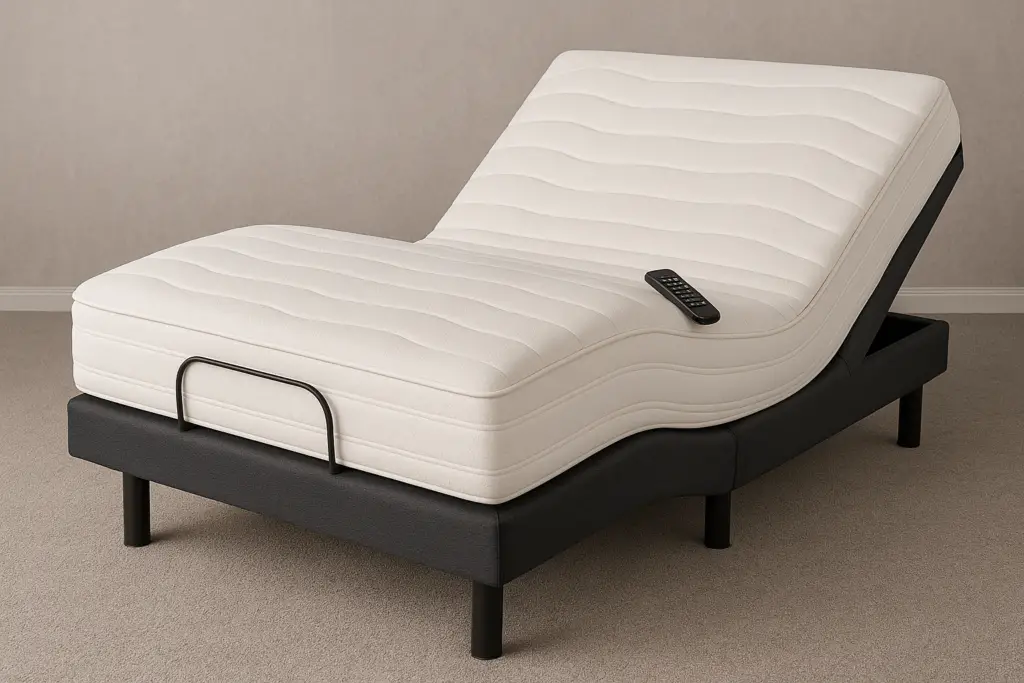
<p> Making your bed might seem trivial, but it is one of the most powerful habits you can build for a better day. It takes less than two minutes yet creates an immediate sense of accomplishment. Straightening your sheets and arranging your pillows sends a subconscious signal that you care about your environment and your own well-being. It is a micro-win that primes your brain for more successes throughout the day. Plus, returning home to a neatly made bed at night feels like a small reward, creating a welcoming, peaceful atmosphere that supports better sleep and mental health. These small acts of order can ripple out into bigger feelings of control and success. </p> :: Pexels

Making your bed might seem trivial, but it is one of the most powerful habits you can build for a better day. It takes less than two minutes yet creates an immediate sense of accomplishment. Straightening your sheets and arranging your pillows sends a subconscious signal that you care about your environment and your own well-being. It is a micro-win that primes your brain for more successes throughout the day. Plus, returning home to a neatly made bed at night feels like a small reward, creating a welcoming, peaceful atmosphere that supports better sleep and mental health. These small acts of order can ripple out into bigger feelings of control and success.

3. Drink a Glass of Water Before Anything Else

<p> Before reaching for coffee, tea, or breakfast, start your day with a tall glass of water. Overnight, your body loses hydration through breathing and sweating, even if you are not aware of it. Dehydration can cause you to feel sluggish, foggy, and even anxious. Rehydrating first thing in the morning kickstarts your metabolism, flushes out toxins, and helps you feel more awake naturally. If you keep a water bottle or glass on your nightstand, it serves as a visual reminder to take care of your health before anything else demands your attention. Over time, this habit can improve digestion, skin health, and even energy levels throughout the day. </p> :: Pexels

Before reaching for coffee, tea, or breakfast, start your day with a tall glass of water. Overnight, your body loses hydration through breathing and sweating, even if you are not aware of it. Dehydration can cause you to feel sluggish, foggy, and even anxious. Rehydrating first thing in the morning kickstarts your metabolism, flushes out toxins, and helps you feel more awake naturally. If you keep a water bottle or glass on your nightstand, it serves as a visual reminder to take care of your health before anything else demands your attention. Over time, this habit can improve digestion, skin health, and even energy levels throughout the day.

4. Spend Two Minutes Setting an Intention

<p> Instead of reaching for your phone or mentally diving into your to-do list, take two minutes each morning to set a meaningful intention. An intention is not a task like "send ten emails" but rather an emotional focus like "stay patient" or "embrace creativity." It acts as a compass, gently guiding you through whatever challenges come your way. Setting an intention strengthens your emotional resilience, helping you respond thoughtfully instead of reacting impulsively. Over time, you may find yourself achieving goals more naturally because your mindset is aligned with your deeper values. Plus, starting your day with purpose simply feels better than starting with stress. </p> :: Pexels

Instead of reaching for your phone or mentally diving into your to-do list, take two minutes each morning to set a meaningful intention. An intention is not a task like “send ten emails” but rather an emotional focus like “stay patient” or “embrace creativity.” It acts as a compass, gently guiding you through whatever challenges come your way. Setting an intention strengthens your emotional resilience, helping you respond thoughtfully instead of reacting impulsively. Over time, you may find yourself achieving goals more naturally because your mindset is aligned with your deeper values. Plus, starting your day with purpose simply feels better than starting with stress.

5. Step Outside for a Few Moments

<p> Getting natural sunlight within the first hour of waking up can dramatically improve your energy, mood, and even sleep quality. Your body’s internal clock, or circadian rhythm, relies on natural cues to stay in sync, and morning sunlight is one of the most powerful regulators. Even if it is cloudy or cold, stepping outside for a few moments can help boost your serotonin levels, making you feel happier and more focused. Whether you sip your coffee on the porch, take a short walk around the block, or just stand on your balcony breathing in fresh air, connecting with the outdoors early in the day grounds you and helps reduce anxiety and brain fog. </p> :: Pexels

Getting natural sunlight within the first hour of waking up can dramatically improve your energy, mood, and even sleep quality. Your body’s internal clock, or circadian rhythm, relies on natural cues to stay in sync, and morning sunlight is one of the most powerful regulators. Even if it is cloudy or cold, stepping outside for a few moments can help boost your serotonin levels, making you feel happier and more focused. Whether you sip your coffee on the porch, take a short walk around the block, or just stand on your balcony breathing in fresh air, connecting with the outdoors early in the day grounds you and helps reduce anxiety and brain fog.

6. Move Your Body, Even a Little

<p> You do not need a rigorous workout to benefit from morning movement. Just a few minutes of light stretching, yoga, or dancing can elevate your heart rate, wake up your muscles, and kickstart your metabolism. Movement releases endorphins, the body’s natural feel-good chemicals, which boost mood and lower stress levels. Gentle movement also improves circulation and flexibility, helping you avoid that stiff, groggy feeling many people experience in the morning. By integrating small bursts of physical activity early in the day, you create positive momentum that encourages healthier choices throughout the hours ahead. Plus, you will simply feel more alive and alert as you tackle your responsibilities. </p> :: Pexels

You do not need a rigorous workout to benefit from morning movement. Just a few minutes of light stretching, yoga, or dancing can elevate your heart rate, wake up your muscles, and kickstart your metabolism. Movement releases endorphins, the body’s natural feel-good chemicals, which boost mood and lower stress levels. Gentle movement also improves circulation and flexibility, helping you avoid that stiff, groggy feeling many people experience in the morning. By integrating small bursts of physical activity early in the day, you create positive momentum that encourages healthier choices throughout the hours ahead. Plus, you will simply feel more alive and alert as you tackle your responsibilities.

7. Choose a “Morning Joy” Ritual

<p> One of the best ways to fall in love with your mornings is by including a tiny ritual that brings you joy. This could be anything from savoring a luxurious cup of coffee, reading a few pages from a novel, meditating, listening to an upbeat playlist, or writing a short gratitude list. Giving yourself something to genuinely look forward to creates a positive emotional association with mornings instead of dread or stress. It also trains your brain to expect and notice good things throughout your day. A "morning joy" ritual does not have to be long or complicated; it simply needs to be something that lights you up, even for just a few minutes. </p> :: Pexels

One of the best ways to fall in love with your mornings is by including a tiny ritual that brings you joy. This could be anything from savoring a luxurious cup of coffee, reading a few pages from a novel, meditating, listening to an upbeat playlist, or writing a short gratitude list. Giving yourself something to genuinely look forward to creates a positive emotional association with mornings instead of dread or stress. It also trains your brain to expect and notice good things throughout your day. A “morning joy” ritual does not have to be long or complicated; it simply needs to be something that lights you up, even for just a few minutes.

Final Thoughts

<p> Transforming your day does not require waking up at 5 AM or running a marathon before breakfast. Often, the smallest shifts make the biggest impact. By waking up just ten minutes earlier, making your bed, drinking water, setting an intention, getting natural light, moving your body, and embracing a morning joy ritual, you create a powerful foundation for a better life. These tiny morning changes are manageable, sustainable, and incredibly effective. Over time, they help you feel less rushed, more confident, and more connected to the life you truly want to live. Try integrating just one of these habits into your routine this week. Notice how even the tiniest change can create ripples that turn into waves of positivity throughout your entire day. The path to better mornings and better days is not about radical transformation overnight. It is about embracing small, meaningful changes that stack up over time. You are just a few minutes and a few tiny habits away from feeling more focused, more energized, and more in control of your destiny every single day. </p> :: Pexels


Transforming your day does not require waking up at 5 AM or running a marathon before breakfast. Often, the smallest shifts make the biggest impact. By waking up just ten minutes earlier, making your bed, drinking water, setting an intention, getting natural light, moving your body, and embracing a morning joy ritual, you create a powerful foundation for a better life. These tiny morning changes are manageable, sustainable, and incredibly effective. Over time, they help you feel less rushed, more confident, and more connected to the life you truly want to live. Try integrating just one of these habits into your routine this week. Notice how even the tiniest change can create ripples that turn into waves of positivity throughout your entire day. The path to better mornings and better days is not about radical transformation overnight. It is about embracing small, meaningful changes that stack up over time. You are just a few minutes and a few tiny habits away from feeling more focused, more energized, and more in control of your destiny every single day.

Filed Under: Lifestyle

Workplace Rules Employees Are Finally Rejecting: 10 Outdated Policies

November 16, 2025 | Leave a Comment

Workplace Rules Employees Are Finally Rejecting: 10 Outdated Policies

<p> Workplaces have changed dramatically over the past decade, and the rules that once seemed untouchable are now being questioned. What used to be considered “standard procedure” is increasingly seen as outdated, restrictive, and even counterproductive. Employees are no longer willing to accept policies that prioritize appearances over results, or rigid routines over flexibility. This shift isn’t about laziness or entitlement—it’s about creating workplaces that respect well-being, trust employees, and focus on meaningful outcomes.

From rigid schedules to dress codes, constant meetings to mandatory social events, many traditional workplace rules are being challenged. In this blog, we’ll explore ten outdated workplace rules that employees are finally rejecting—and why rethinking them benefits both staff and companies alike. </p> :: Gemini

Workplaces have changed dramatically over the past decade, and the rules that once seemed untouchable are now being questioned. What used to be considered “standard procedure” is increasingly seen as outdated, restrictive, and even counterproductive. Employees are no longer willing to accept policies that prioritize appearances over results, or rigid routines over flexibility. This shift isn’t about laziness or entitlement—it’s about creating workplaces that respect well-being, trust employees, and focus on meaningful outcomes.

From rigid schedules to dress codes, constant meetings to mandatory social events, many traditional workplace rules are being challenged. In this blog, we’ll explore ten outdated workplace rules that employees are finally rejecting—and why rethinking them benefits both staff and companies alike.

1. The Rigid 9-to-5 Workday

<p> For decades, the 9-to-5 workday was seen as the gold standard of productivity. Employees were expected to sit at their desks for eight straight hours, regardless of when they were most focused or energized. Today, that rigid structure is increasingly rejected.

Modern employees argue that productivity should be measured by results, not the hours spent sitting at a desk. Flexible schedules allow individuals to work during their peak focus periods, whether that’s early in the morning or late at night. Remote and hybrid work arrangements have proven that employees can deliver exceptional results outside traditional office hours. Flexible hours reduce stress, improve work-life balance, and often increase overall output, creating a win-win for both workers and employers. </p> :: Gemini

For decades, the 9-to-5 workday was seen as the gold standard of productivity. Employees were expected to sit at their desks for eight straight hours, regardless of when they were most focused or energized. Today, that rigid structure is increasingly rejected.

Modern employees argue that productivity should be measured by results, not the hours spent sitting at a desk. Flexible schedules allow individuals to work during their peak focus periods, whether that’s early in the morning or late at night. Remote and hybrid work arrangements have proven that employees can deliver exceptional results outside traditional office hours. Flexible hours reduce stress, improve work-life balance, and often increase overall output, creating a win-win for both workers and employers.

2. Mandatory Return-to-Office Policies

<p> After the pandemic, many companies insisted on a return to the office. However, employees who experienced the benefits of remote work—such as saved commuting time, increased personal freedom, and fewer distractions—are pushing back against strict office mandates.

The truth is, mandatory return-to-office policies can feel unnecessary when physical presence doesn’t add significant value. Many employees now expect hybrid arrangements that allow them to choose where and when they work best. Companies embracing this flexibility often see higher engagement and retention, as employees feel trusted and empowered to manage their own schedules. </p> :: Gemini

After the pandemic, many companies insisted on a return to the office. However, employees who experienced the benefits of remote work—such as saved commuting time, increased personal freedom, and fewer distractions—are pushing back against strict office mandates.

The truth is, mandatory return-to-office policies can feel unnecessary when physical presence doesn’t add significant value. Many employees now expect hybrid arrangements that allow them to choose where and when they work best. Companies embracing this flexibility often see higher engagement and retention, as employees feel trusted and empowered to manage their own schedules.

3. Annual Performance Reviews

<p> The once-a-year performance review is becoming a relic of the past. Many employees find that waiting twelve months for feedback is both stressful and ineffective. By the time a review occurs, the evaluation may reflect outdated observations or fail to address recent accomplishments or challenges.

In contrast, continuous feedback models—such as regular one-on-one check-ins and coaching conversations—allow employees to adjust and grow in real time. This approach fosters stronger relationships between management and staff, improves performance, and helps employees feel supported rather than scrutinized. Companies adopting ongoing feedback see more motivated and engaged teams. </p> :: Gemini

The once-a-year performance review is becoming a relic of the past. Many employees find that waiting twelve months for feedback is both stressful and ineffective. By the time a review occurs, the evaluation may reflect outdated observations or fail to address recent accomplishments or challenges.

In contrast, continuous feedback models—such as regular one-on-one check-ins and coaching conversations—allow employees to adjust and grow in real time. This approach fosters stronger relationships between management and staff, improves performance, and helps employees feel supported rather than scrutinized. Companies adopting ongoing feedback see more motivated and engaged teams.

4. Strict Dress Codes

<p> Corporate dress codes used to enforce a very narrow standard of professionalism: suits, ties, or formal attire were mandatory. Today, the trend is shifting toward comfort, inclusivity, and personal expression.

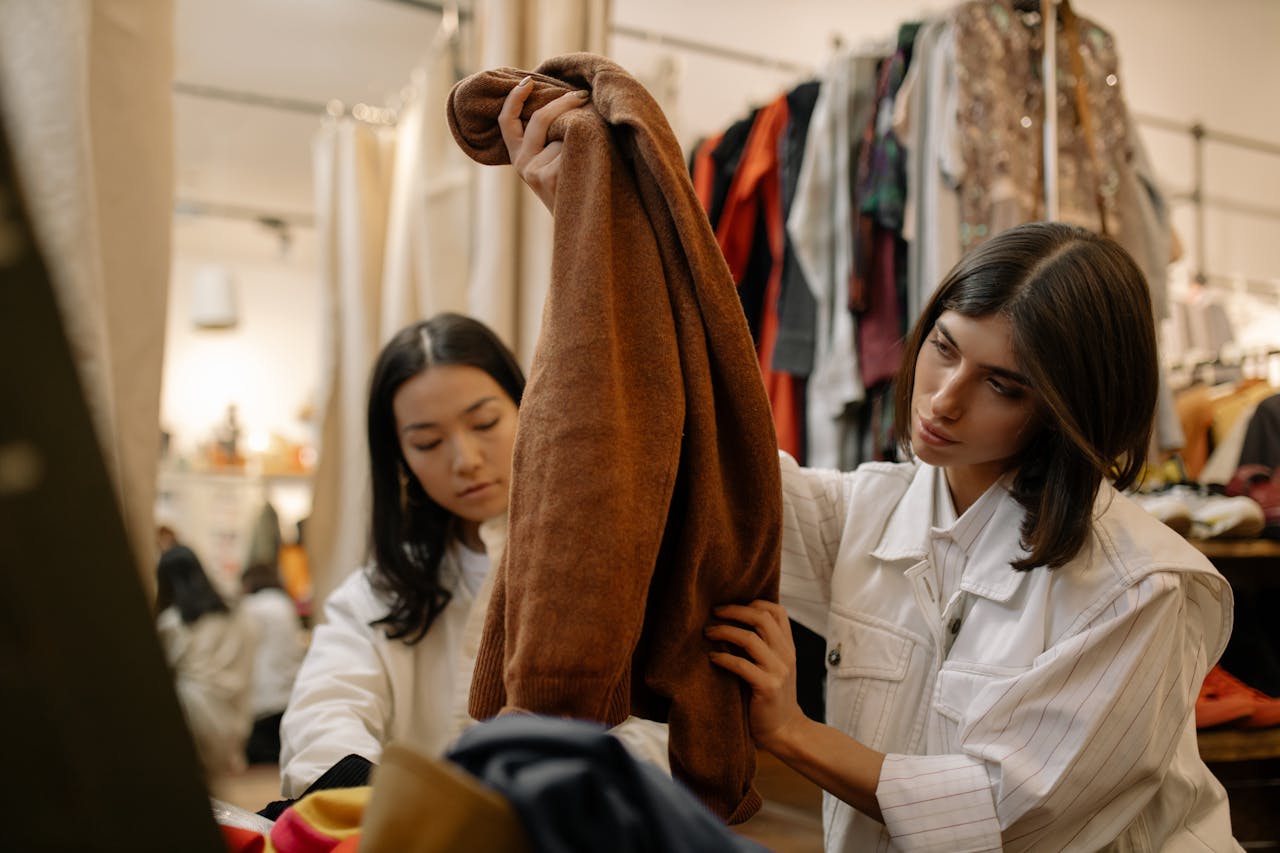
Millennials and Gen Z employees, in particular, prefer clothing that allows them to feel confident and productive, rather than constrained by rigid norms. Flexible dress codes support authenticity, reduce stress, and contribute to a more welcoming workplace culture. Employees who can dress comfortably often perform better, collaborate more freely, and feel a stronger sense of belonging. </p> :: Gemini

Corporate dress codes used to enforce a very narrow standard of professionalism: suits, ties, or formal attire were mandatory. Today, the trend is shifting toward comfort, inclusivity, and personal expression.

Millennials and Gen Z employees, in particular, prefer clothing that allows them to feel confident and productive, rather than constrained by rigid norms. Flexible dress codes support authenticity, reduce stress, and contribute to a more welcoming workplace culture. Employees who can dress comfortably often perform better, collaborate more freely, and feel a stronger sense of belonging.

5. Back-to-Back Meetings

<p> The culture of constant meetings is being questioned like never before. Many employees feel trapped in a cycle of back-to-back meetings that fragment their focus and leave little room for deep, uninterrupted work.

Companies are experimenting with strategies to limit unnecessary meetings, such as designated focus blocks, shorter and more efficient sessions, and asynchronous updates. These changes give employees the time to think creatively, solve problems effectively, and produce higher-quality work. Reducing excessive meetings is no longer a luxury—it’s essential for sustainable productivity and employee satisfaction. </p> :: Gemini

The culture of constant meetings is being questioned like never before. Many employees feel trapped in a cycle of back-to-back meetings that fragment their focus and leave little room for deep, uninterrupted work.

Companies are experimenting with strategies to limit unnecessary meetings, such as designated focus blocks, shorter and more efficient sessions, and asynchronous updates. These changes give employees the time to think creatively, solve problems effectively, and produce higher-quality work. Reducing excessive meetings is no longer a luxury—it’s essential for sustainable productivity and employee satisfaction.

6. Being On Call 24/7

<p> The expectation to always be “available” has long been a silent stressor in workplaces. Digital tools make it easy for managers to reach employees at any hour, creating pressure to respond immediately to emails and messages.

Employees are now setting boundaries, demanding the right to disconnect outside of work hours. Companies that respect these boundaries demonstrate trust, support mental health, and encourage long-term performance. When employees feel their personal time is valued, they return to work refreshed, focused, and ready to contribute at their best. </p> :: Gemini

The expectation to always be “available” has long been a silent stressor in workplaces. Digital tools make it easy for managers to reach employees at any hour, creating pressure to respond immediately to emails and messages.

Employees are now setting boundaries, demanding the right to disconnect outside of work hours. Companies that respect these boundaries demonstrate trust, support mental health, and encourage long-term performance. When employees feel their personal time is valued, they return to work refreshed, focused, and ready to contribute at their best.

7. Mandatory Social Events

<p> Team bonding and networking events used to be mandatory for career advancement. However, not all employees enjoy after-work happy hours or team-building exercises. Family responsibilities, personal commitments, or simple introversion can make mandatory social events stressful.

The modern approach emphasizes optional participation. Employees can choose how and when they engage socially, creating genuine connections without the pressure to sacrifice personal time. Optional events respect individual preferences while still encouraging a collaborative culture. </p> :: Gemini

Team bonding and networking events used to be mandatory for career advancement. However, not all employees enjoy after-work happy hours or team-building exercises. Family responsibilities, personal commitments, or simple introversion can make mandatory social events stressful.

The modern approach emphasizes optional participation. Employees can choose how and when they engage socially, creating genuine connections without the pressure to sacrifice personal time. Optional events respect individual preferences while still encouraging a collaborative culture.

8. Forced Ranking Systems

<p> Forced ranking systems—where employees are ranked against each other in a zero-sum evaluation—are losing favor. While these systems were designed to identify top performers, they often foster unhealthy competition, decrease morale, and hinder collaboration.

Contemporary employees prefer evaluation methods that recognize individual strengths, contributions to team goals, and personal development. Companies that move away from forced ranking systems can encourage teamwork, support employee growth, and create a more positive, productive work environment. </p> :: Gemini

Forced ranking systems—where employees are ranked against each other in a zero-sum evaluation—are losing favor. While these systems were designed to identify top performers, they often foster unhealthy competition, decrease morale, and hinder collaboration.

Contemporary employees prefer evaluation methods that recognize individual strengths, contributions to team goals, and personal development. Companies that move away from forced ranking systems can encourage teamwork, support employee growth, and create a more positive, productive work environment.

9. One-Size-Fits-All Career Ladders

<p> Traditional career ladders offered a linear progression: climb rung by rung, often with limited flexibility. Modern employees, however, value personalized growth opportunities. They want lateral moves, project-based experiences, mentorship programs, and career paths that align with their skills and passions.

Flexible career development fosters motivation and engagement while preventing stagnation. When employees feel their growth is valued and tailored to their abilities, they are more likely to stay committed, innovate, and contribute meaningfully to the organization. </p> :: Gemini

Traditional career ladders offered a linear progression: climb rung by rung, often with limited flexibility. Modern employees, however, value personalized growth opportunities. They want lateral moves, project-based experiences, mentorship programs, and career paths that align with their skills and passions.

Flexible career development fosters motivation and engagement while preventing stagnation. When employees feel their growth is valued and tailored to their abilities, they are more likely to stay committed, innovate, and contribute meaningfully to the organization.

10. Face Time as Proof of Productivity

<p> For years, showing up early and staying late was seen as the hallmark of dedication. Today, employees are challenging the notion that physical presence equals productivity.

Results-oriented work environments prioritize outcomes over hours logged. Employees are judged by their performance, problem-solving, and efficiency rather than by how long they sit at a desk. This shift empowers employees to work in ways that suit their strengths, encourages autonomy, and focuses attention on achieving meaningful results rather than simply “looking busy.” </p> :: Gemini

For years, showing up early and staying late was seen as the hallmark of dedication. Today, employees are challenging the notion that physical presence equals productivity.

Results-oriented work environments prioritize outcomes over hours logged. Employees are judged by their performance, problem-solving, and efficiency rather than by how long they sit at a desk. This shift empowers employees to work in ways that suit their strengths, encourages autonomy, and focuses attention on achieving meaningful results rather than simply “looking busy.”

Final Thoughts

<p> The workplace is evolving, and employees are leading the charge in redefining what work should look like. Rejecting outdated rules isn’t about shirking responsibility—it’s about creating a culture that values trust, flexibility, and results. Companies that adapt benefit from higher engagement, increased productivity, and happier, more loyal teams.

For employees, the message is clear: your time, energy, and well-being matter. Challenging outdated workplace norms is not a sign of difficulty or laziness—it’s a movement toward a healthier, more sustainable work culture. As organizations continue to embrace flexible schedules, personalized career growth, and results-focused evaluation, the workplace transforms into a space where both people and businesses can thrive.

The future of work favors trust over control, outcomes over appearances, and collaboration over rigid hierarchies. By questioning outdated rules and pushing for change, employees aren’t just protecting themselves—they’re shaping a more productive, inclusive, and satisfying work environment for everyone. </p> :: Gemini

The workplace is evolving, and employees are leading the charge in redefining what work should look like. Rejecting outdated rules isn’t about shirking responsibility—it’s about creating a culture that values trust, flexibility, and results. Companies that adapt benefit from higher engagement, increased productivity, and happier, more loyal teams.

For employees, the message is clear: your time, energy, and well-being matter. Challenging outdated workplace norms is not a sign of difficulty or laziness—it’s a movement toward a healthier, more sustainable work culture. As organizations continue to embrace flexible schedules, personalized career growth, and results-focused evaluation, the workplace transforms into a space where both people and businesses can thrive.

The future of work favors trust over control, outcomes over appearances, and collaboration over rigid hierarchies. By questioning outdated rules and pushing for change, employees aren’t just protecting themselves—they’re shaping a more productive, inclusive, and satisfying work environment for everyone.

Filed Under: Lifestyle

The Old-Fashioned Household Rules Boomers Grew Up With (10 That Seem Bizarre Today)

November 15, 2025 | Leave a Comment

The Old-Fashioned Household Rules Boomers Grew Up With (10 That Seem Bizarre Today)

<p> Every generation has its quirks, but Baby Boomers might hold the record for some of the most memorable household rules. From finishing every bite on your plate to dressing your “Sunday best” just to go to the grocery store, life in a Boomer household came with its own unique playbook.

Looking back, many of those rules feel downright strange compared to the relaxed, tech-driven lifestyles of today. Yet, behind every “weird” rule was a deeper purpose—teaching respect, gratitude, and responsibility. Whether you find yourself chuckling, nodding, or shaking your head, these old-fashioned rules offer a nostalgic glimpse into what made Boomer households both strict and special.

Here are ten household rules many Boomers remember vividly, and how they’ve evolved—or vanished—over the decades. </p> :: Gemini

Every generation has its quirks, but Baby Boomers might hold the record for some of the most memorable household rules. From finishing every bite on your plate to dressing your “Sunday best” just to go to the grocery store, life in a Boomer household came with its own unique playbook.

Looking back, many of those rules feel downright strange compared to the relaxed, tech-driven lifestyles of today. Yet, behind every “weird” rule was a deeper purpose—teaching respect, gratitude, and responsibility. Whether you find yourself chuckling, nodding, or shaking your head, these old-fashioned rules offer a nostalgic glimpse into what made Boomer households both strict and special.

Here are ten household rules many Boomers remember vividly, and how they’ve evolved—or vanished—over the decades.

1. Finish Everything on Your Plate

<p> If you grew up in the 1950s or 60s, you probably heard this more times than you can count: “There are starving children who would be grateful for that food!” Dinner wasn’t over until every last bite was gone, no matter how full you were. The rule came from a time when wasting food was considered disrespectful and resources were tighter. Today, many people are more mindful of portion control and listening to their bodies, but the core lesson remains valuable—don’t take more than you need and appreciate what’s in front of you. </p> :: Gemini

If you grew up in the 1950s or 60s, you probably heard this more times than you can count: “There are starving children who would be grateful for that food!” Dinner wasn’t over until every last bite was gone, no matter how full you were. The rule came from a time when wasting food was considered disrespectful and resources were tighter. Today, many people are more mindful of portion control and listening to their bodies, but the core lesson remains valuable—don’t take more than you need and appreciate what’s in front of you.

2. Chores Come Before Fun

<p> In a Boomer household, playtime didn’t start until the chores were done. Beds had to be made, dishes washed, and floors swept before you could relax or watch television. It was a simple but powerful way to teach discipline and responsibility. Today’s world moves faster, and multitasking is the norm, but that “work first, fun later” mindset still pays off. Many Boomers say this rule taught them how to manage time, stay organized, and take pride in a clean home—skills that still make life smoother at any age. </p> :: Gemini

In a Boomer household, playtime didn’t start until the chores were done. Beds had to be made, dishes washed, and floors swept before you could relax or watch television. It was a simple but powerful way to teach discipline and responsibility. Today’s world moves faster, and multitasking is the norm, but that “work first, fun later” mindset still pays off. Many Boomers say this rule taught them how to manage time, stay organized, and take pride in a clean home—skills that still make life smoother at any age.

3. Respect Your Elders

<p> Respect wasn’t optional. You said “sir” and “ma’am,” never interrupted adults, and kept your opinions to yourself until invited to speak. For Boomers, it wasn’t about blind obedience—it was about showing courtesy and humility. Modern culture has shifted toward more open, casual communication between generations, but a little old-fashioned politeness can still go a long way. Saying “please” and “thank you” or simply listening before speaking never goes out of style. </p> :: Gemini

Respect wasn’t optional. You said “sir” and “ma’am,” never interrupted adults, and kept your opinions to yourself until invited to speak. For Boomers, it wasn’t about blind obedience—it was about showing courtesy and humility. Modern culture has shifted toward more open, casual communication between generations, but a little old-fashioned politeness can still go a long way. Saying “please” and “thank you” or simply listening before speaking never goes out of style.

4. Never Arrive Empty-Handed

<p> Whether it was a neighborhood barbecue, a family gathering, or a Sunday dinner, no one showed up empty-handed. Bringing a pie, a bottle of wine, or even a bunch of flowers was simply good manners. It was a gesture that said, “Thank you for inviting me.” These days, casual visits and last-minute plans make that tradition less common, but reviving it can make get-togethers feel warmer and more thoughtful. It’s a small act of kindness that still leaves a big impression. </p> :: Gemini

Whether it was a neighborhood barbecue, a family gathering, or a Sunday dinner, no one showed up empty-handed. Bringing a pie, a bottle of wine, or even a bunch of flowers was simply good manners. It was a gesture that said, “Thank you for inviting me.” These days, casual visits and last-minute plans make that tradition less common, but reviving it can make get-togethers feel warmer and more thoughtful. It’s a small act of kindness that still leaves a big impression.

5. Always Call, Never Just Drop By

<p> Long before texting or social media, a phone call was how you checked in—and how you made plans. You never just showed up at someone’s doorstep without notice. Calling first was a sign of respect for people’s time and privacy. Ironically, the opposite is true today. Many people avoid phone calls altogether, preferring short texts or quick DMs. Still, a genuine phone call can feel personal and nostalgic, especially between friends who have known each other for decades. Hearing someone’s voice adds warmth that no emoji can replace. </p> :: Gemini

Long before texting or social media, a phone call was how you checked in—and how you made plans. You never just showed up at someone’s doorstep without notice. Calling first was a sign of respect for people’s time and privacy. Ironically, the opposite is true today. Many people avoid phone calls altogether, preferring short texts or quick DMs. Still, a genuine phone call can feel personal and nostalgic, especially between friends who have known each other for decades. Hearing someone’s voice adds warmth that no emoji can replace.

6. Dress Properly—Even at Home

<p> Remember when you weren’t allowed to go to the store or even answer the door without “looking decent”? Boomers grew up in a time when dressing neatly was a matter of self-respect. Going out in sweatpants or pajamas would’ve been unthinkable. While fashion has relaxed over the years, many Boomers still hold onto that value—presenting yourself well can boost confidence and show pride in who you are. You don’t have to wear a tie to the grocery store, but a clean, put-together look still says a lot about you. </p> :: Gemini
Remember when you weren’t allowed to go to the store or even answer the door without “looking decent”? Boomers grew up in a time when dressing neatly was a matter of self-respect. Going out in sweatpants or pajamas would’ve been unthinkable. While fashion has relaxed over the years, many Boomers still hold onto that value—presenting yourself well can boost confidence and show pride in who you are. You don’t have to wear a tie to the grocery store, but a clean, put-together look still says a lot about you.


7. Be Home When the Streetlights Come On

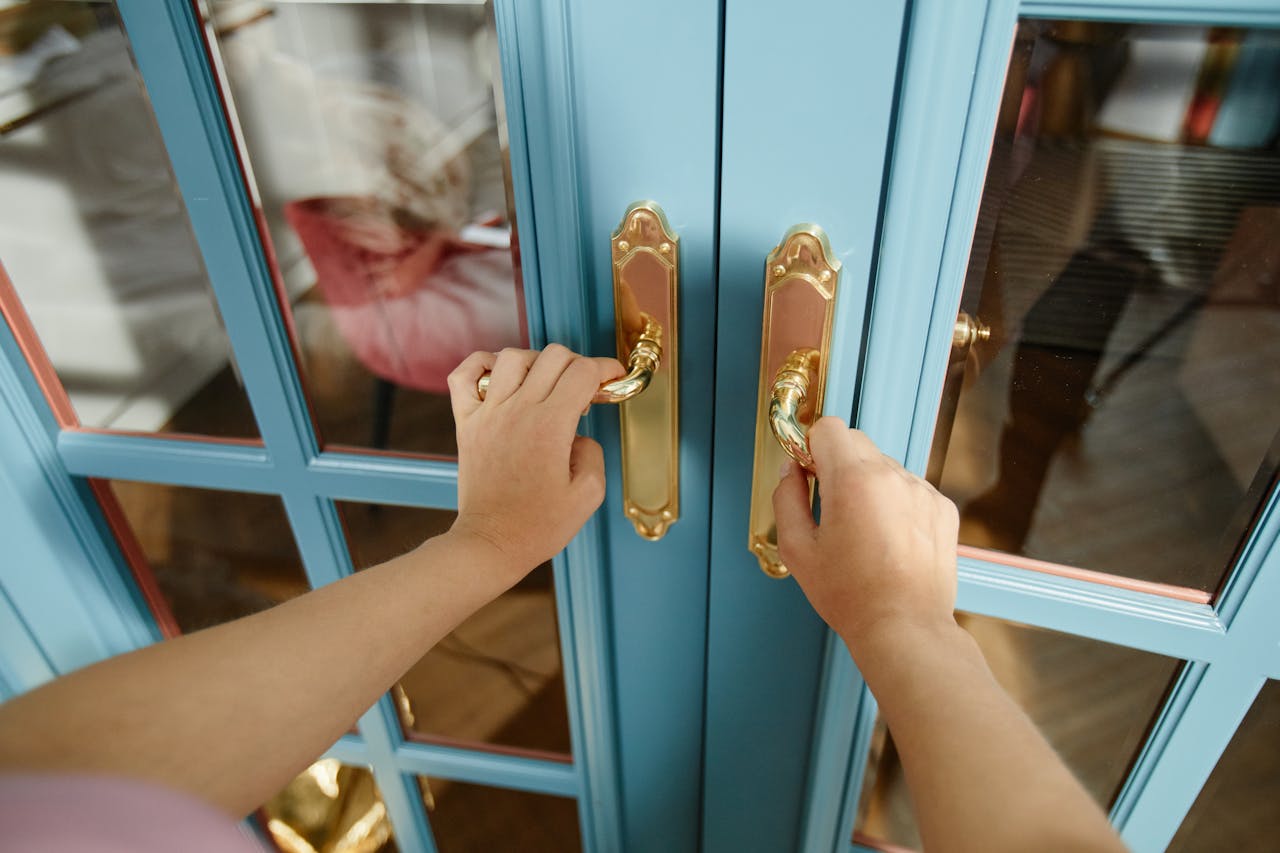
<p> This one brings back vivid memories. Kids could roam freely all day—riding bikes, climbing trees, playing kickball—but they had to be home the moment the streetlights flickered on. It was a simple and effective curfew, and it taught responsibility and awareness of time. Today’s kids have GPS trackers, smartphones, and constant check-ins, but the spirit of this rule—balancing freedom with accountability—is timeless. It’s a gentle reminder of an era when play was pure and community felt safe. </p> :: Gemini

This one brings back vivid memories. Kids could roam freely all day—riding bikes, climbing trees, playing kickball—but they had to be home the moment the streetlights flickered on. It was a simple and effective curfew, and it taught responsibility and awareness of time. Today’s kids have GPS trackers, smartphones, and constant check-ins, but the spirit of this rule—balancing freedom with accountability—is timeless. It’s a gentle reminder of an era when play was pure and community felt safe.

8. Privacy Was Earned, Not Expected

<p> In a Boomer household, there was no such thing as “my room, my rules.” Doors stayed open, phone calls weren’t secret, and parents could walk in at any moment. Privacy was something you earned through trust and good behavior. Nowadays, privacy is almost a right—kids have devices, passwords, and boundaries their parents never imagined. While times have changed, the idea that trust is built, not automatic, is still a valuable lesson. Whether it’s family, roommates, or relationships, respect and honesty go hand in hand. </p> :: Gemini

In a Boomer household, there was no such thing as “my room, my rules.” Doors stayed open, phone calls weren’t secret, and parents could walk in at any moment. Privacy was something you earned through trust and good behavior. Nowadays, privacy is almost a right—kids have devices, passwords, and boundaries their parents never imagined. While times have changed, the idea that trust is built, not automatic, is still a valuable lesson. Whether it’s family, roommates, or relationships, respect and honesty go hand in hand.

9. Don’t Talk About Money

<p> Discussing money was once considered rude, even within families. Asking how much someone made or what they paid for something was off-limits. Boomers grew up with a “keep it private” mindset, believing money talk could lead to jealousy or bragging. Today, the trend has shifted toward openness—people share budgeting tips, retirement advice, and investment strategies more freely. Still, there’s wisdom in that old rule: not every detail needs to be public. A balance between transparency and discretion can keep relationships—and wallets—healthy. </p> :: Gemini

Discussing money was once considered rude, even within families. Asking how much someone made or what they paid for something was off-limits. Boomers grew up with a “keep it private” mindset, believing money talk could lead to jealousy or bragging. Today, the trend has shifted toward openness—people share budgeting tips, retirement advice, and investment strategies more freely. Still, there’s wisdom in that old rule: not every detail needs to be public. A balance between transparency and discretion can keep relationships—and wallets—healthy.

10. Family Dinner Was Non-Negotiable

<p> Before everyone had their own screen, schedule, and favorite show, families sat down together for dinner every night. No phones, no distractions, and definitely no TV at the table. It was a sacred time to talk, laugh, and reconnect. Today, it’s much harder to coordinate family dinners, but when they do happen, they’re just as meaningful. Whether it’s Sunday lunch or a weekly get-together, making time to share a meal is one tradition worth keeping alive. It’s a reminder that family connection is still the best nourishment of all. </p> :: Gemini

Before everyone had their own screen, schedule, and favorite show, families sat down together for dinner every night. No phones, no distractions, and definitely no TV at the table. It was a sacred time to talk, laugh, and reconnect. Today, it’s much harder to coordinate family dinners, but when they do happen, they’re just as meaningful. Whether it’s Sunday lunch or a weekly get-together, making time to share a meal is one tradition worth keeping alive. It’s a reminder that family connection is still the best nourishment of all.

Final Thoughts

<p> Looking back at these old household rules, it’s easy to laugh at how strict or over-the-top some of them sound. But underneath the formality and structure were lessons that shaped a generation—lessons about respect, gratitude, work ethic, and community.

Boomers learned to take care of what they had, to treat others kindly, and to find satisfaction in simplicity. While today’s world moves faster and feels more casual, there’s something comforting about those old values. Maybe that’s why so many Boomers still hold onto them, even in small ways—teaching grandkids to clean up after themselves, making the bed every morning, or bringing a dish to every gathering.

The truth is, those rules weren’t just about keeping order. They built character, strengthened families, and created a sense of belonging that many people crave today. So, while you might not force anyone to “finish everything on their plate” anymore, you can still carry the heart of that lesson with you: appreciation, effort, and care never go out of style.

And next time someone teases you for being “old-fashioned,” smile and tell them—some traditions are worth keeping. </p> :: Gemini

Looking back at these old household rules, it’s easy to laugh at how strict or over-the-top some of them sound. But underneath the formality and structure were lessons that shaped a generation—lessons about respect, gratitude, work ethic, and community.

Boomers learned to take care of what they had, to treat others kindly, and to find satisfaction in simplicity. While today’s world moves faster and feels more casual, there’s something comforting about those old values. Maybe that’s why so many Boomers still hold onto them, even in small ways—teaching grandkids to clean up after themselves, making the bed every morning, or bringing a dish to every gathering.

The truth is, those rules weren’t just about keeping order. They built character, strengthened families, and created a sense of belonging that many people crave today. So, while you might not force anyone to “finish everything on their plate” anymore, you can still carry the heart of that lesson with you: appreciation, effort, and care never go out of style.

And next time someone teases you for being “old-fashioned,” smile and tell them—some traditions are worth keeping.

Filed Under: Lifestyle

Remember These? 15 Things Every Boomer Had in Their First Apartment

November 15, 2025 | Leave a Comment

Remember These? 15 Things Every Boomer Had in Their First Apartment

<p> There’s something magical about your very first apartment. It wasn’t just four walls and a roof—it was freedom, independence, and the start of your adult life. For Baby Boomers, those first places weren’t fancy, but they were filled with character and items that told stories. Maybe you moved in after college, landed your first job, or finally decided to fly solo. Whatever the reason, your first apartment was proof that you were making it on your own.

If you close your eyes, you can probably still picture it: the sound of your record player, the smell of coffee brewing in the morning, and the mismatched furniture that somehow made everything feel cozy. Let’s take a walk down memory lane and revisit the 15 things almost every Boomer had in their first apartment—and why they still hold a special place in your heart today. </p> :: Gemini

There’s something magical about your very first apartment. It wasn’t just four walls and a roof—it was freedom, independence, and the start of your adult life. For Baby Boomers, those first places weren’t fancy, but they were filled with character and items that told stories. Maybe you moved in after college, landed your first job, or finally decided to fly solo. Whatever the reason, your first apartment was proof that you were making it on your own.

If you close your eyes, you can probably still picture it: the sound of your record player, the smell of coffee brewing in the morning, and the mismatched furniture that somehow made everything feel cozy. Let’s take a walk down memory lane and revisit the 15 things almost every Boomer had in their first apartment—and why they still hold a special place in your heart today.

1. The Mattress on the Floor

<p> Let’s be honest—most first apartments didn’t start with a fancy bedframe. Many Boomers slept on a simple spring mattress right on the floor, maybe with a couple of milk crates serving as nightstands. It wasn’t about luxury; it was about survival and comfort. After all, nothing felt better than collapsing onto that mattress after a long day of work or unpacking boxes. </p> :: Gemini

Let’s be honest—most first apartments didn’t start with a fancy bedframe. Many Boomers slept on a simple spring mattress right on the floor, maybe with a couple of milk crates serving as nightstands. It wasn’t about luxury; it was about survival and comfort. After all, nothing felt better than collapsing onto that mattress after a long day of work or unpacking boxes.

2. A Frying Pan, Kettle, and Coffee Maker

<p> Cooking in your first apartment was an adventure. You didn’t need a gourmet kitchen; all you needed was one trusty frying pan, a kettle for tea or instant noodles, and a coffee maker that got you through those early mornings. Those few tools were your introduction to real adulthood—and probably the start of some culinary disasters worth laughing about today. </p> :: Gemini

Cooking in your first apartment was an adventure. You didn’t need a gourmet kitchen; all you needed was one trusty frying pan, a kettle for tea or instant noodles, and a coffee maker that got you through those early mornings. Those few tools were your introduction to real adulthood—and probably the start of some culinary disasters worth laughing about today.

3. The Wobbly Dining Table

<p> Every first apartment deserved a small table and a couple of chairs, even if they didn’t match. It became the center of your world—where you ate breakfast, paid bills, and chatted with friends over cheap takeout. That table wasn’t perfect, but it was where the best conversations happened and where the apartment started to feel like home. </p> :: Gemini

Every first apartment deserved a small table and a couple of chairs, even if they didn’t match. It became the center of your world—where you ate breakfast, paid bills, and chatted with friends over cheap takeout. That table wasn’t perfect, but it was where the best conversations happened and where the apartment started to feel like home.

4. The Hand-Me-Down Couch

<p> Your first couch probably had a long history before it made its way into your living room. Maybe it came from your parents’ basement or a friend who was moving out. It might have been a little lumpy, but that couch saw it all—late-night movies, long talks, and maybe even a nap or two. It wasn’t stylish, but it was yours. </p> :: Gemini

Your first couch probably had a long history before it made its way into your living room. Maybe it came from your parents’ basement or a friend who was moving out. It might have been a little lumpy, but that couch saw it all—late-night movies, long talks, and maybe even a nap or two. It wasn’t stylish, but it was yours.

5. The Wall Clock and Calendar

<p> Before phones told us everything, you needed a real clock on the wall to know if you were late for work. And that big paper calendar? It tracked everything—from rent due dates to family birthdays. Crossing off each day gave you a small sense of accomplishment and a feeling that you were keeping life under control. </p> :: Gemini

Before phones told us everything, you needed a real clock on the wall to know if you were late for work. And that big paper calendar? It tracked everything—from rent due dates to family birthdays. Crossing off each day gave you a small sense of accomplishment and a feeling that you were keeping life under control.

6. The Record Player or Stereo

<p> No Boomer apartment was complete without a record player or stereo system. Whether you were spinning The Beatles, Fleetwood Mac, or Simon and Garfunkel, music filled every corner of your new space. It wasn’t just entertainment—it was a declaration of independence and personality. When the music played, your apartment felt alive. </p> :: Gemini

No Boomer apartment was complete without a record player or stereo system. Whether you were spinning The Beatles, Fleetwood Mac, or Simon and Garfunkel, music filled every corner of your new space. It wasn’t just entertainment—it was a declaration of independence and personality. When the music played, your apartment felt alive.

7. The Dresser and Nightstand Combo

<p> You didn’t need a walk-in closet to stay organized. A small dresser and a nightstand were enough to keep your clothes folded and your essentials within reach. That nightstand often doubled as a bookshelf or a charging station for your alarm clock. It wasn’t about perfection—it was about practicality. </p> :: Gemini

You didn’t need a walk-in closet to stay organized. A small dresser and a nightstand were enough to keep your clothes folded and your essentials within reach. That nightstand often doubled as a bookshelf or a charging station for your alarm clock. It wasn’t about perfection—it was about practicality.

8. Curtains or Blinds That Never Quite Fit

<p> Hanging up your first set of curtains was a big moment—it meant you were truly settled in. Even if they were a little short or didn’t match the paint, they gave you privacy and a sense of control over your space. They might not have been decorator-approved, but they were part of what made your apartment feel cozy and lived in. </p> :: Gemini

Hanging up your first set of curtains was a big moment—it meant you were truly settled in. Even if they were a little short or didn’t match the paint, they gave you privacy and a sense of control over your space. They might not have been decorator-approved, but they were part of what made your apartment feel cozy and lived in.

9. A Broom, Mop, or Vacuum

<p> Keeping your apartment clean was a point of pride. Maybe your parents instilled it in you, or maybe you just didn’t want to trip over crumbs on the carpet. Whether you used a trusty broom and dustpan or saved up for a small vacuum, cleaning became a Saturday ritual—and a sign that you were doing just fine on your own. </p> :: Gemini

Keeping your apartment clean was a point of pride. Maybe your parents instilled it in you, or maybe you just didn’t want to trip over crumbs on the carpet. Whether you used a trusty broom and dustpan or saved up for a small vacuum, cleaning became a Saturday ritual—and a sign that you were doing just fine on your own.

10. A Small Tool Kit

<p> Every Boomer learned quickly that a few basic tools could save a lot of headaches. A hammer, screwdriver, and nails were must-haves. You didn’t call the landlord for every small fix—you figured it out yourself. That little tool kit made you feel resourceful and self-sufficient, even if your first few “repairs” didn’t go exactly as planned. </p> :: Gemini

Every Boomer learned quickly that a few basic tools could save a lot of headaches. A hammer, screwdriver, and nails were must-haves. You didn’t call the landlord for every small fix—you figured it out yourself. That little tool kit made you feel resourceful and self-sufficient, even if your first few “repairs” didn’t go exactly as planned.

11. The Landline Phone

<p> Before cell phones ruled our lives, the landline was your lifeline. It sat proudly on a desk or hung on the wall, with a cord that stretched just far enough for pacing during conversations. Whether you were calling your parents, a friend, or ordering takeout, that phone connected you to the world—and made you feel like a real adult. </p> :: Gemini

Before cell phones ruled our lives, the landline was your lifeline. It sat proudly on a desk or hung on the wall, with a cord that stretched just far enough for pacing during conversations. Whether you were calling your parents, a friend, or ordering takeout, that phone connected you to the world—and made you feel like a real adult.

12. A Makeshift Pantry

<p> Your pantry might have been one narrow shelf in the kitchen, but it held everything you needed to survive: canned soup, pasta, peanut butter, and maybe a box of cereal. It was a small sign of independence—proof that you were feeding yourself. Every grocery trip felt like an accomplishment, even if you still splurged on the occasional frozen dinner. </p> :: Gemini

Your pantry might have been one narrow shelf in the kitchen, but it held everything you needed to survive: canned soup, pasta, peanut butter, and maybe a box of cereal. It was a small sign of independence—proof that you were feeding yourself. Every grocery trip felt like an accomplishment, even if you still splurged on the occasional frozen dinner.

13. Wall Art and Family Photos

<p> Bare walls never stayed bare for long. A few photos, posters, or framed prints added personality to your apartment. Whether it was a picture of your family, your favorite band, or a scenic postcard, those touches turned an empty space into a reflection of who you were. They reminded you where you came from and where you were heading. </p> :: Gemini

Bare walls never stayed bare for long. A few photos, posters, or framed prints added personality to your apartment. Whether it was a picture of your family, your favorite band, or a scenic postcard, those touches turned an empty space into a reflection of who you were. They reminded you where you came from and where you were heading.

14. The Full-Length Mirror

<p> There was something empowering about having your own mirror. You could finally check your outfit before work or a night out without someone knocking on the bathroom door. It was both practical and personal—a symbol that you were out in the world, putting your best foot forward. Even if the lighting wasn’t perfect, that mirror saw you through it all. </p> :: Gemini

There was something empowering about having your own mirror. You could finally check your outfit before work or a night out without someone knocking on the bathroom door. It was both practical and personal—a symbol that you were out in the world, putting your best foot forward. Even if the lighting wasn’t perfect, that mirror saw you through it all.

15. The Welcome Mat

<p> A simple welcome mat at the front door meant more than just a clean entryway. It said, “This is my home.” Whether it was plain, funny, or a little worn, it gave your apartment personality. Every time you crossed it, you felt proud of how far you’d come. It was a small gesture that carried a lot of meaning. </p> :: Gemini

A simple welcome mat at the front door meant more than just a clean entryway. It said, “This is my home.” Whether it was plain, funny, or a little worn, it gave your apartment personality. Every time you crossed it, you felt proud of how far you’d come. It was a small gesture that carried a lot of meaning.

Final Thoughts

<p> Your first apartment wasn’t about fancy furniture or perfect decor—it was about independence, growth, and the memories that came with it. Every mismatched item and hand-me-down told a story. You learned how to budget, fix things, cook, and create a life that was truly your own.

Looking back now, it’s easy to smile at how simple those days were. You didn’t have much, but what you had was enough. Those humble beginnings shaped your confidence and your sense of pride. Whether you’re reminiscing over old photos or still hanging onto a few of those original pieces, they serve as reminders of where it all began.

So here’s to the first apartments—the places where we learned, laughed, and started becoming the people we are today. They may be long gone, but the memories live on in every Boomer’s heart. </p> :: Gemini

Your first apartment wasn’t about fancy furniture or perfect decor—it was about independence, growth, and the memories that came with it. Every mismatched item and hand-me-down told a story. You learned how to budget, fix things, cook, and create a life that was truly your own.

Looking back now, it’s easy to smile at how simple those days were. You didn’t have much, but what you had was enough. Those humble beginnings shaped your confidence and your sense of pride. Whether you’re reminiscing over old photos or still hanging onto a few of those original pieces, they serve as reminders of where it all began.

So here’s to the first apartments—the places where we learned, laughed, and started becoming the people we are today. They may be long gone, but the memories live on in every Boomer’s heart.

Filed Under: Lifestyle

9 Meaningful Things You Should Never Throw Away After a Funeral

November 14, 2025 | Leave a Comment

9 Meaningful Things You Should Never Throw Away After a Funeral

<p> Losing someone you love is one of the most difficult experiences in life. Funerals are often overwhelming, filled with tears, heartfelt words, and small gestures meant to honor a life. When the service ends, it is tempting to pack up the items, discard the flowers, and move on. Yet some things from that day carry deep emotional value. They are tangible reminders of a life lived, a personality cherished, and memories that continue to shape you. Holding onto these items is not about clinging to the past, but about creating a bridge to remember and honor your loved one in a meaningful way.

Here are nine meaningful things you should never throw away after a funeral, along with guidance on how to preserve them for comfort and remembrance. </p> :: Gemini

Losing someone you love is one of the most difficult experiences in life. Funerals are often overwhelming, filled with tears, heartfelt words, and small gestures meant to honor a life. When the service ends, it is tempting to pack up the items, discard the flowers, and move on. Yet some things from that day carry deep emotional value. They are tangible reminders of a life lived, a personality cherished, and memories that continue to shape you. Holding onto these items is not about clinging to the past, but about creating a bridge to remember and honor your loved one in a meaningful way.

Here are nine meaningful things you should never throw away after a funeral, along with guidance on how to preserve them for comfort and remembrance.

1. Funeral Program or Order of Service

<p> The small pamphlet handed to you at the service may seem like a simple keepsake, but it is a record of how your loved one was remembered publicly. It contains names, dates, and perhaps even favorite quotes or photographs. Years from now, when the details of the service fade, the program will serve as a snapshot of the day, reminding you of the people who spoke, the music played, and the moments shared. You can keep it in a folder, scrapbook, or memory box, preserving a tangible connection to the ceremony. </p> ::  Gemini

The small pamphlet handed to you at the service may seem like a simple keepsake, but it is a record of how your loved one was remembered publicly. It contains names, dates, and perhaps even favorite quotes or photographs. Years from now, when the details of the service fade, the program will serve as a snapshot of the day, reminding you of the people who spoke, the music played, and the moments shared. You can keep it in a folder, scrapbook, or memory box, preserving a tangible connection to the ceremony.

2. Condolence Cards and Notes

<p> Handwritten messages from friends, family, or colleagues may feel overwhelming in the immediate aftermath, but they are treasures. Condolence cards reflect how others came together to support you and share their memories of the person who passed. Reading them months or years later can offer comfort and a sense of connection to the community that surrounded your loved one. Instead of tossing them once you have read them, organize them in a binder or keepsake box to revisit when you need reassurance or a gentle reminder of the love that was shared. </p> :: Gemini

Handwritten messages from friends, family, or colleagues may feel overwhelming in the immediate aftermath, but they are treasures. Condolence cards reflect how others came together to support you and share their memories of the person who passed. Reading them months or years later can offer comfort and a sense of connection to the community that surrounded your loved one. Instead of tossing them once you have read them, organize them in a binder or keepsake box to revisit when you need reassurance or a gentle reminder of the love that was shared.

3. A Favorite Photograph Used in the Service

<p> Photographs displayed during the service are often chosen to represent the life and personality of your loved one. These images are more than just pictures; they are symbols of the joy, laughter, and moments that defined them. Keeping a photo from the service allows you to create a memory corner at home, a framed tribute, or even a memory book. It can serve as a touchstone on days when you want to remember their presence without sifting through countless albums. </p> :: Gemini

Photographs displayed during the service are often chosen to represent the life and personality of your loved one. These images are more than just pictures; they are symbols of the joy, laughter, and moments that defined them. Keeping a photo from the service allows you to create a memory corner at home, a framed tribute, or even a memory book. It can serve as a touchstone on days when you want to remember their presence without sifting through countless albums.

4. A Piece of Clothing or Accessory They Wore Often

<p> Whether it was a scarf, jacket, watch, shoes, or a tie, a piece of clothing your loved one wore often can be a powerful reminder of them. These items carry a physical connection to their everyday life and personality. You can store the item in a memory box, frame it, or even transform it into a meaningful keepsake like a small quilt or pillow. Holding onto such items allows you to honor their memory while keeping a tangible piece of them close. </p> :: Gemini

Whether it was a scarf, jacket, watch, shoes, or a tie, a piece of clothing your loved one wore often can be a powerful reminder of them. These items carry a physical connection to their everyday life and personality. You can store the item in a memory box, frame it, or even transform it into a meaningful keepsake like a small quilt or pillow. Holding onto such items allows you to honor their memory while keeping a tangible piece of them close.

5. Favorite Books, Poems, or Music

<p> Many people have special books, poems, or pieces of music that hold significance in their lives. Keeping a favorite book or poem allows you to revisit their thoughts, humor, or wisdom. Music, too, can evoke powerful memories, transporting you to moments you shared. Whether it is a worn copy of a beloved novel, a handwritten poem, or a playlist they loved, these items help preserve the essence of your loved one’s personality and passions. </p> :: Gemini

Many people have special books, poems, or pieces of music that hold significance in their lives. Keeping a favorite book or poem allows you to revisit their thoughts, humor, or wisdom. Music, too, can evoke powerful memories, transporting you to moments you shared. Whether it is a worn copy of a beloved novel, a handwritten poem, or a playlist they loved, these items help preserve the essence of your loved one’s personality and passions.

6. Personal Items with Their Handwriting

<p> Handwritten letters, cards, or notes are among the most meaningful keepsakes. Seeing a loved one’s handwriting can evoke powerful emotions and memories, offering comfort and connection. These items are deeply personal and allow you to hold a piece of their presence in your hands. Store them in protective sleeves or a memory box to preserve them for future reflection. They are small reminders of a voice, thoughts, or love that continues to exist even after someone has passed. </p> :: Gemini

Handwritten letters, cards, or notes are among the most meaningful keepsakes. Seeing a loved one’s handwriting can evoke powerful emotions and memories, offering comfort and connection. These items are deeply personal and allow you to hold a piece of their presence in your hands. Store them in protective sleeves or a memory box to preserve them for future reflection. They are small reminders of a voice, thoughts, or love that continues to exist even after someone has passed.

7. Jewelry or Accessories with Emotional Significance

<p> Jewelry or accessories given or left behind by a loved one can be incredibly meaningful. These items are often passed down intentionally, creating a tangible link to family history and memories. A ring, watch, necklace, or charm can be kept in a safe place, worn occasionally, or even prepared as an heirloom for the next generation. Preserving these items allows you to carry the memory and spirit of your loved one close to you in a very personal way. </p> :: Gemini

Jewelry or accessories given or left behind by a loved one can be incredibly meaningful. These items are often passed down intentionally, creating a tangible link to family history and memories. A ring, watch, necklace, or charm can be kept in a safe place, worn occasionally, or even prepared as an heirloom for the next generation. Preserving these items allows you to carry the memory and spirit of your loved one close to you in a very personal way.

8. Memory Box Items from the Service

<p> Funerals often leave behind small items such as flower petals, ribbons, pins, or mementos given to guests. Instead of discarding these, collect them in a memory box. These seemingly insignificant items gain significance over time as reminders of the day and the love shared. Creating a memory box allows you to engage with your grief in a controlled and comforting way, revisiting memories whenever you need to without feeling pressured to “move on” quickly. </p> :: Gemini

Funerals often leave behind small items such as flower petals, ribbons, pins, or mementos given to guests. Instead of discarding these, collect them in a memory box. These seemingly insignificant items gain significance over time as reminders of the day and the love shared. Creating a memory box allows you to engage with your grief in a controlled and comforting way, revisiting memories whenever you need to without feeling pressured to “move on” quickly.

9. Personal Messages or Letters They Prepared

<p> Some people leave behind personal messages, letters, or recordings expressing their thoughts, love, or wishes. These messages are deeply meaningful and can provide ongoing comfort. They allow you to hear their voice, read their words, and feel a connection even after their passing. Keeping these personal messages is not about clinging to the past but preserving a source of guidance, love, and connection that can continue to enrich your life. </p> :: Gemini

Some people leave behind personal messages, letters, or recordings expressing their thoughts, love, or wishes. These messages are deeply meaningful and can provide ongoing comfort. They allow you to hear their voice, read their words, and feel a connection even after their passing. Keeping these personal messages is not about clinging to the past but preserving a source of guidance, love, and connection that can continue to enrich your life.

Final Thoughts

<p> Grief is a journey that cannot be rushed, and keeping meaningful items after a funeral is a way to navigate that journey with intention and care. The nine items listed here are not about holding on to the past in a way that prevents healing. Instead, they are tools to honor your loved one, to celebrate their life, and to carry forward memories that can bring comfort in both big and small ways.

Store these items in a safe and organized manner, whether in a keepsake box, scrapbook, or special drawer. Revisit them when you feel ready, allowing them to serve as gentle reminders of the person you loved. Let these items provide connection, comfort, and joy in moments when you need it most. Over time, these keepsakes can become treasured heirlooms, passing your loved one’s memory to future generations.

Holding onto these items is not a sign of weakness but a celebration of love, life, and the connections that endure beyond the farewell. They allow you to remember well and to keep a part of the person you lost alive in your heart. </p> :: Gemini

Grief is a journey that cannot be rushed, and keeping meaningful items after a funeral is a way to navigate that journey with intention and care. The nine items listed here are not about holding on to the past in a way that prevents healing. Instead, they are tools to honor your loved one, to celebrate their life, and to carry forward memories that can bring comfort in both big and small ways.

Store these items in a safe and organized manner, whether in a keepsake box, scrapbook, or special drawer. Revisit them when you feel ready, allowing them to serve as gentle reminders of the person you loved. Let these items provide connection, comfort, and joy in moments when you need it most. Over time, these keepsakes can become treasured heirlooms, passing your loved one’s memory to future generations.

Holding onto these items is not a sign of weakness but a celebration of love, life, and the connections that endure beyond the farewell. They allow you to remember well and to keep a part of the person you lost alive in your heart.

Filed Under: Lifestyle

Childhood Skills That Are Rapidly Disappearing in Today’s Generation: 10 You Might Remember

November 13, 2025 | Leave a Comment

Childhood Skills That Are Rapidly Disappearing in Today’s Generation: 10 You Might Remember

<p> If you grew up in the 1950s, 60s, or 70s, your childhood was filled with simple yet important skills that shaped the way you approached life. You learned to tie your shoes, write by hand, play outside until dark, and even fix little things around the house. These were the everyday victories that built confidence, independence, and resilience. Today, many of these skills are quietly disappearing. Screens, structured schedules, and technology shortcuts are reshaping childhood in ways that may leave some children missing foundational experiences. For baby boomers, it can feel both nostalgic and alarming to see these essential skills fading. Here are ten basic childhood skills that are rapidly disappearing, and why they matter now more than ever. </p> :: Gemini

If you grew up in the 1950s, 60s, or 70s, your childhood was filled with simple yet important skills that shaped the way you approached life. You learned to tie your shoes, write by hand, play outside until dark, and even fix little things around the house. These were the everyday victories that built confidence, independence, and resilience. Today, many of these skills are quietly disappearing. Screens, structured schedules, and technology shortcuts are reshaping childhood in ways that may leave some children missing foundational experiences. For baby boomers, it can feel both nostalgic and alarming to see these essential skills fading. Here are ten basic childhood skills that are rapidly disappearing, and why they matter now more than ever.

1. Tying Shoes

<p> Tying shoes might seem like a trivial skill, but it is one of the first lessons in independence that children typically master. Today, many children rely on Velcro shoes or have adults tie their shoes for them, which reduces opportunities to develop fine motor coordination and problem-solving skills. Mastering a simple knot is not just about footwear—it teaches patience, persistence, and a sense of accomplishment. For those who remember the pride of tying your own shoes, this loss reflects a broader trend of shortcuts replacing small, confidence-building achievements. </p> :: Gemini

Tying shoes might seem like a trivial skill, but it is one of the first lessons in independence that children typically master. Today, many children rely on Velcro shoes or have adults tie their shoes for them, which reduces opportunities to develop fine motor coordination and problem-solving skills. Mastering a simple knot is not just about footwear—it teaches patience, persistence, and a sense of accomplishment. For those who remember the pride of tying your own shoes, this loss reflects a broader trend of shortcuts replacing small, confidence-building achievements.

2. Writing By Hand

<p> Handwriting is more than just a way to communicate—it is a workout for the brain and the hands. Many children today struggle with holding a pencil properly or writing for sustained periods. With typing and texting dominating communication, the muscle memory and focus developed through writing by hand are less practiced. Baby boomers will remember the joy of filling out forms, writing notes, or signing letters. These skills taught precision, care, and expression. Losing handwriting proficiency may seem minor, but it affects cognitive development, memory, and even personal expression. </p> :: Gemini

Handwriting is more than just a way to communicate—it is a workout for the brain and the hands. Many children today struggle with holding a pencil properly or writing for sustained periods. With typing and texting dominating communication, the muscle memory and focus developed through writing by hand are less practiced. Baby boomers will remember the joy of filling out forms, writing notes, or signing letters. These skills taught precision, care, and expression. Losing handwriting proficiency may seem minor, but it affects cognitive development, memory, and even personal expression.

3. Fine Motor Skills

<p> Cutting with scissors, folding paper neatly, and manipulating small objects were once routine tasks for children. Today, fewer kids engage in activities that require these skills, which are essential for daily life tasks like buttoning a shirt, tying knots, or even handling small tools. Fine motor skills are the foundation for independence and confidence. For those who recall school projects, arts and crafts, or hands-on learning, noticing a decline in these abilities is a reminder of how much tactile, practical learning shaped a generation. </p> :: Gemini

Cutting with scissors, folding paper neatly, and manipulating small objects were once routine tasks for children. Today, fewer kids engage in activities that require these skills, which are essential for daily life tasks like buttoning a shirt, tying knots, or even handling small tools. Fine motor skills are the foundation for independence and confidence. For those who recall school projects, arts and crafts, or hands-on learning, noticing a decline in these abilities is a reminder of how much tactile, practical learning shaped a generation.

4. Face-to-Face Conversation

<p> The art of conversation is slipping away in a world dominated by texting, social media, and screens. Many children now lack the practice to speak confidently, read body language, and respond in real time. Baby boomers will remember hours spent on front porches, swapping stories, and learning to listen as much as to speak. These social interactions built empathy, understanding, and problem-solving skills. Encouraging children to have real conversations can help them navigate relationships, school, and eventually the workplace more effectively. </p> :: Gemini

The art of conversation is slipping away in a world dominated by texting, social media, and screens. Many children now lack the practice to speak confidently, read body language, and respond in real time. Baby boomers will remember hours spent on front porches, swapping stories, and learning to listen as much as to speak. These social interactions built empathy, understanding, and problem-solving skills. Encouraging children to have real conversations can help them navigate relationships, school, and eventually the workplace more effectively.

5. Outdoor, Unstructured Play

<p> Free play outdoors used to be a cornerstone of childhood. Kids rode bikes, played tag, climbed trees, and built forts without strict supervision. Today, scheduled activities and digital entertainment have replaced much of this unstructured play. Outdoor activities teach creativity, independence, problem-solving, and physical coordination. Baby boomers will remember getting home from school and exploring until the streetlight came on. Those experiences were more than fun—they were essential for developing resilience, teamwork, and an understanding of the physical world. </p> :: Gemini

Free play outdoors used to be a cornerstone of childhood. Kids rode bikes, played tag, climbed trees, and built forts without strict supervision. Today, scheduled activities and digital entertainment have replaced much of this unstructured play. Outdoor activities teach creativity, independence, problem-solving, and physical coordination. Baby boomers will remember getting home from school and exploring until the streetlight came on. Those experiences were more than fun—they were essential for developing resilience, teamwork, and an understanding of the physical world.

6. Household Chores and Self-Cleanup

<p> Children of past generations were expected to contribute at home—setting the table, sweeping, or helping with groceries. Today, many kids have fewer opportunities to take ownership of chores, and adults often step in to complete tasks. Learning responsibility through small household tasks teaches accountability, time management, and pride in one’s work. For baby boomers, these were lessons in independence and real-world skills that carried into adulthood. Encouraging children to participate in chores instills confidence and responsibility. </p> :: Gemini

Children of past generations were expected to contribute at home—setting the table, sweeping, or helping with groceries. Today, many kids have fewer opportunities to take ownership of chores, and adults often step in to complete tasks. Learning responsibility through small household tasks teaches accountability, time management, and pride in one’s work. For baby boomers, these were lessons in independence and real-world skills that carried into adulthood. Encouraging children to participate in chores instills confidence and responsibility.

7. Map-Reading and Navigation

<p> Before GPS devices, children learned to read maps, ask for directions, and navigate by memory or landmarks. Today, many young people rely entirely on technology for direction and have limited experience with spatial awareness and problem-solving in real life. Baby boomers will remember being given a map on a road trip or figuring out a route on your own—it was empowering and practical. Teaching kids to find their way without technology encourages independence, confidence, and a deeper understanding of the world around them. </p> :: Gemini

Before GPS devices, children learned to read maps, ask for directions, and navigate by memory or landmarks. Today, many young people rely entirely on technology for direction and have limited experience with spatial awareness and problem-solving in real life. Baby boomers will remember being given a map on a road trip or figuring out a route on your own—it was empowering and practical. Teaching kids to find their way without technology encourages independence, confidence, and a deeper understanding of the world around them.

8. Patience and Focus

<p> Instant gratification is everywhere in today’s world. Streaming, on-demand content, and voice assistants have shortened attention spans and diminished patience. Children are less likely to engage in activities that require concentration or sustained effort, whether it is reading a book, completing a project, or waiting for a reward. Baby boomers will remember learning to stick with a task until it was finished, whether it was building a model, finishing homework, or mastering a skill. Cultivating patience and focus helps children develop perseverance, resilience, and long-term success. </p> :: Gemini

Instant gratification is everywhere in today’s world. Streaming, on-demand content, and voice assistants have shortened attention spans and diminished patience. Children are less likely to engage in activities that require concentration or sustained effort, whether it is reading a book, completing a project, or waiting for a reward. Baby boomers will remember learning to stick with a task until it was finished, whether it was building a model, finishing homework, or mastering a skill. Cultivating patience and focus helps children develop perseverance, resilience, and long-term success.

9. Letter-Writing and Handwritten Correspondence

<p> Letter-writing, once a cherished way to communicate, has largely been replaced by email and instant messaging. The skills involved in addressing an envelope, choosing a stamp, and expressing thoughts by hand are disappearing. These practices not only taught care and attention but also fostered reflection and creativity. Baby boomers will remember sending notes to friends, writing thank-you cards, or maintaining pen-pal relationships. Encouraging children to write letters today may seem quaint, but it nurtures thoughtfulness and strengthens personal connections. </p> :: Gemini

Letter-writing, once a cherished way to communicate, has largely been replaced by email and instant messaging. The skills involved in addressing an envelope, choosing a stamp, and expressing thoughts by hand are disappearing. These practices not only taught care and attention but also fostered reflection and creativity. Baby boomers will remember sending notes to friends, writing thank-you cards, or maintaining pen-pal relationships. Encouraging children to write letters today may seem quaint, but it nurtures thoughtfulness and strengthens personal connections.

10. Hands-On Fix-It Skills

<p> Fixing a bike tire, sewing a button, repairing a small appliance, or planting a garden were once common childhood tasks. Today, children have fewer opportunities to engage in hands-on problem-solving and DIY projects. These activities teach resourcefulness, independence, and self-confidence. Baby boomers grew up learning that figuring things out and making repairs was part of life. Passing down these skills encourages practical thinking, creativity, and a sense of accomplishment that technology alone cannot provide. </p> :: Gemini

Fixing a bike tire, sewing a button, repairing a small appliance, or planting a garden were once common childhood tasks. Today, children have fewer opportunities to engage in hands-on problem-solving and DIY projects. These activities teach resourcefulness, independence, and self-confidence. Baby boomers grew up learning that figuring things out and making repairs was part of life. Passing down these skills encourages practical thinking, creativity, and a sense of accomplishment that technology alone cannot provide.

Final Thoughts

<p> Watching these childhood skills disappear can feel bittersweet. On one hand, technology and modern conveniences have made life easier and more connected than ever. On the other hand, these fundamental abilities—tying shoes, writing by hand, navigating without GPS, conversing in person, and solving practical problems—formed the foundation of independence, confidence, and resilience for your generation.

For baby boomers, there is a unique opportunity to help the next generation reclaim some of these skills. Whether it is teaching a grandchild to tie shoes, guiding them through an old-fashioned map, encouraging outdoor play, or simply having real conversations, every small act makes a difference. By sharing your experience and wisdom, you ensure that these practical and valuable skills continue to shape young lives.

The reward is not just nostalgia—it is knowing that children today can grow up equipped with the confidence, resilience, and independence that came so naturally to your generation. Bringing these skills back into the everyday lives of young people is more than teaching—they are gifts that last a lifetime. Take a moment to pass on what you once learned. The next generation will thank you in ways that go far beyond the classroom or playground. </p> :: Gemini

Watching these childhood skills disappear can feel bittersweet. On one hand, technology and modern conveniences have made life easier and more connected than ever. On the other hand, these fundamental abilities—tying shoes, writing by hand, navigating without GPS, conversing in person, and solving practical problems—formed the foundation of independence, confidence, and resilience for your generation.

For baby boomers, there is a unique opportunity to help the next generation reclaim some of these skills. Whether it is teaching a grandchild to tie shoes, guiding them through an old-fashioned map, encouraging outdoor play, or simply having real conversations, every small act makes a difference. By sharing your experience and wisdom, you ensure that these practical and valuable skills continue to shape young lives.

The reward is not just nostalgia—it is knowing that children today can grow up equipped with the confidence, resilience, and independence that came so naturally to your generation. Bringing these skills back into the everyday lives of young people is more than teaching—they are gifts that last a lifetime. Take a moment to pass on what you once learned. The next generation will thank you in ways that go far beyond the classroom or playground.

Filed Under: Lifestyle

The Best Dog Breeds for Baby Boomers Who Want Health and Longevity in a Loyal Companion

November 12, 2025 | Leave a Comment

The Best Dog Breeds for Baby Boomers Who Want Health and Longevity in a Loyal Companion

<p> As life slows down a bit and the days become more about enjoying peace, purpose, and companionship, many Baby Boomers are finding joy in adopting a dog. A good canine friend doesn’t just fill your home with love and laughter—they can also help keep you active, lower stress, and bring a sense of routine and connection that’s deeply rewarding. But not all breeds are created equal when it comes to health, lifespan, and compatibility with a more relaxed lifestyle.

If you are thinking about welcoming a four-legged friend into your life, it’s smart to choose one known for good health, long life, and an easygoing personality. Below are eight dog breeds that are not only known for their longevity but also fit perfectly with the lifestyle and pace of Baby Boomers who value both companionship and simplicity. </p> :: Gemini

As life slows down a bit and the days become more about enjoying peace, purpose, and companionship, many Baby Boomers are finding joy in adopting a dog. A good canine friend doesn’t just fill your home with love and laughter—they can also help keep you active, lower stress, and bring a sense of routine and connection that’s deeply rewarding. But not all breeds are created equal when it comes to health, lifespan, and compatibility with a more relaxed lifestyle.

If you are thinking about welcoming a four-legged friend into your life, it’s smart to choose one known for good health, long life, and an easygoing personality. Below are eight dog breeds that are not only known for their longevity but also fit perfectly with the lifestyle and pace of Baby Boomers who value both companionship and simplicity.

1. Chihuahua

<p> Small in size but bursting with personality, the Chihuahua proves that big love can come in tiny packages. Known for living well into their mid to late teens, this little dog is one of the longest-living breeds. Their petite size makes them perfect for apartment living or smaller homes, and they do not need hours of exercise—a few short walks or indoor play sessions are plenty. Chihuahuas are loyal and love being close to their owners, often curling up beside you like a warm little shadow. However, they can be a bit feisty, so early socialization helps. They do require regular dental care, but aside from that, they’re surprisingly low-maintenance companions with a heart that’s much bigger than their bodies. </p> :: Gemini

Small in size but bursting with personality, the Chihuahua proves that big love can come in tiny packages. Known for living well into their mid to late teens, this little dog is one of the longest-living breeds. Their petite size makes them perfect for apartment living or smaller homes, and they do not need hours of exercise—a few short walks or indoor play sessions are plenty. Chihuahuas are loyal and love being close to their owners, often curling up beside you like a warm little shadow. However, they can be a bit feisty, so early socialization helps. They do require regular dental care, but aside from that, they’re surprisingly low-maintenance companions with a heart that’s much bigger than their bodies.

2. Toy Poodle

<p> Elegant, intelligent, and lively, Toy Poodles are a wonderful fit for retirees who want a smart and affectionate companion. They’re known for their long lifespan—often 14 to 16 years or more—and they tend to be among the healthiest of purebred dogs. Poodles are easy to train, enjoy being around people, and can adapt to most living situations. Their curly coats don’t shed much, which makes them ideal for allergy sufferers, though grooming is necessary to keep their coat looking neat. If you enjoy daily walks and a dog that’s eager to please and quick to learn tricks, a Toy or Miniature Poodle can be a charming addition to your life. </p> :: Gemini

Elegant, intelligent, and lively, Toy Poodles are a wonderful fit for retirees who want a smart and affectionate companion. They’re known for their long lifespan—often 14 to 16 years or more—and they tend to be among the healthiest of purebred dogs. Poodles are easy to train, enjoy being around people, and can adapt to most living situations. Their curly coats don’t shed much, which makes them ideal for allergy sufferers, though grooming is necessary to keep their coat looking neat. If you enjoy daily walks and a dog that’s eager to please and quick to learn tricks, a Toy or Miniature Poodle can be a charming addition to your life.

3. Havanese

<p> The cheerful and affectionate Havanese is a people-loving breed that thrives on companionship. They’re sturdy yet small, making them a great match for older adults who prefer a manageable dog. With lifespans averaging around 14 to 16 years, they are also one of the healthier small breeds. Havanese dogs love to follow their humans around, snuggle during movie nights, and accompany you on gentle strolls. They have a silky coat that needs regular brushing, but many owners find grooming to be a relaxing routine rather than a chore. Best of all, their playful and gentle nature makes them wonderful around grandchildren and visitors alike. </p> :: Gemini

The cheerful and affectionate Havanese is a people-loving breed that thrives on companionship. They’re sturdy yet small, making them a great match for older adults who prefer a manageable dog. With lifespans averaging around 14 to 16 years, they are also one of the healthier small breeds. Havanese dogs love to follow their humans around, snuggle during movie nights, and accompany you on gentle strolls. They have a silky coat that needs regular brushing, but many owners find grooming to be a relaxing routine rather than a chore. Best of all, their playful and gentle nature makes them wonderful around grandchildren and visitors alike.

4. Whippet

<p> If you like the idea of a dog that’s graceful, calm, and surprisingly low-maintenance, the Whippet might be the perfect choice. Despite their athletic build, Whippets are actually quite laid-back and are happiest lounging near you after a short walk or a quick sprint around the yard. They have short coats that require little grooming and tend to live around 12 to 15 years. Their quiet, affectionate nature makes them ideal for peaceful households, and they rarely bark unless there’s a real reason. The Whippet is often called the “couch potato athlete” because they love both bursts of play and long, relaxing naps—making them a great balance for retirees who enjoy a little exercise without overexertion. </p> :: Gemini

If you like the idea of a dog that’s graceful, calm, and surprisingly low-maintenance, the Whippet might be the perfect choice. Despite their athletic build, Whippets are actually quite laid-back and are happiest lounging near you after a short walk or a quick sprint around the yard. They have short coats that require little grooming and tend to live around 12 to 15 years. Their quiet, affectionate nature makes them ideal for peaceful households, and they rarely bark unless there’s a real reason. The Whippet is often called the “couch potato athlete” because they love both bursts of play and long, relaxing naps—making them a great balance for retirees who enjoy a little exercise without overexertion.

5. Beagle

<p> Friendly, loyal, and full of character, the Beagle has long been a favorite for families and older adults alike. Known for their expressive faces and happy-go-lucky attitude, Beagles are generally healthy dogs with lifespans of 12 to 15 years. They’re small enough to handle easily but sturdy enough for outdoor adventures or playful time with the grandkids. Their keen sense of smell means they love sniffing around on walks, so they do best with a securely fenced yard or leash walks to prevent them from following their nose too far. Beagles are very food-motivated, which makes training easy—just be sure to monitor their snacks to keep their weight in check. For those who want a loyal, cheerful dog with just the right amount of energy, the Beagle is hard to beat. </p> :: Gemini

Friendly, loyal, and full of character, the Beagle has long been a favorite for families and older adults alike. Known for their expressive faces and happy-go-lucky attitude, Beagles are generally healthy dogs with lifespans of 12 to 15 years. They’re small enough to handle easily but sturdy enough for outdoor adventures or playful time with the grandkids. Their keen sense of smell means they love sniffing around on walks, so they do best with a securely fenced yard or leash walks to prevent them from following their nose too far. Beagles are very food-motivated, which makes training easy—just be sure to monitor their snacks to keep their weight in check. For those who want a loyal, cheerful dog with just the right amount of energy, the Beagle is hard to beat.

6. Australian Cattle Dog

<p> For Baby Boomers who are still active and love spending time outdoors, the Australian Cattle Dog is a strong, intelligent, and loyal choice. Known for being one of the healthiest and longest-living breeds, many live well into their mid to late teens with proper care. These dogs are energetic and thrive with regular walks, hikes, or games of fetch, so they’re a perfect fit for retirees who enjoy staying active and engaged. They form incredibly strong bonds with their owners and are known for their loyalty and protective instincts. While they do need regular mental and physical stimulation, their health, endurance, and affectionate nature make them rewarding companions for the right owner. </p> :: Gemini

For Baby Boomers who are still active and love spending time outdoors, the Australian Cattle Dog is a strong, intelligent, and loyal choice. Known for being one of the healthiest and longest-living breeds, many live well into their mid to late teens with proper care. These dogs are energetic and thrive with regular walks, hikes, or games of fetch, so they’re a perfect fit for retirees who enjoy staying active and engaged. They form incredibly strong bonds with their owners and are known for their loyalty and protective instincts. While they do need regular mental and physical stimulation, their health, endurance, and affectionate nature make them rewarding companions for the right owner.

7. Greyhound

<p> Despite their history as racing dogs, Greyhounds are remarkably gentle, calm, and affectionate. Once retired from the track, they quickly adapt to a slower pace and become some of the best companions you could ask for. Their short coats require almost no grooming, and they tend to be very clean and quiet. Greyhounds typically live around 10 to 14 years and are known for being sensitive, sweet-natured dogs who love comfort. They enjoy daily walks but are just as happy spending the rest of the day stretched out on the sofa beside you. If you’re looking for a larger dog that’s mellow and low-maintenance, a Greyhound is a graceful and loving choice. </p> :: Gemini

Despite their history as racing dogs, Greyhounds are remarkably gentle, calm, and affectionate. Once retired from the track, they quickly adapt to a slower pace and become some of the best companions you could ask for. Their short coats require almost no grooming, and they tend to be very clean and quiet. Greyhounds typically live around 10 to 14 years and are known for being sensitive, sweet-natured dogs who love comfort. They enjoy daily walks but are just as happy spending the rest of the day stretched out on the sofa beside you. If you’re looking for a larger dog that’s mellow and low-maintenance, a Greyhound is a graceful and loving choice.

8. Maltese

<p> The Maltese is a small, affectionate, and long-living breed that thrives on love and companionship. With lifespans often reaching 14 to 16 years, these dogs make loyal friends for many years. They’re playful without being overly energetic and enjoy being pampered just as much as they enjoy going for a walk. Their long, silky coat requires regular grooming, but that can be a wonderful bonding experience. Maltese dogs are known for their gentle nature and devotion to their owners, making them perfect for anyone who wants a constant companion that’s happy to curl up in their lap and keep them company through the day. </p> :: Gemini

The Maltese is a small, affectionate, and long-living breed that thrives on love and companionship. With lifespans often reaching 14 to 16 years, these dogs make loyal friends for many years. They’re playful without being overly energetic and enjoy being pampered just as much as they enjoy going for a walk. Their long, silky coat requires regular grooming, but that can be a wonderful bonding experience. Maltese dogs are known for their gentle nature and devotion to their owners, making them perfect for anyone who wants a constant companion that’s happy to curl up in their lap and keep them company through the day.

Final Thoughts

<p> A dog can bring incredible joy and purpose at any stage of life, but especially during the years when you finally have time to slow down and savor life’s little moments. The breeds above stand out not only for their health and longevity but also for their temperament, size, and adaptability to a relaxed, loving home.

Before choosing your new best friend, take time to reflect on your lifestyle and preferences. Do you want a walking buddy or a lap companion? Are you drawn to low-maintenance breeds or ones that need a little grooming love? There’s no wrong answer—just the right match for you.

Remember that even the healthiest breed needs regular care, good nutrition, and plenty of affection to thrive. When you find the right dog, you’ll discover that companionship in its purest form doesn’t just fill your home—it enriches your heart and adds years of happiness to both your lives. </p> :: Gemini

A dog can bring incredible joy and purpose at any stage of life, but especially during the years when you finally have time to slow down and savor life’s little moments. The breeds above stand out not only for their health and longevity but also for their temperament, size, and adaptability to a relaxed, loving home.

Before choosing your new best friend, take time to reflect on your lifestyle and preferences. Do you want a walking buddy or a lap companion? Are you drawn to low-maintenance breeds or ones that need a little grooming love? There’s no wrong answer—just the right match for you.

Remember that even the healthiest breed needs regular care, good nutrition, and plenty of affection to thrive. When you find the right dog, you’ll discover that companionship in its purest form doesn’t just fill your home—it enriches your heart and adds years of happiness to both your lives.

Filed Under: Lifestyle

11 Sneaky Phrases Manipulative People Use to Get Their Way — Don’t Fall for Them

November 12, 2025 | Leave a Comment

11 Sneaky Phrases Manipulative People Use to Get Their Way — Don’t Fall for Them

<p> We’ve all had that moment in a conversation where something just doesn’t sit right. Maybe a friend, coworker, or partner says something that feels off, but you can’t quite put your finger on why. Before you know it, you’re apologizing, agreeing to something you didn’t want, or feeling guilty for setting a simple boundary. That’s not a coincidence—it’s manipulation in action.

Manipulative people have a talent for using language that twists emotions, guilt, or loyalty into subtle control. They don’t shout or demand; they quietly steer. The scariest part? Most of their phrases sound perfectly normal at first. But once you learn to recognize them, you’ll never hear them the same way again.

Here are 11 sneaky phrases manipulative people use to get their way—and what they really mean when they say them. </p> :: Gemini

We’ve all had that moment in a conversation where something just doesn’t sit right. Maybe a friend, coworker, or partner says something that feels off, but you can’t quite put your finger on why. Before you know it, you’re apologizing, agreeing to something you didn’t want, or feeling guilty for setting a simple boundary. That’s not a coincidence—it’s manipulation in action.

Manipulative people have a talent for using language that twists emotions, guilt, or loyalty into subtle control. They don’t shout or demand; they quietly steer. The scariest part? Most of their phrases sound perfectly normal at first. But once you learn to recognize them, you’ll never hear them the same way again.

Here are 11 sneaky phrases manipulative people use to get their way—and what they really mean when they say them.

1. “If you really loved me, you would…”

<p> This is emotional blackmail at its finest. When someone uses this phrase, they’re trying to turn love into leverage. It’s not about affection or understanding—it’s about control. Real love never requires you to prove yourself by doing something you don’t want to do. The next time you hear this line, remember: genuine care respects boundaries, it doesn’t test them. </p> :: Gemini

This is emotional blackmail at its finest. When someone uses this phrase, they’re trying to turn love into leverage. It’s not about affection or understanding—it’s about control. Real love never requires you to prove yourself by doing something you don’t want to do. The next time you hear this line, remember: genuine care respects boundaries, it doesn’t test them.

2. “You’re being too sensitive.”

<p> Ah, the classic gaslighting move. This phrase is designed to make you question your feelings. Instead of addressing your concern, they flip the script and make you the problem. By calling you “too sensitive,” they dismiss your reaction and dodge accountability. But here’s the truth: sensitivity isn’t weakness. It’s awareness. And if someone keeps invalidating your emotions, they’re showing you who they are—believe them. </p> :: Gemini

Ah, the classic gaslighting move. This phrase is designed to make you question your feelings. Instead of addressing your concern, they flip the script and make you the problem. By calling you “too sensitive,” they dismiss your reaction and dodge accountability. But here’s the truth: sensitivity isn’t weakness. It’s awareness. And if someone keeps invalidating your emotions, they’re showing you who they are—believe them.

3. “I was only joking.”

<p> This one often hides behind a smile. It usually follows a comment that stings—something insulting or hurtful, wrapped in humor. When you express that it bothered you, the manipulator shrugs it off: “Relax, it was just a joke.” The goal is to make you second-guess yourself and feel uptight for standing up. But jokes that punch down aren’t funny. If it hurts, it’s fair to say so. </p> :: Gemini

This one often hides behind a smile. It usually follows a comment that stings—something insulting or hurtful, wrapped in humor. When you express that it bothered you, the manipulator shrugs it off: “Relax, it was just a joke.” The goal is to make you second-guess yourself and feel uptight for standing up. But jokes that punch down aren’t funny. If it hurts, it’s fair to say so.

4. “Don’t you trust me?”

<p> This phrase sounds innocent, even reasonable—but it’s a pressure tactic. It turns a simple question into a loyalty test. Instead of proving their trustworthiness, the manipulator shifts the burden onto you. Suddenly, saying “no” makes you the bad guy. But trust isn’t automatic—it’s earned through consistent honesty and respect. If someone’s demanding trust while giving you reasons to doubt them, that’s your answer. </p> :: Gemini

This phrase sounds innocent, even reasonable—but it’s a pressure tactic. It turns a simple question into a loyalty test. Instead of proving their trustworthiness, the manipulator shifts the burden onto you. Suddenly, saying “no” makes you the bad guy. But trust isn’t automatic—it’s earned through consistent honesty and respect. If someone’s demanding trust while giving you reasons to doubt them, that’s your answer.

5. “No one else understands me like you do.”

<p> At first, this one sounds flattering. Who doesn’t want to feel special or needed? But look closer—it’s emotional dependency disguised as affection. What they’re really saying is, “You’re responsible for my happiness.” That’s a heavy burden to carry. Relationships thrive when both people can stand on their own two feet. If someone constantly leans on you for emotional stability, it’s okay to step back and protect your peace. </p> :: Gemini

At first, this one sounds flattering. Who doesn’t want to feel special or needed? But look closer—it’s emotional dependency disguised as affection. What they’re really saying is, “You’re responsible for my happiness.” That’s a heavy burden to carry. Relationships thrive when both people can stand on their own two feet. If someone constantly leans on you for emotional stability, it’s okay to step back and protect your peace.

6. “I’m only saying this because I love you.”

<p> This phrase often follows harsh criticism. It’s a manipulative way of masking control or judgment as “care.” When someone uses love as a cover for belittling comments, what they’re really doing is trying to justify overstepping. Love doesn’t require tearing someone down “for their own good.” If someone’s words consistently hurt you, the motive doesn’t matter—the impact does. </p> :: Gemini

This phrase often follows harsh criticism. It’s a manipulative way of masking control or judgment as “care.” When someone uses love as a cover for belittling comments, what they’re really doing is trying to justify overstepping. Love doesn’t require tearing someone down “for their own good.” If someone’s words consistently hurt you, the motive doesn’t matter—the impact does.

7. “You owe me.”

<p> Manipulators love keeping score. Maybe they helped you move, loaned you money, or did you a favor. That’s fine—until they pull out the receipt later to guilt you into doing something you don’t want to do. True generosity doesn’t come with strings attached. If someone brings up what they’ve done for you every time they want something, that’s not kindness—it’s currency. </p> :: Gemini

Manipulators love keeping score. Maybe they helped you move, loaned you money, or did you a favor. That’s fine—until they pull out the receipt later to guilt you into doing something you don’t want to do. True generosity doesn’t come with strings attached. If someone brings up what they’ve done for you every time they want something, that’s not kindness—it’s currency.

8. “That never happened.”

<p> This is one of the most dangerous phrases on the list. It’s a form of gaslighting meant to make you doubt your own memory. The manipulator’s goal is to rewrite history until you question your version of events. They’ll insist they never said that, or that you’re misremembering entirely. Over time, this can destroy your confidence and make you rely on their version of reality. The best defense? Write things down, trust your memory, and know that your reality matters. </p> :: Gemini

This is one of the most dangerous phrases on the list. It’s a form of gaslighting meant to make you doubt your own memory. The manipulator’s goal is to rewrite history until you question your version of events. They’ll insist they never said that, or that you’re misremembering entirely. Over time, this can destroy your confidence and make you rely on their version of reality. The best defense? Write things down, trust your memory, and know that your reality matters.

9. “We can’t do this without you.”

<p> Flattery is manipulation’s friend. This phrase is a sneaky way to guilt you into taking on more than you can handle. It sounds like praise—“You’re so dependable, you’re the only one who can fix this!”—but what it really means is, “We want you to say yes, even if it drains you.” You don’t need to be the hero in every situation. True teamwork doesn’t demand your exhaustion; it respects your limits. </p> :: Gemini

Flattery is manipulation’s friend. This phrase is a sneaky way to guilt you into taking on more than you can handle. It sounds like praise—“You’re so dependable, you’re the only one who can fix this!”—but what it really means is, “We want you to say yes, even if it drains you.” You don’t need to be the hero in every situation. True teamwork doesn’t demand your exhaustion; it respects your limits.

10. “You’re overreacting.”

<p> This phrase is the verbal equivalent of a wave of dismissal. It’s meant to make you shrink your feelings, to second-guess your reaction. The manipulator’s goal is simple: shut down the conversation before they have to take responsibility. But nobody else gets to decide how big or small something feels to you. If it bothers you, it’s valid—and you have every right to talk about it. </p> :: Gemini

This phrase is the verbal equivalent of a wave of dismissal. It’s meant to make you shrink your feelings, to second-guess your reaction. The manipulator’s goal is simple: shut down the conversation before they have to take responsibility. But nobody else gets to decide how big or small something feels to you. If it bothers you, it’s valid—and you have every right to talk about it.

11. “Why can’t you be more like [someone else]?”

<p> Comparison is one of the most toxic forms of control. Whether it’s “Why can’t you be more like your coworker?” or “My ex never acted like this,” the underlying message is clear: “You’re not good enough.” This line is meant to chip away at your confidence and make you chase approval that will never come. Healthy relationships don’t rely on comparison—they value individuality. You’re not a replacement or a project; you’re a person. </p> :: Gemini

Comparison is one of the most toxic forms of control. Whether it’s “Why can’t you be more like your coworker?” or “My ex never acted like this,” the underlying message is clear: “You’re not good enough.” This line is meant to chip away at your confidence and make you chase approval that will never come. Healthy relationships don’t rely on comparison—they value individuality. You’re not a replacement or a project; you’re a person.

Final Thoughts

<p> Once you start noticing these phrases, you’ll see them everywhere—from the workplace to friendships, even in family dynamics. That awareness alone is powerful. Recognizing manipulation doesn’t make you cynical—it makes you strong.

When you hear one of these lines, pause before responding. Ask yourself: Do I actually want to do this, or do I feel pressured to? That single question can be the difference between acting out of choice or out of control.

Setting boundaries isn’t cold or unkind—it’s a sign of self-respect. You don’t owe anyone unlimited access to your time, energy, or emotions. The right people won’t make you feel guilty for standing your ground; they’ll respect you for it.

And here’s the beautiful thing: once you learn to recognize manipulative language, it loses its power. Those subtle guilt trips and emotional traps stop working the moment you call them out.

So the next time someone says, “You’re overreacting,” or “If you really cared, you’d do this for me,” take a deep breath and remember—you don’t have to play that game. You have every right to choose your words, your boundaries, and your peace.

You deserve relationships that feel genuine, not like emotional chess matches. And the more you trust your instincts, the harder it becomes for anyone to twist them against you. </p> :: Gemini

Once you start noticing these phrases, you’ll see them everywhere—from the workplace to friendships, even in family dynamics. That awareness alone is powerful. Recognizing manipulation doesn’t make you cynical—it makes you strong.

When you hear one of these lines, pause before responding. Ask yourself: Do I actually want to do this, or do I feel pressured to? That single question can be the difference between acting out of choice or out of control.

Setting boundaries isn’t cold or unkind—it’s a sign of self-respect. You don’t owe anyone unlimited access to your time, energy, or emotions. The right people won’t make you feel guilty for standing your ground; they’ll respect you for it.

And here’s the beautiful thing: once you learn to recognize manipulative language, it loses its power. Those subtle guilt trips and emotional traps stop working the moment you call them out.

So the next time someone says, “You’re overreacting,” or “If you really cared, you’d do this for me,” take a deep breath and remember—you don’t have to play that game. You have every right to choose your words, your boundaries, and your peace.

You deserve relationships that feel genuine, not like emotional chess matches. And the more you trust your instincts, the harder it becomes for anyone to twist them against you.

Filed Under: Lifestyle

  • « Previous Page
  • 1
  • …
  • 4
  • 5
  • 6
  • 7
  • 8
  • …
  • 49
  • Next Page »
  • Email
  • Facebook
  • Pinterest
  • Twitter

Our Most Popular Articles

ClickCashGo Review: Should You Avoid At All Costs?

Ultimate Guide to Mastering Your Credit Score

The 'YOLO' Mindset is a Dangerous Thing

Dave Ramsey's Financial Peace University Review: Is it Worth the Money?

Cash App Glitch 2025: Is the Free Money Glitch Real?

Five Steps To Debt Freedom

Here are five simple guidlines that will help you pay off debt.  

1) Get an emergency fund so you don’t take on debt when something comes up.

2) List your debts. This way you know where you stand.

3) Use the debt snowball. Pay your debts from smallest to largest, or most expensive to least expensive.

4) Avoid new debt. No new credit cards or loans. Period.

5) Go all cash. After everything is paid off, switch to all cash.

Helpful Resources

The Free Checklist for a Strong Financial Plan

U of Tennesse Debt Repayment Plan Basics

Vertex 42's Debt Payoff Calculator

Savingadvice's Helpful Debt Forums

Jackie Becks Debt Blog