Longevity Exercises That Could Add Years to Your Life: 6 Simple Moves That Actually Work
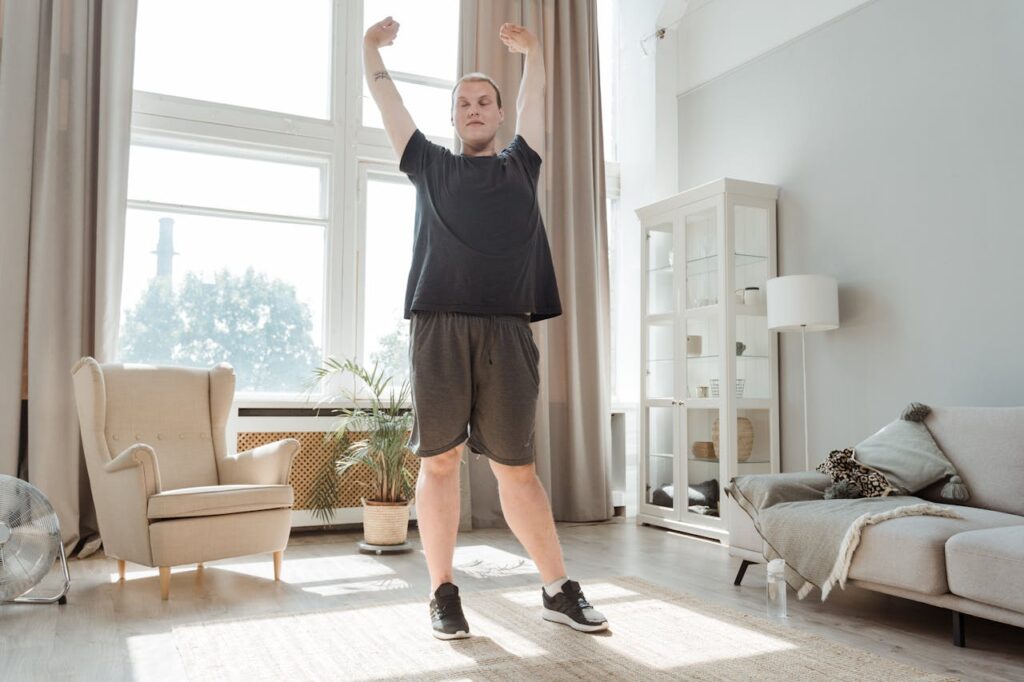
Most of us have had that moment. You read an article about living longer, feel a burst of motivation, and promise yourself you will start doing everything right. You eat a salad, maybe go for a jog, and then life gets busy again. Sound familiar?
Here is the thing. Living longer is not about doing everything perfectly. It is about doing a few things consistently, especially when it comes to movement. Exercise is not just about burning calories or building muscle for appearance. It is about giving your body the support it needs to stay strong, mobile, and resilient over time.
Research keeps pointing to the same truth. The people who stay active in simple, sustainable ways tend to live longer and feel better while doing it. You do not need intense workout plans or expensive gym memberships. What you need are the right kinds of movement that protect your body as the years go by.
Below are six exercises that stand out when it comes to longevity. These are not trends or quick fixes. They are practical, proven, and easy to fit into real life.
1. Brisk Walking
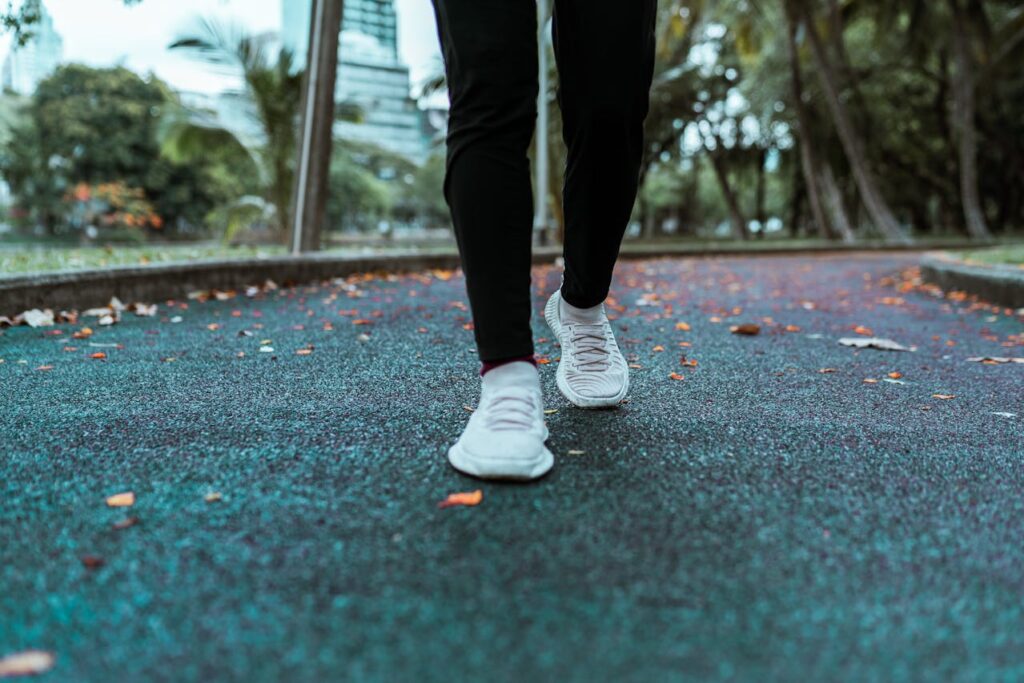
Walking might seem too simple to make a real difference, but that is exactly why it works so well. It is accessible, low-risk, and incredibly effective when done with intention.
Brisk walking means picking up the pace just enough to raise your heart rate while still being able to hold a conversation. This level of effort helps improve cardiovascular health, which is a major factor in how long and how well you live. Regular walking has been linked to lower risks of heart disease, stroke, and type 2 diabetes, all of which are leading causes of death in the United States.
What makes walking powerful is how easy it is to stick with. You do not have to drive anywhere or carve out a huge chunk of time. A quick walk around your neighborhood, during your lunch break, or after dinner can add up quickly. Even ten-minute sessions throughout the day can deliver real benefits.
There is also a mental side to it. Walking helps clear your head in a way that sitting never can. It gives you space to think, decompress, and reset. If you can, try walking outdoors where there is some greenery. That combination of movement and fresh air can do more for your mood than you might expect.
2. Strength Training
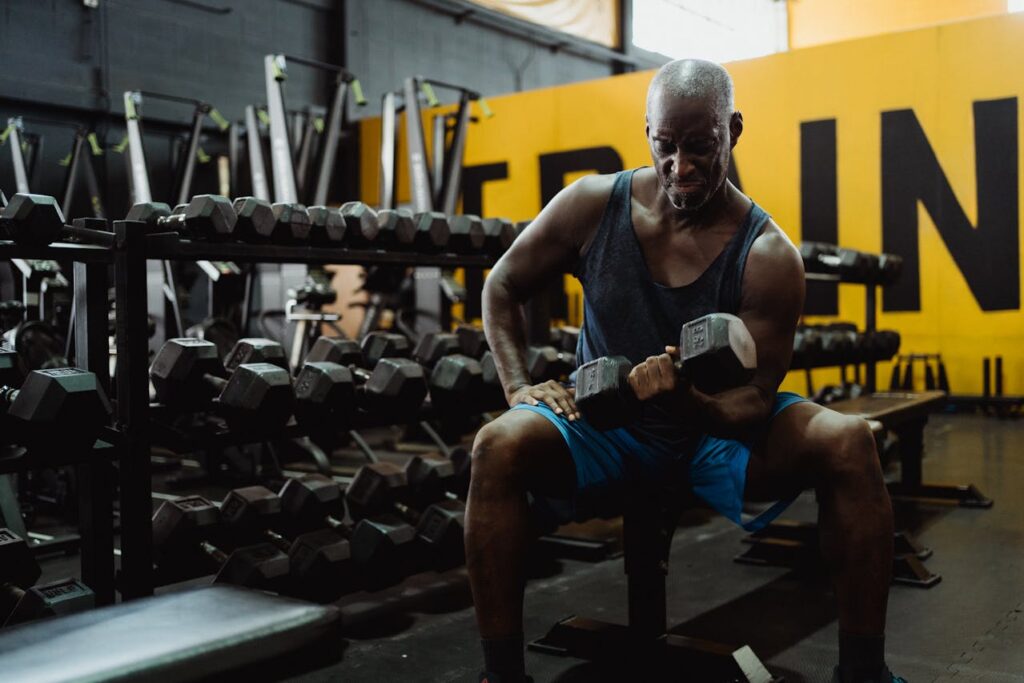
If walking is the foundation, strength training is what keeps everything standing strong.
As you get older, your body naturally starts to lose muscle. This loss can lead to weakness, slower metabolism, and a higher risk of falls or injuries. The good news is that this process can be slowed, and even reversed to some extent, through regular strength training.
You do not need to become a bodybuilder to benefit. Simple exercises like squats, lunges, push-ups, and light weight lifting can make a huge difference. The goal is to challenge your muscles enough so they stay active and engaged.
Strength training also plays a key role in maintaining bone density. This is especially important as bone health becomes a bigger concern with age. Strong muscles and bones work together to keep you stable and capable in your everyday life, whether that means carrying groceries, climbing stairs, or just getting up from a chair without effort.
Another benefit that people often notice is confidence. There is something about feeling physically strong that changes how you carry yourself. It is not just about muscles. It is about knowing your body can handle what life throws at it.
3. Yoga
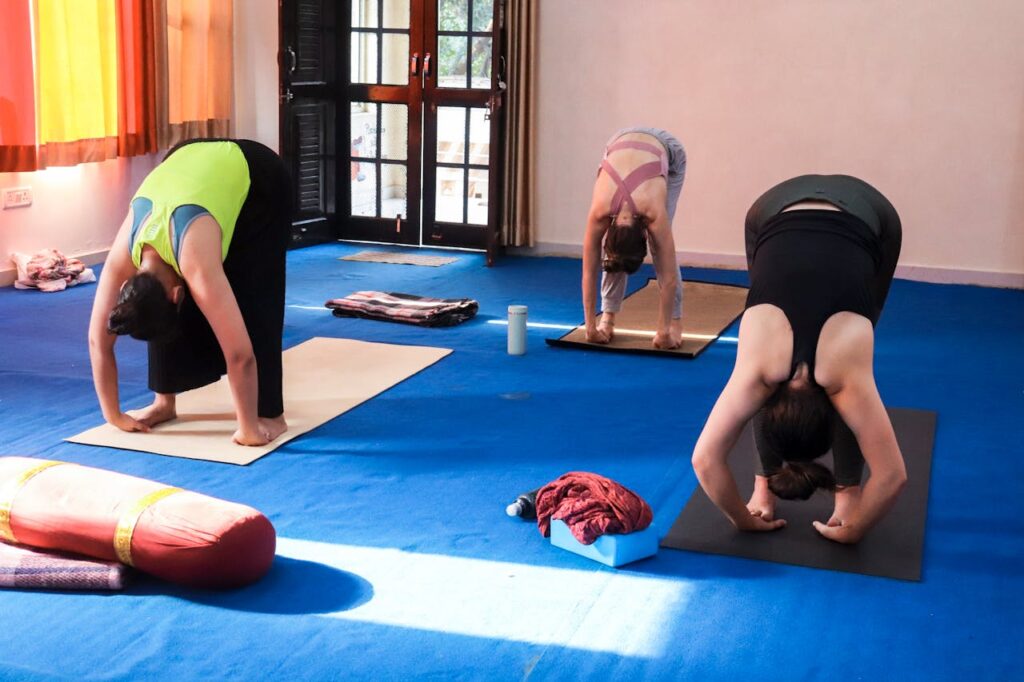
Yoga has a reputation for being calm and gentle, but do not let that fool you. It is one of the most well-rounded practices you can add to your routine.
At its core, yoga combines movement, stretching, breathing, and mindfulness. This mix makes it incredibly effective for reducing stress, which is a major factor in long-term health. Chronic stress can affect everything from your heart to your immune system, so finding ways to manage it is essential.
Yoga also improves flexibility and mobility. As the years go by, joints can become stiff and range of motion can decrease. Regular yoga practice helps keep your body loose and functional, which can reduce the risk of injury and make everyday movements easier.
Balance is another big piece of the puzzle. Many yoga poses require you to stabilize your body in different positions, which strengthens smaller muscles that often get ignored. This translates directly into better balance and coordination.
The best part is that yoga meets you where you are. Whether you are a beginner or have been active for years, you can adjust the intensity to match your level. Even a short session a few times a week can create noticeable changes over time.
4. Swimming

Swimming is often described as the perfect full-body workout, and for good reason. It works your muscles, challenges your heart, and does it all while being gentle on your joints.
The water supports your body, which reduces impact and strain. This makes swimming an excellent option for people dealing with joint pain, injuries, or simply looking for a low-impact way to stay active. You can push yourself without the same risk of wear and tear that comes with some other forms of exercise.
Beyond the physical benefits, swimming has a unique rhythm that many people find calming. The steady breathing and repetitive movements can feel almost meditative. It gives your mind a break while your body gets stronger.
If you are not comfortable swimming laps, that is completely fine. Water aerobics or even light movement in the pool can still provide benefits. The goal is to keep your body moving in a way that feels safe and enjoyable.
Over time, swimming can improve endurance, strengthen muscles, and support heart health, all of which contribute to a longer, healthier life.
5. Cycling
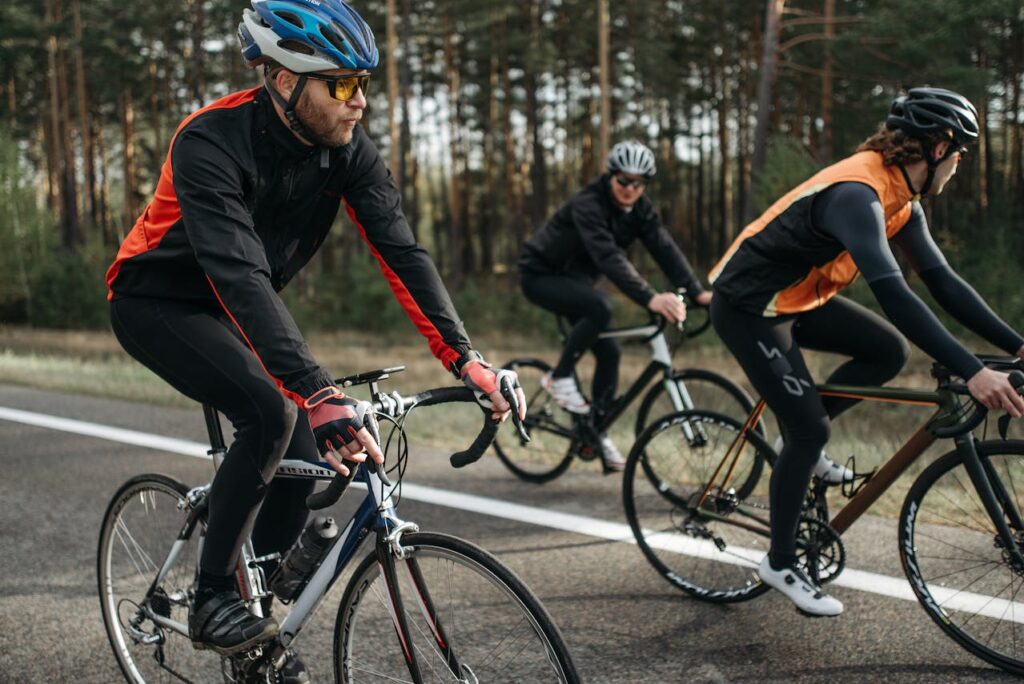
Cycling is one of those activities that does not always feel like exercise, which is part of its appeal. Whether you are riding through your neighborhood or using a stationary bike at home, it offers a solid cardiovascular workout with minimal impact on your joints.
Regular cycling helps improve heart health, increase stamina, and build lower body strength. Strong legs are essential for maintaining mobility as you age, and cycling is a great way to keep them engaged.
It is also easy to turn cycling into a habit. You can use it as a way to get around, explore new places, or spend time with friends and family. That sense of enjoyment makes it more likely you will stick with it over the long term.
For beginners, it is best to start slow. Short, comfortable rides are enough to get your body used to the movement. As your confidence and endurance grow, you can gradually increase the distance or intensity.
Indoor cycling is another option if weather or safety is a concern. It offers many of the same benefits and allows you to stay consistent no matter the conditions.
6. Balance and Stability Exercises
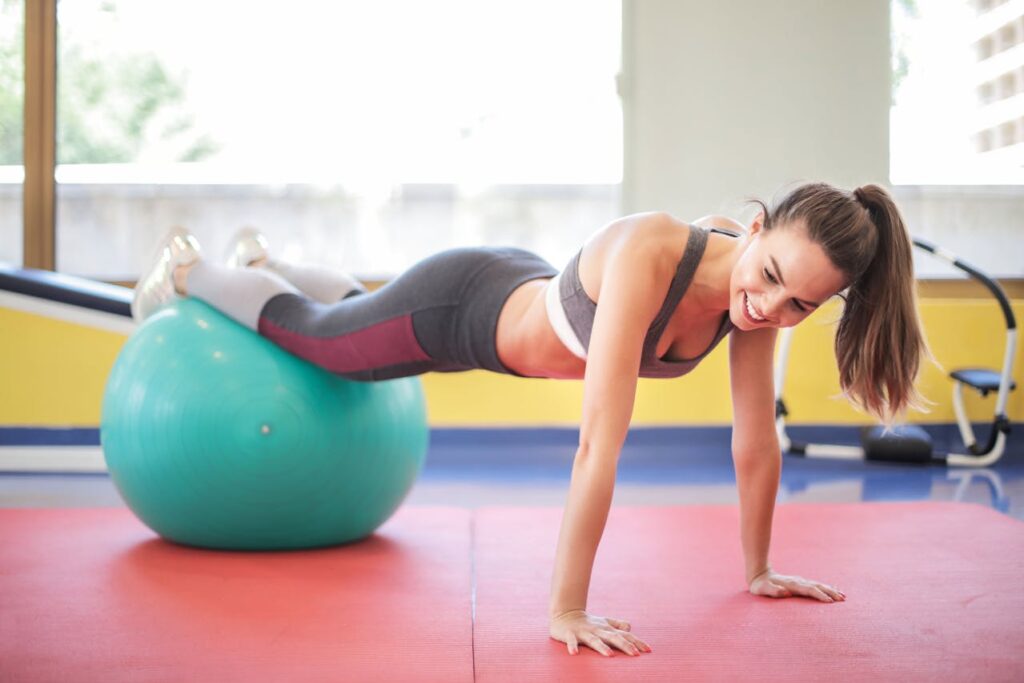
This is the category that often gets overlooked, but it might be one of the most important for longevity.
As people age, the risk of falling becomes a serious concern. Falls can lead to injuries that significantly impact quality of life. Balance and stability exercises help reduce this risk by improving coordination and strengthening the muscles that keep you steady.
Simple practices like standing on one leg, walking heel to toe, or doing slow and controlled movements can go a long way. These exercises may not feel intense, but they train your body to react and adjust in ways that protect you from losing your balance.
Activities like tai chi are especially effective because they combine gentle movement with focus and control. They help you stay aware of your body in space, which is a skill that becomes more valuable over time.
The great thing about balance training is that it does not require much time. A few minutes a day can lead to noticeable improvements. It is a small investment with a big payoff, especially when it comes to staying independent and confident in your daily life.
Final Thoughts
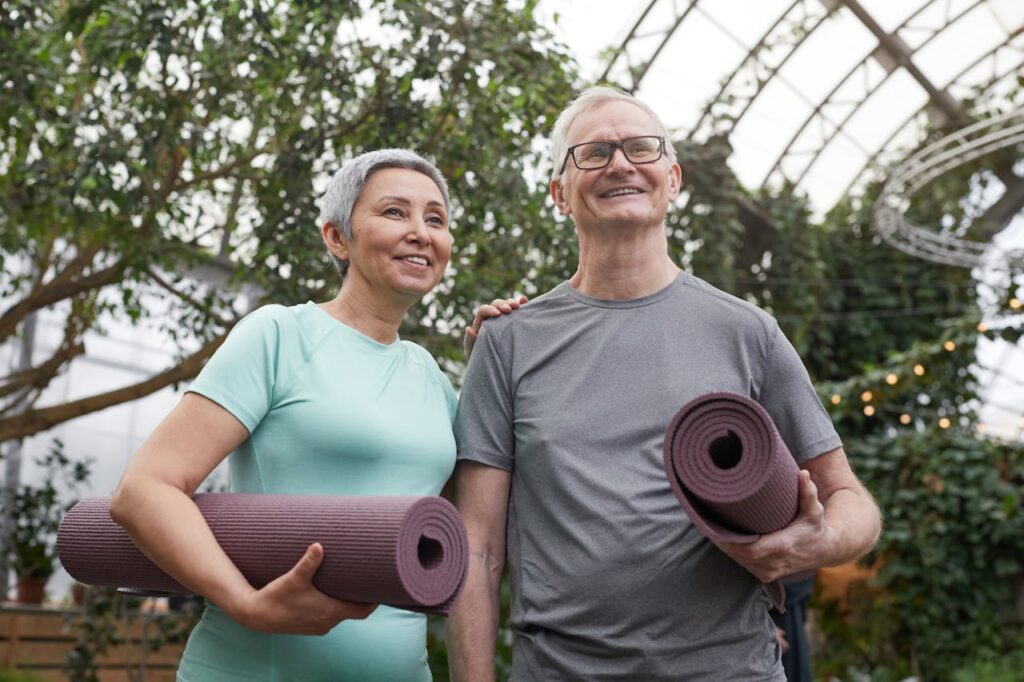
If there is one takeaway from all of this, it is that longevity is not built on extremes. It is built on consistency.
You do not need to follow a perfect routine or spend hours working out every day. What matters most is that you move your body regularly in ways that support your health. A walk here, a strength session there, a relaxing yoga class on the weekend. These small choices add up over time in ways that are easy to underestimate.
It is also important to choose activities you actually enjoy. When something feels like a chore, it becomes harder to stick with. But when movement becomes part of your lifestyle, something you look forward to or at least do without resistance, it naturally becomes sustainable.
Think of exercise less as a task and more as an investment. Every step, every stretch, every bit of effort is a deposit into your future. You may not see the results immediately, but over the years, those deposits grow into something meaningful.
At the end of the day, the goal is not just to live longer. It is to live better. To stay active, capable, and engaged with the world around you. And that starts with something as simple as moving your body today.
Leave a Reply