Our Debt Free Family

Commit. Plan. Take action.

  • BUDGETING
  • Debt Reduction
  • INVESTING
  • LIFESTYLE
  • TOOLS
  • ABOUT
  • Privacy Policy
  • CONTACT
You are here: Home / Money / Want to Save Money? Watch Out for These 9 Sneaky Credit Card Fee Tactics Businesses Use

Want to Save Money? Watch Out for These 9 Sneaky Credit Card Fee Tactics Businesses Use

October 21, 2025 | Leave a Comment

9 ways Merchants Use Credit Card Processing Fees to Upcharge You

<p>Credit card processing fees, typically ranging from 1.5% to 3.5% per transaction, are costs that businesses incur when customers pay with credit cards. To offset these fees, many businesses implement strategies that effectively pass these costs onto consumers. Here are nine key ways companies use credit card processing fees to upcharge you.</p> ::Pexels

Credit card processing fees, typically ranging from 1.5% to 3.5% per transaction, are costs that businesses incur when customers pay with credit cards. To offset these fees, many businesses implement strategies that effectively pass these costs onto consumers. Here are nine key ways companies use credit card processing fees to upcharge you.

1. Implementing Credit Card Surcharges

<p>Some businesses directly add a surcharge to the customer’s bill when a credit card is used for payment. This fee is meant to cover the cost of processing the transaction. While this practice is legal in many places, businesses are usually required to disclose it at the point of sale. Restaurants, retail stores, and service providers often apply a percentage-based fee that increases the total cost for credit card users.</p> ::Pexels

Some businesses directly add a surcharge to the customer’s bill when a credit card is used for payment. This fee is meant to cover the cost of processing the transaction. While this practice is legal in many places, businesses are usually required to disclose it at the point of sale. Restaurants, retail stores, and service providers often apply a percentage-based fee that increases the total cost for credit card users.

2. Offering Cash Discounts

<p>Many businesses offer discounts to customers who pay with cash as an incentive to avoid credit card fees. This is common at gas stations, local shops, and some restaurants, where a lower price is advertised for cash payments. While cash-paying customers save money, credit card users effectively pay more. The price difference helps businesses reduce credit card transaction costs while encouraging alternative payment methods.</p> ::Pexels

Many businesses offer discounts to customers who pay with cash as an incentive to avoid credit card fees. This is common at gas stations, local shops, and some restaurants, where a lower price is advertised for cash payments. While cash-paying customers save money, credit card users effectively pay more. The price difference helps businesses reduce credit card transaction costs while encouraging alternative payment methods.

3. Setting Minimum Purchase Requirements for Credit Card Use

<p>To mitigate losses on small transactions, some businesses set a minimum purchase amount for credit card payments. This prevents high processing fees from cutting into profits on low-cost items. Convenience stores, coffee shops, and small businesses often enforce a minimum purchase rule. While this strategy helps businesses maintain profit margins, it can be inconvenient for customers who prefer to use credit cards for all purchases.</p> ::Pexels

To mitigate losses on small transactions, some businesses set a minimum purchase amount for credit card payments. This prevents high processing fees from cutting into profits on low-cost items. Convenience stores, coffee shops, and small businesses often enforce a minimum purchase rule. While this strategy helps businesses maintain profit margins, it can be inconvenient for customers who prefer to use credit cards for all purchases.

4. Increasing Overall Prices

<p>Instead of adding surcharges, some businesses increase their prices across the board to cover credit card processing fees. This approach ensures that all customers share the cost, regardless of their payment method. For example, a store might raise prices by a small percentage to absorb transaction fees. While this method simplifies pricing, even cash-paying customers end up covering credit card-related costs.</p> ::Pexels

Instead of adding surcharges, some businesses increase their prices across the board to cover credit card processing fees. This approach ensures that all customers share the cost, regardless of their payment method. For example, a store might raise prices by a small percentage to absorb transaction fees. While this method simplifies pricing, even cash-paying customers end up covering credit card-related costs.

5. Utilizing Service or Convenience Fees

<p>Service-based industries often include convenience fees to cover administrative expenses, including credit card processing costs. These fees appear in industries such as utilities, ticket sales, and government services when payments are made online or over the phone. While the fees are typically small, they add up for frequent credit card users. This strategy allows businesses to recover expenses while making it seem like an unavoidable cost to the customer.</p> ::Pexels

Service-based industries often include convenience fees to cover administrative expenses, including credit card processing costs. These fees appear in industries such as utilities, ticket sales, and government services when payments are made online or over the phone. While the fees are typically small, they add up for frequent credit card users. This strategy allows businesses to recover expenses while making it seem like an unavoidable cost to the customer.

6. Implementing Dual Pricing Models

<p>Some businesses use a dual pricing model, displaying both cash and credit card prices. This approach makes the cost difference clear and allows customers to decide how they want to pay. Gas stations, car washes, and local retailers often use this strategy. While transparent, this method discourages credit card use and may lead to lower sales if customers perceive the extra charge as unfair.</p> ::Pexels

Some businesses use a dual pricing model, displaying both cash and credit card prices. This approach makes the cost difference clear and allows customers to decide how they want to pay. Gas stations, car washes, and local retailers often use this strategy. While transparent, this method discourages credit card use and may lead to lower sales if customers perceive the extra charge as unfair.

7. Absorbing Fees but Reducing Other Costs

<p>Instead of directly passing fees onto customers, some businesses absorb credit card processing fees while cutting costs in other areas. This might involve reducing employee hours, limiting customer service, or scaling back product quality. While this keeps advertised prices stable, it can negatively impact the customer experience. Over time, hidden cost-cutting measures can reduce overall service quality.</p> ::Pexels

Instead of directly passing fees onto customers, some businesses absorb credit card processing fees while cutting costs in other areas. This might involve reducing employee hours, limiting customer service, or scaling back product quality. While this keeps advertised prices stable, it can negatively impact the customer experience. Over time, hidden cost-cutting measures can reduce overall service quality.

8. Encouraging Alternative Payment Methods

<p>To avoid high credit card fees, some businesses encourage customers to use alternative payment methods, such as debit cards, mobile payment apps, or direct bank transfers. Subscription services, online retailers, and local businesses may offer discounts or perks for using lower-cost payment options. While this strategy reduces expenses for the business, it requires customers to adapt to new payment methods. Not all consumers are comfortable switching from credit cards, making this approach less effective in certain markets.</p> ::Pexels

To avoid high credit card fees, some businesses encourage customers to use alternative payment methods, such as debit cards, mobile payment apps, or direct bank transfers. Subscription services, online retailers, and local businesses may offer discounts or perks for using lower-cost payment options. While this strategy reduces expenses for the business, it requires customers to adapt to new payment methods. Not all consumers are comfortable switching from credit cards, making this approach less effective in certain markets.

9. Adjusting Product Bundles and Promotions

<p>Some businesses compensate for credit card fees by adjusting how they price product bundles and promotions. Instead of raising individual item prices, they may restructure deals or remove discounts that were previously offered. For example, a store might require a higher minimum spend to qualify for a promotion, ensuring they recover lost revenue from processing fees. While this method isn’t always obvious, it can subtly increase the amount customers spend per transaction.</p> ::Pexels

Some businesses compensate for credit card fees by adjusting how they price product bundles and promotions. Instead of raising individual item prices, they may restructure deals or remove discounts that were previously offered. For example, a store might require a higher minimum spend to qualify for a promotion, ensuring they recover lost revenue from processing fees. While this method isn’t always obvious, it can subtly increase the amount customers spend per transaction.

Final Thoughts
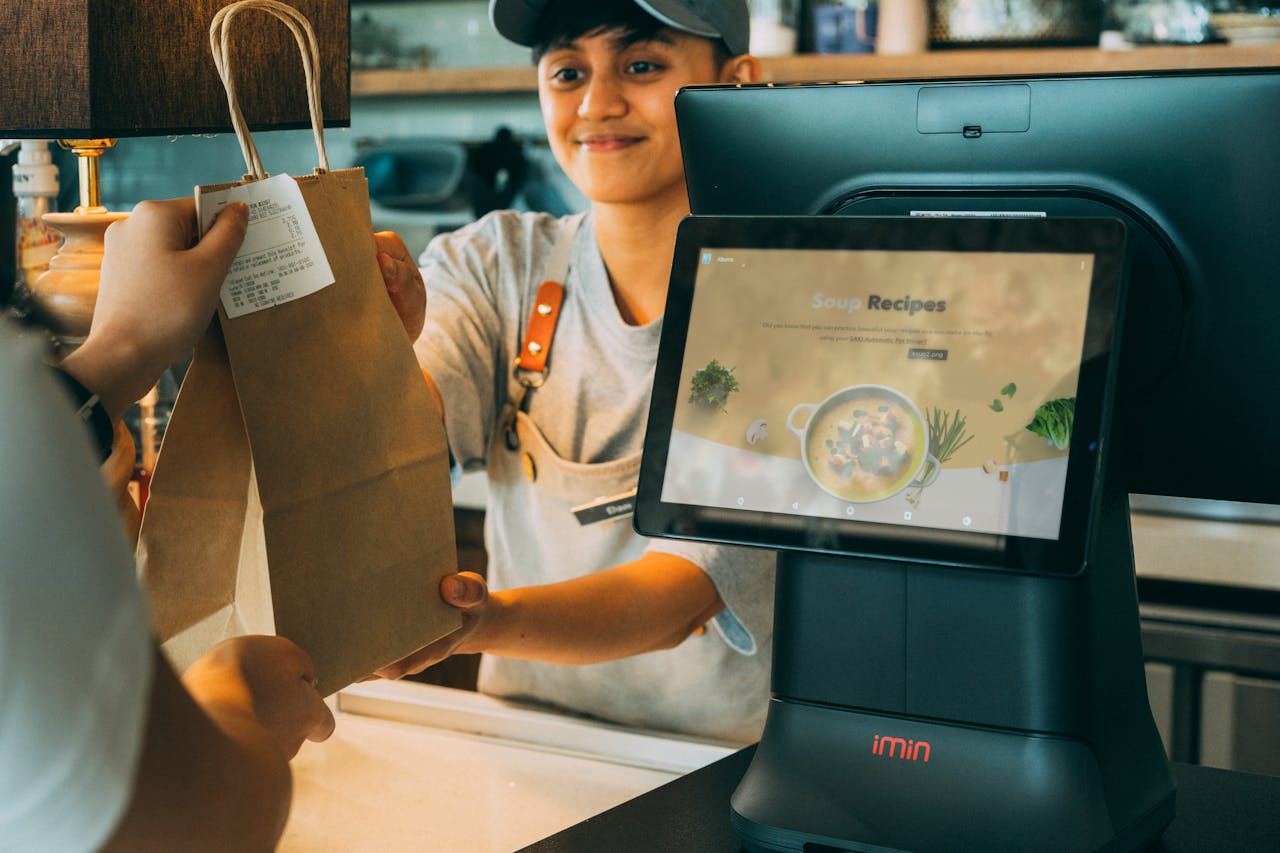
<p>Credit card processing fees are a hidden cost that businesses must manage, and many pass these costs onto consumers in various ways. Whether through surcharges, minimum purchase requirements, or higher prices, customers often end up covering these expenses. Understanding these tactics can help consumers make smarter payment decisions and avoid unnecessary fees.</p> ::Pexels

Credit card processing fees are a hidden cost that businesses must manage, and many pass these costs onto consumers in various ways. Whether through surcharges, minimum purchase requirements, or higher prices, customers often end up covering these expenses. Understanding these tactics can help consumers make smarter payment decisions and avoid unnecessary fees.

Filed Under: Money

Leave a Reply Cancel reply

Your email address will not be published. Required fields are marked *

  • Email
  • Facebook
  • Pinterest
  • Twitter

Our Most Popular Articles

ClickCashGo Review: Should You Avoid At All Costs?

Ultimate Guide to Mastering Your Credit Score

The 'YOLO' Mindset is a Dangerous Thing

Dave Ramsey's Financial Peace University Review: Is it Worth the Money?

Cash App Glitch 2025: Is the Free Money Glitch Real?

Five Steps To Debt Freedom

Here are five simple guidlines that will help you pay off debt.  

1) Get an emergency fund so you don’t take on debt when something comes up.

2) List your debts. This way you know where you stand.

3) Use the debt snowball. Pay your debts from smallest to largest, or most expensive to least expensive.

4) Avoid new debt. No new credit cards or loans. Period.

5) Go all cash. After everything is paid off, switch to all cash.

Helpful Resources

The Free Checklist for a Strong Financial Plan

U of Tennesse Debt Repayment Plan Basics

Vertex 42's Debt Payoff Calculator

Savingadvice's Helpful Debt Forums

Jackie Becks Debt Blog