Why Americans Are Finally Saying No More to Tipping — 9 Real Reasons
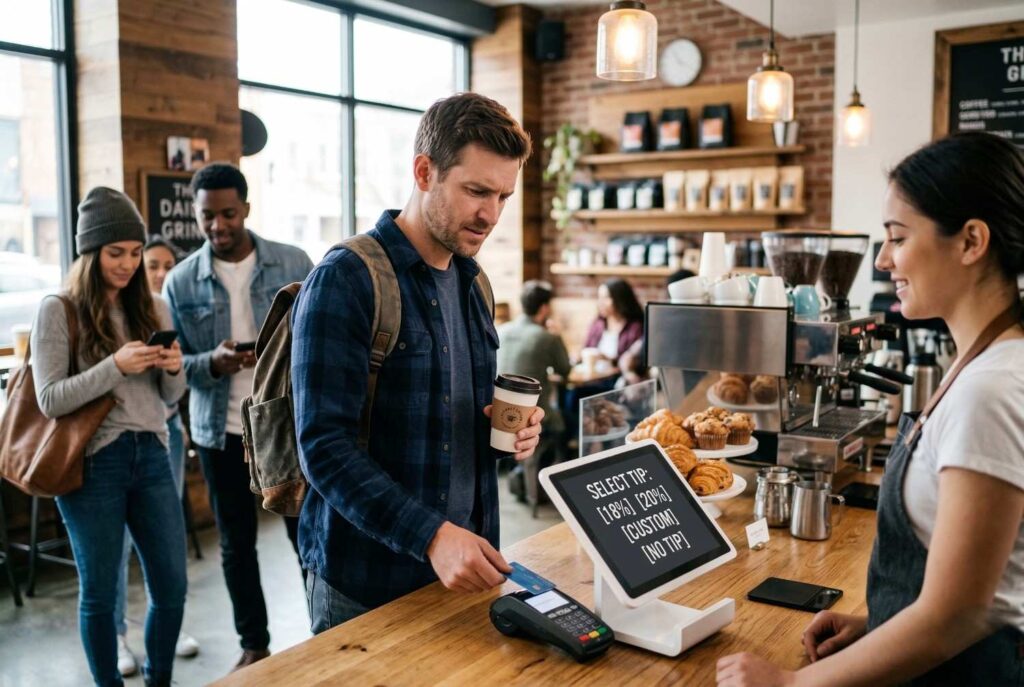
Picture this. You are buying a cup of coffee, and before you can even taste that first comforting sip, the card reader is prompting you to tip. Then it happens again when you buy lunch. Then again at the counter where you grabbed a cold drink. At some point you begin to wonder when tipping became the surprise subscription service you never signed up for. If you are like many Americans today, that moment of confusion turned into frustration, and that frustration turned into a cultural movement: tipping fatigue. For decades tipping was mostly reserved for servers in full service restaurants. Now it has seeped into nearly every corner of the consumer experience, and people are starting to push back.
Whether you are tired of digital tip screens, believe businesses should pay fair wages, or are simply watching your budget more closely, tipping culture in the United States is being questioned on a scale we have not seen before. In this listicle we break down nine real reasons why Americans are saying no more to tipping. These are honest, relatable, and practical explanations based on what millions of everyday people experience when they pull out their wallets.
1. Tip Prompts Have Spread Everywhere
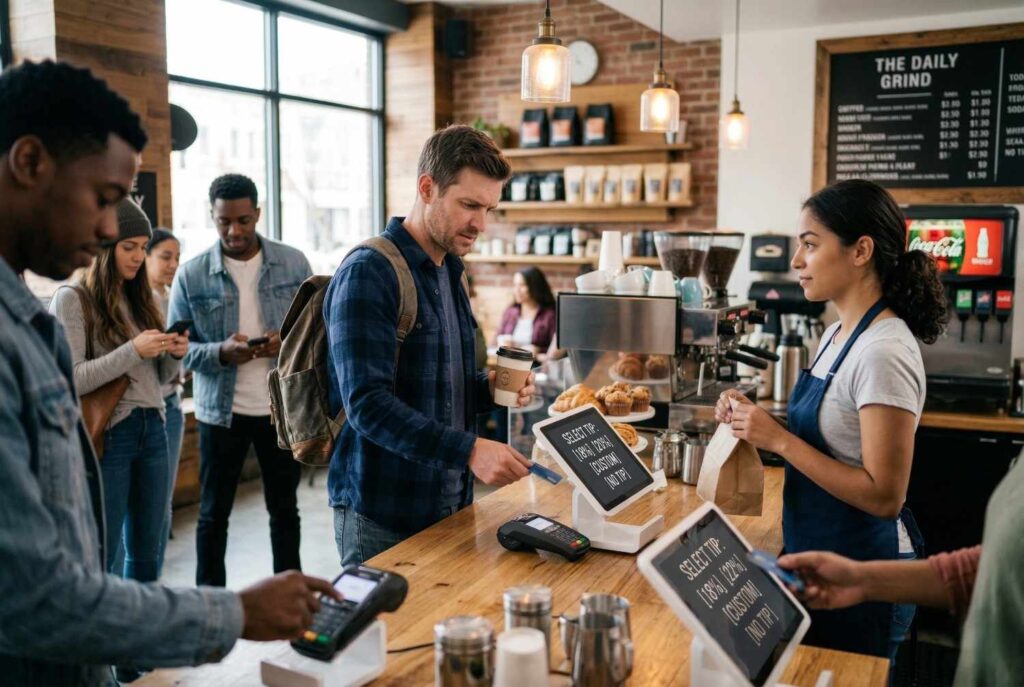
Not long ago, tipping was a simple act at a sit down restaurant where a server took your order, poured your water, and made sure your meal was hot and satisfying. Today, those same expectations pop up for things that feel nothing like traditional service. You order coffee at a counter and the screen asks you to tip. You buy takeout and the receipt suggests a percentage. You buy a bottle of water at a checkout and find a tip screen before you can pay. It feels less like an optional act of appreciation and more like a required cost of doing business.
It is exhausting. What used to be a straightforward transaction has become an emotional guessing game. You begin to wonder whether a tip is appreciated, expected, or just baked into some digital revenue engine. People are pushing back because tipping is now being asked for even when no real service was provided. It feels like a guilt trip disguised as a prompt.
2. Budgets Are Tighter Than Ever

The cost of everyday living has increased steadily over the past several years. Rent, utilities, groceries, gasoline, health care, and almost every other essential expense seem to cost more with each passing month. When you are watching every dollar, extra gratuities — even for good service — suddenly become a luxury that is harder and harder to justify.
It is one thing to leave a tip when you feel it truly deserves it. It is another thing to feel obligated to tip just to complete a transaction. When budgets are tight, people become much more deliberate with their spending. That deliberation naturally leads to tipping becoming something that gets weighed more heavily against other financial priorities.
3. Americans Think Employers Should Pay Better Wages
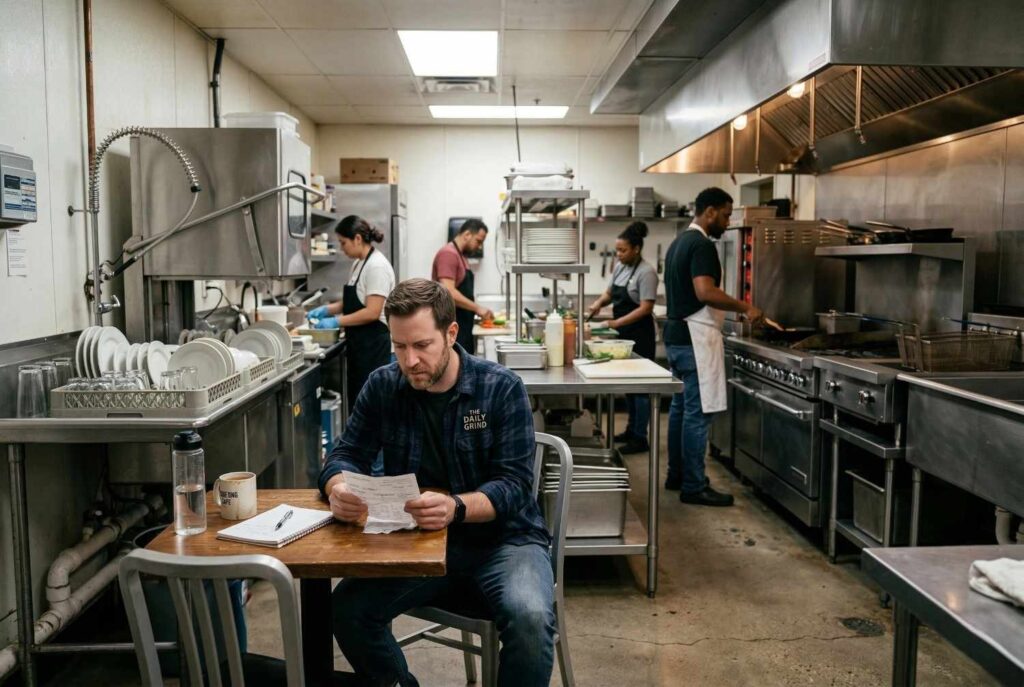
A growing sentiment among U.S. consumers is that tipping should not be the backbone of someone’s income, particularly in places that are clearly not full service. Many argue that if a business requires customers to constantly tip, then the business needs to pay its employees a fair wage in the first place. After all, the customer is already paying for the product or service itself. Should the customer also be the one subsidizing wages?
This idea resonates with a lot of people who feel that wage fairness should not be dependent on generosity. People are starting to push back not because they want to withhold gratitude, but because they want businesses to take responsibility for their payroll. They want stable, predictable wages for workers without forcing customers to decide how much of their paycheck should go to someone else’s paycheck.
4. Quality of Service Does Not Always Match the Expectation
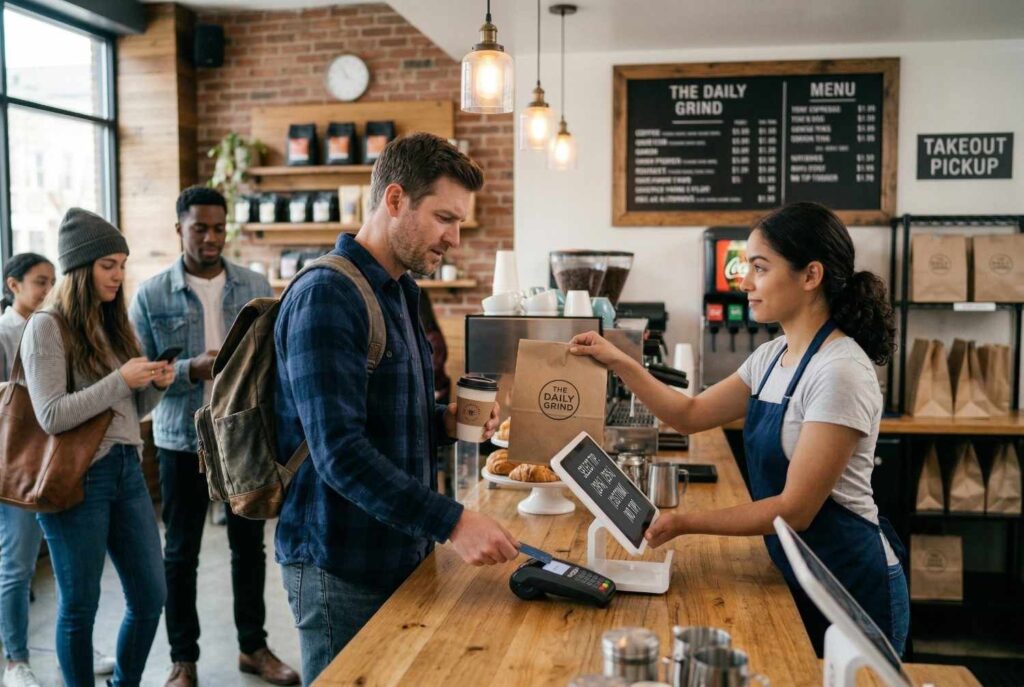
One of the biggest sources of tipping frustration flows from a mismatch between expectation and reality. People are happy to tip when service is outstanding. But increasingly tipping prompts show up even when service is minimal or nonexistent. A quick pickup at the counter or a simple order that hardly involved any human interaction feels like an odd time to be asked to leave extra money.
At its core tipping is meant to reward good service. When digital prompts appear for transactions that have little to do with personal service, customers feel like tipping is being used as a sales tactic rather than an expression of gratitude. That disconnect makes people question why tipping has become so widespread in the first place.
5. Uncertainty Over Where Tips Actually Go
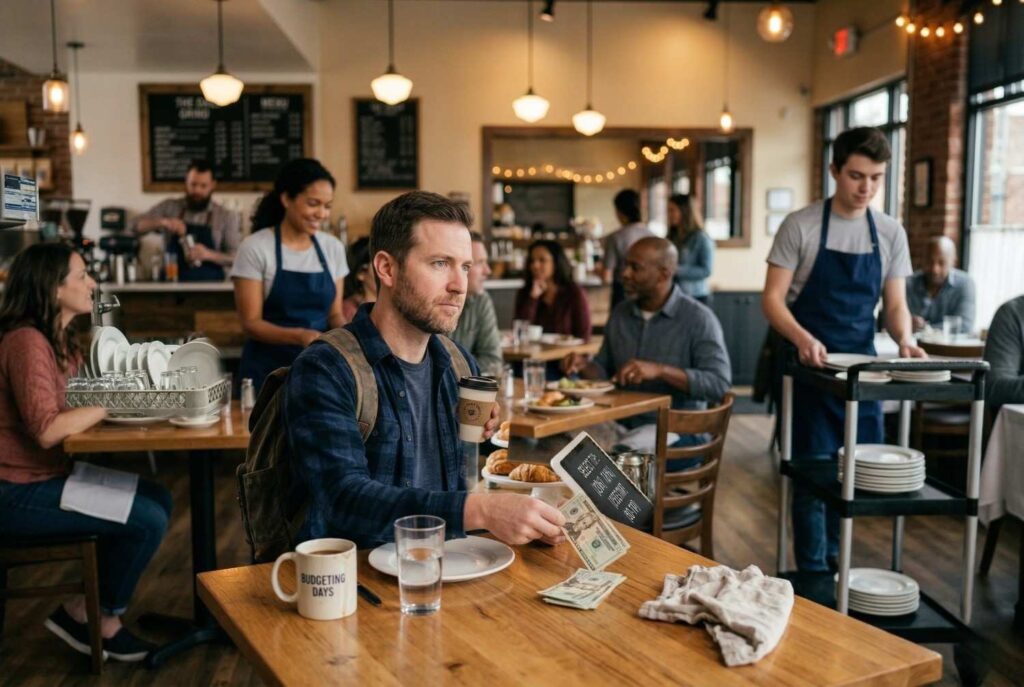
Have you ever left a generous tip and wondered whether it ended up with the person who helped you? Many Americans have asked the exact same question. In some establishments tips get pooled and shared, in others management might take a cut, and in still others the policies are unclear. That lack of transparency makes people uneasy about tipping, because they want to ensure their money is making a real difference for the people who served them.
When customers do not know where their tips are going, tipping starts to feel like throwing money into a black hole. People appreciate clarity. When clarity is absent, tipping habits begin to erode.
6. Tipping Has Creepied Into Areas That Feel Strange
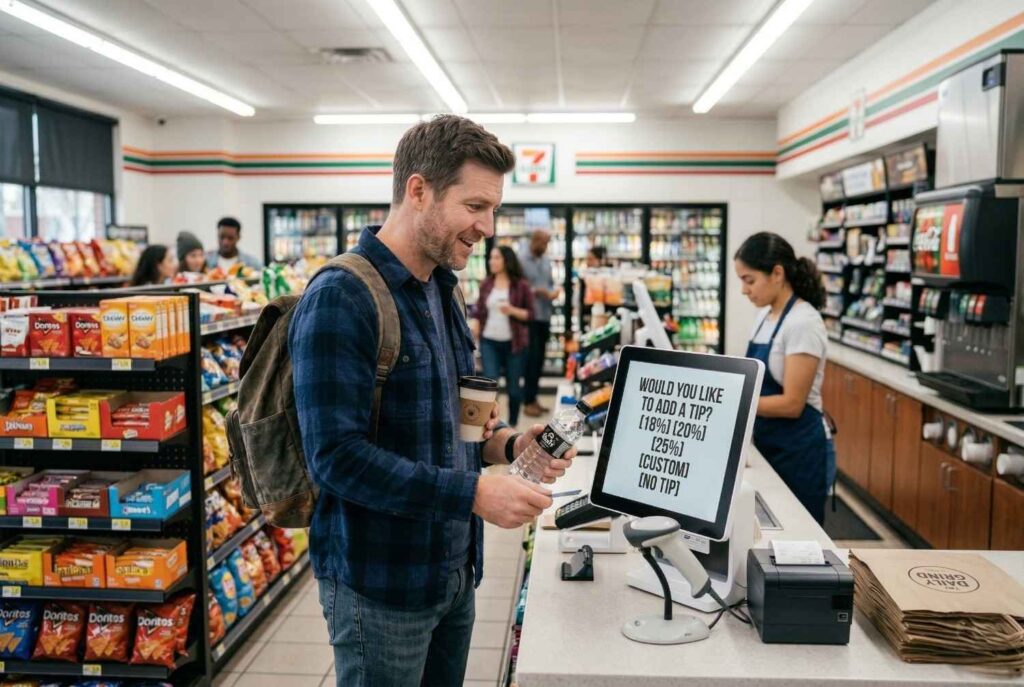
Tipping used to be associated with restaurants, bars, and maybe a taxi ride. Now it shows up in places that many would describe as everyday or mundane. Self checkout machines prompt tipping. Counter service restaurants prompt tipping. Delivery apps ask for tips whether you are at home or picking up your own order. This expansion of tipping into seemingly every consumer interaction has made many people wonder whether tipping rules have changed without anyone being told.
There is a sense that tipping norms are shifting so rapidly that it has become confusing, inconsistent, and sometimes downright awkward. People want clear social expectations, not tip screens that appear for things that in the past were just simple purchases.
7. Younger Generations Are More Questioning of Tradition
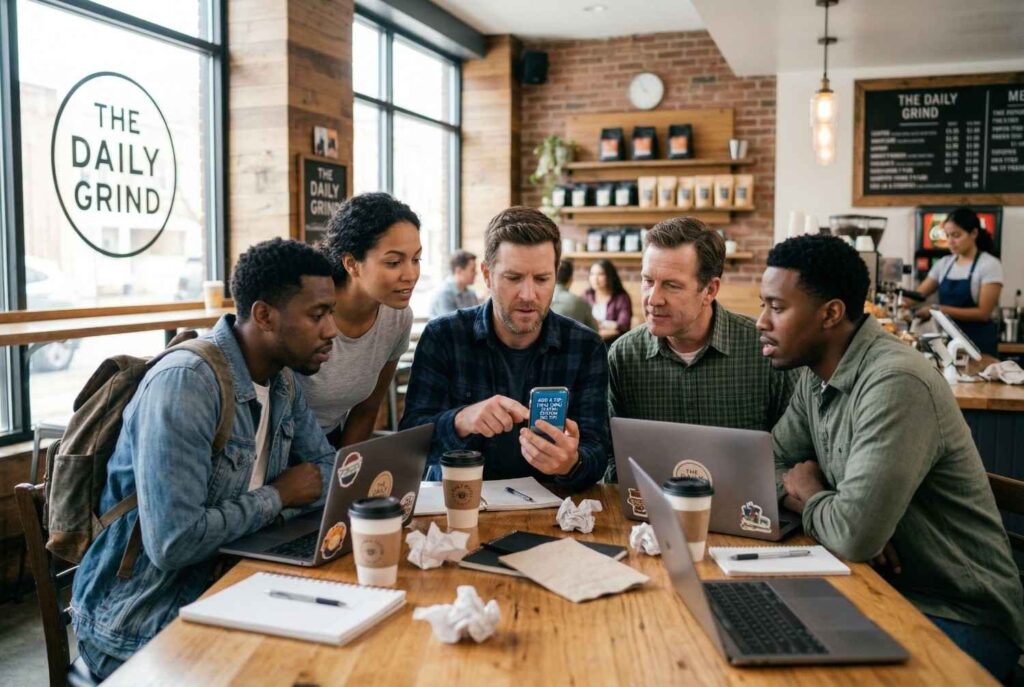
Cultural norms change over time, and tipping is no exception. Younger generations in the United States, especially those who have grown up in the age of digital transactions and social media, tend to question long standing traditions more than previous generations. Many view tipping culture as outdated and awkward, particularly when there is no clear service component.
Younger consumers also tend to value transparency and fairness. They are more likely to ask why businesses do not pay higher wages upfront and eliminate the need for tipping entirely. As these values gain traction, so too does the push against traditional tipping models.
8. Suggested Tip Amounts Keep Increasing
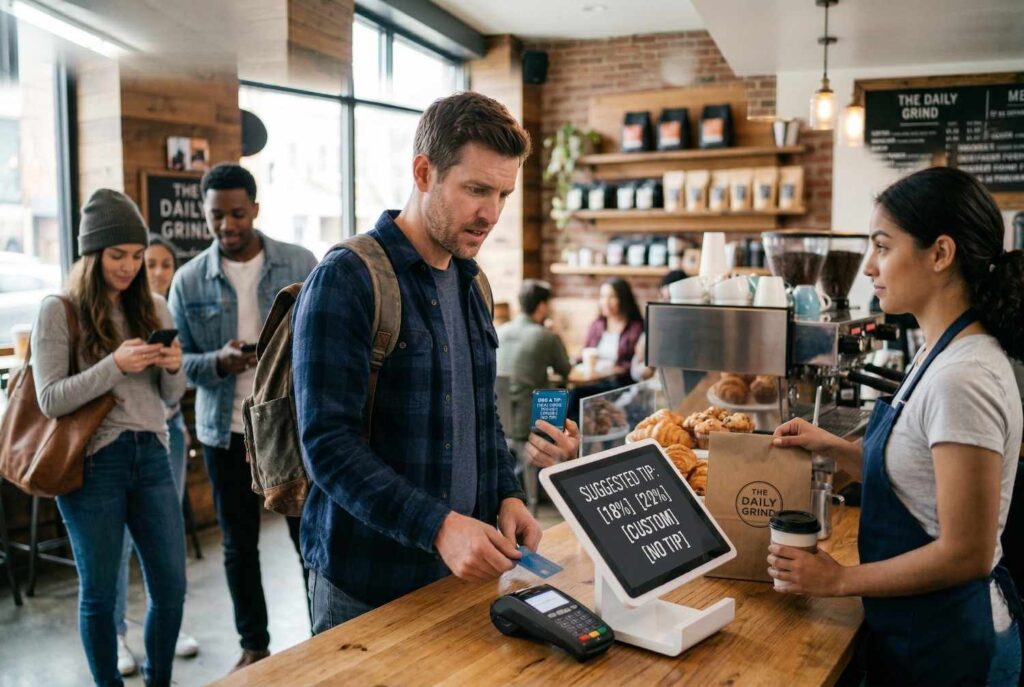
Remember when a 15 percent tip was considered kind and generous? Over the past decade, suggested tipping amounts on digital screens have crept up to 18, 20, and sometimes even higher. With each bump, it begins to feel less like a suggestion and more like an unspoken fee.
When businesses set higher defaults, customers do not always see that as a helpful suggestion. Instead, it starts to feel like a price increase that is being disguised as a gratuity. That shift in perception contributes to a sense that tipping norms are being dictated by algorithms rather than human choice, which inevitably leads to more resistance.
9. Policy Debates Highlight Broader Issues
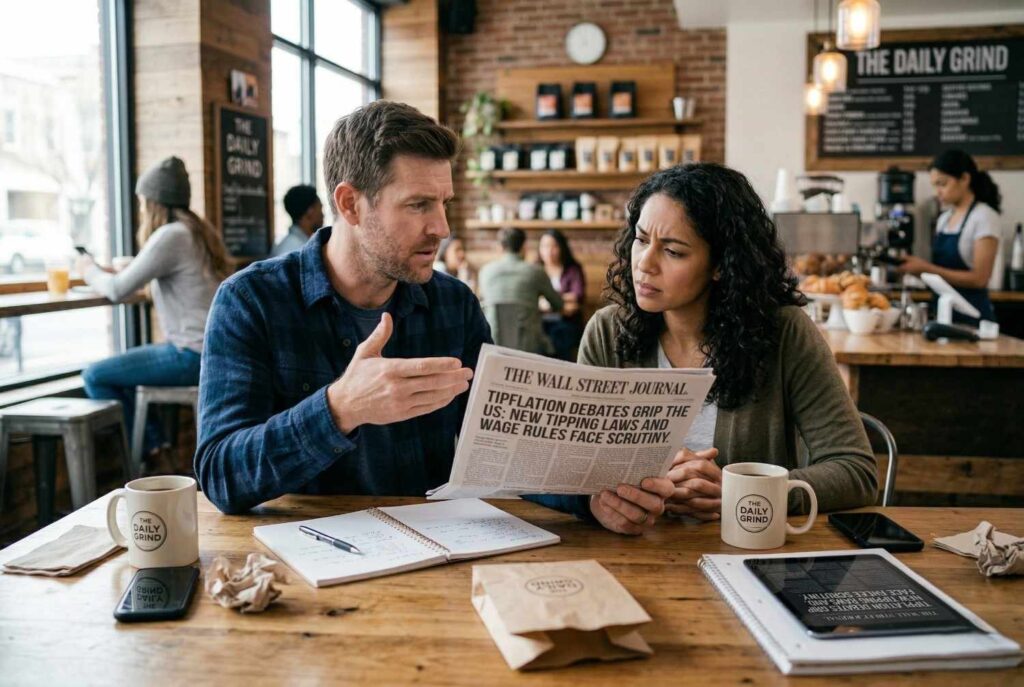
Tipping culture has even made its way into political and policy discussions in recent years. Some legislators and advocacy groups have proposed laws claiming to protect workers, while others say tipping should be taxed differently to benefit employees. While these proposals are often well intentioned, they can sometimes reinforce the idea that tipping is part of the wage puzzle, rather than something that should be optional and tied to service quality.
When tipping becomes part of a legislative debate, it highlights a broader issue at the heart of the tipping culture conversation: how do we fairly compensate workers without making customers feel like they are constantly being charged extra? This question is at the center of the backlash against tipping, as more people begin to think critically about how our economy compensates service industry workers.
Final Thoughts
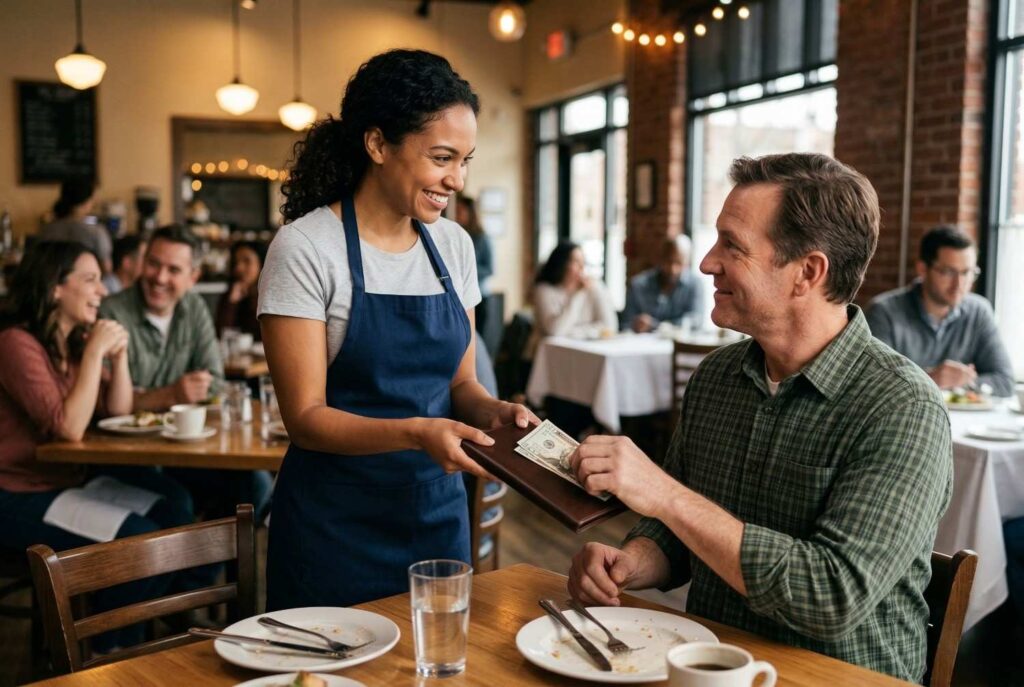
Tipping in the United States is at a crossroads. What was once a simple way to say thank you has turned into a complicated, nuanced, and sometimes controversial expectation that shows up in places most people never anticipated. Americans are not saying no more to gratitude, but many are saying yes to clarity, fairness, and a more predictable way of paying for service.
This movement is not about being stingy or unappreciative. It is about asking fundamental questions: Should tipping be mandatory or optional? Should businesses pay fair wages without outsourcing that burden to customers? How can customers show appreciation without feeling pressured by digital prompts or unclear social norms?
The tipping evolution in the United States is not yet complete. Businesses, consumers, and lawmakers are all part of this conversation, and the norms are still shifting. But one thing is clear: many Americans are ready for a tipping culture that feels more respectful, transparent, and fair to everyone involved.
As you navigate these changes in your daily life, focus on what feels right for you. Tip when you feel good about it. Ask questions when you are unsure. And remember that tipping is supposed to be a way to show appreciation, not a source of stress.
Here is to tipping that feels thoughtful, fair, and genuinely rewarding for both you and the service workers who make your day a little better.
Leave a Reply