Our Debt Free Family

Commit. Plan. Take action.

  • BUDGETING
  • DEBT REDUCTION
  • INVESTING
  • LIFESTYLE
  • TOOLS
  • ABOUT
  • Privacy Policy
  • CONTACT

7 Signs It’s Time to Address Hearing or Vision Changes

October 16, 2025 | Leave a Comment

7 Signs It’s Time to Address Hearing or Vision Changes

<p> As we go through life, changes in hearing and vision can occur gradually, making them difficult to notice at first. Many people ignore early warning signs, assuming the changes are just temporary or a normal part of aging. However, neglecting these issues can lead to more significant health concerns, reduced quality of life, and even safety risks. Recognizing the signs early and seeking professional help can make a huge difference in maintaining overall well-being. Here are seven signs that it is time to address hearing or vision changes before they impact daily life. </p> :: Freepik

As we go through life, changes in hearing and vision can occur gradually, making them difficult to notice at first. Many people ignore early warning signs, assuming the changes are just temporary or a normal part of aging. However, neglecting these issues can lead to more significant health concerns, reduced quality of life, and even safety risks. Recognizing the signs early and seeking professional help can make a huge difference in maintaining overall well-being. Here are seven signs that it is time to address hearing or vision changes before they impact daily life.

1. Struggling to Follow Conversations in Noisy Environments

<p> If you find yourself asking people to repeat themselves more often, especially in noisy places like restaurants or crowded events, it could be an early sign of hearing loss. Difficulty distinguishing speech from background noise is a common problem for those experiencing hearing deterioration. This can lead to frustration, social withdrawal, and even misunderstandings with friends or family. Many people assume that muffled conversations are due to poor acoustics, but if the issue persists across different environments, it may be time to schedule a hearing test. </p> :: Freepik

If you find yourself asking people to repeat themselves more often, especially in noisy places like restaurants or crowded events, it could be an early sign of hearing loss. Difficulty distinguishing speech from background noise is a common problem for those experiencing hearing deterioration. This can lead to frustration, social withdrawal, and even misunderstandings with friends or family. Many people assume that muffled conversations are due to poor acoustics, but if the issue persists across different environments, it may be time to schedule a hearing test.

2. Turning Up the Volume on Devices More Than Usual

<p> Are you constantly increasing the volume on the television, phone, or radio to hear clearly? If others frequently comment that the volume is too loud while it sounds normal to you, it could indicate hearing loss. Over time, the ears may struggle to pick up softer sounds, causing individuals to rely on higher volume levels. Prolonged exposure to loud sounds can further damage hearing, so addressing this issue early with a professional evaluation can prevent further decline. </p> :: Pexels

Are you constantly increasing the volume on the television, phone, or radio to hear clearly? If others frequently comment that the volume is too loud while it sounds normal to you, it could indicate hearing loss. Over time, the ears may struggle to pick up softer sounds, causing individuals to rely on higher volume levels. Prolonged exposure to loud sounds can further damage hearing, so addressing this issue early with a professional evaluation can prevent further decline.

3. Frequent Headaches or Eye Strain When Reading or Using Screens

<p> Vision changes often start with subtle signs, such as headaches, squinting, or eye strain after prolonged reading or screen use. If you notice that your eyes feel tired or sore after working on a computer, reading a book, or looking at your phone, it may indicate a need for prescription glasses or an update to an existing prescription. Uncorrected vision problems can lead to further discomfort and make daily tasks more challenging. Regular eye exams help ensure that vision remains clear and healthy. </p> :: Freepik

Vision changes often start with subtle signs, such as headaches, squinting, or eye strain after prolonged reading or screen use. If you notice that your eyes feel tired or sore after working on a computer, reading a book, or looking at your phone, it may indicate a need for prescription glasses or an update to an existing prescription. Uncorrected vision problems can lead to further discomfort and make daily tasks more challenging. Regular eye exams help ensure that vision remains clear and healthy.

4. Difficulty Seeing at Night or in Low Light

<p> Struggling to drive at night, read in dim lighting, or adjust to changes in brightness are all signs that vision may be deteriorating. Night vision problems can be caused by various conditions, including cataracts, glaucoma, or even vitamin deficiencies. Reduced contrast sensitivity and trouble seeing road signs or headlights while driving can pose serious safety risks. Seeking an eye exam can help determine whether glasses, improved lighting, or medical intervention is necessary. </p> :: Freepik

Struggling to drive at night, read in dim lighting, or adjust to changes in brightness are all signs that vision may be deteriorating. Night vision problems can be caused by various conditions, including cataracts, glaucoma, or even vitamin deficiencies. Reduced contrast sensitivity and trouble seeing road signs or headlights while driving can pose serious safety risks. Seeking an eye exam can help determine whether glasses, improved lighting, or medical intervention is necessary.

5. Ringing or Buzzing Sounds in the Ears (Tinnitus)

<p> A persistent ringing, buzzing, or humming sound in the ears, known as tinnitus, is often linked to hearing loss. While occasional ringing can be harmless, ongoing tinnitus can be distracting and interfere with concentration or sleep. This condition may result from prolonged noise exposure, age-related hearing loss, or underlying health issues. If tinnitus becomes frequent or disruptive, a hearing specialist can identify the cause and suggest management strategies to improve comfort and focus. </p> :: Pexels

A persistent ringing, buzzing, or humming sound in the ears, known as tinnitus, is often linked to hearing loss. While occasional ringing can be harmless, ongoing tinnitus can be distracting and interfere with concentration or sleep. This condition may result from prolonged noise exposure, age-related hearing loss, or underlying health issues. If tinnitus becomes frequent or disruptive, a hearing specialist can identify the cause and suggest management strategies to improve comfort and focus.

6. Holding Reading Material at Arm’s Length or Squinting to See Clearly

<p> If you find yourself holding books, menus, or your phone farther away to bring text into focus, it may be a sign of presbyopia, a common age-related vision change. This condition makes it harder to focus on close-up objects, leading to eye fatigue and frustration. Many people delay getting reading glasses, but struggling with blurred vision can make everyday tasks difficult. Simple solutions like prescription reading glasses or multifocal lenses can provide immediate relief and prevent unnecessary strain. </p> :: Pexels

If you find yourself holding books, menus, or your phone farther away to bring text into focus, it may be a sign of presbyopia, a common age-related vision change. This condition makes it harder to focus on close-up objects, leading to eye fatigue and frustration. Many people delay getting reading glasses, but struggling with blurred vision can make everyday tasks difficult. Simple solutions like prescription reading glasses or multifocal lenses can provide immediate relief and prevent unnecessary strain.

7. Missing Sounds Like Doorbells, Phone Calls, or Alarm Alerts

<p> Missing important sounds, such as the doorbell, phone notifications, or household alarms, can indicate hearing loss. If you often do not hear these sounds unless someone points them out or you are in close proximity, it is worth having your hearing checked. This type of hearing loss can affect safety, communication, and daily convenience. Modern hearing aids and assistive devices can help amplify essential sounds and improve overall awareness. </p> :: Freepik

Missing important sounds, such as the doorbell, phone notifications, or household alarms, can indicate hearing loss. If you often do not hear these sounds unless someone points them out or you are in close proximity, it is worth having your hearing checked. This type of hearing loss can affect safety, communication, and daily convenience. Modern hearing aids and assistive devices can help amplify essential sounds and improve overall awareness.

Final Thoughts

<p> Recognizing the early signs of hearing or vision changes is essential for maintaining independence, safety, and overall well-being. While aging naturally affects these senses, early intervention can slow further deterioration and improve quality of life. Scheduling regular hearing and vision exams ensures that any changes are addressed promptly, preventing discomfort and potential health risks. If you have noticed any of these signs, do not ignore them—take action today to protect your hearing and vision for years to come. </p> :: Pexels

Recognizing the early signs of hearing or vision changes is essential for maintaining independence, safety, and overall well-being. While aging naturally affects these senses, early intervention can slow further deterioration and improve quality of life. Scheduling regular hearing and vision exams ensures that any changes are addressed promptly, preventing discomfort and potential health risks. If you have noticed any of these signs, do not ignore them—take action today to protect your hearing and vision for years to come.

Filed Under: Health & Fitness

10 Things From the 1960s That Boomers Believe Would Break Gen Z and Millennials

October 16, 2025 | Leave a Comment

10 Things From the 1960s That Boomers Believe Would Break Gen Z and Millennials

<p> The 1960s were a time of freedom, grit, and a whole lot of resilience. If you grew up during this era, you know that life was simpler in some ways but also a lot tougher. You had to make do with what you had, stay entertained without the internet, and accept that rules were a little looser (sometimes a little too loose). For baby boomers, these memories often bring laughter, nostalgia, and a sense of pride at having survived a world that looked very different from today’s.

But when boomers talk about the good old days with their children and grandchildren, it is often met with disbelief—or even shock. After all, Gen Z and Millennials grew up with helmets, smartphones, instant information, and constant communication. Many of the things boomers took for granted in the 1960s would leave younger generations scratching their heads or throwing up their hands in frustration.

Let’s take a walk down memory lane and revisit ten very real parts of 1960s life that boomers know well—and that younger generations might not survive for more than a day. </p> :: Gemini

The 1960s were a time of freedom, grit, and a whole lot of resilience. If you grew up during this era, you know that life was simpler in some ways but also a lot tougher. You had to make do with what you had, stay entertained without the internet, and accept that rules were a little looser (sometimes a little too loose). For baby boomers, these memories often bring laughter, nostalgia, and a sense of pride at having survived a world that looked very different from today’s.

But when boomers talk about the good old days with their children and grandchildren, it is often met with disbelief—or even shock. After all, Gen Z and Millennials grew up with helmets, smartphones, instant information, and constant communication. Many of the things boomers took for granted in the 1960s would leave younger generations scratching their heads or throwing up their hands in frustration.

Let’s take a walk down memory lane and revisit ten very real parts of 1960s life that boomers know well—and that younger generations might not survive for more than a day.

1. Riding Your Bike Without a Helmet

<p> Back in the 1960s, riding your bike was pure freedom. Kids flew down steep hills, raced through neighborhoods, and jumped curbs with no protective gear other than maybe a pair of sneakers. Helmets were not even part of the conversation. Sure, there were plenty of skinned knees and the occasional broken arm, but that was just part of growing up. Today’s younger generations would never dream of letting a child ride without protective headgear, and the thought of it might give Gen Z parents heart palpitations. </p> :: Gemini

Back in the 1960s, riding your bike was pure freedom. Kids flew down steep hills, raced through neighborhoods, and jumped curbs with no protective gear other than maybe a pair of sneakers. Helmets were not even part of the conversation. Sure, there were plenty of skinned knees and the occasional broken arm, but that was just part of growing up. Today’s younger generations would never dream of letting a child ride without protective headgear, and the thought of it might give Gen Z parents heart palpitations.

2. Disappearing All Day Without Checking In

<p> Boomers remember the classic rule: “Be home when the streetlights come on.” That was it. No phones, no text messages, and certainly no GPS tracking apps. Kids could spend hours playing baseball in an empty lot, exploring creeks, or riding bikes across town. Parents trusted their children to figure things out, and neighbors kept a casual eye out. Compare that to today, when parents expect a check-in every couple of hours, and you can see why Gen Z and Millennials might struggle with that kind of unmonitored freedom. </p> :: Gemini

Boomers remember the classic rule: “Be home when the streetlights come on.” That was it. No phones, no text messages, and certainly no GPS tracking apps. Kids could spend hours playing baseball in an empty lot, exploring creeks, or riding bikes across town. Parents trusted their children to figure things out, and neighbors kept a casual eye out. Compare that to today, when parents expect a check-in every couple of hours, and you can see why Gen Z and Millennials might struggle with that kind of unmonitored freedom.

3. Getting News from Just One Source

<p> In the 1960s, most families got their news from a single evening broadcast and a local newspaper. Walter Cronkite was “the most trusted man in America,” and people largely accepted what they heard without feeling the need to fact-check a dozen different sources. Contrast that with today’s world, where Millennials and Gen Z sift through social media, podcasts, and news apps just to make sure they are not being misled. Living in a time when one or two sources shaped the national conversation would feel downright limiting to them. </p> :: Gemini

In the 1960s, most families got their news from a single evening broadcast and a local newspaper. Walter Cronkite was “the most trusted man in America,” and people largely accepted what they heard without feeling the need to fact-check a dozen different sources. Contrast that with today’s world, where Millennials and Gen Z sift through social media, podcasts, and news apps just to make sure they are not being misled. Living in a time when one or two sources shaped the national conversation would feel downright limiting to them.

4. Collecting S and H Green Stamps

<p> Before there were credit card points and cash-back apps, there were S and H Green Stamps. Shoppers collected these little stamps from grocery and department stores, licked them into booklets, and eventually traded them in for household items or toys. It was a slow, sticky process, but it felt rewarding when you finally walked out of the redemption center with a brand-new toaster. Younger generations, who are used to instant rewards and digital perks, might not have the patience to wait weeks or months for a payoff. </p> :: Gemini

Before there were credit card points and cash-back apps, there were S and H Green Stamps. Shoppers collected these little stamps from grocery and department stores, licked them into booklets, and eventually traded them in for household items or toys. It was a slow, sticky process, but it felt rewarding when you finally walked out of the redemption center with a brand-new toaster. Younger generations, who are used to instant rewards and digital perks, might not have the patience to wait weeks or months for a payoff.

5. Strapping On Roller Skates with a Key

<p> If you wanted to roller skate in the 1960s, you did not pull on a sleek pair of inline skates. Instead, you clamped heavy metal skates onto your shoes with the help of a skate key. They were noisy, wobbly, and often came loose mid-skate, but they provided hours of fun on sidewalks and driveways. Today’s kids, used to smooth polyurethane wheels and perfect designs, would probably be baffled that anyone managed to stay upright on these contraptions. </p> :: Gemini

If you wanted to roller skate in the 1960s, you did not pull on a sleek pair of inline skates. Instead, you clamped heavy metal skates onto your shoes with the help of a skate key. They were noisy, wobbly, and often came loose mid-skate, but they provided hours of fun on sidewalks and driveways. Today’s kids, used to smooth polyurethane wheels and perfect designs, would probably be baffled that anyone managed to stay upright on these contraptions.

6. Dropping By Unannounced

<p> One of the best parts of the 1960s was the social spontaneity. You did not need to text ahead or check someone’s availability. You just walked up to a friend’s house, rang the bell, and asked, “Want to play?” or “Want to come in for coffee?” Families kept extra snacks in the freezer because they expected visitors at any moment. Fast forward to today, when most people guard their schedules with calendars and texts, and a knock at the door without notice can feel intrusive. Gen Z and Millennials might not even open the door. </p> :: Gemini

One of the best parts of the 1960s was the social spontaneity. You did not need to text ahead or check someone’s availability. You just walked up to a friend’s house, rang the bell, and asked, “Want to play?” or “Want to come in for coffee?” Families kept extra snacks in the freezer because they expected visitors at any moment. Fast forward to today, when most people guard their schedules with calendars and texts, and a knock at the door without notice can feel intrusive. Gen Z and Millennials might not even open the door.

7. Getting Birthday Spankings in School

<p> This one is almost unthinkable now. In the 1960s, it was common for teachers—or even classmates—to give birthday spankings. One playful whack for every year, followed by the dreaded “pinch to grow on.” It was meant to be harmless fun, but you can imagine the reaction if that happened in a modern classroom. Parents would be in the principal’s office instantly, lawyers might be called, and the story would probably go viral. What was once a lighthearted tradition would be seen as a complete scandal today. </p> :: Gemini

This one is almost unthinkable now. In the 1960s, it was common for teachers—or even classmates—to give birthday spankings. One playful whack for every year, followed by the dreaded “pinch to grow on.” It was meant to be harmless fun, but you can imagine the reaction if that happened in a modern classroom. Parents would be in the principal’s office instantly, lawyers might be called, and the story would probably go viral. What was once a lighthearted tradition would be seen as a complete scandal today.

8. Smoking Indoors, Even on Airplanes

<p> It is hard to believe now, but smoking was allowed almost everywhere in the 1960s. You could light up in restaurants, offices, classrooms, and even on airplanes. Ashtrays were standard in homes and cars, and nobody thought twice about the cloud of smoke. Younger generations, who grew up with smoke-free public spaces and endless warnings about secondhand smoke, would be horrified at the thought of sitting in a sealed airplane cabin filled with cigarette haze. </p> :: Gemini

It is hard to believe now, but smoking was allowed almost everywhere in the 1960s. You could light up in restaurants, offices, classrooms, and even on airplanes. Ashtrays were standard in homes and cars, and nobody thought twice about the cloud of smoke. Younger generations, who grew up with smoke-free public spaces and endless warnings about secondhand smoke, would be horrified at the thought of sitting in a sealed airplane cabin filled with cigarette haze.

9. Being Scolded by Other Adults

<p> If you misbehaved on the street or mouthed off at a store, you could expect any nearby adult to call you out. “Wait until I tell your mother” was a real threat, because word traveled quickly. Discipline was seen as a community effort, and parents often backed up other adults who corrected their kids. Today, most people are hesitant to say a word to someone else’s child. Millennials and Gen Z would probably see it as overstepping or even offensive, but boomers knew it kept kids accountable. </p> :: Gemini

If you misbehaved on the street or mouthed off at a store, you could expect any nearby adult to call you out. “Wait until I tell your mother” was a real threat, because word traveled quickly. Discipline was seen as a community effort, and parents often backed up other adults who corrected their kids. Today, most people are hesitant to say a word to someone else’s child. Millennials and Gen Z would probably see it as overstepping or even offensive, but boomers knew it kept kids accountable.

10. Living with Just One “Truth”

<p> Beyond the news, the 1960s had a kind of cultural unity. Television shows, commercials, and even school lessons reinforced the same set of ideas. There was not the overwhelming flood of conflicting opinions that we see today. For better or worse, most people were on the same page. Millennials and Gen Z live in an environment where countless voices compete for attention, and while that has its benefits, the idea of a single “truth” shaping everyday life would feel stifling to them. </p> :: Gemini

Beyond the news, the 1960s had a kind of cultural unity. Television shows, commercials, and even school lessons reinforced the same set of ideas. There was not the overwhelming flood of conflicting opinions that we see today. For better or worse, most people were on the same page. Millennials and Gen Z live in an environment where countless voices compete for attention, and while that has its benefits, the idea of a single “truth” shaping everyday life would feel stifling to them.

Final Thoughts

<p> For baby boomers, the 1960s were not just a decade—they were an experience. Life was filled with a kind of toughness and resilience that shaped an entire generation. We drank from garden hoses, rode in cars without seatbelts, and entertained ourselves without a single screen in sight. Looking back, it is almost funny to imagine how today’s younger generations would react to these experiences.

But here is the beauty of reminiscing: it is not about proving which generation had it harder or better. It is about sharing stories, creating connections, and remembering that every era has its own challenges and strengths. Boomers can laugh at the quirks of their youth, while Millennials and Gen Z can appreciate just how much times have changed. And maybe, in those conversations, we all learn a little more about resilience, creativity, and the power of simpler times.

The next time you sit with your kids or grandkids, try sharing one of these stories. Chances are, they will shake their heads in disbelief—and then lean in to hear more. After all, history is not just in books. Sometimes, it is sitting right across the table, smiling at the memories. </p> :: Gemini

For baby boomers, the 1960s were not just a decade—they were an experience. Life was filled with a kind of toughness and resilience that shaped an entire generation. We drank from garden hoses, rode in cars without seatbelts, and entertained ourselves without a single screen in sight. Looking back, it is almost funny to imagine how today’s younger generations would react to these experiences.

But here is the beauty of reminiscing: it is not about proving which generation had it harder or better. It is about sharing stories, creating connections, and remembering that every era has its own challenges and strengths. Boomers can laugh at the quirks of their youth, while Millennials and Gen Z can appreciate just how much times have changed. And maybe, in those conversations, we all learn a little more about resilience, creativity, and the power of simpler times.

The next time you sit with your kids or grandkids, try sharing one of these stories. Chances are, they will shake their heads in disbelief—and then lean in to hear more. After all, history is not just in books. Sometimes, it is sitting right across the table, smiling at the memories.

Filed Under: Lifestyle

12 Vital Health Screenings for Your 40s: Stay Healthy and Proactive

October 15, 2025 | Leave a Comment

12 Vital Health Screenings for Your 40s: Stay Healthy and Proactive

<p> Reaching your 40s is a milestone that comes with new health considerations. While you may still feel youthful, your body undergoes subtle changes that can increase the risk of certain conditions. The best way to stay ahead of potential health issues is through regular screenings. These tests help detect problems early when they are easier to treat. Here are 12 vital health screenings you should not skip in your 40s to maintain optimal well-being. </p> :: Freepik

Reaching your 40s is a milestone that comes with new health considerations. While you may still feel youthful, your body undergoes subtle changes that can increase the risk of certain conditions. The best way to stay ahead of potential health issues is through regular screenings. These tests help detect problems early when they are easier to treat. Here are 12 vital health screenings you should not skip in your 40s to maintain optimal well-being.


1. Blood Pressure Check

<p> High blood pressure is often called the "silent killer" because it usually has no symptoms but can lead to heart disease, stroke, and kidney damage. A blood pressure screening is a simple, non-invasive test that helps monitor your cardiovascular health. Doctors recommend checking your blood pressure at least once a year. If your readings are consistently high, lifestyle changes or medications may be necessary to keep it in a healthy range. </p> :: Freepik

High blood pressure is often called the “silent killer” because it usually has no symptoms but can lead to heart disease, stroke, and kidney damage. A blood pressure screening is a simple, non-invasive test that helps monitor your cardiovascular health. Doctors recommend checking your blood pressure at least once a year. If your readings are consistently high, lifestyle changes or medications may be necessary to keep it in a healthy range.


2. Cholesterol Screening

<p> High cholesterol levels can increase the risk of heart disease, stroke, and other cardiovascular issues. In your 40s, it is essential to have a lipid panel test every four to six years, or more frequently if you have a family history of heart disease. This screening measures your levels of LDL (bad cholesterol), HDL (good cholesterol), and triglycerides, providing insight into your heart health and the necessary steps to keep it in check. </p> :: Freepik

High cholesterol levels can increase the risk of heart disease, stroke, and other cardiovascular issues. In your 40s, it is essential to have a lipid panel test every four to six years, or more frequently if you have a family history of heart disease. This screening measures your levels of LDL (bad cholesterol), HDL (good cholesterol), and triglycerides, providing insight into your heart health and the necessary steps to keep it in check.


3. Blood Sugar Test

<p> Type 2 diabetes is becoming more common in adults, and the risk increases with age. A fasting blood sugar test or an A1C test can help detect prediabetes or diabetes early, allowing for timely intervention. If left untreated, diabetes can lead to complications such as nerve damage, kidney disease, and vision problems. If you have risk factors such as obesity, a sedentary lifestyle, or a family history of diabetes, more frequent testing may be recommended. </p> :: Freepik

Type 2 diabetes is becoming more common in adults, and the risk increases with age. A fasting blood sugar test or an A1C test can help detect prediabetes or diabetes early, allowing for timely intervention. If left untreated, diabetes can lead to complications such as nerve damage, kidney disease, and vision problems. If you have risk factors such as obesity, a sedentary lifestyle, or a family history of diabetes, more frequent testing may be recommended.


4. Mammogram (for Women)

<p> Breast cancer risk increases with age, making regular mammograms essential for early detection. Women in their 40s should discuss with their doctors whether to start annual or biennial mammograms based on their individual risk factors. Early detection significantly improves the chances of successful treatment. Self-examinations and clinical breast exams also play a role in maintaining breast health. </p> :: cwcobgyn.com

Breast cancer risk increases with age, making regular mammograms essential for early detection. Women in their 40s should discuss with their doctors whether to start annual or biennial mammograms based on their individual risk factors. Early detection significantly improves the chances of successful treatment. Self-examinations and clinical breast exams also play a role in maintaining breast health.

5. Prostate Cancer Screening (for Men)

<p> Prostate cancer is one of the most common cancers in men, and early detection can make a significant difference in treatment outcomes. The PSA (prostate-specific antigen) test and a digital rectal exam (DRE) help identify prostate issues. Men with a family history of prostate cancer or other risk factors should have a conversation with their doctor about when to start screening. </p> :: Freepik

Prostate cancer is one of the most common cancers in men, and early detection can make a significant difference in treatment outcomes. The PSA (prostate-specific antigen) test and a digital rectal exam (DRE) help identify prostate issues. Men with a family history of prostate cancer or other risk factors should have a conversation with their doctor about when to start screening.


6. Colorectal Cancer Screening

<p> While colonoscopies are typically recommended at age 45, some individuals with risk factors such as a family history of colorectal cancer should consider screening earlier. Colon cancer is highly preventable and treatable when detected early. Alternatives to colonoscopy, such as stool-based tests, are available, but a colonoscopy remains the gold standard for detecting precancerous polyps and early-stage cancers. </p> :: Freepik

While colonoscopies are typically recommended at age 45, some individuals with risk factors such as a family history of colorectal cancer should consider screening earlier. Colon cancer is highly preventable and treatable when detected early. Alternatives to colonoscopy, such as stool-based tests, are available, but a colonoscopy remains the gold standard for detecting precancerous polyps and early-stage cancers.


7. Eye Exam

<p> Vision changes are common in your 40s, with many people experiencing difficulty reading small print due to presbyopia. Additionally, regular eye exams help detect conditions like glaucoma, cataracts, and macular degeneration, which become more prevalent with age. Eye exams also offer insights into overall health, as they can reveal signs of diabetes, high blood pressure, and other systemic diseases. </p> :: Pexels

Vision changes are common in your 40s, with many people experiencing difficulty reading small print due to presbyopia. Additionally, regular eye exams help detect conditions like glaucoma, cataracts, and macular degeneration, which become more prevalent with age. Eye exams also offer insights into overall health, as they can reveal signs of diabetes, high blood pressure, and other systemic diseases.


8. Skin Cancer Screening

<p> Skin cancer is the most common type of cancer, and early detection is key to effective treatment. A dermatologist can perform a full-body skin exam to check for suspicious moles or lesions. Self-examinations are also crucial, especially if you have a history of sun exposure or a family history of skin cancer. Any new or changing moles should be evaluated promptly. </p> :: Freepik

Skin cancer is the most common type of cancer, and early detection is key to effective treatment. A dermatologist can perform a full-body skin exam to check for suspicious moles or lesions. Self-examinations are also crucial, especially if you have a history of sun exposure or a family history of skin cancer. Any new or changing moles should be evaluated promptly.


9. Bone Density Test

<p> Osteoporosis is often considered a concern for older adults, but bone loss can begin in your 40s. A bone density test (DEXA scan) assesses bone strength and helps identify the risk of fractures. Women, particularly those with a family history of osteoporosis or other risk factors like smoking or low calcium intake, should discuss this screening with their doctor to prevent future bone health issues. </p> :: Freepik

Osteoporosis is often considered a concern for older adults, but bone loss can begin in your 40s. A bone density test (DEXA scan) assesses bone strength and helps identify the risk of fractures. Women, particularly those with a family history of osteoporosis or other risk factors like smoking or low calcium intake, should discuss this screening with their doctor to prevent future bone health issues.


10. Thyroid Function Test

<p> Thyroid disorders, such as hypothyroidism and hyperthyroidism, can cause symptoms like fatigue, weight changes, mood swings, and temperature sensitivity. A simple blood test measuring thyroid hormone levels (TSH, T3, and T4) can detect any imbalances. Undiagnosed thyroid issues can impact metabolism, heart health, and overall well-being, making screening in your 40s an important step in maintaining energy levels and hormonal balance. </p> :: Freepik

Thyroid disorders, such as hypothyroidism and hyperthyroidism, can cause symptoms like fatigue, weight changes, mood swings, and temperature sensitivity. A simple blood test measuring thyroid hormone levels (TSH, T3, and T4) can detect any imbalances. Undiagnosed thyroid issues can impact metabolism, heart health, and overall well-being, making screening in your 40s an important step in maintaining energy levels and hormonal balance.


11. Hearing Test

<p> Hearing loss can occur gradually, and many people do not realize they are experiencing it until it significantly affects their daily life. A hearing test in your 40s can establish a baseline and detect early signs of hearing impairment. Exposure to loud noises, genetics, and aging all contribute to hearing decline, so early detection can help manage and prevent further loss. </p> :: Pexels

Hearing loss can occur gradually, and many people do not realize they are experiencing it until it significantly affects their daily life. A hearing test in your 40s can establish a baseline and detect early signs of hearing impairment. Exposure to loud noises, genetics, and aging all contribute to hearing decline, so early detection can help manage and prevent further loss.


12. Mental Health Screening

<p> Mental health is just as important as physical health, and issues such as anxiety, depression, and stress-related disorders often emerge in midlife. A mental health screening can help identify underlying concerns and provide guidance on effective treatments. Seeking professional help, engaging in stress management techniques, and prioritizing self-care can significantly improve emotional well-being and overall quality of life. </p> :: Pexels

Mental health is just as important as physical health, and issues such as anxiety, depression, and stress-related disorders often emerge in midlife. A mental health screening can help identify underlying concerns and provide guidance on effective treatments. Seeking professional help, engaging in stress management techniques, and prioritizing self-care can significantly improve emotional well-being and overall quality of life.


Final Thoughts

<p> Your 40s are a critical time to take charge of your health through preventive screenings and lifestyle adjustments. By staying proactive, you can catch potential health concerns early and take the necessary steps to maintain your well-being. Regular check-ups, a balanced diet, regular exercise, and stress management all contribute to a healthier and more fulfilling life. Schedule your screenings today and invest in a healthier future! </p> :: Pexels

Your 40s are a critical time to take charge of your health through preventive screenings and lifestyle adjustments. By staying proactive, you can catch potential health concerns early and take the necessary steps to maintain your well-being. Regular check-ups, a balanced diet, regular exercise, and stress management all contribute to a healthier and more fulfilling life. Schedule your screenings today and invest in a healthier future!

Filed Under: Health & Fitness

Safe & Sound: 10 Home Upgrades for a More Comfortable Senior Life!

October 15, 2025 | Leave a Comment

Safe & Sound: 10 Home Upgrades for a More Comfortable Senior Life!

A home should be a place of comfort, not a source of stress. As we age, small changes can make a big difference in safety and ease of living. Simple upgrades help prevent accidents, improve mobility, and make daily tasks simpler. From better lighting to smart technology, these improvements are worth considering. Let’s look at ten home upgrades that can make senior life safer and more comfortable.


1. Grab Bars and Handrails

<p>Slips and falls are a major risk for seniors, but grab bars and handrails offer extra stability. Bathrooms, hallways, and staircases are common places where they are needed most. These supports provide balance when moving around the house. Installation is simple and cost-effective, making this a must-have upgrade. Many models blend into home decor without looking medical. A small addition like this can prevent big injuries.</p> ::Vecteezy.com

Slips and falls are a major risk for seniors, but grab bars and handrails offer extra stability. Bathrooms, hallways, and staircases are common places where they are needed most. These supports provide balance when moving around the house. Installation is simple and cost-effective, making this a must-have upgrade. Many models blend into home decor without looking medical. A small addition like this can prevent big injuries.


2. Non-Slip Flooring

<p>Loose rugs and slick floors increase the chance of falls. Replacing them with slip-resistant materials like cork, vinyl, or textured tile improves traction. If replacing flooring is not an option, adding non-slip mats in high-risk areas works well. Even small changes, like removing loose rugs, help reduce hazards. Proper footwear also plays a role in safety, so non-slip slippers can be a good investment. A stable floor gives peace of mind when walking around the home.</p> ::Pexels

Loose rugs and slick floors increase the chance of falls. Replacing them with slip-resistant materials like cork, vinyl, or textured tile improves traction. If replacing flooring is not an option, adding non-slip mats in high-risk areas works well. Even small changes, like removing loose rugs, help reduce hazards. Proper footwear also plays a role in safety, so non-slip slippers can be a good investment. A stable floor gives peace of mind when walking around the home.

 

3. Adjustable Bed

<p>Getting in and out of bed can be tough for seniors with mobility issues. An adjustable bed allows for easy height and angle changes, making it more comfortable. These beds also help with conditions like acid reflux, back pain, and circulation problems. Many models come with remote controls for simple use. A good night’s sleep is important for overall health, and this upgrade makes rest easier. Plus, it adds a touch of luxury to the bedroom.</p> ::Vecteezy.com

Getting in and out of bed can be tough for seniors with mobility issues. An adjustable bed allows for easy height and angle changes, making it more comfortable. These beds also help with conditions like acid reflux, back pain, and circulation problems. Many models come with remote controls for simple use. A good night’s sleep is important for overall health, and this upgrade makes rest easier. Plus, it adds a touch of luxury to the bedroom.


4. Motion Sensor Lights

<p>Poor lighting leads to trips and falls, especially at night. Motion sensor lights turn on automatically when movement is detected. They are useful in hallways, bathrooms, and staircases, where visibility is key. LED versions are energy-efficient and last for years without needing replacements. Wireless models make installation easy and flexible. This upgrade adds both safety and convenience to daily life.</p> ::Pexels

Poor lighting leads to trips and falls, especially at night. Motion sensor lights turn on automatically when movement is detected. They are useful in hallways, bathrooms, and staircases, where visibility is key. LED versions are energy-efficient and last for years without needing replacements. Wireless models make installation easy and flexible. This upgrade adds both safety and convenience to daily life.


5. Smart Door Locks

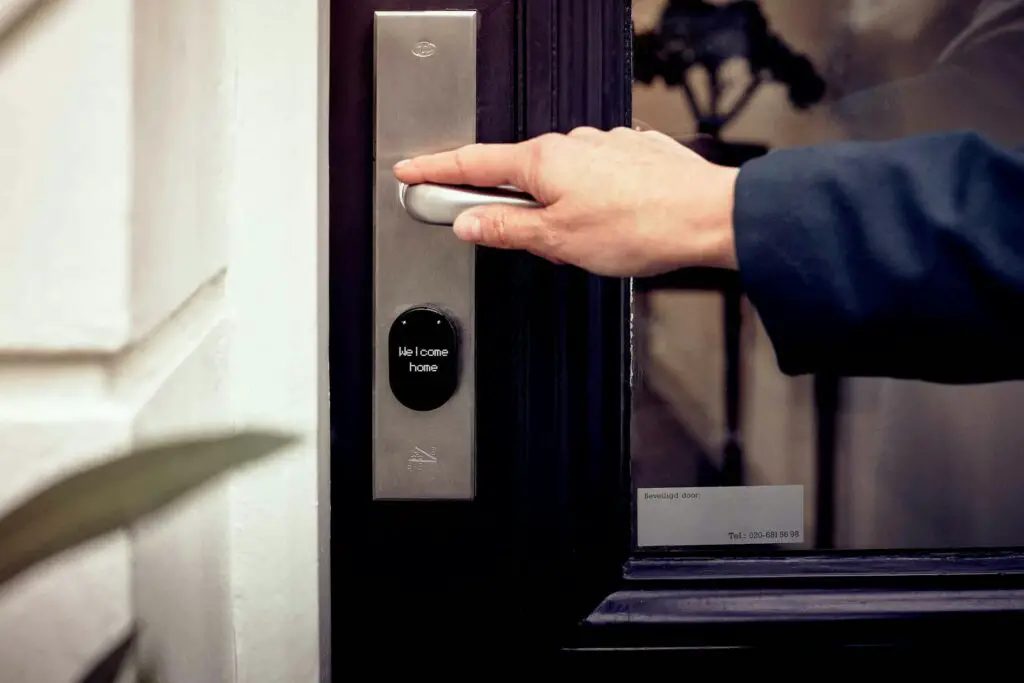
<p>Keys can be tricky to handle for those with arthritis or dexterity issues. Smart door locks remove the need for physical keys, using codes, fingerprint scans, or voice commands instead. These locks also allow caregivers or family members to access the home when needed. Some models can be controlled with a smartphone, adding extra security. Forgetting to lock the door is no longer a worry. Peace of mind is just a touch away with this simple upgrade.</p> ::Pexels

Keys can be tricky to handle for those with arthritis or dexterity issues. Smart door locks remove the need for physical keys, using codes, fingerprint scans, or voice commands instead. These locks also allow caregivers or family members to access the home when needed. Some models can be controlled with a smartphone, adding extra security. Forgetting to lock the door is no longer a worry. Peace of mind is just a touch away with this simple upgrade.


6. Walk-In Tub or Curb-Free Shower

<p>Bathrooms can be dangerous for seniors due to wet floors and high steps. Walk-in tubs and curb-free showers make bathing much safer. These designs remove the need to step over high edges, reducing fall risks. Many walk-in tubs also have built-in seating and handrails for extra support. Some models even come with therapeutic jets for sore muscles. Bathing should be a relaxing experience, not a struggle.</p> ::Pexels

Bathrooms can be dangerous for seniors due to wet floors and high steps. Walk-in tubs and curb-free showers make bathing much safer. These designs remove the need to step over high edges, reducing fall risks. Many walk-in tubs also have built-in seating and handrails for extra support. Some models even come with therapeutic jets for sore muscles. Bathing should be a relaxing experience, not a struggle.


7. Ergonomic Kitchen Tools

<p>Cooking should be fun, not frustrating. Ergonomic kitchen tools reduce strain on hands and wrists, making meal prep easier. Items like easy-grip utensils, automatic can openers, and lightweight cookware are game-changers. A well-designed kitchen setup allows seniors to keep cooking independently. Small upgrades like these can make a big difference in daily comfort. They also encourage a healthy and enjoyable lifestyle.</p> ::Pexels

Cooking should be fun, not frustrating. Ergonomic kitchen tools reduce strain on hands and wrists, making meal prep easier. Items like easy-grip utensils, automatic can openers, and lightweight cookware are game-changers. A well-designed kitchen setup allows seniors to keep cooking independently. Small upgrades like these can make a big difference in daily comfort. They also encourage a healthy and enjoyable lifestyle.


8. Stair Lifts or Ramps

<p>For seniors with mobility challenges, stairs can become a major obstacle. Stair lifts allow safe movement between floors without the risk of falls. Ramps are another great option, especially for wheelchair users or those with walkers. These upgrades help seniors stay independent in multi-level homes. Though they require an investment, they greatly improve quality of life. Moving around the house should be effortless, not exhausting.</p> ::Vecteezy.com

For seniors with mobility challenges, stairs can become a major obstacle. Stair lifts allow safe movement between floors without the risk of falls. Ramps are another great option, especially for wheelchair users or those with walkers. These upgrades help seniors stay independent in multi-level homes. Though they require an investment, they greatly improve quality of life. Moving around the house should be effortless, not exhausting.


9. Voice-Activated Assistants

<p>Devices like Amazon Echo and Google Nest make life simpler with voice commands. Seniors can use them to set reminders, control lights, call family, or even play music. These gadgets are easy to use and don’t require complex tech skills. They also help with emergencies by allowing hands-free calls. For those living alone, they offer both convenience and connection. A little technology can go a long way in making life easier.</p> ::Pexels

Devices like Amazon Echo and Google Nest make life simpler with voice commands. Seniors can use them to set reminders, control lights, call family, or even play music. These gadgets are easy to use and don’t require complex tech skills. They also help with emergencies by allowing hands-free calls. For those living alone, they offer both convenience and connection. A little technology can go a long way in making life easier.


10. Emergency Alert System

<p>A medical alert system provides immediate help at the push of a button. These devices are wearable and can contact emergency services or loved ones when needed. Some models detect falls automatically, sending alerts even if the person is unable to press a button. They offer peace of mind for both seniors and their families. Safety should never be left to chance, and this upgrade ensures help is always within reach.</p> ::Pexels

A medical alert system provides immediate help at the push of a button. These devices are wearable and can contact emergency services or loved ones when needed. Some models detect falls automatically, sending alerts even if the person is unable to press a button. They offer peace of mind for both seniors and their families. Safety should never be left to chance, and this upgrade ensures help is always within reach.


Conclusion

<p>A few smart changes can make a home much safer and more comfortable for seniors. From better lighting to advanced security, these upgrades enhance independence and ease daily life. Simple additions like grab bars or smart locks can prevent major accidents. Investing in these improvements means fewer worries and a more relaxed living space. Everyone deserves a home that supports their well-being at every stage of life.</p> ::Pexels

A few smart changes can make a home much safer and more comfortable for seniors. From better lighting to advanced security, these upgrades enhance independence and ease daily life. Simple additions like grab bars or smart locks can prevent major accidents. Investing in these improvements means fewer worries and a more relaxed living space. Everyone deserves a home that supports their well-being at every stage of life.

Filed Under: Lifestyle

Happy Pet, Happy Life: 10 Simple Ways to Keep Your Furry Friend Thriving!

October 15, 2025 | Leave a Comment

Happy Pet, Happy Life: 10 Simple Ways to Keep Your Furry Friend Thriving!

<p>Pets bring joy, love, and light to our lives. A happy pet is a sign of a caring home and a warm heart. Simple changes in your daily routine can help your furry friend live a long, healthy life. Small steps such as proper nutrition, regular check-ups, and fun play can boost their well-being. Many pet owners swear by a few key habits that help keep their pets thriving. This guide offers ten simple ways to ensure your pet stays happy, active, and full of life.</p> ::Pexels

Pets bring joy, love, and light to our lives. A happy pet is a sign of a caring home and a warm heart. Simple changes in your daily routine can help your furry friend live a long, healthy life. Small steps such as proper nutrition, regular check-ups, and fun play can boost their well-being. Many pet owners swear by a few key habits that help keep their pets thriving. This guide offers ten simple ways to ensure your pet stays happy, active, and full of life.


1. Regular Vet Visits

<p>Regular vet visits are the bedrock of a healthy pet life. Routine check-ups help catch small issues before they grow into big problems. A good vet will check your pet’s teeth, ears, and overall health, making sure all is well. Many pet owners praise the peace of mind that comes with knowing their pet is in top shape. Regular visits also allow you to discuss diet, exercise, and any changes in behavior. With a trusted vet by your side, you can keep your pet safe and sound.</p> ::Pexels

Regular vet visits are the bedrock of a healthy pet life. Routine check-ups help catch small issues before they grow into big problems. A good vet will check your pet’s teeth, ears, and overall health, making sure all is well. Many pet owners praise the peace of mind that comes with knowing their pet is in top shape. Regular visits also allow you to discuss diet, exercise, and any changes in behavior. With a trusted vet by your side, you can keep your pet safe and sound.


2. Nutritious Diet and Fresh Water

<p>A well-fed pet is a happy pet, and a proper diet is key to a long life. High-quality food with the right balance of protein, grains, and vegetables gives your pet the fuel it needs to thrive. It is important to choose a diet that fits your pet’s breed, age, and size. Fresh water should be available at all times to keep your pet hydrated and healthy. Many owners report that a good diet not only boosts energy but also improves the coat, mood, and overall health of their pet. Simple changes in feeding habits can lead to a noticeable boost in your pet’s quality of life.</p> ::Pexels

A well-fed pet is a happy pet, and a proper diet is key to a long life. High-quality food with the right balance of protein, grains, and vegetables gives your pet the fuel it needs to thrive. It is important to choose a diet that fits your pet’s breed, age, and size. Fresh water should be available at all times to keep your pet hydrated and healthy. Many owners report that a good diet not only boosts energy but also improves the coat, mood, and overall health of their pet. Simple changes in feeding habits can lead to a noticeable boost in your pet’s quality of life.


3. Daily Exercise and Playtime

<p>Daily exercise is vital for both the body and mind of your pet. Whether it is a brisk walk, a playful run in the yard, or a game of fetch, regular activity helps maintain a healthy weight and builds strong muscles. Many pets thrive on routine play, which also offers a chance to bond with you. Exercise can ease joint pain and boost energy levels, making even a small bout of playtime very rewarding. Pets that get regular exercise tend to be happier and more alert, as they can channel their energy into fun activities. A few minutes of play each day can be the key to a long and joyful pet life.</p> ::Pexels

Daily exercise is vital for both the body and mind of your pet. Whether it is a brisk walk, a playful run in the yard, or a game of fetch, regular activity helps maintain a healthy weight and builds strong muscles. Many pets thrive on routine play, which also offers a chance to bond with you. Exercise can ease joint pain and boost energy levels, making even a small bout of playtime very rewarding. Pets that get regular exercise tend to be happier and more alert, as they can channel their energy into fun activities. A few minutes of play each day can be the key to a long and joyful pet life.


4. Interactive Toys and Mental Stimulation

<p>Mental stimulation is just as important as physical exercise for a pet’s well-being. Interactive toys, puzzles, and games help keep your pet’s mind active and sharp. Many pet owners find that a busy mind leads to a calm and content pet. Simple toys like treat-dispensing balls or puzzle feeders can offer hours of fun and learning. New challenges can reduce boredom and help prevent destructive behavior. By adding a few interactive toys to your pet’s routine, you can make playtime both fun and enriching.</p> ::Pexels

Mental stimulation is just as important as physical exercise for a pet’s well-being. Interactive toys, puzzles, and games help keep your pet’s mind active and sharp. Many pet owners find that a busy mind leads to a calm and content pet. Simple toys like treat-dispensing balls or puzzle feeders can offer hours of fun and learning. New challenges can reduce boredom and help prevent destructive behavior. By adding a few interactive toys to your pet’s routine, you can make playtime both fun and enriching.


5. Regular Grooming and Hygiene

<p>Keeping your pet clean is a simple way to boost its comfort and health. Regular grooming, such as brushing, bathing, and nail trimming, not only keeps your pet looking its best but also prevents skin issues and infections. Many pet owners find that grooming time is a great way to bond with their furry friend. Clean ears, shiny coats, and trimmed nails make pets feel fresh and happy. This routine task also gives you the chance to check for any unusual lumps or skin problems early on. A well-groomed pet is a sign of a well-cared-for pet.</p> ::Pexels

Keeping your pet clean is a simple way to boost its comfort and health. Regular grooming, such as brushing, bathing, and nail trimming, not only keeps your pet looking its best but also prevents skin issues and infections. Many pet owners find that grooming time is a great way to bond with their furry friend. Clean ears, shiny coats, and trimmed nails make pets feel fresh and happy. This routine task also gives you the chance to check for any unusual lumps or skin problems early on. A well-groomed pet is a sign of a well-cared-for pet.


6. Consistent Training and Socialization

<p>Training is a vital part of a pet’s life that keeps them safe and well-behaved. Consistent training builds good habits, whether it is for simple commands like “sit” or more complex tricks. Many pet owners find that a well-trained pet is easier to care for and brings more joy to daily interactions. Socialization with other pets and people can also reduce anxiety and boost confidence. Regular training sessions, combined with social outings, can help your pet feel at ease in new environments. This method not only makes life smoother but also strengthens the bond between you and your pet.</p> ::Pexels

Training is a vital part of a pet’s life that keeps them safe and well-behaved. Consistent training builds good habits, whether it is for simple commands like “sit” or more complex tricks. Many pet owners find that a well-trained pet is easier to care for and brings more joy to daily interactions. Socialization with other pets and people can also reduce anxiety and boost confidence. Regular training sessions, combined with social outings, can help your pet feel at ease in new environments. This method not only makes life smoother but also strengthens the bond between you and your pet.


7. A Safe and Stimulating Home Environment

<p>Your home should be a haven for your pet. A safe and clean space, free from hazards, gives your pet the freedom to explore without fear. Many owners invest in pet-friendly furniture and secure storage for items that could be harmful. A stimulating environment filled with toys, soft bedding, and quiet spots can help your pet feel at ease. Small changes, like adding a perch by the window or a cozy crate, can offer comfort and fun. A well-set home environment is key to a pet’s daily happiness and well-being.</p> ::Pexels

Your home should be a haven for your pet. A safe and clean space, free from hazards, gives your pet the freedom to explore without fear. Many owners invest in pet-friendly furniture and secure storage for items that could be harmful. A stimulating environment filled with toys, soft bedding, and quiet spots can help your pet feel at ease. Small changes, like adding a perch by the window or a cozy crate, can offer comfort and fun. A well-set home environment is key to a pet’s daily happiness and well-being.


8. Routine Health Checks and Preventive Care

<p>Beyond regular vet visits, routine health checks at home are a smart way to keep your pet thriving. Simple actions such as brushing your pet’s teeth, checking its ears for wax, and monitoring its weight can catch issues early. Many pet owners use basic tools like pet thermometers and grooming kits to stay on top of their pet’s health. Preventive care, including vaccinations and flea control, ensures your pet is protected from common ailments. A bit of daily attention can go a long way in keeping your pet strong and healthy. With routine checks, you can spot changes quickly and act before small issues become serious.</p> ::Pexels

Beyond regular vet visits, routine health checks at home are a smart way to keep your pet thriving. Simple actions such as brushing your pet’s teeth, checking its ears for wax, and monitoring its weight can catch issues early. Many pet owners use basic tools like pet thermometers and grooming kits to stay on top of their pet’s health. Preventive care, including vaccinations and flea control, ensures your pet is protected from common ailments. A bit of daily attention can go a long way in keeping your pet strong and healthy. With routine checks, you can spot changes quickly and act before small issues become serious.


9. Comfortable Rest and Sleep

<p>Rest is vital for a pet’s health, just as it is for us. A quiet, cozy spot with a soft bed or cushion can make a big difference in your pet’s well-being. Many pets benefit from having a dedicated area where they feel safe to rest and sleep undisturbed. Good rest helps maintain energy levels and supports overall health, making it easier for your pet to play and enjoy daily activities. Ensure that the sleeping area is kept clean and free of noise, so your pet can relax fully. A well-rested pet is more active, alert, and happy.</p> ::Pexels

Rest is vital for a pet’s health, just as it is for us. A quiet, cozy spot with a soft bed or cushion can make a big difference in your pet’s well-being. Many pets benefit from having a dedicated area where they feel safe to rest and sleep undisturbed. Good rest helps maintain energy levels and supports overall health, making it easier for your pet to play and enjoy daily activities. Ensure that the sleeping area is kept clean and free of noise, so your pet can relax fully. A well-rested pet is more active, alert, and happy.


10. Lots of Love and Attention

<p>Finally, nothing beats the power of love and attention in keeping your pet thriving. Pets thrive on social interaction, and a kind word or gentle pat goes a long way. Many pet owners find that spending quality time with their pet creates a strong bond and improves overall behavior. Love and attention can reduce stress and make your pet feel valued and safe. Whether through a cuddle, playtime, or simple companionship, the care you give is returned with endless joy. A loving home is the best gift you can give your pet.</p> ::Pexels

Finally, nothing beats the power of love and attention in keeping your pet thriving. Pets thrive on social interaction, and a kind word or gentle pat goes a long way. Many pet owners find that spending quality time with their pet creates a strong bond and improves overall behavior. Love and attention can reduce stress and make your pet feel valued and safe. Whether through a cuddle, playtime, or simple companionship, the care you give is returned with endless joy. A loving home is the best gift you can give your pet.


Conclusion

<p>Keeping your pet happy and healthy does not require grand gestures—simple, thoughtful actions can go a long way. From regular vet visits to daily exercise, each step is a building block toward a thriving pet. A nutritious diet, routine grooming, and a safe home environment work together to create a joyful life for your furry friend. Socialization, mental play, and the warmth of your love add the extra boost that every pet needs. When you invest time and care in these habits, you not only enhance your pet’s life but also enrich your own. A happy pet is a constant source of joy, comfort, and love, and these ten tips show you how to make that happiness last.</p> ::Pexels

Keeping your pet happy and healthy does not require grand gestures—simple, thoughtful actions can go a long way. From regular vet visits to daily exercise, each step is a building block toward a thriving pet. A nutritious diet, routine grooming, and a safe home environment work together to create a joyful life for your furry friend. Socialization, mental play, and the warmth of your love add the extra boost that every pet needs. When you invest time and care in these habits, you not only enhance your pet’s life but also enrich your own. A happy pet is a constant source of joy, comfort, and love, and these ten tips show you how to make that happiness last.

Filed Under: Lifestyle

14 Questions You Should Always Be Prepared for in a Job Interview

October 15, 2025 | Leave a Comment

14 Questions You Should Always Be Prepared for in a Job Interview

<p> Job interviews are crucial moments in your career journey, where you have the opportunity to impress potential employers and secure the job of your dreams. While each interview is unique, there are common questions that frequently arise across different industries and positions. Being prepared to answer these questions effectively can significantly enhance your chances of success. Here are 14 key questions you should always be ready to tackle in a job interview. </p>:: Pexels

Job interviews are crucial moments in your career journey, where you have the opportunity to impress potential employers and secure the job of your dreams. While each interview is unique, there are common questions that frequently arise across different industries and positions. Being prepared to answer these questions effectively can significantly enhance your chances of success. Here are 14 key questions you should always be ready to tackle in a job interview.


1. Tell Me About Yourself

<p> This open-ended question is often used to kick off the interview. Prepare a concise and compelling summary of your professional background, highlighting relevant skills and experiences. Tailor your response to align with the job requirements and company culture. </p>:: Pexels

This open-ended question is often used to kick off the interview. Prepare a concise and compelling summary of your professional background, highlighting relevant skills and experiences. Tailor your response to align with the job requirements and company culture.


2. Why Are You Interested in This Position?

<p> Employers want to know what motivates you to apply for their specific role. Demonstrate your knowledge of the company and articulate how your skills and career goals align with the position. Avoid generic answers and personalize your response based on your research. </p>:: Pexels

Employers want to know what motivates you to apply for their specific role. Demonstrate your knowledge of the company and articulate how your skills and career goals align with the position. Avoid generic answers and personalize your response based on your research.


3. What Are Your Strengths?

<p> Highlight key strengths that are relevant to the job you're applying for. Provide specific examples or anecdotes that illustrate how your strengths have positively impacted previous roles or projects. Focus on skills that are valued in the industry and align with the job description. </p>:: Pexels

Highlight key strengths that are relevant to the job you’re applying for. Provide specific examples or anecdotes that illustrate how your strengths have positively impacted previous roles or projects. Focus on skills that are valued in the industry and align with the job description.


4. What Are Your Weaknesses?

<p> Be prepared to discuss a genuine weakness or area for improvement. Frame your weakness in a constructive light and explain how you are actively working to overcome it. This demonstrates self-awareness and a commitment to personal and professional growth. </p>:: Pexels

Be prepared to discuss a genuine weakness or area for improvement. Frame your weakness in a constructive light and explain how you are actively working to overcome it. This demonstrates self-awareness and a commitment to personal and professional growth.


5. Can You Tell Me About a Challenge or Conflict You’ve Faced at Work, and How You Dealt With It?

<p> Employers want to assess your problem-solving and interpersonal skills. Choose a relevant example that demonstrates your ability to handle challenges effectively. Discuss the steps you took to resolve the issue and the outcome of your actions. </p>:: Pexels

Employers want to assess your problem-solving and interpersonal skills. Choose a relevant example that demonstrates your ability to handle challenges effectively. Discuss the steps you took to resolve the issue and the outcome of your actions.


6. Where Do You See Yourself in 5 Years?

<p> Outline your career goals and aspirations, emphasizing how they align with the potential growth opportunities offered by the company. Show that you have thoughtfully considered your career path and how this position fits into your long-term plans. </p>:: Pexels

Outline your career goals and aspirations, emphasizing how they align with the potential growth opportunities offered by the company. Show that you have thoughtfully considered your career path and how this position fits into your long-term plans.


7. Why Should We Hire You?

<p> This question gives you the opportunity to differentiate yourself from other candidates. Summarize your unique qualifications, experiences, and achievements that make you an ideal fit for the role. Focus on what you can contribute to the team and the organization's success. </p>:: Pexels

This question gives you the opportunity to differentiate yourself from other candidates. Summarize your unique qualifications, experiences, and achievements that make you an ideal fit for the role. Focus on what you can contribute to the team and the organization’s success.


8. Tell Me About a Time When You Demonstrated Leadership/Teamwork/Problem-Solving Skills.

<p> Prepare examples that showcase your ability to lead, collaborate with others, or innovate in challenging situations. Use the STAR method (Situation, Task, Action, Result) to structure your response and provide specific details about your contributions and achievements. </p>:: Pexels

Prepare examples that showcase your ability to lead, collaborate with others, or innovate in challenging situations. Use the STAR method (Situation, Task, Action, Result) to structure your response and provide specific details about your contributions and achievements.


9. What Interests You About Our Company?

<p> Demonstrate your knowledge of the company's products, services, culture, and values. Explain why you are enthusiastic about the opportunity to contribute to their mission and goals. Research the company thoroughly before the interview to tailor your response effectively. </p>:: Pexels

Demonstrate your knowledge of the company’s products, services, culture, and values. Explain why you are enthusiastic about the opportunity to contribute to their mission and goals. Research the company thoroughly before the interview to tailor your response effectively.


10. How Do You Handle Pressure or Stressful Situations?

<p> Employers want to gauge your ability to stay composed and perform effectively under pressure. Share examples of times when you successfully managed stress or tight deadlines. Discuss any strategies or techniques you use to maintain productivity and focus. </p>:: Pexels

Employers want to gauge your ability to stay composed and perform effectively under pressure. Share examples of times when you successfully managed stress or tight deadlines. Discuss any strategies or techniques you use to maintain productivity and focus.


11. What Is Your Preferred Work Environment?

<p> Describe the work environment where you thrive the most. Consider factors such as team dynamics, organizational culture, work pace, and level of autonomy. Align your preferences with the company's culture to demonstrate a good fit. </p>:: Pexels

Describe the work environment where you thrive the most. Consider factors such as team dynamics, organizational culture, work pace, and level of autonomy. Align your preferences with the company’s culture to demonstrate a good fit.


12. Can You Provide an Example of When You Took Initiative?

<p> Highlight instances where you proactively identified an opportunity or problem and took decisive action. Discuss the steps you took to achieve a positive outcome and how your initiative benefited your team or organization. Showcase your proactive mindset and drive for results. </p>:: Pexels

Highlight instances where you proactively identified an opportunity or problem and took decisive action. Discuss the steps you took to achieve a positive outcome and how your initiative benefited your team or organization. Showcase your proactive mindset and drive for results.


13. What Salary Are You Looking For?

<p> Be prepared to discuss your salary expectations based on research into industry standards and the position's responsibilities. Consider factors such as your experience, skills, and the company's compensation structure. Provide a range rather than a specific number to allow for negotiation. </p>:: Pexels

Be prepared to discuss your salary expectations based on research into industry standards and the position’s responsibilities. Consider factors such as your experience, skills, and the company’s compensation structure. Provide a range rather than a specific number to allow for negotiation.


14. Do You Have Any Questions for Us?

<p> Prepare thoughtful questions that demonstrate your interest in the company and the position. Inquire about the company's future goals, team structure, opportunities for professional development, or any recent news or projects. This shows your enthusiasm and proactive approach to learning more about the role. </p>:: Pexels

Prepare thoughtful questions that demonstrate your interest in the company and the position. Inquire about the company’s future goals, team structure, opportunities for professional development, or any recent news or projects. This shows your enthusiasm and proactive approach to learning more about the role.


Final Thoughts

<p> Job interviews can be nerve-wracking, but thorough preparation can significantly boost your confidence and performance. By anticipating and practicing responses to these 14 key questions, you can showcase your qualifications, skills, and suitability for the position. Remember to research the company, tailor your answers to align with their expectations, and present yourself as a capable and enthusiastic candidate. With thorough preparation and a positive attitude, you can navigate job interviews successfully and move closer to securing your desired career opportunity. </p>:: Pexels

Job interviews can be nerve-wracking, but thorough preparation can significantly boost your confidence and performance. By anticipating and practicing responses to these 14 key questions, you can showcase your qualifications, skills, and suitability for the position. Remember to research the company, tailor your answers to align with their expectations, and present yourself as a capable and enthusiastic candidate. With thorough preparation and a positive attitude, you can navigate job interviews successfully and move closer to securing your desired career opportunity.

Filed Under: Money

Travel Smart, Stay Safe: 10 Must-Know Safety Tips for Solo Travelers!

October 15, 2025 | Leave a Comment

Travel Smart, Stay Safe: 10 Must-Know Safety Tips for Solo Travelers!

<p>Traveling alone is a freeing experience. You can go where you want, eat what you like, and set your own pace. But with great freedom comes the need to stay safe. A solo trip means relying on yourself, so smart planning is key. These 10 safety tips will help you enjoy your adventure without worry.</p> ::Pexels

Traveling alone is a freeing experience. You can go where you want, eat what you like, and set your own pace. But with great freedom comes the need to stay safe. A solo trip means relying on yourself, so smart planning is key. These 10 safety tips will help you enjoy your adventure without worry.


1. Research Your Destination

<p>Know before you go. Research local customs, safe areas, and any places to avoid. Read up on scams that target tourists. Learn basic phrases if the local language is different. Understanding where you’re headed helps you blend in and stay alert. A little research can save you from big problems later.</p> ::Pexels

Know before you go. Research local customs, safe areas, and any places to avoid. Read up on scams that target tourists. Learn basic phrases if the local language is different. Understanding where you’re headed helps you blend in and stay alert. A little research can save you from big problems later.


2. Share Your Plans

<p>Someone should always know where you are. Share your travel itinerary with family or a close friend. Check in with them regularly. If something goes wrong, they will know when to raise the alarm. Use apps that allow live location sharing for extra safety. Being off the grid is fun, but not when people worry.</p> ::Pexels

Someone should always know where you are. Share your travel itinerary with family or a close friend. Check in with them regularly. If something goes wrong, they will know when to raise the alarm. Use apps that allow live location sharing for extra safety. Being off the grid is fun, but not when people worry.


3. Trust Your Gut

<p>Crowded areas are prime spots for theft. Keep your bag close in busy places like markets or train stations. If someone is being too friendly, be cautious. Some thieves work in pairs—one distracts while the other steals. Being mindful of your surroundings can keep you and your belongings safe.</p> ::Pexels

If something feels wrong, it probably is. Listen to your instincts when dealing with strangers, choosing transport, or walking alone. Avoid places that seem unsafe, even if they look fine on a map. Being polite is good, but not at the cost of your safety. Your gut is your best travel guide.


4. Keep Your Valuables Secure

<p>Pickpockets love tourists. Carry only what you need, and use a money belt or anti-theft bag. Split up your cash—some in your bag, some in a pocket, and a backup card elsewhere. If someone steals one stash, you still have a safety net. A little caution goes a long way.</p> ::Pexels

Pickpockets love tourists. Carry only what you need, and use a money belt or anti-theft bag. Split up your cash—some in your bag, some in a pocket, and a backup card elsewhere. If someone steals one stash, you still have a safety net. A little caution goes a long way.


5. Blend In

<p>Standing out makes you a target. Dress like a local and avoid flashy clothes or jewelry. Walk with confidence, even if you’re lost. Tourists who look unsure can attract scammers. If you need to check a map, step into a café or shop. The less you stand out, the safer you are.</p> ::Pexels

Standing out makes you a target. Dress like a local and avoid flashy clothes or jewelry. Walk with confidence, even if you’re lost. Tourists who look unsure can attract scammers. If you need to check a map, step into a café or shop. The less you stand out, the safer you are.


6. Be Smart with Transportation

<p>Taxis and rideshares are convenient, but not always safe. Only use official taxis or trusted apps like Uber or Bolt. Check that the license plate matches your booking. If using public transport, keep an eye on your belongings. Late at night, avoid empty buses or train cars. Safe travel starts with smart choices.</p> ::Pexels

Taxis and rideshares are convenient, but not always safe. Only use official taxis or trusted apps like Uber or Bolt. Check that the license plate matches your booking. If using public transport, keep an eye on your belongings. Late at night, avoid empty buses or train cars. Safe travel starts with smart choices.


7. Stay in Safe Accommodations

<p>Choose places with good reviews and solid security. Look for hotels or hostels with 24-hour staff, locked entryways, and in well-lit areas. If using Airbnb, pick places with verified hosts and past guest reviews. Once inside, use door locks, and never open up for strangers. Where you sleep matters.</p> ::Pexels

Choose places with good reviews and solid security. Look for hotels or hostels with 24-hour staff, locked entryways, and in well-lit areas. If using Airbnb, pick places with verified hosts and past guest reviews. Once inside, use door locks, and never open up for strangers. Where you sleep matters.


8. Avoid Over-Sharing Online

<p>Posting in real time tells strangers where you are. Wait until you leave a location before sharing it on social media. Avoid tagging places you frequent. Hackers can use your posts to guess your schedule. Travel updates are fun, but safety comes first. Keep details private until you’re back.</p> ::Pexels

Posting in real time tells strangers where you are. Wait until you leave a location before sharing it on social media. Avoid tagging places you frequent. Hackers can use your posts to guess your schedule. Travel updates are fun, but safety comes first. Keep details private until you’re back.


9. Carry Emergency Contacts

<p>Always have a backup plan. Keep a list of emergency numbers, including local police, medical services, and your country’s embassy. Save them on your phone and write them down. If your phone dies or gets lost, you still have access to important contacts. Preparedness is never a bad idea.</p> ::Pexels

Always have a backup plan. Keep a list of emergency numbers, including local police, medical services, and your country’s embassy. Save them on your phone and write them down. If your phone dies or gets lost, you still have access to important contacts. Preparedness is never a bad idea.


10. Stay Aware in Public

<p>Crowded areas are prime spots for theft. Keep your bag close in busy places like markets or train stations. If someone is being too friendly, be cautious. Some thieves work in pairs—one distracts while the other steals. Being mindful of your surroundings can keep you and your belongings safe.</p> ::Pexels

Crowded areas are prime spots for theft. Keep your bag close in busy places like markets or train stations. If someone is being too friendly, be cautious. Some thieves work in pairs—one distracts while the other steals. Being mindful of your surroundings can keep you and your belongings safe.


Conclusion

<p>Solo travel is exciting, but safety should never take a backseat. Simple habits like staying aware, planning ahead, and trusting your instincts can make all the difference. These tips help you explore with confidence and peace of mind. Stay smart, travel safe, and make the most of your journey!</p> ::Pexels

Solo travel is exciting, but safety should never take a backseat. Simple habits like staying aware, planning ahead, and trusting your instincts can make all the difference. These tips help you explore with confidence and peace of mind. Stay smart, travel safe, and make the most of your journey!

Filed Under: Travel

10 Common Mistakes First-Time Investors Keep Falling For in 2025

October 15, 2025 | Leave a Comment

10 Common Mistakes First-Time Investors Keep Falling For in 2025

<p> Investing has always been one of those topics that sounds intimidating until you dip your toes in. In 2025, with social media gurus shouting about the next “big thing,” endless market updates on your phone, and the temptation to jump on whatever is trending, investing can feel even more overwhelming. The good news? Most of the mistakes that beginners make are not new — they are the same slip-ups generations of investors have been making, just dressed up in modern-day buzzwords.

If you are new to investing, you do not need a degree in finance to succeed. What you really need is an understanding of the most common pitfalls so you can sidestep them. Let’s walk through the ten mistakes first-time investors are still falling for in 2025, and more importantly, how you can avoid them. </p> :: Freepik

Investing has always been one of those topics that sounds intimidating until you dip your toes in. In 2025, with social media gurus shouting about the next “big thing,” endless market updates on your phone, and the temptation to jump on whatever is trending, investing can feel even more overwhelming. The good news? Most of the mistakes that beginners make are not new — they are the same slip-ups generations of investors have been making, just dressed up in modern-day buzzwords.

If you are new to investing, you do not need a degree in finance to succeed. What you really need is an understanding of the most common pitfalls so you can sidestep them. Let’s walk through the ten mistakes first-time investors are still falling for in 2025, and more importantly, how you can avoid them.

1. Waiting for the Perfect Moment to Invest

<p> Many first-time investors get stuck in “analysis paralysis.” They sit on the sidelines, convinced the perfect time to jump in is just around the corner. The problem is, that perfect time rarely shows up, and waiting often costs more than starting early. By holding back, you miss out on the power of compounding and long-term market growth.

How to avoid it: Instead of obsessing over timing, try dollar-cost averaging. This simply means investing a fixed amount at regular intervals. It smooths out the ups and downs and takes the pressure off trying to predict the market. </p> :: Freepik

Many first-time investors get stuck in “analysis paralysis.” They sit on the sidelines, convinced the perfect time to jump in is just around the corner. The problem is, that perfect time rarely shows up, and waiting often costs more than starting early. By holding back, you miss out on the power of compounding and long-term market growth.

How to avoid it: Instead of obsessing over timing, try dollar-cost averaging. This simply means investing a fixed amount at regular intervals. It smooths out the ups and downs and takes the pressure off trying to predict the market.

2. Investing Based on FOMO

<p> We have all been there: scrolling through social media and seeing someone brag about doubling their money on a trendy stock or cryptocurrency. Suddenly, your fear of missing out kicks in, and you feel like you are falling behind. But chasing hype-driven investments rarely ends well. By the time you hear about a “hot tip,” chances are you are already late to the party.

How to avoid it: Always ask yourself if an investment aligns with your personal goals, time horizon, and risk tolerance. If it does not, walk away, no matter how tempting it looks. </p> :: Freepik

We have all been there: scrolling through social media and seeing someone brag about doubling their money on a trendy stock or cryptocurrency. Suddenly, your fear of missing out kicks in, and you feel like you are falling behind. But chasing hype-driven investments rarely ends well. By the time you hear about a “hot tip,” chances are you are already late to the party.

How to avoid it: Always ask yourself if an investment aligns with your personal goals, time horizon, and risk tolerance. If it does not, walk away, no matter how tempting it looks.

3. Putting Too Much Money Into One Stock

<p> Maybe it is your favorite tech company or a brand you use daily. It feels safe and exciting to load up on a single stock you believe in. But no matter how promising it seems, putting too many eggs in one basket can leave your portfolio vulnerable. If that stock takes a dive, so does your entire investment plan.

How to avoid it: Diversify across industries, asset classes, and even geographies. The idea is not to avoid risk completely, but to spread it out so no single bad bet can sink you. </p> :: Pexels

Maybe it is your favorite tech company or a brand you use daily. It feels safe and exciting to load up on a single stock you believe in. But no matter how promising it seems, putting too many eggs in one basket can leave your portfolio vulnerable. If that stock takes a dive, so does your entire investment plan.

How to avoid it: Diversify across industries, asset classes, and even geographies. The idea is not to avoid risk completely, but to spread it out so no single bad bet can sink you.

4. Taking Big Risks on Speculative Bets

<p> First-time investors often get lured into “get rich quick” plays like penny stocks, ultra-risky startups, or volatile cryptocurrencies. The thrill is real, but so is the danger of watching your money evaporate overnight. Speculation might feel like investing, but it is more like gambling if you do not understand the fundamentals.

How to avoid it: Keep speculative plays to a very small percentage of your portfolio, if you try them at all. A simple rule of thumb: if you cannot explain how the company or asset makes money in plain English, it is probably not worth the risk. </p> :: Freepik

First-time investors often get lured into “get rich quick” plays like penny stocks, ultra-risky startups, or volatile cryptocurrencies. The thrill is real, but so is the danger of watching your money evaporate overnight. Speculation might feel like investing, but it is more like gambling if you do not understand the fundamentals.

How to avoid it: Keep speculative plays to a very small percentage of your portfolio, if you try them at all. A simple rule of thumb: if you cannot explain how the company or asset makes money in plain English, it is probably not worth the risk.

5. Forgetting About Fees and Taxes

<p> It is easy to focus only on your gains and forget about the quiet killers in investing: fees and taxes. High management fees, frequent trading costs, and capital gains taxes can eat into your returns before you even notice.

How to avoid it: Favor low-cost index funds or exchange-traded funds (ETFs) whenever possible. Use tax-advantaged accounts like 401(k)s and IRAs to minimize your tax bill. And before you make a trade, think about whether the potential return is worth the cost. </p> :: Freepik

It is easy to focus only on your gains and forget about the quiet killers in investing: fees and taxes. High management fees, frequent trading costs, and capital gains taxes can eat into your returns before you even notice.

How to avoid it: Favor low-cost index funds or exchange-traded funds (ETFs) whenever possible. Use tax-advantaged accounts like 401(k)s and IRAs to minimize your tax bill. And before you make a trade, think about whether the potential return is worth the cost.

6. Ignoring the Fundamentals of a Business

<p> When you are just starting out, it is easy to get distracted by flashy stock charts or trending tickers without understanding what lies beneath. But if you do not know how a company actually makes money or what its competitive edge is, you are taking on blind risk.

How to avoid it: Stick to your “circle of competence” — businesses you understand. Look at revenue growth, debt levels, competitive advantages, and long-term prospects. If you cannot explain the company to a friend in simple terms, reconsider. </p> :: Freepik

When you are just starting out, it is easy to get distracted by flashy stock charts or trending tickers without understanding what lies beneath. But if you do not know how a company actually makes money or what its competitive edge is, you are taking on blind risk.

How to avoid it: Stick to your “circle of competence” — businesses you understand. Look at revenue growth, debt levels, competitive advantages, and long-term prospects. If you cannot explain the company to a friend in simple terms, reconsider.

7. Selling Winners Too Early and Holding on to Losers Too Long

<p> One of the most emotional parts of investing is deciding when to sell. Many beginners panic and cash out winners quickly to “lock in profits,” while stubbornly holding on to losers, hoping they will bounce back. This emotional rollercoaster often leads to poor long-term results.

How to avoid it: Create exit rules before you invest. For example, you might decide to sell if a stock drops 20 percent or if it no longer fits your strategy. Similarly, let your winners run as long as the fundamentals remain strong. </p> :: Pexels

One of the most emotional parts of investing is deciding when to sell. Many beginners panic and cash out winners quickly to “lock in profits,” while stubbornly holding on to losers, hoping they will bounce back. This emotional rollercoaster often leads to poor long-term results.

How to avoid it: Create exit rules before you invest. For example, you might decide to sell if a stock drops 20 percent or if it no longer fits your strategy. Similarly, let your winners run as long as the fundamentals remain strong.

8. Forgetting to Rebalance Over Time

<p> Your portfolio will not stay in balance on its own. If one type of investment, like tech stocks, performs well, it can take up a bigger share of your portfolio than you planned, making you riskier than you realize.

How to avoid it: Check your portfolio at least once or twice a year. Rebalancing may feel boring, but it keeps your risk level in check and ensures you are not accidentally betting too heavily on one sector. </p> :: Freepik

Your portfolio will not stay in balance on its own. If one type of investment, like tech stocks, performs well, it can take up a bigger share of your portfolio than you planned, making you riskier than you realize.

How to avoid it: Check your portfolio at least once or twice a year. Rebalancing may feel boring, but it keeps your risk level in check and ensures you are not accidentally betting too heavily on one sector.

9. Checking Your Portfolio Every Day

<p> In today’s world of instant notifications, it is tempting to refresh your portfolio app constantly. But watching your investments daily can make you overly emotional and lead to snap decisions. Markets naturally swing up and down, and checking too often can magnify the stress.

How to avoid it: Set specific times to review your investments, like once a quarter. Outside of those check-ins, trust your plan and avoid obsessing over the day-to-day noise. </p> :: Pexels

In today’s world of instant notifications, it is tempting to refresh your portfolio app constantly. But watching your investments daily can make you overly emotional and lead to snap decisions. Markets naturally swing up and down, and checking too often can magnify the stress.

How to avoid it: Set specific times to review your investments, like once a quarter. Outside of those check-ins, trust your plan and avoid obsessing over the day-to-day noise.

10. Throwing Good Money After Bad

<p> Doubling down on a losing stock because you “just know it will come back” is a classic rookie mistake. While sometimes averaging down can work, more often it traps you in a downward spiral.

How to avoid it: Accept that not every investment will be a winner. If the fundamentals have changed or the company no longer looks promising, cut your losses and move on. It is better to reallocate that money into stronger opportunities than stay stuck in a sinking ship. </p> :: Pexels

Doubling down on a losing stock because you “just know it will come back” is a classic rookie mistake. While sometimes averaging down can work, more often it traps you in a downward spiral.

How to avoid it: Accept that not every investment will be a winner. If the fundamentals have changed or the company no longer looks promising, cut your losses and move on. It is better to reallocate that money into stronger opportunities than stay stuck in a sinking ship.

Final Thoughts

<p> Investing in 2025 is exciting. Technology makes it easier than ever to access the markets, but it also makes it easier to get distracted, emotional, or swayed by noise. The truth is that successful investing is not about making perfect moves every time. It is about avoiding the big, costly mistakes that can derail your progress.

By staying patient, diversifying, ignoring the hype, and sticking to a plan, you put yourself in a position to build wealth steadily over time. Remember, investing is not a sprint — it is a marathon. So, take a deep breath, trust the process, and let your money grow while you focus on living your life. </p> :: Freepik


Investing in 2025 is exciting. Technology makes it easier than ever to access the markets, but it also makes it easier to get distracted, emotional, or swayed by noise. The truth is that successful investing is not about making perfect moves every time. It is about avoiding the big, costly mistakes that can derail your progress.

By staying patient, diversifying, ignoring the hype, and sticking to a plan, you put yourself in a position to build wealth steadily over time. Remember, investing is not a sprint — it is a marathon. So, take a deep breath, trust the process, and let your money grow while you focus on living your life.


Filed Under: Investing

From Backyards to Beaches: Recreational Sports Everyone Is Talking About

October 15, 2025 | Leave a Comment

From Backyards to Beaches: Recreational Sports Everyone Is Talking About

<p> Sports are no longer just for athletes chasing medals or high school kids on varsity teams. Across the United States, recreational sports are booming—and not just among one age group. From teenagers to grandparents, people are flocking to fun, easy-to-learn activities that offer exercise without the pressure of competition. These trending sports are more than workouts; they are opportunities to socialize, reduce stress, and stay healthy while having a good time. If you have ever wanted to try something new but felt intimidated by traditional gyms or competitive leagues, this list is for you. These are the top recreational sports trending across all ages right now, and you might be surprised by how many are happening right in your own neighborhood. </p> :: Gemini

Sports are no longer just for athletes chasing medals or high school kids on varsity teams. Across the United States, recreational sports are booming—and not just among one age group. From teenagers to grandparents, people are flocking to fun, easy-to-learn activities that offer exercise without the pressure of competition. These trending sports are more than workouts; they are opportunities to socialize, reduce stress, and stay healthy while having a good time.

If you have ever wanted to try something new but felt intimidated by traditional gyms or competitive leagues, this list is for you. These are the top recreational sports trending across all ages right now, and you might be surprised by how many are happening right in your own neighborhood.

1. Pickleball

<p> Pickleball has exploded in popularity, and for good reason. Played on a small court with paddles and a wiffle ball, it blends elements of tennis, badminton, and ping pong into one easy-to-pick-up game. What makes it so appealing is how quickly people of all skill levels can jump in and start rallying. It is social, fast-paced, and much less intimidating than a full-size tennis match. Whether you are looking for light exercise, a way to meet new friends, or a sport to play with your kids or parents, pickleball has become the go-to recreational activity of the moment. </p> :: Gemini

Pickleball has exploded in popularity, and for good reason. Played on a small court with paddles and a wiffle ball, it blends elements of tennis, badminton, and ping pong into one easy-to-pick-up game. What makes it so appealing is how quickly people of all skill levels can jump in and start rallying. It is social, fast-paced, and much less intimidating than a full-size tennis match. Whether you are looking for light exercise, a way to meet new friends, or a sport to play with your kids or parents, pickleball has become the go-to recreational activity of the moment.

2. Padel Tennis

<p> If you have not heard of padel tennis yet, you soon will. This fast-growing sport is played on an enclosed court that is smaller than a traditional tennis court, with walls that can be used strategically to bounce the ball. It is like a mix of squash and tennis, but much easier for beginners to pick up. Many players find padel more exciting because the walls add a new twist to rallies, making every point unpredictable. Communities across the country are beginning to add courts, so expect to see more people picking up a padel racket soon. </p> :: Gemini

If you have not heard of padel tennis yet, you soon will. This fast-growing sport is played on an enclosed court that is smaller than a traditional tennis court, with walls that can be used strategically to bounce the ball. It is like a mix of squash and tennis, but much easier for beginners to pick up. Many players find padel more exciting because the walls add a new twist to rallies, making every point unpredictable. Communities across the country are beginning to add courts, so expect to see more people picking up a padel racket soon.

3. Flag Football

<p> For people who love the strategy of football but not the heavy tackling, flag football is the perfect compromise. Instead of tackling, players pull flags from their opponent’s waist to stop a play. It is much safer than traditional football, which makes it great for kids, adults, and even older players who still want the thrill of the game without the physical risks. Flag football is also a fantastic way to stay active while building teamwork skills. With leagues now offered in many cities, it is becoming a popular weekend activity for families and groups of friends. </p> :: Gemini

For people who love the strategy of football but not the heavy tackling, flag football is the perfect compromise. Instead of tackling, players pull flags from their opponent’s waist to stop a play. It is much safer than traditional football, which makes it great for kids, adults, and even older players who still want the thrill of the game without the physical risks. Flag football is also a fantastic way to stay active while building teamwork skills. With leagues now offered in many cities, it is becoming a popular weekend activity for families and groups of friends.

4. Walking Soccer

<p> Walking soccer is exactly what it sounds like: soccer without the running. Do not let that fool you into thinking it is boring—this version of the world’s most popular sport still involves strategy, ball control, and plenty of laughs. Designed as a low-impact activity, walking soccer is especially popular among older adults who want to stay active without overdoing it. The slower pace also makes it a fun, social activity where players can focus on skill and connection rather than speed. Many community centers and local clubs now offer walking soccer sessions, and the relaxed format makes it easy to join in. </p> :: Gemini

Walking soccer is exactly what it sounds like: soccer without the running. Do not let that fool you into thinking it is boring—this version of the world’s most popular sport still involves strategy, ball control, and plenty of laughs. Designed as a low-impact activity, walking soccer is especially popular among older adults who want to stay active without overdoing it. The slower pace also makes it a fun, social activity where players can focus on skill and connection rather than speed. Many community centers and local clubs now offer walking soccer sessions, and the relaxed format makes it easy to join in.

5. Short Mat Bowling

<p> Short mat bowling is a lesser-known but growing indoor sport that is catching on across the United States. Played on a long carpet mat, it is similar to lawn bowling but scaled down to work inside community centers and gyms. The objective is to roll a biased ball as close as possible to a smaller target ball, which requires more technique than brute strength. Because it is gentle on the joints and can be enjoyed year-round indoors, short mat bowling is becoming a favorite pastime for those looking for both strategy and camaraderie. </p> :: Gemini

Short mat bowling is a lesser-known but growing indoor sport that is catching on across the United States. Played on a long carpet mat, it is similar to lawn bowling but scaled down to work inside community centers and gyms. The objective is to roll a biased ball as close as possible to a smaller target ball, which requires more technique than brute strength. Because it is gentle on the joints and can be enjoyed year-round indoors, short mat bowling is becoming a favorite pastime for those looking for both strategy and camaraderie.

6. Bike Polo

<p> Bike polo may sound unusual, but once you see it played, you will understand the appeal. Imagine traditional polo but on bicycles, with players using mallets to hit a ball toward a goal. It is fast, competitive, and wildly entertaining. Bike polo attracts cycling enthusiasts who love the idea of combining biking skills with team-based play. Many urban communities have adopted bike polo as a quirky but social sport, often meeting in empty parking lots or outdoor courts. With its mix of coordination, strategy, and teamwork, it is one of the more unique recreational trends taking hold. </p> :: Gemini

Bike polo may sound unusual, but once you see it played, you will understand the appeal. Imagine traditional polo but on bicycles, with players using mallets to hit a ball toward a goal. It is fast, competitive, and wildly entertaining. Bike polo attracts cycling enthusiasts who love the idea of combining biking skills with team-based play. Many urban communities have adopted bike polo as a quirky but social sport, often meeting in empty parking lots or outdoor courts. With its mix of coordination, strategy, and teamwork, it is one of the more unique recreational trends taking hold.

7. Recreational Volleyball

<p> Volleyball, whether played indoors, on grass, or at the beach, has been around for decades, but it is enjoying a new wave of popularity in recreational leagues. What makes volleyball so enduring is its flexibility: you can play casually with friends on the beach or sign up for a coed rec league to meet new people. The sport provides a great workout, building endurance, strength, and reflexes, but it is also highly social. Many leagues focus less on competition and more on fun, which makes volleyball a perfect choice if you are looking to combine fitness with community. </p> :: Gemini

Volleyball, whether played indoors, on grass, or at the beach, has been around for decades, but it is enjoying a new wave of popularity in recreational leagues. What makes volleyball so enduring is its flexibility: you can play casually with friends on the beach or sign up for a coed rec league to meet new people. The sport provides a great workout, building endurance, strength, and reflexes, but it is also highly social. Many leagues focus less on competition and more on fun, which makes volleyball a perfect choice if you are looking to combine fitness with community.

8. Ultimate Frisbee and Disc Sports

<p> Ultimate Frisbee, commonly known as Ultimate, is one of those sports that feels more like play than exercise. With just a disc and an open field, you can create a game that is fast-paced, fun, and welcoming for all ages. The non-contact nature makes it safe for kids and adults alike, while the strategy keeps it interesting for more experienced players. For those who prefer a slower pace, disc golf is also booming in popularity, with courses popping up in parks across the country. Both sports are inexpensive, easy to learn, and a great excuse to spend more time outdoors. </p> :: Gemini

Ultimate Frisbee, commonly known as Ultimate, is one of those sports that feels more like play than exercise. With just a disc and an open field, you can create a game that is fast-paced, fun, and welcoming for all ages. The non-contact nature makes it safe for kids and adults alike, while the strategy keeps it interesting for more experienced players. For those who prefer a slower pace, disc golf is also booming in popularity, with courses popping up in parks across the country. Both sports are inexpensive, easy to learn, and a great excuse to spend more time outdoors.

9. Table Tennis

<p> Table tennis, or ping pong, has long been a favorite in basements and rec rooms, but it is experiencing a revival as a competitive and recreational activity. With tables now found in public parks, bars, and community centers, more people are discovering just how fun and addictive this sport can be. Table tennis is fast, improves hand-eye coordination, and works well in small spaces, which makes it accessible for just about anyone. It is also one of the rare sports where grandparents can challenge their grandkids and still hold their own, making it perfect for family gatherings. </p> :: Gemini

Table tennis, or ping pong, has long been a favorite in basements and rec rooms, but it is experiencing a revival as a competitive and recreational activity. With tables now found in public parks, bars, and community centers, more people are discovering just how fun and addictive this sport can be. Table tennis is fast, improves hand-eye coordination, and works well in small spaces, which makes it accessible for just about anyone. It is also one of the rare sports where grandparents can challenge their grandkids and still hold their own, making it perfect for family gatherings.

10. Recreational Running and Trail Running

<p> Running may not sound new, but the way people approach it has changed. More runners are joining social groups, signing up for themed 5Ks, or hitting local trails instead of just pounding pavement alone. Recreational running is less about personal records and more about enjoyment, connection, and mental health. Trail running, in particular, is gaining momentum because it combines fitness with the beauty of the outdoors. Whether you jog slowly with friends or tackle a weekend 10K, running continues to be one of the most accessible and rewarding recreational sports in America. </p> :: Gemini

Running may not sound new, but the way people approach it has changed. More runners are joining social groups, signing up for themed 5Ks, or hitting local trails instead of just pounding pavement alone. Recreational running is less about personal records and more about enjoyment, connection, and mental health. Trail running, in particular, is gaining momentum because it combines fitness with the beauty of the outdoors. Whether you jog slowly with friends or tackle a weekend 10K, running continues to be one of the most accessible and rewarding recreational sports in America.

Final Thoughts

<p> Recreational sports are having a moment, and the best part is that they are not just for the young or the super fit. From pickleball to trail running, these activities are proving that movement can be fun, flexible, and inclusive for everyone. They are more than just games—they are opportunities to connect with others, improve your health, and discover new passions.

If you have been looking for a way to shake up your routine, consider trying one of these trending sports. Start small, grab a friend, and remember that it is not about winning or being the best. It is about having fun, staying active, and creating memories that will last far longer than any final score. </p> :: Gemini

Recreational sports are having a moment, and the best part is that they are not just for the young or the super fit. From pickleball to trail running, these activities are proving that movement can be fun, flexible, and inclusive for everyone. They are more than just games—they are opportunities to connect with others, improve your health, and discover new passions.

If you have been looking for a way to shake up your routine, consider trying one of these trending sports. Start small, grab a friend, and remember that it is not about winning or being the best. It is about having fun, staying active, and creating memories that will last far longer than any final score.

Filed Under: Sports

These Are the 7 Leading Causes of Road Rage Incidents—According to Official Studies

October 14, 2025 | Leave a Comment

These Are the 7 Leading Causes of Road Rage Incidents—According to Official Studies

<p>Traffic congestion, time pressure, and even the weather can push drivers over the edge. According to NHTSA road rage and speeding data, AAA Foundation traffic safety surveys, and peer-reviewed research, these seven factors consistently emerge as the leading road rage causes across the United States.</p> ::Pexels

Traffic congestion, time pressure, and even the weather can push drivers over the edge. According to NHTSA road rage and speeding data, AAA Foundation traffic safety surveys, and peer-reviewed research, these seven factors consistently emerge as the leading road rage causes across the United States.

1) Traffic Congestion: The Most Common Road Rage Cause

<p>Few things test patience like sitting in bumper-to-bumper traffic. Studies show that congestion is the number-one factor linked to aggressive driving behaviors such as weaving, tailgating, and sudden lane changes. When drivers feel trapped, their frustration can escalate quickly into verbal or physical confrontations. Long delays create a sense of helplessness, which fuels anger and increases the risk of road rage incidents.</p> ::Pexels

Few things test patience like sitting in bumper-to-bumper traffic. Studies show that congestion is the number-one factor linked to aggressive driving behaviors such as weaving, tailgating, and sudden lane changes. When drivers feel trapped, their frustration can escalate quickly into verbal or physical confrontations. Long delays create a sense of helplessness, which fuels anger and increases the risk of road rage incidents.

2) Time Pressure and Running Late: A Key Aggressive Driving Trigger

<p>Being late for work, school, or appointments often causes drivers to push the limits of safety. Research from AAA Foundation’s Traffic Safety Culture Index reveals that drivers under time pressure are more likely to speed, ignore signals, and cut others off. This behavior not only endangers everyone on the road but also sparks anger from other drivers who feel threatened. In many cases, running late becomes a self-fulfilling cycle of stress and conflict.</p> ::Pexels

Being late for work, school, or appointments often causes drivers to push the limits of safety. Research from AAA Foundation’s Traffic Safety Culture Index reveals that drivers under time pressure are more likely to speed, ignore signals, and cut others off. This behavior not only endangers everyone on the road but also sparks anger from other drivers who feel threatened. In many cases, running late becomes a self-fulfilling cycle of stress and conflict.

3) Anonymity in Cars: Hidden Road Rage Causes Backed by Psychology

<p>Inside a vehicle, people often feel shielded from accountability, a concept psychologists call “de-individuation.” Drivers who would normally act politely in person may become aggressive, honking, yelling, or tailgating because they feel unseen. This false sense of invisibility can strip away normal social restraints and amplify anger. The enclosed space of the car creates an emotional distance that makes hostile reactions more likely.</p> ::Pexels

Inside a vehicle, people often feel shielded from accountability, a concept psychologists call “de-individuation.” Drivers who would normally act politely in person may become aggressive, honking, yelling, or tailgating because they feel unseen. This false sense of invisibility can strip away normal social restraints and amplify anger. The enclosed space of the car creates an emotional distance that makes hostile reactions more likely.

4) Speeding Statistics 2023 Show Rule-Breaking as a Trigger

<p>Speeding remains one of the most common aggressive driving triggers, contributing to nearly a third of all U.S. traffic fatalities in 2023 according to NHTSA. Many drivers treat speeding as a harmless habit, but officials classify it as a gateway to road rage. When one driver’s disregard for rules forces others to react, tempers flare. This cultural normalization of unsafe driving makes hostile interactions feel almost inevitable on busy highways.</p> ::Pexels

Speeding remains one of the most common aggressive driving triggers, contributing to nearly a third of all U.S. traffic fatalities in 2023 according to NHTSA. Many drivers treat speeding as a harmless habit, but officials classify it as a gateway to road rage. When one driver’s disregard for rules forces others to react, tempers flare. This cultural normalization of unsafe driving makes hostile interactions feel almost inevitable on busy highways.

5) Heat and Road Rage: Environmental Stressors That Escalate Anger

<p>Temperature isn’t just uncomfortable—it directly affects mood and aggression. Classic studies in Phoenix demonstrated that as heat rose, drivers honked faster and longer at stalled vehicles. High temperatures make the body physically stressed, lowering tolerance for delays or mistakes. Today, researchers continue to list heat and road rage as a measurable factor in spikes of incidents during summer months (Kenrick and MacFarlane, Environment and Behavior).</p> ::Pexels

Temperature isn’t just uncomfortable—it directly affects mood and aggression. Classic studies in Phoenix demonstrated that as heat rose, drivers honked faster and longer at stalled vehicles. High temperatures make the body physically stressed, lowering tolerance for delays or mistakes. Today, researchers continue to list heat and road rage as a measurable factor in spikes of incidents during summer months (Kenrick & MacFarlane, Environment & Behavior).

6) Distracted Driving: Flashpoints Identified by the AAA Road Rage Survey

<p>Distraction is one of the most frustrating behaviors witnessed by other drivers. The AAA road rage survey shows that nearly one in three motorists admit to texting or checking their phones while driving. When someone swerves or misses a light due to distraction, others interpret it as careless or disrespectful. These moments often serve as immediate flashpoints for shouting, honking, or retaliatory driving.</p> ::Pexels

Distraction is one of the most frustrating behaviors witnessed by other drivers. The AAA road rage survey shows that nearly one in three motorists admit to texting or checking their phones while driving. When someone swerves or misses a light due to distraction, others interpret it as careless or disrespectful. These moments often serve as immediate flashpoints for shouting, honking, or retaliatory driving.

7) Illegal Maneuvers and Perceived Slights as Road Rage Causes

<p>Tailgating, cutting off another driver, and weaving through lanes are not just violations—they feel personal. Official reports highlight that many road rage causes begin when one driver perceives another’s move as intentional disrespect. Even minor maneuvers can trigger anger if drivers are already stressed or impatient. This mix of illegality and perceived insult creates a combustible situation that can escalate quickly.</p> ::Pexels

Tailgating, cutting off another driver, and weaving through lanes are not just violations—they feel personal. Official reports highlight that many road rage causes begin when one driver perceives another’s move as intentional disrespect. Even minor maneuvers can trigger anger if drivers are already stressed or impatient. This mix of illegality and perceived insult creates a combustible situation that can escalate quickly.

Why the Distinction Between Aggressive Driving Triggers and Road Rage Matters

<p>Aggressive driving refers to dangerous behaviors like speeding, tailgating, and running red lights. Road rage is the escalation of those behaviors into violence, such as intentional ramming or physical assault. Studies emphasize the importance of preventing the first stage before it reaches the second. Strong enforcement of traffic laws and public awareness campaigns can help keep frustration from boiling over into violence.</p> ::Pexels

Aggressive driving refers to dangerous behaviors like speeding, tailgating, and running red lights. Road rage is the escalation of those behaviors into violence, such as intentional ramming or physical assault. Studies emphasize the importance of preventing the first stage before it reaches the second. Strong enforcement of traffic laws and public awareness campaigns can help keep frustration from boiling over into violence.

Practical Ways to Defuse These Road Rage Causes

<p>Experts recommend building extra travel time into your schedule to avoid time pressure and speeding urges. Staying cool—literally and emotionally—can reduce the chance of hostile reactions in hot weather. Avoiding confrontational behaviors, such as blocking lane changes or honking excessively, helps de-escalate tense situations. Finally, putting away the phone removes one of the most common triggers for conflict.</p> ::Pexels

Experts recommend building extra travel time into your schedule to avoid time pressure and speeding urges. Staying cool—literally and emotionally—can reduce the chance of hostile reactions in hot weather. Avoiding confrontational behaviors, such as blocking lane changes or honking excessively, helps de-escalate tense situations. Finally, putting away the phone removes one of the most common triggers for conflict.

Filed Under: Autos

  • « Previous Page
  • 1
  • …
  • 98
  • 99
  • 100
  • 101
  • 102
  • …
  • 192
  • Next Page »
  • Email
  • Facebook
  • Pinterest
  • Twitter

Our Most Popular Articles

ClickCashGo Review: Should You Avoid At All Costs?

Ultimate Guide to Mastering Your Credit Score

The 'YOLO' Mindset is a Dangerous Thing

Dave Ramsey's Financial Peace University Review: Is it Worth the Money?

Cash App Glitch 2025: Is the Free Money Glitch Real?

Five Steps To Debt Freedom

Here are five simple guidlines that will help you pay off debt.  

1) Get an emergency fund so you don’t take on debt when something comes up.

2) List your debts. This way you know where you stand.

3) Use the debt snowball. Pay your debts from smallest to largest, or most expensive to least expensive.

4) Avoid new debt. No new credit cards or loans. Period.

5) Go all cash. After everything is paid off, switch to all cash.

Helpful Resources

U of Tennesse Debt Repayment Plan Basics

Vertex 42's Debt Payoff Calculator

Savingadvice's Helpful Debt Forums

Jackie Becks Debt Blog