Our Debt Free Family

Commit. Plan. Take action.

  • BUDGETING
  • DEBT REDUCTION
  • INVESTING
  • LIFESTYLE
  • TOOLS
  • ABOUT
  • Privacy Policy
  • CONTACT

Narcissists Use These 9 Evil Tricks to Destroy You on Purpose

October 5, 2025 | Leave a Comment

Narcissists Use These 9 Evil Tricks to Destroy You on Purpose

<p> If you have ever dealt with a narcissist, you know it can feel like being trapped in a psychological funhouse where nothing makes sense and the mirrors are designed to make you question your own reflection. One moment they are charming, flattering, and making you feel like the center of their world, and the next, they are tearing you down in ways that leave you spinning. The scary part is that many of their tactics are deliberate, designed to confuse, control, and slowly dismantle your sense of self.

This is not about being dramatic. These “tricks” are real strategies narcissists use to keep people off balance and dependent. Recognizing them is the first step toward protecting yourself and, more importantly, breaking free from the hold they try to maintain. Below, we uncover the nine most destructive tricks narcissists use and how you can spot them before they take root. </p> :: Freepik

If you have ever dealt with a narcissist, you know it can feel like being trapped in a psychological funhouse where nothing makes sense and the mirrors are designed to make you question your own reflection. One moment they are charming, flattering, and making you feel like the center of their world, and the next, they are tearing you down in ways that leave you spinning. The scary part is that many of their tactics are deliberate, designed to confuse, control, and slowly dismantle your sense of self.

This is not about being dramatic. These “tricks” are real strategies narcissists use to keep people off balance and dependent. Recognizing them is the first step toward protecting yourself and, more importantly, breaking free from the hold they try to maintain. Below, we uncover the nine most destructive tricks narcissists use and how you can spot them before they take root.

1. Gaslighting: Making You Question Your Own Reality

<p> Gaslighting is one of the most common weapons in a narcissist’s arsenal. They will deny conversations ever happened, twist events to suit their story, and insist that you are “too sensitive” or “imagining things.” Over time, you may start doubting your own memory, instincts, and even your sanity. That is exactly what they want: for you to lean on them for “clarity.”

How to protect yourself: Keep a journal of events so you have your own record to reference. When they try to rewrite history, remind yourself that your version of reality is valid. You do not need their approval to trust your own mind. </p> :: Gemini

Gaslighting is one of the most common weapons in a narcissist’s arsenal. They will deny conversations ever happened, twist events to suit their story, and insist that you are “too sensitive” or “imagining things.” Over time, you may start doubting your own memory, instincts, and even your sanity. That is exactly what they want: for you to lean on them for “clarity.”

How to protect yourself: Keep a journal of events so you have your own record to reference. When they try to rewrite history, remind yourself that your version of reality is valid. You do not need their approval to trust your own mind.

2. Love Bombing and Future Faking

<p> At the start of a relationship, a narcissist might flood you with attention, gifts, compliments, and promises of a picture-perfect future. This “love bombing” feels intoxicating, like you have finally found your soulmate. But once they know you are hooked, the tide turns. The affection fades, replaced by criticism and withdrawal, leaving you chasing that high. Future faking is part of this trap—making big promises they never intend to fulfill.

How to protect yourself: Do not confuse intensity with intimacy. Pay attention to whether their actions consistently match their words. Promises are cheap, patterns are what matter. </p> :: Gemini

At the start of a relationship, a narcissist might flood you with attention, gifts, compliments, and promises of a picture-perfect future. This “love bombing” feels intoxicating, like you have finally found your soulmate. But once they know you are hooked, the tide turns. The affection fades, replaced by criticism and withdrawal, leaving you chasing that high. Future faking is part of this trap—making big promises they never intend to fulfill.

How to protect yourself: Do not confuse intensity with intimacy. Pay attention to whether their actions consistently match their words. Promises are cheap, patterns are what matter.

3. Triangulation: Dragging Others Into the Drama

<p> Narcissists love to keep people off balance by introducing a third party into the mix. They may say things like, “My friend agrees with me, you are overreacting,” or “Everyone thinks you are being unreasonable.” By comparing you to someone else or claiming that others are on their side, they create competition and doubt. Suddenly, you are fighting for their approval or trying to prove yourself.

How to protect yourself: Refuse to get pulled into comparisons. Ask, “Why are you involving someone else in this?” and redirect the focus back to the issue at hand. Reconnect with your support system so you are not isolated. </p> :: Gemini

Narcissists love to keep people off balance by introducing a third party into the mix. They may say things like, “My friend agrees with me, you are overreacting,” or “Everyone thinks you are being unreasonable.” By comparing you to someone else or claiming that others are on their side, they create competition and doubt. Suddenly, you are fighting for their approval or trying to prove yourself.

How to protect yourself: Refuse to get pulled into comparisons. Ask, “Why are you involving someone else in this?” and redirect the focus back to the issue at hand. Reconnect with your support system so you are not isolated.

4. Smear Campaigns and Reputation Sabotage

<p> When a narcissist feels they are losing control, they may try to control how others see you. They spread rumors, twist your words, or paint you as unstable in order to turn friends, coworkers, or even family against you. The aim is simple: to isolate you and make themselves look like the reasonable one.

How to protect yourself: Stick close to people who truly know you and do not waste energy trying to chase every rumor. If it becomes serious—such as in the workplace—document their behavior in case you need to defend yourself formally. </p> :: Gemini

When a narcissist feels they are losing control, they may try to control how others see you. They spread rumors, twist your words, or paint you as unstable in order to turn friends, coworkers, or even family against you. The aim is simple: to isolate you and make themselves look like the reasonable one.

How to protect yourself: Stick close to people who truly know you and do not waste energy trying to chase every rumor. If it becomes serious—such as in the workplace—document their behavior in case you need to defend yourself formally.

5. DARVO: Playing the Victim When Caught

<p> DARVO stands for Deny, Attack, Reverse Victim and Offender. It is a classic narcissistic defense mechanism. If you call them out, they will flatly deny wrongdoing, lash out at you for daring to challenge them, and then somehow paint themselves as the injured party. You end up apologizing while they walk away looking like the victim.

How to protect yourself: Stay calm and avoid getting pulled into endless debates. A simple, “I see things differently,” can shut down the argument without giving them more ammunition. </p> :: Freepik

DARVO stands for Deny, Attack, Reverse Victim and Offender. It is a classic narcissistic defense mechanism. If you call them out, they will flatly deny wrongdoing, lash out at you for daring to challenge them, and then somehow paint themselves as the injured party. You end up apologizing while they walk away looking like the victim.

How to protect yourself: Stay calm and avoid getting pulled into endless debates. A simple, “I see things differently,” can shut down the argument without giving them more ammunition.

6. Emotional Baiting and Guilt Trips

<p> Narcissists know exactly which buttons to push. They may dredge up past mistakes, guilt you with lines like, “After all I have done for you,” or say something intentionally provocative just to get a rise out of you. If you react, they have proof that you are “crazy” or “too emotional.”

How to protect yourself: Recognize the bait for what it is. Take a breath before responding and keep your answers short and neutral. Do not let them pull you into a shouting match—it is exactly what they want. </p> :: Gemini

Narcissists know exactly which buttons to push. They may dredge up past mistakes, guilt you with lines like, “After all I have done for you,” or say something intentionally provocative just to get a rise out of you. If you react, they have proof that you are “crazy” or “too emotional.”

How to protect yourself: Recognize the bait for what it is. Take a breath before responding and keep your answers short and neutral. Do not let them pull you into a shouting match—it is exactly what they want.

7. Silent Treatment and Stonewalling

<p> Instead of yelling, some narcissists punish with silence. They ignore your texts, refuse to speak, or give you the cold shoulder for days. The point is to make you anxious, desperate, and willing to do anything to get back in their good graces.

How to protect yourself: Resist the urge to chase or beg. Let them sit in their silence. A calm response such as, “I will be here when you are ready to talk respectfully,” shows you are not playing their game. </p> :: Freepik

Instead of yelling, some narcissists punish with silence. They ignore your texts, refuse to speak, or give you the cold shoulder for days. The point is to make you anxious, desperate, and willing to do anything to get back in their good graces.

How to protect yourself: Resist the urge to chase or beg. Let them sit in their silence. A calm response such as, “I will be here when you are ready to talk respectfully,” shows you are not playing their game.

8. Using Your Secrets Against You

<p> Narcissists are skilled at getting you to open up about your fears, insecurities, or past mistakes. But what feels like intimacy at the time often becomes ammunition later. When things turn sour, they will throw your own vulnerabilities in your face or threaten to share them with others.

How to protect yourself: Be careful with what you disclose until trust has been earned over time. If they use your secrets against you, do not let them see the reaction they crave. Remind yourself that your story belongs to you, not them. </p> :: Pexels

Narcissists are skilled at getting you to open up about your fears, insecurities, or past mistakes. But what feels like intimacy at the time often becomes ammunition later. When things turn sour, they will throw your own vulnerabilities in your face or threaten to share them with others.

How to protect yourself: Be careful with what you disclose until trust has been earned over time. If they use your secrets against you, do not let them see the reaction they crave. Remind yourself that your story belongs to you, not them.

9. Slowly Eroding Your Boundaries

<p> One of the most insidious tricks is boundary erosion. It starts small: a pushy comment, a “joke” that crosses the line, or a request you are not comfortable with. If you let it slide, the next push is bigger. Before you know it, your boundaries are blurred and your “no” no longer holds weight.

How to protect yourself: Consistency is key. When you say no, stick to it. Do not allow them to guilt or pressure you into changing your mind. Boundaries only work if you enforce them every time they are crossed. </p> :: Gemini

One of the most insidious tricks is boundary erosion. It starts small: a pushy comment, a “joke” that crosses the line, or a request you are not comfortable with. If you let it slide, the next push is bigger. Before you know it, your boundaries are blurred and your “no” no longer holds weight.

How to protect yourself: Consistency is key. When you say no, stick to it. Do not allow them to guilt or pressure you into changing your mind. Boundaries only work if you enforce them every time they are crossed.

Final Thoughts

<p> Here is the truth: narcissists thrive on control and confusion. The tricks they use are not random outbursts—they are intentional tactics to wear you down and keep you dependent. But once you recognize the game, their power begins to unravel.

Think of it like pulling back the curtain in The Wizard of Oz. The booming voice and scary fire lose their effect once you see the small figure frantically pulling levers behind the scenes. When you know the tricks, you no longer fall for the illusion.

Protecting yourself does not always mean going to war. Sometimes it is about quietly refusing to engage, keeping your boundaries strong, and surrounding yourself with people who see you clearly. If possible, cutting ties with a narcissist altogether can be the healthiest move you make. If not, tools like the gray rock method—responding in short, neutral ways—can help you regain control.

Most importantly, remind yourself daily: you are not broken, you are not “too sensitive,” and you are not the problem. The fact that you are even reading this shows that you are aware, capable, and ready to protect your peace. That is your real power, and it is something no narcissist can take away. </p> :: Freepik

Here is the truth: narcissists thrive on control and confusion. The tricks they use are not random outbursts—they are intentional tactics to wear you down and keep you dependent. But once you recognize the game, their power begins to unravel.

Think of it like pulling back the curtain in The Wizard of Oz. The booming voice and scary fire lose their effect once you see the small figure frantically pulling levers behind the scenes. When you know the tricks, you no longer fall for the illusion.

Protecting yourself does not always mean going to war. Sometimes it is about quietly refusing to engage, keeping your boundaries strong, and surrounding yourself with people who see you clearly. If possible, cutting ties with a narcissist altogether can be the healthiest move you make. If not, tools like the gray rock method—responding in short, neutral ways—can help you regain control.

Most importantly, remind yourself daily: you are not broken, you are not “too sensitive,” and you are not the problem. The fact that you are even reading this shows that you are aware, capable, and ready to protect your peace. That is your real power, and it is something no narcissist can take away.


Filed Under: Lifestyle

10 Warning Signs Your Body Is Aging Faster Than You Think

October 5, 2025 | Leave a Comment

10 Warning Signs Your Body Is Aging Faster Than You Think

<p> Aging happens to everyone, but sometimes it sneaks up on us faster than we expect. One day you feel vibrant and energetic, and the next, your body seems to have a mind of its own. From small annoyances like creaky joints to more noticeable changes like memory lapses, your body often sends subtle signals that it is aging more quickly than it should. Recognizing these warning signs early can give you the chance to make changes that slow down the process and help you feel your best at any age. Here are ten signs that your body might be aging faster than you realize, along with practical tips to address them. </p> :: Freepik

Aging happens to everyone, but sometimes it sneaks up on us faster than we expect. One day you feel vibrant and energetic, and the next, your body seems to have a mind of its own. From small annoyances like creaky joints to more noticeable changes like memory lapses, your body often sends subtle signals that it is aging more quickly than it should. Recognizing these warning signs early can give you the chance to make changes that slow down the process and help you feel your best at any age. Here are ten signs that your body might be aging faster than you realize, along with practical tips to address them.

1. Your Skin Feels Thin and Fragile

<p> If your skin feels more delicate, dry, or crepey than it used to, your body is showing early signs of aging. This often appears in sun-exposed areas such as your face, arms, and legs. The culprit is usually a decline in collagen and elastin, the proteins that keep skin firm and elastic. To protect your skin, focus on daily sun protection, staying hydrated, and using nourishing moisturizers. Retinoids or professional treatments like micro-needling can also help restore some firmness if you feel like your skin needs an extra boost. </p> :: Gemini

If your skin feels more delicate, dry, or crepey than it used to, your body is showing early signs of aging. This often appears in sun-exposed areas such as your face, arms, and legs. The culprit is usually a decline in collagen and elastin, the proteins that keep skin firm and elastic. To protect your skin, focus on daily sun protection, staying hydrated, and using nourishing moisturizers. Retinoids or professional treatments like micro-needling can also help restore some firmness if you feel like your skin needs an extra boost.

2. You Forget Things More Often Than You Used To

<p> Occasional forgetfulness is normal, but if misplacing keys or struggling to remember names is becoming a pattern, it could signal premature cognitive aging. Factors like chronic stress, poor sleep, and lack of mental stimulation can accelerate memory decline. Keeping your brain sharp can be as simple as doing puzzles, learning a new hobby, or reading regularly. Even small daily mental challenges can help slow cognitive aging and keep your memory in better shape. </p> :: Gemini

Occasional forgetfulness is normal, but if misplacing keys or struggling to remember names is becoming a pattern, it could signal premature cognitive aging. Factors like chronic stress, poor sleep, and lack of mental stimulation can accelerate memory decline. Keeping your brain sharp can be as simple as doing puzzles, learning a new hobby, or reading regularly. Even small daily mental challenges can help slow cognitive aging and keep your memory in better shape.

3. Your Joints Are Stiff and Noisy

<p> Cracking knees or stiff shoulders might not just be a nuisance—they could indicate your joints are aging faster than they should. Inflammation, inactivity, and poor posture can contribute to discomfort and stiffness. Staying active with low-impact exercises like walking, swimming, or yoga can improve flexibility and joint health. Strengthening the muscles around your joints also provides extra support and can prevent pain from worsening over time. </p> :: Gemini

Cracking knees or stiff shoulders might not just be a nuisance—they could indicate your joints are aging faster than they should. Inflammation, inactivity, and poor posture can contribute to discomfort and stiffness. Staying active with low-impact exercises like walking, swimming, or yoga can improve flexibility and joint health. Strengthening the muscles around your joints also provides extra support and can prevent pain from worsening over time.

4. Hair Changes Are Happening Sooner Than Expected

<p> Noticing more hair in the brush or a sudden graying of your hair can be alarming. Hair thinning and premature graying can be influenced by genetics, hormonal shifts, and stress. While you cannot control everything, managing stress, eating a diet rich in vitamins and minerals, and taking gentle care of your hair can slow down visible signs of aging and support healthier strands. </p> :: Gemini

Noticing more hair in the brush or a sudden graying of your hair can be alarming. Hair thinning and premature graying can be influenced by genetics, hormonal shifts, and stress. While you cannot control everything, managing stress, eating a diet rich in vitamins and minerals, and taking gentle care of your hair can slow down visible signs of aging and support healthier strands.

5. You Wake Up Exhausted Despite Enough Sleep

<p> Feeling tired even after a full night of rest is more than frustrating—it may suggest your body is aging faster. Chronic fatigue can stem from sleep disruptions, stress, and certain health conditions. Improving sleep hygiene, managing stress levels, and seeking medical advice for ongoing exhaustion can make a noticeable difference. Restful sleep is one of the simplest ways to keep your body feeling youthful and energetic. </p> :: Gemini

Feeling tired even after a full night of rest is more than frustrating—it may suggest your body is aging faster. Chronic fatigue can stem from sleep disruptions, stress, and certain health conditions. Improving sleep hygiene, managing stress levels, and seeking medical advice for ongoing exhaustion can make a noticeable difference. Restful sleep is one of the simplest ways to keep your body feeling youthful and energetic.

6. Your Waistline Is Expanding While Muscle Shrinks

<p> If your midsection seems to grow while your muscles seem to shrink, you might be experiencing sarcopenic obesity. This condition occurs when fat accumulates in the abdominal area while muscle mass declines, raising your risk for metabolic issues and chronic illness. Incorporating strength training, staying physically active, and eating a protein-rich, balanced diet can help you maintain muscle mass, manage weight, and improve overall health. </p> :: Gemini

If your midsection seems to grow while your muscles seem to shrink, you might be experiencing sarcopenic obesity. This condition occurs when fat accumulates in the abdominal area while muscle mass declines, raising your risk for metabolic issues and chronic illness. Incorporating strength training, staying physically active, and eating a protein-rich, balanced diet can help you maintain muscle mass, manage weight, and improve overall health.

7. You Bruise Easily

<p> Frequent bruising can signal thinning skin and reduced collagen, which naturally occur as the body ages. Certain medications and vitamin deficiencies can also increase bruising. Eating foods rich in vitamins C and K, protecting your skin, and consulting a healthcare provider about medications can reduce susceptibility. While bruises are usually harmless, noticing an increase in frequency or severity is worth attention. </p> :: Gemini

Frequent bruising can signal thinning skin and reduced collagen, which naturally occur as the body ages. Certain medications and vitamin deficiencies can also increase bruising. Eating foods rich in vitamins C and K, protecting your skin, and consulting a healthcare provider about medications can reduce susceptibility. While bruises are usually harmless, noticing an increase in frequency or severity is worth attention.

8. Your Mood Swings Feel Like a Roller Coaster

<p> Feeling more irritable, anxious, or down than usual could be linked to hormonal changes, stress, or disrupted sleep. Emotional fluctuations can accelerate the aging process by increasing cortisol levels and reducing overall well-being. Regular exercise, mindfulness practices, and self-care routines can stabilize your mood and improve mental resilience, making it easier to handle life’s ups and downs with energy and optimism. </p> :: Gemini

Feeling more irritable, anxious, or down than usual could be linked to hormonal changes, stress, or disrupted sleep. Emotional fluctuations can accelerate the aging process by increasing cortisol levels and reducing overall well-being. Regular exercise, mindfulness practices, and self-care routines can stabilize your mood and improve mental resilience, making it easier to handle life’s ups and downs with energy and optimism.

9. Your Skin Has Lost Its Radiance

<p> A dull, uneven skin tone is another warning sign that your body may be aging faster. Sun exposure, smoking, and poor nutrition can all take a toll on your complexion. Protecting your skin with sunscreen, quitting smoking, and eating antioxidant-rich foods such as berries, leafy greens, and nuts can help restore a healthy glow. Skincare routines that focus on gentle cleansing and hydration also make a big difference over time. </p> :: Gemini

A dull, uneven skin tone is another warning sign that your body may be aging faster. Sun exposure, smoking, and poor nutrition can all take a toll on your complexion. Protecting your skin with sunscreen, quitting smoking, and eating antioxidant-rich foods such as berries, leafy greens, and nuts can help restore a healthy glow. Skincare routines that focus on gentle cleansing and hydration also make a big difference over time.

10. You Catch Every Cold or Flu

<p> Getting sick more frequently may indicate a weakened immune system, which can accelerate aging. Chronic stress, poor nutrition, lack of sleep, and insufficient physical activity can all compromise your immunity. Strengthening your immune system through balanced nutrition, regular exercise, adequate rest, and stress management can reduce illness frequency and keep your body feeling resilient and youthful. </p> :: Gemini

Getting sick more frequently may indicate a weakened immune system, which can accelerate aging. Chronic stress, poor nutrition, lack of sleep, and insufficient physical activity can all compromise your immunity. Strengthening your immune system through balanced nutrition, regular exercise, adequate rest, and stress management can reduce illness frequency and keep your body feeling resilient and youthful.

Final Thoughts

<p> Aging is a natural part of life, but your body does not have to age faster than it should. Paying attention to these warning signs is an important step toward proactive self-care. Small adjustments like improving your diet, staying physically active, managing stress, and maintaining consistent sleep routines can have a big impact over time. Remember, taking care of your body today is an investment in your vitality tomorrow. By listening to your body and acting early, you can slow the aging process, preserve your health, and enjoy life with more energy and confidence. Aging gracefully is less about avoiding time and more about making the choices that let you feel your best every day. </p> :: Gemini

Aging is a natural part of life, but your body does not have to age faster than it should. Paying attention to these warning signs is an important step toward proactive self-care. Small adjustments like improving your diet, staying physically active, managing stress, and maintaining consistent sleep routines can have a big impact over time. Remember, taking care of your body today is an investment in your vitality tomorrow. By listening to your body and acting early, you can slow the aging process, preserve your health, and enjoy life with more energy and confidence. Aging gracefully is less about avoiding time and more about making the choices that let you feel your best every day.

Filed Under: Health & Fitness

Parents, Please Never Say These 10 Things to Your Adult Children

October 4, 2025 | Leave a Comment

Parents, Please Never Say These 10 Things to Your Adult Children

<p> Parenting does not stop when your kids grow up—it just changes. Once your children become adults, your role shifts from hands-on guide to supportive partner. The challenge is that many parents forget to adjust their language. Words that once sounded helpful to a teenager can feel hurtful or even damaging when spoken to an adult. Communication between parents and adult children is a delicate balance. Too much advice can sound like criticism, too little can feel like indifference, and a single careless phrase can create distance where closeness should be. If you want to strengthen your bond with your grown kids, it is important to avoid certain statements that, while often well-intentioned, can come across as dismissive, judgmental, or guilt-inducing. Here are ten common phrases parents should steer clear of—and what to say instead to keep conversations respectful, supportive, and meaningful. </p> :: Freepik

Parenting does not stop when your kids grow up—it just changes. Once your children become adults, your role shifts from hands-on guide to supportive partner. The challenge is that many parents forget to adjust their language. Words that once sounded helpful to a teenager can feel hurtful or even damaging when spoken to an adult.

Communication between parents and adult children is a delicate balance. Too much advice can sound like criticism, too little can feel like indifference, and a single careless phrase can create distance where closeness should be. If you want to strengthen your bond with your grown kids, it is important to avoid certain statements that, while often well-intentioned, can come across as dismissive, judgmental, or guilt-inducing.

Here are ten common phrases parents should steer clear of—and what to say instead to keep conversations respectful, supportive, and meaningful.

1. “When are you going to get a real job?”

<p> This phrase can cut deeper than you might realize. Even if you mean it as encouragement, it suggests that their current efforts are not valuable or valid. Many young adults are building careers in new fields, freelancing, or working while studying, and calling their work “not real” can make them feel unseen and unappreciated. A better way to put it: Ask them about their work with genuine curiosity. Saying something like, “Tell me about what you are working on these days, I would love to understand more,” shows interest and respect. </p> :: Gemini

This phrase can cut deeper than you might realize. Even if you mean it as encouragement, it suggests that their current efforts are not valuable or valid. Many young adults are building careers in new fields, freelancing, or working while studying, and calling their work “not real” can make them feel unseen and unappreciated.

A better way to put it: Ask them about their work with genuine curiosity. Saying something like, “Tell me about what you are working on these days, I would love to understand more,” shows interest and respect.

2. “You need to grow up.”

This is a phrase that almost guarantees defensiveness. It suggests immaturity and dismisses whatever challenge your child is facing. Most of the time, adult children already feel the weight of responsibilities and struggles. Hearing “grow up” only makes them feel judged rather than supported.

A better way to put it: Try asking, “What is making things feel hard right now?” It communicates empathy and a willingness to listen instead of criticism.

3. “When I was your age, I already had it figured out.”

<p> Comparisons rarely land well, and this one can feel especially harsh. The world has changed dramatically, and the milestones that may have felt standard a generation ago—like buying a house or starting a family—are far less accessible today. By comparing your path to theirs, you risk making them feel like they are failing.

A better way to put it: Share your experiences as stories rather than standards. “Here is what I did when I was your age—what do you think?” invites dialogue without demanding they follow your blueprint. </p> :: Gemini

Comparisons rarely land well, and this one can feel especially harsh. The world has changed dramatically, and the milestones that may have felt standard a generation ago—like buying a house or starting a family—are far less accessible today. By comparing your path to theirs, you risk making them feel like they are failing.

A better way to put it: Share your experiences as stories rather than standards. “Here is what I did when I was your age—what do you think?” invites dialogue without demanding they follow your blueprint.

4. “I thought by now you would be married, have kids, or be settled down.”

<p> Few phrases carry as much pressure as this one. Imposing your timeline on your adult child’s life choices can create guilt and resentment. Relationships, parenthood, and personal milestones look different for everyone, and not everyone shares the same goals.

A better way to put it: Ask, “How do you feel about where you are in life right now?” This allows them to share their perspective without feeling judged. </p> :: Gemini

Few phrases carry as much pressure as this one. Imposing your timeline on your adult child’s life choices can create guilt and resentment. Relationships, parenthood, and personal milestones look different for everyone, and not everyone shares the same goals.

A better way to put it: Ask, “How do you feel about where you are in life right now?” This allows them to share their perspective without feeling judged.

5. “You are doing it wrong.”

<p> This one stings because it leaves no room for discussion. It assumes that you, as the parent, always know better, and it discounts your child’s effort and autonomy. Even if you have valuable advice, the bluntness of this phrase shuts down communication. A better way to put it: Offer help without demanding it. Try saying, “Would you like my thoughts?” That way, you respect their independence while still being available as a resource. </p >:: Gemini

This one stings because it leaves no room for discussion. It assumes that you, as the parent, always know better, and it discounts your child’s effort and autonomy. Even if you have valuable advice, the bluntness of this phrase shuts down communication.

A better way to put it: Offer help without demanding it. Try saying, “Would you like my thoughts?” That way, you respect their independence while still being available as a resource.

6. “Oh, that is nothing. It was not that bad.”

<p> When your adult child shares something painful or frustrating, brushing it off can feel dismissive. What might seem minor to you could be very significant to them. Minimizing their experiences can discourage them from opening up in the future.

A better way to put it: Show empathy by saying, “I am sorry that happened—tell me more.” Validation builds trust and keeps the conversation open. </p>  :: Gemini

When your adult child shares something painful or frustrating, brushing it off can feel dismissive. What might seem minor to you could be very significant to them. Minimizing their experiences can discourage them from opening up in the future.

A better way to put it: Show empathy by saying, “I am sorry that happened—tell me more.” Validation builds trust and keeps the conversation open.

7. “Why can’t you put your phone down and be more present?”

<p> Technology habits are a common frustration between generations, but calling them out like this can come across as nagging. It often ignores the reasons behind the behavior—your child may be stressed, multitasking, or using their phone to decompress.

A better way to put it: Reframe the complaint as a desire for connection. Saying, “I miss talking with you. When would be a good time for us to catch up?” is far more likely to bring a positive response. </p> :: Gemini

Technology habits are a common frustration between generations, but calling them out like this can come across as nagging. It often ignores the reasons behind the behavior—your child may be stressed, multitasking, or using their phone to decompress.

A better way to put it: Reframe the complaint as a desire for connection. Saying, “I miss talking with you. When would be a good time for us to catch up?” is far more likely to bring a positive response.

8. “You do not know what you are talking about.”

<p> This phrase directly undermines your child’s intelligence and perspective. Disagreeing is normal, but dismissing them entirely can make them feel small and unworthy of being heard.

A better way to put it: Show respect by asking, “Help me understand how you see this.” Even if you disagree, it communicates that their voice matters. </p> :: Gemini

This phrase directly undermines your child’s intelligence and perspective. Disagreeing is normal, but dismissing them entirely can make them feel small and unworthy of being heard.

A better way to put it: Show respect by asking, “Help me understand how you see this.” Even if you disagree, it communicates that their voice matters.

9. “I cannot believe you did that.”

<p> While it may come from shock or disappointment, this phrase often shames your child and leaves them feeling attacked. It suggests that their choices are unforgivable rather than opportunities for growth or understanding. A better way to put it: Approach with curiosity instead of judgment. “Can you walk me through what led to that?” opens space for explanation and understanding. </p > :: Pexels

While it may come from shock or disappointment, this phrase often shames your child and leaves them feeling attacked. It suggests that their choices are unforgivable rather than opportunities for growth or understanding.

A better way to put it: Approach with curiosity instead of judgment. “Can you walk me through what led to that?” opens space for explanation and understanding.

10. “I am not going to visit—it is too far.”

<p> Using absence as a way to express frustration or disappointment can come across as manipulative. While travel or distance may truly be difficult, framing it this way can sound like punishment rather than an honest limitation.

A better way to put it: Express your desire to connect instead. “I really miss you. Can we plan a time to see each other soon?” communicates love and effort, even if the logistics are tricky. </p> :: Gemini

Using absence as a way to express frustration or disappointment can come across as manipulative. While travel or distance may truly be difficult, framing it this way can sound like punishment rather than an honest limitation.

A better way to put it: Express your desire to connect instead. “I really miss you. Can we plan a time to see each other soon?” communicates love and effort, even if the logistics are tricky.

Final Thoughts

<p> Parenting adult children is a new stage of life, one that requires more patience, humility, and respect than perhaps any other. The truth is, your grown kids still want your love and guidance—they just want it without judgment, guilt, or pressure. A careless phrase can create walls, but thoughtful words can build bridges.

When you choose language that validates, respects, and encourages your children, you are not only supporting their independence—you are strengthening your bond for years to come. The goal is not to avoid every mistake but to approach every conversation with love and openness. That is how parents and adult children stay connected, no matter how much life changes. </p> :: Gemini

Parenting adult children is a new stage of life, one that requires more patience, humility, and respect than perhaps any other. The truth is, your grown kids still want your love and guidance—they just want it without judgment, guilt, or pressure. A careless phrase can create walls, but thoughtful words can build bridges.

When you choose language that validates, respects, and encourages your children, you are not only supporting their independence—you are strengthening your bond for years to come. The goal is not to avoid every mistake but to approach every conversation with love and openness. That is how parents and adult children stay connected, no matter how much life changes.

Filed Under: Lifestyle

12 Veggies and Herbs That Grow Amazingly Well Indoors All Winter

October 4, 2025 | Leave a Comment

12 Veggies and Herbs That Grow Amazingly Well Indoors All Winter

<p> There is something magical about walking into your kitchen on a frosty winter morning and seeing a pot of green, thriving plants right by the window. While the outdoors might be buried in snow and ice, your home can stay vibrant with fresh flavors if you know what to grow. Indoor gardening during the winter is not just about keeping busy until spring—it is about filling your kitchen with ingredients that add freshness, nutrition, and even a little cheer to your meals.

The good news? You do not need a greenhouse or a big setup to make it work. Many vegetables and herbs adapt beautifully to life indoors, even when the days are short and the nights are long. With just a few pots, a sunny windowsill, or a small grow light, you can keep your meals packed with homegrown goodness all season. Let us dive into 12 veggies and herbs that are almost tailor-made for indoor growing during winter. </p> :: Freepik

There is something magical about walking into your kitchen on a frosty winter morning and seeing a pot of green, thriving plants right by the window. While the outdoors might be buried in snow and ice, your home can stay vibrant with fresh flavors if you know what to grow. Indoor gardening during the winter is not just about keeping busy until spring—it is about filling your kitchen with ingredients that add freshness, nutrition, and even a little cheer to your meals.

The good news? You do not need a greenhouse or a big setup to make it work. Many vegetables and herbs adapt beautifully to life indoors, even when the days are short and the nights are long. With just a few pots, a sunny windowsill, or a small grow light, you can keep your meals packed with homegrown goodness all season. Let us dive into 12 veggies and herbs that are almost tailor-made for indoor growing during winter.

1. Leafy Lettuce

<p> Lettuce is one of the easiest greens to grow indoors, making it a favorite for beginners. Varieties like butterhead, romaine, or loose-leaf mixes thrive in shallow pots, and you can harvest leaves as you need them. Known as “cut and come again,” this style of harvesting means your lettuce keeps giving for weeks. Keep the soil moist but not soggy, give the plants about 10 to 12 hours of light daily, and you will have a steady supply of fresh salad greens right at your fingertips. </p> :: Freepik

Lettuce is one of the easiest greens to grow indoors, making it a favorite for beginners. Varieties like butterhead, romaine, or loose-leaf mixes thrive in shallow pots, and you can harvest leaves as you need them. Known as “cut and come again,” this style of harvesting means your lettuce keeps giving for weeks. Keep the soil moist but not soggy, give the plants about 10 to 12 hours of light daily, and you will have a steady supply of fresh salad greens right at your fingertips.

2. Spinach

<p> Spinach is a cool-weather superstar, and it does very well indoors during the winter months. Compact in size and relatively forgiving, spinach can be grown in pots that do not take up much space. As long as it gets good light, you can harvest baby leaves for fresh salads or wait a little longer for larger leaves that are perfect for soups and sautés. It is a nutrient-dense option that makes winter meals more satisfying and healthy. </p> :: Gemini

Spinach is a cool-weather superstar, and it does very well indoors during the winter months. Compact in size and relatively forgiving, spinach can be grown in pots that do not take up much space. As long as it gets good light, you can harvest baby leaves for fresh salads or wait a little longer for larger leaves that are perfect for soups and sautés. It is a nutrient-dense option that makes winter meals more satisfying and healthy.

3. Arugula

<p> If you enjoy a peppery bite in your salad or sandwiches, arugula is an excellent choice for indoor growing. It germinates quickly, grows fast, and does not require deep soil. In just a few short weeks, you will have fresh greens ready for harvest. Planting seeds every couple of weeks ensures a continuous supply all winter long. Because it thrives in cooler conditions, arugula feels right at home in an indoor winter garden. </p> :: Gemini

If you enjoy a peppery bite in your salad or sandwiches, arugula is an excellent choice for indoor growing. It germinates quickly, grows fast, and does not require deep soil. In just a few short weeks, you will have fresh greens ready for harvest. Planting seeds every couple of weeks ensures a continuous supply all winter long. Because it thrives in cooler conditions, arugula feels right at home in an indoor winter garden.

4. Microgreens

<p> Microgreens are a fantastic way to grow a lot of flavor in very little space. You can choose from a wide range of seeds such as kale, mustard, radish, or basil, and within two to three weeks you will have a tray of tender, nutrient-packed greens. These little plants are simple to care for and provide a quick sense of accomplishment, especially in the middle of winter when fresh produce is scarce. Sprinkle them on sandwiches, soups, or stir-fries for an instant upgrade. </p> :: Freepik

Microgreens are a fantastic way to grow a lot of flavor in very little space. You can choose from a wide range of seeds such as kale, mustard, radish, or basil, and within two to three weeks you will have a tray of tender, nutrient-packed greens. These little plants are simple to care for and provide a quick sense of accomplishment, especially in the middle of winter when fresh produce is scarce. Sprinkle them on sandwiches, soups, or stir-fries for an instant upgrade.

5. Chives

<p> Chives are one of the most reliable herbs to grow indoors. They are low-maintenance, tolerate less light than many other herbs, and come back quickly after each harvest. Their mild onion flavor adds a fresh kick to eggs, soups, and baked potatoes. Plant them in a modest-sized pot, place them in a bright spot, and snip as needed. With just a little care, chives can keep producing all winter long. </p> :: Gemini

Chives are one of the most reliable herbs to grow indoors. They are low-maintenance, tolerate less light than many other herbs, and come back quickly after each harvest. Their mild onion flavor adds a fresh kick to eggs, soups, and baked potatoes. Plant them in a modest-sized pot, place them in a bright spot, and snip as needed. With just a little care, chives can keep producing all winter long.

6. Parsley

<p> Parsley takes a bit of patience in the beginning since it is slow to sprout, but once established, it becomes a dependable herb for indoor use. Flat-leaf parsley usually does better than curly varieties indoors, thanks to its broader leaves that capture more light. Keep it in a pot with good drainage, water consistently, and give it a sunny location. Fresh parsley is perfect for garnishing dishes, adding flavor to soups, or blending into sauces like chimichurri. </p> :: Freepik

Parsley takes a bit of patience in the beginning since it is slow to sprout, but once established, it becomes a dependable herb for indoor use. Flat-leaf parsley usually does better than curly varieties indoors, thanks to its broader leaves that capture more light. Keep it in a pot with good drainage, water consistently, and give it a sunny location. Fresh parsley is perfect for garnishing dishes, adding flavor to soups, or blending into sauces like chimichurri.

7. Basil

<p> Basil is a favorite herb, but it can be slightly trickier to keep happy indoors in winter. It needs plenty of light—at least 12 hours a day—and appreciates a little extra humidity since indoor air can get very dry. The secret to success is pinching back the stems often to keep the plant bushy rather than tall and spindly. Even a few fresh basil leaves can elevate pasta, pizza, or soups, making it worth the effort to grow inside. </p> :: Gemini

Basil is a favorite herb, but it can be slightly trickier to keep happy indoors in winter. It needs plenty of light—at least 12 hours a day—and appreciates a little extra humidity since indoor air can get very dry. The secret to success is pinching back the stems often to keep the plant bushy rather than tall and spindly. Even a few fresh basil leaves can elevate pasta, pizza, or soups, making it worth the effort to grow inside.

8. Oregano

<p> Oregano is a sturdy and fragrant herb that thrives indoors with minimal fuss. It prefers bright light but can tolerate less than some herbs, and it grows well in pots as long as the soil has good drainage. Oregano can handle being slightly dry between waterings, so it is less likely to suffer if you forget to water for a day or two. Snip leaves as you cook, and enjoy the earthy flavor it brings to sauces, roasted vegetables, and homemade pizza. </p> :: Gemini

Oregano is a sturdy and fragrant herb that thrives indoors with minimal fuss. It prefers bright light but can tolerate less than some herbs, and it grows well in pots as long as the soil has good drainage. Oregano can handle being slightly dry between waterings, so it is less likely to suffer if you forget to water for a day or two. Snip leaves as you cook, and enjoy the earthy flavor it brings to sauces, roasted vegetables, and homemade pizza.

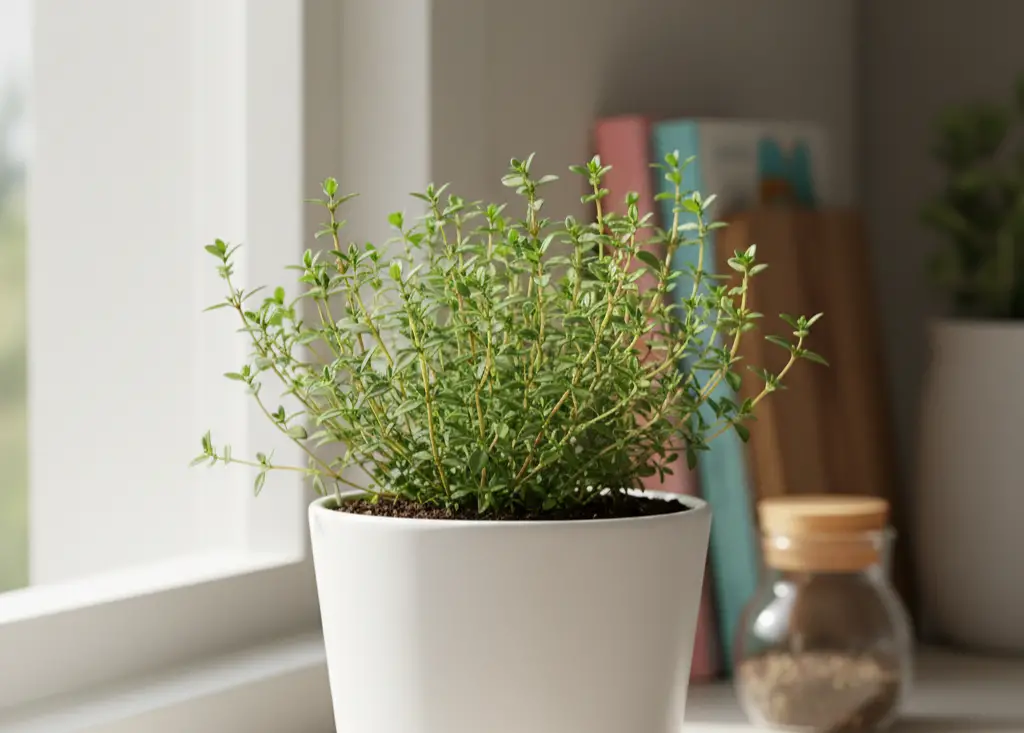
9. Thyme

<p> Thyme is an easygoing herb that fits seamlessly into an indoor garden. Its compact growth habit makes it perfect for small spaces, and it pairs well with almost every winter dish—from roasted chicken to hearty stews. Thyme prefers bright light and well-drained soil, and it does not need constant watering. Regular trimming keeps it healthy and ensures a steady supply of fresh sprigs for your cooking adventures. </p> :: Gemini

Thyme is an easygoing herb that fits seamlessly into an indoor garden. Its compact growth habit makes it perfect for small spaces, and it pairs well with almost every winter dish—from roasted chicken to hearty stews. Thyme prefers bright light and well-drained soil, and it does not need constant watering. Regular trimming keeps it healthy and ensures a steady supply of fresh sprigs for your cooking adventures.

10. Rosemary

<p> Rosemary can be a little picky indoors, but with the right setup, it can flourish throughout winter. It needs a bright, sunny location and does best when the soil is allowed to dry slightly between waterings. Too much moisture can lead to root problems, so a careful balance is key. Its fragrant needles are worth the effort, adding bold flavor to roasted potatoes, poultry, and bread. Having a pot of rosemary nearby is like bringing a piece of the Mediterranean into your home. </p> :: Gemini

Rosemary can be a little picky indoors, but with the right setup, it can flourish throughout winter. It needs a bright, sunny location and does best when the soil is allowed to dry slightly between waterings. Too much moisture can lead to root problems, so a careful balance is key. Its fragrant needles are worth the effort, adding bold flavor to roasted potatoes, poultry, and bread. Having a pot of rosemary nearby is like bringing a piece of the Mediterranean into your home.

11. Garlic Greens

<p> Growing full garlic bulbs indoors can be difficult, but garlic greens are an easy and flavorful alternative. Plant a few cloves in a pot of soil, and in just a few weeks you will see green shoots that look like scallions. These shoots carry a milder version of garlic flavor and can be snipped to use in stir-fries, salads, or as a garnish. It is a fun and fast way to get that beloved garlic taste without waiting months for a full bulb. </p> :: Gemini

Growing full garlic bulbs indoors can be difficult, but garlic greens are an easy and flavorful alternative. Plant a few cloves in a pot of soil, and in just a few weeks you will see green shoots that look like scallions. These shoots carry a milder version of garlic flavor and can be snipped to use in stir-fries, salads, or as a garnish. It is a fun and fast way to get that beloved garlic taste without waiting months for a full bulb.

12. Radishes

<p> Radishes may surprise you, but certain small, fast-growing varieties do well indoors. They do not need deep containers, and their short growth cycle makes them a rewarding winter project. With proper light and loose soil, you can enjoy crisp, spicy radishes even while the garden outside sleeps under a blanket of snow. Watching the little roots form beneath the soil can be a satisfying reminder that spring will eventually come back. </p> :: Gemini

Radishes may surprise you, but certain small, fast-growing varieties do well indoors. They do not need deep containers, and their short growth cycle makes them a rewarding winter project. With proper light and loose soil, you can enjoy crisp, spicy radishes even while the garden outside sleeps under a blanket of snow. Watching the little roots form beneath the soil can be a satisfying reminder that spring will eventually come back.

Final Thoughts

<p> Winter does not have to mean bland meals or a kitchen full of store-bought herbs. By choosing the right veggies and herbs, you can enjoy a fresh harvest even while the weather outside feels anything but friendly. The best part is that indoor gardening brings more than just food—it brings joy, greenery, and the comfort of knowing you can create something nourishing right at home.

Start small, maybe with a pot of chives or parsley on your windowsill, and build from there. Soon enough, you will have your own little indoor garden oasis. So while the world outside hibernates, you can keep your home alive with flavor, fragrance, and a touch of green. </p> :: Pexels

Winter does not have to mean bland meals or a kitchen full of store-bought herbs. By choosing the right veggies and herbs, you can enjoy a fresh harvest even while the weather outside feels anything but friendly. The best part is that indoor gardening brings more than just food—it brings joy, greenery, and the comfort of knowing you can create something nourishing right at home.

Start small, maybe with a pot of chives or parsley on your windowsill, and build from there. Soon enough, you will have your own little indoor garden oasis. So while the world outside hibernates, you can keep your home alive with flavor, fragrance, and a touch of green.

Filed Under: Food & Drink

10 Budgeting Tools and Apps for Managing Your Money Like a Pro

October 4, 2025 | Leave a Comment

10  Budgeting Tools and Apps for Managing Your Money Like a Pro

<p> Managing your finances can often feel daunting, but the right budgeting tools and apps can empower you to take control of your money with ease. Whether you are looking to track spending, save for a future goal, or pay down debt, there are numerous options designed to simplify your financial journey. In this article, we will explore 10 budgeting tools and apps that can help you manage your finances more efficiently, allowing you to make informed decisions and work toward your financial goals. </p> :: Pexels

Managing your finances can often feel daunting, but the right budgeting tools and apps can empower you to take control of your money with ease. Whether you are looking to track spending, save for a future goal, or pay down debt, there are numerous options designed to simplify your financial journey. In this article, we will explore 10 budgeting tools and apps that can help you manage your finances more efficiently, allowing you to make informed decisions and work toward your financial goals.

1. Mint

<p> Mint stands out as one of the most popular budgeting apps, offering a user-friendly interface packed with powerful features. By linking your bank accounts, credit cards, and investments, Mint automatically tracks your spending, categorizes your transactions, and provides insights into your financial habits. This app helps you set budgets for various categories and sends alerts when you are approaching your limits. With a clear overview of your net worth, Mint allows you to monitor your financial progress over time, making it easier to stay on track. </p> :: Intuit

Mint stands out as one of the most popular budgeting apps, offering a user-friendly interface packed with powerful features. By linking your bank accounts, credit cards, and investments, Mint automatically tracks your spending, categorizes your transactions, and provides insights into your financial habits. This app helps you set budgets for various categories and sends alerts when you are approaching your limits. With a clear overview of your net worth, Mint allows you to monitor your financial progress over time, making it easier to stay on track.

2. YNAB (You Need a Budget)

<p> YNAB is designed to help you take charge of your finances through a proactive budgeting approach. This app emphasizes the importance of assigning every dollar you earn to specific categories, ensuring you prioritize essential expenses while saving for future goals. YNAB offers educational resources and workshops to help users adopt effective budgeting strategies. With real-time spending tracking and bank account synchronization, YNAB keeps you accountable and motivated on your financial journey. </p> :: The Avocado Toast Budget

YNAB is designed to help you take charge of your finances through a proactive budgeting approach. This app emphasizes the importance of assigning every dollar you earn to specific categories, ensuring you prioritize essential expenses while saving for future goals. YNAB offers educational resources and workshops to help users adopt effective budgeting strategies. With real-time spending tracking and bank account synchronization, YNAB keeps you accountable and motivated on your financial journey.

3. PocketGuard

<p> PocketGuard simplifies the budgeting process by providing a clear picture of how much money you can spend after accounting for bills, savings goals, and necessary expenses. Once you link your accounts, the app calculates your "In My Pocket" amount, indicating how much you can spend without going over budget. PocketGuard also categorizes your spending, tracks recurring bills, and allows you to set savings goals, making it a fantastic option for anyone looking to streamline their financial management. </p> :: Max Polyakov

PocketGuard simplifies the budgeting process by providing a clear picture of how much money you can spend after accounting for bills, savings goals, and necessary expenses. Once you link your accounts, the app calculates your “In My Pocket” amount, indicating how much you can spend without going over budget. PocketGuard also categorizes your spending, tracks recurring bills, and allows you to set savings goals, making it a fantastic option for anyone looking to streamline their financial management.


4. EveryDollar

<p> EveryDollar, created by personal finance expert Dave Ramsey, is a zero-based budgeting app that encourages users to allocate every dollar of their income to specific expenses. The app allows you to create custom budgets and track your spending effortlessly. Its user-friendly design makes it accessible for beginners, while the premium version offers bank account synchronization, automating transaction tracking and categorization to keep you even more organized. </p> :: Jacob Wade

EveryDollar, created by personal finance expert Dave Ramsey, is a zero-based budgeting app that encourages users to allocate every dollar of their income to specific expenses. The app allows you to create custom budgets and track your spending effortlessly. Its user-friendly design makes it accessible for beginners, while the premium version offers bank account synchronization, automating transaction tracking and categorization to keep you even more organized.


5. GoodBudget

<p> GoodBudget brings the traditional envelope budgeting method into the digital age, allowing you to manage your finances using virtual envelopes instead of cash. You can create envelopes for different spending categories, track your income, and set budgets accordingly. GoodBudget provides features like transaction tracking, expense reports, and multi-device synchronization, making it an excellent choice for households looking to manage their finances collaboratively. </p> :: App Store

GoodBudget brings the traditional envelope budgeting method into the digital age, allowing you to manage your finances using virtual envelopes instead of cash. You can create envelopes for different spending categories, track your income, and set budgets accordingly. GoodBudget provides features like transaction tracking, expense reports, and multi-device synchronization, making it an excellent choice for households looking to manage their finances collaboratively.


6. Wally

<p> Wally focuses on helping users track expenses in real time, providing a simple way to see where your money is going. You can manually enter transactions or scan receipts to stay on top of your spending habits. The app allows you to set savings goals, categorize expenses, and generate reports to analyze your financial health. Wally also features a community aspect, enabling users to connect with others for support and motivation as they work toward their financial objectives. </p> :: Doughroller

Wally focuses on helping users track expenses in real time, providing a simple way to see where your money is going. You can manually enter transactions or scan receipts to stay on top of your spending habits. The app allows you to set savings goals, categorize expenses, and generate reports to analyze your financial health. Wally also features a community aspect, enabling users to connect with others for support and motivation as they work toward their financial objectives.


7. Personal Capital

<p> Personal Capital is more than just a budgeting app; it offers a comprehensive overview of your financial situation. By linking your bank accounts, investments, and retirement accounts, you can track your net worth, analyze spending habits, and plan for retirement. The app provides powerful investment tracking tools to help you understand your asset allocation and fees. With a retirement planner that forecasts your future financial needs based on current savings and spending habits, Personal Capital is a valuable resource for long-term financial planning. </p> :: Playing with FIRE

Personal Capital is more than just a budgeting app; it offers a comprehensive overview of your financial situation. By linking your bank accounts, investments, and retirement accounts, you can track your net worth, analyze spending habits, and plan for retirement. The app provides powerful investment tracking tools to help you understand your asset allocation and fees. With a retirement planner that forecasts your future financial needs based on current savings and spending habits, Personal Capital is a valuable resource for long-term financial planning.


8. Honeydue

<p> Honeydue is designed specifically for couples, making it easier to manage finances together. The app allows partners to track their money collaboratively, set shared budgets, and communicate about spending. Each partner can link their bank accounts, credit cards, and loans, providing a transparent view of the couple's finances. With features like bill reminders, spending categories, and joint financial goals, Honeydue helps couples stay on the same page with their money management. </p> :: Honeydue

Honeydue is designed specifically for couples, making it easier to manage finances together. The app allows partners to track their money collaboratively, set shared budgets, and communicate about spending. Each partner can link their bank accounts, credit cards, and loans, providing a transparent view of the couple’s finances. With features like bill reminders, spending categories, and joint financial goals, Honeydue helps couples stay on the same page with their money management.


9. Zeta

<p> Zeta is another budgeting app tailored for couples, blending shared and individual financial management tools. You can create shared goals, track expenses, and manage budgets together while keeping individual financial privacy intact. The app simplifies tracking of recurring bills and expenses, making it easy to plan for shared costs. With insights into spending patterns, Zeta helps couples identify areas for improvement in their financial habits, fostering healthier money management. </p> :: Zeta

Zeta is another budgeting app tailored for couples, blending shared and individual financial management tools. You can create shared goals, track expenses, and manage budgets together while keeping individual financial privacy intact. The app simplifies tracking of recurring bills and expenses, making it easy to plan for shared costs. With insights into spending patterns, Zeta helps couples identify areas for improvement in their financial habits, fostering healthier money management.


10. Clarity Money

<p> Clarity Money focuses on helping users take control of their finances by tracking spending and managing subscriptions. The app analyzes your spending habits, categorizes transactions, and identifies opportunities to cut back. Clarity Money also allows you to cancel unwanted subscriptions directly from the app, making it easy to eliminate unnecessary expenses. With its clear visuals and user-friendly interface, Clarity Money keeps you aware of your financial situation, empowering you to make smarter spending choices. </p> :: PC Mag

Clarity Money focuses on helping users take control of their finances by tracking spending and managing subscriptions. The app analyzes your spending habits, categorizes transactions, and identifies opportunities to cut back. Clarity Money also allows you to cancel unwanted subscriptions directly from the app, making it easy to eliminate unnecessary expenses. With its clear visuals and user-friendly interface, Clarity Money keeps you aware of your financial situation, empowering you to make smarter spending choices.


Final Thoughts

<p> Choosing the right budgeting tool or app can significantly impact your financial management journey. Each of these 10 budgeting tools and apps offers unique features designed to help you track spending, save money, and achieve your financial goals. Whether you prefer a straightforward app like PocketGuard or a comprehensive platform like Personal Capital, there is a budgeting solution out there to fit your needs. Take the time to explore these options and find the one that resonates with you so you can take charge of your finances and work towards a more secure financial future. With the right tools at your disposal, you can transform your approach to budgeting and turn your financial dreams into reality. </p> :: Pexels

Choosing the right budgeting tool or app can significantly impact your financial management journey. Each of these 10 budgeting tools and apps offers unique features designed to help you track spending, save money, and achieve your financial goals. Whether you prefer a straightforward app like PocketGuard or a comprehensive platform like Personal Capital, there is a budgeting solution out there to fit your needs. Take the time to explore these options and find the one that resonates with you so you can take charge of your finances and work towards a more secure financial future. With the right tools at your disposal, you can transform your approach to budgeting and turn your financial dreams into reality.

Filed Under: Budgeting, Money

How to Organize Your Home for Better Accessibility and Comfort

October 4, 2025 | Leave a Comment

How to Organize Your Home for Better Accessibility and Comfort

<p> Creating a home that is both accessible and comfortable can make life easier and more enjoyable, no matter your age or physical ability. With a few thoughtful adjustments, you can transform your space to ensure that it’s user-friendly, safe, and welcoming for everyone. Here are twelve practical tips to help you organize your home for better accessibility and comfort. </p> :: Pexels

Creating a home that is both accessible and comfortable can make life easier and more enjoyable, no matter your age or physical ability. With a few thoughtful adjustments, you can transform your space to ensure that it’s user-friendly, safe, and welcoming for everyone. Here are twelve practical tips to help you organize your home for better accessibility and comfort.

1. Declutter Frequently Used Areas

<p> Decluttering is essential for creating an accessible home. A clutter-free space allows for easier navigation and reduces the risk of accidents like trips and falls. Start by clearing out items in hallways, entrances, and other high-traffic areas, keeping only the essentials within reach. Make sure surfaces such as countertops, coffee tables, and desks are free of unnecessary items. A well-organized and decluttered space is not only more functional but also brings a sense of calm and order to your home, enhancing both accessibility and comfort. </p> :: Pexels

Decluttering is essential for creating an accessible home. A clutter-free space allows for easier navigation and reduces the risk of accidents like trips and falls. Start by clearing out items in hallways, entrances, and other high-traffic areas, keeping only the essentials within reach. Make sure surfaces such as countertops, coffee tables, and desks are free of unnecessary items. A well-organized and decluttered space is not only more functional but also brings a sense of calm and order to your home, enhancing both accessibility and comfort.

2. Invest in Open Shelving and Accessible Storage

<p> Open shelving is an excellent solution for accessible storage, allowing you to easily see and reach what you need without rummaging through cabinets. Use lower shelves for everyday items so they’re within reach, while storing less-used items higher up. Consider baskets and bins to keep items organized and easy to grab. Open shelving can be stylish as well, making your storage both accessible and aesthetically pleasing. The goal is to make everything as visible and reachable as possible, reducing the need to bend or stretch. </p> :: Pexels

Open shelving is an excellent solution for accessible storage, allowing you to easily see and reach what you need without rummaging through cabinets. Use lower shelves for everyday items so they’re within reach, while storing less-used items higher up. Consider baskets and bins to keep items organized and easy to grab. Open shelving can be stylish as well, making your storage both accessible and aesthetically pleasing. The goal is to make everything as visible and reachable as possible, reducing the need to bend or stretch.

3. Utilize Lazy Susans and Pull-Out Drawers

<p> Adding lazy Susans to cabinets or pantries can make it significantly easier to access hard-to-reach items, while pull-out drawers are a fantastic way to maximize cabinet space without the hassle of bending and reaching. These types of storage solutions provide easy access to kitchen items, toiletries, and cleaning supplies, enhancing accessibility in any room. Pull-out drawers are especially useful in lower cabinets and can turn a traditional cabinet into a more functional and accessible storage area. </p> :: Pexels

Adding lazy Susans to cabinets or pantries can make it significantly easier to access hard-to-reach items, while pull-out drawers are a fantastic way to maximize cabinet space without the hassle of bending and reaching. These types of storage solutions provide easy access to kitchen items, toiletries, and cleaning supplies, enhancing accessibility in any room. Pull-out drawers are especially useful in lower cabinets and can turn a traditional cabinet into a more functional and accessible storage area.

4. Install Grab Bars and Handrails Where Needed

<p> Safety is a priority for accessibility, and adding grab bars or handrails can make a world of difference in providing stability. Common areas to install them include bathrooms, near stairs, and in any areas with a step or incline. Choose grab bars that match your decor to make them blend seamlessly into your design. If installed securely, grab bars and handrails can provide support, make movement around the home safer, and give everyone more confidence in moving around independently. </p> :: Pexels

Safety is a priority for accessibility, and adding grab bars or handrails can make a world of difference in providing stability. Common areas to install them include bathrooms, near stairs, and in any areas with a step or incline. Choose grab bars that match your decor to make them blend seamlessly into your design. If installed securely, grab bars and handrails can provide support, make movement around the home safer, and give everyone more confidence in moving around independently.

5. Opt for Lever-Style Door Handles and Faucets

<p> Lever-style handles are easier to use than traditional doorknobs, especially for individuals with arthritis or limited hand strength. Replace round knobs with lever-style handles on doors, cabinets, and faucets to make opening and closing more manageable. They’re also useful in kitchen and bathroom sinks, allowing users to operate them with minimal effort. Lever handles are a simple but effective change that boosts accessibility, offering ease of use for all family members, from young children to seniors. </p> :: Pexels

Lever-style handles are easier to use than traditional doorknobs, especially for individuals with arthritis or limited hand strength. Replace round knobs with lever-style handles on doors, cabinets, and faucets to make opening and closing more manageable. They’re also useful in kitchen and bathroom sinks, allowing users to operate them with minimal effort. Lever handles are a simple but effective change that boosts accessibility, offering ease of use for all family members, from young children to seniors.

6. Use Slip-Resistant Mats and Flooring

<p> Adding slip-resistant mats or flooring in areas prone to moisture, like bathrooms, kitchens, and entryways, can greatly improve home safety. Choose rubber-backed rugs that stay in place and consider slip-resistant tiles or flooring options for a long-term solution. Non-slip mats in showers or tubs are particularly important for reducing the risk of falls. Slip-resistant flooring and mats not only add a layer of security but also add comfort by reducing stress on joints with cushioned surfaces, making your home more inviting. </p> :: Pexels

Adding slip-resistant mats or flooring in areas prone to moisture, like bathrooms, kitchens, and entryways, can greatly improve home safety. Choose rubber-backed rugs that stay in place and consider slip-resistant tiles or flooring options for a long-term solution. Non-slip mats in showers or tubs are particularly important for reducing the risk of falls. Slip-resistant flooring and mats not only add a layer of security but also add comfort by reducing stress on joints with cushioned surfaces, making your home more inviting.

7. Organize Cords and Clear Pathways

<p> Loose cords and narrow pathways can be hazardous, so take time to organize cables and ensure there’s enough space for easy navigation. Use cable management solutions like clips, ties, or even cord covers to keep wires tidy and out of the way. This is especially important for living rooms, bedrooms, and hallways. Clear, open pathways allow for seamless movement, whether you’re carrying groceries or using mobility aids. A well-organized home minimizes the risk of accidents and contributes to a more comfortable living space. </p> :: Pexels

Loose cords and narrow pathways can be hazardous, so take time to organize cables and ensure there’s enough space for easy navigation. Use cable management solutions like clips, ties, or even cord covers to keep wires tidy and out of the way. This is especially important for living rooms, bedrooms, and hallways. Clear, open pathways allow for seamless movement, whether you’re carrying groceries or using mobility aids. A well-organized home minimizes the risk of accidents and contributes to a more comfortable living space.

8. Place Lighting Strategically

<p> Proper lighting is essential for accessibility, as it can prevent falls and make it easier to complete tasks. Install adequate lighting in high-use areas, such as hallways, entryways, staircases, and bathrooms. Consider motion-sensor lights for convenience, especially at night, to reduce the need to search for a switch in the dark. Adjustable task lighting in kitchens and workspaces can improve visibility and reduce eye strain, enhancing both safety and comfort in your home. </p> :: Pexels

Proper lighting is essential for accessibility, as it can prevent falls and make it easier to complete tasks. Install adequate lighting in high-use areas, such as hallways, entryways, staircases, and bathrooms. Consider motion-sensor lights for convenience, especially at night, to reduce the need to search for a switch in the dark. Adjustable task lighting in kitchens and workspaces can improve visibility and reduce eye strain, enhancing both safety and comfort in your home.

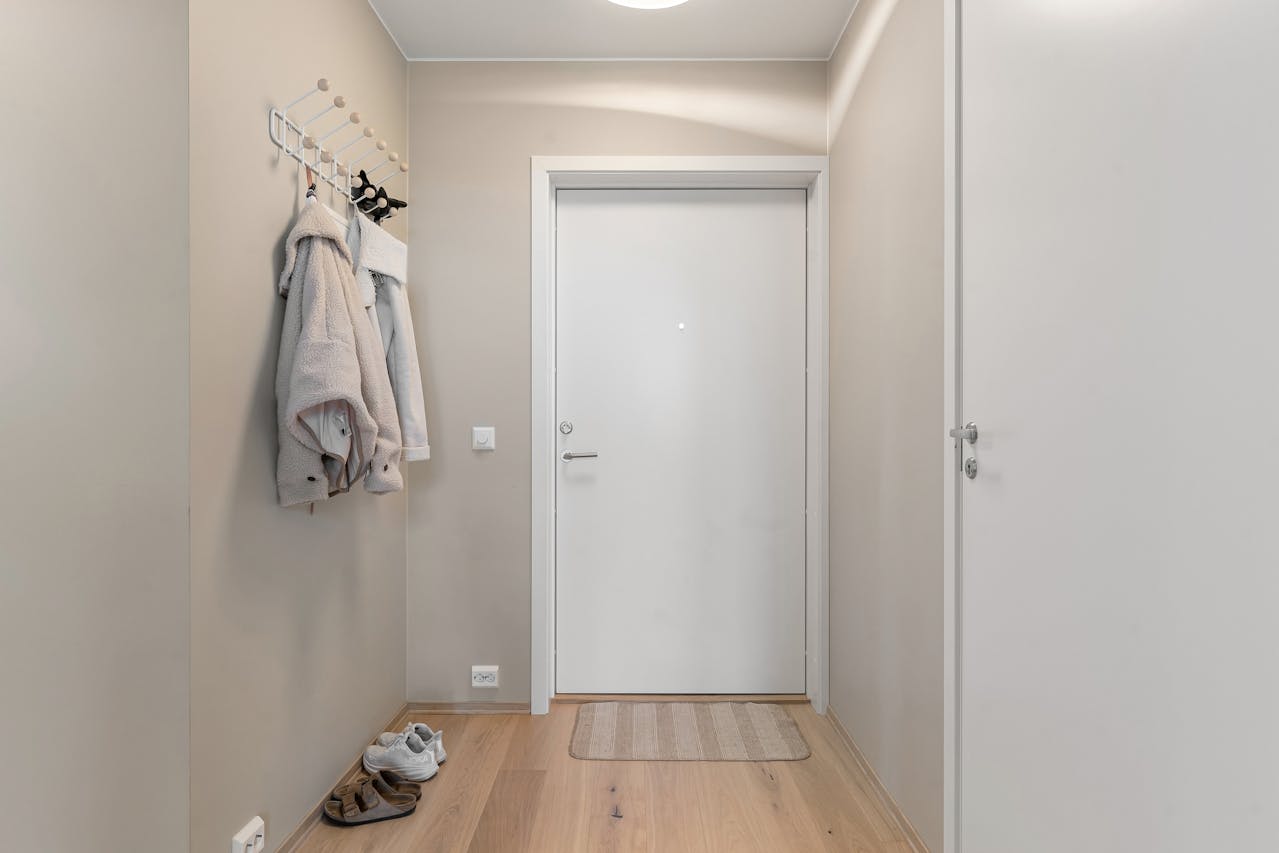
9. Set Up a Drop Zone for Keys and Essentials

<p> A designated drop zone by the entrance for essentials like keys, bags, and mail can keep your home organized and functional. Use hooks, trays, and small baskets to create a well-organized area that’s easy to access. Keeping frequently used items in one place can prevent the frustration of misplacing essentials and reduce clutter in the rest of the home. This simple addition makes coming and going smoother, and having an organized drop zone can be a huge time-saver. </p> :: Pexels

A designated drop zone by the entrance for essentials like keys, bags, and mail can keep your home organized and functional. Use hooks, trays, and small baskets to create a well-organized area that’s easy to access. Keeping frequently used items in one place can prevent the frustration of misplacing essentials and reduce clutter in the rest of the home. This simple addition makes coming and going smoother, and having an organized drop zone can be a huge time-saver.

10. Opt for Adjustable or Multipurpose Furniture

<p> Investing in adjustable or multipurpose furniture can make your home adaptable to changing needs. For example, chairs with adjustable heights can make sitting and standing easier, and tables with wheels allow for flexible arrangements in your living space. Multipurpose furniture, like fold-out tables and beds with storage underneath, can help maximize space while making items accessible. Adjustable and versatile furniture ensures that your home can remain comfortable and functional over time, accommodating different mobility levels and lifestyles. </p> :: Pexels

Investing in adjustable or multipurpose furniture can make your home adaptable to changing needs. For example, chairs with adjustable heights can make sitting and standing easier, and tables with wheels allow for flexible arrangements in your living space. Multipurpose furniture, like fold-out tables and beds with storage underneath, can help maximize space while making items accessible. Adjustable and versatile furniture ensures that your home can remain comfortable and functional over time, accommodating different mobility levels and lifestyles.

11. Arrange Furniture for Open Spaces

<p> When organizing furniture, prioritize open spaces to allow easy movement throughout each room. Avoid placing furniture in the middle of pathways, and consider the spacing needed for walkers or wheelchairs if necessary. An open arrangement not only enhances accessibility but also creates a more breathable, comfortable environment. You can still add cozy elements, like rugs or cushions, but avoid cluttering walkways to keep the space safe and inviting. Rearranging your layout for accessibility doesn’t sacrifice style—it enhances it by emphasizing flow and balance. </p> :: Pexels


When organizing furniture, prioritize open spaces to allow easy movement throughout each room. Avoid placing furniture in the middle of pathways, and consider the spacing needed for walkers or wheelchairs if necessary. An open arrangement not only enhances accessibility but also creates a more breathable, comfortable environment. You can still add cozy elements, like rugs or cushions, but avoid cluttering walkways to keep the space safe and inviting. Rearranging your layout for accessibility doesn’t sacrifice style—it enhances it by emphasizing flow and balance.


12. Consider Lowered or Accessible Storage in Key Areas

<p> Accessible storage solutions, like lower cabinets in the kitchen or bathroom, can help make essential items easier to reach. Lower shelves or pull-down organizers are great for storing dishes, cookware, or bathroom essentials at an accessible level. You can also use labeled bins or baskets to keep items organized and within reach. Making storage more accessible reduces strain and adds a level of comfort, allowing everyone in the home to access items easily and maintain organization. </p> :: Pexels

Accessible storage solutions, like lower cabinets in the kitchen or bathroom, can help make essential items easier to reach. Lower shelves or pull-down organizers are great for storing dishes, cookware, or bathroom essentials at an accessible level. You can also use labeled bins or baskets to keep items organized and within reach. Making storage more accessible reduces strain and adds a level of comfort, allowing everyone in the home to access items easily and maintain organization.


Final Thoughts

<p> Creating an accessible and comfortable home is all about small changes that add up to big results. From improved lighting and strategic storage to organizing frequently used areas, every adjustment contributes to a space that is easy to navigate and safe for all ages. By making these accessibility-friendly upgrades, you not only enhance the comfort of your home but also ensure it remains a welcoming place that adapts to the needs of everyone. </p> :: Pexels

Creating an accessible and comfortable home is all about small changes that add up to big results. From improved lighting and strategic storage to organizing frequently used areas, every adjustment contributes to a space that is easy to navigate and safe for all ages. By making these accessibility-friendly upgrades, you not only enhance the comfort of your home but also ensure it remains a welcoming place that adapts to the needs of everyone.

Filed Under: Lifestyle

7 Ways to Improve Your Credit Score in 6 Months or Less

October 4, 2025 | Leave a Comment

7 Ways to Improve Your Credit Score in 6 Months or Less

<p> In today's financial landscape, your credit score can significantly impact your ability to secure loans, rent an apartment, or even land a job. A high credit score opens doors to better interest rates and terms, making it crucial to maintain or improve this vital number. Whether you're looking to purchase a home, buy a car, or simply increase your financial stability, improving your credit score can be a game-changer. The good news is that with strategic planning and disciplined habits, you can enhance your credit score in just six months or less. In this article, we’ll explore seven effective ways to improve your credit score, providing you with actionable tips to help you reach your financial goals. </p> :: Pexels

In today’s financial landscape, your credit score can significantly impact your ability to secure loans, rent an apartment, or even land a job. A high credit score opens doors to better interest rates and terms, making it crucial to maintain or improve this vital number. Whether you’re looking to purchase a home, buy a car, or simply increase your financial stability, improving your credit score can be a game-changer. The good news is that with strategic planning and disciplined habits, you can enhance your credit score in just six months or less. Here, we’ll explore seven effective ways to improve your credit score, providing you with actionable tips to help you reach your financial goals.

1. Check Your Credit Report for Errors

<p> The first step in improving your credit score is to review your credit report for inaccuracies. Mistakes on your credit report can negatively affect your score, often without your knowledge. Obtain free copies of your credit reports from all three major credit bureaus: Equifax, Experian, and TransUnion. Look for errors such as incorrect account information, late payments that were made on time, or accounts that don't belong to you. If you find discrepancies, dispute them immediately by contacting the credit bureau and providing documentation. Correcting these errors can lead to a significant boost in your credit score. </p> :: Pexels

The first step in improving your credit score is to review your credit report for inaccuracies. Mistakes on your credit report can negatively affect your score, often without your knowledge. Obtain free copies of your credit reports from all three major credit bureaus: Equifax, Experian, and TransUnion. Look for errors such as incorrect account information, late payments that were made on time, or accounts that don’t belong to you. If you find discrepancies, dispute them immediately by contacting the credit bureau and providing documentation. Correcting these errors can lead to a significant boost in your credit score.

2. Pay Your Bills on Time

<p> Payment history is one of the most significant factors affecting your credit score, accounting for about 35% of it. Late payments can have a devastating impact, causing your score to plummet. To improve your credit score, make it a priority to pay all your bills on time. Set up reminders, automate payments, or use budgeting apps to ensure you don’t miss deadlines. Even one late payment can haunt your credit report for years, so staying on top of your bills is crucial. If you do miss a payment, try to catch up as soon as possible to mitigate the damage. </p> :: Pexels

Payment history is one of the most significant factors affecting your credit score, accounting for about 35% of it. Late payments can have a devastating impact, causing your score to plummet. To improve your credit score, make it a priority to pay all your bills on time. Set up reminders, automate payments, or use budgeting apps to ensure you don’t miss deadlines. Even one late payment can haunt your credit report for years, so staying on top of your bills is crucial. If you do miss a payment, try to catch up as soon as possible to mitigate the damage.

3. Reduce Your Credit Utilization Ratio

<p> Your credit utilization ratio—the amount of credit you use compared to your total credit limit—plays a crucial role in determining your credit score. Aim to keep your credit utilization below 30%. If you're using a large portion of your available credit, it may indicate to lenders that you're overextended, which can lower your score. To reduce your credit utilization, consider paying down existing balances or increasing your credit limit by requesting a higher limit from your credit card issuer. Just be sure to avoid accumulating more debt in the process. </p> :: Pexels

Your credit utilization ratio—the amount of credit you use compared to your total credit limit—plays a crucial role in determining your credit score. Aim to keep your credit utilization below 30%. If you’re using a large portion of your available credit, it may indicate to lenders that you’re overextended, which can lower your score. To reduce your credit utilization, consider paying down existing balances or increasing your credit limit by requesting a higher limit from your credit card issuer. Just be sure to avoid accumulating more debt in the process.

4. Avoid Opening New Accounts

<p> While it may be tempting to open new credit accounts to increase your available credit, doing so can actually hurt your credit score in the short term. Each time you apply for a new credit account, a hard inquiry is recorded on your credit report, which can temporarily lower your score. Additionally, new accounts can shorten your average account age, another factor that affects your credit score. If you're looking to improve your score, focus on managing your existing accounts responsibly rather than adding new ones. </p> :: Pexels

While it may be tempting to open new credit accounts to increase your available credit, doing so can actually hurt your credit score in the short term. Each time you apply for a new credit account, a hard inquiry is recorded on your credit report, which can temporarily lower your score. Additionally, new accounts can shorten your average account age, another factor that affects your credit score. If you’re looking to improve your score, focus on managing your existing accounts responsibly rather than adding new ones.

5. Become an Authorized User

<p> Another effective strategy to improve your credit score is to become an authorized user on someone else’s credit card account. When you are added as an authorized user, the credit history of that account is reported on your credit report, which can boost your score if the primary account holder has a positive payment history and low credit utilization. Choose a responsible friend or family member who has a good credit score and a reliable payment history. However, be cautious—if the primary account holder misses payments or racks up high balances, it could negatively affect your credit score. </p> :: Pexels

Another effective strategy to improve your credit score is to become an authorized user on someone else’s credit card account. When you are added as an authorized user, the credit history of that account is reported on your credit report, which can boost your score if the primary account holder has a positive payment history and low credit utilization. Choose a responsible friend or family member who has a good credit score and a reliable payment history. However, be cautious—if the primary account holder misses payments or racks up high balances, it could negatively affect your credit score.

6. Settle Outstanding Debts

<p> If you have any outstanding debts, especially collections accounts, addressing them can significantly impact your credit score. Contact creditors to negotiate repayment plans or settle debts for less than the amount owed. While paying off these debts won't immediately erase the negative marks on your credit report, it shows lenders that you're taking steps to manage your finances responsibly. Additionally, many creditors are willing to work with you, and settling a debt can often result in less damage to your credit score compared to letting the debt linger. </p> :: Pexels

If you have any outstanding debts, especially collections accounts, addressing them can significantly impact your credit score. Contact creditors to negotiate repayment plans or settle debts for less than the amount owed. While paying off these debts won’t immediately erase the negative marks on your credit report, it shows lenders that you’re taking steps to manage your finances responsibly. Additionally, many creditors are willing to work with you, and settling a debt can often result in less damage to your credit score compared to letting the debt linger.

7. Consider Credit Counseling

<p> If you're struggling to manage your credit or debt, seeking help from a credit counseling service can be a wise move. These services can provide personalized advice and create a tailored plan to help you improve your credit score. A credit counselor can help you understand your credit report, develop a budget, and negotiate with creditors. Many non-profit organizations offer free or low-cost services, making it an accessible option for anyone looking to improve their financial situation. Remember, seeking help is a sign of strength, not weakness. </p> :: Pexels

If you’re struggling to manage your credit or debt, seeking help from a credit counseling service can be a wise move. These services can provide personalized advice and create a tailored plan to help you improve your credit score. A credit counselor can help you understand your credit report, develop a budget, and negotiate with creditors. Many non-profit organizations offer free or low-cost services, making it an accessible option for anyone looking to improve their financial situation. Remember, seeking help is a sign of strength, not weakness.

Final Thoughts

<p> Improving your credit score in six months or less is an achievable goal with dedication and smart strategies. By checking your credit report for errors, paying bills on time, reducing your credit utilization ratio, avoiding new accounts, becoming an authorized user, settling outstanding debts, and considering credit counseling, you can significantly boost your credit score. Remember that building a strong credit history takes time and discipline, but the benefits of a higher score—such as lower interest rates and better loan terms—are well worth the effort. Start today, and take control of your financial future! </p> :: Pexels

Improving your credit score in six months or less is an achievable goal with dedication and smart strategies. By checking your credit report for errors, paying bills on time, reducing your credit utilization ratio, avoiding new accounts, becoming an authorized user, settling outstanding debts, and considering credit counseling, you can significantly boost your credit score. Remember that building a strong credit history takes time and discipline, but the benefits of a higher score—such as lower interest rates and better loan terms—are well worth the effort. Start today, and take control of your financial future!

Filed Under: Money

7 Hair Care Myths You Need to Stop Believing

October 4, 2025 | Leave a Comment

7 Hair Care Myths You Need to Stop Believing

<p> In the quest for beautiful, healthy hair, many people often fall prey to widely accepted but misleading hair care myths. With the abundance of information available online and the countless tips shared among friends and family, it can be challenging to separate fact from fiction. Unfortunately, believing in these myths can lead to ineffective hair care routines and even damage to your hair. From misconceptions about hair washing to the effectiveness of certain products, understanding the truth behind these myths is essential for achieving your hair goals. In this article, we’ll debunk seven common hair care myths that you need to stop believing for healthier, more beautiful hair. </p> :: Pexels

In the quest for beautiful, healthy hair, many people often fall prey to widely accepted but misleading hair care myths. With the abundance of information available online and the countless tips shared among friends and family, it can be challenging to separate fact from fiction. Unfortunately, believing in these myths can lead to ineffective hair care routines and even damage to your hair. From misconceptions about hair washing to the effectiveness of certain products, understanding the truth behind these myths is essential for achieving your hair goals. In this article, we’ll debunk seven common hair care myths that you need to stop believing for healthier, more beautiful hair.

1. Frequent Trims Make Hair Grow Faster

<p> One of the most pervasive hair care myths is that frequent trims will promote faster hair growth. While getting regular haircuts can help eliminate split ends and prevent breakage, it doesn’t actually affect the speed at which your hair grows. Hair growth occurs from the follicle in the scalp, and trimming the ends won’t change this biological process. Typically, hair grows at an average rate of half an inch per month, regardless of how often you get it cut. Instead, focus on maintaining a healthy scalp and a balanced diet to support natural hair growth. </p> :: Pexels

One of the most pervasive hair care myths is that frequent trims will promote faster hair growth. While getting regular haircuts can help eliminate split ends and prevent breakage, it doesn’t actually affect the speed at which your hair grows. Hair growth occurs from the follicle in the scalp, and trimming the ends won’t change this biological process. Typically, hair grows at an average rate of half an inch per month, regardless of how often you get it cut. Instead, focus on maintaining a healthy scalp and a balanced diet to support natural hair growth.

2. You Should Wash Your Hair Daily

<p> Another myth is that daily washing is necessary for keeping hair clean and healthy. While some people with very oily hair might feel the need to wash their hair every day, most hair types benefit from less frequent washing. Over-washing can strip the hair of its natural oils, leading to dryness, frizz, and even scalp irritation. The optimal frequency for washing your hair largely depends on your hair type: oily hair may require more frequent washing, while dry or curly hair typically needs washing just once or twice a week. Finding a balance that works for your unique hair type will yield the best results. </p> :: Pexels

Another myth is that daily washing is necessary for keeping hair clean and healthy. While some people with very oily hair might feel the need to wash their hair every day, most hair types benefit from less frequent washing. Over-washing can strip the hair of its natural oils, leading to dryness, frizz, and even scalp irritation. The optimal frequency for washing your hair largely depends on your hair type: oily hair may require more frequent washing, while dry or curly hair typically needs washing just once or twice a week. Finding a balance that works for your unique hair type will yield the best results.

3. Hair Products Can Change Your Hair Texture

<p> Many people believe that hair products can permanently change their hair texture—like making straight hair curly or vice versa. While certain products can provide temporary styling effects, such as heat protectants for straightening or mousse for added volume, they do not alter the hair's structure. Your hair texture is determined by genetics, specifically the shape of the hair follicle. For those looking for a change, permanent solutions like chemical relaxers or perms are available, but these can lead to damage and should be approached with caution. Remember, the right products can enhance your natural texture but won’t change it fundamentally. </p> :: Pexels

Many people believe that hair products can permanently change their hair texture—like making straight hair curly or vice versa. While certain products can provide temporary styling effects, such as heat protectants for straightening or mousse for added volume, they do not alter the hair’s structure. Your hair texture is determined by genetics, specifically the shape of the hair follicle. For those looking for a change, permanent solutions like chemical relaxers or perms are available, but these can lead to damage and should be approached with caution. Remember, the right products can enhance your natural texture but won’t change it fundamentally.

4. Hair Loss Is Only a Genetic Issue

<p> While genetics plays a significant role in hair loss, it's a myth that it is the only factor contributing to this common concern. Various external factors can influence hair health, including stress, hormonal changes, medical conditions, and poor nutrition. For example, conditions such as thyroid disorders, anemia, and alopecia areata can lead to hair loss in individuals regardless of their genetic background. Additionally, lifestyle factors like diet and stress management can significantly impact hair health. If you're experiencing hair loss, consult a healthcare professional to identify potential underlying issues and explore treatment options. </p> :: Pexels

While genetics plays a significant role in hair loss, it’s a myth that it is the only factor contributing to this common concern. Various external factors can influence hair health, including stress, hormonal changes, medical conditions, and poor nutrition. For example, conditions such as thyroid disorders, anemia, and alopecia areata can lead to hair loss in individuals regardless of their genetic background. Additionally, lifestyle factors like diet and stress management can significantly impact hair health. If you’re experiencing hair loss, consult a healthcare professional to identify potential underlying issues and explore treatment options.

5. Natural Oils Can Replace Conditioner

<p> Many people believe that using natural oils, such as coconut or olive oil, can substitute for traditional conditioners. While natural oils can provide moisture and shine, they do not have the same properties as a conditioner formulated to detangle, soften, and repair hair. Conditioners typically contain a blend of ingredients designed to penetrate the hair shaft, reduce frizz, and protect against damage. While incorporating natural oils into your hair care routine can be beneficial, they should be used in conjunction with a good conditioner rather than as a complete replacement. </p> :: Pexels

Many people believe that using natural oils, such as coconut or olive oil, can substitute for traditional conditioners. While natural oils can provide moisture and shine, they do not have the same properties as a conditioner formulated to detangle, soften, and repair hair. Conditioners typically contain a blend of ingredients designed to penetrate the hair shaft, reduce frizz, and protect against damage. While incorporating natural oils into your hair care routine can be beneficial, they should be used in conjunction with a good conditioner rather than as a complete replacement.

6. The More Product You Use, the Better Your Hair Will Look

<p> A common misconception is that using more product will yield better results. However, overloading your hair with styling products can lead to buildup, leaving your hair feeling heavy, greasy, and dull. It's essential to use the right amount of product for your hair type and desired style. Generally, less is more—start with a small amount of product and gradually add more as needed. Pay attention to how your hair reacts to different products and adjust accordingly. Using quality products in moderation will result in healthier-looking hair without the unwanted weight. </p> :: Pexels

A common misconception is that using more product will yield better results. However, overloading your hair with styling products can lead to buildup, leaving your hair feeling heavy, greasy, and dull. It’s essential to use the right amount of product for your hair type and desired style. Generally, less is more—start with a small amount of product and gradually add more as needed. Pay attention to how your hair reacts to different products and adjust accordingly. Using quality products in moderation will result in healthier-looking hair without the unwanted weight.

7. Color-treated Hair Needs No Moisture

<p> Many believe that once their hair is color-treated, it no longer requires moisture, as the dye itself provides enough hydration. This is far from the truth. Color-treated hair often becomes dry and brittle due to the chemical processes involved in dyeing. To maintain vibrancy and prevent damage, it's crucial to incorporate a deep conditioning treatment or a hydrating mask into your hair care routine regularly. Look for products specifically formulated for color-treated hair, as they often contain ingredients designed to nourish and protect colored strands. Prioritizing moisture will help your hair retain its shine and elasticity, extending the life of your color. </p> :: Pexels

Many believe that once their hair is color-treated, it no longer requires moisture, as the dye itself provides enough hydration. This is far from the truth. Color-treated hair often becomes dry and brittle due to the chemical processes involved in dyeing. To maintain vibrancy and prevent damage, it’s crucial to incorporate a deep conditioning treatment or a hydrating mask into your hair care routine regularly. Look for products specifically formulated for color-treated hair, as they often contain ingredients designed to nourish and protect colored strands. Prioritizing moisture will help your hair retain its shine and elasticity, extending the life of your color.

Final Thoughts

<p> In a world filled with hair care advice, it's easy to fall for common myths that can hinder your hair's health and beauty. By debunking these seven myths—frequent trims don’t speed up hair growth, daily washing isn't always necessary, products can’t change texture, hair loss is not purely genetic, natural oils shouldn’t replace conditioners, more product doesn’t equal better results, and color-treated hair needs moisture—you can adopt a more informed and effective hair care routine. Embrace the truth behind these myths, and you'll be well on your way to achieving healthy, beautiful hair that reflects your unique style. Remember, the best hair care practices are those tailored to your specific hair type and needs, so experiment and find what works best for you! </p> :: Pexels

In a world filled with hair care advice, it’s easy to fall for common myths that can hinder your hair’s health and beauty. By debunking these seven myths—frequent trims don’t speed up hair growth, daily washing isn’t always necessary, products can’t change texture, hair loss is not purely genetic, natural oils shouldn’t replace conditioners, more product doesn’t equal better results, and color-treated hair needs moisture—you can adopt a more informed and effective hair care routine. Embrace the truth behind these myths, and you’ll be well on your way to achieving healthy, beautiful hair that reflects your unique style. Remember, the best hair care practices are those tailored to your specific hair type and needs, so experiment and find what works best for you!

Filed Under: Lifestyle

8 Possible Steps to Take if Your Landlord Refuses to Make Repairs

October 4, 2025 | Leave a Comment

8 Possible Steps to Take if Your Landlord Refuses to Make Repairs

<p>Living in a rental property with necessary repairs can be frustrating, especially when your landlord doesn’t take action. As a tenant, you have rights, and if repairs are needed to keep your home safe and habitable, there are steps you can take to address the situation effectively. Here’s a guide to help you navigate what to do when your landlord refuses to make repairs.</p> ::Pexels

Living in a rental property with necessary repairs can be frustrating, especially when your landlord doesn’t take action. As a tenant, you have rights, and if repairs are needed to keep your home safe and habitable, there are steps you can take to address the situation effectively. Here’s a guide to help you navigate what to do when your landlord refuses to make repairs.


1. Document the Problem

<p>Start by thoroughly documenting the issue. Take photos or videos of the damage or problem areas and note the dates. If it’s an ongoing issue, like a leaky faucet or mold growth, regular documentation will help show how the problem has worsened over time. Having a record of your repair requests and the condition of the property will strengthen your case if you need to take further action.</p> ::Pexels

Start by thoroughly documenting the issue. Take photos or videos of the damage or problem areas and note the dates. If it’s an ongoing issue, like a leaky faucet or mold growth, regular documentation will help show how the problem has worsened over time. Having a record of your repair requests and the condition of the property will strengthen your case if you need to take further action.


2. Review Your Lease Agreement

<p>Before reaching out to your landlord, check your lease to see if there are specific clauses about repair responsibilities. Some lease agreements may outline who is responsible for certain types of maintenance, especially for issues like appliance repairs or minor wear and tear. Understanding your agreement can clarify your rights and make your conversations with your landlord more effective.</p> ::Pexels

Before reaching out to your landlord, check your lease to see if there are specific clauses about repair responsibilities. Some lease agreements may outline who is responsible for certain types of maintenance, especially for issues like appliance repairs or minor wear and tear. Understanding your agreement can clarify your rights and make your conversations with your landlord more effective.


3. Submit a Written Repair Request

<p>If your verbal requests haven’t been effective, submit a formal written repair request. Outline the repair issues clearly, and include any supporting documentation, like photos or videos. Emailing the request or sending it via certified mail provides proof of your communication, which may be important if you have to escalate the situation.</p> ::Pexels

If your verbal requests haven’t been effective, submit a formal written repair request. Outline the repair issues clearly, and include any supporting documentation, like photos or videos. Emailing the request or sending it via certified mail provides proof of your communication, which may be important if you have to escalate the situation.


4. Refer to Local Tenant Rights and Housing Codes

<p>Each state has different regulations governing rental properties, and many local governments have housing codes that landlords must follow. These regulations often require landlords to keep rental properties in a habitable condition. Check your local housing authority’s website or consult a tenants’ rights organization to learn what’s required in your area and to verify if your landlord’s neglect violates these laws.</p> ::Pexels

Each state has different regulations governing rental properties, and many local governments have housing codes that landlords must follow. These regulations often require landlords to keep rental properties in a habitable condition. Check your local housing authority’s website or consult a tenants’ rights organization to learn what’s required in your area and to verify if your landlord’s neglect violates these laws.


5. Request an Inspection from the Local Housing Authority

<p>If the repairs involve significant issues like plumbing, electrical, heating, or structural concerns, contact your local housing authority. They can perform an inspection of the property and issue a violation notice to your landlord if the conditions don’t meet health and safety standards. An official report from the housing authority may encourage your landlord to make necessary repairs more promptly.</p> ::Pexels

If the repairs involve significant issues like plumbing, electrical, heating, or structural concerns, contact your local housing authority. They can perform an inspection of the property and issue a violation notice to your landlord if the conditions don’t meet health and safety standards. An official report from the housing authority may encourage your landlord to make necessary repairs more promptly.


6. Withhold Rent (If Legally Permissible)

<p>In some states, tenants are legally allowed to withhold rent if their landlord fails to make necessary repairs that impact the property’s habitability. However, this option is usually subject to strict guidelines and may require you to set the money aside in a separate escrow account. Check your state’s laws to determine if withholding rent is an option, and consult a lawyer to ensure you follow the correct process.</p> ::Pexels

In some states, tenants are legally allowed to withhold rent if their landlord fails to make necessary repairs that impact the property’s habitability. However, this option is usually subject to strict guidelines and may require you to set the money aside in a separate escrow account. Check your state’s laws to determine if withholding rent is an option, and consult a lawyer to ensure you follow the correct process.


7. Pay for Repairs and Deduct from Rent (If Allowed)

<p>Another option that may be available in some states is the “repair and deduct” method. This involves paying for the repairs yourself and then deducting the cost from your rent. You’ll typically need to notify your landlord of your intentions in writing, and the repairs usually must be necessary for health or safety. It’s essential to understand your local laws before choosing this option, as not all states permit tenants to deduct repair costs from rent.</p> ::Pexels

Another option that may be available in some states is the “repair and deduct” method. This involves paying for the repairs yourself and then deducting the cost from your rent. You’ll typically need to notify your landlord of your intentions in writing, and the repairs usually must be necessary for health or safety. It’s essential to understand your local laws before choosing this option, as not all states permit tenants to deduct repair costs from rent.


8. Seek Legal Help or File a Small Claims Lawsuit

<p>If your landlord still refuses to make repairs after you’ve taken these steps, you may consider seeking legal help. A tenant lawyer can provide advice tailored to your situation and help you understand the best course of action. In some cases, filing a small claims lawsuit to recover damages or the cost of repairs may be an option. Additionally, some legal aid organizations offer free or low-cost assistance to tenants dealing with unresponsive landlords.</p> ::Pexels

If your landlord still refuses to make repairs after you’ve taken these steps, you may consider seeking legal help. A tenant lawyer can provide advice tailored to your situation and help you understand the best course of action. In some cases, filing a small claims lawsuit to recover damages or the cost of repairs may be an option. Additionally, some legal aid organizations offer free or low-cost assistance to tenants dealing with unresponsive landlords.


Final Thoughts

<p>In conclusion, dealing with a landlord who refuses to make repairs can be stressful, but knowing your rights and taking these steps can empower you to handle the situation. Document the issues, follow proper procedures, and, when necessary, seek support from local resources or legal professionals. With a clear plan and persistence, you can work toward a resolution that ensures your home remains safe and comfortable.</p> ::Pexels

In conclusion, dealing with a landlord who refuses to make repairs can be stressful, but knowing your rights and taking these steps can empower you to handle the situation. Document the issues, follow proper procedures, and, when necessary, seek support from local resources or legal professionals. With a clear plan and persistence, you can work toward a resolution that ensures your home remains safe and comfortable.

Filed Under: Money

Tiny Space, Big Style: 7 Rental Decor Ideas That Wow (and Keep Your Deposit Safe)

October 4, 2025 | Leave a Comment

Tiny Space, Big Style: 7 Rental Decor Ideas That Wow (and Keep Your Deposit Safe)

<p>Renting a home comes with its share of limits. One big worry for most renters is how to style their space without risking that hard-to-get deposit. The good news? There are smart, simple ways to turn a rental into a cozy, stylish space without drilling holes or breaking rules. Many of these ideas are budget-friendly, easy to find online, and removable when it’s time to move out. Plus, they add charm, warmth, and a dash of your own personality to any tiny apartment or rental home.</p> ::Pexels

Renting a home comes with its share of limits. One big worry for most renters is how to style their space without risking that hard-to-get deposit. The good news? There are smart, simple ways to turn a rental into a cozy, stylish space without drilling holes or breaking rules. Many of these ideas are budget-friendly, easy to find online, and removable when it’s time to move out. Plus, they add charm, warmth, and a dash of your own personality to any tiny apartment or rental home.

Removable Wallpaper

<p>Wallpaper has made a huge comeback, but renters often skip it because of the mess it leaves behind. Enter peel-and-stick wallpaper—one of the easiest ways to add color or pattern to a plain wall. This option is renter-safe and easy to remove. You can find lots of royalty-free images showing cute floral prints, bold geometric designs, or even murals that turn your wall into art. Fun fact: Removable wallpaper was first created for TV and film sets. It’s now a favorite trick for renters everywhere.</p> ::Pexels

Wallpaper has made a huge comeback, but renters often skip it because of the mess it leaves behind. Enter peel-and-stick wallpaper—one of the easiest ways to add color or pattern to a plain wall. This option is renter-safe and easy to remove. You can find lots of royalty-free images showing cute floral prints, bold geometric designs, or even murals that turn your wall into art. Fun fact: Removable wallpaper was first created for TV and film sets. It’s now a favorite trick for renters everywhere.

Stylish Area Rugs

<p>Floors in rentals can often look dull or worn out. A large area rug can fix that in minutes. Rugs hide ugly tiles or scratched wood while adding warmth, texture, and color. The best part? You can roll it up and take it with you. There are plenty of free-to-use photos of bright Moroccan rugs, soft jute mats, or bold patterns perfect for small spaces. Rugs also help dampen sound, which is great if you live in a noisy building.</p> ::Pexels

Floors in rentals can often look dull or worn out. A large area rug can fix that in minutes. Rugs hide ugly tiles or scratched wood while adding warmth, texture, and color. The best part? You can roll it up and take it with you. There are plenty of free-to-use photos of bright Moroccan rugs, soft jute mats, or bold patterns perfect for small spaces. Rugs also help dampen sound, which is great if you live in a noisy building.

Command Hooks and Strips

<p>No nails? No problem. Command hooks and strips are lifesavers for renters. They let you hang art, mirrors, shelves, or even lightweight planters—all without leaving marks on the wall. These strips come in different sizes and can hold surprising amounts of weight. You’ll find lots of DIY images of gallery walls created with nothing but hooks and strips. It’s a simple trick that makes your rental feel more like home, while keeping the walls hole-free.</p> ::Pexels

No nails? No problem. Command hooks and strips are lifesavers for renters. They let you hang art, mirrors, shelves, or even lightweight planters—all without leaving marks on the wall. These strips come in different sizes and can hold surprising amounts of weight. You’ll find lots of DIY images of gallery walls created with nothing but hooks and strips. It’s a simple trick that makes your rental feel more like home, while keeping the walls hole-free.

Multi-Functional Furniture

<p>Small rentals need smart furniture. Think storage ottomans, foldable tables, or sofas that double as beds. Pieces like these help you save space while adding style and function. Many modern designs are sleek and compact, perfect for a tiny living room or studio. Free stock images often show clean-lined coffee tables with hidden storage or benches that open up for blankets and books. Bonus fact: Ottoman seats have been around since the 18th century but are now a must-have in many small homes.</p> ::Pexels

Small rentals need smart furniture. Think storage ottomans, foldable tables, or sofas that double as beds. Pieces like these help you save space while adding style and function. Many modern designs are sleek and compact, perfect for a tiny living room or studio. Free stock images often show clean-lined coffee tables with hidden storage or benches that open up for blankets and books. Bonus fact: Ottoman seats have been around since the 18th century but are now a must-have in many small homes.

Removable Backsplash Stickers

<p>Kitchen or bathroom tiles looking dated? Peel-and-stick backsplash tiles are your best friend. They’re waterproof, easy to clean, and come in designs that mimic real tile, stone, or wood. They stick right onto existing surfaces and peel off without damage. Photos of stunning faux marble or classic subway tiles are easy to find online. This small update packs a big punch and makes cooking or washing up feel much nicer.</p> ::Pexels

Kitchen or bathroom tiles looking dated? Peel-and-stick backsplash tiles are your best friend. They’re waterproof, easy to clean, and come in designs that mimic real tile, stone, or wood. They stick right onto existing surfaces and peel off without damage. Photos of stunning faux marble or classic subway tiles are easy to find online. This small update packs a big punch and makes cooking or washing up feel much nicer.

Indoor Plants and Planters

<p>Nothing livens up a rental like plants. Greenery adds color, cleans the air, and makes your home feel cozy. From hanging planters to simple pots on a windowsill, plants work in any space. Snake plants, pothos, and succulents are great for beginners and require little care. Royalty-free images of bright green plants in pretty pots are easy to find and look great in any post. Fun fact: NASA once tested houseplants to see how well they cleaned indoor air. Some common plants made the list!</p> ::Pexels

Nothing livens up a rental like plants. Greenery adds color, cleans the air, and makes your home feel cozy. From hanging planters to simple pots on a windowsill, plants work in any space. Snake plants, pothos, and succulents are great for beginners and require little care. Royalty-free images of bright green plants in pretty pots are easy to find and look great in any post. Fun fact: NASA once tested houseplants to see how well they cleaned indoor air. Some common plants made the list!

Soft Lighting and Lamps

<p>Lighting changes the whole mood of a home. Rentals often come with harsh overhead lights that feel cold or sterile. Adding soft, warm lighting from floor lamps, fairy lights, or table lamps makes a big difference. Battery-powered candles or string lights are safe and easy to install, too. Photos of cozy rooms lit by soft lamps or twinkle lights fill free image sites. Plus, you can pack up your lights and take them with you when you move.</p> ::Pexels

Lighting changes the whole mood of a home. Rentals often come with harsh overhead lights that feel cold or sterile. Adding soft, warm lighting from floor lamps, fairy lights, or table lamps makes a big difference. Battery-powered candles or string lights are safe and easy to install, too. Photos of cozy rooms lit by soft lamps or twinkle lights fill free image sites. Plus, you can pack up your lights and take them with you when you move.

Conclusion

<p>Decorating a rental doesn’t mean living in a boring, blank space. With smart choices like removable wallpaper, rugs, and plants, you can add life and style to your home without losing your deposit. Each idea here is easy, affordable, and reversible, making them perfect for renters who want comfort and charm. Best of all, these changes help your rental feel like your own little retreat—a place you’re proud to call home, even if it’s temporary.</p> ::Pexels

Decorating a rental doesn’t mean living in a boring, blank space. With smart choices like removable wallpaper, rugs, and plants, you can add life and style to your home without losing your deposit. Each idea here is easy, affordable, and reversible, making them perfect for renters who want comfort and charm. Best of all, these changes help your rental feel like your own little retreat—a place you’re proud to call home, even if it’s temporary.

Filed Under: Lifestyle

  • « Previous Page
  • 1
  • …
  • 107
  • 108
  • 109
  • 110
  • 111
  • …
  • 192
  • Next Page »
  • Email
  • Facebook
  • Pinterest
  • Twitter

Our Most Popular Articles

ClickCashGo Review: Should You Avoid At All Costs?

Ultimate Guide to Mastering Your Credit Score

The 'YOLO' Mindset is a Dangerous Thing

Dave Ramsey's Financial Peace University Review: Is it Worth the Money?

Cash App Glitch 2025: Is the Free Money Glitch Real?

Five Steps To Debt Freedom

Here are five simple guidlines that will help you pay off debt.  

1) Get an emergency fund so you don’t take on debt when something comes up.

2) List your debts. This way you know where you stand.

3) Use the debt snowball. Pay your debts from smallest to largest, or most expensive to least expensive.

4) Avoid new debt. No new credit cards or loans. Period.

5) Go all cash. After everything is paid off, switch to all cash.

Helpful Resources

U of Tennesse Debt Repayment Plan Basics

Vertex 42's Debt Payoff Calculator

Savingadvice's Helpful Debt Forums

Jackie Becks Debt Blog