Our Debt Free Family

Commit. Plan. Take action.

  • BUDGETING
  • DEBT REDUCTION
  • INVESTING
  • LIFESTYLE
  • TOOLS
  • ABOUT
  • Privacy Policy
  • CONTACT

18 Reasons Why Consumers Forced Automakers to Scale Back Their EV Ambitions

October 8, 2025 | Leave a Comment

18 Reasons Why Consumers Forced Automakers to Scale Back Their EV Ambitions

<p> As summer progresses and the echoes of spring fade into memory, car dealerships across the nation are busy clearing out their existing inventory to make room for the anticipated 2025 models arriving in the fall. However, a conspicuous holdover on many dealership lots remains: electric vehicles (EVs). As automakers reassess their strategies, here are ten critical reasons why many are tempering their previously fervent enthusiasm for EVs. </p>:: Pexels

As summer progresses and the echoes of spring fade into memory, car dealerships across the nation are busy clearing out their existing inventory to make room for the anticipated 2025 models arriving in the fall. However, a conspicuous holdover on many dealership lots remains: electric vehicles (EVs). As automakers reassess their strategies, here are ten critical reasons why many are tempering their previously fervent enthusiasm for EVs:


1. Unattractive Design Perceptions

<p> Let's face it, most EVs are ugly. Many consumers still perceive electric vehicles as being less attractive or less stylish compared to traditional cars. This perception stems from early EV models that often prioritized function over form, resulting in designs that some found unappealing. Although newer models are increasingly stylish, overcoming the lingering image of EVs as unattractive is an ongoing challenge. Automakers must invest in design innovation to change this perception and appeal to a broader audience. </p>:: Pexels

Let’s face it, most EVs are ugly. Many consumers still perceive electric vehicles as being less attractive or less stylish compared to traditional cars. This perception stems from early EV models that often prioritized function over form, resulting in designs that some found unappealing. Although newer models are increasingly stylish, overcoming the lingering image of EVs as unattractive is an ongoing challenge. Automakers must invest in design innovation to change this perception and appeal to a broader audience.


2. High Production Costs
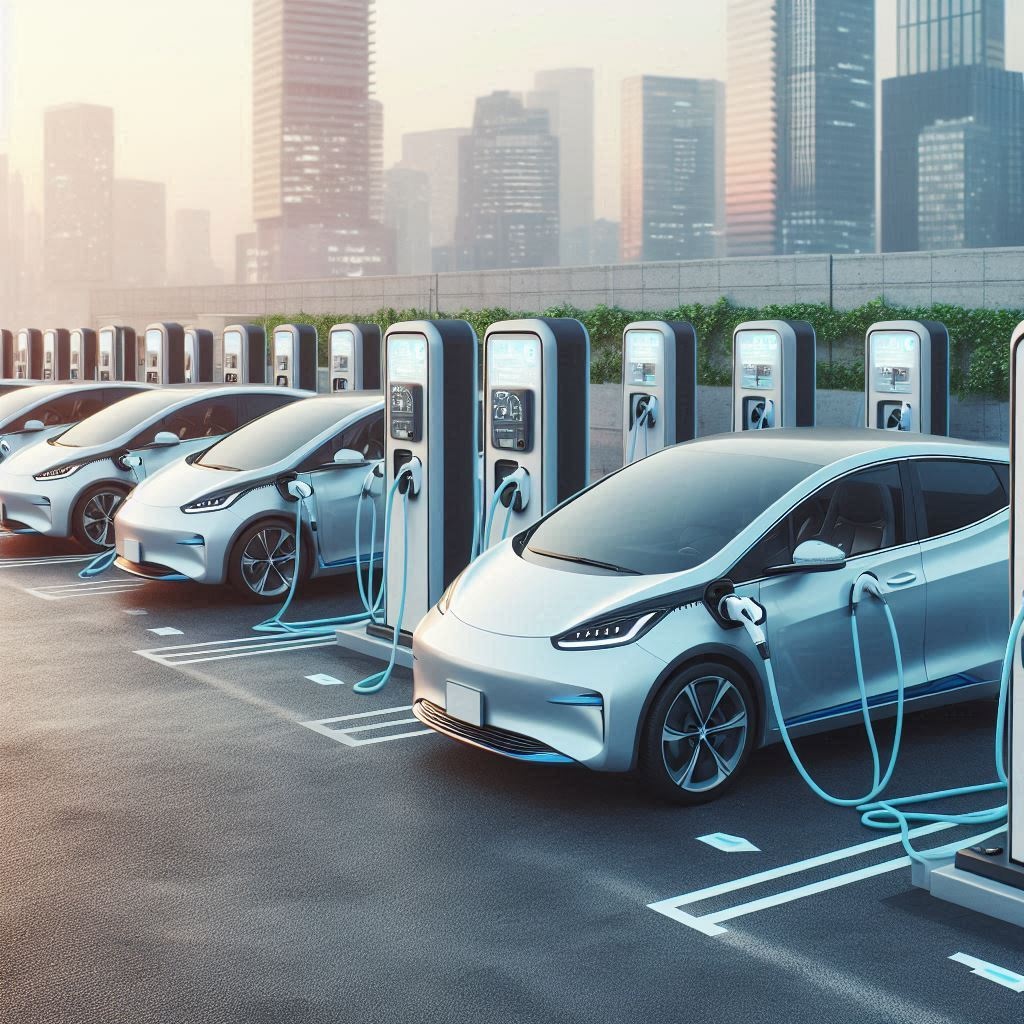
<p> One of the most pressing challenges facing automakers is the high cost of producing electric vehicles. While Tesla has managed to achieve some success in this domain, other manufacturers are struggling with the financial strain of EV production. The expenses associated with high-performance batteries, rare materials, and complex manufacturing processes contribute to the elevated costs of EVs. Many companies are currently selling these vehicles at a loss, further complicating their financial viability. </p>:: Pexels

One of the most pressing challenges facing automakers is the high cost of producing electric vehicles. While Tesla has managed to achieve some success in this domain, other manufacturers are struggling with the financial strain of EV production. The expenses associated with high-performance batteries, rare materials, and complex manufacturing processes contribute to the elevated costs of EVs. Many companies are currently selling these vehicles at a loss, further complicating their financial viability.


3. Limited Charging Infrastructure

<p> While the EV market is growing, the infrastructure needed to support widespread adoption—particularly charging stations—has not kept pace. The current network of charging facilities is insufficient for the needs of mass EV adoption, leading to concerns about range anxiety among potential buyers. Without a robust and extensive charging infrastructure, automakers face difficulties in achieving their ambitious EV sales targets and convincing consumers of the practicality of electric vehicles. </p>:: Pexels

While the EV market is growing, the infrastructure needed to support widespread adoption—particularly charging stations—has not kept pace. The current network of charging facilities is insufficient for the needs of mass EV adoption, leading to concerns about range anxiety among potential buyers. Without a robust and extensive charging infrastructure, automakers face difficulties in achieving their ambitious EV sales targets and convincing consumers of the practicality of electric vehicles.


4. Range Anxiety

<p> Like dealing with actual anxiety in life, it may never go away. Although advancements in battery technology have improved the range of electric vehicles, concerns about running out of charge continue to deter potential buyers. Range anxiety, or the fear of depleting the battery before reaching a charging station, remains a significant barrier. This apprehension affects consumer confidence and willingness to fully embrace EVs, especially for those who frequently undertake long journeys. </p>:: Pexels

Like dealing with actual anxiety in life, it may never go away. Although advancements in battery technology have improved the range of electric vehicles, concerns about running out of charge continue to deter potential buyers. Range anxiety, or the fear of depleting the battery before reaching a charging station, remains a significant barrier. This apprehension affects consumer confidence and willingness to fully embrace EVs, especially for those who frequently undertake long journeys.


5. Preference for Hybrids

<p> Ironically, many car buyer were skeptical about hybrids car over the years. But as the we are now seeing the limitations and challenges of full EVs, consumers are now giving hybrids a second look. In the American market, hybrids continue to capture consumer preference over fully electric vehicles. Hybrids offer a practical solution by combining traditional internal combustion engines with electric power, striking a balance between fuel efficiency and convenience. This preference indicates that many buyers are still seeking the familiar benefits of conventional vehicles while enjoying some of the advantages of electric power. Ironically, many car buyer were skeptical about hybrids </p>:: Pexels

Ironically, many car buyer were skeptical about hybrids car over the years. But as the we are now seeing the limitations and challenges of full EVs, consumers are now giving hybrids a second look. In the American market, hybrids continue to capture consumer preference over fully electric vehicles. Hybrids offer a practical solution by combining traditional internal combustion engines with electric power, striking a balance between fuel efficiency and convenience. This preference indicates that many buyers are still seeking the familiar benefits of conventional vehicles while enjoying some of the advantages of electric power. Ironically, many car buyer were skeptical about hybrids


6. Slow Mainstream Adoption

<p> While EVs have garnered enthusiasm from early adopters and tech enthusiasts, mainstream buyers remain cautious. Concerns about the range, charging infrastructure, and overall practicality of EVs contribute to their slower adoption rate. This hesitation highlights the need for continued efforts to address these concerns and make EVs more accessible and appealing to the general public. </p>:: Pexels

While EVs have garnered enthusiasm from early adopters and tech enthusiasts, mainstream buyers remain cautious. Concerns about the range, charging infrastructure, and overall practicality of EVs contribute to their slower adoption rate. This hesitation highlights the need for continued efforts to address these concerns and make EVs more accessible and appealing to the general public.


7. Profitability Challenges

<p> Automakers face significant challenges in achieving profitability with their electric vehicle offerings. For instance, Ford's CFO, John Lawler, has projected that the company's second-generation EVs will become profitable, but these models are not expected to hit the market until late 2025 or early 2026. The current inability to generate profits from EVs underscores the financial hurdles that many manufacturers are encountering. </p>:: Pexels

Automakers face significant challenges in achieving profitability with their electric vehicle offerings. For instance, Ford’s CFO, John Lawler, has projected that the company’s second-generation EVs will become profitable, but these models are not expected to hit the market until late 2025 or early 2026. The current inability to generate profits from EVs underscores the financial hurdles that many manufacturers are encountering.


8. Consumer Demand Fluctuations

<p> Consumer interest in electric vehicles is growing, but it is not uniform across all markets. In some regions, traditional vehicles still hold significant appeal due to factors such as lower upfront costs, perceived reliability, and familiarity. Additionally, early EV models often lacked the driving excitement and features that many consumers expect. Automakers must navigate varying levels of consumer demand, which can lead to a reassessment of their EV strategies and a potential scaling back of their plans in less receptive markets. </p>:: Pexels

Consumer interest in electric vehicles is growing, but it is not uniform across all markets. In some regions, traditional vehicles still hold significant appeal due to factors such as lower upfront costs, perceived reliability, and familiarity. Additionally, early EV models often lacked the driving excitement and features that many consumers expect. Automakers must navigate varying levels of consumer demand, which can lead to a reassessment of their EV strategies and a potential scaling back of their plans in less receptive markets.


9. Production Delays

<p> Numerous automakers have experienced delays in their EV production schedules. Ford, for example, has pushed back the timeline for its ambitious BlueOval City EV campus in Tennessee from 2025 to 2026. Similarly, General Motors (GM) has adjusted its production targets for electric vehicles. These delays reflect the broader challenges in scaling up production to meet market demands. </p>:: Pexels

Numerous automakers have experienced delays in their EV production schedules. Ford, for example, has pushed back the timeline for its ambitious BlueOval City EV campus in Tennessee from 2025 to 2026. Similarly, General Motors (GM) has adjusted its production targets for electric vehicles. These delays reflect the broader challenges in scaling up production to meet market demands.


10. Using Cheap Parts Under the Guise of Being Sustainable and Environmentally Friendly

<p> Some automakers have been criticized for using cheaper, lower-quality components in their EVs while marketing them as sustainable and environmentally friendly. This practice can lead to issues with reliability and performance, undermining consumer trust and satisfaction. The perception that EVs are not as well-made as their traditional counterparts can contribute to reluctance among potential buyers. </p>:: Pexels

Some automakers have been criticized for using cheaper, lower-quality components in their EVs while marketing them as sustainable and environmentally friendly. This practice can lead to issues with reliability and performance, undermining consumer trust and satisfaction. The perception that EVs are not as well-made as their traditional counterparts can contribute to reluctance among potential buyers.


11. Stigma and Perceptions of EV Drivers

<p> The stigma associated with electric vehicle drivers can also play a role in scaling back EV ambitions. In some circles, EV drivers are viewed through a lens of environmental elitism or as enthusiasts detached from mainstream automotive culture. This perception can impact consumer adoption and acceptance of EVs. Automakers need to address these social stigmas and work on changing perceptions to enhance the appeal of electric vehicles. </p>:: Pexels

The stigma associated with electric vehicle drivers can also play a role in scaling back EV ambitions. In some circles, EV drivers are viewed through a lens of environmental elitism or as enthusiasts detached from mainstream automotive culture. This perception can impact consumer adoption and acceptance of EVs. Automakers need to address these social stigmas and work on changing perceptions to enhance the appeal of electric vehicles.


12. Less Engaging Driving Experience

<p> Electric vehicles are often perceived as less engaging to drive compared to traditional gasoline-powered cars. The driving experience of many EVs has been described as lacking the excitement, feedback, and dynamism that enthusiasts associate with internal combustion engines. This perception can affect consumer interest, particularly among those who value driving pleasure. </p>:: Pexels

Electric vehicles are often perceived as less engaging to drive compared to traditional gasoline-powered cars. The driving experience of many EVs has been described as lacking the excitement, feedback, and dynamism that enthusiasts associate with internal combustion engines. This perception can affect consumer interest, particularly among those who value driving pleasure.


13. Stellantis’ Strategic Shift

<p> Stellantis, a key player in the automotive industry, has recently altered its strategy in the EV market. The company paused its development of a joint venture battery factory with Mercedes and instead formed a partnership with China's Leapmotor to produce electric vehicles. This shift in strategy highlights the evolving dynamics and challenges within the EV sector, as automakers adapt their approaches to navigate the market. </p>:: Pexels

Stellantis, a key player in the automotive industry, has recently altered its strategy in the EV market. The company paused its development of a joint venture battery factory with Mercedes and instead formed a partnership with China’s Leapmotor to produce electric vehicles. This shift in strategy highlights the evolving dynamics and challenges within the EV sector, as automakers adapt their approaches to navigate the market.


14. Anticipated Breakthrough with Solid-State Batteries

<p> Traditional automakers are pinning hopes on technological breakthroughs to reduce costs and enhance EV viability. Solid-state batteries, which promise to offer greater efficiency and lower production costs, are seen as a potential game-changer. The successful development and commercialization of solid-state batteries could significantly impact the economics of electric vehicle manufacturing. </p>:: Pexels

Traditional automakers are pinning hopes on technological breakthroughs to reduce costs and enhance EV viability. Solid-state batteries, which promise to offer greater efficiency and lower production costs, are seen as a potential game-changer. The successful development and commercialization of solid-state batteries could significantly impact the economics of electric vehicle manufacturing.


15. Regulatory and Policy Uncertainty

<p> Regulatory and policy environments surrounding electric vehicles are in a constant state of flux. Different regions have varying standards, incentives, and emissions regulations, creating a complex and unpredictable landscape for automakers. Frequent changes in government policies and the lack of a unified approach to EV support can complicate long-term planning and investment. This uncertainty may lead automakers to scale back their EV ambitions to mitigate risks and avoid potential financial pitfalls. </p>:: Pexels

Regulatory and policy environments surrounding electric vehicles are in a constant state of flux. Different regions have varying standards, incentives, and emissions regulations, creating a complex and unpredictable landscape for automakers. Frequent changes in government policies and the lack of a unified approach to EV support can complicate long-term planning and investment. This uncertainty may lead automakers to scale back their EV ambitions to mitigate risks and avoid potential financial pitfalls.


16. General Inconvenience

<p> The overall inconvenience associated with owning an EV can be a deterrent for some consumers. This includes factors like longer refueling times compared to gas stations, the need for home charging solutions, and the potential for reduced driving range. These inconveniences can make EVs less attractive, particularly for those who prioritize convenience in their vehicle ownership experience. </p>:: Pexels

The overall inconvenience associated with owning an EV can be a deterrent for some consumers. This includes factors like longer refueling times compared to gas stations, the need for home charging solutions, and the potential for reduced driving range. These inconveniences can make EVs less attractive, particularly for those who prioritize convenience in their vehicle ownership experience.


17. Limited Variety of Electric Cars

<p> The current market for electric vehicles is still relatively limited in terms of variety. While there are more models available now than in the past, the range of options in terms of vehicle types, styles, and price points remains narrower compared to traditional internal combustion engine vehicles. This limited variety can restrict consumer choice and slow down the broader adoption of EVs. </p>:: Pexels

The current market for electric vehicles is still relatively limited in terms of variety. While there are more models available now than in the past, the range of options in terms of vehicle types, styles, and price points remains narrower compared to traditional internal combustion engine vehicles. This limited variety can restrict consumer choice and slow down the broader adoption of EVs.


18. Not Enthusiast-Friendly

<p> Electric vehicles are often viewed as less appealing to automotive enthusiasts who value performance, sound, and the mechanical complexity of traditional cars. The perception that EVs lack the visceral experience of driving a gas-powered car can make them less attractive to this demographic. Automakers must address these concerns to broaden their appeal among driving enthusiasts. </p>:: Pexels

Electric vehicles are often viewed as less appealing to automotive enthusiasts who value performance, sound, and the mechanical complexity of traditional cars. The perception that EVs lack the visceral experience of driving a gas-powered car can make them less attractive to this demographic. Automakers must address these concerns to broaden their appeal among driving enthusiasts.


Final Thoughts

<p> The transition to electric vehicles is a monumental shift for the automotive industry, and while the promise of EVs remains strong, automakers are facing significant hurdles that are forcing them to rethink their strategies. High production costs, supply chain disruptions, limited infrastructure, regulatory uncertainty, fluctuating consumer demand, societal perceptions, the use of cheap parts under sustainability claims, less engaging driving experiences, general inconvenience, limited vehicle variety, and the lack of appeal to enthusiasts all play a role in the scaling back of EV ambitions. As the industry continues to evolve, automakers will need to navigate these obstacles carefully and adapt their strategies to ensure a successful transition to a more sustainable and electrified future. </p>:: Pexels

The transition to electric vehicles is a monumental shift for the automotive industry, and while the promise of EVs remains strong, automakers are facing significant hurdles that are forcing them to rethink their strategies. High production costs, supply chain disruptions, limited infrastructure, regulatory uncertainty, fluctuating consumer demand, societal perceptions, the use of cheap parts under sustainability claims, less engaging driving experiences, general inconvenience, limited vehicle variety, and the lack of appeal to enthusiasts all play a role in the scaling back of EV ambitions. As the industry continues to evolve, automakers will need to navigate these obstacles carefully and adapt their strategies to ensure a successful transition to a more sustainable and electrified future.


Filed Under: Money

Prebiotics: 6 Powerful Foods to Keep Your Gut Happy and Healthy

October 8, 2025 | Leave a Comment

Prebiotics: 6 Powerful Foods to Keep Your Gut Happy and Healthy

<p> A happy gut is the foundation of overall wellness, and prebiotics play a crucial role in maintaining digestive health. Unlike probiotics, which introduce beneficial bacteria to the gut, prebiotics serve as fuel for those good bacteria, helping them thrive and support digestion, immunity, and even mental health. Incorporating prebiotic-rich foods into your diet can improve gut function, reduce inflammation, and enhance nutrient absorption. If you are looking to give your digestive system a natural boost, here are six powerful prebiotic foods that will help keep your gut in top shape. </p> :: Pexels

A happy gut is the foundation of overall wellness, and prebiotics play a crucial role in maintaining digestive health. Unlike probiotics, which introduce beneficial bacteria to the gut, prebiotics serve as fuel for those good bacteria, helping them thrive and support digestion, immunity, and even mental health. Incorporating prebiotic-rich foods into your diet can improve gut function, reduce inflammation, and enhance nutrient absorption. If you are looking to give your digestive system a natural boost, here are six powerful prebiotic foods that will help keep your gut in top shape.

1. Bananas

<p> Bananas are one of the easiest and most accessible prebiotic foods to add to your diet. They contain a type of fiber called resistant starch, which helps feed beneficial bacteria in the gut while also improving digestion and reducing bloating. Bananas are particularly beneficial when slightly underripe, as they contain higher amounts of resistant starch. They also provide essential nutrients like potassium, which supports healthy digestion and prevents muscle cramps. Eating a banana as a snack or blending it into smoothies is an effortless way to support gut health daily. </p> :: Pexels

Bananas are one of the easiest and most accessible prebiotic foods to add to your diet. They contain a type of fiber called resistant starch, which helps feed beneficial bacteria in the gut while also improving digestion and reducing bloating. Bananas are particularly beneficial when slightly underripe, as they contain higher amounts of resistant starch. They also provide essential nutrients like potassium, which supports healthy digestion and prevents muscle cramps. Eating a banana as a snack or blending it into smoothies is an effortless way to support gut health daily.

2. Garlic

<p> Garlic is a powerful prebiotic food packed with inulin, a type of fiber that promotes the growth of beneficial gut bacteria. It also contains antibacterial and anti-inflammatory properties that help maintain a balanced microbiome and support overall immune function. Regular consumption of garlic can aid digestion, reduce bloating, and even enhance heart health. Whether eaten raw, roasted, or incorporated into meals, garlic provides significant benefits for gut health. Adding it to soups, stir-fries, or salad dressings is a flavorful and effective way to boost your prebiotic intake. </p> :: Pexels

Garlic is a powerful prebiotic food packed with inulin, a type of fiber that promotes the growth of beneficial gut bacteria. It also contains antibacterial and anti-inflammatory properties that help maintain a balanced microbiome and support overall immune function. Regular consumption of garlic can aid digestion, reduce bloating, and even enhance heart health. Whether eaten raw, roasted, or incorporated into meals, garlic provides significant benefits for gut health. Adding it to soups, stir-fries, or salad dressings is a flavorful and effective way to boost your prebiotic intake.

3. Onions

<p> Onions are another excellent source of inulin and fructooligosaccharides, both of which serve as food for beneficial bacteria in the gut. These compounds help stimulate the growth of good bacteria while reducing harmful bacteria, leading to a more balanced digestive system. Onions also contain antioxidants and sulfur compounds that support immune health and reduce inflammation. Whether consumed raw in salads, sautéed in dishes, or cooked in soups and stews, onions are a versatile and gut-friendly food that can easily be incorporated into your meals. </p> :: Pexels

Onions are another excellent source of inulin and fructooligosaccharides, both of which serve as food for beneficial bacteria in the gut. These compounds help stimulate the growth of good bacteria while reducing harmful bacteria, leading to a more balanced digestive system. Onions also contain antioxidants and sulfur compounds that support immune health and reduce inflammation. Whether consumed raw in salads, sautéed in dishes, or cooked in soups and stews, onions are a versatile and gut-friendly food that can easily be incorporated into your meals.

4. Oats

<p> Oats are a fantastic prebiotic food that supports gut health by providing beta-glucan, a type of soluble fiber that helps feed beneficial gut bacteria. This fiber also aids in digestion, regulates blood sugar levels, and promotes a feeling of fullness, making oats a great choice for those looking to maintain a healthy weight. Eating oatmeal for breakfast, adding oats to smoothies, or using them in baking are all great ways to increase your prebiotic intake. Choosing whole, unprocessed oats such as steel-cut or rolled oats ensures you get the maximum gut health benefits. </p> :: Pexels

Oats are a fantastic prebiotic food that supports gut health by providing beta-glucan, a type of soluble fiber that helps feed beneficial gut bacteria. This fiber also aids in digestion, regulates blood sugar levels, and promotes a feeling of fullness, making oats a great choice for those looking to maintain a healthy weight. Eating oatmeal for breakfast, adding oats to smoothies, or using them in baking are all great ways to increase your prebiotic intake. Choosing whole, unprocessed oats such as steel-cut or rolled oats ensures you get the maximum gut health benefits.

5. Apples

<p> Apples are rich in pectin, a type of soluble fiber that acts as a prebiotic by feeding good bacteria in the gut and promoting a healthy digestive system. Pectin also helps regulate bowel movements, reduce inflammation, and lower cholesterol levels. Eating apples with the skin on provides the highest fiber content, making them an excellent snack for gut health. Whether eaten raw, baked, or blended into a smoothie, apples offer a delicious and natural way to support digestion and overall wellness. </p> :: Pexels

Apples are rich in pectin, a type of soluble fiber that acts as a prebiotic by feeding good bacteria in the gut and promoting a healthy digestive system. Pectin also helps regulate bowel movements, reduce inflammation, and lower cholesterol levels. Eating apples with the skin on provides the highest fiber content, making them an excellent snack for gut health. Whether eaten raw, baked, or blended into a smoothie, apples offer a delicious and natural way to support digestion and overall wellness.

6. Asparagus

<p> Asparagus is packed with inulin, making it one of the best prebiotic foods for gut health. This fibrous vegetable helps nourish beneficial bacteria while also improving digestion and reducing bloating. Asparagus is also a great source of antioxidants, which help reduce inflammation and protect against oxidative stress. It can be enjoyed steamed, roasted, or grilled, making it a versatile addition to a gut-friendly diet. Including asparagus in salads, side dishes, or stir-fries is a delicious way to promote digestive health naturally. </p> :: Pexels

Asparagus is packed with inulin, making it one of the best prebiotic foods for gut health. This fibrous vegetable helps nourish beneficial bacteria while also improving digestion and reducing bloating. Asparagus is also a great source of antioxidants, which help reduce inflammation and protect against oxidative stress. It can be enjoyed steamed, roasted, or grilled, making it a versatile addition to a gut-friendly diet. Including asparagus in salads, side dishes, or stir-fries is a delicious way to promote digestive health naturally.

Final Thoughts

<p> Maintaining a healthy gut is essential for overall well-being, and incorporating prebiotic-rich foods into your diet is a simple yet effective way to support digestive health. Bananas, garlic, onions, oats, apples, and asparagus provide essential nutrients and fibers that feed beneficial gut bacteria, helping to maintain balance and improve digestion. Making these foods a regular part of your diet can enhance gut function, boost immunity, and support long-term wellness. Start adding these prebiotic superfoods to your meals today, and give your gut the care it deserves. </p> :: Pexels

Maintaining a healthy gut is essential for overall well-being, and incorporating prebiotic-rich foods into your diet is a simple yet effective way to support digestive health. Bananas, garlic, onions, oats, apples, and asparagus provide essential nutrients and fibers that feed beneficial gut bacteria, helping to maintain balance and improve digestion. Making these foods a regular part of your diet can enhance gut function, boost immunity, and support long-term wellness. Start adding these prebiotic superfoods to your meals today, and give your gut the care it deserves.

Filed Under: Food & Drink

Elevate Your Health: Top 8 Benefits of Wellness Spa Treatments

October 8, 2025 | Leave a Comment

Elevate Your Health: Top 8 Benefits of Wellness Spa Treatments

<p> In the hustle and bustle of modern life, taking time for self-care often falls by the wayside. However, investing in your well-being is essential for maintaining a balanced and healthy lifestyle. One of the most rewarding ways to achieve this is by treating yourself to a wellness spa experience. Here are eight compelling reasons why a trip to a wellness spa could be just what you need to revitalize your spirit. </p>:: Pexels

In the hustle and bustle of modern life, taking time for self-care often falls by the wayside. However, investing in your well-being is essential for maintaining a balanced and healthy lifestyle. One of the most rewarding ways to achieve this is by treating yourself to a wellness spa experience. Here are eight compelling reasons why a trip to a wellness spa could be just what you need to revitalize your spirit.

1. Stress Relief

<p> Stress is a common companion in today’s fast-paced world. A wellness spa provides a tranquil environment designed to melt away your worries. With soothing music, calming scents, and a serene atmosphere, your stress levels can plummet. Treatments such as massages, aromatherapy, and hot stone therapy specifically target stress relief, leaving you feeling relaxed and rejuvenated. </p>:: Pexels

Stress is a common companion in today’s fast-paced world. A wellness spa provides a tranquil environment designed to melt away your worries. With soothing music, calming scents, and a serene atmosphere, your stress levels can plummet. Treatments such as massages, aromatherapy, and hot stone therapy specifically target stress relief, leaving you feeling relaxed and rejuvenated.


2. Improved Sleep

<p> Quality sleep is vital for overall health, yet many struggle with insomnia or poor sleep quality. Spa treatments like massages and reflexology can enhance blood circulation, reduce muscle tension, and promote relaxation, which are crucial for improving sleep patterns. A good night’s sleep can significantly boost your mood, energy levels, and cognitive function. </p>:: Pexels

Quality sleep is vital for overall health, yet many struggle with insomnia or poor sleep quality. Spa treatments like massages and reflexology can enhance blood circulation, reduce muscle tension, and promote relaxation, which are crucial for improving sleep patterns. A good night’s sleep can significantly boost your mood, energy levels, and cognitive function.


3. Detoxification

<p> Our bodies accumulate toxins from various sources, including pollution, processed foods, and stress. Wellness spas offer treatments like body wraps, hydrotherapy, and detoxifying facials that help cleanse your body of these impurities. Detoxification not only improves your physical health but also contributes to clearer skin and increased energy. </p>:: Pexels

Our bodies accumulate toxins from various sources, including pollution, processed foods, and stress. Wellness spas offer treatments like body wraps, hydrotherapy, and detoxifying facials that help cleanse your body of these impurities. Detoxification not only improves your physical health but also contributes to clearer skin and increased energy.


4. Enhanced Skin Health

<p> Your skin is constantly exposed to environmental stressors and can benefit immensely from professional care. Spa treatments such as facials, exfoliation, and moisturizing therapies can rejuvenate your skin, making it look and feel healthier. These treatments can also address specific issues like acne, dryness, and aging signs, leaving you with a radiant complexion. </p>:: Pexels

Your skin is constantly exposed to environmental stressors and can benefit immensely from professional care. Spa treatments such as facials, exfoliation, and moisturizing therapies can rejuvenate your skin, making it look and feel healthier. These treatments can also address specific issues like acne, dryness, and aging signs, leaving you with a radiant complexion.


 

5. Mental Clarity and Focus

<p> A wellness spa experience goes beyond physical relaxation; it also nurtures your mental well-being. Activities like meditation, yoga, and mindfulness sessions can help clear your mind, enhance focus, and promote a sense of inner peace. This mental clarity can lead to better decision-making, increased productivity, and an overall improved outlook on life. </p>:: Pexels

A wellness spa experience goes beyond physical relaxation; it also nurtures your mental well-being. Activities like meditation, yoga, and mindfulness sessions can help clear your mind, enhance focus, and promote a sense of inner peace. This mental clarity can lead to better decision-making, increased productivity, and an overall improved outlook on life.


6. Pain Management

<p> Chronic pain can be debilitating and affect your quality of life. Wellness spas offer various therapies, such as deep tissue massage, acupuncture, and hydrotherapy, which can alleviate pain and promote healing. These treatments can be particularly beneficial for conditions like arthritis, muscle injuries, and tension headaches. </p>:: Pexels

Chronic pain can be debilitating and affect your quality of life. Wellness spas offer various therapies, such as deep tissue massage, acupuncture, and hydrotherapy, which can alleviate pain and promote healing. These treatments can be particularly beneficial for conditions like arthritis, muscle injuries, and tension headaches.


7. Boosted Immune System

<p> Regular spa visits can contribute to a stronger immune system. Treatments like lymphatic drainage massage and hydrotherapy help improve lymphatic circulation and remove toxins, which can enhance your body’s natural defense mechanisms. A robust immune system is essential for fighting off illnesses and maintaining overall health. </p>:: Pexels

Regular spa visits can contribute to a stronger immune system. Treatments like lymphatic drainage massage and hydrotherapy help improve lymphatic circulation and remove toxins, which can enhance your body’s natural defense mechanisms. A robust immune system is essential for fighting off illnesses and maintaining overall health.


8. Emotional Balance

<p> Emotional well-being is as important as physical health. Spa treatments can help regulate your mood and reduce symptoms of anxiety and depression. The calming environment, coupled with therapies like aromatherapy and massage, releases endorphins and serotonin, the body’s natural feel-good chemicals. This emotional balance can lead to a more positive and resilient mindset. </p>:: Pexels

Emotional well-being is as important as physical health. Spa treatments can help regulate your mood and reduce symptoms of anxiety and depression. The calming environment, coupled with therapies like aromatherapy and massage, releases endorphins and serotonin, the body’s natural feel-good chemicals. This emotional balance can lead to a more positive and resilient mindset.


Final Thoughts

<p> A visit to a wellness spa is more than just an indulgence; it’s an investment in your overall well-being. By addressing physical, mental, and emotional health, wellness spas provide a holistic approach to self-care. Whether you’re looking to relieve stress, improve your skin health, or find emotional balance, a wellness spa has something to offer. So, take a break from your hectic schedule and treat yourself to a revitalizing spa experience. Your mind, body, and spirit will thank you. </p>:: Pexels

A visit to a wellness spa is more than just an indulgence; it’s an investment in your overall well-being. By addressing physical, mental, and emotional health, wellness spas provide a holistic approach to self-care. Whether you’re looking to relieve stress, improve your skin health, or find emotional balance, a wellness spa has something to offer. So, take a break from your hectic schedule and treat yourself to a revitalizing spa experience. Your mind, body, and spirit will thank you.

Filed Under: Health & Fitness

10 Absurdly Funny Reasons Boomers Get Unfair Criticism

October 8, 2025 | Leave a Comment

10 Absurdly Funny Reasons Boomers Get Unfair Criticism

<p> Boomers often find themselves at the receiving end of jokes and complaints from younger generations, but some of the reasons people criticize them are downright ridiculous. While every generation has its quirks, Boomers seem to get singled out for habits that are, at worst, harmless and, at best, endearing. Whether it is their love for voicemails, printed documents, or their belief that music peaked in the 1970s, these generational differences make for some hilarious clashes. Here are ten absurdly funny reasons people give for not liking Boomers and why they might just need to lighten up. </p> :: Freepik

Boomers often find themselves at the receiving end of jokes and complaints from younger generations, but some of the reasons people criticize them are downright ridiculous. While every generation has its quirks, Boomers seem to get singled out for habits that are, at worst, harmless and, at best, endearing. Whether it is their love for voicemails, printed documents, or their belief that music peaked in the 1970s, these generational differences make for some hilarious clashes. Here are ten absurdly funny reasons people give for not liking Boomers and why they might just need to lighten up.

1. They Still Leave Voicemails Like It Is 1995

<p> Boomers love leaving voicemails, often filled with unnecessary details and a full explanation of why they called. Younger generations, who prefer quick and efficient communication, find this practice frustrating. To them, a simple text is all that is needed to convey the same message without forcing someone to listen to an entire recording. But for Boomers, voicemails add a personal touch that texts just do not provide. The irony is that most younger people never even check their voicemail, so all those detailed messages end up unheard. </p> :: Pexels

Boomers love leaving voicemails, often filled with unnecessary details and a full explanation of why they called. Younger generations, who prefer quick and efficient communication, find this practice frustrating. To them, a simple text is all that is needed to convey the same message without forcing someone to listen to an entire recording. But for Boomers, voicemails add a personal touch that texts just do not provide. The irony is that most younger people never even check their voicemail, so all those detailed messages end up unheard.

2. They Overuse the Ellipsis and It Feels Suspicious…

<p> Boomers have a habit of using ellipses in their texts in a way that makes younger people uncomfortable. While Boomers see it as a casual way to space out thoughts, younger generations interpret it as passive-aggressive or even ominous. A simple "See you later..." from a Boomer can sound more like a cryptic warning than a friendly goodbye. Meanwhile, Millennials and Gen Z prefer using emojis or casual phrasing to soften messages, making the Boomer love for ellipses a constant source of confusion. </p> :: Pexels

Boomers have a habit of using ellipses in their texts in a way that makes younger people uncomfortable. While Boomers see it as a casual way to space out thoughts, younger generations interpret it as passive-aggressive or even ominous. A simple “See you later…” from a Boomer can sound more like a cryptic warning than a friendly goodbye. Meanwhile, Millennials and Gen Z prefer using emojis or casual phrasing to soften messages, making the Boomer love for ellipses a constant source of confusion.

3. They Print Everything Even When It Is Completely Unnecessary

<p> Despite the world going digital, Boomers still insist on printing out documents, emails, and even boarding passes that can easily be accessed on a smartphone. Younger people see this as a waste of time, money, and paper, especially when so much can be stored electronically. But Boomers feel a sense of security in having a physical copy, convinced that technology is too unreliable to trust completely. Nothing makes a younger person shake their head more than watching a Boomer pull out a thick folder of printed confirmations at the airport check-in desk. </p> :: Freepik

Despite the world going digital, Boomers still insist on printing out documents, emails, and even boarding passes that can easily be accessed on a smartphone. Younger people see this as a waste of time, money, and paper, especially when so much can be stored electronically. But Boomers feel a sense of security in having a physical copy, convinced that technology is too unreliable to trust completely. Nothing makes a younger person shake their head more than watching a Boomer pull out a thick folder of printed confirmations at the airport check-in desk.

4. They Still Pay Bills by Mailing a Check Like It Is the 80s

<p> Boomers take pride in the old-school method of sitting down with a checkbook, writing out payments, and mailing them with a stamp. Meanwhile, younger generations rely on automatic payments, mobile banking, and apps to handle their finances with minimal effort. The idea of physically writing checks feels ancient and unnecessary to them, but for Boomers, it is just the way things have always been done. The real question is, where do Boomers even find checks these days? </p> :: Pexels

Boomers take pride in the old-school method of sitting down with a checkbook, writing out payments, and mailing them with a stamp. Meanwhile, younger generations rely on automatic payments, mobile banking, and apps to handle their finances with minimal effort. The idea of physically writing checks feels ancient and unnecessary to them, but for Boomers, it is just the way things have always been done. The real question is, where do Boomers even find checks these days?

5. They Complain That Modern Music Is Just Noise

<p> Every generation believes their music was the best, but Boomers take this to another level. Whether they are grumbling about rap, electronic beats, or auto-tuned pop songs, they insist that today’s music lacks real talent. They claim that nothing compares to the classics from the 60s, 70s, and 80s, often dismissing new music altogether. Younger generations roll their eyes at these complaints, pointing out that Boomers’ parents probably said the same thing about The Beatles and Led Zeppelin back in the day. </p> :: Pexels

Every generation believes their music was the best, but Boomers take this to another level. Whether they are grumbling about rap, electronic beats, or auto-tuned pop songs, they insist that today’s music lacks real talent. They claim that nothing compares to the classics from the 60s, 70s, and 80s, often dismissing new music altogether. Younger generations roll their eyes at these complaints, pointing out that Boomers’ parents probably said the same thing about The Beatles and Led Zeppelin back in the day.

6. They Expect Phone Calls Instead of Texts

<p> Boomers often express frustration that younger people "never pick up the phone" and insist that real conversations happen through calls, not texts. But for Millennials and Gen Z, a random phone call can feel intrusive, especially when a quick message would get the job done. Younger generations value efficiency and dislike the formality of answering a call without prior notice. Meanwhile, Boomers continue to dial away, wondering why no one answers. </p> :: Pexels

Boomers often express frustration that younger people “never pick up the phone” and insist that real conversations happen through calls, not texts. But for Millennials and Gen Z, a random phone call can feel intrusive, especially when a quick message would get the job done. Younger generations value efficiency and dislike the formality of answering a call without prior notice. Meanwhile, Boomers continue to dial away, wondering why no one answers.

7. They Have a Strange Attachment to Cursive Writing

<p> Boomers are genuinely upset that schools no longer teach cursive writing, as if it is a life skill people cannot live without. While younger people see no practical use for it beyond signing their name, Boomers treat cursive as an essential part of education. They often ask, "How will kids even sign legal documents?" forgetting that digital signatures exist. For younger generations, legible print is just fine, but Boomers will always see cursive as a lost art that should have never disappeared. </p> :: Pexels

Boomers are genuinely upset that schools no longer teach cursive writing, as if it is a life skill people cannot live without. While younger people see no practical use for it beyond signing their name, Boomers treat cursive as an essential part of education. They often ask, “How will kids even sign legal documents?” forgetting that digital signatures exist. For younger generations, legible print is just fine, but Boomers will always see cursive as a lost art that should have never disappeared.

8. They Treat Facebook Comments Like Personal Letters

<p> If you have ever seen a Boomer comment on Facebook, you know they write in full paragraphs, sometimes even signing off with "Love, Mom" or "Sincerely, Uncle Jim." While younger users stick to short, casual comments or just react with an emoji, Boomers turn Facebook into their personal diary. This generational difference in social media etiquette can lead to some hilariously awkward interactions, especially when Boomers overshare details that no one needed to know. </p> :: Pexels

If you have ever seen a Boomer comment on Facebook, you know they write in full paragraphs, sometimes even signing off with “Love, Mom” or “Sincerely, Uncle Jim.” While younger users stick to short, casual comments or just react with an emoji, Boomers turn Facebook into their personal diary. This generational difference in social media etiquette can lead to some hilariously awkward interactions, especially when Boomers overshare details that no one needed to know.

9. They Expect Customer Service to Be Like It Was in the 80s

<p> Boomers often expect old-school customer service, where employees go above and beyond, have long conversations with customers, and offer personalized assistance. When they encounter automated phone systems, self-checkout machines, or businesses that do not take cash, they complain that "customer service is dead." Meanwhile, younger generations prefer speed and convenience, even if it means less human interaction. The idea of waiting in line just to speak to someone when there is an app for that is baffling to them. </p> :: Pexels

Boomers often expect old-school customer service, where employees go above and beyond, have long conversations with customers, and offer personalized assistance. When they encounter automated phone systems, self-checkout machines, or businesses that do not take cash, they complain that “customer service is dead.” Meanwhile, younger generations prefer speed and convenience, even if it means less human interaction. The idea of waiting in line just to speak to someone when there is an app for that is baffling to them.

10. They Are the Original Victims of Fake News and Chain Emails

<p> Boomers have a reputation for forwarding every dramatic news article, inspirational chain email, or internet scam warning they come across. While younger generations have learned to fact-check and spot clickbait, many Boomers take online content at face value. This leads to countless frustrating conversations where their kids or grandkids have to explain why that story about free money from the government is completely fake. No matter how many times they are told not to believe everything they read online, Boomers just cannot resist hitting that forward button. </p> :: Pexels

Boomers have a reputation for forwarding every dramatic news article, inspirational chain email, or internet scam warning they come across. While younger generations have learned to fact-check and spot clickbait, many Boomers take online content at face value. This leads to countless frustrating conversations where their kids or grandkids have to explain why that story about free money from the government is completely fake. No matter how many times they are told not to believe everything they read online, Boomers just cannot resist hitting that forward button.

Final Thoughts

<p> While these habits might make younger generations shake their heads, they are hardly reasons to dislike Boomers. Every generation has its quirks, and these differences are what make us unique. Instead of getting annoyed, it might be better to appreciate the humor in it all and recognize that one day, younger generations will be the ones frustrating the next wave of people. Generational divides are inevitable, but they are also what keep life interesting. So the next time a Boomer leaves you a five-minute voicemail or prints out a digital receipt, just laugh it off—after all, one day, your habits might seem just as ridiculous to someone younger. </p> :: Pexels

While these habits might make younger generations shake their heads, they are hardly reasons to dislike Boomers. Every generation has its quirks, and these differences are what make us unique. Instead of getting annoyed, it might be better to appreciate the humor in it all and recognize that one day, younger generations will be the ones frustrating the next wave of people. Generational divides are inevitable, but they are also what keep life interesting. So the next time a Boomer leaves you a five-minute voicemail or prints out a digital receipt, just laugh it off—after all, one day, your habits might seem just as ridiculous to someone younger.

Filed Under: Lifestyle

The 5 Jobs AI Will Never Replace—And Why They Are Here to Stay

October 8, 2025 | Leave a Comment

The 5 Jobs AI Will Never Replace—And Why They Are Here to Stay

<p> Artificial intelligence is evolving at an incredible pace, automating tasks across industries and reshaping the job market. From self-driving cars to AI-generated content, it is clear that technology is becoming smarter. But no matter how advanced AI gets, there are certain careers it will never be able to replace. Why? Because some jobs require uniquely human qualities—creativity, emotional intelligence, problem-solving, and a deep understanding of human relationships. While AI can be a useful tool, it lacks the intuition, empathy, and adaptability that certain roles demand. So, if you are wondering which jobs are future-proof, here are five careers that AI will never take over—and why they are here to stay. </p> :: Freepik

Artificial intelligence is evolving at an incredible pace, automating tasks across industries and reshaping the job market. From self-driving cars to AI-generated content, it is clear that technology is becoming smarter. But no matter how advanced AI gets, there are certain careers it will never be able to replace. Why? Because some jobs require uniquely human qualities—creativity, emotional intelligence, problem-solving, and a deep understanding of human relationships.

While AI can be a useful tool, it lacks the intuition, empathy, and adaptability that certain roles demand. So, if you are wondering which jobs are future-proof, here are five careers that AI will never take over—and why they are here to stay.

1. Healthcare Professionals (Doctors, Nurses, and Surgeons)

<p> AI may be able to diagnose diseases, analyze medical scans, and even assist in surgeries, but it will never replace the human element of healthcare. When patients visit a doctor or nurse, they are not just looking for a diagnosis—they need compassion, reassurance, and trust. A machine can provide data, but it cannot hold a patient’s hand during a difficult moment, deliver bad news with sensitivity, or make split-second life-saving decisions based on intuition and experience. Medical professionals are faced with unpredictable situations every day, requiring not only expertise but also ethical and moral reasoning. While AI can enhance medical research and provide useful tools for diagnosis, human healthcare providers will always be essential for patient care. No technology can replace the deep emotional connection that comes with healing and helping others. </p> :: Pexels

AI may be able to diagnose diseases, analyze medical scans, and even assist in surgeries, but it will never replace the human element of healthcare. When patients visit a doctor or nurse, they are not just looking for a diagnosis—they need compassion, reassurance, and trust. A machine can provide data, but it cannot hold a patient’s hand during a difficult moment, deliver bad news with sensitivity, or make split-second life-saving decisions based on intuition and experience.

Medical professionals are faced with unpredictable situations every day, requiring not only expertise but also ethical and moral reasoning. While AI can enhance medical research and provide useful tools for diagnosis, human healthcare providers will always be essential for patient care. No technology can replace the deep emotional connection that comes with healing and helping others.

2. Creative Professionals (Writers, Artists, and Musicians)

<p> AI has already started generating music, paintings, and even articles—but does that mean human creativity is in danger? Absolutely not. While AI can mimic styles and generate content based on data, it lacks true originality and emotional depth. Writing a compelling story, composing a heartfelt song, or creating a stunning piece of art requires life experience, perspective, and a unique voice—things AI simply does not have. Art is not just about patterns and algorithms; it is about human expression. People connect with music, paintings, and stories because they reflect emotions, struggles, and triumphs that are deeply personal. While AI can assist artists by generating ideas or improving workflow, it will never replace the raw talent and personal touch that make art truly meaningful. </p> :: Pexels

AI has already started generating music, paintings, and even articles—but does that mean human creativity is in danger? Absolutely not. While AI can mimic styles and generate content based on data, it lacks true originality and emotional depth. Writing a compelling story, composing a heartfelt song, or creating a stunning piece of art requires life experience, perspective, and a unique voice—things AI simply does not have.

Art is not just about patterns and algorithms; it is about human expression. People connect with music, paintings, and stories because they reflect emotions, struggles, and triumphs that are deeply personal. While AI can assist artists by generating ideas or improving workflow, it will never replace the raw talent and personal touch that make art truly meaningful.

3. Teachers and Educators

<p> Sure, AI can provide online lessons, grade assignments, and even offer personalized learning plans, but can it truly replace a great teacher? Not a chance. Education is not just about delivering information—it is about inspiring, motivating, and guiding students. The best teachers do not just teach facts; they mentor, adapt lessons based on their students’ needs, and create an environment where critical thinking and creativity thrive. AI cannot recognize when a student is struggling emotionally, nor can it adjust to different personalities and learning styles in real-time. A machine cannot offer encouragement, discipline, or life advice in the same way a human teacher can. Learning is a deeply social and emotional process, and no matter how advanced AI becomes, students will always need real human interaction to grow, succeed, and develop essential life skills. </p> :: Pexels

Sure, AI can provide online lessons, grade assignments, and even offer personalized learning plans, but can it truly replace a great teacher? Not a chance. Education is not just about delivering information—it is about inspiring, motivating, and guiding students. The best teachers do not just teach facts; they mentor, adapt lessons based on their students’ needs, and create an environment where critical thinking and creativity thrive.

AI cannot recognize when a student is struggling emotionally, nor can it adjust to different personalities and learning styles in real-time. A machine cannot offer encouragement, discipline, or life advice in the same way a human teacher can. Learning is a deeply social and emotional process, and no matter how advanced AI becomes, students will always need real human interaction to grow, succeed, and develop essential life skills.

4. Skilled Trades (Electricians, Plumbers, and Carpenters)

<p> AI-powered robots might be great for assembling products in a factory, but when it comes to fixing a broken pipe or rewiring a home, human expertise is irreplaceable. Skilled trades require hands-on problem-solving, adaptability, and the ability to work in unpredictable environments—something AI struggles to do. Every repair job is unique, requiring on-the-spot decision-making and experience to troubleshoot complex issues. Additionally, tradespeople rely on trust and human interaction. Homeowners and businesses want to work with someone they can communicate with, ask questions, and depend on for quality work. While AI may assist with diagnostics or automation in some areas, skilled trades will always require a human touch to ensure safety, accuracy, and precision. </p> :: Pexels

AI-powered robots might be great for assembling products in a factory, but when it comes to fixing a broken pipe or rewiring a home, human expertise is irreplaceable. Skilled trades require hands-on problem-solving, adaptability, and the ability to work in unpredictable environments—something AI struggles to do. Every repair job is unique, requiring on-the-spot decision-making and experience to troubleshoot complex issues.

Additionally, tradespeople rely on trust and human interaction. Homeowners and businesses want to work with someone they can communicate with, ask questions, and depend on for quality work. While AI may assist with diagnostics or automation in some areas, skilled trades will always require a human touch to ensure safety, accuracy, and precision.

5. Therapists and Mental Health Counselors

<p> Mental health is one of the most deeply personal and sensitive aspects of human life. While AI can analyze speech patterns, detect mood changes, and even offer general mental health advice, it cannot truly understand human emotions. People go to therapists and counselors not just for advice, but for empathy, trust, and genuine human connection. A chatbot might be able to provide coping strategies, but it will never be able to comfort someone experiencing grief, help a person heal from trauma, or navigate complex emotional struggles with compassion. Mental health professionals use their intuition and experience to provide personalized care that no AI can replicate. Therapy requires deep listening, understanding, and emotional intelligence—qualities that are uniquely human. </p> :: Pexels

Mental health is one of the most deeply personal and sensitive aspects of human life. While AI can analyze speech patterns, detect mood changes, and even offer general mental health advice, it cannot truly understand human emotions. People go to therapists and counselors not just for advice, but for empathy, trust, and genuine human connection.

A chatbot might be able to provide coping strategies, but it will never be able to comfort someone experiencing grief, help a person heal from trauma, or navigate complex emotional struggles with compassion. Mental health professionals use their intuition and experience to provide personalized care that no AI can replicate. Therapy requires deep listening, understanding, and emotional intelligence—qualities that are uniquely human.

Final Thoughts

<p> AI is changing the world, but some jobs will always require the human touch. Professions that rely on empathy, creativity, problem-solving, and real human connection will never be fully replaced by machines. While AI can assist and enhance many industries, it cannot replace the trust, intuition, and emotional depth that make these careers so vital. If you are thinking about a future-proof career, these jobs are not just secure—they are essential. As AI continues to evolve, human skills will remain more valuable than ever, proving that technology can never fully replace what makes us truly human. </p> :: Pexels

AI is changing the world, but some jobs will always require the human touch. Professions that rely on empathy, creativity, problem-solving, and real human connection will never be fully replaced by machines. While AI can assist and enhance many industries, it cannot replace the trust, intuition, and emotional depth that make these careers so vital.

If you are thinking about a future-proof career, these jobs are not just secure—they are essential. As AI continues to evolve, human skills will remain more valuable than ever, proving that technology can never fully replace what makes us truly human.

Filed Under: Lifestyle

Stay Happy and Healthy: 9 Easy Self-Care Tips for Your Golden Years

October 8, 2025 | Leave a Comment

Stay Happy and Healthy: 9 Easy Self-Care Tips for Your Golden Years

Growing older can be a joy when you take care of your body, mind, and soul. The golden years are a chance to slow down, enjoy life, and try new things. Self-care is not a luxury. It’s a daily need that keeps you strong, sharp, and full of life. Many people overlook simple habits that bring big health benefits. These easy self-care tips can help make your days brighter, healthier, and full of energy.

Stay Active with Daily Movement

Movement keeps your joints loose and your heart healthy. Walking, stretching, or gentle yoga can work wonders. You don’t need a gym to stay fit. A simple walk around the park or light chores at home count. Staying active also helps with balance, lowering the risk of falls. Many seniors love joining local fitness classes because of the friends they meet along the way.

Eat Fresh and Colorful Meals

Eating right gives your body the fuel it needs. Stick to meals with lots of greens, fruits, lean meats, and whole grains. Fresh food is full of vitamins that help keep your skin bright and your mind clear. Try to skip the salty snacks and sweets most days. Home-cooked meals let you control the sugar and salt. Many local markets offer fresh produce at good prices, making healthy eating easy.

Stay Hydrated All Day

Water is your body’s best friend. It keeps your joints moving, skin glowing, and mind sharp. Many older adults don’t feel thirsty as often, but that doesn’t mean your body doesn’t need water. Drink small amounts often throughout the day. Herbal teas and fresh juices also count. Keeping a water bottle close can help you remember to sip often.

Prioritize Sleep and Rest

Sleep is when your body heals and your mind resets. As you age, sleep patterns may change, but good rest is still key. Stick to a regular bedtime and wake-up time. Keep your room dark and quiet to help you fall asleep faster. Short naps during the day are fine if they don’t affect your night’s sleep. Good sleep helps with mood, memory, and health.

Stay Social and Connected

People thrive on connection. Family, friends, neighbors, or even pets keep loneliness away. Talking to others boosts your mood and keeps your mind sharp. Join a local club or church group if you can. Even regular phone calls or video chats help. Community centers often have free events or classes that are both fun and a great way to meet people.

Keep Your Mind Busy and Curious

Your brain needs exercise, too. Reading, solving puzzles, or learning a new skill keeps your mind sharp. Many seniors enjoy hobbies like painting, writing, or playing music. Libraries and community centers offer free classes or book clubs. Learning something new gives you a sense of pride and purpose. It’s also a great way to stay busy and avoid boredom.

Regular Health Check-Ups

Staying on top of your health means fewer surprises later. Regular check-ups catch small problems before they grow. Make it a habit to visit your doctor, dentist, and eye doctor at least once a year. Keep a list of your medicines and ask your doctor if they’re still right for you. Free clinics and health fairs also offer basic tests if you’re on a budget.

Spend Time in Nature

<p>Fresh air and sunshine work like magic. Spending time outside lifts your mood and helps you relax. A walk in the park, light gardening, or simply sitting on a bench watching birds can ease stress. Sunlight gives your body Vitamin D, which helps keep bones strong. Many seniors find peace and joy in nature, and it’s free.</p> ::Pexels

Fresh air and sunshine work like magic. Spending time outside lifts your mood and helps you relax. A walk in the park, light gardening, or simply sitting on a bench watching birds can ease stress. Sunlight gives your body Vitamin D, which helps keep bones strong. Many seniors find peace and joy in nature, and it’s free.

Practice Gratitude and Mindfulness

It’s easy to focus on aches and worries as we age, but taking time to notice the good things helps shift your mood. Start or end your day by listing three things you’re thankful for. Simple moments like a good cup of coffee or a chat with a friend count. Breathing slowly and focusing on the present helps reduce stress. Many people find that practicing gratitude improves their overall happiness.

Conclusion

Caring for yourself doesn’t have to be hard or costly. These simple habits can make a big difference in how you feel every day. The golden years are your time to enjoy life, try new things, and stay connected. With small, daily actions, you can protect your health and keep your spirit strong. Self-care is a gift you give yourself, and it’s never too late to start.

Filed Under: Health & Fitness

Keep Your Mind Sharp: 8 Fascinating Courses and Skills to Learn After 50

October 8, 2025 | Leave a Comment

Keep Your Mind Sharp: 8 Fascinating Courses and Skills to Learn After 50

<p>Staying sharp and active doesn’t stop at 50. In fact, this is a great time to pick up new skills that keep your mind working and your days full. Learning new things boosts memory, improves mood, and adds meaning to life. Many people over 50 are signing up for fun, practical, and brain-friendly courses. It’s not just about staying busy; it’s about staying curious. Below are eight interesting skills and courses that are popular among adults looking to keep their minds sharp.</p> ::Pexels

Staying sharp and active doesn’t stop at 50. In fact, this is a great time to pick up new skills that keep your mind working and your days full. Learning new things boosts memory, improves mood, and adds meaning to life. Many people over 50 are signing up for fun, practical, and brain-friendly courses. It’s not just about staying busy; it’s about staying curious. Below are eight interesting skills and courses that are popular among adults looking to keep their minds sharp.

Photography

<p>Photography is one of the best ways to learn a new skill while enjoying life’s simple moments. It helps you see the world with fresh eyes. Learning how to use a camera or even just your phone teaches you about light, angles, and focus. Photography courses are often available online or at local community centers. Many older adults enjoy this hobby because it gets them outdoors and encourages creative thinking. Plus, the ability to capture memories for family and friends is priceless.</p> ::Pexels

Photography is one of the best ways to learn a new skill while enjoying life’s simple moments. It helps you see the world with fresh eyes. Learning how to use a camera or even just your phone teaches you about light, angles, and focus. Photography courses are often available online or at local community centers. Many older adults enjoy this hobby because it gets them outdoors and encourages creative thinking. Plus, the ability to capture memories for family and friends is priceless.

Cooking and Baking Classes

<p>Food brings people together, and cooking is a great way to challenge the mind and please the stomach. Cooking classes for older adults focus on healthy, simple meals that are easy to prepare. Baking also improves attention to detail, measuring skills, and patience. Many community colleges and culinary schools offer programs for adults who want to learn new recipes or cooking techniques. Not only is this skill useful, but it also allows you to share meals and joy with loved ones. It’s no wonder cooking classes are a popular choice for many over 50.</p> ::Pexels

Food brings people together, and cooking is a great way to challenge the mind and please the stomach. Cooking classes for older adults focus on healthy, simple meals that are easy to prepare. Baking also improves attention to detail, measuring skills, and patience. Many community colleges and culinary schools offer programs for adults who want to learn new recipes or cooking techniques. Not only is this skill useful, but it also allows you to share meals and joy with loved ones. It’s no wonder cooking classes are a popular choice for many over 50.

Learning a New Language

<p>It’s never too late to pick up a new language, and many studies show that doing so keeps the brain sharp. Apps like Duolingo and Babbel make it simple to start from home. You can also join language groups or classes at local centers. Whether you plan to travel or just want to try something new, learning a new language helps improve memory and problem-solving. Many older learners find it fun and rewarding, especially when they get to practice with others. It also opens doors to new cultures and experiences.</p> ::Pexels

It’s never too late to pick up a new language, and many studies show that doing so keeps the brain sharp. Apps like Duolingo and Babbel make it simple to start from home. You can also join language groups or classes at local centers. Whether you plan to travel or just want to try something new, learning a new language helps improve memory and problem-solving. Many older learners find it fun and rewarding, especially when they get to practice with others. It also opens doors to new cultures and experiences.

Gardening and Plant Care

<p>Gardening is both calming and good for the brain. It teaches patience, planning, and care. Many people over 50 love spending time in the garden or learning how to grow herbs and veggies indoors. Courses in gardening cover soil types, plant care, and seasonal planting tips. Taking care of plants is proven to lower stress while keeping the mind focused. This hobby has become even more popular as people seek ways to connect with nature and eat healthier.</p> ::Pexels

Gardening is both calming and good for the brain. It teaches patience, planning, and care. Many people over 50 love spending time in the garden or learning how to grow herbs and veggies indoors. Courses in gardening cover soil types, plant care, and seasonal planting tips. Taking care of plants is proven to lower stress while keeping the mind focused. This hobby has become even more popular as people seek ways to connect with nature and eat healthier.

Computer and Tech Basics

<p>Staying connected in today’s world often means understanding basic tech. Luckily, many programs offer computer and smartphone classes designed for older adults. These courses teach everything from sending emails to using video calls and social media. Learning tech skills is useful and helps people stay in touch with family, explore hobbies online, and even shop safely. As the world moves faster, having this knowledge brings confidence. That’s why tech classes remain in high demand for the 50+ crowd.</p> ::Pexels

Staying connected in today’s world often means understanding basic tech. Luckily, many programs offer computer and smartphone classes designed for older adults. These courses teach everything from sending emails to using video calls and social media. Learning tech skills is useful and helps people stay in touch with family, explore hobbies online, and even shop safely. As the world moves faster, having this knowledge brings confidence. That’s why tech classes remain in high demand for the 50+ crowd.

Creative Writing or Journaling

<p>Creative writing is a great outlet for thoughts, stories, and life lessons. It improves vocabulary, memory, and even emotional health. Many seniors join writing groups, take online courses, or simply journal daily. Writing exercises the brain and helps process emotions, which is key to staying mentally sharp. Sharing stories can also create bonds with others and leave a lasting legacy for family. The popularity of memoir writing and poetry groups among older adults proves how enjoyable this hobby can be.</p> ::Pexels

Creative writing is a great outlet for thoughts, stories, and life lessons. It improves vocabulary, memory, and even emotional health. Many seniors join writing groups, take online courses, or simply journal daily. Writing exercises the brain and helps process emotions, which is key to staying mentally sharp. Sharing stories can also create bonds with others and leave a lasting legacy for family. The popularity of memoir writing and poetry groups among older adults proves how enjoyable this hobby can be.

Art and Painting Classes

<p>Art is a timeless way to relax, express feelings, and learn something new. Painting, drawing, and sketching are activities anyone can enjoy, no matter their skill level. Art classes are common at community centers, local colleges, and online platforms. Picking up a brush or pencil improves hand-eye coordination and focus. Many people over 50 enjoy the freedom that art brings since there are no wrong answers. Plus, creating art gives a strong sense of pride and joy.</p> ::Pexels

Art is a timeless way to relax, express feelings, and learn something new. Painting, drawing, and sketching are activities anyone can enjoy, no matter their skill level. Art classes are common at community centers, local colleges, and online platforms. Picking up a brush or pencil improves hand-eye coordination and focus. Many people over 50 enjoy the freedom that art brings since there are no wrong answers. Plus, creating art gives a strong sense of pride and joy.

Music Lessons

<p>Learning to play an instrument or sing is another brain-friendly hobby. Music lessons help improve memory, coordination, and even mood. Many adults over 50 choose to learn the piano, guitar, or join local singing groups. It’s also a fun way to connect with others and challenge the mind. Music is known to reduce stress and boost mental health. That’s why it remains one of the most popular skills people choose to learn later in life.</p> ::Pexels

Learning to play an instrument or sing is another brain-friendly hobby. Music lessons help improve memory, coordination, and even mood. Many adults over 50 choose to learn the piano, guitar, or join local singing groups. It’s also a fun way to connect with others and challenge the mind. Music is known to reduce stress and boost mental health. That’s why it remains one of the most popular skills people choose to learn later in life.

Conclusion

<p>Learning doesn’t stop just because we hit a certain age. In fact, picking up new skills after 50 can make life richer, more exciting, and full of purpose. Whether it’s cooking, photography, or learning a new language, each of these activities helps keep the mind sharp and the spirit alive. There’s no better time than now to dive into something new and find joy in the process. From growing plants to strumming a guitar, every skill adds something good to your days. Explore, learn, and thrive—you’ve earned it.</p> ::Pexels

Learning doesn’t stop just because we hit a certain age. In fact, picking up new skills after 50 can make life richer, more exciting, and full of purpose. Whether it’s cooking, photography, or learning a new language, each of these activities helps keep the mind sharp and the spirit alive. There’s no better time than now to dive into something new and find joy in the process. From growing plants to strumming a guitar, every skill adds something good to your days. Explore, learn, and thrive—you’ve earned it.

Filed Under: Lifestyle

13 Sun-Soaked U.S. Cities Baby Boomers Can’t Get Enough Of

October 7, 2025 | Leave a Comment

13 Sun-Soaked U.S. Cities Baby Boomers Can’t Get Enough Of

<p> As baby boomers retire and seek out sunnier climes, many are choosing to relocate to cities that offer a combination of warm weather, vibrant communities, and an abundance of recreational activities. With more time to travel, explore hobbies, and spend time outdoors, finding the perfect sunny locale becomes a priority. These destinations not only provide favorable climates but also cater to the diverse interests and active lifestyles of retirees. Here are 13 sun-soaked U.S. cities that baby boomers can’t get enough of. </p>:: Pixabay

As baby boomers retire and seek out sunnier climes, many are choosing to relocate to cities that offer a combination of warm weather, vibrant communities, and an abundance of recreational activities. With more time to travel, explore hobbies, and spend time outdoors, finding the perfect sunny locale becomes a priority. These destinations not only provide favorable climates but also cater to the diverse interests and active lifestyles of retirees. Here are 13 sun-soaked U.S. cities that baby boomers can’t get enough of.


1. Scottsdale, Arizona

<p> Scottsdale is a haven for those seeking an active, outdoor lifestyle. With more than 300 days of sunshine per year, this Arizona city offers a plethora of golfing opportunities, upscale shopping, and luxurious spas. The city's extensive network of hiking trails and parks, such as Camelback Mountain and Pinnacle Peak Park, provide endless adventures. Additionally, the thriving arts scene and numerous cultural festivals ensure that there's always something to do. </p>:: Vogue

Scottsdale is a haven for those seeking an active, outdoor lifestyle. With more than 300 days of sunshine per year, this Arizona city offers a plethora of golfing opportunities, upscale shopping, and luxurious spas. The city’s extensive network of hiking trails and parks, such as Camelback Mountain and Pinnacle Peak Park, provide endless adventures. Additionally, the thriving arts scene and numerous cultural festivals ensure that there’s always something to do.


2. Naples, Florida

<p> Naples boasts stunning beaches, high-end shopping, and world-class golf courses. Located on the Gulf of Mexico, this city offers picturesque sunsets and a relaxed lifestyle that appeals to retirees. The Naples Pier and nearby state parks like Delnor-Wiggins Pass offer beautiful natural settings for relaxation and recreation. With its mild winters and warm summers, Naples is a year-round destination for those who love the sun. </p>:: Mediterranaples

Naples boasts stunning beaches, high-end shopping, and world-class golf courses. Located on the Gulf of Mexico, this city offers picturesque sunsets and a relaxed lifestyle that appeals to retirees. The Naples Pier and nearby state parks like Delnor-Wiggins Pass offer beautiful natural settings for relaxation and recreation. With its mild winters and warm summers, Naples is a year-round destination for those who love the sun.


3. Palm Springs, California

<p> Known for its mid-century modern architecture and desert landscape, Palm Springs is a popular destination for baby boomers. The city offers a variety of outdoor activities, including hiking in the nearby San Jacinto Mountains, golfing on pristine courses, and exploring the Living Desert Zoo and Gardens. Its thriving arts and cultural scene, along with numerous festivals such as the Palm Springs International Film Festival, make it a vibrant place to live. </p>:: Palmdesert

Known for its mid-century modern architecture and desert landscape, Palm Springs is a popular destination for baby boomers. The city offers a variety of outdoor activities, including hiking in the nearby San Jacinto Mountains, golfing on pristine courses, and exploring the Living Desert Zoo and Gardens. Its thriving arts and cultural scene, along with numerous festivals such as the Palm Springs International Film Festival, make it a vibrant place to live.


4. Austin, Texas

<p> Austin is a city that combines the best of urban living with a warm climate. Known for its live music scene, the city also offers a wealth of outdoor activities, including kayaking on Lady Bird Lake and hiking in the Barton Creek Greenbelt. The city's eclectic food scene, vibrant nightlife, and numerous cultural events ensure that there's never a dull moment. Austin's tech industry and growing job market also make it an attractive place for those who may still be working part-time. </p>:: Marriott

Austin is a city that combines the best of urban living with a warm climate. Known for its live music scene, the city also offers a wealth of outdoor activities, including kayaking on Lady Bird Lake and hiking in the Barton Creek Greenbelt. The city’s eclectic food scene, vibrant nightlife, and numerous cultural events ensure that there’s never a dull moment. Austin’s tech industry and growing job market also make it an attractive place for those who may still be working part-time.


5. Sarasota, Florida

<p> Sarasota is renowned for its beautiful beaches, such as Siesta Key Beach, and its vibrant arts scene. The city is home to the Ringling Museum of Art, numerous theaters, and a bustling farmers' market. With its warm, sunny weather, Sarasota offers an ideal environment for outdoor activities like boating, fishing, and golfing. The area's numerous parks and nature reserves provide plenty of opportunities for hiking and wildlife watching. </p>:: TripSavvy

Sarasota is renowned for its beautiful beaches, such as Siesta Key Beach, and its vibrant arts scene. The city is home to the Ringling Museum of Art, numerous theaters, and a bustling farmers’ market. With its warm, sunny weather, Sarasota offers an ideal environment for outdoor activities like boating, fishing, and golfing. The area’s numerous parks and nature reserves provide plenty of opportunities for hiking and wildlife watching.


6. Las Vegas, Nevada

<p> Las Vegas is more than just casinos and nightlife; it's a thriving city with plenty to offer retirees. The city boasts warm weather year-round and a low cost of living compared to many other sun-soaked destinations. Beyond the Strip, residents enjoy access to world-class dining, entertainment, and shopping. The nearby Red Rock Canyon offers stunning landscapes for hiking and outdoor activities, while the city's numerous golf courses provide ample opportunities for recreation. </p>:: Hertz

Las Vegas is more than just casinos and nightlife; it’s a thriving city with plenty to offer retirees. The city boasts warm weather year-round and a low cost of living compared to many other sun-soaked destinations. Beyond the Strip, residents enjoy access to world-class dining, entertainment, and shopping. The nearby Red Rock Canyon offers stunning landscapes for hiking and outdoor activities, while the city’s numerous golf courses provide ample opportunities for recreation.


7. San Diego, California

<p> San Diego is famous for its nearly perfect weather, with mild winters and warm summers. The city offers beautiful beaches, such as La Jolla and Coronado, and a vibrant downtown area with excellent dining and shopping options. Outdoor enthusiasts can enjoy activities like surfing, sailing, and hiking in Torrey Pines State Reserve. San Diego's rich cultural scene includes museums, theaters, and the renowned San Diego Zoo, making it an ideal place for retirees who enjoy staying active and engaged. </p>:: Homes.com

San Diego is famous for its nearly perfect weather, with mild winters and warm summers. The city offers beautiful beaches, such as La Jolla and Coronado, and a vibrant downtown area with excellent dining and shopping options. Outdoor enthusiasts can enjoy activities like surfing, sailing, and hiking in Torrey Pines State Reserve. San Diego’s rich cultural scene includes museums, theaters, and the renowned San Diego Zoo, making it an ideal place for retirees who enjoy staying active and engaged.


8. Tucson, Arizona

<p> Tucson offers a unique blend of natural beauty, cultural richness, and sunny weather. The city is surrounded by stunning desert landscapes and mountains, providing ample opportunities for hiking, biking, and birdwatching. Tucson's vibrant arts scene includes galleries, theaters, and the annual Tucson Gem and Mineral Show. With its mild winters and hot summers, the city is a haven for those who enjoy a warm climate and a relaxed, outdoor lifestyle. </p>:: National Geographic

Tucson offers a unique blend of natural beauty, cultural richness, and sunny weather. The city is surrounded by stunning desert landscapes and mountains, providing ample opportunities for hiking, biking, and birdwatching. Tucson’s vibrant arts scene includes galleries, theaters, and the annual Tucson Gem and Mineral Show. With its mild winters and hot summers, the city is a haven for those who enjoy a warm climate and a relaxed, outdoor lifestyle.


9. Myrtle Beach, South Carolina

<p> Myrtle Beach is a favorite destination for retirees seeking sun, sand, and a laid-back lifestyle. The city boasts 60 miles of sandy beaches, perfect for swimming, sunbathing, and beachcombing. Golf enthusiasts will appreciate the numerous championship golf courses in the area. Myrtle Beach also offers a variety of entertainment options, including theaters, restaurants, and the famous Myrtle Beach Boardwalk. The warm climate and friendly community make it an attractive place for baby boomers. </p>:: IHG

Myrtle Beach is a favorite destination for retirees seeking sun, sand, and a laid-back lifestyle. The city boasts 60 miles of sandy beaches, perfect for swimming, sunbathing, and beachcombing. Golf enthusiasts will appreciate the numerous championship golf courses in the area. Myrtle Beach also offers a variety of entertainment options, including theaters, restaurants, and the famous Myrtle Beach Boardwalk. The warm climate and friendly community make it an attractive place for baby boomers.


10. St. Petersburg, Florida

<p> St. Petersburg, known for its beautiful waterfront parks and vibrant arts scene, is a top choice for retirees. The city's mild climate and abundant sunshine make it perfect for outdoor activities like boating, fishing, and golfing. St. Petersburg's downtown area offers a variety of cultural attractions, including the Dali Museum and the Chihuly Collection. The nearby beaches of St. Pete Beach and Clearwater provide stunning settings for relaxation and recreation. </p>:: Forbes

St. Petersburg, known for its beautiful waterfront parks and vibrant arts scene, is a top choice for retirees. The city’s mild climate and abundant sunshine make it perfect for outdoor activities like boating, fishing, and golfing. St. Petersburg’s downtown area offers a variety of cultural attractions, including the Dali Museum and the Chihuly Collection. The nearby beaches of St. Pete Beach and Clearwater provide stunning settings for relaxation and recreation.


11. Santa Fe, New Mexico

<p> Santa Fe is a city rich in history, culture, and natural beauty. With over 300 days of sunshine per year, it offers a warm and welcoming climate for retirees. The city's unique blend of Native American, Spanish, and Mexican influences is reflected in its architecture, art, and cuisine. Outdoor enthusiasts can enjoy hiking, biking, and skiing in the nearby Sangre de Cristo Mountains. Santa Fe's vibrant arts scene, including galleries, theaters, and festivals, ensures there's always something to do. </p>:: OutofOffice

Santa Fe is a city rich in history, culture, and natural beauty. With over 300 days of sunshine per year, it offers a warm and welcoming climate for retirees. The city’s unique blend of Native American, Spanish, and Mexican influences is reflected in its architecture, art, and cuisine. Outdoor enthusiasts can enjoy hiking, biking, and skiing in the nearby Sangre de Cristo Mountains. Santa Fe’s vibrant arts scene, including galleries, theaters, and festivals, ensures there’s always something to do.


12. Charleston, South Carolina

<p> Charleston is renowned for its historic charm, beautiful architecture, and warm, sunny weather. The city's cobblestone streets, antebellum mansions, and vibrant arts scene make it an appealing place to live. Outdoor activities abound, with opportunities for boating, fishing, and golfing. Charleston's mild climate and friendly community make it an ideal destination for retirees seeking a relaxed and culturally rich environment. </p>:: Unsplash

Charleston is renowned for its historic charm, beautiful architecture, and warm, sunny weather. The city’s cobblestone streets, antebellum mansions, and vibrant arts scene make it an appealing place to live. Outdoor activities abound, with opportunities for boating, fishing, and golfing. Charleston’s mild climate and friendly community make it an ideal destination for retirees seeking a relaxed and culturally rich environment.


13. Phoenix, Arizona

<p> Phoenix offers a sunny climate, a low cost of living, and a wide range of recreational activities. The city is surrounded by stunning desert landscapes and mountains, providing ample opportunities for hiking, biking, and golfing. Phoenix's vibrant cultural scene includes museums, theaters, and the annual Phoenix Film Festival. The city's numerous parks and nature reserves offer plenty of opportunities for outdoor activities and wildlife watching. Phoenix's warm weather and active lifestyle make it a popular choice for retirees. </p>:: Pixabay

Phoenix offers a sunny climate, a low cost of living, and a wide range of recreational activities. The city is surrounded by stunning desert landscapes and mountains, providing ample opportunities for hiking, biking, and golfing. Phoenix’s vibrant cultural scene includes museums, theaters, and the annual Phoenix Film Festival. The city’s numerous parks and nature reserves offer plenty of opportunities for outdoor activities and wildlife watching. Phoenix’s warm weather and active lifestyle make it a popular choice for retirees.


Final Thoughts

<p> These 13 sun-soaked U.S. cities offer a combination of warm weather, vibrant communities, and abundant recreational activities that are perfect for baby boomers looking to enjoy their retirement years. Whether it's the beaches of Florida, the desert landscapes of Arizona, or the historic charm of South Carolina, there's a sunny destination to suit every taste and lifestyle. By choosing a city that offers both relaxation and excitement, retirees can enjoy a fulfilling and active retirement in a beautiful, sun-soaked setting. </p>:: Pixabay

These 13 sun-soaked U.S. cities offer a combination of warm weather, vibrant communities, and abundant recreational activities that are perfect for baby boomers looking to enjoy their retirement years. Whether it’s the beaches of Florida, the desert landscapes of Arizona, or the historic charm of South Carolina, there’s a sunny destination to suit every taste and lifestyle. By choosing a city that offers both relaxation and excitement, retirees can enjoy a fulfilling and active retirement in a beautiful, sun-soaked setting.

Filed Under: Travel

Millennials May Disagree, But Boomers Do These 10 Things Way Better

October 7, 2025 | Leave a Comment

Millennials May Disagree, But Boomers Do These 10 Things Way Better

<p> Generational debates are nothing new, but there are some areas where baby boomers undeniably excel compared to millennials. From life skills to social etiquette, boomers bring a level of experience, patience, and wisdom that younger generations sometimes overlook. While technology and trends continue to evolve, these classic skills remain valuable today. Here are ten things that boomers just do better than millennials. </p> :: Freepik

Generational debates are nothing new, but there are some areas where baby boomers undeniably excel compared to millennials. From life skills to social etiquette, boomers bring a level of experience, patience, and wisdom that younger generations sometimes overlook. While technology and trends continue to evolve, these classic skills remain valuable today. Here are ten things that boomers just do better than millennials.

1. Writing and Communicating Without Relying on Technology

<p> Boomers grew up in a time when communication required more effort, whether through handwritten letters, landline phone calls, or face-to-face conversations. This upbringing made them experts at expressing themselves clearly and thoughtfully without relying on autocorrect or emojis. Unlike millennials, who often communicate in short texts and social media posts, boomers value complete sentences, proper grammar, and meaningful conversations. Their ability to connect with others on a deeper level, whether in personal or professional settings, gives them an undeniable edge. </p> :: Pexels

Boomers grew up in a time when communication required more effort, whether through handwritten letters, landline phone calls, or face-to-face conversations. This upbringing made them experts at expressing themselves clearly and thoughtfully without relying on autocorrect or emojis. Unlike millennials, who often communicate in short texts and social media posts, boomers value complete sentences, proper grammar, and meaningful conversations. Their ability to connect with others on a deeper level, whether in personal or professional settings, gives them an undeniable edge.

2. Managing Finances Responsibly

<p> Growing up in an era where financial security was built through hard work and careful planning, boomers mastered the art of budgeting, saving, and investing. Many boomers bought homes at an early age, saved for retirement diligently, and avoided excessive debt. While millennials face economic challenges like student loan debt and higher living costs, they are more likely to rely on digital payment apps and credit cards without maintaining a strict budget. Boomers understand the importance of financial discipline and long-term planning, making them more prepared for economic uncertainties. </p> :: Pexels

Growing up in an era where financial security was built through hard work and careful planning, boomers mastered the art of budgeting, saving, and investing. Many boomers bought homes at an early age, saved for retirement diligently, and avoided excessive debt. While millennials face economic challenges like student loan debt and higher living costs, they are more likely to rely on digital payment apps and credit cards without maintaining a strict budget. Boomers understand the importance of financial discipline and long-term planning, making them more prepared for economic uncertainties.

3. DIY Home Repairs and Maintenance

<p> Boomers did not grow up in a world where everything was a click away. Instead of calling a handyman or searching for a tutorial online, they learned to fix things themselves. From repairing leaky faucets to changing car oil, boomers take pride in their ability to handle home repairs and maintenance tasks without outsourcing. Millennials, on the other hand, often rely on apps or services to get things done, sometimes at a high cost. Boomers’ self-sufficiency saves them money and keeps them prepared for unexpected home issues. </p> :: Pexels

Boomers did not grow up in a world where everything was a click away. Instead of calling a handyman or searching for a tutorial online, they learned to fix things themselves. From repairing leaky faucets to changing car oil, boomers take pride in their ability to handle home repairs and maintenance tasks without outsourcing. Millennials, on the other hand, often rely on apps or services to get things done, sometimes at a high cost. Boomers’ self-sufficiency saves them money and keeps them prepared for unexpected home issues.

4. Cooking from Scratch Instead of Relying on Takeout

<p> Unlike millennials, who often rely on food delivery apps and fast food, boomers grew up cooking meals from scratch. They understand the importance of fresh ingredients, home-cooked meals, and the joy of gathering around the table with family. Millennials may enjoy trendy meal kits and instant food options, but boomers' ability to prepare homemade meals often results in healthier eating habits and lower food expenses. Their cooking skills also mean they can whip up a delicious meal without needing a recipe or a video tutorial. </p> :: Pexels

Unlike millennials, who often rely on food delivery apps and fast food, boomers grew up cooking meals from scratch. They understand the importance of fresh ingredients, home-cooked meals, and the joy of gathering around the table with family. Millennials may enjoy trendy meal kits and instant food options, but boomers’ ability to prepare homemade meals often results in healthier eating habits and lower food expenses. Their cooking skills also mean they can whip up a delicious meal without needing a recipe or a video tutorial.

5. Maintaining Real-World Social Skills

<p> While millennials dominate the digital world, boomers excel in face-to-face interactions and traditional social etiquette. They are more likely to make eye contact, engage in meaningful conversations, and navigate social situations with grace. Whether it is writing thank-you notes, making polite small talk, or handling disagreements with maturity, boomers understand the value of strong interpersonal skills. Millennials, often glued to their screens, sometimes struggle with in-person communication, making boomers’ social abilities even more impressive. </p> :: Pexels

While millennials dominate the digital world, boomers excel in face-to-face interactions and traditional social etiquette. They are more likely to make eye contact, engage in meaningful conversations, and navigate social situations with grace. Whether it is writing thank-you notes, making polite small talk, or handling disagreements with maturity, boomers understand the value of strong interpersonal skills. Millennials, often glued to their screens, sometimes struggle with in-person communication, making boomers’ social abilities even more impressive.

6. Fixing and Maintaining Cars Without a Mechanic

<p> Boomers grew up in an era where owning a car meant knowing how to maintain it. They learned to check oil levels, change tires, and troubleshoot common mechanical issues. Millennials, on the other hand, often rely on mechanics for even the simplest car problems. With modern cars becoming more technologically advanced, younger generations may not have the same opportunities to learn these hands-on skills. However, boomers’ knowledge of basic car maintenance helps them save money and stay prepared for roadside emergencies. </p> :: Pexels

Boomers grew up in an era where owning a car meant knowing how to maintain it. They learned to check oil levels, change tires, and troubleshoot common mechanical issues. Millennials, on the other hand, often rely on mechanics for even the simplest car problems. With modern cars becoming more technologically advanced, younger generations may not have the same opportunities to learn these hands-on skills. However, boomers’ knowledge of basic car maintenance helps them save money and stay prepared for roadside emergencies.

7. Navigating Without GPS or Smartphone Apps

<p> Before the convenience of GPS apps, boomers relied on physical maps, written directions, and their sense of direction to navigate unfamiliar places. They developed strong spatial awareness and problem-solving skills that allowed them to get from one place to another without needing a device to guide them. Millennials, heavily dependent on technology, often struggle when their phone signal drops or their battery dies. Boomers’ ability to navigate the world without relying on digital tools is a skill that remains valuable, especially in situations where technology fails. </p> :: Pexels

Before the convenience of GPS apps, boomers relied on physical maps, written directions, and their sense of direction to navigate unfamiliar places. They developed strong spatial awareness and problem-solving skills that allowed them to get from one place to another without needing a device to guide them. Millennials, heavily dependent on technology, often struggle when their phone signal drops or their battery dies. Boomers’ ability to navigate the world without relying on digital tools is a skill that remains valuable, especially in situations where technology fails.

8. Staying Loyal to Jobs and Building Strong Careers

<p> Boomers came from a generation that valued long-term job stability, career growth, and company loyalty. They often stayed with one employer for decades, working their way up and building strong professional reputations. Millennials, known for frequently switching jobs, prioritize work-life balance and career flexibility over long-term stability. While the modern job market has changed, boomers’ ability to build strong professional relationships and maintain consistent careers often leads to better financial security and long-term benefits. </p> :: Pexels

Boomers came from a generation that valued long-term job stability, career growth, and company loyalty. They often stayed with one employer for decades, working their way up and building strong professional reputations. Millennials, known for frequently switching jobs, prioritize work-life balance and career flexibility over long-term stability. While the modern job market has changed, boomers’ ability to build strong professional relationships and maintain consistent careers often leads to better financial security and long-term benefits.

9. Enjoying Life Without Relying on Screens

<p> Boomers spent their youth enjoying outdoor activities, hobbies, and in-person socializing instead of spending hours in front of screens. They appreciate the simple pleasures of life, whether it is reading a book, gardening, or having meaningful conversations without distractions. Millennials, on the other hand, are more likely to be glued to their phones, streaming services, and social media. Boomers' ability to enjoy life without constant digital stimulation highlights the importance of balance and living in the moment. </p> :: Pexels

Boomers spent their youth enjoying outdoor activities, hobbies, and in-person socializing instead of spending hours in front of screens. They appreciate the simple pleasures of life, whether it is reading a book, gardening, or having meaningful conversations without distractions. Millennials, on the other hand, are more likely to be glued to their phones, streaming services, and social media. Boomers’ ability to enjoy life without constant digital stimulation highlights the importance of balance and living in the moment.

10. Handling Life’s Challenges with Resilience

<p> Boomers grew up in a time when overcoming adversity meant finding real solutions instead of venting on social media. They faced hardships like economic downturns, wars, and social changes with a strong work ethic and a determination to push through. While millennials often turn to online communities for support, boomers rely on their own resilience, problem-solving skills, and life experience to navigate tough times. Their ability to adapt and persevere is a trait that has helped them thrive through different stages of life. </p> :: Pexels

Boomers grew up in a time when overcoming adversity meant finding real solutions instead of venting on social media. They faced hardships like economic downturns, wars, and social changes with a strong work ethic and a determination to push through. While millennials often turn to online communities for support, boomers rely on their own resilience, problem-solving skills, and life experience to navigate tough times. Their ability to adapt and persevere is a trait that has helped them thrive through different stages of life.

Final Thoughts

<p> Boomers and millennials each have their strengths, but these ten skills showcase the wisdom and experience that come with age. While technology and modern conveniences have shaped how younger generations operate, the classic life skills that boomers mastered remain invaluable. Instead of debating which generation is better, there is plenty that millennials can learn from boomers to improve their own lives. </p> :: Freepik

Boomers and millennials each have their strengths, but these ten skills showcase the wisdom and experience that come with age. While technology and modern conveniences have shaped how younger generations operate, the classic life skills that boomers mastered remain invaluable. Instead of debating which generation is better, there is plenty that millennials can learn from boomers to improve their own lives.

Filed Under: Lifestyle

10 Mental Health Tips Every Millennial Needs to Fight Stress and Burnout

October 7, 2025 | Leave a Comment

10 Mental Health Tips Every Millennial Needs to Fight Stress and Burnout

<p> Millennials are no strangers to stress. Between work deadlines, student loan debt, social media pressure, and the constant hustle culture, it is no surprise that burnout has become a widespread issue. Many feel exhausted, emotionally drained, and mentally overwhelmed while trying to balance work, relationships, and self-care. But ignoring stress and burnout can have long-term effects on both mental and physical health. If you are feeling stretched too thin, these ten mental health tips can help you manage stress, regain balance, and prevent burnout before it takes over your life. </p> :: Freepik

Millennials are no strangers to stress. Between work deadlines, student loan debt, social media pressure, and the constant hustle culture, it is no surprise that burnout has become a widespread issue. Many feel exhausted, emotionally drained, and mentally overwhelmed while trying to balance work, relationships, and self-care. But ignoring stress and burnout can have long-term effects on both mental and physical health. If you are feeling stretched too thin, these ten mental health tips can help you manage stress, regain balance, and prevent burnout before it takes over your life.

1. Set Boundaries to Protect Your Time and Energy

<p> One of the biggest reasons millennials experience burnout is the lack of clear boundaries between work and personal life. The rise of remote work and the expectation to always be available make it difficult to unplug. Setting firm boundaries means learning to say no to extra responsibilities, setting specific work hours, and avoiding work-related tasks outside of those hours. It is also important to establish boundaries with social obligations—declining invitations when you need rest is a form of self-care, not selfishness. Protecting your time and energy helps you recharge and prevents mental exhaustion. </p> :: Pexels

One of the biggest reasons millennials experience burnout is the lack of clear boundaries between work and personal life. The rise of remote work and the expectation to always be available make it difficult to unplug. Setting firm boundaries means learning to say no to extra responsibilities, setting specific work hours, and avoiding work-related tasks outside of those hours. It is also important to establish boundaries with social obligations—declining invitations when you need rest is a form of self-care, not selfishness. Protecting your time and energy helps you recharge and prevents mental exhaustion.

2. Prioritize Sleep to Recharge Your Mind

<p> Many millennials sacrifice sleep to meet deadlines, binge-watch shows, or scroll endlessly on their phones. While it may seem harmless, chronic sleep deprivation can worsen stress, anxiety, and depression. Quality sleep is essential for processing emotions, improving focus, and maintaining a healthy mood. Aim for seven to nine hours of sleep each night, create a bedtime routine, and avoid screens before bed to improve sleep quality. A well-rested mind is better equipped to handle stress and prevent burnout. </p> :: Pexels

Many millennials sacrifice sleep to meet deadlines, binge-watch shows, or scroll endlessly on their phones. While it may seem harmless, chronic sleep deprivation can worsen stress, anxiety, and depression. Quality sleep is essential for processing emotions, improving focus, and maintaining a healthy mood. Aim for seven to nine hours of sleep each night, create a bedtime routine, and avoid screens before bed to improve sleep quality. A well-rested mind is better equipped to handle stress and prevent burnout.

3. Learn to Manage Stress Before It Manages You

<p> Stress is unavoidable, but how you respond to it makes all the difference. Instead of letting stress build up until it feels unbearable, develop healthy ways to manage it. Deep breathing exercises, mindfulness meditation, and journaling are powerful tools that can help calm the mind and reduce tension. Engaging in hobbies, taking regular breaks, and practicing gratitude can also shift your mindset and make challenges feel less overwhelming. Recognizing stress early and addressing it proactively can prevent it from turning into full-blown burnout. </p> :: Pexels

Stress is unavoidable, but how you respond to it makes all the difference. Instead of letting stress build up until it feels unbearable, develop healthy ways to manage it. Deep breathing exercises, mindfulness meditation, and journaling are powerful tools that can help calm the mind and reduce tension. Engaging in hobbies, taking regular breaks, and practicing gratitude can also shift your mindset and make challenges feel less overwhelming. Recognizing stress early and addressing it proactively can prevent it from turning into full-blown burnout.

4. Do Not Ignore the Importance of Physical Activity

<p> Exercise is not just about staying in shape—it is one of the most effective ways to relieve stress and improve mental health. Physical activity releases endorphins, which naturally boost your mood and reduce anxiety. Even if you do not have time for a full workout, small changes like taking a walk, stretching, or dancing to your favorite song can make a difference. Regular movement helps clear the mind, improves sleep, and provides a much-needed energy boost when stress starts to weigh you down. </p> :: Pexels

Exercise is not just about staying in shape—it is one of the most effective ways to relieve stress and improve mental health. Physical activity releases endorphins, which naturally boost your mood and reduce anxiety. Even if you do not have time for a full workout, small changes like taking a walk, stretching, or dancing to your favorite song can make a difference. Regular movement helps clear the mind, improves sleep, and provides a much-needed energy boost when stress starts to weigh you down.

5. Limit Social Media to Protect Your Mental Health

<p> Social media can be both a blessing and a curse. While it keeps you connected, it can also fuel stress, comparison, and unrealistic expectations. Constantly seeing curated highlight reels of other people’s lives can make you feel like you are falling behind. If social media is making you anxious or lowering your self-esteem, consider setting limits. Take breaks, unfollow accounts that make you feel inadequate, and focus on using social media in ways that add value to your life. Your mental health is more important than staying updated on everyone else's filtered reality. </p> :: Pexels

Social media can be both a blessing and a curse. While it keeps you connected, it can also fuel stress, comparison, and unrealistic expectations. Constantly seeing curated highlight reels of other people’s lives can make you feel like you are falling behind. If social media is making you anxious or lowering your self-esteem, consider setting limits. Take breaks, unfollow accounts that make you feel inadequate, and focus on using social media in ways that add value to your life. Your mental health is more important than staying updated on everyone else’s filtered reality.

6. Nourish Your Body with the Right Foods

<p> What you eat has a direct impact on your mood and energy levels. A diet filled with processed foods, caffeine, and sugar may provide a temporary boost but can ultimately leave you feeling sluggish and irritable. To support your mental well-being, focus on eating nutrient-rich foods like leafy greens, whole grains, lean proteins, and healthy fats. Staying hydrated and incorporating brain-boosting foods like nuts, berries, and fish can help improve focus and reduce stress. Small dietary changes can make a big difference in how you feel daily. </p> :: Pexels

What you eat has a direct impact on your mood and energy levels. A diet filled with processed foods, caffeine, and sugar may provide a temporary boost but can ultimately leave you feeling sluggish and irritable. To support your mental well-being, focus on eating nutrient-rich foods like leafy greens, whole grains, lean proteins, and healthy fats. Staying hydrated and incorporating brain-boosting foods like nuts, berries, and fish can help improve focus and reduce stress. Small dietary changes can make a big difference in how you feel daily.

7. Seek Professional Help When You Need It

<p> There is no shame in reaching out for help when stress and burnout become too much to handle alone. Therapy is not just for people going through crises—it is a valuable tool for managing everyday stress, processing emotions, and gaining a fresh perspective. If traditional therapy feels out of reach, consider online counseling, support groups, or mental health apps that provide guidance. Seeking help is a sign of strength, not weakness, and prioritizing your mental health should never be an afterthought. </p> :: Pexels

There is no shame in reaching out for help when stress and burnout become too much to handle alone. Therapy is not just for people going through crises—it is a valuable tool for managing everyday stress, processing emotions, and gaining a fresh perspective. If traditional therapy feels out of reach, consider online counseling, support groups, or mental health apps that provide guidance. Seeking help is a sign of strength, not weakness, and prioritizing your mental health should never be an afterthought.

8. Cultivate Meaningful Connections

<p> Isolation and loneliness can worsen stress and negatively impact mental health. In a digital world where many interactions happen online, it is easy to feel disconnected from real, meaningful relationships. Make an effort to nurture friendships and spend quality time with loved ones. A strong support system can provide comfort, encouragement, and a sense of belonging. Whether it is a deep conversation, a simple check-in, or spending time with people who lift you up, human connection is essential for emotional well-being. </p> :: Pexels

Isolation and loneliness can worsen stress and negatively impact mental health. In a digital world where many interactions happen online, it is easy to feel disconnected from real, meaningful relationships. Make an effort to nurture friendships and spend quality time with loved ones. A strong support system can provide comfort, encouragement, and a sense of belonging. Whether it is a deep conversation, a simple check-in, or spending time with people who lift you up, human connection is essential for emotional well-being.

9. Engage in Activities That Bring You Joy

<p> Burnout often happens when life becomes all about responsibilities with no room for enjoyment. Many millennials get caught up in career goals and personal obligations, forgetting to make time for the things that make them happy. Whether it is painting, playing music, gardening, or trying a new hobby, doing activities that bring you joy can be a powerful stress reliever. Taking time to engage in what makes you feel alive helps balance the pressures of daily life and improves overall mental health. </p> :: Pexels

Burnout often happens when life becomes all about responsibilities with no room for enjoyment. Many millennials get caught up in career goals and personal obligations, forgetting to make time for the things that make them happy. Whether it is painting, playing music, gardening, or trying a new hobby, doing activities that bring you joy can be a powerful stress reliever. Taking time to engage in what makes you feel alive helps balance the pressures of daily life and improves overall mental health.

10. Practice Self-Compassion and Let Go of Perfectionism

<p> Millennials often feel pressure to be successful, productive, and constantly improving. The fear of failure and the need to meet unrealistic expectations can lead to stress and self-doubt. Instead of striving for perfection, practice self-compassion. Accept that mistakes are part of life and that it is okay not to have everything figured out. Speak to yourself with kindness, celebrate small wins, and recognize that progress matters more than perfection. Letting go of the need to be perfect allows you to live with less stress and more peace. </p> :: Pexels

Millennials often feel pressure to be successful, productive, and constantly improving. The fear of failure and the need to meet unrealistic expectations can lead to stress and self-doubt. Instead of striving for perfection, practice self-compassion. Accept that mistakes are part of life and that it is okay not to have everything figured out. Speak to yourself with kindness, celebrate small wins, and recognize that progress matters more than perfection. Letting go of the need to be perfect allows you to live with less stress and more peace.

Final Thoughts

<p> Stress and burnout are serious issues that many millennials face, but they do not have to take over your life. By setting boundaries, prioritizing self-care, managing stress, and seeking help when needed, you can build a healthier mindset and prevent burnout before it happens. Mental health is just as important as physical health, and taking small steps to protect it can lead to a happier and more balanced life. If you are feeling overwhelmed, start implementing these tips today—your well-being is worth it. </p> :: Pexels

Stress and burnout are serious issues that many millennials face, but they do not have to take over your life. By setting boundaries, prioritizing self-care, managing stress, and seeking help when needed, you can build a healthier mindset and prevent burnout before it happens. Mental health is just as important as physical health, and taking small steps to protect it can lead to a happier and more balanced life. If you are feeling overwhelmed, start implementing these tips today—your well-being is worth it.

Filed Under: Health & Fitness

  • « Previous Page
  • 1
  • …
  • 108
  • 109
  • 110
  • 111
  • 112
  • …
  • 193
  • Next Page »
  • Email
  • Facebook
  • Pinterest
  • Twitter

Our Most Popular Articles

ClickCashGo Review: Should You Avoid At All Costs?

Ultimate Guide to Mastering Your Credit Score

The 'YOLO' Mindset is a Dangerous Thing

Dave Ramsey's Financial Peace University Review: Is it Worth the Money?

Cash App Glitch 2025: Is the Free Money Glitch Real?

Five Steps To Debt Freedom

Here are five simple guidlines that will help you pay off debt.  

1) Get an emergency fund so you don’t take on debt when something comes up.

2) List your debts. This way you know where you stand.

3) Use the debt snowball. Pay your debts from smallest to largest, or most expensive to least expensive.

4) Avoid new debt. No new credit cards or loans. Period.

5) Go all cash. After everything is paid off, switch to all cash.

Helpful Resources

U of Tennesse Debt Repayment Plan Basics

Vertex 42's Debt Payoff Calculator

Savingadvice's Helpful Debt Forums

Jackie Becks Debt Blog