Our Debt Free Family

Commit. Plan. Take action.

  • BUDGETING
  • DEBT REDUCTION
  • INVESTING
  • LIFESTYLE
  • TOOLS
  • ABOUT
  • Privacy Policy
  • CONTACT

Debt-Free and Stress-Free: 7 Financial Lessons from Baby Boomers Who Beat Debt for Good

March 16, 2026 | Leave a Comment

Debt-Free and Stress-Free: 7 Financial Lessons from Baby Boomers Who Beat Debt for Good

<p> If debt has ever kept you up at night, you’re not alone. For many Baby Boomers, debt wasn’t just a number on a statement—it was a constant weight, a little voice in the back of the mind that whispered, “Will I ever be free of this?” But here’s the encouraging truth: countless Boomers have faced that same question and found their way to the other side. These are people who’ve lived through recessions, high interest rates, job changes, and market crashes—and still managed to dig themselves out of debt for good. Along the way, they learned smart, realistic strategies that work in real life (no gimmicks, no get-rich-quick schemes). The following seven lessons come straight from their playbook. They’re practical, doable, and proven to help you cut debt, build security, and finally breathe a little easier about money—no matter where you are in your financial journey. </p> :: Freepik

If debt has ever kept you up at night, you’re not alone. For many Baby Boomers, debt wasn’t just a number on a statement—it was a constant weight, a little voice in the back of the mind that whispered, “Will I ever be free of this?” But here’s the encouraging truth: countless Boomers have faced that same question and found their way to the other side.

These are people who’ve lived through recessions, high interest rates, job changes, and market crashes—and still managed to dig themselves out of debt for good. Along the way, they learned smart, realistic strategies that work in real life (no gimmicks, no get-rich-quick schemes).

The following seven lessons come straight from their playbook. They’re practical, doable, and proven to help you cut debt, build security, and finally breathe a little easier about money—no matter where you are in your financial journey.

1. Pay Off Debt with Momentum: The Debt Snowball Method

<p> Paying off debt can feel like trying to eat an elephant—you don’t know where to start. Debt-free Boomers figured out the trick: start small, win fast, and let the victories pile up. The debt snowball method works like this—pay off your smallest debt first, while making minimum payments on the others. When that one is gone, roll its payment into the next debt. With each win, you feel a burst of motivation that keeps you going. It’s not just about numbers—it’s about the rush of finally crossing something off your list and thinking, “I can actually do this.” </p> :: Freepik

Paying off debt can feel like trying to eat an elephant—you don’t know where to start. Debt-free Boomers figured out the trick: start small, win fast, and let the victories pile up. The debt snowball method works like this—pay off your smallest debt first, while making minimum payments on the others. When that one is gone, roll its payment into the next debt. With each win, you feel a burst of motivation that keeps you going. It’s not just about numbers—it’s about the rush of finally crossing something off your list and thinking, “I can actually do this.”

2. Rainy-Day Ready: Build an Emergency Fund

<p> If life has taught Boomers anything, it’s that surprises are inevitable—and not always the good kind. A busted water heater, an unexpected medical bill, or even a job loss can derail your finances fast if you are not prepared. That’s why so many debt-free Boomers swear by having an emergency fund. Even if it starts small—like setting aside $25 or $50 a month—it grows into a cushion that keeps you from falling back into debt when life throws a curveball. Think of it as your personal financial umbrella: you hope you won’t need it, but you’ll be awfully glad it’s there when it rains. </p> :: Freepik

If life has taught Boomers anything, it’s that surprises are inevitable—and not always the good kind. A busted water heater, an unexpected medical bill, or even a job loss can derail your finances fast if you are not prepared. That’s why so many debt-free Boomers swear by having an emergency fund. Even if it starts small—like setting aside $25 or $50 a month—it grows into a cushion that keeps you from falling back into debt when life throws a curveball. Think of it as your personal financial umbrella: you hope you won’t need it, but you’ll be awfully glad it’s there when it rains.

3. Stick with Investments—Don’t React to Market Turbulence

<p> Remember the 2008 crash? A lot of people panicked and pulled their money out—only to regret it later. Many Boomers who stayed invested, even when it felt scary, came out ahead in the long run. One retiree told me she just refused to look at her account for months, reminding herself that she had a long-term plan in place. Sure enough, her portfolio bounced back and kept growing. The moral of the story? Don’t let fear make your financial decisions. Patience and a steady hand often beat quick, emotional reactions. </p> :: Pexels

Remember the 2008 crash? A lot of people panicked and pulled their money out—only to regret it later. Many Boomers who stayed invested, even when it felt scary, came out ahead in the long run. One retiree told me she just refused to look at her account for months, reminding herself that she had a long-term plan in place. Sure enough, her portfolio bounced back and kept growing. The moral of the story? Don’t let fear make your financial decisions. Patience and a steady hand often beat quick, emotional reactions.

4. Trim When It Counts: Frugality and Cost-Cutting Win

<p> Being frugal doesn’t mean never having fun—it means being smart about where your money goes. Debt-free Boomers are pros at cutting costs without cutting joy. That might mean cooking more at home, canceling streaming services you barely watch, or learning how to groom your own dog (bonus: your pet will probably prefer it). Some went big by downsizing their homes, trading extra space they didn’t need for extra breathing room in their budgets. Every dollar they saved was a dollar that could go toward paying off debt or building savings. </p> :: Freepik

Being frugal doesn’t mean never having fun—it means being smart about where your money goes. Debt-free Boomers are pros at cutting costs without cutting joy. That might mean cooking more at home, canceling streaming services you barely watch, or learning how to groom your own dog (bonus: your pet will probably prefer it). Some went big by downsizing their homes, trading extra space they didn’t need for extra breathing room in their budgets. Every dollar they saved was a dollar that could go toward paying off debt or building savings.

5. Aim to Be Mortgage-Free by Retirement

<p> Imagine retiring without a mortgage payment hanging over your head. That’s the dream—and many Boomers made it happen. They chipped away at their mortgages with extra principal payments, refinanced into shorter terms, or moved into smaller, more affordable homes. Without a mortgage, their monthly expenses dropped dramatically, freeing up money for travel, hobbies, or simply sleeping better at night. For them, being mortgage-free wasn’t just a financial goal—it was a lifestyle upgrade. </p> :: Freepik

Imagine retiring without a mortgage payment hanging over your head. That’s the dream—and many Boomers made it happen. They chipped away at their mortgages with extra principal payments, refinanced into shorter terms, or moved into smaller, more affordable homes. Without a mortgage, their monthly expenses dropped dramatically, freeing up money for travel, hobbies, or simply sleeping better at night. For them, being mortgage-free wasn’t just a financial goal—it was a lifestyle upgrade.

6. Use Tools That Match Your Style: Snowball, Avalanche, or Whatever Works

<p> Not every strategy works for everyone. Some Boomers loved the debt snowball method because it gave them quick wins. Others preferred the debt avalanche method—tackling high-interest debts first to save the most money over time. And a few combined both approaches into a hybrid plan that fit their needs. The key is to find a system that you’ll actually stick with. As one Boomer put it, “The best plan is the one you can keep doing without giving up halfway.” </p> :: Pexels

Not every strategy works for everyone. Some Boomers loved the debt snowball method because it gave them quick wins. Others preferred the debt avalanche method—tackling high-interest debts first to save the most money over time. And a few combined both approaches into a hybrid plan that fit their needs. The key is to find a system that you’ll actually stick with. As one Boomer put it, “The best plan is the one you can keep doing without giving up halfway.”

7. Plan Ahead for Longevity: Health, Estate, and Peace of Mind

<p> Getting debt-free is an incredible achievement—but it’s only part of the bigger picture. Many Boomers learned to plan for the financial realities of living longer, including rising health care costs and possible long-term care needs. Estate planning is part of the puzzle too—updating wills, setting up powers of attorney, and making sure loved ones know your wishes. It’s not just about protecting your money; it’s about protecting your peace of mind and making life easier for your family down the road. </p> :: Pexels

Getting debt-free is an incredible achievement—but it’s only part of the bigger picture. Many Boomers learned to plan for the financial realities of living longer, including rising health care costs and possible long-term care needs. Estate planning is part of the puzzle too—updating wills, setting up powers of attorney, and making sure loved ones know your wishes. It’s not just about protecting your money; it’s about protecting your peace of mind and making life easier for your family down the road.

Final Thoughts

<p> If you are staring down debt and wondering if you’ll ever be free, take heart—countless Boomers have been in your shoes and made it out the other side. The secret wasn’t luck. It was taking one step at a time, making intentional choices, and refusing to give up, even when progress felt slow. Your path to financial freedom might start small—making your first extra payment on a credit card, setting up your emergency fund, or finally calling the mortgage company to ask about payoff options. But every step forward brings you closer to the life you want: one where the bills don’t keep you up at night and your money works for you, not the other way around. Debt-free living is not just about having more money—it is about having more freedom, more choices, and more peace. And that, my friend, is worth every step of the journey. </p> :: Freepik

If you are staring down debt and wondering if you’ll ever be free, take heart—countless Boomers have been in your shoes and made it out the other side. The secret wasn’t luck. It was taking one step at a time, making intentional choices, and refusing to give up, even when progress felt slow.

Your path to financial freedom might start small—making your first extra payment on a credit card, setting up your emergency fund, or finally calling the mortgage company to ask about payoff options. But every step forward brings you closer to the life you want: one where the bills don’t keep you up at night and your money works for you, not the other way around.

Debt-free living is not just about having more money—it is about having more freedom, more choices, and more peace. And that, my friend, is worth every step of the journey.

Filed Under: Money

The Science Behind Autumn: Why Leaves Change Color and Fall

March 16, 2026 | Leave a Comment

The Science Behind Autumn: Why Leaves Change Color and Fall

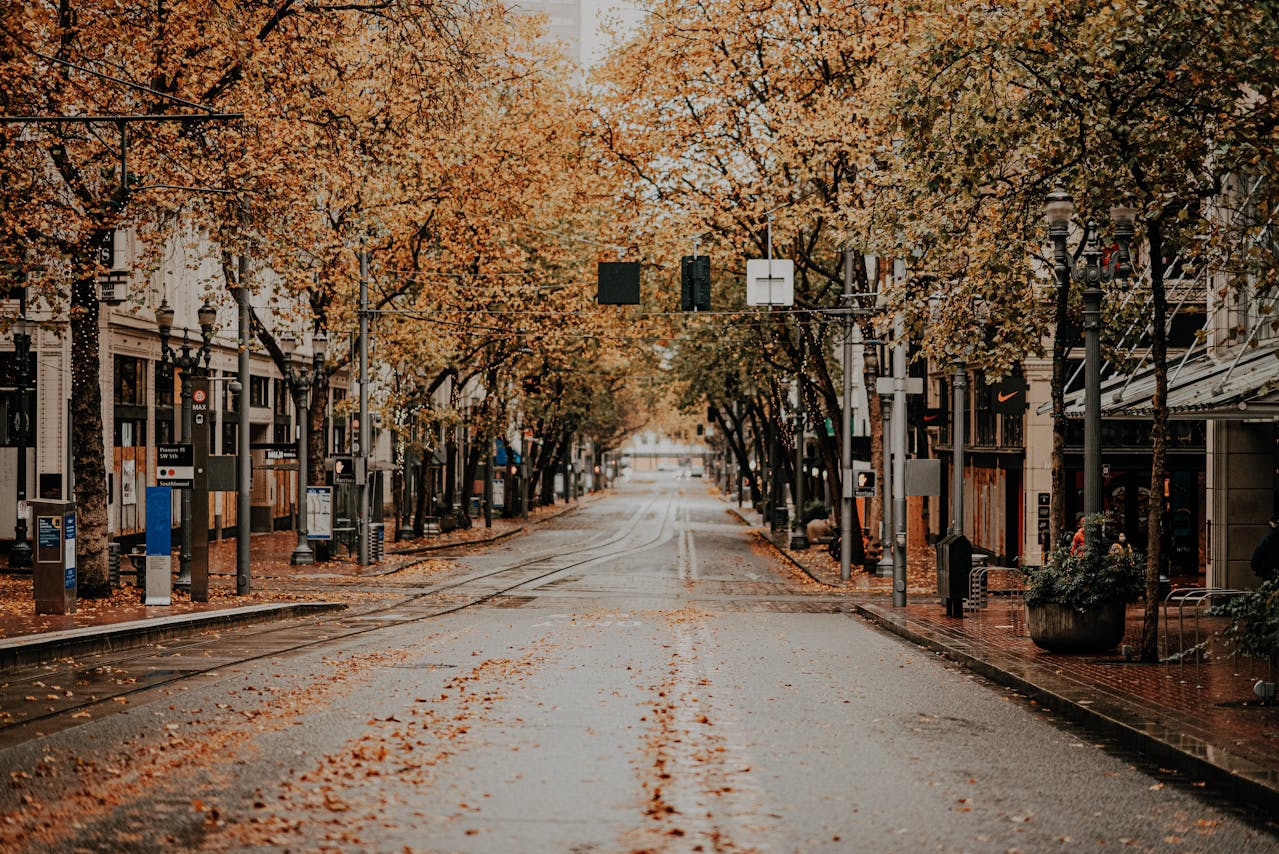
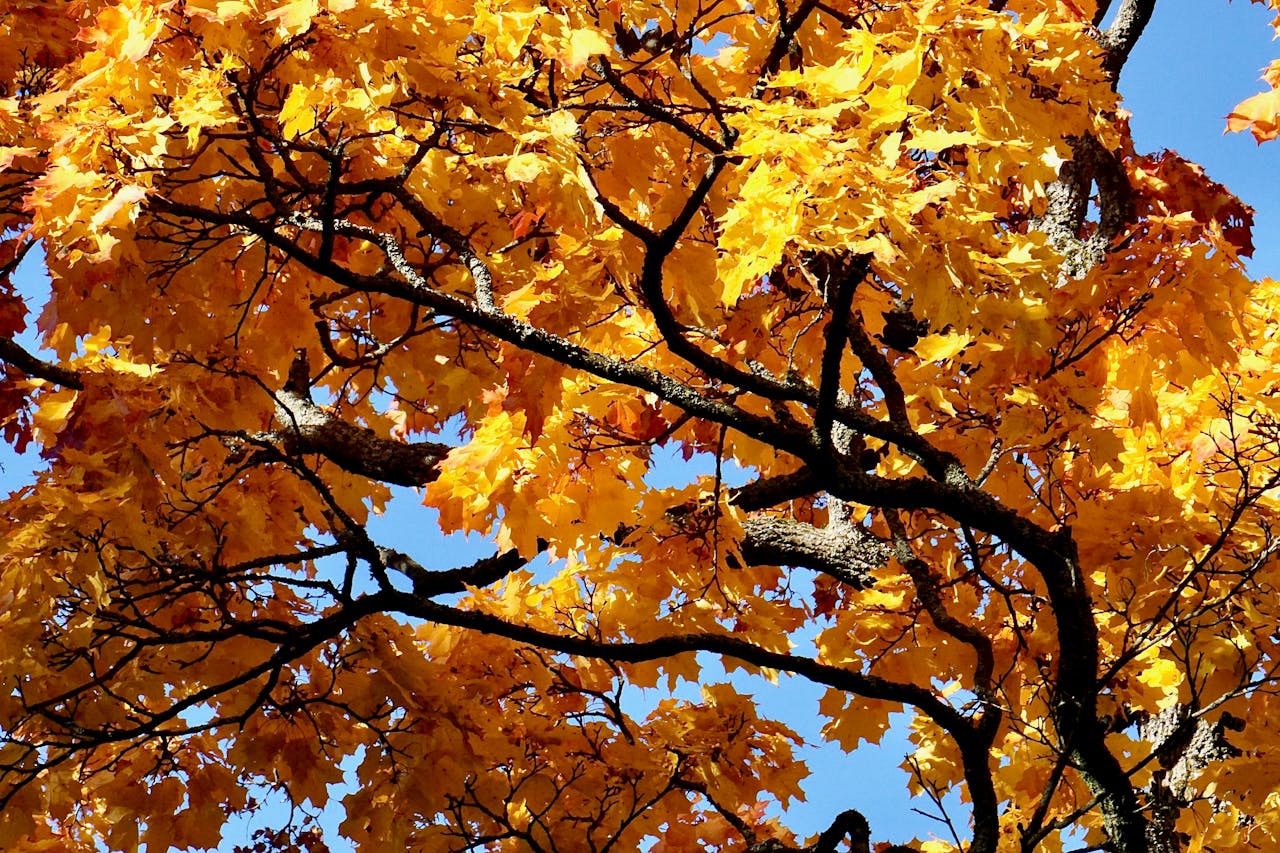
<p> As autumn approaches, the landscape transforms into a vibrant tapestry of reds, oranges, and yellows. This seasonal spectacle captivates nature lovers and prompts questions about the science behind it. Why do leaves change color, and what triggers their fall? Understanding the biological and environmental processes at play reveals the intricate balance of nature and the life cycle of trees. In this article, we’ll explore seven key factors that contribute to the stunning transformation of leaves in autumn and the reasons behind their eventual fall. </p> :: Pexels

As autumn approaches, the landscape transforms into a vibrant tapestry of reds, oranges, and yellows. This seasonal spectacle captivates nature lovers and prompts questions about the science behind it. Why do leaves change color, and what triggers their fall? Understanding the biological and environmental processes at play reveals the intricate balance of nature and the life cycle of trees. In this article, we’ll explore seven key factors that contribute to the stunning transformation of leaves in autumn and the reasons behind their eventual fall.

1. Chlorophyll Breakdown

<p> The brilliant green of leaves is primarily due to chlorophyll, the pigment responsible for photosynthesis. As autumn approaches, days shorten and temperatures drop, signaling trees to prepare for winter. In response, chlorophyll production decreases, leading to its gradual breakdown. This reduction in chlorophyll reveals other pigments present in the leaves, such as carotenoids (which produce yellow and orange hues). This transition marks the beginning of the stunning color changes we observe in autumn, as the green fades to unveil a palette of warmer tones. </p> :: Pexels

The brilliant green of leaves is primarily due to chlorophyll, the pigment responsible for photosynthesis. As autumn approaches, days shorten and temperatures drop, signaling trees to prepare for winter. In response, chlorophyll production decreases, leading to its gradual breakdown. This reduction in chlorophyll reveals other pigments present in the leaves, such as carotenoids (which produce yellow and orange hues). This transition marks the beginning of the stunning color changes we observe in autumn, as the green fades to unveil a palette of warmer tones.

2. The Role of Temperature and Light

<p> Temperature and light play critical roles in the timing and intensity of autumn leaf color changes. Cool nights combined with sunny days enhance the production of anthocyanins, pigments responsible for the vibrant red and purple hues seen in some trees. This phenomenon is especially evident in species like maples and oaks. The interplay between light and temperature affects the overall color vibrancy, as brighter sunlight and cooler temperatures can lead to more intense colors. Therefore, the specific weather conditions leading up to autumn significantly influence the visual display of foliage. </p> :: Pexels

Temperature and light play critical roles in the timing and intensity of autumn leaf color changes. Cool nights combined with sunny days enhance the production of anthocyanins, pigments responsible for the vibrant red and purple hues seen in some trees. This phenomenon is especially evident in species like maples and oaks. The interplay between light and temperature affects the overall color vibrancy, as brighter sunlight and cooler temperatures can lead to more intense colors. Therefore, the specific weather conditions leading up to autumn significantly influence the visual display of foliage.

3. The Importance of Moisture Levels

Moisture levels in the soil and the tree itself also impact leaf color change. Adequate moisture during the growing season can lead to healthier trees, resulting in more vibrant colors in autumn. Conversely, drought stress can hinder the formation of pigments, leading to duller colors. When trees experience water shortages, they may lose leaves prematurely as a survival strategy. Thus, understanding the relationship between moisture, tree health, and color changes is crucial to grasping the full picture of autumn’s beauty.

4. Nutrient Redistribution

<p> As autumn approaches, trees begin to prepare for winter by reallocating nutrients stored in their leaves. Before shedding them, trees reabsorb valuable nutrients like nitrogen and phosphorus from the leaves. This nutrient redistribution not only helps the tree conserve resources but also contributes to the vibrant colors seen in autumn. The process enhances the development of anthocyanins, leading to those stunning red hues. By recycling nutrients, trees ensure their survival and set the stage for renewed growth in the spring. </p> :: Pexels

As autumn approaches, trees begin to prepare for winter by reallocating nutrients stored in their leaves. Before shedding them, trees reabsorb valuable nutrients like nitrogen and phosphorus from the leaves. This nutrient redistribution not only helps the tree conserve resources but also contributes to the vibrant colors seen in autumn. The process enhances the development of anthocyanins, leading to those stunning red hues. By recycling nutrients, trees ensure their survival and set the stage for renewed growth in the spring.

5. The Evolutionary Advantage of Leaf Drop

<p> The shedding of leaves in autumn is not merely a seasonal change; it serves an essential evolutionary purpose. Deciduous trees, which lose their leaves, have adapted this strategy to survive harsh winter conditions. By dropping their leaves, trees minimize water loss and reduce the risk of damage from snow accumulation. This evolutionary advantage helps trees conserve energy and resources during the winter months. Understanding the adaptive significance of leaf drop highlights the intricate relationship between trees and their environment. </p> :: Pexels

The shedding of leaves in autumn is not merely a seasonal change; it serves an essential evolutionary purpose. Deciduous trees, which lose their leaves, have adapted this strategy to survive harsh winter conditions. By dropping their leaves, trees minimize water loss and reduce the risk of damage from snow accumulation. This evolutionary advantage helps trees conserve energy and resources during the winter months. Understanding the adaptive significance of leaf drop highlights the intricate relationship between trees and their environment.

6. The Influence of Species Variation

<p> Different tree species exhibit varying responses to autumn conditions, resulting in diverse color displays. Some species, like sugar maples, are renowned for their brilliant red and orange leaves, while others, such as birches and aspens, showcase vibrant yellows. This variation is influenced by genetic factors, environmental conditions, and the specific pigments present in each species. By studying these differences, researchers gain insights into the broader ecological implications of leaf color change and the diverse adaptations of trees in different habitats. </p> :: Pexels

Different tree species exhibit varying responses to autumn conditions, resulting in diverse color displays. Some species, like sugar maples, are renowned for their brilliant red and orange leaves, while others, such as birches and aspens, showcase vibrant yellows. This variation is influenced by genetic factors, environmental conditions, and the specific pigments present in each species. By studying these differences, researchers gain insights into the broader ecological implications of leaf color change and the diverse adaptations of trees in different habitats.

7. The Role of Human Impact

<p> Human activities significantly influence the timing and intensity of autumn foliage displays. Urbanization, climate change, and pollution can alter temperature and moisture levels, impacting how and when trees change color. For instance, warmer autumns can lead to delayed color changes or muted hues, affecting the overall beauty of fall landscapes. Understanding the interplay between human actions and natural processes emphasizes the importance of environmental stewardship in preserving the stunning seasonal displays that autumn brings. </p> :: Pexels

Human activities significantly influence the timing and intensity of autumn foliage displays. Urbanization, climate change, and pollution can alter temperature and moisture levels, impacting how and when trees change color. For instance, warmer autumns can lead to delayed color changes or muted hues, affecting the overall beauty of fall landscapes. Understanding the interplay between human actions and natural processes emphasizes the importance of environmental stewardship in preserving the stunning seasonal displays that autumn brings.

Final Thoughts

<p> The science behind autumn’s breathtaking transformation is a fascinating interplay of biology, chemistry, and environmental factors. From the breakdown of chlorophyll to the role of temperature and moisture, these processes reveal the intricate mechanisms that govern the life cycles of trees. As we witness the changing colors of leaves and their eventual fall, we are reminded of nature's resilience and adaptability. Embracing this seasonal beauty encourages us to appreciate the delicate balance of ecosystems and the importance of protecting our environment for future generations. </p> :: Pexels

The science behind autumn’s breathtaking transformation is a fascinating interplay of biology, chemistry, and environmental factors. From the breakdown of chlorophyll to the role of temperature and moisture, these processes reveal the intricate mechanisms that govern the life cycles of trees. As we witness the changing colors of leaves and their eventual fall, we are reminded of nature’s resilience and adaptability. Embracing this seasonal beauty encourages us to appreciate the delicate balance of ecosystems and the importance of protecting our environment for future generations.

Filed Under: Lifestyle

Top 10 Card Games for a Fun-Filled Family Game Night: Unleash the Laughter!

March 16, 2026 | Leave a Comment

Top 10 Card Games for a Fun-Filled Family Game Night: Unleash the Laughter!

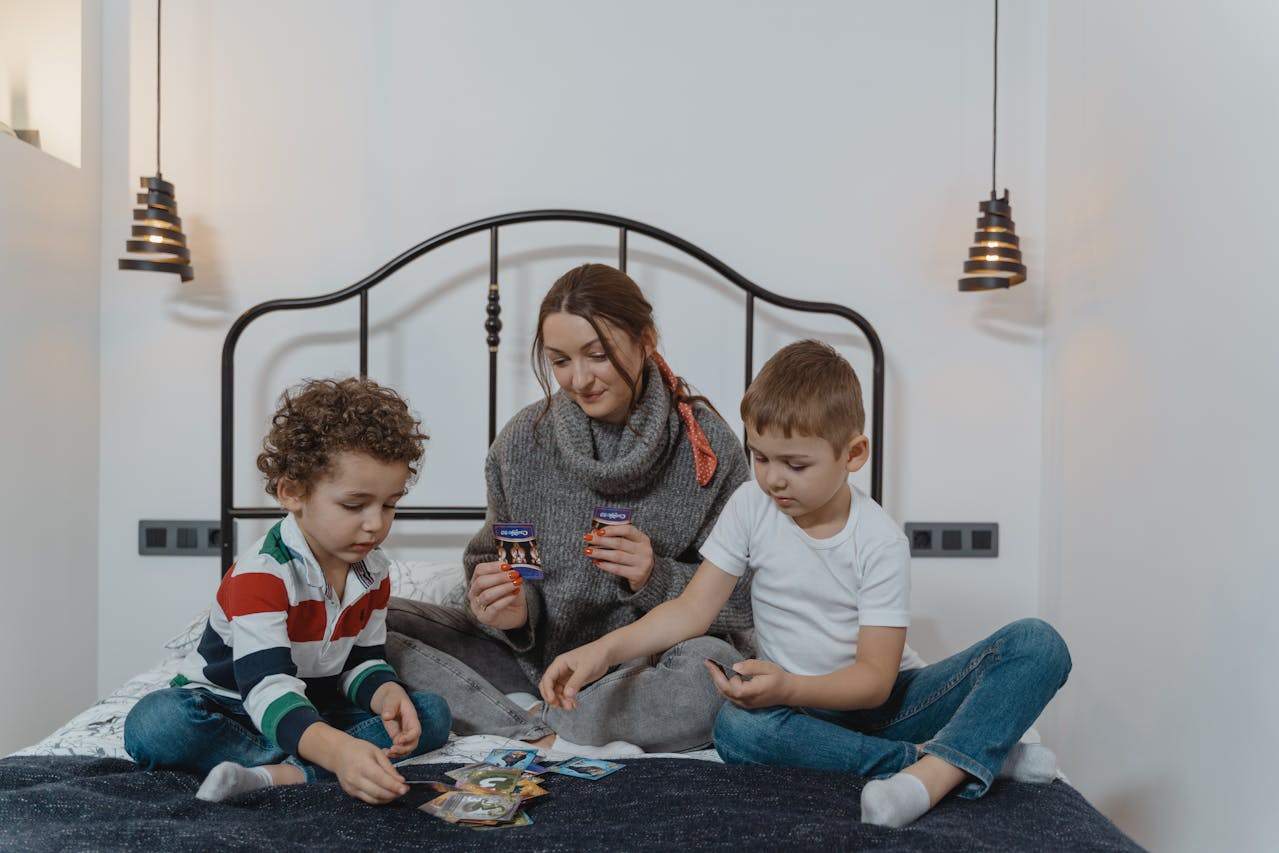
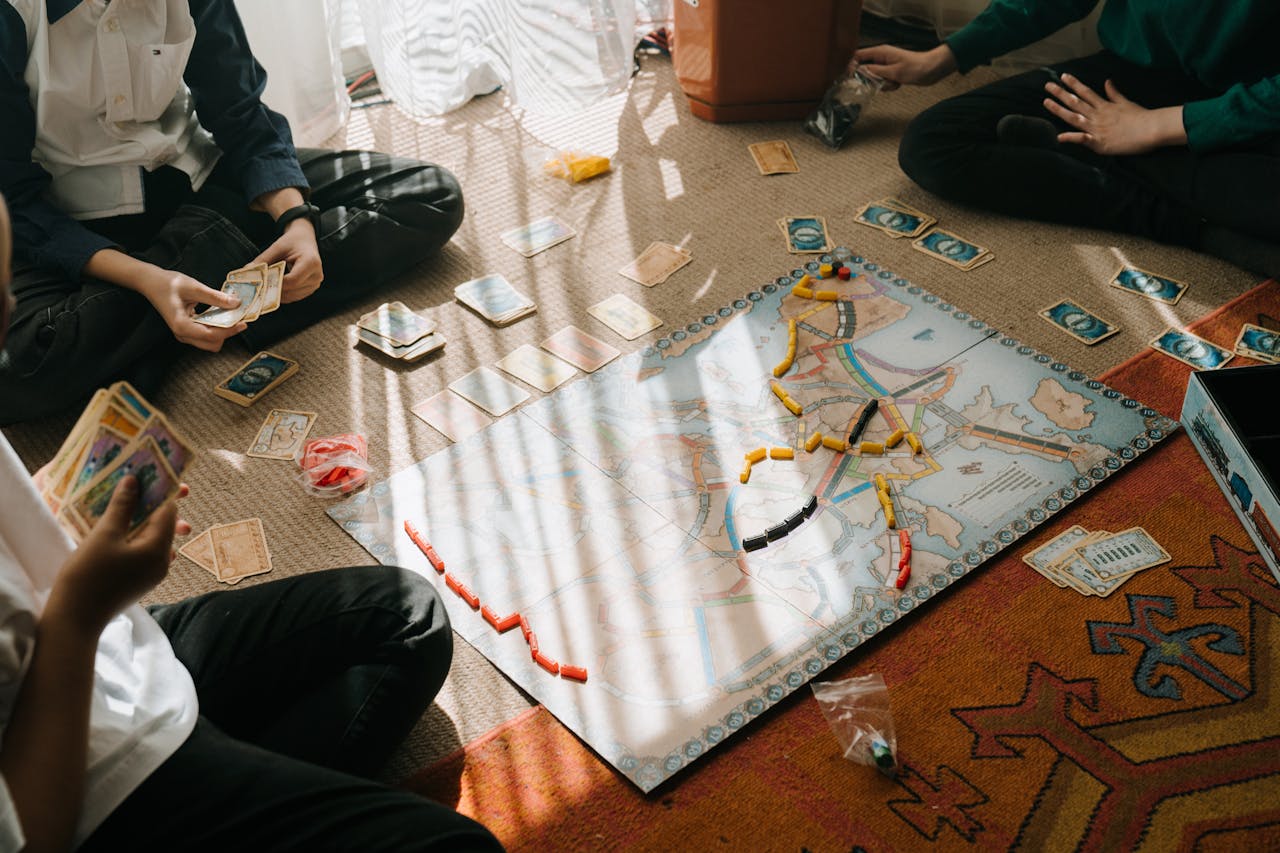
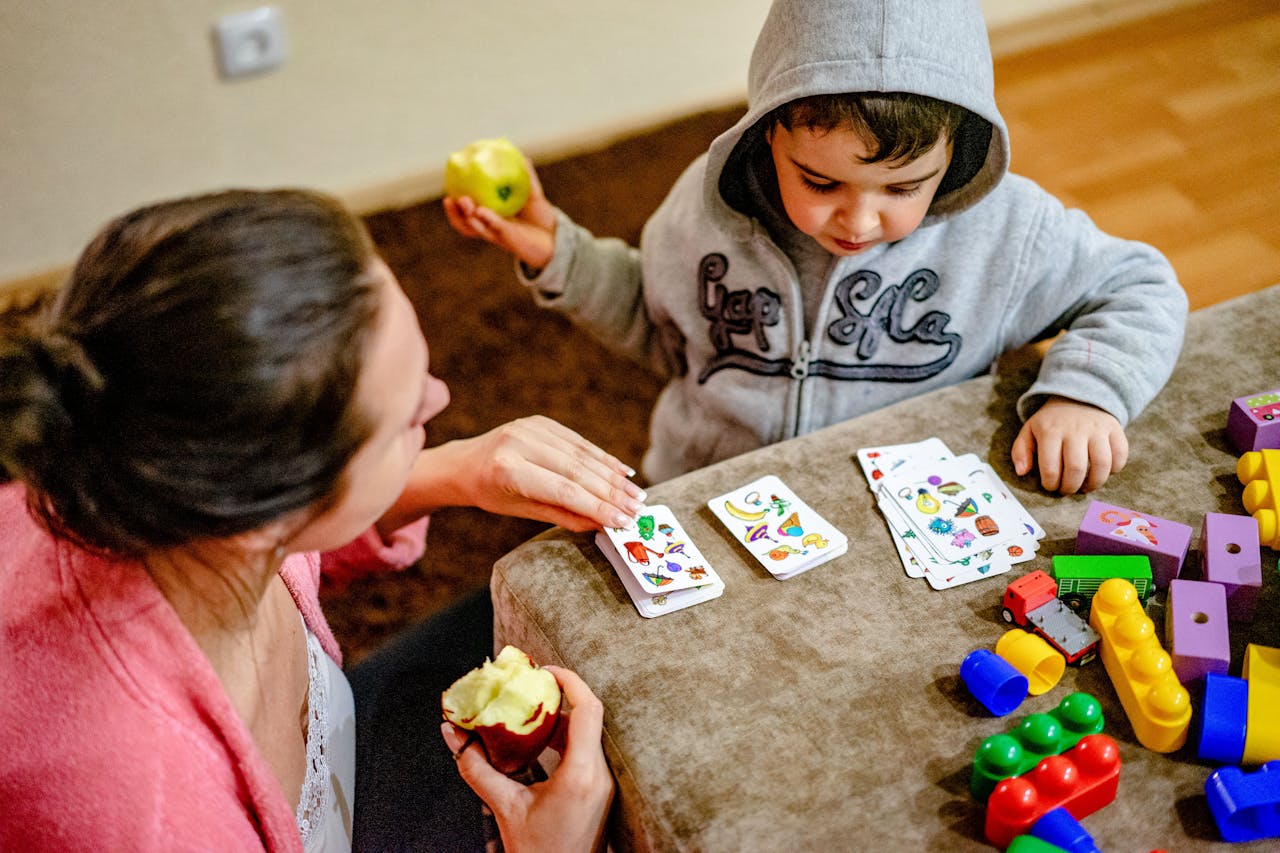
<p> Family game nights are a treasured tradition, creating a perfect blend of fun, competition, and bonding. Nothing beats gathering around the table, sharing laughter, and engaging in some friendly rivalry. Among the many options for game night entertainment, card games stand out for their simplicity, versatility, and appeal to players of all ages. Whether you're looking for something classic, strategic, or hilariously funny, this list of the Top 10 Card Games for a Fun-Filled Family Game Night has something for everyone. So, shuffle the deck and get ready for an unforgettable evening! </p> :: Pexels

Family game nights are a treasured tradition, creating a perfect blend of fun, competition, and bonding. Nothing beats gathering around the table, sharing laughter, and engaging in some friendly rivalry. Among the many options for game night entertainment, card games stand out for their simplicity, versatility, and appeal to players of all ages. Whether you’re looking for something classic, strategic, or hilariously funny, this list of the Top 10 Card Games for a Fun-Filled Family Game Night has something for everyone. So, shuffle the deck and get ready for an unforgettable evening!

1. Uno: The Timeless Classic

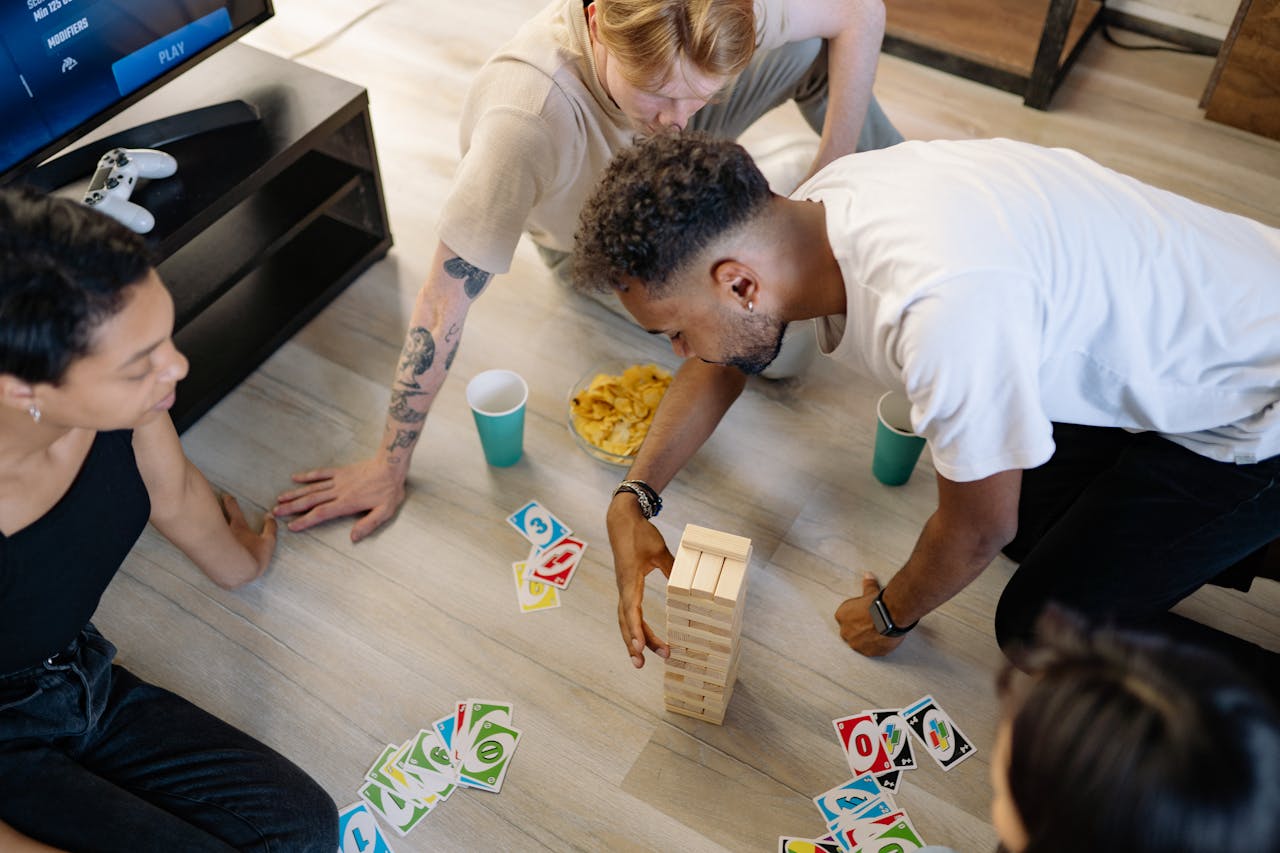
<p> Uno is the ultimate classic that never goes out of style. With its vibrant colors and easy-to-learn rules, it’s perfect for players of all ages. The objective is simple: be the first to get rid of all your cards by matching colors or numbers. The game includes special action cards like “Skip,” “Reverse,” and “Draw Two,” which can turn the tide of the game in an instant. Uno is not just a game; it’s an experience filled with laughter and excitement, making it an essential choice for any family game night. Plus, the anticipation of yelling “Uno!” when you’re down to your last card adds an extra layer of thrill! </p> :: Pexels

Uno is the ultimate classic that never goes out of style. With its vibrant colors and easy-to-learn rules, it’s perfect for players of all ages. The objective is simple: be the first to get rid of all your cards by matching colors or numbers. The game includes special action cards like “Skip,” “Reverse,” and “Draw Two,” which can turn the tide of the game in an instant. Uno is not just a game; it’s an experience filled with laughter and excitement, making it an essential choice for any family game night. Plus, the anticipation of yelling “Uno!” when you’re down to your last card adds an extra layer of thrill!

2. Exploding Kittens: A Game of Strategy and Luck

<p> Exploding Kittens has taken the gaming world by storm, becoming a favorite for families seeking a fun and engaging card game. This quirky, fast-paced game challenges players to avoid drawing the dreaded Exploding Kitten card while trying to be the last player standing. The game features humorous illustrations and clever cards that introduce unique mechanics, such as “Skip,” “Attack,” and “See the Future,” adding layers of strategy. With its simple rules and engaging gameplay, Exploding Kittens is suitable for ages seven and up, making it an excellent choice for families wanting to share some laughs and a bit of suspense during game night. </p> :: Pexels

Exploding Kittens has taken the gaming world by storm, becoming a favorite for families seeking a fun and engaging card game. This quirky, fast-paced game challenges players to avoid drawing the dreaded Exploding Kitten card while trying to be the last player standing. The game features humorous illustrations and clever cards that introduce unique mechanics, such as “Skip,” “Attack,” and “See the Future,” adding layers of strategy. With its simple rules and engaging gameplay, Exploding Kittens is suitable for ages seven and up, making it an excellent choice for families wanting to share some laughs and a bit of suspense during game night.

3. Go Fish: The Family Favorite

<p> Go Fish is a timeless card game that has delighted families for generations. Its simplicity makes it accessible to younger players, while still being enjoyable for adults. The objective is to collect the most sets of four matching cards by asking other players for specific cards. The social interaction and memory skills required make it an engaging choice for family game nights. Go Fish encourages laughter and fun, especially when players get playful with their questions and responses. This classic game is perfect for families who want to introduce children to the joys of card games without overwhelming them. </p> :: Pexels

Go Fish is a timeless card game that has delighted families for generations. Its simplicity makes it accessible to younger players, while still being enjoyable for adults. The objective is to collect the most sets of four matching cards by asking other players for specific cards. The social interaction and memory skills required make it an engaging choice for family game nights. Go Fish encourages laughter and fun, especially when players get playful with their questions and responses. This classic game is perfect for families who want to introduce children to the joys of card games without overwhelming them.

4. Rummy: A Blend of Skill and Strategy

<p> Rummy is a beloved card game that combines strategy, skill, and a bit of luck, making it ideal for families looking for something deeper than simple luck-based games. The objective is to form sets or runs of cards in your hand, and players take turns drawing and discarding cards. Rummy promotes critical thinking, as players must decide which cards to keep and which to discard. With its engaging gameplay and multiple variations, Rummy can be played in various formats, ensuring that families can enjoy a different experience each time they play. Its rich history and strategy make it a perfect choice for families with older kids and adults. </p> :: Pexels

Rummy is a beloved card game that combines strategy, skill, and a bit of luck, making it ideal for families looking for something deeper than simple luck-based games. The objective is to form sets or runs of cards in your hand, and players take turns drawing and discarding cards. Rummy promotes critical thinking, as players must decide which cards to keep and which to discard. With its engaging gameplay and multiple variations, Rummy can be played in various formats, ensuring that families can enjoy a different experience each time they play. Its rich history and strategy make it a perfect choice for families with older kids and adults.

5. Phase 10: A Unique Twist on Rummy

<p> Phase 10 is a modern classic that adds an exciting twist to the traditional Rummy format. In this game, players aim to complete ten phases in order, each requiring different combinations of cards, such as sets of three or runs of four. With 2 to 6 players and a recommended age of 7 and up, Phase 10 offers engaging gameplay that promotes strategic thinking. The unique phase system encourages adaptability, as players must adjust their tactics based on their hand and the progress of others. The thrill of racing to complete phases before opponents makes Phase 10 an exciting choice for families seeking a competitive edge in their game nights. </p> :: Pexels


Phase 10 is a modern classic that adds an exciting twist to the traditional Rummy format. In this game, players aim to complete ten phases in order, each requiring different combinations of cards, such as sets of three or runs of four. With 2 to 6 players and a recommended age of 7 and up, Phase 10 offers engaging gameplay that promotes strategic thinking. The unique phase system encourages adaptability, as players must adjust their tactics based on their hand and the progress of others. The thrill of racing to complete phases before opponents makes Phase 10 an exciting choice for families seeking a competitive edge in their game nights.

6. Cards Against Humanity: Family Edition

<p> For families with older kids and teenagers, Cards Against Humanity: Family Edition is a humorous option that encourages creativity and laughter. This version of the popular adult card game has been adapted for younger audiences, ensuring everyone can enjoy the fun. Players fill in the blanks of various prompts using their cards, leading to outrageous and hilarious combinations. The game fosters laughter, creativity, and friendly competition, making it an excellent choice for families looking to add comedic relief to their game nights. It’s a wonderful way to bond over shared jokes and create unforgettable memories. </p> :: Pexels

For families with older kids and teenagers, Cards Against Humanity: Family Edition is a humorous option that encourages creativity and laughter. This version of the popular adult card game has been adapted for younger audiences, ensuring everyone can enjoy the fun. Players fill in the blanks of various prompts using their cards, leading to outrageous and hilarious combinations. The game fosters laughter, creativity, and friendly competition, making it an excellent choice for families looking to add comedic relief to their game nights. It’s a wonderful way to bond over shared jokes and create unforgettable memories.

7. The Game of Life: Adventures Card Game

<p> The Game of Life: Adventures Card Game is an exciting twist on the classic board game, now presented in a card format. This game allows players to navigate life’s choices and experiences while collecting cards that represent adventures, careers, and family milestones. Players must strategize to earn points by completing objectives and making the best life choices. The engaging gameplay, along with vibrant artwork, brings the excitement of life’s journey into a compact and entertaining format, making it perfect for family game night. The combination of strategy and fun ensures that everyone will have a blast playing this lively card game. </p> :: Pexels

The Game of Life: Adventures Card Game is an exciting twist on the classic board game, now presented in a card format. This game allows players to navigate life’s choices and experiences while collecting cards that represent adventures, careers, and family milestones. Players must strategize to earn points by completing objectives and making the best life choices. The engaging gameplay, along with vibrant artwork, brings the excitement of life’s journey into a compact and entertaining format, making it perfect for family game night. The combination of strategy and fun ensures that everyone will have a blast playing this lively card game.

8. Sushi Go!: A Fast-Paced Card Drafting Game

<p> Sushi Go! is a delightful card drafting game that combines speed and strategy, making it a fantastic choice for families. Players pass around a hand of sushi-themed cards and choose one to keep while discarding the rest. The goal is to create the best combination of sushi dishes to earn points, with cards featuring adorable sushi characters and unique scoring mechanics. With its simple rules and charming artwork, Sushi Go! is accessible for younger players while offering enough strategy to keep older players engaged. The fast-paced nature of the game allows for quick rounds, making it a great choice for families who want a fun and interactive game that won’t drag on. </p> :: Pexels

Sushi Go! is a delightful card drafting game that combines speed and strategy, making it a fantastic choice for families. Players pass around a hand of sushi-themed cards and choose one to keep while discarding the rest. The goal is to create the best combination of sushi dishes to earn points, with cards featuring adorable sushi characters and unique scoring mechanics. With its simple rules and charming artwork, Sushi Go! is accessible for younger players while offering enough strategy to keep older players engaged. The fast-paced nature of the game allows for quick rounds, making it a great choice for families who want a fun and interactive game that won’t drag on.

9. Spot It!: A Fast-Paced Visual Game

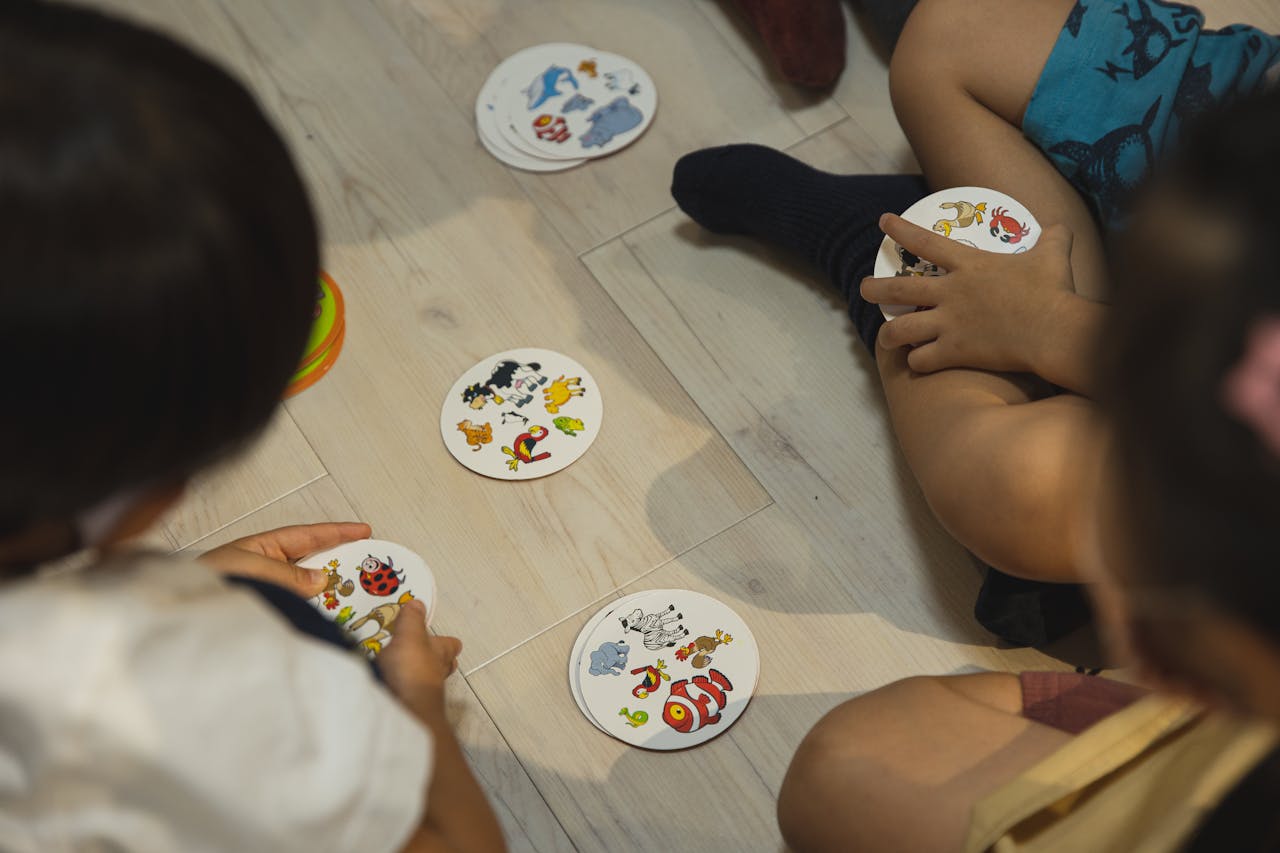
<p> Spot It! is an engaging and visually stimulating card game that challenges players to find matching symbols between cards. The game consists of circular cards, each featuring various symbols, and players must quickly identify the one symbol that matches between any two cards. With multiple mini-games to choose from, Spot It! allows families to customize the experience to suit their preferences. The game is perfect for developing observation skills and quick reflexes, making it a hit among kids and adults alike. The fast-paced nature of Spot It! ensures everyone remains engaged, making it a lively addition to any family game night. </p> :: Pexels

Spot It! is an engaging and visually stimulating card game that challenges players to find matching symbols between cards. The game consists of circular cards, each featuring various symbols, and players must quickly identify the one symbol that matches between any two cards. With multiple mini-games to choose from, Spot It! allows families to customize the experience to suit their preferences. The game is perfect for developing observation skills and quick reflexes, making it a hit among kids and adults alike. The fast-paced nature of Spot It! ensures everyone remains engaged, making it a lively addition to any family game night.

10. Dobble: The Fun and Competitive Matching Game

<p> Dobble, also known as Spot It! in some regions, is another exciting card game that promises fast-paced fun for the entire family. Similar to Spot It!, the game consists of circular cards featuring various symbols. The objective is to find the one matching symbol between any two cards before your opponents do. Dobble is suitable for players of all ages and helps improve quick thinking and observation skills. With its easy-to-learn rules and lively gameplay, Dobble keeps players entertained and on their toes, making it an essential choice for family game nights filled with laughter and competition. </p> :: Pexels

Dobble, also known as Spot It! in some regions, is another exciting card game that promises fast-paced fun for the entire family. Similar to Spot It!, the game consists of circular cards featuring various symbols. The objective is to find the one matching symbol between any two cards before your opponents do. Dobble is suitable for players of all ages and helps improve quick thinking and observation skills. With its easy-to-learn rules and lively gameplay, Dobble keeps players entertained and on their toes, making it an essential choice for family game nights filled with laughter and competition.


Final Thoughts

<p> Card games offer an excellent way to foster connection, laughter, and healthy competition during family game nights. From classics like Uno and Go Fish to modern favorites like Exploding Kittens and Sushi Go!, there’s a game on this list for every family member. Gather around the table, shuffle the cards, and prepare for an evening filled with fun and unforgettable memories. With these top 10 card games, your family game night will surely become a cherished tradition that everyone looks forward to! Happy gaming! </p> :: Pexels

Card games offer an excellent way to foster connection, laughter, and healthy competition during family game nights. From classics like Uno and Go Fish to modern favorites like Exploding Kittens and Sushi Go!, there’s a game on this list for every family member. Gather around the table, shuffle the cards, and prepare for an evening filled with fun and unforgettable memories. With these top 10 card games, your family game night will surely become a cherished tradition that everyone looks forward to! Happy gaming!

Filed Under: Entertainment

Top 10 Essential Spices Every Home Chef Over 50 Should Have

March 16, 2026 | Leave a Comment

Top 10 Essential Spices Every Home Chef Over 50 Should Have

<p> As we grow older, our culinary skills and taste buds continue to evolve. For home chefs over 50, having the right spices in your pantry can elevate your cooking while also providing significant health benefits. Incorporating these essential spices not only enhances the flavor of your meals but also aligns with the changing nutritional needs that come with age. Here are the top 10 spices every home chef should keep on hand to create delicious and healthful dishes. </p> :: Pexels

As we grow older, our culinary skills and taste buds continue to evolve. For home chefs over 50, having the right spices in your pantry can elevate your cooking while also providing significant health benefits. Incorporating these essential spices not only enhances the flavor of your meals but also aligns with the changing nutritional needs that come with age. Here are the top 10 spices every home chef should keep on hand to create delicious and healthful dishes.

1. Turmeric

<p> Turmeric is often regarded as a super-spice due to its active compound, curcumin, which possesses powerful anti-inflammatory and antioxidant properties. For those over 50, managing inflammation can be crucial for alleviating joint pain and promoting overall health. This vibrant yellow spice adds an earthy flavor to various dishes, including soups, stews, and curries. When combined with a pinch of black pepper, it boosts curcumin absorption, making this dynamic duo a must-have for any kitchen. </p> :: Pexels

Turmeric is often regarded as a super-spice due to its active compound, curcumin, which possesses powerful anti-inflammatory and antioxidant properties. For those over 50, managing inflammation can be crucial for alleviating joint pain and promoting overall health. This vibrant yellow spice adds an earthy flavor to various dishes, including soups, stews, and curries. When combined with a pinch of black pepper, it boosts curcumin absorption, making this dynamic duo a must-have for any kitchen.

2. Cinnamon

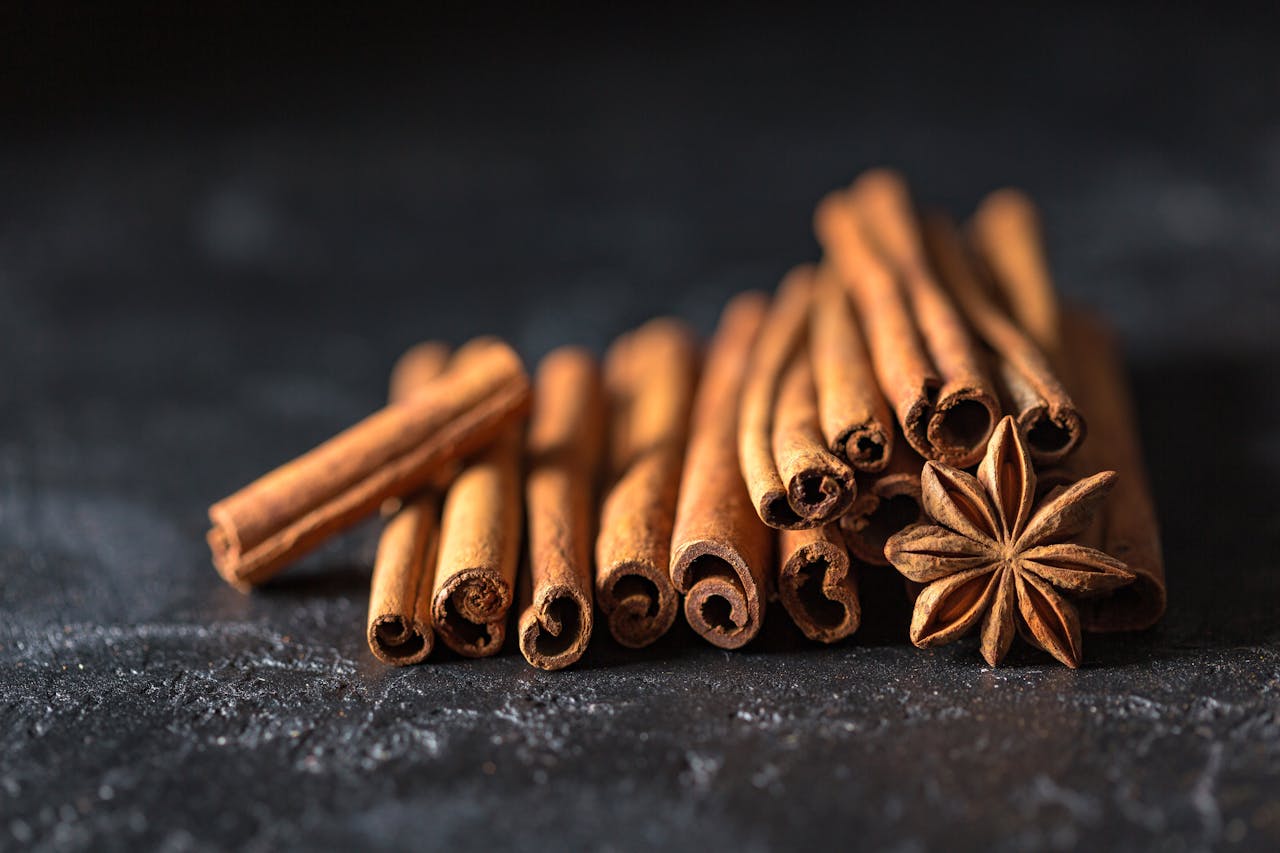
<p> Cinnamon is more than just a delightful addition to baked goods; it also plays a vital role in managing blood sugar levels. For home chefs over 50, this aromatic spice becomes even more important in maintaining a balanced metabolism. Its warm, sweet flavor enhances not only desserts but also savory dishes like stews and chilis. By incorporating cinnamon into your daily meals, you can enjoy its health benefits while savoring its rich taste. </p> :: Pexels

Cinnamon is more than just a delightful addition to baked goods; it also plays a vital role in managing blood sugar levels. For home chefs over 50, this aromatic spice becomes even more important in maintaining a balanced metabolism. Its warm, sweet flavor enhances not only desserts but also savory dishes like stews and chilis. By incorporating cinnamon into your daily meals, you can enjoy its health benefits while savoring its rich taste.

3. Ginger

<p> Ginger is a versatile spice known for its distinct spicy and slightly sweet flavor. It offers numerous health benefits that are especially relevant as we age, including improved digestion and reduced nausea. Whether used fresh or dried, ginger can elevate everything from stir-fries and smoothies to teas and cookies. Its natural warmth makes it a comforting addition during cold months, adding both flavor and wellness to your dishes. </p> :: Pexels

Ginger is a versatile spice known for its distinct spicy and slightly sweet flavor. It offers numerous health benefits that are especially relevant as we age, including improved digestion and reduced nausea. Whether used fresh or dried, ginger can elevate everything from stir-fries and smoothies to teas and cookies. Its natural warmth makes it a comforting addition during cold months, adding both flavor and wellness to your dishes.

4. Garlic Powder

<p> While fresh garlic is a kitchen staple, garlic powder provides a convenient alternative with a concentrated flavor. This spice enhances a wide range of recipes, from roasted vegetables to meat marinades and pasta sauces. For those over 50, garlic can support heart health by lowering blood pressure and cholesterol levels. With its ease of use and robust flavor, garlic powder makes it simple to incorporate garlic's benefits into your meals. </p> :: Unsplash

While fresh garlic is a kitchen staple, garlic powder provides a convenient alternative with a concentrated flavor. This spice enhances a wide range of recipes, from roasted vegetables to meat marinades and pasta sauces. For those over 50, garlic can support heart health by lowering blood pressure and cholesterol levels. With its ease of use and robust flavor, garlic powder makes it simple to incorporate garlic’s benefits into your meals.

5. Cumin

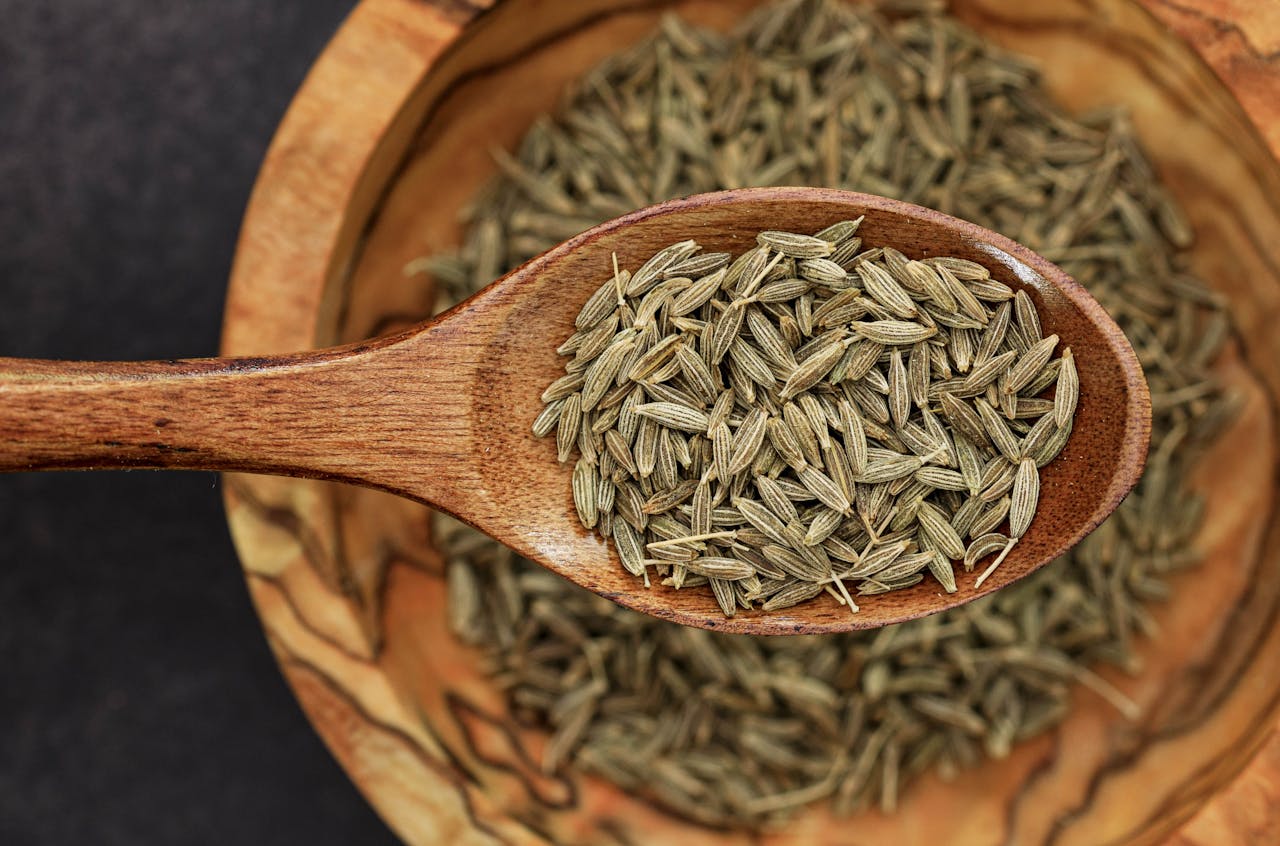
<p> Cumin is essential for adding depth and a slightly smoky flavor to various cuisines, including Mexican, Indian, and Middle Eastern. Its rich, earthy taste works wonders in seasonings for meats, vegetables, and grains. Cumin is packed with antioxidants and aids digestion, making it especially beneficial for those over 50 who may experience digestive issues. A dash of cumin can transform your meals, providing flavor and health benefits all at once. </p> :: Pexels

Cumin is essential for adding depth and a slightly smoky flavor to various cuisines, including Mexican, Indian, and Middle Eastern. Its rich, earthy taste works wonders in seasonings for meats, vegetables, and grains. Cumin is packed with antioxidants and aids digestion, making it especially beneficial for those over 50 who may experience digestive issues. A dash of cumin can transform your meals, providing flavor and health benefits all at once.

6. Paprika

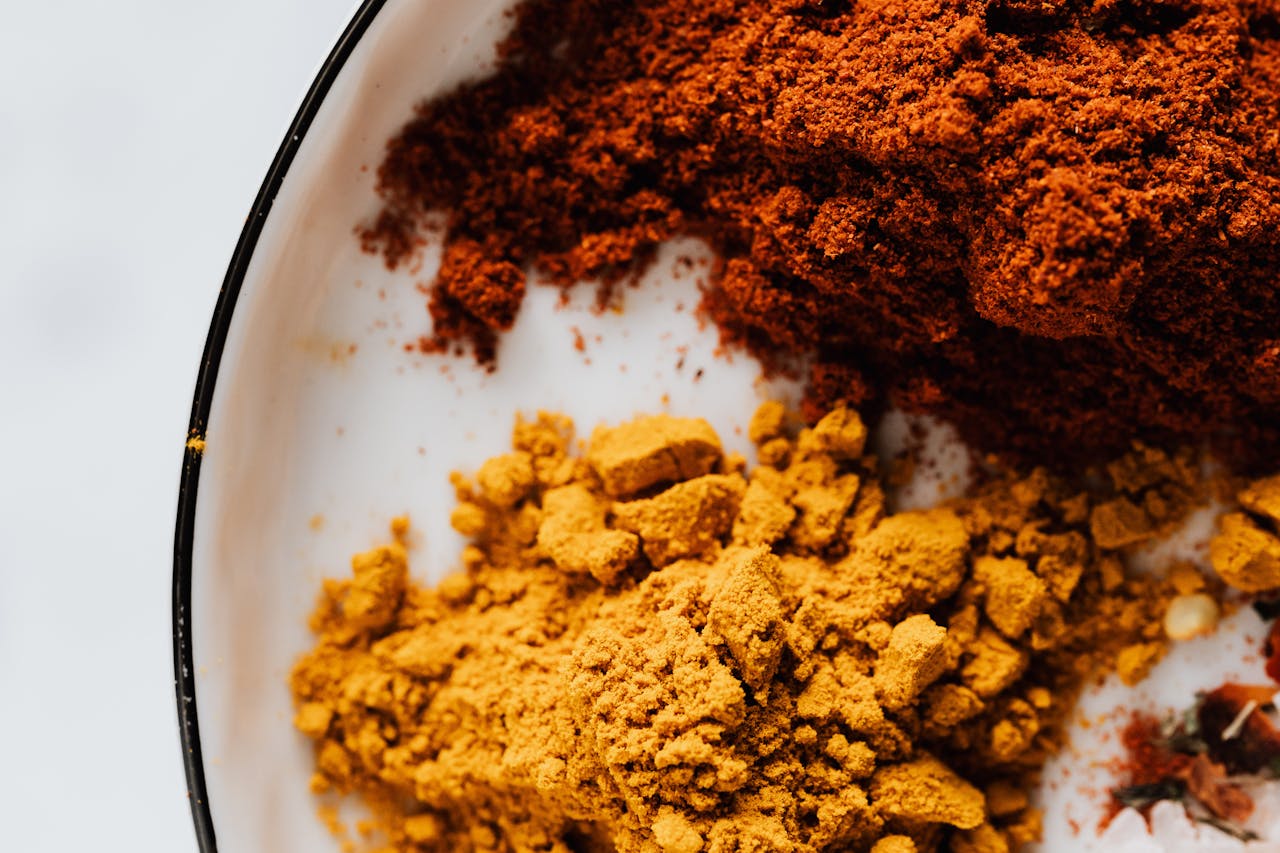
<p> Paprika, particularly the smoked variety, is crucial for adding depth and mild smokiness to dishes. It shines in everything from roasted vegetables and grilled meats to soups and stews. Rich in vitamins A, E, and antioxidants, paprika supports heart health and reduces inflammation. For home chefs over 50, this vibrant spice not only enhances the visual appeal of dishes but also promotes overall well-being through its various health benefits. </p> :: Pexels

Paprika, particularly the smoked variety, is crucial for adding depth and mild smokiness to dishes. It shines in everything from roasted vegetables and grilled meats to soups and stews. Rich in vitamins A, E, and antioxidants, paprika supports heart health and reduces inflammation. For home chefs over 50, this vibrant spice not only enhances the visual appeal of dishes but also promotes overall well-being through its various health benefits.

7. Oregano

<p> Oregano, a common herb in Mediterranean cooking, offers a peppery and slightly bitter flavor that enhances sauces, marinades, and grilled foods. This spice is rich in antioxidants and contains compounds with anti-bacterial properties, helping to bolster immune health. For those over 50, a strong immune system is vital, and oregano provides both flavor and wellness benefits. A sprinkle of oregano can elevate your pasta dishes or salads, delivering both taste and health. </p> :: Pexels

Oregano, a common herb in Mediterranean cooking, offers a peppery and slightly bitter flavor that enhances sauces, marinades, and grilled foods. This spice is rich in antioxidants and contains compounds with anti-bacterial properties, helping to bolster immune health. For those over 50, a strong immune system is vital, and oregano provides both flavor and wellness benefits. A sprinkle of oregano can elevate your pasta dishes or salads, delivering both taste and health.

8. Black Pepper

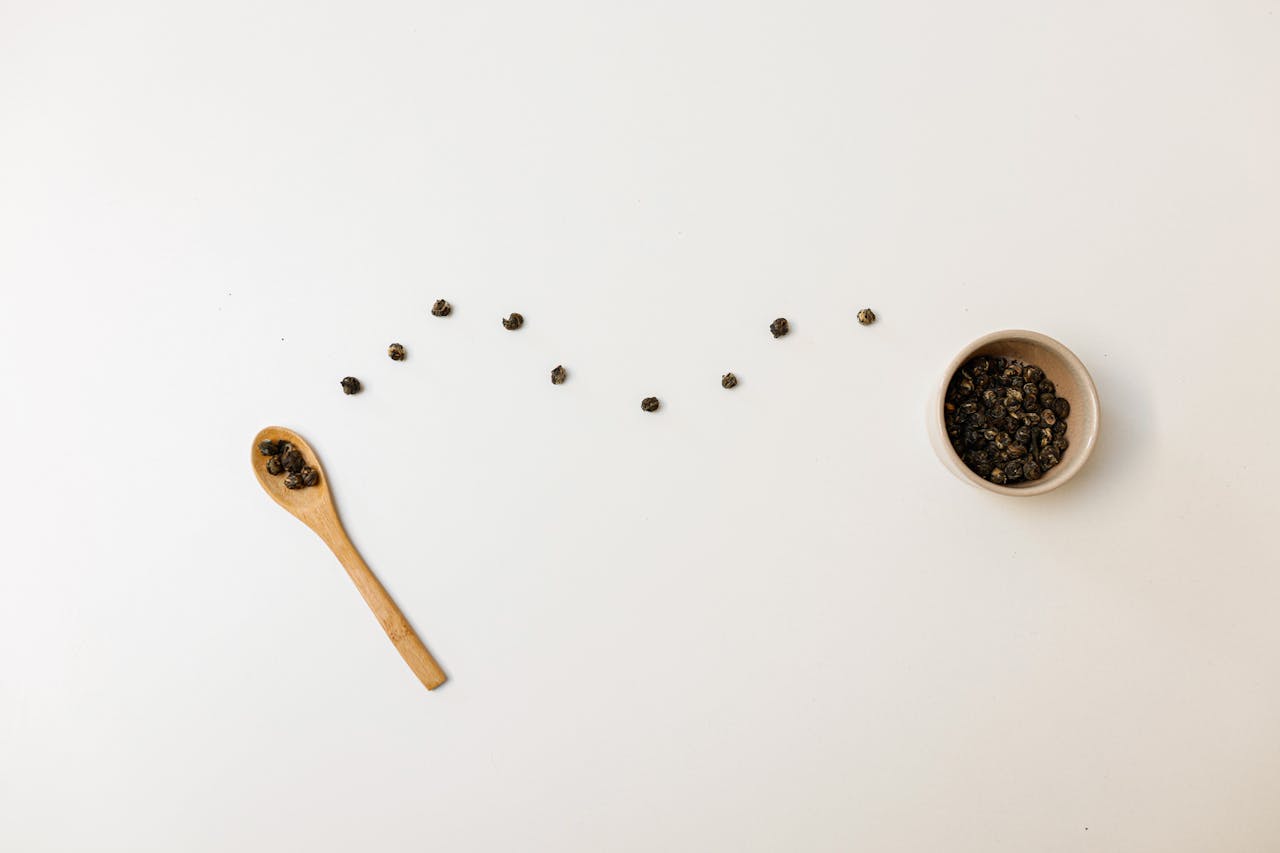
<p> While it may seem basic, black pepper is a powerhouse spice that every kitchen needs. Not only does it enhance the flavor of nearly every dish, but it also aids in the absorption of other nutrients and spices, such as turmeric. Its subtle heat and bold flavor complement a variety of foods, from eggs and salads to soups and meats. For home chefs over 50, incorporating black pepper can improve digestion and support cognitive function, making it a staple in your spice rack. </p> :: Pexels

While it may seem basic, black pepper is a powerhouse spice that every kitchen needs. Not only does it enhance the flavor of nearly every dish, but it also aids in the absorption of other nutrients and spices, such as turmeric. Its subtle heat and bold flavor complement a variety of foods, from eggs and salads to soups and meats. For home chefs over 50, incorporating black pepper can improve digestion and support cognitive function, making it a staple in your spice rack.

9. Nutmeg

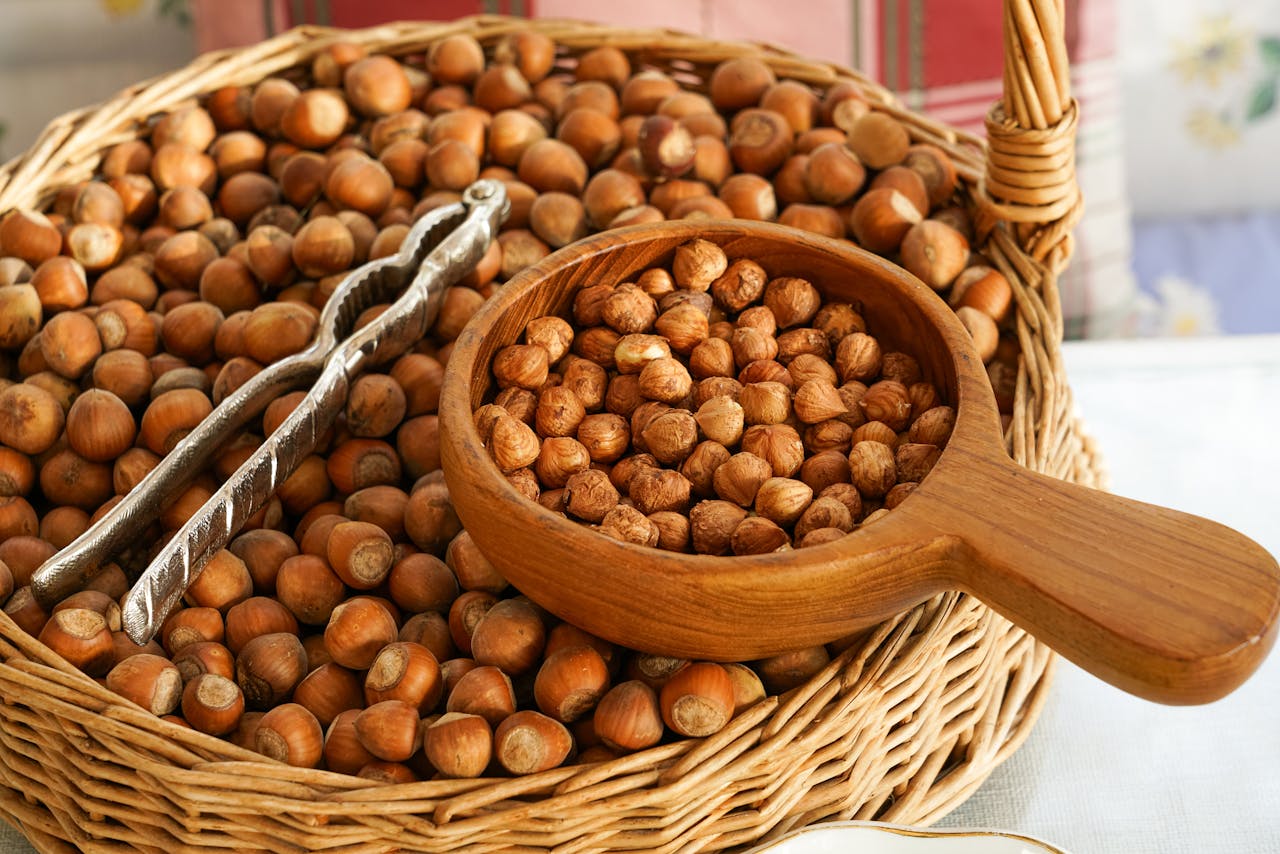
<p> Nutmeg adds a warm, nutty flavor that enhances both sweet and savory recipes. It pairs beautifully with autumn-inspired dishes, holiday desserts, and creamy sauces. This spice also promotes relaxation and aids digestion, making it particularly helpful for achieving better sleep and comfort as we age. A sprinkle of nutmeg in your coffee or evening tea not only enhances flavor but also contributes to overall mental well-being. </p> :: Pexels

Nutmeg adds a warm, nutty flavor that enhances both sweet and savory recipes. It pairs beautifully with autumn-inspired dishes, holiday desserts, and creamy sauces. This spice also promotes relaxation and aids digestion, making it particularly helpful for achieving better sleep and comfort as we age. A sprinkle of nutmeg in your coffee or evening tea not only enhances flavor but also contributes to overall mental well-being.

10. Cayenne Pepper

<p> For those who enjoy a little heat, cayenne pepper is a fantastic spice that not only spices up your meals but also offers health benefits. Its active ingredient, capsaicin, has anti-inflammatory properties and can boost metabolism. This spice may also support cardiovascular health, making it valuable for individuals over 50. A dash of cayenne can bring warmth and flavor to soups, stews, or grilled dishes, while also enhancing circulation and digestion. </p> :: Pexels

For those who enjoy a little heat, cayenne pepper is a fantastic spice that not only spices up your meals but also offers health benefits. Its active ingredient, capsaicin, has anti-inflammatory properties and can boost metabolism. This spice may also support cardiovascular health, making it valuable for individuals over 50. A dash of cayenne can bring warmth and flavor to soups, stews, or grilled dishes, while also enhancing circulation and digestion.

Final Thoughts

<p> Stocking your pantry with these 10 essential spices allows home chefs over 50 to create flavorful, nutritious meals that cater to their evolving tastes and health needs. Each of these spices not only adds depth and richness to your dishes but also contributes to your overall well-being. Embrace the culinary advantages these spices offer, and enjoy the art of cooking with the flavors and health benefits that can enhance your meals for years to come. </p> :: Pexels

Stocking your pantry with these 10 essential spices allows home chefs over 50 to create flavorful, nutritious meals that cater to their evolving tastes and health needs. Each of these spices not only adds depth and richness to your dishes but also contributes to your overall well-being. Embrace the culinary advantages these spices offer, and enjoy the art of cooking with the flavors and health benefits that can enhance your meals for years to come.

Filed Under: Food & Drink

12 Overrated Foods Baby Boomers Are Secretly Tired of Pretending to Enjoy

March 16, 2026 | Leave a Comment

12 Overrated Foods Baby Boomers Are Secretly Tired of Pretending to Enjoy

<p> There is something funny that happens at dinner parties, upscale restaurants, and trendy brunch spots across America. A plate arrives at the table. Everyone nods approvingly. Someone says, “Oh, this is amazing.” A few polite smiles follow. And yet, if we are being honest, not everyone at that table is loving what they are eating.

If you are a baby boomer, you have lived through decades of food trends. You grew up when dinner was straightforward, satisfying, and filling. Meatloaf, pot roast, fresh vegetables, homemade pies. Then somewhere along the way, food became a fashion statement. Suddenly, you were expected to appreciate things that look artistic, cost a small fortune, and sometimes taste… questionable.

This list is not about shaming anyone’s preferences. Taste is personal. But it is a lighthearted look at foods that many baby boomers across the United States might claim to enjoy, even if deep down they would rather have something simpler and more satisfying. Let us pull back the curtain and talk about the dishes that may be more hype than happiness. </p> :: Gemini

There is something funny that happens at dinner parties, upscale restaurants, and trendy brunch spots across America. A plate arrives at the table. Everyone nods approvingly. Someone says, “Oh, this is amazing.” A few polite smiles follow. And yet, if we are being honest, not everyone at that table is loving what they are eating.

If you are a baby boomer, you have lived through decades of food trends. You grew up when dinner was straightforward, satisfying, and filling. Meatloaf, pot roast, fresh vegetables, homemade pies. Then somewhere along the way, food became a fashion statement. Suddenly, you were expected to appreciate things that look artistic, cost a small fortune, and sometimes taste… questionable.

This list is not about shaming anyone’s preferences. Taste is personal. But it is a lighthearted look at foods that many baby boomers across the United States might claim to enjoy, even if deep down they would rather have something simpler and more satisfying. Let us pull back the curtain and talk about the dishes that may be more hype than happiness.

1. Avocado Toast

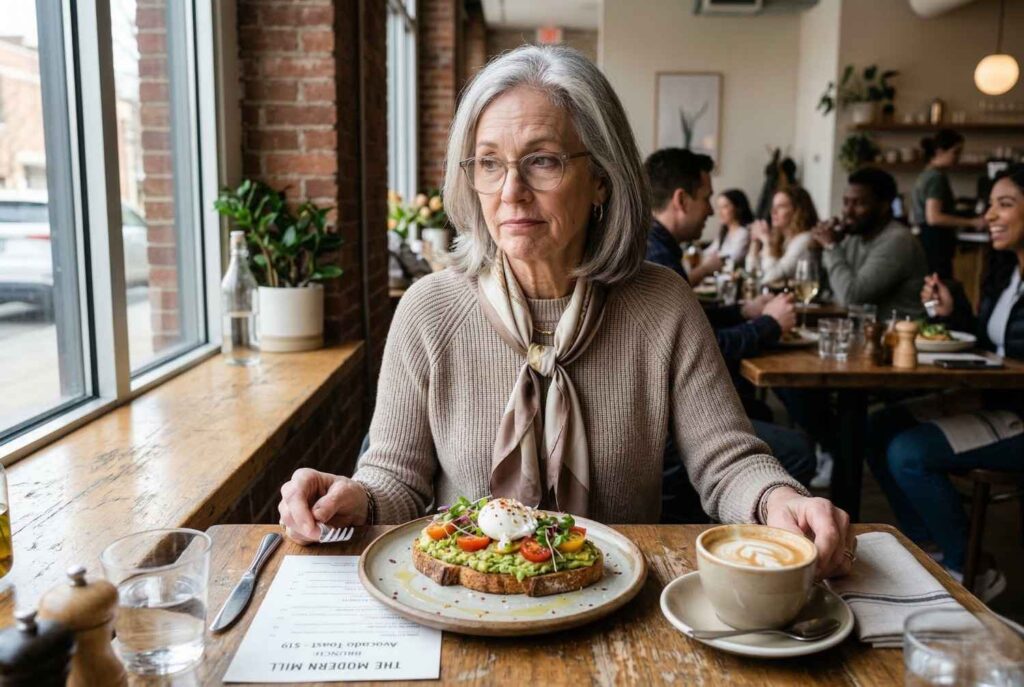
<p> It is hard to scroll through social media without seeing a perfectly styled slice of avocado toast topped with microgreens and a sprinkle of sea salt. Yes, avocado is healthy. Yes, toast is comforting. But paying restaurant prices for mashed avocado on bread can feel like a stretch. Many boomers quietly wonder why this became a culinary revolution. It is pleasant enough, but it is hardly groundbreaking. If you grew up making hearty breakfasts at home, this trendy brunch staple may feel more like a marketing success than a must have meal. </p> :: Gemini

It is hard to scroll through social media without seeing a perfectly styled slice of avocado toast topped with microgreens and a sprinkle of sea salt. Yes, avocado is healthy. Yes, toast is comforting. But paying restaurant prices for mashed avocado on bread can feel like a stretch. Many boomers quietly wonder why this became a culinary revolution. It is pleasant enough, but it is hardly groundbreaking. If you grew up making hearty breakfasts at home, this trendy brunch staple may feel more like a marketing success than a must have meal.

2. Kale Salad

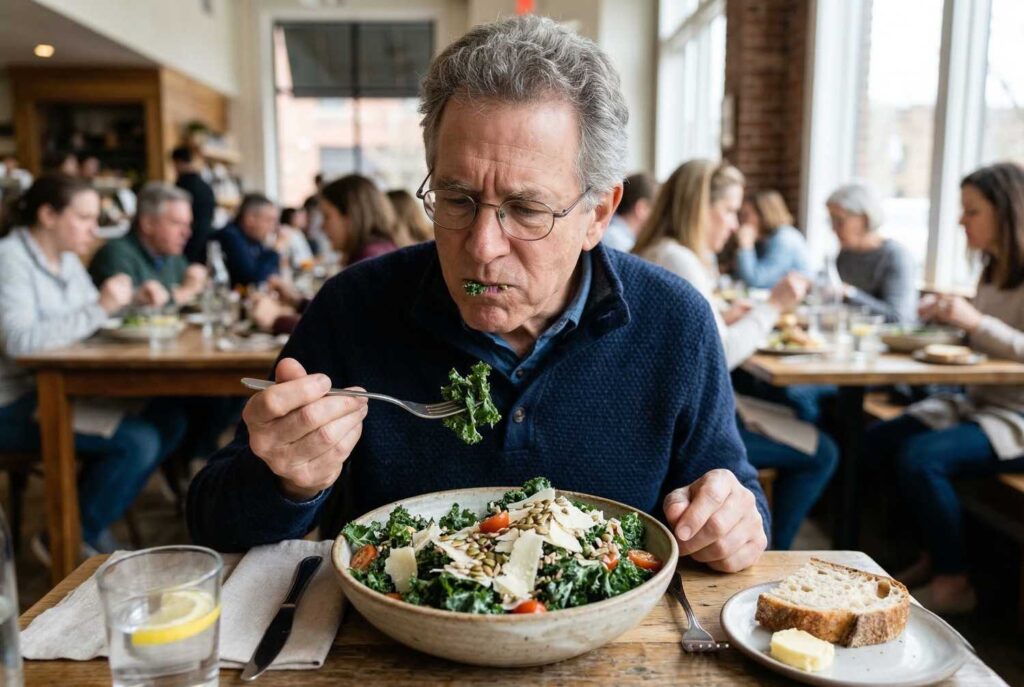
<p> Kale has been crowned a superfood, and for good reason. It is packed with nutrients. The problem is that raw kale can be tough, bitter, and stubbornly chewy. You may have nodded along while someone praised its earthy flavor, all while working your jaw harder than you expected to at lunch. For many baby boomers, spinach or romaine feels far more enjoyable. Kale often seems like something we eat because we should, not because we crave it. </p> :: Gemini

Kale has been crowned a superfood, and for good reason. It is packed with nutrients. The problem is that raw kale can be tough, bitter, and stubbornly chewy. You may have nodded along while someone praised its earthy flavor, all while working your jaw harder than you expected to at lunch. For many baby boomers, spinach or romaine feels far more enjoyable. Kale often seems like something we eat because we should, not because we crave it.

3. Acai Bowls

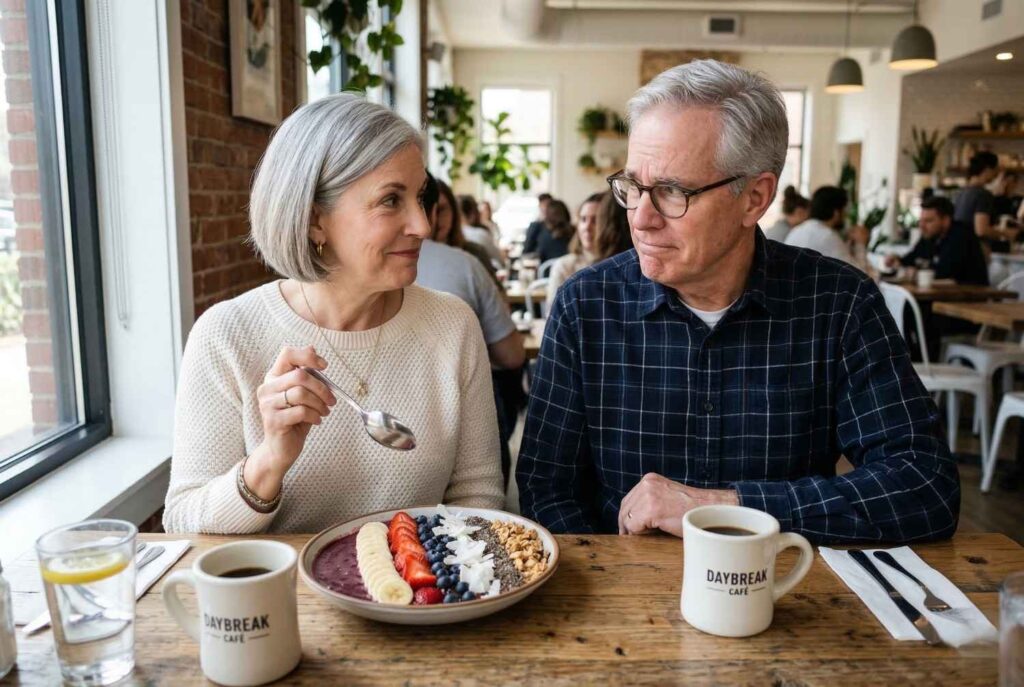
<p> These bright purple bowls topped with fruit, coconut flakes, and chia seeds look beautiful. They photograph well and scream wellness. But when it comes to flavor and satisfaction, they can fall short. Some are loaded with sugar, and others leave you hungry an hour later. Boomers who appreciate a balanced breakfast with protein and substance may find acai bowls more decorative than dependable. They are not bad, but they are not always worth the hype or the price. </p> :: Gemini

These bright purple bowls topped with fruit, coconut flakes, and chia seeds look beautiful. They photograph well and scream wellness. But when it comes to flavor and satisfaction, they can fall short. Some are loaded with sugar, and others leave you hungry an hour later. Boomers who appreciate a balanced breakfast with protein and substance may find acai bowls more decorative than dependable. They are not bad, but they are not always worth the hype or the price.

4. Matcha Lattes

<p> Matcha has deep cultural roots and real health benefits. However, the modern café version often tastes grassy and slightly bitter, especially if you are used to a strong cup of black coffee. Many baby boomers have been drinking coffee for decades. Switching to a frothy green drink can feel like trying to convince yourself you like something just because it is popular. Some genuinely enjoy it. Others sip politely and long for their usual brew. </p> :: Gemini

Matcha has deep cultural roots and real health benefits. However, the modern café version often tastes grassy and slightly bitter, especially if you are used to a strong cup of black coffee. Many baby boomers have been drinking coffee for decades. Switching to a frothy green drink can feel like trying to convince yourself you like something just because it is popular. Some genuinely enjoy it. Others sip politely and long for their usual brew.

5. Truffle Oil Fries

<p> Truffle oil sounds luxurious. It promises sophistication. In reality, many versions use synthetic flavoring that can overpower an otherwise good dish. A plate of fries drizzled in heavy truffle oil can go from delicious to overwhelming in seconds. For boomers who appreciate simple flavors done well, plain crispy fries with a sprinkle of salt often win. The truffle trend sometimes feels like an attempt to make comfort food fancier than it needs to be. </p> :: Gemini

Truffle oil sounds luxurious. It promises sophistication. In reality, many versions use synthetic flavoring that can overpower an otherwise good dish. A plate of fries drizzled in heavy truffle oil can go from delicious to overwhelming in seconds. For boomers who appreciate simple flavors done well, plain crispy fries with a sprinkle of salt often win. The truffle trend sometimes feels like an attempt to make comfort food fancier than it needs to be.

6. Foie Gras

<p> Foie gras has long been associated with fine dining. It is rich, smooth, and indulgent. But it is also incredibly heavy. After a few bites, many people are done. Add in the high price tag and ethical concerns, and it becomes even harder to justify. Some baby boomers may try it once for the experience, especially at a special event, but few are requesting it for their next family gathering. It often feels like something you are supposed to admire more than truly enjoy. </p> :: Gemini

Foie gras has long been associated with fine dining. It is rich, smooth, and indulgent. But it is also incredibly heavy. After a few bites, many people are done. Add in the high price tag and ethical concerns, and it becomes even harder to justify. Some baby boomers may try it once for the experience, especially at a special event, but few are requesting it for their next family gathering. It often feels like something you are supposed to admire more than truly enjoy.

7. Lobster at Luxury Prices

<p> There was a time when lobster was not considered fancy at all. Today, it is often the most expensive item on the menu. While lobster can be sweet and tender, it is also a lot of work for relatively small bites of meat. Crack the shell, dig around, dip in butter, repeat. Some boomers cannot help but think a well prepared steak or grilled fish offers more flavor and satisfaction for the money. The prestige of lobster sometimes outweighs the practical enjoyment. </p> :: Gemini
There was a time when lobster was not considered fancy at all. Today, it is often the most expensive item on the menu. While lobster can be sweet and tender, it is also a lot of work for relatively small bites of meat. Crack the shell, dig around, dip in butter, repeat. Some boomers cannot help but think a well prepared steak or grilled fish offers more flavor and satisfaction for the money. The prestige of lobster sometimes outweighs the practical enjoyment.
8. Caviar

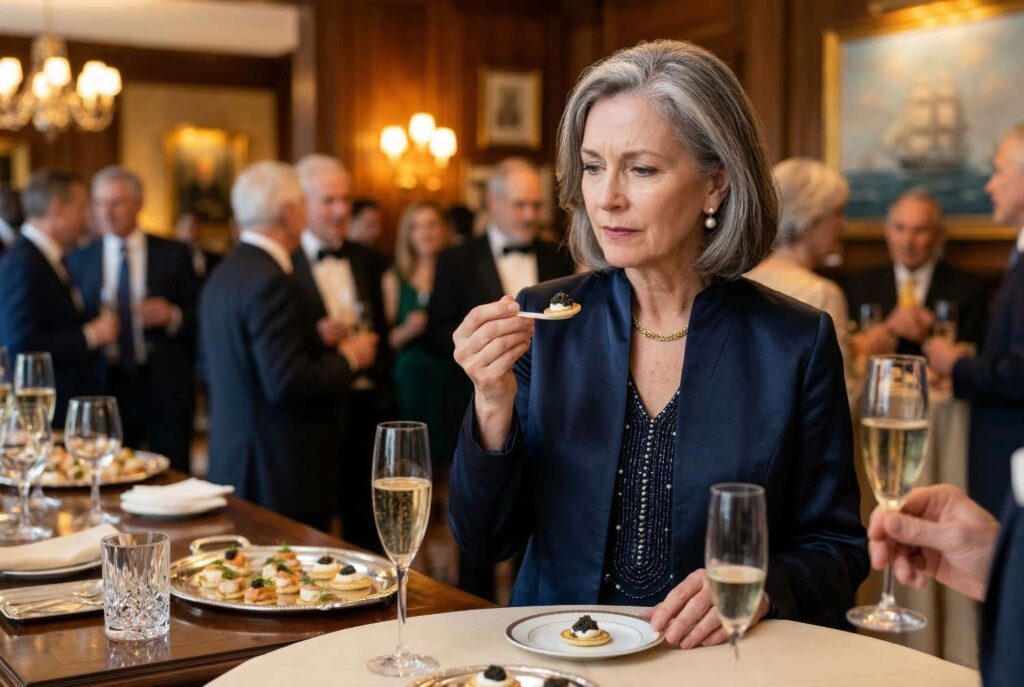
<p> Caviar has a reputation for elegance. It is served in small portions, often at exclusive gatherings, and associated with celebration. Yet, for many people, it tastes intensely salty and surprisingly subtle at the same time. The texture can also be an acquired preference. Baby boomers who appreciate bold, comforting flavors may struggle to understand why tiny fish eggs command such admiration. It is one of those foods people often praise quietly, even if they would not order it on their own dime. </p> :: Gemini

Caviar has a reputation for elegance. It is served in small portions, often at exclusive gatherings, and associated with celebration. Yet, for many people, it tastes intensely salty and surprisingly subtle at the same time. The texture can also be an acquired preference. Baby boomers who appreciate bold, comforting flavors may struggle to understand why tiny fish eggs command such admiration. It is one of those foods people often praise quietly, even if they would not order it on their own dime.

9. Raw Oysters

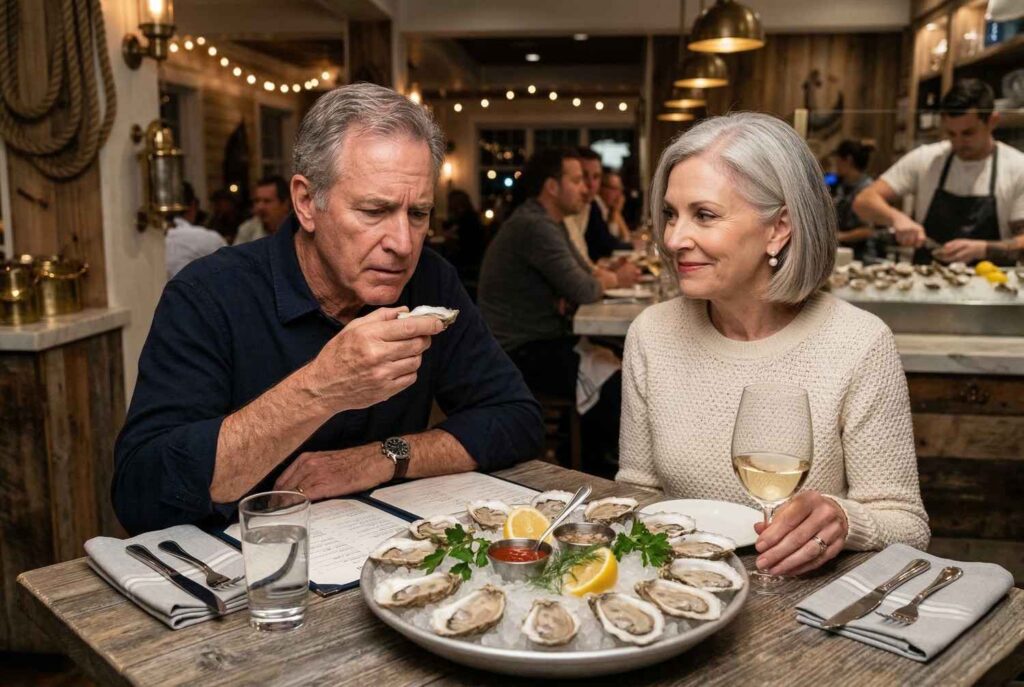
<p> Oysters have long been linked to seaside charm and upscale dining. There is a certain romance to slurping them fresh from the shell. But let us be honest. The texture can be slippery, and the flavor is briny in a way that not everyone loves. Many baby boomers prefer their seafood cooked, seasoned, and warm. Raw oysters can feel more like a daring experience than a genuinely enjoyable meal. Some love them. Others participate once and call it good. </p> :: Gemini

Oysters have long been linked to seaside charm and upscale dining. There is a certain romance to slurping them fresh from the shell. But let us be honest. The texture can be slippery, and the flavor is briny in a way that not everyone loves. Many baby boomers prefer their seafood cooked, seasoned, and warm. Raw oysters can feel more like a daring experience than a genuinely enjoyable meal. Some love them. Others participate once and call it good.

10. Cronuts and Over the Top Pastries

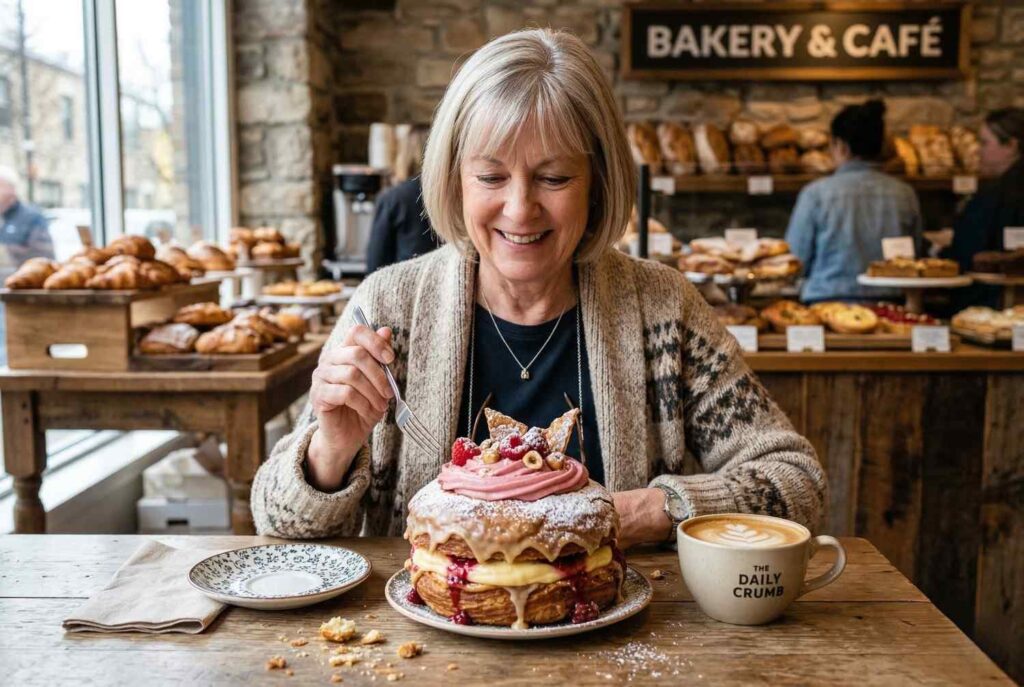
<p> When pastries become viral sensations, expectations skyrocket. Hybrid desserts like croissant donut combinations often look incredible in photos. In reality, they can be overly sweet, greasy, and difficult to eat without making a mess. Boomers who grew up with classic apple pie or a simple glazed donut might find these mashups more chaotic than charming. Sometimes tradition tastes better than innovation. </p> :: Gemini

When pastries become viral sensations, expectations skyrocket. Hybrid desserts like croissant donut combinations often look incredible in photos. In reality, they can be overly sweet, greasy, and difficult to eat without making a mess. Boomers who grew up with classic apple pie or a simple glazed donut might find these mashups more chaotic than charming. Sometimes tradition tastes better than innovation.

11. Deconstructed Dishes

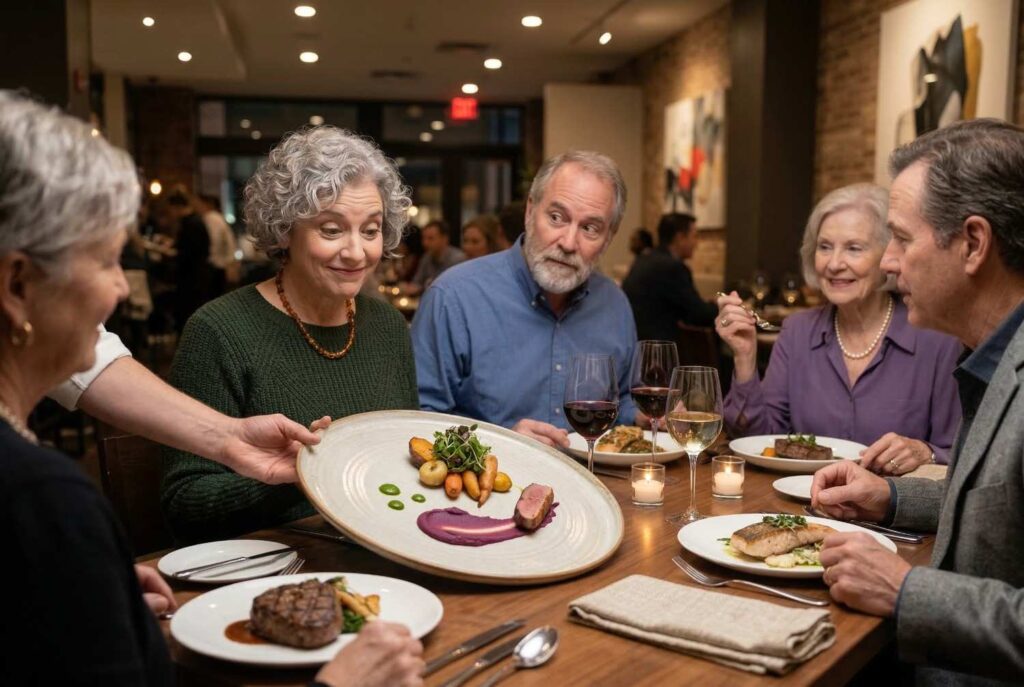
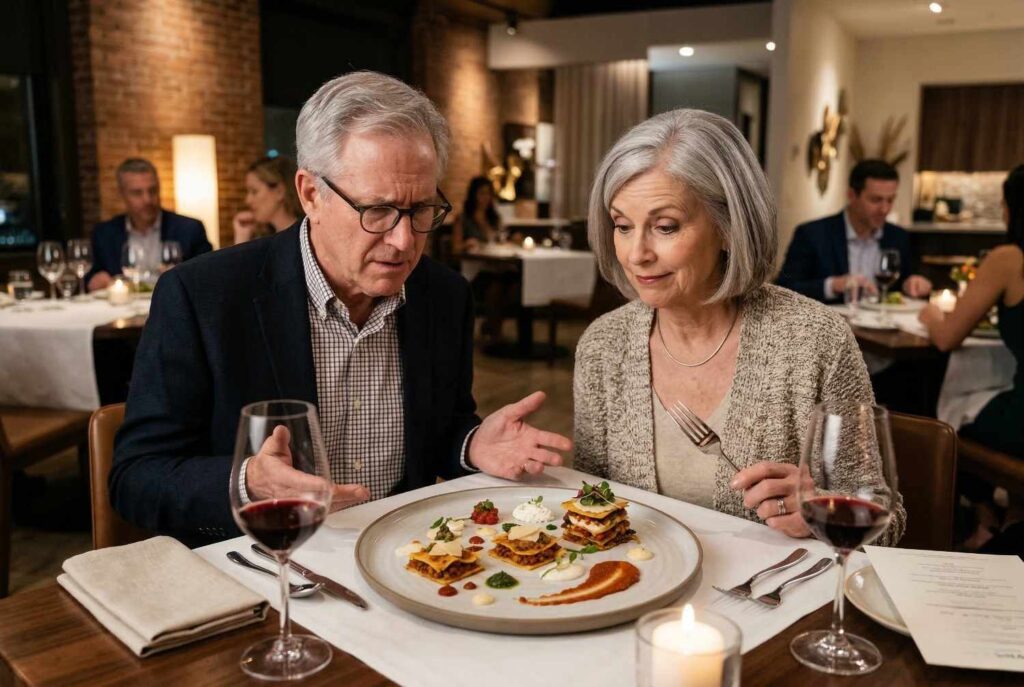
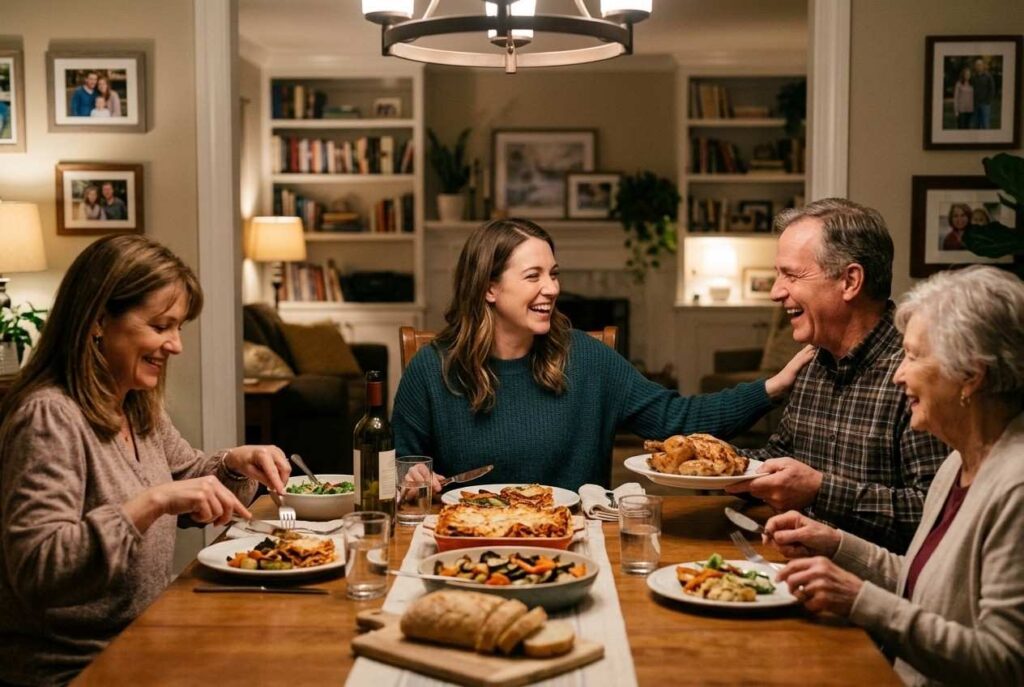
<p> There is a moment at certain restaurants when your meal arrives looking like an art project. Sauce dotted in precise circles. Ingredients separated instead of combined. You are told it is a “deconstructed” version of a classic dish. While creativity has its place, many baby boomers just want their lasagna to look like lasagna. When you are paying good money, you expect comfort and clarity, not a puzzle you have to assemble yourself. </p> :: Gemini

There is a moment at certain restaurants when your meal arrives looking like an art project. Sauce dotted in precise circles. Ingredients separated instead of combined. You are told it is a “deconstructed” version of a classic dish. While creativity has its place, many baby boomers just want their lasagna to look like lasagna. When you are paying good money, you expect comfort and clarity, not a puzzle you have to assemble yourself.

12. Plant Based Imitation Meats

<p> There is growing interest in plant based eating, and that can be a positive shift for health and the environment. However, some imitation meats try so hard to replicate beef or chicken that they end up tasting processed and overly engineered. Many boomers would rather enjoy real vegetables prepared well than a patty designed to mimic something else. Authentic flavor often feels more satisfying than a lab inspired substitute. </p> :: Gemini

There is growing interest in plant based eating, and that can be a positive shift for health and the environment. However, some imitation meats try so hard to replicate beef or chicken that they end up tasting processed and overly engineered. Many boomers would rather enjoy real vegetables prepared well than a patty designed to mimic something else. Authentic flavor often feels more satisfying than a lab inspired substitute.

Final Thoughts

<p> Food is deeply personal. It is tied to memory, family, culture, and comfort. For baby boomers, meals often meant gathering around the table after a long day, sharing stories, and enjoying dishes made with care. The rise of food trends has brought variety and creativity, which is wonderful. But it has also introduced pressure to appreciate things that may not truly suit your taste.

There is no rule that says you must love avocado toast, raw oysters, or the latest viral dessert. You have earned the right to trust your own palate. If you prefer a hearty bowl of soup, a perfectly grilled burger, or a slice of homemade pie, that is not old fashioned. It is honest.

The real takeaway is simple. Eat what you genuinely enjoy. Try new things with curiosity, not obligation. Say yes to the foods that make you feel satisfied, energized, and happy. And the next time a trendy dish lands in front of you and everyone raves about it, remember that it is perfectly fine to smile and say, “It is not for me.” That kind of confidence never goes out of style. </p> :: Gemini


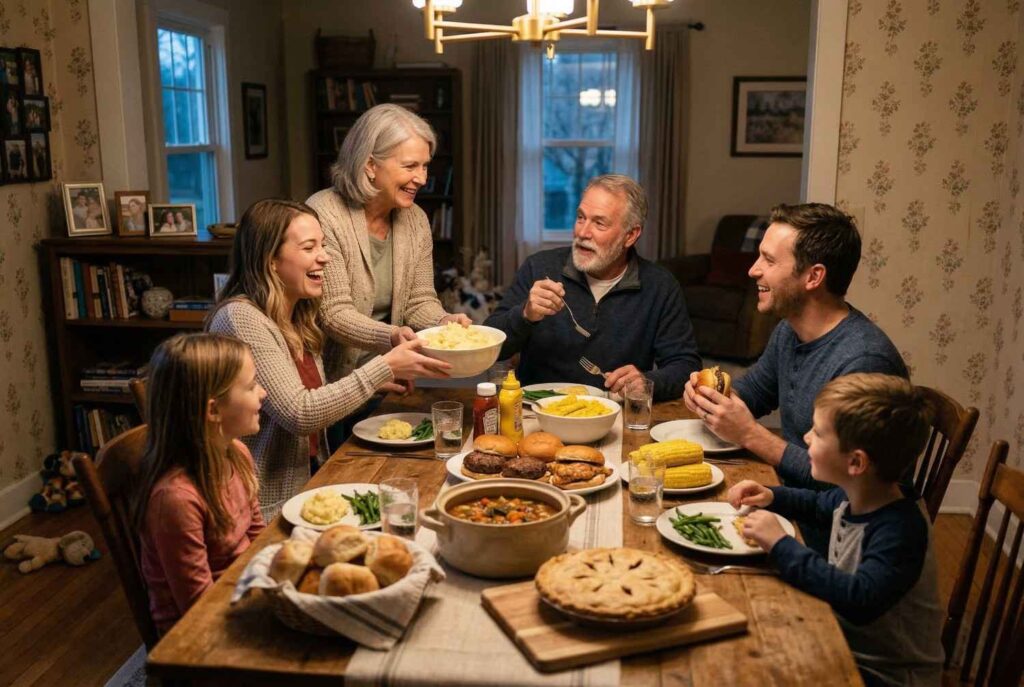
Food is deeply personal. It is tied to memory, family, culture, and comfort. For baby boomers, meals often meant gathering around the table after a long day, sharing stories, and enjoying dishes made with care. The rise of food trends has brought variety and creativity, which is wonderful. But it has also introduced pressure to appreciate things that may not truly suit your taste.

There is no rule that says you must love avocado toast, raw oysters, or the latest viral dessert. You have earned the right to trust your own palate. If you prefer a hearty bowl of soup, a perfectly grilled burger, or a slice of homemade pie, that is not old fashioned. It is honest.

The real takeaway is simple. Eat what you genuinely enjoy. Try new things with curiosity, not obligation. Say yes to the foods that make you feel satisfied, energized, and happy. And the next time a trendy dish lands in front of you and everyone raves about it, remember that it is perfectly fine to smile and say, “It is not for me.” That kind of confidence never goes out of style.

Filed Under: Food & Drink

Why Baby Boomers Can’t Let Go of These 7 Relics, Even if They Never Use Them

March 16, 2026 | Leave a Comment

Why Baby Boomers Can’t Let Go of These 7 Relics, Even if They Never Use Them

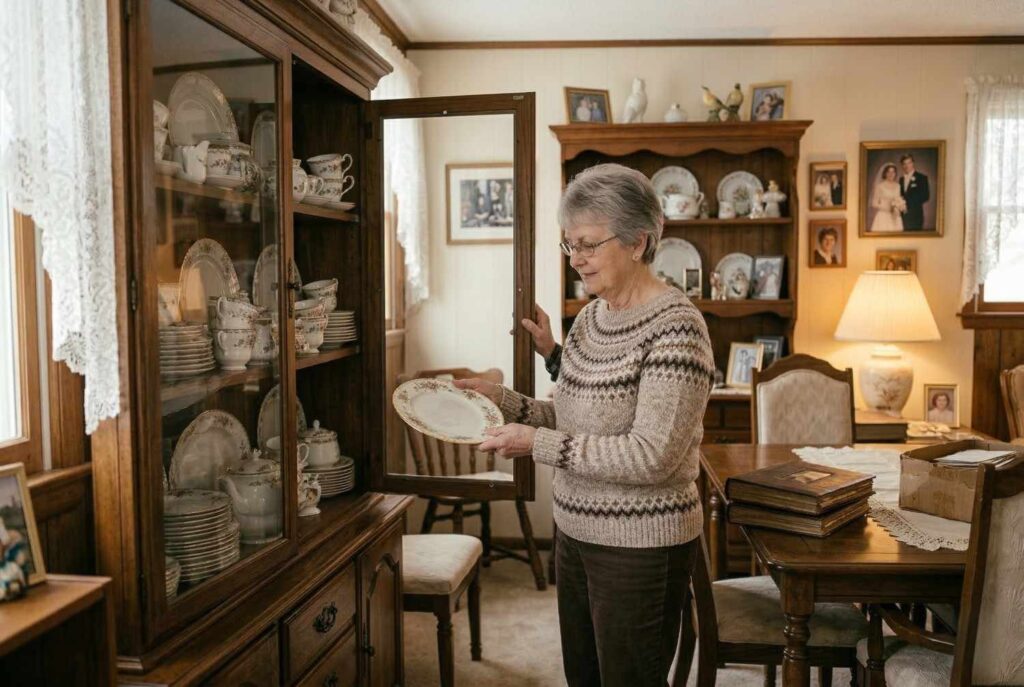
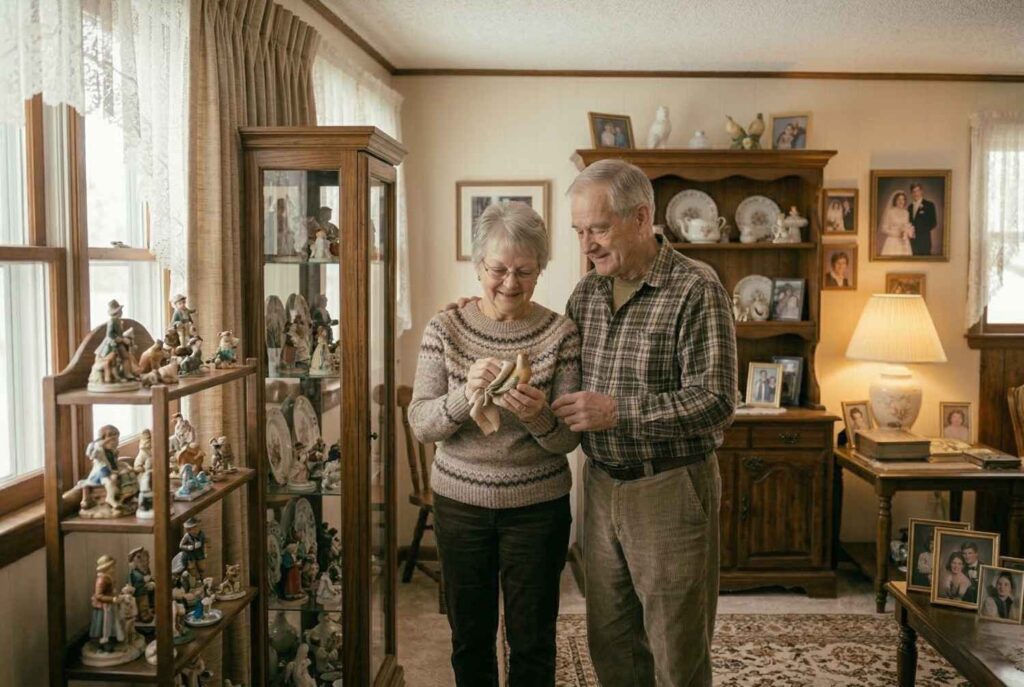
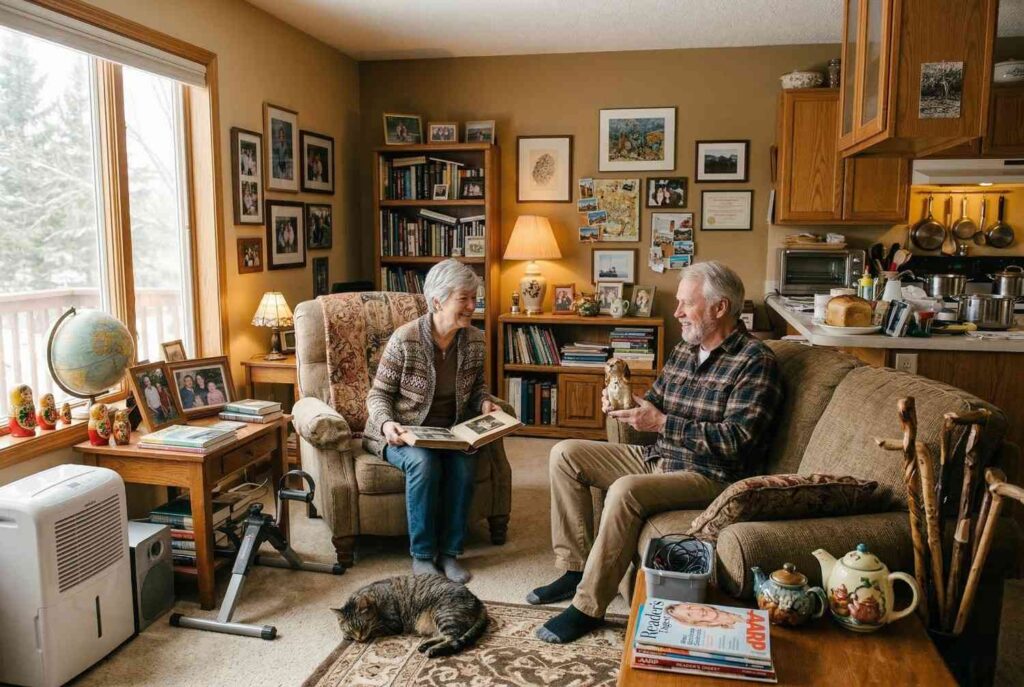
<p> Step into the home of a Baby Boomer and you might notice something instantly familiar: a cabinet filled with dishes that haven’t been touched in years, boxes of photos stacked in the corner, and perhaps an old VHS tape peeking out from a dusty shelf. To the outsider, it can look like clutter, but for Boomers, these items are much more than objects. They are memories, milestones, and pieces of a life carefully built over decades.

The things Baby Boomers hold onto often carry deep emotional weight. Whether it is the wedding china passed down from grandparents, the photo albums chronicling a family’s history, or a set of tools kept “just in case,” these relics tell stories that are impossible to erase. Letting go of them is not just about decluttering; it can feel like letting go of a part of themselves.

Some younger generations might not understand this attachment, especially in a world where everything is digital and disposable. But for Boomers, preserving these items provides comfort, continuity, and a tangible link to their personal histories. Even if some of these possessions have not been used in years, the reasons for keeping them are far from trivial.

Here are seven things Baby Boomers can rarely let go of, along with the real reasons they remain a part of their homes. </p> :: Gemini

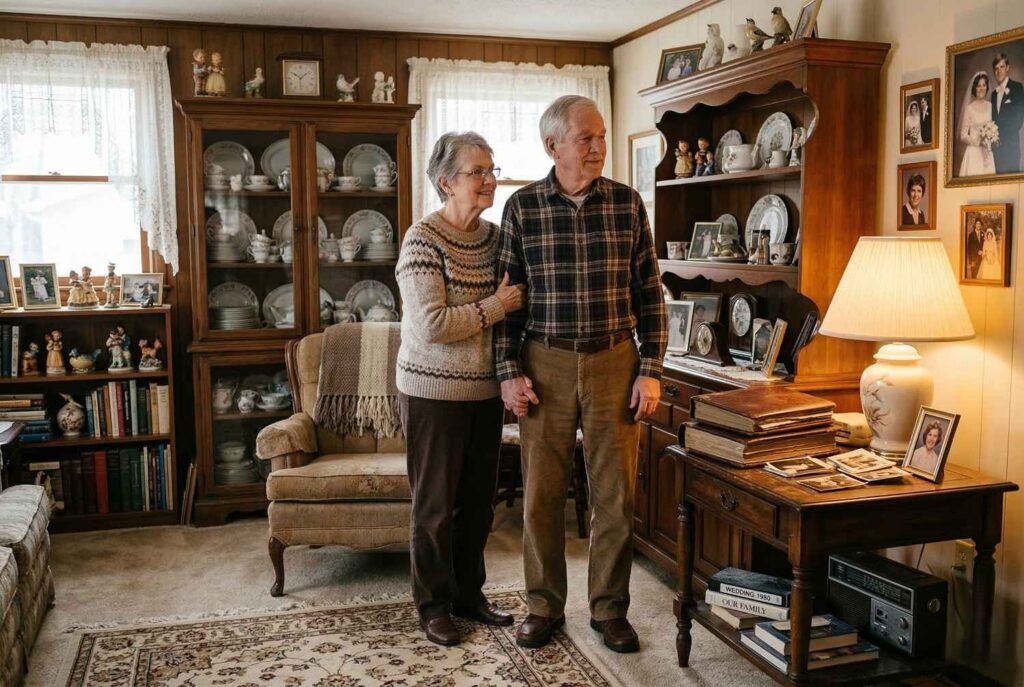
Step into the home of a Baby Boomer and you might notice something instantly familiar: a cabinet filled with dishes that haven’t been touched in years, boxes of photos stacked in the corner, and perhaps an old VHS tape peeking out from a dusty shelf. To the outsider, it can look like clutter, but for Boomers, these items are much more than objects. They are memories, milestones, and pieces of a life carefully built over decades.

The things Baby Boomers hold onto often carry deep emotional weight. Whether it is the wedding china passed down from grandparents, the photo albums chronicling a family’s history, or a set of tools kept “just in case,” these relics tell stories that are impossible to erase. Letting go of them is not just about decluttering; it can feel like letting go of a part of themselves.

Some younger generations might not understand this attachment, especially in a world where everything is digital and disposable. But for Boomers, preserving these items provides comfort, continuity, and a tangible link to their personal histories. Even if some of these possessions have not been used in years, the reasons for keeping them are far from trivial.

Here are seven things Baby Boomers can rarely let go of, along with the real reasons they remain a part of their homes.

1. Fine China Sets That Rarely See the Table

<p> For many Boomers, fine china was a wedding registry must-have and a symbol of maturity. These sets, often elaborately patterned and delicate, were meant for holidays, dinner parties, and family celebrations. Today, many of these dishes remain in glass cabinets, rarely used, and sometimes never even taken out of their original boxes.

Keeping fine china is about more than functionality. Each plate or cup represents a memory, a tradition, or a milestone event. Even when the dishes no longer fit the casual dining habits of modern life, they hold sentimental value. Removing them from the home can feel like erasing the gatherings, celebrations, and family milestones they witnessed over the years. For Baby Boomers, fine china is not just a dishware collection; it is a physical reminder of their family history and hospitality traditions. </p> :: Gemini

For many Boomers, fine china was a wedding registry must-have and a symbol of maturity. These sets, often elaborately patterned and delicate, were meant for holidays, dinner parties, and family celebrations. Today, many of these dishes remain in glass cabinets, rarely used, and sometimes never even taken out of their original boxes.

Keeping fine china is about more than functionality. Each plate or cup represents a memory, a tradition, or a milestone event. Even when the dishes no longer fit the casual dining habits of modern life, they hold sentimental value. Removing them from the home can feel like erasing the gatherings, celebrations, and family milestones they witnessed over the years. For Baby Boomers, fine china is not just a dishware collection; it is a physical reminder of their family history and hospitality traditions.

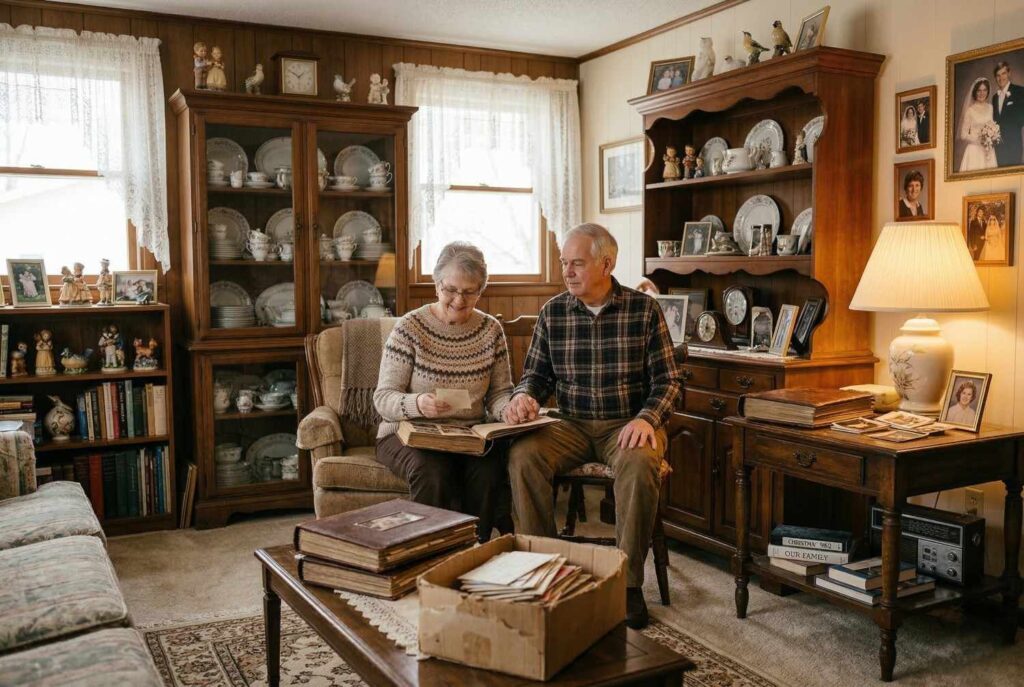
2. Old Photo Albums That Capture Life in Pages

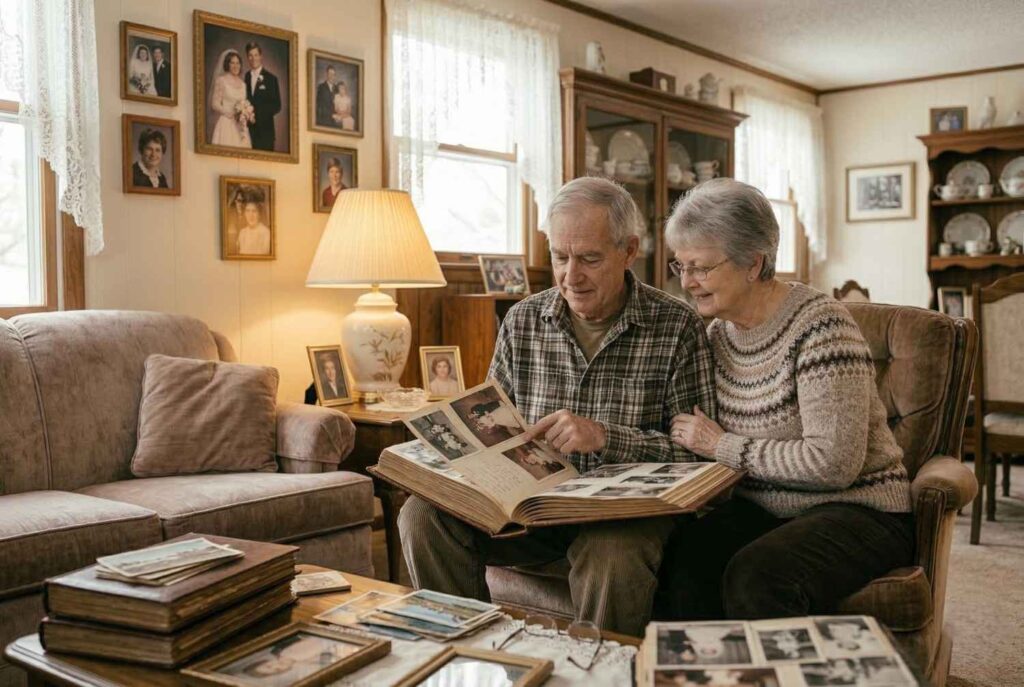
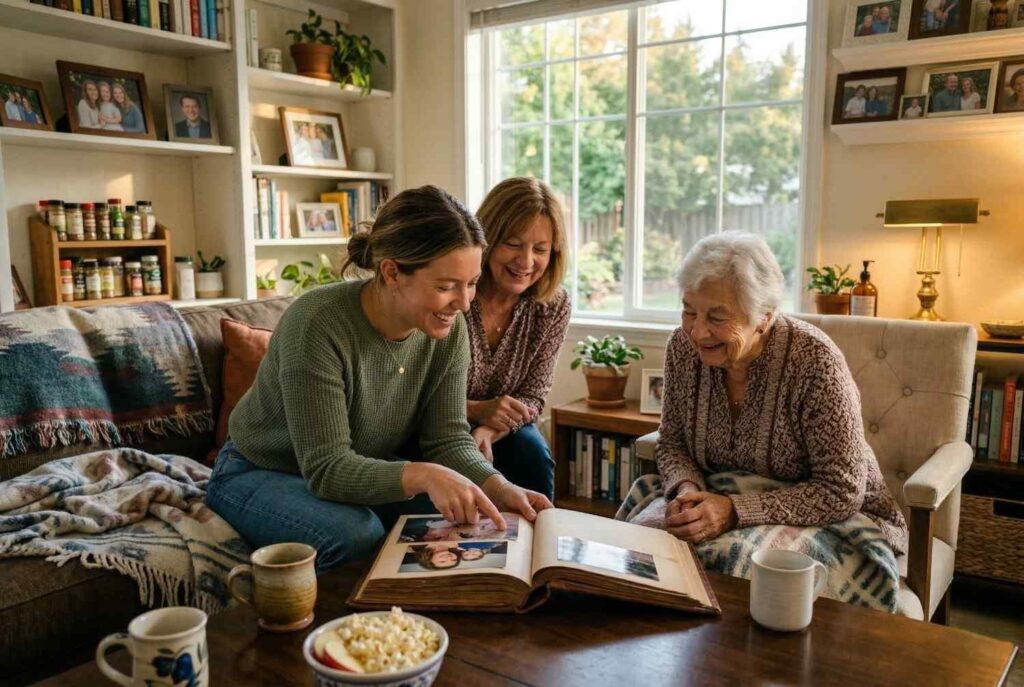
<p> Before smartphones, cloud storage, and Instagram, photos were precious, tangible memories that had to be printed and organized carefully. Wedding photos, vacation snapshots, birthday parties, and everyday moments all found their way into thick albums. For Boomers, these albums are far more than pictures; they are chronicles of a life well-lived.

Flipping through an old photo album can transport someone back decades, evoking laughter, nostalgia, and even tears. While younger generations may store thousands of images digitally, Boomers value the tactile experience of turning pages and seeing physical prints. Each photo tells a story that digital screens often cannot replicate. That is why these albums continue to occupy shelves and drawers, even when digital alternatives are available. They are living reminders of family, friends, and unforgettable experiences. </p> :: Gemini

Before smartphones, cloud storage, and Instagram, photos were precious, tangible memories that had to be printed and organized carefully. Wedding photos, vacation snapshots, birthday parties, and everyday moments all found their way into thick albums. For Boomers, these albums are far more than pictures; they are chronicles of a life well-lived.

Flipping through an old photo album can transport someone back decades, evoking laughter, nostalgia, and even tears. While younger generations may store thousands of images digitally, Boomers value the tactile experience of turning pages and seeing physical prints. Each photo tells a story that digital screens often cannot replicate. That is why these albums continue to occupy shelves and drawers, even when digital alternatives are available. They are living reminders of family, friends, and unforgettable experiences.

3. VHS Tapes and Outdated Electronics

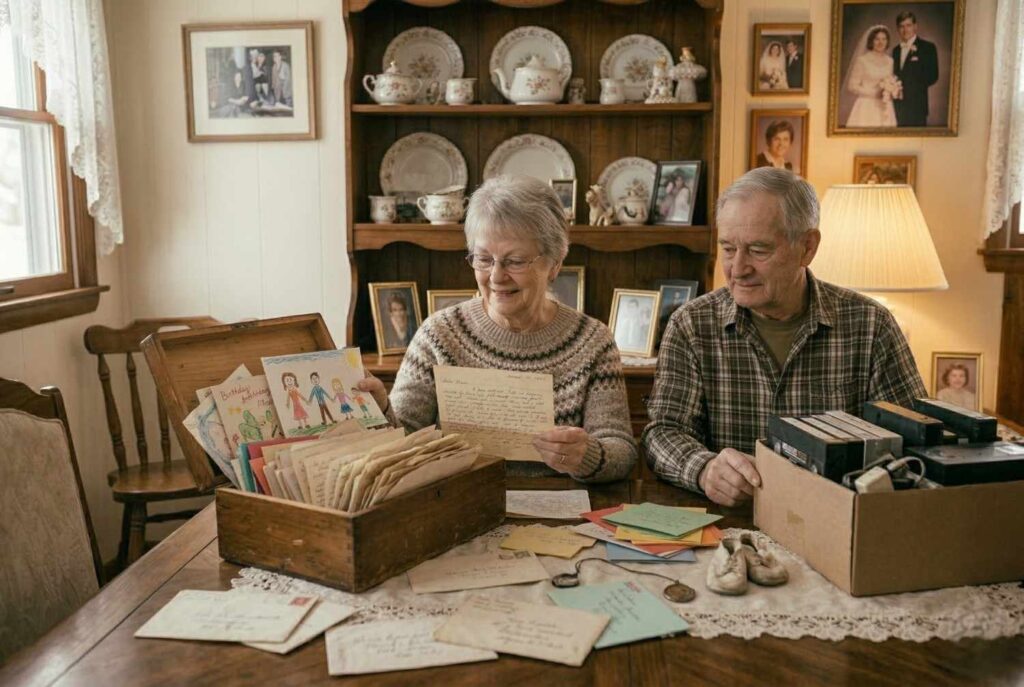
<p> Walk into a Boomer’s home and you might find a box of VHS tapes, a cassette player, or a camcorder that has not been used in years. Many of these electronics are obsolete, yet they are rarely discarded. The reason is simple: these items capture irreplaceable moments.

Birthday parties, holidays, weddings, and other significant events were recorded on tapes long before smartphones made videos simple. The memories contained within these devices are priceless. Even if the technology to play them no longer works, the thought of losing these memories is enough to keep the boxes tucked away in closets or attics. For many Boomers, these tapes are not about entertainment; they are archives of a life filled with love, laughter, and milestones. </p> :: Gemini

Walk into a Boomer’s home and you might find a box of VHS tapes, a cassette player, or a camcorder that has not been used in years. Many of these electronics are obsolete, yet they are rarely discarded. The reason is simple: these items capture irreplaceable moments.

Birthday parties, holidays, weddings, and other significant events were recorded on tapes long before smartphones made videos simple. The memories contained within these devices are priceless. Even if the technology to play them no longer works, the thought of losing these memories is enough to keep the boxes tucked away in closets or attics. For many Boomers, these tapes are not about entertainment; they are archives of a life filled with love, laughter, and milestones.

4. Furniture That Stands the Test of Time

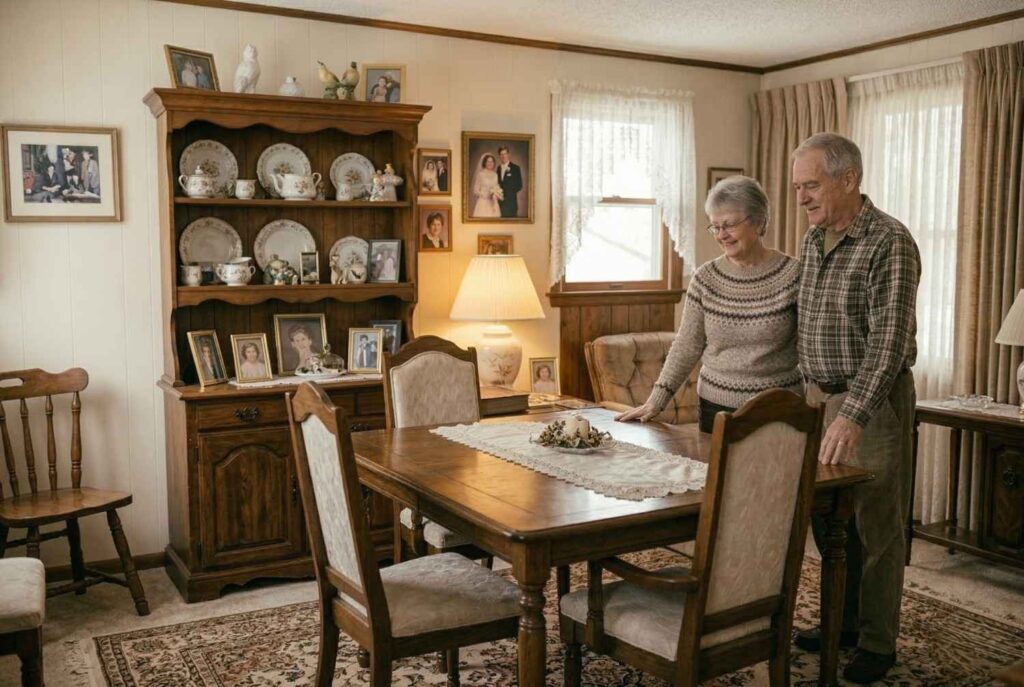
<p> Baby Boomers grew up with furniture that was built to last. Solid wood dining tables, heavy dressers, and long-lasting couches were investments meant to endure decades of use. Even when the style becomes outdated, these pieces are rarely replaced.

Durable furniture is not just functional; it represents craftsmanship and the values of an earlier generation. Baby Boomers often keep these items because they have already stood the test of time and hold memories of family gatherings and everyday life. While modern homes may prioritize trendy designs, Boomers see these enduring pieces as part of their identity and history. Their longevity alone makes them difficult to part with, even if they no longer fit the current décor. </p> :: Gemini

Baby Boomers grew up with furniture that was built to last. Solid wood dining tables, heavy dressers, and long-lasting couches were investments meant to endure decades of use. Even when the style becomes outdated, these pieces are rarely replaced.

Durable furniture is not just functional; it represents craftsmanship and the values of an earlier generation. Baby Boomers often keep these items because they have already stood the test of time and hold memories of family gatherings and everyday life. While modern homes may prioritize trendy designs, Boomers see these enduring pieces as part of their identity and history. Their longevity alone makes them difficult to part with, even if they no longer fit the current décor.

5. Boxes of Letters, Cards, and Childhood Drawings

<p> Sentimental keepsakes like letters, greeting cards, and children’s drawings often accumulate in drawers and boxes. While younger generations may communicate primarily through digital messages, Baby Boomers grew up when handwritten notes were the standard form of connection.

These items carry more than nostalgia; they are emotional anchors. A birthday card from a loved one or a child’s first drawing can instantly bring back cherished memories. They serve as tangible connections to people and moments that shaped a lifetime. The thought of throwing them away often feels impossible because it is not just about the objects themselves, but the feelings and stories they preserve. </p> :: Gemini

Sentimental keepsakes like letters, greeting cards, and children’s drawings often accumulate in drawers and boxes. While younger generations may communicate primarily through digital messages, Baby Boomers grew up when handwritten notes were the standard form of connection.

These items carry more than nostalgia; they are emotional anchors. A birthday card from a loved one or a child’s first drawing can instantly bring back cherished memories. They serve as tangible connections to people and moments that shaped a lifetime. The thought of throwing them away often feels impossible because it is not just about the objects themselves, but the feelings and stories they preserve.

6. Collectible Figurines and Decorative Items

<p> Many Baby Boomers have collections of figurines, commemorative plates, or other decorative items accumulated over years. These items were often purchased during vacations, through catalog subscriptions, or as gifts meant to mark significant occasions.

Even if the items are no longer fashionable or have little monetary value, Boomers keep them because each one represents a memory. A figurine might remind them of a family vacation, a birthday, or a special gift. Removing these collectibles can feel like losing tangible pieces of a personal history. Displayed or stored, they tell the story of experiences that are meaningful and irreplaceable. </p> :: Gemini

Many Baby Boomers have collections of figurines, commemorative plates, or other decorative items accumulated over years. These items were often purchased during vacations, through catalog subscriptions, or as gifts meant to mark significant occasions.

Even if the items are no longer fashionable or have little monetary value, Boomers keep them because each one represents a memory. A figurine might remind them of a family vacation, a birthday, or a special gift. Removing these collectibles can feel like losing tangible pieces of a personal history. Displayed or stored, they tell the story of experiences that are meaningful and irreplaceable.

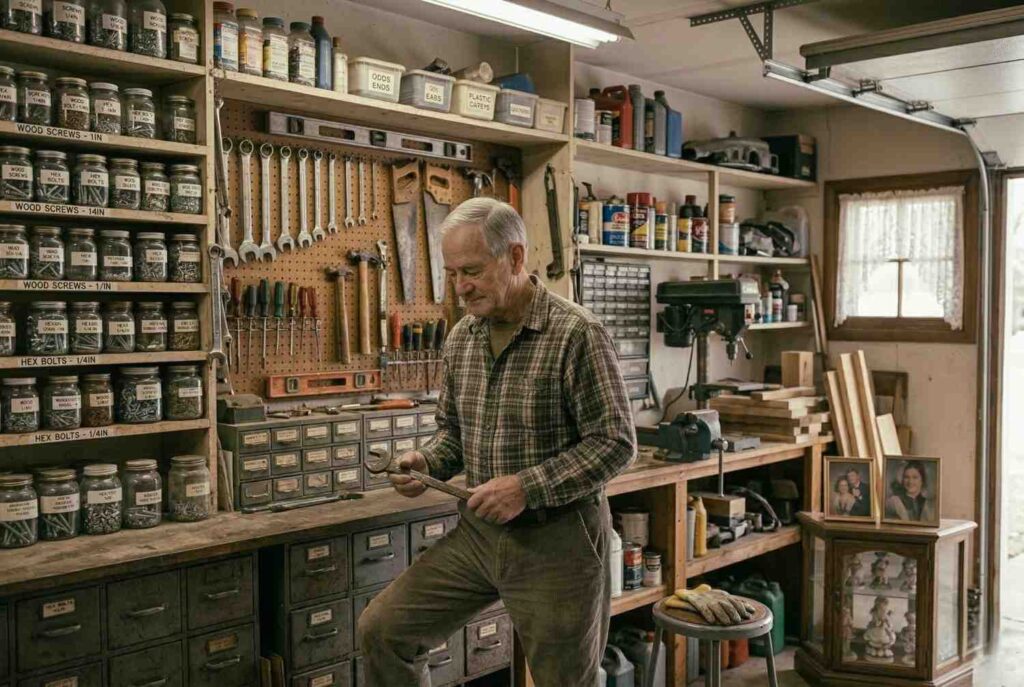
7. Tools and Hardware Saved for “Just in Case”

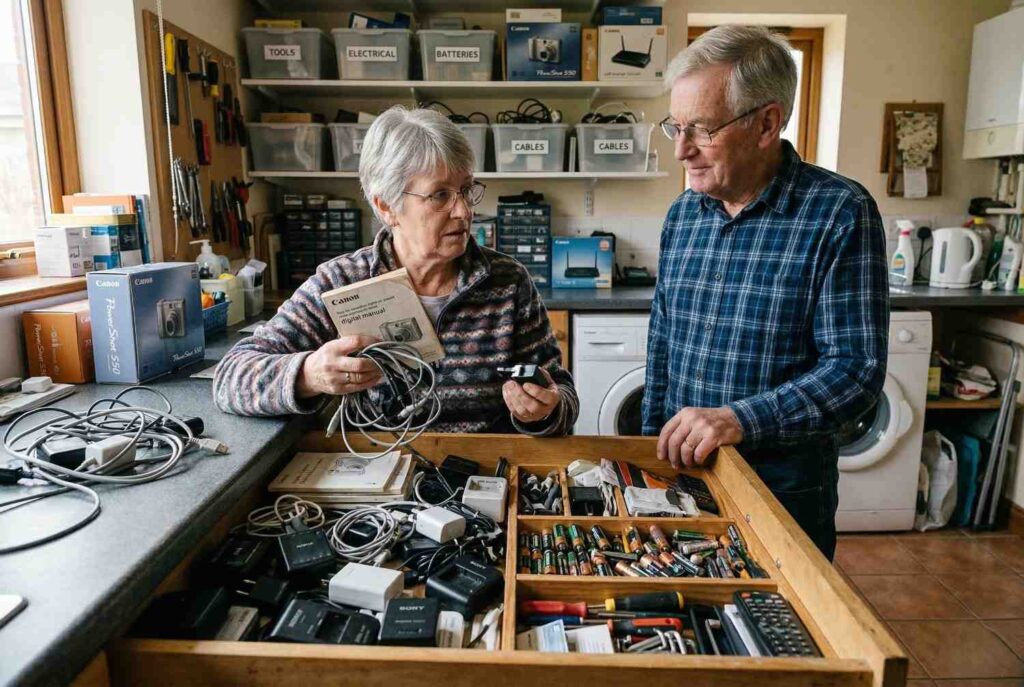
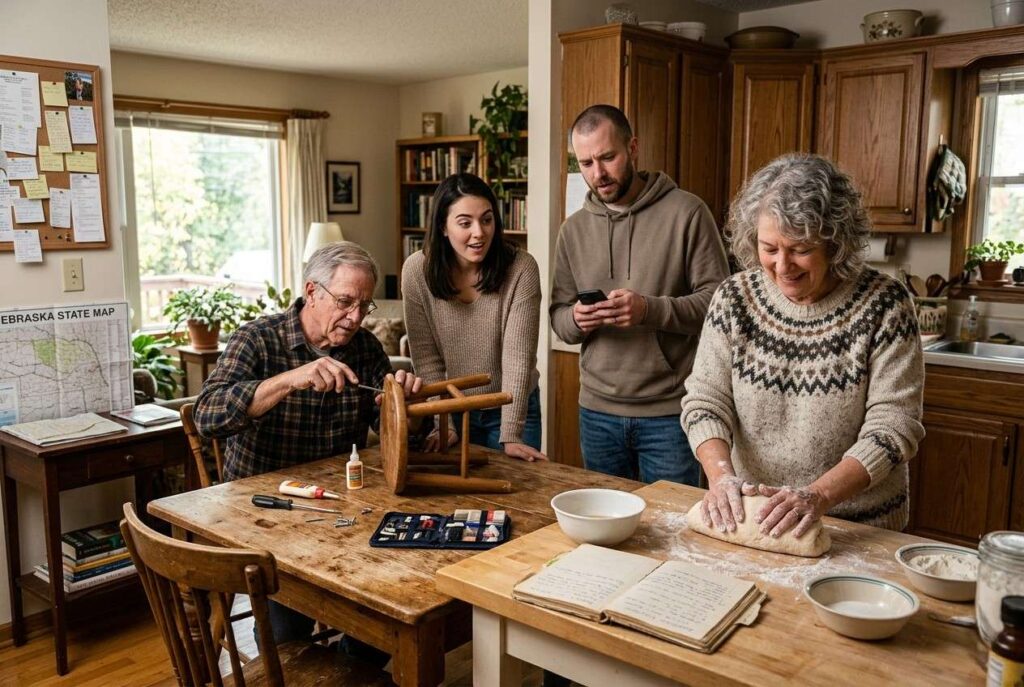
<p> A trip to a Boomer’s garage often reveals tools, spare parts, and hardware that have not been used in decades. Wrenches, screws, and old keys sit patiently in drawers or boxes, seemingly waiting for a future moment when they might be needed.

Many Boomers grew up in households shaped by the Great Depression or wartime rationing, where nothing was wasted. Keeping tools and hardware embodies a mindset of resourcefulness and preparedness. Even if a tool has not been used in years, it remains in the home because it might be needed someday. This mindset is not about hoarding; it is about valuing durability and readiness, traits that were ingrained over a lifetime. </p> :: Gemini

A trip to a Boomer’s garage often reveals tools, spare parts, and hardware that have not been used in decades. Wrenches, screws, and old keys sit patiently in drawers or boxes, seemingly waiting for a future moment when they might be needed.

Many Boomers grew up in households shaped by the Great Depression or wartime rationing, where nothing was wasted. Keeping tools and hardware embodies a mindset of resourcefulness and preparedness. Even if a tool has not been used in years, it remains in the home because it might be needed someday. This mindset is not about hoarding; it is about valuing durability and readiness, traits that were ingrained over a lifetime.

Final Thoughts

<p> The items Baby Boomers keep may seem like relics to younger generations, but each one has a story to tell. Fine china, photo albums, VHS tapes, durable furniture, sentimental letters, collectibles, and long-forgotten tools are more than objects; they are anchors to a life well-lived.

These possessions preserve memories, honor milestones, and provide emotional comfort in a world that has changed rapidly. For Boomers, letting go of these items is not simply about decluttering; it is about releasing pieces of a personal history that have shaped who they are.

While minimalism and digital storage dominate the younger generation’s mindset, there is value in holding onto a few physical reminders of the past. They serve as stories, lessons, and memories, reminding us that the life we have lived deserves to be remembered. Sometimes keeping these items is not about clinging to the past, but about honoring the journey that brought us to the present.

For anyone helping a Boomer organize, the key is understanding that these objects carry meaning beyond their practical use. When approached with respect and empathy, decluttering does not have to feel like loss—it can become a shared journey of memory, storytelling, and celebration. </p> :: Gemini

The items Baby Boomers keep may seem like relics to younger generations, but each one has a story to tell. Fine china, photo albums, VHS tapes, durable furniture, sentimental letters, collectibles, and long-forgotten tools are more than objects; they are anchors to a life well-lived.

These possessions preserve memories, honor milestones, and provide emotional comfort in a world that has changed rapidly. For Boomers, letting go of these items is not simply about decluttering; it is about releasing pieces of a personal history that have shaped who they are.

While minimalism and digital storage dominate the younger generation’s mindset, there is value in holding onto a few physical reminders of the past. They serve as stories, lessons, and memories, reminding us that the life we have lived deserves to be remembered. Sometimes keeping these items is not about clinging to the past, but about honoring the journey that brought us to the present.

For anyone helping a Boomer organize, the key is understanding that these objects carry meaning beyond their practical use. When approached with respect and empathy, decluttering does not have to feel like loss—it can become a shared journey of memory, storytelling, and celebration.

Filed Under: Lifestyle

12 Reasons Why Baby Boomers Keep Buying These “Useless” Retirement Gadgets — And What It Really Says About Them

March 15, 2026 | Leave a Comment

12 Reasons Why Baby Boomers Keep Buying These Useless Retirement Gadgets

<p> Walk into a typical Baby Boomer's home, and one thing becomes instantly clear: there is stuff everywhere. From kitchen gadgets that have never seen a meal, to fitness tools that double as coat racks, and quirky devices that promised to change retirement life but mostly gather dust, the collection can be staggering. If you are a younger adult, it might look like a case of hoarding gone wild. But there is a method behind this madness, a mix of nostalgia, emotion, and the way Boomers approach life after decades of work.

Why do they keep buying gadgets that seem completely useless? The answer is more relatable than you might think. Each purchase tells a story, and every item reflects hopes, memories, or simple human desires. Let’s explore twelve reasons Baby Boomers continue to add “useless” gadgets to their lives and why it makes perfect sense from their perspective. </p> :: Gemini

Walk into a typical Baby Boomer’s home, and one thing becomes instantly clear: there is stuff everywhere. From kitchen gadgets that have never seen a meal, to fitness tools that double as coat racks, and quirky devices that promised to change retirement life but mostly gather dust, the collection can be staggering. If you are a younger adult, it might look like a case of hoarding gone wild. But there is a method behind this madness, a mix of nostalgia, emotion, and the way Boomers approach life after decades of work.

Why do they keep buying gadgets that seem completely useless? The answer is more relatable than you might think. Each purchase tells a story, and every item reflects hopes, memories, or simple human desires. Let’s explore twelve reasons Baby Boomers continue to add “useless” gadgets to their lives and why it makes perfect sense from their perspective.

1. Nostalgia Provides Comfort

<p> Baby Boomers grew up in a world where possessions had emotional significance. A gadget or trinket is not just an object; it represents a memory, a time, or a feeling. Owning items from the past, or even gadgets that mimic older technology, provides a sense of comfort. These purchases bring back memories of youth or simpler times. Even if the item is not useful in everyday life, it serves as an emotional anchor during a period of change, such as retirement. </p> :: Gemini

Baby Boomers grew up in a world where possessions had emotional significance. A gadget or trinket is not just an object; it represents a memory, a time, or a feeling. Owning items from the past, or even gadgets that mimic older technology, provides a sense of comfort. These purchases bring back memories of youth or simpler times. Even if the item is not useful in everyday life, it serves as an emotional anchor during a period of change, such as retirement.

2. The “Just in Case” Mentality

<p> Many Boomers were raised in a time of scarcity or economic uncertainty. This instilled a mindset of always being prepared. Buying a gadget with good intentions and storing it away “just in case” is common. These items often remain tucked in drawers or closets for years, forgotten until the next home cleaning session. Even when the item never gets used, the idea of having it available provides peace of mind. </p> :: Gemini

Many Boomers were raised in a time of scarcity or economic uncertainty. This instilled a mindset of always being prepared. Buying a gadget with good intentions and storing it away “just in case” is common. These items often remain tucked in drawers or closets for years, forgotten until the next home cleaning session. Even when the item never gets used, the idea of having it available provides peace of mind.

3. Shopping as a Hobby

<p> Retirement brings freedom but sometimes boredom. For many Baby Boomers, shopping is more than a way to acquire things; it is a form of entertainment. Browsing stores, exploring online deals, and discovering the newest gadgets fills time and creates a sense of accomplishment. Even if the gadget ends up unused, the process of finding it and bringing it home offers enjoyment and structure to daily life. </p> :: Gemini

Retirement brings freedom but sometimes boredom. For many Baby Boomers, shopping is more than a way to acquire things; it is a form of entertainment. Browsing stores, exploring online deals, and discovering the newest gadgets fills time and creates a sense of accomplishment. Even if the gadget ends up unused, the process of finding it and bringing it home offers enjoyment and structure to daily life.

4. Owning Things Equals Achievement

<p> The post-war generation grew up associating success with ownership. A new kitchen appliance, a top-of-the-line gadget, or even a luxury device is a symbol of achievement and hard work. These purchases are often treated as rewards for a lifetime of effort. While younger generations might see clutter, Boomers see tangible evidence of a life well lived. Each item tells a story of personal victories, family milestones, or long-awaited indulgences. In many ways, their homes become a curated display of a life built with dedication and care. </p> :: Gemini

The post-war generation grew up associating success with ownership. A new kitchen appliance, a top-of-the-line gadget, or even a luxury device is a symbol of achievement and hard work. These purchases are often treated as rewards for a lifetime of effort. While younger generations might see clutter, Boomers see tangible evidence of a life well lived. Each item tells a story of personal victories, family milestones, or long-awaited indulgences. In many ways, their homes become a curated display of a life built with dedication and care.

5. Technology Can Be Overwhelming

<p> Baby Boomers are eager to embrace new technology, but sometimes the learning curve is steep. Smart devices, high-tech kitchen tools, or fitness trackers are purchased with good intentions, yet they often remain underused. Without daily engagement or full understanding of the device, these gadgets can quickly become expensive paperweights, waiting patiently for a chance to be useful. </p> :: Gemini

Baby Boomers are eager to embrace new technology, but sometimes the learning curve is steep. Smart devices, high-tech kitchen tools, or fitness trackers are purchased with good intentions, yet they often remain underused. Without daily engagement or full understanding of the device, these gadgets can quickly become expensive paperweights, waiting patiently for a chance to be useful.

6. Imagined New Hobbies Drive Purchases

<p> Retirement is a blank canvas, and many Boomers buy gadgets for hobbies they plan to start. Top-of-the-line exercise equipment, craft kits, or outdoor gear are purchased with the expectation of diving into a new lifestyle. Unfortunately, intentions do not always turn into action. These items often sit unused, waiting for the perfect moment that never quite arrives. </p> :: Gemini

Retirement is a blank canvas, and many Boomers buy gadgets for hobbies they plan to start. Top-of-the-line exercise equipment, craft kits, or outdoor gear are purchased with the expectation of diving into a new lifestyle. Unfortunately, intentions do not always turn into action. These items often sit unused, waiting for the perfect moment that never quite arrives.

7. Collecting Feels Like Building a Legacy

<p> Collections are more than hobbies for Baby Boomers; they are a way to preserve history and create a family legacy. Figurines, rare finds, and memorabilia are acquired with the hope that they will be treasured or passed down to the next generation. Even if younger family members roll their eyes, Boomers see value in keeping these items around for sentimental or heritage purposes. Each piece tells a story of a time, a place, or a person that shaped their lives. Displaying or carefully storing these treasures gives them a sense of continuity and connection, reminding them that their experiences and memories matter. </p> :: Gemini

Collections are more than hobbies for Baby Boomers; they are a way to preserve history and create a family legacy. Figurines, rare finds, and memorabilia are acquired with the hope that they will be treasured or passed down to the next generation. Even if younger family members roll their eyes, Boomers see value in keeping these items around for sentimental or heritage purposes. Each piece tells a story of a time, a place, or a person that shaped their lives. Displaying or carefully storing these treasures gives them a sense of continuity and connection, reminding them that their experiences and memories matter.

8. Advertising Still Works

<p> Despite growing up in a pre-digital world, Boomers respond strongly to advertising. They learned early that a product can promise convenience, excitement, or enjoyment, and many still make purchases based on that appeal. Even if the actual use of the product falls short of the marketing claims, the satisfaction of the purchase moment itself can be rewarding. </p> :: Gemini

Despite growing up in a pre-digital world, Boomers respond strongly to advertising. They learned early that a product can promise convenience, excitement, or enjoyment, and many still make purchases based on that appeal. Even if the actual use of the product falls short of the marketing claims, the satisfaction of the purchase moment itself can be rewarding.

9. They Love Giving Gifts

<p> Baby Boomers often buy gadgets and items with others in mind, even when no one specifically asked for them. Gifts are a way to show care and thoughtfulness. While this can sometimes create clutter for family members, the intention behind the purchase is genuine. For Boomers, a gift represents love and attention, even if the recipient never uses it. Sometimes, the act of choosing the perfect item brings them just as much joy as giving it. It becomes a way to stay connected, share memories, and express affection long after the initial purchase. </p> :: Gemini

Baby Boomers often buy gadgets and items with others in mind, even when no one specifically asked for them. Gifts are a way to show care and thoughtfulness. While this can sometimes create clutter for family members, the intention behind the purchase is genuine. For Boomers, a gift represents love and attention, even if the recipient never uses it. Sometimes, the act of choosing the perfect item brings them just as much joy as giving it. It becomes a way to stay connected, share memories, and express affection long after the initial purchase.

10. Emotional Value Trumps Practicality

<p> Boomers frequently attach emotional weight to objects. A gadget, mug, or tool may remind them of a loved one, a place, or a past experience. This sentimental attachment makes the item valuable in their eyes, regardless of whether it serves a practical function. Emotional connections often outweigh utility, and that explains why items that seem useless still hold a permanent place in their homes. Sometimes, just seeing the object can bring back a flood of memories, sparking stories and conversations that feel priceless. These items also create a sense of continuity, linking the past to the present in a way that feels comforting and meaningful. </p> :: Gemini

Boomers frequently attach emotional weight to objects. A gadget, mug, or tool may remind them of a loved one, a place, or a past experience. This sentimental attachment makes the item valuable in their eyes, regardless of whether it serves a practical function. Emotional connections often outweigh utility, and that explains why items that seem useless still hold a permanent place in their homes. Sometimes, just seeing the object can bring back a flood of memories, sparking stories and conversations that feel priceless. These items also create a sense of continuity, linking the past to the present in a way that feels comforting and meaningful.

11. Fear of Waste Leads to Accumulation

<p> Many Boomers grew up being taught not to waste anything. Ironically, this principle sometimes leads to keeping items they never use. Manuals, cables, old tools, and accessories pile up because throwing anything away feels like a loss. The fear of wasting the purchase itself often outweighs practicality, resulting in accumulation of items that are ultimately unused. </p> :: Gemini

Many Boomers grew up being taught not to waste anything. Ironically, this principle sometimes leads to keeping items they never use. Manuals, cables, old tools, and accessories pile up because throwing anything away feels like a loss. The fear of wasting the purchase itself often outweighs practicality, resulting in accumulation of items that are ultimately unused.

12. Rewarding Themselves

<p> After decades of work, raising families, and navigating life’s challenges, Boomers see retirement as a time to enjoy themselves. Purchasing a gadget, even if it seems unnecessary, can be a way to celebrate their achievements and treat themselves. It is less about the utility of the item and more about acknowledging a lifetime of effort and finally having the freedom to enjoy the fruits of their labor. These purchases can also bring small moments of joy or curiosity that make everyday life feel a little more exciting. Sometimes, it is simply about indulging in something fun, silly, or interesting without worrying about practicality. </p> :: Gemini

After decades of work, raising families, and navigating life’s challenges, Boomers see retirement as a time to enjoy themselves. Purchasing a gadget, even if it seems unnecessary, can be a way to celebrate their achievements and treat themselves. It is less about the utility of the item and more about acknowledging a lifetime of effort and finally having the freedom to enjoy the fruits of their labor. These purchases can also bring small moments of joy or curiosity that make everyday life feel a little more exciting. Sometimes, it is simply about indulging in something fun, silly, or interesting without worrying about practicality.

Final Thoughts

<p> At first glance, Baby Boomers’ homes may look cluttered with useless gadgets. But each purchase tells a story of a life lived, a memory cherished, or a reward earned. These items are more than objects; they are emotional touchpoints, reflections of values, and even sources of entertainment.

Understanding why Boomers continue to buy gadgets that may seem unnecessary helps us see their perspective. It is not carelessness or poor judgment — it is a combination of nostalgia, habit, and the desire to make retirement fulfilling.

Next time you spot a seemingly useless gadget in a Boomer’s home, try looking beyond the item itself. Behind every purchase is a story, a memory, or a small celebration of life. Sometimes, the meaning behind an object is far more valuable than its practical use. </p> :: Gemini

At first glance, Baby Boomers’ homes may look cluttered with useless gadgets. But each purchase tells a story of a life lived, a memory cherished, or a reward earned. These items are more than objects; they are emotional touchpoints, reflections of values, and even sources of entertainment.

Understanding why Boomers continue to buy gadgets that may seem unnecessary helps us see their perspective. It is not carelessness or poor judgment — it is a combination of nostalgia, habit, and the desire to make retirement fulfilling.

Next time you spot a seemingly useless gadget in a Boomer’s home, try looking beyond the item itself. Behind every purchase is a story, a memory, or a small celebration of life. Sometimes, the meaning behind an object is far more valuable than its practical use.

Filed Under: Tech

Things Boomers Say Aren’t Worth the Stress or the Cost Anymore: 6 Lessons From Life Experience

March 15, 2026 | Leave a Comment

Things Boomers Say Aren’t Worth the Stress or the Cost Anymore: 6 Lessons From Life Experience

<p> Baby Boomers, born between 1946 and 1964, have seen the world change in ways that younger generations can barely imagine. They witnessed post-war growth, social movements, economic ups and downs, and the rise of technology that transformed daily life.

Through it all, they’ve learned what really matters and what simply isn’t worth chasing anymore. Today, Boomers often have a clear eye for spotting stress, waste, and unnecessary spending. They know that retirement and later life are for enjoying freedom, relationships, and experiences, not stressing over habits that once seemed important.

Their insights aren’t just wisdom for their own generation—they offer surprising lessons anyone can use to simplify life, save money, and focus on what truly brings happiness. If you’ve ever wondered which habits, purchases, or routines are more trouble than they are worth, this list will give you the answers you didn’t know you needed.

If you are a Boomer or someone interested in practical wisdom from this generation, here are six things they agree aren’t worth the stress or the cost anymore. Each lesson is grounded in real life, relatable, and surprisingly practical. </p> :: Gemini

Baby Boomers, born between 1946 and 1964, have seen the world change in ways that younger generations can barely imagine. They witnessed post-war growth, social movements, economic ups and downs, and the rise of technology that transformed daily life.

Through it all, they’ve learned what really matters and what simply isn’t worth chasing anymore. Today, Boomers often have a clear eye for spotting stress, waste, and unnecessary spending. They know that retirement and later life are for enjoying freedom, relationships, and experiences, not stressing over habits that once seemed important.

Their insights aren’t just wisdom for their own generation—they offer surprising lessons anyone can use to simplify life, save money, and focus on what truly brings happiness. If you’ve ever wondered which habits, purchases, or routines are more trouble than they are worth, this list will give you the answers you didn’t know you needed.

If you are a Boomer or someone interested in practical wisdom from this generation, here are six things they agree aren’t worth the stress or the cost anymore. Each lesson is grounded in real life, relatable, and surprisingly practical.

1. Cable TV Bundles and Overpriced Subscriptions

<p> For many Boomers, cable TV was a staple of family life. Weekly shows, live sports, and the comfort of routine programming brought everyone together. But over the years, the cost of cable bundles has skyrocketed, and with hundreds of channels, most households watch only a small fraction of them. Many Boomers now skip traditional cable entirely and embrace streaming services or free local content that they can control and personalize. This approach not only saves money but also reduces the stress of sorting through endless channels and paying for services they rarely use. Beyond television, Boomers are auditing other subscriptions like fitness memberships or app plans, cutting the ones that don’t add real value to their lives. The lesson is simple: spend on what truly enhances your day, not on what simply adds clutter to your budget. </p> :: Gemini

For many Boomers, cable TV was a staple of family life. Weekly shows, live sports, and the comfort of routine programming brought everyone together. But over the years, the cost of cable bundles has skyrocketed, and with hundreds of channels, most households watch only a small fraction of them. Many Boomers now skip traditional cable entirely and embrace streaming services or free local content that they can control and personalize. This approach not only saves money but also reduces the stress of sorting through endless channels and paying for services they rarely use. Beyond television, Boomers are auditing other subscriptions like fitness memberships or app plans, cutting the ones that don’t add real value to their lives. The lesson is simple: spend on what truly enhances your day, not on what simply adds clutter to your budget.

2. Impulse Purchases That End Up Forgotten

<p> You might think that every new gadget or kitchen gadget is a must-have, but Boomers have a different perspective. They’ve seen plenty of “must-have” items end up forgotten in drawers or collecting dust on shelves. Boomers grew up valuing practicality. Clothes were mended, containers reused, and money spent carefully. That mindset carried into adulthood, helping them recognize the trap of impulse purchases. From trendy gadgets that sit unused to fancy kitchen equipment that gathers dust, many Boomers have learned the hard way that not every purchase is worth it. These days, they prefer quality items that last or thoughtful secondhand finds that combine savings with sustainability. Impulse buying might feel exciting in the moment, but the stress of wasted money and cluttered space isn’t worth it. By focusing on meaningful purchases, Boomers protect both their finances and their peace of mind. </p> :: Gemini

You might think that every new gadget or kitchen gadget is a must-have, but Boomers have a different perspective. They’ve seen plenty of “must-have” items end up forgotten in drawers or collecting dust on shelves. Boomers grew up valuing practicality. Clothes were mended, containers reused, and money spent carefully. That mindset carried into adulthood, helping them recognize the trap of impulse purchases. From trendy gadgets that sit unused to fancy kitchen equipment that gathers dust, many Boomers have learned the hard way that not every purchase is worth it. These days, they prefer quality items that last or thoughtful secondhand finds that combine savings with sustainability. Impulse buying might feel exciting in the moment, but the stress of wasted money and cluttered space isn’t worth it. By focusing on meaningful purchases, Boomers protect both their finances and their peace of mind.

3. Daily Takeout Coffee and Small Habit Costs

<p> Imagine realizing that your daily coffee run is secretly draining your wallet faster than you expected. That little ritual that feels harmless might actually be one of the sneaky expenses quietly eating into your budget. A daily latte or specialty coffee can feel like a little treat, but over time, it adds up. Spending five to seven dollars every morning might seem harmless, but in a year, that habit can total over two thousand dollars. Many Boomers have discovered that brewing coffee at home or limiting café visits to a few times a week provides the same enjoyment at a fraction of the cost. It is not about deprivation but about making intentional choices. By controlling small expenses, Boomers reduce financial stress while still savoring life’s pleasures in a manageable way. It is a lesson in balancing enjoyment and smart financial habits. </p> :: Gemini

Imagine realizing that your daily coffee run is secretly draining your wallet faster than you expected. That little ritual that feels harmless might actually be one of the sneaky expenses quietly eating into your budget. A daily latte or specialty coffee can feel like a little treat, but over time, it adds up. Spending five to seven dollars every morning might seem harmless, but in a year, that habit can total over two thousand dollars. Many Boomers have discovered that brewing coffee at home or limiting café visits to a few times a week provides the same enjoyment at a fraction of the cost. It is not about deprivation but about making intentional choices. By controlling small expenses, Boomers reduce financial stress while still savoring life’s pleasures in a manageable way. It is a lesson in balancing enjoyment and smart financial habits.

4. Extended Warranties and Extra Protection Plans

<p> At checkout, extended warranties and protection plans often feel like a safety net. Boomers have experienced firsthand that these plans are not always worth the cost. Many warranties come with fine print, limited coverage, and frustrating claims processes. Instead, Boomers often prefer to set aside a small repair fund they can control. If something breaks, they are prepared without the stress of dealing with complicated policies. This approach saves money and mental energy. It also reflects a broader Boomer philosophy: it is better to invest in practical solutions than to pay for peace of mind that might never materialize. </p> :: Gemini

At checkout, extended warranties and protection plans often feel like a safety net. Boomers have experienced firsthand that these plans are not always worth the cost. Many warranties come with fine print, limited coverage, and frustrating claims processes. Instead, Boomers often prefer to set aside a small repair fund they can control. If something breaks, they are prepared without the stress of dealing with complicated policies. This approach saves money and mental energy. It also reflects a broader Boomer philosophy: it is better to invest in practical solutions than to pay for peace of mind that might never materialize.

5. Timeshares and Rigid Travel Expenses

<p> Retirement is a time to explore and enjoy life, but Boomers have learned that some travel investments are more trouble than they are worth. Timeshares, for example, often come with upfront costs, ongoing maintenance fees, and restrictive booking rules that limit flexibility. Many Boomers have moved away from these commitments, choosing to pay as they go for vacations that fit their schedules and budgets. The last thing anyone wants in retirement is to feel locked into a plan that creates stress instead of fun. By focusing on travel that truly excites them, Boomers can turn every trip into a memorable adventure without worrying about hidden fees or rigid schedules. Similarly, spending extra on premium tickets, travel upgrades, or rigid vacation packages is often unnecessary when the experience itself brings the greatest value. Freedom and flexibility are priorities, and Boomers know that smart travel decisions can lead to memorable adventures without financial strain. </p> :: Gemini

Retirement is a time to explore and enjoy life, but Boomers have learned that some travel investments are more trouble than they are worth. Timeshares, for example, often come with upfront costs, ongoing maintenance fees, and restrictive booking rules that limit flexibility. Many Boomers have moved away from these commitments, choosing to pay as they go for vacations that fit their schedules and budgets. The last thing anyone wants in retirement is to feel locked into a plan that creates stress instead of fun. By focusing on travel that truly excites them, Boomers can turn every trip into a memorable adventure without worrying about hidden fees or rigid schedules. Similarly, spending extra on premium tickets, travel upgrades, or rigid vacation packages is often unnecessary when the experience itself brings the greatest value. Freedom and flexibility are priorities, and Boomers know that smart travel decisions can lead to memorable adventures without financial strain.

6. Chasing Every Trend, Especially in Technology

<p> Technology offers incredible convenience, but it can also feel like a whirlwind you cannot escape. Every week there seems to be a new gadget, app, or update promising to make life easier, yet often creating more stress than benefit. Technology offers incredible convenience, but it also brings constant pressure to keep up. From the latest smartphones and apps to new gadgets and online services, Boomers have learned that not every trend is worth adopting. Many now focus on technology that genuinely improves life, like tools for communication, health management, or hobbies. By avoiding the stress of keeping up with every update, Boomers enjoy the benefits of technology without feeling overwhelmed. They balance digital engagement with screen-free time, pursuing activities that bring joy, relaxation, and meaningful connections. It is a lesson in choosing simplicity over constant pressure. </p> :: Gemini

Technology offers incredible convenience, but it can also feel like a whirlwind you cannot escape. Every week there seems to be a new gadget, app, or update promising to make life easier, yet often creating more stress than benefit. Technology offers incredible convenience, but it also brings constant pressure to keep up. From the latest smartphones and apps to new gadgets and online services, Boomers have learned that not every trend is worth adopting. Many now focus on technology that genuinely improves life, like tools for communication, health management, or hobbies. By avoiding the stress of keeping up with every update, Boomers enjoy the benefits of technology without feeling overwhelmed. They balance digital engagement with screen-free time, pursuing activities that bring joy, relaxation, and meaningful connections. It is a lesson in choosing simplicity over constant pressure.

Final Thoughts

<p> The overarching lesson Boomers share is the value of distinguishing between wants and worth. After decades of navigating financial and life challenges, they understand that saving money and reducing stress is not about limiting life but enhancing it. Time, energy, and money are finite, and choosing carefully how to spend them leads to a richer, more satisfying life.

Boomers have learned to prioritize experiences, relationships, and items that genuinely add value. They focus on practical spending, intentional habits, and the freedom to enjoy retirement without unnecessary financial stress. Their advice resonates across generations: it is not about denying pleasure but about finding smarter ways to live.

By following these lessons, anyone can approach life with less stress and more fulfillment. Whether it is trimming subscriptions, avoiding impulse purchases, or embracing flexible travel and tech use, the key is thoughtful choice. Boomers remind us that wisdom and experience are powerful guides. Life is too short to spend it on things that drain energy and money when better, simpler, and more joyful options are available. </p> :: Gemini

The overarching lesson Boomers share is the value of distinguishing between wants and worth. After decades of navigating financial and life challenges, they understand that saving money and reducing stress is not about limiting life but enhancing it. Time, energy, and money are finite, and choosing carefully how to spend them leads to a richer, more satisfying life.

Boomers have learned to prioritize experiences, relationships, and items that genuinely add value. They focus on practical spending, intentional habits, and the freedom to enjoy retirement without unnecessary financial stress. Their advice resonates across generations: it is not about denying pleasure but about finding smarter ways to live.

By following these lessons, anyone can approach life with less stress and more fulfillment. Whether it is trimming subscriptions, avoiding impulse purchases, or embracing flexible travel and tech use, the key is thoughtful choice. Boomers remind us that wisdom and experience are powerful guides. Life is too short to spend it on things that drain energy and money when better, simpler, and more joyful options are available.

Filed Under: Lifestyle

11 Unexpected Benefits of Living With Family in Your Late 20s (and Why It Might Be Smarter Than You Think)

March 14, 2026 | Leave a Comment

11 Unexpected Benefits of Living With Family in Your Late 20s (and Why It Might Be Smarter Than You Think)

<p> You might have imagined that leaving home in your early 20s was the ultimate sign of adulthood. But for many people in the United States, living with family in your late 20s is becoming not just common but surprisingly beneficial. Between soaring rents, student debt, and the pressure to "have it all figured out," more adults are reconsidering what independence really means. It turns out that sharing a home with family at this stage of life can offer a mix of financial freedom, emotional support, and personal growth opportunities that are hard to get anywhere else.

Let’s explore eleven unexpected ways living with family in your late 20s can actually enhance your life rather than hold you back. </p> :: Gemini

You might have imagined that leaving home in your early 20s was the ultimate sign of adulthood. But for many people in the United States, living with family in your late 20s is becoming not just common but surprisingly beneficial. Between soaring rents, student debt, and the pressure to “have it all figured out,” more adults are reconsidering what independence really means. It turns out that sharing a home with family at this stage of life can offer a mix of financial freedom, emotional support, and personal growth opportunities that are hard to get anywhere else.

Let’s explore eleven unexpected ways living with family in your late 20s can actually enhance your life rather than hold you back.

1. Supercharge Your Financial Savings

<p> Living with family can dramatically reduce your monthly expenses. Without paying high rent, utility bills, or other household costs, you can put more money into savings, investing, or paying down debt. This is especially valuable in your late 20s, when laying a financial foundation for the next decade can make a huge difference. Many adults find that living at home allows them to save money faster than they ever could on their own, giving them the flexibility to plan for big purchases, vacations, or even early retirement. It can also give you breathing room to build an emergency fund, which can protect you from unexpected expenses and financial setbacks. Over time, this extra stability can help you make smarter money decisions with less stress and more confidence about your future. </p> :: Gemini

Living with family can dramatically reduce your monthly expenses. Without paying high rent, utility bills, or other household costs, you can put more money into savings, investing, or paying down debt. This is especially valuable in your late 20s, when laying a financial foundation for the next decade can make a huge difference. Many adults find that living at home allows them to save money faster than they ever could on their own, giving them the flexibility to plan for big purchases, vacations, or even early retirement. It can also give you breathing room to build an emergency fund, which can protect you from unexpected expenses and financial setbacks. Over time, this extra stability can help you make smarter money decisions with less stress and more confidence about your future.

2. Pay Off Debt More Quickly

<p> Student loans, credit cards, and other debts can feel like an endless burden. By living at home, you free up cash that can be used to pay off debt sooner. Eliminating interest payments and steadily chipping away at balances reduces long-term financial stress. Paying down debt earlier also builds confidence and gives you more control over your future finances. It’s a strategic way to turn a challenging financial situation into a manageable one while still enjoying your life. Over time, this smart choice can improve your credit score and open the door to better financial opportunities. It also gives you a stronger foundation to start saving, investing, and planning for bigger milestones ahead. </p> :: Gemini

Student loans, credit cards, and other debts can feel like an endless burden. By living at home, you free up cash that can be used to pay off debt sooner. Eliminating interest payments and steadily chipping away at balances reduces long-term financial stress. Paying down debt earlier also builds confidence and gives you more control over your future finances. It’s a strategic way to turn a challenging financial situation into a manageable one while still enjoying your life. Over time, this smart choice can improve your credit score and open the door to better financial opportunities. It also gives you a stronger foundation to start saving, investing, and planning for bigger milestones ahead.

3. Start Investing Early

<p> When you reduce living costs, you create opportunities to grow your wealth through investing. Even modest monthly contributions can compound over time, helping you build a solid foundation for long-term financial security. Whether it’s a retirement account, stocks, or other investments, living with family allows you to focus on building assets instead of simply covering rent. Starting early means you have more time for your money to grow and for you to make smarter financial decisions. </p> :: Gemini

When you reduce living costs, you create opportunities to grow your wealth through investing. Even modest monthly contributions can compound over time, helping you build a solid foundation for long-term financial security. Whether it’s a retirement account, stocks, or other investments, living with family allows you to focus on building assets instead of simply covering rent. Starting early means you have more time for your money to grow and for you to make smarter financial decisions.

4. Pursue Career Opportunities Without Pressure

<p> Exploring career options, taking night classes, or trying a passion project can be intimidating when you have mounting living expenses. Living with family can provide the breathing room you need to experiment and learn without the constant pressure of paying the bills. This freedom can help you make better career choices, gain new skills, or even start a business, all while maintaining stability. </p> :: Gemini

Exploring career options, taking night classes, or trying a passion project can be intimidating when you have mounting living expenses. Living with family can provide the breathing room you need to experiment and learn without the constant pressure of paying the bills. This freedom can help you make better career choices, gain new skills, or even start a business, all while maintaining stability.

5. Strengthen Relationships With Loved Ones

<p> Sharing a home with family creates opportunities to reconnect and deepen bonds. Many parents and adult children report that cohabiting brings them closer together, as long as boundaries are respected. Regular interaction allows for honest communication, support, and shared experiences that can strengthen family ties. Over time, these relationships can become a dependable support network that you can rely on through life’s ups and downs. </p> :: Gemini

Sharing a home with family creates opportunities to reconnect and deepen bonds. Many parents and adult children report that cohabiting brings them closer together, as long as boundaries are respected. Regular interaction allows for honest communication, support, and shared experiences that can strengthen family ties. Over time, these relationships can become a dependable support network that you can rely on through life’s ups and downs.

6. Share Responsibilities and Lighten the Load

<p> Household chores and responsibilities can feel overwhelming when you live alone. In a family setting, everyone can contribute, making daily tasks more manageable and even enjoyable. Cooking together, running errands, or tackling home maintenance as a team fosters cooperation and teaches valuable life skills. Sharing responsibilities also creates a sense of community and reduces stress, as you are not solely responsible for managing every aspect of your household. </p> :: Gemini

Household chores and responsibilities can feel overwhelming when you live alone. In a family setting, everyone can contribute, making daily tasks more manageable and even enjoyable. Cooking together, running errands, or tackling home maintenance as a team fosters cooperation and teaches valuable life skills. Sharing responsibilities also creates a sense of community and reduces stress, as you are not solely responsible for managing every aspect of your household.

7. Access Emotional Support When Life Gets Tough

<p> Life in your late 20s can be full of transitions, from career changes to relationship challenges. Having family around provides immediate emotional support when you need it most. Whether it is a tough day at work, a breakup, or a moment of self-doubt, having loved ones nearby can provide comfort, guidance, and perspective. Emotional support from family can be an invaluable tool for building resilience and maintaining mental health. </p> :: Gemini

Life in your late 20s can be full of transitions, from career changes to relationship challenges. Having family around provides immediate emotional support when you need it most. Whether it is a tough day at work, a breakup, or a moment of self-doubt, having loved ones nearby can provide comfort, guidance, and perspective. Emotional support from family can be an invaluable tool for building resilience and maintaining mental health.

8. Reduce Stress With a Safety Net

<p> Financial strain is a major contributor to stress for adults in their late 20s. By living with family, you can lower or eliminate many of the costs associated with living independently. This reduction in financial pressure creates a sense of security and stability, allowing you to focus on personal and professional growth without constantly worrying about money. Feeling secure in your living situation also helps improve overall mental health and daily well-being. </p> :: Gemini

Financial strain is a major contributor to stress for adults in their late 20s. By living with family, you can lower or eliminate many of the costs associated with living independently. This reduction in financial pressure creates a sense of security and stability, allowing you to focus on personal and professional growth without constantly worrying about money. Feeling secure in your living situation also helps improve overall mental health and daily well-being.
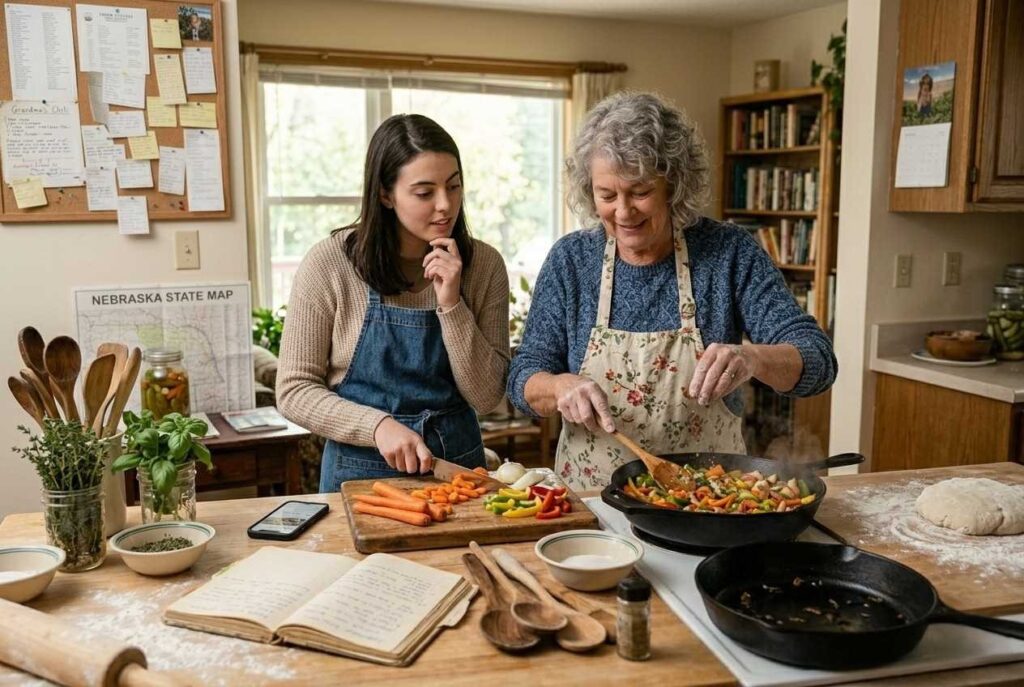
9. More Time and Money for Social Life

<p> Contrary to what some might think, living with family does not mean sacrificing your social life. Without the burden of rent and high living costs, you may find more time and financial flexibility to enjoy hobbies, go out with friends, or travel. Having support at home can allow you to maintain an active and fulfilling social life while still enjoying the benefits of shared living arrangements. It can also make it easier to say yes to experiences that bring you joy, since you may have fewer financial worries holding you back. In many cases, living with family can actually create a stronger sense of balance, giving you both meaningful connection at home and the freedom to stay socially engaged outside of it. </p> :: Gemini

Contrary to what some might think, living with family does not mean sacrificing your social life. Without the burden of rent and high living costs, you may find more time and financial flexibility to enjoy hobbies, go out with friends, or travel. Having support at home can allow you to maintain an active and fulfilling social life while still enjoying the benefits of shared living arrangements. It can also make it easier to say yes to experiences that bring you joy, since you may have fewer financial worries holding you back. In many cases, living with family can actually create a stronger sense of balance, giving you both meaningful connection at home and the freedom to stay socially engaged outside of it.

10. Caregiving Becomes Manageable

<p> If you have younger siblings, elderly relatives, or other family members who need care, living together can make these responsibilities easier to manage. Shared caregiving allows for more balanced schedules and reduces the financial burden of hiring outside help. Coordinating care within the family not only saves money but also strengthens bonds and provides a reliable support system for everyone involved. It also creates peace of mind, knowing that loved ones are close by and can receive help quickly when needed. Over time, this kind of arrangement can foster deeper trust, stronger communication, and a greater sense of unity within the household. </p> :: Gemini

If you have younger siblings, elderly relatives, or other family members who need care, living together can make these responsibilities easier to manage. Shared caregiving allows for more balanced schedules and reduces the financial burden of hiring outside help. Coordinating care within the family not only saves money but also strengthens bonds and provides a reliable support system for everyone involved. It also creates peace of mind, knowing that loved ones are close by and can receive help quickly when needed. Over time, this kind of arrangement can foster deeper trust, stronger communication, and a greater sense of unity within the household.

11. Create Stronger Family Bonds

<p> Beyond practical benefits, living with family allows you to build deeper connections and create lasting memories. Sharing daily life experiences, celebrations, and even small routines fosters a sense of belonging and mutual support. These bonds often become lifelong anchors, offering comfort, guidance, and friendship that can carry you through major life transitions. Over time, these shared moments can strengthen trust and understanding in ways that are hard to replicate elsewhere. In many cases, the emotional security that comes from close family relationships can make everyday challenges feel easier to manage and life feel more meaningful. </p> :: Gemini

Beyond practical benefits, living with family allows you to build deeper connections and create lasting memories. Sharing daily life experiences, celebrations, and even small routines fosters a sense of belonging and mutual support. These bonds often become lifelong anchors, offering comfort, guidance, and friendship that can carry you through major life transitions. Over time, these shared moments can strengthen trust and understanding in ways that are hard to replicate elsewhere. In many cases, the emotional security that comes from close family relationships can make everyday challenges feel easier to manage and life feel more meaningful.

Final Thoughts

<p> Living with family in your late 20s is not a sign of failure or regression. It is a strategic choice that can provide financial freedom, emotional support, and personal growth opportunities that are difficult to achieve on your own. By approaching cohabitation with respect, clear boundaries, and a sense of teamwork, you can turn what some view as a temporary compromise into a powerful springboard for success.

The benefits are real, tangible, and sometimes life-changing. From accelerating debt repayment to strengthening family relationships, living at home can be a smart, practical, and even enjoyable step in your journey toward adulthood. If you embrace the experience and treat it as a platform for growth rather than a setback, it may end up being one of the most empowering decisions you make in your late 20s. In many cases, this season of shared living can create the stability and confidence needed to build a stronger future. What matters most is not where you live right now, but how wisely you use this chapter to prepare for the life you truly want. </p> :: Gemini

Living with family in your late 20s is not a sign of failure or regression. It is a strategic choice that can provide financial freedom, emotional support, and personal growth opportunities that are difficult to achieve on your own. By approaching cohabitation with respect, clear boundaries, and a sense of teamwork, you can turn what some view as a temporary compromise into a powerful springboard for success.

The benefits are real, tangible, and sometimes life-changing. From accelerating debt repayment to strengthening family relationships, living at home can be a smart, practical, and even enjoyable step in your journey toward adulthood. If you embrace the experience and treat it as a platform for growth rather than a setback, it may end up being one of the most empowering decisions you make in your late 20s. In many cases, this season of shared living can create the stability and confidence needed to build a stronger future. What matters most is not where you live right now, but how wisely you use this chapter to prepare for the life you truly want.

Filed Under: Lifestyle

8 Lost Skills That Baby Boomers Perfected and Why Younger Generations Are Struggling to Keep Up

March 14, 2026 | Leave a Comment

8 Lost Skills That Baby Boomers Perfected and Why Younger Generations Are Struggling to Keep Up

<p> Have you ever watched a baby boomer effortlessly fix a leaky faucet, read a paper map, or whip up a delicious dinner without a recipe and thought, “How do they do that?” Many of the skills that seemed commonplace a few decades ago are now surprisingly rare. Today, younger generations live in a world of instant information, convenience apps, and automation. While this digital advantage has many perks, it has also made certain practical skills almost extinct. The hands-on knowledge and problem-solving abilities that boomers developed over a lifetime are fading, leaving some younger people feeling dependent on technology and unprepared for everyday challenges.

The good news is that these skills are not lost forever. By understanding what boomers mastered and why these abilities were so valuable, anyone can start reclaiming them. Here are eight lost skills boomers perfected and why younger generations are struggling to keep up. </p> :: Gemini

Have you ever watched a baby boomer effortlessly fix a leaky faucet, read a paper map, or whip up a delicious dinner without a recipe and thought, “How do they do that?” Many of the skills that seemed commonplace a few decades ago are now surprisingly rare. Today, younger generations live in a world of instant information, convenience apps, and automation. While this digital advantage has many perks, it has also made certain practical skills almost extinct. The hands-on knowledge and problem-solving abilities that boomers developed over a lifetime are fading, leaving some younger people feeling dependent on technology and unprepared for everyday challenges.

The good news is that these skills are not lost forever. By understanding what boomers mastered and why these abilities were so valuable, anyone can start reclaiming them. Here are eight lost skills boomers perfected and why younger generations are struggling to keep up.

1. Reading Maps and Navigating Without GPS

<p> Before smartphones could whisper directions into our ears, baby boomers learned to read fold-out paper maps, interpret legends and scales, and visualize routes in their minds. Planning a road trip meant checking the map, estimating travel times, and identifying alternate routes in case of traffic or road closures. This built an innate sense of direction and spatial awareness that could be relied upon anywhere, even off the beaten path.

Today, it is common for people to panic when their GPS loses signal or their phone battery dies. The reliance on digital navigation has weakened problem-solving skills and made younger generations less confident when exploring unfamiliar places. Learning to read a map again can restore independence and help people develop a sense of location awareness that technology cannot replicate. </p> :: Gemini

Before smartphones could whisper directions into our ears, baby boomers learned to read fold-out paper maps, interpret legends and scales, and visualize routes in their minds. Planning a road trip meant checking the map, estimating travel times, and identifying alternate routes in case of traffic or road closures. This built an innate sense of direction and spatial awareness that could be relied upon anywhere, even off the beaten path.

Today, it is common for people to panic when their GPS loses signal or their phone battery dies. The reliance on digital navigation has weakened problem-solving skills and made younger generations less confident when exploring unfamiliar places. Learning to read a map again can restore independence and help people develop a sense of location awareness that technology cannot replicate.

2. Sewing and Mending Clothing

<p> For many boomers, sewing was not a hobby but a necessity. Sewing machines, needles, thread, and patches were everyday tools. Clothes were mended, hems were repaired, and buttons were stitched back on to extend the life of garments. It was practical, economical, and a little creative, and it helped families save money while reducing waste.
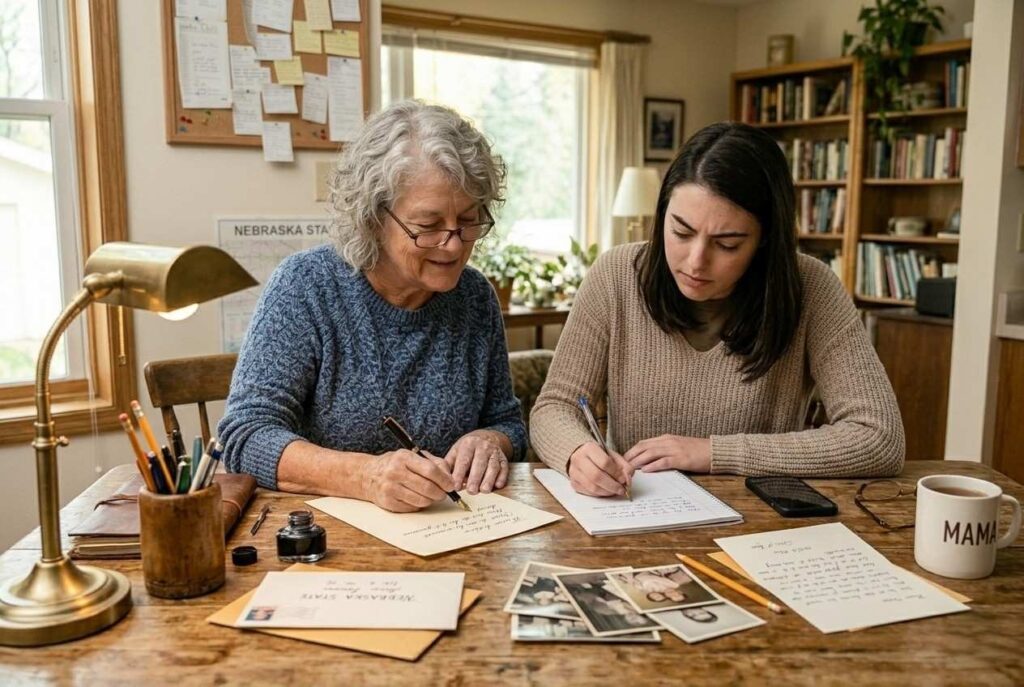

Younger generations, accustomed to fast fashion and convenience, often throw away a torn shirt rather than fixing it. Learning basic sewing skills can be surprisingly empowering. Not only does it save money and reduce waste, but it also gives a sense of accomplishment and independence that comes from fixing something with your own hands. </p> :: Gemini

For many boomers, sewing was not a hobby but a necessity. Sewing machines, needles, thread, and patches were everyday tools. Clothes were mended, hems were repaired, and buttons were stitched back on to extend the life of garments. It was practical, economical, and a little creative, and it helped families save money while reducing waste.

Younger generations, accustomed to fast fashion and convenience, often throw away a torn shirt rather than fixing it. Learning basic sewing skills can be surprisingly empowering. Not only does it save money and reduce waste, but it also gives a sense of accomplishment and independence that comes from fixing something with your own hands.

3. Balancing a Checkbook and Budget Discipline

<p> Boomers were raised in an era when balancing a checkbook was a weekly ritual. Every transaction was recorded, totals were carefully calculated, and financial mistakes were caught before they became serious problems. This process encouraged awareness of spending habits and built a disciplined approach to money management.

Today, banking apps and automatic alerts do most of the math for us. While convenient, this can lead to less understanding of personal finances and a lack of awareness about where money goes. Learning to track income and expenses manually helps develop stronger money management skills, greater financial responsibility, and a clearer picture of spending patterns. </p> :: Gemini

Boomers were raised in an era when balancing a checkbook was a weekly ritual. Every transaction was recorded, totals were carefully calculated, and financial mistakes were caught before they became serious problems. This process encouraged awareness of spending habits and built a disciplined approach to money management.

Today, banking apps and automatic alerts do most of the math for us. While convenient, this can lead to less understanding of personal finances and a lack of awareness about where money goes. Learning to track income and expenses manually helps develop stronger money management skills, greater financial responsibility, and a clearer picture of spending patterns.

4. Basic Home Repairs and DIY Know-How

<p> Many boomers grew up learning simple home repair skills. Whether it was fixing a leaky faucet, changing a light fixture, or repairing a piece of furniture, they knew how to handle small household problems without immediately calling a professional. Shop classes and parental guidance taught the safe and effective use of basic tools, creating a sense of confidence and self-reliance.

Younger generations are less likely to try DIY repairs and more likely to replace items or hire help. This reliance can be expensive and disempowering. Building basic repair skills allows people to tackle everyday issues, save money, and enjoy the satisfaction of solving problems independently. </p> :: Gemini

Many boomers grew up learning simple home repair skills. Whether it was fixing a leaky faucet, changing a light fixture, or repairing a piece of furniture, they knew how to handle small household problems without immediately calling a professional. Shop classes and parental guidance taught the safe and effective use of basic tools, creating a sense of confidence and self-reliance.

Younger generations are less likely to try DIY repairs and more likely to replace items or hire help. This reliance can be expensive and disempowering. Building basic repair skills allows people to tackle everyday issues, save money, and enjoy the satisfaction of solving problems independently.

5. Cooking from Scratch Without a Recipe

<p> Boomers often cooked from scratch because it was expected, necessary, and a way to make meals from whatever ingredients were on hand. Family recipes were adapted, ingredients were substituted, and meals were prepared with a blend of skill and intuition. Cooking in this way taught patience, creativity, and a deeper appreciation for food.

In contrast, younger generations have access to meal kits, takeout, and pre-packaged convenience foods. While these options save time, they can limit the ability to cook confidently and improvise in the kitchen. Learning to cook from scratch not only builds practical skills but also enhances nutrition awareness and brings joy to everyday meals. </p> :: Gemini

Boomers often cooked from scratch because it was expected, necessary, and a way to make meals from whatever ingredients were on hand. Family recipes were adapted, ingredients were substituted, and meals were prepared with a blend of skill and intuition. Cooking in this way taught patience, creativity, and a deeper appreciation for food.

In contrast, younger generations have access to meal kits, takeout, and pre-packaged convenience foods. While these options save time, they can limit the ability to cook confidently and improvise in the kitchen. Learning to cook from scratch not only builds practical skills but also enhances nutrition awareness and brings joy to everyday meals.

6. Writing in Cursive and Handwritten Communication

<p> Cursive writing used to be a fundamental part of school education. It was practical for signing documents, writing personal letters, and communicating thoughtfully. Writing by hand encouraged clarity, intentionality, and focus.

Today, digital communication dominates. Emails, texts, and instant messaging have replaced handwritten notes, and many young people struggle with cursive writing or do not use it at all. Practicing handwritten communication can improve fine motor skills, foster reflection, and provide a personal touch that typing cannot achieve. A handwritten letter, note, or journal entry can carry meaning in a way that emojis and digital shorthand never will. </p> :: Gemini

Cursive writing used to be a fundamental part of school education. It was practical for signing documents, writing personal letters, and communicating thoughtfully. Writing by hand encouraged clarity, intentionality, and focus.

Today, digital communication dominates. Emails, texts, and instant messaging have replaced handwritten notes, and many young people struggle with cursive writing or do not use it at all. Practicing handwritten communication can improve fine motor skills, foster reflection, and provide a personal touch that typing cannot achieve. A handwritten letter, note, or journal entry can carry meaning in a way that emojis and digital shorthand never will.

7. Manual Car Skills

<p> Boomers grew up with the expectation that they could handle basic car maintenance. They knew how to change a flat tire, jump-start a battery, check oil levels, and even drive a manual transmission. These skills were about more than convenience; they provided independence, confidence, and a sense of self-reliance on the road.

Modern cars are more complex, and younger drivers are often unfamiliar with these basic tasks. Roadside assistance is always an app away, and automatic transmissions dominate the market. Learning even a few manual car skills equips people to handle emergencies, understand their vehicles better, and experience the satisfaction of taking care of their own transportation needs. </p> :: Gemini

Boomers grew up with the expectation that they could handle basic car maintenance. They knew how to change a flat tire, jump-start a battery, check oil levels, and even drive a manual transmission. These skills were about more than convenience; they provided independence, confidence, and a sense of self-reliance on the road.

Modern cars are more complex, and younger drivers are often unfamiliar with these basic tasks. Roadside assistance is always an app away, and automatic transmissions dominate the market. Learning even a few manual car skills equips people to handle emergencies, understand their vehicles better, and experience the satisfaction of taking care of their own transportation needs.

8. Patience, Persistence, and Manual Problem-Solving

<p> Beyond tangible tasks, boomers developed critical mental skills that are rarer today. Patience, persistence, and the ability to work through challenges without instant solutions were part of everyday life. Life before the internet meant slower processes and the necessity to think, experiment, and sometimes fail before succeeding.

Younger generations, accustomed to immediate feedback and quick solutions, often miss out on building these mental muscles. Learning to tackle problems manually, without relying on automation or shortcuts, strengthens resilience, critical thinking, and resourcefulness — qualities that benefit both personal and professional life. </p> :: Gemini

Beyond tangible tasks, boomers developed critical mental skills that are rarer today. Patience, persistence, and the ability to work through challenges without instant solutions were part of everyday life. Life before the internet meant slower processes and the necessity to think, experiment, and sometimes fail before succeeding.

Younger generations, accustomed to immediate feedback and quick solutions, often miss out on building these mental muscles. Learning to tackle problems manually, without relying on automation or shortcuts, strengthens resilience, critical thinking, and resourcefulness — qualities that benefit both personal and professional life.

Final Thoughts

<p> The generational gap in skills is not about better or worse. Younger generations have strengths that boomers never had — rapid access to information, global connectivity, and fluency with technology. Meanwhile, boomers built practical, hands-on skills that helped them navigate life independently and creatively.

Reclaiming these lost skills does not mean abandoning modern conveniences. It means combining the best of both worlds. Learning to sew, cook from scratch, balance a budget manually, read a map, or fix a simple household problem builds confidence, independence, and resilience. It can also be fun, empowering, and surprisingly rewarding.

Investing time in these skills strengthens not just your practical abilities but your problem-solving mindset. By blending old-school know-how with modern tools, anyone can become more capable, self-reliant, and prepared for whatever life throws their way. Baby boomers mastered these skills out of necessity, but today, we can master them for empowerment, creativity, and the joy of being capable in a world that often feels too dependent on screens. </p> :: Gemini

The generational gap in skills is not about better or worse. Younger generations have strengths that boomers never had — rapid access to information, global connectivity, and fluency with technology. Meanwhile, boomers built practical, hands-on skills that helped them navigate life independently and creatively.

Reclaiming these lost skills does not mean abandoning modern conveniences. It means combining the best of both worlds. Learning to sew, cook from scratch, balance a budget manually, read a map, or fix a simple household problem builds confidence, independence, and resilience. It can also be fun, empowering, and surprisingly rewarding.

Investing time in these skills strengthens not just your practical abilities but your problem-solving mindset. By blending old-school know-how with modern tools, anyone can become more capable, self-reliant, and prepared for whatever life throws their way. Baby boomers mastered these skills out of necessity, but today, we can master them for empowerment, creativity, and the joy of being capable in a world that often feels too dependent on screens.

Filed Under: Lifestyle

  • « Previous Page
  • 1
  • …
  • 11
  • 12
  • 13
  • 14
  • 15
  • …
  • 192
  • Next Page »
  • Email
  • Facebook
  • Pinterest
  • Twitter

Our Most Popular Articles

ClickCashGo Review: Should You Avoid At All Costs?

Ultimate Guide to Mastering Your Credit Score

The 'YOLO' Mindset is a Dangerous Thing

Dave Ramsey's Financial Peace University Review: Is it Worth the Money?

Cash App Glitch 2025: Is the Free Money Glitch Real?

Five Steps To Debt Freedom

Here are five simple guidlines that will help you pay off debt.  

1) Get an emergency fund so you don’t take on debt when something comes up.

2) List your debts. This way you know where you stand.

3) Use the debt snowball. Pay your debts from smallest to largest, or most expensive to least expensive.

4) Avoid new debt. No new credit cards or loans. Period.

5) Go all cash. After everything is paid off, switch to all cash.

Helpful Resources

U of Tennesse Debt Repayment Plan Basics

Vertex 42's Debt Payoff Calculator

Savingadvice's Helpful Debt Forums

Jackie Becks Debt Blog