Our Debt Free Family

Commit. Plan. Take action.

  • BUDGETING
  • DEBT REDUCTION
  • INVESTING
  • LIFESTYLE
  • TOOLS
  • ABOUT
  • Privacy Policy
  • CONTACT

Ditch the Keyboard? 7 Ways Handwriting Can Supercharge Your Brain

March 29, 2026 | Leave a Comment

Ditch the Keyboard? 7 Ways Handwriting Can Supercharge Your Brain

<p>Typing is fast, but handwriting has hidden power. Putting pen to paper does more than just record thoughts—it builds memory, sharpens focus, and even sparks creativity. Science backs this up. Studies show that handwriting engages the brain in ways keyboards never can. Let’s explore seven surprising ways writing by hand boosts brainpower.</p> ::Pexels

Typing is fast, but handwriting has hidden power. Putting pen to paper does more than just record thoughts—it builds memory, sharpens focus, and even sparks creativity. Science backs this up. Studies show that handwriting engages the brain in ways keyboards never can. Let’s explore seven surprising ways writing by hand boosts brainpower.

1. Strengthens Memory

<p>Writing by hand helps the brain remember information better than typing. When you form letters on paper, you activate more areas of the brain linked to learning. A 2014 study from Princeton and UCLA found that students who took handwritten notes recalled more details than those who typed. The act of writing forces the brain to process information deeply, which helps cement facts into long-term memory. It’s the same reason teachers recommend writing things down when studying—it sticks better.</p> ::Pexels

Writing by hand helps the brain remember information better than typing. When you form letters on paper, you activate more areas of the brain linked to learning. A 2014 study from Princeton and UCLA found that students who took handwritten notes recalled more details than those who typed. The act of writing forces the brain to process information deeply, which helps cement facts into long-term memory. It’s the same reason teachers recommend writing things down when studying—it sticks better.

2. Boosts Creativity

<p>Artists, writers, and musicians often turn to notebooks instead of screens when brainstorming. Handwriting slows down thought, giving ideas time to form. Studies suggest that the slower process of writing by hand allows for deeper thinking, leading to more original ideas. Even famous creatives like J.K. Rowling and Quentin Tarantino write their first drafts by hand. Whether you’re sketching designs, drafting poetry, or jotting down song lyrics, handwriting can unlock creative flow in ways typing can’t.</p> ::Pexels

Artists, writers, and musicians often turn to notebooks instead of screens when brainstorming. Handwriting slows down thought, giving ideas time to form. Studies suggest that the slower process of writing by hand allows for deeper thinking, leading to more original ideas. Even famous creatives like J.K. Rowling and Quentin Tarantino write their first drafts by hand. Whether you’re sketching designs, drafting poetry, or jotting down song lyrics, handwriting can unlock creative flow in ways typing can’t.

3. Improves Focus

<p>Writing by hand keeps distractions away. Unlike typing, which often involves notifications, emails, or web browsing, handwriting is a single-task activity. This makes it easier to concentrate and stay present. Research shows that people who write by hand engage more deeply with their thoughts. Many find it calming, almost meditative. Bullet journaling, for example, has gained popularity as a way to plan while staying mindful. When you write by hand, your mind stays in the moment.</p> ::Pexels

Writing by hand keeps distractions away. Unlike typing, which often involves notifications, emails, or web browsing, handwriting is a single-task activity. This makes it easier to concentrate and stay present. Research shows that people who write by hand engage more deeply with their thoughts. Many find it calming, almost meditative. Bullet journaling, for example, has gained popularity as a way to plan while staying mindful. When you write by hand, your mind stays in the moment.

4. Enhances Learning

<p>Students who write their notes by hand absorb information better. This is because handwriting activates more areas of the brain compared to typing. A 2021 study found that children who wrote letters manually showed greater brain activity than those who typed them. Handwriting forces the brain to engage with the material, improving comprehension. That’s why many educators still encourage students to practice cursive writing. It’s not just about neat letters—it’s about building a stronger mind.</p> ::Pexels

Students who write their notes by hand absorb information better. This is because handwriting activates more areas of the brain compared to typing. A 2021 study found that children who wrote letters manually showed greater brain activity than those who typed them. Handwriting forces the brain to engage with the material, improving comprehension. That’s why many educators still encourage students to practice cursive writing. It’s not just about neat letters—it’s about building a stronger mind.

5. Reduces Stress

<p>Writing things down can be a great way to relieve stress. Journaling, in particular, has been shown to help process emotions and reduce anxiety. When you write by hand, you slow down and reflect, which can have a calming effect. Psychologists often recommend keeping a gratitude journal to boost mental well-being. The physical act of writing, combined with the personal nature of handwriting, makes it a more emotional experience than typing.</p> ::Pexels

Writing things down can be a great way to relieve stress. Journaling, in particular, has been shown to help process emotions and reduce anxiety. When you write by hand, you slow down and reflect, which can have a calming effect. Psychologists often recommend keeping a gratitude journal to boost mental well-being. The physical act of writing, combined with the personal nature of handwriting, makes it a more emotional experience than typing.

6. Helps You Think More Clearly

<p>Handwriting forces you to slow down and choose your words carefully. Unlike typing, which encourages speed, writing by hand makes you think before you commit something to paper. Many people find that writing their thoughts down helps organize ideas better than typing. That’s why many successful people, from business leaders to authors, still keep handwritten journals. The process of forming letters on a page creates a stronger connection between thought and action.</p> ::Pexels

Handwriting forces you to slow down and choose your words carefully. Unlike typing, which encourages speed, writing by hand makes you think before you commit something to paper. Many people find that writing their thoughts down helps organize ideas better than typing. That’s why many successful people, from business leaders to authors, still keep handwritten journals. The process of forming letters on a page creates a stronger connection between thought and action.

7. Improves Motor Skills

<p>Writing by hand is a fine motor skill that keeps the brain and body in sync. It strengthens hand-eye coordination and keeps fingers nimble. This is especially important as people age. Studies show that handwriting can help prevent cognitive decline by keeping the brain engaged. Children also benefit from learning to write by hand, as it develops motor control and spatial awareness. Even signing your name engages more of the brain than simply typing it out.</p> ::Pexels

Writing by hand is a fine motor skill that keeps the brain and body in sync. It strengthens hand-eye coordination and keeps fingers nimble. This is especially important as people age. Studies show that handwriting can help prevent cognitive decline by keeping the brain engaged. Children also benefit from learning to write by hand, as it develops motor control and spatial awareness. Even signing your name engages more of the brain than simply typing it out.

Conclusion

<p>Handwriting is more than just an old-fashioned skill—it’s a powerful brain booster. It helps memory, sharpens focus, fuels creativity, and even reduces stress. In a world where screens dominate, picking up a pen can be a simple yet effective way to keep your mind sharp. So next time you need to remember something, get creative, or just clear your head, try writing it down. Your brain will thank you.</p> ::Pexels

Handwriting is more than just an old-fashioned skill—it’s a powerful brain booster. It helps memory, sharpens focus, fuels creativity, and even reduces stress. In a world where screens dominate, picking up a pen can be a simple yet effective way to keep your mind sharp. So next time you need to remember something, get creative, or just clear your head, try writing it down. Your brain will thank you.


Filed Under: Health & Fitness

Psychologists Reveal 10 Phrases Women Use When They Might Be Hiding the Truth

March 29, 2026 | Leave a Comment

Psychologists Reveal 10 Phrases Women Use When They Might Be Hiding the Truth

<p> We all like to think the people in our lives are honest with us. Whether it is a partner, friend, or coworker, honesty creates trust, and trust keeps relationships strong. But let’s be real—everyone bends the truth now and then. Sometimes it is harmless, like saying you loved a meal when you really did not. Other times, it is more complicated, and you are left wondering if you are being told the whole story. Psychologists have studied lying for years, and one fascinating discovery is that the words people choose often give more away than their body language. We have all heard the advice to “look for shifty eyes” or “watch if they fidget,” but research shows the language we use can be even more revealing. The good news? If you know what to listen for, you can spot subtle hints that someone may not be completely truthful. Now, before we dive in, let’s be clear: not every use of these phrases means someone is lying. Context matters, and people sometimes say things out of habit, stress, or even just poor word choice. Still, if you start noticing these patterns often, it could be a sign that something is not adding up. Here are ten common phrases psychologists say can signal dishonesty, along with why they raise red flags and what they might really mean. </p> :: Freepik

We all like to think the people in our lives are honest with us. Whether it is a partner, friend, or coworker, honesty creates trust, and trust keeps relationships strong. But let’s be real—everyone bends the truth now and then. Sometimes it is harmless, like saying you loved a meal when you really did not. Other times, it is more complicated, and you are left wondering if you are being told the whole story.

Psychologists have studied lying for years, and one fascinating discovery is that the words people choose often give more away than their body language. We have all heard the advice to “look for shifty eyes” or “watch if they fidget,” but research shows the language we use can be even more revealing. The good news? If you know what to listen for, you can spot subtle hints that someone may not be completely truthful.

Now, before we dive in, let’s be clear: not every use of these phrases means someone is lying. Context matters, and people sometimes say things out of habit, stress, or even just poor word choice. Still, if you start noticing these patterns often, it could be a sign that something is not adding up.

Here are ten common phrases psychologists say can signal dishonesty, along with why they raise red flags and what they might really mean.

1. “Honestly, I’m telling you…”

<p> When someone feels the need to preface a statement with “honestly” or “to be honest,” it can actually have the opposite effect. Psychologists call this a verbal cue meant to reassure the listener, but if the truth is solid, why emphasize it? Often, people add this word when they sense you might not fully believe them. Next time you hear “honestly,” pay attention to what follows. It could be genuine, but it could also be a subtle attempt to boost credibility where none is needed. </p> :: Pexels

When someone feels the need to preface a statement with “honestly” or “to be honest,” it can actually have the opposite effect. Psychologists call this a verbal cue meant to reassure the listener, but if the truth is solid, why emphasize it? Often, people add this word when they sense you might not fully believe them.

Next time you hear “honestly,” pay attention to what follows. It could be genuine, but it could also be a subtle attempt to boost credibility where none is needed.

2. “I swear I didn’t…”

<p> Phrases like “I swear” or “I promise” are meant to make a claim sound airtight, but in reality, they can be a cover for shaky ground. When someone leans heavily on swearing, they are trying to convince you rather than simply stating the facts. Instead of focusing on the dramatic language, focus on the details of what they are saying. If the story itself feels thin, the extra “I swear” may be their way of patching up the holes. </p> :: Pexels

Phrases like “I swear” or “I promise” are meant to make a claim sound airtight, but in reality, they can be a cover for shaky ground. When someone leans heavily on swearing, they are trying to convince you rather than simply stating the facts.

Instead of focusing on the dramatic language, focus on the details of what they are saying. If the story itself feels thin, the extra “I swear” may be their way of patching up the holes.

3. “I didn’t mean it like that”

<p> This one often pops up when someone realizes their words landed poorly. On the surface, it may sound like an innocent attempt to clarify, but it can also be a way to rewrite what was originally said. It is essentially a quick retreat. If you hear this a lot from the same person, ask follow-up questions: “Okay, then how did you mean it?” A truthful explanation should be consistent. A dishonest one may feel vague or contradictory. </p> :: Pexels

This one often pops up when someone realizes their words landed poorly. On the surface, it may sound like an innocent attempt to clarify, but it can also be a way to rewrite what was originally said. It is essentially a quick retreat.

If you hear this a lot from the same person, ask follow-up questions: “Okay, then how did you mean it?” A truthful explanation should be consistent. A dishonest one may feel vague or contradictory.

4. “I was just kidding”

<p> Humor is often used as a shield. When someone says something that sparks an awkward reaction, slipping in “I was just kidding” allows them to escape accountability. Sometimes, yes, it is genuinely a joke. But other times, it is a safe way to test your reaction without owning the statement. If the topic feels serious—like jealousy, suspicions, or past actions—it may be worth asking, “If you were serious, what would you have meant?” This simple question can reveal whether the joke was really a joke at all. </p> :: Pexels

Humor is often used as a shield. When someone says something that sparks an awkward reaction, slipping in “I was just kidding” allows them to escape accountability. Sometimes, yes, it is genuinely a joke. But other times, it is a safe way to test your reaction without owning the statement.

If the topic feels serious—like jealousy, suspicions, or past actions—it may be worth asking, “If you were serious, what would you have meant?” This simple question can reveal whether the joke was really a joke at all.

5. “That’s not what I said”

<p> Few phrases are more frustrating than this one. Instead of addressing your concern, the speaker shifts the focus back to you, making it seem like you misunderstood. This is a classic deflection tactic. When you hear it, do not get defensive. Instead, calmly say, “Let’s go back to what was said,” or, if possible, refer to a text or message. If their denial does not line up with the record, you will know something is off. </p> :: Pexels

Few phrases are more frustrating than this one. Instead of addressing your concern, the speaker shifts the focus back to you, making it seem like you misunderstood. This is a classic deflection tactic.

When you hear it, do not get defensive. Instead, calmly say, “Let’s go back to what was said,” or, if possible, refer to a text or message. If their denial does not line up with the record, you will know something is off.

6. “I don’t remember”

<p> Of course, everyone forgets things now and then, but when memory lapses appear at very specific times—like when someone is being asked for details that matter—it can be suspicious. “I don’t remember” is a way to avoid committing to an answer that could later be proven false. If you want to test it, ask the person to tell the story in a different order, such as backward. Psychologists have found that lying requires more mental effort, so details tend to crumble when the story is told in reverse. </p> :: Pexels

Of course, everyone forgets things now and then, but when memory lapses appear at very specific times—like when someone is being asked for details that matter—it can be suspicious. “I don’t remember” is a way to avoid committing to an answer that could later be proven false.

If you want to test it, ask the person to tell the story in a different order, such as backward. Psychologists have found that lying requires more mental effort, so details tend to crumble when the story is told in reverse.

7. “It’s not what you think”

<p> This phrase sounds reassuring, but in reality, it rarely clears anything up. Instead, it puts the burden back on you, suggesting that you are jumping to conclusions without providing a clear explanation. The best response is gentle but direct: “Okay, then explain how you see it.” If the explanation is consistent and logical, you can breathe easier. If it feels evasive or vague, there may be more to the story. </p> :: Pexels

This phrase sounds reassuring, but in reality, it rarely clears anything up. Instead, it puts the burden back on you, suggesting that you are jumping to conclusions without providing a clear explanation.

The best response is gentle but direct: “Okay, then explain how you see it.” If the explanation is consistent and logical, you can breathe easier. If it feels evasive or vague, there may be more to the story.

8. “Everyone else also says…”

<p> Invoking other people—“everyone else,” “people are saying,” “my friends think”—is a way to give a claim more weight. But because “everyone” is so broad, it is nearly impossible to verify. It is a clever trick that shifts attention away from the speaker and onto this supposed crowd. The simplest counter? Ask for specifics. “Who exactly said that?” If they struggle to name anyone or keep changing the subject, it is a red flag. </p> :: Pexels

Invoking other people—“everyone else,” “people are saying,” “my friends think”—is a way to give a claim more weight. But because “everyone” is so broad, it is nearly impossible to verify. It is a clever trick that shifts attention away from the speaker and onto this supposed crowd.

The simplest counter? Ask for specifics. “Who exactly said that?” If they struggle to name anyone or keep changing the subject, it is a red flag.

9. “I never said that”

<p> Flat-out denial is one of the most common strategies for dodging responsibility. When delivered confidently, it can make you second-guess your own memory. But if you know for a fact that you heard it—or better yet, have proof—it quickly becomes clear what is happening. When this comes up, stay calm and avoid turning it into a shouting match. Just point to the record, whether that is a text message, email, or a clear memory of the conversation. The truth has a way of speaking for itself. </p> :: Pexels

Flat-out denial is one of the most common strategies for dodging responsibility. When delivered confidently, it can make you second-guess your own memory. But if you know for a fact that you heard it—or better yet, have proof—it quickly becomes clear what is happening.

When this comes up, stay calm and avoid turning it into a shouting match. Just point to the record, whether that is a text message, email, or a clear memory of the conversation. The truth has a way of speaking for itself.

10. “Why would I lie to you?”

<p> This rhetorical question is designed to put you on the defensive. Instead of answering your concern, it flips the responsibility back onto you, as though doubting them is the problem. It is not only manipulative but also avoids providing any real clarification. The best way to handle this is with patience: “I am not saying you are lying, but there are some things that do not make sense. Can we go through them together?” That way, you keep the focus on the inconsistencies rather than the guilt trip. </p> :: Pexels

This rhetorical question is designed to put you on the defensive. Instead of answering your concern, it flips the responsibility back onto you, as though doubting them is the problem. It is not only manipulative but also avoids providing any real clarification.

The best way to handle this is with patience: “I am not saying you are lying, but there are some things that do not make sense. Can we go through them together?” That way, you keep the focus on the inconsistencies rather than the guilt trip.

Final Thoughts

<p> At the end of the day, everyone tells little white lies. Sometimes they are harmless, like complimenting a friend’s haircut when it is not your style. Other times, they can signal deeper issues, like avoiding accountability or hiding the truth. The key is not to turn into a human lie detector who treats every word with suspicion but to recognize patterns and trust your instincts when something feels off. Listening closely to how people phrase their words can give you valuable insight into what is really going on. These ten phrases are not foolproof evidence of dishonesty, but when they start to appear repeatedly—especially around sensitive topics—it is worth paying attention. The most important takeaway? Use this knowledge not to catch people in the act but to improve communication. Instead of accusing, ask thoughtful questions, and see if the details hold up. Sometimes a simple conversation can clear the air, while other times, it might confirm your gut feeling that something is not quite right. Either way, understanding the subtle cues of language gives you an edge in protecting your relationships, your trust, and your peace of mind. </p> :: Pexels

At the end of the day, everyone tells little white lies. Sometimes they are harmless, like complimenting a friend’s haircut when it is not your style. Other times, they can signal deeper issues, like avoiding accountability or hiding the truth. The key is not to turn into a human lie detector who treats every word with suspicion but to recognize patterns and trust your instincts when something feels off.

Listening closely to how people phrase their words can give you valuable insight into what is really going on. These ten phrases are not foolproof evidence of dishonesty, but when they start to appear repeatedly—especially around sensitive topics—it is worth paying attention.

The most important takeaway? Use this knowledge not to catch people in the act but to improve communication. Instead of accusing, ask thoughtful questions, and see if the details hold up. Sometimes a simple conversation can clear the air, while other times, it might confirm your gut feeling that something is not quite right. Either way, understanding the subtle cues of language gives you an edge in protecting your relationships, your trust, and your peace of mind.

Filed Under: Health & Fitness

The Comeback of Fun: 10 Unexpected Ways Boomers Are Redefining Retirement

March 29, 2026 | Leave a Comment

The Comeback of Fun: 10 Unexpected Ways Boomers Are Redefining Retirement

Retirement used to mean slowing down, but not anymore. Today’s boomers are flipping the script, making their golden years more active, adventurous, and fulfilling than ever. From picking up extreme sports to starting new careers, they are proving that life after work is anything but dull. Let’s explore ten exciting ways boomers are redefining retirement.

1. Learning New Instruments

<p>Many boomers are picking up guitars, pianos, or even ukuleles for the first time. Playing an instrument isn’t just fun—it sharpens memory, improves coordination, and reduces stress. Some even join local bands or online communities to share their progress. Music lessons are now more accessible than ever, thanks to YouTube tutorials and apps. It’s never too late to make some noise!</p> ::Pexels

Many boomers are picking up guitars, pianos, or even ukuleles for the first time. Playing an instrument isn’t just fun—it sharpens memory, improves coordination, and reduces stress. Some even join local bands or online communities to share their progress. Music lessons are now more accessible than ever, thanks to YouTube tutorials and apps. It’s never too late to make some noise!

2. Becoming Social Media Stars

<p>Who says social media is only for the young? Boomers are making waves on platforms like TikTok, Instagram, and YouTube. They share travel tips, cooking hacks, and even dance moves, gaining thousands of followers. Some do it for fun, while others turn it into a side hustle. One thing is clear—this generation is owning the digital space.</p> ::Pexels

Who says social media is only for the young? Boomers are making waves on platforms like TikTok, Instagram, and YouTube. They share travel tips, cooking hacks, and even dance moves, gaining thousands of followers. Some do it for fun, while others turn it into a side hustle. One thing is clear—this generation is owning the digital space.

3. Taking Up Skateboarding

<p>It might sound surprising, but skateboarding is seeing a rise in older riders. With smoother pavement and longboards designed for stability, boomers are rediscovering the joy of cruising. It’s a fantastic way to stay active while embracing a youthful spirit. Some even join local skate groups, proving age is just a number on four wheels.</p> ::Pexels

It might sound surprising, but skateboarding is seeing a rise in older riders. With smoother pavement and longboards designed for stability, boomers are rediscovering the joy of cruising. It’s a fantastic way to stay active while embracing a youthful spirit. Some even join local skate groups, proving age is just a number on four wheels.

4. Exploring Van Life

<p>Retirement and road trips now go hand in hand. Instead of settling in one place, many boomers are embracing van life, traveling the country in style. Modern camper vans come with all the comforts of home, making long-term travel easy. The freedom to wake up to a new view every morning is an irresistible draw.</p> ::Pexels

Retirement and road trips now go hand in hand. Instead of settling in one place, many boomers are embracing van life, traveling the country in style. Modern camper vans come with all the comforts of home, making long-term travel easy. The freedom to wake up to a new view every morning is an irresistible draw.

5. Becoming A Stand-Up Comedian

<p>Humor doesn’t fade with age. In fact, life experience makes for some of the best comedy material. Many boomers are trying their hand at stand-up, performing at open mics and even landing gigs at comedy clubs. Laughter keeps the mind sharp and the heart young, making this a perfect way to enjoy retirement.</p> ::Pexels

Humor doesn’t fade with age. In fact, life experience makes for some of the best comedy material. Many boomers are trying their hand at stand-up, performing at open mics and even landing gigs at comedy clubs. Laughter keeps the mind sharp and the heart young, making this a perfect way to enjoy retirement.

6. Competing in Video Games

<p>Gaming is no longer just for kids. Boomers are picking up controllers and challenging younger players online. Some are drawn to classic arcade-style games, while others dive into modern multiplayer titles. Many studies show that gaming can boost reflexes and problem-solving skills. Plus, it’s a great way to bond with grandkids.</p> ::Pexels

Gaming is no longer just for kids. Boomers are picking up controllers and challenging younger players online. Some are drawn to classic arcade-style games, while others dive into modern multiplayer titles. Many studies show that gaming can boost reflexes and problem-solving skills. Plus, it’s a great way to bond with grandkids.

7. Learning Extreme Sports

<p>Retirement doesn’t mean giving up on adventure. Many boomers are trying activities like skydiving, surfing, and rock climbing. These sports offer a rush of adrenaline and a sense of accomplishment. Safety gear has improved, making extreme sports more accessible than ever. Taking on a new challenge at this stage of life is both thrilling and inspiring.</p> ::Pexels

Retirement doesn’t mean giving up on adventure. Many boomers are trying activities like skydiving, surfing, and rock climbing. These sports offer a rush of adrenaline and a sense of accomplishment. Safety gear has improved, making extreme sports more accessible than ever. Taking on a new challenge at this stage of life is both thrilling and inspiring.

8. Starting a Podcast

<p>With decades of stories and wisdom, boomers are using their voices to entertain and educate. Podcasting is easier than ever, requiring just a microphone and an idea. Some share travel experiences, others talk about history, and some just have fun chats with old friends. It’s a great way to stay connected and reach a new audience.</p> ::Unsplash

With decades of stories and wisdom, boomers are using their voices to entertain and educate. Podcasting is easier than ever, requiring just a microphone and an idea. Some share travel experiences, others talk about history, and some just have fun chats with old friends. It’s a great way to stay connected and reach a new audience.

9. Joining Competitive Dance

<p>Ballroom, salsa, even hip-hop—boomers are hitting the dance floor in full force. Dancing keeps the body active, improves balance, and builds social connections. Many dance studios now cater to older adults, offering fun and friendly competitions. Whether it’s for fitness or pure joy, dancing is a fantastic way to keep moving.</p> ::Pexels

Ballroom, salsa, even hip-hop—boomers are hitting the dance floor in full force. Dancing keeps the body active, improves balance, and builds social connections. Many dance studios now cater to older adults, offering fun and friendly competitions. Whether it’s for fitness or pure joy, dancing is a fantastic way to keep moving.

10. Becoming A Mentor

<p>Sharing knowledge is one of the most fulfilling things to do in retirement. Many boomers are mentoring younger generations in business, trades, and creative fields. Online platforms make it easy to connect with mentees across the world. Their experience is priceless, and passing it on keeps them engaged and inspired.</p> ::Pexels

Sharing knowledge is one of the most fulfilling things to do in retirement. Many boomers are mentoring younger generations in business, trades, and creative fields. Online platforms make it easy to connect with mentees across the world. Their experience is priceless, and passing it on keeps them engaged and inspired.

Conclusion

<p>Retirement isn’t about slowing down—it’s about living fully. Boomers today are proving that adventure, creativity, and learning don’t have an age limit. Whether it’s picking up a skateboard or launching a podcast, they are making their golden years more exciting than ever. The best part? There are no rules.</p> ::Pexels

Retirement isn’t about slowing down—it’s about living fully. Boomers today are proving that adventure, creativity, and learning don’t have an age limit. Whether it’s picking up a skateboard or launching a podcast, they are making their golden years more exciting than ever. The best part? There are no rules.

Filed Under: Lifestyle

Before Bed: 5 Expert-Backed Habits to Lower Your Blood Pressure

March 29, 2026 | Leave a Comment

Before Bed: 5 Expert-Backed Habits to Lower Your Blood Pressure

<p> High blood pressure, also known as hypertension, is a serious health concern that increases the risk of heart disease, stroke, and other complications. It is often called the "silent killer" because it can develop without noticeable symptoms, making it crucial to take proactive steps to manage it. Fortunately, small changes to your nighttime routine can have a big impact on your blood pressure. Experts emphasize that reducing stress, improving sleep quality, and making mindful lifestyle choices before bed can help regulate blood pressure levels naturally. If you want to support your heart health and lower your blood pressure, consider incorporating these five expert-backed habits into your nightly routine. </p> :: Pexels

High blood pressure, also known as hypertension, is a serious health concern that increases the risk of heart disease, stroke, and other complications. It is often called the “silent killer” because it can develop without noticeable symptoms, making it crucial to take proactive steps to manage it. Fortunately, small changes to your nighttime routine can have a big impact on your blood pressure. Experts emphasize that reducing stress, improving sleep quality, and making mindful lifestyle choices before bed can help regulate blood pressure levels naturally. If you want to support your heart health and lower your blood pressure, consider incorporating these five expert-backed habits into your nightly routine.


1. Practice Deep Breathing and Meditation

<p> Taking a few minutes to practice deep breathing or meditation before bed can significantly reduce blood pressure by calming the nervous system and lowering stress hormones. Deep breathing exercises activate the parasympathetic nervous system, which slows the heart rate and relaxes blood vessels. One effective technique is the 4-7-8 breathing method, where you inhale for four seconds, hold your breath for seven seconds, and exhale for eight seconds. This practice helps regulate oxygen flow, reduces cortisol levels, and promotes a sense of relaxation. Meditation, particularly mindfulness meditation, has also been shown to improve blood pressure by reducing stress and encouraging mental clarity. By incorporating deep breathing or meditation into your nightly routine, you create a calming transition into restful sleep while supporting long-term cardiovascular health. </p> :: Freepik

Taking a few minutes to practice deep breathing or meditation before bed can significantly reduce blood pressure by calming the nervous system and lowering stress hormones. Deep breathing exercises activate the parasympathetic nervous system, which slows the heart rate and relaxes blood vessels. One effective technique is the 4-7-8 breathing method, where you inhale for four seconds, hold your breath for seven seconds, and exhale for eight seconds. This practice helps regulate oxygen flow, reduces cortisol levels, and promotes a sense of relaxation. Meditation, particularly mindfulness meditation, has also been shown to improve blood pressure by reducing stress and encouraging mental clarity. By incorporating deep breathing or meditation into your nightly routine, you create a calming transition into restful sleep while supporting long-term cardiovascular health.


2. Sip a Cup of Herbal Tea

<p> Drinking a warm cup of herbal tea before bed is a simple yet effective way to lower blood pressure while preparing your body for a restful night's sleep. Certain herbal teas, such as hibiscus, chamomile, and valerian root, contain natural compounds that relax blood vessels and help regulate blood pressure. Hibiscus tea, in particular, is rich in antioxidants known as anthocyanins, which have been shown to improve blood flow and reduce hypertension. Chamomile tea is widely recognized for its calming properties, which can alleviate stress, one of the leading causes of high blood pressure. Choosing a caffeine-free herbal tea in the evening supports relaxation while providing heart-healthy benefits. Make this a nightly habit, and you may see gradual improvements in both your sleep quality and blood pressure levels. </p> :: Pexels

Drinking a warm cup of herbal tea before bed is a simple yet effective way to lower blood pressure while preparing your body for a restful night’s sleep. Certain herbal teas, such as hibiscus, chamomile, and valerian root, contain natural compounds that relax blood vessels and help regulate blood pressure. Hibiscus tea, in particular, is rich in antioxidants known as anthocyanins, which have been shown to improve blood flow and reduce hypertension. Chamomile tea is widely recognized for its calming properties, which can alleviate stress, one of the leading causes of high blood pressure. Choosing a caffeine-free herbal tea in the evening supports relaxation while providing heart-healthy benefits. Make this a nightly habit, and you may see gradual improvements in both your sleep quality and blood pressure levels.


3. Engage in Light Stretching or Yoga

<p> Engaging in light stretching or a short yoga session before bed can help lower blood pressure by improving circulation, reducing stress, and promoting flexibility. Studies have shown that yoga, particularly when combined with controlled breathing, can significantly lower both systolic and diastolic blood pressure. Certain yoga poses, such as the child’s pose, seated forward bends, and legs-up-the-wall pose, encourage relaxation and help regulate blood flow. Stretching relieves muscle tension and promotes overall relaxation, which can help reduce stress-related spikes in blood pressure. Just 10 to 15 minutes of gentle movement before bed can make a noticeable difference in your cardiovascular health. Establishing a routine of light stretching or yoga in the evening will not only support lower blood pressure but also improve sleep quality and overall well-being. </p> :: Pexels

Engaging in light stretching or a short yoga session before bed can help lower blood pressure by improving circulation, reducing stress, and promoting flexibility. Studies have shown that yoga, particularly when combined with controlled breathing, can significantly lower both systolic and diastolic blood pressure. Certain yoga poses, such as the child’s pose, seated forward bends, and legs-up-the-wall pose, encourage relaxation and help regulate blood flow. Stretching relieves muscle tension and promotes overall relaxation, which can help reduce stress-related spikes in blood pressure. Just 10 to 15 minutes of gentle movement before bed can make a noticeable difference in your cardiovascular health. Establishing a routine of light stretching or yoga in the evening will not only support lower blood pressure but also improve sleep quality and overall well-being.


4. Turn Off Screens and Limit Blue Light Exposure

<p> Limiting blue light exposure before bed is essential for maintaining healthy sleep patterns and supporting blood pressure regulation. The artificial blue light emitted from screens, including smartphones, tablets, and televisions, interferes with melatonin production, the hormone responsible for sleep. Poor sleep quality is directly linked to high blood pressure, as inadequate rest can disrupt the body's ability to regulate stress hormones and maintain optimal circulation. Experts recommend turning off electronic devices at least 30 to 60 minutes before bedtime to allow melatonin production to occur naturally. If avoiding screens entirely is not possible, consider using blue light filters or wearing blue light-blocking glasses to reduce exposure. Creating a relaxing bedtime environment with dim lighting, reading a book, or engaging in a calming activity can further enhance sleep quality and help keep blood pressure levels in check. </p> :: Pexels

Limiting blue light exposure before bed is essential for maintaining healthy sleep patterns and supporting blood pressure regulation. The artificial blue light emitted from screens, including smartphones, tablets, and televisions, interferes with melatonin production, the hormone responsible for sleep. Poor sleep quality is directly linked to high blood pressure, as inadequate rest can disrupt the body’s ability to regulate stress hormones and maintain optimal circulation. Experts recommend turning off electronic devices at least 30 to 60 minutes before bedtime to allow melatonin production to occur naturally. If avoiding screens entirely is not possible, consider using blue light filters or wearing blue light-blocking glasses to reduce exposure. Creating a relaxing bedtime environment with dim lighting, reading a book, or engaging in a calming activity can further enhance sleep quality and help keep blood pressure levels in check.


5. Take a Warm Bath with Epsom Salt

<p> Soaking in a warm bath with Epsom salt before bed is a relaxing way to lower blood pressure and ease tension. Epsom salt contains magnesium, an essential mineral that plays a key role in heart health and blood pressure regulation. Magnesium helps relax blood vessels, improving circulation and reducing hypertension. Studies suggest that many people with high blood pressure have a magnesium deficiency, making Epsom salt baths an excellent way to boost magnesium levels naturally. The warm water further promotes relaxation by reducing muscle tension and encouraging better blood flow. Adding a few drops of essential oils, such as lavender or chamomile, to your bath can enhance the soothing effects and prepare your body for restful sleep. By making Epsom salt baths a regular part of your nighttime routine, you can experience both physical relaxation and long-term benefits for your cardiovascular system. </p> :: Pexels

Soaking in a warm bath with Epsom salt before bed is a relaxing way to lower blood pressure and ease tension. Epsom salt contains magnesium, an essential mineral that plays a key role in heart health and blood pressure regulation. Magnesium helps relax blood vessels, improving circulation and reducing hypertension. Studies suggest that many people with high blood pressure have a magnesium deficiency, making Epsom salt baths an excellent way to boost magnesium levels naturally. The warm water further promotes relaxation by reducing muscle tension and encouraging better blood flow. Adding a few drops of essential oils, such as lavender or chamomile, to your bath can enhance the soothing effects and prepare your body for restful sleep. By making Epsom salt baths a regular part of your nighttime routine, you can experience both physical relaxation and long-term benefits for your cardiovascular system.


Final Thoughts

<p> Lowering blood pressure does not always require medication. By making simple yet effective changes to your bedtime routine, you can naturally support your cardiovascular health and improve your overall well-being. Deep breathing and meditation help calm the nervous system, herbal tea provides natural compounds that promote relaxation, stretching or yoga improves circulation, limiting blue light exposure enhances sleep quality, and a warm Epsom salt bath aids in relaxation while boosting magnesium levels. Each of these habits is backed by scientific research and expert recommendations, making them powerful tools for reducing blood pressure before bed. If you have high blood pressure or any underlying health conditions, it is always best to consult with a healthcare professional before making significant lifestyle changes. However, incorporating these expert-backed habits into your nighttime routine can provide a natural and effective way to manage hypertension while promoting better sleep and a healthier heart. By prioritizing these small but meaningful adjustments, you can take control of your health and set the foundation for long-term well-being. To ensure your success, focus on consistency and patience, as natural changes take time to yield results. Embracing these habits as part of a holistic approach to wellness will provide lasting benefits for both your blood pressure and overall quality of life. </p> :: Pexels

Lowering blood pressure does not always require medication. By making simple yet effective changes to your bedtime routine, you can naturally support your cardiovascular health and improve your overall well-being. Deep breathing and meditation help calm the nervous system, herbal tea provides natural compounds that promote relaxation, stretching or yoga improves circulation, limiting blue light exposure enhances sleep quality, and a warm Epsom salt bath aids in relaxation while boosting magnesium levels. Each of these habits is backed by scientific research and expert recommendations, making them powerful tools for reducing blood pressure before bed.

If you have high blood pressure or any underlying health conditions, it is always best to consult with a healthcare professional before making significant lifestyle changes. However, incorporating these expert-backed habits into your nighttime routine can provide a natural and effective way to manage hypertension while promoting better sleep and a healthier heart. By prioritizing these small but meaningful adjustments, you can take control of your health and set the foundation for long-term well-being. To ensure your success, focus on consistency and patience, as natural changes take time to yield results. Embracing these habits as part of a holistic approach to wellness will provide lasting benefits for both your blood pressure and overall quality of life.

Filed Under: Health & Fitness

15 Household Items That Are Draining Your Wallet for No Reason

March 29, 2026 | Leave a Comment

15 Household Items That Are Draining Your Wallet for No Reason

<p> Managing household expenses can be tricky, but some everyday items are quietly eating away at your budget without you even realizing it. These unnecessary expenses may seem small at first, but over time, they add up to a significant amount of wasted money. From energy-hungry appliances to disposable products you could easily replace, these household items are costing you more than they should. Here are 15 things in your home that are secretly draining your wallet and how to cut back on them. </p> :: Freepik

Managing household expenses can be tricky, but some everyday items are quietly eating away at your budget without you even realizing it. These unnecessary expenses may seem small at first, but over time, they add up to a significant amount of wasted money. From energy-hungry appliances to disposable products you could easily replace, these household items are costing you more than they should. Here are 15 things in your home that are secretly draining your wallet and how to cut back on them.

1. Single-Use Paper Towels

<p> Paper towels might be convenient, but their cost quickly adds up since they are a one-time-use product. Instead of continuously spending money on new rolls, invest in reusable microfiber cloths or kitchen towels that can be washed and reused. These alternatives are not only better for your budget but also help reduce waste. </p> :: Freepik

Paper towels might be convenient, but their cost quickly adds up since they are a one-time-use product. Instead of continuously spending money on new rolls, invest in reusable microfiber cloths or kitchen towels that can be washed and reused. These alternatives are not only better for your budget but also help reduce waste.

2. Plugged-In Electronics in Standby Mode

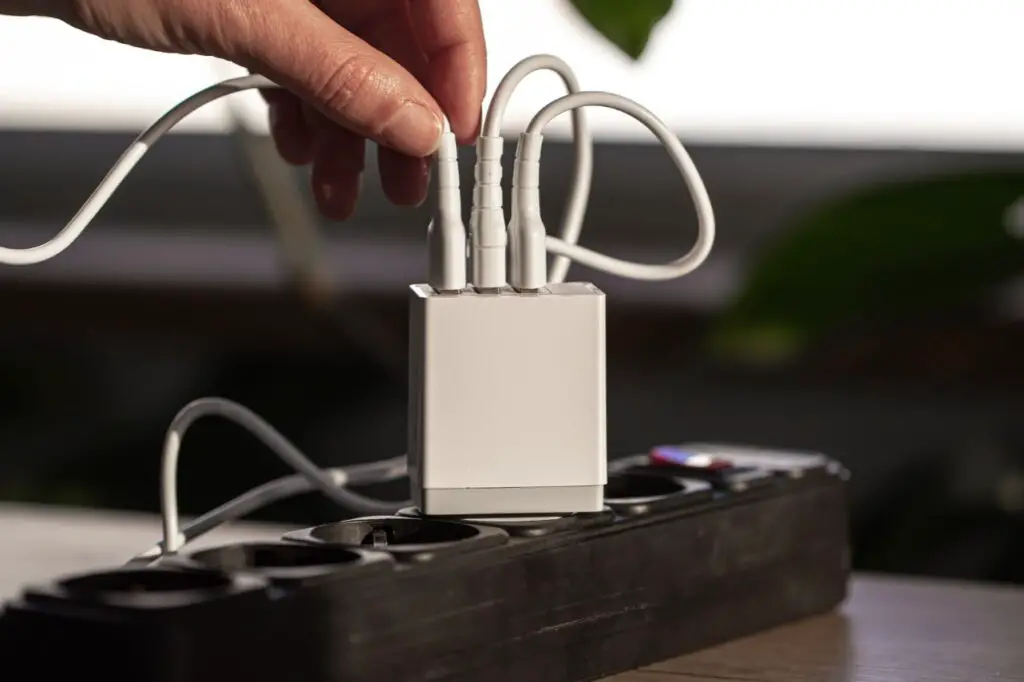
<p> Leaving electronics like televisions, gaming consoles, and computers plugged in even when they are turned off can result in phantom energy consumption. This hidden electricity usage increases your utility bill over time. To prevent unnecessary energy drain, unplug devices when not in use or use smart power strips that automatically cut power when devices are idle. </p> :: Freepik

Leaving electronics like televisions, gaming consoles, and computers plugged in even when they are turned off can result in phantom energy consumption. This hidden electricity usage increases your utility bill over time. To prevent unnecessary energy drain, unplug devices when not in use or use smart power strips that automatically cut power when devices are idle.

3. Expensive Air Fresheners

<p> Many people buy plug-in air fresheners, scented sprays, or wax melts without realizing how much they cost over time. These products often contain chemicals that may not be good for your health. A cost-effective and natural way to freshen your home is by using essential oils, homemade sprays, or simmering citrus peels and herbs on the stove. </p> :: Freepik

Many people buy plug-in air fresheners, scented sprays, or wax melts without realizing how much they cost over time. These products often contain chemicals that may not be good for your health. A cost-effective and natural way to freshen your home is by using essential oils, homemade sprays, or simmering citrus peels and herbs on the stove.

4. Disposable Water Bottles

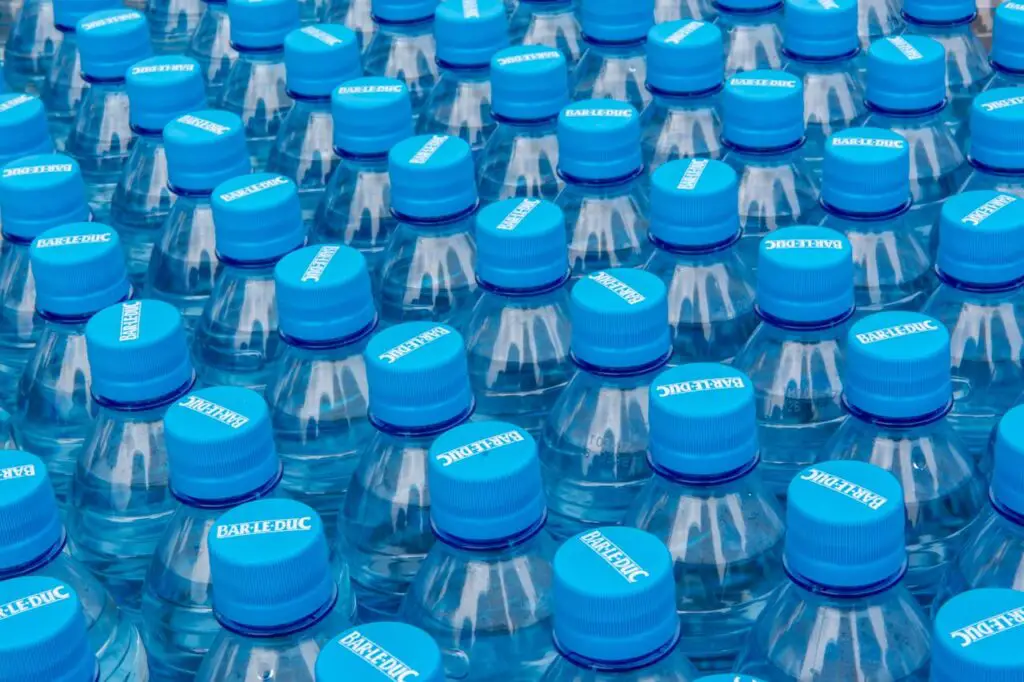
<p> Purchasing bottled water regularly is one of the biggest unnecessary household expenses. Not only do the costs add up quickly, but plastic waste harms the environment. Instead, invest in a high-quality water filter and reusable bottles to save money while reducing plastic waste. </p> :: Pexels

Purchasing bottled water regularly is one of the biggest unnecessary household expenses. Not only do the costs add up quickly, but plastic waste harms the environment. Instead, invest in a high-quality water filter and reusable bottles to save money while reducing plastic waste.

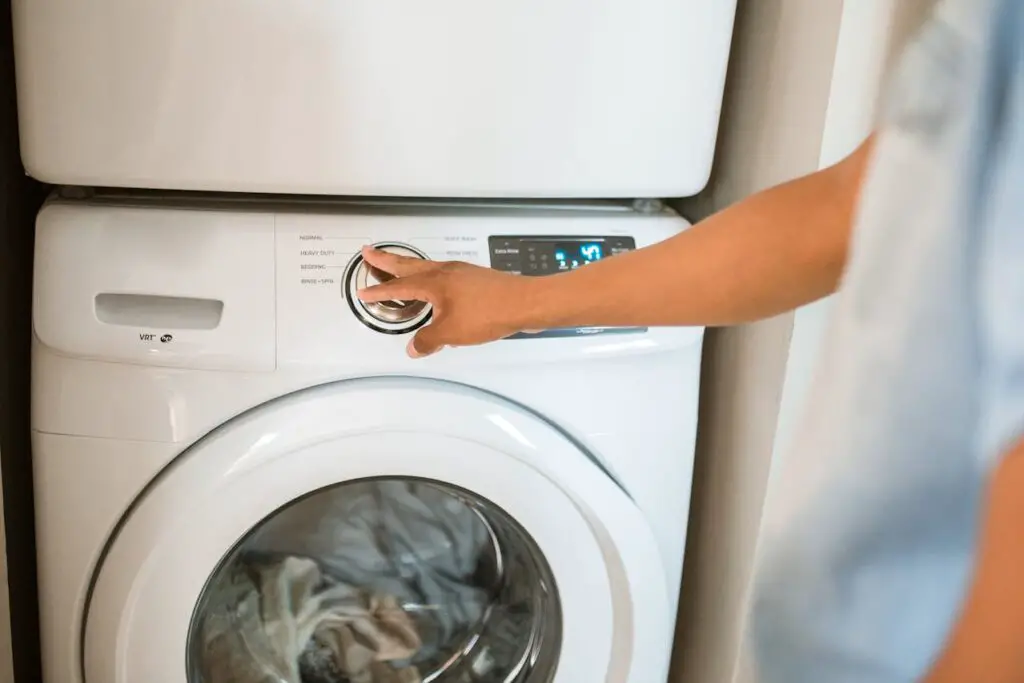
5. Overpriced Laundry Detergent and Fabric Softeners

<p> Store-bought laundry detergents and fabric softeners can be pricey, especially when used in excess. Many people use more detergent than necessary, leading to wasted product and money. Consider making your own detergent with natural ingredients or switching to concentrated formulas that last longer. Wool dryer balls can also replace fabric softeners and help reduce drying time. </p> :: Pexels

Store-bought laundry detergents and fabric softeners can be pricey, especially when used in excess. Many people use more detergent than necessary, leading to wasted product and money. Consider making your own detergent with natural ingredients or switching to concentrated formulas that last longer. Wool dryer balls can also replace fabric softeners and help reduce drying time.

6. Cable Television Subscriptions

<p> Cable television can be one of the biggest money drains in a household, especially when streaming services offer much cheaper alternatives. Many people pay for dozens of channels they never watch. Cutting the cord and switching to streaming services or free digital television options can significantly lower your monthly expenses. </p> :: Pexels

Cable television can be one of the biggest money drains in a household, especially when streaming services offer much cheaper alternatives. Many people pay for dozens of channels they never watch. Cutting the cord and switching to streaming services or free digital television options can significantly lower your monthly expenses.

7. Disposable Cleaning Wipes

<p> Pre-moistened cleaning wipes might be convenient, but they are far more expensive than traditional cleaning solutions. Instead of repeatedly buying these disposable wipes, switch to reusable cleaning cloths and homemade cleaning solutions made from vinegar, baking soda, and essential oils. </p> :: Pexels

Pre-moistened cleaning wipes might be convenient, but they are far more expensive than traditional cleaning solutions. Instead of repeatedly buying these disposable wipes, switch to reusable cleaning cloths and homemade cleaning solutions made from vinegar, baking soda, and essential oils.

8. Overpriced Coffee Pods

<p> Single-use coffee pods may seem like a quick and easy way to get your caffeine fix, but they come at a premium price compared to ground coffee. Switching to a traditional coffee maker, French press, or a reusable pod can save you hundreds of dollars per year while still allowing you to enjoy your favorite brew. </p> :: Pexels

Single-use coffee pods may seem like a quick and easy way to get your caffeine fix, but they come at a premium price compared to ground coffee. Switching to a traditional coffee maker, French press, or a reusable pod can save you hundreds of dollars per year while still allowing you to enjoy your favorite brew.

9. Excessive Subscription Services

<p> Many households have multiple subscription services for streaming, magazines, meal kits, and more. While each subscription may not seem like much on its own, they add up quickly. Take a closer look at your monthly subscriptions and cancel any that you do not regularly use. </p> :: Pexels

Many households have multiple subscription services for streaming, magazines, meal kits, and more. While each subscription may not seem like much on its own, they add up quickly. Take a closer look at your monthly subscriptions and cancel any that you do not regularly use.

10. Non-Energy-Efficient Light Bulbs

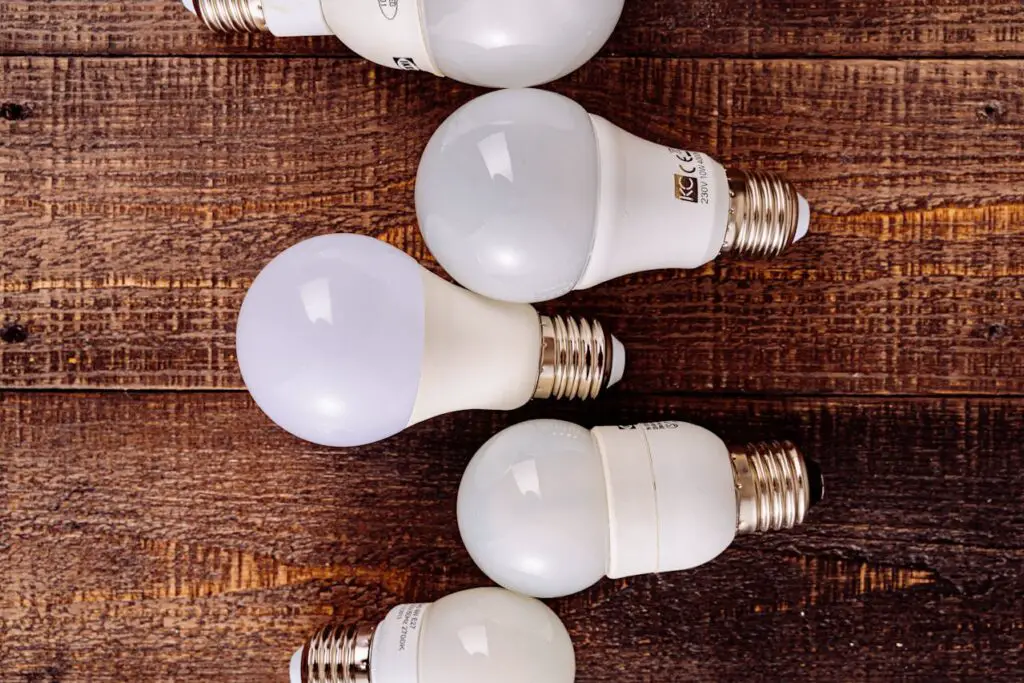
<p> Traditional incandescent bulbs use far more electricity than modern LED alternatives, increasing your energy bill unnecessarily. Swapping them out for energy-efficient LED bulbs will lower your electricity costs while also lasting much longer, reducing the need for frequent replacements. </p> :: Pexels

Traditional incandescent bulbs use far more electricity than modern LED alternatives, increasing your energy bill unnecessarily. Swapping them out for energy-efficient LED bulbs will lower your electricity costs while also lasting much longer, reducing the need for frequent replacements.

11. Pre-Cut Fruits and Vegetables

<p> Buying pre-cut fruits and vegetables from the grocery store is convenient but comes with a hefty price markup. Instead of paying extra for convenience, buy whole produce and spend a few minutes cutting them yourself. Not only will this save money, but fresh-cut produce often lasts longer than pre-cut versions. </p> :: Freepik

Buying pre-cut fruits and vegetables from the grocery store is convenient but comes with a hefty price markup. Instead of paying extra for convenience, buy whole produce and spend a few minutes cutting them yourself. Not only will this save money, but fresh-cut produce often lasts longer than pre-cut versions.

12. Scented Trash Bags

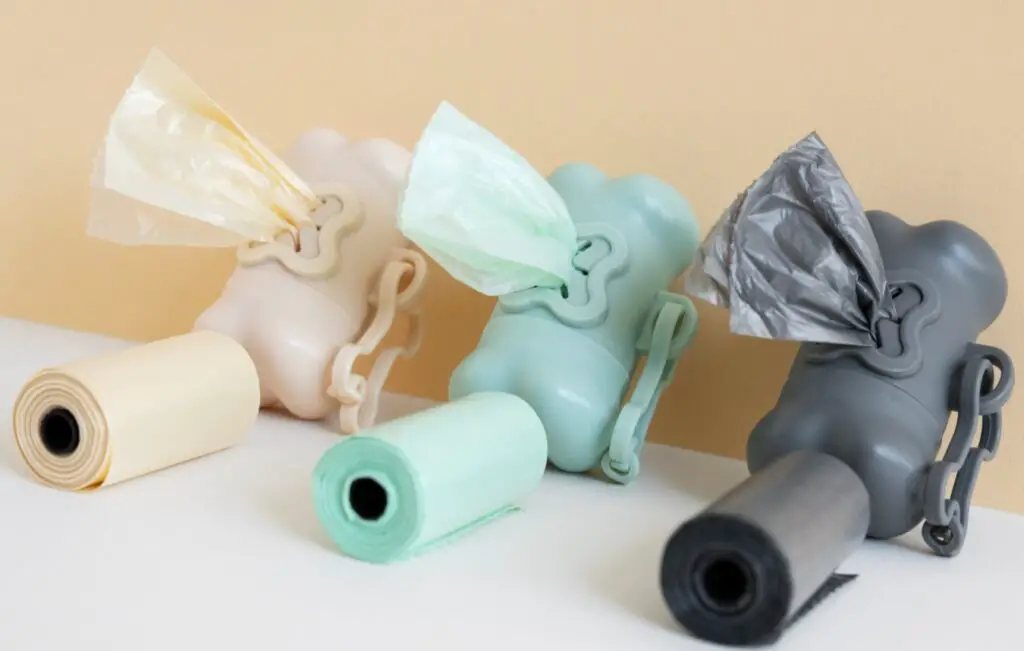
<p> Scented trash bags may seem like a small luxury, but they often cost significantly more than regular trash bags. The added fragrance is unnecessary since you can easily manage trash odors with baking soda, coffee grounds, or essential oil drops inside the bag. Switching to regular trash bags will cut unnecessary costs from your grocery bill. </p> :: Freepik

Scented trash bags may seem like a small luxury, but they often cost significantly more than regular trash bags. The added fragrance is unnecessary since you can easily manage trash odors with baking soda, coffee grounds, or essential oil drops inside the bag. Switching to regular trash bags will cut unnecessary costs from your grocery bill.

13. Name-Brand Cleaning Products

<p> Many people assume that name-brand cleaning products are superior, but store-brand or DIY options often work just as well for a fraction of the price. Simple ingredients like vinegar, baking soda, and hydrogen peroxide can replace expensive store-bought cleaners while providing the same level of effectiveness. </p> :: Pexels

Many people assume that name-brand cleaning products are superior, but store-brand or DIY options often work just as well for a fraction of the price. Simple ingredients like vinegar, baking soda, and hydrogen peroxide can replace expensive store-bought cleaners while providing the same level of effectiveness.

14. Liquid Hand Soap Refills

<p> Buying disposable hand soap bottles every time you run out may seem harmless, but the costs add up over time. Instead, purchase large refill bottles or switch to foaming dispensers that require less soap per use. Better yet, consider using bar soap, which often lasts longer and is more budget-friendly. </p> :: Pexels

Buying disposable hand soap bottles every time you run out may seem harmless, but the costs add up over time. Instead, purchase large refill bottles or switch to foaming dispensers that require less soap per use. Better yet, consider using bar soap, which often lasts longer and is more budget-friendly.

15. Excessive Laundry Dryer Usage

<p> Running your dryer for every single load of laundry consumes a lot of electricity, making it one of the highest energy-using appliances in your home. Whenever possible, opt for air-drying clothes on a drying rack or outdoor clothesline. This not only saves money on electricity but also extends the lifespan of your clothing. </p> :: Pexels

Running your dryer for every single load of laundry consumes a lot of electricity, making it one of the highest energy-using appliances in your home. Whenever possible, opt for air-drying clothes on a drying rack or outdoor clothesline. This not only saves money on electricity but also extends the lifespan of your clothing.

Final Thoughts

<p> Many of these household items seem harmless at first, but over time, their costs quietly drain your wallet. Making small, intentional changes like switching to reusable alternatives, cutting back on energy waste, and being mindful of what you buy can lead to significant savings. By eliminating or reducing these unnecessary expenses, you can put more money back into your pocket without sacrificing convenience or comfort. Start making these smart changes today, and watch your savings grow! </p> :: Pexels

Many of these household items seem harmless at first, but over time, their costs quietly drain your wallet. Making small, intentional changes like switching to reusable alternatives, cutting back on energy waste, and being mindful of what you buy can lead to significant savings. By eliminating or reducing these unnecessary expenses, you can put more money back into your pocket without sacrificing convenience or comfort. Start making these smart changes today, and watch your savings grow!

Filed Under: Money

Americans Cannot Stand These 16 Everyday Hassles—Do You Agree?

March 29, 2026 | Leave a Comment

Americans Cannot Stand These 16 Everyday Hassles—Do You Agree?

<p> Life is full of little annoyances, but some are so frustrating that people wish they would vanish for good. From robocalls that never stop to overpriced snacks at the movies, these daily headaches make life more stressful than it needs to be. If you have ever rolled your eyes at a long receipt or felt ripped off by hidden fees, you are not alone. Here are 16 everyday things Americans are absolutely tired of dealing with. </p> :: Freepik

Life is full of little annoyances, but some are so frustrating that people wish they would vanish for good. From robocalls that never stop to overpriced snacks at the movies, these daily headaches make life more stressful than it needs to be. If you have ever rolled your eyes at a long receipt or felt ripped off by hidden fees, you are not alone. Here are 16 everyday things Americans are absolutely tired of dealing with.

1. Robocalls That Never Seem to End

<p> Nothing ruins your day like answering a call, only to hear a robotic voice offering an extended car warranty you never asked for. No matter how many numbers you block, scammers and telemarketers always seem to find a way through. Even call-blocking apps and "Do Not Call" lists do not seem to make a difference. Most people wish these relentless calls would just disappear forever. </p> :: Freepik

Nothing ruins your day like answering a call, only to hear a robotic voice offering an extended car warranty you never asked for. No matter how many numbers you block, scammers and telemarketers always seem to find a way through. Even call-blocking apps and “Do Not Call” lists do not seem to make a difference. Most people wish these relentless calls would just disappear forever.

2. Hidden Fees That Make Everything More Expensive

<p> Ever booked a hotel or bought concert tickets, only to find out the final price is way higher than expected? That is because of junk fees—those sneaky charges that businesses tack on at checkout. Service fees, convenience fees, and resort fees add up fast, making people feel like they are getting scammed. Many Americans are fed up with paying for things they never agreed to. </p> :: Freepik

Ever booked a hotel or bought concert tickets, only to find out the final price is way higher than expected? That is because of junk fees—those sneaky charges that businesses tack on at checkout. Service fees, convenience fees, and resort fees add up fast, making people feel like they are getting scammed. Many Americans are fed up with paying for things they never agreed to.

3. Streaming Services That Force You to Watch Ads

<p> People switched to streaming to escape commercials, yet now, even paid subscriptions are filled with ads. Some platforms even charge extra to remove them. It is frustrating to pay for a service only to be bombarded with the same repetitive commercials. Many subscribers are wondering if cutting the cable cord was worth it after all. </p> :: Pexels

People switched to streaming to escape commercials, yet now, even paid subscriptions are filled with ads. Some platforms even charge extra to remove them. It is frustrating to pay for a service only to be bombarded with the same repetitive commercials. Many subscribers are wondering if cutting the cable cord was worth it after all.

4. Shrinking Products That Cost the Same (or More!)

<p> Ever opened a bag of chips and found it mostly filled with air? That is shrinkflation—when companies reduce product sizes but keep the price the same. Cereal boxes, paper towels, even chocolate bars are all getting smaller, yet consumers are paying just as much, if not more. It is a sneaky way for businesses to cut costs while pretending nothing has changed. </p> :: Pexels

Ever opened a bag of chips and found it mostly filled with air? That is shrinkflation—when companies reduce product sizes but keep the price the same. Cereal boxes, paper towels, even chocolate bars are all getting smaller, yet consumers are paying just as much, if not more. It is a sneaky way for businesses to cut costs while pretending nothing has changed.

5. Traffic Jams That Steal Your Time

<p> Sitting in bumper-to-bumper traffic is one of the most frustrating parts of daily life. Whether it is rush hour gridlock, endless road construction, or reckless drivers, commuting feels like a battle. Many people wish public transportation was better so they could avoid the stress altogether. </p> :: Pexels

Sitting in bumper-to-bumper traffic is one of the most frustrating parts of daily life. Whether it is rush hour gridlock, endless road construction, or reckless drivers, commuting feels like a battle. Many people wish public transportation was better so they could avoid the stress altogether.

6. Too Many Passwords to Remember

<p> Every website and app demands a unique password with a mix of letters, numbers, and symbols. Keeping track of them all is exhausting, especially when you constantly have to reset forgotten ones. Would it not be great if there were an easier way to log in without the hassle? </p> :: Pexels

Every website and app demands a unique password with a mix of letters, numbers, and symbols. Keeping track of them all is exhausting, especially when you constantly have to reset forgotten ones. Would it not be great if there were an easier way to log in without the hassle?

7. Junk Mail That Fills Up Your Mailbox

<p> Nobody likes sifting through a pile of credit card offers, political flyers, and random catalogs just to find one important letter. Despite opting out, junk mail keeps coming, wasting paper and creating clutter. Most of it ends up in the trash, making people wonder why it still exists in the digital age. </p> :: Freepik

Nobody likes sifting through a pile of credit card offers, political flyers, and random catalogs just to find one important letter. Despite opting out, junk mail keeps coming, wasting paper and creating clutter. Most of it ends up in the trash, making people wonder why it still exists in the digital age.

8. Ridiculously Long Receipts

<p> You buy one item at the store and get a receipt that is longer than your arm. Why? Because stores love to print ads, surveys, and coupons you will probably never use. These receipts clutter wallets, fill up trash cans, and seem like a huge waste of paper. Digital receipts should be the norm by now. </p> :: Pexels

You buy one item at the store and get a receipt that is longer than your arm. Why? Because stores love to print ads, surveys, and coupons you will probably never use. These receipts clutter wallets, fill up trash cans, and seem like a huge waste of paper. Digital receipts should be the norm by now.

9. Potholes That Wreck Your Car

<p> There is nothing worse than hitting a deep pothole and worrying about your tires or suspension. Despite paying taxes for road repairs, potholes never seem to get fixed. They make driving dangerous and expensive, leaving many Americans frustrated with poor road maintenance. </p> :: Pexels

There is nothing worse than hitting a deep pothole and worrying about your tires or suspension. Despite paying taxes for road repairs, potholes never seem to get fixed. They make driving dangerous and expensive, leaving many Americans frustrated with poor road maintenance.

10. Cable TV Bundles Full of Useless Channels

<p> People have had enough of paying for hundreds of channels they never watch. Cable companies force customers into expensive bundles just to get a few favorites. With so many people switching to streaming, traditional cable may not last much longer. </p> :: Pexels

People have had enough of paying for hundreds of channels they never watch. Cable companies force customers into expensive bundles just to get a few favorites. With so many people switching to streaming, traditional cable may not last much longer.

11. Overpriced Snacks at Gas Stations and Airports

<p> Grabbing a quick snack at a gas station or airport should not feel like a robbery. Whether it is bottled water, a candy bar, or a sandwich, the prices are outrageous. Many people try to bring their own food just to avoid paying double or even triple the usual price. </p> :: Freepik

Grabbing a quick snack at a gas station or airport should not feel like a robbery. Whether it is bottled water, a candy bar, or a sandwich, the prices are outrageous. Many people try to bring their own food just to avoid paying double or even triple the usual price.

12. Slow Wi-Fi That Ruins Everything

<p> There is nothing more frustrating than trying to watch a video or join a Zoom call when the Wi-Fi keeps lagging. Even people who pay for high-speed internet still deal with slow connections and buffering. In today’s world, a fast and reliable internet connection should not be too much to ask for. </p> :: Pexels

There is nothing more frustrating than trying to watch a video or join a Zoom call when the Wi-Fi keeps lagging. Even people who pay for high-speed internet still deal with slow connections and buffering. In today’s world, a fast and reliable internet connection should not be too much to ask for.

13. Movie Theater Snacks That Cost as Much as a Meal

<p> Popcorn and soda at the movies should not cost as much as dinner at a nice restaurant. But theaters continue to charge ridiculous prices for snacks, making the movie-going experience way too expensive. It is no surprise that so many people sneak in their own treats. </p> :: Pexels

Popcorn and soda at the movies should not cost as much as dinner at a nice restaurant. But theaters continue to charge ridiculous prices for snacks, making the movie-going experience way too expensive. It is no surprise that so many people sneak in their own treats.

14. Self-Checkout Machines That Never Work Right

<p> Self-checkout was supposed to make shopping faster, but it often does the opposite. Between scanner errors, item weight issues, and machines demanding "assistance from an associate," it is more frustrating than helpful. Many shoppers would rather just have a real cashier handle their purchases. </p> :: Pexels

Self-checkout was supposed to make shopping faster, but it often does the opposite. Between scanner errors, item weight issues, and machines demanding “assistance from an associate,” it is more frustrating than helpful. Many shoppers would rather just have a real cashier handle their purchases.

15. Airline Baggage Fees That Keep Rising

<p> Flying is expensive enough without airlines charging extra just to check a bag. Many passengers now cram everything into a carry-on to avoid paying ridiculous fees. With ticket prices already high, these extra charges make air travel feel like a money grab. </p> :: Freepik

Flying is expensive enough without airlines charging extra just to check a bag. Many passengers now cram everything into a carry-on to avoid paying ridiculous fees. With ticket prices already high, these extra charges make air travel feel like a money grab.

16. Outrageously Priced Bottled Water

<p> Water is a basic necessity, yet some places charge outrageous prices for a single bottle. Concerts, theme parks, and airports are some of the worst offenders. It is frustrating to pay so much for something that should be free in most public places. </p> :: Pexels

Water is a basic necessity, yet some places charge outrageous prices for a single bottle. Concerts, theme parks, and airports are some of the worst offenders. It is frustrating to pay so much for something that should be free in most public places.

Final Thoughts

<p> These everyday annoyances may seem small, but they add up and make life unnecessarily frustrating. Whether it is robocalls, hidden fees, or overpriced snacks, people are tired of feeling ripped off and inconvenienced. While some of these problems might eventually go away, others seem like they are here to stay. What everyday hassle do you wish would disappear for good? Let us know in the comments! </p> :: Pexels

These everyday annoyances may seem small, but they add up and make life unnecessarily frustrating. Whether it is robocalls, hidden fees, or overpriced snacks, people are tired of feeling ripped off and inconvenienced. While some of these problems might eventually go away, others seem like they are here to stay. What everyday hassle do you wish would disappear for good? Let us know in the comments!

Filed Under: Lifestyle

Flashback to the ’70s: 10 Cultural Shifts That Still Resonate With Baby Boomers Today

March 29, 2026 | Leave a Comment

Flashback to the ’70s: 10 Cultural Shifts That Still Resonate With Baby Boomers Today

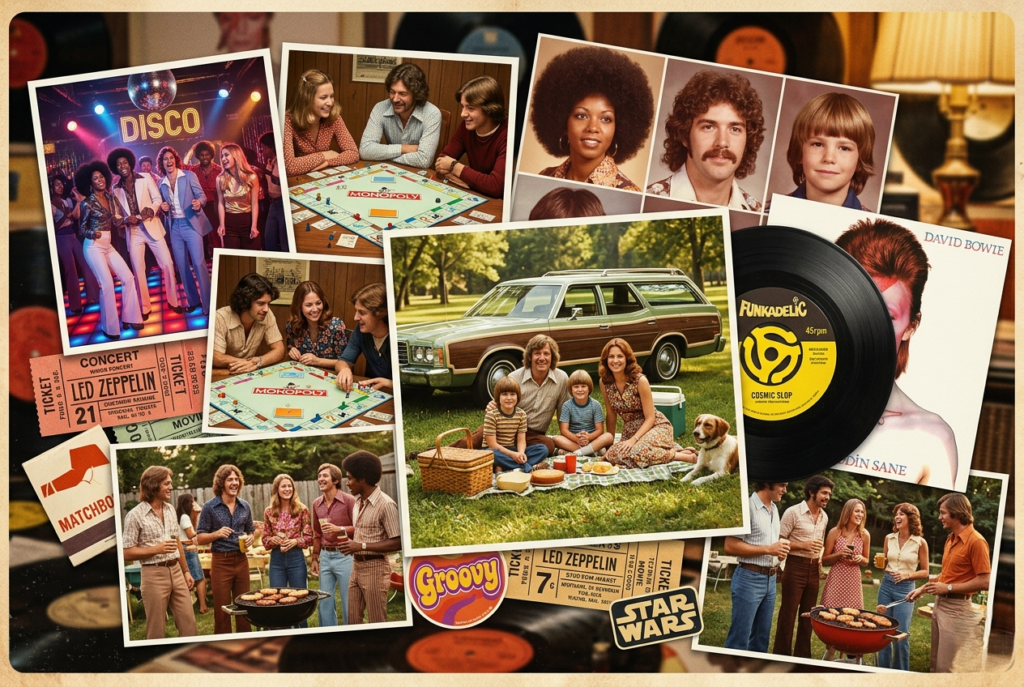
<p> There is something about the 1970s that refuses to fade quietly into the background. Maybe it is the music that still sounds good the second it comes on. Maybe it is the memories of neighborhood block parties, family station wagons, and late-night talk around the dinner table when the country seemed to be changing by the minute. Or maybe it is because the 1970s were not just another decade. They were a turning point.

For many baby boomers, the 1970s were the years when America felt like it was rewriting the rules in real time. The old ways were being questioned. New ideas were pushing through. Families, careers, politics, entertainment, and everyday life all started to look different. Some changes were exciting. Some were frustrating. Some were downright confusing. But many of them still shape how we live today.

That is what makes the 1970s so fascinating to revisit. This was not just the decade of disco, denim, and wood-paneled basements. It was the decade that taught a generation how to adapt. And if you are a boomer reading this now, chances are you still carry a few lessons from that era, whether you realize it or not.

Here is a look back at 10 cultural shifts from the 1970s that still resonate today and why they still matter more than people think. </p> :: Gemini

There is something about the 1970s that refuses to fade quietly into the background. Maybe it is the music that still sounds good the second it comes on. Maybe it is the memories of neighborhood block parties, family station wagons, and late-night talk around the dinner table when the country seemed to be changing by the minute. Or maybe it is because the 1970s were not just another decade. They were a turning point.

For many baby boomers, the 1970s were the years when America felt like it was rewriting the rules in real time. The old ways were being questioned. New ideas were pushing through. Families, careers, politics, entertainment, and everyday life all started to look different. Some changes were exciting. Some were frustrating. Some were downright confusing. But many of them still shape how we live today.

That is what makes the 1970s so fascinating to revisit. This was not just the decade of disco, denim, and wood-paneled basements. It was the decade that taught a generation how to adapt. And if you are a boomer reading this now, chances are you still carry a few lessons from that era, whether you realize it or not.

Here is a look back at 10 cultural shifts from the 1970s that still resonate today and why they still matter more than people think.

1. The Women’s Movement Redefined Everyday Life

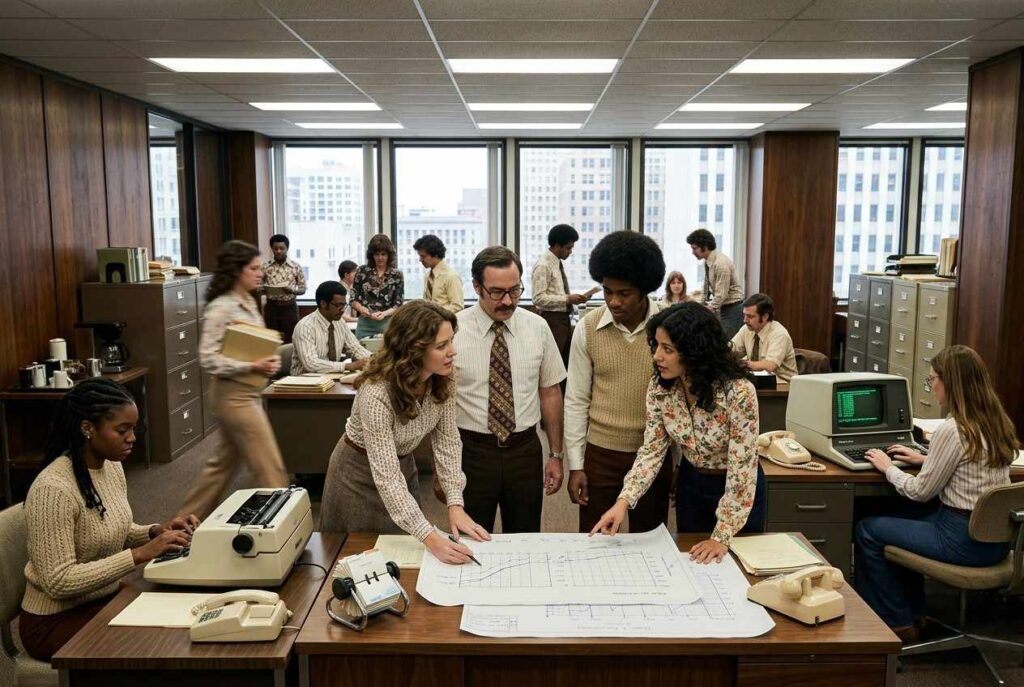
<p> The 1970s changed what women could expect from life in America, and that shift reached far beyond headlines and court decisions. It was a decade when more women pushed for better career opportunities, equal treatment, and greater independence at home and at work. For many families, this meant long-standing roles started to change. More women entered the workforce, more households rebalanced responsibilities, and more girls grew up believing their futures could look much bigger than previous generations had been told. For boomers, this was not an abstract movement. It played out in marriages, workplaces, schools, and living rooms. Today’s conversations about equal pay, leadership, caregiving, and work-life balance still reflect the doors that began opening in the 1970s. </p> :: Gemini

The 1970s changed what women could expect from life in America, and that shift reached far beyond headlines and court decisions. It was a decade when more women pushed for better career opportunities, equal treatment, and greater independence at home and at work. For many families, this meant long-standing roles started to change. More women entered the workforce, more households rebalanced responsibilities, and more girls grew up believing their futures could look much bigger than previous generations had been told. For boomers, this was not an abstract movement. It played out in marriages, workplaces, schools, and living rooms. Today’s conversations about equal pay, leadership, caregiving, and work-life balance still reflect the doors that began opening in the 1970s.

2. Environmental Awareness Became Part of Daily Thinking

<p> Before the 1970s, a lot of Americans saw pollution as an unfortunate but normal part of modern life. Then the conversation changed in a big way. The first Earth Day helped bring environmental concerns into the mainstream, and suddenly people were thinking more seriously about clean air, clean water, waste, and conservation. For baby boomers, this was the start of habits that still feel familiar today, like recycling, saving water, planting gardens, and being more thoughtful about what gets thrown away. Long before “green living” became a trendy phrase, the 1970s taught Americans that small everyday choices could add up to something meaningful. </p> :: Gemini

Before the 1970s, a lot of Americans saw pollution as an unfortunate but normal part of modern life. Then the conversation changed in a big way. The first Earth Day helped bring environmental concerns into the mainstream, and suddenly people were thinking more seriously about clean air, clean water, waste, and conservation. For baby boomers, this was the start of habits that still feel familiar today, like recycling, saving water, planting gardens, and being more thoughtful about what gets thrown away. Long before “green living” became a trendy phrase, the 1970s taught Americans that small everyday choices could add up to something meaningful.

3. Americans Learned to Question Authority

<p> If you lived through the 1970s, you probably remember how dramatically public trust shifted. Political scandals and national turmoil made many Americans realize that leaders were not always as trustworthy as they seemed. That was a major cultural turning point. It encouraged people to pay closer attention, ask tougher questions, and stop accepting official stories at face value. For baby boomers, this mindset became part of adulthood. It shaped how people followed the news, talked about politics, and taught their children to think critically. Even today, that healthy skepticism remains one of the strongest lasting influences from the decade. </p> :: Gemini

If you lived through the 1970s, you probably remember how dramatically public trust shifted. Political scandals and national turmoil made many Americans realize that leaders were not always as trustworthy as they seemed. That was a major cultural turning point. It encouraged people to pay closer attention, ask tougher questions, and stop accepting official stories at face value. For baby boomers, this mindset became part of adulthood. It shaped how people followed the news, talked about politics, and taught their children to think critically. Even today, that healthy skepticism remains one of the strongest lasting influences from the decade.

4. The Energy Crisis Changed the Way People Used Resources

<p> The gas lines of the 1970s were more than an inconvenience. They were a wake-up call. Suddenly, fuel was not endless, and energy use became something families actually thought about. People started paying more attention to gas mileage, heating bills, insulation, and how much waste they could cut. For many boomers, this practical mindset stuck. It is part of the reason so many still instinctively turn off lights, keep an eye on utility bills, and appreciate anything that stretches a dollar. Today’s interest in energy-efficient homes and lower-cost living may feel modern, but the roots of that thinking go straight back to the 1970s. </p> :: Gemini

The gas lines of the 1970s were more than an inconvenience. They were a wake-up call. Suddenly, fuel was not endless, and energy use became something families actually thought about. People started paying more attention to gas mileage, heating bills, insulation, and how much waste they could cut. For many boomers, this practical mindset stuck. It is part of the reason so many still instinctively turn off lights, keep an eye on utility bills, and appreciate anything that stretches a dollar. Today’s interest in energy-efficient homes and lower-cost living may feel modern, but the roots of that thinking go straight back to the 1970s.

5. Personal Freedom Started to Matter More Than Fitting In

<p> One of the biggest cultural changes of the 1970s was the growing belief that people should be allowed to define themselves instead of simply following old expectations. Americans became more willing to challenge rigid ideas about how to dress, how to live, who to love, and what kind of future they wanted. For baby boomers, this was a powerful shift because it created room for more individuality and less pressure to fit into one approved mold. That spirit still shows up today in everything from retirement choices to lifestyle decisions to the simple confidence of saying, “This works for me, even if it is not what everyone else is doing.” </p> :: Gemini

One of the biggest cultural changes of the 1970s was the growing belief that people should be allowed to define themselves instead of simply following old expectations. Americans became more willing to challenge rigid ideas about how to dress, how to live, who to love, and what kind of future they wanted. For baby boomers, this was a powerful shift because it created room for more individuality and less pressure to fit into one approved mold. That spirit still shows up today in everything from retirement choices to lifestyle decisions to the simple confidence of saying, “This works for me, even if it is not what everyone else is doing.”

6. Pop Culture Became a Bigger Part of Personal Identity

<p> The 1970s proved that entertainment was not just entertainment. Music, movies, and television became part of how people expressed themselves and connected with others. Whether someone was into disco, rock, soul, or folk, those preferences often said something about who they were. Television also became a shared cultural experience in a way that feels almost impossible now. People actually watched the same shows at the same time and talked about them the next day. For boomers, the songs and stories of the 1970s are often tied to real memories, first jobs, first apartments, first loves, and major family milestones. That is why nostalgia from this era still hits so hard. It is not just about the media. It is about the life attached to it. </p> :: Gemini

The 1970s proved that entertainment was not just entertainment. Music, movies, and television became part of how people expressed themselves and connected with others. Whether someone was into disco, rock, soul, or folk, those preferences often said something about who they were. Television also became a shared cultural experience in a way that feels almost impossible now. People actually watched the same shows at the same time and talked about them the next day. For boomers, the songs and stories of the 1970s are often tied to real memories, first jobs, first apartments, first loves, and major family milestones. That is why nostalgia from this era still hits so hard. It is not just about the media. It is about the life attached to it.

7. The Workplace Began to Feel More Modern

<p> The 1970s helped push the American workplace into a new era. Offices and job expectations slowly started becoming less rigid, and there was more pressure for fairness, opportunity, and a broader definition of who belonged in professional spaces. This was especially true for women, but it also reflected a larger shift in workplace culture. Professional success started to become less about fitting one old-fashioned mold and more about proving what you could do. For baby boomers, this was the beginning of the modern work environment, where ambition, adaptability, and skill started to matter more than simply following tradition. Many of the workplace conversations happening today still trace back to the changes that began during this decade. </p> :: Gemini

The 1970s helped push the American workplace into a new era. Offices and job expectations slowly started becoming less rigid, and there was more pressure for fairness, opportunity, and a broader definition of who belonged in professional spaces. This was especially true for women, but it also reflected a larger shift in workplace culture. Professional success started to become less about fitting one old-fashioned mold and more about proving what you could do. For baby boomers, this was the beginning of the modern work environment, where ambition, adaptability, and skill started to matter more than simply following tradition. Many of the workplace conversations happening today still trace back to the changes that began during this decade.

8. Health and Self-Care Became Less Taboo

<p> The 1970s also opened the door to a healthier, more informed relationship with the body and mind. People became more willing to talk about personal health, emotional well-being, exercise, and preventive care. Subjects that once felt private or even uncomfortable became easier to discuss. For boomers, this mattered because it marked a shift away from the old “just deal with it” attitude and toward a more proactive way of living. That influence is still visible now in the way many older adults prioritize walking, healthier eating, regular checkups, and staying active. In many ways, the wellness habits people celebrate today started becoming more normal back then. </p> :: Gemini

The 1970s also opened the door to a healthier, more informed relationship with the body and mind. People became more willing to talk about personal health, emotional well-being, exercise, and preventive care. Subjects that once felt private or even uncomfortable became easier to discuss. For boomers, this mattered because it marked a shift away from the old “just deal with it” attitude and toward a more proactive way of living. That influence is still visible now in the way many older adults prioritize walking, healthier eating, regular checkups, and staying active. In many ways, the wellness habits people celebrate today started becoming more normal back then.

9. Activism Became Something Ordinary People Did

<p> The 1970s made activism feel more accessible to everyday Americans. Social causes were no longer something only a small group of people cared about. More citizens got involved in community efforts, protests, advocacy, and public conversations about the future of the country. For many boomers, this was the first time they saw clearly that regular people could create real change when they organized and spoke up. That lesson has never really disappeared. Whether it is volunteering, supporting a cause, signing petitions, or speaking out locally, the spirit of engagement that grew in the 1970s still lives on in the way many boomers stay involved today. </p> :: Gemini

The 1970s made activism feel more accessible to everyday Americans. Social causes were no longer something only a small group of people cared about. More citizens got involved in community efforts, protests, advocacy, and public conversations about the future of the country. For many boomers, this was the first time they saw clearly that regular people could create real change when they organized and spoke up. That lesson has never really disappeared. Whether it is volunteering, supporting a cause, signing petitions, or speaking out locally, the spirit of engagement that grew in the 1970s still lives on in the way many boomers stay involved today.

10. The Definition of the American Dream Expanded

<p> Perhaps the most lasting shift of all is that the 1970s broadened what a successful life could look like. Before then, the script often felt pretty fixed. Go to work, raise a family, follow the expected path, and do not ask too many questions. But the 1970s cracked that script wide open. Families looked different. Careers looked different. Personal goals looked different. More people started realizing that a good life did not have to match somebody else’s formula. For baby boomers, that idea still resonates deeply. It is one reason so many are redefining retirement, staying active longer, pursuing second careers, traveling more, and choosing lifestyles that reflect who they really are instead of what tradition once demanded. </p> :: Gemini

Perhaps the most lasting shift of all is that the 1970s broadened what a successful life could look like. Before then, the script often felt pretty fixed. Go to work, raise a family, follow the expected path, and do not ask too many questions. But the 1970s cracked that script wide open. Families looked different. Careers looked different. Personal goals looked different. More people started realizing that a good life did not have to match somebody else’s formula. For baby boomers, that idea still resonates deeply. It is one reason so many are redefining retirement, staying active longer, pursuing second careers, traveling more, and choosing lifestyles that reflect who they really are instead of what tradition once demanded.

Final Thoughts

<p> Looking back, the 1970s were not just memorable because of the music, the fashion, or the unforgettable home décor choices that somehow involved a lot of orange and brown. They mattered because they changed the way Americans thought.

For baby boomers, the 1970s were a front-row seat to a country in transition. The decade challenged old rules, introduced new freedoms, and forced people to adapt in ways that still feel surprisingly relevant today. It taught a generation to question authority, value independence, think practically, and stay open to change even when change felt uncomfortable.

That may be the real reason the 1970s still resonate. They were not just a nostalgic chapter. They were a training ground for resilience.

And if you are a boomer reading this now, there is a good chance that some of your strongest traits were sharpened during that decade. The resourcefulness. The independence. The ability to roll your eyes at chaos and keep moving anyway. That is pure 1970s energy.

So yes, the hairstyles may have changed. The music may come from a playlist now instead of a record player. And the station wagon may have been replaced by something with Bluetooth. But the lessons of the 1970s are still here, still useful, and still worth remembering. Sometimes the past is not just something to look back on. Sometimes it is the reason you know exactly how to handle the present. </p> :: Gemini

Looking back, the 1970s were not just memorable because of the music, the fashion, or the unforgettable home décor choices that somehow involved a lot of orange and brown. They mattered because they changed the way Americans thought.

For baby boomers, the 1970s were a front-row seat to a country in transition. The decade challenged old rules, introduced new freedoms, and forced people to adapt in ways that still feel surprisingly relevant today. It taught a generation to question authority, value independence, think practically, and stay open to change even when change felt uncomfortable.

That may be the real reason the 1970s still resonate. They were not just a nostalgic chapter. They were a training ground for resilience.

And if you are a boomer reading this now, there is a good chance that some of your strongest traits were sharpened during that decade. The resourcefulness. The independence. The ability to roll your eyes at chaos and keep moving anyway. That is pure 1970s energy.

So yes, the hairstyles may have changed. The music may come from a playlist now instead of a record player. And the station wagon may have been replaced by something with Bluetooth. But the lessons of the 1970s are still here, still useful, and still worth remembering. Sometimes the past is not just something to look back on. Sometimes it is the reason you know exactly how to handle the present.

Filed Under: Lifestyle

Fiber Fix: 5 Foods That Can Seriously Transform Your Gut Health Fast

March 29, 2026 | Leave a Comment

Fiber Fix: 5 Foods That Can Seriously Transform Your Gut Health Fast

<p> If your stomach has been acting like it has its own mood swings lately, you are not imagining it. Bloating after lunch, sluggish digestion, random cravings, and those “why do I feel so heavy?” moments can all be signs that your gut is begging for more fiber. The funny part is that fiber is not exactly trendy. It does not come in a flashy bottle, it does not promise a “three-day reset,” and no one on social media is making dramatic videos about how a bowl of lentils changed their life. But when it comes to gut health, fiber quietly does the heavy lifting.

That matters because most Americans still do not get enough of it. Current U.S. guidance suggests adults generally need about 14 grams of fiber for every 1,000 calories, which usually lands many adults in the 25 to 38 gram range depending on age and sex. Mayo Clinic also notes specific adult targets that range from 21 to 38 grams a day, and many people are falling short. Fiber helps keep digestion regular, feeds beneficial gut bacteria, and can even help with fullness, blood sugar support, and heart health. In short, your gut loves it, and the rest of your body tends to benefit too.

The good news is you do not need a complicated meal plan, a pricey supplement stack, or a refrigerator full of strange “wellness” products to feel better. Sometimes the fastest path to a happier gut is just eating more of the right everyday foods consistently. The five foods below are practical, easy to find in U.S. grocery stores, and genuinely useful in real life. If you add them slowly and drink enough water, they can make a noticeable difference faster than you might expect. Your gut may not send a thank-you card, but it will absolutely notice. </p> :: Gemini

If your stomach has been acting like it has its own mood swings lately, you are not imagining it. Bloating after lunch, sluggish digestion, random cravings, and those “why do I feel so heavy?” moments can all be signs that your gut is begging for more fiber. The funny part is that fiber is not exactly trendy. It does not come in a flashy bottle, it does not promise a “three-day reset,” and no one on social media is making dramatic videos about how a bowl of lentils changed their life. But when it comes to gut health, fiber quietly does the heavy lifting.

That matters because most Americans still do not get enough of it. Current U.S. guidance suggests adults generally need about 14 grams of fiber for every 1,000 calories, which usually lands many adults in the 25 to 38 gram range depending on age and sex. Mayo Clinic also notes specific adult targets that range from 21 to 38 grams a day, and many people are falling short. Fiber helps keep digestion regular, feeds beneficial gut bacteria, and can even help with fullness, blood sugar support, and heart health. In short, your gut loves it, and the rest of your body tends to benefit too.

The good news is you do not need a complicated meal plan, a pricey supplement stack, or a refrigerator full of strange “wellness” products to feel better. Sometimes the fastest path to a happier gut is just eating more of the right everyday foods consistently. The five foods below are practical, easy to find in U.S. grocery stores, and genuinely useful in real life. If you add them slowly and drink enough water, they can make a noticeable difference faster than you might expect. Your gut may not send a thank-you card, but it will absolutely notice.

1. Chia Seeds

<p> Chia seeds may be tiny, but they are basically the overachievers of the fiber world. According to Mayo Clinic’s high-fiber food chart, just 1 ounce of chia seeds delivers about 10 grams of fiber, which is a serious boost from a very small serving. That is one reason they are so helpful for gut health. Chia contains fiber that absorbs liquid and forms a gel-like texture, which can help support smoother digestion and more regular bowel movements. They are also ridiculously easy to use, which matters because the best healthy food is the one you will actually eat. Stir a tablespoon into yogurt, blend it into a smoothie, sprinkle it over oatmeal, or make overnight chia pudding if you want something that feels slightly more Pinterest than practical. If you are new to fiber, start small. Going from zero to “I now eat chia every hour” can backfire with bloating and gas. Mayo Clinic specifically recommends increasing fiber gradually so your digestive system has time to adjust. In other words, do not let a teaspoon of seeds humble you. </p> :: Pexels

Chia seeds may be tiny, but they are basically the overachievers of the fiber world. According to Mayo Clinic’s high-fiber food chart, just 1 ounce of chia seeds delivers about 10 grams of fiber, which is a serious boost from a very small serving. That is one reason they are so helpful for gut health. Chia contains fiber that absorbs liquid and forms a gel-like texture, which can help support smoother digestion and more regular bowel movements. They are also ridiculously easy to use, which matters because the best healthy food is the one you will actually eat. Stir a tablespoon into yogurt, blend it into a smoothie, sprinkle it over oatmeal, or make overnight chia pudding if you want something that feels slightly more Pinterest than practical. If you are new to fiber, start small. Going from zero to “I now eat chia every hour” can backfire with bloating and gas. Mayo Clinic specifically recommends increasing fiber gradually so your digestive system has time to adjust. In other words, do not let a teaspoon of seeds humble you.

2. Lentils

<p> If there were a hall of fame for gut-friendly budget foods, lentils would have their own display case. One cooked cup of lentils packs around 15.5 grams of fiber, according to Mayo Clinic, which makes them one of the most powerful foods on this list. They are rich in both the kind of fiber that helps add bulk and keep things moving and the kind that helps feed beneficial bacteria in your gut. That combination is great news if your digestion has been inconsistent, sluggish, or just plain annoying. Lentils are also one of the easiest healthy foods to work into normal meals without making dinner feel like a wellness project. You can add them to soups, toss them into salads, stir them into pasta sauce, use them in tacos, or bulk up grain bowls without spending much money. For U.S. readers dealing with grocery prices that seem to have their own personality lately, that is a win. If beans and lentils sometimes make you gassy, that does not mean your body is rejecting them forever. It often just means your gut bacteria are adjusting to more fermentable fiber. Start with smaller portions and build up. Your stomach can learn new tricks, even if it complains at first. </p> :: Pexels

If there were a hall of fame for gut-friendly budget foods, lentils would have their own display case. One cooked cup of lentils packs around 15.5 grams of fiber, according to Mayo Clinic, which makes them one of the most powerful foods on this list. They are rich in both the kind of fiber that helps add bulk and keep things moving and the kind that helps feed beneficial bacteria in your gut. That combination is great news if your digestion has been inconsistent, sluggish, or just plain annoying. Lentils are also one of the easiest healthy foods to work into normal meals without making dinner feel like a wellness project. You can add them to soups, toss them into salads, stir them into pasta sauce, use them in tacos, or bulk up grain bowls without spending much money. For U.S. readers dealing with grocery prices that seem to have their own personality lately, that is a win. If beans and lentils sometimes make you gassy, that does not mean your body is rejecting them forever. It often just means your gut bacteria are adjusting to more fermentable fiber. Start with smaller portions and build up. Your stomach can learn new tricks, even if it complains at first.

3. Oats

<p> Oats are one of the most underrated gut health foods because they seem almost too ordinary to be impressive. But boring and effective is a pretty great combination when it comes to breakfast. Oats are especially valuable because they contain soluble fiber, including beta-glucan, which forms a soft gel-like texture in the digestive tract. That can help slow digestion, support fullness, and create a friendlier environment for the beneficial bacteria living in your gut. Mayo Clinic specifically lists oats among foods rich in soluble fiber, and that matters because soluble fiber can help with both digestive regularity and steadier energy after meals. Oats are also easy to make fit real life. Overnight oats are great if mornings are chaos. A warm bowl of oatmeal with berries works when you want something comforting. Even savory oats can be surprisingly good if you top them with eggs, spinach, or avocado. Just try not to rely too heavily on the super sugary instant packets that are basically dessert wearing a health costume. Plain old-fashioned oats or steel-cut oats usually give you more fiber value without the sugar overload. When a food is cheap, filling, pantry-friendly, and good for your gut, it deserves more respect than it gets. </p> :: Pexels

Oats are one of the most underrated gut health foods because they seem almost too ordinary to be impressive. But boring and effective is a pretty great combination when it comes to breakfast. Oats are especially valuable because they contain soluble fiber, including beta-glucan, which forms a soft gel-like texture in the digestive tract. That can help slow digestion, support fullness, and create a friendlier environment for the beneficial bacteria living in your gut. Mayo Clinic specifically lists oats among foods rich in soluble fiber, and that matters because soluble fiber can help with both digestive regularity and steadier energy after meals. Oats are also easy to make fit real life. Overnight oats are great if mornings are chaos. A warm bowl of oatmeal with berries works when you want something comforting. Even savory oats can be surprisingly good if you top them with eggs, spinach, or avocado. Just try not to rely too heavily on the super sugary instant packets that are basically dessert wearing a health costume. Plain old-fashioned oats or steel-cut oats usually give you more fiber value without the sugar overload. When a food is cheap, filling, pantry-friendly, and good for your gut, it deserves more respect than it gets.

4. Raspberries

<p> If you want a gut-friendly food that actually feels fun to eat, raspberries are your answer. They are sweet, refreshing, easy to grab, and surprisingly loaded with fiber. Mayo Clinic’s high-fiber chart lists 1 cup of raspberries at about 8 grams of fiber, which is impressive for a fruit that tastes more like a treat than a health strategy. That makes them a smart option for anyone who wants to support digestion without feeling like they are “trying to be healthy” every second of the day. Raspberries can help add fiber and water to your diet at the same time, which is a helpful combo when your goal is staying regular and avoiding that heavy, backed-up feeling. They are also incredibly flexible. Add them to oatmeal, mix them into yogurt, freeze them for a cold snack, or eat them straight from the container while standing in the kitchen deciding what your life is about. No judgment. They pair especially well with other foods on this list too. A bowl of oats with chia and raspberries is one of the easiest gut-friendly breakfasts you can make without spending half your morning cooking. If your snack routine currently involves crackers, chips, or protein bars that taste like drywall, raspberries are a simple upgrade your digestive system will appreciate. </p> :: Pexels

If you want a gut-friendly food that actually feels fun to eat, raspberries are your answer. They are sweet, refreshing, easy to grab, and surprisingly loaded with fiber. Mayo Clinic’s high-fiber chart lists 1 cup of raspberries at about 8 grams of fiber, which is impressive for a fruit that tastes more like a treat than a health strategy. That makes them a smart option for anyone who wants to support digestion without feeling like they are “trying to be healthy” every second of the day. Raspberries can help add fiber and water to your diet at the same time, which is a helpful combo when your goal is staying regular and avoiding that heavy, backed-up feeling. They are also incredibly flexible. Add them to oatmeal, mix them into yogurt, freeze them for a cold snack, or eat them straight from the container while standing in the kitchen deciding what your life is about. No judgment. They pair especially well with other foods on this list too. A bowl of oats with chia and raspberries is one of the easiest gut-friendly breakfasts you can make without spending half your morning cooking. If your snack routine currently involves crackers, chips, or protein bars that taste like drywall, raspberries are a simple upgrade your digestive system will appreciate.

5. Avocados

<p> Avocados are often praised for healthy fats, but they do not get nearly enough credit for their fiber content. Mayo Clinic includes avocados among foods rich in soluble fiber, which is one reason they can be so helpful for digestion and satiety. That combination of fiber and healthy fat is especially useful because it can help meals feel more balanced and satisfying instead of leaving you hungry an hour later and mysteriously elbow-deep in snack foods. Avocados are also one of the easiest gut-friendly foods to work into everyday eating without making it feel like a sacrifice. Mash them onto whole-grain toast, slice them into sandwiches, toss them into salads, blend them into smoothies for extra creaminess, or turn them into guacamole and suddenly everyone is interested in fiber. They are rich, versatile, and honestly make healthy eating feel a lot less like punishment. For people trying to improve their gut health quickly, that matters. If a food is nutritious but feels depressing, you probably will not stick with it. Avocados solve that problem nicely. Just keep portions realistic if you are also trying to manage calories, because “I will have a few slices” can become “somehow the whole avocado disappeared” faster than most of us care to admit. </p> :: Pexels

Avocados are often praised for healthy fats, but they do not get nearly enough credit for their fiber content. Mayo Clinic includes avocados among foods rich in soluble fiber, which is one reason they can be so helpful for digestion and satiety. That combination of fiber and healthy fat is especially useful because it can help meals feel more balanced and satisfying instead of leaving you hungry an hour later and mysteriously elbow-deep in snack foods. Avocados are also one of the easiest gut-friendly foods to work into everyday eating without making it feel like a sacrifice. Mash them onto whole-grain toast, slice them into sandwiches, toss them into salads, blend them into smoothies for extra creaminess, or turn them into guacamole and suddenly everyone is interested in fiber. They are rich, versatile, and honestly make healthy eating feel a lot less like punishment. For people trying to improve their gut health quickly, that matters. If a food is nutritious but feels depressing, you probably will not stick with it. Avocados solve that problem nicely. Just keep portions realistic if you are also trying to manage calories, because “I will have a few slices” can become “somehow the whole avocado disappeared” faster than most of us care to admit.

Final Thoughts

<p> If you want better gut health fast, the answer is usually not some dramatic cleanse, expensive powder, or influencer-approved “detox.” It is consistency. That is what makes these five foods so powerful. Chia seeds, lentils, oats, raspberries, and avocados all bring something useful to the table, and together they make it much easier to build a diet that actually supports digestion instead of working against it.

The key is not perfection. It is repetition. Add chia to breakfast a few times a week. Swap one low-fiber lunch for a lentil soup. Keep oats in the pantry. Buy raspberries instead of another box of snack bars. Put avocado on meals that usually leave you unsatisfied. These are not dramatic changes, but they are the kind that tend to stick, and that is where the real magic happens.

One important reminder before you go full fiber warrior: more is not always better all at once. Mayo Clinic warns that increasing fiber too quickly can cause gas, bloating, and cramping. The smartest move is to add fiber gradually over a few weeks and drink plenty of water so your body can adjust. Think of it as training your gut, not shocking it into submission.

Your gut does not need a miracle. It needs better daily habits. And if you start with these five foods, you are giving it a much better chance to calm down, function better, and stop acting like every meal is a personal attack. </p> :: Gemini

If you want better gut health fast, the answer is usually not some dramatic cleanse, expensive powder, or influencer-approved “detox.” It is consistency. That is what makes these five foods so powerful. Chia seeds, lentils, oats, raspberries, and avocados all bring something useful to the table, and together they make it much easier to build a diet that actually supports digestion instead of working against it.

The key is not perfection. It is repetition. Add chia to breakfast a few times a week. Swap one low-fiber lunch for a lentil soup. Keep oats in the pantry. Buy raspberries instead of another box of snack bars. Put avocado on meals that usually leave you unsatisfied. These are not dramatic changes, but they are the kind that tend to stick, and that is where the real magic happens.

One important reminder before you go full fiber warrior: more is not always better all at once. Mayo Clinic warns that increasing fiber too quickly can cause gas, bloating, and cramping. The smartest move is to add fiber gradually over a few weeks and drink plenty of water so your body can adjust. Think of it as training your gut, not shocking it into submission.

Your gut does not need a miracle. It needs better daily habits. And if you start with these five foods, you are giving it a much better chance to calm down, function better, and stop acting like every meal is a personal attack.

Filed Under: Food & Drink

If You Hear These 7 Phrases Often, Your Relationship May Not Be as Strong as You Think

March 28, 2026 | Leave a Comment

If You Hear These 7 Phrases Often… Your Relationship May Not Be as Strong as You Think

<p>It is rarely the big arguments that reveal the truth about a relationship. More often, it is the small, repeated phrases that quietly signal deeper issues beneath the surface.</p> ::Pexels

It is rarely the big arguments that reveal the truth about a relationship. More often, it is the small, repeated phrases that quietly signal deeper issues beneath the surface.

1. “I’m fine” (when they clearly are not)

<p>This phrase often signals emotional shutdown rather than peace. It usually shows up when someone feels overwhelmed but does not feel safe or ready to explain why. Instead of opening the door to connection, it closes it. Over time, unresolved feelings stack up and create distance between partners. A healthier shift is replacing this with one honest sentence about what is actually wrong, even if it feels uncomfortable in the moment.</p> ::Pexels

This phrase often signals emotional shutdown rather than peace. It usually shows up when someone feels overwhelmed but does not feel safe or ready to explain why. Instead of opening the door to connection, it closes it. Over time, unresolved feelings stack up and create distance between partners. A healthier shift is replacing this with one honest sentence about what is actually wrong, even if it feels uncomfortable in the moment.

2. “Do whatever you want”

<p>This may sound like freedom, but it often reflects emotional withdrawal. It can signal that one partner no longer feels invested enough to engage in the decision. Instead of teamwork, it becomes quiet detachment. Healthy relationships thrive on shared choices and mutual input, even in small decisions. When this phrase becomes common, it is often a sign that connection is fading rather than growing stronger.</p> ::Pexels

This may sound like freedom, but it often reflects emotional withdrawal. It can signal that one partner no longer feels invested enough to engage in the decision. Instead of teamwork, it becomes quiet detachment. Healthy relationships thrive on shared choices and mutual input, even in small decisions. When this phrase becomes common, it is often a sign that connection is fading rather than growing stronger.

3. “You always…”

<p>Statements like this tend to exaggerate and assign blame. They turn a specific issue into a sweeping judgment about someone’s character, which almost always leads to defensiveness. Instead of solving the problem, the conversation shifts into argument mode. Over time, this pattern erodes trust and emotional safety. Replacing this with “I feel” statements can completely change how the message is received.</p> ::Pexels

Statements like this tend to exaggerate and assign blame. They turn a specific issue into a sweeping judgment about someone’s character, which almost always leads to defensiveness. Instead of solving the problem, the conversation shifts into argument mode. Over time, this pattern erodes trust and emotional safety. Replacing this with “I feel” statements can completely change how the message is received.

4. “You never…”

<p>Just like “you always,” this phrase creates pressure and resentment. It dismisses any effort the other person has made and focuses only on what is missing. Hearing this repeatedly can make someone feel unappreciated and discouraged. When people feel like they can never get it right, they often stop trying. A more constructive approach is to acknowledge effort while expressing what you still need.</p> ::Pexels

Just like “you always,” this phrase creates pressure and resentment. It dismisses any effort the other person has made and focuses only on what is missing. Hearing this repeatedly can make someone feel unappreciated and discouraged. When people feel like they can never get it right, they often stop trying. A more constructive approach is to acknowledge effort while expressing what you still need.

5. Silence instead of communication

<p>Sometimes the most damaging phrase is no phrase at all. Avoiding conversations may feel easier in the moment, but it builds emotional walls over time. Silence can turn small issues into bigger ones because nothing ever gets resolved. Strong relationships are not built on avoiding discomfort, but on facing it together. Even imperfect communication is better than none at all.</p> ::Pexels

Sometimes the most damaging phrase is no phrase at all. Avoiding conversations may feel easier in the moment, but it builds emotional walls over time. Silence can turn small issues into bigger ones because nothing ever gets resolved. Strong relationships are not built on avoiding discomfort, but on facing it together. Even imperfect communication is better than none at all.

6. Sarcasm that hides real frustration

<p>Sarcasm can feel playful on the surface, but when it becomes frequent, it often carries hidden resentment. What sounds like a joke can actually be a disguised complaint or criticism. Over time, this creates confusion and emotional distance. One partner may feel hurt without fully understanding why. Honest and direct communication, even when it feels awkward, builds far more trust than masked frustration.</p> ::Pexels

Sarcasm can feel playful on the surface, but when it becomes frequent, it often carries hidden resentment. What sounds like a joke can actually be a disguised complaint or criticism. Over time, this creates confusion and emotional distance. One partner may feel hurt without fully understanding why. Honest and direct communication, even when it feels awkward, builds far more trust than masked frustration.

7. Avoiding important conversations

<p>When topics like money, future plans, or deeper feelings are consistently pushed aside, it signals a lack of emotional safety. These conversations are essential for growth, even if they feel uncomfortable. Avoidance creates uncertainty and prevents the relationship from moving forward. Couples who stay strong over time are willing to have these talks early and often, even when it is not easy.</p> ::Pexels

When topics like money, future plans, or deeper feelings are consistently pushed aside, it signals a lack of emotional safety. These conversations are essential for growth, even if they feel uncomfortable. Avoidance creates uncertainty and prevents the relationship from moving forward. Couples who stay strong over time are willing to have these talks early and often, even when it is not easy.

Final thoughts: Strong relationships speak, not avoid

<p>Healthy relationships are not perfect, but they are honest. They create space for difficult conversations, real emotions, and mutual understanding. If you recognize these phrases, it does not mean your relationship is failing, it means there is an opportunity to improve. The strongest couples are not the ones who avoid problems, but the ones who face them together.</p> ::Pexels

Healthy relationships are not perfect, but they are honest. They create space for difficult conversations, real emotions, and mutual understanding. If you recognize these phrases, it does not mean your relationship is failing, it means there is an opportunity to improve. The strongest couples are not the ones who avoid problems, but the ones who face them together.

Filed Under: Lifestyle

7 Things to Stop Doing After 75—They’re Just Not Worth It

March 28, 2026 | Leave a Comment

7 Things to Stop Doing After 75—They’re Just Not Worth It

<p> Reaching 75 is no small feat—it is a milestone that says, “I have seen a lot, I have learned a lot, and I am still here to enjoy life.” By this stage, you have likely already figured out what truly matters and what does not. But here is the thing—sometimes we still hold on to habits, activities, and mindsets that no longer serve us. This chapter of life is not about doing more—it is about doing better. It is about conserving your energy for the things that bring joy, protect your health, and make life easier. The truth is, there are certain things that, after 75, just are not worth your time, energy, or stress anymore. Letting them go does not mean giving up—it means making room for what really matters. Below are seven things that may be worth crossing off your list for good—practical, light-hearted, and designed for baby boomers who want to keep living well in their golden years. </p> :: Pexels

Reaching 75 is no small feat—it is a milestone that says, “I have seen a lot, I have learned a lot, and I am still here to enjoy life.” By this stage, you have likely already figured out what truly matters and what does not. But here is the thing—sometimes we still hold on to habits, activities, and mindsets that no longer serve us.

This chapter of life is not about doing more—it is about doing better. It is about conserving your energy for the things that bring joy, protect your health, and make life easier. The truth is, there are certain things that, after 75, just are not worth your time, energy, or stress anymore. Letting them go does not mean giving up—it means making room for what really matters.

Below are seven things that may be worth crossing off your list for good—practical, light-hearted, and designed for baby boomers who want to keep living well in their golden years.

1. Ignoring Regular Check-Ups and Life Check-Ins

<p> Skipping your annual physical might feel harmless—especially if you “feel fine”—but the reality is that health changes can creep up quietly as we age. Regular check-ups allow your doctor to catch issues early, when they are most treatable. And it is not just about medical exams—think of it as a full “life check-in.” This could include reviewing your finances, updating your estate documents, or even assessing home safety features to prevent falls. A quick appointment or two each year can help you stay on top of your health and your peace of mind. Prevention is always easier than a cure. </p> :: Pexels

Skipping your annual physical might feel harmless—especially if you “feel fine”—but the reality is that health changes can creep up quietly as we age. Regular check-ups allow your doctor to catch issues early, when they are most treatable. And it is not just about medical exams—think of it as a full “life check-in.” This could include reviewing your finances, updating your estate documents, or even assessing home safety features to prevent falls. A quick appointment or two each year can help you stay on top of your health and your peace of mind. Prevention is always easier than a cure.

2. Gambling on High-Risk Investments

<p> Remember when you could afford to take financial risks because there was still time to bounce back? Those days are long gone—and that is okay. After 75, financial stability should take center stage. High-risk investments, like volatile stocks or speculative ventures, can put your hard-earned savings in jeopardy. Instead, focus on safer, steadier options that protect your nest egg while still providing modest growth. The goal now is to preserve your comfort and security, not chase an adrenaline rush from the stock market. Peace of mind is worth far more than a risky payout. </p> :: Pexels

Remember when you could afford to take financial risks because there was still time to bounce back? Those days are long gone—and that is okay. After 75, financial stability should take center stage. High-risk investments, like volatile stocks or speculative ventures, can put your hard-earned savings in jeopardy. Instead, focus on safer, steadier options that protect your nest egg while still providing modest growth. The goal now is to preserve your comfort and security, not chase an adrenaline rush from the stock market. Peace of mind is worth far more than a risky payout.

3. Pushing Through High-Impact Sports and Strenuous Workouts

<p> You might still feel young at heart, but your joints, bones, and muscles have been carrying you for decades—and they deserve some kindness. High-impact activities like running, skiing, or intense aerobics can put you at greater risk of injury, which takes much longer to heal at this age. Instead, choose low-impact options that are easier on your body but still keep you moving—swimming, yoga, tai chi, or gentle cycling. You will still get the benefits of exercise without the unnecessary strain. Think of it as exercising smarter, not harder. </p> :: Freepik

You might still feel young at heart, but your joints, bones, and muscles have been carrying you for decades—and they deserve some kindness. High-impact activities like running, skiing, or intense aerobics can put you at greater risk of injury, which takes much longer to heal at this age. Instead, choose low-impact options that are easier on your body but still keep you moving—swimming, yoga, tai chi, or gentle cycling. You will still get the benefits of exercise without the unnecessary strain. Think of it as exercising smarter, not harder.

4. Neglecting Strength, Flexibility, and Balance Training

<p> While it is important to avoid overly strenuous activity, it is equally important not to stop moving altogether. As we age, muscle mass naturally decreases, making us more prone to weakness and falls. Strength training—yes, even light weights or resistance bands—can help keep your muscles strong and functional. Flexibility and balance exercises, such as stretching or heel-to-toe walking, can reduce fall risk and keep you independent longer. These small routines can make the difference between needing help and staying self-sufficient. Your future self will thank you. </p> :: Freepik

While it is important to avoid overly strenuous activity, it is equally important not to stop moving altogether. As we age, muscle mass naturally decreases, making us more prone to weakness and falls. Strength training—yes, even light weights or resistance bands—can help keep your muscles strong and functional. Flexibility and balance exercises, such as stretching or heel-to-toe walking, can reduce fall risk and keep you independent longer. These small routines can make the difference between needing help and staying self-sufficient. Your future self will thank you.

5. Assuming You Can Drive Forever Without Reassessment
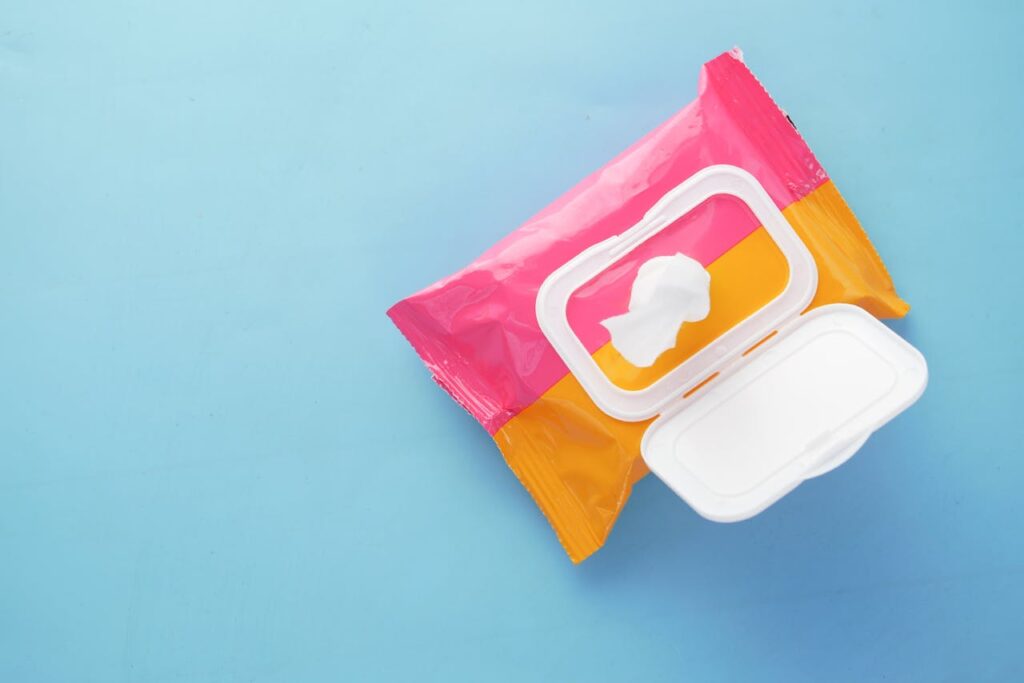
<p> Driving is more than a convenience—it is independence. But changes in vision, reflexes, and cognitive ability can affect safety, even if you have been a careful driver your whole life. That does not mean you have to hand over your keys tomorrow, but it might mean making adjustments. Consider limiting night driving, avoiding high-traffic routes, or scheduling regular vision and hearing tests. In some cases, taking a defensive driving course designed for older adults can help keep you sharp behind the wheel. The goal is to keep you—and everyone else—safe on the road. </p> :: Freepik

Driving is more than a convenience—it is independence. But changes in vision, reflexes, and cognitive ability can affect safety, even if you have been a careful driver your whole life. That does not mean you have to hand over your keys tomorrow, but it might mean making adjustments. Consider limiting night driving, avoiding high-traffic routes, or scheduling regular vision and hearing tests. In some cases, taking a defensive driving course designed for older adults can help keep you sharp behind the wheel. The goal is to keep you—and everyone else—safe on the road.

6. Letting Social Connections Fade Away

<p> It is easy to slip into isolation, especially if mobility becomes more challenging or friends have moved away. But loneliness can harm your health just as much as physical illness. Staying socially active is not just about having fun—it supports mental health, boosts immunity, and keeps your brain sharp. Join a book club, attend community events, or learn to use technology for video calls and online groups. Staying connected is easier than ever, and it is one of the best ways to keep your spirits high. </p> :: Pexels

It is easy to slip into isolation, especially if mobility becomes more challenging or friends have moved away. But loneliness can harm your health just as much as physical illness. Staying socially active is not just about having fun—it supports mental health, boosts immunity, and keeps your brain sharp. Join a book club, attend community events, or learn to use technology for video calls and online groups. Staying connected is easier than ever, and it is one of the best ways to keep your spirits high.

7. Falling for Scams and Too-Good-to-Be-True Offers

<p> Sadly, scammers often target older adults, knowing they may have savings and a trusting nature. From fake lottery wins to “romance scams,” the tactics can be sophisticated—and costly. Protect yourself by being skeptical of unsolicited calls, emails, or messages. Never share personal or financial information unless you are absolutely certain who you are dealing with. If something sounds too good to be true, it almost always is. When in doubt, run it by a trusted friend or family member before acting. Your financial security and peace of mind are worth protecting. </p> :: Freepik

Sadly, scammers often target older adults, knowing they may have savings and a trusting nature. From fake lottery wins to “romance scams,” the tactics can be sophisticated—and costly. Protect yourself by being skeptical of unsolicited calls, emails, or messages. Never share personal or financial information unless you are absolutely certain who you are dealing with. If something sounds too good to be true, it almost always is. When in doubt, run it by a trusted friend or family member before acting. Your financial security and peace of mind are worth protecting.

Final Thoughts

<p> By 75, you have earned the right to prioritize what truly matters—and to drop the rest without apology. Life at this stage should be about quality, not quantity; about savoring the good moments, not rushing through them. Letting go of things that no longer benefit you is not a sign of slowing down—it is a sign of wisdom. You have done the hard work, built the life you wanted, and weathered storms along the way. Now is the time to make choices that keep you healthy, secure, and joyful for years to come. So take a look at this list, pick one thing to change today, and start living lighter and happier. After all, you have earned it. </p> :: Pexels

By 75, you have earned the right to prioritize what truly matters—and to drop the rest without apology. Life at this stage should be about quality, not quantity; about savoring the good moments, not rushing through them. Letting go of things that no longer benefit you is not a sign of slowing down—it is a sign of wisdom.

You have done the hard work, built the life you wanted, and weathered storms along the way. Now is the time to make choices that keep you healthy, secure, and joyful for years to come. So take a look at this list, pick one thing to change today, and start living lighter and happier. After all, you have earned it.

Filed Under: Health & Fitness

  • « Previous Page
  • 1
  • 2
  • 3
  • 4
  • 5
  • …
  • 192
  • Next Page »
  • Email
  • Facebook
  • Pinterest
  • Twitter

Our Most Popular Articles

ClickCashGo Review: Should You Avoid At All Costs?

Ultimate Guide to Mastering Your Credit Score

The 'YOLO' Mindset is a Dangerous Thing

Dave Ramsey's Financial Peace University Review: Is it Worth the Money?

Cash App Glitch 2025: Is the Free Money Glitch Real?

Five Steps To Debt Freedom

Here are five simple guidlines that will help you pay off debt.  

1) Get an emergency fund so you don’t take on debt when something comes up.

2) List your debts. This way you know where you stand.

3) Use the debt snowball. Pay your debts from smallest to largest, or most expensive to least expensive.

4) Avoid new debt. No new credit cards or loans. Period.

5) Go all cash. After everything is paid off, switch to all cash.

Helpful Resources

U of Tennesse Debt Repayment Plan Basics

Vertex 42's Debt Payoff Calculator

Savingadvice's Helpful Debt Forums

Jackie Becks Debt Blog