Our Debt Free Family

Commit. Plan. Take action.

  • BUDGETING
  • DEBT REDUCTION
  • INVESTING
  • LIFESTYLE
  • TOOLS
  • ABOUT
  • Privacy Policy
  • CONTACT

Move Better, Live Better: 5 Functional Fitness Moves for a Stronger Retirement

February 14, 2026 | Leave a Comment

Move Better, Live Better: 5 Functional Fitness Moves for a Stronger Retirement

<p> Retirement is often called the golden years, but let’s be honest, it can also feel like a turning point where simple everyday tasks start to challenge us more than they used to. Standing up from a chair, carrying groceries, climbing stairs, or even bending to pick something off the floor can feel like a workout if your muscles and balance are not up to speed. The good news is that staying strong, mobile, and confident is entirely possible with a little functional fitness.

Functional fitness focuses on exercises that make your body stronger for the movements you actually do every day. These moves are not about building bulky muscles or spending hours in a gym. They are about maintaining independence, reducing your risk of falls, boosting energy, and feeling capable in your daily life. The right exercises can help you play with your grandchildren, carry your own luggage on a trip, garden without strain, and even stand up from a chair without thinking twice.

If you are a Baby Boomer in the United States and you want to make the most of your retirement years, focusing on functional fitness is a smart strategy. Here are five simple, practical, and highly effective functional fitness moves that will strengthen your body, improve your balance, and help you enjoy life to the fullest. </p> :: Pexels

Retirement is often called the golden years, but let’s be honest, it can also feel like a turning point where simple everyday tasks start to challenge us more than they used to. Standing up from a chair, carrying groceries, climbing stairs, or even bending to pick something off the floor can feel like a workout if your muscles and balance are not up to speed. The good news is that staying strong, mobile, and confident is entirely possible with a little functional fitness.

Functional fitness focuses on exercises that make your body stronger for the movements you actually do every day. These moves are not about building bulky muscles or spending hours in a gym. They are about maintaining independence, reducing your risk of falls, boosting energy, and feeling capable in your daily life. The right exercises can help you play with your grandchildren, carry your own luggage on a trip, garden without strain, and even stand up from a chair without thinking twice.

If you are a Baby Boomer in the United States and you want to make the most of your retirement years, focusing on functional fitness is a smart strategy. Here are five simple, practical, and highly effective functional fitness moves that will strengthen your body, improve your balance, and help you enjoy life to the fullest.

1. Sit-to-Stand (Chair Squat)

<p> The sit-to-stand is one of the most practical exercises you can do because it replicates an everyday movement: standing up from a chair. To perform this exercise, sit on a sturdy chair with your feet flat on the floor and hip-width apart. Lean slightly forward, engage your core, and push through your heels to stand up slowly. Then sit back down with control, resisting the urge to plop.

This simple move strengthens your legs, hips, and core — all crucial muscles for maintaining mobility and independence. Over time, you will notice that getting out of a chair, car, or bed becomes easier and less tiring. For added challenge, you can fold your arms across your chest or hold a light weight, but even the basic version is highly effective. It may seem simple, but the sit-to-stand is a powerhouse exercise that can make a real difference in your daily life. </p> :: Gemini

The sit-to-stand is one of the most practical exercises you can do because it replicates an everyday movement: standing up from a chair. To perform this exercise, sit on a sturdy chair with your feet flat on the floor and hip-width apart. Lean slightly forward, engage your core, and push through your heels to stand up slowly. Then sit back down with control, resisting the urge to plop.

This simple move strengthens your legs, hips, and core — all crucial muscles for maintaining mobility and independence. Over time, you will notice that getting out of a chair, car, or bed becomes easier and less tiring. For added challenge, you can fold your arms across your chest or hold a light weight, but even the basic version is highly effective. It may seem simple, but the sit-to-stand is a powerhouse exercise that can make a real difference in your daily life.

2. Step-Ups

<p> Step-ups are more than just a leg workout; they directly strengthen the muscles used for climbing stairs, stepping up curbs, and navigating uneven surfaces. Stand in front of a low, sturdy step or platform, place one foot on it, and push through your heel to lift your body up. Bring the other foot up to meet it and then step back down slowly.

Step-ups improve strength, balance, and coordination, which are essential as we age. They help prevent falls, build confidence, and make tasks like walking up stairs, getting into a pool, or hiking in nature feel more effortless. To stay safe, use a railing, wall, or countertop for support until you feel confident. Start with a low step and gradually increase the height as your strength improves. This functional move is not only effective but also prepares your body for real-life challenges. </p> :: Gemini

Step-ups are more than just a leg workout; they directly strengthen the muscles used for climbing stairs, stepping up curbs, and navigating uneven surfaces. Stand in front of a low, sturdy step or platform, place one foot on it, and push through your heel to lift your body up. Bring the other foot up to meet it and then step back down slowly.

Step-ups improve strength, balance, and coordination, which are essential as we age. They help prevent falls, build confidence, and make tasks like walking up stairs, getting into a pool, or hiking in nature feel more effortless. To stay safe, use a railing, wall, or countertop for support until you feel confident. Start with a low step and gradually increase the height as your strength improves. This functional move is not only effective but also prepares your body for real-life challenges.

3. Wall Push-Ups

<p> Wall push-ups are an excellent way to strengthen your upper body while putting minimal strain on your joints. Stand a few feet from a wall and place your palms flat at shoulder height. Slowly bend your elbows to lean in toward the wall, then push back to the starting position.

This movement targets the chest, shoulders, arms, and core — all muscles that support daily activities such as pushing doors open, lifting shopping bags, or carrying laundry baskets. Wall push-ups can be easily adjusted for difficulty by changing your distance from the wall. As you get stronger, move your feet slightly farther away to increase the challenge. This exercise is safe, effective, and can be done almost anywhere, making it perfect for retirement life. </p> :: Gemini

Wall push-ups are an excellent way to strengthen your upper body while putting minimal strain on your joints. Stand a few feet from a wall and place your palms flat at shoulder height. Slowly bend your elbows to lean in toward the wall, then push back to the starting position.

This movement targets the chest, shoulders, arms, and core — all muscles that support daily activities such as pushing doors open, lifting shopping bags, or carrying laundry baskets. Wall push-ups can be easily adjusted for difficulty by changing your distance from the wall. As you get stronger, move your feet slightly farther away to increase the challenge. This exercise is safe, effective, and can be done almost anywhere, making it perfect for retirement life.

4. Farmer’s Carry
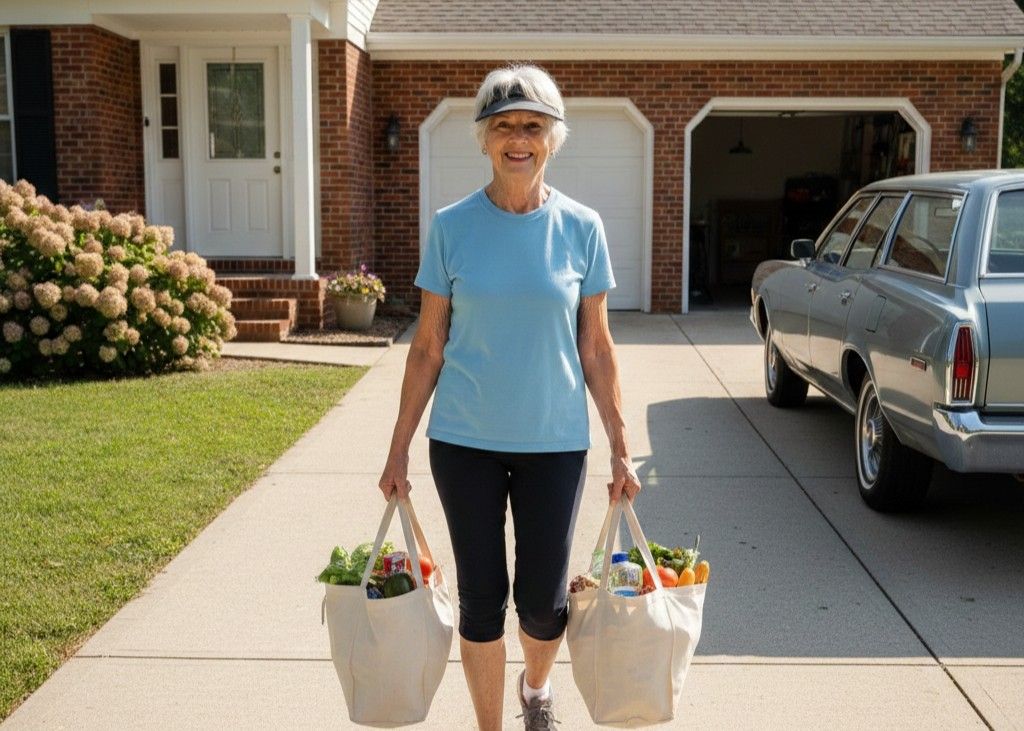
<p> The Farmer's Carry may sound fancy, but it is essentially a functional exercise that mimics carrying everyday items. Hold a pair of light weights, or even filled water bottles, at your sides. Stand tall, engage your core, and walk slowly while maintaining good posture.

This move strengthens your grip, core, shoulders, and legs. It also improves balance and stability, which are critical for preventing falls and navigating your home and neighborhood safely. You can use this exercise in many practical ways, like carrying groceries from the car, moving laundry baskets, or holding a toolbox while gardening. Over time, increase the distance or weight to keep challenging your muscles. The Farmer's Carry is functional, simple, and incredibly practical for daily life. </p> :: Gemini

The Farmer’s Carry may sound fancy, but it is essentially a functional exercise that mimics carrying everyday items. Hold a pair of light weights, or even filled water bottles, at your sides. Stand tall, engage your core, and walk slowly while maintaining good posture.

This move strengthens your grip, core, shoulders, and legs. It also improves balance and stability, which are critical for preventing falls and navigating your home and neighborhood safely. You can use this exercise in many practical ways, like carrying groceries from the car, moving laundry baskets, or holding a toolbox while gardening. Over time, increase the distance or weight to keep challenging your muscles. The Farmer’s Carry is functional, simple, and incredibly practical for daily life.

5. Bird Dog

<p> The Bird Dog is a gentle but highly effective exercise for improving balance, coordination, and core strength. Begin on your hands and knees with a neutral spine. Extend your right arm forward and your left leg back simultaneously, hold for a few seconds, and then return to the starting position. Repeat on the opposite side.

This move mimics real-life actions like reaching, bending, and stabilizing your body when walking on uneven surfaces or picking things up from the floor. The Bird Dog strengthens your lower back, core, and shoulders while improving stability. It is particularly valuable for reducing the risk of falls, maintaining proper posture, and enhancing your confidence in daily movements. You can adjust the difficulty by holding the extended position a little longer or performing the movement more slowly. </p> :: Gemini

The Bird Dog is a gentle but highly effective exercise for improving balance, coordination, and core strength. Begin on your hands and knees with a neutral spine. Extend your right arm forward and your left leg back simultaneously, hold for a few seconds, and then return to the starting position. Repeat on the opposite side.

This move mimics real-life actions like reaching, bending, and stabilizing your body when walking on uneven surfaces or picking things up from the floor. The Bird Dog strengthens your lower back, core, and shoulders while improving stability. It is particularly valuable for reducing the risk of falls, maintaining proper posture, and enhancing your confidence in daily movements. You can adjust the difficulty by holding the extended position a little longer or performing the movement more slowly.

Final Thoughts

<p> Functional fitness is about more than just strength; it is about freedom, independence, and confidence in your retirement years. These five exercises are practical, effective, and tailored for Baby Boomers who want to stay active and capable. By incorporating sit-to-stands, step-ups, wall push-ups, Farmer's Carries, and Bird Dogs into your routine, you can make daily tasks easier, prevent falls, and enjoy the activities you love without hesitation.

Consistency is key. Aim to practice these exercises three times a week, even for just 20 to 30 minutes. Focus on quality over quantity, warm up before each session, and progress gradually. You do not need a gym or fancy equipment. Chairs, walls, steps, and household items can provide everything you need to build functional strength at home.

The best part of functional fitness is how quickly it translates into real life. You will feel stronger when carrying groceries, more confident when walking up stairs, and steadier when reaching or bending. Most importantly, you will maintain independence — a priceless gift that allows you to fully enjoy your golden years.

Remember, your retirement is your time to live fully, explore new hobbies, and create memories. By committing to functional fitness, you are investing in your freedom and your quality of life. Start small, stay consistent, and celebrate every victory, no matter how simple it seems. Your body and your future self will thank you.

A stronger, more confident, and more independent retirement is within your reach. Move better today, and enjoy the life you deserve tomorrow. </p> :: Pexels

Functional fitness is about more than just strength; it is about freedom, independence, and confidence in your retirement years. These five exercises are practical, effective, and tailored for Baby Boomers who want to stay active and capable. By incorporating sit-to-stands, step-ups, wall push-ups, Farmer’s Carries, and Bird Dogs into your routine, you can make daily tasks easier, prevent falls, and enjoy the activities you love without hesitation.

Consistency is key. Aim to practice these exercises three times a week, even for just 20 to 30 minutes. Focus on quality over quantity, warm up before each session, and progress gradually. You do not need a gym or fancy equipment. Chairs, walls, steps, and household items can provide everything you need to build functional strength at home.

The best part of functional fitness is how quickly it translates into real life. You will feel stronger when carrying groceries, more confident when walking up stairs, and steadier when reaching or bending. Most importantly, you will maintain independence — a priceless gift that allows you to fully enjoy your golden years.

Remember, your retirement is your time to live fully, explore new hobbies, and create memories. By committing to functional fitness, you are investing in your freedom and your quality of life. Start small, stay consistent, and celebrate every victory, no matter how simple it seems. Your body and your future self will thank you.

A stronger, more confident, and more independent retirement is within your reach. Move better today, and enjoy the life you deserve tomorrow.

Filed Under: Health & Fitness

7 Common Car Repairs That Can Be Done at Home to Save Money

February 13, 2026 | Leave a Comment

7 Common Car Repairs That Can Be Done at Home to Save Money

<p> Car repairs can quickly add up, draining your wallet with labor and parts costs. However, many routine maintenance tasks and minor repairs can be handled right at home, often with basic tools and a little patience. Not only can doing your own car repairs save you significant money, but it also helps you understand your vehicle better, making it easier to maintain in the long run. In this article, we’ll dive into seven common car repairs that you can do at home to save money and avoid costly mechanic bills. </p> :: Pexels

Car repairs can quickly add up, draining your wallet with labor and parts costs. However, many routine maintenance tasks and minor repairs can be handled right at home, often with basic tools and a little patience. Not only can doing your own car repairs save you significant money, but it also helps you understand your vehicle better, making it easier to maintain in the long run. In this article, we’ll dive into seven common car repairs that you can do at home to save money and avoid costly mechanic bills.

1. Changing the Oil

<p> Changing your car’s oil is one of the most routine and essential maintenance tasks that can be done at home. Regular oil changes ensure that your engine runs smoothly, extends its life, and prevents expensive breakdowns. To do this yourself, you’ll need a few basic items: the correct type of oil, a new oil filter, a wrench, and a drain pan. Start by loosening the drain plug to empty the old oil, then replace the oil filter, and finish by refilling the engine with new oil. This task, which can be done in under an hour, will save you around $40 to $70 per oil change, depending on your car’s make and model. By doing this at home, you avoid labor charges and only pay for the oil and filter, making it a great way to keep maintenance costs down. </p> :: Pexels

Changing your car’s oil is one of the most routine and essential maintenance tasks that can be done at home. Regular oil changes ensure that your engine runs smoothly, extends its life, and prevents expensive breakdowns. To do this yourself, you’ll need a few basic items: the correct type of oil, a new oil filter, a wrench, and a drain pan. Start by loosening the drain plug to empty the old oil, then replace the oil filter, and finish by refilling the engine with new oil. This task, which can be done in under an hour, will save you around $40 to $70 per oil change, depending on your car’s make and model. By doing this at home, you avoid labor charges and only pay for the oil and filter, making it a great way to keep maintenance costs down.

2. Replacing Brake Pads

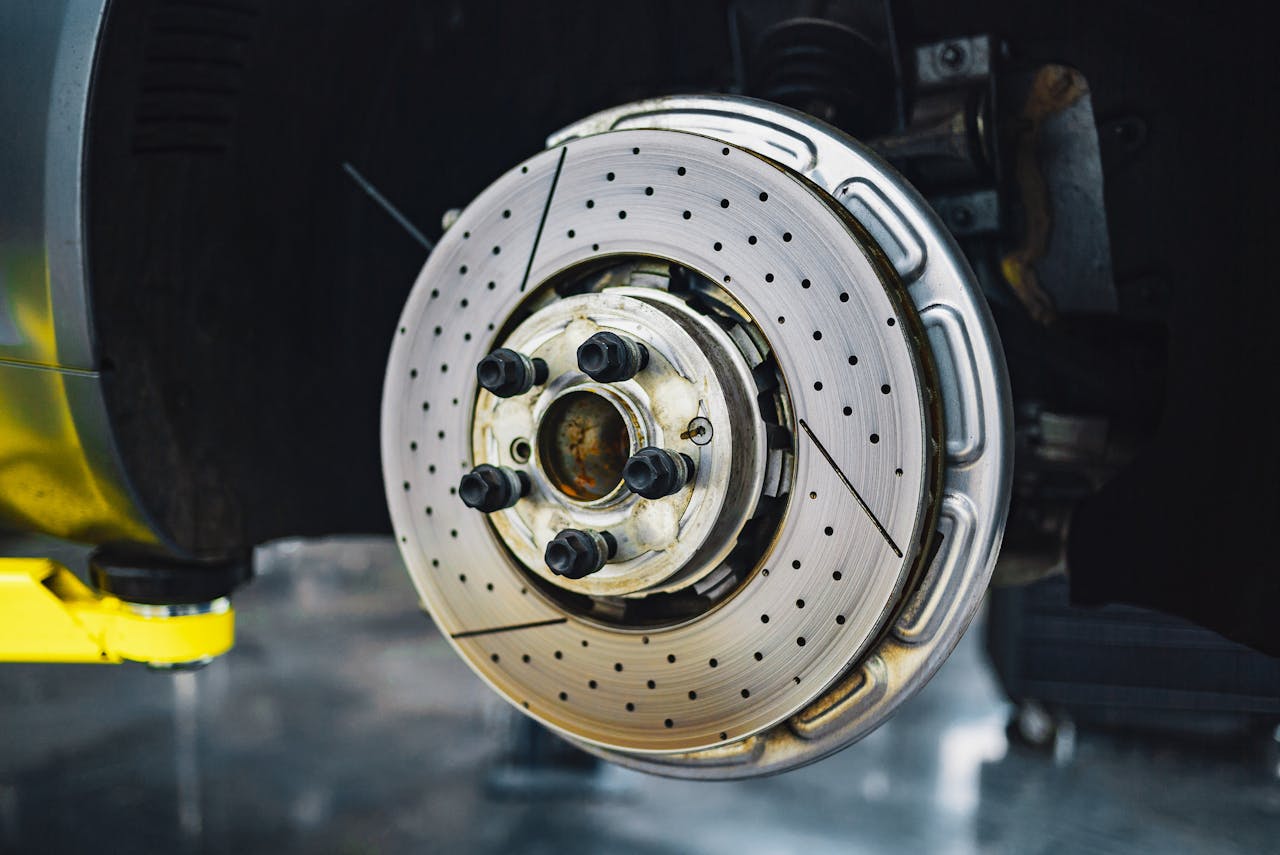
<p> Replacing your car’s brake pads is another repair that can easily be done at home and will save you hundreds of dollars. Brake pads wear down over time and need to be replaced to maintain proper braking performance and avoid damage to the rotors. The tools you’ll need include a car jack, a lug wrench, and a socket set. Once you have the car jacked up and the wheel removed, the brake pads can be accessed and replaced. While it may sound complicated, the process is straightforward and can be done with minimal experience. This repair can save you $150 to $300 in labor costs, and once you get the hang of it, replacing brake pads can take less than an hour per wheel. </p> :: Pexels

Replacing your car’s brake pads is another repair that can easily be done at home and will save you hundreds of dollars. Brake pads wear down over time and need to be replaced to maintain proper braking performance and avoid damage to the rotors. The tools you’ll need include a car jack, a lug wrench, and a socket set. Once you have the car jacked up and the wheel removed, the brake pads can be accessed and replaced. While it may sound complicated, the process is straightforward and can be done with minimal experience. This repair can save you $150 to $300 in labor costs, and once you get the hang of it, replacing brake pads can take less than an hour per wheel.

3. Replacing Air Filters

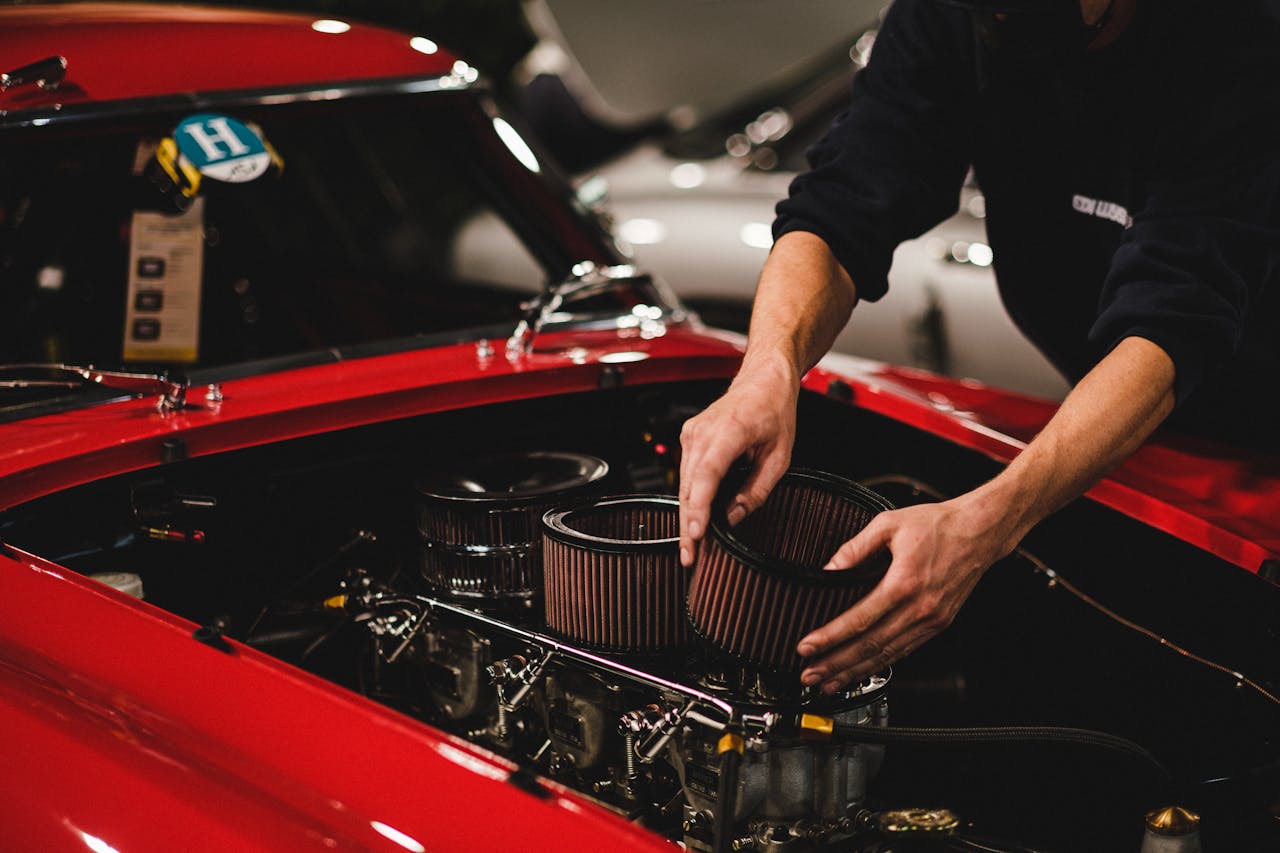
<p> There are two air filters in your car that need regular attention: the engine air filter and the cabin air filter. Both can be replaced easily at home with no special tools required. The engine air filter keeps dirt and debris from entering the engine, while the cabin air filter ensures that the air you breathe inside the car is clean. For most cars, replacing the engine air filter involves opening the airbox, removing the old filter, and inserting a new one. The cabin air filter is often located behind the glove compartment and can be swapped out in a few minutes. This simple task can save you about $40 each time, compared to having it done at a shop, and keeps your car running efficiently. </p> :: Pexels

There are two air filters in your car that need regular attention: the engine air filter and the cabin air filter. Both can be replaced easily at home with no special tools required. The engine air filter keeps dirt and debris from entering the engine, while the cabin air filter ensures that the air you breathe inside the car is clean. For most cars, replacing the engine air filter involves opening the airbox, removing the old filter, and inserting a new one. The cabin air filter is often located behind the glove compartment and can be swapped out in a few minutes. This simple task can save you about $40 each time, compared to having it done at a shop, and keeps your car running efficiently.

4. Fixing Headlights and Taillights

<p> A burnt-out headlight or taillight is not only unsafe, but it can also lead to a ticket if not addressed. Fortunately, replacing a blown bulb is a simple and quick repair that you can handle at home. Start by consulting your vehicle’s manual to determine the correct type of bulb for your car. Then, access the light housing, which is usually secured with screws or clips, and swap out the old bulb for a new one. Most vehicles make this process simple with an easy twist-off mechanism for the bulb housing. Replacing a headlight or taillight at home saves you up to $50 per bulb, which includes both the cost of the part and labor fees. With a minimal investment of time, you can ensure your vehicle is safely visible on the road. </p> :: Pexels

A burnt-out headlight or taillight is not only unsafe, but it can also lead to a ticket if not addressed. Fortunately, replacing a blown bulb is a simple and quick repair that you can handle at home. Start by consulting your vehicle’s manual to determine the correct type of bulb for your car. Then, access the light housing, which is usually secured with screws or clips, and swap out the old bulb for a new one. Most vehicles make this process simple with an easy twist-off mechanism for the bulb housing. Replacing a headlight or taillight at home saves you up to $50 per bulb, which includes both the cost of the part and labor fees. With a minimal investment of time, you can ensure your vehicle is safely visible on the road.

5. Replacing Spark Plugs

<p> Spark plugs are vital to your car’s ignition system and need to be replaced periodically to keep your engine running efficiently. Worn-out spark plugs can cause misfires, reduce fuel efficiency, and lead to hard starts. Fortunately, replacing spark plugs is a relatively simple task that can be done at home with a spark plug socket and a ratchet. First, locate the spark plugs under your car’s hood, typically along the engine’s top. Then, remove the old spark plugs and carefully insert the new ones. Replacing your spark plugs can save you anywhere from $100 to $150 in labor costs, and it’s a repair you can complete in less than an hour. With proper care, this repair also helps your car run smoother and use fuel more efficiently. </p> :: Pexels

Spark plugs are vital to your car’s ignition system and need to be replaced periodically to keep your engine running efficiently. Worn-out spark plugs can cause misfires, reduce fuel efficiency, and lead to hard starts. Fortunately, replacing spark plugs is a relatively simple task that can be done at home with a spark plug socket and a ratchet. First, locate the spark plugs under your car’s hood, typically along the engine’s top. Then, remove the old spark plugs and carefully insert the new ones. Replacing your spark plugs can save you anywhere from $100 to $150 in labor costs, and it’s a repair you can complete in less than an hour. With proper care, this repair also helps your car run smoother and use fuel more efficiently.

6. Replacing Windshield Wipers

<p> Windshield wipers are crucial for safe driving in rain or snow, and worn-out wipers can reduce visibility, making driving dangerous. Replacing your wiper blades is a task that requires no tools and can be done in just a few minutes. First, check your vehicle’s manual for the correct blade size, then remove the old wipers by pressing the release tab or removing a pin, depending on your car’s wiper design. Simply attach the new blades in their place, and you’re good to go. Doing this at home saves you $20 to $40, depending on what an auto shop would charge for parts and labor. This is one of the easiest ways to keep your car road-ready without breaking the bank. </p> :: Pexels

Windshield wipers are crucial for safe driving in rain or snow, and worn-out wipers can reduce visibility, making driving dangerous. Replacing your wiper blades is a task that requires no tools and can be done in just a few minutes. First, check your vehicle’s manual for the correct blade size, then remove the old wipers by pressing the release tab or removing a pin, depending on your car’s wiper design. Simply attach the new blades in their place, and you’re good to go. Doing this at home saves you $20 to $40, depending on what an auto shop would charge for parts and labor. This is one of the easiest ways to keep your car road-ready without breaking the bank.

7. Fixing Small Dents and Scratches

<p> Minor dents and scratches on your car can be unsightly and reduce the overall value of your vehicle, but you don’t need to visit an expensive body shop for every little mark. For small dents, you can use a dent repair kit, which typically includes a suction tool that pops the dent back into place. These kits are affordable and easy to use, saving you hundreds in repair costs. For minor scratches, touch-up paint or a scratch repair kit can restore your car’s finish. While larger body damage requires professional attention, you can easily handle small cosmetic issues at home for a fraction of the cost. Taking care of these minor issues yourself can save you anywhere from $100 to $500, depending on the severity of the damage. </p> :: Pexels

Minor dents and scratches on your car can be unsightly and reduce the overall value of your vehicle, but you don’t need to visit an expensive body shop for every little mark. For small dents, you can use a dent repair kit, which typically includes a suction tool that pops the dent back into place. These kits are affordable and easy to use, saving you hundreds in repair costs. For minor scratches, touch-up paint or a scratch repair kit can restore your car’s finish. While larger body damage requires professional attention, you can easily handle small cosmetic issues at home for a fraction of the cost. Taking care of these minor issues yourself can save you anywhere from $100 to $500, depending on the severity of the damage.


Final Thoughts

<p> Taking on simple car repairs at home can save you hundreds, if not thousands, of dollars over time. The seven repairs listed above—changing oil, replacing brake pads, swapping air filters, fixing headlights and taillights, changing spark plugs, replacing windshield wipers, and repairing small dents and scratches—are all tasks that most car owners can handle with basic tools and a little know-how. Not only does this DIY approach help you save money, but it also gives you a greater understanding of your vehicle’s maintenance needs, helping you avoid costly repairs in the future. Before starting any repair, consult your vehicle’s manual and do a little research to ensure you’re doing the job correctly for your specific make and model. With a small investment of time and effort, you’ll be well on your way to keeping your car in great shape without breaking the bank! </p> :: Pexels

Taking on simple car repairs at home can save you hundreds, if not thousands, of dollars over time. The seven repairs listed above—changing oil, replacing brake pads, swapping air filters, fixing headlights and taillights, changing spark plugs, replacing windshield wipers, and repairing small dents and scratches—are all tasks that most car owners can handle with basic tools and a little know-how. Not only does this DIY approach help you save money, but it also gives you a greater understanding of your vehicle’s maintenance needs, helping you avoid costly repairs in the future. Before starting any repair, consult your vehicle’s manual and do a little research to ensure you’re doing the job correctly for your specific make and model. With a small investment of time and effort, you’ll be well on your way to keeping your car in great shape without breaking the bank!

Filed Under: Autos

Toyota Camry Used to Be One of the Best-Selling Cars: 8 Reasons Why Tesla Model Y Took That Spot

February 13, 2026 | Leave a Comment

Toyota Camry Used to Be One of the Best-Selling Cars: 8 Reasons Why Tesla Model Y Took That Spot

<p>For decades, the Toyota Camry reigned supreme as one of the best-selling cars in the United States. Known for its reliability, affordability, and practicality, the Camry became a household name and a staple in American driveways. However, in recent years, the automotive landscape has shifted dramatically, and the Tesla Model Y has emerged as the new champion. Here are eight reasons why the Tesla Model Y has taken the top spot from the Toyota Camry.</p> ::Pexels

For decades, the Toyota Camry reigned supreme as one of the best-selling cars in the United States. Known for its reliability, affordability, and practicality, the Camry became a household name and a staple in American driveways. However, in recent years, the automotive landscape has shifted dramatically, and the Tesla Model Y has emerged as the new champion. Here are eight reasons why the Tesla Model Y has taken the top spot from the Toyota Camry.


1. Camry is Now Just Another Sedan

<p>Boring! For decades, the Camry was synonymous with reliability, fuel efficiency, and affordability, standing out among gas-powered sedans. However, as competitors like Honda, Hyundai, and Kia improved their sedan offerings, matching or exceeding the Camry in performance, design, and technology, the Camry lost much of its unique appeal. In contrast, the Tesla Model Y not only represents the future of transportation with its electric powertrain and cutting-edge technology but also offers a sleek design and strong brand identity, making traditional gas-powered sedans like the Camry seem outdated in an increasingly eco-conscious market.</p> ::Pexels

Boring! For decades, the Camry was synonymous with reliability, fuel efficiency, and affordability, standing out among gas-powered sedans. However, as competitors like Honda, Hyundai, and Kia improved their sedan offerings, matching or exceeding the Camry in performance, design, and technology, the Camry lost much of its unique appeal. In contrast, the Tesla Model Y not only represents the future of transportation with its electric powertrain and cutting-edge technology but also offers a sleek design and strong brand identity, making traditional gas-powered sedans like the Camry seem outdated in an increasingly eco-conscious market.


2. Electric Revolution

<p>The most significant factor contributing to the rise of the Tesla Model Y is the global shift towards electric vehicles (EVs). As concerns about climate change and fossil fuel dependency grow, consumers are increasingly looking for sustainable alternatives. Tesla, with its all-electric lineup, has positioned itself at the forefront of this revolution. The Model Y, being a fully electric vehicle, appeals to environmentally conscious buyers who want to reduce their carbon footprint.</p> ::Pexels

The most significant factor contributing to the rise of the Tesla Model Y is the global shift towards electric vehicles (EVs). As concerns about climate change and fossil fuel dependency grow, consumers are increasingly looking for sustainable alternatives. Tesla, with its all-electric lineup, has positioned itself at the forefront of this revolution. The Model Y, being a fully electric vehicle, appeals to environmentally conscious buyers who want to reduce their carbon footprint.


3. Performance and Efficiency

<p>The Tesla Model Y boasts impressive performance metrics that appeal to a wide range of drivers. With instant torque and rapid acceleration, the Model Y can go from 0 to 60 mph in just a few seconds, providing a thrilling driving experience. Additionally, the Model Y offers excellent efficiency, with a range of over 300 miles on a single charge, making it a practical option for daily commutes and long road trips alike. In contrast, while the Camry is known for its reliability, it doesn’t offer the same level of excitement or efficiency.if(typeof ez_ad_units == "undefined"){ez_ad_units=[];}ez_ad_units.push([[250,250],"ourdebtfreefamily_com-large-mobile-banner-1","ezslot_14",107,"0","0", "ourdebtfreefamily_com-large-mobile-banner-1-0"]);if(typeof __ez_fad_position == "function"){__ez_fad_position("div-gpt-ad-ourdebtfreefamily_com-large-mobile-banner-1-0");} .large-mobile-banner-1-multi-107{align-items:center;border:none !important;display:flex !important;flex-direction:column !important;float:none !important;justify-content:center;line-height:0px;margin-bottom:15px !important;margin-left:auto !important;margin-right:auto !important;margin-top:15px !important;max-width:100% !important;min-height:250px;min-width:250px;padding:0;text-align:center !important;}</p> ::Pexels

The Tesla Model Y boasts impressive performance metrics that appeal to a wide range of drivers. With instant torque and rapid acceleration, the Model Y can go from 0 to 60 mph in just a few seconds, providing a thrilling driving experience. Additionally, the Model Y offers excellent efficiency, with a range of over 300 miles on a single charge, making it a practical option for daily commutes and long road trips alike. In contrast, while the Camry is known for its reliability, it doesn’t offer the same level of excitement or efficiency.


4. Safety Features

<p>Safety is a top priority for many car buyers, and the Tesla Model Y excels in this area. The Model Y has received high safety ratings from various organizations, thanks to its robust construction, advanced driver-assistance systems, and numerous safety features. Tesla’s commitment to safety is evident in its continuous updates and improvements to its vehicles’ safety systems. While the Toyota Camry is also known for its safety, the Model Y’s advanced technology gives it an edge.</p> ::Pexels

Safety is a top priority for many car buyers, and the Tesla Model Y excels in this area. The Model Y has received high safety ratings from various organizations, thanks to its robust construction, advanced driver-assistance systems, and numerous safety features. Tesla’s commitment to safety is evident in its continuous updates and improvements to its vehicles’ safety systems. While the Toyota Camry is also known for its safety, the Model Y’s advanced technology gives it an edge.


5. Brand Appeal and Innovation

<p>Tesla has cultivated a strong brand appeal that resonates with a broad audience. The company’s commitment to innovation, sustainability, and cutting-edge technology has garnered a loyal following. Tesla’s charismatic CEO, Elon Musk, has also played a significant role in building the brand’s image. The Model Y, as part of Tesla’s lineup, benefits from this brand appeal and is seen as a symbol of progress and innovation. On the other hand, while the Toyota Camry is respected for its reliability, it doesn’t carry the same level of excitement or innovation.</p> ::Pexels

Tesla has cultivated a strong brand appeal that resonates with a broad audience. The company’s commitment to innovation, sustainability, and cutting-edge technology has garnered a loyal following. Tesla’s charismatic CEO, Elon Musk, has also played a significant role in building the brand’s image. The Model Y, as part of Tesla’s lineup, benefits from this brand appeal and is seen as a symbol of progress and innovation. On the other hand, while the Toyota Camry is respected for its reliability, it doesn’t carry the same level of excitement or innovation.


6. Market Trends and Consumer Preferences

<p>The automotive market is experiencing a shift in consumer preferences, with a growing demand for SUVs and crossovers. The Tesla Model Y, being a compact SUV, fits perfectly into this trend. It offers the versatility and space that consumers desire, along with the benefits of an electric powertrain. The Camry, as a sedan, is less aligned with current market trends, which has contributed to its decline in popularity.</p> ::Pexels

The automotive market is experiencing a shift in consumer preferences, with a growing demand for SUVs and crossovers. The Tesla Model Y, being a compact SUV, fits perfectly into this trend. It offers the versatility and space that consumers desire, along with the benefits of an electric powertrain. The Camry, as a sedan, may be considered boring, and is less aligned with current market trends, which has contributed to its decline in popularity.


7. Environmental Incentives and Regulations

<p>Government incentives and regulations have also played a crucial role in the rise of the Tesla Model Y. Many countries and states offer tax credits, rebates, and other incentives for purchasing electric vehicles. Additionally, stricter emissions regulations are pushing consumers towards cleaner alternatives. These incentives make the Model Y a more attractive option financially, further boosting its sales. The Camry, being a traditional ICE vehicle, doesn’t benefit from these incentives to the same extent.</p> ::Pexels

Government incentives and regulations have also played a crucial role in the rise of the Tesla Model Y. Many countries and states offer tax credits, rebates, and other incentives for purchasing electric vehicles. Additionally, stricter emissions regulations are pushing consumers towards cleaner alternatives. These incentives make the Model Y a more attractive option financially, further boosting its sales. The Camry, being a traditional ICE vehicle, doesn’t benefit from these incentives to the same extent.


8. Advanced Technology

<p>Tesla is renowned for its cutting-edge technology, and the Model Y is no exception. From its Autopilot capabilities to over-the-air software updates, the Model Y offers a tech-savvy experience that traditional internal combustion engine (ICE) vehicles like the Camry simply can’t match. Features such as full self-driving (FSD) capabilities, a minimalist interior with a large touchscreen, and seamless integration with smartphones make the Model Y a futuristic choice for modern consumers.</p> ::Pexels

Tesla is renowned for its cutting-edge technology, and the Model Y is no exception. From its Autopilot capabilities to over-the-air software updates, the Model Y offers a tech-savvy experience that traditional internal combustion engine (ICE) vehicles like the Camry simply can’t match. Features such as full self-driving (FSD) capabilities, a minimalist interior with a large touchscreen, and seamless integration with smartphones make the Model Y a futuristic choice for modern consumers.


Final Thoughts

<p>In conclusion, the transition from the Toyota Camry to the Tesla Model Y as the best-selling car reflects broader changes in the automotive industry and consumer preferences. The rise of electric vehicles, advancements in technology, and shifting market trends have all contributed to the Model Y’s success. While the Camry remains a reliable and practical choice, the Model Y represents the future of transportation, offering a blend of sustainability, performance, and innovation that resonates with today’s consumers.</p> ::Pexels

In conclusion, the transition from the Toyota Camry to the Tesla Model Y as the best-selling car reflects broader changes in the automotive industry and consumer preferences. The rise of electric vehicles, advancements in technology, and shifting market trends have all contributed to the Model Y’s success. While the Camry remains a reliable and practical choice, the Model Y represents the future of transportation, offering a blend of sustainability, performance, and innovation that resonates with today’s consumers.


Filed Under: Autos

8 Everyday Habits to Let Go of Once You’re Over 60 for a Healthier Life

February 13, 2026 | Leave a Comment

8 Everyday Habits to Let Go of Once You’re Over 60 for a Healthier Life

<p> You have made it to 60—and that is no small feat. You’ve raised families, built careers, survived economic rollercoasters, and witnessed the world change in ways few could have predicted. But now, with a little more wisdom (and hopefully a little more free time), it is the perfect opportunity to take a closer look at the habits you carry with you each day. Some daily routines that once seemed harmless—even helpful—can quietly undermine your health and happiness as you age. Whether it is how you move, what you eat, or how you think about yourself, there is always room to grow and thrive. This is not about radical life changes. It is about letting go of what no longer serves you and embracing choices that support a longer, more vibrant life. So let’s dive in: here are 8 everyday habits worth leaving behind after 60—and what to do instead to keep living your best, healthiest life. </p> :: Freepik

You have made it to 60—and that is no small feat. You’ve raised families, built careers, survived economic rollercoasters, and witnessed the world change in ways few could have predicted. But now, with a little more wisdom (and hopefully a little more free time), it is the perfect opportunity to take a closer look at the habits you carry with you each day.

Some daily routines that once seemed harmless—even helpful—can quietly undermine your health and happiness as you age. Whether it is how you move, what you eat, or how you think about yourself, there is always room to grow and thrive. This is not about radical life changes. It is about letting go of what no longer serves you and embracing choices that support a longer, more vibrant life.

So let’s dive in: here are 8 everyday habits worth leaving behind after 60—and what to do instead to keep living your best, healthiest life.

1. Skipping Routine Health Checkups

<p> When you are feeling fine, it is tempting to skip your annual physical or postpone that colonoscopy. But regular checkups become more important with age, not less. Your body’s needs evolve, and things like high blood pressure, high cholesterol, bone density loss, or pre-diabetes can develop silently. Preventive care helps catch these early—when they are still manageable. That includes not just your primary care visits, but eye exams, hearing checks, dental visits, and screenings like mammograms or prostate exams. Staying proactive with your health is not a burden—it is a form of self-respect. </p> :: Pexels

When you are feeling fine, it is tempting to skip your annual physical or postpone that colonoscopy. But regular checkups become more important with age, not less. Your body’s needs evolve, and things like high blood pressure, high cholesterol, bone density loss, or pre-diabetes can develop silently. Preventive care helps catch these early—when they are still manageable. That includes not just your primary care visits, but eye exams, hearing checks, dental visits, and screenings like mammograms or prostate exams. Staying proactive with your health is not a burden—it is a form of self-respect.

2. Sitting for Most of the Day

<p>Let’s be honest: comfy recliners and long TV marathons are appealing, especially in retirement. But sitting for long periods is one of the most overlooked health risks for older adults. Too much sitting can lead to poor circulation, weak muscles, stiff joints, and even increased risk of heart disease. The fix? Get up every 30 to 60 minutes. Even light movement—like walking around the house, doing a few leg lifts, or stretching—can make a huge difference. Make physical activity a regular part of your day, not a rare event. Your body will reward you with better energy, mobility, and mood. </p> :: Pexels

Let’s be honest: comfy recliners and long TV marathons are appealing, especially in retirement. But sitting for long periods is one of the most overlooked health risks for older adults. Too much sitting can lead to poor circulation, weak muscles, stiff joints, and even increased risk of heart disease. The fix? Get up every 30 to 60 minutes. Even light movement—like walking around the house, doing a few leg lifts, or stretching—can make a huge difference. Make physical activity a regular part of your day, not a rare event. Your body will reward you with better energy, mobility, and mood.

3. Ignoring Strength and Balance Exercises

<p> Walking is great, but it is not enough. After 60, we naturally lose muscle mass and balance, which can increase the risk of falls and injuries. That is why adding strength and balance training to your routine is essential. No, you do not need to hit the gym or lift heavy weights. Chair exercises, resistance bands, yoga, tai chi, or even light household lifting can all work. Try standing on one leg while brushing your teeth or doing calf raises while waiting for your coffee. These small efforts can lead to big improvements in independence and confidence. </p> :: Pexels

Walking is great, but it is not enough. After 60, we naturally lose muscle mass and balance, which can increase the risk of falls and injuries. That is why adding strength and balance training to your routine is essential. No, you do not need to hit the gym or lift heavy weights. Chair exercises, resistance bands, yoga, tai chi, or even light household lifting can all work. Try standing on one leg while brushing your teeth or doing calf raises while waiting for your coffee. These small efforts can lead to big improvements in independence and confidence.

4. Eating Too Much Processed Food and Too Few Nutrients

<p> You may no longer need as many calories as you once did, but your body still craves good nutrition. Unfortunately, many older adults fall into the “tea and toast” trap—eating easy, low-effort meals that lack the nutrients they need. Highly processed foods, sugary snacks, and salty frozen dinners do not fuel your brain, bones, or heart. Instead, focus on whole foods: colorful fruits and vegetables, lean proteins, whole grains, and healthy fats. Add in calcium and vitamin D for bone health, fiber for digestion, and hydration to keep everything running smoothly. </p> :: Pexels

You may no longer need as many calories as you once did, but your body still craves good nutrition. Unfortunately, many older adults fall into the “tea and toast” trap—eating easy, low-effort meals that lack the nutrients they need. Highly processed foods, sugary snacks, and salty frozen dinners do not fuel your brain, bones, or heart. Instead, focus on whole foods: colorful fruits and vegetables, lean proteins, whole grains, and healthy fats. Add in calcium and vitamin D for bone health, fiber for digestion, and hydration to keep everything running smoothly.

5. Getting Poor Sleep or Napping the Day Away

<p> Sleep patterns naturally shift as we age, but that does not mean poor sleep should be accepted as the norm. Tossing and turning, waking up at 3 a.m., or dozing off in front of the TV can throw your entire rhythm off. Quality sleep supports memory, mood, immune function, and healing. Try to go to bed and wake up at the same time every day. Keep your bedroom cool, dark, and quiet. Limit caffeine and alcohol in the afternoon, and avoid long or late naps. A solid night’s sleep can make everything feel more manageable—including aging itself. </p> :: Pexels

Sleep patterns naturally shift as we age, but that does not mean poor sleep should be accepted as the norm. Tossing and turning, waking up at 3 a.m., or dozing off in front of the TV can throw your entire rhythm off. Quality sleep supports memory, mood, immune function, and healing. Try to go to bed and wake up at the same time every day. Keep your bedroom cool, dark, and quiet. Limit caffeine and alcohol in the afternoon, and avoid long or late naps. A solid night’s sleep can make everything feel more manageable—including aging itself.

6. Bottling Up Stress or Emotional Isolation

<p> Just because you have lived through a lot does not mean you should tough it out alone now. Stress, grief, anxiety, and loneliness are more common than people admit in later life. Left unchecked, these emotional burdens can harm your physical health, weaken your immune system, and lead to depression. Rather than isolating or distracting yourself with TV or snacks, find healthy ways to cope. Join a club, take up a hobby, try meditation, talk to a friend, or consider counseling if needed. Social connections and emotional expression are not signs of weakness—they are essential to well-being. </p> :: Pexels

Just because you have lived through a lot does not mean you should tough it out alone now. Stress, grief, anxiety, and loneliness are more common than people admit in later life. Left unchecked, these emotional burdens can harm your physical health, weaken your immune system, and lead to depression. Rather than isolating or distracting yourself with TV or snacks, find healthy ways to cope. Join a club, take up a hobby, try meditation, talk to a friend, or consider counseling if needed. Social connections and emotional expression are not signs of weakness—they are essential to well-being.

7. Skipping Sunscreen and Forgetting Oral Care

<p> Think sunscreen is just for the beach? Think again. Daily sun protection is critical at any age, especially when you are over 60. Years of accumulated sun exposure increase the risk of skin cancer, age spots, and wrinkles. Apply a broad-spectrum sunscreen every morning—even on cloudy days or when you stay mostly indoors. Equally important is oral hygiene. Gum disease, tooth decay, and dry mouth can lead to bigger health issues like heart disease and infections. Brush twice a day, floss daily, and see your dentist twice a year. Your smile (and your heart) will thank you. </p> :: Freepik

Think sunscreen is just for the beach? Think again. Daily sun protection is critical at any age, especially when you are over 60. Years of accumulated sun exposure increase the risk of skin cancer, age spots, and wrinkles. Apply a broad-spectrum sunscreen every morning—even on cloudy days or when you stay mostly indoors. Equally important is oral hygiene. Gum disease, tooth decay, and dry mouth can lead to bigger health issues like heart disease and infections. Brush twice a day, floss daily, and see your dentist twice a year. Your smile (and your heart) will thank you.

8. Believing It’s Too Late to Try Something New

<p> If you have ever said, “I’m too old to learn that,” it is time to let that thinking go. Staying mentally and socially engaged is one of the best things you can do for your brain health. Whether it is learning a new language, taking an art class, trying pickleball, or mastering your smartphone, challenging your brain keeps you sharp and boosts your mood. Research shows lifelong learners enjoy better memory, longer attention spans, and lower rates of dementia. Curiosity does not retire—so follow it wherever it leads. </p> :: Pexels

If you have ever said, “I’m too old to learn that,” it is time to let that thinking go. Staying mentally and socially engaged is one of the best things you can do for your brain health. Whether it is learning a new language, taking an art class, trying pickleball, or mastering your smartphone, challenging your brain keeps you sharp and boosts your mood. Research shows lifelong learners enjoy better memory, longer attention spans, and lower rates of dementia. Curiosity does not retire—so follow it wherever it leads.

Final Thoughts

<p> Aging is not about becoming less—it is about becoming more intentional. By letting go of these outdated habits, you are not giving up comfort or freedom. You are making space for a lifestyle that supports your energy, independence, and joy. The beauty of life after 60 is that you get to decide what matters most—and that includes how you care for your body and mind. There is no need for perfection. Start where you are. Maybe it is adding a 10-minute stretch to your morning, swapping chips for an apple, or calling an old friend instead of watching the news alone. Every healthy choice is an act of self-care, and you deserve that. Remember: It is never too late to improve your health. It is never too late to try something new. And it is certainly never too late to feel better than you did yesterday. You have earned this chapter. Make it one worth celebrating. </p> :: Pexels

Aging is not about becoming less—it is about becoming more intentional. By letting go of these outdated habits, you are not giving up comfort or freedom. You are making space for a lifestyle that supports your energy, independence, and joy. The beauty of life after 60 is that you get to decide what matters most—and that includes how you care for your body and mind.

There is no need for perfection. Start where you are. Maybe it is adding a 10-minute stretch to your morning, swapping chips for an apple, or calling an old friend instead of watching the news alone. Every healthy choice is an act of self-care, and you deserve that.

Remember: It is never too late to improve your health. It is never too late to try something new. And it is certainly never too late to feel better than you did yesterday.

You have earned this chapter. Make it one worth celebrating.

Filed Under: Health & Fitness

8 Perennial Vegetables That Practically Grow Themselves and Feed You for Years

February 13, 2026 | Leave a Comment

8 Perennial Vegetables That Practically Grow Themselves and Feed You for Years

<p> Tired of planting the same vegetables every year only to watch them vanish with the seasons? What if you could plant a crop once—and enjoy fresh harvests for many years to come? That’s the magic of perennial vegetables. These low-maintenance superstars return year after year with little fuss, giving you a more sustainable and time-saving garden. For U.S.-based gardeners who want to work smarter (not harder), perennial veggies are like hitting the jackpot. Whether you're just getting started or looking to simplify your garden, these eight vegetables will reward you with flavor, beauty, and bounty season after season. Let’s dig in and meet your garden’s new best friends! </p> :: Freepik

Tired of planting the same vegetables every year only to watch them vanish with the seasons? What if you could plant a crop once—and enjoy fresh harvests for many years to come? That’s the magic of perennial vegetables. These low-maintenance superstars return year after year with little fuss, giving you a more sustainable and time-saving garden.

For U.S.-based gardeners who want to work smarter (not harder), perennial veggies are like hitting the jackpot. Whether you’re just getting started or looking to simplify your garden, these eight vegetables will reward you with flavor, beauty, and bounty season after season. Let’s dig in and meet your garden’s new best friends!

1. Artichokes

<p> Artichokes are more than just pretty faces—they’re bold, delicious, and surprisingly easy to grow in the right zones. Hardy in USDA zones 7 through 11, these edible flower buds add a dramatic flair to your garden with their spiky foliage and striking purple blooms. Varieties like ‘Imperial Star’ even thrive in cooler climates if given winter protection. Once established, artichokes return each year with minimal upkeep. Roast the hearts, dip the leaves, and enjoy the beauty they bring to your backyard. </p> :: Pexels

Artichokes are more than just pretty faces—they’re bold, delicious, and surprisingly easy to grow in the right zones. Hardy in USDA zones 7 through 11, these edible flower buds add a dramatic flair to your garden with their spiky foliage and striking purple blooms. Varieties like ‘Imperial Star’ even thrive in cooler climates if given winter protection. Once established, artichokes return each year with minimal upkeep. Roast the hearts, dip the leaves, and enjoy the beauty they bring to your backyard.

2. Asparagus

<p> If there’s one vegetable that proves patience pays off, it’s asparagus. Though it takes two to three years to fully establish, once it does, this springtime favorite will reward you with fresh spears for up to two decades. Hardy in zones 3 through 9, asparagus plants form a beautiful fern-like canopy after harvest that improves your soil and suppresses weeds. Plant it in a permanent bed, add compost each spring, and you’ll be picking those tender green stalks each season with barely a second thought. </p> :: Pexels

If there’s one vegetable that proves patience pays off, it’s asparagus. Though it takes two to three years to fully establish, once it does, this springtime favorite will reward you with fresh spears for up to two decades. Hardy in zones 3 through 9, asparagus plants form a beautiful fern-like canopy after harvest that improves your soil and suppresses weeds. Plant it in a permanent bed, add compost each spring, and you’ll be picking those tender green stalks each season with barely a second thought.

3. Horseradish

<p> Horseradish is the spicy underdog of the garden. Plant a small root and it’ll take off like wildfire, returning year after year with gusto. Known for its pungent kick, horseradish thrives in zones 3 through 9 and is nearly impossible to kill. In fact, it can become invasive if not managed properly. Many gardeners prefer to grow it in containers to keep its wild nature in check. Once harvested, its roots can be grated into sauces, dips, and even used as a natural decongestant—talk about versatility. </p> :: Freepik

Horseradish is the spicy underdog of the garden. Plant a small root and it’ll take off like wildfire, returning year after year with gusto. Known for its pungent kick, horseradish thrives in zones 3 through 9 and is nearly impossible to kill. In fact, it can become invasive if not managed properly. Many gardeners prefer to grow it in containers to keep its wild nature in check. Once harvested, its roots can be grated into sauces, dips, and even used as a natural decongestant—talk about versatility.

4. Jerusalem Artichoke (Sunchoke)

<p> Despite the name, Jerusalem artichokes are not artichokes at all. These tuber-producing members of the sunflower family are a crunchy, nutty delight. Hardy in zones 3 through 9, sunchokes are easy to grow and thrive with very little attention. Once you plant them, they’ll multiply underground and can be harvested in late fall. Eat them raw in salads or roast them for a sweet, earthy side dish. A word of caution: like horseradish, they tend to spread, so container growing or designated garden areas are best. </p> :: allrecipes.com

Despite the name, Jerusalem artichokes are not artichokes at all. These tuber-producing members of the sunflower family are a crunchy, nutty delight. Hardy in zones 3 through 9, sunchokes are easy to grow and thrive with very little attention. Once you plant them, they’ll multiply underground and can be harvested in late fall. Eat them raw in salads or roast them for a sweet, earthy side dish. A word of caution: like horseradish, they tend to spread, so container growing or designated garden areas are best.

5. Lovage

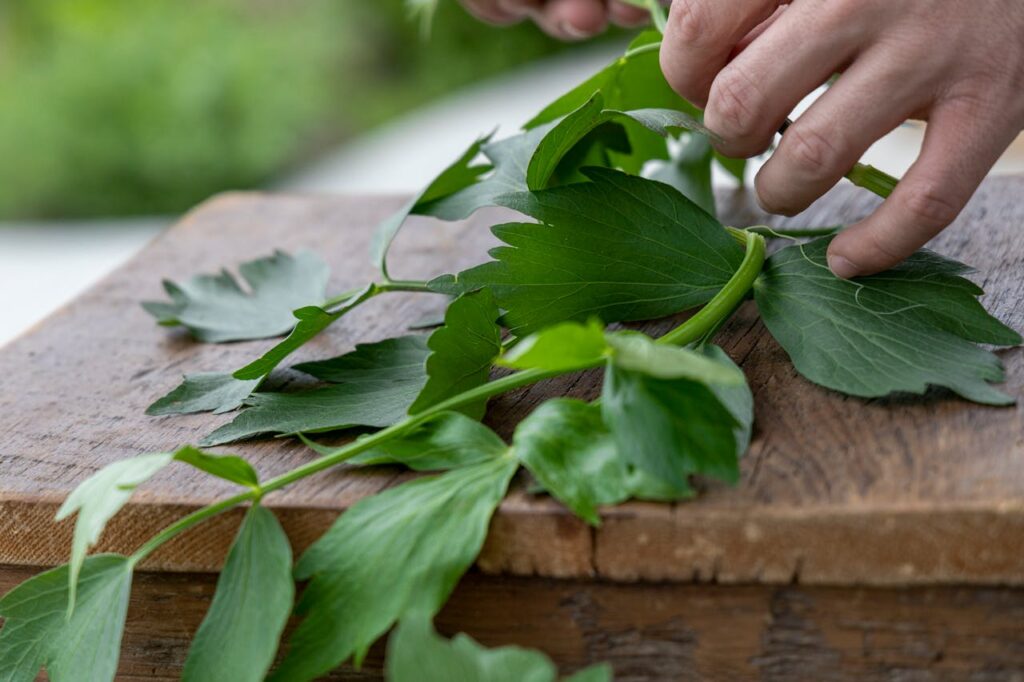
<p> If celery had a cooler, more flavorful cousin, it would be lovage. This tall, leafy perennial is hardy in zones 3 through 9 and tastes like celery with a richer, more aromatic twist. It’s perfect for soups, stews, and even as a garnish in cocktails. Lovage is low-maintenance, fast-growing, and can reach impressive heights, making it an excellent backdrop plant for garden beds. Bonus: you can use the leaves, stalks, and even the seeds in your cooking. </p> :: Pexels

If celery had a cooler, more flavorful cousin, it would be lovage. This tall, leafy perennial is hardy in zones 3 through 9 and tastes like celery with a richer, more aromatic twist. It’s perfect for soups, stews, and even as a garnish in cocktails. Lovage is low-maintenance, fast-growing, and can reach impressive heights, making it an excellent backdrop plant for garden beds. Bonus: you can use the leaves, stalks, and even the seeds in your cooking.

6. Rhubarb

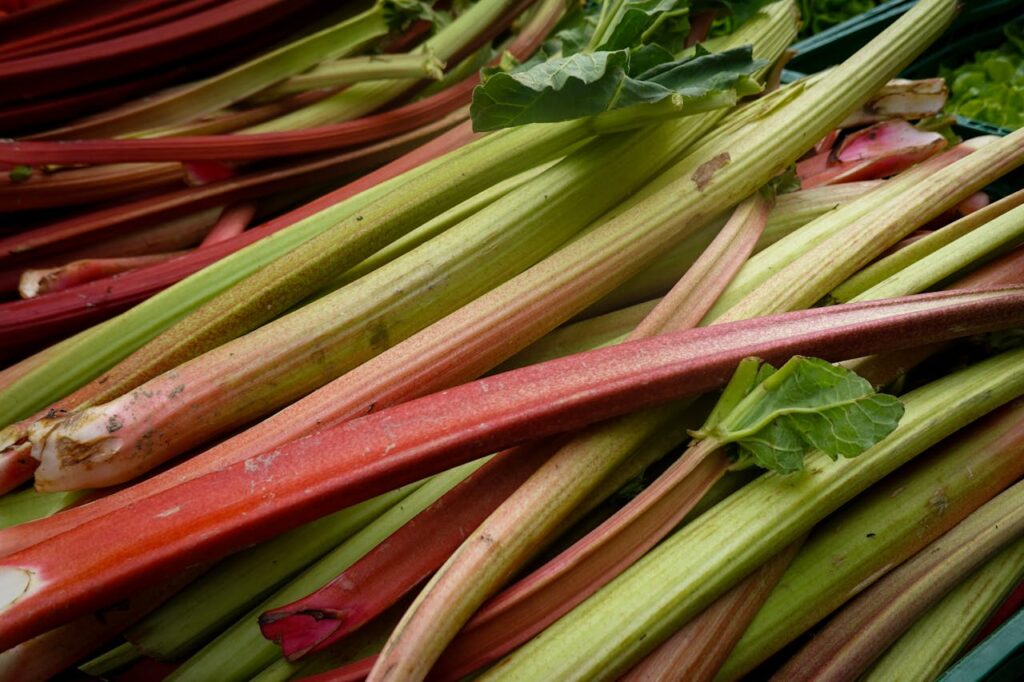
<p> Rhubarb is a garden classic, beloved for its tart red stalks that bring zing to pies, jams, and even savory sauces. Hardy in zones 3 through 9, rhubarb is one of the easiest perennials to grow. Once it’s established, it will return every spring with thick, vibrant stalks ready to harvest. Just remember: only the stalks are edible—the leaves are toxic and should be discarded. Rhubarb also adds an eye-catching burst of color to any garden bed. </p> :: Pexels

Rhubarb is a garden classic, beloved for its tart red stalks that bring zing to pies, jams, and even savory sauces. Hardy in zones 3 through 9, rhubarb is one of the easiest perennials to grow. Once it’s established, it will return every spring with thick, vibrant stalks ready to harvest. Just remember: only the stalks are edible—the leaves are toxic and should be discarded. Rhubarb also adds an eye-catching burst of color to any garden bed.

7. Sea Kale

<p> Looking for a unique and rugged leafy green? Sea kale fits the bill. This coastal native is perennial in zones 6 through 9 and produces beautiful, bluish-green leaves that can be eaten raw when young or cooked when older. Its spring shoots are also edible and resemble asparagus in both appearance and taste. Sea kale tolerates drought, poor soil, and even salty air, making it a hardy addition to tough garden spots. Plus, its decorative flowers attract pollinators, making it a win for your whole garden. </p> :: plantura.garden

Looking for a unique and rugged leafy green? Sea kale fits the bill. This coastal native is perennial in zones 6 through 9 and produces beautiful, bluish-green leaves that can be eaten raw when young or cooked when older. Its spring shoots are also edible and resemble asparagus in both appearance and taste. Sea kale tolerates drought, poor soil, and even salty air, making it a hardy addition to tough garden spots. Plus, its decorative flowers attract pollinators, making it a win for your whole garden.

8. Sorrel

<p> Sorrel is a lemony, zesty green that brings brightness to salads, soups, and sauces. This leafy perennial is hardy in zones 3 through 9 and pops up early in spring, offering one of the first harvests of the season. Sorrel loves full sun and slightly acidic soil, and once it’s established, it will produce abundantly for years. Regular trimming keeps it producing tender leaves and prevents flowering. It’s the perfect plant for gardeners who want fast, fresh, and flavorful greens without the fuss. </p> :: Freepik

Sorrel is a lemony, zesty green that brings brightness to salads, soups, and sauces. This leafy perennial is hardy in zones 3 through 9 and pops up early in spring, offering one of the first harvests of the season. Sorrel loves full sun and slightly acidic soil, and once it’s established, it will produce abundantly for years. Regular trimming keeps it producing tender leaves and prevents flowering. It’s the perfect plant for gardeners who want fast, fresh, and flavorful greens without the fuss.

Final Thoughts

<p> If you’ve been longing for a garden that gives more and demands less, perennial vegetables are the way to go. These eight resilient crops offer delicious rewards year after year with minimal care—perfect for busy gardeners, backyard homesteaders, or anyone who just wants to spend more time harvesting than hoeing. Perennial veggies aren’t just a time-saver—they’re a smarter, more sustainable way to grow. You plant them once, nurture them just a bit, and then reap the rewards season after season. Whether it’s the sharp bite of horseradish, the sweet earthiness of sunchokes, or the tangy brightness of sorrel, these plants deliver variety, nutrition, and garden joy on autopilot. So grab a shovel, pick your favorites from the list, and start creating your very own “forever” garden. Your future self—and your dinner plate—will thank you. </p> :: Freepik

If you’ve been longing for a garden that gives more and demands less, perennial vegetables are the way to go. These eight resilient crops offer delicious rewards year after year with minimal care—perfect for busy gardeners, backyard homesteaders, or anyone who just wants to spend more time harvesting than hoeing.

Perennial veggies aren’t just a time-saver—they’re a smarter, more sustainable way to grow. You plant them once, nurture them just a bit, and then reap the rewards season after season. Whether it’s the sharp bite of horseradish, the sweet earthiness of sunchokes, or the tangy brightness of sorrel, these plants deliver variety, nutrition, and garden joy on autopilot.

So grab a shovel, pick your favorites from the list, and start creating your very own “forever” garden. Your future self—and your dinner plate—will thank you.

Filed Under: Food & Drink

9 Essential Cleaning Products You Should Always Have at Home

February 13, 2026 | Leave a Comment

9 Essential Cleaning Products You Should Always Have at Home

<p> Keeping your home clean and inviting does not have to be a challenge if you have the right products on hand. Whether you are tackling tough stains, managing dust, or simply freshening up, a well-stocked cleaning kit ensures you are always ready for any mess life throws your way. Below, we have compiled a list of nine essential cleaning products that you should always keep at home to ensure your living space stays spotless and hygienic. </p> :: Pexels

Keeping your home clean and inviting does not have to be a challenge if you have the right products on hand. Whether you are tackling tough stains, managing dust, or simply freshening up, a well-stocked cleaning kit ensures you are always ready for any mess life throws your way. Below, we have compiled a list of nine essential cleaning products that you should always keep at home to ensure your living space stays spotless and hygienic.

1. All-Purpose Cleaner

<p> An all-purpose cleaner is the cornerstone of any cleaning kit because it tackles a wide variety of surfaces. From kitchen countertops to bathroom tiles, this versatile product helps remove dirt, grease, and grime without leaving streaks behind. Whether you are doing a quick wipe-down or a deeper clean, having an all-purpose cleaner on hand saves you time and effort, making it a go-to product for everyday messes. Look for a cleaner that is safe for multiple surfaces, such as glass, wood, and metal, so you can handle most of your home’s cleaning needs with one product. Many all-purpose cleaners also come in eco-friendly options, which allow you to maintain cleanliness without harmful chemicals. </p> :: Pexels

An all-purpose cleaner is the cornerstone of any cleaning kit because it tackles a wide variety of surfaces. From kitchen countertops to bathroom tiles, this versatile product helps remove dirt, grease, and grime without leaving streaks behind. Whether you are doing a quick wipe-down or a deeper clean, having an all-purpose cleaner on hand saves you time and effort, making it a go-to product for everyday messes. Look for a cleaner that is safe for multiple surfaces, such as glass, wood, and metal, so you can handle most of your home’s cleaning needs with one product. Many all-purpose cleaners also come in eco-friendly options, which allow you to maintain cleanliness without harmful chemicals.

2. Microfiber Cloths

<p> Microfiber cloths are a must-have for anyone serious about cleaning. These soft, highly absorbent cloths are perfect for dusting, wiping down surfaces, and polishing. They work wonders at picking up dirt and grime without the need for harsh chemicals, and they are reusable, making them an eco-friendly choice. Their tiny fibers trap dirt efficiently, ensuring that surfaces are left streak-free. Keep a variety of sizes around for different tasks, from wiping down electronics to scrubbing kitchen surfaces. You can also toss them in the washing machine for easy cleaning, making them both practical and cost-effective. </p> :: Pexels

Microfiber cloths are a must-have for anyone serious about cleaning. These soft, highly absorbent cloths are perfect for dusting, wiping down surfaces, and polishing. They work wonders at picking up dirt and grime without the need for harsh chemicals, and they are reusable, making them an eco-friendly choice. Their tiny fibers trap dirt efficiently, ensuring that surfaces are left streak-free. Keep a variety of sizes around for different tasks, from wiping down electronics to scrubbing kitchen surfaces. You can also toss them in the washing machine for easy cleaning, making them both practical and cost-effective.

3. Disinfecting Wipes

<p> Disinfecting wipes are a quick and convenient way to kill germs on high-touch surfaces such as doorknobs, light switches, and remote controls. They are also handy for cleaning up after spills in the kitchen or bathroom. These pre-moistened wipes are designed to kill bacteria and viruses, making them essential for maintaining a healthy, hygienic home. Always keep a pack in easy-to-reach spots so that you can wipe down surfaces whenever needed. They are particularly useful during cold and flu season when keeping germs at bay is crucial. Many brands offer scented options, leaving your home smelling fresh while effectively disinfecting surfaces. </p> :: Pexels

Disinfecting wipes are a quick and convenient way to kill germs on high-touch surfaces such as doorknobs, light switches, and remote controls. They are also handy for cleaning up after spills in the kitchen or bathroom. These pre-moistened wipes are designed to kill bacteria and viruses, making them essential for maintaining a healthy, hygienic home. Always keep a pack in easy-to-reach spots so that you can wipe down surfaces whenever needed. They are particularly useful during cold and flu season when keeping germs at bay is crucial. Many brands offer scented options, leaving your home smelling fresh while effectively disinfecting surfaces.

4. Glass Cleaner

<p> There is nothing more frustrating than cleaning your windows or mirrors only to find streaks left behind. A high-quality glass cleaner is specifically formulated to eliminate smudges, fingerprints, and dust, leaving your glass surfaces crystal clear. Glass cleaner can also be used on other shiny surfaces such as stainless steel and chrome, helping you maintain a streak-free shine in more areas of your home. Opt for a product that is ammonia-free if you have pets, as it is safer and less harsh on the environment. For an eco-friendly alternative, consider using a mixture of vinegar and water in a spray bottle to achieve the same sparkling results. </p> :: Pexels

There is nothing more frustrating than cleaning your windows or mirrors only to find streaks left behind. A high-quality glass cleaner is specifically formulated to eliminate smudges, fingerprints, and dust, leaving your glass surfaces crystal clear. Glass cleaner can also be used on other shiny surfaces such as stainless steel and chrome, helping you maintain a streak-free shine in more areas of your home. Opt for a product that is ammonia-free if you have pets, as it is safer and less harsh on the environment. For an eco-friendly alternative, consider using a mixture of vinegar and water in a spray bottle to achieve the same sparkling results.

5. Baking Soda

<p> This pantry staple doubles as a powerful cleaning agent. Baking soda is perfect for deodorizing your fridge, scrubbing tough stains from countertops, and even removing odors from carpets and upholstery. Its gentle abrasiveness makes it ideal for tackling stubborn grime in kitchens and bathrooms without scratching surfaces. Because it is natural and non-toxic, baking soda is safe to use around children and pets, making it an excellent addition to your eco-friendly cleaning routine. Simply sprinkle some baking soda on surfaces, let it sit for a few minutes, and then scrub or wipe away for impressive results. </p> :: Pexels

This pantry staple doubles as a powerful cleaning agent. Baking soda is perfect for deodorizing your fridge, scrubbing tough stains from countertops, and even removing odors from carpets and upholstery. Its gentle abrasiveness makes it ideal for tackling stubborn grime in kitchens and bathrooms without scratching surfaces. Because it is natural and non-toxic, baking soda is safe to use around children and pets, making it an excellent addition to your eco-friendly cleaning routine. Simply sprinkle some baking soda on surfaces, let it sit for a few minutes, and then scrub or wipe away for impressive results.

6. White Vinegar

<p> White vinegar is another natural cleaning powerhouse that belongs in every home. Its acidity makes it a great disinfectant and deodorizer, and it is perfect for cutting through grease and soap scum. You can use white vinegar to clean windows, mirrors, and kitchen appliances, or mix it with baking soda to create a powerful, all-natural scrubbing paste. It is also a great solution for unclogging drains, removing limescale buildup from faucets, and freshening up your laundry. The versatility and affordability of white vinegar make it a must-have for any household. Just be cautious when using it on natural stone surfaces, as its acidity can cause damage over time. </p> :: Pexels

White vinegar is another natural cleaning powerhouse that belongs in every home. Its acidity makes it a great disinfectant and deodorizer, and it is perfect for cutting through grease and soap scum. You can use white vinegar to clean windows, mirrors, and kitchen appliances, or mix it with baking soda to create a powerful, all-natural scrubbing paste. It is also a great solution for unclogging drains, removing limescale buildup from faucets, and freshening up your laundry. The versatility and affordability of white vinegar make it a must-have for any household. Just be cautious when using it on natural stone surfaces, as its acidity can cause damage over time.

7. Scrub Brush

<p> While cloths and sponges are great for everyday messes, a sturdy scrub brush is indispensable for deep cleaning. Whether you are tackling grout in the bathroom, scrubbing stubborn grease off a stove, or cleaning outdoor furniture, a scrub brush will help you get into crevices and apply the elbow grease needed for tougher jobs. Look for brushes with comfortable grips and bristles that are firm but not too harsh on surfaces. Having one or two different sizes can make all the difference when it comes to tackling various cleaning tasks around the house. A scrub brush can also be beneficial for cleaning pots and pans that have stubborn stuck-on food. </p> :: Pexels

While cloths and sponges are great for everyday messes, a sturdy scrub brush is indispensable for deep cleaning. Whether you are tackling grout in the bathroom, scrubbing stubborn grease off a stove, or cleaning outdoor furniture, a scrub brush will help you get into crevices and apply the elbow grease needed for tougher jobs. Look for brushes with comfortable grips and bristles that are firm but not too harsh on surfaces. Having one or two different sizes can make all the difference when it comes to tackling various cleaning tasks around the house. A scrub brush can also be beneficial for cleaning pots and pans that have stubborn stuck-on food.

8. Vacuum Cleaner

<p> A reliable vacuum cleaner is one of the most essential tools for keeping floors and carpets clean and dust-free. Whether you have hardwood, carpet, or tile, a vacuum helps remove dust, dirt, pet hair, and allergens, creating a cleaner and healthier living environment. Choose a vacuum that suits your floor type and lifestyle needs—whether it is a cordless stick vacuum for quick cleanups or a powerful upright model for deep-cleaning carpets. Having a good vacuum on hand ensures your floors always look their best and saves time when you need to tidy up quickly. Additionally, consider a vacuum with HEPA filters, which can trap allergens and improve indoor air quality. </p> :: Pexels

A reliable vacuum cleaner is one of the most essential tools for keeping floors and carpets clean and dust-free. Whether you have hardwood, carpet, or tile, a vacuum helps remove dust, dirt, pet hair, and allergens, creating a cleaner and healthier living environment. Choose a vacuum that suits your floor type and lifestyle needs—whether it is a cordless stick vacuum for quick cleanups or a powerful upright model for deep-cleaning carpets. Having a good vacuum on hand ensures your floors always look their best and saves time when you need to tidy up quickly. Additionally, consider a vacuum with HEPA filters, which can trap allergens and improve indoor air quality.

9. Toilet Bowl Cleaner

<p> A clean bathroom is not complete without sparkling toilets, and having a dedicated toilet bowl cleaner ensures you get the job done right. These cleaners are formulated to tackle tough stains, mineral buildup, and bacteria that can accumulate in your toilet. Look for a product that contains disinfecting agents to kill germs and leave your toilet fresh and sanitary. A cleaner with a curved spout helps you get under the rim for a thorough clean, and you can also opt for environmentally friendly options if you are looking to reduce your chemical use at home. Regular use of toilet bowl cleaner can prevent buildup and maintain hygiene, making it easier to keep your bathroom spotless. </p>

A clean bathroom is not complete without sparkling toilets, and having a dedicated toilet bowl cleaner ensures you get the job done right. These cleaners are formulated to tackle tough stains, mineral buildup, and bacteria that can accumulate in your toilet. Look for a product that contains disinfecting agents to kill germs and leave your toilet fresh and sanitary. A cleaner with a curved spout helps you get under the rim for a thorough clean, and you can also opt for environmentally friendly options if you are looking to reduce your chemical use at home. Regular use of toilet bowl cleaner can prevent buildup and maintain hygiene, making it easier to keep your bathroom spotless.

Final Thoughts

<p> Having these nine essential cleaning products in your home ensures that you are always prepared to tackle any mess, big or small. From daily cleanups to deep-cleaning days, these items help make the process easier, more efficient, and effective. Whether you are dusting, scrubbing, or disinfecting, you can rest assured that your home will stay fresh, hygienic, and welcoming with these essentials on hand. Invest in quality cleaning products that meet your needs, and you will be equipped to handle every cleaning task with ease! The right tools not only save time but also provide a sense of accomplishment, allowing you to enjoy a clean and inviting space in your home. So, stock up on these essentials and embrace the cleanliness that comes with them! </p> :: Pexels

Having these nine essential cleaning products in your home ensures that you are always prepared to tackle any mess, big or small. From daily cleanups to deep-cleaning days, these items help make the process easier, more efficient, and effective. Whether you are dusting, scrubbing, or disinfecting, you can rest assured that your home will stay fresh, hygienic, and welcoming with these essentials on hand. Invest in quality cleaning products that meet your needs, and you will be equipped to handle every cleaning task with ease! The right tools not only save time but also provide a sense of accomplishment, allowing you to enjoy a clean and inviting space in your home. So, stock up on these essentials and embrace the cleanliness that comes with them!

Filed Under: Lifestyle

Feel Younger Every Day: 7 Joint‑Friendly Exercises Boomers Swear By

February 13, 2026 | Leave a Comment

Feel Younger Every Day: 7 Joint-Friendly Exercises Boomers Swear By

<p> Let’s face it—getting older is inevitable, but feeling old? That’s a choice. And for millions of baby boomers across the U.S., the secret to staying young doesn’t lie in a bottle of vitamins or a fancy face cream—it’s movement. Not just any movement, though. The kind that’s joint-friendly, heart-healthy, and actually enjoyable. Remember when exercise meant pounding the pavement or bending like a pretzel? Not anymore. As we age, our bodies ask for something a little smarter: activities that strengthen muscles, support flexibility, and improve balance—without aggravating joints. Luckily, there are plenty of ways to stay active without putting unnecessary strain on your knees, hips, or shoulders. Here are seven exercises that boomers swear by to keep moving, stay independent, and feel younger every single day. Whether you’re just getting started or ready to mix up your routine, these joint-friendly moves are practical, proven, and perfect for your lifestyle. </p> :: Freepik

Let’s face it—getting older is inevitable, but feeling old? That’s a choice. And for millions of baby boomers across the U.S., the secret to staying young doesn’t lie in a bottle of vitamins or a fancy face cream—it’s movement. Not just any movement, though. The kind that’s joint-friendly, heart-healthy, and actually enjoyable.

Remember when exercise meant pounding the pavement or bending like a pretzel? Not anymore. As we age, our bodies ask for something a little smarter: activities that strengthen muscles, support flexibility, and improve balance—without aggravating joints. Luckily, there are plenty of ways to stay active without putting unnecessary strain on your knees, hips, or shoulders.

Here are seven exercises that boomers swear by to keep moving, stay independent, and feel younger every single day. Whether you’re just getting started or ready to mix up your routine, these joint-friendly moves are practical, proven, and perfect for your lifestyle.

1. Brisk Walking with a Purpose

<p> Walking is one of the most accessible, affordable, and effective forms of exercise for boomers. But here’s the key to unlocking its full power: pace. Studies show that increasing your cadence—your steps per minute—can dramatically improve your functional fitness, especially as you age. How fast is fast enough? Aim for about 100 steps per minute, which translates to a 15-minute mile. That pace is brisk enough to raise your heart rate, loosen stiff joints, and boost your energy—without leaving you breathless or sore. For even better results, try incorporating two-minute “fast walk” intervals throughout your stroll. You’ll not only feel the difference—you’ll move with more pep in your step. </p> :: Freepik

Walking is one of the most accessible, affordable, and effective forms of exercise for boomers. But here’s the key to unlocking its full power: pace. Studies show that increasing your cadence—your steps per minute—can dramatically improve your functional fitness, especially as you age.

How fast is fast enough? Aim for about 100 steps per minute, which translates to a 15-minute mile. That pace is brisk enough to raise your heart rate, loosen stiff joints, and boost your energy—without leaving you breathless or sore. For even better results, try incorporating two-minute “fast walk” intervals throughout your stroll. You’ll not only feel the difference—you’ll move with more pep in your step.

2. Water Aerobics or Pool Walking

<p> If your joints could talk, they’d probably ask you to take them swimming. Water workouts are incredibly joint-friendly because they combine buoyancy and resistance. That means you can strengthen your muscles and improve your cardiovascular health while avoiding the pounding impact of land-based exercises. Many boomers love water aerobics classes for their low-impact nature and social vibe, but solo pool walking is just as effective. Walking or jogging in waist- to chest-deep water challenges your muscles while reducing pressure on your knees and back. It’s also a great way to stay cool in warmer weather. Think of it as strength training and therapy wrapped into one relaxing, splashy session. </p> :: Freepik

If your joints could talk, they’d probably ask you to take them swimming. Water workouts are incredibly joint-friendly because they combine buoyancy and resistance. That means you can strengthen your muscles and improve your cardiovascular health while avoiding the pounding impact of land-based exercises.

Many boomers love water aerobics classes for their low-impact nature and social vibe, but solo pool walking is just as effective. Walking or jogging in waist- to chest-deep water challenges your muscles while reducing pressure on your knees and back. It’s also a great way to stay cool in warmer weather. Think of it as strength training and therapy wrapped into one relaxing, splashy session.

3. Tai Chi for Strength and Balance

<p> Sometimes called “meditation in motion,” Tai Chi blends slow, deliberate movements with deep breathing and mental focus. This ancient Chinese practice has gained major popularity with older adults—and for good reason. It improves flexibility, coordination, and balance, making it an ideal option for anyone hoping to reduce their fall risk or manage chronic joint pain. In fact, studies show that regular Tai Chi can cut your fall risk by up to 60 percent. Plus, it’s soothing. Many people use it as a gentle way to center themselves, especially in the morning. You don’t need any special gear or experience—just a little floor space and the willingness to move mindfully. It’s both exercise and self-care, all rolled into one graceful flow. </p> :: Pexels

Sometimes called “meditation in motion,” Tai Chi blends slow, deliberate movements with deep breathing and mental focus. This ancient Chinese practice has gained major popularity with older adults—and for good reason. It improves flexibility, coordination, and balance, making it an ideal option for anyone hoping to reduce their fall risk or manage chronic joint pain.

In fact, studies show that regular Tai Chi can cut your fall risk by up to 60 percent. Plus, it’s soothing. Many people use it as a gentle way to center themselves, especially in the morning. You don’t need any special gear or experience—just a little floor space and the willingness to move mindfully. It’s both exercise and self-care, all rolled into one graceful flow.

4. Cycling—Stationary or Outdoors

<p> Remember how fun it was to ride a bike as a kid? Good news—it’s still fun, and now it’s fantastic for your joints. Whether you’re pedaling around the neighborhood or using a stationary bike at home, cycling gives your lower body a great workout without stressing your hips or knees. It’s especially helpful for strengthening the muscles that support your joints, like your quads, glutes, and calves. Not a fan of steep hills or traffic? No problem—many boomers are turning to electric bikes (e-bikes), which provide a helpful boost when you need it. Indoors or outdoors, cycling is a feel-good, go-at-your-own-pace kind of exercise that promotes joint stability, endurance, and confidence on the move. </p> :: Pexels

Remember how fun it was to ride a bike as a kid? Good news—it’s still fun, and now it’s fantastic for your joints. Whether you’re pedaling around the neighborhood or using a stationary bike at home, cycling gives your lower body a great workout without stressing your hips or knees.

It’s especially helpful for strengthening the muscles that support your joints, like your quads, glutes, and calves. Not a fan of steep hills or traffic? No problem—many boomers are turning to electric bikes (e-bikes), which provide a helpful boost when you need it. Indoors or outdoors, cycling is a feel-good, go-at-your-own-pace kind of exercise that promotes joint stability, endurance, and confidence on the move.

5. Light Strength Training

<p> One of the best ways to protect your joints is to surround them with strong muscles. That’s where light strength training comes in. You don’t need heavy weights or an expensive gym membership. In fact, resistance bands, light dumbbells, or even your own body weight can do the trick. Try moves like wall push-ups, seated bicep curls, leg lifts, or chair squats. These exercises target key areas like the hips, thighs, shoulders, and core—areas that tend to weaken with age and affect mobility. Strength training two to three times per week helps you move more easily, carry groceries with less effort, and reduce your risk of injury. Best of all, it can be done from the comfort of your living room. </p> :: Pexels

One of the best ways to protect your joints is to surround them with strong muscles. That’s where light strength training comes in. You don’t need heavy weights or an expensive gym membership. In fact, resistance bands, light dumbbells, or even your own body weight can do the trick.

Try moves like wall push-ups, seated bicep curls, leg lifts, or chair squats. These exercises target key areas like the hips, thighs, shoulders, and core—areas that tend to weaken with age and affect mobility. Strength training two to three times per week helps you move more easily, carry groceries with less effort, and reduce your risk of injury. Best of all, it can be done from the comfort of your living room.

6. Chair Yoga and Gentle Stretching

<p> Yoga is often seen as a young person’s game, full of headstands and pretzel-like poses. But chair yoga offers a joint-safe alternative that boomers love. It brings all the benefits of traditional yoga—improved flexibility, strength, and mental focus—without the risk of falling or overstraining. Using a sturdy chair for support, you can perform seated twists, forward bends, neck stretches, and leg lifts that help reduce stiffness and improve circulation. It’s an especially good option for people with arthritis, back pain, or balance concerns. And because it incorporates deep breathing, chair yoga also doubles as stress relief. You’ll come out of each session feeling refreshed, realigned, and maybe even a little taller. </p> :: Pexels

Yoga is often seen as a young person’s game, full of headstands and pretzel-like poses. But chair yoga offers a joint-safe alternative that boomers love. It brings all the benefits of traditional yoga—improved flexibility, strength, and mental focus—without the risk of falling or overstraining.

Using a sturdy chair for support, you can perform seated twists, forward bends, neck stretches, and leg lifts that help reduce stiffness and improve circulation. It’s an especially good option for people with arthritis, back pain, or balance concerns. And because it incorporates deep breathing, chair yoga also doubles as stress relief. You’ll come out of each session feeling refreshed, realigned, and maybe even a little taller.

7. Backward Walking for Coordination and Balance

<p> It might sound strange at first, but walking backward is one of the most effective—and fun—ways to challenge your body in a new way. Known as retro walking, this movement activates muscles in your legs and hips that don’t get used as much when walking forward. It also requires more focus, which improves coordination and brain function. Start slowly by walking backward in a hallway, along a fence, or next to a wall for support. Just a few minutes a day can help improve your balance, strengthen your knees, and enhance your spatial awareness. It may feel a bit silly at first, but give it time. Many boomers find that this quirky move quickly becomes a favorite part of their routine—and a conversation starter to boot. </p> :: Pexels

It might sound strange at first, but walking backward is one of the most effective—and fun—ways to challenge your body in a new way. Known as retro walking, this movement activates muscles in your legs and hips that don’t get used as much when walking forward. It also requires more focus, which improves coordination and brain function.

Start slowly by walking backward in a hallway, along a fence, or next to a wall for support. Just a few minutes a day can help improve your balance, strengthen your knees, and enhance your spatial awareness. It may feel a bit silly at first, but give it time. Many boomers find that this quirky move quickly becomes a favorite part of their routine—and a conversation starter to boot.

Final Thoughts

<p> Here’s the thing about feeling younger—it doesn’t come from sitting still. It comes from moving often, moving smart, and moving with joy. The exercises in this list aren’t fads or trends. They’re time-tested, science-backed, and boomer-approved methods for keeping your body strong, flexible, and capable at every stage of life. You don’t have to do them all, and you certainly don’t have to be perfect. Start where you are. Maybe it’s a ten-minute walk around the block or a few leg lifts during a commercial break. What matters most is showing up for yourself, one joint-friendly move at a time. Because getting older doesn’t mean giving up—it means getting wiser about how you take care of yourself. And when you choose exercises that support your body instead of strain it, you’re not just preserving your health—you’re reclaiming your freedom. So take a deep breath, pick one movement that speaks to you, and get started. Your younger-feeling self is waiting. </p> :: Pexels

Here’s the thing about feeling younger—it doesn’t come from sitting still. It comes from moving often, moving smart, and moving with joy. The exercises in this list aren’t fads or trends. They’re time-tested, science-backed, and boomer-approved methods for keeping your body strong, flexible, and capable at every stage of life.

You don’t have to do them all, and you certainly don’t have to be perfect. Start where you are. Maybe it’s a ten-minute walk around the block or a few leg lifts during a commercial break. What matters most is showing up for yourself, one joint-friendly move at a time.

Because getting older doesn’t mean giving up—it means getting wiser about how you take care of yourself. And when you choose exercises that support your body instead of strain it, you’re not just preserving your health—you’re reclaiming your freedom.

So take a deep breath, pick one movement that speaks to you, and get started. Your younger-feeling self is waiting.

Filed Under: Health & Fitness

8 Nutritional Changes to Support Aging Gracefully in Your 50s

February 13, 2026 | Leave a Comment

8 Nutritional Changes to Support Aging Gracefully in Your 50s

<p> Aging gracefully is about more than just looking good—it’s about maintaining optimal health, energy, and vitality as you enter your 50s and beyond. With the natural changes that come with aging, like shifts in metabolism, muscle mass, and hormone levels, adjusting your nutrition to meet your body’s new needs is essential. The good news is that small dietary adjustments can go a long way toward promoting longevity, improving overall wellness, and helping you feel your best. Here are eight nutritional changes that can support graceful aging in your 50s. </p> :: Pexels

Aging gracefully is about more than just looking good—it’s about maintaining optimal health, energy, and vitality as you enter your 50s and beyond. With the natural changes that come with aging, like shifts in metabolism, muscle mass, and hormone levels, adjusting your nutrition to meet your body’s new needs is essential. The good news is that small dietary adjustments can go a long way toward promoting longevity, improving overall wellness, and helping you feel your best. Here are eight nutritional changes that can support graceful aging in your 50s.

1. Increase Your Protein Intake

<p> One of the most significant changes your body undergoes in your 50s is a decline in muscle mass, a condition known as sarcopenia. To counteract this, boosting your protein intake is essential. Protein helps maintain muscle, repairs tissues, and supports your metabolism. Incorporating lean sources of protein like chicken, turkey, fish, eggs, and plant-based options such as lentils, quinoa, and tofu into your diet can make a big difference. Aim to consume about 25-30 grams of protein per meal to ensure your muscles get the fuel they need to stay strong, which can also help prevent falls and other injuries as you age. </p> :: Pexels

One of the most significant changes your body undergoes in your 50s is a decline in muscle mass, a condition known as sarcopenia. To counteract this, boosting your protein intake is essential. Protein helps maintain muscle, repairs tissues, and supports your metabolism. Incorporating lean sources of protein like chicken, turkey, fish, eggs, and plant-based options such as lentils, quinoa, and tofu into your diet can make a big difference. Aim to consume about 25-30 grams of protein per meal to ensure your muscles get the fuel they need to stay strong, which can also help prevent falls and other injuries as you age.

2. Prioritize Omega-3 Fatty Acids

<p> Omega-3 fatty acids are essential for overall health, particularly when it comes to heart health, brain function, and joint support. As you age, inflammation can become more prevalent, contributing to joint pain and cognitive decline. Omega-3s, which are found in fatty fish like salmon, mackerel, and sardines, as well as in walnuts and flaxseeds, have anti-inflammatory properties that can help reduce these effects. Studies have also shown that omega-3s play a crucial role in maintaining brain health, potentially reducing the risk of age-related cognitive decline. If you’re not consuming enough fish, a high-quality fish oil supplement can help ensure you’re getting the right amount. </p> :: Pexels

Omega-3 fatty acids are essential for overall health, particularly when it comes to heart health, brain function, and joint support. As you age, inflammation can become more prevalent, contributing to joint pain and cognitive decline. Omega-3s, which are found in fatty fish like salmon, mackerel, and sardines, as well as in walnuts and flaxseeds, have anti-inflammatory properties that can help reduce these effects. Studies have also shown that omega-3s play a crucial role in maintaining brain health, potentially reducing the risk of age-related cognitive decline. If you’re not consuming enough fish, a high-quality fish oil supplement can help ensure you’re getting the right amount.

3. Boost Your Calcium and Vitamin D Intake

<p> Bone health is a top concern as we age, especially for those entering their 50s. This is when bone density starts to decline, leading to an increased risk of fractures and osteoporosis. Ensuring you get enough calcium and vitamin D is key to maintaining strong bones. Calcium helps build and maintain bone mass, while vitamin D improves calcium absorption. Dairy products like milk, cheese, and yogurt are excellent sources of calcium, but leafy greens like spinach and kale also provide calcium. Vitamin D can be obtained from exposure to sunlight, but foods like fortified cereals, fatty fish, and egg yolks can also provide this important nutrient. A calcium and vitamin D supplement may be necessary if you are not getting enough through diet alone. </p> :: Pexels

Bone health is a top concern as we age, especially for those entering their 50s. This is when bone density starts to decline, leading to an increased risk of fractures and osteoporosis. Ensuring you get enough calcium and vitamin D is key to maintaining strong bones. Calcium helps build and maintain bone mass, while vitamin D improves calcium absorption. Dairy products like milk, cheese, and yogurt are excellent sources of calcium, but leafy greens like spinach and kale also provide calcium. Vitamin D can be obtained from exposure to sunlight, but foods like fortified cereals, fatty fish, and egg yolks can also provide this important nutrient. A calcium and vitamin D supplement may be necessary if you are not getting enough through diet alone.

4. Add More Fiber to Your Diet

<p> Fiber is crucial for digestive health, which can become more of an issue as we age. Constipation and slower digestion are common complaints in people over 50, but increasing your fiber intake can help. Fiber not only promotes regular bowel movements but also helps regulate blood sugar and lower cholesterol levels, reducing the risk of heart disease and type 2 diabetes. You can add fiber-rich foods like whole grains, beans, legumes, fruits, and vegetables to your meals. Aim for at least 25-30 grams of fiber per day to support digestive health and keep other systems functioning well. </p> :: Pexels

Fiber is crucial for digestive health, which can become more of an issue as we age. Constipation and slower digestion are common complaints in people over 50, but increasing your fiber intake can help. Fiber not only promotes regular bowel movements but also helps regulate blood sugar and lower cholesterol levels, reducing the risk of heart disease and type 2 diabetes. You can add fiber-rich foods like whole grains, beans, legumes, fruits, and vegetables to your meals. Aim for at least 25-30 grams of fiber per day to support digestive health and keep other systems functioning well.

5. Reduce Added Sugars

<p> As metabolism slows in your 50s, your body becomes less efficient at processing sugars. High sugar intake can lead to weight gain, increased risk of type 2 diabetes, and even accelerate the aging process by promoting inflammation and reducing skin elasticity. Cutting back on added sugars is a critical step in maintaining good health. Start by reducing your consumption of sugary drinks, pastries, and processed snacks. Instead, satisfy your sweet tooth with natural sources of sugar like fruits, which are rich in vitamins and fiber. Making this change can help you maintain a healthy weight and reduce your risk of chronic diseases as you age. </p> :: Pexels

As metabolism slows in your 50s, your body becomes less efficient at processing sugars. High sugar intake can lead to weight gain, increased risk of type 2 diabetes, and even accelerate the aging process by promoting inflammation and reducing skin elasticity. Cutting back on added sugars is a critical step in maintaining good health. Start by reducing your consumption of sugary drinks, pastries, and processed snacks. Instead, satisfy your sweet tooth with natural sources of sugar like fruits, which are rich in vitamins and fiber. Making this change can help you maintain a healthy weight and reduce your risk of chronic diseases as you age.

6. Hydrate with Water-Rich Foods

<p> As we age, our bodies become less efficient at retaining water, leading to dehydration more easily. Staying hydrated is critical for maintaining skin elasticity, cognitive function, and overall vitality. Drinking enough water throughout the day is important, but adding water-rich foods to your diet can also be a great way to boost hydration. Foods like cucumbers, watermelon, oranges, and leafy greens not only provide hydration but also deliver essential vitamins, minerals, and antioxidants. Ensuring you stay hydrated can also help prevent dry skin, support proper digestion, and even improve your mood and energy levels. </p> :: Pexels

As we age, our bodies become less efficient at retaining water, leading to dehydration more easily. Staying hydrated is critical for maintaining skin elasticity, cognitive function, and overall vitality. Drinking enough water throughout the day is important, but adding water-rich foods to your diet can also be a great way to boost hydration. Foods like cucumbers, watermelon, oranges, and leafy greens not only provide hydration but also deliver essential vitamins, minerals, and antioxidants. Ensuring you stay hydrated can also help prevent dry skin, support proper digestion, and even improve your mood and energy levels.

7. Increase Antioxidant Intake

<p> Antioxidants are your body’s natural defense against oxidative stress, which accelerates the aging process and contributes to the development of chronic diseases. By neutralizing free radicals, antioxidants help protect your cells from damage. Foods like blueberries, strawberries, spinach, dark chocolate, and nuts are rich in antioxidants. Including these in your diet can help improve skin health, reduce inflammation, and support cognitive function. Antioxidants also play a role in boosting your immune system, which is important as your body’s defenses may weaken with age. Make it a habit to include antioxidant-rich foods in your daily meals to support long-term health and graceful aging. </p> :: Pexels

Antioxidants are your body’s natural defense against oxidative stress, which accelerates the aging process and contributes to the development of chronic diseases. By neutralizing free radicals, antioxidants help protect your cells from damage. Foods like blueberries, strawberries, spinach, dark chocolate, and nuts are rich in antioxidants. Including these in your diet can help improve skin health, reduce inflammation, and support cognitive function. Antioxidants also play a role in boosting your immune system, which is important as your body’s defenses may weaken with age. Make it a habit to include antioxidant-rich foods in your daily meals to support long-term health and graceful aging.

8. Limit Alcohol Consumption

<p> While enjoying a glass of wine or a cocktail can be a nice treat, excessive alcohol consumption can have negative effects on your health, especially as you age. Alcohol dehydrates the body, which can exacerbate dry skin and contribute to the appearance of wrinkles. It also affects your liver, heart, and brain, which are particularly vulnerable as you get older. Moderate alcohol consumption is key—this means no more than one drink per day for women and two drinks per day for men. Reducing alcohol can also help improve sleep, boost energy levels, and support weight management. If you enjoy wine, opting for red wine can provide the added benefit of antioxidants like resveratrol, which can have heart health benefits when consumed in moderation. </p> :: Pexels

While enjoying a glass of wine or a cocktail can be a nice treat, excessive alcohol consumption can have negative effects on your health, especially as you age. Alcohol dehydrates the body, which can exacerbate dry skin and contribute to the appearance of wrinkles. It also affects your liver, heart, and brain, which are particularly vulnerable as you get older. Moderate alcohol consumption is key—this means no more than one drink per day for women and two drinks per day for men. Reducing alcohol can also help improve sleep, boost energy levels, and support weight management. If you enjoy wine, opting for red wine can provide the added benefit of antioxidants like resveratrol, which can have heart health benefits when consumed in moderation.

Final Thoughts

<p> Aging gracefully in your 50s is all about making small but impactful changes to your diet and lifestyle. Prioritizing protein, omega-3 fatty acids, calcium, vitamin D, fiber, and antioxidants can support your body as it undergoes natural changes. Reducing sugar, staying hydrated, and moderating alcohol intake further contribute to long-term wellness and vitality. By making these nutritional adjustments, you’ll not only feel better but also protect your body against age-related health concerns. Embrace these habits, and you’ll be on the path to staying strong, healthy, and vibrant well into your later years. These eight nutritional changes are simple yet powerful tools that can help you age with grace, energy, and good health, ensuring you continue to enjoy life to the fullest. </p> :: Pexels

Aging gracefully in your 50s is all about making small but impactful changes to your diet and lifestyle. Prioritizing protein, omega-3 fatty acids, calcium, vitamin D, fiber, and antioxidants can support your body as it undergoes natural changes. Reducing sugar, staying hydrated, and moderating alcohol intake further contribute to long-term wellness and vitality. By making these nutritional adjustments, you’ll not only feel better but also protect your body against age-related health concerns. Embrace these habits, and you’ll be on the path to staying strong, healthy, and vibrant well into your later years.

These eight nutritional changes are simple yet powerful tools that can help you age with grace, energy, and good health, ensuring you continue to enjoy life to the fullest.

Filed Under: Lifestyle

Financial Habits That Keep People From Ever Worrying About Money: 7 Key Practices

February 13, 2026 | Leave a Comment

Financial Habits That Keep People From Ever Worrying About Money: 7 Key Practices

<p> Money can feel like a constant source of stress. Bills pile up, unexpected expenses sneak in, and sometimes it feels like no matter how hard you work, you are always playing catch-up. Even people with decent incomes often feel uneasy about their finances, wondering if they are one emergency away from trouble.

Yet, there is a group of people who seem almost immune to this financial anxiety. They sleep soundly knowing their finances are under control, rarely panic about expenses, and handle money challenges with a calm, confident mindset. What sets them apart?

The answer is not luck, inheritance, or sky-high salaries. In most cases, it comes down to consistent, practical financial habits that anyone can adopt. These habits create clarity, resilience, and long-term confidence—regardless of income level.

In this article, we’ll explore seven key financial habits practiced by people who rarely worry about money. By understanding and gradually adopting them, you can take back control of your finances and experience far more peace around money in your everyday life. </p> :: Freepik

Money can feel like a constant source of stress. Bills pile up, unexpected expenses sneak in, and sometimes it feels like no matter how hard you work, you are always playing catch-up. Even people with decent incomes often feel uneasy about their finances, wondering if they are one emergency away from trouble.

Yet, there is a group of people who seem almost immune to this financial anxiety. They sleep soundly knowing their finances are under control, rarely panic about expenses, and handle money challenges with a calm, confident mindset. What sets them apart?

The answer is not luck, inheritance, or sky-high salaries. In most cases, it comes down to consistent, practical financial habits that anyone can adopt. These habits create clarity, resilience, and long-term confidence—regardless of income level.

In this article, we’ll explore seven key financial habits practiced by people who rarely worry about money. By understanding and gradually adopting them, you can take back control of your finances and experience far more peace around money in your everyday life.

1. They Set Clear Financial Goals

<p> People who feel secure about money don’t leave their finances to chance. They set clear, realistic, and measurable financial goals, and they revisit them often. These goals act like a roadmap, guiding how they earn, save, and spend.

Instead of vague intentions like “I want to save more,” they define specific targets such as paying off a credit card by a certain date, building a $10,000 emergency fund, or contributing a fixed amount to retirement each month. This clarity gives their money purpose.

Clear goals also reduce decision fatigue. When faced with spending choices, they can easily ask, “Does this move me closer to my goal?” Over time, even small milestones build momentum. Progress—no matter how gradual—creates confidence and replaces anxiety with a sense of control. </p> :: Freepik

People who feel secure about money don’t leave their finances to chance. They set clear, realistic, and measurable financial goals, and they revisit them often. These goals act like a roadmap, guiding how they earn, save, and spend.

Instead of vague intentions like “I want to save more,” they define specific targets such as paying off a credit card by a certain date, building a $10,000 emergency fund, or contributing a fixed amount to retirement each month. This clarity gives their money purpose.

Clear goals also reduce decision fatigue. When faced with spending choices, they can easily ask, “Does this move me closer to my goal?” Over time, even small milestones build momentum. Progress—no matter how gradual—creates confidence and replaces anxiety with a sense of control.

2. They Pay Themselves First

<p> One of the most powerful habits of financially confident people is paying themselves first. This means setting aside savings immediately when income arrives—before bills, subscriptions, or discretionary spending.

By prioritizing savings, they ensure their future is never treated as an afterthought. Most automate this process, sending money directly into savings or retirement accounts. Automation removes temptation and eliminates the need for willpower.

This habit steadily builds a financial cushion. Over time, savings grow quietly in the background, providing security and flexibility. When unexpected expenses arise, they don’t cause panic. Instead of scrambling or relying on credit, these individuals know they have already prepared. </p> :: Gemini

One of the most powerful habits of financially confident people is paying themselves first. This means setting aside savings immediately when income arrives—before bills, subscriptions, or discretionary spending.

By prioritizing savings, they ensure their future is never treated as an afterthought. Most automate this process, sending money directly into savings or retirement accounts. Automation removes temptation and eliminates the need for willpower.

This habit steadily builds a financial cushion. Over time, savings grow quietly in the background, providing security and flexibility. When unexpected expenses arise, they don’t cause panic. Instead of scrambling or relying on credit, these individuals know they have already prepared.

3. They Track and Review Their Money Regularly

<p> People who never worry about money are rarely in the dark about their finances. They regularly track their spending, review their accounts, and check in on their budget. This doesn’t mean obsessing over every purchase, but it does mean staying aware.

Regular reviews help them spot leaks, adjust habits, and catch problems early. They know how much they earn, how much they spend, and where adjustments can be made. This awareness eliminates uncertainty, which is a major driver of financial stress.

Whether through a budgeting app, spreadsheet, or monthly money check-in, staying connected to their finances keeps them proactive rather than reactive. Knowledge replaces fear, and clarity replaces guesswork. </p> :: Freepik

People who never worry about money are rarely in the dark about their finances. They regularly track their spending, review their accounts, and check in on their budget. This doesn’t mean obsessing over every purchase, but it does mean staying aware.

Regular reviews help them spot leaks, adjust habits, and catch problems early. They know how much they earn, how much they spend, and where adjustments can be made. This awareness eliminates uncertainty, which is a major driver of financial stress.

Whether through a budgeting app, spreadsheet, or monthly money check-in, staying connected to their finances keeps them proactive rather than reactive. Knowledge replaces fear, and clarity replaces guesswork.

4. They Build and Maintain a Solid Emergency Fund

<p> Unexpected expenses are one of the biggest reasons people worry about money. Financially confident individuals plan for this reality by maintaining a dedicated emergency fund.

This money is set aside specifically for surprises—medical bills, car repairs, home issues, or sudden income changes. Instead of viewing emergencies as disasters, they see them as inconveniences they are prepared for.

While many experts recommend saving three to six months of essential expenses, even a smaller fund can dramatically reduce stress. Knowing there is money available for emergencies creates stability and peace of mind. It also prevents reliance on high-interest debt, which can quickly spiral into long-term stress. </p> :: Gemini

Unexpected expenses are one of the biggest reasons people worry about money. Financially confident individuals plan for this reality by maintaining a dedicated emergency fund.

This money is set aside specifically for surprises—medical bills, car repairs, home issues, or sudden income changes. Instead of viewing emergencies as disasters, they see them as inconveniences they are prepared for.

While many experts recommend saving three to six months of essential expenses, even a smaller fund can dramatically reduce stress. Knowing there is money available for emergencies creates stability and peace of mind. It also prevents reliance on high-interest debt, which can quickly spiral into long-term stress.

5. They Live Below Their Means

<p> A key reason some people never feel financially secure—even with high incomes—is lifestyle inflation. In contrast, people who rarely worry about money make a conscious effort to live below their means.

This doesn’t mean deprivation or denying enjoyment. It means being intentional. They spend on what truly adds value to their lives and cut back on things that don’t. They resist pressure to keep up with trends or impress others with expensive purchases.

By consistently spending less than they earn, they create breathing room in their finances. This margin allows for saving, investing, and flexibility. Living below their means turns money into a tool rather than a source of pressure. </p> :: Gemini

A key reason some people never feel financially secure—even with high incomes—is lifestyle inflation. In contrast, people who rarely worry about money make a conscious effort to live below their means.

This doesn’t mean deprivation or denying enjoyment. It means being intentional. They spend on what truly adds value to their lives and cut back on things that don’t. They resist pressure to keep up with trends or impress others with expensive purchases.

By consistently spending less than they earn, they create breathing room in their finances. This margin allows for saving, investing, and flexibility. Living below their means turns money into a tool rather than a source of pressure.

6. They Prepare for the Unexpected

<p> Financially confident people accept that life is unpredictable—and they plan accordingly. Preparation goes beyond emergency savings and includes having appropriate insurance and contingency plans in place.

Health insurance, home or renter’s insurance, auto coverage, and disability protection help shield them from financial devastation. They also think ahead about possible income disruptions or major expenses and plan for them gradually rather than reacting at the last minute.

This proactive mindset transforms uncertainty into preparedness. When challenges arise, they already have systems in place. Instead of panic, they respond with calm and clarity, knowing they’ve accounted for potential risks. </p> :: Gemini

Financially confident people accept that life is unpredictable—and they plan accordingly. Preparation goes beyond emergency savings and includes having appropriate insurance and contingency plans in place.

Health insurance, home or renter’s insurance, auto coverage, and disability protection help shield them from financial devastation. They also think ahead about possible income disruptions or major expenses and plan for them gradually rather than reacting at the last minute.

This proactive mindset transforms uncertainty into preparedness. When challenges arise, they already have systems in place. Instead of panic, they respond with calm and clarity, knowing they’ve accounted for potential risks.

7. They Embrace Continuous Financial Learning

<p> People who rarely worry about money understand that financial confidence grows with knowledge. They commit to continuous financial learning, even when things are going well.

They read books, follow credible financial resources, listen to podcasts, or seek advice from professionals when needed. Staying informed helps them make better decisions about saving, investing, debt, and long-term planning.

This habit also builds confidence. Rather than feeling intimidated by money topics, they approach them with curiosity. Over time, their understanding compounds, just like interest, creating a strong foundation for lasting financial peace. </p> :: Gemini

People who rarely worry about money understand that financial confidence grows with knowledge. They commit to continuous financial learning, even when things are going well.

They read books, follow credible financial resources, listen to podcasts, or seek advice from professionals when needed. Staying informed helps them make better decisions about saving, investing, debt, and long-term planning.

This habit also builds confidence. Rather than feeling intimidated by money topics, they approach them with curiosity. Over time, their understanding compounds, just like interest, creating a strong foundation for lasting financial peace.

Final Thoughts

<p> No one is born free from financial stress. Peace of mind with money is not a personality trait—it’s the result of consistent habits practiced over time. People who rarely worry about money don’t rely on luck or extraordinary income. They rely on clarity, preparation, and intentional choices.

You don’t have to adopt all seven habits at once. Start small. Choose one—such as paying yourself first or tracking your spending weekly—and build from there. As each habit takes root, confidence grows, stress fades, and your relationship with money begins to change.

Financial peace is achievable. With steady action and mindful habits, money stops being a source of anxiety and becomes a tool you control. By embracing these seven practices, you can move toward a future defined by confidence, calm, and the freedom to focus on what truly matters. </p> :: Freepik

No one is born free from financial stress. Peace of mind with money is not a personality trait—it’s the result of consistent habits practiced over time. People who rarely worry about money don’t rely on luck or extraordinary income. They rely on clarity, preparation, and intentional choices.

You don’t have to adopt all seven habits at once. Start small. Choose one—such as paying yourself first or tracking your spending weekly—and build from there. As each habit takes root, confidence grows, stress fades, and your relationship with money begins to change.

Financial peace is achievable. With steady action and mindful habits, money stops being a source of anxiety and becomes a tool you control. By embracing these seven practices, you can move toward a future defined by confidence, calm, and the freedom to focus on what truly matters.

Filed Under: Money

10 Farmers Market Hacks to Get the Best Harvest Deals

February 13, 2026 | Leave a Comment

10 Farmers Market Hacks to Get the Best Harvest Deals

<p> Walking into a farmers market is a feast for the senses. The vibrant reds of tomatoes, the deep green of freshly picked kale, and the sweet aroma of just-ripe berries fill the air. There is a unique energy that comes from being surrounded by farmers and artisans who pour their hearts into what they grow and create. But while the sights and smells are intoxicating, navigating the market to get the best deals can feel overwhelming. How do you know which stalls have the best prices, or when it is the right time to visit? How do you make sure you are not paying more than necessary for perfectly good produce? Shopping at farmers markets is both an art and a science, and with a few simple strategies, you can turn every visit into a win for your taste buds and your wallet. From timing your trip to knowing what is in season, these ten practical hacks will help you enjoy the freshest produce while saving money and having a more enjoyable experience. Whether you are a seasoned shopper or trying the market for the first time, these tips will make your next trip smarter, easier, and more fun. </p> :: Gemini

Walking into a farmers market is a feast for the senses. The vibrant reds of tomatoes, the deep green of freshly picked kale, and the sweet aroma of just-ripe berries fill the air. There is a unique energy that comes from being surrounded by farmers and artisans who pour their hearts into what they grow and create. But while the sights and smells are intoxicating, navigating the market to get the best deals can feel overwhelming. How do you know which stalls have the best prices, or when it is the right time to visit? How do you make sure you are not paying more than necessary for perfectly good produce?

Shopping at farmers markets is both an art and a science, and with a few simple strategies, you can turn every visit into a win for your taste buds and your wallet. From timing your trip to knowing what is in season, these ten practical hacks will help you enjoy the freshest produce while saving money and having a more enjoyable experience. Whether you are a seasoned shopper or trying the market for the first time, these tips will make your next trip smarter, easier, and more fun.

1. Get There Early and Consider Shopping Late

The time you arrive at the market can make a huge difference in both your choices and your savings. If you arrive right when the market opens, you get first pick of the day’s best items. Imagine walking past rows of freshly picked strawberries, plump peaches, and leafy greens glistening with morning dew. You can carefully select the ripest, most beautiful produce without worrying that it will be sold out.

However, there is also an advantage to visiting later in the day. Vendors prefer selling their remaining produce rather than taking it home and risking spoilage. Late shoppers often find discounts or even free extras thrown into their bags as farmers clear out inventory. Experienced market-goers often plan their visits based on what they hope to get, mixing early trips for quality and late trips for bargains. Timing your visit strategically can make a significant difference in both price and freshness.

2. Take a Full Lap Before Buying

<p> It is tempting to grab the first bunch of kale or the first basket of berries you see. However, taking a full lap around the market before committing to any purchase is one of the smartest ways to save money. Prices and quality vary widely between stalls, and the same item may be available for less just a few steps away. Walking the full market also gives you a sense of variety. Some farmers may have unique heirloom varieties, organic produce, or items that are unusually large or flavorful. Once you have scoped out all your options, you can make a confident decision about where to spend your money. This extra step ensures you get the best value while enjoying a more informed shopping experience. </p> :: Gemini

It is tempting to grab the first bunch of kale or the first basket of berries you see. However, taking a full lap around the market before committing to any purchase is one of the smartest ways to save money. Prices and quality vary widely between stalls, and the same item may be available for less just a few steps away.

Walking the full market also gives you a sense of variety. Some farmers may have unique heirloom varieties, organic produce, or items that are unusually large or flavorful. Once you have scoped out all your options, you can make a confident decision about where to spend your money. This extra step ensures you get the best value while enjoying a more informed shopping experience.

3. Bring Cash and Small Bills

<p> Even in an increasingly digital world, cash remains king at many farmers markets. Vendors often prefer cash for its simplicity and convenience, and having small bills can be a real advantage. Paying with exact change can sometimes earn you small discounts or even an extra item thrown in just for fun. Carrying cash also ensures you are prepared for vendors who may not have card readers, especially at smaller markets or during busy periods. A mix of ones, fives, and tens allows for flexibility and makes transactions smooth and friendly. Beyond the practical benefits, paying with cash also encourages mindful shopping — you can see exactly how much you are spending as you go. </p> :: Gemini

Even in an increasingly digital world, cash remains king at many farmers markets. Vendors often prefer cash for its simplicity and convenience, and having small bills can be a real advantage. Paying with exact change can sometimes earn you small discounts or even an extra item thrown in just for fun.

Carrying cash also ensures you are prepared for vendors who may not have card readers, especially at smaller markets or during busy periods. A mix of ones, fives, and tens allows for flexibility and makes transactions smooth and friendly. Beyond the practical benefits, paying with cash also encourages mindful shopping — you can see exactly how much you are spending as you go.

4. Chat Up the Farmers

<p> Farmers markets are about more than just buying produce—they are about connection. Vendors are often passionate about their work and love to share their knowledge. A friendly conversation can lead to tips about what is in season, suggestions for cooking unfamiliar vegetables, and advice on storing produce to keep it fresh longer. You might learn, for example, that the cherry tomatoes at one stall were picked just hours ago, or that the squash you are eyeing is perfect for roasting because of its natural sweetness. Sometimes, striking up a rapport with a vendor can even lead to insider deals or early access to particularly prized items. Taking the time to ask questions, smile, and show genuine interest can make your shopping experience both informative and rewarding. </p> :: Gemini

Farmers markets are about more than just buying produce—they are about connection. Vendors are often passionate about their work and love to share their knowledge. A friendly conversation can lead to tips about what is in season, suggestions for cooking unfamiliar vegetables, and advice on storing produce to keep it fresh longer.

You might learn, for example, that the cherry tomatoes at one stall were picked just hours ago, or that the squash you are eyeing is perfect for roasting because of its natural sweetness. Sometimes, striking up a rapport with a vendor can even lead to insider deals or early access to particularly prized items. Taking the time to ask questions, smile, and show genuine interest can make your shopping experience both informative and rewarding.

5. Know What is in Season

<p> Buying in season is one of the simplest ways to save money and enjoy the freshest produce. Seasonal items are abundant, which means prices are naturally lower and flavors are at their peak. Checking a regional seasonal produce guide before you visit can help you plan your shopping list and focus on items that are likely to be both affordable and delicious. Shopping seasonally also opens the door to culinary creativity. You might discover a new vegetable you have never cooked before or experiment with a fruit that is only available for a short period. By embracing the rhythm of the seasons, you get the best flavors and the best deals while learning to appreciate the natural cycles of food. </p> :: Gemini

Buying in season is one of the simplest ways to save money and enjoy the freshest produce. Seasonal items are abundant, which means prices are naturally lower and flavors are at their peak. Checking a regional seasonal produce guide before you visit can help you plan your shopping list and focus on items that are likely to be both affordable and delicious.

Shopping seasonally also opens the door to culinary creativity. You might discover a new vegetable you have never cooked before or experiment with a fruit that is only available for a short period. By embracing the rhythm of the seasons, you get the best flavors and the best deals while learning to appreciate the natural cycles of food.

6. Ask About Seconds and Imperfect Produce

<p> Not every carrot, tomato, or apple meets the “perfect” standard, but that does not mean it is not delicious. Many vendors have slightly imperfect produce, sometimes called “seconds,” which may have minor blemishes, unusual shapes, or sizes that are smaller than normal. These items are often discounted, making them a budget-friendly choice for anyone willing to overlook cosmetic imperfections. Seconds are perfect for cooking, baking, canning, or making sauces. By asking about them, you can get high-quality produce at a lower price and help reduce food waste. In many cases, you will find that seconds are just as flavorful and nutritious as the more visually appealing items. </p> :: Gemini

Not every carrot, tomato, or apple meets the “perfect” standard, but that does not mean it is not delicious. Many vendors have slightly imperfect produce, sometimes called “seconds,” which may have minor blemishes, unusual shapes, or sizes that are smaller than normal.

These items are often discounted, making them a budget-friendly choice for anyone willing to overlook cosmetic imperfections. Seconds are perfect for cooking, baking, canning, or making sauces. By asking about them, you can get high-quality produce at a lower price and help reduce food waste. In many cases, you will find that seconds are just as flavorful and nutritious as the more visually appealing items.

7. Buy in Bulk for Bigger Savings

<p> When you plan to cook for the week, preserve produce, or share with friends, buying in bulk can be a smart move. Vendors often offer lower prices per pound when you purchase larger quantities, and they may include extra items as a bonus.

Bulk shopping does require planning. Make sure you have enough reusable bags or a cooler to transport your purchases without bruising or damaging them. If you are buying items to preserve, such as tomatoes for sauce or berries for freezing, bulk buying can save both time and money. Beyond savings, it also allows you to enjoy seasonal abundance in larger quantities. </p> :: Gemini

When you plan to cook for the week, preserve produce, or share with friends, buying in bulk can be a smart move. Vendors often offer lower prices per pound when you purchase larger quantities, and they may include extra items as a bonus.

Bulk shopping does require planning. Make sure you have enough reusable bags or a cooler to transport your purchases without bruising or damaging them. If you are buying items to preserve, such as tomatoes for sauce or berries for freezing, bulk buying can save both time and money. Beyond savings, it also allows you to enjoy seasonal abundance in larger quantities.

8. Go With a Flexible Game Plan

<p> Rigid shopping lists can limit your options at a farmers market. Instead, plan your purchases by categories or meal ideas, such as greens for salads, vegetables for roasting, or fruits for smoothies. This approach allows you to take advantage of the best deals and freshest produce each week.

Flexibility also encourages culinary experimentation. You might discover a new vegetable or fruit that inspires a creative recipe. Markets are dynamic, and having a flexible game plan allows you to adapt to what is fresh, available, and affordable. This mindset turns shopping into an adventure rather than a chore, making every visit more enjoyable. </p> :: Gemini

Rigid shopping lists can limit your options at a farmers market. Instead, plan your purchases by categories or meal ideas, such as greens for salads, vegetables for roasting, or fruits for smoothies. This approach allows you to take advantage of the best deals and freshest produce each week.

Flexibility also encourages culinary experimentation. You might discover a new vegetable or fruit that inspires a creative recipe. Markets are dynamic, and having a flexible game plan allows you to adapt to what is fresh, available, and affordable. This mindset turns shopping into an adventure rather than a chore, making every visit more enjoyable.

9. Bring Your Own Bags and Coolers

<p> Reusable bags are essential for any market visit. They are more durable than the paper or plastic options provided and make it easier to carry multiple purchases. Coolers or insulated bags are particularly helpful for keeping perishable items like eggs, dairy, and delicate greens fresh until you get home.

Carrying sturdy bags and coolers also helps protect your produce from bruising or spoilage. This extra effort ensures your purchases stay in peak condition, giving you more time to enjoy them. Additionally, using your own bags is environmentally friendly and reduces waste, aligning your shopping habits with sustainable practices. </p> :: Gemini

Reusable bags are essential for any market visit. They are more durable than the paper or plastic options provided and make it easier to carry multiple purchases. Coolers or insulated bags are particularly helpful for keeping perishable items like eggs, dairy, and delicate greens fresh until you get home.

Carrying sturdy bags and coolers also helps protect your produce from bruising or spoilage. This extra effort ensures your purchases stay in peak condition, giving you more time to enjoy them. Additionally, using your own bags is environmentally friendly and reduces waste, aligning your shopping habits with sustainable practices.

10. Shop in Non-Prime Weather

<p> It might seem counterintuitive, but visiting a farmers market on a rainy, hot, or chilly day can actually pay off. Fewer shoppers mean vendors are more willing to negotiate and offer deals to ensure they sell their produce rather than take it home.

Dressing appropriately for the weather allows you to take advantage of quieter market conditions and sometimes lower prices. You may find yourself walking past long lines of midday shoppers and enjoying a more relaxed, peaceful experience while discovering unexpected bargains. Sometimes a little drizzle or an early morning chill can be the perfect opportunity to get the best harvest deals. </p> :: Gemini

It might seem counterintuitive, but visiting a farmers market on a rainy, hot, or chilly day can actually pay off. Fewer shoppers mean vendors are more willing to negotiate and offer deals to ensure they sell their produce rather than take it home.

Dressing appropriately for the weather allows you to take advantage of quieter market conditions and sometimes lower prices. You may find yourself walking past long lines of midday shoppers and enjoying a more relaxed, peaceful experience while discovering unexpected bargains. Sometimes a little drizzle or an early morning chill can be the perfect opportunity to get the best harvest deals.

Final Thoughts

<p> Farmers markets are vibrant hubs of community, flavor, and discovery. They offer more than just fresh produce—they provide an opportunity to connect with the people who grow your food, explore new culinary experiences, and support local agriculture. By following these ten practical hacks, you can shop smart, save money, and bring home the freshest, most flavorful ingredients available.

Smart shopping at a farmers market is not just about strategy—it is about embracing the experience. Every visit is a chance to learn, experiment, and enjoy the season’s bounty. Whether you are picking up your weekly groceries or hunting for a rare treat, approaching the market with curiosity, patience, and a few insider tricks ensures that every basket is filled with value, freshness, and joy. Farmers markets are more than a stop on your way home—they are an adventure, and these hacks are your map to getting the best deals while having the most enjoyable, rewarding shopping experience possible. </p> :: Gemini

Farmers markets are vibrant hubs of community, flavor, and discovery. They offer more than just fresh produce—they provide an opportunity to connect with the people who grow your food, explore new culinary experiences, and support local agriculture. By following these ten practical hacks, you can shop smart, save money, and bring home the freshest, most flavorful ingredients available.

Smart shopping at a farmers market is not just about strategy—it is about embracing the experience. Every visit is a chance to learn, experiment, and enjoy the season’s bounty. Whether you are picking up your weekly groceries or hunting for a rare treat, approaching the market with curiosity, patience, and a few insider tricks ensures that every basket is filled with value, freshness, and joy. Farmers markets are more than a stop on your way home—they are an adventure, and these hacks are your map to getting the best deals while having the most enjoyable, rewarding shopping experience possible.

Filed Under: Money

  • « Previous Page
  • 1
  • …
  • 31
  • 32
  • 33
  • 34
  • 35
  • …
  • 192
  • Next Page »
  • Email
  • Facebook
  • Pinterest
  • Twitter

Our Most Popular Articles

ClickCashGo Review: Should You Avoid At All Costs?

Ultimate Guide to Mastering Your Credit Score

The 'YOLO' Mindset is a Dangerous Thing

Dave Ramsey's Financial Peace University Review: Is it Worth the Money?

Cash App Glitch 2025: Is the Free Money Glitch Real?

Five Steps To Debt Freedom

Here are five simple guidlines that will help you pay off debt.  

1) Get an emergency fund so you don’t take on debt when something comes up.

2) List your debts. This way you know where you stand.

3) Use the debt snowball. Pay your debts from smallest to largest, or most expensive to least expensive.

4) Avoid new debt. No new credit cards or loans. Period.

5) Go all cash. After everything is paid off, switch to all cash.

Helpful Resources

U of Tennesse Debt Repayment Plan Basics

Vertex 42's Debt Payoff Calculator

Savingadvice's Helpful Debt Forums

Jackie Becks Debt Blog