Our Debt Free Family

Commit. Plan. Take action.

  • BUDGETING
  • DEBT REDUCTION
  • INVESTING
  • LIFESTYLE
  • TOOLS
  • ABOUT
  • Privacy Policy
  • CONTACT

8 Holiday Spending Mistakes Seniors Often Make—And How to Avoid Them

February 9, 2026 | Leave a Comment

8 Holiday Spending Mistakes Seniors Often Make—And How to Avoid Them

<p> Ah, the holidays. A time of sparkling lights, warm gatherings, endless cookies—and, if we're not careful, credit card statements that give us heartburn well into the new year. For many seniors, the holiday season brings a deep desire to make everything magical for kids, grandkids, and loved ones. But that festive spirit can sometimes lead to overspending, especially if you’re on a fixed income or carefully managing retirement savings. The good news? You don’t have to choose between being generous and being financially smart. By recognizing some common holiday money mistakes, you can enjoy all the warmth and joy of the season without the post-holiday budget hangover. Here are 8 holiday spending mistakes seniors often make, and the simple, practical ways you can avoid them this year. </p> :: Freepik

Ah, the holidays. A time of sparkling lights, warm gatherings, endless cookies—and, if we’re not careful, credit card statements that give us heartburn well into the new year. For many seniors, the holiday season brings a deep desire to make everything magical for kids, grandkids, and loved ones. But that festive spirit can sometimes lead to overspending, especially if you’re on a fixed income or carefully managing retirement savings.

The good news? You don’t have to choose between being generous and being financially smart. By recognizing some common holiday money mistakes, you can enjoy all the warmth and joy of the season without the post-holiday budget hangover.

Here are 8 holiday spending mistakes seniors often make, and the simple, practical ways you can avoid them this year.

1. Not Setting a Holiday Budget

<p> You wouldn’t go on a cross-country road trip without a map—so why go into the holiday season without a spending plan? Many seniors make the mistake of “winging it” when it comes to gift buying, decorating, or travel, only to be shocked by their January credit card bill. How to avoid it: Take a quiet afternoon to write out a holiday budget. Include categories like gifts, travel, decorations, meals, and donations. Decide in advance how much you’re comfortable spending overall—and then break it down into smaller limits for each category. Budgeting may not feel glamorous, but it gives you freedom to enjoy the holidays without financial guilt later. </p> :: Pexels

You wouldn’t go on a cross-country road trip without a map—so why go into the holiday season without a spending plan? Many seniors make the mistake of “winging it” when it comes to gift buying, decorating, or travel, only to be shocked by their January credit card bill.

How to avoid it: Take a quiet afternoon to write out a holiday budget. Include categories like gifts, travel, decorations, meals, and donations. Decide in advance how much you’re comfortable spending overall—and then break it down into smaller limits for each category. Budgeting may not feel glamorous, but it gives you freedom to enjoy the holidays without financial guilt later.

2. Trying to Recreate Holidays of the Past

<p> Nostalgia is a beautiful thing—until it drains your savings. Many seniors feel pressure to recreate the elaborate holidays they hosted in their younger years, complete with gourmet dinners, overflowing gift piles, and dazzling decor. But your lifestyle has changed, and that’s okay. How to avoid it: Give yourself permission to scale back and simplify. Focus on traditions that bring joy without breaking the bank. A cozy evening of board games, homemade cookies with the grandkids, or watching classic movies can be just as meaningful as expensive presents. Less really can be more—especially when it means more time, more peace, and more connection. </p> :: Pexels

Nostalgia is a beautiful thing—until it drains your savings. Many seniors feel pressure to recreate the elaborate holidays they hosted in their younger years, complete with gourmet dinners, overflowing gift piles, and dazzling decor. But your lifestyle has changed, and that’s okay.

How to avoid it: Give yourself permission to scale back and simplify. Focus on traditions that bring joy without breaking the bank. A cozy evening of board games, homemade cookies with the grandkids, or watching classic movies can be just as meaningful as expensive presents. Less really can be more—especially when it means more time, more peace, and more connection.

3. Overspending on Grandkids
<p> Let’s be honest—grandkids are hard to resist. But trying to be Santa Claus for the whole family can quickly lead to overspending, especially with today’s pricey toys, tech, and clothes. How to avoid it: Consider more meaningful or experience-based gifts. A trip to the zoo, a "grandma-and-me" baking day, or a scrapbook of family photos can leave a lasting impression without draining your bank account. You can even set a “gift tradition” like one toy, one book, and one handmade item. It’s not about the price tag—it’s about the memories you create. </p> :: Pexels

Let’s be honest—grandkids are hard to resist. But trying to be Santa Claus for the whole family can quickly lead to overspending, especially with today’s pricey toys, tech, and clothes.

How to avoid it: Consider more meaningful or experience-based gifts. A trip to the zoo, a “grandma-and-me” baking day, or a scrapbook of family photos can leave a lasting impression without draining your bank account. You can even set a “gift tradition” like one toy, one book, and one handmade item. It’s not about the price tag—it’s about the memories you create.

4. Falling for Holiday Scams

<p> Scammers are especially active during the holidays, and unfortunately, seniors are often targeted. Fake charity emails, bogus shipping notices, and "too good to be true" shopping deals can pop up at every turn. How to avoid it: Stay alert. Always double-check donation websites (use Charity Navigator or the Better Business Bureau), don’t click on suspicious email links, and never share personal or financial info over the phone. If something seems fishy, run it by a trusted friend or family member. When it comes to your personal data, better safe than sorry. </p> :: Freepik

Scammers are especially active during the holidays, and unfortunately, seniors are often targeted. Fake charity emails, bogus shipping notices, and “too good to be true” shopping deals can pop up at every turn.

How to avoid it: Stay alert. Always double-check donation websites (use Charity Navigator or the Better Business Bureau), don’t click on suspicious email links, and never share personal or financial info over the phone. If something seems fishy, run it by a trusted friend or family member. When it comes to your personal data, better safe than sorry.

5. Leaving Shopping Until the Last Minute

<p> If you're still shopping on December 23rd, chances are you're spending more than you planned. Last-minute purchases often mean paying full price, rushing into bad deals, or splurging on express shipping. How to avoid it: Start early—even in October or early November—so you can take advantage of seasonal sales, compare prices, and spread out your spending over several pay periods. Early shopping also means less stress and more time to actually enjoy the season. Bonus tip: Create a gift list and keep track of what you’ve already bought to avoid doubling up. </p> :: Freepik

If you’re still shopping on December 23rd, chances are you’re spending more than you planned. Last-minute purchases often mean paying full price, rushing into bad deals, or splurging on express shipping.

How to avoid it: Start early—even in October or early November—so you can take advantage of seasonal sales, compare prices, and spread out your spending over several pay periods. Early shopping also means less stress and more time to actually enjoy the season. Bonus tip: Create a gift list and keep track of what you’ve already bought to avoid doubling up.

6. Underestimating Travel Costs

<p> Traveling to see loved ones is one of the joys of the holiday season—but it can be surprisingly costly. Between airfare, hotels, gas, and meals, travel expenses can snowball fast. How to avoid it: Plan ahead and be flexible. Flying mid-week or celebrating a few days before or after the holiday can save big bucks. Use senior discounts where available, cash in travel rewards, and consider staying with family instead of booking a hotel. Also, pack snacks and meals for road trips to avoid overpriced airport or roadside food. A little planning can make a big difference. </p> :: Pexels

Traveling to see loved ones is one of the joys of the holiday season—but it can be surprisingly costly. Between airfare, hotels, gas, and meals, travel expenses can snowball fast.

How to avoid it: Plan ahead and be flexible. Flying mid-week or celebrating a few days before or after the holiday can save big bucks. Use senior discounts where available, cash in travel rewards, and consider staying with family instead of booking a hotel. Also, pack snacks and meals for road trips to avoid overpriced airport or roadside food. A little planning can make a big difference.

7. Forgetting About January’s Expenses

<p> The holidays might end in December, but the bills keep rolling in. Overspending now can lead to serious stress when January hits—especially if you have property taxes, medical bills, or other fixed expenses to cover. How to avoid it: Build a "January buffer" into your holiday budget. Set aside a small cushion to handle everyday bills and unexpected costs after the holidays are over. Knowing you’re financially prepared for the new year makes it a lot easier to relax and enjoy the season. </p> :: Freepik

The holidays might end in December, but the bills keep rolling in. Overspending now can lead to serious stress when January hits—especially if you have property taxes, medical bills, or other fixed expenses to cover.

How to avoid it: Build a “January buffer” into your holiday budget. Set aside a small cushion to handle everyday bills and unexpected costs after the holidays are over. Knowing you’re financially prepared for the new year makes it a lot easier to relax and enjoy the season.

8. Giving Out of Guilt, Not Joy

<p> It’s easy to feel obligated during the holidays. Maybe you’re invited to participate in multiple gift exchanges, contribute to every group gift, or donate to every organization that sends you a card. While generosity is a beautiful quality, it shouldn’t lead to financial regret. How to avoid it: Give from the heart—not from guilt. Choose just a few meaningful ways to give and set realistic limits. If your budget is tight, remember that thoughtful gifts like homemade treats, photo albums, or personalized letters can be more powerful than anything you find on a store shelf. You’ve got a lifetime of love and wisdom to share—that’s the best gift of all. </p> :: Pexels

It’s easy to feel obligated during the holidays. Maybe you’re invited to participate in multiple gift exchanges, contribute to every group gift, or donate to every organization that sends you a card. While generosity is a beautiful quality, it shouldn’t lead to financial regret.

How to avoid it: Give from the heart—not from guilt. Choose just a few meaningful ways to give and set realistic limits. If your budget is tight, remember that thoughtful gifts like homemade treats, photo albums, or personalized letters can be more powerful than anything you find on a store shelf. You’ve got a lifetime of love and wisdom to share—that’s the best gift of all.

Final Thoughts

<p> The holidays aren’t a competition—they’re a celebration. They’re about laughter in the kitchen, twinkling lights on the porch, and the people you hold dear. When you’re thoughtful about how you spend, you protect the things that matter most: your peace of mind, your financial stability, and your ability to enjoy the season without regret. So this year, be the wise one at the table (you’ve earned it!). Skip the overspending traps, plan with purpose, and give in ways that reflect your heart—not your wallet. Because the best holiday memories? They’re rarely the most expensive. They’re the warmest, the kindest, and the most human—and those don’t cost a dime. </p> :: Pexels

The holidays aren’t a competition—they’re a celebration. They’re about laughter in the kitchen, twinkling lights on the porch, and the people you hold dear. When you’re thoughtful about how you spend, you protect the things that matter most: your peace of mind, your financial stability, and your ability to enjoy the season without regret.

So this year, be the wise one at the table (you’ve earned it!). Skip the overspending traps, plan with purpose, and give in ways that reflect your heart—not your wallet.

Because the best holiday memories? They’re rarely the most expensive. They’re the warmest, the kindest, and the most human—and those don’t cost a dime.


Filed Under: Money

7 Signs You’re Eating Too Much Sugar (And What to Do About It)

February 9, 2026 | Leave a Comment

7 Signs You’re Eating Too Much Sugar (And What to Do About It)

<p> In today’s world, sugar is everywhere. From sweetened beverages to packaged snacks, it's hard to avoid. While sugar might give you a quick burst of energy, overconsumption can lead to a range of health problems. If you’ve been feeling off lately, your sugar intake might be to blame. In this blog, we’ll dive into seven signs that you’re eating too much sugar and what you can do about it. Recognizing these signs early can help you regain control of your health and make more mindful choices in your diet. </p> :: Pexels

In today’s world, sugar is everywhere. From sweetened beverages to packaged snacks, it’s hard to avoid. While sugar might give you a quick burst of energy, overconsumption can lead to a range of health problems. If you’ve been feeling off lately, your sugar intake might be to blame. In this blog, we’ll dive into seven signs that you’re eating too much sugar and what you can do about it. Recognizing these signs early can help you regain control of your health and make more mindful choices in your diet.

1. Constant Sugar Cravings

<p> Do you find yourself reaching for sugary snacks throughout the day, even when you’re not really hungry? Constant sugar cravings are a telltale sign that you might be consuming too much sugar. When you eat sugar, your blood sugar levels spike, giving you a temporary burst of energy. But as your blood sugar crashes, you feel tired and sluggish, prompting you to crave more sugar to feel better again. This cycle can become addictive, making it harder to resist sugary treats. What to do about it: Start by incorporating more balanced meals into your day. Focus on including protein, healthy fats, and fiber-rich foods, such as nuts, seeds, vegetables, and whole grains. These foods help keep your blood sugar levels stable and keep you feeling fuller for longer. By reducing the amount of sugar in your diet and replacing it with more nutritious options, you’ll break the cycle of cravings. </p> :: Pexels

Do you find yourself reaching for sugary snacks throughout the day, even when you’re not really hungry? Constant sugar cravings are a telltale sign that you might be consuming too much sugar. When you eat sugar, your blood sugar levels spike, giving you a temporary burst of energy. But as your blood sugar crashes, you feel tired and sluggish, prompting you to crave more sugar to feel better again. This cycle can become addictive, making it harder to resist sugary treats.

What to do about it: Start by incorporating more balanced meals into your day. Focus on including protein, healthy fats, and fiber-rich foods, such as nuts, seeds, vegetables, and whole grains. These foods help keep your blood sugar levels stable and keep you feeling fuller for longer. By reducing the amount of sugar in your diet and replacing it with more nutritious options, you’ll break the cycle of cravings.

2. Weight Gain

<p> Excess sugar is one of the leading causes of weight gain, especially when consumed in large quantities. Sugary foods and drinks are often packed with empty calories that don’t provide much nutritional value. When you consume more sugar than your body needs for energy, the excess is stored as fat, particularly around your midsection. This can lead to weight gain over time and increase your risk of obesity-related health issues. What to do about it: Cutting back on sugary drinks like soda, energy drinks, and even fruit juices is a great place to start. These beverages are often loaded with added sugars that contribute to weight gain. Instead, opt for water, herbal teas, or sparkling water with a splash of lemon. Focus on eating whole foods that are rich in nutrients, such as fruits, vegetables, and lean proteins. These foods are more filling and can help you manage your weight while keeping your energy levels up. </p> :: Pexels

Excess sugar is one of the leading causes of weight gain, especially when consumed in large quantities. Sugary foods and drinks are often packed with empty calories that don’t provide much nutritional value. When you consume more sugar than your body needs for energy, the excess is stored as fat, particularly around your midsection. This can lead to weight gain over time and increase your risk of obesity-related health issues.

What to do about it: Cutting back on sugary drinks like soda, energy drinks, and even fruit juices is a great place to start. These beverages are often loaded with added sugars that contribute to weight gain. Instead, opt for water, herbal teas, or sparkling water with a splash of lemon. Focus on eating whole foods that are rich in nutrients, such as fruits, vegetables, and lean proteins. These foods are more filling and can help you manage your weight while keeping your energy levels up.

3. Frequent Mood Swings

<p> If you’ve been feeling irritable, anxious, or moody, it could be due to your sugar intake. When you consume sugar, your blood sugar levels spike rapidly, giving you a temporary energy boost. However, this is often followed by a crash, leaving you feeling drained and irritable. This rollercoaster effect on your blood sugar can make it difficult to maintain stable moods throughout the day. What to do about it: To keep your mood steady, focus on eating foods that provide a steady release of energy. Complex carbohydrates like whole grains, legumes, and vegetables are digested slowly, helping to maintain balanced blood sugar levels. Avoid sugary snacks and drinks, which can cause those sudden spikes and crashes. Instead, choose snacks that combine protein and fiber, like a handful of almonds or a piece of fruit with nut butter, to help stabilize your mood. </p> :: Pexels

If you’ve been feeling irritable, anxious, or moody, it could be due to your sugar intake. When you consume sugar, your blood sugar levels spike rapidly, giving you a temporary energy boost. However, this is often followed by a crash, leaving you feeling drained and irritable. This rollercoaster effect on your blood sugar can make it difficult to maintain stable moods throughout the day.

What to do about it: To keep your mood steady, focus on eating foods that provide a steady release of energy. Complex carbohydrates like whole grains, legumes, and vegetables are digested slowly, helping to maintain balanced blood sugar levels. Avoid sugary snacks and drinks, which can cause those sudden spikes and crashes. Instead, choose snacks that combine protein and fiber, like a handful of almonds or a piece of fruit with nut butter, to help stabilize your mood.

4. Skin Problems

<p> Your skin can also show signs of too much sugar. High sugar intake can cause inflammation in the body, which can trigger skin problems such as acne, eczema, or psoriasis. Sugar can also accelerate the breakdown of collagen and elastin, the proteins responsible for keeping your skin firm and youthful. As a result, you might notice more wrinkles, fine lines, or sagging skin as you age. What to do about it: To improve your skin health, start by reducing your sugar intake. Focus on eating a diet rich in antioxidants, healthy fats, and vitamins, particularly vitamin C and vitamin E, which help protect the skin from damage. Foods like berries, leafy greens, and nuts are great for supporting skin health. Drinking plenty of water is also essential for keeping your skin hydrated and glowing. </p> :: Pexels

Your skin can also show signs of too much sugar. High sugar intake can cause inflammation in the body, which can trigger skin problems such as acne, eczema, or psoriasis. Sugar can also accelerate the breakdown of collagen and elastin, the proteins responsible for keeping your skin firm and youthful. As a result, you might notice more wrinkles, fine lines, or sagging skin as you age.

What to do about it: To improve your skin health, start by reducing your sugar intake. Focus on eating a diet rich in antioxidants, healthy fats, and vitamins, particularly vitamin C and vitamin E, which help protect the skin from damage. Foods like berries, leafy greens, and nuts are great for supporting skin health. Drinking plenty of water is also essential for keeping your skin hydrated and glowing.

5. Constant Fatigue

<p> If you’re constantly feeling tired, even after a full night’s sleep, sugar could be to blame. While sugar can provide a quick burst of energy, it’s often followed by a crash that leaves you feeling drained and sluggish. This can create a cycle of energy highs and lows, leaving you dependent on sugar to get through the day. Over time, this can lead to chronic fatigue. What to do about it: To break the cycle of fatigue, try to stabilize your blood sugar levels by eating balanced meals throughout the day. Choose whole, nutrient-dense foods like vegetables, lean proteins, and whole grains, which provide sustained energy. Avoid reaching for sugary snacks when you feel tired. Instead, try a healthier alternative like a handful of nuts or a piece of fruit. Additionally, make sure you’re getting enough sleep and managing stress, as these factors also play a significant role in your energy levels. </p> :: Pexels

If you’re constantly feeling tired, even after a full night’s sleep, sugar could be to blame. While sugar can provide a quick burst of energy, it’s often followed by a crash that leaves you feeling drained and sluggish. This can create a cycle of energy highs and lows, leaving you dependent on sugar to get through the day. Over time, this can lead to chronic fatigue.

What to do about it: To break the cycle of fatigue, try to stabilize your blood sugar levels by eating balanced meals throughout the day. Choose whole, nutrient-dense foods like vegetables, lean proteins, and whole grains, which provide sustained energy. Avoid reaching for sugary snacks when you feel tired. Instead, try a healthier alternative like a handful of nuts or a piece of fruit. Additionally, make sure you’re getting enough sleep and managing stress, as these factors also play a significant role in your energy levels.

6. Increased Hunger

<p> If you’re constantly hungry, even after eating a meal, it might be a sign that you’re eating too much sugar. Sugar causes rapid spikes and crashes in blood sugar levels, which can leave you feeling hungry shortly after eating. This can lead to overeating and snacking more often, even when you’ve consumed enough calories. What to do about it: To reduce hunger and avoid overeating, focus on eating meals that are rich in protein, fiber, and healthy fats. These nutrients help slow down digestion and keep you feeling full for longer. Opt for whole foods like vegetables, fruits, and lean proteins instead of sugary snacks, which can leave you feeling hungry again soon after eating. By stabilizing your blood sugar levels, you’ll find it easier to manage your hunger and avoid unnecessary snacking. </p> :: Pexels

If you’re constantly hungry, even after eating a meal, it might be a sign that you’re eating too much sugar. Sugar causes rapid spikes and crashes in blood sugar levels, which can leave you feeling hungry shortly after eating. This can lead to overeating and snacking more often, even when you’ve consumed enough calories.

What to do about it: To reduce hunger and avoid overeating, focus on eating meals that are rich in protein, fiber, and healthy fats. These nutrients help slow down digestion and keep you feeling full for longer. Opt for whole foods like vegetables, fruits, and lean proteins instead of sugary snacks, which can leave you feeling hungry again soon after eating. By stabilizing your blood sugar levels, you’ll find it easier to manage your hunger and avoid unnecessary snacking.

7. Increased Risk of Chronic Diseases

<p> Consuming too much sugar over time can increase your risk of developing chronic diseases such as type 2 diabetes, heart disease, and fatty liver disease. High sugar intake contributes to insulin resistance, which can lead to elevated blood sugar levels. Over time, this can damage your organs and increase your risk of developing serious health conditions. What to do about it: To reduce your risk of chronic diseases, it’s important to cut back on sugary foods and drinks. Focus on a diet that includes plenty of whole, unprocessed foods such as vegetables, fruits, whole grains, and lean proteins. Regular physical activity is also key to maintaining healthy blood sugar levels and supporting overall health. If you’re unsure where to start, consider speaking with a healthcare provider or nutritionist to develop a personalized plan for reducing sugar and improving your overall health. </p> :: Pexels

Consuming too much sugar over time can increase your risk of developing chronic diseases such as type 2 diabetes, heart disease, and fatty liver disease. High sugar intake contributes to insulin resistance, which can lead to elevated blood sugar levels. Over time, this can damage your organs and increase your risk of developing serious health conditions.

What to do about it: To reduce your risk of chronic diseases, it’s important to cut back on sugary foods and drinks. Focus on a diet that includes plenty of whole, unprocessed foods such as vegetables, fruits, whole grains, and lean proteins. Regular physical activity is also key to maintaining healthy blood sugar levels and supporting overall health. If you’re unsure where to start, consider speaking with a healthcare provider or nutritionist to develop a personalized plan for reducing sugar and improving your overall health.

Final Thoughts

<p> If you’ve noticed any of these signs, it’s time to take a closer look at your sugar intake. From constant cravings to fatigue and skin issues, the effects of too much sugar can affect various aspects of your health. The good news is that you don’t have to make drastic changes overnight. Start by gradually cutting back on sugary snacks and drinks and replacing them with healthier options. Focus on eating a balanced diet with plenty of whole foods that provide essential nutrients and keep your blood sugar levels stable. By making small, sustainable changes, you can improve your overall health and feel your best. Remember, moderation is key, and your body will thank you for it! </p> :: Pexels

If you’ve noticed any of these signs, it’s time to take a closer look at your sugar intake. From constant cravings to fatigue and skin issues, the effects of too much sugar can affect various aspects of your health. The good news is that you don’t have to make drastic changes overnight. Start by gradually cutting back on sugary snacks and drinks and replacing them with healthier options. Focus on eating a balanced diet with plenty of whole foods that provide essential nutrients and keep your blood sugar levels stable. By making small, sustainable changes, you can improve your overall health and feel your best. Remember, moderation is key, and your body will thank you for it!

Filed Under: Health & Fitness

10 Healthy Desserts That Actually Taste Decadent: Guilt-Free Treats for Baby Boomers

February 9, 2026 | Leave a Comment

10 Healthy Desserts That Actually Taste Decadent: Guilt-Free Treats for Baby Boomers

<p> Let’s be honest—dessert is one of life’s greatest pleasures. But if you’re a Baby Boomer keeping a close eye on your health, those sugary, heavy treats from the past can feel more like a threat than a delight. You want something sweet, satisfying, and truly delicious without the crash, guilt, or worry about blood sugar spikes. What if I told you that you can have your cake and eat it too? (Well, sort of!) Today’s healthy desserts combine wholesome ingredients with indulgent flavors that feel luxurious but nourish your body. These aren’t boring “rabbit food” snacks or bland substitutes—these are genuinely decadent treats that will satisfy your cravings and fit perfectly into your health goals. Whether you want a quick snack, a special occasion dessert, or something to impress your grandkids, this list of 10 healthy desserts will have you covered. Let’s dive into sweet treats that taste like a celebration but love you back. </p> :: Pexels

Let’s be honest—dessert is one of life’s greatest pleasures. But if you’re a Baby Boomer keeping a close eye on your health, those sugary, heavy treats from the past can feel more like a threat than a delight. You want something sweet, satisfying, and truly delicious without the crash, guilt, or worry about blood sugar spikes. What if I told you that you can have your cake and eat it too? (Well, sort of!)

Today’s healthy desserts combine wholesome ingredients with indulgent flavors that feel luxurious but nourish your body. These aren’t boring “rabbit food” snacks or bland substitutes—these are genuinely decadent treats that will satisfy your cravings and fit perfectly into your health goals. Whether you want a quick snack, a special occasion dessert, or something to impress your grandkids, this list of 10 healthy desserts will have you covered.

Let’s dive into sweet treats that taste like a celebration but love you back.

1. Dark Chocolate Avocado Mousse

<p> If you’re a fan of silky, rich chocolate mousse but hate the heavy cream and sugar it usually demands, this dark chocolate avocado mousse is a revelation. Creamy ripe avocado replaces the fats, bringing heart-healthy monounsaturated fats and fiber to the party, while dark cocoa powder offers deep, antioxidant-rich chocolate flavor. A touch of honey or maple syrup and a splash of vanilla pull it all together into a luscious dessert. Bonus points if you add a pinch of cinnamon or a few drops of espresso—sophisticated and satisfying without the guilt! </p> :: dymatize.co.in

If you’re a fan of silky, rich chocolate mousse but hate the heavy cream and sugar it usually demands, this dark chocolate avocado mousse is a revelation. Creamy ripe avocado replaces the fats, bringing heart-healthy monounsaturated fats and fiber to the party, while dark cocoa powder offers deep, antioxidant-rich chocolate flavor. A touch of honey or maple syrup and a splash of vanilla pull it all together into a luscious dessert. Bonus points if you add a pinch of cinnamon or a few drops of espresso—sophisticated and satisfying without the guilt!

2. Greek Yogurt and Berry Parfait

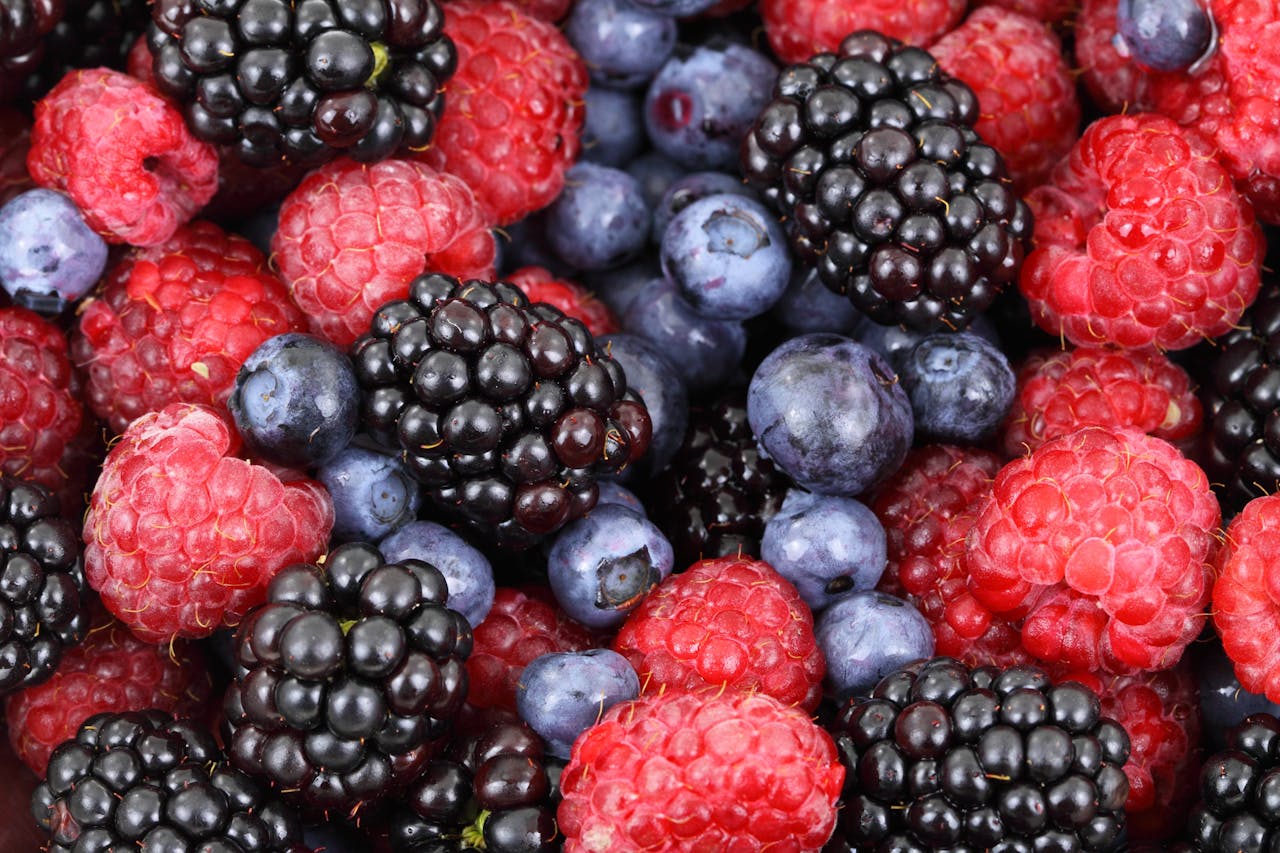
<p> For those who love a little crunch and tartness with their sweetness, the Greek yogurt and berry parfait is a go-to. Greek yogurt is packed with protein and probiotics, which help support digestion and bone health—big priorities as we age. Layer it with antioxidant-loaded berries like blueberries, strawberries, or raspberries and sprinkle with nuts or a bit of granola for texture. This dessert feels like a treat but gives your body a boost of nutrition, making it perfect for an anytime indulgence. </p> :: Freepik

For those who love a little crunch and tartness with their sweetness, the Greek yogurt and berry parfait is a go-to. Greek yogurt is packed with protein and probiotics, which help support digestion and bone health—big priorities as we age. Layer it with antioxidant-loaded berries like blueberries, strawberries, or raspberries and sprinkle with nuts or a bit of granola for texture. This dessert feels like a treat but gives your body a boost of nutrition, making it perfect for an anytime indulgence.

3. Baked Apples with Cinnamon and Walnuts

<p> Few desserts evoke comfort and warmth like baked apples, and this version is as wholesome as it is delicious. Core your favorite apple, stuff it with chopped walnuts, cinnamon, and a drizzle of pure maple syrup or honey, then bake until tender and fragrant. The walnuts bring in healthy omega-3s, while cinnamon adds flavor and may help with blood sugar control. It’s a sweet, cozy dessert perfect for a cool evening, and it’s easy enough to make anytime you want to impress without the fuss. </p> :: Freepik

Few desserts evoke comfort and warmth like baked apples, and this version is as wholesome as it is delicious. Core your favorite apple, stuff it with chopped walnuts, cinnamon, and a drizzle of pure maple syrup or honey, then bake until tender and fragrant. The walnuts bring in healthy omega-3s, while cinnamon adds flavor and may help with blood sugar control. It’s a sweet, cozy dessert perfect for a cool evening, and it’s easy enough to make anytime you want to impress without the fuss.

4. Chia Seed Pudding with Almond Milk and Vanilla

<p> Chia seeds are tiny but mighty superfoods, loaded with fiber, omega-3 fatty acids, and protein—all excellent for heart and brain health, especially after 50. When soaked overnight in almond milk flavored with vanilla and lightly sweetened with honey or stevia, chia seeds create a creamy pudding that’s satisfyingly rich. Top it with fresh fruit, shredded coconut, or a few dark chocolate chips for that extra indulgence. Plus, it’s a great make-ahead dessert that doubles as a nutritious breakfast! </p> :: Freepik

Chia seeds are tiny but mighty superfoods, loaded with fiber, omega-3 fatty acids, and protein—all excellent for heart and brain health, especially after 50. When soaked overnight in almond milk flavored with vanilla and lightly sweetened with honey or stevia, chia seeds create a creamy pudding that’s satisfyingly rich. Top it with fresh fruit, shredded coconut, or a few dark chocolate chips for that extra indulgence. Plus, it’s a great make-ahead dessert that doubles as a nutritious breakfast!

5. Frozen Banana “Nice Cream”

<p> Miss ice cream but wary of the sugar and fat? Frozen banana “nice cream” is your new best friend. Simply freeze ripe bananas, then blend them until smooth and creamy—no added sugar needed! Add a scoop of peanut butter, a dash of cocoa powder, or vanilla extract for personalized flavor. Bananas bring potassium and fiber to support healthy blood pressure and digestion. It’s a cool, refreshing dessert that’s easy on the body and easy to make. </p> :: Freepik

Miss ice cream but wary of the sugar and fat? Frozen banana “nice cream” is your new best friend. Simply freeze ripe bananas, then blend them until smooth and creamy—no added sugar needed! Add a scoop of peanut butter, a dash of cocoa powder, or vanilla extract for personalized flavor. Bananas bring potassium and fiber to support healthy blood pressure and digestion. It’s a cool, refreshing dessert that’s easy on the body and easy to make.

6. Oatmeal Cookies with Raisins and Walnuts

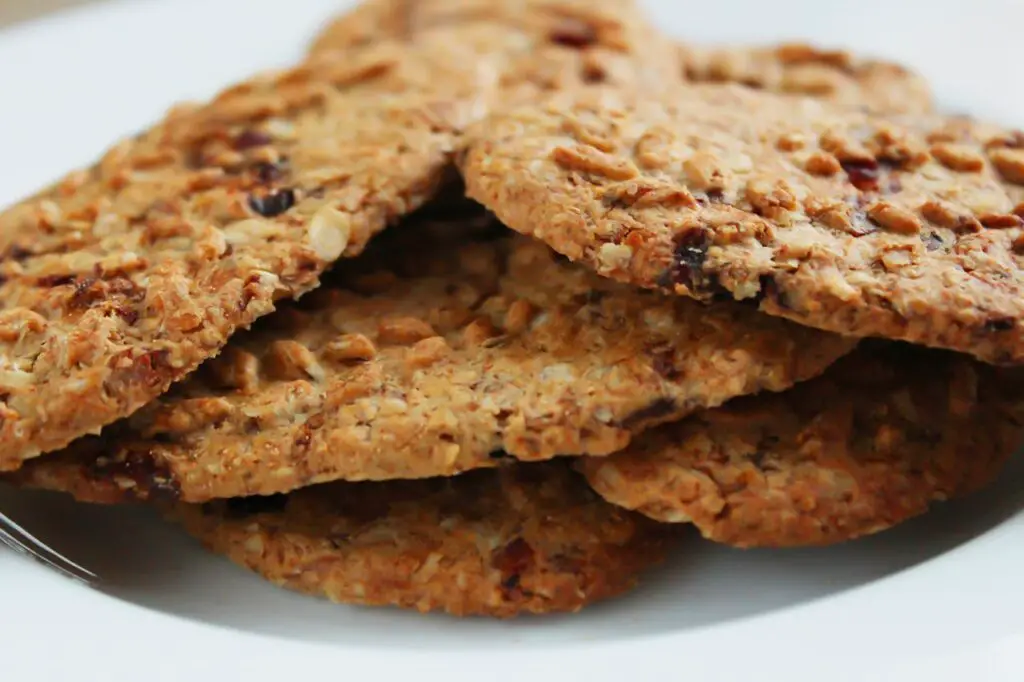
<p> Cookies don’t have to be a diet disaster. Oatmeal cookies packed with rolled oats, raisins, and walnuts deliver fiber, antioxidants, and omega-3s. Swap traditional white sugar for natural sweeteners like maple syrup or honey, and replace butter with coconut oil or mashed banana for a heart-healthier spin. These cookies offer a cozy, satisfying texture and just the right amount of sweetness—perfect for an afternoon snack or a light dessert after dinner that won’t leave you feeling sluggish. </p> :: Pexeks

Cookies don’t have to be a diet disaster. Oatmeal cookies packed with rolled oats, raisins, and walnuts deliver fiber, antioxidants, and omega-3s. Swap traditional white sugar for natural sweeteners like maple syrup or honey, and replace butter with coconut oil or mashed banana for a heart-healthier spin. These cookies offer a cozy, satisfying texture and just the right amount of sweetness—perfect for an afternoon snack or a light dessert after dinner that won’t leave you feeling sluggish.

7. Dark Chocolate-Dipped Strawberries

<p> Here’s a dessert that’s as simple as it is elegant—dark chocolate-dipped strawberries. Strawberries are bursting with vitamin C and antioxidants, while dark chocolate (choose 70% cocoa or higher) delivers powerful anti-inflammatory benefits. The pairing is naturally sweet, beautifully colorful, and quick to prepare. These treats make a classy snack or party dessert that lets you enjoy a little luxury without the guilt. </p> :: Pexels

Here’s a dessert that’s as simple as it is elegant—dark chocolate-dipped strawberries. Strawberries are bursting with vitamin C and antioxidants, while dark chocolate (choose 70% cocoa or higher) delivers powerful anti-inflammatory benefits. The pairing is naturally sweet, beautifully colorful, and quick to prepare. These treats make a classy snack or party dessert that lets you enjoy a little luxury without the guilt.

8. Coconut Flour Brownies

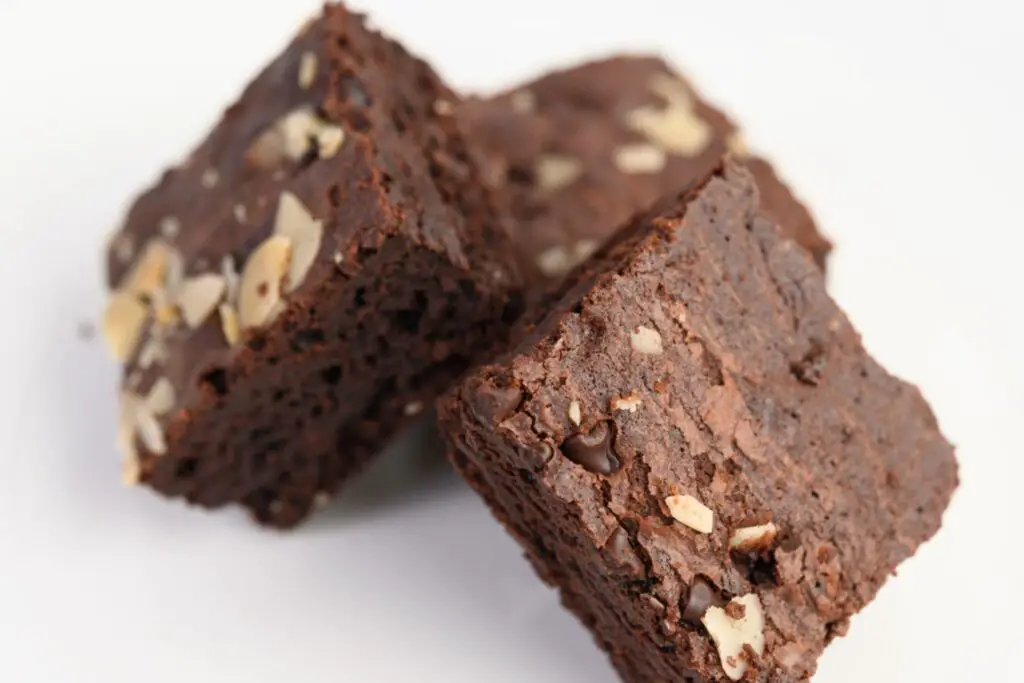
<p> If you’ve ever dreamed of brownies without refined flour and sugar, coconut flour brownies are the answer. Coconut flour is rich in fiber and healthy fats, helping to stabilize blood sugar and promote digestion. When combined with natural sweeteners like honey or maple syrup and good-quality cocoa powder, these brownies come out fudgy and moist. Bonus: they’re gluten-free and lower in carbs, making them a smart choice for anyone mindful of their diet but craving chocolate. </p> :: Freepik

If you’ve ever dreamed of brownies without refined flour and sugar, coconut flour brownies are the answer. Coconut flour is rich in fiber and healthy fats, helping to stabilize blood sugar and promote digestion. When combined with natural sweeteners like honey or maple syrup and good-quality cocoa powder, these brownies come out fudgy and moist. Bonus: they’re gluten-free and lower in carbs, making them a smart choice for anyone mindful of their diet but craving chocolate.

9. Sweet Potato Pie Bites

<p> Sweet potatoes are naturally sweet and packed with vitamins A and C, plus fiber that supports digestion. Mini sweet potato pie bites mix mashed sweet potatoes with warming spices like cinnamon and nutmeg, a little maple syrup, and a touch of vanilla, baked into small portions perfect for sharing or snacking. These bites are comforting, nutrient-dense, and perfect for holidays—or any day you want that warm, cozy dessert feeling. </p> :: Dude That Cookz

Sweet potatoes are naturally sweet and packed with vitamins A and C, plus fiber that supports digestion. Mini sweet potato pie bites mix mashed sweet potatoes with warming spices like cinnamon and nutmeg, a little maple syrup, and a touch of vanilla, baked into small portions perfect for sharing or snacking. These bites are comforting, nutrient-dense, and perfect for holidays—or any day you want that warm, cozy dessert feeling.

10. Homemade Fruit Sorbet

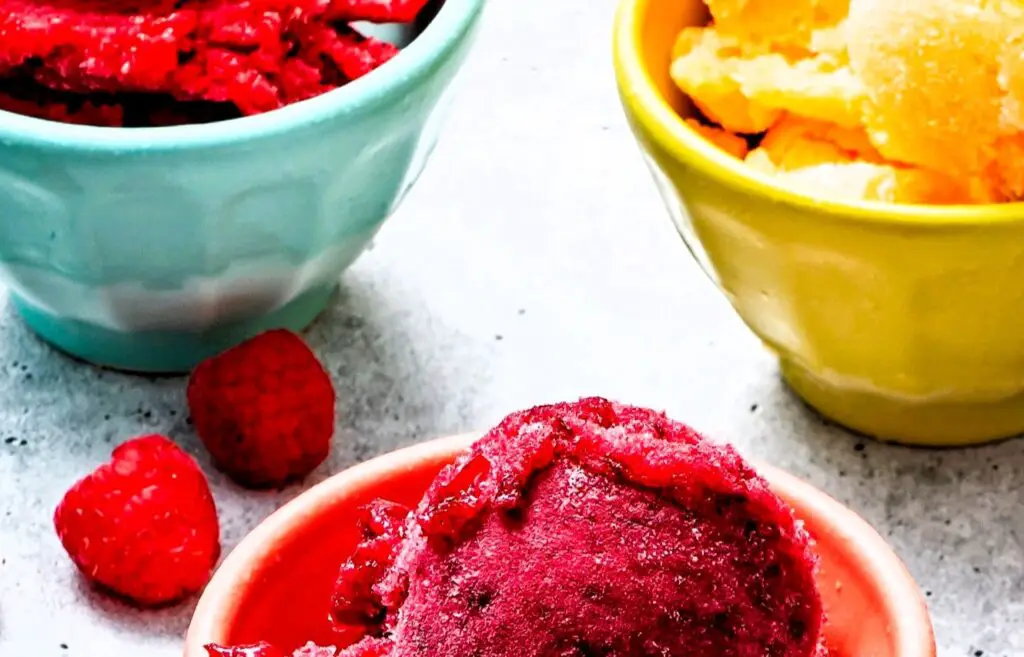
<p> For a refreshing and light finish, homemade fruit sorbet delivers vibrant flavor with none of the artificial ingredients or excess sugar found in many store-bought versions. Blend fresh or frozen fruit—mango, raspberry, pineapple—with a splash of lemon juice and a touch of natural sweetener, then freeze. The result is a hydrating, vitamin-packed treat that feels like a vacation for your taste buds without weighing you down. </p> :: The Washington Post

For a refreshing and light finish, homemade fruit sorbet delivers vibrant flavor with none of the artificial ingredients or excess sugar found in many store-bought versions. Blend fresh or frozen fruit—mango, raspberry, pineapple—with a splash of lemon juice and a touch of natural sweetener, then freeze. The result is a hydrating, vitamin-packed treat that feels like a vacation for your taste buds without weighing you down.

Final Thoughts

<p> Who says healthy and indulgent can’t coexist? As we move through our 50s and beyond, it’s more important than ever to choose foods that nourish our bodies and bring joy. These 10 desserts prove you don’t have to sacrifice flavor or satisfaction to eat well. They’re packed with nutrients that support heart health, digestion, and energy, yet they feel like a special reward after a long day. So next time your sweet tooth calls, skip the heavy, overly processed treats and reach for one of these smart, delicious desserts instead. Your body will thank you—and so will your taste buds! Whether you’re enjoying a quiet moment or entertaining loved ones, these recipes are here to help you celebrate life’s sweeter side, guilt-free. If you’d like, I can also share simple recipes and tips for making these desserts at home. Want me to send you a few favorites? </p> :: Pexels

Who says healthy and indulgent can’t coexist? As we move through our 50s and beyond, it’s more important than ever to choose foods that nourish our bodies and bring joy. These 10 desserts prove you don’t have to sacrifice flavor or satisfaction to eat well. They’re packed with nutrients that support heart health, digestion, and energy, yet they feel like a special reward after a long day.

So next time your sweet tooth calls, skip the heavy, overly processed treats and reach for one of these smart, delicious desserts instead. Your body will thank you—and so will your taste buds! Whether you’re enjoying a quiet moment or entertaining loved ones, these recipes are here to help you celebrate life’s sweeter side, guilt-free.

If you’d like, I can also share simple recipes and tips for making these desserts at home. Want me to send you a few favorites?

Filed Under: Food & Drink

14 Signs You Grew Up Poor That Wealthy People Just Don’t Understand

February 9, 2026 | Leave a Comment

14 Signs You Grew Up Poor That Wealthy People Just Don’t Understand

<p> Growing up without much money changes how you see the world. It doesn’t just shape your childhood—it leaves footprints well into adulthood. Whether it’s scanning restaurant menus for the cheapest option or feeling uneasy in luxury stores, the signs of a humble upbringing show up in the most unexpected places. And while these behaviors might baffle someone raised in wealth, they often carry strength, resilience, and a sense of deep appreciation for even the smallest comforts. This list isn’t about embarrassment—it’s about recognition. If these signs sound familiar, you’re not alone. These shared habits reflect a generation of people who learned to stretch, save, and survive. Let’s explore the signs that you grew up poor—signs that wealthy people often just don’t understand. </p> :: Freepik

Growing up without much money changes how you see the world. It doesn’t just shape your childhood—it leaves footprints well into adulthood. Whether it’s scanning restaurant menus for the cheapest option or feeling uneasy in luxury stores, the signs of a humble upbringing show up in the most unexpected places. And while these behaviors might baffle someone raised in wealth, they often carry strength, resilience, and a sense of deep appreciation for even the smallest comforts.

This list isn’t about embarrassment—it’s about recognition. If these signs sound familiar, you’re not alone. These shared habits reflect a generation of people who learned to stretch, save, and survive. Let’s explore the signs that you grew up poor—signs that wealthy people often just don’t understand.

1. You Scan Menus for the Cheapest Meals

<p> While others browse the specials or chef’s recommendations, your eyes immediately dart to the right side of the menu to check prices. You’ve mastered the art of ordering the most affordable option—not because you want to, but because you were trained to make every dollar count. </p> :: Pexels

While others browse the specials or chef’s recommendations, your eyes immediately dart to the right side of the menu to check prices. You’ve mastered the art of ordering the most affordable option—not because you want to, but because you were trained to make every dollar count.

2. Generics and Clearance Are Second Nature

<p> You don’t see a generic label as a downgrade—it’s a smart decision. Why pay more for the same thing in a fancier box? And clearance racks? That’s your treasure chest. You have a sixth sense for deals, and you know how to find quality without the brand-name markup. </p> :: Pexels

You don’t see a generic label as a downgrade—it’s a smart decision. Why pay more for the same thing in a fancier box? And clearance racks? That’s your treasure chest. You have a sixth sense for deals, and you know how to find quality without the brand-name markup.

3. Leftovers and Restaurant Condiments Get Reused

<p> You’ve never seen ketchup packets as throwaways. They’re saved, stored, and used later—same with napkins, sugar packets, and sometimes even plastic utensils. Growing up poor meant making sure nothing went to waste, especially something you didn’t have to pay extra for. </p> :: Freepik

You’ve never seen ketchup packets as throwaways. They’re saved, stored, and used later—same with napkins, sugar packets, and sometimes even plastic utensils. Growing up poor meant making sure nothing went to waste, especially something you didn’t have to pay extra for.

4. You Repurpose Containers and Bags

<p> Why throw away a margarine tub when it could be your next storage container? Grocery bags? Trash can liners. Pasta sauce jars? Drinking glasses. Repurposing wasn’t a quirky choice—it was standard practice. </p> :: Pexels

Why throw away a margarine tub when it could be your next storage container? Grocery bags? Trash can liners. Pasta sauce jars? Drinking glasses. Repurposing wasn’t a quirky choice—it was standard practice.

5. You Stockpile Essentials

<p> When toilet paper or shampoo goes on sale, you buy in bulk. You’re not hoarding—you’re preparing. Running out of essentials used to mean going without, so now you keep extras “just in case” and feel safer knowing you won’t be caught off guard. </p> :: Freepik

When toilet paper or shampoo goes on sale, you buy in bulk. You’re not hoarding—you’re preparing. Running out of essentials used to mean going without, so now you keep extras “just in case” and feel safer knowing you won’t be caught off guard.

6. You Talk About Prices Like They’re Status Symbols

<p> While others brag about designer labels, you boast about how little you paid. “This only cost five bucks” isn’t a side note—it’s the main story. Scoring a deal is more satisfying than flaunting a brand name. </p> :: Freepik

While others brag about designer labels, you boast about how little you paid. “This only cost five bucks” isn’t a side note—it’s the main story. Scoring a deal is more satisfying than flaunting a brand name.

7. You Feel Guilty Buying Things You Need

<p> Even when your bank account can handle it, buying something as basic as new shoes or name-brand shampoo can trigger guilt. It’s hard to shake the internal voice that says, “Do you really need this?” because growing up, every purchase required justification. </p> :: Freepik

Even when your bank account can handle it, buying something as basic as new shoes or name-brand shampoo can trigger guilt. It’s hard to shake the internal voice that says, “Do you really need this?” because growing up, every purchase required justification.

8. You’re Uncomfortable in Luxurious Settings

<p> Whether it’s an upscale restaurant or a high-end boutique, those spaces can feel alien. You might worry you’re dressed wrong, behaving wrong, or just don’t belong. Even when you can afford the experience now, the feeling of being out of place lingers. </p> :: Freepik

Whether it’s an upscale restaurant or a high-end boutique, those spaces can feel alien. You might worry you’re dressed wrong, behaving wrong, or just don’t belong. Even when you can afford the experience now, the feeling of being out of place lingers.

9. You Refuse to Throw Things Out

<p> That toothpaste tube still has a few squeezes left. That shampoo bottle can be watered down for another wash. And that last slice of bread? Toast it. You learned early that tossing anything usable was a luxury you couldn’t afford—and that habit stuck. </p> :: Freepik

That toothpaste tube still has a few squeezes left. That shampoo bottle can be watered down for another wash. And that last slice of bread? Toast it. You learned early that tossing anything usable was a luxury you couldn’t afford—and that habit stuck.

10. You’re Always Prepared for “Just in Case”

<p> Your purse or backpack probably has a little of everything: snacks, a small sewing kit, maybe even a spare charger or extra socks. You learned that being unprepared often meant being uncomfortable, so now, you’re ready for anything life throws at you. </p> :: Pexels

Your purse or backpack probably has a little of everything: snacks, a small sewing kit, maybe even a spare charger or extra socks. You learned that being unprepared often meant being uncomfortable, so now, you’re ready for anything life throws at you.

11. You’ve Got DIY Skills on Lock

<p> If something breaks, you figure out how to fix it. YouTube tutorials, duct tape, and elbow grease are your go-to tools. Hiring someone for help was rarely an option when you were younger, so you learned to get creative and solve problems yourself. </p> :: Pexels

If something breaks, you figure out how to fix it. YouTube tutorials, duct tape, and elbow grease are your go-to tools. Hiring someone for help was rarely an option when you were younger, so you learned to get creative and solve problems yourself.

12. You Lean Into Frugality, Not Fancy

<p> To you, frugality isn’t just about saving money—it’s about making thoughtful choices. You appreciate what you have, and you don’t chase status symbols. The joy of a great deal or a reused item often outweighs the appeal of the newest gadget or trend. </p> :: Pexels

To you, frugality isn’t just about saving money—it’s about making thoughtful choices. You appreciate what you have, and you don’t chase status symbols. The joy of a great deal or a reused item often outweighs the appeal of the newest gadget or trend.

13. You’re Highly Empathetic and Resilient

<p> You’ve seen struggle—your own or that of people around you—and it taught you to be understanding. You know what it’s like to go without, and that fuels your compassion. At the same time, you’ve developed a deep well of strength because you’ve had to push through tough times. </p> :: Freepik

You’ve seen struggle—your own or that of people around you—and it taught you to be understanding. You know what it’s like to go without, and that fuels your compassion. At the same time, you’ve developed a deep well of strength because you’ve had to push through tough times.

14. You Distrust Debt—Even “Good” Debt

<p> While others might see credit cards, car loans, and even student debt as normal, to you, debt is scary. Growing up poor meant knowing how quickly things could spiral out of control financially. Even when it makes logical sense to borrow, the emotional resistance is real. </p> :: Pexels

While others might see credit cards, car loans, and even student debt as normal, to you, debt is scary. Growing up poor meant knowing how quickly things could spiral out of control financially. Even when it makes logical sense to borrow, the emotional resistance is real.

Final Thoughts

<p> Growing up poor is more than a financial experience—it shapes your mindset, habits, and emotional landscape in profound ways. These signs are not weaknesses or odd quirks. They’re markers of adaptability, resilience, and resourcefulness. Sure, some of these behaviors may seem extreme to those who never had to think twice about money—but they make perfect sense when you’ve lived with scarcity. The truth is, these habits tell a story of survival. They show that you’ve made the most of what you had and found creative ways to stretch your resources. And while you may no longer live paycheck to paycheck, those old instincts don’t just disappear. They become part of your identity—sometimes challenging, often powerful, and always deeply human. So if you see yourself in this list, take pride. You’ve built a life with the tools you had—and whether or not others understand it, your story matters. Not everyone will relate, but those who do will nod, smile, and maybe even share a ketchup packet or two. </p> :: Pexels

Growing up poor is more than a financial experience—it shapes your mindset, habits, and emotional landscape in profound ways. These signs are not weaknesses or odd quirks. They’re markers of adaptability, resilience, and resourcefulness. Sure, some of these behaviors may seem extreme to those who never had to think twice about money—but they make perfect sense when you’ve lived with scarcity.

The truth is, these habits tell a story of survival. They show that you’ve made the most of what you had and found creative ways to stretch your resources. And while you may no longer live paycheck to paycheck, those old instincts don’t just disappear. They become part of your identity—sometimes challenging, often powerful, and always deeply human.

So if you see yourself in this list, take pride. You’ve built a life with the tools you had—and whether or not others understand it, your story matters. Not everyone will relate, but those who do will nod, smile, and maybe even share a ketchup packet or two.

Filed Under: Lifestyle

8 Cheap or Free Activities for Rainy Days in the U.S. That Boomers Will Love

February 9, 2026 | Leave a Comment

8 Cheap or Free Activities for Rainy Days in the U.S. That Boomers Will Love

<p> Rainy days might have ruined our beach plans or morning walks, but they also bring a quiet kind of magic—the perfect excuse to slow down, sip something warm, and try something different. If you're over 50 and looking to make the most of a drizzly day without spending a fortune, you’re in the right place. Whether you're retired, semi-retired, or just enjoying a quiet weekend at home, these budget-friendly indoor activities can help you stay entertained, connected, and even inspired. Best of all? You don’t need fancy equipment or expensive subscriptions. Just a little curiosity—and maybe a cup of tea. Let’s dive into 8 free or low-cost activities to help you beat the rainy day blues with creativity, purpose, and fun. </p> :: Freepik

Rainy days might have ruined our beach plans or morning walks, but they also bring a quiet kind of magic—the perfect excuse to slow down, sip something warm, and try something different. If you’re over 50 and looking to make the most of a drizzly day without spending a fortune, you’re in the right place.

Whether you’re retired, semi-retired, or just enjoying a quiet weekend at home, these budget-friendly indoor activities can help you stay entertained, connected, and even inspired. Best of all? You don’t need fancy equipment or expensive subscriptions. Just a little curiosity—and maybe a cup of tea.

Let’s dive into 8 free or low-cost activities to help you beat the rainy day blues with creativity, purpose, and fun.

1. Curl Up with a Good Book

<p> There’s nothing quite like losing yourself in a great story while the rain taps softly on the windows. Reading can transport you to a different world—no umbrella required. Whether you prefer historical fiction, gripping mysteries, or heartwarming memoirs, your local library is a treasure trove of free reads. And if going out isn’t an option, most libraries offer eBooks and audiobooks you can borrow from the comfort of your armchair. Bonus: reading stimulates the brain, improves memory, and lowers stress. It’s like a workout for your mind, minus the sweat. </p> :: Pexels

There’s nothing quite like losing yourself in a great story while the rain taps softly on the windows. Reading can transport you to a different world—no umbrella required. Whether you prefer historical fiction, gripping mysteries, or heartwarming memoirs, your local library is a treasure trove of free reads. And if going out isn’t an option, most libraries offer eBooks and audiobooks you can borrow from the comfort of your armchair. Bonus: reading stimulates the brain, improves memory, and lowers stress. It’s like a workout for your mind, minus the sweat.

2. Try Your Hand at Arts and Crafts

<p> Rainy days are ideal for getting creative—paintbrushes, yarn, glue sticks, you name it. You don’t have to be Picasso to enjoy the simple joy of crafting. Try watercolor painting, knitting, adult coloring books, or even repurposing old greeting cards into something new. Arts and crafts are not only fun, they’re therapeutic. Studies show they can help reduce anxiety and improve hand-eye coordination—perfect for keeping those fine motor skills sharp. Plenty of free tutorials are available on YouTube, so you can learn at your own pace, and most supplies are either inexpensive or already sitting in a drawer somewhere. </p> :: Pexels

Rainy days are ideal for getting creative—paintbrushes, yarn, glue sticks, you name it. You don’t have to be Picasso to enjoy the simple joy of crafting. Try watercolor painting, knitting, adult coloring books, or even repurposing old greeting cards into something new. Arts and crafts are not only fun, they’re therapeutic. Studies show they can help reduce anxiety and improve hand-eye coordination—perfect for keeping those fine motor skills sharp. Plenty of free tutorials are available on YouTube, so you can learn at your own pace, and most supplies are either inexpensive or already sitting in a drawer somewhere.

3. Cook Something New (and Delicious)

<p> Rainy days and comfort food go hand in hand. Instead of reheating leftovers, why not try out a new recipe? Cooking is not only a practical life skill—it’s a rewarding form of creative expression. Experiment with a hearty soup, bake some bread from scratch, or try your hand at homemade pasta. And if you're looking to eat healthier, it's the perfect opportunity to discover nutritious versions of your favorite dishes. Best of all, you probably already have many ingredients on hand. Don’t forget: YouTube and recipe blogs can guide you step-by-step without costing a dime. </p> :: Pexels

Rainy days and comfort food go hand in hand. Instead of reheating leftovers, why not try out a new recipe? Cooking is not only a practical life skill—it’s a rewarding form of creative expression. Experiment with a hearty soup, bake some bread from scratch, or try your hand at homemade pasta. And if you’re looking to eat healthier, it’s the perfect opportunity to discover nutritious versions of your favorite dishes. Best of all, you probably already have many ingredients on hand. Don’t forget: YouTube and recipe blogs can guide you step-by-step without costing a dime.

4. Get Moving with Gentle Indoor Exercise

<p> You don’t need to brave the rain to get your blood flowing. Even a small living room can become your personal wellness studio. Gentle indoor exercises like chair yoga, tai chi, or light stretching routines can do wonders for your flexibility, balance, and energy. There are countless free videos online tailored to seniors, so you can follow along at your own pace. Not only does it keep your body active, but regular movement helps lift your mood—a great antidote to gray skies. Remember, even ten minutes of movement can make a big difference! </p> :: Pexels

You don’t need to brave the rain to get your blood flowing. Even a small living room can become your personal wellness studio. Gentle indoor exercises like chair yoga, tai chi, or light stretching routines can do wonders for your flexibility, balance, and energy. There are countless free videos online tailored to seniors, so you can follow along at your own pace. Not only does it keep your body active, but regular movement helps lift your mood—a great antidote to gray skies. Remember, even ten minutes of movement can make a big difference!

5. Play Board or Card Games

<p> Dust off those Scrabble tiles or dig out that deck of cards—rainy days were made for games. Solo favorites like solitaire or crossword puzzles offer relaxing solo entertainment, while multiplayer classics like gin rummy or Yahtzee make for great bonding time with a spouse or grandkids. No one around? Many of these games are available in free digital versions so you can play with friends or family virtually. Bonus: These games give your brain a workout and help improve memory and focus. Game night just got a cozy twist. </p> :: Pexels

Dust off those Scrabble tiles or dig out that deck of cards—rainy days were made for games. Solo favorites like solitaire or crossword puzzles offer relaxing solo entertainment, while multiplayer classics like gin rummy or Yahtzee make for great bonding time with a spouse or grandkids. No one around? Many of these games are available in free digital versions so you can play with friends or family virtually. Bonus: These games give your brain a workout and help improve memory and focus. Game night just got a cozy twist.

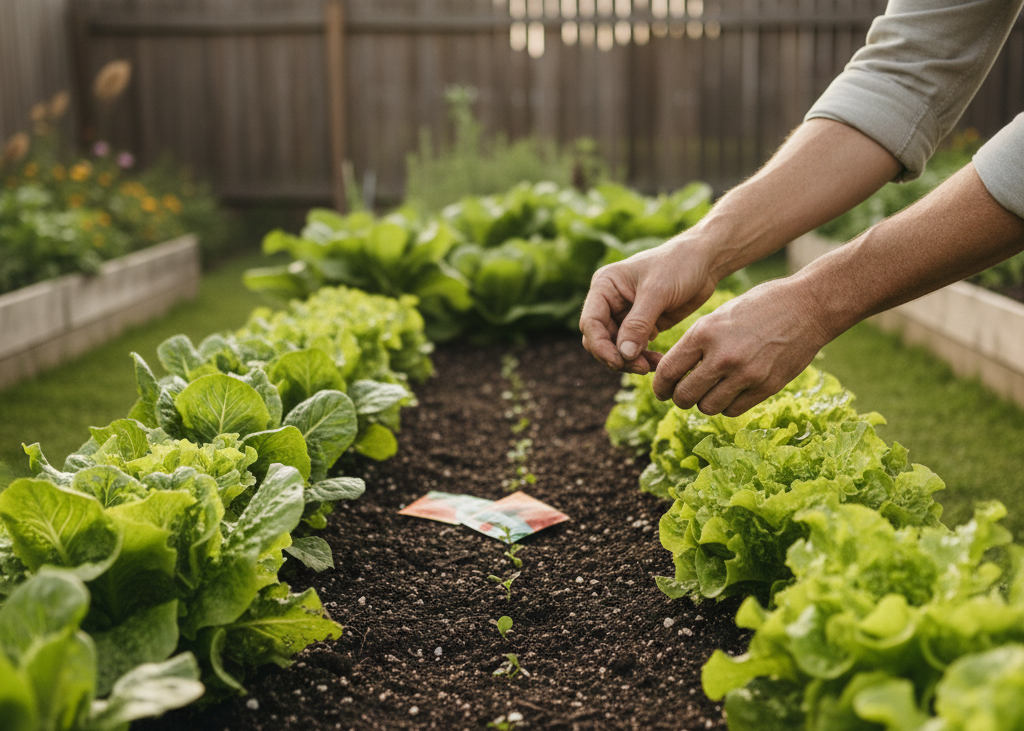
6. Start an Indoor Garden

<p> Who says gardening is only for sunny days? You can bring a little green into your home by starting an indoor herb garden or caring for easy houseplants like succulents or pothos. Tending to plants can be incredibly therapeutic—it reduces stress, provides a sense of purpose, and adds a lively touch to any room. If you enjoy cooking, growing herbs like basil, mint, or thyme can also enhance your culinary adventures. Starter kits are inexpensive, and if you're a DIYer, you can even repurpose old containers into charming planters. </p> :: Freepik

Who says gardening is only for sunny days? You can bring a little green into your home by starting an indoor herb garden or caring for easy houseplants like succulents or pothos. Tending to plants can be incredibly therapeutic—it reduces stress, provides a sense of purpose, and adds a lively touch to any room. If you enjoy cooking, growing herbs like basil, mint, or thyme can also enhance your culinary adventures. Starter kits are inexpensive, and if you’re a DIYer, you can even repurpose old containers into charming planters.

7. Host Your Own Classic Film Festival

<p> Rainy days and movies are a match made in heaven—especially when it's something nostalgic. Dust off those DVDs or explore the classics available on streaming platforms or through your local library. Create a cozy home theater experience with popcorn, blankets, and maybe a themed night (Bogart and Bacall, anyone?). Watching films from your youth or exploring new-to-you golden age cinema is a relaxing way to relive fond memories or discover old favorites. If you’re watching with a partner or friends, add in some lighthearted commentary and make it a tradition. </p> :: Freepik

Rainy days and movies are a match made in heaven—especially when it’s something nostalgic. Dust off those DVDs or explore the classics available on streaming platforms or through your local library. Create a cozy home theater experience with popcorn, blankets, and maybe a themed night (Bogart and Bacall, anyone?). Watching films from your youth or exploring new-to-you golden age cinema is a relaxing way to relive fond memories or discover old favorites. If you’re watching with a partner or friends, add in some lighthearted commentary and make it a tradition.

8. Take a Free Virtual Class or Workshop

<p> Lifelong learning never goes out of style. If you’ve ever wanted to explore photography, learn Spanish, or take a digital art course, there’s likely a free class online waiting for you. Websites like Coursera, YouTube, and even local community centers offer virtual workshops on just about everything. These classes can keep your mind sharp, introduce you to new hobbies, and connect you with communities that share your interests. It’s like going back to school—but without the homework (unless you want it). Just grab your device, find a cozy seat, and start exploring. </p> :: Pexels

Lifelong learning never goes out of style. If you’ve ever wanted to explore photography, learn Spanish, or take a digital art course, there’s likely a free class online waiting for you. Websites like Coursera, YouTube, and even local community centers offer virtual workshops on just about everything. These classes can keep your mind sharp, introduce you to new hobbies, and connect you with communities that share your interests. It’s like going back to school—but without the homework (unless you want it). Just grab your device, find a cozy seat, and start exploring.

Final Thoughts

<p> Let’s face it—rainy days get a bad rap. But with the right mindset (and maybe a warm cup of cocoa), they can become mini-retreats from the hustle and bustle of daily life. For baby boomers looking to stay engaged, these activities offer a mix of creativity, movement, nostalgia, and mental stimulation—all without breaking the bank. So the next time the forecast calls for drizzle, don’t sigh and reach for the remote just yet. Try one of these enriching, low-cost options and make the most of your day indoors. Who knows? You might end up looking forward to the next rainy afternoon. </p> :: Pexels

Let’s face it—rainy days get a bad rap. But with the right mindset (and maybe a warm cup of cocoa), they can become mini-retreats from the hustle and bustle of daily life. For baby boomers looking to stay engaged, these activities offer a mix of creativity, movement, nostalgia, and mental stimulation—all without breaking the bank.

So the next time the forecast calls for drizzle, don’t sigh and reach for the remote just yet. Try one of these enriching, low-cost options and make the most of your day indoors. Who knows? You might end up looking forward to the next rainy afternoon.

Filed Under: Entertainment

10 Phrases Many Aging Parents Find Frustrating and How to Avoid Them

February 9, 2026 | Leave a Comment

10 Phrases Many Aging Parents Find Frustrating and How to Avoid Them

<p> Talking with aging parents can be trickier than it looks. You may think a simple comment or question is harmless, but sometimes what seems like a casual observation can spark frustration or make your parent feel misunderstood. It is not about pointing fingers or avoiding difficult conversations, but rather about approaching them with empathy, humor, and respect. After all, your parents have lived through decades of experiences and wisdom, and the way we speak to them matters.

Navigating these conversations is a delicate balance. You want to show love and concern, yet still honor their independence and experiences. With that in mind, here are ten phrases aging parents often find frustrating, along with practical tips on what to say instead. These simple adjustments can make everyday interactions smoother and more meaningful. </p> :: Gemini

Talking with aging parents can be trickier than it looks. You may think a simple comment or question is harmless, but sometimes what seems like a casual observation can spark frustration or make your parent feel misunderstood. It is not about pointing fingers or avoiding difficult conversations, but rather about approaching them with empathy, humor, and respect. After all, your parents have lived through decades of experiences and wisdom, and the way we speak to them matters.

Navigating these conversations is a delicate balance. You want to show love and concern, yet still honor their independence and experiences. With that in mind, here are ten phrases aging parents often find frustrating, along with practical tips on what to say instead. These simple adjustments can make everyday interactions smoother and more meaningful.

1. “You Are So Lucky You Are Retired”

<p> Many grown children use this phrase thinking it is a compliment, but aging parents often hear it differently. Retirement is not always a carefree paradise. It can be a mix of freedom, loss of routine, and the challenge of finding new ways to stay active and engaged. Saying “you are so lucky” can unintentionally downplay these real struggles. Instead, ask a question that invites them to share: “How are you feeling about retirement these days?” This opens the door for honest reflection and shows that you are interested in their life rather than just making a casual observation. </p> :: Gemini

Many grown children use this phrase thinking it is a compliment, but aging parents often hear it differently. Retirement is not always a carefree paradise. It can be a mix of freedom, loss of routine, and the challenge of finding new ways to stay active and engaged. Saying “you are so lucky” can unintentionally downplay these real struggles. Instead, ask a question that invites them to share: “How are you feeling about retirement these days?” This opens the door for honest reflection and shows that you are interested in their life rather than just making a casual observation.

2. “Do You Remember”

<p> Asking a parent if they remember a certain event or date may seem harmless, but it can create pressure and anxiety, especially for those whose memory is not as sharp as it once was. This question can feel like a test, leaving them worried about giving the wrong answer. A better approach is to frame it as an invitation to reminisce. Try saying, “I would love to hear your memories about that,” or “Tell me what that was like for you.” This way, you are showing that their stories are valued, and you are creating a shared moment of connection. </p> :: Gemini

Asking a parent if they remember a certain event or date may seem harmless, but it can create pressure and anxiety, especially for those whose memory is not as sharp as it once was. This question can feel like a test, leaving them worried about giving the wrong answer. A better approach is to frame it as an invitation to reminisce. Try saying, “I would love to hear your memories about that,” or “Tell me what that was like for you.” This way, you are showing that their stories are valued, and you are creating a shared moment of connection.

3. “You Do Not Look That Old”

<p> Comments about age, even when meant as compliments, can come across as awkward or even insulting. Telling someone they do not look old implies that being old is a negative thing, which is not a message aging parents want to hear. They want to be seen for who they are now, not judged on how well they have defied the passage of time. Instead, focus on something you genuinely appreciate. Say something like, “That color looks great on you,” or “I admire how well you handle challenges.” These statements celebrate their qualities without bringing age into the equation. </p> :: Gemini

Comments about age, even when meant as compliments, can come across as awkward or even insulting. Telling someone they do not look old implies that being old is a negative thing, which is not a message aging parents want to hear. They want to be seen for who they are now, not judged on how well they have defied the passage of time. Instead, focus on something you genuinely appreciate. Say something like, “That color looks great on you,” or “I admire how well you handle challenges.” These statements celebrate their qualities without bringing age into the equation.



4. “Let Me Help You With That”

<p> Offering help can feel supportive, but it can also unintentionally suggest that your parent is incapable. Many aging parents still want to maintain their independence, and hearing this phrase too often can feel like a loss of autonomy. Rather than assuming they need assistance, ask them how you can support them. For example, try saying, “Would you like a hand with that?” or “How can I help you with this?” This approach respects their ability to handle tasks while showing that you are there if needed. </p> :: Gemini

Offering help can feel supportive, but it can also unintentionally suggest that your parent is incapable. Many aging parents still want to maintain their independence, and hearing this phrase too often can feel like a loss of autonomy. Rather than assuming they need assistance, ask them how you can support them. For example, try saying, “Would you like a hand with that?” or “How can I help you with this?” This approach respects their ability to handle tasks while showing that you are there if needed.

5. “You Are Overreacting”

<p> Everyone experiences emotions, and aging parents are no exception. Telling someone that they are overreacting, even with the best intentions, can make them feel dismissed or belittled. Instead of minimizing their feelings, validate them. You might say, “That sounds really tough. Can you tell me more about it?” This shows that you are listening and that you care about their perspective. Validating emotions helps build trust and encourages more open conversations. </p> :: Gemini

Everyone experiences emotions, and aging parents are no exception. Telling someone that they are overreacting, even with the best intentions, can make them feel dismissed or belittled. Instead of minimizing their feelings, validate them. You might say, “That sounds really tough. Can you tell me more about it?” This shows that you are listening and that you care about their perspective. Validating emotions helps build trust and encourages more open conversations.

6. “When I Was Your Age”

<p> Comparing life experiences across generations may seem like a way to connect, but it often has the opposite effect. Prefacing a story with “when I was your age” can come across as judgment or a subtle critique of their choices. Aging parents want their own experiences recognized, not graded against someone else’s. A more effective approach is to express curiosity about their journey. Ask, “What was that like for you?” or “How did you handle that?” This keeps the focus on their story and invites them to share without feeling judged. </p> :: Gemini

Comparing life experiences across generations may seem like a way to connect, but it often has the opposite effect. Prefacing a story with “when I was your age” can come across as judgment or a subtle critique of their choices. Aging parents want their own experiences recognized, not graded against someone else’s. A more effective approach is to express curiosity about their journey. Ask, “What was that like for you?” or “How did you handle that?” This keeps the focus on their story and invites them to share without feeling judged.

7. “You Are Still Doing That”

<p> Sometimes this phrase is said out of surprise or mild amusement, but it can make aging parents feel as though their interests are outdated or inappropriate for their age. Everyone deserves to keep hobbies and routines that bring them joy, no matter their stage of life. Instead of expressing disbelief, show genuine interest. You could say, “I did not know you were into that! How is it going?” This communicates curiosity and respect, making your parent feel seen and appreciated. </p> :: Gemini

Sometimes this phrase is said out of surprise or mild amusement, but it can make aging parents feel as though their interests are outdated or inappropriate for their age. Everyone deserves to keep hobbies and routines that bring them joy, no matter their stage of life. Instead of expressing disbelief, show genuine interest. You could say, “I did not know you were into that! How is it going?” This communicates curiosity and respect, making your parent feel seen and appreciated.

8. “You Should Not Worry About That”

<p> Telling someone not to worry is rarely helpful. Aging parents often have legitimate concerns, whether about health, finances, or family matters. Simply saying “do not worry” can make them feel unheard or dismissed. A better approach is to ask open questions and listen actively. Try saying, “What is on your mind about this?” or “Let us figure this out together.” This validates their concerns and fosters problem-solving rather than shutting down the conversation. </p> :: Gemini

Telling someone not to worry is rarely helpful. Aging parents often have legitimate concerns, whether about health, finances, or family matters. Simply saying “do not worry” can make them feel unheard or dismissed. A better approach is to ask open questions and listen actively. Try saying, “What is on your mind about this?” or “Let us figure this out together.” This validates their concerns and fosters problem-solving rather than shutting down the conversation.

9. “You Are Too Old To”

<p> Using age as a limitation can be frustrating and demoralizing. Aging parents may still want to travel, learn new skills, or try new experiences. Telling them they are too old can make them feel restricted or undervalued. Instead, encourage their interests and ask questions about their plans. Say something like, “What would you like to try next?” or “Tell me more about what you are thinking of doing.” This approach supports their independence while celebrating their curiosity and ambition. </p> :: Gemini

Using age as a limitation can be frustrating and demoralizing. Aging parents may still want to travel, learn new skills, or try new experiences. Telling them they are too old can make them feel restricted or undervalued. Instead, encourage their interests and ask questions about their plans. Say something like, “What would you like to try next?” or “Tell me more about what you are thinking of doing.” This approach supports their independence while celebrating their curiosity and ambition.

10. “I Worry About You”

<p> It is natural to worry about the people we love, but constantly expressing this worry can make aging parents feel like a burden. Hearing “I worry about you” repeatedly can be emotionally draining, even when the concern comes from a place of love. To communicate care without triggering anxiety or defensiveness, try saying, “I want you to be safe and happy. Let us figure this out together.” This emphasizes partnership and support rather than fear or control. </p> :: Gemini

It is natural to worry about the people we love, but constantly expressing this worry can make aging parents feel like a burden. Hearing “I worry about you” repeatedly can be emotionally draining, even when the concern comes from a place of love. To communicate care without triggering anxiety or defensiveness, try saying, “I want you to be safe and happy. Let us figure this out together.” This emphasizes partnership and support rather than fear or control.

Final Thoughts

<p> The way we speak to aging parents has a profound impact on their sense of dignity, autonomy, and emotional well-being. Words that seem harmless can unintentionally frustrate or discourage them, but small shifts in phrasing can make a world of difference. Showing curiosity, validating feelings, and respecting independence are key to creating meaningful conversations.

Every parent wants to feel seen and valued, even as their lives evolve. By being thoughtful about the phrases we use and the way we approach discussions, we can strengthen relationships, create moments of connection, and make aging feel less like a challenge and more like a continued journey of growth and shared experiences.

Aging parents are not just recipients of care; they are partners in conversation, wisdom, and life. Choosing words that honor their experiences, respect their independence, and invite open dialogue can transform everyday interactions into memorable and meaningful moments.

Remember, conversations are not about avoiding mistakes or saying the perfect thing. They are about connection, empathy, and mutual respect. Approach each discussion with an open heart, a sense of humor, and a genuine desire to understand. You may be surprised how much your parents appreciate your attention, curiosity, and willingness to listen. </p> :: Gemini

The way we speak to aging parents has a profound impact on their sense of dignity, autonomy, and emotional well-being. Words that seem harmless can unintentionally frustrate or discourage them, but small shifts in phrasing can make a world of difference. Showing curiosity, validating feelings, and respecting independence are key to creating meaningful conversations.

Every parent wants to feel seen and valued, even as their lives evolve. By being thoughtful about the phrases we use and the way we approach discussions, we can strengthen relationships, create moments of connection, and make aging feel less like a challenge and more like a continued journey of growth and shared experiences.

Aging parents are not just recipients of care; they are partners in conversation, wisdom, and life. Choosing words that honor their experiences, respect their independence, and invite open dialogue can transform everyday interactions into memorable and meaningful moments.

Remember, conversations are not about avoiding mistakes or saying the perfect thing. They are about connection, empathy, and mutual respect. Approach each discussion with an open heart, a sense of humor, and a genuine desire to understand. You may be surprised how much your parents appreciate your attention, curiosity, and willingness to listen.

Filed Under: Lifestyle

From Garden to Bowl: 8 Tips for Gardening to Table and Growing Your Own Salad

February 9, 2026 | Leave a Comment

From Garden to Bowl: 8 Tips for Gardening to Table and Growing Your Own Salad

<p> Imagine stepping outside, scissors in hand, and snipping vibrant greens straight from your own garden. The crisp crunch, the fresh aroma, the satisfaction of knowing it came directly from soil you nurtured—there is nothing quite like it. Gardening to table is more than just growing food; it is an opportunity to slow down, connect with nature, and experience a deeper appreciation for the ingredients we often take for granted. Even if you are pressed for space, short on time, or just starting your first garden, growing your own salad is achievable. With a little planning, care, and these eight practical tips, you can turn a small patch of soil—or even a sunny windowsill—into a continuous supply of fresh, delicious salad ingredients. </p> :: Gemini

Imagine stepping outside, scissors in hand, and snipping vibrant greens straight from your own garden. The crisp crunch, the fresh aroma, the satisfaction of knowing it came directly from soil you nurtured—there is nothing quite like it. Gardening to table is more than just growing food; it is an opportunity to slow down, connect with nature, and experience a deeper appreciation for the ingredients we often take for granted. Even if you are pressed for space, short on time, or just starting your first garden, growing your own salad is achievable. With a little planning, care, and these eight practical tips, you can turn a small patch of soil—or even a sunny windowsill—into a continuous supply of fresh, delicious salad ingredients.

1. Pick the Right Spot for Your Salad Garden

<p> Location is everything in gardening, and salad greens are no exception. Most greens like lettuce, arugula, spinach, and kale thrive with at least six hours of direct sunlight each day. Sunlight is essential for photosynthesis, which encourages tender, flavorful leaves rather than tough, bitter ones. If your backyard has limited sunny areas, do not worry. Containers, raised beds, or even pots on a balcony or patio can be moved to catch the sun throughout the day. For indoor gardeners, a south-facing windowsill can provide enough light to grow some salad favorites. The right spot also includes airflow. Crowded, damp areas are a breeding ground for mold and pests. A little breeze and ample light go a long way in creating a happy environment for your greens.

When choosing your space, consider convenience as well. Having your salad garden close to the kitchen increases the likelihood that you will harvest frequently. There is something magical about walking just a few steps to pick fresh herbs and greens for lunch or dinner, and this ease makes gardening feel less like a chore and more like a joyful ritual. </p> :: Gemini

Location is everything in gardening, and salad greens are no exception. Most greens like lettuce, arugula, spinach, and kale thrive with at least six hours of direct sunlight each day. Sunlight is essential for photosynthesis, which encourages tender, flavorful leaves rather than tough, bitter ones. If your backyard has limited sunny areas, do not worry. Containers, raised beds, or even pots on a balcony or patio can be moved to catch the sun throughout the day. For indoor gardeners, a south-facing windowsill can provide enough light to grow some salad favorites. The right spot also includes airflow. Crowded, damp areas are a breeding ground for mold and pests. A little breeze and ample light go a long way in creating a happy environment for your greens.

When choosing your space, consider convenience as well. Having your salad garden close to the kitchen increases the likelihood that you will harvest frequently. There is something magical about walking just a few steps to pick fresh herbs and greens for lunch or dinner, and this ease makes gardening feel less like a chore and more like a joyful ritual.

2. Prepare Soil That Plants Will Love

<p> Great salads start with great soil. Salad greens need well-draining, nutrient-rich soil that can hold moisture without becoming soggy. Think of it as creating a cozy home for roots. If your soil is heavy clay or too sandy, mix in organic compost or well-rotted manure to improve texture and fertility. This not only nourishes your plants but also supports healthy microorganisms in the soil, which can naturally deter some pests and diseases.

Container gardeners can use a high-quality potting mix with added compost. Avoid garden soil in pots as it can compact, reducing airflow and water drainage. A small layer of mulch on top of your soil will help retain moisture, reduce weeds, and protect delicate roots from heat. Healthy soil results in healthier plants, and healthy plants produce vibrant, flavorful leaves that will make your salads truly shine. Investing time into your soil pays dividends with every bite of fresh greens. </p> :: Gemini

Great salads start with great soil. Salad greens need well-draining, nutrient-rich soil that can hold moisture without becoming soggy. Think of it as creating a cozy home for roots. If your soil is heavy clay or too sandy, mix in organic compost or well-rotted manure to improve texture and fertility. This not only nourishes your plants but also supports healthy microorganisms in the soil, which can naturally deter some pests and diseases.

Container gardeners can use a high-quality potting mix with added compost. Avoid garden soil in pots as it can compact, reducing airflow and water drainage. A small layer of mulch on top of your soil will help retain moisture, reduce weeds, and protect delicate roots from heat. Healthy soil results in healthier plants, and healthy plants produce vibrant, flavorful leaves that will make your salads truly shine. Investing time into your soil pays dividends with every bite of fresh greens.

3. Choose a Variety of Greens and Herbs

<p> One green is good, but a variety of greens makes your salads exciting and nutritious. Mixing lettuces like Romaine, Butterhead, and Oakleaf, along with spinach, arugula, kale, and Swiss chard, creates a beautiful spectrum of colors, textures, and flavors. Each type of green has unique nutritional benefits, so planting multiple varieties increases the health value of your meals.

Herbs are another way to elevate your garden-to-table salads. Parsley, cilantro, basil, and dill add fragrance, taste, and a touch of flair. Herbs often grow quickly and can even be harvested alongside your greens. If you are feeding picky eaters, consider starting with milder greens like baby spinach or Butterhead lettuce, and gradually introduce more peppery or bitter options such as arugula or mustard greens. Growing a mix of greens and herbs ensures your salads are never boring, and you will enjoy experimenting with new flavor combinations as your garden matures. </p> :: Gemini

One green is good, but a variety of greens makes your salads exciting and nutritious. Mixing lettuces like Romaine, Butterhead, and Oakleaf, along with spinach, arugula, kale, and Swiss chard, creates a beautiful spectrum of colors, textures, and flavors. Each type of green has unique nutritional benefits, so planting multiple varieties increases the health value of your meals.

Herbs are another way to elevate your garden-to-table salads. Parsley, cilantro, basil, and dill add fragrance, taste, and a touch of flair. Herbs often grow quickly and can even be harvested alongside your greens. If you are feeding picky eaters, consider starting with milder greens like baby spinach or Butterhead lettuce, and gradually introduce more peppery or bitter options such as arugula or mustard greens. Growing a mix of greens and herbs ensures your salads are never boring, and you will enjoy experimenting with new flavor combinations as your garden matures.

4. Water Consistently and Wisely

<p> Watering seems simple, but salad greens have shallow roots, so they require consistent attention. Soil should remain moist but not waterlogged—think of a wrung-out sponge. Overwatering can lead to root rot and disease, while under-watering causes leaves to wilt and develop a bitter taste. A practical tip is to check soil moisture daily, especially in containers that dry out quickly in hot weather.

Mulching around your plants helps maintain soil moisture, reduces weed growth, and keeps roots cooler during hot summer months. Morning watering is best because it allows leaves to dry throughout the day, preventing fungal infections. For larger gardens, drip irrigation or soaker hoses can make watering more efficient and less labor-intensive. By giving your plants consistent hydration, you create the conditions for tender, crisp leaves that taste amazing straight from the garden. </p> :: Gemini

Watering seems simple, but salad greens have shallow roots, so they require consistent attention. Soil should remain moist but not waterlogged—think of a wrung-out sponge. Overwatering can lead to root rot and disease, while under-watering causes leaves to wilt and develop a bitter taste. A practical tip is to check soil moisture daily, especially in containers that dry out quickly in hot weather.

Mulching around your plants helps maintain soil moisture, reduces weed growth, and keeps roots cooler during hot summer months. Morning watering is best because it allows leaves to dry throughout the day, preventing fungal infections. For larger gardens, drip irrigation or soaker hoses can make watering more efficient and less labor-intensive. By giving your plants consistent hydration, you create the conditions for tender, crisp leaves that taste amazing straight from the garden.

5. Practice Succession Planting

<p> Nothing is more frustrating than having a glut of salad greens one week and none the next. Succession planting solves this problem and ensures a steady supply of fresh greens. Sow small batches of seeds every one to three weeks. As one crop matures and is harvested, the next is already growing. This staggered approach spreads out your harvest workload and provides a continuous variety of fresh leaves for your meals.

Succession planting also lets you experiment with different varieties over the season. Early crops might include cool-weather greens such as spinach and arugula, while later plantings can include heat-tolerant lettuces and Swiss chard. By staggering planting times, you maximize both yield and flavor, making it easier to enjoy garden-fresh salads well into summer and fall. For beginner gardeners, succession planting is one of the most effective strategies to keep a productive, rewarding garden without overwhelming effort. </p> :: Gemini

Nothing is more frustrating than having a glut of salad greens one week and none the next. Succession planting solves this problem and ensures a steady supply of fresh greens. Sow small batches of seeds every one to three weeks. As one crop matures and is harvested, the next is already growing. This staggered approach spreads out your harvest workload and provides a continuous variety of fresh leaves for your meals.

Succession planting also lets you experiment with different varieties over the season. Early crops might include cool-weather greens such as spinach and arugula, while later plantings can include heat-tolerant lettuces and Swiss chard. By staggering planting times, you maximize both yield and flavor, making it easier to enjoy garden-fresh salads well into summer and fall. For beginner gardeners, succession planting is one of the most effective strategies to keep a productive, rewarding garden without overwhelming effort.

6. Harvest Smart: Cut and Come Again

<p> Harvesting properly is key to getting the most out of your garden. Instead of pulling up entire plants, use the “cut and come again” method. Snip off outer leaves when they reach four to six inches in height, allowing inner leaves to continue growing. This approach extends your harvest window and keeps plants producing longer, giving you more meals from the same space.

Harvesting in the morning is ideal, as leaves are at their crispest before the heat of the day. Handle greens gently to avoid bruising, which can reduce shelf life. This method is also satisfying to watch: each time you cut leaves, your plant regenerates, almost like magic. With a little care, you can enjoy fresh salads multiple times a week without replanting constantly. </p> :: Gemini

Harvesting properly is key to getting the most out of your garden. Instead of pulling up entire plants, use the “cut and come again” method. Snip off outer leaves when they reach four to six inches in height, allowing inner leaves to continue growing. This approach extends your harvest window and keeps plants producing longer, giving you more meals from the same space.

Harvesting in the morning is ideal, as leaves are at their crispest before the heat of the day. Handle greens gently to avoid bruising, which can reduce shelf life. This method is also satisfying to watch: each time you cut leaves, your plant regenerates, almost like magic. With a little care, you can enjoy fresh salads multiple times a week without replanting constantly.

7. Grow Beyond Greens

<p> A salad does not need to be just lettuce. Adding vegetables and herbs can turn a simple side dish into a star of the meal. Cucumbers, cherry tomatoes, radishes, bell peppers, and even snap peas add color, crunch, and sweetness. Many of these can be grown alongside your greens in containers or garden beds, but make sure to respect their spacing and sunlight needs so nothing overshadows another plant.

Consider companion planting, where certain plants help each other thrive. For example, basil planted near tomatoes may improve flavor and repel pests. Radishes can grow quickly between slower-growing crops, giving you extra harvests in the same space. By diversifying your garden, you not only enjoy more flavors and textures in your salads but also increase the overall productivity and beauty of your garden. </p> :: Gemini

A salad does not need to be just lettuce. Adding vegetables and herbs can turn a simple side dish into a star of the meal. Cucumbers, cherry tomatoes, radishes, bell peppers, and even snap peas add color, crunch, and sweetness. Many of these can be grown alongside your greens in containers or garden beds, but make sure to respect their spacing and sunlight needs so nothing overshadows another plant.

Consider companion planting, where certain plants help each other thrive. For example, basil planted near tomatoes may improve flavor and repel pests. Radishes can grow quickly between slower-growing crops, giving you extra harvests in the same space. By diversifying your garden, you not only enjoy more flavors and textures in your salads but also increase the overall productivity and beauty of your garden.

8. Protect Your Plants Naturally

<p> Pests, weather changes, and diseases are part of gardening, but there are simple ways to protect your plants naturally. Row covers or light netting keep delicate leaves safe from insects while still allowing sunlight to reach your plants. Thinning seedlings prevents overcrowding, improves airflow, and reduces the risk of fungal infections. Providing temporary shade during extremely hot days can prevent leaves from becoming bitter or wilting.

Companion planting can also help protect plants. Marigolds, for example, can deter certain pests, while aromatic herbs like rosemary or thyme may repel unwanted insects. By taking proactive, natural steps, you can reduce damage without resorting to chemicals, ensuring that your garden remains safe and healthy for both you and your family. </p> :: Gemini

Pests, weather changes, and diseases are part of gardening, but there are simple ways to protect your plants naturally. Row covers or light netting keep delicate leaves safe from insects while still allowing sunlight to reach your plants. Thinning seedlings prevents overcrowding, improves airflow, and reduces the risk of fungal infections. Providing temporary shade during extremely hot days can prevent leaves from becoming bitter or wilting.

Companion planting can also help protect plants. Marigolds, for example, can deter certain pests, while aromatic herbs like rosemary or thyme may repel unwanted insects. By taking proactive, natural steps, you can reduce damage without resorting to chemicals, ensuring that your garden remains safe and healthy for both you and your family.

Final Thoughts

<p> Gardening to table is more than producing fresh greens. It is a rewarding, therapeutic practice that brings a sense of accomplishment and connection to the food you eat. There is unmatched joy in preparing a salad composed entirely of ingredients you nurtured yourself. Each leaf has a story, from tiny seed to the crisp bite on your fork. Even small gardens or balcony pots can yield surprising variety and abundance when cared for properly.

The benefits go beyond flavor. Growing your own food helps you understand the effort behind every meal, encourages mindful eating, and reduces food waste. By following these tips, you can enjoy garden-fresh salads year-round, experiment with flavors, and even inspire family members or friends to take up gardening. The process teaches patience, observation, and creativity, while the results reward you every day with vibrant, nutritious, and delicious meals.

Start small, stay consistent, and savor every bite. With patience and practice, gardening to table will become more than a hobby—it will become a lifestyle that brings fresh flavors, healthy eating, and daily joy straight from your garden to your bowl. There is no substitute for the taste, satisfaction, and pride of a salad grown by your own hands. </p> :: Gemini

Gardening to table is more than producing fresh greens. It is a rewarding, therapeutic practice that brings a sense of accomplishment and connection to the food you eat. There is unmatched joy in preparing a salad composed entirely of ingredients you nurtured yourself. Each leaf has a story, from tiny seed to the crisp bite on your fork. Even small gardens or balcony pots can yield surprising variety and abundance when cared for properly.

The benefits go beyond flavor. Growing your own food helps you understand the effort behind every meal, encourages mindful eating, and reduces food waste. By following these tips, you can enjoy garden-fresh salads year-round, experiment with flavors, and even inspire family members or friends to take up gardening. The process teaches patience, observation, and creativity, while the results reward you every day with vibrant, nutritious, and delicious meals.

Start small, stay consistent, and savor every bite. With patience and practice, gardening to table will become more than a hobby—it will become a lifestyle that brings fresh flavors, healthy eating, and daily joy straight from your garden to your bowl. There is no substitute for the taste, satisfaction, and pride of a salad grown by your own hands.

Filed Under: Food & Drink

12 Things a Respectable Man Would Never Do to the Woman He Loves

February 8, 2026 | Leave a Comment

12 Things a Respectable Man Would Never Do to the Woman He Loves

<p> A respectful relationship is built on trust, kindness, and genuine care. When a man truly loves the woman in his life, he understands the importance of treating her with respect, dignity, and compassion. Unfortunately, not all relationships are as healthy as they should be, and some men may engage in behaviors that harm their partner emotionally or mentally. To help guide men toward being the best partner they can be, here are 12 things a respectable man would never do to the woman he loves. </p> :: Pexels

A respectful relationship is built on trust, kindness, and genuine care. When a man truly loves the woman in his life, he understands the importance of treating her with respect, dignity, and compassion. Unfortunately, not all relationships are as healthy as they should be, and some men may engage in behaviors that harm their partner emotionally or mentally. To help guide men toward being the best partner they can be, here are 12 things a respectable man would never do to the woman he loves.

1. Disrespect Her Opinions and Beliefs

<p> A respectable man never dismisses or belittles his partner’s opinions, thoughts, or beliefs. He understands that her voice matters just as much as his, and he listens attentively to what she has to say, even when they don’t agree. Disrespecting her views or making her feel insignificant only creates distance in the relationship. Instead, a loving partner values her perspective, fostering healthy communication and mutual understanding. </p> :: Pexels

A respectable man never dismisses or belittles his partner’s opinions, thoughts, or beliefs. He understands that her voice matters just as much as his, and he listens attentively to what she has to say, even when they don’t agree. Disrespecting her views or making her feel insignificant only creates distance in the relationship. Instead, a loving partner values her perspective, fostering healthy communication and mutual understanding.

2. Use Manipulative Behavior

<p> Manipulation has no place in a healthy relationship. A respectable man would never resort to tactics like guilt-tripping, gaslighting, or emotional blackmail to control or influence his partner. He understands that love is about mutual respect and honesty, not power struggles. A man who respects his partner works through challenges together, without trying to manipulate her emotions or decisions for personal gain. </p> :: Pexels

Manipulation has no place in a healthy relationship. A respectable man would never resort to tactics like guilt-tripping, gaslighting, or emotional blackmail to control or influence his partner. He understands that love is about mutual respect and honesty, not power struggles. A man who respects his partner works through challenges together, without trying to manipulate her emotions or decisions for personal gain.

3. Put Her Down or Criticize Harshly

<p> While constructive criticism can be valuable, a respectable man never puts his partner down or makes harsh, hurtful remarks. He recognizes the impact of his words and would never belittle her appearance, intelligence, or abilities. Instead of criticizing her, he encourages her, builds her up, and helps her become the best version of herself. A loving partner seeks to uplift, not tear down. </p> :: Pexels

While constructive criticism can be valuable, a respectable man never puts his partner down or makes harsh, hurtful remarks. He recognizes the impact of his words and would never belittle her appearance, intelligence, or abilities. Instead of criticizing her, he encourages her, builds her up, and helps her become the best version of herself. A loving partner seeks to uplift, not tear down.

4. Take Her for Granted

<p> Taking a partner for granted can be a silent killer in relationships. A respectable man never assumes his partner will always be there without showing appreciation for her efforts, love, and presence. He makes sure to express gratitude, whether through small gestures, thoughtful words, or acts of kindness. He understands that a healthy relationship requires ongoing effort from both sides, and he never stops valuing the woman he loves. </p> :: Pexels

Taking a partner for granted can be a silent killer in relationships. A respectable man never assumes his partner will always be there without showing appreciation for her efforts, love, and presence. He makes sure to express gratitude, whether through small gestures, thoughtful words, or acts of kindness. He understands that a healthy relationship requires ongoing effort from both sides, and he never stops valuing the woman he loves.

5. Disregard Her Boundaries

<p> Respecting boundaries is essential for a strong relationship. A respectable man never disregards his partner’s limits, whether they are emotional, physical, or personal. He recognizes that each person has their own comfort zone, and he respects that. By honoring her boundaries, he fosters a sense of safety and trust, which are the cornerstones of any healthy relationship. </p> :: Pexels

Respecting boundaries is essential for a strong relationship. A respectable man never disregards his partner’s limits, whether they are emotional, physical, or personal. He recognizes that each person has their own comfort zone, and he respects that. By honoring her boundaries, he fosters a sense of safety and trust, which are the cornerstones of any healthy relationship.

6. Lie to Her

<p> Honesty is the foundation of trust in any relationship. A respectable man would never lie to the woman he loves, whether it’s about something significant or trivial. He understands that dishonesty creates doubt and erodes trust. Even when the truth is difficult to share, he values transparency and believes that open communication strengthens their bond. </p> :: Pexels

Honesty is the foundation of trust in any relationship. A respectable man would never lie to the woman he loves, whether it’s about something significant or trivial. He understands that dishonesty creates doubt and erodes trust. Even when the truth is difficult to share, he values transparency and believes that open communication strengthens their bond.

7. Ignore Her Emotional Needs

<p> Emotional support is crucial in any partnership. A respectable man never ignores his partner’s emotional needs. He listens when she needs to talk, offers comfort when she’s feeling down, and celebrates her victories with her. He understands that emotional intimacy is just as important as physical intimacy and that being there for her emotionally strengthens their connection. </p> :: Pexels

Emotional support is crucial in any partnership. A respectable man never ignores his partner’s emotional needs. He listens when she needs to talk, offers comfort when she’s feeling down, and celebrates her victories with her. He understands that emotional intimacy is just as important as physical intimacy and that being there for her emotionally strengthens their connection.

8. Be Disloyal or Cheat

<p> Infidelity is a betrayal that can cause lasting harm to a relationship. A respectable man would never cheat on the woman he loves. He understands that loyalty is a fundamental part of love, and he is committed to being faithful, both physically and emotionally. If challenges arise, he addresses them openly and honestly, rather than seeking attention or comfort elsewhere. </p> :: Pexels

Infidelity is a betrayal that can cause lasting harm to a relationship. A respectable man would never cheat on the woman he loves. He understands that loyalty is a fundamental part of love, and he is committed to being faithful, both physically and emotionally. If challenges arise, he addresses them openly and honestly, rather than seeking attention or comfort elsewhere.

9. Dismiss Her Dreams and Ambitions

<p> A respectable man supports his partner’s dreams and ambitions, no matter how big or small. He never dismisses her goals or makes her feel like they are unimportant. Instead, he encourages her to pursue her passions and stands by her side, offering support and motivation. He understands that a relationship is a partnership where both individuals should grow and thrive. </p> :: Pexels

A respectable man supports his partner’s dreams and ambitions, no matter how big or small. He never dismisses her goals or makes her feel like they are unimportant. Instead, he encourages her to pursue her passions and stands by her side, offering support and motivation. He understands that a relationship is a partnership where both individuals should grow and thrive.

10. Make Her Feel Insecure

<p> A respectable man never intentionally makes his partner feel insecure about herself, her appearance, or her worth. He recognizes the power of his words and actions and strives to make her feel valued and loved. Through compliments, acts of kindness, and consistent emotional support, he helps her feel confident and secure in herself and their relationship. </p> :: Pexels

A respectable man never intentionally makes his partner feel insecure about herself, her appearance, or her worth. He recognizes the power of his words and actions and strives to make her feel valued and loved. Through compliments, acts of kindness, and consistent emotional support, he helps her feel confident and secure in herself and their relationship.

11. Refuse to Apologize or Take Responsibility

<p> No one is perfect, and everyone makes mistakes. A respectable man understands the importance of owning up to his actions and apologizing when necessary. He never refuses to take responsibility for his mistakes or tries to shift the blame onto his partner. A sincere apology shows maturity and respect, and it helps repair any damage caused by his actions. </p> :: Pexels

No one is perfect, and everyone makes mistakes. A respectable man understands the importance of owning up to his actions and apologizing when necessary. He never refuses to take responsibility for his mistakes or tries to shift the blame onto his partner. A sincere apology shows maturity and respect, and it helps repair any damage caused by his actions.

12. Neglect to Communicate

<p> Communication is vital for maintaining a strong relationship. A respectable man would never neglect to communicate openly and honestly with the woman he loves. Whether it’s about his feelings, concerns, or future plans, he keeps her informed and involved. He understands that healthy communication is the key to resolving conflicts, deepening intimacy, and building a lasting connection. </p> :: Pexels

Communication is vital for maintaining a strong relationship. A respectable man would never neglect to communicate openly and honestly with the woman he loves. Whether it’s about his feelings, concerns, or future plans, he keeps her informed and involved. He understands that healthy communication is the key to resolving conflicts, deepening intimacy, and building a lasting connection.

Final Thoughts

<p> A respectable man knows that love is more than just romantic gestures or physical attraction—it’s about respect, trust, and emotional support. He understands that his actions, words, and behavior directly impact the woman he loves, and he strives to treat her with the care and consideration she deserves. By avoiding these 12 harmful behaviors, a man can cultivate a relationship that is strong, healthy, and built to last. True love is about lifting each other up, supporting one another’s dreams, and respecting each other’s individuality. When both partners commit to these principles, they create a relationship that thrives on mutual respect and deep connection. </p> :: Pexels

A respectable man knows that love is more than just romantic gestures or physical attraction—it’s about respect, trust, and emotional support. He understands that his actions, words, and behavior directly impact the woman he loves, and he strives to treat her with the care and consideration she deserves. By avoiding these 12 harmful behaviors, a man can cultivate a relationship that is strong, healthy, and built to last. True love is about lifting each other up, supporting one another’s dreams, and respecting each other’s individuality. When both partners commit to these principles, they create a relationship that thrives on mutual respect and deep connection.

Filed Under: Lifestyle

8 Common Foods That Spoil Faster Than You Think—Even in the Fridge

February 8, 2026 | Leave a Comment

8 Common Foods That Spoil Faster Than You Think—Even in the Fridge

<p> We’ve all been there: you open your fridge, only to find that some of your favorite foods have spoiled far quicker than you expected. Even when stored in the fridge, certain items don’t last as long as we might think. Whether it’s fresh produce, dairy, or pantry staples, understanding how to properly store these foods can save you money, reduce waste, and ensure you’re eating the freshest ingredients possible. Let’s dive into eight common foods that spoil faster than you think, even in the fridge, and how to make them last longer. </p> :: Pexels

We’ve all been there: you open your fridge, only to find that some of your favorite foods have spoiled far quicker than you expected. Even when stored in the fridge, certain items don’t last as long as we might think. Whether it’s fresh produce, dairy, or pantry staples, understanding how to properly store these foods can save you money, reduce waste, and ensure you’re eating the freshest ingredients possible. Let’s dive into eight common foods that spoil faster than you think, even in the fridge, and how to make them last longer.

1. Berries (Strawberries, Blueberries, Raspberries)

<p> Berries are packed with flavor and nutrients, but they spoil quickly, even in the fridge. Their high moisture content makes them prone to mold, and once one berry starts to go bad, it can quickly affect the rest. To keep your berries fresh, store them in a dry container and avoid washing them until you're ready to eat. Even with the best storage practices, berries typically only last about 3-4 days, so it’s best to enjoy them soon after purchase. </p> :: Pexels

Berries are packed with flavor and nutrients, but they spoil quickly, even in the fridge. Their high moisture content makes them prone to mold, and once one berry starts to go bad, it can quickly affect the rest. To keep your berries fresh, store them in a dry container and avoid washing them until you’re ready to eat. Even with the best storage practices, berries typically only last about 3-4 days, so it’s best to enjoy them soon after purchase.

2. Leafy Greens (Spinach, Kale, Lettuce)

<p> Leafy greens are a healthy addition to any meal, but they have a short shelf life. Even when stored in the fridge, greens like spinach, kale, and lettuce wilt and become slimy within a few days. To extend their freshness, store them in a dry container and avoid washing them until you're ready to use them. Wrapping them in a paper towel to absorb excess moisture can also help, but they’ll still need to be eaten within 3-5 days for the best taste and texture. </p> :: Pexels

Leafy greens are a healthy addition to any meal, but they have a short shelf life. Even when stored in the fridge, greens like spinach, kale, and lettuce wilt and become slimy within a few days. To extend their freshness, store them in a dry container and avoid washing them until you’re ready to use them. Wrapping them in a paper towel to absorb excess moisture can also help, but they’ll still need to be eaten within 3-5 days for the best taste and texture.

3. Avocados

<p> Avocados are a favorite for guacamole, sandwiches, and salads, but they spoil quickly once ripe. A ripe avocado can turn brown and mushy in just a day or two. If you want to extend its life, store it in the fridge once it’s ripe, but use it within 1-2 days for the best taste. If you have leftover avocado, try storing it in an airtight container with a bit of lemon or lime juice to prevent browning, but it’s still best to eat it quickly. </p> :: Pexels

Avocados are a favorite for guacamole, sandwiches, and salads, but they spoil quickly once ripe. A ripe avocado can turn brown and mushy in just a day or two. If you want to extend its life, store it in the fridge once it’s ripe, but use it within 1-2 days for the best taste. If you have leftover avocado, try storing it in an airtight container with a bit of lemon or lime juice to prevent browning, but it’s still best to eat it quickly.

4. Tomatoes

<p> Tomatoes are often kept in the fridge to prolong their freshness, but this can actually cause them to lose flavor and texture. Tomatoes are best stored at room temperature until they’re fully ripe. Once ripe, they can be placed in the fridge to extend their freshness for a few more days. However, even in the fridge, tomatoes typically last no longer than 4-5 days before they start to soften and lose their juiciness. </p> :: Pexels

Tomatoes are often kept in the fridge to prolong their freshness, but this can actually cause them to lose flavor and texture. Tomatoes are best stored at room temperature until they’re fully ripe. Once ripe, they can be placed in the fridge to extend their freshness for a few more days. However, even in the fridge, tomatoes typically last no longer than 4-5 days before they start to soften and lose their juiciness.

5. Eggs

<p> Eggs are an essential kitchen item, but they still have a limited shelf life. Even though eggs can last up to 3-5 weeks in the fridge, they won’t stay fresh forever. Over time, eggs can lose their flavor and texture, and they may even develop an off smell. To ensure freshness, always store eggs in their original carton and place them in the coldest part of your fridge. To check if eggs are still good, perform the float test: place them in a bowl of water—if they float, they’re no longer fresh. </p> :: Pexels

Eggs are an essential kitchen item, but they still have a limited shelf life. Even though eggs can last up to 3-5 weeks in the fridge, they won’t stay fresh forever. Over time, eggs can lose their flavor and texture, and they may even develop an off smell. To ensure freshness, always store eggs in their original carton and place them in the coldest part of your fridge. To check if eggs are still good, perform the float test: place them in a bowl of water—if they float, they’re no longer fresh.

6. Cheese (Soft and Fresh Varieties)

<p> Soft and fresh cheeses like ricotta, mozzarella, and cream cheese spoil much faster than hard cheeses. These cheeses have higher moisture content, which makes them more susceptible to bacterial growth. Once opened, they should be consumed within a week or two for the best flavor and texture. Always store them in airtight containers or tightly wrapped in plastic to prevent exposure to air, which can accelerate spoilage. </p> :: Pexels

Soft and fresh cheeses like ricotta, mozzarella, and cream cheese spoil much faster than hard cheeses. These cheeses have higher moisture content, which makes them more susceptible to bacterial growth. Once opened, they should be consumed within a week or two for the best flavor and texture. Always store them in airtight containers or tightly wrapped in plastic to prevent exposure to air, which can accelerate spoilage.

7. Citrus Fruits (Oranges, Lemons, Limes)

<p> Citrus fruits are packed with vitamin C and are a great addition to your diet, but they don’t last as long as you might think, even in the fridge. While they can last up to two weeks in the fridge, they start to lose their freshness and juiciness after just a few days. To keep them fresh longer, store citrus fruits in a crisper drawer or mesh bag, but aim to consume them within the first week for the best taste. If you notice soft spots or mold, it’s time to toss them out. </p> :: Pexels

Citrus fruits are packed with vitamin C and are a great addition to your diet, but they don’t last as long as you might think, even in the fridge. While they can last up to two weeks in the fridge, they start to lose their freshness and juiciness after just a few days. To keep them fresh longer, store citrus fruits in a crisper drawer or mesh bag, but aim to consume them within the first week for the best taste. If you notice soft spots or mold, it’s time to toss them out.

8. Bread

<p> Bread is a staple in many households, but it has a surprisingly short shelf life, especially when stored in the fridge. While refrigeration can help prevent mold, it also accelerates the process of staling, making bread dry and hard. To keep bread fresh for longer, it’s better to store it in a cool, dry place like a bread box or pantry. If you don’t plan to eat it within a few days, freezing it is the best option to preserve its freshness. Simply slice it before freezing so you can thaw individual slices as needed. </p> :: Pexels

Bread is a staple in many households, but it has a surprisingly short shelf life, especially when stored in the fridge. While refrigeration can help prevent mold, it also accelerates the process of staling, making bread dry and hard. To keep bread fresh for longer, it’s better to store it in a cool, dry place like a bread box or pantry. If you don’t plan to eat it within a few days, freezing it is the best option to preserve its freshness. Simply slice it before freezing so you can thaw individual slices as needed.

Final Thoughts

<p> Knowing which foods spoil faster than expected can help you avoid waste, save money, and ensure you’re always eating fresh ingredients. From berries to bread, each food has its own shelf life, and understanding how to store them properly can make a big difference. By following these simple tips, you can extend the freshness of your food and enjoy it at its peak flavor. So, next time you’re stocking your fridge, keep these eight foods in mind to make the most of your groceries and reduce unnecessary waste. </p> :: Pexels

Knowing which foods spoil faster than expected can help you avoid waste, save money, and ensure you’re always eating fresh ingredients. From berries to bread, each food has its own shelf life, and understanding how to store them properly can make a big difference. By following these simple tips, you can extend the freshness of your food and enjoy it at its peak flavor. So, next time you’re stocking your fridge, keep these eight foods in mind to make the most of your groceries and reduce unnecessary waste.

Filed Under: Food & Drink

Clear the Clutter: 8 Things to Get Rid of in Your Bedroom, According to Professional Organizers

February 8, 2026 | Leave a Comment

Clear the Clutter: 8 Things to Get Rid of in Your Bedroom, According to Professional Organizers

<p> As we grow older, it becomes increasingly important to make our living spaces more comfortable, calming, and practical. Nowhere is that more essential than in the bedroom—a place meant for rest and relaxation. But too often, our bedrooms become crowded with things we don’t need, haven’t used in years, or don’t even like anymore. If you're a baby boomer looking to simplify your space, improve sleep quality, and make your home feel more manageable, it's time to declutter. According to professional organizers, your bedroom should function as a peaceful retreat, not a secondary storage unit. Whether you're retired or just entering that next stage of life, here are eight things you should consider getting rid of in your bedroom today—along with expert-backed tips for how to do it right. Discover 8 things to remove from your bedroom for better sleep and less clutter—expert organizing tips perfect for baby boomers simplifying their space. </p> :: Freepik

As we grow older, it becomes increasingly important to make our living spaces more comfortable, calming, and practical. Nowhere is that more essential than in the bedroom—a place meant for rest and relaxation. But too often, our bedrooms become crowded with things we don’t need, haven’t used in years, or don’t even like anymore. If you’re a baby boomer looking to simplify your space, improve sleep quality, and make your home feel more manageable, it’s time to declutter.

According to professional organizers, your bedroom should function as a peaceful retreat, not a secondary storage unit. Whether you’re retired or just entering that next stage of life, here are eight things you should consider getting rid of in your bedroom today—along with expert-backed tips for how to do it right.

Discover 8 things to remove from your bedroom for better sleep and less clutter—expert organizing tips perfect for baby boomers simplifying their space.

1. Worn-Out or Extra Bedding You Never Use

<p> It’s amazing how many of us accumulate linens over the years—extra sets of sheets, heavy comforters, and old pillowcases that haven’t seen daylight in ages. You might even have some hidden away that were inherited or gifted but never used. Professional organizers recommend paring down your bedding collection to no more than two complete sets per bed. This way, you always have one in use and one in the wash—no more overflowing linen closets or stuffed drawers. Donate gently used items to local shelters or animal rescues, and repurpose the rest as cleaning rags. Your storage space—and your sleep routine—will thank you. </p> :: Pexels

It’s amazing how many of us accumulate linens over the years—extra sets of sheets, heavy comforters, and old pillowcases that haven’t seen daylight in ages. You might even have some hidden away that were inherited or gifted but never used. Professional organizers recommend paring down your bedding collection to no more than two complete sets per bed. This way, you always have one in use and one in the wash—no more overflowing linen closets or stuffed drawers. Donate gently used items to local shelters or animal rescues, and repurpose the rest as cleaning rags. Your storage space—and your sleep routine—will thank you.

2. Clothes That No Longer Fit or Suit Your Lifestyle

<p> Still holding onto suits from your working years? Or those "goal weight" jeans from the '80s? You're not alone. Many baby boomers find it hard to part with clothing, especially items tied to specific memories or periods in life. But organizers agree: if it doesn’t fit or reflect your current lifestyle, it’s just taking up valuable closet space. Go through your wardrobe and remove anything you haven’t worn in the last year. Prioritize comfort, function, and style that aligns with who you are today. You’ll not only free up space, but you’ll also make getting dressed each morning quicker and far more enjoyable. </p> :: Pexels

Still holding onto suits from your working years? Or those “goal weight” jeans from the ’80s? You’re not alone. Many baby boomers find it hard to part with clothing, especially items tied to specific memories or periods in life. But organizers agree: if it doesn’t fit or reflect your current lifestyle, it’s just taking up valuable closet space. Go through your wardrobe and remove anything you haven’t worn in the last year. Prioritize comfort, function, and style that aligns with who you are today. You’ll not only free up space, but you’ll also make getting dressed each morning quicker and far more enjoyable.

3. Old Books and Magazines Gathering Dust

<p> A cozy stack of bedtime reads is perfectly fine—but if your nightstand has turned into a leaning tower of paperback novels, magazines from a decade ago, or travel guides for trips never taken, it’s time for a cleanup. Books and magazines can accumulate quickly and collect dust, allergens, and clutter. Keep only a small selection of current or favorite reads within arm’s reach and consider donating or recycling the rest. Libraries, senior centers, and local book swaps are great places to pass along gently used materials. Less clutter on your nightstand means more room for that reading lamp, glass of water, or even a journal. </p> :: Pexels

A cozy stack of bedtime reads is perfectly fine—but if your nightstand has turned into a leaning tower of paperback novels, magazines from a decade ago, or travel guides for trips never taken, it’s time for a cleanup. Books and magazines can accumulate quickly and collect dust, allergens, and clutter. Keep only a small selection of current or favorite reads within arm’s reach and consider donating or recycling the rest. Libraries, senior centers, and local book swaps are great places to pass along gently used materials. Less clutter on your nightstand means more room for that reading lamp, glass of water, or even a journal.

4. Expired Medications and Old Toiletries

<p> Raise your hand if you have a drawer or basket in your bedroom filled with old pill bottles, expired ointments, or hotel-size toiletries you forgot you had. Professional organizers recommend tackling this sneaky source of clutter with care. Medications that are expired or no longer needed can pose a health risk, and old lotions or creams may have lost their effectiveness—or worse, developed bacteria. Sort through everything, check expiration dates, and dispose of medications responsibly at a pharmacy or designated drop-off site. Toss outdated toiletries and keep only the products you use regularly. Your drawers will look cleaner, and you’ll avoid the dreaded “Where did I put that?” scramble. </p> :: Freepik

Raise your hand if you have a drawer or basket in your bedroom filled with old pill bottles, expired ointments, or hotel-size toiletries you forgot you had. Professional organizers recommend tackling this sneaky source of clutter with care. Medications that are expired or no longer needed can pose a health risk, and old lotions or creams may have lost their effectiveness—or worse, developed bacteria. Sort through everything, check expiration dates, and dispose of medications responsibly at a pharmacy or designated drop-off site. Toss outdated toiletries and keep only the products you use regularly. Your drawers will look cleaner, and you’ll avoid the dreaded “Where did I put that?” scramble.

5. Decor That No Longer Brings You Joy

<p> We all have items we’ve kept for years simply because they’ve always been there—a dusty faux plant, an outdated wall print, or decorative pillows that haven’t been fluffed in months. But if your bedroom décor doesn’t make you feel calm, cozy, or content, it’s probably doing more harm than good. Professional organizers suggest evaluating each item and asking, “Does this still reflect my taste or serve a purpose?” If the answer is no, it might be time to let it go. Replace those old décor pieces with something that lifts your mood—maybe a soft throw, a meaningful photo, or a favorite color on the walls. Your bedroom should feel like a reflection of your current self, not a collection of leftovers from decades past. </p> :: Pexels

We all have items we’ve kept for years simply because they’ve always been there—a dusty faux plant, an outdated wall print, or decorative pillows that haven’t been fluffed in months. But if your bedroom décor doesn’t make you feel calm, cozy, or content, it’s probably doing more harm than good. Professional organizers suggest evaluating each item and asking, “Does this still reflect my taste or serve a purpose?” If the answer is no, it might be time to let it go. Replace those old décor pieces with something that lifts your mood—maybe a soft throw, a meaningful photo, or a favorite color on the walls. Your bedroom should feel like a reflection of your current self, not a collection of leftovers from decades past.

6. Unnecessary Furniture That Crowds the Room

<p> As the years go by, we often accumulate more furniture than we need. That second dresser you never open, the old armchair used only to hold laundry, or the clunky bench at the foot of the bed might be taking up space without adding any real function. Crowded bedrooms can feel claustrophobic and are harder to clean—not to mention potentially dangerous if you’re navigating the space in the dark. Organizers suggest re-evaluating your furniture layout with safety and simplicity in mind. Remove or repurpose anything that doesn’t serve a clear purpose. The result? A more open and serene environment that feels easier to maintain and move around in. </p> :: Freepik

As the years go by, we often accumulate more furniture than we need. That second dresser you never open, the old armchair used only to hold laundry, or the clunky bench at the foot of the bed might be taking up space without adding any real function. Crowded bedrooms can feel claustrophobic and are harder to clean—not to mention potentially dangerous if you’re navigating the space in the dark. Organizers suggest re-evaluating your furniture layout with safety and simplicity in mind. Remove or repurpose anything that doesn’t serve a clear purpose. The result? A more open and serene environment that feels easier to maintain and move around in.

7. Technology That Disrupts Your Sleep

<p> From glowing alarm clocks to buzzing cell phones and flashing TV standby lights, technology can quietly sabotage your sleep. Many of us keep these gadgets nearby out of habit or convenience, but professional organizers (and sleep experts) agree that cutting back on bedroom tech can improve your rest and reduce nighttime stress. Ditch the electronics you don’t use, move charging stations to another room if possible, and turn off screens at least an hour before bed. Opt for analog alternatives like a soft-glow alarm clock or a white noise machine. The result is a quieter, darker, and more sleep-friendly space—a true gift for anyone over 50 looking to wake up feeling refreshed. </p> :: Pexels

From glowing alarm clocks to buzzing cell phones and flashing TV standby lights, technology can quietly sabotage your sleep. Many of us keep these gadgets nearby out of habit or convenience, but professional organizers (and sleep experts) agree that cutting back on bedroom tech can improve your rest and reduce nighttime stress. Ditch the electronics you don’t use, move charging stations to another room if possible, and turn off screens at least an hour before bed. Opt for analog alternatives like a soft-glow alarm clock or a white noise machine. The result is a quieter, darker, and more sleep-friendly space—a true gift for anyone over 50 looking to wake up feeling refreshed.

8. Sentimental Clutter That No Longer Serves You

<p> Sentimental items can be the hardest to part with—love letters, old photos, souvenirs from family trips—but when these things start to overflow from boxes and shelves, they can weigh you down emotionally and physically. Organizers aren’t suggesting you become cold-hearted; rather, they recommend curating your keepsakes. Choose a few special items that truly mean something and consider displaying them thoughtfully. Others can be scanned or photographed for digital preservation and then let go. This approach honors your memories without allowing them to take over your space. Your bedroom should reflect who you are now—not just who you were decades ago. </p> :: Pexels

Sentimental items can be the hardest to part with—love letters, old photos, souvenirs from family trips—but when these things start to overflow from boxes and shelves, they can weigh you down emotionally and physically. Organizers aren’t suggesting you become cold-hearted; rather, they recommend curating your keepsakes. Choose a few special items that truly mean something and consider displaying them thoughtfully. Others can be scanned or photographed for digital preservation and then let go. This approach honors your memories without allowing them to take over your space. Your bedroom should reflect who you are now—not just who you were decades ago.

Final Thoughts

<p> Decluttering your bedroom doesn’t mean you have to get rid of everything you love—it means letting go of the things that no longer serve a purpose so you can make room for comfort, rest, and ease. For baby boomers especially, creating a bedroom that’s both beautiful and practical can improve your day-to-day life, promote better sleep, and even reduce anxiety. If you’re ready to begin, start small. Pick a single category—like nightstand clutter or linens—and focus your attention there. You don’t have to tackle the entire room in one go. Progress is more important than perfection. With a little effort and intention, your bedroom can become the restful, clutter-free retreat you’ve always wanted. Remember: clearing space in your room often clears space in your mind. And at this stage of life, that’s one of the best gifts you can give yourself. </p> :: Freepik

Decluttering your bedroom doesn’t mean you have to get rid of everything you love—it means letting go of the things that no longer serve a purpose so you can make room for comfort, rest, and ease. For baby boomers especially, creating a bedroom that’s both beautiful and practical can improve your day-to-day life, promote better sleep, and even reduce anxiety.

If you’re ready to begin, start small. Pick a single category—like nightstand clutter or linens—and focus your attention there. You don’t have to tackle the entire room in one go. Progress is more important than perfection. With a little effort and intention, your bedroom can become the restful, clutter-free retreat you’ve always wanted.

Remember: clearing space in your room often clears space in your mind. And at this stage of life, that’s one of the best gifts you can give yourself.

Filed Under: Lifestyle

  • « Previous Page
  • 1
  • …
  • 36
  • 37
  • 38
  • 39
  • 40
  • …
  • 192
  • Next Page »
  • Email
  • Facebook
  • Pinterest
  • Twitter

Our Most Popular Articles

ClickCashGo Review: Should You Avoid At All Costs?

Ultimate Guide to Mastering Your Credit Score

The 'YOLO' Mindset is a Dangerous Thing

Dave Ramsey's Financial Peace University Review: Is it Worth the Money?

Cash App Glitch 2025: Is the Free Money Glitch Real?

Five Steps To Debt Freedom

Here are five simple guidlines that will help you pay off debt.  

1) Get an emergency fund so you don’t take on debt when something comes up.

2) List your debts. This way you know where you stand.

3) Use the debt snowball. Pay your debts from smallest to largest, or most expensive to least expensive.

4) Avoid new debt. No new credit cards or loans. Period.

5) Go all cash. After everything is paid off, switch to all cash.

Helpful Resources

U of Tennesse Debt Repayment Plan Basics

Vertex 42's Debt Payoff Calculator

Savingadvice's Helpful Debt Forums

Jackie Becks Debt Blog