Our Debt Free Family

Commit. Plan. Take action.

  • BUDGETING
  • DEBT REDUCTION
  • INVESTING
  • LIFESTYLE
  • TOOLS
  • ABOUT
  • Privacy Policy
  • CONTACT

10 Fears Everyone Can Relate To (and How to Face Them Without Losing Sleep)

January 30, 2026 | Leave a Comment

10 Fears Everyone Can Relate To (and How to Face Them Without Losing Sleep)

<p> Fear is one of the few things that truly unites us all. It doesn’t matter how successful, confident, or “together” someone appears on social media—fear touches every single life at some point. It can be the nervous knot in your stomach before a big presentation, the racing heartbeat when you think about asking someone out, or the quiet dread of what the future might hold. Even though fear is universal, many of us struggle to talk about it openly. Understanding common fears and seeing them reflected in our daily lives can help us feel less alone, more equipped to handle them, and maybe even find a little humor in the chaos.

In this list, we explore ten fears that almost everyone shares and provide practical insights on how to face them in real life. These fears aren’t just theoretical—they are alive in our work, relationships, health, and personal growth. Let’s dive in. </p> :: Gemini

Fear is one of the few things that truly unites us all. It doesn’t matter how successful, confident, or “together” someone appears on social media—fear touches every single life at some point. It can be the nervous knot in your stomach before a big presentation, the racing heartbeat when you think about asking someone out, or the quiet dread of what the future might hold. Even though fear is universal, many of us struggle to talk about it openly. Understanding common fears and seeing them reflected in our daily lives can help us feel less alone, more equipped to handle them, and maybe even find a little humor in the chaos.

In this list, we explore ten fears that almost everyone shares and provide practical insights on how to face them in real life. These fears aren’t just theoretical—they are alive in our work, relationships, health, and personal growth. Let’s dive in.

1. Fear of Failure

<p> Failure is one of the most universal fears, and it shows up in countless ways. It can be as simple as avoiding a new hobby because you might not be good at it or as serious as hesitating to apply for a dream job. The fear of failure often comes from the pressure to appear competent, successful, or in control. But failure is not the opposite of success—it is part of it. Each misstep teaches you something valuable, even if the lesson is simply realizing what does not work. Instead of fearing failure, try viewing it as a stepping stone. Every attempt adds to your experience and brings you closer to your goals. Remember, the most successful people often have the most stories of trial, error, and resilience. </p> :: Gemini

Failure is one of the most universal fears, and it shows up in countless ways. It can be as simple as avoiding a new hobby because you might not be good at it or as serious as hesitating to apply for a dream job. The fear of failure often comes from the pressure to appear competent, successful, or in control. But failure is not the opposite of success—it is part of it. Each misstep teaches you something valuable, even if the lesson is simply realizing what does not work. Instead of fearing failure, try viewing it as a stepping stone. Every attempt adds to your experience and brings you closer to your goals. Remember, the most successful people often have the most stories of trial, error, and resilience.

2. Fear of Rejection

<p> Being turned away is hard. Rejection can feel personal, whether it comes from a job, a friend, or a romantic interest. Deep down, fear of rejection is tied to our natural need to belong. Yet rejection does not define your value. Often, it simply reflects a mismatch or circumstance beyond your control. Facing rejection is easier when you remind yourself that it happens to everyone and that every experience teaches you something about yourself or others. Celebrate your courage to try, even if the outcome isn’t what you hoped for, and use it as a chance to grow. Each “no” brings you closer to the “yes” that matters. </p> :: Gemini

Being turned away is hard. Rejection can feel personal, whether it comes from a job, a friend, or a romantic interest. Deep down, fear of rejection is tied to our natural need to belong. Yet rejection does not define your value. Often, it simply reflects a mismatch or circumstance beyond your control. Facing rejection is easier when you remind yourself that it happens to everyone and that every experience teaches you something about yourself or others. Celebrate your courage to try, even if the outcome isn’t what you hoped for, and use it as a chance to grow. Each “no” brings you closer to the “yes” that matters.

3. Fear of Public Speaking

<p> If there is a fear that rivals spiders and heights, it is public speaking. Glossophobia, the technical term for this fear, affects millions of people, often triggered by the vulnerability of exposing your thoughts to judgment. The good news is that this fear can be tamed. Start small by speaking in front of a mirror, then to a friend, and gradually increase the audience size. Focus on connecting with people rather than delivering a flawless performance. Repetition builds confidence, and soon the nervous energy that once paralyzed you becomes a source of focus and excitement. </p> :: Gemini

If there is a fear that rivals spiders and heights, it is public speaking. Glossophobia, the technical term for this fear, affects millions of people, often triggered by the vulnerability of exposing your thoughts to judgment. The good news is that this fear can be tamed. Start small by speaking in front of a mirror, then to a friend, and gradually increase the audience size. Focus on connecting with people rather than delivering a flawless performance. Repetition builds confidence, and soon the nervous energy that once paralyzed you becomes a source of focus and excitement.

4. Fear of the Unknown

<p> Uncertainty is a constant in life. Whether it is changing careers, moving to a new city, or coping with world events, the unknown can trigger anxiety. Fear of the unknown is rooted in our desire for safety and predictability, but too much worry can prevent us from seizing opportunities. Anchoring yourself in what you can control, such as daily routines, skills, and personal boundaries, helps you navigate uncertainty. Small actions, like creating contingency plans, learning new skills, and discussing worries with trusted friends, make the unknown feel more manageable. </p> :: Gemini

Uncertainty is a constant in life. Whether it is changing careers, moving to a new city, or coping with world events, the unknown can trigger anxiety. Fear of the unknown is rooted in our desire for safety and predictability, but too much worry can prevent us from seizing opportunities. Anchoring yourself in what you can control, such as daily routines, skills, and personal boundaries, helps you navigate uncertainty. Small actions, like creating contingency plans, learning new skills, and discussing worries with trusted friends, make the unknown feel more manageable.

5. Fear of Pain

<p> Pain comes in many forms, both physical and emotional. The fear of pain can stop us from trying new things, taking risks, or even having honest conversations. While pain cannot be completely avoided, you can prepare to respond to it with resilience. For physical discomfort, prevention is key: exercise, maintain good posture, and prioritize checkups. Emotional pain can be managed by developing awareness of your feelings, practicing coping strategies like journaling or meditation, and building strong support systems. Pain is part of life, but it does not have to define your experience. </p> :: Gemini

Pain comes in many forms, both physical and emotional. The fear of pain can stop us from trying new things, taking risks, or even having honest conversations. While pain cannot be completely avoided, you can prepare to respond to it with resilience. For physical discomfort, prevention is key: exercise, maintain good posture, and prioritize checkups. Emotional pain can be managed by developing awareness of your feelings, practicing coping strategies like journaling or meditation, and building strong support systems. Pain is part of life, but it does not have to define your experience.

6. Fear of Aging

<p> Aging is inevitable, yet many people fear it, worrying about declining energy, physical changes, or feeling irrelevant in a fast-paced world. In the United States, where youth is often celebrated, this fear can feel especially strong. Aging does not mean losing vitality—it can be a period of growth, wisdom, and enrichment. By embracing healthy living, nurturing relationships, and pursuing meaningful goals, you can age with confidence and energy. Life after 40 or 50 can be just as exciting as your younger years, with the added bonus of experience and perspective. </p> :: Gemini

Aging is inevitable, yet many people fear it, worrying about declining energy, physical changes, or feeling irrelevant in a fast-paced world. In the United States, where youth is often celebrated, this fear can feel especially strong. Aging does not mean losing vitality—it can be a period of growth, wisdom, and enrichment. By embracing healthy living, nurturing relationships, and pursuing meaningful goals, you can age with confidence and energy. Life after 40 or 50 can be just as exciting as your younger years, with the added bonus of experience and perspective.

7. Fear of Losing Control

<p> Fear of losing control often shows up in micromanaging, obsessing over routines, or resisting change. We equate control with safety, but life rarely follows our plans. Learning to let go, even in small ways, can be liberating. Focus on what you can control, such as your reactions and decisions, while releasing what you cannot, like other people’s choices or sudden events. Mindfulness practices, journaling, and realistic expectations help you navigate situations where you feel powerless. Letting go is not about giving up; it is about choosing calm and clarity over stress. </p> :: Gemini

Fear of losing control often shows up in micromanaging, obsessing over routines, or resisting change. We equate control with safety, but life rarely follows our plans. Learning to let go, even in small ways, can be liberating. Focus on what you can control, such as your reactions and decisions, while releasing what you cannot, like other people’s choices or sudden events. Mindfulness practices, journaling, and realistic expectations help you navigate situations where you feel powerless. Letting go is not about giving up; it is about choosing calm and clarity over stress.

8. Fear of Judgment

<p> Most of us worry about what others think of us. Social media has amplified this fear, making it feel nearly impossible to escape. Fear of judgment can prevent you from expressing yourself fully or pursuing your goals. The reality is that people are often focused on their own lives, not scrutinizing yours. Conquering this fear starts with authenticity. Share your opinions, make choices that feel right for you, and embrace vulnerability. When you live authentically, approval becomes less important, and personal freedom grows. </p> :: Gemini

Most of us worry about what others think of us. Social media has amplified this fear, making it feel nearly impossible to escape. Fear of judgment can prevent you from expressing yourself fully or pursuing your goals. The reality is that people are often focused on their own lives, not scrutinizing yours. Conquering this fear starts with authenticity. Share your opinions, make choices that feel right for you, and embrace vulnerability. When you live authentically, approval becomes less important, and personal freedom grows.

9. Fear of Illness and Death

<p> Health concerns and mortality touch everyone at some point. Fear of illness can become obsessive, leading to anxiety or avoidance of medical care. Thoughts about death, even fleeting, can feel unsettling. While these fears are natural, they can be managed by balancing vigilance with mindfulness. Stay proactive about health through regular checkups, exercise, and nutrition, but avoid overthinking every symptom. Emotionally, talking openly with loved ones, cultivating gratitude, and practicing reflection or spirituality can bring comfort and perspective. Fear of mortality is natural, but it does not need to dominate your life. </p> :: Gemini

Health concerns and mortality touch everyone at some point. Fear of illness can become obsessive, leading to anxiety or avoidance of medical care. Thoughts about death, even fleeting, can feel unsettling. While these fears are natural, they can be managed by balancing vigilance with mindfulness. Stay proactive about health through regular checkups, exercise, and nutrition, but avoid overthinking every symptom. Emotionally, talking openly with loved ones, cultivating gratitude, and practicing reflection or spirituality can bring comfort and perspective. Fear of mortality is natural, but it does not need to dominate your life.

10. Fear of Being Alone

<p> Humans are inherently social, which makes fear of being alone common. This fear can lead to staying in unhealthy relationships or avoiding solitude altogether. Yet being alone does not have to mean loneliness. Solo time is an opportunity for self-reflection, creativity, and personal growth. Engage in activities you enjoy on your own, such as reading, hiking, or cooking. Develop a strong relationship with yourself and watch how it enriches your connections with others. Learning to enjoy your own company is one of the most empowering ways to overcome fear. </p> :: Gemini

Humans are inherently social, which makes fear of being alone common. This fear can lead to staying in unhealthy relationships or avoiding solitude altogether. Yet being alone does not have to mean loneliness. Solo time is an opportunity for self-reflection, creativity, and personal growth. Engage in activities you enjoy on your own, such as reading, hiking, or cooking. Develop a strong relationship with yourself and watch how it enriches your connections with others. Learning to enjoy your own company is one of the most empowering ways to overcome fear.

Final Thoughts

<p> Fear is part of being human. It shows up in predictable ways and sometimes in surprising forms, shaping decisions, actions, and relationships. But fear is not a sentence—it is a signal. It tells you what matters, what challenges you, and where growth may be waiting. By recognizing these ten common fears, you can see that you are far from alone.

Facing fear does not mean removing it entirely. It means acknowledging it, understanding it, and moving forward anyway. Small steps, honest self-reflection, and the courage to try despite discomfort build resilience and confidence. Fear becomes less of a barrier and more of a guide, pointing you toward opportunities for growth, connection, and personal achievement.

The next time anxiety creeps in, take a deep breath and remind yourself that fear is a shared experience. You are part of a vast human story, filled with moments of worry, hesitation, and courage. By embracing your fears, learning from them, and approaching life with curiosity and compassion, you can turn even the most intimidating fears into sources of insight, empowerment, and sometimes even humor. Life is not about being fearless—it is about being brave enough to keep going. </p> :: Gemini

Fear is part of being human. It shows up in predictable ways and sometimes in surprising forms, shaping decisions, actions, and relationships. But fear is not a sentence—it is a signal. It tells you what matters, what challenges you, and where growth may be waiting. By recognizing these ten common fears, you can see that you are far from alone.

Facing fear does not mean removing it entirely. It means acknowledging it, understanding it, and moving forward anyway. Small steps, honest self-reflection, and the courage to try despite discomfort build resilience and confidence. Fear becomes less of a barrier and more of a guide, pointing you toward opportunities for growth, connection, and personal achievement.

The next time anxiety creeps in, take a deep breath and remind yourself that fear is a shared experience. You are part of a vast human story, filled with moments of worry, hesitation, and courage. By embracing your fears, learning from them, and approaching life with curiosity and compassion, you can turn even the most intimidating fears into sources of insight, empowerment, and sometimes even humor. Life is not about being fearless—it is about being brave enough to keep going.


Filed Under: Lifestyle

10 Times Your DIY Skills Are Better Than Hiring a Pro

January 29, 2026 | Leave a Comment

10 Times Your DIY Skills Are Better Than Hiring a Pro

<p> When it comes to home repairs and improvements, the idea of hiring a professional can often seem like the best option. However, there are many instances where your DIY skills can save you time, money, and even provide a sense of accomplishment. From simple fixes to larger projects, knowing when to take matters into your own hands can lead to impressive results without the hefty price tag. In this listicle, we’ll explore 10 times your DIY skills can be better than hiring a pro. </p> :: Pexels

When it comes to home repairs and improvements, the idea of hiring a professional can often seem like the best option. However, there are many instances where your DIY skills can save you time, money, and even provide a sense of accomplishment. From simple fixes to larger projects, knowing when to take matters into your own hands can lead to impressive results without the hefty price tag. In this listicle, we’ll explore 10 times your DIY skills can be better than hiring a pro.

1. Painting Your Home’s Interior

<p> One of the most straightforward and cost-effective DIY projects is painting your home’s interior. Whether you’re refreshing a single room or giving your entire home a new look, painting is a task that doesn’t require professional expertise. With the right tools, some research, and a little patience, you can achieve a professional-looking finish. DIY painting also gives you the flexibility to experiment with colors and techniques that match your style, all while saving hundreds of dollars in labor costs. </p> :: Pexels

One of the most straightforward and cost-effective DIY projects is painting your home’s interior. Whether you’re refreshing a single room or giving your entire home a new look, painting is a task that doesn’t require professional expertise. With the right tools, some research, and a little patience, you can achieve a professional-looking finish. DIY painting also gives you the flexibility to experiment with colors and techniques that match your style, all while saving hundreds of dollars in labor costs.

2. Installing New Light Fixtures

<p> Replacing or installing light fixtures is another home improvement project that can be done without professional help. While working with electrical systems should always be approached with caution, installing new light fixtures or ceiling fans is often a simple task that can be completed with basic tools. There are plenty of tutorials available online to guide you through the process, and the project itself can usually be completed in a few hours, allowing you to update the look of a room without the need for an electrician. </p> :: Pexels

Replacing or installing light fixtures is another home improvement project that can be done without professional help. While working with electrical systems should always be approached with caution, installing new light fixtures or ceiling fans is often a simple task that can be completed with basic tools. There are plenty of tutorials available online to guide you through the process, and the project itself can usually be completed in a few hours, allowing you to update the look of a room without the need for an electrician.

3. Building Your Own Furniture

<p> If you’re looking to add a personal touch to your home, building your own furniture is a rewarding DIY project. From coffee tables to bookshelves, many furniture pieces can be made with basic woodworking skills and tools. Not only does this save you the cost of purchasing expensive pre-made furniture, but it also gives you the opportunity to customize designs to fit your space and style. With detailed plans and the right materials, you can create beautiful, functional pieces that would otherwise cost a fortune in stores. </p> :: Pexels

If you’re looking to add a personal touch to your home, building your own furniture is a rewarding DIY project. From coffee tables to bookshelves, many furniture pieces can be made with basic woodworking skills and tools. Not only does this save you the cost of purchasing expensive pre-made furniture, but it also gives you the opportunity to customize designs to fit your space and style. With detailed plans and the right materials, you can create beautiful, functional pieces that would otherwise cost a fortune in stores.

4. Landscaping and Lawn Care

<p> Hiring a professional landscaper can be costly, but maintaining your lawn and garden doesn’t have to be. Regular lawn mowing, trimming hedges, planting flowers, and even creating garden beds can be easily managed with some basic gardening knowledge. DIY landscaping allows you to personalize your outdoor space and make it a reflection of your tastes. Additionally, performing these tasks yourself helps you stay on top of maintenance, preventing issues like overgrown grass or unruly shrubs from getting out of hand. </p> :: Pexels

Hiring a professional landscaper can be costly, but maintaining your lawn and garden doesn’t have to be. Regular lawn mowing, trimming hedges, planting flowers, and even creating garden beds can be easily managed with some basic gardening knowledge. DIY landscaping allows you to personalize your outdoor space and make it a reflection of your tastes. Additionally, performing these tasks yourself helps you stay on top of maintenance, preventing issues like overgrown grass or unruly shrubs from getting out of hand.

5. Fixing Leaky Faucets

<p> A leaky faucet might seem like a minor issue, but over time it can waste a significant amount of water and lead to higher utility bills. Fortunately, fixing a leaky faucet is a straightforward DIY task that doesn’t require a plumber. With the right tools, such as a wrench and replacement washers or O-rings, you can quickly solve the problem yourself. There are plenty of online guides and video tutorials available to help you through the process, making it easy to restore your faucet to working order without spending money on a professional. </p> :: Pexels

A leaky faucet might seem like a minor issue, but over time it can waste a significant amount of water and lead to higher utility bills. Fortunately, fixing a leaky faucet is a straightforward DIY task that doesn’t require a plumber. With the right tools, such as a wrench and replacement washers or O-rings, you can quickly solve the problem yourself. There are plenty of online guides and video tutorials available to help you through the process, making it easy to restore your faucet to working order without spending money on a professional.

6. Installing a Backsplash in the Kitchen

<p> Installing a backsplash in your kitchen is a project that can dramatically enhance the look of the space. While it might seem like a job for a tile expert, many homeowners find that they can install their own backsplash with minimal experience. Whether you’re working with subway tiles, peel-and-stick tiles, or even glass tiles, there are plenty of resources to guide you through the installation process. Not only will you save on labor costs, but you’ll also get to enjoy the satisfaction of completing a project that adds both beauty and value to your home. </p> :: Pexels

Installing a backsplash in your kitchen is a project that can dramatically enhance the look of the space. While it might seem like a job for a tile expert, many homeowners find that they can install their own backsplash with minimal experience. Whether you’re working with subway tiles, peel-and-stick tiles, or even glass tiles, there are plenty of resources to guide you through the installation process. Not only will you save on labor costs, but you’ll also get to enjoy the satisfaction of completing a project that adds both beauty and value to your home.

7. Sealing Gaps and Cracks Around Windows and Doors

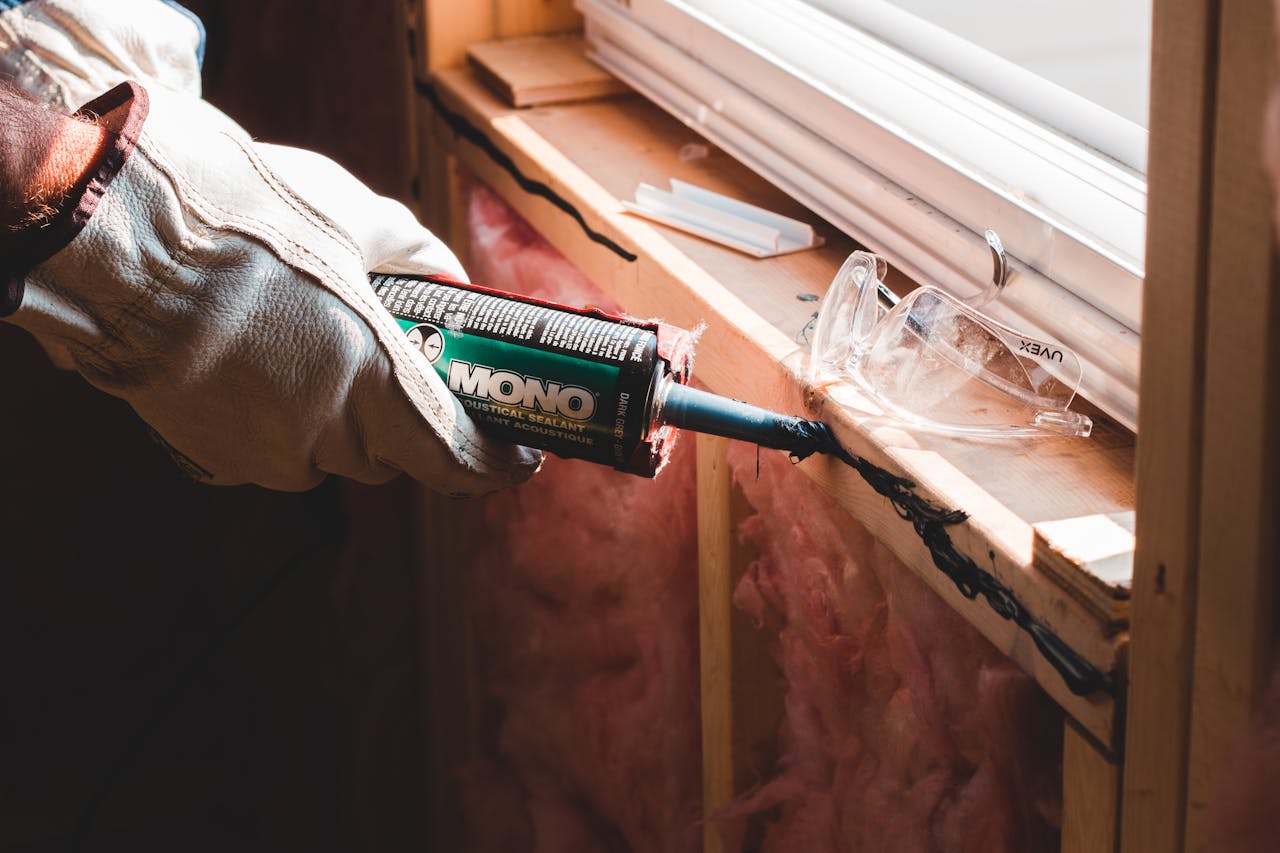
<p> Over time, gaps and cracks around windows and doors can cause drafts, leading to higher energy bills. Sealing these gaps is a simple and effective DIY project that can make a big difference in your home’s energy efficiency. Caulking and weatherstripping are inexpensive materials that can be applied easily with a caulking gun or adhesive strips. This is a great way to improve insulation, reduce drafts, and keep your home more comfortable, all while saving money on professional sealing services. </p> :: Pexels

Over time, gaps and cracks around windows and doors can cause drafts, leading to higher energy bills. Sealing these gaps is a simple and effective DIY project that can make a big difference in your home’s energy efficiency. Caulking and weatherstripping are inexpensive materials that can be applied easily with a caulking gun or adhesive strips. This is a great way to improve insulation, reduce drafts, and keep your home more comfortable, all while saving money on professional sealing services.

8. Creating Custom Storage Solutions

<p> If you’re struggling with clutter and lack of storage space, creating custom storage solutions can be a great DIY project. Whether it’s installing shelves, building storage boxes, or organizing your closet, there are plenty of ways to make your home more functional without hiring a professional. Custom storage solutions are a perfect way to utilize your space more efficiently, and they can often be completed with affordable materials from your local hardware store. Plus, you can tailor the design to your specific needs, ensuring that the storage works for your lifestyle. </p> :: Pexels

If you’re struggling with clutter and lack of storage space, creating custom storage solutions can be a great DIY project. Whether it’s installing shelves, building storage boxes, or organizing your closet, there are plenty of ways to make your home more functional without hiring a professional. Custom storage solutions are a perfect way to utilize your space more efficiently, and they can often be completed with affordable materials from your local hardware store. Plus, you can tailor the design to your specific needs, ensuring that the storage works for your lifestyle.

9. Re-grouting Your Tile Floors

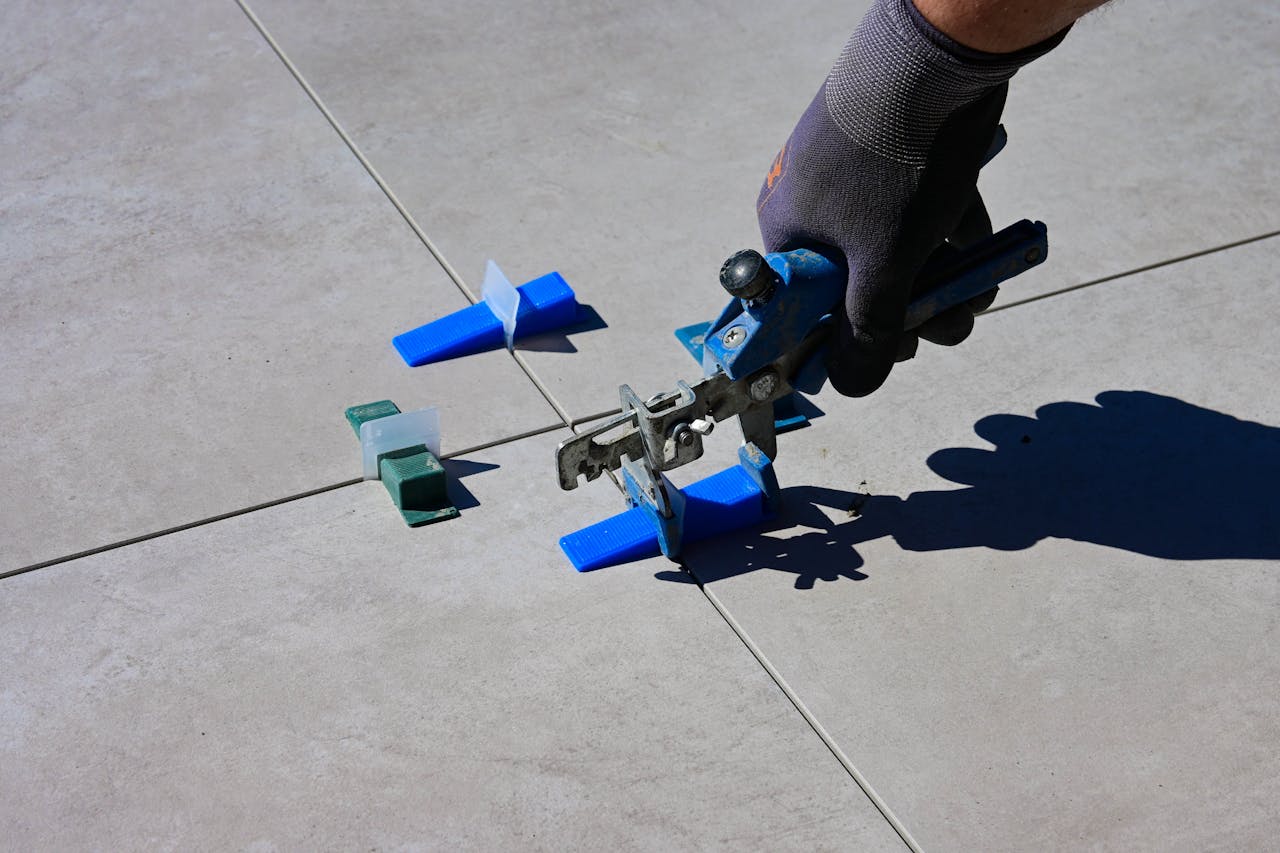
<p> Over time, the grout between tiles can become discolored or damaged, making your floors look worn and outdated. Re-grouting your tile floors is a relatively simple DIY task that can restore the beauty of your bathroom or kitchen floors. With a grout removal tool, new grout, and some elbow grease, you can tackle this project yourself. It’s a cost-effective way to refresh your floors and extend the life of your tile without having to pay for professional re-grouting services. </p> :: Pexels

Over time, the grout between tiles can become discolored or damaged, making your floors look worn and outdated. Re-grouting your tile floors is a relatively simple DIY task that can restore the beauty of your bathroom or kitchen floors. With a grout removal tool, new grout, and some elbow grease, you can tackle this project yourself. It’s a cost-effective way to refresh your floors and extend the life of your tile without having to pay for professional re-grouting services.

10. Installing a New Showerhead

<p> Upgrading your showerhead is a quick and easy DIY project that can improve your daily shower experience. Whether you’re replacing an old, worn-out showerhead or installing a new, water-efficient model, the process is usually straightforward and doesn’t require professional help. Most showerheads can be unscrewed and replaced with minimal tools, such as a wrench or pliers. By installing a new showerhead yourself, you can save on the cost of hiring a plumber while enjoying the benefits of better water pressure and efficiency. </p> :: Pexels

Upgrading your showerhead is a quick and easy DIY project that can improve your daily shower experience. Whether you’re replacing an old, worn-out showerhead or installing a new, water-efficient model, the process is usually straightforward and doesn’t require professional help. Most showerheads can be unscrewed and replaced with minimal tools, such as a wrench or pliers. By installing a new showerhead yourself, you can save on the cost of hiring a plumber while enjoying the benefits of better water pressure and efficiency.

Final Thoughts

<p> While hiring a professional can be necessary for certain tasks, there are many instances where your DIY skills are more than enough to get the job done. From simple repairs like fixing leaky faucets to larger projects like installing a backsplash, taking on these tasks yourself can save you money and provide a sense of accomplishment. With the right tools, some research, and a little practice, you’ll be amazed at what you can achieve on your own. So, next time you’re faced with a home improvement task, consider whether your DIY skills can get the job done better than hiring a pro! </p> :: Pexels

While hiring a professional can be necessary for certain tasks, there are many instances where your DIY skills are more than enough to get the job done. From simple repairs like fixing leaky faucets to larger projects like installing a backsplash, taking on these tasks yourself can save you money and provide a sense of accomplishment. With the right tools, some research, and a little practice, you’ll be amazed at what you can achieve on your own. So, next time you’re faced with a home improvement task, consider whether your DIY skills can get the job done better than hiring a pro!

Filed Under: Budgeting

11 Best Tea Blends Baby Boomers Love for Health, Relaxation, and Flavor

January 29, 2026 | Leave a Comment

11 Best Tea Blends Baby Boomers Love for Health, Relaxation, and Flavor

<p> Whether you're kicking off your day or winding down after a long one, a warm cup of tea has a way of offering comfort, calm, and even a few health benefits. For baby boomers looking to support wellness while savoring great flavor, certain tea blends stand out from the rest. From easing joint discomfort to boosting brainpower, these time-tested teas have earned their place in the cupboards of many health-conscious over-50s. So put the kettle on and settle in—here are 11 of the best tea blends baby boomers love for health, relaxation, and flavor. </p> :: Freepik

Whether you’re kicking off your day or winding down after a long one, a warm cup of tea has a way of offering comfort, calm, and even a few health benefits. For baby boomers looking to support wellness while savoring great flavor, certain tea blends stand out from the rest. From easing joint discomfort to boosting brainpower, these time-tested teas have earned their place in the cupboards of many health-conscious over-50s.

So put the kettle on and settle in—here are 11 of the best tea blends baby boomers love for health, relaxation, and flavor.

1. Chamomile Tea – The Go-To for Relaxation and Sleep

<p> Chamomile has been a favorite for generations—and for good reason. This floral, slightly sweet tea is known for its calming properties, making it perfect for bedtime or stressful afternoons. Chamomile helps relax the nervous system, reduce inflammation, and may even improve digestion. Many boomers swear by a nightly cup to help them fall asleep naturally, without any groggy side effects the next morning. </p> :: Pexels

Chamomile has been a favorite for generations—and for good reason. This floral, slightly sweet tea is known for its calming properties, making it perfect for bedtime or stressful afternoons. Chamomile helps relax the nervous system, reduce inflammation, and may even improve digestion. Many boomers swear by a nightly cup to help them fall asleep naturally, without any groggy side effects the next morning.

2. Green Tea – The Classic Antioxidant Powerhouse

<p> Green tea is one of the most studied teas in the world—and it's a top pick for those focused on aging gracefully. Packed with catechins (a type of antioxidant), green tea supports heart health, helps regulate cholesterol, and may even assist in maintaining brain function. For baby boomers aiming to stay mentally sharp and physically fit, a daily cup or two of green tea can be a refreshing health habit. </p> :: Freepik

Green tea is one of the most studied teas in the world—and it’s a top pick for those focused on aging gracefully. Packed with catechins (a type of antioxidant), green tea supports heart health, helps regulate cholesterol, and may even assist in maintaining brain function. For baby boomers aiming to stay mentally sharp and physically fit, a daily cup or two of green tea can be a refreshing health habit.

3. Peppermint Tea – Soothing and Digestive-Friendly

<p> Peppermint tea isn’t just invigorating—it’s also great for digestive issues like bloating, gas, or mild nausea. With its natural menthol content, peppermint helps relax the digestive tract and soothe muscle spasms. Many boomers enjoy this tea after meals as a gentle digestive aid. Bonus: the cool, minty aroma can also help ease tension headaches and promote clearer breathing. </p> :: Freepik

Peppermint tea isn’t just invigorating—it’s also great for digestive issues like bloating, gas, or mild nausea. With its natural menthol content, peppermint helps relax the digestive tract and soothe muscle spasms. Many boomers enjoy this tea after meals as a gentle digestive aid. Bonus: the cool, minty aroma can also help ease tension headaches and promote clearer breathing.


4. Ginger Tea – The Anti-Inflammatory Wonder

<p> Joint stiffness and aches come with the territory as we age, but ginger tea offers a tasty way to fight back. Known for its powerful anti-inflammatory properties, ginger helps ease arthritis symptoms and supports immune health. Its warm, zesty flavor also makes it a favorite during cold and flu season. Pair it with a touch of honey and lemon for a soothing, health-boosting treat. </p> :: Freepik

Joint stiffness and aches come with the territory as we age, but ginger tea offers a tasty way to fight back. Known for its powerful anti-inflammatory properties, ginger helps ease arthritis symptoms and supports immune health. Its warm, zesty flavor also makes it a favorite during cold and flu season. Pair it with a touch of honey and lemon for a soothing, health-boosting treat.

5. Turmeric Tea – Golden Goodness for the Joints

<p> Often referred to as “golden tea,” turmeric tea has gained popularity among boomers for its impressive ability to fight inflammation and support joint health. Curcumin, the active ingredient in turmeric, is believed to reduce stiffness and improve mobility. With a slightly earthy, peppery flavor, turmeric tea is especially enjoyable blended with ginger or cinnamon for extra warmth and health perks. </p> :: Freepik

Often referred to as “golden tea,” turmeric tea has gained popularity among boomers for its impressive ability to fight inflammation and support joint health. Curcumin, the active ingredient in turmeric, is believed to reduce stiffness and improve mobility. With a slightly earthy, peppery flavor, turmeric tea is especially enjoyable blended with ginger or cinnamon for extra warmth and health perks.

6. Rooibos Tea – Caffeine-Free and Full of Nutrients

<p> Hailing from South Africa, rooibos (pronounced “roy-boss”) is a naturally caffeine-free tea rich in antioxidants and minerals like magnesium and calcium. It’s particularly loved by boomers looking for a caffeine-free alternative that still packs a health punch. Rooibos has a smooth, slightly sweet flavor, and may help support heart health, blood sugar regulation, and bone density—making it a smart and tasty choice for aging well. </p> :: Freepik

Hailing from South Africa, rooibos (pronounced “roy-boss”) is a naturally caffeine-free tea rich in antioxidants and minerals like magnesium and calcium. It’s particularly loved by boomers looking for a caffeine-free alternative that still packs a health punch. Rooibos has a smooth, slightly sweet flavor, and may help support heart health, blood sugar regulation, and bone density—making it a smart and tasty choice for aging well.

7. Lavender Tea – The Herbal Hug in a Mug

<p> Lavender tea is like a spa treatment in a teacup. Known for its calming scent and gentle flavor, lavender promotes relaxation, helps reduce anxiety, and can improve sleep quality. For boomers juggling caregiving, part-time work, or grandparent duties, lavender tea can provide a well-deserved moment of peace. It also pairs well with chamomile or lemon balm for an even more calming blend. </p> :: Freepik

Lavender tea is like a spa treatment in a teacup. Known for its calming scent and gentle flavor, lavender promotes relaxation, helps reduce anxiety, and can improve sleep quality. For boomers juggling caregiving, part-time work, or grandparent duties, lavender tea can provide a well-deserved moment of peace. It also pairs well with chamomile or lemon balm for an even more calming blend.

8. Hibiscus Tea – The Heart Helper

<p> Bright red and tangy, hibiscus tea is a favorite for both its taste and its cardiovascular benefits. Studies show it can help lower blood pressure and reduce bad cholesterol levels—two big wins for heart health. Many boomers enjoy hibiscus tea over ice during the warmer months, but it’s just as delightful hot in the winter. With its bold color and refreshing zing, hibiscus is anything but boring. </p> :: Freepik

Bright red and tangy, hibiscus tea is a favorite for both its taste and its cardiovascular benefits. Studies show it can help lower blood pressure and reduce bad cholesterol levels—two big wins for heart health. Many boomers enjoy hibiscus tea over ice during the warmer months, but it’s just as delightful hot in the winter. With its bold color and refreshing zing, hibiscus is anything but boring.

9. Licorice Root Tea – Naturally Sweet and Throat-Soothing

<p> Licorice root tea is naturally sweet (without sugar) and known for its soothing effect on sore throats and digestive discomfort. While it's not everyone’s cup of tea flavor-wise, many baby boomers love it for its support of adrenal health and its ability to ease acid reflux. Just be sure to enjoy it in moderation—too much licorice can raise blood pressure in some people, so talk to your doctor if you’re on medication. </p> :: DALL-E

Licorice root tea is naturally sweet (without sugar) and known for its soothing effect on sore throats and digestive discomfort. While it’s not everyone’s cup of tea flavor-wise, many baby boomers love it for its support of adrenal health and its ability to ease acid reflux. Just be sure to enjoy it in moderation—too much licorice can raise blood pressure in some people, so talk to your doctor if you’re on medication.

10. Oolong Tea – The Balanced Brew

<p> Oolong tea offers a happy medium between green and black tea in both flavor and caffeine content. It has a floral, slightly toasty profile and contains a mix of antioxidants that may support metabolism, brain function, and bone health. Baby boomers looking to keep energy up without the jitters often turn to oolong for its gentle buzz and long-lasting benefits. </p> :: Freepik

Oolong tea offers a happy medium between green and black tea in both flavor and caffeine content. It has a floral, slightly toasty profile and contains a mix of antioxidants that may support metabolism, brain function, and bone health. Baby boomers looking to keep energy up without the jitters often turn to oolong for its gentle buzz and long-lasting benefits.

11. Lemon Balm Tea – Mood Lifter and Memory Booster

<p> Lemon balm is part of the mint family, but with a lemony twist and a history rooted in stress relief. It’s particularly well-loved by boomers for its potential to support memory, ease anxiety, and uplift mood. This gentle herb can also promote sleep and calm digestive woes. With its light, citrusy flavor, lemon balm tea is both refreshing and relaxing—perfect for any time of day. </p> :: Freepik

Lemon balm is part of the mint family, but with a lemony twist and a history rooted in stress relief. It’s particularly well-loved by boomers for its potential to support memory, ease anxiety, and uplift mood. This gentle herb can also promote sleep and calm digestive woes. With its light, citrusy flavor, lemon balm tea is both refreshing and relaxing—perfect for any time of day.

Final Thoughts

<p> There’s something deeply comforting about sipping tea—and even more so when you know it’s doing your body and mind some good. Whether you're reaching for chamomile before bed, green tea in the morning, or turmeric to ease your joints, there’s a blend that fits perfectly into your lifestyle. For baby boomers, tea offers a simple, affordable, and enjoyable way to support health and well-being—without the need for pills or complicated routines. So why not stock up on a few of these favorites, brew a pot, and enjoy a moment of wellness one sip at a time? </p> :: Freepik

There’s something deeply comforting about sipping tea—and even more so when you know it’s doing your body and mind some good. Whether you’re reaching for chamomile before bed, green tea in the morning, or turmeric to ease your joints, there’s a blend that fits perfectly into your lifestyle.

For baby boomers, tea offers a simple, affordable, and enjoyable way to support health and well-being—without the need for pills or complicated routines. So why not stock up on a few of these favorites, brew a pot, and enjoy a moment of wellness one sip at a time?

Filed Under: Food & Drink

11 Items That Hike Up Your Electricity Bill—And How to Avoid Them

January 29, 2026 | Leave a Comment

11 Items That Hike Up Your Electricity Bill—And How to Avoid Them

<p> Electricity bills can often come as a surprise, with charges that seem to rise higher and higher each month. We all rely on electricity to power our homes, but many of us don’t realize how much energy we’re wasting by using certain items inefficiently. While some appliances are essential for daily life, they can also be major contributors to your energy consumption. The good news is that by identifying these energy-hungry devices and making simple changes, you can significantly lower your electricity bill. In this article, we’ll explore 11 common items that hike up your electricity bill and provide practical solutions to avoid unnecessary energy consumption. </p> :: Pexels

Electricity bills can often come as a surprise, with charges that seem to rise higher and higher each month. We all rely on electricity to power our homes, but many of us don’t realize how much energy we’re wasting by using certain items inefficiently. While some appliances are essential for daily life, they can also be major contributors to your energy consumption. The good news is that by identifying these energy-hungry devices and making simple changes, you can significantly lower your electricity bill. In this article, we’ll explore 11 common items that hike up your electricity bill and provide practical solutions to avoid unnecessary energy consumption.

1. Air Conditioners

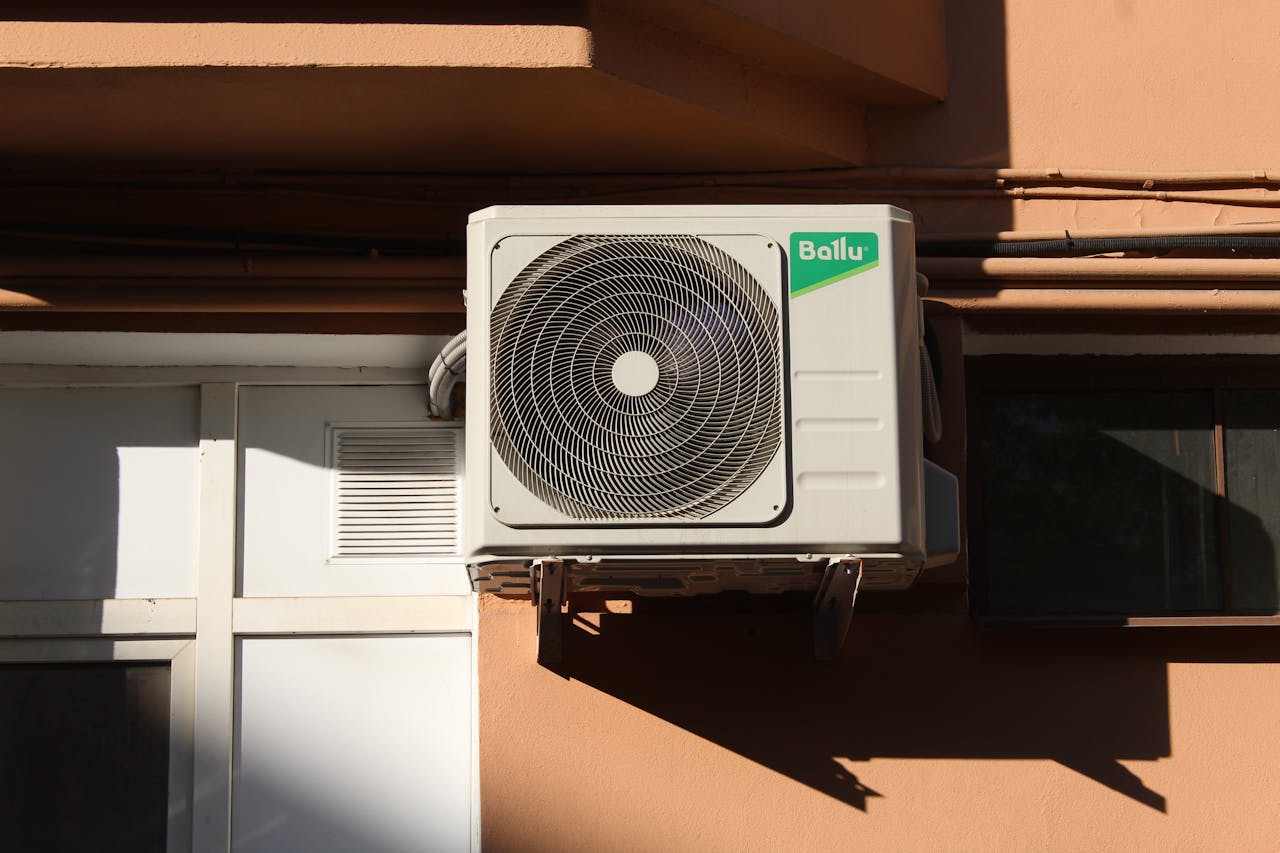
<p> Air conditioners are one of the biggest energy consumers in most homes, especially during the summer months when they’re used regularly. Cooling your entire home or even just a single room requires a significant amount of electricity. When an air conditioner is not used efficiently, it can quickly drive up your electricity costs. To reduce energy consumption, ensure that your AC unit is regularly serviced and cleaned. Dirty filters and blocked vents make your AC work harder, consuming more energy. Additionally, consider using a programmable thermostat to adjust the temperature when you’re not home or while you’re sleeping. Raising the temperature by a few degrees can make a huge difference in your monthly bill. You can also seal gaps around windows and doors to prevent cool air from escaping, ensuring your AC works more efficiently. </p> :: Pexels

Air conditioners are one of the biggest energy consumers in most homes, especially during the summer months when they’re used regularly. Cooling your entire home or even just a single room requires a significant amount of electricity. When an air conditioner is not used efficiently, it can quickly drive up your electricity costs. To reduce energy consumption, ensure that your AC unit is regularly serviced and cleaned. Dirty filters and blocked vents make your AC work harder, consuming more energy. Additionally, consider using a programmable thermostat to adjust the temperature when you’re not home or while you’re sleeping. Raising the temperature by a few degrees can make a huge difference in your monthly bill. You can also seal gaps around windows and doors to prevent cool air from escaping, ensuring your AC works more efficiently.

2. Electric Water Heaters

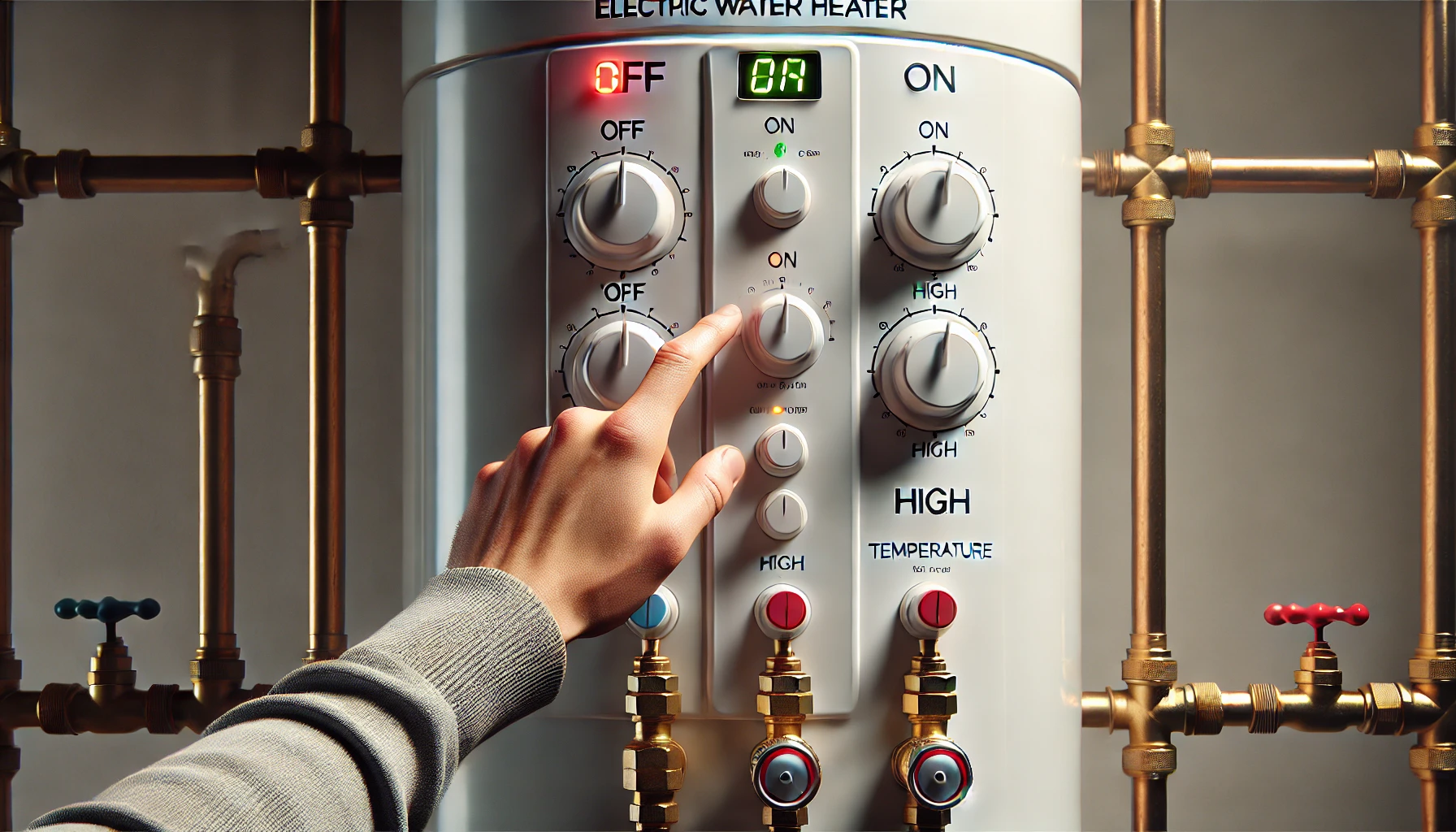
<p> Water heaters are responsible for providing hot water for showers, washing dishes, and other household tasks, but they can also be a major drain on your electricity bill. Heating water uses a lot of energy, especially if the temperature is set too high. If your water heater is set to a high temperature, it will constantly use more energy to maintain that heat. To reduce your water heating costs, lower the thermostat on your water heater to 120°F (49°C), which is typically sufficient for most household needs. If you have a tank-style water heater, consider insulating the tank and the pipes to prevent heat loss. This will help maintain the temperature for longer, reducing the need for your heater to constantly turn on. </p> DALL-E

Water heaters are responsible for providing hot water for showers, washing dishes, and other household tasks, but they can also be a major drain on your electricity bill. Heating water uses a lot of energy, especially if the temperature is set too high. If your water heater is set to a high temperature, it will constantly use more energy to maintain that heat. To reduce your water heating costs, lower the thermostat on your water heater to 120°F (49°C), which is typically sufficient for most household needs. If you have a tank-style water heater, consider insulating the tank and the pipes to prevent heat loss. This will help maintain the temperature for longer, reducing the need for your heater to constantly turn on.

3. Refrigerators and Freezers

<p> Refrigerators and freezers run 24/7, making them one of the largest contributors to your electricity consumption. While these appliances are essential, older models tend to consume far more energy than newer, energy-efficient models. To reduce energy consumption, check that your fridge is set to the optimal temperature—37°F (3°C) for the refrigerator and 0°F (-18°C) for the freezer. Regularly clean the coils on the back of the fridge to ensure it’s running efficiently. If your refrigerator is over 10 years old, it might be worth upgrading to a more energy-efficient model, as modern refrigerators use much less electricity. Additionally, avoid leaving the fridge door open for extended periods, as this causes the appliance to work harder to maintain the desired temperature. </p> :: Pexels

Refrigerators and freezers run 24/7, making them one of the largest contributors to your electricity consumption. While these appliances are essential, older models tend to consume far more energy than newer, energy-efficient models. To reduce energy consumption, check that your fridge is set to the optimal temperature—37°F (3°C) for the refrigerator and 0°F (-18°C) for the freezer. Regularly clean the coils on the back of the fridge to ensure it’s running efficiently. If your refrigerator is over 10 years old, it might be worth upgrading to a more energy-efficient model, as modern refrigerators use much less electricity. Additionally, avoid leaving the fridge door open for extended periods, as this causes the appliance to work harder to maintain the desired temperature.

4. Clothes Dryers

<p> Clothes dryers are incredibly convenient, but they are also one of the biggest energy consumers in the home. The high heat required to dry clothes can consume a lot of electricity, especially if you use the dryer frequently or for small loads. To reduce energy consumption, try air-drying clothes when possible, especially during warmer months. If you do need to use the dryer, always dry full loads and clean the lint filter before every cycle to improve efficiency. Consider switching to a dryer with a moisture sensor, which will automatically stop the cycle when your clothes are dry, preventing unnecessary energy use. Additionally, avoid over-drying clothes, as this wastes energy and can shorten the lifespan of your clothes. </p> :: Pexels

Clothes dryers are incredibly convenient, but they are also one of the biggest energy consumers in the home. The high heat required to dry clothes can consume a lot of electricity, especially if you use the dryer frequently or for small loads. To reduce energy consumption, try air-drying clothes when possible, especially during warmer months. If you do need to use the dryer, always dry full loads and clean the lint filter before every cycle to improve efficiency. Consider switching to a dryer with a moisture sensor, which will automatically stop the cycle when your clothes are dry, preventing unnecessary energy use. Additionally, avoid over-drying clothes, as this wastes energy and can shorten the lifespan of your clothes.

5. Lighting

<p> Lighting is an essential part of any home, but inefficient lighting can quickly add up on your electricity bill. Traditional incandescent bulbs are particularly energy-hungry, consuming more power and burning out faster than energy-efficient alternatives. To reduce your lighting costs, switch to LED or CFL bulbs, which use up to 80% less energy and last much longer than incandescent bulbs. Additionally, make it a habit to turn off lights when you leave a room, and take advantage of natural daylight whenever possible. Installing motion sensors in areas like hallways or bathrooms can also ensure that lights are only on when needed. By making these simple changes, you can significantly reduce your lighting-related energy consumption. </p> :: Pexels

Lighting is an essential part of any home, but inefficient lighting can quickly add up on your electricity bill. Traditional incandescent bulbs are particularly energy-hungry, consuming more power and burning out faster than energy-efficient alternatives. To reduce your lighting costs, switch to LED or CFL bulbs, which use up to 80% less energy and last much longer than incandescent bulbs. Additionally, make it a habit to turn off lights when you leave a room, and take advantage of natural daylight whenever possible. Installing motion sensors in areas like hallways or bathrooms can also ensure that lights are only on when needed. By making these simple changes, you can significantly reduce your lighting-related energy consumption.

6. Television and Entertainment Systems

<p> Televisions, gaming consoles, and home entertainment systems can consume a surprising amount of electricity, especially if they are left on standby mode or run for extended periods. While it’s easy to leave electronics on when you’re not using them, this standby power, also known as "vampire power," can add up over time. To save energy, make sure to turn off your TV, gaming consoles, and other entertainment devices when not in use. Unplugging devices or using a power strip to turn off multiple electronics at once can help eliminate standby power. Additionally, consider upgrading to energy-efficient models, such as LED TVs or smart TVs with energy-saving settings, which use less power than older models. </p> :: Pexels

Televisions, gaming consoles, and home entertainment systems can consume a surprising amount of electricity, especially if they are left on standby mode or run for extended periods. While it’s easy to leave electronics on when you’re not using them, this standby power, also known as “vampire power,” can add up over time. To save energy, make sure to turn off your TV, gaming consoles, and other entertainment devices when not in use. Unplugging devices or using a power strip to turn off multiple electronics at once can help eliminate standby power. Additionally, consider upgrading to energy-efficient models, such as LED TVs or smart TVs with energy-saving settings, which use less power than older models.

7. Dishwashers

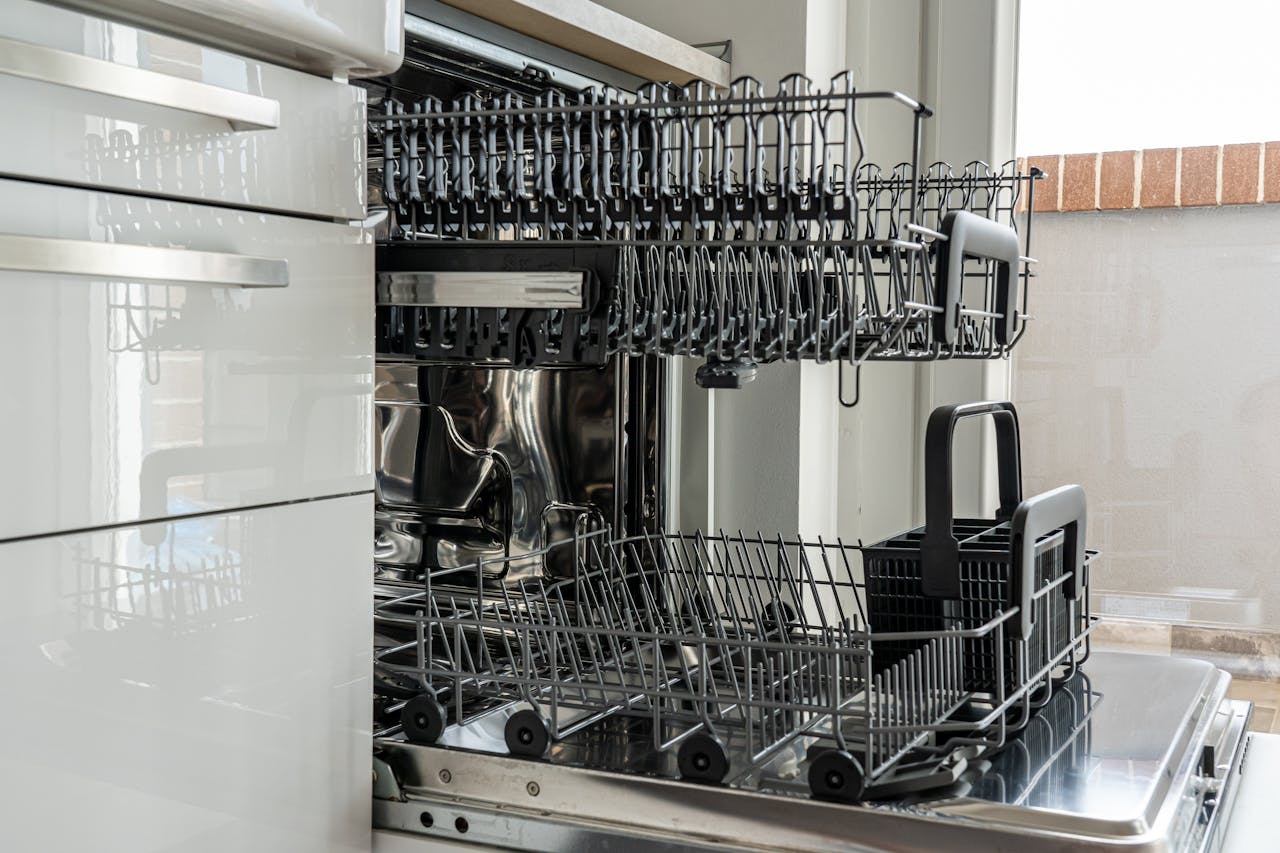
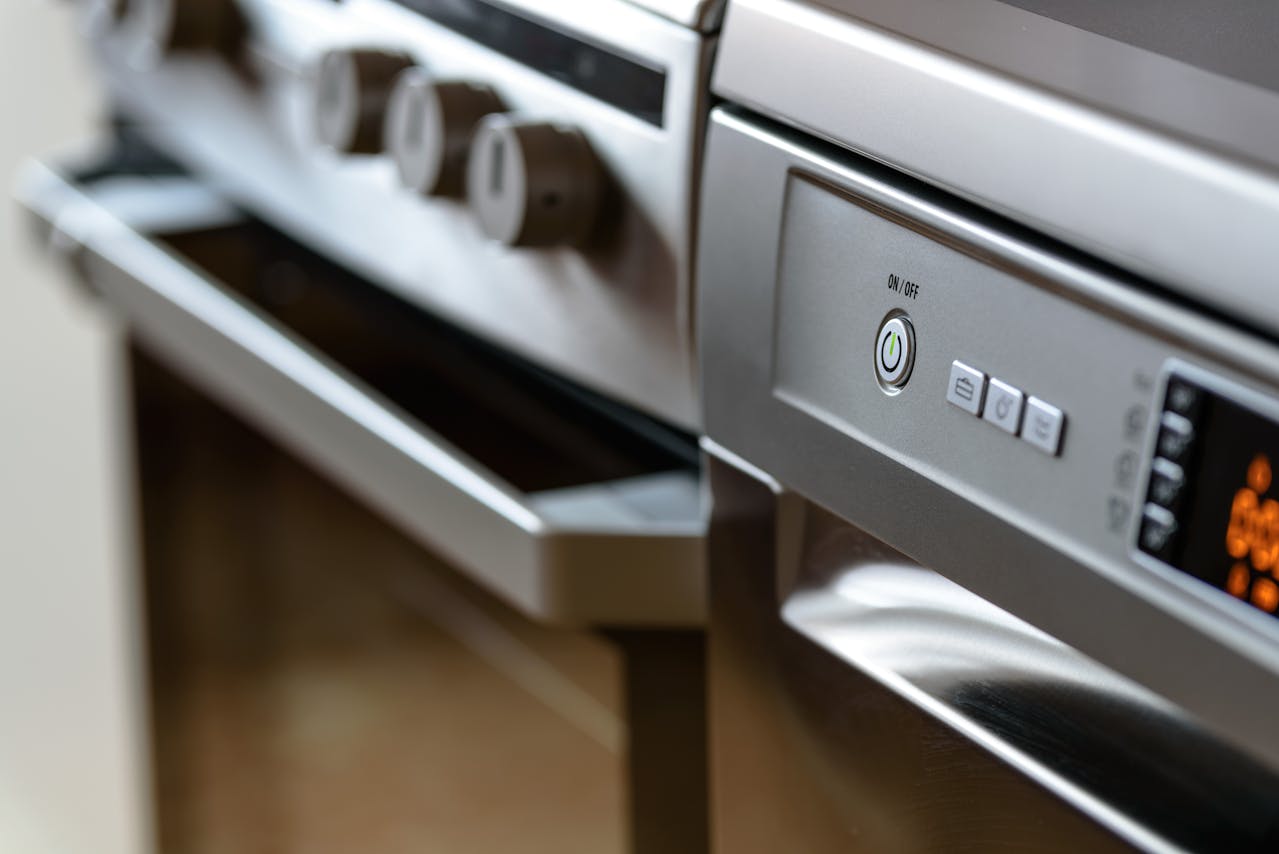
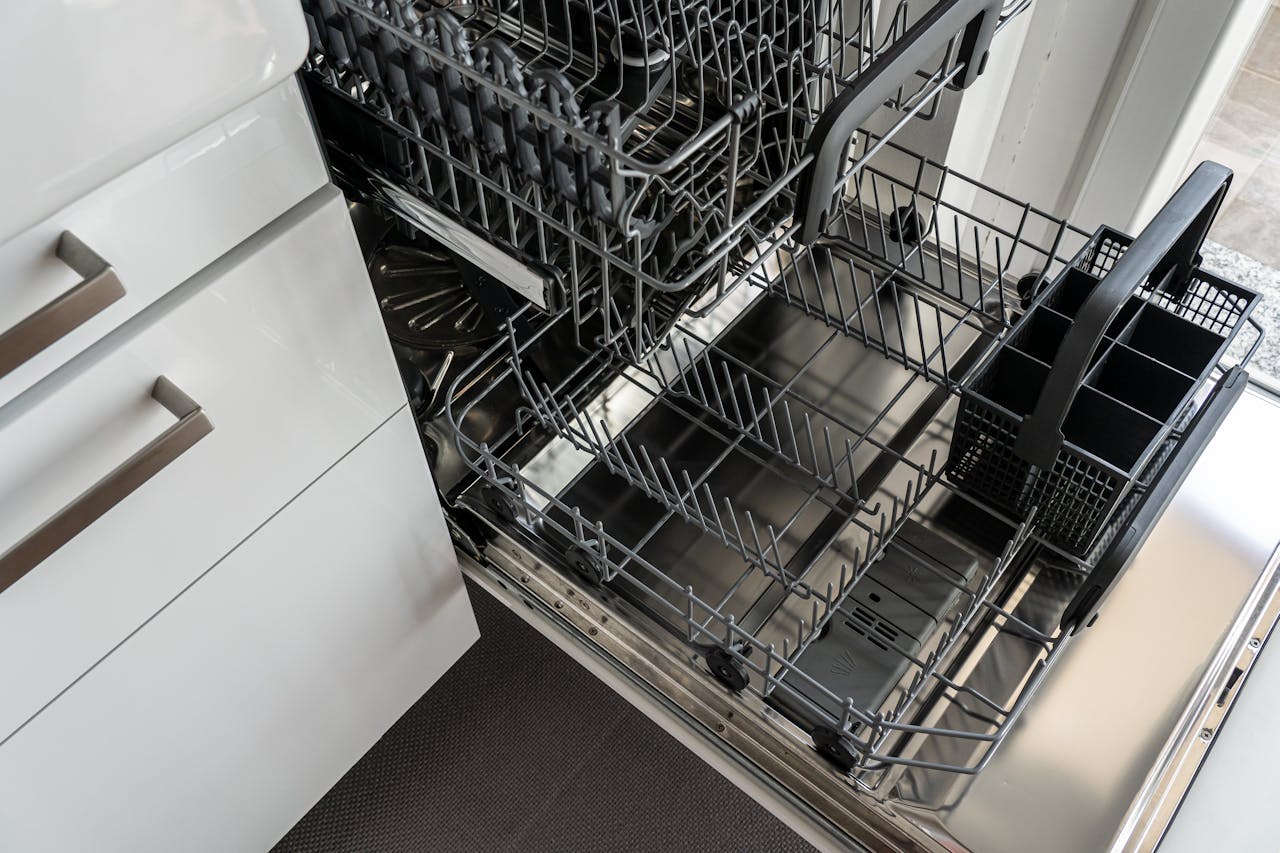
<p> Dishwashers are another appliance that can consume a significant amount of electricity if not used efficiently. While they are convenient, many dishwashers use a lot of water and electricity, especially when running partial loads or using the heated drying cycle. To reduce energy consumption, only run your dishwasher when it’s full to maximize efficiency. Choose the eco-friendly wash cycle, which uses less water and energy, and skip the heated drying cycle by allowing your dishes to air-dry instead. If you don’t have a dishwasher, washing dishes by hand with a small amount of water can be more energy-efficient than using an electric dishwasher. </p> :: Pexels

Dishwashers are another appliance that can consume a significant amount of electricity if not used efficiently. While they are convenient, many dishwashers use a lot of water and electricity, especially when running partial loads or using the heated drying cycle. To reduce energy consumption, only run your dishwasher when it’s full to maximize efficiency. Choose the eco-friendly wash cycle, which uses less water and energy, and skip the heated drying cycle by allowing your dishes to air-dry instead. If you don’t have a dishwasher, washing dishes by hand with a small amount of water can be more energy-efficient than using an electric dishwasher.

8. Space Heaters

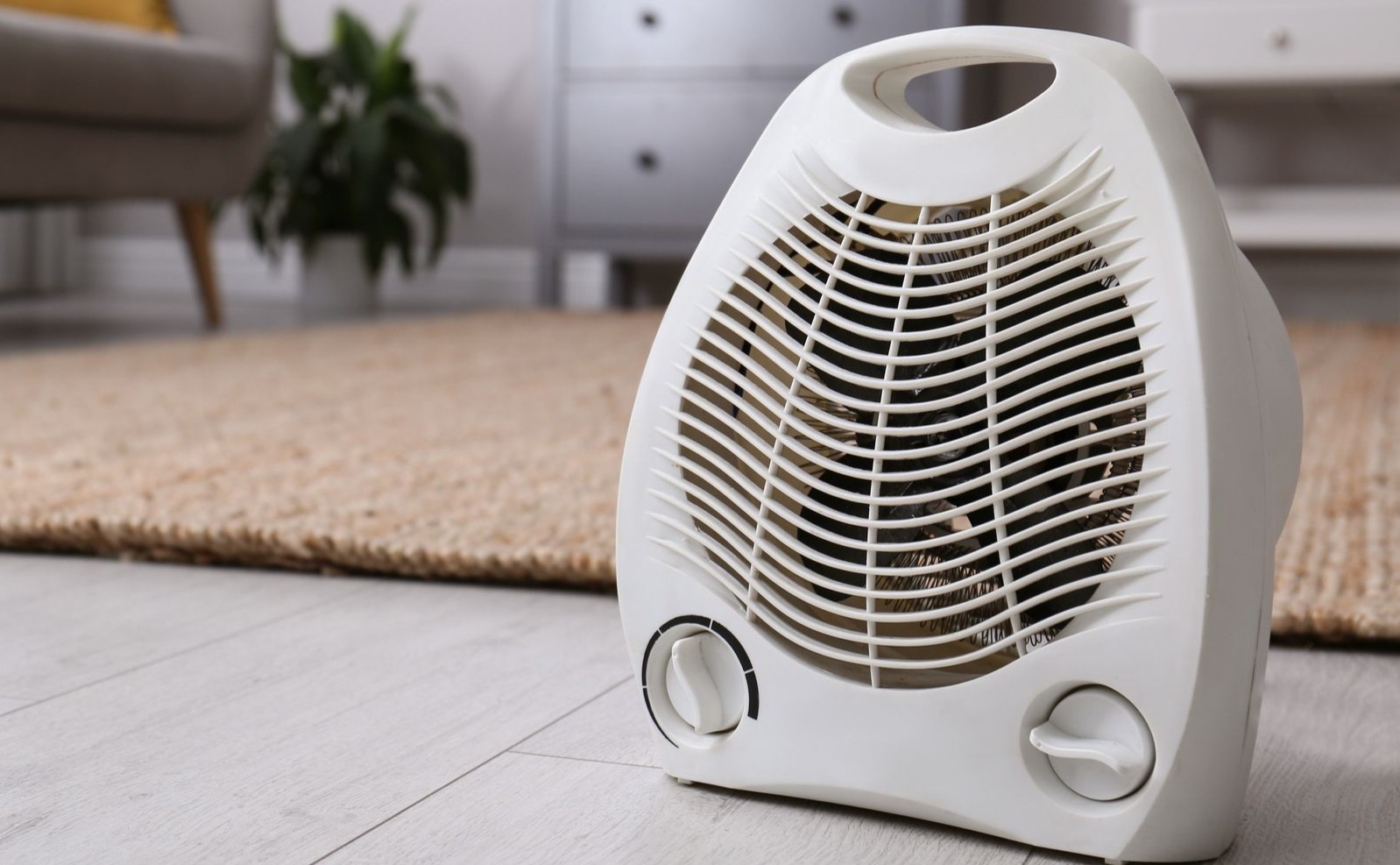
<p> Space heaters are often used to warm individual rooms or smaller areas, but they can be a major drain on your electricity bill. While they may seem like an easy solution for staying warm, space heaters tend to use a lot of power, especially if used frequently. To avoid excessive costs, use space heaters only in rooms where you spend the most time. Ensure the heater is the appropriate size for the room, as an undersized heater will need to work harder to heat the space. Additionally, keep windows and doors closed to prevent heat from escaping, and use a timer to turn the heater off after a set period. For long-term savings, consider upgrading to a more energy-efficient heating system, such as a heat pump or a central heating system with a programmable thermostat. </p> :: Liudmila Chernetska / Getty Images

Space heaters are often used to warm individual rooms or smaller areas, but they can be a major drain on your electricity bill. While they may seem like an easy solution for staying warm, space heaters tend to use a lot of power, especially if used frequently. To avoid excessive costs, use space heaters only in rooms where you spend the most time. Ensure the heater is the appropriate size for the room, as an undersized heater will need to work harder to heat the space. Additionally, keep windows and doors closed to prevent heat from escaping, and use a timer to turn the heater off after a set period. For long-term savings, consider upgrading to a more energy-efficient heating system, such as a heat pump or a central heating system with a programmable thermostat.

9. Computers and Laptops

<p> Computers, especially desktop models, can be significant energy consumers, particularly when left running for long periods. Many people leave their computers on overnight or forget to turn them off, which wastes electricity. To reduce power consumption, turn off your computer when not in use or use power-saving settings, such as sleep or hibernate mode, to conserve energy. Laptops generally consume less power than desktops, so if you’re looking for a more energy-efficient option, consider switching to a laptop for everyday tasks. If you need to leave your computer on for work or other reasons, try using a smart power strip to cut off power when it’s not needed. </p> :: Pexels

Computers, especially desktop models, can be significant energy consumers, particularly when left running for long periods. Many people leave their computers on overnight or forget to turn them off, which wastes electricity. To reduce power consumption, turn off your computer when not in use or use power-saving settings, such as sleep or hibernate mode, to conserve energy. Laptops generally consume less power than desktops, so if you’re looking for a more energy-efficient option, consider switching to a laptop for everyday tasks. If you need to leave your computer on for work or other reasons, try using a smart power strip to cut off power when it’s not needed.

10. Microwaves

<p> Microwaves are a quick and convenient way to heat food, but they are also energy-intensive appliances. The high power required to cook food in a microwave can cause a spike in your electricity bill, especially if used frequently. To reduce energy consumption, use the microwave for small tasks, such as reheating leftovers or defrosting frozen food, rather than for large meals. When cooking larger dishes, consider using the stove or oven, which may be more energy-efficient. Additionally, keep your microwave clean to ensure it operates efficiently, as a dirty appliance can consume more energy than a clean one. </p> :: Pexels

Microwaves are a quick and convenient way to heat food, but they are also energy-intensive appliances. The high power required to cook food in a microwave can cause a spike in your electricity bill, especially if used frequently. To reduce energy consumption, use the microwave for small tasks, such as reheating leftovers or defrosting frozen food, rather than for large meals. When cooking larger dishes, consider using the stove or oven, which may be more energy-efficient. Additionally, keep your microwave clean to ensure it operates efficiently, as a dirty appliance can consume more energy than a clean one.

11. Smart Devices and Home Automation Systems

<p> Smart devices, such as voice assistants, smart thermostats, and home automation systems, are becoming increasingly popular in modern homes. While they offer convenience and energy-saving features, they can also increase your electricity bill if not managed properly. Many smart devices remain plugged in and consume energy even when they’re not actively being used. To avoid unnecessary energy consumption, make sure to turn off or unplug devices when they’re not in use. Most smart devices have energy-saving modes that can help reduce power usage, so be sure to take advantage of these features. Additionally, set up routines or schedules for devices like smart thermostats and lights to ensure they’re only active when necessary. </p> :: Pexels

Smart devices, such as voice assistants, smart thermostats, and home automation systems, are becoming increasingly popular in modern homes. While they offer convenience and energy-saving features, they can also increase your electricity bill if not managed properly. Many smart devices remain plugged in and consume energy even when they’re not actively being used. To avoid unnecessary energy consumption, make sure to turn off or unplug devices when they’re not in use. Most smart devices have energy-saving modes that can help reduce power usage, so be sure to take advantage of these features. Additionally, set up routines or schedules for devices like smart thermostats and lights to ensure they’re only active when necessary.

Final Thoughts

<p> Managing your electricity bill doesn’t have to be difficult. By being mindful of the appliances and devices that consume the most energy, you can make small changes that lead to big savings. From adjusting the thermostat on your air conditioner to switching to energy-efficient lighting, every step you take will help lower your electricity costs and reduce your environmental impact. Start implementing these energy-saving strategies today, and watch your electricity bill shrink over time. Not only will you save money, but you’ll also contribute to a more sustainable future. </p> :: Pexels

Managing your electricity bill doesn’t have to be difficult. By being mindful of the appliances and devices that consume the most energy, you can make small changes that lead to big savings. From adjusting the thermostat on your air conditioner to switching to energy-efficient lighting, every step you take will help lower your electricity costs and reduce your environmental impact. Start implementing these energy-saving strategies today, and watch your electricity bill shrink over time. Not only will you save money, but you’ll also contribute to a more sustainable future.

Filed Under: Budgeting

8 Signs You’re Not Drinking Enough Water (And How to Fix It)

January 29, 2026 | Leave a Comment

8 Signs You’re Not Drinking Enough Water (And How to Fix It)

<p> Water is essential for life, yet many people don’t drink enough of it every day. From regulating body temperature to supporting cell function, water is vital for nearly every process in the body. Unfortunately, dehydration is common and can have a significant impact on your health. If you find yourself feeling sluggish, experiencing headaches, or noticing dry skin, these could be signs that you're not drinking enough water. Here are eight signs you might be dehydrated and tips on how to fix it. </p> :: Pexels

Water is essential for life, yet many people don’t drink enough of it every day. From regulating body temperature to supporting cell function, water is vital for nearly every process in the body. Unfortunately, dehydration is common and can have a significant impact on your health. If you find yourself feeling sluggish, experiencing headaches, or noticing dry skin, these could be signs that you’re not drinking enough water. Here are eight signs you might be dehydrated and tips on how to fix it.

1. You Feel Constantly Thirsty

<p> Feeling thirsty throughout the day is one of the most obvious signs that you're not drinking enough water. Thirst is your body's way of signaling that it needs hydration, and ignoring it can lead to more serious health issues. If you find yourself reaching for sugary or caffeinated drinks instead of water, you may not be quenching your body's real need for hydration. To fix this, make water your go-to drink. Carry a reusable water bottle with you, set reminders to drink, and make sure to hydrate regularly throughout the day. Keeping a water bottle nearby will help you stay on track and avoid dehydration. </p> :: Pexels

Feeling thirsty throughout the day is one of the most obvious signs that you’re not drinking enough water. Thirst is your body’s way of signaling that it needs hydration, and ignoring it can lead to more serious health issues. If you find yourself reaching for sugary or caffeinated drinks instead of water, you may not be quenching your body’s real need for hydration.

To fix this, make water your go-to drink. Carry a reusable water bottle with you, set reminders to drink, and make sure to hydrate regularly throughout the day. Keeping a water bottle nearby will help you stay on track and avoid dehydration.

2. Your Skin Is Dry and Flaky

<p> Your skin is the body's largest organ, and it requires plenty of water to stay healthy and hydrated. If you're dehydrated, your skin can become dry, flaky, and prone to irritation. This is because your body redirects water to more vital functions, leaving your skin without the hydration it needs. To fix this, increase your water intake and use a good moisturizer to lock in moisture. Drinking water consistently will improve your skin’s appearance and texture over time, helping it stay soft, supple, and glowing. Don't forget to apply sunscreen as well, as hydrated skin is better protected from sun damage. </p> :: Pexels

Your skin is the body’s largest organ, and it requires plenty of water to stay healthy and hydrated. If you’re dehydrated, your skin can become dry, flaky, and prone to irritation. This is because your body redirects water to more vital functions, leaving your skin without the hydration it needs.

To fix this, increase your water intake and use a good moisturizer to lock in moisture. Drinking water consistently will improve your skin’s appearance and texture over time, helping it stay soft, supple, and glowing. Don’t forget to apply sunscreen as well, as hydrated skin is better protected from sun damage.

3. You’re Frequently Tired or Fatigued

<p> Fatigue is another common sign of dehydration. When you're not getting enough water, your blood volume decreases, which can lead to lower energy levels and feelings of tiredness. Dehydration can also make it harder for your body to regulate its temperature, leaving you feeling sluggish and drained. To fix this, try drinking water throughout the day and avoid relying on caffeine to stay awake. Aim to drink a glass of water every hour to keep your energy levels up and your body functioning at its best. If you feel tired during the day, a glass of water may be all it takes to boost your energy and alertness. </p> :: Pexels

Fatigue is another common sign of dehydration. When you’re not getting enough water, your blood volume decreases, which can lead to lower energy levels and feelings of tiredness. Dehydration can also make it harder for your body to regulate its temperature, leaving you feeling sluggish and drained.

To fix this, try drinking water throughout the day and avoid relying on caffeine to stay awake. Aim to drink a glass of water every hour to keep your energy levels up and your body functioning at its best. If you feel tired during the day, a glass of water may be all it takes to boost your energy and alertness.

4. You Have Trouble Concentrating

<p> Dehydration can affect your brain's ability to focus, leading to difficulty concentrating and mental fatigue. When you're dehydrated, the brain doesn’t get enough water to function optimally, which can impair cognitive performance. If you find yourself struggling to stay focused at work or school, it could be a sign that you need more water. To fix this, try drinking water before starting tasks that require concentration, and keep a water bottle nearby to stay hydrated throughout the day. You’ll find that your mental clarity improves as your hydration levels rise. Hydrated brains perform better, so staying hydrated is key for optimal brain function. </p> :: Pexels

Dehydration can affect your brain’s ability to focus, leading to difficulty concentrating and mental fatigue. When you’re dehydrated, the brain doesn’t get enough water to function optimally, which can impair cognitive performance. If you find yourself struggling to stay focused at work or school, it could be a sign that you need more water.

To fix this, try drinking water before starting tasks that require concentration, and keep a water bottle nearby to stay hydrated throughout the day. You’ll find that your mental clarity improves as your hydration levels rise. Hydrated brains perform better, so staying hydrated is key for optimal brain function.

5. Your Urine Is Dark Yellow or Has a Strong Odor

<p> The color and smell of your urine are great indicators of your hydration levels. When you’re well-hydrated, your urine should be light yellow or clear. Dark yellow urine or urine with a strong odor are signs of dehydration, as your body is trying to conserve water. To fix this, drink more water throughout the day. Aim to drink enough water to keep your urine a pale yellow color, which indicates proper hydration. You can also monitor the frequency of urination; if you’re not going to the bathroom often, it’s another sign you may need more water. Drinking water regularly will help keep your urine clear and odor-free. </p> :: Pexels

The color and smell of your urine are great indicators of your hydration levels. When you’re well-hydrated, your urine should be light yellow or clear. Dark yellow urine or urine with a strong odor are signs of dehydration, as your body is trying to conserve water.

To fix this, drink more water throughout the day. Aim to drink enough water to keep your urine a pale yellow color, which indicates proper hydration. You can also monitor the frequency of urination; if you’re not going to the bathroom often, it’s another sign you may need more water. Drinking water regularly will help keep your urine clear and odor-free.

6. You Get Frequent Headaches

<p> Dehydration can cause headaches or migraines, as your brain temporarily shrinks from fluid loss, leading to pain. If you’re frequently experiencing headaches, it could be a sign that you’re not drinking enough water. Headaches caused by dehydration can be intense and may worsen if left untreated. To fix this, stay ahead of dehydration by drinking water regularly. If you already have a headache, drinking water can help alleviate the pain, so try to drink a glass of water as soon as you feel a headache coming on. Drinking water consistently throughout the day can help prevent dehydration-related headaches from occurring in the first place. </p> :: Pexels

Dehydration can cause headaches or migraines, as your brain temporarily shrinks from fluid loss, leading to pain. If you’re frequently experiencing headaches, it could be a sign that you’re not drinking enough water. Headaches caused by dehydration can be intense and may worsen if left untreated.

To fix this, stay ahead of dehydration by drinking water regularly. If you already have a headache, drinking water can help alleviate the pain, so try to drink a glass of water as soon as you feel a headache coming on. Drinking water consistently throughout the day can help prevent dehydration-related headaches from occurring in the first place.

7. You’re Constipated

<p> Water plays a crucial role in digestion and helps to keep things moving in your digestive system. If you’re not drinking enough water, your body may struggle to pass stool, leading to constipation. Dehydration causes the colon to absorb more water from waste, making it harder for stool to pass through. To fix this, drink plenty of water to keep your digestive system functioning smoothly. You can also eat water-rich foods like fruits and vegetables, which can help prevent constipation and keep your bowels regular. Staying hydrated is essential for maintaining a healthy digestive system and preventing uncomfortable constipation. </p> :: Pexels

Water plays a crucial role in digestion and helps to keep things moving in your digestive system. If you’re not drinking enough water, your body may struggle to pass stool, leading to constipation. Dehydration causes the colon to absorb more water from waste, making it harder for stool to pass through.

To fix this, drink plenty of water to keep your digestive system functioning smoothly. You can also eat water-rich foods like fruits and vegetables, which can help prevent constipation and keep your bowels regular. Staying hydrated is essential for maintaining a healthy digestive system and preventing uncomfortable constipation.

8. Your Mouth Feels Dry or Sticky

<p> A dry or sticky mouth is a clear sign that your body is lacking sufficient hydration. Saliva production decreases when you're dehydrated, leading to a dry mouth, bad breath, and difficulty swallowing. If you notice your mouth feeling dry even after eating or drinking, it’s time to drink more water. To fix this, try sipping water regularly throughout the day, especially if you’re in a hot environment or engaging in physical activity. Keeping your mouth moist will not only improve your comfort but also help maintain oral health by preventing cavities, bad breath, and other oral issues caused by dehydration. </p> :: Pexels

A dry or sticky mouth is a clear sign that your body is lacking sufficient hydration. Saliva production decreases when you’re dehydrated, leading to a dry mouth, bad breath, and difficulty swallowing. If you notice your mouth feeling dry even after eating or drinking, it’s time to drink more water.

To fix this, try sipping water regularly throughout the day, especially if you’re in a hot environment or engaging in physical activity. Keeping your mouth moist will not only improve your comfort but also help maintain oral health by preventing cavities, bad breath, and other oral issues caused by dehydration.

Final Thoughts

Staying hydrated is crucial for your overall health and well-being. If you’re experiencing any of the signs of dehydration listed above, it’s time to start drinking more water. By making small changes to your daily routine and increasing your water intake, you can feel more energized, improve your skin, boost your focus, and support your body’s vital functions. Remember, hydration is key to living a healthy, active life, so make sure to drink plenty of water every day. Drink enough water, and your body will thank you with improved health and vitality.

Filed Under: Health & Fitness

7 Appliance Mistakes That Are Costing You Big Money

January 29, 2026 | Leave a Comment

7 Appliance Mistakes That Are Costing You Big Money

<p> Appliances are the unsung heroes of modern homes, helping us save time and effort every day. However, many homeowners unknowingly misuse these machines, leading to increased energy bills, costly repairs, and shorter lifespans. Avoiding these common appliance mistakes can help you save hundreds of dollars annually and keep your devices running efficiently for years to come. Here are seven appliance mistakes that are costing you big money and how to fix them. </p> :: Pexels

Appliances are the unsung heroes of modern homes, helping us save time and effort every day. However, many homeowners unknowingly misuse these machines, leading to increased energy bills, costly repairs, and shorter lifespans. Avoiding these common appliance mistakes can help you save hundreds of dollars annually and keep your devices running efficiently for years to come. Here are seven appliance mistakes that are costing you big money and how to fix them.

1. Overloading Your Washing Machine

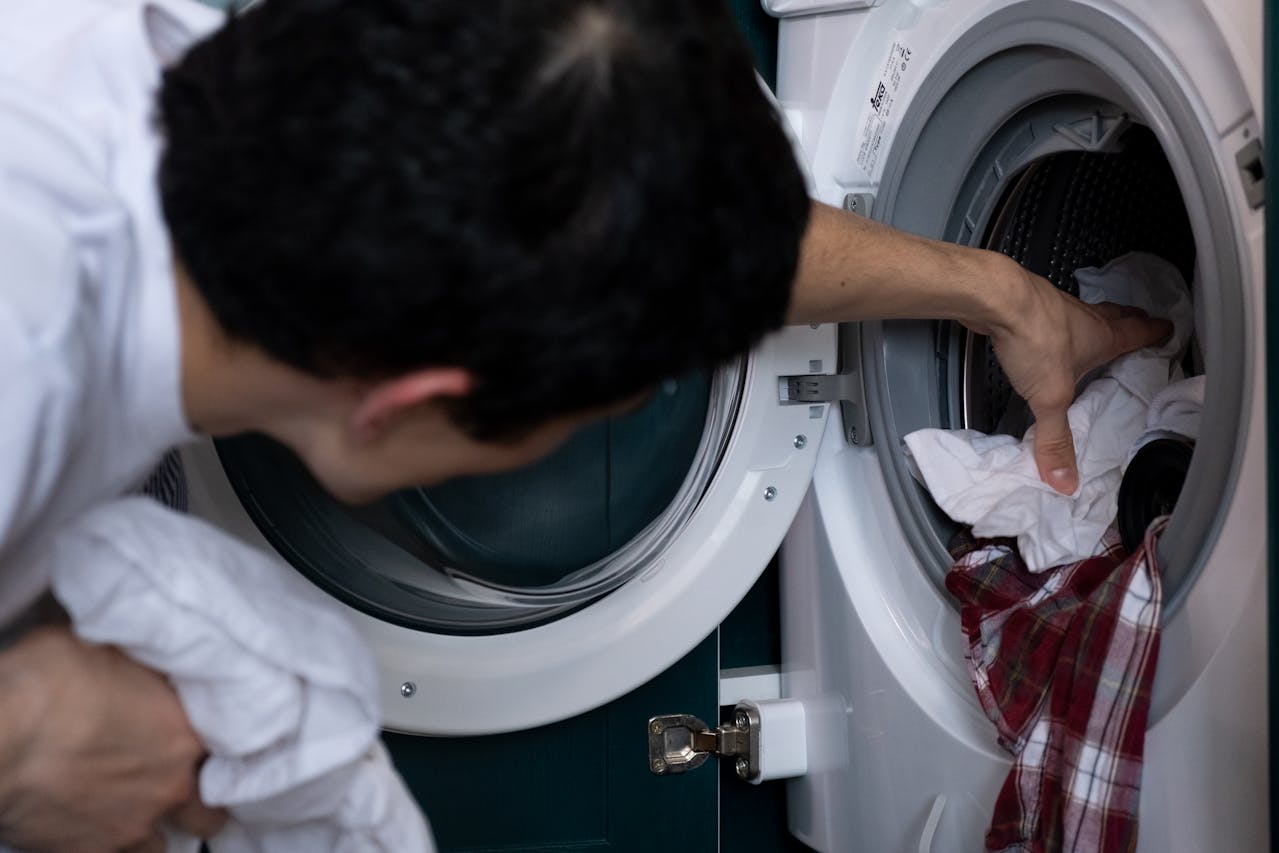
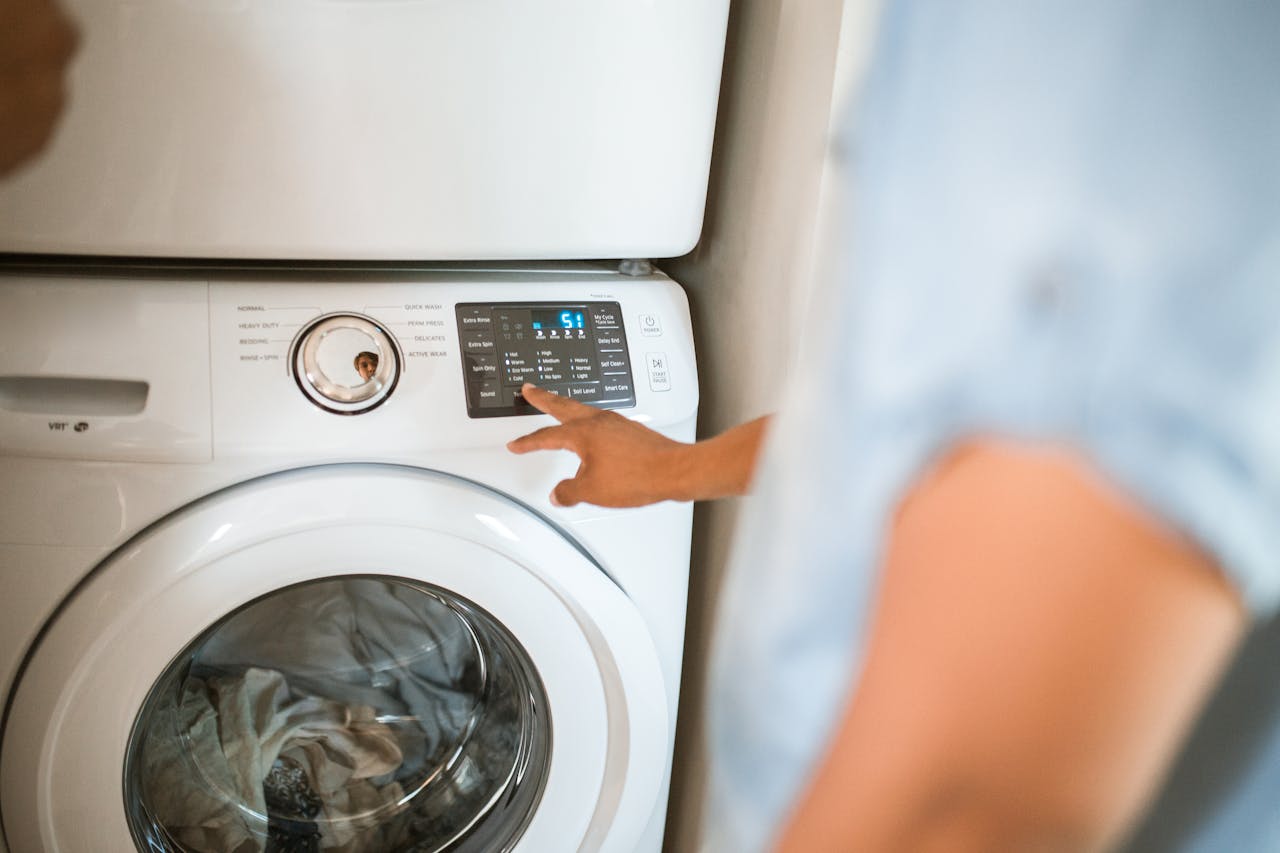
<p> Overloading your washing machine might seem like a great way to save time and reduce the number of loads, but it’s actually causing more harm than good. Excess weight puts stress on the motor, drum, and suspension, leading to faster wear and tear and potential breakdowns. Overloaded machines also fail to clean clothes effectively because the detergent and water can’t circulate properly. This means you’ll likely need to rewash clothes, using even more water and electricity. To maximize efficiency, stick to the manufacturer’s recommended load size and balance heavy items evenly in the drum. Additionally, running smaller loads when needed can improve the longevity of your machine and ensure cleaner clothes with less strain on the appliance. </p> :: Pexels

Overloading your washing machine might seem like a great way to save time and reduce the number of loads, but it’s actually causing more harm than good. Excess weight puts stress on the motor, drum, and suspension, leading to faster wear and tear and potential breakdowns. Overloaded machines also fail to clean clothes effectively because the detergent and water can’t circulate properly. This means you’ll likely need to rewash clothes, using even more water and electricity. To maximize efficiency, stick to the manufacturer’s recommended load size and balance heavy items evenly in the drum. Additionally, running smaller loads when needed can improve the longevity of your machine and ensure cleaner clothes with less strain on the appliance.

2. Neglecting to Clean Refrigerator Coils

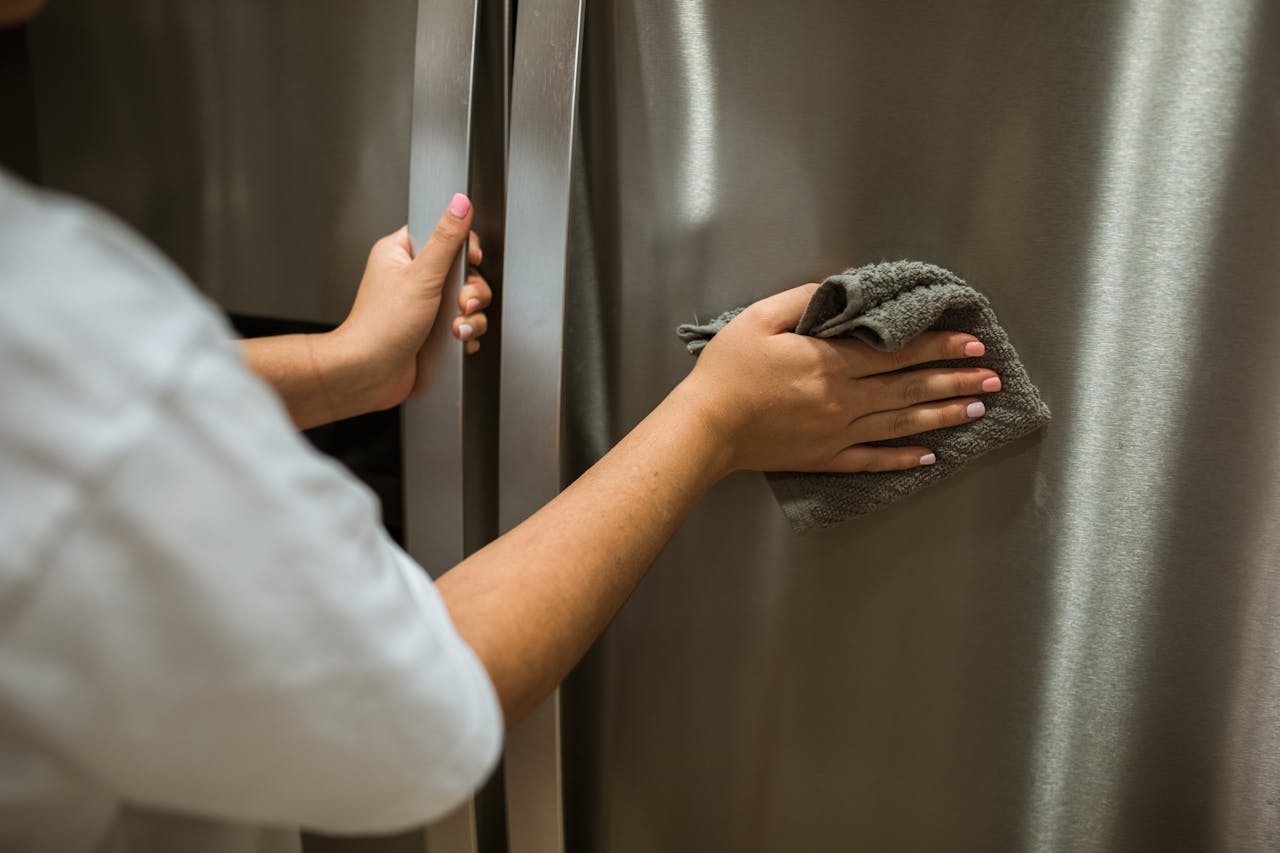
<p> Your refrigerator is one of the most energy-hungry appliances in your home, but it works even harder when its coils are dirty. Dust and debris build up on the condenser coils, preventing the fridge from cooling efficiently. This forces the compressor to work overtime, increasing energy consumption and shortening the lifespan of the appliance. To avoid this mistake, clean the coils at least twice a year using a vacuum or coil brush. You’ll improve the refrigerator’s efficiency, save money on energy bills, and reduce the risk of costly repairs. For homes with pets or dusty environments, consider cleaning the coils more frequently to keep your fridge in top condition. </p> :: Pexels

Your refrigerator is one of the most energy-hungry appliances in your home, but it works even harder when its coils are dirty. Dust and debris build up on the condenser coils, preventing the fridge from cooling efficiently. This forces the compressor to work overtime, increasing energy consumption and shortening the lifespan of the appliance. To avoid this mistake, clean the coils at least twice a year using a vacuum or coil brush. You’ll improve the refrigerator’s efficiency, save money on energy bills, and reduce the risk of costly repairs. For homes with pets or dusty environments, consider cleaning the coils more frequently to keep your fridge in top condition.

3. Using the Wrong Dishwasher Settings

<p> Many people assume that using the dishwasher’s hottest or longest cycle is the best way to get dishes clean, but this can waste water and energy unnecessarily. Modern dishwashers are designed to clean effectively on eco-friendly or normal settings, which use less water and lower temperatures. Additionally, pre-rinsing dishes before loading the dishwasher is another common mistake that wastes water and energy. Instead, scrape off large food particles and let the dishwasher do its job. By choosing the right settings and skipping the pre-rinse, you can lower your utility bills without sacrificing clean dishes. For stubborn stains, consider using a high-quality dishwasher detergent and regularly cleaning the dishwasher filter to maintain optimal performance. </p> :: Pexels

Many people assume that using the dishwasher’s hottest or longest cycle is the best way to get dishes clean, but this can waste water and energy unnecessarily. Modern dishwashers are designed to clean effectively on eco-friendly or normal settings, which use less water and lower temperatures. Additionally, pre-rinsing dishes before loading the dishwasher is another common mistake that wastes water and energy. Instead, scrape off large food particles and let the dishwasher do its job. By choosing the right settings and skipping the pre-rinse, you can lower your utility bills without sacrificing clean dishes. For stubborn stains, consider using a high-quality dishwasher detergent and regularly cleaning the dishwasher filter to maintain optimal performance.

4. Not Cleaning the Dryer Lint Trap and Vent

<p> Failing to clean the lint trap and vent in your dryer doesn’t just waste energy—it’s also a major fire hazard. A clogged lint trap restricts airflow, forcing the dryer to run longer and consume more electricity to dry clothes. Over time, lint can accumulate in the vent and ductwork, further reducing efficiency and increasing the risk of overheating. To prevent this, clean the lint trap after every load and inspect the vent regularly for blockages. You can also hire a professional to clean the dryer vent annually to ensure optimal performance and safety. Additionally, consider air-drying clothes when possible to reduce energy use and extend the lifespan of your dryer. </p> :: Pexels

Failing to clean the lint trap and vent in your dryer doesn’t just waste energy—it’s also a major fire hazard. A clogged lint trap restricts airflow, forcing the dryer to run longer and consume more electricity to dry clothes. Over time, lint can accumulate in the vent and ductwork, further reducing efficiency and increasing the risk of overheating. To prevent this, clean the lint trap after every load and inspect the vent regularly for blockages. You can also hire a professional to clean the dryer vent annually to ensure optimal performance and safety. Additionally, consider air-drying clothes when possible to reduce energy use and extend the lifespan of your dryer.

5. Ignoring the Oven’s Self-Cleaning Cycle

<p> The self-cleaning feature on your oven may seem like a convenient way to tackle baked-on grime, but overusing it can cause significant damage. The self-cleaning cycle heats the oven to extremely high temperatures, which can stress internal components like heating elements and control panels. This can lead to costly repairs or even premature appliance failure. Instead of relying solely on the self-cleaning function, clean your oven regularly with gentle, non-abrasive cleaners and a bit of elbow grease. This will help you maintain a clean oven without putting unnecessary strain on its parts. For light messes, wipe spills immediately after cooking to prevent grime buildup and reduce the need for deep cleaning. </p> :: Pexels

The self-cleaning feature on your oven may seem like a convenient way to tackle baked-on grime, but overusing it can cause significant damage. The self-cleaning cycle heats the oven to extremely high temperatures, which can stress internal components like heating elements and control panels. This can lead to costly repairs or even premature appliance failure. Instead of relying solely on the self-cleaning function, clean your oven regularly with gentle, non-abrasive cleaners and a bit of elbow grease. This will help you maintain a clean oven without putting unnecessary strain on its parts. For light messes, wipe spills immediately after cooking to prevent grime buildup and reduce the need for deep cleaning.

6. Running Your HVAC System Without Regular Maintenance

<p> Your HVAC system works hard to keep your home comfortable year-round, but neglecting regular maintenance can lead to skyrocketing energy bills and costly breakdowns. Dirty filters, clogged vents, and worn-out components force the system to work harder, consuming more energy and reducing its efficiency. To avoid this mistake, change your HVAC filters every 1-3 months, schedule professional maintenance at least once a year, and ensure vents are clean and unobstructed. Regular upkeep not only extends the lifespan of your HVAC system but also keeps your energy costs under control. Investing in a smart thermostat can further optimize energy use by regulating temperatures more efficiently and reducing unnecessary strain on the system. </p> :: Pexels

Your HVAC system works hard to keep your home comfortable year-round, but neglecting regular maintenance can lead to skyrocketing energy bills and costly breakdowns. Dirty filters, clogged vents, and worn-out components force the system to work harder, consuming more energy and reducing its efficiency. To avoid this mistake, change your HVAC filters every 1-3 months, schedule professional maintenance at least once a year, and ensure vents are clean and unobstructed. Regular upkeep not only extends the lifespan of your HVAC system but also keeps your energy costs under control. Investing in a smart thermostat can further optimize energy use by regulating temperatures more efficiently and reducing unnecessary strain on the system.

7. Leaving Small Appliances Plugged In

<p> Leaving small appliances like toasters, coffee makers, and microwaves plugged in when not in use might seem harmless, but they continue to draw power even when turned off. This phenomenon, known as phantom energy consumption, can add up over time and increase your electricity bills. While each appliance may only use a small amount of energy, the cumulative effect can be significant, especially if you have multiple devices plugged in around the house. To combat this, unplug small appliances when they’re not in use or use power strips with on/off switches to easily cut off power. Over time, this simple habit can save you money while reducing your overall energy consumption. </p> :: Pexels

Leaving small appliances like toasters, coffee makers, and microwaves plugged in when not in use might seem harmless, but they continue to draw power even when turned off. This phenomenon, known as phantom energy consumption, can add up over time and increase your electricity bills. While each appliance may only use a small amount of energy, the cumulative effect can be significant, especially if you have multiple devices plugged in around the house. To combat this, unplug small appliances when they’re not in use or use power strips with on/off switches to easily cut off power. Over time, this simple habit can save you money while reducing your overall energy consumption.

Final Thoughts

<p> Avoiding these common appliance mistakes can save you a significant amount of money over time while keeping your devices in top shape. Simple changes like cleaning refrigerator coils, maintaining your HVAC system, and using energy-efficient settings can have a big impact on your energy bills and repair costs. Regularly inspecting and maintaining appliances like washing machines, dryers, and ovens ensures they run efficiently and last longer, reducing the need for costly replacements. By taking better care of your appliances, you’ll not only extend their lifespans but also enjoy a more efficient and cost-effective home. Start implementing these tips today and watch your savings grow! </p> :: Pexels

Avoiding these common appliance mistakes can save you a significant amount of money over time while keeping your devices in top shape. Simple changes like cleaning refrigerator coils, maintaining your HVAC system, and using energy-efficient settings can have a big impact on your energy bills and repair costs. Regularly inspecting and maintaining appliances like washing machines, dryers, and ovens ensures they run efficiently and last longer, reducing the need for costly replacements. By taking better care of your appliances, you’ll not only extend their lifespans but also enjoy a more efficient and cost-effective home. Start implementing these tips today and watch your savings grow!

Filed Under: Money

8 Exercises Men Should Avoid If They Want to Lose Weight Effectively

January 29, 2026 | Leave a Comment

8 Exercises Men Should Avoid If They Want to Lose Weight Effectively

<p> When it comes to weight loss, exercise plays a crucial role in helping you shed those extra pounds. However, not all exercises are created equal, and some may actually hinder your progress. While it’s important to stay active, there are certain exercises that can be counterproductive to your weight loss goals. If you’re looking to lose weight effectively, here are eight exercises that men should avoid in order to maximize their results. </p> :: Pexels

When it comes to weight loss, exercise plays a crucial role in helping you shed those extra pounds. However, not all exercises are created equal, and some may actually hinder your progress. While it’s important to stay active, there are certain exercises that can be counterproductive to your weight loss goals. If you’re looking to lose weight effectively, here are eight exercises that men should avoid in order to maximize their results.

1. Crunches

<p> Crunches are a staple in many workout routines, but they are not the most effective exercise for weight loss. While crunches can strengthen the abdominal muscles, they don't target fat loss in the stomach area specifically. In fact, spot reduction—losing fat from a specific area of the body—is a myth. To lose weight, you need to focus on full-body exercises that burn calories and boost metabolism, such as compound movements. Crunches also place a lot of strain on the neck and lower back, which can lead to injury if not performed correctly. For better results, try incorporating exercises like planks or mountain climbers that engage multiple muscle groups and promote overall fat burning. These exercises are more effective in stimulating calorie burn and improving core strength without risking injury. Furthermore, crunches alone won’t give you the six-pack abs you might be hoping for. To reveal your abdominal muscles, you need to lower your overall body fat percentage through a combination of diet and full-body exercises. Focusing on crunches without considering other aspects of your fitness routine can limit your progress. Instead, aim for a variety of exercises that target the entire body and elevate your heart rate, which will help you burn fat more effectively. </p> :: Pexels

Crunches are a staple in many workout routines, but they are not the most effective exercise for weight loss. While crunches can strengthen the abdominal muscles, they don’t target fat loss in the stomach area specifically. In fact, spot reduction—losing fat from a specific area of the body—is a myth. To lose weight, you need to focus on full-body exercises that burn calories and boost metabolism, such as compound movements. Crunches also place a lot of strain on the neck and lower back, which can lead to injury if not performed correctly. For better results, try incorporating exercises like planks or mountain climbers that engage multiple muscle groups and promote overall fat burning. These exercises are more effective in stimulating calorie burn and improving core strength without risking injury.

Furthermore, crunches alone won’t give you the six-pack abs you might be hoping for. To reveal your abdominal muscles, you need to lower your overall body fat percentage through a combination of diet and full-body exercises. Focusing on crunches without considering other aspects of your fitness routine can limit your progress. Instead, aim for a variety of exercises that target the entire body and elevate your heart rate, which will help you burn fat more effectively.

2. Leg Extensions

<p> Leg extensions are often included in leg day routines, but they are not ideal for weight loss. This exercise isolates the quadriceps, which can help tone the legs, but it doesn’t engage enough muscle groups to burn a significant number of calories. Furthermore, leg extensions can put a lot of pressure on the knee joints, leading to discomfort or injury over time. While leg extensions may help build muscle in the quads, they aren't efficient for fat loss. Instead of focusing on isolated movements like leg extensions, opt for compound leg exercises such as squats, lunges, or deadlifts, which engage more muscle groups and provide a more efficient calorie burn. These exercises require more energy, which increases the number of calories burned during and after your workout. Additionally, compound movements like squats and lunges engage the glutes, hamstrings, and core, giving you a more well-rounded workout that supports fat loss throughout the body. Compound exercises also help improve overall strength and functional movement, which is crucial for maintaining an active lifestyle and avoiding injury. </p> :: Pexels

Leg extensions are often included in leg day routines, but they are not ideal for weight loss. This exercise isolates the quadriceps, which can help tone the legs, but it doesn’t engage enough muscle groups to burn a significant number of calories. Furthermore, leg extensions can put a lot of pressure on the knee joints, leading to discomfort or injury over time. While leg extensions may help build muscle in the quads, they aren’t efficient for fat loss.

Instead of focusing on isolated movements like leg extensions, opt for compound leg exercises such as squats, lunges, or deadlifts, which engage more muscle groups and provide a more efficient calorie burn. These exercises require more energy, which increases the number of calories burned during and after your workout. Additionally, compound movements like squats and lunges engage the glutes, hamstrings, and core, giving you a more well-rounded workout that supports fat loss throughout the body. Compound exercises also help improve overall strength and functional movement, which is crucial for maintaining an active lifestyle and avoiding injury.

3. Seated Calf Raises

<p> While calf raises can help strengthen the lower legs, they are not an effective exercise for weight loss. This exercise isolates the calves and doesn't engage enough of the larger muscle groups to significantly increase calorie expenditure. Calf raises are also a low-intensity movement, meaning they don't elevate your heart rate enough to burn fat. If your goal is to lose weight, focus on compound exercises like squats or lunges that work the legs and glutes while also increasing your heart rate for more effective fat burning. Additionally, performing calf raises on a machine can limit the range of motion and reduce the overall effectiveness of the exercise. For better results, consider incorporating exercises that engage the entire lower body, such as step-ups, Bulgarian split squats, or jump squats. These exercises not only strengthen the calves but also target the thighs, glutes, and core, providing a more efficient workout that promotes fat loss. By engaging multiple muscle groups, you increase your overall calorie burn and maximize your weight loss efforts. </p> :: STEEL Backed by Science | steelsupplements.com

While calf raises can help strengthen the lower legs, they are not an effective exercise for weight loss. This exercise isolates the calves and doesn’t engage enough of the larger muscle groups to significantly increase calorie expenditure. Calf raises are also a low-intensity movement, meaning they don’t elevate your heart rate enough to burn fat. If your goal is to lose weight, focus on compound exercises like squats or lunges that work the legs and glutes while also increasing your heart rate for more effective fat burning.

Additionally, performing calf raises on a machine can limit the range of motion and reduce the overall effectiveness of the exercise. For better results, consider incorporating exercises that engage the entire lower body, such as step-ups, Bulgarian split squats, or jump squats. These exercises not only strengthen the calves but also target the thighs, glutes, and core, providing a more efficient workout that promotes fat loss. By engaging multiple muscle groups, you increase your overall calorie burn and maximize your weight loss efforts.

4. Bicep Curls

<p> Bicep curls are a popular exercise for building arm strength, but they are not the most effective choice for weight loss. While they can help tone and sculpt the arms, they don’t burn a significant number of calories because they primarily target small muscle groups. Weight loss requires exercises that engage large muscle groups, such as the legs, back, and chest, to increase calorie burn. Instead of bicep curls, try full-body exercises like burpees, kettlebell swings, or rowing, which engage multiple muscle groups and promote fat loss. Another reason bicep curls aren’t ideal for weight loss is that they don’t elevate your heart rate enough to promote cardiovascular benefits. Cardio exercises, such as running, cycling, or high-intensity interval training (HIIT), are more effective at increasing your calorie burn and improving cardiovascular health. While bicep curls can be included in a well-rounded workout routine, they shouldn’t be your primary focus if your goal is to lose weight. To maximize fat loss, prioritize exercises that challenge your entire body and keep your heart rate elevated. </p> :: Pexels

Bicep curls are a popular exercise for building arm strength, but they are not the most effective choice for weight loss. While they can help tone and sculpt the arms, they don’t burn a significant number of calories because they primarily target small muscle groups. Weight loss requires exercises that engage large muscle groups, such as the legs, back, and chest, to increase calorie burn. Instead of bicep curls, try full-body exercises like burpees, kettlebell swings, or rowing, which engage multiple muscle groups and promote fat loss.

Another reason bicep curls aren’t ideal for weight loss is that they don’t elevate your heart rate enough to promote cardiovascular benefits. Cardio exercises, such as running, cycling, or high-intensity interval training (HIIT), are more effective at increasing your calorie burn and improving cardiovascular health. While bicep curls can be included in a well-rounded workout routine, they shouldn’t be your primary focus if your goal is to lose weight. To maximize fat loss, prioritize exercises that challenge your entire body and keep your heart rate elevated.

5. Smith Machine Squats

<p> The Smith machine is a piece of gym equipment that can help you perform squats with added stability, but it also limits your range of motion and doesn't engage your core as effectively as free-weight squats. The fixed bar path of the Smith machine can lead to poor form, especially if you’re not accustomed to squatting with free weights. While squats are an excellent exercise for building strength and burning calories, performing them on the Smith machine can be less effective for weight loss. Instead, focus on bodyweight squats or free-weight squats that engage more muscle groups and help burn more calories. Free-weight squats activate the core, glutes, and legs, which increases overall calorie burn. They also improve functional strength and stability, which are important for daily activities and injury prevention. If you're new to squatting, start with bodyweight squats to perfect your form before adding weight. Once you're comfortable, incorporate dumbbells or a barbell for added resistance and a greater challenge. </p> :: Pexels

The Smith machine is a piece of gym equipment that can help you perform squats with added stability, but it also limits your range of motion and doesn’t engage your core as effectively as free-weight squats. The fixed bar path of the Smith machine can lead to poor form, especially if you’re not accustomed to squatting with free weights. While squats are an excellent exercise for building strength and burning calories, performing them on the Smith machine can be less effective for weight loss.

Instead, focus on bodyweight squats or free-weight squats that engage more muscle groups and help burn more calories. Free-weight squats activate the core, glutes, and legs, which increases overall calorie burn. They also improve functional strength and stability, which are important for daily activities and injury prevention. If you’re new to squatting, start with bodyweight squats to perfect your form before adding weight. Once you’re comfortable, incorporate dumbbells or a barbell for added resistance and a greater challenge.

6. Isolation Exercises for Upper Body

<p> Isolation exercises, such as tricep kickbacks, chest flys, and lateral raises, target specific muscles but are not the most efficient exercises for weight loss. While these exercises can help build muscle in specific areas, they don't elevate your heart rate enough to burn a significant amount of fat. For effective weight loss, it’s important to focus on exercises that engage multiple muscle groups and increase your calorie burn. Compound movements like push-ups, pull-ups, and bench presses are much more effective for overall fat loss and muscle development. Focusing too much on isolation exercises can also lead to muscle imbalances, as you’re not working your body in a functional, full-body manner. Compound exercises, on the other hand, promote better muscle coordination and improve overall strength. They also provide a greater metabolic boost, helping you burn more calories even after your workout is finished. If you're looking to lose weight, prioritize compound movements and save isolation exercises for the end of your workout or as part of a well-rounded routine. </p> :: Pexels

Isolation exercises, such as tricep kickbacks, chest flys, and lateral raises, target specific muscles but are not the most efficient exercises for weight loss. While these exercises can help build muscle in specific areas, they don’t elevate your heart rate enough to burn a significant amount of fat. For effective weight loss, it’s important to focus on exercises that engage multiple muscle groups and increase your calorie burn. Compound movements like push-ups, pull-ups, and bench presses are much more effective for overall fat loss and muscle development.

Focusing too much on isolation exercises can also lead to muscle imbalances, as you’re not working your body in a functional, full-body manner. Compound exercises, on the other hand, promote better muscle coordination and improve overall strength. They also provide a greater metabolic boost, helping you burn more calories even after your workout is finished. If you’re looking to lose weight, prioritize compound movements and save isolation exercises for the end of your workout or as part of a well-rounded routine.

7. Treadmill Walking at a Slow Pace

<p> Walking on a treadmill at a slow pace might seem like a good way to get some cardio in, but it’s not the most effective way to burn calories or lose weight. Slow-paced walking doesn’t elevate your heart rate enough to burn a significant number of calories. If you want to lose weight effectively, you need to engage in higher-intensity cardio exercises that challenge your body and increase your calorie burn. Try increasing the intensity by walking at a brisk pace, incorporating intervals of running, or using an incline to elevate your heart rate and burn more calories. High-intensity interval training (HIIT) is another great option for burning fat and improving cardiovascular health. HIIT involves short bursts of intense exercise followed by brief rest periods, and it has been shown to be highly effective for weight loss. By incorporating HIIT into your routine, you can burn more calories in less time and keep your metabolism elevated long after your workout ends. </p> :: Pexels

Walking on a treadmill at a slow pace might seem like a good way to get some cardio in, but it’s not the most effective way to burn calories or lose weight. Slow-paced walking doesn’t elevate your heart rate enough to burn a significant number of calories. If you want to lose weight effectively, you need to engage in higher-intensity cardio exercises that challenge your body and increase your calorie burn. Try increasing the intensity by walking at a brisk pace, incorporating intervals of running, or using an incline to elevate your heart rate and burn more calories.

High-intensity interval training (HIIT) is another great option for burning fat and improving cardiovascular health. HIIT involves short bursts of intense exercise followed by brief rest periods, and it has been shown to be highly effective for weight loss. By incorporating HIIT into your routine, you can burn more calories in less time and keep your metabolism elevated long after your workout ends.

8. Machine Chest Press

<p> The machine chest press is a common exercise found in many gyms, but it is not the best choice for weight loss. While it can help strengthen the chest muscles, it doesn’t engage enough muscle groups to burn a significant amount of calories. Like other machine exercises, the chest press isolates a specific muscle group, limiting its effectiveness for overall fat loss. Instead of using the machine chest press, focus on bodyweight exercises like push-ups or free-weight exercises like the bench press, which engage more muscles and increase your calorie burn. Free-weight exercises also help improve functional strength, which is important for real-world movements and activities. Additionally, using free weights or bodyweight exercises allows you to work multiple muscle groups at once, leading to a more efficient workout. If you're looking to lose weight, prioritize exercises that engage your chest, shoulders, and triceps, but also incorporate exercises that work your back, legs, and core for a full-body workout. </p> :: Pexels

The machine chest press is a common exercise found in many gyms, but it is not the best choice for weight loss. While it can help strengthen the chest muscles, it doesn’t engage enough muscle groups to burn a significant amount of calories. Like other machine exercises, the chest press isolates a specific muscle group, limiting its effectiveness for overall fat loss. Instead of using the machine chest press, focus on bodyweight exercises like push-ups or free-weight exercises like the bench press, which engage more muscles and increase your calorie burn.

Free-weight exercises also help improve functional strength, which is important for real-world movements and activities. Additionally, using free weights or bodyweight exercises allows you to work multiple muscle groups at once, leading to a more efficient workout. If you’re looking to lose weight, prioritize exercises that engage your chest, shoulders, and triceps, but also incorporate exercises that work your back, legs, and core for a full-body workout.

Final Thoughts

<p> While exercise is essential for weight loss, it’s important to choose the right types of exercises that will help you achieve your goals effectively. The exercises listed above may have their place in a fitness routine, but they are not the most efficient for burning calories and losing weight. Instead, focus on compound movements that engage multiple muscle groups, elevate your heart rate, and promote overall fat burning. Incorporating exercises like squats, lunges, push-ups, and burpees into your routine will not only help you burn more calories but also build strength and improve your overall fitness. Remember, the key to effective weight loss is consistency, intensity, and smart exercise choices. </p> :: Pexels

While exercise is essential for weight loss, it’s important to choose the right types of exercises that will help you achieve your goals effectively. The exercises listed above may have their place in a fitness routine, but they are not the most efficient for burning calories and losing weight. Instead, focus on compound movements that engage multiple muscle groups, elevate your heart rate, and promote overall fat burning. Incorporating exercises like squats, lunges, push-ups, and burpees into your routine will not only help you burn more calories but also build strength and improve your overall fitness. Remember, the key to effective weight loss is consistency, intensity, and smart exercise choices.

Filed Under: Health & Fitness

9 Surprising Health Benefits of Cuddling with Your Cat

January 29, 2026 | Leave a Comment

9 Surprising Health Benefits of Cuddling with Your Cat

<p> Cats are not just adorable companions; they can also play a vital role in improving your overall health. Whether you are a lifelong cat owner or a new feline friend, cuddling with your cat brings far more benefits than you might expect. The soothing purr of your cat, the warmth of their furry body, and their gentle presence have been shown to positively impact your mental, emotional, and even physical well-being. If you needed another reason to snuggle up with your furry friend, here are nine surprising health benefits of cuddling with your cat. </p> :: Pexels

Cats are not just adorable companions; they can also play a vital role in improving your overall health. Whether you are a lifelong cat owner or a new feline friend, cuddling with your cat brings far more benefits than you might expect. The soothing purr of your cat, the warmth of their furry body, and their gentle presence have been shown to positively impact your mental, emotional, and even physical well-being. If you needed another reason to snuggle up with your furry friend, here are nine surprising health benefits of cuddling with your cat.

1. Reduces Stress and Anxiety

<p> Cuddling with your cat can be a natural stress reliever. The gentle sound of a cat's purr has been shown to have a calming effect on the human brain, helping to reduce cortisol levels, which are associated with stress. When you hold your cat close and feel their rhythmic purring, your body releases endorphins, the feel-good hormones that counteract anxiety. Studies have shown that spending time with cats can significantly lower feelings of tension and worry, making it a great way to unwind after a long day. The simple act of petting your cat and enjoying their company can create a sense of peace and relaxation, reducing the negative effects of chronic stress. </p> :: Pexels

Cuddling with your cat can be a natural stress reliever. The gentle sound of a cat’s purr has been shown to have a calming effect on the human brain, helping to reduce cortisol levels, which are associated with stress. When you hold your cat close and feel their rhythmic purring, your body releases endorphins, the feel-good hormones that counteract anxiety. Studies have shown that spending time with cats can significantly lower feelings of tension and worry, making it a great way to unwind after a long day. The simple act of petting your cat and enjoying their company can create a sense of peace and relaxation, reducing the negative effects of chronic stress.

2. Lowers Blood Pressure

<p> If you are looking for a natural way to lower your blood pressure, cuddling with your cat might be the answer. Research has shown that cat owners tend to have lower blood pressure compared to non-pet owners. The act of petting your cat releases oxytocin, a hormone that promotes relaxation and lowers stress. This calming effect helps regulate your heart rate and blood pressure, reducing the risk of hypertension and cardiovascular issues. Spending time with your cat, whether cuddling or simply sitting together, encourages a slower, more relaxed state, which directly benefits your heart health. </p> :: Pexels

If you are looking for a natural way to lower your blood pressure, cuddling with your cat might be the answer. Research has shown that cat owners tend to have lower blood pressure compared to non-pet owners. The act of petting your cat releases oxytocin, a hormone that promotes relaxation and lowers stress. This calming effect helps regulate your heart rate and blood pressure, reducing the risk of hypertension and cardiovascular issues. Spending time with your cat, whether cuddling or simply sitting together, encourages a slower, more relaxed state, which directly benefits your heart health.

3. Boosts Mood and Combats Depression

<p> Cats have an incredible ability to lift your spirits, even on your darkest days. Cuddling with your cat triggers the release of serotonin and dopamine, two neurotransmitters responsible for feelings of happiness and pleasure. For individuals struggling with depression, this interaction can provide a sense of comfort, companionship, and emotional support. Cats offer unconditional love and affection, which can help combat feelings of loneliness and isolation. Their soft fur, gentle purring, and calm demeanor can act as a soothing balm for emotional distress, making them the perfect cuddle buddies to boost your mood naturally. </p> :: Pexels

Cats have an incredible ability to lift your spirits, even on your darkest days. Cuddling with your cat triggers the release of serotonin and dopamine, two neurotransmitters responsible for feelings of happiness and pleasure. For individuals struggling with depression, this interaction can provide a sense of comfort, companionship, and emotional support. Cats offer unconditional love and affection, which can help combat feelings of loneliness and isolation. Their soft fur, gentle purring, and calm demeanor can act as a soothing balm for emotional distress, making them the perfect cuddle buddies to boost your mood naturally.

4. Improves Sleep Quality

<p> Many cat owners find that sleeping with their feline companions leads to better rest and improved sleep quality. Cats often have a calming presence that helps their owners relax and drift off to sleep more easily. The warmth of your cat's body and the rhythmic sound of their purring create a soothing environment that promotes relaxation. Studies have shown that people who sleep with their pets often feel more secure and comforted, which can help reduce nighttime anxiety and insomnia. If you struggle with getting a good night's sleep, cuddling with your cat before bed or allowing them to snuggle beside you might be the solution you need. </p> :: Pexels

Many cat owners find that sleeping with their feline companions leads to better rest and improved sleep quality. Cats often have a calming presence that helps their owners relax and drift off to sleep more easily. The warmth of your cat’s body and the rhythmic sound of their purring create a soothing environment that promotes relaxation. Studies have shown that people who sleep with their pets often feel more secure and comforted, which can help reduce nighttime anxiety and insomnia. If you struggle with getting a good night’s sleep, cuddling with your cat before bed or allowing them to snuggle beside you might be the solution you need.

5. Strengthens Your Immune System

<p> Believe it or not, cuddling with your cat can actually strengthen your immune system. Exposure to pet dander and allergens in small amounts can help your body build resistance over time, reducing the risk of developing allergies and respiratory issues. Additionally, the stress-reducing benefits of cuddling with your cat play a role in boosting your immune system. Chronic stress can weaken your immune defenses, making you more susceptible to illness. By lowering stress levels and promoting relaxation, your cat indirectly helps your body stay strong and fight off infections more effectively. </p> :: Pexels

Believe it or not, cuddling with your cat can actually strengthen your immune system. Exposure to pet dander and allergens in small amounts can help your body build resistance over time, reducing the risk of developing allergies and respiratory issues. Additionally, the stress-reducing benefits of cuddling with your cat play a role in boosting your immune system. Chronic stress can weaken your immune defenses, making you more susceptible to illness. By lowering stress levels and promoting relaxation, your cat indirectly helps your body stay strong and fight off infections more effectively.

6. Relieves Pain and Promotes Healing

<p> One of the most surprising health benefits of cuddling with your cat is its ability to help relieve pain and promote healing. The sound frequency of a cat's purr, which typically ranges between 25 and 150 Hertz, has been shown to have therapeutic effects on the human body. These frequencies can help reduce inflammation, alleviate muscle pain, and even promote the healing of bones and tissues. This phenomenon, known as "purr therapy," has been studied for its potential to accelerate recovery in humans. If you are dealing with chronic pain, injuries, or general discomfort, snuggling with your cat can provide a natural and comforting form of relief. </p> :: pexels

One of the most surprising health benefits of cuddling with your cat is its ability to help relieve pain and promote healing. The sound frequency of a cat’s purr, which typically ranges between 25 and 150 Hertz, has been shown to have therapeutic effects on the human body. These frequencies can help reduce inflammation, alleviate muscle pain, and even promote the healing of bones and tissues. This phenomenon, known as “purr therapy,” has been studied for its potential to accelerate recovery in humans. If you are dealing with chronic pain, injuries, or general discomfort, snuggling with your cat can provide a natural and comforting form of relief.

7. Reduces the Risk of Heart Disease

<p> Owning a cat and cuddling with them regularly can contribute to a healthier heart and a lower risk of heart disease. Studies have shown that cat owners are less likely to suffer from heart attacks, strokes, and other cardiovascular issues compared to those without pets. The calming effect of cuddling with your cat helps regulate your heart rate, reduce blood pressure, and lower stress levels—all of which are key factors in maintaining heart health. By incorporating quality cuddle time with your cat into your daily routine, you can enjoy both the emotional and physical benefits of a healthier heart. </p> :: Pexels

Owning a cat and cuddling with them regularly can contribute to a healthier heart and a lower risk of heart disease. Studies have shown that cat owners are less likely to suffer from heart attacks, strokes, and other cardiovascular issues compared to those without pets. The calming effect of cuddling with your cat helps regulate your heart rate, reduce blood pressure, and lower stress levels—all of which are key factors in maintaining heart health. By incorporating quality cuddle time with your cat into your daily routine, you can enjoy both the emotional and physical benefits of a healthier heart.

8. Provides Comfort and Companionship

<p> Cuddling with your cat provides a sense of comfort and companionship that is invaluable for mental and emotional well-being. Cats are intuitive creatures that can sense when their owners are feeling down or unwell. Their presence and affection offer a source of unconditional love and support, which can be especially comforting during difficult times. Whether you are grieving, recovering from an illness, or simply feeling lonely, your cat's cuddles can provide the emotional reassurance you need. This bond not only strengthens your relationship with your cat but also helps you feel connected and cared for. </p> :: Pexels

Cuddling with your cat provides a sense of comfort and companionship that is invaluable for mental and emotional well-being. Cats are intuitive creatures that can sense when their owners are feeling down or unwell. Their presence and affection offer a source of unconditional love and support, which can be especially comforting during difficult times. Whether you are grieving, recovering from an illness, or simply feeling lonely, your cat’s cuddles can provide the emotional reassurance you need. This bond not only strengthens your relationship with your cat but also helps you feel connected and cared for.

9. Promotes Mindfulness and Relaxation

<p> Cuddling with your cat encourages you to slow down, be present, and enjoy the moment. The simple act of sitting with your cat, feeling their warmth, and listening to their purring can bring about a sense of mindfulness. In today's fast-paced world, it is easy to become overwhelmed with stress and distractions. Cats remind us to take a break, breathe, and appreciate the little things in life. This mindfulness practice can help you relax, clear your mind, and reduce feelings of anxiety. By spending time cuddling with your cat, you can cultivate a greater sense of peace and balance in your daily life. </p> :: Pexels

Cuddling with your cat encourages you to slow down, be present, and enjoy the moment. The simple act of sitting with your cat, feeling their warmth, and listening to their purring can bring about a sense of mindfulness. In today’s fast-paced world, it is easy to become overwhelmed with stress and distractions. Cats remind us to take a break, breathe, and appreciate the little things in life. This mindfulness practice can help you relax, clear your mind, and reduce feelings of anxiety. By spending time cuddling with your cat, you can cultivate a greater sense of peace and balance in your daily life.

Final Thoughts

<p> Cuddling with your cat is not just a heartwarming experience—it is also a powerful way to improve your health and well-being. From reducing stress and lowering blood pressure to boosting your mood and relieving pain, the benefits of snuggling up with your feline friend are truly remarkable. Cats have a unique ability to provide comfort, companionship, and healing through their presence and affection. So, the next time your cat curls up beside you, take a moment to appreciate the many ways they are helping you live a happier, healthier life. Whether it is for a few minutes or an entire evening, cuddling with your cat is a simple and effective way to enhance your physical, mental, and emotional health. Embrace the power of cat cuddles and enjoy the countless benefits they bring! </p> :: Pexels

Cuddling with your cat is not just a heartwarming experience—it is also a powerful way to improve your health and well-being. From reducing stress and lowering blood pressure to boosting your mood and relieving pain, the benefits of snuggling up with your feline friend are truly remarkable. Cats have a unique ability to provide comfort, companionship, and healing through their presence and affection. So, the next time your cat curls up beside you, take a moment to appreciate the many ways they are helping you live a happier, healthier life. Whether it is for a few minutes or an entire evening, cuddling with your cat is a simple and effective way to enhance your physical, mental, and emotional health. Embrace the power of cat cuddles and enjoy the countless benefits they bring!

Filed Under: Health & Fitness

The 7 Best Relaxing Road Trip Routes for Baby Boomers in America

January 29, 2026 | Leave a Comment

The 7 Best Relaxing Road Trip Routes for Baby Boomers in America

<p> There’s nothing quite like the freedom of the open road—windows down, your favorite tunes playing, and the promise of adventure ahead. But let’s be honest: these days, you’re not looking to white-knuckle it through hairpin mountain passes or sit bumper-to-bumper in city traffic. You want a road trip that’s scenic, soul-soothing, and sprinkled with charm—the kind of journey where you can actually relax, take in the view, and maybe discover a new favorite small-town café. If that sounds like your kind of getaway, you’re in for a treat. We’ve rounded up seven of the most relaxing road trip routes in America, tailor-made for baby boomers who appreciate beauty, ease, and a good roadside stop. Whether you’re in the mood for mountain vistas, ocean breezes, or cozy country drives, there’s a route on this list that will help you unwind behind the wheel. </p> :: DALL-E

There’s nothing quite like the freedom of the open road—windows down, your favorite tunes playing, and the promise of adventure ahead. But let’s be honest: these days, you’re not looking to white-knuckle it through hairpin mountain passes or sit bumper-to-bumper in city traffic. You want a road trip that’s scenic, soul-soothing, and sprinkled with charm—the kind of journey where you can actually relax, take in the view, and maybe discover a new favorite small-town café.

If that sounds like your kind of getaway, you’re in for a treat. We’ve rounded up seven of the most relaxing road trip routes in America, tailor-made for baby boomers who appreciate beauty, ease, and a good roadside stop. Whether you’re in the mood for mountain vistas, ocean breezes, or cozy country drives, there’s a route on this list that will help you unwind behind the wheel.


1. Blue Ridge Parkway – North Carolina to Virginia

<p> Often dubbed "America's Favorite Drive," the Blue Ridge Parkway offers 469 miles of breathtaking scenery through the Appalachian Highlands. This route is ideal for anyone seeking a calm, nature-infused escape. With a max speed limit of 45 mph and a strict ban on commercial vehicles, you’ll glide through tunnels of trees, past misty mountains, and alongside peaceful pastures. Don’t miss the artsy town of Asheville, NC, or the hiking trails near Mount Mitchell. There are dozens of scenic pull-offs and picnic spots, perfect for taking it slow and soaking it all in. </p> :: Roadtrippers

Often dubbed “America’s Favorite Drive,” the Blue Ridge Parkway offers 469 miles of breathtaking scenery through the Appalachian Highlands. This route is ideal for anyone seeking a calm, nature-infused escape. With a max speed limit of 45 mph and a strict ban on commercial vehicles, you’ll glide through tunnels of trees, past misty mountains, and alongside peaceful pastures. Don’t miss the artsy town of Asheville, NC, or the hiking trails near Mount Mitchell. There are dozens of scenic pull-offs and picnic spots, perfect for taking it slow and soaking it all in.


2. Pacific Coast Highway (Highway 1) – California

<p> If ocean views make your heart sing, the Pacific Coast Highway delivers in spades. Stretching along California’s coastline, the most relaxing stretch is between San Luis Obispo and Monterey. This portion of Highway 1 offers dramatic cliffside views, sweeping ocean panoramas, and charming coastal stops like Cambria and Big Sur. You’ll also find art galleries, wineries, and serene beaches perfect for strolling. It’s a laid-back drive where the scenery does all the talking—just roll down the windows and let the Pacific breeze work its magic. </p> :: The Seattle Times

If ocean views make your heart sing, the Pacific Coast Highway delivers in spades. Stretching along California’s coastline, the most relaxing stretch is between San Luis Obispo and Monterey. This portion of Highway 1 offers dramatic cliffside views, sweeping ocean panoramas, and charming coastal stops like Cambria and Big Sur. You’ll also find art galleries, wineries, and serene beaches perfect for strolling. It’s a laid-back drive where the scenery does all the talking—just roll down the windows and let the Pacific breeze work its magic.


3. Great River Road – Minnesota to Louisiana

<p> The Great River Road follows the Mississippi River through 10 states, offering a slow, scenic route steeped in history and charm. While you could drive all 2,000+ miles, popular segments—like from Galena, Illinois to St. Louis, Missouri—offer plenty of relaxing moments. Expect riverfront views, picturesque towns, and historic sites that tell the story of America’s heartland. You’ll find everything from local diners and antique shops to nature preserves and cultural museums. It’s perfect for baby boomers who enjoy leisurely drives with plenty of enriching stops along the way. </p> :: Pexels

The Great River Road follows the Mississippi River through 10 states, offering a slow, scenic route steeped in history and charm. While you could drive all 2,000+ miles, popular segments—like from Galena, Illinois to St. Louis, Missouri—offer plenty of relaxing moments. Expect riverfront views, picturesque towns, and historic sites that tell the story of America’s heartland. You’ll find everything from local diners and antique shops to nature preserves and cultural museums. It’s perfect for baby boomers who enjoy leisurely drives with plenty of enriching stops along the way.


4. The Overseas Highway – Miami to Key West, Florida

<p> Short but spectacular, the Overseas Highway runs 113 miles over the Florida Keys, offering a one-of-a-kind driving experience. With the ocean on both sides and 42 bridges—including the famous Seven Mile Bridge—this tropical road trip is like no other. Along the way, you’ll find fresh seafood shacks, snorkeling spots, and kitschy attractions. The vibe is laid-back and breezy, especially when you arrive in Key West, where walking tours, Hemingway’s house, and stunning sunsets await. This route is ideal for boomers looking for a dose of island life without boarding a plane. </p> :: Pexels

Short but spectacular, the Overseas Highway runs 113 miles over the Florida Keys, offering a one-of-a-kind driving experience. With the ocean on both sides and 42 bridges—including the famous Seven Mile Bridge—this tropical road trip is like no other. Along the way, you’ll find fresh seafood shacks, snorkeling spots, and kitschy attractions. The vibe is laid-back and breezy, especially when you arrive in Key West, where walking tours, Hemingway’s house, and stunning sunsets await. This route is ideal for boomers looking for a dose of island life without boarding a plane.


5. Natchez Trace Parkway – Mississippi to Tennessee

<p> For a truly tranquil drive, it’s hard to beat the Natchez Trace Parkway. This 444-mile route traces an ancient Native American trail through Mississippi, Alabama, and Tennessee. With no billboards, minimal traffic, and a strict ban on commercial trucks, it feels like driving through a living museum. History buffs will appreciate the Civil War landmarks and Native American mounds, while nature lovers will enjoy the wildflowers and quiet trails. Highlights include the historic town of Natchez and the lively music scene in Nashville. It’s peaceful, educational, and endlessly scenic. </p> :: Lawrenceburg Tourism

For a truly tranquil drive, it’s hard to beat the Natchez Trace Parkway. This 444-mile route traces an ancient Native American trail through Mississippi, Alabama, and Tennessee. With no billboards, minimal traffic, and a strict ban on commercial trucks, it feels like driving through a living museum. History buffs will appreciate the Civil War landmarks and Native American mounds, while nature lovers will enjoy the wildflowers and quiet trails. Highlights include the historic town of Natchez and the lively music scene in Nashville. It’s peaceful, educational, and endlessly scenic.


6. Route 100 – Vermont

<p> When autumn rolls around, there’s no better place to be than Vermont’s Route 100. This scenic north-south route winds through some of New England’s most charming small towns, including Stowe, Weston, and Woodstock. Covered bridges, maple syrup farms, and rolling hills ablaze with fall colors make this a dream trip for boomers who love the cozy charm of a classic American autumn. The route is manageable in a weekend and filled with delightful spots to explore, from antique shops to country inns where you can enjoy a warm cup of cider by the fire. </p> :: GyPSy Guide

When autumn rolls around, there’s no better place to be than Vermont’s Route 100. This scenic north-south route winds through some of New England’s most charming small towns, including Stowe, Weston, and Woodstock. Covered bridges, maple syrup farms, and rolling hills ablaze with fall colors make this a dream trip for boomers who love the cozy charm of a classic American autumn. The route is manageable in a weekend and filled with delightful spots to explore, from antique shops to country inns where you can enjoy a warm cup of cider by the fire.


7. Columbia River Scenic Highway – Oregon

<p> If you’re craving jaw-dropping views without a difficult drive, the Columbia River Scenic Highway in Oregon fits the bill. Just 70 miles long, this route offers waterfalls, cliffs, and sweeping vistas of the Columbia River Gorge—all within a short drive from Portland. Stop at Multnomah Falls, one of the tallest in the country, and explore the quaint town of Hood River, known for its food, breweries, and arts scene. With its well-maintained roads and easy access to natural wonders, this route is perfect for a relaxed day trip or a serene weekend escape. </p> :: Portland, Oregon | travelportland.com

If you’re craving jaw-dropping views without a difficult drive, the Columbia River Scenic Highway in Oregon fits the bill. Just 70 miles long, this route offers waterfalls, cliffs, and sweeping vistas of the Columbia River Gorge—all within a short drive from Portland. Stop at Multnomah Falls, one of the tallest in the country, and explore the quaint town of Hood River, known for its food, breweries, and arts scene. With its well-maintained roads and easy access to natural wonders, this route is perfect for a relaxed day trip or a serene weekend escape.


Final Thoughts

<p> You’ve earned your leisure time, and there’s no better way to savor it than with a scenic road trip that lets you set the pace. Whether you're chasing waterfalls in Oregon or tracing history along the Mississippi, these seven relaxing road trip routes are proof that the journey really can be the destination. No need for tight schedules, crowded airports, or the stress of navigating unfamiliar cities. These routes are all about comfort, discovery, and joy behind the wheel. So load up the car, grab a good travel buddy (or go solo—why not?), and start exploring the beauty that’s been waiting just down the road. Because when the road is easy and the views are grand, every mile feels like a gift. </p> :: Freepik

You’ve earned your leisure time, and there’s no better way to savor it than with a scenic road trip that lets you set the pace. Whether you’re chasing waterfalls in Oregon or tracing history along the Mississippi, these seven relaxing road trip routes are proof that the journey really can be the destination.

No need for tight schedules, crowded airports, or the stress of navigating unfamiliar cities. These routes are all about comfort, discovery, and joy behind the wheel. So load up the car, grab a good travel buddy (or go solo—why not?), and start exploring the beauty that’s been waiting just down the road. Because when the road is easy and the views are grand, every mile feels like a gift.

Filed Under: Travel

You Can Tell It Shows: 10 Signs You Were Raised by Boomers

January 29, 2026 | Leave a Comment

You Can Tell It Shows: 10 Signs You Were Raised by Boomers

<p> If you ever catch yourself rinsing out a plastic bag to reuse it, turning off lights as you leave a room, or feeling slightly uneasy when you are not being productive, there is a good chance you were raised by baby boomers. These habits do not appear out of nowhere. They are passed down quietly through daily routines, repeated phrases, and unspoken expectations that shaped how you see the world.

Boomers grew up in a very different America. Many were raised by parents who lived through war, economic uncertainty, and rapid social change. As a result, they valued self-reliance, practicality, and resilience. When they became parents, those values showed up in everyday life in ways that still follow their children into adulthood.

This list is not about criticizing or glorifying boomer parenting. It is about recognizing the subtle signs that reveal where you came from and how those early lessons still influence your choices today. If you read through these and think, “Wow, that is me,” you are not alone. </p> :: Gemini

If you ever catch yourself rinsing out a plastic bag to reuse it, turning off lights as you leave a room, or feeling slightly uneasy when you are not being productive, there is a good chance you were raised by baby boomers. These habits do not appear out of nowhere. They are passed down quietly through daily routines, repeated phrases, and unspoken expectations that shaped how you see the world.

Boomers grew up in a very different America. Many were raised by parents who lived through war, economic uncertainty, and rapid social change. As a result, they valued self-reliance, practicality, and resilience. When they became parents, those values showed up in everyday life in ways that still follow their children into adulthood.

This list is not about criticizing or glorifying boomer parenting. It is about recognizing the subtle signs that reveal where you came from and how those early lessons still influence your choices today. If you read through these and think, “Wow, that is me,” you are not alone.

1. You feel uncomfortable wasting food

<p> You were likely raised with the idea that throwing away food was almost a moral failure. Plates were expected to be cleared, leftovers were saved without question, and comments like “there are people who would be grateful for that” were common at the dinner table. As an adult, this often shows up as carefully portioning meals, saving leftovers for days, and feeling a twinge of guilt when food goes bad in the fridge. Even if you are financially comfortable now, that deep respect for food and the effort behind it still shapes how you eat. </p> :: Gemini

You were likely raised with the idea that throwing away food was almost a moral failure. Plates were expected to be cleared, leftovers were saved without question, and comments like “there are people who would be grateful for that” were common at the dinner table. As an adult, this often shows up as carefully portioning meals, saving leftovers for days, and feeling a twinge of guilt when food goes bad in the fridge. Even if you are financially comfortable now, that deep respect for food and the effort behind it still shapes how you eat.

2. Turning off lights is automatic for you

<p> You do not leave a room without flipping the switch. It feels wrong, almost reckless, to let lights burn unnecessarily. This habit comes straight from boomer households where utility bills mattered and energy was not taken for granted. You might even find yourself reminding others to turn off lights or unplug chargers, sounding a lot like your parents did. It is not about being cheap. It is about being mindful and responsible. </p> :: Gemini

You do not leave a room without flipping the switch. It feels wrong, almost reckless, to let lights burn unnecessarily. This habit comes straight from boomer households where utility bills mattered and energy was not taken for granted. You might even find yourself reminding others to turn off lights or unplug chargers, sounding a lot like your parents did. It is not about being cheap. It is about being mindful and responsible.

3. You prefer phone calls or voicemails over texting

<p> While texting is convenient, part of you still believes a phone call is more respectful, especially for important conversations. You may leave voicemails instead of hanging up, and you probably think it is rude when someone never checks theirs. Boomers valued clear communication and direct contact, and that rubbed off on you. Even in a digital world, you still associate voice with sincerity. </p> :: Gemini

While texting is convenient, part of you still believes a phone call is more respectful, especially for important conversations. You may leave voicemails instead of hanging up, and you probably think it is rude when someone never checks theirs. Boomers valued clear communication and direct contact, and that rubbed off on you. Even in a digital world, you still associate voice with sincerity.

4. You try to fix things before replacing them

<p> Your first instinct when something breaks is not to throw it away. You look for a solution. You tighten a screw, watch a tutorial, or ask someone handy for advice. This mindset comes from growing up in a home where things were repaired, reused, and made to last. Boomers were taught to respect what they owned, and that lesson lives on in your approach to everyday problems. </p> :: Gemini

Your first instinct when something breaks is not to throw it away. You look for a solution. You tighten a screw, watch a tutorial, or ask someone handy for advice. This mindset comes from growing up in a home where things were repaired, reused, and made to last. Boomers were taught to respect what they owned, and that lesson lives on in your approach to everyday problems.

5. Hard work feels like a basic expectation, not a bonus

<p> You were likely taught that effort is non negotiable. You show up on time, do your best, and take pride in pulling your weight. Complaining without trying was discouraged, and excuses were rarely accepted. As an adult, this can translate into a strong work ethic and reliability, but it can also make it hard to slow down or ask for help. Deep down, you still hear the message that work comes first. </p> :: Gemini

You were likely taught that effort is non negotiable. You show up on time, do your best, and take pride in pulling your weight. Complaining without trying was discouraged, and excuses were rarely accepted. As an adult, this can translate into a strong work ethic and reliability, but it can also make it hard to slow down or ask for help. Deep down, you still hear the message that work comes first.

6. Manners matter to you more than you admit

<p> You say please and thank you without thinking. You hold doors, write thank you notes, and feel awkward when others skip basic politeness. These habits were reinforced early and often, and they stuck. Even when social norms shift, you still believe courtesy is a reflection of character. It may seem old fashioned to some, but to you it is simply the right way to treat people. </p> :: Gemini

You say please and thank you without thinking. You hold doors, write thank you notes, and feel awkward when others skip basic politeness. These habits were reinforced early and often, and they stuck. Even when social norms shift, you still believe courtesy is a reflection of character. It may seem old fashioned to some, but to you it is simply the right way to treat people.

7. You learned practical life skills at a young age

<p> You were probably taught how to do things for yourself instead of relying on others. Changing a tire, cooking simple meals, sewing a button, or handling basic household repairs were seen as essential skills, not optional knowledge. As an adult, this gives you a quiet confidence. You may not be an expert, but you are not helpless either, and that independence traces directly back to your upbringing. </p> :: Gemini

You were probably taught how to do things for yourself instead of relying on others. Changing a tire, cooking simple meals, sewing a button, or handling basic household repairs were seen as essential skills, not optional knowledge. As an adult, this gives you a quiet confidence. You may not be an expert, but you are not helpless either, and that independence traces directly back to your upbringing.

8. Relaxing without a purpose makes you uneasy

<p> Even when you have free time, you feel the urge to be productive. Sitting still for too long can trigger restlessness or guilt. This comes from growing up in a home where being busy was praised and idleness was questioned. You learned early that worth was tied to effort. While you may be working on unlearning this now, that internal push to stay active is still there. </p> :: Gemini

Even when you have free time, you feel the urge to be productive. Sitting still for too long can trigger restlessness or guilt. This comes from growing up in a home where being busy was praised and idleness was questioned. You learned early that worth was tied to effort. While you may be working on unlearning this now, that internal push to stay active is still there.

9. You save things just in case

<p> From extra cables and containers to random hardware pieces, you tend to keep items others might throw away. Somewhere in your mind is the belief that it could be useful later. Boomer parents lived through times when resources were not always abundant, and they passed down a habit of preparedness. Even if you rarely need those saved items, letting them go feels uncomfortable. </p> :: Gemini

From extra cables and containers to random hardware pieces, you tend to keep items others might throw away. Somewhere in your mind is the belief that it could be useful later. Boomer parents lived through times when resources were not always abundant, and they passed down a habit of preparedness. Even if you rarely need those saved items, letting them go feels uncomfortable.

10. You were taught to push through emotions

<p> Emotional conversations were often handled with practicality rather than vulnerability. You may have been encouraged to toughen up, move on, or keep feelings to yourself. As an adult, this can show up as difficulty expressing emotions or asking for emotional support. Many people raised by boomers later realize they have to actively learn skills that were not emphasized growing up, such as emotional awareness and open communication. </p> :: Gemini

Emotional conversations were often handled with practicality rather than vulnerability. You may have been encouraged to toughen up, move on, or keep feelings to yourself. As an adult, this can show up as difficulty expressing emotions or asking for emotional support. Many people raised by boomers later realize they have to actively learn skills that were not emphasized growing up, such as emotional awareness and open communication.

Final Thoughts

<p> Being raised by boomers leaves a lasting imprint. Some of it shows up in useful ways, like resilience, independence, and respect for hard work. Other parts surface as habits you are still unpacking, such as guilt around rest or difficulty expressing emotions. None of these traits are inherently good or bad. They are simply reflections of the time, values, and experiences that shaped your parents.

Recognizing these signs is not about blaming the past. It is about understanding yourself better. When you see where certain habits come from, you gain the freedom to keep what serves you and gently let go of what does not. In that sense, acknowledging your boomer upbringing is not just nostalgic. It is a step toward living more intentionally, with awareness instead of autopilot.

If you found yourself nodding along to most of this list, take it as confirmation that your upbringing left you with tools, stories, and perspectives worth examining. After all, understanding where you came from often makes it easier to decide where you want to go next. </p> :: Gemini

Being raised by boomers leaves a lasting imprint. Some of it shows up in useful ways, like resilience, independence, and respect for hard work. Other parts surface as habits you are still unpacking, such as guilt around rest or difficulty expressing emotions. None of these traits are inherently good or bad. They are simply reflections of the time, values, and experiences that shaped your parents.

Recognizing these signs is not about blaming the past. It is about understanding yourself better. When you see where certain habits come from, you gain the freedom to keep what serves you and gently let go of what does not. In that sense, acknowledging your boomer upbringing is not just nostalgic. It is a step toward living more intentionally, with awareness instead of autopilot.

If you found yourself nodding along to most of this list, take it as confirmation that your upbringing left you with tools, stories, and perspectives worth examining. After all, understanding where you came from often makes it easier to decide where you want to go next.

Filed Under: Lifestyle

  • « Previous Page
  • 1
  • …
  • 43
  • 44
  • 45
  • 46
  • 47
  • …
  • 192
  • Next Page »
  • Email
  • Facebook
  • Pinterest
  • Twitter

Our Most Popular Articles

ClickCashGo Review: Should You Avoid At All Costs?

Ultimate Guide to Mastering Your Credit Score

The 'YOLO' Mindset is a Dangerous Thing

Dave Ramsey's Financial Peace University Review: Is it Worth the Money?

Cash App Glitch 2025: Is the Free Money Glitch Real?

Five Steps To Debt Freedom

Here are five simple guidlines that will help you pay off debt.  

1) Get an emergency fund so you don’t take on debt when something comes up.

2) List your debts. This way you know where you stand.

3) Use the debt snowball. Pay your debts from smallest to largest, or most expensive to least expensive.

4) Avoid new debt. No new credit cards or loans. Period.

5) Go all cash. After everything is paid off, switch to all cash.

Helpful Resources

U of Tennesse Debt Repayment Plan Basics

Vertex 42's Debt Payoff Calculator

Savingadvice's Helpful Debt Forums

Jackie Becks Debt Blog