Our Debt Free Family

Commit. Plan. Take action.

  • BUDGETING
  • DEBT REDUCTION
  • INVESTING
  • LIFESTYLE
  • TOOLS
  • ABOUT
  • Privacy Policy
  • CONTACT

8 Sweet and Spicy Foods Everyone’s Talking About Right Now

January 23, 2026 | Leave a Comment

8 Sweet and Spicy Foods Everyone’s Talking About Right Now

<p> Ever found yourself torn between wanting something sweet and craving a fiery kick? You’re not alone! The sweet-and-spicy craze has officially swept the food world, making tastebuds tingle and social media buzz with new obsessions. From saucy wings that flirt with danger to decadent chocolates that sneak in a hint of heat, this flavor fusion has become the ultimate way to excite your palate. It’s no wonder chefs, foodies, and snack lovers can’t stop talking about it. If you’re ready to join the flavor revolution—or simply want to jazz up your next snack attack—these eight sweet and spicy foods are the delicious trendsetters you need to try. Whether you’re hosting a party, shaking up your weeknight dinner routine, or hunting for your next favorite indulgence, these treats will take your tastebuds on a thrilling ride. Let’s dive in! </p> :: Freepik

Ever found yourself torn between wanting something sweet and craving a fiery kick? You’re not alone! The sweet-and-spicy craze has officially swept the food world, making tastebuds tingle and social media buzz with new obsessions. From saucy wings that flirt with danger to decadent chocolates that sneak in a hint of heat, this flavor fusion has become the ultimate way to excite your palate. It’s no wonder chefs, foodies, and snack lovers can’t stop talking about it.

If you’re ready to join the flavor revolution—or simply want to jazz up your next snack attack—these eight sweet and spicy foods are the delicious trendsetters you need to try. Whether you’re hosting a party, shaking up your weeknight dinner routine, or hunting for your next favorite indulgence, these treats will take your tastebuds on a thrilling ride. Let’s dive in!

1. Hot Honey

<p> One drizzle and you’ll be hooked. Hot honey has become the golden child of the sweet-and-spicy movement, transforming everyday dishes into culinary masterpieces. This magic elixir combines the mellow sweetness of pure honey with the subtle burn of chili peppers. The result? A perfectly balanced kick that adds unexpected depth to everything it touches. Picture it oozing over crispy fried chicken, slicking the surface of a bubbling pizza, or swirling into a fancy cocktail for a touch of heat. Brands like Mike’s Hot Honey have made it a household name, but crafting your own version is as simple as gently heating honey with red pepper flakes. It’s an easy way to impress guests, elevate charcuterie boards, or simply make your morning toast way more exciting. </p> :: DALL-E

One drizzle and you’ll be hooked. Hot honey has become the golden child of the sweet-and-spicy movement, transforming everyday dishes into culinary masterpieces. This magic elixir combines the mellow sweetness of pure honey with the subtle burn of chili peppers. The result? A perfectly balanced kick that adds unexpected depth to everything it touches.

Picture it oozing over crispy fried chicken, slicking the surface of a bubbling pizza, or swirling into a fancy cocktail for a touch of heat. Brands like Mike’s Hot Honey have made it a household name, but crafting your own version is as simple as gently heating honey with red pepper flakes. It’s an easy way to impress guests, elevate charcuterie boards, or simply make your morning toast way more exciting.

2. Mango Habanero Wings

<p> There’s a reason mango habanero wings have become the talk of wing lovers everywhere—they’re the ultimate yin and yang of flavor. Imagine biting into crispy chicken glazed in a sauce that starts sweet and tropical, thanks to ripe mango, only to deliver a fiery habanero punch that hits you a few seconds later. It’s a culinary rollercoaster that keeps you reaching for just one more wing… and then another. Chains like Buffalo Wild Wings have helped rocket this flavor combo into the spotlight, but it’s easy to whip up at home, too. Toss grilled or baked wings in a sauce made with pureed mango, vinegar, honey, and diced habaneros for a homemade masterpiece. Just be warned: the heat can sneak up on you, so keep a cool drink handy! </p> :: Freepik

There’s a reason mango habanero wings have become the talk of wing lovers everywhere—they’re the ultimate yin and yang of flavor. Imagine biting into crispy chicken glazed in a sauce that starts sweet and tropical, thanks to ripe mango, only to deliver a fiery habanero punch that hits you a few seconds later. It’s a culinary rollercoaster that keeps you reaching for just one more wing… and then another.

Chains like Buffalo Wild Wings have helped rocket this flavor combo into the spotlight, but it’s easy to whip up at home, too. Toss grilled or baked wings in a sauce made with pureed mango, vinegar, honey, and diced habaneros for a homemade masterpiece. Just be warned: the heat can sneak up on you, so keep a cool drink handy!

3. Spicy Pineapple Salsa

<p> Who said salsa has to be all tomatoes and onions? Spicy pineapple salsa flips the script with vibrant sweetness and a fiery zing that’s downright addictive. Juicy pineapple chunks bring bursts of tropical flavor, while finely chopped jalapeños or serrano peppers add just enough heat to keep things interesting. Throw in some red onion, cilantro, and a squeeze of lime, and you’ve got a refreshing condiment that screams summer. It’s the perfect companion for fish tacos, grilled shrimp, or a bowl of tortilla chips. Bonus: It’s ridiculously easy to make and looks gorgeous on the table. Whether you’re hosting taco Tuesday or a backyard BBQ, this salsa is bound to steal the show. </p> :: DALL-E

Who said salsa has to be all tomatoes and onions? Spicy pineapple salsa flips the script with vibrant sweetness and a fiery zing that’s downright addictive. Juicy pineapple chunks bring bursts of tropical flavor, while finely chopped jalapeños or serrano peppers add just enough heat to keep things interesting. Throw in some red onion, cilantro, and a squeeze of lime, and you’ve got a refreshing condiment that screams summer.

It’s the perfect companion for fish tacos, grilled shrimp, or a bowl of tortilla chips. Bonus: It’s ridiculously easy to make and looks gorgeous on the table. Whether you’re hosting taco Tuesday or a backyard BBQ, this salsa is bound to steal the show.

4. Chili Chocolate

<p> Chocolate is already one of life’s greatest pleasures—but add chili, and you’ve unlocked pure decadence. Chili chocolate brings a gentle warmth that builds slowly, turning each bite into a delicious surprise. The richness of dark or milk chocolate pairs beautifully with subtle heat from peppers like ancho, cayenne, or even chipotle, creating a layered taste experience that lingers on your tongue. From artisan chocolate bars to truffles to spicy hot cocoa mixes, the options are endless. Gourmet chocolatiers across the U.S. are exploring this sweet-and-spicy terrain, crafting bold creations that make perfect gifts—or treats for yourself. Break off a piece with a glass of red wine for an after-dinner delight that feels downright luxurious. </p> :: DALL-E

Chocolate is already one of life’s greatest pleasures—but add chili, and you’ve unlocked pure decadence. Chili chocolate brings a gentle warmth that builds slowly, turning each bite into a delicious surprise. The richness of dark or milk chocolate pairs beautifully with subtle heat from peppers like ancho, cayenne, or even chipotle, creating a layered taste experience that lingers on your tongue.

From artisan chocolate bars to truffles to spicy hot cocoa mixes, the options are endless. Gourmet chocolatiers across the U.S. are exploring this sweet-and-spicy terrain, crafting bold creations that make perfect gifts—or treats for yourself. Break off a piece with a glass of red wine for an after-dinner delight that feels downright luxurious.

5. Sweet Heat Pickles

<p> Pickles aren’t just for burgers anymore—they’re the star of the show, especially when sweet heat is involved. Sweet heat pickles combine the classic tangy crunch of dill pickles with a hint of sugar and a spark of spicy chili or jalapeño. The result? A snack that starts out sweet and ends with a spicy kick that makes your mouth water. These pickles shine piled onto sandwiches, chopped into potato salads, or enjoyed straight from the jar when a craving hits. Brands like Mt. Olive and smaller craft pickle makers have embraced this trend, rolling out spicy bread-and-butter chips, habanero-infused spears, and more. If you’ve never tried sweet heat pickles, prepare to fall in love with their addictive crunch. </p> :: DALL-E

Pickles aren’t just for burgers anymore—they’re the star of the show, especially when sweet heat is involved. Sweet heat pickles combine the classic tangy crunch of dill pickles with a hint of sugar and a spark of spicy chili or jalapeño. The result? A snack that starts out sweet and ends with a spicy kick that makes your mouth water.

These pickles shine piled onto sandwiches, chopped into potato salads, or enjoyed straight from the jar when a craving hits. Brands like Mt. Olive and smaller craft pickle makers have embraced this trend, rolling out spicy bread-and-butter chips, habanero-infused spears, and more. If you’ve never tried sweet heat pickles, prepare to fall in love with their addictive crunch.

6. Gochujang Caramel Popcorn

<p> Popcorn night just got a thrilling upgrade. Gochujang caramel popcorn is an incredible mash-up of salty, sweet, spicy, and savory flavors. Gochujang, the beloved Korean chili paste, lends a deep umami richness and gentle heat that contrasts beautifully with buttery caramel. Once the caramel coats the popcorn, it becomes a crispy, sticky snack that’s impossible to resist. Whether you’re binge-watching your favorite series or packing gourmet snack bags for a party, this popcorn is a conversation starter. Even better, it’s surprisingly simple to make at home. Just melt caramel, stir in a spoonful of gochujang, and pour it over freshly popped kernels. Boom: snack perfection. </p> :: DALL-E

Popcorn night just got a thrilling upgrade. Gochujang caramel popcorn is an incredible mash-up of salty, sweet, spicy, and savory flavors. Gochujang, the beloved Korean chili paste, lends a deep umami richness and gentle heat that contrasts beautifully with buttery caramel. Once the caramel coats the popcorn, it becomes a crispy, sticky snack that’s impossible to resist.

Whether you’re binge-watching your favorite series or packing gourmet snack bags for a party, this popcorn is a conversation starter. Even better, it’s surprisingly simple to make at home. Just melt caramel, stir in a spoonful of gochujang, and pour it over freshly popped kernels. Boom: snack perfection.

7. Jalapeño Pineapple Margaritas

<p> Cocktail lovers, this one’s for you. Jalapeño pineapple margaritas are the perfect sip for anyone craving a drink that’s equal parts sweet, tart, and fiery. Fresh pineapple juice adds lush sweetness, while muddled jalapeño slices bring a gentle burn that wakes up your tastebuds. Mixed with tequila, triple sec, and a splash of lime, it’s pure tropical bliss with a spicy twist. Garnish your glass with a chili-lime salt rim for extra zing, and watch your guests’ eyes light up at first sip. Whether it’s a summer pool party or taco night with friends, this margarita is guaranteed to steal the spotlight—and probably have people begging you for the recipe. </p> :: DALL-E

Cocktail lovers, this one’s for you. Jalapeño pineapple margaritas are the perfect sip for anyone craving a drink that’s equal parts sweet, tart, and fiery. Fresh pineapple juice adds lush sweetness, while muddled jalapeño slices bring a gentle burn that wakes up your tastebuds. Mixed with tequila, triple sec, and a splash of lime, it’s pure tropical bliss with a spicy twist.

Garnish your glass with a chili-lime salt rim for extra zing, and watch your guests’ eyes light up at first sip. Whether it’s a summer pool party or taco night with friends, this margarita is guaranteed to steal the spotlight—and probably have people begging you for the recipe.

8. Spicy Maple Bacon

<p> If you think bacon couldn’t possibly get any better, think again. Spicy maple bacon is the show-stopping star of brunch tables and snack platters alike. Imagine crispy bacon brushed with a glaze of maple syrup spiked with chili flakes, cayenne pepper, or even sriracha. The result is salty, sweet, smoky, and spicy all at once—a taste explosion you’ll crave again and again. Not only does spicy maple bacon shine alongside eggs and pancakes, but it also makes an unexpected topping for burgers, salads, or even desserts like maple-bacon donuts. Many trendy brunch spots and artisanal bacon producers have embraced this spicy-sweet trend, but you can easily recreate it at home for a weekend treat that’s guaranteed to impress. </p> :: DALL-E

If you think bacon couldn’t possibly get any better, think again. Spicy maple bacon is the show-stopping star of brunch tables and snack platters alike. Imagine crispy bacon brushed with a glaze of maple syrup spiked with chili flakes, cayenne pepper, or even sriracha. The result is salty, sweet, smoky, and spicy all at once—a taste explosion you’ll crave again and again.

Not only does spicy maple bacon shine alongside eggs and pancakes, but it also makes an unexpected topping for burgers, salads, or even desserts like maple-bacon donuts. Many trendy brunch spots and artisanal bacon producers have embraced this spicy-sweet trend, but you can easily recreate it at home for a weekend treat that’s guaranteed to impress.

Final Thoughts

<p> If your tastebuds have been feeling a little bored lately, the sweet-and-spicy trend is here to rescue you from culinary monotony. There’s something thrilling about the way sweetness balances out heat, creating bold flavors that keep you coming back for more. Whether you’re drizzling hot honey over pizza, diving into pineapple salsa, or munching on gochujang caramel popcorn, these innovative dishes bring a playful, adventurous spirit to your kitchen and your table. Beyond just tasting amazing, sweet-and-spicy foods are conversation starters. They’re perfect for parties, elevate your everyday meals, and make even simple snacks feel gourmet. So why not shake things up and treat yourself to something new and exciting? Life’s too short for bland food—and your tastebuds deserve a little adventure! Are you ready to join the sweet-heat revolution? Try one of these eight delicious picks and see why everyone’s talking about this crave-worthy combo. Trust us—once you go sweet and spicy, you’ll never look back! </p> :: Freepik

If your tastebuds have been feeling a little bored lately, the sweet-and-spicy trend is here to rescue you from culinary monotony. There’s something thrilling about the way sweetness balances out heat, creating bold flavors that keep you coming back for more. Whether you’re drizzling hot honey over pizza, diving into pineapple salsa, or munching on gochujang caramel popcorn, these innovative dishes bring a playful, adventurous spirit to your kitchen and your table.

Beyond just tasting amazing, sweet-and-spicy foods are conversation starters. They’re perfect for parties, elevate your everyday meals, and make even simple snacks feel gourmet. So why not shake things up and treat yourself to something new and exciting? Life’s too short for bland food—and your tastebuds deserve a little adventure!

Are you ready to join the sweet-heat revolution? Try one of these eight delicious picks and see why everyone’s talking about this crave-worthy combo. Trust us—once you go sweet and spicy, you’ll never look back!

Filed Under: Food & Drink

10 Easy DIY Drinks You Can Make at Home (No Barista Needed!)

January 23, 2026 | Leave a Comment

10 Easy DIY Drinks You Can Make at Home (No Barista Needed!)

<p> We’ve all been there—waiting in a long coffee shop line, staring at a $7 latte, and wondering if it’s really worth it. Spoiler alert: it’s not. The truth is, you don’t need a fancy espresso machine, a hipster café, or even a barista apron to enjoy incredible drinks right at home. Whether you’re craving something caffeinated, fruity, creamy, or cozy, making your own beverages is easier (and more fun) than you think. DIY drinks aren’t just about saving a few bucks—they’re about taking control of what you consume, discovering new flavors, and turning your kitchen into a personal café. No complicated techniques, no obscure ingredients—just simple, delicious drinks you can whip up in minutes. So, roll up your sleeves, grab your favorite glass, and get ready to sip in style with these 10 easy DIY drinks you can make at home—no barista needed! </p> :: Pexels

We’ve all been there—waiting in a long coffee shop line, staring at a $7 latte, and wondering if it’s really worth it. Spoiler alert: it’s not. The truth is, you don’t need a fancy espresso machine, a hipster café, or even a barista apron to enjoy incredible drinks right at home. Whether you’re craving something caffeinated, fruity, creamy, or cozy, making your own beverages is easier (and more fun) than you think.

DIY drinks aren’t just about saving a few bucks—they’re about taking control of what you consume, discovering new flavors, and turning your kitchen into a personal café. No complicated techniques, no obscure ingredients—just simple, delicious drinks you can whip up in minutes. So, roll up your sleeves, grab your favorite glass, and get ready to sip in style with these 10 easy DIY drinks you can make at home—no barista needed!

1. Whipped Coffee (Dalgona-Style)

<p> This frothy internet sensation went viral for good reason—it’s fast, fun, and ridiculously satisfying. To make whipped coffee, combine 2 tablespoons each of instant coffee, sugar, and hot water. Whisk (or use a hand mixer) until the mixture turns thick and creamy. Spoon it over a glass of cold or warm milk, and stir to your preferred strength. It’s bold, sweet, and feels like a fancy café drink without ever leaving your kitchen. </p> :: Freepik

This frothy internet sensation went viral for good reason—it’s fast, fun, and ridiculously satisfying. To make whipped coffee, combine 2 tablespoons each of instant coffee, sugar, and hot water. Whisk (or use a hand mixer) until the mixture turns thick and creamy. Spoon it over a glass of cold or warm milk, and stir to your preferred strength. It’s bold, sweet, and feels like a fancy café drink without ever leaving your kitchen.

2. Iced Matcha Latte

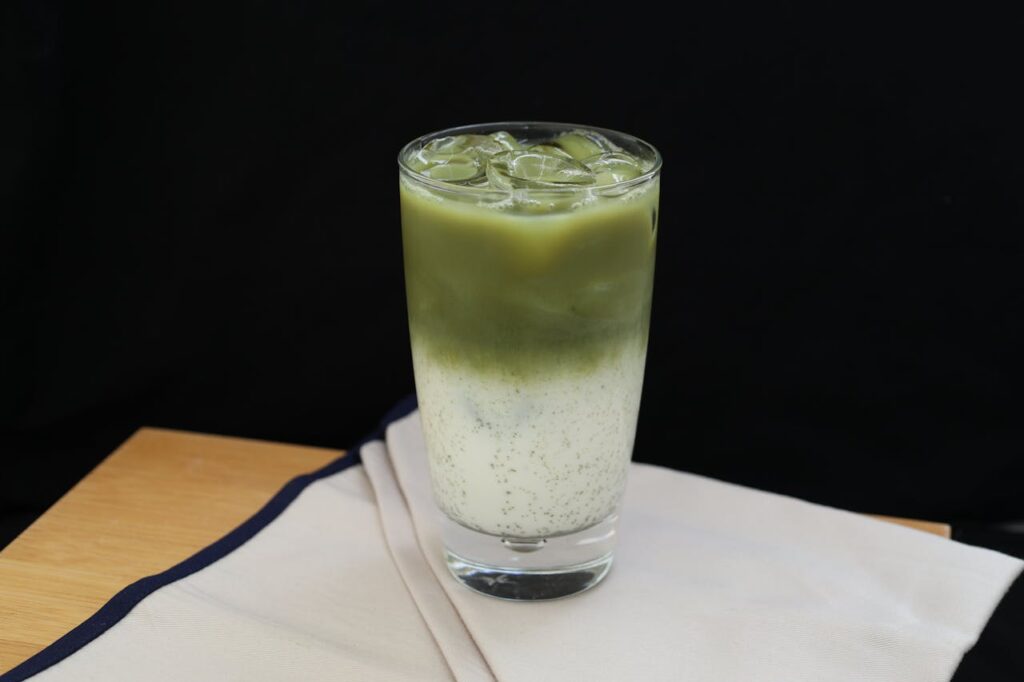
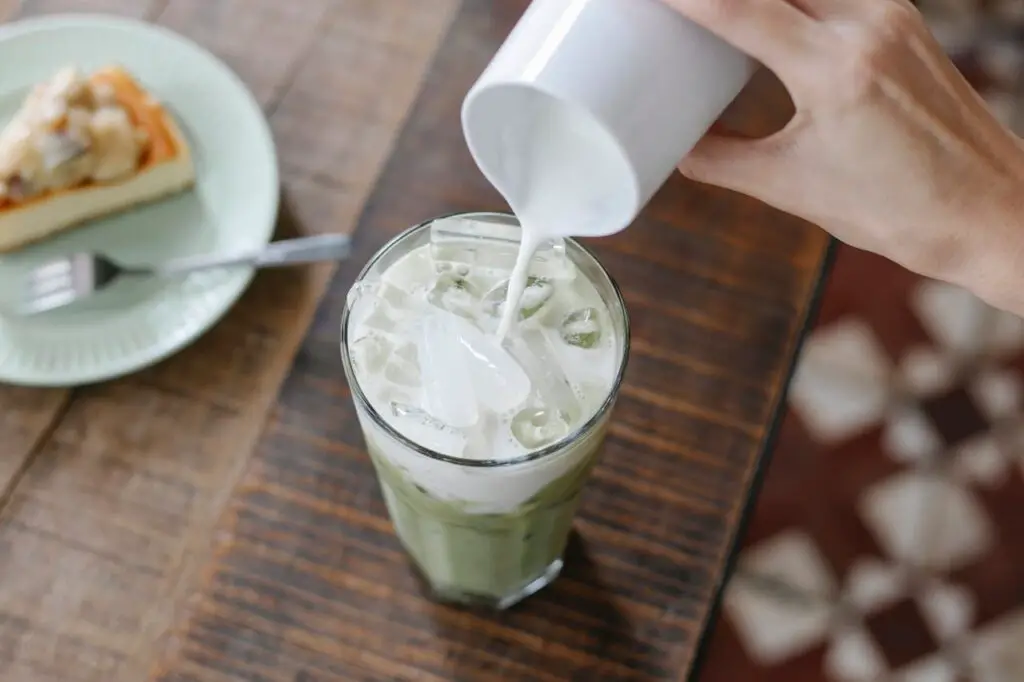
<p> If you’re trying to swap your second coffee for something smoother, iced matcha is your go-to. Just whisk 1 teaspoon of matcha powder with a splash of hot water until lump-free. Add your favorite milk (oat and almond are popular choices), a drizzle of honey or maple syrup, and pour it all over ice. This antioxidant-rich drink gives you a gentle energy lift without the crash—plus, it looks as good as it tastes. </p> :: Pexels

If you’re trying to swap your second coffee for something smoother, iced matcha is your go-to. Just whisk 1 teaspoon of matcha powder with a splash of hot water until lump-free. Add your favorite milk (oat and almond are popular choices), a drizzle of honey or maple syrup, and pour it all over ice. This antioxidant-rich drink gives you a gentle energy lift without the crash—plus, it looks as good as it tastes.

3. Homemade Lemonade (With a Twist)

<p> Basic lemonade is great, but adding a creative twist makes it unforgettable. Start by squeezing 4–6 fresh lemons into a pitcher, then mix with 4 cups of water and sweeten to taste with simple syrup or sugar. From there, it’s all about the extras: muddled strawberries for a fruity kick, fresh basil or mint for herbaceous flair, or even a pinch of cayenne if you like things spicy. Chill and serve over ice for a refreshing homemade classic. </p> :: Pexels

Basic lemonade is great, but adding a creative twist makes it unforgettable. Start by squeezing 4–6 fresh lemons into a pitcher, then mix with 4 cups of water and sweeten to taste with simple syrup or sugar. From there, it’s all about the extras: muddled strawberries for a fruity kick, fresh basil or mint for herbaceous flair, or even a pinch of cayenne if you like things spicy. Chill and serve over ice for a refreshing homemade classic.

4. Golden Milk (Turmeric Latte)

<p> Cozy, comforting, and packed with health benefits, golden milk is a warm drink that soothes the body and mind. In a small saucepan, warm your milk of choice and whisk in ½ teaspoon turmeric, ¼ teaspoon cinnamon, ⅛ teaspoon ginger, a crack of black pepper, and a teaspoon of honey. Simmer for a few minutes without boiling, then sip slowly. It’s like wellness in a mug—especially perfect before bedtime. </p> :: Freepik

Cozy, comforting, and packed with health benefits, golden milk is a warm drink that soothes the body and mind. In a small saucepan, warm your milk of choice and whisk in ½ teaspoon turmeric, ¼ teaspoon cinnamon, ⅛ teaspoon ginger, a crack of black pepper, and a teaspoon of honey. Simmer for a few minutes without boiling, then sip slowly. It’s like wellness in a mug—especially perfect before bedtime.

5. Iced Chai Tea Latte

<p> Craving something spicy and sweet? Brew 2 chai tea bags in ½ cup of hot water, let it steep for 5–10 minutes, then cool. Fill a glass with ice, pour in the concentrate, and top with milk—dairy or non-dairy both work well. Add a little sugar or honey if you like it sweeter. Want to take it up a notch? Simmer your tea with crushed cardamom pods, cloves, and cinnamon sticks for that coffee-shop depth of flavor. </p> :: Freepik

Craving something spicy and sweet? Brew 2 chai tea bags in ½ cup of hot water, let it steep for 5–10 minutes, then cool. Fill a glass with ice, pour in the concentrate, and top with milk—dairy or non-dairy both work well. Add a little sugar or honey if you like it sweeter. Want to take it up a notch? Simmer your tea with crushed cardamom pods, cloves, and cinnamon sticks for that coffee-shop depth of flavor.

6. Cucumber Mint Spa Water

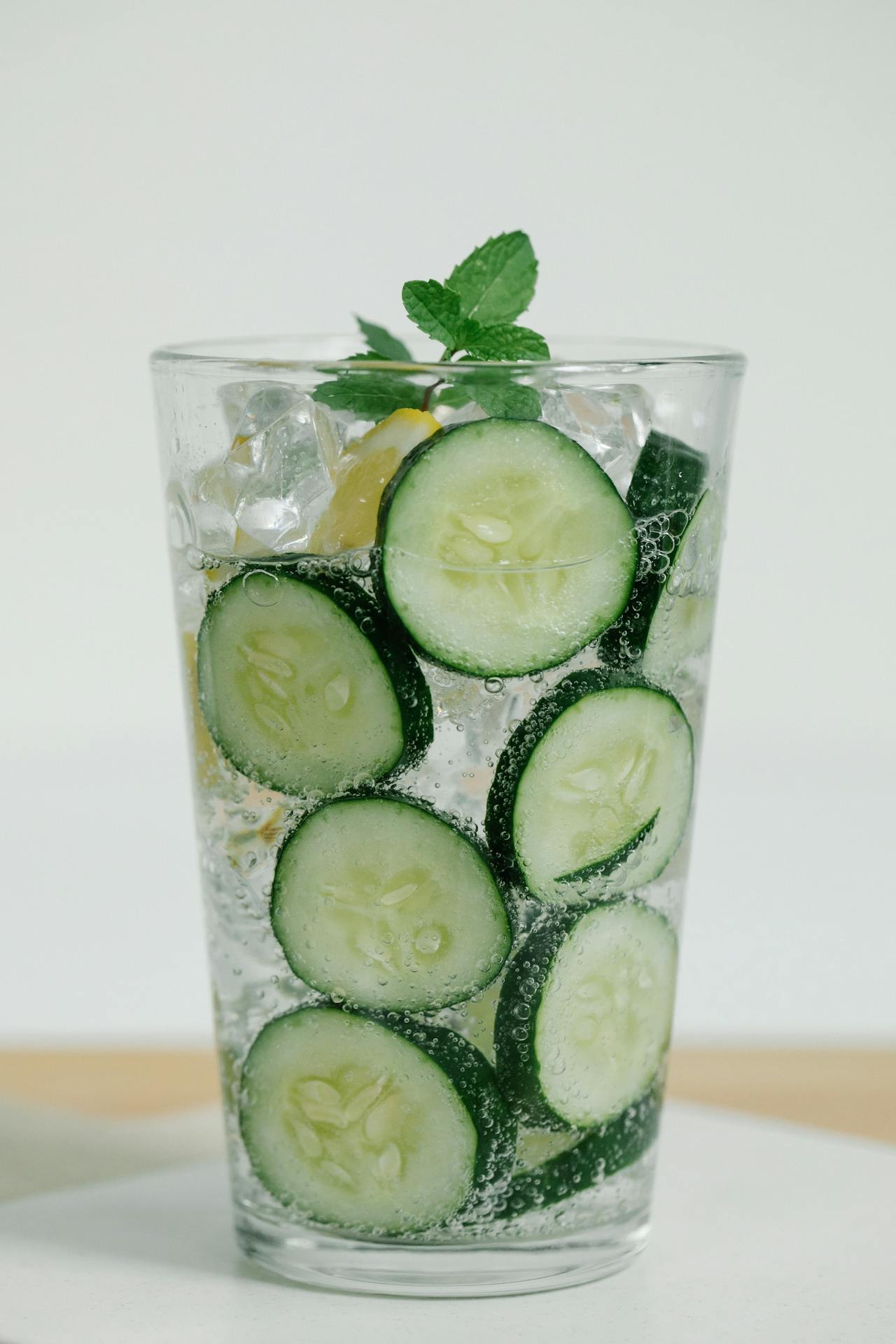
<p> This isn’t just water—it’s a mini vacation in a glass. Fill a pitcher with cold water, then add a handful of sliced cucumber, a few lemon wedges, and fresh mint leaves. Let it sit in the fridge for at least 30 minutes to infuse. The result? A naturally flavored drink that hydrates, refreshes, and makes you feel just a little bit fancier while doing laundry or working from home. </p> :: Freepik

This isn’t just water—it’s a mini vacation in a glass. Fill a pitcher with cold water, then add a handful of sliced cucumber, a few lemon wedges, and fresh mint leaves. Let it sit in the fridge for at least 30 minutes to infuse. The result? A naturally flavored drink that hydrates, refreshes, and makes you feel just a little bit fancier while doing laundry or working from home.

7. Creamy Hot Chocolate

<p> When the craving for something chocolatey hits, skip the powdered mix and make your own rich hot chocolate. In a small pot, heat 2 cups of milk with 2 tablespoons cocoa powder, 2 tablespoons sugar, and a splash of vanilla extract. Whisk until smooth and heated through, then pour into a mug and top with whipped cream or marshmallows. Add a pinch of sea salt to bring out the chocolate, or a sprinkle of cinnamon for a cozy twist. </p> :: Freepik | AI

When the craving for something chocolatey hits, skip the powdered mix and make your own rich hot chocolate. In a small pot, heat 2 cups of milk with 2 tablespoons cocoa powder, 2 tablespoons sugar, and a splash of vanilla extract. Whisk until smooth and heated through, then pour into a mug and top with whipped cream or marshmallows. Add a pinch of sea salt to bring out the chocolate, or a sprinkle of cinnamon for a cozy twist.

8. Homemade Cold Brew Coffee

<p> Tired of watery iced coffee? Cold brew is the smooth, low-acid answer—and it’s easier than you think. Combine 1 cup of coarsely ground coffee with 4 cups of cold water in a jar or French press. Stir, cover, and refrigerate for 12–24 hours. Strain with a fine mesh sieve or cheesecloth, and boom—you’ve got cold brew concentrate. Serve over ice with water, milk, or flavored syrups. It stores for up to a week, so it’s perfect for busy mornings. </p> :: Freepik

Tired of watery iced coffee? Cold brew is the smooth, low-acid answer—and it’s easier than you think. Combine 1 cup of coarsely ground coffee with 4 cups of cold water in a jar or French press. Stir, cover, and refrigerate for 12–24 hours. Strain with a fine mesh sieve or cheesecloth, and boom—you’ve got cold brew concentrate. Serve over ice with water, milk, or flavored syrups. It stores for up to a week, so it’s perfect for busy mornings.

9. Fruit-Infused Iced Tea

<p> Iced tea is a summer staple, but infusing it with fruit takes it from basic to brilliant. Brew a strong pot of your favorite tea (black, green, or herbal), then let it cool. Add in fresh fruit slices—peaches, oranges, berries, or pineapple are great options—and toss in herbs like rosemary or basil if you’re feeling adventurous. Chill for a few hours to let the flavors blend, then pour over ice. It’s like a mocktail you can sip all day long. </p> :: Pexels

Iced tea is a summer staple, but infusing it with fruit takes it from basic to brilliant. Brew a strong pot of your favorite tea (black, green, or herbal), then let it cool. Add in fresh fruit slices—peaches, oranges, berries, or pineapple are great options—and toss in herbs like rosemary or basil if you’re feeling adventurous. Chill for a few hours to let the flavors blend, then pour over ice. It’s like a mocktail you can sip all day long.

10. Banana Almond Smoothie

<p> Need something fast, filling, and healthy? This smoothie hits all the marks. Blend 1 ripe banana, 1 cup of almond milk, 1 tablespoon peanut butter, a pinch of cinnamon, and a few ice cubes until creamy. Add oats for extra fiber or protein powder for a post-workout boost. It’s the perfect morning pick-me-up or afternoon snack that tastes indulgent but keeps you going strong. </p> :: Freepik

Need something fast, filling, and healthy? This smoothie hits all the marks. Blend 1 ripe banana, 1 cup of almond milk, 1 tablespoon peanut butter, a pinch of cinnamon, and a few ice cubes until creamy. Add oats for extra fiber or protein powder for a post-workout boost. It’s the perfect morning pick-me-up or afternoon snack that tastes indulgent but keeps you going strong.

Final Thoughts

<p> You don’t need fancy gadgets, high-end ingredients, or a barista degree to make great drinks at home. With just a few pantry staples and a little creativity, you can craft beverages that rival anything from your favorite café. The best part? You get to control the sweetness, the flavors, and the vibe—whether it’s morning motivation or evening relaxation. So instead of spending five bucks a day on store-bought drinks, start mixing up your own. Not only will your wallet thank you, but you’ll also impress yourself (and your houseguests) with your DIY drink skills. Who needs a barista when you’ve got you? </p> :: Pexels

You don’t need fancy gadgets, high-end ingredients, or a barista degree to make great drinks at home. With just a few pantry staples and a little creativity, you can craft beverages that rival anything from your favorite café. The best part? You get to control the sweetness, the flavors, and the vibe—whether it’s morning motivation or evening relaxation.

So instead of spending five bucks a day on store-bought drinks, start mixing up your own. Not only will your wallet thank you, but you’ll also impress yourself (and your houseguests) with your DIY drink skills. Who needs a barista when you’ve got you?

Filed Under: Food & Drink

9 Home Office Hacks for Better Work-Life Balance: Reclaim Your Time, Energy, and Sanity

January 23, 2026 | Leave a Comment

9 Home Office Hacks for Better Work-Life Balance: Reclaim Your Time, Energy, and Sanity

<p> Remember when working from home seemed like the holy grail? Visions of leisurely mornings, cozy coffee breaks, and freedom from rush-hour traffic danced in our heads. Fast-forward to reality, and it’s more like rolling out of bed straight into Zoom calls, juggling kids and laundry between meetings, and wondering if the UPS guy has become your closest coworker. If you’re finding that your workday never seems to end—and your “home” has been entirely overtaken by “office”—you’re not alone. The blurred lines of remote work can easily tip the scales toward burnout if you’re not intentional about creating boundaries. But here’s the good news: you can have the best of both worlds. With a few clever tweaks, you can protect your personal time, boost productivity, and even rediscover the joy of working from home. Check out these 9 home office hacks to help you strike a healthier work-life balance and finally feel like you’re back in control of your days. </p> :: Pexels

Remember when working from home seemed like the holy grail? Visions of leisurely mornings, cozy coffee breaks, and freedom from rush-hour traffic danced in our heads. Fast-forward to reality, and it’s more like rolling out of bed straight into Zoom calls, juggling kids and laundry between meetings, and wondering if the UPS guy has become your closest coworker.

If you’re finding that your workday never seems to end—and your “home” has been entirely overtaken by “office”—you’re not alone. The blurred lines of remote work can easily tip the scales toward burnout if you’re not intentional about creating boundaries.

But here’s the good news: you can have the best of both worlds. With a few clever tweaks, you can protect your personal time, boost productivity, and even rediscover the joy of working from home. Check out these 9 home office hacks to help you strike a healthier work-life balance and finally feel like you’re back in control of your days.

1. Create a “Commute Corner” to Mentally Shift Gears

<p> The absence of a commute might be a blessing for your gas tank, but it’s surprisingly rough on your mental health. Rolling out of bed and straight into work mode can leave you feeling foggy and disconnected. Enter the “commute corner.” Set up a small spot in your home—a cozy chair by the window, a porch swing, or even just a yoga mat—where you spend ten minutes easing into your day. Enjoy your coffee, do a short meditation, or simply look out the window. The act of “going” somewhere, even just a few steps away, helps signal to your brain that it’s time to switch from home mode to work mode. It’s a small ritual that sets the tone for focus and calm throughout your day. </p> :: Pexels

The absence of a commute might be a blessing for your gas tank, but it’s surprisingly rough on your mental health. Rolling out of bed and straight into work mode can leave you feeling foggy and disconnected.

Enter the “commute corner.” Set up a small spot in your home—a cozy chair by the window, a porch swing, or even just a yoga mat—where you spend ten minutes easing into your day. Enjoy your coffee, do a short meditation, or simply look out the window. The act of “going” somewhere, even just a few steps away, helps signal to your brain that it’s time to switch from home mode to work mode. It’s a small ritual that sets the tone for focus and calm throughout your day.

2. Use Physical or Visual Boundaries to Protect Your Time

<p> One of the trickiest parts of working from home is getting the people you live with to understand that you’re actually working. If you’re fortunate enough to have a separate office, a closed door is a lifesaver. But not everyone has that luxury—especially in apartments or shared spaces. So create visual cues instead. Hang a sign on your chair, put on noise-canceling headphones, or wear a special “working” accessory (yes, even a silly hat will do the trick). These signals let others know you’re off-limits for casual chit-chat—or requests to find missing socks—so you can work efficiently and finish on time, leaving you free to enjoy your personal life later. </p> :: Pexels

One of the trickiest parts of working from home is getting the people you live with to understand that you’re actually working. If you’re fortunate enough to have a separate office, a closed door is a lifesaver. But not everyone has that luxury—especially in apartments or shared spaces.

So create visual cues instead. Hang a sign on your chair, put on noise-canceling headphones, or wear a special “working” accessory (yes, even a silly hat will do the trick). These signals let others know you’re off-limits for casual chit-chat—or requests to find missing socks—so you can work efficiently and finish on time, leaving you free to enjoy your personal life later.

3. Try the Two-Desk (or Two-Zone) Method

<p> Here’s a simple yet powerful hack: separate your workspace from your personal space—even if it’s just symbolically. If you have room, set up two desks: one exclusively for work, the other for personal activities like paying bills or creative projects. If space is tight, divide your single desk into two zones: one side for work, one side for everything else. When your workday ends, physically move your laptop to the non-work zone or stash it away in a drawer. That physical act of shifting spaces helps you mentally “clock out.” It’s amazing how something as small as changing seats can help your brain transition into relaxation mode. </p> :: Pexels

Here’s a simple yet powerful hack: separate your workspace from your personal space—even if it’s just symbolically. If you have room, set up two desks: one exclusively for work, the other for personal activities like paying bills or creative projects.

If space is tight, divide your single desk into two zones: one side for work, one side for everything else. When your workday ends, physically move your laptop to the non-work zone or stash it away in a drawer. That physical act of shifting spaces helps you mentally “clock out.” It’s amazing how something as small as changing seats can help your brain transition into relaxation mode.

4. Schedule Your Day—and Guard Your Breaks Like Gold

<p> Working from home can become one endless stretch of screen time if you’re not careful. Without coworkers pulling you away for coffee chats, it’s easy to forget that humans need breaks. Time-blocking is your secret weapon. Map out your day in chunks: focused work sprints, meetings, meals, and—most importantly—intentional breaks. Schedule time to stretch, take a quick walk, or just breathe away from your desk. Put these breaks in your calendar as though they’re meetings you absolutely can’t miss. When you protect your downtime, you’ll return to your work feeling refreshed and far less likely to burn out. </p> :: Pexels

Working from home can become one endless stretch of screen time if you’re not careful. Without coworkers pulling you away for coffee chats, it’s easy to forget that humans need breaks.

Time-blocking is your secret weapon. Map out your day in chunks: focused work sprints, meetings, meals, and—most importantly—intentional breaks. Schedule time to stretch, take a quick walk, or just breathe away from your desk. Put these breaks in your calendar as though they’re meetings you absolutely can’t miss. When you protect your downtime, you’ll return to your work feeling refreshed and far less likely to burn out.

5. Level Up Your Ergonomics—Your Back Will Thank You

<p> It might seem harmless to work from your couch or kitchen stool, but your body begs to differ. Bad posture can leave you achy, fatigued, and irritable, which quickly eats into your personal time when your workday is done. Invest in an ergonomic chair, or at least add a supportive cushion. Your desk should be at a height that lets your arms rest at a comfortable 90-degree angle. Raise your monitor to eye level so you’re not craning your neck. Even a basic laptop stand and an external keyboard can transform your setup. The result? Less physical strain, better focus, and more energy left over for life after work. </p> :: Pexels

It might seem harmless to work from your couch or kitchen stool, but your body begs to differ. Bad posture can leave you achy, fatigued, and irritable, which quickly eats into your personal time when your workday is done.

Invest in an ergonomic chair, or at least add a supportive cushion. Your desk should be at a height that lets your arms rest at a comfortable 90-degree angle. Raise your monitor to eye level so you’re not craning your neck. Even a basic laptop stand and an external keyboard can transform your setup. The result? Less physical strain, better focus, and more energy left over for life after work.

6. Use Tech Tools to Draw Firm Lines

<p> Technology might be the reason our work follows us home, but it can also help set boundaries—if you use it wisely. Explore features like Focus Assist on Windows or Focus Mode on macOS to silence work notifications after hours. Set “Do Not Disturb” hours in Slack, Teams, or any messaging app you use. Some email clients even let you schedule delayed sends so you’re not tempted to fire off late-night replies. By curbing digital interruptions, you give yourself permission to truly disconnect—and reconnect with your personal life without the constant ding of work intrusions. </p> :: Pexels

Technology might be the reason our work follows us home, but it can also help set boundaries—if you use it wisely.

Explore features like Focus Assist on Windows or Focus Mode on macOS to silence work notifications after hours. Set “Do Not Disturb” hours in Slack, Teams, or any messaging app you use. Some email clients even let you schedule delayed sends so you’re not tempted to fire off late-night replies.

By curbing digital interruptions, you give yourself permission to truly disconnect—and reconnect with your personal life without the constant ding of work intrusions.

7. Declutter Your Workspace for Mental Clarity

<p> A cluttered workspace often equals a cluttered mind. It’s hard to focus—or relax—when your desk is piled with coffee mugs, unopened mail, and cables tangled like spaghetti. At least once a week, do a thorough desk clean-up. Toss what you don’t need, file away papers, and wipe down surfaces. Consider a minimalist approach: keep only the essentials visible, and store everything else out of sight. A tidy workspace not only boosts focus but also helps you feel calm and in control, making it easier to close the mental door on work at day’s end. </p> :: Pexels

A cluttered workspace often equals a cluttered mind. It’s hard to focus—or relax—when your desk is piled with coffee mugs, unopened mail, and cables tangled like spaghetti.

At least once a week, do a thorough desk clean-up. Toss what you don’t need, file away papers, and wipe down surfaces. Consider a minimalist approach: keep only the essentials visible, and store everything else out of sight. A tidy workspace not only boosts focus but also helps you feel calm and in control, making it easier to close the mental door on work at day’s end.

8. End Your Day with a Ritual to Shut Off Work Mode

<p> One of the biggest traps of remote work is feeling like the day never truly ends. Without a clear “leaving the office” moment, it’s far too easy to keep replying to emails into the night. Develop a personal ritual that signals your workday is done. Shut down your computer completely instead of just closing the lid. Tidy your desk, turn off your desk lamp, or write a quick list of tomorrow’s priorities. Some people even play a favorite “end of day” song or change clothes as a physical cue. These small rituals help your brain transition from work mode into personal mode, making it easier to relax, enjoy dinner, and truly unwind. </p> :: Pexels

One of the biggest traps of remote work is feeling like the day never truly ends. Without a clear “leaving the office” moment, it’s far too easy to keep replying to emails into the night.

Develop a personal ritual that signals your workday is done. Shut down your computer completely instead of just closing the lid. Tidy your desk, turn off your desk lamp, or write a quick list of tomorrow’s priorities. Some people even play a favorite “end of day” song or change clothes as a physical cue.

These small rituals help your brain transition from work mode into personal mode, making it easier to relax, enjoy dinner, and truly unwind.

9. Sprinkle Joy into Your Day to Stay Motivated

<p> When you’re working from home, days can blur into one long stretch of meetings, emails, and snack raids. Injecting small pockets of joy into your routine is crucial for maintaining balance—and your sanity. Treat yourself to a fancy coffee mid-morning, step outside for a few minutes of sunshine, or keep a playlist of energizing music on standby. Pet your dog, text a friend, or even take five minutes to stretch or dance around your living room. These little moments of delight remind you why working from home can be wonderful and help you avoid falling into a monotonous rut. </p> :: Pexels

When you’re working from home, days can blur into one long stretch of meetings, emails, and snack raids. Injecting small pockets of joy into your routine is crucial for maintaining balance—and your sanity.

Treat yourself to a fancy coffee mid-morning, step outside for a few minutes of sunshine, or keep a playlist of energizing music on standby. Pet your dog, text a friend, or even take five minutes to stretch or dance around your living room. These little moments of delight remind you why working from home can be wonderful and help you avoid falling into a monotonous rut.

Final Thoughts

<p> Here’s the truth: working from home can be the dream we all imagined—but only if you’re proactive about protecting your time, space, and well-being. Without boundaries, it’s all too easy for work to seep into every corner of your life, leaving you burned out and exhausted. But by incorporating even a few of these simple hacks, you’ll start to reclaim the balance you deserve. You’ll be able to focus during work hours and fully unplug afterward, knowing your job—and your home life—are both thriving. Remember: you’re working from home to make life better, not busier. So take control, set those boundaries, and enjoy the freedom and flexibility that remote work was meant to bring. Your time, your health, and your peace of mind are worth it. </p> :: Pexels

Here’s the truth: working from home can be the dream we all imagined—but only if you’re proactive about protecting your time, space, and well-being. Without boundaries, it’s all too easy for work to seep into every corner of your life, leaving you burned out and exhausted.

But by incorporating even a few of these simple hacks, you’ll start to reclaim the balance you deserve. You’ll be able to focus during work hours and fully unplug afterward, knowing your job—and your home life—are both thriving.

Remember: you’re working from home to make life better, not busier. So take control, set those boundaries, and enjoy the freedom and flexibility that remote work was meant to bring. Your time, your health, and your peace of mind are worth it.

Filed Under: Lifestyle

Artificial Intelligence: 11 Big Ethical Questions We Need to Ask Now

January 23, 2026 | Leave a Comment

Artificial Intelligence: 11 Big Ethical Questions We Need to Ask Now

<p> Imagine a world where your voice assistant knows your secrets, a robot makes hiring decisions at your dream job, and hyper-realistic videos spread lies faster than the truth. It might sound like a sci-fi thriller—but it’s our present reality. Artificial Intelligence (AI) is transforming our lives in profound ways, from how we shop to how we’re diagnosed at the doctor’s office. Yet, as AI grows smarter, the ethical questions it raises get thornier—and ignoring them isn’t an option. So let’s get real: Are we ready for a future where machines make moral choices? Are our laws and values keeping pace? Whether you’re a tech lover, a cautious skeptic, or just someone trying to protect your privacy online, these 11 big ethical questions are ones we all need to start asking right now. </p> :: Freepik

Imagine a world where your voice assistant knows your secrets, a robot makes hiring decisions at your dream job, and hyper-realistic videos spread lies faster than the truth. It might sound like a sci-fi thriller—but it’s our present reality. Artificial Intelligence (AI) is transforming our lives in profound ways, from how we shop to how we’re diagnosed at the doctor’s office. Yet, as AI grows smarter, the ethical questions it raises get thornier—and ignoring them isn’t an option.

So let’s get real: Are we ready for a future where machines make moral choices? Are our laws and values keeping pace? Whether you’re a tech lover, a cautious skeptic, or just someone trying to protect your privacy online, these 11 big ethical questions are ones we all need to start asking right now.

1. Are AI Systems Reinforcing Bias and Discrimination?

<p> Here’s the truth: AI reflects the world it learns from—and our world is far from perfect. If historical data is biased, AI can absorb and amplify those same prejudices. Think hiring algorithms favoring male candidates over female ones, or facial recognition software misidentifying people of color. In the U.S., this isn’t just a technical problem—it’s a civil rights issue. We must demand rigorous testing, diverse data sets, and transparency about how these systems are trained, so that AI helps level the playing field instead of tilting it further. </p> :: Pexels

Here’s the truth: AI reflects the world it learns from—and our world is far from perfect. If historical data is biased, AI can absorb and amplify those same prejudices. Think hiring algorithms favoring male candidates over female ones, or facial recognition software misidentifying people of color. In the U.S., this isn’t just a technical problem—it’s a civil rights issue. We must demand rigorous testing, diverse data sets, and transparency about how these systems are trained, so that AI helps level the playing field instead of tilting it further.

2. Is Your Personal Data Truly Private?

<p> Our personal data fuels AI: our faces in photos, browsing habits, smart device conversations, even health records. The result? Systems that predict what we’ll buy—or even how we’ll vote. Yet many Americans don’t fully realize how much data they’ve given away, or who profits from it. Laws like California’s CCPA are steps in the right direction, but there’s still a Wild West vibe when it comes to data privacy. We should all be asking: What data is being collected? How is it used? And who’s ultimately in control—us or the algorithms? </p> :: Freepik

Our personal data fuels AI: our faces in photos, browsing habits, smart device conversations, even health records. The result? Systems that predict what we’ll buy—or even how we’ll vote. Yet many Americans don’t fully realize how much data they’ve given away, or who profits from it. Laws like California’s CCPA are steps in the right direction, but there’s still a Wild West vibe when it comes to data privacy. We should all be asking: What data is being collected? How is it used? And who’s ultimately in control—us or the algorithms?

3. Do AI Decisions Pass the Explainability Test?

<p> Ever been denied a loan and told “the computer said no”—but no one can explain why? That’s the problem of the AI “black box.” Many powerful AI models churn out decisions with logic so complex that even their creators can’t explain them. But in sectors like finance, healthcare, and criminal justice, “just trust us” isn’t good enough. Americans deserve to know why they were rejected, flagged, or diagnosed. Pushing for explainability isn’t just ethical—it’s essential for trust in the technology that increasingly shapes our lives. </p> :: Freepik

Ever been denied a loan and told “the computer said no”—but no one can explain why? That’s the problem of the AI “black box.” Many powerful AI models churn out decisions with logic so complex that even their creators can’t explain them. But in sectors like finance, healthcare, and criminal justice, “just trust us” isn’t good enough. Americans deserve to know why they were rejected, flagged, or diagnosed. Pushing for explainability isn’t just ethical—it’s essential for trust in the technology that increasingly shapes our lives.

4. Who’s Accountable When AI Messes Up?

<p> Picture an autonomous car causing a crash. Who’s to blame—the manufacturer, the software developer, or the AI itself? Or imagine a medical algorithm misdiagnosing a patient. Legal frameworks haven’t caught up with these futuristic scenarios, leaving victims in a legal limbo. As AI becomes more autonomous, the question of accountability grows urgent. Companies love to market AI’s brilliance but often shy away from taking responsibility when things go wrong. That’s why lawmakers, tech leaders, and everyday citizens must push for clear rules about liability in the AI age. </p> :: Pexels

Picture an autonomous car causing a crash. Who’s to blame—the manufacturer, the software developer, or the AI itself? Or imagine a medical algorithm misdiagnosing a patient. Legal frameworks haven’t caught up with these futuristic scenarios, leaving victims in a legal limbo. As AI becomes more autonomous, the question of accountability grows urgent. Companies love to market AI’s brilliance but often shy away from taking responsibility when things go wrong. That’s why lawmakers, tech leaders, and everyday citizens must push for clear rules about liability in the AI age.

5. Will AI Take Your Job—or Create a Better One?

<p> There’s no denying it: AI is reshaping the American workforce. Some jobs, especially repetitive tasks, may vanish. But new roles are emerging, like AI ethics officers, machine learning engineers, and data privacy specialists. The real question is: who will benefit, and who might be left behind? History shows technology can create more jobs than it destroys—but the transition isn’t always smooth. Workers and policymakers must plan ahead so that AI becomes a tool for opportunity rather than a driver of inequality. </p> :: Pexels

There’s no denying it: AI is reshaping the American workforce. Some jobs, especially repetitive tasks, may vanish. But new roles are emerging, like AI ethics officers, machine learning engineers, and data privacy specialists. The real question is: who will benefit, and who might be left behind? History shows technology can create more jobs than it destroys—but the transition isn’t always smooth. Workers and policymakers must plan ahead so that AI becomes a tool for opportunity rather than a driver of inequality.

6. What About AI’s Environmental Footprint?

<p> Here’s a twist many people don’t see coming: AI isn’t just digital—it has a physical impact. Training massive AI models like language generators requires staggering amounts of electricity and computing power. That means carbon emissions and e-waste from servers and data centers. Americans care deeply about sustainability, and we should be asking how green our AI truly is. Can we innovate more efficient models? Power data centers with renewable energy? Responsible AI means balancing progress with the planet’s health. </p> :: Freepik

Here’s a twist many people don’t see coming: AI isn’t just digital—it has a physical impact. Training massive AI models like language generators requires staggering amounts of electricity and computing power. That means carbon emissions and e-waste from servers and data centers. Americans care deeply about sustainability, and we should be asking how green our AI truly is. Can we innovate more efficient models? Power data centers with renewable energy? Responsible AI means balancing progress with the planet’s health.

7. Could AI-Generated Deepfakes Mislead You?

<p> Imagine watching a video of a political figure saying something outrageous—only to discover it’s fake. Deepfakes can make it nearly impossible to tell real from fabricated. While they’re sometimes used harmlessly (hello, face-swap comedy videos!), they also threaten elections, reputations, and public trust. In the U.S., where free speech is cherished, regulating deepfakes is a delicate dance. The question remains: how do we balance creative freedom with protection from dangerous misinformation? </p> :: Freepik

Imagine watching a video of a political figure saying something outrageous—only to discover it’s fake. Deepfakes can make it nearly impossible to tell real from fabricated. While they’re sometimes used harmlessly (hello, face-swap comedy videos!), they also threaten elections, reputations, and public trust. In the U.S., where free speech is cherished, regulating deepfakes is a delicate dance. The question remains: how do we balance creative freedom with protection from dangerous misinformation?

8. Should AI Models Go to Therapy Too?

<p> It sounds wacky, but as AI becomes more complex, some scientists are asking: could advanced systems one day be conscious—or at least experience something akin to feelings? If so, would we have ethical obligations toward them? Right now, it’s mostly theoretical. But think about how we treat sophisticated robots or digital assistants. Do we see them as tools—or potential beings deserving moral consideration? It’s a debate that forces us to confront what consciousness really means—and whether AI might one day cross that line. </p> :: Freepik

It sounds wacky, but as AI becomes more complex, some scientists are asking: could advanced systems one day be conscious—or at least experience something akin to feelings? If so, would we have ethical obligations toward them? Right now, it’s mostly theoretical. But think about how we treat sophisticated robots or digital assistants. Do we see them as tools—or potential beings deserving moral consideration? It’s a debate that forces us to confront what consciousness really means—and whether AI might one day cross that line.

9. Are Autonomous Weapons Ethical?

<p> “Killer robots” once belonged strictly to sci-fi. Now, autonomous weapons can select and attack targets without human intervention. It’s chilling to think about AI making life-and-death decisions on a battlefield. Many experts, including those at the United Nations, warn that these technologies could lower the threshold for conflict, making wars more likely. Should humans always have the final say before pulling the trigger? It’s one of the most pressing ethical questions of our era. </p> :: Pexels

“Killer robots” once belonged strictly to sci-fi. Now, autonomous weapons can select and attack targets without human intervention. It’s chilling to think about AI making life-and-death decisions on a battlefield. Many experts, including those at the United Nations, warn that these technologies could lower the threshold for conflict, making wars more likely. Should humans always have the final say before pulling the trigger? It’s one of the most pressing ethical questions of our era.

10. Could AI Be Weaponized in Politics or Media?

<p> AI can generate fake news articles, fake images, and fake social media accounts—all tailored to manipulate opinions and sow discord. Imagine targeted misinformation campaigns that sway elections or damage public health efforts. In a democracy like the U.S., the stakes couldn’t be higher. Policymakers and tech companies must confront how to protect free speech while preventing the erosion of truth itself. For ordinary citizens, media literacy has never been more critical. </p> :: Freepik

AI can generate fake news articles, fake images, and fake social media accounts—all tailored to manipulate opinions and sow discord. Imagine targeted misinformation campaigns that sway elections or damage public health efforts. In a democracy like the U.S., the stakes couldn’t be higher. Policymakers and tech companies must confront how to protect free speech while preventing the erosion of truth itself. For ordinary citizens, media literacy has never been more critical.

11. Is There a Global Rulebook for AI?

<p> AI knows no borders. Yet regulations vary wildly between countries, creating a patchwork of rules that companies struggle to navigate—and that bad actors can exploit. Some experts argue we need an international body to set global AI standards, much like the WTO does for trade. But who writes those rules? Whose values win out? As AI becomes ever more influential, global cooperation—and ethical consensus—will be crucial for ensuring technology serves humanity rather than divides it. </p> :: Freepik

AI knows no borders. Yet regulations vary wildly between countries, creating a patchwork of rules that companies struggle to navigate—and that bad actors can exploit. Some experts argue we need an international body to set global AI standards, much like the WTO does for trade. But who writes those rules? Whose values win out? As AI becomes ever more influential, global cooperation—and ethical consensus—will be crucial for ensuring technology serves humanity rather than divides it.

Final Thoughts

<p> Here’s the bottom line: AI isn’t just lines of code—it’s an ethical crossroads for our society. The decisions we make today will ripple into the future, shaping everything from civil rights to job markets to democratic institutions. The good news? We’re not powerless passengers on this AI ride. Each of us—tech users, voters, business leaders, and policymakers—has a voice in shaping how AI evolves. We can demand fairness, transparency, and accountability. We can push for laws that protect privacy without stifling innovation. We can stay informed so we’re not fooled by deepfakes or manipulated narratives. So let’s keep asking the hard questions—and let’s do it now. Because the future of AI isn’t just a tech issue. It’s a human one. Are you ready to be part of the conversation? </p> :: Freepik

Here’s the bottom line: AI isn’t just lines of code—it’s an ethical crossroads for our society. The decisions we make today will ripple into the future, shaping everything from civil rights to job markets to democratic institutions.

The good news? We’re not powerless passengers on this AI ride. Each of us—tech users, voters, business leaders, and policymakers—has a voice in shaping how AI evolves. We can demand fairness, transparency, and accountability. We can push for laws that protect privacy without stifling innovation. We can stay informed so we’re not fooled by deepfakes or manipulated narratives.

So let’s keep asking the hard questions—and let’s do it now. Because the future of AI isn’t just a tech issue. It’s a human one.

Are you ready to be part of the conversation?

Filed Under: Tech

How Often You Should Replace These 10 Household Items for Better Health

January 23, 2026 | Leave a Comment

How Often You Should Replace These 10 Household Items for Better Health

<p> As we age, maintaining a healthy living environment becomes increasingly important. The items we use daily in our homes can significantly impact our health, especially as our bodies change over time. For baby boomers, ensuring your home is clean, safe, and hygienic is essential for overall well-being. From dust mites to bacteria, many common household items can harbor harmful substances if not replaced regularly. By staying on top of replacing certain household essentials, you can reduce health risks, improve your environment, and maintain your quality of life. In this guide, we'll explore how often you should replace 10 common household items to ensure you're living in a healthier, safer environment. </p> :: Pexels

As we age, maintaining a healthy living environment becomes increasingly important. The items we use daily in our homes can significantly impact our health, especially as our bodies change over time. For baby boomers, ensuring your home is clean, safe, and hygienic is essential for overall well-being. From dust mites to bacteria, many common household items can harbor harmful substances if not replaced regularly. By staying on top of replacing certain household essentials, you can reduce health risks, improve your environment, and maintain your quality of life. In this guide, we’ll explore how often you should replace 10 common household items to ensure you’re living in a healthier, safer environment.

1. Pillows – The Key to Restful Sleep and Better Health

<p> Your pillow isn’t just for comfort; it’s vital to your health. Over time, pillows collect dust mites, mold, and bacteria, which can cause allergies, breathing problems, and disrupt your sleep. For baby boomers, getting quality sleep is especially important for overall health, as poor sleep can exacerbate conditions like arthritis and heart disease. To keep your pillows fresh and supportive, replace them every 1 to 2 years. If they begin to lose their shape or feel uncomfortable, it’s time for a new one. Also, choose hypoallergenic pillows to reduce allergens and improve sleep quality. </p> :: Pexels

Your pillow isn’t just for comfort; it’s vital to your health. Over time, pillows collect dust mites, mold, and bacteria, which can cause allergies, breathing problems, and disrupt your sleep. For baby boomers, getting quality sleep is especially important for overall health, as poor sleep can exacerbate conditions like arthritis and heart disease. To keep your pillows fresh and supportive, replace them every 1 to 2 years. If they begin to lose their shape or feel uncomfortable, it’s time for a new one. Also, choose hypoallergenic pillows to reduce allergens and improve sleep quality.

2. Mattresses – A Healthy Mattress Equals Healthy Sleep

<p> A mattress plays a major role in the quality of your sleep and, consequently, your health. As we get older, back pain, joint stiffness, and poor posture can all make it harder to get restful sleep. A mattress that is too old can worsen these issues, causing discomfort and affecting your overall well-being. It’s recommended that you replace your mattress every 7 to 10 years. Pay attention to signs like sagging, lumps, or noticeable wear and tear, as these are indicators that your mattress is no longer supporting you properly. </p> :: Pexels

A mattress plays a major role in the quality of your sleep and, consequently, your health. As we get older, back pain, joint stiffness, and poor posture can all make it harder to get restful sleep. A mattress that is too old can worsen these issues, causing discomfort and affecting your overall well-being. It’s recommended that you replace your mattress every 7 to 10 years. Pay attention to signs like sagging, lumps, or noticeable wear and tear, as these are indicators that your mattress is no longer supporting you properly.

3. Towels – Keep Your Skin Clean and Fresh

<p> Towels are essential for hygiene, but they can also harbor bacteria, mold, and mildew if they aren’t replaced regularly. Older towels lose their softness, absorbency, and effectiveness. For better skin health and hygiene, replace your bath towels every 2 years. If they start to feel rough or don’t dry you as effectively, it’s time to toss them. Regularly washing your towels and allowing them to dry thoroughly between uses will also help reduce bacteria buildup. </p> :: Pexels

Towels are essential for hygiene, but they can also harbor bacteria, mold, and mildew if they aren’t replaced regularly. Older towels lose their softness, absorbency, and effectiveness. For better skin health and hygiene, replace your bath towels every 2 years. If they start to feel rough or don’t dry you as effectively, it’s time to toss them. Regularly washing your towels and allowing them to dry thoroughly between uses will also help reduce bacteria buildup.

4. Toothbrushes – Ensure Oral Health with Fresh Brushes

<p> Your toothbrush is essential for maintaining oral health, but over time, the bristles wear out and can harbor bacteria. As dental hygiene becomes even more crucial as we age, a worn toothbrush can lead to ineffective brushing and potential oral issues like gum disease or tooth decay. To maintain optimal oral health, replace your toothbrush every 3 to 4 months, or sooner if the bristles are frayed. It’s also a good idea to disinfect your toothbrush periodically to reduce bacterial buildup. </p> :: Pexels

Your toothbrush is essential for maintaining oral health, but over time, the bristles wear out and can harbor bacteria. As dental hygiene becomes even more crucial as we age, a worn toothbrush can lead to ineffective brushing and potential oral issues like gum disease or tooth decay. To maintain optimal oral health, replace your toothbrush every 3 to 4 months, or sooner if the bristles are frayed. It’s also a good idea to disinfect your toothbrush periodically to reduce bacterial buildup.

5. Air Filters – Breathe Easy for Better Lung Health

<p> As we age, respiratory health becomes a growing concern, and the air we breathe plays a significant role in maintaining healthy lungs. Dirty air filters can circulate dust, allergens, and pollutants throughout your home, triggering allergies and respiratory problems. To ensure you’re breathing clean air, replace air filters in your HVAC system every 3 months. If you suffer from allergies or have pets, you may need to change them more frequently to maintain optimal air quality. </p> :: Pexels

As we age, respiratory health becomes a growing concern, and the air we breathe plays a significant role in maintaining healthy lungs. Dirty air filters can circulate dust, allergens, and pollutants throughout your home, triggering allergies and respiratory problems. To ensure you’re breathing clean air, replace air filters in your HVAC system every 3 months. If you suffer from allergies or have pets, you may need to change them more frequently to maintain optimal air quality.

6. Sponges and Dish Cloths – A Healthier Kitchen Starts with Clean Tools

<p> Kitchen sponges and dish cloths are notorious for collecting bacteria, especially when left damp for extended periods. Since these items are used in food preparation and cleaning, they can pose a significant risk to your health if not replaced regularly. To keep your kitchen hygienic, replace sponges and dish cloths every 2 to 4 weeks. You can also disinfect your sponges between uses by microwaving damp ones for 30 seconds or placing them in the dishwasher. Regularly wash dish cloths in hot water to kill bacteria and prevent mold growth. </p> :: Pexels


Kitchen sponges and dish cloths are notorious for collecting bacteria, especially when left damp for extended periods. Since these items are used in food preparation and cleaning, they can pose a significant risk to your health if not replaced regularly. To keep your kitchen hygienic, replace sponges and dish cloths every 2 to 4 weeks. You can also disinfect your sponges between uses by microwaving damp ones for 30 seconds or placing them in the dishwasher. Regularly wash dish cloths in hot water to kill bacteria and prevent mold growth.

7. Shower Curtains – Prevent Mold and Mildew in Your Bathroom

<p> Shower curtains often come into contact with moisture, creating the perfect environment for mold and mildew. Over time, these fungi can spread on your curtain, affecting both its appearance and your health. Mold and mildew exposure can lead to respiratory problems, especially in older adults. To reduce these risks, replace your shower curtain every 6 to 12 months. If your shower curtain is made of fabric, consider switching to a vinyl or plastic one, which is easier to clean and doesn’t absorb moisture as easily. </p> :: Pexels

Shower curtains often come into contact with moisture, creating the perfect environment for mold and mildew. Over time, these fungi can spread on your curtain, affecting both its appearance and your health. Mold and mildew exposure can lead to respiratory problems, especially in older adults. To reduce these risks, replace your shower curtain every 6 to 12 months. If your shower curtain is made of fabric, consider switching to a vinyl or plastic one, which is easier to clean and doesn’t absorb moisture as easily.

8. Kitchen Utensils – Replace Damaged Tools to Prevent Health Risks

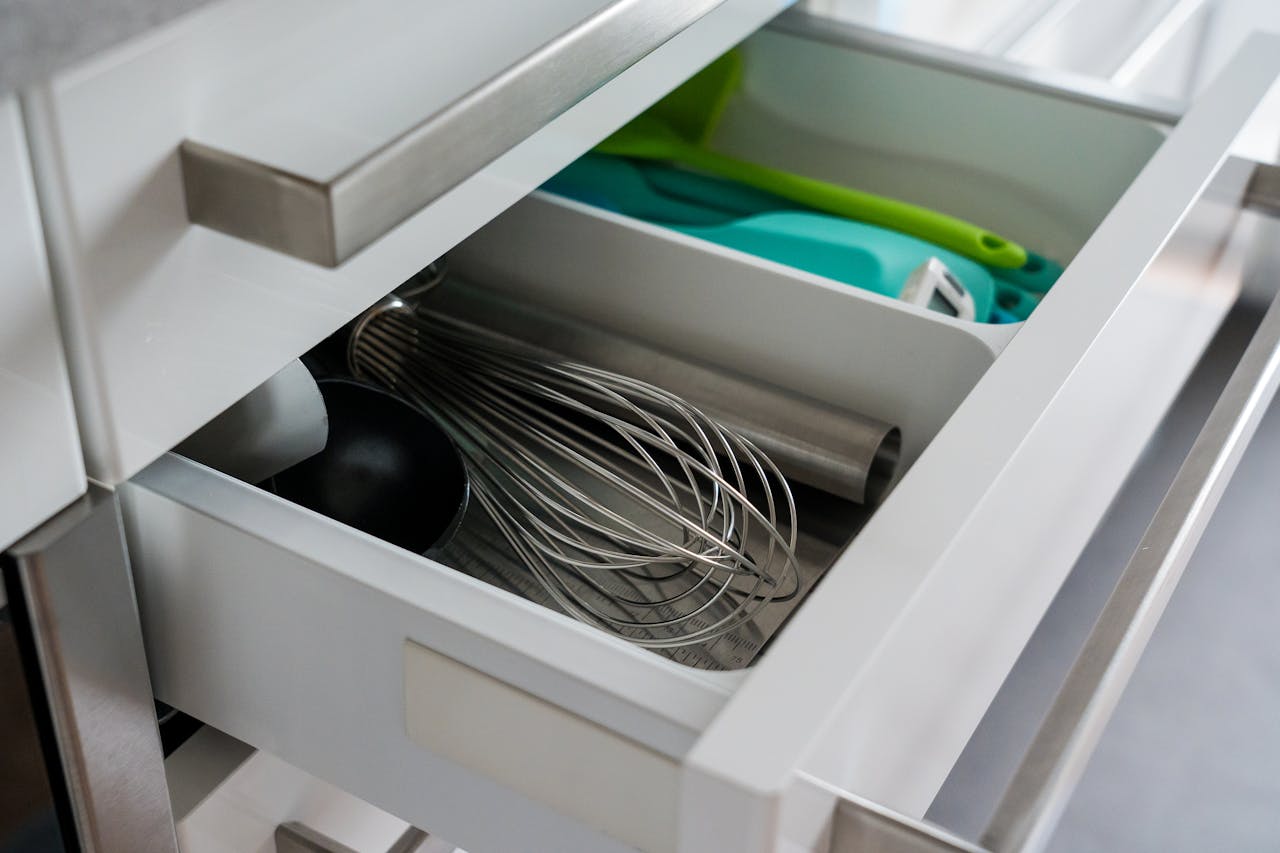
<p> From cutting boards to knives and non-stick pans, kitchen utensils are used daily for food preparation. Over time, these items can become worn out or damaged, potentially causing harm. For example, cracked cutting boards and dull knives can harbor bacteria, and chipped non-stick cookware may release harmful chemicals when heated. To maintain a safe cooking environment, replace kitchen utensils every 2 to 5 years or sooner if they are damaged. Always store knives properly and regularly sharpen them to keep them in good condition. </p> :: Pexels

From cutting boards to knives and non-stick pans, kitchen utensils are used daily for food preparation. Over time, these items can become worn out or damaged, potentially causing harm. For example, cracked cutting boards and dull knives can harbor bacteria, and chipped non-stick cookware may release harmful chemicals when heated. To maintain a safe cooking environment, replace kitchen utensils every 2 to 5 years or sooner if they are damaged. Always store knives properly and regularly sharpen them to keep them in good condition.

9. Smoke Detectors – Protect Yourself and Your Loved Ones

<p> Safety should always be a priority, especially as we age. Smoke detectors are vital for alerting you to fires, but like any electronic device, they can wear out over time. For your safety, check your smoke detectors monthly, and replace the batteries at least twice a year. You should also replace the entire unit every 10 years, as the sensors lose their sensitivity over time. Smoke detectors save lives, so make sure yours are always functioning properly. </p> :: Pexels

Safety should always be a priority, especially as we age. Smoke detectors are vital for alerting you to fires, but like any electronic device, they can wear out over time. For your safety, check your smoke detectors monthly, and replace the batteries at least twice a year. You should also replace the entire unit every 10 years, as the sensors lose their sensitivity over time. Smoke detectors save lives, so make sure yours are always functioning properly.

10. Medications – Safeguard Your Health with Proper Medication Management

<p> Expired medications can pose serious health risks, especially for older adults who may be managing multiple prescriptions. Over time, medications lose their effectiveness, and taking expired drugs can lead to unwanted side effects or adverse reactions. It’s essential to regularly check your medicine cabinet for expired medications and dispose of them safely. Ideally, you should do this every 6 months to ensure that all medications are up to date and safe to use. Consult your healthcare provider about safe disposal methods and to review your current medications for accuracy. </p> :: Pexels

Expired medications can pose serious health risks, especially for older adults who may be managing multiple prescriptions. Over time, medications lose their effectiveness, and taking expired drugs can lead to unwanted side effects or adverse reactions. It’s essential to regularly check your medicine cabinet for expired medications and dispose of them safely. Ideally, you should do this every 6 months to ensure that all medications are up to date and safe to use. Consult your healthcare provider about safe disposal methods and to review your current medications for accuracy.

Final Thoughts

<p> By regularly replacing these common household items, you can improve your overall health, reduce exposure to allergens and bacteria, and create a safer living environment. Maintaining a healthy home requires attention to detail and regular upkeep, but the benefits are well worth the effort. For baby boomers, focusing on these key items can help you maintain a higher quality of life, promote better sleep, and protect your respiratory and oral health. Regularly replacing these essential items is an easy way to ensure that you’re living in a healthy, comfortable, and safe space as you age. Take action today by going through your home and replacing the items on this list. By staying proactive about your health and home environment, you can continue to live well for years to come! </p> :: Pexels

By regularly replacing these common household items, you can improve your overall health, reduce exposure to allergens and bacteria, and create a safer living environment. Maintaining a healthy home requires attention to detail and regular upkeep, but the benefits are well worth the effort. For baby boomers, focusing on these key items can help you maintain a higher quality of life, promote better sleep, and protect your respiratory and oral health. Regularly replacing these essential items is an easy way to ensure that you’re living in a healthy, comfortable, and safe space as you age.

Take action today by going through your home and replacing the items on this list. By staying proactive about your health and home environment, you can continue to live well for years to come!

Filed Under: Health & Fitness

10 Smart Hacks to Raise Your Credit Score This Year (And Finally Feel in Control of Your Money!)

January 23, 2026 | Leave a Comment

10 Smart Hacks to Raise Your Credit Score This Year (And Finally Feel in Control of Your Money!)

<p> Picture this: you’re about to buy a house, finance a new car, or apply for that premium credit card you’ve been eyeing—and suddenly, your credit score steps into the spotlight like the star of the show. Those three little digits wield enormous power over your financial life, influencing everything from loan approvals to interest rates and even the size of your security deposits. But here’s the secret nobody tells you: your credit score isn’t some immovable mountain—it’s more like a garden that, with the right care and a few clever tricks, can grow lush and healthy. The challenge? Most people feel intimidated, confused, or downright annoyed by the credit world’s jargon and rules. The good news is you don’t have to be a finance expert to boost your score. With some smart strategies and everyday habits, you can start improving those precious digits and unlock better financial opportunities. Whether you’re rebuilding after some rough patches or simply aiming for the credit elite, these 10 practical hacks will help you raise your credit score this year—and finally feel like you’re steering your financial destiny. </p> :: Pexels

Picture this: you’re about to buy a house, finance a new car, or apply for that premium credit card you’ve been eyeing—and suddenly, your credit score steps into the spotlight like the star of the show. Those three little digits wield enormous power over your financial life, influencing everything from loan approvals to interest rates and even the size of your security deposits.

But here’s the secret nobody tells you: your credit score isn’t some immovable mountain—it’s more like a garden that, with the right care and a few clever tricks, can grow lush and healthy. The challenge? Most people feel intimidated, confused, or downright annoyed by the credit world’s jargon and rules.

The good news is you don’t have to be a finance expert to boost your score. With some smart strategies and everyday habits, you can start improving those precious digits and unlock better financial opportunities. Whether you’re rebuilding after some rough patches or simply aiming for the credit elite, these 10 practical hacks will help you raise your credit score this year—and finally feel like you’re steering your financial destiny.

1. Check Your Credit Reports for Errors

<p> Before you can improve your credit score, you’ve got to know exactly what’s dragging it down—and that starts with pulling your credit reports. Shocking but true: a Federal Trade Commission study found that about 1 in 4 Americans discover errors on their credit reports. These mistakes could range from accounts that don’t belong to you, to incorrect balances or outdated negative marks that should have fallen off. Visit AnnualCreditReport.com—the only official source for free reports—and snag copies from Equifax, Experian, and TransUnion. Comb through every detail like a detective on a mission. If you spot an error, file a dispute promptly. Fixing mistakes can sometimes trigger an immediate bump in your score—and who doesn’t love a quick win? </p> :: Pexels

Before you can improve your credit score, you’ve got to know exactly what’s dragging it down—and that starts with pulling your credit reports. Shocking but true: a Federal Trade Commission study found that about 1 in 4 Americans discover errors on their credit reports. These mistakes could range from accounts that don’t belong to you, to incorrect balances or outdated negative marks that should have fallen off.

Visit AnnualCreditReport.com—the only official source for free reports—and snag copies from Equifax, Experian, and TransUnion. Comb through every detail like a detective on a mission. If you spot an error, file a dispute promptly. Fixing mistakes can sometimes trigger an immediate bump in your score—and who doesn’t love a quick win?

2. Pay Your Bills On Time—Every Single Time

<p> It’s not flashy advice, but it’s the single biggest influence on your credit score. Payment history makes up 35% of your FICO score, which means even one late payment can seriously dent your credit for years. Set up automatic payments or digital reminders so you never miss a due date. If you’re running short on cash, call your creditors before you default—they might grant an extension or work out a temporary plan. Think of timely payments as building a glowing financial resume. Lenders want to see you’re dependable, and there’s nothing more trustworthy than consistently paying your bills on time. </p> :: Pexels

It’s not flashy advice, but it’s the single biggest influence on your credit score. Payment history makes up 35% of your FICO score, which means even one late payment can seriously dent your credit for years. Set up automatic payments or digital reminders so you never miss a due date.

If you’re running short on cash, call your creditors before you default—they might grant an extension or work out a temporary plan. Think of timely payments as building a glowing financial resume. Lenders want to see you’re dependable, and there’s nothing more trustworthy than consistently paying your bills on time.

3. Keep Your Credit Utilization Low

<p> Imagine your credit utilization ratio as your credit card’s “stress level.” The higher your balance compared to your credit limit, the more anxious your credit score becomes. Ideally, you should aim to keep your utilization under 30%—and under 10% if you’re gunning for an excellent score. Let’s say you have a credit card with a $5,000 limit; try to keep your balance below $1,500. If your balances are higher than you’d like, work on paying them down or request a credit limit increase from your issuer. Just be careful not to use that extra credit as an excuse to splurge. Lower utilization makes your score breathe a sigh of relief—and lenders love the calm. </p> :: Pexels

Imagine your credit utilization ratio as your credit card’s “stress level.” The higher your balance compared to your credit limit, the more anxious your credit score becomes. Ideally, you should aim to keep your utilization under 30%—and under 10% if you’re gunning for an excellent score.

Let’s say you have a credit card with a $5,000 limit; try to keep your balance below $1,500. If your balances are higher than you’d like, work on paying them down or request a credit limit increase from your issuer. Just be careful not to use that extra credit as an excuse to splurge. Lower utilization makes your score breathe a sigh of relief—and lenders love the calm.

4. Become an Authorized User on Someone Else’s Card

<p> Want a shortcut to a better credit profile? Ask a trusted friend or family member with great credit to add you as an authorized user on their credit card. You don’t even need to physically use the card—in many cases, the account’s positive history will be added to your credit report. This strategy can help increase your credit age and improve your utilization ratio. But remember: this hack only works if the primary cardholder always pays on time and keeps their balance low. Choose wisely, because jumping onto someone’s financial roller coaster could backfire if they’re careless. </p> :: Pexels

Want a shortcut to a better credit profile? Ask a trusted friend or family member with great credit to add you as an authorized user on their credit card. You don’t even need to physically use the card—in many cases, the account’s positive history will be added to your credit report.

This strategy can help increase your credit age and improve your utilization ratio. But remember: this hack only works if the primary cardholder always pays on time and keeps their balance low. Choose wisely, because jumping onto someone’s financial roller coaster could backfire if they’re careless.

5. Tackle Past-Due Accounts Head-On

<p> If old debts are lurking on your credit report, it’s time to face them head-on. Accounts in collections or charged-off balances can seriously weigh down your score. Contact creditors or collection agencies to negotiate a payoff or set up a payment plan. In some cases, you might even persuade them to remove the negative mark entirely—a tactic called “pay for delete.” While not all creditors will agree, it’s worth a shot. Clearing up past-due accounts won’t erase damage overnight, but it will stop further harm and signal to lenders that you’re serious about getting back on track. </p> :: Pexels

If old debts are lurking on your credit report, it’s time to face them head-on. Accounts in collections or charged-off balances can seriously weigh down your score. Contact creditors or collection agencies to negotiate a payoff or set up a payment plan.

In some cases, you might even persuade them to remove the negative mark entirely—a tactic called “pay for delete.” While not all creditors will agree, it’s worth a shot. Clearing up past-due accounts won’t erase damage overnight, but it will stop further harm and signal to lenders that you’re serious about getting back on track.

6. Diversify Your Credit Mix

<p> Did you know that having different types of credit—like credit cards, personal loans, auto loans, or a mortgage—can boost your score? Your credit mix makes up about 10% of your FICO score. Lenders love to see you can handle multiple types of accounts responsibly. If your credit profile is sparse or concentrated in just one area (like only credit cards), consider adding another type of credit—but only if it makes sense for your budget. A small personal loan, for example, could improve your credit mix and add positive payment history to your report. Just remember: don’t open new accounts solely for variety’s sake. Make sure any new debt fits comfortably into your financial life. </p> :: Pexels

Did you know that having different types of credit—like credit cards, personal loans, auto loans, or a mortgage—can boost your score? Your credit mix makes up about 10% of your FICO score. Lenders love to see you can handle multiple types of accounts responsibly.

If your credit profile is sparse or concentrated in just one area (like only credit cards), consider adding another type of credit—but only if it makes sense for your budget. A small personal loan, for example, could improve your credit mix and add positive payment history to your report. Just remember: don’t open new accounts solely for variety’s sake. Make sure any new debt fits comfortably into your financial life.

7. Don’t Close Old Credit Accounts

<p> We get it—the temptation to declutter your wallet by closing old credit cards is real. But before you chop up those plastic dinosaurs, think twice. Closing a credit account can shorten your average account age and lower your total available credit, both of which can hurt your score. Instead, keep older cards open and use them for occasional small purchases that you pay off right away. This keeps the account active and maintains your credit history. Older accounts are like the vintage wine of your credit report—the longer they’ve been around (and in good standing), the better they look. </p> :: Pexels

We get it—the temptation to declutter your wallet by closing old credit cards is real. But before you chop up those plastic dinosaurs, think twice. Closing a credit account can shorten your average account age and lower your total available credit, both of which can hurt your score.

Instead, keep older cards open and use them for occasional small purchases that you pay off right away. This keeps the account active and maintains your credit history. Older accounts are like the vintage wine of your credit report—the longer they’ve been around (and in good standing), the better they look.

8. Limit New Credit Applications

<p> Applying for credit isn’t bad—but doing it too often can raise red flags. Each new credit application triggers a “hard inquiry” on your credit report. One or two inquiries won’t sink your score, but multiple applications in a short time can cause your score to dip and make you look risky to lenders. If you’re shopping around for a car loan or mortgage, try to complete all applications within a 14-45 day window. Many scoring models count multiple inquiries for the same type of loan as just one, minimizing the damage. Be selective and strategic with new credit applications, and remember: patience pays off. </p> :: Pexels

Applying for credit isn’t bad—but doing it too often can raise red flags. Each new credit application triggers a “hard inquiry” on your credit report. One or two inquiries won’t sink your score, but multiple applications in a short time can cause your score to dip and make you look risky to lenders.

If you’re shopping around for a car loan or mortgage, try to complete all applications within a 14-45 day window. Many scoring models count multiple inquiries for the same type of loan as just one, minimizing the damage. Be selective and strategic with new credit applications, and remember: patience pays off.

9. Consider a Secured Credit Card

<p> If you’re rebuilding credit—or starting from scratch—a secured credit card can be your secret weapon. Unlike regular cards, secured cards require a refundable cash deposit that becomes your credit limit, often ranging from $200 to $500. Use it wisely, pay it off on time, and many issuers will eventually upgrade you to an unsecured card. A secured card is an excellent way to prove you’re financially responsible without risking massive debt. Just make sure the issuer reports to all three credit bureaus so your good behavior helps boost your score. </p> :: Pexels

If you’re rebuilding credit—or starting from scratch—a secured credit card can be your secret weapon. Unlike regular cards, secured cards require a refundable cash deposit that becomes your credit limit, often ranging from $200 to $500. Use it wisely, pay it off on time, and many issuers will eventually upgrade you to an unsecured card.

A secured card is an excellent way to prove you’re financially responsible without risking massive debt. Just make sure the issuer reports to all three credit bureaus so your good behavior helps boost your score.

10. Keep Tabs on Your Score Regularly

<p> Your credit score shouldn’t be a mystery. These days, many banks, credit cards, and even financial apps let you monitor your score for free. Keeping an eye on your credit is like checking your fitness tracker—it keeps you motivated and lets you spot problems before they become disasters. Regular monitoring helps you watch the impact of your financial choices and alerts you to fraud or unexpected changes. Knowledge is power, and when it comes to your credit, the more you know, the stronger your financial position. </p> :: Pexels

Your credit score shouldn’t be a mystery. These days, many banks, credit cards, and even financial apps let you monitor your score for free. Keeping an eye on your credit is like checking your fitness tracker—it keeps you motivated and lets you spot problems before they become disasters.

Regular monitoring helps you watch the impact of your financial choices and alerts you to fraud or unexpected changes. Knowledge is power, and when it comes to your credit, the more you know, the stronger your financial position.

Final Thoughts

<p> Here’s the truth: raising your credit score isn’t about magic tricks or secret loopholes—it’s about smart habits, consistency, and a willingness to face your finances head-on. Even small steps, like lowering your credit utilization or fixing errors on your reports, can add up to significant gains over time. A higher score doesn’t just mean bragging rights—it can unlock lower interest rates, better loan approvals, and a sense of confidence that you’re truly in charge of your financial destiny. So why wait? Pick one or two of these hacks today and start building the kind of credit score that opens doors. Your future self will look back and thank you—for every informed choice, every on-time payment, and every ounce of determination. Remember, those three little numbers don’t define you—but taking control of them sure feels amazing. </p> :: Pexels

Here’s the truth: raising your credit score isn’t about magic tricks or secret loopholes—it’s about smart habits, consistency, and a willingness to face your finances head-on. Even small steps, like lowering your credit utilization or fixing errors on your reports, can add up to significant gains over time.

A higher score doesn’t just mean bragging rights—it can unlock lower interest rates, better loan approvals, and a sense of confidence that you’re truly in charge of your financial destiny. So why wait? Pick one or two of these hacks today and start building the kind of credit score that opens doors. Your future self will look back and thank you—for every informed choice, every on-time payment, and every ounce of determination.

Remember, those three little numbers don’t define you—but taking control of them sure feels amazing.

Filed Under: Money

Boomer Habits That Prove These 10 Stereotypes Are Real

January 23, 2026 | Leave a Comment

Boomer Habits That Prove These 10 Stereotypes Are Real

<p> If you are a baby boomer or spend time around one, you know there is more than a little truth behind the jokes. From stubborn routines to strong opinions, many of the so-called stereotypes about this generation are rooted in decades of life experience. Born between 1946 and 1964, boomers grew up during a period of immense cultural, economic, and technological change. They lived through the rise of television, the space race, the Vietnam War, civil rights movements, and the dawn of personal computing. All of these events helped shape the habits and values that continue to define this generation today.

These habits may seem quirky or old-fashioned to younger generations, but they often reveal resilience, practicality, and a grounded approach to life. Some are humorous, some are admirable, and all reflect the realities of living through significant historical change. In this blog, we explore ten boomer habits that prove the stereotypes are real, offering insight into why these behaviors persist and how they can be surprisingly useful in everyday life. </p> :: Gemini

If you are a baby boomer or spend time around one, you know there is more than a little truth behind the jokes. From stubborn routines to strong opinions, many of the so-called stereotypes about this generation are rooted in decades of life experience. Born between 1946 and 1964, boomers grew up during a period of immense cultural, economic, and technological change. They lived through the rise of television, the space race, the Vietnam War, civil rights movements, and the dawn of personal computing. All of these events helped shape the habits and values that continue to define this generation today.

These habits may seem quirky or old-fashioned to younger generations, but they often reveal resilience, practicality, and a grounded approach to life. Some are humorous, some are admirable, and all reflect the realities of living through significant historical change. In this blog, we explore ten boomer habits that prove the stereotypes are real, offering insight into why these behaviors persist and how they can be surprisingly useful in everyday life.

1. Loyalty to Brands, Products, and Places

<p> One of the most recognizable boomer traits is brand loyalty. Many boomers stick with products, stores, and services they trust, sometimes for decades. If a grocery brand has consistently delivered quality, they are likely to remain faithful, even if newer or trendier options appear. This habit is rooted in a time before online reviews, subscription services, and instant gratification. Trust was earned over years of experience, and once a company proved its worth, boomers would stick with it.

Brand loyalty isn’t just about habit or stubbornness. It reflects a thoughtful approach to decision-making and a desire to invest in reliability. For example, a boomer might continue buying the same brand of detergent because it works well and has proven its effectiveness. Younger generations may see this as inflexibility, but it also demonstrates the value of consistency, careful observation, and practical judgment. </p> :: Gemini

One of the most recognizable boomer traits is brand loyalty. Many boomers stick with products, stores, and services they trust, sometimes for decades. If a grocery brand has consistently delivered quality, they are likely to remain faithful, even if newer or trendier options appear. This habit is rooted in a time before online reviews, subscription services, and instant gratification. Trust was earned over years of experience, and once a company proved its worth, boomers would stick with it.

Brand loyalty isn’t just about habit or stubbornness. It reflects a thoughtful approach to decision-making and a desire to invest in reliability. For example, a boomer might continue buying the same brand of detergent because it works well and has proven its effectiveness. Younger generations may see this as inflexibility, but it also demonstrates the value of consistency, careful observation, and practical judgment.

2. Relying on Traditional Media

<p> While younger generations scroll through social media feeds or binge online content, many boomers still turn to traditional media for news. They trust newspapers, network television news, and radio stations that have long been established. This preference isn’t about resisting technology; it’s about valuing depth, credibility, and reliability in reporting.

Traditional media provides context, thorough analysis, and a sense of authority that short-form online content often lacks. Reading a printed newspaper with morning coffee, listening to the evening news on the radio, or watching nightly news shows has become a comforting ritual. It is a way to stay informed and connected with the world without being overwhelmed by the constant flow of information online. This habit illustrates why boomers often have a well-rounded understanding of current events, even in the age of rapid digital news cycles. </p> :: Gemini

While younger generations scroll through social media feeds or binge online content, many boomers still turn to traditional media for news. They trust newspapers, network television news, and radio stations that have long been established. This preference isn’t about resisting technology; it’s about valuing depth, credibility, and reliability in reporting.

Traditional media provides context, thorough analysis, and a sense of authority that short-form online content often lacks. Reading a printed newspaper with morning coffee, listening to the evening news on the radio, or watching nightly news shows has become a comforting ritual. It is a way to stay informed and connected with the world without being overwhelmed by the constant flow of information online. This habit illustrates why boomers often have a well-rounded understanding of current events, even in the age of rapid digital news cycles.

3. Cautious About Online Shopping and Technology

<p> Boomers approach online shopping, banking, and new digital technologies with caution. Many were raised in an era where transactions were done face-to-face, and money was tangible. They often prefer seeing and touching products before buying, reading contracts carefully, and verifying information before making decisions online.

This caution can sometimes appear as resistance to younger generations, who are accustomed to instant purchases and apps that promise everything at the tap of a button. But this habit is not a limitation—it is a practical approach to risk management. By carefully evaluating products and services, boomers protect themselves from scams, impulse purchases, and poor-quality goods. Over time, many have adapted to online conveniences, but they still maintain this careful, thoughtful mindset, which often results in better decision-making. </p> :: Gemini

Boomers approach online shopping, banking, and new digital technologies with caution. Many were raised in an era where transactions were done face-to-face, and money was tangible. They often prefer seeing and touching products before buying, reading contracts carefully, and verifying information before making decisions online.

This caution can sometimes appear as resistance to younger generations, who are accustomed to instant purchases and apps that promise everything at the tap of a button. But this habit is not a limitation—it is a practical approach to risk management. By carefully evaluating products and services, boomers protect themselves from scams, impulse purchases, and poor-quality goods. Over time, many have adapted to online conveniences, but they still maintain this careful, thoughtful mindset, which often results in better decision-making.

4. A Tireless Work Ethic

<p> A strong work ethic is one of the hallmarks of the boomer generation. Many grew up in families where hard work was not just a way to get ahead, but a moral value and a source of personal pride. They saw effort as the path to success, stability, and personal fulfillment. Even after retirement, boomers often continue to engage in part-time work, consulting, volunteering, or hobbies that feel like work because they enjoy contributing and staying productive.

This generation values persistence and responsibility. Where younger people may prioritize work-life balance in ways that sometimes reduce time spent on traditional tasks, boomers often see continuous effort as fulfilling. Their dedication may seem relentless at times, but it reflects a lifetime of learning, problem-solving, and accountability. They approach challenges methodically, and their work ethic has earned them respect, stability, and often a legacy in their careers and communities. </p> :: Gemini

A strong work ethic is one of the hallmarks of the boomer generation. Many grew up in families where hard work was not just a way to get ahead, but a moral value and a source of personal pride. They saw effort as the path to success, stability, and personal fulfillment. Even after retirement, boomers often continue to engage in part-time work, consulting, volunteering, or hobbies that feel like work because they enjoy contributing and staying productive.

This generation values persistence and responsibility. Where younger people may prioritize work-life balance in ways that sometimes reduce time spent on traditional tasks, boomers often see continuous effort as fulfilling. Their dedication may seem relentless at times, but it reflects a lifetime of learning, problem-solving, and accountability. They approach challenges methodically, and their work ethic has earned them respect, stability, and often a legacy in their careers and communities.

5. Valuing Personal Communication

<p> Boomers tend to prefer real conversations over texts, emojis, and online chats. They value phone calls, handwritten letters, and face-to-face interactions for their clarity and personal touch. In a world dominated by brief digital communication, this habit can seem old-fashioned, but it reflects a belief in the importance of sincerity and meaningful connection.

This preference also extends to how they nurture relationships. A thoughtful phone call or a handwritten note conveys effort, care, and attention to detail, which many boomers prioritize. Younger generations often underestimate the impact of personal communication, but boomers know that clear, direct interaction builds trust, resolves conflicts, and strengthens bonds over time. </p> :: Gemini

Boomers tend to prefer real conversations over texts, emojis, and online chats. They value phone calls, handwritten letters, and face-to-face interactions for their clarity and personal touch. In a world dominated by brief digital communication, this habit can seem old-fashioned, but it reflects a belief in the importance of sincerity and meaningful connection.

This preference also extends to how they nurture relationships. A thoughtful phone call or a handwritten note conveys effort, care, and attention to detail, which many boomers prioritize. Younger generations often underestimate the impact of personal communication, but boomers know that clear, direct interaction builds trust, resolves conflicts, and strengthens bonds over time.

6. Careful Financial Planning

<p> Financial prudence is a defining trait for many boomers. They prioritize saving, investing, and planning for the future over impulsive spending. This mindset was shaped by experiences with recessions, inflation, and economic uncertainty throughout their lives. Many boomers grew up in households that emphasized frugality and long-term planning, creating a habit that continues into retirement.

Being careful with money is not about being miserly; it is about maintaining independence and security. Boomers often budget meticulously, plan for retirement, and invest thoughtfully. This focus on financial stability has allowed many to retire comfortably, maintain their lifestyle, and provide support to family members. For younger generations, it can serve as a model for thoughtful financial planning and risk management. </p> :: Gemini

Financial prudence is a defining trait for many boomers. They prioritize saving, investing, and planning for the future over impulsive spending. This mindset was shaped by experiences with recessions, inflation, and economic uncertainty throughout their lives. Many boomers grew up in households that emphasized frugality and long-term planning, creating a habit that continues into retirement.

Being careful with money is not about being miserly; it is about maintaining independence and security. Boomers often budget meticulously, plan for retirement, and invest thoughtfully. This focus on financial stability has allowed many to retire comfortably, maintain their lifestyle, and provide support to family members. For younger generations, it can serve as a model for thoughtful financial planning and risk management.

7. Preference for Simplicity in Technology

<p> While many boomers are capable of using modern technology, they often prefer tools that are simple, intuitive, and reliable. Complicated apps, excessive notifications, or constant updates can feel overwhelming. They value efficiency and ease of use, opting for products that make life easier rather than more complicated.

This habit is often misunderstood as resistance to change, but it reflects a practical mindset. Boomers have seen technologies come and go over decades, and they understand that some innovations are fleeting. Choosing tools that are simple, functional, and consistent allows them to stay connected without unnecessary frustration. It also encourages a focus on quality over quantity in technological adoption. </p> :: Gemini

While many boomers are capable of using modern technology, they often prefer tools that are simple, intuitive, and reliable. Complicated apps, excessive notifications, or constant updates can feel overwhelming. They value efficiency and ease of use, opting for products that make life easier rather than more complicated.

This habit is often misunderstood as resistance to change, but it reflects a practical mindset. Boomers have seen technologies come and go over decades, and they understand that some innovations are fleeting. Choosing tools that are simple, functional, and consistent allows them to stay connected without unnecessary frustration. It also encourages a focus on quality over quantity in technological adoption.

8. Do-It-Yourself Problem Solving

<p> Boomers are known for rolling up their sleeves and tackling problems themselves. From home repairs and gardening projects to everyday challenges, they rely on practical skills and self-reliance. This hands-on approach is rooted in a culture where independence and personal initiative were highly valued.

This habit demonstrates resilience and resourcefulness. Boomers do not always wait for someone else to solve a problem—they assess the situation, gather tools or information, and take action. Even when help is available, many prefer to try on their own first. This mindset encourages confidence, problem-solving ability, and a sense of accomplishment, showing why boomers are often seen as reliable and capable in their communities. </p> :: Gemini

Boomers are known for rolling up their sleeves and tackling problems themselves. From home repairs and gardening projects to everyday challenges, they rely on practical skills and self-reliance. This hands-on approach is rooted in a culture where independence and personal initiative were highly valued.

This habit demonstrates resilience and resourcefulness. Boomers do not always wait for someone else to solve a problem—they assess the situation, gather tools or information, and take action. Even when help is available, many prefer to try on their own first. This mindset encourages confidence, problem-solving ability, and a sense of accomplishment, showing why boomers are often seen as reliable and capable in their communities.

9. Commitment to Community and Civic Engagement

<p> Many boomers maintain strong ties to their communities. Whether through volunteering, participating in local events, or serving on boards, they value giving back and staying involved. This habit reflects a lifelong belief in the importance of contributing to something larger than oneself.

Community engagement is more than tradition; it promotes social connection, purpose, and mental well-being. Boomers understand the power of collective effort and the value of supporting neighbors, schools, and local organizations. Their involvement demonstrates a generation that balances personal responsibility with a sense of social obligation, showing how engagement and empathy can coexist with practicality. </p> :: Gemini

Many boomers maintain strong ties to their communities. Whether through volunteering, participating in local events, or serving on boards, they value giving back and staying involved. This habit reflects a lifelong belief in the importance of contributing to something larger than oneself.

Community engagement is more than tradition; it promotes social connection, purpose, and mental well-being. Boomers understand the power of collective effort and the value of supporting neighbors, schools, and local organizations. Their involvement demonstrates a generation that balances personal responsibility with a sense of social obligation, showing how engagement and empathy can coexist with practicality.

10. Sticking With Daily Routines

<p> Boomers often build their lives around routines. Morning coffee with the newspaper, weekly religious services, scheduled walks, or other regular rituals provide structure and stability. These routines are comforting anchors in a world that has changed dramatically over their lifetime.

Rituals are not just habits; they provide consistency, support mental health, and create a sense of purpose. For example, a daily walk is not only exercise but a reliable part of the day that offers reflection, calm, and a connection to nature. While younger generations may see routines as rigid, they allow boomers to manage life’s uncertainties and maintain balance, demonstrating that structure can be both practical and beneficial. </p> :: Gemini

Boomers often build their lives around routines. Morning coffee with the newspaper, weekly religious services, scheduled walks, or other regular rituals provide structure and stability. These routines are comforting anchors in a world that has changed dramatically over their lifetime.

Rituals are not just habits; they provide consistency, support mental health, and create a sense of purpose. For example, a daily walk is not only exercise but a reliable part of the day that offers reflection, calm, and a connection to nature. While younger generations may see routines as rigid, they allow boomers to manage life’s uncertainties and maintain balance, demonstrating that structure can be both practical and beneficial.

Final Thoughts

<p> Stereotypes about baby boomers are often presented humorously, but many of these habits have real value and practicality. Loyalty, careful financial planning, a strong work ethic, personal communication, and community involvement are not just quirks—they are reflections of a generation shaped by history, resilience, and a desire to create stability in a rapidly changing world.

Understanding these habits can help bridge generational gaps. It reminds younger generations that some behaviors are rooted in wisdom and experience, not stubbornness. Boomers offer lessons in perseverance, thoughtful decision-making, and practical problem-solving. Their routines, loyalty, and hands-on approach may seem old-fashioned, but they represent a lifetime of learning and growth.

Next time a boomer habit comes up in conversation, consider the experience and knowledge behind it. These traits are not just stereotypes—they are enduring qualities that have helped build families, communities, and even careers. Appreciating these habits can foster respect, connection, and even a little inspiration for navigating life with care, diligence, and a grounded approach.

After all, some of the habits that younger generations joke about are the very traits that make boomers dependable, resourceful, and full of wisdom worth learning from. </p> :: Gemini

Stereotypes about baby boomers are often presented humorously, but many of these habits have real value and practicality. Loyalty, careful financial planning, a strong work ethic, personal communication, and community involvement are not just quirks—they are reflections of a generation shaped by history, resilience, and a desire to create stability in a rapidly changing world.

Understanding these habits can help bridge generational gaps. It reminds younger generations that some behaviors are rooted in wisdom and experience, not stubbornness. Boomers offer lessons in perseverance, thoughtful decision-making, and practical problem-solving. Their routines, loyalty, and hands-on approach may seem old-fashioned, but they represent a lifetime of learning and growth.

Next time a boomer habit comes up in conversation, consider the experience and knowledge behind it. These traits are not just stereotypes—they are enduring qualities that have helped build families, communities, and even careers. Appreciating these habits can foster respect, connection, and even a little inspiration for navigating life with care, diligence, and a grounded approach.

After all, some of the habits that younger generations joke about are the very traits that make boomers dependable, resourceful, and full of wisdom worth learning from.

Filed Under: Lifestyle

Mechanics Say These 6 Simple DIY Fixes Can Extend Your Car’s Life

January 23, 2026 | Leave a Comment

Mechanics Say These 6 Simple DIY Fixes Can Extend Your Car’s Life

<p> Most people think cars wear out because they get old. Mechanics will tell you something very different. Cars usually fail because of neglect, not age. Small maintenance tasks get skipped, warning signs get ignored, and before long, a perfectly good vehicle turns into a money pit. The frustrating part is that many of the problems that shorten a car’s lifespan start small and could have been prevented with simple do-it-yourself care.

You do not need a garage full of tools or years of experience to keep your car running longer. In fact, many mechanics agree that a handful of basic habits make a bigger difference than expensive upgrades or fancy parts. These fixes take little time, cost very little money, and can add years to your car’s life if you stay consistent.

If you want to avoid premature breakdowns, reduce repair bills, and feel more confident behind the wheel, these six simple DIY fixes are a great place to start. </p> :: Gemini

Most people think cars wear out because they get old. Mechanics will tell you something very different. Cars usually fail because of neglect, not age. Small maintenance tasks get skipped, warning signs get ignored, and before long, a perfectly good vehicle turns into a money pit. The frustrating part is that many of the problems that shorten a car’s lifespan start small and could have been prevented with simple do-it-yourself care.

You do not need a garage full of tools or years of experience to keep your car running longer. In fact, many mechanics agree that a handful of basic habits make a bigger difference than expensive upgrades or fancy parts. These fixes take little time, cost very little money, and can add years to your car’s life if you stay consistent.

If you want to avoid premature breakdowns, reduce repair bills, and feel more confident behind the wheel, these six simple DIY fixes are a great place to start.

1. Change and Check Your Engine Oil on a Consistent Schedule

<p> If there is one thing mechanics wish every driver took seriously, it is engine oil. Oil keeps metal parts from grinding against each other, helps control engine temperature, and carries away dirt that would otherwise build up inside the engine. When oil gets old or runs low, it stops doing its job properly, and that is when wear speeds up fast.

Checking your oil once a month takes less than five minutes and gives you early warning if something is wrong. Changing it on time is just as important. Most modern cars need an oil change every five thousand to seventy five hundred miles, depending on the type of oil and how you drive. Doing this simple task keeps your engine cleaner, quieter, and far less likely to suffer major internal damage. Over the long run, regular oil changes are one of the cheapest ways to protect the most expensive part of your car. </p> :: Gemini

If there is one thing mechanics wish every driver took seriously, it is engine oil. Oil keeps metal parts from grinding against each other, helps control engine temperature, and carries away dirt that would otherwise build up inside the engine. When oil gets old or runs low, it stops doing its job properly, and that is when wear speeds up fast.

Checking your oil once a month takes less than five minutes and gives you early warning if something is wrong. Changing it on time is just as important. Most modern cars need an oil change every five thousand to seventy five hundred miles, depending on the type of oil and how you drive. Doing this simple task keeps your engine cleaner, quieter, and far less likely to suffer major internal damage. Over the long run, regular oil changes are one of the cheapest ways to protect the most expensive part of your car.

2. Keep Your Tires Properly Inflated and Rotated

<p> Tires are easy to forget about until one goes flat or wears out too soon. Mechanics see uneven tire wear all the time, and it often points to poor inflation habits or skipped rotations. Driving on underinflated tires makes your engine work harder, reduces fuel efficiency, and puts extra strain on suspension and steering parts.

Checking tire pressure once a month is simple and can usually be done with a basic gauge or at a gas station. Inflating your tires to the recommended pressure helps them wear evenly and improves handling and safety. Tire rotation is just as important. Rotating tires every six thousand to eight thousand miles helps all four tires wear at a similar rate, which extends their life and keeps your car driving straight and stable. It is a small effort that pays off every time you hit the road. </p> :: Gemini

Tires are easy to forget about until one goes flat or wears out too soon. Mechanics see uneven tire wear all the time, and it often points to poor inflation habits or skipped rotations. Driving on underinflated tires makes your engine work harder, reduces fuel efficiency, and puts extra strain on suspension and steering parts.

Checking tire pressure once a month is simple and can usually be done with a basic gauge or at a gas station. Inflating your tires to the recommended pressure helps them wear evenly and improves handling and safety. Tire rotation is just as important. Rotating tires every six thousand to eight thousand miles helps all four tires wear at a similar rate, which extends their life and keeps your car driving straight and stable. It is a small effort that pays off every time you hit the road.

3. Replace a Dirty Air Filter Before It Chokes Performance

<p> Your engine needs clean air to run efficiently, but many drivers forget about the air filter entirely. A clogged air filter restricts airflow, forcing the engine to work harder than it should. That can lead to reduced fuel efficiency, sluggish acceleration, and unnecessary strain on engine components.

The good news is that replacing an air filter is one of the easiest DIY jobs you can do. In many cars, it takes less than ten minutes and requires no tools. If your filter looks dark, dusty, or packed with debris, it is time for a new one. Keeping a clean air filter helps your engine breathe easier, run smoother, and last longer. It is a small fix that delivers immediate benefits you can actually feel while driving. </p> :: Gemini

Your engine needs clean air to run efficiently, but many drivers forget about the air filter entirely. A clogged air filter restricts airflow, forcing the engine to work harder than it should. That can lead to reduced fuel efficiency, sluggish acceleration, and unnecessary strain on engine components.

The good news is that replacing an air filter is one of the easiest DIY jobs you can do. In many cars, it takes less than ten minutes and requires no tools. If your filter looks dark, dusty, or packed with debris, it is time for a new one. Keeping a clean air filter helps your engine breathe easier, run smoother, and last longer. It is a small fix that delivers immediate benefits you can actually feel while driving.

4. Take Care of Your Car Battery Before It Fails

<p> A dead battery has a way of striking at the worst possible moment. Many battery failures are not sudden at all. They show warning signs that drivers often miss, like slow starts or flickering lights. Mechanics frequently see batteries fail early simply because corrosion was allowed to build up or connections were left loose.

Checking your battery a couple of times a year can prevent those headaches. Look for corrosion on the terminals and clean it off if needed. Make sure the cables are tight and secure. If your battery is more than three years old, having it tested is a smart move. Taking these small steps can extend battery life and help you avoid being stranded in a parking lot or driveway when you least expect it. </p> :: Gemini

A dead battery has a way of striking at the worst possible moment. Many battery failures are not sudden at all. They show warning signs that drivers often miss, like slow starts or flickering lights. Mechanics frequently see batteries fail early simply because corrosion was allowed to build up or connections were left loose.

Checking your battery a couple of times a year can prevent those headaches. Look for corrosion on the terminals and clean it off if needed. Make sure the cables are tight and secure. If your battery is more than three years old, having it tested is a smart move. Taking these small steps can extend battery life and help you avoid being stranded in a parking lot or driveway when you least expect it.

5. Check and Top Off Essential Fluids Regularly

<p> Your car relies on several fluids to operate safely and smoothly, not just engine oil. Coolant prevents overheating, brake fluid ensures reliable stopping power, power steering fluid helps with steering response, and windshield washer fluid keeps your view clear. When these fluids run low or become contaminated, problems can escalate quickly.

Checking fluid levels is one of the simplest habits you can build. Most reservoirs are clearly marked and easy to access under the hood. Keeping fluids at the proper level helps prevent overheating, brake issues, and steering problems that can shorten your car’s lifespan. It also helps you spot leaks early, when they are easier and cheaper to fix. Staying on top of fluids is an easy way to protect both performance and safety. </p> :: Gemini

Your car relies on several fluids to operate safely and smoothly, not just engine oil. Coolant prevents overheating, brake fluid ensures reliable stopping power, power steering fluid helps with steering response, and windshield washer fluid keeps your view clear. When these fluids run low or become contaminated, problems can escalate quickly.

Checking fluid levels is one of the simplest habits you can build. Most reservoirs are clearly marked and easy to access under the hood. Keeping fluids at the proper level helps prevent overheating, brake issues, and steering problems that can shorten your car’s lifespan. It also helps you spot leaks early, when they are easier and cheaper to fix. Staying on top of fluids is an easy way to protect both performance and safety.

6. Keep a Simple Maintenance Log to Stay Ahead of Problems

<p> This fix does not involve tools or grease, but mechanics swear by it. A basic maintenance log helps you remember when services were done and when they are due again. Many drivers rely on memory, and that often leads to skipped oil changes, forgotten rotations, or delayed inspections.

Keeping a small notebook in your glove box or a note on your phone can make a big difference. Write down dates and mileage for oil changes, tire rotations, filter replacements, and fluid checks. This habit keeps you organized and helps you catch maintenance needs before they turn into costly repairs. It also adds value if you ever sell your car, since buyers appreciate proof that a vehicle has been well cared for. </p> :: Gemini

This fix does not involve tools or grease, but mechanics swear by it. A basic maintenance log helps you remember when services were done and when they are due again. Many drivers rely on memory, and that often leads to skipped oil changes, forgotten rotations, or delayed inspections.

Keeping a small notebook in your glove box or a note on your phone can make a big difference. Write down dates and mileage for oil changes, tire rotations, filter replacements, and fluid checks. This habit keeps you organized and helps you catch maintenance needs before they turn into costly repairs. It also adds value if you ever sell your car, since buyers appreciate proof that a vehicle has been well cared for.

Final Thoughts

<p> Extending your car’s life does not require expensive tools, professional training, or hours in a repair shop. It comes down to consistency, awareness, and a willingness to handle the basics before problems grow. Mechanics see it every day. Cars that receive simple, regular care often last far longer than expected, while neglected vehicles break down early and cost far more to own.

These six DIY fixes are not glamorous, but they work. They protect your engine, improve safety, and help you avoid the kind of repairs that drain your savings and ruin your day. When you take a little time to care for your car, you are not just saving money. You are buying peace of mind every time you turn the key.

Your car does a lot for you. Giving it a bit of attention in return is one of the smartest habits a driver can build. </p> :: Gemini

Extending your car’s life does not require expensive tools, professional training, or hours in a repair shop. It comes down to consistency, awareness, and a willingness to handle the basics before problems grow. Mechanics see it every day. Cars that receive simple, regular care often last far longer than expected, while neglected vehicles break down early and cost far more to own.

These six DIY fixes are not glamorous, but they work. They protect your engine, improve safety, and help you avoid the kind of repairs that drain your savings and ruin your day. When you take a little time to care for your car, you are not just saving money. You are buying peace of mind every time you turn the key.

Your car does a lot for you. Giving it a bit of attention in return is one of the smartest habits a driver can build.

Filed Under: Autos

5 Mocktail Recipes That Prove Non-Alcoholic Drinks Can Be Just as Delicious

January 22, 2026 | Leave a Comment

5 Mocktail Recipes That Prove Non-Alcoholic Drinks Can Be Just as Delicious

<p> Gone are the days when non-alcoholic drinks were merely an afterthought at social gatherings. Today, mocktails have emerged as a vibrant and flavorful alternative to their alcoholic counterparts, offering a delightful experience for everyone, whether you're abstaining from alcohol or simply seeking a refreshing beverage. With a diverse array of ingredients, mocktails can be just as creative and satisfying as traditional cocktails, making them perfect for parties, brunches, or a cozy night in. This article presents seven mouthwatering mocktail recipes that highlight the delicious possibilities of non-alcoholic drinks, each designed to tantalize your taste buds. </p> :: Pexels

Gone are the days when non-alcoholic drinks were merely an afterthought at social gatherings. Today, mocktails have emerged as a vibrant and flavorful alternative to their alcoholic counterparts, offering a delightful experience for everyone, whether you’re abstaining from alcohol or simply seeking a refreshing beverage. With a diverse array of ingredients, mocktails can be just as creative and satisfying as traditional cocktails, making them perfect for parties, brunches, or a cozy night in. Today, we’ll talk about seven mouthwatering mocktail recipes that highlight the delicious possibilities of non-alcoholic drinks, each designed to tantalize your taste buds.

1. Virgin Mojito

<p> The Virgin Mojito is a classic mocktail that perfectly balances refreshing mint, zesty lime, and sparkling soda. This drink is not only easy to make but also incredibly refreshing, making it a go-to choice for warm days. This is light and refreshing, making it perfect for summer gatherings or a picnic in the park. </p> :: Pexels

The Virgin Mojito is a classic mocktail that perfectly balances refreshing mint, zesty lime, and sparkling soda. This drink is not only easy to make but also incredibly refreshing, making it a go-to choice for warm days. This is light and refreshing, making it perfect for summer gatherings or a picnic in the park.


Ingredients:

<p>10 fresh mint leaves</p> <p>1 lime, cut into wedges</p> <p>2 tablespoons sugar (or to taste)</p> <p>1 cup ice cubes</p> <p>1/2 cup club soda</p> <p>Mint sprig for garnish</p> :: Pexels

  • 10 fresh mint leaves
  • 1 lime, cut into wedges
  • 2 tablespoons sugar (or to taste)
  • 1 cup ice cubes
  • 1/2 cup club soda
  • Mint sprig for garnish

Instructions:

<p>In a glass, muddle the mint leaves and lime wedges together with sugar to release the mint oils and lime juice.</p> <p>Fill the glass with ice cubes, then pour in the club soda.</p> <p>Stir gently to mix the ingredients.</p> <p>Garnish with a sprig of mint and enjoy!</p> :: Pexels

  1. In a glass, muddle the mint leaves and lime wedges together with sugar to release the mint oils and lime juice.
  2. Fill the glass with ice cubes, then pour in the club soda.
  3. Stir gently to mix the ingredients.
  4. Garnish with a sprig of mint and enjoy!

2. Berry Fizz

<p> Bursting with the flavors of fresh berries, the Berry Fizz is a delightful mocktail that’s both visually stunning and delicious. This drink combines the natural sweetness of berries with a hint of citrus for a refreshing treat. It's not only refreshing but also packed with antioxidants, making it a guilt-free indulgence. </p> :: Pexels

Bursting with the flavors of fresh berries, the Berry Fizz is a delightful mocktail that’s both visually stunning and delicious. This drink combines the natural sweetness of berries with a hint of citrus for a refreshing treat. It’s not only refreshing but also packed with antioxidants, making it a guilt-free indulgence.


Ingredients:

<p>1/2 cup mixed berries (strawberries, blueberries, raspberries)</p> <p>1 tablespoon honey or agave syrup</p> <p>1 tablespoon lemon juice</p> <p>1 cup sparkling water</p> <p>Fresh berries for garnish</p> <p>Mint leaves for garnish</p> :: Pexels

  • 1/2 cup mixed berries (strawberries, blueberries, raspberries)
  • 1 tablespoon honey or agave syrup
  • 1 tablespoon lemon juice
  • 1 cup sparkling water
  • Fresh berries for garnish
  • Mint leaves for garnish

Instructions:

<p>In a mixing bowl, mash the mixed berries with honey and lemon juice until well combined.</p> <p>Fill a glass with ice and spoon the berry mixture over the ice.</p> <p>Top with sparkling water and stir gently.</p> <p>Garnish with fresh berries and mint leaves.</p> :: Pexels

  1. In a mixing bowl, mash the mixed berries with honey and lemon juice until well combined.
  2. Fill a glass with ice and spoon the berry mixture over the ice.
  3. Top with sparkling water and stir gently.
  4. Garnish with fresh berries and mint leaves.

3. Pineapple Coconut Mocktail

<p> Transport yourself to a tropical paradise with the Pineapple Coconut Mocktail. This drink combines the sweet and creamy flavors of pineapple and coconut, making it a perfect choice for summer parties or beach-themed events. It's creamy, sweet, and utterly refreshing, making it a hit at any gathering. </p> :: Pexels

Transport yourself to a tropical paradise with the Pineapple Coconut Mocktail. This drink combines the sweet and creamy flavors of pineapple and coconut, making it a perfect choice for summer parties or beach-themed events. It’s creamy, sweet, and utterly refreshing, making it a hit at any gathering.

Ingredients:

<p>1 cup pineapple juice</p> <p>1/2 cup coconut cream</p> <p>1/2 cup club soda</p> <p>Pineapple wedges for garnish</p> <p>Maraschino cherry for garnish</p> :: Pexels

  • 1 cup pineapple juice
  • 1/2 cup coconut cream
  • 1/2 cup club soda
  • Pineapple wedges for garnish
  • Maraschino cherry for garnish

Instructions:

<p>In a shaker, combine pineapple juice and coconut cream, shaking well to mix.</p> <p>Fill a glass with ice and pour the pineapple-coconut mixture over the ice.</p> <p>Top with club soda for a bubbly finish.</p> <p>Garnish with a pineapple wedge and a maraschino cherry.</p> :: Pexels

  1. In a shaker, combine pineapple juice and coconut cream, shaking well to mix.
  2. Fill a glass with ice and pour the pineapple-coconut mixture over the ice.
  3. Top with club soda for a bubbly finish.
  4. Garnish with a pineapple wedge and a maraschino cherry.

4. Spiced Apple Cider Mocktail

<p> Embrace the flavors of fall with a Spiced Apple Cider Mocktail. This warm, comforting drink is perfect for cozy evenings and holiday gatherings, offering a delightful blend of spices and sweetness. This is perfect for autumn celebrations and brings warmth to any chilly evening. </p> :: Pexels

Embrace the flavors of fall with a Spiced Apple Cider Mocktail. This warm, comforting drink is perfect for cozy evenings and holiday gatherings, offering a delightful blend of spices and sweetness. This is perfect for autumn celebrations and brings warmth to any chilly evening.

Ingredients:

<p>2 cups apple cider</p> <p>1 cinnamon stick</p> <p>1 star anise (optional)</p> <p>1 tablespoon lemon juice</p> <p>Apple slices for garnish</p> :: Pexels

  • 2 cups apple cider
  • 1 cinnamon stick
  • 1 star anise (optional)
  • 1 tablespoon lemon juice
  • Apple slices for garnish

Instructions:

<p>In a saucepan, heat the apple cider with the cinnamon stick and star anise over medium heat until warm (do not boil).</p> <p>Remove from heat and stir in lemon juice.</p> <p>Pour the warm cider into mugs and garnish with apple slices.</p> :: Pexels

  1. In a saucepan, heat the apple cider with the cinnamon stick and star anise over medium heat until warm (do not boil).
  2. Remove from heat and stir in lemon juice.
  3. Pour the warm cider into mugs and garnish with apple slices.

5. Cucumber Mint Cooler

<p> The Cucumber Mint Cooler is a refreshing and hydrating mocktail that’s ideal for hot summer days. This drink is light and crisp, featuring the coolness of cucumber paired with the freshness of mint. This is not only refreshing but also hydrating, making it a perfect thirst-quencher. </p> :: Pexels

The Cucumber Mint Cooler is a refreshing and hydrating mocktail that’s ideal for hot summer days. This drink is light and crisp, featuring the coolness of cucumber paired with the freshness of mint. This is not only refreshing but also hydrating, making it a perfect thirst-quencher.

Ingredients:

<p>1/2 cucumber, sliced</p> <p>10 mint leaves</p> <p>1 tablespoon lime juice</p> <p>1 tablespoon agave syrup (optional)</p> <p>1 cup sparkling water</p> <p>Cucumber slices and mint leaves for garnish</p> :: Pexels

  • 1/2 cucumber, sliced
  • 10 mint leaves
  • 1 tablespoon lime juice
  • 1 tablespoon agave syrup (optional)
  • 1 cup sparkling water
  • Cucumber slices and mint leaves for garnish

Instructions:

 Here's the HTML code to display each of these steps in its own paragraph: html Copy code <p>In a glass, muddle the cucumber slices and mint leaves together to release their flavors.</p> <p>Add lime juice and agave syrup, then fill the glass with ice.</p> <p>Top with sparkling water and stir gently.</p> <p>Garnish with additional cucumber slices and mint leaves.</p> :: Pexels

  1. In a glass, muddle the cucumber slices and mint leaves together to release their flavors.
  2. Add lime juice and agave syrup, then fill the glass with ice.
  3. Top with sparkling water and stir gently.
  4. Garnish with additional cucumber slices and mint leaves.

Final Thoughts

<p> Mocktails offer an exciting and flavorful way to enjoy non-alcoholic drinks without sacrificing taste or experience. From the refreshing Virgin Mojito to the warm Spiced Apple Cider Mocktail, these seven recipes prove that non-alcoholic beverages can be just as delicious as traditional cocktails. By experimenting with various flavors and ingredients, you can create unique and satisfying drinks for any occasion. Whether you’re hosting a gathering, enjoying a cozy night in, or simply seeking a refreshing treat, these mocktail recipes are sure to impress and delight. </p> :: Pexels

Mocktails offer an exciting and flavorful way to enjoy non-alcoholic drinks without sacrificing taste or experience. From the refreshing Virgin Mojito to the warm Spiced Apple Cider Mocktail, these seven recipes prove that non-alcoholic beverages can be just as delicious as traditional cocktails. By experimenting with various flavors and ingredients, you can create unique and satisfying drinks for any occasion. Whether you’re hosting a gathering, enjoying a cozy night in, or simply seeking a refreshing treat, these mocktail recipes are sure to impress and delight.

Filed Under: Food & Drink

The Art of Saying No: How to Set Boundaries and Reclaim Your Time

January 22, 2026 | Leave a Comment

The Art of Saying No: How to Set Boundaries and Reclaim Your Time

<p> In a world that often glorifies busyness and overcommitment, learning to say no is an essential skill that can transform your life. Whether it's at work, in social situations, or within family dynamics, the pressure to please others can lead to stress, burnout, and a loss of personal time. Setting boundaries is not only a form of self-care but also a powerful way to reclaim your time and prioritize what truly matters to you. This article delves into the art of saying no, providing practical strategies to help you assert your boundaries confidently and gracefully. </p> :: Pexels

In a world that often glorifies busyness and overcommitment, learning to say no is an essential skill that can transform your life. Whether it’s at work, in social situations, or within family dynamics, the pressure to please others can lead to stress, burnout, and a loss of personal time. Setting boundaries is not only a form of self-care but also a powerful way to reclaim your time and prioritize what truly matters to you. We’ll delve into the art of saying no, providing practical strategies to help you assert your boundaries confidently and gracefully.

1. Recognize the Importance of Boundaries

<p> Understanding the importance of boundaries is the first step in the journey to saying no. Boundaries define where one person ends and another begins, protecting your physical, emotional, and mental well-being. They are essential for maintaining healthy relationships, ensuring that your needs are met while respecting the needs of others. Recognizing that it's okay to prioritize your own well-being allows you to create a foundation for setting limits in both personal and professional contexts. By valuing your time and energy, you set the stage for a more balanced and fulfilling life. </p> :: Pexels

Understanding the importance of boundaries is the first step in the journey to saying no. Boundaries define where one person ends and another begins, protecting your physical, emotional, and mental well-being. They are essential for maintaining healthy relationships, ensuring that your needs are met while respecting the needs of others. Recognizing that it’s okay to prioritize your own well-being allows you to create a foundation for setting limits in both personal and professional contexts. By valuing your time and energy, you set the stage for a more balanced and fulfilling life.

2. Identify Your Limits

<p> Before you can effectively say no, you need to identify your limits. Reflect on what activities, commitments, or obligations drain your energy or interfere with your priorities. Consider your time, resources, and emotional bandwidth when evaluating your capacity to take on new responsibilities. Make a list of your priorities and values to guide your decision-making process. Knowing your limits empowers you to recognize when you should decline invitations or requests, enabling you to focus on what truly matters in your life. </p> :: Pexels

Before you can effectively say no, you need to identify your limits. Reflect on what activities, commitments, or obligations drain your energy or interfere with your priorities. Consider your time, resources, and emotional bandwidth when evaluating your capacity to take on new responsibilities. Make a list of your priorities and values to guide your decision-making process. Knowing your limits empowers you to recognize when you should decline invitations or requests, enabling you to focus on what truly matters in your life.

3. Practice Assertive Communication

<p> Assertive communication is key when it comes to saying no effectively. Being assertive means expressing your needs and boundaries confidently and respectfully, without being aggressive or passive. Use clear and concise language when declining a request. For example, instead of saying, "I'll think about it," opt for a direct response like, "I appreciate the offer, but I cannot take on any additional commitments right now." Practicing assertive communication helps you convey your message without ambiguity, reducing the likelihood of misunderstandings and discomfort. </p> :: Pexels

Assertive communication is key when it comes to saying no effectively. Being assertive means expressing your needs and boundaries confidently and respectfully, without being aggressive or passive. Use clear and concise language when declining a request. For example, instead of saying, “I’ll think about it,” opt for a direct response like, “I appreciate the offer, but I cannot take on any additional commitments right now.” Practicing assertive communication helps you convey your message without ambiguity, reducing the likelihood of misunderstandings and discomfort.

4. Offer Alternatives When Appropriate

<p> While it's essential to say no, there are instances where you may want to offer alternatives, especially if you value the relationship. For example, if a colleague asks for help on a project and you’re unable to assist, you might suggest they consult another coworker or offer to help at a later time. This approach maintains your boundaries while showing that you care about the person’s needs. Offering alternatives can soften the impact of your refusal and help maintain positive relationships, demonstrating that you are still supportive despite your inability to fulfill the request. </p> :: Pexels

While it’s essential to say no, there are instances where you may want to offer alternatives, especially if you value the relationship. For example, if a colleague asks for help on a project and you’re unable to assist, you might suggest they consult another coworker or offer to help at a later time. This approach maintains your boundaries while showing that you care about the person’s needs. Offering alternatives can soften the impact of your refusal and help maintain positive relationships, demonstrating that you are still supportive despite your inability to fulfill the request.

5. Manage Guilt and Fear of Disappointment

<p> Many people struggle with feelings of guilt or fear of disappointing others when saying no. It's important to recognize that these feelings are natural but shouldn't dictate your choices. Remind yourself that prioritizing your well-being is not selfish; it's necessary for your mental and emotional health. Acknowledge that saying no might disappoint someone momentarily, but it also fosters respect for your boundaries in the long run. Practice self-compassion and remind yourself that you are entitled to your time and energy, just like anyone else. </p> :: Pexels

Many people struggle with feelings of guilt or fear of disappointing others when saying no. It’s important to recognize that these feelings are natural but shouldn’t dictate your choices. Remind yourself that prioritizing your well-being is not selfish; it’s necessary for your mental and emotional health. Acknowledge that saying no might disappoint someone momentarily, but it also fosters respect for your boundaries in the long run. Practice self-compassion and remind yourself that you are entitled to your time and energy, just like anyone else.

6. Use the “One-Sentence Rule”

<p> The "one-sentence rule" is a practical technique to help you say no without feeling the need to over-explain or justify your decision. When declining a request, stick to a single, clear sentence that conveys your message. For example, "I'm sorry, but I can't commit to that right now." This approach reduces the pressure to provide lengthy explanations, making it easier to assert your boundaries confidently. Keeping it simple helps you stay firm in your decision and minimizes the likelihood of being swayed or persuaded to change your mind. </p> :: Pexels

The “one-sentence rule” is a practical technique to help you say no without feeling the need to over-explain or justify your decision. When declining a request, stick to a single, clear sentence that conveys your message. For example, “I’m sorry, but I can’t commit to that right now.” This approach reduces the pressure to provide lengthy explanations, making it easier to assert your boundaries confidently. Keeping it simple helps you stay firm in your decision and minimizes the likelihood of being swayed or persuaded to change your mind.

7. Practice Saying No in Low-Stakes Situations

<p> Building the confidence to say no takes practice. Start by asserting your boundaries in low-stakes situations where the consequences are minimal. For example, if a friend invites you to an event that doesn’t interest you, practice politely declining. The more you practice saying no, the more comfortable and confident you will become in asserting your boundaries. This gradual approach will help you strengthen your skills and prepare you for more challenging situations in the future, making it easier to stand your ground. </p> :: Pexels

Building the confidence to say no takes practice. Start by asserting your boundaries in low-stakes situations where the consequences are minimal. For example, if a friend invites you to an event that doesn’t interest you, practice politely declining. The more you practice saying no, the more comfortable and confident you will become in asserting your boundaries. This gradual approach will help you strengthen your skills and prepare you for more challenging situations in the future, making it easier to stand your ground.

8. Reflect on Your Decisions

<p> After saying no, take time to reflect on your decision and its impact. Consider how saying no aligns with your values and priorities. Did it help you reclaim your time and energy? Did you feel empowered by your choice? Reflecting on your decisions reinforces the importance of setting boundaries and helps you recognize the benefits of prioritizing your well-being. Use this reflection to build your confidence for future situations, reinforcing the idea that saying no is a valuable tool for achieving a more balanced and fulfilling life. </p> :: Pexels

After saying no, take time to reflect on your decision and its impact. Consider how saying no aligns with your values and priorities. Did it help you reclaim your time and energy? Did you feel empowered by your choice? Reflecting on your decisions reinforces the importance of setting boundaries and helps you recognize the benefits of prioritizing your well-being. Use this reflection to build your confidence for future situations, reinforcing the idea that saying no is a valuable tool for achieving a more balanced and fulfilling life.

Final Thoughts

<p> Mastering the art of saying no is a vital skill that can transform your life. By recognizing the importance of boundaries, identifying your limits, and practicing assertive communication, you can reclaim your time and prioritize what truly matters to you. Remember that it’s okay to put yourself first and that saying no can lead to healthier relationships and a more fulfilling life. Embrace the journey of setting boundaries and enjoy the freedom that comes with knowing you are in control of your time and energy. </p> :: Pexels

Mastering the art of saying no is a vital skill that can transform your life. By recognizing the importance of boundaries, identifying your limits, and practicing assertive communication, you can reclaim your time and prioritize what truly matters to you. Remember that it’s okay to put yourself first and that saying no can lead to healthier relationships and a more fulfilling life. Embrace the journey of setting boundaries and enjoy the freedom that comes with knowing you are in control of your time and energy.

Filed Under: Lifestyle

  • « Previous Page
  • 1
  • …
  • 47
  • 48
  • 49
  • 50
  • 51
  • …
  • 192
  • Next Page »
  • Email
  • Facebook
  • Pinterest
  • Twitter

Our Most Popular Articles

ClickCashGo Review: Should You Avoid At All Costs?

Ultimate Guide to Mastering Your Credit Score

The 'YOLO' Mindset is a Dangerous Thing

Dave Ramsey's Financial Peace University Review: Is it Worth the Money?

Cash App Glitch 2025: Is the Free Money Glitch Real?

Five Steps To Debt Freedom

Here are five simple guidlines that will help you pay off debt.  

1) Get an emergency fund so you don’t take on debt when something comes up.

2) List your debts. This way you know where you stand.

3) Use the debt snowball. Pay your debts from smallest to largest, or most expensive to least expensive.

4) Avoid new debt. No new credit cards or loans. Period.

5) Go all cash. After everything is paid off, switch to all cash.

Helpful Resources

U of Tennesse Debt Repayment Plan Basics

Vertex 42's Debt Payoff Calculator

Savingadvice's Helpful Debt Forums

Jackie Becks Debt Blog