Our Debt Free Family

Commit. Plan. Take action.

  • BUDGETING
  • DEBT REDUCTION
  • INVESTING
  • LIFESTYLE
  • TOOLS
  • ABOUT
  • Privacy Policy
  • CONTACT

9 Fun Hobbies to Explore in Retirement That Will Keep You Entertained

January 2, 2026 | Leave a Comment

9 Fun Hobbies to Explore in Retirement That Will Keep You Entertained

<p> Retirement is a time to embrace freedom, rediscover passions, and explore new interests that you may not have had time for during your working years. Engaging in hobbies can provide not just entertainment but also mental stimulation, social connections, and a sense of accomplishment. If you are looking for exciting ways to fill your days, here are nine fun hobbies to explore in retirement that will keep you entertained and fulfilled. </p> :: Pexels

Retirement is a time to embrace freedom, rediscover passions, and explore new interests that you may not have had time for during your working years. Engaging in hobbies can provide not just entertainment but also mental stimulation, social connections, and a sense of accomplishment. If you are looking for exciting ways to fill your days, here are nine fun hobbies to explore in retirement that will keep you entertained and fulfilled.

1. Gardening

<p> Gardening is more than just planting flowers; it is a holistic experience that nurtures both the body and mind. This hobby encourages physical activity through digging, planting, and weeding, which can improve your strength and flexibility. Whether you choose to create a flower garden, vegetable plot, or a small herb garden, you will find joy in watching your plants grow. The process can be meditative and rewarding, providing a deep sense of accomplishment as you reap the fruits (or vegetables) of your labor. Plus, gardening can enhance your home environment and provide fresh produce for healthy meals. </p> :: Pexels

Gardening is more than just planting flowers; it is a holistic experience that nurtures both the body and mind. This hobby encourages physical activity through digging, planting, and weeding, which can improve your strength and flexibility. Whether you choose to create a flower garden, vegetable plot, or a small herb garden, you will find joy in watching your plants grow. The process can be meditative and rewarding, providing a deep sense of accomplishment as you reap the fruits (or vegetables) of your labor. Plus, gardening can enhance your home environment and provide fresh produce for healthy meals.

2. Painting and Drawing

<p> Artistic expression is a fantastic way to tap into your creativity and find joy in retirement. Whether you are a seasoned artist or a complete novice, painting and drawing can be incredibly therapeutic. You can experiment with different mediums like watercolors, acrylics, or charcoal, and there are endless online tutorials and community classes to guide you. Not only does creating art enhance your cognitive functions, but it also provides an excellent opportunity for self-expression. Furthermore, it is a great way to connect with others through art groups or workshops, making new friends who share similar interests. </p> :: Pexels

Artistic expression is a fantastic way to tap into your creativity and find joy in retirement. Whether you are a seasoned artist or a complete novice, painting and drawing can be incredibly therapeutic. You can experiment with different mediums like watercolors, acrylics, or charcoal, and there are endless online tutorials and community classes to guide you. Not only does creating art enhance your cognitive functions, but it also provides an excellent opportunity for self-expression. Furthermore, it is a great way to connect with others through art groups or workshops, making new friends who share similar interests.

3. Photography

<p> In our visually driven world, photography is an excellent hobby that allows you to capture memories and beauty in everyday life. With the advent of smartphones and digital cameras, taking pictures has never been easier. You can start with simple family events or local scenery, gradually exploring more artistic angles and editing techniques. Photography not only encourages you to observe your surroundings more keenly but also provides an opportunity for storytelling through images. You might even consider creating an online portfolio or a photo book to share your work with family and friends, preserving memories for years to come. </p> :: Pexels

In our visually driven world, photography is an excellent hobby that allows you to capture memories and beauty in everyday life. With the advent of smartphones and digital cameras, taking pictures has never been easier. You can start with simple family events or local scenery, gradually exploring more artistic angles and editing techniques. Photography not only encourages you to observe your surroundings more keenly but also provides an opportunity for storytelling through images. You might even consider creating an online portfolio or a photo book to share your work with family and friends, preserving memories for years to come.

4. Cooking and Baking

<p> Retirement is the perfect time to explore culinary skills you may have set aside. Cooking and baking can be a delightful and satisfying way to spend your days, whether you are trying out new recipes or experimenting with your own creations. This hobby not only allows you to enjoy delicious meals but also encourages healthier eating habits. You can join cooking classes or workshops to learn new techniques, explore different cuisines, or even take it a step further by starting a food blog or YouTube channel to share your culinary journey. The joy of sharing your creations with friends and family can make every meal a special occasion. </p> :: Pexels

Retirement is the perfect time to explore culinary skills you may have set aside. Cooking and baking can be a delightful and satisfying way to spend your days, whether you are trying out new recipes or experimenting with your own creations. This hobby not only allows you to enjoy delicious meals but also encourages healthier eating habits. You can join cooking classes or workshops to learn new techniques, explore different cuisines, or even take it a step further by starting a food blog or YouTube channel to share your culinary journey. The joy of sharing your creations with friends and family can make every meal a special occasion.

5. Volunteering

<p> If you are looking for a way to give back to your community while staying active, consider volunteering. There are countless opportunities available that cater to a wide range of interests and skills. Whether it is helping at a local food bank, tutoring children, or assisting in animal shelters, volunteering not only keeps you engaged but also fosters a sense of purpose. You will meet like-minded individuals and form meaningful connections while making a positive impact on the lives of others. Plus, many organizations appreciate the experience and wisdom that retirees bring, allowing you to contribute in significant ways. </p> :: Pexels

If you are looking for a way to give back to your community while staying active, consider volunteering. There are countless opportunities available that cater to a wide range of interests and skills. Whether it is helping at a local food bank, tutoring children, or assisting in animal shelters, volunteering not only keeps you engaged but also fosters a sense of purpose. You will meet like-minded individuals and form meaningful connections while making a positive impact on the lives of others. Plus, many organizations appreciate the experience and wisdom that retirees bring, allowing you to contribute in significant ways.

6. Learning a Musical Instrument

<p> Have you always dreamed of playing the guitar, piano, or any other musical instrument? Retirement is the perfect time to pursue that passion! Learning to play an instrument can be incredibly rewarding, offering a fun challenge while improving cognitive skills and hand-eye coordination. You can take lessons online or in person, and there are many resources available to help you practice at your own pace. Playing music can be a wonderful outlet for expression and can even lead to participation in community bands or ensembles. Sharing your music with friends and family can create joyful moments and lasting memories. </p> :: Pexels

Have you always dreamed of playing the guitar, piano, or any other musical instrument? Retirement is the perfect time to pursue that passion! Learning to play an instrument can be incredibly rewarding, offering a fun challenge while improving cognitive skills and hand-eye coordination. You can take lessons online or in person, and there are many resources available to help you practice at your own pace. Playing music can be a wonderful outlet for expression and can even lead to participation in community bands or ensembles. Sharing your music with friends and family can create joyful moments and lasting memories.

7. Traveling

<p> Traveling does not have to stop when you retire; in fact, it can become one of the most enjoyable hobbies of your life. With more free time, you can explore destinations you have always wanted to visit or discover hidden gems in your local area. Whether you are interested in leisurely road trips, guided tours, or international adventures, travel provides a wealth of experiences that enrich your life. Consider joining travel groups or clubs to meet other retirees who share your wanderlust. This not only helps you find travel partners but also expands your social circle, allowing you to forge new friendships along the way. </p> :: Pexels

Traveling does not have to stop when you retire; in fact, it can become one of the most enjoyable hobbies of your life. With more free time, you can explore destinations you have always wanted to visit or discover hidden gems in your local area. Whether you are interested in leisurely road trips, guided tours, or international adventures, travel provides a wealth of experiences that enrich your life. Consider joining travel groups or clubs to meet other retirees who share your wanderlust. This not only helps you find travel partners but also expands your social circle, allowing you to forge new friendships along the way.

8. Writing

<p> Writing is a fantastic outlet for self-expression and creativity that can take many forms, whether you enjoy journaling, storytelling, poetry, or blogging. Many retirees find writing to be a therapeutic way to reflect on their experiences, share their wisdom, or even document family histories. With countless online platforms available, you can easily share your work and connect with fellow writers. Consider joining local writing groups or workshops to gain feedback and inspiration. Writing not only sharpens your mind but also provides a lasting legacy, allowing you to leave your thoughts and stories for future generations. </p> :: Pexels

Writing is a fantastic outlet for self-expression and creativity that can take many forms, whether you enjoy journaling, storytelling, poetry, or blogging. Many retirees find writing to be a therapeutic way to reflect on their experiences, share their wisdom, or even document family histories. With countless online platforms available, you can easily share your work and connect with fellow writers. Consider joining local writing groups or workshops to gain feedback and inspiration. Writing not only sharpens your mind but also provides a lasting legacy, allowing you to leave your thoughts and stories for future generations.

9. Joining a Fitness Class

<p> Staying active is crucial for maintaining both physical and mental health in retirement. Joining a fitness class can be a fun and social way to keep fit. From yoga and Pilates to dance classes and water aerobics, there is something for everyone. Participating in group classes provides motivation, structure, and a sense of community, which can be especially beneficial as you navigate this new phase of life. Fitness classes not only help improve your strength and flexibility but also boost your mood and energy levels, allowing you to enjoy other hobbies even more. </p> :: Pexels

Staying active is crucial for maintaining both physical and mental health in retirement. Joining a fitness class can be a fun and social way to keep fit. From yoga and Pilates to dance classes and water aerobics, there is something for everyone. Participating in group classes provides motivation, structure, and a sense of community, which can be especially beneficial as you navigate this new phase of life. Fitness classes not only help improve your strength and flexibility but also boost your mood and energy levels, allowing you to enjoy other hobbies even more.

Final Thoughts

<p> Exploring new hobbies in retirement can lead to personal growth, social connections, and immense joy. Whether you choose to embrace the outdoors through gardening, unleash your creativity through painting, or find purpose in volunteering, these activities offer endless possibilities for enrichment. As you embark on this exciting chapter, remember that the key is to enjoy the process, keep an open mind, and embrace every opportunity that comes your way. Your retirement years can be the most fulfilling time of your life—filled with exploration, adventure, and the joy of discovering new passions. So, which hobby will you explore first? </p> :: Pexels

Exploring new hobbies in retirement can lead to personal growth, social connections, and immense joy. Whether you choose to embrace the outdoors through gardening, unleash your creativity through painting, or find purpose in volunteering, these activities offer endless possibilities for enrichment. As you embark on this exciting chapter, remember that the key is to enjoy the process, keep an open mind, and embrace every opportunity that comes your way. Your retirement years can be the most fulfilling time of your life—filled with exploration, adventure, and the joy of discovering new passions. So, which hobby will you explore first?


Filed Under: Lifestyle

13 Car Features You Should Look for When Buying a Vehicle in Retirement

January 2, 2026 | Leave a Comment

13 Car Features You Should Look for When Buying a Vehicle in Retirement

<p> Retirement is an exciting time filled with new adventures, and choosing the right vehicle is crucial for making the most of your golden years. As you step into this new chapter of life, you may have different needs and priorities than when you were commuting to work every day. Selecting a vehicle that suits your lifestyle can enhance your travels, provide comfort, and ensure safety on the road. In this guide, we will explore the essential car features you should consider when buying a vehicle in retirement, helping you make an informed decision that suits your needs and preferences. </p> :: Pexels

Retirement is an exciting time filled with new adventures, and choosing the right vehicle is crucial for making the most of your golden years. As you step into this new chapter of life, you may have different needs and priorities than when you were commuting to work every day. Selecting a vehicle that suits your lifestyle can enhance your travels, provide comfort, and ensure safety on the road. In this guide, we will explore the essential car features you should consider when buying a vehicle in retirement, helping you make an informed decision that suits your needs and preferences.

1. Safety Features

<p> When it comes to choosing a vehicle for retirement, safety should be at the top of your list. Modern cars come equipped with a range of advanced safety features designed to protect you and your passengers. Look for vehicles that include adaptive cruise control, automatic emergency braking, lane departure warning, and blind-spot monitoring. These technologies can help prevent accidents and make driving more enjoyable. Additionally, check the vehicle’s crash test ratings from organizations like the National Highway Traffic Safety Administration or the Insurance Institute for Highway Safety to ensure it meets high safety standards. </p> :: Pexels

When it comes to choosing a vehicle for retirement, safety should be at the top of your list. Modern cars come equipped with a range of advanced safety features designed to protect you and your passengers. Look for vehicles that include adaptive cruise control, automatic emergency braking, lane departure warning, and blind-spot monitoring. These technologies can help prevent accidents and make driving more enjoyable. Additionally, check the vehicle’s crash test ratings from organizations like the National Highway Traffic Safety Administration or the Insurance Institute for Highway Safety to ensure it meets high safety standards.

2. Comfortable Seating

<p> As we age, comfort becomes increasingly important during long drives or daily errands. Look for a vehicle with spacious, adjustable seating that provides adequate support for your back and legs. Features like heated and ventilated seats can enhance your driving experience in various weather conditions. Additionally, consider vehicles with a higher seating position, which can make getting in and out easier and provide better visibility on the road. Test-driving different models can help you determine which seating options feel most comfortable for your needs. </p> :: Pexels

As we age, comfort becomes increasingly important during long drives or daily errands. Look for a vehicle with spacious, adjustable seating that provides adequate support for your back and legs. Features like heated and ventilated seats can enhance your driving experience in various weather conditions. Additionally, consider vehicles with a higher seating position, which can make getting in and out easier and provide better visibility on the road. Test-driving different models can help you determine which seating options feel most comfortable for your needs.

3. Fuel Efficiency

<p> Retirement often means a fixed income, making fuel efficiency a significant consideration when choosing a vehicle. Opt for cars with high miles-per-gallon ratings, as they can save you money on fuel in the long run. Consider hybrid or electric vehicles, which typically offer better fuel efficiency compared to traditional gasoline engines. Not only will a fuel-efficient car lighten your financial load, but it can also reduce your carbon footprint, allowing you to travel sustainably as you explore the world. </p> :: Pexels

Retirement often means a fixed income, making fuel efficiency a significant consideration when choosing a vehicle. Opt for cars with high miles-per-gallon ratings, as they can save you money on fuel in the long run. Consider hybrid or electric vehicles, which typically offer better fuel efficiency compared to traditional gasoline engines. Not only will a fuel-efficient car lighten your financial load, but it can also reduce your carbon footprint, allowing you to travel sustainably as you explore the world.

4. User-Friendly Technology

<p> Technology can greatly enhance your driving experience, but it should also be easy to use. Look for vehicles with intuitive infotainment systems that feature large touchscreens, voice recognition, and smartphone integration (such as Apple CarPlay or Android Auto). These features allow you to access navigation, music, and hands-free calling seamlessly while driving. Additionally, consider vehicles with built-in navigation systems that can provide real-time traffic updates, helping you avoid delays and reach your destinations more efficiently. </p> :: Pexels

Technology can greatly enhance your driving experience, but it should also be easy to use. Look for vehicles with intuitive infotainment systems that feature large touchscreens, voice recognition, and smartphone integration (such as Apple CarPlay or Android Auto). These features allow you to access navigation, music, and hands-free calling seamlessly while driving. Additionally, consider vehicles with built-in navigation systems that can provide real-time traffic updates, helping you avoid delays and reach your destinations more efficiently.

5. Cargo Space

<p> Whether you are planning road trips or simply running errands, ample cargo space is essential for storing luggage, groceries, or any other items you might need. Look for vehicles with flexible cargo configurations, such as fold-down rear seats or a hatchback design, which can provide additional room when needed. A vehicle with easy access to the trunk or cargo area, such as a low lift-over height, can also make loading and unloading items more convenient. Prioritizing cargo space will ensure you have the versatility to accommodate your lifestyle. </p> :: Pexels

Whether you are planning road trips or simply running errands, ample cargo space is essential for storing luggage, groceries, or any other items you might need. Look for vehicles with flexible cargo configurations, such as fold-down rear seats or a hatchback design, which can provide additional room when needed. A vehicle with easy access to the trunk or cargo area, such as a low lift-over height, can also make loading and unloading items more convenient. Prioritizing cargo space will ensure you have the versatility to accommodate your lifestyle.

6. Good Visibility

<p> Having a clear view of the road is critical for safe driving, especially in unfamiliar areas. When selecting a vehicle, consider models with larger windows, slim pillars, and a higher driving position, which can enhance your overall visibility. Some vehicles come with features like rearview cameras and parking sensors that provide additional assistance while maneuvering. Test driving a few different models can help you determine which ones offer the best visibility for your comfort and safety on the road. </p> :: Pexels

Having a clear view of the road is critical for safe driving, especially in unfamiliar areas. When selecting a vehicle, consider models with larger windows, slim pillars, and a higher driving position, which can enhance your overall visibility. Some vehicles come with features like rearview cameras and parking sensors that provide additional assistance while maneuvering. Test driving a few different models can help you determine which ones offer the best visibility for your comfort and safety on the road.

7. Reliable Performance

<p> A reliable vehicle is essential for ensuring you can enjoy your retirement without unexpected breakdowns or costly repairs. Research the makes and models known for their longevity and reliability, and check online reviews and consumer reports. Additionally, consider cars that come with comprehensive warranties or maintenance packages, providing you with peace of mind. A reliable vehicle will allow you to focus on your adventures instead of worrying about mechanical issues. </p> :: Pexels

A reliable vehicle is essential for ensuring you can enjoy your retirement without unexpected breakdowns or costly repairs. Research the makes and models known for their longevity and reliability, and check online reviews and consumer reports. Additionally, consider cars that come with comprehensive warranties or maintenance packages, providing you with peace of mind. A reliable vehicle will allow you to focus on your adventures instead of worrying about mechanical issues.

8. Accessibility Features

<p> As we age, accessibility becomes a significant factor when choosing a vehicle. Look for features that make it easier to enter and exit the car, such as wider door openings, adjustable seats, and lower step-in heights. If you have specific mobility concerns, consider vehicles that offer hand controls or other adaptations to enhance accessibility. Features like power liftgates or power sliding doors can also make loading and unloading easier, allowing you to enjoy your retirement activities without hassle. </p> :: Pexels

As we age, accessibility becomes a significant factor when choosing a vehicle. Look for features that make it easier to enter and exit the car, such as wider door openings, adjustable seats, and lower step-in heights. If you have specific mobility concerns, consider vehicles that offer hand controls or other adaptations to enhance accessibility. Features like power liftgates or power sliding doors can also make loading and unloading easier, allowing you to enjoy your retirement activities without hassle.

9. Warranty and Service Options

<p> A good warranty can provide peace of mind and protect your investment in a new vehicle. Look for cars that come with a robust warranty covering major components for several years or a specific mileage limit. Additionally, consider the availability of service options in your area, as having access to qualified technicians and parts can make maintenance and repairs more convenient. Extended warranty options may also be worth exploring, as they can provide additional coverage for unforeseen issues that may arise. </p> :: Pexels

A good warranty can provide peace of mind and protect your investment in a new vehicle. Look for cars that come with a robust warranty covering major components for several years or a specific mileage limit. Additionally, consider the availability of service options in your area, as having access to qualified technicians and parts can make maintenance and repairs more convenient. Extended warranty options may also be worth exploring, as they can provide additional coverage for unforeseen issues that may arise.

10. Budget Considerations

<p> While it is important to find a vehicle that meets your needs, staying within your budget is equally essential. Determine your price range, factoring in not only the purchase price but also ongoing costs such as insurance, maintenance, fuel, and taxes. It may be worth considering pre-owned vehicles, as they often provide excellent value without sacrificing quality. Research financing options and consider speaking to a financial advisor to ensure you are making a sound investment that aligns with your retirement financial goals. </p> :: Pexels

While it is important to find a vehicle that meets your needs, staying within your budget is equally essential. Determine your price range, factoring in not only the purchase price but also ongoing costs such as insurance, maintenance, fuel, and taxes. It may be worth considering pre-owned vehicles, as they often provide excellent value without sacrificing quality. Research financing options and consider speaking to a financial advisor to ensure you are making a sound investment that aligns with your retirement financial goals.

11. Test Drive Multiple Options

<p> Once you have narrowed down your choices, it is crucial to take the time to test drive various models. This hands-on experience allows you to assess the vehicle's comfort, handling, and features in real-world conditions. Pay attention to how the car feels when driving, including acceleration, braking, and noise levels. Do not hesitate to ask the dealership questions about any features or options that interest you. Taking your time with test drives can help you feel confident in your final decision. </p> :: Pexels

Once you have narrowed down your choices, it is crucial to take the time to test drive various models. This hands-on experience allows you to assess the vehicle’s comfort, handling, and features in real-world conditions. Pay attention to how the car feels when driving, including acceleration, braking, and noise levels. Do not hesitate to ask the dealership questions about any features or options that interest you. Taking your time with test drives can help you feel confident in your final decision.

12. Resale Value

<p> While you may not be thinking about selling your vehicle right away, it is wise to consider its resale value. Some makes and models depreciate more slowly than others, making them a better investment in the long run. Research the vehicles you are interested in to determine their projected resale value and factor this into your decision-making process. A car with strong resale value can help you maximize your investment, should you choose to upgrade or sell in the future. </p> :: Pexels

While you may not be thinking about selling your vehicle right away, it is wise to consider its resale value. Some makes and models depreciate more slowly than others, making them a better investment in the long run. Research the vehicles you are interested in to determine their projected resale value and factor this into your decision-making process. A car with strong resale value can help you maximize your investment, should you choose to upgrade or sell in the future.

13. Environmental Considerations

<p> If you are passionate about the environment, consider choosing a vehicle that aligns with your values. Electric and hybrid cars can help reduce your carbon footprint while offering significant savings on fuel costs. Additionally, many manufacturers are now focusing on eco-friendly materials and manufacturing processes, making it easier than ever to find a sustainable option that fits your lifestyle. Choosing an environmentally friendly vehicle can be a fulfilling way to contribute to a healthier planet during your retirement years. </p> :: Pexels

If you are passionate about the environment, consider choosing a vehicle that aligns with your values. Electric and hybrid cars can help reduce your carbon footprint while offering significant savings on fuel costs. Additionally, many manufacturers are now focusing on eco-friendly materials and manufacturing processes, making it easier than ever to find a sustainable option that fits your lifestyle. Choosing an environmentally friendly vehicle can be a fulfilling way to contribute to a healthier planet during your retirement years.

Final Thoughts

<p> Buying a vehicle in retirement is an important decision that can significantly impact your lifestyle. By focusing on safety, comfort, fuel efficiency, user-friendly technology, and other essential features, you can find a car that meets your needs and enhances your retirement experience. Take the time to research, test drive, and consider your options carefully, ensuring you make a choice that aligns with your preferences and budget. With the right vehicle, you can embark on countless adventures and enjoy the freedom that comes with retirement, exploring new places and creating lasting memories on the road. Happy travels! </p> :: Pexels

Buying a vehicle in retirement is an important decision that can significantly impact your lifestyle. By focusing on safety, comfort, fuel efficiency, user-friendly technology, and other essential features, you can find a car that meets your needs and enhances your retirement experience. Take the time to research, test drive, and consider your options carefully, ensuring you make a choice that aligns with your preferences and budget. With the right vehicle, you can embark on countless adventures and enjoy the freedom that comes with retirement, exploring new places and creating lasting memories on the road. Happy travels!

Filed Under: Autos

Property Pitfalls: 9 Mistakes Homeowners Make That Scare Off Buyers

January 2, 2026 | Leave a Comment

Property Pitfalls: 9 Mistakes Homeowners Make That Scare Off Buyers

<p>Owning a home is a great achievement, but selling it can be an entirely different challenge. While every homeowner hopes for a quick sale at a high price, certain mistakes can turn off potential buyers and leave your property lingering on the market. Here are nine common property pitfalls homeowners make that scare off buyers and how you can avoid them.</p>::Pexels

Owning a home is a great achievement, but selling it can be an entirely different challenge. While every homeowner hopes for a quick sale at a high price, certain mistakes can turn off potential buyers and leave your property lingering on the market. Here are nine common property pitfalls homeowners make that scare off buyers and how you can avoid them.


1. Overpricing the Property

<p>One of the most significant mistakes homeowners make when selling is setting an unrealistic price. It’s tempting to price high with the hope of negotiating down or achieving a premium sale, but this strategy can backfire. Overpriced homes often sit on the market for long periods, making them appear undesirable. Buyers have access to market data and know when a property is overpriced, so they may skip it altogether.</p>::Pexels

One of the most significant mistakes homeowners make when selling is setting an unrealistic price. It’s tempting to price high with the hope of negotiating down or achieving a premium sale, but this strategy can backfire. Overpriced homes often sit on the market for long periods, making them appear undesirable. Buyers have access to market data and know when a property is overpriced, so they may skip it altogether.

Avoiding the Pitfall: Research comparable homes in your area, factoring in recent sales, market trends, and the condition of your home. A professional appraisal or working with a real estate agent can help you set a competitive, realistic price from the start.


2. Neglecting Curb Appeal

<p>First impressions matter, and curb appeal is the first thing potential buyers notice. An unkempt yard, peeling paint, or cluttered driveway can instantly deter a buyer from even walking inside the home. If the exterior looks neglected, buyers may assume the interior is too.Avoiding the Pitfall: Invest in basic landscaping, touch up exterior paint, and ensure the entryway is welcoming. A well-maintained exterior shows buyers that the home is cared for, making them more likely to want to see what’s inside.</p> ::Pexels

First impressions matter, and curb appeal is the first thing potential buyers notice. An unkempt yard, peeling paint, or cluttered driveway can instantly deter a buyer from even walking inside the home. If the exterior looks neglected, buyers may assume the interior is too.Avoiding the Pitfall: Invest in basic landscaping, touch up exterior paint, and ensure the entryway is welcoming. A well-maintained exterior shows buyers that the home is cared for, making them more likely to want to see what’s inside.


3. Leaving Personalization Untouched

<p>Buyers want to envision themselves living in the house, but that’s hard to do if they’re distracted by bold paint colors, unusual decor, or highly personalized design choices. While your neon green kitchen or art-covered walls may reflect your personality, they might not align with a potential buyer’s taste.</p>::Pexels

Buyers want to envision themselves living in the house, but that’s hard to do if they’re distracted by bold paint colors, unusual decor, or highly personalized design choices. While your neon green kitchen or art-covered walls may reflect your personality, they might not align with a potential buyer’s taste.

Avoiding the Pitfall: Opt for neutral colors and declutter your home. Remove personal items like family photos, trophies, or artwork that might detract from a buyer’s ability to picture themselves in the space. Consider staging your home or rearranging furniture to create a more universally appealing aesthetic.


4. Ignoring Necessary Repairs

<p>Even minor defects like a leaky faucet, broken tile, or cracked window can give buyers the impression that the home is not well-maintained. Buyers may worry that small issues hint at larger problems lurking beneath the surface, which can ultimately scare them away or lead to lower offers.</p>::Pexels

Even minor defects like a leaky faucet, broken tile, or cracked window can give buyers the impression that the home is not well-maintained. Buyers may worry that small issues hint at larger problems lurking beneath the surface, which can ultimately scare them away or lead to lower offers.

Avoiding the Pitfall: Take care of any noticeable repairs before listing your home. Fix squeaky doors, patch holes in the walls, and replace any faulty light fixtures. These small improvements can make a big difference in how a buyer views the overall condition of the property.


5. Failing to Depersonalize or Declutter

<p>While it’s still your home, selling it means transitioning it into a blank slate for prospective buyers. A cluttered, overly personalized home can overwhelm buyers and distract them from seeing the home’s true potential.</p>::Pexels

While it’s still your home, selling it means transitioning it into a blank slate for prospective buyers. A cluttered, overly personalized home can overwhelm buyers and distract them from seeing the home’s true potential.

Avoiding the Pitfall: Remove unnecessary furniture, knickknacks, and clutter from countertops. If possible, rent a storage unit for personal belongings. This will create a more spacious, neutral environment that allows buyers to imagine how their furniture and belongings would fit in the space.

6. Over-Improving the Property

<p>Renovations can certainly increase your home’s value, but overdoing it can be a problem. Homeowners who invest too much in upgrades often don’t recoup their costs because the improvements may not align with buyer preferences. If your home is significantly more updated than the other homes in the neighborhood, it may be difficult to attract buyers willing to pay the premium for it.</p>::Pexels

Renovations can certainly increase your home’s value, but overdoing it can be a problem. Homeowners who invest too much in upgrades often don’t recoup their costs because the improvements may not align with buyer preferences. If your home is significantly more updated than the other homes in the neighborhood, it may be difficult to attract buyers willing to pay the premium for it.

Avoiding the Pitfall: Keep renovations within reason and ensure they align with neighborhood norms. For example, installing a luxury kitchen in a mid-range neighborhood might not appeal to buyers in that area. Instead, focus on making practical, high-impact improvements like updating the bathrooms, improving energy efficiency, or enhancing outdoor spaces.


7. Neglecting Cleanliness and Odor Control

<p>Few things turn buyers off more than walking into a dirty or smelly home. Whether it’s pet odors, lingering food smells, or general uncleanliness, buyers will be distracted and less likely to remember the home’s positive aspects if they’re dealing with unpleasant smells or visible dirt.Avoiding the Pitfall: Before showings, ensure your home is thoroughly cleaned from top to bottom, paying extra attention to areas like the kitchen and bathrooms. Air out the home to remove odors, and consider using neutral, non-overpowering scents like freshly baked cookies or a light citrus spray during open houses. If you have pets, clean any pet areas regularly and, if possible, remove them from the home during showings.</p>::Pexels

Few things turn buyers off more than walking into a dirty or smelly home. Whether it’s pet odors, lingering food smells, or general uncleanliness, buyers will be distracted and less likely to remember the home’s positive aspects if they’re dealing with unpleasant smells or visible dirt.Avoiding the Pitfall: Before showings, ensure your home is thoroughly cleaned from top to bottom, paying extra attention to areas like the kitchen and bathrooms. Air out the home to remove odors, and consider using neutral, non-overpowering scents like freshly baked cookies or a light citrus spray during open houses. If you have pets, clean any pet areas regularly and, if possible, remove them from the home during showings.

8. Lack of Flexibility with Showings

<p>Selling a home requires accommodating potential buyers, and inflexible showing schedules can turn people away. Buyers often have limited time to view homes, and if a homeowner is too rigid with viewing times or cancels showings last minute, it can hurt the sale.</p>::Pexels

Selling a home requires accommodating potential buyers, and inflexible showing schedules can turn people away. Buyers often have limited time to view homes, and if a homeowner is too rigid with viewing times or cancels showings last minute, it can hurt the sale.

Avoiding the Pitfall: Make your home as available as possible for showings. If you’re living in the house while selling, try to create a plan that allows you to quickly leave when buyers want to tour. The more flexible and accommodating you are, the more opportunities you give buyers to fall in love with your home.


9. Overlooking Staging and Presentation

<p>Even if your home is clean and well-maintained, failing to stage it properly can make it less appealing to buyers. Empty rooms can feel cold and uninviting, while overstuffed spaces can feel cramped and uncomfortable. Additionally, poor lighting or awkward furniture arrangements can make the space feel smaller or less functional.</p>::Pexels

Even if your home is clean and well-maintained, failing to stage it properly can make it less appealing to buyers. Empty rooms can feel cold and uninviting, while overstuffed spaces can feel cramped and uncomfortable. Additionally, poor lighting or awkward furniture arrangements can make the space feel smaller or less functional.

Avoiding the Pitfall: Consider professional staging to highlight your home’s best features and create an inviting atmosphere. If hiring a stager isn’t an option, focus on simple tricks like rearranging furniture to create more space, using mirrors to enhance natural light, and ensuring each room has a clear purpose. Well-staged homes often sell faster and for more money because they help buyers see the potential in each space.


Final Thoughts

<p>Selling a home involves more than just putting it on the market and waiting for offers. Avoiding these common property pitfalls can make all the difference between a quick sale and a property that lingers. Buyers are looking for a home they can see themselves living in, and by pricing your home right, making necessary repairs, and presenting it in the best possible light, you can attract serious buyers and achieve a successful sale. Whether you’re a first-time seller or a seasoned homeowner, avoiding these nine mistakes will put you on the path toward a smooth, profitable transaction. Investing time in preparing your home will not only attract more buyers but also help you maximize your sale price, ensuring a positive selling experience from start to finish.</p>::Pexels

Selling a home involves more than just putting it on the market and waiting for offers. Avoiding these common property pitfalls can make all the difference between a quick sale and a property that lingers. Buyers are looking for a home they can see themselves living in, and by pricing your home right, making necessary repairs, and presenting it in the best possible light, you can attract serious buyers and achieve a successful sale. Whether you’re a first-time seller or a seasoned homeowner, avoiding these nine mistakes will put you on the path toward a smooth, profitable transaction. Investing time in preparing your home will not only attract more buyers but also help you maximize your sale price, ensuring a positive selling experience from start to finish.

Filed Under: Money

7 Easy Ways to Start Saving Money Without Sacrificing Your Lifestyle

January 2, 2026 | Leave a Comment

7 Easy Ways to Start Saving Money Without Sacrificing Your Lifestyle

<p> In today’s fast-paced world, saving money can often feel like a daunting task, especially when trying to maintain a certain lifestyle. However, it is entirely possible to save money without sacrificing the things you enjoy. By implementing small, manageable changes to your daily routine, you can build a substantial savings fund over time. This article explores ten easy and effective strategies to help you save money while still enjoying life to the fullest. </p> :: Pexels

In today’s fast-paced world, saving money can often feel like a daunting task, especially when trying to maintain a certain lifestyle. However, it is entirely possible to save money without sacrificing the things you enjoy. By implementing small, manageable changes to your daily routine, you can build a substantial savings fund over time. This article explores ten easy and effective strategies to help you save money while still enjoying life to the fullest.

1. Create a Budget

<p> Establishing a budget is the first step towards financial security. By tracking your income and expenses, you can gain a clear understanding of where your money is going. Start by listing your fixed expenses, such as rent or mortgage, utilities, and groceries. Next, identify variable expenses, including entertainment and dining out. Setting realistic limits for each category allows you to see areas where you can cut back without compromising your lifestyle. There are numerous budgeting apps available that make this process easier and more efficient, helping you stay on track. </p> :: Pexels

Establishing a budget is the first step towards financial security. By tracking your income and expenses, you can gain a clear understanding of where your money is going. Start by listing your fixed expenses, such as rent or mortgage, utilities, and groceries. Next, identify variable expenses, including entertainment and dining out. Setting realistic limits for each category allows you to see areas where you can cut back without compromising your lifestyle. There are numerous budgeting apps available that make this process easier and more efficient, helping you stay on track.

2. Automate Savings

<p> One of the easiest ways to save money is by automating your savings. Set up a direct deposit from your paycheck into a dedicated savings account. This way, you “pay yourself first” before spending on other expenses. Start with a manageable amount, and gradually increase it as you become more comfortable. Automation removes the temptation to spend what you should be saving and ensures that you consistently contribute to your savings goals. Over time, these small contributions can accumulate into significant savings. </p> :: Pexels

One of the easiest ways to save money is by automating your savings. Set up a direct deposit from your paycheck into a dedicated savings account. This way, you “pay yourself first” before spending on other expenses. Start with a manageable amount, and gradually increase it as you become more comfortable. Automation removes the temptation to spend what you should be saving and ensures that you consistently contribute to your savings goals. Over time, these small contributions can accumulate into significant savings.

3. Cut Unnecessary Subscriptions

<p> In the age of streaming services and digital subscriptions, it’s easy for monthly charges to pile up. Take some time to review your subscriptions—like streaming services, magazines, or gym memberships—and evaluate which ones you truly use and enjoy. Cancel any that you find redundant or unnecessary. You may be surprised at how much you can save by eliminating just a few subscriptions. If you’re hesitant to cut services, consider sharing accounts with family or friends to reduce costs while still enjoying the content. </p> :: Pexels

In the age of streaming services and digital subscriptions, it’s easy for monthly charges to pile up. Take some time to review your subscriptions—like streaming services, magazines, or gym memberships—and evaluate which ones you truly use and enjoy. Cancel any that you find redundant or unnecessary. You may be surprised at how much you can save by eliminating just a few subscriptions. If you’re hesitant to cut services, consider sharing accounts with family or friends to reduce costs while still enjoying the content.

4. Meal Prep and Plan

<p> Eating out frequently can drain your budget quickly. To save money while enjoying delicious meals, adopt a meal prep and planning strategy. Dedicate time each week to plan your meals, create a shopping list, and prepare meals in advance. This practice not only helps you avoid last-minute takeout but also reduces food waste. Look for budget-friendly recipes that can be made in bulk and stored for later. By cooking at home, you’ll likely save money and enjoy healthier meals tailored to your preferences. </p> :: Pexels

Eating out frequently can drain your budget quickly. To save money while enjoying delicious meals, adopt a meal prep and planning strategy. Dedicate time each week to plan your meals, create a shopping list, and prepare meals in advance. This practice not only helps you avoid last-minute takeout but also reduces food waste. Look for budget-friendly recipes that can be made in bulk and stored for later. By cooking at home, you’ll likely save money and enjoy healthier meals tailored to your preferences.

5. Shop Smart

<p> When it comes to shopping, being strategic can lead to substantial savings. Always make a shopping list before heading to the store to avoid impulse purchases. Additionally, take advantage of sales, coupons, and loyalty programs. Consider shopping at discount stores or using price comparison apps to ensure you’re getting the best deal. Another effective strategy is to buy in bulk for non-perishable items. By making informed purchasing decisions, you can save money while still enjoying the products you love. </p> :: Pexels

When it comes to shopping, being strategic can lead to substantial savings. Always make a shopping list before heading to the store to avoid impulse purchases. Additionally, take advantage of sales, coupons, and loyalty programs. Consider shopping at discount stores or using price comparison apps to ensure you’re getting the best deal. Another effective strategy is to buy in bulk for non-perishable items. By making informed purchasing decisions, you can save money while still enjoying the products you love.

6. Use Public Transportation<p> If feasible, consider using public transportation instead of driving. Not only can this save you money on gas and parking, but it can also reduce wear and tear on your vehicle. Public transportation often comes with lower costs, especially if you can take advantage of monthly passes. If public transport isn’t an option, consider carpooling or biking for shorter trips. These alternatives can help you save money and contribute to a more sustainable lifestyle. </p> :: Pexels

If feasible, consider using public transportation instead of driving. Not only can this save you money on gas and parking, but it can also reduce wear and tear on your vehicle. Public transportation often comes with lower costs, especially if you can take advantage of monthly passes. If public transport isn’t an option, consider carpooling or biking for shorter trips. These alternatives can help you save money and contribute to a more sustainable lifestyle.

7. Limit Impulse Purchases

<p> Impulse buying can significantly impact your finances. To avoid this, implement a “cooling-off” period for non-essential purchases. When you feel the urge to buy something on a whim, wait 24 hours before making the decision. This simple practice can help you differentiate between wants and needs, ultimately leading to more thoughtful spending habits. Additionally, try to limit exposure to advertisements and promotional materials that might trigger impulsive buying. </p> :: Pexels

Impulse buying can significantly impact your finances. To avoid this, implement a “cooling-off” period for non-essential purchases. When you feel the urge to buy something on a whim, wait 24 hours before making the decision. This simple practice can help you differentiate between wants and needs, ultimately leading to more thoughtful spending habits. Additionally, try to limit exposure to advertisements and promotional materials that might trigger impulsive buying.

Final Thoughts

<p> Saving money doesn’t mean you have to sacrifice your lifestyle or enjoyment. By implementing these ten easy strategies, you can start building your savings without feeling deprived. Remember, small changes can lead to significant results over time. The key is to be mindful of your spending habits and make intentional choices that align with your financial goals. As you begin to save, you’ll find peace of mind knowing that you’re taking control of your finances while still enjoying life to the fullest. </p> :: Pexels

Saving money doesn’t mean you have to sacrifice your lifestyle or enjoyment. By implementing these ten easy strategies, you can start building your savings without feeling deprived. Remember, small changes can lead to significant results over time. The key is to be mindful of your spending habits and make intentional choices that align with your financial goals. As you begin to save, you’ll find peace of mind knowing that you’re taking control of your finances while still enjoying life to the fullest.

Filed Under: Money

8 Smart Strategies for Seniors to Save Big on Car Insurance

January 2, 2026 | Leave a Comment

8 Smart Strategies for Seniors to Save Big on Car Insurance

<p> As you age, car insurance can become a substantial expense, but there are numerous ways seniors can lower their premiums while maintaining essential coverage. Insurance companies often provide discounts and specialized programs for older drivers, and by utilizing these opportunities, seniors can make significant savings. Here are eight effective strategies that will help you cut down on car insurance costs without compromising your coverage. </p> :: Pexels

As you age, car insurance can become a substantial expense, but there are numerous ways seniors can lower their premiums while maintaining essential coverage. Insurance companies often provide discounts and specialized programs for older drivers, and by utilizing these opportunities, seniors can make significant savings. Here are eight effective strategies that will help you cut down on car insurance costs without compromising your coverage.

1. Shop Around and Compare Quotes

<p> One of the most straightforward ways to reduce your car insurance premiums is to shop around and compare rates from different providers. Insurance companies calculate premiums based on various factors, including age, driving history, location, and vehicle type, which means rates can vary significantly between companies. As a senior, you may also be eligible for certain discounts that not all insurers offer. Taking the time to gather quotes from multiple insurers will allow you to find the best deal tailored to your needs. Comparison tools and websites make this process quick and easy, and it's worth reviewing your policy annually to ensure you're not overpaying. </p> :: Pexels

One of the most straightforward ways to reduce your car insurance premiums is to shop around and compare rates from different providers. Insurance companies calculate premiums based on various factors, including age, driving history, location, and vehicle type, which means rates can vary significantly between companies. As a senior, you may also be eligible for certain discounts that not all insurers offer. Taking the time to gather quotes from multiple insurers will allow you to find the best deal tailored to your needs. Comparison tools and websites make this process quick and easy, and it’s worth reviewing your policy annually to ensure you’re not overpaying.

2. Look for Senior Discounts

<p> Many insurance companies offer senior-specific discounts, which typically begin for drivers around the age of 55. These discounts recognize that older drivers tend to be more experienced and often drive fewer miles. Be sure to ask your insurance provider whether they offer discounts for mature drivers and what requirements must be met to qualify. These savings can be automatic as you age, or you may need to request the discount directly. Regardless, taking advantage of senior discounts can lead to significant reductions in your premiums, so it’s important to ask and stay informed about what’s available. </p> :: Pexels

Many insurance companies offer senior-specific discounts, which typically begin for drivers around the age of 55. These discounts recognize that older drivers tend to be more experienced and often drive fewer miles. Be sure to ask your insurance provider whether they offer discounts for mature drivers and what requirements must be met to qualify. These savings can be automatic as you age, or you may need to request the discount directly. Regardless, taking advantage of senior discounts can lead to significant reductions in your premiums, so it’s important to ask and stay informed about what’s available.

3. Bundle Your Insurance Policies

<p> If you own multiple types of insurance, bundling them with the same provider can lead to multi-policy discounts. Many insurance companies provide discounts when you combine your car insurance with home, renters, or life insurance. This is not only a convenient way to manage your policies, but it also typically results in substantial savings on your premiums. As a senior, bundling your policies can simplify your financial life and help you take advantage of lower overall costs, ensuring you get the best deal for all your insurance needs under one roof. </p> :: Pexels

If you own multiple types of insurance, bundling them with the same provider can lead to multi-policy discounts. Many insurance companies provide discounts when you combine your car insurance with home, renters, or life insurance. This is not only a convenient way to manage your policies, but it also typically results in substantial savings on your premiums. As a senior, bundling your policies can simplify your financial life and help you take advantage of lower overall costs, ensuring you get the best deal for all your insurance needs under one roof.

4. Complete a Defensive Driving Course

<p> Taking a defensive driving course is another excellent way for seniors to save on car insurance. Many insurance companies offer discounts to policyholders who complete these courses, which help refresh driving skills, teach new road safety techniques, and reduce the risk of accidents. Defensive driving courses are often tailored specifically for senior drivers, and they’re available both online and in-person, making it convenient to enroll. Once you complete the course, you can present your certificate to your insurance provider to receive a discount that could last for several years. Besides the cost savings, these courses also help you stay safer on the road. </p> :: Pexels

Taking a defensive driving course is another excellent way for seniors to save on car insurance. Many insurance companies offer discounts to policyholders who complete these courses, which help refresh driving skills, teach new road safety techniques, and reduce the risk of accidents. Defensive driving courses are often tailored specifically for senior drivers, and they’re available both online and in-person, making it convenient to enroll. Once you complete the course, you can present your certificate to your insurance provider to receive a discount that could last for several years. Besides the cost savings, these courses also help you stay safer on the road.

5. Keep a Clean Driving Record

<p> Maintaining a clean driving record is one of the most effective ways to keep your car insurance premiums low. Seniors who avoid accidents, traffic violations, and claims are rewarded with lower rates over time. Many insurers offer discounts to drivers with a safe driving history, and some companies even provide accident forgiveness programs for drivers who have been claim-free for a certain period. Practicing safe driving habits and staying cautious on the road can prevent violations and accidents that would otherwise raise your premiums. The longer you maintain a clean record, the more you’ll save on car insurance. </p> :: Pexels

Maintaining a clean driving record is one of the most effective ways to keep your car insurance premiums low. Seniors who avoid accidents, traffic violations, and claims are rewarded with lower rates over time. Many insurers offer discounts to drivers with a safe driving history, and some companies even provide accident forgiveness programs for drivers who have been claim-free for a certain period. Practicing safe driving habits and staying cautious on the road can prevent violations and accidents that would otherwise raise your premiums. The longer you maintain a clean record, the more you’ll save on car insurance.

6. Adjust Your Coverage to Match Your Driving Habits

<p> As you enter retirement, your driving habits may change significantly, which means you may not need the same level of coverage as when you were commuting daily. For example, if you’re driving fewer miles, you may qualify for a low-mileage discount. Similarly, you can adjust your policy to remove coverage that you no longer need, such as rental car reimbursement or comprehensive coverage on an older vehicle. By reviewing your coverage annually and tailoring it to your current needs, you can avoid overpaying for unnecessary coverage and reduce your premiums while still staying protected on the road. </p> :: Pexels

As you enter retirement, your driving habits may change significantly, which means you may not need the same level of coverage as when you were commuting daily. For example, if you’re driving fewer miles, you may qualify for a low-mileage discount. Similarly, you can adjust your policy to remove coverage that you no longer need, such as rental car reimbursement or comprehensive coverage on an older vehicle. By reviewing your coverage annually and tailoring it to your current needs, you can avoid overpaying for unnecessary coverage and reduce your premiums while still staying protected on the road.

7. Raise Your Deductible

<p> One way to lower your monthly premium is to raise your deductible, which is the amount you pay out of pocket before your insurance kicks in. While this does increase your financial responsibility in the event of an accident, it can significantly lower your monthly or annual premium. Seniors with a good driving record and a strong financial safety net may find that raising their deductible makes sense. If you rarely file claims and drive carefully, this strategy can lead to considerable savings over time, but it’s important to ensure you can cover the deductible if an accident occurs. </p> :: Pexels

One way to lower your monthly premium is to raise your deductible, which is the amount you pay out of pocket before your insurance kicks in. While this does increase your financial responsibility in the event of an accident, it can significantly lower your monthly or annual premium. Seniors with a good driving record and a strong financial safety net may find that raising their deductible makes sense. If you rarely file claims and drive carefully, this strategy can lead to considerable savings over time, but it’s important to ensure you can cover the deductible if an accident occurs.

8. Consider Usage-Based Insurance Programs

<p> Usage-based insurance (UBI) programs allow drivers to pay for insurance based on their actual driving habits. These programs use telematics devices or smartphone apps to track driving patterns, such as speed, mileage, braking, and time of day. For seniors who no longer drive as frequently or only take short trips, UBI can offer substantial savings. If you consistently demonstrate safe driving habits, you can receive lower rates based on your performance. This is an excellent option for seniors who are retired or semi-retired and drive less often, as you’ll only pay for the coverage you actually use. </p> :: Pexels

Usage-based insurance (UBI) programs allow drivers to pay for insurance based on their actual driving habits. These programs use telematics devices or smartphone apps to track driving patterns, such as speed, mileage, braking, and time of day. For seniors who no longer drive as frequently or only take short trips, UBI can offer substantial savings. If you consistently demonstrate safe driving habits, you can receive lower rates based on your performance. This is an excellent option for seniors who are retired or semi-retired and drive less often, as you’ll only pay for the coverage you actually use.


Final Thoughts

<p> Seniors don’t have to settle for high car insurance premiums—by using these eight strategies, you can significantly cut your costs without sacrificing coverage. Whether it’s shopping around for better rates, bundling policies, or taking a defensive driving course, each method offers a tangible way to lower your premiums. Additionally, adjusting your coverage to suit your driving habits and considering usage-based insurance can help you save even more. As a senior driver, it’s important to stay informed about your options and take advantage of every opportunity to reduce your insurance costs while staying protected on the road. </p> :: Pexels

Seniors don’t have to settle for high car insurance premiums—by using these eight strategies, you can significantly cut your costs without sacrificing coverage. Whether it’s shopping around for better rates, bundling policies, or taking a defensive driving course, each method offers a tangible way to lower your premiums. Additionally, adjusting your coverage to suit your driving habits and considering usage-based insurance can help you save even more. As a senior driver, it’s important to stay informed about your options and take advantage of every opportunity to reduce your insurance costs while staying protected on the road.

Filed Under: Autos

Why More Boomers Will Try Plant Forward Eating in 2026 (Without Giving Up Their Favorites)

January 2, 2026 | Leave a Comment

Why More Boomers Will Try Plant Forward Eating in 2026 (Without Giving Up Their Favorites)

<p> There is a quiet food revolution happening in American kitchens, and it is not driven by twenty somethings experimenting with quinoa bowls. It is happening among baby boomers who grew up loving Sunday roasts, backyard barbecues, and comfort foods that never failed to hit the spot. As 2026 unfolds, many boomers are discovering that eating in a more plant forward way does not require abandoning beloved meals or switching to an all vegetable lifestyle. Instead, it means adding more plants to everyday eating in a way that feels natural, flavorful, and satisfying.

This shift is not fueled by fads or pressure. It comes from something more personal: wanting to feel good, eat well, and keep enjoying food without restrictions that make life less fun. Plant forward eating is gaining ground because it respects tradition while embracing small changes that support health, taste, and enjoyment. Imagine adding more vegetables to lasagna, serving beans alongside grilled chicken, or pairing a perfectly cooked steak with roasted Brussels sprouts instead of fries. The foods boomers love stay on the table, just surrounded by more color, texture, and nutrients.

Below are twelve reasons why plant forward eating will be a top food direction for boomers in 2026. Each reason reflects what truly matters to this generation: flavor, wellness, value, practicality, and feeling great without losing what they love most about eating. </p> :: Gemini

There is a quiet food revolution happening in American kitchens, and it is not driven by twenty somethings experimenting with quinoa bowls. It is happening among baby boomers who grew up loving Sunday roasts, backyard barbecues, and comfort foods that never failed to hit the spot. As 2026 unfolds, many boomers are discovering that eating in a more plant forward way does not require abandoning beloved meals or switching to an all vegetable lifestyle. Instead, it means adding more plants to everyday eating in a way that feels natural, flavorful, and satisfying.

This shift is not fueled by fads or pressure. It comes from something more personal: wanting to feel good, eat well, and keep enjoying food without restrictions that make life less fun. Plant forward eating is gaining ground because it respects tradition while embracing small changes that support health, taste, and enjoyment. Imagine adding more vegetables to lasagna, serving beans alongside grilled chicken, or pairing a perfectly cooked steak with roasted Brussels sprouts instead of fries. The foods boomers love stay on the table, just surrounded by more color, texture, and nutrients.

Below are twelve reasons why plant forward eating will be a top food direction for boomers in 2026. Each reason reflects what truly matters to this generation: flavor, wellness, value, practicality, and feeling great without losing what they love most about eating.

1. Health Benefits Boomers Actually Feel

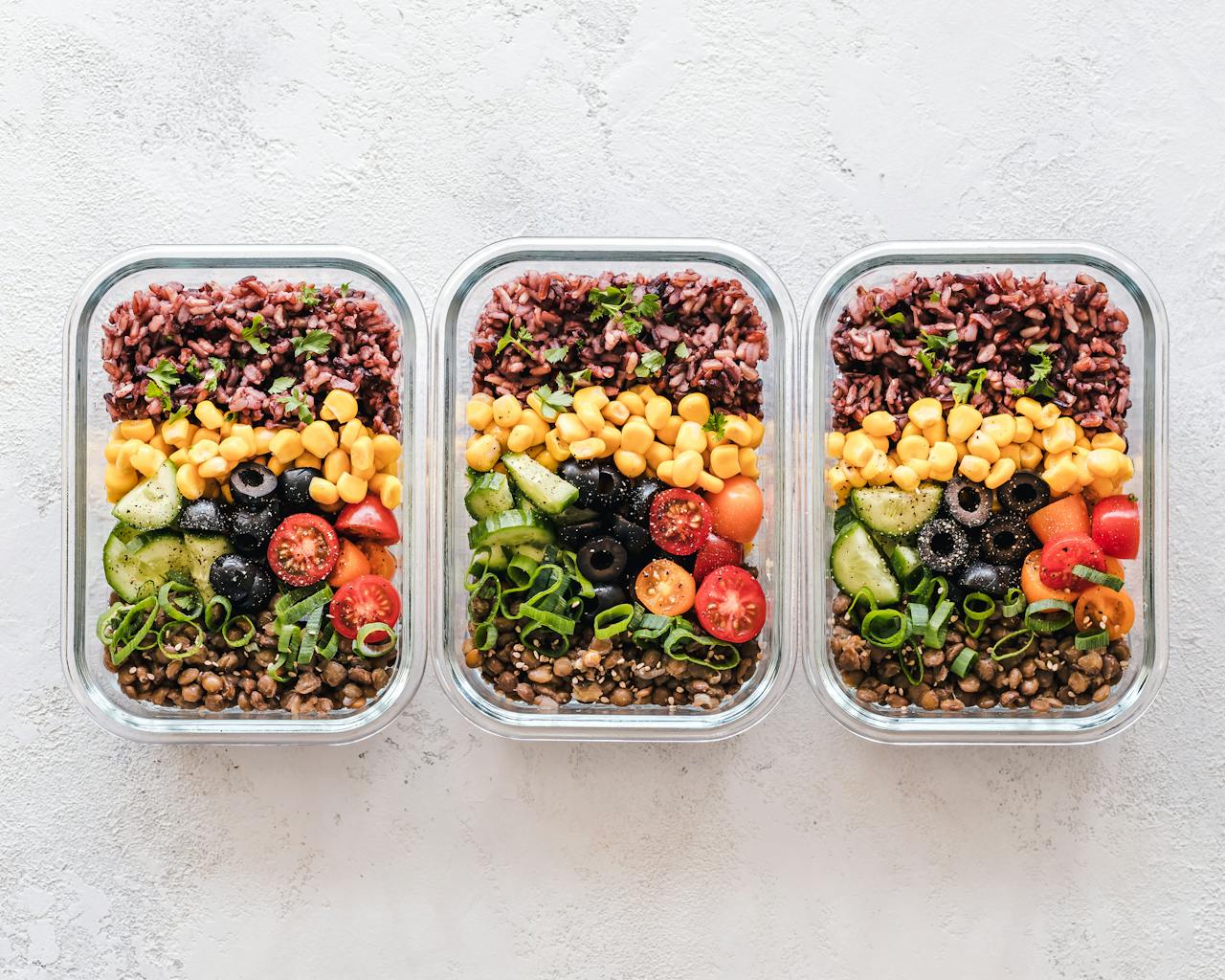
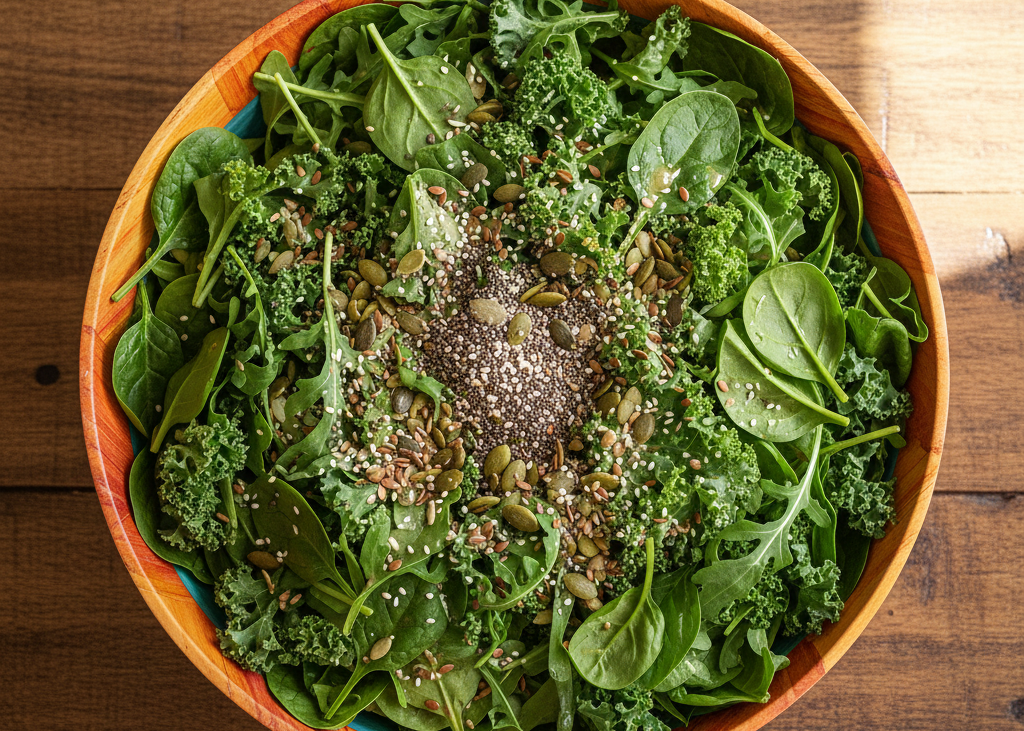
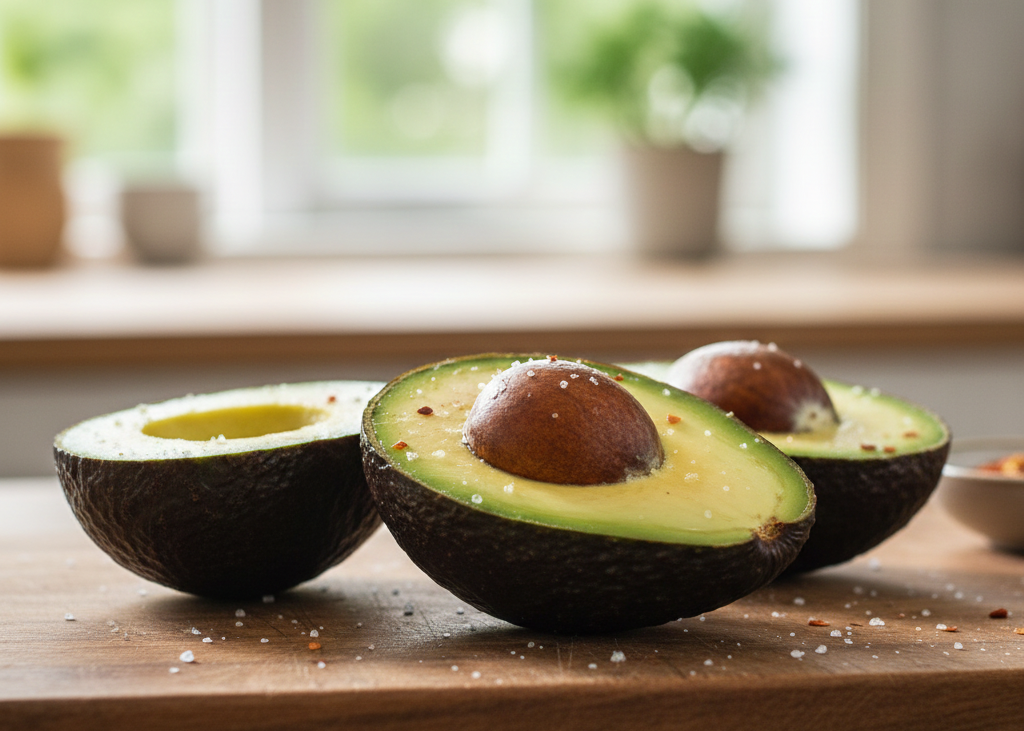
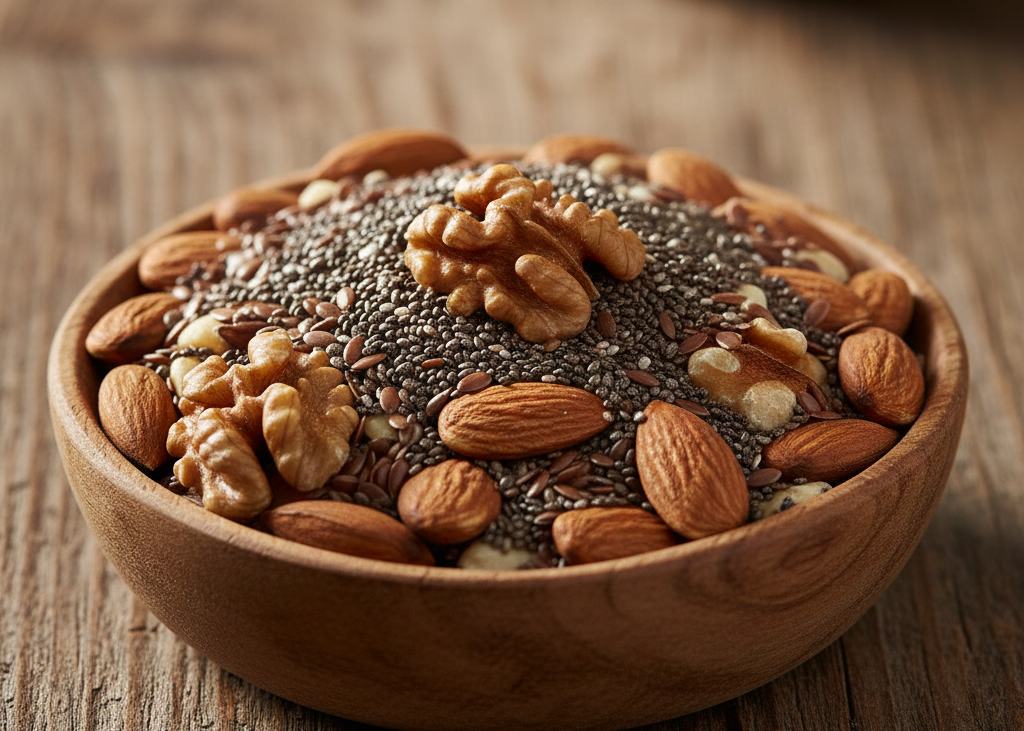
<p> By their late fifties, sixties, and beyond, many boomers have learned that feeling energized and maintaining good health is worth more than fitting into a certain jean size. Plant forward eating increases the amount of fiber, antioxidants, and vitamins in meals, which can support heart health, digestion, and stable blood sugar. Choosing more whole grains, vegetables, fruits, legumes, nuts, and seeds gives the body a steady stream of nutrients that can help reduce inflammation and provide longer lasting energy. The best part is that boomers can absorb these benefits without giving up their favorite dishes. A bowl of chili made with both beans and beef, or pasta with vegetables and lean meat, can deliver flavor and nourishment at the same time. </p> :: Gemini

By their late fifties, sixties, and beyond, many boomers have learned that feeling energized and maintaining good health is worth more than fitting into a certain jean size. Plant forward eating increases the amount of fiber, antioxidants, and vitamins in meals, which can support heart health, digestion, and stable blood sugar. Choosing more whole grains, vegetables, fruits, legumes, nuts, and seeds gives the body a steady stream of nutrients that can help reduce inflammation and provide longer lasting energy. The best part is that boomers can absorb these benefits without giving up their favorite dishes. A bowl of chili made with both beans and beef, or pasta with vegetables and lean meat, can deliver flavor and nourishment at the same time.

2. Flexitarian Eating Fits Real Life

<p> Many boomers are not interested in labeling themselves as vegan or vegetarian. Flexitarian eating offers a comfortable middle path where animal protein is still welcome, but plants take up more space on the plate. This approach is appealing because it does not feel restrictive. A flexitarian might grill chicken as always, but also prepare a roasted vegetable side dish large enough to be a star rather than an afterthought. It is an eating style that blends balance with enjoyment, letting boomers adjust meals as needed without feeling pressured to give up signature family favorites. </p> :: Gemini

Many boomers are not interested in labeling themselves as vegan or vegetarian. Flexitarian eating offers a comfortable middle path where animal protein is still welcome, but plants take up more space on the plate. This approach is appealing because it does not feel restrictive. A flexitarian might grill chicken as always, but also prepare a roasted vegetable side dish large enough to be a star rather than an afterthought. It is an eating style that blends balance with enjoyment, letting boomers adjust meals as needed without feeling pressured to give up signature family favorites.

3. Meat Limiting Is Happening Naturally

<p> Whether for health, budget, or curiosity, many boomers find themselves eating less meat without consciously planning it. They are choosing meals that include meat but in smaller portions or paired with more vegetables and grains. This natural shift allows them to enjoy familiar flavors while trying new combinations. Rather than eliminating foods, meat limiting allows boomers to be intentional. The same sandwich that once relied on three slices of deli meat might now feature two slices plus crunchy vegetables and flavorful spreads. These little changes add up without feeling like sacrifices. </p> :: Gemini

Whether for health, budget, or curiosity, many boomers find themselves eating less meat without consciously planning it. They are choosing meals that include meat but in smaller portions or paired with more vegetables and grains. This natural shift allows them to enjoy familiar flavors while trying new combinations. Rather than eliminating foods, meat limiting allows boomers to be intentional. The same sandwich that once relied on three slices of deli meat might now feature two slices plus crunchy vegetables and flavorful spreads. These little changes add up without feeling like sacrifices.

4. Flavor Forward Cooking Keeps Things Interesting

<p> One misconception about plant forward eating is that it is bland or boring, which could not be further from the truth. With the help of herbs, spices, citrus, roasted vegetables, and hearty grains, plant centered meals can be full of flavor and texture. Boomers who love to cook often enjoy the creativity that comes with new ingredients. Imagine roasted cauliflower tossed with paprika and garlic, or a lentil and vegetable soup simmered with thyme and tomato. These meals bring comfort and satisfaction without relying solely on heavy meats or cream based dishes to carry the flavor. </p> :: Gemini

One misconception about plant forward eating is that it is bland or boring, which could not be further from the truth. With the help of herbs, spices, citrus, roasted vegetables, and hearty grains, plant centered meals can be full of flavor and texture. Boomers who love to cook often enjoy the creativity that comes with new ingredients. Imagine roasted cauliflower tossed with paprika and garlic, or a lentil and vegetable soup simmered with thyme and tomato. These meals bring comfort and satisfaction without relying solely on heavy meats or cream based dishes to carry the flavor.

5. Fiber Is Becoming a Wellness Priority

<p> Fiber has always been important, but now it is getting well deserved attention among chefs, doctors, and home cooks because of its direct impact on gut health and digestion. Eating more vegetables, fruits, legumes, and whole grains naturally increases fiber intake, which can help boomers feel fuller, support regular digestion, and maintain stable energy between meals. A simple switch like using whole grain bread instead of white, or replacing half the ground meat in a recipe with beans, adds fiber without changing the traditional dish too much. The body notices these shifts in a positive way, which encourages boomers to keep going. </p> :: Gemini

Fiber has always been important, but now it is getting well deserved attention among chefs, doctors, and home cooks because of its direct impact on gut health and digestion. Eating more vegetables, fruits, legumes, and whole grains naturally increases fiber intake, which can help boomers feel fuller, support regular digestion, and maintain stable energy between meals. A simple switch like using whole grain bread instead of white, or replacing half the ground meat in a recipe with beans, adds fiber without changing the traditional dish too much. The body notices these shifts in a positive way, which encourages boomers to keep going.

6. Plant Forward Eating Supports Energy for an Active Life

<p> Boomers are not slowing down. Many stay active through hobbies, travel, work, volunteering, and grandchild adventures. Eating more plant based foods can support stamina and overall vitality. By incorporating plant foods full of vitamins and antioxidants, boomers may feel more energetic and less sluggish after meals. Vegetables, nuts, and fruits offer steady energy that keeps pace with busy days, whether that means walking the dog, spending a day in the garden, or taking a much anticipated road trip. </p> :: Gemini

Boomers are not slowing down. Many stay active through hobbies, travel, work, volunteering, and grandchild adventures. Eating more plant based foods can support stamina and overall vitality. By incorporating plant foods full of vitamins and antioxidants, boomers may feel more energetic and less sluggish after meals. Vegetables, nuts, and fruits offer steady energy that keeps pace with busy days, whether that means walking the dog, spending a day in the garden, or taking a much anticipated road trip.

7. Familiar Meals Are Easy to Upgrade

<p> One of the main reasons plant forward eating will thrive in 2026 is how easily classic dishes can be enhanced with plants. Instead of removing foods, boomers can add ingredients that offer more nutrition without changing the core experience. Think of spaghetti sauce enriched with carrots and mushrooms, meatloaf blended with lentils, tacos filled with meat and black beans, or shepherds pie topped with a blend of mashed potatoes and cauliflower. These improved dishes still taste familiar but deliver more balance and satisfaction. </p> :: Gemini

One of the main reasons plant forward eating will thrive in 2026 is how easily classic dishes can be enhanced with plants. Instead of removing foods, boomers can add ingredients that offer more nutrition without changing the core experience. Think of spaghetti sauce enriched with carrots and mushrooms, meatloaf blended with lentils, tacos filled with meat and black beans, or shepherds pie topped with a blend of mashed potatoes and cauliflower. These improved dishes still taste familiar but deliver more balance and satisfaction.

8. Plant Forward Foods Are Easier to Find

<p> Grocery stores and restaurants have expanded their plant forward selections, giving boomers more options than ever before. Frozen, fresh, and shelf stable items make it simple to cook quick meals centered on vegetables, grains, legumes, and fruits. Supermarket aisles now carry beans that are already seasoned, vegetable based pastas, premade salads with hearty grains, and marinades that elevate vegetables. This increase in availability takes the guesswork out of plant forward eating and makes it feel accessible and convenient. </p> :: Gemini

Grocery stores and restaurants have expanded their plant forward selections, giving boomers more options than ever before. Frozen, fresh, and shelf stable items make it simple to cook quick meals centered on vegetables, grains, legumes, and fruits. Supermarket aisles now carry beans that are already seasoned, vegetable based pastas, premade salads with hearty grains, and marinades that elevate vegetables. This increase in availability takes the guesswork out of plant forward eating and makes it feel accessible and convenient.

9. The Planet Benefits Without Judgment or Pressure

<p> Boomers often care about the world they are leaving for future generations, but that does not mean they want to be lectured about their eating habits. Plant forward eating helps lower environmental impact in a way that feels realistic. Even choosing to cook a plant centered dinner once or twice a week can reduce resource use without making boomers give up traditions. The approach is not about perfection. It is about making choices that feel good both personally and globally, one meal at a time. </p> :: Gemini

Boomers often care about the world they are leaving for future generations, but that does not mean they want to be lectured about their eating habits. Plant forward eating helps lower environmental impact in a way that feels realistic. Even choosing to cook a plant centered dinner once or twice a week can reduce resource use without making boomers give up traditions. The approach is not about perfection. It is about making choices that feel good both personally and globally, one meal at a time.

10. Restaurants Are Stepping Up Their Plant Game

<p> Dining out is a cherished experience for many boomers, and restaurant menus are catching up with the demand for plant forward meals. Instead of serving only salads as the sole vegetable option, restaurants are introducing flavorful dishes such as roasted vegetable flatbreads, pastas with lentils and greens, grain bowls topped with grilled chicken, and hearty vegetable stews. These dishes are satisfying, balanced, and full of textures that make eating out fun without feeling like a compromise. </p> :: Gemini

Dining out is a cherished experience for many boomers, and restaurant menus are catching up with the demand for plant forward meals. Instead of serving only salads as the sole vegetable option, restaurants are introducing flavorful dishes such as roasted vegetable flatbreads, pastas with lentils and greens, grain bowls topped with grilled chicken, and hearty vegetable stews. These dishes are satisfying, balanced, and full of textures that make eating out fun without feeling like a compromise.

11. Comfort Foods Do Not Have To Disappear

<p> Boomers are more likely to stick with a way of eating if they do not feel deprived. Plant forward eating respects comfort foods instead of pushing them away. Macaroni and cheese can include roasted broccoli on the side, burgers can be paired with bean salads instead of fries, and desserts can feature fresh fruit along with traditional treats. Comfort remains intact while plants simply share the spotlight. </p> :: Gemini

Boomers are more likely to stick with a way of eating if they do not feel deprived. Plant forward eating respects comfort foods instead of pushing them away. Macaroni and cheese can include roasted broccoli on the side, burgers can be paired with bean salads instead of fries, and desserts can feature fresh fruit along with traditional treats. Comfort remains intact while plants simply share the spotlight.

12. It Is a Lifestyle That Lasts, Not a Trend That Fades

<p> Fad diets come and go, but plant forward eating is not a temporary change. It is a style of eating that blends flexibility, taste, and health in a way that feels logical and enjoyable for boomers. It encourages curiosity, balance, and new habits without strict rules. Because plant forward eating is adaptable, boomers can personalize it year after year, allowing it to grow with changing tastes, health needs, and family routines. </p> :: Gemini

Fad diets come and go, but plant forward eating is not a temporary change. It is a style of eating that blends flexibility, taste, and health in a way that feels logical and enjoyable for boomers. It encourages curiosity, balance, and new habits without strict rules. Because plant forward eating is adaptable, boomers can personalize it year after year, allowing it to grow with changing tastes, health needs, and family routines.

Final Thoughts

<p> Plant forward eating is less about taking away and more about adding abundance to the plate. Boomers adopting this approach in 2026 are not chasing trends. They are choosing a style of eating that helps them feel healthier, stronger, and more satisfied while keeping their favorite foods in rotation. With small changes, everyday meals become richer in color, flavor, and nutrition, while comfort and tradition remain firmly in place.

The beauty of plant forward eating is that it can be enjoyed at any pace. Some may start with a vegetable packed side dish once a week, while others may dive into experimenting with grains, legumes, and roasted vegetables. What matters is the balance that feels right. Food can continue to be a source of joy, nostalgia, and connection while also supporting long term wellness.

For boomers, plant forward eating offers the best of both worlds: the foods they love and the benefits their bodies appreciate. In 2026, that combination is more inviting than ever. </p> :: Gemini

Plant forward eating is less about taking away and more about adding abundance to the plate. Boomers adopting this approach in 2026 are not chasing trends. They are choosing a style of eating that helps them feel healthier, stronger, and more satisfied while keeping their favorite foods in rotation. With small changes, everyday meals become richer in color, flavor, and nutrition, while comfort and tradition remain firmly in place.

The beauty of plant forward eating is that it can be enjoyed at any pace. Some may start with a vegetable packed side dish once a week, while others may dive into experimenting with grains, legumes, and roasted vegetables. What matters is the balance that feels right. Food can continue to be a source of joy, nostalgia, and connection while also supporting long term wellness.

For boomers, plant forward eating offers the best of both worlds: the foods they love and the benefits their bodies appreciate. In 2026, that combination is more inviting than ever.

Filed Under: Health & Fitness

9 Behaviors That Reveal a Truly Cold-Hearted Person

January 2, 2026 | Leave a Comment

9 Behaviors That Reveal a Truly Cold-Hearted Person

<p> Some people just have a chill that goes beyond being reserved—they make you feel small, dismissed, or even invisible. At first, you might brush it off, thinking they are having a rough day or are just naturally blunt. But over time, patterns emerge. Cold-hearted individuals do not just have occasional off moments; their behavior consistently drains the emotional energy of everyone around them. Interactions with them often leave you feeling tired, frustrated, or unsure if you are even being seen. Recognizing these patterns is essential. It helps you protect your emotional well-being, set healthy boundaries, and focus on relationships that are nurturing instead of exhausting.

Here are nine behaviors that clearly signal when someone is truly cold-hearted. </p> :: Gemini

Some people just have a chill that goes beyond being reserved—they make you feel small, dismissed, or even invisible. At first, you might brush it off, thinking they are having a rough day or are just naturally blunt. But over time, patterns emerge. Cold-hearted individuals do not just have occasional off moments; their behavior consistently drains the emotional energy of everyone around them. Interactions with them often leave you feeling tired, frustrated, or unsure if you are even being seen. Recognizing these patterns is essential. It helps you protect your emotional well-being, set healthy boundaries, and focus on relationships that are nurturing instead of exhausting.

Here are nine behaviors that clearly signal when someone is truly cold-hearted.

1. They Rarely Show Empathy

<p> Empathy is the cornerstone of human connection. It allows people to understand and care about the feelings of others. Cold-hearted people, however, often treat empathy as optional, rarely acknowledging what others feel or need. Statements like “you are overreacting” or “just get over it” are common. Over time, this lack of emotional responsiveness makes you feel invisible, as if your emotions are unimportant. It is not only hurtful; it can also leave you questioning your own worth. When someone consistently fails to show empathy, it is a strong indicator that emotional connection is not a priority for them. </p> :: Gemini

Empathy is the cornerstone of human connection. It allows people to understand and care about the feelings of others. Cold-hearted people, however, often treat empathy as optional, rarely acknowledging what others feel or need. Statements like “you are overreacting” or “just get over it” are common. Over time, this lack of emotional responsiveness makes you feel invisible, as if your emotions are unimportant. It is not only hurtful; it can also leave you questioning your own worth. When someone consistently fails to show empathy, it is a strong indicator that emotional connection is not a priority for them.

2. They Manipulate to Get What They Want

<p> Relationships are meant to be mutually supportive, but cold-hearted people often treat them like transactions. They may use guilt, selective truth-telling, or emotional pressure to bend situations to their advantage. This behavior is not just occasional—it is habitual. They view people as tools to achieve personal gain, rather than as equals with their own feelings. Recognizing manipulation early is crucial. It allows you to protect your boundaries, avoid unnecessary stress, and prevent being drawn into patterns where your time, energy, and emotions are exploited. </p> :: Gemini

Relationships are meant to be mutually supportive, but cold-hearted people often treat them like transactions. They may use guilt, selective truth-telling, or emotional pressure to bend situations to their advantage. This behavior is not just occasional—it is habitual. They view people as tools to achieve personal gain, rather than as equals with their own feelings. Recognizing manipulation early is crucial. It allows you to protect your boundaries, avoid unnecessary stress, and prevent being drawn into patterns where your time, energy, and emotions are exploited.

3. They Consistently Lack Gratitude

<p> A cold-hearted person rarely expresses genuine gratitude. Acts of kindness, whether big or small, are often met with indifference, entitlement, or even condescension. They may take credit for others’ work, dismiss efforts, or act as if giving is expected rather than appreciated. Over time, this creates a one-sided dynamic, leaving you feeling undervalued and unacknowledged. Gratitude is a sign that someone recognizes and respects your contributions. Without it, relationships feel transactional and emotionally hollow. </p> :: Gemini

A cold-hearted person rarely expresses genuine gratitude. Acts of kindness, whether big or small, are often met with indifference, entitlement, or even condescension. They may take credit for others’ work, dismiss efforts, or act as if giving is expected rather than appreciated. Over time, this creates a one-sided dynamic, leaving you feeling undervalued and unacknowledged. Gratitude is a sign that someone recognizes and respects your contributions. Without it, relationships feel transactional and emotionally hollow.

4. They Enjoy Seeing Others Fail

<p> While most people may feel fleeting satisfaction at minor mishaps, cold-hearted individuals often take deliberate pleasure in the misfortune of others. This might manifest as gossip, critical comments, or subtle undermining. Instead of offering support or encouragement during setbacks, they appear amused or indifferent. This behavior signals a lack of compassion and a prioritization of their own satisfaction over the well-being of those around them. Over time, such attitudes can poison relationships and create a toxic environment where trust and openness are impossible. </p> :: Gemini

While most people may feel fleeting satisfaction at minor mishaps, cold-hearted individuals often take deliberate pleasure in the misfortune of others. This might manifest as gossip, critical comments, or subtle undermining. Instead of offering support or encouragement during setbacks, they appear amused or indifferent. This behavior signals a lack of compassion and a prioritization of their own satisfaction over the well-being of those around them. Over time, such attitudes can poison relationships and create a toxic environment where trust and openness are impossible.

5. They Avoid Taking Responsibility

<p> Cold-hearted people rarely own their mistakes. They are quick to shift blame, rationalize harmful actions, or make excuses for bad behavior. This refusal to take accountability leaves others to shoulder the consequences, often causing unnecessary conflict and stress. Recognizing this behavior is key to maintaining your sanity. It allows you to avoid being dragged into guilt trips or manipulative dynamics. Being around someone who consistently deflects responsibility can be emotionally exhausting, making it crucial to know when to disengage or set boundaries. </p> :: Gemini

Cold-hearted people rarely own their mistakes. They are quick to shift blame, rationalize harmful actions, or make excuses for bad behavior. This refusal to take accountability leaves others to shoulder the consequences, often causing unnecessary conflict and stress. Recognizing this behavior is key to maintaining your sanity. It allows you to avoid being dragged into guilt trips or manipulative dynamics. Being around someone who consistently deflects responsibility can be emotionally exhausting, making it crucial to know when to disengage or set boundaries.

6. They Dismiss Emotional or Vulnerable Moments

<p> Sharing feelings should strengthen relationships, but cold-hearted individuals often treat vulnerability as inconvenient or even irritating. They might change the subject, crack a joke, or downplay your experience. This repeated dismissal communicates that your emotions are insignificant and unwelcome. While some people struggle with emotional expression, cold-hearted individuals consistently avoid meaningful connection. Over time, this one-sided dynamic can leave you feeling isolated, unheard, and emotionally drained, even when you are in their presence. </p> :: Gemini

Sharing feelings should strengthen relationships, but cold-hearted individuals often treat vulnerability as inconvenient or even irritating. They might change the subject, crack a joke, or downplay your experience. This repeated dismissal communicates that your emotions are insignificant and unwelcome. While some people struggle with emotional expression, cold-hearted individuals consistently avoid meaningful connection. Over time, this one-sided dynamic can leave you feeling isolated, unheard, and emotionally drained, even when you are in their presence.

7. They Frequently Criticize or Judge

<p> Everyone offers feedback from time to time, but cold-hearted individuals turn criticism into a tool to belittle or control others. Their remarks are rarely constructive; instead, they nitpick, compare, or highlight flaws in ways that undermine confidence. Minor mistakes are exaggerated, personal choices are judged, and even small accomplishments may be minimized. This relentless pattern erodes self-esteem and fosters an environment of tension and anxiety. When criticism becomes a constant weapon rather than a helpful tool, it is a sign that the person lacks empathy and warmth. </p> :: Gemini

Everyone offers feedback from time to time, but cold-hearted individuals turn criticism into a tool to belittle or control others. Their remarks are rarely constructive; instead, they nitpick, compare, or highlight flaws in ways that undermine confidence. Minor mistakes are exaggerated, personal choices are judged, and even small accomplishments may be minimized. This relentless pattern erodes self-esteem and fosters an environment of tension and anxiety. When criticism becomes a constant weapon rather than a helpful tool, it is a sign that the person lacks empathy and warmth.

8. They Exploit Others’ Generosity

<p> Generosity is meant to be appreciated, not exploited. Cold-hearted people often treat kindness as an opportunity for personal gain. They might borrow money and never return it, expect favors without reciprocation, or consistently take advantage of others’ time and resources. These relationships feel unbalanced, leaving one person giving far more than they receive. Recognizing this pattern early allows you to protect your emotional and material resources and invest in relationships where mutual respect and appreciation exist. </p> :: Gemini

Generosity is meant to be appreciated, not exploited. Cold-hearted people often treat kindness as an opportunity for personal gain. They might borrow money and never return it, expect favors without reciprocation, or consistently take advantage of others’ time and resources. These relationships feel unbalanced, leaving one person giving far more than they receive. Recognizing this pattern early allows you to protect your emotional and material resources and invest in relationships where mutual respect and appreciation exist.

9. They Remain Emotionally Detached in Close Relationships

<p> Perhaps the most revealing sign of a cold-hearted individual is persistent emotional detachment, even in relationships where closeness is expected. They rarely open up, share feelings, or show affection. Life events, whether joyous or challenging, often pass without acknowledgment or sincere engagement. This lack of emotional investment makes meaningful connection nearly impossible and signals that their concern for others is minimal. Over time, such detachment can leave those around them feeling disconnected, undervalued, and frustrated. </p> :: Gemini

Perhaps the most revealing sign of a cold-hearted individual is persistent emotional detachment, even in relationships where closeness is expected. They rarely open up, share feelings, or show affection. Life events, whether joyous or challenging, often pass without acknowledgment or sincere engagement. This lack of emotional investment makes meaningful connection nearly impossible and signals that their concern for others is minimal. Over time, such detachment can leave those around them feeling disconnected, undervalued, and frustrated.

Final Thoughts

<p> Cold-hearted behavior is not always obvious at first, but repeated patterns eventually reveal the truth. From a lack of empathy and gratitude to manipulation, emotional detachment, and consistent criticism, these behaviors can slowly erode your energy, confidence, and emotional well-being. Recognizing these patterns allows you to make informed decisions about how much time, energy, and emotional investment to give.

Healthy relationships are reciprocal, uplifting, and grounded in care, respect, and genuine connection. Stepping back from individuals who consistently drain your energy allows you to focus on relationships that nurture, inspire, and support you. Life is too short to spend it investing in people who cannot or will not value your feelings. Trust your instincts, set clear boundaries, and prioritize the connections that bring warmth, understanding, and joy into your life.

Protecting your emotional space does not make you cold-hearted; it makes you wise, self-aware, and resilient. Recognizing these behaviors empowers you to choose relationships that leave you feeling supported, appreciated, and emotionally healthy. </p> :: Gemini

Cold-hearted behavior is not always obvious at first, but repeated patterns eventually reveal the truth. From a lack of empathy and gratitude to manipulation, emotional detachment, and consistent criticism, these behaviors can slowly erode your energy, confidence, and emotional well-being. Recognizing these patterns allows you to make informed decisions about how much time, energy, and emotional investment to give.

Healthy relationships are reciprocal, uplifting, and grounded in care, respect, and genuine connection. Stepping back from individuals who consistently drain your energy allows you to focus on relationships that nurture, inspire, and support you. Life is too short to spend it investing in people who cannot or will not value your feelings. Trust your instincts, set clear boundaries, and prioritize the connections that bring warmth, understanding, and joy into your life.

Protecting your emotional space does not make you cold-hearted; it makes you wise, self-aware, and resilient. Recognizing these behaviors empowers you to choose relationships that leave you feeling supported, appreciated, and emotionally healthy.

Filed Under: Lifestyle

10 Things Smart People Do That Most People Don’t Understand

January 1, 2026 | Leave a Comment

10 Things Smart People Do That Most People Don’t Understand

<p> Have you ever noticed that some people just seem to think differently? They approach problems, conversations, and even downtime in ways that make you pause and wonder what they’re doing that you are not. The truth is, highly intelligent people often have habits and routines that seem unusual or even confusing to others. These are not tricks or secret formulas; they are practical ways of living, learning, and thinking that keep their minds sharp and their decisions effective. Understanding these habits can give you insight into how smart people navigate life and may even inspire you to adopt some of them yourself.

Here are ten things smart people do that most people do not fully understand, along with explanations of why these behaviors matter. </p> :: Gemini

Have you ever noticed that some people just seem to think differently? They approach problems, conversations, and even downtime in ways that make you pause and wonder what they’re doing that you are not. The truth is, highly intelligent people often have habits and routines that seem unusual or even confusing to others. These are not tricks or secret formulas; they are practical ways of living, learning, and thinking that keep their minds sharp and their decisions effective. Understanding these habits can give you insight into how smart people navigate life and may even inspire you to adopt some of them yourself.

Here are ten things smart people do that most people do not fully understand, along with explanations of why these behaviors matter.

1. They Read Widely and With Purpose

<p> Smart people read a lot, but not just within their area of expertise. They explore history, science, literature, psychology, and even fiction because they know that knowledge from multiple sources strengthens thinking. Reading widely allows them to draw connections that others miss, see different perspectives, and generate creative ideas. It is not about showing off knowledge but about understanding the world better and keeping their minds active. Whether it is a thought-provoking essay, a captivating novel, or a detailed research article, smart people treat reading as a tool for growth rather than just entertainment. </p> :: Gemini

Smart people read a lot, but not just within their area of expertise. They explore history, science, literature, psychology, and even fiction because they know that knowledge from multiple sources strengthens thinking. Reading widely allows them to draw connections that others miss, see different perspectives, and generate creative ideas. It is not about showing off knowledge but about understanding the world better and keeping their minds active. Whether it is a thought-provoking essay, a captivating novel, or a detailed research article, smart people treat reading as a tool for growth rather than just entertainment.

2. They Embrace Solitude

<p> Spending time alone is not a sign of loneliness; it is a deliberate choice for reflection. Smart people seek solitude to think deeply, process experiences, and plan their next steps without distractions. This quiet time allows them to solve complex problems and understand themselves better. In a busy world filled with constant noise and notifications, moments of intentional solitude can be incredibly powerful for mental clarity and focus. </p> :: Gemini

Spending time alone is not a sign of loneliness; it is a deliberate choice for reflection. Smart people seek solitude to think deeply, process experiences, and plan their next steps without distractions. This quiet time allows them to solve complex problems and understand themselves better. In a busy world filled with constant noise and notifications, moments of intentional solitude can be incredibly powerful for mental clarity and focus.

3. They Ask Tough Questions

<p> Intelligent individuals are naturally curious. They ask questions that challenge assumptions and dig deeper than the surface. While many people accept answers at face value, smart people probe further with questions like “Why?” and “What if?” This habit helps them uncover hidden insights, avoid misunderstandings, and develop a clearer understanding of situations. Asking the right questions is not about being confrontational; it is about genuinely seeking knowledge and understanding. </p> :: Gemini

Intelligent individuals are naturally curious. They ask questions that challenge assumptions and dig deeper than the surface. While many people accept answers at face value, smart people probe further with questions like “Why?” and “What if?” This habit helps them uncover hidden insights, avoid misunderstandings, and develop a clearer understanding of situations. Asking the right questions is not about being confrontational; it is about genuinely seeking knowledge and understanding.

4. They Learn From Mistakes

<p> Everyone makes mistakes, but smart people respond differently. Instead of feeling defeated or defensive, they analyze what went wrong and figure out how to avoid repeating it. Mistakes are viewed as lessons rather than failures. This mindset allows them to grow continuously, improve their decision-making, and adapt to new challenges. By embracing mistakes as opportunities for learning, they turn setbacks into stepping stones toward success. </p> :: Gemini

Everyone makes mistakes, but smart people respond differently. Instead of feeling defeated or defensive, they analyze what went wrong and figure out how to avoid repeating it. Mistakes are viewed as lessons rather than failures. This mindset allows them to grow continuously, improve their decision-making, and adapt to new challenges. By embracing mistakes as opportunities for learning, they turn setbacks into stepping stones toward success.

5. They Focus Deeply

<p> In a world obsessed with multitasking and constant notifications, smart people know the power of focus. They dedicate time to deep work, concentrating fully on tasks that matter most. Shallow busyness is avoided because it rarely produces meaningful results. By focusing on one important task at a time, they can accomplish more in less time, make better decisions, and experience a sense of accomplishment that fragmented attention cannot provide. </p> :: Gemini

In a world obsessed with multitasking and constant notifications, smart people know the power of focus. They dedicate time to deep work, concentrating fully on tasks that matter most. Shallow busyness is avoided because it rarely produces meaningful results. By focusing on one important task at a time, they can accomplish more in less time, make better decisions, and experience a sense of accomplishment that fragmented attention cannot provide.

6. They Tolerate Complexity

<p> Life is rarely black and white, and smart people understand this intuitively. They do not shy away from complexity or uncertainty. Instead, they approach problems with patience and care, weighing multiple factors before drawing conclusions. By accepting that not every question has a simple answer, they can navigate tricky situations more effectively and make decisions that consider the full picture rather than a convenient shortcut. </p> :: Gemini

Life is rarely black and white, and smart people understand this intuitively. They do not shy away from complexity or uncertainty. Instead, they approach problems with patience and care, weighing multiple factors before drawing conclusions. By accepting that not every question has a simple answer, they can navigate tricky situations more effectively and make decisions that consider the full picture rather than a convenient shortcut.

7. They Don’t Feel the Need to Prove Their Intelligence

<p> Confidence in smart people comes from knowledge and experience, not from showing off. They do not feel the need to dominate conversations, use complex vocabulary unnecessarily, or constantly validate their intellect. This quiet confidence allows them to listen more, learn from others, and approach situations without ego interfering. People often misunderstand this humility as a lack of intelligence, but it is actually a sign of self-assured thinking. </p> :: Gemini

Confidence in smart people comes from knowledge and experience, not from showing off. They do not feel the need to dominate conversations, use complex vocabulary unnecessarily, or constantly validate their intellect. This quiet confidence allows them to listen more, learn from others, and approach situations without ego interfering. People often misunderstand this humility as a lack of intelligence, but it is actually a sign of self-assured thinking.

8. They Surround Themselves With Interesting People

<p> Intelligent people know the value of good company. They seek out people who challenge them intellectually, offer different perspectives, and inspire growth. These relationships are not about competition but about mutual enrichment. Conversations with curious, thoughtful, or experienced individuals keep their minds sharp and introduce new ideas they might not encounter on their own. </p> :: Gemini

Intelligent people know the value of good company. They seek out people who challenge them intellectually, offer different perspectives, and inspire growth. These relationships are not about competition but about mutual enrichment. Conversations with curious, thoughtful, or experienced individuals keep their minds sharp and introduce new ideas they might not encounter on their own.

9. They Use Time Strategically

<p> While many people focus on productivity hacks or doing more in less time, smart individuals prioritize meaningful time use. They schedule moments for focused thinking, reflection, and creative work when they are most alert. Smart people are strategic about when and how they invest their energy, ensuring their efforts align with long-term goals instead of simply reacting to urgent but unimportant tasks. </p> :: Gemini

While many people focus on productivity hacks or doing more in less time, smart individuals prioritize meaningful time use. They schedule moments for focused thinking, reflection, and creative work when they are most alert. Smart people are strategic about when and how they invest their energy, ensuring their efforts align with long-term goals instead of simply reacting to urgent but unimportant tasks.

10. They Adapt and Evolve

<p> Life is full of change, and smart people do not cling rigidly to old habits simply because they are familiar. They are flexible and willing to adjust their methods, perspectives, and routines as circumstances evolve. This adaptability allows them to overcome challenges, seize new opportunities, and stay ahead in rapidly changing environments. Being open to evolution does not mean abandoning principles; it means learning how to thrive amid uncertainty. </p> :: Gemini

Life is full of change, and smart people do not cling rigidly to old habits simply because they are familiar. They are flexible and willing to adjust their methods, perspectives, and routines as circumstances evolve. This adaptability allows them to overcome challenges, seize new opportunities, and stay ahead in rapidly changing environments. Being open to evolution does not mean abandoning principles; it means learning how to thrive amid uncertainty.

Final Thoughts

<p> What makes these habits remarkable is not that they are complicated or unattainable. They are simple behaviors rooted in curiosity, reflection, and intentional living. Most people do not fully understand why smart individuals act this way because the benefits are not immediately obvious. Yet, when examined closely, each habit contributes to clearer thinking, better problem-solving, and more purposeful action.

The beauty of these practices is that they are accessible. You do not need to be a genius to adopt them. Reading a little more broadly, taking time to reflect, asking meaningful questions, learning from mistakes, and focusing deeply are habits anyone can cultivate. Surrounding yourself with curious individuals, using your time strategically, and being willing to adapt are equally within reach.

By understanding the rationale behind these behaviors, you can start integrating them into your own life. Doing so will not only make you more intelligent in action but also more thoughtful, resilient, and intentional in how you navigate the world. Smart people often operate quietly, but their habits speak volumes. Observing and learning from them offers a blueprint for improving your own life and thinking in ways most people never consider.

Intelligence is not merely what you know; it is how you live, think, and respond. By embracing these habits, you can begin to see the world with a sharper, more insightful perspective and make choices that reflect understanding rather than impulse. </p> :: Gemini

What makes these habits remarkable is not that they are complicated or unattainable. They are simple behaviors rooted in curiosity, reflection, and intentional living. Most people do not fully understand why smart individuals act this way because the benefits are not immediately obvious. Yet, when examined closely, each habit contributes to clearer thinking, better problem-solving, and more purposeful action.

The beauty of these practices is that they are accessible. You do not need to be a genius to adopt them. Reading a little more broadly, taking time to reflect, asking meaningful questions, learning from mistakes, and focusing deeply are habits anyone can cultivate. Surrounding yourself with curious individuals, using your time strategically, and being willing to adapt are equally within reach.

By understanding the rationale behind these behaviors, you can start integrating them into your own life. Doing so will not only make you more intelligent in action but also more thoughtful, resilient, and intentional in how you navigate the world. Smart people often operate quietly, but their habits speak volumes. Observing and learning from them offers a blueprint for improving your own life and thinking in ways most people never consider.

Intelligence is not merely what you know; it is how you live, think, and respond. By embracing these habits, you can begin to see the world with a sharper, more insightful perspective and make choices that reflect understanding rather than impulse.

Filed Under: Lifestyle

Anti-Inflammatory Foods Boomers Will Be Adding to Their Carts in 2026: 10 Delicious Choices

January 1, 2026 | Leave a Comment

Anti-Inflammatory Foods Boomers Will Be Adding to Their Carts in 2026: 10 Delicious Choices

<p> As we age, our bodies tend to send little signals that something needs attention. Stiff knees, achy joints, and slower recovery after a long walk or gardening session are common signs that inflammation might be quietly building up inside. Chronic inflammation is more than an occasional discomfort—it can contribute to heart disease, diabetes, arthritis, and even affect memory. The great news is that the foods we choose can play a huge role in keeping inflammation under control.

In 2026, more baby boomers are making intentional choices at the grocery store, focusing on foods that are both delicious and supportive of overall wellness. From vibrant fruits to nutrient-packed spices, these anti-inflammatory foods help reduce inflammation naturally, support heart and brain health, and make meals feel nourishing rather than restrictive.

Here are ten anti-inflammatory foods boomers will be reaching for this year, along with practical ways to enjoy them. </p> :: Gemini

As we age, our bodies tend to send little signals that something needs attention. Stiff knees, achy joints, and slower recovery after a long walk or gardening session are common signs that inflammation might be quietly building up inside. Chronic inflammation is more than an occasional discomfort—it can contribute to heart disease, diabetes, arthritis, and even affect memory. The great news is that the foods we choose can play a huge role in keeping inflammation under control.

In 2026, more baby boomers are making intentional choices at the grocery store, focusing on foods that are both delicious and supportive of overall wellness. From vibrant fruits to nutrient-packed spices, these anti-inflammatory foods help reduce inflammation naturally, support heart and brain health, and make meals feel nourishing rather than restrictive.

Here are ten anti-inflammatory foods boomers will be reaching for this year, along with practical ways to enjoy them.

1. Berries – Sweet, Vibrant, and Anti-Inflammatory

<p> Berries like blueberries, strawberries, raspberries, and blackberries are packed with antioxidants called anthocyanins that help combat inflammation at the cellular level. They also provide fiber to support digestion and heart health. The best part? They taste amazing whether eaten by themselves, added to oatmeal, stirred into yogurt, or blended into a smoothie. Boomers are especially drawn to berries because they combine natural sweetness with a powerful health boost, making them a guilt-free snack that supports long-term wellness. </p> :: Gemini

Berries like blueberries, strawberries, raspberries, and blackberries are packed with antioxidants called anthocyanins that help combat inflammation at the cellular level. They also provide fiber to support digestion and heart health. The best part? They taste amazing whether eaten by themselves, added to oatmeal, stirred into yogurt, or blended into a smoothie. Boomers are especially drawn to berries because they combine natural sweetness with a powerful health boost, making them a guilt-free snack that supports long-term wellness.

2. Fatty Fish – Omega-3 Rich and Heart-Friendly

<p> Salmon, sardines, mackerel, and tuna are full of omega-3 fatty acids, which have been shown to reduce levels of inflammation in the body. Omega-3s help support heart health, improve joint comfort, and may even support brain function. For boomers, adding fatty fish to the menu a couple of times per week is an easy and delicious way to make meals more anti-inflammatory. Think grilled salmon with a squeeze of lemon or a light tuna salad over mixed greens. These meals are flavorful, satisfying, and give the body exactly what it needs to fight inflammation. </p> :: Gemini

Salmon, sardines, mackerel, and tuna are full of omega-3 fatty acids, which have been shown to reduce levels of inflammation in the body. Omega-3s help support heart health, improve joint comfort, and may even support brain function. For boomers, adding fatty fish to the menu a couple of times per week is an easy and delicious way to make meals more anti-inflammatory. Think grilled salmon with a squeeze of lemon or a light tuna salad over mixed greens. These meals are flavorful, satisfying, and give the body exactly what it needs to fight inflammation.

3. Leafy Greens – A Daily Dose of Nutrients

<p> Dark leafy greens such as spinach, kale, Swiss chard, and arugula are full of fiber, vitamins, and plant compounds that help calm inflammation. They also provide important nutrients like vitamin K and magnesium, which support bone and heart health. Adding leafy greens to your diet does not have to be complicated; a handful tossed into a salad, sautéed with garlic, or blended into a smoothie can make a big difference over time. Baby boomers appreciate greens not just for their health benefits but for the versatility they bring to every meal. </p> :: Gemini

Dark leafy greens such as spinach, kale, Swiss chard, and arugula are full of fiber, vitamins, and plant compounds that help calm inflammation. They also provide important nutrients like vitamin K and magnesium, which support bone and heart health. Adding leafy greens to your diet does not have to be complicated; a handful tossed into a salad, sautéed with garlic, or blended into a smoothie can make a big difference over time. Baby boomers appreciate greens not just for their health benefits but for the versatility they bring to every meal.

4. Avocados – Creamy Goodness That Supports Health

<p> Avocados are rich in monounsaturated fats, which are known for supporting heart health and reducing inflammation. They also offer fiber, potassium, and a creamy texture that makes them a natural addition to many dishes. Avocados can be mashed on whole-grain toast, sliced into salads, or blended into smoothies for a satisfying texture and flavor. Boomers love them because they make eating anti-inflammatory foods feel indulgent without compromising on nutrition. </p> :: Gemini

Avocados are rich in monounsaturated fats, which are known for supporting heart health and reducing inflammation. They also offer fiber, potassium, and a creamy texture that makes them a natural addition to many dishes. Avocados can be mashed on whole-grain toast, sliced into salads, or blended into smoothies for a satisfying texture and flavor. Boomers love them because they make eating anti-inflammatory foods feel indulgent without compromising on nutrition.

5. Nuts and Seeds – Tiny but Mighty

<p> Almonds, walnuts, chia seeds, and flaxseeds are nutrient-dense and anti-inflammatory. Walnuts are particularly high in plant-based omega-3 fatty acids, while chia and flaxseeds add fiber and antioxidants. A small handful as a snack, a sprinkle on cereal, or stirred into yogurt is an easy way to incorporate these powerhouse foods daily. These foods are convenient, versatile, and perfect for busy days when you need a quick, satisfying bite that also supports long-term health. </p> :: Gemini

Almonds, walnuts, chia seeds, and flaxseeds are nutrient-dense and anti-inflammatory. Walnuts are particularly high in plant-based omega-3 fatty acids, while chia and flaxseeds add fiber and antioxidants. A small handful as a snack, a sprinkle on cereal, or stirred into yogurt is an easy way to incorporate these powerhouse foods daily. These foods are convenient, versatile, and perfect for busy days when you need a quick, satisfying bite that also supports long-term health.

6. Tomatoes – Juicy and Packed with Lycopene

<p> Tomatoes are a colorful addition to meals and are full of lycopene, an antioxidant that helps reduce inflammation and support heart health. Cooking tomatoes increases the absorption of lycopene, which means that sauces, soups, and stews are not only tasty but also highly beneficial. Adding tomatoes to salads, pasta dishes, or roasted vegetable medleys makes meals more vibrant and flavorful while quietly supporting your body’s defenses against inflammation. </p> :: Gemini

Tomatoes are a colorful addition to meals and are full of lycopene, an antioxidant that helps reduce inflammation and support heart health. Cooking tomatoes increases the absorption of lycopene, which means that sauces, soups, and stews are not only tasty but also highly beneficial. Adding tomatoes to salads, pasta dishes, or roasted vegetable medleys makes meals more vibrant and flavorful while quietly supporting your body’s defenses against inflammation.

7. Green Tea – A Soothing Daily Ritual

<p> Green tea contains polyphenols, particularly EGCG, that help fight inflammation and protect overall health. Sipping green tea can also be a calming daily ritual, providing a moment of mindfulness in a busy day. Baby boomers can enjoy green tea hot or chilled, plain or with a splash of lemon, as a refreshing beverage that supports antioxidant intake. It is an easy, simple, and enjoyable addition to any anti-inflammatory lifestyle. </p> :: Gemini

Green tea contains polyphenols, particularly EGCG, that help fight inflammation and protect overall health. Sipping green tea can also be a calming daily ritual, providing a moment of mindfulness in a busy day. Baby boomers can enjoy green tea hot or chilled, plain or with a splash of lemon, as a refreshing beverage that supports antioxidant intake. It is an easy, simple, and enjoyable addition to any anti-inflammatory lifestyle.

8. Extra Virgin Olive Oil – Liquid Gold for Meals

<p> Extra virgin olive oil is a staple of anti-inflammatory diets around the world, especially the Mediterranean diet. It contains compounds like oleocanthal, which act as natural anti-inflammatories. Using olive oil instead of butter or processed oils adds flavor and heart-healthy fats to almost any dish. Drizzle it over roasted vegetables, mix it into salads, or use it as a base for cooking. Boomers are increasingly reaching for olive oil because it is a flavorful way to nourish the body and enhance everyday meals. </p> :: Gemini

Extra virgin olive oil is a staple of anti-inflammatory diets around the world, especially the Mediterranean diet. It contains compounds like oleocanthal, which act as natural anti-inflammatories. Using olive oil instead of butter or processed oils adds flavor and heart-healthy fats to almost any dish. Drizzle it over roasted vegetables, mix it into salads, or use it as a base for cooking. Boomers are increasingly reaching for olive oil because it is a flavorful way to nourish the body and enhance everyday meals.

9. Turmeric – The Golden Spice of Wellness

<p> Turmeric has been celebrated for centuries for its healing properties, thanks to curcumin, a compound with strong anti-inflammatory effects. Combining turmeric with black pepper improves absorption, making it even more effective. Turmeric can be added to soups, stews, roasted vegetables, or even a comforting mug of golden milk. Its vibrant color and warming flavor make it a favorite for boomers looking to make meals both exciting and health-supportive. </p> :: Gemini

Turmeric has been celebrated for centuries for its healing properties, thanks to curcumin, a compound with strong anti-inflammatory effects. Combining turmeric with black pepper improves absorption, making it even more effective. Turmeric can be added to soups, stews, roasted vegetables, or even a comforting mug of golden milk. Its vibrant color and warming flavor make it a favorite for boomers looking to make meals both exciting and health-supportive.

10. Citrus Fruits – Bright and Immunity-Boosting

<p> Oranges, lemons, grapefruits, and other citrus fruits are rich in vitamin C, a powerful antioxidant that supports immune function and reduces inflammation. Baby boomers can enjoy citrus fruits in a variety of ways—sliced into salads, squeezed over fish or roasted vegetables, or simply eaten fresh. The bright, refreshing flavors of citrus make it easy to enjoy these anti-inflammatory benefits every day while adding a cheerful pop of color to meals. </p> :: Gemini

Oranges, lemons, grapefruits, and other citrus fruits are rich in vitamin C, a powerful antioxidant that supports immune function and reduces inflammation. Baby boomers can enjoy citrus fruits in a variety of ways—sliced into salads, squeezed over fish or roasted vegetables, or simply eaten fresh. The bright, refreshing flavors of citrus make it easy to enjoy these anti-inflammatory benefits every day while adding a cheerful pop of color to meals.

Final Thoughts

<p> Eating to reduce inflammation is not about following strict rules or depriving yourself of the foods you love. It is about making intentional, delicious choices that support long-term health and vitality. The foods on this list are versatile, flavorful, and easy to include in daily meals. By stocking your pantry and fridge with berries, fatty fish, leafy greens, avocados, nuts, seeds, tomatoes, green tea, olive oil, turmeric, and citrus fruits, you are making a conscious decision to care for your body and feel your best in 2026.

Small changes, like choosing olive oil instead of butter, adding a handful of berries to breakfast, or sipping green tea in the afternoon, add up over time. They help reduce inflammation, support heart and joint health, and provide nutrients that keep you energized and vibrant.

The best part is that anti-inflammatory eating can be fun and satisfying. It does not require a complete diet overhaul; it’s about making smart, tasty swaps and adding foods that nourish both body and soul. Boomers in 2026 are discovering that anti-inflammatory eating is not just good for health—it makes meals more colorful, flavorful, and enjoyable.

Here is to stocking your cart with foods that fight inflammation, support long-term health, and make every meal feel like a celebration of vitality and well-being. Your body will thank you for it. </p> :: Gemini

Eating to reduce inflammation is not about following strict rules or depriving yourself of the foods you love. It is about making intentional, delicious choices that support long-term health and vitality. The foods on this list are versatile, flavorful, and easy to include in daily meals. By stocking your pantry and fridge with berries, fatty fish, leafy greens, avocados, nuts, seeds, tomatoes, green tea, olive oil, turmeric, and citrus fruits, you are making a conscious decision to care for your body and feel your best in 2026.

Small changes, like choosing olive oil instead of butter, adding a handful of berries to breakfast, or sipping green tea in the afternoon, add up over time. They help reduce inflammation, support heart and joint health, and provide nutrients that keep you energized and vibrant.

The best part is that anti-inflammatory eating can be fun and satisfying. It does not require a complete diet overhaul; it’s about making smart, tasty swaps and adding foods that nourish both body and soul. Boomers in 2026 are discovering that anti-inflammatory eating is not just good for health—it makes meals more colorful, flavorful, and enjoyable.

Here is to stocking your cart with foods that fight inflammation, support long-term health, and make every meal feel like a celebration of vitality and well-being. Your body will thank you for it.

Filed Under: Food & Drink

12 Boomer Habits That Are So Boomer You Will Totally Relate

December 31, 2025 | Leave a Comment

12 Boomer Habits That Are So Boomer You Will Totally Relate

<p> Baby Boomers, born between 1946 and 1964, grew up in a world that looks very different from today. They witnessed the rise of television, the space race, and the dawn of personal computers. They also experienced economic highs and lows that shaped their approach to money, family, and everyday life. As a result, Boomers developed habits that are sometimes practical, sometimes quirky, and often deeply ingrained.

Some of these habits make younger generations shake their heads and ask, “Why do they still do that?” Others make us admire their wisdom and wish we could incorporate a few of their old-school practices into our own lives. In this post, we dive into 12 habits that are unmistakably Boomer, exploring why they persist, how they make life better, and what they reveal about this remarkable generation. </p> :: Gemini

Baby Boomers, born between 1946 and 1964, grew up in a world that looks very different from today. They witnessed the rise of television, the space race, and the dawn of personal computers. They also experienced economic highs and lows that shaped their approach to money, family, and everyday life. As a result, Boomers developed habits that are sometimes practical, sometimes quirky, and often deeply ingrained.

Some of these habits make younger generations shake their heads and ask, “Why do they still do that?” Others make us admire their wisdom and wish we could incorporate a few of their old-school practices into our own lives. In this post, we dive into 12 habits that are unmistakably Boomer, exploring why they persist, how they make life better, and what they reveal about this remarkable generation.

1. Writing Checks Instead of Using Apps

<p> While many people now pay bills with a click or a swipe, Boomers often still rely on checks. This habit is about more than nostalgia. Writing a check allows you to feel in control, track exactly where your money goes, and avoid mistakes that can happen with online banking. It may take longer than a digital transaction, but Boomers often see it as a ritual of responsibility and a small way to stay financially grounded. </p> :: Gemini

While many people now pay bills with a click or a swipe, Boomers often still rely on checks. This habit is about more than nostalgia. Writing a check allows you to feel in control, track exactly where your money goes, and avoid mistakes that can happen with online banking. It may take longer than a digital transaction, but Boomers often see it as a ritual of responsibility and a small way to stay financially grounded.

2. Watching Television on a Schedule

<p> Boomers grew up in a time when shows aired at a specific hour, and missing an episode meant waiting for a rerun. Even now, many Boomers prefer scheduled programming, whether it is the evening news or their favorite drama. This habit fosters structure and a sense of routine. It also creates shared experiences — neighbors discussing the same show on the same day — something that streaming services cannot replicate. </p> :: Gemini

Boomers grew up in a time when shows aired at a specific hour, and missing an episode meant waiting for a rerun. Even now, many Boomers prefer scheduled programming, whether it is the evening news or their favorite drama. This habit fosters structure and a sense of routine. It also creates shared experiences — neighbors discussing the same show on the same day — something that streaming services cannot replicate.

3. Keeping a Well-Stocked Pantry

<p> Planning ahead is a classic Boomer trait. Stocking up on staples like pasta, canned goods, and baking ingredients may seem old-fashioned, but it is practical. It prevents last-minute grocery runs, helps save money, and ensures the family is prepared for unexpected meals or guests. For Boomers, a full pantry symbolizes readiness, self-sufficiency, and comfort. </p> :: Gemini

Planning ahead is a classic Boomer trait. Stocking up on staples like pasta, canned goods, and baking ingredients may seem old-fashioned, but it is practical. It prevents last-minute grocery runs, helps save money, and ensures the family is prepared for unexpected meals or guests. For Boomers, a full pantry symbolizes readiness, self-sufficiency, and comfort.

4. Paying Bills on Time

<p> Boomers take pride in punctuality, especially when it comes to finances. Paying bills on time is not just about avoiding fees or maintaining credit; it is about peace of mind and responsibility. This habit reflects years of understanding the value of reliability. Younger generations might rely on auto-pay reminders, but Boomers enjoy the certainty that comes with handling finances themselves. </p> :: Gemini

Boomers take pride in punctuality, especially when it comes to finances. Paying bills on time is not just about avoiding fees or maintaining credit; it is about peace of mind and responsibility. This habit reflects years of understanding the value of reliability. Younger generations might rely on auto-pay reminders, but Boomers enjoy the certainty that comes with handling finances themselves.

5. Choosing Quality Over Cheap

<p> Boomers learned early that durability matters. From clothing to appliances, they often prefer items that last longer rather than those that are trendy or inexpensive. This habit is rooted in practicality and long-term thinking. It is also environmentally conscious, as fewer replacements mean less waste. In a world obsessed with convenience, Boomers show us that investing in quality pays off over time. </p> :: Gemini

Boomers learned early that durability matters. From clothing to appliances, they often prefer items that last longer rather than those that are trendy or inexpensive. This habit is rooted in practicality and long-term thinking. It is also environmentally conscious, as fewer replacements mean less waste. In a world obsessed with convenience, Boomers show us that investing in quality pays off over time.

6. Talking on the Phone Instead of Texting

<p> Even though texting is convenient, Boomers prefer conversations. Hearing a voice adds warmth, clarity, and a personal connection that text messages cannot replicate. This habit strengthens relationships, whether it is a quick check-in with a friend or an in-depth conversation with family. For Boomers, a phone call is more than communication; it is a way of staying close and attentive to the people they care about. </p> :: Gemini

Even though texting is convenient, Boomers prefer conversations. Hearing a voice adds warmth, clarity, and a personal connection that text messages cannot replicate. This habit strengthens relationships, whether it is a quick check-in with a friend or an in-depth conversation with family. For Boomers, a phone call is more than communication; it is a way of staying close and attentive to the people they care about.

7. Reading Printed News

<p> In an age of constant digital alerts, Boomers often still enjoy a printed newspaper. Reading long-form articles offers perspective and depth, allowing them to absorb information without distraction. For many, the morning paper with a cup of coffee is a comforting ritual, blending news, leisure, and reflection. It is an intentional way to stay informed, rather than skimming headlines on a screen. </p> :: Gemini

In an age of constant digital alerts, Boomers often still enjoy a printed newspaper. Reading long-form articles offers perspective and depth, allowing them to absorb information without distraction. For many, the morning paper with a cup of coffee is a comforting ritual, blending news, leisure, and reflection. It is an intentional way to stay informed, rather than skimming headlines on a screen.

8. Dressing Up for Everyday Outings

<p> Boomers grew up believing that looking presentable is a form of respect — for yourself and for others. Even a casual trip to the grocery store can be an opportunity to dress neatly and with intention. While younger generations embrace casual comfort, Boomers understand that small choices in appearance can influence confidence, mood, and social perception. This habit shows that effort and pride in oneself are timeless values. </p> :: Gemini

Boomers grew up believing that looking presentable is a form of respect — for yourself and for others. Even a casual trip to the grocery store can be an opportunity to dress neatly and with intention. While younger generations embrace casual comfort, Boomers understand that small choices in appearance can influence confidence, mood, and social perception. This habit shows that effort and pride in oneself are timeless values.

9. Maintaining In-Person Social Networks

<p> Before social media, community was built face-to-face. Boomers know the value of showing up — at church events, neighborhood gatherings, and social clubs. These in-person interactions create lasting bonds and deep friendships. Many younger adults, accustomed to digital connections, secretly envy the depth and reliability of Boomer social networks. Maintaining these connections requires effort, but Boomers prove that it is worth it. </p> :: Gemini

Before social media, community was built face-to-face. Boomers know the value of showing up — at church events, neighborhood gatherings, and social clubs. These in-person interactions create lasting bonds and deep friendships. Many younger adults, accustomed to digital connections, secretly envy the depth and reliability of Boomer social networks. Maintaining these connections requires effort, but Boomers prove that it is worth it.

10. Walking and Staying Physically Active

<p> Exercise does not have to be complicated. Boomers have long embraced walking and other simple activities to stay fit and healthy. Daily walks offer physical benefits, mental clarity, and a chance to enjoy nature. This habit highlights the value of consistency and simplicity. It is proof that staying active is less about fancy workouts and more about integrating movement into everyday life. </p> :: Gemini

Exercise does not have to be complicated. Boomers have long embraced walking and other simple activities to stay fit and healthy. Daily walks offer physical benefits, mental clarity, and a chance to enjoy nature. This habit highlights the value of consistency and simplicity. It is proof that staying active is less about fancy workouts and more about integrating movement into everyday life.

11. Keeping Loose Change

<p> A jar of coins is a common sight in Boomer households. While digital wallets dominate today, Boomers keep spare change for tipping, parking meters, or emergencies. This habit is practical and comforting — there is security in knowing you have cash on hand. It also reflects a mindset of preparedness, showing that even small efforts to plan ahead can make life easier. </p> :: Gemini

A jar of coins is a common sight in Boomer households. While digital wallets dominate today, Boomers keep spare change for tipping, parking meters, or emergencies. This habit is practical and comforting — there is security in knowing you have cash on hand. It also reflects a mindset of preparedness, showing that even small efforts to plan ahead can make life easier.

12. Volunteering and Staying Involved

<p> Retirement for Boomers is often an opportunity to give back. Volunteering, joining community groups, or participating in local events provides purpose, keeps the mind active, and strengthens social bonds. This habit reflects a deep commitment to community and personal fulfillment. It is a reminder that life after work can be vibrant, meaningful, and socially engaged. </p> :: Gemini

Retirement for Boomers is often an opportunity to give back. Volunteering, joining community groups, or participating in local events provides purpose, keeps the mind active, and strengthens social bonds. This habit reflects a deep commitment to community and personal fulfillment. It is a reminder that life after work can be vibrant, meaningful, and socially engaged.

Final Thoughts

<p> While some of these habits may seem outdated to younger generations, they reveal the values that have helped Boomers navigate life with resilience, practicality, and intentionality. From financial responsibility and thoughtful consumption to strong social connections and community involvement, these habits offer lessons that remain relevant today.

Boomers have shown that consistency, preparation, and engagement can lead to stability, happiness, and fulfillment. Their habits are not just quirks; they are tools for living well. Younger generations can learn from these practices, while Boomers can take pride in the legacy of wisdom they carry.

Embracing a few of these habits, whether it is keeping a tidy pantry, taking a walk every day, or making a phone call instead of sending a text, can improve quality of life. These habits remind us that life is best lived with intention, connection, and a bit of old-fashioned practicality. </p> :: Gemini

While some of these habits may seem outdated to younger generations, they reveal the values that have helped Boomers navigate life with resilience, practicality, and intentionality. From financial responsibility and thoughtful consumption to strong social connections and community involvement, these habits offer lessons that remain relevant today.

Boomers have shown that consistency, preparation, and engagement can lead to stability, happiness, and fulfillment. Their habits are not just quirks; they are tools for living well. Younger generations can learn from these practices, while Boomers can take pride in the legacy of wisdom they carry.

Embracing a few of these habits, whether it is keeping a tidy pantry, taking a walk every day, or making a phone call instead of sending a text, can improve quality of life. These habits remind us that life is best lived with intention, connection, and a bit of old-fashioned practicality.

Filed Under: Lifestyle

  • « Previous Page
  • 1
  • …
  • 59
  • 60
  • 61
  • 62
  • 63
  • …
  • 192
  • Next Page »
  • Email
  • Facebook
  • Pinterest
  • Twitter

Our Most Popular Articles

ClickCashGo Review: Should You Avoid At All Costs?

Ultimate Guide to Mastering Your Credit Score

The 'YOLO' Mindset is a Dangerous Thing

Dave Ramsey's Financial Peace University Review: Is it Worth the Money?

Cash App Glitch 2025: Is the Free Money Glitch Real?

Five Steps To Debt Freedom

Here are five simple guidlines that will help you pay off debt.  

1) Get an emergency fund so you don’t take on debt when something comes up.

2) List your debts. This way you know where you stand.

3) Use the debt snowball. Pay your debts from smallest to largest, or most expensive to least expensive.

4) Avoid new debt. No new credit cards or loans. Period.

5) Go all cash. After everything is paid off, switch to all cash.

Helpful Resources

U of Tennesse Debt Repayment Plan Basics

Vertex 42's Debt Payoff Calculator

Savingadvice's Helpful Debt Forums

Jackie Becks Debt Blog