Our Debt Free Family

Commit. Plan. Take action.

  • BUDGETING
  • DEBT REDUCTION
  • INVESTING
  • LIFESTYLE
  • TOOLS
  • ABOUT
  • Privacy Policy
  • CONTACT

12 Once-Beloved American Traditions That Are Quietly Disappearing

December 27, 2025 | Leave a Comment

12 Once-Beloved American Traditions That Are Quietly Disappearing

<p> America is a nation built on traditions—some rooted in centuries of history, others born in the golden days of the 20th century. These customs shaped our communities, defined family life, and brought people together in meaningful ways. But as technology races ahead, lifestyles shift, and priorities change, many of these beloved traditions are quietly slipping away. You may not even realize they’re disappearing until you stop to think about the last time you handwrote a letter or attended a small-town parade. These aren’t just quaint customs—they’re pieces of our collective identity. In this blog, we take a nostalgic look at 12 American traditions that are fading fast and explore what their disappearance means for the future of culture, community, and connection. </p> :: Pexels

America is a nation built on traditions—some rooted in centuries of history, others born in the golden days of the 20th century. These customs shaped our communities, defined family life, and brought people together in meaningful ways. But as technology races ahead, lifestyles shift, and priorities change, many of these beloved traditions are quietly slipping away. You may not even realize they’re disappearing until you stop to think about the last time you handwrote a letter or attended a small-town parade. These aren’t just quaint customs—they’re pieces of our collective identity. In this blog, we take a nostalgic look at 12 American traditions that are fading fast and explore what their disappearance means for the future of culture, community, and connection.

1. Handwritten Letters

<p> In the age of smartphones and social media, the heartfelt act of writing and sending handwritten letters has all but vanished. Once the primary way to communicate over long distances, especially with loved ones or during wartime, letters were personal, expressive, and often kept for decades as treasured keepsakes. Today, emails and texts have taken their place, offering speed and convenience but often lacking the emotion and permanence that a letter carried. While some people still write cards for birthdays or holidays, the regular act of putting pen to paper is becoming a rarity—leaving younger generations without a true understanding of its sentimental value. </p> :: Pexels

In the age of smartphones and social media, the heartfelt act of writing and sending handwritten letters has all but vanished. Once the primary way to communicate over long distances, especially with loved ones or during wartime, letters were personal, expressive, and often kept for decades as treasured keepsakes. Today, emails and texts have taken their place, offering speed and convenience but often lacking the emotion and permanence that a letter carried. While some people still write cards for birthdays or holidays, the regular act of putting pen to paper is becoming a rarity—leaving younger generations without a true understanding of its sentimental value.

2. Sunday Family Dinners

<p> There was a time when Sunday dinner wasn’t just a meal—it was an event. Families gathered around the table to enjoy home-cooked meals, share stories from the week, and strengthen their bonds. This weekly ritual offered more than nourishment; it was a sacred space for connection in an increasingly busy world. But today, that tradition is fading. Between conflicting schedules, nontraditional work hours, and the rise of fast food and delivery apps, the Sunday family dinner has become less of a priority and more of a nostalgic memory. For many families, meaningful face-to-face time is being replaced by screen time, creating a cultural shift that may have lasting consequences. </p> :: Pexels

There was a time when Sunday dinner wasn’t just a meal—it was an event. Families gathered around the table to enjoy home-cooked meals, share stories from the week, and strengthen their bonds. This weekly ritual offered more than nourishment; it was a sacred space for connection in an increasingly busy world. But today, that tradition is fading. Between conflicting schedules, nontraditional work hours, and the rise of fast food and delivery apps, the Sunday family dinner has become less of a priority and more of a nostalgic memory. For many families, meaningful face-to-face time is being replaced by screen time, creating a cultural shift that may have lasting consequences.

3. Drive-In Theaters

<p> Once a quintessential slice of Americana, drive-in movie theaters were wildly popular in the mid-20th century. Watching a movie from the comfort of your car, under the stars, with a tray of snacks and your favorite people was an unbeatable experience. Today, the number of drive-in theaters has dwindled dramatically, with only a few hundred left across the country. The convenience of streaming services, big-screen home theaters, and multiplex cinemas has made the drive-in feel like a thing of the past. While some saw a brief resurgence during the pandemic, the reality is that this nostalgic tradition is on the brink of extinction. </p> :: Pexels

Once a quintessential slice of Americana, drive-in movie theaters were wildly popular in the mid-20th century. Watching a movie from the comfort of your car, under the stars, with a tray of snacks and your favorite people was an unbeatable experience. Today, the number of drive-in theaters has dwindled dramatically, with only a few hundred left across the country. The convenience of streaming services, big-screen home theaters, and multiplex cinemas has made the drive-in feel like a thing of the past. While some saw a brief resurgence during the pandemic, the reality is that this nostalgic tradition is on the brink of extinction.

4. Cursive Handwriting
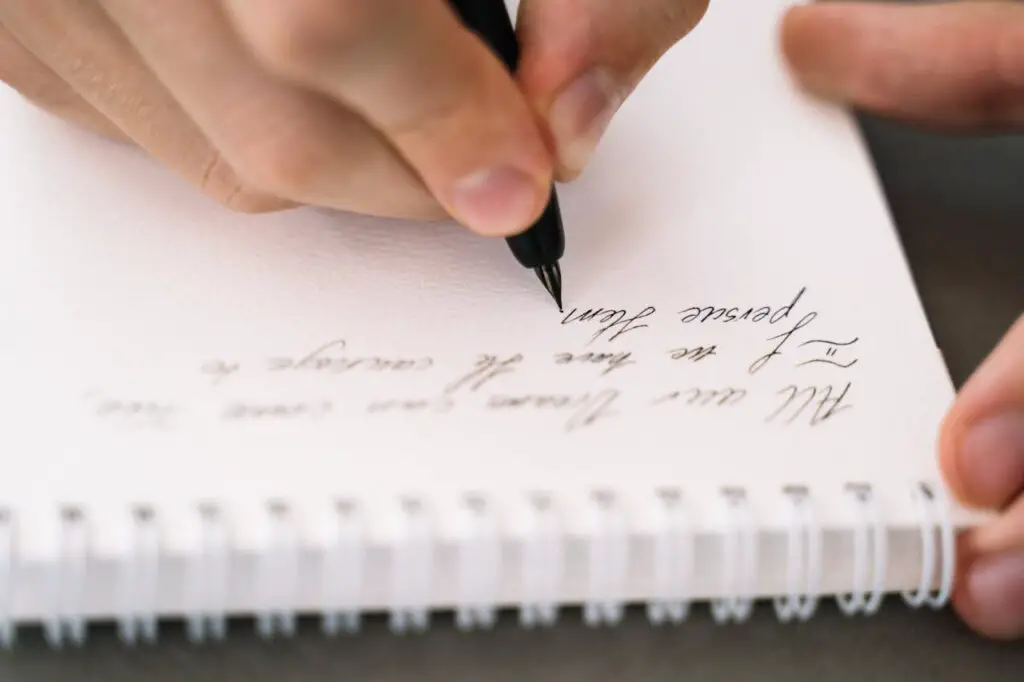
<p> Cursive writing was once a rite of passage in elementary school classrooms. Students learned to loop and slant their letters, eventually developing their own personal signature styles. It was more than a writing technique—it was an expression of identity. However, many school districts have removed cursive from their curriculum, opting instead to focus on typing skills. As a result, a growing number of children and teens can’t read or write in cursive at all. The loss of this skill means more than just a change in penmanship—it represents a cultural shift away from personalized expression and historical literacy. </p> :: Pexels

Cursive writing was once a rite of passage in elementary school classrooms. Students learned to loop and slant their letters, eventually developing their own personal signature styles. It was more than a writing technique—it was an expression of identity. However, many school districts have removed cursive from their curriculum, opting instead to focus on typing skills. As a result, a growing number of children and teens can’t read or write in cursive at all. The loss of this skill means more than just a change in penmanship—it represents a cultural shift away from personalized expression and historical literacy.

5. Front Porch Conversations

<p> There was a time when people knew their neighbors well—thanks in part to the front porch. These spaces weren’t just architectural features; they were social hubs. After dinner, families would sit outside to enjoy the evening air, wave to passersby, and catch up with friends next door. Today, modern homes are built with more emphasis on privacy and backyard living. Combined with air conditioning, home entertainment systems, and a decline in walkable neighborhoods, the front porch gathering is quickly becoming a relic. This loss is more than symbolic—it reflects the weakening of community ties that once made neighborhoods feel like extended families. </p> :: Pexels

There was a time when people knew their neighbors well—thanks in part to the front porch. These spaces weren’t just architectural features; they were social hubs. After dinner, families would sit outside to enjoy the evening air, wave to passersby, and catch up with friends next door. Today, modern homes are built with more emphasis on privacy and backyard living. Combined with air conditioning, home entertainment systems, and a decline in walkable neighborhoods, the front porch gathering is quickly becoming a relic. This loss is more than symbolic—it reflects the weakening of community ties that once made neighborhoods feel like extended families.

6. Milk Delivery

<p> The image of a milkman carrying glass bottles to your doorstep is pure nostalgia. For decades, milk delivery was a reliable, everyday part of American life. Families would leave empty bottles outside and receive fresh ones in return. As grocery stores became more common and refrigeration technology improved, the need for daily milk delivery vanished. While a few niche delivery services have made a modern comeback with organic options, the widespread practice of milk delivery is largely gone, replaced by bulk buying and plastic jugs. Its disappearance marks the end of a more personal and routine connection to local food sources. </p> :: Pexels

The image of a milkman carrying glass bottles to your doorstep is pure nostalgia. For decades, milk delivery was a reliable, everyday part of American life. Families would leave empty bottles outside and receive fresh ones in return. As grocery stores became more common and refrigeration technology improved, the need for daily milk delivery vanished. While a few niche delivery services have made a modern comeback with organic options, the widespread practice of milk delivery is largely gone, replaced by bulk buying and plastic jugs. Its disappearance marks the end of a more personal and routine connection to local food sources.

7. Quilting Bees

<p> Quilting bees were more than crafting circles—they were vital community gatherings, especially for women. These social events involved collective quilting for weddings, new babies, or charity, and they offered a space to exchange stories, share wisdom, and build friendships. Today, quilting is still practiced, but usually in isolation or in organized clubs rather than spontaneous community events. The disappearance of quilting bees signals a broader trend: the decline of hands-on, face-to-face, intergenerational gatherings where skills and stories were passed down through conversation and craft. </p> :: Pexels

Quilting bees were more than crafting circles—they were vital community gatherings, especially for women. These social events involved collective quilting for weddings, new babies, or charity, and they offered a space to exchange stories, share wisdom, and build friendships. Today, quilting is still practiced, but usually in isolation or in organized clubs rather than spontaneous community events. The disappearance of quilting bees signals a broader trend: the decline of hands-on, face-to-face, intergenerational gatherings where skills and stories were passed down through conversation and craft.

8. Town Hall Meetings

<p> Traditional town hall meetings gave citizens a chance to voice concerns, participate in local decision-making, and hear directly from elected officials. They represented grassroots democracy in its purest form. But in today’s fast-paced, digital world, attendance at these meetings has plummeted. Social media, livestreams, and online petitions have taken their place, making civic participation more convenient but also less personal. While virtual options increase access for some, the absence of in-person dialogue removes the human element that once built trust and transparency in local government. </p> :: Pexels

Traditional town hall meetings gave citizens a chance to voice concerns, participate in local decision-making, and hear directly from elected officials. They represented grassroots democracy in its purest form. But in today’s fast-paced, digital world, attendance at these meetings has plummeted. Social media, livestreams, and online petitions have taken their place, making civic participation more convenient but also less personal. While virtual options increase access for some, the absence of in-person dialogue removes the human element that once built trust and transparency in local government.

9. Home Gardening

<p> During the World Wars, “Victory Gardens” were common, and even into the 1970s and ’80s, many families maintained home gardens for fresh produce. Gardening offered not only food but also a therapeutic connection to nature and self-reliance. Today, that connection is dwindling. Urban living, time constraints, and the convenience of supermarkets and meal delivery services have led to a decline in home gardening. While backyard gardening sees occasional surges in popularity, especially during economic uncertainty, it’s no longer a routine tradition for most American households. </p> :: Pexels

During the World Wars, “Victory Gardens” were common, and even into the 1970s and ’80s, many families maintained home gardens for fresh produce. Gardening offered not only food but also a therapeutic connection to nature and self-reliance. Today, that connection is dwindling. Urban living, time constraints, and the convenience of supermarkets and meal delivery services have led to a decline in home gardening. While backyard gardening sees occasional surges in popularity, especially during economic uncertainty, it’s no longer a routine tradition for most American households.

10. Soda Fountains

<p> Once a staple of every small-town drugstore or diner, soda fountains were vibrant meeting spots where people could grab a root beer float and chat with neighbors. They played a significant cultural role, especially among teens and young adults in the mid-20th century. But over time, the rise of fast-food restaurants, vending machines, and bottled beverages made soda fountains obsolete. Today, only a few retro-style diners maintain these nostalgic setups, and younger generations have little concept of what a soda fountain experience once represented: fun, simplicity, and community. </p> :: Pexels

Once a staple of every small-town drugstore or diner, soda fountains were vibrant meeting spots where people could grab a root beer float and chat with neighbors. They played a significant cultural role, especially among teens and young adults in the mid-20th century. But over time, the rise of fast-food restaurants, vending machines, and bottled beverages made soda fountains obsolete. Today, only a few retro-style diners maintain these nostalgic setups, and younger generations have little concept of what a soda fountain experience once represented: fun, simplicity, and community.

11. Roller Skating Rinks

<p> Roller skating rinks were the go-to hangout spot for decades—especially for tweens and teens. They provided a place for physical activity, socializing, and even romance under disco lights and pulsing music. But as technology has pulled young people indoors and fitness trends have evolved, roller rinks have become increasingly rare. Many have shut down due to rising costs and declining attendance, replaced by digital entertainment and trendier fitness fads. The closure of these once-popular venues signifies a shift in how Americans socialize and spend leisure time. </p> :: Pexels

Roller skating rinks were the go-to hangout spot for decades—especially for tweens and teens. They provided a place for physical activity, socializing, and even romance under disco lights and pulsing music. But as technology has pulled young people indoors and fitness trends have evolved, roller rinks have become increasingly rare. Many have shut down due to rising costs and declining attendance, replaced by digital entertainment and trendier fitness fads. The closure of these once-popular venues signifies a shift in how Americans socialize and spend leisure time.

12. Homecoming Parades

<p> Homecoming used to be a full-blown community affair—complete with parades, floats, marching bands, and pep rallies that brought everyone together, from alumni to current students to town residents. These celebrations were about more than school spirit; they reinforced the bond between a school and its community. However, budget cuts, changing school cultures, and shifting priorities have led to the downsizing or cancellation of many homecoming traditions. What was once a vibrant celebration of unity and pride is becoming a quiet week of private events and formal dances. </p> :: Illinois Athletics

Homecoming used to be a full-blown community affair—complete with parades, floats, marching bands, and pep rallies that brought everyone together, from alumni to current students to town residents. These celebrations were about more than school spirit; they reinforced the bond between a school and its community. However, budget cuts, changing school cultures, and shifting priorities have led to the downsizing or cancellation of many homecoming traditions. What was once a vibrant celebration of unity and pride is becoming a quiet week of private events and formal dances.

Final Thoughts

<p> While change is inevitable, the fading of these American traditions leaves behind more than just warm memories—they represent a shift in how we connect, communicate, and celebrate what it means to be part of a community. As we move forward, it’s worth asking: what will take their place? And are we losing something essential in the process? Whether through nostalgia or revival, honoring these customs—even in small ways—can help preserve the spirit of shared identity and togetherness that once defined American life. </p> :: Pexels

While change is inevitable, the fading of these American traditions leaves behind more than just warm memories—they represent a shift in how we connect, communicate, and celebrate what it means to be part of a community. As we move forward, it’s worth asking: what will take their place? And are we losing something essential in the process? Whether through nostalgia or revival, honoring these customs—even in small ways—can help preserve the spirit of shared identity and togetherness that once defined American life.


Filed Under: Lifestyle

9 Everyday Energy Wasters in Your Home That Are Secretly Driving Up Your Electricity Bill

December 27, 2025 | Leave a Comment

9 Everyday Energy Wasters in Your Home That Are Secretly Driving Up Your Electricity Bill

<p> Do you ever wonder why your electricity bill seems to climb every month even when you’re not using more appliances? The truth is, many common household items and habits are silently gobbling up energy around the clock without you realizing it. These hidden energy wasters are draining your wallet and wasting power every single day. But the good news is, once you know what to look for, you can easily stop the waste and start saving money immediately. In this article, we uncover 9 surprising things in your home that are wasting electricity daily and show you simple ways to fix them. Get ready to slash your energy costs and make your home more efficient with these easy-to-implement tips. </p> :: Pexels

Do you ever wonder why your electricity bill seems to climb every month even when you’re not using more appliances? The truth is, many common household items and habits are silently gobbling up energy around the clock without you realizing it. These hidden energy wasters are draining your wallet and wasting power every single day. But the good news is, once you know what to look for, you can easily stop the waste and start saving money immediately. In this article, we uncover 9 surprising things in your home that are wasting electricity daily and show you simple ways to fix them. Get ready to slash your energy costs and make your home more efficient with these easy-to-implement tips.

1. Devices Left in Standby Mode Draining Power Silently

<p> Many electronics like TVs, gaming consoles, microwaves, and even coffee makers still use electricity when turned off but left plugged in, a phenomenon called “phantom power.” These devices constantly draw power to stay ready for instant use, keeping clocks lit, sensors active, or remote controls responsive. While the energy use of one device on standby is small, combined across multiple devices, it can account for 5 to 10 percent of your total electricity consumption. To eliminate this hidden drain, unplug devices when they are not in use or use smart power strips that cut power automatically once you turn the device off. This simple step can lead to significant savings over the course of a year. </p> :: Pexels

Many electronics like TVs, gaming consoles, microwaves, and even coffee makers still use electricity when turned off but left plugged in, a phenomenon called “phantom power.” These devices constantly draw power to stay ready for instant use, keeping clocks lit, sensors active, or remote controls responsive. While the energy use of one device on standby is small, combined across multiple devices, it can account for 5 to 10 percent of your total electricity consumption. To eliminate this hidden drain, unplug devices when they are not in use or use smart power strips that cut power automatically once you turn the device off. This simple step can lead to significant savings over the course of a year.

2. Aging Refrigerators and Freezers That Eat Energy

<p> If you have an old refrigerator or freezer lurking in your garage or basement, it could be quietly wasting a shocking amount of electricity. Appliances made more than 15 to 20 years ago are often far less energy efficient than today’s models because they use outdated compressors and insulation. An older fridge may consume two to three times more power than a new Energy Star-rated unit, making it one of the biggest energy wasters in many homes. If replacing it isn’t an option right now, try unplugging the extra fridge or freezer when it’s not needed, especially during warmer months, to keep your electricity bill down. </p> :: DALL-E

If you have an old refrigerator or freezer lurking in your garage or basement, it could be quietly wasting a shocking amount of electricity. Appliances made more than 15 to 20 years ago are often far less energy efficient than today’s models because they use outdated compressors and insulation. An older fridge may consume two to three times more power than a new Energy Star-rated unit, making it one of the biggest energy wasters in many homes. If replacing it isn’t an option right now, try unplugging the extra fridge or freezer when it’s not needed, especially during warmer months, to keep your electricity bill down.

3. Traditional Light Bulbs That Burn Energy Without Efficiency

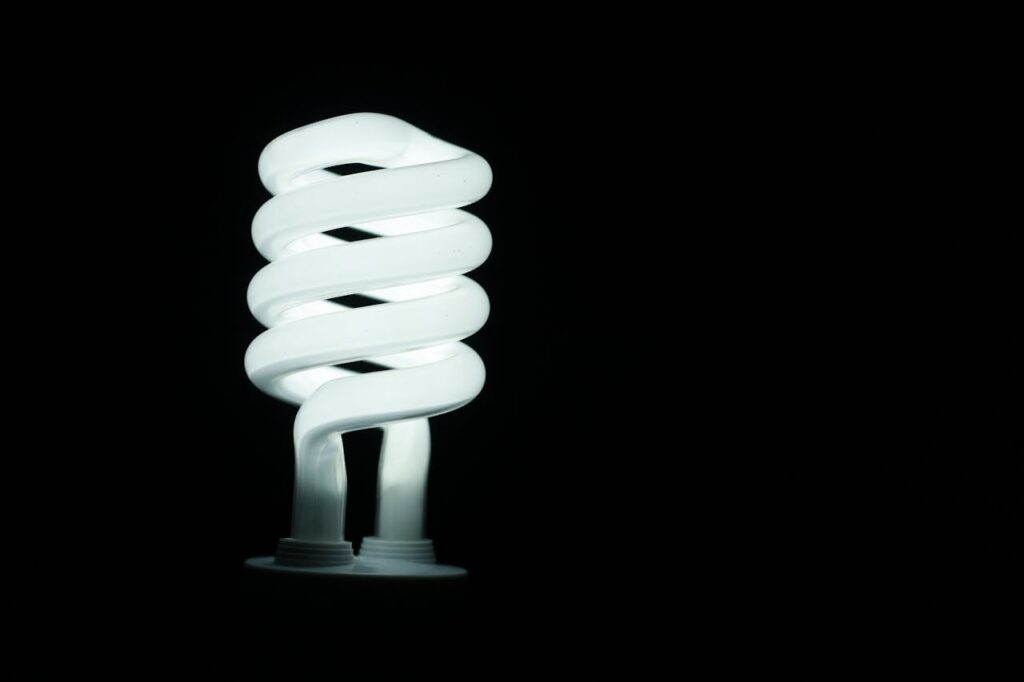
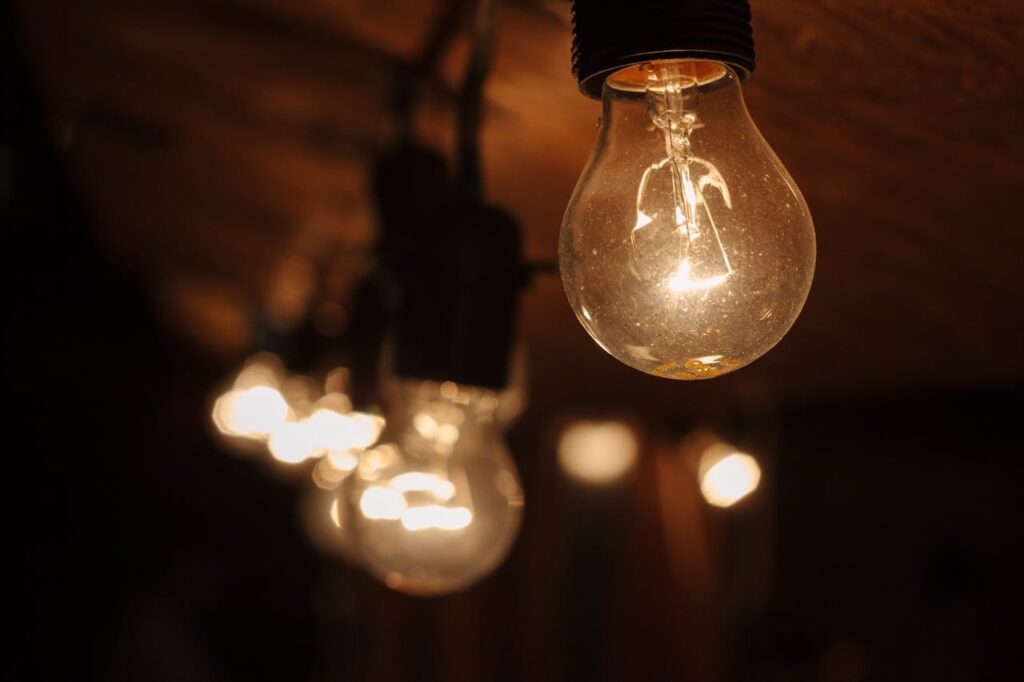
<p> Incandescent and halogen bulbs might still be found in many homes, but they are notorious for wasting energy. These bulbs convert most of the electricity they use into heat rather than light, making them highly inefficient. In contrast, LED bulbs use at least 75 percent less energy and can last up to 25 times longer. Replacing your home’s high-use bulbs, such as those in living rooms, kitchens, and hallways, with LEDs is an easy and cost-effective way to reduce energy consumption. Beyond savings, LEDs generate less heat, making your home more comfortable during warmer months. </p> :: Pexels

Incandescent and halogen bulbs might still be found in many homes, but they are notorious for wasting energy. These bulbs convert most of the electricity they use into heat rather than light, making them highly inefficient. In contrast, LED bulbs use at least 75 percent less energy and can last up to 25 times longer. Replacing your home’s high-use bulbs, such as those in living rooms, kitchens, and hallways, with LEDs is an easy and cost-effective way to reduce energy consumption. Beyond savings, LEDs generate less heat, making your home more comfortable during warmer months.

4. Outdated Thermostats That Keep Heating and Cooling Running Needlessly

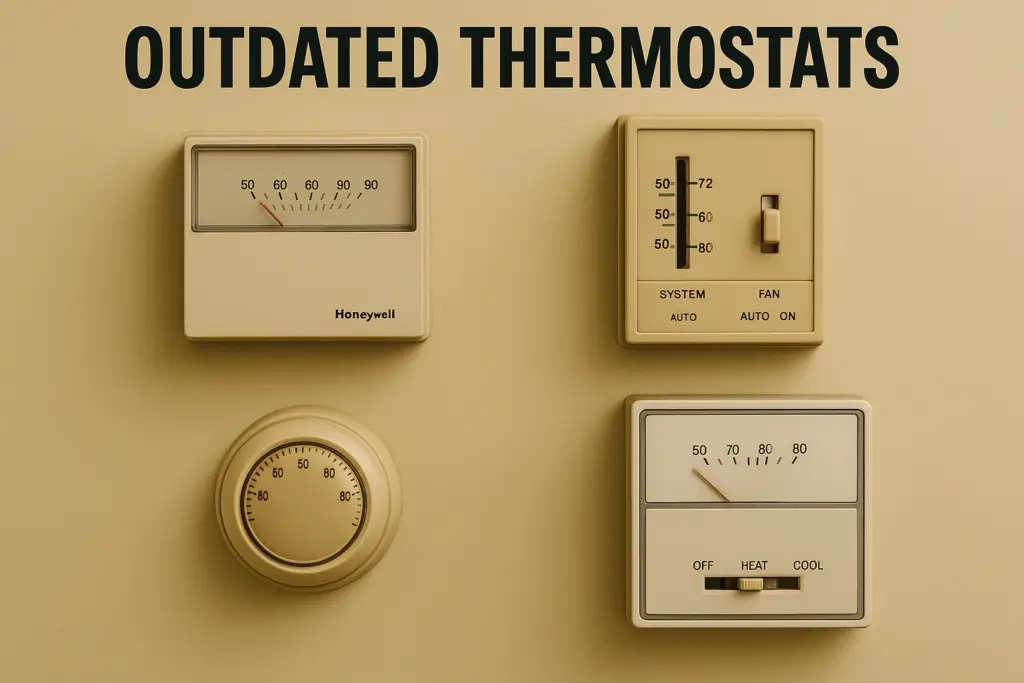
<p> Heating and cooling are usually the largest energy expenses for a household, and if you are still using an old manual thermostat, you could be wasting energy without even knowing it. Traditional thermostats lack the ability to adjust based on your schedule or occupancy, often running heating or air conditioning when no one is home. Upgrading to a smart thermostat allows you to program your heating and cooling system to run only when necessary. These devices can learn your habits, detect when the house is empty, and optimize temperatures accordingly, saving up to 10 percent annually on heating and cooling costs. The investment pays for itself quickly through lower energy bills. </p> :: DALL-E

Heating and cooling are usually the largest energy expenses for a household, and if you are still using an old manual thermostat, you could be wasting energy without even knowing it. Traditional thermostats lack the ability to adjust based on your schedule or occupancy, often running heating or air conditioning when no one is home. Upgrading to a smart thermostat allows you to program your heating and cooling system to run only when necessary. These devices can learn your habits, detect when the house is empty, and optimize temperatures accordingly, saving up to 10 percent annually on heating and cooling costs. The investment pays for itself quickly through lower energy bills.

5. Constantly Running Wi-Fi Routers and Networking Equipment

<p> Your home’s internet devices like Wi-Fi routers, modems, and range extenders are designed to run 24/7 to keep you connected, but they do contribute to your electricity bill. Each device might use only a small amount of power individually, typically between 5 and 20 watts, but combined with multiple devices and continuous operation, the total energy use becomes noticeable over time. When you go on vacation or know you will not be needing internet access for a while, consider turning off or unplugging your networking equipment. Choosing Energy Star-certified devices can also help reduce electricity consumption without sacrificing internet speed or reliability. </p> :: Freepik

Your home’s internet devices like Wi-Fi routers, modems, and range extenders are designed to run 24/7 to keep you connected, but they do contribute to your electricity bill. Each device might use only a small amount of power individually, typically between 5 and 20 watts, but combined with multiple devices and continuous operation, the total energy use becomes noticeable over time. When you go on vacation or know you will not be needing internet access for a while, consider turning off or unplugging your networking equipment. Choosing Energy Star-certified devices can also help reduce electricity consumption without sacrificing internet speed or reliability.

6. Phone and Device Chargers Left Plugged Into Outlets

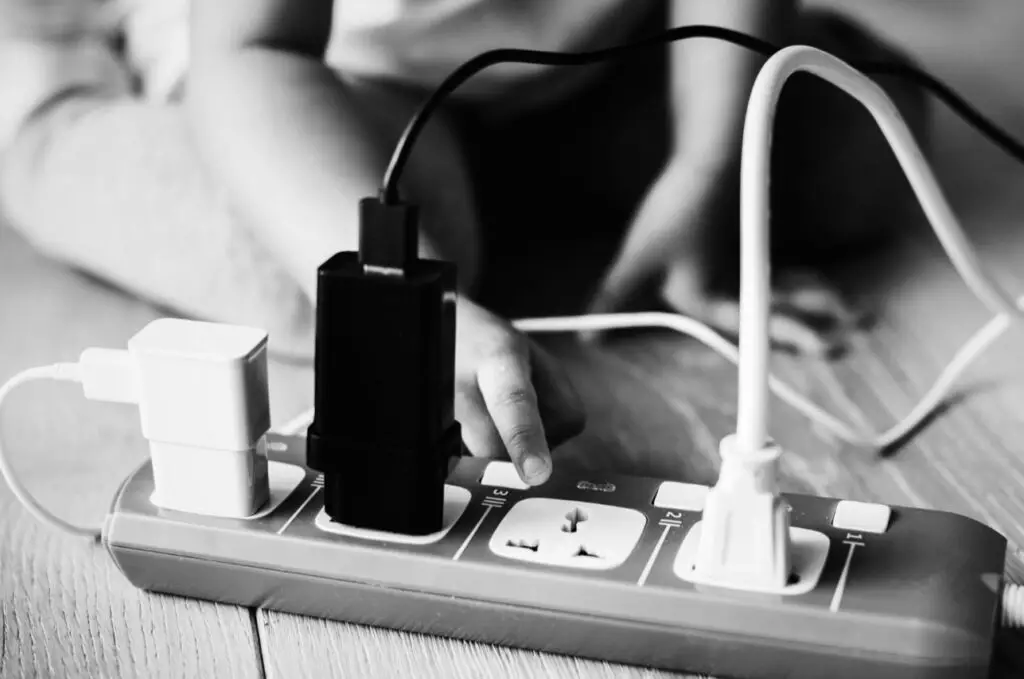
<p> Chargers for phones, tablets, laptops, and other gadgets continue to draw electricity when plugged in, even if they are not actively charging a device. Many people leave chargers plugged in out of convenience, but this habit leads to energy waste over time. While a single charger’s power draw is small, multiple chargers left plugged in throughout the house add up and can increase your electricity usage unnecessarily. A simple fix is to unplug chargers when not in use or plug them into a power strip that can be turned off completely to cut power flow. This is an easy way to save energy daily without any inconvenience. </p> :: Freepik

Chargers for phones, tablets, laptops, and other gadgets continue to draw electricity when plugged in, even if they are not actively charging a device. Many people leave chargers plugged in out of convenience, but this habit leads to energy waste over time. While a single charger’s power draw is small, multiple chargers left plugged in throughout the house add up and can increase your electricity usage unnecessarily. A simple fix is to unplug chargers when not in use or plug them into a power strip that can be turned off completely to cut power flow. This is an easy way to save energy daily without any inconvenience.

7. Dishwashers Using the Heated Dry Option

<p> Dishwashers save time and water but can consume a surprising amount of electricity, especially if you use the heated dry function. Heated drying works by raising the temperature to evaporate moisture from dishes, which uses much more energy than simply air-drying. Most modern dishwashers offer an air-dry option or an eco-mode that significantly reduces electricity use while still effectively drying your dishes. Another trick is to open the dishwasher door slightly after the cycle finishes, letting the dishes dry naturally and saving energy. These small changes add up over time and help reduce your power consumption without sacrificing convenience. </p> :: Freepik

Dishwashers save time and water but can consume a surprising amount of electricity, especially if you use the heated dry function. Heated drying works by raising the temperature to evaporate moisture from dishes, which uses much more energy than simply air-drying. Most modern dishwashers offer an air-dry option or an eco-mode that significantly reduces electricity use while still effectively drying your dishes. Another trick is to open the dishwasher door slightly after the cycle finishes, letting the dishes dry naturally and saving energy. These small changes add up over time and help reduce your power consumption without sacrificing convenience.

8. Poor Insulation Around Windows and Doors Causing Energy Loss

<p> While windows and doors don’t directly use electricity, inadequate insulation causes your heating and cooling systems to work overtime, driving up your energy costs. Gaps, cracks, and worn weatherstripping allow warm or cool air to escape your home, forcing your HVAC system to compensate by running longer and using more power. By sealing leaks with weatherstripping, caulking, or draft stoppers, you can dramatically improve your home’s energy efficiency. Installing thermal curtains or upgrading to double-pane windows can also reduce energy loss, making it easier and less expensive to maintain comfortable indoor temperatures year-round. </p> :: Freepik

While windows and doors don’t directly use electricity, inadequate insulation causes your heating and cooling systems to work overtime, driving up your energy costs. Gaps, cracks, and worn weatherstripping allow warm or cool air to escape your home, forcing your HVAC system to compensate by running longer and using more power. By sealing leaks with weatherstripping, caulking, or draft stoppers, you can dramatically improve your home’s energy efficiency. Installing thermal curtains or upgrading to double-pane windows can also reduce energy loss, making it easier and less expensive to maintain comfortable indoor temperatures year-round.

9. Washing Clothes in Hot Water Instead of Cold

<p> Washing machines use the majority of their electricity to heat water, and running hot water cycles regularly drives up your energy use unnecessarily. Most laundry detergents these days are formulated to clean effectively in cold water, and washing in cold or warm water is gentler on fabrics while saving a significant amount of electricity. Switching to cold water laundry cycles can reduce your washing machine’s energy consumption by up to 90 percent since heating water accounts for most of the energy used. This small change is one of the simplest ways to reduce your home’s overall electricity use while keeping your clothes clean. </p> :: Freepik

Washing machines use the majority of their electricity to heat water, and running hot water cycles regularly drives up your energy use unnecessarily. Most laundry detergents these days are formulated to clean effectively in cold water, and washing in cold or warm water is gentler on fabrics while saving a significant amount of electricity. Switching to cold water laundry cycles can reduce your washing machine’s energy consumption by up to 90 percent since heating water accounts for most of the energy used. This small change is one of the simplest ways to reduce your home’s overall electricity use while keeping your clothes clean.

Final  Thoughts

<p> Energy waste at home is more common than most people realize, but with a little awareness and simple adjustments, you can make a big difference. From unplugging standby devices to switching to LED lighting and upgrading your thermostat, these nine tips will help you take control of your electricity consumption and lower your utility bills. Not only will your wallet benefit from the savings, but you’ll also be contributing to a more sustainable lifestyle by reducing your carbon footprint. Start today by identifying which of these energy wasters affect your home and take action—small steps lead to big rewards when it comes to energy efficiency. </p> :: Pexels

Energy waste at home is more common than most people realize, but with a little awareness and simple adjustments, you can make a big difference. From unplugging standby devices to switching to LED lighting and upgrading your thermostat, these nine tips will help you take control of your electricity consumption and lower your utility bills. Not only will your wallet benefit from the savings, but you’ll also be contributing to a more sustainable lifestyle by reducing your carbon footprint. Start today by identifying which of these energy wasters affect your home and take action—small steps lead to big rewards when it comes to energy efficiency.

Filed Under: Budgeting

14 Millennial Phrases Everyone Is Sick Of Hearing

December 27, 2025 | Leave a Comment

14 Millennial Phrases Everyone Is Sick Of Hearing

<p> Millennials have gifted the world with memes, viral trends, and a quirky sense of humor that transformed the way we communicate online. But for every genius moment of internet culture, there are a dozen phrases that have been dragged out way too long. Some started out clever, others were funny for a hot minute, and a few were never that great to begin with—but all of them have overstayed their welcome. Whether you're scrolling through social media or sitting through yet another work Zoom meeting, chances are you’ve heard these expressions one too many times. If you find yourself cringing at your own vocabulary or rolling your eyes when your friend says “I can’t even,” you’re not alone. Here are 14 millennial catchphrases that desperately need to disappear before Gen Z disowns us all. </p> :: Freepik

Millennials have gifted the world with memes, viral trends, and a quirky sense of humor that transformed the way we communicate online. But for every genius moment of internet culture, there are a dozen phrases that have been dragged out way too long. Some started out clever, others were funny for a hot minute, and a few were never that great to begin with—but all of them have overstayed their welcome. Whether you’re scrolling through social media or sitting through yet another work Zoom meeting, chances are you’ve heard these expressions one too many times. If you find yourself cringing at your own vocabulary or rolling your eyes when your friend says “I can’t even,” you’re not alone. Here are 14 millennial catchphrases that desperately need to disappear before Gen Z disowns us all.

1. “Adulting”

<p> What was once a funny, tongue-in-cheek way to describe grown-up responsibilities has now become a tired cliché. Saying “I’m adulting today” to announce you paid a bill or did laundry just makes adulthood sound like some kind of part-time gig instead of, well, life. At this point, “adulting” feels like a badge millennials wear to avoid fully embracing adulthood. Let’s retire it and just call it what it is—being responsible. </p> :: Pexels

What was once a funny, tongue-in-cheek way to describe grown-up responsibilities has now become a tired cliché. Saying “I’m adulting today” to announce you paid a bill or did laundry just makes adulthood sound like some kind of part-time gig instead of, well, life. At this point, “adulting” feels like a badge millennials wear to avoid fully embracing adulthood. Let’s retire it and just call it what it is—being responsible.

2. “I Can’t Even”

<p> This phrase was born from internet culture’s love of exaggeration and emotional chaos, but now it’s just a meaningless cop-out. Whether it’s used to describe a cute puppy or a meltdown over spilling coffee, “I can’t even” has become a placeholder for any and all emotions. If you can’t even... what? Finish the thought. Express the feeling. Communicate like a functioning adult. </p> :: Pexels

This phrase was born from internet culture’s love of exaggeration and emotional chaos, but now it’s just a meaningless cop-out. Whether it’s used to describe a cute puppy or a meltdown over spilling coffee, “I can’t even” has become a placeholder for any and all emotions. If you can’t even… what? Finish the thought. Express the feeling. Communicate like a functioning adult.

3. “Sorry Not Sorry”

<p> Equal parts sassy and passive-aggressive, this phrase pretends to be bold but usually ends up sounding smug or immature. It’s often used to disguise an insult or selfish behavior under the veil of faux empowerment. The reality is, you’re either sorry or you’re not—there’s no need to straddle both sides. Let’s move on from this overused line and learn how to apologize—or not—like grown-ups. </p> :: Pexels

Equal parts sassy and passive-aggressive, this phrase pretends to be bold but usually ends up sounding smug or immature. It’s often used to disguise an insult or selfish behavior under the veil of faux empowerment. The reality is, you’re either sorry or you’re not—there’s no need to straddle both sides. Let’s move on from this overused line and learn how to apologize—or not—like grown-ups.

4. “Literally Dying”

<p> This one is a grammar purist’s worst nightmare. “Literally” means something actually happened, so saying you’re “literally dying” from laughter or embarrassment is not only incorrect but incredibly melodramatic. It might have been funny the first time, but now it’s just hyperbole fatigue. There are plenty of ways to express excitement or disbelief without pretending to keel over. </p> :: Pexels

This one is a grammar purist’s worst nightmare. “Literally” means something actually happened, so saying you’re “literally dying” from laughter or embarrassment is not only incorrect but incredibly melodramatic. It might have been funny the first time, but now it’s just hyperbole fatigue. There are plenty of ways to express excitement or disbelief without pretending to keel over.

5. “Yas Queen”

<p> Originally a joyful cheer rooted in drag culture, “Yas Queen” was co-opted by mainstream internet culture and ultimately worn into the ground. At one point, it was a way to hype someone up with flair. Now, it’s slapped on every selfie, new haircut, or brunch post with a tone that feels more forced than fabulous. It’s time to leave this one in the glittery vault of internet history. </p> :: Pexels

Originally a joyful cheer rooted in drag culture, “Yas Queen” was co-opted by mainstream internet culture and ultimately worn into the ground. At one point, it was a way to hype someone up with flair. Now, it’s slapped on every selfie, new haircut, or brunch post with a tone that feels more forced than fabulous. It’s time to leave this one in the glittery vault of internet history.

6. “Because Reasons”

<p> “Because reasons” was once a clever way to indicate you were making a decision without feeling the need to explain yourself. But now, it just comes off as dismissive or intellectually lazy. Instead of using it to avoid having an opinion, how about just offering one? If you don’t have a reason, that’s fine too. Just don’t pretend vagueness is a personality. </p> :: Pexels

“Because reasons” was once a clever way to indicate you were making a decision without feeling the need to explain yourself. But now, it just comes off as dismissive or intellectually lazy. Instead of using it to avoid having an opinion, how about just offering one? If you don’t have a reason, that’s fine too. Just don’t pretend vagueness is a personality.

7. “I Did a Thing”

<p> This one needs to go for two reasons: it’s vague and it’s a thinly veiled cry for attention. People often use it to hint at something big—like quitting a job, buying a house, or getting engaged—without just saying what happened. It’s the social media equivalent of fishing for questions. Be proud of your accomplishments. Say what you did. You don’t need to sugarcoat it with mystery. </p> :: Pexels

This one needs to go for two reasons: it’s vague and it’s a thinly veiled cry for attention. People often use it to hint at something big—like quitting a job, buying a house, or getting engaged—without just saying what happened. It’s the social media equivalent of fishing for questions. Be proud of your accomplishments. Say what you did. You don’t need to sugarcoat it with mystery.

8. “Can We Not”

<p> Once a quick and sassy way to shut down annoying behavior, “Can we not” has become just another dismissive catchphrase that lacks substance. It’s overused as a blanket statement to express frustration without actually offering any constructive input. It also has a vague superiority complex that can be off-putting. If something bothers you, say why. Don’t hide behind this half-hearted complaint. </p> :: Pexels

Once a quick and sassy way to shut down annoying behavior, “Can we not” has become just another dismissive catchphrase that lacks substance. It’s overused as a blanket statement to express frustration without actually offering any constructive input. It also has a vague superiority complex that can be off-putting. If something bothers you, say why. Don’t hide behind this half-hearted complaint.

9. “So Done”

<p> Whether it’s your job, your ex, or the state of the world, saying you’re “so done” used to feel like a dramatic mic drop. Now it just feels like emotional shorthand for people who are too tired to explain themselves. It’s vague, non-committal, and increasingly unhelpful. We’re all “so done” with a lot of things, but maybe it’s time we start being more specific about what and why. </p> :: Pexels

Whether it’s your job, your ex, or the state of the world, saying you’re “so done” used to feel like a dramatic mic drop. Now it just feels like emotional shorthand for people who are too tired to explain themselves. It’s vague, non-committal, and increasingly unhelpful. We’re all “so done” with a lot of things, but maybe it’s time we start being more specific about what and why.

10. “All the Feels”

<p> This one was charming when it first arrived on the scene, a quick way to express emotional overload in response to a cute video or touching story. But over time, “all the feels” lost its emotional depth and became an overused label for any reaction at all. The phrase is now so watered down it could apply to literally anything. If you’re moved, describe it. Give your feelings the credit they deserve. </p> :: Pexels

This one was charming when it first arrived on the scene, a quick way to express emotional overload in response to a cute video or touching story. But over time, “all the feels” lost its emotional depth and became an overused label for any reaction at all. The phrase is now so watered down it could apply to literally anything. If you’re moved, describe it. Give your feelings the credit they deserve.

11. “Treat Yo’ Self”

<p> Coined by the iconic comedy Parks and Recreation, “Treat yo’ self” once represented a fun, carefree attitude toward indulgence. But it’s become an excuse for reckless spending and self-justified overindulgence. Not every impulse buy needs to be a moment of empowerment. Enjoy your treats, sure—but maybe don’t post every overpriced coffee under this outdated banner of faux self-love. </p> :: Pexels

Coined by the iconic comedy Parks and Recreation, “Treat yo’ self” once represented a fun, carefree attitude toward indulgence. But it’s become an excuse for reckless spending and self-justified overindulgence. Not every impulse buy needs to be a moment of empowerment. Enjoy your treats, sure—but maybe don’t post every overpriced coffee under this outdated banner of faux self-love.

12. “Zero F***s Given”

<p> The more you say you don’t care, the more it usually looks like you do. “Zero fs given” was meant to signal confidence and apathy toward judgment, but now it often comes across as defensive and try-hard. There’s something far more powerful about quiet confidence than loudly announcing your lack of interest. Besides, if you truly had zero fs to give, you probably wouldn’t be posting about it. </p> :: Pexels

The more you say you don’t care, the more it usually looks like you do. “Zero fs given” was meant to signal confidence and apathy toward judgment, but now it often comes across as defensive and try-hard. There’s something far more powerful about quiet confidence than loudly announcing your lack of interest. Besides, if you truly had zero fs to give, you probably wouldn’t be posting about it.

13. “Shook”

<p> Feeling surprised? Go ahead and say that. But unless you’re actually trembling in disbelief, there’s no need to claim you’re “shook.” The term has been so widely used—applied to anything from spilled tea to celebrity gossip—that it now means virtually nothing. It’s another millennial exaggeration that needs to be scaled back for the sake of clearer, more honest communication. </p> :: Pexels

Feeling surprised? Go ahead and say that. But unless you’re actually trembling in disbelief, there’s no need to claim you’re “shook.” The term has been so widely used—applied to anything from spilled tea to celebrity gossip—that it now means virtually nothing. It’s another millennial exaggeration that needs to be scaled back for the sake of clearer, more honest communication.

14. “That’s a Mood”

<p> Whether it’s a sleepy dog wrapped in a blanket or someone glaring into the void, millennials love to label random images or feelings as “a mood.” It started as a way to relate to others with a quick shorthand, but it’s become a lazy substitute for real conversation. Everything is not a mood. If you’re relating to something, try explaining why instead of relying on this worn-out catchphrase. </p> :: Pexels

Whether it’s a sleepy dog wrapped in a blanket or someone glaring into the void, millennials love to label random images or feelings as “a mood.” It started as a way to relate to others with a quick shorthand, but it’s become a lazy substitute for real conversation. Everything is not a mood. If you’re relating to something, try explaining why instead of relying on this worn-out catchphrase.

Final Thoughts

<p> There’s no denying that millennials brought a unique voice to modern communication—fun, quirky, and relatable in its prime. But language evolves, and even the most iconic phrases eventually lose their edge. Many of the expressions on this list started out clever, but constant repetition stripped them of their charm. Clinging to outdated slang doesn’t make you relatable—it makes you sound like a meme from 2014. So the next time you’re tempted to drop a “yas queen” or “I did a thing,” consider whether it still lands or just lands flat. After all, real expression comes from originality, not just recycling what was once cool. </p> :: Freepik

There’s no denying that millennials brought a unique voice to modern communication—fun, quirky, and relatable in its prime. But language evolves, and even the most iconic phrases eventually lose their edge. Many of the expressions on this list started out clever, but constant repetition stripped them of their charm. Clinging to outdated slang doesn’t make you relatable—it makes you sound like a meme from 2014. So the next time you’re tempted to drop a “yas queen” or “I did a thing,” consider whether it still lands or just lands flat. After all, real expression comes from originality, not just recycling what was once cool.

Filed Under: Lifestyle

7 Things Boomers Should Never Sell in Retirement Because They Are More Valuable Than Money

December 27, 2025 | Leave a Comment

7 Things Boomers Should Never Sell in Retirement Because They Are More Valuable Than Money

<p> Retirement is often pictured as a time to relax, simplify life, and enjoy the fruits of decades of hard work. For many boomers, this new chapter brings big decisions about what to keep, what to let go of, and how to make the most of your resources. It can be tempting to sell off possessions or investments to boost your cash flow or lighten your load. But some things are worth far more than their immediate price tag—they carry emotional value, financial security, and future peace of mind that no amount of money can replace. If you want to make smart choices that protect your happiness and stability, there are seven important things you should never sell in retirement. These valuable treasures hold the key to a richer, fuller life beyond just dollars and cents. </p> :: Freepik

Retirement is often pictured as a time to relax, simplify life, and enjoy the fruits of decades of hard work. For many boomers, this new chapter brings big decisions about what to keep, what to let go of, and how to make the most of your resources. It can be tempting to sell off possessions or investments to boost your cash flow or lighten your load. But some things are worth far more than their immediate price tag—they carry emotional value, financial security, and future peace of mind that no amount of money can replace. If you want to make smart choices that protect your happiness and stability, there are seven important things you should never sell in retirement. These valuable treasures hold the key to a richer, fuller life beyond just dollars and cents.

1. Your Primary Home or Real Estate Investment

<p> For most boomers, the family home is more than a place to live. It’s where memories were made, milestones celebrated, and roots grew deep. Selling your home too soon can mean missing out on future appreciation, especially if your property is in a growing market. Beyond financial value, owning your home offers stability and a sense of belonging that renting simply can’t match. Instead of rushing to sell, consider alternatives like downsizing locally, renting out part of your property for extra income, or exploring a reverse mortgage. These strategies let you enjoy your home’s benefits while boosting retirement funds. Letting go of your family home too early can cost you more than money—it could impact your comfort and connection to community. Owning property in retirement can also be an important hedge against inflation, providing long-term security that cash in the bank often cannot. </p> :: Pexels

For most boomers, the family home is more than a place to live. It’s where memories were made, milestones celebrated, and roots grew deep. Selling your home too soon can mean missing out on future appreciation, especially if your property is in a growing market. Beyond financial value, owning your home offers stability and a sense of belonging that renting simply can’t match. Instead of rushing to sell, consider alternatives like downsizing locally, renting out part of your property for extra income, or exploring a reverse mortgage. These strategies let you enjoy your home’s benefits while boosting retirement funds. Letting go of your family home too early can cost you more than money—it could impact your comfort and connection to community. Owning property in retirement can also be an important hedge against inflation, providing long-term security that cash in the bank often cannot.

2. Valuable Heirlooms and Family Keepsakes

<p> Retirement is the perfect time to cherish family history and legacy. Heirlooms such as antique jewelry, vintage watches, classic cars, or treasured photo albums are priceless links to the past. Selling these items might bring a quick cash boost, but you risk losing meaningful connections that enrich your life and the lives of future generations. Often, heirlooms appreciate in value over time, especially when properly cared for or rare. Rather than selling, pass these treasures to children or grandchildren to preserve your family story and strengthen bonds. These tangible pieces of heritage carry emotional weight that no bank account can replace. They also serve as conversation starters, bringing generations together and fostering a sense of belonging that is priceless in retirement. </p> :: Freepik

Retirement is the perfect time to cherish family history and legacy. Heirlooms such as antique jewelry, vintage watches, classic cars, or treasured photo albums are priceless links to the past. Selling these items might bring a quick cash boost, but you risk losing meaningful connections that enrich your life and the lives of future generations. Often, heirlooms appreciate in value over time, especially when properly cared for or rare. Rather than selling, pass these treasures to children or grandchildren to preserve your family story and strengthen bonds. These tangible pieces of heritage carry emotional weight that no bank account can replace. They also serve as conversation starters, bringing generations together and fostering a sense of belonging that is priceless in retirement.

3. Your Retirement Accounts and Long-Term Investments

<p> Your retirement savings accounts like IRAs and 401(k)s are designed to support you throughout your golden years. Withdrawing or cashing out early to cover expenses might seem like an easy fix but can lead to penalties, higher taxes, and loss of potential growth. Smart retirement planning means letting your investments grow and generate income long-term. By holding onto these accounts and consulting with a financial advisor, you can protect your nest egg and ensure your money lasts as long as you do. Selling or withdrawing prematurely may create financial gaps that threaten your lifestyle later. Additionally, many retirement accounts offer tax advantages that diminish if liquidated too soon, so preserving these investments is a strategic move to maximize your financial health throughout retirement. </p> :: Pexels

Your retirement savings accounts like IRAs and 401(k)s are designed to support you throughout your golden years. Withdrawing or cashing out early to cover expenses might seem like an easy fix but can lead to penalties, higher taxes, and loss of potential growth. Smart retirement planning means letting your investments grow and generate income long-term. By holding onto these accounts and consulting with a financial advisor, you can protect your nest egg and ensure your money lasts as long as you do. Selling or withdrawing prematurely may create financial gaps that threaten your lifestyle later. Additionally, many retirement accounts offer tax advantages that diminish if liquidated too soon, so preserving these investments is a strategic move to maximize your financial health throughout retirement.

4. Your Skills and Knowledge

<p> What you know is your most valuable asset after your retirement paycheck ends. Many boomers underestimate the power of their skills and experience, missing opportunities to earn income, stay engaged, or find new purpose. Instead of “selling out” by walking away completely from your professional identity, explore consulting, mentoring, part-time work, or starting a small business. Sharing your expertise not only boosts your finances but keeps you mentally sharp and socially connected. Your knowledge is irreplaceable and can bring joy and fulfillment well into retirement. Beyond financial benefits, engaging your skills combats boredom and helps maintain cognitive health, which is crucial for long-term well-being in retirement. </p> :: Pexels

What you know is your most valuable asset after your retirement paycheck ends. Many boomers underestimate the power of their skills and experience, missing opportunities to earn income, stay engaged, or find new purpose. Instead of “selling out” by walking away completely from your professional identity, explore consulting, mentoring, part-time work, or starting a small business. Sharing your expertise not only boosts your finances but keeps you mentally sharp and socially connected. Your knowledge is irreplaceable and can bring joy and fulfillment well into retirement. Beyond financial benefits, engaging your skills combats boredom and helps maintain cognitive health, which is crucial for long-term well-being in retirement.

5. Health and Wellness Priorities

<p> Your health is your greatest wealth, especially in retirement when you want to enjoy freedom and activity. Cutting corners on healthcare, exercise, or nutrition to save money often backfires with higher medical bills, reduced mobility, and lost independence. Think of your body as the most important asset portfolio—invest in regular check-ups, balanced eating, and staying active. Prioritizing your health helps you live longer, feel better, and avoid costly complications down the road. Don’t sell yourself short by neglecting wellness now; the dividends pay off in priceless quality of life. Making health investments early in retirement can reduce the likelihood of chronic illnesses and hospital stays, which can drain both your physical energy and financial resources. </p> :: Pexels

Your health is your greatest wealth, especially in retirement when you want to enjoy freedom and activity. Cutting corners on healthcare, exercise, or nutrition to save money often backfires with higher medical bills, reduced mobility, and lost independence. Think of your body as the most important asset portfolio—invest in regular check-ups, balanced eating, and staying active. Prioritizing your health helps you live longer, feel better, and avoid costly complications down the road. Don’t sell yourself short by neglecting wellness now; the dividends pay off in priceless quality of life. Making health investments early in retirement can reduce the likelihood of chronic illnesses and hospital stays, which can drain both your physical energy and financial resources.

6. Social Connections and Community Involvement

<p> Retirement offers a chance to deepen social ties and get involved in your community. Isolating yourself or “selling out” on your social life can lead to loneliness, depression, and faster cognitive decline. Strong social networks are linked to longer life expectancy and better mental health. Invest time and energy in friendships, clubs, religious groups, or volunteer work. These connections provide daily joy, purpose, and even unexpected opportunities for learning or earning. Nurturing relationships keeps you vibrant and fulfilled during retirement and beyond. Maintaining active social involvement can also open doors to community resources and support systems, which are invaluable in later years. </p> :: Pexels

Retirement offers a chance to deepen social ties and get involved in your community. Isolating yourself or “selling out” on your social life can lead to loneliness, depression, and faster cognitive decline. Strong social networks are linked to longer life expectancy and better mental health. Invest time and energy in friendships, clubs, religious groups, or volunteer work. These connections provide daily joy, purpose, and even unexpected opportunities for learning or earning. Nurturing relationships keeps you vibrant and fulfilled during retirement and beyond. Maintaining active social involvement can also open doors to community resources and support systems, which are invaluable in later years.

7. Your Time and Freedom

<p> Perhaps the most valuable thing boomers have in retirement is their time and freedom. After decades of work and obligations, this period is meant to be yours—to explore passions, travel, relax, or simply enjoy the moment. Selling your time by taking on overly demanding jobs or financial commitments that don’t fit your goals can steal this freedom and cause unnecessary stress. Be intentional with how you spend your days—say yes to joy and no to overwhelm. Protecting your time means protecting your happiness, health, and the true spirit of retirement. Time is a non-renewable resource, and how you use it can make the difference between a retirement filled with regret or one full of fulfillment. </p> :: Pexels

Perhaps the most valuable thing boomers have in retirement is their time and freedom. After decades of work and obligations, this period is meant to be yours—to explore passions, travel, relax, or simply enjoy the moment. Selling your time by taking on overly demanding jobs or financial commitments that don’t fit your goals can steal this freedom and cause unnecessary stress. Be intentional with how you spend your days—say yes to joy and no to overwhelm. Protecting your time means protecting your happiness, health, and the true spirit of retirement. Time is a non-renewable resource, and how you use it can make the difference between a retirement filled with regret or one full of fulfillment.

Final Thoughts

<p> Retirement can be a complex balance of managing finances, emotions, and lifestyle changes. While it might seem easier to sell assets or simplify quickly, some things should never be given up. Your home, heirlooms, investments, skills, health, relationships, and time are priceless treasures that enrich your retirement far beyond dollars and cents. Holding on to these key areas protects your financial security, emotional well-being, and overall quality of life. Before making any major selling decisions, pause and consider the long-term impact. Sometimes, the best investment you make in retirement is in yourself and your legacy. These seven things are worth holding onto tightly—because your golden years deserve more than just a quick sale; they deserve lasting value. </p> :: Pexels

Retirement can be a complex balance of managing finances, emotions, and lifestyle changes. While it might seem easier to sell assets or simplify quickly, some things should never be given up. Your home, heirlooms, investments, skills, health, relationships, and time are priceless treasures that enrich your retirement far beyond dollars and cents. Holding on to these key areas protects your financial security, emotional well-being, and overall quality of life.

Before making any major selling decisions, pause and consider the long-term impact. Sometimes, the best investment you make in retirement is in yourself and your legacy. These seven things are worth holding onto tightly—because your golden years deserve more than just a quick sale; they deserve lasting value.

Filed Under: Money

15 Morning Habits People With Common Sense Do That Drive Everyone Else a Little Crazy

December 27, 2025 | Leave a Comment

15 Morning Habits People With Common Sense Do That Drive Everyone Else a Little Crazy

<p> Mornings are a battlefield. For many of us, they are filled with groggy stumbles, frantic searches for coffee, and the endless scrolling of our phones while we try to wake up. Yet there is a group of people who seem to glide through the early hours effortlessly. They rise, move, and handle their mornings with a quiet efficiency that almost feels magical. Watching them can leave you feeling impressed, a little envious, or even slightly annoyed.

What sets these people apart is their commitment to simple, practical habits that make mornings feel calm, productive, and surprisingly manageable. They aren’t doing anything extreme, but their consistency and common sense create a morning routine that the rest of us can barely comprehend. If you’ve ever wondered why someone seems so composed and energized before breakfast while you are still in a half-asleep fog, the answer is in the habits they follow.

Here are fifteen morning practices people with common sense do that most others find a little infuriating — and the reasons they are so effective. </p> :: Gemini

Mornings are a battlefield. For many of us, they are filled with groggy stumbles, frantic searches for coffee, and the endless scrolling of our phones while we try to wake up. Yet there is a group of people who seem to glide through the early hours effortlessly. They rise, move, and handle their mornings with a quiet efficiency that almost feels magical. Watching them can leave you feeling impressed, a little envious, or even slightly annoyed.

What sets these people apart is their commitment to simple, practical habits that make mornings feel calm, productive, and surprisingly manageable. They aren’t doing anything extreme, but their consistency and common sense create a morning routine that the rest of us can barely comprehend. If you’ve ever wondered why someone seems so composed and energized before breakfast while you are still in a half-asleep fog, the answer is in the habits they follow.

Here are fifteen morning practices people with common sense do that most others find a little infuriating — and the reasons they are so effective.

1. They Wake Up at the Same Time Every Day

<p> Consistency is one of the most underrated aspects of a good morning. People with common sense rise at the same time every day, even on weekends. This practice regulates the body clock, improves alertness, and helps them start the day with less grogginess. By waking at a consistent hour, they avoid the mental chaos of a disjointed sleep schedule, which often leads to rushed mornings and stress.

Unlike those who hit the snooze button multiple times, these individuals wake up with a sense of purpose, already in sync with their body’s natural rhythm. Over time, this habit not only improves productivity but also positively affects mood and overall health. </p> :: Gemini

Consistency is one of the most underrated aspects of a good morning. People with common sense rise at the same time every day, even on weekends. This practice regulates the body clock, improves alertness, and helps them start the day with less grogginess. By waking at a consistent hour, they avoid the mental chaos of a disjointed sleep schedule, which often leads to rushed mornings and stress.

Unlike those who hit the snooze button multiple times, these individuals wake up with a sense of purpose, already in sync with their body’s natural rhythm. Over time, this habit not only improves productivity but also positively affects mood and overall health.

2. They Open the Blinds Immediately

<p> There is something almost magical about sunlight first thing in the morning. People who manage their mornings well know that exposure to natural light signals the brain to wake up, increases energy, and improves focus. While others groggily fumble around in a dark room, these individuals welcome the day with open windows and bright spaces.

Even a small action like letting sunlight pour in can improve alertness, stabilize your circadian rhythm, and make mornings feel less like a struggle. It’s a tiny step with a surprisingly big impact. </p> :: Gemini

There is something almost magical about sunlight first thing in the morning. People who manage their mornings well know that exposure to natural light signals the brain to wake up, increases energy, and improves focus. While others groggily fumble around in a dark room, these individuals welcome the day with open windows and bright spaces.

Even a small action like letting sunlight pour in can improve alertness, stabilize your circadian rhythm, and make mornings feel less like a struggle. It’s a tiny step with a surprisingly big impact.

3. They Make Their Bed

<p> Making the bed is a simple act that delivers a huge psychological boost. People with common sense understand that starting the day with an organized space instantly creates a sense of accomplishment. It sets a tone of order, efficiency, and intentionality that extends beyond the bedroom.

Even if the rest of the day gets chaotic, having a neat bed acts as a small anchor of control. This habit might seem minor, but it sends a signal to your brain that the day can be handled with clarity and calm. </p> :: Gemini

Making the bed is a simple act that delivers a huge psychological boost. People with common sense understand that starting the day with an organized space instantly creates a sense of accomplishment. It sets a tone of order, efficiency, and intentionality that extends beyond the bedroom.

Even if the rest of the day gets chaotic, having a neat bed acts as a small anchor of control. This habit might seem minor, but it sends a signal to your brain that the day can be handled with clarity and calm.

4. They Check the Weather and Plan Their Day

<p> Preparation is key. Before stepping out, sensible people check the weather and plan accordingly. Whether it means grabbing an umbrella, wearing layers, or rescheduling a morning jog, planning ahead reduces surprises and stress.

Skipping this step might seem harmless, but it can lead to frustration later. Common sense individuals avoid last-minute chaos, making their mornings smoother and more predictable. Even a five-minute glance at the forecast can prevent unnecessary morning anxiety. </p> :: Gemini

Preparation is key. Before stepping out, sensible people check the weather and plan accordingly. Whether it means grabbing an umbrella, wearing layers, or rescheduling a morning jog, planning ahead reduces surprises and stress.

Skipping this step might seem harmless, but it can lead to frustration later. Common sense individuals avoid last-minute chaos, making their mornings smoother and more predictable. Even a five-minute glance at the forecast can prevent unnecessary morning anxiety.

5. They Avoid Social Media First Thing

<p> Resisting the temptation to check social media immediately is one of the habits that most people find baffling. Sensible individuals know that scrolling through feeds first thing in the morning is a productivity killer and a mood disruptor.

Instead, they ease into the day with focused, intentional actions. By avoiding early digital distractions, they maintain clarity, stay calm, and start the day on their own terms. It is a small shift with big mental benefits that sets them apart from the majority who wake up with their phones in hand. </p> :: Gemini

Resisting the temptation to check social media immediately is one of the habits that most people find baffling. Sensible individuals know that scrolling through feeds first thing in the morning is a productivity killer and a mood disruptor.

Instead, they ease into the day with focused, intentional actions. By avoiding early digital distractions, they maintain clarity, stay calm, and start the day on their own terms. It is a small shift with big mental benefits that sets them apart from the majority who wake up with their phones in hand.

6. They Drink Water Before Coffee

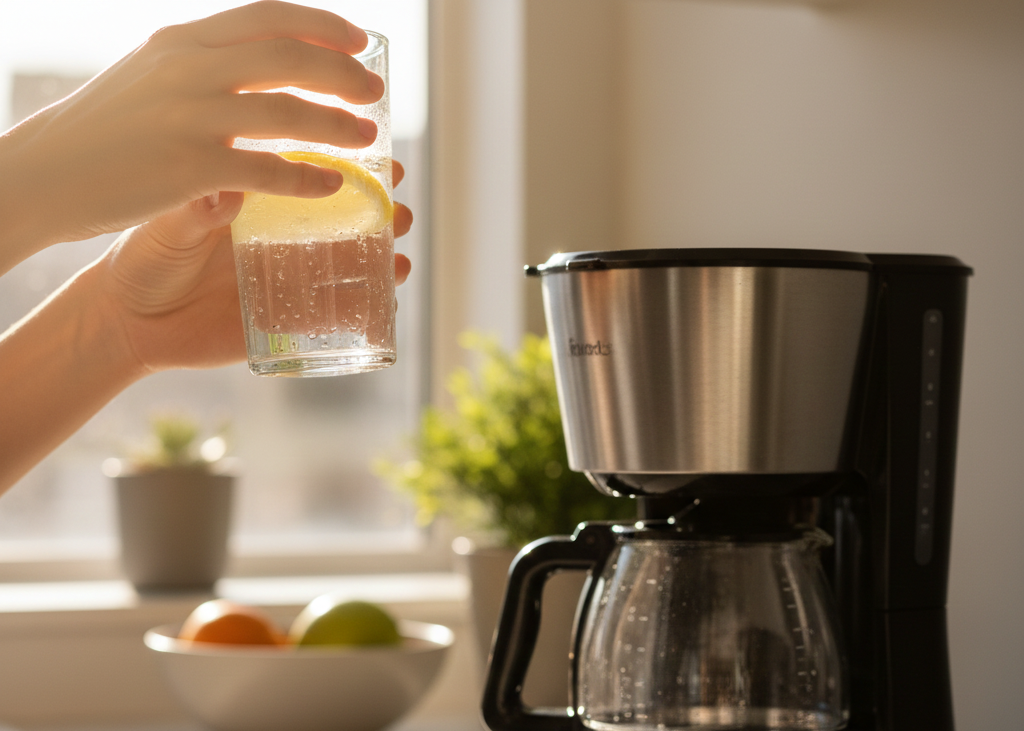
<p> Hydration comes before caffeine. People with common sense understand that after hours without fluids, the body needs water first. Drinking water first thing jumpstarts metabolism, helps with alertness, and replenishes fluids lost during sleep.

While many of us reach for coffee immediately, this small adjustment can dramatically improve energy and concentration throughout the morning. Even adding a slice of lemon can make the ritual refreshing and invigorating. </p> :: Gemini

Hydration comes before caffeine. People with common sense understand that after hours without fluids, the body needs water first. Drinking water first thing jumpstarts metabolism, helps with alertness, and replenishes fluids lost during sleep.

While many of us reach for coffee immediately, this small adjustment can dramatically improve energy and concentration throughout the morning. Even adding a slice of lemon can make the ritual refreshing and invigorating.

7. They Stretch or Move Their Body

<p> Movement is a simple, yet powerful, morning habit. Stretching wakes up muscles, improves circulation, and reduces stiffness from sleep. People who handle mornings efficiently often incorporate a few minutes of stretching, yoga, or light movement into their routine.

This practice not only energizes the body but also improves mental clarity. It is a quick, practical step that feels so natural to them and strangely annoying to those who struggle to lift their arms before coffee. </p> :: Gemini

Movement is a simple, yet powerful, morning habit. Stretching wakes up muscles, improves circulation, and reduces stiffness from sleep. People who handle mornings efficiently often incorporate a few minutes of stretching, yoga, or light movement into their routine.

This practice not only energizes the body but also improves mental clarity. It is a quick, practical step that feels so natural to them and strangely annoying to those who struggle to lift their arms before coffee.

8. They Take Deep Breaths

<p> A few intentional breaths can transform the start of the day. People with common sense use deep breathing to calm the nervous system, center their mind, and improve focus.

Even one minute of deep breaths can reduce morning stress and create a sense of control. For many, it seems almost meditative or unnecessary, but the effect on mental clarity is undeniable. It is a small habit that provides a large mental payoff. </p> :: Gemini

A few intentional breaths can transform the start of the day. People with common sense use deep breathing to calm the nervous system, center their mind, and improve focus.

Even one minute of deep breaths can reduce morning stress and create a sense of control. For many, it seems almost meditative or unnecessary, but the effect on mental clarity is undeniable. It is a small habit that provides a large mental payoff.

9. They Wash Their Face Properly

<p> Refreshing the face is more than a hygiene ritual; it is a wake-up strategy. People who manage mornings effectively know that a thorough wash or splash of cool water clears sleepiness, refreshes the mind, and signals the body to become alert.

This practical habit gives them a clean, energized start, unlike those who stumble out of bed feeling groggy and unfocused. It is a simple act that helps transform the morning experience. </p> :: Gemini

Refreshing the face is more than a hygiene ritual; it is a wake-up strategy. People who manage mornings effectively know that a thorough wash or splash of cool water clears sleepiness, refreshes the mind, and signals the body to become alert.

This practical habit gives them a clean, energized start, unlike those who stumble out of bed feeling groggy and unfocused. It is a simple act that helps transform the morning experience.

10. They Eat a Nutritious Breakfast

<p> Breakfast is not just a meal; it is the foundation for a productive day. People with common sense prioritize eating something balanced that fuels their body and mind.

While many of us grab a sugary snack or skip breakfast entirely, these individuals take a few minutes to enjoy protein, fiber, and healthy fats. A well-rounded breakfast keeps energy levels stable, improves concentration, and wards off mid-morning hunger. </p> :: Gemini

Breakfast is not just a meal; it is the foundation for a productive day. People with common sense prioritize eating something balanced that fuels their body and mind.

While many of us grab a sugary snack or skip breakfast entirely, these individuals take a few minutes to enjoy protein, fiber, and healthy fats. A well-rounded breakfast keeps energy levels stable, improves concentration, and wards off mid-morning hunger.

11. They Plan Their Outfit the Night Before

<p> Decision fatigue can ruin a morning. People with common sense eliminate stress by choosing their clothes the night before. This ensures they are prepared, comfortable, and dressed appropriately without wasting time in the morning.

Even a simple habit like this can streamline the start of the day, making it smoother and calmer. It is a practical adjustment that saves both time and energy while reducing stress-induced wardrobe dilemmas. </p> :: Gemini

Decision fatigue can ruin a morning. People with common sense eliminate stress by choosing their clothes the night before. This ensures they are prepared, comfortable, and dressed appropriately without wasting time in the morning.

Even a simple habit like this can streamline the start of the day, making it smoother and calmer. It is a practical adjustment that saves both time and energy while reducing stress-induced wardrobe dilemmas.

12. They Charge Their Phone Away From the Bed

<p> Putting the phone across the room is a strategy that forces movement and reduces distractions. People with common sense use this tactic to avoid immediate scrolling and create space for intentional morning actions.

This habit also encourages getting up on time and keeps the brain from diving into notifications before the body is ready. It is a small step with surprising benefits for focus and productivity. </p> :: Gemini

Putting the phone across the room is a strategy that forces movement and reduces distractions. People with common sense use this tactic to avoid immediate scrolling and create space for intentional morning actions.

This habit also encourages getting up on time and keeps the brain from diving into notifications before the body is ready. It is a small step with surprising benefits for focus and productivity.

13. They Take a Moment for Reflection

<p> Starting the day with a quiet moment of reflection is a common practice among sensible individuals. Journaling, meditating, or simply thinking through priorities allows them to mentally prepare for the day ahead.

This calm pause creates clarity, reduces anxiety, and improves decision-making. While it might seem indulgent or unnecessary to some, it is a practical way to ensure the morning begins with intention rather than chaos. </p> :: Gemini

Starting the day with a quiet moment of reflection is a common practice among sensible individuals. Journaling, meditating, or simply thinking through priorities allows them to mentally prepare for the day ahead.

This calm pause creates clarity, reduces anxiety, and improves decision-making. While it might seem indulgent or unnecessary to some, it is a practical way to ensure the morning begins with intention rather than chaos.

14. They Avoid Rushing

<p> Rushing increases stress and makes mornings feel chaotic. Sensible people understand the importance of pacing themselves. Waking even ten minutes earlier or streamlining morning tasks allows them to complete routines calmly and efficiently.

This habit is not about perfection but about creating a morning flow. It ensures that the start of the day feels manageable, setting the tone for everything that follows. </p> :: Gemini

Rushing increases stress and makes mornings feel chaotic. Sensible people understand the importance of pacing themselves. Waking even ten minutes earlier or streamlining morning tasks allows them to complete routines calmly and efficiently.

This habit is not about perfection but about creating a morning flow. It ensures that the start of the day feels manageable, setting the tone for everything that follows.

15. They Tidy Up Before Leaving the House

<p> A quick tidy-up may seem trivial, but it has lasting benefits. Sensible people often take a few minutes to clear dishes, straighten clutter, or organize their space before leaving.

This action reduces mental clutter, creates a more pleasant environment, and makes coming home less stressful. It is a simple, practical habit that pays off in both the short and long term. </p> :: Gemini

A quick tidy-up may seem trivial, but it has lasting benefits. Sensible people often take a few minutes to clear dishes, straighten clutter, or organize their space before leaving.

This action reduces mental clutter, creates a more pleasant environment, and makes coming home less stressful. It is a simple, practical habit that pays off in both the short and long term.

Final Thoughts

<p> The mornings of people with common sense are not flawless or magical; they are deliberate, practical, and intentional. Each habit contributes to a calm, productive, and energizing start that can transform the entire day. From waking at a consistent time to taking a moment for reflection, these routines are rooted in common sense and the desire for efficiency and clarity.

Even adopting a few of these habits can make a dramatic difference. Starting with one or two small changes, such as drinking water before coffee or opening the blinds immediately, can improve energy, focus, and mood. Over time, these habits compound, creating mornings that feel intentional rather than chaotic.

By observing and incorporating even some of these strategies, anyone can take control of their mornings. The key is to focus on practical, sustainable actions that make life easier and more enjoyable. With patience and consistency, it is possible to transform groggy, stressful mornings into calm, efficient, and productive beginnings that set a positive tone for the day.

The mornings you once struggled with can become a source of energy and satisfaction. It is all about small, deliberate choices that build a foundation for a better day. Start today, experiment with one or two habits, and watch how much smoother your mornings become. </p> :: Gemini

The mornings of people with common sense are not flawless or magical; they are deliberate, practical, and intentional. Each habit contributes to a calm, productive, and energizing start that can transform the entire day. From waking at a consistent time to taking a moment for reflection, these routines are rooted in common sense and the desire for efficiency and clarity.

Even adopting a few of these habits can make a dramatic difference. Starting with one or two small changes, such as drinking water before coffee or opening the blinds immediately, can improve energy, focus, and mood. Over time, these habits compound, creating mornings that feel intentional rather than chaotic.

By observing and incorporating even some of these strategies, anyone can take control of their mornings. The key is to focus on practical, sustainable actions that make life easier and more enjoyable. With patience and consistency, it is possible to transform groggy, stressful mornings into calm, efficient, and productive beginnings that set a positive tone for the day.

The mornings you once struggled with can become a source of energy and satisfaction. It is all about small, deliberate choices that build a foundation for a better day. Start today, experiment with one or two habits, and watch how much smoother your mornings become.

Filed Under: Lifestyle

Vehicles You Should Avoid at All Costs: 10 Older Dealer Lot Models That Will Drain Your Wallet

December 27, 2025 | Leave a Comment

Vehicles You Should Avoid at All Costs: 10 Older Dealer Lot Models That Will Drain Your Wallet

<p> Buying a used car can feel like a thrilling treasure hunt. The excitement of finding a seemingly perfect deal, imagining yourself driving away in a reliable car, it is all part of the adventure. But let’s face it—sometimes that shiny exterior hides a mountain of hidden problems that can turn your dream purchase into a financial nightmare.

Older dealer lot vehicles can look tempting, especially when the price seems right. Unfortunately, many of these cars carry recurring issues that appear after a few months of ownership. From expensive engine repairs to electrical malfunctions, these hidden problems can quickly drain your wallet. Knowing which vehicles to avoid is key to making a smart investment in a used car.

Below, we explore ten older vehicles that you should approach with extreme caution. Each has earned a reputation among owners and mechanics for frequent, costly issues. Whether you are hunting for a family SUV, a sporty compact, or a stylish luxury car, this guide will help you avoid the models that are most likely to give you trouble. </p> :: Gemini

Buying a used car can feel like a thrilling treasure hunt. The excitement of finding a seemingly perfect deal, imagining yourself driving away in a reliable car, it is all part of the adventure. But let’s face it—sometimes that shiny exterior hides a mountain of hidden problems that can turn your dream purchase into a financial nightmare.

Older dealer lot vehicles can look tempting, especially when the price seems right. Unfortunately, many of these cars carry recurring issues that appear after a few months of ownership. From expensive engine repairs to electrical malfunctions, these hidden problems can quickly drain your wallet. Knowing which vehicles to avoid is key to making a smart investment in a used car.

Below, we explore ten older vehicles that you should approach with extreme caution. Each has earned a reputation among owners and mechanics for frequent, costly issues. Whether you are hunting for a family SUV, a sporty compact, or a stylish luxury car, this guide will help you avoid the models that are most likely to give you trouble.

1. Subaru Impreza (2008 to 2013)

<p> Subarus are often praised for their all-wheel-drive system and rugged reliability, making them popular in colder climates and among outdoor enthusiasts. However, older Imprezas from 2008 to 2013 have a long history of head gasket failures, one of the most expensive repairs a vehicle can experience. A blown head gasket can lead to engine overheating, coolant leaks, and even total engine failure.

Owners also report issues with transmissions, including rough shifting and occasional complete failure. Electrical problems, although less frequent, can pop up unexpectedly, adding to repair costs. The charm of a Subaru’s sporty handling can quickly disappear when you realize that thousands of dollars in repairs are looming. If you are drawn to this vehicle, make sure to check the maintenance history for head gasket replacements and transmissions, and have a trusted mechanic inspect it before buying. </p> :: Gemini

Subarus are often praised for their all-wheel-drive system and rugged reliability, making them popular in colder climates and among outdoor enthusiasts. However, older Imprezas from 2008 to 2013 have a long history of head gasket failures, one of the most expensive repairs a vehicle can experience. A blown head gasket can lead to engine overheating, coolant leaks, and even total engine failure.

Owners also report issues with transmissions, including rough shifting and occasional complete failure. Electrical problems, although less frequent, can pop up unexpectedly, adding to repair costs. The charm of a Subaru’s sporty handling can quickly disappear when you realize that thousands of dollars in repairs are looming. If you are drawn to this vehicle, make sure to check the maintenance history for head gasket replacements and transmissions, and have a trusted mechanic inspect it before buying.

2. Chevrolet Cruze (pre-2014)

<p> The Chevrolet Cruze was once marketed as an affordable and efficient compact car, but early models can be troublemakers. Many owners report persistent engine cooling problems that lead to overheating and damage over time. Transmission failures are also common, particularly in vehicles that have not received consistent maintenance.

The problem with these issues is that they are not minor. Engine and transmission repairs can easily exceed the cost of the car itself. On paper, a Cruze might seem like a great deal for a budget-conscious buyer, but without proof of thorough maintenance and recent repairs, it is one of those vehicles that will likely end up costing you more than you bargained for. </p> :: Gemini

The Chevrolet Cruze was once marketed as an affordable and efficient compact car, but early models can be troublemakers. Many owners report persistent engine cooling problems that lead to overheating and damage over time. Transmission failures are also common, particularly in vehicles that have not received consistent maintenance.

The problem with these issues is that they are not minor. Engine and transmission repairs can easily exceed the cost of the car itself. On paper, a Cruze might seem like a great deal for a budget-conscious buyer, but without proof of thorough maintenance and recent repairs, it is one of those vehicles that will likely end up costing you more than you bargained for.

3. Ford Explorer (older 2000s to 2015)

<p> The Ford Explorer is a favorite for families and adventure-seekers thanks to its roomy interior and SUV versatility. Unfortunately, older Explorers have earned a reputation for high repair costs and recurring mechanical problems. Timing chain issues in particular can cause severe engine damage and often go unnoticed until it is too late.

Transmission problems are also frequently reported, along with occasional 4-wheel-drive malfunctions. Owners describe situations where a car that once felt reliable suddenly requires major repairs, leaving them frustrated and out thousands of dollars. For anyone considering an older Explorer, it is essential to verify its repair history and plan for potential maintenance costs. </p> :: Gemini

The Ford Explorer is a favorite for families and adventure-seekers thanks to its roomy interior and SUV versatility. Unfortunately, older Explorers have earned a reputation for high repair costs and recurring mechanical problems. Timing chain issues in particular can cause severe engine damage and often go unnoticed until it is too late.

Transmission problems are also frequently reported, along with occasional 4-wheel-drive malfunctions. Owners describe situations where a car that once felt reliable suddenly requires major repairs, leaving them frustrated and out thousands of dollars. For anyone considering an older Explorer, it is essential to verify its repair history and plan for potential maintenance costs.

4. Jeep Cherokee (2014 to 2016)

<p> Jeep Cherokees are known for their off-road capabilities and rugged style, but certain older models can be extremely unreliable. Electrical issues, such as malfunctioning sensors or warning lights, are common and often expensive to diagnose. Transmission problems, including sudden slips or failure, are also reported frequently by owners.

The irony is that the same features that make a Jeep desirable—advanced electronics and 4-wheel-drive systems—also contribute to higher repair bills when they fail. For buyers hoping to enjoy outdoor adventures, these older Cherokees may provide more stress than excitement, making them a risky purchase unless meticulously inspected. </p> :: Gemini

Jeep Cherokees are known for their off-road capabilities and rugged style, but certain older models can be extremely unreliable. Electrical issues, such as malfunctioning sensors or warning lights, are common and often expensive to diagnose. Transmission problems, including sudden slips or failure, are also reported frequently by owners.

The irony is that the same features that make a Jeep desirable—advanced electronics and 4-wheel-drive systems—also contribute to higher repair bills when they fail. For buyers hoping to enjoy outdoor adventures, these older Cherokees may provide more stress than excitement, making them a risky purchase unless meticulously inspected.

5. Ford Escape (older model years)

<p> The Ford Escape is a compact SUV that appeals to many with its combination of practicality and fuel efficiency. However, older Escapes are notorious for transmission and electrical problems. These issues can lead to costly repairs and repeated trips to the mechanic. Owners often describe ongoing problems with shifting, power loss, and erratic electrical behavior that appear even after routine maintenance.

The challenge with the Escape is that many buyers are drawn to its affordability without fully understanding the potential repair costs. If you are considering an older model, it is crucial to confirm a full maintenance history and budget for potential repairs that might arise unexpectedly. </p> :: Gemini

The Ford Escape is a compact SUV that appeals to many with its combination of practicality and fuel efficiency. However, older Escapes are notorious for transmission and electrical problems. These issues can lead to costly repairs and repeated trips to the mechanic. Owners often describe ongoing problems with shifting, power loss, and erratic electrical behavior that appear even after routine maintenance.

The challenge with the Escape is that many buyers are drawn to its affordability without fully understanding the potential repair costs. If you are considering an older model, it is crucial to confirm a full maintenance history and budget for potential repairs that might arise unexpectedly.

6. Buick Encore and Cadillac XT4 (mid-2010s)

<p> Small luxury SUVs, like the Buick Encore and Cadillac XT4, are tempting because of their upscale features, smooth ride, and stylish interiors. But older models often come with hidden reliability issues. Electrical problems, engine complications, and software malfunctions have been reported consistently, leading to expensive repair bills.

Luxury vehicles are more expensive to maintain overall, and minor problems that are inexpensive in mainstream vehicles can become pricey in these models. For buyers hoping to get a taste of luxury at a used-car price, these vehicles may provide the opposite of value, delivering headaches instead of comfort. </p> :: Gemini

Small luxury SUVs, like the Buick Encore and Cadillac XT4, are tempting because of their upscale features, smooth ride, and stylish interiors. But older models often come with hidden reliability issues. Electrical problems, engine complications, and software malfunctions have been reported consistently, leading to expensive repair bills.

Luxury vehicles are more expensive to maintain overall, and minor problems that are inexpensive in mainstream vehicles can become pricey in these models. For buyers hoping to get a taste of luxury at a used-car price, these vehicles may provide the opposite of value, delivering headaches instead of comfort.

7. Chevrolet Tahoe and Suburban (older model years)

<p> Big SUVs like the Chevrolet Tahoe and Suburban are appealing for families, hauling, and towing. However, older models are often plagued by engine troubles, transmission failures, and electrical system issues. These problems tend to appear sooner than expected and can cost thousands to repair.

Owners have noted that the very size and complexity that make these SUVs desirable also make them expensive to maintain. If you are drawn to these classic American SUVs, ensure you obtain a detailed repair history and have a qualified mechanic inspect every system before committing. </p> :: Gemini

Big SUVs like the Chevrolet Tahoe and Suburban are appealing for families, hauling, and towing. However, older models are often plagued by engine troubles, transmission failures, and electrical system issues. These problems tend to appear sooner than expected and can cost thousands to repair.

Owners have noted that the very size and complexity that make these SUVs desirable also make them expensive to maintain. If you are drawn to these classic American SUVs, ensure you obtain a detailed repair history and have a qualified mechanic inspect every system before committing.

8. Mini Cooper (early to mid-2000s)

<p> Mini Coopers are fun, stylish, and great for city driving, but early models can be surprisingly high-maintenance. Electrical problems, finicky dashboard components, and mechanical quirks are common in these vehicles. Parts are more expensive than average, and specialized labor is often required.

Owners often report that the joy of driving a Mini fades quickly when repairs start stacking up. While the compact size and handling are appealing, buyers should carefully consider the total cost of ownership before purchasing an older model. </p> :: Gemini

Mini Coopers are fun, stylish, and great for city driving, but early models can be surprisingly high-maintenance. Electrical problems, finicky dashboard components, and mechanical quirks are common in these vehicles. Parts are more expensive than average, and specialized labor is often required.

Owners often report that the joy of driving a Mini fades quickly when repairs start stacking up. While the compact size and handling are appealing, buyers should carefully consider the total cost of ownership before purchasing an older model.

9. Nissan Models with CVT Transmissions (various years)

<p> Many older Nissan models feature continuously variable transmissions (CVTs), which are prone to premature failure. CVTs can be smooth and efficient when they work, but repair or replacement costs are extremely high—sometimes exceeding the value of the vehicle itself.

Owners often experience transmission slipping, unusual noises, and sudden failure. Even with regular maintenance, the lifespan of some CVTs is shorter than expected. For anyone considering an older Nissan, the transmission history should be a top priority before buying. </p> :: Gemini

Many older Nissan models feature continuously variable transmissions (CVTs), which are prone to premature failure. CVTs can be smooth and efficient when they work, but repair or replacement costs are extremely high—sometimes exceeding the value of the vehicle itself.

Owners often experience transmission slipping, unusual noises, and sudden failure. Even with regular maintenance, the lifespan of some CVTs is shorter than expected. For anyone considering an older Nissan, the transmission history should be a top priority before buying.

10. Early Generation Electrified Vehicles (various models)

<p> Hybrid and electric vehicles are appealing for fuel savings and environmental impact. However, early-generation models often suffer from battery degradation, electrical issues, and expensive component failures. Battery replacements and electrical repairs can cost thousands of dollars, sometimes more than the vehicle is worth.

While modern electrified vehicles are significantly more reliable, older models can be risky investments. Buyers should research battery health, maintenance history, and repair costs thoroughly to avoid a costly surprise. </p> :: Gemini

Hybrid and electric vehicles are appealing for fuel savings and environmental impact. However, early-generation models often suffer from battery degradation, electrical issues, and expensive component failures. Battery replacements and electrical repairs can cost thousands of dollars, sometimes more than the vehicle is worth.

While modern electrified vehicles are significantly more reliable, older models can be risky investments. Buyers should research battery health, maintenance history, and repair costs thoroughly to avoid a costly surprise.

Final Thoughts

<p> Buying a used car does not have to be a gamble. While it is tempting to go for the lowest price on the lot, older vehicles often hide serious problems that will drain your wallet over time. The ten models listed above have consistently proven to have recurring issues that can be expensive to repair.

The key to a successful used-car purchase is preparation. Research reliability ratings, review service histories, and never skip a professional inspection. Even a car that appears perfect on the dealer lot could have hidden issues that only become apparent after weeks of driving.

Remember, a low purchase price is only a good deal if the vehicle performs reliably for years to come. Take your time, ask the right questions, and make informed decisions. By avoiding high-risk vehicles and focusing on well-maintained, reliable options, you can enjoy peace of mind, save money on repairs, and truly get the value you deserve from your next used car.

With careful research and thoughtful choices, you can avoid the pitfalls that trap many buyers and find a vehicle that will serve you faithfully without constant trips to the repair shop. The goal is to drive away confidently, knowing that your used car is a smart investment rather than a money-draining misadventure. </p> :: Gemini

Buying a used car does not have to be a gamble. While it is tempting to go for the lowest price on the lot, older vehicles often hide serious problems that will drain your wallet over time. The ten models listed above have consistently proven to have recurring issues that can be expensive to repair.

The key to a successful used-car purchase is preparation. Research reliability ratings, review service histories, and never skip a professional inspection. Even a car that appears perfect on the dealer lot could have hidden issues that only become apparent after weeks of driving.

Remember, a low purchase price is only a good deal if the vehicle performs reliably for years to come. Take your time, ask the right questions, and make informed decisions. By avoiding high-risk vehicles and focusing on well-maintained, reliable options, you can enjoy peace of mind, save money on repairs, and truly get the value you deserve from your next used car.

With careful research and thoughtful choices, you can avoid the pitfalls that trap many buyers and find a vehicle that will serve you faithfully without constant trips to the repair shop. The goal is to drive away confidently, knowing that your used car is a smart investment rather than a money-draining misadventure.

Filed Under: Autos

11 Signs You Might Notice in a Car That Reveal Serious Stress in Someone

December 26, 2025 | Leave a Comment

11 Signs You Might Notice in a Car That Reveal Serious Stress in Someone

<p> Stress is something most of us try to hide, but it has a funny way of showing up in unexpected places. One of the least obvious windows into a person’s mental state might just be their car. From the backseat clutter to how they handle traffic, your vehicle can reveal more about your day-to-day stress levels than any diary ever could. Cars are more than a mode of transportation; they are extensions of our habits, routines, and sometimes our overwhelm.

If you pay attention, you might notice subtle clues that someone is carrying more than they can handle. It’s not about judging their life choices, it’s about understanding how stress manifests in everyday behavior. Here are 11 signs that someone’s car may be telling the story of serious stress. </p> :: Gemini

Stress is something most of us try to hide, but it has a funny way of showing up in unexpected places. One of the least obvious windows into a person’s mental state might just be their car. From the backseat clutter to how they handle traffic, your vehicle can reveal more about your day-to-day stress levels than any diary ever could. Cars are more than a mode of transportation; they are extensions of our habits, routines, and sometimes our overwhelm.

If you pay attention, you might notice subtle clues that someone is carrying more than they can handle. It’s not about judging their life choices, it’s about understanding how stress manifests in everyday behavior. Here are 11 signs that someone’s car may be telling the story of serious stress.

1. Mountains of Clutter

<p> A car filled with scattered papers, half-eaten snacks, clothes, and random objects can be more than a messy space. It often reflects a mind that is overbooked and distracted. When someone is under serious stress, maintaining organization can feel like an impossible task. Clutter becomes a physical representation of mental overload. A messy car is not necessarily laziness, it can be a silent cry for help or simply the result of trying to keep up with a busy life. </p> :: Gemini

A car filled with scattered papers, half-eaten snacks, clothes, and random objects can be more than a messy space. It often reflects a mind that is overbooked and distracted. When someone is under serious stress, maintaining organization can feel like an impossible task. Clutter becomes a physical representation of mental overload. A messy car is not necessarily laziness, it can be a silent cry for help or simply the result of trying to keep up with a busy life.

2. Empty Energy Drink Cans Everywhere

<p> Energy drinks are a common companion for those running on fumes. If you notice multiple empty cans strewn around, it can indicate someone is constantly trying to push through fatigue. Reliance on caffeine and sugar spikes is a temporary fix for exhaustion but often signals deeper stress and lack of rest. These drinks might fuel the body in the short term but also point to long hours, high pressure, and the absence of proper downtime. </p> :: Gemini

Energy drinks are a common companion for those running on fumes. If you notice multiple empty cans strewn around, it can indicate someone is constantly trying to push through fatigue. Reliance on caffeine and sugar spikes is a temporary fix for exhaustion but often signals deeper stress and lack of rest. These drinks might fuel the body in the short term but also point to long hours, high pressure, and the absence of proper downtime.

3. Unpaid Parking Tickets or Notices

<p> Stacks of old parking tickets or other reminders in the glove box may seem like a minor oversight, but they can actually hint at chronic overwhelm. When stress is high, even routine tasks such as paying bills or renewing parking permits can be neglected. Forgetting responsibilities is rarely about carelessness. Instead, it’s a sign of being mentally stretched too thin, trying to manage too much at once. </p> :: Gemini

Stacks of old parking tickets or other reminders in the glove box may seem like a minor oversight, but they can actually hint at chronic overwhelm. When stress is high, even routine tasks such as paying bills or renewing parking permits can be neglected. Forgetting responsibilities is rarely about carelessness. Instead, it’s a sign of being mentally stretched too thin, trying to manage too much at once.

4. Gym Bag That Never Leaves the Car

<p> Seeing a gym bag sitting in the trunk week after week might seem funny, but it often indicates a struggle to prioritize personal care. Stress can drain motivation and energy, making even enjoyable or healthy routines feel impossible. The intention is there, but stress convinces the mind that every other task is more urgent. These forgotten gym bags tell a story of postponed self-care, which is a common symptom of burnout. </p> :: Gemini

Seeing a gym bag sitting in the trunk week after week might seem funny, but it often indicates a struggle to prioritize personal care. Stress can drain motivation and energy, making even enjoyable or healthy routines feel impossible. The intention is there, but stress convinces the mind that every other task is more urgent. These forgotten gym bags tell a story of postponed self-care, which is a common symptom of burnout.

5. Work Files or Laptops in the Backseat

<p> If someone is constantly hauling work around in their car, it can show how stress from work has spilled into every corner of life. Carrying laptops, folders, and documents everywhere means they are never fully disconnected. Chronic work stress can infiltrate errands, lunch breaks, and even moments that should be relaxing. When your car starts doubling as a mobile office, it is often a sign that boundaries are blurred and stress is high. </p> :: Gemini

If someone is constantly hauling work around in their car, it can show how stress from work has spilled into every corner of life. Carrying laptops, folders, and documents everywhere means they are never fully disconnected. Chronic work stress can infiltrate errands, lunch breaks, and even moments that should be relaxing. When your car starts doubling as a mobile office, it is often a sign that boundaries are blurred and stress is high.

6. Aggressive Driving Habits

<p> Sometimes, stress is most obvious in behavior behind the wheel. Frequent tailgating, honking, weaving through traffic, or showing impatience on the road are all physical expressions of pressure and anxiety. These behaviors are a way for the body to release built-up tension, much like tapping your foot or fidgeting at a desk. Aggressive driving doesn’t automatically make someone reckless, but it can reflect a nervous system on high alert due to stress. </p> :: Gemini

Sometimes, stress is most obvious in behavior behind the wheel. Frequent tailgating, honking, weaving through traffic, or showing impatience on the road are all physical expressions of pressure and anxiety. These behaviors are a way for the body to release built-up tension, much like tapping your foot or fidgeting at a desk. Aggressive driving doesn’t automatically make someone reckless, but it can reflect a nervous system on high alert due to stress.

7. Constant Takeout Bags and Coffee Cups

<p> If a car seems to be full of takeout wrappers, coffee cups, and empty snack containers, it often tells a story about eating habits and lifestyle under stress. When someone is constantly on the go, grabbing quick food becomes a coping mechanism. Skipping home-cooked meals and relying on caffeine or fast food can be a sign of a life packed with obligations and too little time to recharge. </p> :: Gemini

If a car seems to be full of takeout wrappers, coffee cups, and empty snack containers, it often tells a story about eating habits and lifestyle under stress. When someone is constantly on the go, grabbing quick food becomes a coping mechanism. Skipping home-cooked meals and relying on caffeine or fast food can be a sign of a life packed with obligations and too little time to recharge.

8. Visible Signs of Anxiety While Driving

<p> Beyond aggressive driving, you might notice subtle signs of nervousness. People under stress may grip the wheel tightly, flinch at sudden movements, or brake abruptly. Stress affects the body in physical ways, and driving, which requires focus and calm, can amplify those effects. These small gestures can indicate that someone is dealing with a high level of tension even during what should be routine moments. </p> :: Gemini

Beyond aggressive driving, you might notice subtle signs of nervousness. People under stress may grip the wheel tightly, flinch at sudden movements, or brake abruptly. Stress affects the body in physical ways, and driving, which requires focus and calm, can amplify those effects. These small gestures can indicate that someone is dealing with a high level of tension even during what should be routine moments.

9. Car Often Half Empty or Not Properly Maintained

<p> A car constantly running low on fuel, overdue for maintenance, or showing signs of neglect can mirror mental overload. Simple planning becomes more difficult when stress occupies the mind. Running errands or maintaining daily responsibilities may feel like climbing a mountain, and the car often becomes another symbol of tasks left unattended. </p> :: Gemini

A car constantly running low on fuel, overdue for maintenance, or showing signs of neglect can mirror mental overload. Simple planning becomes more difficult when stress occupies the mind. Running errands or maintaining daily responsibilities may feel like climbing a mountain, and the car often becomes another symbol of tasks left unattended.

10. Tissues, Medications, or Stress-Related Items

<p> A car stocked with tissues, headache medicine, stomach remedies, or other quick-fix items can indicate recurring physical symptoms of stress. Chronic tension often shows up in headaches, digestive issues, or fatigue. Carrying remedies is a way to cope with the physical side of stress, showing how deeply it can affect the body. These items are clues to someone managing more than just their schedule. </p> :: Gemini

A car stocked with tissues, headache medicine, stomach remedies, or other quick-fix items can indicate recurring physical symptoms of stress. Chronic tension often shows up in headaches, digestive issues, or fatigue. Carrying remedies is a way to cope with the physical side of stress, showing how deeply it can affect the body. These items are clues to someone managing more than just their schedule.

11. Distractedness Behind the Wheel

<p> Finally, one of the most subtle but telling signs is a distracted or hesitant driver. Difficulty focusing, frequent mistakes, or general mental fog can be a direct result of chronic stress. Stress affects concentration and decision-making, turning even simple driving tasks into a challenge. Paying attention to these signs can give you insight into how stress impacts daily life beyond the obvious chaos of a cluttered car. </p> :: Gemini

Finally, one of the most subtle but telling signs is a distracted or hesitant driver. Difficulty focusing, frequent mistakes, or general mental fog can be a direct result of chronic stress. Stress affects concentration and decision-making, turning even simple driving tasks into a challenge. Paying attention to these signs can give you insight into how stress impacts daily life beyond the obvious chaos of a cluttered car.

Final Thoughts

<p> Our cars often say more about us than we realize. They carry not only our belongings but also the habits, pressures, and emotional weight of our daily lives. From clutter to driving behaviors, the way someone interacts with their vehicle can reveal a lot about their stress levels.

Noticing these signs is not about judgment. It is about empathy and understanding. Stress is a silent burden, and recognizing it in subtle ways can help you support friends, family, or even yourself. Sometimes a listening ear, a small gesture of help, or a reminder to take a break can make a world of difference.

Next time you glance at someone’s car, take a moment to see beyond the mess and notice the patterns. Cars may not tell the whole story, but they can offer a glimpse into the hidden pressures of daily life. And in recognizing those signs, we have a chance to bring more compassion and awareness into our hectic world. </p> :: Gemini

Our cars often say more about us than we realize. They carry not only our belongings but also the habits, pressures, and emotional weight of our daily lives. From clutter to driving behaviors, the way someone interacts with their vehicle can reveal a lot about their stress levels.

Noticing these signs is not about judgment. It is about empathy and understanding. Stress is a silent burden, and recognizing it in subtle ways can help you support friends, family, or even yourself. Sometimes a listening ear, a small gesture of help, or a reminder to take a break can make a world of difference.

Next time you glance at someone’s car, take a moment to see beyond the mess and notice the patterns. Cars may not tell the whole story, but they can offer a glimpse into the hidden pressures of daily life. And in recognizing those signs, we have a chance to bring more compassion and awareness into our hectic world.

Filed Under: Autos

Things Boomers Once Respected That People Now Mock or Ignore

December 26, 2025 | Leave a Comment

Things Boomers Once Respected That People Now Mock or Ignore

<p> Remember the days when simple courtesies and everyday habits meant something? When showing up on time, writing a proper thank-you note, or keeping your word carried real weight? If you are a baby boomer, these values are probably etched into your DNA. But as the world has evolved, many of these practices are either mocked, ignored, or considered old-fashioned. That can be frustrating for those of us who grew up respecting hard work, courtesy, and integrity. The funny thing is that even if younger generations roll their eyes, these old-school principles still have value. They shape character, build trust, and make life smoother for everyone. Let’s take a walk down memory lane and revisit 14 things boomers once respected that people now often overlook or poke fun at. </p> :: Gemini

Remember the days when simple courtesies and everyday habits meant something? When showing up on time, writing a proper thank-you note, or keeping your word carried real weight? If you are a baby boomer, these values are probably etched into your DNA. But as the world has evolved, many of these practices are either mocked, ignored, or considered old-fashioned.

That can be frustrating for those of us who grew up respecting hard work, courtesy, and integrity. The funny thing is that even if younger generations roll their eyes, these old-school principles still have value. They shape character, build trust, and make life smoother for everyone. Let’s take a walk down memory lane and revisit 14 things boomers once respected that people now often overlook or poke fun at.

1. Showing up on time

<p> Punctuality used to be a mark of respect. Arriving exactly when you said you would, or a few minutes early, showed that you valued other people’s time. Today, the casual shrug of "I will be there soon" has become more common, and being late is sometimes seen as acceptable. For boomers, maintaining punctuality is more than just habit—it signals reliability and consideration. Showing up on time can still set you apart in both social and professional settings. </p> :: Gemini

Punctuality used to be a mark of respect. Arriving exactly when you said you would, or a few minutes early, showed that you valued other people’s time. Today, the casual shrug of “I will be there soon” has become more common, and being late is sometimes seen as acceptable. For boomers, maintaining punctuality is more than just habit—it signals reliability and consideration. Showing up on time can still set you apart in both social and professional settings.

2. Handwritten thank-you notes

<p> Nothing conveys gratitude quite like a handwritten note. Once, sending a note to express appreciation for a gift, a favor, or an invitation was common practice. Today, a quick text often replaces the effort and thought that a personal note required. Yet for those who value sincerity, writing by hand still creates a lasting impression. It tells people that you truly noticed their kindness and took time to acknowledge it. </p> :: Gemini

Nothing conveys gratitude quite like a handwritten note. Once, sending a note to express appreciation for a gift, a favor, or an invitation was common practice. Today, a quick text often replaces the effort and thought that a personal note required. Yet for those who value sincerity, writing by hand still creates a lasting impression. It tells people that you truly noticed their kindness and took time to acknowledge it.

3. A firm handshake

<p> A handshake used to communicate respect, confidence, and sincerity. Today, with fist bumps, air high-fives, and virtual meetings, that simple gesture can feel almost ceremonial. But a firm handshake remains a powerful tool for making a strong first impression. It is a subtle way to convey assurance and trustworthiness, whether in a professional meeting or when meeting someone new socially. </p> :: Gemini

A handshake used to communicate respect, confidence, and sincerity. Today, with fist bumps, air high-fives, and virtual meetings, that simple gesture can feel almost ceremonial. But a firm handshake remains a powerful tool for making a strong first impression. It is a subtle way to convey assurance and trustworthiness, whether in a professional meeting or when meeting someone new socially.

4. Dressing your best for occasions

<p> There was a time when dressing up for church, weddings, or even dinner out was expected. Now, casual clothing is often the norm, and formal attire is sometimes mocked. Dressing thoughtfully, however, is still about more than fashion. It shows self-respect and signals that you value the event and the people around you. Taking the extra care in your appearance can make both you and others feel more appreciated. </p> :: Gemini

There was a time when dressing up for church, weddings, or even dinner out was expected. Now, casual clothing is often the norm, and formal attire is sometimes mocked. Dressing thoughtfully, however, is still about more than fashion. It shows self-respect and signals that you value the event and the people around you. Taking the extra care in your appearance can make both you and others feel more appreciated.

5. Listening more than speaking

<p> Being a good listener was once a highly respected skill. Giving someone your full attention and waiting to respond until they finished speaking showed respect and patience. In our modern fast-paced world, where multitasking is constant, true listening is rare. For boomers, slowing down to listen attentively can enhance relationships, create deeper understanding, and remind younger generations of the power of paying attention. </p> :: Gemini

Being a good listener was once a highly respected skill. Giving someone your full attention and waiting to respond until they finished speaking showed respect and patience. In our modern fast-paced world, where multitasking is constant, true listening is rare. For boomers, slowing down to listen attentively can enhance relationships, create deeper understanding, and remind younger generations of the power of paying attention.

6. Honoring your word

<p> "Your word is your bond" was more than a saying; it was a way of life. Following through on promises and commitments demonstrated integrity. In today’s world, where casual agreements are often flexible, keeping your word stands out. When you honor what you say you will do, you build trust and reliability—qualities that never go out of style, whether in friendships, family relationships, or business dealings. </p> :: Gemini

“Your word is your bond” was more than a saying; it was a way of life. Following through on promises and commitments demonstrated integrity. In today’s world, where casual agreements are often flexible, keeping your word stands out. When you honor what you say you will do, you build trust and reliability—qualities that never go out of style, whether in friendships, family relationships, or business dealings.

7. Respecting elders and tradition

<p> Many boomers were raised to honor the wisdom of older generations. Listening to the stories, advice, and lessons of elders was expected and appreciated. Today, some people may see tradition as outdated, but there is value in understanding the past. Paying attention to the experiences of those who came before you can provide insight, perspective, and practical guidance that is still relevant today. </p> :: Gemini

Many boomers were raised to honor the wisdom of older generations. Listening to the stories, advice, and lessons of elders was expected and appreciated. Today, some people may see tradition as outdated, but there is value in understanding the past. Paying attention to the experiences of those who came before you can provide insight, perspective, and practical guidance that is still relevant today.

8. Doing your best work even when no one is watching

<p> Discipline and pride in craftsmanship were once non-negotiable. Doing the right thing, completing a task thoroughly, and striving for excellence were considered markers of character. Today, instant recognition is often sought, and effort behind the scenes can go unnoticed. For boomers, maintaining these habits not only keeps you sharp but also instills satisfaction and self-respect that quick results cannot replace. </p> :: Gemini

Discipline and pride in craftsmanship were once non-negotiable. Doing the right thing, completing a task thoroughly, and striving for excellence were considered markers of character. Today, instant recognition is often sought, and effort behind the scenes can go unnoticed. For boomers, maintaining these habits not only keeps you sharp but also instills satisfaction and self-respect that quick results cannot replace.

9. Saving rather than spending

<p> The boomer generation grew up valuing financial prudence. Saving for the future, living within your means, and avoiding unnecessary debt were standard practices. Today, instant gratification and buy-now-pay-later schemes are commonplace. Yet sticking to sound financial habits remains crucial, especially as retirement approaches. Saving and planning ahead still provide security and peace of mind that no trendy gadget or impulse purchase can offer. </p> :: Gemini

The boomer generation grew up valuing financial prudence. Saving for the future, living within your means, and avoiding unnecessary debt were standard practices. Today, instant gratification and buy-now-pay-later schemes are commonplace. Yet sticking to sound financial habits remains crucial, especially as retirement approaches. Saving and planning ahead still provide security and peace of mind that no trendy gadget or impulse purchase can offer.

10. Respecting privacy and keeping confidences

<p> Privacy was once a default expectation. Personal matters were shared selectively, and keeping someone’s confidence was a sign of trustworthiness. In today’s social media culture, oversharing is common, and confidentiality is sometimes undervalued. For boomers, maintaining discretion and respecting boundaries is a way to build strong, lasting relationships that thrive on trust. </p> :: Gemini

Privacy was once a default expectation. Personal matters were shared selectively, and keeping someone’s confidence was a sign of trustworthiness. In today’s social media culture, oversharing is common, and confidentiality is sometimes undervalued. For boomers, maintaining discretion and respecting boundaries is a way to build strong, lasting relationships that thrive on trust.

11. Writing or reading letters

<p> Before the age of email and instant messaging, letter writing was a primary way to communicate thoughtfully. Long, carefully composed letters conveyed time, effort, and genuine interest. Even now, returning to this practice—whether in handwritten form or typed—can deepen connections. It provides an opportunity to slow down, reflect, and communicate with intention, making every word count. </p> :: Gemini

Before the age of email and instant messaging, letter writing was a primary way to communicate thoughtfully. Long, carefully composed letters conveyed time, effort, and genuine interest. Even now, returning to this practice—whether in handwritten form or typed—can deepen connections. It provides an opportunity to slow down, reflect, and communicate with intention, making every word count.

12. Passing down skills and knowledge

<p> Many boomers learned trades, crafts, or life skills from older generations and, in turn, taught them to younger people. Today, instant access to how-to videos has replaced much of that hands-on mentorship. Sharing your skills, whether in cooking, gardening, or repairing things, can create meaningful connections with family, neighbors, or community members. Teaching and guiding others keeps your experience alive and valued. </p> :: Gemini

Many boomers learned trades, crafts, or life skills from older generations and, in turn, taught them to younger people. Today, instant access to how-to videos has replaced much of that hands-on mentorship. Sharing your skills, whether in cooking, gardening, or repairing things, can create meaningful connections with family, neighbors, or community members. Teaching and guiding others keeps your experience alive and valued.

13. Courtesy on the road

<p> Driving courteously was once a basic expectation. Yielding, signaling, and allowing others to merge demonstrated respect and consideration for others’ safety. Modern driving often favors impatience and speed, but courteous driving still matters. It promotes safety, reduces stress, and sets a positive example, especially for younger drivers who may not have learned the value of civility on the road. </p> :: Gemini

Driving courteously was once a basic expectation. Yielding, signaling, and allowing others to merge demonstrated respect and consideration for others’ safety. Modern driving often favors impatience and speed, but courteous driving still matters. It promotes safety, reduces stress, and sets a positive example, especially for younger drivers who may not have learned the value of civility on the road.

14. Saying please, thank you, and excuse me

<p> Politeness was a foundation of social interaction. Small phrases like please, thank you, and excuse me were more than etiquette—they were tools for showing respect. Today, casual manners are sometimes overlooked. For boomers, continuing to use these words reinforces kindness and respect in everyday interactions. They may seem minor, but consistently practicing politeness creates positive ripple effects in both personal and public spaces. </p> :: Gemini

Politeness was a foundation of social interaction. Small phrases like please, thank you, and excuse me were more than etiquette—they were tools for showing respect. Today, casual manners are sometimes overlooked. For boomers, continuing to use these words reinforces kindness and respect in everyday interactions. They may seem minor, but consistently practicing politeness creates positive ripple effects in both personal and public spaces.

Final Thoughts

<p> Times have changed, and many of the values that boomers grew up respecting are now overlooked or even ridiculed. Yet that does not make them irrelevant. Punctuality, integrity, politeness, and thoughtful communication are timeless principles. They enrich our relationships, strengthen our communities, and add meaning to everyday interactions. Rather than feeling out of step, boomers have an opportunity to lead by example. Practicing these principles today can inspire others, maintain personal dignity, and create a sense of continuity in a rapidly shifting world. The habits you valued as a younger adult still work—they just may need to be expressed in ways that fit modern life. By bringing these values into your daily routines, you preserve a legacy of respect, responsibility, and kindness. And in doing so, you remind everyone—young and old—that some traditions are worth keeping, even if the world no longer notices right away. </p> :: Gemini

Times have changed, and many of the values that boomers grew up respecting are now overlooked or even ridiculed. Yet that does not make them irrelevant. Punctuality, integrity, politeness, and thoughtful communication are timeless principles. They enrich our relationships, strengthen our communities, and add meaning to everyday interactions.

Rather than feeling out of step, boomers have an opportunity to lead by example. Practicing these principles today can inspire others, maintain personal dignity, and create a sense of continuity in a rapidly shifting world. The habits you valued as a younger adult still work—they just may need to be expressed in ways that fit modern life.

By bringing these values into your daily routines, you preserve a legacy of respect, responsibility, and kindness. And in doing so, you remind everyone—young and old—that some traditions are worth keeping, even if the world no longer notices right away.

Filed Under: Lifestyle

10 Paint Colors Experts Say Could Lower Your Home’s Value

December 25, 2025 | Leave a Comment

10 Paint Colors Experts Say Could Lower Your Home’s Value

<p> When it comes to preparing your home for sale, every detail matters. One of the most impactful elements is the paint color you choose for each room. While you might love a bold or unique hue, experts warn that certain paint colors can actually lower your home's value and make it harder to attract potential buyers. Certain shades, though striking, can feel overwhelming or too personal, preventing buyers from envisioning themselves in your space. If you are getting ready to list your home or simply want to give it a fresh look, it’s important to know which colors could hurt its value. Here are 10 paint colors that experts say could turn off buyers and lower your home’s appeal. </p> :: Pexels


When it comes to preparing your home for sale, every detail matters. One of the most impactful elements is the paint color you choose for each room. While you might love a bold or unique hue, experts warn that certain paint colors can actually lower your home’s value and make it harder to attract potential buyers. Certain shades, though striking, can feel overwhelming or too personal, preventing buyers from envisioning themselves in your space. If you are getting ready to list your home or simply want to give it a fresh look, it’s important to know which colors could hurt its value. Here are 10 paint colors that experts say could turn off buyers and lower your home’s appeal.


1. Bright Yellow

<p> Bright yellow is often associated with energy and happiness, but when used excessively in a home, it can have the opposite effect. This color is intense and can make a room feel smaller and less inviting. While it might work as an accent in a kitchen or a playful space, large walls painted in bright yellow can overwhelm potential buyers. People looking to purchase a home may find it difficult to imagine themselves in such a vivid environment. If you’re drawn to yellow, consider using more muted tones or pale yellows that still brighten a space without overwhelming it. </p> :: Pexels

Bright yellow is often associated with energy and happiness, but when used excessively in a home, it can have the opposite effect. This color is intense and can make a room feel smaller and less inviting. While it might work as an accent in a kitchen or a playful space, large walls painted in bright yellow can overwhelm potential buyers. People looking to purchase a home may find it difficult to imagine themselves in such a vivid environment. If you’re drawn to yellow, consider using more muted tones or pale yellows that still brighten a space without overwhelming it.

2. Neon or Vibrant Colors

<p> Neon colors, such as neon pink, green, or bright blue, are eye-catching but can be jarring in home interiors. These bold shades may be fun for a party or an art studio, but they don’t create the inviting, neutral backdrop that most homebuyers desire. Neon or extremely vibrant colors can make it difficult for potential buyers to picture their own furniture and decor in the space. These shades might even give the impression that the home is more suited for a temporary space rather than a long-term residence. Stick to softer, more subtle tones if you want to create a welcoming environment that appeals to a broader audience. </p> :: Pexels

Neon colors, such as neon pink, green, or bright blue, are eye-catching but can be jarring in home interiors. These bold shades may be fun for a party or an art studio, but they don’t create the inviting, neutral backdrop that most homebuyers desire. Neon or extremely vibrant colors can make it difficult for potential buyers to picture their own furniture and decor in the space. These shades might even give the impression that the home is more suited for a temporary space rather than a long-term residence. Stick to softer, more subtle tones if you want to create a welcoming environment that appeals to a broader audience.

3. Dark Purple

<p>Deep, dark purple can be a striking and luxurious color, but it may not have the desired effect in a home setting. Experts advise against using dark purple in living areas or bedrooms, as it can feel heavy, dramatic, and even oppressive. Such bold tones can make a room seem smaller, while also potentially making buyers feel uncomfortable or like they’re stepping into a theatrical space. If purple is a must for your home, consider using a softer lavender or a more neutral violet that won't overpower a room and is more likely to resonate with a wide variety of buyers. </p> :: Jan Somma-Hammel | silive.com

Deep, dark purple can be a striking and luxurious color, but it may not have the desired effect in a home setting. Experts advise against using dark purple in living areas or bedrooms, as it can feel heavy, dramatic, and even oppressive. Such bold tones can make a room seem smaller, while also potentially making buyers feel uncomfortable or like they’re stepping into a theatrical space. If purple is a must for your home, consider using a softer lavender or a more neutral violet that won’t overpower a room and is more likely to resonate with a wide variety of buyers.

4. Bright Red

<p> Red is a powerful color that symbolizes energy, passion, and excitement, but it can have an unintended effect when used as the dominant color in a room. Bright red can overwhelm the senses, especially in spaces like living rooms or bedrooms, where you want to create a calm and relaxing atmosphere. For homebuyers, a red room can feel too intense or stressful, and it may detract from the appeal of the space. If you are drawn to red, it’s best to use it sparingly—perhaps as an accent wall or in a small, well-defined area—rather than painting an entire room in this bold hue. </p> :: Pexels

Red is a powerful color that symbolizes energy, passion, and excitement, but it can have an unintended effect when used as the dominant color in a room. Bright red can overwhelm the senses, especially in spaces like living rooms or bedrooms, where you want to create a calm and relaxing atmosphere. For homebuyers, a red room can feel too intense or stressful, and it may detract from the appeal of the space. If you are drawn to red, it’s best to use it sparingly—perhaps as an accent wall or in a small, well-defined area—rather than painting an entire room in this bold hue.

5. Dark Brown or Muddy Shades

<p> While earthy tones like beige or light brown can create a warm and welcoming environment, dark brown or muddy shades can have the opposite effect. These darker hues tend to absorb light, making rooms feel smaller and more closed off. Instead of feeling cozy, dark brown can give a room an oppressive, dated appearance, which can make the space seem less modern and appealing. Instead of dark brown, consider lighter shades of brown, like taupe or sand, which still offer warmth but make rooms feel airier and more open. </p> :: Pexels

While earthy tones like beige or light brown can create a warm and welcoming environment, dark brown or muddy shades can have the opposite effect. These darker hues tend to absorb light, making rooms feel smaller and more closed off. Instead of feeling cozy, dark brown can give a room an oppressive, dated appearance, which can make the space seem less modern and appealing. Instead of dark brown, consider lighter shades of brown, like taupe or sand, which still offer warmth but make rooms feel airier and more open.

6. Orange

<p> Orange is another color that demands attention, but not always in a good way. Bright orange can make a room feel chaotic and unsettling, which is far from ideal in a space where people want to relax and unwind. Many people find it challenging to design around such a bold color, making it difficult for buyers to imagine their own style in the home. Though orange works well as an accent color, large amounts of it can feel overwhelming and may turn off potential buyers. If you must have orange, opt for a more subdued tone, like burnt orange, to maintain an inviting and grounded atmosphere. </p> :: Pexels

Orange is another color that demands attention, but not always in a good way. Bright orange can make a room feel chaotic and unsettling, which is far from ideal in a space where people want to relax and unwind. Many people find it challenging to design around such a bold color, making it difficult for buyers to imagine their own style in the home. Though orange works well as an accent color, large amounts of it can feel overwhelming and may turn off potential buyers. If you must have orange, opt for a more subdued tone, like burnt orange, to maintain an inviting and grounded atmosphere.

7. Mint Green

<p> Mint green might seem fresh and inviting, but it can also feel overly nostalgic or even kitschy when used on walls. This color may remind potential buyers of outdated bathrooms or children’s rooms, making the home feel less contemporary. Mint green has a tendency to give off a dated vibe, and it can be difficult for buyers to see past it. If you love the fresh look of green, try a more modern shade like sage or olive, which offer the same calming effect but are more universally appealing and likely to resonate with buyers looking for a neutral space. </p> :: Pexels

Mint green might seem fresh and inviting, but it can also feel overly nostalgic or even kitschy when used on walls. This color may remind potential buyers of outdated bathrooms or children’s rooms, making the home feel less contemporary. Mint green has a tendency to give off a dated vibe, and it can be difficult for buyers to see past it. If you love the fresh look of green, try a more modern shade like sage or olive, which offer the same calming effect but are more universally appealing and likely to resonate with buyers looking for a neutral space.

8. Black

<p> Black is often associated with elegance and sophistication, but when used excessively in home interiors, it can create a dark and closed-off atmosphere. While black can work well for accents or smaller areas like trim or doors, entire rooms painted in black can feel heavy and unwelcoming. Black walls absorb light and can make a space feel smaller, which is not ideal for homebuyers looking for a bright, open environment. If you’re aiming for a modern, chic look, incorporate black in moderation and pair it with lighter, brighter tones to create balance. </p> :: Pexels

Black is often associated with elegance and sophistication, but when used excessively in home interiors, it can create a dark and closed-off atmosphere. While black can work well for accents or smaller areas like trim or doors, entire rooms painted in black can feel heavy and unwelcoming. Black walls absorb light and can make a space feel smaller, which is not ideal for homebuyers looking for a bright, open environment. If you’re aiming for a modern, chic look, incorporate black in moderation and pair it with lighter, brighter tones to create balance.

9. Lavender or Lilac

<p> Lavender and lilac are soft, dreamy shades, but they can come across as overly feminine or juvenile when used as primary colors in a home. These colors often evoke a sense of calm but may feel too playful or specific to one demographic. In larger spaces, lavender can start to feel unbalanced, and many buyers may struggle to visualize their own furnishings in a room dominated by this hue. Instead, try incorporating a softer, more neutral version of purple or opt for a more sophisticated tone like mauve, which can feel both calm and inviting. </p> :: Pexels

Lavender and lilac are soft, dreamy shades, but they can come across as overly feminine or juvenile when used as primary colors in a home. These colors often evoke a sense of calm but may feel too playful or specific to one demographic. In larger spaces, lavender can start to feel unbalanced, and many buyers may struggle to visualize their own furnishings in a room dominated by this hue. Instead, try incorporating a softer, more neutral version of purple or opt for a more sophisticated tone like mauve, which can feel both calm and inviting.

10. Forest Green

<p> While green is a soothing, nature-inspired color, forest green can feel too dark and overwhelming in home interiors. In spaces with limited natural light, this deep, rich shade can make a room feel even smaller. Additionally, forest green may give your home an outdated or dated appearance, especially if used in older-style homes. A more modern green, like sage or mint, can provide the same calming effect but without making a space feel too heavy or enclosed. Forest green may work well in small doses, such as in accents or décor, but it’s best avoided on large walls. </p> :: Pexels

While green is a soothing, nature-inspired color, forest green can feel too dark and overwhelming in home interiors. In spaces with limited natural light, this deep, rich shade can make a room feel even smaller. Additionally, forest green may give your home an outdated or dated appearance, especially if used in older-style homes. A more modern green, like sage or mint, can provide the same calming effect but without making a space feel too heavy or enclosed. Forest green may work well in small doses, such as in accents or décor, but it’s best avoided on large walls.

Final Thoughts

<p> The colors you choose for your home can significantly impact its appeal to potential buyers. While bold and unique hues may reflect your personal style, they might not be the most appealing when it comes to selling your home. Certain colors, like bright yellow, dark purple, or neon shades, can overwhelm buyers and make it hard for them to see past the color to the home’s true potential. Instead, opt for more neutral tones, soft pastels, and muted hues that create a welcoming atmosphere and allow buyers to envision themselves in the space. By choosing the right paint colors, you’ll increase the chances of selling your home for the best price and attract a wider range of interested buyers. </p> :: Pexels

The colors you choose for your home can significantly impact its appeal to potential buyers. While bold and unique hues may reflect your personal style, they might not be the most appealing when it comes to selling your home. Certain colors, like bright yellow, dark purple, or neon shades, can overwhelm buyers and make it hard for them to see past the color to the home’s true potential. Instead, opt for more neutral tones, soft pastels, and muted hues that create a welcoming atmosphere and allow buyers to envision themselves in the space. By choosing the right paint colors, you’ll increase the chances of selling your home for the best price and attract a wider range of interested buyers.

Filed Under: Lifestyle

Top 8 Healthiest Fruits You Should Grab on Your Next Supermarket Run

December 25, 2025 | Leave a Comment

Top 8 Healthiest Fruits to Grab on Your Next Supermarket Run

<p> Fruits are nature’s perfect gift—delicious, nutritious, and essential for a healthy lifestyle. Whether you're looking to boost your immune system, improve digestion, or enjoy a guilt-free treat, the right fruits can do wonders. Next time you're at the supermarket, prioritize these eight powerhouse fruits that are not only tasty but also packed with nutrients to fuel your day and keep your body in top shape. </p> :: Pexels

Fruits are nature’s perfect gift—delicious, nutritious, and essential for a healthy lifestyle. Whether you’re looking to boost your immune system, improve digestion, or enjoy a guilt-free treat, the right fruits can do wonders. Next time you’re at the supermarket, prioritize these eight powerhouse fruits that are not only tasty but also packed with nutrients to fuel your day and keep your body in top shape.

1. Blueberries

<p> Blueberries are tiny fruits with massive health benefits. Known as one of the most antioxidant-rich foods, they combat inflammation, support brain health, and may lower the risk of heart disease. These berries are also loaded with vitamin C and fiber, which contribute to a healthy gut and radiant skin. Blueberries are incredibly versatile—add them to oatmeal, blend them into smoothies, or enjoy them as a sweet and satisfying snack. Their combination of flavor and health benefits makes them an absolute must-have. </p> :: Pexels

Blueberries are tiny fruits with massive health benefits. Known as one of the most antioxidant-rich foods, they combat inflammation, support brain health, and may lower the risk of heart disease. These berries are also loaded with vitamin C and fiber, which contribute to a healthy gut and radiant skin. Blueberries are incredibly versatile—add them to oatmeal, blend them into smoothies, or enjoy them as a sweet and satisfying snack. Their combination of flavor and health benefits makes them an absolute must-have.

2. Apples

<p> The saying “an apple a day keeps the doctor away” is more than just a catchy phrase. Apples are high in dietary fiber, particularly pectin, which promotes digestion and helps regulate blood sugar levels. They are also a great source of vitamin C and antioxidants that strengthen your immune system. Apples are the perfect on-the-go snack and come in a variety of flavors from sweet to tart, ensuring there’s a variety for everyone. Toss one into your bag for a portable and nutritious treat. </p> :: Pexels

The saying “an apple a day keeps the doctor away” is more than just a catchy phrase. Apples are high in dietary fiber, particularly pectin, which promotes digestion and helps regulate blood sugar levels. They are also a great source of vitamin C and antioxidants that strengthen your immune system. Apples are the perfect on-the-go snack and come in a variety of flavors from sweet to tart, ensuring there’s a variety for everyone. Toss one into your bag for a portable and nutritious treat.

3. Oranges

<p> Oranges are a classic fruit loved for their refreshing taste and immune-boosting benefits. Packed with vitamin C, potassium, and fiber, oranges contribute to heart health and healthy blood pressure levels. They are perfect for snacking, juicing, or adding zest to dishes for a burst of citrus flavor. Oranges not only taste great but also keep you hydrated and energized, making them an essential item on your next shopping trip. </p> :: Pexels

Oranges are a classic fruit loved for their refreshing taste and immune-boosting benefits. Packed with vitamin C, potassium, and fiber, oranges contribute to heart health and healthy blood pressure levels. They are perfect for snacking, juicing, or adding zest to dishes for a burst of citrus flavor. Oranges not only taste great but also keep you hydrated and energized, making them an essential item on your next shopping trip.

4. Bananas

<p> Bananas are a powerhouse of nutrients that provide a quick energy boost when you need it most. Loaded with potassium, they help maintain healthy blood pressure and support heart function. Bananas also contain natural sugars and are easy to digest, making them a perfect snack for those with sensitive stomachs. Whether eaten on their own, sliced over cereal, or blended into a smoothie, bananas are a versatile fruit that delivers both taste and health benefits. </p> :: Pexels

Bananas are a powerhouse of nutrients that provide a quick energy boost when you need it most. Loaded with potassium, they help maintain healthy blood pressure and support heart function. Bananas also contain natural sugars and are easy to digest, making them a perfect snack for those with sensitive stomachs. Whether eaten on their own, sliced over cereal, or blended into a smoothie, bananas are a versatile fruit that delivers both taste and health benefits.

5. Avocados

<p> Avocados are unique fruits that stand out for their creamy texture and impressive nutritional profile. They are packed with healthy monounsaturated fats that support heart health and help your body absorb vital vitamins like A, D, E, and K. Avocados are also rich in fiber and potassium, which contribute to brain and gut health. Add them to salads, use them as a sandwich spread, or whip up some guacamole for a delicious and nutritious snack. Their rich flavor and health benefits make them a grocery list staple. </p> :: Pexels

Avocados are unique fruits that stand out for their creamy texture and impressive nutritional profile. They are packed with healthy monounsaturated fats that support heart health and help your body absorb vital vitamins like A, D, E, and K. Avocados are also rich in fiber and potassium, which contribute to brain and gut health. Add them to salads, use them as a sandwich spread, or whip up some guacamole for a delicious and nutritious snack. Their rich flavor and health benefits make them a grocery list staple.

6. Strawberries

<p> Strawberries are beloved for their sweetness and vibrant red color, but they are also a nutrient-packed option. They are an excellent source of vitamin C, manganese, and antioxidants, which help combat inflammation and promote skin health. Strawberries are naturally low in calories, making them a guilt-free choice for satisfying your sweet tooth. Whether you eat them fresh, blend them into smoothies, or add them to yogurt, strawberries are a delightful way to boost your nutrient intake. </p> :: Pexels

Strawberries are beloved for their sweetness and vibrant red color, but they are also a nutrient-packed option. They are an excellent source of vitamin C, manganese, and antioxidants, which help combat inflammation and promote skin health. Strawberries are naturally low in calories, making them a guilt-free choice for satisfying your sweet tooth. Whether you eat them fresh, blend them into smoothies, or add them to yogurt, strawberries are a delightful way to boost your nutrient intake.

7. Pineapples

<p> Pineapples are tropical fruits that bring a burst of sweetness along with impressive health benefits. They are rich in vitamin C, manganese, and bromelain—a natural enzyme known for its anti-inflammatory properties and ability to aid digestion. Pineapples are excellent for reducing bloating and supporting overall immune health. Enjoy them fresh, canned, or frozen, and add them to salads, smoothies, or even savory dishes for a touch of sweetness that’s good for you. </p> :: Pexels

Pineapples are tropical fruits that bring a burst of sweetness along with impressive health benefits. They are rich in vitamin C, manganese, and bromelain—a natural enzyme known for its anti-inflammatory properties and ability to aid digestion. Pineapples are excellent for reducing bloating and supporting overall immune health. Enjoy them fresh, canned, or frozen, and add them to salads, smoothies, or even savory dishes for a touch of sweetness that’s good for you.

8. Kiwis

<p> Kiwis may be small, but their nutritional value is huge. Packed with vitamin C, vitamin K, and potassium, they help boost immunity, promote healthy digestion, and support heart health. Kiwis are also rich in fiber, which helps regulate cholesterol levels and maintain gut health. Their tangy flavor and bright green interior make them as enjoyable to look at as they are to eat. Slice them up for a quick snack or blend them into a smoothie for a zesty and nutritious treat. </p> :: Pexels

Kiwis may be small, but their nutritional value is huge. Packed with vitamin C, vitamin K, and potassium, they help boost immunity, promote healthy digestion, and support heart health. Kiwis are also rich in fiber, which helps regulate cholesterol levels and maintain gut health. Their tangy flavor and bright green interior make them as enjoyable to look at as they are to eat. Slice them up for a quick snack or blend them into a smoothie for a zesty and nutritious treat.

Final Thoughts

<p> Incorporating these eight nutrient-packed fruits into your diet is a simple and delicious way to enhance your health and well-being. From the antioxidant power of blueberries to the heart-friendly benefits of avocados, each fruit provides unique advantages that contribute to a balanced and nutritious lifestyle. By adding variety to your meals and snacks with these fruits, you can easily meet your nutritional needs while enjoying their natural sweetness and flavors. The next time you visit the supermarket, let this list guide your choices and inspire healthier eating habits. These fruits are not only versatile and easy to prepare but also cost-effective options that can transform your diet. Whether blended into smoothies, tossed in salads, or eaten as they are, these fruits are a step toward better energy, improved immunity, and overall wellness. Make them a staple in your routine and watch how they positively impact your health. </p> :: Pexels

Incorporating these eight nutrient-packed fruits into your diet is a simple and delicious way to enhance your health and well-being. From the antioxidant power of blueberries to the heart-friendly benefits of avocados, each fruit provides unique advantages that contribute to a balanced and nutritious lifestyle. By adding variety to your meals and snacks with these fruits, you can easily meet your nutritional needs while enjoying their natural sweetness and flavors.

The next time you visit the supermarket, let this list guide your choices and inspire healthier eating habits. These fruits are not only versatile and easy to prepare but also cost-effective options that can transform your diet. Whether blended into smoothies, tossed in salads, or eaten as they are, these fruits are a step toward better energy, improved immunity, and overall wellness. Make them a staple in your routine and watch how they positively impact your health.

Filed Under: Health & Fitness

  • « Previous Page
  • 1
  • …
  • 61
  • 62
  • 63
  • 64
  • 65
  • …
  • 192
  • Next Page »
  • Email
  • Facebook
  • Pinterest
  • Twitter

Our Most Popular Articles

ClickCashGo Review: Should You Avoid At All Costs?

Ultimate Guide to Mastering Your Credit Score

The 'YOLO' Mindset is a Dangerous Thing

Dave Ramsey's Financial Peace University Review: Is it Worth the Money?

Cash App Glitch 2025: Is the Free Money Glitch Real?

Five Steps To Debt Freedom

Here are five simple guidlines that will help you pay off debt.  

1) Get an emergency fund so you don’t take on debt when something comes up.

2) List your debts. This way you know where you stand.

3) Use the debt snowball. Pay your debts from smallest to largest, or most expensive to least expensive.

4) Avoid new debt. No new credit cards or loans. Period.

5) Go all cash. After everything is paid off, switch to all cash.

Helpful Resources

U of Tennesse Debt Repayment Plan Basics

Vertex 42's Debt Payoff Calculator

Savingadvice's Helpful Debt Forums

Jackie Becks Debt Blog