Our Debt Free Family

Commit. Plan. Take action.

  • BUDGETING
  • DEBT REDUCTION
  • INVESTING
  • LIFESTYLE
  • TOOLS
  • ABOUT
  • Privacy Policy
  • CONTACT

7 Micro-Adventures That’ll Shake You Out of a Rut (Without Booking a Flight)

December 16, 2025 | Leave a Comment

7 Micro-Adventures That’ll Shake You Out of a Rut (Without Booking a Flight)

<p>Feeling stuck in the same routine can be draining. Breaking free doesn’t require a plane ticket or a hefty budget. Micro-adventures offer simple, local, and affordable ways to inject excitement into your life. Here are seven micro-adventures to rejuvenate your spirit:​</p> ::Pexels

Feeling stuck in the same routine can be draining. Breaking free doesn’t require a plane ticket or a hefty budget. Micro-adventures offer simple, local, and affordable ways to inject excitement into your life. Here are seven micro-adventures to rejuvenate your spirit:​

1. Sleep Under the Stars in Your Backyard

<p>Transform your backyard into a campsite for a night under the stars. Set up a tent or lay out a sleeping bag, and immerse yourself in the nocturnal sounds of nature. This experience can rekindle a sense of wonder and provide a refreshing break from indoor routines. Interestingly, sleeping outdoors can improve sleep quality and reduce stress levels.</p> ::Pexels

Transform your backyard into a campsite for a night under the stars. Set up a tent or lay out a sleeping bag, and immerse yourself in the nocturnal sounds of nature. This experience can rekindle a sense of wonder and provide a refreshing break from indoor routines. Interestingly, sleeping outdoors can improve sleep quality and reduce stress levels.

2. Embark on a Night Hike with Headlamps

<p>Exploring a familiar trail after dark offers a new perspective and heightened senses. Equip yourself with a headlamp and venture into the night. The sounds and sights differ vastly from daytime hikes, making it an exhilarating experience. Always inform someone of your plans and choose well-known paths for safety. Night hiking can also enhance your navigation skills and confidence. ​</p> ::Pexels

Exploring a familiar trail after dark offers a new perspective and heightened senses. Equip yourself with a headlamp and venture into the night. The sounds and sights differ vastly from daytime hikes, making it an exhilarating experience. Always inform someone of your plans and choose well-known paths for safety. Night hiking can also enhance your navigation skills and confidence. ​

3. Have a Wilderness Picnic

<p>Pack a simple meal and head to a nearby natural spot—a park, forest, or riverside—for a picnic. Dining amidst nature allows you to disconnect from daily stressors and appreciate your surroundings. It’s a cost-effective way to enjoy the outdoors and can be a solitary retreat or a social gathering. Studies have shown that spending time in nature can boost mood and creativity. ​</p> ::Pexels

Pack a simple meal and head to a nearby natural spot—a park, forest, or riverside—for a picnic. Dining amidst nature allows you to disconnect from daily stressors and appreciate your surroundings. It’s a cost-effective way to enjoy the outdoors and can be a solitary retreat or a social gathering. Studies have shown that spending time in nature can boost mood and creativity. ​

4. Swim in a Natural Body of Water

<p>Seek out a local river, lake, or beach for a wild swimming adventure. Unlike swimming pools, natural waters offer varying temperatures and conditions, adding an element of thrill. Ensure the area is safe for swimming and be mindful of currents and local wildlife. Wild swimming has been linked to increased alertness and a strengthened immune system. ​</p> :: Pexels

Seek out a local river, lake, or beach for a wild swimming adventure. Unlike swimming pools, natural waters offer varying temperatures and conditions, adding an element of thrill. Ensure the area is safe for swimming and be mindful of currents and local wildlife. Wild swimming has been linked to increased alertness and a strengthened immune system. ​

5. Go for a Walk by the Light of the Moon

<p>Walking under the moonlight provides a serene and reflective experience. Choose a clear night and a safe path to stroll, allowing the moon to illuminate your way. This activity can be meditative and offers a unique way to connect with the nocturnal environment. Historically, many cultures have revered moonlit walks for their calming effects. ​</p> ::Pexels

Walking under the moonlight provides a serene and reflective experience. Choose a clear night and a safe path to stroll, allowing the moon to illuminate your way. This activity can be meditative and offers a unique way to connect with the nocturnal environment. Historically, many cultures have revered moonlit walks for their calming effects. ​

6. Explore a Nearby Town on Foot

<p>Visit a neighboring town or city and explore it entirely on foot. Wander through streets, visit local shops, and perhaps discover hidden gems. This approach allows for an immersive experience and a deeper appreciation of local culture. Traveling without a set plan can lead to unexpected and memorable encounters.</p> ::Pexels

Visit a neighboring town or city and explore it entirely on foot. Wander through streets, visit local shops, and perhaps discover hidden gems. This approach allows for an immersive experience and a deeper appreciation of local culture. Traveling without a set plan can lead to unexpected and memorable encounters.

7. Attend a Local Festival or Event

<p>Keep an eye out for local festivals, fairs, or cultural events happening in your area. Participating in these events can provide a sense of community and expose you to new experiences. It’s an opportunity to learn, celebrate, and break the monotony of daily life. Engaging with local traditions can also deepen your connection to your community. ​</p> ::Pexels

Keep an eye out for local festivals, fairs, or cultural events happening in your area. Participating in these events can provide a sense of community and expose you to new experiences. It’s an opportunity to learn, celebrate, and break the monotony of daily life. Engaging with local traditions can also deepen your connection to your community. ​

Conclusion

<p>Micro-adventures prove that you don’t need to travel far or spend much to break free from routine. By embracing simple, local activities, you can rediscover excitement and joy in everyday life. These small steps can lead to significant shifts in perspective and well-being. So, step out of your comfort zone and embark on a micro-adventure today.​</p> ::Pexels

Micro-adventures prove that you don’t need to travel far or spend much to break free from routine. By embracing simple, local activities, you can rediscover excitement and joy in everyday life. These small steps can lead to significant shifts in perspective and well-being. So, step out of your comfort zone and embark on a micro-adventure today.​

Filed Under: Lifestyle

10 Critical Mistakes to Avoid in Your First Week at a New Job

December 16, 2025 | Leave a Comment

10 Critical Mistakes to Avoid in Your First Week at a New Job

<p>Starting a new job can be both exciting and overwhelming. It’s a fresh opportunity to showcase your skills, impress your colleagues, and make a positive impact. However, the first week at a new job is crucial for setting the right tone, and it’s easy to make missteps that could negatively affect your reputation. To help you navigate your first week smoothly and avoid any setbacks, here are ten critical mistakes to avoid.</p> ::Pexels

Starting a new job can be both exciting and overwhelming. It’s a fresh opportunity to showcase your skills, impress your colleagues, and make a positive impact. However, the first week at a new job is crucial for setting the right tone, and it’s easy to make missteps that could negatively affect your reputation. To help you navigate your first week smoothly and avoid any setbacks, here are ten critical mistakes to avoid.


1. Not Asking Questions

<p>One of the most common mistakes new employees make is assuming that asking too many questions will make them look incompetent. However, asking questions during your first week on the job is not just acceptable—it’s expected. Your employer understands that you’re learning the ropes and likely doesn’t expect you to know everything right away. Failing to ask questions can lead to misunderstandings, errors in your work, and wasted time as you try to figure things out on your own. Asking questions helps clarify expectations and gives you a clear understanding of your tasks, responsibilities, and how to succeed in your new job. It also shows your initiative and willingness to learn.</p> ::Pexels

One of the most common mistakes new employees make is assuming that asking too many questions will make them look incompetent. However, asking questions during your first week on the job is not just acceptable—it’s expected. Your employer understands that you’re learning the ropes and likely doesn’t expect you to know everything right away. Failing to ask questions can lead to misunderstandings, errors in your work, and wasted time as you try to figure things out on your own. Asking questions helps clarify expectations and gives you a clear understanding of your tasks, responsibilities, and how to succeed in your new job. It also shows your initiative and willingness to learn.


2. Trying Too Hard to Impress

<p>When you start a new job, it’s natural to want to make a great impression. However, trying too hard to impress your colleagues or boss can backfire. Overpromising, taking on too many tasks at once, or acting like you know more than you do are mistakes to avoid at work. This approach can lead to burnout or mistakes that damage your credibility. Instead, focus on doing your assigned tasks well and gradually proving your value. Be open to learning, and pace yourself. Remember that success is built over time, not in a single week.</p> ::Pexels

When you start a new job, it’s natural to want to make a great impression. However, trying too hard to impress your colleagues or boss can backfire. Overpromising, taking on too many tasks at once, or acting like you know more than you do are mistakes to avoid at work. This approach can lead to burnout or mistakes that damage your credibility. Instead, focus on doing your assigned tasks well and gradually proving your value. Be open to learning, and pace yourself. Remember that success is built over time, not in a single week.


3. Ignoring Company Culture

<p>Every company has its unique culture, and not adjusting to it in your first week is one of the critical mistakes to avoid. From how meetings are conducted to the dress code and communication style, understanding and aligning with the company’s culture is essential for fitting in. Observe how your colleagues interact with one another. Pay attention to whether they prefer email over face-to-face meetings or if they value punctuality or flexibility. Adapting quickly to the office environment will help you build better relationships and create a more positive impression.</p> ::Pexels

Every company has its unique culture, and not adjusting to it in your first week is one of the critical mistakes to avoid. From how meetings are conducted to the dress code and communication style, understanding and aligning with the company’s culture is essential for fitting in. Observe how your colleagues interact with one another. Pay attention to whether they prefer email over face-to-face meetings or if they value punctuality or flexibility. Adapting quickly to the office environment will help you build better relationships and create a more positive impression.


4. Not Building Relationships Early On

<p>During your first week at a new job, it’s important to begin building relationships with your coworkers. Ignoring this opportunity is a mistake that can make it harder to integrate into the team later on. While you may feel shy or overwhelmed, taking the time to introduce yourself, ask about others’ roles, and show interest in your colleagues’ work can go a long way. Networking early on fosters teamwork, which will be critical for your success at the company. Building rapport also helps when you need advice or assistance on projects.</p> ::Pexels

During your first week at a new job, it’s important to begin building relationships with your coworkers. Ignoring this opportunity is a mistake that can make it harder to integrate into the team later on. While you may feel shy or overwhelmed, taking the time to introduce yourself, ask about others’ roles, and show interest in your colleagues’ work can go a long way. Networking early on fosters teamwork, which will be critical for your success at the company. Building rapport also helps when you need advice or assistance on projects.


5. Failing to Clarify Job Expectations

<p>One of the biggest mistakes new employees make is assuming they fully understand their job responsibilities without seeking clarity. Your first week is the ideal time to confirm what is expected of you in your role. Having vague or incorrect assumptions about your tasks could lead to misunderstandings with your boss or colleagues. Sit down with your supervisor early on to discuss short-term goals, key projects, and metrics for success. Ask for clarity on priorities, deadlines, and how your performance will be measured. This will ensure you are on the right track and know what to focus on.</p> ::Pexels

One of the biggest mistakes new employees make is assuming they fully understand their job responsibilities without seeking clarity. Your first week is the ideal time to confirm what is expected of you in your role. Having vague or incorrect assumptions about your tasks could lead to misunderstandings with your boss or colleagues. Sit down with your supervisor early on to discuss short-term goals, key projects, and metrics for success. Ask for clarity on priorities, deadlines, and how your performance will be measured. This will ensure you are on the right track and know what to focus on.


6. Overlooking Small Details

<p>When you start a new job, it’s easy to focus on the big picture and overlook the small but essential details that can impact your performance. Failing to familiarize yourself with company procedures, software, or reporting structures can lead to errors that may be easily avoided. Taking the time during your first week to understand how the company operates on a day-to-day basis will help you avoid unnecessary mistakes. Whether it’s learning how to use the project management software or knowing who to report to for specific tasks, attention to detail will set you up for success.</p> ::Pexels

When you start a new job, it’s easy to focus on the big picture and overlook the small but essential details that can impact your performance. Failing to familiarize yourself with company procedures, software, or reporting structures can lead to errors that may be easily avoided. Taking the time during your first week to understand how the company operates on a day-to-day basis will help you avoid unnecessary mistakes. Whether it’s learning how to use the project management software or knowing who to report to for specific tasks, attention to detail will set you up for success.


7. Not Seeking Feedback

<p>Your first week is the best time to get feedback from your supervisor and colleagues on your initial work. Many new employees fail to seek feedback early on, assuming that if something is wrong, someone will point it out. However, proactively asking for feedback shows your willingness to improve and adapt. Requesting feedback during your first week also allows you to correct any early mistakes before they become habits. It can also help you build a positive relationship with your supervisor and demonstrate that you’re committed to continuous improvement.</p> ::Pexels

Your first week is the best time to get feedback from your supervisor and colleagues on your initial work. Many new employees fail to seek feedback early on, assuming that if something is wrong, someone will point it out. However, proactively asking for feedback shows your willingness to improve and adapt. Requesting feedback during your first week also allows you to correct any early mistakes before they become habits. It can also help you build a positive relationship with your supervisor and demonstrate that you’re committed to continuous improvement.


8. Avoiding Responsibility

<p>It’s tempting to play it safe in your first week at a new job, avoiding taking on too much responsibility too soon. However, one of the key tips for new employees is to step up when the opportunity arises. While you shouldn’t overcommit, showing that you’re ready to take initiative can help you stand out. Take ownership of small tasks or offer to help out where you can. This demonstrates that you are proactive and willing to contribute, even if you’re still getting acclimated to your role.</p> ::Pexels

It’s tempting to play it safe in your first week at a new job, avoiding taking on too much responsibility too soon. However, one of the key tips for new employees is to step up when the opportunity arises. While you shouldn’t overcommit, showing that you’re ready to take initiative can help you stand out. Take ownership of small tasks or offer to help out where you can. This demonstrates that you are proactive and willing to contribute, even if you’re still getting acclimated to your role.


9. Being Late or Missing Deadlines

<p>Punctuality and meeting deadlines are critical in the workplace, especially in your first week. Being late to work, meetings, or missing deadlines early on can negatively affect how your colleagues and supervisor perceive you. First impressions matter, and being unreliable is one of the most damaging mistakes new employees can make. Make sure to arrive on time and be prepared for all meetings. If you’re assigned a task, set realistic deadlines for yourself and communicate proactively if you’re facing any challenges. Being dependable from the start sets the tone for your future performance.</p> ::Pexels

Punctuality and meeting deadlines are critical in the workplace, especially in your first week. Being late to work, meetings, or missing deadlines early on can negatively affect how your colleagues and supervisor perceive you. First impressions matter, and being unreliable is one of the most damaging mistakes new employees can make. Make sure to arrive on time and be prepared for all meetings. If you’re assigned a task, set realistic deadlines for yourself and communicate proactively if you’re facing any challenges. Being dependable from the start sets the tone for your future performance.


10. Not Taking Notes

<p>In your first week, you’ll be receiving a lot of information—about processes, people, projects, and company policies. One of the worst mistakes new employees make is relying solely on memory for all this new information. Failing to take notes can lead to forgotten details and misunderstandings, which could reflect poorly on your organizational skills. Bring a notebook or use a digital tool to jot down important points from meetings, discussions, or training sessions. This not only helps you remember key details but also shows your colleagues that you’re organized and serious about your new role.</p> ::Pexels

In your first week, you’ll be receiving a lot of information—about processes, people, projects, and company policies. One of the worst mistakes new employees make is relying solely on memory for all this new information. Failing to take notes can lead to forgotten details and misunderstandings, which could reflect poorly on your organizational skills. Bring a notebook or use a digital tool to jot down important points from meetings, discussions, or training sessions. This not only helps you remember key details but also shows your colleagues that you’re organized and serious about your new role.


Final Thoughts 

<p>Starting a new job is an exciting opportunity to showcase your skills and contribute to a new team. However, the first week on the job is crucial in setting the tone for your future success. By avoiding these 10 critical mistakes, you’ll be better positioned to build strong relationships, understand your role, and make a positive impact. Whether it’s failing to ask questions, not clarifying expectations, or overlooking the importance of company culture, these are all common mistakes new employees make that can be easily avoided with the right approach. Remember, your first week is a time for learning, adjusting, and making connections. Take the time to understand the workplace dynamics, ask for feedback, and be proactive in your role.</p> ::Pexels

Starting a new job is an exciting opportunity to showcase your skills and contribute to a new team. However, the first week on the job is crucial in setting the tone for your future success. By avoiding these 10 critical mistakes, you’ll be better positioned to build strong relationships, understand your role, and make a positive impact. Whether it’s failing to ask questions, not clarifying expectations, or overlooking the importance of company culture, these are all common mistakes new employees make that can be easily avoided with the right approach. Remember, your first week is a time for learning, adjusting, and making connections. Take the time to understand the workplace dynamics, ask for feedback, and be proactive in your role.

Filed Under: Money

8 Ways I Improved My Energy Without Caffeine or Crazy Workouts

December 16, 2025 | Leave a Comment

8 Ways I Improved My Energy Without Caffeine or Crazy Workouts

<p>There was a time I relied on coffee and sugar just to make it through the day. But the quick fixes always wore off fast, leaving me even more tired. I didn’t want to start running marathons or give up carbs—I just wanted to feel steady, strong, and clear-headed. Over the past year, I tried small changes, one by one. No extreme diets. No 4 a.m. gym sessions. Just simple shifts in daily habits that actually worked. These eight things helped me build better energy—and I still use them every day.</p> ::Pexels

There was a time I relied on coffee and sugar just to make it through the day. But the quick fixes always wore off fast, leaving me even more tired. I didn’t want to start running marathons or give up carbs—I just wanted to feel steady, strong, and clear-headed. Over the past year, I tried small changes, one by one. No extreme diets. No 4 a.m. gym sessions. Just simple shifts in daily habits that actually worked. These eight things helped me build better energy—and I still use them every day.

I Stopped Skipping Breakfast

<p>I used to rush out the door with just coffee, thinking I’d eat later. But my body didn’t like that plan. Now, I make time for a real breakfast with protein, fiber, and healthy fat. It might be eggs with toast or yogurt with fruit. It doesn’t have to be fancy. A solid breakfast keeps blood sugar steady and keeps me from crashing mid-morning. Fun fact: eating protein in the morning may help control appetite all day.</p> ::Pexels

I used to rush out the door with just coffee, thinking I’d eat later. But my body didn’t like that plan. Now, I make time for a real breakfast with protein, fiber, and healthy fat. It might be eggs with toast or yogurt with fruit. It doesn’t have to be fancy. A solid breakfast keeps blood sugar steady and keeps me from crashing mid-morning. Fun fact: eating protein in the morning may help control appetite all day.

I Took 10-Minute Walks After Meals

<p>It sounds simple, but it made a huge difference. After lunch or dinner, I started walking around the block for 10 minutes. Nothing fast or sweaty—just a stroll. These short walks helped with digestion and gave me a small boost in mood and focus. Even better, they didn’t take much time. Research shows that post-meal movement can reduce blood sugar spikes and help with sleep, too.</p> ::Pexels

It sounds simple, but it made a huge difference. After lunch or dinner, I started walking around the block for 10 minutes. Nothing fast or sweaty—just a stroll. These short walks helped with digestion and gave me a small boost in mood and focus. Even better, they didn’t take much time. Research shows that post-meal movement can reduce blood sugar spikes and help with sleep, too.

I Stopped Scrolling First Thing in the Morning

<p>Checking my phone right after waking up used to set the tone for a scattered day. Emails, headlines, and endless social feeds drained my focus before I even got out of bed. Now, I don’t look at screens for at least 30 minutes after waking up. I stretch, breathe, or sip water instead. This small rule made my mornings calmer—and gave me more mental energy to start the day.</p> ::Pexels

Checking my phone right after waking up used to set the tone for a scattered day. Emails, headlines, and endless social feeds drained my focus before I even got out of bed. Now, I don’t look at screens for at least 30 minutes after waking up. I stretch, breathe, or sip water instead. This small rule made my mornings calmer—and gave me more mental energy to start the day.

I Focused on Better Sleep, Not Just More Sleep

<p>I used to think eight hours was the goal. But if I stayed up watching shows or scrolling, those hours weren’t doing much. Now I aim for quality, not just quantity. That means going to bed at the same time, keeping my room cool and dark, and cutting screen time an hour before bed. I also stopped drinking anything with caffeine after 2 p.m. Just fixing my sleep made me feel more alert than any cup of coffee.</p> ::Pexels

I used to think eight hours was the goal. But if I stayed up watching shows or scrolling, those hours weren’t doing much. Now I aim for quality, not just quantity. That means going to bed at the same time, keeping my room cool and dark, and cutting screen time an hour before bed. I also stopped drinking anything with caffeine after 2 p.m. Just fixing my sleep made me feel more alert than any cup of coffee.

I Learned to Breathe on Purpose

<p>Deep breathing is easy to ignore, but it’s powerful. A few times a day, I pause and take 3–5 deep belly breaths. That’s it. When I feel tight or drained, this tiny habit brings me back. It’s like a reset switch for the nervous system. There’s even a name for it—box breathing—but I don’t overthink it. Inhale. Exhale. Repeat. It helps more than I expected.</p> ::Pexels

Deep breathing is easy to ignore, but it’s powerful. A few times a day, I pause and take 3–5 deep belly breaths. That’s it. When I feel tight or drained, this tiny habit brings me back. It’s like a reset switch for the nervous system. There’s even a name for it—box breathing—but I don’t overthink it. Inhale. Exhale. Repeat. It helps more than I expected.

I Drank More Water Than I Thought I Needed

<p>Mild dehydration can cause fatigue, brain fog, and even crankiness. I didn’t realize how little water I was drinking until I started keeping track. Now I aim for two full bottles by mid-afternoon. I add lemon or cucumber slices sometimes to keep it interesting. Bonus: staying hydrated helps with digestion, skin, and focus. Fun fact: your brain is about 75% water—so no wonder it works better when you’re well-hydrated.</p> ::Pexels

Mild dehydration can cause fatigue, brain fog, and even crankiness. I didn’t realize how little water I was drinking until I started keeping track. Now I aim for two full bottles by mid-afternoon. I add lemon or cucumber slices sometimes to keep it interesting. Bonus: staying hydrated helps with digestion, skin, and focus. Fun fact: your brain is about 75% water—so no wonder it works better when you’re well-hydrated.

I Made My Work Space Brighter

<p>I used to work in a dark corner with weak light. It made me feel tired fast. Then I moved my desk near a window and added a small daylight lamp. That shift in light helped my mood and alertness more than I expected. Natural light can help reset your internal clock, too. If I feel stuck, I’ll step outside for even five minutes. Sunlight is underrated—it’s free, and it works.</p> ::Pexels

I used to work in a dark corner with weak light. It made me feel tired fast. Then I moved my desk near a window and added a small daylight lamp. That shift in light helped my mood and alertness more than I expected. Natural light can help reset your internal clock, too. If I feel stuck, I’ll step outside for even five minutes. Sunlight is underrated—it’s free, and it works.

I Took “No-Reason” Breaks

<p>Before, I’d only take breaks when I felt exhausted. Now, I plan short pauses even when I don’t feel tired yet. I stretch, doodle, or look out the window. Sometimes I just breathe. These little pauses give my brain space to rest and recharge. It’s not about wasting time—it’s about using energy smarter. Breaks help prevent burnout and improve focus. Once I made them part of my day, I got more done with less stress.</p> ::Pexels

Before, I’d only take breaks when I felt exhausted. Now, I plan short pauses even when I don’t feel tired yet. I stretch, doodle, or look out the window. Sometimes I just breathe. These little pauses give my brain space to rest and recharge. It’s not about wasting time—it’s about using energy smarter. Breaks help prevent burnout and improve focus. Once I made them part of my day, I got more done with less stress.

Conclusion

<p>I didn’t need coffee, energy drinks, or tough workouts to feel better. What helped most were easy habits I could stick to—meals I enjoyed, fresh air, better sleep, and a few quiet moments built into the day. These shifts didn’t cost much, and they made a real difference. My mind feels clearer, and my body feels steadier. If you’re tired of feeling tired, try one of these and see what happens. You don’t need to overhaul your life—just give your body what it’s been asking for all along.</p> ::Pexels

I didn’t need coffee, energy drinks, or tough workouts to feel better. What helped most were easy habits I could stick to—meals I enjoyed, fresh air, better sleep, and a few quiet moments built into the day. These shifts didn’t cost much, and they made a real difference. My mind feels clearer, and my body feels steadier. If you’re tired of feeling tired, try one of these and see what happens. You don’t need to overhaul your life—just give your body what it’s been asking for all along.

Filed Under: Lifestyle

10 Fun and Rewarding Hobbies Baby Boomers Should Try Right Now

December 16, 2025 | Leave a Comment

10 Fun and Rewarding Hobbies Baby Boomers Should Try Right Now

<p> As baby boomers enter retirement or find themselves with more free time, picking up new hobbies can bring immense joy, mental stimulation, and social engagement. Trying something new is not just about passing the time—it is about embracing life, staying active, and discovering fresh passions. Whether you are looking for something relaxing, intellectually challenging, or physically engaging, there is a hobby suited for every interest. Here are ten fun and rewarding hobbies that baby boomers should try right now. </p> :: Pexels

As baby boomers enter retirement or find themselves with more free time, picking up new hobbies can bring immense joy, mental stimulation, and social engagement. Trying something new is not just about passing the time—it is about embracing life, staying active, and discovering fresh passions. Whether you are looking for something relaxing, intellectually challenging, or physically engaging, there is a hobby suited for every interest. Here are ten fun and rewarding hobbies that baby boomers should try right now.

1. Gardening

<p> Gardening is a fantastic hobby that brings joy, relaxation, and numerous health benefits. Digging in the soil, planting flowers, or growing your own vegetables provides gentle exercise and can even help reduce stress. Gardening is also a creative outlet that allows you to design your outdoor space just the way you like it. Plus, harvesting fresh produce from your backyard is both satisfying and delicious. Whether you choose container gardening or a full backyard oasis, this hobby is perfect for all experience levels. </p> :: Pexels

Gardening is a fantastic hobby that brings joy, relaxation, and numerous health benefits. Digging in the soil, planting flowers, or growing your own vegetables provides gentle exercise and can even help reduce stress. Gardening is also a creative outlet that allows you to design your outdoor space just the way you like it. Plus, harvesting fresh produce from your backyard is both satisfying and delicious. Whether you choose container gardening or a full backyard oasis, this hobby is perfect for all experience levels.

2. Photography

<p> If you love capturing beautiful moments, photography is an exciting hobby to explore. With modern smartphones offering advanced camera technology, you do not need a professional camera to get started. Whether you enjoy snapping pictures of nature, people, or architecture, photography encourages you to see the world differently. It also provides opportunities for travel, social interaction, and even potential income if you decide to sell your work online. Joining a photography club or taking an online course can enhance your skills and keep you engaged. </p> :: Pexels

If you love capturing beautiful moments, photography is an exciting hobby to explore. With modern smartphones offering advanced camera technology, you do not need a professional camera to get started. Whether you enjoy snapping pictures of nature, people, or architecture, photography encourages you to see the world differently. It also provides opportunities for travel, social interaction, and even potential income if you decide to sell your work online. Joining a photography club or taking an online course can enhance your skills and keep you engaged.

3. Playing a Musical Instrument

<p> Learning to play a musical instrument is a fantastic way to challenge yourself mentally while having fun. Playing instruments like the guitar, piano, or even the ukulele can be highly rewarding and beneficial for brain health. Studies have shown that music enhances memory, improves coordination, and reduces stress. You can start with simple online tutorials or take lessons from an instructor. Additionally, playing music is a great way to connect with others, whether through jam sessions, online communities, or performances for friends and family. </p> :: Pexels

Learning to play a musical instrument is a fantastic way to challenge yourself mentally while having fun. Playing instruments like the guitar, piano, or even the ukulele can be highly rewarding and beneficial for brain health. Studies have shown that music enhances memory, improves coordination, and reduces stress. You can start with simple online tutorials or take lessons from an instructor. Additionally, playing music is a great way to connect with others, whether through jam sessions, online communities, or performances for friends and family.

4. Writing

<p> Writing is a deeply fulfilling hobby that allows for self-expression and creativity. Whether you choose to write a memoir, start a blog, or dabble in poetry, putting your thoughts into words can be therapeutic. Writing is also an excellent way to share life experiences and wisdom with others. If you enjoy storytelling, consider trying fiction writing or joining a local writing group. With platforms like self-publishing and blogging, your words can reach a wide audience and even open doors to potential revenue streams. </p> :: Pexels

Writing is a deeply fulfilling hobby that allows for self-expression and creativity. Whether you choose to write a memoir, start a blog, or dabble in poetry, putting your thoughts into words can be therapeutic. Writing is also an excellent way to share life experiences and wisdom with others. If you enjoy storytelling, consider trying fiction writing or joining a local writing group. With platforms like self-publishing and blogging, your words can reach a wide audience and even open doors to potential revenue streams.

5. Painting and Drawing

<p> Unleashing your inner artist through painting and drawing is a relaxing and rewarding hobby. You do not need to be a professional artist to enjoy the benefits of creating art. Watercolors, acrylics, sketching, or even digital drawing can provide a creative escape and boost cognitive function. Many baby boomers find painting to be a great stress reliever and a way to express their emotions. Online classes, community workshops, or even simple YouTube tutorials can help you develop your artistic skills and build confidence in your work. </p> :: Pexels

Unleashing your inner artist through painting and drawing is a relaxing and rewarding hobby. You do not need to be a professional artist to enjoy the benefits of creating art. Watercolors, acrylics, sketching, or even digital drawing can provide a creative escape and boost cognitive function. Many baby boomers find painting to be a great stress reliever and a way to express their emotions. Online classes, community workshops, or even simple YouTube tutorials can help you develop your artistic skills and build confidence in your work.

6. Traveling and RV Adventures

<p> Exploring new places, whether near or far, can bring excitement and a renewed sense of adventure. Many baby boomers find joy in taking road trips or even traveling in an RV to see different parts of the country. Traveling allows you to meet new people, experience different cultures, and create unforgettable memories. If you prefer something more structured, group travel tours cater to seniors and provide enriching experiences with like-minded individuals. Whether it is a weekend getaway or a cross-country expedition, traveling is a hobby that keeps life exciting and fulfilling. </p> :: Pexels

Exploring new places, whether near or far, can bring excitement and a renewed sense of adventure. Many baby boomers find joy in taking road trips or even traveling in an RV to see different parts of the country. Traveling allows you to meet new people, experience different cultures, and create unforgettable memories. If you prefer something more structured, group travel tours cater to seniors and provide enriching experiences with like-minded individuals. Whether it is a weekend getaway or a cross-country expedition, traveling is a hobby that keeps life exciting and fulfilling.

7. Cooking and Baking

<p> Cooking and baking are wonderful hobbies that bring both enjoyment and practical benefits. Experimenting with new recipes, trying out international cuisine, or perfecting your favorite homemade bread can be incredibly satisfying. Cooking at home also allows you to make healthier food choices and impress family and friends with your culinary skills. If you love socializing, hosting dinner parties or joining a cooking class can add even more fun to the experience. Plus, with an abundance of online resources, learning new techniques and recipes has never been easier. </p> :: Pexels

Cooking and baking are wonderful hobbies that bring both enjoyment and practical benefits. Experimenting with new recipes, trying out international cuisine, or perfecting your favorite homemade bread can be incredibly satisfying. Cooking at home also allows you to make healthier food choices and impress family and friends with your culinary skills. If you love socializing, hosting dinner parties or joining a cooking class can add even more fun to the experience. Plus, with an abundance of online resources, learning new techniques and recipes has never been easier.

8. Volunteering

<p> Giving back to the community through volunteering is one of the most rewarding hobbies you can take up. Many organizations, such as animal shelters, food banks, and mentoring programs, are always in need of extra help. Volunteering allows you to make a meaningful impact while staying active and engaged with others. It also provides a sense of purpose and fulfillment, which is especially beneficial during retirement. Whether you prefer working with children, supporting local charities, or lending a hand in environmental projects, there is a volunteer opportunity suited for everyone. </p> :: Pexels

Giving back to the community through volunteering is one of the most rewarding hobbies you can take up. Many organizations, such as animal shelters, food banks, and mentoring programs, are always in need of extra help. Volunteering allows you to make a meaningful impact while staying active and engaged with others. It also provides a sense of purpose and fulfillment, which is especially beneficial during retirement. Whether you prefer working with children, supporting local charities, or lending a hand in environmental projects, there is a volunteer opportunity suited for everyone.

9. Birdwatching

<p> Birdwatching is a peaceful and educational hobby that allows you to connect with nature. It requires minimal equipment—just a good pair of binoculars and a field guide to get started. Whether you observe birds in your backyard, at a local park, or during nature hikes, this activity promotes relaxation and mindfulness. Birdwatching also encourages learning about different species and their behaviors, making it a fantastic lifelong pursuit. Many baby boomers enjoy joining birdwatching clubs or participating in conservation efforts to help protect local wildlife. </p> :: Pexels

Birdwatching is a peaceful and educational hobby that allows you to connect with nature. It requires minimal equipment—just a good pair of binoculars and a field guide to get started. Whether you observe birds in your backyard, at a local park, or during nature hikes, this activity promotes relaxation and mindfulness. Birdwatching also encourages learning about different species and their behaviors, making it a fantastic lifelong pursuit. Many baby boomers enjoy joining birdwatching clubs or participating in conservation efforts to help protect local wildlife.

10. Learning a New Language

<p> Picking up a new language is both a fun challenge and a great way to keep your brain sharp. Whether you are planning to travel or simply want to expand your knowledge, learning a language opens up new opportunities for cultural experiences. With apps like Duolingo, Rosetta Stone, and online language courses, you can learn at your own pace from the comfort of your home. Speaking another language can also enhance social interactions, whether you join language exchange groups, take classes, or connect with people from different backgrounds. </p> :: Pexels

Picking up a new language is both a fun challenge and a great way to keep your brain sharp. Whether you are planning to travel or simply want to expand your knowledge, learning a language opens up new opportunities for cultural experiences. With apps like Duolingo, Rosetta Stone, and online language courses, you can learn at your own pace from the comfort of your home. Speaking another language can also enhance social interactions, whether you join language exchange groups, take classes, or connect with people from different backgrounds.

Final Thoughts

<p> Exploring new hobbies can bring a sense of purpose, joy, and fulfillment to your life. Whether you want to nurture your creativity, stay active, or connect with others, there are countless rewarding activities to choose from. Gardening, photography, painting, and traveling are just a few of the many options that can enrich your life in retirement and beyond. Now is the perfect time to step out of your comfort zone and embrace a new passion. Pick a hobby that excites you and start your next adventure today! </p> :: Pexels

Exploring new hobbies can bring a sense of purpose, joy, and fulfillment to your life. Whether you want to nurture your creativity, stay active, or connect with others, there are countless rewarding activities to choose from. Gardening, photography, painting, and traveling are just a few of the many options that can enrich your life in retirement and beyond. Now is the perfect time to step out of your comfort zone and embrace a new passion. Pick a hobby that excites you and start your next adventure today!

Filed Under: Lifestyle

10 Wild Animals You Should Never Lock Eyes With According to Experts

December 16, 2025 | Leave a Comment

10 Wild Animals You Should Never Lock Eyes With According to Experts

<p> When you venture into the wild, the last thing you want is a standoff with a creature that can easily outmatch you. Yet many people do not realize that eye contact in the animal kingdom can be far more dangerous than you might expect. While locking eyes with another human can feel like connection or understanding, for wild animals it often reads as a challenge or threat. Experts agree that in certain encounters, staring into an animal's eyes can provoke aggression, trigger defensive behavior, or escalate a situation that could otherwise remain calm. Whether you are hiking through national parks, camping near wildlife territory, or simply exploring nature, knowing which animals to avoid staring at could literally save your life. From the predators of the forest to seemingly harmless creatures with a hidden bite, here are ten wild animals you should never lock eyes with, and what to do instead. </p> :: Gemini

When you venture into the wild, the last thing you want is a standoff with a creature that can easily outmatch you. Yet many people do not realize that eye contact in the animal kingdom can be far more dangerous than you might expect. While locking eyes with another human can feel like connection or understanding, for wild animals it often reads as a challenge or threat. Experts agree that in certain encounters, staring into an animal’s eyes can provoke aggression, trigger defensive behavior, or escalate a situation that could otherwise remain calm.

Whether you are hiking through national parks, camping near wildlife territory, or simply exploring nature, knowing which animals to avoid staring at could literally save your life. From the predators of the forest to seemingly harmless creatures with a hidden bite, here are ten wild animals you should never lock eyes with, and what to do instead.

1. Big Cats: Lions, Tigers, and Cougars

<p> Predatory cats are masters of body language. Lions, tigers, and North America’s own mountain lions often interpret direct eye contact as a threat or a challenge, especially if you are near their young or in their territory. While it might be instinctual to meet a stare, experts suggest keeping your gaze soft and relaxed. Step back slowly without turning your back and avoid any sudden movements. A calm and non-threatening posture is far safer than trying to assert dominance with your eyes. Even if you are just trying to observe from a distance, let your eyes wander rather than lock them on a big cat. </p> :: Gemini

Predatory cats are masters of body language. Lions, tigers, and North America’s own mountain lions often interpret direct eye contact as a threat or a challenge, especially if you are near their young or in their territory. While it might be instinctual to meet a stare, experts suggest keeping your gaze soft and relaxed. Step back slowly without turning your back and avoid any sudden movements. A calm and non-threatening posture is far safer than trying to assert dominance with your eyes. Even if you are just trying to observe from a distance, let your eyes wander rather than lock them on a big cat.

2. Bears: Black Bears and Grizzlies

<p> Bears are complicated when it comes to eye contact. While a brief glance can sometimes let a bear know you are aware of it, prolonged staring can come across as aggressive. This is particularly true if the bear feels threatened or protective. Maintaining a calm demeanor, speaking softly, and avoiding direct eye contact can prevent an encounter from escalating. It is also helpful to move slowly and sideways away from the bear rather than turning your back. Remember, bears can be incredibly curious and powerful. Eye contact is one of the subtle cues that can determine whether they stay calm or feel challenged. </p> :: Gemini

Bears are complicated when it comes to eye contact. While a brief glance can sometimes let a bear know you are aware of it, prolonged staring can come across as aggressive. This is particularly true if the bear feels threatened or protective. Maintaining a calm demeanor, speaking softly, and avoiding direct eye contact can prevent an encounter from escalating. It is also helpful to move slowly and sideways away from the bear rather than turning your back. Remember, bears can be incredibly curious and powerful. Eye contact is one of the subtle cues that can determine whether they stay calm or feel challenged.

3. Wolves

<p> Wolves are highly social animals that rely on eye contact to establish hierarchy within their packs. Direct stares are often interpreted as dominance challenges. Encountering a lone wolf in the wild can be unnerving, and locking eyes might unintentionally provoke aggressive behavior. Experts advise keeping your eyes soft and slightly averted, observing the wolf without making it feel threatened. Slowly backing away while facing the animal, but not staring, allows you to leave the situation without creating tension. </p> :: Gemini

Wolves are highly social animals that rely on eye contact to establish hierarchy within their packs. Direct stares are often interpreted as dominance challenges. Encountering a lone wolf in the wild can be unnerving, and locking eyes might unintentionally provoke aggressive behavior. Experts advise keeping your eyes soft and slightly averted, observing the wolf without making it feel threatened. Slowly backing away while facing the animal, but not staring, allows you to leave the situation without creating tension.

4. Coyotes

<p> Coyotes share some behavioral traits with wolves, including the way they interpret eye contact. A fixed stare can be taken as a challenge or an aggressive move, even though coyotes are generally wary of humans. If you see a coyote, maintain a relaxed gaze and give it plenty of space. Make noise to alert the animal to your presence rather than trying to assert dominance through your eyes. This strategy not only keeps you safe but also prevents the coyote from associating humans with confrontation. </p> :: Gemini

Coyotes share some behavioral traits with wolves, including the way they interpret eye contact. A fixed stare can be taken as a challenge or an aggressive move, even though coyotes are generally wary of humans. If you see a coyote, maintain a relaxed gaze and give it plenty of space. Make noise to alert the animal to your presence rather than trying to assert dominance through your eyes. This strategy not only keeps you safe but also prevents the coyote from associating humans with confrontation.

5. Primates: Gorillas, Chimpanzees, and Monkeys

<p> Primates use eye contact to establish dominance, assert social rank, and communicate intentions. This is true for gorillas, chimpanzees, and even some wild monkey species. Staring directly at a dominant male or a protective mother could trigger aggression. The safest approach is to keep your eyes relaxed, occasionally glancing at the animal without locking gaze. Always give primates enough space and avoid behaviors that might be interpreted as threatening. Remember, a gentle glance is far safer than a stare that could be misread as a challenge. </p> :: Gemini

Primates use eye contact to establish dominance, assert social rank, and communicate intentions. This is true for gorillas, chimpanzees, and even some wild monkey species. Staring directly at a dominant male or a protective mother could trigger aggression. The safest approach is to keep your eyes relaxed, occasionally glancing at the animal without locking gaze. Always give primates enough space and avoid behaviors that might be interpreted as threatening. Remember, a gentle glance is far safer than a stare that could be misread as a challenge.

6. Moose

<p> Although moose are vegetarians, they are large, powerful, and unpredictable, especially during mating season or if they feel cornered. Eye contact can be interpreted as a challenge, provoking defensive or aggressive reactions. If you encounter a moose, avert your gaze and move slowly away without turning your back. Maintaining a calm presence and giving moose a wide berth can help you avoid startling them and reduce the risk of a dangerous encounter. </p> :: Gemini

Although moose are vegetarians, they are large, powerful, and unpredictable, especially during mating season or if they feel cornered. Eye contact can be interpreted as a challenge, provoking defensive or aggressive reactions. If you encounter a moose, avert your gaze and move slowly away without turning your back. Maintaining a calm presence and giving moose a wide berth can help you avoid startling them and reduce the risk of a dangerous encounter.

7. Bison and Bulls

<p> Bison are enormous and deceptively fast. Bulls, whether domesticated or wild, also carry a natural instinct to defend their space. Staring directly at these animals can be interpreted as confrontational. Experts emphasize keeping your gaze neutral and providing plenty of space. Bison and bulls have a strong fight-or-flight response, and even a small provocation can lead to a charge. Staying alert while keeping your eyes relaxed is the best way to coexist safely. </p> :: Gemini

Bison are enormous and deceptively fast. Bulls, whether domesticated or wild, also carry a natural instinct to defend their space. Staring directly at these animals can be interpreted as confrontational. Experts emphasize keeping your gaze neutral and providing plenty of space. Bison and bulls have a strong fight-or-flight response, and even a small provocation can lead to a charge. Staying alert while keeping your eyes relaxed is the best way to coexist safely.

8. Crocodiles and Alligators

<p> Crocodiles and alligators are ambush predators that assess their environment and potential prey through subtle visual cues. Eye contact can make them focus on you, increasing the likelihood of a predatory response. If you encounter one near the water, avoid locking eyes and back away slowly. Staying calm, keeping the animal in your peripheral vision, and not making sudden movements signals that you are not prey. This strategy is key to surviving encounters with these ancient reptiles. </p> :: Pexels

Crocodiles and alligators are ambush predators that assess their environment and potential prey through subtle visual cues. Eye contact can make them focus on you, increasing the likelihood of a predatory response. If you encounter one near the water, avoid locking eyes and back away slowly. Staying calm, keeping the animal in your peripheral vision, and not making sudden movements signals that you are not prey. This strategy is key to surviving encounters with these ancient reptiles.

9. Hippos

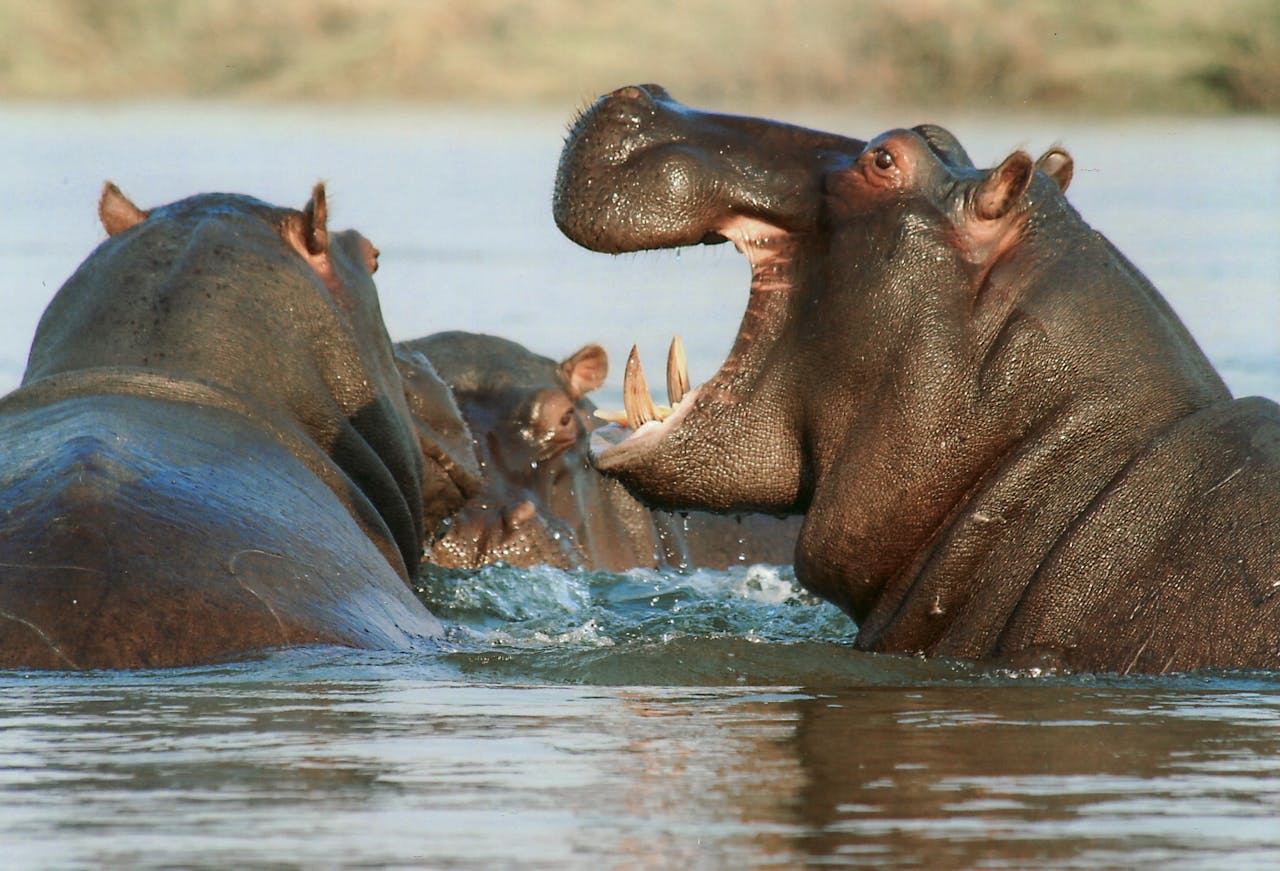
<p> Hippos may look slow and docile, but they are among the most dangerous mammals in Africa. A direct stare can be interpreted as a threat, and hippos are known to react violently when provoked. Even from a distance, it is crucial to avoid making eye contact. If a hippo notices you, move slowly away and maintain a low profile. Giving them plenty of space is essential, as they are territorial and aggressive when feeling threatened. </p> :: Pexels

Hippos may look slow and docile, but they are among the most dangerous mammals in Africa. A direct stare can be interpreted as a threat, and hippos are known to react violently when provoked. Even from a distance, it is crucial to avoid making eye contact. If a hippo notices you, move slowly away and maintain a low profile. Giving them plenty of space is essential, as they are territorial and aggressive when feeling threatened.

10. Raccoons and Small Mammals When Cornered

<p> Raccoons and other small mammals may seem harmless, but eye contact when they feel trapped can trigger defensive behavior such as scratching or biting. Even minor injuries from these animals can become serious if untreated. When observing small mammals, avoid locking eyes, give them space, and ensure they have a clear escape route. This is particularly important near dens or food sources. Small creatures may be easy to overlook, but their instincts for survival are sharp. </p> :: Gemini

Raccoons and other small mammals may seem harmless, but eye contact when they feel trapped can trigger defensive behavior such as scratching or biting. Even minor injuries from these animals can become serious if untreated. When observing small mammals, avoid locking eyes, give them space, and ensure they have a clear escape route. This is particularly important near dens or food sources. Small creatures may be easy to overlook, but their instincts for survival are sharp.

Final Thoughts

<p> In the wild, your eyes can communicate far more than you realize. For many animals, eye contact is not a sign of connection but a warning signal, a threat, or a challenge. Understanding this subtle but important form of communication can help you enjoy nature safely and responsibly. Respecting wildlife behavior is about observation without provocation. Keep your gaze relaxed, give animals space, and avoid sudden movements. This approach is not only a safety strategy but also a way to appreciate the natural world without disturbing it. The wild is a place of beauty and wonder, but it commands respect. By following these expert tips and learning which animals to avoid staring at, you can make your encounters safer, more enjoyable, and unforgettable in the best way possible. Nature is full of lessons for those willing to observe quietly. Your eyes are one of the most powerful tools in your wilderness toolkit, so use them wisely and always with respect. Happy exploring. </p> :: Gemini

In the wild, your eyes can communicate far more than you realize. For many animals, eye contact is not a sign of connection but a warning signal, a threat, or a challenge. Understanding this subtle but important form of communication can help you enjoy nature safely and responsibly.

Respecting wildlife behavior is about observation without provocation. Keep your gaze relaxed, give animals space, and avoid sudden movements. This approach is not only a safety strategy but also a way to appreciate the natural world without disturbing it. The wild is a place of beauty and wonder, but it commands respect. By following these expert tips and learning which animals to avoid staring at, you can make your encounters safer, more enjoyable, and unforgettable in the best way possible.

Nature is full of lessons for those willing to observe quietly. Your eyes are one of the most powerful tools in your wilderness toolkit, so use them wisely and always with respect. Happy exploring.

Filed Under: Lifestyle

7 Must-Visit Breweries in Nashville for Baby Boomers Who Love Craft Beer

December 16, 2025 | Leave a Comment

7 Must-Visit Breweries in Nashville for Baby Boomers Who Love Craft Beer

<p> Nashville, Tennessee, has earned a reputation not only for its lively music scene but also for its burgeoning craft beer culture. With a variety of breweries scattered across the city, it’s no wonder that Baby Boomers are flocking to these establishments to enjoy a cold pint in a welcoming, laid-back atmosphere. Whether you're a seasoned beer enthusiast or just starting to explore craft brews, Nashville’s local breweries offer a rich selection of beers that will satisfy every taste. Here are eight must-visit breweries in Nashville that are perfect for Baby Boomers seeking to enjoy a relaxing beer experience. </p> :: Pexels

Nashville, Tennessee, has earned a reputation not only for its lively music scene but also for its burgeoning craft beer culture. With a variety of breweries scattered across the city, it’s no wonder that Baby Boomers are flocking to these establishments to enjoy a cold pint in a welcoming, laid-back atmosphere. Whether you’re a seasoned beer enthusiast or just starting to explore craft brews, Nashville’s local breweries offer a rich selection of beers that will satisfy every taste. Here are seven must-visit breweries in Nashville that are perfect for Baby Boomers seeking to enjoy a relaxing beer experience.

1. Yazoo Brewing Company: A Nashville Tradition with Bold Flavors

Founded in 2003, Yazoo Brewing Company is one of Nashville’s most beloved and longstanding breweries. Known for its wide variety of craft beers, Yazoo offers everything from hoppy IPAs to smooth stouts. The brewery’s taproom, located in Madison, features a spacious and inviting atmosphere, perfect for Baby Boomers looking to unwind and enjoy a cold pint. The "Sly Rye Porter" and "Embrace The Funk" series are fan favorites, making Yazoo a must-visit for anyone in search of bold, flavorful beers. <p> Address: 900 River Bluff Dr, Madison, TN 37115 </p> Phone: (615) 891-4649 <p>Website: yazoobrew.com </p> :: Shelley Mays | tennessean.com

Founded in 2003, Yazoo Brewing Company is one of Nashville’s most beloved and longstanding breweries. Known for its wide variety of craft beers, Yazoo offers everything from hoppy IPAs to smooth stouts. The brewery’s taproom, located in Madison, features a spacious and inviting atmosphere, perfect for Baby Boomers looking to unwind and enjoy a cold pint. The “Sly Rye Porter” and “Embrace The Funk” series are fan favorites, making Yazoo a must-visit for anyone in search of bold, flavorful beers.

Address: 900 River Bluff Dr, Madison, TN 37115
Phone: (615) 891-4649
Website: yazoobrew.com

2. M.L.Rose Craft Beer and Burgers: Where Great Beer Meets Delicious Food

<p> M.L.Rose Craft Beer and Burgers has become a local favorite since it first opened its doors in 2008. With several locations around Nashville, including Melrose, Sylvan Park, and Capitol View, M.L.Rose offers an extensive selection of craft beers from both local and national breweries. The cozy, neighborhood-style vibe makes it an ideal spot for Baby Boomers to enjoy a hearty meal and a refreshing beer. Don’t miss their mouthwatering burgers, which pair perfectly with any of their craft beer offerings. Address: Multiple locations across Nashville Phone: (615) 891-4649 Website: mlrose.com </p> :: nashvilledowntown.com

M.L.Rose Craft Beer and Burgers has become a local favorite since it first opened its doors in 2008. With several locations around Nashville, including Melrose, Sylvan Park, and Capitol View, M.L.Rose offers an extensive selection of craft beers from both local and national breweries. The cozy, neighborhood-style vibe makes it an ideal spot for Baby Boomers to enjoy a hearty meal and a refreshing beer. Don’t miss their mouthwatering burgers, which pair perfectly with any of their craft beer offerings.

Address: Multiple locations across Nashville
Phone: (615) 891-4649
Website: mlrose.com

3. TailGate Brewery: A Family-Friendly Brewery with a Fun Atmosphere

<p> TailGate Brewery, established in 2014, is one of Nashville’s most family-friendly craft beer destinations. With multiple locations throughout the city, including Music Row and Germantown, TailGate offers a diverse selection of craft beers, from crisp lagers to rich stouts and fruity sours. Known for its delicious Detroit-style pizzas, TailGate is the perfect place for Baby Boomers to relax with friends and family while enjoying a wide variety of brews. The lively atmosphere and welcoming environment make it a top choice for those looking to enjoy a casual, fun outing. Address: Multiple locations across Tennessee Phone: (615) 829-2337 Website: tailgatebeer.com </p> :: tailgatebeer.com

TailGate Brewery, established in 2014, is one of Nashville’s most family-friendly craft beer destinations. With multiple locations throughout the city, including Music Row and Germantown, TailGate offers a diverse selection of craft beers, from crisp lagers to rich stouts and fruity sours. Known for its delicious Detroit-style pizzas, TailGate is the perfect place for Baby Boomers to relax with friends and family while enjoying a wide variety of brews. The lively atmosphere and welcoming environment make it a top choice for those looking to enjoy a casual, fun outing.

Address: Multiple locations across Tennessee
Phone: (615) 829-2337
Website: tailgatebeer.com

4. Monday Night Brewing: A Relaxed Vibe with Craft Beers to Savor

<p> Monday Night Brewing offers a relaxed and inviting atmosphere with a fantastic selection of craft beers. Located in the heart of Nashville, this brewery features a rotating selection of beers that cater to a wide range of tastes. From easy-drinking lagers to hop-forward IPAs, Monday Night Brewing has something for every palate. For Baby Boomers looking for a more interactive experience, the brewery also hosts trivia nights on Mondays, adding an extra layer of fun to your beer-drinking experience. Address: 1308 Adams St, Nashville, TN 37208 Phone: (615) 819-2622 Website: mondaynightbrewing.com </p> :: bhamnow.com

Monday Night Brewing offers a relaxed and inviting atmosphere with a fantastic selection of craft beers. Located in the heart of Nashville, this brewery features a rotating selection of beers that cater to a wide range of tastes. From easy-drinking lagers to hop-forward IPAs, Monday Night Brewing has something for every palate. For Baby Boomers looking for a more interactive experience, the brewery also hosts trivia nights on Mondays, adding an extra layer of fun to your beer-drinking experience.

Address: 1308 Adams St, Nashville, TN 37208
Phone: (615) 819-2622
Website: mondaynightbrewing.com

5. Blackstone Brewing Co.: A Classic Nashville Brewery with Rich History

<p> Blackstone Brewing Co. is one of Nashville’s oldest craft breweries, having been in operation for over 20 years. The brewery is known for its high-quality beers, including the iconic "Nut Brown Ale" and a variety of seasonal offerings. The cozy taproom is the perfect spot for Baby Boomers to relax and enjoy a pint of classic Nashville craft beer. Whether you’re a fan of rich porters or light lagers, Blackstone’s selection will not disappoint. Address: 1918 W End Ave, Nashville, TN 37203 Phone: (615) 327-0516 Website: blackstonebrewery.com </p> :: Blackstone Brewing Company / blackstonebeer.com

Blackstone Brewing Co. is one of Nashville’s oldest craft breweries, having been in operation for over 20 years. The brewery is known for its high-quality beers, including the iconic “Nut Brown Ale” and a variety of seasonal offerings. The cozy taproom is the perfect spot for Baby Boomers to relax and enjoy a pint of classic Nashville craft beer. Whether you’re a fan of rich porters or light lagers, Blackstone’s selection will not disappoint.

Address: 1918 W End Ave, Nashville, TN 37203
Phone: (615) 327-0516
Website: blackstonebrewery.com

6. Smith and Lentz Brewing Co.: A Hidden Gem with Craft Beer Variety

<p> Smith and Lentz Brewing Co. is a hidden gem located in the heart of East Nashville. The brewery offers a range of craft beers, including lagers, stouts, and IPAs. Known for their commitment to quality and flavor, Smith and Lentz provides a relaxed and spacious taproom that’s perfect for Baby Boomers to enjoy a cold beer with friends or family. Whether you’re new to craft beer or a seasoned enthusiast, Smith and Lentz’s approachable offerings are sure to impress. Address: 903 Main St, Nashville, TN 37206 Phone: (615) 678-4822 Website: smithandlentz.com </p> :: eventective.com

Smith and Lentz Brewing Co. is a hidden gem located in the heart of East Nashville. The brewery offers a range of craft beers, including lagers, stouts, and IPAs. Known for their commitment to quality and flavor, Smith and Lentz provides a relaxed and spacious taproom that’s perfect for Baby Boomers to enjoy a cold beer with friends or family. Whether you’re new to craft beer or a seasoned enthusiast, Smith and Lentz’s approachable offerings are sure to impress.

Address: 903 Main St, Nashville, TN 37206
Phone: (615) 678-4822
Website: smithandlentz.com

7. Bearded Iris Brewing: Bold, Hoppy Beers for the Adventurous Palate

<p> For Baby Boomers who enjoy bold, hop-forward beers, Bearded Iris Brewing is a must-visit destination in Nashville. Known for their signature "Homestyle" IPA, Bearded Iris specializes in creating flavorful, hop-centric brews that stand out from the crowd. The brewery’s taproom is a welcoming space where you can relax and enjoy a cold beer in a laid-back environment. Whether you’re a fan of juicy IPAs or experimental sours, Bearded Iris offers something for everyone. Address: 101 Van Buren St, Nashville, TN 37208 Phone: (615) 928-4040 Website: beardedirisbrewing.com </p> :: Bearded Iris Brewing Facebook

For Baby Boomers who enjoy bold, hop-forward beers, Bearded Iris Brewing is a must-visit destination in Nashville. Known for their signature “Homestyle” IPA, Bearded Iris specializes in creating flavorful, hop-centric brews that stand out from the crowd. The brewery’s taproom is a welcoming space where you can relax and enjoy a cold beer in a laid-back environment. Whether you’re a fan of juicy IPAs or experimental sours, Bearded Iris offers something for everyone.

Address: 101 Van Buren St, Nashville, TN 37208
Phone: (615) 928-4040
Website: beardedirisbrewing.com

Final Thoughts

<p> Nashville’s craft beer scene has something for everyone, and these seven breweries are the perfect places for Baby Boomers to enjoy a relaxing and flavorful beer experience. Whether you’re seeking a traditional lager, a bold IPA, or something a little more experimental, Nashville’s breweries offer a wide variety of options to suit every taste. So, the next time you’re in Music City, be sure to check out these breweries for a taste of Nashville’s thriving craft beer culture. Cheers to great beer, great company, and unforgettable experiences! </p> :: Pexels

Nashville’s craft beer scene has something for everyone, and these seven breweries are the perfect places for Baby Boomers to enjoy a relaxing and flavorful beer experience. Whether you’re seeking a traditional lager, a bold IPA, or something a little more experimental, Nashville’s breweries offer a wide variety of options to suit every taste. So, the next time you’re in Music City, be sure to check out these breweries for a taste of Nashville’s thriving craft beer culture. Cheers to great beer, great company, and unforgettable experiences!

Filed Under: Food & Drink

10 Surprising Everyday Habits That Are Secretly Good for Your Health

December 16, 2025 | Leave a Comment

10 Surprising Everyday Habits That Are Secretly Good for Your Health

<p> When it comes to maintaining good health, most people think of strict diets, intense workouts, or expensive supplements. But the truth is, some of the best habits for your health are simple, everyday activities that might surprise you. These habits may seem ordinary, but they can have a profound impact on your well-being, from boosting your mood to improving your heart health. In this listicle, we’ll explore 10 surprising everyday habits that are secretly good for your health and how they can make a difference in your life. </p> :: Pexels

When it comes to maintaining good health, most people think of strict diets, intense workouts, or expensive supplements. But the truth is, some of the best habits for your health are simple, everyday activities that might surprise you. These habits may seem ordinary, but they can have a profound impact on your well-being, from boosting your mood to improving your heart health. In this listicle, we’ll explore 10 surprising everyday habits that are secretly good for your health and how they can make a difference in your life.

1. Drinking Coffee in Moderation

<p> While many people associate coffee with jitteriness or poor sleep, moderate coffee consumption can actually have several health benefits. Coffee is packed with antioxidants, which help combat free radicals in the body, reducing the risk of chronic diseases like heart disease and cancer. Studies have shown that coffee drinkers have a lower risk of developing type 2 diabetes and Parkinson's disease. Additionally, the caffeine in coffee can improve brain function, enhance mood, and even increase metabolism. Just be mindful of how much sugar and cream you add to keep it healthy! Drinking coffee in moderation can provide a significant energy boost without the negative side effects that come with excessive consumption. </p> :: Pexels

While many people associate coffee with jitteriness or poor sleep, moderate coffee consumption can actually have several health benefits. Coffee is packed with antioxidants, which help combat free radicals in the body, reducing the risk of chronic diseases like heart disease and cancer. Studies have shown that coffee drinkers have a lower risk of developing type 2 diabetes and Parkinson’s disease. Additionally, the caffeine in coffee can improve brain function, enhance mood, and even increase metabolism. Just be mindful of how much sugar and cream you add to keep it healthy! Drinking coffee in moderation can provide a significant energy boost without the negative side effects that come with excessive consumption.

2. Taking Short Walks Throughout the Day

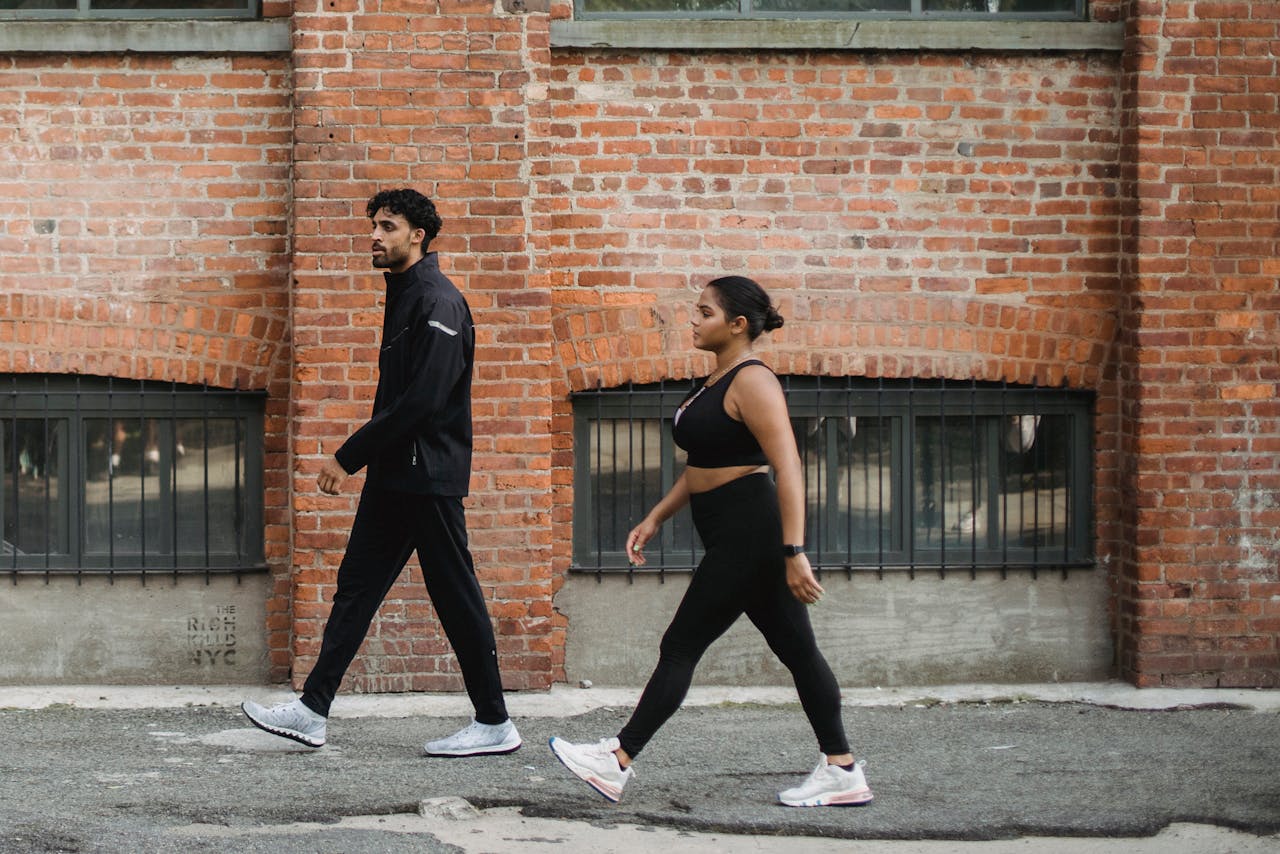
<p> Sitting for long periods of time can be detrimental to your health, contributing to weight gain, poor posture, and an increased risk of heart disease. However, taking short walks throughout the day—whether it’s around the block or just a quick stroll during your lunch break—can do wonders for your health. Walking helps improve circulation, boosts energy levels, and strengthens your muscles and bones. It also provides mental health benefits, such as reducing stress and improving mood. Even a five-minute walk can help reset your body and mind. These quick bursts of movement can have long-lasting effects on your overall health, and they are a simple habit that anyone can incorporate into their daily routine. </p> :: Pexels

Sitting for long periods of time can be detrimental to your health, contributing to weight gain, poor posture, and an increased risk of heart disease. However, taking short walks throughout the day—whether it’s around the block or just a quick stroll during your lunch break—can do wonders for your health. Walking helps improve circulation, boosts energy levels, and strengthens your muscles and bones. It also provides mental health benefits, such as reducing stress and improving mood. Even a five-minute walk can help reset your body and mind. These quick bursts of movement can have long-lasting effects on your overall health, and they are a simple habit that anyone can incorporate into their daily routine.

3. Laughing More Often

<p> Laughter is often considered the best medicine, and for good reason. Laughing triggers the release of endorphins, the body’s natural feel-good chemicals, which can improve your mood and reduce stress. It also lowers levels of cortisol, the hormone associated with stress. Regular laughter can improve cardiovascular health by increasing blood flow and improving blood vessel function. Additionally, laughter boosts immune function, making it easier for your body to fight off illness. So, don’t be afraid to laugh more—whether it’s from watching a funny movie or sharing jokes with friends. Laughter can be a natural, enjoyable way to enhance your physical and mental health. </p> :: Pexels

Laughter is often considered the best medicine, and for good reason. Laughing triggers the release of endorphins, the body’s natural feel-good chemicals, which can improve your mood and reduce stress. It also lowers levels of cortisol, the hormone associated with stress. Regular laughter can improve cardiovascular health by increasing blood flow and improving blood vessel function. Additionally, laughter boosts immune function, making it easier for your body to fight off illness. So, don’t be afraid to laugh more—whether it’s from watching a funny movie or sharing jokes with friends. Laughter can be a natural, enjoyable way to enhance your physical and mental health.

4. Eating Chocolate (The Dark Kind)

<p> Who doesn’t love a little chocolate now and then? While it’s often seen as a guilty pleasure, dark chocolate, in moderation, can actually be good for your health. Dark chocolate is rich in flavonoids, which are antioxidants that can help reduce inflammation and improve heart health by lowering blood pressure and improving blood flow. Studies have also shown that consuming dark chocolate can improve brain function, making you feel more alert and focused. Dark chocolate has been linked to better cognitive function and may even reduce the risk of certain diseases. Just be sure to choose chocolate with at least 70% cocoa content to reap the full health benefits, as this variety contains fewer added sugars and more beneficial compounds. </p> :: Pexels

Who doesn’t love a little chocolate now and then? While it’s often seen as a guilty pleasure, dark chocolate, in moderation, can actually be good for your health. Dark chocolate is rich in flavonoids, which are antioxidants that can help reduce inflammation and improve heart health by lowering blood pressure and improving blood flow. Studies have also shown that consuming dark chocolate can improve brain function, making you feel more alert and focused. Dark chocolate has been linked to better cognitive function and may even reduce the risk of certain diseases. Just be sure to choose chocolate with at least 70% cocoa content to reap the full health benefits, as this variety contains fewer added sugars and more beneficial compounds.

5. Having a Glass of Wine (Occasionally)

<p> Drinking wine in moderation has been linked to several health benefits, particularly for your heart. Red wine, in particular, contains resveratrol, a compound that helps protect the blood vessels and reduces inflammation, which can lower the risk of heart disease. Moderate wine consumption has also been associated with a lower risk of stroke and improved cholesterol levels. Additionally, red wine is rich in antioxidants that help combat oxidative stress in the body. Of course, moderation is key—too much alcohol can have the opposite effect and harm your health. So, enjoy a glass of wine with dinner, and savor the benefits. Remember, the key is moderation to ensure that you’re gaining health benefits without overindulging. </p> :: Pexels

Drinking wine in moderation has been linked to several health benefits, particularly for your heart. Red wine, in particular, contains resveratrol, a compound that helps protect the blood vessels and reduces inflammation, which can lower the risk of heart disease. Moderate wine consumption has also been associated with a lower risk of stroke and improved cholesterol levels. Additionally, red wine is rich in antioxidants that help combat oxidative stress in the body. Of course, moderation is key—too much alcohol can have the opposite effect and harm your health. So, enjoy a glass of wine with dinner, and savor the benefits. Remember, the key is moderation to ensure that you’re gaining health benefits without overindulging.

6. Taking Power Naps

<p> In our fast-paced world, getting enough sleep at night can be a challenge. But did you know that taking short power naps during the day can help boost your overall health? Power naps—lasting between 10 to 30 minutes—can improve cognitive function, memory, and alertness. They also help reduce stress and can make you feel more energized and refreshed, especially if you’re feeling a mid-afternoon slump. Napping can even improve your mood and lower the risk of heart disease by reducing blood pressure. Taking a nap isn’t just about catching up on sleep; it’s about giving your body and mind a much-needed break. Just make sure not to nap too long, as it could interfere with your nighttime sleep. </p> :: Pexels

In our fast-paced world, getting enough sleep at night can be a challenge. But did you know that taking short power naps during the day can help boost your overall health? Power naps—lasting between 10 to 30 minutes—can improve cognitive function, memory, and alertness. They also help reduce stress and can make you feel more energized and refreshed, especially if you’re feeling a mid-afternoon slump. Napping can even improve your mood and lower the risk of heart disease by reducing blood pressure. Taking a nap isn’t just about catching up on sleep; it’s about giving your body and mind a much-needed break. Just make sure not to nap too long, as it could interfere with your nighttime sleep.

7. Listening to Music

<p> Music is more than just a form of entertainment—it’s also a powerful tool for improving your health. Studies have shown that listening to music can reduce stress, lower blood pressure, and even improve heart rate. Music has been shown to stimulate the brain, enhancing cognitive function and improving memory. It can also serve as a mood booster, helping to fight off feelings of anxiety and depression. Whether you’re listening to your favorite playlist or enjoying calming classical music, incorporating music into your daily routine can be a simple yet effective way to support your mental and physical health. The therapeutic effects of music can be far-reaching, offering emotional support and mental clarity. </p> :: Pexels

Music is more than just a form of entertainment—it’s also a powerful tool for improving your health. Studies have shown that listening to music can reduce stress, lower blood pressure, and even improve heart rate. Music has been shown to stimulate the brain, enhancing cognitive function and improving memory. It can also serve as a mood booster, helping to fight off feelings of anxiety and depression. Whether you’re listening to your favorite playlist or enjoying calming classical music, incorporating music into your daily routine can be a simple yet effective way to support your mental and physical health. The therapeutic effects of music can be far-reaching, offering emotional support and mental clarity.

8. Sitting on the Floor

<p> In many cultures, sitting on the floor is a common practice, and it turns out that it’s actually good for your health! Sitting on the floor, particularly in a cross-legged position, can improve flexibility, strengthen your core, and enhance posture. It also helps stretch and activate muscles that are often neglected when sitting in chairs. Sitting on the floor encourages better alignment of the spine, which can reduce back pain and improve overall mobility. So, next time you’re watching TV or reading a book, try sitting on the floor for a change—it’s a simple habit that can pay off in the long run. This change in posture can lead to improved muscle engagement and a more relaxed, balanced body. </p> :: Pexels

In many cultures, sitting on the floor is a common practice, and it turns out that it’s actually good for your health! Sitting on the floor, particularly in a cross-legged position, can improve flexibility, strengthen your core, and enhance posture. It also helps stretch and activate muscles that are often neglected when sitting in chairs. Sitting on the floor encourages better alignment of the spine, which can reduce back pain and improve overall mobility. So, next time you’re watching TV or reading a book, try sitting on the floor for a change—it’s a simple habit that can pay off in the long run. This change in posture can lead to improved muscle engagement and a more relaxed, balanced body.

9. Drinking Warm Water

<p> While cold water is often the go-to beverage for hydration, drinking warm water has its own set of health benefits. Warm water can help improve digestion by stimulating the digestive enzymes in your stomach, making it easier for your body to break down food. It also promotes better circulation, helping to detoxify the body and improve skin health. Drinking warm water can also help soothe a sore throat, alleviate constipation, and reduce bloating. If you’re looking for a simple way to boost your overall well-being, try sipping on warm water throughout the day. This habit can promote a sense of calm, improve digestion, and support detoxification, all while being a simple, soothing practice. </p> :: Pexels

While cold water is often the go-to beverage for hydration, drinking warm water has its own set of health benefits. Warm water can help improve digestion by stimulating the digestive enzymes in your stomach, making it easier for your body to break down food. It also promotes better circulation, helping to detoxify the body and improve skin health. Drinking warm water can also help soothe a sore throat, alleviate constipation, and reduce bloating. If you’re looking for a simple way to boost your overall well-being, try sipping on warm water throughout the day. This habit can promote a sense of calm, improve digestion, and support detoxification, all while being a simple, soothing practice.

10. Taking Deep Breaths

<p> In our busy, fast-paced lives, we often forget to slow down and breathe properly. However, taking deep breaths throughout the day can have a significant impact on your health. Deep breathing activates the parasympathetic nervous system, which helps reduce stress and anxiety. It also lowers heart rate and blood pressure, promoting a sense of calm and relaxation. Practicing deep breathing exercises can improve lung capacity, enhance mental clarity, and even boost energy levels. Whether you’re meditating, practicing yoga, or simply taking a moment to breathe deeply, this habit can make a big difference in your overall health. Deep breathing is an accessible and effective way to reduce stress, improve focus, and improve your physical health. </p> :: Pexels

In our busy, fast-paced lives, we often forget to slow down and breathe properly. However, taking deep breaths throughout the day can have a significant impact on your health. Deep breathing activates the parasympathetic nervous system, which helps reduce stress and anxiety. It also lowers heart rate and blood pressure, promoting a sense of calm and relaxation. Practicing deep breathing exercises can improve lung capacity, enhance mental clarity, and even boost energy levels. Whether you’re meditating, practicing yoga, or simply taking a moment to breathe deeply, this habit can make a big difference in your overall health. Deep breathing is an accessible and effective way to reduce stress, improve focus, and improve your physical health.

Final Thoughts

<p> Incorporating these surprising habits into your daily routine can have a positive impact on your health and well-being. From drinking coffee in moderation to practicing deep breathing, these simple activities can help reduce stress, boost energy, and improve both mental and physical health. Remember, it’s the small, everyday habits that can add up over time and make a significant difference in how you feel. So, the next time you engage in one of these habits, know that you’re doing something great for your health! These habits are not just beneficial for your body—they can improve your mood, enhance your focus, and help you live a more balanced, fulfilling life. </p> :: Pexels

Incorporating these surprising habits into your daily routine can have a positive impact on your health and well-being. From drinking coffee in moderation to practicing deep breathing, these simple activities can help reduce stress, boost energy, and improve both mental and physical health. Remember, it’s the small, everyday habits that can add up over time and make a significant difference in how you feel. So, the next time you engage in one of these habits, know that you’re doing something great for your health! These habits are not just beneficial for your body—they can improve your mood, enhance your focus, and help you live a more balanced, fulfilling life.

Filed Under: Health & Fitness

Suitcase Savvy 10 Essential Tips for Stress-Free Travel

December 16, 2025 | Leave a Comment

Suitcase Savvy 10 Essential Tips for Stress-Free Travel

<p> There's nothing quite like the excitement of an upcoming trip. Whether you're a frequent flyer, planning a family vacation, or embarking on a solo adventure, packing for your trip can often be a daunting task. The good news? It doesn't have to be! Mastering the art of packing not only saves you time and stress but also ensures you have everything you need for a smooth and enjoyable travel experience. In this comprehensive guide, we'll explore 10 essential packing tips that will transform your travel preparation from stressful to seamless. From selecting the right luggage to organizing your belongings efficiently, these tips are designed to cater to every kind of traveler. Let's get started! </p> :: Pexels

There’s nothing quite like the excitement of an upcoming trip. Whether you’re a frequent flyer, planning a family vacation, or embarking on a solo adventure, packing for your trip can often be a daunting task. The good news? It doesn’t have to be! Mastering the art of packing not only saves you time and stress but also ensures you have everything you need for a smooth and enjoyable travel experience.

In this comprehensive guide, we’ll explore 10 essential packing tips that will transform your travel preparation from stressful to seamless. From selecting the right luggage to organizing your belongings efficiently, these tips are designed to cater to every kind of traveler. Let’s get started!

1. Choose the Right Luggage

<p> Selecting the right luggage is your first step toward stress-free travel. Frequent travelers might prefer a durable, lightweight suitcase with multiple compartments. Family vacation planners might benefit from expandable luggage to accommodate last-minute additions. Solo adventurers might opt for a versatile backpack or carry-on. Consider the length and purpose of your trip when choosing your luggage. A weekend getaway requires different packing needs compared to a two-week vacation. Additionally, ensure your luggage meets airline size and weight restrictions to avoid unexpected fees and hassles at the airport. Investing in high-quality luggage with sturdy zippers, handles, and wheels can save you from potential travel mishaps. Look for features like TSA-approved locks for added security and built-in charging ports for convenience. </p> :: Pexels

Selecting the right luggage is your first step toward stress-free travel. Frequent travelers might prefer a durable, lightweight suitcase with multiple compartments. Family vacation planners might benefit from expandable luggage to accommodate last-minute additions. Solo adventurers might opt for a versatile backpack or carry-on.

Consider the length and purpose of your trip when choosing your luggage. A weekend getaway requires different packing needs compared to a two-week vacation. Additionally, ensure your luggage meets airline size and weight restrictions to avoid unexpected fees and hassles at the airport.

Investing in high-quality luggage with sturdy zippers, handles, and wheels can save you from potential travel mishaps. Look for features like TSA-approved locks for added security and built-in charging ports for convenience.

2. Make a Packing List

<p> Creating a detailed packing list is a game-changer for stress-free travel. Start by listing essential items such as clothing, toiletries, medications, and travel documents. Tailor your list to the specifics of your trip, considering factors like weather, activities, and cultural norms. A packing list helps ensure you don't forget important items and minimizes the risk of overpacking. It's also a handy tool for repacking and ensuring you don't leave anything behind when returning home. Digital packing list apps can streamline the process, allowing you to check off items as you pack. Share your list with travel companions to coordinate shared items and avoid duplication. </p> :: Pexels

Creating a detailed packing list is a game-changer for stress-free travel. Start by listing essential items such as clothing, toiletries, medications, and travel documents. Tailor your list to the specifics of your trip, considering factors like weather, activities, music festivals, and cultural norms.

A packing list helps ensure you don’t forget important items and minimizes the risk of overpacking. It’s also a handy tool for repacking and ensuring you don’t leave anything behind when returning home.

Digital packing list apps can streamline the process, allowing you to check off items as you pack. Share your list with travel companions to coordinate shared items and avoid duplication.

3. Pack Versatile Clothing

<p> Opt for clothing that can be mixed and matched to create multiple outfits. Neutral colors and simple designs are versatile and can be dressed up or down depending on the occasion. This approach reduces the number of items you need to pack while ensuring you have suitable attire for various activities. Layering is key for adapting to different weather conditions. Pack lightweight, breathable fabrics for warm climates and add layers like sweaters or jackets for cooler temperatures. Accessories like scarves and hats can add variety to your outfits without taking up much space. Roll your clothes instead of folding them to save space and minimize wrinkles. Consider packing cubes to keep your clothing organized and easily accessible. </p> :: Pexels

Opt for clothing that can be mixed and matched to create multiple outfits. Neutral colors and simple designs are versatile and can be dressed up or down depending on the occasion. This approach reduces the number of items you need to pack while ensuring you have suitable attire for various activities.

Layering is key for adapting to different weather conditions. Pack lightweight, breathable fabrics for warm climates and add layers like sweaters or jackets for cooler temperatures. Accessories like scarves and hats can add variety to your outfits without taking up much space.

Roll your clothes instead of folding them to save space and minimize wrinkles. Consider packing cubes to keep your clothing organized and easily accessible.

4. Organize with Packing Cubes

<p> Packing cubes are a traveler's best friend when it comes to maintaining organization. These small, zippered compartments help categorize your belongings, making it easier to find what you need without rummaging through your entire suitcase. Designate a packing cube for each category of items, such as clothing, toiletries, and electronics. This method not only keeps your suitcase tidy but also allows for quick and efficient packing and unpacking at your destination. Packing cubes come in various sizes and can be compressed to save space. Some even have mesh panels for breathability and visibility, so you can easily identify the contents. </p> :: Pexels

Packing cubes are a traveler’s best friend when it comes to maintaining organization. These small, zippered compartments help categorize your belongings, making it easier to find what you need without rummaging through your entire suitcase.

Designate a packing cube for each category of items, such as clothing, toiletries, and electronics. This method not only keeps your suitcase tidy but also allows for quick and efficient packing and unpacking at your destination.

Packing cubes come in various sizes and can be compressed to save space. Some even have mesh panels for breathability and visibility, so you can easily identify the contents.

5. Use Travel-Sized Toiletries

<p> Toiletries can take up a significant amount of space in your luggage. Opt for travel-sized versions of your essential products to save space and comply with airline liquid restrictions. Many brands offer travel-sized versions of their popular products, or you can transfer your favorites into reusable travel containers. Consider solid toiletries like shampoo bars, soap bars, and toothpaste tablets to reduce the risk of spills and leaks. These items are often more compact and can last longer than their liquid counterparts. Store your toiletries in a clear, resealable plastic bag to comply with airport security regulations and make it easier to access them during your trip. </p> :: Pexels

Toiletries can take up a significant amount of space in your luggage. Opt for travel-sized versions of your essential products to save space and comply with airline liquid restrictions. Many brands offer travel-sized versions of their popular products, or you can transfer your favorites into reusable travel containers.

Consider solid toiletries like shampoo bars, soap bars, and toothpaste tablets to reduce the risk of spills and leaks. These items are often more compact and can last longer than their liquid counterparts.

Store your toiletries in a clear, resealable plastic bag to comply with airport security regulations and make it easier to access them during your trip.

6. Stay Charged with a Travel Adapter

<p> A reliable travel adapter is a must-have for international travelers. Different countries have different types of electrical outlets, and having the right adapter ensures you can charge your devices and use your electronics without any issues. Look for a universal travel adapter that covers multiple plug types and includes USB ports for added convenience. Some adapters also have built-in surge protection to safeguard your devices from voltage fluctuations. Pack a portable power bank to keep your devices charged on the go. This is especially useful for long flights, train rides, or days spent exploring without easy access to outlets. </p> :: Pexels

A reliable travel adapter is a must-have for international travelers. Different countries have different types of electrical outlets, and having the right adapter ensures you can charge your devices and use your electronics without any issues.

Look for a universal travel adapter that covers multiple plug types and includes USB ports for added convenience. Some adapters also have built-in surge protection to safeguard your devices from voltage fluctuations.

Pack a portable power bank to keep your devices charged on the go. This is especially useful for long flights, train rides, or days spent exploring without easy access to outlets.

7. Keep Important Documents Accessible

<p> Travel documents such as passports, boarding passes, and itineraries are essential for a smooth travel experience. Keep these documents organized and easily accessible in a dedicated travel wallet or document holder. Make photocopies or digital backups of important documents in case of loss or theft. Store these copies separately from the originals to ensure you have access to the necessary information in an emergency. Consider using a travel app to store digital versions of your documents. Many airlines and travel companies now offer digital boarding passes and itineraries, reducing the need for printed copies. </p> :: Pexels

Travel documents such as passports, boarding passes, and itineraries are essential for a smooth travel experience. Keep these documents organized and easily accessible in a dedicated travel wallet or document holder.

Make photocopies or digital backups of important documents in case of loss or theft. Store these copies separately from the originals to ensure you have access to the necessary information in an emergency.

Consider using a travel app to store digital versions of your documents. Many airlines and travel companies now offer digital boarding passes and itineraries, reducing the need for printed copies.

8. Plan for In-Flight Comfort

<p> Long flights can be uncomfortable, but with a few thoughtful additions to your carry-on, you can make the experience more enjoyable. Pack a travel pillow, eye mask, and earplugs or noise-canceling headphones to help you rest during the flight. Dress in layers to adapt to changing cabin temperatures. Comfortable, breathable clothing and slip-on shoes make it easier to relax and move around the plane. Bring snacks and an empty water bottle to stay hydrated and energized throughout the flight. Many airports have water refill stations past security, allowing you to fill up your bottle before boarding. </p> :: Pexels

Long flights can be uncomfortable, but with a few thoughtful additions to your carry-on, you can make the experience more enjoyable. Pack a travel pillow, eye mask, and earplugs or noise-canceling headphones to help you rest during the flight.

Dress in layers to adapt to changing cabin temperatures. Comfortable, breathable clothing and slip-on shoes make it easier to relax and move around the plane.

Bring snacks and an empty water bottle to stay hydrated and energized throughout the flight. Many airports have water refill stations past security, allowing you to fill up your bottle before boarding.

9. Pack a First Aid Kit

<p> A compact first aid kit can be a lifesaver during your travels. Include essentials like adhesive bandages, antiseptic wipes, pain relievers, and any personal medications you may need. Consider packing items for common travel ailments such as motion sickness, allergies, and digestive issues. Having these supplies on hand can save you a trip to the local pharmacy and provide peace of mind. Store your first aid kit in an easily accessible part of your luggage, such as the front pocket of your carry-on or a designated packing cube. </p> :: Pexels

A compact first aid kit can be a lifesaver during your travels. Include essentials like adhesive bandages, antiseptic wipes, pain relievers, and any personal medications you may need.

Consider packing items for common travel ailments such as motion sickness, allergies, and digestive issues. Having these supplies on hand can save you a trip to the local pharmacy and provide peace of mind.

Store your first aid kit in an easily accessible part of your luggage, such as the front pocket of your carry-on or a designated packing cube.

10. Secure Your Belongings

<p> Protecting your belongings is crucial for stress-free travel. Use luggage locks to secure your suitcase and prevent unauthorized access. Many modern suitcases come with built-in TSA-approved locks for added security. Consider using a luggage strap or tag with your contact information to help identify your bag and ensure it doesn't get lost in transit. Brightly colored straps and tags also make it easier to spot your suitcase on the baggage carousel. Invest in a travel insurance policy that covers lost or stolen belongings. This added layer of protection can provide peace of mind and financial assistance if something goes wrong during your trip. </p> :: Pexels

Protecting your belongings is crucial for stress-free travel. Use luggage locks to secure your suitcase and prevent unauthorized access. Many modern suitcases come with built-in TSA-approved locks for added security.

Consider using a luggage strap or tag with your contact information to help identify your bag and ensure it doesn’t get lost in transit. Brightly colored straps and tags also make it easier to spot your suitcase on the baggage carousel.

Invest in a travel insurance policy that covers lost or stolen belongings. Minimize the amount of physical cash carried on your trip. This added layer of protection can provide peace of mind and financial assistance if something goes wrong during your trip.

Final Thoughts

<p> Packing for a trip doesn't have to be a source of stress. By following these 10 essential packing tips, you can enjoy a seamless travel experience and focus on making memories. Remember to choose the right luggage, create a packing list, and pack versatile clothing. Organize your belongings with packing cubes, use travel-sized toiletries, and stay charged with a travel adapter. Keep important documents accessible, plan for in-flight comfort, pack a first aid kit, and secure your belongings. We hope these tips make your next adventure a breeze. Ready to take your travel preparation to the next level? Subscribe to our newsletter for more travel tips, or book a consultation with one of our travel experts today! </p> :: Pexels

Packing for a trip doesn’t have to be a source of stress. By following these 10 essential packing tips, you can enjoy a seamless travel experience and focus on making memories. Remember to choose the right luggage, create a packing list, and pack versatile clothing. Organize your belongings with packing cubes, use travel-sized toiletries, and stay charged with a travel adapter. Keep important documents accessible, plan for in-flight comfort, pack a first aid kit, and secure your belongings.

We hope these tips make your next adventure a breeze. Ready to take your travel preparation to the next level? Subscribe to our newsletter for more travel tips, or book a consultation with one of our travel experts today!

Filed Under: Travel

Sitting Too Much? 6 Hidden Ways It Damages Your Heart Even If You Work Out

December 16, 2025 | Leave a Comment

Sitting Too Much? 6 Hidden Ways It Damages Your Heart Even If You Work Out

<p> In today’s world, most people sit far more than they realize—at work, in cars, during meals, or while relaxing with a movie or scrolling through social media. It might not seem like a problem if you are hitting the gym or getting in your steps, but research shows that even regular workouts may not be enough to counteract the harmful effects of prolonged sitting. The human body was made for movement, and long hours spent seated can quietly wreak havoc on your heart, even if you are otherwise healthy and active. While sitting may feel harmless, it can slowly chip away at your cardiovascular health in sneaky and unexpected ways. Here are six hidden ways sitting too much damages your heart, even if you work out. </p> :: Freepik

In today’s world, most people sit far more than they realize—at work, in cars, during meals, or while relaxing with a movie or scrolling through social media. It might not seem like a problem if you are hitting the gym or getting in your steps, but research shows that even regular workouts may not be enough to counteract the harmful effects of prolonged sitting. The human body was made for movement, and long hours spent seated can quietly wreak havoc on your heart, even if you are otherwise healthy and active. While sitting may feel harmless, it can slowly chip away at your cardiovascular health in sneaky and unexpected ways. Here are six hidden ways sitting too much damages your heart, even if you work out.

1. Sitting Weakens Blood Flow and Raises the Risk of Clots

<p> When you sit for long stretches, especially with your legs bent, blood flow slows significantly—particularly in your lower body. This inactivity creates the perfect environment for blood to pool, which can increase the risk of developing clots in your legs known as deep vein thrombosis. These clots are not only dangerous on their own, but they can also travel to your lungs and cause a life-threatening condition called pulmonary embolism. Regular workouts can improve circulation during activity, but if you are sitting for most of the day, your body misses the chance to keep blood flowing consistently. Muscles act as pumps that help your veins move blood, and when those muscles stay still, your circulation suffers. Over time, this can lead to serious cardiovascular complications that no daily run or spin class can completely undo. </p> :: Freepik

When you sit for long stretches, especially with your legs bent, blood flow slows significantly—particularly in your lower body. This inactivity creates the perfect environment for blood to pool, which can increase the risk of developing clots in your legs known as deep vein thrombosis. These clots are not only dangerous on their own, but they can also travel to your lungs and cause a life-threatening condition called pulmonary embolism. Regular workouts can improve circulation during activity, but if you are sitting for most of the day, your body misses the chance to keep blood flowing consistently. Muscles act as pumps that help your veins move blood, and when those muscles stay still, your circulation suffers. Over time, this can lead to serious cardiovascular complications that no daily run or spin class can completely undo.

2. It Reduces Levels of Good Cholesterol

<p> One of the more silent effects of excessive sitting is the drop in high-density lipoprotein, or HDL, which is known as the “good” cholesterol. HDL plays a key role in heart health by transporting cholesterol away from the arteries and toward the liver, where it can be broken down and removed from the body. When HDL levels drop, the risk of arterial plaque buildup increases, which can lead to blockages, heart attacks, or strokes. Unfortunately, sitting too much can reduce your HDL levels, even if your exercise sessions are frequent and intense. The body simply does not operate optimally when movement is restricted for long periods. While workouts can improve overall cholesterol levels, long-term sitting can undo some of those benefits by consistently keeping HDL levels lower than they should be. </p> :: Pexels

One of the more silent effects of excessive sitting is the drop in high-density lipoprotein, or HDL, which is known as the “good” cholesterol. HDL plays a key role in heart health by transporting cholesterol away from the arteries and toward the liver, where it can be broken down and removed from the body. When HDL levels drop, the risk of arterial plaque buildup increases, which can lead to blockages, heart attacks, or strokes. Unfortunately, sitting too much can reduce your HDL levels, even if your exercise sessions are frequent and intense. The body simply does not operate optimally when movement is restricted for long periods. While workouts can improve overall cholesterol levels, long-term sitting can undo some of those benefits by consistently keeping HDL levels lower than they should be.

3. Sitting Triggers Systemic Inflammation

<p> Another hidden risk tied to excessive sitting is chronic inflammation. Sitting for hours every day is associated with elevated levels of inflammatory markers in the blood, such as C-reactive protein. Inflammation is now recognized as a major contributor to heart disease, playing a central role in the development of atherosclerosis and other vascular conditions. When you sit for too long, especially after eating, your body metabolizes food less efficiently, leading to spikes in blood sugar and fat storage—both of which can trigger inflammatory responses. Even if you exercise regularly, if your day is largely sedentary, your body remains in a state of low-grade inflammation that slowly damages your blood vessels and heart over time. This can silently lead to serious cardiovascular issues without any obvious symptoms until it is too late. </p> :: Freepik

Another hidden risk tied to excessive sitting is chronic inflammation. Sitting for hours every day is associated with elevated levels of inflammatory markers in the blood, such as C-reactive protein. Inflammation is now recognized as a major contributor to heart disease, playing a central role in the development of atherosclerosis and other vascular conditions. When you sit for too long, especially after eating, your body metabolizes food less efficiently, leading to spikes in blood sugar and fat storage—both of which can trigger inflammatory responses. Even if you exercise regularly, if your day is largely sedentary, your body remains in a state of low-grade inflammation that slowly damages your blood vessels and heart over time. This can silently lead to serious cardiovascular issues without any obvious symptoms until it is too late.

4. It Disrupts Your Body’s Ability to Regulate Blood Sugar

<p> One of the most surprising effects of sitting too much is how it interferes with your body's ability to manage blood sugar. When you sit for extended periods—especially after meals—your muscles are less engaged, which reduces their ability to absorb glucose from the bloodstream. This leads to elevated blood sugar levels and an increased risk of insulin resistance, a condition that can eventually lead to type 2 diabetes. The problem here is not just sugar but its long-term effects on the heart. High blood sugar can damage blood vessels and increase the workload on the heart. Even people who work out daily can experience these negative effects if they spend the rest of their day sitting. Staying active throughout the day, not just during workout sessions, helps regulate glucose levels and supports cardiovascular function. </p> :: Pexels

One of the most surprising effects of sitting too much is how it interferes with your body’s ability to manage blood sugar. When you sit for extended periods—especially after meals—your muscles are less engaged, which reduces their ability to absorb glucose from the bloodstream. This leads to elevated blood sugar levels and an increased risk of insulin resistance, a condition that can eventually lead to type 2 diabetes. The problem here is not just sugar but its long-term effects on the heart. High blood sugar can damage blood vessels and increase the workload on the heart. Even people who work out daily can experience these negative effects if they spend the rest of their day sitting. Staying active throughout the day, not just during workout sessions, helps regulate glucose levels and supports cardiovascular function.

5. Sitting Contributes to Rising Blood Pressure

<p> Another hidden consequence of prolonged sitting is its gradual impact on your blood pressure. When you remain seated for hours, your muscles are inactive, circulation is reduced, and your body starts retaining more sodium—all of which contribute to higher blood pressure. Over time, these subtle changes build up, causing your heart to work harder just to keep blood moving. While exercise is known to help lower blood pressure, the benefits can be muted if you are sedentary for most of your waking hours. The combination of sitting and other risk factors such as stress or poor diet can create a dangerous loop where your cardiovascular system becomes increasingly strained. Even young and fit individuals are not immune to this effect if they consistently spend more time seated than moving. </p> :: Pexels

Another hidden consequence of prolonged sitting is its gradual impact on your blood pressure. When you remain seated for hours, your muscles are inactive, circulation is reduced, and your body starts retaining more sodium—all of which contribute to higher blood pressure. Over time, these subtle changes build up, causing your heart to work harder just to keep blood moving. While exercise is known to help lower blood pressure, the benefits can be muted if you are sedentary for most of your waking hours. The combination of sitting and other risk factors such as stress or poor diet can create a dangerous loop where your cardiovascular system becomes increasingly strained. Even young and fit individuals are not immune to this effect if they consistently spend more time seated than moving.

6. It Alters the Structure of Your Heart

<p> One of the most alarming but lesser-known effects of prolonged sitting is the way it physically alters the heart over time. Studies have shown that people who sit for more than eight to ten hours a day are more likely to have structural changes in the heart, particularly an increase in the size of the left ventricle. The left ventricle is responsible for pumping oxygenated blood throughout the body, and when it becomes enlarged or thickened, it can become less efficient. This condition, known as left ventricular hypertrophy, is linked to higher risks of arrhythmias, heart failure, and sudden cardiac events. Alarmingly, these changes can occur even in individuals who exercise regularly if their overall daily movement is still low. The key takeaway is that sitting does more than make you feel sluggish—it can actually reshape your heart in damaging ways. </p> :: Pexels

One of the most alarming but lesser-known effects of prolonged sitting is the way it physically alters the heart over time. Studies have shown that people who sit for more than eight to ten hours a day are more likely to have structural changes in the heart, particularly an increase in the size of the left ventricle. The left ventricle is responsible for pumping oxygenated blood throughout the body, and when it becomes enlarged or thickened, it can become less efficient. This condition, known as left ventricular hypertrophy, is linked to higher risks of arrhythmias, heart failure, and sudden cardiac events. Alarmingly, these changes can occur even in individuals who exercise regularly if their overall daily movement is still low. The key takeaway is that sitting does more than make you feel sluggish—it can actually reshape your heart in damaging ways.

Final Thoughts

<p> Sitting may seem like a harmless habit, especially when balanced with regular workouts, but the science is clear—prolonged sitting carries real risks for your heart. From reduced blood flow and increased inflammation to higher blood pressure and changes in heart structure, the damage adds up over time. The good news is that many of these effects can be prevented or even reversed with simple daily actions. Standing up, moving frequently, and staying aware of your activity levels throughout the day can help protect your heart and overall health. It is not just about the hour you spend at the gym—it is about what you do with the other 23. The next time you catch yourself sitting for too long, remember that even a few steps can go a long way toward keeping your heart strong and resilient. </p> :: Freepik

Sitting may seem like a harmless habit, especially when balanced with regular workouts, but the science is clear—prolonged sitting carries real risks for your heart. From reduced blood flow and increased inflammation to higher blood pressure and changes in heart structure, the damage adds up over time. The good news is that many of these effects can be prevented or even reversed with simple daily actions. Standing up, moving frequently, and staying aware of your activity levels throughout the day can help protect your heart and overall health. It is not just about the hour you spend at the gym—it is about what you do with the other 23. The next time you catch yourself sitting for too long, remember that even a few steps can go a long way toward keeping your heart strong and resilient.

Filed Under: Health & Fitness

8 Side Hustles You Can Start This Weekend (With Just Your Laptop)

December 16, 2025 | Leave a Comment

8 Side Hustles You Can Start This Weekend (With Just Your Laptop)

<p>Looking to earn extra income without leaving your home? With just a laptop and an internet connection, you can kickstart a profitable side hustle this weekend. Here are eight practical options to consider:</p> ::Pexels

Looking to earn extra income without leaving your home? With just a laptop and an internet connection, you can kickstart a profitable side hustle this weekend. Here are eight practical options to consider:

Freelance Writing

<p>If you have a way with words, freelance writing offers a flexible way to earn money. Businesses and websites constantly seek content for blogs, articles, and marketing materials. Platforms like Upwork and Fiverr connect writers with clients needing various content types. Fun fact: some freelance writers earn over ,000 per month by dedicating their spare time to writing projects.</p> ::Pexels

If you have a way with words, freelance writing offers a flexible way to earn money. Businesses and websites constantly seek content for blogs, articles, and marketing materials. Platforms like Upwork and Fiverr connect writers with clients needing various content types. Fun fact: some freelance writers earn over $1,000 per month by dedicating their spare time to writing projects.

Virtual Assistance

<p>Virtual assistants (VAs) provide administrative support to businesses remotely. Tasks may include managing emails, scheduling appointments, or handling social media accounts. This role is ideal for organized individuals with strong communication skills. The demand for VAs is growing, making it a viable side hustle.</p> ::Pexels

Virtual assistants (VAs) provide administrative support to businesses remotely. Tasks may include managing emails, scheduling appointments, or handling social media accounts. This role is ideal for organized individuals with strong communication skills. The demand for VAs is growing, making it a viable side hustle.

Online Tutoring

<p>If you’re knowledgeable in a particular subject, online tutoring can be a rewarding side hustle. Platforms like Tutor.com allow you to connect with students seeking help in various subjects. This role offers flexible scheduling and the satisfaction of helping others learn. A reliable computer and internet connection are essential for this role.</p> ::Pexels

If you’re knowledgeable in a particular subject, online tutoring can be a rewarding side hustle. Platforms like Tutor.com allow you to connect with students seeking help in various subjects. This role offers flexible scheduling and the satisfaction of helping others learn. A reliable computer and internet connection are essential for this role.

Graphic Design Services

<p>For those with a creative flair, offering graphic design services can be both fun and profitable. Businesses need logos, social media graphics, and marketing materials. Tools like Adobe Creative Suite or free alternatives like GIMP can help you create professional designs. Building a strong portfolio can attract clients and lead to ongoing work. ​</p> ::Pexels

For those with a creative flair, offering graphic design services can be both fun and profitable. Businesses need logos, social media graphics, and marketing materials. Tools like Adobe Creative Suite or free alternatives like GIMP can help you create professional designs. Building a strong portfolio can attract clients and lead to ongoing work. ​

Social Media Management

<p>Businesses often seek individuals to manage their social media presence. As a social media manager, you’d create content, schedule posts, and engage with followers. This role suits those who are familiar with platforms like Facebook, Instagram, and Twitter. Effective social media strategies can significantly boost a company’s online visibility. ​</p> ::Pexels

Businesses often seek individuals to manage their social media presence. As a social media manager, you’d create content, schedule posts, and engage with followers. This role suits those who are familiar with platforms like Facebook, Instagram, and Twitter. Effective social media strategies can significantly boost a company’s online visibility. ​

Affiliate Marketing

<p>Affiliate marketing involves promoting products or services and earning a commission on sales through your referral. By creating a blog or website, you can share content that includes affiliate links. Successful affiliate marketers can generate substantial passive income over time. For example, some individuals have reported earning significant monthly incomes through affiliate marketing strategies.</p> ::Pexels

Affiliate marketing involves promoting products or services and earning a commission on sales through your referral. By creating a blog or website, you can share content that includes affiliate links. Successful affiliate marketers can generate substantial passive income over time. For example, some individuals have reported earning significant monthly incomes through affiliate marketing strategies.

Transcription Services

<p>Transcriptionists convert audio recordings into written text. This role requires good listening skills and fast, accurate typing. Companies like TranscribeMe offer opportunities for beginners to get started in transcription work. It’s a flexible job that allows you to work as much or as little as you prefer. ​</p> ::Pexels

Transcriptionists convert audio recordings into written text. This role requires good listening skills and fast, accurate typing. Companies like TranscribeMe offer opportunities for beginners to get started in transcription work. It’s a flexible job that allows you to work as much or as little as you prefer. ​

Dropshipping

<p>Dropshipping allows you to sell products online without holding inventory. When a customer makes a purchase, the order is forwarded to a supplier who ships the product directly. This model minimizes upfront costs and simplifies logistics. However, it’s important to research and choose reliable suppliers to ensure customer satisfaction. ​</p> ::Pexels

Dropshipping allows you to sell products online without holding inventory. When a customer makes a purchase, the order is forwarded to a supplier who ships the product directly. This model minimizes upfront costs and simplifies logistics. However, it’s important to research and choose reliable suppliers to ensure customer satisfaction. ​

Conclusion

<p>Starting a side hustle with just your laptop is more accessible than ever. Whether you’re inclined towards writing, design, teaching, or e-commerce, there’s an opportunity that aligns with your skills and interests. By dedicating time and effort, you can build a rewarding side income stream right from the comfort of your home.</p> ::Pexels

Starting a side hustle with just your laptop is more accessible than ever. Whether you’re inclined towards writing, design, teaching, or e-commerce, there’s an opportunity that aligns with your skills and interests. By dedicating time and effort, you can build a rewarding side income stream right from the comfort of your home.

Filed Under: Money

  • « Previous Page
  • 1
  • …
  • 71
  • 72
  • 73
  • 74
  • 75
  • …
  • 192
  • Next Page »
  • Email
  • Facebook
  • Pinterest
  • Twitter

Our Most Popular Articles

ClickCashGo Review: Should You Avoid At All Costs?

Ultimate Guide to Mastering Your Credit Score

The 'YOLO' Mindset is a Dangerous Thing

Dave Ramsey's Financial Peace University Review: Is it Worth the Money?

Cash App Glitch 2025: Is the Free Money Glitch Real?

Five Steps To Debt Freedom

Here are five simple guidlines that will help you pay off debt.  

1) Get an emergency fund so you don’t take on debt when something comes up.

2) List your debts. This way you know where you stand.

3) Use the debt snowball. Pay your debts from smallest to largest, or most expensive to least expensive.

4) Avoid new debt. No new credit cards or loans. Period.

5) Go all cash. After everything is paid off, switch to all cash.

Helpful Resources

U of Tennesse Debt Repayment Plan Basics

Vertex 42's Debt Payoff Calculator

Savingadvice's Helpful Debt Forums

Jackie Becks Debt Blog