Our Debt Free Family

Commit. Plan. Take action.

  • BUDGETING
  • DEBT REDUCTION
  • INVESTING
  • LIFESTYLE
  • TOOLS
  • ABOUT
  • Privacy Policy
  • CONTACT

7 Sustainable Products Everyone’s Talking About in 2026 (Smart Eco-Friendly Swaps for Baby Boomers)

March 22, 2026 | Leave a Comment

7 Sustainable Products Everyone’s Talking About in 2026 (Smart Eco-Friendly Swaps for Baby Boomers)

<p> Walk down the cleaning aisle in a store today and you might notice something interesting. The shelves look a little different than they did ten or twenty years ago. There are bamboo brushes where plastic once dominated. Reusable cloths sit where endless rolls of paper towels used to be. Even shampoo is starting to look more like a bar of soap than a bottle.

Sustainability is no longer just a buzzword. In 2026, it has become part of everyday life for millions of Americans. What makes this shift especially interesting is that many of the people leading the change are baby boomers. After decades of watching products become more disposable and packaging more excessive, many are now rediscovering the value of items that last longer and create less waste.

The good news is that sustainable living does not require dramatic lifestyle changes. You do not need solar panels, a backyard farm, or a complicated composting system to start making a difference. Often it begins with simple product swaps that replace things you already use daily.

Many of these products also appeal to boomers for another reason. They are practical. They reduce clutter, last longer, and often save money over time. In other words, they are not just good for the planet. They are good for your household as well.

Below are seven sustainable products people cannot stop talking about in 2026 and why they might be worth adding to your home. </p> :: Gemini

Walk down the cleaning aisle in a store today and you might notice something interesting. The shelves look a little different than they did ten or twenty years ago. There are bamboo brushes where plastic once dominated. Reusable cloths sit where endless rolls of paper towels used to be. Even shampoo is starting to look more like a bar of soap than a bottle.

Sustainability is no longer just a buzzword. In 2026, it has become part of everyday life for millions of Americans. What makes this shift especially interesting is that many of the people leading the change are baby boomers. After decades of watching products become more disposable and packaging more excessive, many are now rediscovering the value of items that last longer and create less waste.

The good news is that sustainable living does not require dramatic lifestyle changes. You do not need solar panels, a backyard farm, or a complicated composting system to start making a difference. Often it begins with simple product swaps that replace things you already use daily.

Many of these products also appeal to boomers for another reason. They are practical. They reduce clutter, last longer, and often save money over time. In other words, they are not just good for the planet. They are good for your household as well.

Below are seven sustainable products people cannot stop talking about in 2026 and why they might be worth adding to your home.

1. Beeswax Food Wraps

<p> Plastic wrap has been a kitchen staple for decades, but it has always come with one annoying problem. You use it once and then it goes straight into the trash. Multiply that by years of leftovers, packed lunches, and covered bowls, and the amount of waste adds up quickly.

Beeswax food wraps offer a surprisingly simple alternative. These reusable wraps are made from cotton fabric coated with natural beeswax and plant oils. The result is a flexible sheet that softens slightly with the warmth of your hands and molds easily around bowls, plates, or pieces of food. Instead of tearing off a fresh sheet of plastic every time you need to cover something, you can wash the wrap in cool water, let it dry, and use it again.

Many people find that a single set of beeswax wraps lasts close to a year with regular use. They work beautifully for wrapping sandwiches, covering leftover fruit, or sealing a half-cut onion in the refrigerator. For baby boomers who remember when kitchens relied more on reusable materials, these wraps feel like a modern upgrade to a very familiar idea. They are simple, practical, and refreshingly low tech. </p> :: Gemini

Plastic wrap has been a kitchen staple for decades, but it has always come with one annoying problem. You use it once and then it goes straight into the trash. Multiply that by years of leftovers, packed lunches, and covered bowls, and the amount of waste adds up quickly.

Beeswax food wraps offer a surprisingly simple alternative. These reusable wraps are made from cotton fabric coated with natural beeswax and plant oils. The result is a flexible sheet that softens slightly with the warmth of your hands and molds easily around bowls, plates, or pieces of food. Instead of tearing off a fresh sheet of plastic every time you need to cover something, you can wash the wrap in cool water, let it dry, and use it again.

Many people find that a single set of beeswax wraps lasts close to a year with regular use. They work beautifully for wrapping sandwiches, covering leftover fruit, or sealing a half-cut onion in the refrigerator. For baby boomers who remember when kitchens relied more on reusable materials, these wraps feel like a modern upgrade to a very familiar idea. They are simple, practical, and refreshingly low tech.

2. Reusable Silicone Food Storage Bags
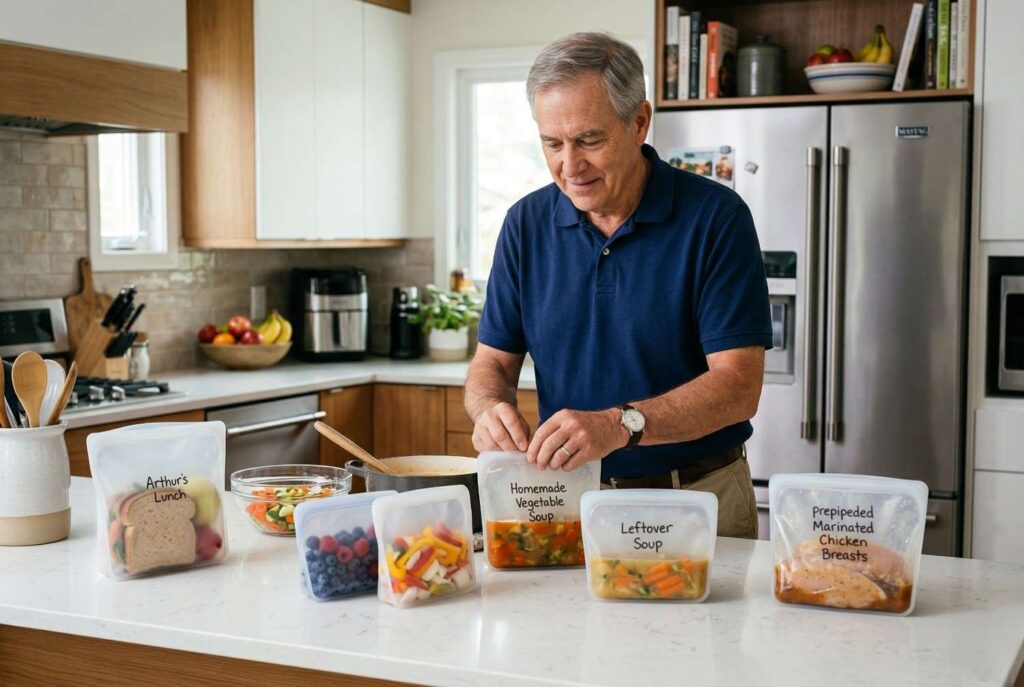
<p> If you have ever opened a kitchen drawer filled with half crumpled plastic sandwich bags, you know how quickly disposable bags can pile up. They are convenient, but they rarely last more than a single use before heading for the garbage.

Reusable silicone storage bags are changing that habit for many households. These sturdy bags are designed to handle almost anything your kitchen throws at them. They can go in the freezer, the microwave, and often even the dishwasher. That means you can use the same bag to freeze soup, store leftovers, pack a lunch, or marinate meat.

What makes them especially appealing is their durability. Unlike thin plastic bags that tear easily, silicone bags are thick and flexible. Many people use the same set for years. Over time that can replace hundreds of disposable bags. For baby boomers who value practicality and efficiency, these bags are an easy upgrade that quickly becomes a daily convenience. </p> :: Gemini

If you have ever opened a kitchen drawer filled with half crumpled plastic sandwich bags, you know how quickly disposable bags can pile up. They are convenient, but they rarely last more than a single use before heading for the garbage.

Reusable silicone storage bags are changing that habit for many households. These sturdy bags are designed to handle almost anything your kitchen throws at them. They can go in the freezer, the microwave, and often even the dishwasher. That means you can use the same bag to freeze soup, store leftovers, pack a lunch, or marinate meat.

What makes them especially appealing is their durability. Unlike thin plastic bags that tear easily, silicone bags are thick and flexible. Many people use the same set for years. Over time that can replace hundreds of disposable bags. For baby boomers who value practicality and efficiency, these bags are an easy upgrade that quickly becomes a daily convenience.

3. Solid Shampoo and Conditioner Bars

<p> For most of our lives, shampoo has come in a bottle. It seemed like the only way hair care products could exist. That assumption is beginning to change.

Solid shampoo and conditioner bars have become one of the most talked about sustainable products in recent years. At first glance they look like a simple bar of soap, but they are specially formulated for hair care. When rubbed between your hands or directly onto wet hair, they create a rich lather just like traditional shampoo.

The biggest advantage is packaging. A single bar often replaces two or three bottles of liquid shampoo, which means far less plastic ending up in landfills. They are also incredibly convenient for travel since they cannot leak inside your luggage.

Many people are pleasantly surprised by how long these bars last. Because they are concentrated and contain very little water, they tend to outlast their bottled counterparts. For boomers who appreciate simplicity and less clutter in the bathroom, switching to shampoo bars can feel like a small but satisfying improvement. </p> :: Gemini

For most of our lives, shampoo has come in a bottle. It seemed like the only way hair care products could exist. That assumption is beginning to change.

Solid shampoo and conditioner bars have become one of the most talked about sustainable products in recent years. At first glance they look like a simple bar of soap, but they are specially formulated for hair care. When rubbed between your hands or directly onto wet hair, they create a rich lather just like traditional shampoo.

The biggest advantage is packaging. A single bar often replaces two or three bottles of liquid shampoo, which means far less plastic ending up in landfills. They are also incredibly convenient for travel since they cannot leak inside your luggage.

Many people are pleasantly surprised by how long these bars last. Because they are concentrated and contain very little water, they tend to outlast their bottled counterparts. For boomers who appreciate simplicity and less clutter in the bathroom, switching to shampoo bars can feel like a small but satisfying improvement.

4. Bamboo Toothbrushes

<p> Most people replace their toothbrush several times a year, which is exactly what dentists recommend. Unfortunately, that also means billions of plastic toothbrushes are thrown away every year.

Bamboo toothbrushes offer a straightforward solution. Instead of plastic handles, these brushes are made from bamboo, a fast growing plant that is both renewable and biodegradable. The brush head still contains bristles designed for effective cleaning, but the handle itself breaks down naturally over time.

In everyday use, a bamboo toothbrush feels almost identical to a regular one. There is no special technique required and no adjustment period. You brush your teeth the same way you always have.

For baby boomers who prefer practical solutions rather than complicated lifestyle changes, this is one of the easiest eco friendly swaps available. It takes about ten seconds to choose a bamboo toothbrush at the store, yet that small decision helps reduce plastic waste significantly over time. </p> :: Gemini

Most people replace their toothbrush several times a year, which is exactly what dentists recommend. Unfortunately, that also means billions of plastic toothbrushes are thrown away every year.

Bamboo toothbrushes offer a straightforward solution. Instead of plastic handles, these brushes are made from bamboo, a fast growing plant that is both renewable and biodegradable. The brush head still contains bristles designed for effective cleaning, but the handle itself breaks down naturally over time.

In everyday use, a bamboo toothbrush feels almost identical to a regular one. There is no special technique required and no adjustment period. You brush your teeth the same way you always have.

For baby boomers who prefer practical solutions rather than complicated lifestyle changes, this is one of the easiest eco friendly swaps available. It takes about ten seconds to choose a bamboo toothbrush at the store, yet that small decision helps reduce plastic waste significantly over time.

5. Swedish Dishcloths and Reusable Cleaning Cloths
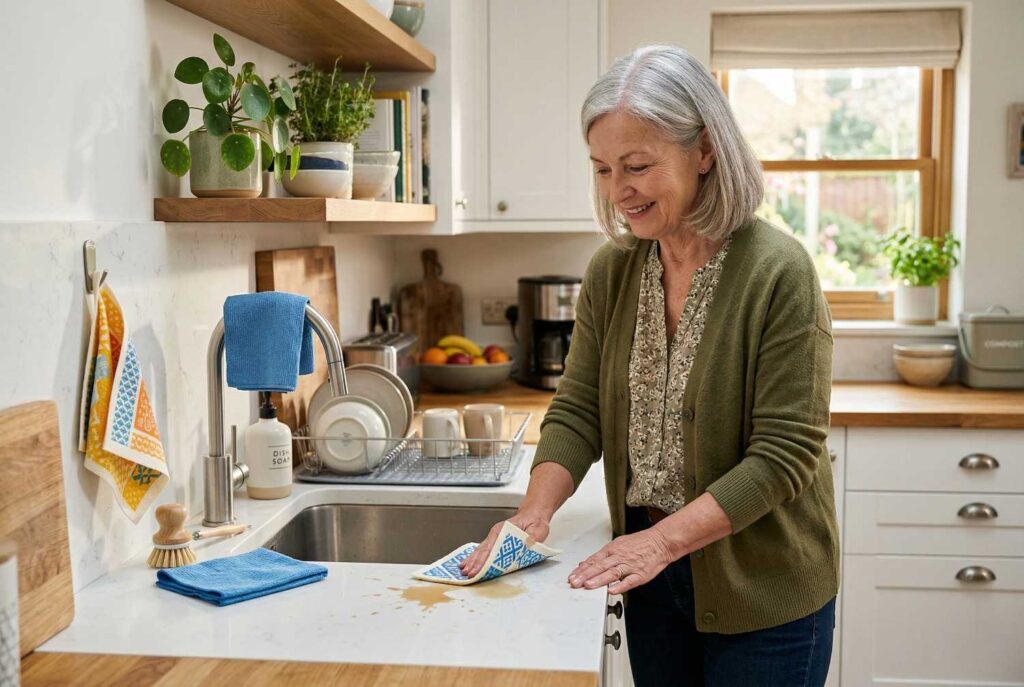
<p> Paper towels are incredibly convenient. Spill something on the counter, grab a sheet, wipe it up, and throw it away. The problem is that this habit creates a steady stream of waste and constant trips to the store for more rolls.

Swedish dishcloths and other reusable cleaning cloths are quickly becoming a favorite alternative. These cloths are typically made from natural cellulose and cotton fibers, which makes them surprisingly absorbent. One cloth can soak up spills, wipe counters, clean dishes, and even polish surfaces.

After using it, you simply rinse it out or toss it in the washing machine or dishwasher. Many of these cloths can be reused dozens of times before needing replacement. When they finally wear out, they are often compostable.

For households trying to cut back on both spending and waste, reusable cloths are a smart choice. One small stack in a drawer can replace months of paper towel purchases. It is one of those changes that feels minor at first but becomes surprisingly satisfying over time. </p> :: Gemini

Paper towels are incredibly convenient. Spill something on the counter, grab a sheet, wipe it up, and throw it away. The problem is that this habit creates a steady stream of waste and constant trips to the store for more rolls.

Swedish dishcloths and other reusable cleaning cloths are quickly becoming a favorite alternative. These cloths are typically made from natural cellulose and cotton fibers, which makes them surprisingly absorbent. One cloth can soak up spills, wipe counters, clean dishes, and even polish surfaces.

After using it, you simply rinse it out or toss it in the washing machine or dishwasher. Many of these cloths can be reused dozens of times before needing replacement. When they finally wear out, they are often compostable.

For households trying to cut back on both spending and waste, reusable cloths are a smart choice. One small stack in a drawer can replace months of paper towel purchases. It is one of those changes that feels minor at first but becomes surprisingly satisfying over time.

6. Compostable Phone Cases

<p> Smartphones have become essential tools for everything from banking to travel planning to staying in touch with family. Most of us protect those phones with a case, yet traditional plastic cases rarely get recycled when they wear out.

Compostable phone cases are gaining attention in 2026 because they address this exact issue. These cases are often made from plant based materials and natural fibers that provide solid protection while being far less harmful to the environment.

At the end of their life cycle, many of these cases can break down in composting environments rather than sitting in a landfill for decades. Despite being made from natural materials, they are still designed to handle everyday bumps and drops.

For baby boomers who rely heavily on their phones for navigation, photos, and communication, this small accessory offers a practical way to reduce waste without sacrificing protection. </p> :: Gemini

Smartphones have become essential tools for everything from banking to travel planning to staying in touch with family. Most of us protect those phones with a case, yet traditional plastic cases rarely get recycled when they wear out.

Compostable phone cases are gaining attention in 2026 because they address this exact issue. These cases are often made from plant based materials and natural fibers that provide solid protection while being far less harmful to the environment.

At the end of their life cycle, many of these cases can break down in composting environments rather than sitting in a landfill for decades. Despite being made from natural materials, they are still designed to handle everyday bumps and drops.

For baby boomers who rely heavily on their phones for navigation, photos, and communication, this small accessory offers a practical way to reduce waste without sacrificing protection.

7. Refillable Personal Care Products

<p> The beauty and personal care industry produces a staggering amount of packaging each year. Bottles for lotion, shampoo, deodorant, and skincare products are often used once and then discarded.

Refillable personal care products are becoming one of the biggest sustainability trends of 2026. Instead of purchasing a brand new container every time, you keep the original bottle and buy refill cartridges or pouches when the product runs out.

Over time, this system significantly reduces packaging waste. Many people also find that refill options cost a little less than buying a completely new bottle each time. Some brands have even created elegant containers designed to stay on your bathroom counter for years.

For baby boomers who appreciate quality products that are built to last, refillable systems feel like a smart return to common sense. You keep what works and simply replenish what you need. </p> :: Gemini

The beauty and personal care industry produces a staggering amount of packaging each year. Bottles for lotion, shampoo, deodorant, and skincare products are often used once and then discarded.

Refillable personal care products are becoming one of the biggest sustainability trends of 2026. Instead of purchasing a brand new container every time, you keep the original bottle and buy refill cartridges or pouches when the product runs out.

Over time, this system significantly reduces packaging waste. Many people also find that refill options cost a little less than buying a completely new bottle each time. Some brands have even created elegant containers designed to stay on your bathroom counter for years.

For baby boomers who appreciate quality products that are built to last, refillable systems feel like a smart return to common sense. You keep what works and simply replenish what you need.

Final Thoughts

<p> One of the biggest misconceptions about sustainable living is that it requires a dramatic lifestyle overhaul. In reality, the most meaningful changes often come from small everyday decisions.

Choosing beeswax wraps instead of plastic wrap. Swapping disposable bags for reusable silicone ones. Reaching for a bamboo toothbrush or a reusable cleaning cloth. Each of these choices may seem minor on its own, but together they create a meaningful reduction in waste.

For many baby boomers, this approach may feel familiar. Earlier generations often reused containers, repaired items instead of replacing them, and valued products that were built to last. In many ways, today’s sustainability movement is simply bringing those practical habits back into the spotlight.

The encouraging part is that these products do not just benefit the environment. They often make daily life easier. They reduce clutter, cut down on repeat purchases, and help households spend a little less over time.

Sustainable living in 2026 is not about perfection. It is about making thoughtful choices when the opportunity appears. Start with one product that fits naturally into your routine. Once that becomes second nature, try another.

Before long, those small decisions add up to a home that is not only more environmentally responsible, but also simpler, smarter, and easier to manage. </p> :: Gemini

One of the biggest misconceptions about sustainable living is that it requires a dramatic lifestyle overhaul. In reality, the most meaningful changes often come from small everyday decisions.

Choosing beeswax wraps instead of plastic wrap. Swapping disposable bags for reusable silicone ones. Reaching for a bamboo toothbrush or a reusable cleaning cloth. Each of these choices may seem minor on its own, but together they create a meaningful reduction in waste.

For many baby boomers, this approach may feel familiar. Earlier generations often reused containers, repaired items instead of replacing them, and valued products that were built to last. In many ways, today’s sustainability movement is simply bringing those practical habits back into the spotlight.

The encouraging part is that these products do not just benefit the environment. They often make daily life easier. They reduce clutter, cut down on repeat purchases, and help households spend a little less over time.

Sustainable living in 2026 is not about perfection. It is about making thoughtful choices when the opportunity appears. Start with one product that fits naturally into your routine. Once that becomes second nature, try another.

Before long, those small decisions add up to a home that is not only more environmentally responsible, but also simpler, smarter, and easier to manage.


Filed Under: Lifestyle

How to Make Sure Your Money Lasts in Retirement: 7 Real-World Strategies

March 21, 2026 | Leave a Comment

How to Make Sure Your Money Lasts in Retirement: 7 Real-World Strategies

<p> Retirement is supposed to be the golden chapter of your life. You have the freedom to travel, spend time with family, pursue hobbies, or simply relax without a daily alarm clock. But for many Americans, one thought quietly creeps in and refuses to leave: Will my money really last? You have worked hard, saved diligently, and maybe even invested wisely, yet the fear of running out of money can overshadow all the excitement of this new phase of life. The good news is that with thoughtful planning and practical strategies, you can turn that uncertainty into confidence. Let us explore seven real-world strategies to estimate how long your retirement savings will last and, more importantly, how to make them stretch comfortably throughout your golden years. </p> :: Gemini

Retirement is supposed to be the golden chapter of your life. You have the freedom to travel, spend time with family, pursue hobbies, or simply relax without a daily alarm clock. But for many Americans, one thought quietly creeps in and refuses to leave: Will my money really last? You have worked hard, saved diligently, and maybe even invested wisely, yet the fear of running out of money can overshadow all the excitement of this new phase of life. The good news is that with thoughtful planning and practical strategies, you can turn that uncertainty into confidence. Let us explore seven real-world strategies to estimate how long your retirement savings will last and, more importantly, how to make them stretch comfortably throughout your golden years.

1. Start with the Classic Four Percent Rule

<p> The four percent rule has been a staple in retirement planning for decades. It suggests that if you withdraw four percent of your retirement portfolio in the first year of retirement and then adjust that amount for inflation each year, your savings have a good chance of lasting thirty years. For example, if you have saved one million dollars, withdrawing forty thousand dollars in the first year sets a baseline that many financial planners consider safe.

While it is not a guarantee, the four percent rule provides a simple starting point for planning. It helps you avoid overspending early in retirement, giving your investments time to grow and buffer against inflation. Think of it as a guideline rather than a strict rule, a place to start the conversation about your spending and lifestyle expectations. </p> :: Gemini

The four percent rule has been a staple in retirement planning for decades. It suggests that if you withdraw four percent of your retirement portfolio in the first year of retirement and then adjust that amount for inflation each year, your savings have a good chance of lasting thirty years. For example, if you have saved one million dollars, withdrawing forty thousand dollars in the first year sets a baseline that many financial planners consider safe.

While it is not a guarantee, the four percent rule provides a simple starting point for planning. It helps you avoid overspending early in retirement, giving your investments time to grow and buffer against inflation. Think of it as a guideline rather than a strict rule, a place to start the conversation about your spending and lifestyle expectations.

2. Adjust Withdrawal Rates to Fit Your Retirement Timeline

<p> Your withdrawal strategy should be tailored to how long you expect to live in retirement. A thirty-year retirement requires different planning than one that could stretch forty years or more. If you retire early, say at fifty-five, you may need to withdraw less than four percent annually to prevent outliving your savings.

Modern planning approaches often suggest lowering your initial withdrawal rate to three or three and a half percent for longer retirements. Using online simulations or Monte Carlo calculators, you can test different scenarios and see how your portfolio might perform under various market conditions. Adjusting your withdrawals to fit your specific timeline can make a significant difference in ensuring your money lasts throughout your life. </p> :: Gemini

Your withdrawal strategy should be tailored to how long you expect to live in retirement. A thirty-year retirement requires different planning than one that could stretch forty years or more. If you retire early, say at fifty-five, you may need to withdraw less than four percent annually to prevent outliving your savings.

Modern planning approaches often suggest lowering your initial withdrawal rate to three or three and a half percent for longer retirements. Using online simulations or Monte Carlo calculators, you can test different scenarios and see how your portfolio might perform under various market conditions. Adjusting your withdrawals to fit your specific timeline can make a significant difference in ensuring your money lasts throughout your life.

3. Include Social Security and Pensions in Your Plan

<p> Many retirees underestimate the impact of guaranteed income from Social Security or a pension. These income sources can reduce the amount you need to withdraw from your savings, effectively making your money last longer. For instance, if Social Security provides twenty-four thousand dollars per year and your budget is fifty thousand dollars, you only need to take twenty-six thousand dollars from your savings. That significantly stretches your nest egg.

Delaying Social Security benefits until age seventy can also increase your monthly payments by about eight percent per year you wait. This decision acts like a guaranteed raise that continues for the rest of your life, giving you additional financial security and lessening the strain on your retirement savings. </p> :: Gemini

Many retirees underestimate the impact of guaranteed income from Social Security or a pension. These income sources can reduce the amount you need to withdraw from your savings, effectively making your money last longer. For instance, if Social Security provides twenty-four thousand dollars per year and your budget is fifty thousand dollars, you only need to take twenty-six thousand dollars from your savings. That significantly stretches your nest egg.

Delaying Social Security benefits until age seventy can also increase your monthly payments by about eight percent per year you wait. This decision acts like a guaranteed raise that continues for the rest of your life, giving you additional financial security and lessening the strain on your retirement savings.

4. Plan for Inflation and Health Care Costs

<p> Two factors often overlooked by retirees are inflation and health care expenses. Inflation slowly erodes the purchasing power of your money over time. Even a modest two to three percent annual inflation rate can double the cost of living over twenty-four years. That means what feels like a comfortable forty thousand dollar budget today may feel far tighter decades later.

Health care costs are another variable that can quickly derail your retirement plan. Medicare covers a portion of medical expenses, but premiums, copayments, and especially long-term care costs can add up. Planning ahead by considering health savings accounts, supplemental insurance, and long-term care options helps protect your portfolio from unexpected medical bills and ensures your money can last throughout your retirement years. </p> :: Gemini

Two factors often overlooked by retirees are inflation and health care expenses. Inflation slowly erodes the purchasing power of your money over time. Even a modest two to three percent annual inflation rate can double the cost of living over twenty-four years. That means what feels like a comfortable forty thousand dollar budget today may feel far tighter decades later.

Health care costs are another variable that can quickly derail your retirement plan. Medicare covers a portion of medical expenses, but premiums, copayments, and especially long-term care costs can add up. Planning ahead by considering health savings accounts, supplemental insurance, and long-term care options helps protect your portfolio from unexpected medical bills and ensures your money can last throughout your retirement years.

5. Factor in Real-Life Spending Patterns

<p> Retirement spending is rarely uniform. Most retirees experience different phases of spending, often referred to as go-go, slow-go, and no-go years. Early retirement, the go-go years, may be full of travel, hobbies, and new adventures. The slow-go years tend to involve more routine activities, while the no-go years may include a simpler lifestyle focused on health and family.

By recognizing these patterns, you can plan your withdrawals accordingly. Spending more in the early years for experiences and less later can help protect your long-term financial stability. Tracking your spending and adjusting for these phases ensures your retirement funds are used efficiently while still allowing you to enjoy the lifestyle you want. </p> :: Gemini

Retirement spending is rarely uniform. Most retirees experience different phases of spending, often referred to as go-go, slow-go, and no-go years. Early retirement, the go-go years, may be full of travel, hobbies, and new adventures. The slow-go years tend to involve more routine activities, while the no-go years may include a simpler lifestyle focused on health and family.

By recognizing these patterns, you can plan your withdrawals accordingly. Spending more in the early years for experiences and less later can help protect your long-term financial stability. Tracking your spending and adjusting for these phases ensures your retirement funds are used efficiently while still allowing you to enjoy the lifestyle you want.

6. Try a Bucket Strategy for Your Investments

<p> A bucket strategy divides your retirement funds into different segments based on when you will need the money. Short-term buckets hold cash or cash equivalents to cover immediate expenses for the next few years. Medium-term buckets contain bonds or conservative investments to provide stability in the following years. Long-term buckets are invested in stocks or growth assets for future needs.

This approach gives you peace of mind because it reduces the risk of selling long-term investments during a market downturn. You have a clear plan for which funds to use when, which helps your money last longer and keeps your retirement journey less stressful. With a bucket strategy, you can enjoy your retirement with confidence even when markets fluctuate. </p> :: Gemini

A bucket strategy divides your retirement funds into different segments based on when you will need the money. Short-term buckets hold cash or cash equivalents to cover immediate expenses for the next few years. Medium-term buckets contain bonds or conservative investments to provide stability in the following years. Long-term buckets are invested in stocks or growth assets for future needs.

This approach gives you peace of mind because it reduces the risk of selling long-term investments during a market downturn. You have a clear plan for which funds to use when, which helps your money last longer and keeps your retirement journey less stressful. With a bucket strategy, you can enjoy your retirement with confidence even when markets fluctuate.

7. Stress-Test Your Plan with Retirement Calculators

<p> Retirement calculators are powerful tools that help you see how long your money will last under different circumstances. By inputting your savings, expected expenses, Social Security benefits, investment returns, and inflation estimates, these calculators can project potential outcomes and highlight risks.

Testing different scenarios, like adjusting spending, delaying Social Security, or varying your investment returns, gives you insight into how your plan might hold up. Stress-testing your plan allows you to make proactive adjustments, so you are not caught off guard. It provides clarity and reassurance, transforming the anxiety of uncertainty into informed decision-making. </p> :: Gemini

Retirement calculators are powerful tools that help you see how long your money will last under different circumstances. By inputting your savings, expected expenses, Social Security benefits, investment returns, and inflation estimates, these calculators can project potential outcomes and highlight risks.

Testing different scenarios, like adjusting spending, delaying Social Security, or varying your investment returns, gives you insight into how your plan might hold up. Stress-testing your plan allows you to make proactive adjustments, so you are not caught off guard. It provides clarity and reassurance, transforming the anxiety of uncertainty into informed decision-making.

Final Thoughts

<p> Planning for retirement can feel overwhelming, but it does not have to be. By using practical strategies like the four percent rule, adjusting withdrawals, factoring in guaranteed income, accounting for inflation and health costs, planning for different spending phases, employing a bucket strategy, and stress-testing your plan with calculators, you can gain control over your financial future.

Retirement is not just about survival. It is about living fully and enjoying the years you have worked so hard to earn. The more thought you put into planning today, the more confident and secure you will feel tomorrow. Taking the time to understand how long your money will last and how to make it stretch can transform retirement from a source of worry into an exciting and fulfilling chapter of life. By being proactive, you can create a financial safety net that protects against unexpected expenses. You can also prioritize the experiences that matter most to you, whether it is travel, hobbies, or family time. Ultimately, a well-planned retirement allows you to focus less on money and more on the joy of living your golden years on your terms. </p> :: Gemini

Planning for retirement can feel overwhelming, but it does not have to be. By using practical strategies like the four percent rule, adjusting withdrawals, factoring in guaranteed income, accounting for inflation and health costs, planning for different spending phases, employing a bucket strategy, and stress-testing your plan with calculators, you can gain control over your financial future.

Retirement is not just about survival. It is about living fully and enjoying the years you have worked so hard to earn. The more thought you put into planning today, the more confident and secure you will feel tomorrow. Taking the time to understand how long your money will last and how to make it stretch can transform retirement from a source of worry into an exciting and fulfilling chapter of life. By being proactive, you can create a financial safety net that protects against unexpected expenses. You can also prioritize the experiences that matter most to you, whether it is travel, hobbies, or family time. Ultimately, a well-planned retirement allows you to focus less on money and more on the joy of living your golden years on your terms.

Filed Under: Money

Is It Better to Shut Down a PC Instead of Putting It to Sleep? 10 Expert-Backed Answers That Actually Make Sense

March 21, 2026 | Leave a Comment

Is It Better to Shut Down a PC Instead of Putting It to Sleep? 10 Expert-Backed Answers That Actually Make Sense

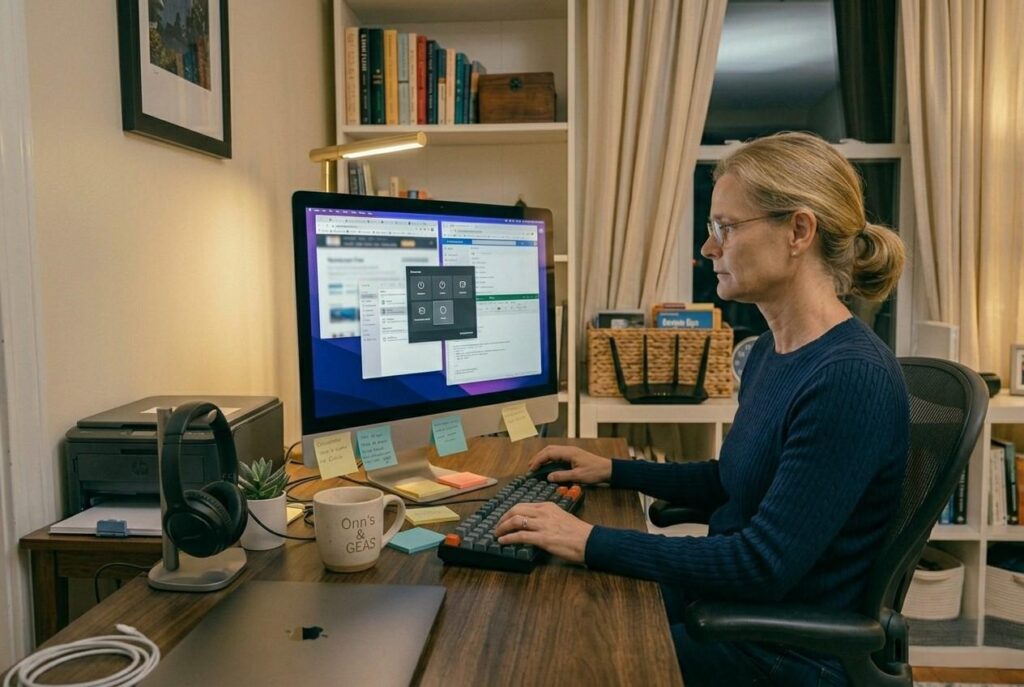
<p> You know that little moment at the end of the day when you stare at your computer screen and think, Should I shut this thing down, or just let it sleep? It sounds like a tiny decision, but somehow it has sparked years of debate. Some people swear shutting down every night is the only “proper” way to treat a computer. Others put their PC to sleep for days at a time and never think twice about it.

The truth is, both sides have a point.

Modern computers are a lot smarter than the clunky machines many of us grew up with. You no longer need to baby your PC the way people did years ago, and you definitely do not need to panic every time you walk away from your desk for a few hours. Still, there are times when shutting down is the better move, and there are other times when sleep mode is clearly the more practical option.

That is where expert advice becomes useful. Instead of relying on old myths or random internet opinions, it helps to look at how today’s PCs are actually designed to work. For most people, the answer is not “always shut down” or “always use sleep.” It is about knowing which option makes the most sense for your routine, your device, and the occasional moment when your computer decides to act like it has a personal grudge against you.

If you have ever wondered whether you are helping your PC or slowly annoying it, here are 10 expert-backed reasons that explain when to shut down, when to sleep, and what works best in real life. </p> :: Gemini

You know that little moment at the end of the day when you stare at your computer screen and think, Should I shut this thing down, or just let it sleep? It sounds like a tiny decision, but somehow it has sparked years of debate. Some people swear shutting down every night is the only “proper” way to treat a computer. Others put their PC to sleep for days at a time and never think twice about it.

The truth is, both sides have a point.

Modern computers are a lot smarter than the clunky machines many of us grew up with. You no longer need to baby your PC the way people did years ago, and you definitely do not need to panic every time you walk away from your desk for a few hours. Still, there are times when shutting down is the better move, and there are other times when sleep mode is clearly the more practical option.

That is where expert advice becomes useful. Instead of relying on old myths or random internet opinions, it helps to look at how today’s PCs are actually designed to work. For most people, the answer is not “always shut down” or “always use sleep.” It is about knowing which option makes the most sense for your routine, your device, and the occasional moment when your computer decides to act like it has a personal grudge against you.

If you have ever wondered whether you are helping your PC or slowly annoying it, here are 10 expert-backed reasons that explain when to shut down, when to sleep, and what works best in real life.

1. Sleep Mode Is Usually the Best Choice for Short Breaks

<p> If you are stepping away for dinner, taking a work break, or calling it a night but plan to use your PC again tomorrow, sleep mode is usually the easiest and smartest option. It keeps your session ready to go, so when you come back, your apps, tabs, and half-finished projects are still right where you left them. That convenience matters more than most people realize. Instead of waiting through a full boot-up and reopening everything, you can get back to work almost instantly. For busy people, that alone makes sleep mode hard to beat. If your daily routine involves using your PC on and off throughout the day, sleep mode is often the most practical choice because it saves time and makes your computer feel like it is working with you instead of slowing you down. </p> :: Gemini

If you are stepping away for dinner, taking a work break, or calling it a night but plan to use your PC again tomorrow, sleep mode is usually the easiest and smartest option. It keeps your session ready to go, so when you come back, your apps, tabs, and half-finished projects are still right where you left them. That convenience matters more than most people realize. Instead of waiting through a full boot-up and reopening everything, you can get back to work almost instantly. For busy people, that alone makes sleep mode hard to beat. If your daily routine involves using your PC on and off throughout the day, sleep mode is often the most practical choice because it saves time and makes your computer feel like it is working with you instead of slowing you down.

2. Shutting Down Is Better When You Want a Completely Powered-Off PC

<p> Sometimes you do not want your computer resting quietly in the background. You want it fully off. That is when shutting down makes more sense. If you are done using your PC for the day and you want it completely powered down, shutting it down gives you that peace of mind. This can feel especially useful if you are unplugging the machine, moving it, cleaning around it, or simply prefer knowing it is fully off overnight. While modern Windows systems sometimes blur the lines a little with fast startup features, shutting down still serves an important purpose when your goal is simple: turn everything off and start fresh later. It is the digital version of locking the front door before bed. </p> :: Gemini

Sometimes you do not want your computer resting quietly in the background. You want it fully off. That is when shutting down makes more sense. If you are done using your PC for the day and you want it completely powered down, shutting it down gives you that peace of mind. This can feel especially useful if you are unplugging the machine, moving it, cleaning around it, or simply prefer knowing it is fully off overnight. While modern Windows systems sometimes blur the lines a little with fast startup features, shutting down still serves an important purpose when your goal is simple: turn everything off and start fresh later. It is the digital version of locking the front door before bed.

3. If You Will Not Use Your PC for a Few Days, Shutting Down Wins

<p> If you are leaving for the weekend, going on a trip, or just know you will not touch your PC for several days, sleep mode is usually not the best choice. Sleep still uses a small amount of power, and while that may not matter much for a desktop plugged into the wall, it can matter a lot for a laptop sitting in a bag or on a table for days. In those situations, shutting down is the safer and more efficient move. It saves power, avoids battery drain, and reduces the chances of returning to a machine that feels oddly warm or mysteriously low on charge. If you are going to be away long enough to forget what tabs you had open anyway, shutting down is probably the better call. </p> :: Gemini

If you are leaving for the weekend, going on a trip, or just know you will not touch your PC for several days, sleep mode is usually not the best choice. Sleep still uses a small amount of power, and while that may not matter much for a desktop plugged into the wall, it can matter a lot for a laptop sitting in a bag or on a table for days. In those situations, shutting down is the safer and more efficient move. It saves power, avoids battery drain, and reduces the chances of returning to a machine that feels oddly warm or mysteriously low on charge. If you are going to be away long enough to forget what tabs you had open anyway, shutting down is probably the better call.

4. Sleep Mode Is a Huge Productivity Booster for Everyday Users

<p> One of the biggest reasons experts do not tell everyone to shut down all the time is simple: sleep mode makes daily life easier. For students, remote workers, casual users, and anyone juggling a lot of tasks, sleep mode can be a real productivity boost. You can walk away and come back without losing your flow. That matters when you have spreadsheets open, a draft half written, photos you are editing, or a browser full of tabs you are absolutely going to read later. Shutting down every time can create unnecessary friction, and friction is what turns simple tasks into annoying ones. If your PC works well with sleep mode, there is no reason to make your life harder just to follow outdated advice. </p> :: Gemini

One of the biggest reasons experts do not tell everyone to shut down all the time is simple: sleep mode makes daily life easier. For students, remote workers, casual users, and anyone juggling a lot of tasks, sleep mode can be a real productivity boost. You can walk away and come back without losing your flow. That matters when you have spreadsheets open, a draft half written, photos you are editing, or a browser full of tabs you are absolutely going to read later. Shutting down every time can create unnecessary friction, and friction is what turns simple tasks into annoying ones. If your PC works well with sleep mode, there is no reason to make your life harder just to follow outdated advice.

5. Shutting Down Can Help When Your PC Starts Acting Weird

<p> Every computer has those days. Maybe your Wi-Fi randomly drops, your Bluetooth disappears, or your printer suddenly behaves like it has never met your computer before. When that happens, shutting down can sometimes help clear things up, especially if your system has been running for a while. That said, if you are troubleshooting a stubborn issue, restarting is often even better because it forces a cleaner system refresh. Still, regular shutdowns can help reduce the buildup of little glitches that sometimes show up after long periods of sleep and wake cycles. If your PC tends to get cranky after a few days, shutting it down more often may help keep it in a better mood. </p> :: Gemini

Every computer has those days. Maybe your Wi-Fi randomly drops, your Bluetooth disappears, or your printer suddenly behaves like it has never met your computer before. When that happens, shutting down can sometimes help clear things up, especially if your system has been running for a while. That said, if you are troubleshooting a stubborn issue, restarting is often even better because it forces a cleaner system refresh. Still, regular shutdowns can help reduce the buildup of little glitches that sometimes show up after long periods of sleep and wake cycles. If your PC tends to get cranky after a few days, shutting it down more often may help keep it in a better mood.

6. Laptops and Desktops Do Not Always Benefit the Same Way

<p> The right choice can depend on what kind of PC you have. Laptops are designed with sleep mode in mind. Close the lid, toss it in a bag, and get moving. That quick convenience is part of the whole laptop experience. Desktops, on the other hand, often stay in one place, stay plugged in all day, and may have more accessories attached. Because of that, some desktop users naturally prefer shutting down at night, especially if they use their computer less frequently or want everything powered off between sessions. Neither habit is wrong. A modern laptop often feels more natural with sleep mode, while an older desktop setup may feel more stable and familiar when shut down regularly. </p> :: Gemini

The right choice can depend on what kind of PC you have. Laptops are designed with sleep mode in mind. Close the lid, toss it in a bag, and get moving. That quick convenience is part of the whole laptop experience. Desktops, on the other hand, often stay in one place, stay plugged in all day, and may have more accessories attached. Because of that, some desktop users naturally prefer shutting down at night, especially if they use their computer less frequently or want everything powered off between sessions. Neither habit is wrong. A modern laptop often feels more natural with sleep mode, while an older desktop setup may feel more stable and familiar when shut down regularly.

7. Sleep Mode Uses Very Little Power, But It Is Not the Same as Off

<p> A lot of people assume sleep mode is basically the same as shutting down, just faster. It is not. Sleep mode uses very little power, but it still uses some. For many people, that tiny amount is not a big deal, especially on a newer desktop or laptop with solid battery life. But if you are trying to conserve energy, stretch an older laptop battery, or avoid any background power use while traveling, that difference matters. Shutting down is still the more power-saving option when you are done for an extended period. Think of sleep mode as “resting” and shutdown as “lights out.” </p> :: Gemini

A lot of people assume sleep mode is basically the same as shutting down, just faster. It is not. Sleep mode uses very little power, but it still uses some. For many people, that tiny amount is not a big deal, especially on a newer desktop or laptop with solid battery life. But if you are trying to conserve energy, stretch an older laptop battery, or avoid any background power use while traveling, that difference matters. Shutting down is still the more power-saving option when you are done for an extended period. Think of sleep mode as “resting” and shutdown as “lights out.”

8. Shutting Down Is Not Always the Same as a Full Reset

<p> This is where things get a little surprising. Many users think shutting down always gives the computer a complete reset, but on modern Windows systems, that is not always exactly how it works. Features like Fast Startup can make shutdown behave a little differently than people expect by preserving certain system information to speed up the next boot. That is great for convenience, but it also means a shutdown is not always the total reset some users imagine. If your goal is fixing a glitch or clearing a weird issue, a restart is often more effective than a shutdown. This does not make shutdown bad. It just means the old assumption that “off means fully reset” is not always true anymore. </p> :: Gemini

This is where things get a little surprising. Many users think shutting down always gives the computer a complete reset, but on modern Windows systems, that is not always exactly how it works. Features like Fast Startup can make shutdown behave a little differently than people expect by preserving certain system information to speed up the next boot. That is great for convenience, but it also means a shutdown is not always the total reset some users imagine. If your goal is fixing a glitch or clearing a weird issue, a restart is often more effective than a shutdown. This does not make shutdown bad. It just means the old assumption that “off means fully reset” is not always true anymore.

9. You Do Not Need to Shut Down Every Night Just Because That Used to Be the Rule

<p> A lot of older tech advice came from a different era. Years ago, shutting down every night made more sense because computers were slower, less efficient, and more likely to act up if left running too long. Today, modern Windows machines are built to handle sleep mode as a normal part of daily use. That is why many experts no longer recommend automatic nightly shutdowns for everyone. If your PC wakes reliably, performs well, and does not have ongoing issues, sleep mode is not harming it. In fact, it is often the more convenient choice. You are not “doing it wrong” by using sleep mode regularly. You are just using your computer the way modern computers were designed to be used. </p> :: Gemini

A lot of older tech advice came from a different era. Years ago, shutting down every night made more sense because computers were slower, less efficient, and more likely to act up if left running too long. Today, modern Windows machines are built to handle sleep mode as a normal part of daily use. That is why many experts no longer recommend automatic nightly shutdowns for everyone. If your PC wakes reliably, performs well, and does not have ongoing issues, sleep mode is not harming it. In fact, it is often the more convenient choice. You are not “doing it wrong” by using sleep mode regularly. You are just using your computer the way modern computers were designed to be used.

10. The Best Expert Advice Is to Use All Three Options the Smart Way

<p> The smartest answer is not choosing one option forever. It is learning when each option makes the most sense. Use sleep mode when you are stepping away for a few hours or even overnight and want a fast return. Shut down when you are done for several days, when you want the machine fully off, or when sleep mode has been causing annoying problems. And if your PC is acting strange, restart is often the real hero because it gives the system a cleaner refresh. That simple habit can save you time, frustration, and a lot of second-guessing. The best tech habits are not about following rigid rules. They are about using the right tool for the moment. </p> :: Gemini

The smartest answer is not choosing one option forever. It is learning when each option makes the most sense. Use sleep mode when you are stepping away for a few hours or even overnight and want a fast return. Shut down when you are done for several days, when you want the machine fully off, or when sleep mode has been causing annoying problems. And if your PC is acting strange, restart is often the real hero because it gives the system a cleaner refresh. That simple habit can save you time, frustration, and a lot of second-guessing. The best tech habits are not about following rigid rules. They are about using the right tool for the moment.

Final Thoughts

<p> So, is it better to shut down a PC instead of putting it to sleep?

For most people, not really, at least not all the time.

If you use your computer daily, sleep mode is usually the best default because it is fast, convenient, and built for modern life. It helps you jump right back into what you were doing without turning every work session into a mini reboot ceremony. But shutting down still matters. It is the better choice when you will be away for a while, when you want to save every bit of power, or when your PC starts acting like it woke up on the wrong side of the motherboard.

If you want the easiest rule to remember, here it is: sleep for short breaks, shut down for long breaks, and restart when things get weird.

That is the kind of expert advice that actually holds up in real life. It is simple, practical, and much more useful than outdated tech myths. And honestly, if following that rule saves you from reopening 23 browser tabs every morning, your future self will probably be very grateful. </p> :: Gemini

So, is it better to shut down a PC instead of putting it to sleep?

For most people, not really, at least not all the time.

If you use your computer daily, sleep mode is usually the best default because it is fast, convenient, and built for modern life. It helps you jump right back into what you were doing without turning every work session into a mini reboot ceremony. But shutting down still matters. It is the better choice when you will be away for a while, when you want to save every bit of power, or when your PC starts acting like it woke up on the wrong side of the motherboard.

If you want the easiest rule to remember, here it is: sleep for short breaks, shut down for long breaks, and restart when things get weird.

That is the kind of expert advice that actually holds up in real life. It is simple, practical, and much more useful than outdated tech myths. And honestly, if following that rule saves you from reopening 23 browser tabs every morning, your future self will probably be very grateful.

Filed Under: Tech

Track Every Dollar: 8 Powerful Benefits Boomers Gain from Keeping an Eye on Spending

March 20, 2026 | Leave a Comment

Track Every Dollar: 8 Powerful Benefits Boomers Gain from Keeping an Eye on Spending

<p> For many baby boomers, the golden years are meant to be just that—golden. You’ve worked hard, saved diligently, and now it is time to enjoy the fruits of your labor. But even with a well‑padded nest egg or steady retirement income, one truth remains: every dollar still matters. Tracking your spending might not sound glamorous, but it can be one of the most empowering habits you adopt in retirement. Think of it this way: keeping tabs on your money is not about restriction—it is about freedom. By knowing exactly where your money goes, you can spend confidently on what you love, cut back on what you do not, and protect your future from unexpected surprises. Let’s dive into eight powerful benefits baby boomers gain by keeping an eye on their spending. </p> :: Freepik

For many baby boomers, the golden years are meant to be just that—golden. You’ve worked hard, saved diligently, and now it is time to enjoy the fruits of your labor. But even with a well‑padded nest egg or steady retirement income, one truth remains: every dollar still matters. Tracking your spending might not sound glamorous, but it can be one of the most empowering habits you adopt in retirement.

Think of it this way: keeping tabs on your money is not about restriction—it is about freedom. By knowing exactly where your money goes, you can spend confidently on what you love, cut back on what you do not, and protect your future from unexpected surprises. Let’s dive into eight powerful benefits baby boomers gain by keeping an eye on their spending.

1. Stretch Your Fixed Income Further

<p> Living on a fixed income is like balancing on a tightrope—you want every step to count. Whether your income comes from Social Security, pensions, or retirement savings, knowing where your money goes helps you stay steady and avoid financial missteps. When you track your spending, you gain a clear picture of your monthly needs versus wants. You may discover that while you are saving money by not commuting or buying work clothes, other expenses like healthcare or hobbies are increasing. By seeing the numbers in black and white, you can adjust your spending so your income stretches further without sacrificing the things you love. </p> :: Pexels

Living on a fixed income is like balancing on a tightrope—you want every step to count. Whether your income comes from Social Security, pensions, or retirement savings, knowing where your money goes helps you stay steady and avoid financial missteps. When you track your spending, you gain a clear picture of your monthly needs versus wants. You may discover that while you are saving money by not commuting or buying work clothes, other expenses like healthcare or hobbies are increasing. By seeing the numbers in black and white, you can adjust your spending so your income stretches further without sacrificing the things you love.

2. Spot Sneaky Fees, Frauds, and Scams

<p> Sadly, baby boomers are a frequent target for financial fraud and hidden charges. Credit card companies, banks, and even subscription services can sneak in fees that may go unnoticed if you are not paying attention. Worse yet, scammers often rely on the hope that you will not catch small, unfamiliar charges. By reviewing your spending regularly, you become your own best watchdog. You can quickly flag unusual charges, stop fraudulent activity, and call your bank before a small issue snowballs into a costly problem. In today’s world, awareness is one of the strongest shields you can have. </p> :: Pexels

Sadly, baby boomers are a frequent target for financial fraud and hidden charges. Credit card companies, banks, and even subscription services can sneak in fees that may go unnoticed if you are not paying attention. Worse yet, scammers often rely on the hope that you will not catch small, unfamiliar charges. By reviewing your spending regularly, you become your own best watchdog. You can quickly flag unusual charges, stop fraudulent activity, and call your bank before a small issue snowballs into a costly problem. In today’s world, awareness is one of the strongest shields you can have.

3. Uncover Spending Habits You Did Not Know You Had

<p> Ever feel like your money disappears without explanation? Tracking your expenses can reveal the culprits. Those quick lunches out, daily coffee runs, or “just one more” streaming subscription can quietly drain hundreds of dollars a month. Seeing these habits in writing can be eye‑opening. The best part is, once you identify them, you do not have to give up everything—just tweak. Maybe swap a few restaurant meals for home‑cooked dinners or cut back on services you rarely use. Little changes can free up money for bigger joys like travel, family gatherings, or hobbies you are passionate about. </p> Pexels

Ever feel like your money disappears without explanation? Tracking your expenses can reveal the culprits. Those quick lunches out, daily coffee runs, or “just one more” streaming subscription can quietly drain hundreds of dollars a month. Seeing these habits in writing can be eye‑opening. The best part is, once you identify them, you do not have to give up everything—just tweak. Maybe swap a few restaurant meals for home‑cooked dinners or cut back on services you rarely use. Little changes can free up money for bigger joys like travel, family gatherings, or hobbies you are passionate about.

4. Take Control of Budgeting, Not the Other Way Around

<p> Many people cringe at the word “budget,” imagining strict rules and no fun. But when you track your spending first, budgeting becomes far less painful. Instead of guessing, you build a plan around your actual habits. A popular method many boomers find helpful is the 50/30/20 rule: spend 50 percent on needs, 30 percent on wants, and 20 percent on savings or debt repayment. Tracking your expenses shows you exactly how to fit your spending into this framework—or a version of it that works for you. With the right plan in place, you stay in control without feeling deprived. </p> :: Pexels

Many people cringe at the word “budget,” imagining strict rules and no fun. But when you track your spending first, budgeting becomes far less painful. Instead of guessing, you build a plan around your actual habits. A popular method many boomers find helpful is the 50/30/20 rule: spend 50 percent on needs, 30 percent on wants, and 20 percent on savings or debt repayment. Tracking your expenses shows you exactly how to fit your spending into this framework—or a version of it that works for you. With the right plan in place, you stay in control without feeling deprived.

5. Adapt Faster to Lifestyle or Income Changes

<p> Life in your 60s and beyond can bring wonderful opportunities—but also sudden shifts. Maybe healthcare costs go up, you decide to downsize, or you take on a part‑time job. Tracking your expenses makes adjusting to these changes much easier. For example, if grocery prices climb or utility bills drop after a move, you will notice it quickly and can adapt without stress. Think of your spending tracker as your financial compass—it helps you stay on course no matter which direction life takes you. </p> :: Pexels

Life in your 60s and beyond can bring wonderful opportunities—but also sudden shifts. Maybe healthcare costs go up, you decide to downsize, or you take on a part‑time job. Tracking your expenses makes adjusting to these changes much easier. For example, if grocery prices climb or utility bills drop after a move, you will notice it quickly and can adapt without stress. Think of your spending tracker as your financial compass—it helps you stay on course no matter which direction life takes you.

6. Safeguard Your Long‑Term Financial Goals

<p> You have worked hard to build your retirement savings, and now your goal is to make that money last. Tracking expenses is key to protecting those savings. By keeping an eye on your spending, you ensure that your withdrawals remain sustainable and your emergency fund stays intact. You also give yourself the ability to spot early warning signs—like dipping into savings too often—before they become serious problems. Ultimately, tracking your money is like giving your retirement plan a regular check‑up, ensuring your financial health stays strong for the long haul. </p> :: Pexels

You have worked hard to build your retirement savings, and now your goal is to make that money last. Tracking expenses is key to protecting those savings. By keeping an eye on your spending, you ensure that your withdrawals remain sustainable and your emergency fund stays intact. You also give yourself the ability to spot early warning signs—like dipping into savings too often—before they become serious problems. Ultimately, tracking your money is like giving your retirement plan a regular check‑up, ensuring your financial health stays strong for the long haul.

7. Live Your Values: Spend Purposefully

<p> For many boomers, retirement is about more than just getting by—it is about living with intention. Tracking your spending gives you the clarity to align your money with your values. Want to spend more on family vacations, helping grandkids with college, or supporting causes you care about? Tracking makes sure those goals take priority over impulse purchases or unnecessary clutter. It is not about saying “no” to fun—it is about saying “yes” to what truly matters most. When your spending reflects your values, every dollar feels more meaningful. </p> :: Pexels

For many boomers, retirement is about more than just getting by—it is about living with intention. Tracking your spending gives you the clarity to align your money with your values. Want to spend more on family vacations, helping grandkids with college, or supporting causes you care about? Tracking makes sure those goals take priority over impulse purchases or unnecessary clutter. It is not about saying “no” to fun—it is about saying “yes” to what truly matters most. When your spending reflects your values, every dollar feels more meaningful.

8. Enjoy More Peace of Mind (and Maybe Sleep Better)

<p> Few things can disturb a good night’s sleep like worrying about money. Tracking your expenses brings peace of mind by showing you exactly where you stand. Instead of wondering if you can cover your bills or if you are dipping into savings too fast, you will know. That confidence reduces stress and makes daily life lighter. Even better, seeing your progress—like paying off a credit card or boosting your emergency fund—gives you a sense of accomplishment. Retirement should be about enjoying life, not worrying about the next bill. Tracking your money helps you rest easy, knowing you are on solid ground. </p> :: Freepik

Few things can disturb a good night’s sleep like worrying about money. Tracking your expenses brings peace of mind by showing you exactly where you stand. Instead of wondering if you can cover your bills or if you are dipping into savings too fast, you will know. That confidence reduces stress and makes daily life lighter. Even better, seeing your progress—like paying off a credit card or boosting your emergency fund—gives you a sense of accomplishment. Retirement should be about enjoying life, not worrying about the next bill. Tracking your money helps you rest easy, knowing you are on solid ground.

Final Thoughts

<p> At the end of the day, tracking your spending is not about pinching pennies—it is about living your retirement on your own terms. For baby boomers, keeping a close eye on expenses offers protection against scams, helps stretch fixed incomes, and ensures every dollar supports the life you want to live. More importantly, it gives you confidence and peace of mind, letting you enjoy the moments that really matter. So grab a notebook, open a spreadsheet, or download an app—just start. Your future self will thank you. Because the more you know about where your money is going, the more freedom you will have to spend it on the things that truly bring you joy. </p> :: Pexels

At the end of the day, tracking your spending is not about pinching pennies—it is about living your retirement on your own terms. For baby boomers, keeping a close eye on expenses offers protection against scams, helps stretch fixed incomes, and ensures every dollar supports the life you want to live. More importantly, it gives you confidence and peace of mind, letting you enjoy the moments that really matter.

So grab a notebook, open a spreadsheet, or download an app—just start. Your future self will thank you. Because the more you know about where your money is going, the more freedom you will have to spend it on the things that truly bring you joy.

Filed Under: Money

12 Things People Who Have Never Worked a Real Job Complain Are “So Hard”

March 20, 2026 | Leave a Comment

12 Things People Who Have Never Worked a Real Job Complain Are “So Hard”

<p> Let’s be honest—working a real job for the first time can feel like being dropped into an entirely new world. From strict schedules to dealing with deadlines, the reality of a workplace often looks very different from what people imagine while scrolling through social media or watching office sitcoms. Those who have never clocked in for a full-time job sometimes complain that even the most basic responsibilities are “so hard.” But the truth? Most of these challenges aren’t nearly as impossible as they seem once you’re actually in the workforce. If you have ever rolled your eyes when someone said showing up at 9 a.m. is “too much,” this list is for you. Let’s break down twelve common complaints from people with no real job experience—and why they are not nearly as intimidating as they sound. </p> :: Pexels

Let’s be honest—working a real job for the first time can feel like being dropped into an entirely new world. From strict schedules to dealing with deadlines, the reality of a workplace often looks very different from what people imagine while scrolling through social media or watching office sitcoms. Those who have never clocked in for a full-time job sometimes complain that even the most basic responsibilities are “so hard.” But the truth? Most of these challenges aren’t nearly as impossible as they seem once you’re actually in the workforce.

If you have ever rolled your eyes when someone said showing up at 9 a.m. is “too much,” this list is for you. Let’s break down twelve common complaints from people with no real job experience—and why they are not nearly as intimidating as they sound.

1. Early Mornings and Fixed Schedules

<p> One of the loudest complaints from those who have never held a steady job is the horror of waking up early and sticking to a routine. Yes, the snooze button is tempting, but millions of people manage a 9-to-5 schedule every day without collapsing from exhaustion. In fact, once your body adjusts, a regular schedule often makes life easier. Prepping clothes, lunches, and tasks the night before can make mornings smoother—and let’s not forget the power of a strong cup of coffee. </p> :: Freepik

One of the loudest complaints from those who have never held a steady job is the horror of waking up early and sticking to a routine. Yes, the snooze button is tempting, but millions of people manage a 9-to-5 schedule every day without collapsing from exhaustion. In fact, once your body adjusts, a regular schedule often makes life easier. Prepping clothes, lunches, and tasks the night before can make mornings smoother—and let’s not forget the power of a strong cup of coffee.

2. Learning on the Job

<p> New hires sometimes expect their boss to hand them a step-by-step manual that explains every detail. When that does not happen, they panic. In reality, most jobs use on-the-job training, where you learn by shadowing coworkers, asking questions, and practicing until tasks feel natural. It may feel overwhelming at first, but being coachable and curious is far more valuable than knowing everything right away. Remember: every seasoned employee once started in the exact same place. </p> :: Pexels

New hires sometimes expect their boss to hand them a step-by-step manual that explains every detail. When that does not happen, they panic. In reality, most jobs use on-the-job training, where you learn by shadowing coworkers, asking questions, and practicing until tasks feel natural. It may feel overwhelming at first, but being coachable and curious is far more valuable than knowing everything right away. Remember: every seasoned employee once started in the exact same place.

3. Receiving Feedback and Criticism

<p> To someone unfamiliar with the workplace, feedback can feel like a personal attack. But in truth, it is simply guidance designed to help you improve. Managers and colleagues give feedback so you can avoid mistakes and grow faster. The key is to separate yourself from the critique. Instead of hearing, “You did it wrong,” try listening for, “Here is how to do it better next time.” Adopting this mindset turns criticism into one of your most powerful career tools. </p> :: Pexels

To someone unfamiliar with the workplace, feedback can feel like a personal attack. But in truth, it is simply guidance designed to help you improve. Managers and colleagues give feedback so you can avoid mistakes and grow faster. The key is to separate yourself from the critique. Instead of hearing, “You did it wrong,” try listening for, “Here is how to do it better next time.” Adopting this mindset turns criticism into one of your most powerful career tools.

4. Handling Repetitive Tasks

<p> The idea of doing the same thing day after day can sound like torture. But repetition is how skills are built. Filing paperwork, answering customer questions, or entering data may feel tedious at first, yet these tasks often become second nature quickly. Once you master the basics, you’ll notice how much faster you work—and how much more time you free up for interesting projects. Think of repetition as your practice field; it is the foundation that allows you to advance. </p> :: Pexels

The idea of doing the same thing day after day can sound like torture. But repetition is how skills are built. Filing paperwork, answering customer questions, or entering data may feel tedious at first, yet these tasks often become second nature quickly. Once you master the basics, you’ll notice how much faster you work—and how much more time you free up for interesting projects. Think of repetition as your practice field; it is the foundation that allows you to advance.

5. Navigating Office Politics and Hierarchies

<p> Many outsiders imagine workplaces as a constant game of politics, where one wrong word can ruin your career. The truth is less dramatic. Most coworkers are focused on doing their jobs, not plotting office takeovers. Navigating workplace dynamics usually just means practicing basic respect, keeping communication clear, and asking questions when you are unsure. Being friendly, professional, and consistent goes a long way in keeping things smooth. </p> :: Pexels

Many outsiders imagine workplaces as a constant game of politics, where one wrong word can ruin your career. The truth is less dramatic. Most coworkers are focused on doing their jobs, not plotting office takeovers. Navigating workplace dynamics usually just means practicing basic respect, keeping communication clear, and asking questions when you are unsure. Being friendly, professional, and consistent goes a long way in keeping things smooth.

6. Juggling Multiple Tasks and Priorities

<p> To someone without job experience, managing more than one responsibility at a time sounds chaotic. But prioritization is a skill you develop with practice. Employers typically provide deadlines and expectations, so you just need to organize your time and tackle tasks one step at a time. Tools like planners, to-do lists, or project apps can make a huge difference. What first feels overwhelming soon becomes empowering—you realize you are capable of much more than you thought. </p> :: Pexels

To someone without job experience, managing more than one responsibility at a time sounds chaotic. But prioritization is a skill you develop with practice. Employers typically provide deadlines and expectations, so you just need to organize your time and tackle tasks one step at a time. Tools like planners, to-do lists, or project apps can make a huge difference. What first feels overwhelming soon becomes empowering—you realize you are capable of much more than you thought.

7. Staying Motivated During Routine Days

<p> Not every workday is thrilling, and some people are shocked by how ordinary office life can feel. The trick is to find motivation in small wins: completing a report, resolving a customer issue, or even crossing off a long to-do list. When you shift your focus from waiting for excitement to appreciating progress, even routine days feel rewarding. You can also seek out new responsibilities or training opportunities when you are ready for a change. </p> :: Pexels

Not every workday is thrilling, and some people are shocked by how ordinary office life can feel. The trick is to find motivation in small wins: completing a report, resolving a customer issue, or even crossing off a long to-do list. When you shift your focus from waiting for excitement to appreciating progress, even routine days feel rewarding. You can also seek out new responsibilities or training opportunities when you are ready for a change.

8. Communicating Clearly with Colleagues

<p> Writing professional emails or speaking up in meetings can feel intimidating if you have never done it before. But communication is less about perfection and more about clarity. Keep messages short, polite, and to the point. Do not be afraid to ask questions or confirm instructions—it shows you care about doing things correctly. Over time, confidence builds naturally, and clear communication becomes one of your strongest skills. </p> :: Pexels

Writing professional emails or speaking up in meetings can feel intimidating if you have never done it before. But communication is less about perfection and more about clarity. Keep messages short, polite, and to the point. Do not be afraid to ask questions or confirm instructions—it shows you care about doing things correctly. Over time, confidence builds naturally, and clear communication becomes one of your strongest skills.

9. Meeting Employer Expectations Without Experience

<p> New hires sometimes fear that employers expect them to perform like experts from day one. While some companies do overestimate, most understand that training takes time. The best approach is to ask which tasks are most important, clarify deadlines, and check in often on your progress. Being upfront about what you need to succeed shows initiative—and most managers appreciate honesty far more than silent struggling. </p> :: Pexels

New hires sometimes fear that employers expect them to perform like experts from day one. While some companies do overestimate, most understand that training takes time. The best approach is to ask which tasks are most important, clarify deadlines, and check in often on your progress. Being upfront about what you need to succeed shows initiative—and most managers appreciate honesty far more than silent struggling.

10. Working Under Pressure and Deadlines

<p> People who have never worked a job often believe that deadlines equal disaster. In reality, pressure can sharpen your focus. Deadlines create structure and accountability, which helps you stay on track. The key is breaking large tasks into smaller steps and starting early instead of procrastinating. If challenges come up, communicate with your supervisor as soon as possible. Most employers would rather hear about an issue early than be surprised at the last minute. </p> :: Pexels

People who have never worked a job often believe that deadlines equal disaster. In reality, pressure can sharpen your focus. Deadlines create structure and accountability, which helps you stay on track. The key is breaking large tasks into smaller steps and starting early instead of procrastinating. If challenges come up, communicate with your supervisor as soon as possible. Most employers would rather hear about an issue early than be surprised at the last minute.

11. Adapting to Office Culture

<p> From dress codes to small talk, some people feel lost in workplace culture. But most of these expectations are practical, not complicated. Small talk is just a way to build rapport, not an audition for stand-up comedy. Dress codes usually come with guidelines, and you can always observe what coworkers wear to avoid mistakes. Email etiquette is simple: polite tone, clear subject lines, and professional language. A little observation and effort are all it takes to fit right in. </p> :: Pexels

From dress codes to small talk, some people feel lost in workplace culture. But most of these expectations are practical, not complicated. Small talk is just a way to build rapport, not an audition for stand-up comedy. Dress codes usually come with guidelines, and you can always observe what coworkers wear to avoid mistakes. Email etiquette is simple: polite tone, clear subject lines, and professional language. A little observation and effort are all it takes to fit right in.

12. Balancing Work and Personal Life

<p> The fear of losing all personal time is common among those new to full-time jobs. While balancing work and life does require planning, it is far from impossible. A consistent schedule actually makes it easier to set boundaries. Plan errands, workouts, and hobbies around work hours, and commit to unplugging once the day is done. Healthy work-life balance is a skill, and once you develop it, you will find you still have plenty of time for the things you love. </p> :: Pexels


The fear of losing all personal time is common among those new to full-time jobs. While balancing work and life does require planning, it is far from impossible. A consistent schedule actually makes it easier to set boundaries. Plan errands, workouts, and hobbies around work hours, and commit to unplugging once the day is done. Healthy work-life balance is a skill, and once you develop it, you will find you still have plenty of time for the things you love.

Final Thoughts

<p> When you hear someone who has never held a real job complain that sticking to a schedule or sending a professional email is “so hard,” it can be tempting to laugh. But here is the truth: most of these so-called struggles only feel intimidating until you actually experience them. With practice, patience, and the right mindset, early mornings, deadlines, and even office small talk become second nature. The real challenge is not whether these tasks are “hard.” It is whether you are willing to step into the workplace, learn, and grow. Once you do, you may find that the very things you dreaded end up giving you confidence, structure, and even pride in your accomplishments. Work is not just about earning a paycheck—it is about building skills, relationships, and resilience that last a lifetime. </p> :: Freepik

When you hear someone who has never held a real job complain that sticking to a schedule or sending a professional email is “so hard,” it can be tempting to laugh. But here is the truth: most of these so-called struggles only feel intimidating until you actually experience them. With practice, patience, and the right mindset, early mornings, deadlines, and even office small talk become second nature.

The real challenge is not whether these tasks are “hard.” It is whether you are willing to step into the workplace, learn, and grow. Once you do, you may find that the very things you dreaded end up giving you confidence, structure, and even pride in your accomplishments. Work is not just about earning a paycheck—it is about building skills, relationships, and resilience that last a lifetime.

Filed Under: Lifestyle

10 Natural Pain Relief Remedies Every Boomer Should Know

March 20, 2026 | Leave a Comment

10 Natural Pain Relief Remedies Every Boomer Should Know

<p> Let’s face it—getting older comes with a few “surprises” we didn’t exactly sign up for. Stiff knees when you get out of bed, a backache that flares up after gardening, or muscles that protest after a walk around the block. Sound familiar? For many baby boomers, those nagging aches can feel like that one guest who shows up early, overstays their welcome, and never takes the hint. But here’s the encouraging part: you don’t need to rely solely on prescription pills to feel better. In fact, there are plenty of natural, proven ways to ease everyday pain—methods that are gentle on your body, easy on your wallet, and simple enough to fit into your daily routine. From time-tested home remedies to smart lifestyle tweaks backed by research, these ten strategies offer real relief. Whether you’re managing arthritis, battling back pain, or just trying to shake off the soreness that comes with the territory of aging, these tips will help you feel more like yourself—and get back to doing the things you love. </p> :: Freepik

Let’s face it—getting older comes with a few “surprises” we didn’t exactly sign up for. Stiff knees when you get out of bed, a backache that flares up after gardening, or muscles that protest after a walk around the block. Sound familiar? For many baby boomers, those nagging aches can feel like that one guest who shows up early, overstays their welcome, and never takes the hint.

But here’s the encouraging part: you don’t need to rely solely on prescription pills to feel better. In fact, there are plenty of natural, proven ways to ease everyday pain—methods that are gentle on your body, easy on your wallet, and simple enough to fit into your daily routine.

From time-tested home remedies to smart lifestyle tweaks backed by research, these ten strategies offer real relief. Whether you’re managing arthritis, battling back pain, or just trying to shake off the soreness that comes with the territory of aging, these tips will help you feel more like yourself—and get back to doing the things you love.

1. Heat and Ice Therapy

<p> Sometimes the simplest remedies work the best. Applying heat or cold can make a big difference when pain flares up. Ice is best for reducing inflammation and numbing sore areas, especially if you are dealing with a recent injury. Heat, on the other hand, soothes stiff muscles and improves circulation, making it ideal for arthritis or lingering aches. To use this method, apply an ice pack wrapped in a cloth for up to 20 minutes, especially after activity that causes swelling. For stiffness, use a warm compress, heating pad, or even a warm shower. Many boomers find that alternating between the two offers the best relief without needing to pop a pill. </p> :: DALL-E

Sometimes the simplest remedies work the best. Applying heat or cold can make a big difference when pain flares up. Ice is best for reducing inflammation and numbing sore areas, especially if you are dealing with a recent injury. Heat, on the other hand, soothes stiff muscles and improves circulation, making it ideal for arthritis or lingering aches.

To use this method, apply an ice pack wrapped in a cloth for up to 20 minutes, especially after activity that causes swelling. For stiffness, use a warm compress, heating pad, or even a warm shower. Many boomers find that alternating between the two offers the best relief without needing to pop a pill.

2. Gentle Exercise and Walking

<p> It may sound counterintuitive, but moving more often can actually reduce pain. Gentle exercise helps fight inflammation, increases mobility, and boosts your body’s natural painkillers—endorphins. Walking is one of the easiest and most accessible activities for boomers, requiring no equipment beyond a good pair of shoes. Aim for 20 to 30 minutes of walking most days of the week, or try low-impact options like swimming or cycling. If that feels overwhelming, start small with 10 minutes a day and work your way up. Even simple chair exercises or stretches count. The key is to move consistently and avoid long periods of sitting. </p> :: Freepik

It may sound counterintuitive, but moving more often can actually reduce pain. Gentle exercise helps fight inflammation, increases mobility, and boosts your body’s natural painkillers—endorphins. Walking is one of the easiest and most accessible activities for boomers, requiring no equipment beyond a good pair of shoes.

Aim for 20 to 30 minutes of walking most days of the week, or try low-impact options like swimming or cycling. If that feels overwhelming, start small with 10 minutes a day and work your way up. Even simple chair exercises or stretches count. The key is to move consistently and avoid long periods of sitting.

3. Stretching and Gentle Yoga or Tai Chi

<p> If you wake up feeling like the Tin Man from The Wizard of Oz, a little stretching can help loosen you up. Practices like yoga and tai chi combine gentle movement, balance, and breathing techniques to ease pain while improving flexibility and stability. Many boomers also enjoy the mental relaxation these activities provide. You do not need to be able to touch your toes to benefit. Plenty of beginner-friendly classes and online videos focus on movements for older adults with joint pain or limited mobility. Start slowly, listen to your body, and remember that even a few minutes a day can make a noticeable difference over time. </p> :: Pexels

If you wake up feeling like the Tin Man from The Wizard of Oz, a little stretching can help loosen you up. Practices like yoga and tai chi combine gentle movement, balance, and breathing techniques to ease pain while improving flexibility and stability. Many boomers also enjoy the mental relaxation these activities provide.

You do not need to be able to touch your toes to benefit. Plenty of beginner-friendly classes and online videos focus on movements for older adults with joint pain or limited mobility. Start slowly, listen to your body, and remember that even a few minutes a day can make a noticeable difference over time.

4. Mindfulness, Guided Imagery, and Breathwork

<p> Pain is not just physical—it affects your mind too. Mindfulness and relaxation techniques can help train your brain to respond differently to discomfort. Guided imagery, deep breathing, and practices like cognitive behavioral therapy can all reduce how strongly you feel pain. For example, try box breathing: inhale for four counts, hold for four counts, exhale for four counts, and pause for four counts. Or imagine yourself on a quiet beach, listening to the waves. These techniques may not erase pain completely, but they can reduce stress and make it easier to manage daily discomfort. </p> :: Pexels

Pain is not just physical—it affects your mind too. Mindfulness and relaxation techniques can help train your brain to respond differently to discomfort. Guided imagery, deep breathing, and practices like cognitive behavioral therapy can all reduce how strongly you feel pain.

For example, try box breathing: inhale for four counts, hold for four counts, exhale for four counts, and pause for four counts. Or imagine yourself on a quiet beach, listening to the waves. These techniques may not erase pain completely, but they can reduce stress and make it easier to manage daily discomfort.

5. Acupuncture and Self-Acupressure

<p> Acupuncture has been used for centuries to relieve pain, and modern research shows it can be effective for arthritis, back pain, and other common conditions. By stimulating certain points in the body, it encourages natural healing and can help release feel-good chemicals like serotonin. If needles are not your thing, self-acupressure is a gentler option. With guidance from a professional, you can learn to apply gentle pressure to specific points on your body to relieve pain, especially in the knees and back. It is a safe and empowering way to take control of your health at home. </p> :: Freepik

Acupuncture has been used for centuries to relieve pain, and modern research shows it can be effective for arthritis, back pain, and other common conditions. By stimulating certain points in the body, it encourages natural healing and can help release feel-good chemicals like serotonin.

If needles are not your thing, self-acupressure is a gentler option. With guidance from a professional, you can learn to apply gentle pressure to specific points on your body to relieve pain, especially in the knees and back. It is a safe and empowering way to take control of your health at home.

6. Turmeric (Curcumin) and Boswellia Supplements

<p> Mother Nature has some powerful remedies in her pantry. Turmeric, known for its active ingredient curcumin, has strong anti-inflammatory properties. Boswellia, sometimes called Indian frankincense, has also been shown to help with joint pain and stiffness. Together, they can be a natural way to manage osteoarthritis discomfort. Before adding any supplement, check with your doctor, especially if you are on other medications. Look for high-quality products that include black pepper (piperine), which helps your body absorb turmeric more effectively. Many boomers report that taking these daily makes a noticeable difference in their mobility. </p> :: Freepik

Mother Nature has some powerful remedies in her pantry. Turmeric, known for its active ingredient curcumin, has strong anti-inflammatory properties. Boswellia, sometimes called Indian frankincense, has also been shown to help with joint pain and stiffness. Together, they can be a natural way to manage osteoarthritis discomfort.

Before adding any supplement, check with your doctor, especially if you are on other medications. Look for high-quality products that include black pepper (piperine), which helps your body absorb turmeric more effectively. Many boomers report that taking these daily makes a noticeable difference in their mobility.

7. Herbal Remedies and Essential Oils

<p> Aromatherapy and herbal remedies are not just trendy—they can offer real relief. Ginger, peppermint, lavender, rosemary, and cloves all contain compounds that may help reduce pain and inflammation. For example, lavender oil has calming effects that can help ease tension headaches and mild muscle pain. You can use these herbs in teas, capsules, or as diluted essential oils for massage or aromatherapy. Always dilute essential oils with a carrier like coconut or almond oil before applying to the skin, and test a small area first. A few drops in a diffuser can also create a soothing atmosphere while gently reducing discomfort. </p> :: Freepik

Aromatherapy and herbal remedies are not just trendy—they can offer real relief. Ginger, peppermint, lavender, rosemary, and cloves all contain compounds that may help reduce pain and inflammation. For example, lavender oil has calming effects that can help ease tension headaches and mild muscle pain.

You can use these herbs in teas, capsules, or as diluted essential oils for massage or aromatherapy. Always dilute essential oils with a carrier like coconut or almond oil before applying to the skin, and test a small area first. A few drops in a diffuser can also create a soothing atmosphere while gently reducing discomfort.

8. Epsom Salt Baths and Warm Soaks

<p> A warm soak in the tub can be both relaxing and therapeutic. Adding Epsom salts to the water introduces magnesium, which may help reduce inflammation and muscle soreness. Even if the science is still catching up, countless people swear by the calming and pain-soothing effects of these baths. To try it, add one to two cups of Epsom salt to a warm (not hot) bath and soak for 15 to 20 minutes. It is the perfect way to unwind after a long day, especially if you pair it with a good book or soft music. Your muscles will thank you. </p> :: Pexels

A warm soak in the tub can be both relaxing and therapeutic. Adding Epsom salts to the water introduces magnesium, which may help reduce inflammation and muscle soreness. Even if the science is still catching up, countless people swear by the calming and pain-soothing effects of these baths.

To try it, add one to two cups of Epsom salt to a warm (not hot) bath and soak for 15 to 20 minutes. It is the perfect way to unwind after a long day, especially if you pair it with a good book or soft music. Your muscles will thank you.

9. Self-Massage and Foam Rolling

<p> Sometimes, the best hands for the job are your own. Self-massage and foam rolling can help release tight muscles, improve circulation, and ease stiffness. Using a foam roller or even a tennis ball under your back or legs can provide targeted relief without the cost of a massage appointment. Start slowly and use gentle pressure, especially if you are new to foam rolling. Focus on areas that feel tight, like your calves, thighs, or shoulders, and stop if you feel sharp pain. Just a few minutes can leave you feeling looser and more comfortable. </p> :: Freepik

Sometimes, the best hands for the job are your own. Self-massage and foam rolling can help release tight muscles, improve circulation, and ease stiffness. Using a foam roller or even a tennis ball under your back or legs can provide targeted relief without the cost of a massage appointment.

Start slowly and use gentle pressure, especially if you are new to foam rolling. Focus on areas that feel tight, like your calves, thighs, or shoulders, and stop if you feel sharp pain. Just a few minutes can leave you feeling looser and more comfortable.

10. Healthy Diet and Weight Management

<p> What you eat plays a big role in how you feel. A diet rich in colorful fruits and vegetables, whole grains, lean proteins, and healthy fats can reduce inflammation and support joint health. Maintaining a healthy weight also eases the pressure on your knees, hips, and back, making daily movement less painful. Even modest weight loss can make a big difference. Research shows that losing just five to ten pounds can significantly reduce the risk of worsening knee arthritis. Think of your diet as fuel for feeling your best—your body will reward you with more energy and less pain. </p> :: Freepik

What you eat plays a big role in how you feel. A diet rich in colorful fruits and vegetables, whole grains, lean proteins, and healthy fats can reduce inflammation and support joint health. Maintaining a healthy weight also eases the pressure on your knees, hips, and back, making daily movement less painful.

Even modest weight loss can make a big difference. Research shows that losing just five to ten pounds can significantly reduce the risk of worsening knee arthritis. Think of your diet as fuel for feeling your best—your body will reward you with more energy and less pain.

Final Thoughts

<p> Pain may be a common part of aging, but it does not have to control your life. By incorporating these natural remedies, you can manage discomfort, improve mobility, and continue enjoying the activities you love. Remember, it is not about eliminating every ache—it is about finding safe, sustainable ways to feel better and stay active. Before trying new supplements or therapies, always check with your doctor, especially if you take medications or have ongoing health conditions. With the right combination of self-care, natural remedies, and professional guidance, you can take charge of your well-being and add more comfort and joy to your golden years. </p> :: Freepik

Pain may be a common part of aging, but it does not have to control your life. By incorporating these natural remedies, you can manage discomfort, improve mobility, and continue enjoying the activities you love. Remember, it is not about eliminating every ache—it is about finding safe, sustainable ways to feel better and stay active.

Before trying new supplements or therapies, always check with your doctor, especially if you take medications or have ongoing health conditions. With the right combination of self-care, natural remedies, and professional guidance, you can take charge of your well-being and add more comfort and joy to your golden years.

Filed Under: Health & Fitness

9 Grocery Store Habits Boomers Have That Make Gen Z Shake Their Heads

March 20, 2026 | Leave a Comment

9 Grocery Store Habits Boomers Have That Make Gen Z Shake Their Heads

For Baby Boomers, grocery shopping has never been just a chore—it is a routine, a ritual, and for many, even a bit of a social outing. From the days when milk was delivered to the doorstep to the era of big-box supermarkets, Boomers have seen shopping evolve in ways younger generations can hardly imagine. But walk into a grocery store today, and you may notice a cultural divide playing out right in the aisles.

Gen Z, with their smartphones, apps, and preference for convenience, often looks at the way Boomers shop with raised eyebrows and the occasional smirk. It is not that Boomers are doing it wrong—far from it. In fact, many of their habits are rooted in practicality and decades of experience. Still, to younger shoppers, these routines sometimes seem outdated, quirky, or even puzzling.

Let’s take a lighthearted but honest look at nine grocery store habits Boomers have that make Gen Z shake their heads—and why, at the end of the day, these differences are more endearing than embarrassing.

1. Shopping Only at Traditional Supermarkets

<p> For many Boomers, the local supermarket is a one-stop shop for everything from fresh produce to weekly staples. Studies show that Boomers are more likely than younger generations to stick with traditional grocery chains, while Gen Z often favors discount stores, dollar outlets, or specialty markets. To Boomers, supermarkets represent quality and reliability. To Gen Z, they can look overpriced or old-fashioned. But there is no denying the comfort and familiarity of strolling down clean, organized aisles where you know exactly what you will find. </p> :: Pexels

For many Boomers, the local supermarket is a one-stop shop for everything from fresh produce to weekly staples. Studies show that Boomers are more likely than younger generations to stick with traditional grocery chains, while Gen Z often favors discount stores, dollar outlets, or specialty markets. To Boomers, supermarkets represent quality and reliability. To Gen Z, they can look overpriced or old-fashioned. But there is no denying the comfort and familiarity of strolling down clean, organized aisles where you know exactly what you will find.

2. Sticking with Familiar Brands

<p> If there is one thing Boomers value, it is brand loyalty. After years of experience, they know which cereal tastes best, which laundry detergent works every time, and which coffee makes the perfect morning cup. Research even shows that as people age, they are less likely to experiment with new product categories. Gen Z, however, is eager to try trendy plant-based milks, new snack brands, and global flavors. To them, a pantry filled with the same brands year after year looks a little dull. But for Boomers, sticking with trusted brands is less about being stuck in a rut and more about knowing what works without wasting time or money. </p> :: Pexels

If there is one thing Boomers value, it is brand loyalty. After years of experience, they know which cereal tastes best, which laundry detergent works every time, and which coffee makes the perfect morning cup. Research even shows that as people age, they are less likely to experiment with new product categories. Gen Z, however, is eager to try trendy plant-based milks, new snack brands, and global flavors. To them, a pantry filled with the same brands year after year looks a little dull. But for Boomers, sticking with trusted brands is less about being stuck in a rut and more about knowing what works without wasting time or money.

3. Making Frequent Small Trips Instead of One Big Haul

<p> Rather than stocking up once a week, many Boomers prefer smaller, more frequent trips to the grocery store. Whether it is picking up just a few fresh items or strolling through for daily essentials, this approach feels more manageable. Gen Z, on the other hand, is all about efficiency—ordering in bulk online or making one big shopping trip to save time. They see a quick daily trip for bread and milk as unnecessary. But for Boomers, these small visits are part of a comfortable routine—and sometimes even a chance to chat with neighbors or store staff. </p> :: Freepik

Rather than stocking up once a week, many Boomers prefer smaller, more frequent trips to the grocery store. Whether it is picking up just a few fresh items or strolling through for daily essentials, this approach feels more manageable. Gen Z, on the other hand, is all about efficiency—ordering in bulk online or making one big shopping trip to save time. They see a quick daily trip for bread and milk as unnecessary. But for Boomers, these small visits are part of a comfortable routine—and sometimes even a chance to chat with neighbors or store staff.

4. Avoiding Impulse Buys and Extra Treats

<p> Boomers are known for their careful spending, especially when prices climb. Surveys show that nearly 60 percent of Boomers cut back on non-essential grocery items during times of inflation, while younger generations are more willing to splurge on trendy snacks or new drinks. Gen Z might toss a specialty latte mix or gourmet ice cream into the cart just for fun, while Boomers keep their eyes on the basics. To younger shoppers, this frugality may seem boring—but to Boomers, it is smart money management. </p> :: Pexels

Boomers are known for their careful spending, especially when prices climb. Surveys show that nearly 60 percent of Boomers cut back on non-essential grocery items during times of inflation, while younger generations are more willing to splurge on trendy snacks or new drinks. Gen Z might toss a specialty latte mix or gourmet ice cream into the cart just for fun, while Boomers keep their eyes on the basics. To younger shoppers, this frugality may seem boring—but to Boomers, it is smart money management.

5. Preferring Staffed Checkout Lanes

<p> When it comes to checking out, Boomers often head straight to the staffed lanes. Having a friendly cashier handle the transaction feels reliable, personal, and less stressful than dealing with glitchy machines. Gen Z, however, is perfectly happy with self-checkout—and sometimes annoyed when they see long lines at the cashier lane while the self-service stands are empty. To Boomers, a quick chat with the cashier is part of the experience. To Gen Z, it is wasted time. </p> :: Pexels

When it comes to checking out, Boomers often head straight to the staffed lanes. Having a friendly cashier handle the transaction feels reliable, personal, and less stressful than dealing with glitchy machines. Gen Z, however, is perfectly happy with self-checkout—and sometimes annoyed when they see long lines at the cashier lane while the self-service stands are empty. To Boomers, a quick chat with the cashier is part of the experience. To Gen Z, it is wasted time.

6. Using Paper Coupons and Weekly Circulars

<p> Nothing beats the feeling of handing over a paper coupon and watching the total drop at the register. Boomers grew up clipping coupons from Sunday newspapers and checking weekly circulars for deals, and many still prefer that method today. Gen Z relies on smartphone apps, loyalty programs, and digital coupon codes to save money. They might even laugh when they see a shopper carefully unfolding a paper coupon at checkout. But the savings Boomers rack up are no joke—and sometimes the old way still works best. </p> :: Freepik

Nothing beats the feeling of handing over a paper coupon and watching the total drop at the register. Boomers grew up clipping coupons from Sunday newspapers and checking weekly circulars for deals, and many still prefer that method today. Gen Z relies on smartphone apps, loyalty programs, and digital coupon codes to save money. They might even laugh when they see a shopper carefully unfolding a paper coupon at checkout. But the savings Boomers rack up are no joke—and sometimes the old way still works best.

7. Asking Store Associates for Help

<p> Boomers do not hesitate to ask a store employee where to find a product or whether a certain item is in stock. They value personal assistance and appreciate the customer service. Gen Z, however, tends to whip out their phones, check the store’s app, or even Google a store map before approaching a human being. To them, asking for directions in the store feels unnecessary. But Boomers know that a quick question often saves time—and maybe even brightens the day with a friendly interaction. </p> :: Pexels

Boomers do not hesitate to ask a store employee where to find a product or whether a certain item is in stock. They value personal assistance and appreciate the customer service. Gen Z, however, tends to whip out their phones, check the store’s app, or even Google a store map before approaching a human being. To them, asking for directions in the store feels unnecessary. But Boomers know that a quick question often saves time—and maybe even brightens the day with a friendly interaction.

8. Choosing Curbside Pickup Instead of Home Delivery

<p> While many younger shoppers prefer the convenience of home delivery, Boomers are more likely to choose curbside pickup. It offers the convenience of ordering online without the added delivery fees, and there is peace of mind knowing you can check your groceries as you load them into your own car. Gen Z wonders why you would bother driving to the store at all, but for Boomers, curbside is a happy balance between old-fashioned shopping and modern convenience. </p> :: Freepik

While many younger shoppers prefer the convenience of home delivery, Boomers are more likely to choose curbside pickup. It offers the convenience of ordering online without the added delivery fees, and there is peace of mind knowing you can check your groceries as you load them into your own car. Gen Z wonders why you would bother driving to the store at all, but for Boomers, curbside is a happy balance between old-fashioned shopping and modern convenience.

9. Shopping Early in the Morning

<p> Boomers are often the first customers through the grocery store doors. Shopping in the early morning hours means fewer crowds, fresher produce, and shorter lines. Some even enjoy the calm atmosphere before the rush of the day. Gen Z, however, tends to shop later in the day or after work. To them, a 9 a.m. grocery run sounds excessive—maybe even a little old-fashioned. But Boomers know that beating the crowds is a smart way to make the trip more pleasant. </p> :: Pexels

Boomers are often the first customers through the grocery store doors. Shopping in the early morning hours means fewer crowds, fresher produce, and shorter lines. Some even enjoy the calm atmosphere before the rush of the day. Gen Z, however, tends to shop later in the day or after work. To them, a 9 a.m. grocery run sounds excessive—maybe even a little old-fashioned. But Boomers know that beating the crowds is a smart way to make the trip more pleasant.

Final Thoughts

<p> Every generation has its own style when it comes to grocery shopping. For Baby Boomers, the habits may look a little old-fashioned to Gen Z, but they also reflect wisdom, discipline, and practicality. You know the value of a dollar, the comfort of trusted routines, and the satisfaction of face-to-face service. So the next time a younger shopper smirks as you hand over a paper coupon or wait in line for a cashier, smile right back. Your way of shopping is not just about getting food—it is about staying connected to a lifetime of habits that work. And who knows? With time, Gen Z may discover that some of your old-school ways are worth keeping after all. </p> :: Pexels

Every generation has its own style when it comes to grocery shopping. For Baby Boomers, the habits may look a little old-fashioned to Gen Z, but they also reflect wisdom, discipline, and practicality. You know the value of a dollar, the comfort of trusted routines, and the satisfaction of face-to-face service.

So the next time a younger shopper smirks as you hand over a paper coupon or wait in line for a cashier, smile right back. Your way of shopping is not just about getting food—it is about staying connected to a lifetime of habits that work. And who knows? With time, Gen Z may discover that some of your old-school ways are worth keeping after all.

Filed Under: Lifestyle

13 Long-Standing Traditions That’ll Completely Die Out When Boomers Go

March 20, 2026 | Leave a Comment

13 Long-Standing Traditions That’ll Completely Die Out When Boomers Go

<p> The world has changed a lot since the Baby Boomer generation came of age—and let’s be honest, not all of it’s for the better. Boomers brought structure, care, and charm to everyday life in ways that are quietly disappearing. From the rustle of a morning newspaper to the smell of line-dried sheets, these traditions weren’t just routines—they were part of a lifestyle rooted in connection, effort, and a slower pace of living. But as younger generations embrace convenience, technology, and minimalism, many of these customs are fading fast. Some will likely vanish altogether when boomers are no longer around to keep them going. Whether you’re feeling nostalgic or just curious about what’s on the way out, here’s a heartfelt look at 13 long-standing traditions that may go extinct with the Boomer generation. </p> :: Pexels

The world has changed a lot since the Baby Boomer generation came of age—and let’s be honest, not all of it’s for the better. Boomers brought structure, care, and charm to everyday life in ways that are quietly disappearing. From the rustle of a morning newspaper to the smell of line-dried sheets, these traditions weren’t just routines—they were part of a lifestyle rooted in connection, effort, and a slower pace of living.

But as younger generations embrace convenience, technology, and minimalism, many of these customs are fading fast. Some will likely vanish altogether when boomers are no longer around to keep them going. Whether you’re feeling nostalgic or just curious about what’s on the way out, here’s a heartfelt look at 13 long-standing traditions that may go extinct with the Boomer generation.

1. Sending Handwritten Letters and Cards

<p> Before texts, tweets, and emojis ruled communication, there was something magical about opening a handwritten card. Boomers took pride in crafting heartfelt notes for birthdays, holidays, and just because. The thought, time, and personal touch made each one special. Today’s digital-first mindset has made paper cards a rarity, and the tradition of letter writing is likely to fade into memory when boomers stop sending them. </p> :: Freepik

Before texts, tweets, and emojis ruled communication, there was something magical about opening a handwritten card. Boomers took pride in crafting heartfelt notes for birthdays, holidays, and just because. The thought, time, and personal touch made each one special. Today’s digital-first mindset has made paper cards a rarity, and the tradition of letter writing is likely to fade into memory when boomers stop sending them.

2. Balancing a Checkbook

<p> Boomers knew exactly where every penny went—and they had the checkbook registers to prove it. Carefully logging each transaction wasn’t just about staying on budget—it was about being financially responsible. With banking apps and auto-pay doing the work now, younger generations hardly know what balancing a checkbook means. Once the boomers stop doing it, this financial ritual will likely disappear for good. </p> :: DALL-E

Boomers knew exactly where every penny went—and they had the checkbook registers to prove it. Carefully logging each transaction wasn’t just about staying on budget—it was about being financially responsible. With banking apps and auto-pay doing the work now, younger generations hardly know what balancing a checkbook means. Once the boomers stop doing it, this financial ritual will likely disappear for good.

3. Using Landline Telephones

<p> There was a time when calling someone meant picking up a corded phone in the kitchen and dialing their home number by memory. Boomers still value the reliability of landlines, especially during power outages or emergencies. But for most younger people, landlines are obsolete. As cell phones become the only phone, the comforting ring of a home phone may go silent forever. </p> :: Freepik

There was a time when calling someone meant picking up a corded phone in the kitchen and dialing their home number by memory. Boomers still value the reliability of landlines, especially during power outages or emergencies. But for most younger people, landlines are obsolete. As cell phones become the only phone, the comforting ring of a home phone may go silent forever.

4. Ironing Everyday Clothes

<p> Boomers were raised to look sharp, and that meant ironing even casual outfits. Pressed slacks and crisp collars were part of everyday respectability. Now? Athleisure rules and wrinkle-resistant fabrics have made irons nearly obsolete. Few younger adults own one, let alone use it regularly. Without boomers keeping the tradition alive, ironing may become a forgotten domestic art. </p> :: Pexels

Boomers were raised to look sharp, and that meant ironing even casual outfits. Pressed slacks and crisp collars were part of everyday respectability. Now? Athleisure rules and wrinkle-resistant fabrics have made irons nearly obsolete. Few younger adults own one, let alone use it regularly. Without boomers keeping the tradition alive, ironing may become a forgotten domestic art.

5. Collecting Physical Photo Albums

<p> Nothing beats flipping through a photo album filled with real prints, lovingly arranged by hand. Boomers documented decades of family memories this way—birthdays, vacations, weddings—all carefully preserved. But digital storage has taken over, and physical albums are becoming rare. With fewer people printing photos, this tactile tradition may vanish when boomers do. </p> :: Freepik

Nothing beats flipping through a photo album filled with real prints, lovingly arranged by hand. Boomers documented decades of family memories this way—birthdays, vacations, weddings—all carefully preserved. But digital storage has taken over, and physical albums are becoming rare. With fewer people printing photos, this tactile tradition may vanish when boomers do.

6. Shopping from Catalogs

<p> The joy of receiving a thick seasonal catalog in the mail—flipping through pages, circling dream items, maybe even phoning in an order—was a true ritual. For boomers, catalogs were a primary way to browse and shop. Now, online retailers and digital ads have replaced the paper pages. Once the final subscribers fade away, catalogs may become a collector’s item rather than a shopping tool. </p> :: DALL-E

The joy of receiving a thick seasonal catalog in the mail—flipping through pages, circling dream items, maybe even phoning in an order—was a true ritual. For boomers, catalogs were a primary way to browse and shop. Now, online retailers and digital ads have replaced the paper pages. Once the final subscribers fade away, catalogs may become a collector’s item rather than a shopping tool.

7. Hosting Sunday Family Dinners

<p> Sunday dinner wasn’t just a meal—it was an institution. Boomers gathered kids, grandkids, and extended family around the table for a home-cooked feast, often with no distractions beyond conversation. Today’s busy lifestyles and screen habits have made such gatherings rare. Without boomers to carry the torch, the tradition of regular, unplugged family dinners could die out. </p> :: Pexels

Sunday dinner wasn’t just a meal—it was an institution. Boomers gathered kids, grandkids, and extended family around the table for a home-cooked feast, often with no distractions beyond conversation. Today’s busy lifestyles and screen habits have made such gatherings rare. Without boomers to carry the torch, the tradition of regular, unplugged family dinners could die out.

8. Knitting, Crocheting, and Sewing by Hand

<p> Boomers often learned these skills from their parents or grandparents—not just as hobbies, but as practical tools. Handmade scarves, blankets, and even clothes were common labors of love. While crafting still exists, it’s far less prevalent among younger people. As fewer pass down these skills, the quiet joy of hand-stitching may unravel with the boomer generation. </p> :: Pexels

Boomers often learned these skills from their parents or grandparents—not just as hobbies, but as practical tools. Handmade scarves, blankets, and even clothes were common labors of love. While crafting still exists, it’s far less prevalent among younger people. As fewer pass down these skills, the quiet joy of hand-stitching may unravel with the boomer generation.

9. Hanging Laundry on a Clothesline

<p> Before dryers were in every home, boomers hung their laundry in the sun and breeze. The scent of fresh air on clean sheets was unbeatable—and eco-friendly before that was trendy. But with modern appliances and HOA restrictions, clotheslines are becoming rare. This simple pleasure may vanish entirely, remembered only in nostalgic summer scenes. </p> :: Pexels

Before dryers were in every home, boomers hung their laundry in the sun and breeze. The scent of fresh air on clean sheets was unbeatable—and eco-friendly before that was trendy. But with modern appliances and HOA restrictions, clotheslines are becoming rare. This simple pleasure may vanish entirely, remembered only in nostalgic summer scenes.

10. Passing Down Fine China and Silverware

<p> Wedding china. Sterling silver sets. Crystal goblets. Boomers often received—and cherished—these formal pieces for special occasions. Today’s younger generations tend to see them as clutter or too fragile for daily use. Many boomers now struggle to find anyone willing to inherit these heirlooms. Once they’re gone, so too may be the tradition of setting an elegant table. </p> :: Pexels

Wedding china. Sterling silver sets. Crystal goblets. Boomers often received—and cherished—these formal pieces for special occasions. Today’s younger generations tend to see them as clutter or too fragile for daily use. Many boomers now struggle to find anyone willing to inherit these heirlooms. Once they’re gone, so too may be the tradition of setting an elegant table.

11. Reading the Newspaper With Breakfast

<p> Boomers grew up with the daily paper—spreading it across the kitchen table, sipping coffee, and staying informed. The printed paper wasn’t just news—it was a ritual. But now, news comes via apps, push alerts, and social feeds. Print subscriptions are plummeting. When boomers stop reading the physical paper, morning routines may never be the same. </p> :: Pexels

Boomers grew up with the daily paper—spreading it across the kitchen table, sipping coffee, and staying informed. The printed paper wasn’t just news—it was a ritual. But now, news comes via apps, push alerts, and social feeds. Print subscriptions are plummeting. When boomers stop reading the physical paper, morning routines may never be the same.

12. Using Etiquette Books and Formal Manners

<p> Boomers learned social graces that went beyond just “please” and “thank you.” From how to write a proper thank-you note to how to introduce someone in a group, etiquette mattered. Today, many of these formalities are seen as old-fashioned or unnecessary. As cultural norms become more casual, classic etiquette may fade unless someone makes a point of reviving it. </p> :: Pexels

Boomers learned social graces that went beyond just “please” and “thank you.” From how to write a proper thank-you note to how to introduce someone in a group, etiquette mattered. Today, many of these formalities are seen as old-fashioned or unnecessary. As cultural norms become more casual, classic etiquette may fade unless someone makes a point of reviving it.

13. Listening to Music on Vinyl (the First Time Around)

<p> Yes, vinyl has made a trendy comeback—but boomers were there when records weren’t retro. They experienced the crackle of the needle, the album covers, the full listening experience. Today’s streaming services offer convenience but none of the charm. While records might remain a niche hobby, the immersive, intentional way boomers listened to music may not survive with the same spirit. </p> :: Pexels

Yes, vinyl has made a trendy comeback—but boomers were there when records weren’t retro. They experienced the crackle of the needle, the album covers, the full listening experience. Today’s streaming services offer convenience but none of the charm. While records might remain a niche hobby, the immersive, intentional way boomers listened to music may not survive with the same spirit.

Final Thoughts

<p> While change is inevitable, not all progress is positive. The traditions boomers upheld—personal connection, attention to detail, and a slower pace—offered something meaningful that today’s fast-paced world often overlooks. Whether it was gathering the family around a table, carefully stitching a baby blanket, or simply sending a thoughtful card, these acts carried heart. That doesn’t mean we all need to go back to balancing checkbooks or ironing pillowcases. But maybe, just maybe, we can pick a few of these traditions to carry forward in modern ways. Host a screen-free dinner once a week. Send a handwritten thank-you. Teach a grandchild to sew on a button. These moments may feel small—but they create the kind of legacy that outlives any trend. Because while boomers may not be around forever, the values they stood for—family, mindfulness, and sincerity—are timeless. And keeping even a few of these traditions alive could be the best tribute of all. </p> :: Pexels

While change is inevitable, not all progress is positive. The traditions boomers upheld—personal connection, attention to detail, and a slower pace—offered something meaningful that today’s fast-paced world often overlooks. Whether it was gathering the family around a table, carefully stitching a baby blanket, or simply sending a thoughtful card, these acts carried heart.

That doesn’t mean we all need to go back to balancing checkbooks or ironing pillowcases. But maybe, just maybe, we can pick a few of these traditions to carry forward in modern ways. Host a screen-free dinner once a week. Send a handwritten thank-you. Teach a grandchild to sew on a button. These moments may feel small—but they create the kind of legacy that outlives any trend.

Because while boomers may not be around forever, the values they stood for—family, mindfulness, and sincerity—are timeless. And keeping even a few of these traditions alive could be the best tribute of all.

Filed Under: Lifestyle

Freezer Mistakes: 10 Foods That Should Stay Out of the Cold

March 20, 2026 | Leave a Comment

Freezer Mistakes: 10 Foods That Should Stay Out of the Cold

<p> When it comes to keeping food fresh, many of us turn to the freezer as our trusted ally. It is like a time machine for leftovers, summer produce, and bulk grocery buys. But not everything belongs in the deep freeze. In fact, freezing certain foods can ruin their texture, taste, and overall appeal, leaving you with more waste than savings. For baby boomers who value both flavor and budget-friendly living, knowing what not to put in the freezer can save you from a lot of disappointment—and from tossing food you thought you had preserved. Whether you are planning meals for two or stocking up to avoid extra grocery trips, avoiding common freezer mistakes will keep your food fresh and enjoyable. Here are 10 foods you should always keep out of the cold. </p> :: Freepik

When it comes to keeping food fresh, many of us turn to the freezer as our trusted ally. It is like a time machine for leftovers, summer produce, and bulk grocery buys. But not everything belongs in the deep freeze. In fact, freezing certain foods can ruin their texture, taste, and overall appeal, leaving you with more waste than savings.

For baby boomers who value both flavor and budget-friendly living, knowing what not to put in the freezer can save you from a lot of disappointment—and from tossing food you thought you had preserved. Whether you are planning meals for two or stocking up to avoid extra grocery trips, avoiding common freezer mistakes will keep your food fresh and enjoyable.

Here are 10 foods you should always keep out of the cold.

1. Lettuce and Leafy Greens

<p> Freezing lettuce and other leafy greens may seem like a clever way to extend their shelf life, but in reality, it leaves you with a soggy, limp mess. These delicate vegetables are made up mostly of water, and when frozen, ice crystals form and rupture the cell walls. The result is wilted leaves that are better suited for compost than your dinner plate. While greens like spinach can sometimes be frozen if you plan to cook them later, fresh salads are a different story. If you want to enjoy crisp, refreshing lettuce, your best bet is to keep it in the refrigerator and use it within a week. </p> :: Pexels

Freezing lettuce and other leafy greens may seem like a clever way to extend their shelf life, but in reality, it leaves you with a soggy, limp mess. These delicate vegetables are made up mostly of water, and when frozen, ice crystals form and rupture the cell walls. The result is wilted leaves that are better suited for compost than your dinner plate. While greens like spinach can sometimes be frozen if you plan to cook them later, fresh salads are a different story. If you want to enjoy crisp, refreshing lettuce, your best bet is to keep it in the refrigerator and use it within a week.

2. Cucumbers and Other High-Water Vegetables

<p> Cucumbers, zucchini, radishes, and similar high-water veggies should never see the inside of your freezer. Just like lettuce, they turn mushy when thawed. The crunch that makes them so satisfying in salads or as snacks disappears completely. Imagine biting into what should be a crisp cucumber only to find a soggy, flavorless slice—it is not a pleasant surprise. If you find yourself with too many cucumbers, consider pickling them instead. Not only will they last much longer, but they will also add some tangy variety to your meals. </p> :: Freepik

Cucumbers, zucchini, radishes, and similar high-water veggies should never see the inside of your freezer. Just like lettuce, they turn mushy when thawed. The crunch that makes them so satisfying in salads or as snacks disappears completely. Imagine biting into what should be a crisp cucumber only to find a soggy, flavorless slice—it is not a pleasant surprise. If you find yourself with too many cucumbers, consider pickling them instead. Not only will they last much longer, but they will also add some tangy variety to your meals.

3. Fresh Tomatoes

<p> While tomato sauce and soups freeze beautifully, whole or sliced fresh tomatoes do not fare well in the cold. Freezing breaks their skin and leaves the flesh watery and grainy once thawed. If you have a surplus of tomatoes from your garden, cook them into a sauce, soup, or stew before freezing. That way, you preserve their flavor and usefulness without sacrificing quality. Fresh tomatoes are best enjoyed raw in salads or sandwiches, so resist the urge to stash them in the freezer. </p> :: Pexels

While tomato sauce and soups freeze beautifully, whole or sliced fresh tomatoes do not fare well in the cold. Freezing breaks their skin and leaves the flesh watery and grainy once thawed. If you have a surplus of tomatoes from your garden, cook them into a sauce, soup, or stew before freezing. That way, you preserve their flavor and usefulness without sacrificing quality. Fresh tomatoes are best enjoyed raw in salads or sandwiches, so resist the urge to stash them in the freezer.

4. Cooked Pasta and Rice

<p> If you have ever tried reheating pasta or rice that was frozen, you probably noticed the disappointing results. Cooked pasta and rice lose their structure when frozen. The starches break down, creating a mushy, gluey mess. Instead of freezing, try storing them in the refrigerator for a few days and making creative leftovers like fried rice or pasta salads. If you want a freezer-friendly meal, freeze the sauce and prepare fresh pasta or rice when you are ready to eat. </p> :: Pexels

If you have ever tried reheating pasta or rice that was frozen, you probably noticed the disappointing results. Cooked pasta and rice lose their structure when frozen. The starches break down, creating a mushy, gluey mess. Instead of freezing, try storing them in the refrigerator for a few days and making creative leftovers like fried rice or pasta salads. If you want a freezer-friendly meal, freeze the sauce and prepare fresh pasta or rice when you are ready to eat.

5. Mayonnaise, Salad Dressings, and Sauces

<p> Creamy condiments like mayonnaise and homemade salad dressings separate when frozen. The oil and water components split apart, leaving behind an unappetizing texture that looks curdled. The same goes for creamy sauces such as ranch or Caesar. While store-bought versions with stabilizers may fare slightly better, homemade dressings should always stay in the refrigerator. If you love making your own, whip up smaller batches so they are always fresh and ready to use. </p> :: Freepik

Creamy condiments like mayonnaise and homemade salad dressings separate when frozen. The oil and water components split apart, leaving behind an unappetizing texture that looks curdled. The same goes for creamy sauces such as ranch or Caesar. While store-bought versions with stabilizers may fare slightly better, homemade dressings should always stay in the refrigerator. If you love making your own, whip up smaller batches so they are always fresh and ready to use.

6. Sour Cream and Yogurt

<p> Both sour cream and yogurt lose their smooth, creamy texture after freezing. Once thawed, they often become watery and grainy, making them unpleasant as a topping or snack. While they are still safe to eat, the texture is usually disappointing. If you need to extend their shelf life, consider using them in cooked dishes before they expire. For instance, add sour cream to casseroles or stir yogurt into baked goods—just do it before freezing to ensure the texture holds up. </p> :: Freepik

Both sour cream and yogurt lose their smooth, creamy texture after freezing. Once thawed, they often become watery and grainy, making them unpleasant as a topping or snack. While they are still safe to eat, the texture is usually disappointing. If you need to extend their shelf life, consider using them in cooked dishes before they expire. For instance, add sour cream to casseroles or stir yogurt into baked goods—just do it before freezing to ensure the texture holds up.

7. Cream Cheese and Custard-Based Desserts

<p> Cream cheese, along with pies and desserts made with custard or cream fillings, do not survive the freezer well. They tend to separate and become watery or lumpy after thawing, which makes for a poor presentation and less-than-appetizing taste. That slice of cream pie you thought you could save for later is almost guaranteed to disappoint. If you love these treats, it is better to make just enough to enjoy fresh rather than trying to preserve leftovers in the freezer. </p> :: Pexels

Cream cheese, along with pies and desserts made with custard or cream fillings, do not survive the freezer well. They tend to separate and become watery or lumpy after thawing, which makes for a poor presentation and less-than-appetizing taste. That slice of cream pie you thought you could save for later is almost guaranteed to disappoint. If you love these treats, it is better to make just enough to enjoy fresh rather than trying to preserve leftovers in the freezer.

8. Egg Whites

<p> Egg whites, whether cooked or raw, do not belong in the freezer. Cooked egg whites turn rubbery and tough when frozen, while raw egg whites lose their smooth consistency. Whole eggs in the shell are also a big no-no, since they expand in the cold and can crack, creating a messy situation. If you want to store eggs for later use, consider freezing them after beating them together instead. Otherwise, keep your egg whites in the fridge and use them within a few days. </p> :: Pexels

Egg whites, whether cooked or raw, do not belong in the freezer. Cooked egg whites turn rubbery and tough when frozen, while raw egg whites lose their smooth consistency. Whole eggs in the shell are also a big no-no, since they expand in the cold and can crack, creating a messy situation. If you want to store eggs for later use, consider freezing them after beating them together instead. Otherwise, keep your egg whites in the fridge and use them within a few days.

9. Fried Foods and Crispy Snacks

<p> Fried foods are delicious when they are fresh, hot, and crispy. Unfortunately, the freezer robs them of that signature crunch. Moisture seeps into the breading, leaving your fried chicken, onion rings, or French fries soggy and disappointing. Even reheating in the oven rarely restores the original crispiness. The best approach is to enjoy fried foods fresh, or refrigerate leftovers if you plan to eat them within a day or two. For longer storage, it is better to prepare a new batch when the craving strikes. </p> :: Pexels

Fried foods are delicious when they are fresh, hot, and crispy. Unfortunately, the freezer robs them of that signature crunch. Moisture seeps into the breading, leaving your fried chicken, onion rings, or French fries soggy and disappointing. Even reheating in the oven rarely restores the original crispiness. The best approach is to enjoy fried foods fresh, or refrigerate leftovers if you plan to eat them within a day or two. For longer storage, it is better to prepare a new batch when the craving strikes.

10. Fresh Herbs and Delicate Greens

<p> Fresh herbs like basil, cilantro, and parsley are highly sensitive to freezing. Their delicate leaves become limp and lose their bright flavor once thawed. If you want to preserve herbs, try chopping them and freezing them in olive oil using ice cube trays. These little flavor cubes are perfect for tossing into soups and sautés without losing too much quality. Still, nothing beats the vibrant punch of fresh herbs, so buy small amounts and use them within a week. </p> :: Freepik

Fresh herbs like basil, cilantro, and parsley are highly sensitive to freezing. Their delicate leaves become limp and lose their bright flavor once thawed. If you want to preserve herbs, try chopping them and freezing them in olive oil using ice cube trays. These little flavor cubes are perfect for tossing into soups and sautés without losing too much quality. Still, nothing beats the vibrant punch of fresh herbs, so buy small amounts and use them within a week.

Final Thoughts

<p> A freezer can be a lifesaver in the kitchen, but only if you use it wisely. Not all foods are meant to endure icy storage, and trying to freeze the wrong ones often leads to wasted meals and frustration. For baby boomers who know the value of stretching every grocery dollar and savoring every bite, avoiding these 10 common freezer mistakes can make a big difference. Instead of filling your freezer with foods that will only disappoint later, focus on freezing items that hold up well, like soups, sauces, and hearty meats. For everything else, plan to enjoy them fresh or find alternative ways to preserve their flavor. After all, food is not just about nutrition—it is about enjoyment. And nobody enjoys a soggy salad or mushy pasta. So the next time you are tempted to stash those cucumbers or cream pies in the freezer, remember: sometimes, fresh is best. </p> :: Pexels

A freezer can be a lifesaver in the kitchen, but only if you use it wisely. Not all foods are meant to endure icy storage, and trying to freeze the wrong ones often leads to wasted meals and frustration. For baby boomers who know the value of stretching every grocery dollar and savoring every bite, avoiding these 10 common freezer mistakes can make a big difference.

Instead of filling your freezer with foods that will only disappoint later, focus on freezing items that hold up well, like soups, sauces, and hearty meats. For everything else, plan to enjoy them fresh or find alternative ways to preserve their flavor. After all, food is not just about nutrition—it is about enjoyment. And nobody enjoys a soggy salad or mushy pasta.

So the next time you are tempted to stash those cucumbers or cream pies in the freezer, remember: sometimes, fresh is best.

Filed Under: Food & Drink

From Foxholes to Family: 15 Grandpa Sayings Born in the War Years That Still Resonate Today

March 20, 2026 | Leave a Comment

From Foxholes to Family: 15 Grandpa Sayings Born in the War Years That Still Resonate Today

<p> If you grew up hearing your grandfather’s words of wisdom, chances are you have a mental list of sayings he seemed to repeat every chance he got. Many of those memorable expressions were not just colorful turns of phrase—they were forged in the fire of the war years, especially during World War II. Soldiers brought home not only stories but also language shaped by camaraderie, hardship, and a bit of humor that kept spirits up even in the toughest times. For baby boomers, these sayings became part of the family soundtrack. They added charm to daily conversations, conveyed lessons without long lectures, and sometimes offered comic relief when life got messy. While the world has changed, these phrases still ring true today. Let us revisit 15 timeless sayings Grandpa may have used and explore the meaning behind each one—and why they still hold value for us now. </p> :: Freepik

If you grew up hearing your grandfather’s words of wisdom, chances are you have a mental list of sayings he seemed to repeat every chance he got. Many of those memorable expressions were not just colorful turns of phrase—they were forged in the fire of the war years, especially during World War II. Soldiers brought home not only stories but also language shaped by camaraderie, hardship, and a bit of humor that kept spirits up even in the toughest times.

For baby boomers, these sayings became part of the family soundtrack. They added charm to daily conversations, conveyed lessons without long lectures, and sometimes offered comic relief when life got messy. While the world has changed, these phrases still ring true today. Let us revisit 15 timeless sayings Grandpa may have used and explore the meaning behind each one—and why they still hold value for us now.

1. “Situation Normal—Snafu”

<p> The military acronym SNAFU stood for “Situation Normal, All Fouled Up.” It was used by soldiers to describe chaos that seemed unavoidable. Your grandfather may have muttered it when the lawnmower would not start or when the kids made a mess five minutes after the house had been cleaned. This saying reminds us to keep our cool when life gets messy. After all, even when things seem out of control, a little humor goes a long way. </p> :: Pexels

The military acronym SNAFU stood for “Situation Normal, All Fouled Up.” It was used by soldiers to describe chaos that seemed unavoidable. Your grandfather may have muttered it when the lawnmower would not start or when the kids made a mess five minutes after the house had been cleaned. This saying reminds us to keep our cool when life gets messy. After all, even when things seem out of control, a little humor goes a long way.

2. “Fouled Up”

<p> A gentler cousin of SNAFU, “fouled up” became a post-war favorite. Soldiers used it to describe small mistakes without harsh language, and civilians quickly picked it up. Grandpa may have said it when someone left the TV on the wrong channel or overcooked the Sunday roast. It is a forgiving way of admitting that mishaps happen—and that life goes on. </p> :: Pexels

A gentler cousin of SNAFU, “fouled up” became a post-war favorite. Soldiers used it to describe small mistakes without harsh language, and civilians quickly picked it up. Grandpa may have said it when someone left the TV on the wrong channel or overcooked the Sunday roast. It is a forgiving way of admitting that mishaps happen—and that life goes on.

3. “Beat It”

<p> During World War II, “beat it” was slang for “get out of here” or “scram.” Soldiers on duty used it when they needed others to move along quickly. Grandpa probably used it with a smile when kids were hovering too close to his workbench or when a nosy neighbor overstayed their welcome. Today, it is still a playful way to tell someone you need a little space. </p> :: Pexels

During World War II, “beat it” was slang for “get out of here” or “scram.” Soldiers on duty used it when they needed others to move along quickly. Grandpa probably used it with a smile when kids were hovering too close to his workbench or when a nosy neighbor overstayed their welcome. Today, it is still a playful way to tell someone you need a little space.

4. “Baloney!”

<p> When Grandpa called something “baloney,” you knew he was not buying the story. This word became popular in the 1940s to call out nonsense without using harsher language. If a tall tale seemed too good to be true, you could count on Grandpa to cut through it with a firm, “That is a load of baloney!” It remains a fun and harmless way to call things as you see them. </p> :: Pexels

When Grandpa called something “baloney,” you knew he was not buying the story. This word became popular in the 1940s to call out nonsense without using harsher language. If a tall tale seemed too good to be true, you could count on Grandpa to cut through it with a firm, “That is a load of baloney!” It remains a fun and harmless way to call things as you see them.

5. “Copacetic”

<p> Few words roll off the tongue as smoothly as “copacetic,” meaning “everything is fine” or “completely in order.” Soldiers used it to reassure each other, and many brought it home after the war. Grandpa may have used it when asked how the garden was doing or whether the bills were paid. It is a cheerful reminder that sometimes, things really are just fine the way they are. </p> :: Pexels

Few words roll off the tongue as smoothly as “copacetic,” meaning “everything is fine” or “completely in order.” Soldiers used it to reassure each other, and many brought it home after the war. Grandpa may have used it when asked how the garden was doing or whether the bills were paid. It is a cheerful reminder that sometimes, things really are just fine the way they are.

6. “Taking Flak”

<p> In World War II, pilots described heavy anti-aircraft fire as “flak.” Over time, the phrase shifted to describe being on the receiving end of criticism. Grandpa may have used it when Grandma scolded him for tracking mud across the kitchen floor. Today, saying you are “taking flak” acknowledges the heat you are under—whether from a boss, a spouse, or even your own children. </p> :: Pexels

In World War II, pilots described heavy anti-aircraft fire as “flak.” Over time, the phrase shifted to describe being on the receiving end of criticism. Grandpa may have used it when Grandma scolded him for tracking mud across the kitchen floor. Today, saying you are “taking flak” acknowledges the heat you are under—whether from a boss, a spouse, or even your own children.

7. “Geronimo!”

<p> This shout began with paratroopers who promised to yell “Geronimo!” when jumping out of airplanes for courage and good luck. At home, Grandpa may have yelled it while cannonballing into the pool or when joining the kids in a playful adventure. It is a spirited way to face something daring with energy and enthusiasm. </p> :: Pexels

This shout began with paratroopers who promised to yell “Geronimo!” when jumping out of airplanes for courage and good luck. At home, Grandpa may have yelled it while cannonballing into the pool or when joining the kids in a playful adventure. It is a spirited way to face something daring with energy and enthusiasm.

8. “Eager Beaver”

<p> The term “eager beaver” came from military training camps where it described a recruit who was always the first to volunteer. Grandpa might have used it in jest when someone rushed to mow the lawn or insisted on helping in the garage. While sometimes used teasingly, it is also a nod to enthusiasm and a willingness to pitch in—qualities that never go out of style. </p> :: Pexels

The term “eager beaver” came from military training camps where it described a recruit who was always the first to volunteer. Grandpa might have used it in jest when someone rushed to mow the lawn or insisted on helping in the garage. While sometimes used teasingly, it is also a nod to enthusiasm and a willingness to pitch in—qualities that never go out of style.

9. “Army Chicken” and Other Food Nicknames

<p> Soldiers often gave playful names to the rations they endured. “Army chicken” referred to beans and franks, “Army strawberries” to prunes, and “Army banjo” to the shovel they carried. Grandpa likely told stories of these meals with a grin, proving that even in difficult times, humor was the best seasoning. Remembering these phrases shows how laughter can make even the toughest meals easier to swallow. </p> :: Pexels

Soldiers often gave playful names to the rations they endured. “Army chicken” referred to beans and franks, “Army strawberries” to prunes, and “Army banjo” to the shovel they carried. Grandpa likely told stories of these meals with a grin, proving that even in difficult times, humor was the best seasoning. Remembering these phrases shows how laughter can make even the toughest meals easier to swallow.

10. “Ammo”

<p> Short for ammunition, “ammo” entered everyday vocabulary after the war. Grandpa might have used it when reminding you to bring more “ammo” for an argument or more supplies for a project. The word shows how military language seeped into civilian life, offering a simple, punchy way to describe whatever tools or support you need to succeed. </p> :: Pexels

Short for ammunition, “ammo” entered everyday vocabulary after the war. Grandpa might have used it when reminding you to bring more “ammo” for an argument or more supplies for a project. The word shows how military language seeped into civilian life, offering a simple, punchy way to describe whatever tools or support you need to succeed.

11. “Head Honcho”

<p> Borrowed from the Japanese word “hancho,” meaning squad leader, American soldiers adapted “head honcho” to describe the person in charge. At home, Grandpa might have used it jokingly when claiming his spot at the dinner table or when calling the shots during a family game night. It is a lighthearted way of recognizing leadership—whether real or just for laughs. </p> :: Pexels

Borrowed from the Japanese word “hancho,” meaning squad leader, American soldiers adapted “head honcho” to describe the person in charge. At home, Grandpa might have used it jokingly when claiming his spot at the dinner table or when calling the shots during a family game night. It is a lighthearted way of recognizing leadership—whether real or just for laughs.

12. “Knucklehead”

<p> Made popular by military training cartoons, “knucklehead” was a safe but pointed insult for someone who acted foolishly. Grandpa may have said it when a sibling spilled milk for the third time or when a neighbor tried to fix his car without the right tools. While it sounds playful, the message was clear: use your head. </p> :: Pexels

Made popular by military training cartoons, “knucklehead” was a safe but pointed insult for someone who acted foolishly. Grandpa may have said it when a sibling spilled milk for the third time or when a neighbor tried to fix his car without the right tools. While it sounds playful, the message was clear: use your head.

13. “Clobbered”

<p> Originally used by Allied forces to describe planes that had taken heavy damage, “clobbered” came to mean being defeated or utterly exhausted. Grandpa may have collapsed into his chair after mowing the lawn and declared, “I am clobbered.” It is an expressive way to admit you are worn out after giving it your all. </p> :: Pexels

Originally used by Allied forces to describe planes that had taken heavy damage, “clobbered” came to mean being defeated or utterly exhausted. Grandpa may have collapsed into his chair after mowing the lawn and declared, “I am clobbered.” It is an expressive way to admit you are worn out after giving it your all.

14. “Ginormous”

<p> A mash-up of gigantic and enormous, “ginormous” became popular during the war years. Grandpa used it with wide-eyed humor to describe a Thanksgiving turkey or a neighbor’s new car. Today, it is still a fun way to emphasize size, and it brings out the kid in all of us. </p> :: Pexels

A mash-up of gigantic and enormous, “ginormous” became popular during the war years. Grandpa used it with wide-eyed humor to describe a Thanksgiving turkey or a neighbor’s new car. Today, it is still a fun way to emphasize size, and it brings out the kid in all of us.

15. “Umpteen”

<p> The word “umpteen” grew from military slang “umpty,” used to mean an unspecified large number. After the war, it entered common speech to describe something countless. Grandpa probably used it when talking about the “umpteen” chores he had to do or the “umpteen” times he had told the kids to clean their rooms. It is a playful way of admitting that some things happen far too often to count. </p> :: Pexels

The word “umpteen” grew from military slang “umpty,” used to mean an unspecified large number. After the war, it entered common speech to describe something countless. Grandpa probably used it when talking about the “umpteen” chores he had to do or the “umpteen” times he had told the kids to clean their rooms. It is a playful way of admitting that some things happen far too often to count.

Final Thoughts

<p> Grandpa’s sayings from the war years are more than just words; they are snapshots of a time when courage, resourcefulness, and humor were essential. Whether you still use “copacetic” when things are going well, or shout “Geronimo!” before diving into a pool with the grandkids, these timeless phrases keep the past alive in everyday life. As baby boomers, you hold a unique bridge between the generations who lived through the war and those growing up today. By sharing these sayings—and the stories behind them—you are keeping history vibrant and meaningful. So the next time you find yourself “taking flak” for a harmless mistake, just smile and remember: even when things are a little “fouled up,” Grandpa’s words still have the power to set everything right. </p> :: Pexels

Grandpa’s sayings from the war years are more than just words; they are snapshots of a time when courage, resourcefulness, and humor were essential. Whether you still use “copacetic” when things are going well, or shout “Geronimo!” before diving into a pool with the grandkids, these timeless phrases keep the past alive in everyday life.

As baby boomers, you hold a unique bridge between the generations who lived through the war and those growing up today. By sharing these sayings—and the stories behind them—you are keeping history vibrant and meaningful. So the next time you find yourself “taking flak” for a harmless mistake, just smile and remember: even when things are a little “fouled up,” Grandpa’s words still have the power to set everything right.

Filed Under: Lifestyle

  • « Previous Page
  • 1
  • …
  • 7
  • 8
  • 9
  • 10
  • 11
  • …
  • 192
  • Next Page »
  • Email
  • Facebook
  • Pinterest
  • Twitter

Our Most Popular Articles

ClickCashGo Review: Should You Avoid At All Costs?

Ultimate Guide to Mastering Your Credit Score

The 'YOLO' Mindset is a Dangerous Thing

Dave Ramsey's Financial Peace University Review: Is it Worth the Money?

Cash App Glitch 2025: Is the Free Money Glitch Real?

Five Steps To Debt Freedom

Here are five simple guidlines that will help you pay off debt.  

1) Get an emergency fund so you don’t take on debt when something comes up.

2) List your debts. This way you know where you stand.

3) Use the debt snowball. Pay your debts from smallest to largest, or most expensive to least expensive.

4) Avoid new debt. No new credit cards or loans. Period.

5) Go all cash. After everything is paid off, switch to all cash.

Helpful Resources

U of Tennesse Debt Repayment Plan Basics

Vertex 42's Debt Payoff Calculator

Savingadvice's Helpful Debt Forums

Jackie Becks Debt Blog