Our Debt Free Family

Commit. Plan. Take action.

  • BUDGETING
  • DEBT REDUCTION
  • INVESTING
  • LIFESTYLE
  • TOOLS
  • ABOUT
  • Privacy Policy
  • CONTACT

Money Rules to Transform the Way You Budget: 6 Habits That Actually Work

November 5, 2025 | Leave a Comment

Money Rules to Transform the Way You Budget: 6 Habits That Actually Work

<p> Money can be confusing. One minute you feel on top of your finances, and the next, you’re wondering how your bank balance dropped faster than your motivation on a Monday morning. Budgeting sounds like the responsible thing to do, but for many of us, it feels like a diet for our wallets: restrictive, tedious, and doomed to fail after a few weeks.

But what if budgeting didn’t have to feel like punishment? What if, instead of cutting out everything you love, it helped you actually enjoy your money—without the guilt? The truth is, most people don’t need a finance degree to manage their money better; they just need a few smart, realistic rules that make sense in real life.

Whether you’re tired of living paycheck to paycheck, want to save for something big, or simply crave a little more peace of mind when you open your banking app, these six money rules can completely change how you handle your finances. They’re simple, flexible, and—best of all—designed for real people who still want to have a life while staying financially secure. </p> :: Gemini

Money can be confusing. One minute you feel on top of your finances, and the next, you’re wondering how your bank balance dropped faster than your motivation on a Monday morning. Budgeting sounds like the responsible thing to do, but for many of us, it feels like a diet for our wallets: restrictive, tedious, and doomed to fail after a few weeks.

But what if budgeting didn’t have to feel like punishment? What if, instead of cutting out everything you love, it helped you actually enjoy your money—without the guilt? The truth is, most people don’t need a finance degree to manage their money better; they just need a few smart, realistic rules that make sense in real life.

Whether you’re tired of living paycheck to paycheck, want to save for something big, or simply crave a little more peace of mind when you open your banking app, these six money rules can completely change how you handle your finances. They’re simple, flexible, and—best of all—designed for real people who still want to have a life while staying financially secure.

1. Know Exactly What You Earn, What You Spend, and Where It Goes

<p> You cannot fix what you cannot see, and that’s especially true for your finances. The first rule of smart budgeting is to get crystal clear on your income and expenses. Most people think they know where their money is going, but after a little digging, it turns out their “$30-a-week” coffee habit is actually closer to $120, and their “occasional” streaming subscriptions are quietly multiplying in the background.

Start by writing down your take-home pay, listing your fixed expenses (like rent, utilities, and insurance), and then tracking every variable expense for at least one month. You might be surprised by what you find. Once you have a full picture of your spending, you’ll see where your money leaks are—and that awareness alone can be life-changing. It’s not about guilt; it’s about understanding. Once you see where your dollars are going, you can finally start telling them where to go instead. </p> :: Gemini

You cannot fix what you cannot see, and that’s especially true for your finances. The first rule of smart budgeting is to get crystal clear on your income and expenses. Most people think they know where their money is going, but after a little digging, it turns out their “$30-a-week” coffee habit is actually closer to $120, and their “occasional” streaming subscriptions are quietly multiplying in the background.

Start by writing down your take-home pay, listing your fixed expenses (like rent, utilities, and insurance), and then tracking every variable expense for at least one month. You might be surprised by what you find. Once you have a full picture of your spending, you’ll see where your money leaks are—and that awareness alone can be life-changing. It’s not about guilt; it’s about understanding. Once you see where your dollars are going, you can finally start telling them where to go instead.

2. Use a Simple System Like the 50/30/20 Rule

<p> Budgeting doesn’t have to be complicated. One of the easiest and most effective systems to start with is the 50/30/20 rule. This simple framework divides your after-tax income into three categories: 50 percent for needs, 30 percent for wants, and 20 percent for savings or debt repayment.

This method gives you structure without feeling restrictive. Your needs cover essentials like housing, food, and transportation. Your wants include things that make life enjoyable—like travel, dining out, and hobbies. And that final 20 percent ensures you’re putting money toward future security, whether that’s an emergency fund, retirement savings, or paying off high-interest debt.

Think of it like a balanced diet for your wallet: it keeps your spending nutritious, flexible, and guilt-free. If your “needs” category is taking up more than 50 percent, that’s okay—it just means you have a roadmap to adjust over time. The goal isn’t perfection; it’s progress. </p> :: Gemini

Budgeting doesn’t have to be complicated. One of the easiest and most effective systems to start with is the 50/30/20 rule. This simple framework divides your after-tax income into three categories: 50 percent for needs, 30 percent for wants, and 20 percent for savings or debt repayment.

This method gives you structure without feeling restrictive. Your needs cover essentials like housing, food, and transportation. Your wants include things that make life enjoyable—like travel, dining out, and hobbies. And that final 20 percent ensures you’re putting money toward future security, whether that’s an emergency fund, retirement savings, or paying off high-interest debt.

Think of it like a balanced diet for your wallet: it keeps your spending nutritious, flexible, and guilt-free. If your “needs” category is taking up more than 50 percent, that’s okay—it just means you have a roadmap to adjust over time. The goal isn’t perfection; it’s progress.

3. Pay Yourself First—Before Anything Else

<p> Here’s a golden rule that can completely change your financial life: always pay yourself first. Too often, we wait until the end of the month to save whatever is left over—but let’s be real, there’s rarely anything left. Instead, make saving the first thing you do when your paycheck hits.

Set up automatic transfers to your savings or retirement account so that you don’t even have to think about it. Treat your savings like a bill that must be paid every month. When you prioritize your future self before your current spending, you shift your mindset from “I’ll save when I can” to “saving is non-negotiable.”

Over time, this simple habit builds a powerful sense of security. Even if it’s just $25 or $50 a week, the key is consistency. Watching that balance grow little by little feels rewarding—and eventually, it becomes addictive in the best possible way. </p> :: Gemini

Here’s a golden rule that can completely change your financial life: always pay yourself first. Too often, we wait until the end of the month to save whatever is left over—but let’s be real, there’s rarely anything left. Instead, make saving the first thing you do when your paycheck hits.

Set up automatic transfers to your savings or retirement account so that you don’t even have to think about it. Treat your savings like a bill that must be paid every month. When you prioritize your future self before your current spending, you shift your mindset from “I’ll save when I can” to “saving is non-negotiable.”

Over time, this simple habit builds a powerful sense of security. Even if it’s just $25 or $50 a week, the key is consistency. Watching that balance grow little by little feels rewarding—and eventually, it becomes addictive in the best possible way.

4. Give Every Dollar a Job

<p> If you’ve ever wondered why your money seems to vanish, it’s probably because it didn’t have a plan. One of the smartest budgeting rules is to give every dollar a purpose before it even hits your account.

This idea comes from the “zero-based budgeting” approach, where your income minus your expenses equals zero—not because you’re broke, but because every single dollar has a specific role. Some of your dollars will pay bills, others will go to savings, and a few will be set aside for fun or future goals. The point is that nothing is left floating aimlessly.

When you assign a purpose to each dollar, you’re no longer reacting to your money—you’re directing it. You’ll be amazed how much calmer you feel when you know exactly where your cash is going. It’s not about restriction; it’s about clarity. Every dollar should work for you, not the other way around. </p> :: Gemini

If you’ve ever wondered why your money seems to vanish, it’s probably because it didn’t have a plan. One of the smartest budgeting rules is to give every dollar a purpose before it even hits your account.

This idea comes from the “zero-based budgeting” approach, where your income minus your expenses equals zero—not because you’re broke, but because every single dollar has a specific role. Some of your dollars will pay bills, others will go to savings, and a few will be set aside for fun or future goals. The point is that nothing is left floating aimlessly.

When you assign a purpose to each dollar, you’re no longer reacting to your money—you’re directing it. You’ll be amazed how much calmer you feel when you know exactly where your cash is going. It’s not about restriction; it’s about clarity. Every dollar should work for you, not the other way around.

5. Stay Flexible and Review Your Budget Often

<p> Life changes, and so should your budget. Maybe your rent increases, your car breaks down, or you finally get that long-awaited raise. Sticking rigidly to a budget that no longer fits your life can do more harm than good. The best budgets are living, breathing documents that evolve as your circumstances do.

Take a few minutes each month to check in on your spending. Ask yourself what worked, what didn’t, and what needs adjusting. Did you overspend on groceries? Did you save more than usual? Use that information to tweak your budget for the next month. Think of it as a friendly checkup, not a lecture.

Flexibility also means giving yourself grace. You will make mistakes, and that’s perfectly fine. The goal is not to be perfect—it’s to be aware and adaptable. Every small adjustment keeps you moving in the right direction. </p> :: Gemini

Life changes, and so should your budget. Maybe your rent increases, your car breaks down, or you finally get that long-awaited raise. Sticking rigidly to a budget that no longer fits your life can do more harm than good. The best budgets are living, breathing documents that evolve as your circumstances do.

Take a few minutes each month to check in on your spending. Ask yourself what worked, what didn’t, and what needs adjusting. Did you overspend on groceries? Did you save more than usual? Use that information to tweak your budget for the next month. Think of it as a friendly checkup, not a lecture.

Flexibility also means giving yourself grace. You will make mistakes, and that’s perfectly fine. The goal is not to be perfect—it’s to be aware and adaptable. Every small adjustment keeps you moving in the right direction.

6. Build Buffers for the Unexpected and Plan for the Future

<p> If there’s one truth about life, it’s that surprises are inevitable. A broken appliance, a vet bill, or a sudden car repair can throw your entire budget off track if you’re not prepared. That’s why building an emergency fund is essential.

Start by saving at least $1,000 as a basic buffer, then aim for three to six months’ worth of expenses. This cushion will protect you from falling into debt when life happens—and it will happen. But buffers aren’t just for emergencies. They’re also for the good things in life. Maybe you want to take a family vacation, buy a new laptop, or start a home renovation. When you plan for those goals in advance, you can enjoy them guilt-free without wrecking your financial stability.

Saving for the unexpected and planning for your future isn’t just smart—it’s empowering. It gives you peace of mind knowing that no matter what comes your way, you’re ready. </p> :: Gemini

If there’s one truth about life, it’s that surprises are inevitable. A broken appliance, a vet bill, or a sudden car repair can throw your entire budget off track if you’re not prepared. That’s why building an emergency fund is essential.

Start by saving at least $1,000 as a basic buffer, then aim for three to six months’ worth of expenses. This cushion will protect you from falling into debt when life happens—and it will happen. But buffers aren’t just for emergencies. They’re also for the good things in life. Maybe you want to take a family vacation, buy a new laptop, or start a home renovation. When you plan for those goals in advance, you can enjoy them guilt-free without wrecking your financial stability.

Saving for the unexpected and planning for your future isn’t just smart—it’s empowering. It gives you peace of mind knowing that no matter what comes your way, you’re ready.

Final Thoughts

<p> Budgeting doesn’t have to feel like punishment or a chore. It’s simply the process of being intentional with your money. When you follow these six rules, you’re not just tracking numbers—you’re building habits that can change your financial future.

The key is to start small. Pick one rule that resonates with you and put it into action today. Maybe it’s tracking your spending or automating your savings. Once that habit sticks, layer in another. Before long, you’ll notice your mindset shifting—you’ll start feeling in control instead of anxious, confident instead of uncertain.

Money should give you freedom, not stress. A thoughtful, flexible budget is your tool for achieving that freedom. So, grab your notebook or your favorite budgeting app and take the first step toward a more confident financial life. Because when you master your money, you’re not just managing numbers—you’re shaping the life you want to live. </p> :: Gemini

Budgeting doesn’t have to feel like punishment or a chore. It’s simply the process of being intentional with your money. When you follow these six rules, you’re not just tracking numbers—you’re building habits that can change your financial future.

The key is to start small. Pick one rule that resonates with you and put it into action today. Maybe it’s tracking your spending or automating your savings. Once that habit sticks, layer in another. Before long, you’ll notice your mindset shifting—you’ll start feeling in control instead of anxious, confident instead of uncertain.

Money should give you freedom, not stress. A thoughtful, flexible budget is your tool for achieving that freedom. So, grab your notebook or your favorite budgeting app and take the first step toward a more confident financial life. Because when you master your money, you’re not just managing numbers—you’re shaping the life you want to live.

Filed Under: Budgeting

Why You Should Think Twice Before Mixing Coffee with These 10 Medications

November 5, 2025 | Leave a Comment

Why You Should Think Twice Before Mixing Coffee with These 10 Medications

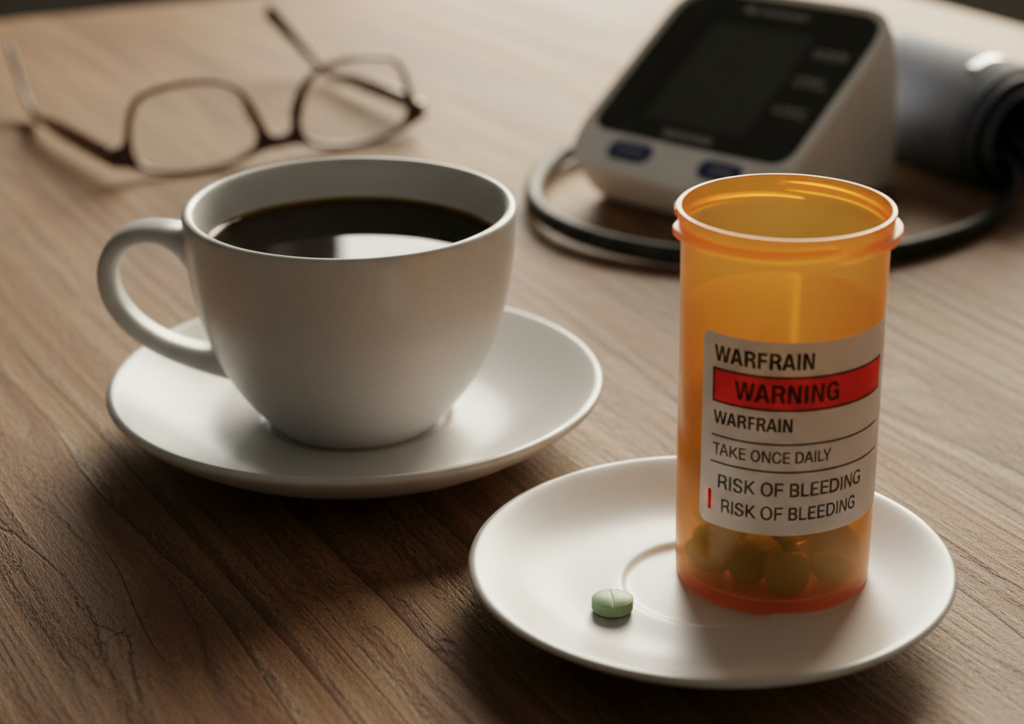
<p> For millions of Americans, the day doesn’t officially start until that first sip of coffee hits the bloodstream. The aroma, the warmth, the comfort—it’s more than a drink; it’s a ritual. But while coffee gives your brain a boost, it can also clash with certain medications in ways you might not expect. Caffeine is a powerful stimulant that affects how drugs are absorbed, processed, and even how they work once inside your body. Sometimes it weakens a medication’s effectiveness. Other times, it can intensify side effects like anxiety, restlessness, or insomnia. The result? Your favorite morning cup might be doing more harm than good—especially when timed poorly with certain prescriptions. Here’s a practical guide to the medications you should never mix with coffee, plus simple tips to keep both your health and caffeine habit in harmony. </p> :: Gemini

For millions of Americans, the day doesn’t officially start until that first sip of coffee hits the bloodstream. The aroma, the warmth, the comfort—it’s more than a drink; it’s a ritual. But while coffee gives your brain a boost, it can also clash with certain medications in ways you might not expect.

Caffeine is a powerful stimulant that affects how drugs are absorbed, processed, and even how they work once inside your body. Sometimes it weakens a medication’s effectiveness. Other times, it can intensify side effects like anxiety, restlessness, or insomnia. The result? Your favorite morning cup might be doing more harm than good—especially when timed poorly with certain prescriptions.

Here’s a practical guide to the medications you should never mix with coffee, plus simple tips to keep both your health and caffeine habit in harmony.

1. Anticoagulants (Blood Thinners)

<p> If you’re taking blood thinners like Warfarin, it’s worth being cautious with your coffee. Caffeine can raise drug levels in your bloodstream, potentially increasing the risk of bruising or bleeding. Since these medications already thin the blood, the added stimulation from caffeine may push things a little too far. Pro Tip: Enjoy your coffee at least an hour before or after your dose. And if you notice unexplained bruises or prolonged bleeding, talk to your doctor about adjusting your caffeine intake. </p> :: Gemini

If you’re taking blood thinners like Warfarin, it’s worth being cautious with your coffee. Caffeine can raise drug levels in your bloodstream, potentially increasing the risk of bruising or bleeding. Since these medications already thin the blood, the added stimulation from caffeine may push things a little too far.

Pro Tip: Enjoy your coffee at least an hour before or after your dose. And if you notice unexplained bruises or prolonged bleeding, talk to your doctor about adjusting your caffeine intake.

2. Thyroid Medications (Levothyroxine)

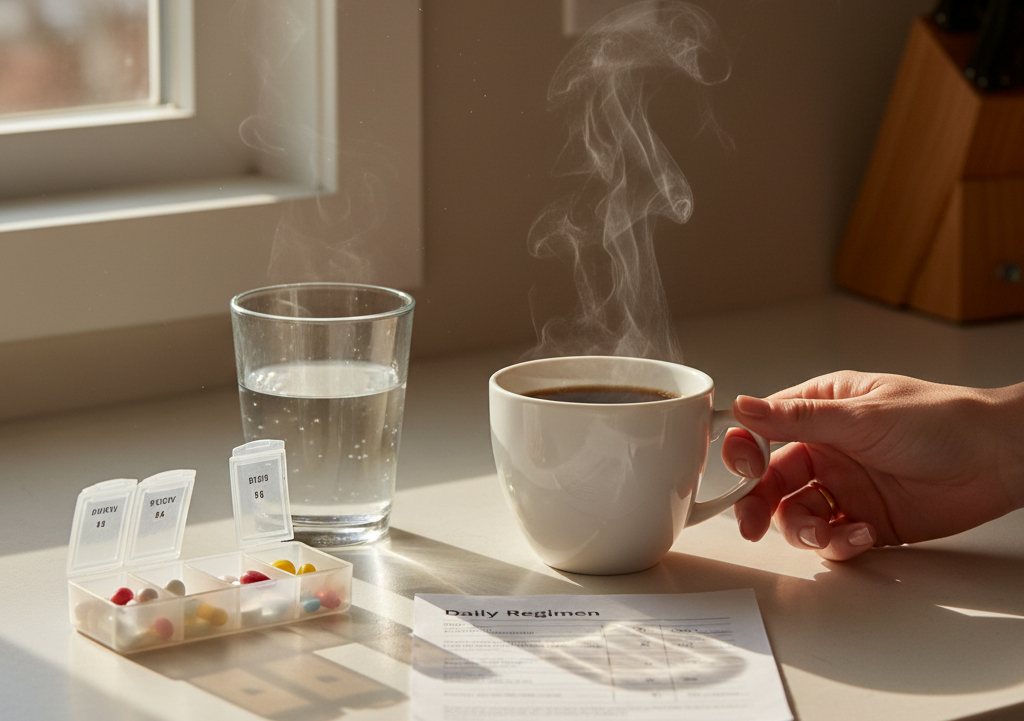
<p> If you take thyroid medication such as Levothyroxine, your morning coffee could be getting in the way. Studies show that drinking coffee too soon after swallowing your pill can reduce its absorption by up to half, leaving you feeling sluggish or unbalanced throughout the day. Pro Tip: Take your thyroid medication first thing in the morning with a full glass of water, and wait at least 30 to 60 minutes before sipping your first cup of coffee. It might feel like a long wait, but your thyroid will thank you. </p> :: Gemini

If you take thyroid medication such as Levothyroxine, your morning coffee could be getting in the way. Studies show that drinking coffee too soon after swallowing your pill can reduce its absorption by up to half, leaving you feeling sluggish or unbalanced throughout the day.

Pro Tip: Take your thyroid medication first thing in the morning with a full glass of water, and wait at least 30 to 60 minutes before sipping your first cup of coffee. It might feel like a long wait, but your thyroid will thank you.

3. Osteoporosis Medications (Bisphosphonates)

<p> If you’re on bone-strengthening drugs like Alendronate, Ibandronate, or Risedronate, coffee is not your friend—at least not right after taking your pill. These medications are tricky to absorb and require an empty stomach and plain water to work properly. Adding coffee too soon can cancel out much of their benefit. Pro Tip: Take your medication first thing in the morning, stay upright for at least 30 minutes, and resist the temptation to grab your latte until later. Think of it as a well-earned reward for good bone health. </p> :: Gemini

If you’re on bone-strengthening drugs like Alendronate, Ibandronate, or Risedronate, coffee is not your friend—at least not right after taking your pill. These medications are tricky to absorb and require an empty stomach and plain water to work properly. Adding coffee too soon can cancel out much of their benefit.

Pro Tip: Take your medication first thing in the morning, stay upright for at least 30 minutes, and resist the temptation to grab your latte until later. Think of it as a well-earned reward for good bone health.

4. Asthma Medications (Theophylline and Similar Drugs)

<p> If you rely on older asthma medications like Theophylline, caffeine can be a problem. Both coffee and Theophylline stimulate the central nervous system, which can lead to racing heartbeats, jitteriness, or even trouble sleeping.

Pro Tip: Space your coffee and medication apart by at least an hour or two. If your asthma medication already makes you feel wired, you might want to switch to decaf or tea until your body adjusts. </p> :: Gemini

If you rely on older asthma medications like Theophylline, caffeine can be a problem. Both coffee and Theophylline stimulate the central nervous system, which can lead to racing heartbeats, jitteriness, or even trouble sleeping.

Pro Tip: Space your coffee and medication apart by at least an hour or two. If your asthma medication already makes you feel wired, you might want to switch to decaf or tea until your body adjusts.

5. Antidepressants and Antipsychotics

<p> Some antidepressants and antipsychotic medications, including certain SSRIs and tricyclics, don’t play well with caffeine. Coffee can either make these medications less effective or exaggerate their side effects—like restlessness, irritability, and increased heart rate.

Pro Tip: You don’t have to give up your morning brew completely, but it might help to cut down or time your coffee after your medication has had a chance to work. If you’re feeling extra jittery or can’t sleep, ask your doctor whether caffeine could be to blame. </p> :: Gemini

Some antidepressants and antipsychotic medications, including certain SSRIs and tricyclics, don’t play well with caffeine. Coffee can either make these medications less effective or exaggerate their side effects—like restlessness, irritability, and increased heart rate.

Pro Tip: You don’t have to give up your morning brew completely, but it might help to cut down or time your coffee after your medication has had a chance to work. If you’re feeling extra jittery or can’t sleep, ask your doctor whether caffeine could be to blame.

6. Alzheimer’s and Dementia Medications (Cholinesterase Inhibitors)

<p> For people taking drugs like Donepezil or Rivastigmine, caffeine may interfere with how well the medication reaches the brain. This can reduce its effectiveness and even amplify side effects like nausea or restlessness.

Pro Tip: If you or a loved one is on medication for memory or cognition, separate coffee from pill time. Taking your medication first and having coffee with breakfast later is often the safest route. </p> :: Gemini

For people taking drugs like Donepezil or Rivastigmine, caffeine may interfere with how well the medication reaches the brain. This can reduce its effectiveness and even amplify side effects like nausea or restlessness.

Pro Tip: If you or a loved one is on medication for memory or cognition, separate coffee from pill time. Taking your medication first and having coffee with breakfast later is often the safest route.

7. Blood Pressure Medications (Calcium Channel Blockers and Beta Blockers)

<p> If you take blood pressure medications like Verapamil or Propranolol, that morning coffee could counteract their effects. Caffeine temporarily raises blood pressure, which can undo the benefits of the medication and make readings less stable.

Pro Tip: Keep your coffee moderate—one or two cups per day—and take your medication well before you start drinking caffeine. Monitoring your blood pressure regularly can also help you see how coffee impacts your numbers. </p> :: Gemini

If you take blood pressure medications like Verapamil or Propranolol, that morning coffee could counteract their effects. Caffeine temporarily raises blood pressure, which can undo the benefits of the medication and make readings less stable.

Pro Tip: Keep your coffee moderate—one or two cups per day—and take your medication well before you start drinking caffeine. Monitoring your blood pressure regularly can also help you see how coffee impacts your numbers.

8. Cold, Flu, and Allergy Medications (Decongestants and Antihistamines)

<p> If you reach for a cold medicine containing Pseudoephedrine or another stimulant, combining it with coffee can lead to a serious case of the jitters. Both substances raise your heart rate and blood pressure, leaving you feeling shaky and anxious.

Pro Tip: When you’re under the weather, stick to decaf or herbal tea until your symptoms clear up. Your body will have an easier time resting and recovering without the caffeine kick. </p> :: Gemini

If you reach for a cold medicine containing Pseudoephedrine or another stimulant, combining it with coffee can lead to a serious case of the jitters. Both substances raise your heart rate and blood pressure, leaving you feeling shaky and anxious.

Pro Tip: When you’re under the weather, stick to decaf or herbal tea until your symptoms clear up. Your body will have an easier time resting and recovering without the caffeine kick.

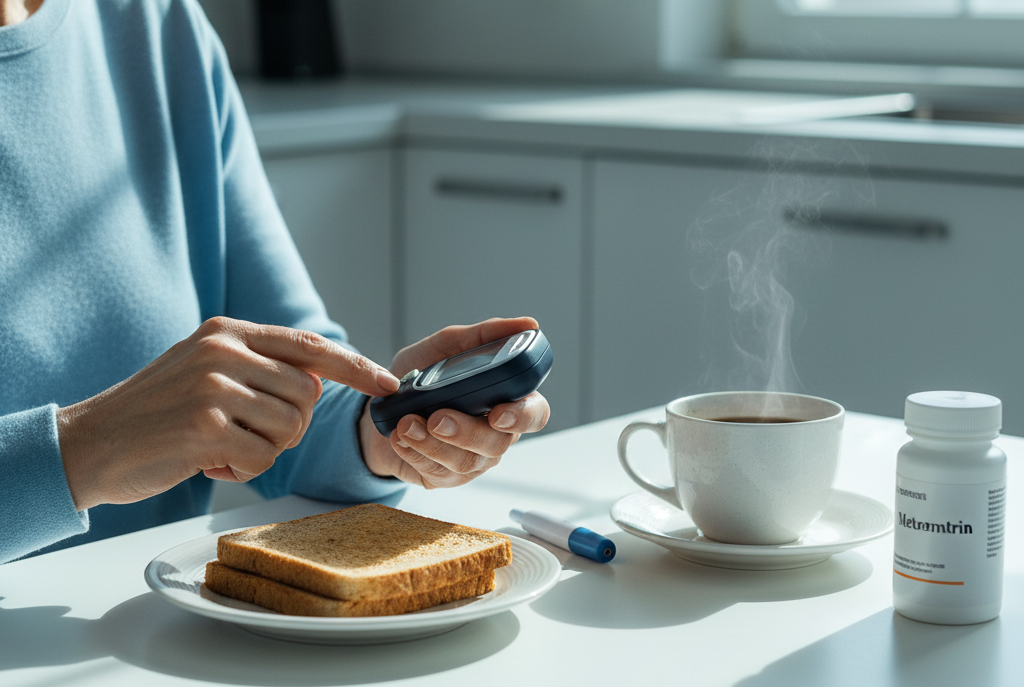
9. Diabetes Medications

<p> If you have diabetes, coffee can affect how your body processes sugar and insulin. Caffeine may cause blood sugar spikes or make it harder to predict how your glucose levels will respond after meals. When combined with diabetes medications, that can create an unpredictable roller coaster of highs and lows.

Pro Tip: Track your blood sugar after drinking coffee, especially when starting a new medication. You may find it easier to tolerate coffee when it’s paired with food rather than on an empty stomach. </p> :: Gemini

If you have diabetes, coffee can affect how your body processes sugar and insulin. Caffeine may cause blood sugar spikes or make it harder to predict how your glucose levels will respond after meals. When combined with diabetes medications, that can create an unpredictable roller coaster of highs and lows.

Pro Tip: Track your blood sugar after drinking coffee, especially when starting a new medication. You may find it easier to tolerate coffee when it’s paired with food rather than on an empty stomach.

10. Methotrexate and Other Immunosuppressants

<p> If you take Methotrexate or similar medications for autoimmune conditions or certain cancers, caffeine may increase how much of the drug stays in your system. This can intensify side effects like nausea, fatigue, and mouth sores.

Pro Tip: Ask your doctor or pharmacist whether caffeine could interfere with your treatment. If you’re advised to cut back, try switching to low-caffeine or caffeine-free options that still give you that cozy morning ritual. </p> :: Gemini

If you take Methotrexate or similar medications for autoimmune conditions or certain cancers, caffeine may increase how much of the drug stays in your system. This can intensify side effects like nausea, fatigue, and mouth sores.

Pro Tip: Ask your doctor or pharmacist whether caffeine could interfere with your treatment. If you’re advised to cut back, try switching to low-caffeine or caffeine-free options that still give you that cozy morning ritual.

Final Thoughts

<p> Let’s be honest—coffee isn’t going anywhere. It’s part comfort, part energy, and part pure happiness. But being smart about when you drink it can make a world of difference, especially if you rely on prescription medications.

The key isn’t to give up coffee—it’s to make it work with your routine instead of against it. Read your medication instructions carefully, pay attention to any “take on an empty stomach” warnings, and don’t hesitate to ask your doctor or pharmacist how caffeine might fit into the picture.

Most of the time, it’s just a matter of timing. Taking your medication first, waiting 30 to 60 minutes, and then savoring your cup can help your treatment do its job properly while letting you keep your favorite ritual intact.

At the end of the day, your health and your happiness both matter. And with a little planning, you can have your coffee—and drink it too. </p> :: Gemini

Let’s be honest—coffee isn’t going anywhere. It’s part comfort, part energy, and part pure happiness. But being smart about when you drink it can make a world of difference, especially if you rely on prescription medications.

The key isn’t to give up coffee—it’s to make it work with your routine instead of against it. Read your medication instructions carefully, pay attention to any “take on an empty stomach” warnings, and don’t hesitate to ask your doctor or pharmacist how caffeine might fit into the picture.

Most of the time, it’s just a matter of timing. Taking your medication first, waiting 30 to 60 minutes, and then savoring your cup can help your treatment do its job properly while letting you keep your favorite ritual intact.

At the end of the day, your health and your happiness both matter. And with a little planning, you can have your coffee—and drink it too.

Filed Under: Health & Fitness

The Money Lessons We’re All Learning the Hard Way in 2025

November 3, 2025 | Leave a Comment

The Money Lessons We’re All Learning the Hard Way in 2025

<p> Let’s be honest—2025 has been a wake-up call for a lot of us when it comes to money. Prices keep rising, interest rates are all over the place, and even basic living costs feel unpredictable. Whether you are trying to build savings, reduce debt, or just make it through another grocery trip without gasping at the total, you are not alone. The truth is, this year has reminded everyone—from first-time budgeters to seasoned savers—that money management is not something you can set and forget. It is a lifelong learning curve. But the good news? Every tough financial moment brings a valuable lesson that can make you stronger, smarter, and more financially secure down the road. Here are nine real-life money lessons people across the United States are learning the hard way in 2025—and how you can avoid making the same mistakes. </p> :: Freepik

Let’s be honest—2025 has been a wake-up call for a lot of us when it comes to money. Prices keep rising, interest rates are all over the place, and even basic living costs feel unpredictable. Whether you are trying to build savings, reduce debt, or just make it through another grocery trip without gasping at the total, you are not alone.

The truth is, this year has reminded everyone—from first-time budgeters to seasoned savers—that money management is not something you can set and forget. It is a lifelong learning curve. But the good news? Every tough financial moment brings a valuable lesson that can make you stronger, smarter, and more financially secure down the road.

Here are nine real-life money lessons people across the United States are learning the hard way in 2025—and how you can avoid making the same mistakes.

1. Do Not Wait for the “Right Time” to Start Your Emergency Fund

<p> Too many people put off saving because they are waiting for the “perfect time.” But here is the truth: there will never be a perfect time. Life will always throw you a curveball—unexpected medical bills, job cuts, or car repairs. If the past few years have taught us anything, it is that having a financial cushion can mean the difference between calm and chaos. Start small. Even setting aside twenty dollars a week adds up faster than you think. Treat your emergency fund like insurance for your peace of mind, not just your wallet. You may never know exactly when you will need it—but you will be incredibly grateful it is there when you do. </p> :: Gemini

Too many people put off saving because they are waiting for the “perfect time.” But here is the truth: there will never be a perfect time. Life will always throw you a curveball—unexpected medical bills, job cuts, or car repairs. If the past few years have taught us anything, it is that having a financial cushion can mean the difference between calm and chaos.

Start small. Even setting aside twenty dollars a week adds up faster than you think. Treat your emergency fund like insurance for your peace of mind, not just your wallet. You may never know exactly when you will need it—but you will be incredibly grateful it is there when you do.

2. Budgeting Is Not Optional Anymore

<p> Budgeting has always been important, but in 2025, it is essential. With prices fluctuating and surprise expenses around every corner, a well-planned budget is no longer a “nice-to-have”—it is your survival tool. Forget the idea that budgets are restrictive. Think of them as a mirror that shows you exactly where your money is going. Take an hour to list what you are truly spending each month, not what you wish you were spending. Once you see the truth, you can make better decisions that match your lifestyle and priorities. When done right, budgeting gives you freedom—the freedom to know what you can actually afford without the stress of uncertainty. </p> :: Gemini

Budgeting has always been important, but in 2025, it is essential. With prices fluctuating and surprise expenses around every corner, a well-planned budget is no longer a “nice-to-have”—it is your survival tool.

Forget the idea that budgets are restrictive. Think of them as a mirror that shows you exactly where your money is going. Take an hour to list what you are truly spending each month, not what you wish you were spending. Once you see the truth, you can make better decisions that match your lifestyle and priorities.

When done right, budgeting gives you freedom—the freedom to know what you can actually afford without the stress of uncertainty.

3. Debt Is Still the Silent Wealth Killer

<p> Debt has a way of sneaking up on people. Between credit cards, buy-now-pay-later plans, and personal loans, it is easy to lose track. But high-interest debt remains one of the biggest barriers to financial growth. Here is the hard truth: interest never sleeps. Even small balances can balloon into major burdens if left unchecked. The best strategy? Tackle one debt at a time, starting with the one that has the highest interest rate. Even paying a little extra each month makes a difference. Every dollar you put toward reducing debt today is one less dollar future-you has to worry about. </p> :: Gemini

Debt has a way of sneaking up on people. Between credit cards, buy-now-pay-later plans, and personal loans, it is easy to lose track. But high-interest debt remains one of the biggest barriers to financial growth.

Here is the hard truth: interest never sleeps. Even small balances can balloon into major burdens if left unchecked. The best strategy? Tackle one debt at a time, starting with the one that has the highest interest rate. Even paying a little extra each month makes a difference.

Every dollar you put toward reducing debt today is one less dollar future-you has to worry about.

4. Investing Is for Everyone, Not Just the Wealthy

<p> A lot of people still believe investing is only for those with piles of cash or deep financial knowledge. But that mindset is outdated. The earlier and more consistently you invest, the more your money can grow. In 2025, the markets may feel unpredictable—but long-term investing has always been about staying steady through the ups and downs. You do not need to be an expert to get started. Begin with something simple, like an index fund or a retirement account through your employer. The key is consistency. A small, regular investment today can turn into a major advantage tomorrow, thanks to the power of compounding. </p> :: Gemini

A lot of people still believe investing is only for those with piles of cash or deep financial knowledge. But that mindset is outdated. The earlier and more consistently you invest, the more your money can grow.

In 2025, the markets may feel unpredictable—but long-term investing has always been about staying steady through the ups and downs. You do not need to be an expert to get started. Begin with something simple, like an index fund or a retirement account through your employer.

The key is consistency. A small, regular investment today can turn into a major advantage tomorrow, thanks to the power of compounding.

5. Tax Changes Can Sneak Up on You

start a tax practice

The tax landscape in 2025 is shifting again, and ignoring it can cost you more than you expect. Whether it is a change in deductions, credits, or how side-gig income is reported, staying informed can save you hundreds—sometimes thousands—of dollars.

Take the time to understand how upcoming tax adjustments affect your personal situation. Adjust your withholding, track your expenses, and maximize your pre-tax accounts like a 401(k) or health savings account. Being proactive now will make tax season much less painful later.

Taxes are one of the few certainties in life, but surprise tax bills do not have to be.

6. Lifestyle Inflation Is Real—and Dangerous

<p> It happens to the best of us. You get a raise or a new job, and suddenly it feels okay to spend a little more. You justify it because you are earning more now, right? The problem is, “a little more” can quickly become a lot more. Lifestyle inflation—when your spending grows as your income grows—quietly steals your progress. Instead of upgrading everything the moment you make more, consider upgrading your savings instead. Redirect part of that raise toward your emergency fund or investment account before you even see it hit your checking account. You will still feel the satisfaction of progress, but this time, it is toward something lasting. </p> :: Freepik

It happens to the best of us. You get a raise or a new job, and suddenly it feels okay to spend a little more. You justify it because you are earning more now, right? The problem is, “a little more” can quickly become a lot more.

Lifestyle inflation—when your spending grows as your income grows—quietly steals your progress. Instead of upgrading everything the moment you make more, consider upgrading your savings instead. Redirect part of that raise toward your emergency fund or investment account before you even see it hit your checking account.

You will still feel the satisfaction of progress, but this time, it is toward something lasting.

7. Your Future Self Needs You to Start Planning Today

<p> Retirement may feel far away, but time flies—and your future self will thank you for every small step you take now. Whether you are 25 or 55, consistent contributions to your retirement plan matter more than timing the market or chasing trends. Do not wait until you “have extra money” to save. Build saving into your routine, even if it is a modest amount. Review your investment options annually and make sure they still align with your goals. The earlier you start thinking about your future, the more freedom you will have when you get there. </p> :: Gemini

Retirement may feel far away, but time flies—and your future self will thank you for every small step you take now. Whether you are 25 or 55, consistent contributions to your retirement plan matter more than timing the market or chasing trends.

Do not wait until you “have extra money” to save. Build saving into your routine, even if it is a modest amount. Review your investment options annually and make sure they still align with your goals.

The earlier you start thinking about your future, the more freedom you will have when you get there.

8. Technology Helps, but Simplicity Wins

<p> We have more financial tools at our fingertips than ever before—apps for budgeting, investing, tracking expenses, and even managing side gigs. But with so many options, it is easy to feel overwhelmed. Instead of trying every new app, focus on finding one or two that truly fit your needs. Automate the basics: bill payments, savings transfers, and retirement contributions. Once the essentials are on autopilot, you can spend less time stressing about money and more time living your life. Technology should make things easier, not more complicated. If your tools are creating confusion, simplify. </p> :: Gemini

We have more financial tools at our fingertips than ever before—apps for budgeting, investing, tracking expenses, and even managing side gigs. But with so many options, it is easy to feel overwhelmed.

Instead of trying every new app, focus on finding one or two that truly fit your needs. Automate the basics: bill payments, savings transfers, and retirement contributions. Once the essentials are on autopilot, you can spend less time stressing about money and more time living your life.

Technology should make things easier, not more complicated. If your tools are creating confusion, simplify.

9. Your Money Mindset Matters More Than You Think

<p> Perhaps the most important lesson of 2025 is that money is not just about math—it is about mindset. Your beliefs about money shape your decisions, and your decisions shape your reality. If you constantly tell yourself, “I will never get ahead,” you are already setting limits on what is possible. But when you shift your mindset to focus on progress, not perfection, everything changes. Start small. Celebrate every win, no matter how minor it seems. Paid off a credit card? That is progress. Saved fifty dollars this week? That is progress too. Over time, confidence builds momentum, and momentum builds financial freedom. </p> :: Gemini

Perhaps the most important lesson of 2025 is that money is not just about math—it is about mindset. Your beliefs about money shape your decisions, and your decisions shape your reality.

If you constantly tell yourself, “I will never get ahead,” you are already setting limits on what is possible. But when you shift your mindset to focus on progress, not perfection, everything changes.

Start small. Celebrate every win, no matter how minor it seems. Paid off a credit card? That is progress. Saved fifty dollars this week? That is progress too. Over time, confidence builds momentum, and momentum builds financial freedom.

Final Thoughts

<p> If this year has taught us anything, it is that financial growth is not about perfection—it is about persistence. We are all learning as we go, and the lessons that sting the most are often the ones that stick the longest. So, take a breath and give yourself credit for caring enough to improve. You do not need to fix everything overnight. Just pick one of these lessons that speaks to you, and take action on it today. Whether it is starting a small emergency fund, reviewing your budget, or finally facing your debt, every step forward matters. Money will always test us, but with the right mindset and a little consistency, you can turn those hard lessons of 2025 into lasting wins. Your future self is waiting—and they are going to be really glad you started now. </p> :: Gemini

If this year has taught us anything, it is that financial growth is not about perfection—it is about persistence. We are all learning as we go, and the lessons that sting the most are often the ones that stick the longest.

So, take a breath and give yourself credit for caring enough to improve. You do not need to fix everything overnight. Just pick one of these lessons that speaks to you, and take action on it today.

Whether it is starting a small emergency fund, reviewing your budget, or finally facing your debt, every step forward matters. Money will always test us, but with the right mindset and a little consistency, you can turn those hard lessons of 2025 into lasting wins.

Your future self is waiting—and they are going to be really glad you started now.

Filed Under: Money

8 Financial Habits That Separate Savvy Savers from Big Spenders

November 3, 2025 | Leave a Comment

8 Financial Habits That Separate Savvy Savers from Big Spenders

<p> Ever wonder why some people always seem to have their money in order—while others can’t figure out where their paycheck disappears? It’s not luck. It’s not even about earning more. The real secret lies in daily habits.

Savvy savers think differently. They plan ahead, stay mindful of their spending, and use smart strategies that make their money work for them. Meanwhile, big spenders often live for the moment, swiping cards without much thought about tomorrow.

If you’ve ever wished you could save more without giving up the things you love, you’re in the right place. Let’s break down eight simple yet powerful financial habits that can turn anyone into a smart, confident saver—no complicated math required. </p> :: Gemini

Ever wonder why some people always seem to have their money in order—while others can’t figure out where their paycheck disappears? It’s not luck. It’s not even about earning more. The real secret lies in daily habits.

Savvy savers think differently. They plan ahead, stay mindful of their spending, and use smart strategies that make their money work for them. Meanwhile, big spenders often live for the moment, swiping cards without much thought about tomorrow.

If you’ve ever wished you could save more without giving up the things you love, you’re in the right place. Let’s break down eight simple yet powerful financial habits that can turn anyone into a smart, confident saver—no complicated math required.

1. Automate Your Savings Before You Spend

<p> One of the smartest moves a saver can make is setting up automatic transfers to savings right after payday. This removes the temptation to spend first and save “whatever’s left.” Think of it as paying your future self first. Even small, consistent transfers—like $50 or $100 each payday—can add up faster than you’d expect. Automation takes the effort out of saving and helps you build wealth quietly in the background, without you having to constantly think about it. </p> :: Gemini

One of the smartest moves a saver can make is setting up automatic transfers to savings right after payday. This removes the temptation to spend first and save “whatever’s left.” Think of it as paying your future self first. Even small, consistent transfers—like $50 or $100 each payday—can add up faster than you’d expect. Automation takes the effort out of saving and helps you build wealth quietly in the background, without you having to constantly think about it.

2. Set Clear Financial Goals You Can Actually See

<p> Big spenders often spend without direction, while savvy savers always know what they’re working toward. Whether it’s a vacation fund, emergency savings, or early retirement, setting clear goals gives every dollar a purpose. It’s much easier to resist impulse buys when you can picture what that money could be doing instead. Try writing your goals down or using a visual tracker—seeing your progress builds motivation and keeps you focused on what truly matters. </p> :: Gemini

Big spenders often spend without direction, while savvy savers always know what they’re working toward. Whether it’s a vacation fund, emergency savings, or early retirement, setting clear goals gives every dollar a purpose. It’s much easier to resist impulse buys when you can picture what that money could be doing instead. Try writing your goals down or using a visual tracker—seeing your progress builds motivation and keeps you focused on what truly matters.

3. Track Spending Like It’s a Game, Not a Chore

<p> Let’s be honest—nobody gets excited about spreadsheets. But tracking your spending doesn’t have to feel like punishment. Savvy savers make it fun by treating it like a personal challenge: Can you spend less on takeout this month? Can you find that forgotten subscription and cancel it? Use an app or notebook, whatever feels easiest. The point is to know where your money’s going. Awareness is power—and it’s the first step toward making smarter choices. </p> :: Gemini

Let’s be honest—nobody gets excited about spreadsheets. But tracking your spending doesn’t have to feel like punishment. Savvy savers make it fun by treating it like a personal challenge: Can you spend less on takeout this month? Can you find that forgotten subscription and cancel it? Use an app or notebook, whatever feels easiest. The point is to know where your money’s going. Awareness is power—and it’s the first step toward making smarter choices.

4. Know the Difference Between Needs and Wants

<p> Savvy savers understand that saving money doesn’t mean saying no to everything fun—it just means saying yes to what really matters. They make conscious decisions about where their money goes. They cover their essentials first—like rent, bills, and groceries—and then allocate a portion of their budget to things that bring genuine joy. Big spenders, on the other hand, tend to blur the line between wants and needs, which can quickly lead to financial stress. By creating room for both responsibility and enjoyment, you’ll find a healthy balance that keeps your finances on track and your lifestyle fulfilling. </p> :: Gemini

Savvy savers understand that saving money doesn’t mean saying no to everything fun—it just means saying yes to what really matters. They make conscious decisions about where their money goes. They cover their essentials first—like rent, bills, and groceries—and then allocate a portion of their budget to things that bring genuine joy. Big spenders, on the other hand, tend to blur the line between wants and needs, which can quickly lead to financial stress. By creating room for both responsibility and enjoyment, you’ll find a healthy balance that keeps your finances on track and your lifestyle fulfilling.

5. Use Credit as a Tool, Not a Trap

<p> Credit cards aren’t evil—they’re just misunderstood. Savvy savers use them strategically: paying balances in full, earning rewards, and building credit history without paying a cent in interest. Big spenders, however, often let balances roll over, racking up high interest that eats away at future income. The key is self-control. If you treat credit as a convenience rather than a crutch, you can enjoy its benefits while staying out of debt. Think of your credit card as a financial tool that works for you, not against you. </p> :: Gemini

Credit cards aren’t evil—they’re just misunderstood. Savvy savers use them strategically: paying balances in full, earning rewards, and building credit history without paying a cent in interest. Big spenders, however, often let balances roll over, racking up high interest that eats away at future income. The key is self-control. If you treat credit as a convenience rather than a crutch, you can enjoy its benefits while staying out of debt. Think of your credit card as a financial tool that works for you, not against you.

6. Build an Emergency Fund Before Chasing Big Dreams

<p> Before you start investing, traveling, or upgrading your car, there’s one goal that every financially secure person has mastered: the emergency fund. Life has a way of surprising us—car repairs, medical bills, job changes—and without a cushion, even small setbacks can send you into panic mode. Savvy savers make sure they have at least three to six months’ worth of expenses tucked away. That fund isn’t just for emergencies—it’s peace of mind in a savings account. It gives you freedom and flexibility, so you can make smart decisions without fear. </p> :: Gemini

Before you start investing, traveling, or upgrading your car, there’s one goal that every financially secure person has mastered: the emergency fund. Life has a way of surprising us—car repairs, medical bills, job changes—and without a cushion, even small setbacks can send you into panic mode. Savvy savers make sure they have at least three to six months’ worth of expenses tucked away. That fund isn’t just for emergencies—it’s peace of mind in a savings account. It gives you freedom and flexibility, so you can make smart decisions without fear.

7. Focus on Growing Your Money, Not Just Saving It

<p> Saving is important, but parking all your money in a low-interest account won’t help it grow. Savvy savers know how to make their money work harder through investing, side hustles, or employer retirement plans. They understand that every dollar has earning potential. The earlier you start, the more compound interest works in your favor—turning small contributions into something substantial over time. You don’t have to be a financial expert to invest wisely; start small, stay consistent, and let time do the heavy lifting. </p> :: Gemini

Saving is important, but parking all your money in a low-interest account won’t help it grow. Savvy savers know how to make their money work harder through investing, side hustles, or employer retirement plans. They understand that every dollar has earning potential. The earlier you start, the more compound interest works in your favor—turning small contributions into something substantial over time. You don’t have to be a financial expert to invest wisely; start small, stay consistent, and let time do the heavy lifting.

8. Review and Adjust Your Finances Regularly

<p> Your financial life isn’t static, and your habits shouldn’t be either. Savvy savers treat money management like an ongoing relationship. They check in monthly or quarterly to see what’s changed—income, bills, goals—and adjust accordingly. Maybe you got a raise (time to save more), or maybe your grocery bill crept up (time to tweak the budget). Regular reviews help you stay aligned with your goals and catch small problems before they become major setbacks. Think of it as your money checkup—a way to keep your finances healthy and thriving. </p> :: Gemini

Your financial life isn’t static, and your habits shouldn’t be either. Savvy savers treat money management like an ongoing relationship. They check in monthly or quarterly to see what’s changed—income, bills, goals—and adjust accordingly. Maybe you got a raise (time to save more), or maybe your grocery bill crept up (time to tweak the budget). Regular reviews help you stay aligned with your goals and catch small problems before they become major setbacks. Think of it as your money checkup—a way to keep your finances healthy and thriving.

Final Thoughts

<p> Here’s the truth: being a savvy saver isn’t about perfection—it’s about consistency. It’s not about cutting every luxury or never treating yourself. It’s about building habits that give you control, clarity, and confidence with your money.

Every time you automate a deposit, skip an unnecessary purchase, or check in on your goals, you’re quietly building financial freedom. You’re proving to yourself that money doesn’t have to control you—you can control it.

If you feel like a “spender” today, remember: habits can change. Start small. Pick one of these eight strategies and practice it this week. Once it sticks, add another. Over time, those small changes will compound—just like your savings.

Savvy savers aren’t born that way—they’re made, one smart decision at a time. So start now, stay intentional, and watch how much calmer, stronger, and more secure you feel about your financial future. Because the real reward of saving isn’t just the balance in your account—it’s the peace of mind that comes with knowing you’re prepared for whatever life throws your way. </p> :: Gemini

Here’s the truth: being a savvy saver isn’t about perfection—it’s about consistency. It’s not about cutting every luxury or never treating yourself. It’s about building habits that give you control, clarity, and confidence with your money.

Every time you automate a deposit, skip an unnecessary purchase, or check in on your goals, you’re quietly building financial freedom. You’re proving to yourself that money doesn’t have to control you—you can control it.

If you feel like a “spender” today, remember: habits can change. Start small. Pick one of these eight strategies and practice it this week. Once it sticks, add another. Over time, those small changes will compound—just like your savings.

Savvy savers aren’t born that way—they’re made, one smart decision at a time. So start now, stay intentional, and watch how much calmer, stronger, and more secure you feel about your financial future. Because the real reward of saving isn’t just the balance in your account—it’s the peace of mind that comes with knowing you’re prepared for whatever life throws your way.

Filed Under: Money

Why You Might Want to Skip These 7 Chocolate Brands This Year

November 3, 2025 | Leave a Comment

Why You Might Want to Skip These 7 Chocolate Brands This Year

<p> Chocolate is one of life’s simplest pleasures. Whether it’s a mid-afternoon pick-me-up, a post-dinner treat, or that little bite of comfort during stressful days, there’s something magical about unwrapping a piece of chocolate. The silky texture, the instant mood boost, the comforting sweetness—it’s pure joy in edible form.

But here’s the bitter truth: not all chocolate is created equal. Behind the glossy wrappers and sweet marketing, some popular brands have recently come under fire for questionable ingredients, ethical issues, or even safety concerns. From heavy metals to deceptive branding, what’s hidden beneath the foil might surprise you.

If you love chocolate but also care about what goes into your body (and where it comes from), this list might make you think twice before your next candy aisle grab. Here are seven well-known chocolate brands that have been facing scrutiny this year—and why you might want to skip them or at least pause before indulging. </p> :: Gemini

Chocolate is one of life’s simplest pleasures. Whether it’s a mid-afternoon pick-me-up, a post-dinner treat, or that little bite of comfort during stressful days, there’s something magical about unwrapping a piece of chocolate. The silky texture, the instant mood boost, the comforting sweetness—it’s pure joy in edible form.

But here’s the bitter truth: not all chocolate is created equal. Behind the glossy wrappers and sweet marketing, some popular brands have recently come under fire for questionable ingredients, ethical issues, or even safety concerns. From heavy metals to deceptive branding, what’s hidden beneath the foil might surprise you.

If you love chocolate but also care about what goes into your body (and where it comes from), this list might make you think twice before your next candy aisle grab. Here are seven well-known chocolate brands that have been facing scrutiny this year—and why you might want to skip them or at least pause before indulging.

1. Hershey’s

<p> Hershey’s is practically synonymous with American chocolate. From childhood s’mores to Halloween candy bowls, it’s been a household favorite for over a century. But recently, that familiar brown wrapper has been shadowed by controversy. Several lawsuits allege that some of Hershey’s dark chocolate bars contain concerning levels of heavy metals—specifically lead and cadmium.

These metals can build up in the body over time and are linked to health risks such as developmental issues, kidney damage, and cognitive decline. Independent tests have shown that a one-ounce serving of certain Hershey’s dark bars reportedly exceeded California’s maximum allowable dose level for lead—more than double, in some cases.

While Hershey’s has defended its sourcing and quality control, this situation has shaken consumer trust. For many who grew up on Hershey’s, the revelation is a sobering reminder that familiarity doesn’t always equal safety. </p> :: Gemini

Hershey’s is practically synonymous with American chocolate. From childhood s’mores to Halloween candy bowls, it’s been a household favorite for over a century. But recently, that familiar brown wrapper has been shadowed by controversy. Several lawsuits allege that some of Hershey’s dark chocolate bars contain concerning levels of heavy metals—specifically lead and cadmium.

These metals can build up in the body over time and are linked to health risks such as developmental issues, kidney damage, and cognitive decline. Independent tests have shown that a one-ounce serving of certain Hershey’s dark bars reportedly exceeded California’s maximum allowable dose level for lead—more than double, in some cases.

While Hershey’s has defended its sourcing and quality control, this situation has shaken consumer trust. For many who grew up on Hershey’s, the revelation is a sobering reminder that familiarity doesn’t always equal safety.

2. Lindt

<p> When you think of Lindt, you probably picture smooth truffles wrapped in elegant gold foil, the kind you treat yourself to or give as gifts during the holidays. Lindt has long positioned itself as a luxury chocolate—creamy, rich, and European. But even this premium favorite hasn’t escaped scrutiny.

Recent lawsuits have claimed that some of Lindt’s dark chocolate bars also contain elevated levels of lead and cadmium. These findings were especially disappointing for consumers who assumed that paying more meant getting a purer product. After all, Lindt’s branding revolves around craftsmanship and quality—so hearing that safety could be an issue felt like a betrayal.

While not all of Lindt’s products have been implicated, it’s a good reminder that even “luxury” labels don’t guarantee what’s inside is completely clean. If you’re a Lindt lover, you may want to moderate your intake or check for updated safety reports before your next indulgence. </p> :: Gemini

When you think of Lindt, you probably picture smooth truffles wrapped in elegant gold foil, the kind you treat yourself to or give as gifts during the holidays. Lindt has long positioned itself as a luxury chocolate—creamy, rich, and European. But even this premium favorite hasn’t escaped scrutiny.

Recent lawsuits have claimed that some of Lindt’s dark chocolate bars also contain elevated levels of lead and cadmium. These findings were especially disappointing for consumers who assumed that paying more meant getting a purer product. After all, Lindt’s branding revolves around craftsmanship and quality—so hearing that safety could be an issue felt like a betrayal.

While not all of Lindt’s products have been implicated, it’s a good reminder that even “luxury” labels don’t guarantee what’s inside is completely clean. If you’re a Lindt lover, you may want to moderate your intake or check for updated safety reports before your next indulgence.

3. Godiva

<p> Few brands carry the aura of romance and luxury quite like Godiva. Its gold boxes and ribbon-tied packaging have long been staples of Valentine’s Day gifts, anniversaries, and special occasions. But in recent years, the shine has started to fade.

Godiva has faced accusations of misleading marketing, particularly around its “Belgian” identity. While the brand proudly displays “Belgium 1926” on its boxes, many of its chocolates are actually manufactured in the United States and other locations—far from the traditional Belgian chocolatiers it evokes.

Additionally, Godiva’s dark chocolate products have been mentioned in discussions about heavy metal contamination, though not all varieties have been implicated. For a company built on elegance and trust, these issues raise questions about transparency. The lesson here? Don’t let fancy packaging fool you—always look deeper into where your favorite treats are really made. </p> :: Gemini

Few brands carry the aura of romance and luxury quite like Godiva. Its gold boxes and ribbon-tied packaging have long been staples of Valentine’s Day gifts, anniversaries, and special occasions. But in recent years, the shine has started to fade.

Godiva has faced accusations of misleading marketing, particularly around its “Belgian” identity. While the brand proudly displays “Belgium 1926” on its boxes, many of its chocolates are actually manufactured in the United States and other locations—far from the traditional Belgian chocolatiers it evokes.

Additionally, Godiva’s dark chocolate products have been mentioned in discussions about heavy metal contamination, though not all varieties have been implicated. For a company built on elegance and trust, these issues raise questions about transparency. The lesson here? Don’t let fancy packaging fool you—always look deeper into where your favorite treats are really made.

4. Cadbury

<p> Cadbury is pure nostalgia for millions. Whether it’s a Dairy Milk bar or a Cadbury Creme Egg, the purple wrapper instantly sparks memories of simpler times. But behind the comforting brand lies a more complicated reality.

Cadbury’s parent company, Mondelez International, has been called out by human rights organizations for not doing enough to ensure ethical cocoa sourcing. Reports have linked its supply chain to farms using child labor and unfair working conditions in West Africa—issues that continue to plague the global chocolate industry.

This isn’t just about what’s inside the chocolate—it’s about who’s behind it. Supporting companies that take responsibility for their labor practices helps ensure that the sweetness of your treat doesn’t come at the expense of someone else’s well-being. For consumers who care about fairness and sustainability, Cadbury’s ongoing labor concerns are a major red flag. </p> :: Gemini

Cadbury is pure nostalgia for millions. Whether it’s a Dairy Milk bar or a Cadbury Creme Egg, the purple wrapper instantly sparks memories of simpler times. But behind the comforting brand lies a more complicated reality.

Cadbury’s parent company, Mondelez International, has been called out by human rights organizations for not doing enough to ensure ethical cocoa sourcing. Reports have linked its supply chain to farms using child labor and unfair working conditions in West Africa—issues that continue to plague the global chocolate industry.

This isn’t just about what’s inside the chocolate—it’s about who’s behind it. Supporting companies that take responsibility for their labor practices helps ensure that the sweetness of your treat doesn’t come at the expense of someone else’s well-being. For consumers who care about fairness and sustainability, Cadbury’s ongoing labor concerns are a major red flag.

5. Trader Joe’s Chocolate Bars

<p> Trader Joe’s has a devoted following for a reason—its quirky labels, creative snacks, and affordable prices have earned it cult status. But even this fan-favorite grocer has faced heat over its chocolate.

Several of its private-label dark chocolate bars were named in lawsuits alleging unsafe levels of heavy metals like lead and cadmium. While some of the legal actions were later dismissed, the initial reports were enough to make shoppers wary.

The issue lies in perception: Trader Joe’s has cultivated a wholesome, “good for you” image, leading consumers to assume that its products are automatically cleaner or safer. Yet this controversy proved that even brands with friendly, earthy vibes can have problems beneath the surface. If dark chocolate is one of your TJ’s staples, it might be worth checking which varieties were tested before stocking up again. </p> :: Gemini

Trader Joe’s has a devoted following for a reason—its quirky labels, creative snacks, and affordable prices have earned it cult status. But even this fan-favorite grocer has faced heat over its chocolate.

Several of its private-label dark chocolate bars were named in lawsuits alleging unsafe levels of heavy metals like lead and cadmium. While some of the legal actions were later dismissed, the initial reports were enough to make shoppers wary.

The issue lies in perception: Trader Joe’s has cultivated a wholesome, “good for you” image, leading consumers to assume that its products are automatically cleaner or safer. Yet this controversy proved that even brands with friendly, earthy vibes can have problems beneath the surface. If dark chocolate is one of your TJ’s staples, it might be worth checking which varieties were tested before stocking up again.

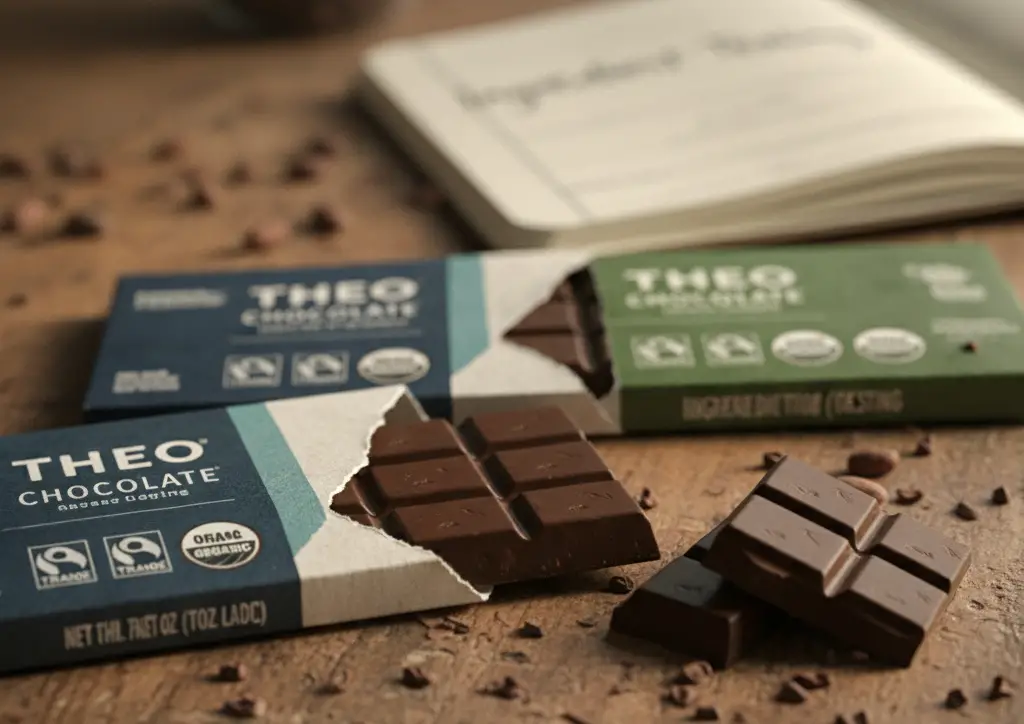
6. Theo Chocolate

<p> Theo Chocolate built its reputation as an ethical, small-batch, bean-to-bar brand that championed transparency and fair trade practices. Many consumers embraced it as a feel-good alternative to mass-market options. But even this beloved craft chocolatier hasn’t been immune to scrutiny.

Consumer Reports found that some of Theo’s dark chocolate bars contained lead and cadmium levels exceeding California’s safety thresholds. For a brand that markets itself as clean, organic, and sustainable, the findings were deeply disappointing.

To be fair, Theo responded by emphasizing its commitment to quality testing and sustainable sourcing, and not all of its products were affected. Still, the situation underscores a crucial point: even artisanal, organic labels can fall short of perfection. Ethical sourcing and safe ingredients must go hand in hand, not trade off one for the other. </p> :: Gemini

Theo Chocolate built its reputation as an ethical, small-batch, bean-to-bar brand that championed transparency and fair trade practices. Many consumers embraced it as a feel-good alternative to mass-market options. But even this beloved craft chocolatier hasn’t been immune to scrutiny.

Consumer Reports found that some of Theo’s dark chocolate bars contained lead and cadmium levels exceeding California’s safety thresholds. For a brand that markets itself as clean, organic, and sustainable, the findings were deeply disappointing.

To be fair, Theo responded by emphasizing its commitment to quality testing and sustainable sourcing, and not all of its products were affected. Still, the situation underscores a crucial point: even artisanal, organic labels can fall short of perfection. Ethical sourcing and safe ingredients must go hand in hand, not trade off one for the other.

7. Endangered Species Chocolate

<p> Endangered Species Chocolate has long been celebrated for combining indulgence with purpose. The brand donates a portion of profits to wildlife conservation efforts and uses packaging that highlights various endangered animals—a mission that resonates with eco-conscious consumers.

However, recent independent tests detected higher-than-recommended levels of lead in some of its dark chocolate bars. For a company whose identity revolves around doing good for the planet, this revelation was especially tough. Many customers were left conflicted—wanting to support its environmental mission but also concerned about product safety.

The takeaway here is that even companies with the best intentions can face challenges when it comes to ingredient purity. Supporting their cause is still worthwhile, but as a consumer, you should always prioritize transparency and stay informed about updated test results. </p> :: Gemini

Endangered Species Chocolate has long been celebrated for combining indulgence with purpose. The brand donates a portion of profits to wildlife conservation efforts and uses packaging that highlights various endangered animals—a mission that resonates with eco-conscious consumers.

However, recent independent tests detected higher-than-recommended levels of lead in some of its dark chocolate bars. For a company whose identity revolves around doing good for the planet, this revelation was especially tough. Many customers were left conflicted—wanting to support its environmental mission but also concerned about product safety.

The takeaway here is that even companies with the best intentions can face challenges when it comes to ingredient purity. Supporting their cause is still worthwhile, but as a consumer, you should always prioritize transparency and stay informed about updated test results.

Final Thoughts

<p> No one wants to give up chocolate completely—it’s too comforting, too nostalgic, and frankly, too delicious. But knowledge is power, and being aware of what’s in your favorite brands can help you make smarter, safer choices. The goal here isn’t to scare anyone off chocolate but to encourage mindfulness in what we buy and support.

If heavy metal contamination or unethical sourcing practices concern you, there are plenty of alternatives that prioritize both taste and transparency. Look for brands that publish third-party testing results, display fair trade certifications, and openly share where their cocoa comes from. Smaller bean-to-bar makers that emphasize traceable ingredients often offer safer and more ethically made chocolate.

It’s also worth noting that heavy metal levels can be higher in darker chocolate because of its higher cocoa content. If you love the flavor but want to limit potential exposure, consider enjoying milk chocolate varieties more often or savor dark chocolate in moderation.

At the end of the day, chocolate should make you feel good—not just because of its taste, but because you can enjoy it with confidence. By taking a moment to check labels, read ingredient lists, and stay informed, you can still enjoy your favorite indulgence without worry.

So, next time you reach for a chocolate bar, think about where it came from and what it represents. Sometimes, the sweetest choice is the one that feels right for both your body and your conscience. </p> :: Gemini

No one wants to give up chocolate completely—it’s too comforting, too nostalgic, and frankly, too delicious. But knowledge is power, and being aware of what’s in your favorite brands can help you make smarter, safer choices. The goal here isn’t to scare anyone off chocolate but to encourage mindfulness in what we buy and support.

If heavy metal contamination or unethical sourcing practices concern you, there are plenty of alternatives that prioritize both taste and transparency. Look for brands that publish third-party testing results, display fair trade certifications, and openly share where their cocoa comes from. Smaller bean-to-bar makers that emphasize traceable ingredients often offer safer and more ethically made chocolate.

It’s also worth noting that heavy metal levels can be higher in darker chocolate because of its higher cocoa content. If you love the flavor but want to limit potential exposure, consider enjoying milk chocolate varieties more often or savor dark chocolate in moderation.

At the end of the day, chocolate should make you feel good—not just because of its taste, but because you can enjoy it with confidence. By taking a moment to check labels, read ingredient lists, and stay informed, you can still enjoy your favorite indulgence without worry.

So, next time you reach for a chocolate bar, think about where it came from and what it represents. Sometimes, the sweetest choice is the one that feels right for both your body and your conscience.

Filed Under: Food & Drink

8 Proven Sleep Hacks That Actually Work for Boomers (According to Experts)

November 2, 2025 | Leave a Comment

8 Proven Sleep Hacks That Actually Work for Boomers (According to Experts)

<p> If you’re a baby boomer, chances are you’ve noticed that sleep doesn’t come quite as easily as it used to. Maybe you fall asleep just fine but wake up at 3 a.m. and can’t drift back off. Or perhaps you toss and turn for hours, wondering how your body seems to have forgotten how to rest. You’re not alone. According to the National Sleep Foundation, nearly half of adults over 60 struggle with insomnia or disrupted sleep.

But here’s the good news: it’s not all downhill. While changes in hormones, medications, and lifestyle can make sleep trickier with age, there are plenty of science-backed strategies that can help you sleep better and wake up feeling more refreshed. These are not gimmicks or “quick fixes,” but realistic habits experts say actually work—especially for boomers.

So, grab a cozy blanket, settle in, and discover eight expert-approved sleep hacks that could help you finally reclaim those restful nights. </p> :: Gemini

If you’re a baby boomer, chances are you’ve noticed that sleep doesn’t come quite as easily as it used to. Maybe you fall asleep just fine but wake up at 3 a.m. and can’t drift back off. Or perhaps you toss and turn for hours, wondering how your body seems to have forgotten how to rest. You’re not alone. According to the National Sleep Foundation, nearly half of adults over 60 struggle with insomnia or disrupted sleep.

But here’s the good news: it’s not all downhill. While changes in hormones, medications, and lifestyle can make sleep trickier with age, there are plenty of science-backed strategies that can help you sleep better and wake up feeling more refreshed. These are not gimmicks or “quick fixes,” but realistic habits experts say actually work—especially for boomers.

So, grab a cozy blanket, settle in, and discover eight expert-approved sleep hacks that could help you finally reclaim those restful nights.

1. Stick to a Consistent Sleep Schedule

<p> You might not be punching a clock anymore, but your body still craves structure. Going to bed and waking up at the same time every day helps regulate your internal clock, which makes it easier to fall asleep and wake up naturally.

Dr. Rebecca Robbins, a sleep scientist at Brigham and Women’s Hospital, explains that our bodies love routine. “When you keep a consistent schedule, your brain starts associating certain times with rest. That consistency makes falling asleep easier,” she says.

If you’ve retired and find your schedule more flexible, try setting a gentle alarm in the morning and aiming for a bedtime that allows for seven to eight hours of rest. Resist the urge to stay up late watching TV or sleep in too long—your body will thank you for the rhythm. </p> :: Gemini

You might not be punching a clock anymore, but your body still craves structure. Going to bed and waking up at the same time every day helps regulate your internal clock, which makes it easier to fall asleep and wake up naturally.

Dr. Rebecca Robbins, a sleep scientist at Brigham and Women’s Hospital, explains that our bodies love routine. “When you keep a consistent schedule, your brain starts associating certain times with rest. That consistency makes falling asleep easier,” she says.

If you’ve retired and find your schedule more flexible, try setting a gentle alarm in the morning and aiming for a bedtime that allows for seven to eight hours of rest. Resist the urge to stay up late watching TV or sleep in too long—your body will thank you for the rhythm.

2. Make Your Bedroom a Sleep Sanctuary

<p> Think of your bedroom as your personal retreat for rest and relaxation. Experts recommend keeping it cool, dark, and quiet to signal to your brain that it’s time to wind down.

The National Institute on Aging notes that as we get older, we become more sensitive to noise and light, both of which can interrupt sleep. Try blackout curtains or an eye mask to block unwanted light and use earplugs or a white noise machine to mask disruptive sounds.

And while it’s tempting to watch TV or scroll on your phone in bed, try to reserve that space for sleep only. When your brain associates your bed with rest instead of entertainment, it learns to shift into sleep mode more easily. </p> :: Gemini

Think of your bedroom as your personal retreat for rest and relaxation. Experts recommend keeping it cool, dark, and quiet to signal to your brain that it’s time to wind down.

The National Institute on Aging notes that as we get older, we become more sensitive to noise and light, both of which can interrupt sleep. Try blackout curtains or an eye mask to block unwanted light and use earplugs or a white noise machine to mask disruptive sounds.

And while it’s tempting to watch TV or scroll on your phone in bed, try to reserve that space for sleep only. When your brain associates your bed with rest instead of entertainment, it learns to shift into sleep mode more easily.

3. Keep Naps Short and Sweet

<p> Ah, the afternoon nap—a favorite pastime for many boomers. While a little daytime rest can be beneficial, too much of it can backfire. Long or late naps can make it harder to fall asleep at night by reducing your sleep drive.

Sleep researchers suggest limiting naps to 20 or 30 minutes and taking them earlier in the afternoon, ideally before 3 p.m. That way, you can recharge without sabotaging your nighttime sleep.

If you find yourself constantly needing long naps to get through the day, that could be a sign that you aren’t getting quality sleep at night. In that case, it might be time to review your bedtime habits—or talk to your doctor about possible underlying issues like sleep apnea. </p> :: Gemini

Ah, the afternoon nap—a favorite pastime for many boomers. While a little daytime rest can be beneficial, too much of it can backfire. Long or late naps can make it harder to fall asleep at night by reducing your sleep drive.

Sleep researchers suggest limiting naps to 20 or 30 minutes and taking them earlier in the afternoon, ideally before 3 p.m. That way, you can recharge without sabotaging your nighttime sleep.

If you find yourself constantly needing long naps to get through the day, that could be a sign that you aren’t getting quality sleep at night. In that case, it might be time to review your bedtime habits—or talk to your doctor about possible underlying issues like sleep apnea.

4. Get More Natural Light and Daily Movement

<p> Here’s a simple yet powerful trick: step outside. Sunlight exposure helps regulate your body’s natural sleep-wake rhythm, known as the circadian rhythm. Even just 20 to 30 minutes of morning light can cue your body to be alert during the day and ready for rest at night.

Pair that with some daily movement—even gentle exercise like walking, gardening, or stretching—and you’ll likely notice an improvement in your sleep quality. Exercise helps release tension, lower stress, and boost the production of hormones that support deep sleep.

The best part? You don’t need an intense gym routine. A morning stroll around the block or tending to your backyard plants can be enough to give your body the cues it needs for better rest later on. </p> :: Gemini

Here’s a simple yet powerful trick: step outside. Sunlight exposure helps regulate your body’s natural sleep-wake rhythm, known as the circadian rhythm. Even just 20 to 30 minutes of morning light can cue your body to be alert during the day and ready for rest at night.

Pair that with some daily movement—even gentle exercise like walking, gardening, or stretching—and you’ll likely notice an improvement in your sleep quality. Exercise helps release tension, lower stress, and boost the production of hormones that support deep sleep.

The best part? You don’t need an intense gym routine. A morning stroll around the block or tending to your backyard plants can be enough to give your body the cues it needs for better rest later on.

5. Be Mindful of Evening Caffeine, Alcohol, and Heavy Meals

<p> You probably already know that caffeine can keep you awake, but did you know that your body becomes more sensitive to it as you age? The same goes for alcohol and large meals close to bedtime—they can disrupt your sleep even if you don’t realize it.

Caffeine can linger in your system for up to eight hours, so it’s best to stop drinking coffee, tea, or soda by early afternoon. Alcohol might make you drowsy initially, but it often causes fragmented sleep and early wake-ups. And as for those late dinners? Try to finish eating at least two to three hours before bed to give your body time to digest.

A soothing cup of herbal tea, such as chamomile or valerian root, can make for a great caffeine-free alternative that helps you unwind. </p> :: Gemini

You probably already know that caffeine can keep you awake, but did you know that your body becomes more sensitive to it as you age? The same goes for alcohol and large meals close to bedtime—they can disrupt your sleep even if you don’t realize it.

Caffeine can linger in your system for up to eight hours, so it’s best to stop drinking coffee, tea, or soda by early afternoon. Alcohol might make you drowsy initially, but it often causes fragmented sleep and early wake-ups. And as for those late dinners? Try to finish eating at least two to three hours before bed to give your body time to digest.

A soothing cup of herbal tea, such as chamomile or valerian root, can make for a great caffeine-free alternative that helps you unwind.

6. Create a Calming Bedtime Routine

<p> Remember how you used to tuck your kids into bed with a routine—bath, book, lights out? Turns out, adults benefit from bedtime rituals too. A consistent routine helps signal to your brain that it’s time to slow down and rest.

You might try reading a paperback, practicing gentle yoga stretches, listening to calming music, or doing a bit of journaling before bed. Avoid screens during this time since the blue light from phones and tablets can trick your brain into thinking it’s still daytime.

Think of this hour as “you time.” Dim the lights, relax your body, and allow your mind to gently transition from the busyness of the day to a state of calm. </p> :: Gemini

Remember how you used to tuck your kids into bed with a routine—bath, book, lights out? Turns out, adults benefit from bedtime rituals too. A consistent routine helps signal to your brain that it’s time to slow down and rest.

You might try reading a paperback, practicing gentle yoga stretches, listening to calming music, or doing a bit of journaling before bed. Avoid screens during this time since the blue light from phones and tablets can trick your brain into thinking it’s still daytime.

Think of this hour as “you time.” Dim the lights, relax your body, and allow your mind to gently transition from the busyness of the day to a state of calm.

7. Reduce Screen Time and Blue Light Before Bed

<p> Screens are everywhere these days—from your smartphone and tablet to your television—and while they’re convenient, they can wreak havoc on your sleep. The blue light they emit suppresses melatonin, the hormone that helps you fall asleep naturally.

Experts recommend shutting down electronics at least 30 to 60 minutes before bed. If you must use your devices, switch to a “night mode” or blue light filter to minimize the impact.

You can also replace evening screen time with more relaxing, screen-free activities like listening to an audiobook, knitting, or chatting quietly with your partner. Your eyes and brain will appreciate the break, and your sleep will improve as a result. </p> :: Gemini

Screens are everywhere these days—from your smartphone and tablet to your television—and while they’re convenient, they can wreak havoc on your sleep. The blue light they emit suppresses melatonin, the hormone that helps you fall asleep naturally.

Experts recommend shutting down electronics at least 30 to 60 minutes before bed. If you must use your devices, switch to a “night mode” or blue light filter to minimize the impact.

You can also replace evening screen time with more relaxing, screen-free activities like listening to an audiobook, knitting, or chatting quietly with your partner. Your eyes and brain will appreciate the break, and your sleep will improve as a result.

8. Talk to Your Doctor if Sleep Problems Persist

<p> Sometimes, sleep issues are not just about habits—they can be tied to medical conditions or medications. Sleep apnea, restless leg syndrome, and even thyroid issues can all interfere with your ability to get good rest.

If you consistently wake up feeling tired or have difficulty staying asleep despite your best efforts, it’s worth speaking to a healthcare provider. They can rule out underlying conditions or adjust medications that may be affecting your sleep.

Remember, sleep problems are not just “part of getting older.” With the right approach and professional guidance, you can improve your sleep quality and feel more energetic during the day. </p> :: Gemini

Sometimes, sleep issues are not just about habits—they can be tied to medical conditions or medications. Sleep apnea, restless leg syndrome, and even thyroid issues can all interfere with your ability to get good rest.

If you consistently wake up feeling tired or have difficulty staying asleep despite your best efforts, it’s worth speaking to a healthcare provider. They can rule out underlying conditions or adjust medications that may be affecting your sleep.

Remember, sleep problems are not just “part of getting older.” With the right approach and professional guidance, you can improve your sleep quality and feel more energetic during the day.

Final Thoughts

<p> Sleep is one of the most powerful yet underrated tools for staying healthy, energetic, and happy as we age. For baby boomers, prioritizing rest can make a world of difference—sharper focus, better mood, stronger immunity, and even improved heart health.

The key takeaway? You don’t need to overhaul your life to sleep better. Start small. Maybe you begin by getting more sunlight, or by setting a consistent bedtime. Each positive change builds momentum. Before long, you’ll find yourself sleeping more deeply and waking up feeling more refreshed.

You’ve worked hard for decades—now it’s time to rest just as intentionally. So tonight, make your bedroom cozy, turn off the screens, sip something soothing, and give yourself the gift of real, restorative sleep. You’ve earned it. </p> :: Gemini

Sleep is one of the most powerful yet underrated tools for staying healthy, energetic, and happy as we age. For baby boomers, prioritizing rest can make a world of difference—sharper focus, better mood, stronger immunity, and even improved heart health.

The key takeaway? You don’t need to overhaul your life to sleep better. Start small. Maybe you begin by getting more sunlight, or by setting a consistent bedtime. Each positive change builds momentum. Before long, you’ll find yourself sleeping more deeply and waking up feeling more refreshed.

You’ve worked hard for decades—now it’s time to rest just as intentionally. So tonight, make your bedroom cozy, turn off the screens, sip something soothing, and give yourself the gift of real, restorative sleep. You’ve earned it.

Filed Under: Health & Fitness

Smart Traveler’s Guide: 10 Time and Money-Saving Hacks for Your Next Adventure

November 1, 2025 | Leave a Comment

Smart Traveler’s Guide: 10 Time and Money-Saving Hacks for Your Next Adventure

<p> Traveling can be equal parts exciting and exhausting. Between juggling flight prices, navigating airport chaos, and trying not to blow your budget before you even check into your hotel, the whole experience can sometimes feel like work. But it doesn’t have to be that way. With the right strategies, you can cut costs, save time, and still enjoy the journey from takeoff to touchdown.

Whether you’re planning a cross-country road trip or flying out for a long-awaited vacation, these ten travel hacks will help you travel smarter, smoother, and more affordably. They’re practical, easy to implement, and proven to make your trips less stressful and more enjoyable. </p> :: Gemini

Traveling can be equal parts exciting and exhausting. Between juggling flight prices, navigating airport chaos, and trying not to blow your budget before you even check into your hotel, the whole experience can sometimes feel like work. But it doesn’t have to be that way. With the right strategies, you can cut costs, save time, and still enjoy the journey from takeoff to touchdown.

Whether you’re planning a cross-country road trip or flying out for a long-awaited vacation, these ten travel hacks will help you travel smarter, smoother, and more affordably. They’re practical, easy to implement, and proven to make your trips less stressful and more enjoyable.

1. Fly at Off-Peak Times for Better Prices and Fewer Crowds

<p> Flying when everyone else isn’t is one of the simplest ways to save both money and time. Early morning and midweek flights—especially on Tuesdays and Wednesdays—are usually cheaper and less crowded. You’ll often breeze through security lines, find overhead bin space easily, and touch down before the airport rush begins. Sure, a 6 a.m. flight might sound rough, but sipping coffee while watching the sunrise from your window seat feels a lot better than paying extra to fly at noon. </p> :: Gemini

Flying when everyone else isn’t is one of the simplest ways to save both money and time. Early morning and midweek flights—especially on Tuesdays and Wednesdays—are usually cheaper and less crowded. You’ll often breeze through security lines, find overhead bin space easily, and touch down before the airport rush begins. Sure, a 6 a.m. flight might sound rough, but sipping coffee while watching the sunrise from your window seat feels a lot better than paying extra to fly at noon.

2. Use Private Browsing When Searching for Flights and Hotels

<p> Here’s a sneaky little secret: travel sites track your searches. The more you check a certain route or destination, the more likely prices are to creep up. The fix? Open a private or incognito browser when you’re searching for flights or hotel deals. It stops those sites from using cookies to monitor your activity and helps keep your prices lower. You don’t have to be a tech expert to use this hack—just a savvy traveler who knows how to stay one step ahead. </p> :: Gemini

Here’s a sneaky little secret: travel sites track your searches. The more you check a certain route or destination, the more likely prices are to creep up. The fix? Open a private or incognito browser when you’re searching for flights or hotel deals. It stops those sites from using cookies to monitor your activity and helps keep your prices lower. You don’t have to be a tech expert to use this hack—just a savvy traveler who knows how to stay one step ahead.

3. Pack Light and Go Carry-On Only

<p> There’s something freeing about walking straight past baggage claim while everyone else waits for their suitcases to appear. Traveling with only a carry-on not only saves you from checked baggage fees but also cuts down on lost luggage nightmares and wasted time. With a bit of smart packing—rolling clothes, using packing cubes, and choosing versatile outfits—you can fit everything you need without sacrificing comfort. It’s the minimalist approach to travel that makes life so much easier. </p> :: Gemini

There’s something freeing about walking straight past baggage claim while everyone else waits for their suitcases to appear. Traveling with only a carry-on not only saves you from checked baggage fees but also cuts down on lost luggage nightmares and wasted time. With a bit of smart packing—rolling clothes, using packing cubes, and choosing versatile outfits—you can fit everything you need without sacrificing comfort. It’s the minimalist approach to travel that makes life so much easier.

4. Earn While You Spend with Travel Rewards

<p> Why not let your everyday spending fund your next vacation? Many credit cards and travel apps offer points or miles for purchases you’re already making—groceries, gas, dining, and even your streaming subscriptions. Over time, those rewards can add up to free flights, hotel stays, or rental car upgrades. The key is to pay off your balance each month so you’re not trading savings for interest fees. Think of it as turning your daily routine into your personal travel fund. </p> :: Gemini

Why not let your everyday spending fund your next vacation? Many credit cards and travel apps offer points or miles for purchases you’re already making—groceries, gas, dining, and even your streaming subscriptions. Over time, those rewards can add up to free flights, hotel stays, or rental car upgrades. The key is to pay off your balance each month so you’re not trading savings for interest fees. Think of it as turning your daily routine into your personal travel fund.

5. Stay Slightly Outside the Tourist Hotspots

<p> Hotels and rentals in the heart of major attractions often charge a premium. Staying just a few blocks or a neighborhood away can drastically reduce costs—and it usually means a quieter, more authentic experience. You’ll still be close enough to explore, but you’ll avoid inflated restaurant prices and congested crowds. Many locals’ favorite spots—cafes, markets, and small restaurants—are often found just outside those tourist zones, giving you a truer feel of the city. </p> :: Gemini

Hotels and rentals in the heart of major attractions often charge a premium. Staying just a few blocks or a neighborhood away can drastically reduce costs—and it usually means a quieter, more authentic experience. You’ll still be close enough to explore, but you’ll avoid inflated restaurant prices and congested crowds. Many locals’ favorite spots—cafes, markets, and small restaurants—are often found just outside those tourist zones, giving you a truer feel of the city.

6. Bring Your Own Snacks and a Reusable Water Bottle

<p> Airport food prices could make anyone’s jaw drop. That’s why packing your own snacks is one of the smartest and easiest ways to save money while traveling. A reusable water bottle is equally important—you can fill it after going through security instead of paying five dollars for bottled water. Not only will you save cash, but you’ll also stay hydrated and avoid unnecessary stops for overpriced food. Bonus points if you pack a few healthy snacks like nuts or granola bars for long travel days. </p> :: Gemini

Airport food prices could make anyone’s jaw drop. That’s why packing your own snacks is one of the smartest and easiest ways to save money while traveling. A reusable water bottle is equally important—you can fill it after going through security instead of paying five dollars for bottled water. Not only will you save cash, but you’ll also stay hydrated and avoid unnecessary stops for overpriced food. Bonus points if you pack a few healthy snacks like nuts or granola bars for long travel days.

7. Look for Hotels with Free Parking and Breakfast

<p> If you’re road-tripping or renting a car, parking fees can quietly eat into your travel budget. Choosing a hotel that offers free parking can save you a surprising amount over the course of your stay. The same goes for free breakfast—it might not be gourmet, but a complimentary meal before a day of exploring can save both time and money. You’ll start your day full and ready to adventure instead of hunting down a coffee shop first thing in the morning. </p> :: Gemini

If you’re road-tripping or renting a car, parking fees can quietly eat into your travel budget. Choosing a hotel that offers free parking can save you a surprising amount over the course of your stay. The same goes for free breakfast—it might not be gourmet, but a complimentary meal before a day of exploring can save both time and money. You’ll start your day full and ready to adventure instead of hunting down a coffee shop first thing in the morning.

8. Set Alerts for Flight and Hotel Deals

<p> Instead of obsessively checking prices, let technology do the heavy lifting. Use apps or websites like Google Flights, Skyscanner, or Hopper to set alerts for specific destinations. You’ll get notified the moment prices drop, which helps you book at the best possible time. It’s one of those “set it and forget it” hacks that saves you hours of searching—and potentially hundreds of dollars. The trick is to stay flexible with dates, since deals can pop up unexpectedly. </p> :: Gemini

Instead of obsessively checking prices, let technology do the heavy lifting. Use apps or websites like Google Flights, Skyscanner, or Hopper to set alerts for specific destinations. You’ll get notified the moment prices drop, which helps you book at the best possible time. It’s one of those “set it and forget it” hacks that saves you hours of searching—and potentially hundreds of dollars. The trick is to stay flexible with dates, since deals can pop up unexpectedly.

9. Prioritize Early Check-In and Security Programs

<p> Long airport lines can ruin even the most carefully planned trip. If you travel often, consider enrolling in programs like TSA PreCheck or Global Entry. They let you move through security faster, skip the hassle of removing shoes and laptops, and reach your gate stress-free. Even if you don’t fly frequently, early check-in through your airline’s app can save time and ensure you snag a better seat. Small conveniences like these can make the whole experience far smoother. </p> :: Gemini

Long airport lines can ruin even the most carefully planned trip. If you travel often, consider enrolling in programs like TSA PreCheck or Global Entry. They let you move through security faster, skip the hassle of removing shoes and laptops, and reach your gate stress-free. Even if you don’t fly frequently, early check-in through your airline’s app can save time and ensure you snag a better seat. Small conveniences like these can make the whole experience far smoother.

10. Travel During the Shoulder Season

<p> The best time to visit popular destinations is often just before or after the peak season. These “shoulder seasons” offer the same great weather, fewer crowds, and significantly lower prices on flights and accommodations. Think April instead of June, or September instead of August. You’ll spend less time waiting in lines, enjoy more relaxed sightseeing, and stretch your travel budget further. Plus, locals tend to be more welcoming when their towns aren’t overflowing with tourists. </p> :: Gemini

The best time to visit popular destinations is often just before or after the peak season. These “shoulder seasons” offer the same great weather, fewer crowds, and significantly lower prices on flights and accommodations. Think April instead of June, or September instead of August. You’ll spend less time waiting in lines, enjoy more relaxed sightseeing, and stretch your travel budget further. Plus, locals tend to be more welcoming when their towns aren’t overflowing with tourists.

Final Thoughts

<p> Traveling doesn’t have to mean emptying your wallet or spending hours stuck in lines. With a bit of planning and a few smart habits, you can turn any trip into a smooth, budget-friendly adventure. These ten hacks are more than just tricks—they’re a mindset shift toward traveling intentionally and efficiently.

Next time you plan a getaway, remember: fly when others don’t, pack light, use your rewards, and stay flexible. Small changes like these can make a big difference in how much you enjoy your journey. After all, travel isn’t just about the destination—it’s about how you experience the journey getting there. So go ahead, use these hacks, travel smarter, and make every trip your best one yet. </p> :: Gemini

Traveling doesn’t have to mean emptying your wallet or spending hours stuck in lines. With a bit of planning and a few smart habits, you can turn any trip into a smooth, budget-friendly adventure. These ten hacks are more than just tricks—they’re a mindset shift toward traveling intentionally and efficiently.

Next time you plan a getaway, remember: fly when others don’t, pack light, use your rewards, and stay flexible. Small changes like these can make a big difference in how much you enjoy your journey. After all, travel isn’t just about the destination—it’s about how you experience the journey getting there. So go ahead, use these hacks, travel smarter, and make every trip your best one yet.

Filed Under: Travel

When “Natural” Isn’t Harmless: Doctors Warn These 7 Supplements Could Be Dangerous

November 1, 2025 | Leave a Comment

When “Natural” Isn’t Harmless: Doctors Warn These 7 Supplements Could Be Dangerous

<p> Walk down any supplement aisle in the United States, and you’ll find a rainbow of bottles promising glowing skin, more energy, sharper focus, or instant weight loss. It’s easy to think, “They’re natural, so what’s the harm?” But here’s the truth: natural doesn’t always mean safe. In fact, many doctors say some popular supplements can do more harm than good, especially when taken without medical guidance.

The supplement industry in America is booming, but it’s also loosely regulated. Unlike prescription drugs, supplements don’t need to prove safety or effectiveness before hitting store shelves. That means the burden of caution falls on you—the consumer. So before you reach for that next miracle capsule, take a look at seven supplements that doctors say might be putting your health at risk. </p> :: Gemini

Walk down any supplement aisle in the United States, and you’ll find a rainbow of bottles promising glowing skin, more energy, sharper focus, or instant weight loss. It’s easy to think, “They’re natural, so what’s the harm?” But here’s the truth: natural doesn’t always mean safe. In fact, many doctors say some popular supplements can do more harm than good, especially when taken without medical guidance.

The supplement industry in America is booming, but it’s also loosely regulated. Unlike prescription drugs, supplements don’t need to prove safety or effectiveness before hitting store shelves. That means the burden of caution falls on you—the consumer. So before you reach for that next miracle capsule, take a look at seven supplements that doctors say might be putting your health at risk.

1. Vitamin D (When You Overdo It)

<p> Vitamin D is essential for bone strength and immune support, but too much of it can backfire in a big way. Many Americans pop high-dose vitamin D pills daily, thinking they’ll get stronger bones or avoid colds. However, excessive doses—especially those above 4,000 IU per day—can lead to dangerously high calcium levels in the blood, resulting in nausea, weakness, and even kidney damage.

Doctors have seen real-life cases where people suffered severe complications after taking megadoses for months. The lesson here? Stick to the recommended daily allowance unless your doctor has prescribed more based on a blood test. More is not always better when it comes to vitamins, especially ones that stay in your system for long periods. </p> :: Gemini

Vitamin D is essential for bone strength and immune support, but too much of it can backfire in a big way. Many Americans pop high-dose vitamin D pills daily, thinking they’ll get stronger bones or avoid colds. However, excessive doses—especially those above 4,000 IU per day—can lead to dangerously high calcium levels in the blood, resulting in nausea, weakness, and even kidney damage.

Doctors have seen real-life cases where people suffered severe complications after taking megadoses for months. The lesson here? Stick to the recommended daily allowance unless your doctor has prescribed more based on a blood test. More is not always better when it comes to vitamins, especially ones that stay in your system for long periods.

2. Fat-Soluble Vitamins A and E

<p> There’s a common misconception that if a little bit of something is good, then a lot must be great. Unfortunately, fat-soluble vitamins like A and E don’t work that way. Unlike vitamin C or B vitamins, which flush out in your urine, these vitamins accumulate in your body and can reach toxic levels.

Too much vitamin A has been linked to headaches, dizziness, and even bone loss. Meanwhile, large doses of vitamin E can increase the risk of bleeding and may interfere with certain medications such as blood thinners. Many “anti-aging” or “immune booster” supplements on store shelves contain doses well beyond what’s safe.

If you already eat a balanced diet or take a multivitamin, chances are you’re getting all the vitamin A and E your body needs. Adding extra on top of that can do more harm than good. </p> :: Gemini

There’s a common misconception that if a little bit of something is good, then a lot must be great. Unfortunately, fat-soluble vitamins like A and E don’t work that way. Unlike vitamin C or B vitamins, which flush out in your urine, these vitamins accumulate in your body and can reach toxic levels.

Too much vitamin A has been linked to headaches, dizziness, and even bone loss. Meanwhile, large doses of vitamin E can increase the risk of bleeding and may interfere with certain medications such as blood thinners. Many “anti-aging” or “immune booster” supplements on store shelves contain doses well beyond what’s safe.

If you already eat a balanced diet or take a multivitamin, chances are you’re getting all the vitamin A and E your body needs. Adding extra on top of that can do more harm than good.

3. Iron (If You’re Not Deficient)

<p> Iron supplements can be lifesaving for people with diagnosed anemia—but for everyone else, they can be downright dangerous. Your body doesn’t have an easy way to get rid of excess iron, so overdoing it can lead to iron overload. This condition can cause fatigue, stomach pain, and in severe cases, organ damage.

Iron poisoning is also one of the leading causes of accidental poisoning in young children. Even a few adult-strength tablets can be fatal for a small child. So unless your doctor has confirmed you have low iron levels, it’s best to skip the extra supplements.

And if you do need iron, be sure to store it safely away from curious little hands. </p> :: Gemini

Iron supplements can be lifesaving for people with diagnosed anemia—but for everyone else, they can be downright dangerous. Your body doesn’t have an easy way to get rid of excess iron, so overdoing it can lead to iron overload. This condition can cause fatigue, stomach pain, and in severe cases, organ damage.

Iron poisoning is also one of the leading causes of accidental poisoning in young children. Even a few adult-strength tablets can be fatal for a small child. So unless your doctor has confirmed you have low iron levels, it’s best to skip the extra supplements.

And if you do need iron, be sure to store it safely away from curious little hands.

4. Garcinia Cambogia (and Other Weight-Loss “Miracles”)

<p> Garcinia cambogia is often promoted as a “natural fat burner,” but doctors warn it can be anything but safe. This tropical fruit extract once skyrocketed in popularity after being featured on TV as a weight-loss aid. However, several reports have linked it to severe liver damage, with some people requiring transplants after extended use.

The problem is that weight-loss supplements are some of the least regulated products in the industry. They’re often mixed with multiple ingredients, hidden stimulants, or contaminants that amplify the risks. Even if the label lists garcinia cambogia as the main ingredient, there’s no guarantee what’s really inside that capsule.

If a product promises dramatic results without changing your diet or exercise, that’s a red flag. Sustainable weight loss doesn’t come from a pill—it comes from healthy habits. </p> :: Gemini

Garcinia cambogia is often promoted as a “natural fat burner,” but doctors warn it can be anything but safe. This tropical fruit extract once skyrocketed in popularity after being featured on TV as a weight-loss aid. However, several reports have linked it to severe liver damage, with some people requiring transplants after extended use.

The problem is that weight-loss supplements are some of the least regulated products in the industry. They’re often mixed with multiple ingredients, hidden stimulants, or contaminants that amplify the risks. Even if the label lists garcinia cambogia as the main ingredient, there’s no guarantee what’s really inside that capsule.

If a product promises dramatic results without changing your diet or exercise, that’s a red flag. Sustainable weight loss doesn’t come from a pill—it comes from healthy habits.

5. Herbal Supplements That Stress the Liver (Like Turmeric, Green Tea Extract, and Ashwagandha)

<p> Herbal doesn’t always mean harmless. While herbs like turmeric, green tea extract, and ashwagandha have gained popularity for their supposed healing powers, studies show they can also stress your liver when taken in concentrated supplement form.

In fact, millions of Americans take herbal products that doctors say could cause liver toxicity, especially when combined with alcohol or medications. Even turmeric, often celebrated for its anti-inflammatory effects, has been linked to liver injury in some people taking high-dose capsules.

If you enjoy green tea or turmeric in your diet, that’s generally fine. But if you’re considering supplements, talk to your healthcare provider first—especially if you already take other medications or have any liver concerns. </p> :: Gemini

Herbal doesn’t always mean harmless. While herbs like turmeric, green tea extract, and ashwagandha have gained popularity for their supposed healing powers, studies show they can also stress your liver when taken in concentrated supplement form.

In fact, millions of Americans take herbal products that doctors say could cause liver toxicity, especially when combined with alcohol or medications. Even turmeric, often celebrated for its anti-inflammatory effects, has been linked to liver injury in some people taking high-dose capsules.

If you enjoy green tea or turmeric in your diet, that’s generally fine. But if you’re considering supplements, talk to your healthcare provider first—especially if you already take other medications or have any liver concerns.

6. Mixing Multiple Supplements (Without Guidance)

<p> Sometimes, the danger isn’t one supplement by itself—it’s the cocktail of them. Taking several vitamins or herbal formulas at once can lead to harmful interactions or nutrient imbalances. For example, calcium and iron compete for absorption, while too much zinc can deplete your copper levels.

The same goes for combining herbal supplements with prescription medications. Things like fish oil, garlic, and ginkgo can all increase bleeding risks if you’re also on blood thinners. The tricky part is that many people assume supplements are safe to mix because they’re over-the-counter.

A good rule of thumb: if you take more than one supplement, write down what you’re using and bring the list to your doctor or pharmacist. It’s a simple step that could prevent a dangerous reaction. </p> :: Gemini

Sometimes, the danger isn’t one supplement by itself—it’s the cocktail of them. Taking several vitamins or herbal formulas at once can lead to harmful interactions or nutrient imbalances. For example, calcium and iron compete for absorption, while too much zinc can deplete your copper levels.

The same goes for combining herbal supplements with prescription medications. Things like fish oil, garlic, and ginkgo can all increase bleeding risks if you’re also on blood thinners. The tricky part is that many people assume supplements are safe to mix because they’re over-the-counter.

A good rule of thumb: if you take more than one supplement, write down what you’re using and bring the list to your doctor or pharmacist. It’s a simple step that could prevent a dangerous reaction.

7. Supplements That Promise Too Much

<p> The biggest red flag in the supplement world isn’t a single ingredient—it’s the marketing. Be skeptical of any product that claims to “reverse aging,” “detox your body,” or “supercharge your immune system overnight.” These are the buzzwords of an industry that thrives on hype rather than evidence.

Unlike medications, supplements in the United States aren’t required to undergo strict safety or effectiveness testing before they’re sold. That means what you see on the label might not even match what’s inside the bottle. Independent testing has found that some supplements contain undeclared drugs, heavy metals, or ingredients in doses far higher than advertised.

Doctors warn that if something sounds too good to be true, it probably is. Always research brands, look for third-party testing seals like NSF or USP, and stick with reputable retailers. </p> :: Gemini

The biggest red flag in the supplement world isn’t a single ingredient—it’s the marketing. Be skeptical of any product that claims to “reverse aging,” “detox your body,” or “supercharge your immune system overnight.” These are the buzzwords of an industry that thrives on hype rather than evidence.

Unlike medications, supplements in the United States aren’t required to undergo strict safety or effectiveness testing before they’re sold. That means what you see on the label might not even match what’s inside the bottle. Independent testing has found that some supplements contain undeclared drugs, heavy metals, or ingredients in doses far higher than advertised.

Doctors warn that if something sounds too good to be true, it probably is. Always research brands, look for third-party testing seals like NSF or USP, and stick with reputable retailers.

Final Thoughts

<p> Supplements can absolutely play a positive role in supporting your health, but they are not a magic fix or a shortcut to feeling better. In reality, many popular wellness products can cause more harm than good when taken in excess or without professional guidance. Before adding anything new to your routine, it is always wise to get tested and talk to your doctor about what your body truly needs.

Remember, more is not always better—sticking to recommended doses is the safest way to go. Take time to read labels carefully and choose reputable brands that undergo third-party testing to ensure what’s inside matches what’s promised. Be skeptical of products that make bold claims about overnight transformations or miracle detox effects; those are usually signs of clever marketing, not science.

A healthy lifestyle still begins with real food, consistent habits, and medical advice, not with a pill or powder. Supplements should fill nutritional gaps, not replace a balanced diet. Your health is too valuable to risk on unverified promises, so the next time you find yourself tempted by the latest wellness trend, pause and ask, “Do I really need this, or am I being sold a shortcut?”

When in doubt, let your doctor—not the label—be your guide. Because when it comes to your well-being, the best supplement of all is good, informed decision-making. </p> :: Gemini

Supplements can absolutely play a positive role in supporting your health, but they are not a magic fix or a shortcut to feeling better. In reality, many popular wellness products can cause more harm than good when taken in excess or without professional guidance. Before adding anything new to your routine, it is always wise to get tested and talk to your doctor about what your body truly needs.

Remember, more is not always better—sticking to recommended doses is the safest way to go. Take time to read labels carefully and choose reputable brands that undergo third-party testing to ensure what’s inside matches what’s promised. Be skeptical of products that make bold claims about overnight transformations or miracle detox effects; those are usually signs of clever marketing, not science.

A healthy lifestyle still begins with real food, consistent habits, and medical advice, not with a pill or powder. Supplements should fill nutritional gaps, not replace a balanced diet. Your health is too valuable to risk on unverified promises, so the next time you find yourself tempted by the latest wellness trend, pause and ask, “Do I really need this, or am I being sold a shortcut?”

When in doubt, let your doctor—not the label—be your guide. Because when it comes to your well-being, the best supplement of all is good, informed decision-making.

Filed Under: Health & Fitness

The Subtle Clues That Reveal 10 Telltale Signs Someone Doesn’t Like You (And Why You Should Trust Your Gut)

October 31, 2025 | Leave a Comment

The Subtle Clues That Reveal 10 Telltale Signs Someone Doesn’t Like You (And Why You Should Trust Your Gut)

<p> Have you ever walked away from a conversation thinking, something felt off, but you couldn’t quite put your finger on it? Maybe it was the tone, the lack of eye contact, or how the person’s smile didn’t reach their eyes. Most of us have been there. Sometimes, people don’t come right out and say they don’t like you—but their behavior quietly does. The truth is, your instincts are rarely wrong. Your gut often picks up on social cues long before your brain has fully processed them.

Recognizing the signs that someone isn’t into you doesn’t make you paranoid—it makes you emotionally intelligent. It’s not about judging others; it’s about protecting your time and energy from one-sided connections. If you’ve been sensing that someone doesn’t really care for your company, here are ten signs that might confirm what your intuition has been trying to tell you. </p> :: Gemini

Have you ever walked away from a conversation thinking, something felt off, but you couldn’t quite put your finger on it? Maybe it was the tone, the lack of eye contact, or how the person’s smile didn’t reach their eyes. Most of us have been there. Sometimes, people don’t come right out and say they don’t like you—but their behavior quietly does. The truth is, your instincts are rarely wrong. Your gut often picks up on social cues long before your brain has fully processed them.

Recognizing the signs that someone isn’t into you doesn’t make you paranoid—it makes you emotionally intelligent. It’s not about judging others; it’s about protecting your time and energy from one-sided connections. If you’ve been sensing that someone doesn’t really care for your company, here are ten signs that might confirm what your intuition has been trying to tell you.

1. They Never Reach Out First

<p> When someone truly enjoys your company, they’ll make an effort to keep in touch. They’ll send a quick text, share a funny meme, or ask how you’re doing—something to show you matter. But if you find yourself always being the one to initiate contact, it could be a clear sign they don’t feel the same connection. People make time for what matters to them, and silence can speak volumes. If you’re the only one putting in effort, take that as a cue to pull back and see what happens. If nothing changes, that’s your answer. </p> :: Gemini

When someone truly enjoys your company, they’ll make an effort to keep in touch. They’ll send a quick text, share a funny meme, or ask how you’re doing—something to show you matter. But if you find yourself always being the one to initiate contact, it could be a clear sign they don’t feel the same connection. People make time for what matters to them, and silence can speak volumes. If you’re the only one putting in effort, take that as a cue to pull back and see what happens. If nothing changes, that’s your answer.

2. Their Body Language Feels Closed Off

<p> People can say one thing and feel another, but their body language usually tells the truth. Maybe their arms are crossed when they talk to you, their feet point away, or they avoid eye contact altogether. These small gestures communicate a lot. Open, relaxed posture signals interest and comfort; closed or defensive body language says the opposite. If you sense a physical “wall” between you and someone else, it’s not in your head. Your intuition might be picking up on a lack of warmth before your mind even realizes it. </p> :: Gemini

People can say one thing and feel another, but their body language usually tells the truth. Maybe their arms are crossed when they talk to you, their feet point away, or they avoid eye contact altogether. These small gestures communicate a lot. Open, relaxed posture signals interest and comfort; closed or defensive body language says the opposite. If you sense a physical “wall” between you and someone else, it’s not in your head. Your intuition might be picking up on a lack of warmth before your mind even realizes it.

3. Conversations Feel One-Sided or Awkward

<p> If talking to someone feels like pulling teeth, that’s not chemistry—it’s resistance. When people like you, conversations flow naturally. They ask questions, share stories, and build on what you say. But if their replies are short, distracted, or emotionless—think “yeah,” “sure,” or “cool”—that’s a sign they’re not engaged. You can feel when someone’s heart isn’t in it. It’s not always about rudeness; sometimes it’s just indifference. Still, your time is too valuable to spend it on people who don’t care to connect. </p> :: Gemini

If talking to someone feels like pulling teeth, that’s not chemistry—it’s resistance. When people like you, conversations flow naturally. They ask questions, share stories, and build on what you say. But if their replies are short, distracted, or emotionless—think “yeah,” “sure,” or “cool”—that’s a sign they’re not engaged. You can feel when someone’s heart isn’t in it. It’s not always about rudeness; sometimes it’s just indifference. Still, your time is too valuable to spend it on people who don’t care to connect.

4. They Don’t Ask About You

<p> Think about the last few times you talked to this person. Did they ask you anything about your life—your weekend, your work, your family? If not, that says a lot. Genuine interest shows through curiosity. When someone never asks how you’re doing or seems uninterested in your stories, they’re showing you where you stand. Relationships are meant to be a two-way street, and if you’re the only one asking questions, it may be time to stop filling all the silence yourself. </p> :: Gemini

Think about the last few times you talked to this person. Did they ask you anything about your life—your weekend, your work, your family? If not, that says a lot. Genuine interest shows through curiosity. When someone never asks how you’re doing or seems uninterested in your stories, they’re showing you where you stand. Relationships are meant to be a two-way street, and if you’re the only one asking questions, it may be time to stop filling all the silence yourself.

5. They’re Always “Too Busy”

<p> We all have hectic schedules, but when someone constantly says they’re too busy, it’s often an excuse. Sure, life gets in the way sometimes, but if you notice a pattern—missed calls, last-minute cancellations, or vague promises to “catch up soon”—it’s time to accept what’s really happening. People who want to spend time with you will make time, even if it’s just a quick coffee or phone call. When they never follow through, they’re not prioritizing you. And that’s okay—just don’t chase them trying to change it. </p> :: Gemini

We all have hectic schedules, but when someone constantly says they’re too busy, it’s often an excuse. Sure, life gets in the way sometimes, but if you notice a pattern—missed calls, last-minute cancellations, or vague promises to “catch up soon”—it’s time to accept what’s really happening. People who want to spend time with you will make time, even if it’s just a quick coffee or phone call. When they never follow through, they’re not prioritizing you. And that’s okay—just don’t chase them trying to change it.

6. Their Smile Seems Forced

<p> You know that polite smile people give at work meetings or awkward gatherings? The one that doesn’t quite reach their eyes? That’s the giveaway of a forced smile. When someone genuinely likes you, their face lights up—they lean in, their eyes sparkle, and their energy feels warm. But when it’s fake, you’ll feel it instantly. It’s not about overanalyzing every grin, but if something feels off repeatedly, your intuition might be spotting the difference between kindness and obligation. </p> :: Gemini

You know that polite smile people give at work meetings or awkward gatherings? The one that doesn’t quite reach their eyes? That’s the giveaway of a forced smile. When someone genuinely likes you, their face lights up—they lean in, their eyes sparkle, and their energy feels warm. But when it’s fake, you’ll feel it instantly. It’s not about overanalyzing every grin, but if something feels off repeatedly, your intuition might be spotting the difference between kindness and obligation.

7. They Dismiss Your Wins

<p> When you share good news and someone barely reacts—or changes the subject altogether—that’s a subtle sign of disinterest. Friends and kind people celebrate your success; they smile, congratulate you, or at least show enthusiasm. When someone doesn’t, it’s usually not because they missed it—it’s because they don’t care enough to acknowledge it. Don’t let that sting linger too long. Use it as a reminder to invest in people who clap when you win. </p> :: Gemini

When you share good news and someone barely reacts—or changes the subject altogether—that’s a subtle sign of disinterest. Friends and kind people celebrate your success; they smile, congratulate you, or at least show enthusiasm. When someone doesn’t, it’s usually not because they missed it—it’s because they don’t care enough to acknowledge it. Don’t let that sting linger too long. Use it as a reminder to invest in people who clap when you win.

8. They Don’t Mirror Your Energy

<p> When people click, their energy syncs naturally. They match your tone, your enthusiasm, even your posture without realizing it. Psychologists call this “mirroring,” and it’s one of the clearest signs of connection. When someone doesn’t mirror you at all—when they stay flat, distant, or unresponsive while you’re being warm and friendly—it’s a cue they’re emotionally checked out. That imbalance can be draining, especially if you keep trying to bridge the gap alone. </p> :: Gemini

When people click, their energy syncs naturally. They match your tone, your enthusiasm, even your posture without realizing it. Psychologists call this “mirroring,” and it’s one of the clearest signs of connection. When someone doesn’t mirror you at all—when they stay flat, distant, or unresponsive while you’re being warm and friendly—it’s a cue they’re emotionally checked out. That imbalance can be draining, especially if you keep trying to bridge the gap alone.

9. You Feel Uneasy Around Them

<p> Sometimes, there’s no obvious behavior you can point to—just a feeling. Your stomach tightens, your energy dips, or you leave every interaction feeling small or unsettled. That’s your body sending a message your mind hasn’t fully processed yet. Trust that instinct. Humans are wired to pick up on subtle emotional cues, and if your gut says “something’s off,” it’s worth paying attention. It doesn’t mean the other person is bad—it just means your energies don’t align, and that’s okay. </p> :: Gemini

Sometimes, there’s no obvious behavior you can point to—just a feeling. Your stomach tightens, your energy dips, or you leave every interaction feeling small or unsettled. That’s your body sending a message your mind hasn’t fully processed yet. Trust that instinct. Humans are wired to pick up on subtle emotional cues, and if your gut says “something’s off,” it’s worth paying attention. It doesn’t mean the other person is bad—it just means your energies don’t align, and that’s okay.

10. They’re Polite, But Emotionally Absent

<p> This one’s tricky because it can easily fool you. The person is friendly, they smile, maybe even chat a little—but everything feels surface-level. They never open up, never ask personal questions, and seem content keeping things at a safe, distant level. This kind of politeness can mask disinterest. It’s like being stuck in small talk that never goes anywhere. You walk away from each encounter feeling invisible. When someone treats you like that, believe what your feelings are telling you: they’re not looking for a real connection. </p> :: Gemini

This one’s tricky because it can easily fool you. The person is friendly, they smile, maybe even chat a little—but everything feels surface-level. They never open up, never ask personal questions, and seem content keeping things at a safe, distant level. This kind of politeness can mask disinterest. It’s like being stuck in small talk that never goes anywhere. You walk away from each encounter feeling invisible. When someone treats you like that, believe what your feelings are telling you: they’re not looking for a real connection.

Final Thoughts

<p> The truth is, not everyone will like you—and that’s perfectly fine. The goal isn’t to win everyone over; it’s to recognize where your energy is best spent. Life becomes lighter when you stop chasing acceptance from people who aren’t offering it. Instead, focus on those who light up when you walk into the room, who ask about your day, who celebrate your wins without envy.

Trusting your gut is one of the most powerful emotional skills you can develop. Your instincts are there to protect you—to guide you toward people who are genuine and away from those who aren’t. When you notice the signs, don’t take them as rejection; take them as redirection.

You deserve relationships where you don’t have to guess how someone feels. Where conversations are easy, laughter is real, and kindness flows naturally. The next time your intuition whispers that something feels off, listen closely. It might just be saving you from giving your heart to someone who never planned to hold it with care. </p> :: Gemini

The truth is, not everyone will like you—and that’s perfectly fine. The goal isn’t to win everyone over; it’s to recognize where your energy is best spent. Life becomes lighter when you stop chasing acceptance from people who aren’t offering it. Instead, focus on those who light up when you walk into the room, who ask about your day, who celebrate your wins without envy.

Trusting your gut is one of the most powerful emotional skills you can develop. Your instincts are there to protect you—to guide you toward people who are genuine and away from those who aren’t. When you notice the signs, don’t take them as rejection; take them as redirection.

You deserve relationships where you don’t have to guess how someone feels. Where conversations are easy, laughter is real, and kindness flows naturally. The next time your intuition whispers that something feels off, listen closely. It might just be saving you from giving your heart to someone who never planned to hold it with care.

Filed Under: Lifestyle

The 9 Early Warning Signs of a Heart Attack Every Boomer Should Know

October 31, 2025 | Leave a Comment

The 9 Early Warning Signs of a Heart Attack Every Boomer Should Know

<p> You’ve spent decades taking care of everyone else—your kids, your career, your home. But when was the last time you checked in on the most important machine keeping it all going? Your heart has been beating faithfully for years, often without much attention. Yet as the decades roll on, it starts sending small, subtle signals when it’s under stress. The tricky part? Most people miss those signals until it’s too late. For baby boomers, who often juggle retirement dreams, family duties, and the occasional stubborn streak of “I’m fine,” knowing the early warning signs of a heart attack isn’t just smart—it’s lifesaving. A heart attack doesn’t always announce itself with the dramatic clutching of the chest seen in movies. Instead, it can whisper, nudge, and hint. The sooner you recognize those whispers, the better your chances of preventing a major health emergency. Here are nine early warning signs every boomer should keep on their radar, explained in clear, relatable terms—because staying alive to enjoy your golden years should always be part of the plan. </p> :: Freepik

You’ve spent decades taking care of everyone else—your kids, your career, your home. But when was the last time you checked in on the most important machine keeping it all going? Your heart has been beating faithfully for years, often without much attention. Yet as the decades roll on, it starts sending small, subtle signals when it’s under stress. The tricky part? Most people miss those signals until it’s too late.

For baby boomers, who often juggle retirement dreams, family duties, and the occasional stubborn streak of “I’m fine,” knowing the early warning signs of a heart attack isn’t just smart—it’s lifesaving. A heart attack doesn’t always announce itself with the dramatic clutching of the chest seen in movies. Instead, it can whisper, nudge, and hint. The sooner you recognize those whispers, the better your chances of preventing a major health emergency.

Here are nine early warning signs every boomer should keep on their radar, explained in clear, relatable terms—because staying alive to enjoy your golden years should always be part of the plan.

1. Persistent or Unusual Fatigue

<p> If you wake up tired even after a full night’s rest or find yourself running out of steam doing simple tasks like making the bed or walking the dog, your heart might be trying to tell you something. Persistent fatigue that appears out of nowhere can be an early sign that your heart is struggling to keep up with your body’s needs. Women, in particular, often report feeling extremely tired days or even weeks before a heart attack. If you notice that everyday activities suddenly feel like a chore, don’t dismiss it as just “getting older.” Sometimes your body’s exhaustion is actually your heart waving a red flag. </p> :: Gemini

If you wake up tired even after a full night’s rest or find yourself running out of steam doing simple tasks like making the bed or walking the dog, your heart might be trying to tell you something. Persistent fatigue that appears out of nowhere can be an early sign that your heart is struggling to keep up with your body’s needs. Women, in particular, often report feeling extremely tired days or even weeks before a heart attack. If you notice that everyday activities suddenly feel like a chore, don’t dismiss it as just “getting older.” Sometimes your body’s exhaustion is actually your heart waving a red flag.

2. Chest Pressure, Discomfort, or “Fullness”

<p> This is the most recognized heart attack symptom, but it doesn’t always feel like what you’d expect. It may not be a sharp pain—it could feel like someone sitting on your chest, a squeezing sensation, or even mild pressure that comes and goes. Some people describe it as a tightness or fullness rather than pain. If the feeling lingers for more than a few minutes or keeps returning, it’s time to act. Don’t wait until it becomes unbearable. Many survivors later say, “It wasn’t that bad at first.” That’s the danger—early chest discomfort can sneak up quietly before escalating into something serious. </p> :: Gemini

This is the most recognized heart attack symptom, but it doesn’t always feel like what you’d expect. It may not be a sharp pain—it could feel like someone sitting on your chest, a squeezing sensation, or even mild pressure that comes and goes. Some people describe it as a tightness or fullness rather than pain. If the feeling lingers for more than a few minutes or keeps returning, it’s time to act. Don’t wait until it becomes unbearable. Many survivors later say, “It wasn’t that bad at first.” That’s the danger—early chest discomfort can sneak up quietly before escalating into something serious.

3. Shortness of Breath

<p> If you find yourself gasping for air during light activity—or even while resting—it could be more than just being out of shape. When the heart can’t pump blood efficiently, oxygen levels drop, making breathing harder. Some people experience this before any chest pain at all. Imagine climbing one flight of stairs and suddenly feeling winded or unable to catch your breath. That’s a signal worth checking out immediately. If your breathing feels labored and it’s not due to allergies, asthma, or exertion, let your doctor know. Your lungs may be fine—it’s your heart that needs attention. </p> :: Gemini

If you find yourself gasping for air during light activity—or even while resting—it could be more than just being out of shape. When the heart can’t pump blood efficiently, oxygen levels drop, making breathing harder. Some people experience this before any chest pain at all. Imagine climbing one flight of stairs and suddenly feeling winded or unable to catch your breath. That’s a signal worth checking out immediately. If your breathing feels labored and it’s not due to allergies, asthma, or exertion, let your doctor know. Your lungs may be fine—it’s your heart that needs attention.

4. Pain or Discomfort in Other Areas of the Body

<p> Heart-related pain doesn’t always stay in the chest. It can spread to the shoulders, arms, back, neck, jaw, or even the upper abdomen. Some people confuse it for muscle pain or tension, especially after a day of gardening or housework. But if the pain feels unusual, radiates from one area to another, or doesn’t ease with rest, it could be your heart sending a warning. The left arm is the most common area for referred pain, but women and older adults often feel it in their jaw or back. Don’t ignore pain that doesn’t make sense—it could be your heart disguising distress as something ordinary. </p> :: Gemini

Heart-related pain doesn’t always stay in the chest. It can spread to the shoulders, arms, back, neck, jaw, or even the upper abdomen. Some people confuse it for muscle pain or tension, especially after a day of gardening or housework. But if the pain feels unusual, radiates from one area to another, or doesn’t ease with rest, it could be your heart sending a warning. The left arm is the most common area for referred pain, but women and older adults often feel it in their jaw or back. Don’t ignore pain that doesn’t make sense—it could be your heart disguising distress as something ordinary.

5. Nausea, Indigestion, or Heartburn-Like Symptoms

<p> Heart attacks aren’t always dramatic. Sometimes they sneak in disguised as simple indigestion. You might feel queasy, bloated, or experience a burning sensation in your chest that feels like heartburn. Many people brush this off as “something I ate.” But when that feeling strikes suddenly, especially if you didn’t eat anything unusual, it could actually be reduced blood flow to the heart. Women are especially prone to this symptom. If nausea, vomiting, or stomach discomfort appear out of the blue—and especially if they come with sweating or fatigue—it’s time to get checked. </p> :: Gemini

Heart attacks aren’t always dramatic. Sometimes they sneak in disguised as simple indigestion. You might feel queasy, bloated, or experience a burning sensation in your chest that feels like heartburn. Many people brush this off as “something I ate.” But when that feeling strikes suddenly, especially if you didn’t eat anything unusual, it could actually be reduced blood flow to the heart. Women are especially prone to this symptom. If nausea, vomiting, or stomach discomfort appear out of the blue—and especially if they come with sweating or fatigue—it’s time to get checked.

6. Cold Sweats or Sudden Heavy Sweating

<p> If you break into a cold sweat for no clear reason—no exercise, no heat, no stress—it might be your body reacting to a drop in blood flow. People often describe this as clammy skin or sudden chills, even in a cool room. It happens when the heart struggles to pump efficiently, causing your nervous system to go into panic mode. This symptom can appear before or during a heart attack. If you find yourself drenched in sweat without exertion, don’t wait it out. It’s your body’s emergency alarm, and it’s best not to hit the snooze button. </p> :: Gemini

If you break into a cold sweat for no clear reason—no exercise, no heat, no stress—it might be your body reacting to a drop in blood flow. People often describe this as clammy skin or sudden chills, even in a cool room. It happens when the heart struggles to pump efficiently, causing your nervous system to go into panic mode. This symptom can appear before or during a heart attack. If you find yourself drenched in sweat without exertion, don’t wait it out. It’s your body’s emergency alarm, and it’s best not to hit the snooze button.

7. Dizziness or Light-Headedness

<p> Feeling dizzy when you stand up too fast is normal. Feeling dizzy for no reason—while sitting, walking, or doing something simple—is not. When your heart isn’t pumping enough blood to your brain, you can feel light-headed, weak, or even faint. Sometimes this is accompanied by chest discomfort or shortness of breath, but not always. If you’ve had moments where the room spins or you nearly black out, don’t chalk it up to “just being tired.” Your heart could be struggling to maintain normal circulation. Especially for boomers, this symptom should never be ignored. </p> :: Gemini

Feeling dizzy when you stand up too fast is normal. Feeling dizzy for no reason—while sitting, walking, or doing something simple—is not. When your heart isn’t pumping enough blood to your brain, you can feel light-headed, weak, or even faint. Sometimes this is accompanied by chest discomfort or shortness of breath, but not always. If you’ve had moments where the room spins or you nearly black out, don’t chalk it up to “just being tired.” Your heart could be struggling to maintain normal circulation. Especially for boomers, this symptom should never be ignored.

8. Fluttering or Irregular Heartbeat

<p> Ever feel like your heart is doing a little dance inside your chest—skipping beats, fluttering, or pounding unexpectedly? Occasional irregular beats can be harmless, especially after caffeine or stress, but frequent or prolonged palpitations may indicate a heart rhythm problem or early heart distress. When your heartbeat feels uneven or unusually fast, it means your heart’s electrical system is out of rhythm, which can reduce blood flow and strain the muscle. If this happens often or is paired with dizziness, fatigue, or chest pressure, it’s time to see a doctor. </p> :: Gemini

Ever feel like your heart is doing a little dance inside your chest—skipping beats, fluttering, or pounding unexpectedly? Occasional irregular beats can be harmless, especially after caffeine or stress, but frequent or prolonged palpitations may indicate a heart rhythm problem or early heart distress. When your heartbeat feels uneven or unusually fast, it means your heart’s electrical system is out of rhythm, which can reduce blood flow and strain the muscle. If this happens often or is paired with dizziness, fatigue, or chest pressure, it’s time to see a doctor.

9. Swelling in the Legs, Ankles, or Feet

<p> Swollen feet might seem like a normal part of aging, but they can also be a quiet sign that your heart isn’t circulating blood properly. When your heart weakens, fluid can build up in your legs and ankles, leaving them puffy and tender by the end of the day. You might notice your shoes feeling tight or sock lines leaving deep marks. If the swelling persists or is paired with fatigue and shortness of breath, your heart could be working overtime to move blood through your body. A little swelling might not seem serious, but it’s one of the earliest physical clues of a brewing heart issue. </p> :: Gemini

Swollen feet might seem like a normal part of aging, but they can also be a quiet sign that your heart isn’t circulating blood properly. When your heart weakens, fluid can build up in your legs and ankles, leaving them puffy and tender by the end of the day. You might notice your shoes feeling tight or sock lines leaving deep marks. If the swelling persists or is paired with fatigue and shortness of breath, your heart could be working overtime to move blood through your body. A little swelling might not seem serious, but it’s one of the earliest physical clues of a brewing heart issue.

Final Thoughts

<p> The good news is that your heart usually gives you fair warning—it’s up to you to listen. These symptoms might seem unrelated, but they often work together like pieces of a puzzle. The key is to notice patterns and changes in your normal routine. If you ever experience chest discomfort, shortness of breath, or any combination of these signs, call 911 immediately. Do not wait to “see if it passes.” When it comes to heart attacks, every minute matters. As a boomer, you’ve lived through decades of ups, downs, and comebacks. You’ve seen trends come and go, from rotary phones to smartphones, from disco to streaming. Don’t let heart disease be the trend that sneaks up on you. Keep your regular checkups, stay active, and treat every symptom as a clue rather than a nuisance. Your heart has been your lifelong partner—loyal, hardworking, and quietly powerful. It’s carried you through laughter, stress, joy, and heartbreak. Now it’s your turn to return the favor. Listen when it whispers. Act when it signals. And remember: the best years of your life are still ahead—but only if your heart comes along for the ride. </p> :: Gemini

The good news is that your heart usually gives you fair warning—it’s up to you to listen. These symptoms might seem unrelated, but they often work together like pieces of a puzzle. The key is to notice patterns and changes in your normal routine. If you ever experience chest discomfort, shortness of breath, or any combination of these signs, call 911 immediately. Do not wait to “see if it passes.” When it comes to heart attacks, every minute matters.

As a boomer, you’ve lived through decades of ups, downs, and comebacks. You’ve seen trends come and go, from rotary phones to smartphones, from disco to streaming. Don’t let heart disease be the trend that sneaks up on you. Keep your regular checkups, stay active, and treat every symptom as a clue rather than a nuisance.

Your heart has been your lifelong partner—loyal, hardworking, and quietly powerful. It’s carried you through laughter, stress, joy, and heartbreak. Now it’s your turn to return the favor. Listen when it whispers. Act when it signals. And remember: the best years of your life are still ahead—but only if your heart comes along for the ride.

Filed Under: Health & Fitness

  • « Previous Page
  • 1
  • …
  • 89
  • 90
  • 91
  • 92
  • 93
  • …
  • 192
  • Next Page »
  • Email
  • Facebook
  • Pinterest
  • Twitter

Our Most Popular Articles

ClickCashGo Review: Should You Avoid At All Costs?

Ultimate Guide to Mastering Your Credit Score

The 'YOLO' Mindset is a Dangerous Thing

Dave Ramsey's Financial Peace University Review: Is it Worth the Money?

Cash App Glitch 2025: Is the Free Money Glitch Real?

Five Steps To Debt Freedom

Here are five simple guidlines that will help you pay off debt.  

1) Get an emergency fund so you don’t take on debt when something comes up.

2) List your debts. This way you know where you stand.

3) Use the debt snowball. Pay your debts from smallest to largest, or most expensive to least expensive.

4) Avoid new debt. No new credit cards or loans. Period.

5) Go all cash. After everything is paid off, switch to all cash.

Helpful Resources

U of Tennesse Debt Repayment Plan Basics

Vertex 42's Debt Payoff Calculator

Savingadvice's Helpful Debt Forums

Jackie Becks Debt Blog