Our Debt Free Family

Commit. Plan. Take action.

  • BUDGETING
  • DEBT REDUCTION
  • INVESTING
  • LIFESTYLE
  • TOOLS
  • ABOUT
  • Privacy Policy
  • CONTACT

9 Ways to Turn Everyday Chores Into a Fitness Boost

November 10, 2025 | Leave a Comment

9 Ways to Turn Everyday Chores Into a Fitness Boost

<p>You don’t need a fancy gym or lots of time to get moving. Some of the best ways to stay active are right at home, hiding in your daily chores. With small tweaks, your to-do list can become a mini workout without even needing workout gear. In fact, studies show that active chores can burn up to 200 calories an hour. Here’s how to turn simple tasks into easy ways to boost your strength, stamina, and even your mood.</p> ::Pexels

You don’t need a fancy gym or lots of time to get moving. Some of the best ways to stay active are right at home, hiding in your daily chores. With small tweaks, your to-do list can become a mini workout without even needing workout gear. In fact, studies show that active chores can burn up to 200 calories an hour. Here’s how to turn simple tasks into easy ways to boost your strength, stamina, and even your mood.

Power Vacuuming

<p>Vacuuming can be more than pushing a machine back and forth. Turn it into a full-body exercise by adding lunges with each step or tightening your core as you move. Pushing and pulling the vacuum quickly works your arms, legs, and abs. A 30-minute vacuum session can burn up to 120 calories. Plus, the faster you go, the better the workout and the cleaner the floors.</p> ::Pexels

Vacuuming can be more than pushing a machine back and forth. Turn it into a full-body exercise by adding lunges with each step or tightening your core as you move. Pushing and pulling the vacuum quickly works your arms, legs, and abs. A 30-minute vacuum session can burn up to 120 calories. Plus, the faster you go, the better the workout and the cleaner the floors.

Squat While You Load Laundry

<p>Turning laundry into a leg workout is simple: squat each time you pick up clothes or move them from the basket to the machine. Instead of bending at the waist, lower yourself like you’re sitting into a chair. Doing even 10-15 squats during one laundry load adds strength to your legs and glutes. Fun fact: squatting with good form can actually protect your back over time.</p> ::Pexels

Turning laundry into a leg workout is simple: squat each time you pick up clothes or move them from the basket to the machine. Instead of bending at the waist, lower yourself like you’re sitting into a chair. Doing even 10-15 squats during one laundry load adds strength to your legs and glutes. Fun fact: squatting with good form can actually protect your back over time.

Speedy Dishwashing with Calf Raises

<p>Washing dishes is the perfect time to add calf raises. Stand tall and slowly lift your heels up and down while you clean. This move strengthens the lower legs and improves balance too. Doing sets of 20-30 raises while doing dishes can make a big difference if done daily. Plus, a clean kitchen and strong legs? That’s a double win.</p> ::Pexels

Washing dishes is the perfect time to add calf raises. Stand tall and slowly lift your heels up and down while you clean. This move strengthens the lower legs and improves balance too. Doing sets of 20-30 raises while doing dishes can make a big difference if done daily. Plus, a clean kitchen and strong legs? That’s a double win.

Dance While Sweeping

<p>Sweeping is already a movement-heavy chore, but you can make it more fun and active by adding dance moves. Shuffle your feet, sway your hips, and keep the beat going while you sweep. Dancing boosts your heart rate and improves coordination. Studies even show that dancing burns more calories than walking at a slow pace. Plus, it makes cleaning way more fun.</p> ::Pexels

Sweeping is already a movement-heavy chore, but you can make it more fun and active by adding dance moves. Shuffle your feet, sway your hips, and keep the beat going while you sweep. Dancing boosts your heart rate and improves coordination. Studies even show that dancing burns more calories than walking at a slow pace. Plus, it makes cleaning way more fun.

Deep Clean in Intervals

<p>Break up your deep cleaning into timed intervals, like 5 minutes fast, 2 minutes slow. It’s called interval training, and it helps burn fat faster. Scrubbing tubs, wiping counters, and cleaning floors at a high pace can spike your heart rate. Short bursts of hard work followed by short rests build endurance and strength. It’s like turning spring cleaning into spring training.</p> ::Pexels

Break up your deep cleaning into timed intervals, like 5 minutes fast, 2 minutes slow. It’s called interval training, and it helps burn fat faster. Scrubbing tubs, wiping counters, and cleaning floors at a high pace can spike your heart rate. Short bursts of hard work followed by short rests build endurance and strength. It’s like turning spring cleaning into spring training.

Carry Groceries Like Free Weights

<p>Next time you carry in groceries, treat those bags like weights. Hold them steady and lift them a few times before setting them down. Grocery bags can weigh anywhere from 5 to 20 pounds, making them perfect for quick lifts. It’s a great way to sneak in arm toning without heading to the gym. Bonus: carrying fewer bags at a time means more trips and more movement.</p> ::Pexels

Next time you carry in groceries, treat those bags like weights. Hold them steady and lift them a few times before setting them down. Grocery bags can weigh anywhere from 5 to 20 pounds, making them perfect for quick lifts. It’s a great way to sneak in arm toning without heading to the gym. Bonus: carrying fewer bags at a time means more trips and more movement.

Stretch While Making the Bed

<p>Making the bed can help stretch your whole body if you move with care. Reach far when pulling the sheets and blankets into place. Bend gently at the waist and stretch your arms wide. These big movements help keep your back loose and your shoulders strong. Plus, fun fact: making the bed each morning is linked to better sleep and a higher sense of well-being.</p> ::Pexels

Making the bed can help stretch your whole body if you move with care. Reach far when pulling the sheets and blankets into place. Bend gently at the waist and stretch your arms wide. These big movements help keep your back loose and your shoulders strong. Plus, fun fact: making the bed each morning is linked to better sleep and a higher sense of well-being.

March in Place While Cooking

<p>Waiting for water to boil or food to cook? Don’t just stand there—march in place! Lifting your knees up high boosts your heart rate and keeps you moving. Even 5-10 minutes of marching can burn about 50 calories. It also helps shake off the stiffness that comes from standing too long in one spot. Plus, it makes cooking a lot less boring.</p> ::Pexels

Waiting for water to boil or food to cook? Don’t just stand there—march in place! Lifting your knees up high boosts your heart rate and keeps you moving. Even 5-10 minutes of marching can burn about 50 calories. It also helps shake off the stiffness that comes from standing too long in one spot. Plus, it makes cooking a lot less boring.

Use Stairs for Mini Workouts

<p>If you have stairs at home, you have a built-in fitness tool. Run, walk, or even skip up and down during chore breaks. Climbing stairs works your legs, lungs, and heart all at once. Going up and down for just 10 minutes can burn around 100 calories. Fun fact: stair climbing is considered one of the most efficient cardio activities you can do without any equipment.</p> ::Pexels

If you have stairs at home, you have a built-in fitness tool. Run, walk, or even skip up and down during chore breaks. Climbing stairs works your legs, lungs, and heart all at once. Going up and down for just 10 minutes can burn around 100 calories. Fun fact: stair climbing is considered one of the most efficient cardio activities you can do without any equipment.

Conclusion

<p>Chores don’t have to drain your time and energy—they can build it instead. By adding small but smart moves, you turn cleaning, cooking, and errands into a way to stay fit without thinking too hard about it. Each step, squat, and stretch adds up. So next time you pick up that broom or head to the laundry room, remember: you’re not just tidying up. You’re also boosting your health, one simple chore at a time.</p> ::Pexels

Chores don’t have to drain your time and energy—they can build it instead. By adding small but smart moves, you turn cleaning, cooking, and errands into a way to stay fit without thinking too hard about it. Each step, squat, and stretch adds up. So next time you pick up that broom or head to the laundry room, remember: you’re not just tidying up. You’re also boosting your health, one simple chore at a time.


Filed Under: Health & Fitness

What Really Happens When You Drink Black Coffee Every Day, Boomers Take Note

November 7, 2025 | Leave a Comment

What Really Happens When You Drink Black Coffee Every Day, Boomers Take Note

<p> For millions of baby boomers across the U.S., coffee is more than just a morning ritual—it’s a cherished moment of calm before the day begins. That first sip feels like a reset button for the brain, a warm hug in a mug that somehow makes everything a little easier to face. But have you ever wondered what’s really happening inside your body when you drink black coffee every day? Beyond that satisfying aroma and quick energy boost, your daily cup might be quietly doing more for you than you realize—or, in some cases, working against you.

From brain health and heart protection to potential drawbacks you might not expect, let’s take a closer look at what that daily dose of black coffee really means for your body, your mood, and your long-term well-being. </p> :: Gemini

For millions of baby boomers across the U.S., coffee is more than just a morning ritual—it’s a cherished moment of calm before the day begins. That first sip feels like a reset button for the brain, a warm hug in a mug that somehow makes everything a little easier to face. But have you ever wondered what’s really happening inside your body when you drink black coffee every day? Beyond that satisfying aroma and quick energy boost, your daily cup might be quietly doing more for you than you realize—or, in some cases, working against you.

From brain health and heart protection to potential drawbacks you might not expect, let’s take a closer look at what that daily dose of black coffee really means for your body, your mood, and your long-term well-being.

1. Your Brain Might Stay Sharper Longer

<p> Good news for coffee lovers—your favorite brew might be helping your brain stay sharp with age. Research suggests that regular coffee drinkers often perform better on cognitive tests and may have a lower risk of developing Alzheimer’s disease and other forms of dementia. The caffeine in black coffee boosts neurotransmitters like dopamine and norepinephrine, which help improve focus and alertness. For baby boomers who occasionally misplace their keys or forget what they walked into a room for, that cup of black coffee might just be doing your memory a small favor. </p> :: Gemini

Good news for coffee lovers—your favorite brew might be helping your brain stay sharp with age. Research suggests that regular coffee drinkers often perform better on cognitive tests and may have a lower risk of developing Alzheimer’s disease and other forms of dementia. The caffeine in black coffee boosts neurotransmitters like dopamine and norepinephrine, which help improve focus and alertness. For baby boomers who occasionally misplace their keys or forget what they walked into a room for, that cup of black coffee might just be doing your memory a small favor.

2. Your Heart Could Be Happier Than You Think

<p> If you’re sipping your coffee without the sugar and cream, your heart might be quietly thanking you. Studies from Tufts University have shown that drinking one to three cups of black coffee per day is linked to a lower risk of heart disease and even a longer lifespan. Researchers suggest that coffee’s antioxidants may help protect blood vessels and reduce inflammation, two key factors in keeping your heart healthy. For boomers watching their blood pressure or cholesterol, moderate coffee consumption could fit nicely into a heart-smart lifestyle—as long as it doesn’t keep you up all night. </p> :: Gemini

If you’re sipping your coffee without the sugar and cream, your heart might be quietly thanking you. Studies from Tufts University have shown that drinking one to three cups of black coffee per day is linked to a lower risk of heart disease and even a longer lifespan. Researchers suggest that coffee’s antioxidants may help protect blood vessels and reduce inflammation, two key factors in keeping your heart healthy. For boomers watching their blood pressure or cholesterol, moderate coffee consumption could fit nicely into a heart-smart lifestyle—as long as it doesn’t keep you up all night.

3. Your Liver Gets a Little Love Too

<p> Your liver works overtime to filter everything from the food you eat to the medications you take, and coffee appears to give it some backup. Several studies show that people who regularly drink black coffee have a lower risk of liver conditions such as cirrhosis and fatty liver disease. The antioxidants in coffee, especially chlorogenic acid, help reduce harmful inflammation in the liver. So if you’ve been told to take it easy on processed foods or alcohol, consider your black coffee habit a small but meaningful way to help keep your liver in good shape. </p> :: Gemini

Your liver works overtime to filter everything from the food you eat to the medications you take, and coffee appears to give it some backup. Several studies show that people who regularly drink black coffee have a lower risk of liver conditions such as cirrhosis and fatty liver disease. The antioxidants in coffee, especially chlorogenic acid, help reduce harmful inflammation in the liver. So if you’ve been told to take it easy on processed foods or alcohol, consider your black coffee habit a small but meaningful way to help keep your liver in good shape.

4. It Might Help Keep Blood Sugar in Check

<p> Managing blood sugar becomes more important as we get older, and here’s where coffee might surprise you. Research shows that regular coffee drinkers tend to have a lower risk of developing type 2 diabetes. The caffeine and antioxidants in black coffee can improve insulin sensitivity, helping your body regulate blood sugar more effectively. Of course, that only applies to black coffee—once you start adding sugar, flavored syrups, or heavy cream, those benefits fade fast. If you prefer your brew a little less bitter, try adding a dash of cinnamon instead of sweeteners. </p> :: Gemini

Managing blood sugar becomes more important as we get older, and here’s where coffee might surprise you. Research shows that regular coffee drinkers tend to have a lower risk of developing type 2 diabetes. The caffeine and antioxidants in black coffee can improve insulin sensitivity, helping your body regulate blood sugar more effectively. Of course, that only applies to black coffee—once you start adding sugar, flavored syrups, or heavy cream, those benefits fade fast. If you prefer your brew a little less bitter, try adding a dash of cinnamon instead of sweeteners.

5. It Can Support Weight Management

<p> Trying to keep the extra pounds off as metabolism slows down with age can feel like an uphill climb. The good news? Black coffee might give you a tiny advantage. Since it’s nearly calorie-free and slightly boosts metabolism, it can help support weight management efforts when paired with a balanced diet and regular activity. Caffeine encourages your body to burn fat for energy, and having a cup before a walk or workout might help you feel a bit more energized. Just don’t rely on coffee alone as a weight-loss strategy—it’s a helper, not a miracle worker. </p> :: Gemini

Trying to keep the extra pounds off as metabolism slows down with age can feel like an uphill climb. The good news? Black coffee might give you a tiny advantage. Since it’s nearly calorie-free and slightly boosts metabolism, it can help support weight management efforts when paired with a balanced diet and regular activity. Caffeine encourages your body to burn fat for energy, and having a cup before a walk or workout might help you feel a bit more energized. Just don’t rely on coffee alone as a weight-loss strategy—it’s a helper, not a miracle worker.

6. Too Much of a Good Thing Can Backfire

<p> Before you start refilling your mug for the fourth or fifth time, remember that moderation is key. Too much caffeine can raise blood pressure, irritate the stomach, and make it harder to get quality sleep—especially for those who already deal with heartburn or insomnia. Boomers are more likely to experience these side effects since our bodies process caffeine more slowly as we age. If you love your morning cup, keep enjoying it, but try to stop by early afternoon to avoid tossing and turning later that night. </p> :: Gemini

Before you start refilling your mug for the fourth or fifth time, remember that moderation is key. Too much caffeine can raise blood pressure, irritate the stomach, and make it harder to get quality sleep—especially for those who already deal with heartburn or insomnia. Boomers are more likely to experience these side effects since our bodies process caffeine more slowly as we age. If you love your morning cup, keep enjoying it, but try to stop by early afternoon to avoid tossing and turning later that night.

7. Timing and Add-Ins Matter More Than You Think

<p> Drinking black coffee at the right time and keeping it truly “black” can make a big difference in the benefits you get. Coffee can interfere with your body’s natural cortisol rhythm, so it’s best enjoyed mid-morning rather than the moment you open your eyes. And while it’s tempting to add cream, sugar, or flavored syrups, those extras can turn your healthy habit into a calorie bomb. If you can’t drink it plain, try plant-based milk or a sprinkle of cocoa powder for flavor without the crash. The cleaner your cup, the better your body will respond. </p> :: Gemini

Drinking black coffee at the right time and keeping it truly “black” can make a big difference in the benefits you get. Coffee can interfere with your body’s natural cortisol rhythm, so it’s best enjoyed mid-morning rather than the moment you open your eyes. And while it’s tempting to add cream, sugar, or flavored syrups, those extras can turn your healthy habit into a calorie bomb. If you can’t drink it plain, try plant-based milk or a sprinkle of cocoa powder for flavor without the crash. The cleaner your cup, the better your body will respond.

8. You’ll Likely Feel More Alert and Energized

<p> That classic caffeine jolt is the reason most of us fell in love with coffee in the first place. Caffeine stimulates your central nervous system, improving alertness and reaction time. For boomers who might feel their energy dip in the late morning or early afternoon, a cup of black coffee can be a useful pick-me-up. It’s a quick, natural way to stay mentally sharp without resorting to sugary snacks or energy drinks. Just remember that caffeine affects everyone differently, so listen to your body and adjust your timing if you start to feel jittery. </p> :: Gemini

That classic caffeine jolt is the reason most of us fell in love with coffee in the first place. Caffeine stimulates your central nervous system, improving alertness and reaction time. For boomers who might feel their energy dip in the late morning or early afternoon, a cup of black coffee can be a useful pick-me-up. It’s a quick, natural way to stay mentally sharp without resorting to sugary snacks or energy drinks. Just remember that caffeine affects everyone differently, so listen to your body and adjust your timing if you start to feel jittery.
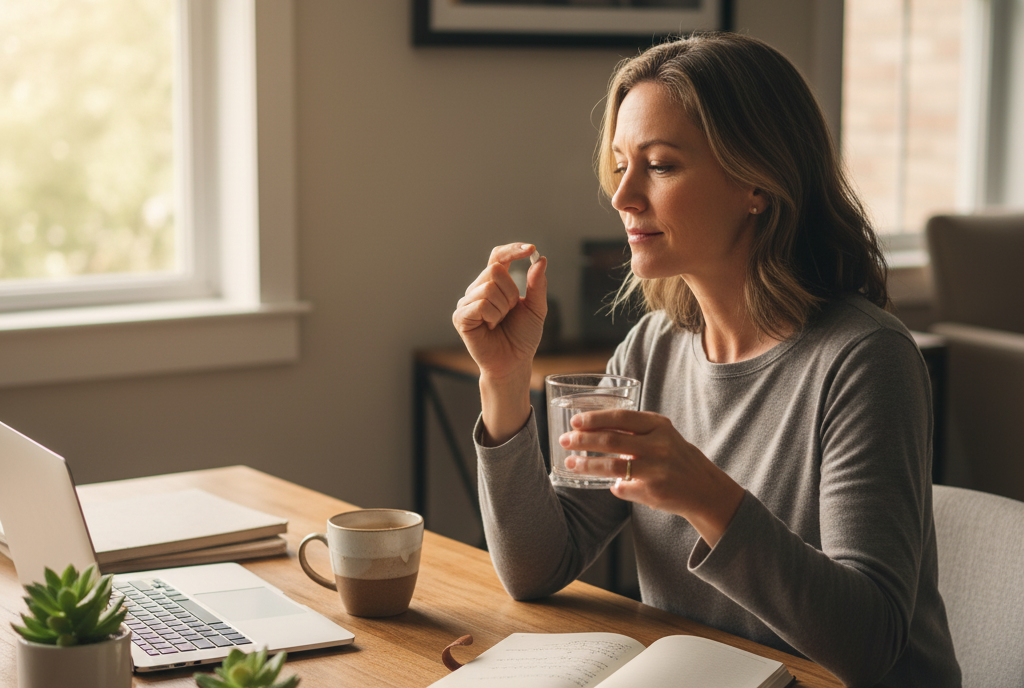
9. It May Lift Your Mood and Keep the Blues Away

<p> Coffee doesn’t just wake you up—it can also help you feel more upbeat. Studies suggest that regular coffee drinkers have a lower risk of depression, possibly due to caffeine’s ability to stimulate dopamine production, the “feel-good” chemical in the brain. For many boomers, that morning coffee is more than a habit; it’s a comforting routine that adds structure and joy to the day. While it’s no substitute for self-care or mental health support, your coffee ritual might be doing more for your mood than you give it credit for. </p> :: Gemini

Coffee doesn’t just wake you up—it can also help you feel more upbeat. Studies suggest that regular coffee drinkers have a lower risk of depression, possibly due to caffeine’s ability to stimulate dopamine production, the “feel-good” chemical in the brain. For many boomers, that morning coffee is more than a habit; it’s a comforting routine that adds structure and joy to the day. While it’s no substitute for self-care or mental health support, your coffee ritual might be doing more for your mood than you give it credit for.

10. Everyone’s Coffee Tolerance Is Different

<p> Finally, it’s important to remember that not everyone’s body reacts to coffee the same way. Age, medications, and existing health conditions can all affect how caffeine impacts you. Most experts recommend staying under 400 milligrams of caffeine per day—that’s roughly four standard cups—but your ideal amount might be less. If you notice heart palpitations, digestive upset, or poor sleep, you may want to scale back. When in doubt, talk to your doctor about your coffee habit, especially if you take medication that might interact with caffeine. </p> :: Gemini

Finally, it’s important to remember that not everyone’s body reacts to coffee the same way. Age, medications, and existing health conditions can all affect how caffeine impacts you. Most experts recommend staying under 400 milligrams of caffeine per day—that’s roughly four standard cups—but your ideal amount might be less. If you notice heart palpitations, digestive upset, or poor sleep, you may want to scale back. When in doubt, talk to your doctor about your coffee habit, especially if you take medication that might interact with caffeine.

Final Thoughts

<p> For baby boomers, coffee isn’t just a drink—it’s part of a lifestyle. It’s that quiet moment before the day gets busy, the familiar aroma that signals comfort and focus, and maybe even a tiny health boost hiding in plain sight. Drinking black coffee in moderation can support your brain, heart, liver, and metabolism while giving you the energy and mental clarity to enjoy life to the fullest.

But like most good things, balance is key. Too much caffeine or the wrong timing can backfire, leading to sleep problems, jitteriness, or stomach irritation. Keep it simple, keep it mindful, and savor each cup as part of your overall wellness routine.

So go ahead—pour yourself that warm, aromatic cup, take a deep breath, and appreciate the small pleasure it brings. You’re not just drinking coffee; you’re fueling your day, supporting your health, and celebrating one of life’s simplest joys. Here’s to good coffee, good mornings, and good health—all brewed to perfection. </p> :: Gemini

For baby boomers, coffee isn’t just a drink—it’s part of a lifestyle. It’s that quiet moment before the day gets busy, the familiar aroma that signals comfort and focus, and maybe even a tiny health boost hiding in plain sight. Drinking black coffee in moderation can support your brain, heart, liver, and metabolism while giving you the energy and mental clarity to enjoy life to the fullest.

But like most good things, balance is key. Too much caffeine or the wrong timing can backfire, leading to sleep problems, jitteriness, or stomach irritation. Keep it simple, keep it mindful, and savor each cup as part of your overall wellness routine.

So go ahead—pour yourself that warm, aromatic cup, take a deep breath, and appreciate the small pleasure it brings. You’re not just drinking coffee; you’re fueling your day, supporting your health, and celebrating one of life’s simplest joys. Here’s to good coffee, good mornings, and good health—all brewed to perfection.

Filed Under: Health & Fitness

15 Mindfulness Techniques to Elevate Your Mental Health

November 5, 2025 | Leave a Comment

15 Mindfulness Techniques to Elevate Your Mental Health

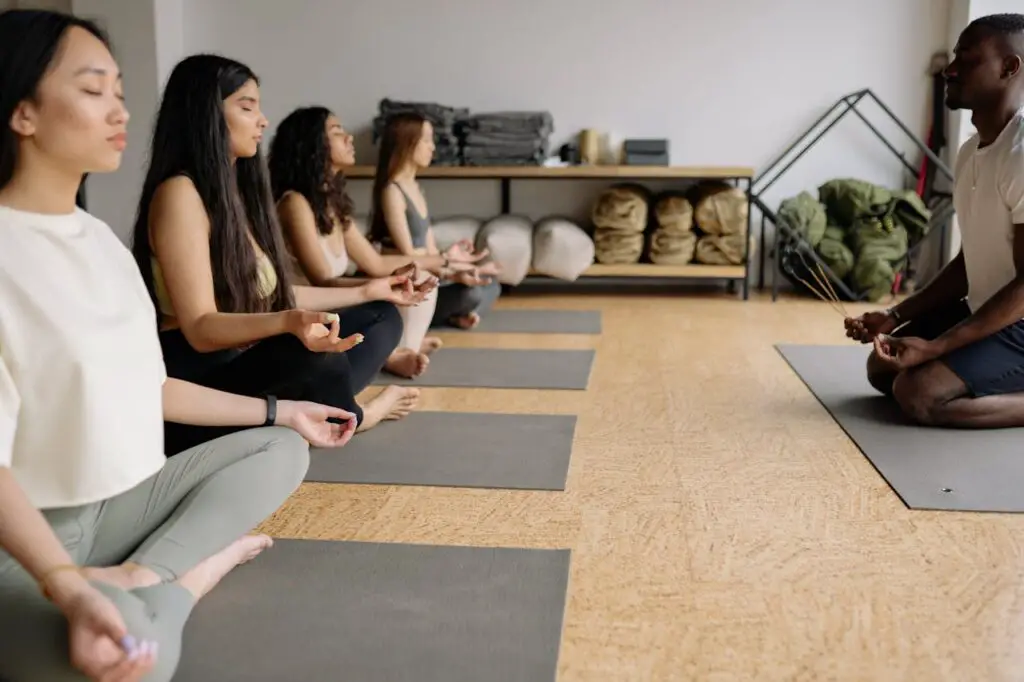
<p> In today’s fast-paced world, stress and anxiety can take a toll on mental well-being. Practicing mindfulness is a powerful way to regain balance, increase self-awareness, and improve emotional health. By focusing on the present moment, it is possible to reduce stress, enhance concentration, and cultivate a sense of inner peace. Whether mindfulness is a new concept or already part of a routine, these 15 techniques will help elevate mental health and create a more fulfilling life. </p> :: Pexels

In today’s fast-paced world, stress and anxiety can take a toll on mental well-being. Practicing mindfulness is a powerful way to regain balance, increase self-awareness, and improve emotional health. By focusing on the present moment, it is possible to reduce stress, enhance concentration, and cultivate a sense of inner peace. Whether mindfulness is a new concept or already part of a routine, these 15 techniques will help elevate mental health and create a more fulfilling life.

1. Deep Breathing Exercises

<p> Focusing on the breath is one of the simplest yet most effective mindfulness techniques. Deep breathing activates the parasympathetic nervous system, helping to reduce stress and lower blood pressure. A helpful technique is the 4-7-8 method: inhale deeply through the nose for four seconds, hold for seven seconds, and exhale slowly for eight seconds. Practicing this technique daily can enhance relaxation and bring a sense of calm to the mind. </p> :: Pexels

Focusing on the breath is one of the simplest yet most effective mindfulness techniques. Deep breathing activates the parasympathetic nervous system, helping to reduce stress and lower blood pressure. A helpful technique is the 4-7-8 method: inhale deeply through the nose for four seconds, hold for seven seconds, and exhale slowly for eight seconds. Practicing this technique daily can enhance relaxation and bring a sense of calm to the mind.

2. Body Scan Meditation

<p> A body scan meditation involves mentally scanning the body from head to toe, observing any tension or discomfort without judgment. This practice promotes relaxation, increases body awareness, and helps release stress. Start by lying down or sitting comfortably, then gradually bring attention to different areas of the body, acknowledging sensations as they arise. </p> :: Pexels

A body scan meditation involves mentally scanning the body from head to toe, observing any tension or discomfort without judgment. This practice promotes relaxation, increases body awareness, and helps release stress. Start by lying down or sitting comfortably, then gradually bring attention to different areas of the body, acknowledging sensations as they arise.

3. Practicing Gratitude

<p> Gratitude is a simple yet transformative mindfulness technique that shifts focus from what is lacking to what is present. Keeping a gratitude journal and writing down three things to be grateful for each day can rewire the brain for positivity. Expressing gratitude enhances emotional resilience, improves sleep quality, and fosters an overall sense of contentment. </p> :: Pexels

Gratitude is a simple yet transformative mindfulness technique that shifts focus from what is lacking to what is present. Keeping a gratitude journal and writing down three things to be grateful for each day can rewire the brain for positivity. Expressing gratitude enhances emotional resilience, improves sleep quality, and fosters an overall sense of contentment.

4. Engaging in Mindful Walking

<p> Walking mindfully involves being fully present with each step, focusing on the movement of the feet, the rhythm of the breath, and the sensations around. Whether walking in nature or through a busy street, this practice grounds the mind in the present moment and reduces mental chatter. Slow down, breathe deeply, and observe surroundings with heightened awareness. </p> :: Pexels

Walking mindfully involves being fully present with each step, focusing on the movement of the feet, the rhythm of the breath, and the sensations around. Whether walking in nature or through a busy street, this practice grounds the mind in the present moment and reduces mental chatter. Slow down, breathe deeply, and observe surroundings with heightened awareness.

5. Practicing Loving-Kindness Meditation

<p> Loving-kindness meditation, also known as Metta meditation, involves silently repeating positive affirmations for oneself and others. Begin by closing the eyes and saying phrases like “May I be happy, may I be healthy, may I be free from suffering.” Gradually extend these affirmations to loved ones, acquaintances, and even those who are difficult to deal with. This practice enhances compassion, reduces negative emotions, and promotes emotional well-being. </p> :: Pexels

Loving-kindness meditation, also known as Metta meditation, involves silently repeating positive affirmations for oneself and others. Begin by closing the eyes and saying phrases like “May I be happy, may I be healthy, may I be free from suffering.” Gradually extend these affirmations to loved ones, acquaintances, and even those who are difficult to deal with. This practice enhances compassion, reduces negative emotions, and promotes emotional well-being.

6. Using Grounding Techniques

<p> Grounding techniques help bring focus back to the present moment when feeling overwhelmed. A popular method is the 5-4-3-2-1 technique: identify five things seen, four things touched, three things heard, two things smelled, and one thing tasted. This simple yet effective practice can instantly reduce anxiety and help regain control. </p> :: Pexels

Grounding techniques help bring focus back to the present moment when feeling overwhelmed. A popular method is the 5-4-3-2-1 technique: identify five things seen, four things touched, three things heard, two things smelled, and one thing tasted. This simple yet effective practice can instantly reduce anxiety and help regain control.

7. Eating Mindfully

<p> Mindful eating involves paying full attention to the flavors, textures, and sensations of food without distractions. Slow down, chew thoroughly, and savor each bite instead of rushing through meals. This practice not only improves digestion but also fosters a deeper appreciation for nourishment and helps prevent overeating. </p> :: Pexels

Mindful eating involves paying full attention to the flavors, textures, and sensations of food without distractions. Slow down, chew thoroughly, and savor each bite instead of rushing through meals. This practice not only improves digestion but also fosters a deeper appreciation for nourishment and helps prevent overeating.

8. Journaling for Self-Reflection

<p> Writing down thoughts and emotions allows for better processing of feelings, gaining clarity, and developing a deeper connection with oneself. Daily journaling can help recognize patterns in thoughts, identify stress triggers, and work through emotions constructively. Set aside a few minutes each day to write freely without judgment. </p> :: Pexels

Writing down thoughts and emotions allows for better processing of feelings, gaining clarity, and developing a deeper connection with oneself. Daily journaling can help recognize patterns in thoughts, identify stress triggers, and work through emotions constructively. Set aside a few minutes each day to write freely without judgment.

9. Practicing Digital Detox

<p> Constant exposure to screens and social media can contribute to stress and anxiety. Setting boundaries with technology by scheduling regular digital detox periods can help regain mental clarity and reduce distractions. Spend time offline engaging in activities that nourish the mind, such as reading, meditating, or spending time in nature. </p> :: Pexels

Constant exposure to screens and social media can contribute to stress and anxiety. Setting boundaries with technology by scheduling regular digital detox periods can help regain mental clarity and reduce distractions. Spend time offline engaging in activities that nourish the mind, such as reading, meditating, or spending time in nature.

10. Engaging in Guided Meditation

<p> Guided meditations are an excellent way to ease into mindfulness, especially for beginners. Using apps or online resources, it is possible to follow voice-led sessions that focus on relaxation, breathwork, or visualization. These guided practices help calm the mind, enhance focus, and provide structured mindfulness training. </p> :: Pexels

Guided meditations are an excellent way to ease into mindfulness, especially for beginners. Using apps or online resources, it is possible to follow voice-led sessions that focus on relaxation, breathwork, or visualization. These guided practices help calm the mind, enhance focus, and provide structured mindfulness training.

11. Performing Acts of Kindness

<p> Mindfulness extends beyond self-awareness to how interactions occur with others. Small acts of kindness, such as complimenting someone, helping a stranger, or writing a heartfelt note, can boost mood and strengthen social connections. Engaging in kind deeds enhances empathy, reduces stress, and cultivates a greater sense of fulfillment. </p> :: Pexels

Mindfulness extends beyond self-awareness to how interactions occur with others. Small acts of kindness, such as complimenting someone, helping a stranger, or writing a heartfelt note, can boost mood and strengthen social connections. Engaging in kind deeds enhances empathy, reduces stress, and cultivates a greater sense of fulfillment.

12. Practicing Visualization Techniques

<p> Visualization involves mentally picturing a peaceful or happy place to promote relaxation. Close the eyes and imagine being in a serene location, such as a beach or forest, focusing on the sights, sounds, and sensations. This practice reduces stress, enhances positive emotions, and helps shift the mindset to a more tranquil state. </p> :: Pexels

Visualization involves mentally picturing a peaceful or happy place to promote relaxation. Close the eyes and imagine being in a serene location, such as a beach or forest, focusing on the sights, sounds, and sensations. This practice reduces stress, enhances positive emotions, and helps shift the mindset to a more tranquil state.

13. Engaging in Progressive Muscle Relaxation

<p> Progressive muscle relaxation (PMR) involves tensing and then slowly relaxing different muscle groups throughout the body. This technique is particularly effective for reducing tension, easing anxiety, and promoting overall relaxation. Start at the feet and work up, focusing on the contrast between tension and relaxation in each muscle group. </p> :: Pexels

Progressive muscle relaxation (PMR) involves tensing and then slowly relaxing different muscle groups throughout the body. This technique is particularly effective for reducing tension, easing anxiety, and promoting overall relaxation. Start at the feet and work up, focusing on the contrast between tension and relaxation in each muscle group.

14. Practicing Acceptance and Letting Go

<p> Mindfulness teaches the importance of accepting things as they are without resistance. Holding onto regrets, grudges, or unrealistic expectations can create unnecessary suffering. Practicing acceptance involves acknowledging emotions, releasing control over what cannot be changed, and allowing forward movement with a sense of peace. </p> :: Pexels

Mindfulness teaches the importance of accepting things as they are without resistance. Holding onto regrets, grudges, or unrealistic expectations can create unnecessary suffering. Practicing acceptance involves acknowledging emotions, releasing control over what cannot be changed, and allowing forward movement with a sense of peace.

15. Connecting with Nature

<p> Spending time in nature is a powerful way to cultivate mindfulness and improve mental well-being. Whether it is a walk in the park, sitting by a lake, or hiking in the mountains, being in nature enhances mood, reduces stress, and fosters a deeper connection to the present moment. Pay attention to the sights, sounds, and sensations around to fully immerse in the experience. </p> :: Pexels

Spending time in nature is a powerful way to cultivate mindfulness and improve mental well-being. Whether it is a walk in the park, sitting by a lake, or hiking in the mountains, being in nature enhances mood, reduces stress, and fosters a deeper connection to the present moment. Pay attention to the sights, sounds, and sensations around to fully immerse in the experience.

Final Thoughts

<p> Mindfulness is a practice that can significantly enhance mental health by reducing stress, improving emotional resilience, and increasing self-awareness. By incorporating these 15 mindfulness techniques into daily life, a greater sense of calm, clarity, and inner peace can be cultivated. Start small, be consistent, and embrace mindfulness as a lifelong journey toward better mental well-being. </p> :: Pexels

Mindfulness is a practice that can significantly enhance mental health by reducing stress, improving emotional resilience, and increasing self-awareness. By incorporating these 15 mindfulness techniques into daily life, a greater sense of calm, clarity, and inner peace can be cultivated. Start small, be consistent, and embrace mindfulness as a lifelong journey toward better mental well-being.

Filed Under: Health & Fitness

Why You Should Think Twice Before Mixing Coffee with These 10 Medications

November 5, 2025 | Leave a Comment

Why You Should Think Twice Before Mixing Coffee with These 10 Medications

<p> For millions of Americans, the day doesn’t officially start until that first sip of coffee hits the bloodstream. The aroma, the warmth, the comfort—it’s more than a drink; it’s a ritual. But while coffee gives your brain a boost, it can also clash with certain medications in ways you might not expect. Caffeine is a powerful stimulant that affects how drugs are absorbed, processed, and even how they work once inside your body. Sometimes it weakens a medication’s effectiveness. Other times, it can intensify side effects like anxiety, restlessness, or insomnia. The result? Your favorite morning cup might be doing more harm than good—especially when timed poorly with certain prescriptions. Here’s a practical guide to the medications you should never mix with coffee, plus simple tips to keep both your health and caffeine habit in harmony. </p> :: Gemini

For millions of Americans, the day doesn’t officially start until that first sip of coffee hits the bloodstream. The aroma, the warmth, the comfort—it’s more than a drink; it’s a ritual. But while coffee gives your brain a boost, it can also clash with certain medications in ways you might not expect.

Caffeine is a powerful stimulant that affects how drugs are absorbed, processed, and even how they work once inside your body. Sometimes it weakens a medication’s effectiveness. Other times, it can intensify side effects like anxiety, restlessness, or insomnia. The result? Your favorite morning cup might be doing more harm than good—especially when timed poorly with certain prescriptions.

Here’s a practical guide to the medications you should never mix with coffee, plus simple tips to keep both your health and caffeine habit in harmony.

1. Anticoagulants (Blood Thinners)

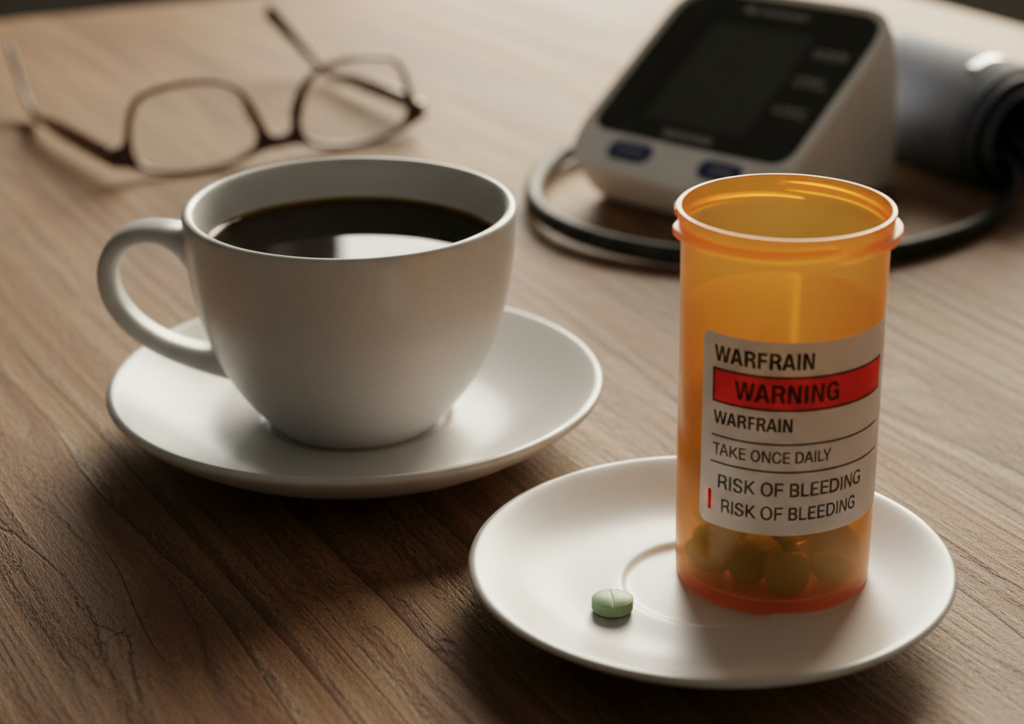
<p> If you’re taking blood thinners like Warfarin, it’s worth being cautious with your coffee. Caffeine can raise drug levels in your bloodstream, potentially increasing the risk of bruising or bleeding. Since these medications already thin the blood, the added stimulation from caffeine may push things a little too far. Pro Tip: Enjoy your coffee at least an hour before or after your dose. And if you notice unexplained bruises or prolonged bleeding, talk to your doctor about adjusting your caffeine intake. </p> :: Gemini

If you’re taking blood thinners like Warfarin, it’s worth being cautious with your coffee. Caffeine can raise drug levels in your bloodstream, potentially increasing the risk of bruising or bleeding. Since these medications already thin the blood, the added stimulation from caffeine may push things a little too far.

Pro Tip: Enjoy your coffee at least an hour before or after your dose. And if you notice unexplained bruises or prolonged bleeding, talk to your doctor about adjusting your caffeine intake.

2. Thyroid Medications (Levothyroxine)

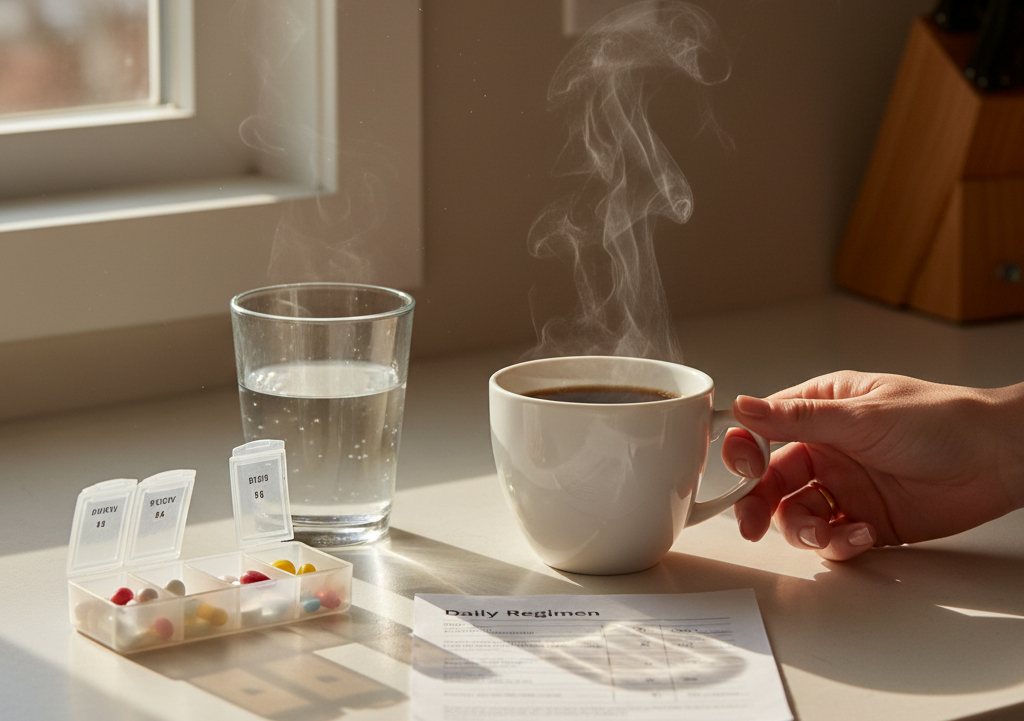
<p> If you take thyroid medication such as Levothyroxine, your morning coffee could be getting in the way. Studies show that drinking coffee too soon after swallowing your pill can reduce its absorption by up to half, leaving you feeling sluggish or unbalanced throughout the day. Pro Tip: Take your thyroid medication first thing in the morning with a full glass of water, and wait at least 30 to 60 minutes before sipping your first cup of coffee. It might feel like a long wait, but your thyroid will thank you. </p> :: Gemini

If you take thyroid medication such as Levothyroxine, your morning coffee could be getting in the way. Studies show that drinking coffee too soon after swallowing your pill can reduce its absorption by up to half, leaving you feeling sluggish or unbalanced throughout the day.

Pro Tip: Take your thyroid medication first thing in the morning with a full glass of water, and wait at least 30 to 60 minutes before sipping your first cup of coffee. It might feel like a long wait, but your thyroid will thank you.

3. Osteoporosis Medications (Bisphosphonates)

<p> If you’re on bone-strengthening drugs like Alendronate, Ibandronate, or Risedronate, coffee is not your friend—at least not right after taking your pill. These medications are tricky to absorb and require an empty stomach and plain water to work properly. Adding coffee too soon can cancel out much of their benefit. Pro Tip: Take your medication first thing in the morning, stay upright for at least 30 minutes, and resist the temptation to grab your latte until later. Think of it as a well-earned reward for good bone health. </p> :: Gemini

If you’re on bone-strengthening drugs like Alendronate, Ibandronate, or Risedronate, coffee is not your friend—at least not right after taking your pill. These medications are tricky to absorb and require an empty stomach and plain water to work properly. Adding coffee too soon can cancel out much of their benefit.

Pro Tip: Take your medication first thing in the morning, stay upright for at least 30 minutes, and resist the temptation to grab your latte until later. Think of it as a well-earned reward for good bone health.

4. Asthma Medications (Theophylline and Similar Drugs)

<p> If you rely on older asthma medications like Theophylline, caffeine can be a problem. Both coffee and Theophylline stimulate the central nervous system, which can lead to racing heartbeats, jitteriness, or even trouble sleeping.

Pro Tip: Space your coffee and medication apart by at least an hour or two. If your asthma medication already makes you feel wired, you might want to switch to decaf or tea until your body adjusts. </p> :: Gemini

If you rely on older asthma medications like Theophylline, caffeine can be a problem. Both coffee and Theophylline stimulate the central nervous system, which can lead to racing heartbeats, jitteriness, or even trouble sleeping.

Pro Tip: Space your coffee and medication apart by at least an hour or two. If your asthma medication already makes you feel wired, you might want to switch to decaf or tea until your body adjusts.

5. Antidepressants and Antipsychotics

<p> Some antidepressants and antipsychotic medications, including certain SSRIs and tricyclics, don’t play well with caffeine. Coffee can either make these medications less effective or exaggerate their side effects—like restlessness, irritability, and increased heart rate.

Pro Tip: You don’t have to give up your morning brew completely, but it might help to cut down or time your coffee after your medication has had a chance to work. If you’re feeling extra jittery or can’t sleep, ask your doctor whether caffeine could be to blame. </p> :: Gemini

Some antidepressants and antipsychotic medications, including certain SSRIs and tricyclics, don’t play well with caffeine. Coffee can either make these medications less effective or exaggerate their side effects—like restlessness, irritability, and increased heart rate.

Pro Tip: You don’t have to give up your morning brew completely, but it might help to cut down or time your coffee after your medication has had a chance to work. If you’re feeling extra jittery or can’t sleep, ask your doctor whether caffeine could be to blame.

6. Alzheimer’s and Dementia Medications (Cholinesterase Inhibitors)

<p> For people taking drugs like Donepezil or Rivastigmine, caffeine may interfere with how well the medication reaches the brain. This can reduce its effectiveness and even amplify side effects like nausea or restlessness.

Pro Tip: If you or a loved one is on medication for memory or cognition, separate coffee from pill time. Taking your medication first and having coffee with breakfast later is often the safest route. </p> :: Gemini

For people taking drugs like Donepezil or Rivastigmine, caffeine may interfere with how well the medication reaches the brain. This can reduce its effectiveness and even amplify side effects like nausea or restlessness.

Pro Tip: If you or a loved one is on medication for memory or cognition, separate coffee from pill time. Taking your medication first and having coffee with breakfast later is often the safest route.
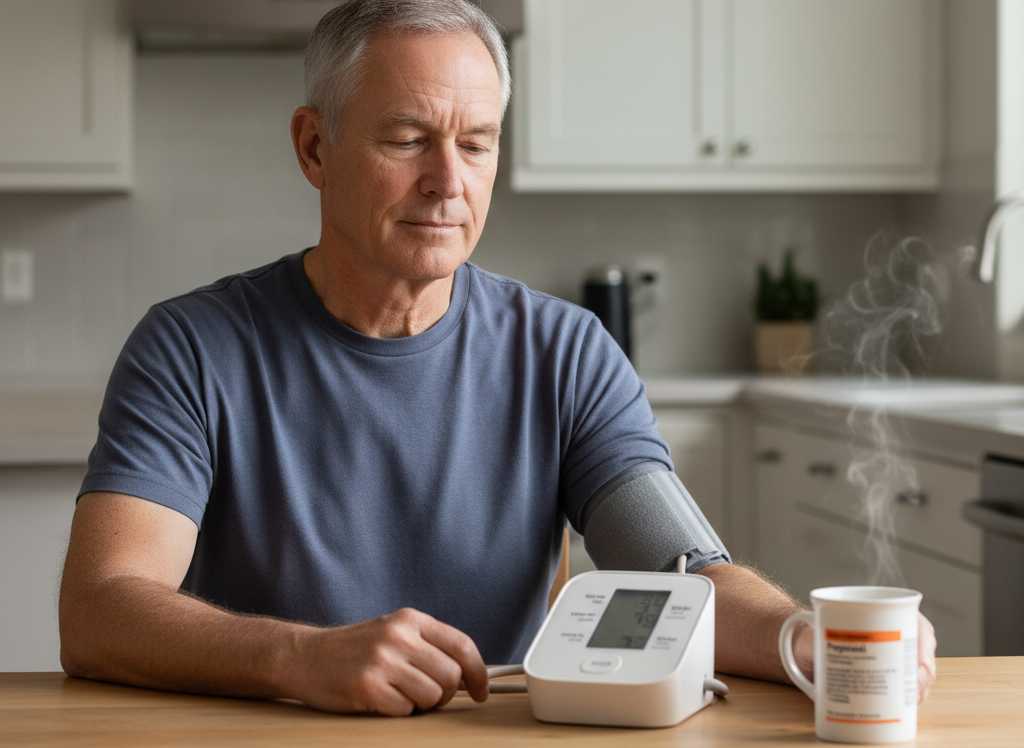
7. Blood Pressure Medications (Calcium Channel Blockers and Beta Blockers)
<p> If you take blood pressure medications like Verapamil or Propranolol, that morning coffee could counteract their effects. Caffeine temporarily raises blood pressure, which can undo the benefits of the medication and make readings less stable.

Pro Tip: Keep your coffee moderate—one or two cups per day—and take your medication well before you start drinking caffeine. Monitoring your blood pressure regularly can also help you see how coffee impacts your numbers. </p> :: Gemini

If you take blood pressure medications like Verapamil or Propranolol, that morning coffee could counteract their effects. Caffeine temporarily raises blood pressure, which can undo the benefits of the medication and make readings less stable.

Pro Tip: Keep your coffee moderate—one or two cups per day—and take your medication well before you start drinking caffeine. Monitoring your blood pressure regularly can also help you see how coffee impacts your numbers.

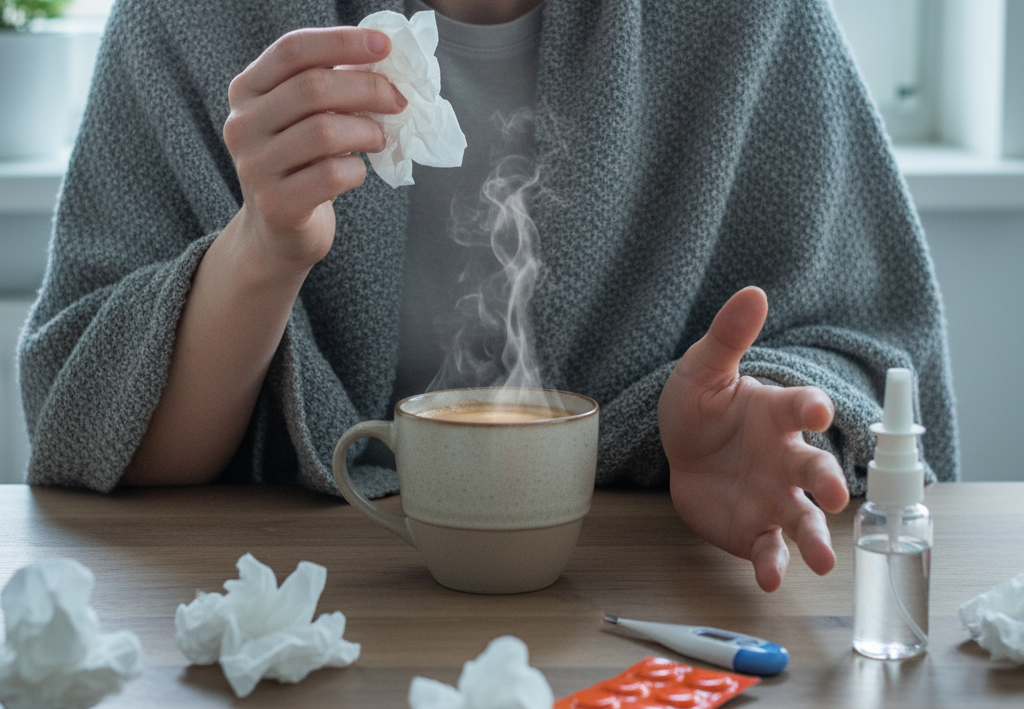
8. Cold, Flu, and Allergy Medications (Decongestants and Antihistamines)

<p> If you reach for a cold medicine containing Pseudoephedrine or another stimulant, combining it with coffee can lead to a serious case of the jitters. Both substances raise your heart rate and blood pressure, leaving you feeling shaky and anxious.

Pro Tip: When you’re under the weather, stick to decaf or herbal tea until your symptoms clear up. Your body will have an easier time resting and recovering without the caffeine kick. </p> :: Gemini

If you reach for a cold medicine containing Pseudoephedrine or another stimulant, combining it with coffee can lead to a serious case of the jitters. Both substances raise your heart rate and blood pressure, leaving you feeling shaky and anxious.

Pro Tip: When you’re under the weather, stick to decaf or herbal tea until your symptoms clear up. Your body will have an easier time resting and recovering without the caffeine kick.

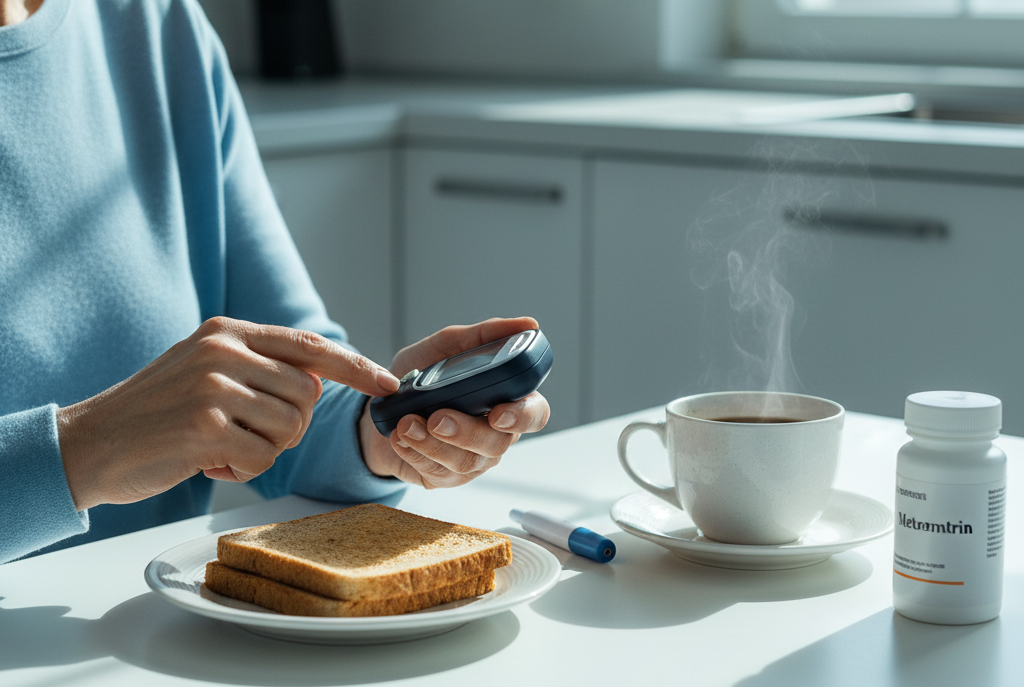
9. Diabetes Medications

<p> If you have diabetes, coffee can affect how your body processes sugar and insulin. Caffeine may cause blood sugar spikes or make it harder to predict how your glucose levels will respond after meals. When combined with diabetes medications, that can create an unpredictable roller coaster of highs and lows.

Pro Tip: Track your blood sugar after drinking coffee, especially when starting a new medication. You may find it easier to tolerate coffee when it’s paired with food rather than on an empty stomach. </p> :: Gemini

If you have diabetes, coffee can affect how your body processes sugar and insulin. Caffeine may cause blood sugar spikes or make it harder to predict how your glucose levels will respond after meals. When combined with diabetes medications, that can create an unpredictable roller coaster of highs and lows.

Pro Tip: Track your blood sugar after drinking coffee, especially when starting a new medication. You may find it easier to tolerate coffee when it’s paired with food rather than on an empty stomach.

10. Methotrexate and Other Immunosuppressants

<p> If you take Methotrexate or similar medications for autoimmune conditions or certain cancers, caffeine may increase how much of the drug stays in your system. This can intensify side effects like nausea, fatigue, and mouth sores.

Pro Tip: Ask your doctor or pharmacist whether caffeine could interfere with your treatment. If you’re advised to cut back, try switching to low-caffeine or caffeine-free options that still give you that cozy morning ritual. </p> :: Gemini

If you take Methotrexate or similar medications for autoimmune conditions or certain cancers, caffeine may increase how much of the drug stays in your system. This can intensify side effects like nausea, fatigue, and mouth sores.

Pro Tip: Ask your doctor or pharmacist whether caffeine could interfere with your treatment. If you’re advised to cut back, try switching to low-caffeine or caffeine-free options that still give you that cozy morning ritual.

Final Thoughts

<p> Let’s be honest—coffee isn’t going anywhere. It’s part comfort, part energy, and part pure happiness. But being smart about when you drink it can make a world of difference, especially if you rely on prescription medications.

The key isn’t to give up coffee—it’s to make it work with your routine instead of against it. Read your medication instructions carefully, pay attention to any “take on an empty stomach” warnings, and don’t hesitate to ask your doctor or pharmacist how caffeine might fit into the picture.

Most of the time, it’s just a matter of timing. Taking your medication first, waiting 30 to 60 minutes, and then savoring your cup can help your treatment do its job properly while letting you keep your favorite ritual intact.

At the end of the day, your health and your happiness both matter. And with a little planning, you can have your coffee—and drink it too. </p> :: Gemini

Let’s be honest—coffee isn’t going anywhere. It’s part comfort, part energy, and part pure happiness. But being smart about when you drink it can make a world of difference, especially if you rely on prescription medications.

The key isn’t to give up coffee—it’s to make it work with your routine instead of against it. Read your medication instructions carefully, pay attention to any “take on an empty stomach” warnings, and don’t hesitate to ask your doctor or pharmacist how caffeine might fit into the picture.

Most of the time, it’s just a matter of timing. Taking your medication first, waiting 30 to 60 minutes, and then savoring your cup can help your treatment do its job properly while letting you keep your favorite ritual intact.

At the end of the day, your health and your happiness both matter. And with a little planning, you can have your coffee—and drink it too.

Filed Under: Health & Fitness

8 Proven Sleep Hacks That Actually Work for Boomers (According to Experts)

November 2, 2025 | Leave a Comment

8 Proven Sleep Hacks That Actually Work for Boomers (According to Experts)

<p> If you’re a baby boomer, chances are you’ve noticed that sleep doesn’t come quite as easily as it used to. Maybe you fall asleep just fine but wake up at 3 a.m. and can’t drift back off. Or perhaps you toss and turn for hours, wondering how your body seems to have forgotten how to rest. You’re not alone. According to the National Sleep Foundation, nearly half of adults over 60 struggle with insomnia or disrupted sleep.

But here’s the good news: it’s not all downhill. While changes in hormones, medications, and lifestyle can make sleep trickier with age, there are plenty of science-backed strategies that can help you sleep better and wake up feeling more refreshed. These are not gimmicks or “quick fixes,” but realistic habits experts say actually work—especially for boomers.

So, grab a cozy blanket, settle in, and discover eight expert-approved sleep hacks that could help you finally reclaim those restful nights. </p> :: Gemini

If you’re a baby boomer, chances are you’ve noticed that sleep doesn’t come quite as easily as it used to. Maybe you fall asleep just fine but wake up at 3 a.m. and can’t drift back off. Or perhaps you toss and turn for hours, wondering how your body seems to have forgotten how to rest. You’re not alone. According to the National Sleep Foundation, nearly half of adults over 60 struggle with insomnia or disrupted sleep.

But here’s the good news: it’s not all downhill. While changes in hormones, medications, and lifestyle can make sleep trickier with age, there are plenty of science-backed strategies that can help you sleep better and wake up feeling more refreshed. These are not gimmicks or “quick fixes,” but realistic habits experts say actually work—especially for boomers.

So, grab a cozy blanket, settle in, and discover eight expert-approved sleep hacks that could help you finally reclaim those restful nights.

1. Stick to a Consistent Sleep Schedule

<p> You might not be punching a clock anymore, but your body still craves structure. Going to bed and waking up at the same time every day helps regulate your internal clock, which makes it easier to fall asleep and wake up naturally.

Dr. Rebecca Robbins, a sleep scientist at Brigham and Women’s Hospital, explains that our bodies love routine. “When you keep a consistent schedule, your brain starts associating certain times with rest. That consistency makes falling asleep easier,” she says.

If you’ve retired and find your schedule more flexible, try setting a gentle alarm in the morning and aiming for a bedtime that allows for seven to eight hours of rest. Resist the urge to stay up late watching TV or sleep in too long—your body will thank you for the rhythm. </p> :: Gemini

You might not be punching a clock anymore, but your body still craves structure. Going to bed and waking up at the same time every day helps regulate your internal clock, which makes it easier to fall asleep and wake up naturally.

Dr. Rebecca Robbins, a sleep scientist at Brigham and Women’s Hospital, explains that our bodies love routine. “When you keep a consistent schedule, your brain starts associating certain times with rest. That consistency makes falling asleep easier,” she says.

If you’ve retired and find your schedule more flexible, try setting a gentle alarm in the morning and aiming for a bedtime that allows for seven to eight hours of rest. Resist the urge to stay up late watching TV or sleep in too long—your body will thank you for the rhythm.

2. Make Your Bedroom a Sleep Sanctuary

<p> Think of your bedroom as your personal retreat for rest and relaxation. Experts recommend keeping it cool, dark, and quiet to signal to your brain that it’s time to wind down.

The National Institute on Aging notes that as we get older, we become more sensitive to noise and light, both of which can interrupt sleep. Try blackout curtains or an eye mask to block unwanted light and use earplugs or a white noise machine to mask disruptive sounds.

And while it’s tempting to watch TV or scroll on your phone in bed, try to reserve that space for sleep only. When your brain associates your bed with rest instead of entertainment, it learns to shift into sleep mode more easily. </p> :: Gemini

Think of your bedroom as your personal retreat for rest and relaxation. Experts recommend keeping it cool, dark, and quiet to signal to your brain that it’s time to wind down.

The National Institute on Aging notes that as we get older, we become more sensitive to noise and light, both of which can interrupt sleep. Try blackout curtains or an eye mask to block unwanted light and use earplugs or a white noise machine to mask disruptive sounds.

And while it’s tempting to watch TV or scroll on your phone in bed, try to reserve that space for sleep only. When your brain associates your bed with rest instead of entertainment, it learns to shift into sleep mode more easily.

3. Keep Naps Short and Sweet

<p> Ah, the afternoon nap—a favorite pastime for many boomers. While a little daytime rest can be beneficial, too much of it can backfire. Long or late naps can make it harder to fall asleep at night by reducing your sleep drive.

Sleep researchers suggest limiting naps to 20 or 30 minutes and taking them earlier in the afternoon, ideally before 3 p.m. That way, you can recharge without sabotaging your nighttime sleep.

If you find yourself constantly needing long naps to get through the day, that could be a sign that you aren’t getting quality sleep at night. In that case, it might be time to review your bedtime habits—or talk to your doctor about possible underlying issues like sleep apnea. </p> :: Gemini

Ah, the afternoon nap—a favorite pastime for many boomers. While a little daytime rest can be beneficial, too much of it can backfire. Long or late naps can make it harder to fall asleep at night by reducing your sleep drive.

Sleep researchers suggest limiting naps to 20 or 30 minutes and taking them earlier in the afternoon, ideally before 3 p.m. That way, you can recharge without sabotaging your nighttime sleep.

If you find yourself constantly needing long naps to get through the day, that could be a sign that you aren’t getting quality sleep at night. In that case, it might be time to review your bedtime habits—or talk to your doctor about possible underlying issues like sleep apnea.

4. Get More Natural Light and Daily Movement

<p> Here’s a simple yet powerful trick: step outside. Sunlight exposure helps regulate your body’s natural sleep-wake rhythm, known as the circadian rhythm. Even just 20 to 30 minutes of morning light can cue your body to be alert during the day and ready for rest at night.

Pair that with some daily movement—even gentle exercise like walking, gardening, or stretching—and you’ll likely notice an improvement in your sleep quality. Exercise helps release tension, lower stress, and boost the production of hormones that support deep sleep.

The best part? You don’t need an intense gym routine. A morning stroll around the block or tending to your backyard plants can be enough to give your body the cues it needs for better rest later on. </p> :: Gemini

Here’s a simple yet powerful trick: step outside. Sunlight exposure helps regulate your body’s natural sleep-wake rhythm, known as the circadian rhythm. Even just 20 to 30 minutes of morning light can cue your body to be alert during the day and ready for rest at night.

Pair that with some daily movement—even gentle exercise like walking, gardening, or stretching—and you’ll likely notice an improvement in your sleep quality. Exercise helps release tension, lower stress, and boost the production of hormones that support deep sleep.

The best part? You don’t need an intense gym routine. A morning stroll around the block or tending to your backyard plants can be enough to give your body the cues it needs for better rest later on.

5. Be Mindful of Evening Caffeine, Alcohol, and Heavy Meals

<p> You probably already know that caffeine can keep you awake, but did you know that your body becomes more sensitive to it as you age? The same goes for alcohol and large meals close to bedtime—they can disrupt your sleep even if you don’t realize it.

Caffeine can linger in your system for up to eight hours, so it’s best to stop drinking coffee, tea, or soda by early afternoon. Alcohol might make you drowsy initially, but it often causes fragmented sleep and early wake-ups. And as for those late dinners? Try to finish eating at least two to three hours before bed to give your body time to digest.

A soothing cup of herbal tea, such as chamomile or valerian root, can make for a great caffeine-free alternative that helps you unwind. </p> :: Gemini

You probably already know that caffeine can keep you awake, but did you know that your body becomes more sensitive to it as you age? The same goes for alcohol and large meals close to bedtime—they can disrupt your sleep even if you don’t realize it.

Caffeine can linger in your system for up to eight hours, so it’s best to stop drinking coffee, tea, or soda by early afternoon. Alcohol might make you drowsy initially, but it often causes fragmented sleep and early wake-ups. And as for those late dinners? Try to finish eating at least two to three hours before bed to give your body time to digest.

A soothing cup of herbal tea, such as chamomile or valerian root, can make for a great caffeine-free alternative that helps you unwind.

6. Create a Calming Bedtime Routine

<p> Remember how you used to tuck your kids into bed with a routine—bath, book, lights out? Turns out, adults benefit from bedtime rituals too. A consistent routine helps signal to your brain that it’s time to slow down and rest.

You might try reading a paperback, practicing gentle yoga stretches, listening to calming music, or doing a bit of journaling before bed. Avoid screens during this time since the blue light from phones and tablets can trick your brain into thinking it’s still daytime.

Think of this hour as “you time.” Dim the lights, relax your body, and allow your mind to gently transition from the busyness of the day to a state of calm. </p> :: Gemini

Remember how you used to tuck your kids into bed with a routine—bath, book, lights out? Turns out, adults benefit from bedtime rituals too. A consistent routine helps signal to your brain that it’s time to slow down and rest.

You might try reading a paperback, practicing gentle yoga stretches, listening to calming music, or doing a bit of journaling before bed. Avoid screens during this time since the blue light from phones and tablets can trick your brain into thinking it’s still daytime.

Think of this hour as “you time.” Dim the lights, relax your body, and allow your mind to gently transition from the busyness of the day to a state of calm.

7. Reduce Screen Time and Blue Light Before Bed

<p> Screens are everywhere these days—from your smartphone and tablet to your television—and while they’re convenient, they can wreak havoc on your sleep. The blue light they emit suppresses melatonin, the hormone that helps you fall asleep naturally.

Experts recommend shutting down electronics at least 30 to 60 minutes before bed. If you must use your devices, switch to a “night mode” or blue light filter to minimize the impact.

You can also replace evening screen time with more relaxing, screen-free activities like listening to an audiobook, knitting, or chatting quietly with your partner. Your eyes and brain will appreciate the break, and your sleep will improve as a result. </p> :: Gemini

Screens are everywhere these days—from your smartphone and tablet to your television—and while they’re convenient, they can wreak havoc on your sleep. The blue light they emit suppresses melatonin, the hormone that helps you fall asleep naturally.

Experts recommend shutting down electronics at least 30 to 60 minutes before bed. If you must use your devices, switch to a “night mode” or blue light filter to minimize the impact.

You can also replace evening screen time with more relaxing, screen-free activities like listening to an audiobook, knitting, or chatting quietly with your partner. Your eyes and brain will appreciate the break, and your sleep will improve as a result.

8. Talk to Your Doctor if Sleep Problems Persist

<p> Sometimes, sleep issues are not just about habits—they can be tied to medical conditions or medications. Sleep apnea, restless leg syndrome, and even thyroid issues can all interfere with your ability to get good rest.

If you consistently wake up feeling tired or have difficulty staying asleep despite your best efforts, it’s worth speaking to a healthcare provider. They can rule out underlying conditions or adjust medications that may be affecting your sleep.

Remember, sleep problems are not just “part of getting older.” With the right approach and professional guidance, you can improve your sleep quality and feel more energetic during the day. </p> :: Gemini

Sometimes, sleep issues are not just about habits—they can be tied to medical conditions or medications. Sleep apnea, restless leg syndrome, and even thyroid issues can all interfere with your ability to get good rest.

If you consistently wake up feeling tired or have difficulty staying asleep despite your best efforts, it’s worth speaking to a healthcare provider. They can rule out underlying conditions or adjust medications that may be affecting your sleep.

Remember, sleep problems are not just “part of getting older.” With the right approach and professional guidance, you can improve your sleep quality and feel more energetic during the day.

Final Thoughts

<p> Sleep is one of the most powerful yet underrated tools for staying healthy, energetic, and happy as we age. For baby boomers, prioritizing rest can make a world of difference—sharper focus, better mood, stronger immunity, and even improved heart health.

The key takeaway? You don’t need to overhaul your life to sleep better. Start small. Maybe you begin by getting more sunlight, or by setting a consistent bedtime. Each positive change builds momentum. Before long, you’ll find yourself sleeping more deeply and waking up feeling more refreshed.

You’ve worked hard for decades—now it’s time to rest just as intentionally. So tonight, make your bedroom cozy, turn off the screens, sip something soothing, and give yourself the gift of real, restorative sleep. You’ve earned it. </p> :: Gemini

Sleep is one of the most powerful yet underrated tools for staying healthy, energetic, and happy as we age. For baby boomers, prioritizing rest can make a world of difference—sharper focus, better mood, stronger immunity, and even improved heart health.


The key takeaway? You don’t need to overhaul your life to sleep better. Start small. Maybe you begin by getting more sunlight, or by setting a consistent bedtime. Each positive change builds momentum. Before long, you’ll find yourself sleeping more deeply and waking up feeling more refreshed.

You’ve worked hard for decades—now it’s time to rest just as intentionally. So tonight, make your bedroom cozy, turn off the screens, sip something soothing, and give yourself the gift of real, restorative sleep. You’ve earned it.

Filed Under: Health & Fitness

When “Natural” Isn’t Harmless: Doctors Warn These 7 Supplements Could Be Dangerous

November 1, 2025 | Leave a Comment

When “Natural” Isn’t Harmless: Doctors Warn These 7 Supplements Could Be Dangerous

<p> Walk down any supplement aisle in the United States, and you’ll find a rainbow of bottles promising glowing skin, more energy, sharper focus, or instant weight loss. It’s easy to think, “They’re natural, so what’s the harm?” But here’s the truth: natural doesn’t always mean safe. In fact, many doctors say some popular supplements can do more harm than good, especially when taken without medical guidance.

The supplement industry in America is booming, but it’s also loosely regulated. Unlike prescription drugs, supplements don’t need to prove safety or effectiveness before hitting store shelves. That means the burden of caution falls on you—the consumer. So before you reach for that next miracle capsule, take a look at seven supplements that doctors say might be putting your health at risk. </p> :: Gemini

Walk down any supplement aisle in the United States, and you’ll find a rainbow of bottles promising glowing skin, more energy, sharper focus, or instant weight loss. It’s easy to think, “They’re natural, so what’s the harm?” But here’s the truth: natural doesn’t always mean safe. In fact, many doctors say some popular supplements can do more harm than good, especially when taken without medical guidance.

The supplement industry in America is booming, but it’s also loosely regulated. Unlike prescription drugs, supplements don’t need to prove safety or effectiveness before hitting store shelves. That means the burden of caution falls on you—the consumer. So before you reach for that next miracle capsule, take a look at seven supplements that doctors say might be putting your health at risk.

1. Vitamin D (When You Overdo It)

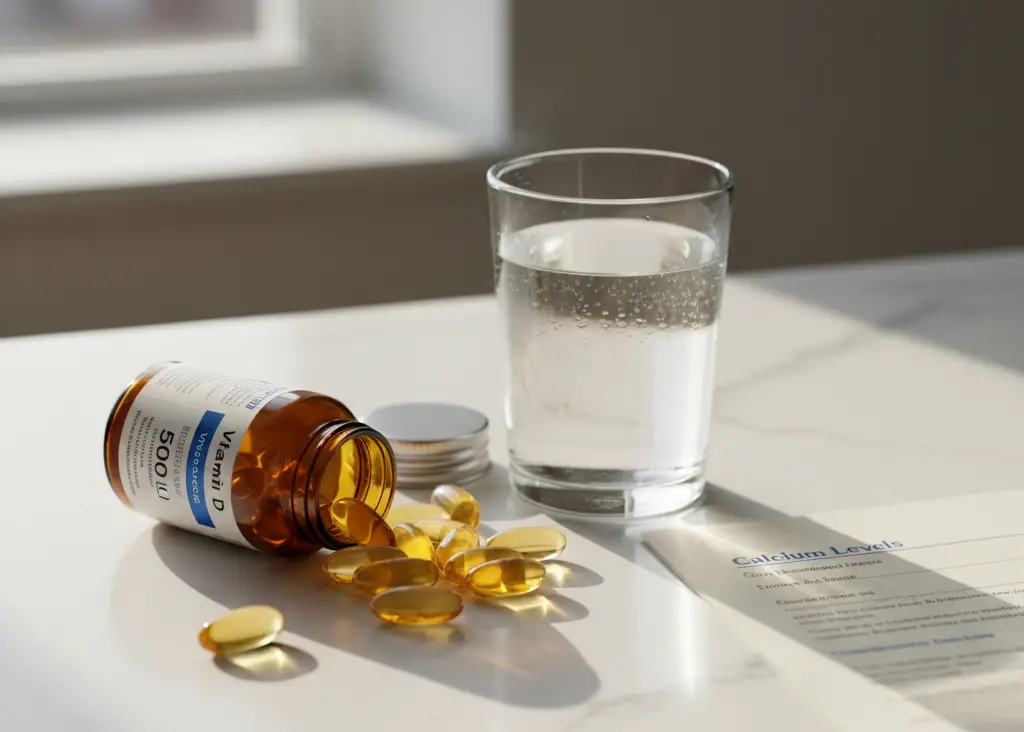
<p> Vitamin D is essential for bone strength and immune support, but too much of it can backfire in a big way. Many Americans pop high-dose vitamin D pills daily, thinking they’ll get stronger bones or avoid colds. However, excessive doses—especially those above 4,000 IU per day—can lead to dangerously high calcium levels in the blood, resulting in nausea, weakness, and even kidney damage.

Doctors have seen real-life cases where people suffered severe complications after taking megadoses for months. The lesson here? Stick to the recommended daily allowance unless your doctor has prescribed more based on a blood test. More is not always better when it comes to vitamins, especially ones that stay in your system for long periods. </p> :: Gemini

Vitamin D is essential for bone strength and immune support, but too much of it can backfire in a big way. Many Americans pop high-dose vitamin D pills daily, thinking they’ll get stronger bones or avoid colds. However, excessive doses—especially those above 4,000 IU per day—can lead to dangerously high calcium levels in the blood, resulting in nausea, weakness, and even kidney damage.

Doctors have seen real-life cases where people suffered severe complications after taking megadoses for months. The lesson here? Stick to the recommended daily allowance unless your doctor has prescribed more based on a blood test. More is not always better when it comes to vitamins, especially ones that stay in your system for long periods.

2. Fat-Soluble Vitamins A and E

<p> There’s a common misconception that if a little bit of something is good, then a lot must be great. Unfortunately, fat-soluble vitamins like A and E don’t work that way. Unlike vitamin C or B vitamins, which flush out in your urine, these vitamins accumulate in your body and can reach toxic levels.

Too much vitamin A has been linked to headaches, dizziness, and even bone loss. Meanwhile, large doses of vitamin E can increase the risk of bleeding and may interfere with certain medications such as blood thinners. Many “anti-aging” or “immune booster” supplements on store shelves contain doses well beyond what’s safe.

If you already eat a balanced diet or take a multivitamin, chances are you’re getting all the vitamin A and E your body needs. Adding extra on top of that can do more harm than good. </p> :: Gemini

There’s a common misconception that if a little bit of something is good, then a lot must be great. Unfortunately, fat-soluble vitamins like A and E don’t work that way. Unlike vitamin C or B vitamins, which flush out in your urine, these vitamins accumulate in your body and can reach toxic levels.

Too much vitamin A has been linked to headaches, dizziness, and even bone loss. Meanwhile, large doses of vitamin E can increase the risk of bleeding and may interfere with certain medications such as blood thinners. Many “anti-aging” or “immune booster” supplements on store shelves contain doses well beyond what’s safe.

If you already eat a balanced diet or take a multivitamin, chances are you’re getting all the vitamin A and E your body needs. Adding extra on top of that can do more harm than good.

3. Iron (If You’re Not Deficient)

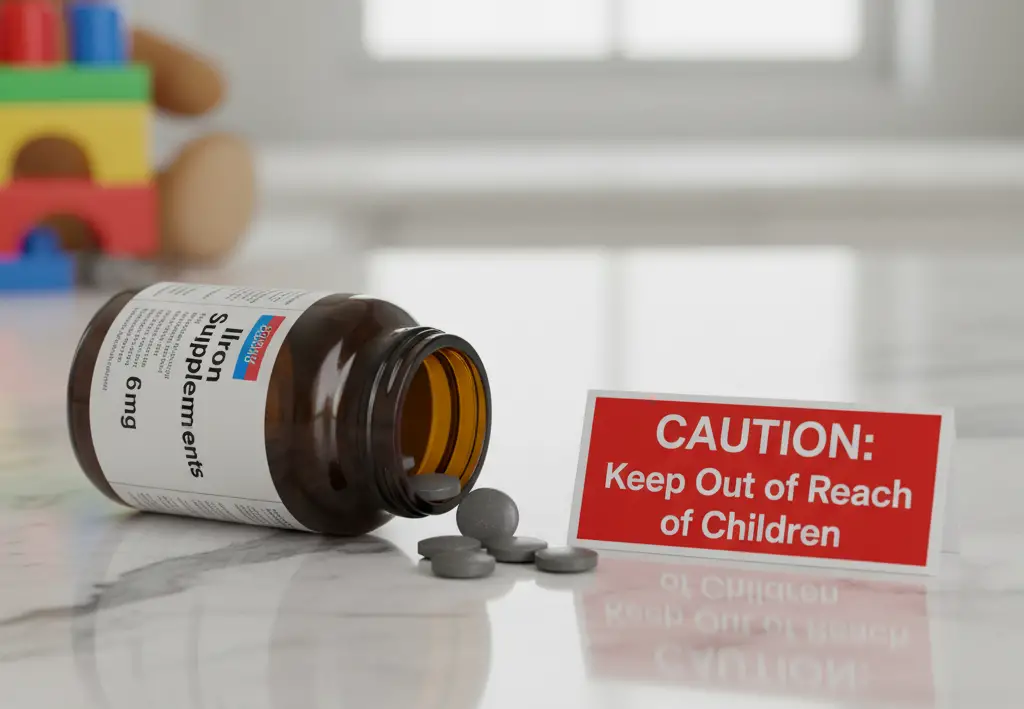
<p> Iron supplements can be lifesaving for people with diagnosed anemia—but for everyone else, they can be downright dangerous. Your body doesn’t have an easy way to get rid of excess iron, so overdoing it can lead to iron overload. This condition can cause fatigue, stomach pain, and in severe cases, organ damage.

Iron poisoning is also one of the leading causes of accidental poisoning in young children. Even a few adult-strength tablets can be fatal for a small child. So unless your doctor has confirmed you have low iron levels, it’s best to skip the extra supplements.

And if you do need iron, be sure to store it safely away from curious little hands. </p> :: Gemini

Iron supplements can be lifesaving for people with diagnosed anemia—but for everyone else, they can be downright dangerous. Your body doesn’t have an easy way to get rid of excess iron, so overdoing it can lead to iron overload. This condition can cause fatigue, stomach pain, and in severe cases, organ damage.

Iron poisoning is also one of the leading causes of accidental poisoning in young children. Even a few adult-strength tablets can be fatal for a small child. So unless your doctor has confirmed you have low iron levels, it’s best to skip the extra supplements.

And if you do need iron, be sure to store it safely away from curious little hands.

4. Garcinia Cambogia (and Other Weight-Loss “Miracles”)

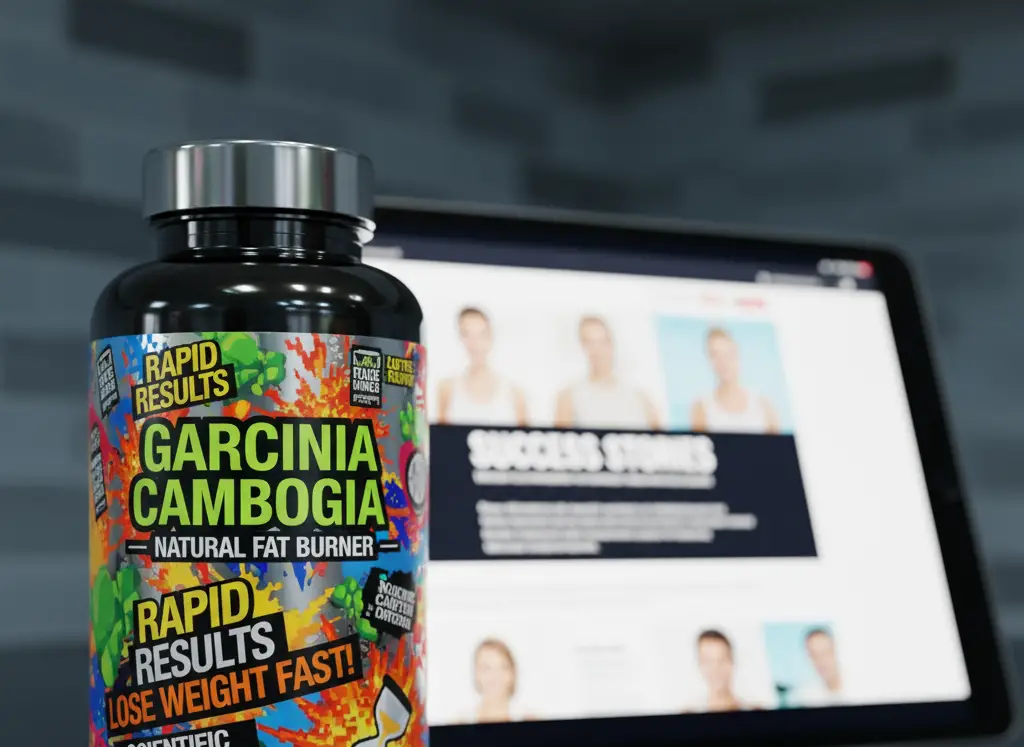
<p> Garcinia cambogia is often promoted as a “natural fat burner,” but doctors warn it can be anything but safe. This tropical fruit extract once skyrocketed in popularity after being featured on TV as a weight-loss aid. However, several reports have linked it to severe liver damage, with some people requiring transplants after extended use.

The problem is that weight-loss supplements are some of the least regulated products in the industry. They’re often mixed with multiple ingredients, hidden stimulants, or contaminants that amplify the risks. Even if the label lists garcinia cambogia as the main ingredient, there’s no guarantee what’s really inside that capsule.

If a product promises dramatic results without changing your diet or exercise, that’s a red flag. Sustainable weight loss doesn’t come from a pill—it comes from healthy habits. </p> :: Gemini

Garcinia cambogia is often promoted as a “natural fat burner,” but doctors warn it can be anything but safe. This tropical fruit extract once skyrocketed in popularity after being featured on TV as a weight-loss aid. However, several reports have linked it to severe liver damage, with some people requiring transplants after extended use.

The problem is that weight-loss supplements are some of the least regulated products in the industry. They’re often mixed with multiple ingredients, hidden stimulants, or contaminants that amplify the risks. Even if the label lists garcinia cambogia as the main ingredient, there’s no guarantee what’s really inside that capsule.

If a product promises dramatic results without changing your diet or exercise, that’s a red flag. Sustainable weight loss doesn’t come from a pill—it comes from healthy habits.

5. Herbal Supplements That Stress the Liver (Like Turmeric, Green Tea Extract, and Ashwagandha)

<p> Herbal doesn’t always mean harmless. While herbs like turmeric, green tea extract, and ashwagandha have gained popularity for their supposed healing powers, studies show they can also stress your liver when taken in concentrated supplement form.

In fact, millions of Americans take herbal products that doctors say could cause liver toxicity, especially when combined with alcohol or medications. Even turmeric, often celebrated for its anti-inflammatory effects, has been linked to liver injury in some people taking high-dose capsules.

If you enjoy green tea or turmeric in your diet, that’s generally fine. But if you’re considering supplements, talk to your healthcare provider first—especially if you already take other medications or have any liver concerns. </p> :: Gemini

Herbal doesn’t always mean harmless. While herbs like turmeric, green tea extract, and ashwagandha have gained popularity for their supposed healing powers, studies show they can also stress your liver when taken in concentrated supplement form.

In fact, millions of Americans take herbal products that doctors say could cause liver toxicity, especially when combined with alcohol or medications. Even turmeric, often celebrated for its anti-inflammatory effects, has been linked to liver injury in some people taking high-dose capsules.

If you enjoy green tea or turmeric in your diet, that’s generally fine. But if you’re considering supplements, talk to your healthcare provider first—especially if you already take other medications or have any liver concerns.

6. Mixing Multiple Supplements (Without Guidance)

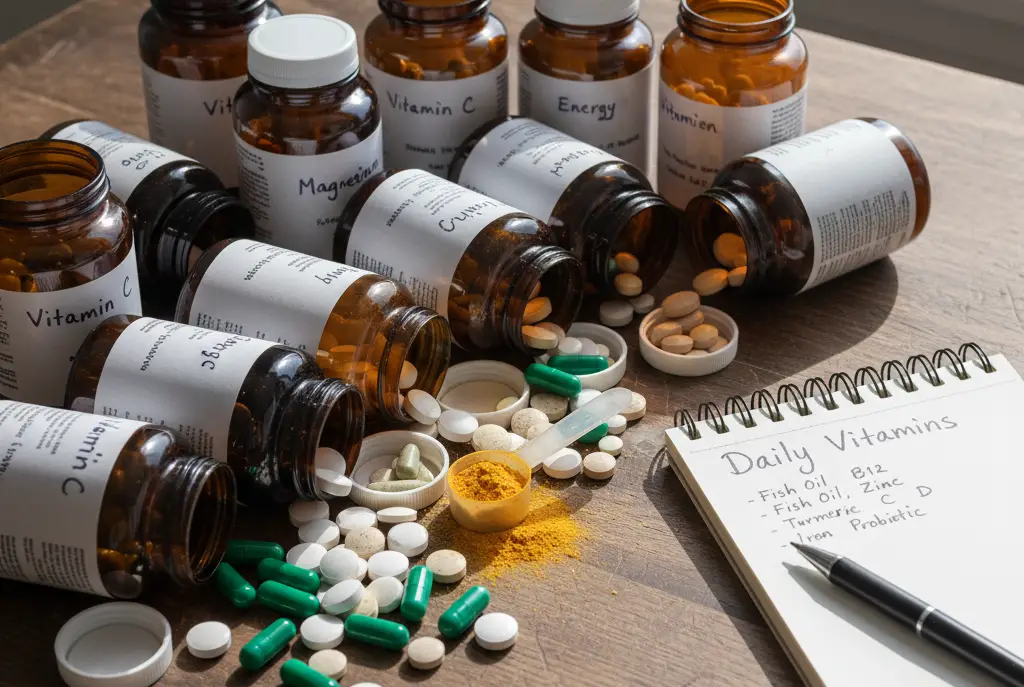
<p> Sometimes, the danger isn’t one supplement by itself—it’s the cocktail of them. Taking several vitamins or herbal formulas at once can lead to harmful interactions or nutrient imbalances. For example, calcium and iron compete for absorption, while too much zinc can deplete your copper levels.

The same goes for combining herbal supplements with prescription medications. Things like fish oil, garlic, and ginkgo can all increase bleeding risks if you’re also on blood thinners. The tricky part is that many people assume supplements are safe to mix because they’re over-the-counter.

A good rule of thumb: if you take more than one supplement, write down what you’re using and bring the list to your doctor or pharmacist. It’s a simple step that could prevent a dangerous reaction. </p> :: Gemini

Sometimes, the danger isn’t one supplement by itself—it’s the cocktail of them. Taking several vitamins or herbal formulas at once can lead to harmful interactions or nutrient imbalances. For example, calcium and iron compete for absorption, while too much zinc can deplete your copper levels.

The same goes for combining herbal supplements with prescription medications. Things like fish oil, garlic, and ginkgo can all increase bleeding risks if you’re also on blood thinners. The tricky part is that many people assume supplements are safe to mix because they’re over-the-counter.

A good rule of thumb: if you take more than one supplement, write down what you’re using and bring the list to your doctor or pharmacist. It’s a simple step that could prevent a dangerous reaction.

7. Supplements That Promise Too Much

<p> The biggest red flag in the supplement world isn’t a single ingredient—it’s the marketing. Be skeptical of any product that claims to “reverse aging,” “detox your body,” or “supercharge your immune system overnight.” These are the buzzwords of an industry that thrives on hype rather than evidence.

Unlike medications, supplements in the United States aren’t required to undergo strict safety or effectiveness testing before they’re sold. That means what you see on the label might not even match what’s inside the bottle. Independent testing has found that some supplements contain undeclared drugs, heavy metals, or ingredients in doses far higher than advertised.

Doctors warn that if something sounds too good to be true, it probably is. Always research brands, look for third-party testing seals like NSF or USP, and stick with reputable retailers. </p> :: Gemini

The biggest red flag in the supplement world isn’t a single ingredient—it’s the marketing. Be skeptical of any product that claims to “reverse aging,” “detox your body,” or “supercharge your immune system overnight.” These are the buzzwords of an industry that thrives on hype rather than evidence.

Unlike medications, supplements in the United States aren’t required to undergo strict safety or effectiveness testing before they’re sold. That means what you see on the label might not even match what’s inside the bottle. Independent testing has found that some supplements contain undeclared drugs, heavy metals, or ingredients in doses far higher than advertised.

Doctors warn that if something sounds too good to be true, it probably is. Always research brands, look for third-party testing seals like NSF or USP, and stick with reputable retailers.

Final Thoughts

<p> Supplements can absolutely play a positive role in supporting your health, but they are not a magic fix or a shortcut to feeling better. In reality, many popular wellness products can cause more harm than good when taken in excess or without professional guidance. Before adding anything new to your routine, it is always wise to get tested and talk to your doctor about what your body truly needs.

Remember, more is not always better—sticking to recommended doses is the safest way to go. Take time to read labels carefully and choose reputable brands that undergo third-party testing to ensure what’s inside matches what’s promised. Be skeptical of products that make bold claims about overnight transformations or miracle detox effects; those are usually signs of clever marketing, not science.

A healthy lifestyle still begins with real food, consistent habits, and medical advice, not with a pill or powder. Supplements should fill nutritional gaps, not replace a balanced diet. Your health is too valuable to risk on unverified promises, so the next time you find yourself tempted by the latest wellness trend, pause and ask, “Do I really need this, or am I being sold a shortcut?”

When in doubt, let your doctor—not the label—be your guide. Because when it comes to your well-being, the best supplement of all is good, informed decision-making. </p> :: Gemini

Supplements can absolutely play a positive role in supporting your health, but they are not a magic fix or a shortcut to feeling better. In reality, many popular wellness products can cause more harm than good when taken in excess or without professional guidance. Before adding anything new to your routine, it is always wise to get tested and talk to your doctor about what your body truly needs.

Remember, more is not always better—sticking to recommended doses is the safest way to go. Take time to read labels carefully and choose reputable brands that undergo third-party testing to ensure what’s inside matches what’s promised. Be skeptical of products that make bold claims about overnight transformations or miracle detox effects; those are usually signs of clever marketing, not science.

A healthy lifestyle still begins with real food, consistent habits, and medical advice, not with a pill or powder. Supplements should fill nutritional gaps, not replace a balanced diet. Your health is too valuable to risk on unverified promises, so the next time you find yourself tempted by the latest wellness trend, pause and ask, “Do I really need this, or am I being sold a shortcut?”

When in doubt, let your doctor—not the label—be your guide. Because when it comes to your well-being, the best supplement of all is good, informed decision-making.

Filed Under: Health & Fitness

The 9 Early Warning Signs of a Heart Attack Every Boomer Should Know

October 31, 2025 | Leave a Comment

The 9 Early Warning Signs of a Heart Attack Every Boomer Should Know

<p> You’ve spent decades taking care of everyone else—your kids, your career, your home. But when was the last time you checked in on the most important machine keeping it all going? Your heart has been beating faithfully for years, often without much attention. Yet as the decades roll on, it starts sending small, subtle signals when it’s under stress. The tricky part? Most people miss those signals until it’s too late. For baby boomers, who often juggle retirement dreams, family duties, and the occasional stubborn streak of “I’m fine,” knowing the early warning signs of a heart attack isn’t just smart—it’s lifesaving. A heart attack doesn’t always announce itself with the dramatic clutching of the chest seen in movies. Instead, it can whisper, nudge, and hint. The sooner you recognize those whispers, the better your chances of preventing a major health emergency. Here are nine early warning signs every boomer should keep on their radar, explained in clear, relatable terms—because staying alive to enjoy your golden years should always be part of the plan. </p> :: Freepik

You’ve spent decades taking care of everyone else—your kids, your career, your home. But when was the last time you checked in on the most important machine keeping it all going? Your heart has been beating faithfully for years, often without much attention. Yet as the decades roll on, it starts sending small, subtle signals when it’s under stress. The tricky part? Most people miss those signals until it’s too late.

For baby boomers, who often juggle retirement dreams, family duties, and the occasional stubborn streak of “I’m fine,” knowing the early warning signs of a heart attack isn’t just smart—it’s lifesaving. A heart attack doesn’t always announce itself with the dramatic clutching of the chest seen in movies. Instead, it can whisper, nudge, and hint. The sooner you recognize those whispers, the better your chances of preventing a major health emergency.

Here are nine early warning signs every boomer should keep on their radar, explained in clear, relatable terms—because staying alive to enjoy your golden years should always be part of the plan.

1. Persistent or Unusual Fatigue

<p> If you wake up tired even after a full night’s rest or find yourself running out of steam doing simple tasks like making the bed or walking the dog, your heart might be trying to tell you something. Persistent fatigue that appears out of nowhere can be an early sign that your heart is struggling to keep up with your body’s needs. Women, in particular, often report feeling extremely tired days or even weeks before a heart attack. If you notice that everyday activities suddenly feel like a chore, don’t dismiss it as just “getting older.” Sometimes your body’s exhaustion is actually your heart waving a red flag. </p> :: Gemini

If you wake up tired even after a full night’s rest or find yourself running out of steam doing simple tasks like making the bed or walking the dog, your heart might be trying to tell you something. Persistent fatigue that appears out of nowhere can be an early sign that your heart is struggling to keep up with your body’s needs. Women, in particular, often report feeling extremely tired days or even weeks before a heart attack. If you notice that everyday activities suddenly feel like a chore, don’t dismiss it as just “getting older.” Sometimes your body’s exhaustion is actually your heart waving a red flag.

2. Chest Pressure, Discomfort, or “Fullness”

<p> This is the most recognized heart attack symptom, but it doesn’t always feel like what you’d expect. It may not be a sharp pain—it could feel like someone sitting on your chest, a squeezing sensation, or even mild pressure that comes and goes. Some people describe it as a tightness or fullness rather than pain. If the feeling lingers for more than a few minutes or keeps returning, it’s time to act. Don’t wait until it becomes unbearable. Many survivors later say, “It wasn’t that bad at first.” That’s the danger—early chest discomfort can sneak up quietly before escalating into something serious. </p> :: Gemini

This is the most recognized heart attack symptom, but it doesn’t always feel like what you’d expect. It may not be a sharp pain—it could feel like someone sitting on your chest, a squeezing sensation, or even mild pressure that comes and goes. Some people describe it as a tightness or fullness rather than pain. If the feeling lingers for more than a few minutes or keeps returning, it’s time to act. Don’t wait until it becomes unbearable. Many survivors later say, “It wasn’t that bad at first.” That’s the danger—early chest discomfort can sneak up quietly before escalating into something serious.

3. Shortness of Breath

<p> If you find yourself gasping for air during light activity—or even while resting—it could be more than just being out of shape. When the heart can’t pump blood efficiently, oxygen levels drop, making breathing harder. Some people experience this before any chest pain at all. Imagine climbing one flight of stairs and suddenly feeling winded or unable to catch your breath. That’s a signal worth checking out immediately. If your breathing feels labored and it’s not due to allergies, asthma, or exertion, let your doctor know. Your lungs may be fine—it’s your heart that needs attention. </p> :: Gemini

If you find yourself gasping for air during light activity—or even while resting—it could be more than just being out of shape. When the heart can’t pump blood efficiently, oxygen levels drop, making breathing harder. Some people experience this before any chest pain at all. Imagine climbing one flight of stairs and suddenly feeling winded or unable to catch your breath. That’s a signal worth checking out immediately. If your breathing feels labored and it’s not due to allergies, asthma, or exertion, let your doctor know. Your lungs may be fine—it’s your heart that needs attention.

4. Pain or Discomfort in Other Areas of the Body

<p> Heart-related pain doesn’t always stay in the chest. It can spread to the shoulders, arms, back, neck, jaw, or even the upper abdomen. Some people confuse it for muscle pain or tension, especially after a day of gardening or housework. But if the pain feels unusual, radiates from one area to another, or doesn’t ease with rest, it could be your heart sending a warning. The left arm is the most common area for referred pain, but women and older adults often feel it in their jaw or back. Don’t ignore pain that doesn’t make sense—it could be your heart disguising distress as something ordinary. </p> :: Gemini

Heart-related pain doesn’t always stay in the chest. It can spread to the shoulders, arms, back, neck, jaw, or even the upper abdomen. Some people confuse it for muscle pain or tension, especially after a day of gardening or housework. But if the pain feels unusual, radiates from one area to another, or doesn’t ease with rest, it could be your heart sending a warning. The left arm is the most common area for referred pain, but women and older adults often feel it in their jaw or back. Don’t ignore pain that doesn’t make sense—it could be your heart disguising distress as something ordinary.

5. Nausea, Indigestion, or Heartburn-Like Symptoms

<p> Heart attacks aren’t always dramatic. Sometimes they sneak in disguised as simple indigestion. You might feel queasy, bloated, or experience a burning sensation in your chest that feels like heartburn. Many people brush this off as “something I ate.” But when that feeling strikes suddenly, especially if you didn’t eat anything unusual, it could actually be reduced blood flow to the heart. Women are especially prone to this symptom. If nausea, vomiting, or stomach discomfort appear out of the blue—and especially if they come with sweating or fatigue—it’s time to get checked. </p> :: Gemini

Heart attacks aren’t always dramatic. Sometimes they sneak in disguised as simple indigestion. You might feel queasy, bloated, or experience a burning sensation in your chest that feels like heartburn. Many people brush this off as “something I ate.” But when that feeling strikes suddenly, especially if you didn’t eat anything unusual, it could actually be reduced blood flow to the heart. Women are especially prone to this symptom. If nausea, vomiting, or stomach discomfort appear out of the blue—and especially if they come with sweating or fatigue—it’s time to get checked.

6. Cold Sweats or Sudden Heavy Sweating

<p> If you break into a cold sweat for no clear reason—no exercise, no heat, no stress—it might be your body reacting to a drop in blood flow. People often describe this as clammy skin or sudden chills, even in a cool room. It happens when the heart struggles to pump efficiently, causing your nervous system to go into panic mode. This symptom can appear before or during a heart attack. If you find yourself drenched in sweat without exertion, don’t wait it out. It’s your body’s emergency alarm, and it’s best not to hit the snooze button. </p> :: Gemini

If you break into a cold sweat for no clear reason—no exercise, no heat, no stress—it might be your body reacting to a drop in blood flow. People often describe this as clammy skin or sudden chills, even in a cool room. It happens when the heart struggles to pump efficiently, causing your nervous system to go into panic mode. This symptom can appear before or during a heart attack. If you find yourself drenched in sweat without exertion, don’t wait it out. It’s your body’s emergency alarm, and it’s best not to hit the snooze button.

7. Dizziness or Light-Headedness

<p> Feeling dizzy when you stand up too fast is normal. Feeling dizzy for no reason—while sitting, walking, or doing something simple—is not. When your heart isn’t pumping enough blood to your brain, you can feel light-headed, weak, or even faint. Sometimes this is accompanied by chest discomfort or shortness of breath, but not always. If you’ve had moments where the room spins or you nearly black out, don’t chalk it up to “just being tired.” Your heart could be struggling to maintain normal circulation. Especially for boomers, this symptom should never be ignored. </p> :: Gemini

Feeling dizzy when you stand up too fast is normal. Feeling dizzy for no reason—while sitting, walking, or doing something simple—is not. When your heart isn’t pumping enough blood to your brain, you can feel light-headed, weak, or even faint. Sometimes this is accompanied by chest discomfort or shortness of breath, but not always. If you’ve had moments where the room spins or you nearly black out, don’t chalk it up to “just being tired.” Your heart could be struggling to maintain normal circulation. Especially for boomers, this symptom should never be ignored.

8. Fluttering or Irregular Heartbeat

<p> Ever feel like your heart is doing a little dance inside your chest—skipping beats, fluttering, or pounding unexpectedly? Occasional irregular beats can be harmless, especially after caffeine or stress, but frequent or prolonged palpitations may indicate a heart rhythm problem or early heart distress. When your heartbeat feels uneven or unusually fast, it means your heart’s electrical system is out of rhythm, which can reduce blood flow and strain the muscle. If this happens often or is paired with dizziness, fatigue, or chest pressure, it’s time to see a doctor. </p> :: Gemini

Ever feel like your heart is doing a little dance inside your chest—skipping beats, fluttering, or pounding unexpectedly? Occasional irregular beats can be harmless, especially after caffeine or stress, but frequent or prolonged palpitations may indicate a heart rhythm problem or early heart distress. When your heartbeat feels uneven or unusually fast, it means your heart’s electrical system is out of rhythm, which can reduce blood flow and strain the muscle. If this happens often or is paired with dizziness, fatigue, or chest pressure, it’s time to see a doctor.

9. Swelling in the Legs, Ankles, or Feet

<p> Swollen feet might seem like a normal part of aging, but they can also be a quiet sign that your heart isn’t circulating blood properly. When your heart weakens, fluid can build up in your legs and ankles, leaving them puffy and tender by the end of the day. You might notice your shoes feeling tight or sock lines leaving deep marks. If the swelling persists or is paired with fatigue and shortness of breath, your heart could be working overtime to move blood through your body. A little swelling might not seem serious, but it’s one of the earliest physical clues of a brewing heart issue. </p> :: Gemini

Swollen feet might seem like a normal part of aging, but they can also be a quiet sign that your heart isn’t circulating blood properly. When your heart weakens, fluid can build up in your legs and ankles, leaving them puffy and tender by the end of the day. You might notice your shoes feeling tight or sock lines leaving deep marks. If the swelling persists or is paired with fatigue and shortness of breath, your heart could be working overtime to move blood through your body. A little swelling might not seem serious, but it’s one of the earliest physical clues of a brewing heart issue.

Final Thoughts

<p> The good news is that your heart usually gives you fair warning—it’s up to you to listen. These symptoms might seem unrelated, but they often work together like pieces of a puzzle. The key is to notice patterns and changes in your normal routine. If you ever experience chest discomfort, shortness of breath, or any combination of these signs, call 911 immediately. Do not wait to “see if it passes.” When it comes to heart attacks, every minute matters. As a boomer, you’ve lived through decades of ups, downs, and comebacks. You’ve seen trends come and go, from rotary phones to smartphones, from disco to streaming. Don’t let heart disease be the trend that sneaks up on you. Keep your regular checkups, stay active, and treat every symptom as a clue rather than a nuisance. Your heart has been your lifelong partner—loyal, hardworking, and quietly powerful. It’s carried you through laughter, stress, joy, and heartbreak. Now it’s your turn to return the favor. Listen when it whispers. Act when it signals. And remember: the best years of your life are still ahead—but only if your heart comes along for the ride. </p> :: Gemini

The good news is that your heart usually gives you fair warning—it’s up to you to listen. These symptoms might seem unrelated, but they often work together like pieces of a puzzle. The key is to notice patterns and changes in your normal routine. If you ever experience chest discomfort, shortness of breath, or any combination of these signs, call 911 immediately. Do not wait to “see if it passes.” When it comes to heart attacks, every minute matters.

As a boomer, you’ve lived through decades of ups, downs, and comebacks. You’ve seen trends come and go, from rotary phones to smartphones, from disco to streaming. Don’t let heart disease be the trend that sneaks up on you. Keep your regular checkups, stay active, and treat every symptom as a clue rather than a nuisance.

Your heart has been your lifelong partner—loyal, hardworking, and quietly powerful. It’s carried you through laughter, stress, joy, and heartbreak. Now it’s your turn to return the favor. Listen when it whispers. Act when it signals. And remember: the best years of your life are still ahead—but only if your heart comes along for the ride.

Filed Under: Health & Fitness

The Best 10 Vegetables to Boost Heart Health and Lower Cholesterol

October 29, 2025 | Leave a Comment

The Best 10 Vegetables to Boost Heart Health and Lower Cholesterol

<p> Let’s face it—your heart deserves a little love. It works around the clock, beating more than 100,000 times a day to keep you going. Yet most of us only think about heart health after a doctor’s visit or a scary headline. The truth is, you don’t need a major lifestyle overhaul to support your heart and lower cholesterol. One of the simplest, most delicious ways to do it? Add more vegetables to your plate.

Certain vegetables are loaded with nutrients, fiber, and antioxidants that naturally help your body manage cholesterol and keep blood vessels healthy. These are the quiet heroes of your dinner table—humble, accessible, and surprisingly powerful when eaten regularly. Whether you steam them, roast them, or toss them into a smoothie, these ten vegetables are some of the best allies your heart could ask for. </p> :: Gemini

Let’s face it—your heart deserves a little love. It works around the clock, beating more than 100,000 times a day to keep you going. Yet most of us only think about heart health after a doctor’s visit or a scary headline. The truth is, you don’t need a major lifestyle overhaul to support your heart and lower cholesterol. One of the simplest, most delicious ways to do it? Add more vegetables to your plate.

Certain vegetables are loaded with nutrients, fiber, and antioxidants that naturally help your body manage cholesterol and keep blood vessels healthy. These are the quiet heroes of your dinner table—humble, accessible, and surprisingly powerful when eaten regularly. Whether you steam them, roast them, or toss them into a smoothie, these ten vegetables are some of the best allies your heart could ask for.

1. Broccoli

<p> Broccoli might not win any popularity contests, but it absolutely deserves a spot in your weekly meal plan. This green powerhouse is rich in soluble fiber, which helps reduce “bad” LDL cholesterol levels by binding to it and removing it from your body. Broccoli also contains sulforaphane, a compound shown to support healthy blood vessels and reduce inflammation—both key for cardiovascular health. Try steaming it lightly to keep those nutrients intact, and add a squeeze of lemon or a drizzle of olive oil for extra flavor. </p> :: Gemini

Broccoli might not win any popularity contests, but it absolutely deserves a spot in your weekly meal plan. This green powerhouse is rich in soluble fiber, which helps reduce “bad” LDL cholesterol levels by binding to it and removing it from your body. Broccoli also contains sulforaphane, a compound shown to support healthy blood vessels and reduce inflammation—both key for cardiovascular health. Try steaming it lightly to keep those nutrients intact, and add a squeeze of lemon or a drizzle of olive oil for extra flavor.

2. Spinach and Other Leafy Greens

<p> If there’s one food group that truly loves your heart, it’s leafy greens. Spinach, kale, Swiss chard, and collard greens are all packed with potassium, magnesium, and nitrates that help keep blood pressure in check. They also provide plenty of fiber and antioxidants that reduce oxidative stress and inflammation. These greens are easy to work into your day—toss them in smoothies, layer them into sandwiches, or sauté them with garlic for a quick side dish. Your arteries will thank you. </p> :: Gemini

If there’s one food group that truly loves your heart, it’s leafy greens. Spinach, kale, Swiss chard, and collard greens are all packed with potassium, magnesium, and nitrates that help keep blood pressure in check. They also provide plenty of fiber and antioxidants that reduce oxidative stress and inflammation. These greens are easy to work into your day—toss them in smoothies, layer them into sandwiches, or sauté them with garlic for a quick side dish. Your arteries will thank you.

3. Brussels Sprouts

<p> Small but mighty, Brussels sprouts are a heart-healthy gem. They are rich in antioxidants like kaempferol, which can reduce oxidative damage in cells and lower inflammation. Their soluble fiber content helps sweep away cholesterol before it can clog up your arteries. Roast them until they’re golden and slightly crispy, and even the pickiest eaters might be converted. A touch of balsamic glaze or a sprinkle of parmesan takes them from “meh” to mouthwatering. </p> :: Gemini

Small but mighty, Brussels sprouts are a heart-healthy gem. They are rich in antioxidants like kaempferol, which can reduce oxidative damage in cells and lower inflammation. Their soluble fiber content helps sweep away cholesterol before it can clog up your arteries. Roast them until they’re golden and slightly crispy, and even the pickiest eaters might be converted. A touch of balsamic glaze or a sprinkle of parmesan takes them from “meh” to mouthwatering.

4. Carrots

<p> Carrots are more than a crunchy snack—they’re cholesterol fighters in disguise. Their high fiber content helps reduce cholesterol absorption in the gut, while their bright orange color comes from beta-carotene, a powerful antioxidant that supports heart and eye health. They’re also incredibly easy to enjoy on the go. Keep baby carrots handy for an afternoon snack, or roast them alongside your favorite protein for a sweet and savory side that boosts your heart’s health without any fuss. </p> :: Gemini

Carrots are more than a crunchy snack—they’re cholesterol fighters in disguise. Their high fiber content helps reduce cholesterol absorption in the gut, while their bright orange color comes from beta-carotene, a powerful antioxidant that supports heart and eye health. They’re also incredibly easy to enjoy on the go. Keep baby carrots handy for an afternoon snack, or roast them alongside your favorite protein for a sweet and savory side that boosts your heart’s health without any fuss.

5. Sweet Potatoes

<p> Sweet potatoes are proof that not all comfort foods are bad for you. They are rich in fiber, potassium, and vitamin A, which all contribute to heart health. Their soluble fiber helps control cholesterol levels, while potassium helps balance sodium and regulate blood pressure. Bake them whole, mash them with cinnamon, or slice them into oven-baked fries for a healthier twist on a classic favorite. They satisfy your cravings while doing your heart a big favor. </p> :: Gemini

Sweet potatoes are proof that not all comfort foods are bad for you. They are rich in fiber, potassium, and vitamin A, which all contribute to heart health. Their soluble fiber helps control cholesterol levels, while potassium helps balance sodium and regulate blood pressure. Bake them whole, mash them with cinnamon, or slice them into oven-baked fries for a healthier twist on a classic favorite. They satisfy your cravings while doing your heart a big favor.

6. Tomatoes

<p> Tomatoes bring more to the table than just color and flavor—they are loaded with lycopene, a powerful antioxidant known to lower LDL cholesterol and support healthy blood vessels. Studies suggest that regular tomato consumption can reduce the risk of heart disease by improving cholesterol ratios and reducing oxidative stress. Whether you enjoy them fresh, roasted, or in a rich sauce, tomatoes are one of the easiest vegetables to include in a heart-smart diet. For maximum benefit, cook them slightly to release more lycopene. </p> :: Gemini

Tomatoes bring more to the table than just color and flavor—they are loaded with lycopene, a powerful antioxidant known to lower LDL cholesterol and support healthy blood vessels. Studies suggest that regular tomato consumption can reduce the risk of heart disease by improving cholesterol ratios and reducing oxidative stress. Whether you enjoy them fresh, roasted, or in a rich sauce, tomatoes are one of the easiest vegetables to include in a heart-smart diet. For maximum benefit, cook them slightly to release more lycopene.

7. Bell Peppers

<p> Vibrant, crunchy, and full of flavor, bell peppers are also bursting with nutrients that love your heart. Red, orange, and yellow peppers are rich in carotenoids and vitamin C, both of which help protect your blood vessels from damage caused by free radicals. Their combination of fiber and antioxidants makes them excellent for reducing cholesterol and supporting healthy circulation. Slice them for a quick snack, toss them into stir-fries, or roast them for a smoky sweetness that complements any meal. </p> :: Gemini

Vibrant, crunchy, and full of flavor, bell peppers are also bursting with nutrients that love your heart. Red, orange, and yellow peppers are rich in carotenoids and vitamin C, both of which help protect your blood vessels from damage caused by free radicals. Their combination of fiber and antioxidants makes them excellent for reducing cholesterol and supporting healthy circulation. Slice them for a quick snack, toss them into stir-fries, or roast them for a smoky sweetness that complements any meal.

8. Onions and Garlic

<p> While onions and garlic are often treated as flavor enhancers, they also act as natural medicine for your heart. Garlic, in particular, contains allicin, a compound that has been shown to reduce total and LDL cholesterol levels when eaten regularly. Onions, rich in flavonoids, help improve blood circulation and lower inflammation. Together, they create a one-two punch for cardiovascular health. Chop raw onions into salads for crunch, and use garlic generously in cooking—your heart (and your taste buds) will be happy. </p> :: Gemini

While onions and garlic are often treated as flavor enhancers, they also act as natural medicine for your heart. Garlic, in particular, contains allicin, a compound that has been shown to reduce total and LDL cholesterol levels when eaten regularly. Onions, rich in flavonoids, help improve blood circulation and lower inflammation. Together, they create a one-two punch for cardiovascular health. Chop raw onions into salads for crunch, and use garlic generously in cooking—your heart (and your taste buds) will be happy.

9. Eggplant

<p> Eggplant doesn’t always get the attention it deserves, but it’s a quiet champion for cholesterol control. Its deep purple skin is packed with anthocyanins, antioxidants that help reduce inflammation and improve blood flow. Eggplant is also high in soluble fiber, which can help lower cholesterol absorption. Grill it, bake it, or include it in hearty dishes like ratatouille—it adds a rich, meaty texture without adding cholesterol or saturated fat. A drizzle of olive oil and a pinch of herbs turn it into a gourmet side. </p> :: Gemini

Eggplant doesn’t always get the attention it deserves, but it’s a quiet champion for cholesterol control. Its deep purple skin is packed with anthocyanins, antioxidants that help reduce inflammation and improve blood flow. Eggplant is also high in soluble fiber, which can help lower cholesterol absorption. Grill it, bake it, or include it in hearty dishes like ratatouille—it adds a rich, meaty texture without adding cholesterol or saturated fat. A drizzle of olive oil and a pinch of herbs turn it into a gourmet side.

10. Asparagus

<p> Asparagus is one of the most underrated heart-friendly vegetables out there. It is full of fiber, folate, and antioxidants that promote healthy blood vessels and reduce cholesterol buildup. Its natural diuretic properties also help the body eliminate excess salt, which is great for keeping blood pressure under control. Lightly roast or steam asparagus and top it with lemon zest for a refreshing side dish that pairs with just about anything. It’s simple, elegant, and heart-smart all at once. </p> :: Gemini

Asparagus is one of the most underrated heart-friendly vegetables out there. It is full of fiber, folate, and antioxidants that promote healthy blood vessels and reduce cholesterol buildup. Its natural diuretic properties also help the body eliminate excess salt, which is great for keeping blood pressure under control. Lightly roast or steam asparagus and top it with lemon zest for a refreshing side dish that pairs with just about anything. It’s simple, elegant, and heart-smart all at once.

Final Thoughts

<p> When it comes to heart health, the little choices you make every day matter most. Adding more vegetables to your plate is one of the easiest and most effective ways to protect your heart and keep cholesterol levels in check. The beauty of this list is that all these vegetables are easy to find in any American grocery store and fit naturally into meals you already enjoy.

Start small. Add one or two of these veggies to your meals this week and gradually build from there. Try replacing a starch with roasted Brussels sprouts or tossing spinach into your morning smoothie. The goal isn’t perfection—it’s progress. Consistent, small steps toward a veggie-rich diet can lead to big improvements in how you feel, how your heart functions, and even in your long-term health outcomes.

Your heart is one of the hardest-working organs in your body. Giving it the nutrients it needs isn’t just about avoiding disease—it’s about living with more energy, more vitality, and more peace of mind. So, grab your grocery list, stock up on these ten heart-friendly vegetables, and take pride in knowing that every bite is helping your heart stay strong and healthy. </p> :: Gemini

When it comes to heart health, the little choices you make every day matter most. Adding more vegetables to your plate is one of the easiest and most effective ways to protect your heart and keep cholesterol levels in check. The beauty of this list is that all these vegetables are easy to find in any American grocery store and fit naturally into meals you already enjoy.

Start small. Add one or two of these veggies to your meals this week and gradually build from there. Try replacing a starch with roasted Brussels sprouts or tossing spinach into your morning smoothie. The goal isn’t perfection—it’s progress. Consistent, small steps toward a veggie-rich diet can lead to big improvements in how you feel, how your heart functions, and even in your long-term health outcomes.

Your heart is one of the hardest-working organs in your body. Giving it the nutrients it needs isn’t just about avoiding disease—it’s about living with more energy, more vitality, and more peace of mind. So, grab your grocery list, stock up on these ten heart-friendly vegetables, and take pride in knowing that every bite is helping your heart stay strong and healthy.

Filed Under: Health & Fitness

When Doctors Say “Stop That!”: 12 Patient Habits Experts Are Warning Against

October 26, 2025 | Leave a Comment

When Doctors Say “Stop That!”: 12 Patient Habits Experts Are Warning Against

<p> We’ve all been there—you walk out of the doctor’s office, nodding politely as they list off suggestions, thinking, “I’ll get to that later.” But here’s the truth: those “little” habits your doctor keeps warning you about aren’t just nagging—they’re often the quiet culprits behind bigger health issues down the road.

Doctors across the United States are sounding the alarm about certain patient habits that seem harmless on the surface but can seriously affect your long-term health. From skipping checkups to relying too heavily on caffeine, these everyday choices add up. The good news? Most of them are fixable with a little self-awareness and effort.

Here are 12 habits doctors wish you would stop—and what you can do instead to stay healthy, energized, and thriving. </p> :: Gemini

We’ve all been there—you walk out of the doctor’s office, nodding politely as they list off suggestions, thinking, “I’ll get to that later.” But here’s the truth: those “little” habits your doctor keeps warning you about aren’t just nagging—they’re often the quiet culprits behind bigger health issues down the road.

Doctors across the United States are sounding the alarm about certain patient habits that seem harmless on the surface but can seriously affect your long-term health. From skipping checkups to relying too heavily on caffeine, these everyday choices add up. The good news? Most of them are fixable with a little self-awareness and effort.

Here are 12 habits doctors wish you would stop—and what you can do instead to stay healthy, energized, and thriving.

1. Skipping Regular Checkups and Screenings

<p> “Routine” checkups may sound boring, but they’re one of the most powerful tools for catching health problems early. Whether it’s a blood pressure test, cholesterol screening, or colonoscopy, these appointments allow doctors to spot issues long before symptoms appear. Yet many people wait until something feels wrong—and by then, it’s often harder (and more expensive) to treat. Think of your doctor as your personal maintenance crew. A quick tune-up now can prevent a full-blown breakdown later. </p> :: Gemini

“Routine” checkups may sound boring, but they’re one of the most powerful tools for catching health problems early. Whether it’s a blood pressure test, cholesterol screening, or colonoscopy, these appointments allow doctors to spot issues long before symptoms appear. Yet many people wait until something feels wrong—and by then, it’s often harder (and more expensive) to treat. Think of your doctor as your personal maintenance crew. A quick tune-up now can prevent a full-blown breakdown later.

2. Holding Back the Full Truth

<p> We get it—it can be awkward to admit you skipped your meds, smoked “just a few times,” or eat ice cream every night. But your doctor isn’t judging you; they’re trying to help. Leaving out details about your lifestyle, habits, or symptoms can make it harder for them to give you the right care. Honesty really is the best medicine here. Being upfront gives your doctor the full picture so they can help you in the most effective way possible. </p> :: Gemini

We get it—it can be awkward to admit you skipped your meds, smoked “just a few times,” or eat ice cream every night. But your doctor isn’t judging you; they’re trying to help. Leaving out details about your lifestyle, habits, or symptoms can make it harder for them to give you the right care. Honesty really is the best medicine here. Being upfront gives your doctor the full picture so they can help you in the most effective way possible.

3. Trusting Dr. Google Over Your Actual Doctor

<p> It’s natural to want answers fast, especially when something feels off. But self-diagnosing online can be a dangerous game. What starts as a mild headache can quickly spiral into an internet rabbit hole that convinces you it’s something far worse. While researching your symptoms can be helpful for context, it’s not a replacement for professional care. The internet doesn’t know your medical history—but your doctor does. </p> :: Gemini

It’s natural to want answers fast, especially when something feels off. But self-diagnosing online can be a dangerous game. What starts as a mild headache can quickly spiral into an internet rabbit hole that convinces you it’s something far worse. While researching your symptoms can be helpful for context, it’s not a replacement for professional care. The internet doesn’t know your medical history—but your doctor does.

4. Ignoring Prescription Instructions or Stopping Medication Early

<p> Many people stop taking prescribed medication the moment they start feeling better, assuming they’re “cured.” But quitting early or skipping doses can cause your condition to return—or worse, make it resistant to treatment. Doctors often see patients who could have avoided complications simply by following through with their prescriptions. If you’re having side effects or struggling to stay consistent, talk to your doctor instead of quietly stopping. They can adjust your plan and help make it easier to stick with. </p> :: Gemini

Many people stop taking prescribed medication the moment they start feeling better, assuming they’re “cured.” But quitting early or skipping doses can cause your condition to return—or worse, make it resistant to treatment. Doctors often see patients who could have avoided complications simply by following through with their prescriptions. If you’re having side effects or struggling to stay consistent, talk to your doctor instead of quietly stopping. They can adjust your plan and help make it easier to stick with.

5. Brushing Off Early Warning Signs

<p> A twinge of chest discomfort, unusual fatigue, or a mole that looks different might seem like no big deal—but these small signals can be your body’s early alarm bells. Many serious conditions start quietly, and waiting too long to act can make treatment much harder. Doctors often say they’d rather see you “too early than too late.” So if something feels off, listen to your gut and get it checked out. </p> :: Gemini

A twinge of chest discomfort, unusual fatigue, or a mole that looks different might seem like no big deal—but these small signals can be your body’s early alarm bells. Many serious conditions start quietly, and waiting too long to act can make treatment much harder. Doctors often say they’d rather see you “too early than too late.” So if something feels off, listen to your gut and get it checked out.

6. Running on Too Little Sleep

<p> In today’s “hustle” culture, getting by on five hours of sleep has almost become a badge of honor. But chronic sleep deprivation doesn’t just make you groggy—it can raise your risk of heart disease, diabetes, and even depression. Doctors consistently rank good sleep as one of the most powerful (and underrated) health tools available. So ditch the late-night scrolling, create a bedtime routine, and aim for seven to eight hours. Your body and brain will thank you. </p> :: Gemini

In today’s “hustle” culture, getting by on five hours of sleep has almost become a badge of honor. But chronic sleep deprivation doesn’t just make you groggy—it can raise your risk of heart disease, diabetes, and even depression. Doctors consistently rank good sleep as one of the most powerful (and underrated) health tools available. So ditch the late-night scrolling, create a bedtime routine, and aim for seven to eight hours. Your body and brain will thank you.

7. Using Caffeine, Sugar, or Alcohol as Energy Boosters

<p> That extra cup of coffee or nightly glass of wine might seem harmless, but when it becomes your go-to way to cope, it’s time to pause. Relying too much on caffeine, sugar, or alcohol to get through the day can cover up bigger issues—like chronic fatigue, stress, or anxiety. Your doctor would rather you find balance through healthier habits like better sleep, hydration, and mindful breaks. Caffeine has its place—but it shouldn’t be your only lifeline. </p> :: Gemini

That extra cup of coffee or nightly glass of wine might seem harmless, but when it becomes your go-to way to cope, it’s time to pause. Relying too much on caffeine, sugar, or alcohol to get through the day can cover up bigger issues—like chronic fatigue, stress, or anxiety. Your doctor would rather you find balance through healthier habits like better sleep, hydration, and mindful breaks. Caffeine has its place—but it shouldn’t be your only lifeline.

8. Skipping Exercise Altogether

<p> You don’t need to run marathons or lift heavy weights to stay healthy. Even short bursts of activity—like walking, stretching, or gardening—can do wonders for your heart, mood, and mobility. Yet many people still live largely sedentary lives, especially with work-from-home routines and endless streaming services at our fingertips. Doctors stress that consistent movement, not perfection, is what matters most. Start small: a daily walk around the block beats waiting for “the perfect time” to hit the gym. </p> :: Gemini

You don’t need to run marathons or lift heavy weights to stay healthy. Even short bursts of activity—like walking, stretching, or gardening—can do wonders for your heart, mood, and mobility. Yet many people still live largely sedentary lives, especially with work-from-home routines and endless streaming services at our fingertips. Doctors stress that consistent movement, not perfection, is what matters most. Start small: a daily walk around the block beats waiting for “the perfect time” to hit the gym.

9. Ignoring Mental Health Warning Signs

<p> Feeling anxious, withdrawn, or unmotivated isn’t something you should just “push through.” Mental health struggles are just as real as physical ones, and ignoring them often makes things worse. Doctors say they’re seeing more patients who delay care because they’re afraid of stigma or think their feelings “aren’t bad enough.” The truth? Early support—whether through therapy, medication, or simple lifestyle changes—can make recovery much easier. </p> :: Gemini

Feeling anxious, withdrawn, or unmotivated isn’t something you should just “push through.” Mental health struggles are just as real as physical ones, and ignoring them often makes things worse. Doctors say they’re seeing more patients who delay care because they’re afraid of stigma or think their feelings “aren’t bad enough.” The truth? Early support—whether through therapy, medication, or simple lifestyle changes—can make recovery much easier.

10. Thinking a “Sort of Healthy” Diet Is Good Enough

<p> Eating well doesn’t mean perfection, but it does require awareness. Many Americans believe they’re eating healthy because they include a salad now and then, yet much of their diet still comes from processed foods, takeout, and sugary drinks. Doctors warn that chronic poor nutrition fuels inflammation, fatigue, and long-term disease risk. Instead of chasing diet fads, focus on simple swaps: more whole foods, fewer packaged ones, and enough hydration throughout the day. </p> :: Gemini

Eating well doesn’t mean perfection, but it does require awareness. Many Americans believe they’re eating healthy because they include a salad now and then, yet much of their diet still comes from processed foods, takeout, and sugary drinks. Doctors warn that chronic poor nutrition fuels inflammation, fatigue, and long-term disease risk. Instead of chasing diet fads, focus on simple swaps: more whole foods, fewer packaged ones, and enough hydration throughout the day.

11. Underestimating the Dangers of Smoking and Vaping

<p> Even “light” smoking or occasional vaping can cause real harm. Many patients assume that cutting back or switching to e-cigarettes makes them safe—but doctors disagree. Any level of nicotine exposure affects your lungs, heart, and circulation. The good news is that quitting—even after years—can dramatically improve your health within weeks. If you’re trying to stop, talk to your doctor about support options. You don’t have to tackle it alone. </p> :: Gemini

Even “light” smoking or occasional vaping can cause real harm. Many patients assume that cutting back or switching to e-cigarettes makes them safe—but doctors disagree. Any level of nicotine exposure affects your lungs, heart, and circulation. The good news is that quitting—even after years—can dramatically improve your health within weeks. If you’re trying to stop, talk to your doctor about support options. You don’t have to tackle it alone.

12. Avoiding Conversations About Costs or Insurance

<p> Money can be an uncomfortable topic, but avoiding it can backfire. Many patients skip treatments or prescriptions simply because they’re afraid to ask about price or coverage. Doctors say they’d rather you bring it up so they can help find affordable alternatives. There are often generic medications, assistance programs, or flexible care options you might not know about. Remember, your doctor wants you to follow through—not avoid care because of financial stress. </p> :: Gemini

Money can be an uncomfortable topic, but avoiding it can backfire. Many patients skip treatments or prescriptions simply because they’re afraid to ask about price or coverage. Doctors say they’d rather you bring it up so they can help find affordable alternatives. There are often generic medications, assistance programs, or flexible care options you might not know about. Remember, your doctor wants you to follow through—not avoid care because of financial stress.

Final Thoughts

<p> Doctors don’t warn us about these habits to nag or shame—they do it because they see, day after day, how small choices can lead to big consequences. Most of these habits start innocently: you get busy, tired, or think you’ll handle it later. But over time, they can quietly chip away at your health.

The encouraging part is that change doesn’t have to be overwhelming. Start with one thing—maybe getting more sleep, being honest at your next appointment, or finally booking that checkup. Each small step builds momentum, and soon those healthy habits become second nature.

Your doctor isn’t just there for when you’re sick—they’re your partner in staying well. So next time they raise an eyebrow about your habits, take it as a sign that they care. After all, good health isn’t about perfection—it’s about progress. And every positive change you make today brings you one step closer to a healthier, happier you. </p> :: Gemini

Doctors don’t warn us about these habits to nag or shame—they do it because they see, day after day, how small choices can lead to big consequences. Most of these habits start innocently: you get busy, tired, or think you’ll handle it later. But over time, they can quietly chip away at your health.

The encouraging part is that change doesn’t have to be overwhelming. Start with one thing—maybe getting more sleep, being honest at your next appointment, or finally booking that checkup. Each small step builds momentum, and soon those healthy habits become second nature.

Your doctor isn’t just there for when you’re sick—they’re your partner in staying well. So next time they raise an eyebrow about your habits, take it as a sign that they care. After all, good health isn’t about perfection—it’s about progress. And every positive change you make today brings you one step closer to a healthier, happier you.

Filed Under: Health & Fitness

7 Health Mistakes Baby Boomers Should Stop Making Immediately

October 24, 2025 | Leave a Comment

7 Health Mistakes Baby Boomers Should Stop Making Immediately

<p> As baby boomers enter their golden years, maintaining good health becomes more important than ever. However, many continue to make critical mistakes that can lead to serious health complications down the road. From neglecting hydration to skipping important health screenings, these habits can take a toll on overall well-being. The good news is that it is never too late to make positive changes. By addressing these common health mistakes, baby boomers can improve their quality of life and enjoy a more active, fulfilling future. Here are seven health mistakes that should be stopped immediately. </p> :: Freepik

As baby boomers enter their golden years, maintaining good health becomes more important than ever. However, many continue to make critical mistakes that can lead to serious health complications down the road. From neglecting hydration to skipping important health screenings, these habits can take a toll on overall well-being. The good news is that it is never too late to make positive changes. By addressing these common health mistakes, baby boomers can improve their quality of life and enjoy a more active, fulfilling future. Here are seven health mistakes that should be stopped immediately.

1. Ignoring Regular Health Screenings

<p> Many baby boomers delay or completely skip crucial health screenings, assuming they feel fine. However, conditions like high blood pressure, diabetes, and cancer often develop silently without symptoms. Regular checkups, including cholesterol tests, colonoscopies, mammograms, and bone density scans, can detect problems early, making treatment more effective. Preventive care is key to maintaining long-term health and avoiding complications that could have been managed or prevented with timely medical attention. Staying on top of health screenings ensures that any underlying conditions are caught before they become serious health concerns. </p> :: Freepik

Many baby boomers delay or completely skip crucial health screenings, assuming they feel fine. However, conditions like high blood pressure, diabetes, and cancer often develop silently without symptoms. Regular checkups, including cholesterol tests, colonoscopies, mammograms, and bone density scans, can detect problems early, making treatment more effective. Preventive care is key to maintaining long-term health and avoiding complications that could have been managed or prevented with timely medical attention. Staying on top of health screenings ensures that any underlying conditions are caught before they become serious health concerns.

2. Neglecting Strength Training

<p> While cardio exercises like walking or swimming are great for heart health, many baby boomers overlook the importance of strength training. Muscle mass naturally declines with age, leading to weaker bones and a higher risk of falls and fractures. Incorporating weightlifting or resistance exercises at least twice a week can improve mobility, boost metabolism, and enhance overall strength. Strength training also helps maintain independence by making everyday activities easier, from carrying groceries to getting up from a chair. Investing in a simple set of dumbbells or resistance bands can make strength training more accessible at home. </p> :: Pexels

While cardio exercises like walking or swimming are great for heart health, many baby boomers overlook the importance of strength training. Muscle mass naturally declines with age, leading to weaker bones and a higher risk of falls and fractures. Incorporating weightlifting or resistance exercises at least twice a week can improve mobility, boost metabolism, and enhance overall strength. Strength training also helps maintain independence by making everyday activities easier, from carrying groceries to getting up from a chair. Investing in a simple set of dumbbells or resistance bands can make strength training more accessible at home.

3. Overlooking Hydration Needs

<p> Many older adults do not drink enough water, mistakenly thinking their hydration needs remain the same as in their younger years. As the body ages, its ability to conserve water decreases, making dehydration a serious risk. This can lead to fatigue, confusion, dizziness, and even kidney problems. Baby boomers should aim to drink at least eight glasses of water a day and adjust their intake based on factors like medication use, activity levels, and climate. Adding more water-rich foods, such as cucumbers, watermelon, and soups, can also help maintain proper hydration. Making hydration a habit by keeping a water bottle nearby can make it easier to meet daily fluid intake needs. </p> :: Pexels

Many older adults do not drink enough water, mistakenly thinking their hydration needs remain the same as in their younger years. As the body ages, its ability to conserve water decreases, making dehydration a serious risk. This can lead to fatigue, confusion, dizziness, and even kidney problems. Baby boomers should aim to drink at least eight glasses of water a day and adjust their intake based on factors like medication use, activity levels, and climate. Adding more water-rich foods, such as cucumbers, watermelon, and soups, can also help maintain proper hydration. Making hydration a habit by keeping a water bottle nearby can make it easier to meet daily fluid intake needs.

4. Relying Too Much on Processed Foods

<p> A diet high in processed foods, including frozen meals, canned soups, and sugary snacks, can contribute to inflammation, weight gain, and chronic diseases like diabetes and heart disease. Many baby boomers continue to eat convenience foods due to habit or ease, but these choices often contain excessive sodium, unhealthy fats, and preservatives. Shifting to a whole-food diet with fresh fruits, vegetables, lean proteins, and whole grains can significantly improve overall health, boost energy levels, and support longevity. Cooking meals at home using fresh ingredients allows for better control over nutrition and portion sizes. </p> :: Pexels

A diet high in processed foods, including frozen meals, canned soups, and sugary snacks, can contribute to inflammation, weight gain, and chronic diseases like diabetes and heart disease. Many baby boomers continue to eat convenience foods due to habit or ease, but these choices often contain excessive sodium, unhealthy fats, and preservatives. Shifting to a whole-food diet with fresh fruits, vegetables, lean proteins, and whole grains can significantly improve overall health, boost energy levels, and support longevity. Cooking meals at home using fresh ingredients allows for better control over nutrition and portion sizes.

5. Skimping on Sleep

<p> Many baby boomers grew up believing that sleep deprivation is just a normal part of aging, but consistently getting less than seven hours of quality sleep can have serious consequences. Poor sleep can lead to memory loss, weakened immunity, high blood pressure, and an increased risk of depression. It is crucial to establish good sleep habits, such as maintaining a regular bedtime, reducing screen time before bed, and creating a comfortable sleep environment. Investing in a high-quality mattress and using relaxation techniques like deep breathing or meditation can also improve sleep quality. Ensuring the bedroom is cool, dark, and quiet can further enhance restfulness and promote deeper sleep cycles. </p> :: Pexels

Many baby boomers grew up believing that sleep deprivation is just a normal part of aging, but consistently getting less than seven hours of quality sleep can have serious consequences. Poor sleep can lead to memory loss, weakened immunity, high blood pressure, and an increased risk of depression. It is crucial to establish good sleep habits, such as maintaining a regular bedtime, reducing screen time before bed, and creating a comfortable sleep environment. Investing in a high-quality mattress and using relaxation techniques like deep breathing or meditation can also improve sleep quality. Ensuring the bedroom is cool, dark, and quiet can further enhance restfulness and promote deeper sleep cycles.

6. Avoiding Mental Health Care

<p> Mental health is just as important as physical health, yet many baby boomers still neglect their emotional well-being. Stigma around therapy and mental health treatments prevents some older adults from seeking help for anxiety, depression, or stress-related conditions. Ignoring mental health can lead to cognitive decline, increased stress hormones, and a lower quality of life. Baby boomers should prioritize self-care, engage in social activities, talk to a therapist if needed, and adopt stress-relief practices such as meditation, journaling, or spending time in nature. Practicing gratitude and maintaining strong social connections can also contribute to improved mental well-being. </p> :: Pexels

Mental health is just as important as physical health, yet many baby boomers still neglect their emotional well-being. Stigma around therapy and mental health treatments prevents some older adults from seeking help for anxiety, depression, or stress-related conditions. Ignoring mental health can lead to cognitive decline, increased stress hormones, and a lower quality of life. Baby boomers should prioritize self-care, engage in social activities, talk to a therapist if needed, and adopt stress-relief practices such as meditation, journaling, or spending time in nature. Practicing gratitude and maintaining strong social connections can also contribute to improved mental well-being.

7. Not Prioritizing Mobility and Flexibility

<p> As people age, they tend to move less, which can lead to stiff joints, poor posture, and limited mobility. Many baby boomers avoid stretching and flexibility exercises, thinking they are not as important as other forms of exercise. However, maintaining flexibility is crucial for preventing falls, reducing joint pain, and improving overall movement. Incorporating yoga, Pilates, or simple daily stretching routines can keep the body limber and reduce the risk of injuries. Staying active in small ways, like taking the stairs instead of the elevator or practicing balance exercises, can also support long-term mobility. Maintaining an active lifestyle helps preserve independence and enhances overall well-being. </p> :: Pexels

As people age, they tend to move less, which can lead to stiff joints, poor posture, and limited mobility. Many baby boomers avoid stretching and flexibility exercises, thinking they are not as important as other forms of exercise. However, maintaining flexibility is crucial for preventing falls, reducing joint pain, and improving overall movement. Incorporating yoga, Pilates, or simple daily stretching routines can keep the body limber and reduce the risk of injuries. Staying active in small ways, like taking the stairs instead of the elevator or practicing balance exercises, can also support long-term mobility. Maintaining an active lifestyle helps preserve independence and enhances overall well-being.

Final Thoughts

<p> By making these simple but impactful health changes, baby boomers can improve their overall well-being and enjoy a healthier, more active lifestyle. It is never too late to adopt better habits that support both physical and mental health. Taking charge of well-being today ensures a vibrant and fulfilling future. Making small adjustments in daily routines can lead to long-lasting benefits, preventing potential health complications and promoting a higher quality of life. Prioritizing health now can lead to a longer, more enjoyable retirement filled with energy and vitality. </p> :: Freepik

By making these simple but impactful health changes, baby boomers can improve their overall well-being and enjoy a healthier, more active lifestyle. It is never too late to adopt better habits that support both physical and mental health. Taking charge of well-being today ensures a vibrant and fulfilling future. Making small adjustments in daily routines can lead to long-lasting benefits, preventing potential health complications and promoting a higher quality of life. Prioritizing health now can lead to a longer, more enjoyable retirement filled with energy and vitality.

Filed Under: Health & Fitness

  • « Previous Page
  • 1
  • …
  • 13
  • 14
  • 15
  • 16
  • 17
  • …
  • 21
  • Next Page »
  • Email
  • Facebook
  • Pinterest
  • Twitter

Our Most Popular Articles

ClickCashGo Review: Should You Avoid At All Costs?

Ultimate Guide to Mastering Your Credit Score

The 'YOLO' Mindset is a Dangerous Thing

Dave Ramsey's Financial Peace University Review: Is it Worth the Money?

Cash App Glitch 2025: Is the Free Money Glitch Real?

Five Steps To Debt Freedom

Here are five simple guidlines that will help you pay off debt.  

1) Get an emergency fund so you don’t take on debt when something comes up.

2) List your debts. This way you know where you stand.

3) Use the debt snowball. Pay your debts from smallest to largest, or most expensive to least expensive.

4) Avoid new debt. No new credit cards or loans. Period.

5) Go all cash. After everything is paid off, switch to all cash.

Helpful Resources

U of Tennesse Debt Repayment Plan Basics

Vertex 42's Debt Payoff Calculator

Savingadvice's Helpful Debt Forums

Jackie Becks Debt Blog