Our Debt Free Family

Commit. Plan. Take action.

  • BUDGETING
  • DEBT REDUCTION
  • INVESTING
  • LIFESTYLE
  • TOOLS
  • ABOUT
  • Privacy Policy
  • CONTACT

8 Afternoon Pick-Me-Ups That Aren’t Coffee

November 20, 2025 | Leave a Comment

8 Afternoon Pick-Me-Ups That Aren’t Coffee

<p>It hits like clockwork. Somewhere between lunch and dinner, your brain fogs up, your eyes droop, and your energy flatlines. Most people reach for another cup of coffee, but that only goes so far—and too much caffeine can mess with your sleep, mood, and gut. The good news? There are other ways to get that boost you need to power through the rest of your day. These eight pick-me-ups are simple, cheap, and won’t leave you jittery or crashy. Even better, they’re backed by science and easy to weave into any afternoon routine.</p> ::Pexels

It hits like clockwork. Somewhere between lunch and dinner, your brain fogs up, your eyes droop, and your energy flatlines. Most people reach for another cup of coffee, but that only goes so far—and too much caffeine can mess with your sleep, mood, and gut. The good news? There are other ways to get that boost you need to power through the rest of your day. These eight pick-me-ups are simple, cheap, and won’t leave you jittery or crashy. Even better, they’re backed by science and easy to weave into any afternoon routine.

Eat a Handful of Nuts
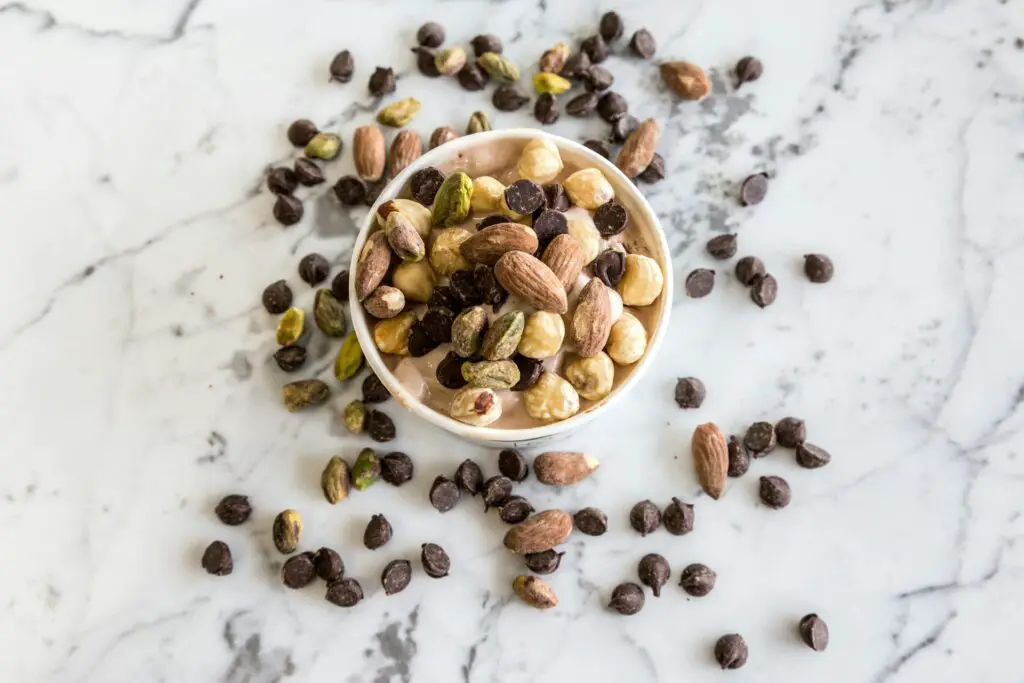
<p>When your brain gets foggy, it’s often because your blood sugar has dipped. Nuts—like almonds, walnuts, or cashews—offer a fast, healthy fix. They’re packed with protein, fiber, and healthy fat, which help keep your energy steady. Plus, they’re full of magnesium, which helps with focus and mood. A small handful is enough. Keep a stash at your desk or in your bag for quick bites on the go.</p> ::Pexels

When your brain gets foggy, it’s often because your blood sugar has dipped. Nuts—like almonds, walnuts, or cashews—offer a fast, healthy fix. They’re packed with protein, fiber, and healthy fat, which help keep your energy steady. Plus, they’re full of magnesium, which helps with focus and mood. A small handful is enough. Keep a stash at your desk or in your bag for quick bites on the go.

Step Outside for 10 Minutes

<p>Sunlight and fresh air can lift your energy fast. Just ten minutes outside can reset your brain, calm stress, and improve focus. Bonus points if you walk around the block or stand in some green space. Being in nature helps lower cortisol, the body’s stress hormone. Even if it’s cloudy, the daylight still works to wake you up and reset your internal clock. It’s the cheapest mood boost around.</p> ::Pexels

Sunlight and fresh air can lift your energy fast. Just ten minutes outside can reset your brain, calm stress, and improve focus. Bonus points if you walk around the block or stand in some green space. Being in nature helps lower cortisol, the body’s stress hormone. Even if it’s cloudy, the daylight still works to wake you up and reset your internal clock. It’s the cheapest mood boost around.

Chew Mint Gum

<p>Chewing gum, especially mint, wakes up your senses. It boosts alertness, improves memory, and helps you focus. It also tricks your brain into thinking you’re doing something active, which can shake off a sleepy fog. Studies show that peppermint scent alone can perk up your mood and improve task performance. Keep a pack in your drawer for those mid-afternoon slumps.</p> ::Pexels

Chewing gum, especially mint, wakes up your senses. It boosts alertness, improves memory, and helps you focus. It also tricks your brain into thinking you’re doing something active, which can shake off a sleepy fog. Studies show that peppermint scent alone can perk up your mood and improve task performance. Keep a pack in your drawer for those mid-afternoon slumps.

Drink Cold Water with Lemon

<p>Dehydration is a sneaky energy thief. Most of us don’t drink enough water by the time the afternoon hits. A glass of cold water with lemon rehydrates you and gives you a clean, crisp jolt—no caffeine needed. Lemon adds flavor, plus a hit of vitamin C. The cold temp itself is a mild shock to the system that can make you feel sharper and more alert. It’s simple, but it works.</p> ::Pexels

Dehydration is a sneaky energy thief. Most of us don’t drink enough water by the time the afternoon hits. A glass of cold water with lemon rehydrates you and gives you a clean, crisp jolt—no caffeine needed. Lemon adds flavor, plus a hit of vitamin C. The cold temp itself is a mild shock to the system that can make you feel sharper and more alert. It’s simple, but it works.

Stretch for Five Minutes

<p>Your body gets stiff and your brain gets sluggish when you sit too long. A short stretch session wakes up your muscles and sends fresh blood to your brain. Try shoulder rolls, neck circles, or touching your toes. It doesn’t have to be fancy. Just getting up and moving resets your posture, eases tension, and gives you a small rush of feel-good hormones. It’s like a mini reset button for your body.</p> ::Pexels

Your body gets stiff and your brain gets sluggish when you sit too long. A short stretch session wakes up your muscles and sends fresh blood to your brain. Try shoulder rolls, neck circles, or touching your toes. It doesn’t have to be fancy. Just getting up and moving resets your posture, eases tension, and gives you a small rush of feel-good hormones. It’s like a mini reset button for your body.

Listen to an Upbeat Song

<p>Music can lift your mood faster than almost anything. One fast-paced song—something you love and know by heart—can spark energy, reduce stress, and help you refocus. It works best with headphones or a quick dance break. Songs with 120–140 beats per minute mimic your heart rate when you’re alert and moving. Need a tip? Try anything by Queen, Beyoncé, or early 2000s pop.</p> ::Pexels

Music can lift your mood faster than almost anything. One fast-paced song—something you love and know by heart—can spark energy, reduce stress, and help you refocus. It works best with headphones or a quick dance break. Songs with 120–140 beats per minute mimic your heart rate when you’re alert and moving. Need a tip? Try anything by Queen, Beyoncé, or early 2000s pop.

Sniff Citrus or Peppermint Oil

<p>Your nose is wired to your brain’s alert system. Scents like citrus (orange, lemon, grapefruit) or peppermint can wake you up on the spot. Keep a small bottle of essential oil nearby and take a quick whiff when you feel a slump. If you don’t like oils, a fresh orange peel works too. These smells trigger the part of your brain that lifts mood and sharpens focus.</p> ::Pexels

Your nose is wired to your brain’s alert system. Scents like citrus (orange, lemon, grapefruit) or peppermint can wake you up on the spot. Keep a small bottle of essential oil nearby and take a quick whiff when you feel a slump. If you don’t like oils, a fresh orange peel works too. These smells trigger the part of your brain that lifts mood and sharpens focus.

Do One Quick Task

<p>It sounds strange, but checking something off your to-do list—especially a small, simple task—can create momentum. It gives your brain a dose of dopamine, the “reward” chemical that helps you feel good and stay motivated. Think: sending a short email, wiping your desk, or deleting old files. The act of doing wakes up your brain and builds confidence. One small win leads to the next.</p> ::Pexels

It sounds strange, but checking something off your to-do list—especially a small, simple task—can create momentum. It gives your brain a dose of dopamine, the “reward” chemical that helps you feel good and stay motivated. Think: sending a short email, wiping your desk, or deleting old files. The act of doing wakes up your brain and builds confidence. One small win leads to the next.

Conclusion

<p>Afternoon slumps don’t always need a cup of coffee. With a few easy swaps, you can stay sharp, alert, and upbeat without the crash. The best part? These habits work fast, cost little, and often boost your health in other ways too. Try one—or mix a few—and see what clicks for you. Your body (and brain) will thank you later.</p> ::Pexels

Afternoon slumps don’t always need a cup of coffee. With a few easy swaps, you can stay sharp, alert, and upbeat without the crash. The best part? These habits work fast, cost little, and often boost your health in other ways too. Try one—or mix a few—and see what clicks for you. Your body (and brain) will thank you later.


Filed Under: Health & Fitness

Surprising Things That Happen to Your Body When You Eat a Banana Every Day

November 20, 2025 | Leave a Comment

Surprising Things That Happen to Your Body When You Eat a Banana Every Day

<p> Bananas are one of the most popular fruits in the world—and for good reason. They are convenient, affordable, portable, and ready to eat, making them a staple in kitchens across the United States and beyond. But these familiar fruits are much more than just a sweet snack. Making bananas a part of your daily routine can trigger a surprising range of benefits for your body and mind.

While many people enjoy them for taste and convenience, bananas are packed with essential nutrients that affect everything from your heart health to your mood, energy levels, digestion, and even sleep. You might be surprised at just how powerful this simple fruit can be. In this article, we explore 10 science-backed ways your body can change when you eat a banana every day. </p> :: Gemini

Bananas are one of the most popular fruits in the world—and for good reason. They are convenient, affordable, portable, and ready to eat, making them a staple in kitchens across the United States and beyond. But these familiar fruits are much more than just a sweet snack. Making bananas a part of your daily routine can trigger a surprising range of benefits for your body and mind.

While many people enjoy them for taste and convenience, bananas are packed with essential nutrients that affect everything from your heart health to your mood, energy levels, digestion, and even sleep. You might be surprised at just how powerful this simple fruit can be. In this article, we explore 10 science-backed ways your body can change when you eat a banana every day.

1. Your Heart Gets a Helpful Boost

<p> One of the standout benefits of eating bananas every day is the positive effect on heart health. Bananas are rich in potassium, a vital mineral that helps regulate blood pressure by relaxing blood vessels and eliminating excess sodium. Potassium also supports the proper function of cells and nerves throughout the body, including those in the heart.

High blood pressure is a major risk factor for heart disease, which remains one of the leading causes of death worldwide. By incorporating bananas into your daily diet, you are taking a simple, natural step toward lowering blood pressure and supporting long-term cardiovascular health. Over time, this can reduce strain on your heart, improve circulation, and even decrease the risk of stroke. </p> :: Gemini

One of the standout benefits of eating bananas every day is the positive effect on heart health. Bananas are rich in potassium, a vital mineral that helps regulate blood pressure by relaxing blood vessels and eliminating excess sodium. Potassium also supports the proper function of cells and nerves throughout the body, including those in the heart.

High blood pressure is a major risk factor for heart disease, which remains one of the leading causes of death worldwide. By incorporating bananas into your daily diet, you are taking a simple, natural step toward lowering blood pressure and supporting long-term cardiovascular health. Over time, this can reduce strain on your heart, improve circulation, and even decrease the risk of stroke.

2. Digestion Becomes Smoother

<p> Bananas are a powerhouse when it comes to digestive health. They contain both soluble and insoluble fiber, which play different but complementary roles in keeping your digestive system running smoothly. Soluble fiber slows the absorption of sugar, helping regulate blood sugar levels, while insoluble fiber adds bulk to your stool and promotes regular bowel movements.

Less ripe bananas are particularly beneficial because they contain resistant starch—a type of prebiotic that feeds the healthy bacteria in your gut. These beneficial microbes are essential for proper digestion and can even impact your overall health, including immune function and nutrient absorption. Regularly eating bananas can help reduce bloating, constipation, and other common digestive issues while supporting a healthy gut microbiome. </p> :: Gemini

Bananas are a powerhouse when it comes to digestive health. They contain both soluble and insoluble fiber, which play different but complementary roles in keeping your digestive system running smoothly. Soluble fiber slows the absorption of sugar, helping regulate blood sugar levels, while insoluble fiber adds bulk to your stool and promotes regular bowel movements.

Less ripe bananas are particularly beneficial because they contain resistant starch—a type of prebiotic that feeds the healthy bacteria in your gut. These beneficial microbes are essential for proper digestion and can even impact your overall health, including immune function and nutrient absorption. Regularly eating bananas can help reduce bloating, constipation, and other common digestive issues while supporting a healthy gut microbiome.

3. Mood and Brain Health Receive a Lift

<p> Bananas can also have a surprising impact on your mental well-being. They contain vitamin B6, which your body uses to produce neurotransmitters like serotonin and dopamine. These chemicals play a key role in regulating mood, promoting feelings of happiness, and even improving focus and alertness.

Additionally, bananas contain tryptophan, an amino acid that the body converts into serotonin. Regularly consuming a banana can help stabilize your mood and provide a natural mental boost. For those experiencing mild stress, anxiety, or mood swings, adding a banana to your daily diet may contribute to a greater sense of emotional balance and overall mental wellness. </p> :: Gemini

Bananas can also have a surprising impact on your mental well-being. They contain vitamin B6, which your body uses to produce neurotransmitters like serotonin and dopamine. These chemicals play a key role in regulating mood, promoting feelings of happiness, and even improving focus and alertness.

Additionally, bananas contain tryptophan, an amino acid that the body converts into serotonin. Regularly consuming a banana can help stabilize your mood and provide a natural mental boost. For those experiencing mild stress, anxiety, or mood swings, adding a banana to your daily diet may contribute to a greater sense of emotional balance and overall mental wellness.

4. Energy Levels Become More Consistent

<p> Unlike sugary snacks or energy drinks that give a quick spike followed by a crash, bananas provide a natural and steady source of energy. A medium banana contains about 27 grams of carbohydrates, mostly natural sugars, paired with fiber. This combination allows your body to absorb the sugars gradually, providing sustained energy over time.

This makes bananas ideal for a pre-workout snack, a mid-afternoon pick-me-up, or a natural source of fuel during busy days. Instead of reaching for processed snacks that can leave you feeling tired shortly after, a banana offers a more balanced and reliable way to maintain energy throughout the day. </p> :: Gemini

Unlike sugary snacks or energy drinks that give a quick spike followed by a crash, bananas provide a natural and steady source of energy. A medium banana contains about 27 grams of carbohydrates, mostly natural sugars, paired with fiber. This combination allows your body to absorb the sugars gradually, providing sustained energy over time.

This makes bananas ideal for a pre-workout snack, a mid-afternoon pick-me-up, or a natural source of fuel during busy days. Instead of reaching for processed snacks that can leave you feeling tired shortly after, a banana offers a more balanced and reliable way to maintain energy throughout the day.

5. Antioxidants Help Protect Your Body

<p> Bananas are rich in antioxidants, including vitamin C and various plant compounds, which help neutralize harmful free radicals. Free radicals are unstable molecules that can damage cells and contribute to inflammation, aging, and chronic diseases. Antioxidants in bananas reduce oxidative stress, supporting the immune system and overall cellular health.

Incorporating bananas into your daily diet provides your body with extra protection against environmental and lifestyle-related stressors. Over time, this antioxidant support may help reduce the risk of certain chronic conditions and promote healthier skin, eyes, and overall cellular function. </p> :: Gemini

Bananas are rich in antioxidants, including vitamin C and various plant compounds, which help neutralize harmful free radicals. Free radicals are unstable molecules that can damage cells and contribute to inflammation, aging, and chronic diseases. Antioxidants in bananas reduce oxidative stress, supporting the immune system and overall cellular health.

Incorporating bananas into your daily diet provides your body with extra protection against environmental and lifestyle-related stressors. Over time, this antioxidant support may help reduce the risk of certain chronic conditions and promote healthier skin, eyes, and overall cellular function.

6. Snacking Habits May Improve

<p> Because bananas are high in fiber and naturally filling, they can help curb unhealthy snacking habits. When you feel satisfied after eating a banana, you are less likely to reach for processed snacks like chips, candy, or baked goods, which are often high in empty calories.

Replacing less nutritious options with a banana is a simple yet effective way to support better eating habits. For anyone trying to manage weight, improve diet quality, or maintain stable energy throughout the day, bananas can be a practical and delicious solution. They offer the convenience of a ready-to-eat snack while helping to prevent overeating and unnecessary calorie intake. </p> :: Gemini

Because bananas are high in fiber and naturally filling, they can help curb unhealthy snacking habits. When you feel satisfied after eating a banana, you are less likely to reach for processed snacks like chips, candy, or baked goods, which are often high in empty calories.

Replacing less nutritious options with a banana is a simple yet effective way to support better eating habits. For anyone trying to manage weight, improve diet quality, or maintain stable energy throughout the day, bananas can be a practical and delicious solution. They offer the convenience of a ready-to-eat snack while helping to prevent overeating and unnecessary calorie intake.

7. Sleep Quality May Improve

<p> Bananas contain magnesium and tryptophan, nutrients that can naturally support relaxation and sleep. Magnesium helps calm the nervous system and relax muscles, while tryptophan is converted into serotonin and melatonin—hormones that regulate sleep patterns.

Eating a banana a few hours before bedtime may help you unwind and prepare for a more restful night. For those struggling with occasional insomnia or disrupted sleep, this small dietary adjustment can provide a gentle, natural improvement to your nightly rest, making it easier to wake up feeling refreshed and energized. </p> :: Gemini

Bananas contain magnesium and tryptophan, nutrients that can naturally support relaxation and sleep. Magnesium helps calm the nervous system and relax muscles, while tryptophan is converted into serotonin and melatonin—hormones that regulate sleep patterns.

Eating a banana a few hours before bedtime may help you unwind and prepare for a more restful night. For those struggling with occasional insomnia or disrupted sleep, this small dietary adjustment can provide a gentle, natural improvement to your nightly rest, making it easier to wake up feeling refreshed and energized.

8. Kidneys May Benefit

<p> Potassium is not only good for your heart but also for your kidneys. Bananas help maintain proper fluid and electrolyte balance, which supports kidney function and helps the body efficiently process waste. They can also counteract the effects of excessive sodium, which is common in processed foods and can strain the kidneys over time.

While bananas are generally beneficial for most people, those with kidney disease or taking medications that affect potassium levels should consult a healthcare provider before making them a daily habit. For healthy adults, though, eating a banana each day can contribute to optimal kidney health. </p> :: Gemini

Potassium is not only good for your heart but also for your kidneys. Bananas help maintain proper fluid and electrolyte balance, which supports kidney function and helps the body efficiently process waste. They can also counteract the effects of excessive sodium, which is common in processed foods and can strain the kidneys over time.

While bananas are generally beneficial for most people, those with kidney disease or taking medications that affect potassium levels should consult a healthcare provider before making them a daily habit. For healthy adults, though, eating a banana each day can contribute to optimal kidney health.

9. Muscle Recovery Improves

<p> Active individuals and athletes often turn to bananas for post-workout recovery, and for good reason. Bananas provide a combination of carbohydrates and potassium that replenishes glycogen stores in muscles after exercise. Glycogen is the body’s primary energy source during physical activity, and replenishing it is key for recovery.

Potassium also helps reduce muscle cramping and supports proper muscle function. Eating a banana after a workout can speed recovery, reduce fatigue, and prepare your body for future exercise. For those who exercise regularly or engage in physically demanding activities, this natural recovery aid can make a noticeable difference. </p> :: Gemini

Active individuals and athletes often turn to bananas for post-workout recovery, and for good reason. Bananas provide a combination of carbohydrates and potassium that replenishes glycogen stores in muscles after exercise. Glycogen is the body’s primary energy source during physical activity, and replenishing it is key for recovery.

Potassium also helps reduce muscle cramping and supports proper muscle function. Eating a banana after a workout can speed recovery, reduce fatigue, and prepare your body for future exercise. For those who exercise regularly or engage in physically demanding activities, this natural recovery aid can make a noticeable difference.

10. Nutrient Intake Increases Without Extra Calories

<p> A medium banana contains just over 100 calories but provides significant nutrients, including fiber, potassium, vitamin B6, vitamin C, and magnesium. This makes it a nutrient-dense snack that delivers high value for relatively few calories.

By incorporating a banana into your daily diet, you’re not just satisfying your sweet tooth—you’re also supporting heart health, digestion, immunity, and overall wellness without adding unnecessary calories. For anyone looking to maintain a balanced, healthy diet while enjoying convenient and tasty options, bananas are hard to beat. </p> :: Gemini

A medium banana contains just over 100 calories but provides significant nutrients, including fiber, potassium, vitamin B6, vitamin C, and magnesium. This makes it a nutrient-dense snack that delivers high value for relatively few calories.

By incorporating a banana into your daily diet, you’re not just satisfying your sweet tooth—you’re also supporting heart health, digestion, immunity, and overall wellness without adding unnecessary calories. For anyone looking to maintain a balanced, healthy diet while enjoying convenient and tasty options, bananas are hard to beat.

Final Thoughts

<p> Eating a banana every day is a simple habit with far-reaching benefits. From boosting heart health, digestion, and sleep quality to improving mood, energy, and muscle recovery, this unassuming fruit has a powerful impact on your overall well-being.

While one banana a day is sufficient for most healthy adults, variety is key. Pair bananas with a diverse diet of fruits, vegetables, lean proteins, and healthy fats to maximize health benefits. Overdoing it is unnecessary and may even pose risks for some individuals, particularly those with kidney concerns.

Next time you reach for a banana, remember that it’s more than just a convenient snack. It’s nourishing your body, supporting your health, and helping you feel better every single day. A small habit like this can be a step toward a healthier, more energized, and happier you. Enjoy the yellow goodness—it’s simple, practical, and delicious. </p> :: Freepik

Eating a banana every day is a simple habit with far-reaching benefits. From boosting heart health, digestion, and sleep quality to improving mood, energy, and muscle recovery, this unassuming fruit has a powerful impact on your overall well-being.

While one banana a day is sufficient for most healthy adults, variety is key. Pair bananas with a diverse diet of fruits, vegetables, lean proteins, and healthy fats to maximize health benefits. Overdoing it is unnecessary and may even pose risks for some individuals, particularly those with kidney concerns.

Next time you reach for a banana, remember that it’s more than just a convenient snack. It’s nourishing your body, supporting your health, and helping you feel better every single day. A small habit like this can be a step toward a healthier, more energized, and happier you. Enjoy the yellow goodness—it’s simple, practical, and delicious.

Filed Under: Health & Fitness

Common Blood Pressure Mistakes That Can Give You False Readings

November 20, 2025 | Leave a Comment

Common Blood Pressure Mistakes That Can Give You False Readings

<p> Measuring your blood pressure might seem straightforward. You wrap a cuff around your arm, press a button, and voilà, you have your numbers. But what if I told you that many of the readings you trust could be misleading? Inaccurate blood pressure measurements are surprisingly common and can sneak up on you, making you think your heart is in perfect shape when it is not or causing unnecessary worry when everything is actually fine.

Understanding the mistakes that can throw off your blood pressure readings is essential for taking control of your health. Here are eight of the most common errors people make and practical ways to fix them so that you can get readings that truly reflect what is happening inside your body. </p> :: Freepik

Measuring your blood pressure might seem straightforward. You wrap a cuff around your arm, press a button, and voilà, you have your numbers. But what if I told you that many of the readings you trust could be misleading? Inaccurate blood pressure measurements are surprisingly common and can sneak up on you, making you think your heart is in perfect shape when it is not or causing unnecessary worry when everything is actually fine.

Understanding the mistakes that can throw off your blood pressure readings is essential for taking control of your health. Here are eight of the most common errors people make and practical ways to fix them so that you can get readings that truly reflect what is happening inside your body.

1. Using the Wrong Size Cuff

<p> One of the most overlooked reasons for false readings is using the wrong size cuff. Blood pressure cuffs are not one-size-fits-all. If the cuff is too small, it squeezes your arm too tightly and can produce readings that are artificially high. Conversely, a cuff that is too large may give you falsely low numbers.

To prevent this mistake, measure the circumference of your upper arm and choose a cuff that fits snugly but comfortably. A properly sized cuff has a bladder that is about 80 percent of the length of your arm and at least 40 percent of the arm’s width. Investing a few minutes to find the right size can save you from months of confusion and unnecessary worry. </p> :: Pexels

One of the most overlooked reasons for false readings is using the wrong size cuff. Blood pressure cuffs are not one-size-fits-all. If the cuff is too small, it squeezes your arm too tightly and can produce readings that are artificially high. Conversely, a cuff that is too large may give you falsely low numbers.

To prevent this mistake, measure the circumference of your upper arm and choose a cuff that fits snugly but comfortably. A properly sized cuff has a bladder that is about 80 percent of the length of your arm and at least 40 percent of the arm’s width. Investing a few minutes to find the right size can save you from months of confusion and unnecessary worry.

2. Placing the Cuff Over Clothing

<p> It might seem harmless to keep your shirt on while taking a reading, but even thin fabric can distort results. Wrapping a cuff over clothing can cause the measurement to be significantly higher than your actual blood pressure.

The solution is simple: always place the cuff directly on bare skin. Rolling up a sleeve is much better than taking a reading through fabric, and it only takes a few extra seconds to do it correctly. </p> :: Gemini

It might seem harmless to keep your shirt on while taking a reading, but even thin fabric can distort results. Wrapping a cuff over clothing can cause the measurement to be significantly higher than your actual blood pressure.

The solution is simple: always place the cuff directly on bare skin. Rolling up a sleeve is much better than taking a reading through fabric, and it only takes a few extra seconds to do it correctly.

3. Not Taking Time to Rest Before Measuring

<p> If you are rushing around in the morning, rushing to work, or just got done with household chores, your blood pressure reading is likely to be higher than it would be at rest. Your body needs a few minutes to settle down for an accurate reading.

Experts recommend sitting quietly for five full minutes before taking a measurement. Find a comfortable chair, put your feet flat on the floor, and take a few deep breaths. Allow your body and mind to calm down so your reading reflects your resting blood pressure, not the stress of the moment. </p> :: Gemini

If you are rushing around in the morning, rushing to work, or just got done with household chores, your blood pressure reading is likely to be higher than it would be at rest. Your body needs a few minutes to settle down for an accurate reading.

Experts recommend sitting quietly for five full minutes before taking a measurement. Find a comfortable chair, put your feet flat on the floor, and take a few deep breaths. Allow your body and mind to calm down so your reading reflects your resting blood pressure, not the stress of the moment.

4. Incorrect Seating and Arm Position

<p> Where and how you sit during a reading can have a significant impact on your numbers. Slouching, crossing your legs, or not supporting your back can increase readings. Your arm position is equally important. If your arm is hanging down at your side or raised above heart level, your reading will not be accurate.

To measure correctly, sit upright in a chair with your back supported, feet flat on the floor, and your arm supported on a flat surface. The cuff should be aligned with the level of your heart. Small adjustments in posture can make a surprising difference in your readings. </p> :: Gemini

Where and how you sit during a reading can have a significant impact on your numbers. Slouching, crossing your legs, or not supporting your back can increase readings. Your arm position is equally important. If your arm is hanging down at your side or raised above heart level, your reading will not be accurate.

To measure correctly, sit upright in a chair with your back supported, feet flat on the floor, and your arm supported on a flat surface. The cuff should be aligned with the level of your heart. Small adjustments in posture can make a surprising difference in your readings.

5. Talking or Being Distracted

<p> You might think that taking your blood pressure while scrolling through your phone or chatting with someone nearby is harmless, but it can affect your results. Talking or being distracted activates your nervous system, which can cause a temporary spike in blood pressure.

For the most accurate measurement, stay silent and still. Treat those moments like a mini-meditation for your heart, focusing only on being relaxed and present while the device works. </p> :: Gemini

You might think that taking your blood pressure while scrolling through your phone or chatting with someone nearby is harmless, but it can affect your results. Talking or being distracted activates your nervous system, which can cause a temporary spike in blood pressure.

For the most accurate measurement, stay silent and still. Treat those moments like a mini-meditation for your heart, focusing only on being relaxed and present while the device works.

6. Not Emptying Your Bladder

<p> It may sound strange, but having a full bladder can significantly impact your blood pressure reading. Studies show that a full bladder can increase both systolic and diastolic numbers, giving you a reading that is higher than your actual blood pressure.

Before taking a measurement, use the restroom. It is a simple step that takes only a minute and ensures that your readings are not influenced by a full bladder. </p> :: Gemini

It may sound strange, but having a full bladder can significantly impact your blood pressure reading. Studies show that a full bladder can increase both systolic and diastolic numbers, giving you a reading that is higher than your actual blood pressure.

Before taking a measurement, use the restroom. It is a simple step that takes only a minute and ensures that your readings are not influenced by a full bladder.

7. Measuring Immediately After Caffeine, Nicotine, or Exercise

<p> Coffee, cigarettes, and physical activity are all known to temporarily raise blood pressure. Taking a reading right after these activities can give you a number that reflects a temporary spike rather than your usual blood pressure.

It is best to wait at least thirty minutes after consuming caffeine, smoking, or exercising before measuring your blood pressure. This allows your body to return to its normal state and ensures a reading that accurately reflects your typical blood pressure. </p> :: Gemini

Coffee, cigarettes, and physical activity are all known to temporarily raise blood pressure. Taking a reading right after these activities can give you a number that reflects a temporary spike rather than your usual blood pressure.

It is best to wait at least thirty minutes after consuming caffeine, smoking, or exercising before measuring your blood pressure. This allows your body to return to its normal state and ensures a reading that accurately reflects your typical blood pressure.

8. Relying on a Single Reading

<p> A single blood pressure measurement does not tell the whole story. Blood pressure fluctuates naturally throughout the day due to stress, activity, and even posture. Relying on only one reading can give a false sense of security or unnecessary worry.

For a more accurate picture, take two to three readings at each session, spaced a minute or two apart, and calculate the average. Tracking your measurements over several days or weeks can help you and your doctor understand your true blood pressure pattern and make informed decisions about your health. </p> :: Pexels

A single blood pressure measurement does not tell the whole story. Blood pressure fluctuates naturally throughout the day due to stress, activity, and even posture. Relying on only one reading can give a false sense of security or unnecessary worry.

For a more accurate picture, take two to three readings at each session, spaced a minute or two apart, and calculate the average. Tracking your measurements over several days or weeks can help you and your doctor understand your true blood pressure pattern and make informed decisions about your health.

Final Thoughts

<p> Accurate blood pressure measurement is crucial for heart health, yet small mistakes can make a big difference. Many people unknowingly take readings that are either too high or too low, which can affect treatment decisions and create unnecessary stress. By paying attention to the eight common mistakes outlined here — using the correct cuff size, measuring on bare skin, resting before readings, sitting properly, staying silent, emptying your bladder, waiting after stimulants or exercise, and averaging multiple readings — you can dramatically improve the accuracy of your blood pressure checks.

Taking these small steps is not just about numbers on a monitor; it is about understanding your body, taking control of your health, and making informed choices for the future. With reliable readings, you can work confidently with your doctor to maintain heart health and peace of mind. Start implementing these changes today, and watch how much more confident you feel in your blood pressure management. </p> :: Freepik

Accurate blood pressure measurement is crucial for heart health, yet small mistakes can make a big difference. Many people unknowingly take readings that are either too high or too low, which can affect treatment decisions and create unnecessary stress. By paying attention to the eight common mistakes outlined here — using the correct cuff size, measuring on bare skin, resting before readings, sitting properly, staying silent, emptying your bladder, waiting after stimulants or exercise, and averaging multiple readings — you can dramatically improve the accuracy of your blood pressure checks.

Taking these small steps is not just about numbers on a monitor; it is about understanding your body, taking control of your health, and making informed choices for the future. With reliable readings, you can work confidently with your doctor to maintain heart health and peace of mind. Start implementing these changes today, and watch how much more confident you feel in your blood pressure management.

Filed Under: Health & Fitness

8 Easy Add-Ins That Make Any Meal Healthier

November 20, 2025 | Leave a Comment

8 Easy Add-Ins That Make Any Meal Healthier

<p>Eating healthy doesn’t have to mean changing your whole diet. Sometimes, all it takes is adding the right things to what you already eat. A spoonful here, a sprinkle there—it can make a big difference in the long run. These simple add-ins work with almost any dish. They don’t cost much, they don’t take extra cooking, and they actually make food taste better. Whether you’re having soup, salad, or even pasta, these are smart ways to pack in more nutrition without fuss.</p> ::Pexels

Eating healthy doesn’t have to mean changing your whole diet. Sometimes, all it takes is adding the right things to what you already eat. A spoonful here, a sprinkle there—it can make a big difference in the long run. These simple add-ins work with almost any dish. They don’t cost much, they don’t take extra cooking, and they actually make food taste better. Whether you’re having soup, salad, or even pasta, these are smart ways to pack in more nutrition without fuss.

Ground Flaxseed

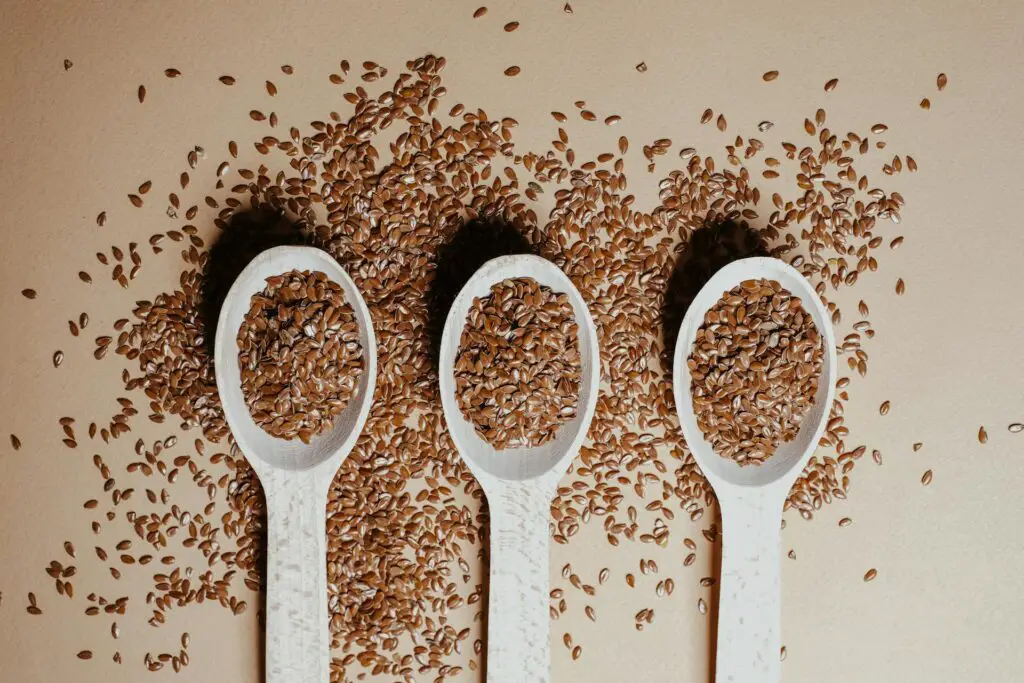
<p>Flaxseed is small, mild, and easy to sneak into almost anything. It’s rich in fiber, which helps digestion and keeps you full longer. It also has omega-3 fats, which are good for the heart and brain. The best way to use it is ground—your body can absorb it better that way. Add a spoon to oatmeal, yogurt, or pancake mix. Fun fact: just one tablespoon of flaxseed has as much fiber as half a cup of cooked brown rice.</p> ::Pexels

Flaxseed is small, mild, and easy to sneak into almost anything. It’s rich in fiber, which helps digestion and keeps you full longer. It also has omega-3 fats, which are good for the heart and brain. The best way to use it is ground—your body can absorb it better that way. Add a spoon to oatmeal, yogurt, or pancake mix. Fun fact: just one tablespoon of flaxseed has as much fiber as half a cup of cooked brown rice.

Chopped Fresh Herbs

<p>Basil, parsley, dill, cilantro—these herbs do more than add flavor. They also bring antioxidants, which help fight cell damage. Parsley alone is packed with vitamin K and vitamin C. You don’t need a lot. A pinch of chopped herbs on top of soup or eggs adds color, taste, and a health kick. Herbs are also easy to grow at home in a pot or windowsill. Once picked, they store best if you wrap them in a damp paper towel and place them in a bag in the fridge.</p> ::Pexels

Basil, parsley, dill, cilantro—these herbs do more than add flavor. They also bring antioxidants, which help fight cell damage. Parsley alone is packed with vitamin K and vitamin C. You don’t need a lot. A pinch of chopped herbs on top of soup or eggs adds color, taste, and a health kick. Herbs are also easy to grow at home in a pot or windowsill. Once picked, they store best if you wrap them in a damp paper towel and place them in a bag in the fridge.

Chia Seeds

<p>Chia seeds don’t taste like much, but they soak up liquid and form a gel. This makes them great in smoothies, yogurt, and overnight oats. They’re full of fiber, protein, and healthy fat—especially omega-3s. Just one ounce has 11 grams of fiber. These little seeds used to be a staple food for the Aztecs. Because they swell up, they also help you feel full longer. Start with a small amount and drink water, as they absorb a lot of liquid.</p> ::Pexels

Chia seeds don’t taste like much, but they soak up liquid and form a gel. This makes them great in smoothies, yogurt, and overnight oats. They’re full of fiber, protein, and healthy fat—especially omega-3s. Just one ounce has 11 grams of fiber. These little seeds used to be a staple food for the Aztecs. Because they swell up, they also help you feel full longer. Start with a small amount and drink water, as they absorb a lot of liquid.

Leafy Greens

<p>Spinach, kale, and arugula are full of vitamins but soft enough to mix into most dishes. You can stir them into soups, sauces, eggs, or even smoothies. Spinach cooks down fast, so a large handful becomes just a few bites. These greens are rich in iron, folate, and vitamin A. They also have a mild taste, so they don’t change the flavor much. A fun tip: frozen chopped spinach works just as well and takes no prep.</p> ::Pexels

Spinach, kale, and arugula are full of vitamins but soft enough to mix into most dishes. You can stir them into soups, sauces, eggs, or even smoothies. Spinach cooks down fast, so a large handful becomes just a few bites. These greens are rich in iron, folate, and vitamin A. They also have a mild taste, so they don’t change the flavor much. A fun tip: frozen chopped spinach works just as well and takes no prep.

Lemon Juice

<p>A squeeze of lemon adds more than just tart flavor. It’s high in vitamin C and helps your body absorb iron from other foods. That’s why it pairs so well with greens and beans. It also adds brightness to bland or rich foods without extra salt or fat. Try it on fish, rice, or steamed veggies. Lemon zest—the yellow peel—also holds oil that boosts flavor and smell with almost no calories.</p> ::Pexels

A squeeze of lemon adds more than just tart flavor. It’s high in vitamin C and helps your body absorb iron from other foods. That’s why it pairs so well with greens and beans. It also adds brightness to bland or rich foods without extra salt or fat. Try it on fish, rice, or steamed veggies. Lemon zest—the yellow peel—also holds oil that boosts flavor and smell with almost no calories.

Garlic

<p>Garlic doesn’t just taste great—it has proven health perks too. It helps support heart health and may even fight off colds. When raw, it’s strong and spicy. When cooked, it becomes soft and sweet. You can mix garlic into salad dressings, pastas, roasted veggies, or stir-fries. One clove goes a long way. A small tip: crush or chop garlic and let it sit for a few minutes before cooking to boost its good-for-you compounds.</p> ::Pexels

Garlic doesn’t just taste great—it has proven health perks too. It helps support heart health and may even fight off colds. When raw, it’s strong and spicy. When cooked, it becomes soft and sweet. You can mix garlic into salad dressings, pastas, roasted veggies, or stir-fries. One clove goes a long way. A small tip: crush or chop garlic and let it sit for a few minutes before cooking to boost its good-for-you compounds.

Crushed Nuts

<p>A sprinkle of crushed almonds, walnuts, or cashews can turn a dull dish into something rich and filling. Nuts bring protein, healthy fats, and crunch. They’re good for your heart and can help with blood sugar too. Use them on top of salads, yogurt, or grain bowls. Just a tablespoon adds a lot without too many calories. Fun fact: walnuts are one of the few plant sources of omega-3 fats.</p> ::Pexels

A sprinkle of crushed almonds, walnuts, or cashews can turn a dull dish into something rich and filling. Nuts bring protein, healthy fats, and crunch. They’re good for your heart and can help with blood sugar too. Use them on top of salads, yogurt, or grain bowls. Just a tablespoon adds a lot without too many calories. Fun fact: walnuts are one of the few plant sources of omega-3 fats.

Beans or Lentils

<p>Beans and lentils are full of protein and fiber, and they’re very cheap. You can add them to soup, stir-fries, pasta sauce, or salads. Even a few spoonfuls can help you stay full longer and balance blood sugar. Canned beans work fine—just rinse them to cut the sodium. Red lentils cook fast and break down into soups without changing the taste much. They’ve been eaten around the world for thousands of years for a reason—they’re good and good for you.</p> ::Pexels

Beans and lentils are full of protein and fiber, and they’re very cheap. You can add them to soup, stir-fries, pasta sauce, or salads. Even a few spoonfuls can help you stay full longer and balance blood sugar. Canned beans work fine—just rinse them to cut the sodium. Red lentils cook fast and break down into soups without changing the taste much. They’ve been eaten around the world for thousands of years for a reason—they’re good and good for you.

Conclusion

<p>It’s easy to upgrade meals when you know what to add. These eight ingredients take no time to use but add real health value. They mix well into many meals, improve taste, and keep your body fueled and strong. Best of all, you don’t need to give up your favorite foods. Just make them better, one spoonful or sprinkle at a time. Your future self will thank you.</p> ::Pexels

It’s easy to upgrade meals when you know what to add. These eight ingredients take no time to use but add real health value. They mix well into many meals, improve taste, and keep your body fueled and strong. Best of all, you don’t need to give up your favorite foods. Just make them better, one spoonful or sprinkle at a time. Your future self will thank you.

Filed Under: Health & Fitness

8 Surprising Health Benefits of Drinking More Water, Backed by Experts

November 20, 2025 | Leave a Comment

8 Surprising Health Benefits of Drinking More Water, Backed by Experts

<p> Yes, we already know water is essential for life. But let’s be real—how often do we actually think about the incredible impact it can have on our health? We drink it when we're thirsty, but beyond that, many of us don’t fully appreciate the vast benefits water can bring to our overall well-being. Drinking more water isn’t just about staying hydrated—it can actually improve everything from your mood to your metabolism in surprising ways. Experts agree that many of us aren’t drinking enough water, and it's time we recognize how simple hydration can enhance our daily lives. So, let’s explore eight health benefits of drinking more water, and how it could transform the way you feel and function every day. </p> :: Freepik

Yes, we already know water is essential for life. But let’s be real—how often do we actually think about the incredible impact it can have on our health? We drink it when we’re thirsty, but beyond that, many of us don’t fully appreciate the vast benefits water can bring to our overall well-being. Drinking more water isn’t just about staying hydrated—it can actually improve everything from your mood to your metabolism in surprising ways. Experts agree that many of us aren’t drinking enough water, and it’s time we recognize how simple hydration can enhance our daily lives. So, let’s explore eight health benefits of drinking more water, and how it could transform the way you feel and function every day.

1. Boosts Energy and Enhances Brain Function

<p> Even mild dehydration can impair mood, memory, and brain performance. Studies show that a fluid loss of just 1–3% of body weight can lead to fatigue, reduced concentration, and increased feelings of anxiety. Staying well-hydrated helps maintain optimal brain function, improving focus, memory, and overall cognitive abilities. This is particularly important during tasks that require concentration, such as working or studying. Experts have found that drinking enough water can also help prevent the mental fatigue that often comes from dehydration, allowing individuals to feel more energetic and productive throughout the day. In fact, one study showed that drinking water could improve cognitive performance, such as short-term memory recall, and prevent attention lapses. The hydration of brain cells plays a critical role in supporting overall brain health, and proper hydration enhances communication between neurons, boosting cognitive function. </p> :: Pexels

Even mild dehydration can impair mood, memory, and brain performance. Studies show that a fluid loss of just 1–3% of body weight can lead to fatigue, reduced concentration, and increased feelings of anxiety. Staying well-hydrated helps maintain optimal brain function, improving focus, memory, and overall cognitive abilities. This is particularly important during tasks that require concentration, such as working or studying. Experts have found that drinking enough water can also help prevent the mental fatigue that often comes from dehydration, allowing individuals to feel more energetic and productive throughout the day. In fact, one study showed that drinking water could improve cognitive performance, such as short-term memory recall, and prevent attention lapses. The hydration of brain cells plays a critical role in supporting overall brain health, and proper hydration enhances communication between neurons, boosting cognitive function.

2. Aids in Weight Management

<p> Drinking water before meals can promote a feeling of fullness, helping to control appetite and support weight management efforts. Additionally, water has zero calories and can increase metabolism, making it a healthier alternative to sugary drinks. Water helps increase the thermogenesis process in the body, which is the production of heat and energy from digestion. As a result, drinking water can slightly increase your metabolism, which helps burn calories more efficiently. This makes it an ideal choice for those looking to shed a few pounds. Experts also suggest that replacing sugary sodas and high-calorie beverages with water can significantly reduce overall calorie intake, contributing to weight loss. Moreover, drinking water regularly helps keep your body’s internal systems functioning optimally, supporting digestion and fat breakdown. Combined with a balanced diet and exercise, drinking water regularly is a simple yet effective strategy for maintaining a healthy weight. </p> :: Pexels

Drinking water before meals can promote a feeling of fullness, helping to control appetite and support weight management efforts. Additionally, water has zero calories and can increase metabolism, making it a healthier alternative to sugary drinks. Water helps increase the thermogenesis process in the body, which is the production of heat and energy from digestion. As a result, drinking water can slightly increase your metabolism, which helps burn calories more efficiently. This makes it an ideal choice for those looking to shed a few pounds. Experts also suggest that replacing sugary sodas and high-calorie beverages with water can significantly reduce overall calorie intake, contributing to weight loss. Moreover, drinking water regularly helps keep your body’s internal systems functioning optimally, supporting digestion and fat breakdown. Combined with a balanced diet and exercise, drinking water regularly is a simple yet effective strategy for maintaining a healthy weight.

3. Improves Digestion and Prevents Constipation

<p> Adequate water intake is crucial for digestion. It helps break down food and absorb nutrients effectively. Additionally, water softens stool and aids in the body's absorption of fiber, preventing constipation and promoting regular bowel movements. Water helps dissolve soluble fiber, allowing it to form a gel-like substance, which helps regulate bowel movements. Dehydration can lead to harder stool, making it difficult to pass and causing discomfort. Experts recommend drinking water throughout the day to keep your digestive system functioning smoothly and to prevent gastrointestinal discomfort. Drinking water also supports the efficient transportation of nutrients through the digestive tract and helps flush out waste products. For those suffering from constipation or irregular bowel movements, increasing water intake is one of the simplest ways to promote regularity and alleviate digestive issues. </p> :: Pexels

Adequate water intake is crucial for digestion. It helps break down food and absorb nutrients effectively. Additionally, water softens stool and aids in the body’s absorption of fiber, preventing constipation and promoting regular bowel movements. Water helps dissolve soluble fiber, allowing it to form a gel-like substance, which helps regulate bowel movements. Dehydration can lead to harder stool, making it difficult to pass and causing discomfort. Experts recommend drinking water throughout the day to keep your digestive system functioning smoothly and to prevent gastrointestinal discomfort. Drinking water also supports the efficient transportation of nutrients through the digestive tract and helps flush out waste products. For those suffering from constipation or irregular bowel movements, increasing water intake is one of the simplest ways to promote regularity and alleviate digestive issues.

4. Supports Kidney Health and Prevents Stones

<p> Drinking sufficient water increases urine volume, diluting minerals and salts that could form kidney stones. This dilution helps prevent the formation of stones and supports overall kidney function. Kidney stones form when minerals in the urine become too concentrated and crystallize, causing pain and discomfort. Water acts as a natural preventive measure by ensuring that the minerals are properly diluted and flushed out before they can form into stones. Experts recommend drinking plenty of water throughout the day to support kidney health and reduce the risk of kidney stones. Proper hydration also helps maintain the proper function of kidneys, which filter waste and excess fluids from the body. Maintaining adequate hydration can prevent urinary tract infections, bladder problems, and kidney damage, which are all linked to dehydration. </p> :: Pexels

Drinking sufficient water increases urine volume, diluting minerals and salts that could form kidney stones. This dilution helps prevent the formation of stones and supports overall kidney function. Kidney stones form when minerals in the urine become too concentrated and crystallize, causing pain and discomfort. Water acts as a natural preventive measure by ensuring that the minerals are properly diluted and flushed out before they can form into stones. Experts recommend drinking plenty of water throughout the day to support kidney health and reduce the risk of kidney stones. Proper hydration also helps maintain the proper function of kidneys, which filter waste and excess fluids from the body. Maintaining adequate hydration can prevent urinary tract infections, bladder problems, and kidney damage, which are all linked to dehydration.

5. Enhances Skin Health and Appearance

<p> Proper hydration keeps skin cells plump and hydrated, reducing the appearance of fine lines and wrinkles. It also helps flush out toxins, leading to clearer skin and a more youthful complexion. When your body is dehydrated, your skin can look dull, dry, and tired. Experts suggest that drinking enough water helps keep the skin's elasticity intact, improving its texture and appearance. Hydrated skin also has a better chance of maintaining a healthy moisture balance, which prevents breakouts and promotes a glowing complexion. In fact, many dermatologists recommend drinking water as a part of your skincare routine to complement external products like moisturizers and serums. Water helps maintain the skin's natural barrier and promotes healing, making it one of the easiest and most effective ways to maintain skin health. </p> :: Pexels

Proper hydration keeps skin cells plump and hydrated, reducing the appearance of fine lines and wrinkles. It also helps flush out toxins, leading to clearer skin and a more youthful complexion. When your body is dehydrated, your skin can look dull, dry, and tired. Experts suggest that drinking enough water helps keep the skin’s elasticity intact, improving its texture and appearance. Hydrated skin also has a better chance of maintaining a healthy moisture balance, which prevents breakouts and promotes a glowing complexion. In fact, many dermatologists recommend drinking water as a part of your skincare routine to complement external products like moisturizers and serums. Water helps maintain the skin’s natural barrier and promotes healing, making it one of the easiest and most effective ways to maintain skin health.

6. Reduces the Risk of Headaches and Migraines

<p> Dehydration is a common trigger for headaches and migraines. Maintaining adequate fluid intake can alleviate these symptoms by maintaining fluid balance and preventing dehydration. Water helps keep the brain’s fluid levels balanced, which is essential for preventing the intense pain associated with dehydration-related headaches. Experts recommend drinking water regularly throughout the day to prevent the onset of headaches and migraines. Even slight dehydration can lead to increased brain tissue shrinkage, causing pain and discomfort. Many individuals who suffer from chronic headaches or migraines have found that increasing their water intake can significantly reduce the frequency and intensity of these episodes. Hydration also promotes better blood circulation, which can alleviate the symptoms of a headache and improve overall health. By drinking more water, individuals may find that their headaches are less frequent and less severe. </p> :: Pexels

Dehydration is a common trigger for headaches and migraines. Maintaining adequate fluid intake can alleviate these symptoms by maintaining fluid balance and preventing dehydration. Water helps keep the brain’s fluid levels balanced, which is essential for preventing the intense pain associated with dehydration-related headaches. Experts recommend drinking water regularly throughout the day to prevent the onset of headaches and migraines. Even slight dehydration can lead to increased brain tissue shrinkage, causing pain and discomfort. Many individuals who suffer from chronic headaches or migraines have found that increasing their water intake can significantly reduce the frequency and intensity of these episodes. Hydration also promotes better blood circulation, which can alleviate the symptoms of a headache and improve overall health. By drinking more water, individuals may find that their headaches are less frequent and less severe.

7. Improves Mood and Reduces Stress

<p> Even mild dehydration can negatively affect mood and increase the perception of task difficulty. Staying hydrated helps maintain a positive mood and reduces feelings of stress and anxiety. Research has shown that dehydration can cause irritability, fatigue, and increased feelings of anxiety, which can negatively affect mental health. Experts have found that drinking water regularly can improve your mood and help you feel calmer throughout the day. Hydration helps balance the levels of neurotransmitters in the brain, such as serotonin, which play a role in mood regulation. When you are dehydrated, your brain may struggle to function optimally, which can contribute to feelings of stress. By maintaining adequate hydration levels, you can help improve your mental clarity, reduce stress, and increase feelings of well-being. In addition, water helps regulate the body's stress response, promoting a sense of calm and relaxation. </p> :: Pexels

Even mild dehydration can negatively affect mood and increase the perception of task difficulty. Staying hydrated helps maintain a positive mood and reduces feelings of stress and anxiety. Research has shown that dehydration can cause irritability, fatigue, and increased feelings of anxiety, which can negatively affect mental health. Experts have found that drinking water regularly can improve your mood and help you feel calmer throughout the day. Hydration helps balance the levels of neurotransmitters in the brain, such as serotonin, which play a role in mood regulation. When you are dehydrated, your brain may struggle to function optimally, which can contribute to feelings of stress. By maintaining adequate hydration levels, you can help improve your mental clarity, reduce stress, and increase feelings of well-being. In addition, water helps regulate the body’s stress response, promoting a sense of calm and relaxation.

8. Promotes Healthy Joints and Reduces Pain

<p> Water helps lubricate joints, reducing friction and pain in conditions like arthritis. Adequate hydration supports joint health and can alleviate discomfort associated with joint inflammation. The cartilage in your joints is made up of a high percentage of water, and when you're dehydrated, it becomes less effective at cushioning and lubricating your joints. This can lead to stiffness, pain, and inflammation. Experts recommend drinking enough water to support the body’s ability to reduce joint inflammation and improve joint mobility. Staying hydrated helps keep the synovial fluid in the joints at an optimal level, reducing the risk of joint pain and enhancing movement. For individuals with arthritis or joint-related issues, increasing water intake can provide significant relief from pain and stiffness, allowing for better joint function and overall comfort. </p> :: Pexels

Water helps lubricate joints, reducing friction and pain in conditions like arthritis. Adequate hydration supports joint health and can alleviate discomfort associated with joint inflammation. The cartilage in your joints is made up of a high percentage of water, and when you’re dehydrated, it becomes less effective at cushioning and lubricating your joints. This can lead to stiffness, pain, and inflammation. Experts recommend drinking enough water to support the body’s ability to reduce joint inflammation and improve joint mobility. Staying hydrated helps keep the synovial fluid in the joints at an optimal level, reducing the risk of joint pain and enhancing movement. For individuals with arthritis or joint-related issues, increasing water intake can provide significant relief from pain and stiffness, allowing for better joint function and overall comfort.

Final Thoughts

<p> Incorporating more water into your daily routine offers a multitude of health benefits, from improved brain function to enhanced skin appearance. By recognizing and harnessing the power of hydration, you can support your body’s natural processes and promote overall well-being. Drinking water is one of the simplest and most effective ways to improve your health. Whether it’s boosting your energy levels, aiding digestion, or reducing the risk of kidney stones, water is essential for maintaining optimal health. Remember, your body is over 60% water—nourish it accordingly! </p> :: Pexels

Incorporating more water into your daily routine offers a multitude of health benefits, from improved brain function to enhanced skin appearance. By recognizing and harnessing the power of hydration, you can support your body’s natural processes and promote overall well-being. Drinking water is one of the simplest and most effective ways to improve your health. Whether it’s boosting your energy levels, aiding digestion, or reducing the risk of kidney stones, water is essential for maintaining optimal health. Remember, your body is over 60% water—nourish it accordingly!

Filed Under: Health & Fitness

Why Carrots Deserve a Spot on Your Plate: 8 Key Vitamins and Minerals They Give You and Why They Matter

November 18, 2025 | Leave a Comment

Why Carrots Deserve a Spot on Your Plate: 8 Key Vitamins and Minerals They Give You and Why They Matter

<p> Carrots are one of those foods we tend to take for granted. They show up in lunch boxes, get tossed into soups, and hang out on veggie trays at parties waiting for someone to dip them into ranch. Most of us grab them without thinking twice, almost like they are the background actors of the food world. But the truth is that carrots are nutritional superstars hiding in plain sight. These bright orange roots come packed with vitamins and minerals that support everything from your vision to your bones to your energy levels. They are simple, affordable, and easy to find, which is probably why we forget how powerful they really are.

If you are trying to eat healthier without overthinking every meal or buying expensive supplements, carrots quietly check a lot of boxes. They fit perfectly into busy American lifestyles because they last a long time in the fridge, they can be eaten raw or cooked, and they play well with almost any dish. They do not require gourmet kitchen skills to be useful. You can peel one and eat it like a snack or roast a whole tray and suddenly your dinner looks like you tried.

Let us break down the real magic these orange roots bring. Below are eight key vitamins and minerals carrots deliver and exactly why they matter in your everyday life, your long term health, and honestly even your skin and mood. </p> :: Gemini

Carrots are one of those foods we tend to take for granted. They show up in lunch boxes, get tossed into soups, and hang out on veggie trays at parties waiting for someone to dip them into ranch. Most of us grab them without thinking twice, almost like they are the background actors of the food world. But the truth is that carrots are nutritional superstars hiding in plain sight. These bright orange roots come packed with vitamins and minerals that support everything from your vision to your bones to your energy levels. They are simple, affordable, and easy to find, which is probably why we forget how powerful they really are.

If you are trying to eat healthier without overthinking every meal or buying expensive supplements, carrots quietly check a lot of boxes. They fit perfectly into busy American lifestyles because they last a long time in the fridge, they can be eaten raw or cooked, and they play well with almost any dish. They do not require gourmet kitchen skills to be useful. You can peel one and eat it like a snack or roast a whole tray and suddenly your dinner looks like you tried.

Let us break down the real magic these orange roots bring. Below are eight key vitamins and minerals carrots deliver and exactly why they matter in your everyday life, your long term health, and honestly even your skin and mood.

1. Vitamin A From Beta Carotene

<p> This is the nutrient carrots are famous for and for a good reason. Carrots contain beta carotene which your body turns into vitamin A. Vitamin A is essential for healthy vision and that includes your ability to see in lower light. If you have ever walked from bright sunlight into a dim restaurant and needed a moment to adjust, vitamin A plays a starring role in that process.

But eyesight is not the only benefit. Vitamin A supports your immune system, helps your cells grow and repair, and contributes to healthier skin. It is basically running around behind the scenes making sure things work the way they should. When you cook carrots, especially when you prepare them with a little healthy fat like olive oil, your body absorbs even more of this powerful nutrient. </p> :: Gemini

This is the nutrient carrots are famous for and for a good reason. Carrots contain beta carotene which your body turns into vitamin A. Vitamin A is essential for healthy vision and that includes your ability to see in lower light. If you have ever walked from bright sunlight into a dim restaurant and needed a moment to adjust, vitamin A plays a starring role in that process.

But eyesight is not the only benefit. Vitamin A supports your immune system, helps your cells grow and repair, and contributes to healthier skin. It is basically running around behind the scenes making sure things work the way they should. When you cook carrots, especially when you prepare them with a little healthy fat like olive oil, your body absorbs even more of this powerful nutrient.

2. Vitamin K1

<p> Carrots contain a meaningful amount of vitamin K1 which is important for blood clotting and bone health. If you bump your knee into the coffee table or nick your finger cutting vegetables, vitamin K1 helps your blood clot properly. It also plays a role in keeping your bones supported over time. Many people think of dairy when they think about bone nutrients, but vegetables like carrots contribute in smaller yet important ways. If you are trying to support your bones as you age, especially in your forties and beyond, sneaking in extra vitamin K1 is a smart habit. </p> :: Gemini

Carrots contain a meaningful amount of vitamin K1 which is important for blood clotting and bone health. If you bump your knee into the coffee table or nick your finger cutting vegetables, vitamin K1 helps your blood clot properly. It also plays a role in keeping your bones supported over time. Many people think of dairy when they think about bone nutrients, but vegetables like carrots contribute in smaller yet important ways. If you are trying to support your bones as you age, especially in your forties and beyond, sneaking in extra vitamin K1 is a smart habit.

3. Biotin Also Known as Vitamin B7

<p> Biotin shows up in a lot of beauty products because it supports healthy hair, skin, and nails. But its most important job actually happens inside your body. Biotin helps your body convert food into usable energy. When you eat carrots, your body uses that biotin to break down fats and proteins, turning them into the fuel you need for daily life. You can think of biotin as one of the quiet workers keeping your metabolism running smoothly. If you are tired of feeling tired or sluggish mid afternoon, getting enough B vitamins, including biotin, can make a surprising difference. </p> :: Gemini

Biotin shows up in a lot of beauty products because it supports healthy hair, skin, and nails. But its most important job actually happens inside your body. Biotin helps your body convert food into usable energy. When you eat carrots, your body uses that biotin to break down fats and proteins, turning them into the fuel you need for daily life. You can think of biotin as one of the quiet workers keeping your metabolism running smoothly. If you are tired of feeling tired or sluggish mid afternoon, getting enough B vitamins, including biotin, can make a surprising difference.

4. Vitamin B6

<p> Carrots give you vitamin B6 which may not be as talked about as vitamin C or vitamin A, but it is incredibly important. Vitamin B6 helps your brain function at its best. It plays a role in creating neurotransmitters which are the chemical messengers that help regulate your mood, your sleep, and your focus. It also helps your body convert food into energy and supports immune health. If you have ever had a day when your brain felt foggy or you could not concentrate no matter how hard you tried, getting enough B6 in your diet could be part of the solution. </p> :: Gemini

Carrots give you vitamin B6 which may not be as talked about as vitamin C or vitamin A, but it is incredibly important. Vitamin B6 helps your brain function at its best. It plays a role in creating neurotransmitters which are the chemical messengers that help regulate your mood, your sleep, and your focus. It also helps your body convert food into energy and supports immune health. If you have ever had a day when your brain felt foggy or you could not concentrate no matter how hard you tried, getting enough B6 in your diet could be part of the solution.

5. Vitamin C

<p> Carrots are not citrus fruits but they still give you a gentle boost of vitamin C. This vitamin helps your immune system stay sharp which is something most Americans think about during flu season but honestly matters year round. Vitamin C also supports collagen production which plays a huge role in your skin’s firmness and ability to heal. Whether you are dealing with dry winter skin or trying to support healthy aging, collagen is key. Carrots will not replace oranges, but they do add another layer of support to your overall vitamin C intake. </p> :: Gemini

Carrots are not citrus fruits but they still give you a gentle boost of vitamin C. This vitamin helps your immune system stay sharp which is something most Americans think about during flu season but honestly matters year round. Vitamin C also supports collagen production which plays a huge role in your skin’s firmness and ability to heal. Whether you are dealing with dry winter skin or trying to support healthy aging, collagen is key. Carrots will not replace oranges, but they do add another layer of support to your overall vitamin C intake.

6. Potassium

<p> If you have ever heard someone talk about lowering blood pressure naturally, potassium was probably part of that conversation. Potassium helps balance sodium levels in your body and supports healthy blood pressure. Many American diets are sodium heavy which means potassium becomes even more important. Carrots give you a natural source of this mineral which also supports muscle function and fluid balance. It is easy to assume bananas are the only potassium heroes, but carrots bring plenty to the table. Even one medium carrot adds up. </p> :: Gemini

If you have ever heard someone talk about lowering blood pressure naturally, potassium was probably part of that conversation. Potassium helps balance sodium levels in your body and supports healthy blood pressure. Many American diets are sodium heavy which means potassium becomes even more important. Carrots give you a natural source of this mineral which also supports muscle function and fluid balance. It is easy to assume bananas are the only potassium heroes, but carrots bring plenty to the table. Even one medium carrot adds up.

7. Calcium and Phosphorus

<p> You might not think of carrots when you think of bone health, but they supply small amounts of both calcium and phosphorus. These two minerals are like building blocks for your bones and teeth. They work particularly well when combined with vitamin K1 which carrots also provide. You are not getting massive amounts like you would from dairy or fortified foods, but you are still contributing to bone maintenance over time. In a world where many people worry about osteoporosis or weakened bones as they get older, every little bit of support helps. </p> :: Gemini

You might not think of carrots when you think of bone health, but they supply small amounts of both calcium and phosphorus. These two minerals are like building blocks for your bones and teeth. They work particularly well when combined with vitamin K1 which carrots also provide. You are not getting massive amounts like you would from dairy or fortified foods, but you are still contributing to bone maintenance over time. In a world where many people worry about osteoporosis or weakened bones as they get older, every little bit of support helps.

8. Magnesium and Other Trace Minerals

<p> Carrots also contain magnesium along with smaller amounts of copper, manganese, and iron. Magnesium is especially helpful for muscle and nerve function and plays a role in energy production. If you deal with muscle cramps or low energy, magnesium might be something to pay attention to. Meanwhile trace minerals like copper and manganese help support metabolism and antioxidant activity. They may not get spotlight treatment, but your body depends on them for long term wellness. </p> :: Gemini

Carrots also contain magnesium along with smaller amounts of copper, manganese, and iron. Magnesium is especially helpful for muscle and nerve function and plays a role in energy production. If you deal with muscle cramps or low energy, magnesium might be something to pay attention to. Meanwhile trace minerals like copper and manganese help support metabolism and antioxidant activity. They may not get spotlight treatment, but your body depends on them for long term wellness.

Final Thoughts

<p> Carrots may seem like one of the most ordinary foods in the supermarket, but they are anything but boring when it comes to nutrition. These vibrant orange roots deliver an impressive lineup of vitamins and minerals that support everyday wellness and long term health. They help protect your eyesight, strengthen your bones, boost your immune system, and keep your metabolism humming. They also fit easily into almost any lifestyle whether you prefer raw snacks, warm roasted vegetables, or blended soups.

What makes carrots so appealing is their simplicity. You do not need to follow a complicated diet plan or cook an elaborate dish to reap their benefits. They are affordable, easy to store, kid friendly, and versatile enough to show up in almost any meal. In a world where people are trying to take better care of their health without adding more stress, carrots deliver a refreshing win. They prove that sometimes the most powerful foods are the ones you have been eating all along.

The next time you toss carrots into your grocery cart, feel good knowing you are bringing home far more than a crunchy snack. You are bringing home a nutrient rich vegetable that supports your body in countless ways. They may not be flashy, but carrots quietly do the job and they do it well. And honestly, that makes them worth celebrating. </p> :: Gemini

Carrots may seem like one of the most ordinary foods in the supermarket, but they are anything but boring when it comes to nutrition. These vibrant orange roots deliver an impressive lineup of vitamins and minerals that support everyday wellness and long term health. They help protect your eyesight, strengthen your bones, boost your immune system, and keep your metabolism humming. They also fit easily into almost any lifestyle whether you prefer raw snacks, warm roasted vegetables, or blended soups.

What makes carrots so appealing is their simplicity. You do not need to follow a complicated diet plan or cook an elaborate dish to reap their benefits. They are affordable, easy to store, kid friendly, and versatile enough to show up in almost any meal. In a world where people are trying to take better care of their health without adding more stress, carrots deliver a refreshing win. They prove that sometimes the most powerful foods are the ones you have been eating all along.

The next time you toss carrots into your grocery cart, feel good knowing you are bringing home far more than a crunchy snack. You are bringing home a nutrient rich vegetable that supports your body in countless ways. They may not be flashy, but carrots quietly do the job and they do it well. And honestly, that makes them worth celebrating.

Filed Under: Health & Fitness

Common Foods That Could Be Quietly Damaging Your Gut Health: 7 Surprising Culprits

November 17, 2025 | Leave a Comment

Common Foods That Could Be Quietly Damaging Your Gut Health: 7 Surprising Culprits

<p> Your gut is the unsung hero of your body. It digests food, fights off harmful bacteria, supports your immune system, and even plays a role in mood regulation. Yet, most of us pay little attention to it until something goes wrong—bloating, gas, irregular bowel movements, or general digestive discomfort. The truth is that the foods you eat every day may be quietly sabotaging your gut health, and some of them are staples in the typical American diet.

Understanding how these foods affect your microbiome and learning how to make smarter choices can help you feel more energized, reduce digestive discomfort, and support long-term well-being. A healthier gut is linked not just to better digestion but also to improved mood, stronger immunity, and even healthier weight management. This guide explores seven common foods that could be harming your gut and provides practical tips to help you make small but impactful changes to your diet. </p> :: Gemini

Your gut is the unsung hero of your body. It digests food, fights off harmful bacteria, supports your immune system, and even plays a role in mood regulation. Yet, most of us pay little attention to it until something goes wrong—bloating, gas, irregular bowel movements, or general digestive discomfort. The truth is that the foods you eat every day may be quietly sabotaging your gut health, and some of them are staples in the typical American diet.

Understanding how these foods affect your microbiome and learning how to make smarter choices can help you feel more energized, reduce digestive discomfort, and support long-term well-being. A healthier gut is linked not just to better digestion but also to improved mood, stronger immunity, and even healthier weight management. This guide explores seven common foods that could be harming your gut and provides practical tips to help you make small but impactful changes to your diet.

1. Ultra-Processed Snacks and Meals

<p> Ultra-processed foods are everywhere. From microwave dinners and frozen pizzas to chips, snack cakes, and pre-packaged sandwiches, these foods are convenient, affordable, and often tasty. But they can be very harmful to your gut. These items typically contain refined sugars, unhealthy fats, and chemical additives while being very low in fiber, vitamins, and minerals. Fiber is essential because it feeds the good bacteria in your gut, helping them flourish and maintain balance. Without enough fiber, the harmful bacteria can take over, leading to bloating, gas, inflammation, and irregular bowel movements.

If you rely on ultra-processed meals for convenience, consider simple swaps. For example, replace frozen pizza with a whole-grain pita topped with fresh vegetables and lean protein, or swap packaged chips for air-popped popcorn or sliced vegetables with hummus. Even small adjustments, like making your own breakfast sandwiches or overnight oats, can reduce the load of processed ingredients your gut has to handle. Moderation is key; treating yourself occasionally is fine, but consistency with whole foods matters most. </p> :: Gemini

Ultra-processed foods are everywhere. From microwave dinners and frozen pizzas to chips, snack cakes, and pre-packaged sandwiches, these foods are convenient, affordable, and often tasty. But they can be very harmful to your gut. These items typically contain refined sugars, unhealthy fats, and chemical additives while being very low in fiber, vitamins, and minerals. Fiber is essential because it feeds the good bacteria in your gut, helping them flourish and maintain balance. Without enough fiber, the harmful bacteria can take over, leading to bloating, gas, inflammation, and irregular bowel movements.

If you rely on ultra-processed meals for convenience, consider simple swaps. For example, replace frozen pizza with a whole-grain pita topped with fresh vegetables and lean protein, or swap packaged chips for air-popped popcorn or sliced vegetables with hummus. Even small adjustments, like making your own breakfast sandwiches or overnight oats, can reduce the load of processed ingredients your gut has to handle. Moderation is key; treating yourself occasionally is fine, but consistency with whole foods matters most.

2. Refined Sugars and High-Fructose Corn Syrup

<p> Sugar may taste sweet, but it can wreak havoc on your gut health. Refined sugars and high-fructose corn syrup are commonly found in soft drinks, baked goods, candy, cereals, and even unexpected products like sauces, condiments, and flavored yogurts. These sugars feed harmful bacteria in your gut while depriving beneficial bacteria of the nutrients they need to thrive. This imbalance may lead to inflammation, digestive discomfort, and even a higher risk of chronic diseases over time.

One practical approach is to reduce sugary drinks and snacks gradually. Try swapping soda for sparkling water with a splash of fresh fruit juice, or replace candy with fresh fruit, which provides natural sugar along with fiber, vitamins, and antioxidants. Cooking at home more often allows you to control sugar content in meals, and over time, your taste buds—and your gut—will adjust. Reducing sugar is not about deprivation but about creating a healthier environment for your gut bacteria to flourish. </p> :: Gemini

Sugar may taste sweet, but it can wreak havoc on your gut health. Refined sugars and high-fructose corn syrup are commonly found in soft drinks, baked goods, candy, cereals, and even unexpected products like sauces, condiments, and flavored yogurts. These sugars feed harmful bacteria in your gut while depriving beneficial bacteria of the nutrients they need to thrive. This imbalance may lead to inflammation, digestive discomfort, and even a higher risk of chronic diseases over time.

One practical approach is to reduce sugary drinks and snacks gradually. Try swapping soda for sparkling water with a splash of fresh fruit juice, or replace candy with fresh fruit, which provides natural sugar along with fiber, vitamins, and antioxidants. Cooking at home more often allows you to control sugar content in meals, and over time, your taste buds—and your gut—will adjust. Reducing sugar is not about deprivation but about creating a healthier environment for your gut bacteria to flourish.

3. Artificial Sweeteners

<p> Artificial sweeteners are often marketed as a healthier alternative to sugar, but they may not be as friendly to your gut as you think. Sweeteners like aspartame, sucralose, and saccharin can disrupt your gut bacteria, impair glucose metabolism, and even contribute to digestive discomfort such as bloating and gas. Many people rely on these products thinking they are making a healthier choice, especially those watching calories or managing blood sugar, but over time, they may be undermining gut health.

If you regularly consume diet sodas, sugar-free desserts, or low-calorie packaged foods, consider natural alternatives such as small amounts of honey, maple syrup, or stevia. Additionally, pairing naturally sweet foods with protein or healthy fats, like yogurt with berries and nuts, can help balance blood sugar and support gut health. Moderation is crucial. You don’t need to eliminate sweet treats entirely, but reducing reliance on artificial sweeteners can create a much friendlier environment for your gut bacteria. </p> :: Gemini

Artificial sweeteners are often marketed as a healthier alternative to sugar, but they may not be as friendly to your gut as you think. Sweeteners like aspartame, sucralose, and saccharin can disrupt your gut bacteria, impair glucose metabolism, and even contribute to digestive discomfort such as bloating and gas. Many people rely on these products thinking they are making a healthier choice, especially those watching calories or managing blood sugar, but over time, they may be undermining gut health.

If you regularly consume diet sodas, sugar-free desserts, or low-calorie packaged foods, consider natural alternatives such as small amounts of honey, maple syrup, or stevia. Additionally, pairing naturally sweet foods with protein or healthy fats, like yogurt with berries and nuts, can help balance blood sugar and support gut health. Moderation is crucial. You don’t need to eliminate sweet treats entirely, but reducing reliance on artificial sweeteners can create a much friendlier environment for your gut bacteria.

4. Excessive Red and Processed Meats

<p> Red meats and processed meats, including bacon, sausages, hot dogs, and deli meats, are popular in many American diets. While delicious, frequent consumption of these foods can negatively impact your gut. Research has linked high intake of red and processed meats with reduced beneficial gut bacteria and increased harmful strains. This imbalance can lead to inflammation and a higher risk of gut-related disorders.

This does not mean you need to cut these foods out completely. Instead, try incorporating more plant-based proteins and lean meats. Beans, lentils, tofu, chicken, and fish can diversify your diet and support a healthier gut microbiome. Even reducing red meat consumption to a few times per week and focusing on variety can have significant benefits. Think of your gut as a community garden—different types of food feed different bacteria, and diversity is the key to a thriving ecosystem. </p> :: Gemini

Red meats and processed meats, including bacon, sausages, hot dogs, and deli meats, are popular in many American diets. While delicious, frequent consumption of these foods can negatively impact your gut. Research has linked high intake of red and processed meats with reduced beneficial gut bacteria and increased harmful strains. This imbalance can lead to inflammation and a higher risk of gut-related disorders.

This does not mean you need to cut these foods out completely. Instead, try incorporating more plant-based proteins and lean meats. Beans, lentils, tofu, chicken, and fish can diversify your diet and support a healthier gut microbiome. Even reducing red meat consumption to a few times per week and focusing on variety can have significant benefits. Think of your gut as a community garden—different types of food feed different bacteria, and diversity is the key to a thriving ecosystem.

5. Fried Foods and Excessive Saturated Fats

<p> Fried foods, creamy sauces, and fatty snacks are undeniably delicious, but they can be tough on your digestive system. Foods high in saturated fats and oils are harder to digest, may irritate the gut lining, and can negatively alter gut bacteria. Research suggests that a diet high in unhealthy fats is associated with reduced gut microbiome diversity, which can lead to inflammation, bloating, and digestive discomfort.

Healthier alternatives exist without sacrificing flavor. Try roasting, baking, steaming, or air-frying foods instead of deep frying. Incorporate healthy fats such as avocado, nuts, seeds, and olive oil, which are easier on your gut and provide essential nutrients. Even small swaps, like choosing baked sweet potato fries over traditional fries or grilling vegetables with a drizzle of olive oil, can make a noticeable difference. Your gut will thank you with improved digestion and better overall balance. </p> :: Gemini

Fried foods, creamy sauces, and fatty snacks are undeniably delicious, but they can be tough on your digestive system. Foods high in saturated fats and oils are harder to digest, may irritate the gut lining, and can negatively alter gut bacteria. Research suggests that a diet high in unhealthy fats is associated with reduced gut microbiome diversity, which can lead to inflammation, bloating, and digestive discomfort.

Healthier alternatives exist without sacrificing flavor. Try roasting, baking, steaming, or air-frying foods instead of deep frying. Incorporate healthy fats such as avocado, nuts, seeds, and olive oil, which are easier on your gut and provide essential nutrients. Even small swaps, like choosing baked sweet potato fries over traditional fries or grilling vegetables with a drizzle of olive oil, can make a noticeable difference. Your gut will thank you with improved digestion and better overall balance.

6. Artificial Additives, Emulsifiers and Preservatives

<p> Food labels often contain terms that are hard to pronounce: emulsifiers, preservatives, stabilizers, artificial flavors, and colors. While these ingredients help extend shelf life and improve texture, studies suggest they may irritate the gut lining and disrupt the balance of gut bacteria. Over time, frequent consumption of highly processed foods with these additives can contribute to digestive issues and inflammation.

Minimizing these additives is simpler than you might think. Prioritize whole, minimally processed foods, and cook more meals at home. Simple swaps, like making your own salad dressings, sauces, and snacks, allow you to control what goes into your body. Fresh vegetables, fruits, whole grains, nuts, seeds, and lean proteins provide your gut bacteria with real nutrition rather than artificial chemicals. When you think about it, less processed often equals more gut-friendly and more satisfying in flavor too. </p> :: Gemini

Food labels often contain terms that are hard to pronounce: emulsifiers, preservatives, stabilizers, artificial flavors, and colors. While these ingredients help extend shelf life and improve texture, studies suggest they may irritate the gut lining and disrupt the balance of gut bacteria. Over time, frequent consumption of highly processed foods with these additives can contribute to digestive issues and inflammation.

Minimizing these additives is simpler than you might think. Prioritize whole, minimally processed foods, and cook more meals at home. Simple swaps, like making your own salad dressings, sauces, and snacks, allow you to control what goes into your body. Fresh vegetables, fruits, whole grains, nuts, seeds, and lean proteins provide your gut bacteria with real nutrition rather than artificial chemicals. When you think about it, less processed often equals more gut-friendly and more satisfying in flavor too.

7. Diets Low in Fiber or Variety

<p> One of the most common mistakes people make is not eating enough fiber or failing to include a wide variety of foods. Fiber, especially prebiotic fiber, is essential because it feeds beneficial gut bacteria and supports digestive health. Without enough fiber, your gut microbes cannot thrive, which may lead to constipation, bloating, and inflammation. A lack of diversity in your diet also reduces the variety of gut bacteria, which can make your microbiome less resilient to challenges.

To support your gut, aim for a colorful, varied diet. Include vegetables, fruits, legumes, whole grains, nuts, and seeds. Experiment with new foods and recipes to keep things interesting, and try to eat a mix of soluble and insoluble fibers. Think of it as hosting a diverse party for your gut bacteria—every type of food is like a guest bringing a unique contribution. Diversity not only keeps your gut happy but also makes meals more enjoyable and nutritionally complete. </p> :: Gemini

One of the most common mistakes people make is not eating enough fiber or failing to include a wide variety of foods. Fiber, especially prebiotic fiber, is essential because it feeds beneficial gut bacteria and supports digestive health. Without enough fiber, your gut microbes cannot thrive, which may lead to constipation, bloating, and inflammation. A lack of diversity in your diet also reduces the variety of gut bacteria, which can make your microbiome less resilient to challenges.

To support your gut, aim for a colorful, varied diet. Include vegetables, fruits, legumes, whole grains, nuts, and seeds. Experiment with new foods and recipes to keep things interesting, and try to eat a mix of soluble and insoluble fibers. Think of it as hosting a diverse party for your gut bacteria—every type of food is like a guest bringing a unique contribution. Diversity not only keeps your gut happy but also makes meals more enjoyable and nutritionally complete.

Final Thoughts

<p> Taking care of your gut is one of the most important steps you can take for your overall health. Your digestive system is not just responsible for breaking down food; it influences your immune system, energy levels, mood, and even your long-term disease risk. What you eat sends a message to your gut—either helping it thrive or putting it under stress.

By being aware of foods that can quietly damage your gut, you can make intentional choices to support better digestion, reduce inflammation, and improve energy. Reducing ultra-processed meals, refined sugars, artificial sweeteners, excessive meats, fried foods, and foods with chemical additives can create a healthier gut environment. At the same time, incorporating whole foods, fiber-rich options, healthy fats, and diverse plant-based ingredients can nurture beneficial bacteria and support overall well-being.

Remember, you do not have to be perfect. It is the consistent daily choices that make the biggest difference, not occasional indulgences. Even small adjustments, such as swapping a soda for sparkling water, roasting vegetables instead of frying them, or adding a few extra servings of fruit and vegetables each day, can dramatically improve gut health over time.

Think of your gut as a loyal partner in wellness. Treat it with care, listen to the signals it sends, and feed it nourishing foods that promote balance. A happy gut not only improves digestion but can also enhance mood, energy levels, and overall quality of life. By prioritizing gut-friendly habits, you are investing in your health for years to come. Your silent internal companion deserves attention, and the rewards are well worth it. </p> :: Gemini

Taking care of your gut is one of the most important steps you can take for your overall health. Your digestive system is not just responsible for breaking down food; it influences your immune system, energy levels, mood, and even your long-term disease risk. What you eat sends a message to your gut—either helping it thrive or putting it under stress.

By being aware of foods that can quietly damage your gut, you can make intentional choices to support better digestion, reduce inflammation, and improve energy. Reducing ultra-processed meals, refined sugars, artificial sweeteners, excessive meats, fried foods, and foods with chemical additives can create a healthier gut environment. At the same time, incorporating whole foods, fiber-rich options, healthy fats, and diverse plant-based ingredients can nurture beneficial bacteria and support overall well-being.

Remember, you do not have to be perfect. It is the consistent daily choices that make the biggest difference, not occasional indulgences. Even small adjustments, such as swapping a soda for sparkling water, roasting vegetables instead of frying them, or adding a few extra servings of fruit and vegetables each day, can dramatically improve gut health over time.

Think of your gut as a loyal partner in wellness. Treat it with care, listen to the signals it sends, and feed it nourishing foods that promote balance. A happy gut not only improves digestion but can also enhance mood, energy levels, and overall quality of life. By prioritizing gut-friendly habits, you are investing in your health for years to come. Your silent internal companion deserves attention, and the rewards are well worth it.

Filed Under: Health & Fitness

You Might Be Ignoring These 8 Subtle Body Signals at Your Own Risk

November 16, 2025 | Leave a Comment

You Might Be Ignoring These 8 Subtle Body Signals at Your Own Risk

<p> We all get those tiny nudges from our bodies that are easy to brush off with a quick “I’m fine” or “I’ll deal with it later.” A little extra fatigue here, a strange ache there, or a sudden wave of brain fog that makes you wonder if someone swapped your morning coffee with warm dishwater. Most of the time, we power through, because life is busy, bills are due, and honestly, who has time to overthink every small discomfort?

But here is the truth most of us do not want to admit: those small, subtle signals are often the first hints that your body is trying to tell you something important. They are not always dramatic alarms or flashing warning signs. More often, they are soft taps on the shoulder that say, “Hey, can we check in for a second?”

This list breaks down eight signals many people ignore, even though they can point to changes in your health that deserve attention. The goal here is not to scare you but to empower you. Think of this as learning to understand your body’s quiet language so you can take action before anything major sneaks up on you.

Let’s dive in. </p> :: Gemini

We all get those tiny nudges from our bodies that are easy to brush off with a quick “I’m fine” or “I’ll deal with it later.” A little extra fatigue here, a strange ache there, or a sudden wave of brain fog that makes you wonder if someone swapped your morning coffee with warm dishwater. Most of the time, we power through, because life is busy, bills are due, and honestly, who has time to overthink every small discomfort?

But here is the truth most of us do not want to admit: those small, subtle signals are often the first hints that your body is trying to tell you something important. They are not always dramatic alarms or flashing warning signs. More often, they are soft taps on the shoulder that say, “Hey, can we check in for a second?”

This list breaks down eight signals many people ignore, even though they can point to changes in your health that deserve attention. The goal here is not to scare you but to empower you. Think of this as learning to understand your body’s quiet language so you can take action before anything major sneaks up on you.

Let’s dive in.

1. Persistent Fatigue That Never Quite Lets Go

<p> Sure, everyone feels tired sometimes, especially if you live life at full speed. But when fatigue stops being an occasional annoyance and becomes a steady companion, it is worth paying attention to. Persistent exhaustion that sticks around even after solid rest can be tied to issues like thyroid disorders, anemia, vitamin deficiencies, or even early heart conditions. If you are waking up tired, dragging through your afternoons, or feeling like your body is always running on low power mode, this is not just “getting older” or “being stressed.” It is a signal. Your body uses fatigue as one of its earliest ways of saying something needs attention. </p> :: Gemini

Sure, everyone feels tired sometimes, especially if you live life at full speed. But when fatigue stops being an occasional annoyance and becomes a steady companion, it is worth paying attention to. Persistent exhaustion that sticks around even after solid rest can be tied to issues like thyroid disorders, anemia, vitamin deficiencies, or even early heart conditions. If you are waking up tired, dragging through your afternoons, or feeling like your body is always running on low power mode, this is not just “getting older” or “being stressed.” It is a signal. Your body uses fatigue as one of its earliest ways of saying something needs attention.

2. Sudden Weight Changes Without a Clear Reason

<p> Weight naturally fluctuates, but when the number jumps up or down without you changing your routine, this can signal something deeper going on behind the scenes. Unintentional weight changes are often tied to hormone shifts, digestive issues, diabetes, thyroid imbalances, or even certain cancers. This is not about judging the number on the scale but recognizing when that number does not match your lifestyle. If your clothes suddenly fit differently or your appetite changes noticeably, it is worth paying attention. Your body rarely does things without a reason. </p> :: Gemini

Weight naturally fluctuates, but when the number jumps up or down without you changing your routine, this can signal something deeper going on behind the scenes. Unintentional weight changes are often tied to hormone shifts, digestive issues, diabetes, thyroid imbalances, or even certain cancers. This is not about judging the number on the scale but recognizing when that number does not match your lifestyle. If your clothes suddenly fit differently or your appetite changes noticeably, it is worth paying attention. Your body rarely does things without a reason.

3. Feeling Winded During Everyday Activities

<p> If climbing stairs suddenly feels like hiking up a mountain, or a short walk leaves you oddly breathless, your body might be waving a quiet red flag. Feeling winded during simple activities may point to a heart or lung issue. Sometimes it is due to adult onset asthma. Other times, it can be an early sign of cardiovascular changes. The key is noticing the “newness” of the symptom. If this was not happening before and now it is, do not just shrug it off. Shortness of breath is one symptom that deserves attention sooner rather than later. </p> :: Gemini

If climbing stairs suddenly feels like hiking up a mountain, or a short walk leaves you oddly breathless, your body might be waving a quiet red flag. Feeling winded during simple activities may point to a heart or lung issue. Sometimes it is due to adult onset asthma. Other times, it can be an early sign of cardiovascular changes. The key is noticing the “newness” of the symptom. If this was not happening before and now it is, do not just shrug it off. Shortness of breath is one symptom that deserves attention sooner rather than later.

4. Brain Fog That Makes You Feel Mentally Sluggish

<p> We have all had those days when our brains feel like they are buffering. But if brain fog starts to become a regular part of your routine, it is usually not random. Trouble focusing, forgetting simple things, or feeling mentally slow can come from hormone imbalances, vitamin deficiencies, thyroid issues, inflammation, or even early neurological changes. Many people mistake brain fog for simple stress or aging, but it is often one of the clearest signs your body is craving support. Healthy cognitive function should feel like walking through a well lit room, not like searching for your keys in the dark. </p> :: Gemini

We have all had those days when our brains feel like they are buffering. But if brain fog starts to become a regular part of your routine, it is usually not random. Trouble focusing, forgetting simple things, or feeling mentally slow can come from hormone imbalances, vitamin deficiencies, thyroid issues, inflammation, or even early neurological changes. Many people mistake brain fog for simple stress or aging, but it is often one of the clearest signs your body is craving support. Healthy cognitive function should feel like walking through a well lit room, not like searching for your keys in the dark.

5. Lingering, Low Grade Pain That You Have Learned to Ignore

<p> Most adults become pros at brushing off aches and pains. A stiff back? Must have slept weird. Achy knees? Probably the weather. But chronic, low grade pain without a clear cause is one of the subtlest yet strongest messages your body can send. Persistent pain can point to inflammation, autoimmune conditions, hormonal shifts, or long term joint and tissue stress. Pain is not your body being annoying. It is your built in alert system, and when it sticks around, it is telling you something that deserves more than a quick “I am sure it will go away.” </p> :: Gemini

Most adults become pros at brushing off aches and pains. A stiff back? Must have slept weird. Achy knees? Probably the weather. But chronic, low grade pain without a clear cause is one of the subtlest yet strongest messages your body can send. Persistent pain can point to inflammation, autoimmune conditions, hormonal shifts, or long term joint and tissue stress. Pain is not your body being annoying. It is your built in alert system, and when it sticks around, it is telling you something that deserves more than a quick “I am sure it will go away.”

6. Insomnia That Sneaks Up on You Night After Night

<p> One rough night of sleep is normal. A whole string of them is not. When falling asleep or staying asleep becomes a nightly battle, your body may be signaling something deeper. Chronic insomnia can be connected to stress, anxiety, thyroid conditions, breathing issues like sleep apnea, or fluctuating hormones. It is not just about being tired the next day. Long term sleep problems affect everything from mood to immune function to heart health. If your bed is starting to feel like your enemy, your body might be calling for more attention than melatonin gummies can offer. </p> :: Gemini

One rough night of sleep is normal. A whole string of them is not. When falling asleep or staying asleep becomes a nightly battle, your body may be signaling something deeper. Chronic insomnia can be connected to stress, anxiety, thyroid conditions, breathing issues like sleep apnea, or fluctuating hormones. It is not just about being tired the next day. Long term sleep problems affect everything from mood to immune function to heart health. If your bed is starting to feel like your enemy, your body might be calling for more attention than melatonin gummies can offer.

7. Tingling, Numbness, or Strange Sensations That Come Out of Nowhere

<p> That pins and needles feeling can show up for innocent reasons, like sitting in one position for too long, but when it appears often or without explanation, it is worth noting. Tingling or numbness in the hands, feet, arms, or face can point to nerve issues, circulation problems, vitamin deficiencies, or early neurological changes. In some cases, these sensations can even precede conditions like mini strokes or nerve disorders. Sensation is one of the body’s most sensitive alert systems. When it starts acting differently, it is not something to shrug off. </p> :: Gemini

That pins and needles feeling can show up for innocent reasons, like sitting in one position for too long, but when it appears often or without explanation, it is worth noting. Tingling or numbness in the hands, feet, arms, or face can point to nerve issues, circulation problems, vitamin deficiencies, or early neurological changes. In some cases, these sensations can even precede conditions like mini strokes or nerve disorders. Sensation is one of the body’s most sensitive alert systems. When it starts acting differently, it is not something to shrug off.

8. Digestive Changes That Stick Around

<p> Your digestive tract is basically your body’s mood ring. It reflects stress, diet, hormones, and overall health. So when your gut starts behaving differently without a clear reason, pay attention. Ongoing bloating, constipation, diarrhea, appetite changes, or blood in the stool are all subtle but meaningful signals that something may be off. It could be inflammation, food intolerances, gut infections, or even early signs of colorectal issues. Most people assume digestive changes are no big deal, but when they persist, they are your body’s version of a raised eyebrow. </p> :: Gemini

Your digestive tract is basically your body’s mood ring. It reflects stress, diet, hormones, and overall health. So when your gut starts behaving differently without a clear reason, pay attention. Ongoing bloating, constipation, diarrhea, appetite changes, or blood in the stool are all subtle but meaningful signals that something may be off. It could be inflammation, food intolerances, gut infections, or even early signs of colorectal issues. Most people assume digestive changes are no big deal, but when they persist, they are your body’s version of a raised eyebrow.

Final Thoughts

<p> Listening to your body is not about becoming hyper aware or worrying over every small sensation. It is about paying attention to patterns. It is about noticing when something feels different, persistent, or unusual. Your body has been with you your entire life, and it always speaks in clues long before it resorts to shouting.

If any of these subtle signals sound familiar, the next step is not panic. It is awareness. Track what you are experiencing. Make notes if things repeat themselves. And when in doubt, talk to a healthcare professional who can help you make sense of what your body is trying to say.

At the end of the day, being proactive is one of the most powerful things you can do for your health. When you listen early, you protect yourself later. Your body always wants to keep you safe. The least you can do is listen when it whispers. </p> :: Gemini

Listening to your body is not about becoming hyper aware or worrying over every small sensation. It is about paying attention to patterns. It is about noticing when something feels different, persistent, or unusual. Your body has been with you your entire life, and it always speaks in clues long before it resorts to shouting.

If any of these subtle signals sound familiar, the next step is not panic. It is awareness. Track what you are experiencing. Make notes if things repeat themselves. And when in doubt, talk to a healthcare professional who can help you make sense of what your body is trying to say.

At the end of the day, being proactive is one of the most powerful things you can do for your health. When you listen early, you protect yourself later. Your body always wants to keep you safe. The least you can do is listen when it whispers.

Filed Under: Health & Fitness

6 Ways to Make Healthy Eating Fun When Dining Solo

November 10, 2025 | Leave a Comment

6 Ways to Make Healthy Eating Fun When Dining Solo

<p>Eating alone can feel boring sometimes, but it doesn’t have to be. With a few small changes, solo meals can turn into something you look forward to. You have full control of the menu, the setting, and the vibe. Plus, you can focus on foods that make you feel good, without having to please anyone else. Here are six simple ways to make healthy eating fun when you’re your own dining partner.</p> ::Pexels

Eating alone can feel boring sometimes, but it doesn’t have to be. With a few small changes, solo meals can turn into something you look forward to. You have full control of the menu, the setting, and the vibe. Plus, you can focus on foods that make you feel good, without having to please anyone else. Here are six simple ways to make healthy eating fun when you’re your own dining partner.

Create a Mini Tasting Menu

<p>Instead of one big dish, try making small plates with a little bit of everything you love. A mini tasting menu turns dinner into an experience, not just a meal. You could have a small salad, a few bites of roasted veggies, a tiny bowl of soup, and a sweet fruit dessert. It feels fancy but takes little effort. Fun fact: chefs often eat like this behind the scenes to sample many foods without overeating.</p> ::Pexels

Instead of one big dish, try making small plates with a little bit of everything you love. A mini tasting menu turns dinner into an experience, not just a meal. You could have a small salad, a few bites of roasted veggies, a tiny bowl of soup, and a sweet fruit dessert. It feels fancy but takes little effort. Fun fact: chefs often eat like this behind the scenes to sample many foods without overeating.

Turn It Into a Cooking Show

<p>Set up your kitchen like it’s a show, even if you’re the only audience. Talk through your steps, plate your food like a pro, and even give yourself a fun chef name. This makes the act of cooking exciting, and you’ll be less likely to rush through it or skip healthy choices. It turns what could be a chore into play. Plus, it sharpens your skills over time.</p> ::Pexels

Set up your kitchen like it’s a show, even if you’re the only audience. Talk through your steps, plate your food like a pro, and even give yourself a fun chef name. This makes the act of cooking exciting, and you’ll be less likely to rush through it or skip healthy choices. It turns what could be a chore into play. Plus, it sharpens your skills over time.

Pick a New Theme Night

<p>Theme nights are not just for big families or kids—they work great when eating solo too. Try “Meatless Monday,” “Taco Tuesday,” or “Salad Saturday” and plan your meals around it. Having a simple theme can make grocery shopping easier and cooking more creative. You can also learn more about new foods this way. Fun fact: themed eating habits have been shown to help people stick to healthier diets longer.</p> ::Pexels

Theme nights are not just for big families or kids—they work great when eating solo too. Try “Meatless Monday,” “Taco Tuesday,” or “Salad Saturday” and plan your meals around it. Having a simple theme can make grocery shopping easier and cooking more creative. You can also learn more about new foods this way. Fun fact: themed eating habits have been shown to help people stick to healthier diets longer.

Make a Colorful Plate

<p>Challenge yourself to add at least three bright colors to every meal. Colors mean different nutrients—like orange carrots for vitamin A or green spinach for iron. A colorful plate looks better, tastes better, and is almost always healthier. Eating with your eyes first makes meals more fun, even if no one else is around to see it. Plus, nature’s colors are hard to beat.</p> ::Pexels

Challenge yourself to add at least three bright colors to every meal. Colors mean different nutrients—like orange carrots for vitamin A or green spinach for iron. A colorful plate looks better, tastes better, and is almost always healthier. Eating with your eyes first makes meals more fun, even if no one else is around to see it. Plus, nature’s colors are hard to beat.

Use Your Best Dishes<p>Why save the good plates and glasses for guests? Use your nicest dishes and silverware for yourself. Eating from a pretty plate can make even a simple salad feel special. Studies show that the way food is presented can change how good we think it tastes. You deserve to enjoy your meals as much as any dinner party guest would.</p> ::Pexels

Why save the good plates and glasses for guests? Use your nicest dishes and silverware for yourself. Eating from a pretty plate can make even a simple salad feel special. Studies show that the way food is presented can change how good we think it tastes. You deserve to enjoy your meals as much as any dinner party guest would.

Pair Your Meal with a Show or Podcast

<p>If you miss the noise and chatter during solo meals, pair your food with good entertainment. Pick a light show, a fun podcast, or calming music. It helps set the mood and gives you something to enjoy without mindlessly scarfing down your food. Just make sure you still take time to notice what you’re eating. Fun fact: mindful eating has been linked to better digestion and more enjoyment of meals.</p> ::Pexels

If you miss the noise and chatter during solo meals, pair your food with good entertainment. Pick a light show, a fun podcast, or calming music. It helps set the mood and gives you something to enjoy without mindlessly scarfing down your food. Just make sure you still take time to notice what you’re eating. Fun fact: mindful eating has been linked to better digestion and more enjoyment of meals.

Conclusion

<p>Eating alone is not second best—it’s a chance to build habits that truly serve you. When you make meals into something you enjoy, healthy eating stops feeling like work. It becomes a part of your lifestyle, easy and natural. Try a few of these tricks and see how different solo dining can feel. It’s your time, your food, and your rules—why not make the most of it?</p> ::Pexels

Eating alone is not second best—it’s a chance to build habits that truly serve you. When you make meals into something you enjoy, healthy eating stops feeling like work. It becomes a part of your lifestyle, easy and natural. Try a few of these tricks and see how different solo dining can feel. It’s your time, your food, and your rules—why not make the most of it?

Filed Under: Health & Fitness

9 Vitamin Deficiency Signs You Should Never Ignore – Are You Missing These Red Flags?

November 10, 2025 | Leave a Comment

9 Vitamin Deficiency Signs You Should Never Ignore – Are You Missing These Red Flags?

<p> Vitamin deficiencies can sneak up on us without warning, but our bodies are often pretty good at signaling when something is off. While a balanced diet can generally cover our nutritional needs, factors like stress, poor eating habits, and lifestyle changes can lead to deficiencies that affect our overall well-being. Knowing the signs of vitamin deficiencies can help you take action before they cause long-term damage. In this blog, we’ll explore nine important vitamin deficiency signs you should never ignore, and why they may be telling you it’s time to make some changes to your diet or lifestyle. </p> :: DALL-E

Vitamin deficiencies can sneak up on us without warning, but our bodies are often pretty good at signaling when something is off. While a balanced diet can generally cover our nutritional needs, factors like stress, poor eating habits, and lifestyle changes can lead to deficiencies that affect our overall well-being. Knowing the signs of vitamin deficiencies can help you take action before they cause long-term damage. In this blog, we’ll explore nine important vitamin deficiency signs you should never ignore, and why they may be telling you it’s time to make some changes to your diet or lifestyle.

1. Unexplained Fatigue – A Sign of Vitamin D or B12 Deficiency

<p> If you constantly feel tired and sluggish, even after getting a full night’s sleep, it could be a sign of a vitamin D or B12 deficiency. Vitamin D is crucial for energy production, and low levels can lead to chronic fatigue. Similarly, vitamin B12 helps in the production of red blood cells, which carry oxygen throughout the body. A deficiency in B12 can result in anemia, leading to extreme tiredness. If you’re struggling with fatigue that doesn’t improve with rest, consider checking your vitamin D and B12 levels to see if they’re at the root of the issue. These vitamins are vital to your energy levels, and keeping them in balance can make a significant difference in your day-to-day life. </p> :: Pexels

If you constantly feel tired and sluggish, even after getting a full night’s sleep, it could be a sign of a vitamin D or B12 deficiency. Vitamin D is crucial for energy production, and low levels can lead to chronic fatigue. Similarly, vitamin B12 helps in the production of red blood cells, which carry oxygen throughout the body. A deficiency in B12 can result in anemia, leading to extreme tiredness. If you’re struggling with fatigue that doesn’t improve with rest, consider checking your vitamin D and B12 levels to see if they’re at the root of the issue. These vitamins are vital to your energy levels, and keeping them in balance can make a significant difference in your day-to-day life.

2. Frequent Cramps or Muscle Weakness – Could Be Low Magnesium or Potassium

<p> Muscle cramps or unexplained weakness can be a sign of a magnesium or potassium deficiency. Magnesium plays an essential role in muscle function, and when levels are low, it can lead to muscle spasms, cramps, and weakness. Similarly, potassium is important for muscle and nerve function, and low potassium levels can lead to muscle cramps, fatigue, and irregular heartbeats. If you’re frequently experiencing muscle cramps or weakness, it’s worth checking your magnesium and potassium intake to see if they’re causing the problem. These minerals are crucial for your body’s proper function, and ensuring you get enough can help keep your muscles strong and prevent discomfort. </p> :: Pexels

Muscle cramps or unexplained weakness can be a sign of a magnesium or potassium deficiency. Magnesium plays an essential role in muscle function, and when levels are low, it can lead to muscle spasms, cramps, and weakness. Similarly, potassium is important for muscle and nerve function, and low potassium levels can lead to muscle cramps, fatigue, and irregular heartbeats. If you’re frequently experiencing muscle cramps or weakness, it’s worth checking your magnesium and potassium intake to see if they’re causing the problem. These minerals are crucial for your body’s proper function, and ensuring you get enough can help keep your muscles strong and prevent discomfort.

3. Dry Skin, Hair, or Nails – Could Point to a Lack of Essential Fatty Acids and Vitamin E

<p> Dry skin, brittle hair, and weak nails can be signs of essential fatty acid or vitamin E deficiency. Vitamin E is a powerful antioxidant that helps maintain the health of skin, hair, and nails. Without it, you may notice your skin becoming dry, flaky, and irritated. Essential fatty acids like omega-3s are also vital for maintaining healthy skin and hair, and their deficiency can cause skin problems and dry, brittle hair. If your skin or hair is constantly dry, you may need to increase your intake of vitamin E and omega-3-rich foods like fish, nuts, and seeds. Ensuring that you’re getting these essential nutrients can help restore moisture and strength to your skin, hair, and nails. </p> :: Freepik

Dry skin, brittle hair, and weak nails can be signs of essential fatty acid or vitamin E deficiency. Vitamin E is a powerful antioxidant that helps maintain the health of skin, hair, and nails. Without it, you may notice your skin becoming dry, flaky, and irritated. Essential fatty acids like omega-3s are also vital for maintaining healthy skin and hair, and their deficiency can cause skin problems and dry, brittle hair. If your skin or hair is constantly dry, you may need to increase your intake of vitamin E and omega-3-rich foods like fish, nuts, and seeds. Ensuring that you’re getting these essential nutrients can help restore moisture and strength to your skin, hair, and nails.

4. Pale Skin or Gums – Often a Sign of Iron Deficiency

<p> Pale skin or gums can be a sign of iron deficiency, a condition known as anemia. Iron is necessary for the production of hemoglobin, the protein in red blood cells that carries oxygen throughout the body. When iron levels are low, you may notice that your skin looks pale, and your gums may lose their pink color. Iron deficiency can also lead to weakness, dizziness, and shortness of breath. If you notice any changes in your skin color or feel fatigued, it may be time to check your iron levels. Iron is essential for oxygen transport, and addressing a deficiency can restore your energy and improve circulation. </p> :: DALL-E

Pale skin or gums can be a sign of iron deficiency, a condition known as anemia. Iron is necessary for the production of hemoglobin, the protein in red blood cells that carries oxygen throughout the body. When iron levels are low, you may notice that your skin looks pale, and your gums may lose their pink color. Iron deficiency can also lead to weakness, dizziness, and shortness of breath. If you notice any changes in your skin color or feel fatigued, it may be time to check your iron levels. Iron is essential for oxygen transport, and addressing a deficiency can restore your energy and improve circulation.

5. Pins and Needles Sensation – A Warning for Vitamin B12 Deficiency

<p> If you’ve ever experienced a tingling sensation or “pins and needles” feeling in your hands or feet, it could be a sign of a vitamin B12 deficiency. B12 plays a crucial role in nerve health, and low levels can cause nerve damage, leading to tingling, numbness, and even balance issues. These symptoms are often overlooked, but they can worsen over time if the deficiency isn’t addressed. If you experience these sensations regularly, it’s a good idea to consult your doctor and check your B12 levels. Since B12 is essential for nerve function, a deficiency can have long-term consequences if not corrected. </p> :: Pexels

If you’ve ever experienced a tingling sensation or “pins and needles” feeling in your hands or feet, it could be a sign of a vitamin B12 deficiency. B12 plays a crucial role in nerve health, and low levels can cause nerve damage, leading to tingling, numbness, and even balance issues. These symptoms are often overlooked, but they can worsen over time if the deficiency isn’t addressed. If you experience these sensations regularly, it’s a good idea to consult your doctor and check your B12 levels. Since B12 is essential for nerve function, a deficiency can have long-term consequences if not corrected.

6. Bleeding Gums or Nosebleeds – Sign of Vitamin C Deficiency

<p> Bleeding gums or frequent nosebleeds can be early signs of a vitamin C deficiency. Vitamin C is essential for collagen production, which helps maintain the integrity of blood vessels and tissues. When you don’t get enough vitamin C, your blood vessels become weaker, leading to easy bruising, gum bleeding, and nosebleeds. Vitamin C deficiency can also result in scurvy, which can cause serious health issues if left untreated. If your gums are bleeding or you’re prone to nosebleeds, make sure you’re getting enough vitamin C from fruits and vegetables like oranges, strawberries, and bell peppers. Vitamin C is vital for overall tissue health, and its deficiency can lead to compromised immunity and skin problems. </p> :: Freepik

Bleeding gums or frequent nosebleeds can be early signs of a vitamin C deficiency. Vitamin C is essential for collagen production, which helps maintain the integrity of blood vessels and tissues. When you don’t get enough vitamin C, your blood vessels become weaker, leading to easy bruising, gum bleeding, and nosebleeds. Vitamin C deficiency can also result in scurvy, which can cause serious health issues if left untreated. If your gums are bleeding or you’re prone to nosebleeds, make sure you’re getting enough vitamin C from fruits and vegetables like oranges, strawberries, and bell peppers. Vitamin C is vital for overall tissue health, and its deficiency can lead to compromised immunity and skin problems.

7. Mood Swings and Irritability – Often Linked to Vitamin D and B12 Deficiency

<p> Constant mood swings or feeling unusually irritable can be linked to vitamin D and B12 deficiencies. Both of these vitamins are important for mental health, and low levels can lead to feelings of depression, anxiety, and irritability. Vitamin D helps regulate mood and combat depression, while vitamin B12 supports the production of neurotransmitters like serotonin, which play a role in mood regulation. If you’re struggling with mood swings or feel unusually down, it could be worth looking into your vitamin D and B12 levels as a potential cause. These vitamins have a significant impact on mental clarity and emotional stability, so keeping them in balance is crucial for your overall mental well-being. </p> :: Pexels

Constant mood swings or feeling unusually irritable can be linked to vitamin D and B12 deficiencies. Both of these vitamins are important for mental health, and low levels can lead to feelings of depression, anxiety, and irritability. Vitamin D helps regulate mood and combat depression, while vitamin B12 supports the production of neurotransmitters like serotonin, which play a role in mood regulation. If you’re struggling with mood swings or feel unusually down, it could be worth looking into your vitamin D and B12 levels as a potential cause. These vitamins have a significant impact on mental clarity and emotional stability, so keeping them in balance is crucial for your overall mental well-being.

8. Frequent Infections – Could Be a Sign of Low Vitamin A or C

<p> If you find yourself getting sick more often than usual, it could be a sign that your immune system isn’t functioning as well as it should. Vitamin A and vitamin C are both essential for immune function, and deficiencies in these vitamins can weaken your body’s ability to fight off infections. Vitamin A helps maintain the integrity of your skin and mucous membranes, which are the body’s first line of defense against pathogens. Vitamin C, on the other hand, supports the production of white blood cells that fight infections. If you’re noticing frequent colds, infections, or slower recovery times, your vitamin A and C intake might need a boost. These vitamins play a key role in bolstering your immune defenses, and ensuring you get enough can keep you from getting sick as often. </p> :: Pexels

If you find yourself getting sick more often than usual, it could be a sign that your immune system isn’t functioning as well as it should. Vitamin A and vitamin C are both essential for immune function, and deficiencies in these vitamins can weaken your body’s ability to fight off infections. Vitamin A helps maintain the integrity of your skin and mucous membranes, which are the body’s first line of defense against pathogens. Vitamin C, on the other hand, supports the production of white blood cells that fight infections. If you’re noticing frequent colds, infections, or slower recovery times, your vitamin A and C intake might need a boost. These vitamins play a key role in bolstering your immune defenses, and ensuring you get enough can keep you from getting sick as often.

9. Hair Loss – A Possible Indicator of Zinc or Biotin Deficiency

<p> Hair loss can be a frustrating issue to deal with, but it could be related to a deficiency in zinc or biotin. Zinc is essential for healthy hair growth, and low levels can lead to hair thinning or shedding. Biotin, also known as vitamin H, is important for the production of keratin, the protein that makes up hair. A lack of biotin can lead to brittle hair that is prone to falling out. If you notice an unusual amount of hair shedding, it might be time to assess your zinc and biotin levels and incorporate more zinc-rich foods like nuts, seeds, and whole grains into your diet. Biotin-rich foods like eggs, avocados, and legumes can also help promote healthy hair growth. </p> :: Pexels

Hair loss can be a frustrating issue to deal with, but it could be related to a deficiency in zinc or biotin. Zinc is essential for healthy hair growth, and low levels can lead to hair thinning or shedding. Biotin, also known as vitamin H, is important for the production of keratin, the protein that makes up hair. A lack of biotin can lead to brittle hair that is prone to falling out. If you notice an unusual amount of hair shedding, it might be time to assess your zinc and biotin levels and incorporate more zinc-rich foods like nuts, seeds, and whole grains into your diet. Biotin-rich foods like eggs, avocados, and legumes can also help promote healthy hair growth.

Final Thoughts

<p> Vitamin deficiencies can have a major impact on your health, often showing up in subtle but significant ways. From fatigue and muscle weakness to mood changes and hair loss, paying attention to the signs your body is giving you can help you catch a deficiency early and address it before it causes lasting damage. If you’re experiencing any of the symptoms mentioned above, it’s important to speak with a healthcare professional who can help you identify the cause and recommend appropriate treatment, including dietary changes or supplements. Remember, a balanced and nutrient-rich diet is key to maintaining optimal health. Make sure to include a variety of vitamins and minerals in your meals to keep your body functioning at its best. If you’re not getting enough from food alone, supplementation can be an effective way to fill in the gaps, but always consult with your doctor before starting any new supplement regimen. Taking proactive steps to address vitamin deficiencies will go a long way in helping you maintain your health and feel your best. </p> :: Pexels

Vitamin deficiencies can have a major impact on your health, often showing up in subtle but significant ways. From fatigue and muscle weakness to mood changes and hair loss, paying attention to the signs your body is giving you can help you catch a deficiency early and address it before it causes lasting damage. If you’re experiencing any of the symptoms mentioned above, it’s important to speak with a healthcare professional who can help you identify the cause and recommend appropriate treatment, including dietary changes or supplements.

Remember, a balanced and nutrient-rich diet is key to maintaining optimal health. Make sure to include a variety of vitamins and minerals in your meals to keep your body functioning at its best. If you’re not getting enough from food alone, supplementation can be an effective way to fill in the gaps, but always consult with your doctor before starting any new supplement regimen. Taking proactive steps to address vitamin deficiencies will go a long way in helping you maintain your health and feel your best.

Filed Under: Health & Fitness

  • « Previous Page
  • 1
  • …
  • 12
  • 13
  • 14
  • 15
  • 16
  • …
  • 21
  • Next Page »
  • Email
  • Facebook
  • Pinterest
  • Twitter

Our Most Popular Articles

ClickCashGo Review: Should You Avoid At All Costs?

Ultimate Guide to Mastering Your Credit Score

The 'YOLO' Mindset is a Dangerous Thing

Dave Ramsey's Financial Peace University Review: Is it Worth the Money?

Cash App Glitch 2025: Is the Free Money Glitch Real?

Five Steps To Debt Freedom

Here are five simple guidlines that will help you pay off debt.  

1) Get an emergency fund so you don’t take on debt when something comes up.

2) List your debts. This way you know where you stand.

3) Use the debt snowball. Pay your debts from smallest to largest, or most expensive to least expensive.

4) Avoid new debt. No new credit cards or loans. Period.

5) Go all cash. After everything is paid off, switch to all cash.

Helpful Resources

U of Tennesse Debt Repayment Plan Basics

Vertex 42's Debt Payoff Calculator

Savingadvice's Helpful Debt Forums

Jackie Becks Debt Blog