Our Debt Free Family

Commit. Plan. Take action.

  • BUDGETING
  • DEBT REDUCTION
  • INVESTING
  • LIFESTYLE
  • TOOLS
  • ABOUT
  • Privacy Policy
  • CONTACT

10 Steps to Work Remotely from Abroad After Retirement

March 28, 2026 | Leave a Comment

10 Steps to Work Remotely from Abroad After Retirement

<p> As more people retire, the dream of working remotely while traveling the world becomes increasingly appealing. If you are looking to blend work and travel after retirement, this guide outlines ten essential steps to make your dream a reality. Whether you want to soak in the sun in a tropical paradise or explore the historical streets of Europe, following these steps will help you navigate the process of working remotely from abroad successfully. </p> :: Pexels

As more people retire, the dream of working remotely while traveling the world becomes increasingly appealing. If you are looking to blend work and travel after retirement, this guide outlines ten essential steps to make your dream a reality. Whether you want to soak in the sun in a tropical paradise or explore the historical streets of Europe, following these steps will help you navigate the process of working remotely from abroad successfully.

1. Determine Your Work Goals

<p> Before diving into remote work, it is crucial to define your work goals. Ask yourself what you want to achieve: Do you want to maintain a similar workload to what you had before retirement, or are you looking for a more relaxed pace? Identifying your objectives will help you choose the right type of remote work that suits your lifestyle. Additionally, think about the kind of work that excites you. Whether it is freelance consulting, part-time projects, or starting your own business, clarifying your goals will serve as your foundation for the journey ahead. </p> :: Pexels

Before diving into remote work, it is crucial to define your work goals. Ask yourself what you want to achieve: Do you want to maintain a similar workload to what you had before retirement, or are you looking for a more relaxed pace? Identifying your objectives will help you choose the right type of remote work that suits your lifestyle. Additionally, think about the kind of work that excites you. Whether it is freelance consulting, part-time projects, or starting your own business, clarifying your goals will serve as your foundation for the journey ahead.

2. Assess Your Skills and Experience

<p> Take an inventory of your professional skills and experiences. Consider what you enjoy doing and what skills are marketable in the remote job market. Many retirees find their extensive career experiences invaluable, whether in management, teaching, or specialized consulting. Explore online platforms to see what skills are in demand. You may discover opportunities in fields you had not considered, allowing you to leverage your background and create a fulfilling remote work experience abroad. </p> :: Pexels

Take an inventory of your professional skills and experiences. Consider what you enjoy doing and what skills are marketable in the remote job market. Many retirees find their extensive career experiences invaluable, whether in management, teaching, or specialized consulting. Explore online platforms to see what skills are in demand. You may discover opportunities in fields you had not considered, allowing you to leverage your background and create a fulfilling remote work experience abroad.

3. Research Remote Job Opportunities

<p> Once you know what kind of work you are interested in, begin researching remote job opportunities. Websites like Remote.co, We Work Remotely, and FlexJobs specialize in remote positions across various industries. Create profiles on freelance platforms like Upwork or Fiverr if you are looking to offer your services directly to clients. Networking is equally important; join online groups or forums related to your field to connect with potential employers and collaborators. By exploring these resources, you will gain insight into the types of jobs available and the skills required to succeed. </p> :: Pexels

Once you know what kind of work you are interested in, begin researching remote job opportunities. Websites like Remote.co, We Work Remotely, and FlexJobs specialize in remote positions across various industries. Create profiles on freelance platforms like Upwork or Fiverr if you are looking to offer your services directly to clients. Networking is equally important; join online groups or forums related to your field to connect with potential employers and collaborators. By exploring these resources, you will gain insight into the types of jobs available and the skills required to succeed.

4. Choose Your Destination Wisely

<p> Choosing the right destination is essential for a successful remote work experience. Consider factors like cost of living, internet connectivity, and local culture. Countries like Portugal, Mexico, and Thailand are popular among retirees due to their affordable lifestyles and vibrant expatriate communities. Research the visa requirements for your chosen country; many nations offer specific visas for remote workers, allowing you to stay longer while working. Your ideal destination should inspire and enhance your overall remote work experience. </p> :: Pexels

Choosing the right destination is essential for a successful remote work experience. Consider factors like cost of living, internet connectivity, and local culture. Countries like Portugal, Mexico, and Thailand are popular among retirees due to their affordable lifestyles and vibrant expatriate communities. Research the visa requirements for your chosen country; many nations offer specific visas for remote workers, allowing you to stay longer while working. Your ideal destination should inspire and enhance your overall remote work experience.

5. Set Up a Functional Workspace

<p> Creating a dedicated workspace is crucial for maintaining productivity while working remotely. Look for a comfortable and quiet area in your accommodation where you can focus. Invest in quality equipment, such as a reliable laptop, noise-canceling headphones, and ergonomic furniture, if possible. Ensure your workspace has good lighting and minimal distractions, creating an environment that fosters creativity and concentration. Additionally, consider local co-working spaces, which can provide a professional atmosphere and opportunities to network with fellow remote workers. </p> :: Pexels

Creating a dedicated workspace is crucial for maintaining productivity while working remotely. Look for a comfortable and quiet area in your accommodation where you can focus. Invest in quality equipment, such as a reliable laptop, noise-canceling headphones, and ergonomic furniture, if possible. Ensure your workspace has good lighting and minimal distractions, creating an environment that fosters creativity and concentration. Additionally, consider local co-working spaces, which can provide a professional atmosphere and opportunities to network with fellow remote workers.

6. Establish a Routine

<p> Developing a daily routine can help you stay productive while enjoying your new lifestyle. Set specific working hours that align with your job responsibilities and the time zone of your employer or clients. Incorporate breaks to explore your new surroundings and engage in local activities. Maintaining a routine will not only keep you organized but also enhance your work-life balance, ensuring you make the most of your time abroad while staying focused on your professional commitments. </p> :: Pexels

Developing a daily routine can help you stay productive while enjoying your new lifestyle. Set specific working hours that align with your job responsibilities and the time zone of your employer or clients. Incorporate breaks to explore your new surroundings and engage in local activities. Maintaining a routine will not only keep you organized but also enhance your work-life balance, ensuring you make the most of your time abroad while staying focused on your professional commitments.

7. Invest in Reliable Technology

<p> Having reliable technology is crucial when working remotely from abroad. Ensure you have a dependable laptop, smartphone, and any other necessary devices for your work. Invest in a portable Wi-Fi hotspot for reliable internet access, especially if you plan to travel to remote areas where connectivity may be spotty. Familiarize yourself with tools for video conferencing, project management, and file sharing, which are essential for remote work. Being technologically prepared will enhance your ability to communicate effectively and manage your work efficiently. </p> :: Pexels

Having reliable technology is crucial when working remotely from abroad. Ensure you have a dependable laptop, smartphone, and any other necessary devices for your work. Invest in a portable Wi-Fi hotspot for reliable internet access, especially if you plan to travel to remote areas where connectivity may be spotty. Familiarize yourself with tools for video conferencing, project management, and file sharing, which are essential for remote work. Being technologically prepared will enhance your ability to communicate effectively and manage your work efficiently.

8. Stay Connected with Colleagues

<p> Maintaining communication with your colleagues and clients is vital when working remotely. Use tools like Slack, Zoom, or Microsoft Teams to stay in touch and collaborate on projects. Schedule regular check-ins to keep everyone updated on your work progress and maintain a sense of connection, even from afar. Being proactive in communication not only ensures productivity but also strengthens your professional relationships, making remote work more enjoyable and successful. </p> :: Pexels

Maintaining communication with your colleagues and clients is vital when working remotely. Use tools like Slack, Zoom, or Microsoft Teams to stay in touch and collaborate on projects. Schedule regular check-ins to keep everyone updated on your work progress and maintain a sense of connection, even from afar. Being proactive in communication not only ensures productivity but also strengthens your professional relationships, making remote work more enjoyable and successful.

9. Navigate Legal and Financial Considerations

<p> Working abroad as a retiree involves understanding various legal and financial implications. Research the tax obligations in both your home country and the country where you will be working. Some countries have tax treaties that can affect your earnings. Consider speaking with a financial advisor who specializes in expatriate issues to ensure you understand how your retirement income and remote earnings will be taxed. Additionally, look into health insurance options that provide coverage while you are abroad, ensuring that you are protected against unexpected medical expenses. </p> :: Pexels

Working abroad as a retiree involves understanding various legal and financial implications. Research the tax obligations in both your home country and the country where you will be working. Some countries have tax treaties that can affect your earnings. Consider speaking with a financial advisor who specializes in expatriate issues to ensure you understand how your retirement income and remote earnings will be taxed. Additionally, look into health insurance options that provide coverage while you are abroad, ensuring that you are protected against unexpected medical expenses.

10. Embrace the Adventure

<p> Finally, embrace the adventure of working remotely from abroad. Take advantage of your flexible schedule to explore new cultures, try different cuisines, and meet locals and fellow travelers. Join local clubs or community groups that align with your interests to build a network and enhance your experience. Remember that remote work is just a part of your new lifestyle; enjoy the journey and create lasting memories while balancing work and exploration. </p> :: Pexels

Finally, embrace the adventure of working remotely from abroad. Take advantage of your flexible schedule to explore new cultures, try different cuisines, and meet locals and fellow travelers. Join local clubs or community groups that align with your interests to build a network and enhance your experience. Remember that remote work is just a part of your new lifestyle; enjoy the journey and create lasting memories while balancing work and exploration.

Final Thoughts

<p> Working remotely from abroad after retirement is not only possible but can also be a fulfilling way to blend your professional and personal aspirations. By following these ten steps, you can navigate the transition smoothly, allowing you to enjoy your golden years while continuing to contribute your skills and expertise. With proper planning and an adventurous spirit, you can create a rewarding lifestyle that balances work and travel, making the most of every moment in this exciting new chapter of your life. </p> :: Pexels

Working remotely from abroad after retirement is not only possible but can also be a fulfilling way to blend your professional and personal aspirations. By following these ten steps, you can navigate the transition smoothly, allowing you to enjoy your golden years while continuing to contribute your skills and expertise. With proper planning and an adventurous spirit, you can create a rewarding lifestyle that balances work and travel, making the most of every moment in this exciting new chapter of your life.


Filed Under: Lifestyle

Top 10 Skincare Ingredients to Consider if You Have Oily Skin

March 28, 2026 | Leave a Comment

Top 10 Skincare Ingredients to Consider if You Have Oily Skin

<p> When it comes to managing oily skin, choosing the right skincare ingredients can make all the difference. Oily skin can be prone to breakouts, enlarged pores, and shine, so it’s important to select products that balance oil production without stripping your skin’s natural moisture. In this blog, we’ll explore the top 10 skincare ingredients that can help you achieve a clearer, more balanced complexion. Whether you're looking to control shine, reduce acne, or simply maintain healthy skin, these ingredients are must-haves for anyone dealing with oily skin. Let’s dive in! </p> :: Pexels

When it comes to managing oily skin, choosing the right skincare ingredients can make all the difference. Oily skin can be prone to breakouts, enlarged pores, and shine, so it’s important to select products that balance oil production without stripping your skin’s natural moisture. In this blog, we’ll explore the top 10 skincare ingredients that can help you achieve a clearer, more balanced complexion. Whether you’re looking to control shine, reduce acne, or simply maintain healthy skin, these ingredients are must-haves for anyone dealing with oily skin. Let’s dive in!

1. Salicylic Acid

<p> Salicylic acid is a beta hydroxy acid (BHA) known for its ability to penetrate deep into the pores. It’s oil-soluble, making it highly effective for oily skin. By breaking down excess sebum and dead skin cells, it helps prevent clogged pores and acne formation. Regular use can lead to fewer blackheads and breakouts, giving the skin a smoother, clearer appearance. Beyond its acne-fighting abilities, salicylic acid also has anti-inflammatory properties, which can reduce redness and irritation often associated with acne-prone skin. It’s ideal for those seeking a gentle but effective exfoliant. </p> :: Pexels

Salicylic acid is a beta hydroxy acid (BHA) known for its ability to penetrate deep into the pores. It’s oil-soluble, making it highly effective for oily skin. By breaking down excess sebum and dead skin cells, it helps prevent clogged pores and acne formation. Regular use can lead to fewer blackheads and breakouts, giving the skin a smoother, clearer appearance. Beyond its acne-fighting abilities, salicylic acid also has anti-inflammatory properties, which can reduce redness and irritation often associated with acne-prone skin. It’s ideal for those seeking a gentle but effective exfoliant.

2. Niacinamide

<p> Niacinamide, or Vitamin B3, is a multi-functional ingredient that works wonders for oily skin. It helps regulate sebum production, which can reduce shine and prevent clogged pores. Additionally, niacinamide has anti-inflammatory properties, which can calm irritated or acne-prone skin. Over time, it can also improve the appearance of enlarged pores and even out skin tone by reducing hyperpigmentation. It's a versatile ingredient that can be used in various formulations, including serums, moisturizers, and toners, making it an essential part of any oily skincare routine. </p> :: Pexels

Niacinamide, or Vitamin B3, is a multi-functional ingredient that works wonders for oily skin. It helps regulate sebum production, which can reduce shine and prevent clogged pores. Additionally, niacinamide has anti-inflammatory properties, which can calm irritated or acne-prone skin. Over time, it can also improve the appearance of enlarged pores and even out skin tone by reducing hyperpigmentation. It’s a versatile ingredient that can be used in various formulations, including serums, moisturizers, and toners, making it an essential part of any oily skincare routine.

3. Benzoyl Peroxide

<p> Benzoyl peroxide is a powerful acne-fighting ingredient that works by killing the bacteria responsible for acne breakouts. It also helps to reduce the amount of oil on the skin, which prevents clogged pores. For those with oily skin, benzoyl peroxide can be a game-changer in controlling acne and preventing new blemishes from forming. However, it can be drying, so it’s important to use it sparingly and follow up with a good moisturizer. Over time, consistent use of benzoyl peroxide can result in clearer, less oily skin.</p> :: Pexels

Benzoyl peroxide is a powerful acne-fighting ingredient that works by killing the bacteria responsible for acne breakouts. It also helps to reduce the amount of oil on the skin, which prevents clogged pores. For those with oily skin, benzoyl peroxide can be a game-changer in controlling acne and preventing new blemishes from forming. However, it can be drying, so it’s important to use it sparingly and follow up with a good moisturizer. Over time, consistent use of benzoyl peroxide can result in clearer, less oily skin.

4. Clay (Kaolin or Bentonite)

<p> Clay masks, especially those containing kaolin or bentonite, are excellent for oily skin. These types of clay are known for their ability to absorb excess oil and impurities from the skin, leaving it feeling clean and refreshed. Regular use of clay masks can help to minimize the appearance of pores and reduce the frequency of breakouts. They also provide a mattifying effect, which can keep shine at bay throughout the day. Clay is gentle enough for sensitive skin but powerful enough to effectively manage oily skin concerns. </p> :: Pexels

Clay masks, especially those containing kaolin or bentonite, are excellent for oily skin. These types of clay are known for their ability to absorb excess oil and impurities from the skin, leaving it feeling clean and refreshed. Regular use of clay masks can help to minimize the appearance of pores and reduce the frequency of breakouts. They also provide a mattifying effect, which can keep shine at bay throughout the day. Clay is gentle enough for sensitive skin but powerful enough to effectively manage oily skin concerns.

5. Glycolic Acid

<p> Glycolic acid is an alpha hydroxy acid (AHA) that exfoliates the skin by removing dead skin cells from the surface. This helps to prevent clogged pores, a common issue for those with oily skin. Glycolic acid also encourages cell turnover, leading to a smoother, more even complexion. It’s particularly effective in reducing the appearance of acne scars and hyperpigmentation, which are common concerns for people with oily skin. Regular use can help control oil production and improve skin texture without stripping the skin of essential moisture. </p> :: Pexels

Glycolic acid is an alpha hydroxy acid (AHA) that exfoliates the skin by removing dead skin cells from the surface. This helps to prevent clogged pores, a common issue for those with oily skin. Glycolic acid also encourages cell turnover, leading to a smoother, more even complexion. It’s particularly effective in reducing the appearance of acne scars and hyperpigmentation, which are common concerns for people with oily skin. Regular use can help control oil production and improve skin texture without stripping the skin of essential moisture.

6. Zinc

<p> Zinc is a mineral that plays a vital role in controlling oil production and reducing inflammation, making it ideal for oily and acne-prone skin. Skincare products containing zinc, such as sunscreens or moisturizers, help to mattify the skin while offering soothing properties. Zinc can also assist in the healing of acne lesions and reduce the appearance of post-inflammatory hyperpigmentation. When used regularly, zinc-based products help to balance sebum levels, providing a clearer and more even complexion over time. Plus, zinc is gentle, making it suitable for sensitive skin. </p> :: Pexels

Zinc is a mineral that plays a vital role in controlling oil production and reducing inflammation, making it ideal for oily and acne-prone skin. Skincare products containing zinc, such as sunscreens or moisturizers, help to mattify the skin while offering soothing properties. Zinc can also assist in the healing of acne lesions and reduce the appearance of post-inflammatory hyperpigmentation. When used regularly, zinc-based products help to balance sebum levels, providing a clearer and more even complexion over time. Plus, zinc is gentle, making it suitable for sensitive skin.

7. Tea Tree Oil

<p> Tea tree oil is a natural essential oil known for its antibacterial and anti-inflammatory properties. It helps to kill acne-causing bacteria and reduces inflammation, making it a popular choice for those with oily and acne-prone skin. Unlike some harsher treatments, tea tree oil offers a more natural way to keep breakouts under control. It also helps to balance oil production without over-drying the skin. When diluted properly in skincare products, tea tree oil can be a highly effective addition to your routine, providing clearer skin over time. </p> :: Pexels

Tea tree oil is a natural essential oil known for its antibacterial and anti-inflammatory properties. It helps to kill acne-causing bacteria and reduces inflammation, making it a popular choice for those with oily and acne-prone skin. Unlike some harsher treatments, tea tree oil offers a more natural way to keep breakouts under control. It also helps to balance oil production without over-drying the skin. When diluted properly in skincare products, tea tree oil can be a highly effective addition to your routine, providing clearer skin over time.

<p> Although it might seem counterintuitive to use a hydrating ingredient for oily skin, hyaluronic acid is a must-have. It provides lightweight hydration by attracting moisture to the skin without clogging pores or adding to oiliness. Oily skin can still become dehydrated, and hyaluronic acid ensures that your skin gets the moisture it needs while maintaining a balanced appearance. This ingredient can help reduce the appearance of fine lines and keep your skin looking plump and healthy, all without contributing to excess oil production. </p> :: Pexels


Although it might seem counterintuitive to use a hydrating ingredient for oily skin, hyaluronic acid is a must-have. It provides lightweight hydration by attracting moisture to the skin without clogging pores or adding to oiliness. Oily skin can still become dehydrated, and hyaluronic acid ensures that your skin gets the moisture it needs while maintaining a balanced appearance. This ingredient can help reduce the appearance of fine lines and keep your skin looking plump and healthy, all without contributing to excess oil production.

9. Retinol

<p> Retinol, a form of Vitamin A, is a powerful ingredient for those with oily skin. It works by speeding up cell turnover, which helps prevent clogged pores and breakouts. Retinol can also improve skin texture and reduce the appearance of enlarged pores over time. Additionally, it helps fade acne scars and promotes an even skin tone. While it can be drying initially, pairing retinol with a lightweight moisturizer can mitigate this effect. Consistent use can result in smoother, clearer, and more balanced skin, making it a cornerstone of oily skin care. </p> :: Pexels

Retinol, a form of Vitamin A, is a powerful ingredient for those with oily skin. It works by speeding up cell turnover, which helps prevent clogged pores and breakouts. Retinol can also improve skin texture and reduce the appearance of enlarged pores over time. Additionally, it helps fade acne scars and promotes an even skin tone. While it can be drying initially, pairing retinol with a lightweight moisturizer can mitigate this effect. Consistent use can result in smoother, clearer, and more balanced skin, making it a cornerstone of oily skin care.

10. Witch Hazel

<p> Witch hazel is a natural astringent that helps to tighten pores and control excess oil production. It’s often found in toners designed for oily and acne-prone skin because it provides a refreshing, mattifying effect without stripping the skin of its natural moisture. Witch hazel also has anti-inflammatory properties, which can calm redness and irritation associated with breakouts. Regular use can help to reduce shine and keep your skin looking fresh throughout the day. It's a gentle, effective option for anyone looking to manage oily skin without harsh chemicals. </p> :: Pexels

Witch hazel is a natural astringent that helps to tighten pores and control excess oil production. It’s often found in toners designed for oily and acne-prone skin because it provides a refreshing, mattifying effect without stripping the skin of its natural moisture. Witch hazel also has anti-inflammatory properties, which can calm redness and irritation associated with breakouts. Regular use can help to reduce shine and keep your skin looking fresh throughout the day. It’s a gentle, effective option for anyone looking to manage oily skin without harsh chemicals.

Final Thoughts

<p> Managing oily skin can be challenging, but using the right ingredients can make a huge difference in keeping your skin balanced, clear, and healthy. From exfoliating acids like salicylic and glycolic acid to soothing options like niacinamide and zinc, these ingredients are specially formulated to target excess oil while preventing breakouts and irritation. Consistency is key when it comes to skincare, so make sure to introduce these ingredients gradually and pay attention to how your skin responds. With the right approach, you can achieve a glowing, matte complexion without compromising your skin's natural moisture. </p> :: Pexels

Managing oily skin can be challenging, but using the right ingredients can make a huge difference in keeping your skin balanced, clear, and healthy. From exfoliating acids like salicylic and glycolic acid to soothing options like niacinamide and zinc, these ingredients are specially formulated to target excess oil while preventing breakouts and irritation. Consistency is key when it comes to skincare, so make sure to introduce these ingredients gradually and pay attention to how your skin responds. With the right approach, you can achieve a glowing, matte complexion without compromising your skin’s natural moisture.

Filed Under: Lifestyle

7 Pastime Activities That Baby Boomers Enjoyed and Are Gone Forever

March 28, 2026 | Leave a Comment

7 Pastime Activities That Baby Boomers Enjoyed and Are Gone Forever

<p> There was a time when leisure meant something different. Before smartphones, streaming, and social media dominated every spare moment, Baby Boomers found joy in hobbies that shaped their friendships, creativity, and sense of community. These were activities that demanded patience, imagination, and sometimes a little ingenuity. They weren’t just ways to pass the time — they were experiences that created lasting memories. Today, many of these pastimes have quietly disappeared, leaving only stories and photographs as reminders of simpler, slower days. They offered a rhythm to life that was both comforting and exciting, giving people reasons to look forward to weekends, summers, and special occasions. In revisiting these lost hobbies, we can glimpse the charm of an era where time seemed to move a little more slowly and connections felt deeper.

If you grew up during this era or are just curious about what life used to look like, here are seven pastime activities that Baby Boomers enjoyed that have largely vanished from everyday life.

Discover 7 pastime activities Baby Boomers enjoyed that are gone forever and why these lost hobbies still inspire creativity, connection, and fun today. </p> :: Gemini

There was a time when leisure meant something different. Before smartphones, streaming, and social media dominated every spare moment, Baby Boomers found joy in hobbies that shaped their friendships, creativity, and sense of community. These were activities that demanded patience, imagination, and sometimes a little ingenuity. They weren’t just ways to pass the time — they were experiences that created lasting memories. Today, many of these pastimes have quietly disappeared, leaving only stories and photographs as reminders of simpler, slower days. They offered a rhythm to life that was both comforting and exciting, giving people reasons to look forward to weekends, summers, and special occasions. In revisiting these lost hobbies, we can glimpse the charm of an era where time seemed to move a little more slowly and connections felt deeper.

If you grew up during this era or are just curious about what life used to look like, here are seven pastime activities that Baby Boomers enjoyed that have largely vanished from everyday life.

Discover 7 pastime activities Baby Boomers enjoyed that are gone forever and why these lost hobbies still inspire creativity, connection, and fun today.

1. Pen Pal Letter Writing

<p> Long before email, texting, or instant messaging, writing to a pen pal was a treasured activity. Baby Boomers would carefully compose letters, fold them, and send them across states or even countries, eagerly awaiting a reply that could take weeks. Each letter was more than words on paper — it was a chance to share dreams, swap stories, and build friendships that spanned miles. Writing by hand taught patience and expression in ways digital communication rarely does today. There was a certain thrill in choosing the perfect stationery, sealing the envelope, and imagining the other person opening it somewhere far away. Every returned letter felt like a little treasure, carrying pieces of someone else’s life directly into your hands. The joy of receiving a thick envelope in the mailbox is something that today’s instant notifications simply cannot replace. </p> :: Gemini

Long before email, texting, or instant messaging, writing to a pen pal was a treasured activity. Baby Boomers would carefully compose letters, fold them, and send them across states or even countries, eagerly awaiting a reply that could take weeks. Each letter was more than words on paper — it was a chance to share dreams, swap stories, and build friendships that spanned miles. Writing by hand taught patience and expression in ways digital communication rarely does today. There was a certain thrill in choosing the perfect stationery, sealing the envelope, and imagining the other person opening it somewhere far away. Every returned letter felt like a little treasure, carrying pieces of someone else’s life directly into your hands. The joy of receiving a thick envelope in the mailbox is something that today’s instant notifications simply cannot replace.

2. CB Radio Chatting

<p> The Citizens Band radio was a social lifeline for many. Truck drivers, hobbyists, and neighbors tuned into the airwaves to share road conditions, local news, or just have a friendly chat. Users adopted playful nicknames like Rubber Duck or Gray Ghost, forming communities through voice and static. It was a hobby that mixed technology with human connection in a way that was exciting and personal. CB radios required no apps, no Wi-Fi, and no monthly bills — just a microphone and a willingness to talk. Many people even decorated their vehicles with antennas and lights to show off their CB setup, turning it into a point of pride. Weekend conversations could last for hours, creating friendships that sometimes lasted a lifetime. With the rise of cell phones and online forums, this once-thriving pastime has faded almost entirely. </p> :: Gemini

The Citizens Band radio was a social lifeline for many. Truck drivers, hobbyists, and neighbors tuned into the airwaves to share road conditions, local news, or just have a friendly chat. Users adopted playful nicknames like Rubber Duck or Gray Ghost, forming communities through voice and static. It was a hobby that mixed technology with human connection in a way that was exciting and personal. CB radios required no apps, no Wi-Fi, and no monthly bills — just a microphone and a willingness to talk. Many people even decorated their vehicles with antennas and lights to show off their CB setup, turning it into a point of pride. Weekend conversations could last for hours, creating friendships that sometimes lasted a lifetime. With the rise of cell phones and online forums, this once-thriving pastime has faded almost entirely.

3. Building and Racing Icebox Carts

<p> One of the quirkiest activities from mid-20th century America was turning old iceboxes into racing carts. Kids and teenagers would attach wheels, add brakes, and race these DIY creations downhill during summer fairs or neighborhood gatherings. Creativity, problem-solving, and a little daring were all part of the fun. These races encouraged community involvement, and watching friends zip by on homemade contraptions was thrilling. Families often gathered along the streets to cheer, and neighbors swapped tips on how to make carts faster or sturdier. For many, the excitement wasn’t just in winning but in the camaraderie and shared joy of building something from scratch. As iceboxes disappeared and organized soapbox derbies took over, this playful pastime quietly vanished, leaving only memories of laughter and scraped knees. </p> :: Gemini

One of the quirkiest activities from mid-20th century America was turning old iceboxes into racing carts. Kids and teenagers would attach wheels, add brakes, and race these DIY creations downhill during summer fairs or neighborhood gatherings. Creativity, problem-solving, and a little daring were all part of the fun. These races encouraged community involvement, and watching friends zip by on homemade contraptions was thrilling. Families often gathered along the streets to cheer, and neighbors swapped tips on how to make carts faster or sturdier. For many, the excitement wasn’t just in winning but in the camaraderie and shared joy of building something from scratch. As iceboxes disappeared and organized soapbox derbies took over, this playful pastime quietly vanished, leaving only memories of laughter and scraped knees.

4. Home Darkroom Photography

<p> Photography used to be a hands-on art that required both skill and patience. Baby Boomers often developed their own photos at home using darkrooms, trays of chemicals, and careful timing under red safelights. Watching an image slowly emerge on paper was magical, and it offered a tangible reward for effort and creativity. The smell of the chemicals, the quiet focus, and the thrill of a perfectly developed photo made every session an adventure. Each photograph was not just a picture, but a memory carefully crafted and preserved. Today, digital cameras and smartphones make photography instant and effortless, but they also remove the suspense and tactile satisfaction of the darkroom process. While digital images can be shared in seconds, they lack the intimate, hands-on experience that made photography a true craft. </p> :: Gemini

Photography used to be a hands-on art that required both skill and patience. Baby Boomers often developed their own photos at home using darkrooms, trays of chemicals, and careful timing under red safelights. Watching an image slowly emerge on paper was magical, and it offered a tangible reward for effort and creativity. The smell of the chemicals, the quiet focus, and the thrill of a perfectly developed photo made every session an adventure. Each photograph was not just a picture, but a memory carefully crafted and preserved. Today, digital cameras and smartphones make photography instant and effortless, but they also remove the suspense and tactile satisfaction of the darkroom process. While digital images can be shared in seconds, they lack the intimate, hands-on experience that made photography a true craft.

5. Model Building

<p> From model trains and ships to airplanes and even miniature towns, building models was a pastime that demanded attention to detail and patience. It wasn’t just about completing the model — it was about the process of constructing something by hand, learning new skills, and feeling a sense of accomplishment when the project was finished. Many Baby Boomers spent hours perfecting glue joints, painting tiny details, and arranging complex displays. Kids would often proudly display their creations to friends and family, turning living rooms into miniature worlds of imagination. These projects also encouraged problem-solving and creativity in ways that screen-based entertainment rarely can. In today’s fast-paced world, where entertainment is mostly digital, the quiet satisfaction of model building has become rare, replaced by instant gratification and screen-based hobbies. </p> :: Gemini

From model trains and ships to airplanes and even miniature towns, building models was a pastime that demanded attention to detail and patience. It wasn’t just about completing the model — it was about the process of constructing something by hand, learning new skills, and feeling a sense of accomplishment when the project was finished. Many Baby Boomers spent hours perfecting glue joints, painting tiny details, and arranging complex displays. Kids would often proudly display their creations to friends and family, turning living rooms into miniature worlds of imagination. These projects also encouraged problem-solving and creativity in ways that screen-based entertainment rarely can. In today’s fast-paced world, where entertainment is mostly digital, the quiet satisfaction of model building has become rare, replaced by instant gratification and screen-based hobbies.

6. Drive-In Movie Nights

<p> Drive-in theaters were a central part of social life for many Baby Boomers. Families and friends would pile into cars, bring blankets and snacks, and enjoy a movie under the stars. There was something uniquely communal about sharing laughter, gasps, and excitement in the open air while the world slowed down around you. Although a few drive-ins still exist, the golden era is gone. Streaming services, home theaters, and multiplex cinemas offer convenience, but they cannot replicate the charm, spontaneity, and sense of adventure that made drive-in movie nights special. </p> :: Gemini

Drive-in theaters were a central part of social life for many Baby Boomers. Families and friends would pile into cars, bring blankets and snacks, and enjoy a movie under the stars. There was something uniquely communal about sharing laughter, gasps, and excitement in the open air while the world slowed down around you. Although a few drive-ins still exist, the golden era is gone. Streaming services, home theaters, and multiplex cinemas offer convenience, but they cannot replicate the charm, spontaneity, and sense of adventure that made drive-in movie nights special.

7. Bowling Leagues as Community Hubs

<p> Bowling was more than just rolling balls down lanes; it was a weekly ritual, a chance to see neighbors, coworkers, and friends, and to celebrate victories or commiserate over losses. Bowling leagues created small communities built on friendly competition and social connection. Some alleys even offered potlucks and gatherings that strengthened relationships beyond the game. Today, bowling still exists, but league culture has largely faded. People still enjoy the occasional game, but the structured, social, and communal aspect of bowling leagues is mostly a thing of the past. For many Baby Boomers, those nights at the alley weren’t just about the score — they were about belonging to a community and creating memories that lasted a lifetime. The laughter, the playful rivalries, and the shared traditions are moments that modern casual play rarely captures. </p> :: Gemini

Bowling was more than just rolling balls down lanes; it was a weekly ritual, a chance to see neighbors, coworkers, and friends, and to celebrate victories or commiserate over losses. Bowling leagues created small communities built on friendly competition and social connection. Some alleys even offered potlucks and gatherings that strengthened relationships beyond the game. Today, bowling still exists, but league culture has largely faded. People still enjoy the occasional game, but the structured, social, and communal aspect of bowling leagues is mostly a thing of the past. For many Baby Boomers, those nights at the alley weren’t just about the score — they were about belonging to a community and creating memories that lasted a lifetime. The laughter, the playful rivalries, and the shared traditions are moments that modern casual play rarely captures.

Final Thoughts

<p> These seven pastimes remind us that leisure once carried a different rhythm. Baby Boomers grew up in an era where patience, creativity, and human connection were woven into hobbies. Writing letters, chatting over CB radios, racing icebox carts, building models, developing photos, enjoying drive-in movies, and joining bowling leagues were all activities that brought joy, fostered skills, and strengthened relationships.

While modern technology has replaced many of these activities, the underlying lessons still matter. There is value in slowing down, in making something with your hands, and in connecting with people in meaningful ways. Some of these pastimes may never return in their original forms, but remembering them can inspire new ways to bring a little of that old-world magic into our fast-moving lives. Perhaps writing a letter to a friend, visiting a local bowling alley, or trying out film photography can offer a taste of these lost joys, bridging the gap between generations and showing that even the smallest hobbies can leave lasting memories. </p> :: Gemini

These seven pastimes remind us that leisure once carried a different rhythm. Baby Boomers grew up in an era where patience, creativity, and human connection were woven into hobbies. Writing letters, chatting over CB radios, racing icebox carts, building models, developing photos, enjoying drive-in movies, and joining bowling leagues were all activities that brought joy, fostered skills, and strengthened relationships.

While modern technology has replaced many of these activities, the underlying lessons still matter. There is value in slowing down, in making something with your hands, and in connecting with people in meaningful ways. Some of these pastimes may never return in their original forms, but remembering them can inspire new ways to bring a little of that old-world magic into our fast-moving lives. Perhaps writing a letter to a friend, visiting a local bowling alley, or trying out film photography can offer a taste of these lost joys, bridging the gap between generations and showing that even the smallest hobbies can leave lasting memories.

Filed Under: Lifestyle

When Boomers Were Actually Right: 12 Old School Habits That Still Make Sense Today

March 28, 2026 | Leave a Comment

When Boomers Were Actually Right: 12 Old School Habits That Still Make Sense Today

<p> If you have ever heard someone say, “Back in my day,” you probably rolled your eyes a little. For years, many younger Americans have joked about boomer advice, especially when it comes to money, lifestyle habits, and everyday routines. Some of that advice may sound outdated in a world filled with apps, subscriptions, and instant convenience.

But here is the funny thing. When you step back and look at some of those habits more closely, a surprising number of them still make a lot of sense today.

Many boomers grew up during times when budgets were tighter, waste was frowned upon, and people learned practical skills out of necessity. Instead of constantly upgrading or outsourcing everything, they developed habits that saved money, reduced stress, and made life a little more manageable. Today, with rising costs and digital overload, some of those same habits feel less old fashioned and more like smart life strategies.

Here are twelve times boomers were actually on to something you might not have realized. </p> :: Gemini

If you have ever heard someone say, “Back in my day,” you probably rolled your eyes a little. For years, many younger Americans have joked about boomer advice, especially when it comes to money, lifestyle habits, and everyday routines. Some of that advice may sound outdated in a world filled with apps, subscriptions, and instant convenience.

But here is the funny thing. When you step back and look at some of those habits more closely, a surprising number of them still make a lot of sense today.

Many boomers grew up during times when budgets were tighter, waste was frowned upon, and people learned practical skills out of necessity. Instead of constantly upgrading or outsourcing everything, they developed habits that saved money, reduced stress, and made life a little more manageable. Today, with rising costs and digital overload, some of those same habits feel less old fashioned and more like smart life strategies.

Here are twelve times boomers were actually on to something you might not have realized.

1. Cooking at Home Was the Default

<p> For many boomer households, cooking at home was not a special hobby. It was simply how life worked. Eating out was usually reserved for birthdays or special occasions, while most meals came from the kitchen at home. That simple routine saved families a lot of money and often resulted in healthier meals. Research and lifestyle experts still point out that cooking at home reduces spending on restaurant meals and processed foods while giving people better control over ingredients and portion sizes.

In today’s world of delivery apps and convenience food, returning to even a few home cooked meals each week can make a noticeable difference in both your budget and your health. </p> :: Gemini

For many boomer households, cooking at home was not a special hobby. It was simply how life worked. Eating out was usually reserved for birthdays or special occasions, while most meals came from the kitchen at home. That simple routine saved families a lot of money and often resulted in healthier meals. Research and lifestyle experts still point out that cooking at home reduces spending on restaurant meals and processed foods while giving people better control over ingredients and portion sizes.

In today’s world of delivery apps and convenience food, returning to even a few home cooked meals each week can make a noticeable difference in both your budget and your health.

2. Fixing Things Instead of Throwing Them Away

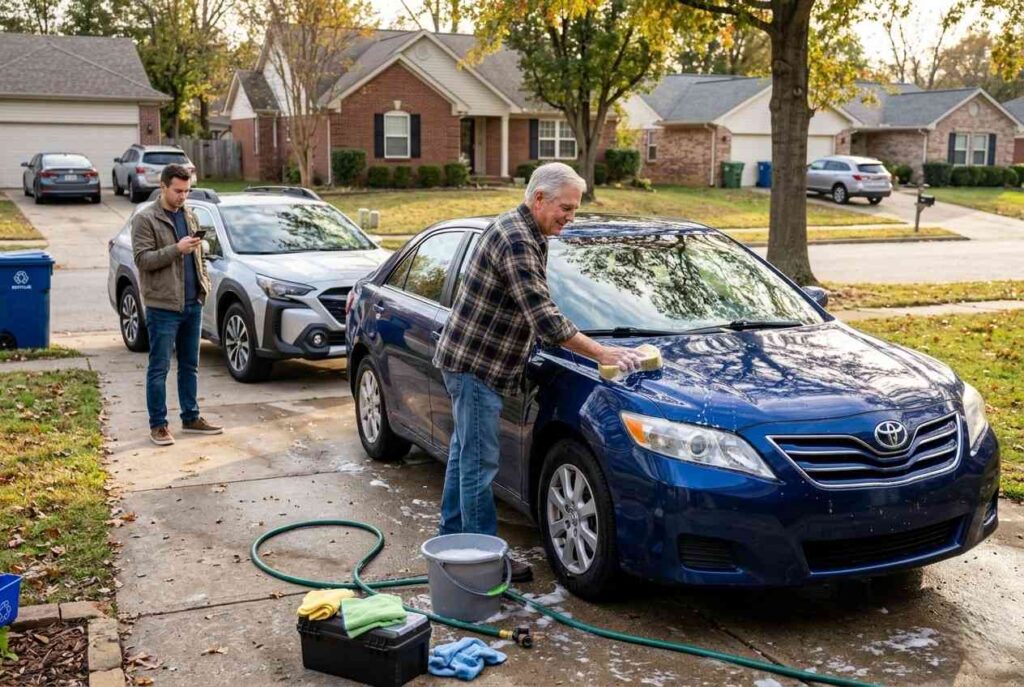
<p> Boomers grew up in a culture where broken items were not automatically replaced. If a zipper broke, it was repaired. If a chair got loose, someone tightened the screws. Instead of treating household items as disposable, people learned basic repair skills.

This repair first mindset is becoming popular again because it saves money and reduces waste. Instead of constantly replacing items, simple repairs can extend the life of furniture, clothing, and appliances. With countless tutorials now available online, learning small fixes is easier than ever.

Sometimes a five minute repair can save you hundreds of dollars. </p> :: Gemini

Boomers grew up in a culture where broken items were not automatically replaced. If a zipper broke, it was repaired. If a chair got loose, someone tightened the screws. Instead of treating household items as disposable, people learned basic repair skills.

This repair first mindset is becoming popular again because it saves money and reduces waste. Instead of constantly replacing items, simple repairs can extend the life of furniture, clothing, and appliances. With countless tutorials now available online, learning small fixes is easier than ever.

Sometimes a five minute repair can save you hundreds of dollars.

3. Living Below Your Means Was a Normal Expectation

<p> Many boomers were raised with a simple financial rule. Spend less than you earn. It was not flashy or exciting, but it worked.

Instead of upgrading every aspect of their lifestyle, many people focused on stability. They avoided unnecessary debt and tried to build savings slowly over time. While the economy has changed, the core idea still holds true. Living slightly below your means creates breathing room in your budget and helps you handle unexpected expenses without panic.

In a culture that constantly encourages upgrades and impulse purchases, that mindset can be surprisingly powerful. </p> :: Gemini

Many boomers were raised with a simple financial rule. Spend less than you earn. It was not flashy or exciting, but it worked.

Instead of upgrading every aspect of their lifestyle, many people focused on stability. They avoided unnecessary debt and tried to build savings slowly over time. While the economy has changed, the core idea still holds true. Living slightly below your means creates breathing room in your budget and helps you handle unexpected expenses without panic.

In a culture that constantly encourages upgrades and impulse purchases, that mindset can be surprisingly powerful.

4. Paying With Cash Helped Control Spending

<p> Before digital wallets and credit cards became the norm, many people used physical cash to manage their budgets. Some households even used envelope systems where cash was divided into categories like groceries, gas, and household expenses.

Seeing money leave your wallet creates a stronger sense of spending awareness than tapping a card or clicking a purchase button. Studies in behavioral finance suggest that people often spend less when using physical cash because the transaction feels more tangible.

You do not need to abandon digital payments completely, but using cash for certain spending categories can help curb impulse purchases. </p> :: Gemini

Before digital wallets and credit cards became the norm, many people used physical cash to manage their budgets. Some households even used envelope systems where cash was divided into categories like groceries, gas, and household expenses.

Seeing money leave your wallet creates a stronger sense of spending awareness than tapping a card or clicking a purchase button. Studies in behavioral finance suggest that people often spend less when using physical cash because the transaction feels more tangible.

You do not need to abandon digital payments completely, but using cash for certain spending categories can help curb impulse purchases.

5. Buying Quality Was Often Cheaper in the Long Run

<p> Boomers often believed in buying fewer things but choosing higher quality items when possible. Durable cookware, sturdy tools, and well made furniture were viewed as long term investments.

This mindset contrasts sharply with today’s fast fashion and disposable products. While cheap items may seem like a bargain initially, they often wear out quickly and need frequent replacement.

Investing in durable products that last for years can actually reduce spending over time while also cutting down on waste. </p> :: Gemini

Boomers often believed in buying fewer things but choosing higher quality items when possible. Durable cookware, sturdy tools, and well made furniture were viewed as long term investments.

This mindset contrasts sharply with today’s fast fashion and disposable products. While cheap items may seem like a bargain initially, they often wear out quickly and need frequent replacement.

Investing in durable products that last for years can actually reduce spending over time while also cutting down on waste.

6. Growing Food Was Both Practical and Rewarding

<p> Backyard gardens were common in many neighborhoods decades ago. Families often grew tomatoes, herbs, and other vegetables that supplemented their grocery shopping.

Growing food may not replace your entire grocery bill, but it can lower costs and provide fresh ingredients right outside your door. Even small container gardens can produce herbs and vegetables that add flavor and nutrition to everyday meals.

There is also something deeply satisfying about cooking with ingredients you grew yourself. </p> :: Gemini

Backyard gardens were common in many neighborhoods decades ago. Families often grew tomatoes, herbs, and other vegetables that supplemented their grocery shopping.

Growing food may not replace your entire grocery bill, but it can lower costs and provide fresh ingredients right outside your door. Even small container gardens can produce herbs and vegetables that add flavor and nutrition to everyday meals.

There is also something deeply satisfying about cooking with ingredients you grew yourself.

7. Small Daily Expenses Were Taken Seriously

<p> Boomers often paid close attention to everyday spending. Small purchases were rarely dismissed as insignificant because people understood how quickly those costs could add up.

A daily coffee shop visit, convenience snacks, or frequent takeout might feel minor in the moment. Over the course of a month or a year, however, those expenses can quietly drain hundreds or even thousands of dollars from a budget.

Paying attention to these small habits does not mean eliminating every treat. It simply means being aware of how often they occur. </p> :: Gemini

Boomers often paid close attention to everyday spending. Small purchases were rarely dismissed as insignificant because people understood how quickly those costs could add up.

A daily coffee shop visit, convenience snacks, or frequent takeout might feel minor in the moment. Over the course of a month or a year, however, those expenses can quietly drain hundreds or even thousands of dollars from a budget.

Paying attention to these small habits does not mean eliminating every treat. It simply means being aware of how often they occur.

8. The Library Was a Community Treasure

<p> For many boomers, the local library was one of the most valuable free resources in town. It provided books, educational materials, and a quiet place to learn.

Libraries today offer even more than they did decades ago. In addition to books, many libraries provide digital media, audiobooks, online learning tools, and community programs.

At a time when entertainment and education often come with subscription fees, the library remains one of the best free resources available. </p> :: Gemini

For many boomers, the local library was one of the most valuable free resources in town. It provided books, educational materials, and a quiet place to learn.

Libraries today offer even more than they did decades ago. In addition to books, many libraries provide digital media, audiobooks, online learning tools, and community programs.

At a time when entertainment and education often come with subscription fees, the library remains one of the best free resources available.

9. DIY Skills Built Independence

<p> Many boomers learned basic do it yourself skills simply because hiring someone for every small task was not practical.

Knowing how to paint a wall, patch drywall, sew a button, or unclog a drain can save money and reduce stress. These skills also create a sense of independence. Instead of feeling helpless when something breaks, you have the confidence to handle small problems yourself.

With thousands of online tutorials available today, learning these skills has never been easier. </p> :: Gemini

Many boomers learned basic do it yourself skills simply because hiring someone for every small task was not practical.

Knowing how to paint a wall, patch drywall, sew a button, or unclog a drain can save money and reduce stress. These skills also create a sense of independence. Instead of feeling helpless when something breaks, you have the confidence to handle small problems yourself.

With thousands of online tutorials available today, learning these skills has never been easier.

10. Holding Onto Cars Longer Saved Thousands

<p> Instead of trading in vehicles every few years, many boomers kept their cars for a decade or longer. Regular maintenance and careful driving allowed them to avoid constant car payments.

Because vehicles lose value quickly during the first few years of ownership, holding onto a car longer can save a significant amount of money. Maintaining a reliable vehicle rather than constantly upgrading often results in far lower transportation costs.

Sometimes the smartest financial move is simply sticking with what already works. </p> :: Gemini

Instead of trading in vehicles every few years, many boomers kept their cars for a decade or longer. Regular maintenance and careful driving allowed them to avoid constant car payments.

Because vehicles lose value quickly during the first few years of ownership, holding onto a car longer can save a significant amount of money. Maintaining a reliable vehicle rather than constantly upgrading often results in far lower transportation costs.

Sometimes the smartest financial move is simply sticking with what already works.

11. Saving Consistently Was More Important Than Timing

<p> Boomers often approached saving with patience. Instead of waiting for the perfect financial moment, they focused on consistent contributions to savings accounts or retirement plans.

Even small amounts saved regularly can grow over time through compounding. This slow and steady approach may not be exciting, but it is one of the most reliable ways to build financial security.

Consistency often beats perfection when it comes to money habits. </p> :: Gemini

Boomers often approached saving with patience. Instead of waiting for the perfect financial moment, they focused on consistent contributions to savings accounts or retirement plans.

Even small amounts saved regularly can grow over time through compounding. This slow and steady approach may not be exciting, but it is one of the most reliable ways to build financial security.

Consistency often beats perfection when it comes to money habits.

12. They Knew the Difference Between Wants and Needs

<p> Perhaps the biggest lesson from the boomer generation is the simple habit of distinguishing between needs and wants.

Needs include essentials such as housing, food, transportation, and healthcare. Wants are the extras that make life more enjoyable but are not necessary for survival.

Boomers were often more intentional about this distinction. Before making purchases, many people asked themselves whether the item was truly necessary or simply a temporary desire.

That small pause before buying something can prevent countless impulse purchases. </p> :: Gemini

Perhaps the biggest lesson from the boomer generation is the simple habit of distinguishing between needs and wants.

Needs include essentials such as housing, food, transportation, and healthcare. Wants are the extras that make life more enjoyable but are not necessary for survival.

Boomers were often more intentional about this distinction. Before making purchases, many people asked themselves whether the item was truly necessary or simply a temporary desire.

That small pause before buying something can prevent countless impulse purchases.

Final Thoughts

<p> It is easy to joke about generational advice. Every generation believes the next one does things differently, and sometimes those differences lead to friendly criticism.

Yet when you look closely at many boomer habits, a common theme emerges. Practicality.

Cooking at home, repairing things, living within your means, and building useful skills were not trendy lifestyle choices. They were simply sensible ways to navigate everyday life.

In a modern world filled with constant advertising, subscription services, and endless convenience options, those practical habits can feel refreshingly grounded.

You do not need to adopt every old school routine to benefit from these ideas. But borrowing even a few of these habits can lead to better financial stability, less waste, and a stronger sense of control over your daily life.

Sometimes the best advice is not new at all. It has simply been waiting for us to notice it again. </p> :: Gemini

It is easy to joke about generational advice. Every generation believes the next one does things differently, and sometimes those differences lead to friendly criticism.


Yet when you look closely at many boomer habits, a common theme emerges. Practicality.

Cooking at home, repairing things, living within your means, and building useful skills were not trendy lifestyle choices. They were simply sensible ways to navigate everyday life.

In a modern world filled with constant advertising, subscription services, and endless convenience options, those practical habits can feel refreshingly grounded.

You do not need to adopt every old school routine to benefit from these ideas. But borrowing even a few of these habits can lead to better financial stability, less waste, and a stronger sense of control over your daily life.

Sometimes the best advice is not new at all. It has simply been waiting for us to notice it again.

Filed Under: Lifestyle

Women Want Men to Stop Doing These 10 Things, Not Be Perfect

March 27, 2026 | Leave a Comment

Women Want Men to Stop Doing These 10 Things, Not Be Perfect

<p> No woman wakes up dreaming of a perfect man. She does not want someone with flawless looks, an impeccable job, or the ability to quote every movie ever made. What she truly wants is connection, respect, and a partner who makes her feel valued. The truth is that relationships are not about perfection. They are about shared understanding, effort, and knowing when to drop the behaviors that quietly push a woman away. Small missteps can feel bigger than they really are, but consistently repeating them can slowly chip away at trust and closeness. The good news is that becoming more aware of these patterns is the first step toward creating a relationship that feels safe, supportive, and genuinely loving.

If you want to improve your relationship and deepen your connection, the key is to stop certain behaviors that unintentionally create distance. You do not have to change who you are, but small shifts can make a huge difference. Here are ten things women want men to stop doing to build stronger, more meaningful relationships. </p> :: Gemini

No woman wakes up dreaming of a perfect man. She does not want someone with flawless looks, an impeccable job, or the ability to quote every movie ever made. What she truly wants is connection, respect, and a partner who makes her feel valued. The truth is that relationships are not about perfection. They are about shared understanding, effort, and knowing when to drop the behaviors that quietly push a woman away. Small missteps can feel bigger than they really are, but consistently repeating them can slowly chip away at trust and closeness. The good news is that becoming more aware of these patterns is the first step toward creating a relationship that feels safe, supportive, and genuinely loving.

If you want to improve your relationship and deepen your connection, the key is to stop certain behaviors that unintentionally create distance. You do not have to change who you are, but small shifts can make a huge difference. Here are ten things women want men to stop doing to build stronger, more meaningful relationships.

1. Treating Every Conversation Like Something to Fix

<p> Sometimes a woman just needs to talk, not be given a solution. When she shares her thoughts or feelings, responding with problem-solving instead of listening can feel dismissive. Women want to feel heard and supported. Taking a moment to listen, validate, and empathize can transform conversations from frustrating to bonding experiences. Showing that you care about her feelings, even when you cannot solve them, builds emotional safety and trust. It is not about fixing everything perfectly, but about showing up fully in the moment. Even a simple, “I hear you, and I’m here with you” can make a world of difference and strengthen your connection. </p> :: Gemini

Sometimes a woman just needs to talk, not be given a solution. When she shares her thoughts or feelings, responding with problem-solving instead of listening can feel dismissive. Women want to feel heard and supported. Taking a moment to listen, validate, and empathize can transform conversations from frustrating to bonding experiences. Showing that you care about her feelings, even when you cannot solve them, builds emotional safety and trust. It is not about fixing everything perfectly, but about showing up fully in the moment. Even a simple, “I hear you, and I’m here with you” can make a world of difference and strengthen your connection.

2. Neglecting Everyday Affection

<p> Affection is not about grand gestures or expensive surprises. Women appreciate simple actions that show you care, like holding hands while walking, giving a warm hug, or resting your arm on the back of the couch. When these gestures disappear, it can leave her feeling emotionally distant. Regular affection communicates love, attention, and emotional closeness without the need for words. Small, consistent gestures often matter more than occasional grand displays. Even a gentle touch on the shoulder or a quick goodnight kiss can remind her she is valued. Over time, these little moments of connection build a sense of warmth and security that grand gestures alone cannot achieve. </p> :: Gemini

Affection is not about grand gestures or expensive surprises. Women appreciate simple actions that show you care, like holding hands while walking, giving a warm hug, or resting your arm on the back of the couch. When these gestures disappear, it can leave her feeling emotionally distant. Regular affection communicates love, attention, and emotional closeness without the need for words. Small, consistent gestures often matter more than occasional grand displays. Even a gentle touch on the shoulder or a quick goodnight kiss can remind her she is valued. Over time, these little moments of connection build a sense of warmth and security that grand gestures alone cannot achieve.

3. Not Listening Actively

<p> Half-listening or being distracted during a conversation can make a woman feel invisible. Eye contact, responsive reactions, and genuinely engaging with what she is saying show that her thoughts and experiences matter. Active listening is about more than hearing words; it is about understanding emotions and responding thoughtfully. When you make an effort to truly listen, it strengthens trust and demonstrates respect for her perspective. It also helps prevent misunderstandings before they become arguments, saving both of you frustration down the line. Remember, showing that you care enough to pay attention can be one of the simplest yet most powerful ways to deepen your connection. </p> :: Gemini

Half-listening or being distracted during a conversation can make a woman feel invisible. Eye contact, responsive reactions, and genuinely engaging with what she is saying show that her thoughts and experiences matter. Active listening is about more than hearing words; it is about understanding emotions and responding thoughtfully. When you make an effort to truly listen, it strengthens trust and demonstrates respect for her perspective. It also helps prevent misunderstandings before they become arguments, saving both of you frustration down the line. Remember, showing that you care enough to pay attention can be one of the simplest yet most powerful ways to deepen your connection.

4. Comparing Her to Other Women

<p> Comparisons are rarely flattering. Referencing exes, friends, or idealized images can erode confidence and create unnecessary pressure. Women want to be appreciated for who they are, not measured against someone else. Every woman has unique qualities that deserve recognition. Complimenting her strengths and celebrating her individuality fosters connection, admiration, and confidence in the relationship. Taking time to notice the little things she does differently shows that you truly see her. Instead of imagining how she could be like someone else, focus on building memories together that highlight the uniqueness of your bond. </p> :: Gemini

Comparisons are rarely flattering. Referencing exes, friends, or idealized images can erode confidence and create unnecessary pressure. Women want to be appreciated for who they are, not measured against someone else. Every woman has unique qualities that deserve recognition. Complimenting her strengths and celebrating her individuality fosters connection, admiration, and confidence in the relationship. Taking time to notice the little things she does differently shows that you truly see her. Instead of imagining how she could be like someone else, focus on building memories together that highlight the uniqueness of your bond.

5. Being Emotionally Unavailable

<p> Men are often socialized to hide their emotions, but withholding feelings can create distance. Women value vulnerability and emotional presence. Sharing your thoughts and being open about fears, frustrations, and joys allows for genuine intimacy. Emotional availability is not weakness; it is a sign of strength and authenticity. Being willing to show your emotions also encourages her to do the same, creating a safe space for both of you. Over time, this openness can turn everyday conversations into moments of connection that strengthen your bond. When both partners feel safe expressing emotions, the relationship grows deeper and more resilient. </p> :: Gemini

Men are often socialized to hide their emotions, but withholding feelings can create distance. Women value vulnerability and emotional presence. Sharing your thoughts and being open about fears, frustrations, and joys allows for genuine intimacy. Emotional availability is not weakness; it is a sign of strength and authenticity. Being willing to show your emotions also encourages her to do the same, creating a safe space for both of you. Over time, this openness can turn everyday conversations into moments of connection that strengthen your bond. When both partners feel safe expressing emotions, the relationship grows deeper and more resilient.

6. Prioritizing Everything and Everyone Else

<p> Having a full life is important, but consistently putting other responsibilities above the relationship can make a woman feel undervalued. Whether it is friends, hobbies, or work, making time for your partner shows that she matters. Being intentional about quality time and shared experiences communicates that the relationship is a priority. Women want to feel chosen and important in their partner’s life. It is not about giving up your passions but finding a balance that includes her in your world. Small gestures, like planning a weekend activity together or checking in during a busy day, can make her feel seen and appreciated. </p> :: Gemini

Having a full life is important, but consistently putting other responsibilities above the relationship can make a woman feel undervalued. Whether it is friends, hobbies, or work, making time for your partner shows that she matters. Being intentional about quality time and shared experiences communicates that the relationship is a priority. Women want to feel chosen and important in their partner’s life. It is not about giving up your passions but finding a balance that includes her in your world. Small gestures, like planning a weekend activity together or checking in during a busy day, can make her feel seen and appreciated.

7. Breaking Small Promises

<p> Trust is built in the details. Forgetting to respond to messages, missing minor commitments, or not following through on small promises can chip away at trust over time. Women notice consistency. Keeping your word, even in small matters, communicates reliability and respect. Demonstrating that you can be counted on creates a foundation for long-term trust and emotional safety. </p> :: Gemini


Trust is built in the details. Forgetting to respond to messages, missing minor commitments, or not following through on small promises can chip away at trust over time. Women notice consistency. Keeping your word, even in small matters, communicates reliability and respect. Demonstrating that you can be counted on creates a foundation for long-term trust and emotional safety.

8. Using Silence as a Weapon

<p> Avoiding conflict or using the silent treatment may seem like a way to prevent arguments, but it often creates more harm than good. Women want partners who will communicate openly and work through disagreements constructively. Engaging in respectful conversation, expressing your feelings, and resolving issues together strengthens the relationship. Silence as a weapon fosters frustration, misunderstanding, and emotional distance. </p> :: Gemini

Avoiding conflict or using the silent treatment may seem like a way to prevent arguments, but it often creates more harm than good. Women want partners who will communicate openly and work through disagreements constructively. Engaging in respectful conversation, expressing your feelings, and resolving issues together strengthens the relationship. Silence as a weapon fosters frustration, misunderstanding, and emotional distance.

9. Mocking What Matters to Her

<p> Making fun of her interests, ambitions, or hobbies, even jokingly, can be hurtful. Women appreciate support for their passions, even if they do not align with your personal interests. Showing curiosity and respect for what is important to her demonstrates care and validation. Encouraging her growth and celebrating her achievements builds a positive, respectful dynamic. Even small gestures, like asking about her latest project or attending an event she cares about, show that you value her as a person. Over time, this consistent support strengthens trust and deepens emotional connection in the relationship. </p> :: Gemini

Making fun of her interests, ambitions, or hobbies, even jokingly, can be hurtful. Women appreciate support for their passions, even if they do not align with your personal interests. Showing curiosity and respect for what is important to her demonstrates care and validation. Encouraging her growth and celebrating her achievements builds a positive, respectful dynamic. Even small gestures, like asking about her latest project or attending an event she cares about, show that you value her as a person. Over time, this consistent support strengthens trust and deepens emotional connection in the relationship.

10. Assuming You Know Her Needs Without Asking

<p> Assuming a woman’s preferences or feelings can lead to misunderstandings. Each person is unique, and what worked in one situation may not work in another. Women value partners who ask questions, listen actively, and seek to understand their emotional needs. Taking the time to learn about her love language, desires, and boundaries shows attentiveness and fosters deeper intimacy. Making small, thoughtful gestures based on what you learn demonstrates that you truly pay attention and care. Over time, these intentional actions build trust and show that you are committed to understanding her fully. </p> :: Gemini

Assuming a woman’s preferences or feelings can lead to misunderstandings. Each person is unique, and what worked in one situation may not work in another. Women value partners who ask questions, listen actively, and seek to understand their emotional needs. Taking the time to learn about her love language, desires, and boundaries shows attentiveness and fosters deeper intimacy. Making small, thoughtful gestures based on what you learn demonstrates that you truly pay attention and care. Over time, these intentional actions build trust and show that you are committed to understanding her fully.

Final Thoughts

<p> Relationships are not built on perfection. They are built on connection, respect, and mutual growth. Women do not expect men to be flawless, but they do expect behaviors that show care, attention, and consideration. By stopping these ten habits, men can create stronger emotional bonds, foster trust, and enhance intimacy.

Improving a relationship is about awareness and effort, not radical change. Small shifts in how you communicate, show affection, and respect your partner’s needs can transform how she experiences your relationship. Ultimately, women want partners who listen, engage, and are willing to grow together. Strive for connection, not perfection, and you will build a love that lasts.

Remember, the best relationships are not those with perfect partners. They are those where both people feel valued, heard, and supported. Stop these behaviors, show up consistently, and watch your relationship flourish. </p> :: Gemini

Relationships are not built on perfection. They are built on connection, respect, and mutual growth. Women do not expect men to be flawless, but they do expect behaviors that show care, attention, and consideration. By stopping these ten habits, men can create stronger emotional bonds, foster trust, and enhance intimacy.

Improving a relationship is about awareness and effort, not radical change. Small shifts in how you communicate, show affection, and respect your partner’s needs can transform how she experiences your relationship. Ultimately, women want partners who listen, engage, and are willing to grow together. Strive for connection, not perfection, and you will build a love that lasts.

Remember, the best relationships are not those with perfect partners. They are those where both people feel valued, heard, and supported. Stop these behaviors, show up consistently, and watch your relationship flourish.

Filed Under: Lifestyle

6 Simple Ways to Soak Up Spring for Better Health

March 27, 2026 | Leave a Comment

6 Simple Ways to Soak Up Spring for Better Health

<p>Spring feels like a breath of fresh air after a long, cold stretch. The light changes. The air softens. Nature wakes up—and so can you. This season is more than flowers and fresh starts. It’s a chance to move your body, lift your mood, and make small shifts that help your health in real ways. You don’t need a big plan or gear to enjoy it. You just need to step out and let the season do its thing. These six ideas are easy to try, easy to love, and backed by simple truths.</p> ::Pexels

Spring feels like a breath of fresh air after a long, cold stretch. The light changes. The air softens. Nature wakes up—and so can you. This season is more than flowers and fresh starts. It’s a chance to move your body, lift your mood, and make small shifts that help your health in real ways. You don’t need a big plan or gear to enjoy it. You just need to step out and let the season do its thing. These six ideas are easy to try, easy to love, and backed by simple truths.

Walk Barefoot on Grass

<p>There’s something calming about taking your shoes off and feeling the ground. It may seem odd at first, but barefoot walking—often called “earthing”—has a calming effect on the body. It may help reduce stress, lower heart rate, and even improve sleep. Grass, dirt, or sand can all work. Do this in the morning or evening when the sun is gentle. The feeling of cool earth under your feet wakes up muscles you don’t usually use and grounds you in the present. Just five minutes a day is enough to notice a shift.</p> ::Pexels

There’s something calming about taking your shoes off and feeling the ground. It may seem odd at first, but barefoot walking—often called “earthing”—has a calming effect on the body. It may help reduce stress, lower heart rate, and even improve sleep. Grass, dirt, or sand can all work. Do this in the morning or evening when the sun is gentle. The feeling of cool earth under your feet wakes up muscles you don’t usually use and grounds you in the present. Just five minutes a day is enough to notice a shift.

Take Your Workout Outside

<p>You don’t need a gym to move your body. Spring offers the perfect setup: longer days, fresh air, and less need for layers. Even a short walk, stretch session, or light jog outside helps more than you’d think. When you move outdoors, your body gets sunlight, which boosts vitamin D. This helps keep your bones strong and your mood steady. Plus, natural settings can lower blood pressure and ease stress faster than indoor spaces. Fun fact: studies show you burn more calories walking on uneven outdoor ground than on a treadmill.</p> ::Pexels

You don’t need a gym to move your body. Spring offers the perfect setup: longer days, fresh air, and less need for layers. Even a short walk, stretch session, or light jog outside helps more than you’d think. When you move outdoors, your body gets sunlight, which boosts vitamin D. This helps keep your bones strong and your mood steady. Plus, natural settings can lower blood pressure and ease stress faster than indoor spaces. Fun fact: studies show you burn more calories walking on uneven outdoor ground than on a treadmill.

Grow Something You Can Eat

<p>Gardening isn’t just for people with big yards. Even a pot of herbs on your windowsill can lift your mood and add flavor to your meals. When you grow your own food—no matter how small—you connect to what you eat in a new way. Tending a plant teaches patience and gives a quiet sense of pride. It also means fewer trips to the store. Start with mint, basil, or cherry tomatoes. All grow well in small pots and love the spring sun. Just a few minutes of watering or trimming can clear your head and sharpen focus.</p> ::Pexels

Gardening isn’t just for people with big yards. Even a pot of herbs on your windowsill can lift your mood and add flavor to your meals. When you grow your own food—no matter how small—you connect to what you eat in a new way. Tending a plant teaches patience and gives a quiet sense of pride. It also means fewer trips to the store. Start with mint, basil, or cherry tomatoes. All grow well in small pots and love the spring sun. Just a few minutes of watering or trimming can clear your head and sharpen focus.

Sit in Morning Sunlight

<p>Try to step outside within an hour of waking up, even just for a few minutes. Sit on a bench, your porch, or even the stairs. This small habit helps set your body’s natural clock, known as your circadian rhythm. Morning light signals to your brain that it’s time to be awake and alert. It may also help improve sleep at night. You don’t need to stare at the sun—just let the light hit your eyes (without sunglasses) and your skin. Bonus: early light has less UV, so it’s safer for short bursts.</p> ::Pexels

Try to step outside within an hour of waking up, even just for a few minutes. Sit on a bench, your porch, or even the stairs. This small habit helps set your body’s natural clock, known as your circadian rhythm. Morning light signals to your brain that it’s time to be awake and alert. It may also help improve sleep at night. You don’t need to stare at the sun—just let the light hit your eyes (without sunglasses) and your skin. Bonus: early light has less UV, so it’s safer for short bursts.

Picnic With Fresh, Simple Food

<p>Eating outside turns a regular meal into a mood-booster. A picnic doesn’t have to be fancy. A blanket, a sandwich, some cut-up fruit, and water are enough. Just being in a park or quiet green space while you eat helps slow you down. It also makes meals feel special, even if they’re basic. Spring foods like strawberries, cucumbers, and leafy greens are in season and packed with nutrients. Eating with your hands and in the open air helps you feel more in tune with your body. It’s not just a meal—it’s an experience.</p> ::Pexels

Eating outside turns a regular meal into a mood-booster. A picnic doesn’t have to be fancy. A blanket, a sandwich, some cut-up fruit, and water are enough. Just being in a park or quiet green space while you eat helps slow you down. It also makes meals feel special, even if they’re basic. Spring foods like strawberries, cucumbers, and leafy greens are in season and packed with nutrients. Eating with your hands and in the open air helps you feel more in tune with your body. It’s not just a meal—it’s an experience.

Notice the Sounds Around You

<p>Stop for a few minutes and listen—really listen. Birds, leaves, wind, distant voices—all remind you you’re part of a living world. This kind of listening calms the brain and helps you stay in the moment. It’s also a form of rest. You don’t have to do anything—just pay attention. Fun fact: birdsong can boost mood and sharpen focus even more than silence. This type of soft attention is linked to better mental health and lower levels of stress. The best part? It costs nothing and can be done anywhere.</p> ::Pexels

Stop for a few minutes and listen—really listen. Birds, leaves, wind, distant voices—all remind you you’re part of a living world. This kind of listening calms the brain and helps you stay in the moment. It’s also a form of rest. You don’t have to do anything—just pay attention. Fun fact: birdsong can boost mood and sharpen focus even more than silence. This type of soft attention is linked to better mental health and lower levels of stress. The best part? It costs nothing and can be done anywhere.

Conclusion

<p>Spring isn’t just a change of season—it’s a chance to shift how you live and feel. Each of these simple steps brings you closer to the outdoors and deeper into your own well-being. You don’t need to wait for the perfect day or the right mood. Just start where you are, even with one small act. The fresh air, new light, and tiny blooms are ready to meet you halfway. Your body and mind will thank you for it.</p> ::Pexels

Spring isn’t just a change of season—it’s a chance to shift how you live and feel. Each of these simple steps brings you closer to the outdoors and deeper into your own well-being. You don’t need to wait for the perfect day or the right mood. Just start where you are, even with one small act. The fresh air, new light, and tiny blooms are ready to meet you halfway. Your body and mind will thank you for it.

Filed Under: Lifestyle

Know Your Rights: 12 Things Your Boss Cannot Legally Make You Do

March 27, 2026 | Leave a Comment

Know Your Rights: 12 Things Your Boss Cannot Legally Make You Do

<p> Most of us want to do our jobs well and be team players. But sometimes, that sense of responsibility gets taken advantage of—often in ways that are completely against the law. If your boss has ever asked you to clock in early without pay, keep quiet about your salary, or stay on call all weekend, you may have felt like saying no but didn’t know if you were allowed to. Here’s the truth: You have more rights than you think. U.S. labor laws protect workers from being overworked, underpaid, and unfairly treated. But unless you know what your employer legally cannot require of you, you might feel stuck doing things you are not obligated to do. This list breaks down 12 things your employer cannot legally make you do, no matter how strongly they suggest it, hint at it, or pressure you into agreeing. Knowing your rights isn’t just about avoiding exploitation—it’s about protecting your time, your health, and your peace of mind. </p> :: Freepik

Most of us want to do our jobs well and be team players. But sometimes, that sense of responsibility gets taken advantage of—often in ways that are completely against the law. If your boss has ever asked you to clock in early without pay, keep quiet about your salary, or stay on call all weekend, you may have felt like saying no but didn’t know if you were allowed to.

Here’s the truth: You have more rights than you think. U.S. labor laws protect workers from being overworked, underpaid, and unfairly treated. But unless you know what your employer legally cannot require of you, you might feel stuck doing things you are not obligated to do.

This list breaks down 12 things your employer cannot legally make you do, no matter how strongly they suggest it, hint at it, or pressure you into agreeing. Knowing your rights isn’t just about avoiding exploitation—it’s about protecting your time, your health, and your peace of mind.

1. Work Without Getting Paid

<p> If you are a non-exempt employee under the Fair Labor Standards Act (FLSA), your employer is legally required to pay you for every minute you work. That includes tasks performed before or after your official shift—like checking emails, cleaning up, or prepping equipment. Employers often try to blur the lines with phrases like “just a quick favor” or “finish this up after hours,” but it’s still work. If you are working, you must be compensated. </p> :: Pexels

If you are a non-exempt employee under the Fair Labor Standards Act (FLSA), your employer is legally required to pay you for every minute you work. That includes tasks performed before or after your official shift—like checking emails, cleaning up, or prepping equipment. Employers often try to blur the lines with phrases like “just a quick favor” or “finish this up after hours,” but it’s still work. If you are working, you must be compensated.

2. Skip Legally Required Breaks

<p> Depending on your state, your employer may be legally required to provide you with meal and rest breaks. For instance, California mandates a 30-minute meal break for every five hours worked, plus 10-minute rest periods. If breaks are legally required where you live, your employer cannot deny, shorten, or discourage them. And even in states without break laws, if breaks are offered, they must be applied fairly and consistently. </p> :: Pexels

Depending on your state, your employer may be legally required to provide you with meal and rest breaks. For instance, California mandates a 30-minute meal break for every five hours worked, plus 10-minute rest periods. If breaks are legally required where you live, your employer cannot deny, shorten, or discourage them. And even in states without break laws, if breaks are offered, they must be applied fairly and consistently.

3. Disclose Private Medical or Personal Information

<p> Have you ever called in sick and been pressured to explain in detail what was wrong? Under U.S. privacy and disability laws, you are not required to share private medical information unless requesting an accommodation under the Americans with Disabilities Act (ADA). Even then, only relevant documentation is needed. You are allowed to keep your health and personal life private, and your boss cannot demand more than what the law requires. </p> :: Pexels

Have you ever called in sick and been pressured to explain in detail what was wrong? Under U.S. privacy and disability laws, you are not required to share private medical information unless requesting an accommodation under the Americans with Disabilities Act (ADA). Even then, only relevant documentation is needed. You are allowed to keep your health and personal life private, and your boss cannot demand more than what the law requires.

4. Work in Unsafe Conditions

<p> Every employee has the right to a safe workplace. If your employer demands that you work in dangerous conditions—such as with faulty equipment, around toxic substances, or without proper protective gear—you have the right to say no. OSHA (Occupational Safety and Health Administration) protects workers from unsafe job environments. If your workplace is putting your health or life at risk, you can report it and refuse the task without fear of legal retaliation. </p> :: Pexels

Every employee has the right to a safe workplace. If your employer demands that you work in dangerous conditions—such as with faulty equipment, around toxic substances, or without proper protective gear—you have the right to say no. OSHA (Occupational Safety and Health Administration) protects workers from unsafe job environments. If your workplace is putting your health or life at risk, you can report it and refuse the task without fear of legal retaliation.

5. Drive Your Own Car Without Reimbursement

<p> If your job requires you to travel for work-related duties, your employer cannot force you to use your personal vehicle without compensation. While federal law does not require reimbursement, many states do, and employers must at least ensure that costs do not bring your pay below minimum wage. If your boss expects you to run errands or attend meetings using your own car, they must either provide a company vehicle or cover your expenses. </p> :: Pexels

If your job requires you to travel for work-related duties, your employer cannot force you to use your personal vehicle without compensation. While federal law does not require reimbursement, many states do, and employers must at least ensure that costs do not bring your pay below minimum wage. If your boss expects you to run errands or attend meetings using your own car, they must either provide a company vehicle or cover your expenses.

6. Sign an Unreasonable Non-Compete Agreement

<p> Non-compete agreements are often presented as standard procedure—but they are not always enforceable. Many states have placed strict limitations on them, and some have banned them altogether. If your employer tries to make you sign a non-compete that is overly broad, restricts your ability to find future work, or was not clearly outlined when you accepted the job, you may be able to decline or challenge it legally. </p> :: Pexels

Non-compete agreements are often presented as standard procedure—but they are not always enforceable. Many states have placed strict limitations on them, and some have banned them altogether. If your employer tries to make you sign a non-compete that is overly broad, restricts your ability to find future work, or was not clearly outlined when you accepted the job, you may be able to decline or challenge it legally.

7. Stay Silent About Your Pay

<p> Contrary to popular belief, talking about your salary is not against company policy—it is your legal right. Under the National Labor Relations Act, employees are allowed to discuss wages, benefits, and working conditions. This law was created to help workers identify unfair pay practices and organize if necessary. Your boss cannot punish or discourage you from sharing your salary with coworkers. </p> :: Pexels

Contrary to popular belief, talking about your salary is not against company policy—it is your legal right. Under the National Labor Relations Act, employees are allowed to discuss wages, benefits, and working conditions. This law was created to help workers identify unfair pay practices and organize if necessary. Your boss cannot punish or discourage you from sharing your salary with coworkers.

8. Work During FMLA Leave

<p> If you are eligible under the Family and Medical Leave Act (FMLA), you are entitled to up to 12 weeks of unpaid, job-protected leave for specific family or health-related reasons. Your employer cannot make you work during this time, check in constantly, or penalize you for being unavailable. If they pressure you to perform work-related tasks during leave, they may be violating federal law. Use your time off as it was intended—without interference. </p> :: Pexels

If you are eligible under the Family and Medical Leave Act (FMLA), you are entitled to up to 12 weeks of unpaid, job-protected leave for specific family or health-related reasons. Your employer cannot make you work during this time, check in constantly, or penalize you for being unavailable. If they pressure you to perform work-related tasks during leave, they may be violating federal law. Use your time off as it was intended—without interference.

9. Accept a Fancy Title Without the Fair Pay

<p> Job titles are often used to avoid paying overtime, but titles alone do not determine exemption from overtime laws. If your duties are primarily manual or routine, and you are paid hourly, you likely qualify for overtime—even if your title is “manager” or “supervisor.” Employers cannot legally classify you as exempt simply because your title sounds important. Your responsibilities determine your pay status—not your label. </p> :: Pexels

Job titles are often used to avoid paying overtime, but titles alone do not determine exemption from overtime laws. If your duties are primarily manual or routine, and you are paid hourly, you likely qualify for overtime—even if your title is “manager” or “supervisor.” Employers cannot legally classify you as exempt simply because your title sounds important. Your responsibilities determine your pay status—not your label.

10. Remain On Call Without Compensation

<p> Being on call is not the same as being completely off-duty—especially if your movements or personal time are restricted. If your employer requires you to remain nearby, stay available by phone, or respond quickly to calls, you may be entitled to compensation for that time. The more control your employer has over your on-call hours, the more likely the law will consider it paid time. Know the rules in your state and don’t hesitate to speak up if you’re being taken advantage of. </p> :: Pexels

Being on call is not the same as being completely off-duty—especially if your movements or personal time are restricted. If your employer requires you to remain nearby, stay available by phone, or respond quickly to calls, you may be entitled to compensation for that time. The more control your employer has over your on-call hours, the more likely the law will consider it paid time. Know the rules in your state and don’t hesitate to speak up if you’re being taken advantage of.

11. Pay for Job-Related Expenses

<p> Uniforms, tools, equipment, and training materials should be provided by your employer—especially if paying for them would drop your earnings below the minimum wage. While federal law allows some deductions, many states have stronger protections. If your employer asks you to buy uniforms, cover supply costs, or pay for job-related certifications, you have the right to ask for reimbursement or challenge the requirement. </p> :: Pexels

Uniforms, tools, equipment, and training materials should be provided by your employer—especially if paying for them would drop your earnings below the minimum wage. While federal law allows some deductions, many states have stronger protections. If your employer asks you to buy uniforms, cover supply costs, or pay for job-related certifications, you have the right to ask for reimbursement or challenge the requirement.

12. Keep Quiet About Harassment or Illegal Activity

<p> No company has the right to silence employees about workplace harassment, discrimination, or illegal actions. Federal law protects whistleblowers and victims, and you cannot be fired or punished for reporting bad behavior. Whether it’s filing a complaint with HR, speaking to a lawyer, or contacting a government agency, your voice is protected. If your employer threatens you for speaking up, that could be grounds for legal action. </p> :: Pexels

No company has the right to silence employees about workplace harassment, discrimination, or illegal actions. Federal law protects whistleblowers and victims, and you cannot be fired or punished for reporting bad behavior. Whether it’s filing a complaint with HR, speaking to a lawyer, or contacting a government agency, your voice is protected. If your employer threatens you for speaking up, that could be grounds for legal action.

Final Thoughts

<p> It is easy to feel powerless at work, especially when job security is on the line. But knowing what your employer cannot legally make you do flips the script. The next time you feel pressured into something that doesn’t sit right, remember—you have rights. You are not just an employee—you’re a person protected by law. Whether it’s unpaid hours, unsafe tasks, or invasive questions, you do not have to say yes to everything. In fact, sometimes saying no is the most professional thing you can do. And when that “no” is backed by the law? That’s not being difficult—that’s being smart. So arm yourself with knowledge, talk to HR when needed, and do not be afraid to stand your ground. Because when you know your rights, you protect more than just your job—you protect your dignity, your well-being, and your future. </p> :: Pexels

It is easy to feel powerless at work, especially when job security is on the line. But knowing what your employer cannot legally make you do flips the script. The next time you feel pressured into something that doesn’t sit right, remember—you have rights. You are not just an employee—you’re a person protected by law.

Whether it’s unpaid hours, unsafe tasks, or invasive questions, you do not have to say yes to everything. In fact, sometimes saying no is the most professional thing you can do. And when that “no” is backed by the law? That’s not being difficult—that’s being smart.

So arm yourself with knowledge, talk to HR when needed, and do not be afraid to stand your ground. Because when you know your rights, you protect more than just your job—you protect your dignity, your well-being, and your future.

Filed Under: Lifestyle

Elevate Your Evenings: 10 Must-Try Indoor Hobbies for Instant Joy

March 24, 2026 | Leave a Comment

Elevate Your Evenings: 10 Must-Try Indoor Hobbies for Instant Joy

Evenings hold a charm that calls for calm and fun, a time to rest from a long day of work. Indoor hobbies bring a spark of life to each night, giving a way to ease the mind and lift the heart. These tasks are known to many as a means to bring calm, joy, and a slow pace in a busy world. They are chosen by folks of all ages, yet they hold a special spot for those who seek a quiet space at home. Here are ten tasks that bring joy, ease, and a clear mind to the soft glow of night.


Reading Books

Reading books is a well-loved task that brings a wealth of calm and rich tales to the quiet dark night. This task is a true gem that many find to be a safe and fun path to learn and grow. Books are loved for the calm they bring and the sweet trips they give to a very weary, tired mind. Many people choose this task as a clear way to let their thoughts roam free and find true, pure joy. Its fame grows each day as more kind folks join the hunt for tales that warm the heart and mind.


Puzzles and Brain Games

Puzzles and brain games are a fun and smart way to spend the quiet hours of the long, calm night. This task is loved by many smart folks who like a fun game that stirs the mind and shows clear, neat facts. The thrill of a good puzzle lies in its neat mix of clues that make the mind work and smile. This task is a big hit in many homes, as it brings friends together and helps keep their keen wit sharp. Its wide appeal shows how this game can spark a small burst of joy that spreads through a calm, quiet night.


Board Games

Board games are a neat way to lift the mood and bring a warm, fun spin to a calm night. They are loved by many kind folks for the skill and pure cheer that comes from a fun, shared game. This task is a smart mix of thought and play that keeps the mind bright and in tune with each move. The true fun of a board game lies in its clear rules and the bright chance to laugh with dear friends. Its high regard in many homes shows that board games are a safe way to spark joy and close bonds.


Cooking New Dishes

Cooking new dishes is a warm and fun way to fill the night with rich, bold scents and fresh taste. This art is well known for its mix of skill and pure care that leads to a plate full of joy. Many home chefs find that this task is a safe, true way to test fresh new spice and taste trends. The true fame of this art spreads fast as more kind folks join the hunt for new, bold, rich flavors. Its warm spot in many kind homes shows that cooking can bring a warm glow that lifts both the soul and face.


Drawing or Painting

Drawing or painting is a calm and fun task that lets you shape a blank page into a true piece of art. This act is prized by many kind folk who see a clear way to show their inner self in a neat form. Many kind souls find that art can free the mind and let a hidden, deep joy come to the light. This task is sought by many for its calm and pure role in the quest to show a true self. Its steady rise in many homes proves that art is a kind way to make the night glow with hope.


Knitting or Crocheting

Knitting or crocheting is a calm and neat task that lets one spin fine yarn into a soft, warm piece of art. This task is prized by many kind souls who like a slow, clear pace and the neat craft of hand work. It gives a calm break and a clear, neat way to see a fun, simple art take shape in hand. The true charm of this task lies in its mix of care, skill, and the art of small, neat work. Its growing fame shows that many kind souls find a pure, true joy in the neat craft of old hand work.


Writing Stories or Journals

Writing stories or journals is a calm and pure act that lets the mind play with simple words and bright dreams. This task is well known to help sort out deep thoughts and show a true self in clear, plain text. Many kind souls turn to writing as a safe spot to let the warm heart speak and the tired mind rest. This task has grown in fame as more kind folks see it as a clear, true route to lasting peace. Its rise in many warm hearts shows that writing can spark a deep, true joy that lives on and grows.


Playing a Music Instrument

Playing a music instrument is a neat and pure way to fill the dark night with rich sound and bright cheer. This task is prized for its clear blend of art and sound that stirs the soul in a deep, true way. Many kind souls find that the soft hum of strings or keys can ease a busy mind and lift a low mood in the dark. This task has long held a true fame as more kind folks take up a tune to share their warm heart. Its charm is shown in many warm homes, where a soft beat can bring a bright smile in the deep night.


Indoor Gardening

Indoor gardening is a neat way to bring the calm of the earth into a small, warm space at home. This task is loved by many kind folks who wish to see bright green life grow in a safe, small spot. The art of care for small, neat plants can bring a calm and true joy that lights up the dark room. Its clear charm has made indoor gardening a big hit among those with small homes and a true love for green life. Its fast growth in many kind hearts shows that the care for a small plant can lift a true soul and calm a mind.


Meditation and Yoga

Meditation and yoga are a calm, clear pair that bring true, deep peace to the tired mind and calm body. This task is prized by many for its ease and the soft, kind way it helps a weary heart rest. Many kind folks take up this art to end the day with a clear, calm head and a light, free soul. This task has grown in fame as more kind folks seek a true, clear way to end stress with pure, deep calm. Its rise in many kind hearts shows that the soft art of calm can light up a dark night and lift a low mood.


Final Thoughts

The tasks above bring a bright spark to the calm of the night and lift the soul in a true way. Each task is well known for its ease and for the deep joy it gives to all who try it. They are a safe bet for any dark night that calls for a clear mind and a calm, true heart. These tasks have grown in fame as more kind folks seek a pure, simple way to enjoy their free time. The list is a clear and true guide for those who wish to lift their nights with a calm, bright joy.

Filed Under: Lifestyle

12 Lawn Care Mistakes Boomers Should Avoid After Mowing (So You Don’t Undo All Your Hard Work!)

March 24, 2026 | Leave a Comment

12 Lawn Care Mistakes Boomers Should Avoid After Mowing (So You Don’t Undo All Your Hard Work!)

<p> For many Baby Boomers, tending the lawn is more than just a chore—it is a source of pride, a soothing weekend ritual, and a way to keep the neighborhood looking sharp. There is nothing quite like stepping back to admire those crisp stripes or the smooth green carpet you have just created. It is one of life’s little victories. But here is the kicker: what you do after mowing can sometimes sabotage all that effort. Small missteps can leave your grass stressed out, prone to disease, or looking patchy instead of lush. And after years of perfecting your lawn game, nobody wants to see their hard work go to waste. So whether your yard is a suburban showpiece or a cozy patch of green, keep it looking fabulous by steering clear of these 12 common mistakes Baby Boomers should avoid right after mowing their lawns. Let’s help you protect your investment and keep your grass the envy of the block! </p> :: Freepik

For many Baby Boomers, tending the lawn is more than just a chore—it is a source of pride, a soothing weekend ritual, and a way to keep the neighborhood looking sharp. There is nothing quite like stepping back to admire those crisp stripes or the smooth green carpet you have just created. It is one of life’s little victories.

But here is the kicker: what you do after mowing can sometimes sabotage all that effort. Small missteps can leave your grass stressed out, prone to disease, or looking patchy instead of lush. And after years of perfecting your lawn game, nobody wants to see their hard work go to waste.

So whether your yard is a suburban showpiece or a cozy patch of green, keep it looking fabulous by steering clear of these 12 common mistakes Baby Boomers should avoid right after mowing their lawns. Let’s help you protect your investment and keep your grass the envy of the block!

1. Watering Immediately After Mowing

<p> It may feel like you are giving your lawn a refreshing drink after a trim, but watering right after mowing can actually harm the grass. Freshly cut blades are vulnerable, and adding moisture can encourage fungal diseases, especially on hot days. Instead, mow early in the morning or later in the evening, then water deeply on a different day. Your lawn will reward you with healthier growth and fewer brown patches. </p> :: Pexels

It may feel like you are giving your lawn a refreshing drink after a trim, but watering right after mowing can actually harm the grass. Freshly cut blades are vulnerable, and adding moisture can encourage fungal diseases, especially on hot days. Instead, mow early in the morning or later in the evening, then water deeply on a different day. Your lawn will reward you with healthier growth and fewer brown patches.

2. Leaving Clumps of Grass Clippings

<p> A thin layer of grass clippings can work wonders as natural mulch, returning nutrients to the soil. But leaving heavy clumps scattered across your lawn is a fast track to dead spots and disease. Thick piles block sunlight and trap moisture, smothering the grass underneath. After mowing, walk your lawn and gently rake or spread out clumps for a more even, healthy finish. </p> :: Freepik

A thin layer of grass clippings can work wonders as natural mulch, returning nutrients to the soil. But leaving heavy clumps scattered across your lawn is a fast track to dead spots and disease. Thick piles block sunlight and trap moisture, smothering the grass underneath. After mowing, walk your lawn and gently rake or spread out clumps for a more even, healthy finish.

3. Forgetting to Clean the Mower

<p> It is easy to shove the mower back into the garage and call it a day, but lingering grass clippings and moisture under the mower deck can cause rust and clog future cuts. A quick hose-off or brush-down right after mowing prevents buildup and extends your mower’s life. Think of it as an oil change for your lawn’s most important tool—it will keep running smoothly for years to come. </p> :: Pexels

It is easy to shove the mower back into the garage and call it a day, but lingering grass clippings and moisture under the mower deck can cause rust and clog future cuts. A quick hose-off or brush-down right after mowing prevents buildup and extends your mower’s life. Think of it as an oil change for your lawn’s most important tool—it will keep running smoothly for years to come.

4. Walking on the Lawn Right Away

<p> Your lawn needs a little breathing room after mowing. Walking on it immediately can crush delicate blades and leave visible footprints that might not bounce back so easily. Hold off on backyard games, gardening projects, or hauling patio furniture for a few hours. Let the grass stand tall and recover its shape—it is a small wait for a lawn that stays lush and even. </p> :: Pexels

Your lawn needs a little breathing room after mowing. Walking on it immediately can crush delicate blades and leave visible footprints that might not bounce back so easily. Hold off on backyard games, gardening projects, or hauling patio furniture for a few hours. Let the grass stand tall and recover its shape—it is a small wait for a lawn that stays lush and even.

5. Ignoring Edging and Cleanup

<p> Nothing ruins the look of a freshly mown lawn like ragged edges creeping over sidewalks and garden beds. Skipping this finishing touch leaves your yard looking half-done. Take a few extra minutes to run a string trimmer along pathways, driveways, and flower beds. Clean edges give your lawn a crisp, professional look—and might just earn you a few admiring nods from the neighbors. </p> :: Pexels

Nothing ruins the look of a freshly mown lawn like ragged edges creeping over sidewalks and garden beds. Skipping this finishing touch leaves your yard looking half-done. Take a few extra minutes to run a string trimmer along pathways, driveways, and flower beds. Clean edges give your lawn a crisp, professional look—and might just earn you a few admiring nods from the neighbors.

6. Applying Fertilizer Immediately

<p> Fertilizing right after mowing might sound efficient, but freshly cut grass blades are more prone to burn from potent fertilizers. Give your lawn a couple of days to heal before applying any fertilizers, especially synthetic ones. This small delay helps avoid unsightly brown tips and ensures your lawn can absorb those nutrients properly for strong, healthy growth. </p> :: Freepik

Fertilizing right after mowing might sound efficient, but freshly cut grass blades are more prone to burn from potent fertilizers. Give your lawn a couple of days to heal before applying any fertilizers, especially synthetic ones. This small delay helps avoid unsightly brown tips and ensures your lawn can absorb those nutrients properly for strong, healthy growth.

7. Letting Pets Run Loose Right Away

<p> Your furry friends love the feel and smell of freshly cut grass as much as you do, but paws trampling over recently mown turf can cause compaction and stress. Plus, pet urine can create yellow spots on grass already sensitive from mowing. Keep pets off the lawn for a few hours post-mow so the grass can bounce back and stay lush. </p> :: Pexels

Your furry friends love the feel and smell of freshly cut grass as much as you do, but paws trampling over recently mown turf can cause compaction and stress. Plus, pet urine can create yellow spots on grass already sensitive from mowing. Keep pets off the lawn for a few hours post-mow so the grass can bounce back and stay lush.

8. Overwatering to “Wash Away” Clippings

<p> Some folks think giving the lawn an extra-heavy watering after mowing will help settle grass clippings into the soil. Unfortunately, overwatering can drown roots, cause runoff, and even encourage fungal growth. Let grass clippings decompose naturally and stick to your regular watering schedule. Your lawn prefers moderation—and so does your water bill. </p> :: Pexels

Some folks think giving the lawn an extra-heavy watering after mowing will help settle grass clippings into the soil. Unfortunately, overwatering can drown roots, cause runoff, and even encourage fungal growth. Let grass clippings decompose naturally and stick to your regular watering schedule. Your lawn prefers moderation—and so does your water bill.

9. Leaving Tools Lying Around

<p> It is tempting to set down tools “just for a minute,” but rakes, trimmers, and even empty bags left on the lawn can block sunlight and crush grass, leaving brown patches. Finish strong by gathering up all your tools and putting them away right after mowing. Your lawn stays healthy and your yard stays neat, which makes every future mowing session feel like less of a hassle. </p> :: Freepik

It is tempting to set down tools “just for a minute,” but rakes, trimmers, and even empty bags left on the lawn can block sunlight and crush grass, leaving brown patches. Finish strong by gathering up all your tools and putting them away right after mowing. Your lawn stays healthy and your yard stays neat, which makes every future mowing session feel like less of a hassle.

10. Mowing Again Too Soon

<p> We all love a well-manicured look, but mowing too often—or too short—can weaken your grass. Cutting too low exposes soil to sun, dries out roots, and invites weeds. Stick to the “one-third rule”: never remove more than one-third of the grass blade height in a single mow. Let your lawn grow a bit between cuts for thicker, healthier turf that can withstand weather and foot traffic. </p> :: Pexels

We all love a well-manicured look, but mowing too often—or too short—can weaken your grass. Cutting too low exposes soil to sun, dries out roots, and invites weeds. Stick to the “one-third rule”: never remove more than one-third of the grass blade height in a single mow. Let your lawn grow a bit between cuts for thicker, healthier turf that can withstand weather and foot traffic.

11. Skipping a Post-Mow Inspection

<p> Finishing up the mowing might feel like a good time to close the garage door and relax. But before you head inside, take a slow walk around your yard and look for trouble spots. Catching weeds, bare patches, insects, or signs of disease early saves time, money, and frustration down the road. Think of it as your lawn’s routine checkup—quick, easy, and worth it. </p> :: Pexels

Finishing up the mowing might feel like a good time to close the garage door and relax. But before you head inside, take a slow walk around your yard and look for trouble spots. Catching weeds, bare patches, insects, or signs of disease early saves time, money, and frustration down the road. Think of it as your lawn’s routine checkup—quick, easy, and worth it.

12. Ignoring Weather Conditions

<p> Many Baby Boomers were raised to believe mowing happens every Saturday, rain or shine. But today’s lawn care wisdom says otherwise. Mowing right before a scorching heatwave can stress your grass, while mowing wet soil after a rainstorm can compact the ground and leave ruts. Check the forecast and plan your mowing around milder conditions whenever possible. Your lawn will stay healthier, and you will save yourself from needless extra work. </p> :: Freepik

Many Baby Boomers were raised to believe mowing happens every Saturday, rain or shine. But today’s lawn care wisdom says otherwise. Mowing right before a scorching heatwave can stress your grass, while mowing wet soil after a rainstorm can compact the ground and leave ruts. Check the forecast and plan your mowing around milder conditions whenever possible. Your lawn will stay healthier, and you will save yourself from needless extra work.

Final Thoughts

<p> Boomers, your lawns are more than just grass—they are the backdrop for family memories, peaceful afternoons, and neighborhood pride. You have invested countless hours making sure your yard looks its best. The key is remembering that mowing is only part of the job. Avoiding these post-mowing mistakes is how you protect your hard work and ensure your lawn stays healthy, vibrant, and ready for everything from grandkid games to evening strolls. So the next time you finish mowing, pause for a moment, admire your handiwork—and skip these pitfalls. Your grass will stay lush and green, and you will enjoy a yard that truly makes you smile. Happy mowing—and happy growing! </p> :: Freepik

Boomers, your lawns are more than just grass—they are the backdrop for family memories, peaceful afternoons, and neighborhood pride. You have invested countless hours making sure your yard looks its best. The key is remembering that mowing is only part of the job.

Avoiding these post-mowing mistakes is how you protect your hard work and ensure your lawn stays healthy, vibrant, and ready for everything from grandkid games to evening strolls. So the next time you finish mowing, pause for a moment, admire your handiwork—and skip these pitfalls. Your grass will stay lush and green, and you will enjoy a yard that truly makes you smile.

Happy mowing—and happy growing!

Filed Under: Lifestyle

10 Rights Americans Assume They Have—But Actually Don’t

March 24, 2026 | Leave a Comment

10 Rights Americans Assume They Have But Actually Do Not

<p> The United States is known for its freedoms, enshrined in the Constitution and fiercely defended by its citizens. However, many Americans take certain rights for granted without realizing they are not actually guaranteed by law. Misconceptions about constitutional protections can lead to frustration, misunderstandings, and even legal trouble. Here are ten rights that many Americans assume they have but actually do not. </p> :: Pexels

The United States is known for its freedoms, enshrined in the Constitution and fiercely defended by its citizens. However, many Americans take certain rights for granted without realizing they are not actually guaranteed by law. Misconceptions about constitutional protections can lead to frustration, misunderstandings, and even legal trouble. Here are ten rights that many Americans assume they have but actually do not.

1. The Right to Free Speech on Private Property

<p> The First Amendment protects free speech from government interference, but it does not extend to private entities. This means that while you can express your views freely in public spaces, private businesses, including social media platforms, have the right to regulate speech on their premises. Many Americans incorrectly believe they can say whatever they want without consequence, but in reality, private companies, employers, and property owners can set their own rules and enforce them as they see fit. </p> :: Pexels

The First Amendment protects free speech from government interference, but it does not extend to private entities. This means that while you can express your views freely in public spaces, private businesses, including social media platforms, have the right to regulate speech on their premises. Many Americans incorrectly believe they can say whatever they want without consequence, but in reality, private companies, employers, and property owners can set their own rules and enforce them as they see fit.

2. The Right to Refuse Service to Anyone

<p> Many people assume that business owners can refuse service to anyone for any reason, but federal and state laws prohibit discrimination based on race, gender, religion, disability, or other protected characteristics. While businesses do have some discretion, they cannot legally refuse service in a way that violates civil rights laws. The misconception that "we reserve the right to refuse service to anyone" is absolute can lead to legal challenges if a refusal is based on unlawful discrimination. </p> :: Pexels

Many people assume that business owners can refuse service to anyone for any reason, but federal and state laws prohibit discrimination based on race, gender, religion, disability, or other protected characteristics. While businesses do have some discretion, they cannot legally refuse service in a way that violates civil rights laws. The misconception that “we reserve the right to refuse service to anyone” is absolute can lead to legal challenges if a refusal is based on unlawful discrimination.

3. The Right to Protest Anywhere

<p> The right to peaceful protest is protected under the First Amendment, but it does not mean you can demonstrate anywhere you choose. Protests on private property require the owner's permission, and even on public property, restrictions apply. Cities and states can enforce time, place, and manner regulations, such as requiring permits or limiting protests to designated areas. This means that if you block traffic, disrupt businesses, or trespass, you could face legal consequences. </p> :: Pexels

The right to peaceful protest is protected under the First Amendment, but it does not mean you can demonstrate anywhere you choose. Protests on private property require the owner’s permission, and even on public property, restrictions apply. Cities and states can enforce time, place, and manner regulations, such as requiring permits or limiting protests to designated areas. This means that if you block traffic, disrupt businesses, or trespass, you could face legal consequences.

4. The Right to Film Anyone, Anywhere

<p> While it is generally legal to film in public spaces, recording someone in a private setting without consent can be illegal. Many states have laws requiring two-party consent for recording conversations, and businesses, homes, and certain government buildings may have restrictions on video recording. People often assume they can record any interaction, but if done in violation of privacy laws, they could face legal penalties. </p> :: Pexels

While it is generally legal to film in public spaces, recording someone in a private setting without consent can be illegal. Many states have laws requiring two-party consent for recording conversations, and businesses, homes, and certain government buildings may have restrictions on video recording. People often assume they can record any interaction, but if done in violation of privacy laws, they could face legal penalties.

5. The Right to Use Deadly Force Anytime You Feel Threatened

<p> Self-defense laws, including "stand your ground" and "castle doctrine" laws, vary by state and do not grant unlimited rights to use deadly force. Generally, you must have a reasonable belief that your life is in imminent danger and that no other option is available. Some states impose a duty to retreat before resorting to force, and the use of deadly force must be proportionate to the threat. Misunderstanding these laws can result in criminal charges. </p> :: Pexels

Self-defense laws, including “stand your ground” and “castle doctrine” laws, vary by state and do not grant unlimited rights to use deadly force. Generally, you must have a reasonable belief that your life is in imminent danger and that no other option is available. Some states impose a duty to retreat before resorting to force, and the use of deadly force must be proportionate to the threat. Misunderstanding these laws can result in criminal charges.

6. The Right to a Speedy Trial as You Define It

<p> The Sixth Amendment guarantees a "speedy" trial, but the definition of "speedy" is determined by the courts, not by an individual's expectations. Due to legal complexities, backlog of cases, and procedural requirements, trials can take months or even years to begin. Defendants do have the right to demand a trial without unnecessary delays, but they cannot dictate the exact timeline, making this a commonly misunderstood right. </p> :: Pexels

The Sixth Amendment guarantees a “speedy” trial, but the definition of “speedy” is determined by the courts, not by an individual’s expectations. Due to legal complexities, backlog of cases, and procedural requirements, trials can take months or even years to begin. Defendants do have the right to demand a trial without unnecessary delays, but they cannot dictate the exact timeline, making this a commonly misunderstood right.

7. The Right to Not Show Identification to Law Enforcement

<p> Many people believe they can refuse to identify themselves to law enforcement officers, but in several states, "stop and identify" laws require individuals to provide their name if an officer has reasonable suspicion of a crime. Failure to comply in these situations can lead to arrest. While you do not have to answer other questions without a lawyer present, refusing to provide identification in the wrong circumstances can result in legal trouble. </p> :: Pexels

Many people believe they can refuse to identify themselves to law enforcement officers, but in several states, “stop and identify” laws require individuals to provide their name if an officer has reasonable suspicion of a crime. Failure to comply in these situations can lead to arrest. While you do not have to answer other questions without a lawyer present, refusing to provide identification in the wrong circumstances can result in legal trouble.

8. The Right to Own Any Weapon You Want

<p> The Second Amendment protects the right to bear arms, but this right is not absolute. Federal and state governments regulate firearm ownership, banning certain weapons like fully automatic firearms, explosives, and high-capacity magazines in many places. Background checks, waiting periods, and licensing requirements further limit gun ownership. Many Americans mistakenly believe they can own any weapon they choose, but numerous legal restrictions apply. </p> :: Pexels

The Second Amendment protects the right to bear arms, but this right is not absolute. Federal and state governments regulate firearm ownership, banning certain weapons like fully automatic firearms, explosives, and high-capacity magazines in many places. Background checks, waiting periods, and licensing requirements further limit gun ownership. Many Americans mistakenly believe they can own any weapon they choose, but numerous legal restrictions apply.

9. The Right to Avoid Taxes You Disagree With

<p> No matter how much you disagree with government spending, you cannot legally withhold tax payments. Some people falsely believe that the Constitution, religious beliefs, or conspiracy theories exempt them from taxation, but failing to pay taxes results in penalties, interest, and even criminal charges. The IRS aggressively pursues tax evasion, and no personal beliefs will exempt an individual from their legal obligations to pay taxes. </p> :: Pexels

No matter how much you disagree with government spending, you cannot legally withhold tax payments. Some people falsely believe that the Constitution, religious beliefs, or conspiracy theories exempt them from taxation, but failing to pay taxes results in penalties, interest, and even criminal charges. The IRS aggressively pursues tax evasion, and no personal beliefs will exempt an individual from their legal obligations to pay taxes.

10. The Right to a Government-Funded Lawyer in Every Case

<p> While the Sixth Amendment guarantees the right to an attorney, it only applies to criminal cases. If you are involved in a civil case, such as a lawsuit, divorce, or child custody dispute, you must pay for your own lawyer or seek free legal aid if eligible. Many Americans wrongly assume that legal representation is always provided by the government, but public defenders are only available for those facing criminal charges and who cannot afford a lawyer. </p> :: Pexels

While the Sixth Amendment guarantees the right to an attorney, it only applies to criminal cases. If you are involved in a civil case, such as a lawsuit, divorce, or child custody dispute, you must pay for your own lawyer or seek free legal aid if eligible. Many Americans wrongly assume that legal representation is always provided by the government, but public defenders are only available for those facing criminal charges and who cannot afford a lawyer.

Final Thoughts

<p> Misconceptions about legal rights can lead to confusion and even serious legal consequences. While America provides strong protections for personal freedoms, they are not always as absolute as people assume. Understanding what rights you actually have and where their limits lie can help you navigate legal situations more effectively. Always stay informed about your rights and responsibilities to avoid unnecessary trouble and ensure you are acting within the law. </p> :: Pexels

Misconceptions about legal rights can lead to confusion and even serious legal consequences. While America provides strong protections for personal freedoms, they are not always as absolute as people assume. Understanding what rights you actually have and where their limits lie can help you navigate legal situations more effectively. Always stay informed about your rights and responsibilities to avoid unnecessary trouble and ensure you are acting within the law.

Filed Under: Lifestyle

  • « Previous Page
  • 1
  • 2
  • 3
  • 4
  • 5
  • …
  • 59
  • Next Page »
  • Email
  • Facebook
  • Pinterest
  • Twitter

Our Most Popular Articles

ClickCashGo Review: Should You Avoid At All Costs?

Ultimate Guide to Mastering Your Credit Score

The 'YOLO' Mindset is a Dangerous Thing

Dave Ramsey's Financial Peace University Review: Is it Worth the Money?

Cash App Glitch 2025: Is the Free Money Glitch Real?

Five Steps To Debt Freedom

Here are five simple guidlines that will help you pay off debt.  

1) Get an emergency fund so you don’t take on debt when something comes up.

2) List your debts. This way you know where you stand.

3) Use the debt snowball. Pay your debts from smallest to largest, or most expensive to least expensive.

4) Avoid new debt. No new credit cards or loans. Period.

5) Go all cash. After everything is paid off, switch to all cash.

Helpful Resources

U of Tennesse Debt Repayment Plan Basics

Vertex 42's Debt Payoff Calculator

Savingadvice's Helpful Debt Forums

Jackie Becks Debt Blog