8 Heartfelt Ways Grandparents Can Stay Close to Grandkids—Even from Miles Away

Being a grandparent is one of life’s greatest joys—but what if your grandkids live hundreds or even thousands of miles away? You might not be there for daily hugs or school pickups, but that doesn’t mean you can’t play a meaningful role in their lives. In fact, with a little creativity and commitment, you can build a strong, lasting bond no matter the distance.
Thanks to today’s technology and some good old-fashioned connection techniques, staying close isn’t just possible—it can be rewarding, fun, and even better in some ways. So whether you live a few states away or across the country, here are eight practical and heartfelt ways to keep that special grandparent-grandchild connection strong from afar.
1. Schedule Weekly Video Calls That Feel Like a Visit

A regular video call can do more than bridge distance—it can create a dependable time your grandkids look forward to every week. Instead of just chatting about what they did that day, try building in themes. One week could be “storytime with Grandpa,” and the next might be “pajama party Q&A.” The trick is to make your video time more like a mini visit rather than a check-in. Using Zoom, FaceTime, or Google Meet, you can share jokes, read a favorite book, or even cook “together” while on the call. The consistency builds comfort, and the creativity builds connection.
2. Start a Long-Distance Project Together

Shared projects are a powerful way to bond, especially when they unfold over time. Pick something collaborative that excites both you and your grandchild. Maybe you co-author a silly story, work on a family tree, or create a “memory box” by mailing items back and forth. Google Docs is great for real-time collaboration if they’re old enough to type, but younger kids can participate through art or audio messages. Even a basic craft like crocheting the same scarf or building Lego sets simultaneously can be a fun shared experience that connects you week after week.
3. Send Surprise Snail Mail with a Personal Touch

Everyone loves getting something in the mail—especially kids. Make your mail fun, meaningful, and something they’ll keep coming back to. Instead of just a card, send small packages filled with stickers, photos, or hand-drawn comics. Include a riddle, a trivia question, or a childhood memory they can read at bedtime. If your grandchild is learning to write, include a self-addressed stamped envelope to encourage them to reply. These tangible reminders of your love will decorate their rooms—and their hearts—for years.
4. Play Games Together Online or by Mail

Games are a timeless way to connect, and these days, you don’t have to be in the same room to enjoy one. For older grandkids, try online games like Scrabble GO, Chess.com, or the family-friendly Jackbox Games. For the little ones, consider a good old-fashioned game of tic-tac-toe or checkers—played by mailing the game board back and forth or snapping photos of your next move. You could even create a scoreboard for ongoing matches. Games create playful, low-pressure opportunities to chat and laugh while reinforcing your bond.
5. Record and Share Stories from Your Life

Your stories are part of their heritage, and kids love hearing about what life was like “back in the day.” Use your phone or computer to record audio or video snippets where you talk about your childhood, how you met your spouse, or your first job. Don’t be afraid to include the funny or embarrassing moments—they’re often the most memorable! You can send these stories in email, upload them to private YouTube links, or collect them into a personalized “Grandpa’s Tales” booklet. These recordings become family keepsakes and a great way for your grandkids to know you deeply—even when you’re not nearby.
6. Get Creative with Virtual Celebrations
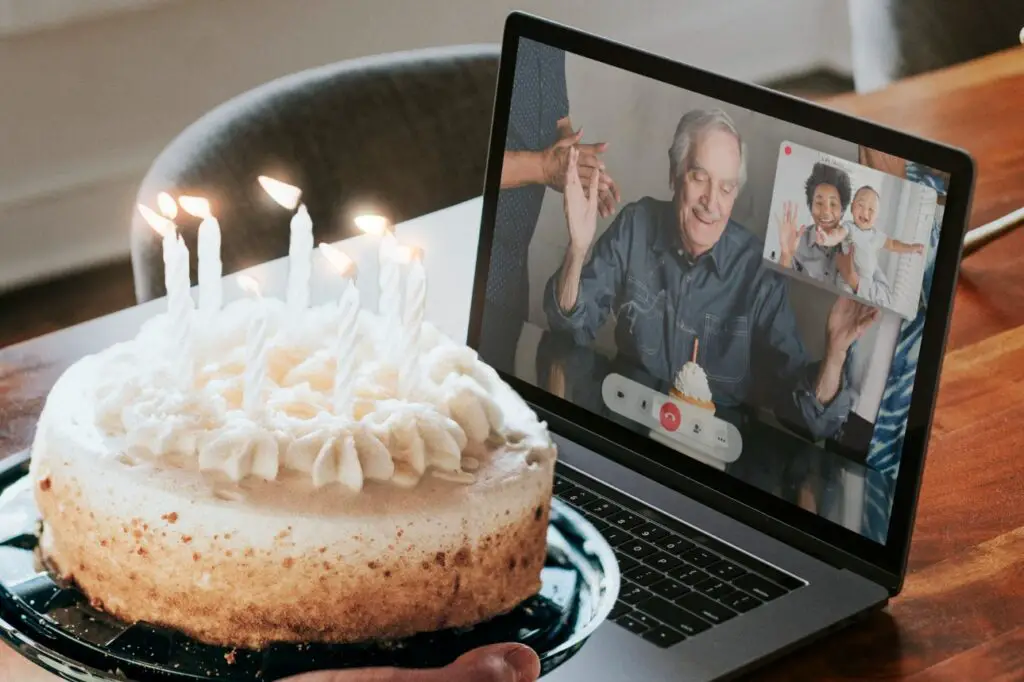
Just because you can’t attend the birthday party or holiday dinner doesn’t mean you have to miss out on the fun. Coordinate virtual celebrations using video calls, photo slideshows, or even scavenger hunts. For birthdays, send a “party in a box” with balloons, confetti, and a small gift. For holidays, plan synchronized activities—bake the same cookies, wear matching pajamas, or make handprint turkeys over Zoom. You can even send them a card for every holiday on the calendar (yes, even National Ice Cream Day!). When you show up creatively for the moments that matter, those memories stick.
7. Be Their Pen Pal—and Encourage Them to Be Yours
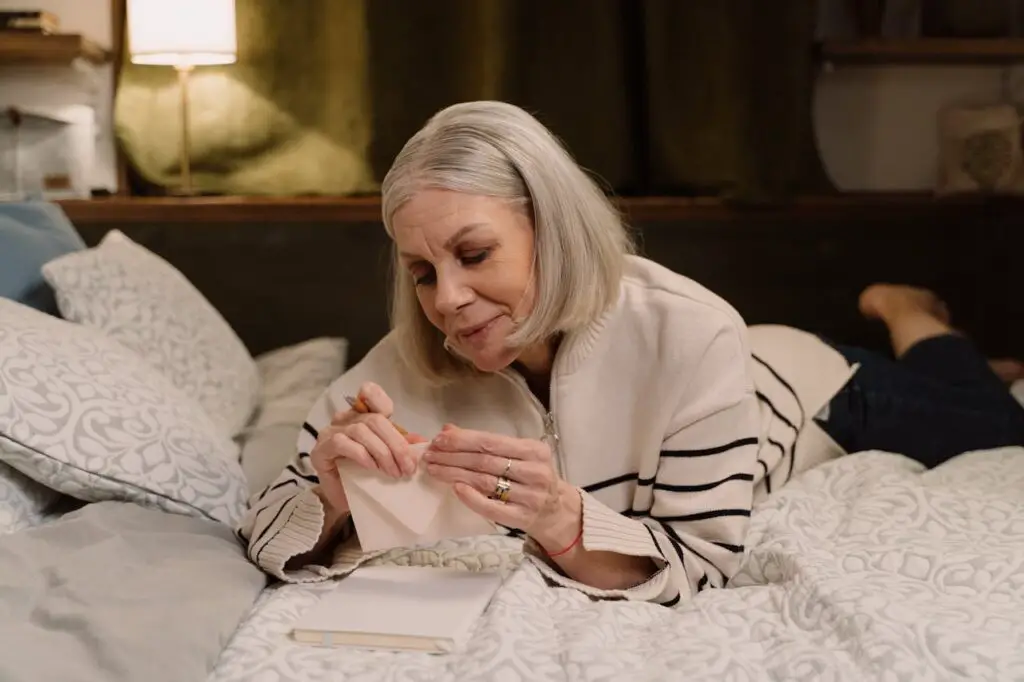
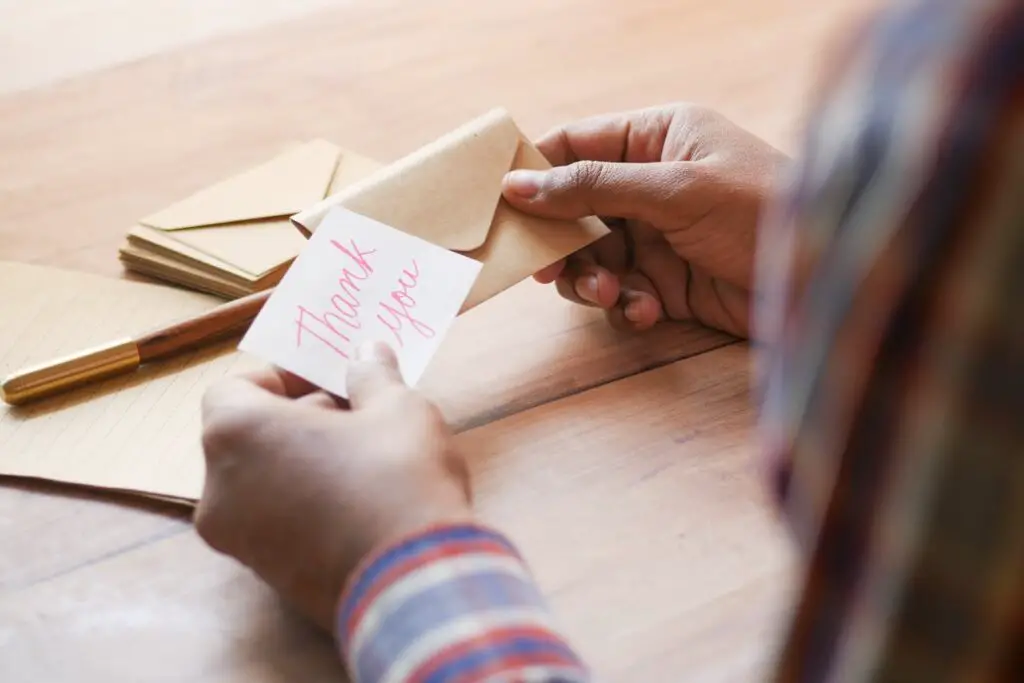
Kids love getting letters—especially when they’re from someone who loves them unconditionally. Become their personal pen pal. Ask open-ended questions, include a joke, or challenge them to a drawing contest. For tech-savvy teens, email or text might be more their style, and that’s okay too—just keep the tone fun and supportive. It’s not about being formal; it’s about being there. When you write, you create space for honest thoughts and sweet surprises. And who knows? You may end up with a shoebox full of cherished letters, filled with wisdom, silliness, and love.
8. Support Their Interests and Celebrate Their Wins

Whether they’re into dance, coding, art, or bugs, take a genuine interest in what your grandchild is passionate about. Watch their recital videos, comment on their Minecraft builds, or ask them to explain how their science project works. Celebrating their wins—from soccer goals to spelling bees—goes a long way, especially when done from afar. Send congratulatory notes, share in their excitement, and remind them how proud you are. Your encouragement helps boost their confidence and shows that you’re paying attention—even if you’re not in the front row.
Final Thoughts

Being a long-distance grandparent has its challenges, but it also offers a unique opportunity to create meaningful, intentional moments. The miles might keep you from hugging goodnight, but they can’t stop you from being a powerful, loving presence in your grandchild’s life.
Whether through video calls, letters, games, or shared stories, your love can span any distance. It just takes a bit of consistency, a splash of creativity, and a whole lot of heart. So pick one idea to start today, and build your own special version of closeness—no matter how far apart you may be.