The Cryptocurrency Resurrection: Understanding the Resilience of Bitcoin
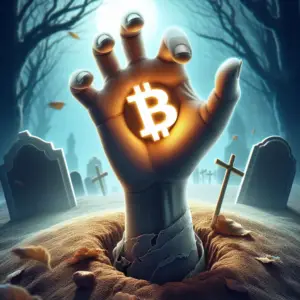
In the ever-evolving landscape of digital currencies, Bitcoin stands as the pioneer and the most controversial player. Its journey has been tumultuous, marked by extreme highs and devastating lows. Yet, despite skeptics predicting its demise time and again, Bitcoin persists and sits right below $70,000. Let’s delve into why this decentralized digital gold refuses to fade away.
1. The Achilles’ Heel: Volatility
Bitcoin’s volatility is both its weakness and its strength. Critics argue that wild price swings make it unsuitable for everyday transactions. However, this very volatility attracts traders, speculators, and risk-takers. The allure lies in the potential for massive gains or catastrophic losses within hours. It’s like riding a roller coaster blindfolded—terrifying yet exhilarating.
Example: In 2017, Bitcoin surged from around $1,000 to nearly $20,000, only to crash back down to $3,000 in 2018. In 2021, the asset his a high of $60,000 and a year later, we saw lows of $16000 as the S&P 500 also experienced a period of downturn. Such fluctuations are not for the faint-hearted.
2. The Decentralization Dilemma
Bitcoin operates on a decentralized network—a double-edged sword. While it ensures censorship resistance and independence from central banks, it also lacks a safety net. No customer service hotline, no account recovery, and no one to blame if you accidentally send your coins to the wrong address. This decentralized ethos appeals to privacy advocates and rebels but scares away risk-averse investors.
Example: Imagine losing access to your wallet containing thousands of dollars in Bitcoin because you forgot your passphrase. It’s a digital tragedy waiting to happen.
3. The HODL Culture
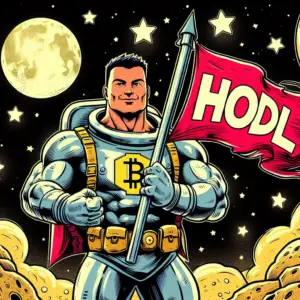
“HODL” (Hold On for Dear Life) has become synonymous with Bitcoin enthusiasts. This steadfast belief in long-term holding defies conventional trading wisdom. While day traders chase quick profits, HODLers weather storms, believing that Bitcoin’s true value lies years down the road. It’s a cult-like devotion that keeps the flame alive.
Example: When Bitcoin plummeted during the pandemic-induced market crash in 2020, HODLers held tight, convinced that brighter days would come.
4. The Fear of Missing Out (FOMO)

FOMO drives markets, and Bitcoin is no exception. When Elon Musk tweets about Dogecoin, or institutional investors pour money into crypto, the fear of missing out grips the masses. Even skeptics find themselves wondering if they’re passing up the next big thing. FOMO sustains the crypto ecosystem, ensuring that even after crashes, people return, hoping to catch the next moonshot.
Example: Remember the 2017 bull run? Friends, family, and coworkers suddenly became crypto experts, fueled by FOMO. Today, many are FOMO-riding the AI investment train by investing in Nvidia.
5. The Technological Revolution
Bitcoin isn’t just a currency; it’s a technological revolution. Its underlying blockchain technology promises transparency, security, and efficiency. Beyond speculation, Bitcoin’s potential applications in supply chain management, voting systems, and cross-border remittances are tantalizing. Investors recognize this, and their faith in the technology keeps Bitcoin alive.
Example: Companies like Square and MicroStrategy have invested billions in Bitcoin, betting on its long-term viability.
6. The Dark Side: Scams and Shady Characters
Bitcoin’s association with illicit activities—money laundering, ransomware payments, and dark web transactions—casts a shadow. Yet, paradoxically, this very association adds to its mystique. It’s the currency of rebels, hackers, and renegades. While legitimate businesses adopt it, the allure of the forbidden keeps Bitcoin intriguing.
Example: Silk Road, the infamous online marketplace, operated exclusively in Bitcoin until its shutdown by authorities.
Conclusion: The Unyielding Spirit
In the grand theater of finance, Bitcoin plays the role of the underdog—the Rocky Balboa of currencies. It has been declared dead over 400 times, yet it bounces back, bruised but unbroken. So, whether you’re a skeptic or a believer, acknowledge Bitcoin’s resilience. And as we conclude, consider this: Is Bitcoin immortal, or is it merely the phoenix that rises from its own ashes? As the crypto saga continues, let’s keep our eyes on the charts and our wallets secure.
Leave a Reply