Our Debt Free Family

Commit. Plan. Take action.

  • BUDGETING
  • DEBT REDUCTION
  • INVESTING
  • LIFESTYLE
  • TOOLS
  • ABOUT
  • Privacy Policy
  • CONTACT

Potions and Demigod Chickens: 14 Western RPG Tropes That Make Us Cringe

October 9, 2025 | Leave a Comment

Potions and Demigod Chickens: 14 Western RPG Tropes That Make Us CringeWestern role-playing games (RPGs) have delighted players for decades, offering epic quests, intricate worlds, and memorable characters. But beneath the serious narratives lie some delightful and often absurd tropes that add charm to the genre. We’ll explore fourteen of these quirky conventions that make Western RPGs both entertaining and eyebrow-raising. :: Bioware

Western role-playing games have delighted players for decades, offering epic quests, intricate worlds, and memorable characters. But beneath the serious narratives lie some delightful and often absurd tropes that add charm to the genre. Here are 14 of these quirky conventions that make Western RPGs both entertaining and eyebrow-raising.


1. Fetch Quests

These are repetitive tasks where players are sent to collect a certain number of items or kill a specific number of creatures. An example would be the “Radiant Quests” in The Elder Scrolls V: Skyrim, where you’re asked to retrieve an item or eliminate a target. These quests lack depth and can become monotonous. :: DALL-E

These are repetitive tasks where players are sent to collect a certain number of items or kill a specific number of creatures. An example would be the “Radiant Quests” in The Elder Scrolls V: Skyrim, where you’re asked to retrieve an item or eliminate a target. These quests lack depth and can become monotonous.


2. Generic Fantasy Worlds

Some Western RPGs rely on generic fantasy settings with elves, dwarves, and dragons. The Witcher 3: Wild Hunt breaks this mold by offering a rich, gritty world inspired by Slavic folklore, making it stand out from the crowd. :: Bioware

Some Western RPGs rely on generic fantasy settings with elves, dwarves, and dragons. The Witcher 3: Wild Hunt breaks this mold by offering a rich, gritty world inspired by Slavic folklore, making it stand out from the crowd.


Politically Correctness (PC)

In Western RPGs, developers often grapple with the challenge of creating content that is inclusive and respectful of diverse backgrounds and identities. While striving for political correctness is commendable, it can sometimes lead to overly sanitized or predictable narratives. Games like Pillars of Eternity have faced criticism for their handling of sensitive topics, as they attempt to balance historical accuracy with modern sensibilities. :: South Park Studios

In Western RPGs, developers often grapple with the challenge of creating content that is inclusive and respectful of diverse backgrounds and identities. While striving for political correctness is commendable, it can sometimes lead to overly sanitized or predictable narratives. Games like Pillars of Eternity have faced criticism for their handling of sensitive topics, as they attempt to balance historical accuracy with modern sensibilities.


4. Overpowered Crafting

Crafting systems can be fun, but some games allow players to create ridiculously powerful gear. The Elder Scrolls IV: Oblivion had a notorious “Chameleon” enchantment that made characters nearly invisible, breaking immersion. :: Blizzard

Crafting systems can be fun, but some games allow players to create ridiculously powerful gear. The Elder Scrolls IV: Oblivion had a notorious “Chameleon” enchantment that made characters nearly invisible, breaking immersion.


5. Escort Missions

Escorting NPCs through dangerous areas is a frustrating trope. Fallout 3 had the “Following in His Footsteps” quest, where players had to protect a vulnerable character, often leading to their untimely demise. :: Bethesda

Escorting NPCs through dangerous areas is a frustrating trope. Fallout 3 had the “Following in His Footsteps” quest, where players had to protect a vulnerable character, often leading to their untimely demise.


6. Unrealistic Dialogue Choices

While dialogue trees are a staple of RPGs, some games present choices that don’t align with the character’s personality. Mass Effect faced criticism for oversimplifying complex decisions into binary options. :: CD Projekt

While dialogue trees are a staple of RPGs, some games present choices that don’t align with the character’s personality. Mass Effect faced criticism for oversimplifying complex decisions into binary options.


7. Level Scaling

In some Western RPGs, enemy level scaling dynamically adjusts the strength of adversaries based on the player's progress, ensuring a consistent challenge throughout the game. This mechanic aims to maintain a balance between player power growth and enemy difficulty, preventing encounters from becoming too easy or overwhelmingly difficult. For instance, in "The Elder Scrolls V: Skyrim," enemy level scaling ensures that encounters remain challenging regardless of the player's character level, promoting a sense of immersion and strategic gameplay. :: CD Projekt

In some Western RPGs, enemy level scaling dynamically adjusts the strength of adversaries based on the player’s progress, ensuring a consistent challenge throughout the game. This mechanic aims to maintain a balance between player power growth and enemy difficulty, preventing encounters from becoming too easy or overwhelmingly difficult. For instance, in “The Elder Scrolls V: Skyrim,” enemy level scaling ensures that encounters remain challenging regardless of the player’s character level, promoting a sense of immersion and strategic gameplay.


8. Lack of Consequences

In Western RPGs, the lack of consequences for player choices often results in a world where decisions feel inconsequential and fail to significantly alter the narrative or gameplay. For instance, in "Mass Effect 3," despite the game's emphasis on player choice throughout the series, the ending received criticism for its perceived lack of meaningful consequences based on those choices, leading to a sense of disappointment among players. This absence of impactful outcomes can diminish immersion and replay value, leaving players feeling detached from the consequences of their actions within the game world. :: Ubisoft

In Western RPGs, the lack of consequences for player choices often results in a world where decisions feel inconsequential and fail to significantly alter the narrative or gameplay. For instance, in “Mass Effect 3,” despite the game’s emphasis on player choice throughout the series, the ending received criticism for its perceived lack of meaningful consequences based on those choices, leading to a sense of disappointment among players. This absence of impactful outcomes can diminish immersion and replay value, leaving players feeling detached from the consequences of their actions within the game world.


9. Bland Villains

In many Western RPGs, the bland villain trope often rears its head, presenting players with uninspired antagonists lacking depth or complexity. These villains typically embody generic evil traits without nuanced motivations or compelling backstories, ultimately failing to engage players on an emotional or intellectual level. As a result, the narrative tension and investment suffer, leaving players longing for more dynamic and memorable adversaries to challenge and intrigue them throughout their gaming journey. :: Ubisoft

In many Western RPGs, the bland villain trope often rears its head, presenting players with uninspired antagonists lacking depth or complexity. These villains typically embody generic evil traits without nuanced motivations or compelling backstories, ultimately failing to engage players on an emotional or intellectual level. As a result, the narrative tension and investment suffer, leaving players longing for more dynamic and memorable adversaries to challenge and intrigue them throughout their gaming journey.. Dragon Age II suffered from this with its underdeveloped villain, the “Arishok.”


10. Medieval Fantasy Everywhere

Many Western RPGs default to a medieval-inspired world with castles, knights, and magic. While this setting can be captivating, it’s become somewhat overused. The Elder Scrolls series, particularly Skyrim, exemplifies this trope by immersing players in a medieval-like realm of dragons, dungeons, and swordplay. :: DALL-E


Many Western RPGs default to a medieval-inspired world with castles, knights, and magic. While this setting can be captivating, it’s become somewhat overused. The Elder Scrolls series, particularly Skyrim, exemplifies this trope by immersing players in a medieval-like realm of dragons, dungeons, and swordplay.


11. Skill Tree Overload

Some Western RPGs feature intricate skill trees with numerous branches, abilities, and prerequisites. While depth is appreciated, overly complex systems can overwhelm players. Path of Exile exemplifies this trope, offering an extensive web of interconnected skills and passives. :: Guerrilla Games

Some Western RPGs feature intricate skill trees with numerous branches, abilities, and prerequisites. While depth is appreciated, overly complex systems can overwhelm players. Path of Exile exemplifies this trope, offering an extensive web of interconnected skills and passives.


12. Junk Item Proliferation

In many Western RPGs, players encounter an excessive number of seemingly useless items—broken swords, rusty keys, and random trinkets. These “junk” items clutter inventories, serve no purpose, and often require manual disposal. Fallout 4 is notorious for its abundance of mundane items that players collect without much benefit. :: Pexels

In many Western RPGs, players encounter an excessive number of seemingly useless items—broken swords, rusty keys, and random trinkets. These “junk” items clutter inventories, serve no purpose, and often require manual disposal. Fallout 4 is notorious for its abundance of mundane items that players collect without much benefit.


13. The Conveniently Placed Crates and Barrels

Ever notice how every dungeon or battlefield in Western RPGs is littered with destructible crates and barrels? “The Elder Scrolls V: Skyrim” takes this trope to new heights. As the Dragonborn, you’re not just a hero; you’re also a professional crate-smasher. :: Bethesda

Ever notice how every dungeon or battlefield in Western RPGs is littered with destructible crates and barrels? “The Elder Scrolls V: Skyrim” takes this trope to new heights. As the Dragonborn, you’re not just a hero; you’re also a professional crate-smasher.


14. The Overly Talkative NPC

Western RPGs love verbose NPCs. In “Mass Effect”, you can spend hours chatting with crew members about their favorite color or the intricacies of space hamsters. Because nothing says “epic quest” like discussing hamster habitats. :: BioWare


Western RPGs love verbose NPCs. In “Mass Effect”, you can spend hours chatting with crew members about their favorite color or the intricacies of space hamsters. Because nothing says “epic quest” like discussing hamster habitats.


Conclusion

As we journey through the realms of Western RPGs, we encounter talking chickens, mystical artifacts, and backpacks that defy spatial logic. These tropes, while occasionally nonsensical, contribute to the genre’s enduring appeal. So next time you’re immersed in an epic quest, take a moment to appreciate the absurdity—it’s all part of the adventure, or try a JRPG. :: Square Enix

Filed Under: Entertainment

10 Nostalgic Foods That Shaped the Childhoods of Baby Boomers

October 9, 2025 | Leave a Comment

10 Nostalgic Foods That Shaped the Childhoods of Baby Boomers

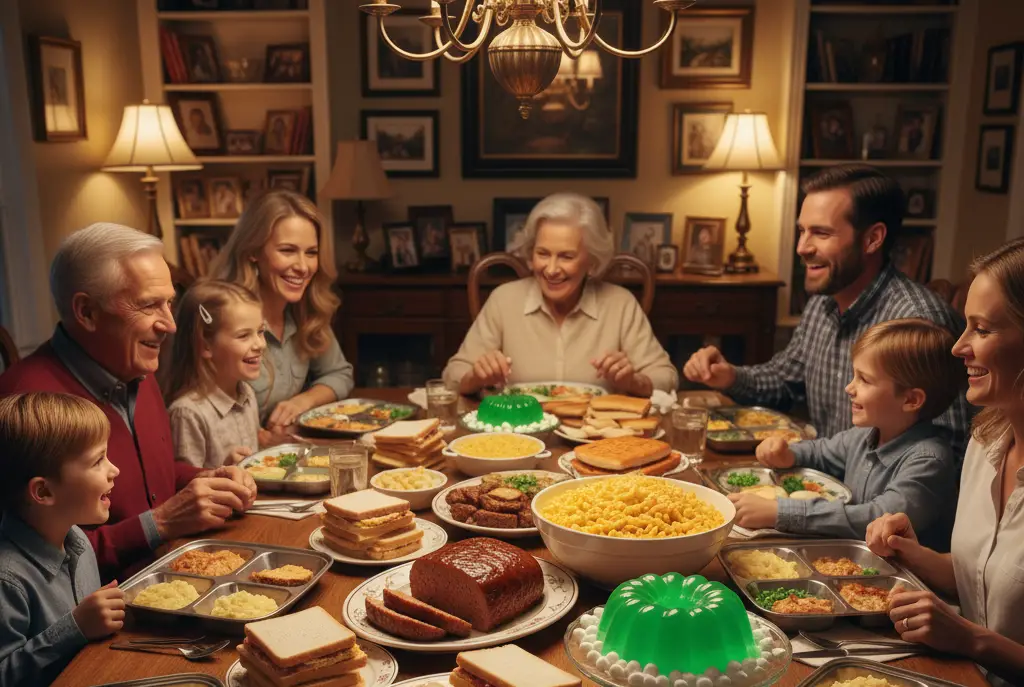
<p> There are certain tastes that instantly take us back in time. A single bite of a childhood favorite can transport you to your mother’s kitchen, your grandmother’s Sunday table, or even your school cafeteria. For Baby Boomers, the post-war years brought not only new freedoms and cultural shifts but also a wave of innovative, comforting, and sometimes quirky foods that defined a generation.

From weeknight dinners pulled from the oven to lunchbox staples that kids could make themselves, these meals and snacks were more than just food. They were part of growing up in America during a time of change, convenience, and creativity. Many of these dishes still hold a special place in our hearts because they connect us to memories of family, friends, and the simple joys of childhood.

Let’s take a walk down memory lane with 10 nostalgic foods that shaped the childhoods of Baby Boomers. Whether you are looking to relive the flavors of the past or share these traditions with the next generation, you will find plenty of inspiration here. </p> :: Gemini

There are certain tastes that instantly take us back in time. A single bite of a childhood favorite can transport you to your mother’s kitchen, your grandmother’s Sunday table, or even your school cafeteria. For Baby Boomers, the post-war years brought not only new freedoms and cultural shifts but also a wave of innovative, comforting, and sometimes quirky foods that defined a generation.

From weeknight dinners pulled from the oven to lunchbox staples that kids could make themselves, these meals and snacks were more than just food. They were part of growing up in America during a time of change, convenience, and creativity. Many of these dishes still hold a special place in our hearts because they connect us to memories of family, friends, and the simple joys of childhood.

Let’s take a walk down memory lane with 10 nostalgic foods that shaped the childhoods of Baby Boomers. Whether you are looking to relive the flavors of the past or share these traditions with the next generation, you will find plenty of inspiration here.

1. TV Dinners

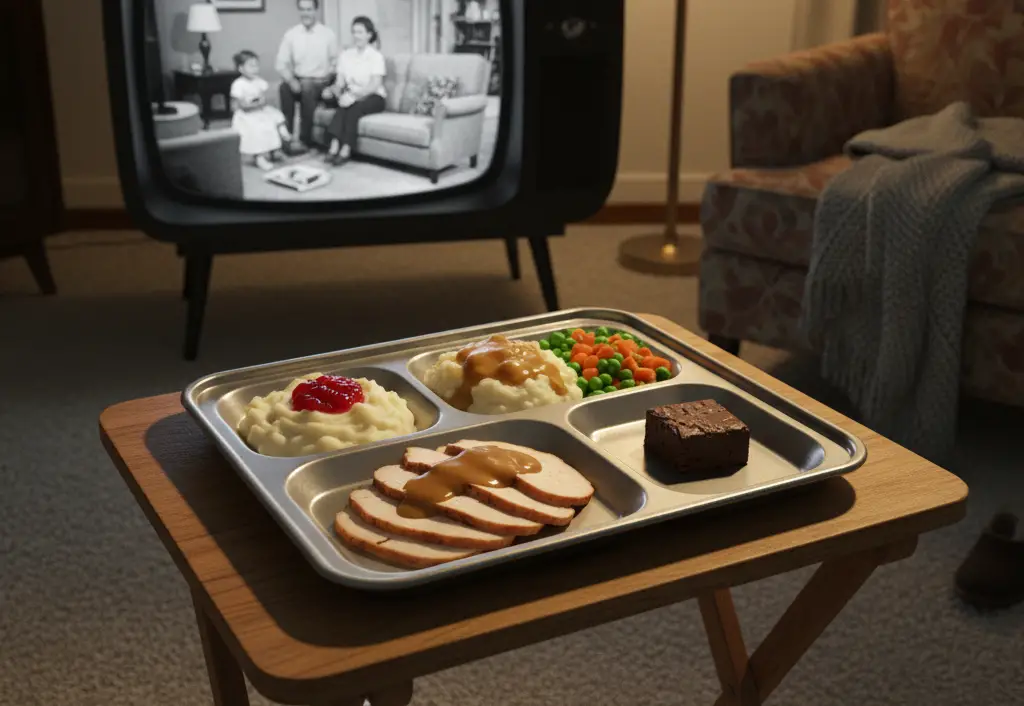
<p> Few things said “modern living” quite like the TV Dinner. When Swanson introduced this frozen meal in the 1950s, it felt revolutionary. Suddenly, dinner was not something that required hours of preparation. Instead, you could pull out a neat aluminum tray filled with turkey, mashed potatoes, vegetables, and even dessert, pop it in the oven, and have a full meal in under an hour. Families often gathered in front of their televisions to eat together, which made these dinners both practical and fun.

TV Dinners are more than just a symbol of convenience. They remind Baby Boomers of a time when television was becoming the centerpiece of family life and when having dinner in front of “The Ed Sullivan Show” or “I Love Lucy” felt like a special treat. </p> :: Gemini

Few things said “modern living” quite like the TV Dinner. When Swanson introduced this frozen meal in the 1950s, it felt revolutionary. Suddenly, dinner was not something that required hours of preparation. Instead, you could pull out a neat aluminum tray filled with turkey, mashed potatoes, vegetables, and even dessert, pop it in the oven, and have a full meal in under an hour. Families often gathered in front of their televisions to eat together, which made these dinners both practical and fun.

TV Dinners are more than just a symbol of convenience. They remind Baby Boomers of a time when television was becoming the centerpiece of family life and when having dinner in front of “The Ed Sullivan Show” or “I Love Lucy” felt like a special treat.
2. Kraft Singles and Processed Cheese

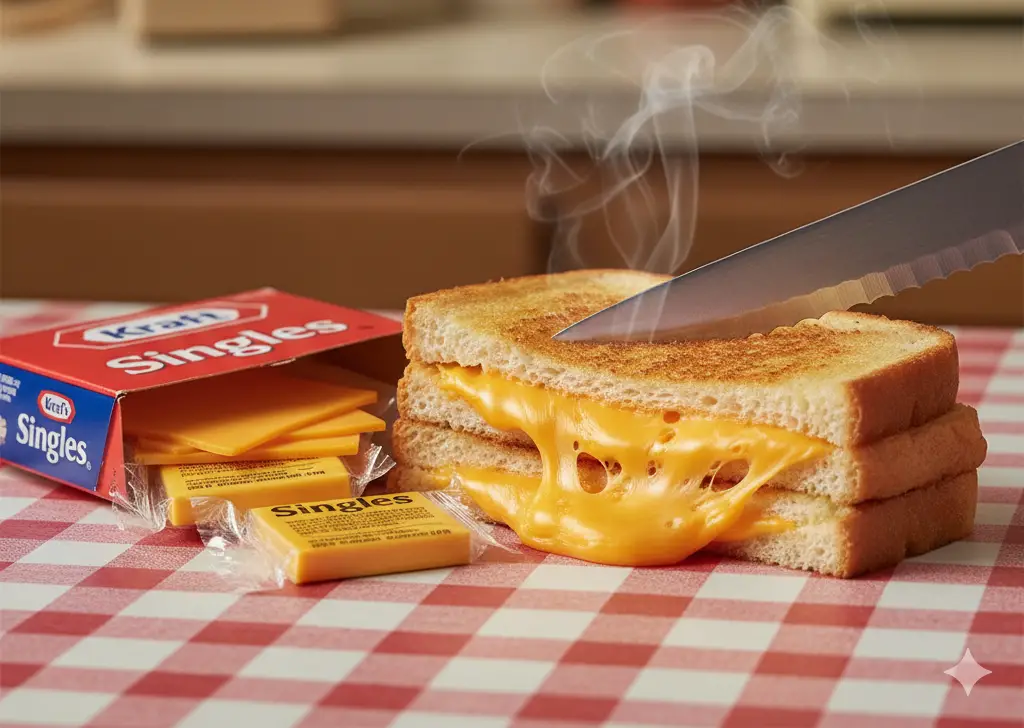
<p> It is hard to imagine childhood without a gooey grilled cheese sandwich, and for many Baby Boomers, Kraft Singles were the star of the show. Packaged in individually wrapped slices, these bright orange squares of processed cheese were beloved for their perfect meltability. From grilled cheese sandwiches paired with tomato soup to burgers cooked on backyard grills, Kraft Singles found their way into countless meals.
Processed cheese was affordable, easy to use, and had a flavor that kids craved. Even today, many people still reach for Kraft Singles when making a nostalgic sandwich. It is not just cheese—it is a taste of Saturday lunches at the kitchen table and after-school snacks that always hit the spot. </p> :: Gemini
It is hard to imagine childhood without a gooey grilled cheese sandwich, and for many Baby Boomers, Kraft Singles were the star of the show. Packaged in individually wrapped slices, these bright orange squares of processed cheese were beloved for their perfect meltability. From grilled cheese sandwiches paired with tomato soup to burgers cooked on backyard grills, Kraft Singles found their way into countless meals.

Processed cheese was affordable, easy to use, and had a flavor that kids craved. Even today, many people still reach for Kraft Singles when making a nostalgic sandwich. It is not just cheese—it is a taste of Saturday lunches at the kitchen table and after-school snacks that always hit the spot.

3. Jell-O Salad

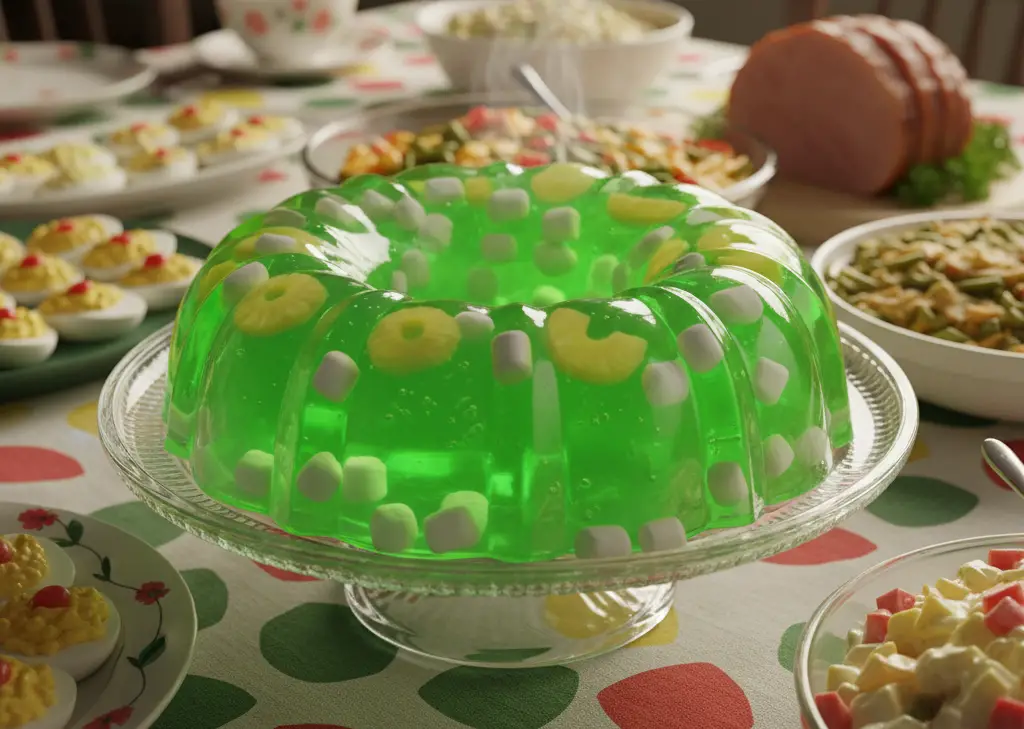
<p> Nothing quite captures mid-century creativity in the kitchen like a Jell-O salad. These wiggly, colorful creations often included fruit cocktail, mini marshmallows, or even shredded carrots and cottage cheese. Molded into rings, domes, or fancy shapes, Jell-O salads were the highlight of potlucks, holidays, and family gatherings.

For Baby Boomers, a Jell-O salad was both fun and festive. It was dessert, side dish, and entertainment all at once. While today’s cooks may raise an eyebrow at mixing lime gelatin with canned pineapple and cream cheese, for many Boomers it is impossible to see a Jell-O mold without smiling. </p> :: Gemini

Nothing quite captures mid-century creativity in the kitchen like a Jell-O salad. These wiggly, colorful creations often included fruit cocktail, mini marshmallows, or even shredded carrots and cottage cheese. Molded into rings, domes, or fancy shapes, Jell-O salads were the highlight of potlucks, holidays, and family gatherings.

For Baby Boomers, a Jell-O salad was both fun and festive. It was dessert, side dish, and entertainment all at once. While today’s cooks may raise an eyebrow at mixing lime gelatin with canned pineapple and cream cheese, for many Boomers it is impossible to see a Jell-O mold without smiling.

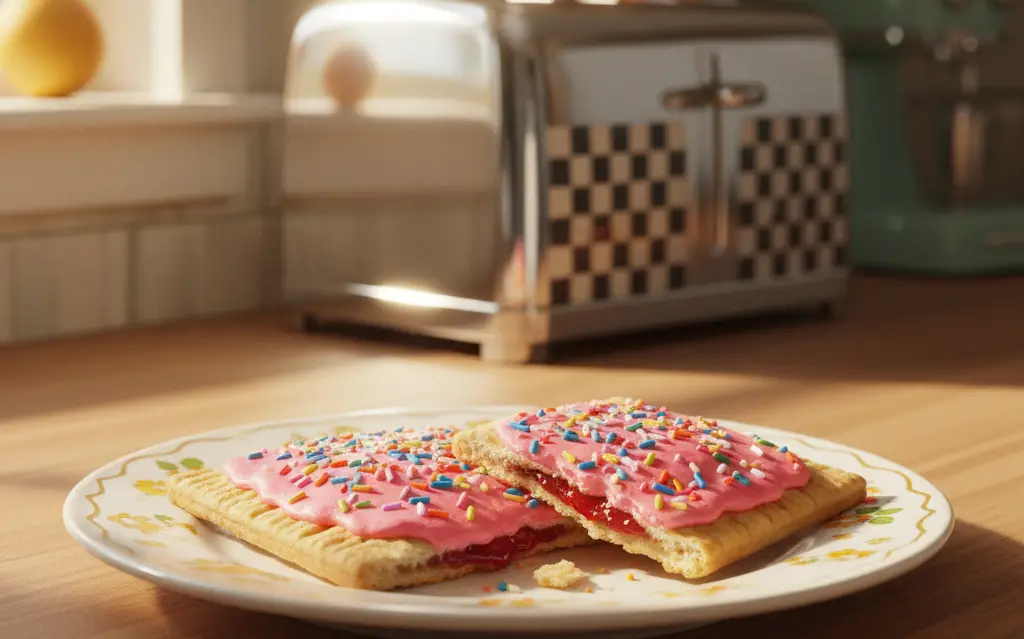
4. Pop-Tarts

<p> When Kellogg’s introduced Pop-Tarts in the 1960s, breakfast got a lot sweeter—and faster. These toaster pastries came filled with fruit jam and topped with a thin layer of frosting, making them an instant hit with kids. For Boomers, Pop-Tarts were often eaten on the way to school or as a quick after-school snack.

Part of the charm was the convenience. No plates, no mess—just pop them in the toaster and you had a warm, sugary pastry ready in minutes. While today there are dozens of flavors, many Boomers still remember the originals with fondness, whether it was strawberry, cinnamon, or blueberry. </p> :: Gemini

When Kellogg’s introduced Pop-Tarts in the 1960s, breakfast got a lot sweeter—and faster. These toaster pastries came filled with fruit jam and topped with a thin layer of frosting, making them an instant hit with kids. For Boomers, Pop-Tarts were often eaten on the way to school or as a quick after-school snack.

Part of the charm was the convenience. No plates, no mess—just pop them in the toaster and you had a warm, sugary pastry ready in minutes. While today there are dozens of flavors, many Boomers still remember the originals with fondness, whether it was strawberry, cinnamon, or blueberry.

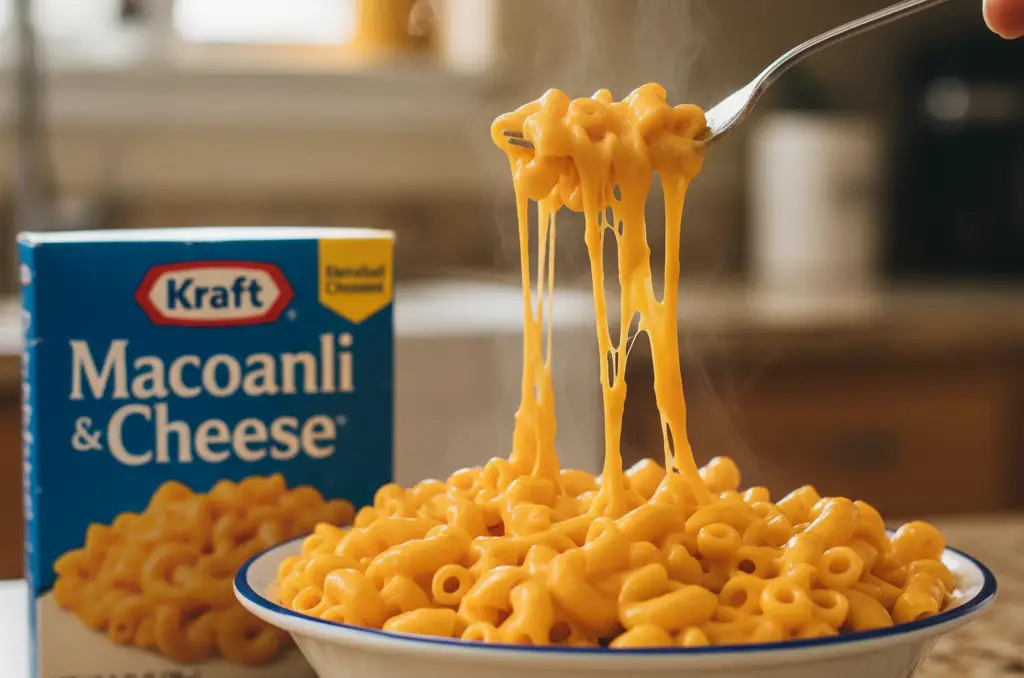
5. Kraft Macaroni and Cheese

<p> Few dishes scream “childhood comfort” louder than a bowl of Kraft Macaroni and Cheese. With its unmistakable orange cheese powder and tender elbow noodles, it became a favorite weeknight dinner for families. Parents loved it because it was affordable and quick, while kids loved it because it was delicious and filling.

Many Boomers remember customizing their mac and cheese with hot dogs, ham, or peas mixed in. It was a meal that could be as simple or as creative as you wanted it to be. Even today, Kraft Macaroni and Cheese remains a go-to comfort food, proving that some classics never lose their appeal. </p> :: Gemini

Few dishes scream “childhood comfort” louder than a bowl of Kraft Macaroni and Cheese. With its unmistakable orange cheese powder and tender elbow noodles, it became a favorite weeknight dinner for families. Parents loved it because it was affordable and quick, while kids loved it because it was delicious and filling.

Many Boomers remember customizing their mac and cheese with hot dogs, ham, or peas mixed in. It was a meal that could be as simple or as creative as you wanted it to be. Even today, Kraft Macaroni and Cheese remains a go-to comfort food, proving that some classics never lose their appeal.

6. Grilled Cheese and Tomato Soup

<p> Rainy afternoons and chilly evenings were made warmer with this timeless duo. Grilled cheese sandwiches were often made with soft white bread and melted Kraft Singles, while tomato soup—sometimes Campbell’s from the can—was served steaming hot in a bowl. Together, they were the perfect combination of salty, cheesy comfort and tangy warmth.

This pairing became a staple in many Boomer households because it was inexpensive, filling, and easy to prepare. More importantly, it was a meal that wrapped you in comfort. Today, it is still the kind of food you crave when you need something simple and satisfying. </p> :: Gemini

Rainy afternoons and chilly evenings were made warmer with this timeless duo. Grilled cheese sandwiches were often made with soft white bread and melted Kraft Singles, while tomato soup—sometimes Campbell’s from the can—was served steaming hot in a bowl. Together, they were the perfect combination of salty, cheesy comfort and tangy warmth.

This pairing became a staple in many Boomer households because it was inexpensive, filling, and easy to prepare. More importantly, it was a meal that wrapped you in comfort. Today, it is still the kind of food you crave when you need something simple and satisfying.

7. Meatloaf

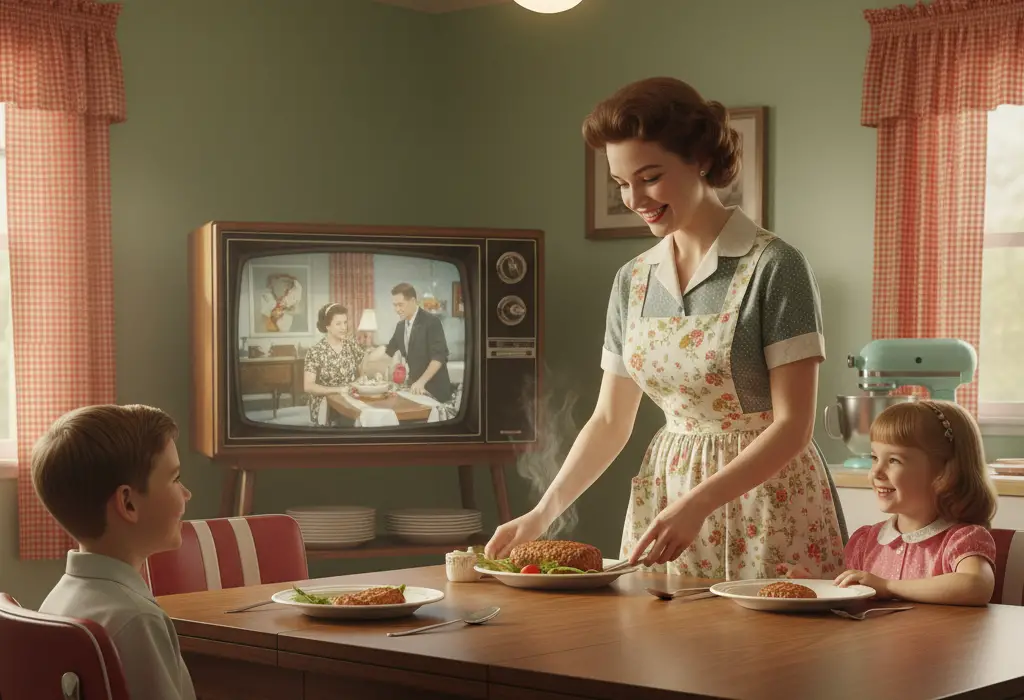
<p> Meatloaf was one of the most popular dinner table staples during the Boomer years. Made with ground beef, breadcrumbs, and seasonings, it was pressed into a loaf pan and baked to perfection. Some families topped theirs with ketchup, while others used a sweet glaze or gravy. Served with mashed potatoes and green beans, it was the kind of hearty meal that filled both your stomach and your soul.

For many Baby Boomers, meatloaf symbolizes family dinners around the table, with everyone sharing stories from their day. Even today, meatloaf continues to be a beloved comfort food, often passed down through generations with small tweaks to the family recipe. </p> :: Gemini

Meatloaf was one of the most popular dinner table staples during the Boomer years. Made with ground beef, breadcrumbs, and seasonings, it was pressed into a loaf pan and baked to perfection. Some families topped theirs with ketchup, while others used a sweet glaze or gravy. Served with mashed potatoes and green beans, it was the kind of hearty meal that filled both your stomach and your soul.

For many Baby Boomers, meatloaf symbolizes family dinners around the table, with everyone sharing stories from their day. Even today, meatloaf continues to be a beloved comfort food, often passed down through generations with small tweaks to the family recipe.

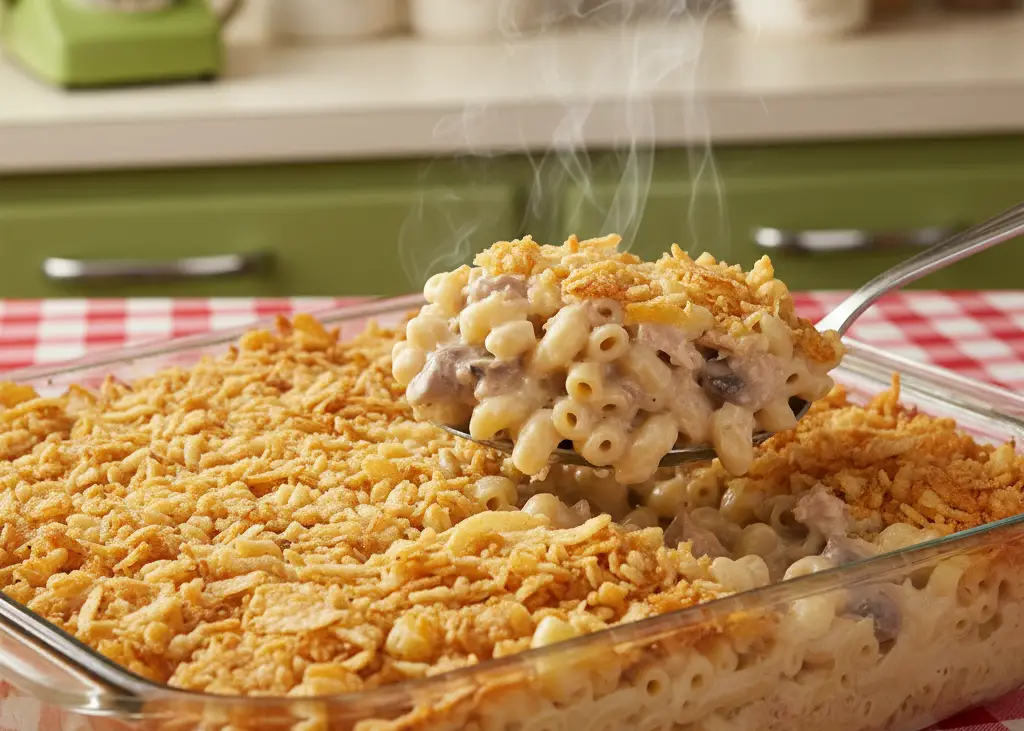
8. Tuna Noodle Casserole

<p> This dish might be divisive, but there is no denying its place in Boomer kitchens. Tuna noodle casserole was inexpensive, easy to prepare, and made use of pantry staples like canned tuna, cream of mushroom soup, and egg noodles. Topped with crushed potato chips or breadcrumbs, it baked into a creamy, crunchy, and filling dish.

For Boomers, tuna noodle casserole often meant busy weeknights, quick family dinners, or church potlucks. While it may not appear on many menus today, it remains a nostalgic dish that many still enjoy making as a tribute to simpler times. </p> :: Gemini

This dish might be divisive, but there is no denying its place in Boomer kitchens. Tuna noodle casserole was inexpensive, easy to prepare, and made use of pantry staples like canned tuna, cream of mushroom soup, and egg noodles. Topped with crushed potato chips or breadcrumbs, it baked into a creamy, crunchy, and filling dish.

For Boomers, tuna noodle casserole often meant busy weeknights, quick family dinners, or church potlucks. While it may not appear on many menus today, it remains a nostalgic dish that many still enjoy making as a tribute to simpler times.

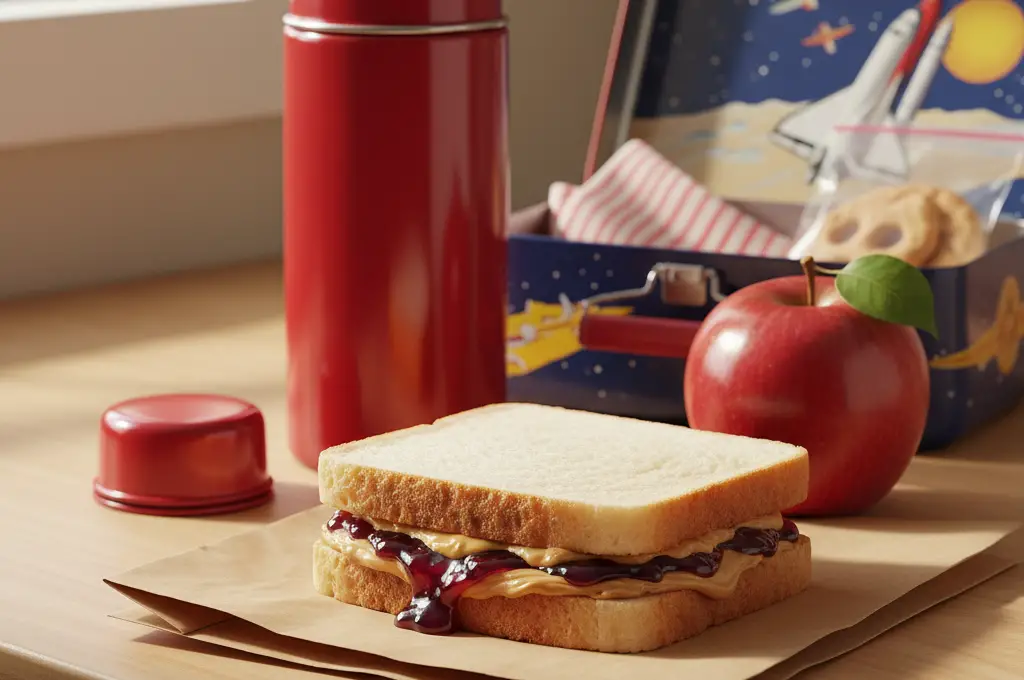
9. Peanut Butter and Jelly Sandwich

<p> If there was one food that symbolized childhood independence, it was the peanut butter and jelly sandwich. For Boomers, this was often the first meal they learned to make on their own. Simple, sweet, and satisfying, it was the ultimate lunchbox favorite.

The combination of creamy or crunchy peanut butter with grape or strawberry jelly never failed to please. It was quick to prepare, easy to pack, and always dependable. Even now, a peanut butter and jelly sandwich can bring back memories of brown paper bags, playgrounds, and simpler days. </p> :: Gemini

If there was one food that symbolized childhood independence, it was the peanut butter and jelly sandwich. For Boomers, this was often the first meal they learned to make on their own. Simple, sweet, and satisfying, it was the ultimate lunchbox favorite.

The combination of creamy or crunchy peanut butter with grape or strawberry jelly never failed to please. It was quick to prepare, easy to pack, and always dependable. Even now, a peanut butter and jelly sandwich can bring back memories of brown paper bags, playgrounds, and simpler days.

10. School Cafeteria Favorites

<p> Every Baby Boomer has a cafeteria memory that brings a smile—or maybe a cringe. Corn dogs, rectangular slices of pizza, ice cream sandwiches served with wooden spoons, and strawberry milk were the kinds of foods that defined the school lunch experience. These dishes may not have been gourmet, but they had personality and gave kids something to look forward to during the school day.

For many, these cafeteria classics are tied to the friendships and laughter of childhood. Recreating them at home, whether it is frying up a corn dog or enjoying a cold ice cream sandwich, can be a surprisingly joyful way to revisit the past. </p> :: Gemini

Every Baby Boomer has a cafeteria memory that brings a smile—or maybe a cringe. Corn dogs, rectangular slices of pizza, ice cream sandwiches served with wooden spoons, and strawberry milk were the kinds of foods that defined the school lunch experience. These dishes may not have been gourmet, but they had personality and gave kids something to look forward to during the school day.

For many, these cafeteria classics are tied to the friendships and laughter of childhood. Recreating them at home, whether it is frying up a corn dog or enjoying a cold ice cream sandwich, can be a surprisingly joyful way to revisit the past.

Final Thoughts

<p> Food has a way of unlocking memories that nothing else can. For Baby Boomers, these ten foods represent more than just meals. They are time capsules of a unique era in American history, when convenience met creativity and when families found joy in simple traditions.

Whether it is the wiggly fun of Jell-O, the satisfying crunch of a grilled cheese sandwich, or the comforting warmth of meatloaf, these classics remind us of the power of food to connect us to our past. Bringing these dishes back into your kitchen is not just about nostalgia—it is about sharing a piece of your story with those you love.

So, the next time you whip up a tuna casserole, toast a Pop-Tart, or pour yourself a bowl of macaroni and cheese, take a moment to savor the memory. After all, food is not only about filling our stomachs. It is about feeding our hearts with the flavors of home, childhood, and the people who made those moments unforgettable. </p> :: Gemini

Food has a way of unlocking memories that nothing else can. For Baby Boomers, these ten foods represent more than just meals. They are time capsules of a unique era in American history, when convenience met creativity and when families found joy in simple traditions.

Whether it is the wiggly fun of Jell-O, the satisfying crunch of a grilled cheese sandwich, or the comforting warmth of meatloaf, these classics remind us of the power of food to connect us to our past. Bringing these dishes back into your kitchen is not just about nostalgia—it is about sharing a piece of your story with those you love.

So, the next time you whip up a tuna casserole, toast a Pop-Tart, or pour yourself a bowl of macaroni and cheese, take a moment to savor the memory. After all, food is not only about filling our stomachs. It is about feeding our hearts with the flavors of home, childhood, and the people who made those moments unforgettable.

Filed Under: Food & Drink

6 Things That Happen When You Stop Driving Your Car (The Last One is Scary)

October 9, 2025 | Leave a Comment

6 Things That Happen When You Stop Driving Your Car (The Last One is Scary)

<p> Cars are more than just machines that get us from point A to point B—they’re complex systems that rely on regular use to stay in good shape. Many drivers do not realize what really happens when a vehicle sits idle for too long. Whether you are working from home, relying more on public transportation, or simply giving your car a break, letting it sit unused can lead to a surprising set of problems. Some are inconvenient, others are expensive, and one of them is downright dangerous.

If you have ever thought, “I’ll just let the car sit for a while, nothing bad will happen,” think again. Here are six things that happen when you stop driving your car, plus some tips to keep it road-ready. </p> :: Gemini

Cars are more than just machines that get us from point A to point B—they’re complex systems that rely on regular use to stay in good shape. Many drivers do not realize what really happens when a vehicle sits idle for too long. Whether you are working from home, relying more on public transportation, or simply giving your car a break, letting it sit unused can lead to a surprising set of problems. Some are inconvenient, others are expensive, and one of them is downright dangerous.

If you have ever thought, “I’ll just let the car sit for a while, nothing bad will happen,” think again. Here are six things that happen when you stop driving your car, plus some tips to keep it road-ready.

1. Your Battery Slowly Gives Up

<p> Car batteries are happiest when they are being recharged regularly through driving. When you stop using your car, the battery still powers small systems like the clock, alarm, and onboard electronics. Over time, this drains its charge. After a few weeks of inactivity, you might return to your car only to find the dreaded click-click sound of a dead battery. If this happens often, the battery may permanently lose capacity and need replacement.

What you can do: A battery maintainer or trickle charger can keep it alive. If that is not an option, starting the car every week or two and letting it run for about 15 minutes can help. </p> :: Gemini

Car batteries are happiest when they are being recharged regularly through driving. When you stop using your car, the battery still powers small systems like the clock, alarm, and onboard electronics. Over time, this drains its charge. After a few weeks of inactivity, you might return to your car only to find the dreaded click-click sound of a dead battery. If this happens often, the battery may permanently lose capacity and need replacement.

What you can do: A battery maintainer or trickle charger can keep it alive. If that is not an option, starting the car every week or two and letting it run for about 15 minutes can help.

2. Tires Lose Their Shape and Strength

<p> Tires are designed to roll, not sit in one place forever. When a car is parked too long, the weight of the vehicle presses down on the same spots, creating what mechanics call “flat spots.” At the same time, tires naturally lose air, and rubber ages faster when it is neglected. The result is uneven wear, cracks, and possible blowouts when you finally hit the road again.

What you can do: Inflate the tires slightly above normal (within safe limits), check the pressure regularly, and if possible, move the car every few weeks. If you are storing it for months, tire cradles or blocks can help prevent damage. </p> :: Gemini

Tires are designed to roll, not sit in one place forever. When a car is parked too long, the weight of the vehicle presses down on the same spots, creating what mechanics call “flat spots.” At the same time, tires naturally lose air, and rubber ages faster when it is neglected. The result is uneven wear, cracks, and possible blowouts when you finally hit the road again.

What you can do: Inflate the tires slightly above normal (within safe limits), check the pressure regularly, and if possible, move the car every few weeks. If you are storing it for months, tire cradles or blocks can help prevent damage.

3. Brakes Collect Rust and May Stop Working Properly

<p> Brakes are one of the most important safety systems in your car, but they need occasional use to stay in good shape. When a car sits for too long, moisture in the air causes rust to form on brake rotors and other components. At first, this may cause squeaking when you drive, but over time it can lead to more serious problems like sticking calipers or reduced braking power.

What you can do: Try to drive the car around the block every couple of weeks. Even a short trip is enough to scrape surface rust off the rotors and keep the braking system healthy. </p> :: Gemini

Brakes are one of the most important safety systems in your car, but they need occasional use to stay in good shape. When a car sits for too long, moisture in the air causes rust to form on brake rotors and other components. At first, this may cause squeaking when you drive, but over time it can lead to more serious problems like sticking calipers or reduced braking power.

What you can do: Try to drive the car around the block every couple of weeks. Even a short trip is enough to scrape surface rust off the rotors and keep the braking system healthy.

4. Fluids Break Down and Seals Dry Out

<p> Your car’s fluids—oil, coolant, brake fluid, and transmission fluid—are all designed to circulate. When they sit still for too long, they can break down, collect moisture, or lose their protective qualities. At the same time, rubber seals and gaskets begin to dry out when they are not being lubricated. This can lead to leaks, poor lubrication, and costly repairs down the road.

What you can do: Before leaving a car unused for an extended time, top off the fluids and consider getting an oil change. Starting the car periodically also helps circulate fluids and keeps seals from drying out. </p> :: Gemini

Your car’s fluids—oil, coolant, brake fluid, and transmission fluid—are all designed to circulate. When they sit still for too long, they can break down, collect moisture, or lose their protective qualities. At the same time, rubber seals and gaskets begin to dry out when they are not being lubricated. This can lead to leaks, poor lubrication, and costly repairs down the road.

What you can do: Before leaving a car unused for an extended time, top off the fluids and consider getting an oil change. Starting the car periodically also helps circulate fluids and keeps seals from drying out.

5. Critters and Mold Make Themselves at Home

<p> One of the more unpleasant side effects of leaving a car unused is that nature has a way of moving in. Rodents may chew through wiring or build nests under the hood. Insects may crawl into vents. And if the interior is not kept clean and dry, mold and mildew can grow, leaving behind a musty odor that is hard to remove. Even the sun can do damage over time, fading dashboards and cracking upholstery.

What you can do: Keep the car clean and dry, and if possible, store it in a garage. Use rodent repellents or traps in areas where critters are a concern. Running the air conditioning occasionally can also help keep moisture and mold at bay. </p> :: Freepik

One of the more unpleasant side effects of leaving a car unused is that nature has a way of moving in. Rodents may chew through wiring or build nests under the hood. Insects may crawl into vents. And if the interior is not kept clean and dry, mold and mildew can grow, leaving behind a musty odor that is hard to remove. Even the sun can do damage over time, fading dashboards and cracking upholstery.

What you can do: Keep the car clean and dry, and if possible, store it in a garage. Use rodent repellents or traps in areas where critters are a concern. Running the air conditioning occasionally can also help keep moisture and mold at bay.

6. The Scary One: Your Car Becomes Unsafe to Drive

<p> Here is where things get serious. A car that has been sitting for too long is not just inconvenient—it can become dangerous. Rusty brakes, brittle tires, dried-out hoses, and failing electrical systems can all turn into major hazards on the road. In the worst cases, the car may not start at all. Even scarier, it might start but fail while you are driving, putting you and others at risk.


Imagine finally taking your car out for a spin only to find the brakes do not respond the way they should. Or picture hitting the highway and suddenly realizing a critical system has failed. That is not just a headache—it is a safety threat.

What you can do: Before returning a car to regular use, give it a thorough inspection. Check tire pressure, fluid levels, belts, and hoses. If the car has been sitting for months, it is wise to have a mechanic look it over before you get behind the wheel. </p> :: Gemini

Here is where things get serious. A car that has been sitting for too long is not just inconvenient—it can become dangerous. Rusty brakes, brittle tires, dried-out hoses, and failing electrical systems can all turn into major hazards on the road. In the worst cases, the car may not start at all. Even scarier, it might start but fail while you are driving, putting you and others at risk.

Imagine finally taking your car out for a spin only to find the brakes do not respond the way they should. Or picture hitting the highway and suddenly realizing a critical system has failed. That is not just a headache—it is a safety threat.

What you can do: Before returning a car to regular use, give it a thorough inspection. Check tire pressure, fluid levels, belts, and hoses. If the car has been sitting for months, it is wise to have a mechanic look it over before you get behind the wheel.

Final Thoughts

<p> Cars are built to be driven, not stored away like furniture. When you stop driving your car, it begins a slow decline that can lead to everything from dead batteries to unsafe conditions on the road. The good news is, most of these problems are preventable with just a little care.

Think of your car like a pet—it needs attention, exercise, and the occasional checkup to stay healthy. Give it that, and it will be ready for you when life requires it. Ignore it, and you may find yourself stranded, frustrated, or worse, facing a scary situation behind the wheel.

So even if you are not driving as much these days, do not let your car waste away in the driveway. A little preventive care today means peace of mind tomorrow. </p> :: Freepik

Cars are built to be driven, not stored away like furniture. When you stop driving your car, it begins a slow decline that can lead to everything from dead batteries to unsafe conditions on the road. The good news is, most of these problems are preventable with just a little care.

Think of your car like a pet—it needs attention, exercise, and the occasional checkup to stay healthy. Give it that, and it will be ready for you when life requires it. Ignore it, and you may find yourself stranded, frustrated, or worse, facing a scary situation behind the wheel.

So even if you are not driving as much these days, do not let your car waste away in the driveway. A little preventive care today means peace of mind tomorrow.

Filed Under: Autos

12 Subtle Ways Women Judge Men Without Saying a Word

October 8, 2025 | Leave a Comment

12 Subtle Ways Women Judge Men Without Saying a Word

<p> When it comes to dating and relationships, women are often experts at reading between the lines. They don’t always need to hear a man’s words to form an impression—body language, posture, tone, and little everyday actions reveal more than most people realize. In fact, studies show that nonverbal cues can be just as powerful, if not more powerful, than what we actually say.

Think about it: a woman may decide in just a few seconds whether a man feels confident, approachable, or trustworthy without him uttering a single word. These silent judgments aren’t meant to be harsh, but they do influence whether she wants to keep talking, go on a second date, or even see him as long-term material. The good news is that most of these signals are within a man’s control once he becomes more aware of them.

If you have ever wondered what women are really noticing when you walk into a room, pay attention. Here are 12 subtle ways women judge men without saying a word—signals that speak louder than you think. </p> :: Gemini

When it comes to dating and relationships, women are often experts at reading between the lines. They don’t always need to hear a man’s words to form an impression—body language, posture, tone, and little everyday actions reveal more than most people realize. In fact, studies show that nonverbal cues can be just as powerful, if not more powerful, than what we actually say.

Think about it: a woman may decide in just a few seconds whether a man feels confident, approachable, or trustworthy without him uttering a single word. These silent judgments aren’t meant to be harsh, but they do influence whether she wants to keep talking, go on a second date, or even see him as long-term material. The good news is that most of these signals are within a man’s control once he becomes more aware of them.

If you have ever wondered what women are really noticing when you walk into a room, pay attention. Here are 12 subtle ways women judge men without saying a word—signals that speak louder than you think.

1. The Way He Stands

<p> A man’s posture often sends the very first signal. Standing tall with relaxed shoulders communicates confidence and approachability, while slouching or folding into yourself can unintentionally give off insecurity or disinterest. Women notice how you “carry” yourself before they even decide to engage in conversation. Good posture shows self-respect and sets a positive first impression. </p> :: Gemini

A man’s posture often sends the very first signal. Standing tall with relaxed shoulders communicates confidence and approachability, while slouching or folding into yourself can unintentionally give off insecurity or disinterest. Women notice how you “carry” yourself before they even decide to engage in conversation. Good posture shows self-respect and sets a positive first impression.

2. Eye Contact

<p> Eye contact is one of the most powerful nonverbal cues. A man who maintains steady, natural eye contact is often perceived as confident, attentive, and genuine. On the other hand, darting eyes or constantly looking away can read as nervousness or lack of confidence. Too much staring, however, can feel intense or uncomfortable. Women pay close attention to how a man looks at them, and it often shapes whether she feels a connection. </p> :: Freepik

Eye contact is one of the most powerful nonverbal cues. A man who maintains steady, natural eye contact is often perceived as confident, attentive, and genuine. On the other hand, darting eyes or constantly looking away can read as nervousness or lack of confidence. Too much staring, however, can feel intense or uncomfortable. Women pay close attention to how a man looks at them, and it often shapes whether she feels a connection.

3. Facial Expressions

<p> A smile can go a long way. Women quickly pick up on whether a man’s expressions feel authentic or forced. A warm, genuine smile conveys friendliness and openness, while a blank or tense expression may seem cold or uninviting. Even subtle micro-expressions, like a raised eyebrow or a quick smirk, can reveal a man’s mood or attitude. Facial cues often say what words do not. </p> :: Freepik

A smile can go a long way. Women quickly pick up on whether a man’s expressions feel authentic or forced. A warm, genuine smile conveys friendliness and openness, while a blank or tense expression may seem cold or uninviting. Even subtle micro-expressions, like a raised eyebrow or a quick smirk, can reveal a man’s mood or attitude. Facial cues often say what words do not.

4. Tone and Pacing of Speech

<p> The way a man speaks tells a story all on its own. A calm, steady tone with natural pacing communicates confidence and self-control. Speaking too quickly may suggest nervousness, while talking too loudly can feel overbearing. Women often listen more to how something is said than the exact words themselves. A balanced voice shows composure and helps create a sense of trust. </p> :: Freepik

The way a man speaks tells a story all on its own. A calm, steady tone with natural pacing communicates confidence and self-control. Speaking too quickly may suggest nervousness, while talking too loudly can feel overbearing. Women often listen more to how something is said than the exact words themselves. A balanced voice shows composure and helps create a sense of trust.

5. Hand Gestures and Movements

<p> Hands reveal more than you think. A man who uses relaxed, open hand gestures comes across as expressive and approachable. Fidgeting, tapping, or hiding hands in pockets can suggest unease or lack of engagement. Crossing arms may seem defensive, even if that is not the intention. Women notice these subtle hand movements because they often align with comfort and confidence levels. </p> :: Freepik

Hands reveal more than you think. A man who uses relaxed, open hand gestures comes across as expressive and approachable. Fidgeting, tapping, or hiding hands in pockets can suggest unease or lack of engagement. Crossing arms may seem defensive, even if that is not the intention. Women notice these subtle hand movements because they often align with comfort and confidence levels.

6. Attentiveness While Listening

<p> Listening is not just about hearing—it is about showing you care. Women quickly judge how engaged a man is in conversation through his nonverbal signals. Leaning in slightly, nodding, and making appropriate facial reactions show genuine interest. Looking around the room, checking your phone, or interrupting signals disinterest. Attentive listening can instantly make a woman feel respected and valued. </p> :: Freepik

Listening is not just about hearing—it is about showing you care. Women quickly judge how engaged a man is in conversation through his nonverbal signals. Leaning in slightly, nodding, and making appropriate facial reactions show genuine interest. Looking around the room, checking your phone, or interrupting signals disinterest. Attentive listening can instantly make a woman feel respected and valued.

7. Grooming and Style

<p> Before a man even says hello, his grooming and style speak volumes. Clean clothes, neat hair, and a well-put-together appearance suggest that he takes pride in himself. Poor hygiene or sloppy presentation can unintentionally signal laziness or lack of effort. This does not mean you need designer suits—it simply means women notice when you make the effort to look presentable. </p> :: Pexels

Before a man even says hello, his grooming and style speak volumes. Clean clothes, neat hair, and a well-put-together appearance suggest that he takes pride in himself. Poor hygiene or sloppy presentation can unintentionally signal laziness or lack of effort. This does not mean you need designer suits—it simply means women notice when you make the effort to look presentable.

8. Respect for Personal Space

<p> How a man manages physical space is another silent judgment cue. Standing too close too soon can feel intrusive, while standing too far away might seem distant or uninterested. Respecting personal boundaries and adjusting naturally based on the setting shows social awareness. Women often feel more comfortable with men who find that balance. </p> :: Pexels

How a man manages physical space is another silent judgment cue. Standing too close too soon can feel intrusive, while standing too far away might seem distant or uninterested. Respecting personal boundaries and adjusting naturally based on the setting shows social awareness. Women often feel more comfortable with men who find that balance.

9. Mirroring Body Language

<p> People naturally mirror the body language of those they feel connected to. When a man mirrors a woman’s movements or posture without forcing it, it often signals comfort and mutual interest. On the other hand, being out of sync or stiff in his movements can make interactions feel awkward. Women may not consciously think about it, but they do notice when a man’s energy aligns with theirs. </p> :: Pexels

People naturally mirror the body language of those they feel connected to. When a man mirrors a woman’s movements or posture without forcing it, it often signals comfort and mutual interest. On the other hand, being out of sync or stiff in his movements can make interactions feel awkward. Women may not consciously think about it, but they do notice when a man’s energy aligns with theirs.

10. Confidence Versus Arrogance

<p> Confidence is attractive, arrogance is not. The difference often shows in nonverbal signals. A confident man is steady, comfortable, and self-assured, while arrogance tends to appear in exaggerated gestures, smug expressions, or dismissive glances. Women pick up on this distinction quickly and judge whether a man’s presence feels inviting or off-putting. </p> :: Freepik

Confidence is attractive, arrogance is not. The difference often shows in nonverbal signals. A confident man is steady, comfortable, and self-assured, while arrogance tends to appear in exaggerated gestures, smug expressions, or dismissive glances. Women pick up on this distinction quickly and judge whether a man’s presence feels inviting or off-putting.

11. Emotional Energy

<p> Sometimes you can just “feel” someone’s energy. Is he calm, positive, and grounded? Or restless, anxious, and scattered? Women often sense emotional presence without needing to hear a word. A man who brings a steady and welcoming energy into a room is far more likely to leave a positive impression than one who seems consumed by stress or negativity. </p> :: Freepik

Sometimes you can just “feel” someone’s energy. Is he calm, positive, and grounded? Or restless, anxious, and scattered? Women often sense emotional presence without needing to hear a word. A man who brings a steady and welcoming energy into a room is far more likely to leave a positive impression than one who seems consumed by stress or negativity.

12. How He Treats Others

<p> One of the most telling signs comes when the attention is not directly on her. Women notice how a man treats servers, cashiers, or people around him. A simple smile, polite acknowledgment, or act of kindness speaks volumes about his character. Rudeness or dismissiveness toward others can be a deal breaker, even if he is charming in conversation. Actions toward others often reveal who a man really is. </p> :: Pexels

One of the most telling signs comes when the attention is not directly on her. Women notice how a man treats servers, cashiers, or people around him. A simple smile, polite acknowledgment, or act of kindness speaks volumes about his character. Rudeness or dismissiveness toward others can be a deal breaker, even if he is charming in conversation. Actions toward others often reveal who a man really is.

Final Thoughts

<p> The truth is, women do not need a man to explain who he is in words—they can often tell within moments based on his nonverbal signals. Posture, eye contact, grooming, attentiveness, and even the way he treats strangers all contribute to silent judgments that shape attraction and trust.

The good news is that none of these signals require perfection. You do not need to be a polished speaker, a fashion model, or a master of body language to make a strong impression. What matters most is authenticity and awareness. By being mindful of how you present yourself, by showing respect, and by carrying yourself with quiet confidence, you communicate far more than words ever could.

At the end of the day, these subtle judgments are not about being flawless—they are about showing the best version of yourself. And sometimes, the smallest gestures are the ones that say the loudest things. </p> :: Freepik

The truth is, women do not need a man to explain who he is in words—they can often tell within moments based on his nonverbal signals. Posture, eye contact, grooming, attentiveness, and even the way he treats strangers all contribute to silent judgments that shape attraction and trust.

The good news is that none of these signals require perfection. You do not need to be a polished speaker, a fashion model, or a master of body language to make a strong impression. What matters most is authenticity and awareness. By being mindful of how you present yourself, by showing respect, and by carrying yourself with quiet confidence, you communicate far more than words ever could.

At the end of the day, these subtle judgments are not about being flawless—they are about showing the best version of yourself. And sometimes, the smallest gestures are the ones that say the loudest things.

Filed Under: Lifestyle

7 Sneaky Ways Food Packaging Influences Boomer Buying Habits

October 8, 2025 | Leave a Comment

7 Sneaky Ways Food Packaging Influences Boomer Buying Habits

<p> Have you ever walked into the grocery store with a short list, only to roll your cart out with twice as many items as you planned? You are not alone. Food companies are masters of persuasion, and one of their most effective tools is packaging. It is not just about protecting the food inside. The box, bag, or bottle is designed to spark emotions, trigger memories, and even convince you that something is healthier or a better deal than it really is. For baby boomers, who grew up during a golden age of branding, packaging has an especially strong pull. Those familiar fonts, comforting colors, and health buzzwords are carefully chosen to speak directly to you. The tricky part is that most of the time, we do not even realize we are being influenced. Let us peel back the layers and uncover seven sneaky ways food packaging shapes the buying habits of boomers. Once you spot these tricks, you will never look at a grocery aisle the same way again. </p> :: Gemini

Have you ever walked into the grocery store with a short list, only to roll your cart out with twice as many items as you planned? You are not alone. Food companies are masters of persuasion, and one of their most effective tools is packaging. It is not just about protecting the food inside. The box, bag, or bottle is designed to spark emotions, trigger memories, and even convince you that something is healthier or a better deal than it really is.

For baby boomers, who grew up during a golden age of branding, packaging has an especially strong pull. Those familiar fonts, comforting colors, and health buzzwords are carefully chosen to speak directly to you. The tricky part is that most of the time, we do not even realize we are being influenced.

Let us peel back the layers and uncover seven sneaky ways food packaging shapes the buying habits of boomers. Once you spot these tricks, you will never look at a grocery aisle the same way again.

1. Nostalgic Designs That Stir Up Memories

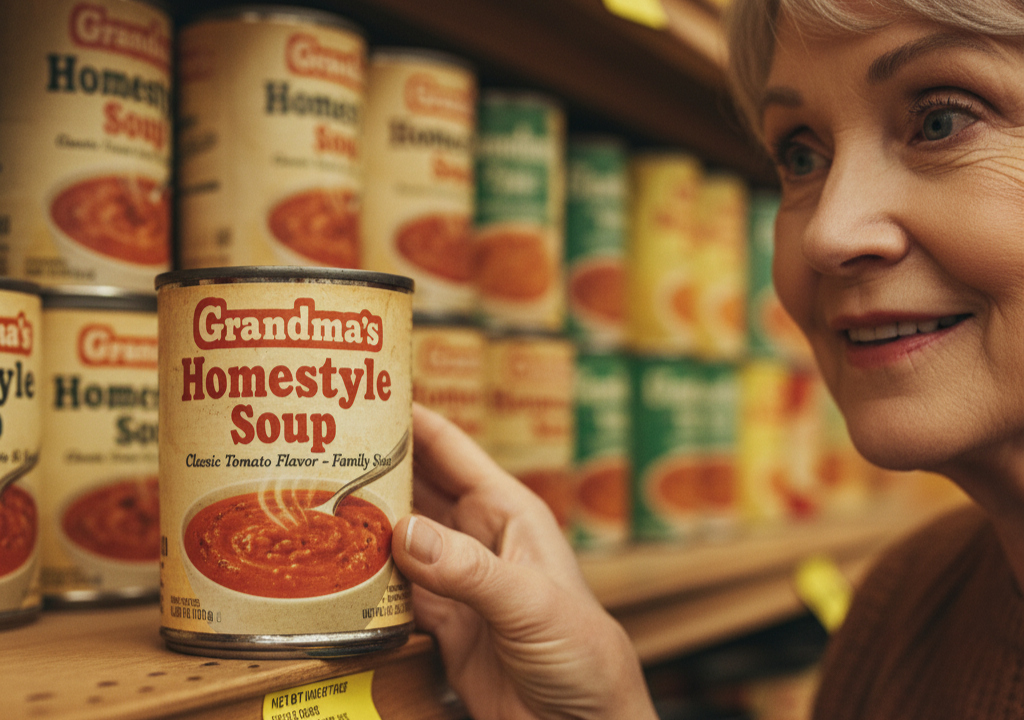
<p> Food companies know that baby boomers have a strong sense of nostalgia, and they use it to their advantage. A soup can label that looks almost identical to the one your mother served in the 1960s or a cereal box that has not changed in decades is no accident. These throwback designs are meant to tug at your heartstrings. They remind you of childhood dinners, family breakfasts, and simpler times. It is comforting, and that comfort often translates into a purchase. The next time you feel drawn to a package that looks “just like it used to,” pause and ask yourself: do you want the food itself, or are you buying the memory that comes with it? </p> :: Gemini

Food companies know that baby boomers have a strong sense of nostalgia, and they use it to their advantage. A soup can label that looks almost identical to the one your mother served in the 1960s or a cereal box that has not changed in decades is no accident. These throwback designs are meant to tug at your heartstrings. They remind you of childhood dinners, family breakfasts, and simpler times. It is comforting, and that comfort often translates into a purchase. The next time you feel drawn to a package that looks “just like it used to,” pause and ask yourself: do you want the food itself, or are you buying the memory that comes with it?

2. Health Buzzwords That Sound Better Than They Are

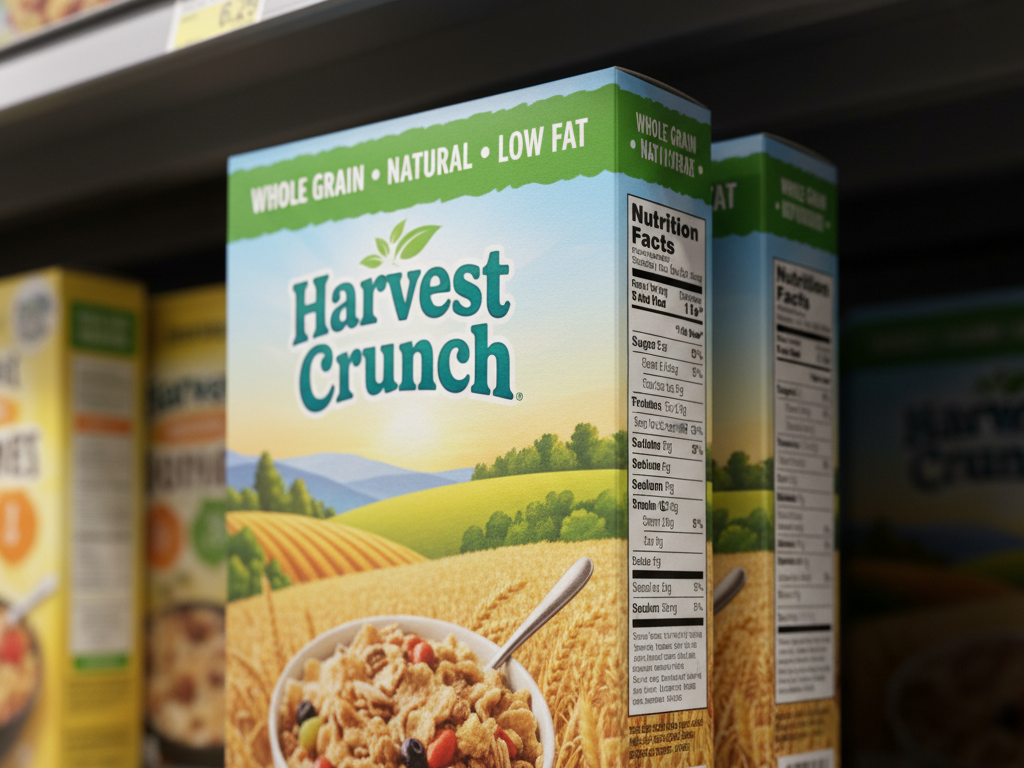
<p> Take a walk down any grocery aisle and you will be greeted by words like “natural,” “light,” “made with whole grains,” and “low fat.” These terms are designed to sound reassuring, especially for boomers who are paying closer attention to health. But the reality is that many of these claims are vague or misleading. “Low fat” foods, for example, often contain extra sugar to make up for the taste. “Natural” only means the ingredients come from plants or animals, not that the food is automatically good for you. While packaging wants you to stop at the buzzword, your best move is to flip the box around and read the nutrition label. That is where the truth hides. </p> :: Gemini

Take a walk down any grocery aisle and you will be greeted by words like “natural,” “light,” “made with whole grains,” and “low fat.” These terms are designed to sound reassuring, especially for boomers who are paying closer attention to health. But the reality is that many of these claims are vague or misleading. “Low fat” foods, for example, often contain extra sugar to make up for the taste. “Natural” only means the ingredients come from plants or animals, not that the food is automatically good for you. While packaging wants you to stop at the buzzword, your best move is to flip the box around and read the nutrition label. That is where the truth hides.

3. Bigger Fonts and Bold Labels for Easier Reading

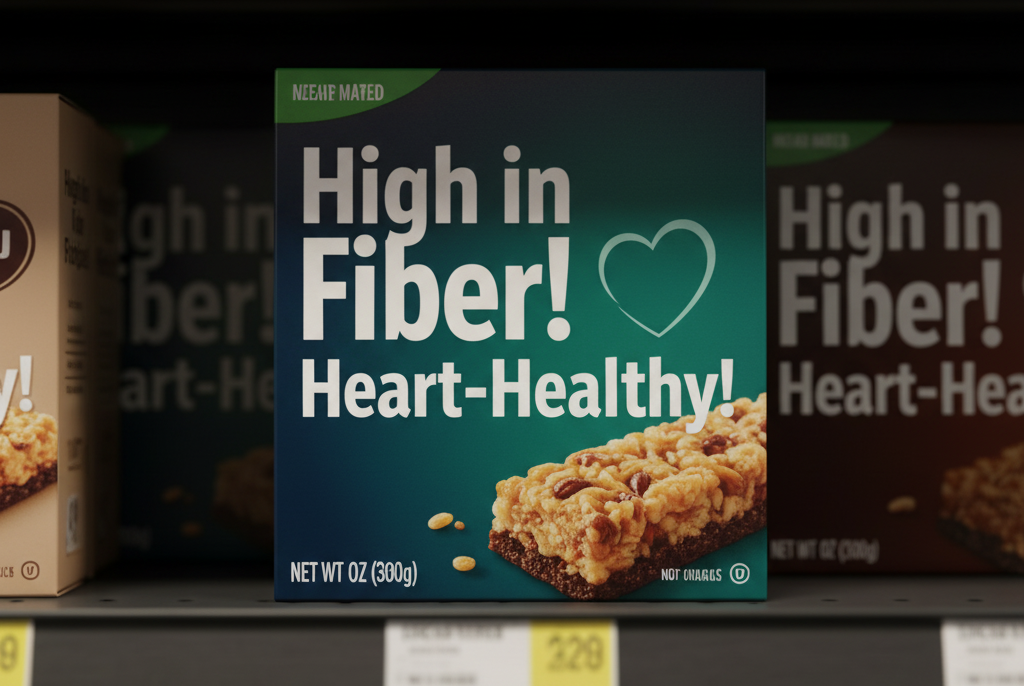
<p> Food companies are very aware that eyesight changes with age, so they make sure to use bigger fonts, bolder claims, and high-contrast colors that catch your attention. This can make labels easier to read, which is helpful, but it also comes with a catch. The large print almost always highlights the positives: “High in Fiber!” “Great Source of Calcium!” “Heart Healthy!” The less flattering details, like added sugars or high sodium levels, are tucked away in the fine print. The packaging is guiding your eyes where the brand wants them to go. To outsmart this trick, always check the smaller print before tossing the product into your cart. </p> :: Gemini

Food companies are very aware that eyesight changes with age, so they make sure to use bigger fonts, bolder claims, and high-contrast colors that catch your attention. This can make labels easier to read, which is helpful, but it also comes with a catch. The large print almost always highlights the positives: “High in Fiber!” “Great Source of Calcium!” “Heart Healthy!” The less flattering details, like added sugars or high sodium levels, are tucked away in the fine print. The packaging is guiding your eyes where the brand wants them to go. To outsmart this trick, always check the smaller print before tossing the product into your cart.

4. Family Size and Value Packs That Play to Frugality

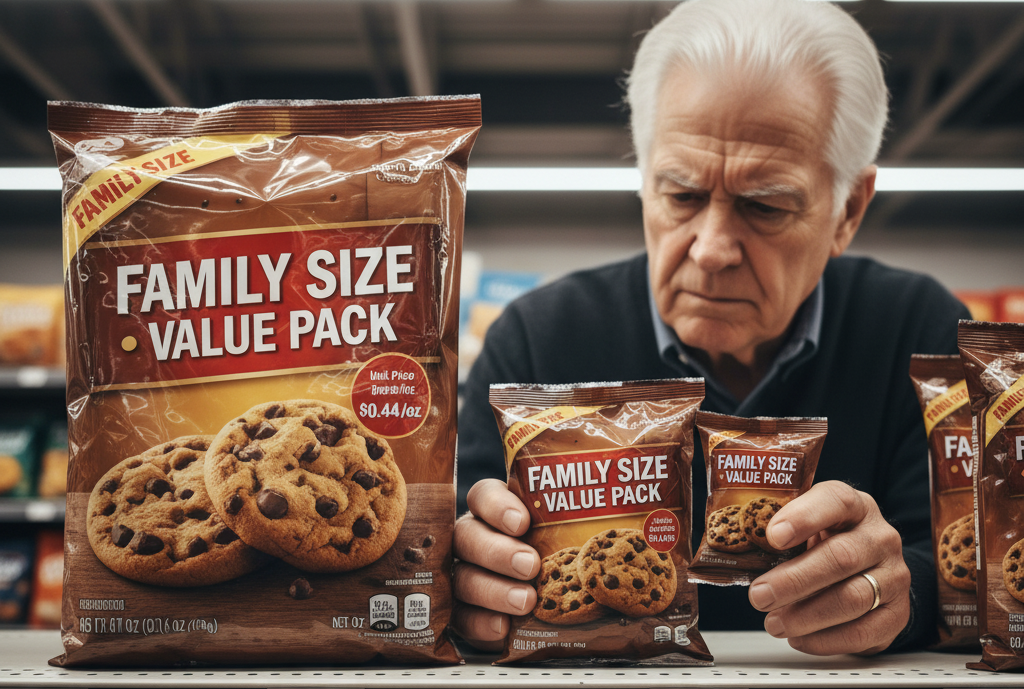
<p> Boomers grew up in a time when stretching a dollar was a point of pride, and marketers know it. That is why so many items are sold in “family size” or “value pack” packages that seem like the smarter choice. Sometimes these really do save you money, but often the price per ounce is the same, or even higher. Plus, larger packages can encourage you to eat more than you would from a smaller one. A big bag of cookies, for example, may feel like a deal, but it also makes it easier to overindulge. Before grabbing the largest package on the shelf, do a quick price-per-ounce comparison. You might be surprised at which size is the real value. </p> :: Pexels

Boomers grew up in a time when stretching a dollar was a point of pride, and marketers know it. That is why so many items are sold in “family size” or “value pack” packages that seem like the smarter choice. Sometimes these really do save you money, but often the price per ounce is the same, or even higher. Plus, larger packages can encourage you to eat more than you would from a smaller one. A big bag of cookies, for example, may feel like a deal, but it also makes it easier to overindulge. Before grabbing the largest package on the shelf, do a quick price-per-ounce comparison. You might be surprised at which size is the real value.

5. Calming Colors and Cozy Pictures

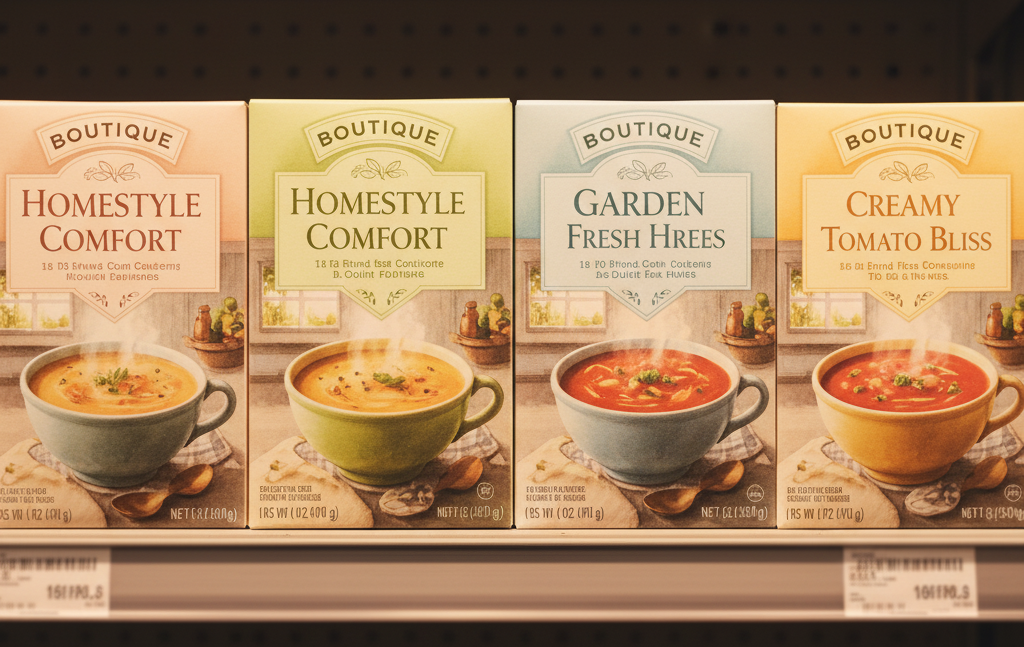
<p> Colors and images are not random. Packaging designers use them to trigger emotions. Greens and earthy tones signal health and nature, even if the product itself is not particularly healthy. Blues and soft pastels suggest freshness or calm. Pictures of steaming soup bowls, rustic bread loaves, or happy families on the front of a box are carefully chosen to spark feelings of comfort and belonging. For many boomers, who often link food with family and togetherness, these cues can be especially persuasive. The key is to remember that while the colors and images can warm your heart, they do not tell you much about what is really inside. </p> :: Gemini

Colors and images are not random. Packaging designers use them to trigger emotions. Greens and earthy tones signal health and nature, even if the product itself is not particularly healthy. Blues and soft pastels suggest freshness or calm. Pictures of steaming soup bowls, rustic bread loaves, or happy families on the front of a box are carefully chosen to spark feelings of comfort and belonging. For many boomers, who often link food with family and togetherness, these cues can be especially persuasive. The key is to remember that while the colors and images can warm your heart, they do not tell you much about what is really inside.

6. Limited Edition and Seasonal Packaging

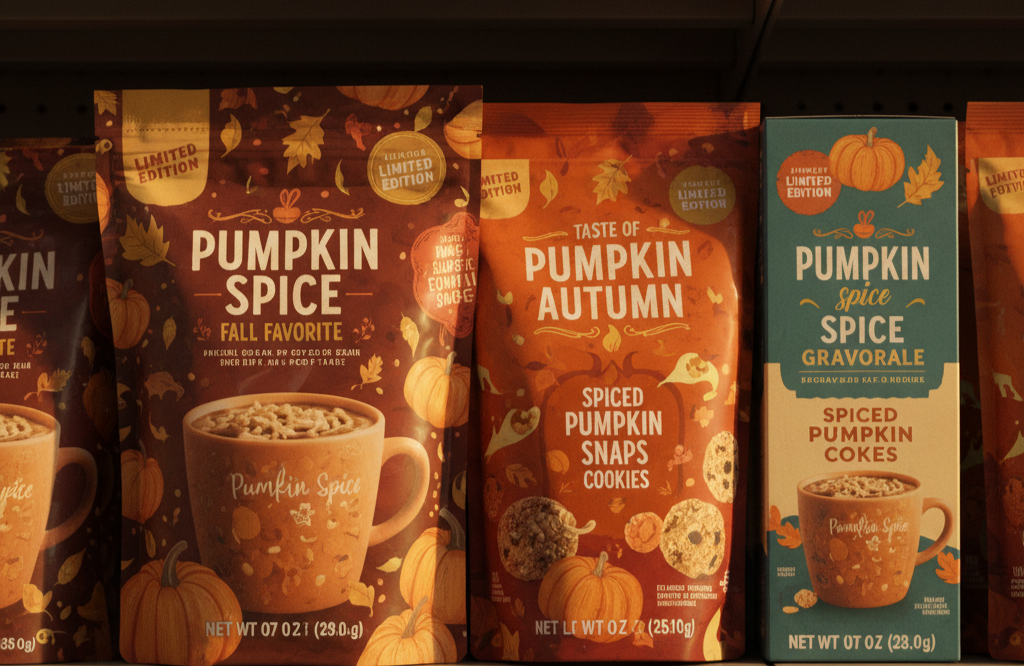
<p> Pumpkin spice cookies in the fall. Red and green packaging at Christmas. Stars and stripes snacks in July. These seasonal and limited-edition designs are marketing gold. They create a sense of urgency and tradition that can be hard to resist. For boomers, who often love celebrating holidays with family, this packaging feels festive and fun. The truth is, though, the product inside is usually no different from the regular version. You are often paying extra for the box or bag. While there is nothing wrong with picking up something special for the season, it is good to recognize that the packaging is what makes it tempting. </p> :: Gemini

Pumpkin spice cookies in the fall. Red and green packaging at Christmas. Stars and stripes snacks in July. These seasonal and limited-edition designs are marketing gold. They create a sense of urgency and tradition that can be hard to resist. For boomers, who often love celebrating holidays with family, this packaging feels festive and fun. The truth is, though, the product inside is usually no different from the regular version. You are often paying extra for the box or bag. While there is nothing wrong with picking up something special for the season, it is good to recognize that the packaging is what makes it tempting.

7. Resealable and Easy-Open Features

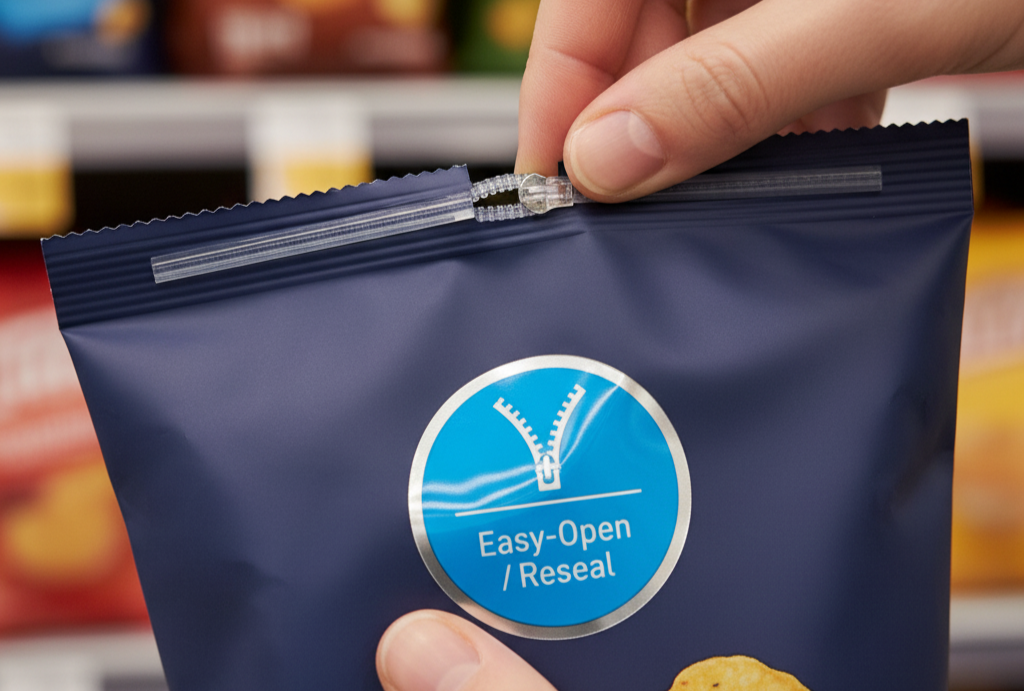
<p> Convenience sells, and food companies know boomers value practicality. That is why you see more packages with resealable zippers, easy-pour spouts, or peel-and-reseal lids. These upgrades make life easier, no doubt about it. But they also create the impression that the product is higher quality, which often comes with a higher price tag. The food inside may be exactly the same as the cheaper version in a plain bag. While it can be worth paying for convenience, sometimes a reusable container at home can do the job just as well, without the added cost. </p> :: Gemini

Convenience sells, and food companies know boomers value practicality. That is why you see more packages with resealable zippers, easy-pour spouts, or peel-and-reseal lids. These upgrades make life easier, no doubt about it. But they also create the impression that the product is higher quality, which often comes with a higher price tag. The food inside may be exactly the same as the cheaper version in a plain bag. While it can be worth paying for convenience, sometimes a reusable container at home can do the job just as well, without the added cost.

Final Thoughts

<p> Food packaging is not just about wrapping. It is a powerful form of marketing designed to influence how you think and feel in the grocery store. For baby boomers, who bring unique values like nostalgia, health awareness, and frugality to shopping, marketers know exactly which buttons to press. From colors that whisper “healthy” to fonts that scream “family value,” every detail is carefully planned.

The good news is that once you are aware of these tricks, you hold the power. You can enjoy the memories without buying into nostalgia, check labels instead of trusting buzzwords, and compare prices before reaching for the family-size deal. By slowing down and looking past the packaging, you can make choices that truly match your needs, your health, and your budget.

So the next time you walk down the grocery aisle, remember: you are not just shopping for food, you are navigating a world of marketing psychology. Stay sharp, shop smart, and let your cart reflect your choices—not the story the packaging wants to sell you. </p> :: Gemini

Food packaging is not just about wrapping. It is a powerful form of marketing designed to influence how you think and feel in the grocery store. For baby boomers, who bring unique values like nostalgia, health awareness, and frugality to shopping, marketers know exactly which buttons to press. From colors that whisper “healthy” to fonts that scream “family value,” every detail is carefully planned.

The good news is that once you are aware of these tricks, you hold the power. You can enjoy the memories without buying into nostalgia, check labels instead of trusting buzzwords, and compare prices before reaching for the family-size deal. By slowing down and looking past the packaging, you can make choices that truly match your needs, your health, and your budget.

So the next time you walk down the grocery aisle, remember: you are not just shopping for food, you are navigating a world of marketing psychology. Stay sharp, shop smart, and let your cart reflect your choices—not the story the packaging wants to sell you.

Filed Under: Money

8 Reasons Why Cats Would Rather Throw the Ball and Have You Fetch It

October 8, 2025 | Leave a Comment

8 Reasons Why Cats Would Rather Throw the Ball and Have You Fetch It

<p> Cats and dogs are the most common household pets, and they often embody distinct personalities and behaviors. One of the quintessential activities associated with dogs is playing fetch. Many dog owners delight in throwing a ball and watching their furry friend sprint after it, eagerly bringing it back to repeat the process. However, cat owners know that this is rarely the case with their feline companions. While some cats might occasionally engage in a game of fetch, it is far from the norm. Here are eight reasons why cats generally have no interest in a game of fetch. </p>:: Pexels

Cats and dogs are the most common household pets, and they often embody distinct personalities and behaviors. One of the quintessential activities associated with dogs is playing fetch. Many dog owners delight in throwing a ball and watching their furry friend sprint after it, eagerly bringing it back to repeat the process. However, cat owners know that this is rarely the case with their feline companions. While some cats might occasionally engage in a game of fetch to humor us, it is far from the norm. Here are eight reasons why cats generally may want to trade in their human if forced to play a game of fetch.


1. Natural Hunting Instincts

<p> Cats are natural hunters, and their play behaviors are closely tied to their instincts. In the wild, cats spend a considerable amount of time and energy stalking, pouncing, and capturing prey. Fetching a ball doesn't mimic these natural hunting behaviors. While a cat might chase after a moving object, the idea of bringing it back to a human goes against their instinctive hunting practices. They are more inclined to catch and play with their "prey" rather than retrieve and return it. </p>:: Pexels

Cats are natural hunters, and their play behaviors are closely tied to their instincts. In the wild, cats spend a considerable amount of time and energy stalking, pouncing, and capturing prey. Fetching a ball doesn’t mimic these natural hunting behaviors. While a cat might chase after a moving object, the idea of bringing it back to a human goes against their instinctive hunting practices. They are more inclined to catch and play with their “prey” rather than retrieve and return it.


2. Territorial Behavior

<p> Cats are inherently territorial creatures. They prefer to control and manipulate objects within their environment. When a cat catches something, even if it's a toy, they often want to keep it as their own. Returning the object to a human could be seen as relinquishing control, which conflicts with their natural desire to dominate their territory. This territorial nature contributes to their reluctance to engage in fetch. </p>:: Pexels

Cats are inherently territorial creatures. They prefer to control and manipulate objects within their environment. When a cat catches something, even if it’s a toy, they often want to keep it as their own. Returning the object to a human could be seen as relinquishing control, which conflicts with their natural desire to dominate their territory. This territorial nature contributes to their reluctance to engage in fetch.


3. Independent Nature

<p> Cats are known for their independence. Unlike dogs, which have been bred for centuries to work alongside humans and follow commands, cats have retained a more solitary disposition. This independent streak means they are less inclined to perform tasks that seem to benefit others, such as fetching a ball for their human. They prefer activities that satisfy their own needs and interests. </p>:: Pexels

Cats are known for their independence. Unlike dogs, which have been bred for centuries to work alongside humans and follow commands, cats have retained a more solitary disposition. This independent streak means they are less inclined to perform tasks that seem to benefit others, such as fetching a ball for their human. They prefer activities that satisfy their own needs and interests.


4. Lack of Social Reinforcement

<p> Dogs are highly social animals and have been domesticated to seek approval and praise from their human companions. Fetch is an activity that dogs often engage in to receive positive reinforcement, whether it's a pat on the head, a treat, or verbal praise. Cats, on the other hand, do not rely on social reinforcement to the same extent. While they may enjoy petting and praise, these rewards are not as significant in motivating their behavior, making fetch less appealing. </p>:: Pexels

Dogs are highly social animals and have been domesticated to seek approval and praise from their human companions. Fetch is an activity that dogs often engage in to receive positive reinforcement, whether it’s a pat on the head, a treat, or verbal praise. Cats, on the other hand, do not rely on social reinforcement to the same extent. While they may enjoy petting and praise, these rewards are not as significant in motivating their behavior, making fetch less appealing.


5. Differing Play Styles

<p> The play styles of cats and dogs are fundamentally different. Dogs enjoy interactive play that involves cooperation with their human companions, such as fetch or tug-of-war. Cats, however, often prefer solitary play or interactive play that mimics hunting, such as chasing a laser pointer or pouncing on a feather toy. Fetch doesn't align with their preferred play style, which is more focused on stalking and capturing rather than retrieving. </p>:: Pexels

The play styles of cats and dogs are fundamentally different. Dogs enjoy interactive play that involves cooperation with their human companions, such as fetch or tug-of-war. Cats, however, often prefer solitary play or interactive play that mimics hunting, such as chasing a laser pointer or pouncing on a feather toy. Fetch doesn’t align with their preferred play style, which is more focused on stalking and capturing rather than retrieving.


6. Energy Conservation

<p> In the wild, cats are opportunistic hunters that need to conserve energy for when they have the best chance of catching prey. This energy conservation instinct translates to their domestic behavior as well. Fetch is a high-energy game that requires repeated bursts of activity, which may not appeal to a cat's natural inclination to save their energy for hunting or exploring. They prefer short bursts of intense activity followed by periods of rest. </p>:: Pexels

In the wild, cats are opportunistic hunters that need to conserve energy for when they have the best chance of catching prey. This energy conservation instinct translates to their domestic behavior as well. Fetch is a high-energy game that requires repeated bursts of activity, which may not appeal to a cat’s natural inclination to save their energy for hunting or exploring. They prefer short bursts of intense activity followed by periods of rest.


7. Lack of Motivation

<p> For many dogs, fetching a ball is inherently rewarding, and they find joy in the repetitive nature of the game. Cats, however, may not find the same intrinsic motivation in fetch. Without a strong desire or reason to chase and return an object, the game doesn't hold much appeal. Toys that simulate hunting or contain treats are more likely to capture a cat's interest and motivation. </p>:: Pexels

For many dogs, fetching a ball is inherently rewarding, and they find joy in the repetitive nature of the game. Cats, however, may not find the same intrinsic motivation in fetch. Without a strong desire or reason to chase and return an object, the game doesn’t hold much appeal. Toys that simulate hunting or contain treats are more likely to capture a cat’s interest and motivation.


8. Behavioral Conditioning

<p> The behaviors of dogs and cats are shaped by their evolutionary histories and domestication processes. Dogs have been bred for specific tasks, including retrieving, herding, and guarding, which involve responding to human commands and performing repetitive actions. Cats, on the other hand, have been domesticated primarily for pest control and companionship. Their behaviors are less about performing tasks for humans and more about fulfilling their own needs and instincts. Fetch is not a behavior that has been reinforced through their domestication history. </p>:: Pexels

The behaviors of dogs and cats are shaped by their evolutionary histories and domestication processes. Dogs have been bred for specific tasks, including retrieving, herding, and guarding, which involve responding to human commands and performing repetitive actions. Cats, on the other hand, have been domesticated primarily for pest control and companionship. Their behaviors are less about performing tasks for humans and more about fulfilling their own needs and instincts. Fetch is not a behavior that has been reinforced through their domestication history.


9. Sensory Sensitivities

<p> Cats have highly sensitive senses, particularly their hearing and vision. The loud noises or sudden movements associated with throwing a ball can startle or overwhelm them, making fetch less enjoyable. Additionally, their acute sense of smell may make them wary of objects with unfamiliar scents, further reducing their interest in the game. </p>:: Pexels

Cats have highly sensitive senses, particularly their hearing and vision. The loud noises or sudden movements associated with throwing a ball can startle or overwhelm them, making fetch less enjoyable. Additionally, their acute sense of smell may make them wary of objects with unfamiliar scents, further reducing their interest in the game.


Final Thoughts

<p> Understanding the differences between cats and dogs is key to appreciating why cats typically have no interest in playing fetch. Their natural hunting instincts, territorial behavior, independence, lack of social reinforcement, differing play styles, energy conservation, lack of motivation, and evolutionary history all contribute to this disinterest. While some individual cats may occasionally engage in fetch, it is not a behavior that aligns with their inherent nature. </p>:: Pexels

Understanding the differences between cats and dogs is key to appreciating why cats typically have no interest in playing fetch. Their natural hunting instincts, territorial behavior, independence, lack of social reinforcement, differing play styles, energy conservation, lack of motivation, and evolutionary history all contribute to this disinterest. While some individual cats may occasionally engage in fetch, it is not a behavior that aligns with their inherent nature.

Filed Under: Lifestyle

Embracing the Golden Years: 10 Semi-Retirement Jobs Perfect for Boomers

October 8, 2025 | Leave a Comment

Embracing the Golden Years: 11 Semi-Retirement Jobs Perfect for Boomers

<p> As Baby Boomers enter their golden years, many find that full retirement isn’t quite what they envisioned. Whether it’s a desire to stay active, pursue new passions, or supplement their income, more Boomers are choosing semi-retirement over complete withdrawal from the workforce. The good news is that there are plenty of flexible, fulfilling, and financially rewarding jobs that are perfect for those looking to balance work with leisure. Here are 11 semi-retirement jobs that are ideal for Boomers. </p>:: Pexels

As Baby Boomers enter their golden years, many find that full retirement isn’t quite what they envisioned. Whether it’s a desire to stay active, pursue new passions, or supplement their income, more Boomers are choosing semi-retirement over complete withdrawal from the workforce. The good news is that there are plenty of flexible, fulfilling, and financially rewarding jobs that are perfect for those looking to balance work with leisure. Here are 11 semi-retirement jobs that are ideal for Boomers.


1. Consulting

<p>After decades of experience in a particular industry, many Boomers are in a prime position to become consultants. Whether it’s business, finance, healthcare, or another field, consulting allows you to share your expertise on your own terms. You can choose your clients, set your hours, and work on projects that interest you, making it a flexible and intellectually stimulating option. </p>:: Pexels

After decades of experience in a particular industry, many Boomers are in a prime position to become consultants. Whether it’s business, finance, healthcare, or another field, consulting allows you to share your expertise on your own terms. You can choose your clients, set your hours, and work on projects that interest you, making it a flexible and intellectually stimulating option.


2. Freelance Writing or Editing

<p>If you have a knack for writing or editing, the freelance world offers a wealth of opportunities. From writing blogs and articles to editing manuscripts or academic papers, freelance work can be done from anywhere and at any time. This job is perfect for those who want to stay intellectually engaged while enjoying the freedom to set their own schedules. </p>:: Pexels

If you have a knack for writing or editing, the freelance world offers a wealth of opportunities. From writing blogs and articles to editing manuscripts or academic papers, freelance work can be done from anywhere and at any time. This job is perfect for those who want to stay intellectually engaged while enjoying the freedom to set their own schedules.


3. Tutoring

<p> Many Boomers find great satisfaction in teaching and mentoring younger generations. Tutoring, whether in person or online, is a rewarding way to share your knowledge in subjects like math, science, languages, or even music. It’s a flexible job that allows you to work with students of all ages, from elementary school children to college students or adult learners. </p>:: Pexels

Many Boomers find great satisfaction in teaching and mentoring younger generations. Tutoring, whether in person or online, is a rewarding way to share your knowledge in subjects like math, science, languages, or even music. It’s a flexible job that allows you to work with students of all ages, from elementary school children to college students or adult learners.


4. Real Estate Agent

<p> If you’ve always had an interest in real estate, becoming a real estate agent can be a fulfilling semi-retirement career. This job offers flexible hours, the opportunity to meet new people, and the chance to help others find their dream homes. Plus, it can be financially rewarding, especially if you’re working in a thriving market. </p>:: Pexels

If you’ve always had an interest in real estate, becoming a real estate agent can be a fulfilling semi-retirement career. This job offers flexible hours, the opportunity to meet new people, and the chance to help others find their dream homes. Plus, it can be financially rewarding, especially if you’re working in a thriving market.


5. Customer Service Representative

<p> Many companies are looking for experienced, reliable individuals to work as customer service representatives. This job often offers flexible hours and the option to work from home. If you enjoy helping others and solving problems, this could be a great fit for your semi-retirement lifestyle. </p>:: Pexels

Many companies are looking for experienced, reliable individuals to work as customer service representatives. This job often offers flexible hours and the option to work from home. If you enjoy helping others and solving problems, this could be a great fit for your semi-retirement lifestyle.


6. Nonprofit Work

<p> If you’re passionate about a cause, working for a nonprofit organization can be incredibly fulfilling. Whether you’re interested in volunteering your time or taking on a paid position, nonprofit work allows you to contribute to something meaningful. Many nonprofits offer part-time or flexible roles, making it easier to balance work with other retirement activities. </p>:: Pexels

If you’re passionate about a cause, working for a nonprofit organization can be incredibly fulfilling. Whether you’re interested in volunteering your time or taking on a paid position, nonprofit work allows you to contribute to something meaningful. Many nonprofits offer part-time or flexible roles, making it easier to balance work with other retirement activities.


7. Tour Guide

<p>For those who love history, culture, or just meeting new people, becoming a tour guide can be a fun and engaging job. Whether it’s leading tours in your local area, at historical sites, or even abroad, this job allows you to share your knowledge and enthusiasm with others. It’s also a great way to stay active and social during your semi-retirement years. </p>:: Pexels

For those who love history, culture, or just meeting new people, becoming a tour guide can be a fun and engaging job. Whether it’s leading tours in your local area, at historical sites, or even abroad, this job allows you to share your knowledge and enthusiasm with others. It’s also a great way to stay active and social during your semi-retirement years.


8. Handyman Services

<p> If you’re handy around the house, offering handyman services can be a lucrative and flexible job. Many Boomers have accumulated years of experience in home repairs and maintenance, and there’s always a demand for skilled workers. You can choose the jobs you want to take on and set your own schedule, making this an ideal semi-retirement career. </p>:: Pexels

If you’re handy around the house, offering handyman services can be a lucrative and flexible job. Many Boomers have accumulated years of experience in home repairs and maintenance, and there’s always a demand for skilled workers. You can choose the jobs you want to take on and set your own schedule, making this an ideal semi-retirement career.


9. Pet Sitting or Dog Walking

<p> Animal lovers might find joy in pet sitting or dog walking. This job offers flexible hours, the chance to spend time with animals, and the ability to stay active. It’s a great way to earn extra income while enjoying the company of furry friends. Plus, it’s a low-stress job that can easily fit into a semi-retirement lifestyle. </p>:: Pexels

Animal lovers might find joy in pet sitting or dog walking. This job offers flexible hours, the chance to spend time with animals, and the ability to stay active. It’s a great way to earn extra income while enjoying the company of furry friends. Plus, it’s a low-stress job that can easily fit into a semi-retirement lifestyle.


10. Virtual Assistant

<p> With the rise of remote work, the demand for virtual assistants has grown significantly. As a virtual assistant, you can provide administrative support to businesses or entrepreneurs from the comfort of your home. Tasks might include managing emails, scheduling appointments, or handling social media. This job offers flexibility, the ability to work from anywhere, and the opportunity to use your organizational skills. </p>:: Pexels

With the rise of remote work, the demand for virtual assistants has grown significantly. As a virtual assistant, you can provide administrative support to businesses or entrepreneurs from the comfort of your home. Tasks might include managing emails, scheduling appointments, or handling social media. This job offers flexibility, the ability to work from anywhere, and the opportunity to use your organizational skills.


11. Photographer

<p> For those with a passion for photography, turning it into a part-time job can be incredibly rewarding. You can focus on areas like portrait photography, event photography, or even stock photography. This job allows you to pursue a creative hobby while earning extra income and setting your own hours. </p>:: Pexels

For those with a passion for photography, turning it into a part-time job can be incredibly rewarding. You can focus on areas like portrait photography, event photography, or even stock photography. This job allows you to pursue a creative hobby while earning extra income and setting your own hours.


Final Thoughts

<p> Semi-retirement doesn’t mean slowing down; it’s an opportunity to explore new careers, stay engaged, and continue contributing to society on your terms. Whether you’re looking to share your expertise, pursue a passion, or simply supplement your income, there are plenty of jobs that offer the perfect balance of work and leisure. By embracing these opportunities, Boomers can make the most of their golden years, staying active, fulfilled, and financially secure. </p>:: Pexels

Semi-retirement doesn’t mean slowing down; it’s an opportunity to explore new careers, stay engaged, and continue contributing to society on your terms. Whether you’re looking to share your expertise, pursue a passion, or simply supplement your income, there are plenty of jobs that offer the perfect balance of work and leisure. By embracing these opportunities, Boomers can make the most of their golden years, staying active, fulfilled, and financially secure.

Filed Under: Money

18 Reasons Why Consumers Forced Automakers to Scale Back Their EV Ambitions

October 8, 2025 | Leave a Comment

18 Reasons Why Consumers Forced Automakers to Scale Back Their EV Ambitions

<p> As summer progresses and the echoes of spring fade into memory, car dealerships across the nation are busy clearing out their existing inventory to make room for the anticipated 2025 models arriving in the fall. However, a conspicuous holdover on many dealership lots remains: electric vehicles (EVs). As automakers reassess their strategies, here are ten critical reasons why many are tempering their previously fervent enthusiasm for EVs. </p>:: Pexels

As summer progresses and the echoes of spring fade into memory, car dealerships across the nation are busy clearing out their existing inventory to make room for the anticipated 2025 models arriving in the fall. However, a conspicuous holdover on many dealership lots remains: electric vehicles (EVs). As automakers reassess their strategies, here are ten critical reasons why many are tempering their previously fervent enthusiasm for EVs:


1. Unattractive Design Perceptions

<p> Let's face it, most EVs are ugly. Many consumers still perceive electric vehicles as being less attractive or less stylish compared to traditional cars. This perception stems from early EV models that often prioritized function over form, resulting in designs that some found unappealing. Although newer models are increasingly stylish, overcoming the lingering image of EVs as unattractive is an ongoing challenge. Automakers must invest in design innovation to change this perception and appeal to a broader audience. </p>:: Pexels

Let’s face it, most EVs are ugly. Many consumers still perceive electric vehicles as being less attractive or less stylish compared to traditional cars. This perception stems from early EV models that often prioritized function over form, resulting in designs that some found unappealing. Although newer models are increasingly stylish, overcoming the lingering image of EVs as unattractive is an ongoing challenge. Automakers must invest in design innovation to change this perception and appeal to a broader audience.


2. High Production Costs

<p> One of the most pressing challenges facing automakers is the high cost of producing electric vehicles. While Tesla has managed to achieve some success in this domain, other manufacturers are struggling with the financial strain of EV production. The expenses associated with high-performance batteries, rare materials, and complex manufacturing processes contribute to the elevated costs of EVs. Many companies are currently selling these vehicles at a loss, further complicating their financial viability. </p>:: Pexels

One of the most pressing challenges facing automakers is the high cost of producing electric vehicles. While Tesla has managed to achieve some success in this domain, other manufacturers are struggling with the financial strain of EV production. The expenses associated with high-performance batteries, rare materials, and complex manufacturing processes contribute to the elevated costs of EVs. Many companies are currently selling these vehicles at a loss, further complicating their financial viability.


3. Limited Charging Infrastructure

<p> While the EV market is growing, the infrastructure needed to support widespread adoption—particularly charging stations—has not kept pace. The current network of charging facilities is insufficient for the needs of mass EV adoption, leading to concerns about range anxiety among potential buyers. Without a robust and extensive charging infrastructure, automakers face difficulties in achieving their ambitious EV sales targets and convincing consumers of the practicality of electric vehicles. </p>:: Pexels

While the EV market is growing, the infrastructure needed to support widespread adoption—particularly charging stations—has not kept pace. The current network of charging facilities is insufficient for the needs of mass EV adoption, leading to concerns about range anxiety among potential buyers. Without a robust and extensive charging infrastructure, automakers face difficulties in achieving their ambitious EV sales targets and convincing consumers of the practicality of electric vehicles.


4. Range Anxiety

<p> Like dealing with actual anxiety in life, it may never go away. Although advancements in battery technology have improved the range of electric vehicles, concerns about running out of charge continue to deter potential buyers. Range anxiety, or the fear of depleting the battery before reaching a charging station, remains a significant barrier. This apprehension affects consumer confidence and willingness to fully embrace EVs, especially for those who frequently undertake long journeys. </p>:: Pexels

Like dealing with actual anxiety in life, it may never go away. Although advancements in battery technology have improved the range of electric vehicles, concerns about running out of charge continue to deter potential buyers. Range anxiety, or the fear of depleting the battery before reaching a charging station, remains a significant barrier. This apprehension affects consumer confidence and willingness to fully embrace EVs, especially for those who frequently undertake long journeys.


5. Preference for Hybrids

<p> Ironically, many car buyer were skeptical about hybrids car over the years. But as the we are now seeing the limitations and challenges of full EVs, consumers are now giving hybrids a second look. In the American market, hybrids continue to capture consumer preference over fully electric vehicles. Hybrids offer a practical solution by combining traditional internal combustion engines with electric power, striking a balance between fuel efficiency and convenience. This preference indicates that many buyers are still seeking the familiar benefits of conventional vehicles while enjoying some of the advantages of electric power. Ironically, many car buyer were skeptical about hybrids </p>:: Pexels

Ironically, many car buyer were skeptical about hybrids car over the years. But as the we are now seeing the limitations and challenges of full EVs, consumers are now giving hybrids a second look. In the American market, hybrids continue to capture consumer preference over fully electric vehicles. Hybrids offer a practical solution by combining traditional internal combustion engines with electric power, striking a balance between fuel efficiency and convenience. This preference indicates that many buyers are still seeking the familiar benefits of conventional vehicles while enjoying some of the advantages of electric power. Ironically, many car buyer were skeptical about hybrids


6. Slow Mainstream Adoption

<p> While EVs have garnered enthusiasm from early adopters and tech enthusiasts, mainstream buyers remain cautious. Concerns about the range, charging infrastructure, and overall practicality of EVs contribute to their slower adoption rate. This hesitation highlights the need for continued efforts to address these concerns and make EVs more accessible and appealing to the general public. </p>:: Pexels

While EVs have garnered enthusiasm from early adopters and tech enthusiasts, mainstream buyers remain cautious. Concerns about the range, charging infrastructure, and overall practicality of EVs contribute to their slower adoption rate. This hesitation highlights the need for continued efforts to address these concerns and make EVs more accessible and appealing to the general public.


7. Profitability Challenges

<p> Automakers face significant challenges in achieving profitability with their electric vehicle offerings. For instance, Ford's CFO, John Lawler, has projected that the company's second-generation EVs will become profitable, but these models are not expected to hit the market until late 2025 or early 2026. The current inability to generate profits from EVs underscores the financial hurdles that many manufacturers are encountering. </p>:: Pexels

Automakers face significant challenges in achieving profitability with their electric vehicle offerings. For instance, Ford’s CFO, John Lawler, has projected that the company’s second-generation EVs will become profitable, but these models are not expected to hit the market until late 2025 or early 2026. The current inability to generate profits from EVs underscores the financial hurdles that many manufacturers are encountering.


8. Consumer Demand Fluctuations

<p> Consumer interest in electric vehicles is growing, but it is not uniform across all markets. In some regions, traditional vehicles still hold significant appeal due to factors such as lower upfront costs, perceived reliability, and familiarity. Additionally, early EV models often lacked the driving excitement and features that many consumers expect. Automakers must navigate varying levels of consumer demand, which can lead to a reassessment of their EV strategies and a potential scaling back of their plans in less receptive markets. </p>:: Pexels

Consumer interest in electric vehicles is growing, but it is not uniform across all markets. In some regions, traditional vehicles still hold significant appeal due to factors such as lower upfront costs, perceived reliability, and familiarity. Additionally, early EV models often lacked the driving excitement and features that many consumers expect. Automakers must navigate varying levels of consumer demand, which can lead to a reassessment of their EV strategies and a potential scaling back of their plans in less receptive markets.


9. Production Delays

<p> Numerous automakers have experienced delays in their EV production schedules. Ford, for example, has pushed back the timeline for its ambitious BlueOval City EV campus in Tennessee from 2025 to 2026. Similarly, General Motors (GM) has adjusted its production targets for electric vehicles. These delays reflect the broader challenges in scaling up production to meet market demands. </p>:: Pexels

Numerous automakers have experienced delays in their EV production schedules. Ford, for example, has pushed back the timeline for its ambitious BlueOval City EV campus in Tennessee from 2025 to 2026. Similarly, General Motors (GM) has adjusted its production targets for electric vehicles. These delays reflect the broader challenges in scaling up production to meet market demands.


10. Using Cheap Parts Under the Guise of Being Sustainable and Environmentally Friendly

<p> Some automakers have been criticized for using cheaper, lower-quality components in their EVs while marketing them as sustainable and environmentally friendly. This practice can lead to issues with reliability and performance, undermining consumer trust and satisfaction. The perception that EVs are not as well-made as their traditional counterparts can contribute to reluctance among potential buyers. </p>:: Pexels

Some automakers have been criticized for using cheaper, lower-quality components in their EVs while marketing them as sustainable and environmentally friendly. This practice can lead to issues with reliability and performance, undermining consumer trust and satisfaction. The perception that EVs are not as well-made as their traditional counterparts can contribute to reluctance among potential buyers.


11. Stigma and Perceptions of EV Drivers

<p> The stigma associated with electric vehicle drivers can also play a role in scaling back EV ambitions. In some circles, EV drivers are viewed through a lens of environmental elitism or as enthusiasts detached from mainstream automotive culture. This perception can impact consumer adoption and acceptance of EVs. Automakers need to address these social stigmas and work on changing perceptions to enhance the appeal of electric vehicles. </p>:: Pexels

The stigma associated with electric vehicle drivers can also play a role in scaling back EV ambitions. In some circles, EV drivers are viewed through a lens of environmental elitism or as enthusiasts detached from mainstream automotive culture. This perception can impact consumer adoption and acceptance of EVs. Automakers need to address these social stigmas and work on changing perceptions to enhance the appeal of electric vehicles.


12. Less Engaging Driving Experience

<p> Electric vehicles are often perceived as less engaging to drive compared to traditional gasoline-powered cars. The driving experience of many EVs has been described as lacking the excitement, feedback, and dynamism that enthusiasts associate with internal combustion engines. This perception can affect consumer interest, particularly among those who value driving pleasure. </p>:: Pexels

Electric vehicles are often perceived as less engaging to drive compared to traditional gasoline-powered cars. The driving experience of many EVs has been described as lacking the excitement, feedback, and dynamism that enthusiasts associate with internal combustion engines. This perception can affect consumer interest, particularly among those who value driving pleasure.


13. Stellantis’ Strategic Shift

<p> Stellantis, a key player in the automotive industry, has recently altered its strategy in the EV market. The company paused its development of a joint venture battery factory with Mercedes and instead formed a partnership with China's Leapmotor to produce electric vehicles. This shift in strategy highlights the evolving dynamics and challenges within the EV sector, as automakers adapt their approaches to navigate the market. </p>:: Pexels

Stellantis, a key player in the automotive industry, has recently altered its strategy in the EV market. The company paused its development of a joint venture battery factory with Mercedes and instead formed a partnership with China’s Leapmotor to produce electric vehicles. This shift in strategy highlights the evolving dynamics and challenges within the EV sector, as automakers adapt their approaches to navigate the market.


14. Anticipated Breakthrough with Solid-State Batteries

<p> Traditional automakers are pinning hopes on technological breakthroughs to reduce costs and enhance EV viability. Solid-state batteries, which promise to offer greater efficiency and lower production costs, are seen as a potential game-changer. The successful development and commercialization of solid-state batteries could significantly impact the economics of electric vehicle manufacturing. </p>:: Pexels

Traditional automakers are pinning hopes on technological breakthroughs to reduce costs and enhance EV viability. Solid-state batteries, which promise to offer greater efficiency and lower production costs, are seen as a potential game-changer. The successful development and commercialization of solid-state batteries could significantly impact the economics of electric vehicle manufacturing.


15. Regulatory and Policy Uncertainty

<p> Regulatory and policy environments surrounding electric vehicles are in a constant state of flux. Different regions have varying standards, incentives, and emissions regulations, creating a complex and unpredictable landscape for automakers. Frequent changes in government policies and the lack of a unified approach to EV support can complicate long-term planning and investment. This uncertainty may lead automakers to scale back their EV ambitions to mitigate risks and avoid potential financial pitfalls. </p>:: Pexels

Regulatory and policy environments surrounding electric vehicles are in a constant state of flux. Different regions have varying standards, incentives, and emissions regulations, creating a complex and unpredictable landscape for automakers. Frequent changes in government policies and the lack of a unified approach to EV support can complicate long-term planning and investment. This uncertainty may lead automakers to scale back their EV ambitions to mitigate risks and avoid potential financial pitfalls.


16. General Inconvenience

<p> The overall inconvenience associated with owning an EV can be a deterrent for some consumers. This includes factors like longer refueling times compared to gas stations, the need for home charging solutions, and the potential for reduced driving range. These inconveniences can make EVs less attractive, particularly for those who prioritize convenience in their vehicle ownership experience. </p>:: Pexels

The overall inconvenience associated with owning an EV can be a deterrent for some consumers. This includes factors like longer refueling times compared to gas stations, the need for home charging solutions, and the potential for reduced driving range. These inconveniences can make EVs less attractive, particularly for those who prioritize convenience in their vehicle ownership experience.


17. Limited Variety of Electric Cars

<p> The current market for electric vehicles is still relatively limited in terms of variety. While there are more models available now than in the past, the range of options in terms of vehicle types, styles, and price points remains narrower compared to traditional internal combustion engine vehicles. This limited variety can restrict consumer choice and slow down the broader adoption of EVs. </p>:: Pexels

The current market for electric vehicles is still relatively limited in terms of variety. While there are more models available now than in the past, the range of options in terms of vehicle types, styles, and price points remains narrower compared to traditional internal combustion engine vehicles. This limited variety can restrict consumer choice and slow down the broader adoption of EVs.


18. Not Enthusiast-Friendly

<p> Electric vehicles are often viewed as less appealing to automotive enthusiasts who value performance, sound, and the mechanical complexity of traditional cars. The perception that EVs lack the visceral experience of driving a gas-powered car can make them less attractive to this demographic. Automakers must address these concerns to broaden their appeal among driving enthusiasts. </p>:: Pexels

Electric vehicles are often viewed as less appealing to automotive enthusiasts who value performance, sound, and the mechanical complexity of traditional cars. The perception that EVs lack the visceral experience of driving a gas-powered car can make them less attractive to this demographic. Automakers must address these concerns to broaden their appeal among driving enthusiasts.


Final Thoughts

<p> The transition to electric vehicles is a monumental shift for the automotive industry, and while the promise of EVs remains strong, automakers are facing significant hurdles that are forcing them to rethink their strategies. High production costs, supply chain disruptions, limited infrastructure, regulatory uncertainty, fluctuating consumer demand, societal perceptions, the use of cheap parts under sustainability claims, less engaging driving experiences, general inconvenience, limited vehicle variety, and the lack of appeal to enthusiasts all play a role in the scaling back of EV ambitions. As the industry continues to evolve, automakers will need to navigate these obstacles carefully and adapt their strategies to ensure a successful transition to a more sustainable and electrified future. </p>:: Pexels

The transition to electric vehicles is a monumental shift for the automotive industry, and while the promise of EVs remains strong, automakers are facing significant hurdles that are forcing them to rethink their strategies. High production costs, supply chain disruptions, limited infrastructure, regulatory uncertainty, fluctuating consumer demand, societal perceptions, the use of cheap parts under sustainability claims, less engaging driving experiences, general inconvenience, limited vehicle variety, and the lack of appeal to enthusiasts all play a role in the scaling back of EV ambitions. As the industry continues to evolve, automakers will need to navigate these obstacles carefully and adapt their strategies to ensure a successful transition to a more sustainable and electrified future.

Filed Under: Money

Prebiotics: 6 Powerful Foods to Keep Your Gut Happy and Healthy

October 8, 2025 | Leave a Comment

Prebiotics: 6 Powerful Foods to Keep Your Gut Happy and Healthy

<p> A happy gut is the foundation of overall wellness, and prebiotics play a crucial role in maintaining digestive health. Unlike probiotics, which introduce beneficial bacteria to the gut, prebiotics serve as fuel for those good bacteria, helping them thrive and support digestion, immunity, and even mental health. Incorporating prebiotic-rich foods into your diet can improve gut function, reduce inflammation, and enhance nutrient absorption. If you are looking to give your digestive system a natural boost, here are six powerful prebiotic foods that will help keep your gut in top shape. </p> :: Pexels

A happy gut is the foundation of overall wellness, and prebiotics play a crucial role in maintaining digestive health. Unlike probiotics, which introduce beneficial bacteria to the gut, prebiotics serve as fuel for those good bacteria, helping them thrive and support digestion, immunity, and even mental health. Incorporating prebiotic-rich foods into your diet can improve gut function, reduce inflammation, and enhance nutrient absorption. If you are looking to give your digestive system a natural boost, here are six powerful prebiotic foods that will help keep your gut in top shape.

1. Bananas

<p> Bananas are one of the easiest and most accessible prebiotic foods to add to your diet. They contain a type of fiber called resistant starch, which helps feed beneficial bacteria in the gut while also improving digestion and reducing bloating. Bananas are particularly beneficial when slightly underripe, as they contain higher amounts of resistant starch. They also provide essential nutrients like potassium, which supports healthy digestion and prevents muscle cramps. Eating a banana as a snack or blending it into smoothies is an effortless way to support gut health daily. </p> :: Pexels

Bananas are one of the easiest and most accessible prebiotic foods to add to your diet. They contain a type of fiber called resistant starch, which helps feed beneficial bacteria in the gut while also improving digestion and reducing bloating. Bananas are particularly beneficial when slightly underripe, as they contain higher amounts of resistant starch. They also provide essential nutrients like potassium, which supports healthy digestion and prevents muscle cramps. Eating a banana as a snack or blending it into smoothies is an effortless way to support gut health daily.

2. Garlic

<p> Garlic is a powerful prebiotic food packed with inulin, a type of fiber that promotes the growth of beneficial gut bacteria. It also contains antibacterial and anti-inflammatory properties that help maintain a balanced microbiome and support overall immune function. Regular consumption of garlic can aid digestion, reduce bloating, and even enhance heart health. Whether eaten raw, roasted, or incorporated into meals, garlic provides significant benefits for gut health. Adding it to soups, stir-fries, or salad dressings is a flavorful and effective way to boost your prebiotic intake. </p> :: Pexels

Garlic is a powerful prebiotic food packed with inulin, a type of fiber that promotes the growth of beneficial gut bacteria. It also contains antibacterial and anti-inflammatory properties that help maintain a balanced microbiome and support overall immune function. Regular consumption of garlic can aid digestion, reduce bloating, and even enhance heart health. Whether eaten raw, roasted, or incorporated into meals, garlic provides significant benefits for gut health. Adding it to soups, stir-fries, or salad dressings is a flavorful and effective way to boost your prebiotic intake.

3. Onions

<p> Onions are another excellent source of inulin and fructooligosaccharides, both of which serve as food for beneficial bacteria in the gut. These compounds help stimulate the growth of good bacteria while reducing harmful bacteria, leading to a more balanced digestive system. Onions also contain antioxidants and sulfur compounds that support immune health and reduce inflammation. Whether consumed raw in salads, sautéed in dishes, or cooked in soups and stews, onions are a versatile and gut-friendly food that can easily be incorporated into your meals. </p> :: Pexels

Onions are another excellent source of inulin and fructooligosaccharides, both of which serve as food for beneficial bacteria in the gut. These compounds help stimulate the growth of good bacteria while reducing harmful bacteria, leading to a more balanced digestive system. Onions also contain antioxidants and sulfur compounds that support immune health and reduce inflammation. Whether consumed raw in salads, sautéed in dishes, or cooked in soups and stews, onions are a versatile and gut-friendly food that can easily be incorporated into your meals.

4. Oats

<p> Oats are a fantastic prebiotic food that supports gut health by providing beta-glucan, a type of soluble fiber that helps feed beneficial gut bacteria. This fiber also aids in digestion, regulates blood sugar levels, and promotes a feeling of fullness, making oats a great choice for those looking to maintain a healthy weight. Eating oatmeal for breakfast, adding oats to smoothies, or using them in baking are all great ways to increase your prebiotic intake. Choosing whole, unprocessed oats such as steel-cut or rolled oats ensures you get the maximum gut health benefits. </p> :: Pexels

Oats are a fantastic prebiotic food that supports gut health by providing beta-glucan, a type of soluble fiber that helps feed beneficial gut bacteria. This fiber also aids in digestion, regulates blood sugar levels, and promotes a feeling of fullness, making oats a great choice for those looking to maintain a healthy weight. Eating oatmeal for breakfast, adding oats to smoothies, or using them in baking are all great ways to increase your prebiotic intake. Choosing whole, unprocessed oats such as steel-cut or rolled oats ensures you get the maximum gut health benefits.

5. Apples

<p> Apples are rich in pectin, a type of soluble fiber that acts as a prebiotic by feeding good bacteria in the gut and promoting a healthy digestive system. Pectin also helps regulate bowel movements, reduce inflammation, and lower cholesterol levels. Eating apples with the skin on provides the highest fiber content, making them an excellent snack for gut health. Whether eaten raw, baked, or blended into a smoothie, apples offer a delicious and natural way to support digestion and overall wellness. </p> :: Pexels

Apples are rich in pectin, a type of soluble fiber that acts as a prebiotic by feeding good bacteria in the gut and promoting a healthy digestive system. Pectin also helps regulate bowel movements, reduce inflammation, and lower cholesterol levels. Eating apples with the skin on provides the highest fiber content, making them an excellent snack for gut health. Whether eaten raw, baked, or blended into a smoothie, apples offer a delicious and natural way to support digestion and overall wellness.

6. Asparagus

<p> Asparagus is packed with inulin, making it one of the best prebiotic foods for gut health. This fibrous vegetable helps nourish beneficial bacteria while also improving digestion and reducing bloating. Asparagus is also a great source of antioxidants, which help reduce inflammation and protect against oxidative stress. It can be enjoyed steamed, roasted, or grilled, making it a versatile addition to a gut-friendly diet. Including asparagus in salads, side dishes, or stir-fries is a delicious way to promote digestive health naturally. </p> :: Pexels

Asparagus is packed with inulin, making it one of the best prebiotic foods for gut health. This fibrous vegetable helps nourish beneficial bacteria while also improving digestion and reducing bloating. Asparagus is also a great source of antioxidants, which help reduce inflammation and protect against oxidative stress. It can be enjoyed steamed, roasted, or grilled, making it a versatile addition to a gut-friendly diet. Including asparagus in salads, side dishes, or stir-fries is a delicious way to promote digestive health naturally.

Final Thoughts

<p> Maintaining a healthy gut is essential for overall well-being, and incorporating prebiotic-rich foods into your diet is a simple yet effective way to support digestive health. Bananas, garlic, onions, oats, apples, and asparagus provide essential nutrients and fibers that feed beneficial gut bacteria, helping to maintain balance and improve digestion. Making these foods a regular part of your diet can enhance gut function, boost immunity, and support long-term wellness. Start adding these prebiotic superfoods to your meals today, and give your gut the care it deserves. </p> :: Pexels

Maintaining a healthy gut is essential for overall well-being, and incorporating prebiotic-rich foods into your diet is a simple yet effective way to support digestive health. Bananas, garlic, onions, oats, apples, and asparagus provide essential nutrients and fibers that feed beneficial gut bacteria, helping to maintain balance and improve digestion. Making these foods a regular part of your diet can enhance gut function, boost immunity, and support long-term wellness. Start adding these prebiotic superfoods to your meals today, and give your gut the care it deserves.

Filed Under: Food & Drink

Elevate Your Health: Top 8 Benefits of Wellness Spa Treatments

October 8, 2025 | Leave a Comment

Elevate Your Health: Top 8 Benefits of Wellness Spa Treatments

<p> In the hustle and bustle of modern life, taking time for self-care often falls by the wayside. However, investing in your well-being is essential for maintaining a balanced and healthy lifestyle. One of the most rewarding ways to achieve this is by treating yourself to a wellness spa experience. Here are eight compelling reasons why a trip to a wellness spa could be just what you need to revitalize your spirit. </p>:: Pexels

In the hustle and bustle of modern life, taking time for self-care often falls by the wayside. However, investing in your well-being is essential for maintaining a balanced and healthy lifestyle. One of the most rewarding ways to achieve this is by treating yourself to a wellness spa experience. Here are eight compelling reasons why a trip to a wellness spa could be just what you need to revitalize your spirit.

1. Stress Relief

<p> Stress is a common companion in today’s fast-paced world. A wellness spa provides a tranquil environment designed to melt away your worries. With soothing music, calming scents, and a serene atmosphere, your stress levels can plummet. Treatments such as massages, aromatherapy, and hot stone therapy specifically target stress relief, leaving you feeling relaxed and rejuvenated. </p>:: Pexels

Stress is a common companion in today’s fast-paced world. A wellness spa provides a tranquil environment designed to melt away your worries. With soothing music, calming scents, and a serene atmosphere, your stress levels can plummet. Treatments such as massages, aromatherapy, and hot stone therapy specifically target stress relief, leaving you feeling relaxed and rejuvenated.


2. Improved Sleep

<p> Quality sleep is vital for overall health, yet many struggle with insomnia or poor sleep quality. Spa treatments like massages and reflexology can enhance blood circulation, reduce muscle tension, and promote relaxation, which are crucial for improving sleep patterns. A good night’s sleep can significantly boost your mood, energy levels, and cognitive function. </p>:: Pexels

Quality sleep is vital for overall health, yet many struggle with insomnia or poor sleep quality. Spa treatments like massages and reflexology can enhance blood circulation, reduce muscle tension, and promote relaxation, which are crucial for improving sleep patterns. A good night’s sleep can significantly boost your mood, energy levels, and cognitive function.


3. Detoxification

<p> Our bodies accumulate toxins from various sources, including pollution, processed foods, and stress. Wellness spas offer treatments like body wraps, hydrotherapy, and detoxifying facials that help cleanse your body of these impurities. Detoxification not only improves your physical health but also contributes to clearer skin and increased energy. </p>:: Pexels

Our bodies accumulate toxins from various sources, including pollution, processed foods, and stress. Wellness spas offer treatments like body wraps, hydrotherapy, and detoxifying facials that help cleanse your body of these impurities. Detoxification not only improves your physical health but also contributes to clearer skin and increased energy.


4. Enhanced Skin Health

<p> Your skin is constantly exposed to environmental stressors and can benefit immensely from professional care. Spa treatments such as facials, exfoliation, and moisturizing therapies can rejuvenate your skin, making it look and feel healthier. These treatments can also address specific issues like acne, dryness, and aging signs, leaving you with a radiant complexion. </p>:: Pexels

Your skin is constantly exposed to environmental stressors and can benefit immensely from professional care. Spa treatments such as facials, exfoliation, and moisturizing therapies can rejuvenate your skin, making it look and feel healthier. These treatments can also address specific issues like acne, dryness, and aging signs, leaving you with a radiant complexion.


5. Mental Clarity and Focus

<p> A wellness spa experience goes beyond physical relaxation; it also nurtures your mental well-being. Activities like meditation, yoga, and mindfulness sessions can help clear your mind, enhance focus, and promote a sense of inner peace. This mental clarity can lead to better decision-making, increased productivity, and an overall improved outlook on life. </p>:: Pexels

A wellness spa experience goes beyond physical relaxation; it also nurtures your mental well-being. Activities like meditation, yoga, and mindfulness sessions can help clear your mind, enhance focus, and promote a sense of inner peace. This mental clarity can lead to better decision-making, increased productivity, and an overall improved outlook on life.


6. Pain Management

<p> Chronic pain can be debilitating and affect your quality of life. Wellness spas offer various therapies, such as deep tissue massage, acupuncture, and hydrotherapy, which can alleviate pain and promote healing. These treatments can be particularly beneficial for conditions like arthritis, muscle injuries, and tension headaches. </p>:: Pexels

Chronic pain can be debilitating and affect your quality of life. Wellness spas offer various therapies, such as deep tissue massage, acupuncture, and hydrotherapy, which can alleviate pain and promote healing. These treatments can be particularly beneficial for conditions like arthritis, muscle injuries, and tension headaches.


7. Boosted Immune System

<p> Regular spa visits can contribute to a stronger immune system. Treatments like lymphatic drainage massage and hydrotherapy help improve lymphatic circulation and remove toxins, which can enhance your body’s natural defense mechanisms. A robust immune system is essential for fighting off illnesses and maintaining overall health. </p>:: Pexels

Regular spa visits can contribute to a stronger immune system. Treatments like lymphatic drainage massage and hydrotherapy help improve lymphatic circulation and remove toxins, which can enhance your body’s natural defense mechanisms. A robust immune system is essential for fighting off illnesses and maintaining overall health.


8. Emotional Balance

<p> Emotional well-being is as important as physical health. Spa treatments can help regulate your mood and reduce symptoms of anxiety and depression. The calming environment, coupled with therapies like aromatherapy and massage, releases endorphins and serotonin, the body’s natural feel-good chemicals. This emotional balance can lead to a more positive and resilient mindset. </p>:: Pexels

Emotional well-being is as important as physical health. Spa treatments can help regulate your mood and reduce symptoms of anxiety and depression. The calming environment, coupled with therapies like aromatherapy and massage, releases endorphins and serotonin, the body’s natural feel-good chemicals. This emotional balance can lead to a more positive and resilient mindset.


Final Thoughts

<p> A visit to a wellness spa is more than just an indulgence; it’s an investment in your overall well-being. By addressing physical, mental, and emotional health, wellness spas provide a holistic approach to self-care. Whether you’re looking to relieve stress, improve your skin health, or find emotional balance, a wellness spa has something to offer. So, take a break from your hectic schedule and treat yourself to a revitalizing spa experience. Your mind, body, and spirit will thank you. </p>:: Pexels

A visit to a wellness spa is more than just an indulgence; it’s an investment in your overall well-being. By addressing physical, mental, and emotional health, wellness spas provide a holistic approach to self-care. Whether you’re looking to relieve stress, improve your skin health, or find emotional balance, a wellness spa has something to offer. So, take a break from your hectic schedule and treat yourself to a revitalizing spa experience. Your mind, body, and spirit will thank you.

Filed Under: Health & Fitness

  • « Previous Page
  • 1
  • …
  • 104
  • 105
  • 106
  • 107
  • 108
  • …
  • 192
  • Next Page »
  • Email
  • Facebook
  • Pinterest
  • Twitter

Our Most Popular Articles

ClickCashGo Review: Should You Avoid At All Costs?

Ultimate Guide to Mastering Your Credit Score

The 'YOLO' Mindset is a Dangerous Thing

Dave Ramsey's Financial Peace University Review: Is it Worth the Money?

Cash App Glitch 2025: Is the Free Money Glitch Real?

Five Steps To Debt Freedom

Here are five simple guidlines that will help you pay off debt.  

1) Get an emergency fund so you don’t take on debt when something comes up.

2) List your debts. This way you know where you stand.

3) Use the debt snowball. Pay your debts from smallest to largest, or most expensive to least expensive.

4) Avoid new debt. No new credit cards or loans. Period.

5) Go all cash. After everything is paid off, switch to all cash.

Helpful Resources

U of Tennesse Debt Repayment Plan Basics

Vertex 42's Debt Payoff Calculator

Savingadvice's Helpful Debt Forums

Jackie Becks Debt Blog