Our Debt Free Family

Commit. Plan. Take action.

  • BUDGETING
  • DEBT REDUCTION
  • INVESTING
  • LIFESTYLE
  • TOOLS
  • ABOUT
  • Privacy Policy
  • CONTACT

7 Quick Morning Stretches to Boost Your Energy All Day
February 28, 2026 | Leave a Comment

7 Quick Morning Stretches to Boost Your Energy All Day

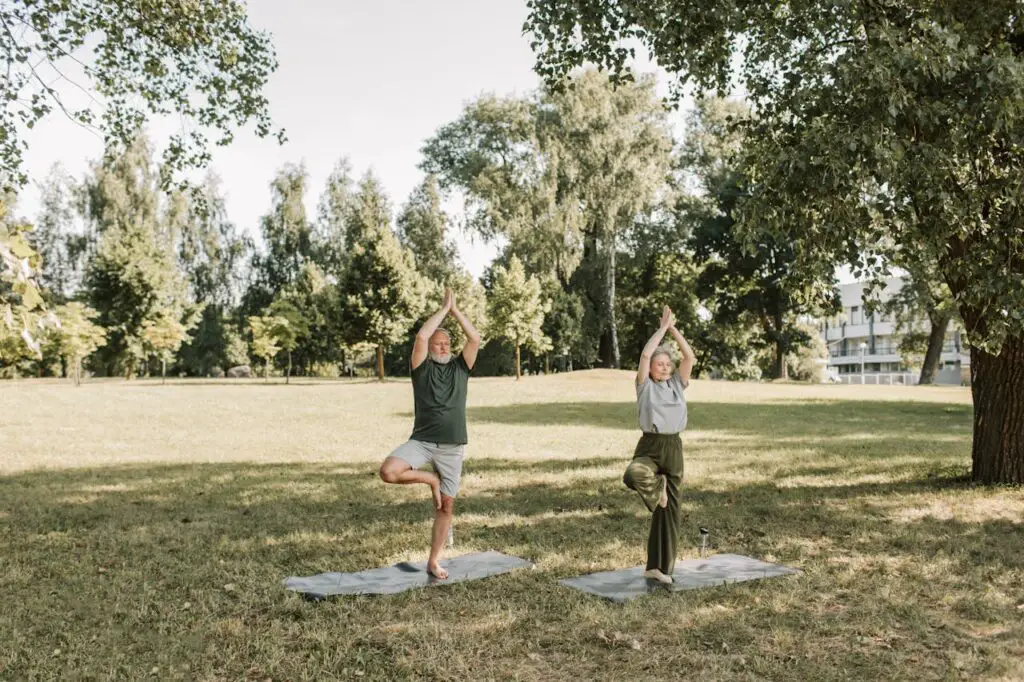
<p> Starting your day with a quick stretch routine can do wonders for your body and mind. It helps wake you up, improve circulation, and set a positive tone for the rest of the day. If you’re looking to feel energized, reduce stress, and enhance your flexibility, these 7 morning stretches are perfect for you. Not only do they take just a few minutes, but they can also help you stay active, focused, and ready to tackle whatever comes your way. Here’s a list of stretches that can make a big difference in how you feel throughout the day. </p> :: Pexels

Starting your day with a quick stretch routine can do wonders for your body and mind. It helps wake you up, improve circulation, and set a positive tone for the rest of the day. If you’re looking to feel energized, reduce stress, and enhance your flexibility, these 7 morning stretches are perfect for you. Not only do they take just a few minutes, but they can also help you stay active, focused, and ready to tackle whatever comes your way. Here’s a list of stretches that can make a big difference in how you feel throughout the day.

1. Cat-Cow Stretch

<p> The Cat-Cow stretch is a fantastic way to wake up your spine and gently stretch your back muscles. This stretch also helps improve flexibility and relieve tension in your neck and lower back. To do this stretch, start on all fours with your wrists aligned under your shoulders and knees under your hips. Inhale as you arch your back and drop your belly toward the floor, lifting your head and tailbone (this is the "cow" position). Exhale as you round your spine, tucking your chin toward your chest and pulling your belly button toward your spine (this is the "cat" position). Repeat for 10-15 breaths, alternating between the two movements. This dynamic stretch activates your core and improves your posture, setting a positive tone for the day ahead. The Cat-Cow stretch is excellent for spinal mobility, and its rhythmic movement helps reduce stiffness, which is especially beneficial if you wake up feeling tight or sore. </p> :: Pexels

The Cat-Cow stretch is a fantastic way to wake up your spine and gently stretch your back muscles. This stretch also helps improve flexibility and relieve tension in your neck and lower back. To do this stretch, start on all fours with your wrists aligned under your shoulders and knees under your hips. Inhale as you arch your back and drop your belly toward the floor, lifting your head and tailbone (this is the “cow” position). Exhale as you round your spine, tucking your chin toward your chest and pulling your belly button toward your spine (this is the “cat” position). Repeat for 10-15 breaths, alternating between the two movements. This dynamic stretch activates your core and improves your posture, setting a positive tone for the day ahead. The Cat-Cow stretch is excellent for spinal mobility, and its rhythmic movement helps reduce stiffness, which is especially beneficial if you wake up feeling tight or sore.

2. Downward Dog
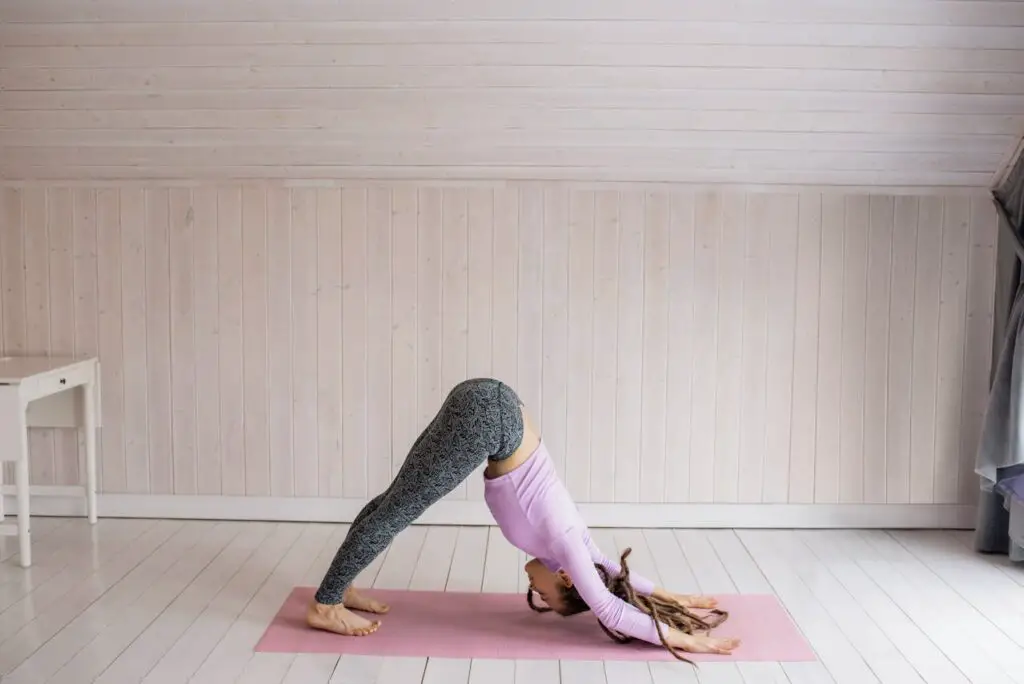
<p> Downward Dog is a powerful stretch that targets multiple areas of your body, including your hamstrings, calves, shoulders, and back. It’s great for improving flexibility and strength while also boosting energy. Start by coming into a tabletop position on your hands and knees. Lift your hips toward the ceiling, forming an inverted V shape with your body. Keep your hands shoulder-width apart and your feet hip-width apart, pressing your heels toward the floor (don’t worry if they don’t touch). Hold for 15-30 seconds, then slowly lower back to the starting position. This stretch increases blood flow to your brain, helping you feel more awake and alert. Additionally, Downward Dog engages your core and improves your posture, which can help you stand taller and feel more confident as you go about your day. </p> :: Pexels

Downward Dog is a powerful stretch that targets multiple areas of your body, including your hamstrings, calves, shoulders, and back. It’s great for improving flexibility and strength while also boosting energy. Start by coming into a tabletop position on your hands and knees. Lift your hips toward the ceiling, forming an inverted V shape with your body. Keep your hands shoulder-width apart and your feet hip-width apart, pressing your heels toward the floor (don’t worry if they don’t touch). Hold for 15-30 seconds, then slowly lower back to the starting position. This stretch increases blood flow to your brain, helping you feel more awake and alert. Additionally, Downward Dog engages your core and improves your posture, which can help you stand taller and feel more confident as you go about your day.

3. Standing Forward Fold

<p> The Standing Forward Fold is a simple yet effective stretch that helps release tension in your lower back, hamstrings, and neck. It also promotes better circulation throughout your body. To perform this stretch, stand with your feet hip-width apart and slowly bend forward from your hips, keeping a slight bend in your knees if necessary. Let your head hang down toward the floor and try to touch your toes (or your shins, depending on your flexibility). Hold for 20-30 seconds, breathing deeply. This stretch encourages relaxation and helps calm your mind, leaving you feeling refreshed and ready for the day. By stretching your hamstrings and lower back, the Standing Forward Fold also helps alleviate any stiffness or discomfort from sleeping, making it a great way to start your morning with a sense of relief. </p> :: Freepik

The Standing Forward Fold is a simple yet effective stretch that helps release tension in your lower back, hamstrings, and neck. It also promotes better circulation throughout your body. To perform this stretch, stand with your feet hip-width apart and slowly bend forward from your hips, keeping a slight bend in your knees if necessary. Let your head hang down toward the floor and try to touch your toes (or your shins, depending on your flexibility). Hold for 20-30 seconds, breathing deeply. This stretch encourages relaxation and helps calm your mind, leaving you feeling refreshed and ready for the day. By stretching your hamstrings and lower back, the Standing Forward Fold also helps alleviate any stiffness or discomfort from sleeping, making it a great way to start your morning with a sense of relief.

4. Lunge with a Twist

<p> A lunge with a twist is a great way to engage your entire body, stretch your hip flexors, and open up your chest. It’s also an excellent stretch for improving your balance and flexibility. Begin by stepping one foot forward into a lunge position, with your front knee bent at a 90-degree angle and your back leg straight. Place your hands on your hips and gently twist your torso toward the side of your front leg, reaching your arms out to the sides. Hold the twist for 15-30 seconds, then repeat on the other side. This stretch helps activate your core and upper body, giving you a full-body boost of energy. The Lunge with a Twist also helps improve flexibility in your hips and spine, which can be particularly helpful if you’ve been sitting for long periods of time. </p> :: Pexels

A lunge with a twist is a great way to engage your entire body, stretch your hip flexors, and open up your chest. It’s also an excellent stretch for improving your balance and flexibility. Begin by stepping one foot forward into a lunge position, with your front knee bent at a 90-degree angle and your back leg straight. Place your hands on your hips and gently twist your torso toward the side of your front leg, reaching your arms out to the sides. Hold the twist for 15-30 seconds, then repeat on the other side. This stretch helps activate your core and upper body, giving you a full-body boost of energy. The Lunge with a Twist also helps improve flexibility in your hips and spine, which can be particularly helpful if you’ve been sitting for long periods of time.

5. Chest Opener Stretch

<p> A tight chest can contribute to poor posture and discomfort, especially if you spend a lot of time sitting. The Chest Opener Stretch helps to counteract this by stretching your chest, shoulders, and arms. To perform this stretch, stand tall with your feet hip-width apart. Clasp your hands behind your back and straighten your arms, gently lifting them away from your body as you open your chest and squeeze your shoulder blades together. Hold for 20-30 seconds, breathing deeply to release any tension. This stretch helps to expand your chest and lungs, improving your posture and increasing your energy levels as you start the day. By opening up your chest, the Chest Opener Stretch can help you breathe more deeply, which increases oxygen flow and gives you a natural energy boost. </p> :: Pexels

A tight chest can contribute to poor posture and discomfort, especially if you spend a lot of time sitting. The Chest Opener Stretch helps to counteract this by stretching your chest, shoulders, and arms. To perform this stretch, stand tall with your feet hip-width apart. Clasp your hands behind your back and straighten your arms, gently lifting them away from your body as you open your chest and squeeze your shoulder blades together. Hold for 20-30 seconds, breathing deeply to release any tension. This stretch helps to expand your chest and lungs, improving your posture and increasing your energy levels as you start the day. By opening up your chest, the Chest Opener Stretch can help you breathe more deeply, which increases oxygen flow and gives you a natural energy boost.

6. Seated Forward Fold

<p> The Seated Forward Fold is a calming stretch that targets your hamstrings, lower back, and hips. It’s a great way to release any tightness from sleeping and helps calm your nervous system. To do this stretch, sit on the floor with your legs extended straight in front of you. Keep your spine tall and hinge forward from your hips, reaching your hands toward your feet. If you can’t reach your feet, simply place your hands on your shins or thighs. Hold for 20-30 seconds, focusing on deep breathing. This stretch encourages flexibility in your legs and promotes relaxation, giving you a peaceful yet energized start to your day. The Seated Forward Fold is also beneficial for calming your mind, helping to reduce any morning stress or anxiety before you start your daily activities. </p> :: Pexels

The Seated Forward Fold is a calming stretch that targets your hamstrings, lower back, and hips. It’s a great way to release any tightness from sleeping and helps calm your nervous system. To do this stretch, sit on the floor with your legs extended straight in front of you. Keep your spine tall and hinge forward from your hips, reaching your hands toward your feet. If you can’t reach your feet, simply place your hands on your shins or thighs. Hold for 20-30 seconds, focusing on deep breathing. This stretch encourages flexibility in your legs and promotes relaxation, giving you a peaceful yet energized start to your day. The Seated Forward Fold is also beneficial for calming your mind, helping to reduce any morning stress or anxiety before you start your daily activities.

7. Spinal Twist

<p> A Spinal Twist is a fantastic way to release tension in your spine and improve flexibility in your back. It also helps to massage your internal organs, promoting digestion and detoxification. Start by sitting on the floor with your legs extended in front of you. Bend your right knee and place your right foot on the floor outside of your left thigh. Inhale as you lengthen your spine, and exhale as you twist your torso to the right, bringing your left elbow to the outside of your right knee. Hold for 15-30 seconds, then repeat on the other side. This stretch is excellent for increasing mobility in your spine and relieving stiffness, helping you feel more alert and energized. The Spinal Twist is also great for stimulating the digestive system, which can help you feel lighter and more refreshed as you begin your day. </p> :: Pexels

A Spinal Twist is a fantastic way to release tension in your spine and improve flexibility in your back. It also helps to massage your internal organs, promoting digestion and detoxification. Start by sitting on the floor with your legs extended in front of you. Bend your right knee and place your right foot on the floor outside of your left thigh. Inhale as you lengthen your spine, and exhale as you twist your torso to the right, bringing your left elbow to the outside of your right knee. Hold for 15-30 seconds, then repeat on the other side. This stretch is excellent for increasing mobility in your spine and relieving stiffness, helping you feel more alert and energized. The Spinal Twist is also great for stimulating the digestive system, which can help you feel lighter and more refreshed as you begin your day.

Final Thoughts

<p> Incorporating these 7 quick morning stretches into your routine can help you start your day with a burst of energy, improved flexibility, and a sense of calm. Whether you're looking to relieve tension, boost circulation, or simply feel more awake, these stretches are a great way to prepare your body and mind for the challenges ahead. Best of all, they only take a few minutes, making them easy to fit into even the busiest mornings. So, next time you wake up, take a few minutes to stretch and feel the difference it makes throughout your day. These stretches are not just about physical benefits; they can also enhance your mental clarity, reduce stress, and leave you feeling more focused and energized, ready to conquer whatever comes your way. By committing to these simple stretches each morning, you'll notice improvements in your flexibility, posture, and overall well-being. Whether you’re working from home, heading to the office, or taking care of daily tasks, starting your day with a mindful stretch routine will help you feel centered and prepared for anything. So, roll out of bed, take a deep breath, and begin your day with these powerful stretches to set yourself up for success. </p> :: Pexels

Incorporating these 7 quick morning stretches into your routine can help you start your day with a burst of energy, improved flexibility, and a sense of calm. Whether you’re looking to relieve tension, boost circulation, or simply feel more awake, these stretches are a great way to prepare your body and mind for the challenges ahead. Best of all, they only take a few minutes, making them easy to fit into even the busiest mornings. So, next time you wake up, take a few minutes to stretch and feel the difference it makes throughout your day. These stretches are not just about physical benefits; they can also enhance your mental clarity, reduce stress, and leave you feeling more focused and energized, ready to conquer whatever comes your way.

By committing to these simple stretches each morning, you’ll notice improvements in your flexibility, posture, and overall well-being. Whether you’re working from home, heading to the office, or taking care of daily tasks, starting your day with a mindful stretch routine will help you feel centered and prepared for anything. So, roll out of bed, take a deep breath, and begin your day with these powerful stretches to set yourself up for success.


Filed Under: Health & Fitness

Outsmart Inflation: 7 Tips to Make Your Retirement Dollars Last

February 28, 2026 | Leave a Comment

Outsmart Inflation: 7 Tips to Make Your Retirement Dollars Last

<p> Let’s be real—inflation is the uninvited guest at your retirement party. You worked hard, saved diligently, and looked forward to finally having the freedom to spend time the way you want. But just when you thought the budget was set, prices keep climbing, groceries cost more, and even that morning cup of coffee feels like it is trying to sabotage your golden years. While inflation may be frustrating, it does not have to steal your peace of mind. With a few smart moves, you can stretch your dollars further, keep enjoying life, and maybe even laugh a little at the rising cost of eggs. Here are seven practical and doable strategies to help your retirement money go the distance, even when inflation refuses to take a break. </p> :: Pexels

Let’s be real—inflation is the uninvited guest at your retirement party. You worked hard, saved diligently, and looked forward to finally having the freedom to spend time the way you want. But just when you thought the budget was set, prices keep climbing, groceries cost more, and even that morning cup of coffee feels like it is trying to sabotage your golden years. While inflation may be frustrating, it does not have to steal your peace of mind. With a few smart moves, you can stretch your dollars further, keep enjoying life, and maybe even laugh a little at the rising cost of eggs.

Here are seven practical and doable strategies to help your retirement money go the distance, even when inflation refuses to take a break.

1. Keep Some Growth in Your Portfolio—Even After 70

<p> It may feel tempting to move everything into cash or bonds the minute you retire, but that is often a mistake. While playing it safe feels comfortable, inflation has a sneaky way of eroding your purchasing power over time. Even after 70, keeping a portion of your portfolio in stocks can help your nest egg grow enough to outpace rising costs. The key is balance: do not gamble your retirement funds on risky bets, but do not let them sit idle either. Many retirees find the “bucket strategy” helpful—keeping short-term money in safer investments while allowing long-term funds to stay invested in growth assets. That way, you have peace of mind now and protection against inflation later. </p> :: Pexels

It may feel tempting to move everything into cash or bonds the minute you retire, but that is often a mistake. While playing it safe feels comfortable, inflation has a sneaky way of eroding your purchasing power over time. Even after 70, keeping a portion of your portfolio in stocks can help your nest egg grow enough to outpace rising costs. The key is balance: do not gamble your retirement funds on risky bets, but do not let them sit idle either. Many retirees find the “bucket strategy” helpful—keeping short-term money in safer investments while allowing long-term funds to stay invested in growth assets. That way, you have peace of mind now and protection against inflation later.

2. Add Inflation-Resistant Assets to Your Mix

<p> When prices go up, you want parts of your portfolio that can rise along with them. Treasury Inflation-Protected Securities (TIPS) are a government-backed way to ensure your money keeps pace with inflation. Dividend-paying stocks are another favorite because they not only provide income but can also grow in value. Real Estate Investment Trusts (REITs) are worth considering too, since real estate often rises when inflation does. Short-term bonds can also give you stability without locking up your money for too long. You do not need to overhaul your entire portfolio—just sprinkling in some of these inflation-fighting tools can strengthen your financial foundation. </p> :: Freepik

When prices go up, you want parts of your portfolio that can rise along with them. Treasury Inflation-Protected Securities (TIPS) are a government-backed way to ensure your money keeps pace with inflation. Dividend-paying stocks are another favorite because they not only provide income but can also grow in value. Real Estate Investment Trusts (REITs) are worth considering too, since real estate often rises when inflation does. Short-term bonds can also give you stability without locking up your money for too long. You do not need to overhaul your entire portfolio—just sprinkling in some of these inflation-fighting tools can strengthen your financial foundation.

3. Adjust Your Withdrawal Strategy—Be Flexible, Not Frozen

<p> You may have heard of the classic “4 percent rule,” where retirees withdraw four percent of their portfolio each year. While it has been a popular rule of thumb, it is not always the best fit today. With inflation, market swings, and longer life expectancies, it makes sense to stay flexible. Some retirees are using “guardrail” strategies, where withdrawals adjust based on how the market is performing. Others use the “retirement smile” approach, where spending starts higher, dips in the middle years, and rises again later as healthcare needs increase. The bottom line? Do not lock yourself into a rigid withdrawal plan. By staying adaptable, you protect your savings while keeping the freedom to enjoy retirement. </p> :: Pexels

You may have heard of the classic “4 percent rule,” where retirees withdraw four percent of their portfolio each year. While it has been a popular rule of thumb, it is not always the best fit today. With inflation, market swings, and longer life expectancies, it makes sense to stay flexible. Some retirees are using “guardrail” strategies, where withdrawals adjust based on how the market is performing. Others use the “retirement smile” approach, where spending starts higher, dips in the middle years, and rises again later as healthcare needs increase. The bottom line? Do not lock yourself into a rigid withdrawal plan. By staying adaptable, you protect your savings while keeping the freedom to enjoy retirement.

4. Build and Keep a Healthy Cash Buffer

<p> Think of your emergency fund as your retirement shock absorber. When markets dip or unexpected expenses pop up, having cash set aside keeps you from selling investments at the worst possible time. A good rule of thumb is to keep at least six months of living expenses in cash or a high-yield savings account. Some retirees stretch this to a year or more, depending on comfort levels. Short-term bond funds or money market accounts can also work if you want your buffer to earn a little extra. A cash cushion gives you flexibility and peace of mind—two things no price tag can buy. </p> :: Freepik

Think of your emergency fund as your retirement shock absorber. When markets dip or unexpected expenses pop up, having cash set aside keeps you from selling investments at the worst possible time. A good rule of thumb is to keep at least six months of living expenses in cash or a high-yield savings account. Some retirees stretch this to a year or more, depending on comfort levels. Short-term bond funds or money market accounts can also work if you want your buffer to earn a little extra. A cash cushion gives you flexibility and peace of mind—two things no price tag can buy.

5. Revisit Your Budget With a Sharp Eye

<p> Just because you are retired does not mean you should stop checking your budget. In fact, reviewing it regularly is more important than ever. Inflation tends to sneak in through everyday expenses—groceries, insurance premiums, utility bills—and suddenly you are spending more than expected. Taking time to track your expenses helps you spot changes before they become problems. You may find simple ways to cut back without feeling deprived, like switching brands, trimming unused subscriptions, or shopping smarter. Even modest savings add up: shaving just $80 a month from your grocery bill is nearly $1,000 a year—money that can stay invested and working for you. </p> :: Freepik

Just because you are retired does not mean you should stop checking your budget. In fact, reviewing it regularly is more important than ever. Inflation tends to sneak in through everyday expenses—groceries, insurance premiums, utility bills—and suddenly you are spending more than expected. Taking time to track your expenses helps you spot changes before they become problems. You may find simple ways to cut back without feeling deprived, like switching brands, trimming unused subscriptions, or shopping smarter. Even modest savings add up: shaving just $80 a month from your grocery bill is nearly $1,000 a year—money that can stay invested and working for you.

6. Delay Social Security or Explore Guaranteed Income Options

<p> Waiting to claim Social Security can feel like a tough decision, but patience often pays off. For every year you delay past your full retirement age, your monthly benefit grows—up until age 70. That bigger check not only lasts the rest of your life but also helps you keep pace with inflation, thanks to annual cost-of-living adjustments. Beyond Social Security, you might also consider income annuities that provide guaranteed payments, some of which are inflation-adjusted. While annuities are not for everyone, they can offer stability and a sense of security, especially when paired with your Social Security benefits. The idea is to create a reliable income stream that takes some of the guesswork out of budgeting during retirement. </p> :: Freepik

Waiting to claim Social Security can feel like a tough decision, but patience often pays off. For every year you delay past your full retirement age, your monthly benefit grows—up until age 70. That bigger check not only lasts the rest of your life but also helps you keep pace with inflation, thanks to annual cost-of-living adjustments. Beyond Social Security, you might also consider income annuities that provide guaranteed payments, some of which are inflation-adjusted. While annuities are not for everyone, they can offer stability and a sense of security, especially when paired with your Social Security benefits. The idea is to create a reliable income stream that takes some of the guesswork out of budgeting during retirement.

7. Talk to a Pro and Update Your Plan Regularly

<p> Retirement planning is not a “set it and forget it” situation. Life changes, markets shift, and inflation has its own unpredictable patterns. Working with a financial advisor you trust can help you adjust your plan as needed. A good advisor can tailor strategies to your goals, risk tolerance, and income needs. Even if you prefer managing your own money, scheduling regular checkups—whether with a professional or on your own—helps you stay on track. Think of it like a tune-up for your financial engine. Keeping everything running smoothly now means fewer unpleasant surprises down the road. </p> :: Freepik

Retirement planning is not a “set it and forget it” situation. Life changes, markets shift, and inflation has its own unpredictable patterns. Working with a financial advisor you trust can help you adjust your plan as needed. A good advisor can tailor strategies to your goals, risk tolerance, and income needs. Even if you prefer managing your own money, scheduling regular checkups—whether with a professional or on your own—helps you stay on track. Think of it like a tune-up for your financial engine. Keeping everything running smoothly now means fewer unpleasant surprises down the road.

Final Thoughts

<p> Inflation may be persistent, but it does not have to dictate how you live your retirement years. By balancing growth with security, adjusting spending habits, and making thoughtful choices about income, you can protect not only your savings but also your peace of mind. Retirement should not feel like a constant battle with rising prices. It should feel like the reward you worked so hard for—time to relax, explore, and enjoy life on your terms. So the next time you see grocery prices jump or hear about rising interest rates, do not panic. Instead, remind yourself that you have tools, strategies, and the wisdom that comes with experience. Inflation may nibble, but with the right plan, your retirement dollars can last as long as you need them to—and maybe even long enough to buy that extra scoop of ice cream without guilt. </p> :: Pexels

Inflation may be persistent, but it does not have to dictate how you live your retirement years. By balancing growth with security, adjusting spending habits, and making thoughtful choices about income, you can protect not only your savings but also your peace of mind. Retirement should not feel like a constant battle with rising prices. It should feel like the reward you worked so hard for—time to relax, explore, and enjoy life on your terms.

So the next time you see grocery prices jump or hear about rising interest rates, do not panic. Instead, remind yourself that you have tools, strategies, and the wisdom that comes with experience. Inflation may nibble, but with the right plan, your retirement dollars can last as long as you need them to—and maybe even long enough to buy that extra scoop of ice cream without guilt.

Filed Under: Investing

10 Things the Middle Class Spends Money On That Rich People Don’t Care About

February 28, 2026 | Leave a Comment

10 Things the Middle Class Spends Money On That Rich People Don’t Care About

<p> When it comes to personal finance, there’s often a significant difference between how the middle class and wealthy individuals manage their money. While the middle class tends to focus on immediate, short-term purchases, rich people often prioritize long-term investments and financial strategies. In this blog, we’ll explore 10 things the middle class spends money on that the rich simply don’t care about. Understanding these differences can help shift your mindset and lead to smarter financial decisions. </p> :: Freepik

When it comes to personal finance, there’s often a significant difference between how the middle class and wealthy individuals manage their money. While the middle class tends to focus on immediate, short-term purchases, rich people often prioritize long-term investments and financial strategies. In this blog, we’ll explore 10 things the middle class spends money on that the rich simply don’t care about. Understanding these differences can help shift your mindset and lead to smarter financial decisions.

1. Brand Name Clothing

<p> For the middle class, brand name clothing is often seen as a symbol of status and success. From high-end designer labels to the latest fashion trends, many people in the middle class prioritize looking fashionable, even if it means spending more. However, wealthy individuals don’t typically focus on labels. Instead, they invest in timeless, quality pieces that last longer and don’t require frequent replacement. The rich understand that clothing is not a status symbol but a tool for comfort and practicality, and they prefer to spend their money on items that have lasting value. The middle class may feel the need to keep up with the latest trends, whether it’s the newest designer shoes or a luxury handbag, but the wealthy know that such purchases often lose value quickly. Instead, they focus on investing in fewer, more durable pieces that serve them for years. This mindset helps the rich avoid the cycle of buying and discarding items as trends change, ultimately saving money in the long run. </p> :: Pexels

For the middle class, brand name clothing is often seen as a symbol of status and success. From high-end designer labels to the latest fashion trends, many people in the middle class prioritize looking fashionable, even if it means spending more. However, wealthy individuals don’t typically focus on labels. Instead, they invest in timeless, quality pieces that last longer and don’t require frequent replacement. The rich understand that clothing is not a status symbol but a tool for comfort and practicality, and they prefer to spend their money on items that have lasting value.

The middle class may feel the need to keep up with the latest trends, whether it’s the newest designer shoes or a luxury handbag, but the wealthy know that such purchases often lose value quickly. Instead, they focus on investing in fewer, more durable pieces that serve them for years. This mindset helps the rich avoid the cycle of buying and discarding items as trends change, ultimately saving money in the long run.

2. Luxury Cars

<p> While owning a luxury car like a Mercedes or a BMW is often a goal for the middle class, the rich tend to view cars differently. They see them as a means of transportation rather than a status symbol. Wealthy individuals are more likely to invest in vehicles that are reliable, fuel-efficient, and low-maintenance rather than opting for high-end brands that lose value quickly. For the rich, a car is a tool to get from point A to point B, not a way to impress others. The middle class often equates a luxury car with success, but the wealthy understand that cars depreciate in value the moment they’re driven off the lot. Rich people may own cars, but they typically prefer to invest in vehicles that are practical, low-maintenance, and cost-effective. They might even choose to lease a car for the flexibility it offers, allowing them to drive the latest model without committing to long-term depreciation. </p> :: Pexels

While owning a luxury car like a Mercedes or a BMW is often a goal for the middle class, the rich tend to view cars differently. They see them as a means of transportation rather than a status symbol. Wealthy individuals are more likely to invest in vehicles that are reliable, fuel-efficient, and low-maintenance rather than opting for high-end brands that lose value quickly. For the rich, a car is a tool to get from point A to point B, not a way to impress others.

The middle class often equates a luxury car with success, but the wealthy understand that cars depreciate in value the moment they’re driven off the lot. Rich people may own cars, but they typically prefer to invest in vehicles that are practical, low-maintenance, and cost-effective. They might even choose to lease a car for the flexibility it offers, allowing them to drive the latest model without committing to long-term depreciation.

3. Expensive Coffee and Daily Lattes

<p> Many middle-class individuals find themselves spending money on expensive daily coffee from cafes, whether it’s a $5 latte or a fancy frappuccino. While this might seem like a small indulgence, it adds up over time. On the other hand, wealthy people often prefer to brew their own coffee at home or enjoy a more economical alternative, saving hundreds of dollars annually. Rich individuals tend to be more mindful of recurring small expenses and prefer to allocate their money to investments that will yield long-term benefits. The middle class often sees daily coffee runs as a simple pleasure or a way to get a quick energy boost, but for the wealthy, this daily habit is often seen as an unnecessary expenditure. Brewing coffee at home, investing in a high-quality coffee maker, or choosing a more affordable option can save a significant amount of money over time. By making this small change, rich individuals can direct their money toward more productive investments, such as real estate or stocks. </p> :: Pexels

Many middle-class individuals find themselves spending money on expensive daily coffee from cafes, whether it’s a $5 latte or a fancy frappuccino. While this might seem like a small indulgence, it adds up over time. On the other hand, wealthy people often prefer to brew their own coffee at home or enjoy a more economical alternative, saving hundreds of dollars annually. Rich individuals tend to be more mindful of recurring small expenses and prefer to allocate their money to investments that will yield long-term benefits.

The middle class often sees daily coffee runs as a simple pleasure or a way to get a quick energy boost, but for the wealthy, this daily habit is often seen as an unnecessary expenditure. Brewing coffee at home, investing in a high-quality coffee maker, or choosing a more affordable option can save a significant amount of money over time. By making this small change, rich individuals can direct their money toward more productive investments, such as real estate or stocks.

4. Excessive Home Decor

<p> Middle-class families often spend significant amounts of money on home decor, constantly updating their furniture, artwork, and accessories to keep up with the latest trends. While it's important to have a comfortable and aesthetically pleasing home, wealthy individuals are less likely to invest in trendy decor. Instead, they focus on creating timeless, high-quality living spaces that require fewer updates. The rich understand that the value of their home is more about location and structure rather than constantly changing decor. While the middle class might feel the need to redecorate frequently to maintain a modern look, the wealthy tend to focus on creating an environment that reflects their personal style without the need for constant updates. Wealthy individuals understand that quality furniture and decor items, though often more expensive initially, will stand the test of time and provide long-lasting value. Additionally, they might invest in more sustainable and eco-friendly decor options that reduce the need for constant replacements. </p> :: Pexels

Middle-class families often spend significant amounts of money on home decor, constantly updating their furniture, artwork, and accessories to keep up with the latest trends. While it’s important to have a comfortable and aesthetically pleasing home, wealthy individuals are less likely to invest in trendy decor. Instead, they focus on creating timeless, high-quality living spaces that require fewer updates. The rich understand that the value of their home is more about location and structure rather than constantly changing decor.

While the middle class might feel the need to redecorate frequently to maintain a modern look, the wealthy tend to focus on creating an environment that reflects their personal style without the need for constant updates. Wealthy individuals understand that quality furniture and decor items, though often more expensive initially, will stand the test of time and provide long-lasting value. Additionally, they might invest in more sustainable and eco-friendly decor options that reduce the need for constant replacements.

5. High-End Electronics

<p> When it comes to electronics, the middle class often splurges on the latest gadgets—whether it’s the newest smartphone, the latest gaming console, or the most advanced TV. While these items are undoubtedly fun to own, the rich tend to avoid constantly upgrading their electronics. They’re more likely to buy high-quality, durable products that meet their needs without jumping on every new release. Wealthy individuals understand that the value of electronics diminishes quickly, so they prefer to make fewer but smarter purchases. The middle class may feel compelled to buy the latest iPhone or the most advanced smart TV, but the wealthy tend to hold onto their electronics longer. They understand that newer models often don’t offer significant improvements over previous versions, and the rapid depreciation of electronics makes frequent upgrades a poor financial choice. Instead of chasing the latest trends, the rich focus on purchasing high-quality items that will last for years, saving both money and time in the process. </p> :: Pexels

When it comes to electronics, the middle class often splurges on the latest gadgets—whether it’s the newest smartphone, the latest gaming console, or the most advanced TV. While these items are undoubtedly fun to own, the rich tend to avoid constantly upgrading their electronics. They’re more likely to buy high-quality, durable products that meet their needs without jumping on every new release. Wealthy individuals understand that the value of electronics diminishes quickly, so they prefer to make fewer but smarter purchases.

The middle class may feel compelled to buy the latest iPhone or the most advanced smart TV, but the wealthy tend to hold onto their electronics longer. They understand that newer models often don’t offer significant improvements over previous versions, and the rapid depreciation of electronics makes frequent upgrades a poor financial choice. Instead of chasing the latest trends, the rich focus on purchasing high-quality items that will last for years, saving both money and time in the process.

6. Expensive Gym Memberships

<p> A high-end gym membership with access to luxury amenities is a common expense for many middle-class individuals who want to stay fit and healthy. However, rich people tend to focus on more efficient ways to stay in shape, often investing in home gyms, personal trainers, or outdoor activities. Wealthy individuals understand that staying fit doesn’t require an expensive gym membership; it’s about consistency and discipline. They may also prioritize investing in their health through preventative care and fitness routines that don’t rely on lavish memberships. While the middle class may feel the need to join an upscale gym with all the bells and whistles, the wealthy often find more affordable and practical alternatives. Investing in a home gym or hiring a personal trainer for a few sessions may provide the same benefits without the ongoing cost of a gym membership. The rich also tend to prioritize overall wellness, which includes a balanced lifestyle and preventative health care, rather than focusing solely on working out at a fancy gym. </p> :: Pexels

A high-end gym membership with access to luxury amenities is a common expense for many middle-class individuals who want to stay fit and healthy. However, rich people tend to focus on more efficient ways to stay in shape, often investing in home gyms, personal trainers, or outdoor activities. Wealthy individuals understand that staying fit doesn’t require an expensive gym membership; it’s about consistency and discipline. They may also prioritize investing in their health through preventative care and fitness routines that don’t rely on lavish memberships.

While the middle class may feel the need to join an upscale gym with all the bells and whistles, the wealthy often find more affordable and practical alternatives. Investing in a home gym or hiring a personal trainer for a few sessions may provide the same benefits without the ongoing cost of a gym membership. The rich also tend to prioritize overall wellness, which includes a balanced lifestyle and preventative health care, rather than focusing solely on working out at a fancy gym.

7. Expensive Weddings

<p> Weddings are a major expense for many middle-class couples, with lavish celebrations that include designer dresses, elaborate venues, and extravagant guest lists. While the rich may still have beautiful weddings, they often focus on quality over quantity. Wealthy individuals tend to have smaller, more intimate ceremonies, preferring to allocate their money toward long-term investments or experiences that bring more lasting value. The rich understand that the wedding day is just one day, and it’s the marriage itself that truly matters. The middle class may feel the pressure to have a large, expensive wedding to impress friends and family, but the wealthy often take a more practical approach. They understand that the cost of a wedding doesn’t determine the success of a marriage. Instead of spending excessively on the event itself, rich individuals may choose to invest in their future, whether through a home purchase, travel, or building a nest egg for future endeavors. </p> :: Pexels

Weddings are a major expense for many middle-class couples, with lavish celebrations that include designer dresses, elaborate venues, and extravagant guest lists. While the rich may still have beautiful weddings, they often focus on quality over quantity. Wealthy individuals tend to have smaller, more intimate ceremonies, preferring to allocate their money toward long-term investments or experiences that bring more lasting value. The rich understand that the wedding day is just one day, and it’s the marriage itself that truly matters.

The middle class may feel the pressure to have a large, expensive wedding to impress friends and family, but the wealthy often take a more practical approach. They understand that the cost of a wedding doesn’t determine the success of a marriage. Instead of spending excessively on the event itself, rich individuals may choose to invest in their future, whether through a home purchase, travel, or building a nest egg for future endeavors.

8. Vacation Packages and All-Inclusive Resorts

<p> For many middle-class families, a vacation is a rare and cherished opportunity to escape the daily grind. However, they often opt for all-inclusive resorts or vacation packages that may seem like a good deal upfront but can be expensive in the long run. Wealthy individuals, on the other hand, tend to prefer more personalized, unique travel experiences. They might rent a private villa, fly on private jets, or explore off-the-beaten-path destinations. The rich prioritize experiences over packaged deals and often focus on making their vacations more meaningful rather than simply luxurious. While the middle class may look for all-inclusive vacation packages to simplify their travel experience, the wealthy often seek out more authentic, customized travel experiences. Rather than spending money on package deals that may include unnecessary extras, the rich focus on creating unique memories, whether through private tours, luxury accommodations, or exclusive activities that cater to their interests and values. </p> :: Pexels

For many middle-class families, a vacation is a rare and cherished opportunity to escape the daily grind. However, they often opt for all-inclusive resorts or vacation packages that may seem like a good deal upfront but can be expensive in the long run. Wealthy individuals, on the other hand, tend to prefer more personalized, unique travel experiences. They might rent a private villa, fly on private jets, or explore off-the-beaten-path destinations. The rich prioritize experiences over packaged deals and often focus on making their vacations more meaningful rather than simply luxurious.

While the middle class may look for all-inclusive vacation packages to simplify their travel experience, the wealthy often seek out more authentic, customized travel experiences. Rather than spending money on package deals that may include unnecessary extras, the rich focus on creating unique memories, whether through private tours, luxury accommodations, or exclusive activities that cater to their interests and values.

9. Subscription Services and Memberships

<p> Subscription services for everything from streaming platforms to meal kits have become increasingly popular among the middle class. While these services can be convenient, they often lead to ongoing expenses that add up over time. Wealthy individuals are more likely to be selective about the subscriptions they pay for, often canceling those that don’t provide enough value. The rich understand that these small recurring expenses can accumulate quickly and prefer to allocate their money toward more substantial investments or experiences. The middle class may sign up for multiple subscription services to enjoy convenience and entertainment, but the wealthy tend to be more discerning. They might only subscribe to services that add true value to their lives, avoiding the trap of paying for multiple subscriptions that ultimately go unused. By being more mindful of recurring expenses, the rich can allocate their funds toward investments that provide long-term financial growth. </p> :: Freepik

Subscription services for everything from streaming platforms to meal kits have become increasingly popular among the middle class. While these services can be convenient, they often lead to ongoing expenses that add up over time. Wealthy individuals are more likely to be selective about the subscriptions they pay for, often canceling those that don’t provide enough value. The rich understand that these small recurring expenses can accumulate quickly and prefer to allocate their money toward more substantial investments or experiences.

The middle class may sign up for multiple subscription services to enjoy convenience and entertainment, but the wealthy tend to be more discerning. They might only subscribe to services that add true value to their lives, avoiding the trap of paying for multiple subscriptions that ultimately go unused. By being more mindful of recurring expenses, the rich can allocate their funds toward investments that provide long-term financial growth.

10. Frequent Dining Out

<p> Dining out is a popular activity for many middle-class individuals who enjoy the convenience of not having to cook or the experience of trying new restaurants. However, eating out frequently can quickly become a significant expense. Wealthy people tend to dine out less often, opting instead to host private dinners or cook at home using high-quality ingredients. They understand that cooking at home not only saves money but also allows them to control the quality of their meals and focus on healthier eating habits. While dining out may be a treat for the middle class, the wealthy often prefer to entertain at home or cook their own meals. By doing so, they can save money and enjoy more control over the quality and nutritional value of their food. The rich understand that dining out regularly can add up quickly and prefer to spend their money on experiences that offer better value and long-term benefits. </p> :: Pexels

Dining out is a popular activity for many middle-class individuals who enjoy the convenience of not having to cook or the experience of trying new restaurants. However, eating out frequently can quickly become a significant expense. Wealthy people tend to dine out less often, opting instead to host private dinners or cook at home using high-quality ingredients. They understand that cooking at home not only saves money but also allows them to control the quality of their meals and focus on healthier eating habits.

While dining out may be a treat for the middle class, the wealthy often prefer to entertain at home or cook their own meals. By doing so, they can save money and enjoy more control over the quality and nutritional value of their food. The rich understand that dining out regularly can add up quickly and prefer to spend their money on experiences that offer better value and long-term benefits.

Final Thoughts

<p> In conclusion, the middle class often spends money on things that provide short-term satisfaction, while wealthy individuals tend to focus on long-term investments, quality, and practicality. By recognizing these differences, you can start to shift your mindset and make smarter financial decisions that will help you build wealth over time. Whether it’s choosing quality over quantity, investing in experiences, or being more mindful of recurring expenses, adopting the habits of the rich can help you take control of your finances and create lasting financial success. </p> :: Pexels

In conclusion, the middle class often spends money on things that provide short-term satisfaction, while wealthy individuals tend to focus on long-term investments, quality, and practicality. By recognizing these differences, you can start to shift your mindset and make smarter financial decisions that will help you build wealth over time. Whether it’s choosing quality over quantity, investing in experiences, or being more mindful of recurring expenses, adopting the habits of the rich can help you take control of your finances and create lasting financial success.

Filed Under: Money

10 Dying Industries You Should Avoid Working In

February 28, 2026 | Leave a Comment

10 Dying Industries You Should Avoid Working In

<p> The world of work is changing faster than ever. Industries that once provided lifelong careers are shrinking, disrupted by technology, globalization, and shifting consumer habits. If you are job hunting, planning a career change, or even advising someone entering the workforce, knowing which industries are on the decline can save you years of frustration. After all, why build your future in a field that is running out of steam? This list takes a closer look at ten industries in the United States that are steadily losing ground. Some are disappearing quietly, while others are collapsing in plain sight. Whether you are a college student mapping out your degree path or a professional thinking about your next move, consider this a guide on which career roads may lead to dead ends—and how to avoid them. </p> :: Pexels

The world of work is changing faster than ever. Industries that once provided lifelong careers are shrinking, disrupted by technology, globalization, and shifting consumer habits. If you are job hunting, planning a career change, or even advising someone entering the workforce, knowing which industries are on the decline can save you years of frustration. After all, why build your future in a field that is running out of steam?

This list takes a closer look at ten industries in the United States that are steadily losing ground. Some are disappearing quietly, while others are collapsing in plain sight. Whether you are a college student mapping out your degree path or a professional thinking about your next move, consider this a guide on which career roads may lead to dead ends—and how to avoid them.

1. Tobacco Manufacturing

<p> Once a powerhouse, tobacco manufacturing is crumbling under the weight of health awareness campaigns, government regulations, and shrinking demand. Smoking rates in the U.S. have been declining for decades, and this trend shows no signs of slowing. By 2032, employment in this industry is projected to shrink by more than half. For workers, that means fewer opportunities and more instability. Unless your career goal is to quit jobs as often as people quit smoking, this is an industry best left behind. </p> :: Pexels

Once a powerhouse, tobacco manufacturing is crumbling under the weight of health awareness campaigns, government regulations, and shrinking demand. Smoking rates in the U.S. have been declining for decades, and this trend shows no signs of slowing. By 2032, employment in this industry is projected to shrink by more than half. For workers, that means fewer opportunities and more instability. Unless your career goal is to quit jobs as often as people quit smoking, this is an industry best left behind.

2. Magnetic and Optical Media Production

<p> Remember the excitement of buying a new CD, DVD, or Blu-ray? Those days are long gone. Streaming services and digital downloads have almost completely replaced physical media. This industry is expected to lose more than 50 percent of its jobs in the coming years. Careers tied to burning discs or managing production lines for physical media are simply not sustainable. If you want a career that plays on repeat, steer clear of industries stuck in rewind. </p> :: Pexels

Remember the excitement of buying a new CD, DVD, or Blu-ray? Those days are long gone. Streaming services and digital downloads have almost completely replaced physical media. This industry is expected to lose more than 50 percent of its jobs in the coming years. Careers tied to burning discs or managing production lines for physical media are simply not sustainable. If you want a career that plays on repeat, steer clear of industries stuck in rewind.

3. Apparel and Leather Goods Manufacturing

<p> Fashion may never die, but apparel and leather goods manufacturing in the United States is certainly fading. Outsourcing to countries with cheaper labor costs and advances in automation have slashed domestic production. Projections suggest a decline of around 35 percent in this sector by 2032. Unless you are carving out a niche in sustainable fashion or handcrafted goods, working in this industry may not deliver the career stability you are looking for. </p> :: Pexels

Fashion may never die, but apparel and leather goods manufacturing in the United States is certainly fading. Outsourcing to countries with cheaper labor costs and advances in automation have slashed domestic production. Projections suggest a decline of around 35 percent in this sector by 2032. Unless you are carving out a niche in sustainable fashion or handcrafted goods, working in this industry may not deliver the career stability you are looking for.

4. Printing and Related Support Services

<p> There was a time when newspapers, magazines, and printed ads dominated daily life. Today, print is struggling to survive in a digital-first world. Employment in printing and publishing is projected to decline by as much as 25 percent over the next decade. As consumers continue to rely on digital content, opportunities in print are drying up. If you want to work with words or design, digital media offers far more room to grow. </p> :: Freepik

There was a time when newspapers, magazines, and printed ads dominated daily life. Today, print is struggling to survive in a digital-first world. Employment in printing and publishing is projected to decline by as much as 25 percent over the next decade. As consumers continue to rely on digital content, opportunities in print are drying up. If you want to work with words or design, digital media offers far more room to grow.

5. Coal Mining and Fossil-Fuel Power Generation

<p> Coal was once the backbone of American energy, but its future is dimming fast. Environmental regulations, the rise of renewable energy, and decreasing demand for coal are driving this industry toward extinction. Some estimates predict that coal mining alone could lose nearly half its jobs over the next decade. Fossil-fuel power generation is also shrinking, with projections of more than a 30 percent decline. If you want a career that keeps the lights on, renewable energy fields like solar and wind are better bets. </p> :: Pexels

Coal was once the backbone of American energy, but its future is dimming fast. Environmental regulations, the rise of renewable energy, and decreasing demand for coal are driving this industry toward extinction. Some estimates predict that coal mining alone could lose nearly half its jobs over the next decade. Fossil-fuel power generation is also shrinking, with projections of more than a 30 percent decline. If you want a career that keeps the lights on, renewable energy fields like solar and wind are better bets.

6. Department Stores and Traditional Retail

<p> If you have walked through a half-empty mall recently, you already know the story. E-commerce giants like Amazon and changing consumer habits have forced countless department stores to close. Traditional retail jobs are expected to shrink steadily as shoppers move online. For workers, this means fewer opportunities, unpredictable hours, and constant layoffs. Unless you are planning to reinvent retail with a fresh digital twist, this is one sector best avoided. </p> :: Freepik

If you have walked through a half-empty mall recently, you already know the story. E-commerce giants like Amazon and changing consumer habits have forced countless department stores to close. Traditional retail jobs are expected to shrink steadily as shoppers move online. For workers, this means fewer opportunities, unpredictable hours, and constant layoffs. Unless you are planning to reinvent retail with a fresh digital twist, this is one sector best avoided.

7. Postal Service and Bank Tellers

<p> Mail carriers and bank tellers once played essential roles in daily life, but automation and digital tools have changed everything. With online banking, mobile payments, and email replacing physical mail, these jobs are disappearing fast. The U.S. Postal Service is projected to cut jobs by more than 13 percent, and bank teller roles are shrinking every year. Machines may not smile or make small talk, but they are cheaper for companies to maintain—and that spells trouble for these once-stable careers. </p> :: Pexels

Mail carriers and bank tellers once played essential roles in daily life, but automation and digital tools have changed everything. With online banking, mobile payments, and email replacing physical mail, these jobs are disappearing fast. The U.S. Postal Service is projected to cut jobs by more than 13 percent, and bank teller roles are shrinking every year. Machines may not smile or make small talk, but they are cheaper for companies to maintain—and that spells trouble for these once-stable careers.

8. Motor Vehicle Parts and Semiconductor Manufacturing

<p> Cars are not going away, but the way they are built is changing rapidly. Advances in robotics and global supply chain shifts are cutting into American jobs in motor vehicle parts manufacturing. Similarly, semiconductor production is moving toward automation, reducing the need for large human workforces. Projections suggest declines of nearly 20 percent in auto parts and more than 30 percent in semiconductors. If you are set on working in the automotive or tech space, look for opportunities in electric vehicles or AI-driven innovation rather than traditional manufacturing. </p> :: Pexels

Cars are not going away, but the way they are built is changing rapidly. Advances in robotics and global supply chain shifts are cutting into American jobs in motor vehicle parts manufacturing. Similarly, semiconductor production is moving toward automation, reducing the need for large human workforces. Projections suggest declines of nearly 20 percent in auto parts and more than 30 percent in semiconductors. If you are set on working in the automotive or tech space, look for opportunities in electric vehicles or AI-driven innovation rather than traditional manufacturing.

9. Office and Administrative Support Jobs

<p> Office assistants, data-entry clerks, and other administrative roles were once the backbone of corporate America. Now, artificial intelligence and digital tools are making many of these positions obsolete. Millions of jobs are expected to disappear by the end of the decade as businesses automate routine tasks. If your career revolves around scheduling, filing, or repetitive typing, it may be time to upskill into roles that require critical thinking and problem-solving—areas where machines still struggle to compete. </p> :: Pexels

Office assistants, data-entry clerks, and other administrative roles were once the backbone of corporate America. Now, artificial intelligence and digital tools are making many of these positions obsolete. Millions of jobs are expected to disappear by the end of the decade as businesses automate routine tasks. If your career revolves around scheduling, filing, or repetitive typing, it may be time to upskill into roles that require critical thinking and problem-solving—areas where machines still struggle to compete.

10. Video Game Development Roles

<p> It may sound surprising, but the video game industry has hit a rough patch. Despite growing consumer demand for games, studios across the U.S. have cut tens of thousands of jobs since 2022. Layoffs, budget cuts, and studio closures have created a volatile job market for developers, designers, and testers. While the industry is not disappearing altogether, job security is shaky at best. Unless you are diving into independent game design or working on the business side of gaming, you may find more stability in other creative or tech-driven fields. </p> :: Freepik

It may sound surprising, but the video game industry has hit a rough patch. Despite growing consumer demand for games, studios across the U.S. have cut tens of thousands of jobs since 2022. Layoffs, budget cuts, and studio closures have created a volatile job market for developers, designers, and testers. While the industry is not disappearing altogether, job security is shaky at best. Unless you are diving into independent game design or working on the business side of gaming, you may find more stability in other creative or tech-driven fields.

Final Thoughts

<p> The lesson here is simple: not all industries are built to last. Many of the jobs that once defined American life are fading, not because people stopped caring about them, but because technology, globalization, and consumer behavior shifted in new directions. The good news? Every dying industry makes way for new opportunities. If you are considering your next career move, focus on sectors that are growing, not shrinking. Healthcare, renewable energy, technology, education, and digital services are just a few areas expected to expand in the coming years. These fields offer not only better job security but also the chance to be part of industries shaping the future. And remember—careers are rarely set in stone. If you find yourself in one of these declining fields, it is not too late to pivot. With the right training, networking, and willingness to adapt, you can transition into an industry where your skills are in demand. The most successful careers are built on flexibility, curiosity, and the courage to move forward when the old way no longer works. So, before you set your sights on a career path, ask yourself this: Do I want to invest my time in an industry that is fading, or one that is full of potential? The choice is yours, and the future is waiting. </p> :: Freepik

The lesson here is simple: not all industries are built to last. Many of the jobs that once defined American life are fading, not because people stopped caring about them, but because technology, globalization, and consumer behavior shifted in new directions. The good news? Every dying industry makes way for new opportunities.

If you are considering your next career move, focus on sectors that are growing, not shrinking. Healthcare, renewable energy, technology, education, and digital services are just a few areas expected to expand in the coming years. These fields offer not only better job security but also the chance to be part of industries shaping the future.

And remember—careers are rarely set in stone. If you find yourself in one of these declining fields, it is not too late to pivot. With the right training, networking, and willingness to adapt, you can transition into an industry where your skills are in demand. The most successful careers are built on flexibility, curiosity, and the courage to move forward when the old way no longer works.

So, before you set your sights on a career path, ask yourself this: Do I want to invest my time in an industry that is fading, or one that is full of potential? The choice is yours, and the future is waiting.

Filed Under: Lifestyle

Build a Strong Emergency Fund in 2026 With These 6 Smart and Practical Steps

February 28, 2026 | Leave a Comment

Build a Strong Emergency Fund in 2026 With These 6 Smart and Practical Steps

<p> Imagine waking up tomorrow to a surprise expense. Your car refuses to start. Your company announces sudden layoffs. Or a medical bill lands in your inbox that makes your stomach drop. Now imagine handling that moment calmly because you already prepared for it.

That is the power of a strong emergency fund.

In 2026, with rising living costs, shifting job markets, and economic uncertainty still lingering in the background, having cash set aside is not just a nice idea. It is one of the most important financial moves you can make. The good news? You do not need to be wealthy or financially perfect to build one. You just need a clear plan and steady action.

Here are six smart and realistic steps to help you build a strong emergency fund this year and protect your future. </p> :: Gemini

Imagine waking up tomorrow to a surprise expense. Your car refuses to start. Your company announces sudden layoffs. Or a medical bill lands in your inbox that makes your stomach drop. Now imagine handling that moment calmly because you already prepared for it.

That is the power of a strong emergency fund.

In 2026, with rising living costs, shifting job markets, and economic uncertainty still lingering in the background, having cash set aside is not just a nice idea. It is one of the most important financial moves you can make. The good news? You do not need to be wealthy or financially perfect to build one. You just need a clear plan and steady action.

Here are six smart and realistic steps to help you build a strong emergency fund this year and protect your future.

1. Set a Clear and Realistic Savings Target

<p> Before you start saving, you need a specific goal. Most financial experts recommend setting aside three to six months of essential living expenses. That means rent or mortgage payments, groceries, utilities, insurance, transportation, and minimum debt payments. For many Americans, that number can feel intimidating at first. If six months seems impossible, start smaller. Aim for one thousand dollars as your first milestone. Then build to one month of expenses. Then two. The key is clarity. When you know exactly what you are working toward, saving becomes more purposeful and motivating. A defined goal turns vague intention into measurable progress. </p> :: Gemini

Before you start saving, you need a specific goal. Most financial experts recommend setting aside three to six months of essential living expenses. That means rent or mortgage payments, groceries, utilities, insurance, transportation, and minimum debt payments. For many Americans, that number can feel intimidating at first. If six months seems impossible, start smaller. Aim for one thousand dollars as your first milestone. Then build to one month of expenses. Then two. The key is clarity. When you know exactly what you are working toward, saving becomes more purposeful and motivating. A defined goal turns vague intention into measurable progress.

2. Understand Exactly Where Your Money Is Going

<p> It is almost impossible to save consistently if you do not know how you are currently spending. Take a close look at your last two or three months of bank and credit card statements. You might be surprised at how small purchases add up. Streaming subscriptions, frequent food delivery, impulse online buys, and convenience fees can quietly eat away at your income. This does not mean you have to eliminate all fun from your life. It simply means you become aware. Once you see the full picture, you can decide which expenses truly matter and which ones you are willing to trim. Even cutting one or two non essential costs can free up hundreds of dollars each month to move into your emergency fund. </p> :: Gemini

It is almost impossible to save consistently if you do not know how you are currently spending. Take a close look at your last two or three months of bank and credit card statements. You might be surprised at how small purchases add up. Streaming subscriptions, frequent food delivery, impulse online buys, and convenience fees can quietly eat away at your income. This does not mean you have to eliminate all fun from your life. It simply means you become aware. Once you see the full picture, you can decide which expenses truly matter and which ones you are willing to trim. Even cutting one or two non essential costs can free up hundreds of dollars each month to move into your emergency fund.

3. Automate Your Savings So You Do Not Rely on Willpower

<p> Let us be honest. Relying on motivation alone is exhausting. That is why automation is one of the most powerful tools you can use. Set up an automatic transfer from your checking account to a separate savings account every time you get paid. Treat it like a bill that must be paid, except this one benefits you directly. When money moves automatically, you remove the temptation to spend it. Over time, you will adjust to living on what remains. Many banks even allow you to schedule recurring transfers or round up purchases to boost savings quietly in the background. Automation transforms saving from a decision you have to make every week into a system that works for you. </p> :: Gemini

Let us be honest. Relying on motivation alone is exhausting. That is why automation is one of the most powerful tools you can use. Set up an automatic transfer from your checking account to a separate savings account every time you get paid. Treat it like a bill that must be paid, except this one benefits you directly. When money moves automatically, you remove the temptation to spend it. Over time, you will adjust to living on what remains. Many banks even allow you to schedule recurring transfers or round up purchases to boost savings quietly in the background. Automation transforms saving from a decision you have to make every week into a system that works for you.

4. Make Small Lifestyle Tweaks That Add Up

<p> You do not need to overhaul your entire life to build an emergency fund. In fact, extreme changes often lead to burnout. Instead, focus on manageable adjustments. Maybe you cook at home three more nights per week instead of ordering takeout. Maybe you compare insurance rates and switch providers. Maybe you pause a gym membership you barely use and try home workouts for a while. Each small shift can create extra breathing room in your budget. The trick is to redirect those savings immediately into your emergency fund so they do not disappear into everyday spending. Over the course of a year, even modest adjustments can add thousands of dollars to your safety net. </p> :: Gemini

You do not need to overhaul your entire life to build an emergency fund. In fact, extreme changes often lead to burnout. Instead, focus on manageable adjustments. Maybe you cook at home three more nights per week instead of ordering takeout. Maybe you compare insurance rates and switch providers. Maybe you pause a gym membership you barely use and try home workouts for a while. Each small shift can create extra breathing room in your budget. The trick is to redirect those savings immediately into your emergency fund so they do not disappear into everyday spending. Over the course of a year, even modest adjustments can add thousands of dollars to your safety net.

5. Use Windfalls and Extra Income Strategically

<p> Tax refunds, bonuses, side hustle income, and cash gifts can feel like found money. It is tempting to spend it all on something fun, and sometimes a small treat is perfectly fine. But if you are serious about building a strong emergency fund in 2026, commit to sending a significant portion of any windfall straight into savings. Because this money is not part of your regular monthly income, you will not feel the same sacrifice. A single tax refund could cover an entire month of expenses. A few months of side gig work could complete your three month cushion. Think of these moments as opportunities to accelerate your progress instead of resetting it. </p> :: Gemini

Tax refunds, bonuses, side hustle income, and cash gifts can feel like found money. It is tempting to spend it all on something fun, and sometimes a small treat is perfectly fine. But if you are serious about building a strong emergency fund in 2026, commit to sending a significant portion of any windfall straight into savings. Because this money is not part of your regular monthly income, you will not feel the same sacrifice. A single tax refund could cover an entire month of expenses. A few months of side gig work could complete your three month cushion. Think of these moments as opportunities to accelerate your progress instead of resetting it.

6. Choose the Right Place to Store Your Emergency Fund

<p> Where you keep your emergency fund matters. It should be separate from your everyday spending account so you are not tempted to dip into it casually. At the same time, it needs to be easily accessible in a true emergency. Many Americans choose high yield savings accounts because they offer better interest rates than traditional savings accounts while still allowing quick access to funds. Make sure the account is insured and does not charge penalties for withdrawals. Avoid locking this money into long term investments or accounts with restrictions. The purpose of an emergency fund is stability and liquidity, not aggressive growth. Think safety first. </p> :: Gemini

Where you keep your emergency fund matters. It should be separate from your everyday spending account so you are not tempted to dip into it casually. At the same time, it needs to be easily accessible in a true emergency. Many Americans choose high yield savings accounts because they offer better interest rates than traditional savings accounts while still allowing quick access to funds. Make sure the account is insured and does not charge penalties for withdrawals. Avoid locking this money into long term investments or accounts with restrictions. The purpose of an emergency fund is stability and liquidity, not aggressive growth. Think safety first.

Final Thoughts: Financial Peace Is Built One Step at a Time

<p> Building a strong emergency fund in 2026 is not about fear. It is about freedom.

It is the freedom to leave a toxic job without immediate panic. The freedom to handle a medical bill without swiping a credit card and worrying about interest. The freedom to fix your car so you can keep getting to work. It is about knowing that when life surprises you, you are ready.

You do not need to build it all at once. Start with the first hundred dollars. Then the first thousand. Progress may feel slow at times, but every deposit strengthens your foundation. The goal is not perfection. The goal is consistency.

A year from now, you could be in the same place financially or you could be sitting on a cushion that brings genuine peace of mind. The choice begins with one decision and one transfer.

Your future self will be incredibly grateful that you started today. </p> :: Gemini

Building a strong emergency fund in 2026 is not about fear. It is about freedom.

It is the freedom to leave a toxic job without immediate panic. The freedom to handle a medical bill without swiping a credit card and worrying about interest. The freedom to fix your car so you can keep getting to work. It is about knowing that when life surprises you, you are ready.

You do not need to build it all at once. Start with the first hundred dollars. Then the first thousand. Progress may feel slow at times, but every deposit strengthens your foundation. The goal is not perfection. The goal is consistency.

A year from now, you could be in the same place financially or you could be sitting on a cushion that brings genuine peace of mind. The choice begins with one decision and one transfer.

Your future self will be incredibly grateful that you started today.

Filed Under: Money

14 Things Professional Cleaners Typically Won’t Clean in Your House (And What to Do Instead)

February 28, 2026 | Leave a Comment

14 Things Professional Cleaners Typically Won’t Clean in Your House (And What to Do Instead)

<p> Hiring a professional cleaning service can feel like the ultimate life upgrade. You come home from work, open the door, and everything smells fresh. The floors shine. The bathroom sparkles. For a moment, it feels like someone waved a magic wand over your home.

But here is the part many homeowners do not realize until later: professional cleaners do not clean everything.

In fact, there are several areas and tasks that are commonly excluded from standard house cleaning services across the United States. Sometimes it is for safety reasons. Sometimes it requires special equipment. Other times, it simply falls outside the scope of what a typical cleaning appointment covers.

If you are booking a cleaning for the first time, or you have ever wondered why something was left untouched, this guide will help you understand what professional cleaners typically will not clean in your house and why. Knowing this ahead of time helps you set realistic expectations, avoid awkward misunderstandings, and make smarter decisions about additional services.

Let’s take a closer look. </p> :: Gemini

Hiring a professional cleaning service can feel like the ultimate life upgrade. You come home from work, open the door, and everything smells fresh. The floors shine. The bathroom sparkles. For a moment, it feels like someone waved a magic wand over your home.

But here is the part many homeowners do not realize until later: professional cleaners do not clean everything.

In fact, there are several areas and tasks that are commonly excluded from standard house cleaning services across the United States. Sometimes it is for safety reasons. Sometimes it requires special equipment. Other times, it simply falls outside the scope of what a typical cleaning appointment covers.

If you are booking a cleaning for the first time, or you have ever wondered why something was left untouched, this guide will help you understand what professional cleaners typically will not clean in your house and why. Knowing this ahead of time helps you set realistic expectations, avoid awkward misunderstandings, and make smarter decisions about additional services.

Let’s take a closer look.

1. Deep Carpet Cleaning and Heavy Stain Removal

<p> Most house cleaners will vacuum your carpets thoroughly, but deep carpet cleaning is a completely different service. Removing set-in stains, pet odors, or years of embedded dirt requires commercial-grade steam cleaning or hot water extraction equipment. Those machines are expensive, heavy, and require training to use properly. If you are dealing with wine spills, pet accidents, or high-traffic discoloration, you will likely need a dedicated carpet cleaning company rather than your regular cleaning crew. </p> :: Gemini

Most house cleaners will vacuum your carpets thoroughly, but deep carpet cleaning is a completely different service. Removing set-in stains, pet odors, or years of embedded dirt requires commercial-grade steam cleaning or hot water extraction equipment. Those machines are expensive, heavy, and require training to use properly. If you are dealing with wine spills, pet accidents, or high-traffic discoloration, you will likely need a dedicated carpet cleaning company rather than your regular cleaning crew.

2. Mold Remediation and Serious Mildew Problems

<p> A little mildew in the shower might get wiped away during a routine cleaning. However, visible mold growth on walls, ceilings, or behind surfaces is another story. Mold remediation is a specialized service that involves protective gear, containment procedures, and sometimes removal of building materials. Professional cleaners typically avoid these situations because of health risks and liability concerns. If you see widespread mold, especially in damp areas like basements, it is best to call a certified remediation professional. </p> :: Gemini

A little mildew in the shower might get wiped away during a routine cleaning. However, visible mold growth on walls, ceilings, or behind surfaces is another story. Mold remediation is a specialized service that involves protective gear, containment procedures, and sometimes removal of building materials. Professional cleaners typically avoid these situations because of health risks and liability concerns. If you see widespread mold, especially in damp areas like basements, it is best to call a certified remediation professional.

3. Chimney and Fireplace Interior Cleaning

<p> Cleaners may dust the mantel and vacuum loose ashes around the hearth, but they will not climb into your chimney. Chimney cleaning involves removing creosote buildup and inspecting for blockages, which requires specific tools and safety training. A neglected chimney can become a fire hazard, so this is one job that truly belongs to a licensed chimney sweep rather than a general cleaning service. </p> :: Gemini

Cleaners may dust the mantel and vacuum loose ashes around the hearth, but they will not climb into your chimney. Chimney cleaning involves removing creosote buildup and inspecting for blockages, which requires specific tools and safety training. A neglected chimney can become a fire hazard, so this is one job that truly belongs to a licensed chimney sweep rather than a general cleaning service.

4. Air Duct and HVAC System Cleaning

<p> Your cleaning team may wipe down vent covers, but they will not clean the inside of your ductwork. Air duct cleaning requires powerful vacuums and specialized equipment designed to remove dust and debris from deep inside the system. Since HVAC systems are complex and expensive, most house cleaners will not risk tampering with them. If you are concerned about air quality or allergies, consider scheduling a professional duct cleaning separately. </p> :: Gemini

Your cleaning team may wipe down vent covers, but they will not clean the inside of your ductwork. Air duct cleaning requires powerful vacuums and specialized equipment designed to remove dust and debris from deep inside the system. Since HVAC systems are complex and expensive, most house cleaners will not risk tampering with them. If you are concerned about air quality or allergies, consider scheduling a professional duct cleaning separately.

5. Exterior Windows and High Outdoor Areas

<p> Interior windows are often included in deep cleaning packages, but exterior windows are usually not. Cleaning second-story windows or large glass panels requires ladders, safety harnesses, and sometimes water-fed pole systems. The same goes for high outdoor areas like rooflines and exterior siding. For safety and insurance reasons, most cleaning companies draw the line at what can be reached safely from the inside. </p> :: Gemini

Interior windows are often included in deep cleaning packages, but exterior windows are usually not. Cleaning second-story windows or large glass panels requires ladders, safety harnesses, and sometimes water-fed pole systems. The same goes for high outdoor areas like rooflines and exterior siding. For safety and insurance reasons, most cleaning companies draw the line at what can be reached safely from the inside.

6. Gutter Cleaning

<p> It might seem like a natural extension of house cleaning, but gutter cleaning is considered exterior maintenance. It involves climbing ladders and removing leaves, debris, and sometimes standing water. Because of the fall risk involved, professional house cleaners generally do not offer this service. A handyman or exterior maintenance company is a better choice for keeping your gutters clear. </p> :: Gemini

It might seem like a natural extension of house cleaning, but gutter cleaning is considered exterior maintenance. It involves climbing ladders and removing leaves, debris, and sometimes standing water. Because of the fall risk involved, professional house cleaners generally do not offer this service. A handyman or exterior maintenance company is a better choice for keeping your gutters clear.

7. Heavy Lifting and Moving Large Furniture

<p> Professional cleaners will clean around your furniture and sometimes underneath lighter pieces. However, they usually will not move heavy sofas, large dressers, refrigerators, or washing machines. The reason is simple. Lifting heavy objects increases the risk of injury and damage to your property. If you want deep cleaning behind large items, it is best to move them ahead of time or discuss it clearly with the company before your appointment. </p> :: Gemini

Professional cleaners will clean around your furniture and sometimes underneath lighter pieces. However, they usually will not move heavy sofas, large dressers, refrigerators, or washing machines. The reason is simple. Lifting heavy objects increases the risk of injury and damage to your property. If you want deep cleaning behind large items, it is best to move them ahead of time or discuss it clearly with the company before your appointment.

8. Inside Ovens, Refrigerators, and Other Appliances Unless Requested

<p> Wiping down the outside of appliances is commonly included in standard cleaning. Scrubbing the inside of your oven or deep cleaning the refrigerator is not always part of the package. These tasks take extra time and can be messy, especially if grease buildup or expired food is involved. Many companies offer appliance interior cleaning as an add-on service, so it is worth asking about in advance. </p> :: Gemini

Wiping down the outside of appliances is commonly included in standard cleaning. Scrubbing the inside of your oven or deep cleaning the refrigerator is not always part of the package. These tasks take extra time and can be messy, especially if grease buildup or expired food is involved. Many companies offer appliance interior cleaning as an add-on service, so it is worth asking about in advance.

9. Organizing Closets, Drawers, and Personal Items

<p> Cleaning and organizing are not the same thing. Your cleaner may tidy surfaces so they can dust effectively, but they are not typically responsible for sorting your paperwork, folding your clothes, or reorganizing your pantry. Professional organizing is its own service and often requires detailed decision-making about what to keep, donate, or discard. If clutter is a concern, you might consider hiring a professional organizer in addition to a cleaning service. </p> :: Gemini

Cleaning and organizing are not the same thing. Your cleaner may tidy surfaces so they can dust effectively, but they are not typically responsible for sorting your paperwork, folding your clothes, or reorganizing your pantry. Professional organizing is its own service and often requires detailed decision-making about what to keep, donate, or discard. If clutter is a concern, you might consider hiring a professional organizer in addition to a cleaning service.

10. Pet Waste and Extensive Pet Cleanup

<p> Most cleaning professionals are happy to vacuum pet hair and wipe paw prints off the floor. However, cleaning up pet waste, litter boxes, or heavy pet-related messes is usually not included in standard service. Some companies may decline entirely if there is excessive pet waste present. If you have pets, it is helpful to handle litter boxes and accidents before the cleaning team arrives. </p> :: Gemini

Most cleaning professionals are happy to vacuum pet hair and wipe paw prints off the floor. However, cleaning up pet waste, litter boxes, or heavy pet-related messes is usually not included in standard service. Some companies may decline entirely if there is excessive pet waste present. If you have pets, it is helpful to handle litter boxes and accidents before the cleaning team arrives.

11. Biohazard and Hazardous Material Cleanup

<p> Anything involving bodily fluids, chemical spills, or hazardous waste falls outside the scope of regular cleaning services. These situations require specialized training, protective equipment, and proper disposal procedures. Attempting to handle biohazard cleanup without proper certification can be dangerous, which is why reputable cleaning companies will decline these jobs. </p> :: Gemini

Anything involving bodily fluids, chemical spills, or hazardous waste falls outside the scope of regular cleaning services. These situations require specialized training, protective equipment, and proper disposal procedures. Attempting to handle biohazard cleanup without proper certification can be dangerous, which is why reputable cleaning companies will decline these jobs.

12. Delicate Antiques, Fine Art, and Specialty Electronics

<p> High-value or fragile items like antique furniture, original artwork, or sensitive electronics are often cleaned with extreme caution or not at all. Cleaners may dust around them but avoid direct handling unless you give specific instructions. The concern here is liability. If something rare or expensive is damaged, it can create complicated insurance issues. If you have delicate items, it is wise to discuss expectations clearly before the appointment. </p> :: Gemini

High-value or fragile items like antique furniture, original artwork, or sensitive electronics are often cleaned with extreme caution or not at all. Cleaners may dust around them but avoid direct handling unless you give specific instructions. The concern here is liability. If something rare or expensive is damaged, it can create complicated insurance issues. If you have delicate items, it is wise to discuss expectations clearly before the appointment.

13. Wall Washing and Major Paint Touch Ups

<p> Spot cleaning small marks on walls might happen during a deep clean, but washing entire walls is not typically included. Full wall washing can affect paint finishes and requires extra time and effort. Likewise, professional cleaners do not handle paint touch ups or repairs. If your walls need more than light maintenance, you may need a handyman or painter instead. </p> :: Gemini

Spot cleaning small marks on walls might happen during a deep clean, but washing entire walls is not typically included. Full wall washing can affect paint finishes and requires extra time and effort. Likewise, professional cleaners do not handle paint touch ups or repairs. If your walls need more than light maintenance, you may need a handyman or painter instead.

14. Outdoor Areas Like Patios, Driveways, and Landscaping

<p> House cleaning services generally focus on interior living spaces. Tasks like pressure washing patios, scrubbing driveways, cleaning decks, or trimming landscaping fall into the category of exterior maintenance. These services require different equipment and skills. If your outdoor spaces need attention, look for a pressure washing or landscaping professional to get the job done safely and effectively. </p> :: Gemini

House cleaning services generally focus on interior living spaces. Tasks like pressure washing patios, scrubbing driveways, cleaning decks, or trimming landscaping fall into the category of exterior maintenance. These services require different equipment and skills. If your outdoor spaces need attention, look for a pressure washing or landscaping professional to get the job done safely and effectively.

Final Thoughts

<p> Hiring a professional cleaning service is one of the best ways to free up your time and reduce stress. However, it works best when expectations are clear on both sides.

Think of your cleaning team as specialists in maintaining the cleanliness of your living spaces, not as an all-in-one home maintenance crew. They are there to dust, vacuum, sanitize, and refresh your home. Tasks that involve structural repairs, heavy machinery, safety hazards, or deep restoration typically belong to other professionals.

Before your next appointment, take a few minutes to walk through your home and make a list of priorities. If you need something beyond routine cleaning, ask about add-ons or separate services. Most companies are happy to explain what is included and what is not.

When you understand what professional cleaners typically will not clean in your house, you avoid disappointment and build a better working relationship with the people helping care for your home. And that means fewer surprises, smoother appointments, and a home that truly feels clean in all the ways that matter most. </p> :: Gemini

Hiring a professional cleaning service is one of the best ways to free up your time and reduce stress. However, it works best when expectations are clear on both sides.

Think of your cleaning team as specialists in maintaining the cleanliness of your living spaces, not as an all-in-one home maintenance crew. They are there to dust, vacuum, sanitize, and refresh your home. Tasks that involve structural repairs, heavy machinery, safety hazards, or deep restoration typically belong to other professionals.

Before your next appointment, take a few minutes to walk through your home and make a list of priorities. If you need something beyond routine cleaning, ask about add-ons or separate services. Most companies are happy to explain what is included and what is not.

When you understand what professional cleaners typically will not clean in your house, you avoid disappointment and build a better working relationship with the people helping care for your home. And that means fewer surprises, smoother appointments, and a home that truly feels clean in all the ways that matter most.

Filed Under: Lifestyle

8 Creative Ways to Stay Active Without Hitting the Gym

February 27, 2026 | Leave a Comment

8 Creative Ways to Stay Active Without Hitting the Gym

<p> Staying active is essential for maintaining overall health and well-being, but hitting the gym isn’t the only way to get your body moving. Whether you’re looking to avoid the monotony of gym workouts, save money, or simply enjoy the outdoors, there are plenty of creative ways to stay active without stepping foot in a gym. In this blog post, we’ll explore eight fun and effective alternatives that will help you keep fit while adding variety to your routine. These activities are perfect for anyone looking to spice up their fitness journey and stay motivated! </p> :: Pexels

Staying active is essential for maintaining overall health and well-being, but hitting the gym isn’t the only way to get your body moving. Whether you’re looking to avoid the monotony of gym workouts, save money, or simply enjoy the outdoors, there are plenty of creative ways to stay active without stepping foot in a gym. In this blog post, we’ll explore eight fun and effective alternatives that will help you keep fit while adding variety to your routine. These activities are perfect for anyone looking to spice up their fitness journey and stay motivated!

1. Dance It Out

<p> One of the most enjoyable and effective ways to stay active without hitting the gym is dancing. Whether you’re taking a dance class, following an online tutorial, or simply dancing to your favorite songs at home, dancing offers a full-body workout that improves cardiovascular health, boosts flexibility, and enhances coordination. Plus, it’s a great way to relieve stress and boost your mood. From salsa to hip-hop or even just freestyle dancing, there are countless styles to explore, and you can tailor your dance sessions to your fitness level and preferences. So turn up the music and let loose! Dancing doesn’t require expensive equipment or a lot of space. You can even use it as a fun way to get your family involved in staying active. And if you enjoy the social aspect, consider joining a local dance group or attending dance events to meet like-minded people. </p> :: Pexels

One of the most enjoyable and effective ways to stay active without hitting the gym is dancing. Whether you’re taking a dance class, following an online tutorial, or simply dancing to your favorite songs at home, dancing offers a full-body workout that improves cardiovascular health, boosts flexibility, and enhances coordination. Plus, it’s a great way to relieve stress and boost your mood. From salsa to hip-hop or even just freestyle dancing, there are countless styles to explore, and you can tailor your dance sessions to your fitness level and preferences. So turn up the music and let loose! Dancing doesn’t require expensive equipment or a lot of space. You can even use it as a fun way to get your family involved in staying active. And if you enjoy the social aspect, consider joining a local dance group or attending dance events to meet like-minded people.

2. Take a Hike

<p> If you enjoy being outdoors, hiking is an excellent way to stay active and connect with nature. Not only does hiking improve cardiovascular health, but it also strengthens your muscles, especially your legs and core. Whether you’re tackling a challenging mountain trail or simply walking through a local park, hiking provides a full-body workout while allowing you to explore beautiful scenery. The best part is that it’s suitable for all fitness levels, and you can gradually increase the difficulty of your hikes as you build strength and endurance. Hiking also has the added benefit of reducing stress and improving mental health by spending time in nature. If you don’t have access to mountainous terrain, you can start with shorter, flatter trails and work your way up. Bring along a friend or family member to make it a social outing or use it as an opportunity for some quiet, solo reflection. </p> :: Pexels

If you enjoy being outdoors, hiking is an excellent way to stay active and connect with nature. Not only does hiking improve cardiovascular health, but it also strengthens your muscles, especially your legs and core. Whether you’re tackling a challenging mountain trail or simply walking through a local park, hiking provides a full-body workout while allowing you to explore beautiful scenery. The best part is that it’s suitable for all fitness levels, and you can gradually increase the difficulty of your hikes as you build strength and endurance. Hiking also has the added benefit of reducing stress and improving mental health by spending time in nature. If you don’t have access to mountainous terrain, you can start with shorter, flatter trails and work your way up. Bring along a friend or family member to make it a social outing or use it as an opportunity for some quiet, solo reflection.

3. Try Yoga or Pilates at Home

<p> Yoga and Pilates are two low-impact exercises that can be done in the comfort of your own home. These practices focus on improving flexibility, balance, and core strength, and they also promote mindfulness and stress relief. With countless online videos and apps available, it’s easy to follow along with guided sessions that fit your schedule and fitness level. Whether you’re a beginner or an experienced practitioner, both yoga and Pilates offer a variety of styles and poses that can challenge your body and mind. The beauty of these exercises is that they can be modified to meet your needs. For example, if you’re looking for a more intense workout, you can focus on power yoga or advanced Pilates techniques. Alternatively, if relaxation is your goal, you can explore restorative yoga or Pilates sessions designed for flexibility and mental clarity. So roll out your mat and take a deep breath – your body will thank you. </p> :: Pexels

Yoga and Pilates are two low-impact exercises that can be done in the comfort of your own home. These practices focus on improving flexibility, balance, and core strength, and they also promote mindfulness and stress relief. With countless online videos and apps available, it’s easy to follow along with guided sessions that fit your schedule and fitness level. Whether you’re a beginner or an experienced practitioner, both yoga and Pilates offer a variety of styles and poses that can challenge your body and mind. The beauty of these exercises is that they can be modified to meet your needs. For example, if you’re looking for a more intense workout, you can focus on power yoga or advanced Pilates techniques. Alternatively, if relaxation is your goal, you can explore restorative yoga or Pilates sessions designed for flexibility and mental clarity. So roll out your mat and take a deep breath – your body will thank you.

4. Go for a Bike Ride

<p> Cycling is a fantastic way to stay active without the need for a gym membership. Whether you prefer outdoor cycling through scenic routes or indoor stationary biking, cycling provides an excellent cardiovascular workout that tones your legs and improves endurance. Plus, it’s an eco-friendly way to get around town. If you’re new to cycling, start with short rides and gradually increase the distance and intensity as you build strength. For those looking to take their cycling workouts to the next level, try incorporating interval training or exploring more challenging terrains. Outdoor cycling allows you to enjoy the fresh air, discover new places, and get a great workout in the process. If you prefer indoor cycling, you can find a variety of virtual cycling classes that simulate outdoor routes and provide a competitive edge. Regardless of the type of cycling you choose, it’s an enjoyable and effective way to stay active. </p> :: Pexels

Cycling is a fantastic way to stay active without the need for a gym membership. Whether you prefer outdoor cycling through scenic routes or indoor stationary biking, cycling provides an excellent cardiovascular workout that tones your legs and improves endurance. Plus, it’s an eco-friendly way to get around town. If you’re new to cycling, start with short rides and gradually increase the distance and intensity as you build strength. For those looking to take their cycling workouts to the next level, try incorporating interval training or exploring more challenging terrains. Outdoor cycling allows you to enjoy the fresh air, discover new places, and get a great workout in the process. If you prefer indoor cycling, you can find a variety of virtual cycling classes that simulate outdoor routes and provide a competitive edge. Regardless of the type of cycling you choose, it’s an enjoyable and effective way to stay active.

5. Take Up Swimming

<p> Swimming is a full-body workout that is easy on the joints while still offering a great way to stay active. Whether you have access to a pool at a local gym, community center, or in your own backyard, swimming engages multiple muscle groups and provides an excellent cardiovascular workout. The resistance of the water helps to build strength and tone muscles, while the buoyancy of the water reduces the risk of injury. Swimming is also a great way to cool off during the summer months while still getting a workout. From leisurely laps to more intense interval training, swimming offers versatility and can be enjoyed by people of all ages and fitness levels. It’s also an ideal activity for individuals with joint pain or mobility issues, as the water supports your body, making it easier to move. Whether you prefer freestyle, breaststroke, or backstroke, swimming is a low-impact, high-reward exercise that can be enjoyed year-round. </p> :: Pexels

Swimming is a full-body workout that is easy on the joints while still offering a great way to stay active. Whether you have access to a pool at a local gym, community center, or in your own backyard, swimming engages multiple muscle groups and provides an excellent cardiovascular workout. The resistance of the water helps to build strength and tone muscles, while the buoyancy of the water reduces the risk of injury. Swimming is also a great way to cool off during the summer months while still getting a workout. From leisurely laps to more intense interval training, swimming offers versatility and can be enjoyed by people of all ages and fitness levels. It’s also an ideal activity for individuals with joint pain or mobility issues, as the water supports your body, making it easier to move. Whether you prefer freestyle, breaststroke, or backstroke, swimming is a low-impact, high-reward exercise that can be enjoyed year-round.

6. Explore Home Workouts with Resistance Bands

<p> Resistance bands are an affordable and versatile tool that can help you stay active without the need for a gym. These bands come in various levels of resistance and can be used for a wide range of exercises, from squats and lunges to arm curls and shoulder presses. The best part about resistance bands is that they can be used at home, outdoors, or even while traveling. You can easily incorporate them into your daily routine to target specific muscle groups, improve strength, and increase flexibility. Resistance band exercises can also be customized to your fitness level, so whether you're a beginner or more advanced, there are plenty of options to challenge yourself. To get started, you don’t need a lot of space or fancy equipment. Just find a comfortable spot in your living room or backyard, and you’re good to go. For even more variety, try combining resistance band exercises with bodyweight movements like push-ups or squats for a full-body workout. </p> :: Pexels

Resistance bands are an affordable and versatile tool that can help you stay active without the need for a gym. These bands come in various levels of resistance and can be used for a wide range of exercises, from squats and lunges to arm curls and shoulder presses. The best part about resistance bands is that they can be used at home, outdoors, or even while traveling. You can easily incorporate them into your daily routine to target specific muscle groups, improve strength, and increase flexibility. Resistance band exercises can also be customized to your fitness level, so whether you’re a beginner or more advanced, there are plenty of options to challenge yourself. To get started, you don’t need a lot of space or fancy equipment. Just find a comfortable spot in your living room or backyard, and you’re good to go. For even more variety, try combining resistance band exercises with bodyweight movements like push-ups or squats for a full-body workout.

7. Take the Stairs

<p> If you’re looking for a simple yet effective way to stay active throughout the day, taking the stairs is a great option. Climbing stairs is a weight-bearing exercise that strengthens your legs, tones your glutes, and improves cardiovascular health. It’s also an activity that can be easily incorporated into your daily routine. Instead of taking the elevator, opt for the stairs whenever possible – whether at work, at home, or when out running errands. To make it more challenging, try increasing the number of flights you climb each day or incorporate stair sprints for a high-intensity workout. It’s a small change that can have a big impact on your fitness. If you have access to a set of stairs at home or work, make it a habit to take a few extra trips up and down each day. You can even challenge yourself to see how many flights you can climb in a set amount of time. It’s a great way to get your heart rate up and improve lower body strength without the need for any special equipment. </p> :: Pexels

If you’re looking for a simple yet effective way to stay active throughout the day, taking the stairs is a great option. Climbing stairs is a weight-bearing exercise that strengthens your legs, tones your glutes, and improves cardiovascular health. It’s also an activity that can be easily incorporated into your daily routine. Instead of taking the elevator, opt for the stairs whenever possible – whether at work, at home, or when out running errands. To make it more challenging, try increasing the number of flights you climb each day or incorporate stair sprints for a high-intensity workout. It’s a small change that can have a big impact on your fitness. If you have access to a set of stairs at home or work, make it a habit to take a few extra trips up and down each day. You can even challenge yourself to see how many flights you can climb in a set amount of time. It’s a great way to get your heart rate up and improve lower body strength without the need for any special equipment.



8. Try Outdoor Sports or Games

<p> Engaging in outdoor sports or recreational games is a fun and social way to stay active. From playing a game of tennis or basketball with friends to enjoying a game of frisbee or soccer at the park, outdoor sports provide a full-body workout while allowing you to enjoy the company of others. These activities can be as competitive or casual as you like, and they’re a great way to improve coordination, balance, and endurance. Additionally, outdoor sports often take place in scenic locations, which can make the experience even more enjoyable. If you’re not interested in competitive sports, consider casual activities like volleyball, badminton, or even a game of tag. These games provide a fun way to get moving and can be done with a small group of friends or family members. The best part is that you don’t need to be a professional athlete to enjoy these activities – just grab a ball or a frisbee and start playing! </p> :: Pexels

Engaging in outdoor sports or recreational games is a fun and social way to stay active. From playing a game of tennis or basketball with friends to enjoying a game of frisbee or soccer at the park, outdoor sports provide a full-body workout while allowing you to enjoy the company of others. These activities can be as competitive or casual as you like, and they’re a great way to improve coordination, balance, and endurance. Additionally, outdoor sports often take place in scenic locations, which can make the experience even more enjoyable. If you’re not interested in competitive sports, consider casual activities like volleyball, badminton, or even a game of tag. These games provide a fun way to get moving and can be done with a small group of friends or family members. The best part is that you don’t need to be a professional athlete to enjoy these activities – just grab a ball or a frisbee and start playing!

Final Thoughts

<p> Staying active doesn’t have to mean hitting the gym. With these eight creative alternatives, you can keep your body moving, improve your fitness, and have fun along the way. From dancing to hiking, swimming, and outdoor sports, there are countless ways to stay fit while enjoying the activities you love. The key is to find something that excites you and fits your lifestyle, so you’re more likely to stick with it. Whether you prefer to work out solo or with friends, there are plenty of options to keep you motivated and moving. So get creative, stay active, and embrace the many ways to stay fit without ever stepping foot in a gym! </p> :: Pexels

Staying active doesn’t have to mean hitting the gym. With these eight creative alternatives, you can keep your body moving, improve your fitness, and have fun along the way. From dancing to hiking, swimming, and outdoor sports, there are countless ways to stay fit while enjoying the activities you love. The key is to find something that excites you and fits your lifestyle, so you’re more likely to stick with it. Whether you prefer to work out solo or with friends, there are plenty of options to keep you motivated and moving. So get creative, stay active, and embrace the many ways to stay fit without ever stepping foot in a gym!

Filed Under: Health & Fitness

12 Ways People Waste Money and Stay Broke (and How to Avoid Them)

February 27, 2026 | Leave a Comment

12 Ways People Waste Money and Stay Broke (and How to Avoid Them)

<p> Managing finances can be overwhelming, and it’s easy to slip into habits that keep us stuck in a cycle of debt and financial instability. Many of us waste money on things that don’t add value to our lives, preventing us from building wealth and saving for the future. The truth is, it’s not always the big expenses that get us, but rather the small, unnoticed ones that add up over time. In this article, we’ll dive into 12 common ways people waste money and offer actionable tips on how to avoid them, helping you gain control of your financial future. </p> :: Pexels

Managing finances can be overwhelming, and it’s easy to slip into habits that keep us stuck in a cycle of debt and financial instability. Many of us waste money on things that don’t add value to our lives, preventing us from building wealth and saving for the future. The truth is, it’s not always the big expenses that get us, but rather the small, unnoticed ones that add up over time. In this article, we’ll dive into 12 common ways people waste money and offer actionable tips on how to avoid them, helping you gain control of your financial future.

1. Not Budgeting Properly

<p> Without a proper budget, it’s difficult to track your spending, and you may find yourself constantly running short on cash. Many people fail to budget or just guess at how much they’re spending on a weekly or monthly basis. Without a clear plan, it’s easy to overspend on things you don’t need, such as dining out, entertainment, or impulse buys. To avoid this, it’s essential to set a realistic budget based on your income and expenses. Break down your spending into categories and allocate a certain amount to each. There are several budget tracking apps like Mint or YNAB (You Need A Budget) that can help you stick to your plan and provide a detailed overview of your financial situation. By regularly reviewing your budget, you’ll have a clearer picture of where your money is going and be able to make adjustments where necessary. </p> :: Pexels

Without a proper budget, it’s difficult to track your spending, and you may find yourself constantly running short on cash. Many people fail to budget or just guess at how much they’re spending on a weekly or monthly basis. Without a clear plan, it’s easy to overspend on things you don’t need, such as dining out, entertainment, or impulse buys. To avoid this, it’s essential to set a realistic budget based on your income and expenses. Break down your spending into categories and allocate a certain amount to each. There are several budget tracking apps like Mint or YNAB (You Need A Budget) that can help you stick to your plan and provide a detailed overview of your financial situation. By regularly reviewing your budget, you’ll have a clearer picture of where your money is going and be able to make adjustments where necessary.

2. Living Beyond Your Means

<p> One of the biggest mistakes people make is living beyond their means, trying to keep up with friends, family, or social media influencers. It’s easy to get caught up in a lifestyle of spending on things you can’t afford, such as high-end fashion, fancy dinners, or vacations that exceed your budget. While these items may bring temporary happiness, they often come at the cost of long-term financial stability. To avoid living beyond your means, reassess your priorities and focus on what truly adds value to your life. Practice mindful spending by only purchasing what you can afford and avoiding impulse buys that could lead to financial strain. The key to living a financially secure life is recognizing that material possessions don’t define your worth—your financial health does. </p> :: Pexels

One of the biggest mistakes people make is living beyond their means, trying to keep up with friends, family, or social media influencers. It’s easy to get caught up in a lifestyle of spending on things you can’t afford, such as high-end fashion, fancy dinners, or vacations that exceed your budget. While these items may bring temporary happiness, they often come at the cost of long-term financial stability. To avoid living beyond your means, reassess your priorities and focus on what truly adds value to your life. Practice mindful spending by only purchasing what you can afford and avoiding impulse buys that could lead to financial strain. The key to living a financially secure life is recognizing that material possessions don’t define your worth—your financial health does.

3. Ignoring the Power of Compound Interest

<p> Not taking full advantage of compound interest is a huge missed opportunity for wealth growth. Many people neglect to invest their money, either because they feel they don’t have enough to start or because they simply don’t understand the benefits. When you invest, your money grows exponentially over time due to compound interest, which means you earn interest on both your initial investment and the interest it has already earned. To avoid missing out, start investing as early as possible, even if it’s just a small amount. Contributing to retirement accounts like a 401(k) or IRA is a smart way to take advantage of compound interest and save for your future. Explore other investment options like index funds or low-cost mutual funds that can provide consistent growth over time. </p> :: Pexels

Not taking full advantage of compound interest is a huge missed opportunity for wealth growth. Many people neglect to invest their money, either because they feel they don’t have enough to start or because they simply don’t understand the benefits. When you invest, your money grows exponentially over time due to compound interest, which means you earn interest on both your initial investment and the interest it has already earned. To avoid missing out, start investing as early as possible, even if it’s just a small amount. Contributing to retirement accounts like a 401(k) or IRA is a smart way to take advantage of compound interest and save for your future. Explore other investment options like index funds or low-cost mutual funds that can provide consistent growth over time.

4. Paying Full Price for Everything

<p> Many people waste money by never looking for discounts or shopping around for the best deal. Whether it's grocery shopping, clothing, or electronics, paying full price for items is a surefire way to drain your finances. Fortunately, there are countless ways to save money by seeking out discounts and deals. Websites like Honey and Rakuten can help you find promo codes and cashback offers for online purchases, while store-specific apps may offer discounts and coupons. Additionally, don’t hesitate to shop for sales or wait for items to go on clearance. It’s also worth considering purchasing gently used items or shopping at discount stores to stretch your dollar further. </p> :: Pexels

Many people waste money by never looking for discounts or shopping around for the best deal. Whether it’s grocery shopping, clothing, or electronics, paying full price for items is a surefire way to drain your finances. Fortunately, there are countless ways to save money by seeking out discounts and deals. Websites like Honey and Rakuten can help you find promo codes and cashback offers for online purchases, while store-specific apps may offer discounts and coupons. Additionally, don’t hesitate to shop for sales or wait for items to go on clearance. It’s also worth considering purchasing gently used items or shopping at discount stores to stretch your dollar further.

5. Having an Expensive Coffee Habit

<p> Many people overlook the costs associated with their daily coffee habit. A $5 coffee from your local café may not seem like much, but over the course of a year, it can add up to over $1,000! If you’re grabbing coffee every morning, you might be wasting hundreds of dollars annually. To avoid this expense, consider brewing your coffee at home. You don’t need an expensive machine to make great coffee—there are affordable coffee makers and tools that allow you to enjoy a quality cup of coffee without the café price tag. Even making coffee at home half the time can save you a significant amount of money in the long run. </p> :: Pexels

Many people overlook the costs associated with their daily coffee habit. A $5 coffee from your local café may not seem like much, but over the course of a year, it can add up to over $1,000! If you’re grabbing coffee every morning, you might be wasting hundreds of dollars annually. To avoid this expense, consider brewing your coffee at home. You don’t need an expensive machine to make great coffee—there are affordable coffee makers and tools that allow you to enjoy a quality cup of coffee without the café price tag. Even making coffee at home half the time can save you a significant amount of money in the long run.

6. Paying High Interest Rates on Debt

<p> If you’re carrying high-interest debt, such as credit card balances or payday loans, you’re paying much more for your purchases than you should. Credit card companies typically charge interest rates between 15% to 25%, which can quickly add up and prevent you from paying off your debt. To avoid wasting money on interest, focus on paying off high-interest debt as quickly as possible. If you have multiple debts, consider consolidating them into a loan with a lower interest rate. Additionally, make sure to pay off your credit card balance in full each month to avoid accruing interest. Setting up automatic payments and reducing your credit card usage can also help you stay on track. </p> :: Pexels

If you’re carrying high-interest debt, such as credit card balances or payday loans, you’re paying much more for your purchases than you should. Credit card companies typically charge interest rates between 15% to 25%, which can quickly add up and prevent you from paying off your debt. To avoid wasting money on interest, focus on paying off high-interest debt as quickly as possible. If you have multiple debts, consider consolidating them into a loan with a lower interest rate. Additionally, make sure to pay off your credit card balance in full each month to avoid accruing interest. Setting up automatic payments and reducing your credit card usage can also help you stay on track.

7. Neglecting Emergency Savings

<p> Without an emergency fund, unexpected expenses—like a medical emergency, a car breakdown, or job loss—can throw your finances into chaos. Many people end up relying on credit cards or loans to cover these unforeseen costs, which only deepens their debt. To avoid this, start building an emergency savings fund. Aim for at least three to six months of living expenses, which will provide a cushion in case of unexpected situations. Automate your savings so that a portion of your income goes into your emergency fund every month. Even small contributions will add up over time and help you avoid taking on debt during emergencies. </p> :: Pexels

Without an emergency fund, unexpected expenses—like a medical emergency, a car breakdown, or job loss—can throw your finances into chaos. Many people end up relying on credit cards or loans to cover these unforeseen costs, which only deepens their debt. To avoid this, start building an emergency savings fund. Aim for at least three to six months of living expenses, which will provide a cushion in case of unexpected situations. Automate your savings so that a portion of your income goes into your emergency fund every month. Even small contributions will add up over time and help you avoid taking on debt during emergencies.

8. Overindulging in Subscriptions

<p> Subscriptions are one of the easiest ways to waste money without even noticing. From streaming services like Netflix and Hulu to digital newspapers and fitness apps, these recurring payments can quickly add up to hundreds of dollars a year. Many people forget they even have subscriptions they no longer use, allowing these charges to keep going unnoticed. To avoid wasting money on subscriptions, regularly review your bills and cancel any services you no longer need or use. Additionally, share subscriptions with family members or switch to lower-cost alternatives. If you can’t justify a subscription, it’s best to let it go and keep the savings. </p> :: Pexels

Subscriptions are one of the easiest ways to waste money without even noticing. From streaming services like Netflix and Hulu to digital newspapers and fitness apps, these recurring payments can quickly add up to hundreds of dollars a year. Many people forget they even have subscriptions they no longer use, allowing these charges to keep going unnoticed. To avoid wasting money on subscriptions, regularly review your bills and cancel any services you no longer need or use. Additionally, share subscriptions with family members or switch to lower-cost alternatives. If you can’t justify a subscription, it’s best to let it go and keep the savings.

9. Not Shopping with a List

<p> Impulse buying is a major culprit when it comes to wasted money. Whether it’s a “must-have” item at the grocery store or an online purchase you didn’t plan for, these spontaneous purchases can quickly add up. To avoid this, always shop with a list. Whether it’s for groceries or other items, make a list of exactly what you need and stick to it. This helps prevent overspending on items you don’t need. Plan your meals ahead of time and buy only the ingredients necessary to cook those meals. By staying focused on your list, you’ll avoid those unnecessary impulse purchases that can drain your bank account. </p> :: Pexels

Impulse buying is a major culprit when it comes to wasted money. Whether it’s a “must-have” item at the grocery store or an online purchase you didn’t plan for, these spontaneous purchases can quickly add up. To avoid this, always shop with a list. Whether it’s for groceries or other items, make a list of exactly what you need and stick to it. This helps prevent overspending on items you don’t need. Plan your meals ahead of time and buy only the ingredients necessary to cook those meals. By staying focused on your list, you’ll avoid those unnecessary impulse purchases that can drain your bank account.

10. Spending Too Much on Housing

<p> Housing is typically the largest expense in most people's budgets, and for many, it’s easy to overpay for their living situation. Whether you’re renting a larger apartment than necessary or taking out a mortgage for a home you can’t afford, excessive housing costs can leave little room for savings or other important financial goals. To avoid overspending on housing, reassess your needs. Consider downsizing or relocating to a more affordable area if possible. If you’re renting, think about moving to a less expensive unit or negotiating your rent. The goal is to live in a space that’s both comfortable and within your budget, allowing you to allocate more money toward savings and other financial goals. </p> :: Pexels

Housing is typically the largest expense in most people’s budgets, and for many, it’s easy to overpay for their living situation. Whether you’re renting a larger apartment than necessary or taking out a mortgage for a home you can’t afford, excessive housing costs can leave little room for savings or other important financial goals. To avoid overspending on housing, reassess your needs. Consider downsizing or relocating to a more affordable area if possible. If you’re renting, think about moving to a less expensive unit or negotiating your rent. The goal is to live in a space that’s both comfortable and within your budget, allowing you to allocate more money toward savings and other financial goals.

11. Eating Out Too Often

<p> Eating out at restaurants is a fun way to treat yourself, but it can quickly become a financial drain. The cost of dining out, takeout, or delivery can add up rapidly, especially if it’s a regular habit. To avoid wasting money on eating out, try cooking at home more often. Meal prepping at the beginning of the week can save time and money, and you’ll have complete control over your ingredients and portions. Additionally, if you do eat out, try to limit how often you go and choose more affordable restaurants. Small changes to your eating habits can help you save hundreds of dollars each year. </p> :: Pexels

Eating out at restaurants is a fun way to treat yourself, but it can quickly become a financial drain. The cost of dining out, takeout, or delivery can add up rapidly, especially if it’s a regular habit. To avoid wasting money on eating out, try cooking at home more often. Meal prepping at the beginning of the week can save time and money, and you’ll have complete control over your ingredients and portions. Additionally, if you do eat out, try to limit how often you go and choose more affordable restaurants. Small changes to your eating habits can help you save hundreds of dollars each year.

12. Not Taking Advantage of Employer Benefits

<p> Many people overlook valuable employer benefits that can help them save money in the long run. Health savings accounts (HSAs), flexible spending accounts (FSAs), retirement plans, and life insurance are just a few examples of employer-sponsored benefits that can provide significant savings. Failing to utilize these benefits is like leaving money on the table. To avoid this, familiarize yourself with all the benefits your employer offers and make sure you’re taking full advantage of them. Contribute to your 401(k) to get any available employer match and use your HSA or FSA to save on medical expenses. These benefits can provide tax savings and financial protection, helping you avoid unnecessary expenses. </p> :: Pexels

Many people overlook valuable employer benefits that can help them save money in the long run. Health savings accounts (HSAs), flexible spending accounts (FSAs), retirement plans, and life insurance are just a few examples of employer-sponsored benefits that can provide significant savings. Failing to utilize these benefits is like leaving money on the table. To avoid this, familiarize yourself with all the benefits your employer offers and make sure you’re taking full advantage of them. Contribute to your 401(k) to get any available employer match and use your HSA or FSA to save on medical expenses. These benefits can provide tax savings and financial protection, helping you avoid unnecessary expenses.

Final Thoughts

<p> Wasting money is often a result of unconscious habits, poor planning, and a lack of awareness. However, by recognizing these patterns and making small, intentional changes to your financial habits, you can avoid these common pitfalls and start building a more secure future. Whether it’s creating a budget, cutting unnecessary subscriptions, or prioritizing savings, every step you take toward smarter money management brings you closer to financial freedom. By implementing these strategies, you’ll be well on your way to breaking the cycle of wasted money and building the financial future you deserve. Start today, and you’ll be amazed at the impact these changes can have over time. </p> :: Pexels

Wasting money is often a result of unconscious habits, poor planning, and a lack of awareness. However, by recognizing these patterns and making small, intentional changes to your financial habits, you can avoid these common pitfalls and start building a more secure future. Whether it’s creating a budget, cutting unnecessary subscriptions, or prioritizing savings, every step you take toward smarter money management brings you closer to financial freedom. By implementing these strategies, you’ll be well on your way to breaking the cycle of wasted money and building the financial future you deserve. Start today, and you’ll be amazed at the impact these changes can have over time.


Filed Under: Money

12 Disrespectful Relationship Habits That Are Never Okay

February 27, 2026 | Leave a Comment

12 Disrespectful Relationship Habits That Are Never Okay

<p> In any relationship, mutual respect is the foundation of trust, communication, and emotional well-being. However, some habits can undermine that respect and harm the relationship. These disrespectful behaviors, whether intentional or not, can create a toxic environment that leads to emotional distance, resentment, and even breakups. In this blog, we’ll discuss 12 disrespectful relationship habits that are never okay, no matter the circumstances. Recognizing and addressing these habits is crucial for fostering a healthy, loving partnership. </p> :: Pexels

In any relationship, mutual respect is the foundation of trust, communication, and emotional well-being. However, some habits can undermine that respect and harm the relationship. These disrespectful behaviors, whether intentional or not, can create a toxic environment that leads to emotional distance, resentment, and even breakups. In this blog, we’ll discuss 12 disrespectful relationship habits that are never okay, no matter the circumstances. Recognizing and addressing these habits is crucial for fostering a healthy, loving partnership.

1. Constant Criticism

<p> Criticism that targets your partner's character or behavior rather than offering constructive feedback can be incredibly damaging. Constantly pointing out flaws or nitpicking every little thing creates an atmosphere of insecurity and resentment. Instead of focusing on what’s wrong, try to address issues in a way that encourages growth and understanding, not degradation. Constructive criticism is meant to help, not hurt. Constant criticism, when done repeatedly, can make the recipient feel undervalued and unappreciated, which is never conducive to a healthy relationship. It’s important to approach your partner with kindness and patience rather than criticism, as this builds trust and a deeper emotional connection. </p> :: Pexels

Criticism that targets your partner’s character or behavior rather than offering constructive feedback can be incredibly damaging. Constantly pointing out flaws or nitpicking every little thing creates an atmosphere of insecurity and resentment. Instead of focusing on what’s wrong, try to address issues in a way that encourages growth and understanding, not degradation. Constructive criticism is meant to help, not hurt. Constant criticism, when done repeatedly, can make the recipient feel undervalued and unappreciated, which is never conducive to a healthy relationship. It’s important to approach your partner with kindness and patience rather than criticism, as this builds trust and a deeper emotional connection.

2. Lack of Communication

<p> Effective communication is essential in any relationship. When one partner consistently shuts down, avoids conversations, or refuses to engage in important discussions, it creates a disconnect. This habit can lead to misunderstandings, unresolved issues, and feelings of neglect. Healthy relationships thrive on open, honest communication, and avoiding it only leads to more problems in the long run. When communication breaks down, it’s easy for partners to feel neglected or confused about each other’s needs, desires, and feelings. Therefore, it’s vital to make time for meaningful conversations, even when the topics are difficult or uncomfortable. </p> :: Pexels

Effective communication is essential in any relationship. When one partner consistently shuts down, avoids conversations, or refuses to engage in important discussions, it creates a disconnect. This habit can lead to misunderstandings, unresolved issues, and feelings of neglect. Healthy relationships thrive on open, honest communication, and avoiding it only leads to more problems in the long run. When communication breaks down, it’s easy for partners to feel neglected or confused about each other’s needs, desires, and feelings. Therefore, it’s vital to make time for meaningful conversations, even when the topics are difficult or uncomfortable.

3. Ignoring Boundaries

<p> Everyone has personal boundaries that need to be respected. Whether it’s emotional, physical, or psychological, crossing these boundaries can create feelings of discomfort and disrespect. Ignoring your partner’s boundaries, whether they’re related to personal space, time, or emotional needs, is a sign of disrespect. Respecting boundaries shows that you value your partner’s feelings and autonomy. It’s essential to communicate your own boundaries clearly and listen when your partner expresses theirs. When both partners respect each other’s limits, it fosters a sense of safety and trust within the relationship. </p> :: Pexels

Everyone has personal boundaries that need to be respected. Whether it’s emotional, physical, or psychological, crossing these boundaries can create feelings of discomfort and disrespect. Ignoring your partner’s boundaries, whether they’re related to personal space, time, or emotional needs, is a sign of disrespect. Respecting boundaries shows that you value your partner’s feelings and autonomy. It’s essential to communicate your own boundaries clearly and listen when your partner expresses theirs. When both partners respect each other’s limits, it fosters a sense of safety and trust within the relationship.

4. Gaslighting

<p> Gaslighting is a form of emotional manipulation where one partner makes the other question their reality or perception of events. It’s a dangerous tactic that undermines the victim’s confidence and sense of self. If your partner consistently denies your feelings, memories, or experiences, or makes you feel like you’re overreacting when you're not, it’s a clear sign of gaslighting. This behavior is never acceptable in any relationship. Gaslighting can have severe long-term emotional consequences, making the victim feel confused, isolated, and unsure of themselves. Recognizing this pattern early on is important to protect yourself from emotional harm and to address it with your partner. </p> :: Pexels

Gaslighting is a form of emotional manipulation where one partner makes the other question their reality or perception of events. It’s a dangerous tactic that undermines the victim’s confidence and sense of self. If your partner consistently denies your feelings, memories, or experiences, or makes you feel like you’re overreacting when you’re not, it’s a clear sign of gaslighting. This behavior is never acceptable in any relationship. Gaslighting can have severe long-term emotional consequences, making the victim feel confused, isolated, and unsure of themselves. Recognizing this pattern early on is important to protect yourself from emotional harm and to address it with your partner.

5. Disrespecting Their Time

<p> Time is one of the most valuable things we have, and respecting each other’s time is a crucial part of a healthy relationship. Constantly being late, canceling plans last minute, or not making time for your partner sends the message that you don’t value their time or presence. Respecting each other’s time shows that you care about the relationship and are committed to it. When your partner feels like their time is being disrespected, it can create feelings of frustration and resentment. Making an effort to be punctual and prioritize each other’s schedules demonstrates thoughtfulness and consideration. </p> :: Pexels

Time is one of the most valuable things we have, and respecting each other’s time is a crucial part of a healthy relationship. Constantly being late, canceling plans last minute, or not making time for your partner sends the message that you don’t value their time or presence. Respecting each other’s time shows that you care about the relationship and are committed to it. When your partner feels like their time is being disrespected, it can create feelings of frustration and resentment. Making an effort to be punctual and prioritize each other’s schedules demonstrates thoughtfulness and consideration.

6. Playing Mind Games

<p> Mind games are manipulative behaviors designed to confuse, control, or frustrate your partner. These behaviors often involve creating unnecessary drama, pretending to be unavailable, or acting in ways that make your partner feel insecure or uncertain. Playing mind games in a relationship is a clear sign of disrespect and an unhealthy attempt to gain power or control. Instead of playing games, it’s crucial to address issues directly and with honesty. Mind games may provide temporary satisfaction, but they ultimately damage the trust and emotional intimacy that relationships rely on. </p> :: Pexels

Mind games are manipulative behaviors designed to confuse, control, or frustrate your partner. These behaviors often involve creating unnecessary drama, pretending to be unavailable, or acting in ways that make your partner feel insecure or uncertain. Playing mind games in a relationship is a clear sign of disrespect and an unhealthy attempt to gain power or control. Instead of playing games, it’s crucial to address issues directly and with honesty. Mind games may provide temporary satisfaction, but they ultimately damage the trust and emotional intimacy that relationships rely on.

7. Not Taking Responsibility for Mistakes

<p> Everyone makes mistakes, but the key to maintaining a respectful relationship is owning up to them. When one partner refuses to take responsibility for their actions, it shows a lack of maturity and respect. Avoiding accountability or shifting the blame onto the other person can lead to feelings of frustration and resentment. Taking responsibility for your actions shows that you respect your partner and are committed to improving the relationship. Acknowledging your mistakes and apologizing sincerely demonstrates emotional maturity and strengthens the bond between partners. </p> :: Pexels

Everyone makes mistakes, but the key to maintaining a respectful relationship is owning up to them. When one partner refuses to take responsibility for their actions, it shows a lack of maturity and respect. Avoiding accountability or shifting the blame onto the other person can lead to feelings of frustration and resentment. Taking responsibility for your actions shows that you respect your partner and are committed to improving the relationship. Acknowledging your mistakes and apologizing sincerely demonstrates emotional maturity and strengthens the bond between partners.

8. Being Dismissive of Their Emotions

<p> Dismissing your partner’s emotions or belittling their feelings is one of the most disrespectful habits in a relationship. If your partner expresses their feelings, it’s important to listen and validate them, even if you don’t fully understand or agree. Dismissing emotions can lead to emotional withdrawal and feelings of isolation. A respectful partner will always listen and try to empathize with their significant other’s feelings. It’s essential to create an environment where both partners feel safe to express themselves without fear of judgment or invalidation. Emotional support is a cornerstone of any healthy relationship. </p> :: Pexels

Dismissing your partner’s emotions or belittling their feelings is one of the most disrespectful habits in a relationship. If your partner expresses their feelings, it’s important to listen and validate them, even if you don’t fully understand or agree. Dismissing emotions can lead to emotional withdrawal and feelings of isolation. A respectful partner will always listen and try to empathize with their significant other’s feelings. It’s essential to create an environment where both partners feel safe to express themselves without fear of judgment or invalidation. Emotional support is a cornerstone of any healthy relationship.

9. Lack of Support

<p> Support is essential in any relationship. Whether it’s emotional, mental, or physical support, showing up for your partner when they need you is crucial. A lack of support can make your partner feel alone and unimportant. Whether they’re going through a tough time or pursuing a personal goal, offering encouragement and showing interest in their well-being is essential to maintaining a respectful relationship. When one partner consistently fails to provide support, it can create feelings of neglect and resentment. By being there for each other during challenging times, you build trust and strengthen your emotional connection. </p> :: Pexels

Support is essential in any relationship. Whether it’s emotional, mental, or physical support, showing up for your partner when they need you is crucial. A lack of support can make your partner feel alone and unimportant. Whether they’re going through a tough time or pursuing a personal goal, offering encouragement and showing interest in their well-being is essential to maintaining a respectful relationship. When one partner consistently fails to provide support, it can create feelings of neglect and resentment. By being there for each other during challenging times, you build trust and strengthen your emotional connection.

10. Constant Comparisons

<p> Constantly comparing your partner to others, whether it’s ex-partners, friends, or even celebrities, can damage self-esteem and create feelings of inadequacy. It sends the message that your partner is not good enough as they are, and that someone else is always better. In a healthy relationship, each person should feel valued for who they are, without the need for comparisons to others. Comparisons can create unnecessary tension and insecurity, which can lead to emotional distance. Instead of comparing, focus on appreciating and celebrating the unique qualities that make your partner special. </p> :: Pexels

Constantly comparing your partner to others, whether it’s ex-partners, friends, or even celebrities, can damage self-esteem and create feelings of inadequacy. It sends the message that your partner is not good enough as they are, and that someone else is always better. In a healthy relationship, each person should feel valued for who they are, without the need for comparisons to others. Comparisons can create unnecessary tension and insecurity, which can lead to emotional distance. Instead of comparing, focus on appreciating and celebrating the unique qualities that make your partner special.

11. Taking Them for Granted

<p> In long-term relationships, it’s easy to fall into the habit of taking each other for granted. When one partner stops showing appreciation or gratitude for the other, it can lead to feelings of being undervalued. Regularly expressing gratitude, whether through words or actions, helps maintain a sense of respect and admiration. Never assume your partner knows you appreciate them—show it often. Taking your partner for granted can create an imbalance in the relationship, where one person feels overburdened or unappreciated. Simple gestures of appreciation can go a long way in maintaining a healthy and respectful relationship. </p> :: Pexels

In long-term relationships, it’s easy to fall into the habit of taking each other for granted. When one partner stops showing appreciation or gratitude for the other, it can lead to feelings of being undervalued. Regularly expressing gratitude, whether through words or actions, helps maintain a sense of respect and admiration. Never assume your partner knows you appreciate them—show it often. Taking your partner for granted can create an imbalance in the relationship, where one person feels overburdened or unappreciated. Simple gestures of appreciation can go a long way in maintaining a healthy and respectful relationship.

12. Disrespecting Their Privacy

<p> Everyone deserves privacy, even in a close relationship. Constantly snooping through your partner’s phone, email, or personal belongings is an invasion of their privacy and a sign of distrust. Trust is a cornerstone of any relationship, and violating your partner’s privacy can lead to feelings of betrayal and resentment. If you’re struggling with trust issues, it’s important to address them openly and honestly rather than resorting to invasive behavior. Respecting each other’s privacy allows both partners to maintain a sense of individuality and trust, which is essential for a healthy, long-lasting relationship. </p> :: Pexels

Everyone deserves privacy, even in a close relationship. Constantly snooping through your partner’s phone, email, or personal belongings is an invasion of their privacy and a sign of distrust. Trust is a cornerstone of any relationship, and violating your partner’s privacy can lead to feelings of betrayal and resentment. If you’re struggling with trust issues, it’s important to address them openly and honestly rather than resorting to invasive behavior. Respecting each other’s privacy allows both partners to maintain a sense of individuality and trust, which is essential for a healthy, long-lasting relationship.

Final Thoughts

<p> Disrespectful habits can quickly erode the trust and emotional connection in a relationship. Whether it’s through constant criticism, lack of communication, or dismissing your partner’s feelings, these behaviors can have a long-lasting negative impact. Recognizing and addressing these issues is the first step toward creating a healthier, more respectful relationship. Mutual respect, trust, and communication are key to building a strong and lasting partnership. By avoiding these 12 disrespectful habits, you can foster a relationship based on love, understanding, and care. If you find yourself or your partner engaging in any of these behaviors, it’s important to have an open conversation about how to improve the relationship. Respecting each other’s boundaries, emotions, and needs will help create a more fulfilling and positive connection for both partners. </p> :: Pexels

Disrespectful habits can quickly erode the trust and emotional connection in a relationship. Whether it’s through constant criticism, lack of communication, or dismissing your partner’s feelings, these behaviors can have a long-lasting negative impact. Recognizing and addressing these issues is the first step toward creating a healthier, more respectful relationship. Mutual respect, trust, and communication are key to building a strong and lasting partnership. By avoiding these 12 disrespectful habits, you can foster a relationship based on love, understanding, and care.

If you find yourself or your partner engaging in any of these behaviors, it’s important to have an open conversation about how to improve the relationship. Respecting each other’s boundaries, emotions, and needs will help create a more fulfilling and positive connection for both partners.

Filed Under: Lifestyle

7 Superfoods People in Their 50s Are Adding to Their Diet for Better Health

February 27, 2026 | Leave a Comment

7 Superfoods People in Their 50s Are Adding to Their Diet for Better Health

<p> As we age, our bodies require more care and attention to maintain optimal health. For individuals in their 50s, this often means making dietary changes to support heart health, bone density, and overall vitality. Superfoods—nutrient-rich foods that provide multiple health benefits—are becoming a popular choice for those looking to age gracefully. Here are seven superfoods that people in their 50s are incorporating into their diets for better health and well-being. </p> :: Pexels

As we age, our bodies require more care and attention to maintain optimal health. For individuals in their 50s, this often means making dietary changes to support heart health, bone density, and overall vitality. Superfoods—nutrient-rich foods that provide multiple health benefits—are becoming a popular choice for those looking to age gracefully. Here are seven superfoods that people in their 50s are incorporating into their diets for better health and well-being.

1. Blueberries: The Brain-Boosting Berry

<p> Blueberries are packed with antioxidants, particularly anthocyanins, which give them their vibrant color and powerful health benefits. These tiny berries are known for improving brain health by reducing oxidative stress and inflammation, which can help protect against cognitive decline and memory loss. They’re also high in vitamin C and fiber, making them a heart-healthy option that supports digestion. Whether added to smoothies, oatmeal, or eaten as a snack, blueberries are a versatile and delicious way to boost your diet. </p> :: Pexels

Blueberries are packed with antioxidants, particularly anthocyanins, which give them their vibrant color and powerful health benefits. These tiny berries are known for improving brain health by reducing oxidative stress and inflammation, which can help protect against cognitive decline and memory loss. They’re also high in vitamin C and fiber, making them a heart-healthy option that supports digestion. Whether added to smoothies, oatmeal, or eaten as a snack, blueberries are a versatile and delicious way to boost your diet.

2. Salmon: The Heart-Healthy Protein

<p> Rich in omega-3 fatty acids, salmon is a go-to superfood for supporting cardiovascular health. Omega-3s help reduce inflammation, lower triglyceride levels, and improve overall heart function, which is crucial as the risk of heart disease increases with age. Additionally, salmon is an excellent source of high-quality protein, vitamin D, and selenium, which are essential for maintaining muscle mass and bone strength. Opt for wild-caught salmon when possible for the highest nutritional value, and enjoy it grilled, baked, or in a hearty salad. </p> :: Pexels

Rich in omega-3 fatty acids, salmon is a go-to superfood for supporting cardiovascular health. Omega-3s help reduce inflammation, lower triglyceride levels, and improve overall heart function, which is crucial as the risk of heart disease increases with age. Additionally, salmon is an excellent source of high-quality protein, vitamin D, and selenium, which are essential for maintaining muscle mass and bone strength. Opt for wild-caught salmon when possible for the highest nutritional value, and enjoy it grilled, baked, or in a hearty salad.

3. Kale: The Nutrient Powerhouse

<p> Kale is a leafy green that has earned its reputation as a nutritional powerhouse. It’s loaded with vitamins A, C, and K, as well as calcium and fiber, making it an excellent choice for supporting bone health and digestion. Kale also contains antioxidants like lutein and zeaxanthin, which promote eye health—a common concern for those in their 50s. Whether used in salads, soups, or as a base for green smoothies, kale is a versatile addition to any diet. </p> :: Pexels

Kale is a leafy green that has earned its reputation as a nutritional powerhouse. It’s loaded with vitamins A, C, and K, as well as calcium and fiber, making it an excellent choice for supporting bone health and digestion. Kale also contains antioxidants like lutein and zeaxanthin, which promote eye health—a common concern for those in their 50s. Whether used in salads, soups, or as a base for green smoothies, kale is a versatile addition to any diet.

4. Walnuts: The All-Around Health Nut

<p> Walnuts are a nutrient-dense snack that offers numerous health benefits, particularly for brain and heart health. They are one of the best plant-based sources of omega-3 fatty acids, which help reduce inflammation and support cognitive function. Walnuts are also rich in antioxidants, magnesium, and vitamin E, which contribute to better heart health and reduced cholesterol levels. Adding a handful of walnuts to your daily diet, whether as a topping for yogurt or a quick snack, can make a big difference in your overall health. </p> :: Pexels

Walnuts are a nutrient-dense snack that offers numerous health benefits, particularly for brain and heart health. They are one of the best plant-based sources of omega-3 fatty acids, which help reduce inflammation and support cognitive function. Walnuts are also rich in antioxidants, magnesium, and vitamin E, which contribute to better heart health and reduced cholesterol levels. Adding a handful of walnuts to your daily diet, whether as a topping for yogurt or a quick snack, can make a big difference in your overall health.

5. Avocados: The Creamy Superfood

<p> Avocados are celebrated for their creamy texture and incredible health benefits. They’re rich in monounsaturated fats, which are heart-healthy and help lower bad cholesterol levels. Avocados also provide potassium, which is essential for maintaining healthy blood pressure, and they’re a good source of fiber, aiding digestion and keeping you full longer. Incorporating avocados into your diet is easy—spread them on toast, add them to salads, or blend them into smoothies for a creamy boost of nutrients. </p> :: Pexels

Avocados are celebrated for their creamy texture and incredible health benefits. They’re rich in monounsaturated fats, which are heart-healthy and help lower bad cholesterol levels. Avocados also provide potassium, which is essential for maintaining healthy blood pressure, and they’re a good source of fiber, aiding digestion and keeping you full longer. Incorporating avocados into your diet is easy—spread them on toast, add them to salads, or blend them into smoothies for a creamy boost of nutrients.

6. Quinoa: The Complete Protein Grain

<p> Quinoa is a gluten-free grain that is packed with complete protein, containing all nine essential amino acids that the body needs. This makes it an excellent choice for maintaining muscle mass and supporting overall health as you age. Quinoa is also high in fiber, magnesium, and iron, which contribute to better digestion, energy levels, and bone health. Its versatility makes it a great addition to salads, soups, or as a side dish to complement your meals. </p> :: Freepik

Quinoa is a gluten-free grain that is packed with complete protein, containing all nine essential amino acids that the body needs. This makes it an excellent choice for maintaining muscle mass and supporting overall health as you age. Quinoa is also high in fiber, magnesium, and iron, which contribute to better digestion, energy levels, and bone health. Its versatility makes it a great addition to salads, soups, or as a side dish to complement your meals.

7. Dark Chocolate: The Sweet Antioxidant Treat

<p> Dark chocolate is a delightful way to satisfy your sweet tooth while reaping significant health benefits. Rich in flavonoids, dark chocolate helps improve blood flow, reduce blood pressure, and support heart health. It also contains magnesium and iron, which are essential for energy production and maintaining healthy bones. To enjoy its benefits, choose dark chocolate with at least 70% cocoa content and limit your intake to a small square or two per day. Pair it with nuts or berries for a satisfying and nutritious snack. </p> :: Pexels

Dark chocolate is a delightful way to satisfy your sweet tooth while reaping significant health benefits. Rich in flavonoids, dark chocolate helps improve blood flow, reduce blood pressure, and support heart health. It also contains magnesium and iron, which are essential for energy production and maintaining healthy bones. To enjoy its benefits, choose dark chocolate with at least 70% cocoa content and limit your intake to a small square or two per day. Pair it with nuts or berries for a satisfying and nutritious snack.

Final Thoughts

<p> The journey to better health doesn’t have to be overwhelming. By adding these seven superfoods to your meals, you can take proactive steps toward aging gracefully and staying active. Whether you’re enjoying a bowl of quinoa salad, snacking on walnuts, or indulging in a square of dark chocolate, every bite is a step closer to better health in your 50s and beyond. Start small, experiment with recipes, and discover how delicious healthy eating can be. These superfoods are not only packed with nutrients but also offer a variety of flavors and textures that can make healthy eating enjoyable and sustainable. So, why not start today? Your body will thank you for it. </p> :: Pexels

The journey to better health doesn’t have to be overwhelming. By adding these seven superfoods to your meals, you can take proactive steps toward aging gracefully and staying active. Whether you’re enjoying a bowl of quinoa salad, snacking on walnuts, or indulging in a square of dark chocolate, every bite is a step closer to better health in your 50s and beyond. Start small, experiment with recipes, and discover how delicious healthy eating can be. These superfoods are not only packed with nutrients but also offer a variety of flavors and textures that can make healthy eating enjoyable and sustainable. So, why not start today? Your body will thank you for it.

Filed Under: Health & Fitness

  • « Previous Page
  • 1
  • …
  • 21
  • 22
  • 23
  • 24
  • 25
  • …
  • 192
  • Next Page »
  • Email
  • Facebook
  • Pinterest
  • Twitter

Our Most Popular Articles

ClickCashGo Review: Should You Avoid At All Costs?

Ultimate Guide to Mastering Your Credit Score

The 'YOLO' Mindset is a Dangerous Thing

Dave Ramsey's Financial Peace University Review: Is it Worth the Money?

Cash App Glitch 2025: Is the Free Money Glitch Real?

Five Steps To Debt Freedom

Here are five simple guidlines that will help you pay off debt.  

1) Get an emergency fund so you don’t take on debt when something comes up.

2) List your debts. This way you know where you stand.

3) Use the debt snowball. Pay your debts from smallest to largest, or most expensive to least expensive.

4) Avoid new debt. No new credit cards or loans. Period.

5) Go all cash. After everything is paid off, switch to all cash.

Helpful Resources

U of Tennesse Debt Repayment Plan Basics

Vertex 42's Debt Payoff Calculator

Savingadvice's Helpful Debt Forums

Jackie Becks Debt Blog