Our Debt Free Family

Commit. Plan. Take action.

  • BUDGETING
  • DEBT REDUCTION
  • INVESTING
  • LIFESTYLE
  • TOOLS
  • ABOUT
  • Privacy Policy
  • CONTACT

7 Morning Mistakes Most Boomers Don’t Realize They’re Making

February 27, 2026 | Leave a Comment

7 Morning Mistakes Most Boomers Don’t Realize They’re Making

<p> Mornings have a way of setting the tone for the rest of the day. Some people bounce out of bed ready to go, while others need a little extra time to shake off the fog. For Baby Boomers, mornings can be both a blessing and a challenge. On one hand, you may wake up earlier and feel more alert than younger generations. On the other, your body might feel stiff, your energy may be slower to kick in, and those first few hours can determine how productive and positive you feel the rest of the day. The truth is, many people unknowingly fall into morning habits that work against them. These little mistakes do not always seem like a big deal, but over time they can sap energy, worsen aches, and leave you feeling more rushed than refreshed. The good news? With just a few simple tweaks, mornings can shift from stressful to empowering. Here are seven common morning mistakes many Boomers do not realize they are making, along with easy ways to turn things around for a brighter, healthier start to the day. </p> :: Pexels

Mornings have a way of setting the tone for the rest of the day. Some people bounce out of bed ready to go, while others need a little extra time to shake off the fog. For Baby Boomers, mornings can be both a blessing and a challenge. On one hand, you may wake up earlier and feel more alert than younger generations. On the other, your body might feel stiff, your energy may be slower to kick in, and those first few hours can determine how productive and positive you feel the rest of the day.

The truth is, many people unknowingly fall into morning habits that work against them. These little mistakes do not always seem like a big deal, but over time they can sap energy, worsen aches, and leave you feeling more rushed than refreshed. The good news? With just a few simple tweaks, mornings can shift from stressful to empowering.

Here are seven common morning mistakes many Boomers do not realize they are making, along with easy ways to turn things around for a brighter, healthier start to the day.

1. Drinking Coffee Before Water

<p> For many Boomers, coffee is the unofficial start of the day. The smell, the warmth, the comfort—it is more than just a drink. But if that first sip comes before your body gets any water, you may be doing yourself a disservice. After a full night’s sleep, your body is naturally dehydrated. Going straight for coffee only adds to that dryness, which can leave you feeling sluggish instead of energized. A better approach? Drink one or two glasses of water first thing in the morning. This simple habit helps rehydrate your system, kick-starts digestion, and can even improve mental clarity. Once you have replenished your fluids, enjoy your coffee without guilt. Think of water as the “pre-game warmup” that makes your coffee work even better. </p> :: Pexels

For many Boomers, coffee is the unofficial start of the day. The smell, the warmth, the comfort—it is more than just a drink. But if that first sip comes before your body gets any water, you may be doing yourself a disservice. After a full night’s sleep, your body is naturally dehydrated. Going straight for coffee only adds to that dryness, which can leave you feeling sluggish instead of energized.

A better approach? Drink one or two glasses of water first thing in the morning. This simple habit helps rehydrate your system, kick-starts digestion, and can even improve mental clarity. Once you have replenished your fluids, enjoy your coffee without guilt. Think of water as the “pre-game warmup” that makes your coffee work even better.

2. Hitting the Snooze Button

<p> We have all been there: the alarm rings, you groan, and your finger immediately smacks the snooze button. Just ten more minutes, right? Unfortunately, those “bonus minutes” rarely help. Instead of giving you real rest, hitting snooze disrupts your natural sleep cycles and can make you feel groggier. If you are tempted by the snooze button, try adjusting your alarm so it rings at the time you actually want to get up. Then, give yourself a reason to get moving—like opening the blinds to let in some light or heading to the kitchen for that glass of water. Once you make it a habit, you may find mornings feel less like a battle and more like a gentle shift into the day. </p> :: Pexels

We have all been there: the alarm rings, you groan, and your finger immediately smacks the snooze button. Just ten more minutes, right? Unfortunately, those “bonus minutes” rarely help. Instead of giving you real rest, hitting snooze disrupts your natural sleep cycles and can make you feel groggier.

If you are tempted by the snooze button, try adjusting your alarm so it rings at the time you actually want to get up. Then, give yourself a reason to get moving—like opening the blinds to let in some light or heading to the kitchen for that glass of water. Once you make it a habit, you may find mornings feel less like a battle and more like a gentle shift into the day.

3. Checking Your Phone Too Soon

<p> It is easy to think, “I’ll just check my messages quickly” or “let me peek at the news,” but diving into your phone right away can overload your brain before you have even taken a breath. Emails, headlines, and social media pull your attention outward, often sparking stress before you have a chance to center yourself. Instead, try giving yourself even five to ten phone-free minutes in the morning. Use that time to stretch, look out the window, or simply enjoy a quiet moment. You will be surprised how much calmer and more focused you feel when you take a little time for yourself before scrolling. </p> :: Pexels

It is easy to think, “I’ll just check my messages quickly” or “let me peek at the news,” but diving into your phone right away can overload your brain before you have even taken a breath. Emails, headlines, and social media pull your attention outward, often sparking stress before you have a chance to center yourself.

Instead, try giving yourself even five to ten phone-free minutes in the morning. Use that time to stretch, look out the window, or simply enjoy a quiet moment. You will be surprised how much calmer and more focused you feel when you take a little time for yourself before scrolling.

4. Skipping Breakfast or Grabbing the Wrong One

<p> Breakfast has a reputation as “the most important meal of the day,” and for good reason. Your first meal fuels your body and brain, especially after hours without food. But skipping breakfast—or choosing sugary pastries or cereals—can send your blood sugar soaring and then crashing, leaving you tired and cranky by mid-morning. A stronger option is a breakfast that includes protein and fiber. Think scrambled eggs with spinach, oatmeal with berries, or Greek yogurt with a sprinkle of nuts. These foods help you feel full longer, keep energy steady, and make it easier to focus. The right breakfast does not have to be complicated; it just has to be balanced. </p> :: Pexels

Breakfast has a reputation as “the most important meal of the day,” and for good reason. Your first meal fuels your body and brain, especially after hours without food. But skipping breakfast—or choosing sugary pastries or cereals—can send your blood sugar soaring and then crashing, leaving you tired and cranky by mid-morning.

A stronger option is a breakfast that includes protein and fiber. Think scrambled eggs with spinach, oatmeal with berries, or Greek yogurt with a sprinkle of nuts. These foods help you feel full longer, keep energy steady, and make it easier to focus. The right breakfast does not have to be complicated; it just has to be balanced.

5. Staying in Bed Too Long Before Moving

<p> Even if you are awake, lingering in bed for too long can leave you stiff and sluggish. As we age, our joints and muscles need a little encouragement to loosen up. Staying motionless only makes that morning stiffness worse. Instead, aim to get up and move within a few minutes of waking. You do not need to jump into a workout; even a gentle stretch, a slow walk around the house, or a few shoulder rolls can make a big difference. Movement gets the blood flowing, wakes up your muscles, and tells your body, “It is time to start the day.” </p> :: Pexels

Even if you are awake, lingering in bed for too long can leave you stiff and sluggish. As we age, our joints and muscles need a little encouragement to loosen up. Staying motionless only makes that morning stiffness worse.

Instead, aim to get up and move within a few minutes of waking. You do not need to jump into a workout; even a gentle stretch, a slow walk around the house, or a few shoulder rolls can make a big difference. Movement gets the blood flowing, wakes up your muscles, and tells your body, “It is time to start the day.”

6. Keeping the Curtains Closed

<p> Natural light is one of the most powerful tools for resetting your body’s internal clock. Yet many people keep the blinds drawn in the morning, making it harder to fully wake up. Without sunlight, your body’s natural rhythm can feel sluggish and out of sync. Open your curtains or step outside for a few minutes in the morning. Sunlight boosts mood, helps regulate sleep patterns, and can even improve focus throughout the day. If you live in an area with long winters or cloudy mornings, consider a light therapy lamp to mimic the benefits of natural sunlight. A few minutes of brightness can go a long way. </p> :: Freepik

Natural light is one of the most powerful tools for resetting your body’s internal clock. Yet many people keep the blinds drawn in the morning, making it harder to fully wake up. Without sunlight, your body’s natural rhythm can feel sluggish and out of sync.

Open your curtains or step outside for a few minutes in the morning. Sunlight boosts mood, helps regulate sleep patterns, and can even improve focus throughout the day. If you live in an area with long winters or cloudy mornings, consider a light therapy lamp to mimic the benefits of natural sunlight. A few minutes of brightness can go a long way.

7. Rushing Into the Day Without a Buffer

<p> It is easy to jump straight from bed into chores, phone calls, or to-do lists, but that frantic pace can set the tone for a stressful day. Boomers especially may feel pressure to keep busy, but there is real value in taking a moment to breathe before the day begins. Build a small buffer into your morning—a ritual that eases you into the day instead of throwing you into it. This could be savoring your coffee slowly, jotting down a few thoughts in a journal, or simply sitting quietly by a window. Giving yourself that pause not only reduces stress but also helps you start the day feeling grounded and intentional. </p> :: Pexels

It is easy to jump straight from bed into chores, phone calls, or to-do lists, but that frantic pace can set the tone for a stressful day. Boomers especially may feel pressure to keep busy, but there is real value in taking a moment to breathe before the day begins.

Build a small buffer into your morning—a ritual that eases you into the day instead of throwing you into it. This could be savoring your coffee slowly, jotting down a few thoughts in a journal, or simply sitting quietly by a window. Giving yourself that pause not only reduces stress but also helps you start the day feeling grounded and intentional.

Final Thoughts

<p> Nobody’s morning is perfect. Some days will feel smooth, and others may feel rushed or clumsy. But here is the good news: you do not have to overhaul your life to see real benefits. Just swapping one or two habits—like drinking water before coffee or opening your curtains first thing—can make mornings more enjoyable and energizing. Think of mornings as an investment in the rest of your day. By avoiding a few common mistakes and building habits that support your health and happiness, you can set yourself up for less stress, more energy, and even a brighter mood. So tomorrow, when your alarm goes off, resist the snooze button, skip the phone for a few minutes, and give yourself the gift of a fresh start. You have earned mornings that feel calm, energizing, and full of possibility. </p> :: Pexels

Nobody’s morning is perfect. Some days will feel smooth, and others may feel rushed or clumsy. But here is the good news: you do not have to overhaul your life to see real benefits. Just swapping one or two habits—like drinking water before coffee or opening your curtains first thing—can make mornings more enjoyable and energizing.

Think of mornings as an investment in the rest of your day. By avoiding a few common mistakes and building habits that support your health and happiness, you can set yourself up for less stress, more energy, and even a brighter mood.

So tomorrow, when your alarm goes off, resist the snooze button, skip the phone for a few minutes, and give yourself the gift of a fresh start. You have earned mornings that feel calm, energizing, and full of possibility.

Filed Under: Lifestyle

Low-Sugar Diet? Skip These 10 Fruits That Can Spike Your Levels

February 27, 2026 | Leave a Comment

Low-Sugar Diet? Skip These 10 Fruits That Can Spike Your Levels

<p> When most of us think of fruit, we picture wholesome, healthy goodness on our plates. After all, it is “nature’s candy,” right? But here is the catch: not all fruit is created equal when it comes to blood sugar. For baby boomers especially, paying attention to sugar intake is key to maintaining steady energy, supporting heart health, and avoiding those dreaded mid-afternoon crashes. Some fruits that look innocent enough can actually send your blood sugar levels soaring faster than you might expect. That does not mean you can never enjoy them again, but it does mean it is worth being selective. Think of it less as giving up fruit and more as choosing the ones that love your body back. So, if you are watching your sugar or managing conditions like prediabetes or diabetes, you will want to take a closer look at this list. Here are 10 fruits that can spike your levels and what you can do instead. </p> :: Freepik

When most of us think of fruit, we picture wholesome, healthy goodness on our plates. After all, it is “nature’s candy,” right? But here is the catch: not all fruit is created equal when it comes to blood sugar. For baby boomers especially, paying attention to sugar intake is key to maintaining steady energy, supporting heart health, and avoiding those dreaded mid-afternoon crashes.

Some fruits that look innocent enough can actually send your blood sugar levels soaring faster than you might expect. That does not mean you can never enjoy them again, but it does mean it is worth being selective. Think of it less as giving up fruit and more as choosing the ones that love your body back.

So, if you are watching your sugar or managing conditions like prediabetes or diabetes, you will want to take a closer look at this list. Here are 10 fruits that can spike your levels and what you can do instead.

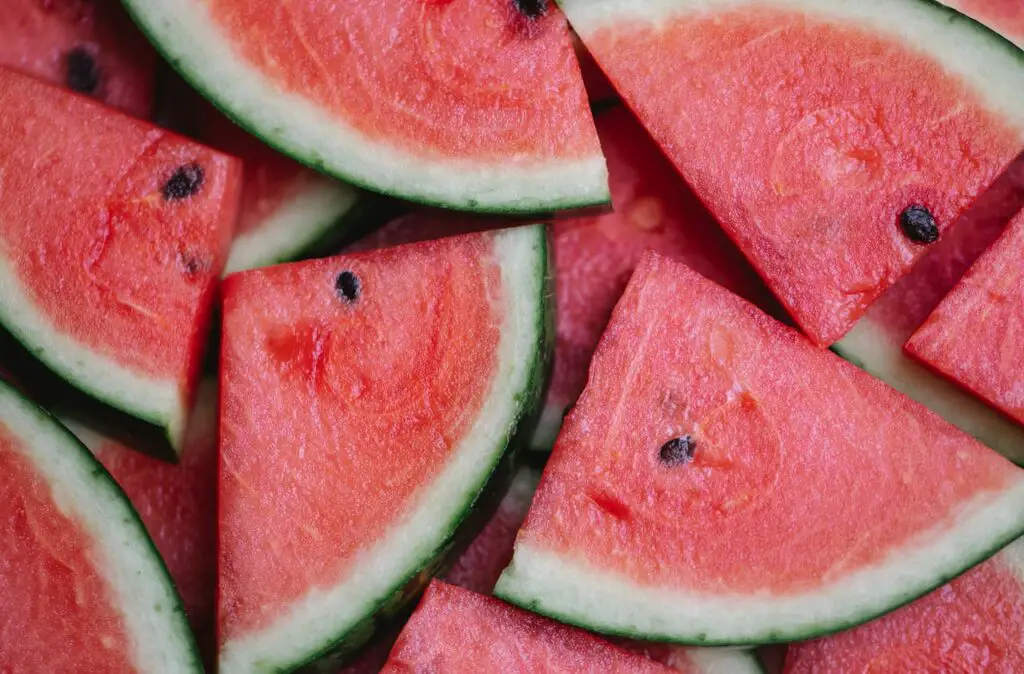
1. Watermelon

<p> Few things feel more nostalgic than a slice of cold watermelon on a hot summer day. Unfortunately, watermelon has a very high glycemic index, which means your body absorbs its sugar quickly. Because it is mostly water with little fiber to slow things down, the sweetness can cause your blood sugar to rise in record time. If you love watermelon, enjoy a very small portion and balance it with some protein, like a slice of cheese. Otherwise, it may be best to stick with lower-sugar fruits for that summertime refreshment. </p> :: Pexels

Few things feel more nostalgic than a slice of cold watermelon on a hot summer day. Unfortunately, watermelon has a very high glycemic index, which means your body absorbs its sugar quickly. Because it is mostly water with little fiber to slow things down, the sweetness can cause your blood sugar to rise in record time. If you love watermelon, enjoy a very small portion and balance it with some protein, like a slice of cheese. Otherwise, it may be best to stick with lower-sugar fruits for that summertime refreshment.

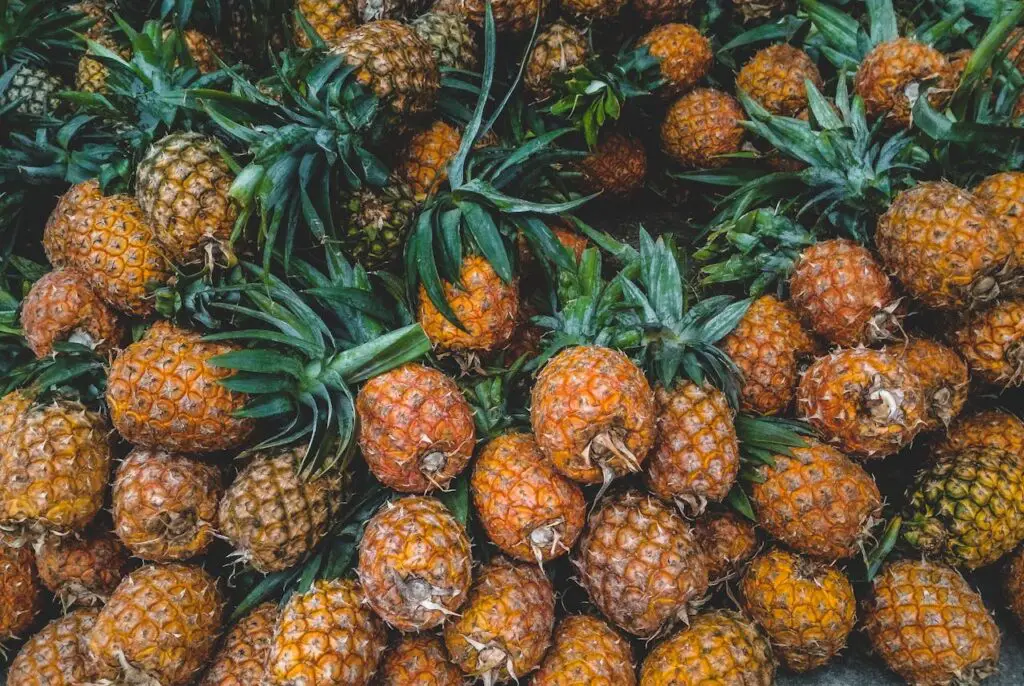
2. Pineapple

<p> Bright, tropical, and full of flavor, pineapple often steals the show in fruit salads. The problem is that it is also loaded with natural sugars and has a moderately high glycemic index. That means it digests quickly, sending sugar into your bloodstream faster than you might like. If you are craving pineapple, think small: a couple of chunks paired with cottage cheese or Greek yogurt will let you enjoy the flavor without the sugar spike. </p> :: Pexels

Bright, tropical, and full of flavor, pineapple often steals the show in fruit salads. The problem is that it is also loaded with natural sugars and has a moderately high glycemic index. That means it digests quickly, sending sugar into your bloodstream faster than you might like. If you are craving pineapple, think small: a couple of chunks paired with cottage cheese or Greek yogurt will let you enjoy the flavor without the sugar spike.

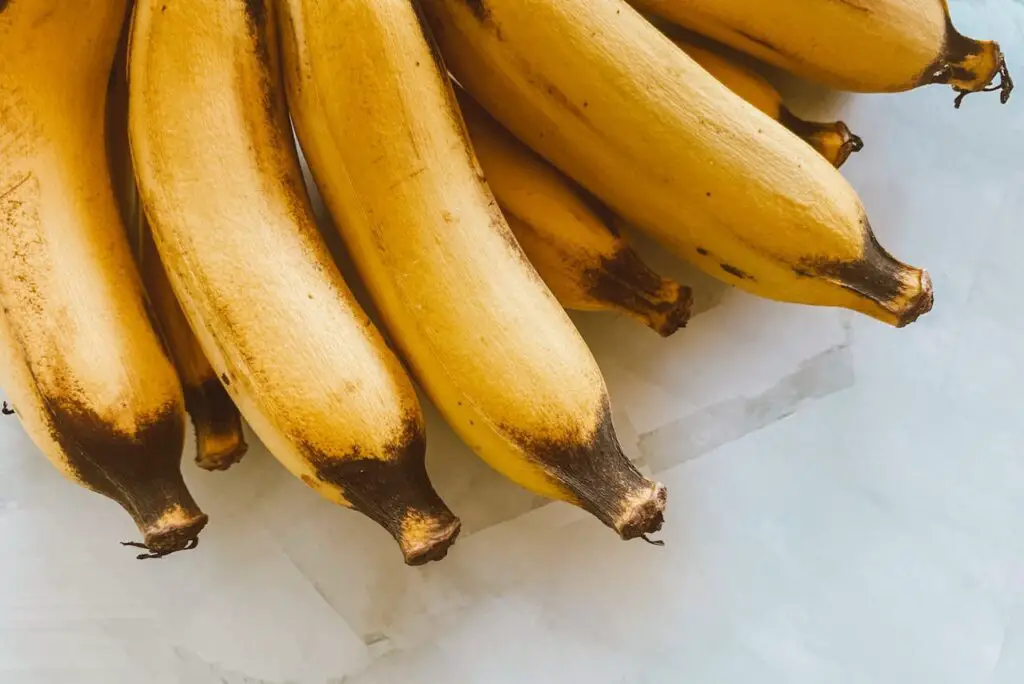
3. Ripe Bananas

<p> Bananas are one of the easiest grab-and-go snacks out there. But as bananas ripen, their starch turns into sugar, which increases their effect on blood sugar levels. A fully ripe banana may taste deliciously sweet, but it can hit your system hard. A firmer banana, slightly less ripe, has a bit less sugar and a lower glycemic impact. If you cannot resist, try pairing half a banana with a spoonful of peanut butter for a snack that is both satisfying and balanced. </p> :: Pexels

Bananas are one of the easiest grab-and-go snacks out there. But as bananas ripen, their starch turns into sugar, which increases their effect on blood sugar levels. A fully ripe banana may taste deliciously sweet, but it can hit your system hard. A firmer banana, slightly less ripe, has a bit less sugar and a lower glycemic impact. If you cannot resist, try pairing half a banana with a spoonful of peanut butter for a snack that is both satisfying and balanced.

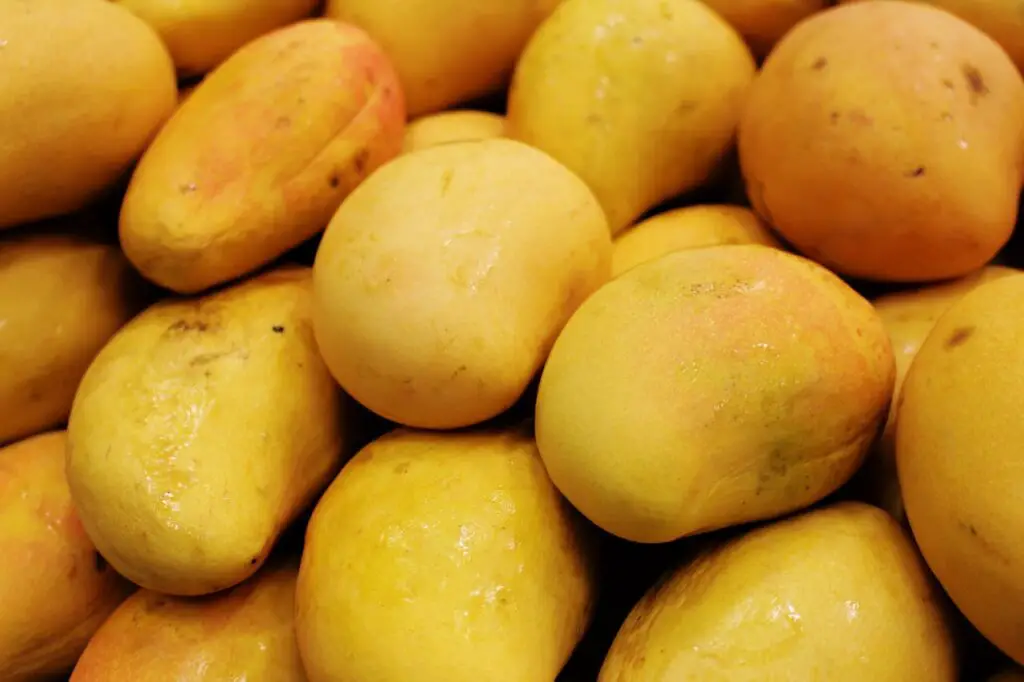
4. Mangoes

<p> Mangoes taste like pure sunshine in fruit form. Unfortunately, that sunny sweetness comes with a hefty sugar load—about 23 grams per cup. While they are rich in vitamins, they can cause a rapid rise in blood sugar if eaten in large portions. If you enjoy mangoes, cut a small slice and savor it slowly rather than tackling the whole fruit. That way, you get the flavor without overwhelming your system. </p> :: Pexels

Mangoes taste like pure sunshine in fruit form. Unfortunately, that sunny sweetness comes with a hefty sugar load—about 23 grams per cup. While they are rich in vitamins, they can cause a rapid rise in blood sugar if eaten in large portions. If you enjoy mangoes, cut a small slice and savor it slowly rather than tackling the whole fruit. That way, you get the flavor without overwhelming your system.

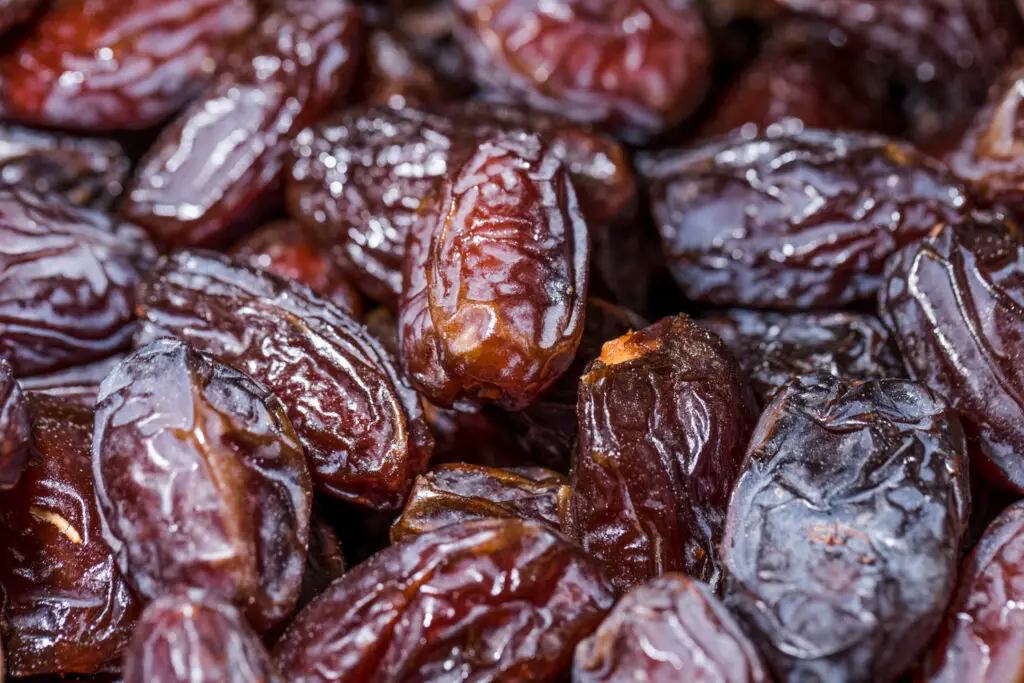
5. Dates

<p> Dates are often called nature’s candy for good reason. They are sticky, chewy, and incredibly sweet. But just one date can contain as much sugar as some candy bars in disguise. Because they are also high in calories and have a high glycemic load, dates are best left as an occasional treat. If you enjoy them, pair just one with a handful of nuts to balance the sugar with protein and healthy fats. </p> :: Freepik

Dates are often called nature’s candy for good reason. They are sticky, chewy, and incredibly sweet. But just one date can contain as much sugar as some candy bars in disguise. Because they are also high in calories and have a high glycemic load, dates are best left as an occasional treat. If you enjoy them, pair just one with a handful of nuts to balance the sugar with protein and healthy fats.

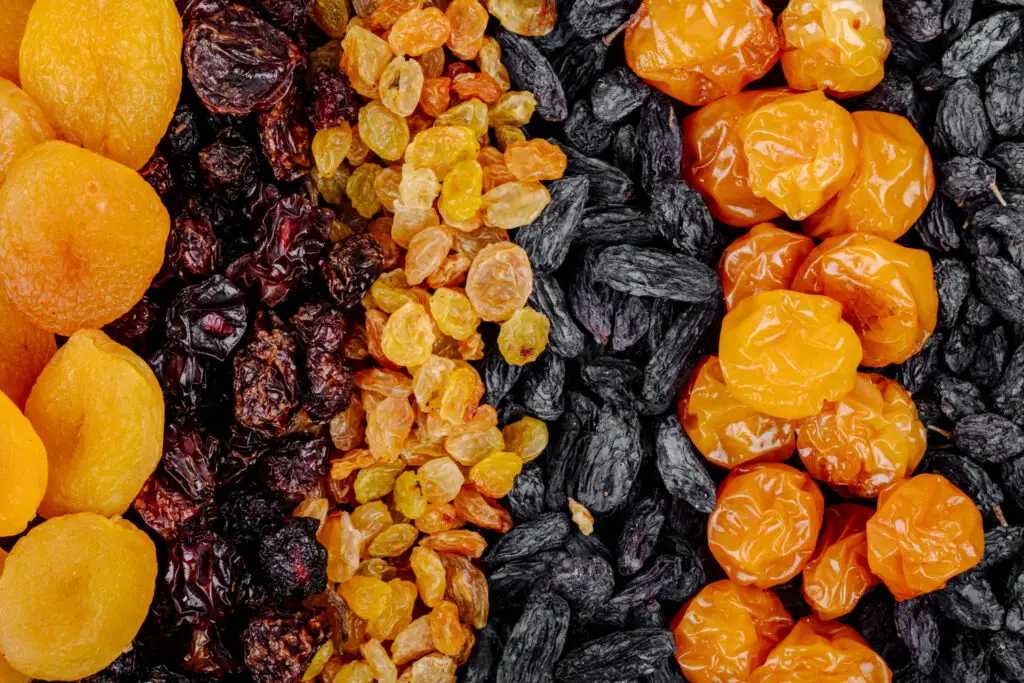
6. Raisins and Other Dried Fruits

<p> Dried fruit may seem like a healthy snack, but it is deceptive. Drying removes the water, concentrating the sugars into each bite. A handful of raisins or dried cranberries can easily deliver more sugar than you intended. The trouble is that dried fruit is also very easy to overeat because it feels so small and light. If you want something sweet, opt for a few fresh berries instead. They are juicy, lower in sugar, and full of fiber to help keep your blood sugar steady. </p> :: Freepik

Dried fruit may seem like a healthy snack, but it is deceptive. Drying removes the water, concentrating the sugars into each bite. A handful of raisins or dried cranberries can easily deliver more sugar than you intended. The trouble is that dried fruit is also very easy to overeat because it feels so small and light. If you want something sweet, opt for a few fresh berries instead. They are juicy, lower in sugar, and full of fiber to help keep your blood sugar steady.

7. Lychee

<p> These tiny tropical gems look innocent enough, but lychees pack quite a sugar punch. Fresh or canned, they rank high on the glycemic index and can cause a quick spike in blood sugar. Canned lychees often come in syrup, which adds even more sugar to the mix. If you enjoy their unique flavor, treat them like candy—an occasional indulgence, not an everyday fruit. </p> :: Pexels

These tiny tropical gems look innocent enough, but lychees pack quite a sugar punch. Fresh or canned, they rank high on the glycemic index and can cause a quick spike in blood sugar. Canned lychees often come in syrup, which adds even more sugar to the mix. If you enjoy their unique flavor, treat them like candy—an occasional indulgence, not an everyday fruit.

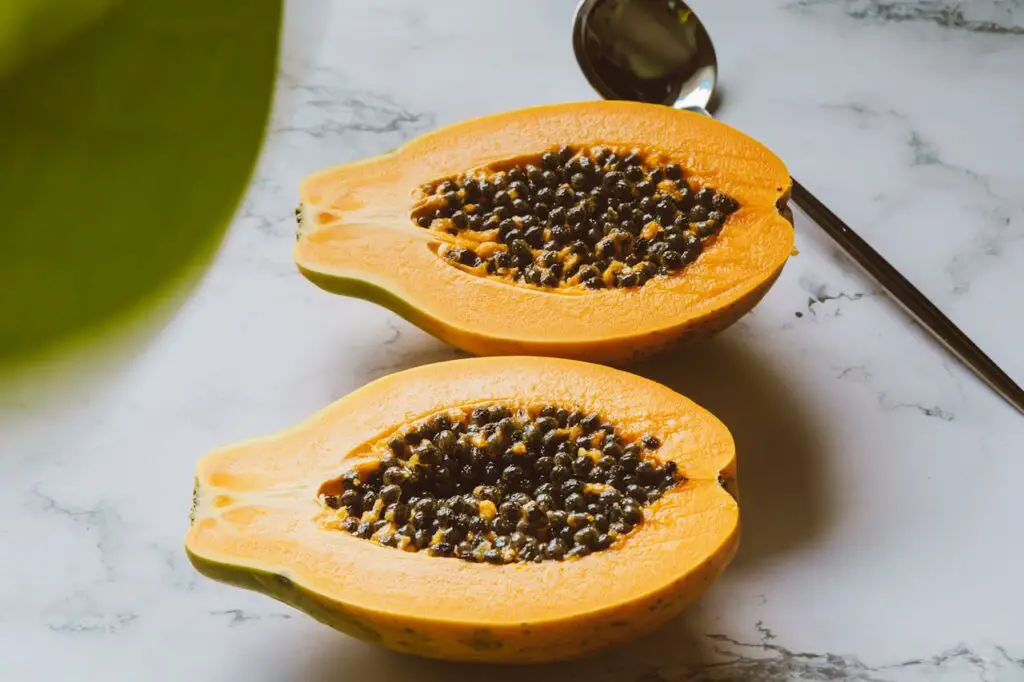
8. Papaya

<p> Papaya has a reputation as a “healthy” fruit, often recommended for digestion. But when ripe, papaya contains a fair amount of sugar and lands in the moderate-to-high range on the glycemic index. While a few slices may not hurt, a big bowl can tip the balance and raise your blood sugar quickly. Enjoy papaya in small amounts and consider pairing it with something protein-rich, like Greek yogurt, to soften the impact. </p> :: Pexels

Papaya has a reputation as a “healthy” fruit, often recommended for digestion. But when ripe, papaya contains a fair amount of sugar and lands in the moderate-to-high range on the glycemic index. While a few slices may not hurt, a big bowl can tip the balance and raise your blood sugar quickly. Enjoy papaya in small amounts and consider pairing it with something protein-rich, like Greek yogurt, to soften the impact.

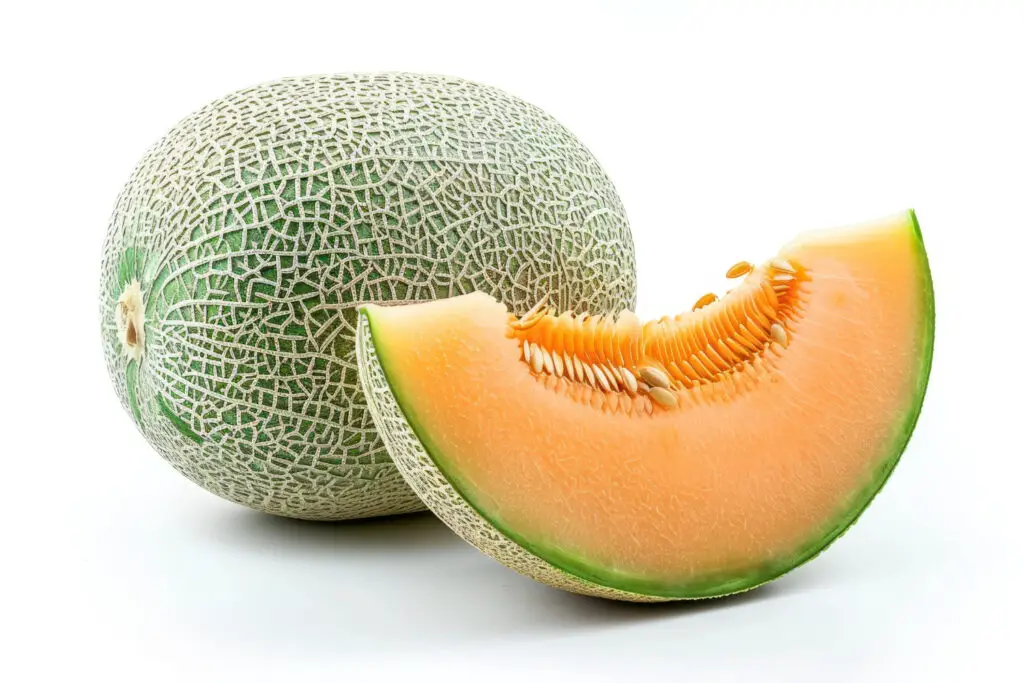
9. Cantaloupe

<p> Cantaloupe may seem light and harmless, but its glycemic index lands in the 60s, which means it can still send your blood sugar higher than you might expect. Because it is mostly water, the glycemic load is a little lower, but the sugar is still there. The trick is moderation. Instead of eating a big bowl of cantaloupe on its own, try combining a few slices with a handful of almonds or walnuts. This pairing slows digestion and helps you feel satisfied without the sugar rollercoaster. </p> :: Freepik

Cantaloupe may seem light and harmless, but its glycemic index lands in the 60s, which means it can still send your blood sugar higher than you might expect. Because it is mostly water, the glycemic load is a little lower, but the sugar is still there. The trick is moderation. Instead of eating a big bowl of cantaloupe on its own, try combining a few slices with a handful of almonds or walnuts. This pairing slows digestion and helps you feel satisfied without the sugar rollercoaster.

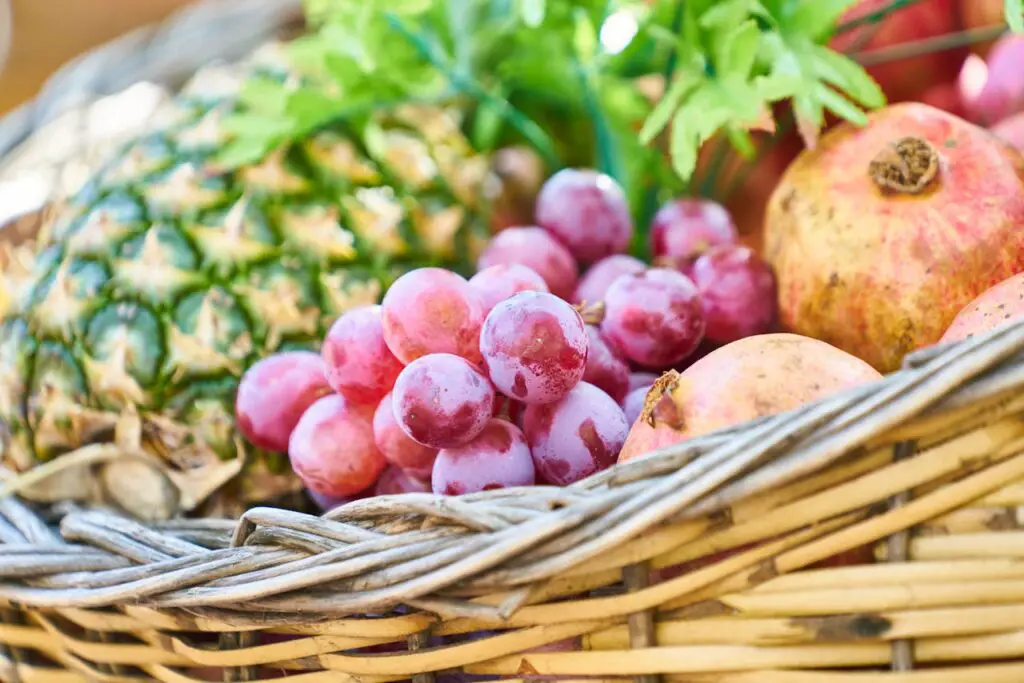
10. Grapes

<p> Grapes are perhaps the ultimate mindless snack. A bunch in a bowl disappears quickly, but each handful adds up to a significant amount of sugar. Grapes are delicious and full of antioxidants, but they can cause blood sugar to climb rapidly. To enjoy them safely, measure out a small portion—maybe ten or twelve grapes—instead of eating straight from the bunch. You will still get the sweet burst without going overboard. </p> :: Pexels

Grapes are perhaps the ultimate mindless snack. A bunch in a bowl disappears quickly, but each handful adds up to a significant amount of sugar. Grapes are delicious and full of antioxidants, but they can cause blood sugar to climb rapidly. To enjoy them safely, measure out a small portion—maybe ten or twelve grapes—instead of eating straight from the bunch. You will still get the sweet burst without going overboard.

Final Thoughts

<p> Cutting back on high-sugar fruits does not mean you have to give up the joy of fruit altogether. Instead, it is about making smarter choices. Berries, apples, pears, and citrus fruits tend to be friendlier options when it comes to keeping blood sugar stable, and they still offer plenty of flavor and nutrition. As baby boomers, the goal is not perfection but balance. Enjoying fruit should be part of a full and satisfying diet that supports energy, health, and yes, even the occasional sweet craving. With a little awareness and moderation, you can still savor nature’s sweetness without the sugar spike that follows. After all, life is too short not to enjoy the sweet moments—it just helps to choose the ones that truly nourish you. </p> :: Pexels

Cutting back on high-sugar fruits does not mean you have to give up the joy of fruit altogether. Instead, it is about making smarter choices. Berries, apples, pears, and citrus fruits tend to be friendlier options when it comes to keeping blood sugar stable, and they still offer plenty of flavor and nutrition.

As baby boomers, the goal is not perfection but balance. Enjoying fruit should be part of a full and satisfying diet that supports energy, health, and yes, even the occasional sweet craving. With a little awareness and moderation, you can still savor nature’s sweetness without the sugar spike that follows. After all, life is too short not to enjoy the sweet moments—it just helps to choose the ones that truly nourish you.

Filed Under: Health & Fitness

The Art of the Perfect Cup: How to Brew Better Coffee (or Tea) at Home

February 27, 2026 | Leave a Comment

The Art of the Perfect Cup: How to Brew Better Coffee (or Tea) at Home

<p> For many, starting the day with a perfectly brewed cup of coffee or tea is a sacred ritual that sets the tone for the hours ahead. However, brewing a great cup isn't as simple as boiling water or pouring hot coffee over grounds; it involves a delicate balance of techniques, ingredients, and equipment. Whether you're a coffee aficionado or a tea lover, mastering the art of brewing at home can elevate your daily experience and allow you to enjoy café-quality beverages without leaving your kitchen. This article will guide you through the essential steps to brew better coffee and tea at home, ensuring every sip is a delight. </p> :: Pexels

For many, starting the day with a perfectly brewed cup of coffee or tea is a sacred ritual that sets the tone for the hours ahead. However, brewing a great cup isn’t as simple as boiling water or pouring hot coffee over grounds; it involves a delicate balance of techniques, ingredients, and equipment. Whether you’re a coffee aficionado or a tea lover, mastering the art of brewing at home can elevate your daily experience and allow you to enjoy café-quality beverages without leaving your kitchen. Here, we’ll guide you through the essential steps to brew better coffee and tea at home, ensuring every sip is a delight.

1. Choosing the Right Ingredients

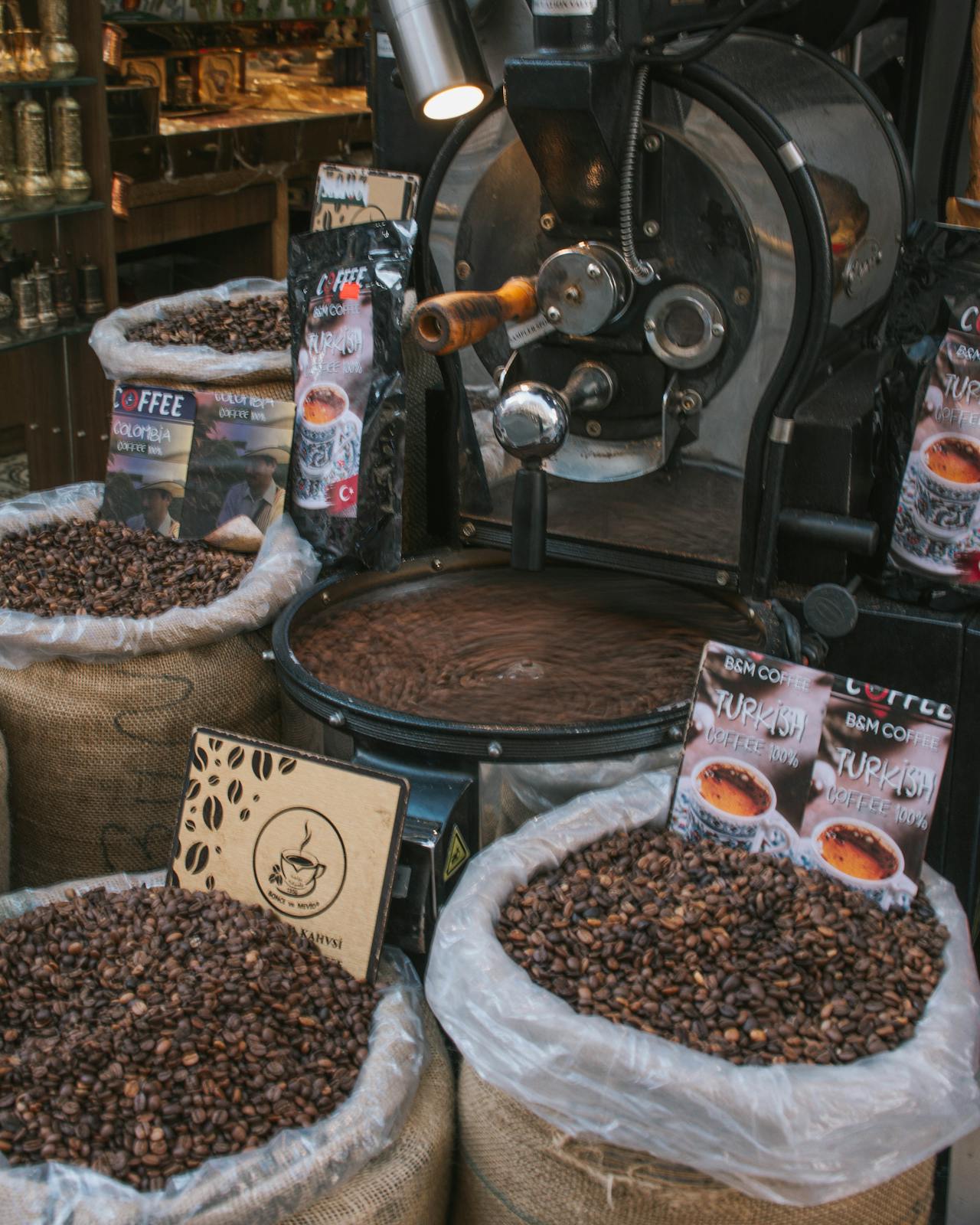
<p> The journey to the perfect cup begins with selecting high-quality ingredients. For coffee lovers, start with fresh, whole beans sourced from reputable roasters or local coffee shops. Look for beans that have a roast date within the last two weeks to ensure maximum freshness. If you're a tea enthusiast, opt for loose-leaf tea over tea bags whenever possible, as it typically provides a richer flavor profile. Explore different varieties, such as single-origin coffees or artisanal teas, to find your favorites. Remember, quality ingredients lay the foundation for a delicious cup, so invest time in selecting the best options. </p> :: Pexels

The journey to the perfect cup begins with selecting high-quality ingredients. For coffee lovers, start with fresh, whole beans sourced from reputable roasters or local coffee shops. Look for beans that have a roast date within the last two weeks to ensure maximum freshness. If you’re a tea enthusiast, opt for loose-leaf tea over tea bags whenever possible, as it typically provides a richer flavor profile. Explore different varieties, such as single-origin coffees or artisanal teas, to find your favorites. Remember, quality ingredients lay the foundation for a delicious cup, so invest time in selecting the best options.

2. Mastering Coffee Grinding

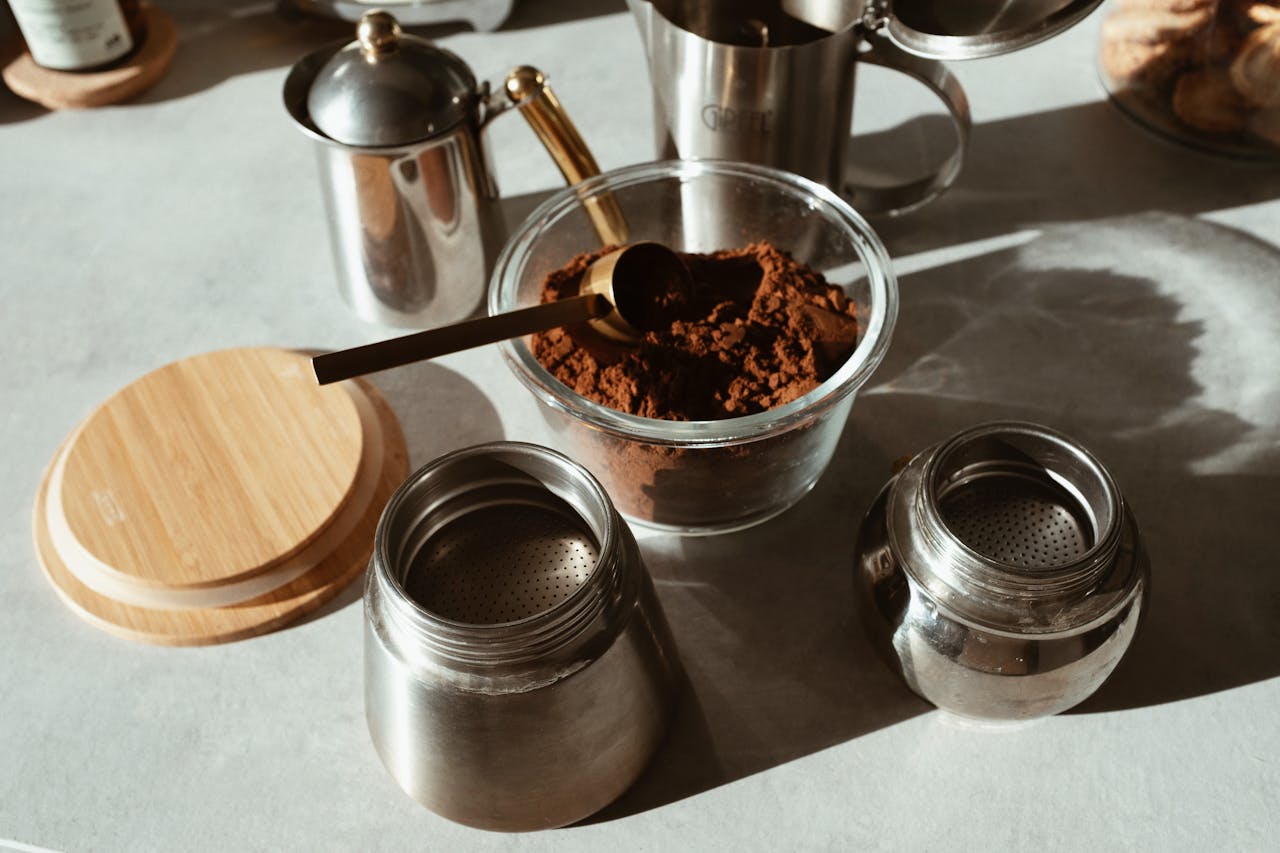
<p> If you’re brewing coffee, the grind size plays a crucial role in determining the flavor and strength of your brew. Different brewing methods require specific grind sizes; for instance, a coarse grind is ideal for French press, while a fine grind suits espresso machines. Invest in a good burr grinder to achieve consistent grind size, as this helps extract the best flavors from the beans. For tea, while grinding isn’t usually necessary, ensuring your leaves are whole and unbroken can enhance the infusion process. Grinding or breaking leaves can release bitterness, so handle them gently to preserve their quality. </p> :: Pexels

If you’re brewing coffee, the grind size plays a crucial role in determining the flavor and strength of your brew. Different brewing methods require specific grind sizes; for instance, a coarse grind is ideal for French press, while a fine grind suits espresso machines. Invest in a good burr grinder to achieve consistent grind size, as this helps extract the best flavors from the beans. For tea, while grinding isn’t usually necessary, ensuring your leaves are whole and unbroken can enhance the infusion process. Grinding or breaking leaves can release bitterness, so handle them gently to preserve their quality.

3. The Importance of Water Quality

<p> The quality of water used in brewing can significantly impact the flavor of your coffee or tea. Ideally, use filtered or bottled water that is free from impurities and odors. Tap water can contain chlorine or minerals that affect taste. Additionally, the temperature of the water is essential—boiling water is typically too hot for tea, while coffee benefits from water that is between 195°F to 205°F (90°C to 96°C). Using a thermometer can help you achieve the perfect temperature. Remember, water is a crucial component of your drink, so treat it with care. </p> :: Pexels

The quality of water used in brewing can significantly impact the flavor of your coffee or tea. Ideally, use filtered or bottled water that is free from impurities and odors. Tap water can contain chlorine or minerals that affect taste. Additionally, the temperature of the water is essential—boiling water is typically too hot for tea, while coffee benefits from water that is between 195°F to 205°F (90°C to 96°C). Using a thermometer can help you achieve the perfect temperature. Remember, water is a crucial component of your drink, so treat it with care.

4. Brewing Techniques for Coffee

<p> Different brewing methods yield various flavor profiles and intensities. Here are a few popular techniques to try at home: </p> <ol> <li> Pour-Over: This method allows for precise control over the brewing process. Use a gooseneck kettle to pour hot water in a circular motion over the coffee grounds in a filter. This technique emphasizes clarity and highlights nuanced flavors. </li> <li> French Press: Coarse grounds are steeped in hot water for about four minutes before pressing down the plunger. This method produces a rich and full-bodied cup. </li> <li> Aeropress: This versatile device uses air pressure to brew coffee, resulting in a strong and concentrated drink. Experiment with steeping times to find your ideal flavor. </li> </ol> <p> Experimenting with these techniques will help you discover your preferred brewing style and the resulting flavor profiles you enjoy most. </p> :: Pexels

Different brewing methods yield various flavor profiles and intensities. Here are a few popular techniques to try at home:

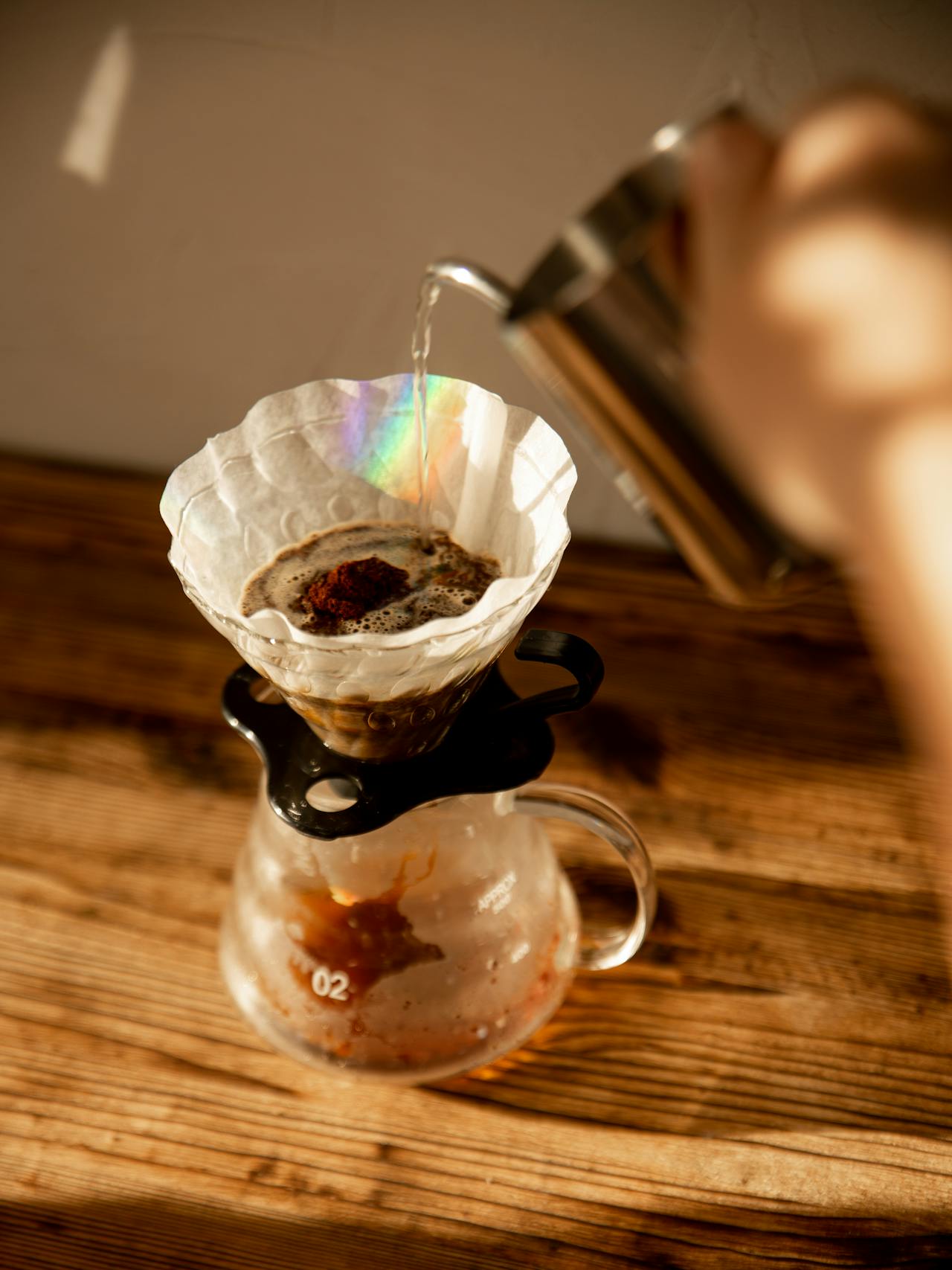
  • Pour-Over: This method allows for precise control over the brewing process. Use a gooseneck kettle to pour hot water in a circular motion over the coffee grounds in a filter. This technique emphasizes clarity and highlights nuanced flavors.
  • French Press: Coarse grounds are steeped in hot water for about four minutes before pressing down the plunger. This method produces a rich and full-bodied cup.
  • Aeropress: This versatile device uses air pressure to brew coffee, resulting in a strong and concentrated drink. Experiment with steeping times to find your ideal flavor.

Experimenting with these techniques will help you discover your preferred brewing style and the resulting flavor profiles you enjoy most.

5. Brewing Techniques for Tea

<p> Like coffee, tea requires specific brewing methods to unlock its flavors. Here are some key techniques: </p> <ol> <li> Steeping: The steeping time and temperature depend on the type of tea. For example, black tea typically steeps for 3-5 minutes at around 200°F (93°C), while green tea prefers a shorter steep of 2-3 minutes at about 175°F (80°C). Cold Brewing: This method produces a smooth, less bitter tea. Simply steep loose-leaf tea in cold water for 6-12 hours in the refrigerator. This technique is particularly refreshing in warmer months. </li> <li> Gaiwan or Gongfu: For those wanting to explore traditional Chinese tea brewing, a gaiwan allows for multiple short steeps, unlocking complex flavors over several infusions. </li> </ol><p> Understanding these methods will help you draw out the unique characteristics of different teas, making each cup a new experience. </p> :: Pexels

Like coffee, tea requires specific brewing methods to unlock its flavors. Here are some key techniques:

  • Steeping: The steeping time and temperature depend on the type of tea. For example, black tea typically steeps for 3-5 minutes at around 200°F (93°C), while green tea prefers a shorter steep of 2-3 minutes at about 175°F (80°C).
  • Cold Brewing: This method produces a smooth, less bitter tea. Simply steep loose-leaf tea in cold water for 6-12 hours in the refrigerator. This technique is particularly refreshing in warmer months.
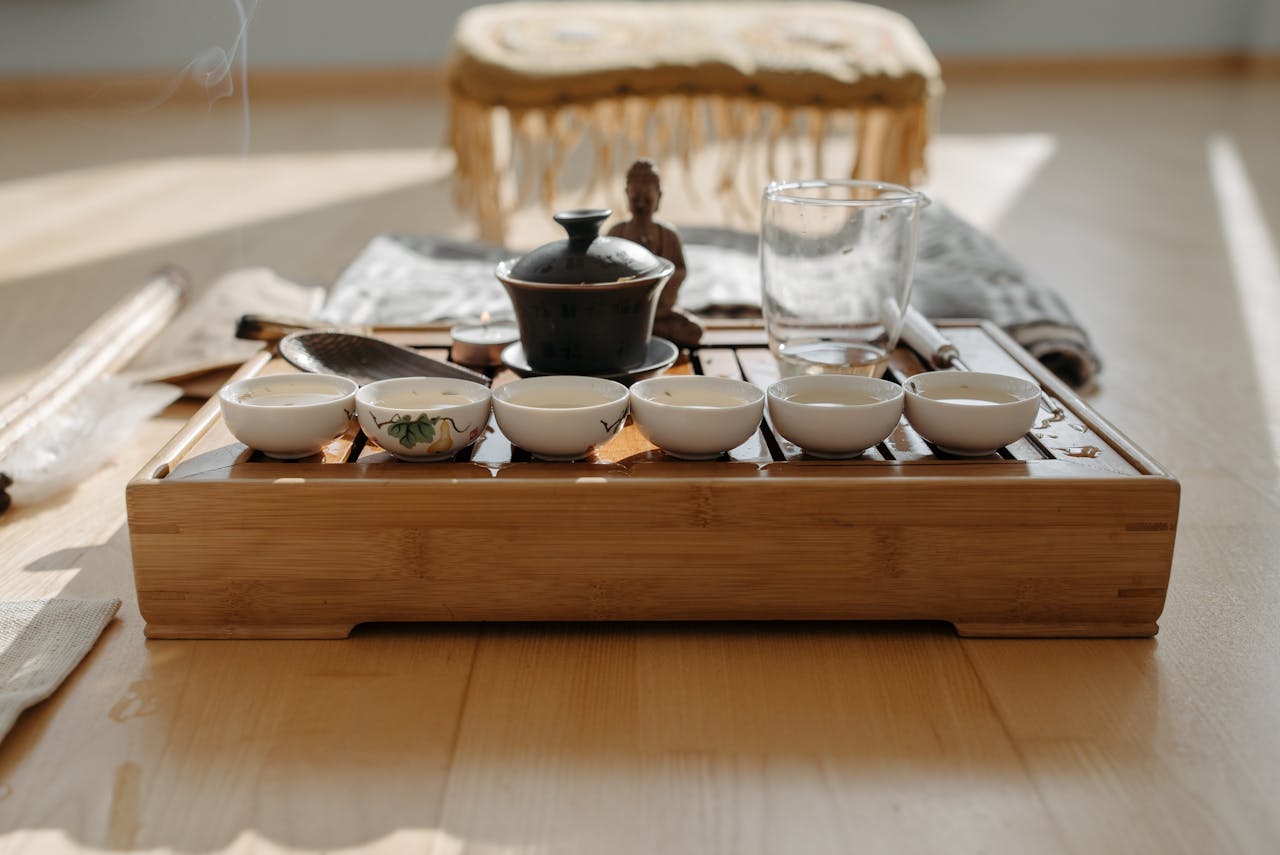
  • Gaiwan or Gongfu: For those wanting to explore traditional Chinese tea brewing, a gaiwan allows for multiple short steeps, unlocking complex flavors over several infusions.

Understanding these methods will help you draw out the unique characteristics of different teas, making each cup a new experience.

6. Finding the Right Ratio

<p> Balancing the ratio of coffee or tea to water is essential for achieving your desired strength and flavor. A common coffee-to-water ratio is 1:15 (one part coffee to 15 parts water), but you may adjust it based on personal preference. For tea, use about one teaspoon of loose-leaf tea per cup of water, adjusting to taste. Experimenting with these ratios will help you find the perfect balance for your palate. Keep a journal of your brewing experiments, noting the ratios and results, so you can refine your technique over time. </p> :: Pexels

Balancing the ratio of coffee or tea to water is essential for achieving your desired strength and flavor. A common coffee-to-water ratio is 1:15 (one part coffee to 15 parts water), but you may adjust it based on personal preference. For tea, use about one teaspoon of loose-leaf tea per cup of water, adjusting to taste. Experimenting with these ratios will help you find the perfect balance for your palate. Keep a journal of your brewing experiments, noting the ratios and results, so you can refine your technique over time.

7. Personalizing Your Brew

<p> Once you’ve mastered the basics of brewing, don’t hesitate to personalize your drinks. Experiment with various flavor enhancers such as spices, syrups, or dairy alternatives. For coffee, consider adding a dash of cinnamon or a splash of vanilla extract. For tea, try infusing it with herbs like mint or basil, or add a slice of lemon for a refreshing twist. Creating your signature drink allows you to explore new flavors and makes the brewing process even more enjoyable. </p> :: Pexels

Once you’ve mastered the basics of brewing, don’t hesitate to personalize your drinks. Experiment with various flavor enhancers such as spices, syrups, or dairy alternatives. For coffee, consider adding a dash of cinnamon or a splash of vanilla extract. For tea, try infusing it with herbs like mint or basil, or add a slice of lemon for a refreshing twist. Creating your signature drink allows you to explore new flavors and makes the brewing process even more enjoyable.

Final Thoughts

<p> Brewing a perfect cup of coffee or tea at home is an art that requires attention to detail, quality ingredients, and a willingness to experiment. By following these essential steps—from selecting the right ingredients to mastering brewing techniques—you can elevate your daily ritual and enjoy a café-quality beverage in the comfort of your own home. Remember, the journey to the perfect cup is personal, so embrace the process, explore new flavors, and enjoy every sip. Whether you’re starting your day or winding down in the evening, a well-crafted cup can transform your moment and bring comfort and joy to your routine. </p> :: Pexels

Brewing a perfect cup of coffee or tea at home is an art that requires attention to detail, quality ingredients, and a willingness to experiment. By following these essential steps—from selecting the right ingredients to mastering brewing techniques—you can elevate your daily ritual and enjoy a café-quality beverage in the comfort of your own home. Remember, the journey to the perfect cup is personal, so embrace the process, explore new flavors, and enjoy every sip. Whether you’re starting your day or winding down in the evening, a well-crafted cup can transform your moment and bring comfort and joy to your routine.

Filed Under: Food & Drink

7 Annoying Money Habits Your Friends Are Judging You For

February 27, 2026 | Leave a Comment

7 Annoying Money Habits Your Friends Are Judging You For

<p> When it comes to money, everyone has their quirks. But some habits can annoy those around you, even if they don’t say it outright. Whether it’s splitting the bill unfairly or constantly borrowing cash, these behaviors can make you the subject of quiet judgment. If you want to keep your friendships strong and your reputation intact, it’s time to address these habits. Here are seven annoying money habits your friends might secretly be judging you for. </p> :: Pexels

When it comes to money, everyone has their quirks. But some habits can annoy those around you, even if they don’t say it outright. Whether it’s splitting the bill unfairly or constantly borrowing cash, these behaviors can make you the subject of quiet judgment. If you want to keep your friendships strong and your reputation intact, it’s time to address these habits. Here are seven annoying money habits your friends might secretly be judging you for.

1. Dodging Your Share of the Bill

<p> Nobody likes the friend who mysteriously disappears when it’s time to settle the check. Whether you conveniently forget your wallet, underpay your share, or suggest splitting the bill unevenly, this habit creates tension and leaves others feeling taken advantage of. Friends notice when you’re always the one “forgetting” to contribute, and it can make them hesitant to invite you out in the future. To avoid this, be proactive about paying your fair share. Use apps like Venmo or Splitwise to make splitting costs easier, and always carry some cash or a card to avoid excuses. By being fair and reliable, you’ll show your friends that you value their company and respect their time and money. </p> :: Pexels

Nobody likes the friend who mysteriously disappears when it’s time to settle the check. Whether you conveniently forget your wallet, underpay your share, or suggest splitting the bill unevenly, this habit creates tension and leaves others feeling taken advantage of. Friends notice when you’re always the one “forgetting” to contribute, and it can make them hesitant to invite you out in the future. To avoid this, be proactive about paying your fair share. Use apps like Venmo or Splitwise to make splitting costs easier, and always carry some cash or a card to avoid excuses. By being fair and reliable, you’ll show your friends that you value their company and respect their time and money.

2. Constantly Borrowing Without Repaying

<p> Borrowing money occasionally is understandable—life happens, and sometimes you might need a little help. However, if you make it a habit to borrow without paying people back, it becomes a serious issue. Friends may feel awkward asking for their money, but they won’t forget that you owe them. This behavior can erode trust and make others feel like you’re taking advantage of their generosity. Over time, they may start avoiding financial interactions with you altogether. If you do borrow, make a point to repay promptly, even if it’s a small amount. Better yet, budget for emergencies so you don’t have to borrow in the first place. Showing responsibility in this area will help you maintain healthy relationships and avoid unnecessary conflict. </p> :: Pexels

Borrowing money occasionally is understandable—life happens, and sometimes you might need a little help. However, if you make it a habit to borrow without paying people back, it becomes a serious issue. Friends may feel awkward asking for their money, but they won’t forget that you owe them. This behavior can erode trust and make others feel like you’re taking advantage of their generosity. Over time, they may start avoiding financial interactions with you altogether. If you do borrow, make a point to repay promptly, even if it’s a small amount. Better yet, budget for emergencies so you don’t have to borrow in the first place. Showing responsibility in this area will help you maintain healthy relationships and avoid unnecessary conflict.

3. Being a Cheapskate in Group Settings

<p> It’s great to be frugal, but being overly stingy—like refusing to tip appropriately, skipping your turn to buy a round of drinks, or always choosing the cheapest option while expecting others to subsidize your experience—can frustrate your friends. This habit can make group outings feel awkward and diminish the enjoyment for everyone. While it’s important to stick to your budget, it’s equally important to consider the group dynamic. To avoid being labeled a cheapskate, balance your budget-consciousness with thoughtfulness for others. If you’re worried about costs, suggest affordable activities or venues instead of making everyone else adjust to your preferences. </p> :: Pexels

It’s great to be frugal, but being overly stingy—like refusing to tip appropriately, skipping your turn to buy a round of drinks, or always choosing the cheapest option while expecting others to subsidize your experience—can frustrate your friends. This habit can make group outings feel awkward and diminish the enjoyment for everyone. While it’s important to stick to your budget, it’s equally important to consider the group dynamic. To avoid being labeled a cheapskate, balance your budget-consciousness with thoughtfulness for others. If you’re worried about costs, suggest affordable activities or venues instead of making everyone else adjust to your preferences.

4. Oversharing About Financial Struggles

<p> While it’s important to have a support system, constantly bringing up your financial woes can wear on your friends. Nobody wants to hear about your unpaid bills, tight budget, or financial stress every time you meet. This can make others feel uncomfortable or guilty, especially if they’re in a better financial position. Over time, this habit can create distance in your relationships as friends may start avoiding conversations with you to escape the negativity. Instead, try to discuss your money concerns with a financial advisor or a close confidant rather than unloading on your entire friend group. Keep social interactions positive and focus on topics that everyone can enjoy. </p> :: Pexels

While it’s important to have a support system, constantly bringing up your financial woes can wear on your friends. Nobody wants to hear about your unpaid bills, tight budget, or financial stress every time you meet. This can make others feel uncomfortable or guilty, especially if they’re in a better financial position. Over time, this habit can create distance in your relationships as friends may start avoiding conversations with you to escape the negativity. Instead, try to discuss your money concerns with a financial advisor or a close confidant rather than unloading on your entire friend group. Keep social interactions positive and focus on topics that everyone can enjoy.

5. Flaunting Your Wealth Excessively

<p> On the flip side, bragging about your financial successes or expensive purchases can be just as annoying as complaining about money troubles. Constantly talking about your latest splurge, your luxury vacations, or your high-paying job can come across as tone-deaf, especially if your friends are on tighter budgets. This habit can create feelings of envy or resentment, even if that’s not your intention. Over time, it can damage your friendships by making others feel inadequate or judged. Practice humility and remember that true wealth doesn’t need to be flaunted. Celebrate your wins privately or with close friends who understand your journey, and focus on being supportive rather than boastful. </p> :: Pexels

On the flip side, bragging about your financial successes or expensive purchases can be just as annoying as complaining about money troubles. Constantly talking about your latest splurge, your luxury vacations, or your high-paying job can come across as tone-deaf, especially if your friends are on tighter budgets. This habit can create feelings of envy or resentment, even if that’s not your intention. Over time, it can damage your friendships by making others feel inadequate or judged. Practice humility and remember that true wealth doesn’t need to be flaunted. Celebrate your wins privately or with close friends who understand your journey, and focus on being supportive rather than boastful.

6. Asking for Discounts or Freebies Too Often

<p> Everyone loves a good deal, but constantly asking your friends for discounts, freebies, or favors related to their work can be frustrating. Whether it’s expecting free tickets to their event, haggling for a discount on a product they sell, or asking them to do professional work for free, this habit can make your friends feel undervalued and unappreciated. It’s important to respect their time, effort, and expertise by supporting their work at full price whenever possible. If they offer you a discount or freebie, graciously accept it, but don’t make it a habit to ask. By showing respect for their professional boundaries, you’ll strengthen your friendships and avoid unnecessary tension. </p> :: Pexels

Everyone loves a good deal, but constantly asking your friends for discounts, freebies, or favors related to their work can be frustrating. Whether it’s expecting free tickets to their event, haggling for a discount on a product they sell, or asking them to do professional work for free, this habit can make your friends feel undervalued and unappreciated. It’s important to respect their time, effort, and expertise by supporting their work at full price whenever possible. If they offer you a discount or freebie, graciously accept it, but don’t make it a habit to ask. By showing respect for their professional boundaries, you’ll strengthen your friendships and avoid unnecessary tension.

7. Comparing Finances with Friends

<p> Bringing up who earns more, who spends less, or who has the best investments can create unnecessary competition and strain your friendships. Nobody likes feeling judged or compared, especially when it comes to personal finances. This habit can make conversations tense and lead to feelings of inadequacy or resentment. It can also make you seem overly focused on material success, which can alienate friends who value other aspects of life. Instead of comparing, focus on supporting and celebrating each other’s financial milestones. Remember, everyone’s financial journey is unique, and friendships are more valuable than numbers. </p> :: Pexels

Bringing up who earns more, who spends less, or who has the best investments can create unnecessary competition and strain your friendships. Nobody likes feeling judged or compared, especially when it comes to personal finances. This habit can make conversations tense and lead to feelings of inadequacy or resentment. It can also make you seem overly focused on material success, which can alienate friends who value other aspects of life. Instead of comparing, focus on supporting and celebrating each other’s financial milestones. Remember, everyone’s financial journey is unique, and friendships are more valuable than numbers.

Final Thoughts

<p> Money can be a sensitive topic, but it doesn’t have to be a source of tension in your friendships. By avoiding these annoying money habits, you can maintain strong, healthy relationships while also improving your financial habits. Remember, small changes can make a big difference, both in your wallet and in your social life. So the next time you’re out with friends or handling shared expenses, keep these tips in mind to ensure you’re not the one being quietly judged. By practicing fairness, respect, and consideration, you’ll create a positive environment where everyone feels valued—both financially and personally. </p> :: Pexels

Money can be a sensitive topic, but it doesn’t have to be a source of tension in your friendships. By avoiding these annoying money habits, you can maintain strong, healthy relationships while also improving your financial habits. Remember, small changes can make a big difference, both in your wallet and in your social life. So the next time you’re out with friends or handling shared expenses, keep these tips in mind to ensure you’re not the one being quietly judged.

By practicing fairness, respect, and consideration, you’ll create a positive environment where everyone feels valued—both financially and personally.

Filed Under: Money

From Hobby to Income: 8 Side Hustles Boomers Love in Retirement

February 27, 2026 | Leave a Comment

From Hobby to Income: 8 Side Hustles Boomers Love in Retirement

<p> Retirement is often painted as a time for rest, travel, and leisure. But for many Baby Boomers, stepping away from the nine-to-five does not mean giving up productivity or purpose. In fact, retirement can be the perfect time to rediscover passions, explore new hobbies, and even earn extra income on the side. Whether it is about adding to your savings, staying active, or simply enjoying the satisfaction of creating and sharing, side hustles have become a favorite way for retirees to keep life both meaningful and rewarding. The beauty of a side hustle is that it can be as small or as ambitious as you like. Maybe you want a little extra cash to fund vacations, spoil the grandkids, or try out that new restaurant in town. Or perhaps you are looking for ways to stay socially connected, keep the mind sharp, and continue learning. Whatever the motivation, there are countless opportunities for Boomers to transform their hobbies into income. Here are eight side hustles that retirees across the United States are loving right now. Each offers flexibility, purpose, and just enough fun to make “work” feel like play. </p> :: Freepik

Retirement is often painted as a time for rest, travel, and leisure. But for many Baby Boomers, stepping away from the nine-to-five does not mean giving up productivity or purpose. In fact, retirement can be the perfect time to rediscover passions, explore new hobbies, and even earn extra income on the side. Whether it is about adding to your savings, staying active, or simply enjoying the satisfaction of creating and sharing, side hustles have become a favorite way for retirees to keep life both meaningful and rewarding.

The beauty of a side hustle is that it can be as small or as ambitious as you like. Maybe you want a little extra cash to fund vacations, spoil the grandkids, or try out that new restaurant in town. Or perhaps you are looking for ways to stay socially connected, keep the mind sharp, and continue learning. Whatever the motivation, there are countless opportunities for Boomers to transform their hobbies into income.

Here are eight side hustles that retirees across the United States are loving right now. Each offers flexibility, purpose, and just enough fun to make “work” feel like play.

1. Monetize Your Crafts or Collectibles

<p> If you enjoy creating things with your hands or curating unique items, this could be the perfect fit. From knitting cozy scarves to building birdhouses, woodworking projects, or even painting, handmade goods are highly sought after online. Websites like Etsy, eBay, and Facebook Marketplace give you the chance to sell directly to buyers who appreciate quality and creativity. Beyond that, local craft fairs and farmers’ markets can turn into fun community outings where you showcase your talents and connect with neighbors. The best part? Something you may already be doing for joy can become a steady little stream of income. </p> :: Pexels

If you enjoy creating things with your hands or curating unique items, this could be the perfect fit. From knitting cozy scarves to building birdhouses, woodworking projects, or even painting, handmade goods are highly sought after online. Websites like Etsy, eBay, and Facebook Marketplace give you the chance to sell directly to buyers who appreciate quality and creativity. Beyond that, local craft fairs and farmers’ markets can turn into fun community outings where you showcase your talents and connect with neighbors. The best part? Something you may already be doing for joy can become a steady little stream of income.

2. Become a Local Tour Guide

<p> Do you know the hidden history of your town, or have a knack for storytelling? Becoming a local tour guide is a surprisingly fun and rewarding option. Many retirees are signing up with platforms like Airbnb Experiences or Tours by Locals to lead walking tours that highlight food, history, art, or culture. You set your own pace, choose the type of tour you want to give, and spend your time engaging with curious travelers. Not only does this allow you to share knowledge and pride in your hometown, but it also helps you stay active and meet people from all over the world. </p> :: Pexels

Do you know the hidden history of your town, or have a knack for storytelling? Becoming a local tour guide is a surprisingly fun and rewarding option. Many retirees are signing up with platforms like Airbnb Experiences or Tours by Locals to lead walking tours that highlight food, history, art, or culture. You set your own pace, choose the type of tour you want to give, and spend your time engaging with curious travelers. Not only does this allow you to share knowledge and pride in your hometown, but it also helps you stay active and meet people from all over the world.

3. Tutor or Teach What You Know

<p> One of the greatest advantages Baby Boomers have is experience. Decades of work, study, and life skills make you a natural teacher. If you enjoy working with kids, tutoring can be a fulfilling way to make extra money while giving back. Subjects like math, English, music, or even test prep are always in demand. For those who prefer adults, you could teach a language, host a cooking class, or give lessons on personal finance. Online platforms such as Wyzant and Tutor.com make it easy to find students, while local community centers often welcome experienced instructors. It is a meaningful way to share knowledge and keep your own brain sharp at the same time. </p> :: Pexels

One of the greatest advantages Baby Boomers have is experience. Decades of work, study, and life skills make you a natural teacher. If you enjoy working with kids, tutoring can be a fulfilling way to make extra money while giving back. Subjects like math, English, music, or even test prep are always in demand. For those who prefer adults, you could teach a language, host a cooking class, or give lessons on personal finance. Online platforms such as Wyzant and Tutor.com make it easy to find students, while local community centers often welcome experienced instructors. It is a meaningful way to share knowledge and keep your own brain sharp at the same time.

4. Rent Out Your Space or Belongings

<p> If you have unused space, why not make it work for you? A spare guest room can become a profitable Airbnb rental, and many retirees are surprised at how much interest even a simple, clean space can generate. But it is not just rooms that people are willing to rent. Services like Neighbor allow you to rent out garage space or storage sheds, while Swimply lets you list your backyard pool by the hour. You can even rent tools, camping gear, or parking spots. It is a side hustle that requires little effort once set up, and it can be an excellent way to turn “extra” into extra income. </p> :: Pexels

If you have unused space, why not make it work for you? A spare guest room can become a profitable Airbnb rental, and many retirees are surprised at how much interest even a simple, clean space can generate. But it is not just rooms that people are willing to rent. Services like Neighbor allow you to rent out garage space or storage sheds, while Swimply lets you list your backyard pool by the hour. You can even rent tools, camping gear, or parking spots. It is a side hustle that requires little effort once set up, and it can be an excellent way to turn “extra” into extra income.

5. Offer Handyman or Fix-It Services

<p> If you are handy around the house, you already have a skill that is in demand. Many people are willing to pay for help with simple repairs, furniture assembly, painting, or even yard work. Retirees with years of DIY experience often find this side hustle both satisfying and lucrative. Platforms like TaskRabbit or Thumbtack can connect you with local clients looking for help, or you can simply offer your services to friends and neighbors. Beyond the money, this hustle gives you the joy of solving problems, staying active, and putting your skills to good use. </p> :: Pexels

If you are handy around the house, you already have a skill that is in demand. Many people are willing to pay for help with simple repairs, furniture assembly, painting, or even yard work. Retirees with years of DIY experience often find this side hustle both satisfying and lucrative. Platforms like TaskRabbit or Thumbtack can connect you with local clients looking for help, or you can simply offer your services to friends and neighbors. Beyond the money, this hustle gives you the joy of solving problems, staying active, and putting your skills to good use.

6. Share Your Expertise Online

<p> After a lifetime of learning and working, you likely have a wealth of knowledge to share. Whether it is gardening, investing, travel planning, or career coaching, people are eager to learn from someone with real-world experience. Consider starting a blog, newsletter, or YouTube channel to share your insights. With time, you can monetize through ads, sponsorships, or paid subscriptions. Another option is joining platforms like JustAnswer or Fiverr, where you can offer consulting services directly. It may take some effort to get started, but sharing what you know is both empowering and rewarding, and it has the potential to grow into a steady income stream. </p> :: Pexels

After a lifetime of learning and working, you likely have a wealth of knowledge to share. Whether it is gardening, investing, travel planning, or career coaching, people are eager to learn from someone with real-world experience. Consider starting a blog, newsletter, or YouTube channel to share your insights. With time, you can monetize through ads, sponsorships, or paid subscriptions. Another option is joining platforms like JustAnswer or Fiverr, where you can offer consulting services directly. It may take some effort to get started, but sharing what you know is both empowering and rewarding, and it has the potential to grow into a steady income stream.

7. Drive or Deliver on Your Terms

<p> If you enjoy driving and want a flexible option, consider working with companies like Uber, Lyft, DoorDash, or Instacart. You decide when you work, how often, and for how long. Many retirees like this hustle because it allows them to get out of the house, meet people, and earn money on their own schedule. Plus, it provides an opportunity to explore your city in new ways and discover areas you may not have noticed before. It is simple, straightforward, and can be done as little or as much as you like. </p> :: Freepik

If you enjoy driving and want a flexible option, consider working with companies like Uber, Lyft, DoorDash, or Instacart. You decide when you work, how often, and for how long. Many retirees like this hustle because it allows them to get out of the house, meet people, and earn money on their own schedule. Plus, it provides an opportunity to explore your city in new ways and discover areas you may not have noticed before. It is simple, straightforward, and can be done as little or as much as you like.

8. Pet Sitting, Dog Walking, or Garden Help

<p> For animal lovers or those with a green thumb, this is perhaps the most joyful hustle of them all. Apps like Rover or Wag connect you with pet owners looking for trustworthy sitters and dog walkers. Spending time with furry friends can be both therapeutic and profitable. Similarly, many neighbors are happy to pay for help with gardening, watering plants, or general yard care. These types of tasks keep you moving, offer companionship—whether animal or human—and create a sense of community. It is work that hardly feels like work. </p> :: Freepik

For animal lovers or those with a green thumb, this is perhaps the most joyful hustle of them all. Apps like Rover or Wag connect you with pet owners looking for trustworthy sitters and dog walkers. Spending time with furry friends can be both therapeutic and profitable. Similarly, many neighbors are happy to pay for help with gardening, watering plants, or general yard care. These types of tasks keep you moving, offer companionship—whether animal or human—and create a sense of community. It is work that hardly feels like work.

Final Thoughts

<p> Retirement is not the end of the journey—it is the beginning of a new chapter filled with freedom and choice. Side hustles give Baby Boomers the chance to combine passion with purpose, while enjoying the added benefit of extra income. They also provide structure, social connection, and the satisfaction of contributing in meaningful ways. The key is to start small and choose something you genuinely enjoy. This is not about punching a clock or chasing promotions; it is about crafting a lifestyle that keeps you happy, engaged, and financially comfortable. Whether you are crafting, teaching, driving, or walking a neighbor’s dog, every hustle has the potential to enrich your retirement years. So, go ahead—pick one, give it a try, and see where it leads. You may find that the best part of retirement is not just having more time, but discovering new ways to fill it with joy, purpose, and possibility. </p> :: Freepik

Retirement is not the end of the journey—it is the beginning of a new chapter filled with freedom and choice. Side hustles give Baby Boomers the chance to combine passion with purpose, while enjoying the added benefit of extra income. They also provide structure, social connection, and the satisfaction of contributing in meaningful ways.

The key is to start small and choose something you genuinely enjoy. This is not about punching a clock or chasing promotions; it is about crafting a lifestyle that keeps you happy, engaged, and financially comfortable. Whether you are crafting, teaching, driving, or walking a neighbor’s dog, every hustle has the potential to enrich your retirement years.

So, go ahead—pick one, give it a try, and see where it leads. You may find that the best part of retirement is not just having more time, but discovering new ways to fill it with joy, purpose, and possibility.

Filed Under: Money

The Joy of Fall Gardening: How to Prep Your Garden for the Cooler Months

February 27, 2026 | Leave a Comment

The Joy of Fall Gardening: How to Prep Your Garden for the Cooler Months

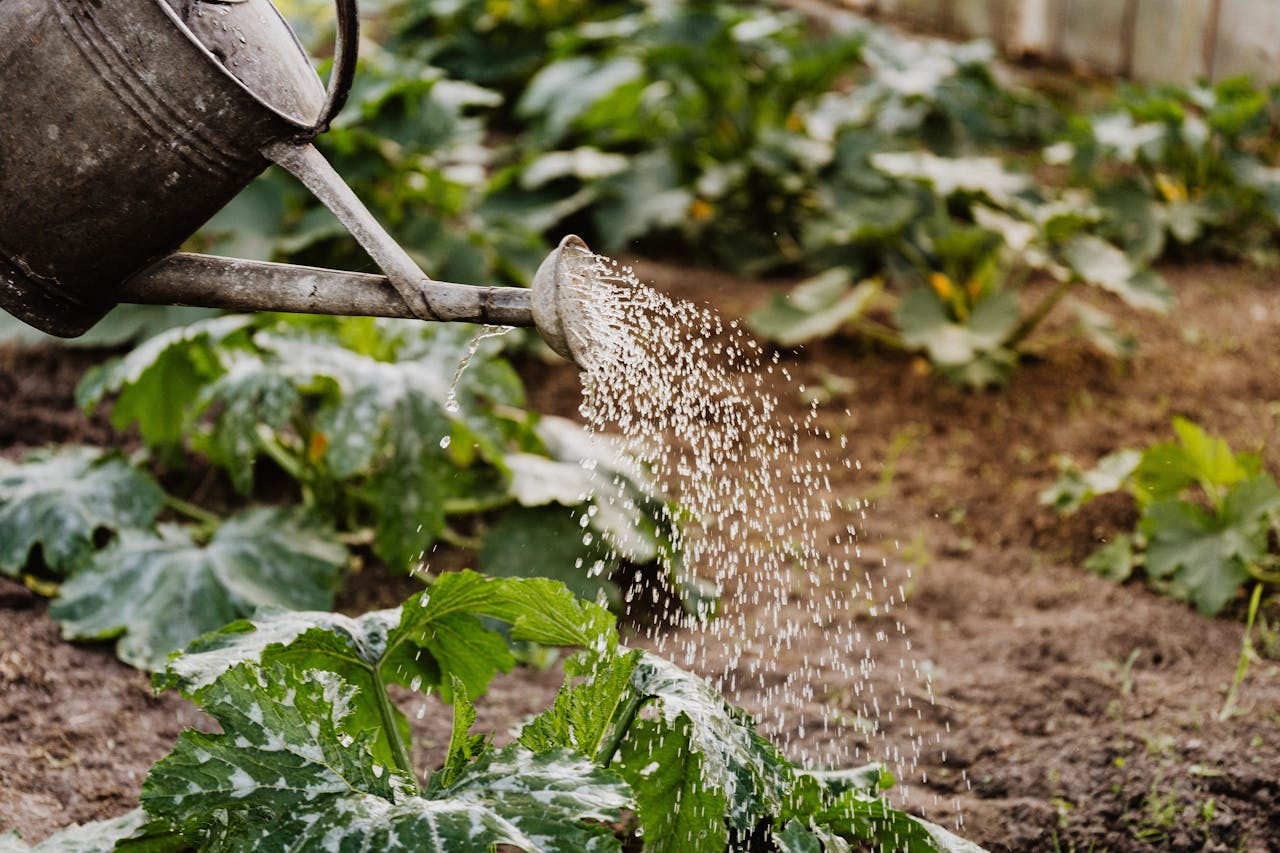
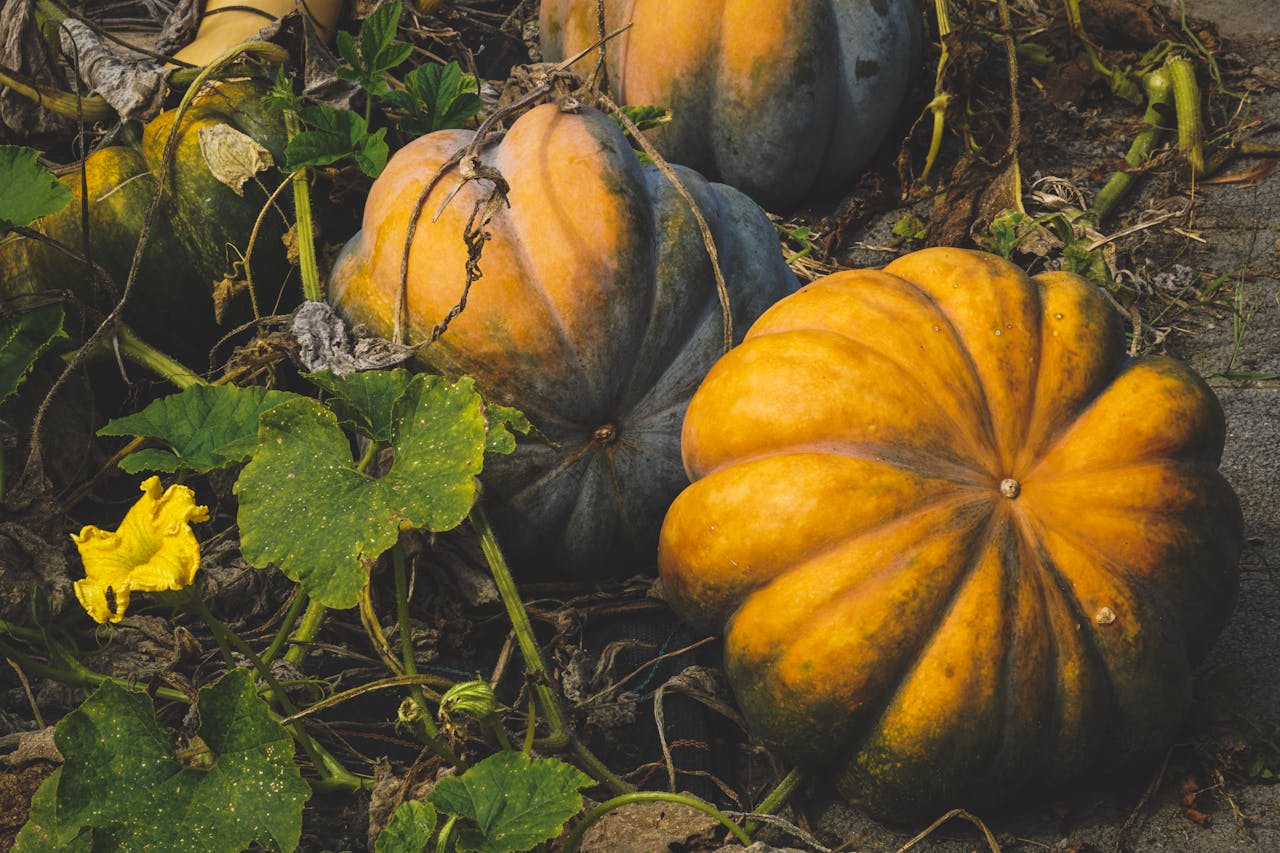
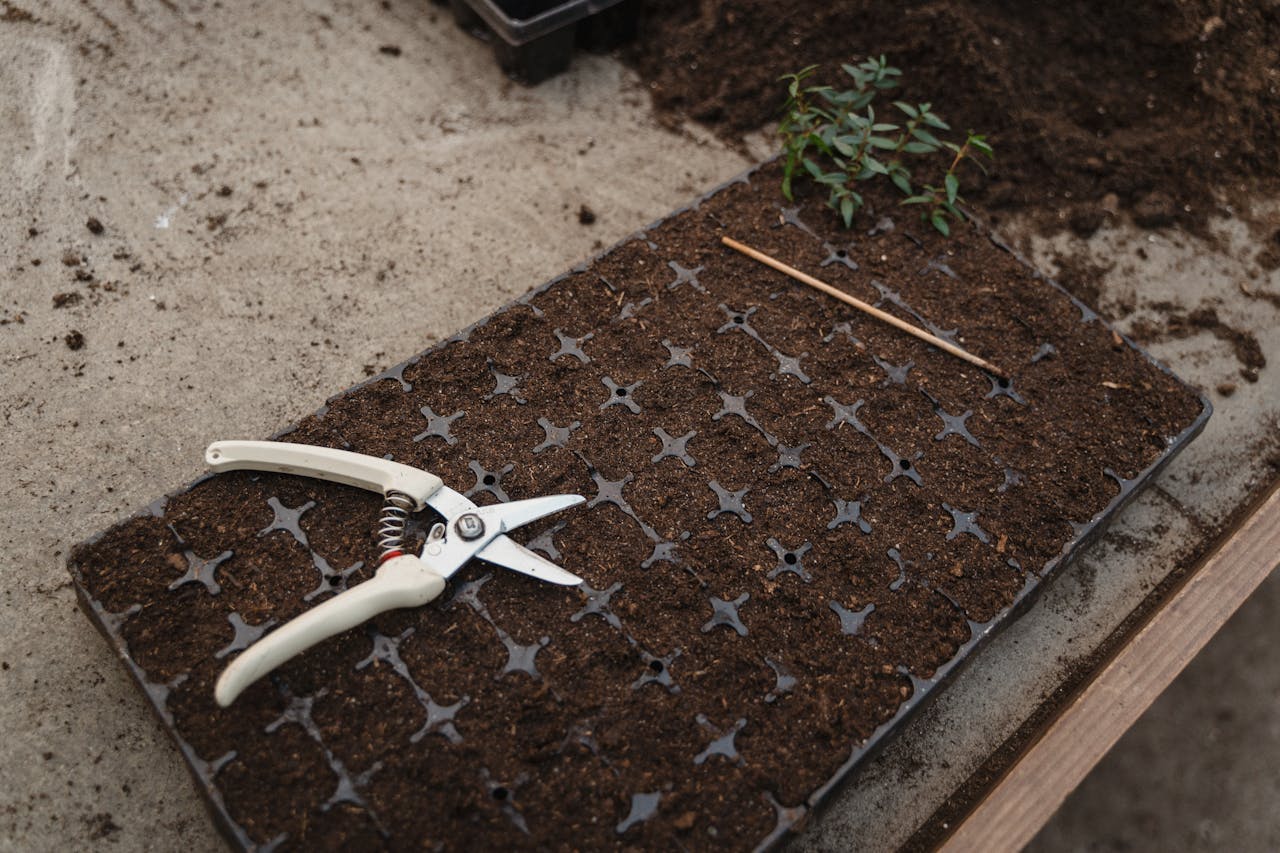
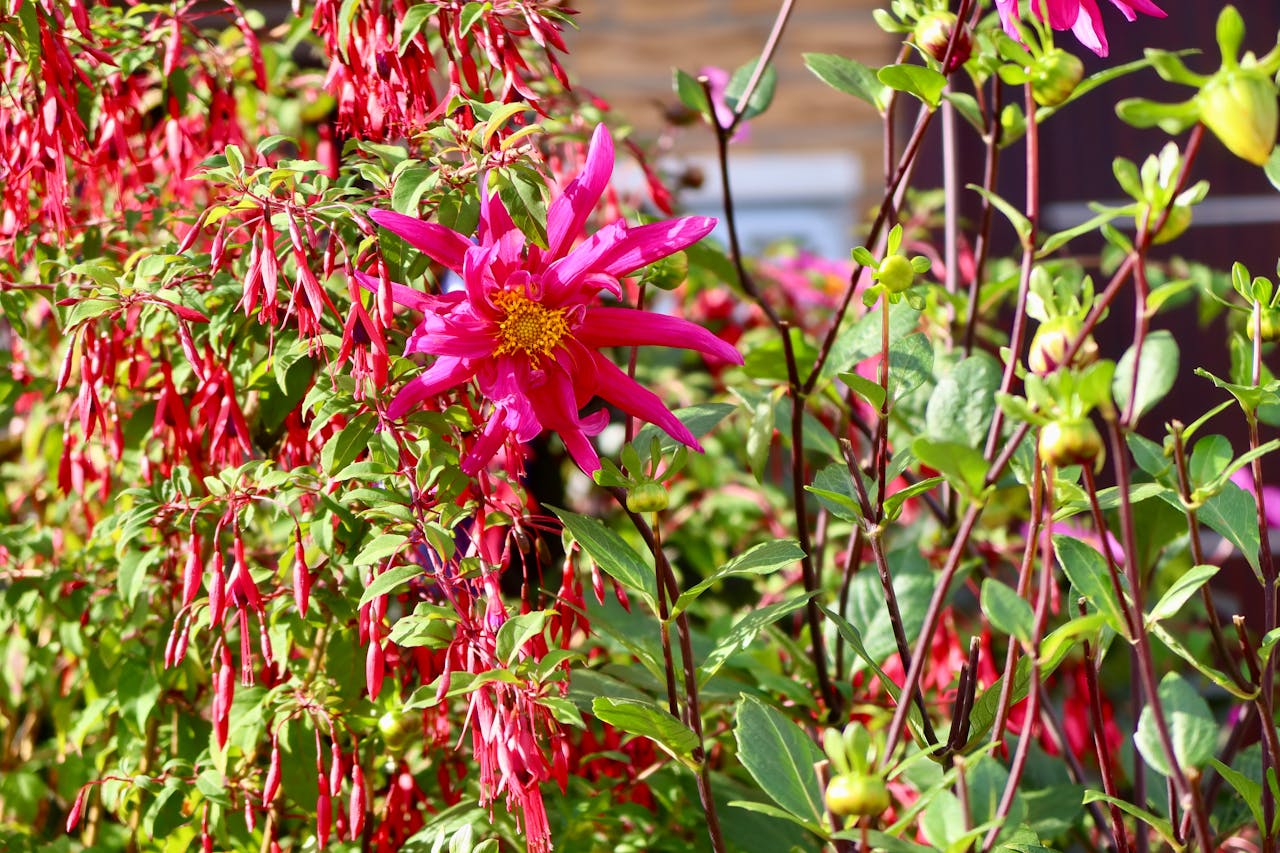
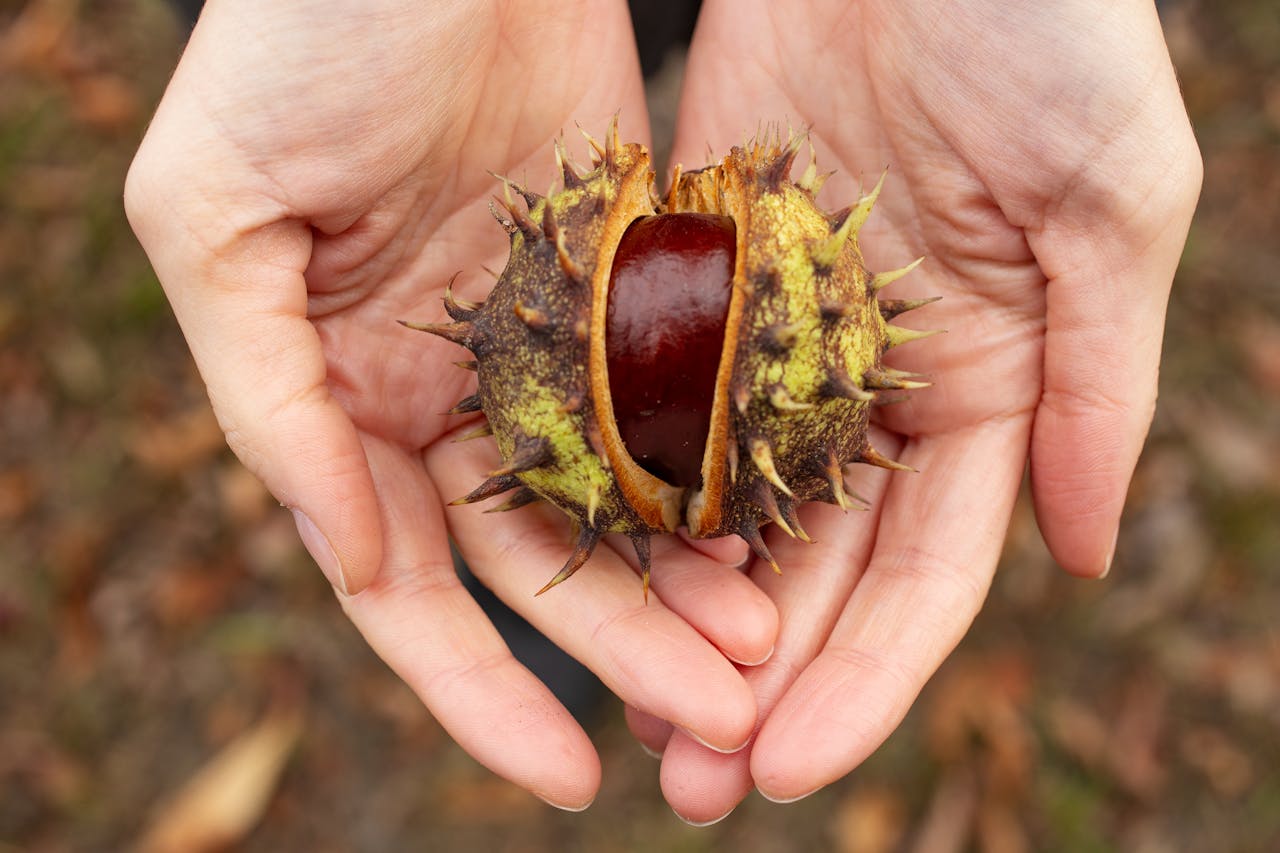
<p> As summer fades and the air turns crisp, many gardeners experience a mix of nostalgia and excitement. Fall gardening offers a unique opportunity to prepare your garden for the cooler months ahead while also embracing the beauty of autumn. Not only does fall gardening extend the growing season, but it also allows you to enhance your garden's health and productivity for the coming spring. In this article, we’ll explore seven essential steps to prep your garden for the cooler months, ensuring that your outdoor space thrives even as the temperatures drop. </p> :: Pexels

As summer fades and the air turns crisp, many gardeners experience a mix of nostalgia and excitement. Fall gardening offers a unique opportunity to prepare your garden for the cooler months ahead while also embracing the beauty of autumn. Not only does fall gardening extend the growing season, but it also allows you to enhance your garden’s health and productivity for the coming spring. In this article, we’ll explore seven essential steps to prep your garden for the cooler months, ensuring that your outdoor space thrives even as the temperatures drop.

1. Clean Up Your Garden Beds

<p> One of the first and most important steps in fall gardening is to clean up your garden beds. Remove any dead or dying plants, weeds, and debris from your garden. This cleanup is essential as it helps prevent the spread of pests and diseases that can overwinter in your garden. Additionally, cleaning up debris allows you to better assess your soil and plan for any amendments needed. As you tidy up, consider composting healthy plant material to enrich your garden soil for the following growing season. </p> :: Pexels

One of the first and most important steps in fall gardening is to clean up your garden beds. Remove any dead or dying plants, weeds, and debris from your garden. This cleanup is essential as it helps prevent the spread of pests and diseases that can overwinter in your garden. Additionally, cleaning up debris allows you to better assess your soil and plan for any amendments needed. As you tidy up, consider composting healthy plant material to enrich your garden soil for the following growing season.

2. Assess and Amend Your Soil

<p> Healthy soil is the foundation of a thriving garden. After cleaning up your beds, take the time to assess your soil's condition. Conduct a soil test to determine its pH level and nutrient content. Based on the results, you can amend your soil with organic matter, such as compost, aged manure, or cover crops. Adding nutrients to your soil not only improves its structure but also enhances its ability to retain moisture and support healthy plant growth. This step is crucial for preparing your garden for the colder months and ensuring it’s primed for planting in the spring. </p> :: Pexels

Healthy soil is the foundation of a thriving garden. After cleaning up your beds, take the time to assess your soil’s condition. Conduct a soil test to determine its pH level and nutrient content. Based on the results, you can amend your soil with organic matter, such as compost, aged manure, or cover crops. Adding nutrients to your soil not only improves its structure but also enhances its ability to retain moisture and support healthy plant growth. This step is crucial for preparing your garden for the colder months and ensuring it’s primed for planting in the spring.

3. Plant Fall Vegetables and Bulbs

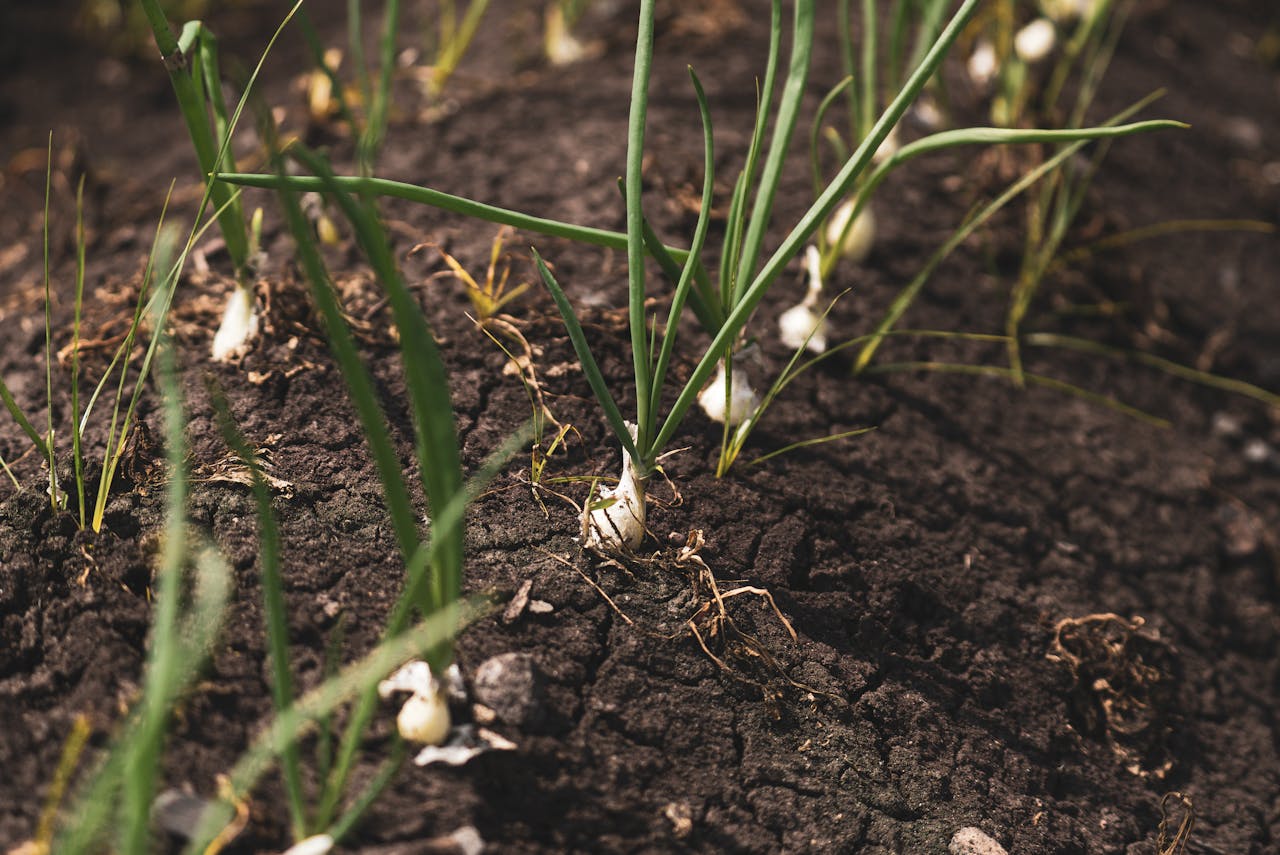
<p> Fall is an excellent time to plant cool-season vegetables and spring-flowering bulbs. Vegetables such as kale, spinach, and Brussels sprouts thrive in cooler temperatures and can be harvested throughout the fall and winter. Additionally, planting spring-flowering bulbs like tulips and daffodils in the fall allows them to establish roots before winter, resulting in beautiful blooms in the spring. When planting, be sure to follow the specific planting depths and spacing recommendations for each type of vegetable or bulb to ensure optimal growth. </p> :: Pexels

Fall is an excellent time to plant cool-season vegetables and spring-flowering bulbs. Vegetables such as kale, spinach, and Brussels sprouts thrive in cooler temperatures and can be harvested throughout the fall and winter. Additionally, planting spring-flowering bulbs like tulips and daffodils in the fall allows them to establish roots before winter, resulting in beautiful blooms in the spring. When planting, be sure to follow the specific planting depths and spacing recommendations for each type of vegetable or bulb to ensure optimal growth.

4. Mulch to Protect and Insulate

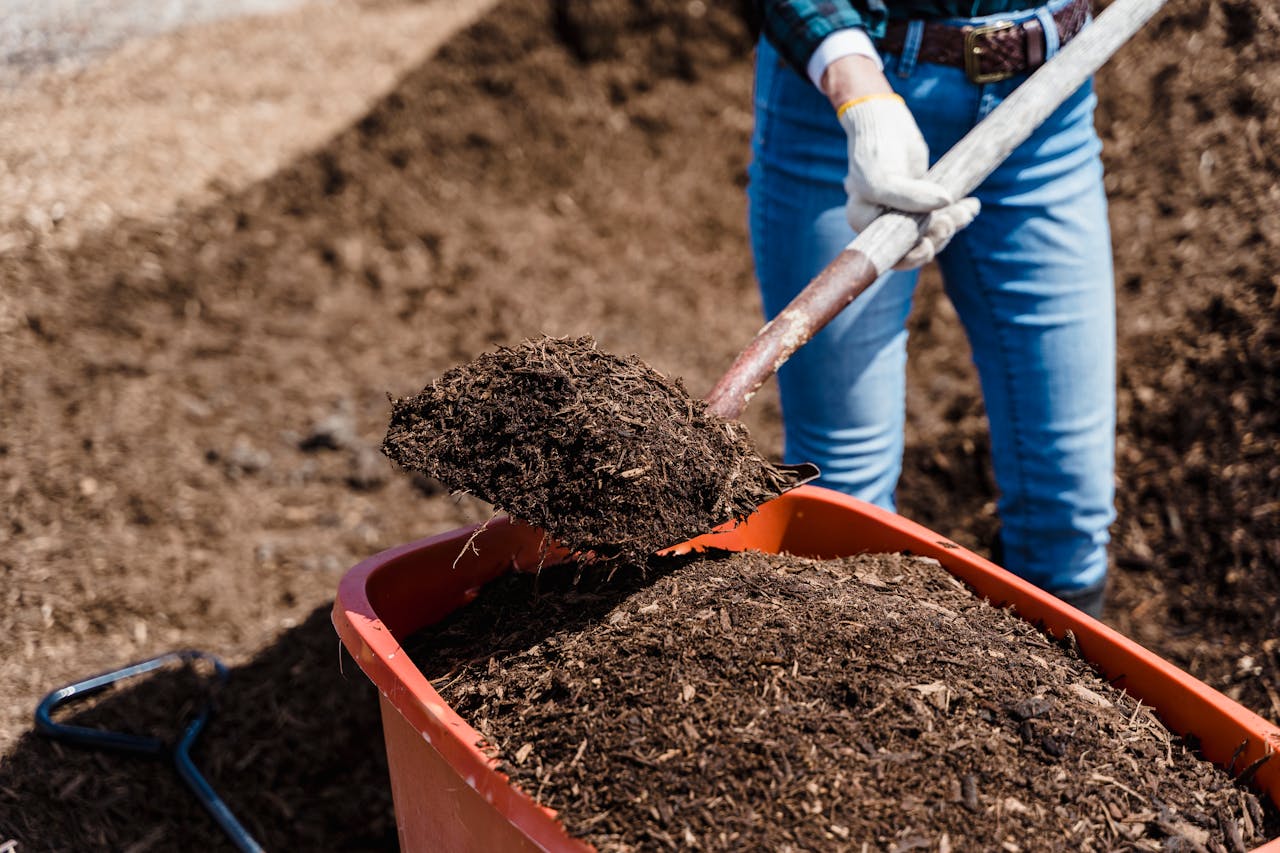
<p> Applying mulch to your garden beds is a vital step in fall gardening. Mulch serves multiple purposes: it helps regulate soil temperature, retains moisture, suppresses weeds, and adds organic matter to the soil as it breaks down. Use organic materials such as straw, shredded leaves, or wood chips as mulch. A layer of mulch around 2 to 4 inches deep will provide insulation to your plants during the colder months, protecting the roots from frost and extreme temperature fluctuations. </p> :: Pexels

Applying mulch to your garden beds is a vital step in fall gardening. Mulch serves multiple purposes: it helps regulate soil temperature, retains moisture, suppresses weeds, and adds organic matter to the soil as it breaks down. Use organic materials such as straw, shredded leaves, or wood chips as mulch. A layer of mulch around 2 to 4 inches deep will provide insulation to your plants during the colder months, protecting the roots from frost and extreme temperature fluctuations.

5. Prepare Your Tools and Equipment

<p> As the gardening season winds down, take the time to clean and prepare your tools and equipment for winter storage. Clean off any soil, debris, or rust from your tools, and sharpen blades to ensure they’re ready for use in the spring. Store your tools in a dry, sheltered location to prevent damage from moisture and freezing temperatures. By properly maintaining your gardening tools, you’ll extend their lifespan and be ready to jump back into gardening as soon as spring arrives. </p> :: Pexels

As the gardening season winds down, take the time to clean and prepare your tools and equipment for winter storage. Clean off any soil, debris, or rust from your tools, and sharpen blades to ensure they’re ready for use in the spring. Store your tools in a dry, sheltered location to prevent damage from moisture and freezing temperatures. By properly maintaining your gardening tools, you’ll extend their lifespan and be ready to jump back into gardening as soon as spring arrives.

6. Protect Perennials and Tender Plants

<p> Some plants need extra protection as temperatures drop. For perennials, consider cutting them back to encourage healthy growth in the spring, but be cautious not to trim too much if they provide winter interest. Additionally, tender plants that may not survive the winter in your climate should be brought indoors or covered with protective materials, such as frost cloths or burlap. Taking these protective measures ensures that your favorite plants will survive the winter and thrive when spring arrives. </p> :: Pexels

Some plants need extra protection as temperatures drop. For perennials, consider cutting them back to encourage healthy growth in the spring, but be cautious not to trim too much if they provide winter interest. Additionally, tender plants that may not survive the winter in your climate should be brought indoors or covered with protective materials, such as frost cloths or burlap. Taking these protective measures ensures that your favorite plants will survive the winter and thrive when spring arrives.

7. Reflect and Plan for Next Year

<p> As you wrap up your fall gardening tasks, take a moment to reflect on your garden’s performance over the past year. What worked well? What challenges did you encounter? Use this time to jot down notes, ideas, and plans for next year’s garden. Whether it’s experimenting with new plants, rearranging your garden layout, or implementing new gardening techniques, thoughtful planning can enhance your gardening experience in the future. This reflective practice can help you set goals and make informed decisions that contribute to a successful garden. </p> :: Pexels

As you wrap up your fall gardening tasks, take a moment to reflect on your garden’s performance over the past year. What worked well? What challenges did you encounter? Use this time to jot down notes, ideas, and plans for next year’s garden. Whether it’s experimenting with new plants, rearranging your garden layout, or implementing new gardening techniques, thoughtful planning can enhance your gardening experience in the future. This reflective practice can help you set goals and make informed decisions that contribute to a successful garden.

Final Thoughts

<p> Fall gardening is a rewarding endeavor that not only prepares your garden for the cooler months but also sets the stage for a flourishing spring. By following these seven essential steps, you can ensure that your outdoor space remains healthy and vibrant throughout the autumn and winter seasons. From cleaning up your garden beds to reflecting on your gardening experience, each step contributes to the joy and satisfaction of gardening. Embrace the beauty of fall and make the most of this transitional season as you nurture your garden and prepare for future growth. </p> :: Pexels

Fall gardening is a rewarding endeavor that not only prepares your garden for the cooler months but also sets the stage for a flourishing spring. By following these seven essential steps, you can ensure that your outdoor space remains healthy and vibrant throughout the autumn and winter seasons. From cleaning up your garden beds to reflecting on your gardening experience, each step contributes to the joy and satisfaction of gardening. Embrace the beauty of fall and make the most of this transitional season as you nurture your garden and prepare for future growth.

Filed Under: Lifestyle

15 Controversial Reasons Boomers Are Seen as the Worst Generation

February 27, 2026 | Leave a Comment

15 Controversial Reasons Boomers Are Seen as the Worst Generation

<p> Let’s face it: every generation gets labeled with some unflattering nicknames. Millennials are “lazy,” Gen Z is “glued to their phones,” and Baby Boomers—you’ve been called the “Worst Generation.” Ouch. The truth is, these labels are rarely the whole story. But for Boomers, the criticism can feel especially sharp because you’ve lived through some of the most dramatic changes in history—civil rights movements, space exploration, the rise of technology, and more. So why does the “Worst Generation” tag stick? Part of it comes from controversial choices and cultural shifts that happened during your prime years. Some critiques are fair, others are exaggerated, and some are downright humorous. What matters most is not whether these labels are justified, but how Boomers today can respond, learn, and reshape their legacy. Let’s take a candid look at 15 reasons Boomers sometimes get the blame, and more importantly, what you can do about it. </p> :: Freepik

Let’s face it: every generation gets labeled with some unflattering nicknames. Millennials are “lazy,” Gen Z is “glued to their phones,” and Baby Boomers—you’ve been called the “Worst Generation.” Ouch. The truth is, these labels are rarely the whole story. But for Boomers, the criticism can feel especially sharp because you’ve lived through some of the most dramatic changes in history—civil rights movements, space exploration, the rise of technology, and more.

So why does the “Worst Generation” tag stick? Part of it comes from controversial choices and cultural shifts that happened during your prime years. Some critiques are fair, others are exaggerated, and some are downright humorous. What matters most is not whether these labels are justified, but how Boomers today can respond, learn, and reshape their legacy.

Let’s take a candid look at 15 reasons Boomers sometimes get the blame, and more importantly, what you can do about it.

1. The “Me Generation” Stereotype

<p> Boomers were once called the “Me Generation” because of a cultural shift toward self-expression and personal fulfillment. Critics argue this focus created a society more centered on individual wants than community needs. But there is another way to see it: this drive for self-realization helped spark creativity, innovation, and new cultural movements. Today, you can flip this narrative by showing how self-awareness can lead to stronger community leadership and mentorship. </p> :: Freepik

Boomers were once called the “Me Generation” because of a cultural shift toward self-expression and personal fulfillment. Critics argue this focus created a society more centered on individual wants than community needs. But there is another way to see it: this drive for self-realization helped spark creativity, innovation, and new cultural movements. Today, you can flip this narrative by showing how self-awareness can lead to stronger community leadership and mentorship.

2. Environmental Concerns

<p> The postwar boom fueled prosperity, but it also left a big environmental footprint. From unchecked industrial growth to resistance against early recycling programs, Boomers often get blamed for today’s climate challenges. While that criticism is not entirely fair, it is true that younger generations now face the consequences. On the bright side, you still have the power to make a difference—by supporting clean energy, reducing waste, and voting for sustainable policies. </p> :: Pexels

The postwar boom fueled prosperity, but it also left a big environmental footprint. From unchecked industrial growth to resistance against early recycling programs, Boomers often get blamed for today’s climate challenges. While that criticism is not entirely fair, it is true that younger generations now face the consequences. On the bright side, you still have the power to make a difference—by supporting clean energy, reducing waste, and voting for sustainable policies.

3. Widening Economic Gaps

<p> One of the most common complaints from younger generations is that Boomers benefited from affordable housing, job stability, and rising property values, while leaving behind debt and economic disparity. Student loans, rising rent, and stagnant wages hit hard for today’s workers. Rather than seeing this as an attack, Boomers can use their wealth and experience to bridge the gap—whether that means helping grandkids with college savings or advocating for fairer economic policies. </p> :: Pexels

One of the most common complaints from younger generations is that Boomers benefited from affordable housing, job stability, and rising property values, while leaving behind debt and economic disparity. Student loans, rising rent, and stagnant wages hit hard for today’s workers. Rather than seeing this as an attack, Boomers can use their wealth and experience to bridge the gap—whether that means helping grandkids with college savings or advocating for fairer economic policies.

4. Decline of Social Solidarity

<p> Some social critics believe Boomers helped usher in a culture of individualism that chipped away at community life and public service. Civic organizations lost traction as personal pursuits took priority. Yet, many Boomers today are some of the most dedicated volunteers, church leaders, and community organizers. If you want to push back against the stereotype, keep showing up and demonstrating that community still matters deeply. </p> :: Pexels

Some social critics believe Boomers helped usher in a culture of individualism that chipped away at community life and public service. Civic organizations lost traction as personal pursuits took priority. Yet, many Boomers today are some of the most dedicated volunteers, church leaders, and community organizers. If you want to push back against the stereotype, keep showing up and demonstrating that community still matters deeply.

5. Missed Opportunities on Climate Change

<p> The first Earth Day was in 1970, and Boomers played a big role in raising environmental awareness. Still, critics say that more could have been done to slow down the climate crisis when solutions were more attainable. That does not mean the fight is over. In fact, Boomers are uniquely positioned to lead the charge now—by championing local green initiatives, mentoring young activists, and making sustainable choices at home. </p> :: Freepik

The first Earth Day was in 1970, and Boomers played a big role in raising environmental awareness. Still, critics say that more could have been done to slow down the climate crisis when solutions were more attainable. That does not mean the fight is over. In fact, Boomers are uniquely positioned to lead the charge now—by championing local green initiatives, mentoring young activists, and making sustainable choices at home.

6. Political Gridlock

<p> As Boomers rose into positions of power, politics in the United States became more polarized. Trust in government and institutions steadily declined, and critics argue that this era of leadership fueled today’s gridlock. But Boomers can use their experience to become bridge-builders instead of combatants. Whether it is having calm conversations with neighbors or participating in bipartisan community projects, Boomers can show that cooperation still works. </p> :: Pexels

As Boomers rose into positions of power, politics in the United States became more polarized. Trust in government and institutions steadily declined, and critics argue that this era of leadership fueled today’s gridlock. But Boomers can use their experience to become bridge-builders instead of combatants. Whether it is having calm conversations with neighbors or participating in bipartisan community projects, Boomers can show that cooperation still works.

7. Short-Sighted Leadership

<p> Some authors have gone so far as to call Boomer leadership “sociopathic,” claiming decisions often prioritized personal or short-term gain over long-term responsibility. While that criticism may feel harsh, it also presents an opportunity for reflection. By mentoring younger leaders and emphasizing integrity, Boomers can help ensure that the next generation avoids the same pitfalls. </p> :: Pexels

Some authors have gone so far as to call Boomer leadership “sociopathic,” claiming decisions often prioritized personal or short-term gain over long-term responsibility. While that criticism may feel harsh, it also presents an opportunity for reflection. By mentoring younger leaders and emphasizing integrity, Boomers can help ensure that the next generation avoids the same pitfalls.

8. Chasing Trends Over Substance

<p> Another controversial critique is that Boomers focused too heavily on consumerism and surface-level success, rather than depth and meaning. The flashy cars, suburban sprawl, and designer lifestyles became symbols of “keeping up with the Joneses.” But every generation has its fads. Today, sharing real stories about resilience, sacrifice, and lessons learned can counter the myth of superficiality. </p> :: Pexels

Another controversial critique is that Boomers focused too heavily on consumerism and surface-level success, rather than depth and meaning. The flashy cars, suburban sprawl, and designer lifestyles became symbols of “keeping up with the Joneses.” But every generation has its fads. Today, sharing real stories about resilience, sacrifice, and lessons learned can counter the myth of superficiality.

9. Accusations of Wealth Hoarding

<p> Boomers often get labeled as a generation that hoarded wealth, making it harder for younger people to build financial stability. Rising property values, pensions, and stock market gains largely benefited Boomers while Millennials and Gen Z face mounting costs. While this paints with a broad brush, it opens the door to discussions about legacy. Instead of being seen as hoarders, Boomers can take pride in passing down wisdom, financial guidance, and even charitable giving. </p> :: Pexels

Boomers often get labeled as a generation that hoarded wealth, making it harder for younger people to build financial stability. Rising property values, pensions, and stock market gains largely benefited Boomers while Millennials and Gen Z face mounting costs. While this paints with a broad brush, it opens the door to discussions about legacy. Instead of being seen as hoarders, Boomers can take pride in passing down wisdom, financial guidance, and even charitable giving.

10. The Workaholic Mentality

<p> Boomers are known for their strong work ethic, but critics say it often went too far. The “live to work” mindset shaped workplace culture in ways that encouraged long hours and burnout. While this dedication built careers and industries, it also left younger workers striving for better work-life balance. In retirement, Boomers have the chance to model a healthier lifestyle—showing that success is not just about hard work, but also about enjoying the rewards. </p> :: Pexels

Boomers are known for their strong work ethic, but critics say it often went too far. The “live to work” mindset shaped workplace culture in ways that encouraged long hours and burnout. While this dedication built careers and industries, it also left younger workers striving for better work-life balance. In retirement, Boomers have the chance to model a healthier lifestyle—showing that success is not just about hard work, but also about enjoying the rewards.

11. Retiring Without Passing the Torch

<p> Many Boomers retired or downsized careers without preparing younger generations to take over leadership roles. The sudden loss of experienced managers created gaps in organizations, leaving some teams adrift. But retirement does not have to mean fading into the background. Mentorship, consulting, or even casual guidance can keep your expertise alive and valuable. </p> :: Pexels

Many Boomers retired or downsized careers without preparing younger generations to take over leadership roles. The sudden loss of experienced managers created gaps in organizations, leaving some teams adrift. But retirement does not have to mean fading into the background. Mentorship, consulting, or even casual guidance can keep your expertise alive and valuable.

12. Dismissing Modern Etiquette

<p> Younger people often joke that Boomers are quick to accuse others of bad manners while overlooking their own. From cutting in line to dismissing younger perspectives, small things can sometimes feed big stereotypes. A little extra patience, listening, and everyday courtesy go a long way in rewriting the narrative. After all, kindness never goes out of style. </p> :: Pexels

Younger people often joke that Boomers are quick to accuse others of bad manners while overlooking their own. From cutting in line to dismissing younger perspectives, small things can sometimes feed big stereotypes. A little extra patience, listening, and everyday courtesy go a long way in rewriting the narrative. After all, kindness never goes out of style.

13. Decisions Made Too Young

<p> Some critics argue that big historical decisions, like wars and defense strategies, were shaped by younger Boomers who may not have had the wisdom of older generations. Whether fair or not, the consequences of those choices linger. One way to address this perception is by engaging in honest discussions with younger generations about history, acknowledging mistakes, and sharing lessons learned. </p> :: Pexels

Some critics argue that big historical decisions, like wars and defense strategies, were shaped by younger Boomers who may not have had the wisdom of older generations. Whether fair or not, the consequences of those choices linger. One way to address this perception is by engaging in honest discussions with younger generations about history, acknowledging mistakes, and sharing lessons learned.

14. The “Worst Generation” Label

<p> Writers and commentators love dramatic headlines, and calling Boomers the “Worst Generation” sells. Paul Begala once argued that Boomers embodied a “tsunami of selfishness,” though he also acknowledged their creativity and optimism. Labels like this are catchy but incomplete. The real story is that Boomers remain one of the most influential generations in history—and influence can still be used for good. </p> :: Pexels

Writers and commentators love dramatic headlines, and calling Boomers the “Worst Generation” sells. Paul Begala once argued that Boomers embodied a “tsunami of selfishness,” though he also acknowledged their creativity and optimism. Labels like this are catchy but incomplete. The real story is that Boomers remain one of the most influential generations in history—and influence can still be used for good.

15. Myths and Misconceptions

<p> Not every criticism of Boomers is grounded in truth. Some stereotypes are exaggerated, while others are outright myths. For example, not all Boomers are wealthy, not all resist technology, and not all stopped working after retirement. You are a diverse and complex generation. By highlighting this reality, Boomers can show that one-size-fits-all labels never tell the whole story. </p> :: Pexels

Not every criticism of Boomers is grounded in truth. Some stereotypes are exaggerated, while others are outright myths. For example, not all Boomers are wealthy, not all resist technology, and not all stopped working after retirement. You are a diverse and complex generation. By highlighting this reality, Boomers can show that one-size-fits-all labels never tell the whole story.

Final Thoughts

<p> So, are Boomers really the “Worst Generation”? Not even close. Sure, there are criticisms—some stinging, some silly—but every generation faces its fair share of finger-pointing. The real measure of a generation is not the mistakes of the past, but the choices of the present. Boomers have the experience, stability, and perspective to shape a better tomorrow. You can invest in your families, communities, and even the planet in ways that younger generations cannot yet. You can mentor, volunteer, advocate, and lead by example. Instead of being defined by controversial labels, you can define yourself by what you continue to give. Your legacy is not set in stone. It is written every day in the lives you touch, the wisdom you share, and the kindness you show. If that is what future generations remember, then history will not call you the “Worst Generation”—it will call you one of the most impactful. </p> :: Pexels

So, are Boomers really the “Worst Generation”? Not even close. Sure, there are criticisms—some stinging, some silly—but every generation faces its fair share of finger-pointing. The real measure of a generation is not the mistakes of the past, but the choices of the present.

Boomers have the experience, stability, and perspective to shape a better tomorrow. You can invest in your families, communities, and even the planet in ways that younger generations cannot yet. You can mentor, volunteer, advocate, and lead by example. Instead of being defined by controversial labels, you can define yourself by what you continue to give.

Your legacy is not set in stone. It is written every day in the lives you touch, the wisdom you share, and the kindness you show. If that is what future generations remember, then history will not call you the “Worst Generation”—it will call you one of the most impactful.

Filed Under: Lifestyle

Retirement Isn’t What You Think: 10 Harsh Truths Baby Boomers Need to Hear

February 27, 2026 | Leave a Comment

Retirement Isn’t What You Think: 10 Harsh Truths Baby Boomers Need to Hear

<p> Retirement has long been painted as the ultimate reward. After decades of hard work, the dream is simple: sleep in, sip coffee slowly, travel when you feel like it, and enjoy stress-free golden years. But the reality? Retirement is often far less glamorous than the brochures and commercials suggest. For many Baby Boomers, it is not about endless cruises or golf courses. Instead, it is about adjusting to rising living costs, health concerns, and unexpected challenges that do not always make it into the retirement fantasy. If you are nearing retirement or already in it, understanding the truths can help you prepare better and live smarter. Here are ten eye-opening realities about retirement that every Boomer should know. They are not meant to scare you, but to prepare you. Think of them as the tough-love advice your future self would want you to hear today. </p> :: Freepik

Retirement has long been painted as the ultimate reward. After decades of hard work, the dream is simple: sleep in, sip coffee slowly, travel when you feel like it, and enjoy stress-free golden years. But the reality? Retirement is often far less glamorous than the brochures and commercials suggest.

For many Baby Boomers, it is not about endless cruises or golf courses. Instead, it is about adjusting to rising living costs, health concerns, and unexpected challenges that do not always make it into the retirement fantasy. If you are nearing retirement or already in it, understanding the truths can help you prepare better and live smarter.

Here are ten eye-opening realities about retirement that every Boomer should know. They are not meant to scare you, but to prepare you. Think of them as the tough-love advice your future self would want you to hear today.

1. Social Security Alone Will Not Cover the Bills

<p> For many, Social Security is the safety net. But the truth is, it is more like a hammock with holes in it. The average check hovers around $1,900 a month, which may cover the basics but rarely provides the lifestyle most people imagine. Housing, food, healthcare, and utilities add up quickly. Without savings or another income stream, relying solely on Social Security often means cutting corners you did not expect. </p> :: Pexels

For many, Social Security is the safety net. But the truth is, it is more like a hammock with holes in it. The average check hovers around $1,900 a month, which may cover the basics but rarely provides the lifestyle most people imagine. Housing, food, healthcare, and utilities add up quickly. Without savings or another income stream, relying solely on Social Security often means cutting corners you did not expect.

2. Most Baby Boomers Did Not Save Enough

<p> If you feel like you did not save enough, you are not alone. In fact, you are part of the majority. Between the disappearance of pensions, the 2008 financial crisis, and decades of rising costs, many Boomers are finding their retirement cushion thinner than expected. Studies show that more than two-thirds of Baby Boomers are not financially prepared to maintain their lifestyle in retirement. The lesson? Even if you cannot go back and save more, you can still adjust your budget, downsize, or consider part-time work to stretch what you have. </p> :: Pexels

If you feel like you did not save enough, you are not alone. In fact, you are part of the majority. Between the disappearance of pensions, the 2008 financial crisis, and decades of rising costs, many Boomers are finding their retirement cushion thinner than expected. Studies show that more than two-thirds of Baby Boomers are not financially prepared to maintain their lifestyle in retirement. The lesson? Even if you cannot go back and save more, you can still adjust your budget, downsize, or consider part-time work to stretch what you have.

3. Healthcare Costs Are Much Higher Than You Think

<p> You may be healthy today, but retirement is a long road. Healthcare costs rise as you age, and they can be sneaky. Premiums, co-pays, prescriptions, and long-term care can drain your savings faster than you realize. Chronic conditions like diabetes, heart disease, and arthritis are especially common among Boomers, and they are not cheap to manage. Medicare helps, but it does not cover everything. Planning for medical expenses is just as important as planning for vacations. </p> :: Pexels

You may be healthy today, but retirement is a long road. Healthcare costs rise as you age, and they can be sneaky. Premiums, co-pays, prescriptions, and long-term care can drain your savings faster than you realize. Chronic conditions like diabetes, heart disease, and arthritis are especially common among Boomers, and they are not cheap to manage. Medicare helps, but it does not cover everything. Planning for medical expenses is just as important as planning for vacations.

4. Retirement Savings Are Uneven and Often Inadequate

<p> Some Boomers have healthy savings accounts, but many do not. On average, retirement savings for this generation range between $120,000 and $150,000. That may sound like a decent chunk of money, but when you consider that retirees spend an average of $48,000 a year, it does not stretch far. The picture gets starker when you factor in that retirement savings are not evenly distributed. While college graduates may have several hundred thousand saved, many with less education or lower-paying careers have far less. </p> :: Freepik

Some Boomers have healthy savings accounts, but many do not. On average, retirement savings for this generation range between $120,000 and $150,000. That may sound like a decent chunk of money, but when you consider that retirees spend an average of $48,000 a year, it does not stretch far. The picture gets starker when you factor in that retirement savings are not evenly distributed. While college graduates may have several hundred thousand saved, many with less education or lower-paying careers have far less.

5. Spending Too Quickly Can Backfire

<p> Here is a trap many fall into: treating their savings like a jackpot. After decades of working, it is tempting to enjoy a little freedom with that nest egg. But one too many big withdrawals or poorly timed investments, and you could run out of money far sooner than expected. The risk of outliving your assets is real, especially as people live longer than ever. A smarter move is to map out a spending strategy that accounts for 20 or 30 years, not just the first five. </p> :: Pexels

Here is a trap many fall into: treating their savings like a jackpot. After decades of working, it is tempting to enjoy a little freedom with that nest egg. But one too many big withdrawals or poorly timed investments, and you could run out of money far sooner than expected. The risk of outliving your assets is real, especially as people live longer than ever. A smarter move is to map out a spending strategy that accounts for 20 or 30 years, not just the first five.

6. Downsizing Is Harder Than It Looks

<p> Selling the family home and moving into something smaller sounds logical, but it is not always easy. Emotionally, leaving behind decades of memories can be painful. Financially, the process comes with moving costs, fees, and sometimes higher-than-expected condo or community expenses. Even worse, finding affordable housing in certain markets can be a challenge. Downsizing can work, but it takes planning, compromise, and sometimes a thicker skin than expected. </p> :: Pexels

Selling the family home and moving into something smaller sounds logical, but it is not always easy. Emotionally, leaving behind decades of memories can be painful. Financially, the process comes with moving costs, fees, and sometimes higher-than-expected condo or community expenses. Even worse, finding affordable housing in certain markets can be a challenge. Downsizing can work, but it takes planning, compromise, and sometimes a thicker skin than expected.

7. Many Retirees Regret Not Saving More

<p> When retirees are asked about their biggest regrets, one answer tops the list: “I wish I had saved more.” Others regret claiming Social Security too early or failing to plan for emergencies. These regrets may sting, but they can also be a gift to those who still have time. Even small adjustments today—like reducing unnecessary expenses or putting off retirement for a year or two—can add up and soften future regrets. </p> :: Pexels

When retirees are asked about their biggest regrets, one answer tops the list: “I wish I had saved more.” Others regret claiming Social Security too early or failing to plan for emergencies. These regrets may sting, but they can also be a gift to those who still have time. Even small adjustments today—like reducing unnecessary expenses or putting off retirement for a year or two—can add up and soften future regrets.

8. Debt Does Not Retire With You

<p> One of the harshest truths is that debt follows you into retirement. Credit card balances, car loans, or even mortgages do not magically vanish when you stop working. Carrying high-interest debt while living on a fixed income is especially draining. In fact, many Boomers report that carrying debt into retirement is one of their biggest financial regrets. Paying down debt before retirement, or at least reducing it, is one of the smartest financial moves you can make. </p> :: Pexels

One of the harshest truths is that debt follows you into retirement. Credit card balances, car loans, or even mortgages do not magically vanish when you stop working. Carrying high-interest debt while living on a fixed income is especially draining. In fact, many Boomers report that carrying debt into retirement is one of their biggest financial regrets. Paying down debt before retirement, or at least reducing it, is one of the smartest financial moves you can make.

9. You Might Not Choose When to Retire

<p> Not everyone gets to decide when they retire. Some people are pushed out of the workforce due to health issues, layoffs, or age discrimination. Even those who want to keep working may find fewer opportunities, or less welcoming employers, as they age. While working longer can be a smart strategy, it is not always guaranteed. Preparing for the possibility of an earlier-than-expected retirement can prevent unpleasant surprises. </p> :: Pexels

Not everyone gets to decide when they retire. Some people are pushed out of the workforce due to health issues, layoffs, or age discrimination. Even those who want to keep working may find fewer opportunities, or less welcoming employers, as they age. While working longer can be a smart strategy, it is not always guaranteed. Preparing for the possibility of an earlier-than-expected retirement can prevent unpleasant surprises.

10. Your Retirement Plan Needs Regular Updates

<p> Retirement planning is not something you can “set and forget.” Life changes, financial rules shift, and your own needs evolve. A plan that worked at age 65 may not be realistic at 75. Estate planning, updating your will, and reviewing your withdrawal strategy should all be ongoing tasks. Even the popular “4 percent rule” for withdrawals does not work for everyone. Staying flexible and revisiting your plan regularly helps ensure you are adjusting as life throws new challenges your way. </p> :: Freepik

Retirement planning is not something you can “set and forget.” Life changes, financial rules shift, and your own needs evolve. A plan that worked at age 65 may not be realistic at 75. Estate planning, updating your will, and reviewing your withdrawal strategy should all be ongoing tasks. Even the popular “4 percent rule” for withdrawals does not work for everyone. Staying flexible and revisiting your plan regularly helps ensure you are adjusting as life throws new challenges your way.

Final Thoughts

<p> Here is the truth: retirement is not a carefree vacation that lasts 20 years. It is a complex phase of life filled with financial realities, health concerns, and decisions that require adaptability. But it is also a chance to reinvent yourself, focus on what matters most, and write the next chapter on your terms. Baby Boomers have faced challenges before—economic downturns, job changes, raising families, and navigating cultural shifts. Retirement is just another challenge, and like the others, it is one you can handle with planning, flexibility, and resilience. So instead of seeing these harsh truths as doom and gloom, think of them as your reality check. They are reminders to stay prepared, to keep learning, and to lean on both your community and your own resourcefulness. Retirement may not be what you pictured decades ago, but it can still be meaningful, fulfilling, and yes—even joyful—if you approach it with clear eyes and an open mind. </p> :: Freepik

Here is the truth: retirement is not a carefree vacation that lasts 20 years. It is a complex phase of life filled with financial realities, health concerns, and decisions that require adaptability. But it is also a chance to reinvent yourself, focus on what matters most, and write the next chapter on your terms.

Baby Boomers have faced challenges before—economic downturns, job changes, raising families, and navigating cultural shifts. Retirement is just another challenge, and like the others, it is one you can handle with planning, flexibility, and resilience.

So instead of seeing these harsh truths as doom and gloom, think of them as your reality check. They are reminders to stay prepared, to keep learning, and to lean on both your community and your own resourcefulness. Retirement may not be what you pictured decades ago, but it can still be meaningful, fulfilling, and yes—even joyful—if you approach it with clear eyes and an open mind.

Filed Under: Lifestyle

10 Financial Scams Boomers Keep Falling For and How to Stay Safe

February 27, 2026 | Leave a Comment

10 Financial Scams Boomers Keep Falling For and How to Stay Safe

<p> If there’s one thing scammers know, it is how to push the right buttons. They prey on trust, fear, and even kindness—and unfortunately, Baby Boomers often find themselves in their crosshairs. In fact, older adults in the U.S. lose billions of dollars every year to fraudsters who know just how to make a story sound convincing. From fake phone calls to “too good to be true” investments, these crooks have turned trickery into a full-time business. The good news? You can outsmart them. By learning the red flags and staying a little skeptical when someone comes knocking (whether at your door, in your inbox, or on your phone), you can protect both your money and your peace of mind. So let’s walk through the ten scams that trip up Boomers the most—and how you can stop them in their tracks. </p> :: Pexels

If there’s one thing scammers know, it is how to push the right buttons. They prey on trust, fear, and even kindness—and unfortunately, Baby Boomers often find themselves in their crosshairs. In fact, older adults in the U.S. lose billions of dollars every year to fraudsters who know just how to make a story sound convincing. From fake phone calls to “too good to be true” investments, these crooks have turned trickery into a full-time business.

The good news? You can outsmart them. By learning the red flags and staying a little skeptical when someone comes knocking (whether at your door, in your inbox, or on your phone), you can protect both your money and your peace of mind. So let’s walk through the ten scams that trip up Boomers the most—and how you can stop them in their tracks.

1. Lottery and Sweepstakes Scams

<p> “Congratulations! You’ve won the jackpot!” That is the classic line scammers use to get your attention. The catch is they claim you need to pay taxes or processing fees before you can collect your prize. Once you send money, the scammers disappear, and the big prize never existed in the first place. How to stay safe: If you did not buy a ticket or enter a contest, you did not win. Real lotteries will never ask you to pay upfront to claim your winnings. Hang up, delete the email, and move on. </p> :: Pexels

“Congratulations! You’ve won the jackpot!” That is the classic line scammers use to get your attention. The catch is they claim you need to pay taxes or processing fees before you can collect your prize. Once you send money, the scammers disappear, and the big prize never existed in the first place.

How to stay safe: If you did not buy a ticket or enter a contest, you did not win. Real lotteries will never ask you to pay upfront to claim your winnings. Hang up, delete the email, and move on.

2. The Grandparent Scam and Deepfake Tricks

<p> Few scams hit the heart harder than this one. You get a frantic call from someone claiming to be your grandchild in trouble—maybe in jail or stranded without money. Sometimes, scammers even use artificial intelligence to mimic their voices, making it eerily convincing. How to stay safe: Pause before reacting. Call your grandchild directly on a trusted number, or contact another family member to double-check. You can even agree on a “family code word” that only your real loved ones would know. </p> :: Pexels

Few scams hit the heart harder than this one. You get a frantic call from someone claiming to be your grandchild in trouble—maybe in jail or stranded without money. Sometimes, scammers even use artificial intelligence to mimic their voices, making it eerily convincing.

How to stay safe: Pause before reacting. Call your grandchild directly on a trusted number, or contact another family member to double-check. You can even agree on a “family code word” that only your real loved ones would know.

3. IRS and Social Security Imposters

<p> “Pay now or go to jail.” That is the kind of threat scammers use when pretending to be from the IRS or Social Security. They will demand immediate payment and often insist on strange methods like gift cards or wire transfers. It feels terrifying, but remember: that is exactly what they are counting on. How to stay safe: The IRS and Social Security Administration never call out of the blue to demand payment. Hang up and call the official agency directly using a verified number. </p> :: Pexels

“Pay now or go to jail.” That is the kind of threat scammers use when pretending to be from the IRS or Social Security. They will demand immediate payment and often insist on strange methods like gift cards or wire transfers. It feels terrifying, but remember: that is exactly what they are counting on.


How to stay safe: The IRS and Social Security Administration never call out of the blue to demand payment. Hang up and call the official agency directly using a verified number.

4. Fake Tech Support Calls

<p> You are browsing online when a pop-up shouts: “Your computer has a virus! Call us now!” Or maybe someone phones pretending to be from Microsoft, offering to fix your computer remotely. The truth? They are the virus. Once you give them access, they can lock you out of your computer or steal sensitive information. How to stay safe: Never call numbers from pop-ups or give a stranger remote access to your computer. If you are unsure, contact a trusted local computer technician instead. </p> :: Pexels

You are browsing online when a pop-up shouts: “Your computer has a virus! Call us now!” Or maybe someone phones pretending to be from Microsoft, offering to fix your computer remotely. The truth? They are the virus. Once you give them access, they can lock you out of your computer or steal sensitive information.

How to stay safe: Never call numbers from pop-ups or give a stranger remote access to your computer. If you are unsure, contact a trusted local computer technician instead.

5. Utility Shutoff and Door-to-Door Scams

<p> A supposed utility worker shows up at your door, warning that your gas or electricity will be shut off unless you pay immediately. Others may pose as inspectors, offering unnecessary and overpriced home repairs. They count on catching you off guard. How to stay safe: Real utility companies always send written notices first. Ask to see identification, tell them you will verify with the company, and call the utility directly to confirm before paying a dime. </p> :: Pexels

A supposed utility worker shows up at your door, warning that your gas or electricity will be shut off unless you pay immediately. Others may pose as inspectors, offering unnecessary and overpriced home repairs. They count on catching you off guard.

How to stay safe: Real utility companies always send written notices first. Ask to see identification, tell them you will verify with the company, and call the utility directly to confirm before paying a dime.

6. Investment Schemes that Promise the World

<p> “Double your money in six months with no risk.” That kind of pitch should set off alarm bells. Fraudsters love to target retirees with high-pressure investment opportunities that promise big returns. Unfortunately, the only person making money is the scammer. How to stay safe: Be suspicious of investments that sound too good to be true. Always research thoroughly, and if you are considering a big financial move, talk it over with a licensed advisor you trust. </p> :: Pexels

“Double your money in six months with no risk.” That kind of pitch should set off alarm bells. Fraudsters love to target retirees with high-pressure investment opportunities that promise big returns. Unfortunately, the only person making money is the scammer.

How to stay safe: Be suspicious of investments that sound too good to be true. Always research thoroughly, and if you are considering a big financial move, talk it over with a licensed advisor you trust.

7. Romance Scams and the New “Pig Butchering” Scheme

<p> Loneliness can make anyone vulnerable, and scammers know it. They create fake profiles on dating sites or social media, showering victims with affection before asking for money. A new twist combines romance with fake investment opportunities, draining both your heart and your bank account. How to stay safe: No matter how charming they seem, never send money to someone you have never met in person. Love is real, but so are scams. </p> :: Pexels

Loneliness can make anyone vulnerable, and scammers know it. They create fake profiles on dating sites or social media, showering victims with affection before asking for money. A new twist combines romance with fake investment opportunities, draining both your heart and your bank account.

How to stay safe: No matter how charming they seem, never send money to someone you have never met in person. Love is real, but so are scams.

8. Medicare and Health Insurance Fraud

<p> Your phone rings and someone claiming to be from Medicare offers a new plan, free services, or discounted prescriptions. All they need is your personal information. Once you share it, scammers can bill Medicare in your name or steal your identity. How to stay safe: Medicare will not call you unexpectedly to ask for personal information. If you get one of these calls, hang up and call Medicare directly using the official number. </p> :: Pexels

Your phone rings and someone claiming to be from Medicare offers a new plan, free services, or discounted prescriptions. All they need is your personal information. Once you share it, scammers can bill Medicare in your name or steal your identity.

How to stay safe: Medicare will not call you unexpectedly to ask for personal information. If you get one of these calls, hang up and call Medicare directly using the official number.

9. Funeral and Cemetery Scams

<p> Scammers have no shame. Some prey on grieving families, pretending the deceased owed money or pushing unnecessary, overpriced funeral services. Others pressure you into buying expensive caskets or add-on services you do not need. How to stay safe: Take your time when making funeral arrangements. Work only with reputable funeral homes, ask for itemized price lists, and never give in to high-pressure sales tactics. </p> :: Pexels

Scammers have no shame. Some prey on grieving families, pretending the deceased owed money or pushing unnecessary, overpriced funeral services. Others pressure you into buying expensive caskets or add-on services you do not need.

How to stay safe: Take your time when making funeral arrangements. Work only with reputable funeral homes, ask for itemized price lists, and never give in to high-pressure sales tactics.

10. Fake Security Alerts and Phony Government Warnings

<p> Scammers send emails or texts claiming your bank account, Amazon order, or even Social Security account has been compromised. To “fix” it, they tell you to move your money or share your login information. Once you do, your money is gone. How to stay safe: Real companies do not ask you to transfer money or share personal details through a text or email link. Call your bank or provider directly using the number on your statement. </p> :: Pexels

Scammers send emails or texts claiming your bank account, Amazon order, or even Social Security account has been compromised. To “fix” it, they tell you to move your money or share your login information. Once you do, your money is gone.

How to stay safe: Real companies do not ask you to transfer money or share personal details through a text or email link. Call your bank or provider directly using the number on your statement.

Final Thoughts

<p> Scammers are getting smarter, but so are you. By learning how they operate and refusing to act in a hurry, you give yourself the upper hand. Remember: real companies and government agencies do not pressure you into instant decisions, and love or luck should never cost you money upfront. Your retirement years should be about enjoying the life you have built, not worrying about who is on the other end of the phone. Stay skeptical, ask questions, and lean on family or trusted advisors when something feels off. You have worked too hard for your savings—do not let a scammer take them away. </p> :: Pexels

Scammers are getting smarter, but so are you. By learning how they operate and refusing to act in a hurry, you give yourself the upper hand. Remember: real companies and government agencies do not pressure you into instant decisions, and love or luck should never cost you money upfront.

Your retirement years should be about enjoying the life you have built, not worrying about who is on the other end of the phone. Stay skeptical, ask questions, and lean on family or trusted advisors when something feels off. You have worked too hard for your savings—do not let a scammer take them away.

Filed Under: Money

The 8 Unhealthiest Wines for Seniors to Drink

February 27, 2026 | Leave a Comment

The 8 Unhealthiest Wines for Seniors to Drink

<p> A glass of wine has long been seen as the drink of celebration, relaxation, and even sophistication. For many baby boomers, sharing a bottle with friends or enjoying a sip after dinner feels like a well-earned reward. But as we age, our bodies do not process alcohol the way they used to. What once felt like a harmless indulgence can sometimes stir up new risks. Certain wines, in particular, are not as “heart healthy” as the headlines once suggested. In fact, some can quietly pile on sugar, interact with medications, or leave you waking up the next morning with more regrets than fond memories. That does not mean you need to swear off wine forever. The key is knowing which bottles are best left on the shelf. Here are eight of the unhealthiest wines for seniors, and why they may not be worth the pour. </p> :: Freepik

A glass of wine has long been seen as the drink of celebration, relaxation, and even sophistication. For many baby boomers, sharing a bottle with friends or enjoying a sip after dinner feels like a well-earned reward. But as we age, our bodies do not process alcohol the way they used to. What once felt like a harmless indulgence can sometimes stir up new risks. Certain wines, in particular, are not as “heart healthy” as the headlines once suggested. In fact, some can quietly pile on sugar, interact with medications, or leave you waking up the next morning with more regrets than fond memories.

That does not mean you need to swear off wine forever. The key is knowing which bottles are best left on the shelf. Here are eight of the unhealthiest wines for seniors, and why they may not be worth the pour.

1. Sugary Dessert Wines

<p> Late harvest wines, ice wines, and Sauternes may taste like liquid candy, but that sweetness comes at a price. These wines can contain surprising amounts of sugar, and too much sugar can wreak havoc on blood sugar levels, weight, and heart health. For seniors managing diabetes or simply trying to keep their waistline in check, dessert wines are more foe than friend. They also sneak in extra calories, often without filling you up. If you are craving something sweet, you are better off enjoying a piece of fruit than a glass of syrupy wine. </p> :: Freepik

Late harvest wines, ice wines, and Sauternes may taste like liquid candy, but that sweetness comes at a price. These wines can contain surprising amounts of sugar, and too much sugar can wreak havoc on blood sugar levels, weight, and heart health. For seniors managing diabetes or simply trying to keep their waistline in check, dessert wines are more foe than friend. They also sneak in extra calories, often without filling you up. If you are craving something sweet, you are better off enjoying a piece of fruit than a glass of syrupy wine.

2. High-Alcohol Fortified Wines

<p> Port, sherry, and Madeira are deliciously rich and smooth, but they are also fortified with extra alcohol. That means they can be far stronger than the average glass of red or white. For older adults, that extra kick can translate into dizziness, poor balance, and even dangerous falls. Because the body processes alcohol more slowly with age, the effects linger longer than they used to. If you are on medications that already impact blood pressure or cause drowsiness, mixing them with fortified wines is a recipe for trouble. </p> :: Pexels

Port, sherry, and Madeira are deliciously rich and smooth, but they are also fortified with extra alcohol. That means they can be far stronger than the average glass of red or white. For older adults, that extra kick can translate into dizziness, poor balance, and even dangerous falls. Because the body processes alcohol more slowly with age, the effects linger longer than they used to. If you are on medications that already impact blood pressure or cause drowsiness, mixing them with fortified wines is a recipe for trouble.

3. Tannin-Heavy Reds

<p> Full-bodied reds like Cabernet Sauvignon or Syrah can feel bold and elegant, but they are also packed with tannins. Tannins are compounds that give these wines their structure, but they can also trigger headaches, facial flushing, or a stuffy nose. Many people blame sulfites for the dreaded “red wine headache,” yet tannins and histamines are usually the real culprits. If you notice that a glass of dark red leaves you rubbing your temples, your body may be telling you it has had enough. </p> :: Freepik

Full-bodied reds like Cabernet Sauvignon or Syrah can feel bold and elegant, but they are also packed with tannins. Tannins are compounds that give these wines their structure, but they can also trigger headaches, facial flushing, or a stuffy nose. Many people blame sulfites for the dreaded “red wine headache,” yet tannins and histamines are usually the real culprits. If you notice that a glass of dark red leaves you rubbing your temples, your body may be telling you it has had enough.

4. Mass-Produced Bargain Reds

<p> The bargain bin at the grocery store might look tempting, but those bottles often cut corners in ways you cannot taste. Mass-produced wines are sometimes made with cheaper grapes and may contain higher levels of additives, preservatives, or even trace metals left behind from industrial winemaking equipment. Over time, those hidden extras can add up in ways that are not so friendly to your health. While not every inexpensive wine is bad, consistently reaching for the cheapest option is a gamble that may not be worth the savings. </p> :: Freepik

The bargain bin at the grocery store might look tempting, but those bottles often cut corners in ways you cannot taste. Mass-produced wines are sometimes made with cheaper grapes and may contain higher levels of additives, preservatives, or even trace metals left behind from industrial winemaking equipment. Over time, those hidden extras can add up in ways that are not so friendly to your health. While not every inexpensive wine is bad, consistently reaching for the cheapest option is a gamble that may not be worth the savings.

5. Wines That Interact With Medications

<p> Wine on its own can cause side effects, but when combined with certain prescriptions, the risks multiply. For example, some medications for blood pressure, sleep, or mood disorders do not mix safely with alcohol. One particularly risky example is flibanserin, a drug sometimes prescribed for women, which can cause dangerously low blood pressure if taken with wine. Since many seniors juggle several medications at once, it is essential to double-check with your doctor or pharmacist before raising a glass. The wrong combination can turn happy hour into an emergency. </p> :: Freepik

Wine on its own can cause side effects, but when combined with certain prescriptions, the risks multiply. For example, some medications for blood pressure, sleep, or mood disorders do not mix safely with alcohol. One particularly risky example is flibanserin, a drug sometimes prescribed for women, which can cause dangerously low blood pressure if taken with wine. Since many seniors juggle several medications at once, it is essential to double-check with your doctor or pharmacist before raising a glass. The wrong combination can turn happy hour into an emergency.

6. Sulfite-Heavy White Wines

<p> Sulfites are preservatives that help keep white wines fresh, but for some people, they can trigger asthma, allergy-like reactions, or skin irritations. Unlike reds, which naturally contain antioxidants that may offer some benefits, white wines often deliver less in the way of positives while still packing potential downsides. If you tend to wheeze, sneeze, or break out in hives after sipping a crisp Chardonnay or Sauvignon Blanc, the culprit might not be the wine itself but the preservatives inside it. </p> :: Freepik

Sulfites are preservatives that help keep white wines fresh, but for some people, they can trigger asthma, allergy-like reactions, or skin irritations. Unlike reds, which naturally contain antioxidants that may offer some benefits, white wines often deliver less in the way of positives while still packing potential downsides. If you tend to wheeze, sneeze, or break out in hives after sipping a crisp Chardonnay or Sauvignon Blanc, the culprit might not be the wine itself but the preservatives inside it.

7. Wines With a Shady Past

<p> Thankfully, wine scandals are rare, but they do happen. One infamous example came from Austria in the 1980s, when some winemakers added a chemical used in antifreeze to make their wines taste sweeter. While that specific scandal is long over, it serves as a reminder to buy from trusted brands and avoid unknown or suspiciously cheap labels. Poorly regulated wines may contain substances that do far more harm than good. For older adults who are already looking out for liver, kidney, or heart health, the risk of adulterated wines simply is not worth it. </p> :: Pexels

Thankfully, wine scandals are rare, but they do happen. One infamous example came from Austria in the 1980s, when some winemakers added a chemical used in antifreeze to make their wines taste sweeter. While that specific scandal is long over, it serves as a reminder to buy from trusted brands and avoid unknown or suspiciously cheap labels. Poorly regulated wines may contain substances that do far more harm than good. For older adults who are already looking out for liver, kidney, or heart health, the risk of adulterated wines simply is not worth it.

8. Too Much of Any Wine

<p> The truth is, even the healthiest glass of wine becomes unhealthy once you have too much of it. Alcohol is a known carcinogen, linked to cancers of the digestive system, liver, and breast, even at low levels. Drinking heavily can also worsen chronic conditions like diabetes, ulcers, and heart disease. For seniors, guidelines suggest no more than one drink per day, and never more than three drinks in a single sitting. Moderation really is the magic word. A glass with dinner may be fine, but refilling that glass all evening can quickly turn enjoyment into risk. </p> :: Pexels

The truth is, even the healthiest glass of wine becomes unhealthy once you have too much of it. Alcohol is a known carcinogen, linked to cancers of the digestive system, liver, and breast, even at low levels. Drinking heavily can also worsen chronic conditions like diabetes, ulcers, and heart disease. For seniors, guidelines suggest no more than one drink per day, and never more than three drinks in a single sitting. Moderation really is the magic word. A glass with dinner may be fine, but refilling that glass all evening can quickly turn enjoyment into risk.

Final Thoughts

<p> Wine can be a source of joy, conversation, and even nostalgia. But just as our taste in music, clothes, and hobbies evolves with age, so too should our approach to drinking. Seniors face unique challenges with alcohol, from slower metabolism to more complex health needs. By steering clear of these eight unhealthy wine choices and focusing on moderation, you can still enjoy the experience without compromising your well-being. Think of it this way: life is far too sweet to waste on wines that do not serve you well. Choose quality over quantity, savor the moments instead of the refills, and let your health—not the label on the bottle—be the reason you raise your glass. Here’s to sipping smarter and living longer. </p> :: Pexels

Wine can be a source of joy, conversation, and even nostalgia. But just as our taste in music, clothes, and hobbies evolves with age, so too should our approach to drinking. Seniors face unique challenges with alcohol, from slower metabolism to more complex health needs. By steering clear of these eight unhealthy wine choices and focusing on moderation, you can still enjoy the experience without compromising your well-being.

Think of it this way: life is far too sweet to waste on wines that do not serve you well. Choose quality over quantity, savor the moments instead of the refills, and let your health—not the label on the bottle—be the reason you raise your glass. Here’s to sipping smarter and living longer.

Filed Under: Food & Drink

  • « Previous Page
  • 1
  • …
  • 22
  • 23
  • 24
  • 25
  • 26
  • …
  • 192
  • Next Page »
  • Email
  • Facebook
  • Pinterest
  • Twitter

Our Most Popular Articles

ClickCashGo Review: Should You Avoid At All Costs?

Ultimate Guide to Mastering Your Credit Score

The 'YOLO' Mindset is a Dangerous Thing

Dave Ramsey's Financial Peace University Review: Is it Worth the Money?

Cash App Glitch 2025: Is the Free Money Glitch Real?

Five Steps To Debt Freedom

Here are five simple guidlines that will help you pay off debt.  

1) Get an emergency fund so you don’t take on debt when something comes up.

2) List your debts. This way you know where you stand.

3) Use the debt snowball. Pay your debts from smallest to largest, or most expensive to least expensive.

4) Avoid new debt. No new credit cards or loans. Period.

5) Go all cash. After everything is paid off, switch to all cash.

Helpful Resources

U of Tennesse Debt Repayment Plan Basics

Vertex 42's Debt Payoff Calculator

Savingadvice's Helpful Debt Forums

Jackie Becks Debt Blog