Our Debt Free Family

Commit. Plan. Take action.

  • BUDGETING
  • DEBT REDUCTION
  • INVESTING
  • LIFESTYLE
  • TOOLS
  • ABOUT
  • Privacy Policy
  • CONTACT

For Better Health, Stop Doing These 9 Things in Your 60s

January 15, 2026 | Leave a Comment

For Better Health, Stop Doing These 9 Things in Your 60s

<p> Turning 60 is a major life milestone that comes with both opportunities and challenges. This is the perfect time to reassess your lifestyle habits and make adjustments that can significantly improve your well-being. While it is common to focus on what healthy actions to start—like exercising more or eating better—it is just as important to recognize the habits that no longer serve you. Some things that worked for you in your 30s or 40s might now put you at risk for chronic illness, reduced mobility, or cognitive decline. Knowing what to stop doing can be a powerful step toward a healthier, more vibrant life in your 60s and beyond. Here are nine things you should stop doing in your 60s to support your health, longevity, and quality of life. </p> :: Pexels

Turning 60 is a major life milestone that comes with both opportunities and challenges. This is the perfect time to reassess your lifestyle habits and make adjustments that can significantly improve your well-being. While it is common to focus on what healthy actions to start—like exercising more or eating better—it is just as important to recognize the habits that no longer serve you. Some things that worked for you in your 30s or 40s might now put you at risk for chronic illness, reduced mobility, or cognitive decline. Knowing what to stop doing can be a powerful step toward a healthier, more vibrant life in your 60s and beyond. Here are nine things you should stop doing in your 60s to support your health, longevity, and quality of life.

1. Stop Ignoring Strength Training

<p> One of the most overlooked aspects of aging well is maintaining muscle mass. As you enter your 60s, muscle atrophy becomes more significant, leading to decreased strength, balance issues, and a greater risk of falls. Many older adults avoid strength training because they think it is only for bodybuilders or younger people, but this could not be further from the truth. Strength training in your 60s, even with light weights or resistance bands, can help preserve bone density, improve posture, and keep you independent longer. Studies have shown that older adults who engage in resistance exercises two or more times per week have better physical function and reduced risk of injury. Building muscle also supports metabolic health, helping to regulate blood sugar and maintain a healthy weight. You do not need to spend hours at the gym—just 20 to 30 minutes of strength-focused exercise a few times a week can make a meaningful difference in how you feel and function. </p> :: Pexels

One of the most overlooked aspects of aging well is maintaining muscle mass. As you enter your 60s, muscle atrophy becomes more significant, leading to decreased strength, balance issues, and a greater risk of falls. Many older adults avoid strength training because they think it is only for bodybuilders or younger people, but this could not be further from the truth. Strength training in your 60s, even with light weights or resistance bands, can help preserve bone density, improve posture, and keep you independent longer. Studies have shown that older adults who engage in resistance exercises two or more times per week have better physical function and reduced risk of injury. Building muscle also supports metabolic health, helping to regulate blood sugar and maintain a healthy weight. You do not need to spend hours at the gym—just 20 to 30 minutes of strength-focused exercise a few times a week can make a meaningful difference in how you feel and function.

2. Stop Avoiding the Doctor

<p> When you reach your 60s, skipping routine checkups can be a critical mistake. Many chronic conditions—like hypertension, high cholesterol, type 2 diabetes, and various cancers—become more common with age, and early detection is often the key to successful treatment. Some people delay medical visits due to fear, inconvenience, or the belief that if they feel okay, everything must be fine. However, this logic can be dangerous. Many serious health problems develop silently and do not show obvious symptoms until they are advanced. By seeing your doctor regularly and completing recommended screenings, you increase your chances of catching issues early, when they are most treatable. Preventive health care includes blood tests, physical exams, cancer screenings, hearing and vision tests, and vaccinations. Making these appointments a priority is one of the simplest and most effective ways to protect your health as you age. </p> :: Pexels

When you reach your 60s, skipping routine checkups can be a critical mistake. Many chronic conditions—like hypertension, high cholesterol, type 2 diabetes, and various cancers—become more common with age, and early detection is often the key to successful treatment. Some people delay medical visits due to fear, inconvenience, or the belief that if they feel okay, everything must be fine. However, this logic can be dangerous. Many serious health problems develop silently and do not show obvious symptoms until they are advanced. By seeing your doctor regularly and completing recommended screenings, you increase your chances of catching issues early, when they are most treatable. Preventive health care includes blood tests, physical exams, cancer screenings, hearing and vision tests, and vaccinations. Making these appointments a priority is one of the simplest and most effective ways to protect your health as you age.

3. Stop Eating Like You Did in Your 30s

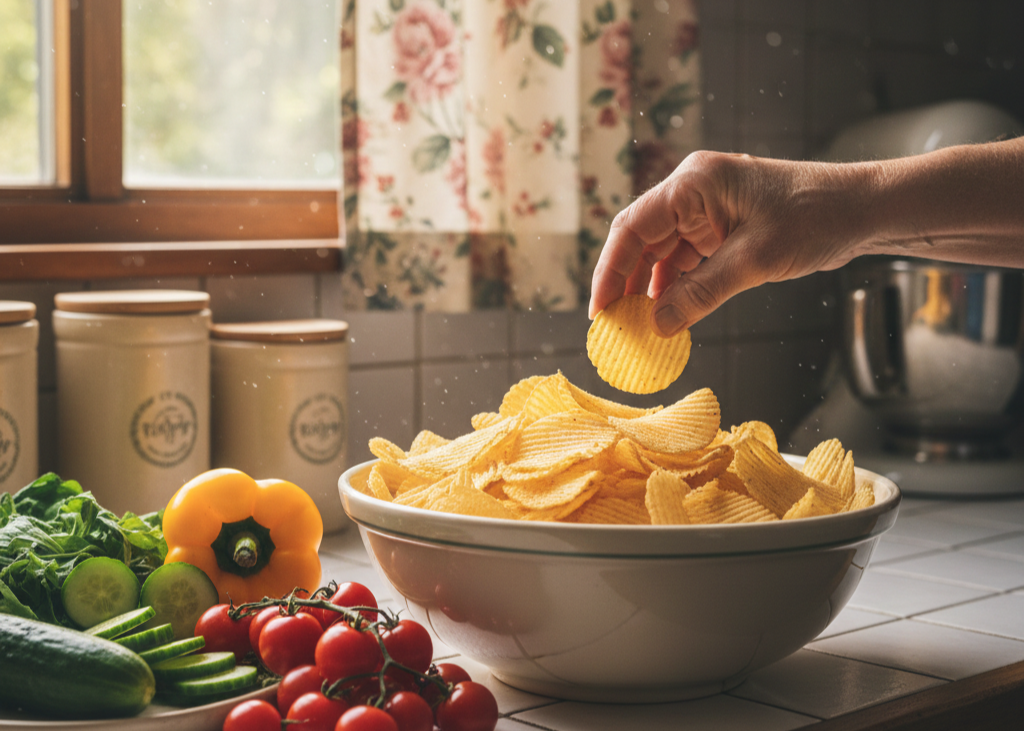
<p> Your metabolism slows down significantly in your 60s, which means your body needs fewer calories but more nutrients to stay healthy. Unfortunately, many people continue eating the same way they did in their younger years—often consuming too many processed foods, sugary snacks, and oversized portions. This can contribute to weight gain, increased inflammation, and higher risk for heart disease and diabetes. Rather than focusing on restriction, aim to eat smarter. Choose whole, nutrient-dense foods like leafy greens, berries, legumes, nuts, whole grains, lean meats, and fish. Reduce your intake of processed foods, sodium, and added sugars. Pay attention to portion sizes and practice mindful eating, which involves slowing down and savoring your meals without distractions. Drinking water before meals, chewing thoroughly, and listening to hunger cues can help you avoid overeating. Adjusting your diet to match your body’s changing needs will support better digestion, stable energy levels, and long-term health. </p> :: Pexels

Your metabolism slows down significantly in your 60s, which means your body needs fewer calories but more nutrients to stay healthy. Unfortunately, many people continue eating the same way they did in their younger years—often consuming too many processed foods, sugary snacks, and oversized portions. This can contribute to weight gain, increased inflammation, and higher risk for heart disease and diabetes. Rather than focusing on restriction, aim to eat smarter. Choose whole, nutrient-dense foods like leafy greens, berries, legumes, nuts, whole grains, lean meats, and fish. Reduce your intake of processed foods, sodium, and added sugars. Pay attention to portion sizes and practice mindful eating, which involves slowing down and savoring your meals without distractions. Drinking water before meals, chewing thoroughly, and listening to hunger cues can help you avoid overeating. Adjusting your diet to match your body’s changing needs will support better digestion, stable energy levels, and long-term health.

4. Stop Underestimating Sleep

<p> Sleep is not a luxury—it is a biological necessity, especially as you age. Many older adults believe that poor sleep is a normal part of getting older, but this mindset can lead to serious health consequences. Sleep deprivation is linked to increased risks of heart disease, cognitive decline, obesity, and weakened immune function. It also affects your mood, memory, and balance, which are crucial for staying active and independent. In your 60s, it is important to aim for seven to eight hours of quality sleep each night. This may require creating a consistent sleep routine, avoiding caffeine and alcohol late in the day, and limiting screen time before bed. A comfortable, quiet sleep environment and regular physical activity can also improve your sleep quality. If you struggle with persistent insomnia, snoring, or daytime fatigue, consult your doctor to rule out conditions like sleep apnea. Prioritizing good sleep is one of the best investments you can make for your long-term health. </p> :: Pexels

Sleep is not a luxury—it is a biological necessity, especially as you age. Many older adults believe that poor sleep is a normal part of getting older, but this mindset can lead to serious health consequences. Sleep deprivation is linked to increased risks of heart disease, cognitive decline, obesity, and weakened immune function. It also affects your mood, memory, and balance, which are crucial for staying active and independent. In your 60s, it is important to aim for seven to eight hours of quality sleep each night. This may require creating a consistent sleep routine, avoiding caffeine and alcohol late in the day, and limiting screen time before bed. A comfortable, quiet sleep environment and regular physical activity can also improve your sleep quality. If you struggle with persistent insomnia, snoring, or daytime fatigue, consult your doctor to rule out conditions like sleep apnea. Prioritizing good sleep is one of the best investments you can make for your long-term health.

5. Stop Skipping Mental Challenges

<p> Mental fitness is just as important as physical fitness, but it is often overlooked in older adults. When routines become repetitive and mental stimulation decreases, your brain can start to slow down. In your 60s, skipping mental challenges can contribute to memory problems and increase your risk for cognitive decline and conditions like dementia. Fortunately, your brain remains capable of growth and change throughout your life—a concept known as neuroplasticity. You can strengthen your brain by engaging in activities that challenge and excite you. Consider learning a new skill, picking up a hobby, playing a musical instrument, solving puzzles, or taking an online course. Reading, writing, and social interactions also stimulate different parts of the brain. The key is to stay curious and keep learning. Regular cognitive engagement improves problem-solving skills, memory, and overall mental sharpness. </p> :: Pexels

Mental fitness is just as important as physical fitness, but it is often overlooked in older adults. When routines become repetitive and mental stimulation decreases, your brain can start to slow down. In your 60s, skipping mental challenges can contribute to memory problems and increase your risk for cognitive decline and conditions like dementia. Fortunately, your brain remains capable of growth and change throughout your life—a concept known as neuroplasticity. You can strengthen your brain by engaging in activities that challenge and excite you. Consider learning a new skill, picking up a hobby, playing a musical instrument, solving puzzles, or taking an online course. Reading, writing, and social interactions also stimulate different parts of the brain. The key is to stay curious and keep learning. Regular cognitive engagement improves problem-solving skills, memory, and overall mental sharpness.

6. Stop Letting Stress Go Untreated

<p> Chronic stress is a serious health risk, particularly in your 60s when your body becomes less resilient to its effects. Stress affects every system in the body—it raises your blood pressure, weakens your immune response, disrupts sleep, and increases your risk for depression, heart disease, and memory issues. Unfortunately, many older adults dismiss stress as a normal part of life or believe it is something they just have to endure. That mindset can be harmful. It is important to identify the sources of your stress and take proactive steps to manage them. Techniques such as meditation, deep breathing, yoga, and journaling can be effective. Spending time in nature, staying physically active, and connecting with friends can also lower stress levels. If stress becomes overwhelming or persistent, do not hesitate to talk to a therapist or counselor. Your mental and emotional health deserve as much attention as your physical health. </p> :: Pexels

Chronic stress is a serious health risk, particularly in your 60s when your body becomes less resilient to its effects. Stress affects every system in the body—it raises your blood pressure, weakens your immune response, disrupts sleep, and increases your risk for depression, heart disease, and memory issues. Unfortunately, many older adults dismiss stress as a normal part of life or believe it is something they just have to endure. That mindset can be harmful. It is important to identify the sources of your stress and take proactive steps to manage them. Techniques such as meditation, deep breathing, yoga, and journaling can be effective. Spending time in nature, staying physically active, and connecting with friends can also lower stress levels. If stress becomes overwhelming or persistent, do not hesitate to talk to a therapist or counselor. Your mental and emotional health deserve as much attention as your physical health.

7. Stop Neglecting Hydration

<p> As you age, your body’s ability to sense thirst declines, making it easier to become dehydrated without realizing it. Dehydration in older adults can lead to fatigue, confusion, urinary tract infections, constipation, and increased risk of falls. Some people also limit fluid intake to avoid nighttime bathroom trips, but this can backfire and cause more serious issues. In your 60s, staying hydrated should be a daily goal. Aim for at least six to eight glasses of water each day, and more if you are active or in hot weather. You can also hydrate through foods with high water content, such as cucumbers, oranges, melons, and soups. Herbal teas and milk contribute to your fluid intake as well. Make hydration a habit by keeping a water bottle nearby and sipping throughout the day. Proper hydration supports digestion, circulation, joint health, and energy levels. </p> :: Pexels

As you age, your body’s ability to sense thirst declines, making it easier to become dehydrated without realizing it. Dehydration in older adults can lead to fatigue, confusion, urinary tract infections, constipation, and increased risk of falls. Some people also limit fluid intake to avoid nighttime bathroom trips, but this can backfire and cause more serious issues. In your 60s, staying hydrated should be a daily goal. Aim for at least six to eight glasses of water each day, and more if you are active or in hot weather. You can also hydrate through foods with high water content, such as cucumbers, oranges, melons, and soups. Herbal teas and milk contribute to your fluid intake as well. Make hydration a habit by keeping a water bottle nearby and sipping throughout the day. Proper hydration supports digestion, circulation, joint health, and energy levels.

8. Stop Isolating Yourself

<p> Social connection is a vital part of healthy aging, yet many people become increasingly isolated in their 60s. Whether due to retirement, health changes, or the loss of friends and loved ones, social withdrawal can lead to loneliness and depression. Even worse, studies show that social isolation is associated with higher risks of cognitive decline, heart disease, and premature death. Staying socially active improves mood, sharpens memory, and even strengthens the immune system. Make it a point to maintain and grow your social network. Join clubs, attend community events, volunteer, or simply make regular phone calls or video chats with family and friends. If you are introverted or new to a community, start small—say hello to neighbors, join a walking group, or take a class. Social health is just as important as physical health, and nurturing it can bring both joy and longevity. </p> :: Pexels

Social connection is a vital part of healthy aging, yet many people become increasingly isolated in their 60s. Whether due to retirement, health changes, or the loss of friends and loved ones, social withdrawal can lead to loneliness and depression. Even worse, studies show that social isolation is associated with higher risks of cognitive decline, heart disease, and premature death. Staying socially active improves mood, sharpens memory, and even strengthens the immune system. Make it a point to maintain and grow your social network. Join clubs, attend community events, volunteer, or simply make regular phone calls or video chats with family and friends. If you are introverted or new to a community, start small—say hello to neighbors, join a walking group, or take a class. Social health is just as important as physical health, and nurturing it can bring both joy and longevity.

9. Stop Delaying Preventive Care

<p> Preventive care is one of the most powerful tools you have for maintaining health in your 60s, yet it is often overlooked. Some people assume that if they feel fine, there is no need to see the doctor—but this is a dangerous assumption. Many serious conditions, including cancer, osteoporosis, and heart disease, develop silently and can be detected only through screening. Regular checkups, blood pressure monitoring, cholesterol tests, cancer screenings, and immunizations are essential to catching issues early. Preventive care also includes dental exams, eye exams, and hearing tests. Talk to your doctor about which screenings are appropriate for your age and medical history, and make sure to keep up with your vaccination schedule, including flu shots and shingles vaccines. Being proactive about your health can help you avoid complications and enjoy a longer, more vibrant life. </p> :: Pexels

Preventive care is one of the most powerful tools you have for maintaining health in your 60s, yet it is often overlooked. Some people assume that if they feel fine, there is no need to see the doctor—but this is a dangerous assumption. Many serious conditions, including cancer, osteoporosis, and heart disease, develop silently and can be detected only through screening. Regular checkups, blood pressure monitoring, cholesterol tests, cancer screenings, and immunizations are essential to catching issues early. Preventive care also includes dental exams, eye exams, and hearing tests. Talk to your doctor about which screenings are appropriate for your age and medical history, and make sure to keep up with your vaccination schedule, including flu shots and shingles vaccines. Being proactive about your health can help you avoid complications and enjoy a longer, more vibrant life.

Final Thoughts

<p> Your 60s can be some of the most rewarding years of your life, but only if you take care of your health with intention and awareness. While adding healthy habits like walking more or eating more vegetables is important, letting go of habits that no longer serve you is just as crucial. By stopping the behaviors that undermine your physical, mental, and emotional well-being, you give yourself the opportunity to thrive well into your 70s and beyond. These changes do not need to happen overnight, but recognizing what to let go of is the first powerful step. Use this list as a guide to reassess your lifestyle and build a healthier foundation for the years ahead. The future is not just about adding years to your life—it is about adding life to your years. </p> :: Pexels

Your 60s can be some of the most rewarding years of your life, but only if you take care of your health with intention and awareness. While adding healthy habits like walking more or eating more vegetables is important, letting go of habits that no longer serve you is just as crucial. By stopping the behaviors that undermine your physical, mental, and emotional well-being, you give yourself the opportunity to thrive well into your 70s and beyond. These changes do not need to happen overnight, but recognizing what to let go of is the first powerful step. Use this list as a guide to reassess your lifestyle and build a healthier foundation for the years ahead. The future is not just about adding years to your life—it is about adding life to your years.


Filed Under: Health & Fitness

How to Stay Fit Without the Gym: 10 Low-Impact Exercises for Boomers

January 13, 2026 | Leave a Comment

How to Stay Fit Without the Gym: 10 Low-Impact Exercises for Boomers

<p> Staying fit as we get older can sometimes feel like a challenge. Gym memberships, crowded classes, and high-intensity workouts are not always appealing, and for many baby boomers, they are not even necessary. The good news is that maintaining health, strength, and energy does not require expensive equipment or fancy facilities. Low-impact exercises offer a gentler, safer way to stay active while protecting joints, improving balance, and enhancing cardiovascular health. Fitness at this stage of life is not about chasing the newest trend or doing the hardest workouts. It is about consistency, enjoyment, and choosing movements that keep you moving for the long term. From walking and stretching to dancing and water aerobics, there are plenty of ways to stay in shape without stepping into a gym. The following 10 exercises are practical, fun, and ideal for U.S.-based boomers looking to stay healthy, independent, and energized in retirement. </p> :: Gemini

Staying fit as we get older can sometimes feel like a challenge. Gym memberships, crowded classes, and high-intensity workouts are not always appealing, and for many baby boomers, they are not even necessary. The good news is that maintaining health, strength, and energy does not require expensive equipment or fancy facilities. Low-impact exercises offer a gentler, safer way to stay active while protecting joints, improving balance, and enhancing cardiovascular health.

Fitness at this stage of life is not about chasing the newest trend or doing the hardest workouts. It is about consistency, enjoyment, and choosing movements that keep you moving for the long term. From walking and stretching to dancing and water aerobics, there are plenty of ways to stay in shape without stepping into a gym. The following 10 exercises are practical, fun, and ideal for U.S.-based boomers looking to stay healthy, independent, and energized in retirement.

1. Brisk Walking: Nature’s Fitness Friend

Walking is one of the simplest yet most effective ways to stay active. It requires no special equipment and can be done anywhere — around your neighborhood, in a nearby park, or even inside your home during inclement weather. Brisk walking elevates your heart rate, strengthens leg muscles, and helps maintain bone density. Beyond the physical benefits, walking can improve mood, reduce stress, and even spark creativity.

A few tips can make walking more enjoyable. Choose scenic routes, listen to music or podcasts, or walk with a friend or pet. If 30 minutes at a time feels challenging, break your walk into two or three shorter sessions throughout the day. Even a 10-minute walk after meals can aid digestion and help maintain energy levels. Over time, these walks will become a habit you look forward to rather than a chore.

2. Tai Chi: Gentle Movements for Balance and Calm

Tai Chi is often described as meditation in motion, and for good reason. This ancient Chinese practice combines slow, deliberate movements with deep, mindful breathing. Tai Chi is excellent for improving balance, flexibility, and coordination — skills that are especially important for preventing falls as we age.

Beginners can start with short, daily sessions using online tutorials or local community classes. Even practicing five to ten minutes a day can enhance stability and overall body awareness. Tai Chi also provides a calming mental effect, reducing stress and promoting mindfulness. Over time, these gentle movements can feel meditative, like a moving form of yoga, leaving both your body and mind feeling centered and strong.

3. Water Aerobics: Fun in the Pool

If you have access to a pool, water aerobics offers a full-body workout without putting pressure on your joints. The buoyancy of water supports your body, making movements easier while providing natural resistance that strengthens muscles. Water aerobics also improves cardiovascular health, flexibility, and endurance.

Many community centers, senior centers, and gyms offer group classes, making this a social activity as well as a physical one. Even simple exercises like walking in water, gentle leg lifts, or arm movements against water resistance can boost strength and energy. Beyond the physical benefits, spending time in the water can be incredibly refreshing and enjoyable, making it a workout you actually look forward to.

4. Chair Yoga: Stretch and Strengthen Safely

Yoga does not need to be challenging or performed on the floor. Chair yoga adapts traditional poses so that they can be performed while seated or with the support of a sturdy chair. This makes it ideal for boomers who may have joint issues or limited mobility.

Chair yoga helps improve flexibility, posture, and joint mobility while being easy on knees, hips, and the lower back. It also encourages deep, mindful breathing, which promotes relaxation and reduces stress. A few short sessions each week can increase range of motion, strengthen muscles, and help you feel more balanced in everyday activities. Whether you follow an online video, a DVD, or a local instructor, chair yoga is highly accessible and effective.

5. Gentle Cycling: Cardio Without Strain

Cycling is a low-impact, joint-friendly way to get a cardiovascular workout. Whether on a stationary bike at home or pedaling through quiet streets, cycling strengthens leg muscles, increases endurance, and improves heart health. It is also gentle on knees, hips, and ankles compared to running or high-impact aerobics.

One of the best parts about cycling is that you can control the intensity. Beginners can start with short, easy rides, gradually building up to longer sessions. A few 20 to 30-minute rides per week can enhance stamina and energy, leaving you feeling stronger and more confident in your daily movements. Pair cycling with a favorite podcast or audiobook, and your workout can also become a relaxing, entertaining part of your day.

6. Pilates: Core Strength for Everyday Life

Pilates focuses on controlled movements and mindful breathing to strengthen core muscles and improve posture. A strong core supports your back, prevents injuries, and makes everyday tasks — like lifting groceries or standing for long periods — easier and safer.

Pilates routines can be adapted for beginners and are gentle on joints. You do not need expensive equipment; a mat and guidance from online videos or a local class are enough to get started. Practicing Pilates two to three times a week can improve flexibility, balance, and muscle tone. Many boomers find that building core strength makes a noticeable difference in energy and comfort during daily life.

7. Dancing: Fitness That Feels Like Fun

Dancing is exercise disguised as fun. Whether you move to your favorite songs at home, join a local dance class, or try ballroom or line dancing, your heart, muscles, and coordination all benefit. Dancing also improves mood, reduces stress, and can even rekindle fond memories through familiar tunes.

The best part is that dancing is highly adaptable. You can dance at your own pace, take breaks when needed, and enjoy the activity socially or solo. Just 20 to 30 minutes of dancing several times a week provides cardiovascular benefits, strengthens muscles, and increases flexibility. Most importantly, it reminds us that fitness does not have to feel like work — it can feel joyful.

8. Stretching Routine: Everyday Flexibility Boost

Regular stretching is essential for maintaining mobility, reducing stiffness, and supporting joint health. Spending just five to ten minutes each day stretching your back, legs, arms, and shoulders can make everyday movements easier and prevent discomfort.

Incorporating stretching into your morning or evening routine also gives you a moment to check in with your body. Gentle stretches improve circulation, increase range of motion, and make bending, reaching, and twisting more comfortable. Over time, you will notice that simple tasks feel easier and your overall posture improves. Stretching is a small but powerful investment in your daily comfort and long-term mobility.

9. Balance Drills: Strength for Stability

<p> Balance is a key factor in maintaining independence as we age. Simple exercises like standing on one foot, walking heel-to-toe in a straight line, or practicing gentle side steps can strengthen the muscles that keep you steady. You can hold a chair or countertop for support until you feel more confident. Practicing balance for just a few minutes each day can make a noticeable difference in stability, coordination, and confidence. These exercises also enhance overall body awareness, making it easier to navigate stairs, curbs, and uneven surfaces safely. </p> :: Gemini

Balance is a key factor in maintaining independence as we age. Simple exercises like standing on one foot, walking heel-to-toe in a straight line, or practicing gentle side steps can strengthen the muscles that keep you steady.

You can hold a chair or countertop for support until you feel more confident. Practicing balance for just a few minutes each day can make a noticeable difference in stability, coordination, and confidence. These exercises also enhance overall body awareness, making it easier to navigate stairs, curbs, and uneven surfaces safely.

10. Interval Walking: Boost Your Fitness

<p> Interval walking is a simple way to increase the benefits of a regular walk without straining your joints. The idea is to alternate periods of brisk walking with slower, recovery-paced steps. For example, walk briskly for two minutes, then slow down for one minute, repeating for 20 to 30 minutes. This approach improves cardiovascular health, strengthens muscles, and keeps your routine more interesting. You can adjust the pace according to your comfort and gradually increase the intensity over time. Interval walking adds variety to your regular walks and helps you challenge your fitness while remaining gentle on your body. </p> :: Gemini

Interval walking is a simple way to increase the benefits of a regular walk without straining your joints. The idea is to alternate periods of brisk walking with slower, recovery-paced steps. For example, walk briskly for two minutes, then slow down for one minute, repeating for 20 to 30 minutes.

This approach improves cardiovascular health, strengthens muscles, and keeps your routine more interesting. You can adjust the pace according to your comfort and gradually increase the intensity over time. Interval walking adds variety to your regular walks and helps you challenge your fitness while remaining gentle on your body.

Final Thoughts

<p> Fitness after 50 is not about running marathons or lifting heavy weights. It is about keeping your body moving in ways that are enjoyable, safe, and sustainable. Low-impact exercises provide the perfect solution for baby boomers who want to stay strong, flexible, and energized without putting stress on joints. The key is consistency and variety. Mix and match these exercises to keep your routine fresh and exciting. Listen to your body and progress at your own pace. Fitness is not a one-size-fits-all approach, and what matters most is finding activities that make you feel capable, confident, and happy. Moving regularly improves more than just your physical health. It enhances mood, boosts energy, sharpens mental clarity, and increases independence. Whether it is a walk in the park, a few minutes of stretching, or a dance session in your living room, every movement counts. Start small, celebrate each accomplishment, and embrace the joy of being active. Staying fit without the gym is not only possible — it can be fun, practical, and deeply rewarding. By incorporating these low-impact exercises into your daily routine, you are investing in yourself and your future. Your body will thank you, your mind will feel clearer, and your overall quality of life will improve. So, grab your walking shoes, roll out your yoga mat, or turn on your favorite music, and start moving today. Fitness at any age is achievable, enjoyable, and yours to claim. </p> :: Gemini

Fitness after 50 is not about running marathons or lifting heavy weights. It is about keeping your body moving in ways that are enjoyable, safe, and sustainable. Low-impact exercises provide the perfect solution for baby boomers who want to stay strong, flexible, and energized without putting stress on joints.

The key is consistency and variety. Mix and match these exercises to keep your routine fresh and exciting. Listen to your body and progress at your own pace. Fitness is not a one-size-fits-all approach, and what matters most is finding activities that make you feel capable, confident, and happy.

Moving regularly improves more than just your physical health. It enhances mood, boosts energy, sharpens mental clarity, and increases independence. Whether it is a walk in the park, a few minutes of stretching, or a dance session in your living room, every movement counts. Start small, celebrate each accomplishment, and embrace the joy of being active.

Staying fit without the gym is not only possible — it can be fun, practical, and deeply rewarding. By incorporating these low-impact exercises into your daily routine, you are investing in yourself and your future. Your body will thank you, your mind will feel clearer, and your overall quality of life will improve. So, grab your walking shoes, roll out your yoga mat, or turn on your favorite music, and start moving today. Fitness at any age is achievable, enjoyable, and yours to claim.

Filed Under: Health & Fitness

10 Simple Ways to Boost Your Memory and Brain Health After 60

January 11, 2026 | Leave a Comment

10 Simple Ways to Boost Your Memory and Brain Health After 60

<p> Turning 60 is an exciting milestone, but it often comes with a growing awareness of how our bodies and minds change. Many baby boomers notice moments of forgetfulness or a foggy mind, and that can feel unsettling. The good news is that the brain is remarkably adaptable, and simple, enjoyable habits can help keep it sharp. You do not need complicated routines, expensive supplements, or extreme diets. Sometimes, the most effective strategies are the ones you can easily fit into your daily life. If you have ever walked into a room and forgotten why, misplaced your keys, or struggled to remember a familiar name, you are not alone. These little lapses are normal, but there are practical ways to maintain, and even improve, memory and cognitive health. The following ten strategies are based on research, expert advice, and real-life practicality. They are designed to help you think clearly, recall information with confidence, and enjoy your life with a sharper mind. </p> :: Gemini

Turning 60 is an exciting milestone, but it often comes with a growing awareness of how our bodies and minds change. Many baby boomers notice moments of forgetfulness or a foggy mind, and that can feel unsettling. The good news is that the brain is remarkably adaptable, and simple, enjoyable habits can help keep it sharp. You do not need complicated routines, expensive supplements, or extreme diets. Sometimes, the most effective strategies are the ones you can easily fit into your daily life.

If you have ever walked into a room and forgotten why, misplaced your keys, or struggled to remember a familiar name, you are not alone. These little lapses are normal, but there are practical ways to maintain, and even improve, memory and cognitive health. The following ten strategies are based on research, expert advice, and real-life practicality. They are designed to help you think clearly, recall information with confidence, and enjoy your life with a sharper mind.

1. Keep Moving: Exercise Your Body to Energize Your Brain

<p> Physical activity is one of the most powerful tools for brain health. Exercise increases blood flow to the brain, nourishes neurons, and supports the growth of new brain cells. You do not need to become a marathon runner to see benefits. Walking, swimming, cycling, dancing, or even gardening provides excellent mental stimulation. Aim for about 150 minutes of moderate activity per week. Beyond supporting memory, regular exercise improves mood, boosts energy, and reduces stress. Think of it as giving your brain a daily tune-up while enjoying movement you love. </p> :: Gemini

Physical activity is one of the most powerful tools for brain health. Exercise increases blood flow to the brain, nourishes neurons, and supports the growth of new brain cells. You do not need to become a marathon runner to see benefits. Walking, swimming, cycling, dancing, or even gardening provides excellent mental stimulation. Aim for about 150 minutes of moderate activity per week. Beyond supporting memory, regular exercise improves mood, boosts energy, and reduces stress. Think of it as giving your brain a daily tune-up while enjoying movement you love.

2. Make Sleep a Priority: Recharge Your Mind

<p> Sleep is essential for memory consolidation and cognitive function. While we sleep, our brains process the information from the day and flush out waste products that can build up and impair function. Adults over 60 generally need between seven and nine hours of quality sleep each night. To improve sleep, establish a relaxing bedtime routine, limit screen time before bed, and keep a consistent schedule. Good sleep makes it easier to focus, recall information, and tackle daily tasks with a clear mind. Sleep is not wasted time; it is the foundation for a sharp, healthy brain. </p> :: Gemini

Sleep is essential for memory consolidation and cognitive function. While we sleep, our brains process the information from the day and flush out waste products that can build up and impair function. Adults over 60 generally need between seven and nine hours of quality sleep each night. To improve sleep, establish a relaxing bedtime routine, limit screen time before bed, and keep a consistent schedule. Good sleep makes it easier to focus, recall information, and tackle daily tasks with a clear mind. Sleep is not wasted time; it is the foundation for a sharp, healthy brain.

3. Eat for Brain Health: Fuel Your Mind with the Right Foods

<p> The old saying “you are what you eat” is especially true for your brain. Nutrient-rich foods support memory, cognitive performance, and overall brain health. Include plenty of fruits, vegetables, whole grains, nuts, and fatty fish like salmon or sardines in your diet. These foods are packed with antioxidants, healthy fats, and omega-3 fatty acids, which help protect brain cells from inflammation and oxidative stress. Limiting processed foods, sugary snacks, and unhealthy fats is just as important. Small changes, like adding berries to your breakfast or enjoying a handful of walnuts as a snack, can have a lasting impact on memory and focus. </p> :: Gemini

The old saying “you are what you eat” is especially true for your brain. Nutrient-rich foods support memory, cognitive performance, and overall brain health. Include plenty of fruits, vegetables, whole grains, nuts, and fatty fish like salmon or sardines in your diet. These foods are packed with antioxidants, healthy fats, and omega-3 fatty acids, which help protect brain cells from inflammation and oxidative stress. Limiting processed foods, sugary snacks, and unhealthy fats is just as important. Small changes, like adding berries to your breakfast or enjoying a handful of walnuts as a snack, can have a lasting impact on memory and focus.

4. Stay Social: Connections Keep Your Brain Sharp

<p> Humans thrive on social connection, and staying socially active has powerful benefits for your mind. Meaningful social interaction stimulates the brain, reduces stress, and can help protect against cognitive decline. Make an effort to schedule regular coffee dates with friends, join a local club, volunteer, or attend community events. Even phone calls and video chats can be valuable for keeping your brain engaged. By staying connected, you not only nurture relationships but also give your brain a workout, keeping memory and thinking skills strong. </p> :: Gemini

Humans thrive on social connection, and staying socially active has powerful benefits for your mind. Meaningful social interaction stimulates the brain, reduces stress, and can help protect against cognitive decline. Make an effort to schedule regular coffee dates with friends, join a local club, volunteer, or attend community events. Even phone calls and video chats can be valuable for keeping your brain engaged. By staying connected, you not only nurture relationships but also give your brain a workout, keeping memory and thinking skills strong.

5. Challenge Your Mind: Keep Learning and Exploring

<p> Your brain thrives on novelty and challenge. Mental exercise helps create new neural pathways, strengthens memory, and builds cognitive resilience. Try activities like crossword puzzles, Sudoku, learning a new language, or picking up a musical instrument. You do not need to become an expert; the goal is to keep your mind active and engaged. Even small daily mental challenges, such as memorizing a poem or trying a new hobby, give your brain valuable stimulation. Lifelong learning is not just enriching — it is one of the best ways to protect memory and maintain mental sharpness. </p> :: Gemini

Your brain thrives on novelty and challenge. Mental exercise helps create new neural pathways, strengthens memory, and builds cognitive resilience. Try activities like crossword puzzles, Sudoku, learning a new language, or picking up a musical instrument. You do not need to become an expert; the goal is to keep your mind active and engaged. Even small daily mental challenges, such as memorizing a poem or trying a new hobby, give your brain valuable stimulation. Lifelong learning is not just enriching — it is one of the best ways to protect memory and maintain mental sharpness.

6. Manage Stress: Calm Mind, Clear Memory

<p> Chronic stress is one of the brain’s silent enemies. It affects the hippocampus, the area responsible for forming new memories, and can make recalling information more difficult. Managing stress is critical for maintaining cognitive health. Practices like deep breathing exercises, meditation, yoga, and spending time on hobbies you enjoy can significantly reduce stress levels. Even taking short breaks during the day to relax and reset your mind can improve focus and memory. By staying calm and balanced, you protect your mental clarity and give your brain the space it needs to function optimally. </p> :: Gemini

Chronic stress is one of the brain’s silent enemies. It affects the hippocampus, the area responsible for forming new memories, and can make recalling information more difficult. Managing stress is critical for maintaining cognitive health. Practices like deep breathing exercises, meditation, yoga, and spending time on hobbies you enjoy can significantly reduce stress levels. Even taking short breaks during the day to relax and reset your mind can improve focus and memory. By staying calm and balanced, you protect your mental clarity and give your brain the space it needs to function optimally.

7. Stay Organized: Reduce Mental Clutter

<p> Being organized is not just about tidiness; it is a practical memory strategy. Keeping your home and schedule organized reduces mental clutter, freeing your brain to focus on more important tasks. Use calendars, notebooks, or phone reminders to track appointments and to-do lists. Designate specific spots for keys, wallets, and other essentials to avoid last-minute searches. Simple organizational habits save mental energy, reduce stress, and support your memory. When your environment is organized, your mind can stay sharp and focused without being overwhelmed by small, everyday tasks. </p> :: Gemini

Being organized is not just about tidiness; it is a practical memory strategy. Keeping your home and schedule organized reduces mental clutter, freeing your brain to focus on more important tasks. Use calendars, notebooks, or phone reminders to track appointments and to-do lists. Designate specific spots for keys, wallets, and other essentials to avoid last-minute searches. Simple organizational habits save mental energy, reduce stress, and support your memory. When your environment is organized, your mind can stay sharp and focused without being overwhelmed by small, everyday tasks.

8. Stay Hydrated and Enjoy Smart Caffeine

<p> Water is essential for brain function, and even mild dehydration can impair focus, mood, and memory. Make it a habit to drink water regularly throughout the day. Caffeine, when enjoyed in moderation, can also support alertness and mental performance. A morning cup of coffee or tea can provide a gentle boost, but avoid caffeine too late in the day as it can interfere with sleep. Proper hydration and moderate caffeine use are simple ways to feel more alert and keep your brain operating at its best. </p> :: Gemini

Water is essential for brain function, and even mild dehydration can impair focus, mood, and memory. Make it a habit to drink water regularly throughout the day. Caffeine, when enjoyed in moderation, can also support alertness and mental performance. A morning cup of coffee or tea can provide a gentle boost, but avoid caffeine too late in the day as it can interfere with sleep. Proper hydration and moderate caffeine use are simple ways to feel more alert and keep your brain operating at its best.

9. Limit Alcohol and Avoid Smoking

<p> Excessive alcohol consumption and smoking can damage brain cells and accelerate cognitive decline. Moderation is key. For those who choose to drink, up to one drink per day for women and up to two drinks per day for men is generally considered safe. Quitting smoking at any age improves blood flow to the brain and reduces the risk of memory problems. By making mindful choices about alcohol and tobacco, you protect your brain and support overall health, giving yourself a stronger foundation for clear thinking and sharp memory. </p> :: Gemini

Excessive alcohol consumption and smoking can damage brain cells and accelerate cognitive decline. Moderation is key. For those who choose to drink, up to one drink per day for women and up to two drinks per day for men is generally considered safe. Quitting smoking at any age improves blood flow to the brain and reduces the risk of memory problems. By making mindful choices about alcohol and tobacco, you protect your brain and support overall health, giving yourself a stronger foundation for clear thinking and sharp memory.

10. Keep Up with Health Screenings

<p> Chronic conditions such as high blood pressure, diabetes, and high cholesterol affect more than your heart; they also impact brain health. Regular medical checkups help you monitor and manage these conditions before they affect memory and cognition. Do not forget vision and hearing exams, as sensory loss is linked to faster cognitive decline. By staying proactive about your health, you are taking an important step in protecting your brain and maintaining independence. Preventive care is one of the simplest yet most effective ways to keep your memory strong. </p> :: Gemini

Chronic conditions such as high blood pressure, diabetes, and high cholesterol affect more than your heart; they also impact brain health. Regular medical checkups help you monitor and manage these conditions before they affect memory and cognition. Do not forget vision and hearing exams, as sensory loss is linked to faster cognitive decline. By staying proactive about your health, you are taking an important step in protecting your brain and maintaining independence. Preventive care is one of the simplest yet most effective ways to keep your memory strong.

Final Thoughts

<p> Improving memory and maintaining brain health after 60 is about consistency, not perfection. The strategies above show that small, manageable habits added to your daily routine can produce meaningful results over time. Physical activity, quality sleep, proper nutrition, mental stimulation, social engagement, stress management, and staying organized all work together to protect your mind and memory.

The beauty of these strategies is that it is never too late to start. Every walk, every healthy meal, every puzzle you tackle, and every conversation you have is a small investment in your cognitive health. Over time, these habits add up, helping you stay sharp, independent, and confident.

Your brain is capable of remarkable resilience. By giving it the care, stimulation, and nourishment it needs, you can enjoy clear thinking, strong memory, and a vibrant mind well into your later years. Embrace these habits, celebrate your milestones, nurture your relationships, and continue exploring new ideas and experiences. Your mind deserves the same love and attention that you give your body, and with simple daily choices, you can keep it thriving for decades to come. </p> :: Gemini
Improving memory and maintaining brain health after 60 is about consistency, not perfection. The strategies above show that small, manageable habits added to your daily routine can produce meaningful results over time. Physical activity, quality sleep, proper nutrition, mental stimulation, social engagement, stress management, and staying organized all work together to protect your mind and memory.

The beauty of these strategies is that it is never too late to start. Every walk, every healthy meal, every puzzle you tackle, and every conversation you have is a small investment in your cognitive health. Over time, these habits add up, helping you stay sharp, independent, and confident.

Your brain is capable of remarkable resilience. By giving it the care, stimulation, and nourishment it needs, you can enjoy clear thinking, strong memory, and a vibrant mind well into your later years. Embrace these habits, celebrate your milestones, nurture your relationships, and continue exploring new ideas and experiences. Your mind deserves the same love and attention that you give your body, and with simple daily choices, you can keep it thriving for decades to come.

Filed Under: Health & Fitness

8 Popular Fruits That Also Work as Natural Remedies, According to Experts

January 5, 2026 | Leave a Comment

8 Popular Fruits That Also Work as Natural Remedies, According to Experts

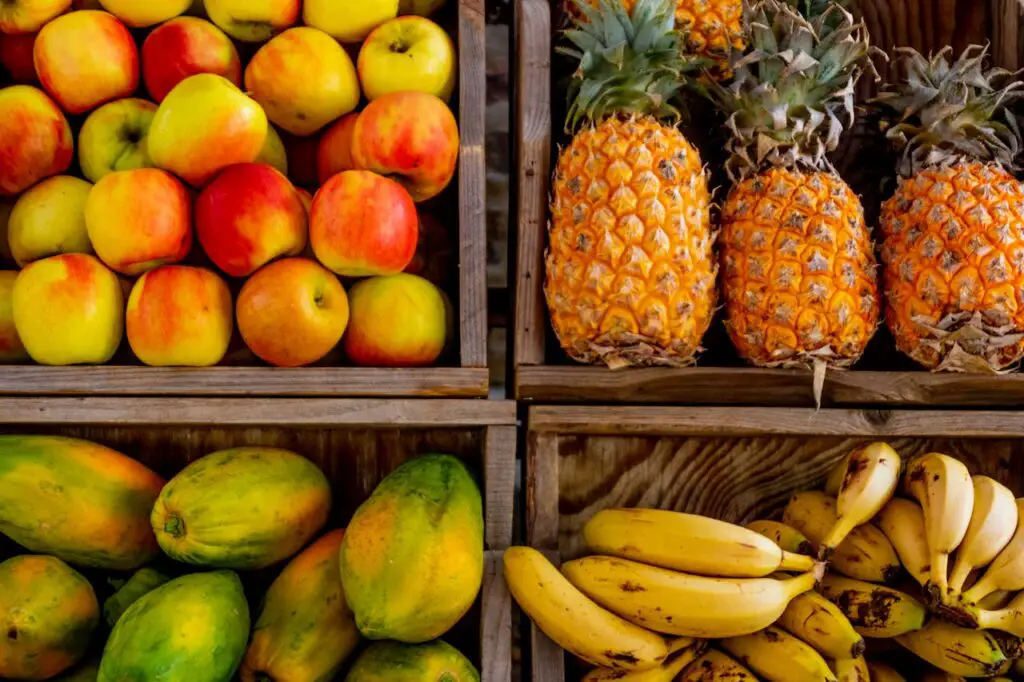
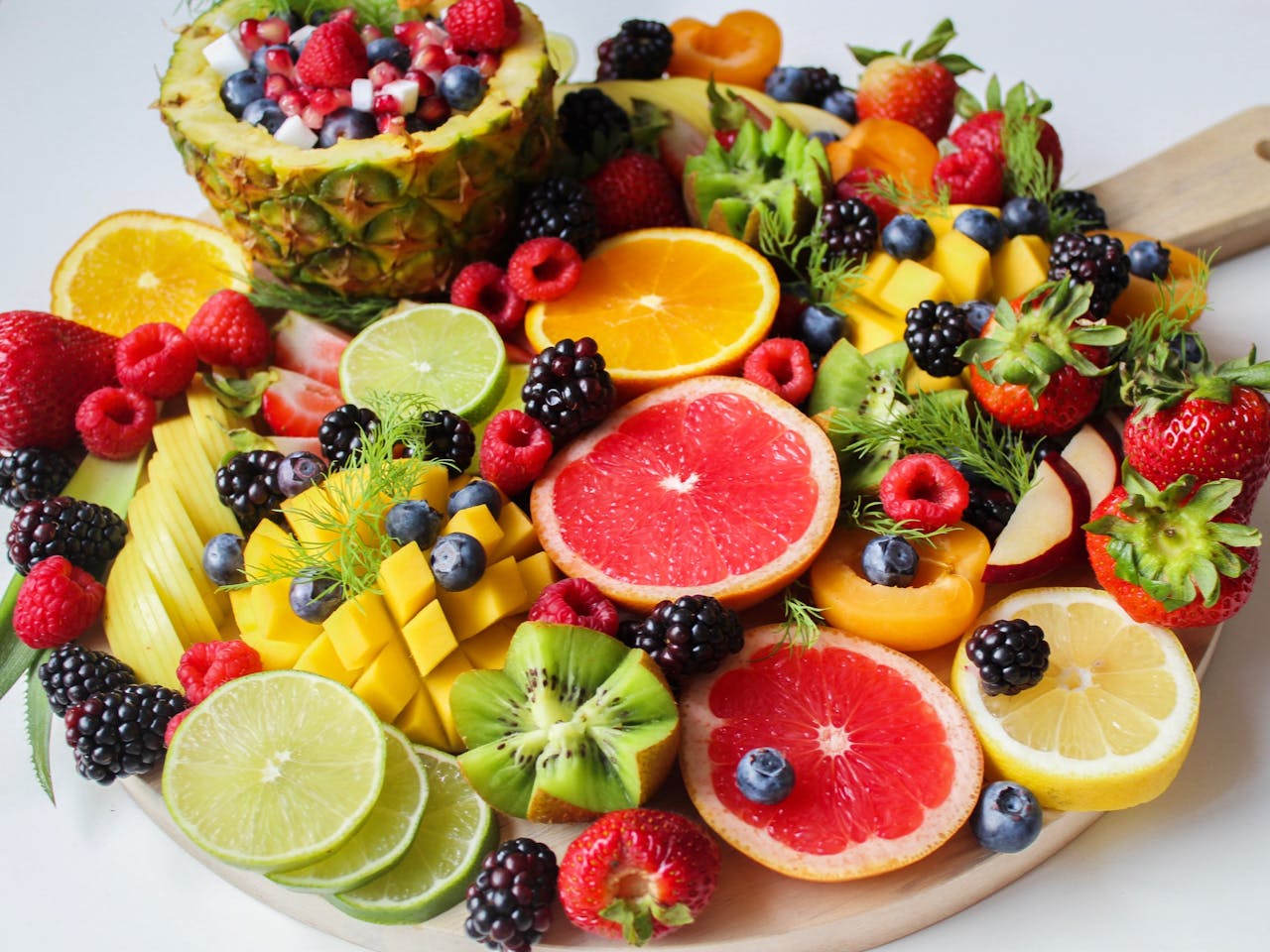
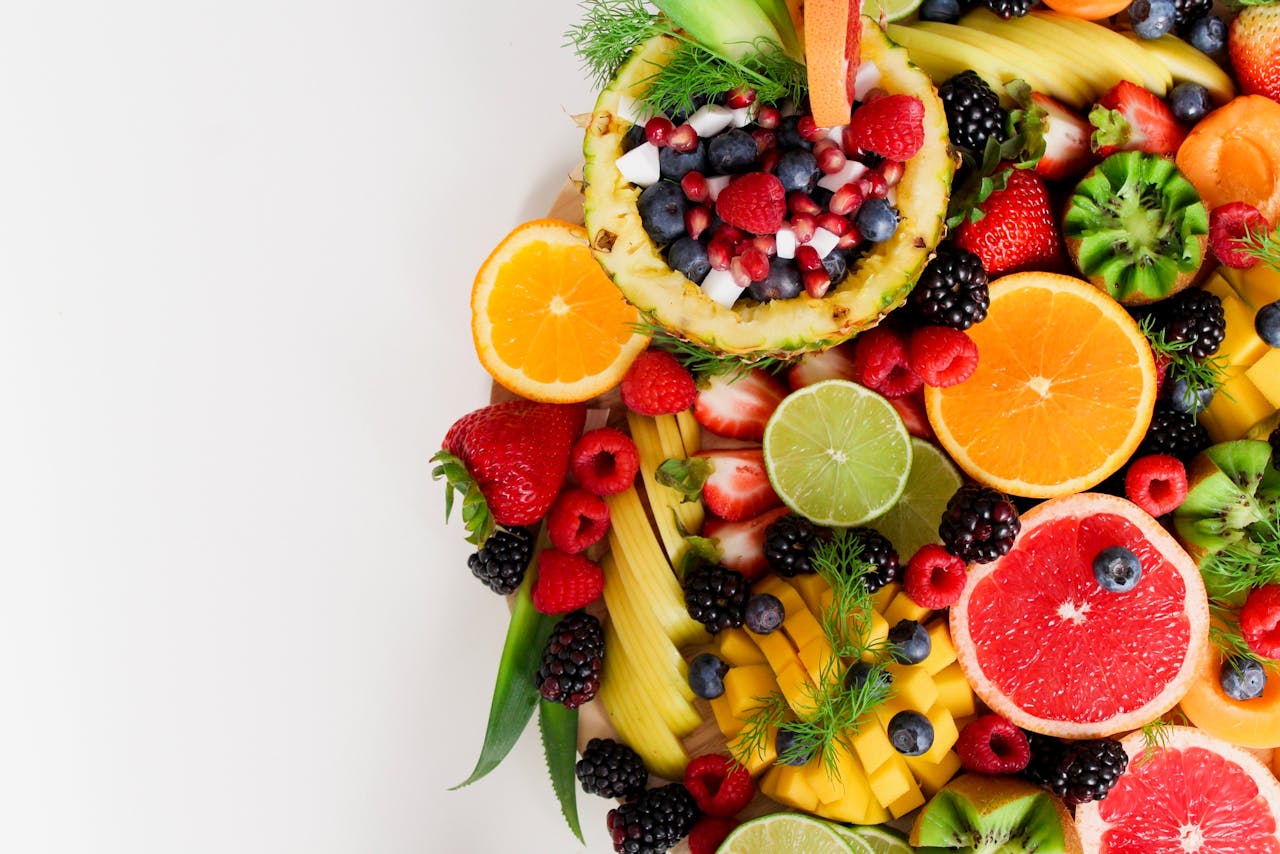
<p> Ever reach for a fruit just because it tastes good? That’s great—but what if that same piece of fruit could help ease your digestion, clear up your skin, or boost your immune system? That’s the real power of nature at work. More and more, nutritionists and holistic health experts are pointing us back to our kitchens and produce aisles, showing how some of the world’s most popular fruits also double as natural remedies. These aren’t exotic or hard-to-find superfoods—they’re the everyday fruits you already know and love, now with a deeper purpose. Whether you're battling stress, looking to boost energy, or want to protect your heart, your fruit bowl might already hold the key. Here are eight popular fruits with powerful healing properties, backed by science and expert advice. </p> :: Pexels

Ever reach for a fruit just because it tastes good? That’s great—but what if that same piece of fruit could help ease your digestion, clear up your skin, or boost your immune system? That’s the real power of nature at work. More and more, nutritionists and holistic health experts are pointing us back to our kitchens and produce aisles, showing how some of the world’s most popular fruits also double as natural remedies. These aren’t exotic or hard-to-find superfoods—they’re the everyday fruits you already know and love, now with a deeper purpose. Whether you’re battling stress, looking to boost energy, or want to protect your heart, your fruit bowl might already hold the key. Here are eight popular fruits with powerful healing properties, backed by science and expert advice.

1. Lemons – The Ultimate Detoxifier and Immunity Booster

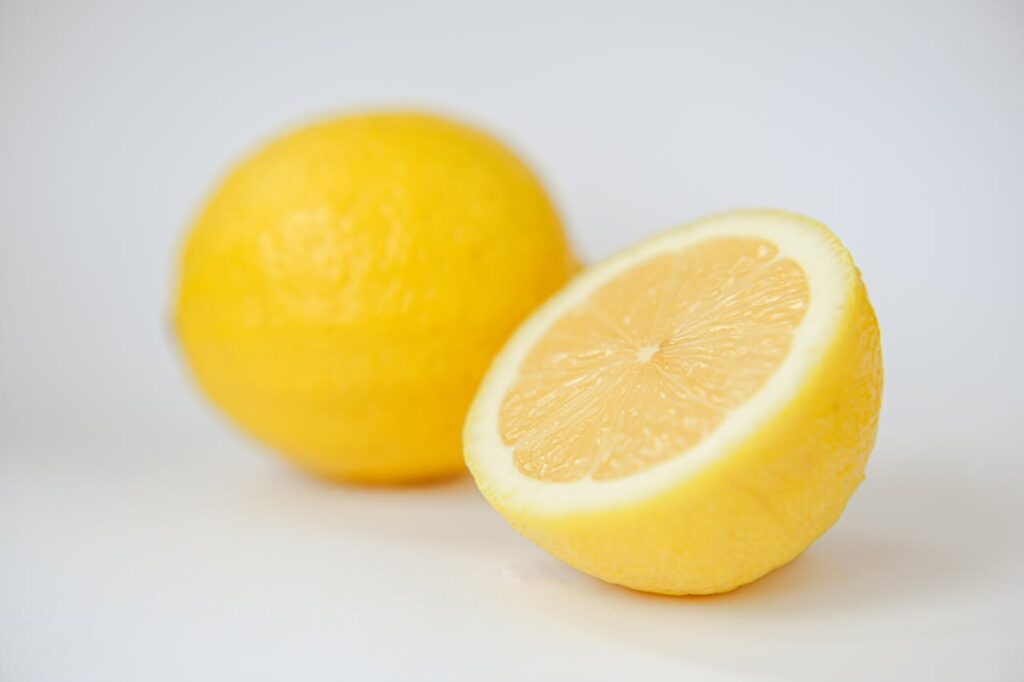
<p> Lemons have long been revered for their medicinal properties, and experts confirm they’re among the best fruits for detoxifying the body naturally. Rich in vitamin C, lemons strengthen the immune system and help fight off infections. Nutritionists also highlight their alkalizing effect on the body, despite their acidic taste, which helps balance pH levels and promote overall wellness. Drinking warm lemon water in the morning is known to aid digestion, flush out toxins, and even support liver function. The citric acid in lemons also helps prevent kidney stones by increasing urine volume and pH. With antimicrobial and anti-inflammatory properties, lemons are a go-to natural remedy for sore throats, indigestion, and skin breakouts. </p> :: Pexels

Lemons have long been revered for their medicinal properties, and experts confirm they’re among the best fruits for detoxifying the body naturally. Rich in vitamin C, lemons strengthen the immune system and help fight off infections. Nutritionists also highlight their alkalizing effect on the body, despite their acidic taste, which helps balance pH levels and promote overall wellness. Drinking warm lemon water in the morning is known to aid digestion, flush out toxins, and even support liver function. The citric acid in lemons also helps prevent kidney stones by increasing urine volume and pH. With antimicrobial and anti-inflammatory properties, lemons are a go-to natural remedy for sore throats, indigestion, and skin breakouts.

2. Pineapples – Nature’s Anti-Inflammatory Powerhouse

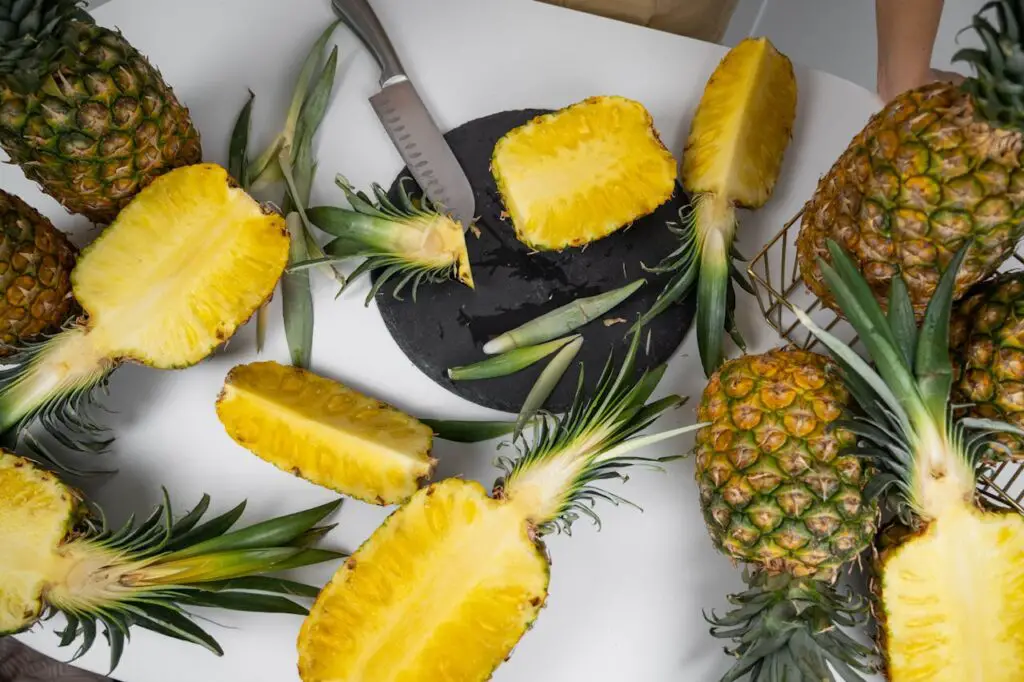
<p> This tropical favorite isn’t just for summer smoothies—pineapples are packed with bromelain, a powerful enzyme known for its anti-inflammatory and pain-relieving properties. According to experts in natural medicine, bromelain can help reduce swelling, support wound healing, and even ease symptoms of arthritis. Pineapple is also rich in vitamin C and manganese, which support immune health and metabolic function. Its high water and fiber content aid digestion and prevent constipation. Many holistic health practitioners recommend pineapple juice to soothe sore throats and reduce mucus. With natural sweetness and healing compounds, pineapples serve as both a delicious treat and a potent remedy for inflammation and digestion issues. </p> :: Pexels

This tropical favorite isn’t just for summer smoothies—pineapples are packed with bromelain, a powerful enzyme known for its anti-inflammatory and pain-relieving properties. According to experts in natural medicine, bromelain can help reduce swelling, support wound healing, and even ease symptoms of arthritis. Pineapple is also rich in vitamin C and manganese, which support immune health and metabolic function. Its high water and fiber content aid digestion and prevent constipation. Many holistic health practitioners recommend pineapple juice to soothe sore throats and reduce mucus. With natural sweetness and healing compounds, pineapples serve as both a delicious treat and a potent remedy for inflammation and digestion issues.

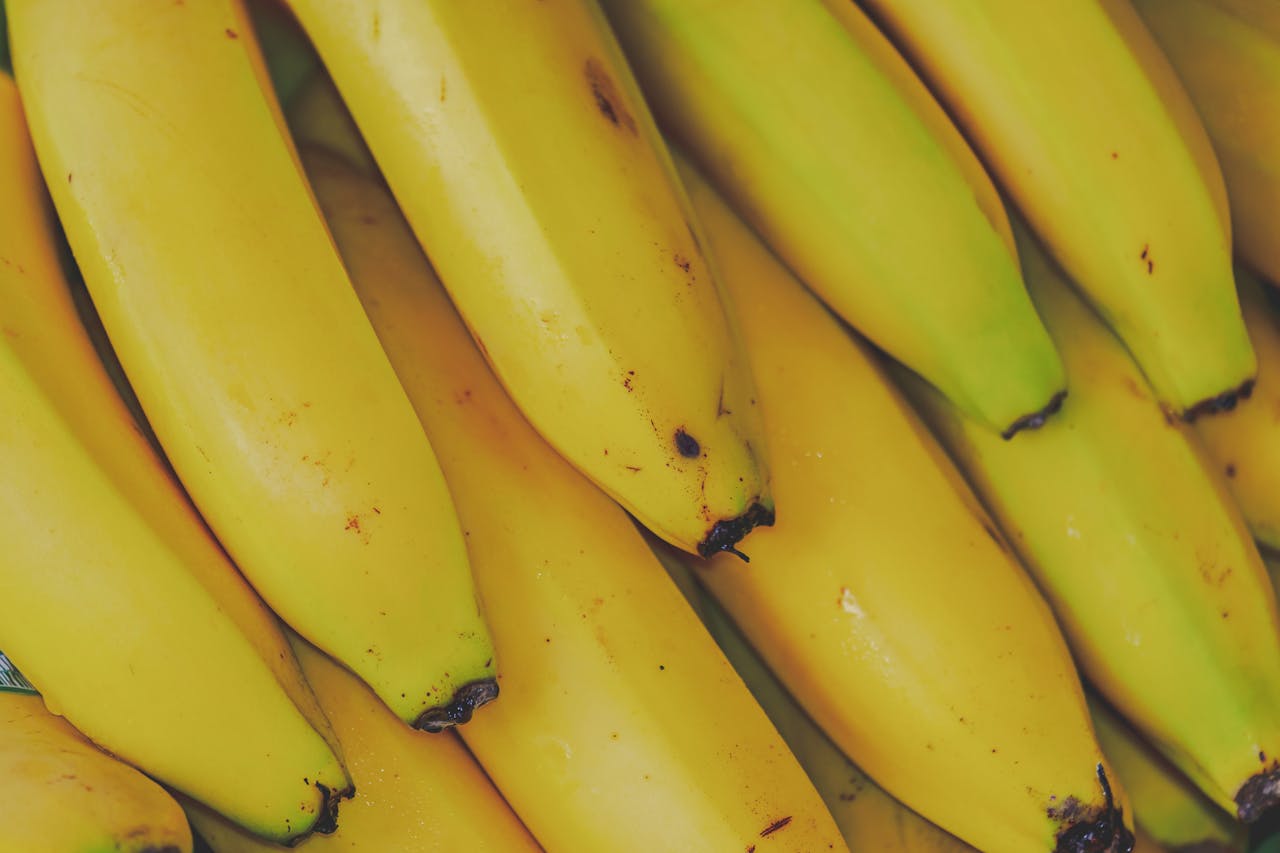
3. Bananas – The Stress-Relieving Energy Booster

<p> Bananas are more than a convenient snack—they’re loaded with nutrients that help the body relax and recharge. Rich in potassium, bananas support heart health and help regulate blood pressure. But what makes them especially healing is their high levels of tryptophan, which the body converts into serotonin, the “feel-good” neurotransmitter. Experts say this makes bananas effective at relieving stress, anxiety, and mild depression. They also provide a quick energy boost thanks to their natural sugars and are easy on the stomach, making them ideal for recovery from gastrointestinal distress or after a workout. Additionally, the resistant starch in bananas helps feed good gut bacteria, contributing to better digestive health. </p> :: Pexels

Bananas are more than a convenient snack—they’re loaded with nutrients that help the body relax and recharge. Rich in potassium, bananas support heart health and help regulate blood pressure. But what makes them especially healing is their high levels of tryptophan, which the body converts into serotonin, the “feel-good” neurotransmitter. Experts say this makes bananas effective at relieving stress, anxiety, and mild depression. They also provide a quick energy boost thanks to their natural sugars and are easy on the stomach, making them ideal for recovery from gastrointestinal distress or after a workout. Additionally, the resistant starch in bananas helps feed good gut bacteria, contributing to better digestive health.

4. Apples – A Daily Dose of Digestive and Heart Health

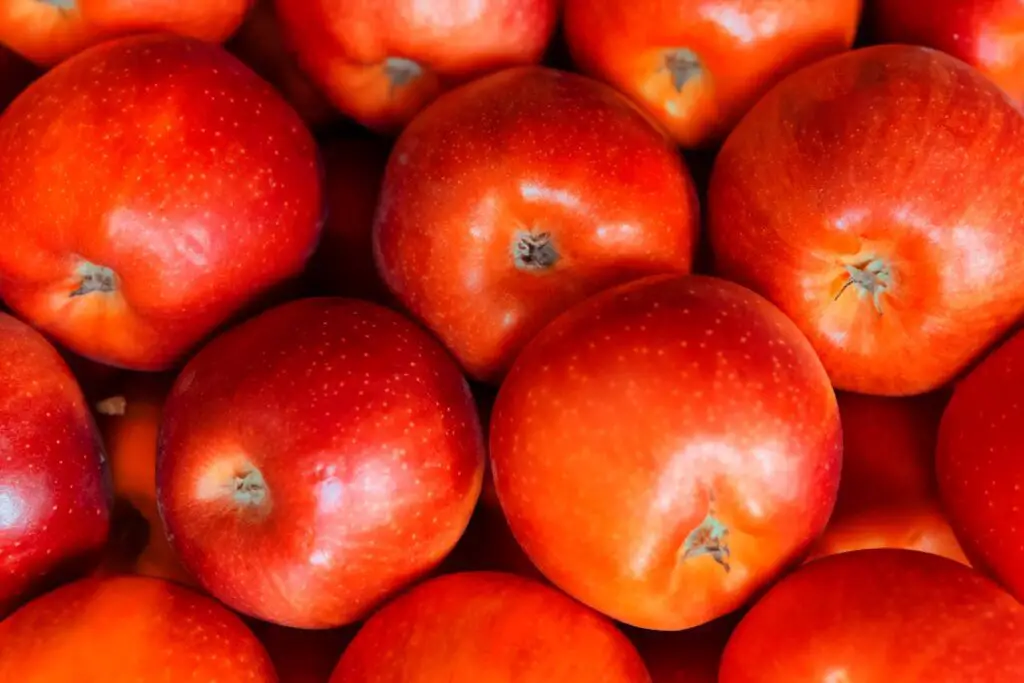
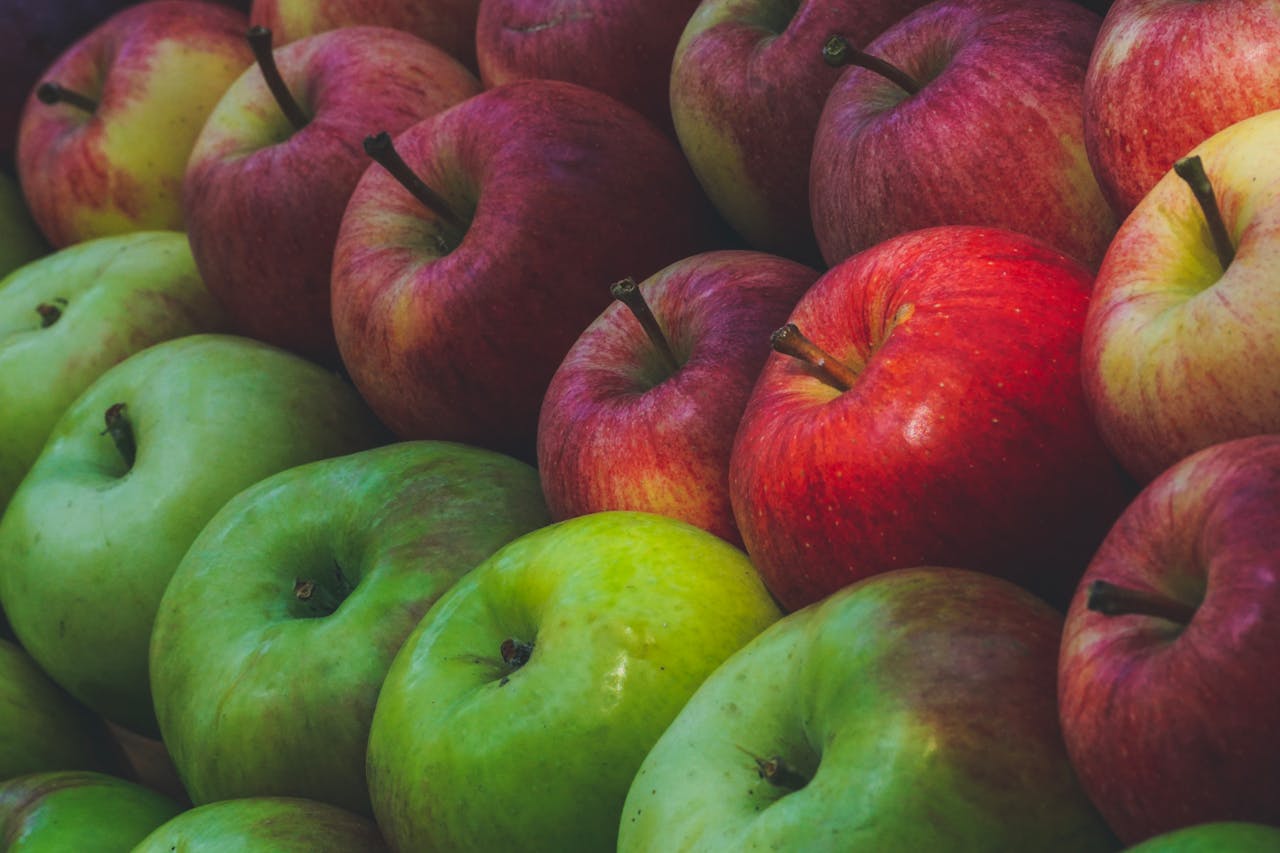
<p> You’ve heard the saying, “an apple a day keeps the doctor away,” and science backs it up. Apples are rich in fiber, particularly pectin, which helps regulate digestion and feeds beneficial gut bacteria. According to dietitians, this makes apples excellent for maintaining bowel regularity and reducing cholesterol levels. The antioxidants in apples—like quercetin and catechin—also protect against oxidative stress, which is linked to chronic diseases including heart disease and diabetes. Research shows that regular apple consumption may help lower blood pressure and improve cardiovascular health. Their low glycemic index and natural sweetness also make them a great snack for blood sugar control. Whether raw or baked, apples are a versatile remedy for digestive health and disease prevention. </p> :: Pexels

You’ve heard the saying, “an apple a day keeps the doctor away,” and science backs it up. Apples are rich in fiber, particularly pectin, which helps regulate digestion and feeds beneficial gut bacteria. According to dietitians, this makes apples excellent for maintaining bowel regularity and reducing cholesterol levels. The antioxidants in apples—like quercetin and catechin—also protect against oxidative stress, which is linked to chronic diseases including heart disease and diabetes. Research shows that regular apple consumption may help lower blood pressure and improve cardiovascular health. Their low glycemic index and natural sweetness also make them a great snack for blood sugar control. Whether raw or baked, apples are a versatile remedy for digestive health and disease prevention.

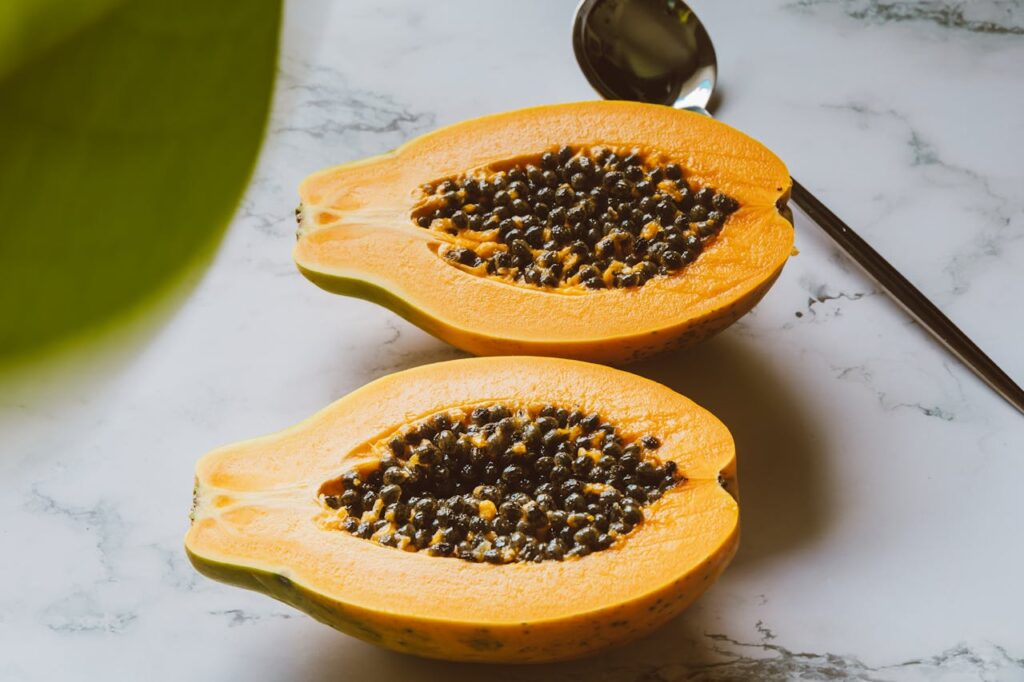
5. Papayas – The Digestive Aid with Skin-Healing Benefits

<p> Papayas are often overlooked in Western diets, but they’re a staple in natural healing practices thanks to the enzyme papain. Experts tout papain’s ability to break down proteins and support digestion, particularly for people with digestive disorders like IBS or bloating. Papayas are also high in vitamins A, C, and E, which promote skin health and support the immune system. Studies suggest that the antioxidants in papaya can reduce oxidative damage and inflammation, helping with conditions like acne, sunburn, and aging skin. Some skincare specialists even recommend applying mashed papaya topically to improve complexion and accelerate wound healing. Internally and externally, this tropical fruit is a true multi-tasking remedy. </p> :: Pexels

Papayas are often overlooked in Western diets, but they’re a staple in natural healing practices thanks to the enzyme papain. Experts tout papain’s ability to break down proteins and support digestion, particularly for people with digestive disorders like IBS or bloating. Papayas are also high in vitamins A, C, and E, which promote skin health and support the immune system. Studies suggest that the antioxidants in papaya can reduce oxidative damage and inflammation, helping with conditions like acne, sunburn, and aging skin. Some skincare specialists even recommend applying mashed papaya topically to improve complexion and accelerate wound healing. Internally and externally, this tropical fruit is a true multi-tasking remedy.

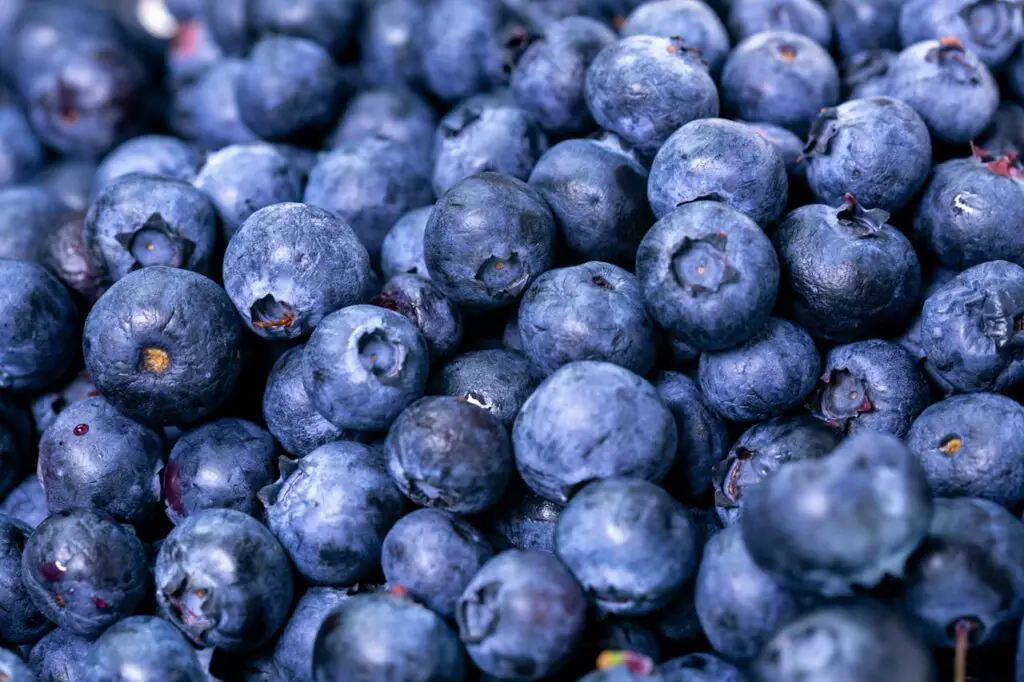
6. Blueberries – Brain-Boosting and Age-Defying

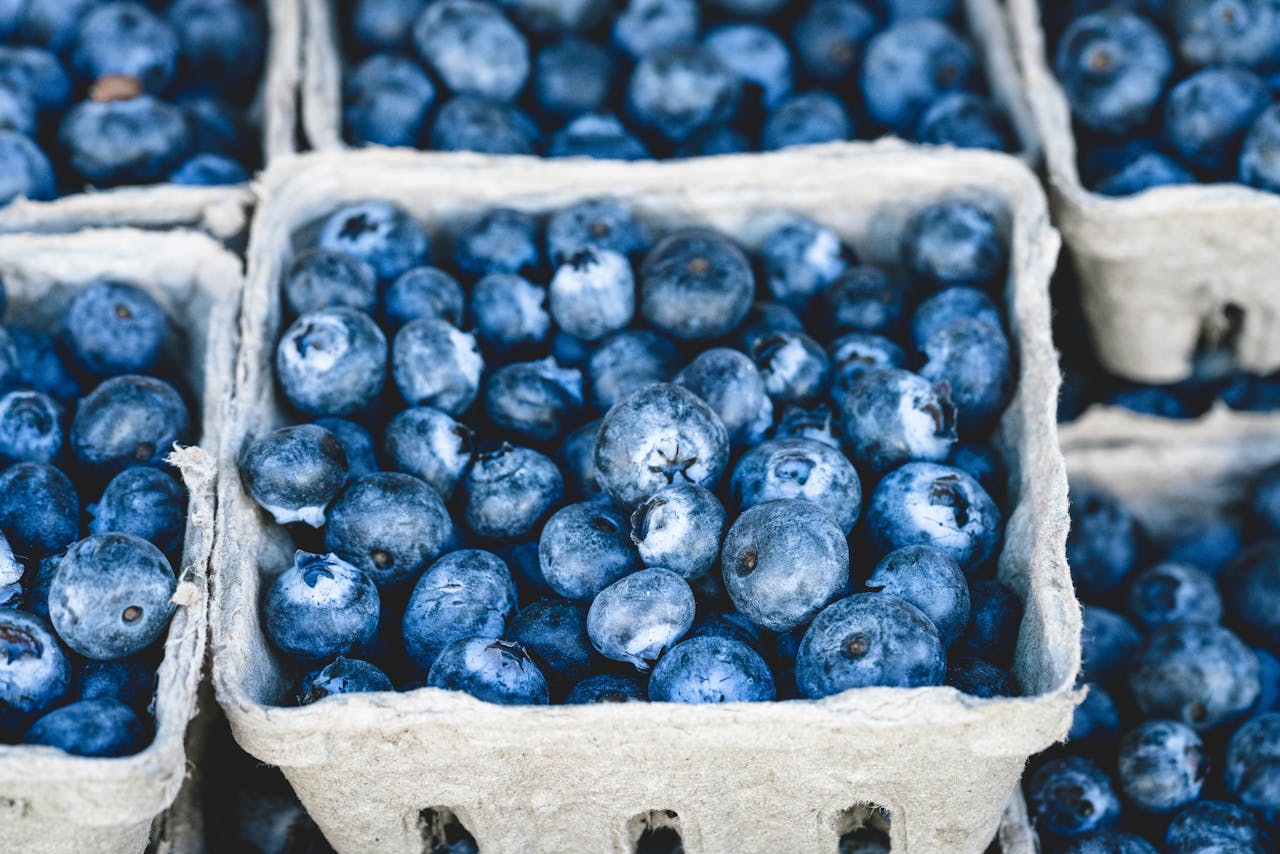
<p> Small but mighty, blueberries are considered one of the most antioxidant-rich fruits on the planet. Experts highlight their high levels of anthocyanins, the compounds responsible for their deep blue color, which have been shown to protect brain cells from damage and improve cognitive function. Research suggests that regular blueberry consumption may help delay age-related memory decline and reduce the risk of neurodegenerative diseases like Alzheimer’s. Blueberries are also anti-inflammatory and support heart health by lowering blood pressure and improving cholesterol levels. With fiber and vitamins C and K, they contribute to overall immune function and gut health. Whether fresh, frozen, or in a smoothie, blueberries make a deliciously smart choice for your body and brain. </p> :: Pexels

Small but mighty, blueberries are considered one of the most antioxidant-rich fruits on the planet. Experts highlight their high levels of anthocyanins, the compounds responsible for their deep blue color, which have been shown to protect brain cells from damage and improve cognitive function. Research suggests that regular blueberry consumption may help delay age-related memory decline and reduce the risk of neurodegenerative diseases like Alzheimer’s. Blueberries are also anti-inflammatory and support heart health by lowering blood pressure and improving cholesterol levels. With fiber and vitamins C and K, they contribute to overall immune function and gut health. Whether fresh, frozen, or in a smoothie, blueberries make a deliciously smart choice for your body and brain.

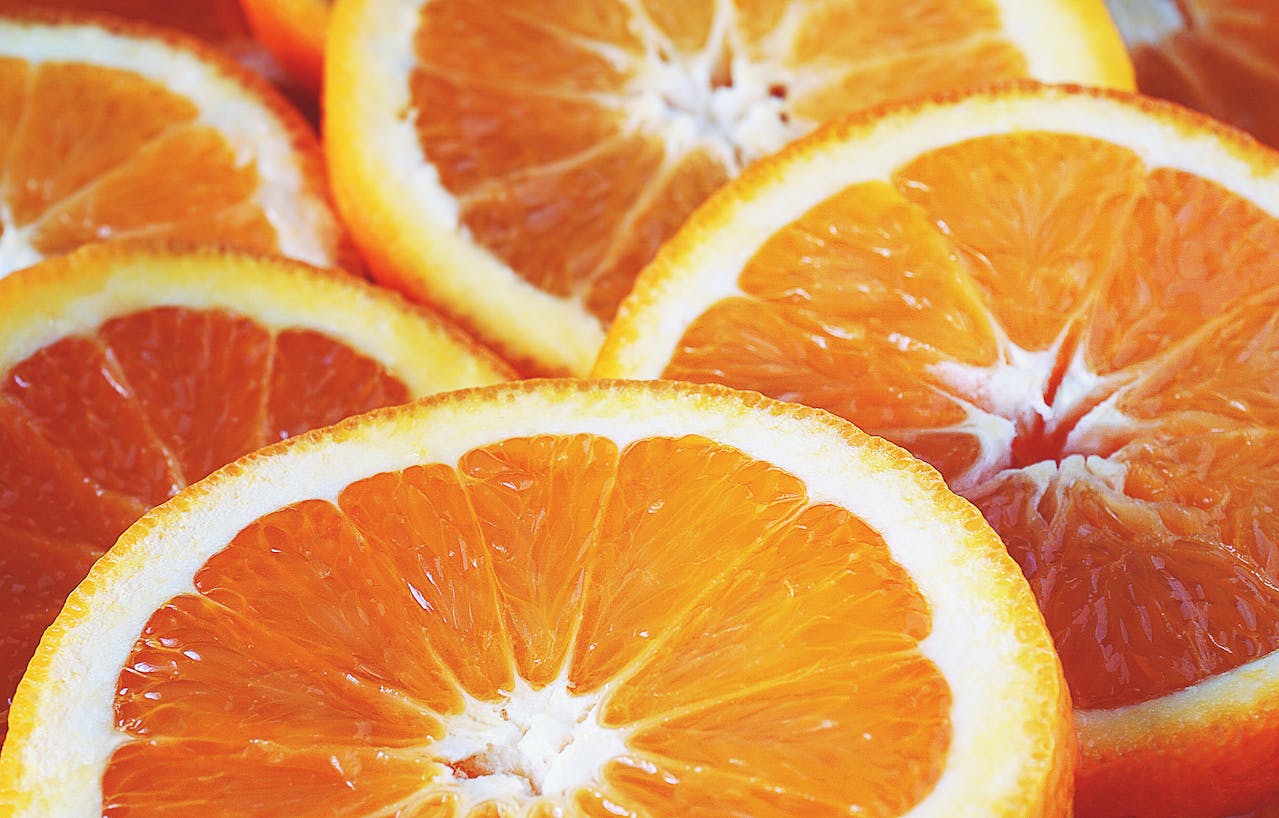
7. Oranges – The Classic Immune System Ally

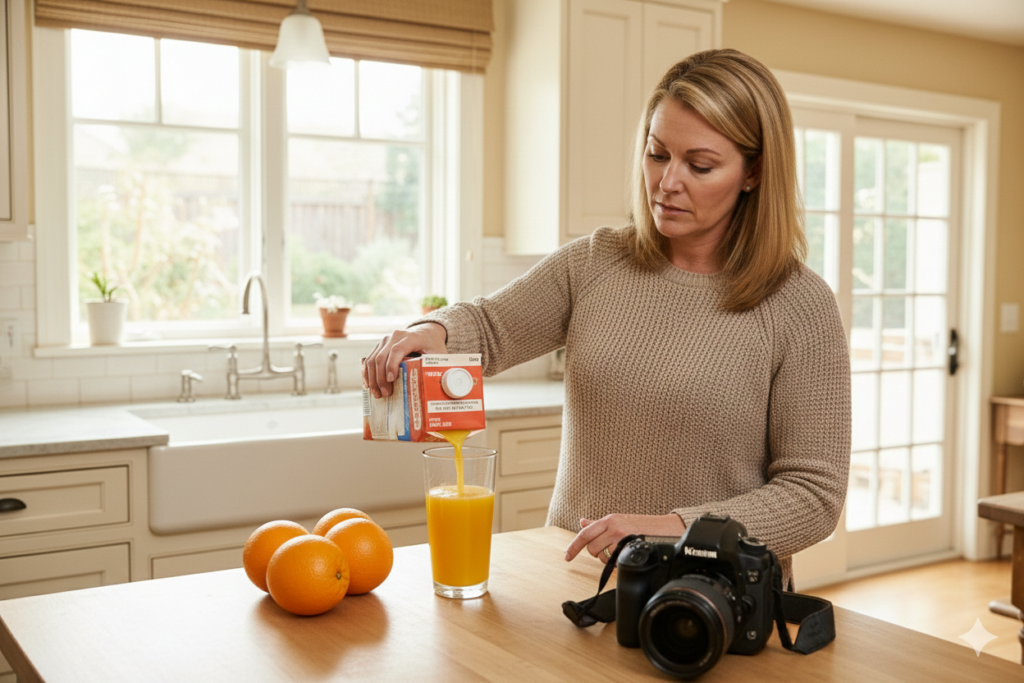
<p> When cold and flu season hits, oranges are often the first fruit people reach for—and for good reason. Packed with vitamin C, oranges stimulate white blood cell production and enhance the immune system’s ability to fight infections. But their benefits don’t stop there. Oranges are also high in hesperidin, a plant compound that improves blood circulation and lowers inflammation. Studies have shown that drinking orange juice can reduce the duration and severity of colds, and regular consumption may also help lower cholesterol and support heart health. Oranges are hydrating and alkalizing, making them great for detoxification and skin health. Experts suggest eating whole oranges rather than juice for the added benefit of fiber, which helps regulate blood sugar levels and improve digestion. </p> :: Pexels

When cold and flu season hits, oranges are often the first fruit people reach for—and for good reason. Packed with vitamin C, oranges stimulate white blood cell production and enhance the immune system’s ability to fight infections. But their benefits don’t stop there. Oranges are also high in hesperidin, a plant compound that improves blood circulation and lowers inflammation. Studies have shown that drinking orange juice can reduce the duration and severity of colds, and regular consumption may also help lower cholesterol and support heart health. Oranges are hydrating and alkalizing, making them great for detoxification and skin health. Experts suggest eating whole oranges rather than juice for the added benefit of fiber, which helps regulate blood sugar levels and improve digestion.

8. Grapes – Natural Detoxifiers and Heart Protectors

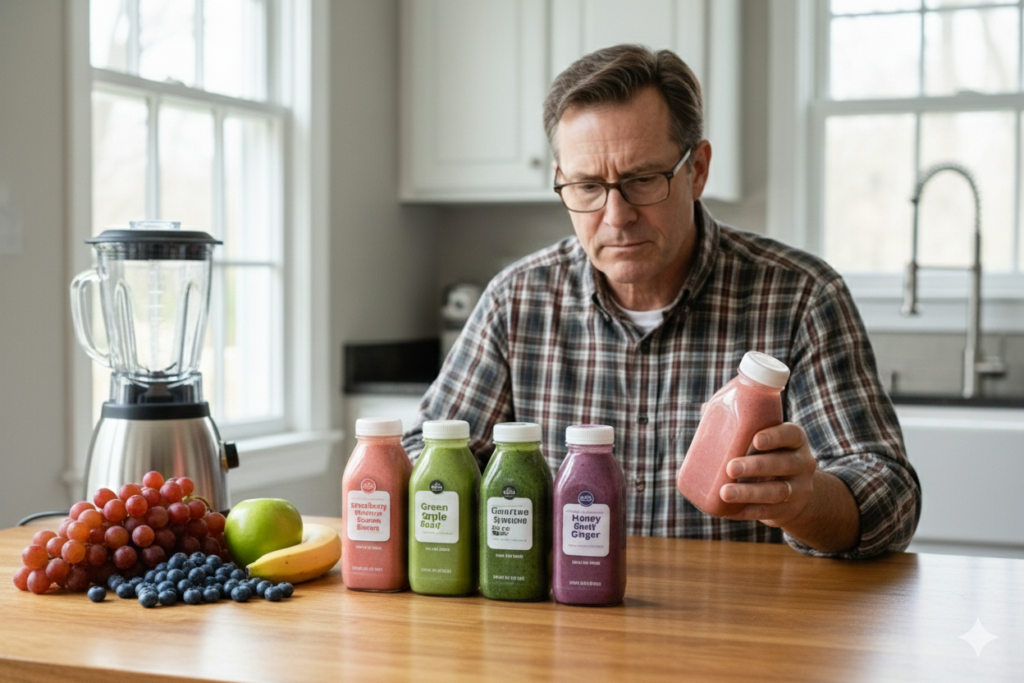
<p> Grapes, particularly red and purple varieties, are loaded with resveratrol, a powerful antioxidant linked to heart health and longevity. Nutritionists often recommend grapes for their ability to improve blood flow, lower inflammation, and reduce the risk of blood clots. Resveratrol has also been shown in studies to protect brain function and may play a role in slowing the aging process. Grapes contain high levels of water, making them excellent for hydration and flushing out toxins. The skins and seeds are also rich in polyphenols that fight free radical damage. According to holistic health experts, grapes can even help alleviate symptoms of fatigue and improve liver function. Enjoy them fresh, frozen, or in natural juice form—just steer clear of sugar-loaded versions to get the most medicinal value. </p> :: Pexels

Grapes, particularly red and purple varieties, are loaded with resveratrol, a powerful antioxidant linked to heart health and longevity. Nutritionists often recommend grapes for their ability to improve blood flow, lower inflammation, and reduce the risk of blood clots. Resveratrol has also been shown in studies to protect brain function and may play a role in slowing the aging process. Grapes contain high levels of water, making them excellent for hydration and flushing out toxins. The skins and seeds are also rich in polyphenols that fight free radical damage. According to holistic health experts, grapes can even help alleviate symptoms of fatigue and improve liver function. Enjoy them fresh, frozen, or in natural juice form—just steer clear of sugar-loaded versions to get the most medicinal value.

Final Thoughts

<p> Fruits aren’t just good for you—they’re powerful tools for healing that are easy to incorporate into your daily routine. Whether you’re tossing a few blueberries into your morning oatmeal or sipping warm lemon water before breakfast, small changes can make a big difference in how you feel. These eight popular fruits have been spotlighted by nutritionists and natural health experts not only for their taste and versatility but for their targeted healing benefits. They help fight inflammation, improve mental clarity, aid digestion, support immunity, and more—all without the side effects of synthetic supplements or medications. So the next time you're dealing with low energy, digestive troubles, stress, or just trying to stay healthy, look to your fruit bowl before heading to the pharmacy. Nature has already done the hard work; all you have to do is eat. </p> :: Pexels

Fruits aren’t just good for you—they’re powerful tools for healing that are easy to incorporate into your daily routine. Whether you’re tossing a few blueberries into your morning oatmeal or sipping warm lemon water before breakfast, small changes can make a big difference in how you feel. These eight popular fruits have been spotlighted by nutritionists and natural health experts not only for their taste and versatility but for their targeted healing benefits. They help fight inflammation, improve mental clarity, aid digestion, support immunity, and more—all without the side effects of synthetic supplements or medications.

So the next time you’re dealing with low energy, digestive troubles, stress, or just trying to stay healthy, look to your fruit bowl before heading to the pharmacy. Nature has already done the hard work; all you have to do is eat.

Filed Under: Health & Fitness

Why More Boomers Will Try Plant Forward Eating in 2026 (Without Giving Up Their Favorites)

January 2, 2026 | Leave a Comment

Why More Boomers Will Try Plant Forward Eating in 2026 (Without Giving Up Their Favorites)

<p> There is a quiet food revolution happening in American kitchens, and it is not driven by twenty somethings experimenting with quinoa bowls. It is happening among baby boomers who grew up loving Sunday roasts, backyard barbecues, and comfort foods that never failed to hit the spot. As 2026 unfolds, many boomers are discovering that eating in a more plant forward way does not require abandoning beloved meals or switching to an all vegetable lifestyle. Instead, it means adding more plants to everyday eating in a way that feels natural, flavorful, and satisfying.

This shift is not fueled by fads or pressure. It comes from something more personal: wanting to feel good, eat well, and keep enjoying food without restrictions that make life less fun. Plant forward eating is gaining ground because it respects tradition while embracing small changes that support health, taste, and enjoyment. Imagine adding more vegetables to lasagna, serving beans alongside grilled chicken, or pairing a perfectly cooked steak with roasted Brussels sprouts instead of fries. The foods boomers love stay on the table, just surrounded by more color, texture, and nutrients.

Below are twelve reasons why plant forward eating will be a top food direction for boomers in 2026. Each reason reflects what truly matters to this generation: flavor, wellness, value, practicality, and feeling great without losing what they love most about eating. </p> :: Gemini

There is a quiet food revolution happening in American kitchens, and it is not driven by twenty somethings experimenting with quinoa bowls. It is happening among baby boomers who grew up loving Sunday roasts, backyard barbecues, and comfort foods that never failed to hit the spot. As 2026 unfolds, many boomers are discovering that eating in a more plant forward way does not require abandoning beloved meals or switching to an all vegetable lifestyle. Instead, it means adding more plants to everyday eating in a way that feels natural, flavorful, and satisfying.

This shift is not fueled by fads or pressure. It comes from something more personal: wanting to feel good, eat well, and keep enjoying food without restrictions that make life less fun. Plant forward eating is gaining ground because it respects tradition while embracing small changes that support health, taste, and enjoyment. Imagine adding more vegetables to lasagna, serving beans alongside grilled chicken, or pairing a perfectly cooked steak with roasted Brussels sprouts instead of fries. The foods boomers love stay on the table, just surrounded by more color, texture, and nutrients.

Below are twelve reasons why plant forward eating will be a top food direction for boomers in 2026. Each reason reflects what truly matters to this generation: flavor, wellness, value, practicality, and feeling great without losing what they love most about eating.

1. Health Benefits Boomers Actually Feel

<p> By their late fifties, sixties, and beyond, many boomers have learned that feeling energized and maintaining good health is worth more than fitting into a certain jean size. Plant forward eating increases the amount of fiber, antioxidants, and vitamins in meals, which can support heart health, digestion, and stable blood sugar. Choosing more whole grains, vegetables, fruits, legumes, nuts, and seeds gives the body a steady stream of nutrients that can help reduce inflammation and provide longer lasting energy. The best part is that boomers can absorb these benefits without giving up their favorite dishes. A bowl of chili made with both beans and beef, or pasta with vegetables and lean meat, can deliver flavor and nourishment at the same time. </p> :: Gemini

By their late fifties, sixties, and beyond, many boomers have learned that feeling energized and maintaining good health is worth more than fitting into a certain jean size. Plant forward eating increases the amount of fiber, antioxidants, and vitamins in meals, which can support heart health, digestion, and stable blood sugar. Choosing more whole grains, vegetables, fruits, legumes, nuts, and seeds gives the body a steady stream of nutrients that can help reduce inflammation and provide longer lasting energy. The best part is that boomers can absorb these benefits without giving up their favorite dishes. A bowl of chili made with both beans and beef, or pasta with vegetables and lean meat, can deliver flavor and nourishment at the same time.

2. Flexitarian Eating Fits Real Life

<p> Many boomers are not interested in labeling themselves as vegan or vegetarian. Flexitarian eating offers a comfortable middle path where animal protein is still welcome, but plants take up more space on the plate. This approach is appealing because it does not feel restrictive. A flexitarian might grill chicken as always, but also prepare a roasted vegetable side dish large enough to be a star rather than an afterthought. It is an eating style that blends balance with enjoyment, letting boomers adjust meals as needed without feeling pressured to give up signature family favorites. </p> :: Gemini

Many boomers are not interested in labeling themselves as vegan or vegetarian. Flexitarian eating offers a comfortable middle path where animal protein is still welcome, but plants take up more space on the plate. This approach is appealing because it does not feel restrictive. A flexitarian might grill chicken as always, but also prepare a roasted vegetable side dish large enough to be a star rather than an afterthought. It is an eating style that blends balance with enjoyment, letting boomers adjust meals as needed without feeling pressured to give up signature family favorites.

3. Meat Limiting Is Happening Naturally

<p> Whether for health, budget, or curiosity, many boomers find themselves eating less meat without consciously planning it. They are choosing meals that include meat but in smaller portions or paired with more vegetables and grains. This natural shift allows them to enjoy familiar flavors while trying new combinations. Rather than eliminating foods, meat limiting allows boomers to be intentional. The same sandwich that once relied on three slices of deli meat might now feature two slices plus crunchy vegetables and flavorful spreads. These little changes add up without feeling like sacrifices. </p> :: Gemini

Whether for health, budget, or curiosity, many boomers find themselves eating less meat without consciously planning it. They are choosing meals that include meat but in smaller portions or paired with more vegetables and grains. This natural shift allows them to enjoy familiar flavors while trying new combinations. Rather than eliminating foods, meat limiting allows boomers to be intentional. The same sandwich that once relied on three slices of deli meat might now feature two slices plus crunchy vegetables and flavorful spreads. These little changes add up without feeling like sacrifices.

4. Flavor Forward Cooking Keeps Things Interesting

<p> One misconception about plant forward eating is that it is bland or boring, which could not be further from the truth. With the help of herbs, spices, citrus, roasted vegetables, and hearty grains, plant centered meals can be full of flavor and texture. Boomers who love to cook often enjoy the creativity that comes with new ingredients. Imagine roasted cauliflower tossed with paprika and garlic, or a lentil and vegetable soup simmered with thyme and tomato. These meals bring comfort and satisfaction without relying solely on heavy meats or cream based dishes to carry the flavor. </p> :: Gemini

One misconception about plant forward eating is that it is bland or boring, which could not be further from the truth. With the help of herbs, spices, citrus, roasted vegetables, and hearty grains, plant centered meals can be full of flavor and texture. Boomers who love to cook often enjoy the creativity that comes with new ingredients. Imagine roasted cauliflower tossed with paprika and garlic, or a lentil and vegetable soup simmered with thyme and tomato. These meals bring comfort and satisfaction without relying solely on heavy meats or cream based dishes to carry the flavor.

5. Fiber Is Becoming a Wellness Priority

<p> Fiber has always been important, but now it is getting well deserved attention among chefs, doctors, and home cooks because of its direct impact on gut health and digestion. Eating more vegetables, fruits, legumes, and whole grains naturally increases fiber intake, which can help boomers feel fuller, support regular digestion, and maintain stable energy between meals. A simple switch like using whole grain bread instead of white, or replacing half the ground meat in a recipe with beans, adds fiber without changing the traditional dish too much. The body notices these shifts in a positive way, which encourages boomers to keep going. </p> :: Gemini

Fiber has always been important, but now it is getting well deserved attention among chefs, doctors, and home cooks because of its direct impact on gut health and digestion. Eating more vegetables, fruits, legumes, and whole grains naturally increases fiber intake, which can help boomers feel fuller, support regular digestion, and maintain stable energy between meals. A simple switch like using whole grain bread instead of white, or replacing half the ground meat in a recipe with beans, adds fiber without changing the traditional dish too much. The body notices these shifts in a positive way, which encourages boomers to keep going.

6. Plant Forward Eating Supports Energy for an Active Life

<p> Boomers are not slowing down. Many stay active through hobbies, travel, work, volunteering, and grandchild adventures. Eating more plant based foods can support stamina and overall vitality. By incorporating plant foods full of vitamins and antioxidants, boomers may feel more energetic and less sluggish after meals. Vegetables, nuts, and fruits offer steady energy that keeps pace with busy days, whether that means walking the dog, spending a day in the garden, or taking a much anticipated road trip. </p> :: Gemini

Boomers are not slowing down. Many stay active through hobbies, travel, work, volunteering, and grandchild adventures. Eating more plant based foods can support stamina and overall vitality. By incorporating plant foods full of vitamins and antioxidants, boomers may feel more energetic and less sluggish after meals. Vegetables, nuts, and fruits offer steady energy that keeps pace with busy days, whether that means walking the dog, spending a day in the garden, or taking a much anticipated road trip.

7. Familiar Meals Are Easy to Upgrade

<p> One of the main reasons plant forward eating will thrive in 2026 is how easily classic dishes can be enhanced with plants. Instead of removing foods, boomers can add ingredients that offer more nutrition without changing the core experience. Think of spaghetti sauce enriched with carrots and mushrooms, meatloaf blended with lentils, tacos filled with meat and black beans, or shepherds pie topped with a blend of mashed potatoes and cauliflower. These improved dishes still taste familiar but deliver more balance and satisfaction. </p> :: Gemini

One of the main reasons plant forward eating will thrive in 2026 is how easily classic dishes can be enhanced with plants. Instead of removing foods, boomers can add ingredients that offer more nutrition without changing the core experience. Think of spaghetti sauce enriched with carrots and mushrooms, meatloaf blended with lentils, tacos filled with meat and black beans, or shepherds pie topped with a blend of mashed potatoes and cauliflower. These improved dishes still taste familiar but deliver more balance and satisfaction.

8. Plant Forward Foods Are Easier to Find

<p> Grocery stores and restaurants have expanded their plant forward selections, giving boomers more options than ever before. Frozen, fresh, and shelf stable items make it simple to cook quick meals centered on vegetables, grains, legumes, and fruits. Supermarket aisles now carry beans that are already seasoned, vegetable based pastas, premade salads with hearty grains, and marinades that elevate vegetables. This increase in availability takes the guesswork out of plant forward eating and makes it feel accessible and convenient. </p> :: Gemini

Grocery stores and restaurants have expanded their plant forward selections, giving boomers more options than ever before. Frozen, fresh, and shelf stable items make it simple to cook quick meals centered on vegetables, grains, legumes, and fruits. Supermarket aisles now carry beans that are already seasoned, vegetable based pastas, premade salads with hearty grains, and marinades that elevate vegetables. This increase in availability takes the guesswork out of plant forward eating and makes it feel accessible and convenient.

9. The Planet Benefits Without Judgment or Pressure

<p> Boomers often care about the world they are leaving for future generations, but that does not mean they want to be lectured about their eating habits. Plant forward eating helps lower environmental impact in a way that feels realistic. Even choosing to cook a plant centered dinner once or twice a week can reduce resource use without making boomers give up traditions. The approach is not about perfection. It is about making choices that feel good both personally and globally, one meal at a time. </p> :: Gemini

Boomers often care about the world they are leaving for future generations, but that does not mean they want to be lectured about their eating habits. Plant forward eating helps lower environmental impact in a way that feels realistic. Even choosing to cook a plant centered dinner once or twice a week can reduce resource use without making boomers give up traditions. The approach is not about perfection. It is about making choices that feel good both personally and globally, one meal at a time.

10. Restaurants Are Stepping Up Their Plant Game

<p> Dining out is a cherished experience for many boomers, and restaurant menus are catching up with the demand for plant forward meals. Instead of serving only salads as the sole vegetable option, restaurants are introducing flavorful dishes such as roasted vegetable flatbreads, pastas with lentils and greens, grain bowls topped with grilled chicken, and hearty vegetable stews. These dishes are satisfying, balanced, and full of textures that make eating out fun without feeling like a compromise. </p> :: Gemini

Dining out is a cherished experience for many boomers, and restaurant menus are catching up with the demand for plant forward meals. Instead of serving only salads as the sole vegetable option, restaurants are introducing flavorful dishes such as roasted vegetable flatbreads, pastas with lentils and greens, grain bowls topped with grilled chicken, and hearty vegetable stews. These dishes are satisfying, balanced, and full of textures that make eating out fun without feeling like a compromise.

11. Comfort Foods Do Not Have To Disappear

<p> Boomers are more likely to stick with a way of eating if they do not feel deprived. Plant forward eating respects comfort foods instead of pushing them away. Macaroni and cheese can include roasted broccoli on the side, burgers can be paired with bean salads instead of fries, and desserts can feature fresh fruit along with traditional treats. Comfort remains intact while plants simply share the spotlight. </p> :: Gemini

Boomers are more likely to stick with a way of eating if they do not feel deprived. Plant forward eating respects comfort foods instead of pushing them away. Macaroni and cheese can include roasted broccoli on the side, burgers can be paired with bean salads instead of fries, and desserts can feature fresh fruit along with traditional treats. Comfort remains intact while plants simply share the spotlight.

12. It Is a Lifestyle That Lasts, Not a Trend That Fades

<p> Fad diets come and go, but plant forward eating is not a temporary change. It is a style of eating that blends flexibility, taste, and health in a way that feels logical and enjoyable for boomers. It encourages curiosity, balance, and new habits without strict rules. Because plant forward eating is adaptable, boomers can personalize it year after year, allowing it to grow with changing tastes, health needs, and family routines. </p> :: Gemini

Fad diets come and go, but plant forward eating is not a temporary change. It is a style of eating that blends flexibility, taste, and health in a way that feels logical and enjoyable for boomers. It encourages curiosity, balance, and new habits without strict rules. Because plant forward eating is adaptable, boomers can personalize it year after year, allowing it to grow with changing tastes, health needs, and family routines.

Final Thoughts

<p> Plant forward eating is less about taking away and more about adding abundance to the plate. Boomers adopting this approach in 2026 are not chasing trends. They are choosing a style of eating that helps them feel healthier, stronger, and more satisfied while keeping their favorite foods in rotation. With small changes, everyday meals become richer in color, flavor, and nutrition, while comfort and tradition remain firmly in place.

The beauty of plant forward eating is that it can be enjoyed at any pace. Some may start with a vegetable packed side dish once a week, while others may dive into experimenting with grains, legumes, and roasted vegetables. What matters is the balance that feels right. Food can continue to be a source of joy, nostalgia, and connection while also supporting long term wellness.

For boomers, plant forward eating offers the best of both worlds: the foods they love and the benefits their bodies appreciate. In 2026, that combination is more inviting than ever. </p> :: Gemini

Plant forward eating is less about taking away and more about adding abundance to the plate. Boomers adopting this approach in 2026 are not chasing trends. They are choosing a style of eating that helps them feel healthier, stronger, and more satisfied while keeping their favorite foods in rotation. With small changes, everyday meals become richer in color, flavor, and nutrition, while comfort and tradition remain firmly in place.

The beauty of plant forward eating is that it can be enjoyed at any pace. Some may start with a vegetable packed side dish once a week, while others may dive into experimenting with grains, legumes, and roasted vegetables. What matters is the balance that feels right. Food can continue to be a source of joy, nostalgia, and connection while also supporting long term wellness.

For boomers, plant forward eating offers the best of both worlds: the foods they love and the benefits their bodies appreciate. In 2026, that combination is more inviting than ever.

Filed Under: Health & Fitness

13 Foods Boomers Just Cannot Stop Eating Even When They Know It’s Bad for Their Health

December 29, 2025 | Leave a Comment

13 Foods Boomers Just Cannot Stop Eating Even When They Know It’s Bad for Their Health

<p> For many baby boomers, food is more than just fuel. It is comfort, nostalgia, and a way to connect with family traditions. From school lunches to holiday dinners, certain foods have earned a permanent spot in our hearts and on our plates. The problem is that some of these beloved foods are not exactly kind to our bodies as we age. Heartburn, high blood pressure, and fluctuating cholesterol levels often remind us that what felt safe decades ago may not be so harmless now. Yet, despite knowing better, these foods are almost impossible to resist. Whether it is a classic dish from childhood, a treat that brings back memories of family gatherings, or a simple snack that always satisfies, boomers often find themselves reaching for the same old favorites. While giving up these foods entirely may feel impossible or even unnecessary, understanding their impact on health and finding smarter ways to enjoy them can make a huge difference. Here are the foods boomers just cannot stop eating and tips for enjoying them in a healthier way. </p> :: Gemini

For many baby boomers, food is more than just fuel. It is comfort, nostalgia, and a way to connect with family traditions. From school lunches to holiday dinners, certain foods have earned a permanent spot in our hearts and on our plates. The problem is that some of these beloved foods are not exactly kind to our bodies as we age. Heartburn, high blood pressure, and fluctuating cholesterol levels often remind us that what felt safe decades ago may not be so harmless now. Yet, despite knowing better, these foods are almost impossible to resist.

Whether it is a classic dish from childhood, a treat that brings back memories of family gatherings, or a simple snack that always satisfies, boomers often find themselves reaching for the same old favorites. While giving up these foods entirely may feel impossible or even unnecessary, understanding their impact on health and finding smarter ways to enjoy them can make a huge difference. Here are the foods boomers just cannot stop eating and tips for enjoying them in a healthier way.

1. Tuna Noodle Casserole

<p> Few dishes scream “comfort food” like tuna noodle casserole. This creamy combination of canned tuna, noodles, and a rich soup base is nostalgic and convenient, reminding many boomers of dinners growing up. It is quick, affordable, and filling. However, it is often loaded with sodium and saturated fats. Consuming it frequently can affect blood pressure and heart health over time. There are ways to enjoy this classic without the guilt. Swap the traditional white noodles for whole-grain pasta and replace the heavy cream soup with a low-sodium broth thickened with a bit of milk. Adding vegetables such as peas, carrots, or mushrooms not only boosts fiber but also adds vibrant color and extra nutrients. This version keeps the flavor and comfort intact but makes it easier for your body to handle. </p> :: Gemini

Few dishes scream “comfort food” like tuna noodle casserole. This creamy combination of canned tuna, noodles, and a rich soup base is nostalgic and convenient, reminding many boomers of dinners growing up. It is quick, affordable, and filling. However, it is often loaded with sodium and saturated fats. Consuming it frequently can affect blood pressure and heart health over time.

There are ways to enjoy this classic without the guilt. Swap the traditional white noodles for whole-grain pasta and replace the heavy cream soup with a low-sodium broth thickened with a bit of milk. Adding vegetables such as peas, carrots, or mushrooms not only boosts fiber but also adds vibrant color and extra nutrients. This version keeps the flavor and comfort intact but makes it easier for your body to handle.

2. Hot Dogs

<p> Hot dogs have been a staple at backyard barbecues, ballparks, and family gatherings for decades. Their appeal is undeniable: they are quick to prepare, flavorful, and satisfying. Unfortunately, they are also processed meats high in sodium, saturated fat, and preservatives. Frequent consumption of hot dogs has been linked to higher risks of heart disease and certain cancers. The good news is that there are healthier alternatives. Lean turkey or chicken sausages can deliver a similar taste and convenience without overloading on unhealthy ingredients. Grilling or baking them instead of pan-frying reduces the fat content. Pairing them with whole-grain buns and fresh vegetables can make your summer meal both nostalgic and nutritious. </p> :: Gemini

Hot dogs have been a staple at backyard barbecues, ballparks, and family gatherings for decades. Their appeal is undeniable: they are quick to prepare, flavorful, and satisfying. Unfortunately, they are also processed meats high in sodium, saturated fat, and preservatives. Frequent consumption of hot dogs has been linked to higher risks of heart disease and certain cancers.

The good news is that there are healthier alternatives. Lean turkey or chicken sausages can deliver a similar taste and convenience without overloading on unhealthy ingredients. Grilling or baking them instead of pan-frying reduces the fat content. Pairing them with whole-grain buns and fresh vegetables can make your summer meal both nostalgic and nutritious.

3. White Bread Sandwiches

<p> Soft, fluffy white bread has a special place in many boomers’ memories. It held peanut butter and jelly sandwiches, grilled cheese, and ham and cheese favorites. Its texture and flavor are comforting, but nutritionally, white bread is low in fiber and high in refined carbohydrates. Over time, regular consumption can lead to blood sugar spikes, energy crashes, and weight gain. Swapping white bread for whole-grain or sprouted breads can make a noticeable difference. Whole grains provide more fiber, which helps regulate digestion and blood sugar while keeping you fuller for longer. The same nostalgic sandwich can still taste great with a healthier bread base. Adding extra toppings like fresh vegetables or avocado also boosts both flavor and nutrition. </p> :: Gemini

Soft, fluffy white bread has a special place in many boomers’ memories. It held peanut butter and jelly sandwiches, grilled cheese, and ham and cheese favorites. Its texture and flavor are comforting, but nutritionally, white bread is low in fiber and high in refined carbohydrates. Over time, regular consumption can lead to blood sugar spikes, energy crashes, and weight gain.

Swapping white bread for whole-grain or sprouted breads can make a noticeable difference. Whole grains provide more fiber, which helps regulate digestion and blood sugar while keeping you fuller for longer. The same nostalgic sandwich can still taste great with a healthier bread base. Adding extra toppings like fresh vegetables or avocado also boosts both flavor and nutrition.

4. Canned Soups

<p> Canned soups are convenient, comforting, and often a quick go-to for lunch or dinner. Many boomers grew up with these soups, and their taste evokes memories of warmth and care. Yet, the convenience comes with a downside. Many canned soups are loaded with sodium, which can negatively impact blood pressure and overall heart health. Some even contain added sugar and artificial preservatives. Homemade soups are an easy solution. Using fresh vegetables, lean proteins, herbs, and low-sodium broth gives you a flavorful, nourishing alternative. You can even make large batches and freeze individual portions for quick meals later. This approach allows you to maintain the convenience while significantly improving the nutritional value. </p> :: Gemini

Canned soups are convenient, comforting, and often a quick go-to for lunch or dinner. Many boomers grew up with these soups, and their taste evokes memories of warmth and care. Yet, the convenience comes with a downside. Many canned soups are loaded with sodium, which can negatively impact blood pressure and overall heart health. Some even contain added sugar and artificial preservatives.

Homemade soups are an easy solution. Using fresh vegetables, lean proteins, herbs, and low-sodium broth gives you a flavorful, nourishing alternative. You can even make large batches and freeze individual portions for quick meals later. This approach allows you to maintain the convenience while significantly improving the nutritional value.

5. Fried Chicken

<p> Golden, crispy, and juicy fried chicken is hard to resist. It is a classic dish that evokes family dinners, picnics, and Sunday gatherings. However, frying chicken increases calories and unhealthy fats, which can elevate cholesterol and contribute to heart disease. Healthier methods can still give you that satisfying crunch. Baking or air-frying chicken with a light coating of spices or breadcrumbs can provide the texture you love without the excessive fat. Pairing it with roasted vegetables or a light salad keeps the meal balanced and supports long-term health. Small changes like these make it possible to enjoy the classic taste without the drawbacks. </p> :: Gemini

Golden, crispy, and juicy fried chicken is hard to resist. It is a classic dish that evokes family dinners, picnics, and Sunday gatherings. However, frying chicken increases calories and unhealthy fats, which can elevate cholesterol and contribute to heart disease.

Healthier methods can still give you that satisfying crunch. Baking or air-frying chicken with a light coating of spices or breadcrumbs can provide the texture you love without the excessive fat. Pairing it with roasted vegetables or a light salad keeps the meal balanced and supports long-term health. Small changes like these make it possible to enjoy the classic taste without the drawbacks.

6. Cheese Plate Snacks

<p> Cheese has always been a favorite snack. Whether on crackers at a party or enjoyed alone as a quick bite, cheese is convenient and flavorful. The challenge lies in its high content of saturated fat and sodium, which can impact cholesterol and blood pressure. Moderation is key. Enjoy smaller portions and pair them with fresh fruit, whole-grain crackers, or nuts. These combinations provide extra nutrients, fiber, and variety while keeping the snack satisfying. Cheese does not have to be off-limits; mindful portion control allows you to enjoy it while protecting heart health. </p> :: Gemini

Cheese has always been a favorite snack. Whether on crackers at a party or enjoyed alone as a quick bite, cheese is convenient and flavorful. The challenge lies in its high content of saturated fat and sodium, which can impact cholesterol and blood pressure.

Moderation is key. Enjoy smaller portions and pair them with fresh fruit, whole-grain crackers, or nuts. These combinations provide extra nutrients, fiber, and variety while keeping the snack satisfying. Cheese does not have to be off-limits; mindful portion control allows you to enjoy it while protecting heart health.

7. Cold Cuts and Deli Meats

<p> A classic deli sandwich can be a comforting lunch, filled with bologna, ham, salami, or roast beef. Cold cuts are easy to prepare and bring back memories of school lunches and quick meals at home. Unfortunately, these meats are highly processed, full of sodium, and contain preservatives that can increase the risk of chronic diseases over time. Freshly sliced turkey or chicken breast is a healthier alternative. Add fresh vegetables, avocado, and whole-grain bread to create a sandwich that satisfies like the classic version but is better for your health. Even small changes to an everyday lunch can make a significant impact over time. </p> :: Gemini

A classic deli sandwich can be a comforting lunch, filled with bologna, ham, salami, or roast beef. Cold cuts are easy to prepare and bring back memories of school lunches and quick meals at home. Unfortunately, these meats are highly processed, full of sodium, and contain preservatives that can increase the risk of chronic diseases over time.

Freshly sliced turkey or chicken breast is a healthier alternative. Add fresh vegetables, avocado, and whole-grain bread to create a sandwich that satisfies like the classic version but is better for your health. Even small changes to an everyday lunch can make a significant impact over time.

8. Sugar-Sweetened Beverages

<p> Sweet iced tea, sodas, and juice cocktails are often associated with nostalgia, summer barbecues, and indulgence. Many boomers grew up enjoying these beverages as a treat, but the sugar content in these drinks contributes to weight gain, insulin resistance, and increased risk of type 2 diabetes. Simple swaps can be surprisingly effective. Water infused with fresh fruit, sparkling water, or unsweetened herbal teas can provide flavor and refreshment without the sugar overload. You may find that after a few weeks, your taste buds adjust, and overly sweet drinks are less appealing. Small changes in beverage choices can have a major impact on overall health. </p> :: Gemini

Sweet iced tea, sodas, and juice cocktails are often associated with nostalgia, summer barbecues, and indulgence. Many boomers grew up enjoying these beverages as a treat, but the sugar content in these drinks contributes to weight gain, insulin resistance, and increased risk of type 2 diabetes.

Simple swaps can be surprisingly effective. Water infused with fresh fruit, sparkling water, or unsweetened herbal teas can provide flavor and refreshment without the sugar overload. You may find that after a few weeks, your taste buds adjust, and overly sweet drinks are less appealing. Small changes in beverage choices can have a major impact on overall health.

9. Potato Chips

<p> Few snacks are as addictive as potato chips. Their crunch, saltiness, and convenience make them a favorite for many boomers. Unfortunately, potato chips are high in fat, salt, and calories and easy to overeat. Regular consumption can contribute to weight gain and higher cholesterol levels. Healthier alternatives include air-popped popcorn, roasted chickpeas, or baked vegetable chips. Adding spices such as paprika, garlic powder, or chili flakes can enhance flavor without relying on excessive salt or fat. Snacks like these provide satisfaction while supporting a more balanced diet. </p> :: Gemini

Few snacks are as addictive as potato chips. Their crunch, saltiness, and convenience make them a favorite for many boomers. Unfortunately, potato chips are high in fat, salt, and calories and easy to overeat. Regular consumption can contribute to weight gain and higher cholesterol levels.

Healthier alternatives include air-popped popcorn, roasted chickpeas, or baked vegetable chips. Adding spices such as paprika, garlic powder, or chili flakes can enhance flavor without relying on excessive salt or fat. Snacks like these provide satisfaction while supporting a more balanced diet.

10. Creamed Spinach and Creamy Sides

<p> Creamy side dishes, such as creamed spinach or scalloped potatoes, often grace holiday tables and dinner spreads. They are rich, flavorful, and nostalgic. Yet, heavy cream and butter make these dishes high in saturated fat, which can negatively affect heart health over time. Lightened-up versions are simple to prepare. Use olive oil, garlic, and a small amount of milk instead of cream. You can even add fresh herbs to enhance flavor. This approach maintains the comfort and taste of traditional favorites while making them much healthier. It is a perfect example of how minor adjustments can have a meaningful effect. </p> :: Gemini

Creamy side dishes, such as creamed spinach or scalloped potatoes, often grace holiday tables and dinner spreads. They are rich, flavorful, and nostalgic. Yet, heavy cream and butter make these dishes high in saturated fat, which can negatively affect heart health over time.

Lightened-up versions are simple to prepare. Use olive oil, garlic, and a small amount of milk instead of cream. You can even add fresh herbs to enhance flavor. This approach maintains the comfort and taste of traditional favorites while making them much healthier. It is a perfect example of how minor adjustments can have a meaningful effect.

11. Jell-O Salads

<p> Jell-O salads are a colorful, retro favorite that many boomers associate with holidays, potlucks, and childhood dinners. While visually appealing, they are typically high in sugar and low in nutritional value. Fresh fruit salads or yogurt parfaits with berries make excellent replacements. They retain the sweet, colorful appeal but offer vitamins, fiber, and protein. You can even get creative with layered parfaits that feel festive while being far healthier. Swapping ingredients without losing the fun keeps nostalgia alive in a much more nourishing way. </p> :: Gemini

Jell-O salads are a colorful, retro favorite that many boomers associate with holidays, potlucks, and childhood dinners. While visually appealing, they are typically high in sugar and low in nutritional value.

Fresh fruit salads or yogurt parfaits with berries make excellent replacements. They retain the sweet, colorful appeal but offer vitamins, fiber, and protein. You can even get creative with layered parfaits that feel festive while being far healthier. Swapping ingredients without losing the fun keeps nostalgia alive in a much more nourishing way.

12. Meatloaf

<p> Meatloaf is another comfort food that many boomers grew up loving. It is hearty, satisfying, and often associated with family dinners. Traditional recipes use breadcrumbs, eggs, and sugary ketchup glazes, adding extra calories and sugar to a protein-rich meal. Healthier versions are easy to make. Use lean ground turkey or chicken, oats instead of breadcrumbs, and a tomato-based glaze rather than sugary ketchup. Pair the meatloaf with roasted vegetables or a side salad to create a more balanced meal that supports heart and digestive health. You can enjoy a classic taste while taking care of your body. </p> :: Gemini

Meatloaf is another comfort food that many boomers grew up loving. It is hearty, satisfying, and often associated with family dinners. Traditional recipes use breadcrumbs, eggs, and sugary ketchup glazes, adding extra calories and sugar to a protein-rich meal.

Healthier versions are easy to make. Use lean ground turkey or chicken, oats instead of breadcrumbs, and a tomato-based glaze rather than sugary ketchup. Pair the meatloaf with roasted vegetables or a side salad to create a more balanced meal that supports heart and digestive health. You can enjoy a classic taste while taking care of your body.

13. Cool Whip and Whipped Toppings

<p> Cool Whip revolutionized dessert toppings with its light and fluffy texture. It has long been a staple for pies, cakes, and holiday desserts. However, it is heavily processed and contains additives that offer little in nutritional value. Fresh whipped cream made from real dairy, or coconut cream for a dairy-free option, provides a delicious alternative. You still get the fluffy texture and creamy indulgence but without processed ingredients. Enjoying a smaller portion can satisfy sweet cravings while keeping desserts healthier. </p> :: Gemini

Cool Whip revolutionized dessert toppings with its light and fluffy texture. It has long been a staple for pies, cakes, and holiday desserts. However, it is heavily processed and contains additives that offer little in nutritional value.

Fresh whipped cream made from real dairy, or coconut cream for a dairy-free option, provides a delicious alternative. You still get the fluffy texture and creamy indulgence but without processed ingredients. Enjoying a smaller portion can satisfy sweet cravings while keeping desserts healthier.

Final Thoughts

<p> The foods on this list are beloved for a reason. They bring comfort, nostalgia, and joy. Food is one of life’s greatest pleasures, and growing older does not mean giving up what you love. However, as our bodies age, nutritional needs change, and it becomes increasingly important to make mindful choices. Enjoying these foods does not have to come with guilt. Simple changes, like swapping ingredients, moderating portions, and incorporating more fresh fruits and vegetables, can help you maintain both pleasure and health. Even small adjustments can add up over time, keeping the nostalgia alive while supporting long-term wellness. Remember, aging gracefully is about balance. You can still savor the foods that bring back memories while nurturing your body. By making smarter choices and enjoying these classics mindfully, boomers can continue to enjoy comfort, flavor, and satisfaction at the table for many years to come. </p> :: Gemini

The foods on this list are beloved for a reason. They bring comfort, nostalgia, and joy. Food is one of life’s greatest pleasures, and growing older does not mean giving up what you love. However, as our bodies age, nutritional needs change, and it becomes increasingly important to make mindful choices.

Enjoying these foods does not have to come with guilt. Simple changes, like swapping ingredients, moderating portions, and incorporating more fresh fruits and vegetables, can help you maintain both pleasure and health. Even small adjustments can add up over time, keeping the nostalgia alive while supporting long-term wellness.

Remember, aging gracefully is about balance. You can still savor the foods that bring back memories while nurturing your body. By making smarter choices and enjoying these classics mindfully, boomers can continue to enjoy comfort, flavor, and satisfaction at the table for many years to come.

Filed Under: Health & Fitness

Top 8 Healthiest Fruits You Should Grab on Your Next Supermarket Run

December 25, 2025 | Leave a Comment

Top 8 Healthiest Fruits to Grab on Your Next Supermarket Run

<p> Fruits are nature’s perfect gift—delicious, nutritious, and essential for a healthy lifestyle. Whether you're looking to boost your immune system, improve digestion, or enjoy a guilt-free treat, the right fruits can do wonders. Next time you're at the supermarket, prioritize these eight powerhouse fruits that are not only tasty but also packed with nutrients to fuel your day and keep your body in top shape. </p> :: Pexels

Fruits are nature’s perfect gift—delicious, nutritious, and essential for a healthy lifestyle. Whether you’re looking to boost your immune system, improve digestion, or enjoy a guilt-free treat, the right fruits can do wonders. Next time you’re at the supermarket, prioritize these eight powerhouse fruits that are not only tasty but also packed with nutrients to fuel your day and keep your body in top shape.

1. Blueberries

<p> Blueberries are tiny fruits with massive health benefits. Known as one of the most antioxidant-rich foods, they combat inflammation, support brain health, and may lower the risk of heart disease. These berries are also loaded with vitamin C and fiber, which contribute to a healthy gut and radiant skin. Blueberries are incredibly versatile—add them to oatmeal, blend them into smoothies, or enjoy them as a sweet and satisfying snack. Their combination of flavor and health benefits makes them an absolute must-have. </p> :: Pexels

Blueberries are tiny fruits with massive health benefits. Known as one of the most antioxidant-rich foods, they combat inflammation, support brain health, and may lower the risk of heart disease. These berries are also loaded with vitamin C and fiber, which contribute to a healthy gut and radiant skin. Blueberries are incredibly versatile—add them to oatmeal, blend them into smoothies, or enjoy them as a sweet and satisfying snack. Their combination of flavor and health benefits makes them an absolute must-have.

2. Apples

<p> The saying “an apple a day keeps the doctor away” is more than just a catchy phrase. Apples are high in dietary fiber, particularly pectin, which promotes digestion and helps regulate blood sugar levels. They are also a great source of vitamin C and antioxidants that strengthen your immune system. Apples are the perfect on-the-go snack and come in a variety of flavors from sweet to tart, ensuring there’s a variety for everyone. Toss one into your bag for a portable and nutritious treat. </p> :: Pexels

The saying “an apple a day keeps the doctor away” is more than just a catchy phrase. Apples are high in dietary fiber, particularly pectin, which promotes digestion and helps regulate blood sugar levels. They are also a great source of vitamin C and antioxidants that strengthen your immune system. Apples are the perfect on-the-go snack and come in a variety of flavors from sweet to tart, ensuring there’s a variety for everyone. Toss one into your bag for a portable and nutritious treat.

3. Oranges

<p> Oranges are a classic fruit loved for their refreshing taste and immune-boosting benefits. Packed with vitamin C, potassium, and fiber, oranges contribute to heart health and healthy blood pressure levels. They are perfect for snacking, juicing, or adding zest to dishes for a burst of citrus flavor. Oranges not only taste great but also keep you hydrated and energized, making them an essential item on your next shopping trip. </p> :: Pexels

Oranges are a classic fruit loved for their refreshing taste and immune-boosting benefits. Packed with vitamin C, potassium, and fiber, oranges contribute to heart health and healthy blood pressure levels. They are perfect for snacking, juicing, or adding zest to dishes for a burst of citrus flavor. Oranges not only taste great but also keep you hydrated and energized, making them an essential item on your next shopping trip.

4. Bananas

<p> Bananas are a powerhouse of nutrients that provide a quick energy boost when you need it most. Loaded with potassium, they help maintain healthy blood pressure and support heart function. Bananas also contain natural sugars and are easy to digest, making them a perfect snack for those with sensitive stomachs. Whether eaten on their own, sliced over cereal, or blended into a smoothie, bananas are a versatile fruit that delivers both taste and health benefits. </p> :: Pexels

Bananas are a powerhouse of nutrients that provide a quick energy boost when you need it most. Loaded with potassium, they help maintain healthy blood pressure and support heart function. Bananas also contain natural sugars and are easy to digest, making them a perfect snack for those with sensitive stomachs. Whether eaten on their own, sliced over cereal, or blended into a smoothie, bananas are a versatile fruit that delivers both taste and health benefits.

5. Avocados

<p> Avocados are unique fruits that stand out for their creamy texture and impressive nutritional profile. They are packed with healthy monounsaturated fats that support heart health and help your body absorb vital vitamins like A, D, E, and K. Avocados are also rich in fiber and potassium, which contribute to brain and gut health. Add them to salads, use them as a sandwich spread, or whip up some guacamole for a delicious and nutritious snack. Their rich flavor and health benefits make them a grocery list staple. </p> :: Pexels

Avocados are unique fruits that stand out for their creamy texture and impressive nutritional profile. They are packed with healthy monounsaturated fats that support heart health and help your body absorb vital vitamins like A, D, E, and K. Avocados are also rich in fiber and potassium, which contribute to brain and gut health. Add them to salads, use them as a sandwich spread, or whip up some guacamole for a delicious and nutritious snack. Their rich flavor and health benefits make them a grocery list staple.

6. Strawberries

<p> Strawberries are beloved for their sweetness and vibrant red color, but they are also a nutrient-packed option. They are an excellent source of vitamin C, manganese, and antioxidants, which help combat inflammation and promote skin health. Strawberries are naturally low in calories, making them a guilt-free choice for satisfying your sweet tooth. Whether you eat them fresh, blend them into smoothies, or add them to yogurt, strawberries are a delightful way to boost your nutrient intake. </p> :: Pexels

Strawberries are beloved for their sweetness and vibrant red color, but they are also a nutrient-packed option. They are an excellent source of vitamin C, manganese, and antioxidants, which help combat inflammation and promote skin health. Strawberries are naturally low in calories, making them a guilt-free choice for satisfying your sweet tooth. Whether you eat them fresh, blend them into smoothies, or add them to yogurt, strawberries are a delightful way to boost your nutrient intake.

7. Pineapples

<p> Pineapples are tropical fruits that bring a burst of sweetness along with impressive health benefits. They are rich in vitamin C, manganese, and bromelain—a natural enzyme known for its anti-inflammatory properties and ability to aid digestion. Pineapples are excellent for reducing bloating and supporting overall immune health. Enjoy them fresh, canned, or frozen, and add them to salads, smoothies, or even savory dishes for a touch of sweetness that’s good for you. </p> :: Pexels

Pineapples are tropical fruits that bring a burst of sweetness along with impressive health benefits. They are rich in vitamin C, manganese, and bromelain—a natural enzyme known for its anti-inflammatory properties and ability to aid digestion. Pineapples are excellent for reducing bloating and supporting overall immune health. Enjoy them fresh, canned, or frozen, and add them to salads, smoothies, or even savory dishes for a touch of sweetness that’s good for you.

8. Kiwis

<p> Kiwis may be small, but their nutritional value is huge. Packed with vitamin C, vitamin K, and potassium, they help boost immunity, promote healthy digestion, and support heart health. Kiwis are also rich in fiber, which helps regulate cholesterol levels and maintain gut health. Their tangy flavor and bright green interior make them as enjoyable to look at as they are to eat. Slice them up for a quick snack or blend them into a smoothie for a zesty and nutritious treat. </p> :: Pexels

Kiwis may be small, but their nutritional value is huge. Packed with vitamin C, vitamin K, and potassium, they help boost immunity, promote healthy digestion, and support heart health. Kiwis are also rich in fiber, which helps regulate cholesterol levels and maintain gut health. Their tangy flavor and bright green interior make them as enjoyable to look at as they are to eat. Slice them up for a quick snack or blend them into a smoothie for a zesty and nutritious treat.

Final Thoughts

<p> Incorporating these eight nutrient-packed fruits into your diet is a simple and delicious way to enhance your health and well-being. From the antioxidant power of blueberries to the heart-friendly benefits of avocados, each fruit provides unique advantages that contribute to a balanced and nutritious lifestyle. By adding variety to your meals and snacks with these fruits, you can easily meet your nutritional needs while enjoying their natural sweetness and flavors. The next time you visit the supermarket, let this list guide your choices and inspire healthier eating habits. These fruits are not only versatile and easy to prepare but also cost-effective options that can transform your diet. Whether blended into smoothies, tossed in salads, or eaten as they are, these fruits are a step toward better energy, improved immunity, and overall wellness. Make them a staple in your routine and watch how they positively impact your health. </p> :: Pexels

Incorporating these eight nutrient-packed fruits into your diet is a simple and delicious way to enhance your health and well-being. From the antioxidant power of blueberries to the heart-friendly benefits of avocados, each fruit provides unique advantages that contribute to a balanced and nutritious lifestyle. By adding variety to your meals and snacks with these fruits, you can easily meet your nutritional needs while enjoying their natural sweetness and flavors.

The next time you visit the supermarket, let this list guide your choices and inspire healthier eating habits. These fruits are not only versatile and easy to prepare but also cost-effective options that can transform your diet. Whether blended into smoothies, tossed in salads, or eaten as they are, these fruits are a step toward better energy, improved immunity, and overall wellness. Make them a staple in your routine and watch how they positively impact your health.

Filed Under: Health & Fitness

Canned Foods Seniors Should Never Eat: 12 Everyday Items That Can Quietly Harm Your Health

December 23, 2025 | Leave a Comment

Canned Foods Seniors Should Never Eat: 12 Everyday Items That Can Quietly Harm Your Health

<p> Walk down any grocery store aisle in the U.S. and you will see shelves packed with canned foods promising convenience, affordability, and long shelf life. For many seniors, canned foods feel like a practical solution. They are easy to store, quick to prepare, and often cheaper than fresh options. But here is the uncomfortable truth: not all canned foods are senior friendly. Some are loaded with sodium, sugar, unhealthy fats, and additives that can quietly worsen blood pressure, strain the heart, and interfere with blood sugar control. As we age, our bodies become less forgiving. What once felt harmless in our 30s or 40s can create real problems in our 60s and beyond. That is why knowing which canned foods to avoid is just as important as knowing what to eat. This list breaks down the canned foods seniors should never eat regularly, explained in a clear, practical, and relatable way so you can make smarter choices without giving up convenience. </p> :: Gemini

Walk down any grocery store aisle in the U.S. and you will see shelves packed with canned foods promising convenience, affordability, and long shelf life. For many seniors, canned foods feel like a practical solution. They are easy to store, quick to prepare, and often cheaper than fresh options. But here is the uncomfortable truth: not all canned foods are senior friendly. Some are loaded with sodium, sugar, unhealthy fats, and additives that can quietly worsen blood pressure, strain the heart, and interfere with blood sugar control.

As we age, our bodies become less forgiving. What once felt harmless in our 30s or 40s can create real problems in our 60s and beyond. That is why knowing which canned foods to avoid is just as important as knowing what to eat. This list breaks down the canned foods seniors should never eat regularly, explained in a clear, practical, and relatable way so you can make smarter choices without giving up convenience.

1. Canned Cream-Based Soups

<p> Creamy canned soups often feel comforting, especially on cold days or when cooking feels like too much effort. Unfortunately, these soups are usually packed with saturated fat and sodium. One serving can contain nearly an entire day’s recommended salt intake, which can quickly raise blood pressure and increase fluid retention. For seniors managing heart disease, high blood pressure, or joint swelling, these soups can do more harm than good. They may taste soothing, but they quietly stress the heart and kidneys. </p> :: Gemini

Creamy canned soups often feel comforting, especially on cold days or when cooking feels like too much effort. Unfortunately, these soups are usually packed with saturated fat and sodium. One serving can contain nearly an entire day’s recommended salt intake, which can quickly raise blood pressure and increase fluid retention. For seniors managing heart disease, high blood pressure, or joint swelling, these soups can do more harm than good. They may taste soothing, but they quietly stress the heart and kidneys.

2. Regular Canned Soups With Full Sodium

<p> Even soups that do not look unhealthy can be problematic. Standard canned chicken noodle, beef, or vegetable soups often contain shockingly high sodium levels. Many people assume the whole can is one serving, when labels list two or more servings per can. Eating the entire can can easily double your sodium intake for the day. Over time, this can worsen hypertension and increase the risk of heart complications, especially for seniors who are salt sensitive. </p> :: Gemini

Even soups that do not look unhealthy can be problematic. Standard canned chicken noodle, beef, or vegetable soups often contain shockingly high sodium levels. Many people assume the whole can is one serving, when labels list two or more servings per can. Eating the entire can can easily double your sodium intake for the day. Over time, this can worsen hypertension and increase the risk of heart complications, especially for seniors who are salt sensitive.

3. Canned Tuna Packed in Oil

<p> Tuna has a healthy reputation, but canned tuna in oil changes the story. The added oil increases calories and unhealthy fats without adding meaningful nutrition. Some varieties may also contain higher mercury levels, which can be concerning when eaten frequently. Seniors who rely on tuna as a protein source may unknowingly consume excess fat and heavy metals, which can affect brain and nerve health over time. </p> :: Gemini

Tuna has a healthy reputation, but canned tuna in oil changes the story. The added oil increases calories and unhealthy fats without adding meaningful nutrition. Some varieties may also contain higher mercury levels, which can be concerning when eaten frequently. Seniors who rely on tuna as a protein source may unknowingly consume excess fat and heavy metals, which can affect brain and nerve health over time.

4. Canned Vegetables With Added Salt

<p> Vegetables are supposed to be healthy, but canned versions often come swimming in salt. While the vegetables themselves still contain nutrients, the added sodium can cancel out many benefits. Excess salt places extra strain on aging kidneys and contributes to higher blood pressure. Seniors who eat canned vegetables daily without rinsing them may slowly accumulate too much sodium without realizing it. </p> :: Gemini

Vegetables are supposed to be healthy, but canned versions often come swimming in salt. While the vegetables themselves still contain nutrients, the added sodium can cancel out many benefits. Excess salt places extra strain on aging kidneys and contributes to higher blood pressure. Seniors who eat canned vegetables daily without rinsing them may slowly accumulate too much sodium without realizing it.

5. Canned Spaghetti Sauce With Added Sugar and Salt

<p> Canned spaghetti sauces can turn a simple pasta meal into a nutritional trap. Many jars and cans contain added sugar to enhance flavor and large amounts of sodium for preservation. These hidden ingredients can spike blood sugar levels and increase blood pressure. Seniors trying to manage diabetes or heart health may be surprised by how unhealthy these sauces can be when eaten regularly. </p> :: Gemini

Canned spaghetti sauces can turn a simple pasta meal into a nutritional trap. Many jars and cans contain added sugar to enhance flavor and large amounts of sodium for preservation. These hidden ingredients can spike blood sugar levels and increase blood pressure. Seniors trying to manage diabetes or heart health may be surprised by how unhealthy these sauces can be when eaten regularly.

6. Canned Fruit in Heavy Syrup

<p> Fruit sounds like a safe choice, but canned fruit in heavy syrup is closer to dessert than a healthy snack. The syrup is loaded with added sugar, which can cause blood sugar swings and contribute to weight gain. For seniors managing diabetes or prediabetes, this type of canned fruit can make blood sugar control much more difficult, even though it appears wholesome at first glance. </p> :: Gemini

Fruit sounds like a safe choice, but canned fruit in heavy syrup is closer to dessert than a healthy snack. The syrup is loaded with added sugar, which can cause blood sugar swings and contribute to weight gain. For seniors managing diabetes or prediabetes, this type of canned fruit can make blood sugar control much more difficult, even though it appears wholesome at first glance.

7. Canned Meat Products

<p> Canned meats like corned beef, luncheon meat, and spam-style products are some of the saltiest foods in the grocery store. They often contain preservatives, unhealthy fats, and extremely high sodium levels. Regular consumption has been linked to higher blood pressure and increased heart disease risk. These products may be convenient, but they are among the least heart friendly choices seniors can make. </p> :: Gemini

Canned meats like corned beef, luncheon meat, and spam-style products are some of the saltiest foods in the grocery store. They often contain preservatives, unhealthy fats, and extremely high sodium levels. Regular consumption has been linked to higher blood pressure and increased heart disease risk. These products may be convenient, but they are among the least heart friendly choices seniors can make.

8. Canned Chicken With Gravy Meals

<p> Canned chicken meals with gravy seem like an easy dinner solution, but they are often heavily processed. The gravy usually contains added salt, thickening agents, and unhealthy fats designed to boost flavor and shelf life. These meals can be surprisingly high in calories while offering limited nutritional value, making them a poor choice for seniors focused on weight management and heart health. </p> :: Gemini

Canned chicken meals with gravy seem like an easy dinner solution, but they are often heavily processed. The gravy usually contains added salt, thickening agents, and unhealthy fats designed to boost flavor and shelf life. These meals can be surprisingly high in calories while offering limited nutritional value, making them a poor choice for seniors focused on weight management and heart health.

9. Canned Beans With Added Sodium

<p> Beans are an excellent source of fiber and plant-based protein, but many canned versions come loaded with salt. Without rinsing, a single serving can add a significant amount of sodium to your meal. Seniors who eat beans frequently may think they are making a healthy choice, yet unknowingly consume too much salt. This can impact blood pressure and cause bloating or water retention. </p> :: Gemini

Beans are an excellent source of fiber and plant-based protein, but many canned versions come loaded with salt. Without rinsing, a single serving can add a significant amount of sodium to your meal. Seniors who eat beans frequently may think they are making a healthy choice, yet unknowingly consume too much salt. This can impact blood pressure and cause bloating or water retention.

10. Canned Sausages and Hot Dog-Style Products

<p> Canned sausages and hot dog-style foods are highly processed and packed with sodium, saturated fat, and preservatives. These products are especially tough on aging hearts and arteries. While they may remind some seniors of childhood meals or camping trips, they are best treated as rare indulgences rather than pantry staples. </p>

Canned sausages and hot dog-style foods are highly processed and packed with sodium, saturated fat, and preservatives. These products are especially tough on aging hearts and arteries. While they may remind some seniors of childhood meals or camping trips, they are best treated as rare indulgences rather than pantry staples.

11. Canned Stews and Chili With Additives

<p> Canned stews and chili are marketed as hearty and filling, but many rely on salt, starches, and flavor enhancers to achieve that richness. These additives increase calorie density while offering limited nutrition. Seniors who eat these meals often may struggle with weight gain, elevated blood pressure, and digestive discomfort, all from foods that appear wholesome on the surface. </p> :: Gemini

Canned stews and chili are marketed as hearty and filling, but many rely on salt, starches, and flavor enhancers to achieve that richness. These additives increase calorie density while offering limited nutrition. Seniors who eat these meals often may struggle with weight gain, elevated blood pressure, and digestive discomfort, all from foods that appear wholesome on the surface.

12. Canned Tomato Juice and Broths High in Sodium

<p> Canned tomato juice and broths are often overlooked, yet they can contain more sodium than many solid foods. Drinking them regularly can quietly push sodium intake well beyond healthy limits. For seniors watching their blood pressure or managing fluid balance, these beverages can be just as problematic as salty snacks. </p> :: Gemini

Canned tomato juice and broths are often overlooked, yet they can contain more sodium than many solid foods. Drinking them regularly can quietly push sodium intake well beyond healthy limits. For seniors watching their blood pressure or managing fluid balance, these beverages can be just as problematic as salty snacks.

Final Thoughts

<p> Canned foods are not the enemy, but blind trust in them can be. For seniors, small dietary choices add up over time, and many canned foods quietly work against heart health, blood sugar balance, and overall well-being. The key is not perfection but awareness. Reading labels, choosing low-sodium or no-sugar-added options, rinsing canned foods, and balancing them with fresh ingredients can make a meaningful difference. Aging well does not mean giving up convenience. It means being smart enough to know which shortcuts are worth taking and which ones quietly steal your health. By avoiding the canned foods on this list and choosing better alternatives, seniors can protect their bodies, enjoy their meals, and maintain independence and energy for years to come. </p> :: Gemini

Canned foods are not the enemy, but blind trust in them can be. For seniors, small dietary choices add up over time, and many canned foods quietly work against heart health, blood sugar balance, and overall well-being. The key is not perfection but awareness. Reading labels, choosing low-sodium or no-sugar-added options, rinsing canned foods, and balancing them with fresh ingredients can make a meaningful difference.

Aging well does not mean giving up convenience. It means being smart enough to know which shortcuts are worth taking and which ones quietly steal your health. By avoiding the canned foods on this list and choosing better alternatives, seniors can protect their bodies, enjoy their meals, and maintain independence and energy for years to come.

Filed Under: Health & Fitness

Foods Doctors Once Said Were Healthy but Are Not Anymore: 10 Everyday Items to Rethink

December 22, 2025 | Leave a Comment

Foods Doctors Once Said Were Healthy but Are Not Anymore: 10 Everyday Items to Rethink

<p> For years, many of us filled our grocery carts feeling confident we were making smart, healthy choices. We trusted food labels, commercials, and even old-school nutrition advice that promised better energy, weight control, and long-term health. The problem is that nutrition science evolves, and food manufacturing has changed dramatically over the decades. Some foods that were once praised by doctors and diet experts are now viewed very differently thanks to new research and a better understanding of how processed ingredients affect the body.

This does not mean you were doing anything wrong back then. It simply means we know more now. Modern doctors and nutritionists are taking a closer look at sugar content, processing methods, artificial ingredients, and how foods impact blood sugar, gut health, and inflammation. What they are finding is eye-opening.

Below are ten foods that were once considered healthy but are no longer recommended as often. Each one still shows up in American kitchens every day, often wearing a health halo that can be hard to see through. Knowing the truth helps you make better choices without feeling overwhelmed or deprived. </p> :: Gemini

For years, many of us filled our grocery carts feeling confident we were making smart, healthy choices. We trusted food labels, commercials, and even old-school nutrition advice that promised better energy, weight control, and long-term health. The problem is that nutrition science evolves, and food manufacturing has changed dramatically over the decades. Some foods that were once praised by doctors and diet experts are now viewed very differently thanks to new research and a better understanding of how processed ingredients affect the body.

This does not mean you were doing anything wrong back then. It simply means we know more now. Modern doctors and nutritionists are taking a closer look at sugar content, processing methods, artificial ingredients, and how foods impact blood sugar, gut health, and inflammation. What they are finding is eye-opening.

Below are ten foods that were once considered healthy but are no longer recommended as often. Each one still shows up in American kitchens every day, often wearing a health halo that can be hard to see through. Knowing the truth helps you make better choices without feeling overwhelmed or deprived.

1. Granola and Granola Bars

<p> Granola earned its healthy reputation thanks to oats, nuts, and a rustic, natural image. Unfortunately, many store-bought versions are loaded with added sugars, refined oils, and extra calories that turn a simple breakfast into a dessert in disguise. Some granola bars contain as much sugar as a candy bar, making them far less filling and much harder on your blood sugar than most people realize. While granola is not automatically bad, doctors now recommend treating packaged versions as an occasional treat rather than a daily staple. </p> :: Gemini

Granola earned its healthy reputation thanks to oats, nuts, and a rustic, natural image. Unfortunately, many store-bought versions are loaded with added sugars, refined oils, and extra calories that turn a simple breakfast into a dessert in disguise. Some granola bars contain as much sugar as a candy bar, making them far less filling and much harder on your blood sugar than most people realize. While granola is not automatically bad, doctors now recommend treating packaged versions as an occasional treat rather than a daily staple.

2. Flavored Yogurt

<p> Yogurt itself can be a great source of protein and probiotics, but flavored varieties are a different story. Many popular fruit-flavored yogurts contain large amounts of added sugar, sometimes more than ice cream. This sugar overload can cancel out the gut-friendly benefits yogurt is known for and contribute to weight gain and blood sugar spikes. Doctors today often recommend plain yogurt with fresh fruit instead of anything labeled strawberry, vanilla, or honey-flavored. </p> :: Gemini

Yogurt itself can be a great source of protein and probiotics, but flavored varieties are a different story. Many popular fruit-flavored yogurts contain large amounts of added sugar, sometimes more than ice cream. This sugar overload can cancel out the gut-friendly benefits yogurt is known for and contribute to weight gain and blood sugar spikes. Doctors today often recommend plain yogurt with fresh fruit instead of anything labeled strawberry, vanilla, or honey-flavored.

3. Fruit Juice

<p> For years, fruit juice was seen as a convenient way to get vitamins and start the day right. What we now understand is that juicing removes most of the fiber, leaving behind concentrated sugar that hits your bloodstream quickly. Even one glass of orange juice can contain the sugar of several oranges without the fullness whole fruit provides. Doctors increasingly advise skipping juice altogether and choosing whole fruit instead, especially for people watching their blood sugar. </p> :: Gemini

For years, fruit juice was seen as a convenient way to get vitamins and start the day right. What we now understand is that juicing removes most of the fiber, leaving behind concentrated sugar that hits your bloodstream quickly. Even one glass of orange juice can contain the sugar of several oranges without the fullness whole fruit provides. Doctors increasingly advise skipping juice altogether and choosing whole fruit instead, especially for people watching their blood sugar.

4. Diet Soda

<p> Diet soda gained popularity as a guilt-free alternative to sugary drinks, but its health image has faded. Artificial sweeteners may not add calories, but studies suggest they can confuse appetite signals, disrupt gut bacteria, and increase cravings for sweet foods. Some people even experience stronger sugar cravings after drinking diet soda than they would after having a regular one. Doctors now tend to recommend water, unsweetened tea, or lightly flavored sparkling water instead. </p> :: Gemini

Diet soda gained popularity as a guilt-free alternative to sugary drinks, but its health image has faded. Artificial sweeteners may not add calories, but studies suggest they can confuse appetite signals, disrupt gut bacteria, and increase cravings for sweet foods. Some people even experience stronger sugar cravings after drinking diet soda than they would after having a regular one. Doctors now tend to recommend water, unsweetened tea, or lightly flavored sparkling water instead.

5. Low-Fat and Fat-Free Packaged Foods

<p> During the low-fat craze of the past few decades, fat was treated as the enemy. Food companies responded by removing fat and replacing it with sugar, starches, and artificial flavorings. The result was a wave of low-fat cookies, crackers, and snacks that left people hungry and overeating. Doctors now recognize that healthy fats are essential for fullness and overall health, and that low-fat labels often signal a highly processed product. </p> :: Gemini

During the low-fat craze of the past few decades, fat was treated as the enemy. Food companies responded by removing fat and replacing it with sugar, starches, and artificial flavorings. The result was a wave of low-fat cookies, crackers, and snacks that left people hungry and overeating. Doctors now recognize that healthy fats are essential for fullness and overall health, and that low-fat labels often signal a highly processed product.

6. Premade Smoothies

<p> Smoothies seem like a perfect health food, especially when they are filled with fruit and sold in bright, cheerful bottles. The problem is that many premade smoothies contain multiple servings of fruit blended into a single drink, along with added sweeteners and little protein or fiber. This can cause a rapid rise in blood sugar and leave you hungry shortly after. Doctors now suggest making smoothies at home where you can control ingredients and balance them properly. </p> :: Gemini

Smoothies seem like a perfect health food, especially when they are filled with fruit and sold in bright, cheerful bottles. The problem is that many premade smoothies contain multiple servings of fruit blended into a single drink, along with added sweeteners and little protein or fiber. This can cause a rapid rise in blood sugar and leave you hungry shortly after. Doctors now suggest making smoothies at home where you can control ingredients and balance them properly.

7. Sports Drinks

<p> Sports drinks were designed for endurance athletes who lose significant electrolytes during intense physical activity. Over time, they became everyday beverages for errands, school events, and casual workouts. For most people, the sugar and additives in sports drinks are unnecessary and can contribute to weight gain and dental issues. Doctors often emphasize that water is more than enough for the average workout or daily hydration needs. </p> :: Gemini

Sports drinks were designed for endurance athletes who lose significant electrolytes during intense physical activity. Over time, they became everyday beverages for errands, school events, and casual workouts. For most people, the sugar and additives in sports drinks are unnecessary and can contribute to weight gain and dental issues. Doctors often emphasize that water is more than enough for the average workout or daily hydration needs.

8. Veggie Chips and Vegetable Snacks

<p> Veggie chips sound like a smart alternative to regular chips, but many are made from vegetable powders mixed with refined starches and oils. They usually contain little fiber and no meaningful nutritional advantage over traditional chips. Their healthy image often leads people to eat larger portions without realizing it. Doctors recommend eating actual vegetables instead of relying on processed snacks with vegetable branding. </p> :: Gemini

Veggie chips sound like a smart alternative to regular chips, but many are made from vegetable powders mixed with refined starches and oils. They usually contain little fiber and no meaningful nutritional advantage over traditional chips. Their healthy image often leads people to eat larger portions without realizing it. Doctors recommend eating actual vegetables instead of relying on processed snacks with vegetable branding.

9. Packaged Protein Bars and Shakes

<p> Protein has become a buzzword in the health world, and food companies have taken full advantage. Many protein bars and shakes are highly processed and packed with added sugar, artificial sweeteners, and fillers. While protein is important, most people already get enough from their regular diet. Doctors now advise using whole-food protein sources rather than relying on packaged products unless there is a specific medical or athletic need. </p> :: Gemini

Protein has become a buzzword in the health world, and food companies have taken full advantage. Many protein bars and shakes are highly processed and packed with added sugar, artificial sweeteners, and fillers. While protein is important, most people already get enough from their regular diet. Doctors now advise using whole-food protein sources rather than relying on packaged products unless there is a specific medical or athletic need.

10. Whole Wheat Bread and Refined Grain Products

<p> Whole wheat labels can be misleading. Many breads and grain products labeled whole wheat are still heavily refined and low in fiber, causing them to act more like white bread in the body. These products can raise blood sugar quickly and leave you feeling hungry soon after eating. Doctors increasingly recommend truly whole grains like oats, quinoa, and minimally processed breads with short ingredient lists. </p> :: Gemini

Whole wheat labels can be misleading. Many breads and grain products labeled whole wheat are still heavily refined and low in fiber, causing them to act more like white bread in the body. These products can raise blood sugar quickly and leave you feeling hungry soon after eating. Doctors increasingly recommend truly whole grains like oats, quinoa, and minimally processed breads with short ingredient lists.

Final Thoughts

<p> Learning that some familiar foods are no longer considered healthy can feel frustrating, especially when you have relied on them for years. The good news is that healthy eating does not require perfection or drastic changes overnight. Nutrition advice evolves because science improves, and having better information allows you to make smarter choices moving forward.
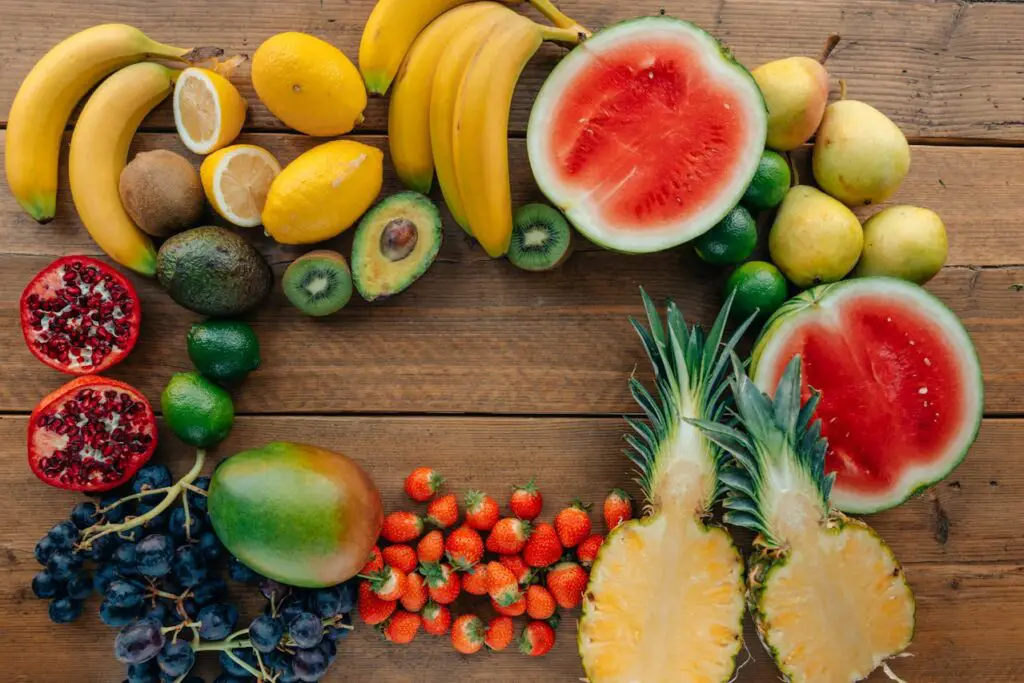
Instead of focusing on what to cut out completely, think about what to add more of. Whole foods, simple ingredients, and meals that leave you satisfied tend to stand the test of time. When you understand how food marketing works, it becomes easier to spot health halos and choose options that truly support your well-being.

Your goal is not to eat perfectly, but to eat wisely most of the time. With a little awareness and flexibility, you can enjoy food, protect your health, and feel confident that what you are eating actually matches the healthy image on the label. </p> :: Gemini

Learning that some familiar foods are no longer considered healthy can feel frustrating, especially when you have relied on them for years. The good news is that healthy eating does not require perfection or drastic changes overnight. Nutrition advice evolves because science improves, and having better information allows you to make smarter choices moving forward.

Instead of focusing on what to cut out completely, think about what to add more of. Whole foods, simple ingredients, and meals that leave you satisfied tend to stand the test of time. When you understand how food marketing works, it becomes easier to spot health halos and choose options that truly support your well-being.

Your goal is not to eat perfectly, but to eat wisely most of the time. With a little awareness and flexibility, you can enjoy food, protect your health, and feel confident that what you are eating actually matches the healthy image on the label.

Filed Under: Health & Fitness

10 Essential Nutritional Supplements for Aging Gracefully

December 20, 2025 | Leave a Comment

10 Essential Nutritional Supplements for Aging Gracefully

<p> Aging is a natural part of life, but maintaining health and vitality as we grow older requires a mindful approach to nutrition. Nutritional supplements can fill gaps left by diet alone, especially as our bodies start processing nutrients differently over time. Here are ten essential nutritional supplements that support healthy aging, protect against age-related issues, and help keep you active and energized. </p> :: Pexels

Aging is a natural part of life, but maintaining health and vitality as we grow older requires a mindful approach to nutrition. Nutritional supplements can fill gaps left by diet alone, especially as our bodies start processing nutrients differently over time. Here are ten essential nutritional supplements that support healthy aging, protect against age-related issues, and help keep you active and energized.

1. Omega-3 Fatty Acids

<p> Omega-3 fatty acids, found in fish oil and certain algae, are crucial for brain health, cardiovascular health, and joint flexibility. As we age, inflammation can become a more common issue, leading to joint discomfort and other inflammatory-related conditions. Omega-3s are powerful anti-inflammatory agents that can help reduce this risk while also supporting heart health by lowering triglycerides and reducing blood pressure. Omega-3s may even have benefits for cognitive function, potentially lowering the risk of dementia and Alzheimer’s disease. If you’re not consuming fatty fish regularly, a daily Omega-3 supplement can provide a convenient and effective source of these essential fats. </p> :: Pexels

Omega-3 fatty acids, found in fish oil and certain algae, are crucial for brain health, cardiovascular health, and joint flexibility. As we age, inflammation can become a more common issue, leading to joint discomfort and other inflammatory-related conditions. Omega-3s are powerful anti-inflammatory agents that can help reduce this risk while also supporting heart health by lowering triglycerides and reducing blood pressure. Omega-3s may even have benefits for cognitive function, potentially lowering the risk of dementia and Alzheimer’s disease. If you’re not consuming fatty fish regularly, a daily Omega-3 supplement can provide a convenient and effective source of these essential fats.

2. Vitamin D

<p> Vitamin D is often called the “sunshine vitamin” because our bodies produce it in response to sunlight. However, as we age, the skin's ability to generate vitamin D diminishes, and many people—particularly those who live in cloudy regions or spend much time indoors—struggle to get enough. Vitamin D is crucial for bone health, as it helps the body absorb calcium more efficiently, reducing the risk of osteoporosis and fractures. It’s also essential for immune function, which naturally weakens with age. A daily supplement of vitamin D can help ensure that you meet the recommended levels, especially in the colder months or if you’re not often outside. </p> :: Pexels

Vitamin D is often called the “sunshine vitamin” because our bodies produce it in response to sunlight. However, as we age, the skin’s ability to generate vitamin D diminishes, and many people—particularly those who live in cloudy regions or spend much time indoors—struggle to get enough. Vitamin D is crucial for bone health, as it helps the body absorb calcium more efficiently, reducing the risk of osteoporosis and fractures. It’s also essential for immune function, which naturally weakens with age. A daily supplement of vitamin D can help ensure that you meet the recommended levels, especially in the colder months or if you’re not often outside.

3. Calcium

<p> Bone density naturally decreases as we age, putting older adults, particularly women, at a higher risk of osteoporosis and fractures. Calcium is essential for maintaining strong bones and plays a role in muscle function and nerve transmission. While dietary sources of calcium, like dairy products and leafy greens, are beneficial, they may not be enough to meet daily requirements as you age. A calcium supplement can help bridge this gap, ensuring your bones stay strong and resilient, especially if you’re not consuming enough calcium-rich foods regularly. </p> :: Pexels

Bone density naturally decreases as we age, putting older adults, particularly women, at a higher risk of osteoporosis and fractures. Calcium is essential for maintaining strong bones and plays a role in muscle function and nerve transmission. While dietary sources of calcium, like dairy products and leafy greens, are beneficial, they may not be enough to meet daily requirements as you age. A calcium supplement can help bridge this gap, ensuring your bones stay strong and resilient, especially if you’re not consuming enough calcium-rich foods regularly.

4. Magnesium

<p> Magnesium is involved in over 300 biochemical reactions in the body, including muscle and nerve function, blood glucose control, and blood pressure regulation. However, magnesium levels can decrease with age due to changes in absorption and dietary intake. Many older adults are at risk of magnesium deficiency, which can lead to symptoms like muscle cramps, fatigue, and even heart arrhythmias. A magnesium supplement can help support heart health, bone density, and relaxation, making it a powerful ally in your journey to healthy aging. </p> :: Pexels

Magnesium is involved in over 300 biochemical reactions in the body, including muscle and nerve function, blood glucose control, and blood pressure regulation. However, magnesium levels can decrease with age due to changes in absorption and dietary intake. Many older adults are at risk of magnesium deficiency, which can lead to symptoms like muscle cramps, fatigue, and even heart arrhythmias. A magnesium supplement can help support heart health, bone density, and relaxation, making it a powerful ally in your journey to healthy aging.

5. Coenzyme Q10 (CoQ10)

<p> CoQ10 is a compound that helps produce energy in your cells, and its levels naturally decrease with age. Additionally, certain medications, such as statins, can further reduce CoQ10 levels, potentially leading to fatigue and muscle weakness. CoQ10 acts as an antioxidant, protecting cells from damage, and it’s particularly beneficial for cardiovascular health. By supplementing with CoQ10, you can help support cellular energy production, reduce oxidative stress, and promote heart health, especially if you’re on medications that deplete this essential nutrient. </p> :: Pexels

CoQ10 is a compound that helps produce energy in your cells, and its levels naturally decrease with age. Additionally, certain medications, such as statins, can further reduce CoQ10 levels, potentially leading to fatigue and muscle weakness. CoQ10 acts as an antioxidant, protecting cells from damage, and it’s particularly beneficial for cardiovascular health. By supplementing with CoQ10, you can help support cellular energy production, reduce oxidative stress, and promote heart health, especially if you’re on medications that deplete this essential nutrient.

6. B Vitamins

<p> The B vitamins—particularly B6, B12, and folate—are essential for maintaining energy levels, supporting cognitive function, and promoting red blood cell production. As we age, the body's ability to absorb B12 from food diminishes, putting older adults at risk of deficiency. B vitamins are crucial for nerve health and can also play a role in heart health by helping to regulate homocysteine levels, an amino acid linked to cardiovascular disease. A B-complex supplement can help support brain health, mood stability, and overall energy, especially for those following a plant-based diet or experiencing changes in digestion. </p> :: Pexels

The B vitamins—particularly B6, B12, and folate—are essential for maintaining energy levels, supporting cognitive function, and promoting red blood cell production. As we age, the body’s ability to absorb B12 from food diminishes, putting older adults at risk of deficiency. B vitamins are crucial for nerve health and can also play a role in heart health by helping to regulate homocysteine levels, an amino acid linked to cardiovascular disease. A B-complex supplement can help support brain health, mood stability, and overall energy, especially for those following a plant-based diet or experiencing changes in digestion.

7. Vitamin C

<p> Vitamin C is a powerful antioxidant that can help protect your skin, joints, and immune system from age-related decline. This essential vitamin plays a role in collagen synthesis, which is critical for maintaining skin elasticity and joint health. It’s also well-known for supporting immune function, which tends to weaken with age. While vitamin C is found in many fruits and vegetables, supplementation can provide an extra boost, especially during cold and flu season or if you’re looking to protect your skin from oxidative stress. </p> :: Pexels

Vitamin C is a powerful antioxidant that can help protect your skin, joints, and immune system from age-related decline. This essential vitamin plays a role in collagen synthesis, which is critical for maintaining skin elasticity and joint health. It’s also well-known for supporting immune function, which tends to weaken with age. While vitamin C is found in many fruits and vegetables, supplementation can provide an extra boost, especially during cold and flu season or if you’re looking to protect your skin from oxidative stress.

8. Probiotics

<p> Aging brings changes to our gut health, impacting digestion, immunity, and nutrient absorption. Probiotics are beneficial bacteria that support a healthy gut microbiome, which in turn can boost immune function and help reduce digestive issues like bloating, constipation, and gas. They also play a role in mental health, as gut bacteria are linked to neurotransmitter production and mood regulation. A daily probiotic supplement can help maintain a balanced gut microbiome, reduce inflammation, and improve digestion, especially if you’ve taken antibiotics or experienced digestive issues. </p> :: Pexels

Aging brings changes to our gut health, impacting digestion, immunity, and nutrient absorption. Probiotics are beneficial bacteria that support a healthy gut microbiome, which in turn can boost immune function and help reduce digestive issues like bloating, constipation, and gas. They also play a role in mental health, as gut bacteria are linked to neurotransmitter production and mood regulation. A daily probiotic supplement can help maintain a balanced gut microbiome, reduce inflammation, and improve digestion, especially if you’ve taken antibiotics or experienced digestive issues.

9. Zinc

<p> Zinc is a trace mineral that supports immune health, wound healing, and protein synthesis. As we age, our immune function naturally declines, making it easier to catch colds and other infections. Zinc is essential for immune response and can help shorten the duration of illnesses and enhance your body’s ability to repair itself. A zinc supplement can be particularly beneficial during cold and flu season or if you’re prone to infections. It’s also involved in skin health, which can be a bonus for those looking to keep their skin clear and healthy. </p> :: Pexels

Zinc is a trace mineral that supports immune health, wound healing, and protein synthesis. As we age, our immune function naturally declines, making it easier to catch colds and other infections. Zinc is essential for immune response and can help shorten the duration of illnesses and enhance your body’s ability to repair itself. A zinc supplement can be particularly beneficial during cold and flu season or if you’re prone to infections. It’s also involved in skin health, which can be a bonus for those looking to keep their skin clear and healthy.

10. Collagen

<p> Collagen is the most abundant protein in our bodies, providing structure to our skin, hair, nails, and joints. However, as we age, collagen production declines, leading to wrinkles, thinning hair, and joint stiffness. A collagen supplement can help slow down this process, promoting firmer skin, stronger hair, and more flexible joints. It’s especially beneficial for those who suffer from joint pain, as it may reduce inflammation and improve mobility. Many people find that taking a collagen supplement regularly supports their overall appearance and keeps them feeling more youthful. </p> :: Pexels

Collagen is the most abundant protein in our bodies, providing structure to our skin, hair, nails, and joints. However, as we age, collagen production declines, leading to wrinkles, thinning hair, and joint stiffness. A collagen supplement can help slow down this process, promoting firmer skin, stronger hair, and more flexible joints. It’s especially beneficial for those who suffer from joint pain, as it may reduce inflammation and improve mobility. Many people find that taking a collagen supplement regularly supports their overall appearance and keeps them feeling more youthful.

Final Thoughts

<p> Each of these ten supplements offers distinct benefits that support a graceful aging process, helping you maintain energy, protect vital systems, and reduce the risk of age-related health issues. When incorporating supplements into your daily routine, it’s always a good idea to consult with your healthcare provider to ensure they’re suitable for your unique health needs and won’t interact with any medications you’re taking. Aging gracefully is not just about adding years to life but adding life to years. With the right nutrition and supplements, you can enjoy vitality and wellness well into your later years. </p> :: Pexels


Each of these ten supplements offers distinct benefits that support a graceful aging process, helping you maintain energy, protect vital systems, and reduce the risk of age-related health issues. When incorporating supplements into your daily routine, it’s always a good idea to consult with your healthcare provider to ensure they’re suitable for your unique health needs and won’t interact with any medications you’re taking. Aging gracefully is not just about adding years to life but adding life to years. With the right nutrition and supplements, you can enjoy vitality and wellness well into your later years.


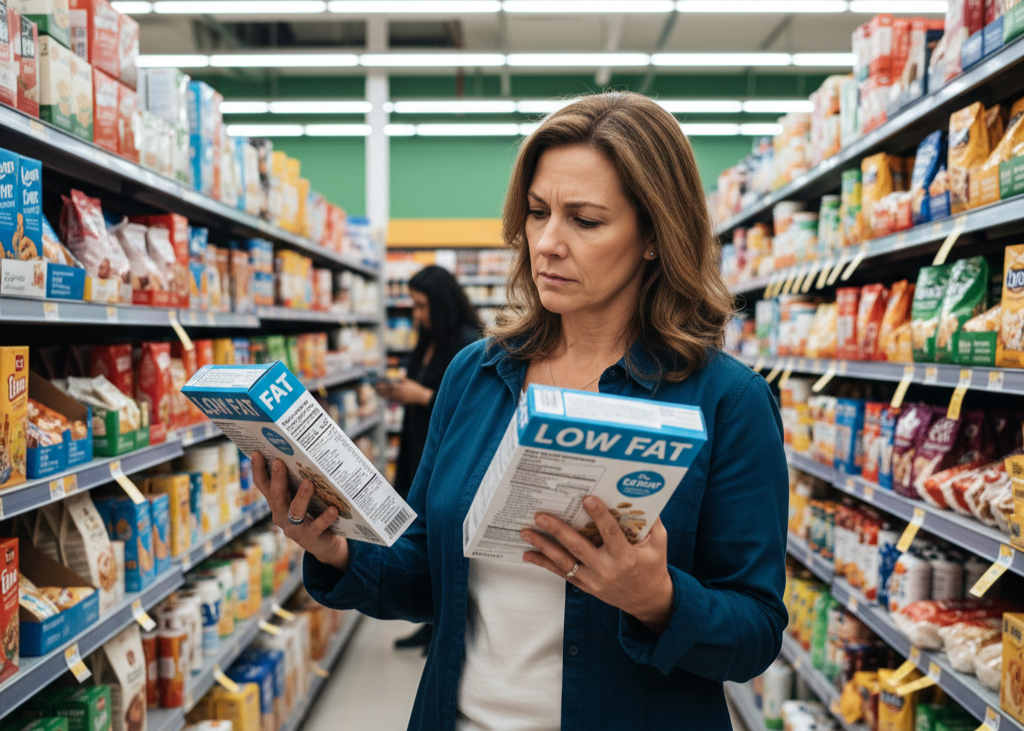
Filed Under: Health & Fitness

  • « Previous Page
  • 1
  • …
  • 8
  • 9
  • 10
  • 11
  • 12
  • …
  • 21
  • Next Page »
  • Email
  • Facebook
  • Pinterest
  • Twitter

Our Most Popular Articles

ClickCashGo Review: Should You Avoid At All Costs?

Ultimate Guide to Mastering Your Credit Score

The 'YOLO' Mindset is a Dangerous Thing

Dave Ramsey's Financial Peace University Review: Is it Worth the Money?

Cash App Glitch 2025: Is the Free Money Glitch Real?

Five Steps To Debt Freedom

Here are five simple guidlines that will help you pay off debt.  

1) Get an emergency fund so you don’t take on debt when something comes up.

2) List your debts. This way you know where you stand.

3) Use the debt snowball. Pay your debts from smallest to largest, or most expensive to least expensive.

4) Avoid new debt. No new credit cards or loans. Period.

5) Go all cash. After everything is paid off, switch to all cash.

Helpful Resources

U of Tennesse Debt Repayment Plan Basics

Vertex 42's Debt Payoff Calculator

Savingadvice's Helpful Debt Forums

Jackie Becks Debt Blog