Our Debt Free Family

Commit. Plan. Take action.

  • BUDGETING
  • DEBT REDUCTION
  • INVESTING
  • LIFESTYLE
  • TOOLS
  • ABOUT
  • Privacy Policy
  • CONTACT

Alcohol-Free Drinks: 14 Tasty Options That Support Your Wellness Goals

January 27, 2026 | Leave a Comment

Alcohol-Free Drinks: 14 Tasty Options That Support Your Wellness Goals

<p> Remember when not drinking meant awkwardly holding a glass of water while everyone else sipped something fun? Thankfully, those days are long gone. Today, choosing to go alcohol-free isn’t about missing out—it’s about showing up for yourself. Whether you're aiming for deeper sleep, clearer skin, better focus, or just fewer "oops" moments, skipping the booze has become a smart, empowering lifestyle choice. And guess what? You don’t have to give up the fizz, flavor, or fun. From gut-loving kombucha to chic mocktails and mood-boosting botanical blends, alcohol-free drinks have officially entered their glow-up era. They’re bold, functional, and honestly... kind of addictive (in the best way). Ready to upgrade your sipping game? Here are 14 delicious alcohol-free drinks that taste great, support your wellness goals, and make saying “no thanks” to alcohol feel like a total win. </p> :: Freepik

Remember when not drinking meant awkwardly holding a glass of water while everyone else sipped something fun? Thankfully, those days are long gone. Today, choosing to go alcohol-free isn’t about missing out—it’s about showing up for yourself. Whether you’re aiming for deeper sleep, clearer skin, better focus, or just fewer “oops” moments, skipping the booze has become a smart, empowering lifestyle choice.

And guess what? You don’t have to give up the fizz, flavor, or fun. From gut-loving kombucha to chic mocktails and mood-boosting botanical blends, alcohol-free drinks have officially entered their glow-up era. They’re bold, functional, and honestly… kind of addictive (in the best way).

Ready to upgrade your sipping game? Here are 14 delicious alcohol-free drinks that taste great, support your wellness goals, and make saying “no thanks” to alcohol feel like a total win.

1. Sparkling Water with Fresh Citrus

<p> When you’re craving bubbles without the burden of sugar or calories, sparkling water with fresh citrus is your go-to. Add a few slices of lemon, lime, or even grapefruit for a zesty, refreshing experience that feels anything but plain. It’s also a great way to sneak in more hydration throughout the day. Bonus tip: toss in some fresh herbs like mint or basil for a spa-like twist at home. </p> :: Freepik

When you’re craving bubbles without the burden of sugar or calories, sparkling water with fresh citrus is your go-to. Add a few slices of lemon, lime, or even grapefruit for a zesty, refreshing experience that feels anything but plain. It’s also a great way to sneak in more hydration throughout the day. Bonus tip: toss in some fresh herbs like mint or basil for a spa-like twist at home.

2. Kombucha
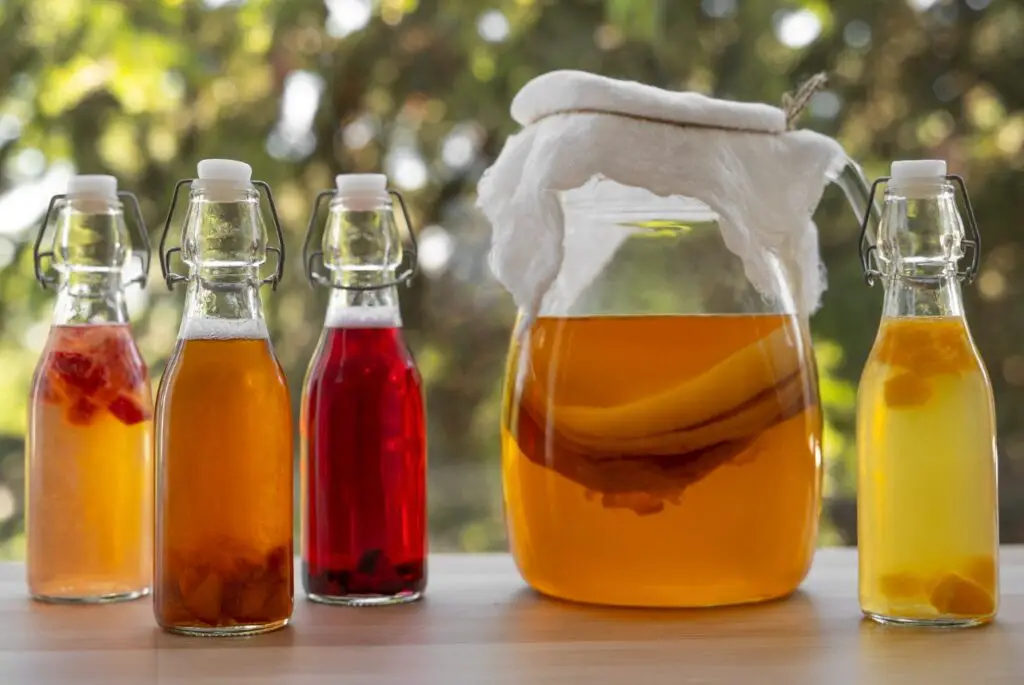
<p> Kombucha has earned its reputation as a gut-health hero. This naturally fermented tea is rich in probiotics, which help keep your digestive system running smoothly. It’s tangy, fizzy, and often lightly sweetened—just check the label for added sugars. With flavors like ginger lemon, hibiscus rose, and blueberry mint, it’s a great alternative to soda or beer that gives your body something good in return. </p> :: Freepik

Kombucha has earned its reputation as a gut-health hero. This naturally fermented tea is rich in probiotics, which help keep your digestive system running smoothly. It’s tangy, fizzy, and often lightly sweetened—just check the label for added sugars. With flavors like ginger lemon, hibiscus rose, and blueberry mint, it’s a great alternative to soda or beer that gives your body something good in return.

3. Herbal Iced Tea

<p> Calm, cool, and completely caffeine-free—herbal iced teas are perfect for winding down or cooling off. Peppermint helps with digestion, chamomile encourages sleep, and hibiscus is loaded with antioxidants that support heart health. Brew a big batch at the beginning of the week, store it in the fridge, and pour over ice with a slice of lemon for a naturally refreshing treat. </p> :: Pexels

Calm, cool, and completely caffeine-free—herbal iced teas are perfect for winding down or cooling off. Peppermint helps with digestion, chamomile encourages sleep, and hibiscus is loaded with antioxidants that support heart health. Brew a big batch at the beginning of the week, store it in the fridge, and pour over ice with a slice of lemon for a naturally refreshing treat.

4. Coconut Water

<p> After a sweaty workout or a hot afternoon, coconut water hits the spot. Packed with natural electrolytes like potassium and magnesium, it hydrates without the artificial colors or sugars found in most sports drinks. It’s slightly sweet, super refreshing, and great on its own or blended into a smoothie for a tropical twist. </p> :: Pexels

After a sweaty workout or a hot afternoon, coconut water hits the spot. Packed with natural electrolytes like potassium and magnesium, it hydrates without the artificial colors or sugars found in most sports drinks. It’s slightly sweet, super refreshing, and great on its own or blended into a smoothie for a tropical twist.

5. Non-Alcoholic Craft Beer

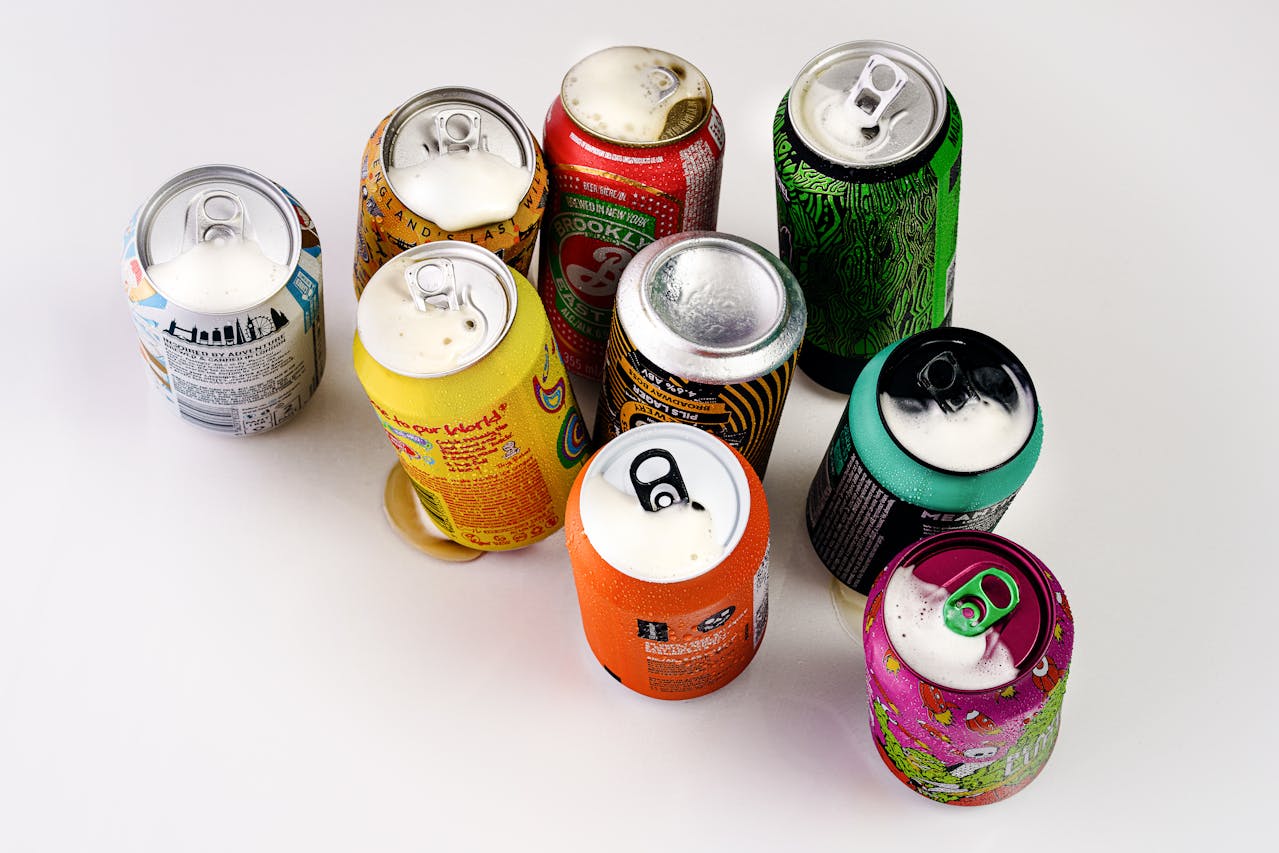
<p> Love the taste of beer but not the side effects? Non-alcoholic craft beer has come a long way—and we’re not talking about that bland stuff from a decade ago. Today’s options include full-bodied stouts, crisp lagers, and hop-forward IPAs that taste like the real deal. Many are also lower in calories and carbs, making them ideal for health-conscious beer lovers. </p> :: Serious Eats

Love the taste of beer but not the side effects? Non-alcoholic craft beer has come a long way—and we’re not talking about that bland stuff from a decade ago. Today’s options include full-bodied stouts, crisp lagers, and hop-forward IPAs that taste like the real deal. Many are also lower in calories and carbs, making them ideal for health-conscious beer lovers.

6. Golden Milk (Turmeric Latte)

<p> This warm, golden-hued drink isn’t just pretty—it’s packed with health benefits. Turmeric is a powerful anti-inflammatory that may help with joint pain, immunity, and even mood. Golden milk typically combines turmeric with a pinch of black pepper (to aid absorption), a warming spice like cinnamon, and your choice of milk. Sip it at night as a calming ritual or use it as a caffeine-free morning pick-me-up. </p> :: Freepik

This warm, golden-hued drink isn’t just pretty—it’s packed with health benefits. Turmeric is a powerful anti-inflammatory that may help with joint pain, immunity, and even mood. Golden milk typically combines turmeric with a pinch of black pepper (to aid absorption), a warming spice like cinnamon, and your choice of milk. Sip it at night as a calming ritual or use it as a caffeine-free morning pick-me-up.

7. Adaptogenic Elixirs

<p> Feeling stressed? Adaptogens like ashwagandha, reishi mushroom, and holy basil help your body adapt to stress and restore balance. These ingredients are now featured in beautifully packaged, alcohol-free elixirs that mimic the complexity of cocktails—minus the hangover. Perfect for unwinding after a long day or replacing your usual happy hour beverage. </p> :: Freepik

Feeling stressed? Adaptogens like ashwagandha, reishi mushroom, and holy basil help your body adapt to stress and restore balance. These ingredients are now featured in beautifully packaged, alcohol-free elixirs that mimic the complexity of cocktails—minus the hangover. Perfect for unwinding after a long day or replacing your usual happy hour beverage.

8. Cold-Pressed Juice

<p> Cold-pressed juices are not your average grocery store juice box. These blends are extracted without heat to retain more nutrients and enzymes. Look for combinations like kale-apple-ginger or beet-carrot-orange to fuel your body with vitamins, antioxidants, and immune-boosting compounds. Choose ones low in fruit content for better blood sugar balance, and enjoy them as a nutrient-dense snack. </p> :: Pexels

Cold-pressed juices are not your average grocery store juice box. These blends are extracted without heat to retain more nutrients and enzymes. Look for combinations like kale-apple-ginger or beet-carrot-orange to fuel your body with vitamins, antioxidants, and immune-boosting compounds. Choose ones low in fruit content for better blood sugar balance, and enjoy them as a nutrient-dense snack.

9. Matcha Latte

<p> Matcha is green tea on overdrive—in the best way. It provides steady, clean energy without the jitters or crash of coffee, thanks to its high L-theanine content. Mix the finely ground powder with hot water and whisk until frothy, or blend it with steamed milk for a latte that’s as energizing as it is Instagrammable. It’s also packed with antioxidants that support heart and brain health. </p> :: Pexels

Matcha is green tea on overdrive—in the best way. It provides steady, clean energy without the jitters or crash of coffee, thanks to its high L-theanine content. Mix the finely ground powder with hot water and whisk until frothy, or blend it with steamed milk for a latte that’s as energizing as it is Instagrammable. It’s also packed with antioxidants that support heart and brain health.

10. Alcohol-Free Wine

<p> Hosting a dinner party or celebrating a milestone? Alcohol-free wine is your new best friend. With options in red, white, rosé, and sparkling, you can enjoy the ceremony of sipping wine without the alcohol. Many varieties retain the polyphenols and antioxidants found in traditional wine—minus the risk of a hangover or interrupted sleep. </p> :: Pexels

Hosting a dinner party or celebrating a milestone? Alcohol-free wine is your new best friend. With options in red, white, rosé, and sparkling, you can enjoy the ceremony of sipping wine without the alcohol. Many varieties retain the polyphenols and antioxidants found in traditional wine—minus the risk of a hangover or interrupted sleep.

11. Switchel

<p> This old-fashioned drink is getting modern love—and for good reason. Switchel is made from apple cider vinegar, ginger, water, and a touch of natural sweetener like honey or maple syrup. It’s a fantastic digestive aid and gives your taste buds a tangy, zippy ride. Serve it chilled over ice for a punchy alternative to sugary drinks or soda. </p> :: Freepik

This old-fashioned drink is getting modern love—and for good reason. Switchel is made from apple cider vinegar, ginger, water, and a touch of natural sweetener like honey or maple syrup. It’s a fantastic digestive aid and gives your taste buds a tangy, zippy ride. Serve it chilled over ice for a punchy alternative to sugary drinks or soda.

12. Mocktails with Functional Ingredients

<p> Mocktails aren’t just about removing the alcohol—they’re about adding value. Many now include ingredients like activated charcoal (for detox), collagen peptides (for skin and joint support), or aloe vera (for hydration and digestion). Get creative with sparkling water, fresh fruit, herbal syrups, and functional add-ins for drinks that taste indulgent and do your body good. </p> :: Freepik

Mocktails aren’t just about removing the alcohol—they’re about adding value. Many now include ingredients like activated charcoal (for detox), collagen peptides (for skin and joint support), or aloe vera (for hydration and digestion). Get creative with sparkling water, fresh fruit, herbal syrups, and functional add-ins for drinks that taste indulgent and do your body good.

13. Chia Fresca
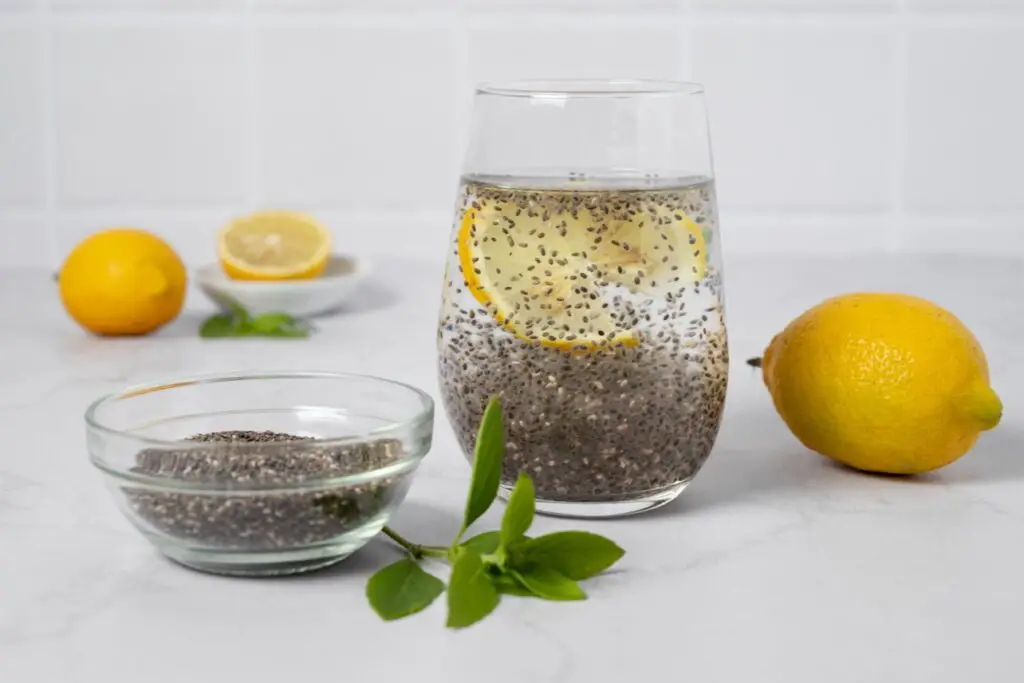
<p> This nutrient-packed drink is simple, satisfying, and surprisingly filling. Chia seeds absorb liquid and expand into a gel-like consistency that supports digestion and satiety. Mix them with water, citrus juice, and a touch of honey or maple syrup. It’s great before a workout or as an afternoon energy boost that won’t spike your blood sugar. </p> :: Freepik

This nutrient-packed drink is simple, satisfying, and surprisingly filling. Chia seeds absorb liquid and expand into a gel-like consistency that supports digestion and satiety. Mix them with water, citrus juice, and a touch of honey or maple syrup. It’s great before a workout or as an afternoon energy boost that won’t spike your blood sugar.

14. Infused Water

<p> Sometimes, the most effective wellness tools are the simplest. Infused water is just water with fresh herbs, fruits, or vegetables added—but it feels like so much more. Think cucumber-mint, strawberry-basil, or lemon-rosemary. It turns everyday hydration into a sensory experience and makes drinking more water feel luxurious instead of like a chore. </p> :: Pexels

Sometimes, the most effective wellness tools are the simplest. Infused water is just water with fresh herbs, fruits, or vegetables added—but it feels like so much more. Think cucumber-mint, strawberry-basil, or lemon-rosemary. It turns everyday hydration into a sensory experience and makes drinking more water feel luxurious instead of like a chore.

Final Thoughts

<p> Let’s be real—skipping alcohol doesn’t mean you’re sitting on the sidelines. It means you’re making space for better energy, better sleep, and better choices. These days, alcohol-free drinks aren't just substitutes—they're upgrades. Whether you’re aiming to feel more focused, support your gut, or simply wake up feeling refreshed, there’s a smart, satisfying drink that fits right into your routine. So go ahead—mix, sip, and explore. Stock your fridge with options that taste amazing and make you feel good. Because choosing what you drink is just another way to take care of yourself—with flavor, fun, and zero regrets. Who says wellness can’t come in a fancy glass with ice and a twist? </p> :: Pexels

Let’s be real—skipping alcohol doesn’t mean you’re sitting on the sidelines. It means you’re making space for better energy, better sleep, and better choices. These days, alcohol-free drinks aren’t just substitutes—they’re upgrades. Whether you’re aiming to feel more focused, support your gut, or simply wake up feeling refreshed, there’s a smart, satisfying drink that fits right into your routine.

So go ahead—mix, sip, and explore. Stock your fridge with options that taste amazing and make you feel good. Because choosing what you drink is just another way to take care of yourself—with flavor, fun, and zero regrets.

Who says wellness can’t come in a fancy glass with ice and a twist?

Filed Under: Health & Fitness

Keep Your Mind Sharp with These 9 Fun and Effective Brain Games

January 27, 2026 | Leave a Comment

Keep Your Mind Sharp with These 9 Fun and Effective Brain Games

<p> As we age, keeping the brain active is just as important as staying physically fit. While crossword puzzles and Sudoku are classics, there’s a wide world of fun and effective brain games out there that do more than just pass the time—they help boost memory, improve focus, and keep your mental edge sharp. The best part? These brain-boosting activities don’t feel like work. In fact, they’re so fun, you might forget you’re giving your brain a workout! Whether you're retired, semi-retired, or simply looking for new ways to stay mentally active, these nine brain games can help you stay sharp and engaged well into your golden years. </p> :: Pexels

As we age, keeping the brain active is just as important as staying physically fit. While crossword puzzles and Sudoku are classics, there’s a wide world of fun and effective brain games out there that do more than just pass the time—they help boost memory, improve focus, and keep your mental edge sharp. The best part? These brain-boosting activities don’t feel like work. In fact, they’re so fun, you might forget you’re giving your brain a workout!

Whether you’re retired, semi-retired, or simply looking for new ways to stay mentally active, these nine brain games can help you stay sharp and engaged well into your golden years.

1. Lumosity: Personalized Brain Training at Your Fingertips

<p> Lumosity is a well-known app designed by neuroscientists that offers daily brain training exercises to target memory, attention, flexibility, and problem-solving skills. With a wide variety of games and performance tracking, Lumosity adjusts to your level and gives you feedback on your progress. It’s an ideal choice if you enjoy a structured routine and want to challenge different parts of your brain every day—all from your phone, tablet, or computer. </p> :: DALL-E

Lumosity is a well-known app designed by neuroscientists that offers daily brain training exercises to target memory, attention, flexibility, and problem-solving skills. With a wide variety of games and performance tracking, Lumosity adjusts to your level and gives you feedback on your progress. It’s an ideal choice if you enjoy a structured routine and want to challenge different parts of your brain every day—all from your phone, tablet, or computer.

2. Crossword Puzzles: A Classic for a Reason

<p> Crossword puzzles are timeless—and for good reason. They help improve vocabulary, boost memory recall, and enhance problem-solving skills. Whether you enjoy tackling the Sunday paper’s puzzle or prefer solving digital versions on an app like the New York Times Crossword, these word games keep your mind engaged. They're also great for reducing stress, especially when paired with a hot cup of coffee on a lazy afternoon. </p> :: Freepik

Crossword puzzles are timeless—and for good reason. They help improve vocabulary, boost memory recall, and enhance problem-solving skills. Whether you enjoy tackling the Sunday paper’s puzzle or prefer solving digital versions on an app like the New York Times Crossword, these word games keep your mind engaged. They’re also great for reducing stress, especially when paired with a hot cup of coffee on a lazy afternoon.

3. BrainHQ: Designed by Scientists, Built for Boomers

<p> If you're looking for brain training that’s backed by research, BrainHQ is worth exploring. Developed by neuroscientists and tailored to older adults, BrainHQ offers dozens of brain exercises that focus on memory, attention, brain speed, and navigation. The platform is simple to use, with short sessions that fit easily into your daily schedule. Plus, it adjusts in difficulty as you improve, keeping things both challenging and motivating. </p> ::

If you’re looking for brain training that’s backed by research, BrainHQ is worth exploring. Developed by neuroscientists and tailored to older adults, BrainHQ offers dozens of brain exercises that focus on memory, attention, brain speed, and navigation. The platform is simple to use, with short sessions that fit easily into your daily schedule. Plus, it adjusts in difficulty as you improve, keeping things both challenging and motivating.

4. Jigsaw Puzzles: Visual Focus Meets Mindful Relaxation

<p> There’s something satisfying about fitting puzzle pieces together. Jigsaw puzzles promote spatial awareness, short-term memory, and attention to detail. Working on a large puzzle over time provides a great sense of accomplishment—and it’s an enjoyable way to wind down without screens. Want to take it up a notch? Try 3D or mystery jigsaw puzzles that add an extra layer of brain work and intrigue. </p> :: Pexels

There’s something satisfying about fitting puzzle pieces together. Jigsaw puzzles promote spatial awareness, short-term memory, and attention to detail. Working on a large puzzle over time provides a great sense of accomplishment—and it’s an enjoyable way to wind down without screens. Want to take it up a notch? Try 3D or mystery jigsaw puzzles that add an extra layer of brain work and intrigue.

5. Scrabble and Words With Friends: Boost Your Brain Through Friendly Competition

<p> If you love words and a little friendly rivalry, Scrabble and its digital cousin, Words With Friends, are excellent picks. These games challenge your vocabulary, spelling, and strategic thinking, especially when playing against others. They're also a fun way to stay socially connected with family and friends, especially if they live far away. For solo players, word scrambles and anagram apps can offer similar mental benefits. </p> :: Freepik

If you love words and a little friendly rivalry, Scrabble and its digital cousin, Words With Friends, are excellent picks. These games challenge your vocabulary, spelling, and strategic thinking, especially when playing against others. They’re also a fun way to stay socially connected with family and friends, especially if they live far away. For solo players, word scrambles and anagram apps can offer similar mental benefits.

6. Chess: The Ultimate Game of Strategy and Patience

<p> Chess isn’t just for grandmasters—this age-old game trains your brain to think several moves ahead, analyze patterns, and stay focused under pressure. Playing chess regularly can help boost concentration, planning, and decision-making skills. If you’re new to the game, apps like Chess.com offer tutorials, AI opponents, and puzzles to help you learn at your own pace. You can even play online with others around the world, bringing a social element into your strategic play. </p> :: Pexels

Chess isn’t just for grandmasters—this age-old game trains your brain to think several moves ahead, analyze patterns, and stay focused under pressure. Playing chess regularly can help boost concentration, planning, and decision-making skills. If you’re new to the game, apps like Chess.com offer tutorials, AI opponents, and puzzles to help you learn at your own pace. You can even play online with others around the world, bringing a social element into your strategic play.

7. Mahjong: Match Tiles and Strengthen Cognitive Skills

<p> Mahjong, a tile-based game originating from China, is more than just a pastime—it’s a great way to improve pattern recognition, memory, and concentration. Whether you play the traditional version or the simpler solitaire-style game on your tablet or computer, Mahjong requires a good eye and quick thinking. The colorful visuals and satisfying gameplay make it a relaxing yet mentally stimulating activity, especially for those who love puzzles with a twist. </p> :: Pexels

Mahjong, a tile-based game originating from China, is more than just a pastime—it’s a great way to improve pattern recognition, memory, and concentration. Whether you play the traditional version or the simpler solitaire-style game on your tablet or computer, Mahjong requires a good eye and quick thinking. The colorful visuals and satisfying gameplay make it a relaxing yet mentally stimulating activity, especially for those who love puzzles with a twist.

8. Sudoku: Numbers That Keep You Sharp

<p> This popular number puzzle is deceptively simple: fill a 9×9 grid so every row, column, and box contains the digits 1 through 9. But behind the basic rules lies a rich challenge that improves logic, problem-solving, and pattern recognition. Sudoku is available in books, newspapers, and countless apps that range from easy to brain-busting. It’s ideal for those who prefer numbers to words and enjoy a good mental challenge without needing to do any math. </p> :: Pexels

This popular number puzzle is deceptively simple: fill a 9×9 grid so every row, column, and box contains the digits 1 through 9. But behind the basic rules lies a rich challenge that improves logic, problem-solving, and pattern recognition. Sudoku is available in books, newspapers, and countless apps that range from easy to brain-busting. It’s ideal for those who prefer numbers to words and enjoy a good mental challenge without needing to do any math.

9. Trivia Games: Learn, Laugh, and Keep Your Memory Fresh

<p> Who doesn’t love showing off a little knowledge? Trivia games are a fun and social way to exercise your memory and recall. Whether it’s a trivia night at your local community center, a family board game like Trivial Pursuit, or an app like QuizUp, trivia helps you stay curious, think fast, and retain information. Plus, you never know when a random fact about 1960s rock bands or U.S. presidents will come in handy! </p> :: Fortnite

Who doesn’t love showing off a little knowledge? Trivia games are a fun and social way to exercise your memory and recall. Whether it’s a trivia night at your local community center, a family board game like Trivial Pursuit, or an app like QuizUp, trivia helps you stay curious, think fast, and retain information. Plus, you never know when a random fact about 1960s rock bands or U.S. presidents will come in handy!

Final Thoughts

<p> Keeping your mind sharp doesn’t have to be boring or repetitive. In fact, making brain training part of your routine can be one of the most enjoyable parts of your day. Whether you're into word games, strategy puzzles, or tech-based training tools, the most important thing is consistency. Just 15–20 minutes a day can make a noticeable difference in memory, focus, and mental flexibility. And remember—it’s not just about solo play. Many of these games can be shared with grandkids, friends, or a partner. Social engagement is a key factor in brain health, so don’t hesitate to invite others to join in the fun. Play often, laugh lots, and keep challenging your brain—you’ve got a lot of great thinking ahead of you! </p> :: Pexels

Keeping your mind sharp doesn’t have to be boring or repetitive. In fact, making brain training part of your routine can be one of the most enjoyable parts of your day. Whether you’re into word games, strategy puzzles, or tech-based training tools, the most important thing is consistency. Just 15–20 minutes a day can make a noticeable difference in memory, focus, and mental flexibility.

And remember—it’s not just about solo play. Many of these games can be shared with grandkids, friends, or a partner. Social engagement is a key factor in brain health, so don’t hesitate to invite others to join in the fun. Play often, laugh lots, and keep challenging your brain—you’ve got a lot of great thinking ahead of you!

Filed Under: Health & Fitness

Could Daily Vitamin D Be Harming Your Kidneys? Watch Out for These 6 Symptoms

January 27, 2026 | Leave a Comment

Could Daily Vitamin D Be Harming Your Kidneys? Watch Out for These 6 Symptoms

<p> Vitamin D is often called the “sunshine vitamin,” and for good reason. From supporting strong bones to helping your immune system, maintaining energy, and even influencing mood, it’s a nutrient many Americans take daily. With so many of us living busy lives, leaning on supplements seems like a simple, low-effort way to cover our bases. But here’s the thing: taking too much vitamin D can quietly stress your kidneys, and the signs aren’t always obvious at first.

Your kidneys are hard-working organs. They filter waste, balance minerals, and keep your body running smoothly. But when vitamin D intake is too high over time, calcium levels in your blood can rise, a condition called hypercalcemia. This excess calcium forces your kidneys to work overtime, and if left unchecked, it can cause real damage. Many people don’t realize that their body may already be giving warning signals — subtle hints that something isn’t quite right.

This isn’t meant to scare you away from supplements. Vitamin D is essential for health when taken appropriately. The key is balance, awareness, and listening to your body. If you’re taking vitamin D daily, especially in higher doses or without testing your blood levels, pay attention to these six symptoms that could indicate your kidneys are struggling. Recognizing them early can make a big difference in preventing serious issues down the line. </p> :: Gemini

Vitamin D is often called the “sunshine vitamin,” and for good reason. From supporting strong bones to helping your immune system, maintaining energy, and even influencing mood, it’s a nutrient many Americans take daily. With so many of us living busy lives, leaning on supplements seems like a simple, low-effort way to cover our bases. But here’s the thing: taking too much vitamin D can quietly stress your kidneys, and the signs aren’t always obvious at first.

Your kidneys are hard-working organs. They filter waste, balance minerals, and keep your body running smoothly. But when vitamin D intake is too high over time, calcium levels in your blood can rise, a condition called hypercalcemia. This excess calcium forces your kidneys to work overtime, and if left unchecked, it can cause real damage. Many people don’t realize that their body may already be giving warning signals — subtle hints that something isn’t quite right.

This isn’t meant to scare you away from supplements. Vitamin D is essential for health when taken appropriately. The key is balance, awareness, and listening to your body. If you’re taking vitamin D daily, especially in higher doses or without testing your blood levels, pay attention to these six symptoms that could indicate your kidneys are struggling. Recognizing them early can make a big difference in preventing serious issues down the line.

1. Persistent Thirst and Frequent Urination

<p> One of the most common yet often overlooked signs of excess vitamin D is unquenchable thirst and frequent urination. You might notice that no matter how much water you drink, you always feel thirsty, and you find yourself hopping to the bathroom constantly. This happens because elevated calcium levels in the blood make your kidneys work harder to remove the excess mineral.

Your kidneys act like filters, processing waste and balancing fluids. Too much calcium creates a kind of traffic jam for these organs. They push out more water to flush the excess calcium, which leads to dehydration if you’re not careful. Over time, this extra strain can affect kidney function.

It’s easy to dismiss thirst and bathroom trips as minor annoyances, but when these symptoms appear consistently alongside a vitamin D routine, they can be a subtle warning sign that your kidneys are overworked. Keeping track of your fluid intake and noticing changes in urination patterns can be a helpful early alert. </p> :: Gemini

One of the most common yet often overlooked signs of excess vitamin D is unquenchable thirst and frequent urination. You might notice that no matter how much water you drink, you always feel thirsty, and you find yourself hopping to the bathroom constantly. This happens because elevated calcium levels in the blood make your kidneys work harder to remove the excess mineral.

Your kidneys act like filters, processing waste and balancing fluids. Too much calcium creates a kind of traffic jam for these organs. They push out more water to flush the excess calcium, which leads to dehydration if you’re not careful. Over time, this extra strain can affect kidney function.

It’s easy to dismiss thirst and bathroom trips as minor annoyances, but when these symptoms appear consistently alongside a vitamin D routine, they can be a subtle warning sign that your kidneys are overworked. Keeping track of your fluid intake and noticing changes in urination patterns can be a helpful early alert.

2. Nausea, Vomiting, and Digestive Upset

<p> Digestive issues can be another early indicator of too much vitamin D. Nausea, vomiting, loss of appetite, or even constipation may crop up unexpectedly after starting or increasing vitamin D supplementation. Elevated calcium irritates your digestive system, and your stomach may respond with discomfort or queasiness.

Imagine sitting down for your favorite meal and realizing that food doesn’t appeal to you anymore, or finishing lunch only to feel a little nauseated. This subtle but persistent digestive distress can signal that your body is struggling to manage the extra calcium in your system.

The tricky part is that these symptoms are often attributed to stress, minor infections, or dietary changes. Paying attention to patterns — for example, new digestive issues appearing shortly after starting a supplement — can help you connect the dots. Recognizing this early allows you to adjust your vitamin D intake and avoid pushing your kidneys too far. </p> :: Gemini

Digestive issues can be another early indicator of too much vitamin D. Nausea, vomiting, loss of appetite, or even constipation may crop up unexpectedly after starting or increasing vitamin D supplementation. Elevated calcium irritates your digestive system, and your stomach may respond with discomfort or queasiness.

Imagine sitting down for your favorite meal and realizing that food doesn’t appeal to you anymore, or finishing lunch only to feel a little nauseated. This subtle but persistent digestive distress can signal that your body is struggling to manage the extra calcium in your system.

The tricky part is that these symptoms are often attributed to stress, minor infections, or dietary changes. Paying attention to patterns — for example, new digestive issues appearing shortly after starting a supplement — can help you connect the dots. Recognizing this early allows you to adjust your vitamin D intake and avoid pushing your kidneys too far.

3. Fatigue and Muscle Weakness

<p> Have you noticed that simple tasks seem to require more effort than usual? Do your muscles feel weaker, and your energy lower than normal, even after a good night’s sleep? This can happen when vitamin D intake leads to elevated calcium levels, which interfere with muscle function and energy metabolism.

Muscle weakness is not just inconvenient; it’s your body signaling that your balance of minerals and nutrients is off. When your kidneys struggle to manage calcium overload, your muscles can’t function optimally, leading to fatigue that doesn’t improve with rest.

Even activities that used to feel easy — walking up stairs, carrying groceries, or doing a quick workout — may leave you feeling drained. By paying attention to these changes and considering your supplement intake, you can prevent prolonged stress on your kidneys and maintain better overall energy levels. </p> :: Gemini

Have you noticed that simple tasks seem to require more effort than usual? Do your muscles feel weaker, and your energy lower than normal, even after a good night’s sleep? This can happen when vitamin D intake leads to elevated calcium levels, which interfere with muscle function and energy metabolism.

Muscle weakness is not just inconvenient; it’s your body signaling that your balance of minerals and nutrients is off. When your kidneys struggle to manage calcium overload, your muscles can’t function optimally, leading to fatigue that doesn’t improve with rest.

Even activities that used to feel easy — walking up stairs, carrying groceries, or doing a quick workout — may leave you feeling drained. By paying attention to these changes and considering your supplement intake, you can prevent prolonged stress on your kidneys and maintain better overall energy levels.

4. Confusion, Brain Fog, or Irritability

<p> Brain fog, forgetfulness, or unusual irritability can feel like a normal part of a busy life. But when combined with high vitamin D intake, these symptoms may indicate that calcium levels are affecting your nervous system. Mental fog, difficulty concentrating, and mood changes can all occur when your kidneys struggle to maintain mineral balance.

Your nervous system relies on proper calcium levels for smooth function. When calcium rises too high in the blood, it disrupts communication between nerve cells, which can affect your thinking and mood. You might feel unusually forgetful, have trouble focusing at work, or find yourself snapping at loved ones for no clear reason.

These subtle shifts in brain function are often easy to overlook, yet they serve as important clues that your kidneys may be under strain. Being mindful of cognitive changes while taking supplements is a simple but crucial step in preventing more serious complications. </p> :: Gemini

Brain fog, forgetfulness, or unusual irritability can feel like a normal part of a busy life. But when combined with high vitamin D intake, these symptoms may indicate that calcium levels are affecting your nervous system. Mental fog, difficulty concentrating, and mood changes can all occur when your kidneys struggle to maintain mineral balance.

Your nervous system relies on proper calcium levels for smooth function. When calcium rises too high in the blood, it disrupts communication between nerve cells, which can affect your thinking and mood. You might feel unusually forgetful, have trouble focusing at work, or find yourself snapping at loved ones for no clear reason.

These subtle shifts in brain function are often easy to overlook, yet they serve as important clues that your kidneys may be under strain. Being mindful of cognitive changes while taking supplements is a simple but crucial step in preventing more serious complications.

5. Lower Back or Side Pain

<p> Pain in your lower back or sides can sometimes be dismissed as general muscle soreness, but it can also be a sign of kidney strain or the formation of kidney stones due to high calcium levels. Kidney-related pain often presents as deep, persistent discomfort rather than surface-level aches.

Excess calcium can deposit in kidney tissue or contribute to stone formation, creating pressure and irritation. Unlike typical back pain from sitting too long or exercising, this type of pain tends to linger and may not improve with rest or stretching.

If you notice unusual pain in your sides, just under your ribs, or in your lower back, especially if it coincides with other symptoms like fatigue or frequent urination, it’s worth taking seriously. Consulting a healthcare provider for evaluation can prevent small issues from becoming major kidney problems. </p> :: Gemini

Pain in your lower back or sides can sometimes be dismissed as general muscle soreness, but it can also be a sign of kidney strain or the formation of kidney stones due to high calcium levels. Kidney-related pain often presents as deep, persistent discomfort rather than surface-level aches.

Excess calcium can deposit in kidney tissue or contribute to stone formation, creating pressure and irritation. Unlike typical back pain from sitting too long or exercising, this type of pain tends to linger and may not improve with rest or stretching.

If you notice unusual pain in your sides, just under your ribs, or in your lower back, especially if it coincides with other symptoms like fatigue or frequent urination, it’s worth taking seriously. Consulting a healthcare provider for evaluation can prevent small issues from becoming major kidney problems.

6. Swelling or Shortness of Breath

<p> Fluid retention can be one of the more surprising signs of kidney stress. When kidneys cannot effectively remove excess fluid and waste, your body may respond with swelling in your legs, ankles, or feet, and sometimes even shortness of breath.

This happens because the filtration system is compromised, causing fluid to accumulate. While occasional swelling can be attributed to factors like long periods of sitting or standing, persistent or worsening swelling, especially when combined with breathing difficulties, can indicate serious kidney impairment.

Early recognition is essential. By addressing potential issues promptly, you can protect your kidneys and avoid more severe complications that require intensive medical intervention. </p> :: Gemini

Fluid retention can be one of the more surprising signs of kidney stress. When kidneys cannot effectively remove excess fluid and waste, your body may respond with swelling in your legs, ankles, or feet, and sometimes even shortness of breath.

This happens because the filtration system is compromised, causing fluid to accumulate. While occasional swelling can be attributed to factors like long periods of sitting or standing, persistent or worsening swelling, especially when combined with breathing difficulties, can indicate serious kidney impairment.

Early recognition is essential. By addressing potential issues promptly, you can protect your kidneys and avoid more severe complications that require intensive medical intervention.

Final Thoughts

<p> Vitamin D is a vital nutrient, but daily supplementation without careful monitoring can silently create problems for your kidneys. Symptoms like persistent thirst, digestive upset, fatigue, brain fog, back pain, or fluid retention may seem minor at first, yet they can signal elevated calcium levels and kidney stress.

The good news is that these problems are often preventable. Keeping an eye on your symptoms, staying within recommended doses, and checking your vitamin D and calcium levels through regular blood tests are simple yet effective ways to maintain the benefits of supplementation safely.

Your kidneys work tirelessly behind the scenes to keep your body balanced and healthy. By listening to these six signals and acting early, you give them the support they need while continuing to enjoy the benefits of vitamin D. Remember, balance is key, and paying attention to your body is the first step toward long-term wellness.

Taking care of your health doesn’t have to be complicated. Sometimes, the most powerful action is simply noticing the small changes your body is telling you about and making thoughtful adjustments before things escalate. Daily vitamin D can still be part of a healthy routine — just make sure it’s a routine that respects your kidneys and overall well-being. </p> :: Gemini

Vitamin D is a vital nutrient, but daily supplementation without careful monitoring can silently create problems for your kidneys. Symptoms like persistent thirst, digestive upset, fatigue, brain fog, back pain, or fluid retention may seem minor at first, yet they can signal elevated calcium levels and kidney stress.

The good news is that these problems are often preventable. Keeping an eye on your symptoms, staying within recommended doses, and checking your vitamin D and calcium levels through regular blood tests are simple yet effective ways to maintain the benefits of supplementation safely.

Your kidneys work tirelessly behind the scenes to keep your body balanced and healthy. By listening to these six signals and acting early, you give them the support they need while continuing to enjoy the benefits of vitamin D. Remember, balance is key, and paying attention to your body is the first step toward long-term wellness.

Taking care of your health doesn’t have to be complicated. Sometimes, the most powerful action is simply noticing the small changes your body is telling you about and making thoughtful adjustments before things escalate. Daily vitamin D can still be part of a healthy routine — just make sure it’s a routine that respects your kidneys and overall well-being.

Filed Under: Health & Fitness

7 High-Protein Plant-Based Foods You’ll Want on Your Plate

January 26, 2026 | Leave a Comment

7 High-Protein Plant-Based Foods You’ll Want on Your Plate

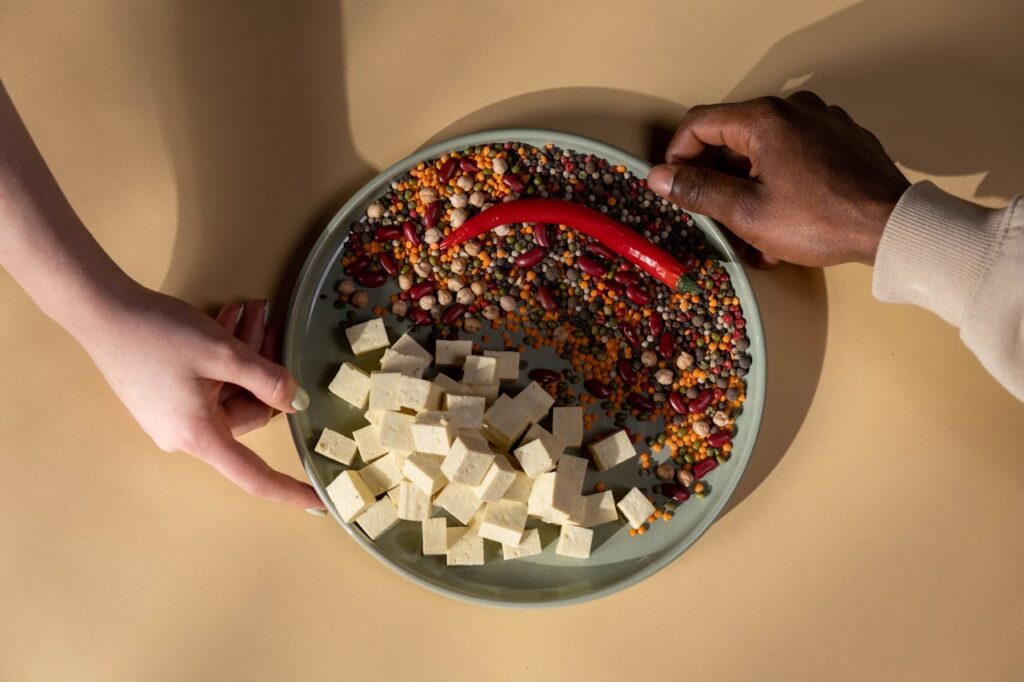
<p> Think you need meat to hit your protein goals? Think again. The plant-based movement isn’t just a passing trend—it’s a powerful shift in how we nourish our bodies and the planet. But one question still pops up all the time: “Where do you get your protein?” Spoiler alert: there are plenty of satisfying, protein-rich foods in the plant kingdom that can fuel your body just as well—if not better—than animal-based options. Whether you're fully vegan, trying out Meatless Mondays, or just aiming to eat a little cleaner, these high-protein plant-based foods can help you stay full, energized, and thriving. And the best part? They're affordable, easy to find in any U.S. grocery store, and—yes—totally delicious. Let’s dig into seven powerhouse foods that deserve a permanent spot on your plate. </p> :: Freepik

Think you need meat to hit your protein goals? Think again. The plant-based movement isn’t just a passing trend—it’s a powerful shift in how we nourish our bodies and the planet. But one question still pops up all the time: “Where do you get your protein?” Spoiler alert: there are plenty of satisfying, protein-rich foods in the plant kingdom that can fuel your body just as well—if not better—than animal-based options.

Whether you’re fully vegan, trying out Meatless Mondays, or just aiming to eat a little cleaner, these high-protein plant-based foods can help you stay full, energized, and thriving. And the best part? They’re affordable, easy to find in any U.S. grocery store, and—yes—totally delicious.

Let’s dig into seven powerhouse foods that deserve a permanent spot on your plate.

1. Lentils

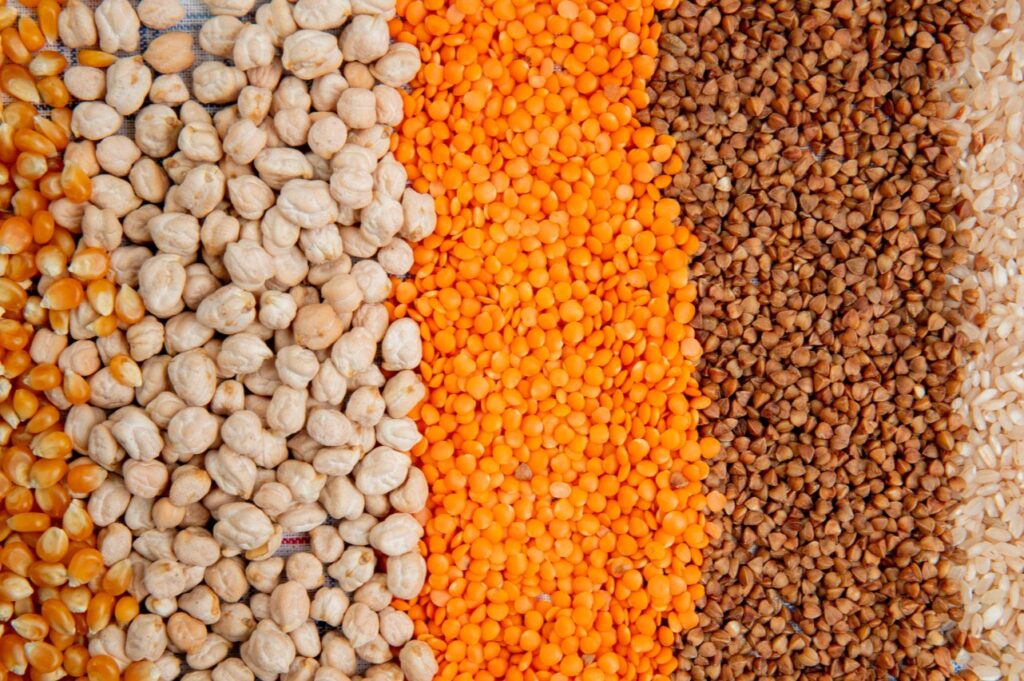
<p> Lentils are like the quiet overachievers of the pantry—unassuming, but packed with power. One cooked cup of lentils delivers a whopping 18 grams of protein, plus iron, magnesium, and a hefty dose of fiber. They come in a variety of types (green, red, brown, black), each with slightly different textures and flavors. But no matter which kind you choose, lentils cook up quickly and are incredibly versatile. Toss them into soups, mix them into salads, or make a hearty lentil curry to warm your soul. They're budget-friendly, filling, and the perfect way to add bulk to your meals without empty calories. </p> :: Pexels

Lentils are like the quiet overachievers of the pantry—unassuming, but packed with power. One cooked cup of lentils delivers a whopping 18 grams of protein, plus iron, magnesium, and a hefty dose of fiber. They come in a variety of types (green, red, brown, black), each with slightly different textures and flavors. But no matter which kind you choose, lentils cook up quickly and are incredibly versatile. Toss them into soups, mix them into salads, or make a hearty lentil curry to warm your soul. They’re budget-friendly, filling, and the perfect way to add bulk to your meals without empty calories.

2. Chickpeas

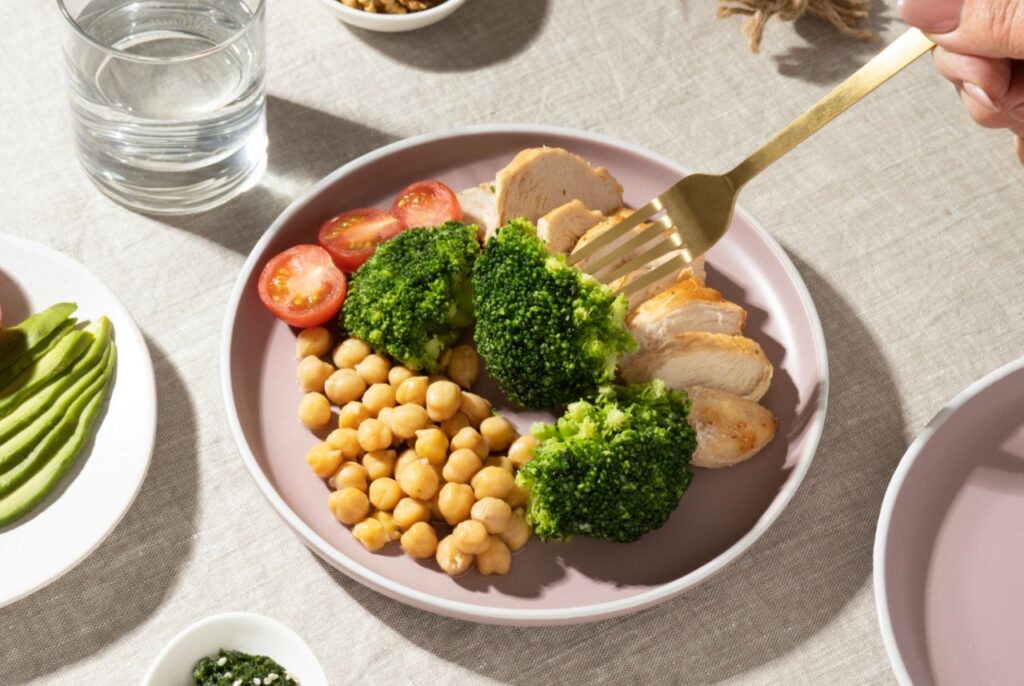
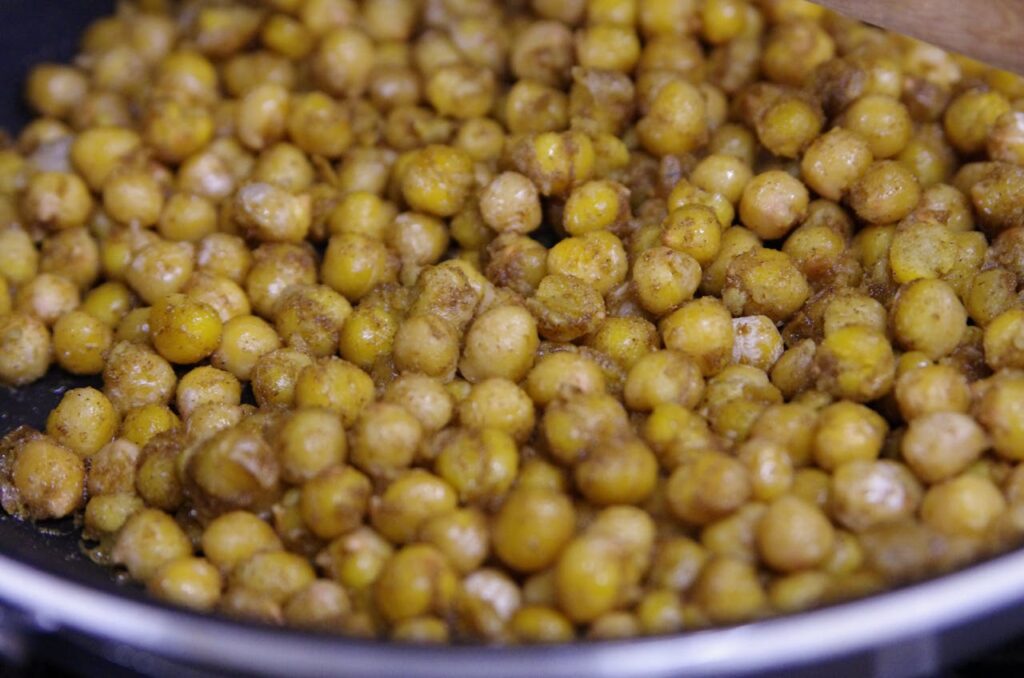
<p> If you’ve ever enjoyed hummus, falafel, or a crispy roasted snack, you’ve already tasted the magic of chickpeas. These little legumes pack around 15 grams of protein per cooked cup, along with fiber, folate, and a subtly nutty flavor that pairs well with just about everything. Canned chickpeas are convenient and ready to use, while dried ones offer even more flavor when cooked from scratch. Whether you’re blending them into creamy dips, tossing them into grain bowls, or smashing them for a sandwich filling, chickpeas offer both texture and nutrition in every bite. </p> :: Pexels

If you’ve ever enjoyed hummus, falafel, or a crispy roasted snack, you’ve already tasted the magic of chickpeas. These little legumes pack around 15 grams of protein per cooked cup, along with fiber, folate, and a subtly nutty flavor that pairs well with just about everything. Canned chickpeas are convenient and ready to use, while dried ones offer even more flavor when cooked from scratch. Whether you’re blending them into creamy dips, tossing them into grain bowls, or smashing them for a sandwich filling, chickpeas offer both texture and nutrition in every bite.

3. Quinoa

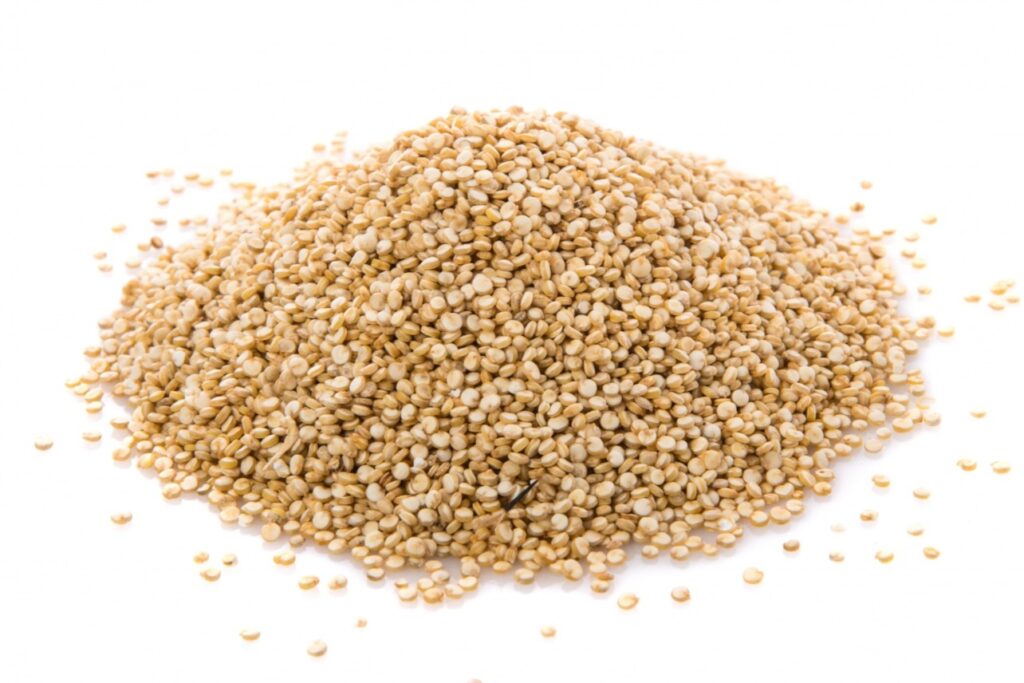
<p> Quinoa is a protein superstar disguised as a humble grain. Technically a seed, this gluten-free pantry staple contains about 8 grams of protein per cooked cup and—bonus!—it's a complete protein, meaning it provides all nine essential amino acids. It’s also high in fiber, iron, and magnesium, making it a solid choice for supporting energy and digestion. Quinoa cooks in under 20 minutes and works beautifully in everything from veggie-packed salads to breakfast bowls. Its light, nutty flavor makes it an easy swap for rice or pasta when you’re looking to up the nutritional value of a meal. </p> :: Freepik

Quinoa is a protein superstar disguised as a humble grain. Technically a seed, this gluten-free pantry staple contains about 8 grams of protein per cooked cup and—bonus!—it’s a complete protein, meaning it provides all nine essential amino acids. It’s also high in fiber, iron, and magnesium, making it a solid choice for supporting energy and digestion. Quinoa cooks in under 20 minutes and works beautifully in everything from veggie-packed salads to breakfast bowls. Its light, nutty flavor makes it an easy swap for rice or pasta when you’re looking to up the nutritional value of a meal.

4. Tofu

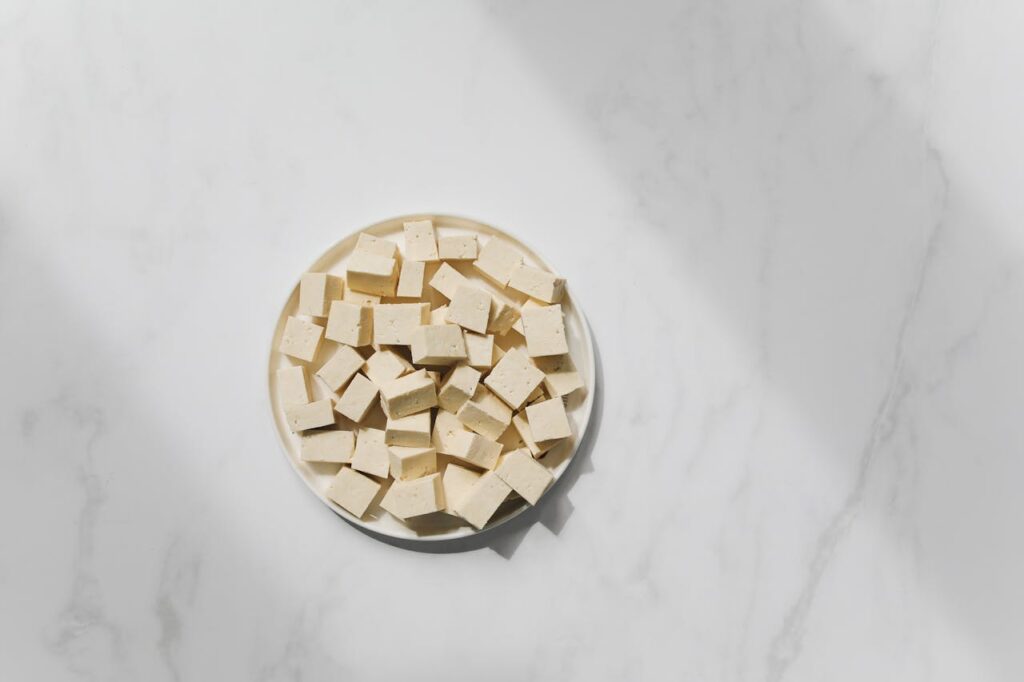
<p> Tofu might just be the most misunderstood food in the plant-based world. Made from soybean curds, tofu contains about 10 grams of protein per half-cup serving, and it’s a blank canvas for flavor. Depending on the type—silken, soft, firm, or extra-firm—you can bake it, pan-fry it, blend it, or grill it. With the right seasonings and cooking techniques (hint: press it first to remove excess water), tofu transforms into everything from crispy stir-fry cubes to creamy sauces or even desserts. It's also a great source of calcium and iron—especially if it’s fortified. </p> :: Pexels

Tofu might just be the most misunderstood food in the plant-based world. Made from soybean curds, tofu contains about 10 grams of protein per half-cup serving, and it’s a blank canvas for flavor. Depending on the type—silken, soft, firm, or extra-firm—you can bake it, pan-fry it, blend it, or grill it. With the right seasonings and cooking techniques (hint: press it first to remove excess water), tofu transforms into everything from crispy stir-fry cubes to creamy sauces or even desserts. It’s also a great source of calcium and iron—especially if it’s fortified.

5. Tempeh

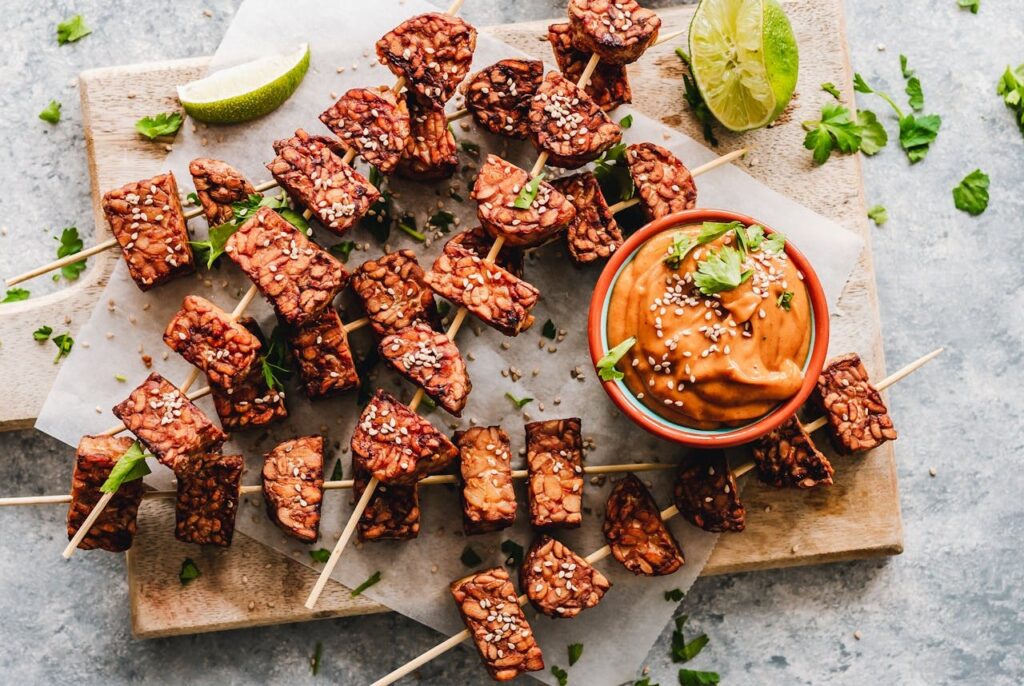
<p> If tofu is smooth jazz, tempeh is punk rock. Made from fermented soybeans, tempeh has a chewy texture, nutty flavor, and a protein content that blows most plant foods out of the water—about 21 grams per 3.5-ounce serving. It also supports gut health thanks to its natural probiotics. Tempeh can be sliced, crumbled, or cubed and works wonders in sandwiches, grain bowls, stir-fries, or tacos. Marinate it to soak in flavor, or steam it first to mellow the taste. Once you get the hang of it, tempeh will become your go-to for a hearty, meat-like bite with serious nutritional credentials. </p> :: Pexels

If tofu is smooth jazz, tempeh is punk rock. Made from fermented soybeans, tempeh has a chewy texture, nutty flavor, and a protein content that blows most plant foods out of the water—about 21 grams per 3.5-ounce serving. It also supports gut health thanks to its natural probiotics. Tempeh can be sliced, crumbled, or cubed and works wonders in sandwiches, grain bowls, stir-fries, or tacos. Marinate it to soak in flavor, or steam it first to mellow the taste. Once you get the hang of it, tempeh will become your go-to for a hearty, meat-like bite with serious nutritional credentials.

6. Edamame

<p> Before soybeans become tofu or tempeh, they’re edamame: bright green, slightly sweet, and deliciously snackable. One cup of shelled edamame offers about 17 grams of protein, along with plenty of fiber, folate, and vitamin K. Available frozen in most grocery stores, these little gems can be boiled or steamed in minutes. Sprinkle them with sea salt for a quick snack, toss them into noodle bowls, or mix them into salads for an easy protein boost. They’re a great way to satisfy those between-meal cravings while giving your muscles something to work with. </p> :: Freepik

Before soybeans become tofu or tempeh, they’re edamame: bright green, slightly sweet, and deliciously snackable. One cup of shelled edamame offers about 17 grams of protein, along with plenty of fiber, folate, and vitamin K. Available frozen in most grocery stores, these little gems can be boiled or steamed in minutes. Sprinkle them with sea salt for a quick snack, toss them into noodle bowls, or mix them into salads for an easy protein boost. They’re a great way to satisfy those between-meal cravings while giving your muscles something to work with.

7. Hemp Seeds

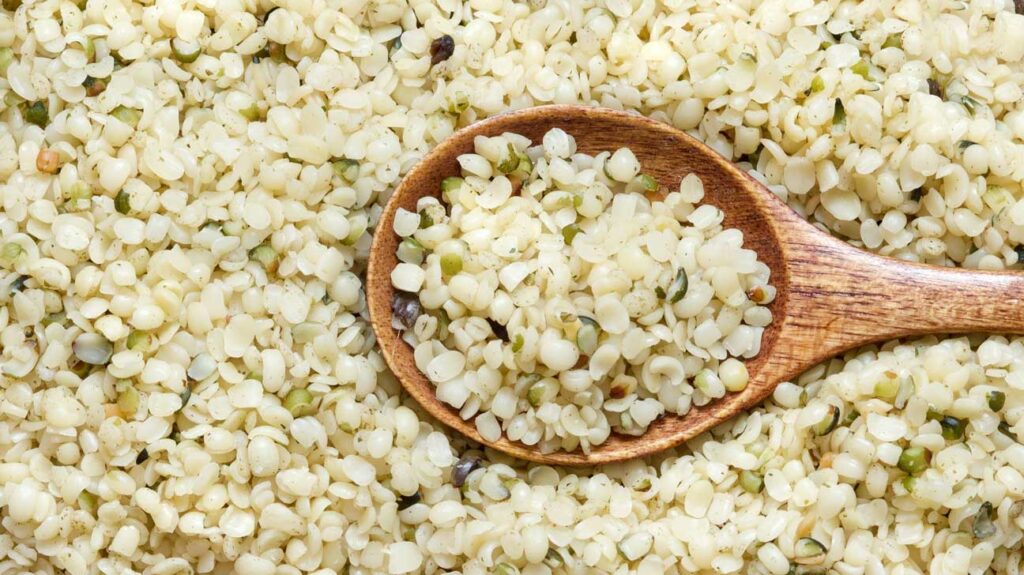
<p> Tiny but mighty, hemp seeds offer about 10 grams of complete protein per 3-tablespoon serving, along with healthy fats and minerals like magnesium and zinc. Their mild, nutty flavor makes them an easy addition to both sweet and savory dishes. Blend them into smoothies, sprinkle them on oatmeal or avocado toast, or stir them into salads and dressings. They require zero prep—no soaking, no cooking, just scoop and sprinkle. For anyone looking to sneak extra nutrients into their meals without much effort, hemp seeds are a dream come true. </p> :: Healthline

Tiny but mighty, hemp seeds offer about 10 grams of complete protein per 3-tablespoon serving, along with healthy fats and minerals like magnesium and zinc. Their mild, nutty flavor makes them an easy addition to both sweet and savory dishes. Blend them into smoothies, sprinkle them on oatmeal or avocado toast, or stir them into salads and dressings. They require zero prep—no soaking, no cooking, just scoop and sprinkle. For anyone looking to sneak extra nutrients into their meals without much effort, hemp seeds are a dream come true.

Final Thoughts

<p> If you're trying to add more plant-based meals to your diet—or go entirely meat-free—protein doesn’t have to be a struggle. In fact, these seven high-protein foods show that plant-based eating can be both nutritious and exciting. You don’t need fancy products or endless ingredient lists—just a few staples, a bit of creativity, and a willingness to explore. What’s even better? These foods are easy to find in most U.S. grocery stores, often cost less than animal products, and can be batch-cooked or prepped ahead for busy weeks. Whether you’re whipping up a quinoa salad for lunch or roasting chickpeas for a crunchy snack, you’re feeding your body with fuel that satisfies, sustains, and supports long-term health. So the next time someone asks, “But where do you get your protein?”—send them this list. Or better yet, invite them over for a lentil chili and show them what plants can really do. </p> :: Pexels

If you’re trying to add more plant-based meals to your diet—or go entirely meat-free—protein doesn’t have to be a struggle. In fact, these seven high-protein foods show that plant-based eating can be both nutritious and exciting. You don’t need fancy products or endless ingredient lists—just a few staples, a bit of creativity, and a willingness to explore.

What’s even better? These foods are easy to find in most U.S. grocery stores, often cost less than animal products, and can be batch-cooked or prepped ahead for busy weeks. Whether you’re whipping up a quinoa salad for lunch or roasting chickpeas for a crunchy snack, you’re feeding your body with fuel that satisfies, sustains, and supports long-term health.

So the next time someone asks, “But where do you get your protein?”—send them this list. Or better yet, invite them over for a lentil chili and show them what plants can really do.

Filed Under: Health & Fitness

How to Stay Hydrated All Day: 8 Easy Tips for Seniors and All Ages

January 26, 2026 | Leave a Comment

How to Stay Hydrated All Day: 8 Easy Tips for Seniors and All Ages

<p> Water is more than just a thirst-quencher—it's a lifeline for good health. For those over 50, staying hydrated isn’t just a matter of comfort; it’s essential for energy, joint function, digestion, and even memory. Yet, as we age, our sense of thirst naturally declines, making it easier to become dehydrated without even realizing it. But don’t worry—it doesn’t take a gallon jug or a rigid schedule to stay properly hydrated. In fact, a few simple daily habits can keep you feeling your best, from sunrise to sunset. Whether you’re gardening, traveling, or just enjoying a quiet day at home, these 8 easy hydration tips are practical, proven, and perfect for baby boomers—and really, everyone! Let’s dive in (pun intended). </p> :: Freepik

Water is more than just a thirst-quencher—it’s a lifeline for good health. For those over 50, staying hydrated isn’t just a matter of comfort; it’s essential for energy, joint function, digestion, and even memory. Yet, as we age, our sense of thirst naturally declines, making it easier to become dehydrated without even realizing it. But don’t worry—it doesn’t take a gallon jug or a rigid schedule to stay properly hydrated. In fact, a few simple daily habits can keep you feeling your best, from sunrise to sunset.

Whether you’re gardening, traveling, or just enjoying a quiet day at home, these 8 easy hydration tips are practical, proven, and perfect for baby boomers—and really, everyone! Let’s dive in (pun intended).

1. Start Your Morning with a Glass of Water

<p> One of the easiest ways to get ahead of dehydration is by starting your day with a tall glass of water. After hours of sleep, your body naturally wakes up a little dehydrated. Drinking water before coffee or breakfast helps jump-start your metabolism, flush out toxins, and give your body the boost it needs. For an extra perk, add a slice of lemon or cucumber for flavor and digestive benefits. It’s a small habit that makes a big difference—and it’s a lot easier than dragging yourself to the gym at 7 a.m.! </p> :: Pexels

One of the easiest ways to get ahead of dehydration is by starting your day with a tall glass of water. After hours of sleep, your body naturally wakes up a little dehydrated. Drinking water before coffee or breakfast helps jump-start your metabolism, flush out toxins, and give your body the boost it needs. For an extra perk, add a slice of lemon or cucumber for flavor and digestive benefits. It’s a small habit that makes a big difference—and it’s a lot easier than dragging yourself to the gym at 7 a.m.!

2. Use a Refillable Water Bottle You Love

<p> If your water bottle is hidden in a cabinet or hard to open, chances are it’s not getting much use. Choose a reusable bottle that’s easy to carry, easy to clean, and—why not?—a little stylish. Many seniors find bottles with built-in straws or time markers especially helpful. Keeping your bottle within arm’s reach—on your nightstand, desk, or in the car—serves as a visual reminder to sip regularly. Think of it as your hydration sidekick. Bonus: it’s eco-friendly and cuts down on buying bottled water! </p> :: Pexels

If your water bottle is hidden in a cabinet or hard to open, chances are it’s not getting much use. Choose a reusable bottle that’s easy to carry, easy to clean, and—why not?—a little stylish. Many seniors find bottles with built-in straws or time markers especially helpful. Keeping your bottle within arm’s reach—on your nightstand, desk, or in the car—serves as a visual reminder to sip regularly. Think of it as your hydration sidekick. Bonus: it’s eco-friendly and cuts down on buying bottled water!

3. Eat Your Water, Too

<p> Here’s a delicious tip: not all hydration has to come from a glass. Many fruits and vegetables are packed with water and nutrients that support hydration. Watermelon, cucumbers, oranges, lettuce, strawberries, and celery are more than just healthy snacks—they’re hydrating heroes. Including these in your daily meals adds variety, fiber, and flavor while helping you meet your hydration goals. Try a refreshing fruit salad or a cucumber-tomato side dish with lunch. Your body—and your tastebuds—will thank you. </p> :: Pexels

Here’s a delicious tip: not all hydration has to come from a glass. Many fruits and vegetables are packed with water and nutrients that support hydration. Watermelon, cucumbers, oranges, lettuce, strawberries, and celery are more than just healthy snacks—they’re hydrating heroes. Including these in your daily meals adds variety, fiber, and flavor while helping you meet your hydration goals. Try a refreshing fruit salad or a cucumber-tomato side dish with lunch. Your body—and your tastebuds—will thank you.

4. Set Gentle Reminders to Sip Throughout the Day

<p> If you find yourself forgetting to drink water until you’re parched, it may be time to set a little help. Use your phone, a smart speaker, or even sticky notes as friendly prompts to drink a glass of water every couple of hours. There are also hydration reminder apps designed with simplicity in mind, so you won’t need a tech degree to use them. These gentle nudges can help you build consistency without overwhelming your day. After all, hydration shouldn’t feel like a chore—it should feel like self-care. </p> :: Freepik

If you find yourself forgetting to drink water until you’re parched, it may be time to set a little help. Use your phone, a smart speaker, or even sticky notes as friendly prompts to drink a glass of water every couple of hours. There are also hydration reminder apps designed with simplicity in mind, so you won’t need a tech degree to use them. These gentle nudges can help you build consistency without overwhelming your day. After all, hydration shouldn’t feel like a chore—it should feel like self-care.

5. Enjoy Herbal Teas and Infused Water for Variety

<p> If plain water feels, well, too plain, don’t be afraid to mix it up! Herbal teas like peppermint, chamomile, or rooibos are caffeine-free and count toward your hydration total. You can enjoy them hot or iced, depending on the season. Another easy upgrade? Infuse your water with natural flavors like sliced citrus, berries, mint, or ginger. It turns your drink into a treat without added sugar or calories. You’ll find yourself sipping more often, simply because it tastes so good. </p> :: Pexels

If plain water feels, well, too plain, don’t be afraid to mix it up! Herbal teas like peppermint, chamomile, or rooibos are caffeine-free and count toward your hydration total. You can enjoy them hot or iced, depending on the season. Another easy upgrade? Infuse your water with natural flavors like sliced citrus, berries, mint, or ginger. It turns your drink into a treat without added sugar or calories. You’ll find yourself sipping more often, simply because it tastes so good.

6. Be Mindful of Medications and Health Conditions

<p> Certain medications—like diuretics, blood pressure pills, or laxatives—can increase fluid loss, which makes staying hydrated even more important. Conditions like diabetes or kidney disease also affect how much water your body needs. If you're unsure about your specific hydration needs, talk to your doctor or pharmacist. They can help you create a personalized plan to balance your water intake with your health goals. Don’t wait until you feel dizzy or fatigued—be proactive and informed. </p> :: Pexels

Certain medications—like diuretics, blood pressure pills, or laxatives—can increase fluid loss, which makes staying hydrated even more important. Conditions like diabetes or kidney disease also affect how much water your body needs. If you’re unsure about your specific hydration needs, talk to your doctor or pharmacist. They can help you create a personalized plan to balance your water intake with your health goals. Don’t wait until you feel dizzy or fatigued—be proactive and informed.

7. Stay Cool, Especially in Warm Weather

<p> Heat and humidity can sneakily drain your body of fluids, even if you’re not sweating buckets. Seniors are especially vulnerable to heat-related dehydration, which can escalate quickly into heat exhaustion. On hot days, stay in the shade or indoors during peak hours, wear light clothing, and increase your water intake even if you don’t feel thirsty. Keep a cold drink nearby when you’re walking, gardening, or simply relaxing on the porch. Staying cool helps your body retain moisture and lowers your hydration needs. </p> :: Freepik

Heat and humidity can sneakily drain your body of fluids, even if you’re not sweating buckets. Seniors are especially vulnerable to heat-related dehydration, which can escalate quickly into heat exhaustion. On hot days, stay in the shade or indoors during peak hours, wear light clothing, and increase your water intake even if you don’t feel thirsty. Keep a cold drink nearby when you’re walking, gardening, or simply relaxing on the porch. Staying cool helps your body retain moisture and lowers your hydration needs.

8. Pay Attention to the Signs of Dehydration

<p> Thirst isn’t always the first sign that your body needs water. In older adults, symptoms like dry mouth, fatigue, dizziness, confusion, and dark-colored urine can all indicate dehydration. If you notice any of these, don’t wait—drink some fluids right away. Keeping track of how often you go to the bathroom and the color of your urine can also give you clues. Aiming for pale yellow is a good general rule. Awareness is your first line of defense against dehydration, and it’s one more way to stay on top of your health. </p> :: Pexels

Thirst isn’t always the first sign that your body needs water. In older adults, symptoms like dry mouth, fatigue, dizziness, confusion, and dark-colored urine can all indicate dehydration. If you notice any of these, don’t wait—drink some fluids right away. Keeping track of how often you go to the bathroom and the color of your urine can also give you clues. Aiming for pale yellow is a good general rule. Awareness is your first line of defense against dehydration, and it’s one more way to stay on top of your health.

Final Thoughts

<p> You don’t need to drink gallons a day, buy expensive electrolyte powders, or track every sip with a spreadsheet. Staying hydrated as you age is all about building simple habits that work with your lifestyle—not against it. Whether you're sipping herbal tea while reading a good book or crunching on fresh watermelon at a family picnic, every little bit counts. The key is consistency. By making water a regular part of your routine, you’ll feel more energetic, clear-headed, and comfortable. And if you’re someone who’s always looked out for others, now’s the time to turn that care inward. Staying hydrated is one of the easiest, most loving things you can do for your body—no matter your age. So go ahead—raise a glass (of water) to your health! </p> :: Pexels

You don’t need to drink gallons a day, buy expensive electrolyte powders, or track every sip with a spreadsheet. Staying hydrated as you age is all about building simple habits that work with your lifestyle—not against it. Whether you’re sipping herbal tea while reading a good book or crunching on fresh watermelon at a family picnic, every little bit counts.

The key is consistency. By making water a regular part of your routine, you’ll feel more energetic, clear-headed, and comfortable. And if you’re someone who’s always looked out for others, now’s the time to turn that care inward. Staying hydrated is one of the easiest, most loving things you can do for your body—no matter your age. So go ahead—raise a glass (of water) to your health!

Filed Under: Health & Fitness

Signs You Aren’t Eating Enough Fiber — 10 Ways Your Body Lets You Know

January 26, 2026 | Leave a Comment

Signs You Aren’t Eating Enough Fiber — 10 Ways Your Body Lets You Know

<p> Fiber is one of those nutrients that doesn’t get the spotlight it deserves. Most of us have heard that fiber is “good for digestion,” but few realize just how much it quietly influences almost every system in our body. From keeping your heart healthy to stabilizing blood sugar and even affecting your mood, fiber plays a starring role in your overall wellbeing. Yet, in the fast-paced modern diet, fiber often gets left behind. Packaged foods, refined grains, and quick meals dominate our plates, leaving most Americans far below the recommended daily intake of 25 grams for women and 38 grams for men. When your body isn’t getting enough fiber, it doesn’t stay quiet — it sends signals. Sometimes subtle, sometimes glaring, these signals can tell you that it is time to make a change. Here are ten signs your body might be craving more fiber, along with practical ways to address each one. </p> :: Gemini

Fiber is one of those nutrients that doesn’t get the spotlight it deserves. Most of us have heard that fiber is “good for digestion,” but few realize just how much it quietly influences almost every system in our body. From keeping your heart healthy to stabilizing blood sugar and even affecting your mood, fiber plays a starring role in your overall wellbeing.

Yet, in the fast-paced modern diet, fiber often gets left behind. Packaged foods, refined grains, and quick meals dominate our plates, leaving most Americans far below the recommended daily intake of 25 grams for women and 38 grams for men. When your body isn’t getting enough fiber, it doesn’t stay quiet — it sends signals. Sometimes subtle, sometimes glaring, these signals can tell you that it is time to make a change.

Here are ten signs your body might be craving more fiber, along with practical ways to address each one.

1. You’re Struggling With Constipation

<p> Constipation is one of the most obvious and uncomfortable signs of low fiber intake. When you don’t eat enough fiber, stool becomes hard and difficult to pass, which can make bathroom visits stressful rather than routine. Fiber works by adding bulk and softness to stool, helping it move more easily through the intestines. If you find yourself straining or visiting the bathroom less often than usual, it may be time to add more fiber-rich foods like vegetables, beans, and whole grains to your meals. </p> :: Gemini

Constipation is one of the most obvious and uncomfortable signs of low fiber intake. When you don’t eat enough fiber, stool becomes hard and difficult to pass, which can make bathroom visits stressful rather than routine. Fiber works by adding bulk and softness to stool, helping it move more easily through the intestines. If you find yourself straining or visiting the bathroom less often than usual, it may be time to add more fiber-rich foods like vegetables, beans, and whole grains to your meals.

2. Your Bowel Movements Are Irregular or Unusual

<p> Not all signs of low fiber are as extreme as full-blown constipation. You might notice your bowel movements are irregular, small, or even shaped like little pebbles. Fiber absorbs water and creates bulk, helping stools maintain a smooth consistency and making them easier to pass. If your bowel movements are inconsistent, irregular, or frustratingly small, fiber could be the missing piece of the puzzle. </p> :: Gemini

Not all signs of low fiber are as extreme as full-blown constipation. You might notice your bowel movements are irregular, small, or even shaped like little pebbles. Fiber absorbs water and creates bulk, helping stools maintain a smooth consistency and making them easier to pass. If your bowel movements are inconsistent, irregular, or frustratingly small, fiber could be the missing piece of the puzzle.

3. You Feel Hungry Soon After Meals

<p> Ever finish a meal and feel like you could eat again an hour later? That post-meal hunger is often a sign that your diet is lacking fiber. Fiber slows digestion, giving your stomach time to signal fullness to your brain. Without enough fiber, meals pass quickly through your system, leaving you reaching for snacks long before your next planned meal. Foods like oats, fruits, vegetables, and legumes can help extend that satisfied feeling and reduce cravings. </p> :: Gemini

Ever finish a meal and feel like you could eat again an hour later? That post-meal hunger is often a sign that your diet is lacking fiber. Fiber slows digestion, giving your stomach time to signal fullness to your brain. Without enough fiber, meals pass quickly through your system, leaving you reaching for snacks long before your next planned meal. Foods like oats, fruits, vegetables, and legumes can help extend that satisfied feeling and reduce cravings.

4. You Experience Bloating or Gas

<p> It may seem counterintuitive, but too little fiber can actually contribute to bloating or gas. Fiber is essential for feeding healthy gut bacteria that keep digestion running smoothly. When your gut microbiome is undernourished because of low fiber intake, digestion can feel off-balance, causing discomfort and bloating. Gradually adding fiber to your diet and pairing it with plenty of water can help reduce these symptoms over time. </p> :: Gemini

It may seem counterintuitive, but too little fiber can actually contribute to bloating or gas. Fiber is essential for feeding healthy gut bacteria that keep digestion running smoothly. When your gut microbiome is undernourished because of low fiber intake, digestion can feel off-balance, causing discomfort and bloating. Gradually adding fiber to your diet and pairing it with plenty of water can help reduce these symptoms over time.

5. You Feel Energy Crashes During the Day

<p> Low fiber intake can indirectly affect your energy levels. Fiber helps regulate blood sugar by slowing the absorption of sugar into your bloodstream. When fiber is lacking, you may experience rapid spikes and crashes in blood sugar, leaving you feeling fatigued, irritable, and unmotivated. Incorporating fiber-rich foods into every meal can stabilize energy levels, keeping you alert and focused throughout the day. </p> :: Gemini

Low fiber intake can indirectly affect your energy levels. Fiber helps regulate blood sugar by slowing the absorption of sugar into your bloodstream. When fiber is lacking, you may experience rapid spikes and crashes in blood sugar, leaving you feeling fatigued, irritable, and unmotivated. Incorporating fiber-rich foods into every meal can stabilize energy levels, keeping you alert and focused throughout the day.

6. Your Mood Feels Unstable or Foggy

<p> There is a surprising connection between your gut and your brain. A low-fiber diet can disrupt the balance of gut bacteria, which influences mood-regulating chemicals like serotonin. This can leave you feeling moody, anxious, or mentally foggy. Including fiber in your diet supports a healthy gut microbiome, which can positively influence both your mental clarity and overall mood. </p> :: Gemini

There is a surprising connection between your gut and your brain. A low-fiber diet can disrupt the balance of gut bacteria, which influences mood-regulating chemicals like serotonin. This can leave you feeling moody, anxious, or mentally foggy. Including fiber in your diet supports a healthy gut microbiome, which can positively influence both your mental clarity and overall mood.

7. Your Cholesterol Levels Are Higher Than Expected

<p> If your cholesterol is creeping up, fiber might be part of the solution. Soluble fiber binds to cholesterol in the digestive tract and helps remove it from the body. Without sufficient fiber, bad cholesterol, or LDL, can linger, increasing your risk of heart disease over time. Foods like oats, beans, lentils, and apples are excellent sources of soluble fiber that can help support healthy cholesterol levels naturally. </p> :: Gemini

If your cholesterol is creeping up, fiber might be part of the solution. Soluble fiber binds to cholesterol in the digestive tract and helps remove it from the body. Without sufficient fiber, bad cholesterol, or LDL, can linger, increasing your risk of heart disease over time. Foods like oats, beans, lentils, and apples are excellent sources of soluble fiber that can help support healthy cholesterol levels naturally.

8. You Find Yourself Snacking Constantly

<p> Do you have a habit of grazing between meals, especially on sweet or processed foods? This could indicate low fiber intake. Meals that lack fiber tend to digest quickly, causing hunger signals to return sooner than expected. By adding fiber-rich foods to your meals, you can stay fuller for longer and reduce the urge to snack excessively throughout the day. Whole grains, vegetables, nuts, and seeds are great options for keeping your hunger in check. </p> :: Gemini

Do you have a habit of grazing between meals, especially on sweet or processed foods? This could indicate low fiber intake. Meals that lack fiber tend to digest quickly, causing hunger signals to return sooner than expected. By adding fiber-rich foods to your meals, you can stay fuller for longer and reduce the urge to snack excessively throughout the day. Whole grains, vegetables, nuts, and seeds are great options for keeping your hunger in check.

9. Your Immune System Feels Sluggish

<p> Your gut plays a major role in your immune system, housing a large portion of your body’s defense network. Fiber is essential for feeding beneficial gut bacteria, which in turn help maintain a healthy gut lining and a strong immune response. Low fiber intake can compromise this balance, making you more susceptible to infections and slowing recovery. Consuming a variety of fiber-rich foods helps nourish your gut bacteria and supports your body’s natural defenses. </p> :: Gemini

Your gut plays a major role in your immune system, housing a large portion of your body’s defense network. Fiber is essential for feeding beneficial gut bacteria, which in turn help maintain a healthy gut lining and a strong immune response. Low fiber intake can compromise this balance, making you more susceptible to infections and slowing recovery. Consuming a variety of fiber-rich foods helps nourish your gut bacteria and supports your body’s natural defenses.

10. Your Skin Looks Dull or Problematic

<p> Fiber may not be the first thing you think about when it comes to skin health, but it plays an important role. A lack of fiber can impact gut health, which can trigger inflammation throughout the body. This inflammation sometimes shows up on your skin as dullness, breakouts, or irritation. Including fiber-rich foods in your diet, alongside plenty of water, can improve digestion, reduce inflammation, and contribute to a clearer, healthier complexion. </p> :: Gemini

Fiber may not be the first thing you think about when it comes to skin health, but it plays an important role. A lack of fiber can impact gut health, which can trigger inflammation throughout the body. This inflammation sometimes shows up on your skin as dullness, breakouts, or irritation. Including fiber-rich foods in your diet, alongside plenty of water, can improve digestion, reduce inflammation, and contribute to a clearer, healthier complexion.

Final Thoughts

<p> Fiber is one of those unsung heroes of nutrition that quietly supports your body in countless ways. From digestion and energy levels to mood, immunity, and even skin health, fiber touches nearly every aspect of wellbeing. Yet many of us fall short, and our bodies speak up in ways that are hard to ignore. If you notice any of the signs on this list, don’t ignore them. Simple, fiber-rich changes to your diet can dramatically improve how you feel day to day. Listen to your body, give it what it needs, and remember that fiber isn’t just about digestion — it’s about feeling energized, balanced, and healthy from the inside out. Adding fiber doesn’t require extreme diets or complicated meal plans. With small, practical steps, you can make fiber a natural part of your daily routine. Your body will thank you with more regularity, sustained energy, and even a brighter mood. So take note, start adding those fruits, vegetables, and whole grains to your plate, and give your body the fiber it deserves. Eating more fiber is not just a health tip — it’s an investment in your wellbeing, and the results are worth it. After all, a happier gut often leads to a happier, healthier you. </p> :: Gemini

Fiber is one of those unsung heroes of nutrition that quietly supports your body in countless ways. From digestion and energy levels to mood, immunity, and even skin health, fiber touches nearly every aspect of wellbeing. Yet many of us fall short, and our bodies speak up in ways that are hard to ignore.

If you notice any of the signs on this list, don’t ignore them. Simple, fiber-rich changes to your diet can dramatically improve how you feel day to day. Listen to your body, give it what it needs, and remember that fiber isn’t just about digestion — it’s about feeling energized, balanced, and healthy from the inside out.

Adding fiber doesn’t require extreme diets or complicated meal plans. With small, practical steps, you can make fiber a natural part of your daily routine. Your body will thank you with more regularity, sustained energy, and even a brighter mood. So take note, start adding those fruits, vegetables, and whole grains to your plate, and give your body the fiber it deserves.

Eating more fiber is not just a health tip — it’s an investment in your wellbeing, and the results are worth it. After all, a happier gut often leads to a happier, healthier you.

Filed Under: Health & Fitness

Foods Cardiologists Want You to Stop Eating Immediately: 10 Dangerous Culprits for Your Heart

January 24, 2026 | Leave a Comment

Foods Cardiologists Want You to Stop Eating Immediately: 10 Dangerous Culprits for Your Heart

<p> When it comes to maintaining a healthy heart, the food you eat plays a pivotal role. Cardiologists have long warned about the dangers of certain foods that can seriously harm your cardiovascular health. From foods that raise your cholesterol to those that contribute to high blood pressure, these eating habits can increase your risk of heart disease, stroke, and other serious conditions. If you care about your heart—and who doesn’t?—it’s time to take a hard look at your diet. In this article, we’ll cover the 10 foods that cardiologists want you to stop eating immediately to keep your heart healthy and strong. </p> :: Pexels

When it comes to maintaining a healthy heart, the food you eat plays a pivotal role. Cardiologists have long warned about the dangers of certain foods that can seriously harm your cardiovascular health. From foods that raise your cholesterol to those that contribute to high blood pressure, these eating habits can increase your risk of heart disease, stroke, and other serious conditions. If you care about your heart—and who doesn’t?—it’s time to take a hard look at your diet. In this article, we’ll cover the 10 foods that cardiologists want you to stop eating immediately to keep your heart healthy and strong.

1. Fried Foods: A Recipe for Heart Attack Risk

<p> Fried foods, including French fries, fried chicken, and deep-fried snacks, may taste delicious, but they’re loaded with unhealthy fats, particularly trans fats. These fats are known to raise bad cholesterol (LDL) levels and lower good cholesterol (HDL), leading to plaque buildup in the arteries. This process can increase your risk of atherosclerosis, which significantly raises the risk of heart disease. Cardiologists advise steering clear of fried foods altogether and choosing healthier cooking methods like grilling, steaming, or baking to protect your heart. </p> :: Pexels

Fried foods, including French fries, fried chicken, and deep-fried snacks, may taste delicious, but they’re loaded with unhealthy fats, particularly trans fats. These fats are known to raise bad cholesterol (LDL) levels and lower good cholesterol (HDL), leading to plaque buildup in the arteries. This process can increase your risk of atherosclerosis, which significantly raises the risk of heart disease. Cardiologists advise steering clear of fried foods altogether and choosing healthier cooking methods like grilling, steaming, or baking to protect your heart.

2. Processed Meats: Hidden Dangers to Your Heart

<p> Processed meats such as bacon, sausages, hot dogs, and deli meats are packed with sodium, unhealthy fats, and preservatives. High sodium intake can contribute to high blood pressure, while the saturated fats in processed meats can raise cholesterol levels, putting undue stress on your heart. Additionally, preservatives like nitrates in these meats have been linked to a greater risk of heart disease. Cardiologists recommend replacing processed meats with lean proteins like chicken, turkey, fish, or plant-based alternatives such as beans, lentils, and tofu for a heart-friendly diet. </p> :: Pexels

Processed meats such as bacon, sausages, hot dogs, and deli meats are packed with sodium, unhealthy fats, and preservatives. High sodium intake can contribute to high blood pressure, while the saturated fats in processed meats can raise cholesterol levels, putting undue stress on your heart. Additionally, preservatives like nitrates in these meats have been linked to a greater risk of heart disease. Cardiologists recommend replacing processed meats with lean proteins like chicken, turkey, fish, or plant-based alternatives such as beans, lentils, and tofu for a heart-friendly diet.

3. Sugar-Sweetened Beverages: The Silent Heart Health Killer

<p> Sugary drinks like sodas, energy drinks, and sweetened iced teas may provide a quick energy boost, but they’re also a major contributor to heart problems. These drinks are packed with empty calories, sugar, and no essential nutrients, which can lead to weight gain, increased blood sugar levels, and higher risks of heart disease and type 2 diabetes. Cardiologists recommend ditching sugary drinks in favor of water, herbal teas, or unsweetened beverages to keep your heart and overall health in check. </p> :: Pexels

Sugary drinks like sodas, energy drinks, and sweetened iced teas may provide a quick energy boost, but they’re also a major contributor to heart problems. These drinks are packed with empty calories, sugar, and no essential nutrients, which can lead to weight gain, increased blood sugar levels, and higher risks of heart disease and type 2 diabetes. Cardiologists recommend ditching sugary drinks in favor of water, herbal teas, or unsweetened beverages to keep your heart and overall health in check.

4. Baked Goods Made with Refined Flour: A Hidden Heart Hazard

<p> Baked goods such as pastries, cakes, and cookies may be tempting, but they often contain refined flour, which is low in fiber and nutrients. Refined flour is quickly broken down into sugar in your body, leading to spikes in blood sugar levels. This can contribute to insulin resistance, obesity, and other factors that increase your risk of heart disease. Cardiologists suggest opting for whole grain options, such as whole wheat bread, quinoa, and oats, which are healthier for your heart and provide more fiber to regulate blood sugar. </p> :: Pexels

Baked goods such as pastries, cakes, and cookies may be tempting, but they often contain refined flour, which is low in fiber and nutrients. Refined flour is quickly broken down into sugar in your body, leading to spikes in blood sugar levels. This can contribute to insulin resistance, obesity, and other factors that increase your risk of heart disease. Cardiologists suggest opting for whole grain options, such as whole wheat bread, quinoa, and oats, which are healthier for your heart and provide more fiber to regulate blood sugar.

5. Trans Fats: The Worst Type of Fat for Your Heart

<p> Trans fats are found in many processed foods, fast food items, and baked goods. They’re extremely harmful to your cardiovascular system, as they raise bad cholesterol (LDL) levels and lower good cholesterol (HDL) levels. This can contribute to clogged arteries and an increased risk of heart disease. Unfortunately, trans fats are commonly found in packaged snacks, frozen meals, and even some margarines. Cardiologists urge you to read labels carefully and avoid any food containing hydrogenated oils or partially hydrogenated oils, which are the main sources of trans fats. </p> :: Pexels

Trans fats are found in many processed foods, fast food items, and baked goods. They’re extremely harmful to your cardiovascular system, as they raise bad cholesterol (LDL) levels and lower good cholesterol (HDL) levels. This can contribute to clogged arteries and an increased risk of heart disease. Unfortunately, trans fats are commonly found in packaged snacks, frozen meals, and even some margarines. Cardiologists urge you to read labels carefully and avoid any food containing hydrogenated oils or partially hydrogenated oils, which are the main sources of trans fats.

6. Excessive Salt: A Silent Culprit in Heart Disease

<p> Excessive sodium intake is a major contributor to high blood pressure, which is a significant risk factor for heart disease. Processed foods, canned soups, fast food, and salty snacks are often loaded with sodium, making it easy to exceed the recommended daily intake without realizing it. High blood pressure can cause damage to blood vessels, increasing the likelihood of heart attacks, strokes, and other cardiovascular problems. Cardiologists recommend reducing sodium intake by cooking fresh meals at home and using herbs and spices to flavor food instead of salt. </p> :: Pexels

Excessive sodium intake is a major contributor to high blood pressure, which is a significant risk factor for heart disease. Processed foods, canned soups, fast food, and salty snacks are often loaded with sodium, making it easy to exceed the recommended daily intake without realizing it. High blood pressure can cause damage to blood vessels, increasing the likelihood of heart attacks, strokes, and other cardiovascular problems. Cardiologists recommend reducing sodium intake by cooking fresh meals at home and using herbs and spices to flavor food instead of salt.

7. Fast Food: Convenience with a Heavy Price

<p> Fast food is known for being convenient, but it’s often packed with unhealthy fats, sodium, sugar, and refined carbohydrates. Regular consumption of fast food can contribute to obesity, high cholesterol, high blood pressure, and poor overall heart health. While an occasional fast food meal may not have a major impact, frequent consumption is a recipe for cardiovascular problems. Cardiologists suggest cooking your meals at home using whole, fresh ingredients, but if you must eat on the go, opt for healthier fast food choices like salads, grilled chicken, or fruit-based smoothies. </p> :: Pexels

Fast food is known for being convenient, but it’s often packed with unhealthy fats, sodium, sugar, and refined carbohydrates. Regular consumption of fast food can contribute to obesity, high cholesterol, high blood pressure, and poor overall heart health. While an occasional fast food meal may not have a major impact, frequent consumption is a recipe for cardiovascular problems. Cardiologists suggest cooking your meals at home using whole, fresh ingredients, but if you must eat on the go, opt for healthier fast food choices like salads, grilled chicken, or fruit-based smoothies.

8. Ice Cream and Sugary Desserts: A Sweet Path to Heart Disease

<p> Ice cream and sugary desserts may satisfy your sweet tooth, but they can also put your heart at risk. These indulgences are typically loaded with sugar, unhealthy fats, and artificial additives that can contribute to weight gain, high blood sugar, and high cholesterol. Excess sugar can also lead to inflammation in your body, which damages blood vessels and contributes to cardiovascular disease. Cardiologists recommend limiting sugary desserts and opting for healthier alternatives like fruit-based treats, Greek yogurt, or dark chocolate with nuts for a healthier indulgence. </p> :: Pexels

Ice cream and sugary desserts may satisfy your sweet tooth, but they can also put your heart at risk. These indulgences are typically loaded with sugar, unhealthy fats, and artificial additives that can contribute to weight gain, high blood sugar, and high cholesterol. Excess sugar can also lead to inflammation in your body, which damages blood vessels and contributes to cardiovascular disease. Cardiologists recommend limiting sugary desserts and opting for healthier alternatives like fruit-based treats, Greek yogurt, or dark chocolate with nuts for a healthier indulgence.

9. Canned and Packaged Soups: Sodium Overload in a Can

<p> While canned and packaged soups may seem like an easy option for a quick meal, many are loaded with sodium, preservatives, and unhealthy fats. A single serving can contain up to 1,000 milligrams of sodium, which is more than half of your recommended daily intake. High sodium levels can increase blood pressure and contribute to heart disease. Cardiologists suggest making homemade soups with fresh ingredients and low-sodium broth to keep your heart in top condition. </p> :: Pexels

While canned and packaged soups may seem like an easy option for a quick meal, many are loaded with sodium, preservatives, and unhealthy fats. A single serving can contain up to 1,000 milligrams of sodium, which is more than half of your recommended daily intake. High sodium levels can increase blood pressure and contribute to heart disease. Cardiologists suggest making homemade soups with fresh ingredients and low-sodium broth to keep your heart in top condition.

10. Alcohol in Excess: A Risk Factor for Heart Problems

<p> While moderate alcohol consumption can have some benefits for heart health, excessive drinking can seriously damage your cardiovascular system. Chronic heavy drinking can lead to high blood pressure, liver disease, and an increased risk of heart attack and stroke. Over time, excessive alcohol can also weaken the heart muscle, leading to a condition called cardiomyopathy, which can lead to heart failure. Cardiologists recommend limiting alcohol intake to one drink per day for women and two drinks per day for men to protect your heart. </p> :: Pexels

While moderate alcohol consumption can have some benefits for heart health, excessive drinking can seriously damage your cardiovascular system. Chronic heavy drinking can lead to high blood pressure, liver disease, and an increased risk of heart attack and stroke. Over time, excessive alcohol can also weaken the heart muscle, leading to a condition called cardiomyopathy, which can lead to heart failure. Cardiologists recommend limiting alcohol intake to one drink per day for women and two drinks per day for men to protect your heart.

Final Thoughts

<p> Taking care of your heart begins with the food you put into your body. By eliminating or reducing the intake of these harmful foods—fried foods, processed meats, sugary drinks, and others—you can significantly lower your risk of heart disease, high blood pressure, and other cardiovascular issues. Cardiologists advise focusing on a diet rich in fruits, vegetables, whole grains, lean proteins, and healthy fats to nourish your heart and promote long-term health. Small changes today can lead to big rewards for your heart health in the future. Don’t wait—start making heart-healthy choices today! </p> :: Pexels

Taking care of your heart begins with the food you put into your body. By eliminating or reducing the intake of these harmful foods—fried foods, processed meats, sugary drinks, and others—you can significantly lower your risk of heart disease, high blood pressure, and other cardiovascular issues. Cardiologists advise focusing on a diet rich in fruits, vegetables, whole grains, lean proteins, and healthy fats to nourish your heart and promote long-term health. Small changes today can lead to big rewards for your heart health in the future. Don’t wait—start making heart-healthy choices today!

Filed Under: Health & Fitness

How Often You Should Replace These 10 Household Items for Better Health

January 23, 2026 | Leave a Comment

How Often You Should Replace These 10 Household Items for Better Health

<p> As we age, maintaining a healthy living environment becomes increasingly important. The items we use daily in our homes can significantly impact our health, especially as our bodies change over time. For baby boomers, ensuring your home is clean, safe, and hygienic is essential for overall well-being. From dust mites to bacteria, many common household items can harbor harmful substances if not replaced regularly. By staying on top of replacing certain household essentials, you can reduce health risks, improve your environment, and maintain your quality of life. In this guide, we'll explore how often you should replace 10 common household items to ensure you're living in a healthier, safer environment. </p> :: Pexels

As we age, maintaining a healthy living environment becomes increasingly important. The items we use daily in our homes can significantly impact our health, especially as our bodies change over time. For baby boomers, ensuring your home is clean, safe, and hygienic is essential for overall well-being. From dust mites to bacteria, many common household items can harbor harmful substances if not replaced regularly. By staying on top of replacing certain household essentials, you can reduce health risks, improve your environment, and maintain your quality of life. In this guide, we’ll explore how often you should replace 10 common household items to ensure you’re living in a healthier, safer environment.

1. Pillows – The Key to Restful Sleep and Better Health

<p> Your pillow isn’t just for comfort; it’s vital to your health. Over time, pillows collect dust mites, mold, and bacteria, which can cause allergies, breathing problems, and disrupt your sleep. For baby boomers, getting quality sleep is especially important for overall health, as poor sleep can exacerbate conditions like arthritis and heart disease. To keep your pillows fresh and supportive, replace them every 1 to 2 years. If they begin to lose their shape or feel uncomfortable, it’s time for a new one. Also, choose hypoallergenic pillows to reduce allergens and improve sleep quality. </p> :: Pexels

Your pillow isn’t just for comfort; it’s vital to your health. Over time, pillows collect dust mites, mold, and bacteria, which can cause allergies, breathing problems, and disrupt your sleep. For baby boomers, getting quality sleep is especially important for overall health, as poor sleep can exacerbate conditions like arthritis and heart disease. To keep your pillows fresh and supportive, replace them every 1 to 2 years. If they begin to lose their shape or feel uncomfortable, it’s time for a new one. Also, choose hypoallergenic pillows to reduce allergens and improve sleep quality.

2. Mattresses – A Healthy Mattress Equals Healthy Sleep

<p> A mattress plays a major role in the quality of your sleep and, consequently, your health. As we get older, back pain, joint stiffness, and poor posture can all make it harder to get restful sleep. A mattress that is too old can worsen these issues, causing discomfort and affecting your overall well-being. It’s recommended that you replace your mattress every 7 to 10 years. Pay attention to signs like sagging, lumps, or noticeable wear and tear, as these are indicators that your mattress is no longer supporting you properly. </p> :: Pexels

A mattress plays a major role in the quality of your sleep and, consequently, your health. As we get older, back pain, joint stiffness, and poor posture can all make it harder to get restful sleep. A mattress that is too old can worsen these issues, causing discomfort and affecting your overall well-being. It’s recommended that you replace your mattress every 7 to 10 years. Pay attention to signs like sagging, lumps, or noticeable wear and tear, as these are indicators that your mattress is no longer supporting you properly.

3. Towels – Keep Your Skin Clean and Fresh

<p> Towels are essential for hygiene, but they can also harbor bacteria, mold, and mildew if they aren’t replaced regularly. Older towels lose their softness, absorbency, and effectiveness. For better skin health and hygiene, replace your bath towels every 2 years. If they start to feel rough or don’t dry you as effectively, it’s time to toss them. Regularly washing your towels and allowing them to dry thoroughly between uses will also help reduce bacteria buildup. </p> :: Pexels

Towels are essential for hygiene, but they can also harbor bacteria, mold, and mildew if they aren’t replaced regularly. Older towels lose their softness, absorbency, and effectiveness. For better skin health and hygiene, replace your bath towels every 2 years. If they start to feel rough or don’t dry you as effectively, it’s time to toss them. Regularly washing your towels and allowing them to dry thoroughly between uses will also help reduce bacteria buildup.

4. Toothbrushes – Ensure Oral Health with Fresh Brushes

<p> Your toothbrush is essential for maintaining oral health, but over time, the bristles wear out and can harbor bacteria. As dental hygiene becomes even more crucial as we age, a worn toothbrush can lead to ineffective brushing and potential oral issues like gum disease or tooth decay. To maintain optimal oral health, replace your toothbrush every 3 to 4 months, or sooner if the bristles are frayed. It’s also a good idea to disinfect your toothbrush periodically to reduce bacterial buildup. </p> :: Pexels

Your toothbrush is essential for maintaining oral health, but over time, the bristles wear out and can harbor bacteria. As dental hygiene becomes even more crucial as we age, a worn toothbrush can lead to ineffective brushing and potential oral issues like gum disease or tooth decay. To maintain optimal oral health, replace your toothbrush every 3 to 4 months, or sooner if the bristles are frayed. It’s also a good idea to disinfect your toothbrush periodically to reduce bacterial buildup.

5. Air Filters – Breathe Easy for Better Lung Health

<p> As we age, respiratory health becomes a growing concern, and the air we breathe plays a significant role in maintaining healthy lungs. Dirty air filters can circulate dust, allergens, and pollutants throughout your home, triggering allergies and respiratory problems. To ensure you’re breathing clean air, replace air filters in your HVAC system every 3 months. If you suffer from allergies or have pets, you may need to change them more frequently to maintain optimal air quality. </p> :: Pexels

As we age, respiratory health becomes a growing concern, and the air we breathe plays a significant role in maintaining healthy lungs. Dirty air filters can circulate dust, allergens, and pollutants throughout your home, triggering allergies and respiratory problems. To ensure you’re breathing clean air, replace air filters in your HVAC system every 3 months. If you suffer from allergies or have pets, you may need to change them more frequently to maintain optimal air quality.

6. Sponges and Dish Cloths – A Healthier Kitchen Starts with Clean Tools

<p> Kitchen sponges and dish cloths are notorious for collecting bacteria, especially when left damp for extended periods. Since these items are used in food preparation and cleaning, they can pose a significant risk to your health if not replaced regularly. To keep your kitchen hygienic, replace sponges and dish cloths every 2 to 4 weeks. You can also disinfect your sponges between uses by microwaving damp ones for 30 seconds or placing them in the dishwasher. Regularly wash dish cloths in hot water to kill bacteria and prevent mold growth. </p> :: Pexels


Kitchen sponges and dish cloths are notorious for collecting bacteria, especially when left damp for extended periods. Since these items are used in food preparation and cleaning, they can pose a significant risk to your health if not replaced regularly. To keep your kitchen hygienic, replace sponges and dish cloths every 2 to 4 weeks. You can also disinfect your sponges between uses by microwaving damp ones for 30 seconds or placing them in the dishwasher. Regularly wash dish cloths in hot water to kill bacteria and prevent mold growth.

7. Shower Curtains – Prevent Mold and Mildew in Your Bathroom

<p> Shower curtains often come into contact with moisture, creating the perfect environment for mold and mildew. Over time, these fungi can spread on your curtain, affecting both its appearance and your health. Mold and mildew exposure can lead to respiratory problems, especially in older adults. To reduce these risks, replace your shower curtain every 6 to 12 months. If your shower curtain is made of fabric, consider switching to a vinyl or plastic one, which is easier to clean and doesn’t absorb moisture as easily. </p> :: Pexels

Shower curtains often come into contact with moisture, creating the perfect environment for mold and mildew. Over time, these fungi can spread on your curtain, affecting both its appearance and your health. Mold and mildew exposure can lead to respiratory problems, especially in older adults. To reduce these risks, replace your shower curtain every 6 to 12 months. If your shower curtain is made of fabric, consider switching to a vinyl or plastic one, which is easier to clean and doesn’t absorb moisture as easily.

8. Kitchen Utensils – Replace Damaged Tools to Prevent Health Risks

<p> From cutting boards to knives and non-stick pans, kitchen utensils are used daily for food preparation. Over time, these items can become worn out or damaged, potentially causing harm. For example, cracked cutting boards and dull knives can harbor bacteria, and chipped non-stick cookware may release harmful chemicals when heated. To maintain a safe cooking environment, replace kitchen utensils every 2 to 5 years or sooner if they are damaged. Always store knives properly and regularly sharpen them to keep them in good condition. </p> :: Pexels

From cutting boards to knives and non-stick pans, kitchen utensils are used daily for food preparation. Over time, these items can become worn out or damaged, potentially causing harm. For example, cracked cutting boards and dull knives can harbor bacteria, and chipped non-stick cookware may release harmful chemicals when heated. To maintain a safe cooking environment, replace kitchen utensils every 2 to 5 years or sooner if they are damaged. Always store knives properly and regularly sharpen them to keep them in good condition.

9. Smoke Detectors – Protect Yourself and Your Loved Ones

<p> Safety should always be a priority, especially as we age. Smoke detectors are vital for alerting you to fires, but like any electronic device, they can wear out over time. For your safety, check your smoke detectors monthly, and replace the batteries at least twice a year. You should also replace the entire unit every 10 years, as the sensors lose their sensitivity over time. Smoke detectors save lives, so make sure yours are always functioning properly. </p> :: Pexels

Safety should always be a priority, especially as we age. Smoke detectors are vital for alerting you to fires, but like any electronic device, they can wear out over time. For your safety, check your smoke detectors monthly, and replace the batteries at least twice a year. You should also replace the entire unit every 10 years, as the sensors lose their sensitivity over time. Smoke detectors save lives, so make sure yours are always functioning properly.

10. Medications – Safeguard Your Health with Proper Medication Management

<p> Expired medications can pose serious health risks, especially for older adults who may be managing multiple prescriptions. Over time, medications lose their effectiveness, and taking expired drugs can lead to unwanted side effects or adverse reactions. It’s essential to regularly check your medicine cabinet for expired medications and dispose of them safely. Ideally, you should do this every 6 months to ensure that all medications are up to date and safe to use. Consult your healthcare provider about safe disposal methods and to review your current medications for accuracy. </p> :: Pexels

Expired medications can pose serious health risks, especially for older adults who may be managing multiple prescriptions. Over time, medications lose their effectiveness, and taking expired drugs can lead to unwanted side effects or adverse reactions. It’s essential to regularly check your medicine cabinet for expired medications and dispose of them safely. Ideally, you should do this every 6 months to ensure that all medications are up to date and safe to use. Consult your healthcare provider about safe disposal methods and to review your current medications for accuracy.

Final Thoughts

<p> By regularly replacing these common household items, you can improve your overall health, reduce exposure to allergens and bacteria, and create a safer living environment. Maintaining a healthy home requires attention to detail and regular upkeep, but the benefits are well worth the effort. For baby boomers, focusing on these key items can help you maintain a higher quality of life, promote better sleep, and protect your respiratory and oral health. Regularly replacing these essential items is an easy way to ensure that you’re living in a healthy, comfortable, and safe space as you age. Take action today by going through your home and replacing the items on this list. By staying proactive about your health and home environment, you can continue to live well for years to come! </p> :: Pexels

By regularly replacing these common household items, you can improve your overall health, reduce exposure to allergens and bacteria, and create a safer living environment. Maintaining a healthy home requires attention to detail and regular upkeep, but the benefits are well worth the effort. For baby boomers, focusing on these key items can help you maintain a higher quality of life, promote better sleep, and protect your respiratory and oral health. Regularly replacing these essential items is an easy way to ensure that you’re living in a healthy, comfortable, and safe space as you age.

Take action today by going through your home and replacing the items on this list. By staying proactive about your health and home environment, you can continue to live well for years to come!

Filed Under: Health & Fitness

Harsh Realities of Aging That Society Often Ignores: 11 Things Every Boomer Wants You to Know

January 22, 2026 | Leave a Comment

Harsh Realities of Aging That Society Often Ignores: 11 Things Every Boomer Wants You to Know

<p> Aging is something most of us think about but rarely discuss honestly. We imagine retirement as a time for relaxation, travel, and endless time with family. Yet for many baby boomers, growing older comes with challenges society often overlooks. From financial pressures and health struggles to loneliness and shifts in family support, there are truths about aging that can catch anyone off guard.

This is not meant to scare you. It is about shining a light on what life after 50, 60, or 70 is really like. Understanding these realities can help boomers prepare better and help younger generations gain empathy for the people they care about. Here are 11 harsh realities of aging that every boomer wishes the world understood. </p> :: Gemini

Aging is something most of us think about but rarely discuss honestly. We imagine retirement as a time for relaxation, travel, and endless time with family. Yet for many baby boomers, growing older comes with challenges society often overlooks. From financial pressures and health struggles to loneliness and shifts in family support, there are truths about aging that can catch anyone off guard.

This is not meant to scare you. It is about shining a light on what life after 50, 60, or 70 is really like. Understanding these realities can help boomers prepare better and help younger generations gain empathy for the people they care about. Here are 11 harsh realities of aging that every boomer wishes the world understood.

1. Retirement Isn’t Always the Relaxing Dream

<p> We all picture retirement as sleeping in, traveling, and finally doing what we love. In reality, it often looks different. Rising living costs, healthcare expenses, and uncertainty about Social Security and savings mean some boomers continue working out of necessity rather than choice. Nearly half of older Americans plan to keep working past retirement age not for fun, but because they have to. Retirement can become less of a reward and more of a balancing act between finances and lifestyle. Many boomers find themselves taking on part-time work or consulting just to cover bills, showing that planning ahead is crucial for financial peace of mind. </p> :: Gemini

We all picture retirement as sleeping in, traveling, and finally doing what we love. In reality, it often looks different. Rising living costs, healthcare expenses, and uncertainty about Social Security and savings mean some boomers continue working out of necessity rather than choice. Nearly half of older Americans plan to keep working past retirement age not for fun, but because they have to. Retirement can become less of a reward and more of a balancing act between finances and lifestyle. Many boomers find themselves taking on part-time work or consulting just to cover bills, showing that planning ahead is crucial for financial peace of mind.

2. Healthcare Costs Can Be Overwhelming

<p> As we age, our bodies demand more care, and the costs can be staggering. Chronic conditions such as arthritis, heart disease, diabetes, and cognitive decline require regular doctor visits, prescriptions, and sometimes long-term care. Beyond the money, healthcare management itself can feel like a full-time job: scheduling appointments, navigating insurance, and understanding treatment plans. Even those who saved diligently may feel stretched thin. Taking preventive measures such as staying active, eating well, and maintaining regular checkups can help reduce risks and make healthcare costs more manageable. </p> :: Gemini

As we age, our bodies demand more care, and the costs can be staggering. Chronic conditions such as arthritis, heart disease, diabetes, and cognitive decline require regular doctor visits, prescriptions, and sometimes long-term care. Beyond the money, healthcare management itself can feel like a full-time job: scheduling appointments, navigating insurance, and understanding treatment plans. Even those who saved diligently may feel stretched thin. Taking preventive measures such as staying active, eating well, and maintaining regular checkups can help reduce risks and make healthcare costs more manageable.

3. Living on a Fixed Income Feels Restrictive

<p> Switching from a steady paycheck to Social Security, pensions, or retirement savings is a major adjustment. Fixed incomes do not always keep up with rising costs for housing, utilities, and groceries. Nearly 40 percent of older adults worry their money will not last throughout retirement. This reality forces many boomers to make difficult choices: delaying retirement, reducing spending, or budgeting more strictly. Even seemingly small daily expenses, like dining out or routine car repairs, can require careful planning. Learning to prioritize needs over wants becomes an essential life skill in this stage. </p> :: Gemini

Switching from a steady paycheck to Social Security, pensions, or retirement savings is a major adjustment. Fixed incomes do not always keep up with rising costs for housing, utilities, and groceries. Nearly 40 percent of older adults worry their money will not last throughout retirement. This reality forces many boomers to make difficult choices: delaying retirement, reducing spending, or budgeting more strictly. Even seemingly small daily expenses, like dining out or routine car repairs, can require careful planning. Learning to prioritize needs over wants becomes an essential life skill in this stage.

4. Loneliness and Isolation Are More Common Than You Think

<p> As friends and family move away or pass on, social circles often shrink. Retirement removes daily interaction from work, and mobility challenges can make leaving the house more difficult. Loneliness is more than an emotional inconvenience; it carries serious health risks such as depression, cognitive decline, and even a shorter life expectancy. Boomers can counter this by staying socially active, volunteering, joining clubs, or regularly connecting with family and friends. Even simple activities, like a weekly coffee with a friend or phone calls with grandchildren, can make a significant difference in emotional well-being. </p> :: Gemini

As friends and family move away or pass on, social circles often shrink. Retirement removes daily interaction from work, and mobility challenges can make leaving the house more difficult. Loneliness is more than an emotional inconvenience; it carries serious health risks such as depression, cognitive decline, and even a shorter life expectancy. Boomers can counter this by staying socially active, volunteering, joining clubs, or regularly connecting with family and friends. Even simple activities, like a weekly coffee with a friend or phone calls with grandchildren, can make a significant difference in emotional well-being.

5. Technology Can Be a Double-Edged Sword

<p> Technology is everywhere, from online banking to telehealth appointments. While it offers convenience, it can also be frustrating for boomers who didn’t grow up with smartphones and apps. Simple tasks can feel complicated, and falling behind in tech skills can limit access to important services or opportunities. Learning to navigate devices, apps, and platforms may feel overwhelming at first, but it is essential for maintaining independence. Seeking help from family, friends, or community classes can ease the learning curve and open doors to more convenient ways of living. </p> :: Gemini

Technology is everywhere, from online banking to telehealth appointments. While it offers convenience, it can also be frustrating for boomers who didn’t grow up with smartphones and apps. Simple tasks can feel complicated, and falling behind in tech skills can limit access to important services or opportunities. Learning to navigate devices, apps, and platforms may feel overwhelming at first, but it is essential for maintaining independence. Seeking help from family, friends, or community classes can ease the learning curve and open doors to more convenient ways of living.

6. Ageism Affects Everyday Life

<p> Ageism is more than rudeness. Society often underestimates older adults, talking down to them or dismissing their opinions. Even healthcare professionals may unintentionally treat older patients as incapable of making decisions. This type of treatment can reduce confidence, create frustration, and reinforce harmful stereotypes. Boomers deserve recognition for their knowledge, experience, and continued contributions. Speaking up, staying informed, and surrounding oneself with respectful people can help combat the effects of ageism in daily life. </p> :: Gemini

Ageism is more than rudeness. Society often underestimates older adults, talking down to them or dismissing their opinions. Even healthcare professionals may unintentionally treat older patients as incapable of making decisions. This type of treatment can reduce confidence, create frustration, and reinforce harmful stereotypes. Boomers deserve recognition for their knowledge, experience, and continued contributions. Speaking up, staying informed, and surrounding oneself with respectful people can help combat the effects of ageism in daily life.

7. Family Support Is Changing

<p> The idea of extended families living close together is less common today. Divorce, career moves, and geographic distance mean adult children are not always nearby to help with caregiving, errands, or emergencies. Boomers may need to rely more on friends, community services, or professional support networks than previous generations. Planning ahead for potential challenges, such as creating a support network or arranging professional care, is essential to maintain independence and quality of life. </p> :: Gemini

The idea of extended families living close together is less common today. Divorce, career moves, and geographic distance mean adult children are not always nearby to help with caregiving, errands, or emergencies. Boomers may need to rely more on friends, community services, or professional support networks than previous generations. Planning ahead for potential challenges, such as creating a support network or arranging professional care, is essential to maintain independence and quality of life.

8. Planning for the Future Is Essential

<p> Talking about wills, advance directives, and end-of-life decisions is uncomfortable but necessary. Avoiding these conversations can leave families uncertain and overwhelmed. Planning ahead protects not only financial assets but also personal wishes for healthcare and daily living. Having these discussions early allows older adults to maintain dignity and control, and ensures that loved ones are not burdened with making difficult decisions under pressure. </p> :: Gemini

Talking about wills, advance directives, and end-of-life decisions is uncomfortable but necessary. Avoiding these conversations can leave families uncertain and overwhelmed. Planning ahead protects not only financial assets but also personal wishes for healthcare and daily living. Having these discussions early allows older adults to maintain dignity and control, and ensures that loved ones are not burdened with making difficult decisions under pressure.

9. Mobility and Safety Can Change Quickly

<p> Even small changes in strength, balance, or coordination can significantly impact daily life. Falls are a leading cause of serious injury among older adults and can quickly turn independence into reliance on others. Maintaining physical fitness, checking vision and hearing, and making the home safe can prevent accidents. Simple precautions, like installing grab bars in bathrooms or using non-slip mats, may seem minor but can make a major difference in preventing injuries and staying independent. </p> :: Gemini

Even small changes in strength, balance, or coordination can significantly impact daily life. Falls are a leading cause of serious injury among older adults and can quickly turn independence into reliance on others. Maintaining physical fitness, checking vision and hearing, and making the home safe can prevent accidents. Simple precautions, like installing grab bars in bathrooms or using non-slip mats, may seem minor but can make a major difference in preventing injuries and staying independent.

10. Mental Health Cannot Be Ignored

<p> Mental and cognitive health challenges affect many older adults. Depression, anxiety, and cognitive decline are common, and conditions like Alzheimer’s disease are projected to increase sharply. Mental health is often under-discussed in older populations, leaving some boomers without the support they need. Regular check-ins, counseling, cognitive exercises, and social engagement are essential for mental well-being. Recognizing changes in mood or memory early and seeking support can improve quality of life and delay the progression of certain conditions. </p> :: Gemini

Mental and cognitive health challenges affect many older adults. Depression, anxiety, and cognitive decline are common, and conditions like Alzheimer’s disease are projected to increase sharply. Mental health is often under-discussed in older populations, leaving some boomers without the support they need. Regular check-ins, counseling, cognitive exercises, and social engagement are essential for mental well-being. Recognizing changes in mood or memory early and seeking support can improve quality of life and delay the progression of certain conditions.

11. Younger Generations Often Misunderstand Aging

<p> Boomers have lived through decades of economic, social, and technological change, yet society often frames aging as something to fear or a novelty to celebrate superficially. The everyday realities—financial stress, health challenges, loss of independence, and the need for social support—are often ignored. By sharing experiences openly, boomers can foster understanding and help younger generations prepare for the stages of life ahead. Education, empathy, and intergenerational conversation are powerful tools for bridging this gap. </p> :: Gemini

Boomers have lived through decades of economic, social, and technological change, yet society often frames aging as something to fear or a novelty to celebrate superficially. The everyday realities—financial stress, health challenges, loss of independence, and the need for social support—are often ignored. By sharing experiences openly, boomers can foster understanding and help younger generations prepare for the stages of life ahead. Education, empathy, and intergenerational conversation are powerful tools for bridging this gap.

Final Thoughts

<p> Aging is not a single experience. It is a mix of joy, challenge, growth, and adaptation. These realities are not meant to discourage but to empower. Boomers can use this knowledge to plan ahead, advocate for their needs, and maintain independence. Younger generations can benefit by understanding what older adults experience and how to provide meaningful support.

Life after 50 is not about avoiding difficulties but facing them with awareness, preparation, and community. Aging is not a problem to solve but a stage to live fully. By acknowledging these realities openly, we can make this chapter of life as rewarding, safe, and connected as possible. </p> :: Gemini

Aging is not a single experience. It is a mix of joy, challenge, growth, and adaptation. These realities are not meant to discourage but to empower. Boomers can use this knowledge to plan ahead, advocate for their needs, and maintain independence. Younger generations can benefit by understanding what older adults experience and how to provide meaningful support.

Life after 50 is not about avoiding difficulties but facing them with awareness, preparation, and community. Aging is not a problem to solve but a stage to live fully. By acknowledging these realities openly, we can make this chapter of life as rewarding, safe, and connected as possible.

Filed Under: Health & Fitness

6 Signs Your Body May Not Be Getting Enough Protein

January 22, 2026 | Leave a Comment

6 Signs Your Body May Not Be Getting Enough Protein

<p> Protein is often called the building block of life, and for good reason. It helps keep your muscles strong, your hair shiny, your immune system ready to fight off infections, and even your energy levels stable throughout the day. Yet, in the hustle and bustle of modern life, many of us fall short of our daily protein needs without even realizing it. Skipping protein at breakfast, grabbing a carb-heavy snack in the afternoon, or relying too much on processed foods can quietly lead to a deficiency.

The tricky part is that protein deficiency often doesn’t announce itself loudly. Instead, it shows up in subtle ways that you might dismiss as fatigue, stress, or aging. Knowing the signs early can help you correct your diet before it affects your health more seriously. Here are six key signs your body may not be getting enough protein. </p> :: Gemini

Protein is often called the building block of life, and for good reason. It helps keep your muscles strong, your hair shiny, your immune system ready to fight off infections, and even your energy levels stable throughout the day. Yet, in the hustle and bustle of modern life, many of us fall short of our daily protein needs without even realizing it. Skipping protein at breakfast, grabbing a carb-heavy snack in the afternoon, or relying too much on processed foods can quietly lead to a deficiency.

The tricky part is that protein deficiency often doesn’t announce itself loudly. Instead, it shows up in subtle ways that you might dismiss as fatigue, stress, or aging. Knowing the signs early can help you correct your diet before it affects your health more seriously. Here are six key signs your body may not be getting enough protein.

1. You Are Losing Muscle or Feeling Weaker

<p> One of the clearest signs of protein deficiency is a gradual loss of muscle mass. If you notice that activities you once handled easily now feel more strenuous, or your clothes fit differently as your body composition changes, your protein intake may be to blame. Protein provides the amino acids your muscles need to repair and grow. When your diet lacks protein, your body may start breaking down muscle tissue to use those amino acids for vital functions, leaving you feeling weaker over time.

This isn’t just a problem for athletes. Adults of all ages can experience muscle loss if they don’t eat enough protein consistently. Incorporating protein into every meal, even breakfast, can help maintain muscle strength and overall energy. </p> :: Gemini

One of the clearest signs of protein deficiency is a gradual loss of muscle mass. If you notice that activities you once handled easily now feel more strenuous, or your clothes fit differently as your body composition changes, your protein intake may be to blame. Protein provides the amino acids your muscles need to repair and grow. When your diet lacks protein, your body may start breaking down muscle tissue to use those amino acids for vital functions, leaving you feeling weaker over time.

This isn’t just a problem for athletes. Adults of all ages can experience muscle loss if they don’t eat enough protein consistently. Incorporating protein into every meal, even breakfast, can help maintain muscle strength and overall energy.

2. Your Immune System Seems Off

<p> Protein isn’t just for muscles. It plays a critical role in building antibodies and immune cells that protect you from illness. If you find yourself catching colds more frequently or recovering slowly from minor infections, it may be a signal that your body isn’t getting enough protein.

Your immune system relies on amino acids, the building blocks of protein, to create cells that fight viruses and bacteria. Without sufficient protein, your body struggles to maintain a strong defense system, leaving you more vulnerable to everyday infections. Boosting protein intake with lean meats, fish, eggs, or plant-based sources like lentils and chickpeas can support immune function and help you feel more resilient. </p> :: Gemini

Protein isn’t just for muscles. It plays a critical role in building antibodies and immune cells that protect you from illness. If you find yourself catching colds more frequently or recovering slowly from minor infections, it may be a signal that your body isn’t getting enough protein.

Your immune system relies on amino acids, the building blocks of protein, to create cells that fight viruses and bacteria. Without sufficient protein, your body struggles to maintain a strong defense system, leaving you more vulnerable to everyday infections. Boosting protein intake with lean meats, fish, eggs, or plant-based sources like lentils and chickpeas can support immune function and help you feel more resilient.

3. Your Skin, Hair, and Nails Are Looking Lackluster

<p> Brittle nails, thinning hair, or dry and flaky skin are not just cosmetic annoyances—they can be signs of protein deficiency. Many structural components of your body, such as keratin in hair and collagen in skin, are made from protein. When your intake is too low, your body prioritizes vital organs over hair, skin, and nails.

If your hair seems to shed more than usual, your nails break easily, or your skin looks dull, it might be time to evaluate your diet. Including a variety of protein sources, from eggs and yogurt to tofu and quinoa, can provide your body with the amino acids it needs to maintain healthy skin, hair, and nails. </p> :: Gemini

Brittle nails, thinning hair, or dry and flaky skin are not just cosmetic annoyances—they can be signs of protein deficiency. Many structural components of your body, such as keratin in hair and collagen in skin, are made from protein. When your intake is too low, your body prioritizes vital organs over hair, skin, and nails.

If your hair seems to shed more than usual, your nails break easily, or your skin looks dull, it might be time to evaluate your diet. Including a variety of protein sources, from eggs and yogurt to tofu and quinoa, can provide your body with the amino acids it needs to maintain healthy skin, hair, and nails.

4. You Feel Hungry Soon After Eating

<p> Protein helps regulate appetite by influencing hormones that tell your brain you are full. If you are constantly feeling hungry even after meals, or find yourself snacking on sugar and refined carbs, your body may be signaling a protein gap.

Meals that are low in protein tend to leave you unsatisfied, which can lead to overeating and energy crashes. Adding protein to breakfast, lunch, and dinner helps balance blood sugar and keeps you feeling full longer. Examples include Greek yogurt with fruit, grilled chicken or turkey at lunch, and fish or tofu at dinner. </p> :: Gemini

Protein helps regulate appetite by influencing hormones that tell your brain you are full. If you are constantly feeling hungry even after meals, or find yourself snacking on sugar and refined carbs, your body may be signaling a protein gap.

Meals that are low in protein tend to leave you unsatisfied, which can lead to overeating and energy crashes. Adding protein to breakfast, lunch, and dinner helps balance blood sugar and keeps you feeling full longer. Examples include Greek yogurt with fruit, grilled chicken or turkey at lunch, and fish or tofu at dinner.

5. You Notice Swelling or Edema

<p> Although severe protein deficiency is uncommon in the United States, even mild deficiencies can affect fluid balance in the body. Protein in your bloodstream helps regulate fluid movement, and without enough, fluid may leak into tissues, causing swelling in your hands, feet, or abdomen.

Persistent swelling should always be checked by a healthcare professional, but ensuring adequate protein intake can help support proper fluid balance. Lean meats, dairy, legumes, and nuts are excellent sources of protein that contribute to overall health and can reduce the risk of edema. </p> :: Gemini

Although severe protein deficiency is uncommon in the United States, even mild deficiencies can affect fluid balance in the body. Protein in your bloodstream helps regulate fluid movement, and without enough, fluid may leak into tissues, causing swelling in your hands, feet, or abdomen.

Persistent swelling should always be checked by a healthcare professional, but ensuring adequate protein intake can help support proper fluid balance. Lean meats, dairy, legumes, and nuts are excellent sources of protein that contribute to overall health and can reduce the risk of edema.

6. Your Wounds Take Longer to Heal

<p> Protein is essential for tissue repair. Cuts, scrapes, and even muscle soreness from workouts require protein to heal properly. If you notice that wounds are healing slowly or you experience frequent strains or injuries, low protein intake may be a contributing factor.

The body uses protein to rebuild damaged tissue and produce enzymes and hormones necessary for recovery. Including sufficient protein in your diet ensures that your body has the resources it needs to repair itself efficiently. Foods like eggs, lean meats, legumes, and dairy products can accelerate healing and support overall recovery. </p> :: Gemini

Protein is essential for tissue repair. Cuts, scrapes, and even muscle soreness from workouts require protein to heal properly. If you notice that wounds are healing slowly or you experience frequent strains or injuries, low protein intake may be a contributing factor.

The body uses protein to rebuild damaged tissue and produce enzymes and hormones necessary for recovery. Including sufficient protein in your diet ensures that your body has the resources it needs to repair itself efficiently. Foods like eggs, lean meats, legumes, and dairy products can accelerate healing and support overall recovery.

Final Thoughts

<p> Protein is one of the most important nutrients for overall health, yet many people unknowingly fall short of their needs. From muscle strength and immune function to skin, hair, and nail health, insufficient protein can affect multiple systems in the body. By paying attention to the six signs above—muscle weakness, immune struggles, poor hair and nail health, persistent hunger, swelling, and slow healing—you can catch potential deficiencies early and take action before they impact your quality of life.

The good news is that correcting a protein deficiency is usually straightforward. Adding a variety of protein-rich foods to your daily meals, including both animal and plant sources, can help you feel stronger, healthier, and more energetic. Listening to your body and responding to these subtle signs is a simple but powerful way to improve your overall health and wellbeing.

Remember, small changes every day add up. Start by evaluating your meals, including more protein in key moments, and notice how your body responds. With a few thoughtful adjustments, you can give your body the protein it needs to thrive. </p> :: Gemini

Protein is one of the most important nutrients for overall health, yet many people unknowingly fall short of their needs. From muscle strength and immune function to skin, hair, and nail health, insufficient protein can affect multiple systems in the body. By paying attention to the six signs above—muscle weakness, immune struggles, poor hair and nail health, persistent hunger, swelling, and slow healing—you can catch potential deficiencies early and take action before they impact your quality of life.

The good news is that correcting a protein deficiency is usually straightforward. Adding a variety of protein-rich foods to your daily meals, including both animal and plant sources, can help you feel stronger, healthier, and more energetic. Listening to your body and responding to these subtle signs is a simple but powerful way to improve your overall health and wellbeing.

Remember, small changes every day add up. Start by evaluating your meals, including more protein in key moments, and notice how your body responds. With a few thoughtful adjustments, you can give your body the protein it needs to thrive.

Filed Under: Health & Fitness

  • « Previous Page
  • 1
  • …
  • 6
  • 7
  • 8
  • 9
  • 10
  • …
  • 21
  • Next Page »
  • Email
  • Facebook
  • Pinterest
  • Twitter

Our Most Popular Articles

ClickCashGo Review: Should You Avoid At All Costs?

Ultimate Guide to Mastering Your Credit Score

The 'YOLO' Mindset is a Dangerous Thing

Dave Ramsey's Financial Peace University Review: Is it Worth the Money?

Cash App Glitch 2025: Is the Free Money Glitch Real?

Five Steps To Debt Freedom

Here are five simple guidlines that will help you pay off debt.  

1) Get an emergency fund so you don’t take on debt when something comes up.

2) List your debts. This way you know where you stand.

3) Use the debt snowball. Pay your debts from smallest to largest, or most expensive to least expensive.

4) Avoid new debt. No new credit cards or loans. Period.

5) Go all cash. After everything is paid off, switch to all cash.

Helpful Resources

U of Tennesse Debt Repayment Plan Basics

Vertex 42's Debt Payoff Calculator

Savingadvice's Helpful Debt Forums

Jackie Becks Debt Blog