Our Debt Free Family

Commit. Plan. Take action.

  • BUDGETING
  • DEBT REDUCTION
  • INVESTING
  • LIFESTYLE
  • TOOLS
  • ABOUT
  • Privacy Policy
  • CONTACT

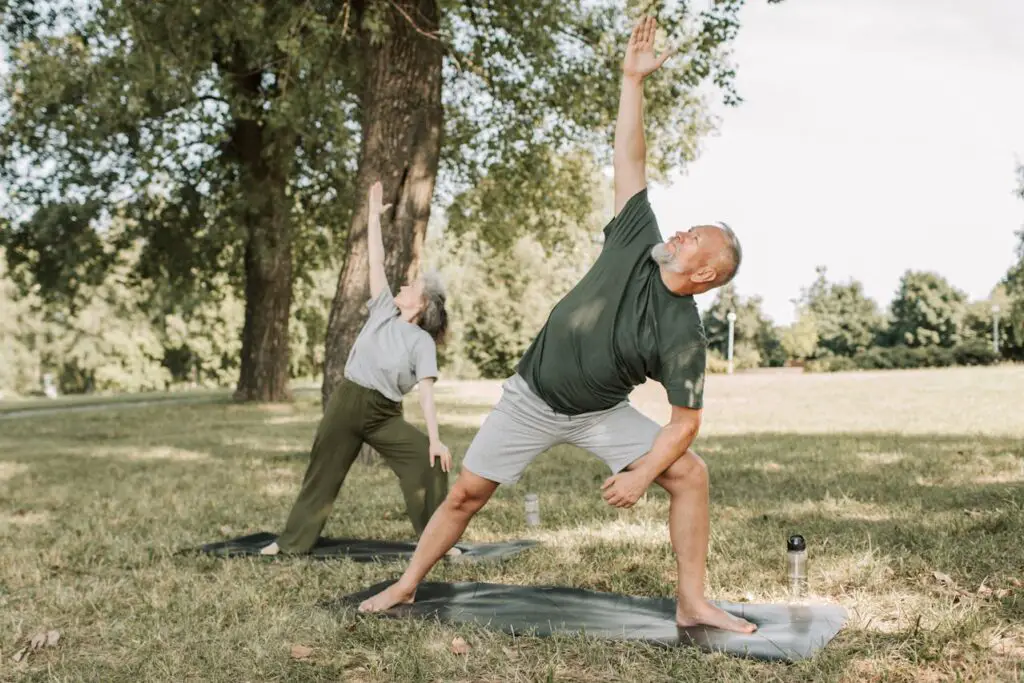
7 Everyday Foods That Are Secretly Worsening Your Joint Pain

December 12, 2025 | Leave a Comment

7 Everyday Foods That Are Secretly Worsening Your Joint Pain

<p> Joint pain is more than just a minor inconvenience—it can severely affect your daily life, from walking and climbing stairs to getting a good night's sleep. While factors such as aging, physical activity, or injuries are well-known contributors to joint discomfort, many people overlook one of the most significant influences: diet. Certain everyday foods that may seem harmless—or even healthy—could be secretly intensifying your joint pain by triggering inflammation. If you are already struggling with stiffness, swelling, or persistent joint aches, it might be time to reevaluate what you are eating. Here are seven common foods that could be silently sabotaging your joint health and some helpful tips on what to eat instead. </p> :: Pexels

Joint pain is more than just a minor inconvenience—it can severely affect your daily life, from walking and climbing stairs to getting a good night’s sleep. While factors such as aging, physical activity, or injuries are well-known contributors to joint discomfort, many people overlook one of the most significant influences: diet. Certain everyday foods that may seem harmless—or even healthy—could be secretly intensifying your joint pain by triggering inflammation. If you are already struggling with stiffness, swelling, or persistent joint aches, it might be time to reevaluate what you are eating. Here are seven common foods that could be silently sabotaging your joint health and some helpful tips on what to eat instead.

1. Processed Meats

<p> Processed meats like bacon, sausage, ham, and deli meats are often loaded with preservatives, sodium, and saturated fats, all of which can contribute to inflammation in the body. These meats often contain compounds known as advanced glycation end products, or AGEs, which form during certain cooking processes and have been linked to increased oxidative stress and inflammation. When inflammation levels rise, so does the risk of aggravated joint pain, especially for individuals already dealing with arthritis or similar conditions. High sodium levels in processed meats can also cause the body to retain water, adding pressure to already stressed joints. Replacing these with leaner proteins like grilled chicken, fish, tofu, or legumes can help minimize this hidden source of pain. </p> :: Freepik

Processed meats like bacon, sausage, ham, and deli meats are often loaded with preservatives, sodium, and saturated fats, all of which can contribute to inflammation in the body. These meats often contain compounds known as advanced glycation end products, or AGEs, which form during certain cooking processes and have been linked to increased oxidative stress and inflammation. When inflammation levels rise, so does the risk of aggravated joint pain, especially for individuals already dealing with arthritis or similar conditions. High sodium levels in processed meats can also cause the body to retain water, adding pressure to already stressed joints. Replacing these with leaner proteins like grilled chicken, fish, tofu, or legumes can help minimize this hidden source of pain.

2. Refined Carbohydrates

<p> White bread, white rice, pastries, and other refined carbohydrates may seem like comfort foods, but they are known to promote inflammation. These foods have a high glycemic index, which means they are quickly digested and can cause a rapid spike in blood sugar levels. This spike triggers the body to produce more insulin, which in turn leads to the release of inflammatory cytokines. Over time, the repeated consumption of refined carbs can raise levels of C-reactive protein, a marker of inflammation often elevated in people with joint issues. These carbohydrates also offer little nutritional value compared to whole grains. Opting for whole grain bread, brown rice, oatmeal, quinoa, and other complex carbohydrates instead can help support more stable blood sugar levels and reduce inflammation throughout the body. </p> :: Freepik

White bread, white rice, pastries, and other refined carbohydrates may seem like comfort foods, but they are known to promote inflammation. These foods have a high glycemic index, which means they are quickly digested and can cause a rapid spike in blood sugar levels. This spike triggers the body to produce more insulin, which in turn leads to the release of inflammatory cytokines. Over time, the repeated consumption of refined carbs can raise levels of C-reactive protein, a marker of inflammation often elevated in people with joint issues. These carbohydrates also offer little nutritional value compared to whole grains. Opting for whole grain bread, brown rice, oatmeal, quinoa, and other complex carbohydrates instead can help support more stable blood sugar levels and reduce inflammation throughout the body.

3. Sugary Beverages

<p> Drinks such as sodas, sweetened iced teas, sports drinks, and even some fruit juices may seem refreshing, but they are often packed with high amounts of added sugar. Sugar, particularly in liquid form, is a major driver of inflammation and has been linked to an increase in joint pain over time. These beverages frequently contain high-fructose corn syrup, which not only spikes insulin levels but also raises uric acid production, a known trigger for gout and other joint conditions. Moreover, these drinks can lead to weight gain, which puts additional stress on the joints, especially those in the knees, hips, and lower back. Choosing water, unsweetened herbal teas, or naturally flavored waters with lemon or cucumber can keep you hydrated and help reduce inflammation and joint discomfort. </p> :: Pexels

Drinks such as sodas, sweetened iced teas, sports drinks, and even some fruit juices may seem refreshing, but they are often packed with high amounts of added sugar. Sugar, particularly in liquid form, is a major driver of inflammation and has been linked to an increase in joint pain over time. These beverages frequently contain high-fructose corn syrup, which not only spikes insulin levels but also raises uric acid production, a known trigger for gout and other joint conditions. Moreover, these drinks can lead to weight gain, which puts additional stress on the joints, especially those in the knees, hips, and lower back. Choosing water, unsweetened herbal teas, or naturally flavored waters with lemon or cucumber can keep you hydrated and help reduce inflammation and joint discomfort.

4. Dairy Products

<p> Dairy is a controversial food group when it comes to joint health. For some individuals, dairy products like milk, cheese, and yogurt can increase joint inflammation, especially in those who are lactose intolerant or have a sensitivity to casein, a protein found in milk. This can lead to immune system reactions that increase inflammation and exacerbate joint pain. Full-fat dairy products also contain saturated fats, which can increase inflammation throughout the body when consumed in large amounts. If you notice increased stiffness or swelling after consuming dairy, consider switching to non-dairy alternatives such as almond milk, oat milk, coconut yogurt, or plant-based cheeses. These substitutes can still provide calcium and other nutrients without triggering unwanted inflammation. </p> :: Freepik

Dairy is a controversial food group when it comes to joint health. For some individuals, dairy products like milk, cheese, and yogurt can increase joint inflammation, especially in those who are lactose intolerant or have a sensitivity to casein, a protein found in milk. This can lead to immune system reactions that increase inflammation and exacerbate joint pain. Full-fat dairy products also contain saturated fats, which can increase inflammation throughout the body when consumed in large amounts. If you notice increased stiffness or swelling after consuming dairy, consider switching to non-dairy alternatives such as almond milk, oat milk, coconut yogurt, or plant-based cheeses. These substitutes can still provide calcium and other nutrients without triggering unwanted inflammation.

5. Fried and Fast Foods

<p> Foods that are deep-fried or overly processed, such as french fries, fried chicken, onion rings, and fast-food burgers, are among the biggest dietary offenders when it comes to inflammation. These foods are typically cooked in oils high in omega-6 fatty acids, which can throw off the body’s omega-3 to omega-6 balance and promote chronic inflammation. Trans fats, which are found in some fried foods and baked goods, can further increase levels of inflammatory markers in the blood. In addition, fast foods are often high in sodium and preservatives that can lead to water retention, bloating, and added joint pressure. Reducing your intake of fried and fast foods and preparing meals at home using olive oil or avocado oil can lead to noticeable improvements in how your joints feel. </p> :: Pexels

Foods that are deep-fried or overly processed, such as french fries, fried chicken, onion rings, and fast-food burgers, are among the biggest dietary offenders when it comes to inflammation. These foods are typically cooked in oils high in omega-6 fatty acids, which can throw off the body’s omega-3 to omega-6 balance and promote chronic inflammation. Trans fats, which are found in some fried foods and baked goods, can further increase levels of inflammatory markers in the blood. In addition, fast foods are often high in sodium and preservatives that can lead to water retention, bloating, and added joint pressure. Reducing your intake of fried and fast foods and preparing meals at home using olive oil or avocado oil can lead to noticeable improvements in how your joints feel.

6. Alcohol

<p> Although moderate alcohol consumption may not cause problems for everyone, regular or excessive intake can contribute significantly to joint pain. Alcohol affects the liver’s ability to flush out toxins and inflammatory substances, leading to higher levels of inflammation in the body. It can also dehydrate the body, and inadequate hydration can make joint tissues more prone to wear and tear. Beer, in particular, is high in purines, which the body converts into uric acid—a compound known to cause gout flare-ups that result in intense joint pain. If alcohol seems to make your symptoms worse, reducing your intake or cutting it out entirely may help. Instead, reach for beverages like turmeric tea, green tea, or water with a splash of fresh citrus for flavor and anti-inflammatory benefits. </p> :: Pexels

Although moderate alcohol consumption may not cause problems for everyone, regular or excessive intake can contribute significantly to joint pain. Alcohol affects the liver’s ability to flush out toxins and inflammatory substances, leading to higher levels of inflammation in the body. It can also dehydrate the body, and inadequate hydration can make joint tissues more prone to wear and tear. Beer, in particular, is high in purines, which the body converts into uric acid—a compound known to cause gout flare-ups that result in intense joint pain. If alcohol seems to make your symptoms worse, reducing your intake or cutting it out entirely may help. Instead, reach for beverages like turmeric tea, green tea, or water with a splash of fresh citrus for flavor and anti-inflammatory benefits.

7. Artificial Additives and Preservatives

<p> Many packaged and shelf-stable foods are loaded with artificial additives, preservatives, and flavor enhancers that can worsen inflammation. Common culprits include monosodium glutamate (MSG), artificial sweeteners such as aspartame, and synthetic preservatives like sodium nitrate or sodium benzoate. These chemicals can interfere with your immune system and digestion, promoting inflammation that spreads to your joints. These substances are commonly found in chips, canned soups, flavored snacks, frozen dinners, and even some condiments. Eliminating or minimizing your intake of these processed foods and choosing fresh, whole foods instead can greatly reduce your body’s inflammatory response. Reading food labels carefully and cooking more meals at home can help you avoid these hidden pain triggers and support overall joint health. </p> :: DALL-E

Many packaged and shelf-stable foods are loaded with artificial additives, preservatives, and flavor enhancers that can worsen inflammation. Common culprits include monosodium glutamate (MSG), artificial sweeteners such as aspartame, and synthetic preservatives like sodium nitrate or sodium benzoate. These chemicals can interfere with your immune system and digestion, promoting inflammation that spreads to your joints. These substances are commonly found in chips, canned soups, flavored snacks, frozen dinners, and even some condiments. Eliminating or minimizing your intake of these processed foods and choosing fresh, whole foods instead can greatly reduce your body’s inflammatory response. Reading food labels carefully and cooking more meals at home can help you avoid these hidden pain triggers and support overall joint health.

Final Thoughts

<p> Joint pain may feel like an unavoidable part of aging or injury recovery, but the truth is that your diet plays a powerful role in either worsening or relieving those nagging aches. The foods listed above are commonly consumed and often go unnoticed as contributors to inflammation and joint discomfort. By identifying and eliminating these dietary triggers, you give your body the chance to heal from within. Supporting your joints is not just about removing harmful foods—it also involves incorporating anti-inflammatory options that nourish your body and protect your cartilage and connective tissue. Try adding more foods that are rich in omega-3 fatty acids, antioxidants, fiber, and healthy fats. Leafy greens, berries, fatty fish like salmon, walnuts, turmeric, ginger, and extra virgin olive oil can help reduce inflammation and improve joint flexibility. Staying hydrated, maintaining a healthy weight, and staying active with low-impact exercises like swimming or yoga can further protect your joints and ease discomfort. Making mindful changes to your diet may not offer instant relief, but over time, it can lead to real and lasting improvements in your joint health. If you are tired of relying on pain relievers and still struggling with everyday movements, it is time to take a closer look at what is on your plate. </p> :: Pexels

Joint pain may feel like an unavoidable part of aging or injury recovery, but the truth is that your diet plays a powerful role in either worsening or relieving those nagging aches. The foods listed above are commonly consumed and often go unnoticed as contributors to inflammation and joint discomfort. By identifying and eliminating these dietary triggers, you give your body the chance to heal from within. Supporting your joints is not just about removing harmful foods—it also involves incorporating anti-inflammatory options that nourish your body and protect your cartilage and connective tissue.

Try adding more foods that are rich in omega-3 fatty acids, antioxidants, fiber, and healthy fats. Leafy greens, berries, fatty fish like salmon, walnuts, turmeric, ginger, and extra virgin olive oil can help reduce inflammation and improve joint flexibility. Staying hydrated, maintaining a healthy weight, and staying active with low-impact exercises like swimming or yoga can further protect your joints and ease discomfort.

Making mindful changes to your diet may not offer instant relief, but over time, it can lead to real and lasting improvements in your joint health. If you are tired of relying on pain relievers and still struggling with everyday movements, it is time to take a closer look at what is on your plate.


Filed Under: Health & Fitness

12 Subtle Habits That Reveal You Are More Successful Than You Think, According to Psychologists

December 12, 2025 | Leave a Comment

Subtle Habits That Reveal You Are More Successful Than You Think, According to Psychologists

<p> Success is often portrayed as flashy cars, corner offices, and public recognition. But anyone who has studied the psychology of achievement will tell you that true success is usually quieter. It lives in the small, almost invisible habits we practice every day. These are the patterns of thought and behavior that shape resilience, focus, and long-term growth. The fascinating part is that if you find yourself naturally doing many of these things, you are likely more successful than you give yourself credit for. Psychologists have spent decades studying behavior patterns that separate high achievers from the rest. Surprisingly, the signals of success are often subtle. They do not involve grand gestures or constant public acknowledgment but are instead found in the way you approach challenges, manage your time, and interact with the world. Here are twelve subtle habits that may indicate you are quietly thriving. </p> :: Gemini

Success is often portrayed as flashy cars, corner offices, and public recognition. But anyone who has studied the psychology of achievement will tell you that true success is usually quieter. It lives in the small, almost invisible habits we practice every day. These are the patterns of thought and behavior that shape resilience, focus, and long-term growth. The fascinating part is that if you find yourself naturally doing many of these things, you are likely more successful than you give yourself credit for.

Psychologists have spent decades studying behavior patterns that separate high achievers from the rest. Surprisingly, the signals of success are often subtle. They do not involve grand gestures or constant public acknowledgment but are instead found in the way you approach challenges, manage your time, and interact with the world. Here are twelve subtle habits that may indicate you are quietly thriving.

1. You treat setbacks as opportunities to learn

<p> Instead of seeing failure as a dead end, you treat it as a stepping stone. People who are truly successful use setbacks to gather insights and adjust their approach. They understand that mistakes are simply data points that guide them toward improvement. This mindset builds resilience and allows you to recover faster, maintain motivation, and keep pushing forward even when things get tough. </p> :: Gemini

Instead of seeing failure as a dead end, you treat it as a stepping stone. People who are truly successful use setbacks to gather insights and adjust their approach. They understand that mistakes are simply data points that guide them toward improvement. This mindset builds resilience and allows you to recover faster, maintain motivation, and keep pushing forward even when things get tough.

2. You break big goals into small, achievable steps

<p> Big dreams can feel intimidating, but successful people have a secret: they divide them into smaller, manageable tasks. By taking one step at a time, you prevent overwhelm and maintain a sense of progress. Every small win reinforces motivation and builds momentum, helping you steadily move toward your larger ambitions without burning out along the way. </p> :: Gemini

Big dreams can feel intimidating, but successful people have a secret: they divide them into smaller, manageable tasks. By taking one step at a time, you prevent overwhelm and maintain a sense of progress. Every small win reinforces motivation and builds momentum, helping you steadily move toward your larger ambitions without burning out along the way.

3. You are naturally curious and enjoy learning

<p> A love for learning is a hallmark of success. Whether you are reading, listening, experimenting, or exploring new perspectives, you continuously expand your knowledge. This curiosity keeps your thinking flexible and allows you to adapt to changing circumstances. It also creates opportunities that others might miss because you are always seeking to understand more and do more. </p> :: Gemini

A love for learning is a hallmark of success. Whether you are reading, listening, experimenting, or exploring new perspectives, you continuously expand your knowledge. This curiosity keeps your thinking flexible and allows you to adapt to changing circumstances. It also creates opportunities that others might miss because you are always seeking to understand more and do more.

4. You structure your day with intention

<p> Successful people rarely leave their days to chance. Even small routines, such as planning your tasks, setting priorities, or scheduling focused work time, make a huge difference. These habits allow you to maintain control over your time, stay organized, and make consistent progress. Structuring your day might feel simple, but its impact accumulates over weeks and months. </p> :: Gemini

Successful people rarely leave their days to chance. Even small routines, such as planning your tasks, setting priorities, or scheduling focused work time, make a huge difference. These habits allow you to maintain control over your time, stay organized, and make consistent progress. Structuring your day might feel simple, but its impact accumulates over weeks and months.

5. You take care of your mental and physical energy

<p> You understand that productivity is not just about working harder. Taking care of your mind and body through sleep, nutrition, exercise, and occasional breaks is a key habit of high achievers. This intentional self-care helps you maintain clarity, focus, and resilience. People who succeed quietly know that protecting their energy is an investment in their long-term performance. </p> :: Gemini

You understand that productivity is not just about working harder. Taking care of your mind and body through sleep, nutrition, exercise, and occasional breaks is a key habit of high achievers. This intentional self-care helps you maintain clarity, focus, and resilience. People who succeed quietly know that protecting their energy is an investment in their long-term performance.

6. You prioritize and protect your focus

<p> Distractions are everywhere, but successful people are deliberate about what deserves their attention. You are comfortable saying no to tasks, commitments, and even conversations that do not align with your goals. This focus allows you to dedicate your energy to the most meaningful work, ensuring progress without unnecessary stress or burnout. </p> :: Gemini

Distractions are everywhere, but successful people are deliberate about what deserves their attention. You are comfortable saying no to tasks, commitments, and even conversations that do not align with your goals. This focus allows you to dedicate your energy to the most meaningful work, ensuring progress without unnecessary stress or burnout.

7. You take responsibility for your actions

<p> Instead of blaming external circumstances, you own your choices and outcomes. This sense of personal accountability empowers you to act rather than complain. People who practice this habit are proactive, solution-oriented, and resilient in the face of challenges. By focusing on what they can control, they make steady progress toward their goals. </p> :: Gemini

Instead of blaming external circumstances, you own your choices and outcomes. This sense of personal accountability empowers you to act rather than complain. People who practice this habit are proactive, solution-oriented, and resilient in the face of challenges. By focusing on what they can control, they make steady progress toward their goals.

8. You maintain optimism and practice gratitude

<p> You approach life with a realistic yet positive outlook. Instead of fixating on obstacles, you look for opportunities. Practicing gratitude, even for small things, fosters a positive mindset that fuels motivation and reduces stress. Optimism is not about ignoring reality; it is about approaching challenges with confidence and the belief that your efforts will pay off. </p> :: Gemini

You approach life with a realistic yet positive outlook. Instead of fixating on obstacles, you look for opportunities. Practicing gratitude, even for small things, fosters a positive mindset that fuels motivation and reduces stress. Optimism is not about ignoring reality; it is about approaching challenges with confidence and the belief that your efforts will pay off.

9. You build and nurture meaningful relationships

<p> Success rarely happens alone. You invest in relationships that support growth, collaboration, and shared learning. At the same time, you are careful to minimize interactions with people who drain your energy or distract you from your goals. Cultivating this supportive network is a subtle but powerful habit that allows you to thrive socially and professionally. </p> :: Gemini

Success rarely happens alone. You invest in relationships that support growth, collaboration, and shared learning. At the same time, you are careful to minimize interactions with people who drain your energy or distract you from your goals. Cultivating this supportive network is a subtle but powerful habit that allows you to thrive socially and professionally.

10. You celebrate small victories

<p> Rather than waiting for monumental milestones, you take the time to recognize and enjoy small achievements. Completing a project, hitting a personal target, or simply improving a skill becomes a reason to acknowledge progress. These celebrations reinforce positive behavior and create momentum that carries you toward larger accomplishments. </p> :: Gemini

Rather than waiting for monumental milestones, you take the time to recognize and enjoy small achievements. Completing a project, hitting a personal target, or simply improving a skill becomes a reason to acknowledge progress. These celebrations reinforce positive behavior and create momentum that carries you toward larger accomplishments.

11. You adapt and evolve with changing circumstances

<p> Change is inevitable, and successful people know how to roll with it. You are willing to adjust your approach, unlearn old habits, and embrace new strategies when necessary. Adaptability not only allows you to navigate challenges smoothly but also positions you for new opportunities that others might miss. Emotional intelligence and flexibility are subtle but essential indicators of sustained success. </p> :: Gemini

Change is inevitable, and successful people know how to roll with it. You are willing to adjust your approach, unlearn old habits, and embrace new strategies when necessary. Adaptability not only allows you to navigate challenges smoothly but also positions you for new opportunities that others might miss. Emotional intelligence and flexibility are subtle but essential indicators of sustained success.

12. You quietly envision your future

<p> You spend time reflecting on your long-term goals, imagining where you want to go, and planning actionable steps. Visualization and intentional planning guide your decisions and daily habits. Even without broadcasting your ambitions, you align your actions with your vision, ensuring consistent progress toward your personal and professional objectives. </p> :: Gemini

You spend time reflecting on your long-term goals, imagining where you want to go, and planning actionable steps. Visualization and intentional planning guide your decisions and daily habits. Even without broadcasting your ambitions, you align your actions with your vision, ensuring consistent progress toward your personal and professional objectives.

Final Thoughts

<p> The habits of highly successful people often fly under the radar. They do not always involve dramatic achievements, but instead manifest in consistent, thoughtful behaviors that quietly shape long-term outcomes. If you recognize yourself in many of the habits described here, you are likely more successful than you realize.

Success is not always about public accolades. It is about how you handle challenges, nurture relationships, manage your energy, and stay focused on what truly matters. By practicing these subtle habits intentionally, you can strengthen your resilience, build meaningful momentum, and continue growing in ways that will be evident over time.

The key is consistency. Even small steps repeated daily create remarkable results. Celebrate your progress, stay curious, and remain adaptable. Quietly cultivating these habits may not make headlines, but they lay the foundation for a life that is productive, fulfilling, and undeniably successful.

Remember, success is often measured in actions, not appearances. Keep investing in yourself and your habits, and you may find that you have already achieved more than you think. </p> :: Gemini

The habits of highly successful people often fly under the radar. They do not always involve dramatic achievements, but instead manifest in consistent, thoughtful behaviors that quietly shape long-term outcomes. If you recognize yourself in many of the habits described here, you are likely more successful than you realize.

Success is not always about public accolades. It is about how you handle challenges, nurture relationships, manage your energy, and stay focused on what truly matters. By practicing these subtle habits intentionally, you can strengthen your resilience, build meaningful momentum, and continue growing in ways that will be evident over time.

The key is consistency. Even small steps repeated daily create remarkable results. Celebrate your progress, stay curious, and remain adaptable. Quietly cultivating these habits may not make headlines, but they lay the foundation for a life that is productive, fulfilling, and undeniably successful.

Remember, success is often measured in actions, not appearances. Keep investing in yourself and your habits, and you may find that you have already achieved more than you think.

Filed Under: Health & Fitness

How to Power Through the Day: 9 Smart Ways to Beat the Afternoon Slump Without Caffeine

December 10, 2025 | Leave a Comment

How to Power Through the Day: 9 Smart Ways to Beat the Afternoon Slump Without Caffeine

<p> We have all been there—that dreaded mid-afternoon crash when energy takes a nosedive, focus disappears, and even the simplest task feels like climbing a mountain. For many people, the automatic response is to pour another cup of coffee or reach for an energy drink. But while caffeine can provide a temporary lift, it often leads to jitters, dependency, and disrupted sleep patterns. The good news is that you do not need caffeine to stay sharp and productive through the afternoon. In fact, there are plenty of natural, effective ways to keep your brain alert and your body energized without any caffeine at all. Whether you are at your desk, working from home, or managing a busy household, here are nine smart and science-backed ways to beat the afternoon slump the natural way. </p> :: Pexels

We have all been there—that dreaded mid-afternoon crash when energy takes a nosedive, focus disappears, and even the simplest task feels like climbing a mountain. For many people, the automatic response is to pour another cup of coffee or reach for an energy drink. But while caffeine can provide a temporary lift, it often leads to jitters, dependency, and disrupted sleep patterns. The good news is that you do not need caffeine to stay sharp and productive through the afternoon. In fact, there are plenty of natural, effective ways to keep your brain alert and your body energized without any caffeine at all. Whether you are at your desk, working from home, or managing a busy household, here are nine smart and science-backed ways to beat the afternoon slump the natural way.

1. Take a Quick Walk Outside

<p> One of the simplest and most effective ways to shake off the afternoon slump is by stepping outside and taking a brisk 10 to 15-minute walk. Natural sunlight helps regulate your circadian rhythm and increases your levels of vitamin D, both of which play a role in boosting alertness and improving mood. The act of walking increases circulation, delivering more oxygen and nutrients to your brain and muscles, which helps fight fatigue and sharpen your focus. Plus, being in nature—even briefly—can lower stress and reduce mental fatigue. Whether you walk around the block, visit a nearby park, or pace in your backyard, a bit of movement and fresh air can recharge your body and clear your mind. </p> :: Pexels

One of the simplest and most effective ways to shake off the afternoon slump is by stepping outside and taking a brisk 10 to 15-minute walk. Natural sunlight helps regulate your circadian rhythm and increases your levels of vitamin D, both of which play a role in boosting alertness and improving mood. The act of walking increases circulation, delivering more oxygen and nutrients to your brain and muscles, which helps fight fatigue and sharpen your focus. Plus, being in nature—even briefly—can lower stress and reduce mental fatigue. Whether you walk around the block, visit a nearby park, or pace in your backyard, a bit of movement and fresh air can recharge your body and clear your mind.

2. Eat a Protein-Rich Snack

<p> Many people experience a drop in energy during the afternoon due to fluctuating blood sugar levels, especially if lunch was heavy in refined carbohydrates or sugar. To stabilize your blood sugar and prevent that dreaded crash, reach for a snack that is high in protein. Protein takes longer to digest than simple carbs, which means it helps provide sustained energy without the spike and drop effect. Some great options include a hard-boiled egg, Greek yogurt, cottage cheese, hummus with veggie sticks, or a handful of nuts and seeds. For even more staying power, pair your protein snack with healthy fats or fiber-rich veggies to help you stay full and energized longer. </p> :: Freepik

Many people experience a drop in energy during the afternoon due to fluctuating blood sugar levels, especially if lunch was heavy in refined carbohydrates or sugar. To stabilize your blood sugar and prevent that dreaded crash, reach for a snack that is high in protein. Protein takes longer to digest than simple carbs, which means it helps provide sustained energy without the spike and drop effect. Some great options include a hard-boiled egg, Greek yogurt, cottage cheese, hummus with veggie sticks, or a handful of nuts and seeds. For even more staying power, pair your protein snack with healthy fats or fiber-rich veggies to help you stay full and energized longer.

3. Stretch and Move Your Body

<p> If going for a walk is not practical, try getting up from your chair and doing a few stretches or light movements. Prolonged sitting, especially in poor posture, can reduce circulation and cause muscle stiffness that contributes to fatigue. Standing up to stretch increases blood flow and relieves physical tension, which can help wake you up both mentally and physically. Try rolling your shoulders, reaching for the ceiling, doing side bends, or even doing a few yoga poses right by your desk. Five minutes of stretching can make a significant difference in your alertness and reduce that sluggish feeling. </p> :: Pexels

If going for a walk is not practical, try getting up from your chair and doing a few stretches or light movements. Prolonged sitting, especially in poor posture, can reduce circulation and cause muscle stiffness that contributes to fatigue. Standing up to stretch increases blood flow and relieves physical tension, which can help wake you up both mentally and physically. Try rolling your shoulders, reaching for the ceiling, doing side bends, or even doing a few yoga poses right by your desk. Five minutes of stretching can make a significant difference in your alertness and reduce that sluggish feeling.

4. Hydrate Like You Mean It

<p> Dehydration is one of the most overlooked causes of fatigue and sluggishness, particularly in the afternoon when your body has already gone through hours of work and energy expenditure. Even mild dehydration can reduce your ability to concentrate and make you feel tired. Instead of reaching for coffee or soda, try drinking a tall glass of water. For a little extra flavor and a refreshing twist, infuse your water with slices of lemon, cucumber, mint, or berries. You can also sip on herbal teas like peppermint or ginger, which are caffeine-free and have natural invigorating properties. Making hydration a regular habit can go a long way in preventing afternoon fatigue and supporting overall health. </p> :: Pexels

Dehydration is one of the most overlooked causes of fatigue and sluggishness, particularly in the afternoon when your body has already gone through hours of work and energy expenditure. Even mild dehydration can reduce your ability to concentrate and make you feel tired. Instead of reaching for coffee or soda, try drinking a tall glass of water. For a little extra flavor and a refreshing twist, infuse your water with slices of lemon, cucumber, mint, or berries. You can also sip on herbal teas like peppermint or ginger, which are caffeine-free and have natural invigorating properties. Making hydration a regular habit can go a long way in preventing afternoon fatigue and supporting overall health.

5. Try a Power Nap (Yes, Really)

<p> Sometimes your body is not asking for more stimulation but rather a moment to rest and reset. A short nap in the afternoon—between 10 and 20 minutes—can do wonders for your mental clarity, creativity, and mood. The key is to keep it short so you do not enter deeper stages of sleep, which can leave you groggy and even more tired. A power nap helps restore alertness and improve performance without the need for caffeine or sugar. If you are working from home or have a private space, close your eyes, set a timer, and allow yourself to doze briefly. Think of it as a productivity tool rather than a sign of laziness—many successful professionals and entrepreneurs swear by power naps for good reason. </p> :: Pexels

Sometimes your body is not asking for more stimulation but rather a moment to rest and reset. A short nap in the afternoon—between 10 and 20 minutes—can do wonders for your mental clarity, creativity, and mood. The key is to keep it short so you do not enter deeper stages of sleep, which can leave you groggy and even more tired. A power nap helps restore alertness and improve performance without the need for caffeine or sugar. If you are working from home or have a private space, close your eyes, set a timer, and allow yourself to doze briefly. Think of it as a productivity tool rather than a sign of laziness—many successful professionals and entrepreneurs swear by power naps for good reason.

6. Do a Brain Teaser or Change Tasks

<p> Mental fatigue often sets in when you have been focused on the same task for an extended period. If you feel yourself zoning out, take a break and switch to a different activity that engages another part of your brain. This could be a creative task, something hands-on, or even a quick brain teaser like a crossword puzzle, Sudoku, or word game. Doing a short mental challenge can help refresh your thinking and re-engage your attention span. Alternatively, shift to a more stimulating project that you find interesting or rewarding, which can naturally boost motivation and energy. Sometimes, all it takes is a change in focus to shake off the mental fog. </p> :: Pexels

Mental fatigue often sets in when you have been focused on the same task for an extended period. If you feel yourself zoning out, take a break and switch to a different activity that engages another part of your brain. This could be a creative task, something hands-on, or even a quick brain teaser like a crossword puzzle, Sudoku, or word game. Doing a short mental challenge can help refresh your thinking and re-engage your attention span. Alternatively, shift to a more stimulating project that you find interesting or rewarding, which can naturally boost motivation and energy. Sometimes, all it takes is a change in focus to shake off the mental fog.

7. Breathe Deeply and Practice Mindfulness

<p> Mindfulness techniques such as deep breathing exercises can significantly reduce stress and increase focus—both of which are crucial for overcoming the afternoon slump. Try this simple technique: inhale deeply through your nose for four seconds, hold the breath for four seconds, then exhale slowly through your mouth for four seconds. Repeat this for a few minutes. This type of breathing calms your nervous system, improves oxygen flow, and can ground you in the present moment. If you have more time, guided meditations or short body scans can be incredibly effective at reducing anxiety, improving clarity, and enhancing mental stamina. These exercises require no equipment, no caffeine, and can be done anywhere—even at your desk. </p> :: Pexels

Mindfulness techniques such as deep breathing exercises can significantly reduce stress and increase focus—both of which are crucial for overcoming the afternoon slump. Try this simple technique: inhale deeply through your nose for four seconds, hold the breath for four seconds, then exhale slowly through your mouth for four seconds. Repeat this for a few minutes. This type of breathing calms your nervous system, improves oxygen flow, and can ground you in the present moment. If you have more time, guided meditations or short body scans can be incredibly effective at reducing anxiety, improving clarity, and enhancing mental stamina. These exercises require no equipment, no caffeine, and can be done anywhere—even at your desk.

8. Listen to Uplifting Music or Nature Sounds

<p> Audio has a powerful impact on our energy levels and emotions. Listening to upbeat music can lift your mood, increase your motivation, and help you power through the rest of your day. Choose your favorite high-energy playlist or instrumental tracks that make you feel positive and focused. If you need something calming rather than energizing, try nature sounds like ocean waves, birdsong, or a soft rainstorm. These sounds have been shown to reduce stress and promote a sense of well-being, which can improve focus and productivity. Put on headphones and take a five-minute audio break to reset your mood and your brain. </p> :: Pexels

Audio has a powerful impact on our energy levels and emotions. Listening to upbeat music can lift your mood, increase your motivation, and help you power through the rest of your day. Choose your favorite high-energy playlist or instrumental tracks that make you feel positive and focused. If you need something calming rather than energizing, try nature sounds like ocean waves, birdsong, or a soft rainstorm. These sounds have been shown to reduce stress and promote a sense of well-being, which can improve focus and productivity. Put on headphones and take a five-minute audio break to reset your mood and your brain.

9. Let in Natural Light and Fresh Air

<p> Your environment plays a significant role in how alert and energized you feel during the day. Dim lighting, stale air, or a stuffy room can make you feel more tired, even if you had a good night’s sleep. If possible, open a window to allow fresh air to circulate and let in natural light. Exposure to sunlight helps regulate your body’s internal clock and increases serotonin production, which boosts mood and energy. If you are working in a dark or windowless space, consider using a light therapy lamp designed to mimic natural daylight. Small adjustments to your surroundings can create a more energizing atmosphere and help you stay mentally sharp without needing another cup of coffee. </p> :: Pexels

Your environment plays a significant role in how alert and energized you feel during the day. Dim lighting, stale air, or a stuffy room can make you feel more tired, even if you had a good night’s sleep. If possible, open a window to allow fresh air to circulate and let in natural light. Exposure to sunlight helps regulate your body’s internal clock and increases serotonin production, which boosts mood and energy. If you are working in a dark or windowless space, consider using a light therapy lamp designed to mimic natural daylight. Small adjustments to your surroundings can create a more energizing atmosphere and help you stay mentally sharp without needing another cup of coffee.

Final Thoughts

<p> Beating the afternoon slump does not require caffeine, sugar, or a miracle energy drink. By making intentional choices like moving your body, staying hydrated, getting fresh air, and supporting your mental well-being, you can maintain focus and energy through the entire day. These natural strategies are not just good for your productivity—they support better sleep, long-term health, and emotional balance. Try mixing and matching a few of these techniques to see what works best for you. Once you start implementing them consistently, you will be surprised how little you need caffeine to feel alert, productive, and ready to take on the rest of your day. </p> :: Pexels

Beating the afternoon slump does not require caffeine, sugar, or a miracle energy drink. By making intentional choices like moving your body, staying hydrated, getting fresh air, and supporting your mental well-being, you can maintain focus and energy through the entire day. These natural strategies are not just good for your productivity—they support better sleep, long-term health, and emotional balance. Try mixing and matching a few of these techniques to see what works best for you. Once you start implementing them consistently, you will be surprised how little you need caffeine to feel alert, productive, and ready to take on the rest of your day.

Filed Under: Health & Fitness

10 Morning Habits That Could Be Sabotaging Your Mental Health

December 10, 2025 | Leave a Comment

10 Morning Habits That Could Be Sabotaging Your Mental Health

<p> Your mornings are more powerful than you think. The way you start your day shapes your mood, energy, and mindset, setting the stage for everything that follows. While most people focus on productivity tips and physical health hacks, your mental well-being can quietly be impacted by small, often overlooked morning habits. From how you wake up to the choices you make in the first hour of your day, your routine might be doing more harm than good. Let’s break down 10 morning habits that could be sabotaging your mental health, and how you can replace them with healthier, more supportive alternatives. </p> :: Pexels

Your mornings are more powerful than you think. The way you start your day shapes your mood, energy, and mindset, setting the stage for everything that follows. While most people focus on productivity tips and physical health hacks, your mental well-being can quietly be impacted by small, often overlooked morning habits. From how you wake up to the choices you make in the first hour of your day, your routine might be doing more harm than good. Let’s break down 10 morning habits that could be sabotaging your mental health, and how you can replace them with healthier, more supportive alternatives.

1. Hitting the Snooze Button Repeatedly

<p> It might feel harmless or even helpful to sneak in a few extra minutes of sleep by hitting the snooze button, but this habit can actually backfire. Each time you snooze and fall back asleep, you restart a new sleep cycle, only to interrupt it again moments later. This throws off your natural sleep rhythm and leaves you feeling groggy, foggy, and disoriented—a condition known as sleep inertia. Over time, this habit can lead to lower energy, increased stress levels, and difficulty concentrating, all of which negatively affect your mental health. To combat this, try setting your alarm for the latest possible time you need to get up, and place your alarm across the room to force yourself to rise right away. </p> :: Pexels

It might feel harmless or even helpful to sneak in a few extra minutes of sleep by hitting the snooze button, but this habit can actually backfire. Each time you snooze and fall back asleep, you restart a new sleep cycle, only to interrupt it again moments later. This throws off your natural sleep rhythm and leaves you feeling groggy, foggy, and disoriented—a condition known as sleep inertia. Over time, this habit can lead to lower energy, increased stress levels, and difficulty concentrating, all of which negatively affect your mental health. To combat this, try setting your alarm for the latest possible time you need to get up, and place your alarm across the room to force yourself to rise right away.

2. Checking Your Phone Immediately After Waking

<p> Reaching for your phone as soon as you wake up may seem like a quick way to feel connected or get caught up on the day, but it’s one of the fastest ways to flood your brain with stress and distraction. Whether it's scrolling through social media, checking emails, or reading upsetting news, exposing yourself to this information too soon overstimulates your mind and can trigger anxiety. You also immediately start reacting to other people’s agendas instead of grounding yourself in your own priorities. Instead, give yourself at least 30 minutes of screen-free time in the morning to mentally prepare for the day ahead. </p> :: Pexels

Reaching for your phone as soon as you wake up may seem like a quick way to feel connected or get caught up on the day, but it’s one of the fastest ways to flood your brain with stress and distraction. Whether it’s scrolling through social media, checking emails, or reading upsetting news, exposing yourself to this information too soon overstimulates your mind and can trigger anxiety. You also immediately start reacting to other people’s agendas instead of grounding yourself in your own priorities. Instead, give yourself at least 30 minutes of screen-free time in the morning to mentally prepare for the day ahead.

3. Skipping Breakfast or Grabbing Unhealthy Options

<p> Your brain relies on fuel to function properly, especially after a night of fasting. Skipping breakfast or opting for high-sugar, low-nutrient foods like pastries or sugary cereal causes your blood sugar to spike and crash, leading to mood swings, irritability, and sluggishness. In the long run, this can contribute to mental fatigue and a heightened stress response. A balanced breakfast that includes protein, healthy fats, and whole grains can stabilize your mood, improve concentration, and support emotional resilience throughout the day. Even a quick smoothie or a slice of whole grain toast with almond butter can do wonders for your mental state. </p> :: Pexels

Your brain relies on fuel to function properly, especially after a night of fasting. Skipping breakfast or opting for high-sugar, low-nutrient foods like pastries or sugary cereal causes your blood sugar to spike and crash, leading to mood swings, irritability, and sluggishness. In the long run, this can contribute to mental fatigue and a heightened stress response. A balanced breakfast that includes protein, healthy fats, and whole grains can stabilize your mood, improve concentration, and support emotional resilience throughout the day. Even a quick smoothie or a slice of whole grain toast with almond butter can do wonders for your mental state.

4. Not Drinking Water First Thing in the Morning

<p> Dehydration might not seem like a mental health issue, but it has a direct impact on how your brain functions. After seven to eight hours without fluids, your body and brain are naturally dehydrated when you wake up. Failing to drink water in the morning can lead to headaches, fatigue, and trouble focusing, all of which can increase stress and lower your emotional tolerance throughout the day. Starting your day with a glass or two of water helps jumpstart your metabolism, flush out toxins, and refresh your brain. Make hydration a priority before reaching for coffee or tea. </p> :: Pexels

Dehydration might not seem like a mental health issue, but it has a direct impact on how your brain functions. After seven to eight hours without fluids, your body and brain are naturally dehydrated when you wake up. Failing to drink water in the morning can lead to headaches, fatigue, and trouble focusing, all of which can increase stress and lower your emotional tolerance throughout the day. Starting your day with a glass or two of water helps jumpstart your metabolism, flush out toxins, and refresh your brain. Make hydration a priority before reaching for coffee or tea.

5. Rushing Through Your Morning Routine

<p> When your morning is chaotic, your day often follows suit. Rushing around to get dressed, eat, and get out the door triggers your body’s stress response, increasing levels of cortisol—the primary stress hormone. Operating in this high-alert state first thing in the morning can leave you feeling frazzled, irritable, and out of control, which contributes to chronic anxiety and even burnout over time. By waking up just 10 or 15 minutes earlier, you can add a buffer that allows you to slow down, breathe, and move through your morning with more ease and presence, improving your mental state significantly. </p> :: Pexels


When your morning is chaotic, your day often follows suit. Rushing around to get dressed, eat, and get out the door triggers your body’s stress response, increasing levels of cortisol—the primary stress hormone. Operating in this high-alert state first thing in the morning can leave you feeling frazzled, irritable, and out of control, which contributes to chronic anxiety and even burnout over time. By waking up just 10 or 15 minutes earlier, you can add a buffer that allows you to slow down, breathe, and move through your morning with more ease and presence, improving your mental state significantly.

6. Skipping Morning Movement or Exercise

<p> Exercise is one of the most powerful tools for boosting mental health, thanks to the release of endorphins and serotonin—neurotransmitters that improve mood and reduce stress. Skipping any form of physical movement in the morning means missing out on a natural mental health reset that helps you feel energized and focused. Even if you don’t have time for a full workout, light stretching, yoga, or a brisk walk can make a noticeable difference. Morning movement also helps regulate sleep, reduce symptoms of depression, and build emotional resilience, making it an essential part of any mentally healthy morning routine. </p> :: Pexels

Exercise is one of the most powerful tools for boosting mental health, thanks to the release of endorphins and serotonin—neurotransmitters that improve mood and reduce stress. Skipping any form of physical movement in the morning means missing out on a natural mental health reset that helps you feel energized and focused. Even if you don’t have time for a full workout, light stretching, yoga, or a brisk walk can make a noticeable difference. Morning movement also helps regulate sleep, reduce symptoms of depression, and build emotional resilience, making it an essential part of any mentally healthy morning routine.

7. Overloading Your To-Do List Right Away

<p> While it’s good to be productive, starting your day with an overwhelming list of tasks can set off stress and feelings of inadequacy. Trying to tackle everything at once floods your brain with decisions, pressures, and self-imposed deadlines, leading to decision fatigue and burnout before noon. This habit can also make you feel like a failure if you don’t accomplish everything, even if your expectations were unrealistic. Instead, try prioritizing two or three key tasks that matter most and break them into smaller steps. Focus on progress, not perfection, and give yourself grace. </p> :: Pexels

While it’s good to be productive, starting your day with an overwhelming list of tasks can set off stress and feelings of inadequacy. Trying to tackle everything at once floods your brain with decisions, pressures, and self-imposed deadlines, leading to decision fatigue and burnout before noon. This habit can also make you feel like a failure if you don’t accomplish everything, even if your expectations were unrealistic. Instead, try prioritizing two or three key tasks that matter most and break them into smaller steps. Focus on progress, not perfection, and give yourself grace.

8. Skipping Any Form of Mindfulness or Reflection

<p> Jumping right into the day without taking a moment to connect with yourself can leave you feeling emotionally ungrounded and reactive. Skipping mindfulness or reflection means you’re missing an opportunity to check in with your mental state, set intentions, and approach the day with purpose. Whether it’s a five-minute meditation, journaling your thoughts, or practicing gratitude, these simple acts of self-awareness help reduce anxiety, improve focus, and build emotional resilience. When you give yourself space to just be still, even briefly, you allow your mind to reset and strengthen from within. </p> :: Pexels

Jumping right into the day without taking a moment to connect with yourself can leave you feeling emotionally ungrounded and reactive. Skipping mindfulness or reflection means you’re missing an opportunity to check in with your mental state, set intentions, and approach the day with purpose. Whether it’s a five-minute meditation, journaling your thoughts, or practicing gratitude, these simple acts of self-awareness help reduce anxiety, improve focus, and build emotional resilience. When you give yourself space to just be still, even briefly, you allow your mind to reset and strengthen from within.

9. Engaging in Negative Self-Talk

<p> The way you speak to yourself in the morning matters. If your internal dialogue is full of criticism—“I’m so lazy,” “I look terrible,” “Today is going to be awful”—you’re priming your brain to look for more negativity. This kind of self-talk erodes confidence, increases stress, and contributes to feelings of hopelessness or low self-worth over time. Replacing these thoughts with gentle, encouraging affirmations can shift your mindset and improve your outlook on the day. Speak to yourself as you would to a loved one—supportively, patiently, and with compassion. </p> :: Pexels

The way you speak to yourself in the morning matters. If your internal dialogue is full of criticism—“I’m so lazy,” “I look terrible,” “Today is going to be awful”—you’re priming your brain to look for more negativity. This kind of self-talk erodes confidence, increases stress, and contributes to feelings of hopelessness or low self-worth over time. Replacing these thoughts with gentle, encouraging affirmations can shift your mindset and improve your outlook on the day. Speak to yourself as you would to a loved one—supportively, patiently, and with compassion.

10. Avoiding Natural Light Exposure

<p> Your body’s internal clock, or circadian rhythm, is heavily influenced by light, especially natural sunlight. Avoiding light in the morning—by staying in a dark room, using blackout curtains too long, or not going outside—can disrupt this rhythm and negatively affect your mood and sleep cycle. Natural light exposure helps increase serotonin levels, boosts alertness, and sets a positive tone for the rest of your day. Make it a habit to open your curtains, step outside, or sit near a sunny window for 10 to 15 minutes in the morning. This simple act can be a powerful natural antidepressant and help regulate your emotional state. </p> :: Pexels

Your body’s internal clock, or circadian rhythm, is heavily influenced by light, especially natural sunlight. Avoiding light in the morning—by staying in a dark room, using blackout curtains too long, or not going outside—can disrupt this rhythm and negatively affect your mood and sleep cycle. Natural light exposure helps increase serotonin levels, boosts alertness, and sets a positive tone for the rest of your day. Make it a habit to open your curtains, step outside, or sit near a sunny window for 10 to 15 minutes in the morning. This simple act can be a powerful natural antidepressant and help regulate your emotional state.

Final Thoughts

<p> Your morning routine is more than just a series of tasks—it’s a foundation for your mental health. The first hour of your day can either lift you up or bring you down, depending on the habits you choose to embrace. By letting go of the patterns that sabotage your peace of mind and adopting mindful, nourishing alternatives, you can transform your entire day—and your overall well-being. Start small, be patient with yourself, and remember that the most powerful mental health changes often begin with the simplest shifts. Your mornings matter, and so do you. </p> :: Pexels

Your morning routine is more than just a series of tasks—it’s a foundation for your mental health. The first hour of your day can either lift you up or bring you down, depending on the habits you choose to embrace. By letting go of the patterns that sabotage your peace of mind and adopting mindful, nourishing alternatives, you can transform your entire day—and your overall well-being. Start small, be patient with yourself, and remember that the most powerful mental health changes often begin with the simplest shifts. Your mornings matter, and so do you.

Filed Under: Health & Fitness

Simple Habits, Big Impact: 8 Daily Practices That May Help You Live Longer and Healthier

December 9, 2025 | Leave a Comment

Simple Habits, Big Impact: 8 Daily Practices That May Help You Live Longer and Healthier

<p> We often chase complex wellness trends in the hope of extending our lives, but the real key to longevity might be hiding in your everyday routine. Living a longer, healthier life is not just about genetics or expensive health products. It is about consistent habits that support your body and mind over time. The best part? These practices are simple, sustainable, and can fit into nearly any lifestyle. From how you eat to how you manage stress, these eight habits can help boost your well-being and potentially add years to your life. Let’s explore the small changes that can deliver big results for your health. </p> :: Pexels

We often chase complex wellness trends in the hope of extending our lives, but the real key to longevity might be hiding in your everyday routine. Living a longer, healthier life is not just about genetics or expensive health products. It is about consistent habits that support your body and mind over time. The best part? These practices are simple, sustainable, and can fit into nearly any lifestyle. From how you eat to how you manage stress, these eight habits can help boost your well-being and potentially add years to your life. Let’s explore the small changes that can deliver big results for your health.

1. Prioritize Sleep Like Your Life Depends on It (Because It Might)

<p> Getting seven to nine hours of quality sleep each night is one of the most powerful things you can do for your overall health. During sleep, your body repairs tissue, balances hormones, and strengthens the immune system. Chronic sleep deprivation has been linked to increased risks of heart disease, obesity, diabetes, and cognitive decline. Good sleep also enhances memory, mood, and productivity, helping you function at your best. To improve your sleep, stick to a consistent bedtime, avoid screens before bed, and create a cool, dark, and quiet environment. When sleep becomes a non-negotiable part of your daily routine, your body will thank you for it in the long run. </p> :: Pexels

Getting seven to nine hours of quality sleep each night is one of the most powerful things you can do for your overall health. During sleep, your body repairs tissue, balances hormones, and strengthens the immune system. Chronic sleep deprivation has been linked to increased risks of heart disease, obesity, diabetes, and cognitive decline. Good sleep also enhances memory, mood, and productivity, helping you function at your best. To improve your sleep, stick to a consistent bedtime, avoid screens before bed, and create a cool, dark, and quiet environment. When sleep becomes a non-negotiable part of your daily routine, your body will thank you for it in the long run.

2. Move Your Body Daily, Even if It Is Just a Walk

<p> Regular movement is essential for maintaining a healthy heart, joints, and mind. You do not need an intense workout to make a difference—walking, stretching, or doing yoga for 30 minutes a day can offer incredible benefits. Daily physical activity can reduce the risk of chronic illnesses like heart disease, diabetes, and osteoporosis while also improving mental health and cognitive function. It boosts circulation, reduces inflammation, and increases your energy. Choose activities that you enjoy so it becomes something you look forward to rather than a chore. Even light movement adds up, and the consistency is what matters most for long-term health. </p> :: Pexels

Regular movement is essential for maintaining a healthy heart, joints, and mind. You do not need an intense workout to make a difference—walking, stretching, or doing yoga for 30 minutes a day can offer incredible benefits. Daily physical activity can reduce the risk of chronic illnesses like heart disease, diabetes, and osteoporosis while also improving mental health and cognitive function. It boosts circulation, reduces inflammation, and increases your energy. Choose activities that you enjoy so it becomes something you look forward to rather than a chore. Even light movement adds up, and the consistency is what matters most for long-term health.

3. Eat More Whole Foods and Cut Back on Processed Ones

<p> Food is fuel, and the type of fuel you give your body affects every aspect of your health. A diet rich in whole foods—like fruits, vegetables, lean proteins, whole grains, legumes, nuts, and seeds—provides your body with the nutrients it needs to thrive. On the other hand, processed foods that are high in sugar, sodium, and unhealthy fats can increase the risk of chronic disease, weight gain, and inflammation. Shifting your focus from restriction to nourishment can change your relationship with food and support longevity. Cook more at home, read ingredient labels, and aim to eat foods as close to their natural form as possible. </p> :: Pexels

Food is fuel, and the type of fuel you give your body affects every aspect of your health. A diet rich in whole foods—like fruits, vegetables, lean proteins, whole grains, legumes, nuts, and seeds—provides your body with the nutrients it needs to thrive. On the other hand, processed foods that are high in sugar, sodium, and unhealthy fats can increase the risk of chronic disease, weight gain, and inflammation. Shifting your focus from restriction to nourishment can change your relationship with food and support longevity. Cook more at home, read ingredient labels, and aim to eat foods as close to their natural form as possible.

4. Stay Socially Connected to Support Your Mental and Physical Health

<p> Loneliness is more than just a feeling—it is a public health risk. Studies have shown that social isolation can increase the risk of early death as much as smoking or obesity. Maintaining strong social connections can reduce stress, improve mental health, and promote better immune function. Whether it is through regular phone calls, community involvement, or simply chatting with neighbors, investing in your relationships pays dividends for your well-being. Make it a habit to connect with loved ones or engage in activities where you can meet others with similar interests. Human connection is not just good for your soul—it is essential for your longevity. </p> :: Freepik

Loneliness is more than just a feeling—it is a public health risk. Studies have shown that social isolation can increase the risk of early death as much as smoking or obesity. Maintaining strong social connections can reduce stress, improve mental health, and promote better immune function. Whether it is through regular phone calls, community involvement, or simply chatting with neighbors, investing in your relationships pays dividends for your well-being. Make it a habit to connect with loved ones or engage in activities where you can meet others with similar interests. Human connection is not just good for your soul—it is essential for your longevity.

5. Practice Daily Stress Management Techniques

<p> Chronic stress can silently wreak havoc on your health by increasing the risk of heart disease, anxiety, depression, and digestive problems. Learning how to manage stress effectively is a vital habit for long-term wellness. Simple techniques like deep breathing, meditation, journaling, or even just spending time in nature can lower cortisol levels and promote a sense of calm. You do not need hours to benefit—even ten minutes of focused breathing or reflection can help reset your nervous system. Prioritizing daily stress relief helps you stay grounded and resilient, no matter what life throws your way. </p> :: Pexels

Chronic stress can silently wreak havoc on your health by increasing the risk of heart disease, anxiety, depression, and digestive problems. Learning how to manage stress effectively is a vital habit for long-term wellness. Simple techniques like deep breathing, meditation, journaling, or even just spending time in nature can lower cortisol levels and promote a sense of calm. You do not need hours to benefit—even ten minutes of focused breathing or reflection can help reset your nervous system. Prioritizing daily stress relief helps you stay grounded and resilient, no matter what life throws your way.

6. Drink More Water and Reduce Sugary Beverages

<p> Hydration is often overlooked but plays a crucial role in your body’s everyday functions. Drinking enough water helps regulate body temperature, cushion joints, deliver nutrients to cells, and support brain function. Dehydration, even mild, can lead to fatigue, headaches, and difficulty concentrating. Replacing sugary drinks like soda and sweetened coffee with water or herbal tea can lower your calorie intake and decrease your risk of metabolic issues. Make it easier to stay hydrated by carrying a reusable water bottle, adding fruit slices for flavor, or setting reminders. Drinking more water is a simple daily habit that contributes to a healthier, more energetic life. </p> :: Pexels

Hydration is often overlooked but plays a crucial role in your body’s everyday functions. Drinking enough water helps regulate body temperature, cushion joints, deliver nutrients to cells, and support brain function. Dehydration, even mild, can lead to fatigue, headaches, and difficulty concentrating. Replacing sugary drinks like soda and sweetened coffee with water or herbal tea can lower your calorie intake and decrease your risk of metabolic issues. Make it easier to stay hydrated by carrying a reusable water bottle, adding fruit slices for flavor, or setting reminders. Drinking more water is a simple daily habit that contributes to a healthier, more energetic life.

7. Cultivate a Positive Mindset and Practice Gratitude

<p> A positive mindset is more than just feel-good fluff—it can have a profound impact on your health. People who practice optimism and gratitude often experience lower stress, better heart health, stronger immune responses, and even longer life spans. Gratitude can shift your focus from what is going wrong to what is going right, creating a more balanced and hopeful perspective. Start small by writing down three things you are thankful for each day or reflecting on what went well. Positive thinking does not mean ignoring problems, but rather approaching them with resilience and clarity. It is a mental habit that can transform your outlook and your health. </p> :: Pexels

A positive mindset is more than just feel-good fluff—it can have a profound impact on your health. People who practice optimism and gratitude often experience lower stress, better heart health, stronger immune responses, and even longer life spans. Gratitude can shift your focus from what is going wrong to what is going right, creating a more balanced and hopeful perspective. Start small by writing down three things you are thankful for each day or reflecting on what went well. Positive thinking does not mean ignoring problems, but rather approaching them with resilience and clarity. It is a mental habit that can transform your outlook and your health.

8. Get Regular Health Checkups and Preventive Screenings

<p> Preventive care is one of the smartest ways to protect your health as you age. Regular checkups and age-appropriate screenings can help detect conditions like high blood pressure, diabetes, or cancer in their early stages—when they are often easiest to treat. Even if you feel healthy, routine visits with your doctor ensure that you are staying ahead of potential issues. Vaccinations, blood tests, and physical exams are all important parts of staying well. Do not wait for symptoms to appear before taking action. Make preventive care part of your yearly health habits and stay proactive about your well-being. </p> :: Freepik

Preventive care is one of the smartest ways to protect your health as you age. Regular checkups and age-appropriate screenings can help detect conditions like high blood pressure, diabetes, or cancer in their early stages—when they are often easiest to treat. Even if you feel healthy, routine visits with your doctor ensure that you are staying ahead of potential issues. Vaccinations, blood tests, and physical exams are all important parts of staying well. Do not wait for symptoms to appear before taking action. Make preventive care part of your yearly health habits and stay proactive about your well-being.

Final Thoughts

<p> You do not need a complete lifestyle overhaul to improve your health and increase your chances of living a longer life. The beauty of these habits is that they are simple, actionable, and incredibly effective when practiced consistently. Prioritizing sleep, moving your body, choosing nourishing foods, staying connected, managing stress, drinking water, thinking positively, and scheduling checkups might seem small individually—but together, they build a foundation for lifelong wellness. Start with one or two habits, make them part of your daily rhythm, and watch how they begin to transform your energy, mood, and health over time. Longevity is not just about living longer—it is about living better. </p> :: Pexels

You do not need a complete lifestyle overhaul to improve your health and increase your chances of living a longer life. The beauty of these habits is that they are simple, actionable, and incredibly effective when practiced consistently. Prioritizing sleep, moving your body, choosing nourishing foods, staying connected, managing stress, drinking water, thinking positively, and scheduling checkups might seem small individually—but together, they build a foundation for lifelong wellness. Start with one or two habits, make them part of your daily rhythm, and watch how they begin to transform your energy, mood, and health over time. Longevity is not just about living longer—it is about living better.

Filed Under: Health & Fitness

Silent Blood Clot Symptoms: 7 Warning Signs You Should Never Ignore

December 9, 2025 | Leave a Comment

Silent Blood Clot Symptoms: 7 Warning Signs You Should Never Ignore

<p> Blood clots are one of those health issues most people know can be dangerous, yet rarely think about until something feels “off.” The tricky part? Blood clots often show up quietly. They do not always come with dramatic pain or swelling, and they definitely do not tap you on the shoulder to announce themselves. Instead, they slip in under the radar, disguising themselves as everyday aches, random discomforts, or symptoms you might shrug off after a long day.

But here is the thing: catching a clot early can make a major difference. The sooner you identify a potential issue, the faster you can get medical care that could literally save your life. This list breaks down seven subtle symptoms that deserve your attention, especially if you are in a higher risk category such as being over 50, recovering from surgery, sitting for long periods, or dealing with certain health conditions.

This is not about panic. It is about awareness. A little knowledge goes a long way, and your future self will thank you for it. So let us jump into the symptoms that might not look like much on the surface but carry a lot more weight underneath. </p> :: Gemini

Blood clots are one of those health issues most people know can be dangerous, yet rarely think about until something feels “off.” The tricky part? Blood clots often show up quietly. They do not always come with dramatic pain or swelling, and they definitely do not tap you on the shoulder to announce themselves. Instead, they slip in under the radar, disguising themselves as everyday aches, random discomforts, or symptoms you might shrug off after a long day.

But here is the thing: catching a clot early can make a major difference. The sooner you identify a potential issue, the faster you can get medical care that could literally save your life. This list breaks down seven subtle symptoms that deserve your attention, especially if you are in a higher risk category such as being over 50, recovering from surgery, sitting for long periods, or dealing with certain health conditions.

This is not about panic. It is about awareness. A little knowledge goes a long way, and your future self will thank you for it. So let us jump into the symptoms that might not look like much on the surface but carry a lot more weight underneath.

1. Unexplained Swelling in a Leg or Arm

<p> One of the most common signs of a developing blood clot is swelling that comes out of nowhere. You wake up, look down, and think, “Did my left leg always look bigger than my right?” Or maybe your arm feels oddly puffy even though you did not lift anything heavy or get injured.

Swelling from a clot usually affects just one limb, and it tends to build gradually. What makes this tricky is that the swelling is not always dramatic. Sometimes it looks more like a mild puffiness or tightness that you cannot quite explain. If the swelling feels warm, tender, or firm to the touch, that is even more reason to take it seriously. Your body is signaling that blood is not flowing the way it should. </p> :: Gemini

One of the most common signs of a developing blood clot is swelling that comes out of nowhere. You wake up, look down, and think, “Did my left leg always look bigger than my right?” Or maybe your arm feels oddly puffy even though you did not lift anything heavy or get injured.

Swelling from a clot usually affects just one limb, and it tends to build gradually. What makes this tricky is that the swelling is not always dramatic. Sometimes it looks more like a mild puffiness or tightness that you cannot quite explain. If the swelling feels warm, tender, or firm to the touch, that is even more reason to take it seriously. Your body is signaling that blood is not flowing the way it should.

2. A Persistent Ache or Heavy Feeling in the Limb

<p> Let us be honest: most of us experience random aches and pains. Maybe you slept funny, maybe you pushed too hard in yesterday’s workout, or maybe you are simply dealing with the joys of getting older. But clot-related pain has its own subtle pattern.

It often feels like a deep ache, tightness, or heaviness in the leg or arm. Some people describe it as a stubborn cramp that just will not quit. Unlike a typical muscle cramp that eases with stretching or rest, this discomfort tends to linger. Sometimes it even gets worse when you walk or move. If you have a persistent ache you cannot explain, especially in your calf or thigh, it is better to let a doctor decide whether it is something minor or something more serious. </p> :: Gemini

Let us be honest: most of us experience random aches and pains. Maybe you slept funny, maybe you pushed too hard in yesterday’s workout, or maybe you are simply dealing with the joys of getting older. But clot-related pain has its own subtle pattern.

It often feels like a deep ache, tightness, or heaviness in the leg or arm. Some people describe it as a stubborn cramp that just will not quit. Unlike a typical muscle cramp that eases with stretching or rest, this discomfort tends to linger. Sometimes it even gets worse when you walk or move. If you have a persistent ache you cannot explain, especially in your calf or thigh, it is better to let a doctor decide whether it is something minor or something more serious.

3. Skin Color Changes or Odd Discoloration

<p> This one can be easy to overlook. After all, skin can change color for all sorts of harmless reasons. But when the skin over a limb starts to look unusually reddish, bluish, or purplish, it could be a sign that blood is not circulating normally.

With a clot, the discoloration may appear in a patch or spread across the affected area. It might even look like a bruise that you do not remember getting. Skin may also appear unusually pale or washed out compared to your other leg or arm. When blood flow is disrupted, your skin often tells the story before anything else.

If the discoloration does not fade or match a clear cause, pay attention. Your body is trying to send you a message. </p> :: Gemini

This one can be easy to overlook. After all, skin can change color for all sorts of harmless reasons. But when the skin over a limb starts to look unusually reddish, bluish, or purplish, it could be a sign that blood is not circulating normally.

With a clot, the discoloration may appear in a patch or spread across the affected area. It might even look like a bruise that you do not remember getting. Skin may also appear unusually pale or washed out compared to your other leg or arm. When blood flow is disrupted, your skin often tells the story before anything else.

If the discoloration does not fade or match a clear cause, pay attention. Your body is trying to send you a message.

4. A Warm Spot or Noticeable Heat in One Area

<p> Temperature changes are another subtle but important signal. If you feel a specific area of your leg or arm that is noticeably warmer than the rest, especially if it is paired with tenderness or swelling, this could point to inflammation caused by a clot.

Unlike generalized warmth from exercise or sun exposure, this type of heat is usually concentrated in one particular spot. It may feel like a small “hot patch” beneath the skin. Many people ignore this symptom because it does not seem dramatic. But anytime your body creates warmth in one focused area, there is usually a reason that deserves attention. </p> :: Gemini

Temperature changes are another subtle but important signal. If you feel a specific area of your leg or arm that is noticeably warmer than the rest, especially if it is paired with tenderness or swelling, this could point to inflammation caused by a clot.

Unlike generalized warmth from exercise or sun exposure, this type of heat is usually concentrated in one particular spot. It may feel like a small “hot patch” beneath the skin. Many people ignore this symptom because it does not seem dramatic. But anytime your body creates warmth in one focused area, there is usually a reason that deserves attention.

5. Prominent or Bulging Veins Near the Surface

<p> Visible veins do not always signal trouble. For many people, veins naturally become more noticeable with age, especially in the legs. But sudden changes are what matter here. If veins near the surface start bulging, appear twisted, or become tender when touched, this might be a sign that something is interrupting normal blood flow.

Sometimes the vein may feel hard, almost like a small cord beneath the skin. This can happen when a clot forms near the surface or deeper in the vein. While it might look or feel similar to varicose veins, the key difference is the tenderness. Veins involved in clotting tend to hurt or remain firm even after rest.

If your veins suddenly look or feel different, it is worth getting checked. </p> :: Gemini

Visible veins do not always signal trouble. For many people, veins naturally become more noticeable with age, especially in the legs. But sudden changes are what matter here. If veins near the surface start bulging, appear twisted, or become tender when touched, this might be a sign that something is interrupting normal blood flow.

Sometimes the vein may feel hard, almost like a small cord beneath the skin. This can happen when a clot forms near the surface or deeper in the vein. While it might look or feel similar to varicose veins, the key difference is the tenderness. Veins involved in clotting tend to hurt or remain firm even after rest.

If your veins suddenly look or feel different, it is worth getting checked.

6. Sudden Shortness of Breath

<p> A blood clot that breaks loose and travels to the lungs causes what is known as a pulmonary embolism, and this can be life threatening. One of the earliest and most alarming symptoms is unexpected shortness of breath.

This is not the breathlessness you feel when climbing three flights of stairs or jogging after months off. This is breathing difficulty that appears out of nowhere, even when resting. You might find yourself taking shallow breaths, struggling to catch your breath, or feeling like you cannot fill your lungs completely.

If you notice this symptom and cannot immediately connect it to physical activity, allergies, or illness, it is important to seek medical help right away. When in doubt, treat sudden breathing issues as urgent. </p> :: Gemini

A blood clot that breaks loose and travels to the lungs causes what is known as a pulmonary embolism, and this can be life threatening. One of the earliest and most alarming symptoms is unexpected shortness of breath.

This is not the breathlessness you feel when climbing three flights of stairs or jogging after months off. This is breathing difficulty that appears out of nowhere, even when resting. You might find yourself taking shallow breaths, struggling to catch your breath, or feeling like you cannot fill your lungs completely.

If you notice this symptom and cannot immediately connect it to physical activity, allergies, or illness, it is important to seek medical help right away. When in doubt, treat sudden breathing issues as urgent.

7. Sharp Chest Pain or Discomfort When Breathing

<p> Chest pain is never something to ignore, but clot-related chest pain has a unique feel. It often becomes sharper when you take a deep breath, cough, bend forward, or move. Some people describe it as a stabbing sensation, while others say it feels like pressure or heaviness that will not ease up.

Because these sensations can resemble heartburn, anxiety, or even pulled chest muscles, they are often dismissed at first. But when paired with shortness of breath, dizziness, or a rapid heartbeat, they become major warning signs.

Chest pain connected to a pulmonary embolism tends to worsen quickly. If you ever experience sudden chest discomfort without a clear explanation, do not wait it out. This is absolutely a “better safe than sorry” situation. </p> :: Gemini

Chest pain is never something to ignore, but clot-related chest pain has a unique feel. It often becomes sharper when you take a deep breath, cough, bend forward, or move. Some people describe it as a stabbing sensation, while others say it feels like pressure or heaviness that will not ease up.

Because these sensations can resemble heartburn, anxiety, or even pulled chest muscles, they are often dismissed at first. But when paired with shortness of breath, dizziness, or a rapid heartbeat, they become major warning signs.

Chest pain connected to a pulmonary embolism tends to worsen quickly. If you ever experience sudden chest discomfort without a clear explanation, do not wait it out. This is absolutely a “better safe than sorry” situation.

Final Thoughts

<p> Blood clots are sneaky. They do not always present with severe symptoms, and they certainly do not care whether you have a busy schedule or prefer to avoid doctor visits. But the more you know, the more equipped you are to catch an issue early, and early action truly matters when it comes to clot prevention and treatment.

The goal here is not to make you fearful of every ache or twinge. Instead, it is to help you recognize when something feels wrong in a way that does not match your usual patterns. You know your body better than anyone else. If something feels off, unusual, or persistent, trust that instinct.

Paying attention to subtle signs such as unexplained swelling, lingering leg pain, or sudden breathing changes is one of the simplest yet most powerful ways to protect your health. And if you ever feel torn between waiting it out or getting checked, choose the option that prioritizes your well-being. Even a quick conversation with a healthcare professional can give you clarity and peace of mind.

Your body works hard for you every single day. Staying aware of the quiet warning signs is one of the best ways you can return the favor. </p> :: Gemini

Blood clots are sneaky. They do not always present with severe symptoms, and they certainly do not care whether you have a busy schedule or prefer to avoid doctor visits. But the more you know, the more equipped you are to catch an issue early, and early action truly matters when it comes to clot prevention and treatment.

The goal here is not to make you fearful of every ache or twinge. Instead, it is to help you recognize when something feels wrong in a way that does not match your usual patterns. You know your body better than anyone else. If something feels off, unusual, or persistent, trust that instinct.

Paying attention to subtle signs such as unexplained swelling, lingering leg pain, or sudden breathing changes is one of the simplest yet most powerful ways to protect your health. And if you ever feel torn between waiting it out or getting checked, choose the option that prioritizes your well-being. Even a quick conversation with a healthcare professional can give you clarity and peace of mind.

Your body works hard for you every single day. Staying aware of the quiet warning signs is one of the best ways you can return the favor.

Filed Under: Health & Fitness

Everyday Habits That Might Be a Sign of Low Intelligence: 8 Things to Pay Attention To

December 7, 2025 | Leave a Comment

Everyday Habits That Might Be a Sign of Low Intelligence: 8 Things to Pay Attention To

<p> Most of us like to believe we are fairly smart people. We make decisions, navigate relationships, and move through life assuming we have a good grasp of things. But every now and then, we run into behaviors in ourselves (or others) that make us pause. Maybe it is the way someone refuses to listen during a discussion, or how a friend always avoids anything that feels mentally challenging. Sometimes these habits are not just personality quirks. They can reflect gaps in thinking, emotional regulation, or mental flexibility.

Before we go any further, it is important to highlight something: intelligence is not a fixed score or a moral judgment. It is not a measure of your worth as a person. It is a blend of curiosity, problem solving, self awareness, adaptability, and the willingness to learn. And all of these things can be strengthened.

The goal of this list is not to shame anyone. Instead, it is designed to help you spot habits that may unintentionally hold you back. When you understand them, you can replace them with behaviors that help you think more clearly, grow more consistently, and communicate more effectively.

Below are eight everyday habits that experts in psychology and communication often associate with lower critical thinking or weaker mental adaptability. If any resonate with you, take it as a sign of awareness, not failure. Every habit on this list can be changed with intention and effort. </p> :: Gemini

Most of us like to believe we are fairly smart people. We make decisions, navigate relationships, and move through life assuming we have a good grasp of things. But every now and then, we run into behaviors in ourselves (or others) that make us pause. Maybe it is the way someone refuses to listen during a discussion, or how a friend always avoids anything that feels mentally challenging. Sometimes these habits are not just personality quirks. They can reflect gaps in thinking, emotional regulation, or mental flexibility.

Before we go any further, it is important to highlight something: intelligence is not a fixed score or a moral judgment. It is not a measure of your worth as a person. It is a blend of curiosity, problem solving, self awareness, adaptability, and the willingness to learn. And all of these things can be strengthened.

The goal of this list is not to shame anyone. Instead, it is designed to help you spot habits that may unintentionally hold you back. When you understand them, you can replace them with behaviors that help you think more clearly, grow more consistently, and communicate more effectively.

Below are eight everyday habits that experts in psychology and communication often associate with lower critical thinking or weaker mental adaptability. If any resonate with you, take it as a sign of awareness, not failure. Every habit on this list can be changed with intention and effort.

1. Avoiding Challenges and Staying Inside Your Comfort Zone

<p> A surprising number of people make choices based solely on what feels easy. If something requires effort, deep thinking, or the possibility of failure, they steer away from it. While it is normal to want comfort, always choosing the path of least resistance can limit your growth. People who consistently avoid challenges tend to miss opportunities to stretch their thinking, build new skills, and strengthen their problem solving abilities.

If you notice yourself sticking to routines simply because they are familiar, consider starting small. Try learning something new each week, ask questions when something confuses you, or take on a task that intimidates you just a bit. Growth rarely happens inside a safe bubble, and you may discover strengths you did not realize you had. </p> :: Gemini

A surprising number of people make choices based solely on what feels easy. If something requires effort, deep thinking, or the possibility of failure, they steer away from it. While it is normal to want comfort, always choosing the path of least resistance can limit your growth. People who consistently avoid challenges tend to miss opportunities to stretch their thinking, build new skills, and strengthen their problem solving abilities.

If you notice yourself sticking to routines simply because they are familiar, consider starting small. Try learning something new each week, ask questions when something confuses you, or take on a task that intimidates you just a bit. Growth rarely happens inside a safe bubble, and you may discover strengths you did not realize you had.

2. Being Closed Minded and Seeing Everything as Black or White

<p> Life is full of nuance, yet many people interpret things in extremes. Something is either good or bad, a person is either smart or foolish, and an idea is either absolutely right or completely wrong. This lack of nuance often signals rigid thinking and makes learning difficult. When your mind is closed to unfamiliar viewpoints or ideas that challenge your beliefs, your world becomes very small, very quickly.

Try noticing the next time you feel strongly about something. Ask yourself if you have all the facts or if you are reacting from instinct. Instead of saying, “That is just wrong,” consider saying, “I wonder why someone might see it differently.” This small shift can open the door to more thoughtful conversations and deeper understanding. </p> :: Gemini

Life is full of nuance, yet many people interpret things in extremes. Something is either good or bad, a person is either smart or foolish, and an idea is either absolutely right or completely wrong. This lack of nuance often signals rigid thinking and makes learning difficult. When your mind is closed to unfamiliar viewpoints or ideas that challenge your beliefs, your world becomes very small, very quickly.

Try noticing the next time you feel strongly about something. Ask yourself if you have all the facts or if you are reacting from instinct. Instead of saying, “That is just wrong,” consider saying, “I wonder why someone might see it differently.” This small shift can open the door to more thoughtful conversations and deeper understanding.

3. Making Decisions Based on Emotion Rather Than Clear Thinking

<p> Everyone experiences emotional reactions, but some individuals let those emotions completely guide their decisions. Acting purely out of anger, fear, frustration, or urgency can create long term consequences that could easily have been avoided. When someone responds impulsively, they skip that important moment of pause that allows the brain to evaluate options.

Practicing a short pause, even just a few seconds, can change everything. Before reacting, take a breath and ask, “What outcome do I want here?” or “Is this decision driven by emotion or by clarity?” Emotional intelligence is just as valuable as logical intelligence, and giving yourself space to think helps you strengthen both. </p> :: Gemini

Everyone experiences emotional reactions, but some individuals let those emotions completely guide their decisions. Acting purely out of anger, fear, frustration, or urgency can create long term consequences that could easily have been avoided. When someone responds impulsively, they skip that important moment of pause that allows the brain to evaluate options.

Practicing a short pause, even just a few seconds, can change everything. Before reacting, take a breath and ask, “What outcome do I want here?” or “Is this decision driven by emotion or by clarity?” Emotional intelligence is just as valuable as logical intelligence, and giving yourself space to think helps you strengthen both.

4. Not Listening and Constantly Talking Over Others

<p> Some people love the sound of their own voice a little too much. They interrupt, dismiss, or talk over others without realizing how much they miss in the process. This habit can reflect poor concentration, weak social awareness, or limited respect for differing perspectives. Listening is one of the strongest indicators of emotional maturity and intellectual openness.

Next time you are in a conversation, make it a point to listen fully before responding. Let the other person finish their thought. Ask a clarifying question instead of jumping in immediately with your own opinion. You may be surprised at how much more productive and meaningful your conversations become. </p> :: Gemini

Some people love the sound of their own voice a little too much. They interrupt, dismiss, or talk over others without realizing how much they miss in the process. This habit can reflect poor concentration, weak social awareness, or limited respect for differing perspectives. Listening is one of the strongest indicators of emotional maturity and intellectual openness.

Next time you are in a conversation, make it a point to listen fully before responding. Let the other person finish their thought. Ask a clarifying question instead of jumping in immediately with your own opinion. You may be surprised at how much more productive and meaningful your conversations become.

5. Lacking Curiosity and Avoiding New Knowledge

<p> Curiosity is one of the strongest indicators of a bright and active mind. People who are eager to learn tend to ask questions, explore new ideas, and stay mentally sharp. On the other hand, people who avoid reading, dismiss learning opportunities, or rely only on what they already know may find their thinking becomes stagnant over time.

If you realize you have fallen into a pattern of mental autopilot, challenge yourself to break it. Read a few pages of a book each day, watch a documentary, or simply look up something you do not understand. Feeding your curiosity is one of the easiest ways to boost your intelligence, and it keeps the mind energized. </p> :: Gemini

Curiosity is one of the strongest indicators of a bright and active mind. People who are eager to learn tend to ask questions, explore new ideas, and stay mentally sharp. On the other hand, people who avoid reading, dismiss learning opportunities, or rely only on what they already know may find their thinking becomes stagnant over time.

If you realize you have fallen into a pattern of mental autopilot, challenge yourself to break it. Read a few pages of a book each day, watch a documentary, or simply look up something you do not understand. Feeding your curiosity is one of the easiest ways to boost your intelligence, and it keeps the mind energized.

6. Living a Sedentary Lifestyle and Neglecting Basic Self Care

<p> Your body and mind are deeply connected, far more than many people realize. Poor diet, lack of movement, and inconsistent daily routines can lead to brain fog, slower decision making, and weaker focus. Research consistently shows that physical activity supports better cognitive function, and that healthy habits support clearer thinking at every age.

You do not need a gym membership or a complicated meal plan to improve this area. A simple daily walk, stretching throughout the day, choosing more whole foods, or drinking enough water can make a noticeable difference. When your body feels better, your brain usually follows. </p> :: Gemini

Your body and mind are deeply connected, far more than many people realize. Poor diet, lack of movement, and inconsistent daily routines can lead to brain fog, slower decision making, and weaker focus. Research consistently shows that physical activity supports better cognitive function, and that healthy habits support clearer thinking at every age.

You do not need a gym membership or a complicated meal plan to improve this area. A simple daily walk, stretching throughout the day, choosing more whole foods, or drinking enough water can make a noticeable difference. When your body feels better, your brain usually follows.

7. Assuming You Already Know Everything and Refusing to Question Yourself

<p> There is nothing more limiting than overconfidence. Some people assume that if they do not understand something immediately, it must not be worth their time. Others believe their perspective is automatically correct, so they never check their facts or consider that they might be misinformed. This mindset can close the door on growth and keep you stuck in outdated or inaccurate beliefs.

A healthier approach is to stay curious about your own blind spots. When something challenges your assumptions, instead of becoming defensive, try asking, “Is there something here I do not know yet?” Admitting gaps in your knowledge does not make you less intelligent. In fact, it is one of the clearest signs of true wisdom. </p> :: Gemini

There is nothing more limiting than overconfidence. Some people assume that if they do not understand something immediately, it must not be worth their time. Others believe their perspective is automatically correct, so they never check their facts or consider that they might be misinformed. This mindset can close the door on growth and keep you stuck in outdated or inaccurate beliefs.

A healthier approach is to stay curious about your own blind spots. When something challenges your assumptions, instead of becoming defensive, try asking, “Is there something here I do not know yet?” Admitting gaps in your knowledge does not make you less intelligent. In fact, it is one of the clearest signs of true wisdom.

8. Reacting Impulsively Instead of Thinking Things Through

<p> Some individuals respond to problems with immediate frustration, anger, or defensiveness. This impulsive behavior can make it difficult to engage in meaningful conversations, solve problems effectively, or maintain positive relationships. When emotions sit in the driver’s seat, reason has a hard time getting a word in.

To strengthen your response habits, try identifying your emotional triggers. Notice what kinds of comments, situations, or tones tend to provoke you. When you can name the trigger, you gain power over it. This awareness helps you react with clarity rather than impulse, which ultimately makes your thinking far more effective. </p> :: Gemini

Some individuals respond to problems with immediate frustration, anger, or defensiveness. This impulsive behavior can make it difficult to engage in meaningful conversations, solve problems effectively, or maintain positive relationships. When emotions sit in the driver’s seat, reason has a hard time getting a word in.

To strengthen your response habits, try identifying your emotional triggers. Notice what kinds of comments, situations, or tones tend to provoke you. When you can name the trigger, you gain power over it. This awareness helps you react with clarity rather than impulse, which ultimately makes your thinking far more effective.

Final Thoughts

<p> Intelligence is not a fixed trait that you either have or do not have. It is a combination of habits, self discipline, emotional awareness, and curiosity. The habits listed above are not permanent flaws. They are simply behaviors that creep into daily life and quietly shape how we interpret the world. The good news is that every single one can be changed with practice.

If you recognized yourself in one or two (or even several) of these habits, do not beat yourself up. Awareness is the first step toward improvement, and most people struggle with at least some of these from time to time. What matters is what you choose to do next. Small shifts can create meaningful changes.

Choosing to listen more, learn more, move more, and think more carefully can transform not only your intelligence but also your relationships, your confidence, and your overall quality of life. Smart thinking is not about perfection. It is about curiosity, growth, and the willingness to challenge yourself, even in the small moments.

If you are aiming to become a sharper, more thoughtful version of yourself, start with one change today. And remember, real intelligence is not about knowing everything. It is about being open enough to keep learning. </p> :: Gemini

Intelligence is not a fixed trait that you either have or do not have. It is a combination of habits, self discipline, emotional awareness, and curiosity. The habits listed above are not permanent flaws. They are simply behaviors that creep into daily life and quietly shape how we interpret the world. The good news is that every single one can be changed with practice.

If you recognized yourself in one or two (or even several) of these habits, do not beat yourself up. Awareness is the first step toward improvement, and most people struggle with at least some of these from time to time. What matters is what you choose to do next. Small shifts can create meaningful changes.

Choosing to listen more, learn more, move more, and think more carefully can transform not only your intelligence but also your relationships, your confidence, and your overall quality of life. Smart thinking is not about perfection. It is about curiosity, growth, and the willingness to challenge yourself, even in the small moments.

If you are aiming to become a sharper, more thoughtful version of yourself, start with one change today. And remember, real intelligence is not about knowing everything. It is about being open enough to keep learning.

Filed Under: Health & Fitness

7 Signs You May Need to Take a Break From Your Devices According to Experts

December 4, 2025 | Leave a Comment

7 Signs You May Need to Take a Break From Your Devices According to Experts

<p> We live in a world where screens are everywhere. From smartphones to laptops to smart TVs, our devices keep us connected, entertained, and productive. But sometimes, that constant connection starts to take a toll. You may feel more tired, distracted, or even physically uncomfortable, and it can be hard to pinpoint why. Often, your body and mind are trying to send a signal that it is time for a break. Taking a step back from your devices is not just a trendy wellness idea — it is essential for your physical health, mental clarity, and emotional well-being. Experts say there are certain signs that suggest it might be time to unplug, at least for a little while. If you recognize any of these in your daily life, it is worth listening to your body and mind before digital burnout takes over. </p> :: Gemini

We live in a world where screens are everywhere. From smartphones to laptops to smart TVs, our devices keep us connected, entertained, and productive. But sometimes, that constant connection starts to take a toll. You may feel more tired, distracted, or even physically uncomfortable, and it can be hard to pinpoint why. Often, your body and mind are trying to send a signal that it is time for a break. Taking a step back from your devices is not just a trendy wellness idea — it is essential for your physical health, mental clarity, and emotional well-being.

Experts say there are certain signs that suggest it might be time to unplug, at least for a little while. If you recognize any of these in your daily life, it is worth listening to your body and mind before digital burnout takes over.

1. Frequent headaches, eye strain, or dry eyes

<p> If you notice that your head starts pounding after a few hours on your phone or computer, or your eyes feel tired and dry, this is more than just a minor inconvenience. Eye strain and headaches are common responses to long hours staring at screens. Bright lights, small fonts, and continuous scrolling can all add stress to your visual system. One expert tip is to follow the 20-20-20 rule. Every 20 minutes, look at something 20 feet away for 20 seconds. Small breaks like this can prevent eye fatigue, reduce headaches, and even improve productivity. Remember, your eyes are working harder than you think, and giving them regular pauses can make a big difference. </p> :: Gemini

If you notice that your head starts pounding after a few hours on your phone or computer, or your eyes feel tired and dry, this is more than just a minor inconvenience. Eye strain and headaches are common responses to long hours staring at screens. Bright lights, small fonts, and continuous scrolling can all add stress to your visual system.

One expert tip is to follow the 20-20-20 rule. Every 20 minutes, look at something 20 feet away for 20 seconds. Small breaks like this can prevent eye fatigue, reduce headaches, and even improve productivity. Remember, your eyes are working harder than you think, and giving them regular pauses can make a big difference.

2. Neck, shoulder, or back pain

<p> If your neck feels stiff, your shoulders ache, or your back is tense after spending hours on a device, you are not imagining it. “Tech neck” and other posture-related issues are real and increasingly common. Leaning over a laptop or constantly looking down at a phone puts pressure on your spine and muscles, which can lead to discomfort and long-term pain. Standing up, stretching, and adjusting your posture can help, but the best solution is to take regular breaks from screens. Even short periods of walking or gentle stretching can relieve tension and prevent chronic pain from setting in. Think of these moments as little acts of self-care that benefit your body in the long run. </p> :: Gemini

If your neck feels stiff, your shoulders ache, or your back is tense after spending hours on a device, you are not imagining it. “Tech neck” and other posture-related issues are real and increasingly common. Leaning over a laptop or constantly looking down at a phone puts pressure on your spine and muscles, which can lead to discomfort and long-term pain.

Standing up, stretching, and adjusting your posture can help, but the best solution is to take regular breaks from screens. Even short periods of walking or gentle stretching can relieve tension and prevent chronic pain from setting in. Think of these moments as little acts of self-care that benefit your body in the long run.

3. Trouble sleeping or poor sleep quality

<p> Have you found it harder to fall asleep, or do you wake up feeling unrested despite getting enough hours? Screen time, especially before bed, can disrupt your body’s natural sleep cycle. The blue light emitted by devices can interfere with melatonin production, making it difficult to relax and fall asleep. Scrolling through social media or checking emails late at night keeps your brain in a state of alertness, which is the opposite of what you need for restorative sleep. Experts recommend powering down devices at least an hour before bedtime. Swap scrolling for reading, meditation, or journaling to allow your mind to wind down naturally. </p> :: Gemini

Have you found it harder to fall asleep, or do you wake up feeling unrested despite getting enough hours? Screen time, especially before bed, can disrupt your body’s natural sleep cycle. The blue light emitted by devices can interfere with melatonin production, making it difficult to relax and fall asleep.

Scrolling through social media or checking emails late at night keeps your brain in a state of alertness, which is the opposite of what you need for restorative sleep. Experts recommend powering down devices at least an hour before bedtime. Swap scrolling for reading, meditation, or journaling to allow your mind to wind down naturally.

4. Increased anxiety, irritability, or emotional fatigue

<p> If you feel more anxious, easily frustrated, or emotionally drained after spending time online, this is a strong indicator that it is time for a digital pause. Constant notifications, endless news cycles, and social media comparisons can lead to emotional exhaustion. When you notice your mood taking a hit or your energy levels dropping after using devices, it is worth stepping back. Taking time away from screens can help restore emotional balance and give you the space to recharge mentally. Even a short break can improve your overall well-being and help you approach life with a calmer perspective. </p> :: Gemini

If you feel more anxious, easily frustrated, or emotionally drained after spending time online, this is a strong indicator that it is time for a digital pause. Constant notifications, endless news cycles, and social media comparisons can lead to emotional exhaustion.

When you notice your mood taking a hit or your energy levels dropping after using devices, it is worth stepping back. Taking time away from screens can help restore emotional balance and give you the space to recharge mentally. Even a short break can improve your overall well-being and help you approach life with a calmer perspective.

5. Difficulty concentrating or focusing

<p> Do tasks take longer than usual, or do you find your attention drifting every few minutes? Overuse of devices can fragment your focus and make it harder to concentrate on meaningful work. Constant digital stimulation trains your brain to expect frequent interruptions, which can interfere with deep focus. If you catch yourself checking your phone every few minutes or losing track of what you were doing, it is time to hit pause. Unplugging, even briefly, can improve mental clarity and help you complete tasks more efficiently. Simple strategies such as silencing notifications or creating device-free time blocks can make a noticeable difference in focus. </p> :: Gemini

Do tasks take longer than usual, or do you find your attention drifting every few minutes? Overuse of devices can fragment your focus and make it harder to concentrate on meaningful work. Constant digital stimulation trains your brain to expect frequent interruptions, which can interfere with deep focus.

If you catch yourself checking your phone every few minutes or losing track of what you were doing, it is time to hit pause. Unplugging, even briefly, can improve mental clarity and help you complete tasks more efficiently. Simple strategies such as silencing notifications or creating device-free time blocks can make a noticeable difference in focus.

6. Choosing devices over real-life interactions

<p> Have you noticed that you often prefer scrolling on your phone instead of engaging with people around you? Over-reliance on digital communication can slowly erode real-life connections, leaving you feeling isolated or disconnected. If you find yourself skipping social events, avoiding face-to-face conversations, or prioritizing screen time over meaningful interactions, it is a signal to re-evaluate your habits. Taking a break from devices can help you reconnect with friends and family, strengthen relationships, and remind you of the joys of genuine, human connection. </p> :: Gemini

Have you noticed that you often prefer scrolling on your phone instead of engaging with people around you? Over-reliance on digital communication can slowly erode real-life connections, leaving you feeling isolated or disconnected.

If you find yourself skipping social events, avoiding face-to-face conversations, or prioritizing screen time over meaningful interactions, it is a signal to re-evaluate your habits. Taking a break from devices can help you reconnect with friends and family, strengthen relationships, and remind you of the joys of genuine, human connection.

7. Feeling unable to disconnect or restless without your device

<p> Some signs are subtler. Maybe you check your phone automatically without thinking, or feel uneasy when your device is out of reach. This constant need to stay connected can lead to compulsive habits and even anxiety when separated from your devices. Experts refer to this as digital dependency, and it is becoming increasingly common. Recognizing this behavior is important because it allows you to set healthy boundaries before it starts to affect your well-being. Even small steps, such as scheduling device-free periods or creating tech-free zones at home, can help you regain control and foster a healthier relationship with technology. </p> :: Gemini

Some signs are subtler. Maybe you check your phone automatically without thinking, or feel uneasy when your device is out of reach. This constant need to stay connected can lead to compulsive habits and even anxiety when separated from your devices. Experts refer to this as digital dependency, and it is becoming increasingly common.

Recognizing this behavior is important because it allows you to set healthy boundaries before it starts to affect your well-being. Even small steps, such as scheduling device-free periods or creating tech-free zones at home, can help you regain control and foster a healthier relationship with technology.

Final Thoughts

<p> In today’s digital world, screens are unavoidable, but that does not mean we should ignore the signs our bodies and minds give us. Headaches, eye strain, sleep troubles, irritability, difficulty concentrating, social withdrawal, and restlessness are all clear indicators that it is time to unplug. Taking a break from devices is not about rejecting technology. It is about using it intentionally and creating balance. Regularly stepping away from screens can improve physical health, mental clarity, and emotional resilience. It can help you reconnect with the world around you and enjoy experiences fully rather than half-distracted by notifications. Even a few minutes of device-free time each day can make a noticeable difference. Try walking outside, reading a physical book, engaging in conversation, or simply sitting in quiet reflection. These small but consistent actions can restore your energy, improve your mood, and help you reclaim control over your time and attention. Remember, technology is a tool, not a master. Listening to the signs and taking breaks when needed allows you to harness its benefits without letting it drain your mind, body, or spirit. By tuning in to these signals and acting on them, you can create a healthier, more balanced life — one where devices serve you rather than dominate you. </p> :: Gemini

In today’s digital world, screens are unavoidable, but that does not mean we should ignore the signs our bodies and minds give us. Headaches, eye strain, sleep troubles, irritability, difficulty concentrating, social withdrawal, and restlessness are all clear indicators that it is time to unplug.

Taking a break from devices is not about rejecting technology. It is about using it intentionally and creating balance. Regularly stepping away from screens can improve physical health, mental clarity, and emotional resilience. It can help you reconnect with the world around you and enjoy experiences fully rather than half-distracted by notifications.

Even a few minutes of device-free time each day can make a noticeable difference. Try walking outside, reading a physical book, engaging in conversation, or simply sitting in quiet reflection. These small but consistent actions can restore your energy, improve your mood, and help you reclaim control over your time and attention.

Remember, technology is a tool, not a master. Listening to the signs and taking breaks when needed allows you to harness its benefits without letting it drain your mind, body, or spirit. By tuning in to these signals and acting on them, you can create a healthier, more balanced life — one where devices serve you rather than dominate you.

Filed Under: Health & Fitness

Hiking for Beginners: 8 Essential Tips to Ensure a Safe and Enjoyable Adventure

December 2, 2025 | Leave a Comment

Hiking for Beginners: 8 Essential Tips to Ensure a Safe and Enjoyable Adventure

<p> Ready to lace up your boots and explore the great outdoors? Hiking is one of the best ways to connect with nature, get some exercise, and take in breathtaking views. If you’re new to the world of hiking, you might feel a bit unsure about where to begin. No worries—you’re in the right place! This guide will walk you through eight essential tips to help you feel confident and prepared for your first adventure on the trail. </p> :: Pexels

Ready to lace up your boots and explore the great outdoors? Hiking is one of the best ways to connect with nature, get some exercise, and take in breathtaking views. If you’re new to the world of hiking, you might feel a bit unsure about where to begin. No worries—you’re in the right place! This guide will walk you through eight essential tips to help you feel confident and prepared for your first adventure on the trail.


1. Start Small and Build Gradually

<p> When you’re just starting out, there’s no need to climb the tallest mountain in sight! Begin with short, easy trails that match your current fitness level. Look for local trails that are about 2-3 miles long and have little elevation gain. By starting small, you’ll get the hang of walking on uneven terrain and see how your body handles it. Plus, it allows you to focus on enjoying the scenery instead of getting exhausted halfway through. As you gain confidence and strength, you can gradually increase the length and difficulty of your hikes. The key here is to take it slow—there’s no rush! Hiking should be fun, not a struggle. By building up gradually, you’ll avoid injuries and get to enjoy the experience every step of the way. </p> :: Pexels

When you’re just starting out, there’s no need to climb the tallest mountain in sight! Begin with short, easy trails that match your current fitness level. Look for local trails that are about 2-3 miles long and have little elevation gain. By starting small, you’ll get the hang of walking on uneven terrain and see how your body handles it. Plus, it allows you to focus on enjoying the scenery instead of getting exhausted halfway through.

As you gain confidence and strength, you can gradually increase the length and difficulty of your hikes. The key here is to take it slow—there’s no rush! Hiking should be fun, not a struggle. By building up gradually, you’ll avoid injuries and get to enjoy the experience every step of the way.


2. Choose the Right Footwear

<p> This one’s a biggie! Wearing the right shoes can make or break your hike. You’ll want to invest in a pair of comfortable, sturdy hiking shoes or boots with good ankle support and solid traction. Trust me, your feet will thank you when you’re navigating rocky trails or muddy patches. Make sure to break in your shoes before your first hike to avoid blisters. Nothing ruins a beautiful hike faster than painful feet! Pair your footwear with moisture-wicking socks to keep your feet dry and blister-free. While lightweight trail runners can work for easy hikes, a good pair of hiking boots is your best friend when tackling tougher terrain. </p> :: Pexels

This one’s a biggie! Wearing the right shoes can make or break your hike. You’ll want to invest in a pair of comfortable, sturdy hiking shoes or boots with good ankle support and solid traction. Trust me, your feet will thank you when you’re navigating rocky trails or muddy patches.

Make sure to break in your shoes before your first hike to avoid blisters. Nothing ruins a beautiful hike faster than painful feet! Pair your footwear with moisture-wicking socks to keep your feet dry and blister-free. While lightweight trail runners can work for easy hikes, a good pair of hiking boots is your best friend when tackling tougher terrain.


3. Pack Smart, but Light

<p> When you’re packing for a hike, it’s tempting to throw everything in your backpack “just in case.” But hauling around a heavy load can turn a relaxing hike into a tiring ordeal. The trick is to pack only the essentials and keep it light. You’ll need things like a map, compass or GPS, a small first-aid kit, snacks, and plenty of water. For most hikes, this should be all you need. Bring extra layers in case the weather changes unexpectedly, and don’t forget your sunscreen and sunglasses. If you’re heading out for a longer hike, consider packing a headlamp or flashlight—you never know when you might need it! The goal is to pack what’s necessary while avoiding excess weight, so you can enjoy the trail without feeling like you’re carrying the kitchen sink. </p> :: Pexels

When you’re packing for a hike, it’s tempting to throw everything in your backpack “just in case.” But hauling around a heavy load can turn a relaxing hike into a tiring ordeal. The trick is to pack only the essentials and keep it light. You’ll need things like a map, compass or GPS, a small first-aid kit, snacks, and plenty of water. For most hikes, this should be all you need.

Bring extra layers in case the weather changes unexpectedly, and don’t forget your sunscreen and sunglasses. If you’re heading out for a longer hike, consider packing a headlamp or flashlight—you never know when you might need it! The goal is to pack what’s necessary while avoiding excess weight, so you can enjoy the trail without feeling like you’re carrying the kitchen sink.


4. Stay Hydrated and Fueled

<p> Hydration is everything on the trail. Even on a cool day, your body needs water to keep going. Always bring more water than you think you’ll need—you don’t want to run out halfway through! Sip small amounts of water regularly instead of waiting until you feel thirsty. Equally important is keeping your energy levels up with the right snacks. Think high-protein, energy-boosting foods like trail mix, nuts, dried fruits, or energy bars. These snacks are easy to pack and give you the sustained fuel you need to power through your hike. For longer hikes, consider packing a sandwich or wrap. Keeping yourself hydrated and fueled will prevent fatigue and help you enjoy the hike to the fullest. </p> :: Pexels

Hydration is everything on the trail. Even on a cool day, your body needs water to keep going. Always bring more water than you think you’ll need—you don’t want to run out halfway through! Sip small amounts of water regularly instead of waiting until you feel thirsty.

Equally important is keeping your energy levels up with the right snacks. Think high-protein, energy-boosting foods like trail mix, nuts, dried fruits, or energy bars. These snacks are easy to pack and give you the sustained fuel you need to power through your hike. For longer hikes, consider packing a sandwich or wrap. Keeping yourself hydrated and fueled will prevent fatigue and help you enjoy the hike to the fullest.


5. Dress for the Trail and Weather

<p> What you wear on a hike can make a huge difference in how comfortable you feel. Think in layers! Start with a moisture-wicking base layer to keep sweat off your skin. Next, add an insulating layer like a fleece jacket to keep you warm, and finish with a waterproof outer layer in case of rain or wind. For warmer weather, go with lightweight, breathable fabrics to help keep you cool. And don’t forget your accessories—a hat and sunglasses protect you from the sun, and a neck gaiter can be a handy tool for both sun protection and warmth. Always check the weather before heading out, but be prepared for anything nature might throw your way! </p> :: Pexels

What you wear on a hike can make a huge difference in how comfortable you feel. Think in layers! Start with a moisture-wicking base layer to keep sweat off your skin. Next, add an insulating layer like a fleece jacket to keep you warm, and finish with a waterproof outer layer in case of rain or wind.

For warmer weather, go with lightweight, breathable fabrics to help keep you cool. And don’t forget your accessories—a hat and sunglasses protect you from the sun, and a neck gaiter can be a handy tool for both sun protection and warmth. Always check the weather before heading out, but be prepared for anything nature might throw your way!


6. Learn Basic Navigation Skills

<p> Yes, your smartphone is a great tool for navigation, but it’s smart to learn basic map and compass skills, just in case. Phones can run out of battery or lose signal, and having some backup skills will give you peace of mind. Don’t worry, it’s not as complicated as it sounds! Before you set out, take a look at your trail map and familiarize yourself with key landmarks, trail junctions, and distances. This way, you’ll have a good sense of where you are along the hike. Even on well-marked trails, it’s easy to take a wrong turn, so knowing how to use a map and compass ensures you’ll always find your way back. </p> :: Pexels

Yes, your smartphone is a great tool for navigation, but it’s smart to learn basic map and compass skills, just in case. Phones can run out of battery or lose signal, and having some backup skills will give you peace of mind. Don’t worry, it’s not as complicated as it sounds!

Before you set out, take a look at your trail map and familiarize yourself with key landmarks, trail junctions, and distances. This way, you’ll have a good sense of where you are along the hike. Even on well-marked trails, it’s easy to take a wrong turn, so knowing how to use a map and compass ensures you’ll always find your way back.


7. Know Your Limits

<p> While it’s tempting to push yourself, knowing your limits is one of the most important aspects of hiking safely. If you start to feel tired, don’t hesitate to take a break. There’s no race to the finish line! Hiking is about enjoying the journey, and that means pacing yourself. It’s also a good idea to research the trail before setting out. Read reviews or ask more experienced hikers what to expect. Some trails may seem easy at first glance but turn out to be steeper or more challenging than anticipated. Understanding the difficulty of the trail and respecting your own limits is key to having a fun, safe adventure. </p> :: Pexels

While it’s tempting to push yourself, knowing your limits is one of the most important aspects of hiking safely. If you start to feel tired, don’t hesitate to take a break. There’s no race to the finish line! Hiking is about enjoying the journey, and that means pacing yourself.

It’s also a good idea to research the trail before setting out. Read reviews or ask more experienced hikers what to expect. Some trails may seem easy at first glance but turn out to be steeper or more challenging than anticipated. Understanding the difficulty of the trail and respecting your own limits is key to having a fun, safe adventure.


8. Respect Nature and Leave No Trace

<p> One of the golden rules of hiking is to always respect nature. This means following the Leave No Trace principles. Whatever you bring into nature, take it back out with you. Don’t leave trash, and stick to marked trails to avoid damaging fragile ecosystems. If you see wildlife, admire from a distance, and never feed the animals—it’s better for you and them! By following these simple guidelines, you’ll help preserve the beauty of nature for future hikers to enjoy. It’s all about leaving the trail just as you found it, so others can experience the same joy you did. </p> :: Pexels

One of the golden rules of hiking is to always respect nature. This means following the Leave No Trace principles. Whatever you bring into nature, take it back out with you. Don’t leave trash, and stick to marked trails to avoid damaging fragile ecosystems. If you see wildlife, admire from a distance, and never feed the animals—it’s better for you and them!

By following these simple guidelines, you’ll help preserve the beauty of nature for future hikers to enjoy. It’s all about leaving the trail just as you found it, so others can experience the same joy you did.


Final Thoughts

<p> Hiking is an incredible way to explore the outdoors, but for beginners, it’s all about being prepared and having fun. Start with easy trails, invest in good footwear, and don’t forget to pack the essentials. As you get more comfortable, you’ll be able to take on longer and more challenging hikes. Most importantly, respect your limits and the environment around you. By following these tips, you’re setting yourself up for a fantastic hiking experience. So grab your backpack, hit the trail, and enjoy every moment of your outdoor adventure. Happy hiking! </p> :: Pexels

Hiking is an incredible way to explore the outdoors, but for beginners, it’s all about being prepared and having fun. Start with easy trails, invest in good footwear, and don’t forget to pack the essentials. As you get more comfortable, you’ll be able to take on longer and more challenging hikes. Most importantly, respect your limits and the environment around you.

By following these tips, you’re setting yourself up for a fantastic hiking experience. So grab your backpack, hit the trail, and enjoy every moment of your outdoor adventure. Happy hiking!

Filed Under: Health & Fitness

7 Science-Based Health Benefits of Drinking Enough Water

December 2, 2025 | Leave a Comment

7 Science-Based Health Benefits of Drinking Enough Water

<p> Staying hydrated is essential for optimal health and well-being, yet many people underestimate its significance, with about 75% of Americans experiencing chronic dehydration. Since our bodies are composed of roughly 60% water, maintaining proper hydration is vital for overall health and vitality. The "8x8 rule," which recommends drinking eight 8-ounce glasses of water each day, is not just good advice; it's a crucial habit that can significantly affect our lives, as every cell in our body depends on water to function effectively. In this blog, we’ll dive deep into seven evidence-based health benefits of staying adequately hydrated, all supported by scientific research. From boosting energy levels to enhancing skin health, you’ll discover how simple adjustments to your hydration habits can lead to significant improvements in your daily life. So grab a glass of water and let’s explore the incredible benefits together! </p> :: Pexels

Staying hydrated is essential for optimal health and well-being, yet many people underestimate its significance, with about 75% of Americans experiencing chronic dehydration. Since our bodies are composed of roughly 60% water, maintaining proper hydration is vital for overall health and vitality. The “8×8 rule,” which recommends drinking eight 8-ounce glasses of water each day, is not just good advice; it’s a crucial habit that can significantly affect our lives, as every cell in our body depends on water to function effectively.

In this blog, we’ll dive deep into seven evidence-based health benefits of staying adequately hydrated, all supported by scientific research. From boosting energy levels to enhancing skin health, you’ll discover how simple adjustments to your hydration habits can lead to significant improvements in your daily life. So grab a glass of water and let’s explore the incredible benefits together!

1. Helps Maximize Physical Performance

<p> Even a slight dip in hydration levels can seriously impact your physical performance. Studies have shown that losing as little as 2% of your body's water weight can lead to noticeable declines in strength, endurance, and overall performance. For athletes, this water loss can be even more pronounced, with some losing up to 10% of their body water through sweat during intense exercise. Keeping hydrated not only prevents fatigue but also maintains optimal body temperature, allowing you to perform at your best. Proper hydration aids in muscle function and endurance by ensuring that your body can efficiently regulate temperature and maintain blood flow. Dehydration can lead to muscle cramps, dizziness, and heat exhaustion, all of which can hinder your physical abilities. By drinking enough water, you can maintain your energy levels, improve recovery times, and enhance overall athletic performance. </p> :: Pexels

Even a slight dip in hydration levels can seriously impact your physical performance. Studies have shown that losing as little as 2% of your body’s water weight can lead to noticeable declines in strength, endurance, and overall performance. For athletes, this water loss can be even more pronounced, with some losing up to 10% of their body water through sweat during intense exercise. Keeping hydrated not only prevents fatigue but also maintains optimal body temperature, allowing you to perform at your best.

Proper hydration aids in muscle function and endurance by ensuring that your body can efficiently regulate temperature and maintain blood flow. Dehydration can lead to muscle cramps, dizziness, and heat exhaustion, all of which can hinder your physical abilities. By drinking enough water, you can maintain your energy levels, improve recovery times, and enhance overall athletic performance.

2. Significantly Affects Energy Levels and Brain Function

<p> Your brain is highly sensitive to changes in hydration levels. Even mild dehydration—around a 1-3% loss of body weight—can impair various aspects of brain function. Studies have demonstrated that inadequate hydration can negatively affect mood, memory, and cognitive performance. This means that staying hydrated is not only crucial for your physical health but also for your mental clarity and overall productivity. When you’re well-hydrated, your brain receives the necessary nutrients and oxygen it needs to function efficiently. This leads to improved concentration, sharper memory, and a better mood. On the flip side, dehydration can cause headaches, fatigue, and problems with focus. To keep your brain functioning at its best, make sure to drink water throughout the day, especially during mentally demanding activities. </p> :: Pexels

Your brain is highly sensitive to changes in hydration levels. Even mild dehydration—around a 1-3% loss of body weight—can impair various aspects of brain function. Studies have demonstrated that inadequate hydration can negatively affect mood, memory, and cognitive performance. This means that staying hydrated is not only crucial for your physical health but also for your mental clarity and overall productivity.

When you’re well-hydrated, your brain receives the necessary nutrients and oxygen it needs to function efficiently. This leads to improved concentration, sharper memory, and a better mood. On the flip side, dehydration can cause headaches, fatigue, and problems with focus. To keep your brain functioning at its best, make sure to drink water throughout the day, especially during mentally demanding activities.

3. May Help Prevent and Treat Headaches

<p> Dehydration is a well-known trigger for headaches and migraines. When your body is low on fluids, it can lead to a decrease in blood volume, reducing the flow of oxygen to your brain and triggering pain receptors. Research has shown that increasing water intake can help alleviate headache symptoms, although more studies are needed to confirm the extent of this benefit. Drinking water can provide relief for those who suffer from chronic headaches, as it helps maintain the balance of electrolytes in the body and supports overall brain function. While water alone may not completely eliminate headaches, it can certainly reduce their frequency and severity. If you’re prone to headaches, consider incorporating more water into your daily routine as a preventative measure. </p> :: Pexels

Dehydration is a well-known trigger for headaches and migraines. When your body is low on fluids, it can lead to a decrease in blood volume, reducing the flow of oxygen to your brain and triggering pain receptors. Research has shown that increasing water intake can help alleviate headache symptoms, although more studies are needed to confirm the extent of this benefit.

Drinking water can provide relief for those who suffer from chronic headaches, as it helps maintain the balance of electrolytes in the body and supports overall brain function. While water alone may not completely eliminate headaches, it can certainly reduce their frequency and severity. If you’re prone to headaches, consider incorporating more water into your daily routine as a preventative measure.

4. May Help Relieve Constipation

<p> Hydration plays a crucial role in maintaining digestive health. Water helps to soften stool, making it easier to pass and preventing constipation. Studies have shown that low water consumption is a significant risk factor for constipation. Drinking enough water can promote regular bowel movements and improve overall digestive function. Mineral water, in particular, has been found to be especially effective in preventing constipation, thanks to its higher magnesium and sodium content. These minerals help attract water into the intestines, softening stool and making it easier to pass. If you struggle with constipation, increasing your water intake and opting for mineral water can be a simple yet effective solution. </p> :: Pexels

Hydration plays a crucial role in maintaining digestive health. Water helps to soften stool, making it easier to pass and preventing constipation. Studies have shown that low water consumption is a significant risk factor for constipation. Drinking enough water can promote regular bowel movements and improve overall digestive function.

Mineral water, in particular, has been found to be especially effective in preventing constipation, thanks to its higher magnesium and sodium content. These minerals help attract water into the intestines, softening stool and making it easier to pass. If you struggle with constipation, increasing your water intake and opting for mineral water can be a simple yet effective solution.

5. May Help Treat Kidney Stones

<p> Kidney stones are hard deposits of minerals and salts that form in the kidneys and can cause severe pain and discomfort. One of the primary causes of kidney stones is dehydration, which leads to higher concentrations of minerals in the urine, increasing the likelihood of stone formation. Drinking enough water helps dilute these minerals, reducing the risk of crystallization and stone formation. While more research is needed to fully understand the relationship between hydration and kidney stones, current evidence suggests that increasing water intake can help prevent their formation. By staying well-hydrated, you can reduce the concentration of minerals in your urine and lower your risk of developing these painful stones. </p> :: Pexels

Kidney stones are hard deposits of minerals and salts that form in the kidneys and can cause severe pain and discomfort. One of the primary causes of kidney stones is dehydration, which leads to higher concentrations of minerals in the urine, increasing the likelihood of stone formation. Drinking enough water helps dilute these minerals, reducing the risk of crystallization and stone formation.

While more research is needed to fully understand the relationship between hydration and kidney stones, current evidence suggests that increasing water intake can help prevent their formation. By staying well-hydrated, you can reduce the concentration of minerals in your urine and lower your risk of developing these painful stones.

6. Helps Prevent Hangovers

<p> Dehydration is one of the main culprits behind the dreaded hangover. When you consume alcohol, it acts as a diuretic, causing you to lose more water than you take in and leading to dehydration. This can result in a range of unpleasant symptoms, including headaches, fatigue, and dry mouth. By staying hydrated before, during, and after drinking alcohol, you can help mitigate these symptoms and feel better the next day. Practical hydration strategies include drinking a glass of water between alcoholic beverages, consuming water-rich foods, and hydrating thoroughly before going to bed. Research has shown that maintaining adequate hydration can significantly reduce the severity of hangovers, allowing you to enjoy your night out without the next day's regrets. </p> :: Pexels

Dehydration is one of the main culprits behind the dreaded hangover. When you consume alcohol, it acts as a diuretic, causing you to lose more water than you take in and leading to dehydration. This can result in a range of unpleasant symptoms, including headaches, fatigue, and dry mouth. By staying hydrated before, during, and after drinking alcohol, you can help mitigate these symptoms and feel better the next day.

Practical hydration strategies include drinking a glass of water between alcoholic beverages, consuming water-rich foods, and hydrating thoroughly before going to bed. Research has shown that maintaining adequate hydration can significantly reduce the severity of hangovers, allowing you to enjoy your night out without the next day’s regrets.

7. Can Aid Weight Loss

<p> Water can be a helpful tool in your weight loss journey. Drinking water has been shown to increase feelings of fullness, leading to reduced calorie intake. Additionally, water can boost your metabolic rate, helping you burn more calories. Studies have found that drinking water before meals can lead to greater weight loss compared to not drinking water. Replacing high-calorie beverages with water is another effective strategy for weight management. By swapping sugary drinks for water, you can significantly reduce your overall calorie intake and support your weight loss goals. Incorporating water into your daily routine can help you stay on track and achieve your desired weight. </p> :: Pexels

Water can be a helpful tool in your weight loss journey. Drinking water has been shown to increase feelings of fullness, leading to reduced calorie intake. Additionally, water can boost your metabolic rate, helping you burn more calories. Studies have found that drinking water before meals can lead to greater weight loss compared to not drinking water.

Replacing high-calorie beverages with water is another effective strategy for weight management. By swapping sugary drinks for water, you can significantly reduce your overall calorie intake and support your weight loss goals. Incorporating water into your daily routine can help you stay on track and achieve your desired weight.

Final Thoughts

<p> As you can see, hydration goes far beyond simply quenching your thirst. It plays a vital role in various bodily functions, from athletic performance to brain function and digestive health. By making sure to drink enough water throughout the day, you can reap numerous benefits for your overall well-being. So next time you reach for that glass of water, remember all the ways it's helping your body and mind function at their best. Stay hydrated! Keep drinking! Stay healthy! Stay hydrated! Remember: hydration is not just important during physical activity but also in everyday life. Make it a habit to carry a water bottle with you wherever you go and aim to drink at least eight glasses of water each day. Your body and mind will thank you for it! So go ahead, take a sip, and enjoy all the benefits of staying hydrated. </p> :: Pexels

As you can see, hydration goes far beyond simply quenching your thirst. It plays a vital role in various bodily functions, from athletic performance to brain function and digestive health. By making sure to drink enough water throughout the day, you can reap numerous benefits for your overall well-being. So next time you reach for that glass of water, remember all the ways it’s helping your body and mind function at their best. Stay hydrated! Keep drinking! Stay healthy!

Stay hydrated! Remember: hydration is not just important during physical activity but also in everyday life. Make it a habit to carry a water bottle with you wherever you go and aim to drink at least eight glasses of water each day. Your body and mind will thank you for it! So go ahead, take a sip, and enjoy all the benefits of staying hydrated.

Filed Under: Health & Fitness

  • « Previous Page
  • 1
  • …
  • 10
  • 11
  • 12
  • 13
  • 14
  • …
  • 21
  • Next Page »
  • Email
  • Facebook
  • Pinterest
  • Twitter

Our Most Popular Articles

ClickCashGo Review: Should You Avoid At All Costs?

Ultimate Guide to Mastering Your Credit Score

The 'YOLO' Mindset is a Dangerous Thing

Dave Ramsey's Financial Peace University Review: Is it Worth the Money?

Cash App Glitch 2025: Is the Free Money Glitch Real?

Five Steps To Debt Freedom

Here are five simple guidlines that will help you pay off debt.  

1) Get an emergency fund so you don’t take on debt when something comes up.

2) List your debts. This way you know where you stand.

3) Use the debt snowball. Pay your debts from smallest to largest, or most expensive to least expensive.

4) Avoid new debt. No new credit cards or loans. Period.

5) Go all cash. After everything is paid off, switch to all cash.

Helpful Resources

U of Tennesse Debt Repayment Plan Basics

Vertex 42's Debt Payoff Calculator

Savingadvice's Helpful Debt Forums

Jackie Becks Debt Blog