Our Debt Free Family

Commit. Plan. Take action.

  • BUDGETING
  • DEBT REDUCTION
  • INVESTING
  • LIFESTYLE
  • TOOLS
  • ABOUT
  • Privacy Policy
  • CONTACT

7 Retirement-Friendly Adventures You’ll Never Forget

December 10, 2025 | Leave a Comment

7 Retirement-Friendly Adventures You’ll Never Forget

<p>Retirement doesn’t mean slowing down. In fact, it’s the perfect time to try new things and visit places you’ve only seen in books or online. The best adventures are the ones that don’t wear you out but still leave you smiling long after you get home. These trips are easy on the knees but big on memory-making. Whether you like nature, culture, or just a fresh view, there’s an experience out there with your name on it. Here are seven retirement-friendly adventures worth adding to your list.</p> ::Pexels

Retirement doesn’t mean slowing down. In fact, it’s the perfect time to try new things and visit places you’ve only seen in books or online. The best adventures are the ones that don’t wear you out but still leave you smiling long after you get home. These trips are easy on the knees but big on memory-making. Whether you like nature, culture, or just a fresh view, there’s an experience out there with your name on it. Here are seven retirement-friendly adventures worth adding to your list.

Ride a Scenic Train Through the Rockies

<p>Train travel is one of the easiest ways to see the beauty of the U.S. without having to drive or hike. The Rocky Mountaineer route between Denver and Moab is a top pick for its stunning views and comfy seats. You get to see red canyons, snow-capped peaks, and rivers—all from a glass dome window. Meals are served on board, and you can move around freely. No heavy luggage, no airport chaos, just pure sights. It’s slow travel at its finest, and your camera will be busy the whole way.</p> ::Pexels

Train travel is one of the easiest ways to see the beauty of the U.S. without having to drive or hike. The Rocky Mountaineer route between Denver and Moab is a top pick for its stunning views and comfy seats. You get to see red canyons, snow-capped peaks, and rivers—all from a glass dome window. Meals are served on board, and you can move around freely. No heavy luggage, no airport chaos, just pure sights. It’s slow travel at its finest, and your camera will be busy the whole way.

Take a Hot Air Balloon Ride in New Mexico

<p>If you’ve never been in a hot air balloon, this is your sign. New Mexico, especially Albuquerque, is known for its bright skies and calm winds—ideal for balloon rides. You’ll float quietly over open desert, with mountains in the distance and towns below. The view is peaceful and wide, and the takeoff is smoother than most people expect. Every fall, Albuquerque hosts the world’s biggest balloon festival, with hundreds of balloons in the air at once. Even if you stay on the ground, it’s still a sight you won’t forget.</p> ::Pexels

If you’ve never been in a hot air balloon, this is your sign. New Mexico, especially Albuquerque, is known for its bright skies and calm winds—ideal for balloon rides. You’ll float quietly over open desert, with mountains in the distance and towns below. The view is peaceful and wide, and the takeoff is smoother than most people expect. Every fall, Albuquerque hosts the world’s biggest balloon festival, with hundreds of balloons in the air at once. Even if you stay on the ground, it’s still a sight you won’t forget.

Cruise the Mississippi River

<p>A river cruise down the Mississippi is a blend of old-school charm and laid-back travel. You board a paddlewheel boat, unpack once, and let the river carry you past classic American towns. Stops often include places like Memphis, St. Louis, or New Orleans—each full of food, music, and history. Onboard, there’s live jazz, local dishes, and views that change every day. Mark Twain made this river famous for a reason, and you’ll see why once you’re on it. No need to rush—just enjoy the ride.</p> ::Pexels

A river cruise down the Mississippi is a blend of old-school charm and laid-back travel. You board a paddlewheel boat, unpack once, and let the river carry you past classic American towns. Stops often include places like Memphis, St. Louis, or New Orleans—each full of food, music, and history. Onboard, there’s live jazz, local dishes, and views that change every day. Mark Twain made this river famous for a reason, and you’ll see why once you’re on it. No need to rush—just enjoy the ride.

Explore the National Parks by RV

<p>You don’t have to sleep in a tent to enjoy the great outdoors. Rent or buy an RV, and you can explore parks like Yellowstone, Zion, or the Grand Canyon with comfort and ease. You’ll have your own bed, kitchen, and bathroom on wheels. Set your own pace and stay as long as you want in each spot. Most RV parks near national parks have hookups, stores, and friendly neighbors. And the best part? You’ll wake up right next to nature without breaking your back on a sleeping bag.</p> ::Pexels

You don’t have to sleep in a tent to enjoy the great outdoors. Rent or buy an RV, and you can explore parks like Yellowstone, Zion, or the Grand Canyon with comfort and ease. You’ll have your own bed, kitchen, and bathroom on wheels. Set your own pace and stay as long as you want in each spot. Most RV parks near national parks have hookups, stores, and friendly neighbors. And the best part? You’ll wake up right next to nature without breaking your back on a sleeping bag.

Take a Cooking Class Abroad

<p>Love food? Why not learn how to make it while you travel? Countries like Italy, Thailand, and Mexico offer short cooking classes that are both tasty and hands-on. You shop in local markets, cook with fresh ingredients, and eat what you make—sometimes with a glass of wine. These classes don’t require fancy skills, just an open mind and a good appetite. It’s also a great way to meet locals and pick up real recipes you can use back home. Every dish becomes a memory.</p> ::Pexels

Love food? Why not learn how to make it while you travel? Countries like Italy, Thailand, and Mexico offer short cooking classes that are both tasty and hands-on. You shop in local markets, cook with fresh ingredients, and eat what you make—sometimes with a glass of wine. These classes don’t require fancy skills, just an open mind and a good appetite. It’s also a great way to meet locals and pick up real recipes you can use back home. Every dish becomes a memory.

Ride the Alaska Ferry System

<p>Skip the cruise crowds and see Alaska a different way—with the state-run ferry. It sails between small coastal towns and gives you front-row seats to glaciers, whales, and forests. You can get off and explore towns like Sitka or Juneau, then hop back on when the next ferry comes. The pace is calm, and the ride is smooth. Locals use it for daily life, so it feels real and not touristy. Bring a warm coat and binoculars—you’ll need both.</p> ::Pexels

Skip the cruise crowds and see Alaska a different way—with the state-run ferry. It sails between small coastal towns and gives you front-row seats to glaciers, whales, and forests. You can get off and explore towns like Sitka or Juneau, then hop back on when the next ferry comes. The pace is calm, and the ride is smooth. Locals use it for daily life, so it feels real and not touristy. Bring a warm coat and binoculars—you’ll need both.

Join a Guided Walking Tour in Europe

<p>Walking tours are one of the best ways to explore places like Paris, Florence, or Edinburgh. You get to stretch your legs, take in the sights, and hear stories from local guides. Many tours are made for small groups and move at a slow, easy pace. Some are themed around food, art, or history. Bonus: there’s always a café nearby when you need a break. You’ll learn more on foot than you ever would from a bus window.</p> ::Pexels

Walking tours are one of the best ways to explore places like Paris, Florence, or Edinburgh. You get to stretch your legs, take in the sights, and hear stories from local guides. Many tours are made for small groups and move at a slow, easy pace. Some are themed around food, art, or history. Bonus: there’s always a café nearby when you need a break. You’ll learn more on foot than you ever would from a bus window.

Conclusion

<p>Adventure doesn’t have an age limit. In fact, the best kind of travel happens when you have the time to enjoy it fully—and retirement gives you just that. From river cruises to balloon rides, these experiences mix comfort with wonder. They don’t push your body too hard, but they still feed your soul. Try one, try them all, or use this list as a start. Wherever you go, make it count.</p> ::Pexels

Adventure doesn’t have an age limit. In fact, the best kind of travel happens when you have the time to enjoy it fully—and retirement gives you just that. From river cruises to balloon rides, these experiences mix comfort with wonder. They don’t push your body too hard, but they still feed your soul. Try one, try them all, or use this list as a start. Wherever you go, make it count.


Filed Under: Lifestyle

Avoid These Car Scams: 10 Tricks Buyers and Sellers Must Know

December 10, 2025 | Leave a Comment

Avoid These Car Scams: 10 Tricks Buyers and Sellers Must Know

<p> Buying or selling a car should be an exciting milestone. Whether you are upgrading your ride, selling your old vehicle, or just trying to get the best deal, the process can be smooth and satisfying. Unfortunately, the world of car sales can be tricky, and scammers know exactly how to take advantage of unsuspecting buyers and sellers. From sneaky paperwork tricks to online money traps, these scams can leave you frustrated, out of money, and sometimes in legal trouble.

In this guide, we will walk you through ten of the worst car scams to avoid. Each item is explained in a way that is practical, relatable, and easy to understand. Think of it as your crash course in staying one step ahead of scammers so your car deal ends happily rather than painfully. </p> :: Gemini

Buying or selling a car should be an exciting milestone. Whether you are upgrading your ride, selling your old vehicle, or just trying to get the best deal, the process can be smooth and satisfying. Unfortunately, the world of car sales can be tricky, and scammers know exactly how to take advantage of unsuspecting buyers and sellers. From sneaky paperwork tricks to online money traps, these scams can leave you frustrated, out of money, and sometimes in legal trouble.

In this guide, we will walk you through ten of the worst car scams to avoid. Each item is explained in a way that is practical, relatable, and easy to understand. Think of it as your crash course in staying one step ahead of scammers so your car deal ends happily rather than painfully.

1. Title Washing or Fake Clean Titles

<p> Some cars come with hidden histories, like previous accidents, flood damage, or insurance total loss declarations. In a title washing scam, the seller manipulates state paperwork so the official title no longer shows the vehicle’s true history. What looks like a clean, problem-free car on paper may actually be a ticking time bomb waiting to cost you thousands in repairs.

To protect yourself, always request the car’s VIN and run it through a reliable vehicle history service. Do not simply trust the title or a seller’s word. Digging a little deeper can save you from a major headache down the road. </p> :: Gemini

Some cars come with hidden histories, like previous accidents, flood damage, or insurance total loss declarations. In a title washing scam, the seller manipulates state paperwork so the official title no longer shows the vehicle’s true history. What looks like a clean, problem-free car on paper may actually be a ticking time bomb waiting to cost you thousands in repairs.

To protect yourself, always request the car’s VIN and run it through a reliable vehicle history service. Do not simply trust the title or a seller’s word. Digging a little deeper can save you from a major headache down the road.

2. Odometer Rollback Fraud

<p> Mileage is one of the most important factors in determining a car’s value. Some dishonest sellers roll back or tamper with odometers to make a high-mileage car appear low-mileage. The result is a car that looks like it has plenty of life left but may actually be on its last legs.

You can spot odometer rollback by comparing the mileage with the wear and tear on pedals, seats, and steering wheels. Also, ask for maintenance records and consider having a trusted mechanic inspect the car. A little vigilance goes a long way in avoiding this scam. </p> :: Gemini

Mileage is one of the most important factors in determining a car’s value. Some dishonest sellers roll back or tamper with odometers to make a high-mileage car appear low-mileage. The result is a car that looks like it has plenty of life left but may actually be on its last legs.

You can spot odometer rollback by comparing the mileage with the wear and tear on pedals, seats, and steering wheels. Also, ask for maintenance records and consider having a trusted mechanic inspect the car. A little vigilance goes a long way in avoiding this scam.

3. VIN Cloning and Stolen Car Identities

<p> VIN cloning is when scammers take the identifying numbers from a legitimate vehicle and put them on a stolen or salvaged car. This makes the illegal vehicle appear legitimate. Buyers can end up paying for a car that is technically stolen or unsafe, with potential legal issues when they try to register it.

Always check the VIN in multiple locations on the car, including the dashboard, driver-side door jamb, and engine block. Ensure all numbers match the paperwork. Any discrepancies or reluctance from the seller to provide these details should raise red flags. </p> :: Gemini

VIN cloning is when scammers take the identifying numbers from a legitimate vehicle and put them on a stolen or salvaged car. This makes the illegal vehicle appear legitimate. Buyers can end up paying for a car that is technically stolen or unsafe, with potential legal issues when they try to register it.

Always check the VIN in multiple locations on the car, including the dashboard, driver-side door jamb, and engine block. Ensure all numbers match the paperwork. Any discrepancies or reluctance from the seller to provide these details should raise red flags.

4. Fake Escrow or Payment Scams

<p> With online car sales becoming more common, fake escrow scams have increased. A scammer may post an attractive listing and then insist on using a fake escrow service or unconventional payment methods such as gift cards, wire transfers, or prepaid accounts. You may send the money, only to find the seller has vanished with your cash.

Never send money before seeing the car in person. If a seller is pushing online-only payments or insists on using a strange service, walk away. Safe, in-person transactions protect you from losing your hard-earned money. </p> :: Gemini

With online car sales becoming more common, fake escrow scams have increased. A scammer may post an attractive listing and then insist on using a fake escrow service or unconventional payment methods such as gift cards, wire transfers, or prepaid accounts. You may send the money, only to find the seller has vanished with your cash.

Never send money before seeing the car in person. If a seller is pushing online-only payments or insists on using a strange service, walk away. Safe, in-person transactions protect you from losing your hard-earned money.

5. Curbstoning: Dealers Pretending to Be Private Sellers

<p> Some dealers pretend to be private sellers to avoid dealer regulations and fees. This is known as curbstoning, and it can mislead buyers into thinking they are dealing directly with a trustworthy individual. The problem is that these dealers may not disclose important information about the car or may sell it at inflated prices.

Always verify that the seller’s name matches the title. Ask detailed questions about the vehicle’s history, and if something feels off, do not hesitate to walk away. Buying from a legitimate private seller or reputable dealer is always safer. </p> :: Gemini

Some dealers pretend to be private sellers to avoid dealer regulations and fees. This is known as curbstoning, and it can mislead buyers into thinking they are dealing directly with a trustworthy individual. The problem is that these dealers may not disclose important information about the car or may sell it at inflated prices.

Always verify that the seller’s name matches the title. Ask detailed questions about the vehicle’s history, and if something feels off, do not hesitate to walk away. Buying from a legitimate private seller or reputable dealer is always safer.

6. Hidden Flood, Accident, or Structural Damage

<p> A car may look perfect on the outside, but cosmetic fixes can hide serious issues underneath. Scammers repair the bodywork to make a car appear undamaged, but hidden structural problems or water damage remain. These issues can be expensive to fix and dangerous if not caught in time.

Look for mismatched paint, panel gaps, water stains, or unusual odors. Involve a mechanic if possible, and take your time to inspect the car thoroughly. Catching these hidden problems early can save you both money and stress. </p> :: Gemini

A car may look perfect on the outside, but cosmetic fixes can hide serious issues underneath. Scammers repair the bodywork to make a car appear undamaged, but hidden structural problems or water damage remain. These issues can be expensive to fix and dangerous if not caught in time.

Look for mismatched paint, panel gaps, water stains, or unusual odors. Involve a mechanic if possible, and take your time to inspect the car thoroughly. Catching these hidden problems early can save you both money and stress.

7. Prices That Are Too Good to Be True

<p> Everyone loves a great deal, but sometimes a price that seems too good to be true is exactly that. Scammers lure buyers with unbelievably low prices, only to change the terms, vanish, or sell a defective vehicle once money has been exchanged.

Compare the car’s price with similar vehicles in your area. Ask the seller why the car is priced so low, and trust your instincts. If the explanation seems weak or the deal feels rushed, it is best to walk away. </p> :: Gemini

Everyone loves a great deal, but sometimes a price that seems too good to be true is exactly that. Scammers lure buyers with unbelievably low prices, only to change the terms, vanish, or sell a defective vehicle once money has been exchanged.

Compare the car’s price with similar vehicles in your area. Ask the seller why the car is priced so low, and trust your instincts. If the explanation seems weak or the deal feels rushed, it is best to walk away.

8. High-Pressure Sales Tactics

<p> Rushed decisions are a common tactic used by scammers. You may hear phrases like “I have another buyer coming,” “I need to sell before moving,” or “This deal ends today.” These pressure tactics are meant to make you act before you have time to research, inspect, or think.

Take your time. A legitimate seller will respect that you want to verify documents, inspect the car, and ensure you are making a wise choice. Do not let anyone push you into a decision that could cost you thousands. </p> :: Gemini

Rushed decisions are a common tactic used by scammers. You may hear phrases like “I have another buyer coming,” “I need to sell before moving,” or “This deal ends today.” These pressure tactics are meant to make you act before you have time to research, inspect, or think.

Take your time. A legitimate seller will respect that you want to verify documents, inspect the car, and ensure you are making a wise choice. Do not let anyone push you into a decision that could cost you thousands.

9. Selling a Car Without Proper Documentation

<p> Sellers sometimes omit crucial paperwork, such as the title or lien information. Failing to check these documents can leave you with a car that cannot be legally registered or even one that is not truly yours.

Ensure the title is properly signed over, and verify the seller’s identity. Check that no liens exist on the vehicle. If a seller is hesitant or offers excuses for missing paperwork, it is better to walk away than risk future complications. </p> :: Gemini

Sellers sometimes omit crucial paperwork, such as the title or lien information. Failing to check these documents can leave you with a car that cannot be legally registered or even one that is not truly yours.

Ensure the title is properly signed over, and verify the seller’s identity. Check that no liens exist on the vehicle. If a seller is hesitant or offers excuses for missing paperwork, it is better to walk away than risk future complications.

10. Fake Mechanical Problems During Test Drives

<p> Some scammers create fake issues during test drives to negotiate a lower price. This may involve deliberately causing engine noises or pointing out minor problems as major defects. The goal is to get the seller to reduce the price under false pretenses.

When selling, be cautious about who you allow to take your car for a test drive alone. When buying, pay attention to unusual sounds, smells, or behaviors, and consider having a trusted mechanic present for a thorough check. </p> :: Gemini

Some scammers create fake issues during test drives to negotiate a lower price. This may involve deliberately causing engine noises or pointing out minor problems as major defects. The goal is to get the seller to reduce the price under false pretenses.

When selling, be cautious about who you allow to take your car for a test drive alone. When buying, pay attention to unusual sounds, smells, or behaviors, and consider having a trusted mechanic present for a thorough check.

Final Thoughts

<p> Navigating the car market can feel like a minefield of potential scams, but awareness is your best defense. Each scam is designed to exploit a common assumption or desire, whether it is trusting the title, falling for a bargain, or acting too quickly. The key to a smooth transaction is vigilance, patience, and careful verification.

Always check the VIN, inspect the car thoroughly, verify the seller’s identity, and do not let pressure tactics or flashy deals cloud your judgment. If you take the time to educate yourself and trust your instincts, you can enjoy the excitement of buying or selling a car without falling prey to scams. A little caution today can save you from big headaches tomorrow.

Remember, a safe and honest deal is worth more than any bargain. Keep these ten scams in mind, and you will be better prepared to make smart decisions, protect your money, and drive away with confidence. </p> :: Gemini

Navigating the car market can feel like a minefield of potential scams, but awareness is your best defense. Each scam is designed to exploit a common assumption or desire, whether it is trusting the title, falling for a bargain, or acting too quickly. The key to a smooth transaction is vigilance, patience, and careful verification.

Always check the VIN, inspect the car thoroughly, verify the seller’s identity, and do not let pressure tactics or flashy deals cloud your judgment. If you take the time to educate yourself and trust your instincts, you can enjoy the excitement of buying or selling a car without falling prey to scams. A little caution today can save you from big headaches tomorrow.


Remember, a safe and honest deal is worth more than any bargain. Keep these ten scams in mind, and you will be better prepared to make smart decisions, protect your money, and drive away with confidence.

Filed Under: Autos

9 Cool DIY Projects for Retirees Who Like to Stay Hands-On

December 10, 2025 | Leave a Comment

9 Cool DIY Projects for Retirees Who Like to Stay Hands-On

<p>Staying active in retirement doesn’t always mean hitting the gym or booking long trips. For many folks, using their hands to create, fix, or build something brings a sense of joy, pride, and purpose. DIY projects are perfect for that. They’re low-stress, fun to do at your own pace, and often useful around the house or as gifts. Whether you like wood, paint, plants, or small tools, there’s a project out there that fits your skills and interests. Here are nine DIY ideas that are great for retirees who want to stay sharp and creative.</p> ::Pexels

Staying active in retirement doesn’t always mean hitting the gym or booking long trips. For many folks, using their hands to create, fix, or build something brings a sense of joy, pride, and purpose. DIY projects are perfect for that. They’re low-stress, fun to do at your own pace, and often useful around the house or as gifts. Whether you like wood, paint, plants, or small tools, there’s a project out there that fits your skills and interests. Here are nine DIY ideas that are great for retirees who want to stay sharp and creative.

Build a Birdhouse

<p>Few things are as classic—or rewarding—as building a birdhouse. You get to work with wood, use simple tools, and create something that helps local birds. Plus, you can hang it in your yard or give it to a neighbor. Birds are drawn to homes made from cedar or pine, so those are good wood choices. Once it’s up, you’ll have something to watch every day. You don’t need to be a pro—there are free plans online with step-by-step guides.</p> ::Pexels

Few things are as classic—or rewarding—as building a birdhouse. You get to work with wood, use simple tools, and create something that helps local birds. Plus, you can hang it in your yard or give it to a neighbor. Birds are drawn to homes made from cedar or pine, so those are good wood choices. Once it’s up, you’ll have something to watch every day. You don’t need to be a pro—there are free plans online with step-by-step guides.

Paint and Personalize Flower Pots

<p>This is one of the simplest ways to get creative without much setup. Grab some plain terra-cotta pots, a few brushes, and acrylic paint. You can go bold with color or paint tiny scenes. Add names if they’re gifts. After they dry, you can seal them with a clear coat and use them for herbs or flowers. Painting pots is relaxing, low-cost, and easy to finish in an afternoon. You’ll also brighten up any space—indoors or out.</p> ::Pexels

This is one of the simplest ways to get creative without much setup. Grab some plain terra-cotta pots, a few brushes, and acrylic paint. You can go bold with color or paint tiny scenes. Add names if they’re gifts. After they dry, you can seal them with a clear coat and use them for herbs or flowers. Painting pots is relaxing, low-cost, and easy to finish in an afternoon. You’ll also brighten up any space—indoors or out.

Start a Raised Garden Bed

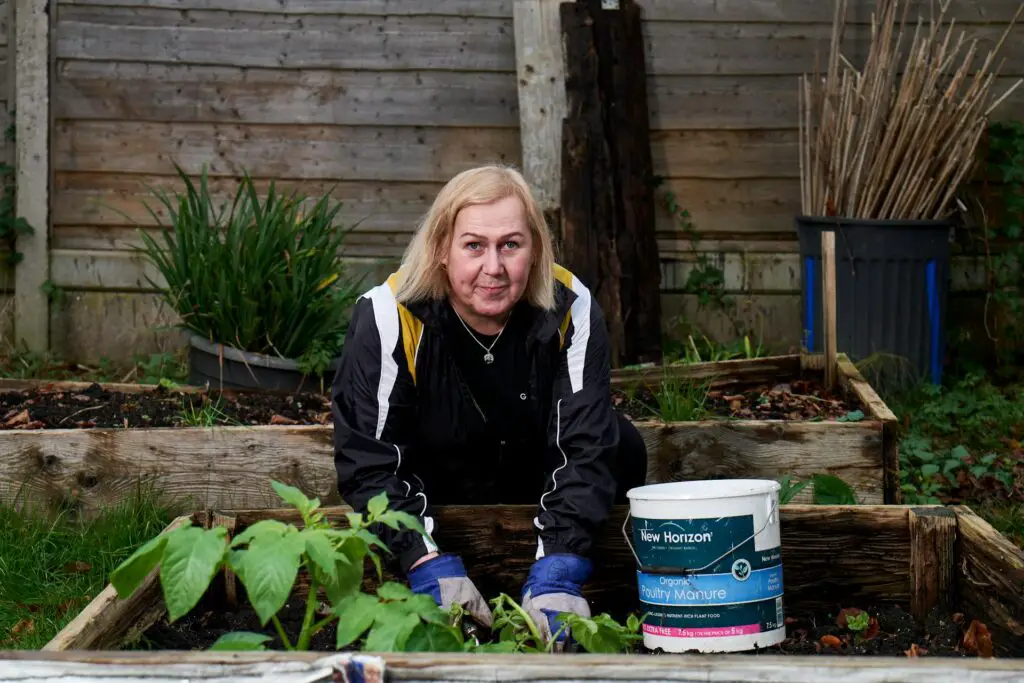
<p>Raised beds are perfect for people who want to garden without bending over too much. You can make one from wood planks, bricks, or even old pallets. Once built, fill it with soil and plant herbs, flowers, or greens. It’s both a DIY and a gardening win. Fun fact: raised beds warm up faster in spring, so your plants grow sooner. It’s a project that keeps giving back season after season.</p> ::Pexels

Raised beds are perfect for people who want to garden without bending over too much. You can make one from wood planks, bricks, or even old pallets. Once built, fill it with soil and plant herbs, flowers, or greens. It’s both a DIY and a gardening win. Fun fact: raised beds warm up faster in spring, so your plants grow sooner. It’s a project that keeps giving back season after season.

Craft Your Own Walking Stick

<p>Walking sticks are handy on hikes or even strolls in the park. Making one gives you a fun goal and a useful item. Start with a straight, dry branch—like oak or hickory. Sand it smooth, carve a pattern if you like, and finish it with stain or oil. You can add a rubber tip at the bottom for grip. Some people even decorate them with paint or wood-burning tools. It’s a piece of art you can use every day.</p> ::Pexels

Walking sticks are handy on hikes or even strolls in the park. Making one gives you a fun goal and a useful item. Start with a straight, dry branch—like oak or hickory. Sand it smooth, carve a pattern if you like, and finish it with stain or oil. You can add a rubber tip at the bottom for grip. Some people even decorate them with paint or wood-burning tools. It’s a piece of art you can use every day.

Make a Memory Shadow Box

<p>If you’ve got photos, trinkets, or souvenirs that mean a lot to you, a shadow box is a great way to keep them on display. Buy a plain shadow box frame or make your own from a small crate. Add pictures, patches, medals, or postcards with glue or pins. Arrange it however you like—there’s no wrong way to do it. This project is great for telling your story in a small space. It’s also a fun gift for family members.</p> ::Pexels

If you’ve got photos, trinkets, or souvenirs that mean a lot to you, a shadow box is a great way to keep them on display. Buy a plain shadow box frame or make your own from a small crate. Add pictures, patches, medals, or postcards with glue or pins. Arrange it however you like—there’s no wrong way to do it. This project is great for telling your story in a small space. It’s also a fun gift for family members.

Upcycle an Old Chair or Table

<p>Got an old chair gathering dust? Don’t toss it—give it new life. You can sand, paint, or stain it to match your style. Change the fabric on the seat for a pop of color. Many retirees enjoy the hands-on feel of bringing something back from the brink. It’s part craft, part fix-it job. Plus, upcycling saves money and cuts down on waste. You’ll feel proud every time you sit on or use the finished piece.</p> ::Pexels

Got an old chair gathering dust? Don’t toss it—give it new life. You can sand, paint, or stain it to match your style. Change the fabric on the seat for a pop of color. Many retirees enjoy the hands-on feel of bringing something back from the brink. It’s part craft, part fix-it job. Plus, upcycling saves money and cuts down on waste. You’ll feel proud every time you sit on or use the finished piece.

Create Handmade Greeting Cards

<p>Card-making is fun, quick, and great for all seasons. Use cardstock, stamps, stickers, or even pressed flowers to make birthday, thank-you, or holiday cards. You can do this solo or with a group, and each card can be one of a kind. Handwritten notes mean more than store-bought cards these days. You’ll save money, stay crafty, and make someone smile all at once. Bonus: it’s easy to find royalty-free card design ideas online.</p> ::Pexels

Card-making is fun, quick, and great for all seasons. Use cardstock, stamps, stickers, or even pressed flowers to make birthday, thank-you, or holiday cards. You can do this solo or with a group, and each card can be one of a kind. Handwritten notes mean more than store-bought cards these days. You’ll save money, stay crafty, and make someone smile all at once. Bonus: it’s easy to find royalty-free card design ideas online.

Assemble a DIY Tool Organizer

<p>Tools get lost fast when there’s no good place to keep them. A tool organizer can be made from wood, PVC pipes, or even old cans and boxes. You decide how big or small it needs to be. Wall-mount it in the garage or set it on a workbench. It’s satisfying to see everything in place. Even better, you won’t waste time looking for a wrench when you need one. This project is part useful, part tidy, and all smart.</p> ::Pexels

Tools get lost fast when there’s no good place to keep them. A tool organizer can be made from wood, PVC pipes, or even old cans and boxes. You decide how big or small it needs to be. Wall-mount it in the garage or set it on a workbench. It’s satisfying to see everything in place. Even better, you won’t waste time looking for a wrench when you need one. This project is part useful, part tidy, and all smart.

Try Woodburning Art (Pyrography)

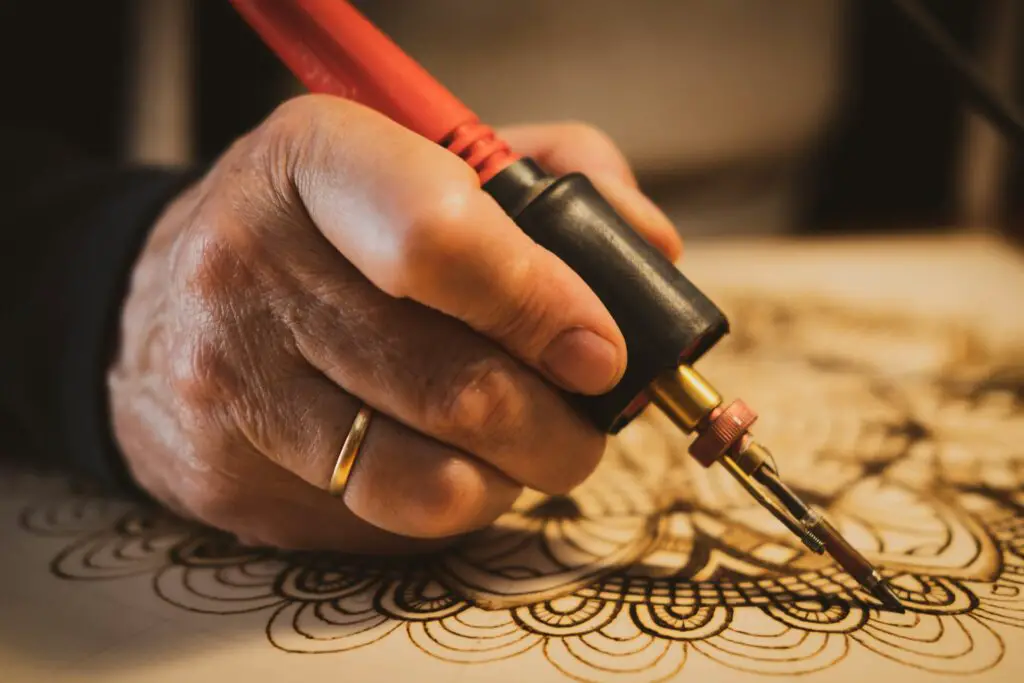
<p>Woodburning, or pyrography, is the art of drawing on wood using a heated pen. You don’t need much to start—just soft wood and a basic tool kit. Trace a design, warm up your pen, and burn your pattern in slow lines. You can write quotes, draw animals, or mark a sign for your garden. It’s quiet work, and the results look sharp and natural. It’s also a good way to add custom flair to gifts or home items.</p> ::Unsplash

Woodburning, or pyrography, is the art of drawing on wood using a heated pen. You don’t need much to start—just soft wood and a basic tool kit. Trace a design, warm up your pen, and burn your pattern in slow lines. You can write quotes, draw animals, or mark a sign for your garden. It’s quiet work, and the results look sharp and natural. It’s also a good way to add custom flair to gifts or home items.

Conclusion

<p>Staying hands-on in retirement keeps the brain sharp and the spirit lifted. These DIY projects are simple enough to start right away, yet rich in reward. You get to create, explore, and sometimes even give your work to someone else. Whether you’re indoors or outside, working alone or with a friend, these ideas help you stay busy in the best way. So grab some tools, clear a little space, and pick one to try this week—you just might surprise yourself.</p> ::Pexels

Staying hands-on in retirement keeps the brain sharp and the spirit lifted. These DIY projects are simple enough to start right away, yet rich in reward. You get to create, explore, and sometimes even give your work to someone else. Whether you’re indoors or outside, working alone or with a friend, these ideas help you stay busy in the best way. So grab some tools, clear a little space, and pick one to try this week—you just might surprise yourself.

Filed Under: Lifestyle

The Worst Possible Foods to Have for Breakfast: 8 Morning Mistakes You Should Avoid

December 10, 2025 | Leave a Comment

The Worst Possible Foods to Have for Breakfast: 8 Morning Mistakes You Should Avoid

<p> Breakfast has a reputation for being “the most important meal of the day,” but in reality, it is only as good as what you put on your plate. In the United States, mornings are rushed, coffee comes first, and convenience often wins out over nutrition. That is exactly why so many people unknowingly start their day with foods that slow them down, spike their blood sugar, or leave them hungry an hour later.

Think of breakfast as the opening scene of your daily story. You can set yourself up for energy, focus, and a solid mood, or you can begin the day with a sluggish, foggy start that has you chasing snacks before 10 a.m. The problem is not that people intentionally choose “bad” breakfasts. It is that many of the most common morning staples are marketed as normal or even healthy, when they are anything but.

Today, we are diving into the worst possible foods you could eat first thing in the morning. These choices are popular, tasty, and incredibly convenient, yet they provide very little in terms of real energy or nourishment. If you spot any of your daily go-to items on this list, do not panic. This is not about guilt. This is about becoming aware of what actually fuels you and what drains you.

Let’s take a closer look at the breakfast mistakes many Americans are still making every single day. </p> :: Gemini

Breakfast has a reputation for being “the most important meal of the day,” but in reality, it is only as good as what you put on your plate. In the United States, mornings are rushed, coffee comes first, and convenience often wins out over nutrition. That is exactly why so many people unknowingly start their day with foods that slow them down, spike their blood sugar, or leave them hungry an hour later.

Think of breakfast as the opening scene of your daily story. You can set yourself up for energy, focus, and a solid mood, or you can begin the day with a sluggish, foggy start that has you chasing snacks before 10 a.m. The problem is not that people intentionally choose “bad” breakfasts. It is that many of the most common morning staples are marketed as normal or even healthy, when they are anything but.

Today, we are diving into the worst possible foods you could eat first thing in the morning. These choices are popular, tasty, and incredibly convenient, yet they provide very little in terms of real energy or nourishment. If you spot any of your daily go-to items on this list, do not panic. This is not about guilt. This is about becoming aware of what actually fuels you and what drains you.

Let’s take a closer look at the breakfast mistakes many Americans are still making every single day.

1. Sugary Highly Processed Cereals

<p> Many people grew up thinking that brightly colored, sweetened cereals were a normal breakfast. Some brands even claimed to be part of a “balanced breakfast.” In reality, most sugary cereals are nothing more than refined grains coated in sugar, artificial flavors, and food dyes. They digest quickly, hit your bloodstream fast, and leave you feeling hungry soon after you finish them.

The biggest issue is the lack of protein and fiber. Without those, your blood sugar spikes and then comes crashing down, which explains that mid-morning sluggish feeling that shows up out of nowhere. While these cereals may be nostalgic or convenient, they are a poor choice if you want steady energy or appetite control. </p> :: Gemini

Many people grew up thinking that brightly colored, sweetened cereals were a normal breakfast. Some brands even claimed to be part of a “balanced breakfast.” In reality, most sugary cereals are nothing more than refined grains coated in sugar, artificial flavors, and food dyes. They digest quickly, hit your bloodstream fast, and leave you feeling hungry soon after you finish them.

The biggest issue is the lack of protein and fiber. Without those, your blood sugar spikes and then comes crashing down, which explains that mid-morning sluggish feeling that shows up out of nowhere. While these cereals may be nostalgic or convenient, they are a poor choice if you want steady energy or appetite control.

2. White Bread Toast with Butter, Jam, or Sugary Spreads

<p> Toast may feel harmless, but the type of bread you choose makes all the difference. White bread is made from refined flour, meaning it has very little fiber and breaks down in your body almost like pure sugar. Add butter, jam, honey, or other sugary spreads and you end up with a morning meal that is sweet, low in nutrients, and not filling.

Even if it tastes comforting, white toast falls short when it comes to keeping you energized. If you love toast, choose whole grain bread instead. It provides more fiber, more flavor, and far more staying power. </p> :: Gemini

Toast may feel harmless, but the type of bread you choose makes all the difference. White bread is made from refined flour, meaning it has very little fiber and breaks down in your body almost like pure sugar. Add butter, jam, honey, or other sugary spreads and you end up with a morning meal that is sweet, low in nutrients, and not filling.

Even if it tastes comforting, white toast falls short when it comes to keeping you energized. If you love toast, choose whole grain bread instead. It provides more fiber, more flavor, and far more staying power.

3. Pastries Donuts Muffins and Other Sweet Baked Goods

<p> If you think about it, pastries and donuts are basically dessert disguised as breakfast. They are soft, sweet, buttery, and convenient, and that is exactly why so many people grab them on the go. The problem is that these baked goods are loaded with sugar, refined flour, and unhealthy fats that give you a quick burst of pleasure followed by a rapid crash.

A single muffin from a coffee shop can pack as much sugar as several cookies. Many pastries do not offer any protein or fiber to balance your blood sugar, which means the sugar rush hits fast and leaves just as quickly. These can be fun treats once in a while, but relying on them daily sets you up for cravings, low energy, and overeating later in the day. </p> :: Gemini

If you think about it, pastries and donuts are basically dessert disguised as breakfast. They are soft, sweet, buttery, and convenient, and that is exactly why so many people grab them on the go. The problem is that these baked goods are loaded with sugar, refined flour, and unhealthy fats that give you a quick burst of pleasure followed by a rapid crash.

A single muffin from a coffee shop can pack as much sugar as several cookies. Many pastries do not offer any protein or fiber to balance your blood sugar, which means the sugar rush hits fast and leaves just as quickly. These can be fun treats once in a while, but relying on them daily sets you up for cravings, low energy, and overeating later in the day.

4. Pancakes and Waffles Covered in Syrup

<p> Pancakes and waffles might be symbols of a classic American breakfast, but they are not exactly the best way to start your day. Even when they are homemade, they are often made with refined flour and topped with syrup, powdered sugar, fruit syrup, or butter. This combination creates a meal with a lot of calories but very little staying power.

Syrup especially is nearly pure sugar, and when poured on top of fluffy white pancakes or waffles, it becomes a recipe for a blood sugar rollercoaster. They can absolutely be enjoyed as an occasional weekend breakfast, but they should not be something you rely on for daily fuel. </p> :: Gemini

Pancakes and waffles might be symbols of a classic American breakfast, but they are not exactly the best way to start your day. Even when they are homemade, they are often made with refined flour and topped with syrup, powdered sugar, fruit syrup, or butter. This combination creates a meal with a lot of calories but very little staying power.

Syrup especially is nearly pure sugar, and when poured on top of fluffy white pancakes or waffles, it becomes a recipe for a blood sugar rollercoaster. They can absolutely be enjoyed as an occasional weekend breakfast, but they should not be something you rely on for daily fuel.

5. Processed Breakfast Meats such as Bacon Sausage and Ham

<p> Breakfast meats are a staple across the United States, but not all proteins are created equal. Processed meats like bacon, sausage, and ham are often high in sodium, saturated fat, preservatives, and additives. When consumed in excess, these foods have been linked to increased risks of heart disease and high blood pressure.

Not only that, but they rarely offer the type of protein boost your body needs early in the day. If you enjoy meat in the mornings, consider reserving processed options for the occasional treat and choose leaner, less processed options on a more regular basis. </p> :: Gemini

Breakfast meats are a staple across the United States, but not all proteins are created equal. Processed meats like bacon, sausage, and ham are often high in sodium, saturated fat, preservatives, and additives. When consumed in excess, these foods have been linked to increased risks of heart disease and high blood pressure.

Not only that, but they rarely offer the type of protein boost your body needs early in the day. If you enjoy meat in the mornings, consider reserving processed options for the occasional treat and choose leaner, less processed options on a more regular basis.

6. Flavored or Sweetened Yogurt

<p> Yogurt sounds healthy on the surface, and it absolutely can be, but many flavored yogurts in grocery stores are loaded with added sugar. Fruit on the bottom often means syrup, and flavored varieties can contain as much sugar as a candy bar. That is far from the nourishing, protein-rich breakfast people believe they are getting.

Choosing plain yogurt is a much better option. You can sweeten it naturally with berries, granola made from whole ingredients, or a small drizzle of honey. This way, you get the benefits of probiotics and protein without drowning your breakfast in sugar. </p> :: Gemini

Yogurt sounds healthy on the surface, and it absolutely can be, but many flavored yogurts in grocery stores are loaded with added sugar. Fruit on the bottom often means syrup, and flavored varieties can contain as much sugar as a candy bar. That is far from the nourishing, protein-rich breakfast people believe they are getting.

Choosing plain yogurt is a much better option. You can sweeten it naturally with berries, granola made from whole ingredients, or a small drizzle of honey. This way, you get the benefits of probiotics and protein without drowning your breakfast in sugar.

7. Fruit Juice and Sugary Morning Drinks

<p> Fruit juice is one of the most misleading breakfast foods out there. It is marketed as healthy, refreshing, and full of vitamins. While it does contain some nutrients, it also contains a concentrated amount of sugar and none of the fiber found in whole fruit. Drinking it first thing in the morning can spike your blood sugar quickly, leaving you tired and hungry before lunch.

Sugary coffee drinks fall into the same category. That festive caramel-mocha-cookie-cream drink may taste amazing, but it is essentially a dessert in a cup. These sugary beverages are best enjoyed occasionally, not as part of your morning routine. </p> :: Gemini

Fruit juice is one of the most misleading breakfast foods out there. It is marketed as healthy, refreshing, and full of vitamins. While it does contain some nutrients, it also contains a concentrated amount of sugar and none of the fiber found in whole fruit. Drinking it first thing in the morning can spike your blood sugar quickly, leaving you tired and hungry before lunch.

Sugary coffee drinks fall into the same category. That festive caramel-mocha-cookie-cream drink may taste amazing, but it is essentially a dessert in a cup. These sugary beverages are best enjoyed occasionally, not as part of your morning routine.

8. Oversized Portions of Heavy Simple Carbohydrate Meals

<p> Sometimes the problem is not the food itself but the portion size. A giant bagel the size of your face, three pancakes smothered in syrup, or a heaping plate of hash browns can easily overwhelm your digestive system and leave you sluggish. When a breakfast is mostly refined carbs and heavy fats, it may feel comforting in the moment but rarely keeps you energized for long.

Balanced portions matter. Your body thrives when you combine protein, fiber, healthy fats, and whole grain carbohydrates. A huge plate of refined, heavy foods simply does not deliver that balance.  </p> :: Gemini

Sometimes the problem is not the food itself but the portion size. A giant bagel the size of your face, three pancakes smothered in syrup, or a heaping plate of hash browns can easily overwhelm your digestive system and leave you sluggish. When a breakfast is mostly refined carbs and heavy fats, it may feel comforting in the moment but rarely keeps you energized for long.

Balanced portions matter. Your body thrives when you combine protein, fiber, healthy fats, and whole grain carbohydrates. A huge plate of refined, heavy foods simply does not deliver that balance.

Final Thoughts

<p> Changing your breakfast habits does not require perfection. You do not need to swear off pancakes forever or pretend you do not love the occasional donut. What matters most is what you do consistently. When you swap out sugary, refined, or overly processed breakfast foods for options that contain protein, fiber, and whole ingredients, you set yourself up for steady energy, better focus, and fewer cravings throughout the day.

Your morning meal can shape the rest of your day more than you might realize. A nourishing breakfast does not have to be complicated or expensive. It simply needs to give your body real fuel instead of empty calories that burn out fast.

If you are ready, I can also help you create a list of healthy, delicious, and easy breakfast ideas anytime. Just let me know and I will build it for you. </p> :: Gemini

Changing your breakfast habits does not require perfection. You do not need to swear off pancakes forever or pretend you do not love the occasional donut. What matters most is what you do consistently. When you swap out sugary, refined, or overly processed breakfast foods for options that contain protein, fiber, and whole ingredients, you set yourself up for steady energy, better focus, and fewer cravings throughout the day.

Your morning meal can shape the rest of your day more than you might realize. A nourishing breakfast does not have to be complicated or expensive. It simply needs to give your body real fuel instead of empty calories that burn out fast.

If you are ready, I can also help you create a list of healthy, delicious, and easy breakfast ideas anytime. Just let me know and I will build it for you.

Filed Under: Food & Drink

5 Motivational Hacks to Pay Off Debt

December 9, 2025 | Leave a Comment

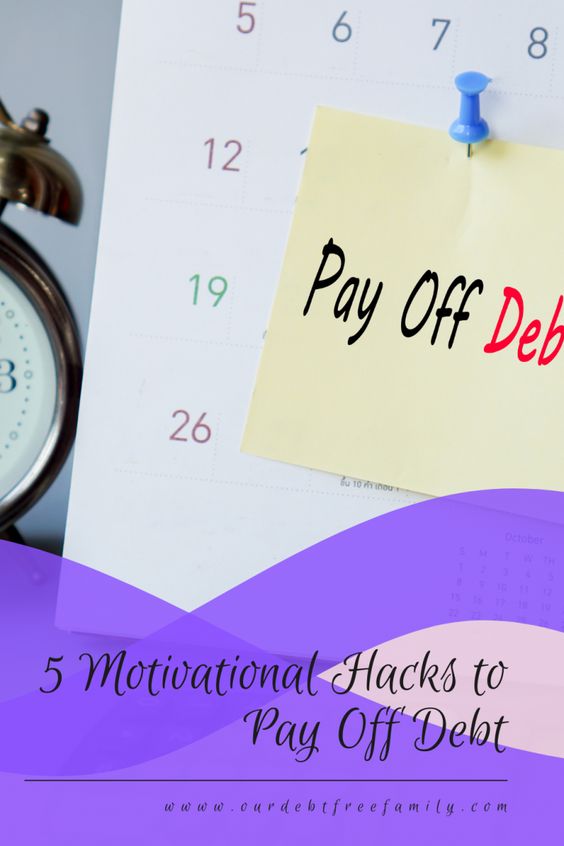
<p>When you decide to take your debt journey seriously, you might feel a burst of energy and motivation. You’re ready to slay your debt. Unfortunately, that motivation doesn’t last long. I know, because I paid off debt for many years. Over the course of nine years, I paid off $81,000 in student loans. I only got serious about it after graduating from New York University, when I still had $68,000 — which I paid off in 4.5 years. In order to do that, I had to make four-figure payments for years. When you can’t pay off debt quickly because your balance is so large, debt fatigue can creep in. Here are five motivational hacks to help you pay off debt. </p>::Pexels

When you decide to take your debt journey seriously, you might feel a burst of energy and motivation. You’re ready to slay your debt. Unfortunately, that motivation doesn’t last long. I know, because I paid off debt for many years. Over the course of nine years, I paid off $81,000 in student loans. I only got serious about it after graduating from New York University, when I still had $68,000 — which I paid off in 4.5 years. In order to do that, I had to make four-figure payments for years. When you can’t pay off debt quickly because your balance is so large, debt fatigue can creep in. Here are five motivational hacks to help you pay off debt. 

1. Write your debt number on a post-it

Paying off debt requires you to shift your behavior as well as your mindset. In order to do that, you need to keep your debt top of mind. You can’t just rely on willpower or motivation. You need to rely on discipline as well as gentle reminders. 

One hack that worked for me was to put my debt balance on a post-it. I took that post-it and put it on my credit card. So every time I wanted to spend money, I’d see the balance looking back at me. At that moment, I had to ask myself if the purchase was really worth it. This hack kept me from making mindless purchases and kept me going because I was so determined to see that number go down! 

2. Make a debt-free dream list

Debt fatigue is difficult to deal with because you’re so overpaying off debt. One thing that kept me going when I wanted to give up was creating a “debt-free dream list”. On that list, I wrote down all of my dreams and the things I wanted in my debt-free life. 

I wrote down that I wanted to be self-employed, move back to LA, get cats, and take my mom to Italy. At the time, I was living in Portland, Oregon and the weather didn’t agree with me but I knew I needed to stay to take advantage of the low cost of living. 

I was also desperate for my own cats and to have more adventures. But I went back to being disciplined and knew that a little bit of hard work now would mean an easier life later when I was older. 

Do you want to be a younger person in debt or an older person in debt? I think you know the answer. So for me, I sacrificed and hustled for years and kept in mind all of the things I would have and pursue once I was debt-free and had a positive net worth. 

You can create your own debt-free dream list by thinking about all the things you will do or items you will buy once your debt is completely gone. 

3. Use Pinterest/Instagram to motivate you

Writing down your debt-free dream list is one way to state what you want. But to take it to the next level, you can use Pinterest to motivate you. Create a board that showcases images and articles that keep you going.  Check out these funny debt free quotes.

You can also use Instagram and other social media outlets for motivation. Only follow accounts related to your dream. Use the ‘save post’ function to create a gallery of images that support your debt-free dream list. Instead of using social media to be tempted by ads or getting FOMO, you can curate your own feed to help you reach your debt-free dream list and keep going when times are hard and motivation is lacking. 

4. Make yourself accountable

I started my blog DearDebt.com to write about my journey of paying off debt. Every month, I’d write a recap on the side hustles I did as well as how much I paid off in debt that month. The blog was a wonderful accountability tool that helped me pay off debt. 

You can make yourself accountable by starting a blog. Think that’s too much? Create a microblog on Instagram and search #debtfreecommunity. You can also find a friend you can connect with who also wants to pay off debt and set up regular intervals to check-in. You can get paid to write articles and blog posts or even testing apps and writing reviews.

Having external accountability can help you maintain progress. You want to show up, not disappoint the other person, and cheer each other on. Find what works for you while striving to be consistent. 

Read our article on why you need to conduct a midyear budget review and the steps in getting one done today.

5. Try these different methods to pay off debt 

If you research ways to pay off debt, it’s likely you’ll come across two common methods of doing so. 

  1. Debt Avalanche Method
  2. Debt Snowball Method

Both require you to pay the minimum on all of your loans but states you should put your extra money toward the highest interest rate (avalanche) or the lowest balance (snowball). The snowball method is very popular and can be a good option as it boosts motivation as you pay down small balances. The avalanche method can save you money on interest, which could mean paying off debt even faster. Our Snowball vs Avalanche article shows a more detailed comparison of both methods. 

Two other options that I shared in my book Dear Debt, are about engaging your emotions to help you pay off debt. One option is to pay off the debt that makes you angry. Maybe you have debt from a divorce or getting scammed by a friend and it makes you mad. Anger is typically not a great emotion and doesn’t help move you forward. But if you channel that into debt repayment, it could fuel your journey. 

The other option is to pay off the debt that will offer the most peace of mind. If you have a loan from a family member that is causing tension or a credit card bill that keeps you up at night, preventing you from having good sleep, pay that off first. 

Paying off debt is an emotional process and these are two ways to hack your emotions in your favor rather than fall in despair. 

Pay off debt now 

Paying off debt is never easy. It takes a toll on your emotional and financial life and maybe even your relationships, too. That’s why it’s important to do whatever you can to get out of debt ASAP and hack your motivation so you can keep going. 


READ MORE:

  • Debt Free: Inspirational Money Quotes That Will Motivate You
  • Throwing an Epic Kids Birthday Bash on a Shoestring Budget? Try These Creative Cost-Saving Tips
  • Cash App Glitch 2023: Is the Free Money Glitch Real?
  • Try This $10000 Biweekly 26 Week Money Challenge to Crush Your Debt
  • Why You Need A Personal Mid-Year Budget Review and 5 Things to Do Now
  • How Often Should You Review Your Budget?

Filed Under: Debt Reduction

Why Some People in Their 30s and Beyond Stop Talking to Friends: 10 Surprising Reasons

December 9, 2025 | Leave a Comment

Why Some People in Their 30s and Beyond Stop Talking to Friends: 10 Surprising Reasons

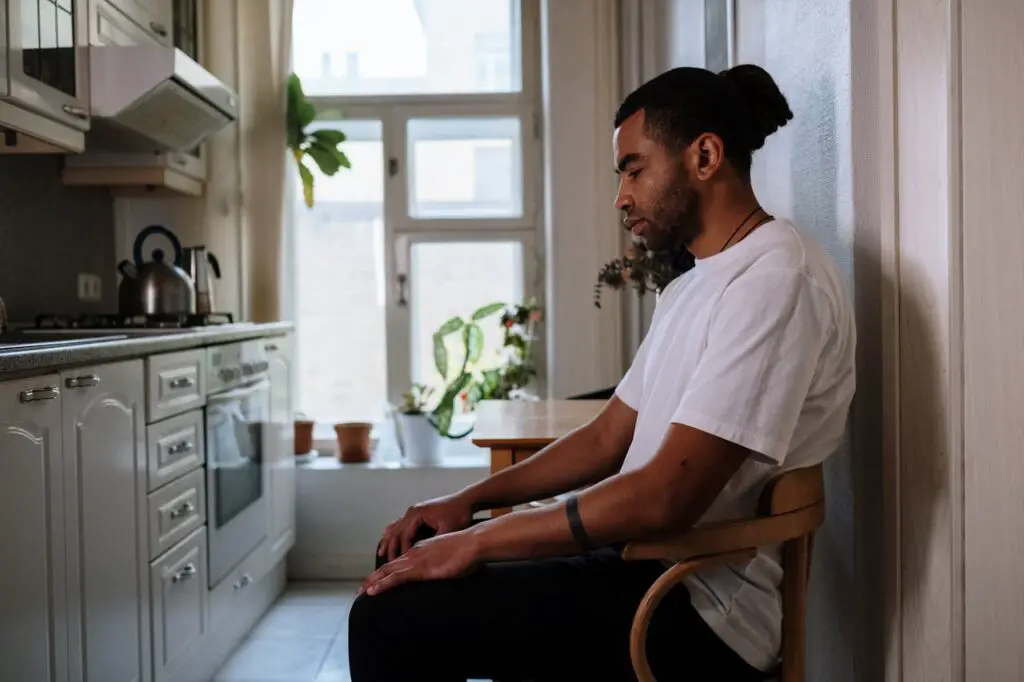
<p> As we age, priorities shift, routines change, and for many people, friendships that once felt like lifelines slowly fade away. It is not always because of drama or major fallouts—often, it is subtle, emotional, and deeply personal. People who lose interest in talking to friends as they get older usually have specific reasons that may not be obvious to outsiders. Whether it is about preserving energy, prioritizing self-growth, or simply evolving with time, here is a look at 10 real reasons why adults often pull back from friendships—and why it is more common than you might think. </p> :: Pexels

As we age, priorities shift, routines change, and for many people, friendships that once felt like lifelines slowly fade away. It is not always because of drama or major fallouts—often, it is subtle, emotional, and deeply personal. People who lose interest in talking to friends as they get older usually have specific reasons that may not be obvious to outsiders. Whether it is about preserving energy, prioritizing self-growth, or simply evolving with time, here is a look at 10 real reasons why adults often pull back from friendships—and why it is more common than you might think.

1. Emotional Bandwidth Shrinks With Age

<p> As people get older, their emotional energy becomes more limited, and they become more selective about where it goes. Between juggling careers, family responsibilities, health concerns, and life’s constant curveballs, many find themselves drained by the end of the day. This reduced emotional bandwidth makes it harder to keep up with frequent conversations or maintain large social circles. They may still care about their friends deeply, but the capacity to engage in regular talks just is not there anymore. It becomes a quiet choice to conserve emotional resources and prioritize only the relationships that feel most nourishing. </p> :: Pexels

As people get older, their emotional energy becomes more limited, and they become more selective about where it goes. Between juggling careers, family responsibilities, health concerns, and life’s constant curveballs, many find themselves drained by the end of the day. This reduced emotional bandwidth makes it harder to keep up with frequent conversations or maintain large social circles. They may still care about their friends deeply, but the capacity to engage in regular talks just is not there anymore. It becomes a quiet choice to conserve emotional resources and prioritize only the relationships that feel most nourishing.

2. They Outgrow Surface-Level Connections

<p> With maturity comes a stronger craving for deeper, more meaningful relationships. Adults often lose interest in friendships that revolve around gossip, shallow topics, or nostalgia. If conversations feel repetitive or emotionally unfulfilling, they might naturally begin to drift away. This is not about being snobbish—it is about wanting authenticity and alignment with current values, which may no longer match those of old friends. What once bonded people together—such as shared classes, parties, or experiences—may not be enough to sustain a connection without emotional depth and common ground in the present. </p> :: Pexels

With maturity comes a stronger craving for deeper, more meaningful relationships. Adults often lose interest in friendships that revolve around gossip, shallow topics, or nostalgia. If conversations feel repetitive or emotionally unfulfilling, they might naturally begin to drift away. This is not about being snobbish—it is about wanting authenticity and alignment with current values, which may no longer match those of old friends. What once bonded people together—such as shared classes, parties, or experiences—may not be enough to sustain a connection without emotional depth and common ground in the present.

3. Life Priorities Take Over

<p> In your teens and twenties, friendships often rank high on the priority list. But as people move into their thirties, forties, and fifties, other areas of life—such as career advancement, raising children, caring for aging parents, or even pursuing personal goals—can take precedence. It becomes increasingly difficult to carve out time for long conversations or meetups. This shift does not always stem from a lack of interest; it is a reflection of changing priorities. Time becomes more valuable, and people are forced to make tough decisions about where to allocate it, often at the expense of friendships that require more effort than they can give. </p> :: Pexels

In your teens and twenties, friendships often rank high on the priority list. But as people move into their thirties, forties, and fifties, other areas of life—such as career advancement, raising children, caring for aging parents, or even pursuing personal goals—can take precedence. It becomes increasingly difficult to carve out time for long conversations or meetups. This shift does not always stem from a lack of interest; it is a reflection of changing priorities. Time becomes more valuable, and people are forced to make tough decisions about where to allocate it, often at the expense of friendships that require more effort than they can give.

4. They Have Been Burned Too Many Times

<p> With age comes experience, and unfortunately, not all experiences are positive. Many adults have dealt with betrayal, one-sided friendships, or friends who disappeared during tough times. Over time, this emotional wear and tear can lead to a protective detachment. Instead of continuously giving people chances, they choose peace and distance, opting for solitude over potential disappointment. Trust becomes harder to give freely, and the emotional scars from past friendships make it easier to walk away from new or old connections that do not feel entirely safe. </p> :: Pexels

With age comes experience, and unfortunately, not all experiences are positive. Many adults have dealt with betrayal, one-sided friendships, or friends who disappeared during tough times. Over time, this emotional wear and tear can lead to a protective detachment. Instead of continuously giving people chances, they choose peace and distance, opting for solitude over potential disappointment. Trust becomes harder to give freely, and the emotional scars from past friendships make it easier to walk away from new or old connections that do not feel entirely safe.

5. They Prefer Quality Over Quantity

<p> Younger people often thrive on a large group of friends, but older adults tend to value a small, tight-knit circle. They may not be interested in keeping up with everyone they have ever known, especially if those relationships do not bring them peace or joy. As a result, they stop initiating conversations with casual friends or acquaintances and focus more on the few people who truly matter. Instead of having many surface-level interactions, they prefer deeper, more intentional connections that add value and stability to their lives. </p> :: Pexels

Younger people often thrive on a large group of friends, but older adults tend to value a small, tight-knit circle. They may not be interested in keeping up with everyone they have ever known, especially if those relationships do not bring them peace or joy. As a result, they stop initiating conversations with casual friends or acquaintances and focus more on the few people who truly matter. Instead of having many surface-level interactions, they prefer deeper, more intentional connections that add value and stability to their lives.

6. Mental Health Struggles Make It Harder to Connect

<p> Depression, anxiety, and burnout are more common than we often acknowledge, especially in adulthood. These issues can make socializing feel overwhelming, even with close friends. When someone is struggling mentally or emotionally, the idea of small talk or even catching up can feel exhausting. Rather than explaining their state over and over again, many adults simply retreat into silence. They are not trying to shut others out—they are just trying to survive. In these moments, withdrawing feels like the safest way to protect themselves from added emotional labor. </p> :: Pexels

Depression, anxiety, and burnout are more common than we often acknowledge, especially in adulthood. These issues can make socializing feel overwhelming, even with close friends. When someone is struggling mentally or emotionally, the idea of small talk or even catching up can feel exhausting. Rather than explaining their state over and over again, many adults simply retreat into silence. They are not trying to shut others out—they are just trying to survive. In these moments, withdrawing feels like the safest way to protect themselves from added emotional labor.

7. They Have Become Comfortable Being Alone

<p> One of the most underrated joys of growing older is discovering the beauty of solitude. Many people come to realize that they do not need constant interaction to feel fulfilled. They start enjoying their own company more and may lose the urge to stay in regular contact with friends. It does not mean they are lonely—it means they have found peace in being alone, which often replaces the need for frequent socializing. This self-contentment can be liberating, but it often leads to misunderstandings if friends interpret the silence as disinterest or rejection. </p> :: Pexels

One of the most underrated joys of growing older is discovering the beauty of solitude. Many people come to realize that they do not need constant interaction to feel fulfilled. They start enjoying their own company more and may lose the urge to stay in regular contact with friends. It does not mean they are lonely—it means they have found peace in being alone, which often replaces the need for frequent socializing. This self-contentment can be liberating, but it often leads to misunderstandings if friends interpret the silence as disinterest or rejection.

8. Friendships Start to Feel Like Obligations

<p> When adult friendships start revolving around routine check-ins or obligatory birthday wishes, they lose their spark. What once was fun and spontaneous can start to feel like another item on an already long to-do list. If a friendship feels more like a chore than a source of joy, people might begin to disengage—especially if the effort does not feel mutual. Adults are quicker to question whether relationships are genuinely enriching or simply habitual, and if the answer leans toward the latter, they often let those connections fade without confrontation. </p> :: Pexels

When adult friendships start revolving around routine check-ins or obligatory birthday wishes, they lose their spark. What once was fun and spontaneous can start to feel like another item on an already long to-do list. If a friendship feels more like a chore than a source of joy, people might begin to disengage—especially if the effort does not feel mutual. Adults are quicker to question whether relationships are genuinely enriching or simply habitual, and if the answer leans toward the latter, they often let those connections fade without confrontation.

9. They Are Focused on Self-Growth or Healing

<p> Healing from past trauma, building new habits, and working on personal growth often require internal focus. People in this phase of life may intentionally take a break from socializing to pour energy into themselves. During these periods of transformation, old friendships that no longer align with who they are becoming might naturally fade away. It is not about cutting people off—it is about choosing inner growth over external connection. Sometimes, the best thing a person can do for themselves is step back and reassess which relationships are helping them thrive and which are holding them back. </p> :: Pexels

Healing from past trauma, building new habits, and working on personal growth often require internal focus. People in this phase of life may intentionally take a break from socializing to pour energy into themselves. During these periods of transformation, old friendships that no longer align with who they are becoming might naturally fade away. It is not about cutting people off—it is about choosing inner growth over external connection. Sometimes, the best thing a person can do for themselves is step back and reassess which relationships are helping them thrive and which are holding them back.

10. They Realize Not Every Friendship Is Meant to Last Forever

<p> As people mature, they come to accept that some friendships are only meant for certain seasons of life. The friends who were there during school, college, or early adulthood might not grow in the same direction. Rather than forcing the connection to survive out of habit or guilt, many simply allow the relationship to dissolve. This acceptance brings peace and removes the pressure to constantly stay in touch with everyone from the past. It becomes easier to embrace the idea that some relationships served their purpose, and that letting go does not mean failure—it means growth. </p> :: Pexels

As people mature, they come to accept that some friendships are only meant for certain seasons of life. The friends who were there during school, college, or early adulthood might not grow in the same direction. Rather than forcing the connection to survive out of habit or guilt, many simply allow the relationship to dissolve. This acceptance brings peace and removes the pressure to constantly stay in touch with everyone from the past. It becomes easier to embrace the idea that some relationships served their purpose, and that letting go does not mean failure—it means growth.

Final Thoughts

<p> Losing interest in talking to friends as you get older does not automatically mean you have become cold, distant, or antisocial. In most cases, it is a sign of inner evolution—of choosing quality over quantity, prioritizing peace, or just honoring your current emotional capacity. If you have found yourself pulling away from old friendships, you are not alone. And if someone you care about has gone quiet, it might not be personal—it might just be life. Friendships change, and that is okay. As long as we stay true to ourselves and communicate with compassion when it matters, there is no wrong way to grow. </p> :: Pexels

Losing interest in talking to friends as you get older does not automatically mean you have become cold, distant, or antisocial. In most cases, it is a sign of inner evolution—of choosing quality over quantity, prioritizing peace, or just honoring your current emotional capacity. If you have found yourself pulling away from old friendships, you are not alone. And if someone you care about has gone quiet, it might not be personal—it might just be life. Friendships change, and that is okay. As long as we stay true to ourselves and communicate with compassion when it matters, there is no wrong way to grow.

Filed Under: Lifestyle

Simple Habits, Big Impact: 8 Daily Practices That May Help You Live Longer and Healthier

December 9, 2025 | Leave a Comment

Simple Habits, Big Impact: 8 Daily Practices That May Help You Live Longer and Healthier

<p> We often chase complex wellness trends in the hope of extending our lives, but the real key to longevity might be hiding in your everyday routine. Living a longer, healthier life is not just about genetics or expensive health products. It is about consistent habits that support your body and mind over time. The best part? These practices are simple, sustainable, and can fit into nearly any lifestyle. From how you eat to how you manage stress, these eight habits can help boost your well-being and potentially add years to your life. Let’s explore the small changes that can deliver big results for your health. </p> :: Pexels

We often chase complex wellness trends in the hope of extending our lives, but the real key to longevity might be hiding in your everyday routine. Living a longer, healthier life is not just about genetics or expensive health products. It is about consistent habits that support your body and mind over time. The best part? These practices are simple, sustainable, and can fit into nearly any lifestyle. From how you eat to how you manage stress, these eight habits can help boost your well-being and potentially add years to your life. Let’s explore the small changes that can deliver big results for your health.

1. Prioritize Sleep Like Your Life Depends on It (Because It Might)

<p> Getting seven to nine hours of quality sleep each night is one of the most powerful things you can do for your overall health. During sleep, your body repairs tissue, balances hormones, and strengthens the immune system. Chronic sleep deprivation has been linked to increased risks of heart disease, obesity, diabetes, and cognitive decline. Good sleep also enhances memory, mood, and productivity, helping you function at your best. To improve your sleep, stick to a consistent bedtime, avoid screens before bed, and create a cool, dark, and quiet environment. When sleep becomes a non-negotiable part of your daily routine, your body will thank you for it in the long run. </p> :: Pexels

Getting seven to nine hours of quality sleep each night is one of the most powerful things you can do for your overall health. During sleep, your body repairs tissue, balances hormones, and strengthens the immune system. Chronic sleep deprivation has been linked to increased risks of heart disease, obesity, diabetes, and cognitive decline. Good sleep also enhances memory, mood, and productivity, helping you function at your best. To improve your sleep, stick to a consistent bedtime, avoid screens before bed, and create a cool, dark, and quiet environment. When sleep becomes a non-negotiable part of your daily routine, your body will thank you for it in the long run.

2. Move Your Body Daily, Even if It Is Just a Walk

<p> Regular movement is essential for maintaining a healthy heart, joints, and mind. You do not need an intense workout to make a difference—walking, stretching, or doing yoga for 30 minutes a day can offer incredible benefits. Daily physical activity can reduce the risk of chronic illnesses like heart disease, diabetes, and osteoporosis while also improving mental health and cognitive function. It boosts circulation, reduces inflammation, and increases your energy. Choose activities that you enjoy so it becomes something you look forward to rather than a chore. Even light movement adds up, and the consistency is what matters most for long-term health. </p> :: Pexels

Regular movement is essential for maintaining a healthy heart, joints, and mind. You do not need an intense workout to make a difference—walking, stretching, or doing yoga for 30 minutes a day can offer incredible benefits. Daily physical activity can reduce the risk of chronic illnesses like heart disease, diabetes, and osteoporosis while also improving mental health and cognitive function. It boosts circulation, reduces inflammation, and increases your energy. Choose activities that you enjoy so it becomes something you look forward to rather than a chore. Even light movement adds up, and the consistency is what matters most for long-term health.

3. Eat More Whole Foods and Cut Back on Processed Ones

<p> Food is fuel, and the type of fuel you give your body affects every aspect of your health. A diet rich in whole foods—like fruits, vegetables, lean proteins, whole grains, legumes, nuts, and seeds—provides your body with the nutrients it needs to thrive. On the other hand, processed foods that are high in sugar, sodium, and unhealthy fats can increase the risk of chronic disease, weight gain, and inflammation. Shifting your focus from restriction to nourishment can change your relationship with food and support longevity. Cook more at home, read ingredient labels, and aim to eat foods as close to their natural form as possible. </p> :: Pexels

Food is fuel, and the type of fuel you give your body affects every aspect of your health. A diet rich in whole foods—like fruits, vegetables, lean proteins, whole grains, legumes, nuts, and seeds—provides your body with the nutrients it needs to thrive. On the other hand, processed foods that are high in sugar, sodium, and unhealthy fats can increase the risk of chronic disease, weight gain, and inflammation. Shifting your focus from restriction to nourishment can change your relationship with food and support longevity. Cook more at home, read ingredient labels, and aim to eat foods as close to their natural form as possible.

4. Stay Socially Connected to Support Your Mental and Physical Health

<p> Loneliness is more than just a feeling—it is a public health risk. Studies have shown that social isolation can increase the risk of early death as much as smoking or obesity. Maintaining strong social connections can reduce stress, improve mental health, and promote better immune function. Whether it is through regular phone calls, community involvement, or simply chatting with neighbors, investing in your relationships pays dividends for your well-being. Make it a habit to connect with loved ones or engage in activities where you can meet others with similar interests. Human connection is not just good for your soul—it is essential for your longevity. </p> :: Freepik

Loneliness is more than just a feeling—it is a public health risk. Studies have shown that social isolation can increase the risk of early death as much as smoking or obesity. Maintaining strong social connections can reduce stress, improve mental health, and promote better immune function. Whether it is through regular phone calls, community involvement, or simply chatting with neighbors, investing in your relationships pays dividends for your well-being. Make it a habit to connect with loved ones or engage in activities where you can meet others with similar interests. Human connection is not just good for your soul—it is essential for your longevity.

5. Practice Daily Stress Management Techniques

<p> Chronic stress can silently wreak havoc on your health by increasing the risk of heart disease, anxiety, depression, and digestive problems. Learning how to manage stress effectively is a vital habit for long-term wellness. Simple techniques like deep breathing, meditation, journaling, or even just spending time in nature can lower cortisol levels and promote a sense of calm. You do not need hours to benefit—even ten minutes of focused breathing or reflection can help reset your nervous system. Prioritizing daily stress relief helps you stay grounded and resilient, no matter what life throws your way. </p> :: Pexels

Chronic stress can silently wreak havoc on your health by increasing the risk of heart disease, anxiety, depression, and digestive problems. Learning how to manage stress effectively is a vital habit for long-term wellness. Simple techniques like deep breathing, meditation, journaling, or even just spending time in nature can lower cortisol levels and promote a sense of calm. You do not need hours to benefit—even ten minutes of focused breathing or reflection can help reset your nervous system. Prioritizing daily stress relief helps you stay grounded and resilient, no matter what life throws your way.

6. Drink More Water and Reduce Sugary Beverages

<p> Hydration is often overlooked but plays a crucial role in your body’s everyday functions. Drinking enough water helps regulate body temperature, cushion joints, deliver nutrients to cells, and support brain function. Dehydration, even mild, can lead to fatigue, headaches, and difficulty concentrating. Replacing sugary drinks like soda and sweetened coffee with water or herbal tea can lower your calorie intake and decrease your risk of metabolic issues. Make it easier to stay hydrated by carrying a reusable water bottle, adding fruit slices for flavor, or setting reminders. Drinking more water is a simple daily habit that contributes to a healthier, more energetic life. </p> :: Pexels

Hydration is often overlooked but plays a crucial role in your body’s everyday functions. Drinking enough water helps regulate body temperature, cushion joints, deliver nutrients to cells, and support brain function. Dehydration, even mild, can lead to fatigue, headaches, and difficulty concentrating. Replacing sugary drinks like soda and sweetened coffee with water or herbal tea can lower your calorie intake and decrease your risk of metabolic issues. Make it easier to stay hydrated by carrying a reusable water bottle, adding fruit slices for flavor, or setting reminders. Drinking more water is a simple daily habit that contributes to a healthier, more energetic life.

7. Cultivate a Positive Mindset and Practice Gratitude

<p> A positive mindset is more than just feel-good fluff—it can have a profound impact on your health. People who practice optimism and gratitude often experience lower stress, better heart health, stronger immune responses, and even longer life spans. Gratitude can shift your focus from what is going wrong to what is going right, creating a more balanced and hopeful perspective. Start small by writing down three things you are thankful for each day or reflecting on what went well. Positive thinking does not mean ignoring problems, but rather approaching them with resilience and clarity. It is a mental habit that can transform your outlook and your health. </p> :: Pexels

A positive mindset is more than just feel-good fluff—it can have a profound impact on your health. People who practice optimism and gratitude often experience lower stress, better heart health, stronger immune responses, and even longer life spans. Gratitude can shift your focus from what is going wrong to what is going right, creating a more balanced and hopeful perspective. Start small by writing down three things you are thankful for each day or reflecting on what went well. Positive thinking does not mean ignoring problems, but rather approaching them with resilience and clarity. It is a mental habit that can transform your outlook and your health.

8. Get Regular Health Checkups and Preventive Screenings

<p> Preventive care is one of the smartest ways to protect your health as you age. Regular checkups and age-appropriate screenings can help detect conditions like high blood pressure, diabetes, or cancer in their early stages—when they are often easiest to treat. Even if you feel healthy, routine visits with your doctor ensure that you are staying ahead of potential issues. Vaccinations, blood tests, and physical exams are all important parts of staying well. Do not wait for symptoms to appear before taking action. Make preventive care part of your yearly health habits and stay proactive about your well-being. </p> :: Freepik

Preventive care is one of the smartest ways to protect your health as you age. Regular checkups and age-appropriate screenings can help detect conditions like high blood pressure, diabetes, or cancer in their early stages—when they are often easiest to treat. Even if you feel healthy, routine visits with your doctor ensure that you are staying ahead of potential issues. Vaccinations, blood tests, and physical exams are all important parts of staying well. Do not wait for symptoms to appear before taking action. Make preventive care part of your yearly health habits and stay proactive about your well-being.

Final Thoughts

<p> You do not need a complete lifestyle overhaul to improve your health and increase your chances of living a longer life. The beauty of these habits is that they are simple, actionable, and incredibly effective when practiced consistently. Prioritizing sleep, moving your body, choosing nourishing foods, staying connected, managing stress, drinking water, thinking positively, and scheduling checkups might seem small individually—but together, they build a foundation for lifelong wellness. Start with one or two habits, make them part of your daily rhythm, and watch how they begin to transform your energy, mood, and health over time. Longevity is not just about living longer—it is about living better. </p> :: Pexels

You do not need a complete lifestyle overhaul to improve your health and increase your chances of living a longer life. The beauty of these habits is that they are simple, actionable, and incredibly effective when practiced consistently. Prioritizing sleep, moving your body, choosing nourishing foods, staying connected, managing stress, drinking water, thinking positively, and scheduling checkups might seem small individually—but together, they build a foundation for lifelong wellness. Start with one or two habits, make them part of your daily rhythm, and watch how they begin to transform your energy, mood, and health over time. Longevity is not just about living longer—it is about living better.

Filed Under: Health & Fitness

8 Packing Mistakes That Can Ruin Your Trip (And How to Avoid Them)

December 9, 2025 | Leave a Comment

8 Packing Mistakes That Can Ruin Your Trip (And How to Avoid Them)

<p> Packing for a trip sounds simple in theory—fold some clothes, throw in a toothbrush, zip up your bag, and go. But experienced travelers know that one wrong move in the packing department can lead to major inconveniences or even ruin parts of the journey. From lugging around an overstuffed suitcase to realizing you left crucial medications at home, packing errors can be costly and stressful. Whether you are traveling for leisure or business, being mindful about how you pack makes a world of difference. To help you sidestep unnecessary issues, here are eight packing mistakes that can ruin your trip and how to avoid them like a pro. </p> :: Freepik

Packing for a trip sounds simple in theory—fold some clothes, throw in a toothbrush, zip up your bag, and go. But experienced travelers know that one wrong move in the packing department can lead to major inconveniences or even ruin parts of the journey. From lugging around an overstuffed suitcase to realizing you left crucial medications at home, packing errors can be costly and stressful. Whether you are traveling for leisure or business, being mindful about how you pack makes a world of difference. To help you sidestep unnecessary issues, here are eight packing mistakes that can ruin your trip and how to avoid them like a pro.

1. Overpacking and Bringing Items “Just in Case”

<p> Overpacking is one of the most common travel mistakes and also one of the most exhausting to deal with. Trying to fit too many outfits, shoes, and accessories into your suitcase often leads to chaos, disorganization, and unnecessary baggage fees. It also weighs you down when navigating airports, public transport, or uneven streets. Bringing things "just in case" usually results in bringing things you will never use. Instead, plan your outfits around a color scheme, choose multipurpose pieces, and limit yourself to essential items. A general rule is to pack for one week and plan to do laundry if your trip is longer. Remember, the less you carry, the more you enjoy the journey. </p> :: Pexels

Overpacking is one of the most common travel mistakes and also one of the most exhausting to deal with. Trying to fit too many outfits, shoes, and accessories into your suitcase often leads to chaos, disorganization, and unnecessary baggage fees. It also weighs you down when navigating airports, public transport, or uneven streets. Bringing things “just in case” usually results in bringing things you will never use. Instead, plan your outfits around a color scheme, choose multipurpose pieces, and limit yourself to essential items. A general rule is to pack for one week and plan to do laundry if your trip is longer. Remember, the less you carry, the more you enjoy the journey.

2. Not Checking the Weather Forecast Before You Pack

<p> Nothing ruins a trip faster than being unprepared for the weather. Packing a suitcase full of light clothes only to arrive at a chilly destination—or forgetting a rain jacket in the middle of monsoon season—can turn a comfortable getaway into a miserable experience. While climate data gives you an idea of what to expect, it is vital to check the short-term weather forecast for your destination a few days before departure. This allows you to pack strategically and bring appropriate layers, outerwear, and shoes. A foldable umbrella, a windbreaker, and a few extra layers can go a long way in keeping you warm, dry, and comfortable on the go. </p> :: Pexels

Nothing ruins a trip faster than being unprepared for the weather. Packing a suitcase full of light clothes only to arrive at a chilly destination—or forgetting a rain jacket in the middle of monsoon season—can turn a comfortable getaway into a miserable experience. While climate data gives you an idea of what to expect, it is vital to check the short-term weather forecast for your destination a few days before departure. This allows you to pack strategically and bring appropriate layers, outerwear, and shoes. A foldable umbrella, a windbreaker, and a few extra layers can go a long way in keeping you warm, dry, and comfortable on the go.

3. Ignoring Liquid Restrictions or Forgetting Travel-Sized Toiletries

<p> Security checkpoints are not the place you want to learn about airline liquid restrictions. Packing full-sized shampoo, lotion, or perfume in your carry-on can lead to frustration and confiscated products. On the flip side, forgetting toiletries altogether may leave you scrambling to find replacements, which may not be readily available in your destination. Avoid these issues by purchasing refillable travel bottles, staying within the standard 3.4-ounce (100 ml) liquid limit, and placing your liquids in a clear quart-sized bag for easy screening. If you want to save space and time, consider solid alternatives like shampoo bars, bar soap, and toothpaste tablets. </p> :: Freepik

Security checkpoints are not the place you want to learn about airline liquid restrictions. Packing full-sized shampoo, lotion, or perfume in your carry-on can lead to frustration and confiscated products. On the flip side, forgetting toiletries altogether may leave you scrambling to find replacements, which may not be readily available in your destination. Avoid these issues by purchasing refillable travel bottles, staying within the standard 3.4-ounce (100 ml) liquid limit, and placing your liquids in a clear quart-sized bag for easy screening. If you want to save space and time, consider solid alternatives like shampoo bars, bar soap, and toothpaste tablets.

4. Putting Important Items Only in Checked Luggage

<p> Checked bags get lost, delayed, or mishandled far more often than we like to think. If you pack essential items—like medications, travel documents, electronics, or valuables—only in your checked suitcase, you risk major disruptions if that bag does not arrive on time. Always keep a carry-on or personal item stocked with necessities such as your passport, travel itinerary, phone charger, wallet, and a change of clothes. If you are traveling internationally, include a plug adapter, a toothbrush, and any items you need in the first 24 hours. This small precaution ensures you are not completely stuck in the event your checked luggage takes a detour. </p> :: Pexels

Checked bags get lost, delayed, or mishandled far more often than we like to think. If you pack essential items—like medications, travel documents, electronics, or valuables—only in your checked suitcase, you risk major disruptions if that bag does not arrive on time. Always keep a carry-on or personal item stocked with necessities such as your passport, travel itinerary, phone charger, wallet, and a change of clothes. If you are traveling internationally, include a plug adapter, a toothbrush, and any items you need in the first 24 hours. This small precaution ensures you are not completely stuck in the event your checked luggage takes a detour.

5. Ignoring Airline Baggage Weight Limits

<p> Arriving at the airport only to find out your luggage exceeds the weight limit is an incredibly stressful way to start a trip. Many airlines charge expensive fees for overweight baggage, and in some cases, they will ask you to remove items on the spot. These scenarios are easily avoidable with a bit of preparation. Before you leave home, review the baggage policy for your airline, especially if you are flying internationally, where rules often differ. Use a portable luggage scale to weigh your bag before heading to the airport. If your suitcase is near the limit, distribute heavier items to your carry-on or wear your bulkiest layers on the plane. </p> :: Freepik

Arriving at the airport only to find out your luggage exceeds the weight limit is an incredibly stressful way to start a trip. Many airlines charge expensive fees for overweight baggage, and in some cases, they will ask you to remove items on the spot. These scenarios are easily avoidable with a bit of preparation. Before you leave home, review the baggage policy for your airline, especially if you are flying internationally, where rules often differ. Use a portable luggage scale to weigh your bag before heading to the airport. If your suitcase is near the limit, distribute heavier items to your carry-on or wear your bulkiest layers on the plane.

6. Packing the Wrong Footwear

<p> Footwear is one of the most critical aspects of packing that often gets overlooked. Travelers frequently bring stylish but uncomfortable shoes or fail to pack for the activities they will actually be doing. For instance, wearing fashionable sandals on a cobblestone street or hiking in sneakers not built for rough terrain can quickly become painful. Ideally, pack no more than three pairs: one pair of comfortable walking shoes, one pair of versatile dress shoes or sandals, and one casual or activity-specific pair like flip-flops or hiking boots. Make sure you have worn them all before the trip to avoid the misery of blisters or sore feet. </p> :: Pexels

Footwear is one of the most critical aspects of packing that often gets overlooked. Travelers frequently bring stylish but uncomfortable shoes or fail to pack for the activities they will actually be doing. For instance, wearing fashionable sandals on a cobblestone street or hiking in sneakers not built for rough terrain can quickly become painful. Ideally, pack no more than three pairs: one pair of comfortable walking shoes, one pair of versatile dress shoes or sandals, and one casual or activity-specific pair like flip-flops or hiking boots. Make sure you have worn them all before the trip to avoid the misery of blisters or sore feet.

7. Disregarding Local Culture and Dress Norms

<p> What is acceptable to wear at home might be considered inappropriate or offensive in other cultures. Packing without considering the cultural and religious norms of your destination can cause embarrassment, prevent you from entering certain places, or even result in fines. For example, sleeveless tops and shorts may be banned in religious sites or conservative countries. Always do a bit of research on the dress code, especially if you plan to visit mosques, temples, or sacred landmarks. Pack modest, breathable clothing, and include a scarf or shawl that can double as a cover-up when necessary. Respecting local customs helps you blend in and creates a more authentic and respectful travel experience. </p> :: Pexels

What is acceptable to wear at home might be considered inappropriate or offensive in other cultures. Packing without considering the cultural and religious norms of your destination can cause embarrassment, prevent you from entering certain places, or even result in fines. For example, sleeveless tops and shorts may be banned in religious sites or conservative countries. Always do a bit of research on the dress code, especially if you plan to visit mosques, temples, or sacred landmarks. Pack modest, breathable clothing, and include a scarf or shawl that can double as a cover-up when necessary. Respecting local customs helps you blend in and creates a more authentic and respectful travel experience.

8. Not Using a Packing List

<p> The importance of using a packing checklist cannot be overstated. Trying to remember everything in your head often leads to forgotten chargers, missing documents, or duplicated items. Creating a packing list ahead of time helps you stay organized, avoid last-minute panic, and ensure that nothing crucial is left behind. Start building your list a week before departure, so you can revise and refine it as needed. Divide it into categories such as clothing, electronics, toiletries, documents, and miscellaneous. Before you zip your suitcase, double-check the list to confirm everything is packed. You can even save and reuse the list for future trips to make packing stress-free every time. </p> :: Pexels

The importance of using a packing checklist cannot be overstated. Trying to remember everything in your head often leads to forgotten chargers, missing documents, or duplicated items. Creating a packing list ahead of time helps you stay organized, avoid last-minute panic, and ensure that nothing crucial is left behind. Start building your list a week before departure, so you can revise and refine it as needed. Divide it into categories such as clothing, electronics, toiletries, documents, and miscellaneous. Before you zip your suitcase, double-check the list to confirm everything is packed. You can even save and reuse the list for future trips to make packing stress-free every time.

Final Thoughts

<p> Packing does not need to be stressful or overwhelming. By avoiding these eight common mistakes, you can protect your trip from unnecessary hiccups and enjoy a smoother, more relaxed experience from departure to return. Thoughtful packing is a key component of successful travel—it saves time, reduces stress, and ensures you are ready for whatever your journey throws at you. So ditch the panic-packing, embrace a little planning, and step confidently into your next adventure knowing you are perfectly prepared. </p> :: Pexels

Packing does not need to be stressful or overwhelming. By avoiding these eight common mistakes, you can protect your trip from unnecessary hiccups and enjoy a smoother, more relaxed experience from departure to return. Thoughtful packing is a key component of successful travel—it saves time, reduces stress, and ensures you are ready for whatever your journey throws at you. So ditch the panic-packing, embrace a little planning, and step confidently into your next adventure knowing you are perfectly prepared.

Filed Under: Travel

7 Ways to Own Midlife Like a Total Boss

December 9, 2025 | Leave a Comment

7 Ways to Own Midlife Like a Total Boss

<p>Midlife is not a slump—it’s a reset button. It’s the sweet spot where you’ve lived enough to know what matters, but still have the time and strength to chase what lights you up. Forget the clichés. This is not about crisis—this is about power. Whether you’re in your 40s, 50s, or even early 60s, this is your time to live sharper, bolder, and smarter. These seven habits, mindsets, and simple shifts can help you level up and love your life—right now.</p> ::Pexels

Midlife is not a slump—it’s a reset button. It’s the sweet spot where you’ve lived enough to know what matters, but still have the time and strength to chase what lights you up. Forget the clichés. This is not about crisis—this is about power. Whether you’re in your 40s, 50s, or even early 60s, this is your time to live sharper, bolder, and smarter. These seven habits, mindsets, and simple shifts can help you level up and love your life—right now.

Reclaim Your Mornings

<p>Start strong, finish strong. Mornings don’t have to be chaos or slow slogs. A simple morning routine can shape the whole day. Whether it’s 15 minutes of silence, light stretching, or your favorite playlist while making coffee—own the first hour and the rest often falls in line. Studies show that morning people tend to be more proactive. That doesn’t mean you need to rise at 5 AM—but it does mean carving out time before life barges in.</p> ::Pexels

Start strong, finish strong. Mornings don’t have to be chaos or slow slogs. A simple morning routine can shape the whole day. Whether it’s 15 minutes of silence, light stretching, or your favorite playlist while making coffee—own the first hour and the rest often falls in line. Studies show that morning people tend to be more proactive. That doesn’t mean you need to rise at 5 AM—but it does mean carving out time before life barges in.

Do a Midlife Audit

<p>Pause and check in. What parts of your life spark joy—and what drags you down? This isn’t just about cleaning closets or fixing your diet. It’s about taking stock. Think of it like a budget check, but for energy and meaning. What habits, people, and work feel right? What needs to go? Doing this once a year (or even once a season) can help you feel more in control and less on autopilot.</p> ::Pexels

Pause and check in. What parts of your life spark joy—and what drags you down? This isn’t just about cleaning closets or fixing your diet. It’s about taking stock. Think of it like a budget check, but for energy and meaning. What habits, people, and work feel right? What needs to go? Doing this once a year (or even once a season) can help you feel more in control and less on autopilot.

Learn Something Brand New

<p>Midlife is the perfect time to be a beginner again. Why? Because your brain still has the power to learn—and now you can pick what excites you. Want to learn to play guitar? Speak Italian? Start woodworking? Go for it. Studies have shown that learning new skills can protect memory and improve mood. It’s also just plain fun to surprise yourself. There’s no age limit on curiosity.</p> ::Pexels

Midlife is the perfect time to be a beginner again. Why? Because your brain still has the power to learn—and now you can pick what excites you. Want to learn to play guitar? Speak Italian? Start woodworking? Go for it. Studies have shown that learning new skills can protect memory and improve mood. It’s also just plain fun to surprise yourself. There’s no age limit on curiosity.

Take Care of Your Body Like It’s Your Job

<p>You only get one body—so treat it like your best asset. That doesn’t mean chasing perfection. It means moving more, sleeping well, eating whole foods, and seeing doctors before there’s a problem. Daily walks, short workouts, and a few good habits go a long way. Fun fact: strength training helps slow down aging more than most people realize. And staying active now means more freedom later.</p> ::Pexels

You only get one body—so treat it like your best asset. That doesn’t mean chasing perfection. It means moving more, sleeping well, eating whole foods, and seeing doctors before there’s a problem. Daily walks, short workouts, and a few good habits go a long way. Fun fact: strength training helps slow down aging more than most people realize. And staying active now means more freedom later.

Set Boundaries Like a Pro

<p>This is the age where saying “no” becomes a skill. Boundaries protect your time, energy, and peace. You don’t have to be rude. You just have to be clear. Want to skip that event? Say so. Don’t feel like replying right away? You don’t have to. A simple “I’ll get back to you soon” is enough. Healthy boundaries lower stress and boost confidence—big time.</p> ::Pexels

This is the age where saying “no” becomes a skill. Boundaries protect your time, energy, and peace. You don’t have to be rude. You just have to be clear. Want to skip that event? Say so. Don’t feel like replying right away? You don’t have to. A simple “I’ll get back to you soon” is enough. Healthy boundaries lower stress and boost confidence—big time.

Invest in Real Friendships

<p>In midlife, deep connections matter more than big crowds. It’s not about how many friends you have—it’s about who really shows up. This is a great time to prune the “meh” contacts and spend more time with people who make you laugh, listen well, and cheer you on. Research shows that strong social ties can help you live longer and happier. One phone call or coffee a week can make a big difference.</p> ::Pexels

In midlife, deep connections matter more than big crowds. It’s not about how many friends you have—it’s about who really shows up. This is a great time to prune the “meh” contacts and spend more time with people who make you laugh, listen well, and cheer you on. Research shows that strong social ties can help you live longer and happier. One phone call or coffee a week can make a big difference.

Embrace the Power of Doing Less

<p>Busy doesn’t mean better. In fact, cutting back can bring more peace, joy, and focus. Midlife is your time to stop proving and start enjoying. Do less of what drains you. Make space for what counts. Try a slower weekend, fewer work hours, or one less thing on your to-do list. Many successful people swear by rest as a tool—not a reward. Give yourself permission to breathe.</p> ::Pexels

Busy doesn’t mean better. In fact, cutting back can bring more peace, joy, and focus. Midlife is your time to stop proving and start enjoying. Do less of what drains you. Make space for what counts. Try a slower weekend, fewer work hours, or one less thing on your to-do list. Many successful people swear by rest as a tool—not a reward. Give yourself permission to breathe.

Conclusion

<p>Owning midlife is not about turning back the clock—it’s about making the most of where you are. It’s the age of knowing, choosing, and living on purpose. These small shifts—morning wins, strong boundaries, new hobbies—stack up fast. You don’t need a life overhaul. Just a few smart steps can make you feel more in charge, more at peace, and more alive. This is your time. Own it.</p> ::Pexels

Owning midlife is not about turning back the clock—it’s about making the most of where you are. It’s the age of knowing, choosing, and living on purpose. These small shifts—morning wins, strong boundaries, new hobbies—stack up fast. You don’t need a life overhaul. Just a few smart steps can make you feel more in charge, more at peace, and more alive. This is your time. Own it.

Filed Under: Lifestyle

Silent Blood Clot Symptoms: 7 Warning Signs You Should Never Ignore

December 9, 2025 | Leave a Comment

Silent Blood Clot Symptoms: 7 Warning Signs You Should Never Ignore

<p> Blood clots are one of those health issues most people know can be dangerous, yet rarely think about until something feels “off.” The tricky part? Blood clots often show up quietly. They do not always come with dramatic pain or swelling, and they definitely do not tap you on the shoulder to announce themselves. Instead, they slip in under the radar, disguising themselves as everyday aches, random discomforts, or symptoms you might shrug off after a long day.

But here is the thing: catching a clot early can make a major difference. The sooner you identify a potential issue, the faster you can get medical care that could literally save your life. This list breaks down seven subtle symptoms that deserve your attention, especially if you are in a higher risk category such as being over 50, recovering from surgery, sitting for long periods, or dealing with certain health conditions.

This is not about panic. It is about awareness. A little knowledge goes a long way, and your future self will thank you for it. So let us jump into the symptoms that might not look like much on the surface but carry a lot more weight underneath. </p> :: Gemini

Blood clots are one of those health issues most people know can be dangerous, yet rarely think about until something feels “off.” The tricky part? Blood clots often show up quietly. They do not always come with dramatic pain or swelling, and they definitely do not tap you on the shoulder to announce themselves. Instead, they slip in under the radar, disguising themselves as everyday aches, random discomforts, or symptoms you might shrug off after a long day.

But here is the thing: catching a clot early can make a major difference. The sooner you identify a potential issue, the faster you can get medical care that could literally save your life. This list breaks down seven subtle symptoms that deserve your attention, especially if you are in a higher risk category such as being over 50, recovering from surgery, sitting for long periods, or dealing with certain health conditions.

This is not about panic. It is about awareness. A little knowledge goes a long way, and your future self will thank you for it. So let us jump into the symptoms that might not look like much on the surface but carry a lot more weight underneath.

1. Unexplained Swelling in a Leg or Arm

<p> One of the most common signs of a developing blood clot is swelling that comes out of nowhere. You wake up, look down, and think, “Did my left leg always look bigger than my right?” Or maybe your arm feels oddly puffy even though you did not lift anything heavy or get injured.

Swelling from a clot usually affects just one limb, and it tends to build gradually. What makes this tricky is that the swelling is not always dramatic. Sometimes it looks more like a mild puffiness or tightness that you cannot quite explain. If the swelling feels warm, tender, or firm to the touch, that is even more reason to take it seriously. Your body is signaling that blood is not flowing the way it should. </p> :: Gemini

One of the most common signs of a developing blood clot is swelling that comes out of nowhere. You wake up, look down, and think, “Did my left leg always look bigger than my right?” Or maybe your arm feels oddly puffy even though you did not lift anything heavy or get injured.

Swelling from a clot usually affects just one limb, and it tends to build gradually. What makes this tricky is that the swelling is not always dramatic. Sometimes it looks more like a mild puffiness or tightness that you cannot quite explain. If the swelling feels warm, tender, or firm to the touch, that is even more reason to take it seriously. Your body is signaling that blood is not flowing the way it should.

2. A Persistent Ache or Heavy Feeling in the Limb

<p> Let us be honest: most of us experience random aches and pains. Maybe you slept funny, maybe you pushed too hard in yesterday’s workout, or maybe you are simply dealing with the joys of getting older. But clot-related pain has its own subtle pattern.

It often feels like a deep ache, tightness, or heaviness in the leg or arm. Some people describe it as a stubborn cramp that just will not quit. Unlike a typical muscle cramp that eases with stretching or rest, this discomfort tends to linger. Sometimes it even gets worse when you walk or move. If you have a persistent ache you cannot explain, especially in your calf or thigh, it is better to let a doctor decide whether it is something minor or something more serious. </p> :: Gemini

Let us be honest: most of us experience random aches and pains. Maybe you slept funny, maybe you pushed too hard in yesterday’s workout, or maybe you are simply dealing with the joys of getting older. But clot-related pain has its own subtle pattern.

It often feels like a deep ache, tightness, or heaviness in the leg or arm. Some people describe it as a stubborn cramp that just will not quit. Unlike a typical muscle cramp that eases with stretching or rest, this discomfort tends to linger. Sometimes it even gets worse when you walk or move. If you have a persistent ache you cannot explain, especially in your calf or thigh, it is better to let a doctor decide whether it is something minor or something more serious.

3. Skin Color Changes or Odd Discoloration

<p> This one can be easy to overlook. After all, skin can change color for all sorts of harmless reasons. But when the skin over a limb starts to look unusually reddish, bluish, or purplish, it could be a sign that blood is not circulating normally.

With a clot, the discoloration may appear in a patch or spread across the affected area. It might even look like a bruise that you do not remember getting. Skin may also appear unusually pale or washed out compared to your other leg or arm. When blood flow is disrupted, your skin often tells the story before anything else.

If the discoloration does not fade or match a clear cause, pay attention. Your body is trying to send you a message. </p> :: Gemini

This one can be easy to overlook. After all, skin can change color for all sorts of harmless reasons. But when the skin over a limb starts to look unusually reddish, bluish, or purplish, it could be a sign that blood is not circulating normally.

With a clot, the discoloration may appear in a patch or spread across the affected area. It might even look like a bruise that you do not remember getting. Skin may also appear unusually pale or washed out compared to your other leg or arm. When blood flow is disrupted, your skin often tells the story before anything else.

If the discoloration does not fade or match a clear cause, pay attention. Your body is trying to send you a message.

4. A Warm Spot or Noticeable Heat in One Area

<p> Temperature changes are another subtle but important signal. If you feel a specific area of your leg or arm that is noticeably warmer than the rest, especially if it is paired with tenderness or swelling, this could point to inflammation caused by a clot.

Unlike generalized warmth from exercise or sun exposure, this type of heat is usually concentrated in one particular spot. It may feel like a small “hot patch” beneath the skin. Many people ignore this symptom because it does not seem dramatic. But anytime your body creates warmth in one focused area, there is usually a reason that deserves attention. </p> :: Gemini

Temperature changes are another subtle but important signal. If you feel a specific area of your leg or arm that is noticeably warmer than the rest, especially if it is paired with tenderness or swelling, this could point to inflammation caused by a clot.

Unlike generalized warmth from exercise or sun exposure, this type of heat is usually concentrated in one particular spot. It may feel like a small “hot patch” beneath the skin. Many people ignore this symptom because it does not seem dramatic. But anytime your body creates warmth in one focused area, there is usually a reason that deserves attention.

5. Prominent or Bulging Veins Near the Surface

<p> Visible veins do not always signal trouble. For many people, veins naturally become more noticeable with age, especially in the legs. But sudden changes are what matter here. If veins near the surface start bulging, appear twisted, or become tender when touched, this might be a sign that something is interrupting normal blood flow.

Sometimes the vein may feel hard, almost like a small cord beneath the skin. This can happen when a clot forms near the surface or deeper in the vein. While it might look or feel similar to varicose veins, the key difference is the tenderness. Veins involved in clotting tend to hurt or remain firm even after rest.

If your veins suddenly look or feel different, it is worth getting checked. </p> :: Gemini

Visible veins do not always signal trouble. For many people, veins naturally become more noticeable with age, especially in the legs. But sudden changes are what matter here. If veins near the surface start bulging, appear twisted, or become tender when touched, this might be a sign that something is interrupting normal blood flow.

Sometimes the vein may feel hard, almost like a small cord beneath the skin. This can happen when a clot forms near the surface or deeper in the vein. While it might look or feel similar to varicose veins, the key difference is the tenderness. Veins involved in clotting tend to hurt or remain firm even after rest.

If your veins suddenly look or feel different, it is worth getting checked.

6. Sudden Shortness of Breath

<p> A blood clot that breaks loose and travels to the lungs causes what is known as a pulmonary embolism, and this can be life threatening. One of the earliest and most alarming symptoms is unexpected shortness of breath.

This is not the breathlessness you feel when climbing three flights of stairs or jogging after months off. This is breathing difficulty that appears out of nowhere, even when resting. You might find yourself taking shallow breaths, struggling to catch your breath, or feeling like you cannot fill your lungs completely.

If you notice this symptom and cannot immediately connect it to physical activity, allergies, or illness, it is important to seek medical help right away. When in doubt, treat sudden breathing issues as urgent. </p> :: Gemini

A blood clot that breaks loose and travels to the lungs causes what is known as a pulmonary embolism, and this can be life threatening. One of the earliest and most alarming symptoms is unexpected shortness of breath.

This is not the breathlessness you feel when climbing three flights of stairs or jogging after months off. This is breathing difficulty that appears out of nowhere, even when resting. You might find yourself taking shallow breaths, struggling to catch your breath, or feeling like you cannot fill your lungs completely.

If you notice this symptom and cannot immediately connect it to physical activity, allergies, or illness, it is important to seek medical help right away. When in doubt, treat sudden breathing issues as urgent.

7. Sharp Chest Pain or Discomfort When Breathing

<p> Chest pain is never something to ignore, but clot-related chest pain has a unique feel. It often becomes sharper when you take a deep breath, cough, bend forward, or move. Some people describe it as a stabbing sensation, while others say it feels like pressure or heaviness that will not ease up.

Because these sensations can resemble heartburn, anxiety, or even pulled chest muscles, they are often dismissed at first. But when paired with shortness of breath, dizziness, or a rapid heartbeat, they become major warning signs.

Chest pain connected to a pulmonary embolism tends to worsen quickly. If you ever experience sudden chest discomfort without a clear explanation, do not wait it out. This is absolutely a “better safe than sorry” situation. </p> :: Gemini

Chest pain is never something to ignore, but clot-related chest pain has a unique feel. It often becomes sharper when you take a deep breath, cough, bend forward, or move. Some people describe it as a stabbing sensation, while others say it feels like pressure or heaviness that will not ease up.

Because these sensations can resemble heartburn, anxiety, or even pulled chest muscles, they are often dismissed at first. But when paired with shortness of breath, dizziness, or a rapid heartbeat, they become major warning signs.

Chest pain connected to a pulmonary embolism tends to worsen quickly. If you ever experience sudden chest discomfort without a clear explanation, do not wait it out. This is absolutely a “better safe than sorry” situation.

Final Thoughts

<p> Blood clots are sneaky. They do not always present with severe symptoms, and they certainly do not care whether you have a busy schedule or prefer to avoid doctor visits. But the more you know, the more equipped you are to catch an issue early, and early action truly matters when it comes to clot prevention and treatment.

The goal here is not to make you fearful of every ache or twinge. Instead, it is to help you recognize when something feels wrong in a way that does not match your usual patterns. You know your body better than anyone else. If something feels off, unusual, or persistent, trust that instinct.

Paying attention to subtle signs such as unexplained swelling, lingering leg pain, or sudden breathing changes is one of the simplest yet most powerful ways to protect your health. And if you ever feel torn between waiting it out or getting checked, choose the option that prioritizes your well-being. Even a quick conversation with a healthcare professional can give you clarity and peace of mind.

Your body works hard for you every single day. Staying aware of the quiet warning signs is one of the best ways you can return the favor. </p> :: Gemini

Blood clots are sneaky. They do not always present with severe symptoms, and they certainly do not care whether you have a busy schedule or prefer to avoid doctor visits. But the more you know, the more equipped you are to catch an issue early, and early action truly matters when it comes to clot prevention and treatment.

The goal here is not to make you fearful of every ache or twinge. Instead, it is to help you recognize when something feels wrong in a way that does not match your usual patterns. You know your body better than anyone else. If something feels off, unusual, or persistent, trust that instinct.

Paying attention to subtle signs such as unexplained swelling, lingering leg pain, or sudden breathing changes is one of the simplest yet most powerful ways to protect your health. And if you ever feel torn between waiting it out or getting checked, choose the option that prioritizes your well-being. Even a quick conversation with a healthcare professional can give you clarity and peace of mind.

Your body works hard for you every single day. Staying aware of the quiet warning signs is one of the best ways you can return the favor.

Filed Under: Health & Fitness

  • « Previous Page
  • 1
  • …
  • 76
  • 77
  • 78
  • 79
  • 80
  • …
  • 192
  • Next Page »
  • Email
  • Facebook
  • Pinterest
  • Twitter

Our Most Popular Articles

ClickCashGo Review: Should You Avoid At All Costs?

Ultimate Guide to Mastering Your Credit Score

The 'YOLO' Mindset is a Dangerous Thing

Dave Ramsey's Financial Peace University Review: Is it Worth the Money?

Cash App Glitch 2025: Is the Free Money Glitch Real?

Five Steps To Debt Freedom

Here are five simple guidlines that will help you pay off debt.  

1) Get an emergency fund so you don’t take on debt when something comes up.

2) List your debts. This way you know where you stand.

3) Use the debt snowball. Pay your debts from smallest to largest, or most expensive to least expensive.

4) Avoid new debt. No new credit cards or loans. Period.

5) Go all cash. After everything is paid off, switch to all cash.

Helpful Resources

U of Tennesse Debt Repayment Plan Basics

Vertex 42's Debt Payoff Calculator

Savingadvice's Helpful Debt Forums

Jackie Becks Debt Blog