Our Debt Free Family

Commit. Plan. Take action.

  • BUDGETING
  • DEBT REDUCTION
  • INVESTING
  • LIFESTYLE
  • TOOLS
  • ABOUT
  • Privacy Policy
  • CONTACT

Eating Well Without Overspending: 10 Budget-Friendly Meals Perfect for Boomers

July 23, 2025 | Leave a Comment

Eating Well Without Overspending: 10 Budget-Friendly Meals Perfect for Boomers

<p> Let’s be honest—grocery prices are not what they used to be. If you’ve found yourself staring at your receipt wondering how you only bought enough food for a few days, you’re not alone. For Baby Boomers trying to eat healthy without overspending, the challenge is real—but the solution doesn’t have to be complicated.

Whether you’re retired, semi-retired, or just looking to be more intentional with your spending, mealtime is one area where small changes can yield big results. With just a little planning and creativity, you can whip up meals that are affordable, nutritious, and downright delicious. These ten meals are all budget-conscious, full of flavor, and easy to prepare at home—no fancy chef skills required.

Ready to eat well without emptying your wallet? Let’s dig into these 10 affordable meals perfect for Boomers. </p> :: Freepik

Let’s be honest—grocery prices are not what they used to be. If you’ve found yourself staring at your receipt wondering how you only bought enough food for a few days, you’re not alone. For Baby Boomers trying to eat healthy without overspending, the challenge is real—but the solution doesn’t have to be complicated.

Whether you’re retired, semi-retired, or just looking to be more intentional with your spending, mealtime is one area where small changes can yield big results. With just a little planning and creativity, you can whip up meals that are affordable, nutritious, and downright delicious. These ten meals are all budget-conscious, full of flavor, and easy to prepare at home—no fancy chef skills required.

Ready to eat well without emptying your wallet? Let’s dig into these 10 affordable meals perfect for Boomers.

1. Citrus Salmon with Sweet Potato and Steamed Broccoli

<p> This meal proves you don’t need a five-star restaurant to enjoy a heart-healthy dinner. Rich in omega-3 fatty acids, salmon is excellent for supporting brain and heart health—two things that matter more as we age. Buying frozen fillets or canned wild salmon keeps the cost manageable. Roasting sweet potatoes alongside adds fiber and natural sweetness, while steamed broccoli brings antioxidants to the plate. A light drizzle of lemon juice or orange zest ties it all together. It’s a simple, satisfying dinner that feels like a treat but is easy enough for any night of the week. </p> :: Vecteezy

This meal proves you don’t need a five-star restaurant to enjoy a heart-healthy dinner. Rich in omega-3 fatty acids, salmon is excellent for supporting brain and heart health—two things that matter more as we age. Buying frozen fillets or canned wild salmon keeps the cost manageable. Roasting sweet potatoes alongside adds fiber and natural sweetness, while steamed broccoli brings antioxidants to the plate. A light drizzle of lemon juice or orange zest ties it all together. It’s a simple, satisfying dinner that feels like a treat but is easy enough for any night of the week.

2. Black Bean Fajita Skillet Over Greens

<p> Quick, colorful, and customizable, this skillet meal is ideal for one-pan cooking. Using canned black beans, frozen peppers and onions, and a few spices, you can whip up a fajita-style dish in under 15 minutes. Serve it hot over a bed of leafy greens for a low-carb twist or tuck it into a whole-wheat tortilla if you want something heartier. Black beans are rich in protein and fiber, keeping you full without weighing you down. This is a go-to meal when you want something nourishing and fast—no takeout menu required. </p> :: Vecteezy

Quick, colorful, and customizable, this skillet meal is ideal for one-pan cooking. Using canned black beans, frozen peppers and onions, and a few spices, you can whip up a fajita-style dish in under 15 minutes. Serve it hot over a bed of leafy greens for a low-carb twist or tuck it into a whole-wheat tortilla if you want something heartier. Black beans are rich in protein and fiber, keeping you full without weighing you down. This is a go-to meal when you want something nourishing and fast—no takeout menu required.

3. Tuna Veggie Casserole

<p> This dish brings back warm memories of casseroles from childhood, but with a modern, health-conscious upgrade. It’s still comfort food, just a little lighter. Use whole-wheat pasta for added fiber, mix in canned tuna for protein, and toss in frozen peas or green beans for color and vitamins. Make a quick sauce using low-fat milk and a sprinkle of shredded cheese, then top it with crushed whole-grain crackers for that signature crunch. It’s a complete meal in one pan, and best of all, the leftovers taste even better the next day. </p> :: Martha Stewart

This dish brings back warm memories of casseroles from childhood, but with a modern, health-conscious upgrade. It’s still comfort food, just a little lighter. Use whole-wheat pasta for added fiber, mix in canned tuna for protein, and toss in frozen peas or green beans for color and vitamins. Make a quick sauce using low-fat milk and a sprinkle of shredded cheese, then top it with crushed whole-grain crackers for that signature crunch. It’s a complete meal in one pan, and best of all, the leftovers taste even better the next day.

4. Sheet-Pan Roast Chicken and Sweet Potatoes with Salad

<p> When it comes to affordability and flavor, chicken thighs or drumsticks are hard to beat. Arrange them on a baking sheet with cubed sweet potatoes, season with olive oil and your favorite herbs, and roast until golden. The sweet potatoes caramelize while the chicken gets crispy skin—what’s not to love? Serve it all with a simple green salad tossed with olive oil and vinegar. This kind of meal feels fancy but comes together with minimal effort and cleanup, making it perfect for relaxed evenings. </p> :: Freepik

When it comes to affordability and flavor, chicken thighs or drumsticks are hard to beat. Arrange them on a baking sheet with cubed sweet potatoes, season with olive oil and your favorite herbs, and roast until golden. The sweet potatoes caramelize while the chicken gets crispy skin—what’s not to love? Serve it all with a simple green salad tossed with olive oil and vinegar. This kind of meal feels fancy but comes together with minimal effort and cleanup, making it perfect for relaxed evenings.

5. Egg and Veggie Quiche (“Anything Goes” Style)

<p> Quiche is one of those glorious dishes where you can throw in almost anything and end up with something delicious. Eggs are inexpensive, high in protein, and extremely versatile. Mix them with leftover vegetables, cheese, and herbs, pour into a pie crust (store-bought or homemade), and bake. Going crustless is a lower-carb option and reduces prep time. You can slice it up for breakfast throughout the week or serve it with a side salad for dinner. It’s one of those “cook once, eat twice” meals that makes life easier—and tastier. </p> :: Freepik

Quiche is one of those glorious dishes where you can throw in almost anything and end up with something delicious. Eggs are inexpensive, high in protein, and extremely versatile. Mix them with leftover vegetables, cheese, and herbs, pour into a pie crust (store-bought or homemade), and bake. Going crustless is a lower-carb option and reduces prep time. You can slice it up for breakfast throughout the week or serve it with a side salad for dinner. It’s one of those “cook once, eat twice” meals that makes life easier—and tastier.

6. Red Pepper Soup with Chickpeas

<p> This is a quick-fix meal for when your energy is low but you still want something warm and comforting. Start with store-bought roasted red pepper soup—many brands offer low-sodium versions—then add canned chickpeas and some chopped spinach or kale. The legumes turn the soup into a protein-rich dish, while the greens offer a nutrient boost. It’s a meal that feels fancy with very little effort and costs well under $2 per serving. Pair it with a slice of whole-grain toast or a side of crackers and you’re set. </p> :: Freepik

This is a quick-fix meal for when your energy is low but you still want something warm and comforting. Start with store-bought roasted red pepper soup—many brands offer low-sodium versions—then add canned chickpeas and some chopped spinach or kale. The legumes turn the soup into a protein-rich dish, while the greens offer a nutrient boost. It’s a meal that feels fancy with very little effort and costs well under $2 per serving. Pair it with a slice of whole-grain toast or a side of crackers and you’re set.

7. Spicy Salmon Cakes Over Greens

<p> Canned salmon doesn’t get nearly enough credit. It’s a budget-friendly way to get healthy fats and protein, and it works beautifully in salmon cakes. Combine with an egg, breadcrumbs, finely chopped onions, and seasonings like paprika or dill. Form into patties and pan-fry until golden brown. Serve over a bed of greens or with a side of roasted vegetables for a balanced meal. They store well in the fridge and can be frozen for later, making them a smart make-ahead option for busy days. </p> :: Freepik

Canned salmon doesn’t get nearly enough credit. It’s a budget-friendly way to get healthy fats and protein, and it works beautifully in salmon cakes. Combine with an egg, breadcrumbs, finely chopped onions, and seasonings like paprika or dill. Form into patties and pan-fry until golden brown. Serve over a bed of greens or with a side of roasted vegetables for a balanced meal. They store well in the fridge and can be frozen for later, making them a smart make-ahead option for busy days.

8. Egg Salad Lettuce Wraps

<p> Sometimes the simplest meals are the most satisfying. Egg salad is a classic that never goes out of style, especially when you keep it light and fresh. Boil a batch of eggs ahead of time, then mash with a bit of mayo, mustard, and chopped celery or herbs. Instead of bread, use large lettuce leaves to create crisp, refreshing wraps. They’re easy on the digestion and low in carbs—perfect for a light lunch or afternoon snack. Best of all, you can make a batch and keep it in the fridge for several days. </p> :: Freepik

Sometimes the simplest meals are the most satisfying. Egg salad is a classic that never goes out of style, especially when you keep it light and fresh. Boil a batch of eggs ahead of time, then mash with a bit of mayo, mustard, and chopped celery or herbs. Instead of bread, use large lettuce leaves to create crisp, refreshing wraps. They’re easy on the digestion and low in carbs—perfect for a light lunch or afternoon snack. Best of all, you can make a batch and keep it in the fridge for several days.

9. Brown Rice, Egg, and Veggie Stir-Fry

<p> Here’s a tasty way to use up leftovers and avoid food waste. If you’ve got cooked brown rice in the fridge, a frozen veggie mix in the freezer, and an egg or two, you’re halfway to dinner. Stir-fry the vegetables, scramble in the eggs, and add the rice with a splash of soy sauce or tamari. Season to taste with garlic, pepper, or a little hot sauce if you like spice. This meal costs pennies per serving and can be thrown together in under 20 minutes. It's one of those back-pocket recipes every Boomer should have. </p> :: Freepik

Here’s a tasty way to use up leftovers and avoid food waste. If you’ve got cooked brown rice in the fridge, a frozen veggie mix in the freezer, and an egg or two, you’re halfway to dinner. Stir-fry the vegetables, scramble in the eggs, and add the rice with a splash of soy sauce or tamari. Season to taste with garlic, pepper, or a little hot sauce if you like spice. This meal costs pennies per serving and can be thrown together in under 20 minutes. It’s one of those back-pocket recipes every Boomer should have.

10. Chickpea and Veggie Couscous

<p> Couscous is one of the fastest-cooking grains out there—just pour boiling water over it and wait five minutes. Add canned chickpeas for protein and mix in thawed frozen vegetables like peas, carrots, or spinach. Finish with olive oil, lemon juice, and herbs like parsley or dill for a Mediterranean flair. This dish is light, filling, and very affordable. It can be eaten warm or chilled and makes an excellent lunch or side dish. Plus, everything comes from the pantry or freezer, so it’s easy to always have the ingredients on hand. </p> :: Freepik

Couscous is one of the fastest-cooking grains out there—just pour boiling water over it and wait five minutes. Add canned chickpeas for protein and mix in thawed frozen vegetables like peas, carrots, or spinach. Finish with olive oil, lemon juice, and herbs like parsley or dill for a Mediterranean flair. This dish is light, filling, and very affordable. It can be eaten warm or chilled and makes an excellent lunch or side dish. Plus, everything comes from the pantry or freezer, so it’s easy to always have the ingredients on hand.

Final Thoughts

<p> Eating well without overspending isn’t just possible—it’s empowering. As a Boomer, you’ve probably weathered a few economic storms and learned how to stretch a dollar. These meals are more than just recipes—they’re a way to take control of your health and your budget, without giving up the joy of a good meal.

Whether you’re cooking for one, sharing meals with a partner, or prepping for a busy week, these ten dishes offer variety, nutrition, and comfort. They reflect a lifetime of smart choices, resourcefulness, and knowing what truly matters: good food, good health, and feeling good about how you live.

So, grab that grocery list, skip the overpriced frozen dinners, and get back to basics with meals that make sense—for your body, your taste buds, and your budget. </p> :: Freepik

Eating well without overspending isn’t just possible—it’s empowering. As a Boomer, you’ve probably weathered a few economic storms and learned how to stretch a dollar. These meals are more than just recipes—they’re a way to take control of your health and your budget, without giving up the joy of a good meal.

Whether you’re cooking for one, sharing meals with a partner, or prepping for a busy week, these ten dishes offer variety, nutrition, and comfort. They reflect a lifetime of smart choices, resourcefulness, and knowing what truly matters: good food, good health, and feeling good about how you live.

So, grab that grocery list, skip the overpriced frozen dinners, and get back to basics with meals that make sense—for your body, your taste buds, and your budget.


Filed Under: Budgeting

Is Cash App Safe? 6 Steps to Protect Your Money From Scams

January 23, 2025 | Leave a Comment

In 2022, Cash App experienced a data breach which affected more than 8 million users. It is nearly impossible to completely remove risk when conducting electronic funds transfers regardless of the use of cutting-edge encryption and fraud detection technology that Cash App implements to keep users’ funds safe from scams and other fraudulent activity.

From data breaches to Cash App glitches, here are 6 steps to take to reduce the likelihood of being a victim of fraud or any kind of unauthorized access:

  1. Regularly monitor your Cash App account. Stay vigilant by regularly checking your Cash App account for any suspicious activity or unauthorized transactions. Report any discrepancies or concerns to Cash App’s customer support immediately.


  1. Use two-factor (2FA) or multi-factor (MFA) authentication to add an extra layer of security to your account. This will require you to verify your identity using another email, a phone number, or another form of verification method you agreed to.


  1. Create strong passwords. Do not use weak passwords that can be easily guessed using your public personal information.  Avoid using the same password for multiple apps and email accounts.


  1. Keep the app updated. Turn on auto updates if you do rather not check for updates on a regular basis.  Missing updates containing security and bug fixes may leave you vulnerable to security breaches.


  1. Don’t fall for phishing scams. Look out for attempts to trick you into disclosing your personal information. Avoid clicking on suspicious links or providing even basic contact details to unverified sources.


  1. Do not install apps from unknown sources. We often go down a rabbit hole looking for an app to execute a unique task or add a feature to our smart devices. You can use Google Play Protect to checks your apps for unusual behavior.


How to Report a Cash App Glitch or Unusual Activity 

If you encounter unusual activity or suspect that your account may have been compromised due to a scam, report the issue to Cash App’s customer support immediately.

To report a glitch, visit  the Cash App support center within the app or visit their official website. Provide a detailed description of the issue, including any error messages or unusual behaviors you experienced. Attach relevant screenshots or transactions to support your claim.


Is your Cash App Balance FDIC Insured?

For your Cash App balance to be FDIC insured up to $250,000, you must have a Cash Card, or are a sponsor of any active sponsored account. Cash App also states that Bitcoin and investment balances are not insured by the FDIC.

Keep in mind that being FDIC insurance does not mean your account is protected from fraud on individual transactions. FDIC insurance covers your funds up to $250,000 in an event where Wells Fargo, the bank holding your Cash App balance, goes out of business.

There are other avenues for holding individual cases of fraudulent activity or scams.

Self Inc also offers a FDIC insured Credit Builder Account which allows you to build your savings and credit score at the same time by reporting your monthly deposits to the 3 big credit bureaus; Equifax, Experian, and TransUnion.


Is Cash App Safe?

You may be wondering whether or not Cash App is safe considering the large number of scams out there as well as the possibility of a security breach. Rest assured that Cash App is relatively safe and there is a very low chance of you being a victim of a Cash App exploit if you take the 7 steps above.

Block Inc, formerly Square Inc., and owners of Cash App, meets the international standard for managing information security as indicated by their ISO 27001 certification. They also utilize industry-standard cryptographic protocols and message formats such as SSL/TLS and PGP to transfer data.

However, safeguarding your Cash App account data as if it was your very own bank account add an extra layer of protection.


Read More:

  • Try This $10000 Biweekly 26 Week Money Challenge to Crush Your Debt
  • Cash App Glitch 2024: Is the Free Money Glitch Real?
  • Why You Need A Personal Mid-Year Budget Review and 5 Things to Do Now
  • 5 Motivational Hacks to Pay Off Debt
  • How Often Should You Review Your Budget?

Filed Under: Budgeting Tagged With: cashapp balance, cashapp fdic, cashapp glitch, cashapp insured, cashapp safe, cashapp scams, debt free, financial freedom

How to Budget for a Stress-Free Christmas This Year: 12 Practical Tips

December 10, 2024 | Leave a Comment

How to Budget for a Stress-Free Christmas This Year: 12 Practical Tips

<p> Christmas is a magical time of year, filled with festive cheer, laughter, and the joy of giving. But alongside all the holiday excitement, it can also become one of the most financially stressful times of the year. From buying gifts to hosting extravagant meals and decking the halls with seasonal decorations, the costs can pile up faster than you realize. With some thoughtful planning and smart budgeting, however, you can transform the holiday season into a time of peace and joy rather than financial strain. Below are 12 practical tips to help you stay on track financially while enjoying a stress-free and merry Christmas. </p> :: Pexels

Christmas is a magical time of year, filled with festive cheer, laughter, and the joy of giving. But alongside all the holiday excitement, it can also become one of the most financially stressful times of the year. From buying gifts to hosting extravagant meals and decking the halls with seasonal decorations, the costs can pile up faster than you realize. With some thoughtful planning and smart budgeting, however, you can transform the holiday season into a time of peace and joy rather than financial strain.

Below are 12 practical tips to help you stay on track financially while enjoying a stress-free and merry Christmas.

1. Set a Realistic Holiday Budget

<p> The foundation of stress-free holiday spending starts with setting a clear and achievable budget. Take an honest look at your financial situation and determine how much you can comfortably spend without dipping into savings or going into debt. Break down your total budget into categories like gifts, food, decorations, travel, and charitable giving. Be as specific as possible. For instance, allocate $200 for gifts, $100 for food, and $50 for decorations. By assigning limits to each category, you’ll have a clearer sense of where your money is going and avoid unpleasant surprises. </p> :: Pexels

The foundation of stress-free holiday spending starts with setting a clear and achievable budget. Take an honest look at your financial situation and determine how much you can comfortably spend without dipping into savings or going into debt. Break down your total budget into categories like gifts, food, decorations, travel, and charitable giving.

Be as specific as possible. For instance, allocate $200 for gifts, $100 for food, and $50 for decorations. By assigning limits to each category, you’ll have a clearer sense of where your money is going and avoid unpleasant surprises.

2. Create a Gift List You Can Stick To

<p> A detailed gift list is your best ally in curbing unnecessary expenses. Write down everyone you plan to give gifts to and set a spending limit for each individual. This list serves as your roadmap when shopping, keeping you focused on what you need rather than what catches your eye. Don’t hesitate to think outside the box for thoughtful yet affordable gifts. Homemade items like baked goods, handcrafted decorations, or photo albums can be deeply meaningful without breaking the bank. Personalized gifts, such as monogrammed mugs or custom calendars, also add a special touch while staying budget-friendly. </p> :: Pexels

A detailed gift list is your best ally in curbing unnecessary expenses. Write down everyone you plan to give gifts to and set a spending limit for each individual. This list serves as your roadmap when shopping, keeping you focused on what you need rather than what catches your eye.

Don’t hesitate to think outside the box for thoughtful yet affordable gifts. Homemade items like baked goods, handcrafted decorations, or photo albums can be deeply meaningful without breaking the bank. Personalized gifts, such as monogrammed mugs or custom calendars, also add a special touch while staying budget-friendly.

3. Shop Early to Take Advantage of Discounts

<p> The earlier you start your holiday shopping, the better. Shopping early not only helps you spread out your expenses but also allows you to capitalize on seasonal sales like Black Friday and Cyber Monday. These events offer significant discounts, helping you get more value for your money. Additionally, early shopping reduces the risk of impulse buying under the pressure of last-minute deadlines. You’ll have time to compare prices, hunt for deals, and ensure that your purchases align with your budget. </p> :: Pexels

The earlier you start your holiday shopping, the better. Shopping early not only helps you spread out your expenses but also allows you to capitalize on seasonal sales like Black Friday and Cyber Monday. These events offer significant discounts, helping you get more value for your money.

Additionally, early shopping reduces the risk of impulse buying under the pressure of last-minute deadlines. You’ll have time to compare prices, hunt for deals, and ensure that your purchases align with your budget.
4. Monitor Your Spending as You Go

<p> Even with a budget in place, it’s easy to lose track of how much you’re spending during the hustle and bustle of the season. Keep a running tally of your expenses using a budgeting app, a spreadsheet, or even a simple notebook. Regularly reviewing your spending helps you stay accountable and make adjustments if needed. For instance, if you overspend on gifts, you can scale back on decorations or dining out to balance the budget. </p> :: Pexels

Even with a budget in place, it’s easy to lose track of how much you’re spending during the hustle and bustle of the season. Keep a running tally of your expenses using a budgeting app, a spreadsheet, or even a simple notebook.

Regularly reviewing your spending helps you stay accountable and make adjustments if needed. For instance, if you overspend on gifts, you can scale back on decorations or dining out to balance the budget.

5. Pay with Cash or Debit to Stay Accountable

<p> Credit cards might seem convenient, but they often lead to overspending, especially during the holidays. To avoid the trap of accumulating post-holiday debt, stick to cash or debit cards for your purchases. When you physically see the cash leaving your wallet, it’s easier to stay within your limits. If you prefer using cards, consider prepaid debit cards loaded with your budgeted amount for holiday expenses. This way, you can’t overspend, and you’ll avoid interest charges. </p> :: Pexels

Credit cards might seem convenient, but they often lead to overspending, especially during the holidays. To avoid the trap of accumulating post-holiday debt, stick to cash or debit cards for your purchases.

When you physically see the cash leaving your wallet, it’s easier to stay within your limits. If you prefer using cards, consider prepaid debit cards loaded with your budgeted amount for holiday expenses. This way, you can’t overspend, and you’ll avoid interest charges.

6. Plan Holiday Meals on a Budget

<p> Holiday feasts are often a highlight of the season, but they don’t have to cost a fortune. Start by planning your menu well in advance and creating a detailed shopping list. Look for sales on key ingredients and avoid buying unnecessary extras. Consider hosting potluck-style gatherings where each guest brings a dish to share. Not only does this reduce your expenses, but it also adds variety to the meal and fosters a sense of community. For desserts and treats, homemade options are often more cost-effective and just as delicious as store-bought alternatives. </p> :: Pexels

Holiday feasts are often a highlight of the season, but they don’t have to cost a fortune. Start by planning your menu well in advance and creating a detailed shopping list. Look for sales on key ingredients and avoid buying unnecessary extras.

Consider hosting potluck-style gatherings where each guest brings a dish to share. Not only does this reduce your expenses, but it also adds variety to the meal and fosters a sense of community. For desserts and treats, homemade options are often more cost-effective and just as delicious as store-bought alternatives.

7. Reuse Decorations or Create Your Own

<p> Holiday decorations can be surprisingly expensive, but you don’t need to splurge to make your home festive. Reuse decorations from previous years and get creative with DIY projects. Simple materials like paper, ribbon, and string lights can be transformed into beautiful ornaments and garlands. Another fun option is to organize a decoration swap with friends or family. By trading items, everyone gets a fresh look without spending a dime. This approach is not only budget-friendly but also environmentally sustainable. </p> :: Pexels

Holiday decorations can be surprisingly expensive, but you don’t need to splurge to make your home festive. Reuse decorations from previous years and get creative with DIY projects. Simple materials like paper, ribbon, and string lights can be transformed into beautiful ornaments and garlands.

Another fun option is to organize a decoration swap with friends or family. By trading items, everyone gets a fresh look without spending a dime. This approach is not only budget-friendly but also environmentally sustainable.

8. Suggest a Gift Exchange

<p> Gift exchanges are a fantastic way to simplify holiday gifting while keeping costs low. Formats like Secret Santa or white elephant ensure that everyone receives a thoughtful gift without the pressure of buying for an entire group. Set a spending limit for the exchange to keep it affordable for everyone involved. These activities can also add an element of surprise and fun to your celebrations, making them memorable without straining your finances. </p> :: Pexels

Gift exchanges are a fantastic way to simplify holiday gifting while keeping costs low. Formats like Secret Santa or white elephant ensure that everyone receives a thoughtful gift without the pressure of buying for an entire group.

Set a spending limit for the exchange to keep it affordable for everyone involved. These activities can also add an element of surprise and fun to your celebrations, making them memorable without straining your finances.

9. Choose Budget-Friendly Activities

<p> The holiday season is brimming with opportunities for fun, but many activities come with a hefty price tag. Instead of splurging on concerts, fancy dinners, or pricey attractions, look for free or low-cost alternatives. Local events like holiday markets, light displays, and community caroling offer festive entertainment without the expense. At home, activities like baking cookies, watching classic Christmas movies, or crafting decorations can create cherished memories on a budget. </p> :: Pexels

The holiday season is brimming with opportunities for fun, but many activities come with a hefty price tag. Instead of splurging on concerts, fancy dinners, or pricey attractions, look for free or low-cost alternatives.

Local events like holiday markets, light displays, and community caroling offer festive entertainment without the expense. At home, activities like baking cookies, watching classic Christmas movies, or crafting decorations can create cherished memories on a budget.

10. Redeem Loyalty Points and Rewards

<p> If you’ve accumulated loyalty points or rewards from credit cards and membership programs, the holidays are the perfect time to use them. Many programs allow you to redeem points for gifts, gift cards, or travel discounts. Take inventory of your available rewards and use them strategically to offset your holiday expenses. For example, redeem points for gift cards to cover shopping costs or book travel accommodations without dipping into your budget. </p> :: Pexels

If you’ve accumulated loyalty points or rewards from credit cards and membership programs, the holidays are the perfect time to use them. Many programs allow you to redeem points for gifts, gift cards, or travel discounts.

Take inventory of your available rewards and use them strategically to offset your holiday expenses. For example, redeem points for gift cards to cover shopping costs or book travel accommodations without dipping into your budget.

11. Be Honest About Your Budget

<p> It’s easy to feel pressure to overspend during the holidays, especially when surrounded by loved ones with different financial priorities. However, open and honest communication can help alleviate this pressure. Let friends and family know you’re focusing on a budget-friendly Christmas and suggest alternatives like homemade gifts or shared experiences instead of expensive presents. Most people will appreciate your transparency and may even adopt similar practices themselves. </p> :: Pexels

It’s easy to feel pressure to overspend during the holidays, especially when surrounded by loved ones with different financial priorities. However, open and honest communication can help alleviate this pressure.

Let friends and family know you’re focusing on a budget-friendly Christmas and suggest alternatives like homemade gifts or shared experiences instead of expensive presents. Most people will appreciate your transparency and may even adopt similar practices themselves.

12. Start Saving for Next Year Now

<p> The best way to prepare for a stress-free Christmas is to start planning early. Open a dedicated savings account for holiday expenses and set up automatic monthly contributions. Even small amounts, like $20 a month, can add up significantly over the course of a year. By the time next Christmas rolls around, you’ll have a financial cushion that allows you to enjoy the season without worry. Planning ahead also gives you more time to take advantage of deals and spread out your expenses. </p> :: Pexels

The best way to prepare for a stress-free Christmas is to start planning early. Open a dedicated savings account for holiday expenses and set up automatic monthly contributions. Even small amounts, like $20 a month, can add up significantly over the course of a year.

By the time next Christmas rolls around, you’ll have a financial cushion that allows you to enjoy the season without worry. Planning ahead also gives you more time to take advantage of deals and spread out your expenses.

Final Thoughts

<p> Budgeting for Christmas doesn’t mean sacrificing joy or holiday spirit—it means focusing on what truly matters: spending quality time with loved ones and creating meaningful memories. By implementing these 12 practical tips, you can keep your finances in check while enjoying a stress-free and magical holiday season. Start planning today, and you’ll set the stage for a Christmas that’s as merry as it is financially manageable. Happy holidays! </p> :: Pexels

Budgeting for Christmas doesn’t mean sacrificing joy or holiday spirit—it means focusing on what truly matters: spending quality time with loved ones and creating meaningful memories. By implementing these 12 practical tips, you can keep your finances in check while enjoying a stress-free and magical holiday season. Start planning today, and you’ll set the stage for a Christmas that’s as merry as it is financially manageable. Happy holidays!

Filed Under: Budgeting

10 Holiday Spending Tips to Keep You on Budget This Year

November 24, 2024 | Leave a Comment

10 Holiday Spending Tips to Keep You on Budget This Year

<p> The holiday season is a time for giving, gathering, and making memories, but it can also be a time when your finances take a hit. Between buying presents, planning meals, and attending events, it’s easy to overspend. However, staying on budget during the holidays doesn’t mean sacrificing the joy of the season. With a little planning and strategy, you can enjoy the holidays without breaking the bank. Below are 10 holiday spending tips that will help you keep your finances in check this year. </p> :: Pexels

The holiday season is a time for giving, gathering, and making memories, but it can also be a time when your finances take a hit. Between buying presents, planning meals, and attending events, it’s easy to overspend. However, staying on budget during the holidays doesn’t mean sacrificing the joy of the season. With a little planning and strategy, you can enjoy the holidays without breaking the bank. Below are 10 holiday spending tips that will help you keep your finances in check this year.

1. Set a Realistic Budget and Stick to It

<p> The foundation of any successful holiday spending strategy is a solid budget. Before you dive into holiday shopping, sit down and determine how much you can realistically spend. Factor in gifts, travel expenses, food, decorations, and any other costs you anticipate. Once you have a set amount, be disciplined about sticking to it. A budget helps you avoid impulse purchases and gives you a clear idea of what you can afford, making it easier to say no to those extra, unplanned expenses. </p> :: Pexels

The foundation of any successful holiday spending strategy is a solid budget. Before you dive into holiday shopping, sit down and determine how much you can realistically spend. Factor in gifts, travel expenses, food, decorations, and any other costs you anticipate. Once you have a set amount, be disciplined about sticking to it. A budget helps you avoid impulse purchases and gives you a clear idea of what you can afford, making it easier to say no to those extra, unplanned expenses.

2. Start Shopping Early to Take Advantage of Sales

<p> One of the best ways to save money during the holidays is by starting your shopping early. By planning ahead, you can avoid the stress of last-minute purchases that often come with inflated prices. Starting early also gives you time to shop around for the best deals. Many stores offer holiday sales well before December, and even online retailers offer flash sales or discounts that you can use to your advantage. By purchasing gifts gradually, you can also spread the cost over several months instead of having to make a large purchase all at once. </p> :: Pexels

One of the best ways to save money during the holidays is by starting your shopping early. By planning ahead, you can avoid the stress of last-minute purchases that often come with inflated prices. Starting early also gives you time to shop around for the best deals. Many stores offer holiday sales well before December, and even online retailers offer flash sales or discounts that you can use to your advantage. By purchasing gifts gradually, you can also spread the cost over several months instead of having to make a large purchase all at once.

3. Use Coupons and Cash Back Programs

<p> Coupons and cash-back programs are your best friends when it comes to saving money during the holiday season. Many retailers offer special coupons or discounts to their customers. Take advantage of websites and apps like Honey, Rakuten, or RetailMeNot to find discounts on your holiday shopping. Some credit cards also offer cash-back rewards for purchases, so make sure to use one that maximizes these rewards during the holidays. Every little bit helps, and it’s a simple way to lower your total holiday spending without sacrificing quality or convenience. </p> :: Pexels

Coupons and cash-back programs are your best friends when it comes to saving money during the holiday season. Many retailers offer special coupons or discounts to their customers. Take advantage of websites and apps like Honey, Rakuten, or RetailMeNot to find discounts on your holiday shopping. Some credit cards also offer cash-back rewards for purchases, so make sure to use one that maximizes these rewards during the holidays. Every little bit helps, and it’s a simple way to lower your total holiday spending without sacrificing quality or convenience.

4. Set a Gift Limit for Each Person

<p> Gift-giving is a big part of the holidays, but it’s easy to get carried away and buy more than you need. Instead of buying multiple gifts for each person, set a spending limit for everyone on your gift list. This way, you can ensure that you don’t overspend on any one individual. It also makes gift-buying more focused and thoughtful, as you can concentrate on giving a meaningful gift within your set price range. This method not only keeps your spending in check, but it also helps you prioritize meaningful gestures over material excess. </p> :: Pexels

Gift-giving is a big part of the holidays, but it’s easy to get carried away and buy more than you need. Instead of buying multiple gifts for each person, set a spending limit for everyone on your gift list. This way, you can ensure that you don’t overspend on any one individual. It also makes gift-buying more focused and thoughtful, as you can concentrate on giving a meaningful gift within your set price range. This method not only keeps your spending in check, but it also helps you prioritize meaningful gestures over material excess.

5. Make DIY Gifts for a Personal Touch

<p> Gifts don’t always have to come from a store. Handmade gifts are a thoughtful and budget-friendly way to show you care during the holiday season. Whether it’s a homemade candle, a knitted scarf, or a photo album, DIY gifts often feel more personal and special than store-bought items. Plus, many DIY gifts can be made for a fraction of the cost of store-bought versions. By using your skills and creativity, you can create something meaningful without stretching your budget. </p> :: Pexels
Gifts don’t always have to come from a store. Handmade gifts are a thoughtful and budget-friendly way to show you care during the holiday season. Whether it’s a homemade candle, a knitted scarf, or a photo album, DIY gifts often feel more personal and special than store-bought items. Plus, many DIY gifts can be made for a fraction of the cost of store-bought versions. By using your skills and creativity, you can create something meaningful without stretching your budget.
6. Plan Holiday Meals and Stick to the Menu

<p> Food is often one of the most significant expenses during the holiday season. From elaborate dinners to festive treats, it’s easy to overspend at the grocery store. To avoid this, plan your holiday meals in advance and stick to your menu. Create a shopping list based on the recipes you plan to prepare, and resist the temptation to add extra items that aren’t necessary. Additionally, consider hosting potluck-style gatherings where guests contribute a dish, easing your financial burden while still offering a variety of food. Planning ahead ensures that you don’t overspend while still enjoying delicious meals with family and friends. </p> :: Pexels

Food is often one of the most significant expenses during the holiday season. From elaborate dinners to festive treats, it’s easy to overspend at the grocery store. To avoid this, plan your holiday meals in advance and stick to your menu. Create a shopping list based on the recipes you plan to prepare, and resist the temptation to add extra items that aren’t necessary. Additionally, consider hosting potluck-style gatherings where guests contribute a dish, easing your financial burden while still offering a variety of food. Planning ahead ensures that you don’t overspend while still enjoying delicious meals with family and friends.

7. Avoid Unnecessary Decorations

<p> While decorating your home for the holidays can be fun, it can also get expensive. Instead of buying new decorations every year, consider using what you already own or purchasing a few new items that can be reused for several seasons. You can also make your own decorations, like paper garlands or hand-painted ornaments, which can be a fun and cost-effective activity for the whole family. By keeping decorations simple and meaningful, you can capture the festive spirit without spending a fortune. </p> :: Pexels

While decorating your home for the holidays can be fun, it can also get expensive. Instead of buying new decorations every year, consider using what you already own or purchasing a few new items that can be reused for several seasons. You can also make your own decorations, like paper garlands or hand-painted ornaments, which can be a fun and cost-effective activity for the whole family. By keeping decorations simple and meaningful, you can capture the festive spirit without spending a fortune.

8. Limit Expensive Travel Plans

<p> For many, traveling to see loved ones is one of the highlights of the holidays. However, travel can be one of the largest expenses, especially if you’re booking flights, hotel stays, or last-minute accommodations. To save money, plan your travel well in advance and look for budget-friendly alternatives, such as driving instead of flying or booking early-bird flight deals. If travel is unavoidable, consider staying with family or friends to avoid expensive hotel costs. Limiting your travel plans or choosing more affordable options can significantly reduce your holiday spending without sacrificing the joy of being with loved ones. </p> :: Pexels

For many, traveling to see loved ones is one of the highlights of the holidays. However, travel can be one of the largest expenses, especially if you’re booking flights, hotel stays, or last-minute accommodations. To save money, plan your travel well in advance and look for budget-friendly alternatives, such as driving instead of flying or booking early-bird flight deals. If travel is unavoidable, consider staying with family or friends to avoid expensive hotel costs. Limiting your travel plans or choosing more affordable options can significantly reduce your holiday spending without sacrificing the joy of being with loved ones.

9. Be Mindful of Subscription Services

<p> During the holiday season, we often find ourselves signing up for temporary subscription services to access exclusive content, movies, or music. While these subscriptions can seem like a good deal in the moment, they can quickly add up. Before you sign up for anything, take a close look at your existing subscriptions and determine whether you really need them for the holidays. Consider canceling or pausing subscriptions that you don’t use frequently to avoid unnecessary charges. If you do need a subscription for a short period, try to find services offering a trial period to get what you need without the ongoing costs. </p> :: Pexels

During the holiday season, we often find ourselves signing up for temporary subscription services to access exclusive content, movies, or music. While these subscriptions can seem like a good deal in the moment, they can quickly add up. Before you sign up for anything, take a close look at your existing subscriptions and determine whether you really need them for the holidays. Consider canceling or pausing subscriptions that you don’t use frequently to avoid unnecessary charges. If you do need a subscription for a short period, try to find services offering a trial period to get what you need without the ongoing costs.

10. Use a Holiday Spending App to Track Your Budget

<p> If you’re worried about overspending, consider using a holiday-specific budgeting app to help you stay on track. Apps like Mint, You Need a Budget (YNAB), or even simple expense trackers can help you monitor your spending in real time. These tools let you set limits, categorize your purchases, and track how much you’ve spent, giving you instant insight into your financial situation. By keeping an eye on your spending, you’ll be less likely to exceed your budget and more likely to stick to your financial goals during the holiday season. </p> :: Pexels

If you’re worried about overspending, consider using a holiday-specific budgeting app to help you stay on track. Apps like Mint, You Need a Budget (YNAB), or even simple expense trackers can help you monitor your spending in real time. These tools let you set limits, categorize your purchases, and track how much you’ve spent, giving you instant insight into your financial situation. By keeping an eye on your spending, you’ll be less likely to exceed your budget and more likely to stick to your financial goals during the holiday season.

Final Thoughts

<p> In conclusion, the holiday season is a time for celebration, not financial stress. By following these 10 budget-friendly tips, you can enjoy all the joys of the holidays while keeping your spending under control. Set a realistic budget, take advantage of sales, and be mindful of your spending habits to ensure you have a merry and financially stress-free season. With a little planning and discipline, you can make the most of the holidays without the worry of post-holiday debt. </p> :: Pexels

In conclusion, the holiday season is a time for celebration, not financial stress. By following these 10 budget-friendly tips, you can enjoy all the joys of the holidays while keeping your spending under control. Set a realistic budget, take advantage of sales, and be mindful of your spending habits to ensure you have a merry and financially stress-free season. With a little planning and discipline, you can make the most of the holidays without the worry of post-holiday debt.

Filed Under: Budgeting

13 Reasons Why Electrify America Implementing an 85% Charge Limit at Some Stations is a Bad Idea

October 19, 2024 | Leave a Comment

13 Reasons Why Electrify America Implementing an 85% Charge Limit at Some Stations is a Bad Idea

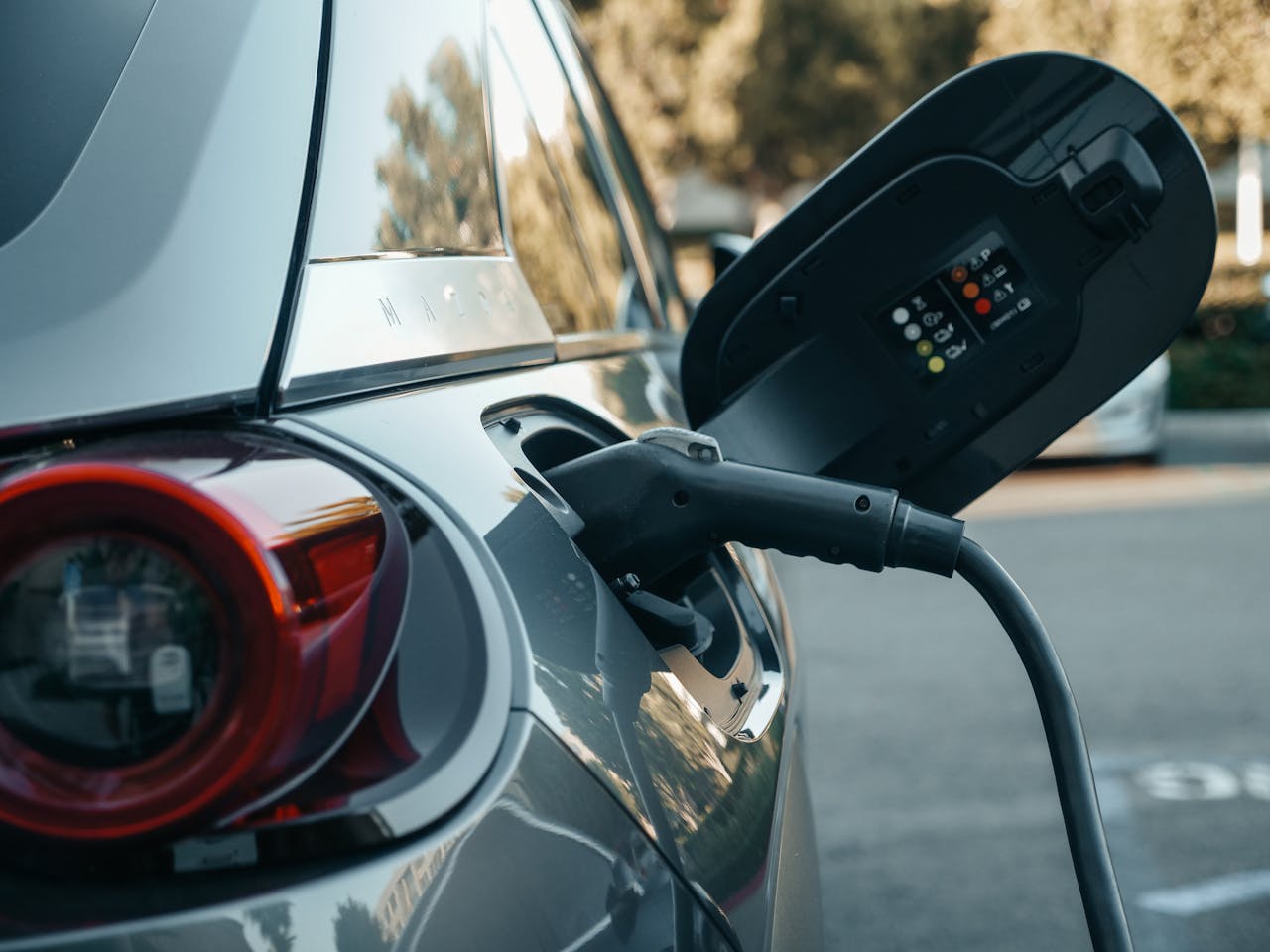
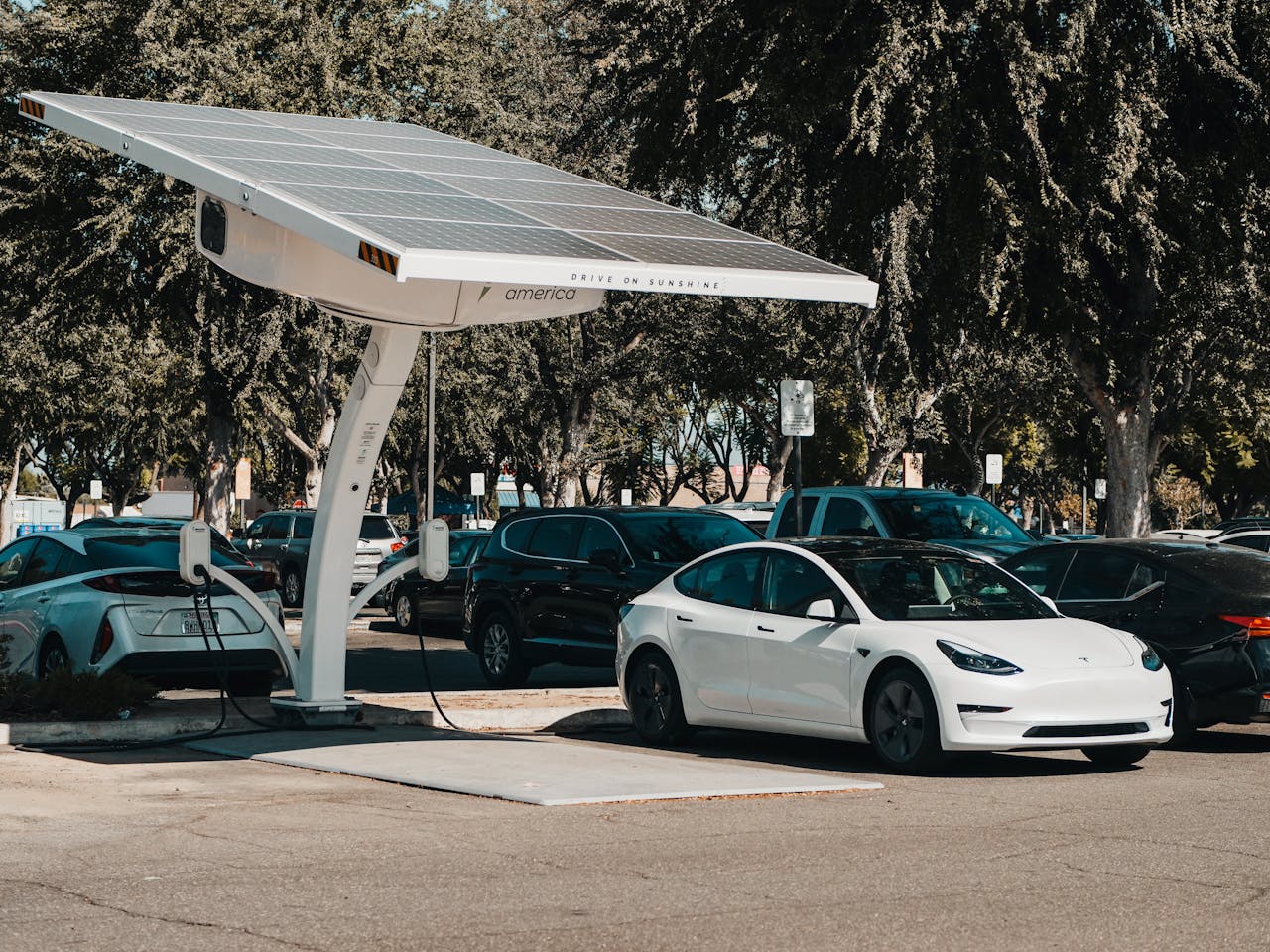
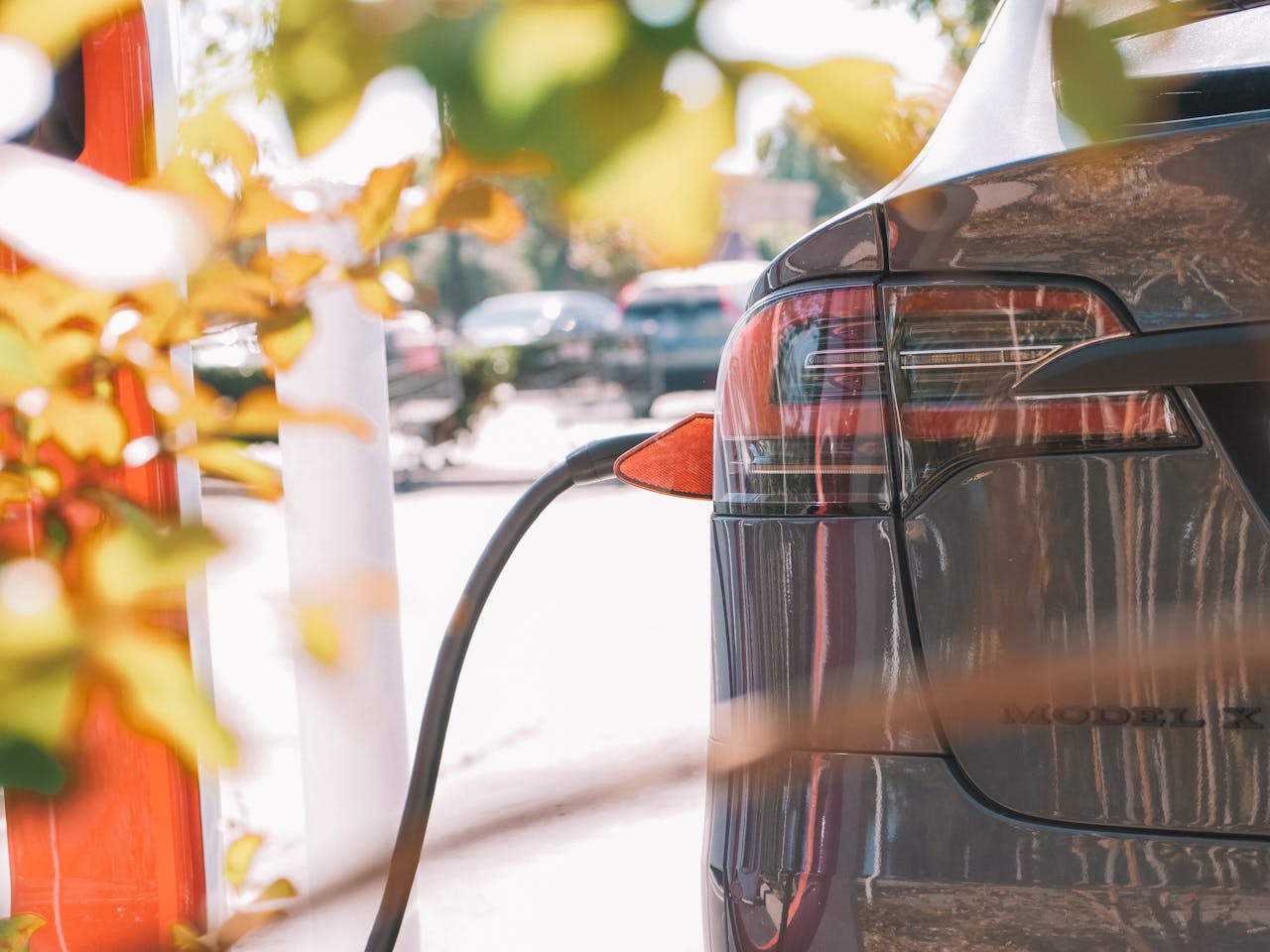
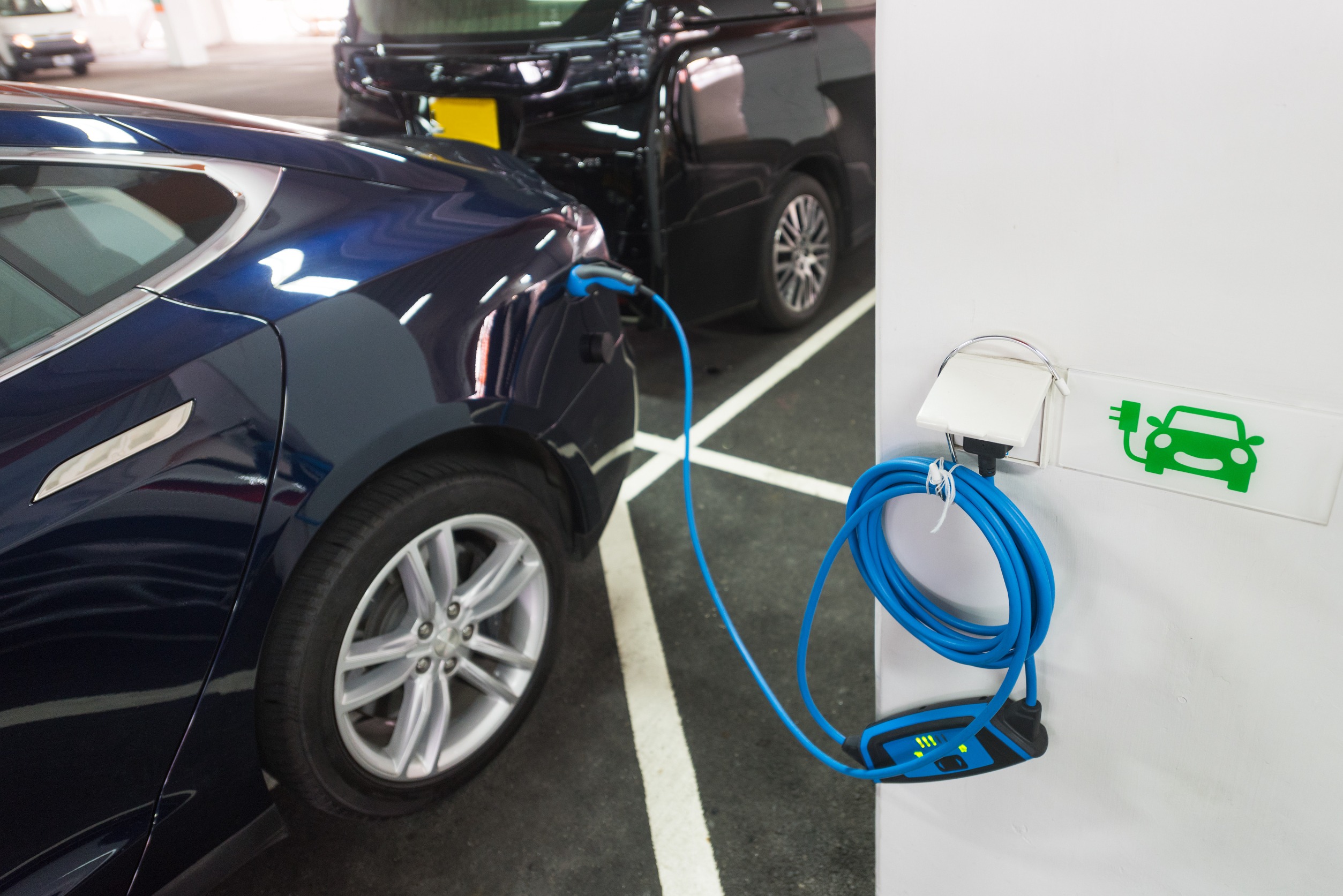
<p> The electric vehicle revolution is in full swing, promising a cleaner, greener future. Yet, despite significant advancements in technology and infrastructure, many potential EV buyers remain hesitant due to a persistent concern: range anxiety. This fear, stemming from the possibility of running out of power before reaching a charging station, is a major hurdle in the widespread adoption of EVs. Recently, Electrify America has been testing an 85% charge limit at some of its stations, a decision that could inadvertently deepen this anxiety. Here are 13 reasons why Electrify America's Congestion Reduction Pilot program is problematic. </p>:: Pixabay

The electric vehicle revolution is in full swing, promising a cleaner, greener future. Yet, despite significant advancements in technology and infrastructure, many potential EV buyers remain hesitant due to a persistent concern: range anxiety. This fear, stemming from the possibility of running out of power before reaching a charging station, is a major hurdle in the widespread adoption of EVs. Recently, Electrify America has been testing an 85% charge limit at some of its stations, a decision that could inadvertently deepen this anxiety. Here are 13 reasons why Electrify America’s Congestion Reduction Pilot program is problematic:


1. Exacerbating Range Anxiety

<p> One of the primary concerns for EV drivers is range anxiety—fear of running out of battery charge before reaching their destination or the next charging station. By limiting charging to 85%, Electrify America risks exacerbating this anxiety among drivers. Some may feel compelled to cut short their charging session prematurely, fearing they won't have enough charge to comfortably reach their next destination. </p>:: Pixabay

One of the primary concerns for EV drivers is range anxiety—fear of running out of battery charge before reaching their destination or the next charging station. By limiting charging to 85%, Electrify America risks exacerbating this anxiety among drivers. Some may feel compelled to cut short their charging session prematurely, fearing they won’t have enough charge to comfortably reach their next destination.


2. Inconvenience on Long Journeys

<p> For long-distance travelers, every mile counts. Limiting charges to 85% forces drivers to make more frequent stops, adding inconvenience and extra travel time. This is particularly problematic in regions with sparse charging infrastructure, where every additional mile of range is crucial. </p>:: Pixabay

For long-distance travelers, every mile counts. Limiting charges to 85% forces drivers to make more frequent stops, adding inconvenience and extra travel time. This is particularly problematic in regions with sparse charging infrastructure, where every additional mile of range is crucial.


3. Mixed Signals to Consumers

<p> The EV industry is working hard to build confidence among potential buyers. Policies that restrict charging capacity send mixed messages, suggesting that current infrastructure may not be adequate to support all driving needs. This contradiction can undermine consumer trust in EV technology. </p>:: Pexels

The EV industry is working hard to build confidence among potential buyers. Policies that restrict charging capacity send mixed messages, suggesting that current infrastructure may not be adequate to support all driving needs. This contradiction can undermine consumer trust in EV technology.


4. Increased Wait Times at Charging Stations

<p> While the intention behind the charge limit is to reduce wait times by speeding up turnover at charging stations, the reality may be different. As drivers are forced to stop more frequently, the demand for charging stations could increase, potentially leading to longer overall wait times and congestion. </p>:: Pexels

While the intention behind the charge limit is to reduce wait times by speeding up turnover at charging stations, the reality may be different. As drivers are forced to stop more frequently, the demand for charging stations could increase, potentially leading to longer overall wait times and congestion.


5. Reduced Charging Efficiency

<p> Charging an EV from 0% to 85% is indeed faster than charging from 0% to 100%, but this overlooks the fact that many drivers prefer to fully charge their vehicles to maximize range. By capping the charge at 85%, Electrify America may inadvertently force drivers to spend more time managing their charging stops, reducing overall efficiency. </p>:: Pixabay

Charging an EV from 0% to 85% is indeed faster than charging from 0% to 100%, but this overlooks the fact that many drivers prefer to fully charge their vehicles to maximize range. By capping the charge at 85%, Electrify America may inadvertently force drivers to spend more time managing their charging stops, reducing overall efficiency.


6. Impact on Consumer Confidence

<p> Limiting charging capacity can shake consumer confidence in the reliability and convenience of EVs. Potential buyers might question whether EVs are a viable replacement for traditional gasoline vehicles, slowing down the transition to electric transportation. </p>:: Pexels

Limiting charging capacity can shake consumer confidence in the reliability and convenience of EVs. Potential buyers might question whether EVs are a viable replacement for traditional gasoline vehicles, slowing down the transition to electric transportation.


7. Limited Benefits for Urban Drivers

<p> Urban drivers, who may already have limited access to home charging solutions, rely heavily on public charging infrastructure. An 85% charge limit could disproportionately affect these drivers, making it harder for them to meet their daily commuting needs without frequent stops. </p>:: Pixabay

Urban drivers, who may already have limited access to home charging solutions, rely heavily on public charging infrastructure. An 85% charge limit could disproportionately affect these drivers, making it harder for them to meet their daily commuting needs without frequent stops.


8. Potential Negative Environmental Impact

<p> One of the main advantages of EVs is their reduced environmental impact. However, if policies like the 85% charge limit discourage people from adopting EVs, the environmental benefits could be diminished. Encouraging the use of electric vehicles is crucial for reducing greenhouse gas emissions and combating climate change. </p>:: Pexels

One of the main advantages of EVs is their reduced environmental impact. However, if policies like the 85% charge limit discourage people from adopting EVs, the environmental benefits could be diminished. Encouraging the use of electric vehicles is crucial for reducing greenhouse gas emissions and combating climate change.


9. Potential for User Frustration

<p> Implementing an 85% charge limit could lead to frustration among EV owners accustomed to charging to full capacity. Users may perceive this limit as restrictive, especially if they have paid for a full charging session but are unable to achieve a complete charge. This dissatisfaction could impact customer satisfaction and loyalty towards Electrify America's services. </p>:: Pexels

Implementing an 85% charge limit could lead to frustration among EV owners accustomed to charging to full capacity. Users may perceive this limit as restrictive, especially if they have paid for a full charging session but are unable to achieve a complete charge. This dissatisfaction could impact customer satisfaction and loyalty towards Electrify America’s services.


10. Charging Costs vs. Value Received

<p> EV drivers pay for the electricity they use during charging sessions. Limiting charging to 85% without adjusting pricing could lead to perceptions of unfairness among customers. Drivers may feel they're not receiving full value for their money if they're unable to charge to full capacity, especially if they're paying premium rates for faster charging options. </p>:: Pexels

EV drivers pay for the electricity they use during charging sessions. Limiting charging to 85% without adjusting pricing could lead to perceptions of unfairness among customers. Drivers may feel they’re not receiving full value for their money if they’re unable to charge to full capacity, especially if they’re paying premium rates for faster charging options.


11. Variable Battery Capacities

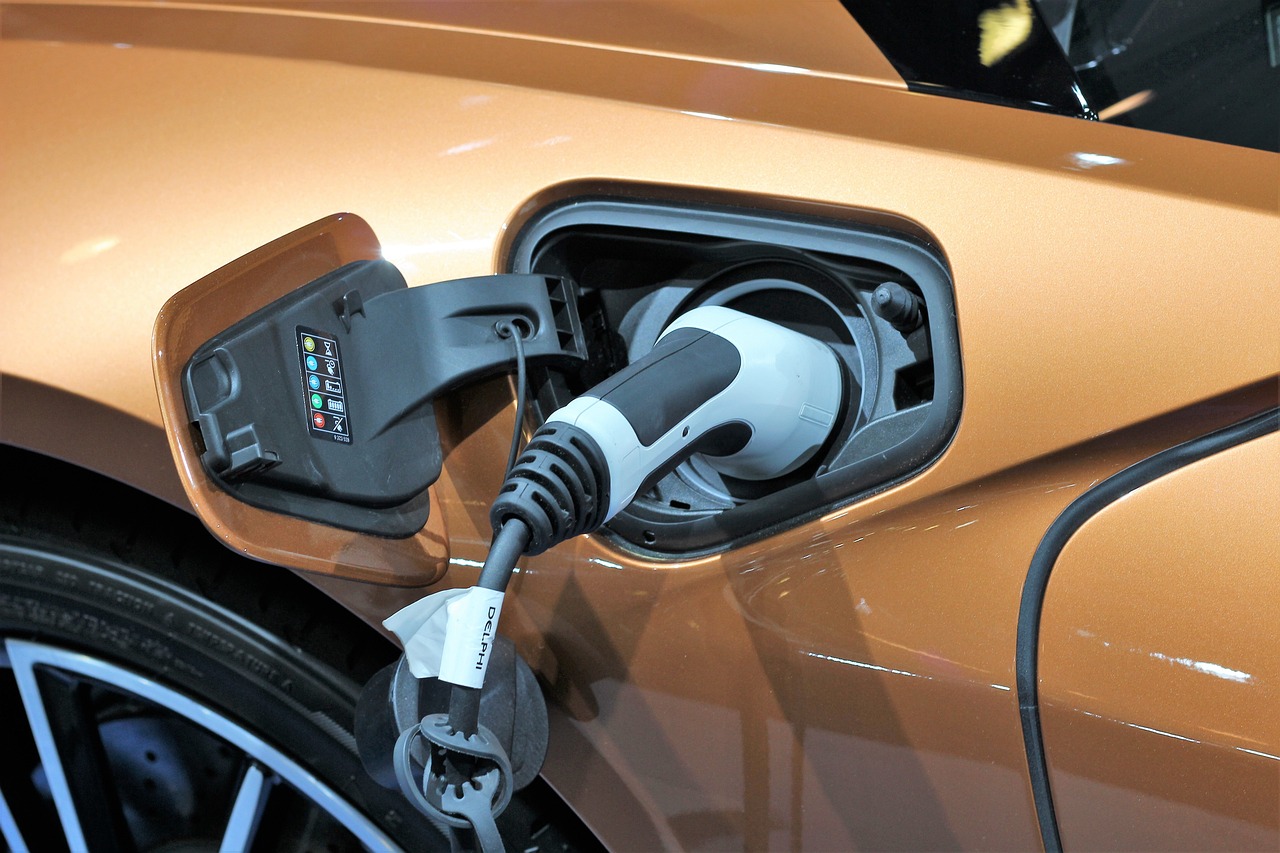
<p> EVs come with different battery capacities, and an 85% charge limit may not be suitable for all models. Vehicles with smaller batteries or those used for longer commutes may require a full charge to reach their destinations without range anxiety. Limiting charging to 85% could disproportionately affect these drivers, leading to dissatisfaction and potential operational challenges. </p>:: BMW

EVs come with different battery capacities, and an 85% charge limit may not be suitable for all models. Vehicles with smaller batteries or those used for longer commutes may require a full charge to reach their destinations without range anxiety. Limiting charging to 85% could disproportionately affect these drivers, leading to dissatisfaction and potential operational challenges.


12. Shows that New Charging Technology May Be Years Ahead

<p>Implementing an 85% charge limit at this stage could prematurely restrict the potential of emerging fast-charging technologies. As advancements in EV technology continue, including faster charging capabilities and longer battery life, rigid charge limits may hinder the adoption and integration of these innovations. Flexibility in charging policies can better accommodate future advancements and ensure that charging infrastructure remains adaptable and efficient.</p>::Pexels

Implementing an 85% charge limit at this stage could prematurely restrict the potential of emerging fast-charging technologies. As advancements in EV technology continue, including faster charging capabilities and longer battery life, rigid charge limits may hinder the adoption and integration of these innovations. Flexibility in charging policies can better accommodate future advancements and ensure that charging infrastructure remains adaptable and efficient.


13. Financial Impact: More Time on the Road Means More Money Spent

<p>For drivers, time spent waiting at, or finding charging stations can translate directly into increased costs, whether in terms of lost productivity or additional expenses associated with longer travel times. If you’re travelling with kids or a large family, factor in the cost of food. Limiting charging to 85% may prolong stops, leading to higher operational costs for businesses and higher spending due to increased time on the road.</p>::Pexels

For drivers, time spent waiting at, or finding charging stations can translate directly into increased costs, whether in terms of lost productivity or additional expenses associated with longer travel times. If you’re travelling with kids or a large family, factor in the cost of food. Limiting charging to 85% may prolong stops, leading to higher operational costs for businesses and higher spending due to increased time on the road.


Final Thoughts

<p> In conclusion, while Electrify America's 85% charge limit may be intended to improve charging station efficiency, it poses significant drawbacks that could hinder the adoption of electric vehicles. By focusing on expanding infrastructure, advancing technology, and educating consumers, the EV industry can address range anxiety more effectively and ensure a smoother transition to sustainable transportation. </p>:: Dall-E

In conclusion, while Electrify America’s 85% charge limit may be intended to improve charging station efficiency, it poses significant drawbacks that could hinder the adoption of electric vehicles. By focusing on expanding infrastructure, advancing technology, and educating consumers, the EV industry can address range anxiety more effectively and ensure a smoother transition to sustainable transportation.

Filed Under: Budgeting

Mom Pays Son’s Debt: Should You Consider Paying Your Child’s Debt?

October 9, 2024 | Leave a Comment

<p>Most of us have heard a story about a mother, father, or family members stepping forward and paying someone’s debt. When it comes down to it, reading a title such as “mom pays son’s debt” can be pretty disheartening. Why not give your child the tools to better their finances on their own, a strategy that will undoubtedly help them for years to come.</p>::Pexels

Mom Pays Son’s Debt: Should You Consider Paying Your Child’s Debt?

When faced with the reality of your child struggling with debt, many parents feel the urge to step in and help. But is paying off your child’s debt the right move? While it can provide immediate relief for your child, it’s important to weigh the long-term benefits and drawbacks of this decision. Here’s a look at both sides, including some 2024 financial debt trends and the potential dangers your child may face if they’re overwhelmed by debt.


Benefits of Paying Your Child’s Debt

  1. Immediate Relief from Financial Strain One of the most obvious benefits of paying off your child’s debt is the immediate relief it provides. Financial stress can take a toll on your child’s well-being, causing anxiety and affecting their ability to manage their day-to-day responsibilities. By offering financial help, you give your child space to focus on improving their situation without the constant pressure of debt.
  2. Teaching Financial Responsibility Paying your child’s debt can be a valuable teaching opportunity. When done thoughtfully, you can use this moment to help your child better understand financial responsibility. Set clear expectations for budgeting and managing money in the future, ensuring they avoid repeating the same mistakes that led to debt.
  3. Protecting Your Child’s Credit Score If your child is struggling with overdue bills or high-interest payments, their credit score can suffer. In 2024, credit reports are increasingly being used not only for loans but also for rental applications and even job prospects. Protecting your child’s credit score by helping with debt can ensure they have a better chance at future financial opportunities.
  4. Strengthening Family Bonds Offering financial support can reinforce family financial support and show your child that they can count on you during tough times. This can strengthen your relationship and foster open communication about money, creating a healthier dynamic when it comes to discussing finances.

Drawbacks of Paying Your Child’s Debt

  1. Risk of Enabling Poor Financial Habits While paying off your child’s debt may provide temporary relief, it could also reinforce poor financial habits. If your child knows that they can rely on you to bail them out, they may continue to make irresponsible financial decisions. This can lead to a cycle where they fail to learn financial lessons and continue to rely on you for help.
  2. Strain on Your Own Finances Paying off debt, especially if it’s significant, can place a strain on your own finances. It’s essential to consider whether you can afford to help without sacrificing your own financial security. Family money matters, and jeopardizing your own financial well-being could affect your future stability and retirement plans.
  3. Missed Opportunity for Growth Struggling with debt can be a powerful learning experience. Your child may need to go through the process of debt repayment on their own to fully grasp the consequences of their actions. Bailing them out may rob them of the chance to develop resilience, responsibility, and problem-solving skills.
  4. Creating Dependency Offering too much financial help can lead to a sense of dependency, where your child may expect you to step in every time they face a financial challenge. It’s important to find a balance between helping and encouraging your child to take ownership of their financial responsibilities.

2024 Debt and Credit Statistics for Young Adults


In 2024, young adults in their 20s and 30s are carrying a significant amount of debt, primarily due to student loans and credit cards. According to recent statistics:

  • The average credit card debt for young adults under 30 is approximately $4,200.
  • Around 1 in 5 young adults have a credit score below 600, classifying them as subprime borrowers.
  • The total student loan debt in the U.S. has exceeded $1.8 trillion, with the average borrower owing nearly $37,000.

With inflation and rising living costs, many young adults are resorting to credit cards to cover basic expenses, which only increases their financial burden. These numbers highlight the significant challenges young adults face when trying to manage their debt, which can put them in dangerous financial situations if left unchecked.

Extreme and Dangerous Measures to Pay Off Debt

For some young adults, overwhelming debt leads to extreme actions. Here are some risky behaviors that could result from a desperate attempt to eliminate debt:

  1. Taking High-Interest Payday Loans
    In an effort to pay off credit card debt or student loans, some young adults resort to payday loans. These loans often come with interest rates exceeding 400%, trapping borrowers in a vicious cycle of debt that’s nearly impossible to escape.
  2. Participating in Risky Investments
    Desperate to make quick money, some young adults turn to speculative investments, such as cryptocurrency or day trading. While these strategies promise quick returns, they can also lead to significant losses, further worsening their financial situation.
  3. Selling Personal Belongings
    Another extreme measure includes selling valuable possessions, such as electronics, jewelry, or even cars, to pay off debt. While this may provide short-term relief, it can negatively impact their quality of life and create additional stress.
  4. Undertaking Multiple Jobs or Gig Work
    In a bid to make extra cash, many young adults take on multiple jobs or participate in gig economy work. While this can help them manage debt, the long hours and physical toll can lead to burnout, affecting their mental and physical health.
  5. Risky Personal Loans from Friends or Family
    Some may seek personal loans from friends or family members, risking relationships if they’re unable to repay. This can create long-lasting tension within families, and borrowing money can sometimes become a pattern of dependency.

Finding a Middle Ground

If you’re on the fence about whether to pay off your child’s debt, consider alternatives that offer support without full financial rescue:

  • Debt Repayment Advice: Guide your child through creating a budget or negotiating with creditors. This way, you offer support without paying their debt directly.
  • Set Conditions: If you decide to help financially, set clear conditions. For example, you could require that they take a financial education course or stick to a strict budget.

  • Help in Smaller Ways: Instead of paying the entire debt, consider offering a partial payment or assisting with a specific debt, such as a high-interest loan.

Conclusion

Deciding whether to pay your child’s debt is a deeply personal choice that depends on your financial situation, your child’s habits, and your family dynamics. While parental financial help can offer immediate benefits, it’s essential to consider the long-term impact on both your finances and your child’s financial independence. Striking the right balance between supporting your child and fostering their financial responsibility is key to helping them succeed in the future.

Filed Under: Budgeting Tagged With: debt, Mom pays sons debt, parents paying child's bills, parents paying children's debt, should parents pay kid's debt, student loan debt

8 Holiday Purchases Retirees Should Avoid to Save Money This Season

October 9, 2024 | Leave a Comment

8 Holiday Purchases Retirees Should Avoid to Save Money This Season

<p> As the holiday season approaches, it’s easy to get swept up in the festive spirit and spend money on items that might not offer long-term value. For retirees, budgeting during the holidays is even more crucial as they aim to stretch their savings and maintain a comfortable lifestyle. With careful planning, it’s possible to enjoy the holidays without breaking the bank. Here are eight holiday purchases retirees should think twice about to avoid unnecessary financial strain. </p> :: Pexels

As the holiday season approaches, it’s easy to get swept up in the festive spirit and spend money on items that might not offer long-term value. For retirees, budgeting during the holidays is even more crucial as they aim to stretch their savings and maintain a comfortable lifestyle. With careful planning, it’s possible to enjoy the holidays without breaking the bank. Here are eight holiday purchases retirees should think twice about to avoid unnecessary financial strain.


1. Trendy Tech Gadgets

<p> The allure of the latest smartphones, tablets, or smart home devices can be hard to resist, but retirees should be cautious when it comes to splurging on trendy tech gadgets. These items are often expensive, and many of their features may go unused. While smart devices can certainly improve quality of life, it’s important to assess whether the technology will genuinely enhance your day-to-day routine or if it’s simply a nice-to-have item. Furthermore, tech evolves quickly—today’s cutting-edge gadget can become obsolete within a few years. Consider whether the upgrade is necessary, and if so, search for a mid-range option that still meets your needs without costing a fortune. Oftentimes, lower-end models offer similar functionality at a fraction of the cost. </p> :: Pexels

The allure of the latest smartphones, tablets, or smart home devices can be hard to resist, but retirees should be cautious when it comes to splurging on trendy tech gadgets. These items are often expensive, and many of their features may go unused. While smart devices can certainly improve quality of life, it’s important to assess whether the technology will genuinely enhance your day-to-day routine or if it’s simply a nice-to-have item. Furthermore, tech evolves quickly—today’s cutting-edge gadget can become obsolete within a few years. Consider whether the upgrade is necessary, and if so, search for a mid-range option that still meets your needs without costing a fortune. Oftentimes, lower-end models offer similar functionality at a fraction of the cost.


2. Expensive Holiday Decorations

<p> While decking out your home for the holidays can bring joy, investing in expensive decorations is not always a wise use of funds. Fancy wreaths, high-end Christmas lights, and designer ornaments can add up quickly, and they are only used for a few weeks out of the year. Instead of splurging on luxury decorations, retirees can opt for simple, timeless pieces that will last for years to come. Better yet, consider DIY holiday décor projects that involve friends or family, turning the task of decorating into a memorable holiday tradition. Repurposing old items or creating handmade ornaments can add a personal touch to your home while keeping costs low. Remember, the holiday spirit comes from time spent with loved ones, not from flashy decorations. </p> :: Pexels

While decking out your home for the holidays can bring joy, investing in expensive decorations is not always a wise use of funds. Fancy wreaths, high-end Christmas lights, and designer ornaments can add up quickly, and they are only used for a few weeks out of the year. Instead of splurging on luxury decorations, retirees can opt for simple, timeless pieces that will last for years to come. Better yet, consider DIY holiday décor projects that involve friends or family, turning the task of decorating into a memorable holiday tradition. Repurposing old items or creating handmade ornaments can add a personal touch to your home while keeping costs low. Remember, the holiday spirit comes from time spent with loved ones, not from flashy decorations.


3. Extravagant Gifts for Grandchildren

<p> It’s natural for retirees to want to spoil their grandchildren, especially during the holidays. However, overspending on extravagant gifts can lead to financial strain, especially when there’s a temptation to buy the latest, most expensive toys or gadgets. Instead of focusing on material goods, think about giving meaningful or experiential gifts, such as a personalized photo album or the promise of a special outing. Time spent together can be more valuable to children than the latest tech toy. You can also consider giving gifts that stimulate creativity or learning, like art supplies or books, which offer long-term benefits. Establishing a holiday budget and sticking to it will ensure you don’t overspend while still showing your love through thoughtful, well-considered gifts. </p> :: Pexels

It’s natural for retirees to want to spoil their grandchildren, especially during the holidays. However, overspending on extravagant gifts can lead to financial strain, especially when there’s a temptation to buy the latest, most expensive toys or gadgets. Instead of focusing on material goods, think about giving meaningful or experiential gifts, such as a personalized photo album or the promise of a special outing. Time spent together can be more valuable to children than the latest tech toy. You can also consider giving gifts that stimulate creativity or learning, like art supplies or books, which offer long-term benefits. Establishing a holiday budget and sticking to it will ensure you don’t overspend while still showing your love through thoughtful, well-considered gifts.


4. Luxury Travel Packages

<p> The holidays can be a tempting time to book that once-in-a-lifetime vacation, but luxury travel packages can be a major drain on retirement savings. With premium flights, five-star accommodations, and high-end excursions, these trips can quickly cost thousands of dollars. While traveling is a wonderful way to create new experiences, it’s important to balance the desire for adventure with financial realities. There are often less extravagant travel options that offer just as much enjoyment and relaxation. Consider exploring destinations during off-peak seasons when rates are lower, or look into travel deals that don’t include luxury add-ons. If you’re set on taking a big trip, plan ahead and save gradually over the course of the year to minimize the financial impact during the holidays. </p> :: Pexels

The holidays can be a tempting time to book that once-in-a-lifetime vacation, but luxury travel packages can be a major drain on retirement savings. With premium flights, five-star accommodations, and high-end excursions, these trips can quickly cost thousands of dollars. While traveling is a wonderful way to create new experiences, it’s important to balance the desire for adventure with financial realities. There are often less extravagant travel options that offer just as much enjoyment and relaxation. Consider exploring destinations during off-peak seasons when rates are lower, or look into travel deals that don’t include luxury add-ons. If you’re set on taking a big trip, plan ahead and save gradually over the course of the year to minimize the financial impact during the holidays.


5. Excessive Party Supplies

<p> Hosting holiday gatherings for family and friends can be a highlight of the season, but retirees should be careful not to overspend on party supplies. Expensive tableware, elaborate centerpieces, and large quantities of food and drink can add up fast. Instead, retirees can opt for simple, elegant décor that can be reused for multiple occasions. For example, neutral-colored table settings can be spruced up with seasonal touches, avoiding the need to purchase holiday-specific items. Food and drink costs can also spiral out of control if not carefully planned. Rather than going overboard, consider a smaller menu featuring a few high-quality dishes or even a potluck-style gathering where guests contribute to the meal. This allows for a festive atmosphere without the financial burden of hosting an elaborate party. </p> :: Pexels

Hosting holiday gatherings for family and friends can be a highlight of the season, but retirees should be careful not to overspend on party supplies. Expensive tableware, elaborate centerpieces, and large quantities of food and drink can add up fast. Instead, retirees can opt for simple, elegant décor that can be reused for multiple occasions. For example, neutral-colored table settings can be spruced up with seasonal touches, avoiding the need to purchase holiday-specific items. Food and drink costs can also spiral out of control if not carefully planned. Rather than going overboard, consider a smaller menu featuring a few high-quality dishes or even a potluck-style gathering where guests contribute to the meal. This allows for a festive atmosphere without the financial burden of hosting an elaborate party.


6. High-Cost Apparel

<p> Many retirees feel the pressure to buy new outfits for holiday events, but high-cost apparel is often unnecessary. While it’s nice to have a special outfit for festive occasions, there’s no need to break the bank on clothes that may only be worn a few times a year. Instead of purchasing expensive holiday-specific attire, retirees can focus on versatile wardrobe staples that can be worn throughout the year. Adding festive accessories—such as scarves, jewelry, or ties—can instantly transform everyday outfits into holiday-ready ensembles without the hefty price tag. This approach not only saves money but also allows for more sustainable fashion choices, as fewer items are purchased and wasted. Ultimately, the key to holiday fashion is feeling comfortable and confident, not the price of the clothes. </p> :: Pexels

Many retirees feel the pressure to buy new outfits for holiday events, but high-cost apparel is often unnecessary. While it’s nice to have a special outfit for festive occasions, there’s no need to break the bank on clothes that may only be worn a few times a year. Instead of purchasing expensive holiday-specific attire, retirees can focus on versatile wardrobe staples that can be worn throughout the year. Adding festive accessories—such as scarves, jewelry, or ties—can instantly transform everyday outfits into holiday-ready ensembles without the hefty price tag. This approach not only saves money but also allows for more sustainable fashion choices, as fewer items are purchased and wasted. Ultimately, the key to holiday fashion is feeling comfortable and confident, not the price of the clothes.


7. Gourmet Food Baskets

<p> Gourmet food baskets are a popular holiday gift, but retirees should be wary of their high price tags. While they look impressive, many of these baskets are filled with items that can easily be purchased individually at a fraction of the cost. Additionally, some of the specialty foods included in these baskets may not be to everyone’s taste, leading to waste. Instead of purchasing a pricey pre-made basket, retirees can create their own personalized gift baskets filled with items they know the recipient will enjoy. Homemade treats like cookies, jams, or flavored oils can add a thoughtful touch to these baskets, making them not only more affordable but also more meaningful. </p> :: Pexels

Gourmet food baskets are a popular holiday gift, but retirees should be wary of their high price tags. While they look impressive, many of these baskets are filled with items that can easily be purchased individually at a fraction of the cost. Additionally, some of the specialty foods included in these baskets may not be to everyone’s taste, leading to waste. Instead of purchasing a pricey pre-made basket, retirees can create their own personalized gift baskets filled with items they know the recipient will enjoy. Homemade treats like cookies, jams, or flavored oils can add a thoughtful touch to these baskets, making them not only more affordable but also more meaningful.


8. Store Credit Cards for Holiday Shopping

<p> Many stores offer enticing discounts or rewards if you sign up for their credit card during the holiday season, but retirees should be cautious before jumping on these offers. While the initial savings might seem appealing, store credit cards often come with high-interest rates that can negate any discount if the balance isn’t paid off immediately. Additionally, store cards can encourage unnecessary spending, as you may be more inclined to shop at that specific retailer to take advantage of discounts. Instead, retirees should consider using general credit cards with cashback or rewards programs that offer better long-term benefits. Better yet, paying with cash or a debit card can help retirees stay within their holiday budget and avoid accumulating unnecessary debt. </p> :: Pexels

Many stores offer enticing discounts or rewards if you sign up for their credit card during the holiday season, but retirees should be cautious before jumping on these offers. While the initial savings might seem appealing, store credit cards often come with high-interest rates that can negate any discount if the balance isn’t paid off immediately. Additionally, store cards can encourage unnecessary spending, as you may be more inclined to shop at that specific retailer to take advantage of discounts. Instead, retirees should consider using general credit cards with cashback or rewards programs that offer better long-term benefits. Better yet, paying with cash or a debit card can help retirees stay within their holiday budget and avoid accumulating unnecessary debt.


Final Thoughts

<p> The holiday season is a time for celebration, but it doesn’t have to come at the cost of financial security. Retirees, in particular, should be mindful of their spending habits and focus on experiences and gifts that truly matter rather than getting caught up in the commercial side of the season. By avoiding these eight holiday purchases, retirees can protect their savings while still enjoying a joyful and meaningful holiday season. After all, the best holiday memories come from spending time with loved ones, not from how much money was spent on material items. </p> :: Pexels

The holiday season is a time for celebration, but it doesn’t have to come at the cost of financial security. Retirees, in particular, should be mindful of their spending habits and focus on experiences and gifts that truly matter rather than getting caught up in the commercial side of the season. By avoiding these eight holiday purchases, retirees can protect their savings while still enjoying a joyful and meaningful holiday season. After all, the best holiday memories come from spending time with loved ones, not from how much money was spent on material items.

Filed Under: Budgeting

12 Key Insights into How Electric Vehicle Market Share Changed Over Time

October 2, 2024 | Leave a Comment

12 Key Insights into How Electric Vehicle Market Share Changed Over Time

<p>The electric vehicle market has seen remarkable growth and transformation over the past decade. Here are 12 key insights into how the market share of electric vehicles has evolved.</p> ::Pexels

The electric vehicle (EV) market has seen remarkable growth and transformation over the past decade. Here are 12 key insights into how the market share of electric vehicles has evolved.


1. Rapid Growth in Sales

<p>The global sales of electric vehicles have surged dramatically. In 2023, electric cars accounted for around 18% of all cars sold, up from just 2% in 2018. This rapid growth highlights the increasing consumer acceptance and demand for EVs. The trend is expected to continue as more countries set ambitious targets for phasing out internal combustion engine vehicles.</p> ::Pexels

The global sales of electric vehicles have surged dramatically. In 2023, electric cars accounted for around 18% of all cars sold, up from just 2% in 2018. This rapid growth highlights the increasing consumer acceptance and demand for EVs. The trend is expected to continue as more countries set ambitious targets for phasing out internal combustion engine vehicles.


2. Dominance of Battery Electric Vehicles (BEVs)

<p>BEVs have consistently outpaced plug-in hybrid electric vehicles in terms of market share. As of 2023, BEVs made up 66% of the global EV market, reflecting a strong preference for fully electric models over hybrids. This shift is driven by advancements in battery technology and the growing availability of charging infrastructure.</p> ::Pexels

BEVs have consistently outpaced plug-in hybrid electric vehicles (PHEVs) in terms of market share. As of 2023, BEVs made up 66% of the global EV market, reflecting a strong preference for fully electric models over hybrids. This shift is driven by advancements in battery technology and the growing availability of charging infrastructure.


3. Regional Variations

<p>Different regions have shown varying levels of adoption. For instance, Norway leads the world with over 90% of new car sales being electric in 2023. In contrast, China saw nearly 40% of new car sales being electric, showcasing significant regional differences. These variations are influenced by local policies, economic conditions, and consumer preferences. </p> ::Pexels

Different regions have shown varying levels of adoption. For instance, Norway leads the world with over 90% of new car sales being electric in 2023. In contrast, China saw nearly 40% of new car sales being electric, showcasing significant regional differences. These variations are influenced by local policies, economic conditions, and consumer preferences.


4. Policy and Regulation Impact

<p>Government policies and regulations have played a crucial role in driving EV adoption. Incentives such as tax breaks, subsidies, and stricter emission standards have encouraged consumers to switch to electric vehicles. Future policy developments will likely continue to shape the pace and direction of EV market growth.</p> ::Pexels

Government policies and regulations have played a crucial role in driving EV adoption. Incentives such as tax breaks, subsidies, and stricter emission standards have encouraged consumers to switch to electric vehicles. Future policy developments will likely continue to shape the pace and direction of EV market growth.


5. Technological Advancements

<p>Improvements in battery technology have been pivotal. Enhanced battery life, reduced charging times, and lower costs have made EVs more accessible and practical for everyday use. Ongoing research and development are expected to bring even more efficient and affordable battery solutions.</p> ::Pexels

Improvements in battery technology have been pivotal. Enhanced battery life, reduced charging times, and lower costs have made EVs more accessible and practical for everyday use. Ongoing research and development are expected to bring even more efficient and affordable battery solutions.


6. Infrastructure Development

<p>The expansion of charging infrastructure has been essential for the growth of the EV market. Increased availability of public charging stations has alleviated range anxiety and supported longer journeys. Investment in fast-charging networks is particularly crucial for the widespread adoption of EVs.</p> ::Pexels

The expansion of charging infrastructure has been essential for the growth of the EV market. Increased availability of public charging stations has alleviated range anxiety and supported longer journeys. Investment in fast-charging networks is particularly crucial for the widespread adoption of EVs.


 

7. Automaker Commitments

<p>Major automotive manufacturers have committed to electrifying their fleets. Companies like Tesla, Nissan, and Volkswagen have led the charge, with many traditional automakers now following suit. These commitments are often backed by significant investments in EV technology and production capacity.</p> ::Pexels

Major automotive manufacturers have committed to electrifying their fleets. Companies like Tesla, Nissan, and Volkswagen have led the charge, with many traditional automakers now following suit. These commitments are often backed by significant investments in EV technology and production capacity.


8. Consumer Awareness and Preferences

<p>Growing environmental awareness and the desire for sustainable transportation options have influenced consumer preferences. More people are choosing EVs for their lower environmental impact and long-term cost savings. Marketing campaigns and educational initiatives have also played a role in shifting consumer attitudes.</p> ::Pexels

Growing environmental awareness and the desire for sustainable transportation options have influenced consumer preferences. More people are choosing EVs for their lower environmental impact and long-term cost savings. Marketing campaigns and educational initiatives have also played a role in shifting consumer attitudes.


9. Economic Factors

<p>The total cost of ownership for EVs has become more competitive with internal combustion engine, or ICE vehicles. Lower maintenance costs and the decreasing price of batteries have made EVs a financially viable option for many consumers. Government incentives and subsidies further enhance the economic appeal of EVs.</p> ::Pexels

The total cost of ownership for EVs has become more competitive with internal combustion engine (ICE) vehicles. Lower maintenance costs and the decreasing price of batteries have made EVs a financially viable option for many consumers. Government incentives and subsidies further enhance the economic appeal of EVs.


10. Future Projections

<p>The future looks promising for the EV market. Projections indicate that EV sales will continue to grow, with an estimated 32% market share of new car sales by 2030. This growth is expected to be driven by ongoing technological advancements, policy support, and increasing consumer demand. The transition to electric mobility is seen as a key component of global efforts to combat climate change.</p> ::Pexels

The future looks promising for the EV market. Projections indicate that EV sales will continue to grow, with an estimated 32% market share of new car sales by 2030. This growth is expected to be driven by ongoing technological advancements, policy support, and increasing consumer demand. The transition to electric mobility is seen as a key component of global efforts to combat climate change.


11. Tesla Model Y Sales

<p>The Tesla Model Y has been a standout performer in the EV market. In 2023, it became the best-selling EV globally, contributing significantly to Tesla’s market dominance. Its popularity is driven by its blend of performance, range, and practicality. The Model Y’s success has set a benchmark for other automakers aiming to capture the EV market.</p> ::Pexels

The Tesla Model Y has been a standout performer in the EV market. In 2023, it became the best-selling EV globally, contributing significantly to Tesla’s market dominance. Its popularity is driven by its blend of performance, range, and practicality. The Model Y’s success has set a benchmark for other automakers aiming to capture the EV market.


12. 2024 Statistics

<p>As of mid-2024, EV sales have continued to rise, with electric vehicles making up approximately 22% of new car sales worldwide. This ongoing growth underscores the accelerating shift towards electric mobility. The increasing variety of EV models available in the market is also attracting a broader range of consumers.</p> ::Pexels

As of mid-2024, EV sales have continued to rise, with electric vehicles making up approximately 22% of new car sales worldwide. This ongoing growth underscores the accelerating shift towards electric mobility. The increasing variety of EV models available in the market is also attracting a broader range of consumers.


Final Thoughts

<p>The evolution of the electric vehicle market is a testament to the dynamic interplay of technology, policy, and consumer behavior. As the market continues to mature, it will be fascinating to see how these factors shape the future of transportation.</p> ::Pexels

The evolution of the electric vehicle market is a testament to the dynamic interplay of technology, policy, and consumer behavior. As the market continues to mature, it will be fascinating to see how these factors shape the future of transportation.

Filed Under: Budgeting

Understanding Cell Phone Insurance From Your Provider: 8 Factors to Consider Before Signing Up

July 5, 2024 | Leave a Comment

Understanding Cell Phone Insurance From Your Provider: 8 Factors to Consider Before Signing Up

<p> In today's digital age, cell phones are essential lifelines, making cell phone insurance a tempting option for many users. However, before committing to insurance from your service provider, it's crucial to delve into the specifics. Understanding these eight key considerations can help you navigate the complexities of cell phone insurance, ensuring you make an informed decision that suits your needs and protects your investment effectively. </p>:: 123rf

In today’s digital age, cell phones are essential lifelines, making cell phone insurance a tempting option for many users. However, before committing to insurance from your service provider, it’s crucial to delve into the specifics. Understanding these eight key considerations can help you navigate the complexities of cell phone insurance, ensuring you make an informed decision that suits your needs and protects your investment effectively.


1. Coverage Details

<p>Understand what the insurance covers. It typically includes accidental damage, theft, and sometimes malfunction, but specifics can vary. Ensure it aligns with your needs and the potential risks your phone may face. Check if there are any specific exclusions related to water damage or screen repairs, which are common issues. </p>:: 123rf

Understand what the insurance covers. It typically includes accidental damage, theft, and sometimes malfunction, but specifics can vary. Ensure it aligns with your needs and the potential risks your phone may face. Check if there are any specific exclusions related to water damage or screen repairs, which are common issues.


2. Deductibles and Exclusions

<p> Check the deductible amount you'd need to pay when making a claim. Also, review the policy exclusions—commonly, damages due to negligence or intentional acts may not be covered. Clarify any uncertainties to avoid surprises. Some policies may also exclude coverage for lost phones, so it's important to understand what circumstances are covered. </p>:: 123rf

Check the deductible amount you’d need to pay when making a claim. Also, review the policy exclusions—commonly, damages due to negligence or intentional acts may not be covered. Clarify any uncertainties to avoid surprises. Some policies may also exclude coverage for lost phones, so it’s important to understand what circumstances are covered.


3. Premium Costs

<p> Compare the insurance premium against the cost of replacing or repairing your phone independently. Evaluate whether the monthly cost justifies the potential benefits and consider your phone's current market value. Look for any discounts or bundling options that might lower your monthly premium. </p>:: 123rf

Compare the insurance premium against the cost of replacing or repairing your phone independently. Evaluate whether the monthly cost justifies the potential benefits and consider your phone’s current market value. Look for any discounts or bundling options that might lower your monthly premium.


4. Claim Process

<p>Understand how to file a claim, including required documentation and timelines. A smooth, straightforward claims process can significantly impact your experience if you ever need to use the insurance. Be aware of any online portals or customer service numbers you'll need to access. Some providers offer 24/7 claims assistance, which can be crucial for emergencies. </p>:: 123rf

Understand how to file a claim, including required documentation and timelines. A smooth, straightforward claims process can significantly impact your experience if you ever need to use the insurance. Be aware of any online portals or customer service numbers you’ll need to access. Some providers offer 24/7 claims assistance, which can be crucial for emergencies.


5. Replacement Options


Know the options available if your phone is damaged or lost. Some policies offer refurbished replacements, while others may provide new devices. Ensure you’re comfortable with the replacement terms outlined in the policy, including whether it covers accessories like chargers and cases. Understand if there are options for upgrading to a newer model if your current phone is discontinued.


6. Coverage Limitations

<p>Check for any limitations on the number of claims you can make within a specific period or the total coverage amount per claim. Understanding these limits helps manage expectations and assess the insurance's value. Assess whether there are restrictions on international coverage or repairs. Some policies may also have a waiting period before certain types of claims can be made. </p>:: 123rf

Check for any limitations on the number of claims you can make within a specific period or the total coverage amount per claim. Understanding these limits helps manage expectations and assess the insurance’s value. Assess whether there are restrictions on international coverage or repairs. Some policies may also have a waiting period before certain types of claims can be made.


7. Contract Terms

<p>Review the insurance contract carefully. Note cancellation policies, renewal terms, and any changes to coverage that may occur over time. Being aware of these details ensures you're not locked into terms that don't meet your needs. Look out for clauses regarding premium increases and under what circumstances they might occur. Understand how your deductible may change over time or with different types of claims. </p>:: 123rf

Review the insurance contract carefully. Note cancellation policies, renewal terms, and any changes to coverage that may occur over time. Being aware of these details ensures you’re not locked into terms that don’t meet your needs. Look out for clauses regarding premium increases and under what circumstances they might occur. Understand how your deductible may change over time or with different types of claims.


8. Alternative Protections

<p> Consider alternative protections, such as credit card coverage or manufacturer warranties. These options may offer similar or complementary benefits to cell phone insurance, potentially reducing your overall costs. Compare these options with your service provider's insurance to determine the most comprehensive and cost-effective protection for your phone. Remember to check if any existing warranties on your phone cover the same aspects as the insurance policy. </p>:: 123rf

Consider alternative protections, such as credit card coverage or manufacturer warranties. These options may offer similar or complementary benefits to cell phone insurance, potentially reducing your overall costs. Compare these options with your service provider’s insurance to determine the most comprehensive and cost-effective protection for your phone. Remember to check if any existing warranties on your phone cover the same aspects as the insurance policy.


Final Thoughts

<p> Cell phone insurance can provide valuable protection, but it's essential to weigh the coverage details, costs, claim processes, and alternative options before deciding. By understanding these considerations, you can make an informed choice that aligns with your phone usage and risk tolerance, ensuring you're adequately covered without unnecessary expenses. </p>:: 123rf

Cell phone insurance can provide valuable protection, but it’s essential to weigh the coverage details, costs, claim processes, and alternative options before deciding. By understanding these considerations, you can make an informed choice that aligns with your phone usage and risk tolerance, ensuring you’re adequately covered without unnecessary expenses.

Filed Under: Budgeting, Money

How to Save Money on Moving Supplies: Affordable Alternatives and DIY Hacks

June 21, 2024 | Leave a Comment

How to Save Money on Moving Supplies: Affordable Alternatives and DIY Hacks


Moving can be both an exciting and stressful experience. One aspect that often adds to the stress is the cost of moving supplies. However, with some creative thinking and a bit of resourcefulness, you can significantly cut down on these expenses. This guide will walk you through various affordable alternatives and DIY hacks to save money on moving supplies while ensuring your belongings stay safe and secure.


Start Early and Plan Ahead

One of the best ways to save money on moving supplies is to start planning well in advance. By giving yourself plenty of time, you can gradually collect free or low-cost materials and avoid the last-minute rush, which often leads to unnecessary expenses. Begin by making a checklist of all the supplies you will need, including boxes, packing tape, bubble wrap, and markers. This way, you can keep an eye out for deals and freebies as you go about your daily routine.


Source Free Boxes

<p>Boxes are essential for any move, but buying them can quickly add up. Fortunately, there are many places where you can find free boxes. Grocery stores, liquor stores, and bookstores often have sturdy boxes they are willing to give away. You can also check online marketplaces like Craigslist, Facebook Marketplace, and Freecycle for people giving away moving boxes. Make sure to inspect the boxes for durability and cleanliness before using them.</p>::Pexels

Boxes are essential for any move, but buying them can quickly add up. Fortunately, there are many places where you can find free boxes. Grocery stores, liquor stores, and bookstores often have sturdy boxes they are willing to give away. You can also check online marketplaces like Craigslist, Facebook Marketplace, and Freecycle for people giving away moving boxes. Make sure to inspect the boxes for durability and cleanliness before using them.


Use Household Items for Packing

Instead of buying packing materials, consider using items you already have at home. Towels, blankets, and sheets make excellent padding for fragile items. Socks can be used to protect glassware, and T-shirts are perfect for wrapping delicate items. By utilizing these everyday items, you not only save money but also reduce waste.


Get Creative with Bubble Wrap Alternatives

Bubble wrap is great for protecting fragile items, but it can be expensive. Look for alternative materials to cushion your belongings. Newspaper, old magazines, and shredded paper can be just as effective. For a more eco-friendly option, consider using biodegradable packing peanuts or cornstarch-based packing materials. These alternatives are often cheaper and better for the environment.


Hiring Professional Movers

<p> While DIY moves can save money, sometimes hiring professional movers is a more practical and stress-free option. Companies like goodneighborsmoving.com offer competitive rates and provide their own moving supplies, which can be a cost-effective solution when considering the value of your time and the safety of your belongings. By hiring professionals, you can avoid the hassle of sourcing and purchasing supplies altogether.</p>::Pexels


While DIY moves can save money, sometimes hiring professional movers is a more practical and stress-free option. Companies like goodneighborsmoving.com offer competitive rates and provide their own moving supplies, which can be a cost-effective solution when considering the value of your time and the safety of your belongings. By hiring professionals, you can avoid the hassle of sourcing and purchasing supplies altogether.


Repurpose Containers and Bins

<p>If you have storage bins, suitcases, or baskets at home, use them for packing. These items are already designed to hold and transport goods, making them perfect for moving. By repurposing what you already own, you can reduce the number of boxes you need to buy or source.</p>::Pexels

If you have storage bins, suitcases, or baskets at home, use them for packing. These items are already designed to hold and transport goods, making them perfect for moving. By repurposing what you already own, you can reduce the number of boxes you need to buy or source.


Borrow Instead of Buy

Ask friends, family, and neighbors if they have any moving supplies you can borrow. Many people have leftover boxes, tape, and other materials from their own moves that they are happy to lend. Borrowing not only saves you money but also helps reduce waste by reusing materials.


Shop Second-Hand

Thrift stores and online marketplaces are excellent places to find discounted moving supplies. Look for second-hand packing materials, boxes, and even furniture pads. Often, these items are in good condition and sold at a fraction of the retail price.


DIY Packing Materials

If you’re feeling crafty, you can create your own packing materials. For instance, you can make your own foam pouches by cutting up foam sheets and sealing the edges with a glue gun. Similarly, old newspapers can be crumpled and used as filler for boxes. These DIY options are not only cost-effective but also customizable to your specific needs.


Use Reusable Labels

Instead of buying disposable labels, consider using reusable options. Dry-erase labels can be used multiple times, and they are perfect for keeping track of what’s in each box. You can also use masking tape and a marker to label boxes, which can be peeled off and reused for future moves.


Rent Instead of Buy

For larger items such as dollies, hand trucks, and furniture pads, consider renting instead of buying. Many moving companies and hardware stores offer rental services for these items. This option is often much cheaper than purchasing new equipment, especially if you only need it for a short period of time.


Take Advantage of Seasonal Sales

Moving supplies often go on sale during certain times of the year, such as back-to-school season and after the holidays. Plan your move around these sales if possible, and stock up on discounted supplies. This can lead to significant savings, especially on items like tape, boxes, and bubble wrap.


Declutter Before You Pack

The less you have to move, the fewer supplies you will need. Take the time to declutter your home before packing. Donate, sell, or recycle items you no longer need. Not only will this reduce the number of boxes and packing materials required, but it will also make the moving process more manageable and less overwhelming.


Save Money on Moving Supplies: Pack Efficiently

Efficient packing can help you use fewer supplies. Make sure to fill boxes completely to avoid using extra padding materials. Place heavier items at the bottom and lighter items on top to maximize space. Use small boxes for heavy items and larger boxes for lighter, bulkier items. This method not only saves on supplies but also makes moving and lifting boxes easier.


Utilize Suitcases and Bags

Luggage and travel bags are designed for transportation, making them ideal for moving. Use suitcases to pack clothes, books, and other heavy items. Duffel bags and backpacks are perfect for smaller, lighter items. By using your existing luggage, you can reduce the need for additional boxes and containers.


Sell or Trade After the Move

Once you’ve moved and unpacked, consider selling or trading your moving supplies. There is always someone in need of boxes and packing materials, and you can recoup some of your costs by selling them online or at a garage sale. Alternatively, trade supplies with friends or neighbors who are planning their own move.


Conclusion

Save Money and Stay Eco-Friendly

In order to save money on moving supplies, you have to be resourceful and think outside the box. By planning ahead, utilizing what you already have, and seeking out affordable alternatives, you can significantly reduce your moving expenses. Not only will these strategies save you money, but they will also help reduce waste and make your move more eco-friendly. Happy moving!

Filed Under: Budgeting

  • « Previous Page
  • 1
  • …
  • 5
  • 6
  • 7
  • 8
  • 9
  • …
  • 50
  • Next Page »
  • Email
  • Facebook
  • Pinterest
  • Twitter

Our Most Popular Articles

ClickCashGo Review: Should You Avoid At All Costs?

Ultimate Guide to Mastering Your Credit Score

The 'YOLO' Mindset is a Dangerous Thing

Dave Ramsey's Financial Peace University Review: Is it Worth the Money?

Cash App Glitch 2025: Is the Free Money Glitch Real?

Five Steps To Debt Freedom

Here are five simple guidlines that will help you pay off debt.  

1) Get an emergency fund so you don’t take on debt when something comes up.

2) List your debts. This way you know where you stand.

3) Use the debt snowball. Pay your debts from smallest to largest, or most expensive to least expensive.

4) Avoid new debt. No new credit cards or loans. Period.

5) Go all cash. After everything is paid off, switch to all cash.

Helpful Resources

U of Tennesse Debt Repayment Plan Basics

Vertex 42's Debt Payoff Calculator

Savingadvice's Helpful Debt Forums

Jackie Becks Debt Blog