Our Debt Free Family

Commit. Plan. Take action.

  • BUDGETING
  • DEBT REDUCTION
  • INVESTING
  • LIFESTYLE
  • TOOLS
  • ABOUT
  • Privacy Policy
  • CONTACT

Cash App Subscription Management Made Easy

March 13, 2024 | Leave a Comment

How to Cancel Subscriptions on Cash App

<p>Cash App is a popular mobile payment service that allows users to send and receive money, as well as make purchases and pay bills. However, if you have subscribed to a service through Cash App and no longer wish to continue, you may be wondering how to cancel your subscription. In this article, we will discuss the steps you need to take to cancel subscriptions on Cash App./p>::Pexels

Cash App is a popular mobile payment service that allows users to send and receive money, as well as make purchases and pay bills. However, if you have subscribed to a service through Cash App and no longer wish to continue, you may be wondering how to cancel your subscription. In this article, we will discuss the steps you need to take to cancel subscriptions on Cash App.


Steps to Cancel Subscriptions on Cash App

Cancelling a subscription on Cash App is a simple process that can be done in just a few steps. Here’s how:

  1. Open the Cash App on your mobile device and log in to your account.
  2. Tap on the profile icon in the top left corner of the screen.
  3. Scroll down and select “Cash Support” from the menu.
  4. Tap on “Something Else” and then select “Account Settings”.
  5. Select “Cancel a Subscription” and then choose the subscription you want to cancel.
  6. Follow the prompts to confirm the cancellation.

Once you have completed these steps, your subscription will be cancelled and you will no longer be charged for it.


How to Cancel Subscriptions on Cash App Card

If you have subscribed to a service using your Cash App card, you will need to take additional steps to cancel the subscription. Here’s what you need to do:

  1. Log in to your Cash App account and tap on the profile icon.
  2. Scroll down and select “Cash Support”.
  3. Tap on “Something Else” and then select “Account Settings”.
  4. Select “Cash Card” and then choose “Cancel Card”.
  5. Follow the prompts to confirm the cancellation.

Once your Cash App card is cancelled, any subscriptions linked to it will also be cancelled.


Tips for Cancelling Subscriptions on Cash App

  • Make sure to cancel your subscription at least 24 hours before the next billing cycle to avoid being charged.
  • Keep track of your subscriptions and their billing cycles to avoid any unexpected charges.
  • If you are having trouble cancelling a subscription, you can contact Cash App customer support for assistance.


How to Cancel Subscriptions on Cash App Card

If you have subscribed to a service using your Cash App card, you will need to take additional steps to cancel the subscription. Here’s what you need to do:

  1. Log in to your Cash App account and tap on the profile icon.
  2. Scroll down and select “Cash Support”.
  3. Tap on “Something Else” and then select “Account Settings”.
  4. Select “Cash Card” and then choose “Cancel Card”.
  5. Follow the prompts to confirm the cancellation.

Once your Cash App card is cancelled, any subscriptions linked to it will also be cancelled.


How to cancel all subscriptions on cash app card

If you are looking to cancel all subscriptions linked to your Cash App card, you will first need to log into your account on the Cash App mobile application. Once you have accessed your account, navigate to the “Settings” tab, where you will find an option to manage your subscriptions.

From there, you can view a list of all the subscriptions currently linked to your Cash App card and select the ones you wish to cancel. Be sure to review each subscription carefully before confirming cancellation to avoid any unexpected charges.

After successfully canceling your subscriptions, you should receive confirmation notifications and have peace of mind knowing that your account is no longer being charged for those services.


How to check your subscriptions on Cash App

To check your subscriptions on Cash App, you can follow these steps:

  1. Open the Cash App on your mobile device.
  2. Tap on the profile icon or your account balance at the top of the screen.
  3. Scroll down and select “Cash Support.”
  4. Under the “Something Else” section, choose “Subscription.”
  5. You will see a list of your current subscriptions, along with details such as the name of the subscription, the amount you are being charged, and the frequency of the charges.
  6. If you want to cancel a subscription, you can do so by tapping on the subscription and selecting the option to cancel.

It’s important to regularly check your subscriptions on Cash App to ensure that you are aware of all the charges being made to your account and to avoid any unwanted or unauthorized charges.


Also Read: How to Unblock Someone on Cash App


How To Manage Cash App Recurring Payments

Managing subscriptions on Cash App is a simple process that can be done directly through the app. To manage your subscriptions, start by opening the Cash App on your mobile device. From the home screen, navigate to the “Profile” icon in the bottom right corner.

Once you are in your profile, scroll down and select “Cash Support” from the list of options. From there, choose “Something Else” and then “Subscription Management.” Here, you will see a list of all the subscriptions you have linked to your Cash App account.

To manage a subscription, simply select the one you want to modify or cancel. You will have the option to update payment information, change the subscription plan, or cancel the subscription altogether. Follow the prompts to make the desired changes.

It is important to regularly review and manage your subscriptions on Cash App to ensure you are only paying for services you still want or need. By taking the time to manage your subscriptions, you can save money and avoid unnecessary charges.


Conclusion

Cancelling subscriptions on Cash App is a quick and easy process that can be done directly through the app. By following the steps outlined in this article, you can easily stop recurring payments and avoid being charged for them in the future. Remember to keep track of your subscriptions and their billing cycles to avoid any unexpected charges. If you have any further questions or need assistance, you can contact Cash App customer support for help.


READ MORE:

  • Self Lender Reviews: Building Credit With a Loan from Self Inc
  • Cash App Glitch 2023: Is the Free Money Glitch Real?
  • Try This $10000 Biweekly 26 Week Money Challenge to Crush Your Debt
  • Why You Need A Personal Mid-Year Budget Review and 5 Things to Do Now
  • How Often Should You Review Your Budget?

 

Filed Under: Budgeting

How To Unblock Someone on Cash App: Easy Steps to Reconnect

March 13, 2024 | Leave a Comment

How to Unblock Someone on Cash App

<p>Cash App is a popular mobile payment service that allows users to send and receive money from friends and family. However, sometimes you may need to block someone on Cash App for various reasons. Maybe you had a falling out with a friend or you accidentally blocked someone. Whatever the reason may be, it’s important to know how to unblock someone on Cash App. In this article, we will discuss the steps you need to take to unblock someone on Cash App.</p>::Pexels


Cash App is a popular mobile payment service that allows users to send and receive money from friends and family. However, sometimes you may need to block someone on Cash App for various reasons. Maybe you had a falling out with a friend or you accidentally blocked someone. Whatever the reason may be, it’s important to know how to unblock someone on Cash App. In this article, we will discuss the steps you need to take to unblock someone on Cash App.


Steps to Unblock Someone on Cash App

<p>If you have blocked someone on Cash App and now want to unblock them, follow these simple steps: Open the Cash App on your mobile device. Tap on the profile icon in the top left corner. Scroll down and tap on “Privacy & Security.” Under the “Blocked People” section, you will see a list of all the people you have blocked on Cash App. Find the person you want to unblock and tap on their name. Tap on “Unblock” and confirm your action. That’s it! The person you have unblocked will now be able to send you money and you will be able to send them money as well.</p>::Pexels

If you have blocked someone on Cash App and now want to unblock them, follow these simple steps:

  1. Open the Cash App on your mobile device.
  2. Tap on the profile icon in the top left corner.
  3. Scroll down and tap on “Privacy & Security.”
  4. Under the “Blocked People” section, you will see a list of all the people you have blocked on Cash App.
  5. Find the person you want to unblock and tap on their name.
  6. Tap on “Unblock” and confirm your action.

That’s it! The person you have unblocked will now be able to send you money and you will be able to send them money as well.


Why unblock someone on Cash App?


There are a few reasons why you may want to unblock someone on Cash App. Maybe you had a disagreement with a friend and blocked them in the heat of the moment. Have may have accidentally blocked someone while trying to send them money. A Cash App glitch may also have led to you unwilling blocking users. Whatever the reason may be, it’s important to know how to unblock someone on Cash App so that you can continue to use the app without any issues.


How to avoid blocking someone on Cash App

<p>If you want to avoid blocking someone on Cash App in the future, here are a few tips to keep in mind: Double-check the recipient’s information before sending money. Make sure you have the correct username or phone number. If you are having issues with someone on Cash App, try talking to them first before blocking them. Communication is key in any relationship, even if it’s just a financial one. If you accidentally block someone, don’t panic. Follow the steps above to unblock them and apologize for the mistake.</p>::Pexels

If you want to avoid blocking someone on Cash App in the future, here are a few tips to keep in mind:

  • Double-check the recipient’s information before sending money. Make sure you have the correct username or phone number.
  • If you are having issues with someone on Cash App, try talking to them first before blocking them. Communication is key in any relationship, even if it’s just a financial one.
  • If you accidentally block someone, don’t panic. Follow the steps above to unblock them and apologize for the mistake.


If I block someone on Cash App will they know?

<p>If you block someone on Cash App, they will not receive a notification that they have been blocked. However, they may be able to infer that they have been blocked if they are unable to send you money or messages through the app. Blocking someone on Cash App will prevent them from being able to contact you or send you money through the app. It is a way to protect your privacy and prevent unwanted communication from certain individuals.</p>::Pexels

If you block someone on Cash App, they will not receive a notification that they have been blocked. However, they may be able to infer that they have been blocked if they are unable to send you money or messages through the app. Blocking someone on Cash App will prevent them from being able to contact you or send you money through the app. It is a way to protect your privacy and prevent unwanted communication from certain individuals.


How to see the blocked list on Cash App

<p>To see the blocked list on Cash App, you can follow these steps: 1. Open the Cash App on your mobile device. 2. Tap on the profile icon or your profile picture in the top right corner of the screen. 3. Scroll down and select “Privacy & Security” from the menu. 4. Under the “Privacy & Security” section, you will find an option for “Blocked Users.” 5. Tap on “Blocked Users” to view a list of all the users you have blocked on Cash App. 6. From this list, you can choose to unblock any users if you wish.</p>::Pexels

To see the blocked list on Cash App, you can follow these steps:

1. Open the Cash App on your mobile device.

2. Tap on the profile icon or your profile picture in the top right corner of the screen.

3. Scroll down and select “Privacy & Security” from the menu.

4. Under the “Privacy & Security” section, you will find an option for “Blocked Users.”

5. Tap on “Blocked Users” to view a list of all the users you have blocked on Cash App.

6. From this list, you can choose to unblock any users if you wish.


Will blocking someone on Cash App delete history?

When you block someone on Cash App, it does not delete the history of your interactions with that person. The history of your transactions, messages, and other interactions will still be visible to both parties. Blocking someone simply prevents them from being able to contact you through the app or send you money. It is important to note that blocking someone on Cash App does not erase the past history of your interactions with that person, so you may still see previous transactions and messages.

Conclusion

In conclusion, knowing how to unblock someone on Cash App is important for maintaining healthy relationships and avoiding any issues with the app. By following the simple steps outlined in this article, you can easily unblock someone on Cash App and continue using the app without any problems. Remember to always double-check the recipient’s information before sending money and to communicate with others before taking any drastic actions.


READ MORE:

  • Self Lender Reviews: Building Credit With a Loan from Self Inc
  • Cash App Glitch 2023: Is the Free Money Glitch Real?
  • Try This $10000 Biweekly 26 Week Money Challenge to Crush Your Debt
  • Why You Need A Personal Mid-Year Budget Review and 5 Things to Do Now
  • How Often Should You Review Your Budget?

 

Filed Under: Budgeting

The Crypto Resurrection: Why It’s Back from the Dead and Stronger Than Ever

March 6, 2024 | Leave a Comment

The Cryptocurrency Resurrection: Understanding the Resilience of Bitcoin

<p>In the ever-evolving landscape of digital currencies, Bitcoin stands as the pioneer and the most controversial player. Its journey has been tumultuous, marked by extreme highs and devastating lows. Yet, despite skeptics predicting its demise time and again, Bitcoin persists and sits right below $70,000. Let’s delve into why this decentralized digital gold refuses to fade away.</p>::Pexels

In the ever-evolving landscape of digital currencies, Bitcoin stands as the pioneer and the most controversial player. Its journey has been tumultuous, marked by extreme highs and devastating lows. Yet, despite skeptics predicting its demise time and again, Bitcoin persists and sits right below $70,000. Let’s delve into why this decentralized digital gold refuses to fade away.


1. The Achilles’ Heel: Volatility

Bitcoin’s volatility is both its weakness and its strength. Critics argue that wild price swings make it unsuitable for everyday transactions. However, this very volatility attracts traders, speculators, and risk-takers. The allure lies in the potential for massive gains or catastrophic losses within hours. It’s like riding a roller coaster blindfolded—terrifying yet exhilarating.

Example: In 2017, Bitcoin surged from around $1,000 to nearly $20,000, only to crash back down to $3,000 in 2018. In 2021, the asset his a high of $60,000 and a year later, we saw lows of $16000 as the S&P 500 also experienced a period of downturn. Such fluctuations are not for the faint-hearted.


2. The Decentralization Dilemma

Bitcoin operates on a decentralized network—a double-edged sword. While it ensures censorship resistance and independence from central banks, it also lacks a safety net. No customer service hotline, no account recovery, and no one to blame if you accidentally send your coins to the wrong address. This decentralized ethos appeals to privacy advocates and rebels but scares away risk-averse investors.

Example: Imagine losing access to your wallet containing thousands of dollars in Bitcoin because you forgot your passphrase. It’s a digital tragedy waiting to happen.


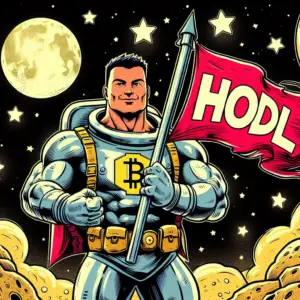
3. The HODL Culture

<p>“HODL” (Hold On for Dear Life) has become synonymous with Bitcoin enthusiasts. This steadfast belief in long-term holding defies conventional trading wisdom. While day traders chase quick profits, HODLers weather storms, believing that Bitcoin’s true value lies years down the road. It’s a cult-like devotion that keeps the flame alive.</p>::Pexels

“HODL” (Hold On for Dear Life) has become synonymous with Bitcoin enthusiasts. This steadfast belief in long-term holding defies conventional trading wisdom. While day traders chase quick profits, HODLers weather storms, believing that Bitcoin’s true value lies years down the road. It’s a cult-like devotion that keeps the flame alive.

Example: When Bitcoin plummeted during the pandemic-induced market crash in 2020, HODLers held tight, convinced that brighter days would come.


4. The Fear of Missing Out (FOMO)

<p>FOMO drives markets, and Bitcoin is no exception. When Elon Musk tweets about Dogecoin, or institutional investors pour money into crypto, the fear of missing out grips the masses. Even skeptics find themselves wondering if they’re passing up the next big thing. FOMO sustains the crypto ecosystem, ensuring that even after crashes, people return, hoping to catch the next moonshot.</p>::Pexels

FOMO drives markets, and Bitcoin is no exception. When Elon Musk tweets about Dogecoin, or institutional investors pour money into crypto, the fear of missing out grips the masses. Even skeptics find themselves wondering if they’re passing up the next big thing. FOMO sustains the crypto ecosystem, ensuring that even after crashes, people return, hoping to catch the next moonshot.

Example: Remember the 2017 bull run? Friends, family, and coworkers suddenly became crypto experts, fueled by FOMO. Today, many are FOMO-riding the AI investment train by investing in Nvidia. 


5. The Technological Revolution

Bitcoin isn’t just a currency; it’s a technological revolution. Its underlying blockchain technology promises transparency, security, and efficiency. Beyond speculation, Bitcoin’s potential applications in supply chain management, voting systems, and cross-border remittances are tantalizing. Investors recognize this, and their faith in the technology keeps Bitcoin alive.

Example: Companies like Square and MicroStrategy have invested billions in Bitcoin, betting on its long-term viability.


6. The Dark Side: Scams and Shady Characters

Bitcoin’s association with illicit activities—money laundering, ransomware payments, and dark web transactions—casts a shadow. Yet, paradoxically, this very association adds to its mystique. It’s the currency of rebels, hackers, and renegades. While legitimate businesses adopt it, the allure of the forbidden keeps Bitcoin intriguing.

Example: Silk Road, the infamous online marketplace, operated exclusively in Bitcoin until its shutdown by authorities.


Conclusion: The Unyielding Spirit

In the grand theater of finance, Bitcoin plays the role of the underdog—the Rocky Balboa of currencies. It has been declared dead over 400 times, yet it bounces back, bruised but unbroken. So, whether you’re a skeptic or a believer, acknowledge Bitcoin’s resilience. And as we conclude, consider this: Is Bitcoin immortal, or is it merely the phoenix that rises from its own ashes? As the crypto saga continues, let’s keep our eyes on the charts and our wallets secure.


Read More

  • What is Freecash.com and is the GPT Site Safe and Legit?
  • Try This $10000 Biweekly 26 Week Money Challenge to Crush Your Debt
  • Cash App Glitch 2023: Is the Free Money Glitch Real?
  • 5 Motivational Hacks to Pay Off Debt
  • Why You Need A Personal Mid-Year Budget Review and 5 Steps to Take Now

Filed Under: Budgeting

Unbelievable Surge: Why Gold and Bitcoin Are Skyrocketing

March 6, 2024 | Leave a Comment

The Phenomenal Rise of Gold and Bitcoin: Is Their Meteoric Rise Just a Bubble?

<p>The financial world is witnessing an extraordinary surge in the value of gold and Bitcoin. This article delves into the reasons behind their skyrocketing prices and explores whether this trend is sustainable or merely a speculative bubble.</p>::Pexels


The financial world is witnessing an extraordinary surge in the value of gold and Bitcoin. This article delves into the reasons behind their skyrocketing prices and explores whether this trend is sustainable or merely a speculative bubble.


The Current Landscape

Gold and Bitcoin have shattered records, with gold prices breaching the $2,100 mark and Bitcoin soaring past $69,000. These milestones are not just numbers; they represent a shift in investor sentiment and a quest for assets that can act as a hedge against inflation and currency devaluation. The allure of these assets has been magnified by the promise of lower interest rates, which could potentially ease sovereign debt burdens.


The Driving Forces

Several factors contribute to the ascent of these assets. For gold, central banks’ substantial purchases and geopolitical tensions have played a significant role. Bitcoin’s rally, on the other hand, is fueled by the excitement surrounding its upcoming halving event and the inflows into spot Bitcoin exchange-traded funds in the United States. These developments reflect a broader trend of investors seeking alternatives to traditional fiat currencies.


The Bubble Debate

<p>Amidst the excitement, there’s a growing debate on whether these price surges are indicative of a bubble. Historical data shows that both gold and Bitcoin have experienced significant volatility, with rapid price increases followed by sharp corrections. This pattern raises questions about the sustainability of the current price levels and whether they are driven by fundamental value or speculative trading.</p>::Pexels

Amidst the excitement, there’s a growing debate on whether these price surges are indicative of a bubble. Historical data shows that both gold and Bitcoin have experienced significant volatility, with rapid price increases followed by sharp corrections. This pattern raises questions about the sustainability of the current price levels and whether they are driven by fundamental value or speculative trading.


The Contrast and Surprising Trends

Interestingly, the correlation between gold and Bitcoin has reached its highest level in over a year, suggesting that investors may be viewing them as similar investment vehicles4. This convergence is surprising given their distinct market dynamics and historical performance, which typically show gold as a stable asset and Bitcoin as highly volatile.


Relevance and Appeal

The relevance of gold and Bitcoin in today’s financial landscape cannot be overstated. Their appeal lies in their potential to provide security in uncertain economic times. As investments, they offer contrasting yet complementary options for diversifying portfolios and protecting wealth against market fluctuations.


Conclusion

As we observe the remarkable surge in gold and Bitcoin, it’s crucial to approach these assets with a balanced perspective. While they offer exciting opportunities, the potential risks should not be overlooked. Investors are encouraged to conduct thorough research and consider their investment goals before making decisions. For more insights and updates on gold and Bitcoin, stay tuned to our platform – your guide to navigating the dynamic world of finance.


Read More

  • What is Freecash.com and is the GPT Site Safe and Legit?
  • Try This $10000 Biweekly 26 Week Money Challenge to Crush Your Debt
  • Cash App Glitch 2023: Is the Free Money Glitch Real?
  • 5 Motivational Hacks to Pay Off Debt
  • Why You Need A Personal Mid-Year Budget Review and 5 Steps to Take Now


Filed Under: Budgeting

5 Smart Ways to Build Credit

February 21, 2024 | Leave a Comment

Bad credit can prevent you from getting a job, financing your education and even buying a home. That is why building good credit as early as possible is so important. Beginning with your first credit card, your credit history is part of everything you do that involves credit. If you want to maintain and build a good credit history, using the credit in a responsible way is a must. [Read more…]

Filed Under: Budgeting, Lifestyle

Are You a First-time Landlord? Here are 5 Important Things to Know

February 21, 2024 | Leave a Comment

Many people dream of becoming a landlord. Putting a property up for rent can be a highly profitable venture for property investors. However, being a landlord can be challenging.  [Read more…]

Filed Under: Budgeting, Lifestyle

What is the Best Way to Manage Financial Stress?

February 21, 2024 | Leave a Comment

<p>Throughout my pregnancy, I have been attending yoga classes. Since I started attending these classes a lot of my stress levels are just lower, in general. On top of being good for my physical health, each class has helped improve my mental health as well. I’m less likely to freak out if I can remember the most important part of yoga: to breathe. That got me thinking about how people manage their financial stress and what we do to cope in our own family.</p>::Pexels

Throughout my pregnancy, I have been attending yoga classes. Since I started attending these classes a lot of my stress levels are just lower, in general. On top of being good for my physical health, each class has helped improve my mental health as well. I’m less likely to freak out if I can remember the most important part of yoga: to breathe. That got me thinking about how people manage their financial stress and what we do to cope in our own family.

How We Deal With Financial Stress

This isn’t to say you can breathe your way through your financial hardships (though a yoga class or two may help you refocus). However, you can use some things from yoga to help yourself deal with financial stress.

  • Breathe: Sometimes you need to just step back and take a breath. This isn’t the end of the world and a nice cleansing breath can help with your stress levels.
  • Balance: Search for a way to balance out your finances and bring your stress down. Planning helps me a ton!
  • Set your gaze: Consider your goals. Is what you are stressing about really going to hold you back?
  • Drown out distractions: What things are distracting you from reaching your goals? Find a way to drown those things out.
  • Just unplug: Every once in a while, you need to just unplug. Cut off social media, emails, and maybe even your phone for the day. Recenter and come back with a fresh attitude.

Now, my husband doesn’t do yoga. He is more of a jiu-jitsu guy. Thankfully, we have ways of working through our own financial stress together. Normally, he is the calm and collected one. He makes phone calls, mends things when they are broken, and makes the problem (even if temporarily) go away. I am the planner. I sit down and figure out how we can avoid finding ourselves in that situation again.

For many couples and families, this is a great way to manage financial stress. You assign “jobs” to the people in charge of finance. My husband isn’t the best with planning, so bill pay and mapping out our finances each month is my job. He’s a better spender. So, when there is a big purchase to be made, he does the research. It works for us. For the most part, it is about what works for you.

Other Ways to Cope

What works for us won’t necessarily work for you. Thankfully, there are plenty of ways to cope with financial stress. Here are three ways I’ve seen be beneficial for other families.

  1. Have a true understanding of your financial situation. Oftentimes, stress stems from not knowing exactly where you stand financially. Take time to get to know your money and where you stand with your debt and long-term financial goals.
  2. Take a social media detox. Social media can be great, but it can also leave us looking at everyone else’s lives and saying, “That could be me.” People start envying one another and, sometimes, overspend trying to keep up with the Joneses. Turn your social media notifications off for a week (or more). It can do wonders!
  3. Consider counseling. Financial counseling can be a great tool if you are really struggling with managing your stress. Look into low-cost and even free options in your area.

Dealing with financial stress can be a killer. Once you find a way to manage your own stress, it can make a world of difference. You may even find you are meeting more of your goals and seeing more progress in your finances.

Read More

  • How to Create a Bi-Weekly Budget
  • 3 Advantages of Being Debt-Free
  • Slow Progress is Better Than No Progress

Filed Under: Budgeting Tagged With: best ways to manage financial stress, financial stress, stress, stress management

Repair Projects to Maintain a Happy Home

February 21, 2024 | Leave a Comment

<p>Repainting is one of the simplest and most effective ways to revitalize a drab-looking home. A neutral coat of paint can revitalize any room inside your home. You can even use color to create a sense of cohesion inside your home and improve the flow from room to room. If your home lacks curb appeal, why not try repainting your home’s exterior or replacing the siding?

Not sure which colors to use? When selecting paint, neutral shades, such as gray, tan, and cream, are always a solid choice. You should also pick a type of paint suitable for the part of the home being painted. Paints with high sheen value, like semi-gloss or satin paint, are more resistant to moisture, making them an excellent option for exteriors and bathrooms</p>::Pexels

Regular maintenance and repair projects can boost your home’s value and make it a more comfortable place to live. According to Comfy Living, approximately 80% of family homes were built no less than 20 years ago, making them overdue for updates! If your home could use some TLC, these repair projects will help you improve the space.

Add a Fresh Coat of Paint

Repainting is one of the simplest and most effective ways to revitalize a drab-looking home. A neutral coat of paint can revitalize any room inside your home. You can even use color to create a sense of cohesion inside your home and improve the flow from room to room. If your home lacks curb appeal, why not try repainting your home’s exterior or replacing the siding?

Not sure which colors to use? When selecting paint, neutral shades, such as gray, tan, and cream, are always a solid choice. You should also pick a type of paint suitable for the part of the home being painted. Paints with high sheen value, like semi-gloss or satin paint, are more resistant to moisture, making them an excellent option for exteriors and bathrooms.

Install New Flooring

Do you have old carpeting or tile floors that are past their expiration date? Updating your floors could enhance your home’s appearance and make it easier to maintain. Many flooring materials are available, ranging from traditional options like hardwood flooring to more modern choices like bamboo floors.

According to America’s Floor Source, vinyl flooring is a resilient option that can last between 10 and 20 years if properly installed and maintained. Less conventional options, like porcelain tile and cork floors, are also worth considering. Look at different flooring materials so you can find the best choice for your home.

Apply a Sealcoat to Your Driveway

There’s no shortage of ways to improve the interior of your home, but you may also want to consider some exterior improvements, like asphalt seal coating for your driveway. The driveway of a family home goes through a lot of wear and tear. Extreme temperatures, stormy weather, and other conditions could leave your driveway with chips or cracks.

Applying a seal coat can protect your driveway from damage and keep it looking great for longer. Once the coat is applied, it’s more difficult for water to penetrate the driveway’s surface. Since the seal coating leaves behind a smooth surface, it can even make your driveway easier to clean.

Improve Your Home’s Insulation

A lack of insulation can make it challenging to keep your home hot or cool, leading to higher energy bills. If your home is poorly insulated, replacing your windows is one of the most effective solutions! According to the University of Massachusetts, windows are where the typical home loses around 30% of its heat. Consider finishing your attic or basement to reduce the air escaping these spaces.

Make Some Bathroom and Kitchen Updates

When evaluating future home projects, it’s wise to consider how you use your home. Kitchens and bathrooms are some of the most frequently used spaces in any home, making them an ideal spot for improvements. If you don’t have the budget for a full-scale renovation, you can still update these rooms and increase their utility.

Adding new hardware to your kitchen cabinets and bathroom vanity is a simple improvement that can make a big difference. A tile backsplash is something that can enhance both rooms. Think about the issues you run into when using your kitchen and bathroom, and try to make improvements to address these problems.

Whenever you make updates, repairs, or other improvements to your home, you make it a better place for your entire family. Taking on a few repair projects will improve your life in many ways. Being proactive about repairs can help you avoid future problems and give you peace of mind. Get started today on the repairs and improvements that you want to make.

Filed Under: Budgeting

How to Find Everything You Owe (And to Who)

February 21, 2024 | Leave a Comment

<p>The first and best place to find everything you owe is your credit report. This will help you see both current and past debts you have yet to pay. You can get one free annual credit report each year and you should do so to get a picture of how much you owe and to who. Most loan companies and creditors report to the three main credit agencies (Experian, TransUnion, Equifax).

Another way to find out who you owe money to is taking a look at Credit Karma. The website and app will give you a snapshot of open and closed accounts with amounts. Credit Karma is not always as accurate as an annual credit report but it can be a good, free way to follow your progress and track your repayment efforts.

For specific accounts, many creditors have dashboards where you can see how much you owe, payment due dates, and other account information. Some credit cards will give you a forecast on how long it will take you to pay the account in full. If you’re wondering if this is something your loan provider offers, contact the company’s support services.</p>::Pexels

When you are reviewing your debt freedom progress, you are likely looking at how much you’ve paid off month-to-month. However, if you want the most accurate number (interest included), it is a good idea to know how to find everything you owe.

How to Find Everything You Owe

The first and best place to find everything you owe is your credit report. This will help you see both current and past debts you have yet to pay. You can get one free annual credit report each year and you should do so to get a picture of how much you owe and to who. Most loan companies and creditors report to the three main credit agencies (Experian, TransUnion, Equifax).

Another way to find out who you owe money to is taking a look at Credit Karma. The website and app will give you a snapshot of open and closed accounts with amounts. Credit Karma is not always as accurate as an annual credit report but it can be a good, free way to follow your progress and track your repayment efforts.

For specific accounts, many creditors have dashboards where you can see how much you owe, payment due dates, and other account information. Some credit cards will give you a forecast on how long it will take you to pay the account in full. If you’re wondering if this is something your loan provider offers, contact the company’s support services.

Why Having an Accurate Number is Important

So, why it is important to know how to find everything you owe?

Because it gives you an idea of where you stand and what moves you need to make next! For instance, looking at our credit report, we are able to identify what account needs to be next in our debt snowball.

Knowing how much you owe and to who is also important for tracking anything unusual. If someone used your social security number to take out a loan or credit card, you will know by keeping tabs on how much you owe.

In your debt freedom journey, it is extremely important to be able to find exactly how much you owe, how to locate interest rates, and know that those numbers are accurate. It could make or break your financial success!

Read More

  • We Are Officially Credit Card Debt Free!
  • Does Afterpay Help Your Credit?
  • Giving Can Be Toxic Too: How to Focus on Yourself
  • 5 Things to Avoid to Live Debt-Free

Filed Under: Budgeting Tagged With: how to find everything you owe, how to find what you owe, how to find who you owe money to

How Much Money Do You Need To Put Down On A Home?

February 21, 2024 | Leave a Comment

How Much Money Do You Need To Put Down On A Home

Our family has started talking about potentially buying a home in the near future. Rent prices have gone through the roof, along with everything else, and we are tired of the anxiety that comes along with living in someone else’s home. That being said, we’ve had to do some digging into what it will take to make a huge move like this for our family unit. So, that has me wanting to answer a popular question: How much money do you need to put down on a home?

What is a Down Payment?

Before diving into how much you need for a down payment, you should know what a down payment is and why you need one to begin with. Simply put, your down payment is cash that you put out upfront to make a large purchase. Generally, these purchases include homes and cars, maybe even boats (but I wouldn’t recommend that). Other larger purchases, like appliances, etc. are usually bought on credit if the cash isn’t available.

Typically, a down payment is a percentage of the purchase. For example, if you are buying a $500,000 home you may be asked for a 10% down payment. That means you would need $50K down. The mortgage lender then provides you with the remaining $450K to make the purchase and you pay them back, with interest.

Most lenders will require some kind of down payment when you are buying a home. However, not all lenders are the same. So, it will depend on who you are working with when it comes to how much you’ll have to put down.

Is 20% Down on a Home Necessary?

During my research on mortgage and homebuying, I saw many people suggesting that you put 20% down. That isn’t the requirement in many cases though. Most traditional mortgage lenders will require you to have 20% if you want to avoid paying for private mortgage insurance (PMI). You don’t need that amount to put down to buy a home though.

Actually, when you take a look at the most recent data, most first-time homebuyers like us are only putting down an average of 7% on their houses. Repeat homebuyers are more likely to have more to put down on their next home, thanks to the sale of the first (or other factors). On average, these individuals put down about 17%.

How Much Money Do You Need To Put Down On A Home?

So, what is the minimum down payment you can have to buy a home? Really, how much money do you need to put down on a home? Well, it will depend on where your mortgage loan is coming from. Here’s a breakdown:

  • VA loans that are guaranteed through the U.S. Department of Veterans Affairs typically have a 0% down payment.
  • Some conventional mortgage loans will require as little as 3%, but this is based on your household income. These are not backed by the government but they follow many of the same guidelines as those that do.
  • Loans backed by the Federal Housing Administration (FHA) may require as little as 3.5% down with a credit score of 580+. People with scores between 500 and 579 must pay 10% down.
  • Jumbo loans, or loans made by lenders that do not conform to FHA guidelines, will allow for a down payment as low as 10%. This can be great for people who do not qualify for the other types of loans listed here. Keep in mind, they may require a higher percentage down.

A larger down payment can garner you a few perks, including not having to pay PMI as mentioned above. You’ll have more equity in your home right away and the lender may even give you a better interest rate too. Not to mention, you’ll have lower fees and lower monthly payments overall.

However, at the end of the day, it is about choosing what is best for you and your family. If you qualify, get into a home by putting 7% down and get in there! Rent prices are crazy and paying rent isn’t doing anything for you financially.

Readers, how much money did you put down on your home?

Read More

  • Bills Are Going Up And We Want To Move
  • My 30th Birthday: Reflections
  • Investing in a Relaxing Space in Your Home
  • 7 Financial Superstitions Many People Believe

Filed Under: Budgeting Tagged With: mortgage, moving, saving money

  • « Previous Page
  • 1
  • …
  • 11
  • 12
  • 13
  • 14
  • 15
  • …
  • 50
  • Next Page »
  • Email
  • Facebook
  • Pinterest
  • Twitter

Our Most Popular Articles

ClickCashGo Review: Should You Avoid At All Costs?

Ultimate Guide to Mastering Your Credit Score

The 'YOLO' Mindset is a Dangerous Thing

Dave Ramsey's Financial Peace University Review: Is it Worth the Money?

Cash App Glitch 2025: Is the Free Money Glitch Real?

Five Steps To Debt Freedom

Here are five simple guidlines that will help you pay off debt.  

1) Get an emergency fund so you don’t take on debt when something comes up.

2) List your debts. This way you know where you stand.

3) Use the debt snowball. Pay your debts from smallest to largest, or most expensive to least expensive.

4) Avoid new debt. No new credit cards or loans. Period.

5) Go all cash. After everything is paid off, switch to all cash.

Helpful Resources

U of Tennesse Debt Repayment Plan Basics

Vertex 42's Debt Payoff Calculator

Savingadvice's Helpful Debt Forums

Jackie Becks Debt Blog