Our Debt Free Family

Commit. Plan. Take action.

  • BUDGETING
  • DEBT REDUCTION
  • INVESTING
  • LIFESTYLE
  • TOOLS
  • ABOUT
  • Privacy Policy
  • CONTACT

7 Common Budget Mistakes Americans Are Finally Learning to Avoid

October 10, 2025 | Leave a Comment

7 Common Budget Mistakes Americans Are Finally Learning to Avoid

<p> If there is one topic that makes most people sigh, it is budgeting. For years, the word alone has been associated with penny-pinching, spreadsheets that never add up, and giving up that extra coffee you love. But here is the truth: budgeting is not about deprivation, it is about direction. It is the map that tells your money where to go instead of wondering where it all went.

The good news? More Americans are finally waking up to the budget mistakes that have kept them stuck for years. With inflation making grocery bills feel like luxury shopping trips and surprise expenses always lurking around the corner, many are realizing it is time to budget smarter, not harder. The goal is not to build a perfect system, but to build one that actually works for your life.

Here are seven common budget mistakes that people across the United States are finally learning to avoid, along with practical tips you can start using right away. </p> :: Freepik

If there is one topic that makes most people sigh, it is budgeting. For years, the word alone has been associated with penny-pinching, spreadsheets that never add up, and giving up that extra coffee you love. But here is the truth: budgeting is not about deprivation, it is about direction. It is the map that tells your money where to go instead of wondering where it all went.

The good news? More Americans are finally waking up to the budget mistakes that have kept them stuck for years. With inflation making grocery bills feel like luxury shopping trips and surprise expenses always lurking around the corner, many are realizing it is time to budget smarter, not harder. The goal is not to build a perfect system, but to build one that actually works for your life.

Here are seven common budget mistakes that people across the United States are finally learning to avoid, along with practical tips you can start using right away.

1. Underestimating Everyday Expenses

<p> This is perhaps the most common budgeting slip-up: writing down neat, hopeful numbers that do not reflect reality. Maybe you budget $200 for groceries but the total at the checkout is always closer to $400. Or you tell yourself gas will be $150, but between work, errands, and an impromptu road trip, it is more like $250. Many Americans end up frustrated because their budgets are based on guesses instead of facts.

How to fix it: Spend one month tracking every single expense. Yes, even the $2 snack at the gas station. Once you have a clear picture of your real spending, you can build a budget that fits your actual lifestyle instead of the one you wish you had. The first month may sting a little, but the clarity is worth it. </p> :: Freepik

This is perhaps the most common budgeting slip-up: writing down neat, hopeful numbers that do not reflect reality. Maybe you budget $200 for groceries but the total at the checkout is always closer to $400. Or you tell yourself gas will be $150, but between work, errands, and an impromptu road trip, it is more like $250. Many Americans end up frustrated because their budgets are based on guesses instead of facts.

How to fix it: Spend one month tracking every single expense. Yes, even the $2 snack at the gas station. Once you have a clear picture of your real spending, you can build a budget that fits your actual lifestyle instead of the one you wish you had. The first month may sting a little, but the clarity is worth it.

2. Forgetting About Irregular or Hidden Costs

<p> Rent, utilities, and groceries usually make it into the budget, but what about those sneaky once-a-year or seasonal expenses? Think car registration, holiday shopping, insurance premiums, or that summer trip you promise yourself every year. These costs can feel like ambushes when you forget to plan for them, and they often end up on a credit card.

How to fix it: Create what financial planners call a “sinking fund.” Add up all your non-monthly expenses, divide the total by 12, and set aside that amount each month. By the time that bill or event rolls around, you already have the money waiting. No more panicked swiping, no more budget-busting surprises. </p> :: Pexels

Rent, utilities, and groceries usually make it into the budget, but what about those sneaky once-a-year or seasonal expenses? Think car registration, holiday shopping, insurance premiums, or that summer trip you promise yourself every year. These costs can feel like ambushes when you forget to plan for them, and they often end up on a credit card.

How to fix it: Create what financial planners call a “sinking fund.” Add up all your non-monthly expenses, divide the total by 12, and set aside that amount each month. By the time that bill or event rolls around, you already have the money waiting. No more panicked swiping, no more budget-busting surprises.

3. Skipping the Emergency Fund

<p> You know the saying, “It is not if something will go wrong, but when”? That applies to your budget too. Yet many people skip building an emergency fund because they feel it is impossible or unnecessary. Then life throws a curveball — a flat tire, a medical bill, or the AC unit breaking in the middle of July — and suddenly credit cards become the fallback.

How to fix it: Start small and give yourself permission to grow it over time. A $500 cushion is better than nothing. From there, aim for $1,000, then three to six months’ worth of living expenses. Automate a transfer from your checking account into a separate savings account each payday so it is never left to chance. Think of your emergency fund as your personal insurance policy against stress. </p> :: Freepik

You know the saying, “It is not if something will go wrong, but when”? That applies to your budget too. Yet many people skip building an emergency fund because they feel it is impossible or unnecessary. Then life throws a curveball — a flat tire, a medical bill, or the AC unit breaking in the middle of July — and suddenly credit cards become the fallback.

How to fix it: Start small and give yourself permission to grow it over time. A $500 cushion is better than nothing. From there, aim for $1,000, then three to six months’ worth of living expenses. Automate a transfer from your checking account into a separate savings account each payday so it is never left to chance. Think of your emergency fund as your personal insurance policy against stress.

4. Letting Subscriptions and Recurring Charges Run Wild

<p> It starts with one streaming service. Then a fitness app. Then a food delivery subscription. Before you know it, your account is quietly leaking hundreds of dollars each month to services you barely use. The truth is, many Americans are paying for subscriptions they forgot they even had.

How to fix it: Do a subscription audit every few months. Pull up your bank or credit card statements and highlight every recurring charge. Ask yourself: Do I use this? Do I enjoy it enough to justify the cost? Cancel anything that does not earn a solid “yes.” Those little cuts can free up serious room in your budget without much sacrifice. </p> :: Pexels

It starts with one streaming service. Then a fitness app. Then a food delivery subscription. Before you know it, your account is quietly leaking hundreds of dollars each month to services you barely use. The truth is, many Americans are paying for subscriptions they forgot they even had.

How to fix it: Do a subscription audit every few months. Pull up your bank or credit card statements and highlight every recurring charge. Ask yourself: Do I use this? Do I enjoy it enough to justify the cost? Cancel anything that does not earn a solid “yes.” Those little cuts can free up serious room in your budget without much sacrifice.

5. Creating a Rigid, Overcomplicated Budget

<p> Some people go overboard with their budgets, creating 40 different categories and strict rules that leave no room for real life. The problem is, when the budget is too rigid, it feels like a punishment instead of a tool. And once it feels like punishment, people abandon it.

How to fix it: Keep it simple and flexible. Use broad categories like “Essentials,” “Savings and Debt,” and “Wants.” Allow yourself breathing room within those categories. Review your numbers monthly and adjust as your life changes. A budget should bend with you, not break you. </p> :: Pexels

Some people go overboard with their budgets, creating 40 different categories and strict rules that leave no room for real life. The problem is, when the budget is too rigid, it feels like a punishment instead of a tool. And once it feels like punishment, people abandon it.

How to fix it: Keep it simple and flexible. Use broad categories like “Essentials,” “Savings and Debt,” and “Wants.” Allow yourself breathing room within those categories. Review your numbers monthly and adjust as your life changes. A budget should bend with you, not break you.

6. Not Automating Savings and Bill Payments

<p> Relying on memory or willpower to save money is like relying on yourself to remember every single password without writing them down — eventually, something slips. Many people lose money or pay late fees simply because they have not automated their financial life.

How to fix it: Set up automatic payments for your recurring bills and automatic transfers into your savings or retirement accounts. Treat savings like a bill that must be paid every month. When the process is automated, you remove the temptation to skip it and the stress of forgetting. It is one of the easiest ways to make your money habits stronger without extra effort. </p> :: Pexels

Relying on memory or willpower to save money is like relying on yourself to remember every single password without writing them down — eventually, something slips. Many people lose money or pay late fees simply because they have not automated their financial life.

How to fix it: Set up automatic payments for your recurring bills and automatic transfers into your savings or retirement accounts. Treat savings like a bill that must be paid every month. When the process is automated, you remove the temptation to skip it and the stress of forgetting. It is one of the easiest ways to make your money habits stronger without extra effort.

7. Carrying Too Much High-Interest Debt

<p> Credit cards can be useful tools, but they also carry some of the highest interest rates around. If your budget does not account for paying off balances quickly, you could find yourself stuck in a cycle where your money goes to interest instead of progress. Many Americans are realizing just how much those balances are holding them back.

How to fix it: Make debt repayment a priority in your budget. Use the “avalanche” method by paying off the card with the highest interest rate first, or the “snowball” method by tackling the smallest balances first for momentum. Choose whichever approach keeps you motivated. The sooner you pay down those balances, the more money you free up for goals that actually matter. </p> :: Pexels

Credit cards can be useful tools, but they also carry some of the highest interest rates around. If your budget does not account for paying off balances quickly, you could find yourself stuck in a cycle where your money goes to interest instead of progress. Many Americans are realizing just how much those balances are holding them back.

How to fix it: Make debt repayment a priority in your budget. Use the “avalanche” method by paying off the card with the highest interest rate first, or the “snowball” method by tackling the smallest balances first for momentum. Choose whichever approach keeps you motivated. The sooner you pay down those balances, the more money you free up for goals that actually matter.

Final Thoughts

<p> At the end of the day, a budget is not about being perfect. It is about being prepared. For too long, Americans have fallen into the same financial traps — underestimating costs, forgetting about emergencies, and letting credit card balances grow like weeds. But now, more and more people are realizing that the path to financial stability is not found in complicated systems or unrealistic rules. It is found in simple, consistent habits that make money work with you instead of against you.

Start by tackling just one of these mistakes. Cancel a subscription, automate your savings, or set aside cash for irregular bills. Small steps build momentum, and momentum creates change. With each smart move, you gain more control, more confidence, and more peace of mind.

Your budget does not need to be perfect to be powerful. It just needs to reflect the life you are living and the life you want to build. And that is a goal worth sticking to. </p> :: Pexels

At the end of the day, a budget is not about being perfect. It is about being prepared. For too long, Americans have fallen into the same financial traps — underestimating costs, forgetting about emergencies, and letting credit card balances grow like weeds. But now, more and more people are realizing that the path to financial stability is not found in complicated systems or unrealistic rules. It is found in simple, consistent habits that make money work with you instead of against you.

Start by tackling just one of these mistakes. Cancel a subscription, automate your savings, or set aside cash for irregular bills. Small steps build momentum, and momentum creates change. With each smart move, you gain more control, more confidence, and more peace of mind.

Your budget does not need to be perfect to be powerful. It just needs to reflect the life you are living and the life you want to build. And that is a goal worth sticking to.

Filed Under: Budgeting

10 Budgeting Tools and Apps for Managing Your Money Like a Pro

October 4, 2025 | Leave a Comment

10  Budgeting Tools and Apps for Managing Your Money Like a Pro

<p> Managing your finances can often feel daunting, but the right budgeting tools and apps can empower you to take control of your money with ease. Whether you are looking to track spending, save for a future goal, or pay down debt, there are numerous options designed to simplify your financial journey. In this article, we will explore 10 budgeting tools and apps that can help you manage your finances more efficiently, allowing you to make informed decisions and work toward your financial goals. </p> :: Pexels

Managing your finances can often feel daunting, but the right budgeting tools and apps can empower you to take control of your money with ease. Whether you are looking to track spending, save for a future goal, or pay down debt, there are numerous options designed to simplify your financial journey. In this article, we will explore 10 budgeting tools and apps that can help you manage your finances more efficiently, allowing you to make informed decisions and work toward your financial goals.

1. Mint

<p> Mint stands out as one of the most popular budgeting apps, offering a user-friendly interface packed with powerful features. By linking your bank accounts, credit cards, and investments, Mint automatically tracks your spending, categorizes your transactions, and provides insights into your financial habits. This app helps you set budgets for various categories and sends alerts when you are approaching your limits. With a clear overview of your net worth, Mint allows you to monitor your financial progress over time, making it easier to stay on track. </p> :: Intuit

Mint stands out as one of the most popular budgeting apps, offering a user-friendly interface packed with powerful features. By linking your bank accounts, credit cards, and investments, Mint automatically tracks your spending, categorizes your transactions, and provides insights into your financial habits. This app helps you set budgets for various categories and sends alerts when you are approaching your limits. With a clear overview of your net worth, Mint allows you to monitor your financial progress over time, making it easier to stay on track.

2. YNAB (You Need a Budget)

<p> YNAB is designed to help you take charge of your finances through a proactive budgeting approach. This app emphasizes the importance of assigning every dollar you earn to specific categories, ensuring you prioritize essential expenses while saving for future goals. YNAB offers educational resources and workshops to help users adopt effective budgeting strategies. With real-time spending tracking and bank account synchronization, YNAB keeps you accountable and motivated on your financial journey. </p> :: The Avocado Toast Budget

YNAB is designed to help you take charge of your finances through a proactive budgeting approach. This app emphasizes the importance of assigning every dollar you earn to specific categories, ensuring you prioritize essential expenses while saving for future goals. YNAB offers educational resources and workshops to help users adopt effective budgeting strategies. With real-time spending tracking and bank account synchronization, YNAB keeps you accountable and motivated on your financial journey.

3. PocketGuard

<p> PocketGuard simplifies the budgeting process by providing a clear picture of how much money you can spend after accounting for bills, savings goals, and necessary expenses. Once you link your accounts, the app calculates your "In My Pocket" amount, indicating how much you can spend without going over budget. PocketGuard also categorizes your spending, tracks recurring bills, and allows you to set savings goals, making it a fantastic option for anyone looking to streamline their financial management. </p> :: Max Polyakov

PocketGuard simplifies the budgeting process by providing a clear picture of how much money you can spend after accounting for bills, savings goals, and necessary expenses. Once you link your accounts, the app calculates your “In My Pocket” amount, indicating how much you can spend without going over budget. PocketGuard also categorizes your spending, tracks recurring bills, and allows you to set savings goals, making it a fantastic option for anyone looking to streamline their financial management.


4. EveryDollar

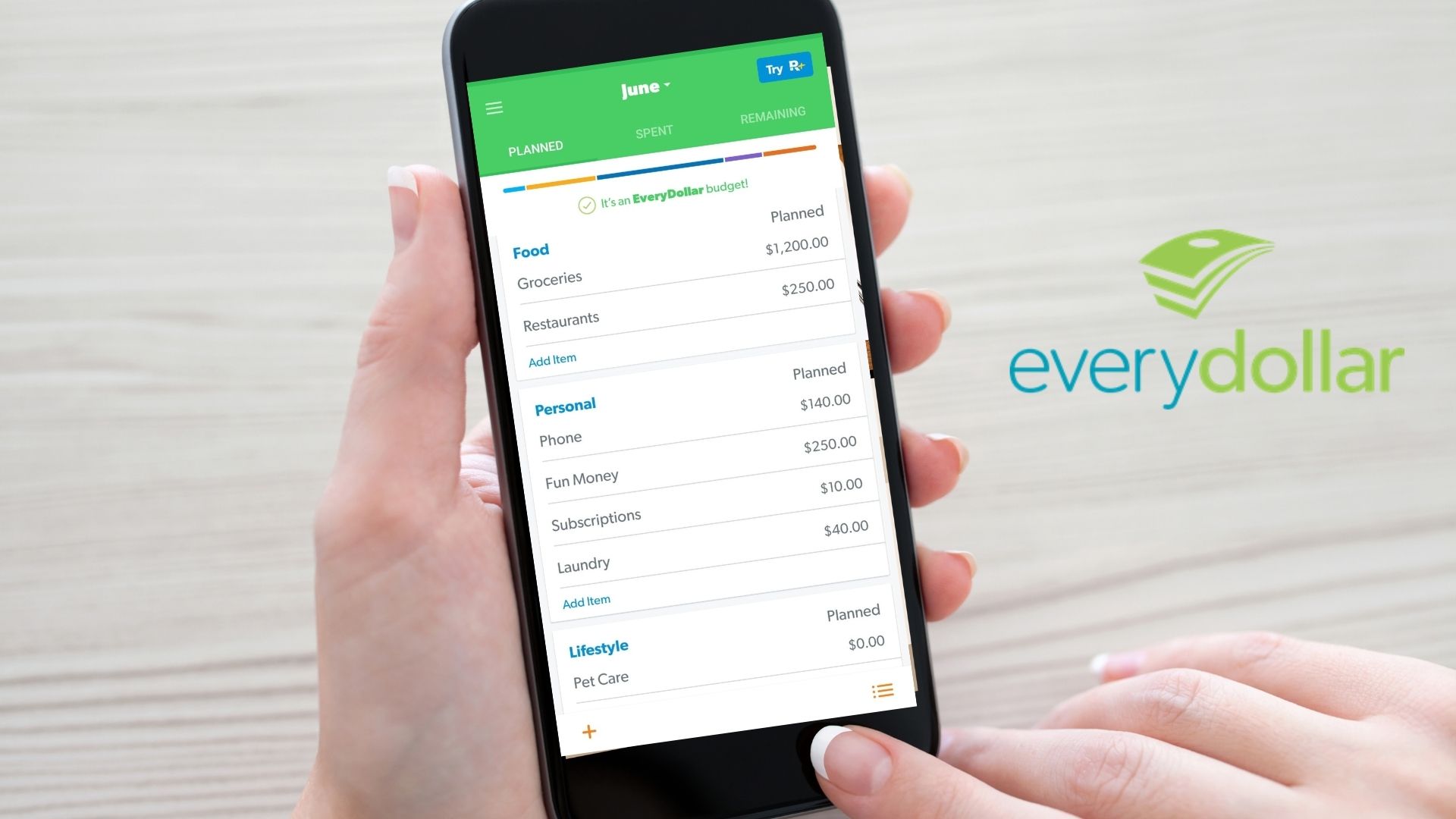
<p> EveryDollar, created by personal finance expert Dave Ramsey, is a zero-based budgeting app that encourages users to allocate every dollar of their income to specific expenses. The app allows you to create custom budgets and track your spending effortlessly. Its user-friendly design makes it accessible for beginners, while the premium version offers bank account synchronization, automating transaction tracking and categorization to keep you even more organized. </p> :: Jacob Wade

EveryDollar, created by personal finance expert Dave Ramsey, is a zero-based budgeting app that encourages users to allocate every dollar of their income to specific expenses. The app allows you to create custom budgets and track your spending effortlessly. Its user-friendly design makes it accessible for beginners, while the premium version offers bank account synchronization, automating transaction tracking and categorization to keep you even more organized.


5. GoodBudget

<p> GoodBudget brings the traditional envelope budgeting method into the digital age, allowing you to manage your finances using virtual envelopes instead of cash. You can create envelopes for different spending categories, track your income, and set budgets accordingly. GoodBudget provides features like transaction tracking, expense reports, and multi-device synchronization, making it an excellent choice for households looking to manage their finances collaboratively. </p> :: App Store

GoodBudget brings the traditional envelope budgeting method into the digital age, allowing you to manage your finances using virtual envelopes instead of cash. You can create envelopes for different spending categories, track your income, and set budgets accordingly. GoodBudget provides features like transaction tracking, expense reports, and multi-device synchronization, making it an excellent choice for households looking to manage their finances collaboratively.


6. Wally

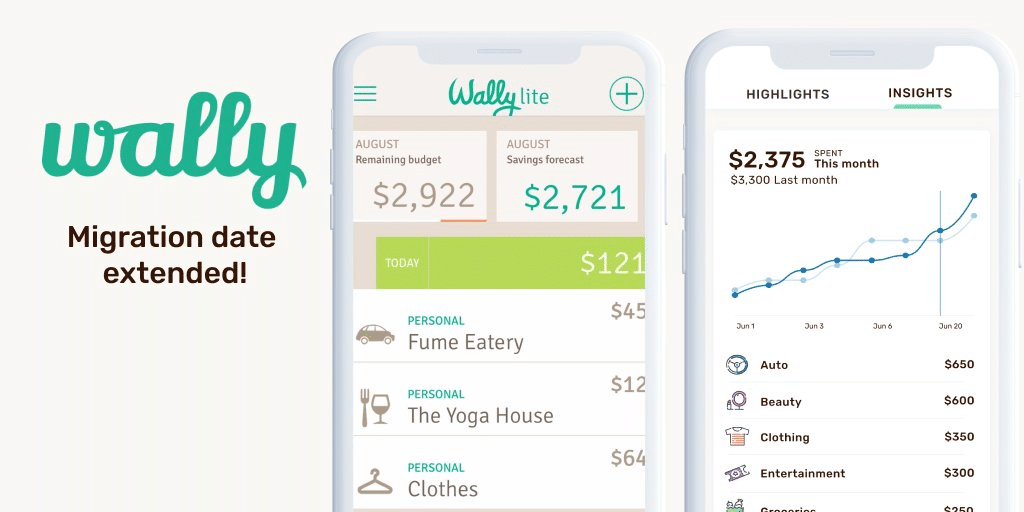
<p> Wally focuses on helping users track expenses in real time, providing a simple way to see where your money is going. You can manually enter transactions or scan receipts to stay on top of your spending habits. The app allows you to set savings goals, categorize expenses, and generate reports to analyze your financial health. Wally also features a community aspect, enabling users to connect with others for support and motivation as they work toward their financial objectives. </p> :: Doughroller

Wally focuses on helping users track expenses in real time, providing a simple way to see where your money is going. You can manually enter transactions or scan receipts to stay on top of your spending habits. The app allows you to set savings goals, categorize expenses, and generate reports to analyze your financial health. Wally also features a community aspect, enabling users to connect with others for support and motivation as they work toward their financial objectives.


7. Personal Capital

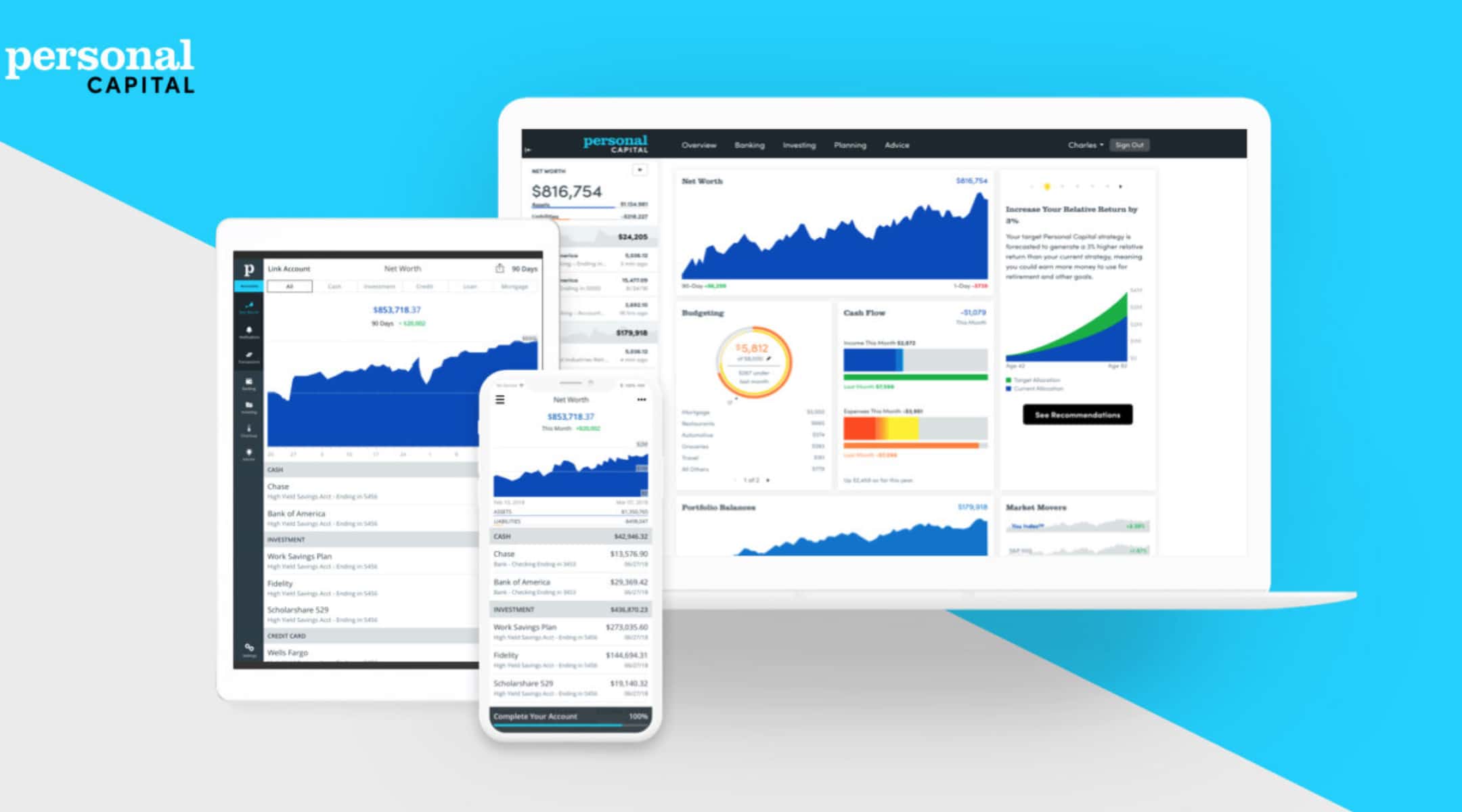
<p> Personal Capital is more than just a budgeting app; it offers a comprehensive overview of your financial situation. By linking your bank accounts, investments, and retirement accounts, you can track your net worth, analyze spending habits, and plan for retirement. The app provides powerful investment tracking tools to help you understand your asset allocation and fees. With a retirement planner that forecasts your future financial needs based on current savings and spending habits, Personal Capital is a valuable resource for long-term financial planning. </p> :: Playing with FIRE

Personal Capital is more than just a budgeting app; it offers a comprehensive overview of your financial situation. By linking your bank accounts, investments, and retirement accounts, you can track your net worth, analyze spending habits, and plan for retirement. The app provides powerful investment tracking tools to help you understand your asset allocation and fees. With a retirement planner that forecasts your future financial needs based on current savings and spending habits, Personal Capital is a valuable resource for long-term financial planning.


8. Honeydue

<p> Honeydue is designed specifically for couples, making it easier to manage finances together. The app allows partners to track their money collaboratively, set shared budgets, and communicate about spending. Each partner can link their bank accounts, credit cards, and loans, providing a transparent view of the couple's finances. With features like bill reminders, spending categories, and joint financial goals, Honeydue helps couples stay on the same page with their money management. </p> :: Honeydue

Honeydue is designed specifically for couples, making it easier to manage finances together. The app allows partners to track their money collaboratively, set shared budgets, and communicate about spending. Each partner can link their bank accounts, credit cards, and loans, providing a transparent view of the couple’s finances. With features like bill reminders, spending categories, and joint financial goals, Honeydue helps couples stay on the same page with their money management.


9. Zeta

<p> Zeta is another budgeting app tailored for couples, blending shared and individual financial management tools. You can create shared goals, track expenses, and manage budgets together while keeping individual financial privacy intact. The app simplifies tracking of recurring bills and expenses, making it easy to plan for shared costs. With insights into spending patterns, Zeta helps couples identify areas for improvement in their financial habits, fostering healthier money management. </p> :: Zeta

Zeta is another budgeting app tailored for couples, blending shared and individual financial management tools. You can create shared goals, track expenses, and manage budgets together while keeping individual financial privacy intact. The app simplifies tracking of recurring bills and expenses, making it easy to plan for shared costs. With insights into spending patterns, Zeta helps couples identify areas for improvement in their financial habits, fostering healthier money management.


10. Clarity Money

<p> Clarity Money focuses on helping users take control of their finances by tracking spending and managing subscriptions. The app analyzes your spending habits, categorizes transactions, and identifies opportunities to cut back. Clarity Money also allows you to cancel unwanted subscriptions directly from the app, making it easy to eliminate unnecessary expenses. With its clear visuals and user-friendly interface, Clarity Money keeps you aware of your financial situation, empowering you to make smarter spending choices. </p> :: PC Mag

Clarity Money focuses on helping users take control of their finances by tracking spending and managing subscriptions. The app analyzes your spending habits, categorizes transactions, and identifies opportunities to cut back. Clarity Money also allows you to cancel unwanted subscriptions directly from the app, making it easy to eliminate unnecessary expenses. With its clear visuals and user-friendly interface, Clarity Money keeps you aware of your financial situation, empowering you to make smarter spending choices.


Final Thoughts

<p> Choosing the right budgeting tool or app can significantly impact your financial management journey. Each of these 10 budgeting tools and apps offers unique features designed to help you track spending, save money, and achieve your financial goals. Whether you prefer a straightforward app like PocketGuard or a comprehensive platform like Personal Capital, there is a budgeting solution out there to fit your needs. Take the time to explore these options and find the one that resonates with you so you can take charge of your finances and work towards a more secure financial future. With the right tools at your disposal, you can transform your approach to budgeting and turn your financial dreams into reality. </p> :: Pexels

Choosing the right budgeting tool or app can significantly impact your financial management journey. Each of these 10 budgeting tools and apps offers unique features designed to help you track spending, save money, and achieve your financial goals. Whether you prefer a straightforward app like PocketGuard or a comprehensive platform like Personal Capital, there is a budgeting solution out there to fit your needs. Take the time to explore these options and find the one that resonates with you so you can take charge of your finances and work towards a more secure financial future. With the right tools at your disposal, you can transform your approach to budgeting and turn your financial dreams into reality.

Filed Under: Budgeting, Money

10 Smart Money-Saving Habits for Grocery Shopping You Need to Try

October 2, 2025 | Leave a Comment

10 Smart Money-Saving Habits for Grocery Shopping You Need to Try

<p> Grocery shopping is one of those inevitable tasks we all have to tackle, but it doesn’t need to be a budget-busting experience. With the right strategies in place, you can significantly cut down your grocery expenses without sacrificing the quality of the food you bring home. In this post, we'll explore 10 smart money-saving habits to help you become a savvy shopper and keep your grocery bill under control. </p> :: Pexels

Grocery shopping is one of those inevitable tasks we all have to tackle, but it doesn’t need to be a budget-busting experience. With the right strategies in place, you can significantly cut down your grocery expenses without sacrificing the quality of the food you bring home. In this post, we’ll explore 10 smart money-saving habits to help you become a savvy shopper and keep your grocery bill under control.

1. Plan Your Meals Ahead

<p> One of the most effective ways to save money on groceries is by planning your meals ahead of time. When you have a clear plan for what you’ll be eating throughout the week, you’re less likely to make impulse purchases. Start by taking stock of what you already have in your pantry and refrigerator, and build your meal plan around those items. Then, make a detailed shopping list based on what you need to complete those meals. Planning ahead not only reduces waste but also keeps you focused when you’re in the store, helping you avoid unnecessary buys. Pro tip: stick to your list, and don’t get sidetracked by flashy sales or discounts on items you don’t need. </p> :: Pexels

One of the most effective ways to save money on groceries is by planning your meals ahead of time. When you have a clear plan for what you’ll be eating throughout the week, you’re less likely to make impulse purchases. Start by taking stock of what you already have in your pantry and refrigerator, and build your meal plan around those items. Then, make a detailed shopping list based on what you need to complete those meals. Planning ahead not only reduces waste but also keeps you focused when you’re in the store, helping you avoid unnecessary buys. Pro tip: stick to your list, and don’t get sidetracked by flashy sales or discounts on items you don’t need.

2. Shop with a Grocery List

<p> A grocery list is your best friend when it comes to saving money. Once you've planned your meals, write down everything you need for the week and stick to it. Shopping without a list is a recipe for overspending, as you're more likely to buy things that catch your eye but weren't part of your original plan. To make your list even more efficient, organize it by category, grouping similar items together. This will not only speed up your shopping trip but also minimize the temptation to browse aisles that aren’t on your list. </p> :: Pexels

A grocery list is your best friend when it comes to saving money. Once you’ve planned your meals, write down everything you need for the week and stick to it. Shopping without a list is a recipe for overspending, as you’re more likely to buy things that catch your eye but weren’t part of your original plan. To make your list even more efficient, organize it by category, grouping similar items together. This will not only speed up your shopping trip but also minimize the temptation to browse aisles that aren’t on your list.

3. Compare Prices Across Stores

<p> While it’s convenient to shop at one store, you can often find better deals by comparing prices across multiple stores. Some stores might offer lower prices on fresh produce, while others have better deals on packaged goods. It’s worth taking a little extra time to compare prices and shop at different stores to get the best deals. Using price comparison apps or checking store flyers can help you identify which store offers the best prices for the items you need. If driving to multiple stores isn't practical, consider price-matching policies where one store will match the lower price of a competitor. </p> Pexels

While it’s convenient to shop at one store, you can often find better deals by comparing prices across multiple stores. Some stores might offer lower prices on fresh produce, while others have better deals on packaged goods. It’s worth taking a little extra time to compare prices and shop at different stores to get the best deals. Using price comparison apps or checking store flyers can help you identify which store offers the best prices for the items you need. If driving to multiple stores isn’t practical, consider price-matching policies where one store will match the lower price of a competitor.

4. Buy in Bulk—But Only What You Need

<p> Buying in bulk can be a great way to save money, but only if you’re smart about it. For non-perishable items like rice, pasta, or canned goods, bulk buying can lead to significant savings. However, it’s essential to ensure you’re purchasing items you’ll actually use before they expire. Avoid bulk-buying perishable goods unless you’re confident you can use them before they go bad. The key here is balance: buy in bulk for pantry staples, but avoid overstocking on fresh items like fruits, vegetables, and dairy. </p> :: Pexels

Buying in bulk can be a great way to save money, but only if you’re smart about it. For non-perishable items like rice, pasta, or canned goods, bulk buying can lead to significant savings. However, it’s essential to ensure you’re purchasing items you’ll actually use before they expire. Avoid bulk-buying perishable goods unless you’re confident you can use them before they go bad. The key here is balance: buy in bulk for pantry staples, but avoid overstocking on fresh items like fruits, vegetables, and dairy.

5. Use Coupons and Cashback Apps

<p> Coupons are a classic way to save money, and they’re easier to find than ever thanks to digital coupon apps. Before heading to the store, check for any relevant coupons online or through grocery store apps. Many retailers also offer their own loyalty programs, where you can earn points or get discounts on future purchases. In addition to coupons, cashback apps like Ibotta or Rakuten can help you earn money back on purchases. These apps often partner with major grocery stores, allowing you to save money while accumulating cash rewards on items you already planned to buy. </p> :: Pexels

Coupons are a classic way to save money, and they’re easier to find than ever thanks to digital coupon apps. Before heading to the store, check for any relevant coupons online or through grocery store apps. Many retailers also offer their own loyalty programs, where you can earn points or get discounts on future purchases. In addition to coupons, cashback apps like Ibotta or Rakuten can help you earn money back on purchases. These apps often partner with major grocery stores, allowing you to save money while accumulating cash rewards on items you already planned to buy.

6. Buy Seasonal Produce

<p> Buying fruits and vegetables in season can help you save a lot of money. Seasonal produce is often much cheaper because it’s more abundant and doesn’t need to be imported from other regions. Plus, buying in-season typically means fresher, higher-quality food. To figure out what’s in season, look for signs or displays at your grocery store, or do a quick search online for seasonal produce guides in your region. You can also visit local farmers’ markets, which often have better prices on fresh, in-season items. </p> :: Pexels

Buying fruits and vegetables in season can help you save a lot of money. Seasonal produce is often much cheaper because it’s more abundant and doesn’t need to be imported from other regions. Plus, buying in-season typically means fresher, higher-quality food. To figure out what’s in season, look for signs or displays at your grocery store, or do a quick search online for seasonal produce guides in your region. You can also visit local farmers’ markets, which often have better prices on fresh, in-season items.

7. Opt for Store Brands Over Name Brands

<p> Store brands, or generic brands, often cost significantly less than their name-brand counterparts and offer similar quality. In most cases, you won’t even notice the difference in taste or performance. Everything from cereal to canned goods, pasta, and cleaning supplies is often available in a store brand for a fraction of the price. Next time you’re shopping, compare the store brand to the name-brand version of the product. You’ll likely find that the savings add up, especially if you consistently choose store brands over time. </p> :: Pexels

Store brands, or generic brands, often cost significantly less than their name-brand counterparts and offer similar quality. In most cases, you won’t even notice the difference in taste or performance. Everything from cereal to canned goods, pasta, and cleaning supplies is often available in a store brand for a fraction of the price. Next time you’re shopping, compare the store brand to the name-brand version of the product. You’ll likely find that the savings add up, especially if you consistently choose store brands over time.

8. Avoid Shopping When Hungry

<p> We’ve all been there—shopping on an empty stomach and suddenly every snack and treat looks irresistible. Shopping while hungry is a surefire way to overspend and make impulse purchases that weren’t part of your original plan. To avoid this, make sure you eat before heading to the grocery store. A full stomach will help you stick to your shopping list and prevent unnecessary splurges on items you don’t need. If you can’t eat before shopping, consider bringing a small snack to curb those hunger-driven impulses. </p> :: Pexels

We’ve all been there—shopping on an empty stomach and suddenly every snack and treat looks irresistible. Shopping while hungry is a surefire way to overspend and make impulse purchases that weren’t part of your original plan. To avoid this, make sure you eat before heading to the grocery store. A full stomach will help you stick to your shopping list and prevent unnecessary splurges on items you don’t need. If you can’t eat before shopping, consider bringing a small snack to curb those hunger-driven impulses.

9. Take Advantage of Sales and Clearance Items

<p> Many grocery stores have regular sales or clearance sections where you can find deeply discounted items. This is an excellent opportunity to stock up on pantry staples, non-perishable goods, or even meat that can be frozen for later use. However, be cautious—just because something is on sale doesn’t mean you need to buy it, especially if it’s not on your list. When you see sales on items you regularly use, like pasta or canned goods, it’s wise to buy a little extra if your budget allows. Just make sure you’re not buying more than you can reasonably use before the items expire. </p> :: Pexels

Many grocery stores have regular sales or clearance sections where you can find deeply discounted items. This is an excellent opportunity to stock up on pantry staples, non-perishable goods, or even meat that can be frozen for later use. However, be cautious—just because something is on sale doesn’t mean you need to buy it, especially if it’s not on your list. When you see sales on items you regularly use, like pasta or canned goods, it’s wise to buy a little extra if your budget allows. Just make sure you’re not buying more than you can reasonably use before the items expire.

10. Shop Less Frequently

<p> The more often you go to the grocery store, the more opportunities you have to make impulse purchases. By shopping less frequently, you reduce the temptation to buy things you don’t need. Try to plan your grocery trips for once a week or even bi-weekly, depending on your family’s needs. Shopping less often forces you to be more mindful of what you’re purchasing and to use up what you already have at home before making another trip. It also encourages you to think more carefully about meal planning and grocery lists, which ultimately saves you money. </p> :: Pexels

The more often you go to the grocery store, the more opportunities you have to make impulse purchases. By shopping less frequently, you reduce the temptation to buy things you don’t need. Try to plan your grocery trips for once a week or even bi-weekly, depending on your family’s needs. Shopping less often forces you to be more mindful of what you’re purchasing and to use up what you already have at home before making another trip. It also encourages you to think more carefully about meal planning and grocery lists, which ultimately saves you money.

Final Thoughts

<p> Saving money on groceries doesn’t have to mean sacrificing the quality of your food or your family’s favorite meals. By adopting these 10 smart money-saving habits, you can keep your grocery bills in check while still enjoying a well-stocked kitchen. From meal planning and using coupons to shopping less frequently and buying in bulk, small changes in your grocery shopping habits can lead to significant savings over time. So, the next time you head to the store, remember these tips, and watch how they help you stretch your budget further. Happy saving! </p> :: Pexels

Saving money on groceries doesn’t have to mean sacrificing the quality of your food or your family’s favorite meals. By adopting these 10 smart money-saving habits, you can keep your grocery bills in check while still enjoying a well-stocked kitchen. From meal planning and using coupons to shopping less frequently and buying in bulk, small changes in your grocery shopping habits can lead to significant savings over time. So, the next time you head to the store, remember these tips, and watch how they help you stretch your budget further. Happy saving!

Filed Under: Budgeting

7 Home Renovations That Are a Waste of Money This Year

September 25, 2025 | Leave a Comment

7 Home Renovations That Are a Waste of Money This Year

<p> Home renovations can be exciting, but not every upgrade is worth the investment. While some renovations add value and make your home more appealing, others drain your wallet without offering a good return. With rising labor and material costs, it is more important than ever to be strategic about home improvements. If you are thinking about remodeling, be sure to avoid these seven home renovations that are a waste of money this year. </p> :: Pexels

Home renovations can be exciting, but not every upgrade is worth the investment. While some renovations add value and make your home more appealing, others drain your wallet without offering a good return. With rising labor and material costs, it is more important than ever to be strategic about home improvements. If you are thinking about remodeling, be sure to avoid these seven home renovations that are a waste of money this year.

1. Luxury Kitchen Remodels That Go Overboard

<p> A modern and functional kitchen is a major selling point, but there is a fine line between a worthwhile upgrade and an overpriced renovation. Many homeowners assume that a luxury kitchen with top-tier appliances, custom cabinetry, and expensive countertops will significantly boost home value, but that is not always the case. High-end kitchen remodels often cost upwards of $50,000, yet they rarely provide a full return on investment. Most buyers appreciate a well-kept, updated kitchen, but they are not necessarily looking for a chef-style space with premium finishes. Instead of going all out, focus on practical improvements like repainting cabinets, upgrading hardware, or swapping out old appliances for energy-efficient models. These minor upgrades can refresh your kitchen without the excessive costs. </p> :: Pexels

A modern and functional kitchen is a major selling point, but there is a fine line between a worthwhile upgrade and an overpriced renovation. Many homeowners assume that a luxury kitchen with top-tier appliances, custom cabinetry, and expensive countertops will significantly boost home value, but that is not always the case. High-end kitchen remodels often cost upwards of $50,000, yet they rarely provide a full return on investment. Most buyers appreciate a well-kept, updated kitchen, but they are not necessarily looking for a chef-style space with premium finishes. Instead of going all out, focus on practical improvements like repainting cabinets, upgrading hardware, or swapping out old appliances for energy-efficient models. These minor upgrades can refresh your kitchen without the excessive costs.

2. Lavish Bathroom Overhauls That Do Not Pay Off

<p> Upgrading an outdated bathroom can add value to your home, but there is no need to go overboard. Many homeowners invest in expensive features like oversized soaking tubs, heated floors, and designer fixtures, only to find that these upgrades do not offer a strong return. While luxury bathrooms can be appealing, most buyers are simply looking for a clean, functional, and modern space. Spending thousands on high-end materials and custom features may not be worth it if buyers do not see the value in them. A more budget-friendly approach is to focus on small updates like replacing outdated fixtures, regrouting tiles, or installing a new vanity. These simple changes can give your bathroom a fresh look without wasting money on unnecessary upgrades. </p> :: Pexels

Upgrading an outdated bathroom can add value to your home, but there is no need to go overboard. Many homeowners invest in expensive features like oversized soaking tubs, heated floors, and designer fixtures, only to find that these upgrades do not offer a strong return. While luxury bathrooms can be appealing, most buyers are simply looking for a clean, functional, and modern space. Spending thousands on high-end materials and custom features may not be worth it if buyers do not see the value in them. A more budget-friendly approach is to focus on small updates like replacing outdated fixtures, regrouting tiles, or installing a new vanity. These simple changes can give your bathroom a fresh look without wasting money on unnecessary upgrades.

3. Installing a Swimming Pool That Becomes a Burden

<p> A backyard pool may seem like the ultimate luxury, but it is often more trouble than it is worth. Pools come with high installation costs, ongoing maintenance expenses, and potential safety concerns that can deter potential buyers. In some regions, pools can even reduce home value because of the upkeep required. Many homeowners find that they do not use their pool as often as they expected, making it a costly addition with little return. If you are looking to enhance your outdoor space, consider adding a patio, fire pit, or outdoor kitchen instead. These features are more versatile, require less maintenance, and are more appealing to a broader range of buyers. </p> :: Pexels

A backyard pool may seem like the ultimate luxury, but it is often more trouble than it is worth. Pools come with high installation costs, ongoing maintenance expenses, and potential safety concerns that can deter potential buyers. In some regions, pools can even reduce home value because of the upkeep required. Many homeowners find that they do not use their pool as often as they expected, making it a costly addition with little return. If you are looking to enhance your outdoor space, consider adding a patio, fire pit, or outdoor kitchen instead. These features are more versatile, require less maintenance, and are more appealing to a broader range of buyers.

4. High-End Smart Home Technology That Ages Quickly

<p> Smart home technology is becoming more popular, but investing in expensive systems is not always a smart financial decision. Features like voice-controlled lighting, built-in home assistants, and advanced security systems can make your home feel modern, but they do not always increase its resale value. Technology evolves rapidly, meaning what is cutting-edge today may be outdated in just a few years. Some buyers may also see these systems as a hassle, worrying about future repairs and compatibility issues. Instead of splurging on high-end smart home upgrades, focus on practical technology improvements like smart thermostats, video doorbells, or keyless entry locks. These simple upgrades can enhance convenience without the risk of rapid obsolescence. </p> :: Pexels

Smart home technology is becoming more popular, but investing in expensive systems is not always a smart financial decision. Features like voice-controlled lighting, built-in home assistants, and advanced security systems can make your home feel modern, but they do not always increase its resale value. Technology evolves rapidly, meaning what is cutting-edge today may be outdated in just a few years. Some buyers may also see these systems as a hassle, worrying about future repairs and compatibility issues. Instead of splurging on high-end smart home upgrades, focus on practical technology improvements like smart thermostats, video doorbells, or keyless entry locks. These simple upgrades can enhance convenience without the risk of rapid obsolescence.

5. Adding a Sunroom That Fails to Justify the Cost

<p> A sunroom might seem like a great way to enjoy natural light while staying protected from the elements, but it is rarely worth the investment. Building a sunroom can cost tens of thousands of dollars, and it does not always add significant value to your home. In many cases, homeowners end up using the space less than they anticipated, making it an expensive and underutilized addition. Moreover, sunrooms often require additional heating and cooling to be comfortable year-round, adding to long-term costs. Instead of a costly sunroom, consider expanding your outdoor living space with a pergola, covered patio, or screened-in porch. These options offer the same outdoor experience at a fraction of the cost. </p> :: Pexels

A sunroom might seem like a great way to enjoy natural light while staying protected from the elements, but it is rarely worth the investment. Building a sunroom can cost tens of thousands of dollars, and it does not always add significant value to your home. In many cases, homeowners end up using the space less than they anticipated, making it an expensive and underutilized addition. Moreover, sunrooms often require additional heating and cooling to be comfortable year-round, adding to long-term costs. Instead of a costly sunroom, consider expanding your outdoor living space with a pergola, covered patio, or screened-in porch. These options offer the same outdoor experience at a fraction of the cost.

6. Converting a Bedroom Into a Specialty Room That Hurts Resale Value

<p> It might be tempting to transform an extra bedroom into a home office, gym, or custom walk-in closet, but doing so can hurt your home’s resale value. The number of bedrooms in a house is one of the biggest factors buyers consider, and reducing that count can make your home less appealing. While having a dedicated office or workout space is useful, many buyers prefer flexibility and may not see the same value in a converted room. If you need a specialized space, consider using temporary or reversible changes instead. Modular furniture, fold-away desks, or multi-functional storage solutions can help you create the space you need without permanently sacrificing a bedroom. </p> :: Pexels

It might be tempting to transform an extra bedroom into a home office, gym, or custom walk-in closet, but doing so can hurt your home’s resale value. The number of bedrooms in a house is one of the biggest factors buyers consider, and reducing that count can make your home less appealing. While having a dedicated office or workout space is useful, many buyers prefer flexibility and may not see the same value in a converted room. If you need a specialized space, consider using temporary or reversible changes instead. Modular furniture, fold-away desks, or multi-functional storage solutions can help you create the space you need without permanently sacrificing a bedroom.

7. Over-the-Top Landscaping and Water Features That Require Too Much Maintenance

<p> Curb appeal matters, but pouring money into elaborate landscaping projects is not always the best investment. Features like custom stone pathways, intricate gardens, or large fountains may look stunning, but they often require extensive upkeep that many buyers are not willing to take on. High-maintenance yards can actually be a turnoff for potential buyers who prefer a more manageable outdoor space. Instead of spending a fortune on elaborate landscaping, focus on simple, low-maintenance improvements like planting native plants, updating the lawn, or installing energy-efficient outdoor lighting. These upgrades can boost curb appeal without the extra hassle or expense. </p> :: Pexels

Curb appeal matters, but pouring money into elaborate landscaping projects is not always the best investment. Features like custom stone pathways, intricate gardens, or large fountains may look stunning, but they often require extensive upkeep that many buyers are not willing to take on. High-maintenance yards can actually be a turnoff for potential buyers who prefer a more manageable outdoor space. Instead of spending a fortune on elaborate landscaping, focus on simple, low-maintenance improvements like planting native plants, updating the lawn, or installing energy-efficient outdoor lighting. These upgrades can boost curb appeal without the extra hassle or expense.

Final Thoughts

<p> Not all home renovations are created equal, and some upgrades simply do not offer a good return on investment. This year, homeowners should be cautious about where they spend their money, avoiding projects that are more expensive than they are worth. Instead of pouring thousands into luxury remodels, high-maintenance features, or rapidly outdated technology, focus on practical upgrades that improve both functionality and value. Small changes like fresh paint, energy-efficient updates, and well-planned outdoor spaces can enhance your home without draining your savings. By making smart renovation choices, you can enjoy a beautiful, functional home while ensuring your investment pays off in the long run. </p> :: Pexels

Not all home renovations are created equal, and some upgrades simply do not offer a good return on investment. This year, homeowners should be cautious about where they spend their money, avoiding projects that are more expensive than they are worth. Instead of pouring thousands into luxury remodels, high-maintenance features, or rapidly outdated technology, focus on practical upgrades that improve both functionality and value. Small changes like fresh paint, energy-efficient updates, and well-planned outdoor spaces can enhance your home without draining your savings. By making smart renovation choices, you can enjoy a beautiful, functional home while ensuring your investment pays off in the long run.

Filed Under: Budgeting

Boomers and Real Estate: 10 Key Things You Need to Know Before Investing

September 20, 2025 | Leave a Comment

Boomers and Real Estate: 10 Key Things You Need to Know Before Investing

<p> Real estate has always had a special place in the American dream. It is one of those investments you can see, touch, and watch grow over time. For many baby boomers, the idea of investing in property feels natural—after all, this generation witnessed firsthand how owning a home could build wealth, security, and even a family legacy. But as with any investment, there are risks and realities that should not be ignored.

Whether you are looking to downsize, buy a rental property, or simply make the most of the equity you have built, the rules of the game may look a little different today than they did 20 or 30 years ago. The real estate market is constantly evolving, and what worked in your thirties might not be the smartest strategy in your sixties or seventies.


Before you put your hard-earned money into property, take a closer look at these ten key things every boomer should know. These insights will help you make choices that are not only financially smart but also aligned with your lifestyle, health, and long-term goals. </p> :: Pexels

Real estate has always had a special place in the American dream. It is one of those investments you can see, touch, and watch grow over time. For many baby boomers, the idea of investing in property feels natural—after all, this generation witnessed firsthand how owning a home could build wealth, security, and even a family legacy. But as with any investment, there are risks and realities that should not be ignored.

Whether you are looking to downsize, buy a rental property, or simply make the most of the equity you have built, the rules of the game may look a little different today than they did 20 or 30 years ago. The real estate market is constantly evolving, and what worked in your thirties might not be the smartest strategy in your sixties or seventies.

Before you put your hard-earned money into property, take a closer look at these ten key things every boomer should know. These insights will help you make choices that are not only financially smart but also aligned with your lifestyle, health, and long-term goals.

1. Recognize the Power of Your Home Equity

<p> One of the biggest advantages baby boomers have over younger generations is equity. If you bought your home decades ago, chances are its value has risen significantly. That equity can give you tremendous buying power if you are looking to invest in another property. Some boomers even use equity to purchase a second home or rental outright.

The important thing to remember is that equity is a tool, not a piggy bank to raid without a plan. Be careful about taking on too much risk. While tapping into equity may seem appealing, you will want to leave yourself financial breathing room for unexpected expenses like health care or major home repairs. </p> :: Freepik

One of the biggest advantages baby boomers have over younger generations is equity. If you bought your home decades ago, chances are its value has risen significantly. That equity can give you tremendous buying power if you are looking to invest in another property. Some boomers even use equity to purchase a second home or rental outright.

The important thing to remember is that equity is a tool, not a piggy bank to raid without a plan. Be careful about taking on too much risk. While tapping into equity may seem appealing, you will want to leave yourself financial breathing room for unexpected expenses like health care or major home repairs.

2. Decide If Paying Cash or Taking a Mortgage Is Right for You

<p> It is not uncommon for boomers to buy property in cash, especially if they have sold a larger home and downsized. Paying cash can help you avoid interest payments and give you stronger negotiating power with sellers. Plus, it eliminates the monthly burden of a mortgage.

However, tying up all your liquid assets in a house is not always the best move. Keeping some cash available for emergencies or other investments may give you more flexibility in retirement. Sometimes it makes sense to keep a small mortgage, especially if the interest rate is low, so your money can stay more accessible. The right choice depends on your financial comfort level and your long-term plans. </p> :: Freepik

It is not uncommon for boomers to buy property in cash, especially if they have sold a larger home and downsized. Paying cash can help you avoid interest payments and give you stronger negotiating power with sellers. Plus, it eliminates the monthly burden of a mortgage.

However, tying up all your liquid assets in a house is not always the best move. Keeping some cash available for emergencies or other investments may give you more flexibility in retirement. Sometimes it makes sense to keep a small mortgage, especially if the interest rate is low, so your money can stay more accessible. The right choice depends on your financial comfort level and your long-term plans.

3. Downsizing Means More Than Just a Smaller House

<p> Downsizing has become a popular move among baby boomers, but it is not just about moving into a smaller home. It is about simplifying life. A smaller house usually means less cleaning, lower utility bills, and fewer maintenance headaches.

But there is more to think about than square footage. If you plan to stay in your new home for many years, consider whether it will meet your future needs. Features like single-story living, walk-in showers, and easy access to amenities will make your home more livable as you age. Downsizing should give you freedom, not force another move in a few years. </p> :: Freepik

Downsizing has become a popular move among baby boomers, but it is not just about moving into a smaller home. It is about simplifying life. A smaller house usually means less cleaning, lower utility bills, and fewer maintenance headaches.

But there is more to think about than square footage. If you plan to stay in your new home for many years, consider whether it will meet your future needs. Features like single-story living, walk-in showers, and easy access to amenities will make your home more livable as you age. Downsizing should give you freedom, not force another move in a few years.

4. Choose Your Location with Care

<p> The old saying is true: location is everything. For boomers, choosing where to invest is about more than property values. It is also about lifestyle. Do you want to live near family? Is good health care nearby? What about weather, taxes, and access to community activities you enjoy?

Many retirees find themselves gravitating toward walkable communities or areas with good public transportation. Think ahead to how easy it will be to get around in ten or twenty years. Choosing the right location now can save you the stress of relocating again later. </p> :: Pexels

The old saying is true: location is everything. For boomers, choosing where to invest is about more than property values. It is also about lifestyle. Do you want to live near family? Is good health care nearby? What about weather, taxes, and access to community activities you enjoy?

Many retirees find themselves gravitating toward walkable communities or areas with good public transportation. Think ahead to how easy it will be to get around in ten or twenty years. Choosing the right location now can save you the stress of relocating again later.

5. Plan for Health Care and Long-Term Costs

<p> One of the realities of retirement is that health expenses tend to increase with age. If you are considering using rental income or home equity to help cover these costs, think carefully about the long-term picture.

Health care and long-term care can quickly drain resources. Nursing homes, in-home aides, or even home modifications can add up to thousands of dollars per month. While property can certainly play a role in helping you cover these expenses, it should not be your only plan. Talk with a financial planner to make sure your real estate decisions align with your health and retirement needs. </p> :: Freepik

One of the realities of retirement is that health expenses tend to increase with age. If you are considering using rental income or home equity to help cover these costs, think carefully about the long-term picture.

Health care and long-term care can quickly drain resources. Nursing homes, in-home aides, or even home modifications can add up to thousands of dollars per month. While property can certainly play a role in helping you cover these expenses, it should not be your only plan. Talk with a financial planner to make sure your real estate decisions align with your health and retirement needs.

6. Understand the Tax Implications

<p> Taxes are often overlooked in real estate investing, but they can significantly impact your bottom line. If you sell a property, you may face capital gains taxes. As a landlord, you will need to handle property taxes, possible depreciation rules, and other deductions. And if you plan to pass property to your children, you should understand how inheritance and estate tax rules will apply.

The good news is that there are strategies to minimize taxes if you plan wisely. A trusted tax advisor who knows real estate can help you keep more money in your pocket and avoid unpleasant surprises. </p> :: Freepik

Taxes are often overlooked in real estate investing, but they can significantly impact your bottom line. If you sell a property, you may face capital gains taxes. As a landlord, you will need to handle property taxes, possible depreciation rules, and other deductions. And if you plan to pass property to your children, you should understand how inheritance and estate tax rules will apply.

The good news is that there are strategies to minimize taxes if you plan wisely. A trusted tax advisor who knows real estate can help you keep more money in your pocket and avoid unpleasant surprises.

7. Weigh the Rewards and Responsibilities of Being a Landlord

<p> Owning rental property sounds like a dream for many retirees: steady monthly income and the chance to build more wealth. But the reality is not always as simple. Being a landlord can mean fixing leaky faucets, handling late-night tenant calls, and dealing with vacancies or local rental laws.

If you enjoy the idea of hands-on management, rental income could be a great fit. If not, you can hire a property manager, though that comes with a cost. Be honest about how much time and energy you want to dedicate to managing tenants and repairs before diving in. </p> :: Freepik

Owning rental property sounds like a dream for many retirees: steady monthly income and the chance to build more wealth. But the reality is not always as simple. Being a landlord can mean fixing leaky faucets, handling late-night tenant calls, and dealing with vacancies or local rental laws.

If you enjoy the idea of hands-on management, rental income could be a great fit. If not, you can hire a property manager, though that comes with a cost. Be honest about how much time and energy you want to dedicate to managing tenants and repairs before diving in.

8. Accessible Homes Are Smarter Investments

<p> Even if you do not plan to live in the property long-term, investing in homes with accessible features can pay off. As the population ages, homes with single-story layouts, wide doorways, step-free entries, and low-maintenance designs are becoming more attractive to buyers and renters.

Adding these features does not just help you live comfortably; it also increases resale value. Whether for yourself or future owners, accessible design is an investment in practicality and peace of mind. </p> :: Freepik

Even if you do not plan to live in the property long-term, investing in homes with accessible features can pay off. As the population ages, homes with single-story layouts, wide doorways, step-free entries, and low-maintenance designs are becoming more attractive to buyers and renters.

Adding these features does not just help you live comfortably; it also increases resale value. Whether for yourself or future owners, accessible design is an investment in practicality and peace of mind.

9. Do Not Put Off Your Exit Strategy

<p> One of the biggest mistakes people make is not planning their exit from a real estate investment. Whether you want to sell the property, pass it to your children, or use it as a rental, the decisions are easier when you plan ahead.

Clear estate planning can prevent stress and confusion later on. Talk to an attorney about creating a will or trust that spells out your wishes. If you want your property to stay in the family, make sure your heirs are ready to handle taxes, upkeep, and management responsibilities. </p> :: Freepik

One of the biggest mistakes people make is not planning their exit from a real estate investment. Whether you want to sell the property, pass it to your children, or use it as a rental, the decisions are easier when you plan ahead.

Clear estate planning can prevent stress and confusion later on. Talk to an attorney about creating a will or trust that spells out your wishes. If you want your property to stay in the family, make sure your heirs are ready to handle taxes, upkeep, and management responsibilities.

10. Stay Aware of Market Trends Without Freezing in Fear

<p> The real estate market is always changing. Interest rates rise and fall, neighborhoods evolve, and demand shifts from one area to another. The good news is that as a boomer, you have already seen economic ups and downs. Use that experience to your advantage.

Stay informed about trends, but do not let fear keep you from acting. Waiting for the “perfect” time often means missing out. If you find a property that meets your needs and fits your financial plan, it may be better to move forward than to wait for conditions that may never come. </p> :: Freepik

The real estate market is always changing. Interest rates rise and fall, neighborhoods evolve, and demand shifts from one area to another. The good news is that as a boomer, you have already seen economic ups and downs. Use that experience to your advantage.

Stay informed about trends, but do not let fear keep you from acting. Waiting for the “perfect” time often means missing out. If you find a property that meets your needs and fits your financial plan, it may be better to move forward than to wait for conditions that may never come.

Final Thoughts

<p> For baby boomers, real estate can be a powerful way to build security, generate income, and create a legacy for family. But it is not a decision to take lightly. The smartest investments are the ones that balance financial opportunity with your personal lifestyle, health needs, and long-term goals.

Think of real estate investing as more than just buying property—it is about designing the kind of retirement and future you want. Whether that means downsizing to a cozy home near grandkids, purchasing a rental for extra income, or planning carefully so your property supports your health needs, the choices are yours.

The key is to move forward with clarity and confidence. Take time to weigh your options, lean on expert advice when needed, and always keep your bigger picture in mind. With careful planning, your next real estate move can be one of the most rewarding steps you take in retirement. </p> :: Pexels

For baby boomers, real estate can be a powerful way to build security, generate income, and create a legacy for family. But it is not a decision to take lightly. The smartest investments are the ones that balance financial opportunity with your personal lifestyle, health needs, and long-term goals.

Think of real estate investing as more than just buying property—it is about designing the kind of retirement and future you want. Whether that means downsizing to a cozy home near grandkids, purchasing a rental for extra income, or planning carefully so your property supports your health needs, the choices are yours.

The key is to move forward with clarity and confidence. Take time to weigh your options, lean on expert advice when needed, and always keep your bigger picture in mind. With careful planning, your next real estate move can be one of the most rewarding steps you take in retirement.

Filed Under: Budgeting

What Boomers Fear Most: 8 Things That Keep Them Up at Night

September 15, 2025 | Leave a Comment

What Boomers Fear Most: 8 Things That Keep Them Up at Night

<p> Growing older brings wisdom, perspective, and the freedom to enjoy more of life on your own terms. But if we are being honest, it also comes with a new set of worries that tend to creep in when the lights go out. Baby Boomers have lived through decades of social change, economic highs and lows, and technological revolutions. Yet no matter how much resilience you have built up, there are still those nagging fears that can keep you staring at the ceiling at 2 a.m. The truth is, many of these concerns are not unique to you. Millions of Baby Boomers across the United States share the same late-night anxieties. The good news is that by recognizing them, you can start to prepare, adjust, and even laugh a little at the things that feel overwhelming. Let’s take a look at eight of the biggest fears Baby Boomers face today—and what can be done to put some of those worries to rest. </p> :: Pexels

Growing older brings wisdom, perspective, and the freedom to enjoy more of life on your own terms. But if we are being honest, it also comes with a new set of worries that tend to creep in when the lights go out. Baby Boomers have lived through decades of social change, economic highs and lows, and technological revolutions. Yet no matter how much resilience you have built up, there are still those nagging fears that can keep you staring at the ceiling at 2 a.m.

The truth is, many of these concerns are not unique to you. Millions of Baby Boomers across the United States share the same late-night anxieties. The good news is that by recognizing them, you can start to prepare, adjust, and even laugh a little at the things that feel overwhelming. Let’s take a look at eight of the biggest fears Baby Boomers face today—and what can be done to put some of those worries to rest.

1. Outliving Their Savings

<p> If there is one worry that tops the list for Baby Boomers, it is the fear of running out of money before running out of time. After decades of working hard, saving diligently, and weathering economic ups and downs, the idea of watching retirement funds slowly drain away is unsettling. Add inflation into the mix, along with longer life expectancies, and it is no wonder this concern keeps many awake at night. The key here is not just saving money, but learning how to make it last. That means having a clear spending plan, considering options like annuities or other income-producing investments, and making sure withdrawals from retirement accounts are sustainable. A trusted financial planner can help create a strategy that accounts for both longevity and flexibility. Planning now gives you more confidence later—and confidence is the best antidote to those midnight worries. </p> :: Pexels

If there is one worry that tops the list for Baby Boomers, it is the fear of running out of money before running out of time. After decades of working hard, saving diligently, and weathering economic ups and downs, the idea of watching retirement funds slowly drain away is unsettling. Add inflation into the mix, along with longer life expectancies, and it is no wonder this concern keeps many awake at night.

The key here is not just saving money, but learning how to make it last. That means having a clear spending plan, considering options like annuities or other income-producing investments, and making sure withdrawals from retirement accounts are sustainable. A trusted financial planner can help create a strategy that accounts for both longevity and flexibility. Planning now gives you more confidence later—and confidence is the best antidote to those midnight worries.

2. Declining Health and Chronic Illness

<p> Few things feel as threatening as the possibility of declining health. While gray hair and laugh lines are badges of experience, health concerns are often harder to accept. Baby Boomers are living longer than previous generations, but that also means more years of managing conditions such as heart disease, diabetes, or arthritis. These health challenges can affect independence, energy, and even relationships. The good news? Advances in medicine and preventive care make it easier than ever to stay healthier for longer. Regular screenings, a balanced diet, and staying active can go a long way toward keeping illness at bay. Taking charge of your health with small daily habits is empowering and can help shift the focus from fear to proactive living. </p> :: Pexels

Few things feel as threatening as the possibility of declining health. While gray hair and laugh lines are badges of experience, health concerns are often harder to accept. Baby Boomers are living longer than previous generations, but that also means more years of managing conditions such as heart disease, diabetes, or arthritis. These health challenges can affect independence, energy, and even relationships.

The good news? Advances in medicine and preventive care make it easier than ever to stay healthier for longer. Regular screenings, a balanced diet, and staying active can go a long way toward keeping illness at bay. Taking charge of your health with small daily habits is empowering and can help shift the focus from fear to proactive living.

3. Rising Healthcare and Long-Term Care Costs

<p> Even if you are healthy today, the thought of future healthcare costs can feel overwhelming. Medicare provides important coverage, but it does not pay for everything—especially when it comes to long-term custodial care. Nursing homes, assisted living facilities, and even in-home caregivers can be shockingly expensive. One unexpected medical emergency has the power to shake even the most carefully built financial plan. Facing this fear head-on is the best defense. Research what Medicare covers, explore supplemental insurance options, and consider whether long-term care insurance or hybrid policies are worth the investment. Having a dedicated healthcare fund or at least a clear picture of potential costs can ease the fear of being blindsided. Preparation may not remove the expense, but it reduces the element of surprise. </p> :: Pexels

Even if you are healthy today, the thought of future healthcare costs can feel overwhelming. Medicare provides important coverage, but it does not pay for everything—especially when it comes to long-term custodial care. Nursing homes, assisted living facilities, and even in-home caregivers can be shockingly expensive. One unexpected medical emergency has the power to shake even the most carefully built financial plan.

Facing this fear head-on is the best defense. Research what Medicare covers, explore supplemental insurance options, and consider whether long-term care insurance or hybrid policies are worth the investment. Having a dedicated healthcare fund or at least a clear picture of potential costs can ease the fear of being blindsided. Preparation may not remove the expense, but it reduces the element of surprise.

4. Social Security and Pension Uncertainty

<p> For many Baby Boomers, Social Security and pensions are cornerstones of retirement planning. But what happens if those benefits are reduced or do not stretch as far as expected? Rumors of changes to Social Security funding or uncertainty about pension stability can stir up plenty of stress. After years of contributing, the thought of not receiving what you earned can feel deeply unsettling. While you cannot control government policy or corporate pension health, you can control how you prepare. Stay informed about updates from the Social Security Administration, know the details of your pension plan, and avoid relying too heavily on one single source of income. Building in other income streams, such as part-time work, investments, or rental income, can provide a stronger safety net. </p> :: Pexels

For many Baby Boomers, Social Security and pensions are cornerstones of retirement planning. But what happens if those benefits are reduced or do not stretch as far as expected? Rumors of changes to Social Security funding or uncertainty about pension stability can stir up plenty of stress. After years of contributing, the thought of not receiving what you earned can feel deeply unsettling.

While you cannot control government policy or corporate pension health, you can control how you prepare. Stay informed about updates from the Social Security Administration, know the details of your pension plan, and avoid relying too heavily on one single source of income. Building in other income streams, such as part-time work, investments, or rental income, can provide a stronger safety net.

5. Inflation and the Rising Cost of Living

<p> Remember when a gallon of milk was under a dollar and gas was cheaper than a cup of coffee? Prices today can be downright shocking, and inflation makes fixed incomes feel tighter each year. Groceries, utilities, and medical bills do not stop rising simply because your paycheck has. For retirees, this steady creep of higher costs can feel like a constant threat. While inflation is inevitable, there are ways to lessen its bite. Reviewing your budget regularly and trimming unnecessary expenses can help stretch your income. Investing in assets that grow faster than inflation, like certain stocks or real estate, can also provide protection. Flexibility is your greatest tool. Even small adjustments—such as cooking at home more often or shopping smarter—can make your money go further. </p> :: Freepik

Remember when a gallon of milk was under a dollar and gas was cheaper than a cup of coffee? Prices today can be downright shocking, and inflation makes fixed incomes feel tighter each year. Groceries, utilities, and medical bills do not stop rising simply because your paycheck has. For retirees, this steady creep of higher costs can feel like a constant threat.

While inflation is inevitable, there are ways to lessen its bite. Reviewing your budget regularly and trimming unnecessary expenses can help stretch your income. Investing in assets that grow faster than inflation, like certain stocks or real estate, can also provide protection. Flexibility is your greatest tool. Even small adjustments—such as cooking at home more often or shopping smarter—can make your money go further.

6. Being in the “Sandwich Generation”

<p> Many Baby Boomers are caught in the middle, supporting both older parents and adult children at the same time. This role, often called the “sandwich generation,” is stressful financially and emotionally. Caring for a parent while also helping kids with college tuition, down payments, or unexpected bills can leave you feeling stretched thin. The guilt of saying no can weigh just as heavily as the strain of saying yes. Setting clear boundaries is essential. Open conversations with family members about what you can realistically provide help manage expectations. Explore community programs, caregiver support services, and even tax benefits that may lighten the load. Remember that your own financial and emotional well-being matter too. You cannot pour from an empty cup, and sometimes the most loving choice is protecting your ability to stay steady for the long haul. </p> :: Freepik

Many Baby Boomers are caught in the middle, supporting both older parents and adult children at the same time. This role, often called the “sandwich generation,” is stressful financially and emotionally. Caring for a parent while also helping kids with college tuition, down payments, or unexpected bills can leave you feeling stretched thin. The guilt of saying no can weigh just as heavily as the strain of saying yes.

Setting clear boundaries is essential. Open conversations with family members about what you can realistically provide help manage expectations. Explore community programs, caregiver support services, and even tax benefits that may lighten the load. Remember that your own financial and emotional well-being matter too. You cannot pour from an empty cup, and sometimes the most loving choice is protecting your ability to stay steady for the long haul.

7. Losing Independence and Becoming a Burden

<p> For many Boomers, one of the deepest fears is losing independence. The thought of giving up driving, relying on others for daily tasks, or feeling like a burden to family members is a difficult reality to face. Independence is tied closely to dignity, and when that feels threatened, anxiety is only natural. Preparing early can help make this transition easier if it becomes necessary. Explore housing options that support aging in place, such as single-level homes or communities with built-in services. Keep important legal documents up to date, like advance directives and power of attorney. Stay socially active and maintain healthy routines to extend independence for as long as possible. Planning ahead ensures that when the time comes, the decisions are yours—not made in a rush by others. </p> :: Freepik

For many Boomers, one of the deepest fears is losing independence. The thought of giving up driving, relying on others for daily tasks, or feeling like a burden to family members is a difficult reality to face. Independence is tied closely to dignity, and when that feels threatened, anxiety is only natural.

Preparing early can help make this transition easier if it becomes necessary. Explore housing options that support aging in place, such as single-level homes or communities with built-in services. Keep important legal documents up to date, like advance directives and power of attorney. Stay socially active and maintain healthy routines to extend independence for as long as possible. Planning ahead ensures that when the time comes, the decisions are yours—not made in a rush by others.

8. Death and Legacy Concerns

<p> Even the most practical Baby Boomers find themselves lying awake wondering: What will I leave behind? Will my loved ones be okay? Have I done enough to ensure things are in order? Thoughts of death and legacy are not just about money, but also about values, memories, and family harmony. The most effective way to quiet this fear is through planning and communication. Draft or update your will, organize important documents, and make sure beneficiaries are current on all accounts. Consider creating a trust if it fits your situation. Just as important, talk to your loved ones about your wishes so there are no surprises. A thoughtful legacy is not only financial—it is also the stories, values, and traditions you pass on. </p> :: Freepik

Even the most practical Baby Boomers find themselves lying awake wondering: What will I leave behind? Will my loved ones be okay? Have I done enough to ensure things are in order? Thoughts of death and legacy are not just about money, but also about values, memories, and family harmony.

The most effective way to quiet this fear is through planning and communication. Draft or update your will, organize important documents, and make sure beneficiaries are current on all accounts. Consider creating a trust if it fits your situation. Just as important, talk to your loved ones about your wishes so there are no surprises. A thoughtful legacy is not only financial—it is also the stories, values, and traditions you pass on.

Final Thoughts

<p> The worries that keep Baby Boomers awake at night are real, but they do not have to be paralyzing. Each fear becomes more manageable when met with action, preparation, and a healthy dose of perspective. Remember, you have already overcome countless challenges in your lifetime. Retirement and aging bring new ones, but they are not insurmountable.

Think of it this way: Fear thrives in uncertainty, but fades with preparation. By taking steps today—whether updating a will, adjusting a budget, or simply scheduling a doctor’s appointment—you are building a stronger, calmer future for yourself and your family. So the next time your mind races at night, remind yourself that you are not alone, and that even small actions can bring peace of mind.

After all, you have earned the right to rest easy. </p> :: Pexels

The worries that keep Baby Boomers awake at night are real, but they do not have to be paralyzing. Each fear becomes more manageable when met with action, preparation, and a healthy dose of perspective. Remember, you have already overcome countless challenges in your lifetime. Retirement and aging bring new ones, but they are not insurmountable.

Think of it this way: Fear thrives in uncertainty, but fades with preparation. By taking steps today—whether updating a will, adjusting a budget, or simply scheduling a doctor’s appointment—you are building a stronger, calmer future for yourself and your family. So the next time your mind races at night, remind yourself that you are not alone, and that even small actions can bring peace of mind.

After all, you have earned the right to rest easy.

Filed Under: Budgeting

9 Everyday Expenses That Have Become Too Costly—and How You Can Cut Back

September 11, 2025 | Leave a Comment

9 Everyday Expenses That Have Become Too Costly—and How You Can Cut Back

<p> Are you feeling the pinch of rising prices? You're not alone. Everyday expenses that once seemed manageable have become more expensive, making it harder to stick to a budget and save for the future. From grocery bills to transportation costs, it's easy to feel overwhelmed by the constant increase in prices. But don't worry—there are simple ways to cut back without sacrificing your lifestyle. In this blog, we’ll highlight nine everyday expenses that have become too costly and share practical tips on how to reduce them. Let’s dive in! </p> :: Pexels

Are you feeling the pinch of rising prices? You’re not alone. Everyday expenses that once seemed manageable have become more expensive, making it harder to stick to a budget and save for the future. From grocery bills to transportation costs, it’s easy to feel overwhelmed by the constant increase in prices. But don’t worry—there are simple ways to cut back without sacrificing your lifestyle. In this blog, we’ll highlight nine everyday expenses that have become too costly and share practical tips on how to reduce them. Let’s dive in!

1. Groceries: How to Keep Your Grocery Bill Under Control

<p> Grocery prices have surged in recent years, with basic items like bread, milk, and vegetables costing significantly more. For many families, this is one of the most noticeable changes in their monthly budget. To reduce your grocery bill, try shopping in bulk, using coupons, and opting for store brands instead of name brands. Meal planning is another great way to save—by planning meals ahead of time and cooking in batches, you can avoid impulse buys and reduce food waste. Additionally, consider shopping at discount stores or farmers' markets, where prices are often lower than at traditional supermarkets. </p> :: Pexels

Grocery prices have surged in recent years, with basic items like bread, milk, and vegetables costing significantly more. For many families, this is one of the most noticeable changes in their monthly budget. To reduce your grocery bill, try shopping in bulk, using coupons, and opting for store brands instead of name brands. Meal planning is another great way to save—by planning meals ahead of time and cooking in batches, you can avoid impulse buys and reduce food waste. Additionally, consider shopping at discount stores or farmers’ markets, where prices are often lower than at traditional supermarkets.

2. Gasoline: Tips for Cutting Back on Fuel Costs

<p> The cost of gasoline is something most people can’t avoid, especially if you have a long commute or need to drive frequently. With prices fluctuating, it's easy for fuel costs to eat up a large portion of your budget. To cut back, consider carpooling with friends or coworkers to share the cost of commuting. Public transportation is another affordable option, and if it’s available in your area, it can save you a significant amount each month. If you drive often, think about driving a more fuel-efficient car or even switching to an electric vehicle to lower your overall fuel costs. </p> :: Pexels

The cost of gasoline is something most people can’t avoid, especially if you have a long commute or need to drive frequently. With prices fluctuating, it’s easy for fuel costs to eat up a large portion of your budget. To cut back, consider carpooling with friends or coworkers to share the cost of commuting. Public transportation is another affordable option, and if it’s available in your area, it can save you a significant amount each month. If you drive often, think about driving a more fuel-efficient car or even switching to an electric vehicle to lower your overall fuel costs.

3. Dining Out: Why Eating at Home Is More Budget-Friendly

<p> Dining out is a treat, but it can quickly become an expensive habit. A simple dinner out for two can easily cost $50 or more, and if you’re eating out several times a week, the costs add up fast. To save money, try cooking at home more often. Not only is it cheaper, but it can also be healthier. If you love dining out, consider limiting your trips to once or twice a month, or choose less expensive options like takeout or fast-casual restaurants. Look for deals and discounts at your favorite spots to make dining out more affordable. </p> :: Pexels

Dining out is a treat, but it can quickly become an expensive habit. A simple dinner out for two can easily cost $50 or more, and if you’re eating out several times a week, the costs add up fast. To save money, try cooking at home more often. Not only is it cheaper, but it can also be healthier. If you love dining out, consider limiting your trips to once or twice a month, or choose less expensive options like takeout or fast-casual restaurants. Look for deals and discounts at your favorite spots to make dining out more affordable.

4. Subscription Services: Are You Paying for Services You Don’t Use?

<p> Subscriptions are convenient, but they can also be a major drain on your finances if you're not keeping track. From streaming services to fitness apps and beauty boxes, many people are unknowingly paying for subscriptions they no longer use or need. To cut back, review your subscriptions and cancel any that aren't adding value to your life. If you're paying for multiple streaming services, consider rotating them to avoid paying for too many at once. You can also explore free alternatives like library services for books and movies or free workout videos online. </p> :: Pexels

Subscriptions are convenient, but they can also be a major drain on your finances if you’re not keeping track. From streaming services to fitness apps and beauty boxes, many people are unknowingly paying for subscriptions they no longer use or need. To cut back, review your subscriptions and cancel any that aren’t adding value to your life. If you’re paying for multiple streaming services, consider rotating them to avoid paying for too many at once. You can also explore free alternatives like library services for books and movies or free workout videos online.

5. Utilities: Save Money on Electricity, Water, and Heating

<p> Utility bills are another area where costs are rising. Whether it’s electricity, water, or heating, these essential services can take up a significant portion of your budget. To reduce utility costs, start by making your home more energy-efficient. Switch to LED bulbs, install a smart thermostat, and seal any drafts around doors and windows to keep your home warm in winter and cool in summer. Reducing your water usage, such as taking shorter showers and fixing leaks, can also lead to savings. Be mindful of your energy consumption—turn off lights when not in use and unplug devices that draw power even when they’re turned off. </p> :: Pexels

Utility bills are another area where costs are rising. Whether it’s electricity, water, or heating, these essential services can take up a significant portion of your budget. To reduce utility costs, start by making your home more energy-efficient. Switch to LED bulbs, install a smart thermostat, and seal any drafts around doors and windows to keep your home warm in winter and cool in summer. Reducing your water usage, such as taking shorter showers and fixing leaks, can also lead to savings. Be mindful of your energy consumption—turn off lights when not in use and unplug devices that draw power even when they’re turned off.

6. Healthcare: How to Manage Rising Medical Costs

<p> Healthcare costs are on the rise, from insurance premiums to copays and out-of-pocket expenses for prescriptions. These costs can quickly add up and take a bite out of your budget. To save on healthcare, review your insurance plan during open enrollment to ensure you're getting the best coverage for your needs. Compare prescription prices at different pharmacies and ask your doctor about generic alternatives. Preventative care is also key—regular exercise, a balanced diet, and routine checkups can help you avoid costly medical treatments down the line. </p> :: Pexels

Healthcare costs are on the rise, from insurance premiums to copays and out-of-pocket expenses for prescriptions. These costs can quickly add up and take a bite out of your budget. To save on healthcare, review your insurance plan during open enrollment to ensure you’re getting the best coverage for your needs. Compare prescription prices at different pharmacies and ask your doctor about generic alternatives. Preventative care is also key—regular exercise, a balanced diet, and routine checkups can help you avoid costly medical treatments down the line.

7. Childcare: Lowering the Costs of Daycare and After-School Programs

<p> For working parents, childcare is often one of the largest monthly expenses. Whether it’s daycare, preschool, or after-school care, the costs can add up quickly. To cut back on childcare expenses, consider sharing duties with a trusted friend or family member. You could also explore more affordable after-school programs or look for government assistance programs that can help with childcare costs. If possible, work with your employer to explore flexible working hours or the option to work from home, which could help reduce the need for full-time childcare. </p> :: Pexels

For working parents, childcare is often one of the largest monthly expenses. Whether it’s daycare, preschool, or after-school care, the costs can add up quickly. To cut back on childcare expenses, consider sharing duties with a trusted friend or family member. You could also explore more affordable after-school programs or look for government assistance programs that can help with childcare costs. If possible, work with your employer to explore flexible working hours or the option to work from home, which could help reduce the need for full-time childcare.

8. Clothing: How to Stay Stylish Without Breaking the Bank

<p> Fashion trends come and go, but buying new clothes constantly can drain your wallet. Fast fashion is particularly tempting, but it often leads to purchasing items you wear only once or twice. To cut back on clothing expenses, focus on buying high-quality, timeless pieces that you can mix and match. Thrift stores, consignment shops, and online secondhand markets are great places to find stylish items at a fraction of the cost. Additionally, consider repairing or upcycling old clothes instead of constantly buying new ones. </p> :: Pexels

Fashion trends come and go, but buying new clothes constantly can drain your wallet. Fast fashion is particularly tempting, but it often leads to purchasing items you wear only once or twice. To cut back on clothing expenses, focus on buying high-quality, timeless pieces that you can mix and match. Thrift stores, consignment shops, and online secondhand markets are great places to find stylish items at a fraction of the cost. Additionally, consider repairing or upcycling old clothes instead of constantly buying new ones.

9. Transportation: Save Money on Car Maintenance and Insurance

<p> Owning a car comes with many ongoing expenses, including gas, maintenance, insurance, and registration fees. These costs can quickly add up, especially if you’re not staying on top of regular maintenance. To save money, opt for a fuel-efficient vehicle or consider downsizing to a car with lower insurance premiums. Regular maintenance, like oil changes and tire rotations, can help prevent expensive repairs later on. If you don’t need to drive every day, consider using ride-sharing services or walking to reduce wear and tear on your car. </p> :: Pexels

Owning a car comes with many ongoing expenses, including gas, maintenance, insurance, and registration fees. These costs can quickly add up, especially if you’re not staying on top of regular maintenance. To save money, opt for a fuel-efficient vehicle or consider downsizing to a car with lower insurance premiums. Regular maintenance, like oil changes and tire rotations, can help prevent expensive repairs later on. If you don’t need to drive every day, consider using ride-sharing services or walking to reduce wear and tear on your car.

Final Thoughts

<p> Rising costs can feel overwhelming, but the good news is that small changes in your daily habits can add up to significant savings. By rethinking your spending on groceries, dining out, subscriptions, and other everyday expenses, you can reduce your monthly costs without sacrificing your lifestyle. Start by taking a close look at your spending and identifying areas where you can cut back. With a little effort and planning, you'll be able to regain control of your budget and enjoy more financial freedom. By making these simple adjustments, you can free up money for the things that matter most to you—whether that’s saving for the future, investing in experiences, or simply enjoying life without the constant worry of rising costs. </p> :: Pexels

Rising costs can feel overwhelming, but the good news is that small changes in your daily habits can add up to significant savings. By rethinking your spending on groceries, dining out, subscriptions, and other everyday expenses, you can reduce your monthly costs without sacrificing your lifestyle. Start by taking a close look at your spending and identifying areas where you can cut back. With a little effort and planning, you’ll be able to regain control of your budget and enjoy more financial freedom.

By making these simple adjustments, you can free up money for the things that matter most to you—whether that’s saving for the future, investing in experiences, or simply enjoying life without the constant worry of rising costs.

Filed Under: Budgeting

7 Essential Home Maintenance Tasks Every Homeowner Should Know About

September 8, 2025 | Leave a Comment

7 Essential Home Maintenance Tasks Every Homeowner Should Know About

<p> Owning a home is one of the most significant investments you will ever make. To protect that investment, regular maintenance is not just a good idea—it is a necessity. Keeping your home in good condition ensures that everything runs smoothly, prevents costly repairs, and helps preserve the value of your property. Whether you are a first-time homeowner or have been managing a household for years, mastering these seven essential maintenance tasks will set you up for success. Let’s explore the tasks every homeowner should prioritize to maintain a safe, efficient, and comfortable living space. </p> :: Pexels

Owning a home is one of the most significant investments you will ever make. To protect that investment, regular maintenance is not just a good idea—it is a necessity. Keeping your home in good condition ensures that everything runs smoothly, prevents costly repairs, and helps preserve the value of your property. Whether you are a first-time homeowner or have been managing a household for years, mastering these seven essential maintenance tasks will set you up for success. Let’s explore the tasks every homeowner should prioritize to maintain a safe, efficient, and comfortable living space.

1. Inspect and Clean Gutters Regularly

<p> Gutters play a crucial role in directing rainwater away from your home’s foundation. However, they can easily become clogged with leaves, twigs, and other debris, especially during the fall and spring seasons. Clogged gutters can lead to water damage, foundation issues, and even pest infestations. To prevent these problems, make it a habit to inspect and clean your gutters at least twice a year. Use a sturdy ladder and gloves to remove debris, ensuring that water can flow freely through the system. If you live in an area with heavy rainfall or have trees near your home, consider installing gutter guards to reduce the frequency of cleaning. Neglecting this task can result in expensive repairs that could have been avoided with regular maintenance. </p> :: wirestock on Freepik

Gutters play a crucial role in directing rainwater away from your home’s foundation. However, they can easily become clogged with leaves, twigs, and other debris, especially during the fall and spring seasons. Clogged gutters can lead to water damage, foundation issues, and even pest infestations. To prevent these problems, make it a habit to inspect and clean your gutters at least twice a year. Use a sturdy ladder and gloves to remove debris, ensuring that water can flow freely through the system. If you live in an area with heavy rainfall or have trees near your home, consider installing gutter guards to reduce the frequency of cleaning. Neglecting this task can result in expensive repairs that could have been avoided with regular maintenance.

2. Change HVAC Filters Frequently

<p> Your heating, ventilation, and air conditioning (HVAC) system is the heart of your home’s climate control. For it to function efficiently, the filters need to be clean. Dirty filters restrict airflow, causing your system to work harder and consume more energy. This not only increases your utility bills but can also shorten the lifespan of your HVAC unit. Experts recommend replacing filters every one to three months, depending on how often you use the system and whether you have pets or allergies. Clean filters improve indoor air quality by trapping dust, pollen, and other particles. This simple task can save you money in the long run and ensure that your home remains comfortable year-round. </p> :: flatart on Freepik

Your heating, ventilation, and air conditioning (HVAC) system is the heart of your home’s climate control. For it to function efficiently, the filters need to be clean. Dirty filters restrict airflow, causing your system to work harder and consume more energy. This not only increases your utility bills but can also shorten the lifespan of your HVAC unit. Experts recommend replacing filters every one to three months, depending on how often you use the system and whether you have pets or allergies. Clean filters improve indoor air quality by trapping dust, pollen, and other particles. This simple task can save you money in the long run and ensure that your home remains comfortable year-round.

3. Check for Leaks and Repair Them Promptly

<p> Leaks are one of the most common and potentially damaging issues homeowners face. Whether it is a dripping faucet, a leaky roof, or a drafty window, even small leaks can lead to significant problems over time. Water damage can result in mold growth, structural issues, and higher utility bills. Regularly inspect your home for signs of leaks, such as water stains on ceilings, peeling paint, or puddles around appliances. Fixing leaks promptly can save you from costly repairs and health hazards associated with mold. If you are unsure about the source of a leak, do not hesitate to hire a professional to assess the situation. </p> :: freepik

Leaks are one of the most common and potentially damaging issues homeowners face. Whether it is a dripping faucet, a leaky roof, or a drafty window, even small leaks can lead to significant problems over time. Water damage can result in mold growth, structural issues, and higher utility bills. Regularly inspect your home for signs of leaks, such as water stains on ceilings, peeling paint, or puddles around appliances. Fixing leaks promptly can save you from costly repairs and health hazards associated with mold. If you are unsure about the source of a leak, do not hesitate to hire a professional to assess the situation.

4. Test Smoke and Carbon Monoxide Detectors

<p> Protecting your family from potential hazards should always be a top priority. Smoke and carbon monoxide detectors are essential safety devices that can save lives in an emergency. However, they are only effective if they are working properly. Test these devices monthly by pressing the test button to ensure they emit an alarm. Replace the batteries at least once a year, and if the device is over 7-10 years old, replace the entire unit. For added safety, consider installing interconnected detectors that alert you throughout the house in case of danger. A few minutes of maintenance can make all the difference in keeping your household safe. </p> :: wirestock on Freepik

Protecting your family from potential hazards should always be a top priority. Smoke and carbon monoxide detectors are essential safety devices that can save lives in an emergency. However, they are only effective if they are working properly. Test these devices monthly by pressing the test button to ensure they emit an alarm. Replace the batteries at least once a year, and if the device is over 7-10 years old, replace the entire unit. For added safety, consider installing interconnected detectors that alert you throughout the house in case of danger. A few minutes of maintenance can make all the difference in keeping your household safe.

5. Seal Cracks and Gaps Around Windows and Doors

<p> Drafty windows and doors can significantly impact your home’s energy efficiency, making it harder to maintain a comfortable temperature and increasing your heating and cooling costs. Inspect the seals around windows and doors for cracks, gaps, or worn-out caulking. Use weatherstripping or caulk to seal any openings you find. This not only helps maintain a consistent indoor temperature but also keeps pests and moisture out. By addressing these small issues, you can save money on energy bills and enhance the overall comfort of your home. Regularly checking and sealing these areas is a simple yet effective way to improve your home’s insulation. </p> :: Pexels

Drafty windows and doors can significantly impact your home’s energy efficiency, making it harder to maintain a comfortable temperature and increasing your heating and cooling costs. Inspect the seals around windows and doors for cracks, gaps, or worn-out caulking. Use weatherstripping or caulk to seal any openings you find. This not only helps maintain a consistent indoor temperature but also keeps pests and moisture out. By addressing these small issues, you can save money on energy bills and enhance the overall comfort of your home. Regularly checking and sealing these areas is a simple yet effective way to improve your home’s insulation.

6. Flush Your Water Heater Annually

<p> Your water heater works hard to provide hot water for your home, but sediment buildup in the tank can reduce its efficiency and lifespan. Flushing your water heater once a year removes this buildup and ensures it operates effectively. To perform this task, turn off the power supply, connect a garden hose to the drain valve, and let the tank empty until the water runs clear. This process helps prevent issues like uneven heating, strange noises, or a decrease in water pressure. If you are not comfortable doing this yourself, hire a professional plumber to handle it for you. Proper maintenance can extend the life of your water heater and prevent unexpected breakdowns. </p> :: Pexels

Your water heater works hard to provide hot water for your home, but sediment buildup in the tank can reduce its efficiency and lifespan. Flushing your water heater once a year removes this buildup and ensures it operates effectively. To perform this task, turn off the power supply, connect a garden hose to the drain valve, and let the tank empty until the water runs clear. This process helps prevent issues like uneven heating, strange noises, or a decrease in water pressure. If you are not comfortable doing this yourself, hire a professional plumber to handle it for you. Proper maintenance can extend the life of your water heater and prevent unexpected breakdowns.

7. Maintain Your Lawn and Landscaping

<p> The exterior of your home is just as important as the interior when it comes to maintenance. A well-maintained lawn and landscape not only boost your home’s curb appeal but also prevent potential hazards. Regularly mow the lawn, trim overgrown bushes, and remove weeds to keep your yard looking neat and healthy. Pay special attention to tree branches that could damage your roof or power lines during storms. Consider aerating your lawn and fertilizing it to promote healthy grass growth. By investing time in your landscaping, you can create a beautiful and safe outdoor environment that complements your home. </p> :: serhii_bobyk on Freepik

The exterior of your home is just as important as the interior when it comes to maintenance. A well-maintained lawn and landscape not only boost your home’s curb appeal but also prevent potential hazards. Regularly mow the lawn, trim overgrown bushes, and remove weeds to keep your yard looking neat and healthy. Pay special attention to tree branches that could damage your roof or power lines during storms. Consider aerating your lawn and fertilizing it to promote healthy grass growth. By investing time in your landscaping, you can create a beautiful and safe outdoor environment that complements your home.

Final Thoughts

<p> Taking care of your home does not have to be overwhelming. By focusing on these seven essential maintenance tasks, you can keep your home in excellent condition, save money on costly repairs, and enjoy a safe and comfortable living space. From cleaning gutters to maintaining your lawn, these simple but effective actions will help preserve your home’s value and ensure it remains a haven for you and your family. Make these tasks a regular part of your routine, and you will reap the rewards of a well-maintained home for years to come. </p> :: Pexels

Taking care of your home does not have to be overwhelming. By focusing on these seven essential maintenance tasks, you can keep your home in excellent condition, save money on costly repairs, and enjoy a safe and comfortable living space. From cleaning gutters to maintaining your lawn, these simple but effective actions will help preserve your home’s value and ensure it remains a haven for you and your family. Make these tasks a regular part of your routine, and you will reap the rewards of a well-maintained home for years to come.

Filed Under: Budgeting

Avoid These 10 Common Mistakes When Booking Flights, According to Travel Agents

September 8, 2025 | Leave a Comment

Avoid These 10 Common Mistakes When Booking Flights, According to Travel Agents

<p> Booking flights can be a daunting process, especially with fluctuating prices, hidden fees, and countless options to sift through. Travel agents have seen it all and know exactly where travelers go wrong. To help you save money, avoid stress, and ensure a smooth trip, here are 10 common mistakes to steer clear of when booking flights. </p> :: rawpixel.com on Freepik

Booking flights can be a daunting process, especially with fluctuating prices, hidden fees, and countless options to sift through. Travel agents have seen it all and know exactly where travelers go wrong. To help you save money, avoid stress, and ensure a smooth trip, here are 10 common mistakes to steer clear of when booking flights.

1. Booking Too Early or Too Late

<p> Timing is everything when it comes to booking flights. Many travelers think booking months in advance guarantees the best price, but travel agents warn that this is not always the case. Airlines often release discounted fares closer to the departure date, but waiting too long can also backfire, leaving you with higher prices or limited options. To find the sweet spot, aim to book domestic flights one to three months in advance and international flights three to six months ahead. This strategy allows you to take advantage of price drops while avoiding last-minute spikes. </p> :: Pexels

Timing is everything when it comes to booking flights. Many travelers think booking months in advance guarantees the best price, but travel agents warn that this is not always the case. Airlines often release discounted fares closer to the departure date, but waiting too long can also backfire, leaving you with higher prices or limited options. To find the sweet spot, aim to book domestic flights one to three months in advance and international flights three to six months ahead. This strategy allows you to take advantage of price drops while avoiding last-minute spikes.

2. Ignoring Alternative Airports

<p> Sticking to major airports can cost you both time and money. Travel agents suggest checking flights to and from smaller, nearby airports that may offer better deals. These alternatives often provide cheaper fares, shorter security lines, and less congestion. For instance, flying into Oakland instead of San Francisco or Fort Lauderdale instead of Miami can result in significant savings without much inconvenience. Additionally, smaller airports can sometimes have more punctual flights due to reduced air traffic, making your journey smoother overall. </p> :: Pexels

Sticking to major airports can cost you both time and money. Travel agents suggest checking flights to and from smaller, nearby airports that may offer better deals. These alternatives often provide cheaper fares, shorter security lines, and less congestion. For instance, flying into Oakland instead of San Francisco or Fort Lauderdale instead of Miami can result in significant savings without much inconvenience. Additionally, smaller airports can sometimes have more punctual flights due to reduced air traffic, making your journey smoother overall.

3. Skipping Flexible Date Searches

<p> One of the biggest mistakes travelers make is locking in specific travel dates without exploring flexibility. Many flight search engines, like Google Flights or Skyscanner, allow you to view fares across a range of dates. Travel agents emphasize that shifting your departure or return by just a day or two can save you hundreds of dollars. For example, flying midweek is often cheaper than traveling on weekends. Additionally, traveling during off-peak seasons or avoiding major holidays can help you secure better deals and less crowded flights. </p> :: freepik

One of the biggest mistakes travelers make is locking in specific travel dates without exploring flexibility. Many flight search engines, like Google Flights or Skyscanner, allow you to view fares across a range of dates. Travel agents emphasize that shifting your departure or return by just a day or two can save you hundreds of dollars. For example, flying midweek is often cheaper than traveling on weekends. Additionally, traveling during off-peak seasons or avoiding major holidays can help you secure better deals and less crowded flights.

4. Overlooking Baggage Fees

<p> The ticket price is not the only cost to consider when booking flights. Many budget airlines lure travelers with low fares but charge hefty fees for checked baggage, carry-ons, and even seat selection. Always check the airline’s baggage policy before booking to avoid unpleasant surprises. Travel agents recommend packing light and opting for airlines with generous carry-on allowances to save money. If you frequently travel, consider investing in a credit card that offers free checked bags or other travel perks to offset these costs. </p> :: Pexels

The ticket price is not the only cost to consider when booking flights. Many budget airlines lure travelers with low fares but charge hefty fees for checked baggage, carry-ons, and even seat selection. Always check the airline’s baggage policy before booking to avoid unpleasant surprises. Travel agents recommend packing light and opting for airlines with generous carry-on allowances to save money. If you frequently travel, consider investing in a credit card that offers free checked bags or other travel perks to offset these costs.

5. Not Clearing Browser Cookies

<p> Dynamic pricing is a tactic many airlines use, and your browsing history plays a role in it. If you repeatedly search for the same flight, you might notice the price increasing. Travel agents advise clearing your browser cookies or using incognito mode when searching for flights to ensure you are seeing the lowest available fares. By doing this, you prevent airlines and booking platforms from tracking your activity and inflating prices based on perceived demand. This simple trick can save you significant amounts of money, especially for international travel. </p> :: Pexels

Dynamic pricing is a tactic many airlines use, and your browsing history plays a role in it. If you repeatedly search for the same flight, you might notice the price increasing. Travel agents advise clearing your browser cookies or using incognito mode when searching for flights to ensure you are seeing the lowest available fares. By doing this, you prevent airlines and booking platforms from tracking your activity and inflating prices based on perceived demand. This simple trick can save you significant amounts of money, especially for international travel.

6. Ignoring Layover Durations

<p> While booking the cheapest flight, travelers often overlook the layover duration. A layover that is too short can leave you scrambling to catch your next flight, while an excessively long layover can waste an entire day. Travel agents suggest aiming for layovers of at least 90 minutes for domestic flights and two to three hours for international connections. This buffer accounts for potential delays, long security lines, and navigating unfamiliar airports. Additionally, some airports offer free city tours or lounge access for long layovers, turning a potential inconvenience into an enjoyable experience. </p> :: Pexels

While booking the cheapest flight, travelers often overlook the layover duration. A layover that is too short can leave you scrambling to catch your next flight, while an excessively long layover can waste an entire day. Travel agents suggest aiming for layovers of at least 90 minutes for domestic flights and two to three hours for international connections. This buffer accounts for potential delays, long security lines, and navigating unfamiliar airports. Additionally, some airports offer free city tours or lounge access for long layovers, turning a potential inconvenience into an enjoyable experience.

7. Relying Solely on One Booking Platform

<p> Many travelers stick to one booking site, thinking it offers the best deals. However, travel agents recommend comparing prices across multiple platforms, including airline websites, third-party booking sites, and even travel agencies. Some airlines offer exclusive deals on their websites, while third-party sites might bundle flights with hotel discounts. Additionally, using price alert tools can notify you of fare drops, ensuring you book at the optimal time. Diversifying your search increases your chances of finding the best deal for your travel needs. </p> :: Pexels

Many travelers stick to one booking site, thinking it offers the best deals. However, travel agents recommend comparing prices across multiple platforms, including airline websites, third-party booking sites, and even travel agencies. Some airlines offer exclusive deals on their websites, while third-party sites might bundle flights with hotel discounts. Additionally, using price alert tools can notify you of fare drops, ensuring you book at the optimal time. Diversifying your search increases your chances of finding the best deal for your travel needs.

8. Forgetting to Check Passport Validity

<p> If you are traveling internationally, your passport needs to be valid for at least six months beyond your travel dates in most countries. Many travelers forget this crucial detail and end up being denied boarding or entry. Travel agents stress the importance of checking your passport’s expiration date well in advance and renewing it if needed. Passport renewal can take several weeks, so planning ahead is essential. Also, some countries require blank pages for entry stamps, so ensure your passport meets all necessary requirements. </p> :: Pexels

If you are traveling internationally, your passport needs to be valid for at least six months beyond your travel dates in most countries. Many travelers forget this crucial detail and end up being denied boarding or entry. Travel agents stress the importance of checking your passport’s expiration date well in advance and renewing it if needed. Passport renewal can take several weeks, so planning ahead is essential. Also, some countries require blank pages for entry stamps, so ensure your passport meets all necessary requirements.

9. Overlooking Travel Insurance

<p> Skipping travel insurance is a gamble that many travelers regret. Flight cancellations, delays, or unexpected medical emergencies can wreak havoc on your plans and finances. Travel agents recommend purchasing travel insurance that covers trip interruptions, medical emergencies, and lost baggage. While it may seem like an extra expense, travel insurance provides peace of mind and can save you from significant financial losses. Some credit cards also offer complimentary travel insurance, so check your benefits before booking. </p> :: Pexels

Skipping travel insurance is a gamble that many travelers regret. Flight cancellations, delays, or unexpected medical emergencies can wreak havoc on your plans and finances. Travel agents recommend purchasing travel insurance that covers trip interruptions, medical emergencies, and lost baggage. While it may seem like an extra expense, travel insurance provides peace of mind and can save you from significant financial losses. Some credit cards also offer complimentary travel insurance, so check your benefits before booking.

10. Ignoring Airline Reviews

<p> Not all airlines are created equal, and choosing the cheapest option without checking reviews can lead to a frustrating experience. Travel agents suggest reading customer reviews about seat comfort, service quality, and punctuality before booking. This can help you avoid unpleasant surprises, especially for long-haul flights where comfort is crucial. Websites like Skytrax and TripAdvisor provide comprehensive airline ratings and reviews, making it easier to make informed decisions. Remember, a slightly higher fare may be worth it for better service and fewer hassles. </p> :: Pexels

Not all airlines are created equal, and choosing the cheapest option without checking reviews can lead to a frustrating experience. Travel agents suggest reading customer reviews about seat comfort, service quality, and punctuality before booking. This can help you avoid unpleasant surprises, especially for long-haul flights where comfort is crucial. Websites like Skytrax and TripAdvisor provide comprehensive airline ratings and reviews, making it easier to make informed decisions. Remember, a slightly higher fare may be worth it for better service and fewer hassles.

Final Thoughts

<p> Avoiding these common mistakes can save you time, money, and unnecessary stress when booking flights. By following these expert tips, you will not only secure better deals but also ensure a smoother travel experience. Whether you are a seasoned traveler or planning your first trip, these insights from travel agents can help you make smarter choices and enjoy a more hassle-free journey. </p> :: Pexels

Avoiding these common mistakes can save you time, money, and unnecessary stress when booking flights. By following these expert tips, you will not only secure better deals but also ensure a smoother travel experience. Whether you are a seasoned traveler or planning your first trip, these insights from travel agents can help you make smarter choices and enjoy a more hassle-free journey.

Filed Under: Budgeting

7 Joyful Ways to Turn Your Hobbies Into Reliable Retirement Cash Flow

September 5, 2025 | Leave a Comment

7 Joyful Ways to Turn Your Hobbies Into Reliable Retirement Cash Flow

<p> Retirement is supposed to be a season of freedom, but for many Baby Boomers, the thought of stretching savings and making sure the money lasts can feel a little stressful. The good news? You already have hidden income sources sitting right in front of you—your hobbies. Whether it is gardening, painting, playing the guitar, or even working on puzzles, the things you enjoy most can become more than just a way to pass the time. They can bring in reliable cash flow while also giving your retirement days more purpose and connection.

Instead of seeing hobbies as just “something fun to do,” think of them as opportunities to share your skills, meet new people, and earn a little extra income along the way. And unlike a traditional job, these money-making hobbies can be as flexible as you want them to be. Let’s look at seven practical and joyful ways to turn what you love into retirement income. </p> :: Freepik

Retirement is supposed to be a season of freedom, but for many Baby Boomers, the thought of stretching savings and making sure the money lasts can feel a little stressful. The good news? You already have hidden income sources sitting right in front of you—your hobbies. Whether it is gardening, painting, playing the guitar, or even working on puzzles, the things you enjoy most can become more than just a way to pass the time. They can bring in reliable cash flow while also giving your retirement days more purpose and connection.

Instead of seeing hobbies as just “something fun to do,” think of them as opportunities to share your skills, meet new people, and earn a little extra income along the way. And unlike a traditional job, these money-making hobbies can be as flexible as you want them to be. Let’s look at seven practical and joyful ways to turn what you love into retirement income.

1. Teach or Tutor What You Know

<p> If you have spent years developing a skill, now is the perfect time to share it. Whether it is playing the piano, sewing quilts, or speaking another language, teaching others can be both fulfilling and profitable. Thanks to platforms like Zoom, you can offer lessons online from the comfort of your home, or if you prefer face-to-face connection, consider teaching at your local library, community center, or even through one-on-one tutoring.

The best part is that you set the schedule. Want to teach only a few students a week? That is entirely up to you. Teaching not only keeps your knowledge sharp, but it also gives you the joy of watching others grow. And yes, it puts a steady stream of cash in your pocket. </p> :: Pexels

If you have spent years developing a skill, now is the perfect time to share it. Whether it is playing the piano, sewing quilts, or speaking another language, teaching others can be both fulfilling and profitable. Thanks to platforms like Zoom, you can offer lessons online from the comfort of your home, or if you prefer face-to-face connection, consider teaching at your local library, community center, or even through one-on-one tutoring.

The best part is that you set the schedule. Want to teach only a few students a week? That is entirely up to you. Teaching not only keeps your knowledge sharp, but it also gives you the joy of watching others grow. And yes, it puts a steady stream of cash in your pocket.

2. Turn Handmade Crafts Into Cash

 <p> If your hands love to stay busy, this is your chance to turn creativity into income. Baby Boomers across the country are finding that their hobbies like woodworking, knitting, or jewelry-making are in demand. Sites like Etsy make it easy to showcase your creations to a wider audience, but don’t underestimate the power of your local community. Craft fairs, farmers’ markets, and church bazaars can be fantastic ways to sell directly to people who appreciate handmade items.

Every sale is more than just extra income—it is a moment of connection. Buyers are often drawn to the story behind a handmade item, and that makes your craft more meaningful. So whether it is a quilt that took weeks or a handmade birdhouse crafted from your workshop, your hobby could be someone else’s treasured purchase. </p> :: Pexels

If your hands love to stay busy, this is your chance to turn creativity into income. Baby Boomers across the country are finding that their hobbies like woodworking, knitting, or jewelry-making are in demand. Sites like Etsy make it easy to showcase your creations to a wider audience, but don’t underestimate the power of your local community. Craft fairs, farmers’ markets, and church bazaars can be fantastic ways to sell directly to people who appreciate handmade items.

Every sale is more than just extra income—it is a moment of connection. Buyers are often drawn to the story behind a handmade item, and that makes your craft more meaningful. So whether it is a quilt that took weeks or a handmade birdhouse crafted from your workshop, your hobby could be someone else’s treasured purchase.

3. Put Your Photography Skills to Work

<p> Do you find yourself snapping photos of sunsets, grandkids, or even your dog doing something silly? Photography is one of the easiest hobbies to turn into cash. Stock photo websites like Shutterstock or Adobe Stock pay you each time someone downloads one of your photos. Even simple shots of everyday life can sell.

If you want a more personal touch, consider offering photography services in your community. Portraits for families, pet photography, or even capturing small local events can bring in steady side income. You don’t need a fancy studio; sometimes a beautiful park or a well-lit backyard is all you need to create great photos. </p> :: Pexels

Do you find yourself snapping photos of sunsets, grandkids, or even your dog doing something silly? Photography is one of the easiest hobbies to turn into cash. Stock photo websites like Shutterstock or Adobe Stock pay you each time someone downloads one of your photos. Even simple shots of everyday life can sell.

If you want a more personal touch, consider offering photography services in your community. Portraits for families, pet photography, or even capturing small local events can bring in steady side income. You don’t need a fancy studio; sometimes a beautiful park or a well-lit backyard is all you need to create great photos.

4. Rent Out What You Already Have

<p> Sometimes, you don’t need to create anything new—you just need to make use of what you already own. Do you have a cozy guestroom that rarely gets used? Airbnb could be an option. Have an RV, a swimming pool, or even just a big backyard that is perfect for dogs to play? There are platforms that allow you to rent out all of these things.

This type of hobby income is particularly appealing because it often works while you sleep. Someone books your space, you prepare it, and you earn money. It is a low-effort, high-reward way to add a cash flow stream without a huge time commitment. </p> :: Freepik

Sometimes, you don’t need to create anything new—you just need to make use of what you already own. Do you have a cozy guestroom that rarely gets used? Airbnb could be an option. Have an RV, a swimming pool, or even just a big backyard that is perfect for dogs to play? There are platforms that allow you to rent out all of these things.

This type of hobby income is particularly appealing because it often works while you sleep. Someone books your space, you prepare it, and you earn money. It is a low-effort, high-reward way to add a cash flow stream without a huge time commitment.

5. Write, Blog, or Share What You Know

<p> If you enjoy putting pen to paper—or fingers to keyboard—writing can be a surprisingly rewarding way to bring in income during retirement. You could start a blog about your favorite hobby, whether that is gardening, fishing, or puzzle-solving, and grow an audience over time. Once you have readers, you can earn through ads, affiliate links, or even selling your own guides and books.

But you do not have to stop at blogging. Freelance writing is another option. Local newspapers, magazines, and websites are often looking for fresh voices with real-life experience. You might even write your memoir or a collection of stories from your career and self-publish it. Writing allows you to share your wisdom and experiences while also creating something that could bring in passive income for years to come. </p> :: Pexels

If you enjoy putting pen to paper—or fingers to keyboard—writing can be a surprisingly rewarding way to bring in income during retirement. You could start a blog about your favorite hobby, whether that is gardening, fishing, or puzzle-solving, and grow an audience over time. Once you have readers, you can earn through ads, affiliate links, or even selling your own guides and books.

But you do not have to stop at blogging. Freelance writing is another option. Local newspapers, magazines, and websites are often looking for fresh voices with real-life experience. You might even write your memoir or a collection of stories from your career and self-publish it. Writing allows you to share your wisdom and experiences while also creating something that could bring in passive income for years to come.

6. Grow and Sell What You Plant

<p> If you have a green thumb, your garden could become more than a source of personal joy—it could be a source of income. Herbs, vegetables, and flowers are always in demand at local farmers’ markets. Even small potted plants can be sold to neighbors, friends, or through community events.

Not only does gardening keep you active and outdoors, it also creates a product people want to buy. Selling what you grow is a natural way to supplement your income, and it helps others enjoy fresh, locally grown goods. The satisfaction of seeing someone leave with your homegrown basil or a bouquet of zinnias is hard to beat. </p> :: Pexels

If you have a green thumb, your garden could become more than a source of personal joy—it could be a source of income. Herbs, vegetables, and flowers are always in demand at local farmers’ markets. Even small potted plants can be sold to neighbors, friends, or through community events.

Not only does gardening keep you active and outdoors, it also creates a product people want to buy. Selling what you grow is a natural way to supplement your income, and it helps others enjoy fresh, locally grown goods. The satisfaction of seeing someone leave with your homegrown basil or a bouquet of zinnias is hard to beat.

7. Turn Your Love for Animals Into Income

<p> For those who adore furry friends, offering pet-related services can be both enjoyable and profitable. Dog walking, pet sitting, or even turning your backyard into a safe play space for neighborhood pets are all options. Platforms like Rover can help connect you with local pet owners looking for reliable help.

This hobby-turned-income stream is especially rewarding because it rarely feels like work. Spending time with pets boosts your mood, keeps you active, and builds relationships with neighbors who are grateful for your help. Plus, it is a flexible way to earn money without being tied to a desk. </p> :: Pexels

For those who adore furry friends, offering pet-related services can be both enjoyable and profitable. Dog walking, pet sitting, or even turning your backyard into a safe play space for neighborhood pets are all options. Platforms like Rover can help connect you with local pet owners looking for reliable help.

This hobby-turned-income stream is especially rewarding because it rarely feels like work. Spending time with pets boosts your mood, keeps you active, and builds relationships with neighbors who are grateful for your help. Plus, it is a flexible way to earn money without being tied to a desk.

Final Thoughts

<p> Retirement does not have to be a time of financial worry. By leaning into your hobbies, you can enjoy a lifestyle where passion meets profit. Whether you are teaching others, selling your crafts, or simply sharing your love of pets, every hobby has the potential to become a source of reliable cash flow.

Think of this stage of life as an encore performance. You have spent decades building skills, relationships, and passions. Now is your chance to use them in new and fulfilling ways. The money you earn is important, but the joy, purpose, and connection you gain along the way might be the greatest reward of all.

So, go ahead—pick up that camera, plant those tomatoes, or start writing that blog. Your hobby is waiting to pay you back in more ways than one. </p> :: Pexels

Retirement does not have to be a time of financial worry. By leaning into your hobbies, you can enjoy a lifestyle where passion meets profit. Whether you are teaching others, selling your crafts, or simply sharing your love of pets, every hobby has the potential to become a source of reliable cash flow.

Think of this stage of life as an encore performance. You have spent decades building skills, relationships, and passions. Now is your chance to use them in new and fulfilling ways. The money you earn is important, but the joy, purpose, and connection you gain along the way might be the greatest reward of all.

So, go ahead—pick up that camera, plant those tomatoes, or start writing that blog. Your hobby is waiting to pay you back in more ways than one.

Filed Under: Budgeting

  • « Previous Page
  • 1
  • …
  • 4
  • 5
  • 6
  • 7
  • 8
  • …
  • 50
  • Next Page »
  • Email
  • Facebook
  • Pinterest
  • Twitter

Our Most Popular Articles

ClickCashGo Review: Should You Avoid At All Costs?

Ultimate Guide to Mastering Your Credit Score

The 'YOLO' Mindset is a Dangerous Thing

Dave Ramsey's Financial Peace University Review: Is it Worth the Money?

Cash App Glitch 2025: Is the Free Money Glitch Real?

Five Steps To Debt Freedom

Here are five simple guidlines that will help you pay off debt.  

1) Get an emergency fund so you don’t take on debt when something comes up.

2) List your debts. This way you know where you stand.

3) Use the debt snowball. Pay your debts from smallest to largest, or most expensive to least expensive.

4) Avoid new debt. No new credit cards or loans. Period.

5) Go all cash. After everything is paid off, switch to all cash.

Helpful Resources

U of Tennesse Debt Repayment Plan Basics

Vertex 42's Debt Payoff Calculator

Savingadvice's Helpful Debt Forums

Jackie Becks Debt Blog