Our Debt Free Family

Commit. Plan. Take action.

  • BUDGETING
  • DEBT REDUCTION
  • INVESTING
  • LIFESTYLE
  • TOOLS
  • ABOUT
  • Privacy Policy
  • CONTACT

40 Funny Debt Free Quotes With a Twist to Keep You in Good Spirits

March 28, 2024 | Leave a Comment


40 Hilarious Debt Free Quotes to Brighten Your Financial Journey


There is no doubt that debt and financial challenges can sometimes leave you feeling hopeless and depressed. Worrying over uncontrollable aspects of your finances consumes energy and rarely ever yield solutions. Focus on what you can change, and nurture a more balanced financial outlook. We aren’t quitting our day jobs anytime soon to start a rap career but here are 40 debt free quotes that rhyme.


From low to high, credit score’s a sweet blue sky


Debt-free and dandy, let’s toast, pass the brandy


Financial freedom rhymes, the melody of good times


From bad to fab, credit score ended rehab


Debt-free focus, like magic, hocus-pocus


No debts, no frets, just plenty chicken nuggets


Debt-free zone, where bills dare not roam


Credit score on fire, financial desire, I should retire


Debt-free bliss, no more budgeting amiss

Broke no more, debt shown the door


Debt-free living, the best way of giving


No debts, no tears, just laughter for years


Debt-free, no pain, all gain


In debt’s rearview mirror, life’s getting clearer


Debt-free delight, sleep well at night, no frights


Credit score fun, life’s a pun, debts on the run


No debts, no strife, just laughter for life


From debts, we’re free, let’s raise a cup of tea


Debt-free ambition, fueled by funny intuition


In debt’s escape, joyous laughter takes shape


Broke no more, freedom’s knocking at the door


Debt-free dream, silliness and chocolate ice cream


No debts, just cheer, let’s celebrate with beer


Financially wise, laugh lines in our eyes


Debt-free we roam, making memories to call our own


More money saving, no more ramen,  lobster craving


No debts in our hood, just chilling, feeling good


Debt-free and fancy-free, living life with glee


No more bills to dread, finally a comfy bed


Bills, we shun, living large, having fun


No more empty wallets, Dubai trips, I got it


No more being broke jokes, just stocks and 401K growth


No more broke endeavors, just yacht parties, steak dinners


No more coupon clipping, old rip van winkle sipping


From Wallet so thick, no more nickels to pick, I’m feeling slick


Debt no more, life’s a grand tour, financial freedom encore


No more broke nights, I’m loving these first-class flights


Debt-free shenanigan, 71st floor office life, gray cardigan


FICO score to the top, no flop, millionaire status, my next stop


From debt’s despair, financial flair, life’s finally in repair


Conclusion

Laughter is important as it promotes emotional well-being, reduces stress, enhances mood, and even strengthens social bonds.  Stressing over money issues is counterproductive to one’s well-being. Instead, focus on proactive financial planning, seek advice from professionals, possibly take on an easy remote side job, and adopt healthy money management habits.


READ MORE:

  • Debt Free: Inspirational Money Quotes That Will Motivate You
  • Cash App Glitch 2023: Is the Free Money Glitch Real?
  • Try This $10000 Biweekly 26 Week Money Challenge to Crush Your Debt
  • Why You Need A Personal Mid-Year Budget Review and 5 Things to Do Now
  • 5 Motivational Hacks to Pay Off Debt
  • How Often Should You Review Your Budget?

Filed Under: Debt Reduction Tagged With: debf free, debt free quotes, financial freedom, funny money quotes, funny quotes

25 Alarming Facts About Debt in America

March 28, 2024 | Leave a Comment

<p>The total household debt rose by $148 billion in the first quarter of 2023 alone. Since the end of 2019 (COVID-19), the debt increase by 2.9 trillion.</p>::Pexels1. The total household debt in America is 17.05 trillion.

The total household debt rose by $148 billion in the first quarter of 2023 alone. Since the end of 2019 (COVID-19), the debt increase by 2.9 trillion.


2. In 1Q 2023, over 102,000 consumers had a bankruptcy added to their credit report.

While credit reporting regulations have restricted third parties reporting delinquencies to the credit bureaus, the number remains high and is up 2000 from the previous quarter.


3. The value of outstanding student loan debt sits at $1.604 trillion.

President Biden’s most recent plan is set to cancel $39 billion in student loan debt. Without looking at the bigger picture, one may think $39 billion is a substantial amount, but it is less than 2.5% of the total student loan debt. The student loan forgiveness plan outlined by the president is also facing another lawsuit.


<p>That total represents a sharp drop from the previous quarter and is the lowest seen since 2014. Alarming? Yes. Surprising? Absolutely not considering mortgage interest rates and home prices today.</p>::Pexels


4. Total value of all new mortgages on consumer credit reports for 1Q 2023 is 324 billion.

That total represents a sharp drop from the previous quarter and is the lowest seen since 2014. Alarming? Yes. Surprising? Absolutely not considering mortgage interest rates and home prices today.


5. The average American household has around $10K in credit card debt.


6. 15% of Americans Have Been in Credit Card Debt for more than 15 Years


7. The Average debt for a credit card holder with an unpaid balance is $7279


8. The Average Interest Rate on a Credit Card as of May 2023 is 22%.

As inflation remains high, there is very little chance we’ll see noticeably lower credit card interest rates anytime soon. We haven’t seen similar numbers this high in decades. With interest rates being lowered since the last reporting period, there is a chance we might see a slight decrease in credit card interest rates.

If you’re looking for a great no-annual fee credit card, I highly recommend the Chase Freedom Unlimited. You earn a $200 bonus after spending $500 on purchases in the first 3 months from opening your account. Other highlights are a 3% cashback on dining at restaurants, including takeout and eligible delivery services, drugstore purchases, and 1.5% cashback on all other purchases.


9. The Personal Savings Rate is at 4.3%.

The Personal Savings Rate is calculated by subtracting taxes and personal outlays (spending) from your gross pay. The current savings rate will need to increase by roughly 100% to reach the annual national average spending rate of 8%.


10. Recent college graduates overestimate their starting salary by $30,000


11. 56% of all Americans carry a credit card balance


12. 24% of consumers have no savings set aside for emergencies


13. 39% of consumers have less than a month of income saved for emergencies.


14. People expect to die in debt.

It has become increasingly common for people to die with debt to their name. Around 73% of Americans are expected to be in debt until the day they die.


15. The average federal student loan debt balance is $37,717


16. Auto loans account for 9% of all household debt


17. Outstanding Payday loans debt reached $500 billion in Q1 2023, a 13.78% year over year.


18. Around 60% of Americans plan to rely on Social Security as their main source of income in retirement.


19. 43% of nonretired Americans don’t believe they’ll  have enough money to ever retire.


20. A survey found that medical debt was a factor in 70% of foreclosures.


21. Medical debt has the biggest mental impact on Americans.

According to The Motley Fool, only 64% of people with medical debt express satisfaction with their current lives. Compared to individuals with other types of debt, it seems owing medical bills have the biggest mental impact.


22. Resident of Connecticut hold the highest average credit card debt.

The average credit card debt in Connecticut is $9.408 New York is trailing closely in second place with the average credit card being $9,165.


23. 40% of consumers with no emergency savings have debt 60 or more days past due.


24. There are more two times as many payday lenders than McDonald’s.

It may surprise you to find out that there are actually more payday loan centers than Mickey D’s in the U.S. That means there are more than 14,000 payday loan storefronts in the country.


25. In 3Q 2022, the Treasury Department paid a record $213 billion in interest payments on the national debt.


Final Thoughts on Debt in America

How do we break this debt cycle? The best answer I can provide is through education and utilization of efficient resources. If more Americans are better educated earlier on in life about personal finance, money management, and debt they will be better equipped to deal with it as adults. Give the kids a head starts with these 3 book recommendations:

  • Investing for Kids: How to Save, Invest, and Grow Money
  • Finance 101 for Kids: Money Lessons Children Cannot Afford to Miss
  • How to Turn (dollars)100 Into (dollars)1,000,000: Earn Save Invest


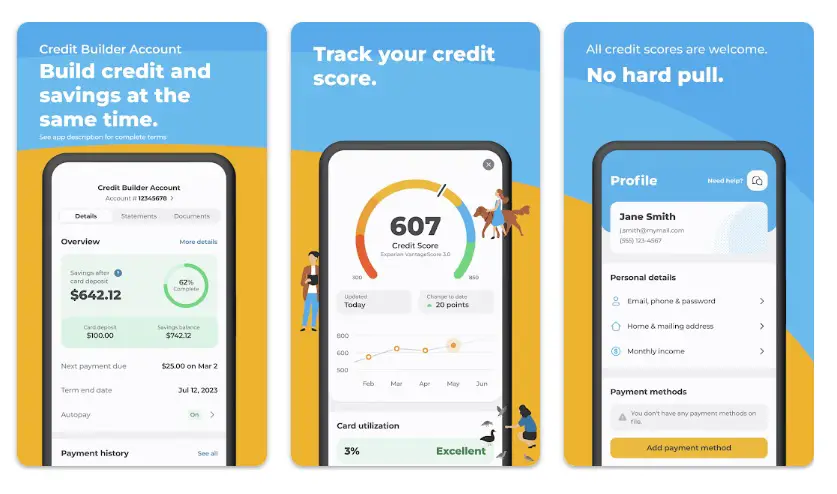
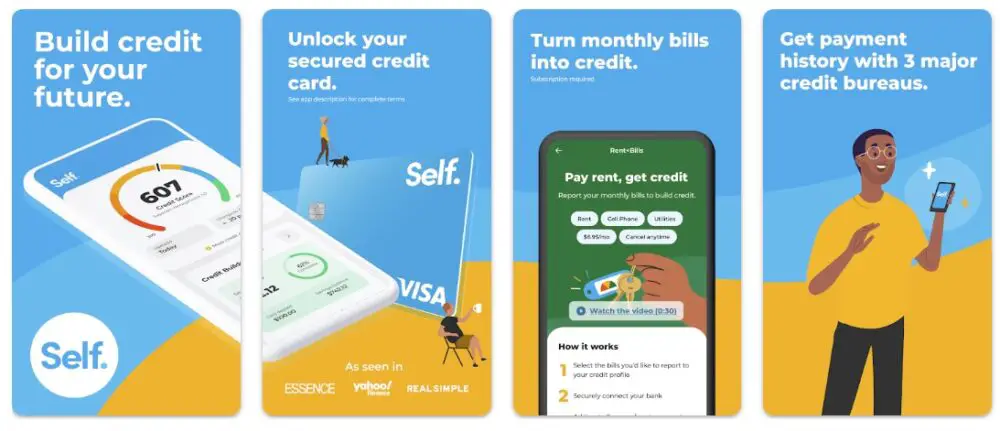
Discipline is also a vital part of reduction. It cultivates consistent payments, curbs impulsive spending, and maintains focus on long-term goals, ensuring a steady path towards financial freedom and peace of mind. Check out out review of Self Inc; a great way to build savings while improving your credit scores. The average user sees their credit score increase by 49 points.


<p>Discipline is also a vital part of reduction. It cultivates consistent payments, curbs impulsive spending, and maintains focus on long-term goals, ensuring a steady path towards financial freedom and peace of mind. Check out out review of Self Inc; a great way to build savings while improving your credit scores. The average user sees their credit score increase by 49 points.</p>::Pexels


READ MORE:

    • Cash App Glitch 2023: Is the Free Money Glitch Real?
    • Try This $10000 Biweekly 26 Week Money Challenge to Crush Your Debt
    • Why You Need A Personal Mid-Year Budget Review and 5 Things to Do Now
    • 5 Motivational Hacks to Pay Off Debt
    • How Often Should You Review Your Budget?


Filed Under: Debt Reduction Tagged With: alarming debt facts, alarming facts about debt, American debt, debt facts, debt in America, surprising debt facts, United States consumer debt

Debt-Free Homeowner? 5 Tips to Pay Off Your Mortgage Early

March 21, 2024 | Leave a Comment

Owning a home is one of the greatest goals to achieve in one’s lifetime. More interestingly, home loans have helped many people achieve this American dream faster than it would have taken to accumulate sufficient savings to purchase with cash.

However, home prices have been increasing faster than income over the years. This has resulted in the need for higher loan amounts to purchase homes. With the average mortgage term hitting 30 years, repaying your home loan may feel like forever. 

For every problem, there is a solution ― these ten(10) tips will help you lower the debt and pay off your mortgage early.

But before you try them, it is essential to note that a mortgage lender may include a prepayment penalty in the loan term.

A mortgage loan prepayment penalty is a fee a mortgage lender charges when you repay all or part of your loan before the agreed loan term ends. The loan comes with interest rates; the more the years, the higher the chance of charging more interest.

Hence, early payment implies the lender will be getting a lower interest in total; therefore, the prepayment penalty is a cushion.

Contact your mortgage lender and ensure you reach an agreement before you start executing plans to pay off your mortgage early.

Another important thing to mention is that while repaying your mortgage, ensure you have enough funds budgeted for your roof inspection and other home maintenance.

Ways to pay off your mortgage early

1. Cancel mortgage insurance premium

Many lenders will mandate borrowers to get Private Mortgage Insurance (PMI) if the down payment is less than 20 percent of the home’s purchase price. The insurance protects the lender in case you stop paying. 

It costs between 0.5 to 2.25 percent of the entire mortgage loan annually and is repaid as part of the monthly mortgage payment.

For context, if you purchase a home worth $350,000 with a 1.5% PMI fee, in addition to your mortgage, you will be a PMI fee of $5,250 annually or about $438 each month.

Some lenders automatically remove the PMI once you have 22 percent equity in the home. But you can request it to be removed once you have 20 percent equity in the home.

The PMI fee can then be redirected into repaying your mortgage loan.

2. Lower your housing cost

You can reduce your home maintenance cost and use your savings to repay your mortgage.

Consider reducing your energy bill by using energy-efficient appliances. Always turn off your tap and repair any leaks as soon as possible to reduce the water bill.

For general home maintenance, check those you can DIY and others you can achieve on a budget.

Also, cut your cable and internet costs, especially if you do not usually use them. Cancel any subscription you are not using and take advantage of discount offers whenever available.

Likewise, avoid impromptu purchases. Only buy what you need and not what you want. You need all cash you can squeeze to hasten your mortgage repayment. 

If you can save $500 by cutting unnecessary costs and using DIYs for some repairs, that is about $6,000 yearly. This can significantly reduce the number of years to repay your mortgage loan.

3. Earn passive income

Increasing your monthly income can help you increase the extra payment for your home loan.

You can work overtime if your company permits it or take a part-time job for your free hours and days. Rent out unused spaces in your home, and invest in dividend-paying stocks or bonds if your finance permits.

Depending on your skills and career situation, you can leverage online freelance opportunities.

If you are an expert in your field, consider writing a book, consulting for startups, or organizing paid webinars.

Blogging and vlogging are other ways to share your experience and, at the same time, generate passive income.

4. Increase your payment

Split your monthly mortgage payment into two and make biweekly payments. Understand the number of days and weeks in a month varies. Therefore, if you do this, you will end up paying 13-month worth of the loan in a year.

Another method is increasing the principal each month or annually. If your lender agrees, this does not only help you pay off the loan faster; it may also reduce the total interest over the life of the loan.

5. Refinance your mortgage

Refinance your mortgage into a new one with a lower interest rate and better loan term. This can be a good option if you have a bad credit score when you get the first mortgage. Now that your credit score has improved, you may be qualified for a better interest rate.

Invariably, a loan with a lower interest rate can be repaid faster than another with a higher interest rate.

Filed Under: Debt Reduction

3 Free Printable Debt Free Charts and Trackers to Help You Reach Financial Freedom

March 21, 2024 | Leave a Comment

<p>We are looking forward to establishing some awesome New Year’s resolutions for our finances at the end of this year. I’ll be updating you all with that in no time, but it got me thinking about the tools people can use to help them reach their financial goals. Doing some looking around, I found some amazing debt free charts and other ways to stay motivated while tracking your progress.</p>::Pexels

We are looking forward to establishing some awesome New Year’s resolutions for our finances at the end of this year. I’ll be updating you all with that in no time, but it got me thinking about the tools people can use to help them reach their financial goals. Doing some looking around, I found some amazing debt free charts and other ways to stay motivated while tracking your progress.

Debt Snowball Chart

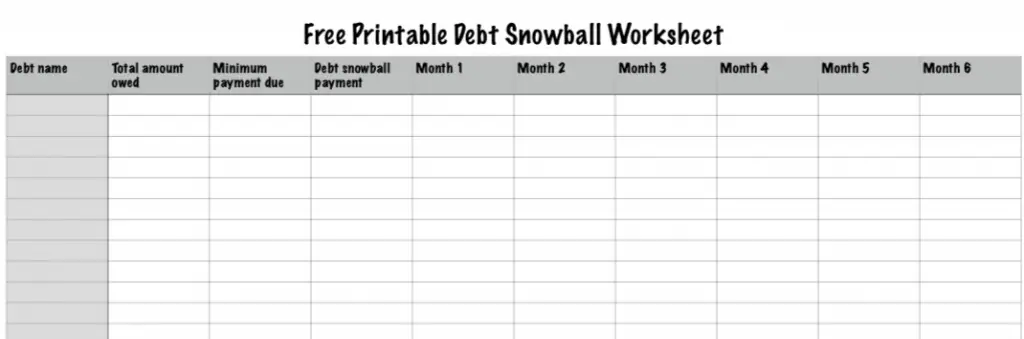
A debt snowball chart helps you manage your debt payoff method. Snowballing your debt means you take any additional money you have and put it towards paying off one of your accounts. You do this in order from smallest to largest amount owed. As you can see below, to organize this debt payoff method, you list the debts in order, along with the minimum payment due and your debt snowball payment.

<p>A debt snowball chart helps you manage your debt payoff method. Snowballing your debt means you take any additional money you have and put it towards paying off one of your accounts. You do this in order from smallest to largest amount owed. As you can see below, to organize this debt payoff method, you list the debts in order, along with the minimum payment due and your debt snowball payment.</p>::Pexels

Using this method of tracking can help you see how quickly you are making progress on your debt freedom journey and keep you motivated. Download an editable worksheet here or print a PDF version.

<p>If you think tracking the numbers might get boring for you, consider using a color-in debt free chart. You can print these online in various places and use them in various ways.</p>::Pexels

Color-In Debt Free Charts

If you think tracking the numbers might get boring for you, consider using a color-in debt free chart. You can print these online in various places and use them in various ways.


Savings Charts

While it isn’t a debt-free chart, per se, having a place to track your savings can be helpful too. There are a number of savings challenges on the internet that provide charts for helping you track your savings. Saving Advice is a hub of said challenges, including the 365-day money challenge, the 52-week savings challenge, and the 12-week savings challenge. Each of these can be tracked through a chart, like the debt snowball chart above, or you can use the color-in method to track your savings goals.

How to Create Your Own Debt Free Charts

Creating your own personalized debt freedom chart is fairly easy too. If none of the charts above suit your needs, simply follow these steps.

  1. Decide what your long-term goals are for your finances. Before you create a debt-free chart or any other finance tracker you’ll need to decide what you are tracking. Is it savings goals? Debt freedom goals? Investing goals?
  2. Determine how you want to break down the process. Then, once you know what you’d like to track, figure out how you are going to break it down. If you are tracking a debt-free goal, it may be best to track it by every $200 paid off (or whatever increment you decide).
  3. Figure out how you can stay motivated. If you know seeing the numbers will keep you motivated, consider something like the debt snowball chart above to track. Others may be more motivated by seeing a coloring sheet filled in. Whatever motivates you is what you should use.
  4. Start tracking. Once you decide on what will work best for you, start right away. You’ll put yourself that much closer to your financial goals by just biting the bullet and getting started.

No matter where you are in your journey, finding ways to stay motivated and track your progress is important. Consider printing out one or more of the debt-free charts above.

Readers, how do you track your progress? Share your ideas in the comments below!

Read More

  • November Update: Hustling to Pay Down Debt
  • When is Debt Settlement a Good Idea?
  • Should You Invest To Pay Off Debt?
  • A Checklist for a Strong Financial Plan

Filed Under: Debt Reduction Tagged With: charts to get out of debt, Debt Free Charts, debt free organization, printable charts, printable debt free charts

How To Minimize Costs Following A Car Accident

March 21, 2024 | Leave a Comment

<p>A car accident can be a traumatic and costly event. Depending on the severity of the crash, it can cause severe harm and/or death. While accidents are unexpected and happen within seconds, the future impact on someone’s life can be a serious emotional and financial strain. No matter how draining an accident can be, it is important that you are proactive to avoid present and future costs.</p>::Pexels

Obligatory photo of a car.

A car accident can be a traumatic and costly event. Depending on the severity of the crash, it can cause severe harm and/or death. While accidents are unexpected and happen within seconds, the future impact on someone’s life can be a serious emotional and financial strain. No matter how draining an accident can be, it is important that you are proactive to avoid present and future costs.

Seek Hospital Attention

A common mistake that people make is not seeking medical attention following an accident to try to save time or money. The shock and adrenaline running through your body immediately after a car accident can cause you not to realize how badly you have been injured. Injuries can then appear at a later time in the future. These medical costs can be pricey if you have to pay out of your own pocket. Seeing a doctor is well-advised because you will be able to be checked on to determine whether you have been seriously wounded. Additionally, your injuries will be documented, so you will have proof of that injury if you choose to pursue a lawsuit.

Receive Legal Assistance

Legal assistance is always recommended following a car accident. Most attorneys today offer free initial consultations, so you’ll have nothing to lose for simply reaching out to a lawyer to explain what happened. A personal Injury attorney will be able to review exactly what happened and give you their professional opinion on the merits of a potential lawsuit that could compensate you for your incurred expenses.

Which Lawyer Should You Hire?

In the future, a car accident on your driving record will likely raise your insurance premium even if it’s months after a small “fender bender.” If you feel that it was not your fault, you should not have to endure increased costs or the repercussions that follow. Financial repercussions following a car accident can be extremely high, but they can sometimes be alleviated when you get help from a legal professional like a workers compensation lawyer Richmond to advocate for you.  If you are in New England consider Schafer Law – Boston MA, they have excellent service and return your calls promptly.  If you are in New York State, we recommend Obrien and Ford.  Obrien and Ford is a Buffalo car accident law firm which specialized in accident litigation.

Avoid Social Media

Most people have social media today such as Facebook and Twitter to connect with friends and family. It is easy to share news (good and bad) over these platforms. However, you need to always keep in mind that anything you post on the internet can (and likely will) be viewed by third parties, such as insurance companies that would otherwise compensate you. When you talk about private matters publicly, you risk having your words twisted around, misconstrued, and used against your insurance claim. Although posting on social media has become second nature to many people in 2019, it is smarter to refrain from sharing when it comes to updates that involve legal matters.

Have Good Insurance

Although there are many different auto insurances out there, not all are created the same. You may think you are receiving a good low-cost deal, only to realize that you got what you paid for. On the other hand, you may be paying too much but missing adequate coverage. People usually find out that their insurance isn’t up to par at the worst possible times (unfortunately, when they need their insurance the most -after a car accident). Make sure you review exactly what you’re paying for, what your state’s standards are, and keep in mind that the cheapest insurance isn’t always the best kind.

Filed Under: Debt Reduction

Debt Counseling Pros and Cons

March 21, 2024 | Leave a Comment

<p>Not everyone can tackle debt without professional help. Sometimes, finding a counselor is the best option. However, it certainly isn’t for everyone. Here are a few debt counseling pros and cons to consider before you make a decision.</p>::Pexels

Not everyone can tackle debt without professional help. Sometimes, finding a counselor is the best option. However, it certainly isn’t for everyone. Here are a few debt counseling pros and cons to consider before you make a decision.

Debt Counseling Pros and Cons

When it comes to debt counseling, there are a number of things to consider. Most importantly, is counseling the right option for you?

Cons to Consider

Before delving into the ways debt counseling can be beneficial, let’s take a look at why debt counseling may not be the best option for you.

First, credit counseling services cannot manage all of your debts. For the most part, they can only help handle unsecured debts.

Not to mention, enrolling in debt counseling services can actually hurt your credit score. Being enrolled can also hinder your score from rising for some time, despite your best efforts.

A debt counseling program typically lasts five years. You cannot miss a payment within that five-year period because you may slip into default. This will mean your debt will remain on your credit report, despite any progress made paying.

These services aren’t free either. In many cases, there is a monthly fee to manage your debt. If you pay $50 a month for five years, you’ll wind up paying $3,000 in monthly fees alone. Most people who enroll in debt repayment programs also don’t wind up repaying all of their debt.

Lastly, most credit and debt counseling services have quotas they must meet every month. There will always be a conflict of interest between what’s best for the company and what is best for the client. In some cases, counselors will enroll someone in the debt repayment program when bankruptcy may have been a better choice for the consumer.

Pros of Debt Counseling

There are far fewer pros to debt counseling than cons, unfortunately. One plus is that if you are looking for more counseling in other areas, say housing or pre-bankruptcy counseling, many of these companies offer those services as well. Their bottom line, however, is to enroll consumers into a debt management plan.

Once you are enrolled in a debt management plan (DMP), you only have to make one single payment a month. When you make that payment, the debt counseling agency then distributes it to the lenders you owe.

Those payments may be lower and help you in the immediate future with financial trouble. Enrolling in a debt counseling program can help you lower your monthly payment and interest rate. You want to keep in mind that you’ll be making those payments for five years. So, in the end, it could be more of a burden than anything.

Of course, there’s nothing wrong with enrolling in a debt counseling program. However, you’ll want to fully consider each of these debt counseling pros and cons before you do. Be sure to think about all the debt repayment options available to you and try getting advice from a financial advisor before taking on a DMP.

Readers, what is your take on debt counseling?

Read More

  • If You Must Get a Debt Consolidation Loan, Here is How
  • Beware of Bad Credit Installment Loans With Guaranteed Approval
  • How to Handle Financial Stress in a Relationship
  • The Effects of Financial Stress on Marriage and Other Relationships

Filed Under: Debt Reduction

Have You Heard About Credit Karma’s 30-Day Debt Payoff Challenge?

March 21, 2024 | Leave a Comment

Debt payoff challenge

Last week, I chatted about money challenges and how they can help you reach your financial goals. In the blog post, I mentioned that many people “hack” the challenge and switch it up to focus on paying off debt instead, making it a debt payoff challenge.

Well, the folks at Credit Karma have gotten together to put together a challenge. However, instead of spreading it out over the span of the year, it challenges you to lose the debt in 30 days. Here’s how…

The 30-Day Debt Payoff Challenge

Paying off debt, even a small amount, can significantly improve your financial outlook. Like a 30-day weight loss challenge, a 30-day debt payoff challenge focuses on trimming the amount of debt you carry little by little with these steps.

  1. Cancel all of your unused subscriptions. You’d be surprised at how much money you’re wasting month to month. Whatever you’re able to save, apply it to your debt!
  2. Cook at home and use what you have. Eating out is expensive, even if you’re single. Cooking at home saves us around $400 per month (seriously). Also, try using what you have in your house and go as long as you can without shopping. You can use this app to find recipes using ingredients you have in the house.
  3. Skip your morning coffee and drink more water. Starbucks coffee every day is expensive and water is free, it is as simple as that.
  4. Make lists when you shop and buy generic. When you go to the store, go with a strict list and do not stray from it. You should also try to buy generic brands when possible.
  5. Plan a no-spend weekend. Pick at least one weekend a month where you just stay home! You can check a few things off your to-do list around the house and save money.
  6. Turn off the lights and unplug appliances. You can also save by closely monitoring your water and gas usage. Then, put the extra cash towards debt payments.
  7. Consider swapping your car for ride-sharing. In some cases, it may be cheaper for you to sell your car and use Uber or Lyft. If your daily ride-sharing bill will be less than your car payment, insurance, gas, and parking, it may be something to consider.
  8. Look for free things to do. There is something free to do, always. Check out your local library, head to the park, and scope out local bulletins for events.
  9. Enroll in automatic savings at your bank. Always pay yourself first. You can set up automatic transfers to savings when you get paid.
  10. Pay in cash (you may be able to save). At some businesses, you can save money if you pay in cash instead of check or card. This is the case at most gas stations.
  11. Call and negotiate the rates. Take a look at your bills and see if there are any fees you can get waived or interest rates you can negotiate. Then, give the creditor or company a call.
  12. Be thrifty. Instead of getting new clothes at the department store, head to the thrift shop. You’ll be surprised at what you’ll find and how much you’ll save.
  13. Host a yard sale. When you have gone through your closets, host a virtual or physical yard sale. YOu can set them up and promote them via social media.
  14. Make more payments with the money you’ve made/saved. Once you start seeing “extra” money, put it towards your debt repayment.
  15. Compare month-to-month. At the end of the month, compare your finances to the previous 30 days. What has changed? Are there habits you’d like to keep?

Credit Karma outlines all of this across 30 days (you can see the original post here), but I’ve condensed it a bit. Instead of focusing on one new habit every day, you focus on one habit every two days over the span of the month.

Altering the Challenge for Your Needs

Of course, everyone’s financial situation is different. If you need to make more aggressive payoff attempts, you may want to consider a more strict snowball method. If you want to snowball a challenge, you can do that too.

To alter the challenge, you would try to increase the amount you are able to snowball towards your debt each week or month. For instance, you may want to increase your snowball amount by $1 the first week, $2 the second week, $3 the third, and so on.

Others may find it better to increase the total monthly amount like $100 the first month, $200 the second month, $300 the third month, and so on. As you pay things off, the more “extra” money you’ll have to toss at other debts, making it easier to increase the amount you’re paying.

Either way, committing to the challenge and making the changes you need to in your life to pay off your debt can be life-changing. A plethora of individuals on the web have saved and paid off debt thanks to these challenges.

Readers, have you tried a debt payoff challenge? What were the results? 

Read More

  • 3 Ways to Hack the 52-Week Money Challenge
  • If You Want to Save More, Try This 12-Week Challenge
  • 365 Day Money Challenge
  • Are You Ready For a Financial Challenge?

Filed Under: Debt Reduction Tagged With: challenge, Credit karma, credit karma Debt Payoff Challenge, debt payoff, Debt Payoff Challenge

7 Simple Tips for Eliminating Debt Quickly

March 21, 2024 | Leave a Comment

Millions of people all over the country are being forced into a situation wherein they have to settles some or the other form of debt, and this can often lead to stressful situations and financial strains for a long period of time.

Home loans, student loans, and other forms of necessary monetary exchange of this kind have put people in a situation wherein they owe large sums of money to banks, often with no means to repay it in the near future.  

Getting out of debt is a priority and something that one should always try to do if they ever find themselves in that situation, but the task of getting out of debt is easier said than done.

It is something that takes effort from the individual’s end to ensure that they are in a good financial spot where they can repay the debt that they owe.

While there are numerous ways in which people can pay off their debt and get out of this tough situation, it is necessary to know which routes are the easiest and most viable.

Here are some of the best ways to get out of debt as prescribed by professionals:  

1. Stop Generating More Debt

One of the first and most obvious things to do is to stop generating more debt. While this isn’t something that will actually get you out of debt, it is something that will prevent it from getting worse than it needs to be.  

This means that you should not take on any more loans that would generate any kind of debt or which would make you have to spend multiple on payment every month in any way.  

If you have to make payments for a newer debt while you still have a preexisting one, it is going to take you significantly longer to pay it off and get out of debt.

2. Increase The Amount You Pay Each Month

Usually, people think that making the minimum payment every month is the best approach when trying to make monthly payments to pay off a certain kind of debt.  

However, this often means that one has to spend a significantly longer amount of time paying off the money that they owe.

The longer you wait to pay off the entire amount, the more you are going to have to pay in total. The best approach to take in this instance is to increase the monthly payments to pay off the debt amount faster.

3. Set Up An Emergency Fund

Normally, the best approach to take when trying to set up a good financial foundation is to set up a savings account. However, if you are looking to pay off your debt in the quickest manner possible, the best approach to take is to set up an emergency fund.

An emergency fund gives you a kind of safety net that you can depend on if you are behind on your payments and need to catch up quickly.

Ideally, your emergency fund should include at least six to twelve months’ worth of living expenses to ensure that you have a good base to work with.

4. Focus On One Debt At A Time

With the kind of world that we live in, having multiple debts at one time is always possible, and can be incredibly hard to pay off, especially if they are worth bigger amounts.

If you have multiple debts, it is usually advised to pay them off one at a time. Focusing on one and then moving onto the next means that you won’t always have two debts to worry about, and also means that you can handle your expenses in a much better manner.

Doing this also means that you can make bigger payments towards one particular debt every month.

5. Ask For A Lower Interest Rate

When an individual gets a higher interest rate, the amount that they have to pay back is significantly higher. This means that an individual usually has to spend time trying to pay back the debt that they have generated. 

If you can, it is advised to contact your creditor and ask them if they could provide you with a lower rate. If you already have a rate, ask them if you can lower the existing rate into something that is more feasible.   

6. Find More Ways To Earn Money 

Earning more money is one of the best ways to pay off your debt faster, and with the internet and the kind of world that we live in, finding multiple means of earning money is easier than ever.

For those who simply want to earn more money from home, there are numerous freelancing websites that require people with different kinds of skills.

If you do want to work outside, you can get a part-time job that can help you earn more. While working more may seem like a tedious task, working more for a short period of time ensures that you earn more money by reducing debt in the long run.  

7.  Sell Your Unused Items

A lot of times, people have lots of unused items within their home that are simply stashed away in a storage unit or in a lesser accessible part of their home. These items are usually one-time use items that have been used at some point, and which don’t have any kind of use in the near future.

Selling these items is a great way to earn some additional money and can help you pay off your debts a lot easier. Selling off these things within your home can sometimes mean that you don’t have to sell your more useful assets like your car to pay off the debt that you have.   

Start Getting Rid of Your Debt Today

Getting out of debt does require a certain amount of work from the individual, but is something that can be essential for those who want to have a strong financial foundation, and who want to set up a good base for their future.

These seven pointers can help you figure out which is the best route for you to take to help you better your situation and get out of debt.

Filed Under: Debt Reduction

3 Ways to Set Yourself Up for Success on Your Debt Free Journey

March 21, 2024 | Leave a Comment

Do you feel like your debt is holding you back from living life to the fullest?

Are you afraid that if you had an unexpected drop in income or increase in your expenses that it would put you in financial stress?

That’s how we felt when we started our debt free journey three years ago.

[Read more…]

Filed Under: Debt Reduction

5 Side Jobs That Help Pay Off Debt

March 21, 2024 | Leave a Comment

side jobs that help pay off debt

Whether you’ve found yourself temporarily out of work or you are looking for hustle, finding a side job can greatly benefit your debt freedom journey. Here are five side jobs that help pay off debt (or can, if you work hard enough).

Dog Walking

This is by far my favorite side gig to mention these days. With apps like Rover, you can get started as a dogwalker fairly easily. Just sign up, fill out the application, and start getting work as a walker. Some people have been able to make up to $40,000 per year doing this. If you’re able to make even 25% of that, imagine what an amazing debt snowball $10,000 would be.

Blogging Like You Mean It

Blogging is one of the most popular side jobs that help you pay off debt. Just about anyone can start a blog but to make money with it, it can be hard work! If you’re interested in blogging for extra cash, take the time to learn about affiliate marketing and how to make money through your blog. Otherwise, it may wind up just being a hobby.

It is also important to write about something you care about but that other people are interested in as well. For instance, I’ve been on a weight loss journey for some time now. I blog about that and people are interested in products I use, workouts I do, etc. Find what people are interested in when it comes to you!

Become a Delivery Driver

Programs like Uber Eats and Doordash have become increasingly popular in recent years, especially as a side hustle. Of course, the pizza delivery gig has always been reliable. However, companies like Postmates and other delivery services will let you order from just about anywhere. Some people are able to completely replace their income with it. If you’re just looking for some additional debt snowball money, you could easily make a few hundred (or more) per month.

Look Into Babysitting

Care.com is a great resource for finding nanny jobs, babysitting gigs, and even pet-sitting opportunities. You can also look on Craigslist, Indeed, and LinkedIn for these positions. Occasionally, you may find something on Facebook as well. Network and use your social connections to land some care jobs on the side. Typically, these will pay around $20 per hour, sometimes more if additional tasks are included.

Freelance on the Side

Whatever you do for a living now, find a way to do some more of it. You’re already good at it, so why not earn some extra cash? For instance, if you are a website developer, you could use your spare time to work privately for individuals launching new sites.

The same could be said of a landscaper making additional money on the weekends mowing lawns or an interior designer painting in their spare time. Use what you know to earn more and then throw those extra earnings at your debt!

Don’t Underestimate Side Jobs That Pay Off Debt

Some people’s hustles look different than others. I, for one, enjoy hands-on things that I can get done in a relatively short period of time, like writing a quick blog post or news article. That doesn’t mean everyone’s side job will be the same though. Some of them won’t look like jobs at all.

Many people find extra money to pay off debt or spend by using cashback apps or doing surveys online. While these won’t pay as much as some of the side job ideas listed above, it will still add a little something extra to your debt snowball, and that’s always a good thing.


Readers, tell me about your debt side hustles! What are you doing to speed along your debt freedom journey?

READ MORE:

      • Debt Free: Inspirational Money Quotes That Will Motivate You
      • Cash App Glitch 2023: Is the Free Money Glitch Real?
      • Try This $10000 Biweekly 26 Week Money Challenge to Crush Your Debt
      • Why You Need A Personal Mid-Year Budget Review and 5 Things to Do Now
      • 5 Motivational Hacks to Pay Off Debt

Filed Under: Debt Reduction Tagged With: how to pay off debt, making money to pay off debt, paying off debt with side jobs, side jobs, side jobs that help pay off debt

  • « Previous Page
  • 1
  • 2
  • 3
  • 4
  • 5
  • 6
  • Next Page »
  • Email
  • Facebook
  • Pinterest
  • Twitter

Our Most Popular Articles

ClickCashGo Review: Should You Avoid At All Costs?

Ultimate Guide to Mastering Your Credit Score

The 'YOLO' Mindset is a Dangerous Thing

Dave Ramsey's Financial Peace University Review: Is it Worth the Money?

Cash App Glitch 2025: Is the Free Money Glitch Real?

Five Steps To Debt Freedom

Here are five simple guidlines that will help you pay off debt.  

1) Get an emergency fund so you don’t take on debt when something comes up.

2) List your debts. This way you know where you stand.

3) Use the debt snowball. Pay your debts from smallest to largest, or most expensive to least expensive.

4) Avoid new debt. No new credit cards or loans. Period.

5) Go all cash. After everything is paid off, switch to all cash.

Helpful Resources

U of Tennesse Debt Repayment Plan Basics

Vertex 42's Debt Payoff Calculator

Savingadvice's Helpful Debt Forums

Jackie Becks Debt Blog