Our Debt Free Family

Commit. Plan. Take action.

  • BUDGETING
  • DEBT REDUCTION
  • INVESTING
  • LIFESTYLE
  • TOOLS
  • ABOUT
  • Privacy Policy
  • CONTACT

Here’s How to Gauge How Long It Will Take You to Pay Off Debt

November 10, 2023 | Leave a Comment

<p>Anyone who has tackled paying off their debt knows having a timeframe doesn't always work out. However, having an idea about how long to pay off debt can help drive you to meet your financial goals. Luckily, there are plenty of tools to help you put a finish line in your sights.</p>::Pexels

Anyone who has tackled paying off their debt knows having a timeframe doesn’t always work out. However, having an idea about how long to pay off debt can help drive you to meet your financial goals. Luckily, there are plenty of tools to help you put a finish line in your sights.

How to Determine How Long It’ll Take to Pay Off Your Debt

Of course, the key factor in how long it’ll take you to pay off your debt is how much debt you carry. To do this, I’ve opened a Credit Karma account. This gives me a snapshot of all my open accounts and the total amount of debt I carry. Once you get that number in your head, you know where you stand in your debt free journey.

Next, you’ll need to separate your individual accounts by amount and interest. Some people organize these by highest-to-lowest interest (how I do it) or you can organize it by lowest-to-highest amount owed. After you’ve organized your information, you can gauge how long it may take to pay off each piece of debt.

Tools to Gauge How Long to Pay Off Debt

There are a plethora of debt calculators on the internet. However, not all calculators were made the same and not all will give you the same information.

Most debt calculators have you enter some basic information:

  • Amount owed
  • Interest rate
  • Current/expected monthly payment
  • OR desired payoff timeframe

The last two bullet points are where the biggest difference is to be seen. If you are planning to only maintain the current monthly payment, rather than setting a timeframe for paying off your debt, your outcome may be drastically different. Here’s an example:

Auto Loan With Current Monthly Payment

  • The balance owed: $22,074
  • Interest rate: 4.8%
  • Current monthly payment: $488.74

How long to pay off debt: 50 months

Auto Loan With Timeframe

  • The balance owed: $22,074
  • Interest rate: 4.8%
  • Timeframe: 24 months

Expected monthly payment to pay it off in 2 years: $966/month

Debt Calculators to Try

If you want to find out how long it will take you to pay off your debt, there are two calculators I’d suggest checking out.

  1. Credit Karma: I can’t say enough about Credit Karma and the services they provide. Not only can you get your free credit score, but they also provide you with tools to help you pay things off.
  2. Calc XML: This site has a fantastic debt calculator that will help you figure out how long it’ll take you to pay off your debt based on your current or expected monthly payment.

When you look at paying off your debt, it is good to set goals. However, it is also important to not get discouraged when looking at the timeframe and monthly payments. You can use the tools above to determine a reasonable timeframe. Remember, everyone’s debt freedom journey is different!


Read More

  • Inspirational Quotes That Will Motivate You to Pay Off Debt
  • Extreme Lengths People Have Taken to Pay Off Their Debts
  • Becoming Debt Free: Side Jobs to Help Pay Off Debt
  • Can DebtGuru Help You Pay Off Your Debt?
  • How to Pay Off Debt AND Build Credit

Filed Under: Budgeting Tagged With: debt, debt calculators, debt payoff, how long to pay off debt, paying off debt

Our Savings Challenge Update

November 10, 2023 | Leave a Comment

<p>The last personal update I put on the site had a ton of good news and this post won't be much different. We've been tackling our personal savings challenge and getting back on top of bills. All is well!</p>::Pexels

The last personal update I put on the site had a ton of good news and this post won’t be much different. We’ve been tackling our personal savings challenge and getting back on top of bills. All is well!

The New Job

As you know, my other half was out of work from early June until two weeks ago. He started his new job on October 22 and is making a great wage. Also, he gets paid WEEKLY, which will definitely help us budget and save. Until we know how much he will be bringing home each week we aren’t doing any planning around that income.

Our Personal Savings Challenge

That being said, we have started stacking up a little bit of money into our savings account. Right now, it sits at $206.96 and we expect to be able to add money into savings every week on Friday. If that’s the case, we should be able to reach our goal of $1,000 saved in about a month’s time (yay).

A great motivating factor behind this is the fact that once we get this cash saved we won’t have to worry about the next time something happens (because it always does). Instead of racking up more credit card or loan debt, we will have a little money stashed away. This will help further our long-term goal of being debt-free.

Saving $1,000 in a month isn’t possible for everyone though. So, how should you decide what savings challenge or plan is right for your family?

Setting a Savings Goal For Your Family

Start small. If saving $1,000 in about four weeks time seems unmanageable, that’s okay. There are plenty of savings challenges that help people get in the habit of saving. Even if you’re only able to save up pennies a day it stacks up quickly. Consider trying out something like the 365 Day Money Challenge or the 52 Week Money Challenge. Both of these help you save money over the span of a year.

Consider paying off more debt to save. One great way to save money is to pay off debt. For instance, we paid off an account in late October that is saving us $320 per month! We are currently using that to snowball other debt but once we are done snowballing, that cash will go right into the bank.

Be innovative. Saving money doesn’t necessarily mean you are making money and putting it right in the bank. Some people save money by taking on a different kind of challenge. For example, a “no spend” challenge where you don’t spend any money for a certain period of time can help you save. You may also be able to stack up savings by selling things around your home.

November is going to be a great month for our finances and I’m excited to continue to keep you all updated here. What is your financial outlook for the coming month?

Read More

  • Employed, One Account Down, and Optimistic
  • Here’s How to Gauge How Long It Will Take You to Pay Off Debt
  • Saving, Paying Things Off and Looking Forward
  • Remember, Your Debt Doesn’t Define You
  • $65K in Debt and Starting Our Debt Free Journey

Filed Under: Budgeting Tagged With: save $1000, save $1000 in a month, savings challenge

Have You Tried the 52 Week Money Challenge?

November 10, 2023 | Leave a Comment

<p>A few years ago it seemed like the internet blew up with different kinds of challenges. Weekly challenges, 30-day challenges and challenges that last an entire year all began to pop up on the web. The end goal for many of those challenges was to save money or better your financial life.</p>::Pexels
A few years ago it seemed like the internet blew up with different kinds of challenges. Weekly challenges, 30-day challenges and challenges that last an entire year all began to pop up on the web. The end goal for many of those challenges was to save money or better your financial life.

One of the most popular of said challenges was the 52 Week Money Challenge. Thousands of people tried it out and were able to start saving or add even more to their savings over the span of a year.

What is the 52 Week Money Challenge?

The 52 Week Money Challenge is a clever way to save some extra cash throughout the year. When all is said and done, at the end of the year, you should be able to save more than $1,300 with this challenge. An additional $1,300 in savings could make a world of difference (especially if you don’t have any savings yet).

Saving money is one of the most important things you can do to secure a financial future for yourself so whether you are just getting started saving, or you are looking to add more to your current savings, the 52 Week Money Challenge may be something you should try. Here’s how it works…

How to Do The 52 Week Money Challenge

Money challenges are fairly easy to follow and generally have a set amount of money corresponding with what day, week, month you are in the challenge. The 52 Week Money Challenge is broken down into, you guessed it, 52 weeks (one year). Many people begin the 52 week challenge on January 1 but you can start the challenge at any point through the year.

Week one of the challenge requires you to save $1, week two; $2, week three; $3 and $52 on the last week of the year. When you’ve completed the challenge you’ll have saved $1,378.

Tracking Your Money Challenge

Once you’ve gotten the gist of how to perform the 52 Week Money Challenge you’ll want to be able to accurately track it. Some people who’ve done the challenge in the past have created a separate account for the 52-week savings. Others have a jar they keep physical cash in. Either way, you will probably want to keep a calendar or table to keep on with which week you are on.

You can download and print a blank 52 Week Money Challenge to record your progress. If you’d like to track it in a different format some people have used planner and calendars to track their challenge. Printing a blank table, however, allows you to alter the challenge to your specific needs.

Other Money Challenges

In fact, many challenge takers have altered the 52 Week Money Challenge. Some have broken it down into a daily challenge where you save pennies every ($0.01 on day one, $0.02 on day two and $3.65 on the last day of the year). There are also shorter challenges, like the 12 Week Money Challenge.

If you’re looking to save more money this year, or even in the next few weeks, you may want to try a money challenge! There are plenty of forums and comment sections with other people who have tried it for support and you’ll be able to pump up your savings account.

Have you tried the 52 week money challenge? Let us know how it went in the comments! 

Want to read more? Other readers also liked: 

  • 3 Radical Debt Reduction Strategies to Try 
  • How One Couple Paid Off $200,000 in Debt

Filed Under: Budgeting Tagged With: 52 Week Money Challenge, money challenge, saving money

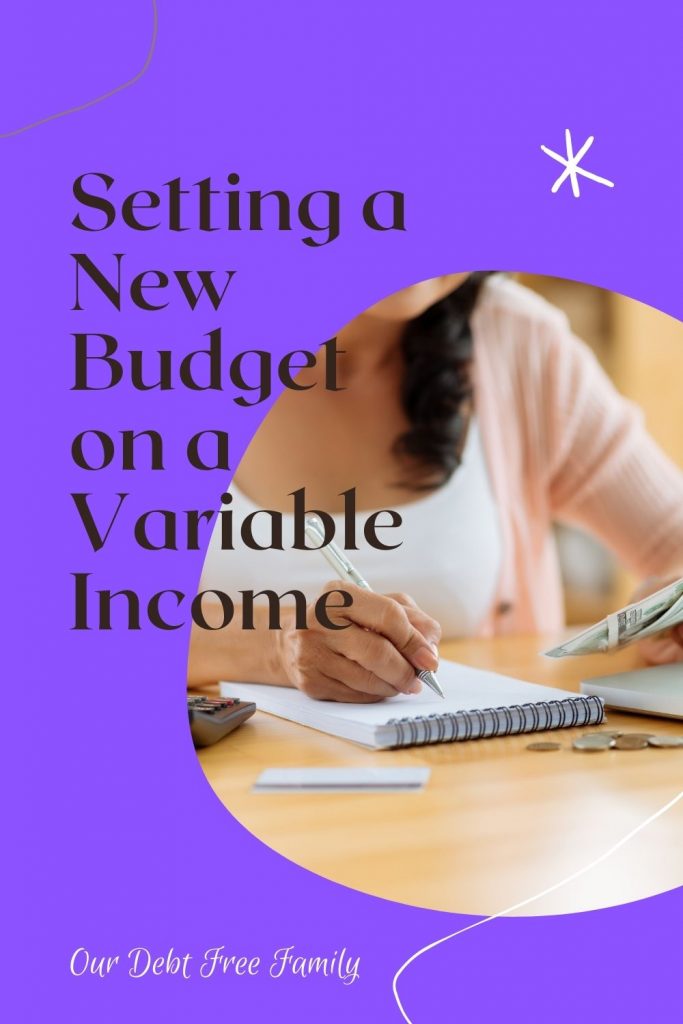
Setting a New Budget With Variable Income

November 10, 2023 | Leave a Comment

<p>If you’ve been following the blog recently, you know my husband got a new job. That’s great news for us. Two incomes are always better than one. However, that also means we need to go about setting a new budget.</p>::Pexels

If you’ve been following the blog recently, you know my husband got a new job. That’s great news for us. Two incomes are always better than one. However, that also means we need to go about setting a new budget.

Why We Are Setting a New Budget

So, obviously, the main reason for setting a new budget is that we now have more money coming in month-to-month. We also have different bills, goals, and needs than we did even four months ago. Because of this, it is crucial for us to sit down and really take a look at our finances.

My income has been steady for several years and will still be leaned on to pay the majority of our bills. This means his new income will be used to do things we’ve been putting off, stashing away money for savings, and paying off debt (yay). The biggest challenge with setting a new budget is that his monthly payments will vary.

How to Set a New Budget on a Variable Income

Because we have both had pretty set incomes in the past, budgeting on a variable income is a little different from what we are used to. So, I did some searching to see what some of the best tips for budgeting on a variable income are. The personal finance blog Money Crashers had some pretty great tips in a guide on their website. Here’s what we are taking away to use in our own budgeting method…

  1. Add up your non-discretionary spending, meaning the bills you have to pay every single month. Usually, this includes things like housing, utilities, groceries, transportation, insurance, debt payments, child care if you have kids, and taxes. Normally, if you are being paid a variable income, you will have to set aside money for taxes on your own, so it is a good thing to keep in mind.
  2. Take a stab at calculating your discretionary spending (the little things). This can be a little harder. Discretionary spending includes everything from holiday spending around Christmas to those tiny day-to-day debits like your morning coffee. You can take a stab at getting a solid number on this by looking at the spending on your bank accounts and credit cards. Formalize the difference between discretionary and non-discretionary expenses for your family. Know what is necessary and what is not.
  3. Then calculate the average monthly income you’ll have from the variable source. Generally, there will be the lowest amount per month you can expect from a job with a variable income. Then there will be higher amounts that may come in. Consider the higher-paid months windfalls and nothing more. Base your budget on the lower amount you may be paid. This way you won’t be caught by surprise if you don’t get paid as much as you’d hope.
  4. Set aside savings first. Once you have all of that figured out, be sure you set aside some savings as soon as your check from the variable income job hits. This money will serve as something to fall back on during the months you don’t make as much or the months where your expenses are higher (i.e. during the holidays).

Readers, have you had to set a budget on a variable income? How did you go about doing it? 

Read More

  • How to Tell If You Are Suffering From Burnout
  • Selling Back Some of Our Debt
  • How to Prepare for Big Life Changes
  • Why You Don’t Have to Choose Between Investing or Paying Off Debt

Filed Under: Budgeting Tagged With: how to set a budget on a variable income, setting a budget on a variable income, setting a new budget, variable income

Big News From Our Family!

November 10, 2023 | Leave a Comment

<p>Over the past few months, a lot of the blog posts on Our Debt Free Family have been hinting at big changes coming our way. My husband got a new job that he is able to work from home and we've been reworking our budget. We've been doing all of this in preparation for a huge change coming our way. So, what's the big news?</p>::Pexels

Over the past few months, a lot of the blog posts on Our Debt Free Family have been hinting at big changes coming our way. My husband got a new job that he is able to work from home and we’ve been reworking our budget. We’ve been doing all of this in preparation for a huge change coming our way. So, what’s the big news?

*Cue drum roll*

Our Big News

We are expecting our first child!

<p>This week, we learned we are expecting a baby girl. Both of us are overjoyed with the idea of growing our little family. The first few months of the pregnancy we kept the news quiet between us and a few close family and friends. I was deathly ill for about eight weeks straight and it was exhausting. But, now that the first trimester (and then some) has passed, we are ready to share the news and get down to business. Now that we know we are expecting a girl, it feels like there are a million and one things to do. People have asked about a registry already, we are looking at expenses and budgeting changes, and things we need to get done before the little one arrives. Not only do we need to get a nursery ready and get everything baby will need, but there are things like getting the car registered and updating our work computers that need to be done as well.</p>::Pexels

This week, we learned we are expecting a baby girl. Both of us are overjoyed with the idea of growing our little family. The first few months of the pregnancy we kept the news quiet between us and a few close family and friends. I was deathly ill for about eight weeks straight and it was exhausting. But, now that the first trimester (and then some) has passed, we are ready to share the news and get down to business.

Now that we know we are expecting a girl, it feels like there are a million and one things to do. People have asked about a registry already, we are looking at expenses and budgeting changes, and things we need to get done before the little one arrives. Not only do we need to get a nursery ready and get everything baby will need, but there are things like getting the car registered and updating our work computers that need to be done as well.

Financial Thoughts

So, that brings me to the financial aspect of our big news…

We have been putting our heads together trying to think about what our major priorities should be as September 2 approaches. Here are some of the bigger expenses and things we are hoping to accomplish over the next four and a half months.

  • Health insurance: I had to purchase health insurance earlier this year to pay for prenatal care. We did not qualify for Medicaid. This is an extra $278 bill each month. We will also need to purchase health coverage for the little one once she arrives.
  • Car repair and taxes: We recently spent a little over $600 on replacing all four tires on our vehicle. That was desperately needed. There are also a few more things we need to get done with the car, including paying our taxes here in North Carolina and getting our plates switched over from Georgia by July.
  • Work computers: Because we are both working from home, we are in need of new computers. Both of the laptops we’ve been working on are clinging on for dear life and need to be retired for travel computers. We will be looking at getting desktops for our in-home office.

More Financial Thoughts

  • Getaway: Next week, we will be going on one of two getaways we have planned before the baby arrives. We won’t be doing much (if any) travel during the first year of her life, so we want to be sure we have two nice trips together before then. The other trip will be planned before July 22, which is my medical cut-off date for travel.
  • Nursery: Of course, we will also be planning out and buying things for the nursery. Much of this will be bought for us. We both have large families that are looking forward to the new addition. It is the first grandchild and the first great-grandchild for much of our family. We are also applying for any and all freebies we possibly can. For example, the insurance company is going to cover the cost of a breast pump (yay). We also started our registry through Amazon, which will send a free Welcome Box with some baby items.

Getting Ready

Looking at that list above is a little daunting when you think about it all fitting into the next four and a half months. However, neither of us has any doubt it is doable with good planning. Most of all, we are looking forward to the arrival of our baby girl. I can’t wait to keep you updated on this process and how we handle everything each step of the way.

Readers, how did you prepare for your first child? What tips do you have to share?

Read More

  • Setting a New Budget With Variable Income
  • How to Tell If You Are Suffering From Burnout
  • Selling Back Some of Our Debt
  • How to Prepare for Big Life Changes

Filed Under: Budgeting Tagged With: childbirth, couples, family news

Five Big Challenges that Novice CFD traders face

November 10, 2023 | Leave a Comment

Newcomers face several challenges in the market at the beginning of their trading life. So, if they want to stay in the market, they need to learn how to deal with these. Otherwise, it would be tough for them to trade properly. Bear in mind, if you have sound knowledge about the market, trading will become easy for you. So, you have to know about the basic and technical factors so that you do not face any complications to take the right measures.  [Read more…]

Filed Under: Budgeting

Paying Off Debt vs Saving: Which Is Better?

November 10, 2023 | Leave a Comment

<p>A few weeks ago we talked about how you don't necessarily have to give up investing to further your debt freedom progress. Another hot debate in the finance community is paying off debt vs saving. Should you be stacking up savings if you haven't paid off all your debt? Dave Ramsey would say no. Get your $1,000 emergency fund in place and focus on your debt payoff efforts. But which is really better?</p>::Pexels

A few weeks ago we talked about how you don’t necessarily have to give up investing to further your debt freedom progress. Another hot debate in the finance community is paying off debt vs saving. Should you be stacking up savings if you haven’t paid off all your debt? Dave Ramsey would say no. Get your $1,000 emergency fund in place and focus on your debt payoff efforts. But which is really better?

Paying Off Debt vs Saving

First, let’s talk about why this is such a hot debate. If you’re an avid Dave Ramsey follower, you know paying off debt to be the number one priority as far as your finances go. This is because once all of your debts have been paid, you will have more money freed up to put towards savings, retirement, and investments.

However, this simply doesn’t work for everyone. I don’t know about you, but $1,000 isn’t enough to cover a huge emergency in my life. With a new addition on the way, I’ve been feeling the push to save more than ever. Of course, part of that is definitely getting some things paid off to have more cash flow in general, but actually saving plays a role too.

So, which is truly better? There is honestly a case for both.

The Case for Saving

When it comes to deciding whether you should be saving or paying off debt, there is a good case for saving money. The more cash you have to fall back on in the event of an emergency or major life change, the less likely you will be to rack up more debt. For example, if you have a few month’s expenses set aside, you are less likely to lean on your credit card in hard times.

Similarly, if you are expecting a big change like we are, saving more money may seem appealing. Again, you will have more money stashed away for when things change for you. In our case, having a baby is a huge change, especially from a financial standpoint. When you are facing something like that, stashing away some extra savings is never a bad idea.

The Case for Paying Off Debt

While you are saving, you could certainly be paying off debt with that money. Many people in the debt-free community would argue that savings could be saving you money on interest, etc. That is absolutely true, but it provides less peace of mind and immediate cash on hand in the event you run into a financial emergency. That being said, there is a case for paying off debt instead.

When you focus on paying off debt vs saving you will be able to free up more money on a month-to-month basis. For example, if you are focused on paying off your car, paying that off can free up some serious cash monthly. In our case, paying off our car would mean an extra $488 per month. That would make a huge difference. Arguably, once you pay off these bigger bills, you can start saving more quickly. You can also free up more money to put towards other debts, making even more money available month-to-month.

Bottom Line: Do What’s Best for Your Family

Whether you are on team savings or debt payoff, you should always make whatever decision is best for your family. There is no one-size-fits-all for finance. Personal finance is just that: personal. If having more savings in the bank decreases your anxiety when it comes to your financial situation, stash away some extra money. At the same time, if making progress on your debt freedom goals provides you with more peace, focus on that.

Readers, what side of the fence are you on when it comes to paying off debt vs saving?

Read More

  • Setting Your Child Up For Financial Success
  • Setting a New Budget With Variable Income
  • How to Tell If You Are Suffering From Burnout

Filed Under: Budgeting Tagged With: paying off debt, paying off debt vs saving, saving, should you save or pay off debt

Travel on a Budget: How to Explore the World Without Breaking the Bank

November 7, 2023 | Leave a Comment

Travel on a Budget: How To Explore the World Without Breaking the Bank

<p>Traveling the world can be a life-changing experience, but it can also be expensive. With careful planning and a bit of creativity, it's possible to explore new places without breaking the bank. Whether you're a student on a budget, want to take a family vacation, or simply looking to save money on your next adventure, there are plenty of ways to travel on a budget.</p>::Pexels


Traveling the world can be a life-changing experience, but it can also be expensive. With careful planning and a bit of creativity, it’s possible to explore new places without breaking the bank. Whether you’re a student on a budget, want to take a family vacation, or simply looking to save money on your next adventure, there are plenty of ways to travel on a budget.

In this guide, we’ll share nine tips and tricks for saving money on travel so you can make the most of your trip without overspending.


Plan ahead

Planning ahead is crucial for traveling on a budget. If possible, planning 6 to 12 months in advance should give you plenty of time to do your research, create a travel budget, and start saving. This will also give you time to book transportation and accommodations at reasonable prices and plan out your itinerary with budget-friendly activities and attractions.


Choose an inexpensive destination

One of the easiest ways to save money on travel is to choose a destination that is less expensive to get to and stay in. For example, traveling to Southeast Asia or Central America can be much more affordable than traveling to Europe or North America. If you’re staying within the States, consider a lesser known destination to save money on airfare. Or maybe there’s a nearby city or town you can reach by car or train to avoid flying altogether.


Consider travel peak time

Another way to save money is to travel during the off-season or shoulder season when prices are lower. This may mean traveling during the winter months or in the spring or fall when there are fewer tourists. However, keep in mind local school holiday breaks — when many families hit the road — to avoid crowds and the prices that come with them.

Stay in budget-friendly accommodations

Accommodations can be a major expense when traveling, but staying in budget-friendly accommodations such as hostels or Airbnbs can help you save money. If you’re traveling solo or with other adults, hostels are often much cheaper than hotels and can be a great way to meet other travelers. Airbnb can also be a great option if you want to stay in a local neighborhood and have access to a kitchen — especially if you’ll be traveling with kids.


Cook your own meals

Eating out at restaurants can be expensive, especially if you’re traveling for an extended period of time. To save money, consider cooking your own meals instead. This can be done in hostels or Airbnbs with a kitchen, or you can opt for street food or local markets. If cooking every single meal isn’t feasible, try to cook just one meal a day (breakfast is generally easy).


Use public transportation

Transportation is another major expense when traveling, but using public transportation or walking instead of taking taxis or renting a car can help you save money. Public transportation is often much cheaper than taxis and can give you a chance to see more of the area and interact with locals.


Look for free activities and attractions

There are likely plenty of free activities and attractions to enjoy in your destination. Look for free walking tours, museums with free admission days, or local parks, beaches, and gardens to explore. Go on a hike, enjoy some free live music, peruse a local street fair, or play a game of cards while you people-watch. Free activities are often the best way to immerse yourself in the local culture.


Use travel rewards points or credit card rewards

If you have a travel rewards credit card, you may be able to use your points to cover some of your expenses, such as flights or hotels. This can be a great way to save money on travel — so long as you manage your credit card responsibly, of course.

Be flexible

Finally, staying open to different travel dates, destinations, and modes of transportation can help you find the best deals and save money on your trip. Keep an eye out for last-minute deals or flash sales on flights or hotels, and be willing to adjust your itinerary to take advantage of these deals. This includes staying flexible even while you’re on your trip. For example, if a certain attraction or activity is too expensive, you might look for a cheaper alternative or skip it altogether.

Conclusion

With these tips and tricks for traveling on a budget in mind, it’s time to start planning your next adventure. Remember, you don’t have to break the bank to see the world and create unforgettable memories. With a little bit of creativity and some careful planning, you can explore new places and have an amazing time without overspending. So, what are you waiting for? Start packing your bags and get ready for an adventure of a lifetime!


Filed Under: Budgeting

How To Plan a Party in 2023 Without Breaking the Bank

November 7, 2023 | Leave a Comment

How To Plan a Party in 2023 Without Breaking the Bank

<p>Planning a party can be a lot of fun, but it can also be expensive. Between the food, decorations, and entertainment, costs can quickly add up and break the bank. However, throwing a memorable party doesn't have to come at a high price tag. With some creativity, resourcefulness, and strategic planning, it's possible to plan a fun and festive party that won't leave you in debt. In this blog post, we'll share some tips and tricks on planning a party on a budget.</p>::Pexels


Planning a party can be a lot of fun, but it can also be expensive. Between the food, decorations, and entertainment, costs can quickly add up and break the bank. However, throwing a memorable party doesn’t have to come at a high price tag. With some creativity, resourcefulness, and strategic planning, it’s possible to plan a fun and festive party that won’t leave you in debt. In this blog post, we’ll share some tips and tricks on planning a party on a budget.


Be thoughtful when making the guestlist

When planning a party, it’s crucial to carefully consider who to invite, especially if you’re working with a tight budget. Firstly, keep in mind the size of your venue, as it may limit how many guests you can invite. Secondly, think about the purpose of your party and invite specific groups of people accordingly. If it’s a birthday party for your child, invite their classmates and close family members. 


If it’s a casual get-together, you can be more flexible with your guest list. Thirdly, consider your budget and don’t feel pressured to invite everyone. The more guests you invite, the more food, drinks, and supplies you’ll need, which can add up quickly. Lastly, prioritize your closest friends and family members, as they are the ones who mean the most to you. By being thoughtful when making your guest list, you can ensure that your party is enjoyable, memorable, and within your budget.


Cut corners with decorations (literally)

Print-outs are a cost-effective and customizable way to add a personal touch to your party decorations. From banners to signs to table decorations, there are print-outs available for every occasion. You can find a variety of printables online for free or at a low cost and customize them to fit your party theme by using different colors and fonts. Print-outs are also reusable, unlike store-bought decorations that are often one-time use. They eliminate the need for disposable decorations that end up in landfills and contribute to a more sustainable environment. 


You can create beautiful and unique decorations without spending too much money. So, next time you’re planning a party, try printouts and see how they can transform your space into a festive and personalized celebration.


Take invitations into your own hands

Making your own party decorations is a cost-effective and fun way to add a personal touch to your celebration. You can use various materials like paper, fabric, or ribbon to create unique decorations that reflect your personality and taste. Making your own decorations is often more affordable than buying pre-made decorations and reduces the need for disposable decorations that end up in landfills. 


It also allows you to involve your family and friends in the party planning process and make it a fun DIY project. So why not give it a try at your next party and see how your creativity and imagination can transform your space into a festive and unique celebration?


Recycle past party themes

Recycling past party themes and decorations can help you create an affordable and sustainable celebration. To do this, you can mix and match decorations from different parties, repurpose old decorations, and get crafty with materials you already have at home. First, choose a theme for your party and gather decorations from past parties that fit the theme. By mixing and matching these decorations, you can create a unique and personalized look that doesn’t cost much. 


You can also repurpose old decorations, such as using Christmas lights to create a romantic ambiance for a Valentine’s Day dinner or using party hats as centerpieces for a baby shower. If you’re feeling creative, consider making your own decorations using materials you already have at home. You could create a DIY photo booth backdrop using old bed sheets or make your own party favors using leftover ribbon and wrapping paper. 


Recycling past party themes and decorations helps you reduce waste and saves you money. So, the next time you plan a party, consider recycling decorations from past celebrations and getting creative with what you have.


Choose the time wisely

Choosing the right time for a party is crucial to ensure that your guests are satisfied with the food and drinks you serve. Consider scheduling an afternoon party between 2 pm and 5 pm to serve light finger foods and drinks. Hosting an evening party after 7 pm allows you to serve light dinner options and drinks. Brunch is another option between 10 am and 1 pm to serve breakfast and lunch options. By scheduling your party outside of traditional meal times, you can offer light and delicious options without needing a heavy dinner. Choose a time that will allow you to serve food and drinks that your guests will love, and remember, timing is key to hosting a successful party.


DO THE MEAL MATH

Planning a party on a budget requires figuring out the least amount you can spend to feed the entire party. This involves making a list of the types of food you want to serve and the number of guests you’ll be feeding. Research prices at different grocery stores and online retailers to find the best deals on the items you need. 


Calculate the cost per serving for each item by dividing the total cost by the number of servings it provides. Add up the cost per serving for each item to determine the total cost of the food. If the total cost exceeds your budget, consider adjusting the menu or looking for ways to spend less, like buying in bulk or purchasing generic brands. Don’t forget to factor in the cost of drinks, snacks, and any other items you’ll be serving. Plan for leftovers to get the most out of your food budget. 


When planning a party on a budget, pizza is one of the most cost-efficient food options as you can purchase it in large quantities, customized to fit different tastes, and you can calculate exactly how many to make or buy using an online pizza calculator.


READ MORE:

  • Self Lender Reviews: Building Credit With a Loan from Self Inc
  • Cash App Glitch 2023: Is the Free Money Glitch Real?
  • Try This $10000 Biweekly 26 Week Money Challenge to Crush Your Debt
  • Why You Need A Personal Mid-Year Budget Review and 5 Things to Do Now
  • How Often Should You Review Your Budget?


Filed Under: Budgeting

Financial Update: November 2022

November 2, 2023 | Leave a Comment

<p>We have been trying to keep up with the changes happening in our family recently. Unfortunately, that meant taking on a new car loan. Our family had outgrown our previous vehicle and it was also beginning to have problems. With my husband's new job and our improved credit scores, we both took time to think about it and decided a new car was worth it. Following that decision, we did a review of our finances. Here's what things are looking like...</p>::Pexels

We have been trying to keep up with the changes happening in our family recently. Unfortunately, that meant taking on a new car loan. Our family had outgrown our previous vehicle and it was also beginning to have problems. With my husband’s new job and our improved credit scores, we both took time to think about it and decided a new car was worth it. Following that decision, we did a review of our finances. Here’s what things are looking like…

Income Changes for Last Quarter

First, there have been some changes in our monthly take-home income. My husband was extended an offer to become a full-time employee at the company he was temping with. This increased his salary and decreased the amount of money we are paying for insurance month-to-month.

How much of a change are we talking here? Well, it’s quite a bit actually. He is taking home $600 to $1,000 more each month. Plus, I have been taking on small projects to earn some extra cash to stash away too. So, we are steadily increasing the amount of money coming in.

Making the Car Decision

When it came to taking out a new loan for a car, we were both hesitant. We were pretty close to paying off our old car, but it was starting to have some issues. Not to mention, the backseat was a struggle when it came to getting the car seat in and out. On top of that, there was no way we could bring the dog along with us if we wanted to.

Budget wise, we wanted to make sure that the payment stayed in the same range we were paying before. This is because we know we can afford that payment, even on the tighter months.

Conclusion

Sometimes, it is going to feel like you are taking steps backwards in your debt-free journey. However, you have to take into consideration your own quality of life. For us, having one car makes sense because we both work from home. That being said, we need to ensure that the car we do have is reliable, safe, and fits the whole family.

Saying goodbye to our old car and hello to new debt was no easy decision, but we are SO happy with the new car. It will last us a long time and we will continue to keep you updated on paying it off here on the blog.

Read More

  • 3 Money Horror Stories That Will Keep You Up At Night
  • Financial Infidelity Is Real! Make Sure You’re Not Doing It
  • Household Debt Is At An All-Time High In The U.S.: What You Can Do To Avoid It
  • Making Changes to Our Financial Plan

Filed Under: Budgeting

  • « Previous Page
  • 1
  • …
  • 37
  • 38
  • 39
  • 40
  • 41
  • …
  • 50
  • Next Page »
  • Email
  • Facebook
  • Pinterest
  • Twitter

Our Most Popular Articles

ClickCashGo Review: Should You Avoid At All Costs?

Ultimate Guide to Mastering Your Credit Score

The 'YOLO' Mindset is a Dangerous Thing

Dave Ramsey's Financial Peace University Review: Is it Worth the Money?

Cash App Glitch 2025: Is the Free Money Glitch Real?

Five Steps To Debt Freedom

Here are five simple guidlines that will help you pay off debt.  

1) Get an emergency fund so you don’t take on debt when something comes up.

2) List your debts. This way you know where you stand.

3) Use the debt snowball. Pay your debts from smallest to largest, or most expensive to least expensive.

4) Avoid new debt. No new credit cards or loans. Period.

5) Go all cash. After everything is paid off, switch to all cash.

Helpful Resources

U of Tennesse Debt Repayment Plan Basics

Vertex 42's Debt Payoff Calculator

Savingadvice's Helpful Debt Forums

Jackie Becks Debt Blog